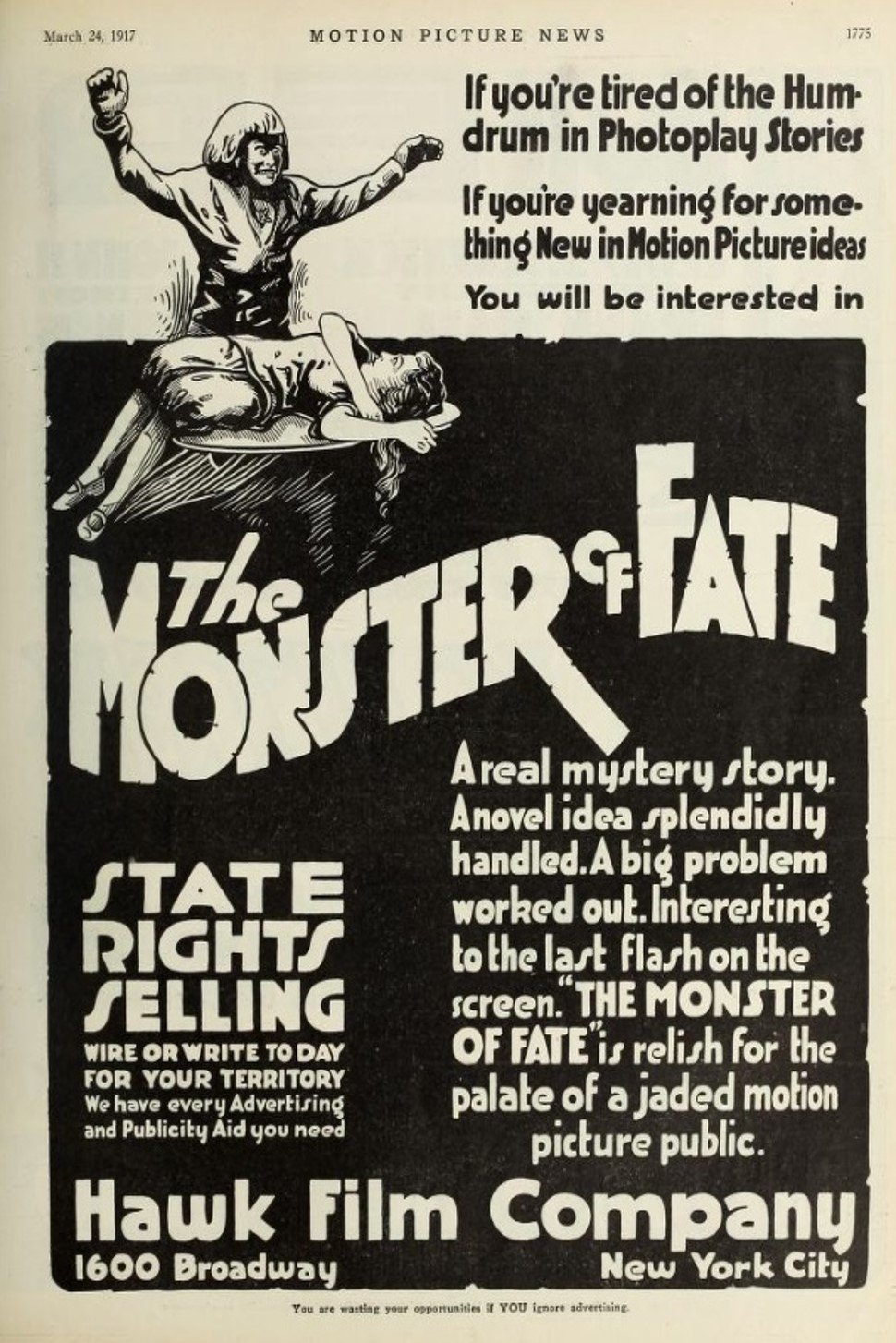
This mostly lost film is often confused with director Paul Wegener third and readily available interpretation of the legend; Der Golem, wie er in die Welt kam (1920). In this version of the golem legend, the golem, a clay statue brought to life by Rabbi Loew in 16th century Prague to save the Jews from the ongoing brutal persecution by the city's rulers, is found in the rubble of an old synagogue in the 20th century. Brought to life by an antique dealer, the golem is used as a menial servant. Eventually falling in love with the dealer's wife, it goes on a murderous rampage when its love for her goes unanswered.
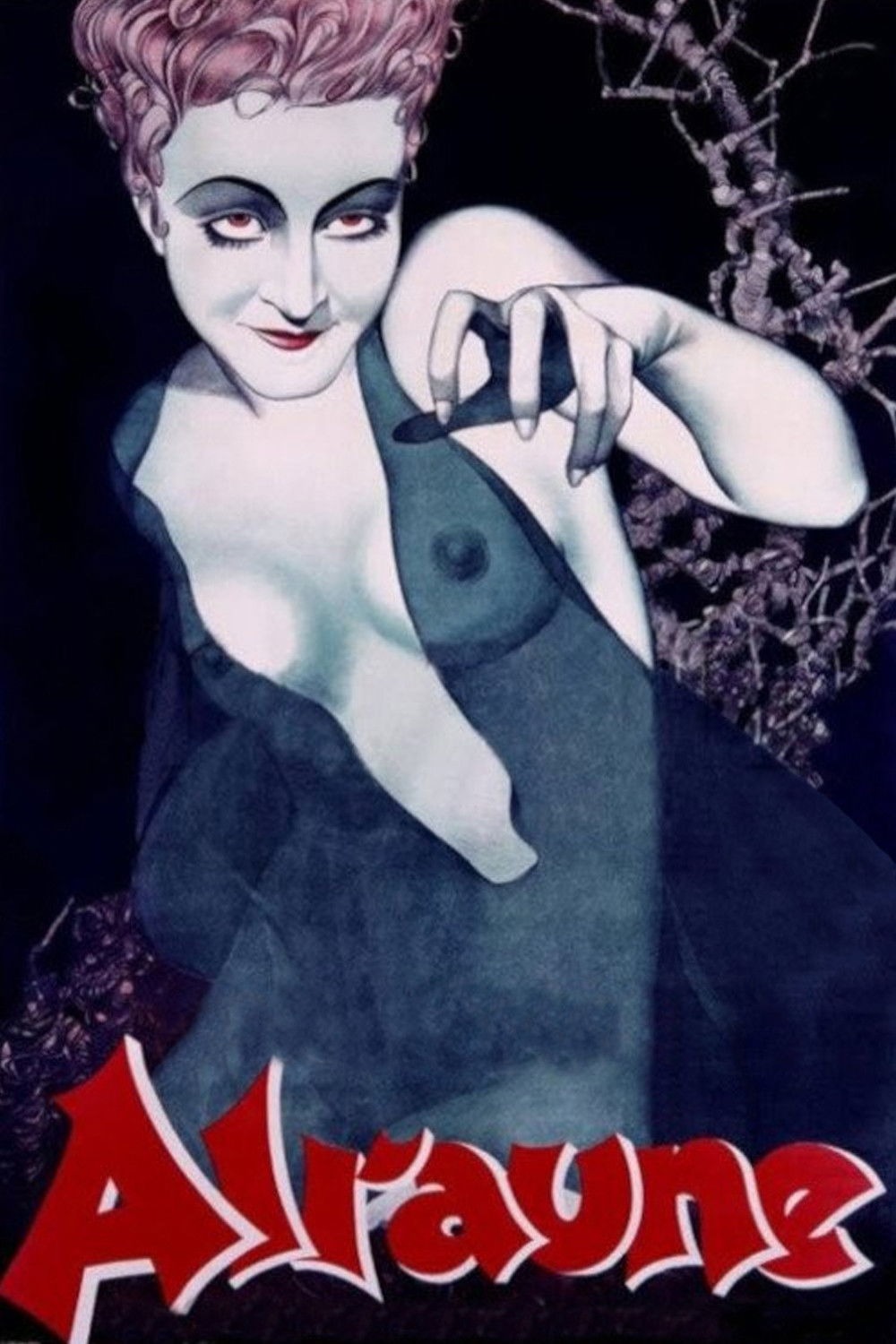
Hanns Heinz Ewers' grim science-fiction novel Alraune has already been filmed twice when this version was assembled in 1928. In another of his "mad doctor" roles, Paul Wegener plays Professor Brinken, sociopathic scientist who combines the genes of an executed murderer with those of a prostitute. The result is a beautiful young woman named Alraune (Brigitte Helm), who is incapable of feeling any real emotions -- least of all guilt or regret. Upon attaining adulthood, Alraune sets about to seduce and destroy every male who crosses her path. Ultimately, Professor Brinken is hoist on his own petard when he falls hopelessly in love with Alraune himself. Alraune was remade in 1930, with Brigitte Helm repeating her role, and again in 1951, with Hildegarde Knef as the "heroine" and Erich von Stroheim as her misguided mentor.
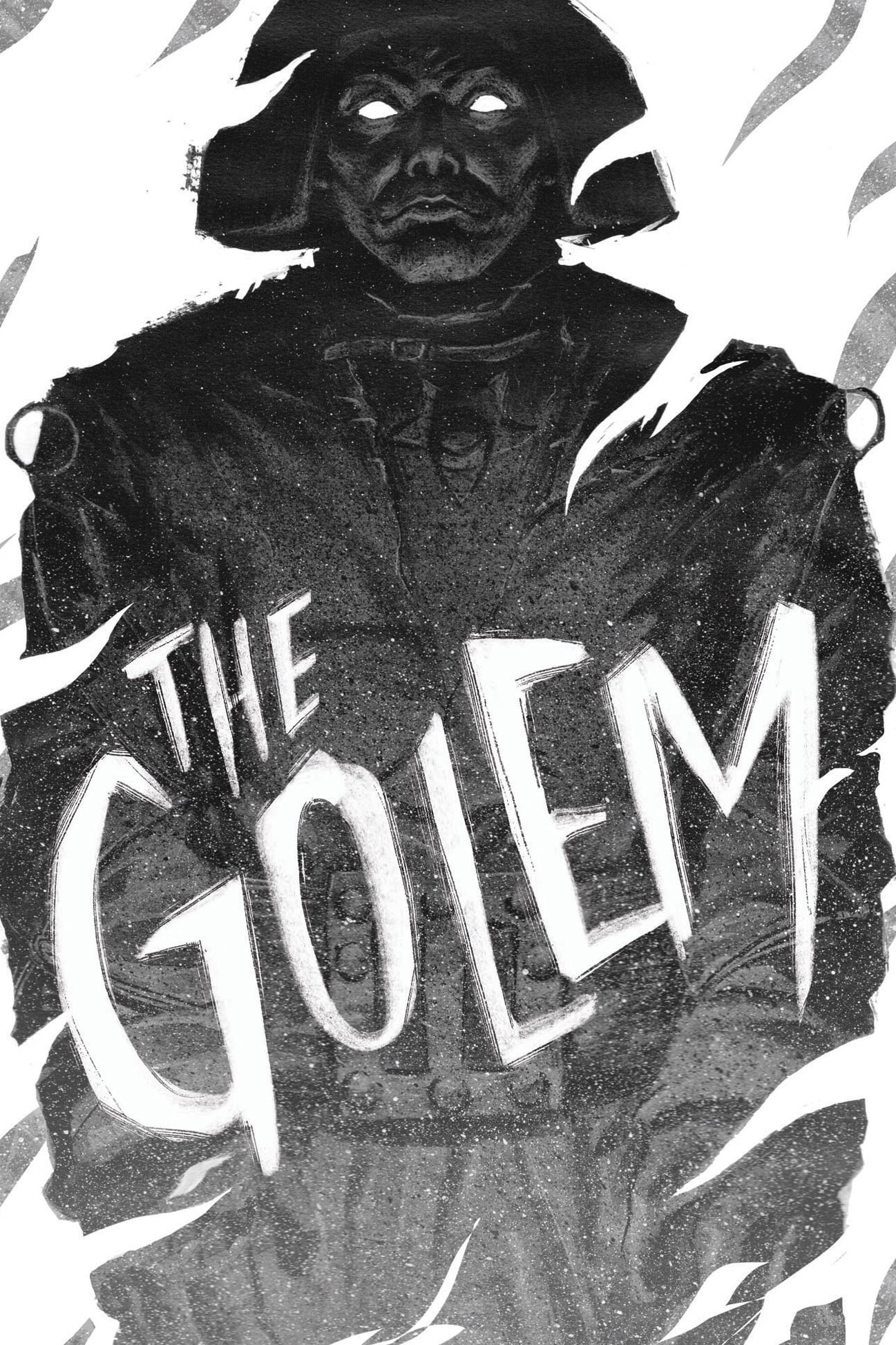
In 16th-century Prague, a rabbi creates the Golem - a giant creature made of clay. Using sorcery, he brings the creature to life in order to protect the Jews of Prague from persecution.
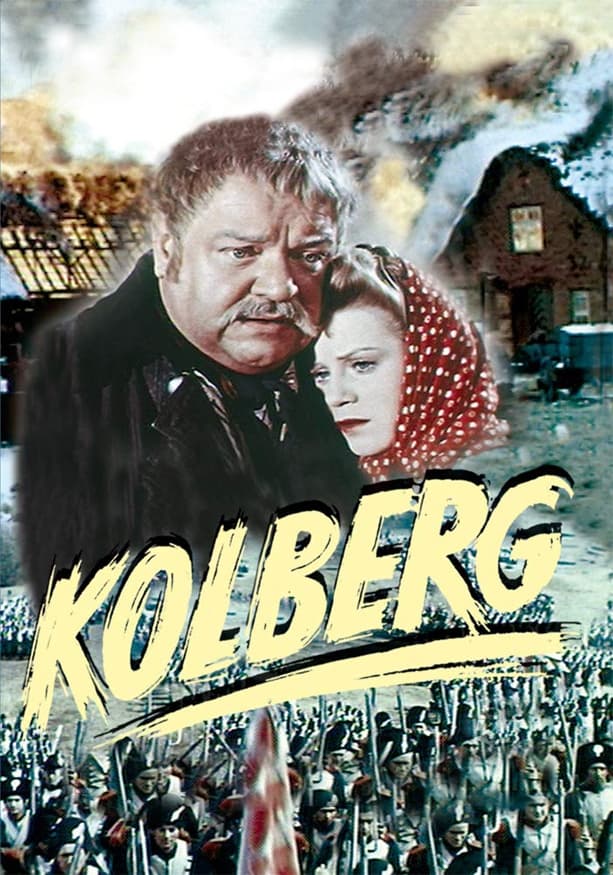
During Napoleon's victorious campaign in Germany, the city of Kolberg gets isolated from the retreating Prussian forces. The population of Kolberg refuses to capitulate and organizes the resistance against the French army, which immediately submits the city to massive bombardments.

Prague, Bohemia, 1820. Balduin, a penniless student, falls in love with Countess Margit, a wealthy noblewoman whom he has saved from drowning.
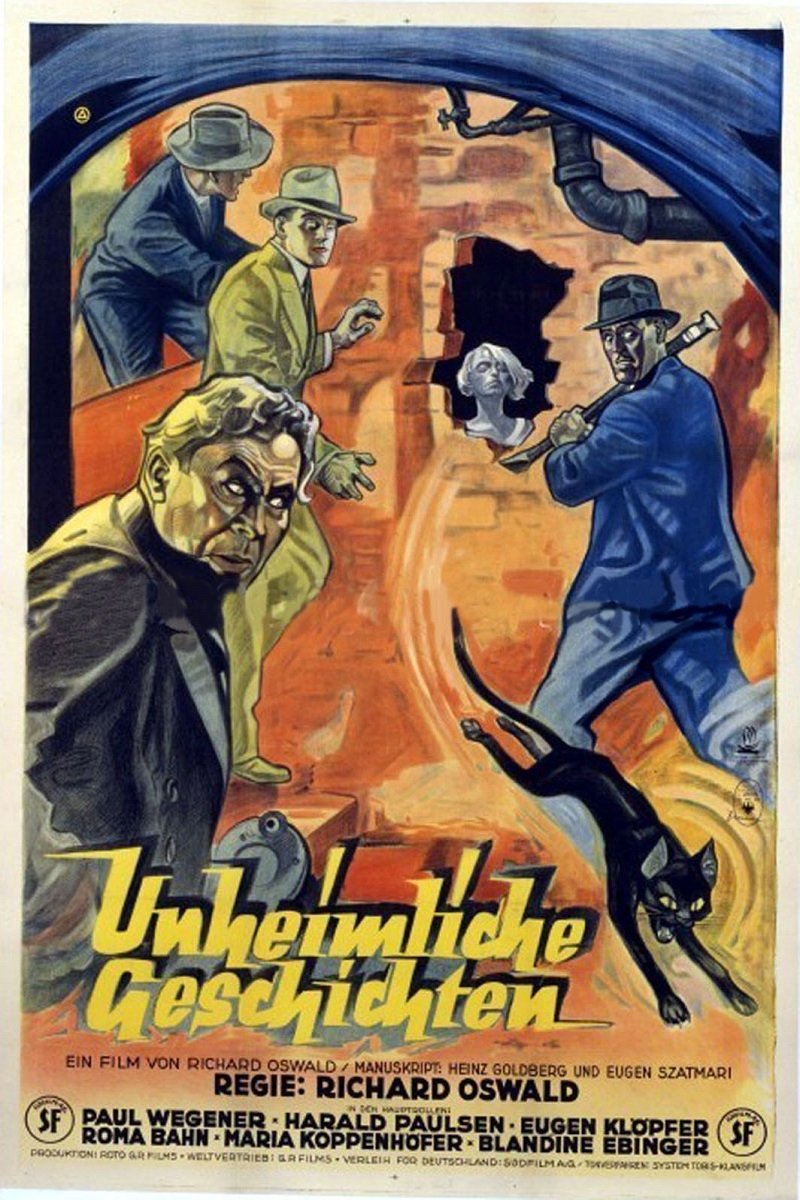
A crazed scientist murders his wife, walls her up, then flees. A reporter sets out to track him down. Remake of Unheimliche Geschichten (Richard Oswald, 1919).
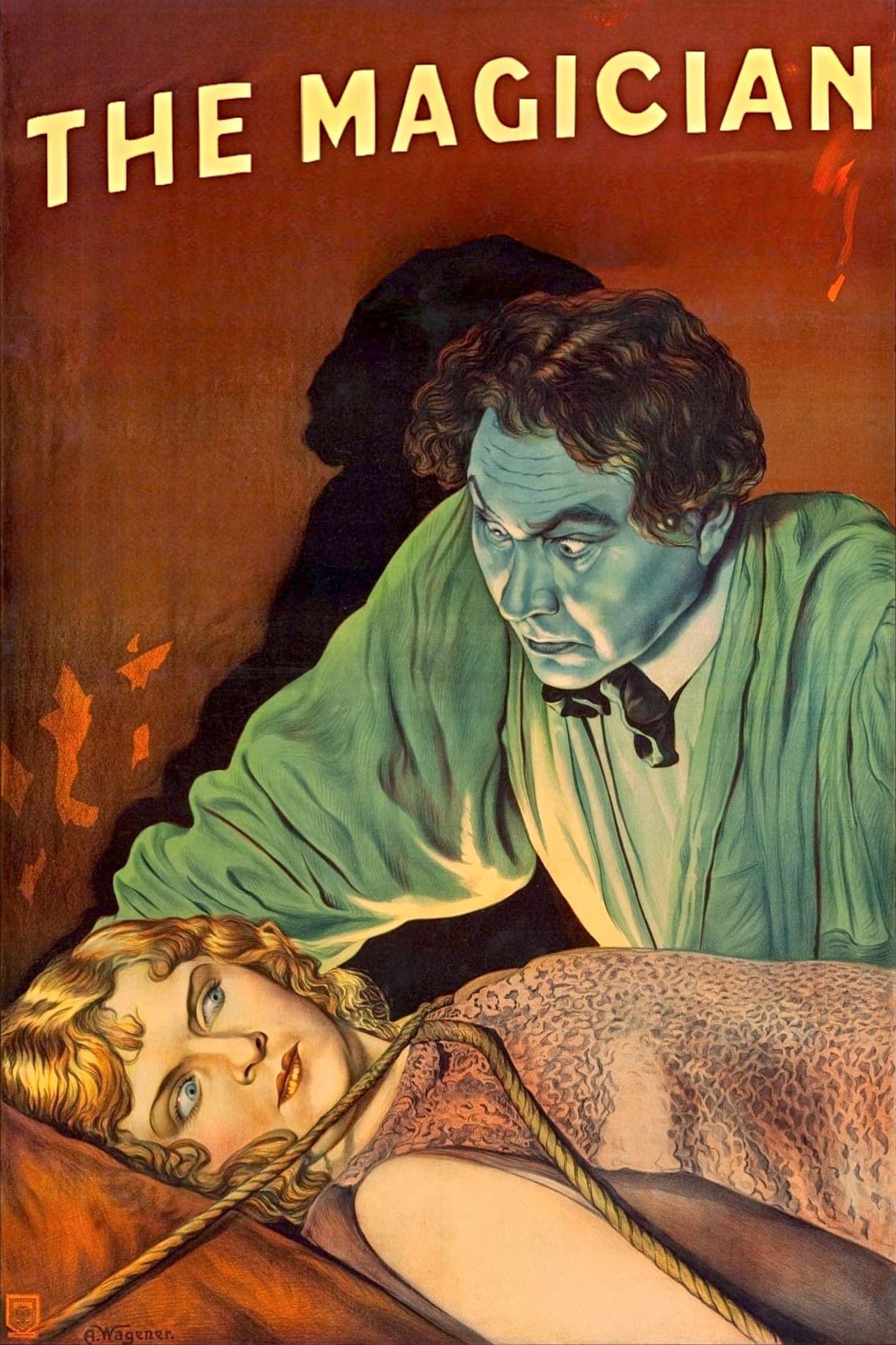
A young woman, Margaret Dauncey, is caught between the forces of a charlatan magician, Oliver Haddo, whom she is unable to resist, and the love of a handsome surgeon, Arthur Burdon, who has saved her from being a helpless cripple by performing a delicate operation on her spine.

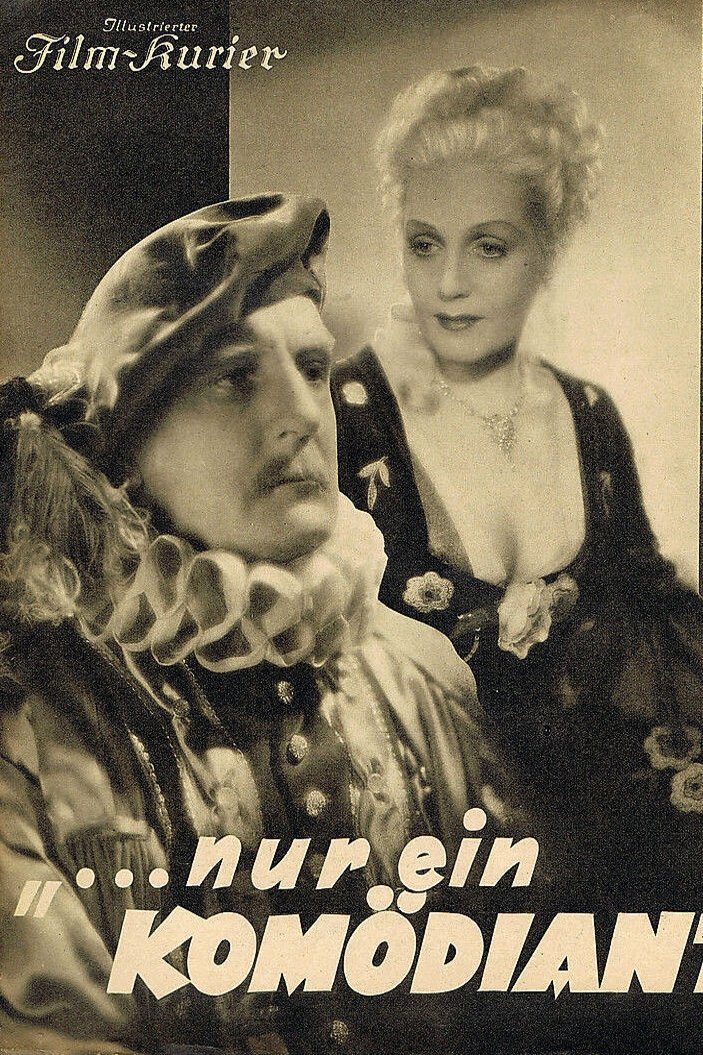
A moving actor at the rococo era shows the power-hungry-crude minister of a small state prince in the barriers, while he makes use of his resemblance to the sovereign and slips in his role. - Double role for Rudolf Forster who plays his figures very much chilly.

The favorite slave girl of a tyrannical sheik falls in love with a cloth merchant. Meanwhile, a hunchback clown suffers unrequited love for a traveling dancer who wants to join the harem.
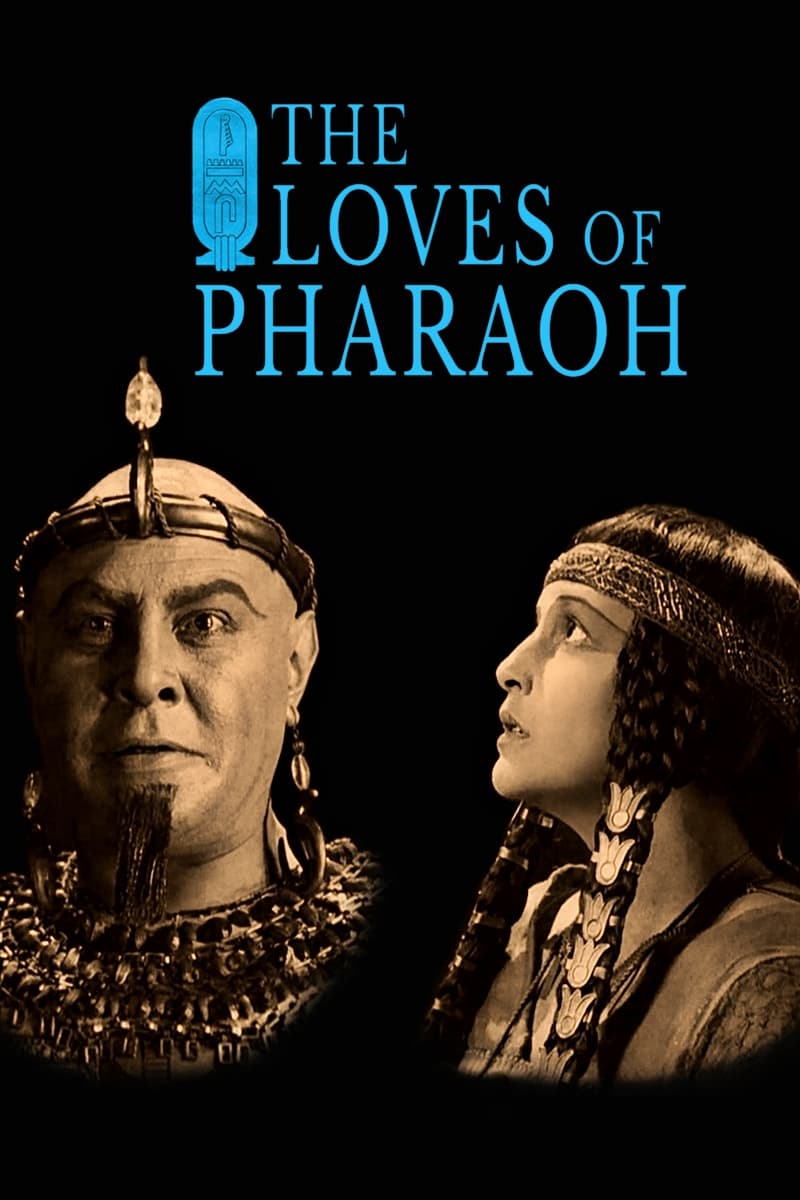
The Ethiopian King offers his daughter to a powerful Pharaoh to secure peace between the two countries.

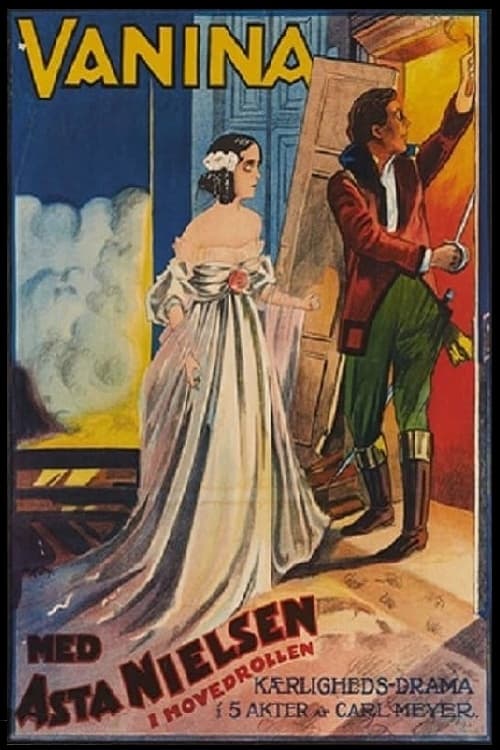
Vanina loves rebel leader Octavio, who gets caught. He gets a pardon and marries Vanina. When he is captured again, Vanina helps him to escape prison. They are both caught, and after his execution she dies from grief.
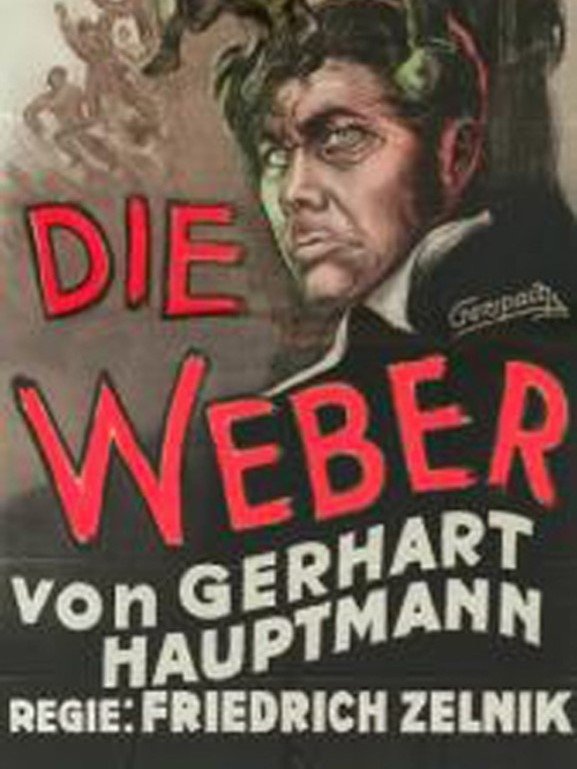
Die Weber (1927), a rousing German tale of the 1844 weavers’ revolution.
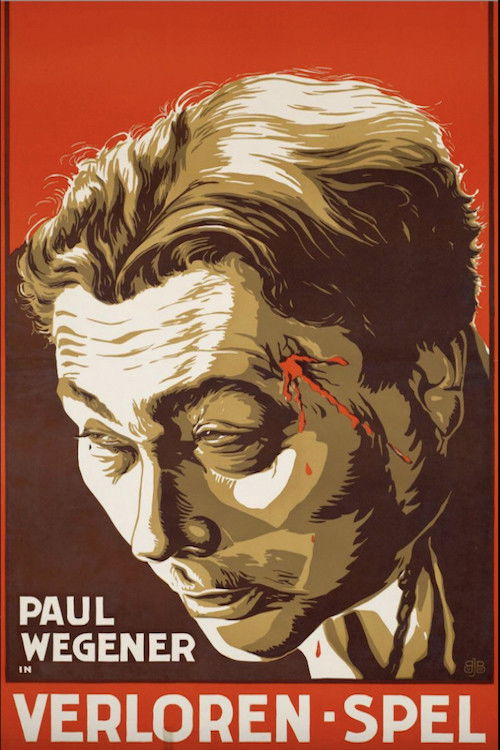
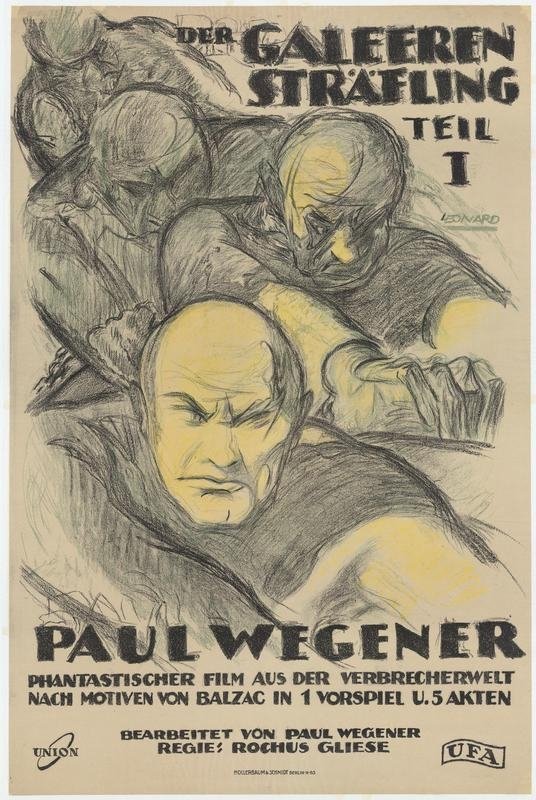
Balzac adaptation: Escaped convict moves into a brothel where he becomes father to a boy. But his advantageous position is eventually threatened by one of the whores who has fallen in love with the convict's grown up son.
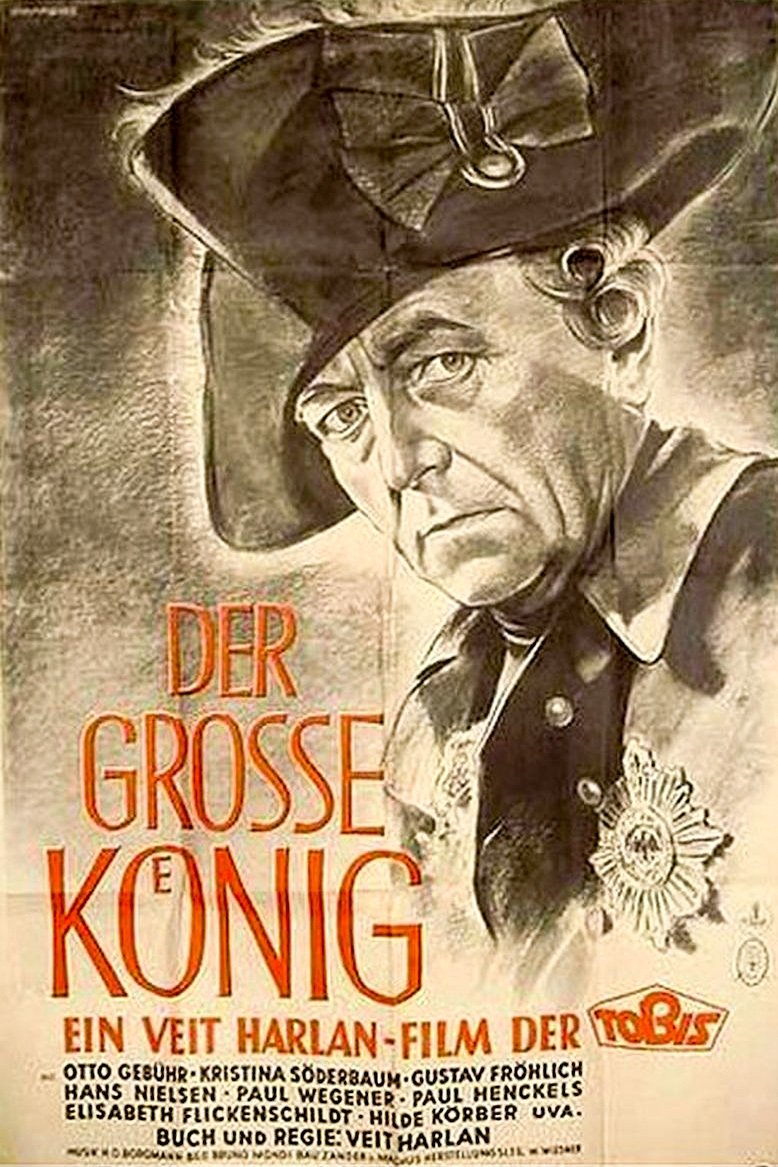
King Frederick II (aka "Frederick the Great") of Prussia is engaged in a major battle against the Austrian army at Kunersdorf, and things aren't going well. The Austrians are inflicting major casualties, and his army is beginning to crumble. Defeat seems inevitable when a combination of events gives him hope that he may pull victory from the jaws of defeat after all.
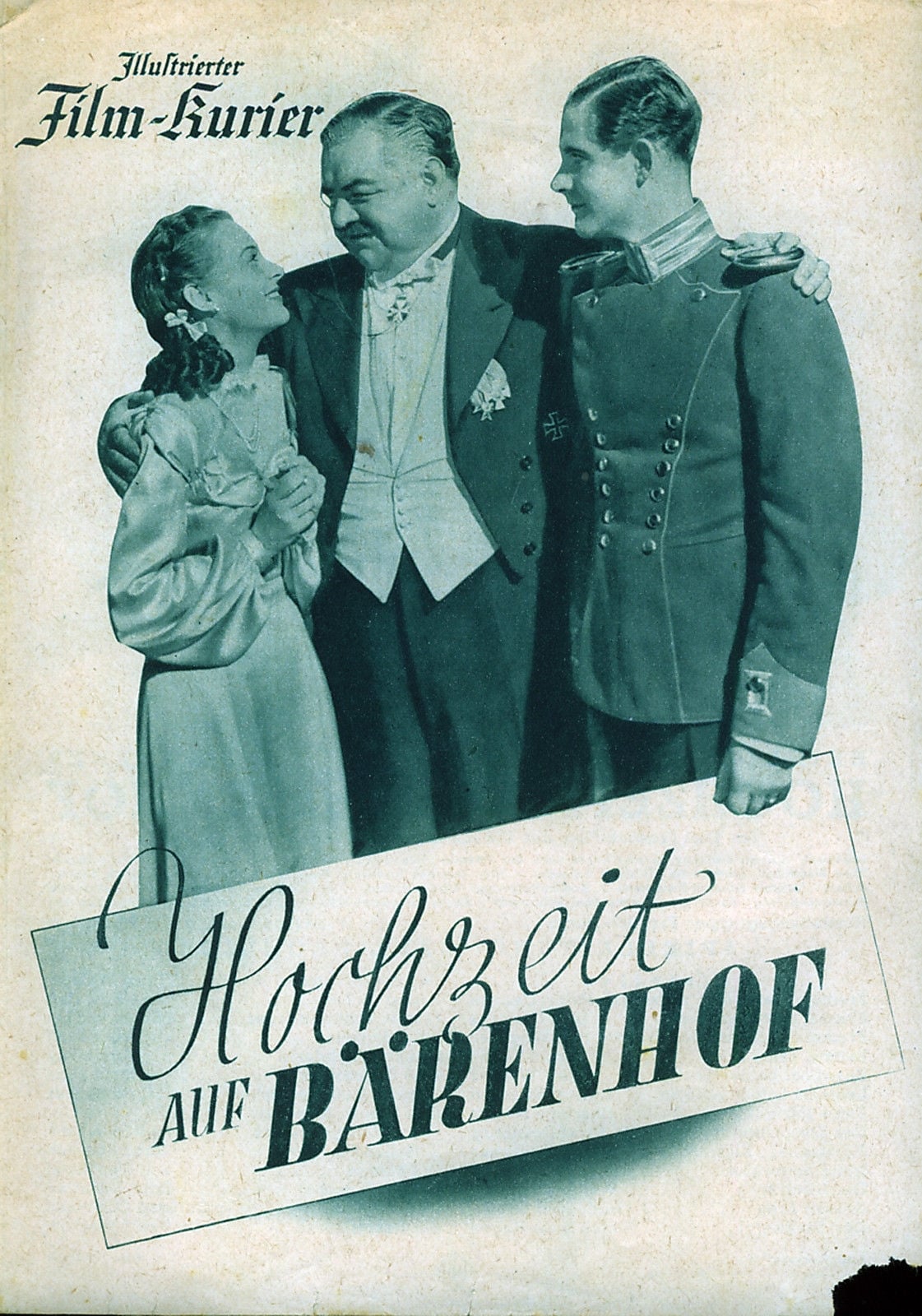
Lothar von Pütz and Roswitha von Krakow fall in love and only then discover that their fathers are bitter enemies. When Lothar's father dies, a close friend of his father's, Baron Maximilian von Hanckel, takes the boy under his wing and tries to make peace between the families. He visits Roswitha's father, who begins to hope that he can marry his daughter to the older, but wealthy, baron, who is still a bachelor. When an argument breaks out between Lothar and Roswitha, she agrees to marry Maximilian. It is only at the pre-wedding party that Roswitha and Lothar have a real conversation. Maximilian overhears everything, releases Roswitha from her vows, and brings the two young people together.

Rodrigo Borgia, Pope Alexander VI, has three adult children: Juan, who is virtuous and has a sweetheart who is a woman of the people, Lucrezia, who is virtuous and wants to marry Alfonso, and Cesare, who is wicked and lusts after Lucrezia, Juan's girlfriend, and probably others. Cesare has vowed to kill any suitor for Lucrezia's love, and he has three thugs to carry out his wishes. Bodies fall into the Tiber, into the Colosseum (with lions prowling), and onto the Vatican floors.
A Nazi propaganda movie from 1941 directed by Max W. Kimmich, covering a story of Irish heroism and martyrdom over two generations under the occupation of the British.
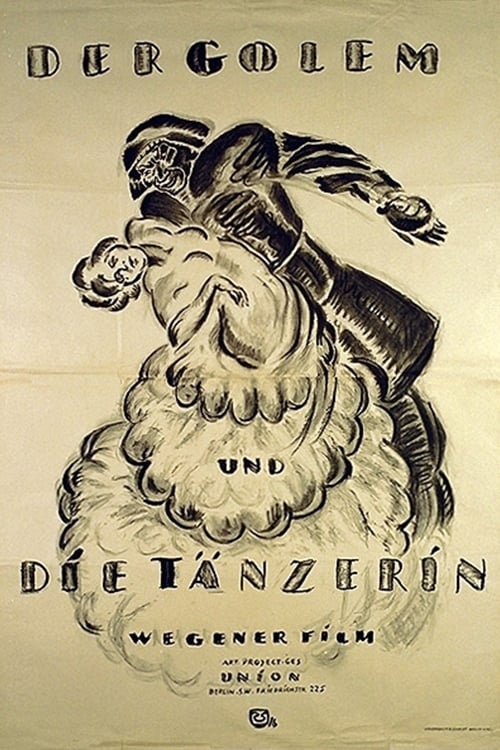
As a practical joke, an actor impersonates the screen monster he made famous. A lost film.
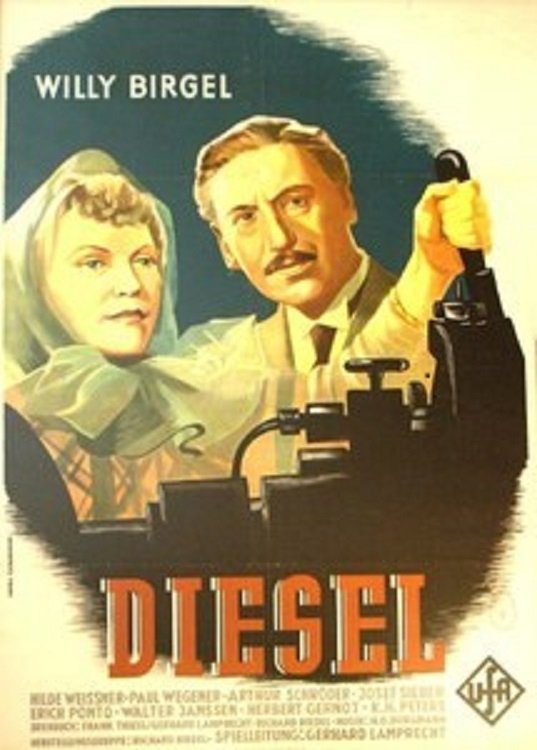
A German wartime biography of Rudolf Diesel, inventor of the Diesel engine. The movie links the importance of the engine to the war by starting the movie with newsreel clips of German Navy U-boats in action.
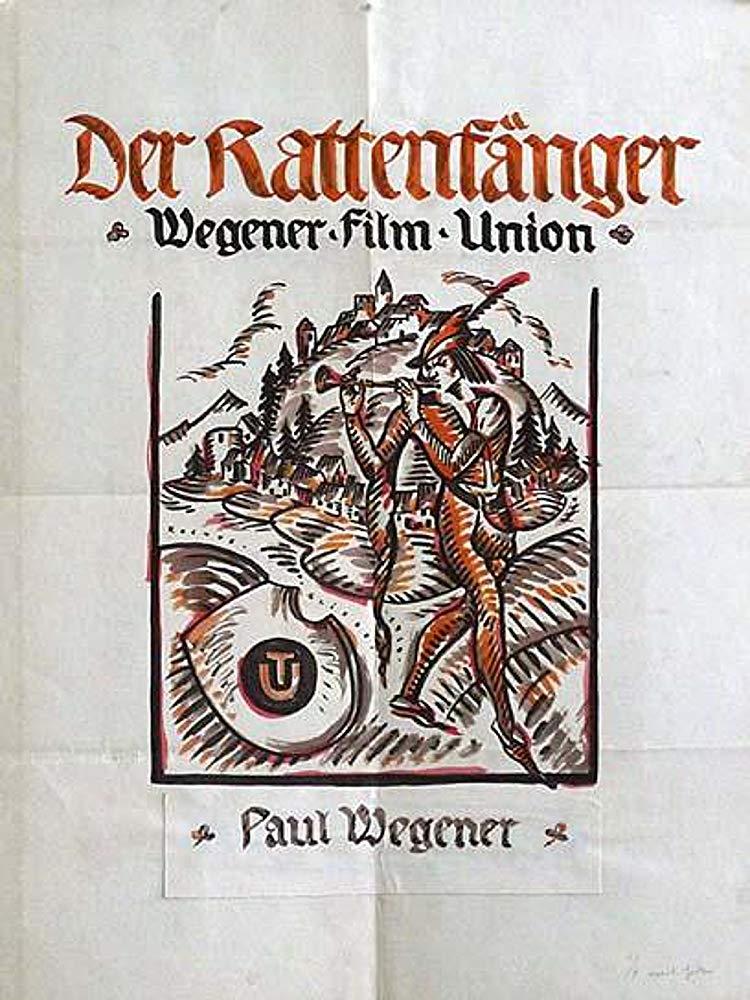
A traveler comes into a town overrun with rats and vermin. He promises to free the place of the pests and names his price. When the townspeople refuse to pay him after he has done what he promised, he plays his tune again with consequences. This film survives in incomplete/fragmentary form.

A well scripted and captivating thriller about the owners of a small private bank in Berlin, squeezing money out of honest business firms, causing their bankruptcies, and then trying to smuggle the cash into Switzerland.
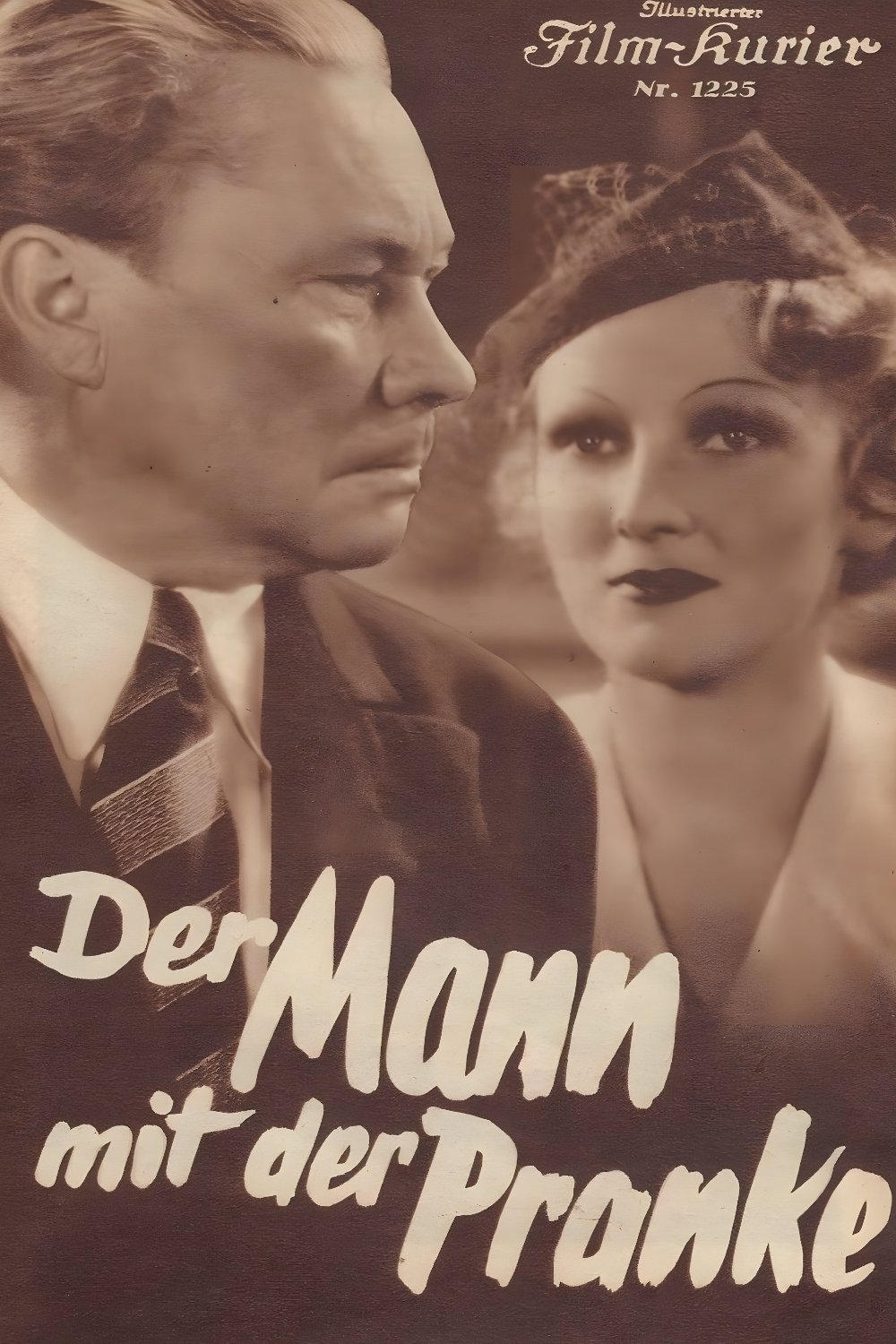
"The Man with the Paw" is what people call the very successful banker Wiegant, who is desperately in love with Lena Kroning, the wife of the lawyer Hugo Kroning. So as to be nearer to her, Wiegant hires her husband to be the bank's lawyer. Shortly thereafter, Wiegant is suspected of having conned the Countess Steindorff during a telephone conversation; but he never did. During the relevant period of time, he was with Lena "having tea" (uh huh), which he conceals from the lawyer-husband, so as to protect Lena.

Walter Gruber once belonged to a group of unscrupulous, money-grubbing poachers. Now released from prison, he is determined never to touch a gun again. He was imprisoned for poaching, but they couldn't prove he fired the shot that wounded forester Kuhnert. Upon his return home, Walter is horrified to discover that his former lover, Kuhnert's daughter Grete, has since married someone else. Grete still loves Walter, with whom she was pregnant. But her father would have made life a living hell for her and the child had she not married another man. This man, Robert Thiele, is still poaching and is extremely ruthless in his methods. Robert eventually blackmails Walter into rejoining the poachers. When the gang shoots the old forester Kuhnert, Robert shifts suspicion onto Walter.
The Termoehlens belong to the old farming class in Flanders. Their estate does well and their flax is the best far and wide. And as is the custom, old Termoehlen is like a ruler over his family, the servants and the maidens. Even his son Ludwig, who has just returned from agricultural school with all his ideas on how to improve the farm, doesn’t stand a chance. When Ludwig falls in love with the maiden Rieneke – known as Schellebelle – his father become a despotic enemy.


Paul Wegener gives one of his most active performances here as Captain Ramper, a heroic aviator who makes a pioneering flight across the Arctic accompanied only by Ippling, his faithful mechanic (Kurt Gerron). Near the North Pole, their plane develops engine failure and crashes in the desolate wastes. Ippling dies straight off but Ramper finds a supply base containing food which has been left behind by a previous expedition. After fifteen years in the Arctic wastes, Ramper has considerably mutated.
A Hapsburg archduke in the 1880s gives up his title, changes his name, marries a Viennese actress, and then disappears with her on a South American ocean voyage.

A stylized fairy tale in which a farmer sells his soul to Satan in exchange for prosperity.
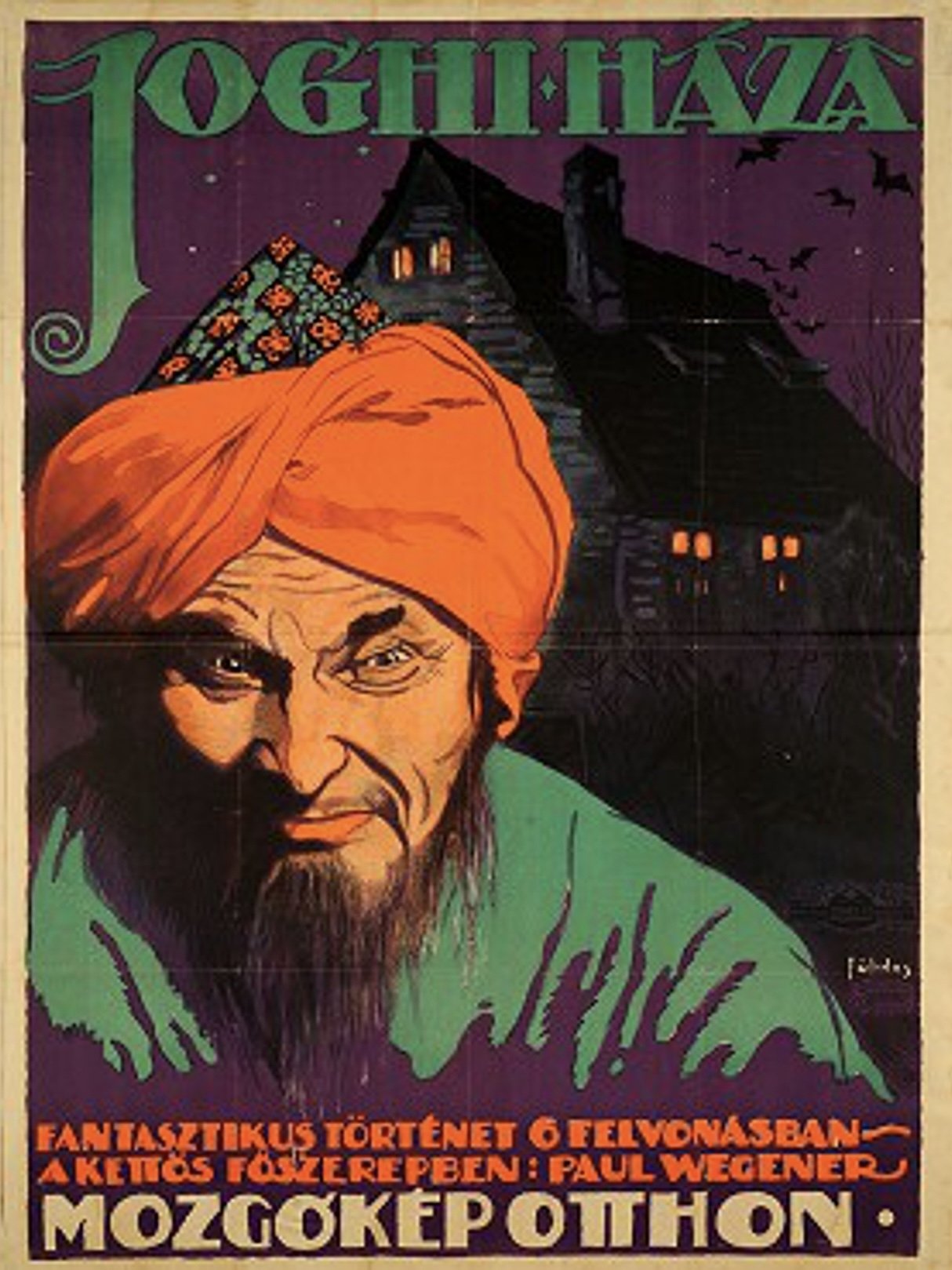
An Indian mystic uses his power of invisibility to scare a young inventor.
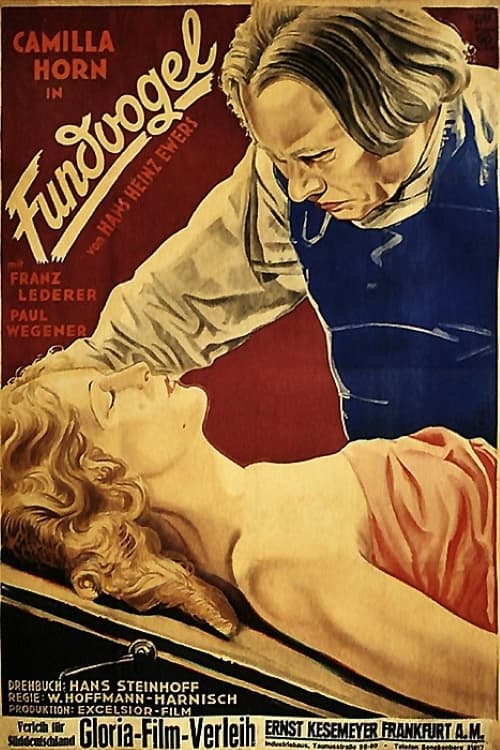
Young Jan Bergwall visits his grandmother, the so-called centenary, at Woyland Castle. There he meets his cousin Andrea, who everyone calls "Fundvogel". Jan is fascinated by the young girl's beauty, and soon there is an erotic tension in the air between the two. Although they both have strong feelings for each other, they are afraid to make a commitment, even though their domineering grandmother is determined that they marry. Panicked that he might feel obliged to marry Andrea, Jan escapes from this place. Andrea is deeply disappointed and seeks revenge. Out of spite, she becomes involved with the falconer Bartel and is later raped in a wooden hut. The centigress, concerned about morals and customs, then sends Fundvogel to a convent. She escapes from there and flees into the arms of Jan. When he learns from a letter from the countess what has happened to Andrea, he leaves her a second time. In her despair, Fundvogel then throws herself off a bridge into the floods with suicidal intent.
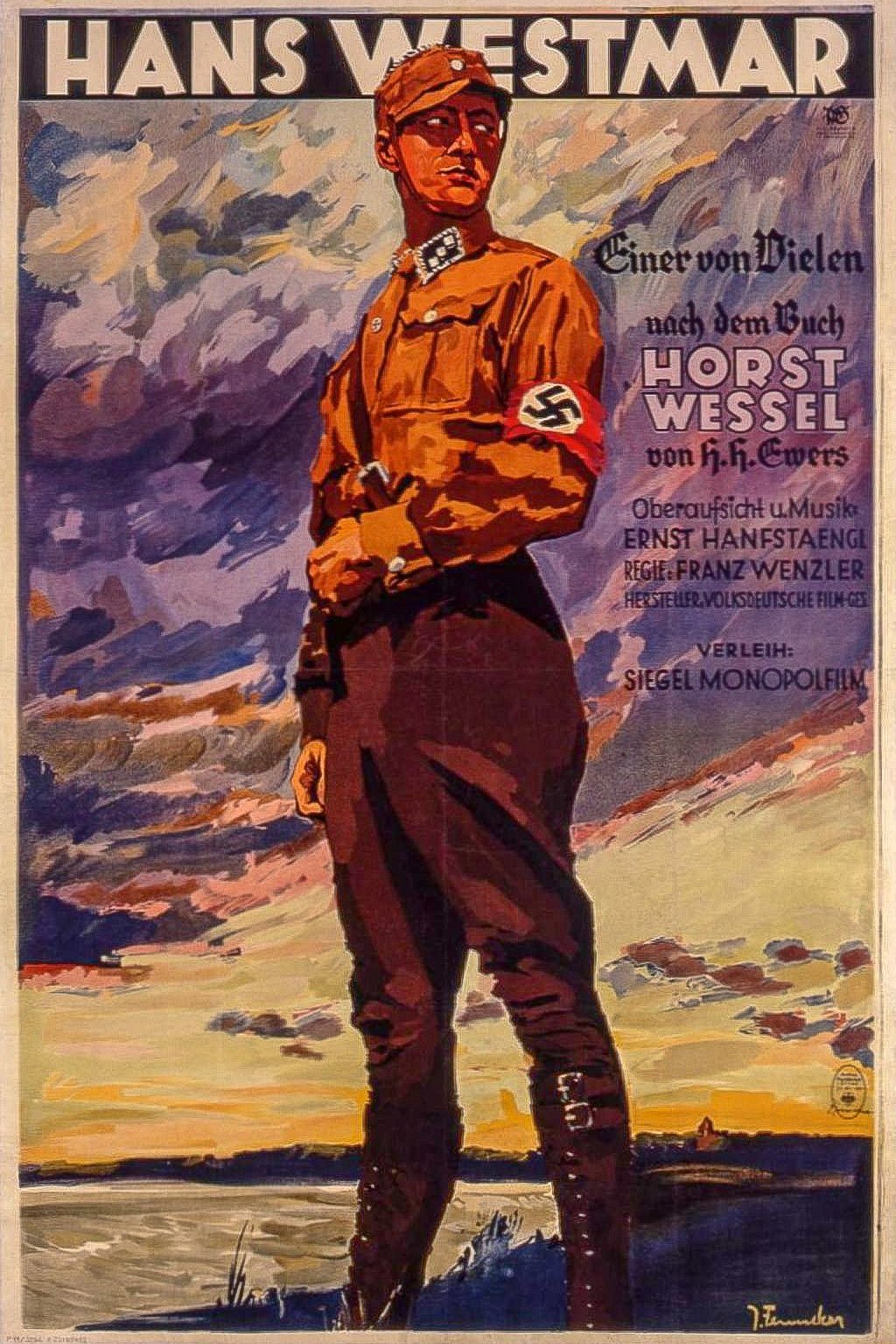
Nazi film about the story of a Nazi Storm Trooper named Horst Wessel--here called "Hans Westmar"--who took part in street brawls and assassinations in Berlin in the 1920s and 1930s against Communists and other opponents of the Nazis, and was killed by Communists not long before this film came out.
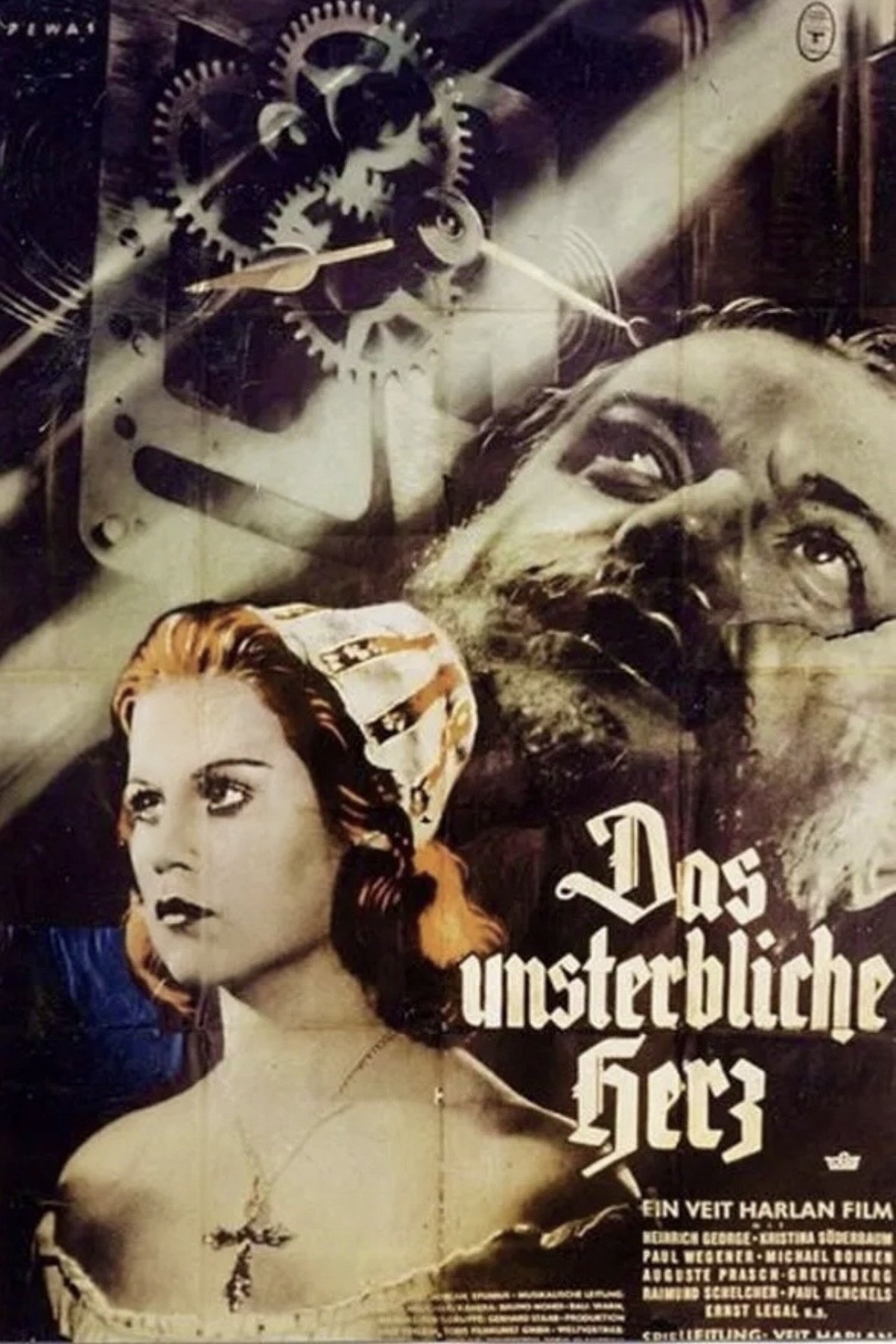
Nuremberg durting the time of Albrecht Durer and the famous geographer Martin Behaim: the locksmith Peter Henlein is looking for a way to make bullets more accurate by designing a new form. Just as he welds together two round balls into an elongated shape, he believes he's discovered that his assistant Konrad is trying to alienate his wife from him. There is a struggle, during which Henlein's new kind of bullet strikes him in the chest. The doctor, unaware that there are two bullets lodged in his body, because there was only one shot, only removes one.
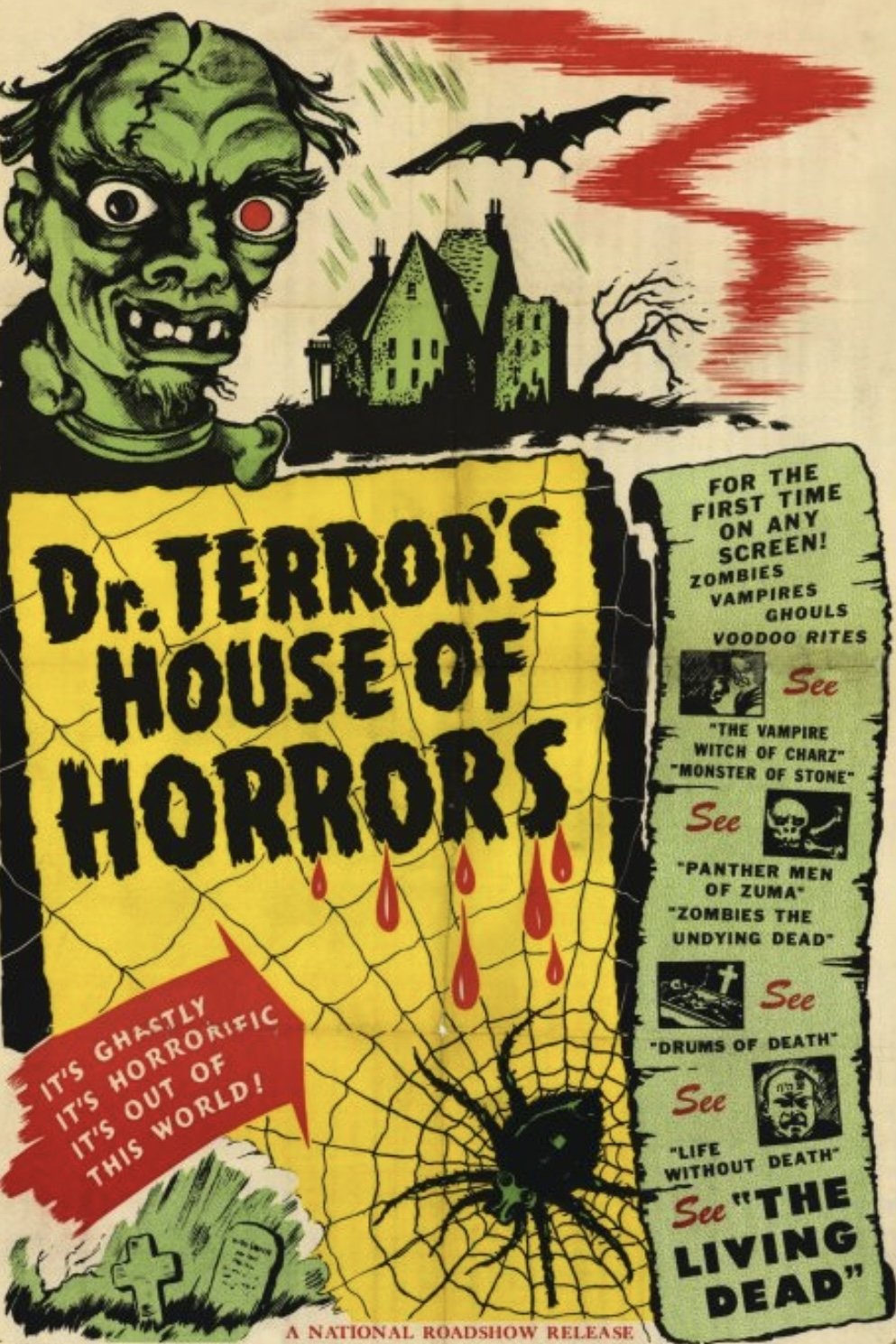
A man of mystery known only as Doctor Terror recounts seven stories from his casebook of personal encounters with evil and the supernatural.

The story of Madame DuBarry, the mistress of Louis XV of France, and her loves in the time of the French revolution.

The good-natured helmsman Jan Jenssen somehow ends up being a part of some international intrigue, when he agrees to take a briefcase to Genoa on behalf of a certain Mr. Branting. It is there, that he gets to know the attractive Ruth Martens, who asserts, that Branting was a confidant of her father, who has in the meantime died, and that there’s a very important contract in the briefcase concerning Beryllium and a South American country known as Santona. But then, Branting was murdered and the contract stolen. The unscrupulous grand industrialist Morrow, who holds the monopoly to Beryllium extraction in the world, wants the contract, so he can do business with Santona himself.
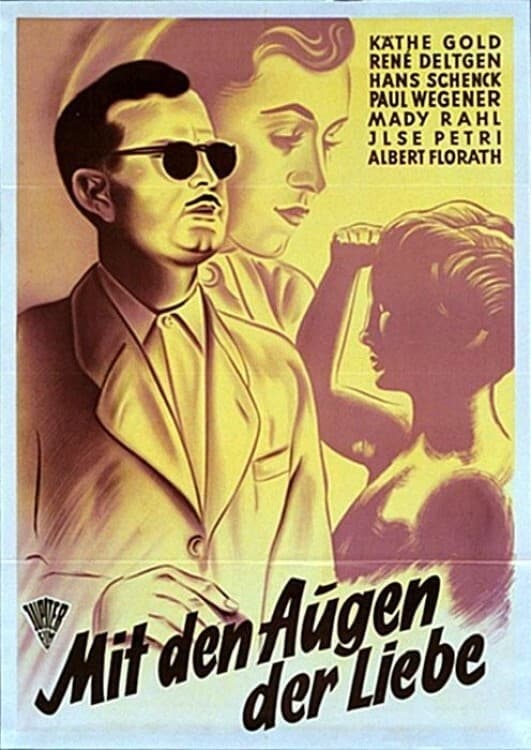
A terrible accident robs the successful artist Imhoff of his sight—a jet of flame shoots out of the kiln where he hardens his sculptures, and his career seems over. An attempt to surgically restore his sight fails. While he lies in his sickbed, the sensitive nurse Agnes tenderly cares for her patient. She gives him courage when he is on the verge of despair. Thus, a tender love slowly develops between patient and nurse. Eventually, Imhoff and Agnes marry, and his first attempt at sculpture, even in his blindness, is to be a sculpture of his wife's face. However, since Imhoff has never seen Agnes, she fears he will create an idealized image of her that she cannot live up to. Therefore, after a second operation, he initially conceals the fact that he can see again. He wants to "get used to" his wife first... But how long can he maintain the charade?

In this film, the people of a Tyrolean town climb up into the nearby mountains, searching for a place where they can hold a picnic and a spring festival: ideally, a place where they can eventually erect dwellings and cultivate crops. Led by the local nobleman (Arthur Ehrens), they find an appropriate spot, and the festivities begin. Some children briefly perform a charming folk dance. Suddenly the Rübezahl arrives and threatens to kill all the townsfolk if they don't leave immediately.
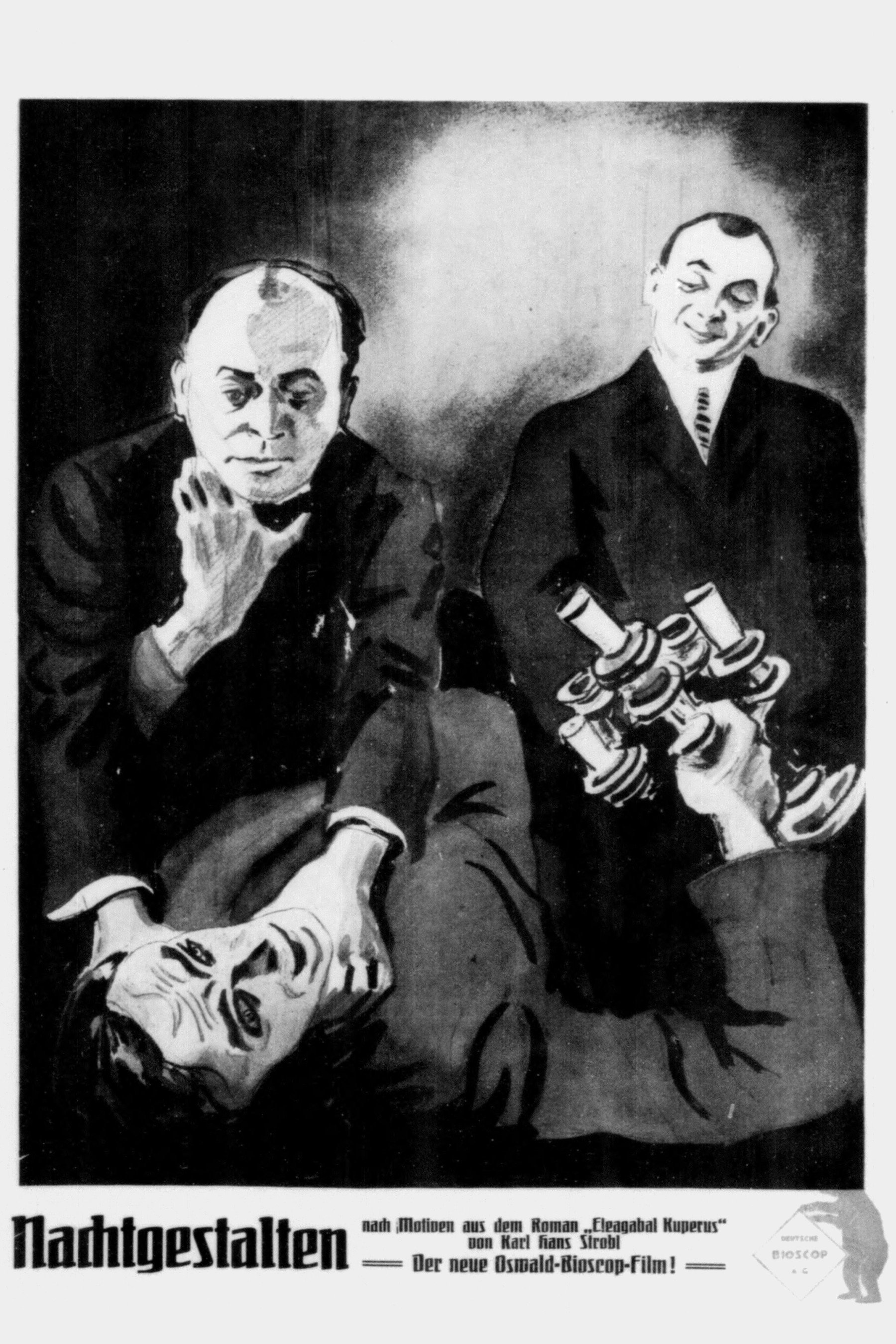
Thomas Bezug, the richest man in the world, is a solitary, domineering and cruel cripple, who hardly can move on his crutches. He dwells a fanatical love for his son, whom he holds like a monkey in a cage. His servants are defaced dwarfs. His secretary is trying to steal Bezugs assets. These are the night people.
An engineer develops a device that will disarm any electrically power device, in an attempt to prevent armed conflicts.
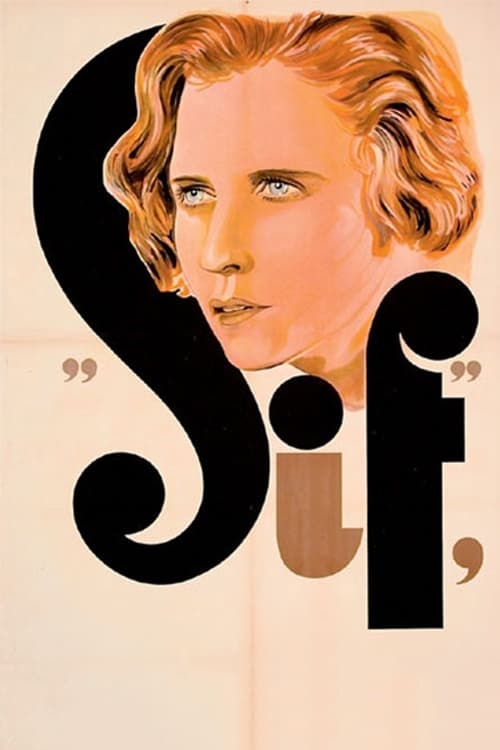
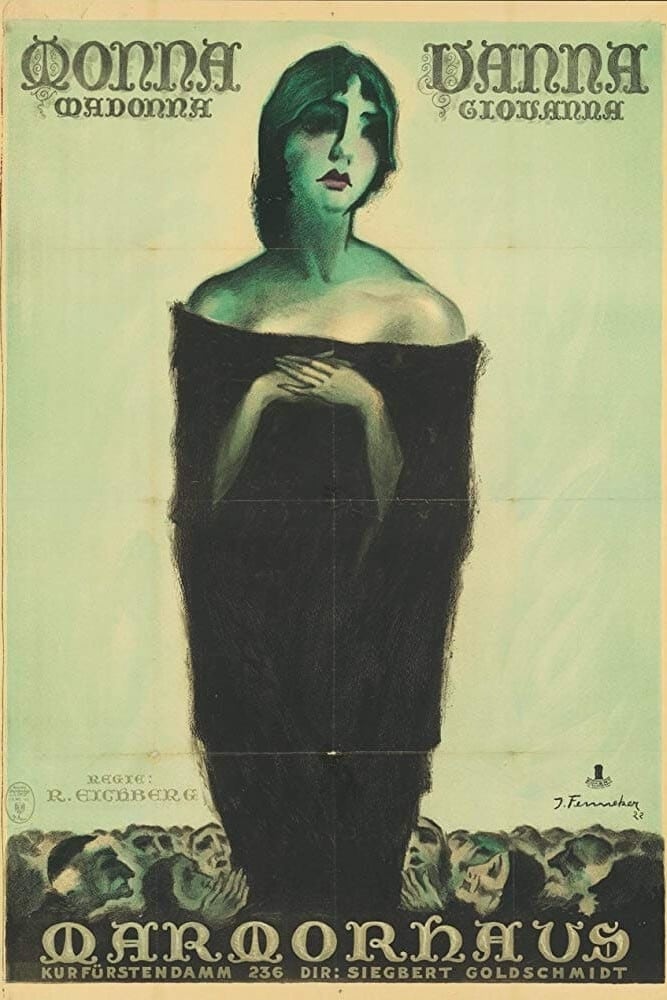

The hypnotist Svengali makes an artist's model sing, but cannot force her love.


In this blood and soil melodrama, the daughter of the chief forester is torn between love for a reprobate painter and the duty to wed the assistant forester, a widower with a boy.
The two Danish fishermen Frerk and Ipke battle a severe storm off the coast of Fanø harbor. They finally manage to reach land, where they want to recover from the rigors of the journey before heading home to distant Hooge.

Film by Manfred Noa.
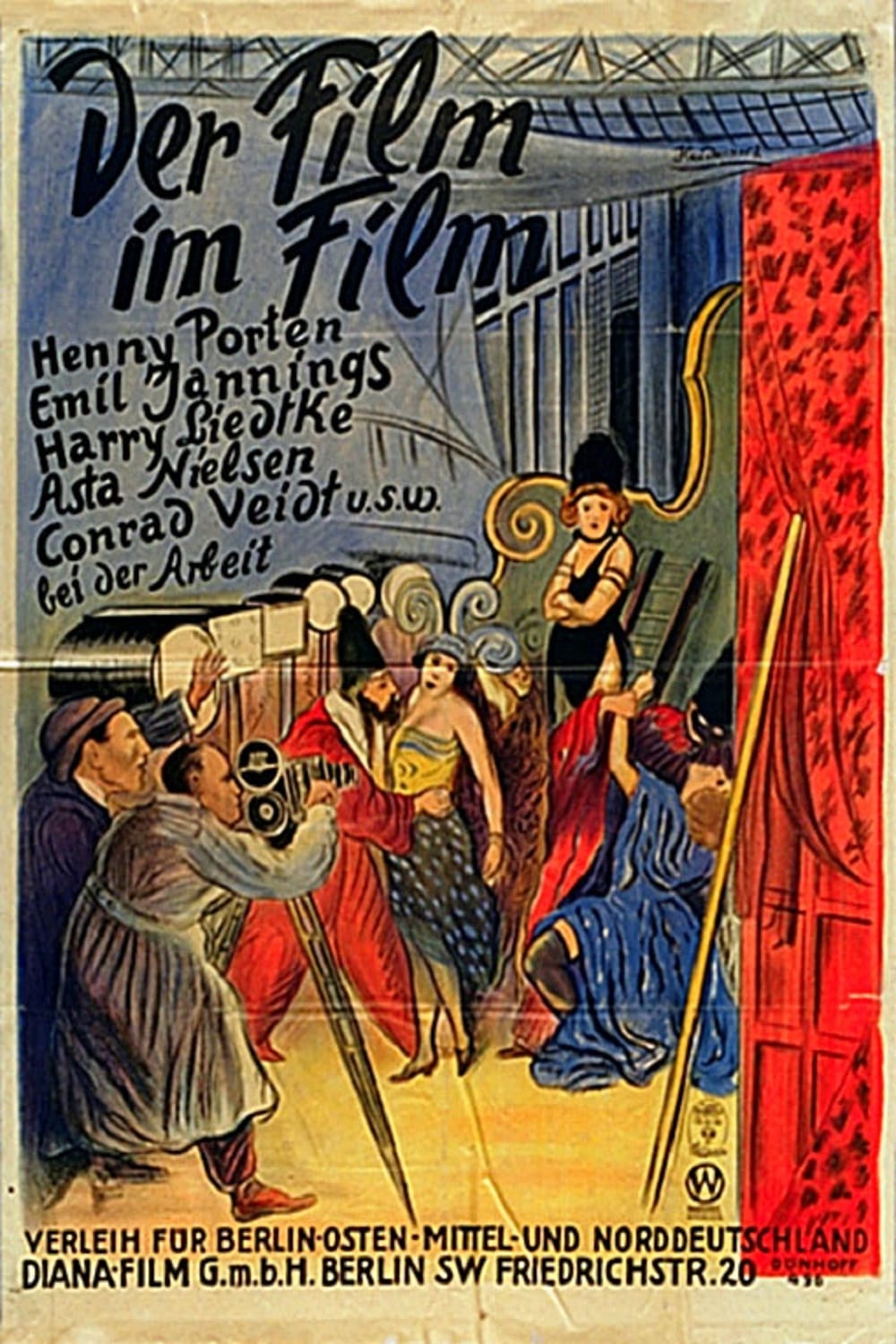
The only surviving excerpt of a documentary on film production in Weimar Germany, featuring the different personalities of several famous directors of the era at work on the set including Fritz Lang, Robert Wiene, and E.A. Dupont.
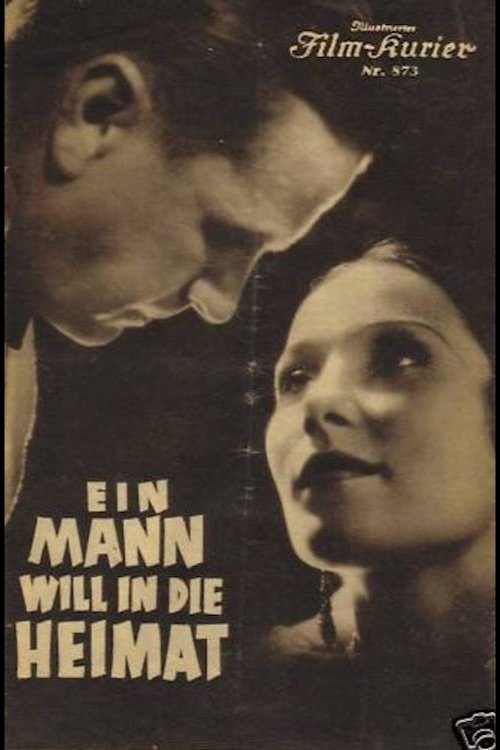
On the eve of the Great War, an expatriate German working in Latin America learns that the Fatherland is in peril, and risks various obstacles to get back to Europe to join the ranks of fighting men.
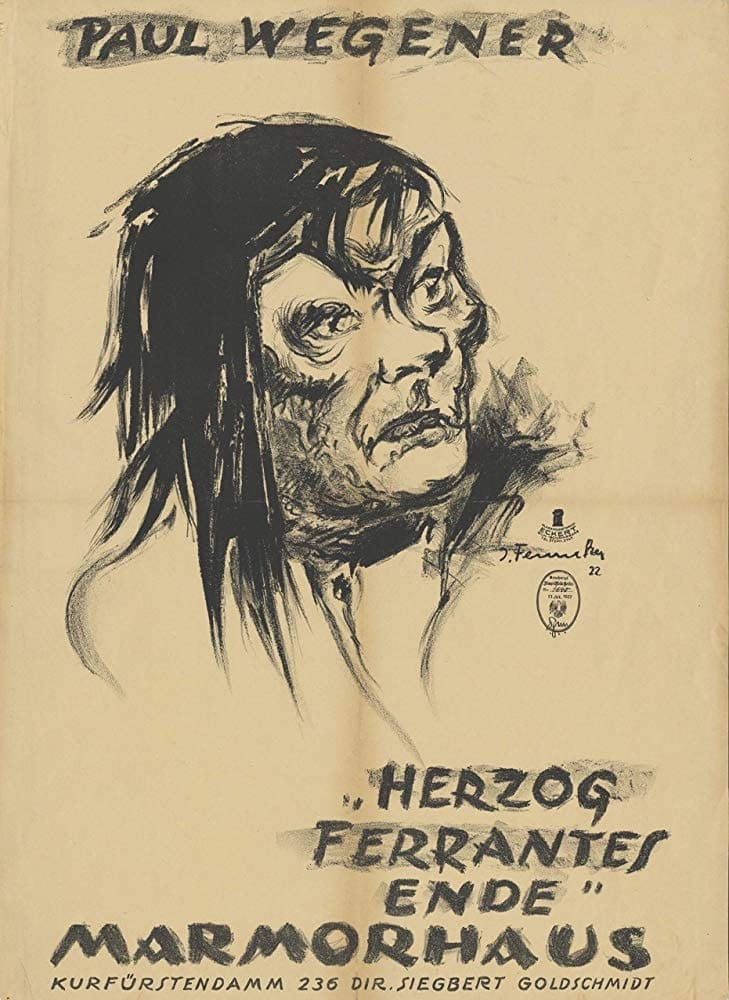
In medieval Italy, a group of men plot to kill a cruel and despotic duke.

An adaptation of the famous fairy tale.
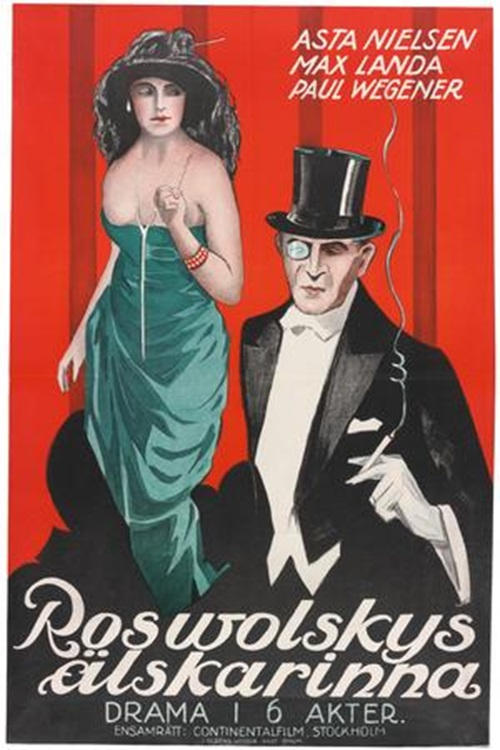
Mia Verhag loses her job as a chorus singer when she rejects the advances of the theatre director. While she is in the grips of despair, she encounters the millionaire Roswolsky, who takes her to his luxurious house and gives her a key to the garden gate, allowing her to visit the surrounding park whenever she pleases. This chance meeting sends rumours flying everywhere, and soon Mia appears on the front pages of all the newspapers as Roswolsky’s mistress. The city’s merchants and creditors compete to lend her money, and she lands the leading role in the theatre’s new production. There, she falls in love with Count Albich – but, believing the rumours, he avoids her. Mia follows him to Monte Carlo, while Roswolsky himself falls genuinely in love with her and plots to take Albich out of the running. A grand drama is set to unfold.

A man sells his shadow to gain success and fame but soon suffers the terrible consequences of that deal.

Six sequences about Fascism and its segments throughout history.

A shortened, sixty-minute version of Der Golem, re-edited for US release and featuring a score by Cordula Heth.