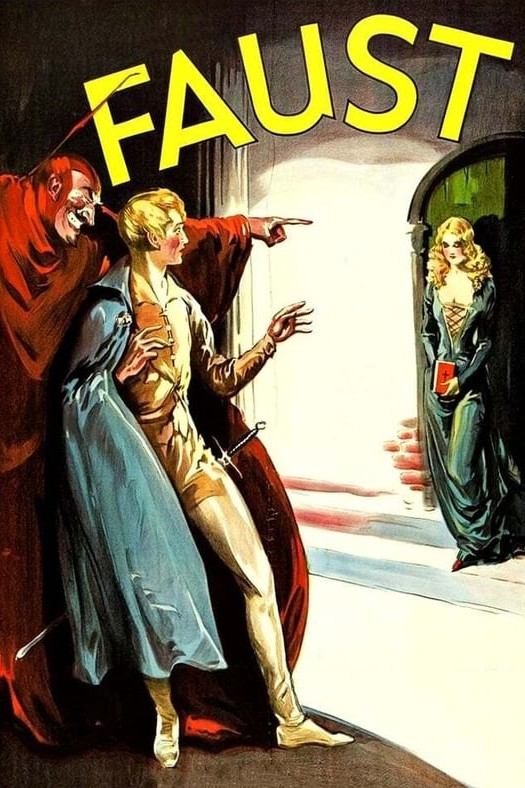
God and Satan wager on the soul of a learned and prayerful alchemist as part of their eternal war over Earth.
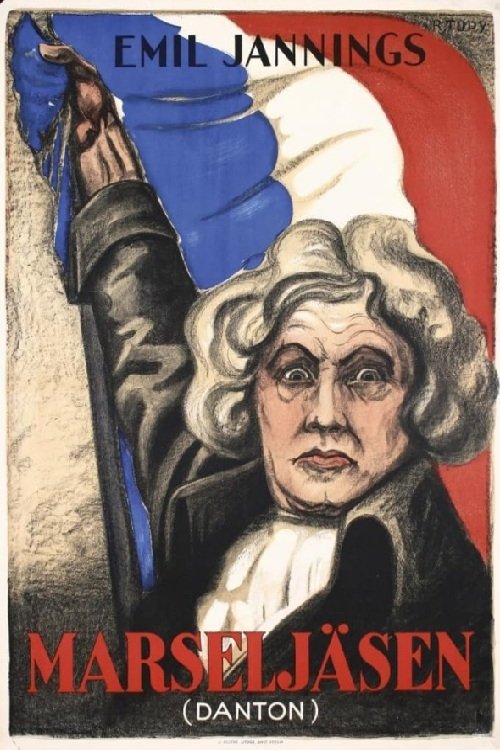
At the height of Reign of Terror Maximilien Robespierre orchestrates the trial and execution of several of his fellow leading French revolutionaries including Georges Danton.

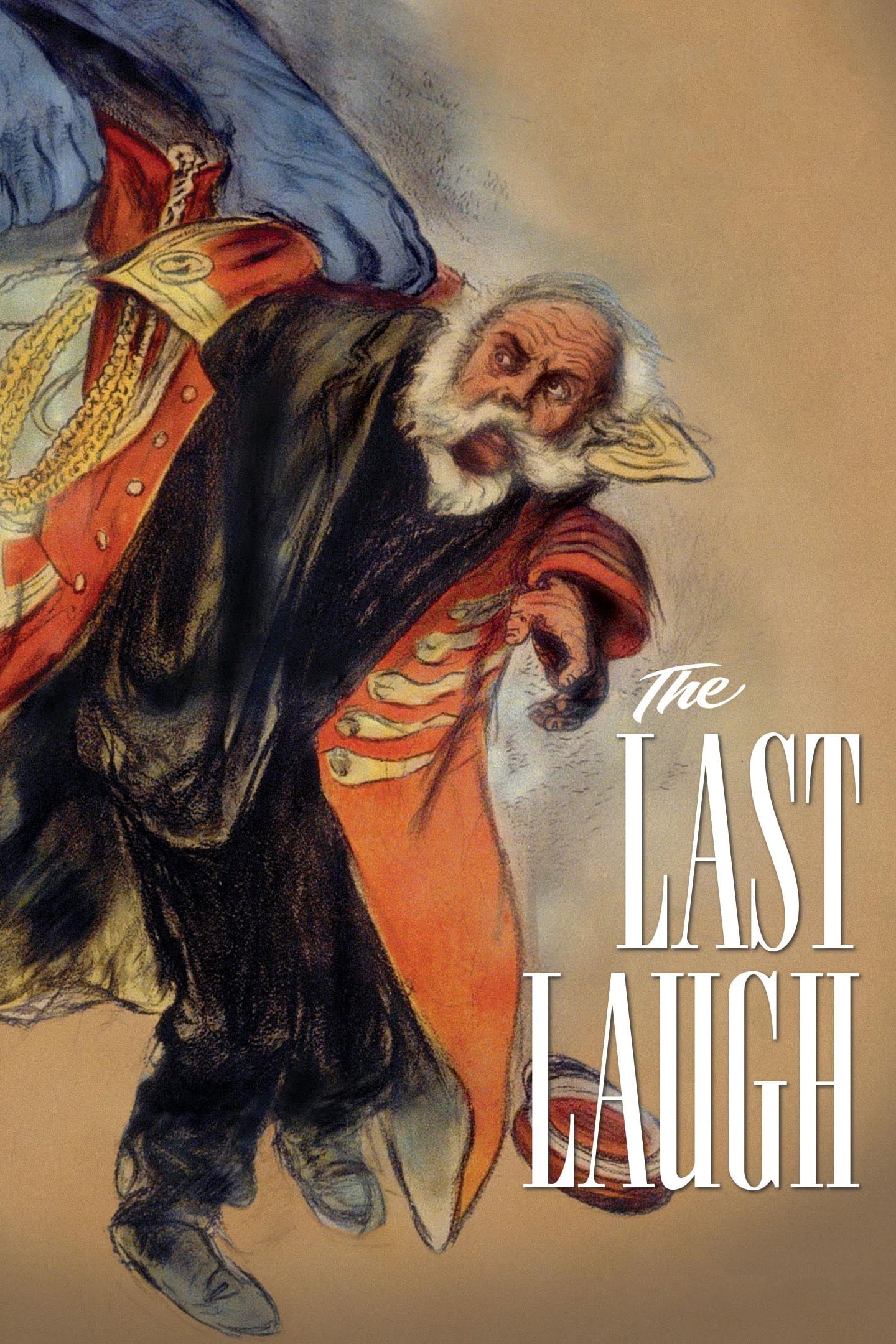
An aging doorman, after being fired from his prestigious job at a luxurious hotel, is forced to face the scorn of his friends, neighbours and society.
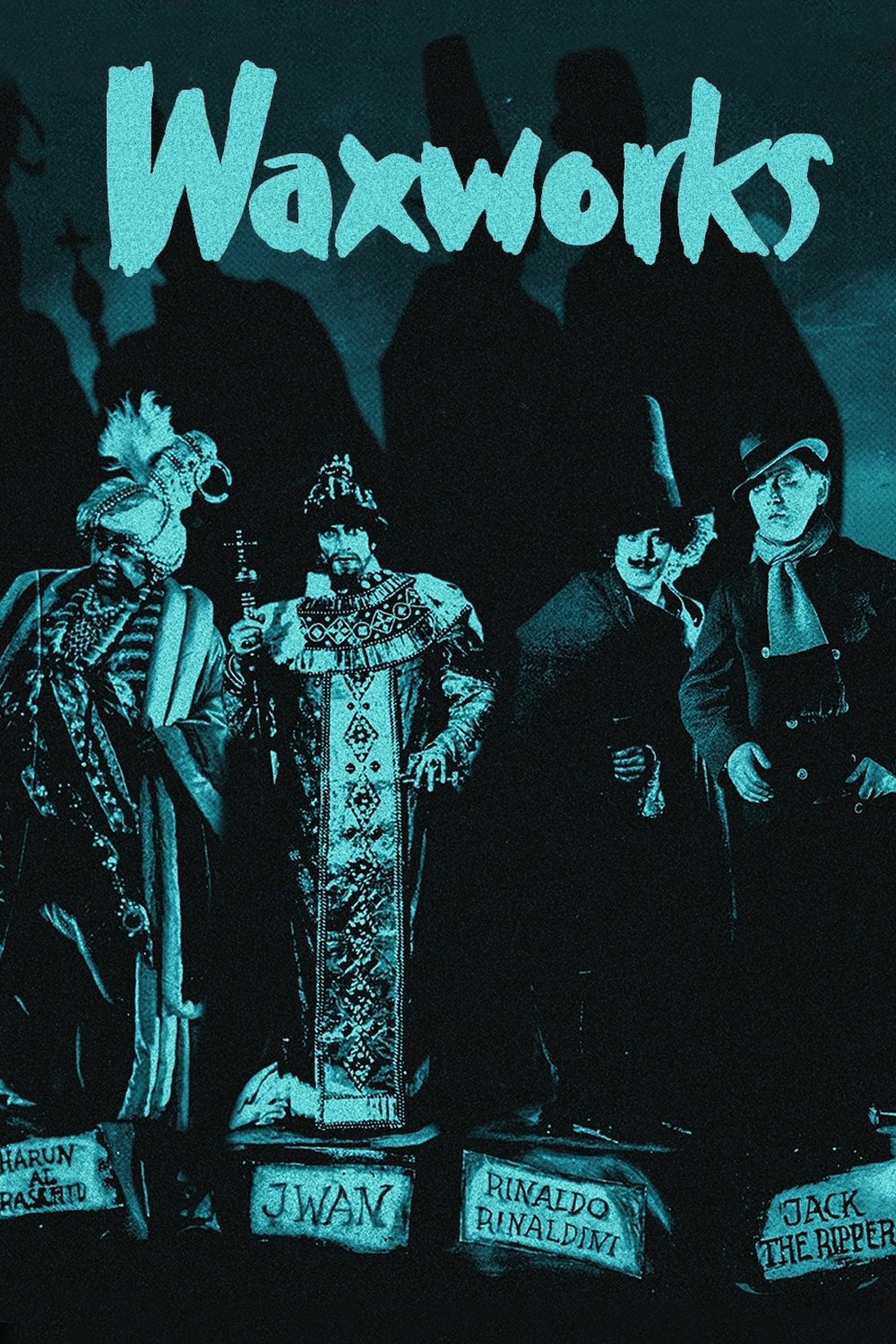
A poet is hired by the owner of a wax museum in a circus to write tales about Harun al Raschid, Ivan the Terrible and Jack the Ripper. While writing, the poet and the daughter of the owner, Eva, fantasize the fantastic stories and fall in love for each other.
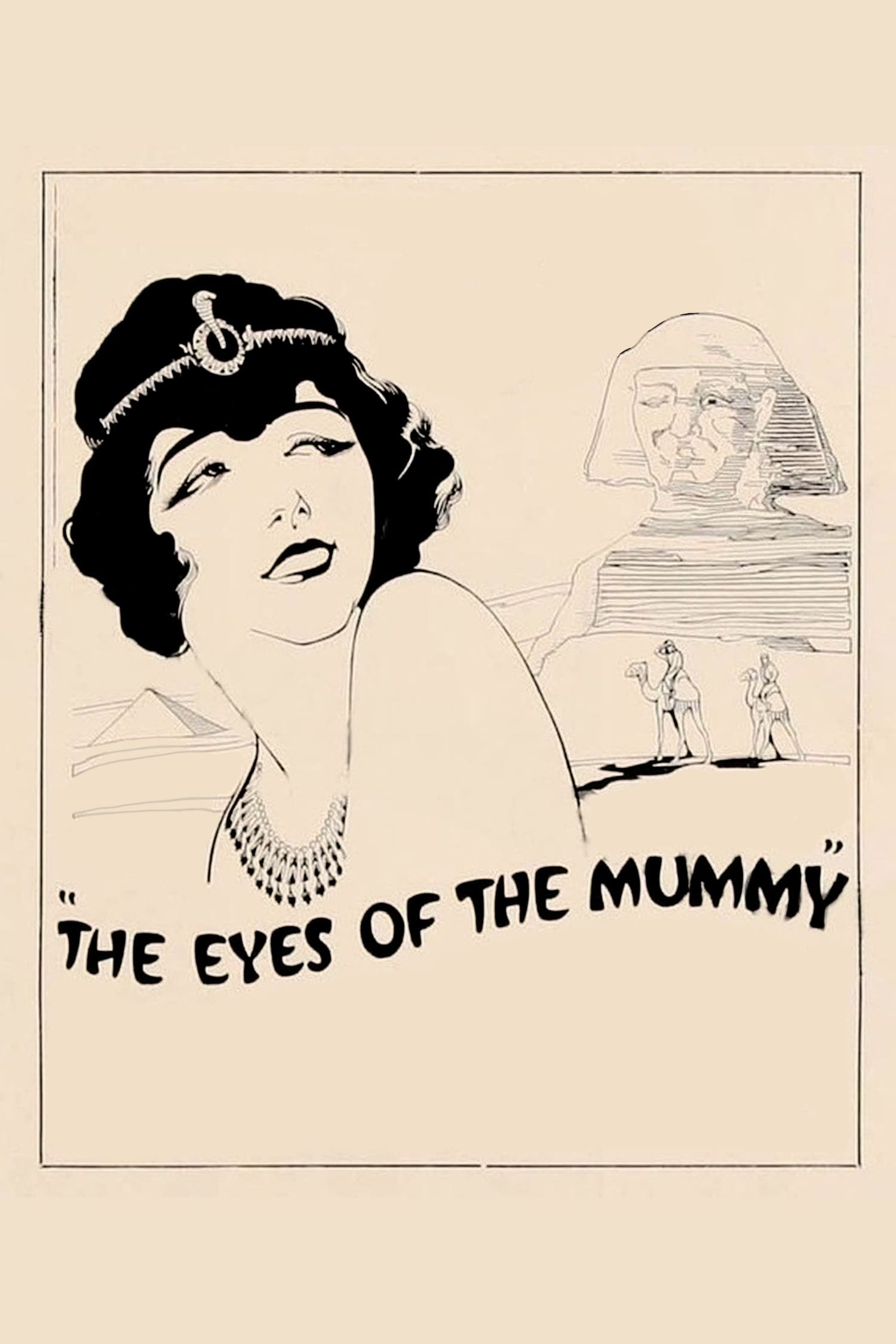
Egyptians Radu and Ma milk British tourists out of their money by offering phony tours of a mummy's tomb-- Radu has the girl lend her eyes to the "mummy" from inside an empty sarcophagus. When adventurer Wendland comes to visit the tomb, Ma is rescued and falls in love with him, leaving Radu in the dust. Needless to say, her former employer / captor follows them abroad in order to exact his revenge.
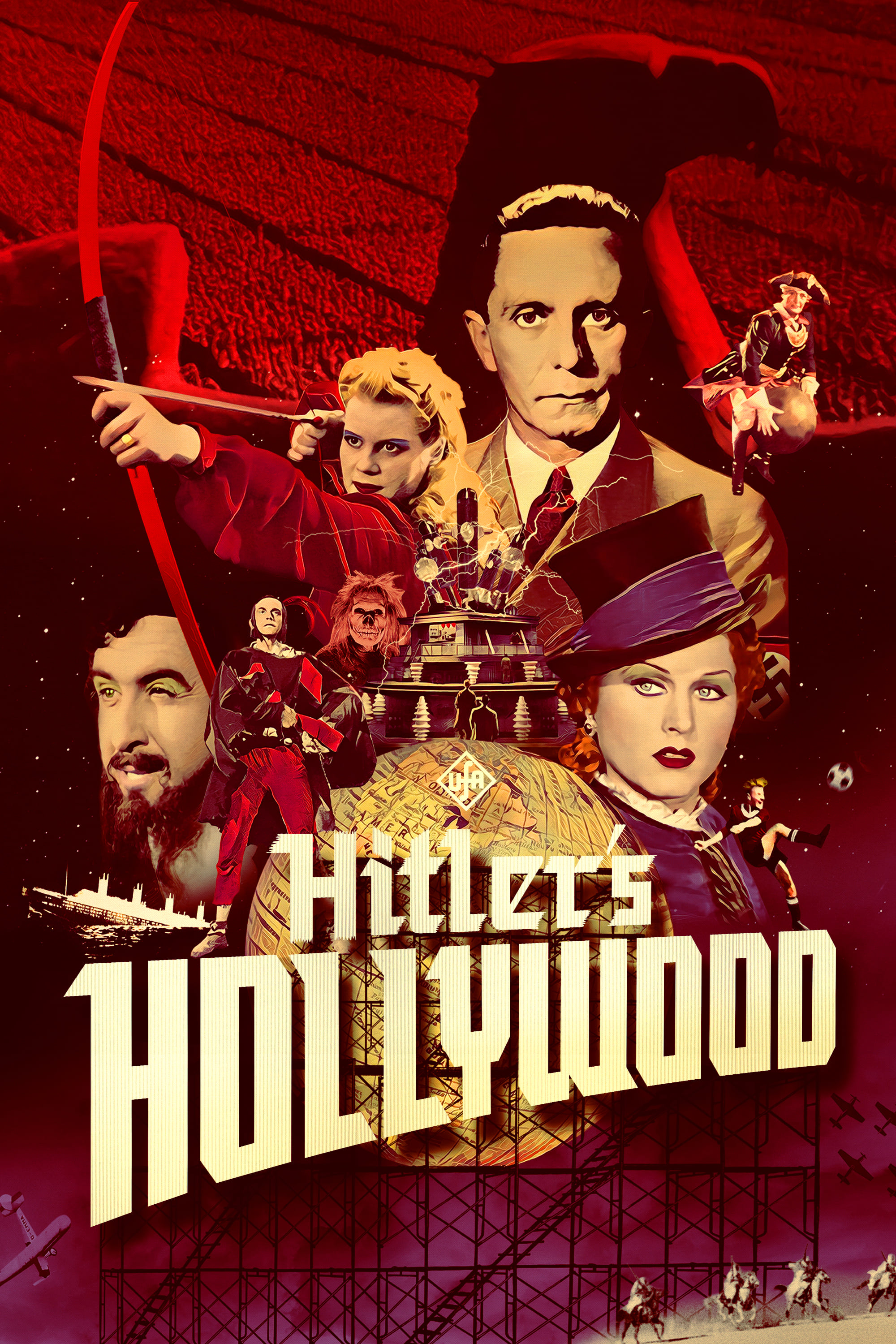
Film journalist and critic Rüdiger Suchsland examines German cinema from 1933, when the Nazis came into power, until 1945, when the Third Reich collapsed. (A sequel to From Caligari to Hitler, 2015.)
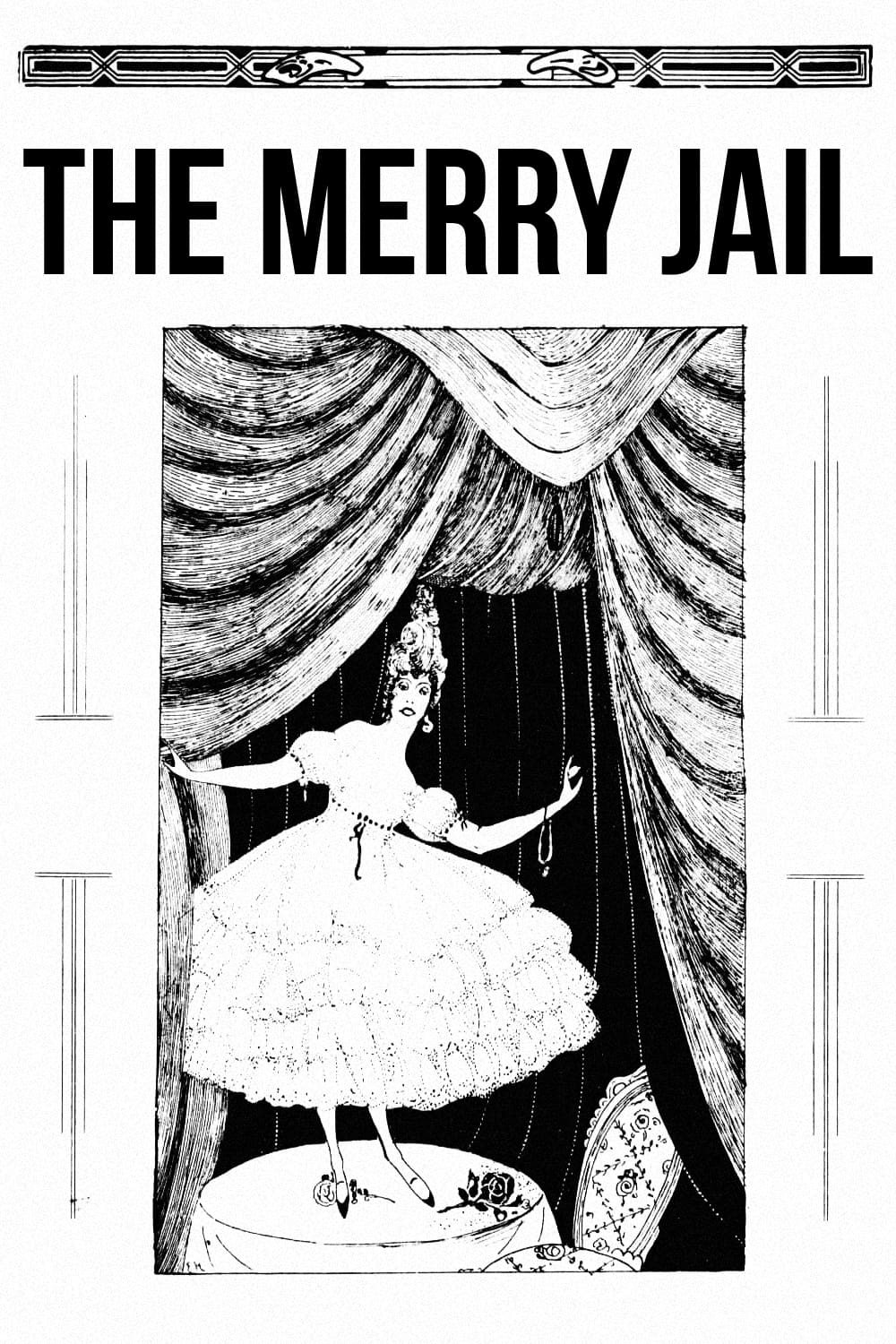
A neglected wife disguises herself in order to lure her wastrel husband into a compromising position.

The story of Madame DuBarry, the mistress of Louis XV of France, and her loves in the time of the French revolution.
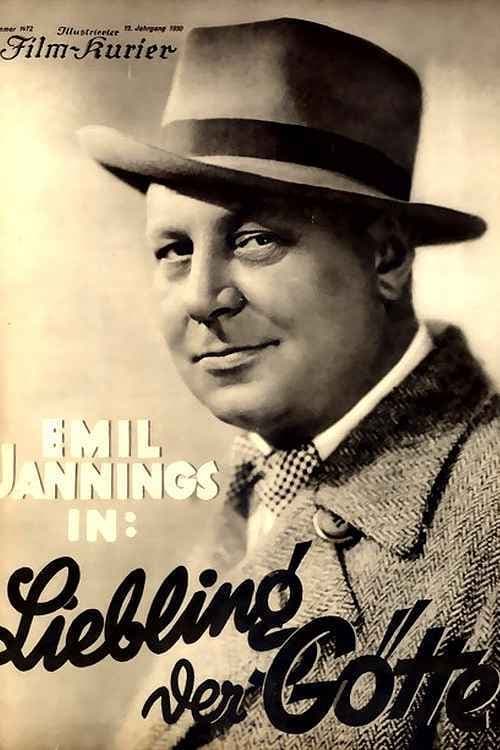
Also known as Darling of the Gods, this was Emil Jannings' second talkie appearance. Jannings stars as famed operatic singer Albert Winkelmann, who is greeted with cheers, applause and romantic propositions whenever he performs in his native Vienna. But when he embarks on a tour of South America, tragedy strikes. The sweltering climate causes Winkelmann to lose his voice on stage, a disaster met with hoots and cat-calls. Dispirited he returns to Europe, where he soon learns that no one is aware of what happened in South America. Intending to retire so as not to be exposed to further humiliation, Winkelmann is goaded back on stage -- where, miraculously, his gorgeous voice returns.

A former Imperial Russian general and cousin of the Czar ends up in Hollywood as an extra in a movie directed by a former revolutionary.
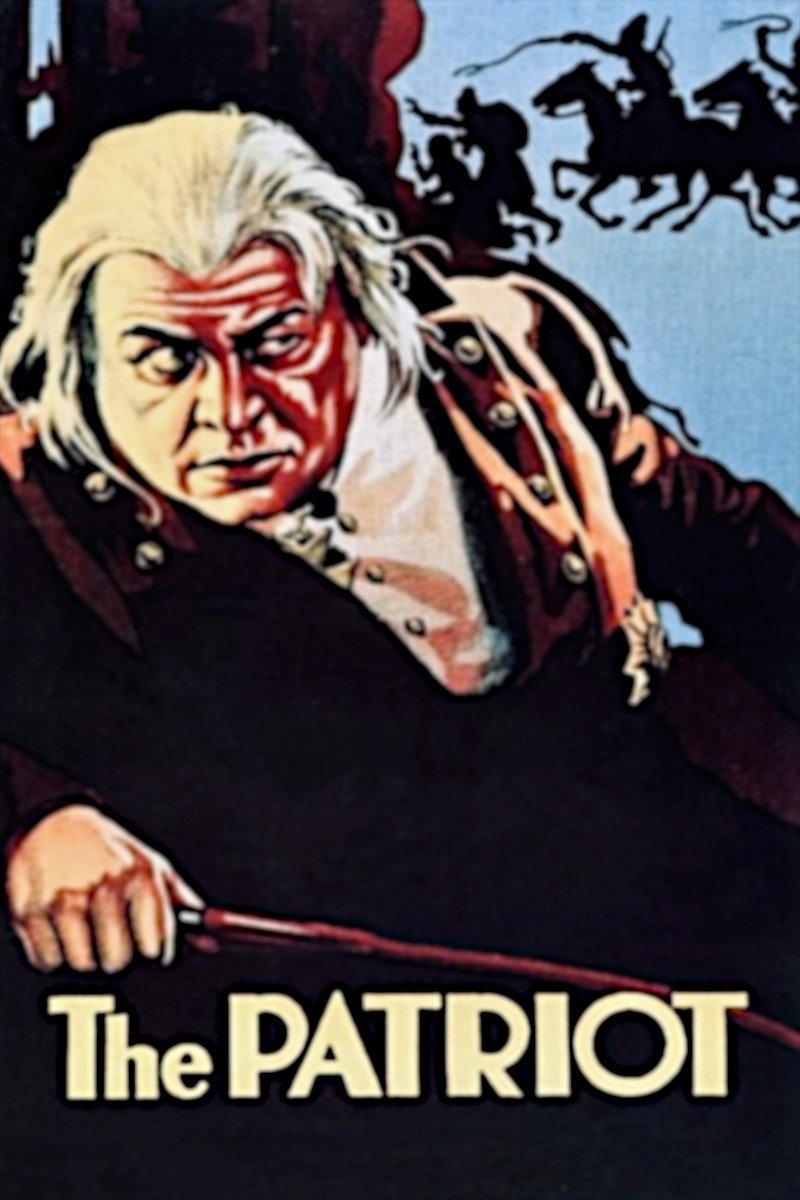
In 18th-Century Russia, the Czar, Paul, is surrounded by murderous plots and trusts only Count Pahlen. Pahlen wishes to protect his friend, the mad king, but because of the horror of the king's acts, he feels that he must remove him from the throne.
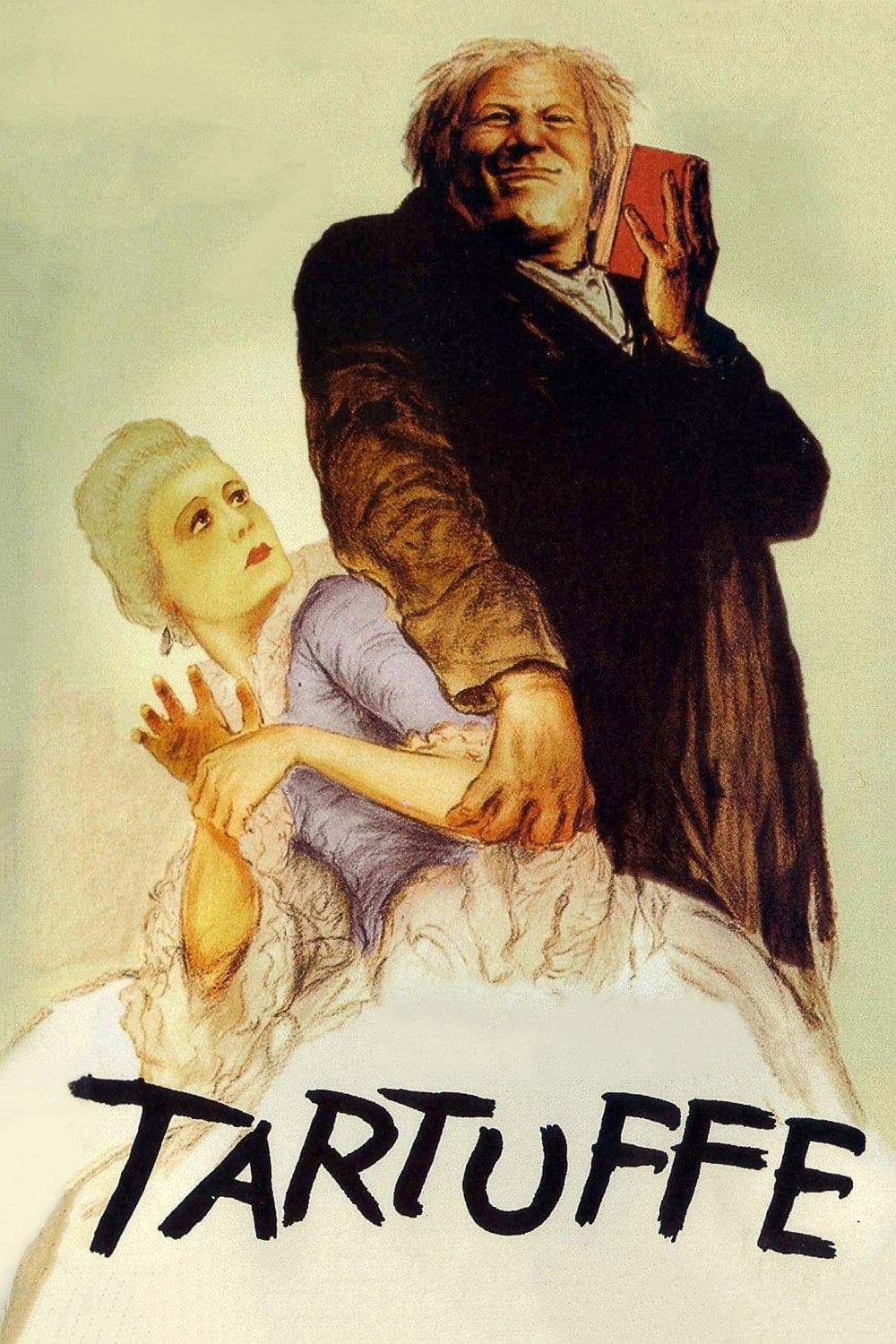
A young man shows his millionaire grandfather a film based on Molière's play "Tartuffe" in order to expose the old man's hypocritical governess who covets the young man's inheritance.

The story of the ill-fated second wife of the English king Henry VIII, whose marriage to the Henry led to momentous political and religious turmoil in England.

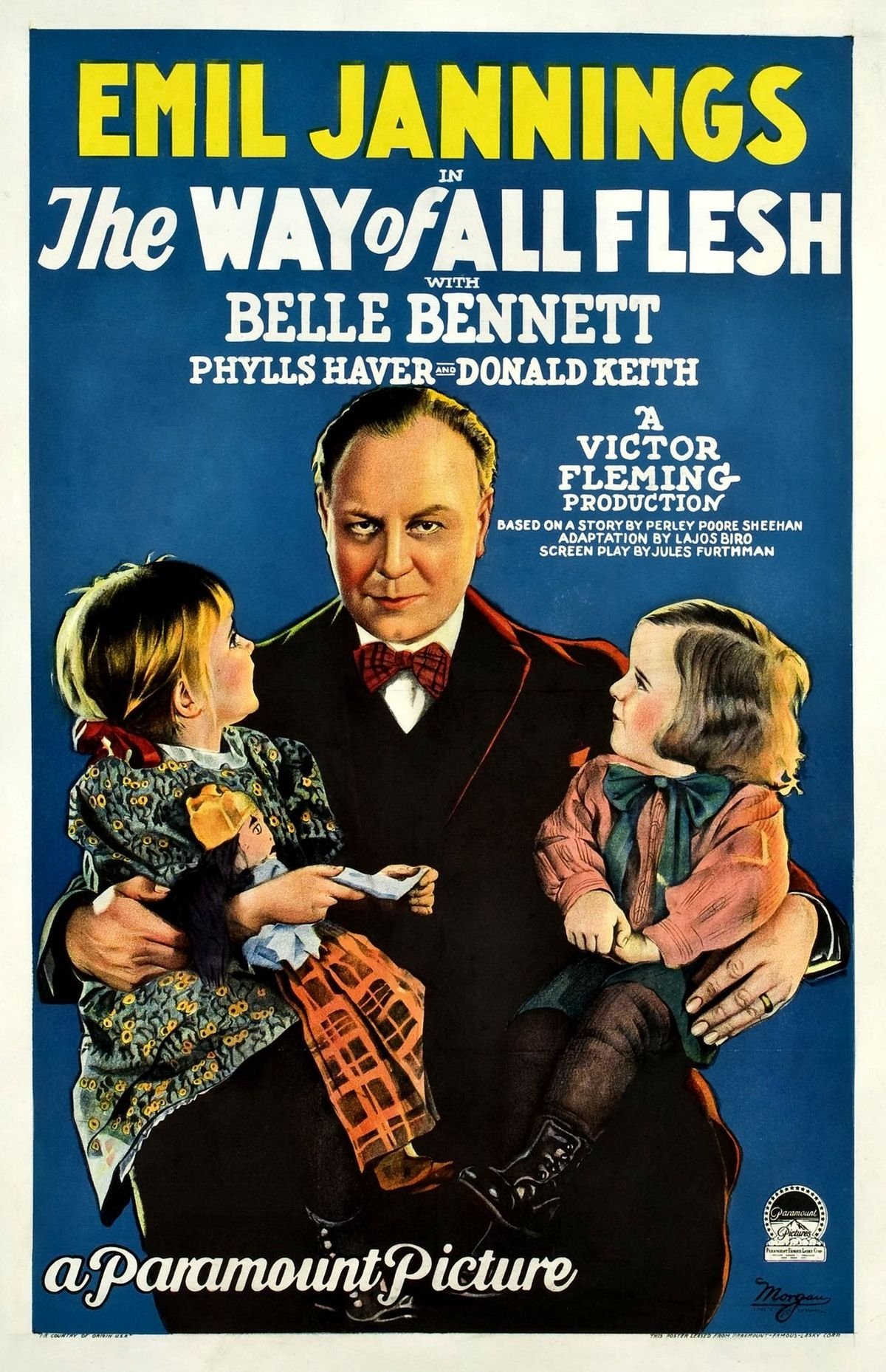
The story takes place in Milwaukee during the early 1900s with a bank clerk named August Schiller who is happy with both his job and his family. He is tasked with transporting $1,000 in securities to Chicago. On the train he meets a blond seductress who convinces him to buy her a bottle of champagne, and takes him to a saloon. The next morning he awakes alone in a dilapidated bedroom and without the securities.
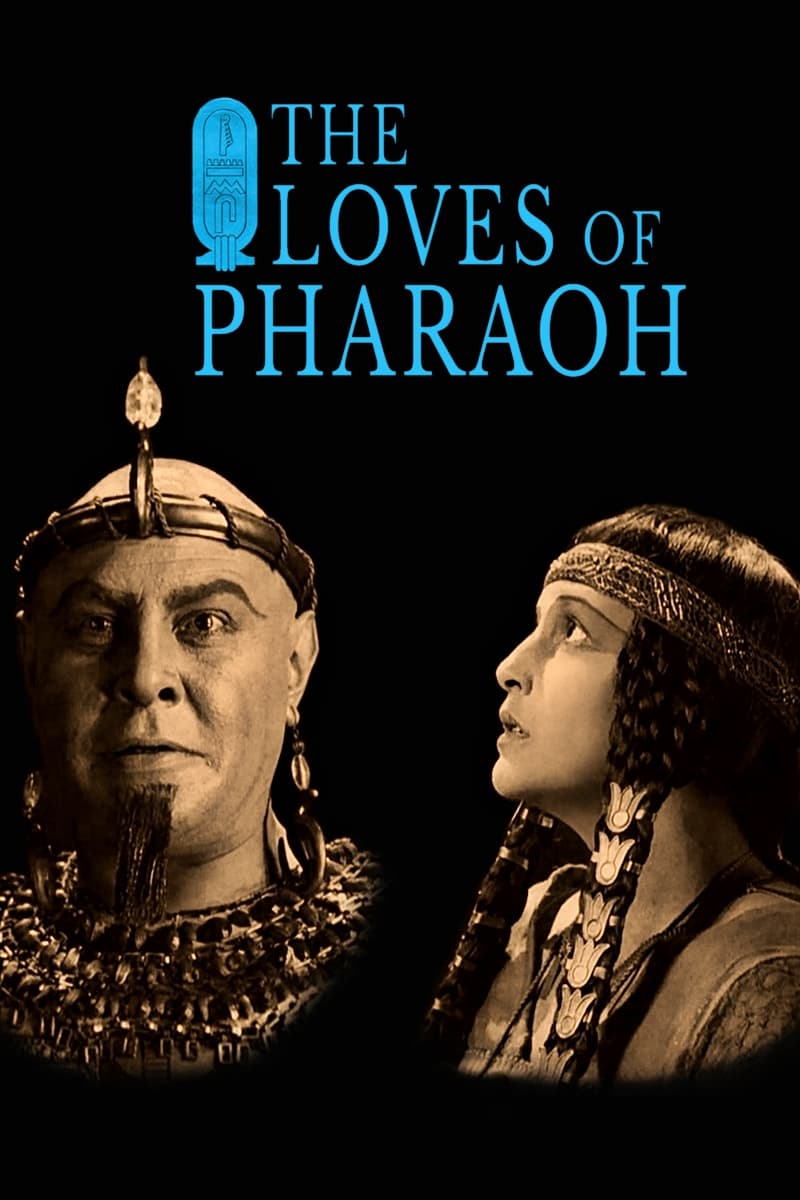
The Ethiopian King offers his daughter to a powerful Pharaoh to secure peace between the two countries.
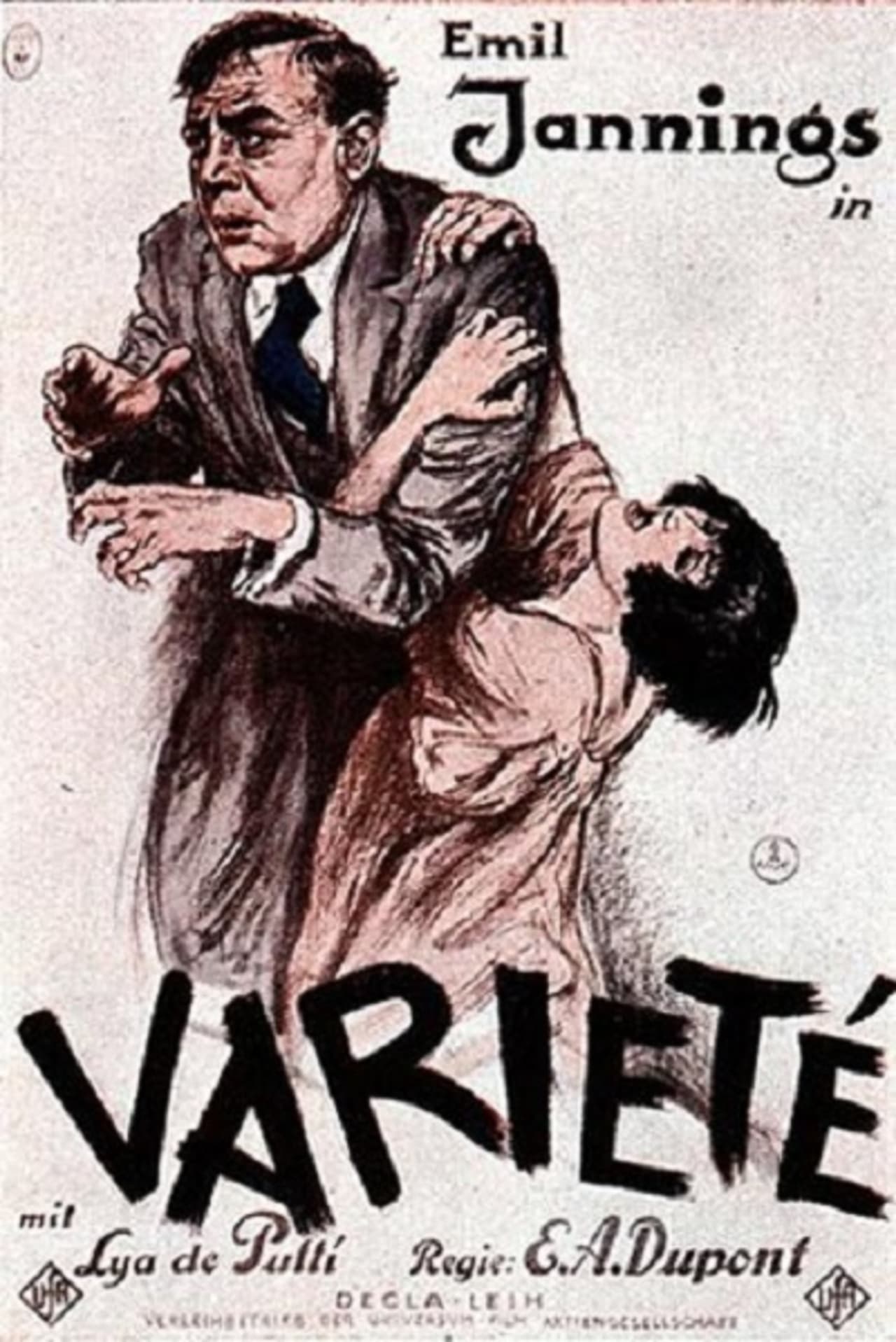
Murderer “Boss” Huller—after having spent ten years in prison—breaks his silence to tell the warden his story.
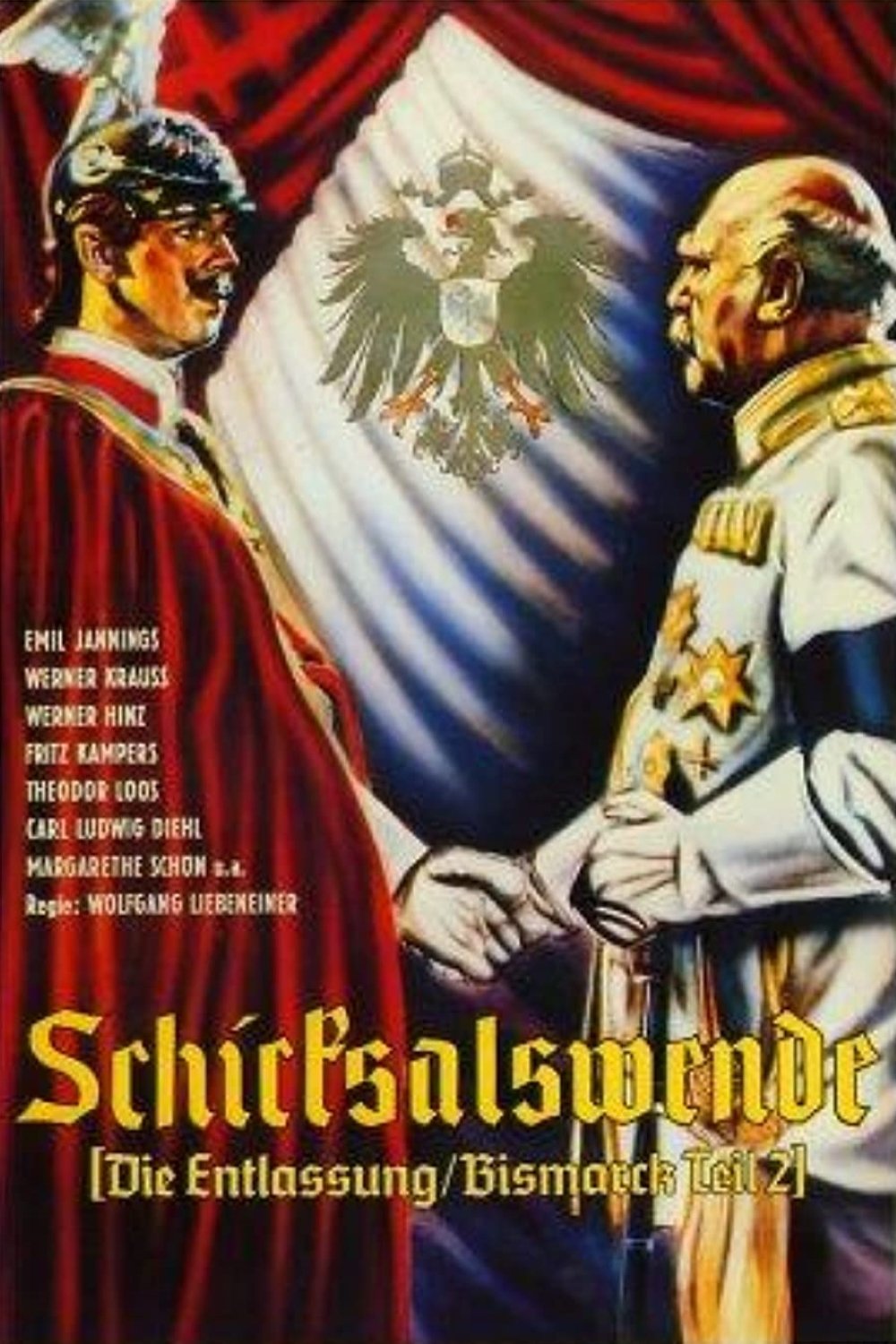
German chancellor Otto von Bismarck promises the dying emperor Wilhelm I. to be loyal to his grandson. But the gap between young Kaiser Wilhelm II. and old Bismarck is rapidly widening. It soon appears that an era is coming to an end.

"The Roman Banquet, the golden glories, the unrivaled luxuries, the wine, the dance, the song, the beautiful women, the sumptuous splendors that taxed a barbaric world for a night of feasting and revel-- Re-created for your entertainment in the most colossal drama produced", reads an ad in the Daily Argus of New York. Unione Cinematografica Italiana's lavish production of the oft-told tale stars Emil Jannings as Nero.
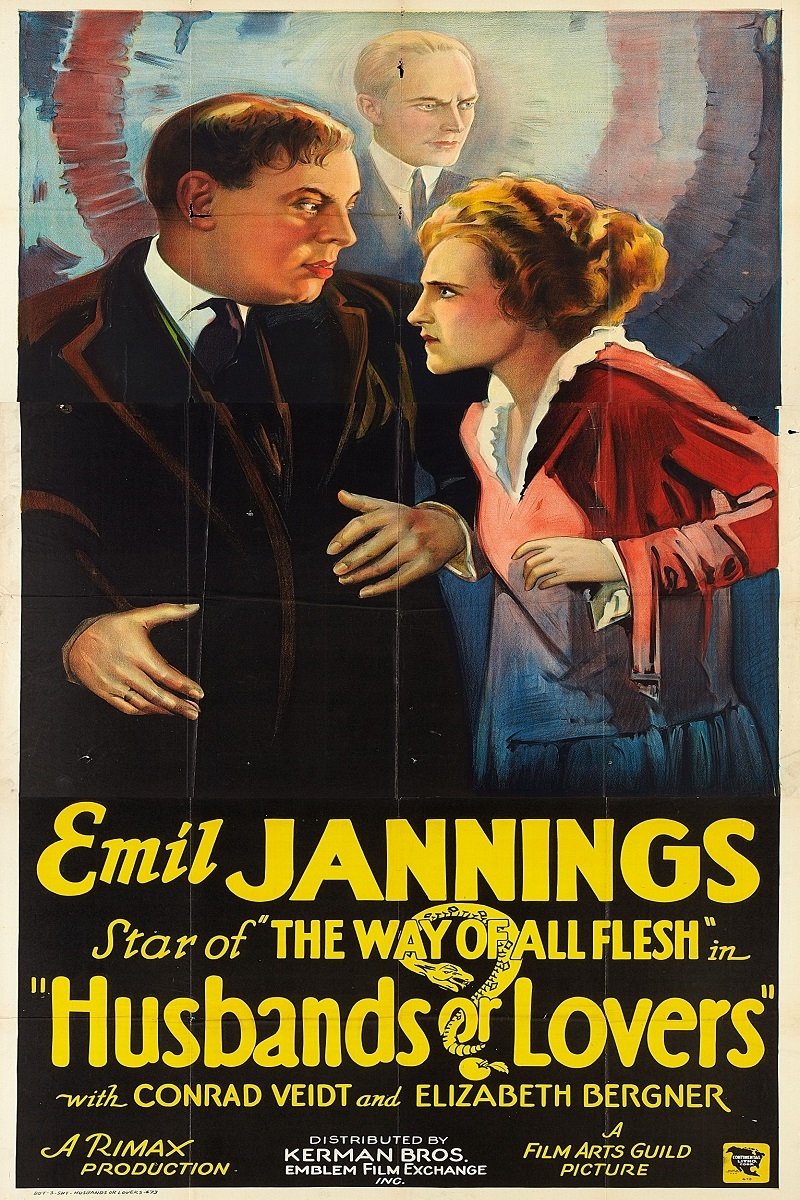
A wife, bored by her overweight slob of a husband, gives in to the temptation of a slickly seductive poet.
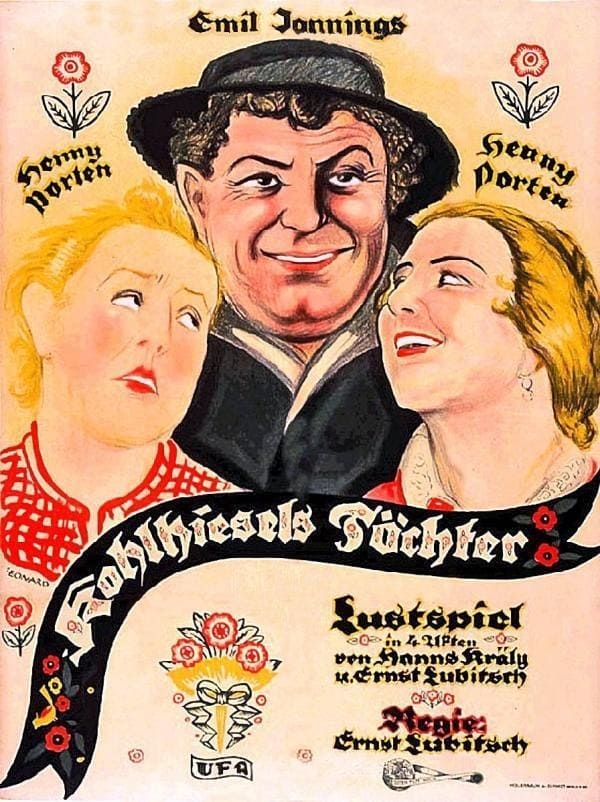
Somewhere in Southern Bavaria Xaver wants to marry Gretel, but her father Kohlhiesel wants his elder daughter Liesel to marry first. The problem is, nobody wants to marry her, because she is too brutal. Seppel suggests, that he should marry Liesel first, get rid of her and then he can marry Gretel...

An alien from the planet Algol gives a man a device that creates enough energy to power the entire world.
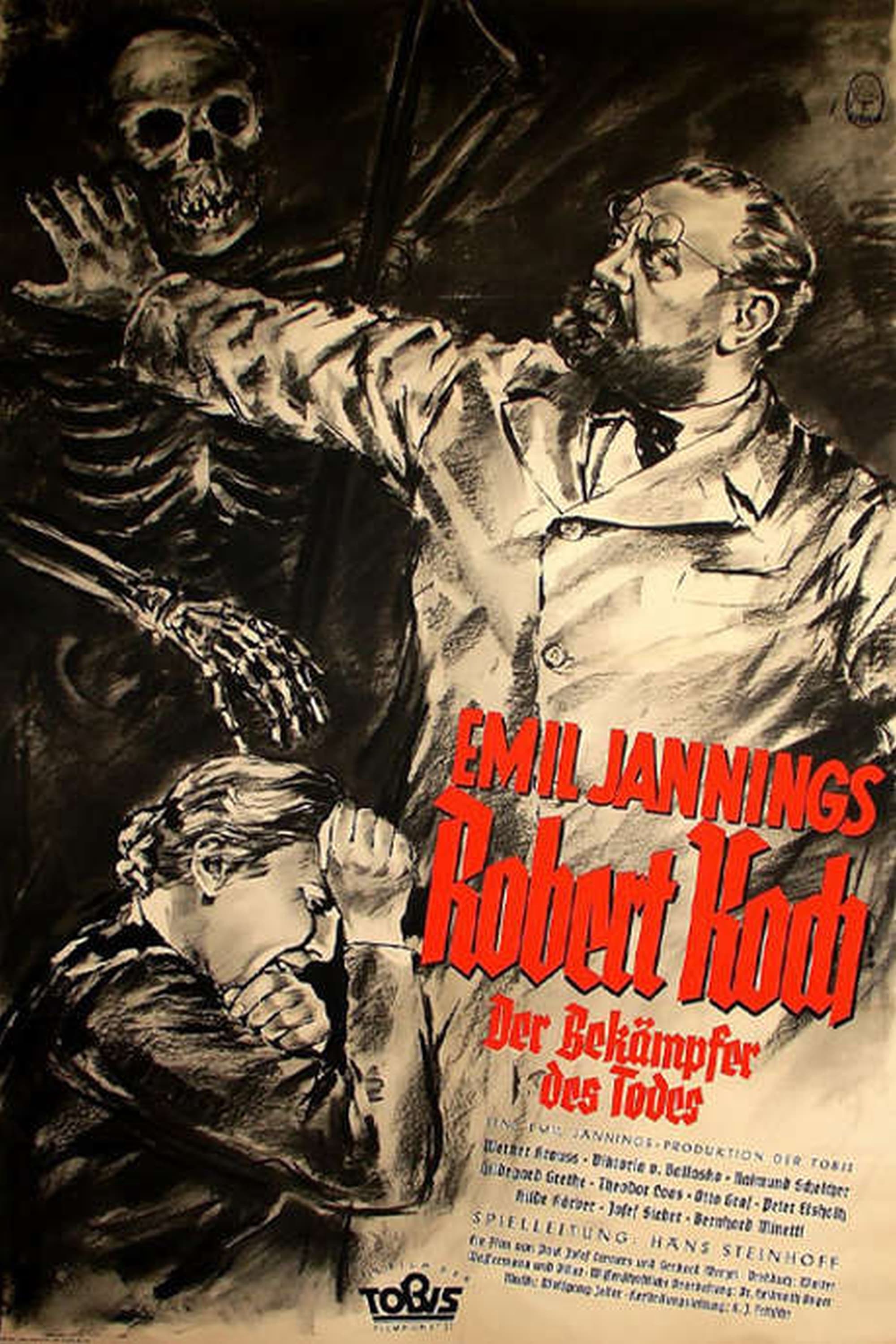
Country Dr. Robert Koch is desperate: a tuberculosis epidemic is decimating the children in his district and no one is able to do anything about it. Every fourth child is already sick and the parents must helplessly watch as their young ones die. Now Koch is undertaking to find the cause of the tuberculosis --- something he has already been working on for years --- which has been causing this plague of illness. His work is made more difficult by envy; for example, that of his teacher, who was wounded defending his honor. But his greatest obstacle is the famous Berliner scientist and Reichstag deputy, Privy Councilor Rudolf Virchow: He is extraordinarily skeptical of Koch's theory, that the cause for tuberculosis is a bacteria.
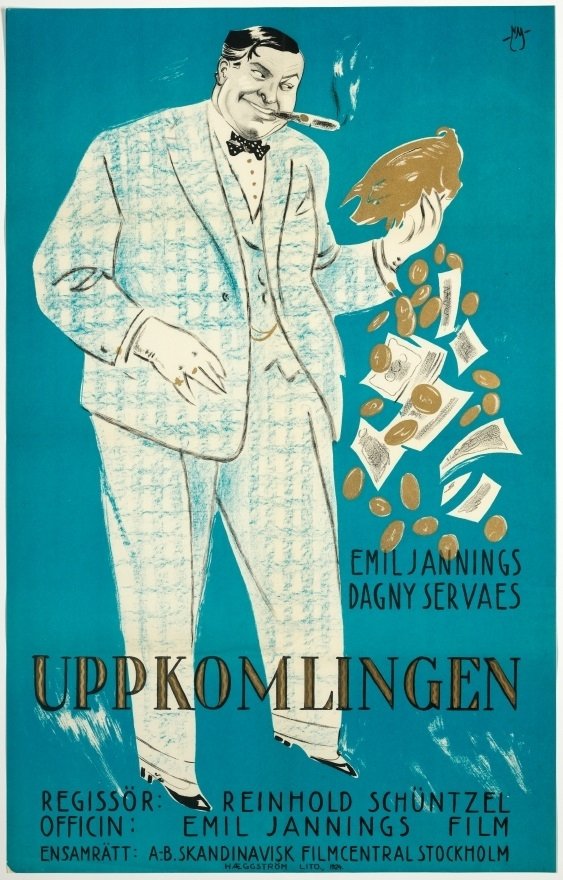
Rupp (Jannings) is a former butcher, made rich in the meat packing industry as a result of the reversal of fortunes brought on by WWI. He is crude, uncouth and uneducated. His son, Fred, is the apple of his father's eye and is an auto enthusiast. The widowed Rupp falls in love with a former aristocrat, Helen, now down on her luck and pawning her last heirloom. He proposes marriage and she accepts in order to save her ailing mother who needs a monetary influx to avoid death. Her former boyfriend, Platen, warns Helen against Rupp's intentions - he and Rupp are enemies, Rupp having caused his being fired for protecting a chorus girl against Rupp's unwanted advances. Meanwhile, Graf, a shyster, arranges purchase of a near bankrupt auto manufacturing firm, Phoenix, to Rupp's great advantage with practically no monetary recognition to Graf, who swears revenge. Rupp comes upon his son begging Helen not to marry his father but to return to Platen.
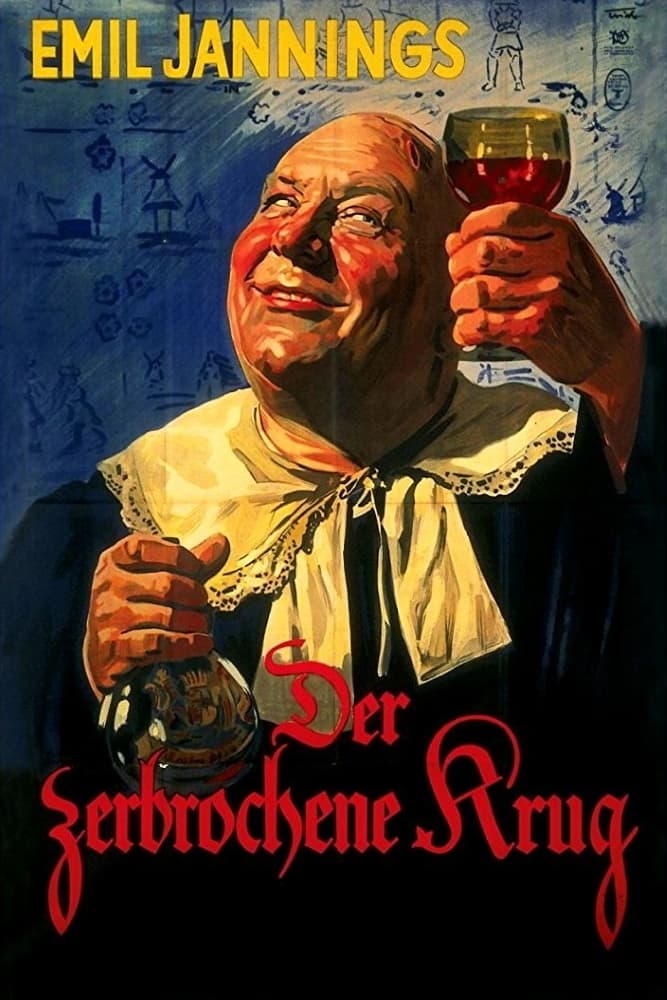
Today is a fateful day for village judge Adam. Who broke Widow Kull’s jug fleeing head over heels after his nightly visit to her daughter? As the trial unfolds, it becomes clear to everyone that the judge himself is the culprit. Judge Adam twists and turns, invents countless explanations, and piles up the most absurd lies. But he is conducting a trial against himself—one he cannot win.

All throughout his entire life, Friedrich Wilhelm Hoffmann let his career run roughshod over his personal life. He had no wife, because he was married instead to his chocolate factory. Now he’s old and gray, and his relatives, who are greedily waiting for him to kick the bucket so they can get their hands on his worldly goods, keep their distance from him. Then one day, an astonished Hoffmann is visited by a young woman named Brigitte, who asserts, that she’s his granddaughter. Suddenly, it all comes back to the old man: as a young man, he had a short, but intense, love affair, which he had to end on the insistence of his father.

Der Herrscher (The Sovereign) was based on Before Sunset, a play by Gerhart Hauptmann. The great Emil Jannings stars as Mathias Clausen, a self-made businessman who is forced to do a great deal of soul-searching when his wife unexpectedly dies. Determining to start life anew, he falls in love with his secretary Inken (Marianne Hoppe) and impulsively takes a vacation to Italy. Clausen's selfish grown children, not wishing to share their father's affections -- nor his money -- with his new wife-to-be, go to court demanding that Clausen be declared mentally incompetent. Upon finding this out, Clausen flies into a rage, leaving the audience to wonder whether or not he really as gone off his trolley. Der Herrscher was directed by Veit Harlan, more famous (or notorious) for his viciously anti-Semitic Jud Suess (1940).
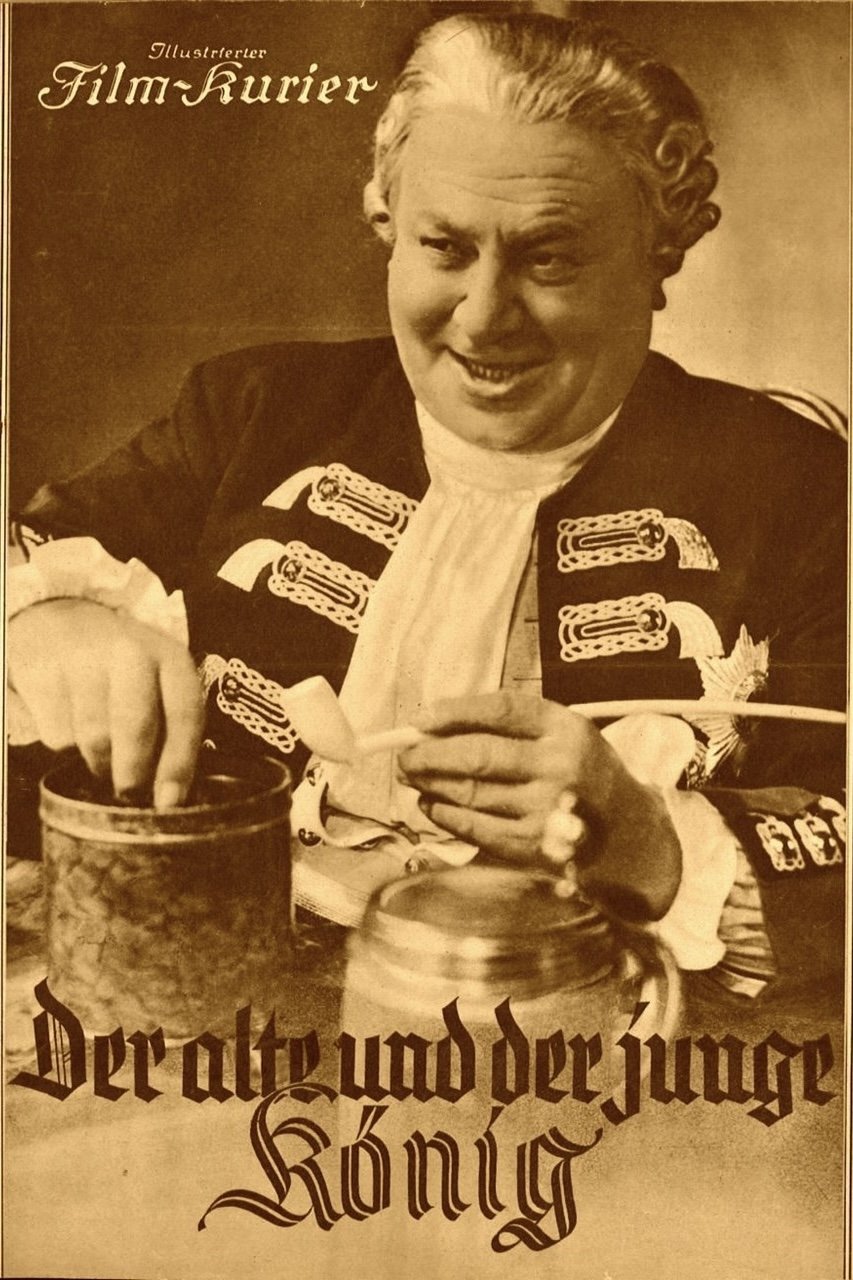
The story of the stormy relationship between King Friedrich Wilhelm and his son, who later became known as King Frederick the Great of Prussia.
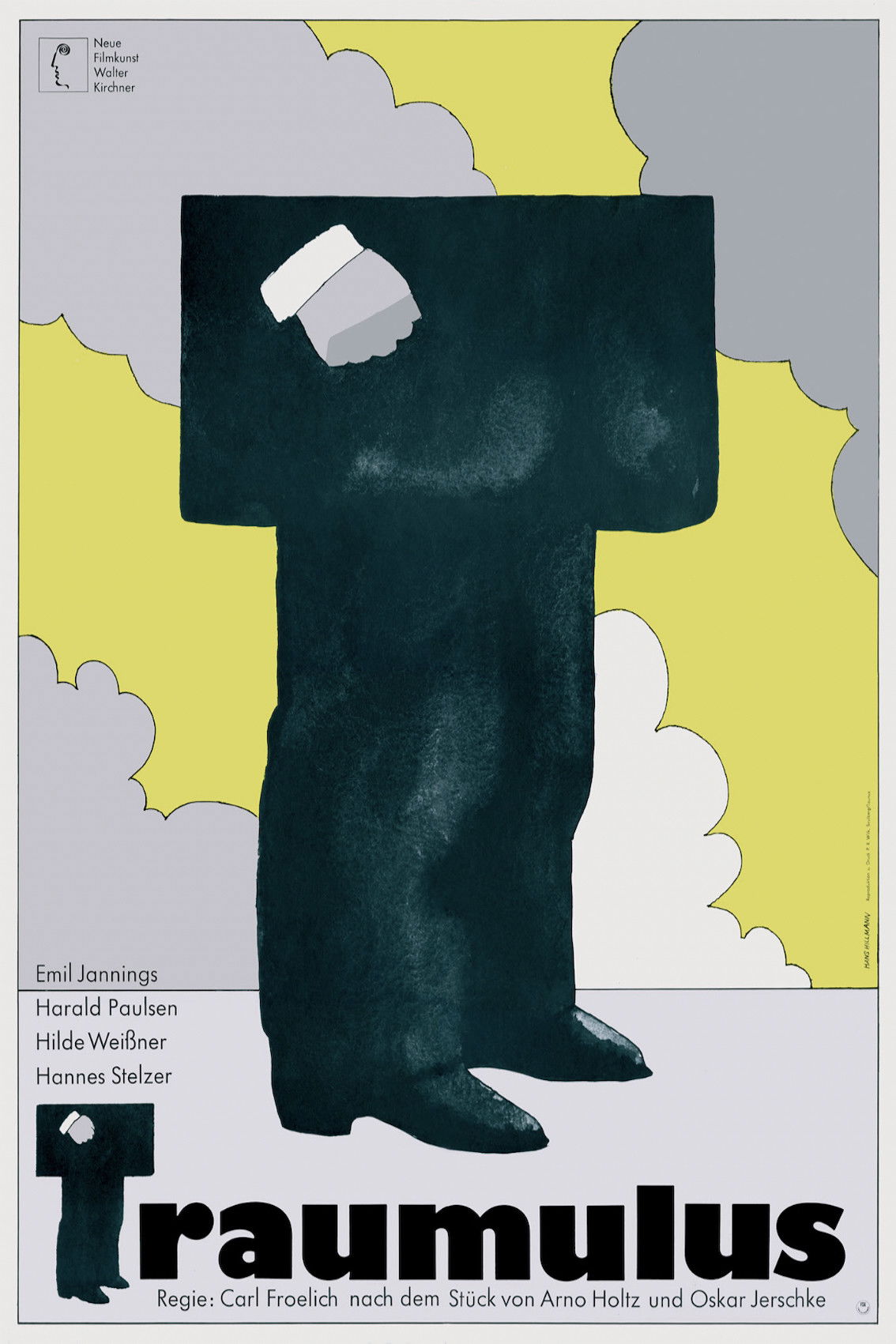
This film is a fascinating showcase for Emil Janning's theatrical play. He's a gentle school teacher who believes in his boys and is easily fooled about all things, while the other town officials want him dismissed. Curiously it's very hard to see what the film is exactly aiming for. Disaster strikes and the lax prof proves to be too far removed of the real problems of the world, on the other hand his enemies are shown in the most unsympathetic, satirical way denouncing the militaristic, bourgeois ideology of the Kaiserreich.
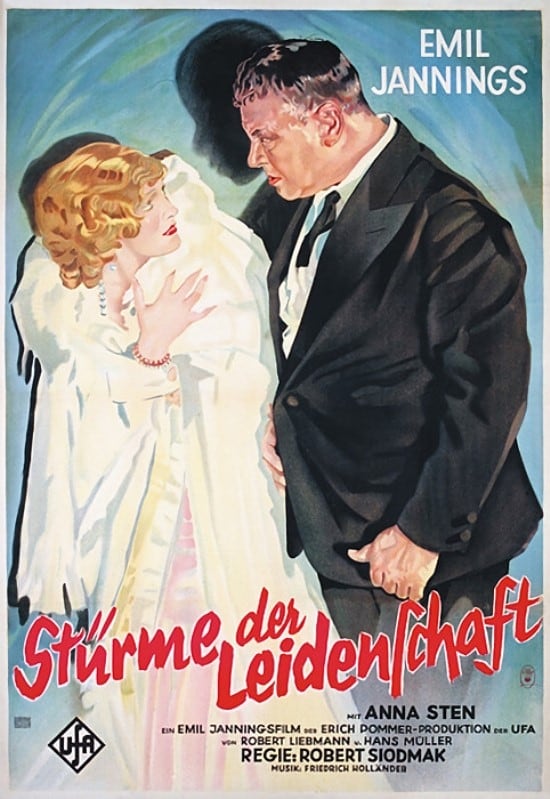
Two inspiration sources appear clearly: contemporary American gangster movies and Alfred Döblin’s novel Berlin Alexanderplatz (1929).
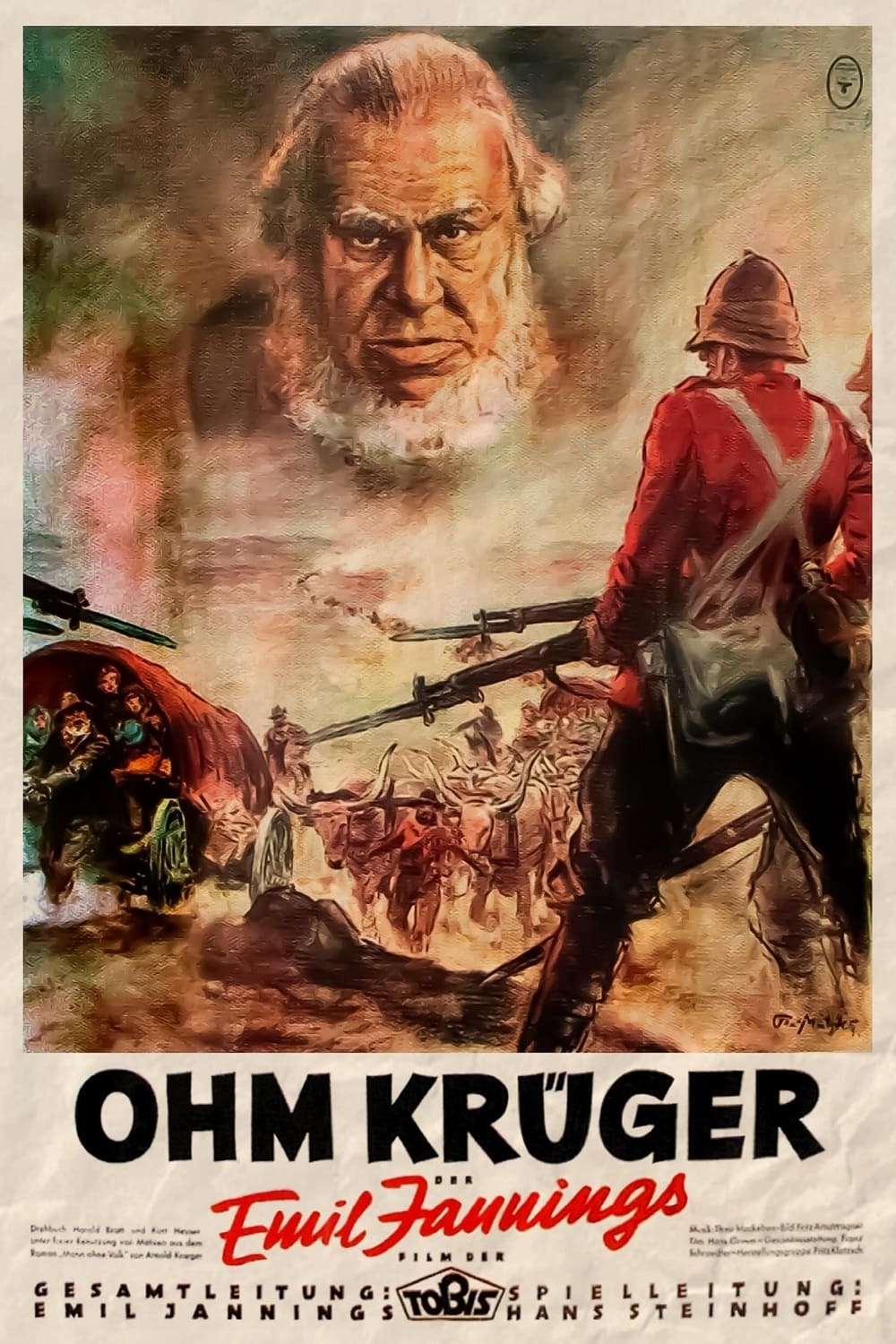
An anti-British propaganda film from Nazi Germany which depicts the life of the South African politician Paul Kruger and his eventual defeat by the British during the Boer War.
Directed by Ernst Lubitsch. Lubitsch plays a book shop employee who falls in love with Jannings' daughter.

The circus dancer Lulu is a thoroughly liberal being. Although she loves her former savior, the clown Alfredo, she begins a relationship with the noble Henri von Reithofen. Henri kills himself ruined by the horrendous expenses for Lulu. She however is fishing for the next rich patron, the much older Baron Waldheim. His son knows Lulu and warns his father that she will also hurt him. Waldheim succumbs to Lulus's insinuations and punishes his son.
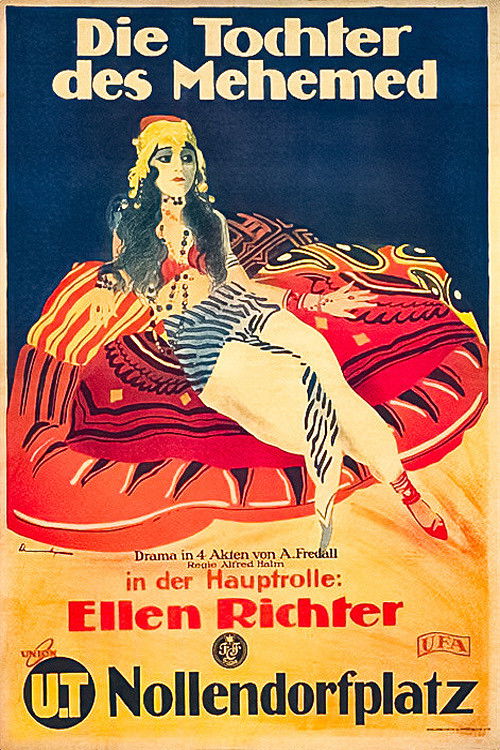
An enslaved girl, Leila, is bought by Vaco Juan Riberda as a gift for his friend, Dr. Jan van Zuylen. van Zuylen is outraged, and refuses. Years later, van Zuylen meets Riberda and Leila again, and finds that they have married. Leila and van Zylen acquaint themselves and fall in love.

Among the pieces featured in Fragments are the final reel of John Ford's The Village Blacksmith (1922) and a glimpse at Emil Jannings in The Way of All Flesh (1927), the only Oscar®-winning performance in a lost film. Fragments also features clips from such lost films as Cleopatra (1917), starring Theda Bara; The Miracle Man (1919), with Lon Chaney; He Comes Up Smiling (1918), starring Douglas Fairbanks; an early lost sound film, Gold Diggers of Broadway (1929), filmed in early Technicolor, and the only color footage of silent star Clara Bow, Red Hair (1928). The program is rounded out with interviews of film preservationists involved in identifying and restoring these films. Also featured is a new interview with Diana Serra Cary, best known as "Baby Peggy", one of the major American child stars of the silent era, who discusses one of the featured fragments, Darling of New York (1923).
A stonemason who killed his landlord faces hardship trying to reintegrate into society after being released from prison.
German silent film
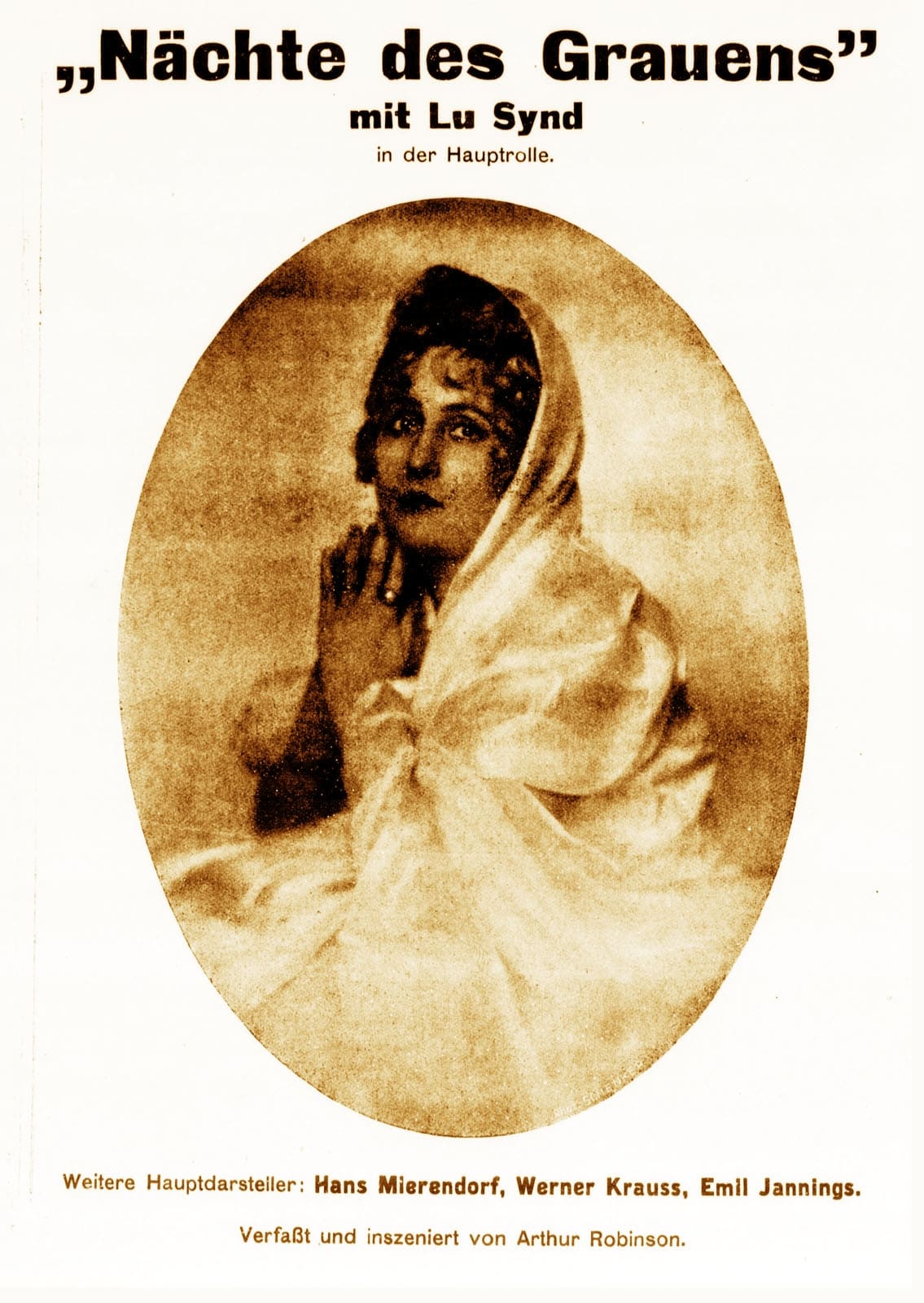
An extremely jealous artist slips into a monkey costume and kills all those men who come too close to his wife, another artist.
An adaptation of the Gerhart Hauptmann play of the same name. A young farmer's daughter is used and abused by the men in her life.
A pharaonic tragedy to the content that spans six different eras. In the first episode, the emergence and dramatic end of the love story between the pharaoh's daughter Princess Amnertis and her beloved Tirhaka is told until the latter comes to a violent death. From this drama arises a curse, which in the following episodes has had far-reaching effects over the centuries. Everyone who possesses the skull of the long-lost pharaoh's daughter must die violently until the day the skull is sunk in the sea.
This movie was featured on the DVD release of Der letzte Mann in 2004 in Germany.
A silent movie by Robert Wiene
a silent movie by Robert Wiene
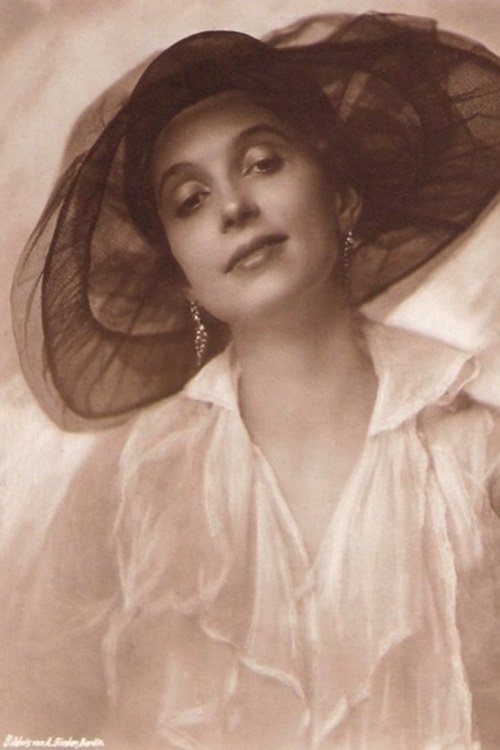
An ambitious wife spends all of her husband's hard-earned money and then commits suicide out of remorse.

Based on Shakespeare's play: The treacherous Iago plans to ruin the life of Othello by provoking him to jealousy.
After his first wife dies, the driver of a cart marries his ambitious and shrewish maid who brings him nothing but trouble.
Adaptation of Marcel Pagnol's 1931 play Fanny.

This 1940 presentation features highlights of earlier (1928 onward) Oscar ceremonies including Shirley Temple and Walt Disney, plus acceptance speeches for films released in 1939 with recipients and presenters including Vivien Leigh, Judy Garland, Hattie McDaniel, Fay Bainter, Mickey Rooney, Thomas Mitchell, Sinclair Lewis, and more, with host Bob Hope.

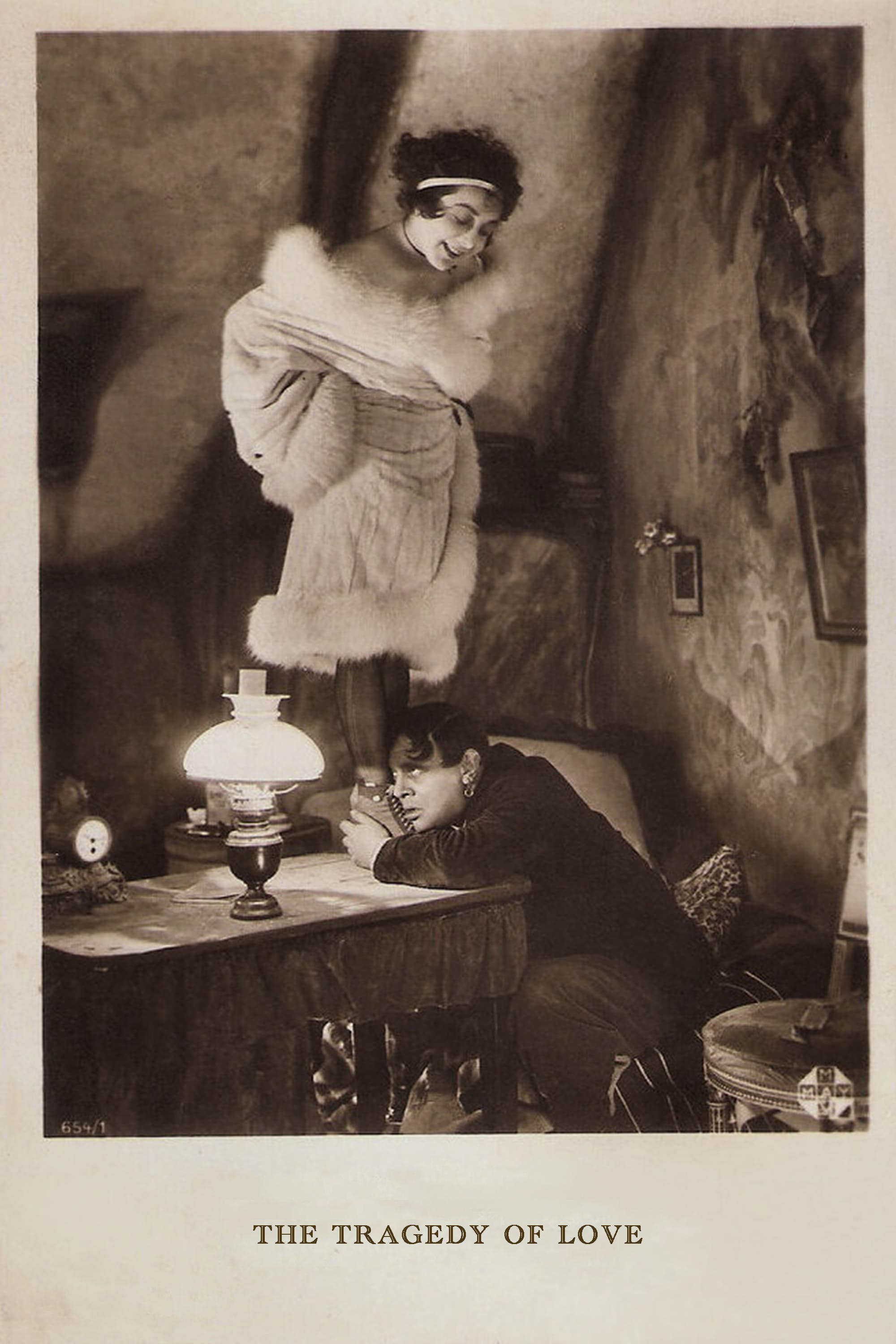
The husband of Countess Manon Moreau is found murdered. André Rabatin, who belongs to the same club as Count Moreau, is the suspect. Rabatin, a old-school gentleman, affirms his innocence to the widow and claims that the death of the count must have been a tragic accident. Manon believes Rabatin and begins to fall in love with him. But Rabatin himself suspects that she has murdered her husband.
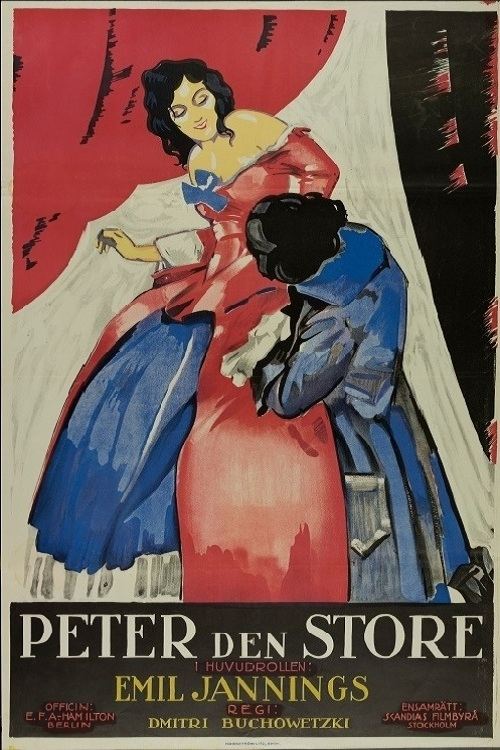
Peter the Great, having become Tsar of Russia, using his shipbuilding knowledge acquired in a foreign country to establish a navy, and being able to use it, provokes a war with Sweden, defeating that country at the Battle of Poltava. This battle marks a turning point between Peter and Russia. His only son turns out to be a coward, meets a refugee girl and makes her his Empress, alienating himself from the church and many nobles. All these factors lead to a conspiracy...
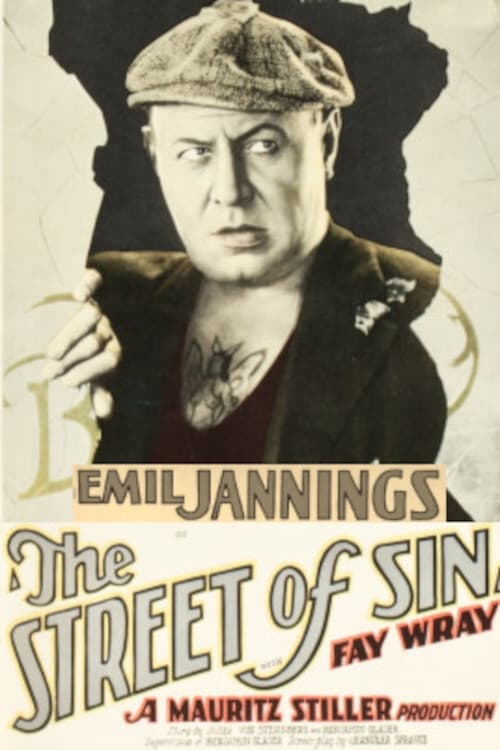
"Basher Bill," a retired prizefighter turned criminal, pretends to reform by joining a Salvation Army shelter in London run by a pious wraith named Elizabeth. Attracted to Elizabeth (although he is engaged to a street girl named Annie), Bill confesses to a bank robbery, has a spiritual revelation, and decides to go straight. His cast-off sweetheart reports him to the police; then, contrite, she warns Bill of the impending danger. Bill is captured immediately, but he escapes and sacrifices his life to save Elizabeth and the Salvation Army nursery when the rest of the gang use them as a human barricade against the police.
André Frey, a bohemian artist, woos and wins a rustic Swiss maid, promising to return to her after a visit to the city. The girl, Vroni, finds herself pregnant and is forced by her father to marry Poldi Moser, the mayor of the small Swiss town. Moser and Vroni are happy together, and two sons are born to them. André returns to the village periodically and finally asks Vroni to go away with him. She refuses, and he writes her an angry note. That evening, Vroni and André are involved in a toboggan accident; Vroni is killed outright, and André is fatally injured. Moser finds André's note and goes to him, demanding of the dying man to know which of the boys is in fact André's child. Thinking to protect his own son, André informs Moser that Moser's own son is his (André's) son. Moser swears vengeance on the child but relents when he realizes that he loves both boys equally.
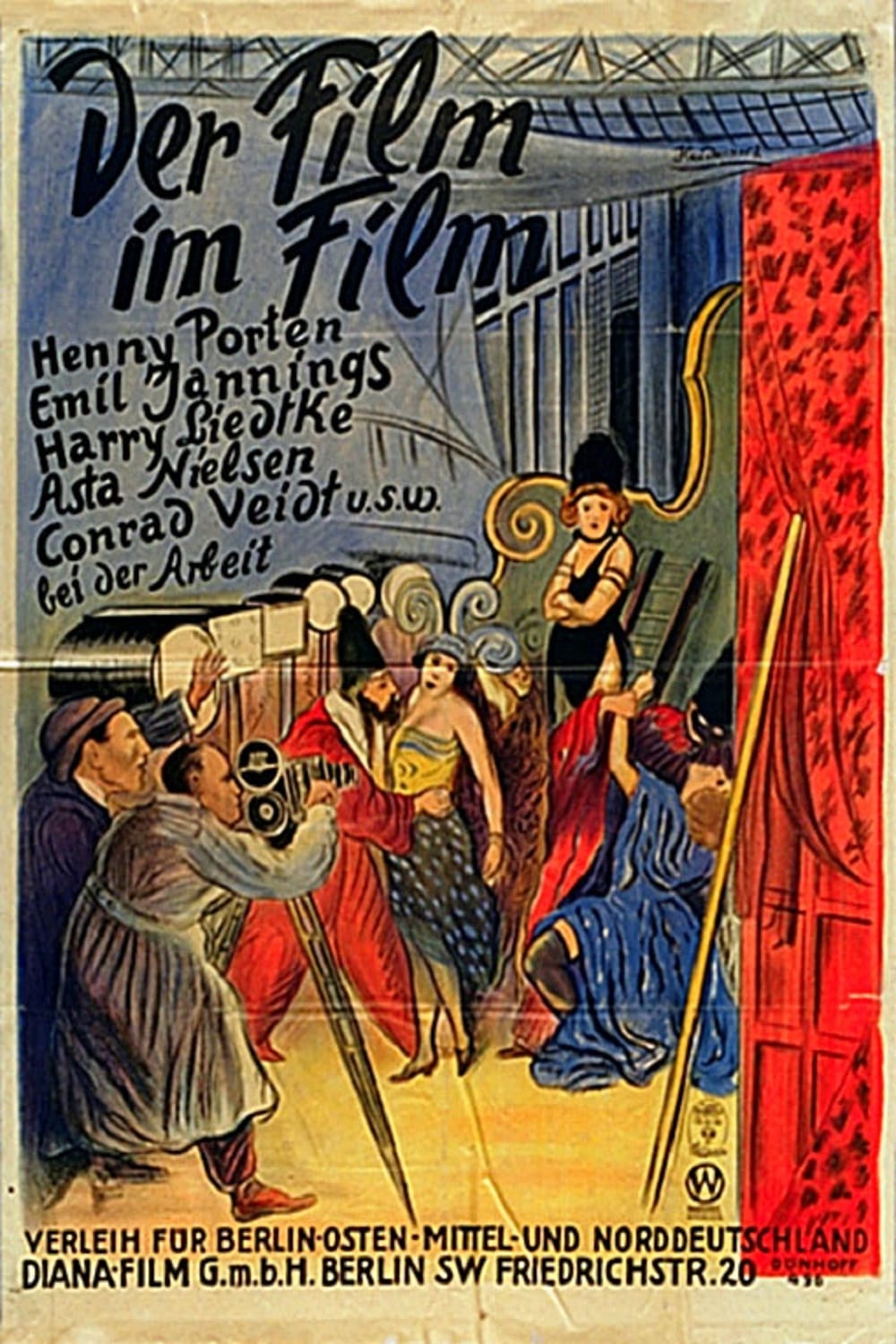
The only surviving excerpt of a documentary on film production in Weimar Germany, featuring the different personalities of several famous directors of the era at work on the set including Fritz Lang, Robert Wiene, and E.A. Dupont.

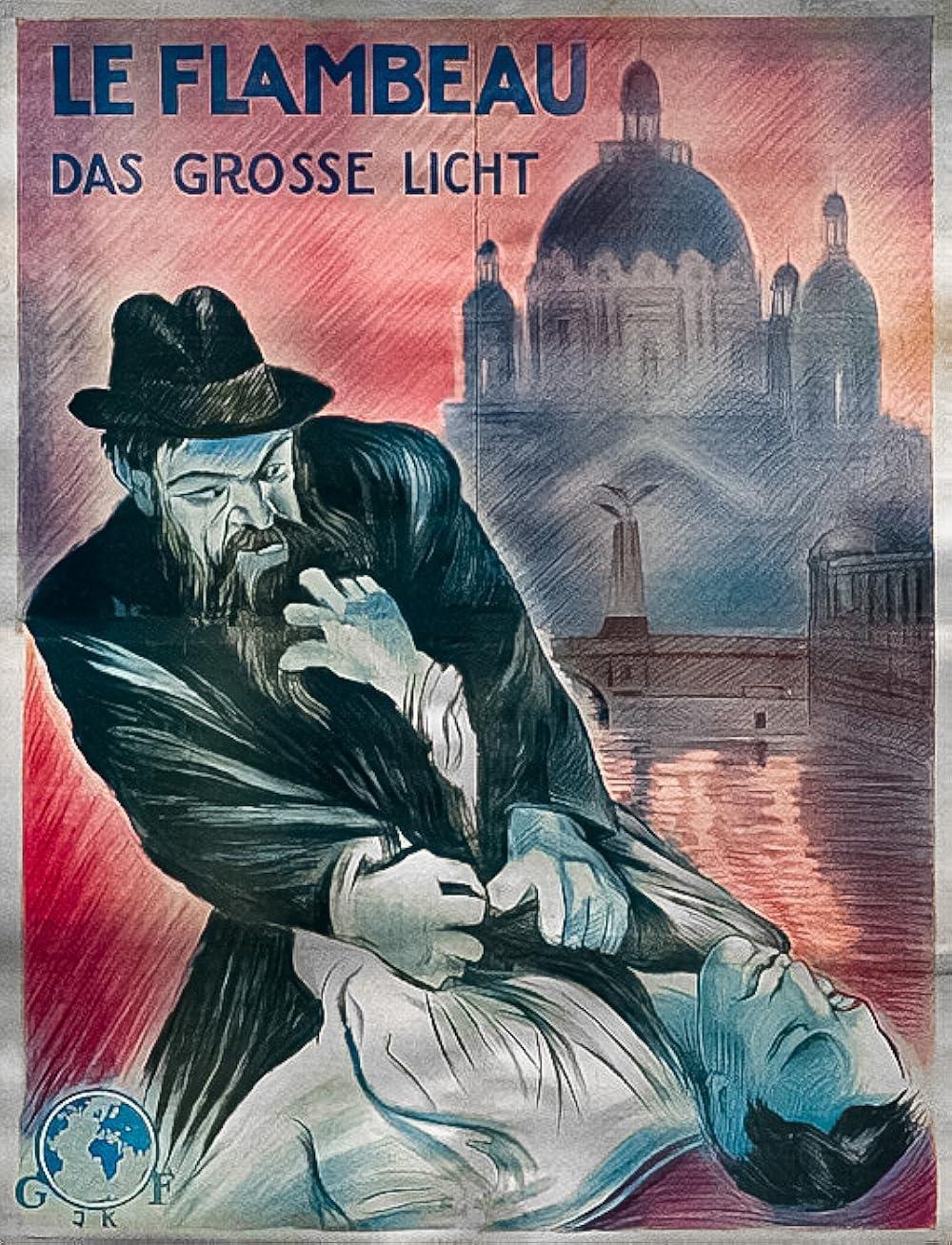
Lorenz Ferleitner has worked his way up from a poor but gifted farm boy to a recognized master builder. When a new cathedral is to be built, he is given the honor of carrying out the task. He would like to commission the unknown young painter Fritz Rasmussen to decorate the dome. The director of the art academy, Professor Marquardt, however, wants to employ his untalented nephew for the painting work. A bitter conflict unfolds.

Prim professor Immanuel Rath finds some of his students ogling racy photos of cabaret performer Lola Lola and visits a local club, The Blue Angel, in an attempt to catch them there. Seeing Lola perform, the teacher is filled with lust, eventually resigning his position at the school to marry the young woman. However, his marriage to a coquette -- whose job is to entice men -- proves to be more difficult than Rath imagined.
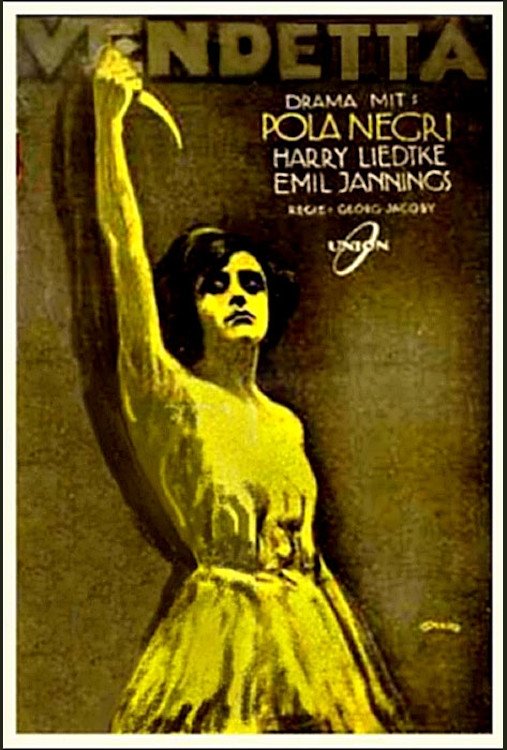
In Corsica, Marianna Paoli's brother is killed by an Englishman whose identity is unknown to her. She swears vengeance and tracks the killer to Monte Carlo. There she falls in love with a handsome young officer, only to discover that he is the murderer she has sworn to punish.
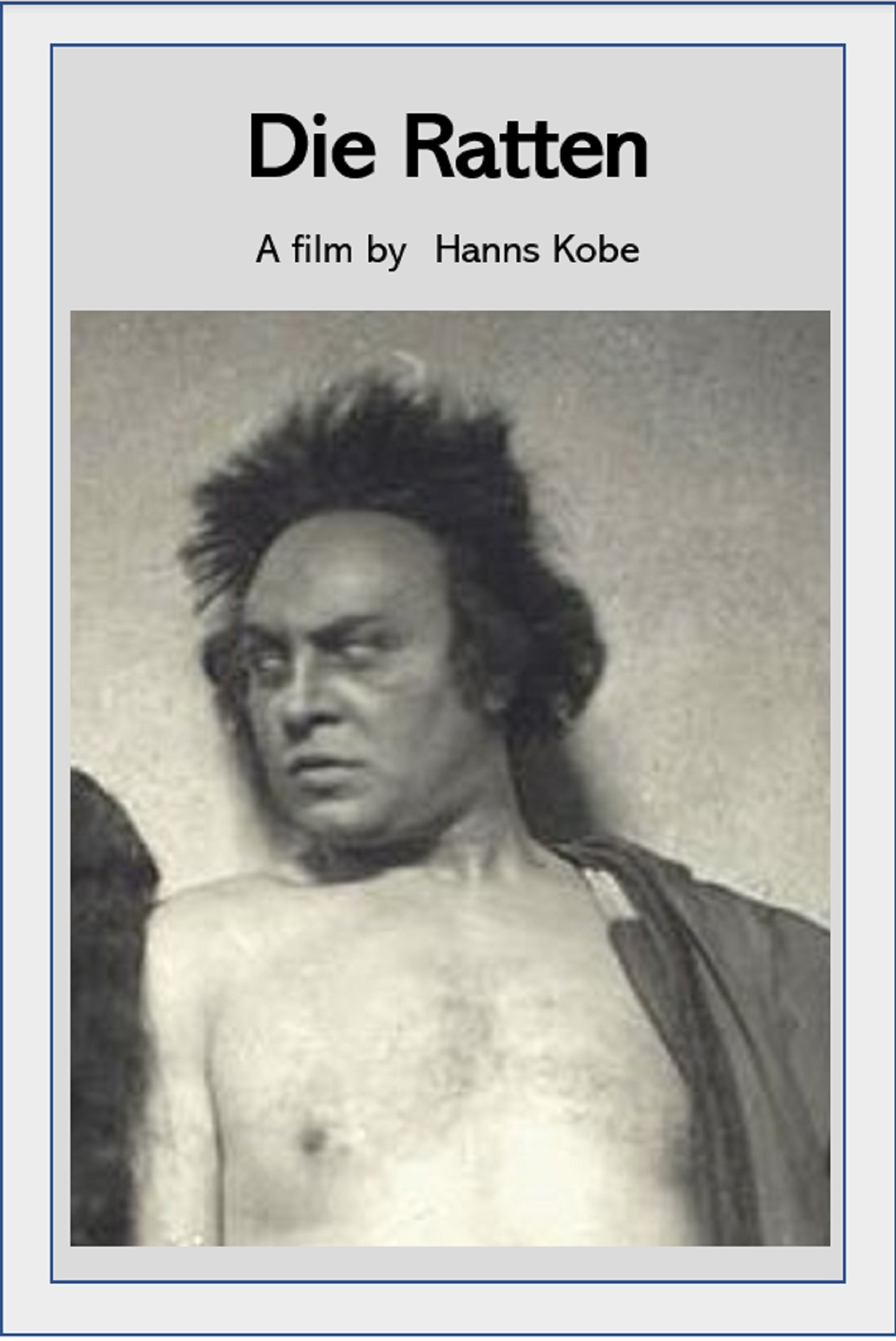
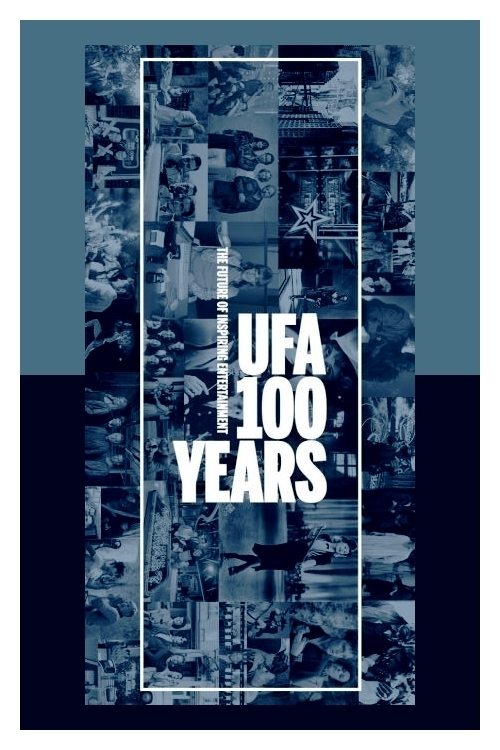
The intricate history of UFA, a film production company founded in 1917 that has survived the Weimar Republic, the Nazi regime, the Adenauer era and the many and tumultuous events of contemporary Germany, and has always been the epicenter of the German film industry.
German documentary about Hollywood
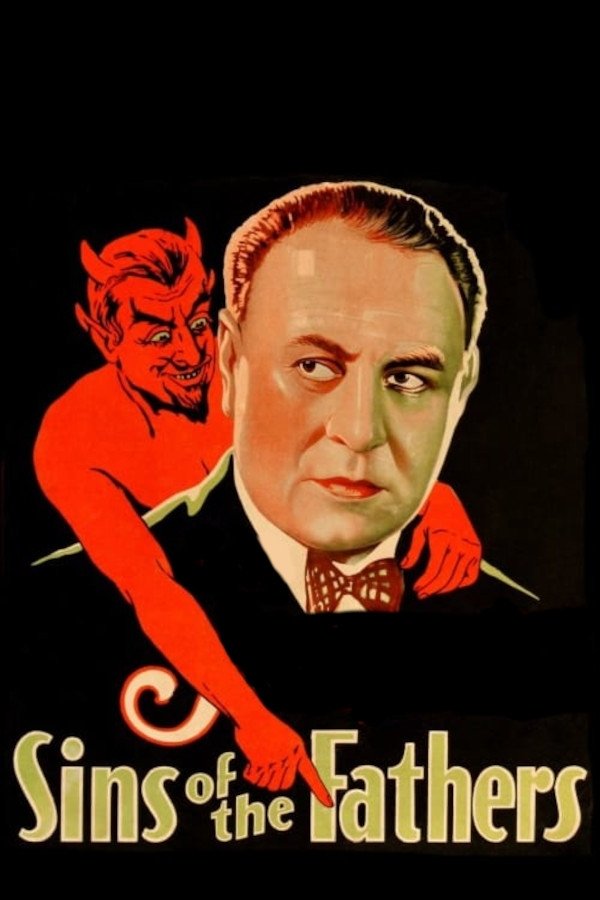
A married restaurant owner is persuaded to become a bootlegger by a beautiful young girl. When he starts making money at it, she steals it, then runs off with another man. His wife finds out what happened. Complications ensue.
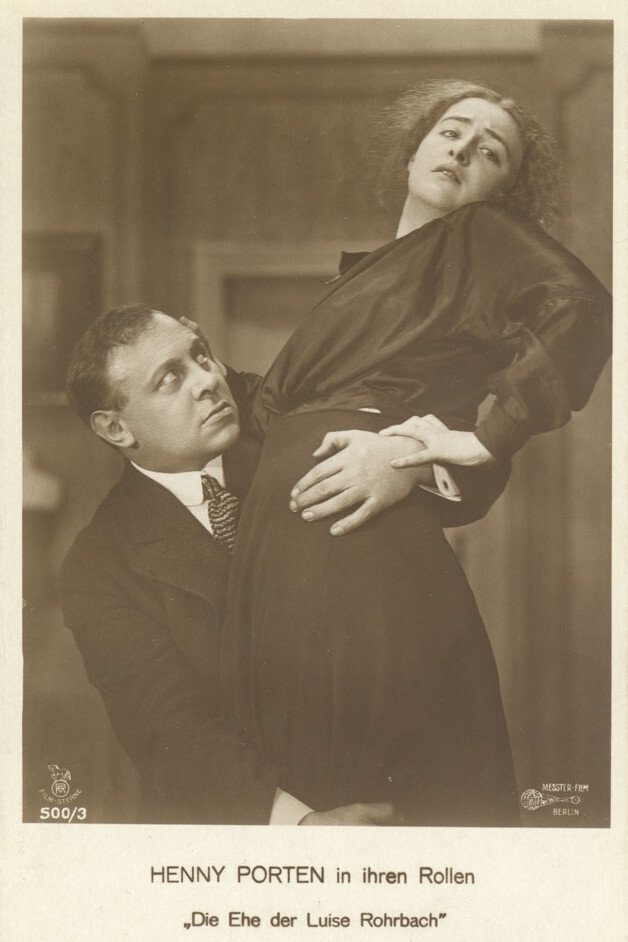
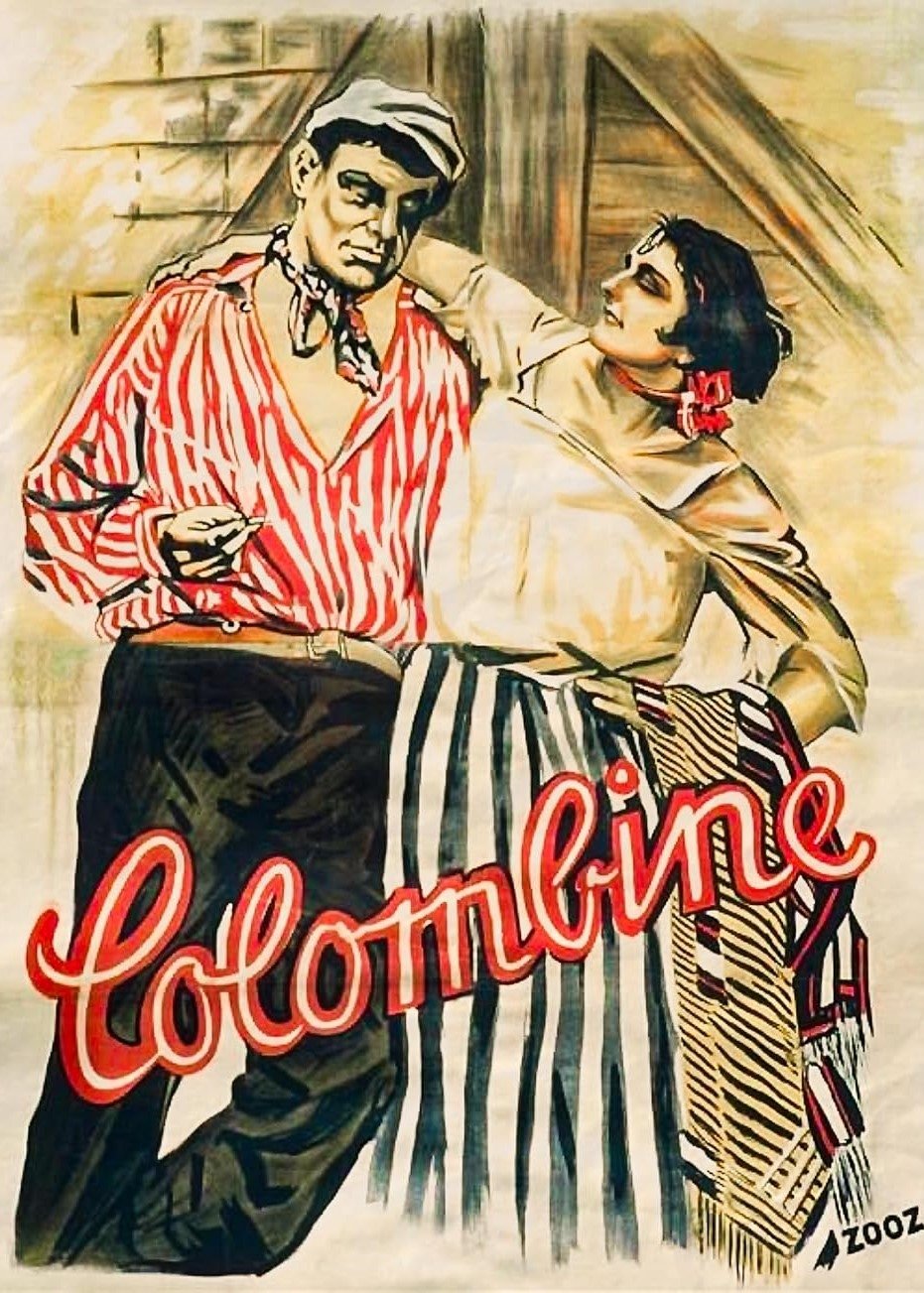
King Pausole is known for his relaxed rule and having a different wife for every day of the year. Princess Aline, the king's favorite, leaves the kingdom with Giglio, a modern, adventurous pilot, disrupting the kingdom's orderly hedonism. The king abandons his daily duties to hunt for his daughter, bringing him into contact with a world outside his own pampered experience.