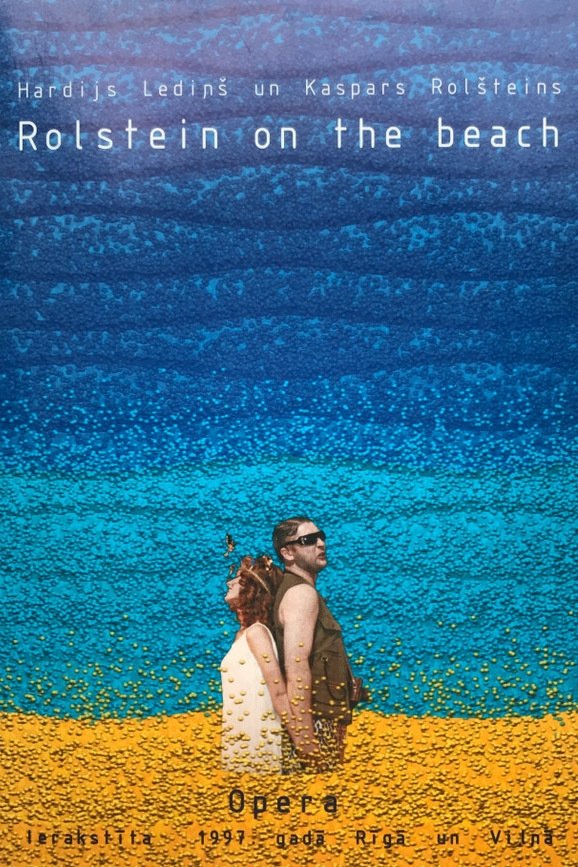
In September 3, 1997, an art project - the annual exhibition of the Soros Center for Contepmporary Arts-Riga was opened. The centre - piece of the event was the experimental opera "Rolstein on the beach", that was shown in Dailes theatre. The music and libretto of the opera was written by Hardijs Ledins and Kaspars Rolsteins, and popular musicians, actors and well - known public persons took part in the opera.
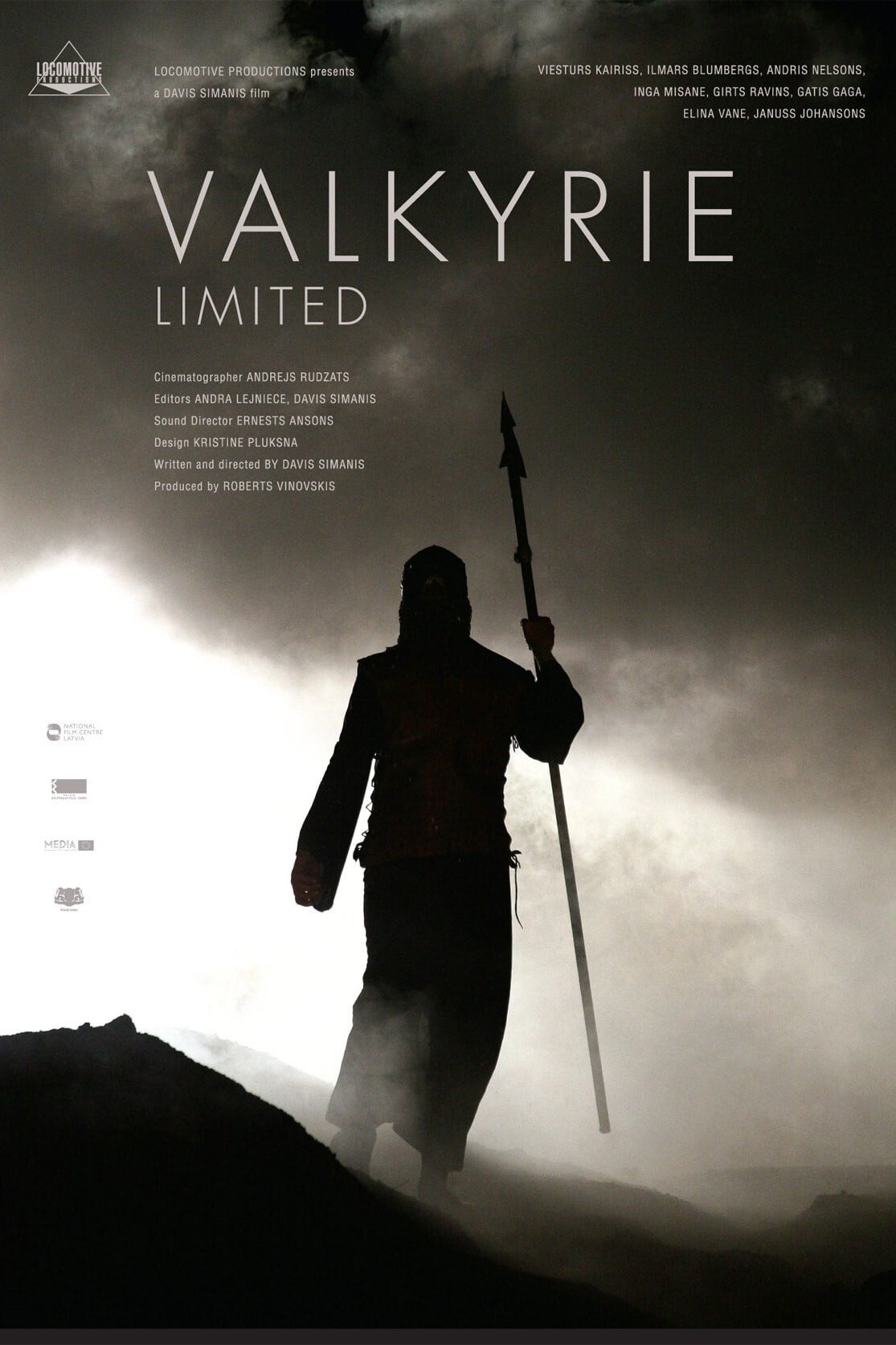
The documentary draws a portrait of an opera director who is staging Richard Wagner’s Die Walküre. He is torn between the tragicomic routine of an opera house and his own perception of Wagner and the Ring cycle. The film witnesses the director’s drama in maintaining the fragile link between a well-constructed performance and his own vision that lies within the music and the narrative, and is seen as German expressionism-like nightmares.
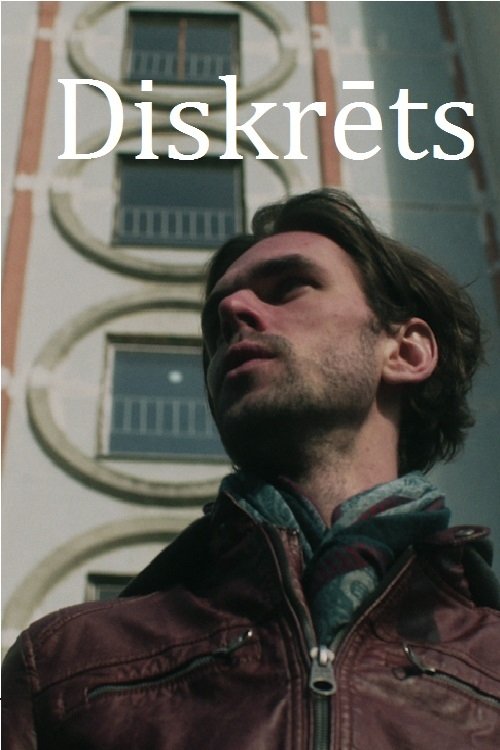
At 22, Kristaps still lives with his father, and their relationship is far from perfect. Every conversation turns into an argument because both men refuse to be open - Kristaps does not talk about his homosexuality, his father about his new relationship and how he appreciates his son's presence. The impetus to change comes when Kristaps meets his boss, Marek, who in Kristaps' eyes symbolises freedom.
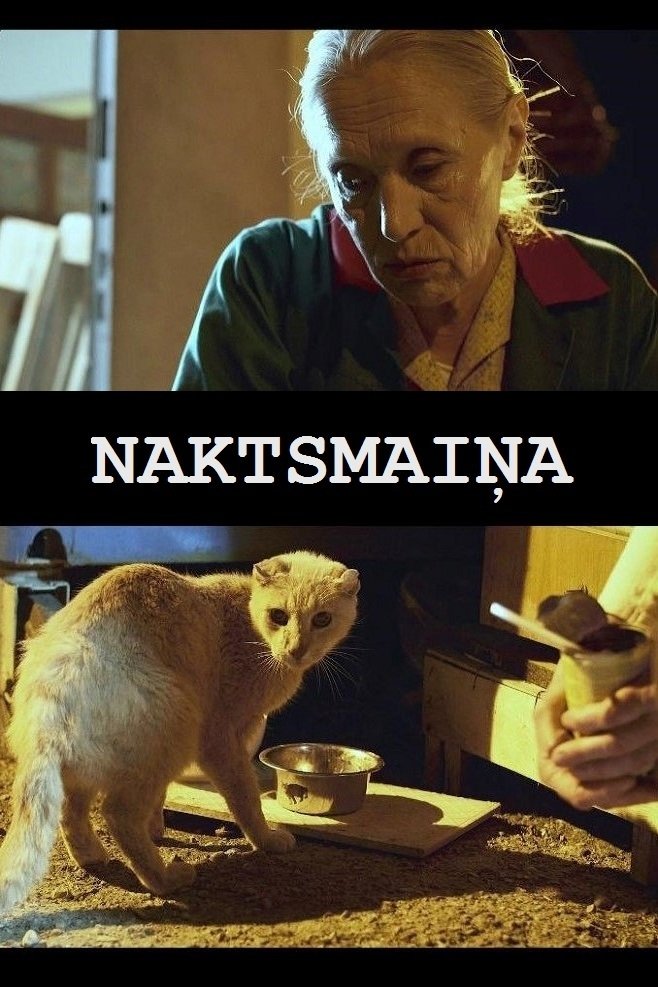
Imants is a security guard at a small town store. He is always nice, honest and truthful and would not let anything happen to the store and to the people that are working there, until one night when his honesty and truthfulness are set to a test. He has been given a choice – stay and be dishonest with himself or leave and open has hart to love. The choice seems easy, but it takes some courage to step out of a place where you have been for ages.
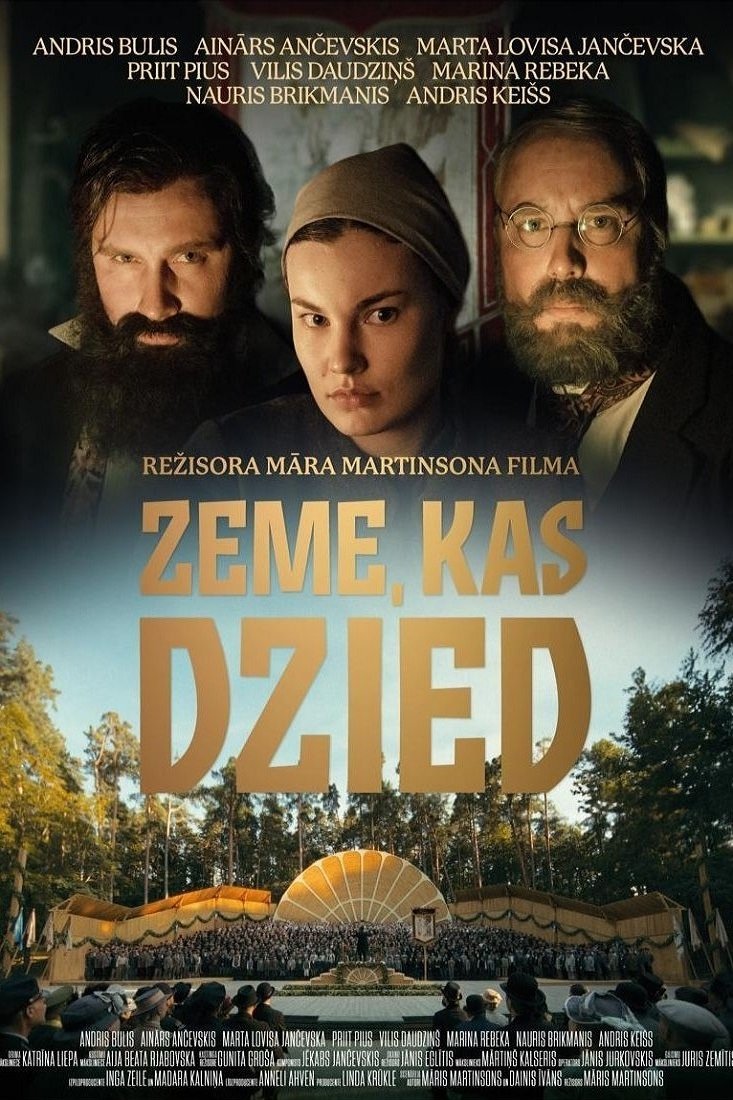
In 1873, brave men known as the New Latvians held the first-ever Latvian song festival under the watchful eye of oppressive censorship. This massive celebration, featuring 1,003 singers – both men and women – changed the course of the nation’s history. It stands as a unique example of non-violent resistance in the fight for freedom against imperialism, led by Latvia’s entrepreneurs, writers, publicists and ordinary villagers.