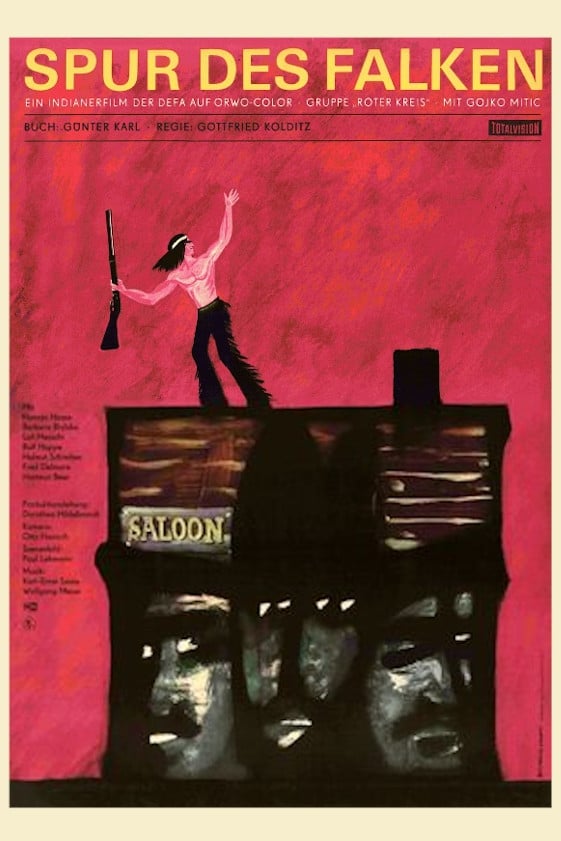
In the latter half of the 19th century, gold is discovered in the Black Hills, sacred land of the Lakota people. Gold diggers, profiteers and adventurers flock to the region. Among them is the hard-hearted land speculator Bludgeon, who tries to expel the Lakota using brutal methods. Lakota warriors retaliate, and soon the gold diggers' town becomes a battlefield.

Eight space cargo-ships disappear without a trace within three days, and the orbit station "Margot" has suddenly fallen silent. It’s down to science officer Maria Scholl to find out what happened to them.

The young and ambitious prosecutor Gudrun Lambert has a big fish on the hook: Axel Bode. The notorious hitman has already confessed to four murders. But he stubbornly refuses to name his client. However, Lambert wants more than just Bode's conviction. She wants to finally bring down the feared businessman Jack Glinz, Bode's alleged client.
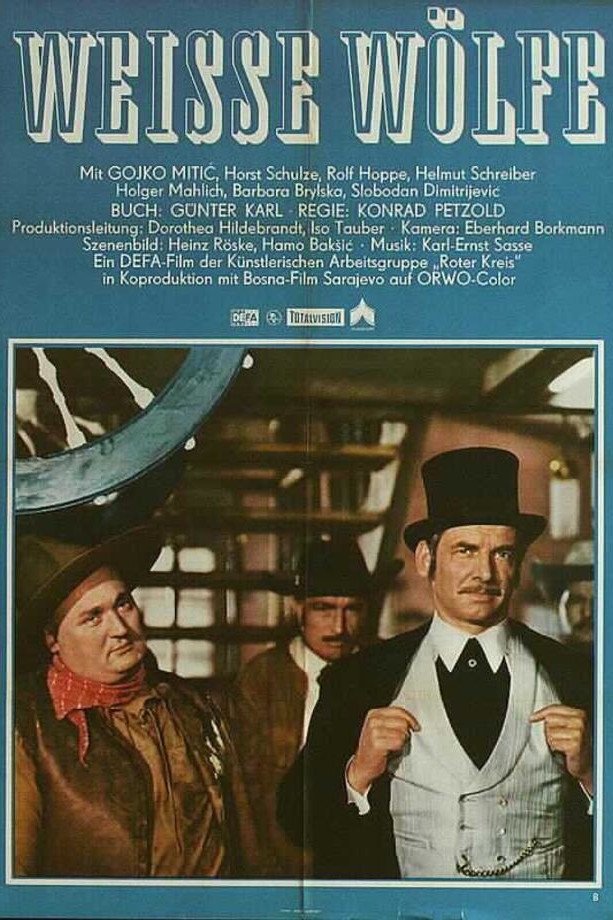
Farsighted Falcon, chief of the Lakota, seeks refuge in the Black Hills with his wife Blue Hair and two warriors, sole survivors of their tribe. When they are attacked by the outlaw Bashan, Falcon strikes out for the town of Tanglewood to take on Bashan's boss, mining magnate Harrington.
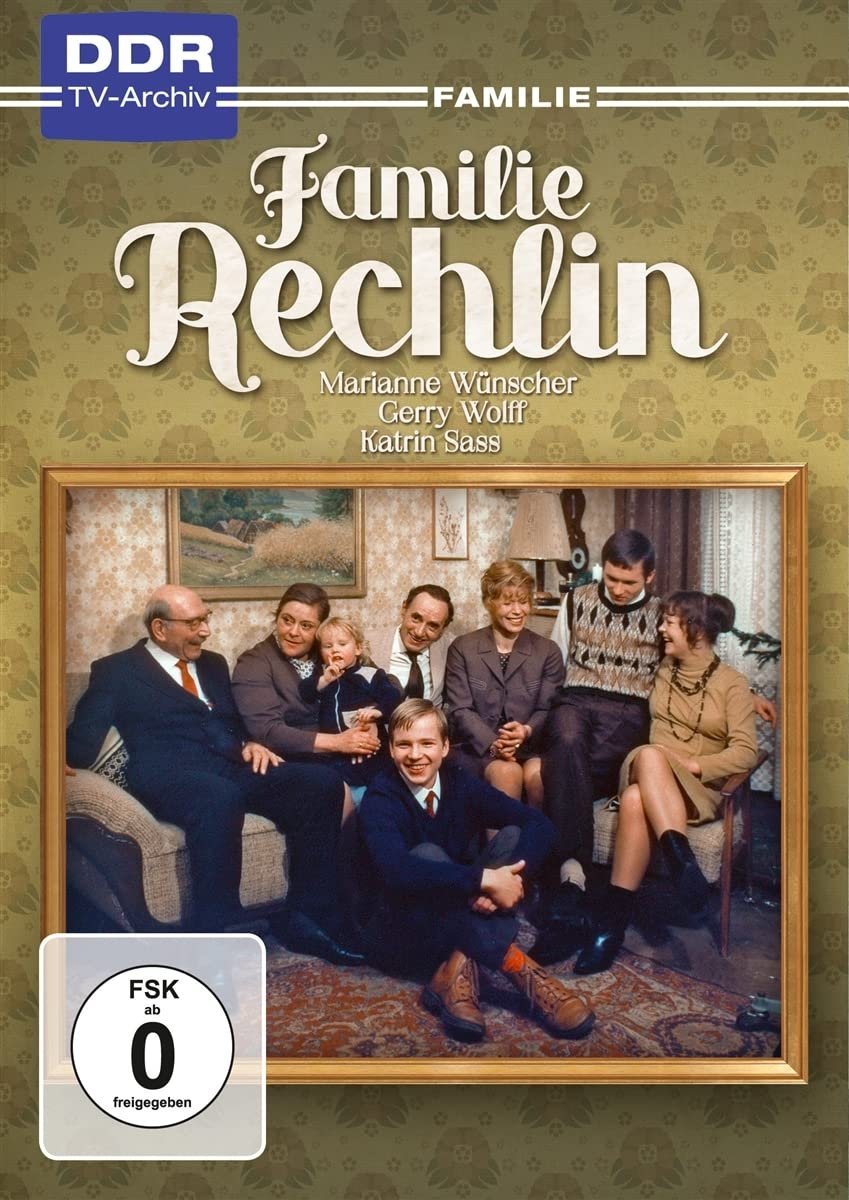
Berlin in the 60s. The construction of the Berlin Wall not only divides the city, but also separates the Rechlin family. While mother Ingelore lives with husband Hannes and the youngest son in the eastern part of the city, the young, married daughter Beate lives in West Berlin. Even when she gives birth to the first grandson, the newly baked grandma Ingelore cannot visit her. Travel permits are only issued one year later. But the formerly so tight family bond is burdened by the long separation. Son Bernd also avoids the rest of the family, as his new girlfriend has just been released from prison because of attempted "republic escape". And so Mother Ingelore almost has to watch her family shatter.

Weeks after the victory in Vietnam, first pictures of a new humanity are captured: old and sick people preparing for their future, children on their way to school.
A Polish counterintelligence officer infiltrates a spy network in Munich.
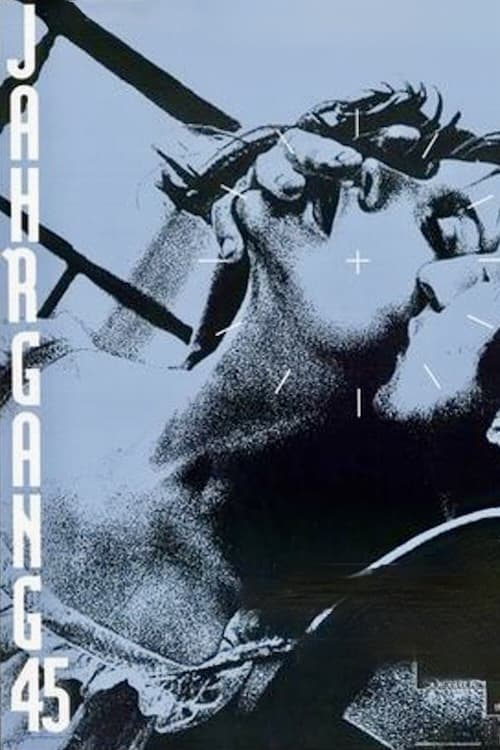
Originally banned in 1966, East German director Jürgen Böttcher's tale of love and disillusionment among two newlyweds attempting to navigate the treacherous world of marriage was never officially released in his homeland until after reunification in 1990.
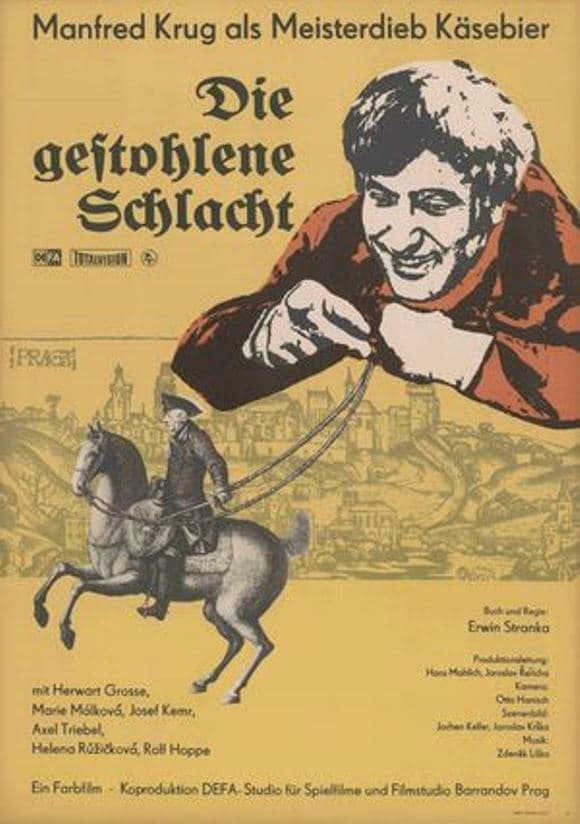
In 1757, the second year of the Seven Years' War, Frederick II the Great stands at the gates of Prague. He has been trying to take the city for weeks, as the enemy commander Duke Charles of Lorraine is inside. Frederick has just defeated him, but the tide could soon turn against the Prussians, as new Austrian troops are approaching. None other than the famous master thief Andreas Christian Käsebier is to sneak into Prague to open the gates from the inside. As a reward, the king promises him freedom. Käsebier accepts the offer because he is tempted to steal an entire city. But by chance, Käsebier learns that the king wants to betray him. After a successful battle, he is put back behind bars for life. This doesn't suit the master thief at all, especially as he has just fallen in love with Katka in Prague.
The passionate seducer Robert has made all the preparations perfectly to spend a fun evening with Solange, the wife of his friend Fressinet.

Franziska Dreyer and Sebastian Pauli are a happy couple. When one day the police arrest her boyfriend on suspicion of murder, Franziska assumes it's a mistake. But in a trial marked by circumstantial evidence, Sebastian is tried, convicted and sentenced to life. Franziska believes he's innocent and fights to get him released. This puzzles her parents and friends who advise her to cut all ties to him. Her reaction is to marry Sebastian in prison. Then Franziska discovers completely unknown sides to her husband and now doesn't know who or what to believe any more.
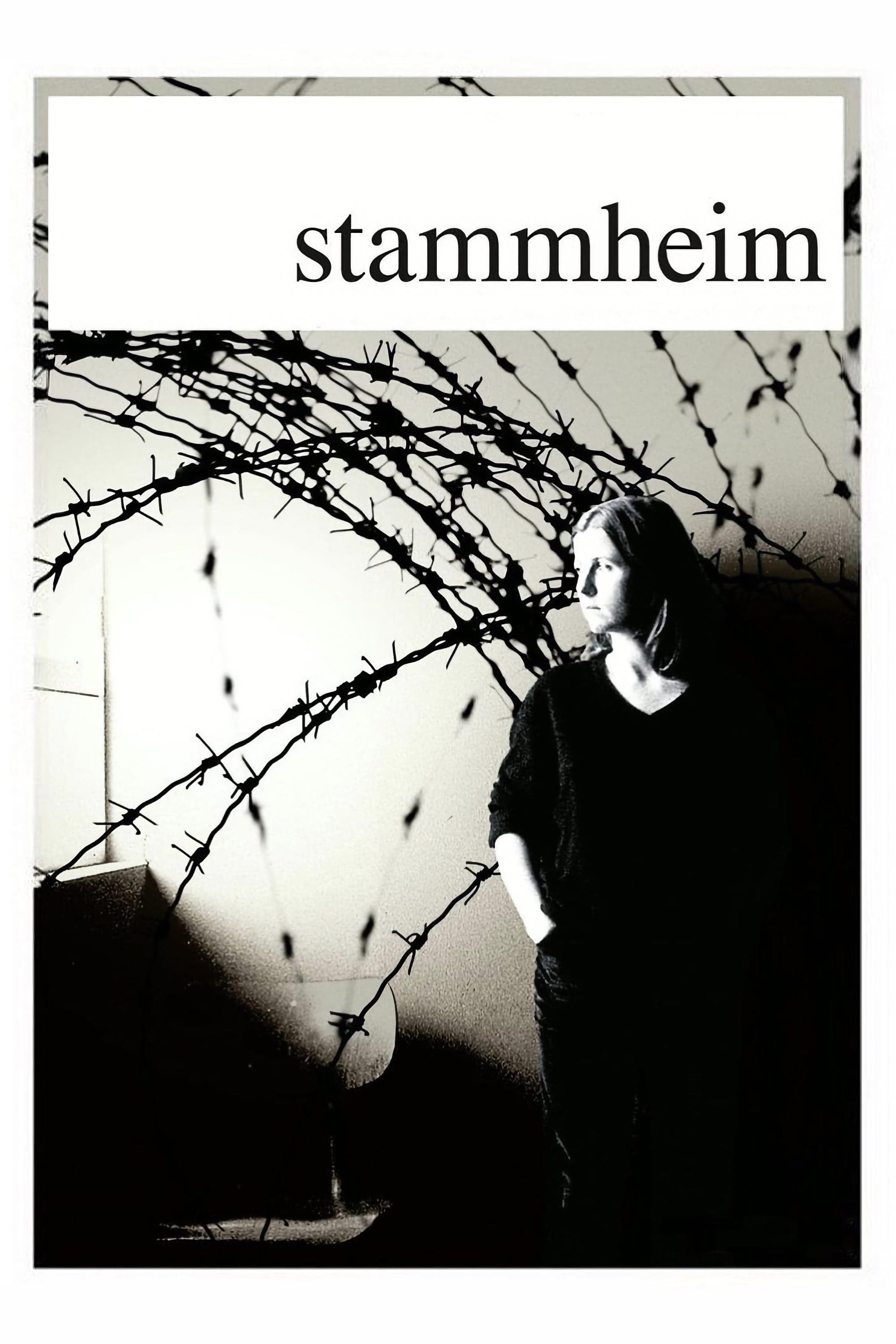
Based on the research for his non-fiction book "Der Baader-Meinhoff-Komplex", "Spiegel" journalist Stefan Aust wrote the screen play to Reinhard Hauff’s controversial feature film that re-narrates the startling trial against the RAF terrorists Baader, Meinhoff, Ensslin, and Raspe. The trial that started in May 1975 in the Stammheim maximum-security prison extended over 192 days and ended with a lifetime sentence for all defendants.
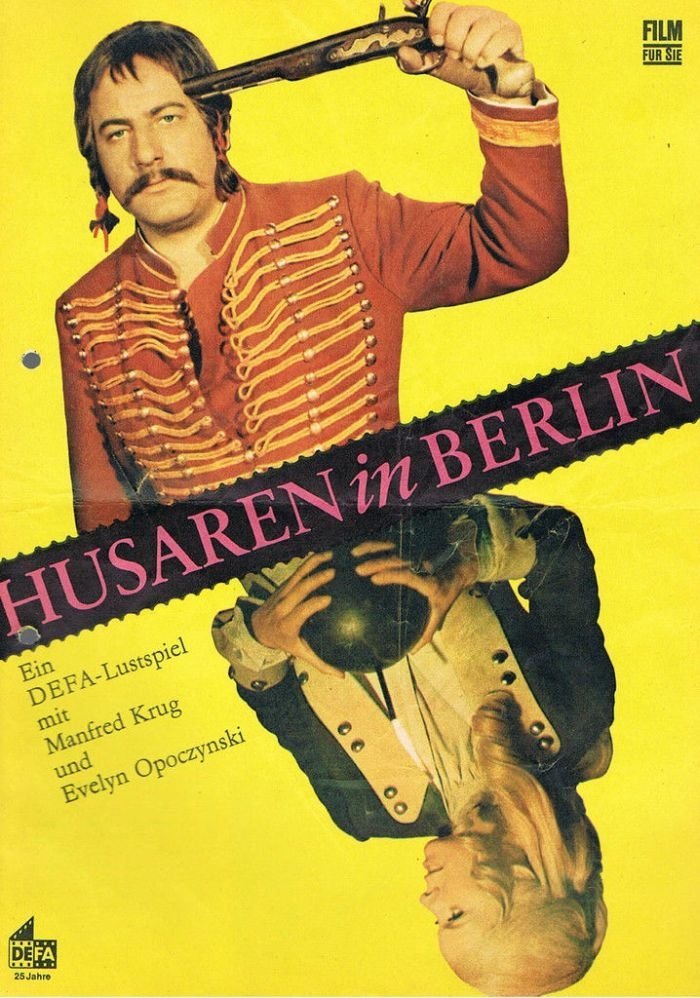
Comedy about the "Husarenstreich", the 1757 Berlin raid during the Seven Years' War.

Silvia and her boyfriend Lutz, both aged twenty, work as jockeys at a big racing stable and have their whole life in front of them. But while Lutz would like to get married and start a family, Silvia only thinks of her career. When she meets the charming veterinarian Clemens, her relationship with Lutz seems to come to an end. Driven by her burning ambition, Silvia causes an accident one day in which her favorite horse dies. Only now, the young woman seems to come to her senses. Silvia realizes that she must face criticism and scrutinize her selfish actions.

Dr. Gisa Tonius, a physicist in her thirties who has a nearly adult stepdaughter, cherishes the desire to have her own child. Suddenly, a big interdisciplinary research project threatens to significantly change Gisa′s life. Uncertain whether to look for professional or private fulfillment she asks her family and friends for their opinions. They all have different views on the point at issue. While her husband is afraid of losing her to her profession, her professor thinks that because of her talent she has an obligation towards science. In the end, Gisa reaches a decision: She wants to have a baby as well as take on the research project.
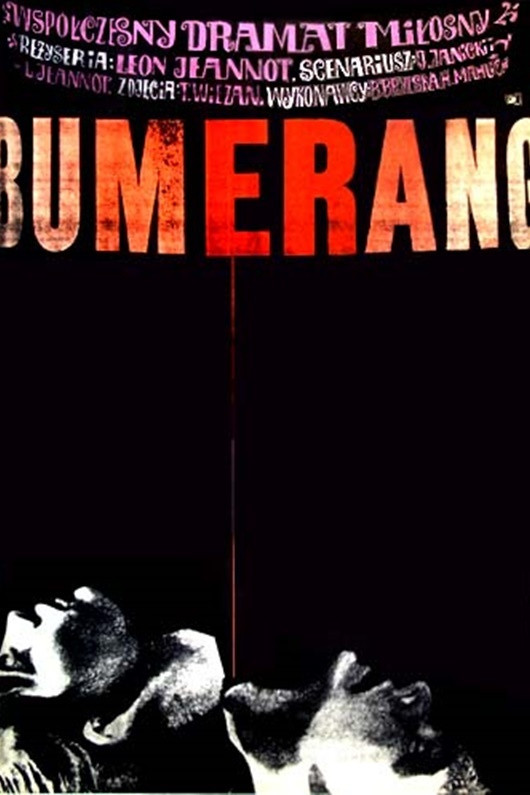
A German man and a Polish woman fall in love in the days preceding World War II.

On the eve of the German Peasants' War, the family of the young Christoph falls victim to an act of revenge by the knight Scharfenstein. The peasant leader Joß takes Christoph in. He learns to read, write and use a weapon. When Hieronymus is on his way to fetch a flag to signal an uprising, Christoph discovers treachery. To warn Jerome, he rides after him. But he can no longer save him from arrest and fetches the flag himself. On the way back, he is arrested with it. In prison, he meets Jerome again - and his older brother Jacob, who is an executioner. Jakob wants to let his brother go if he renounces the Peasants' Union. Christoph refuses and is able to escape with the flag.
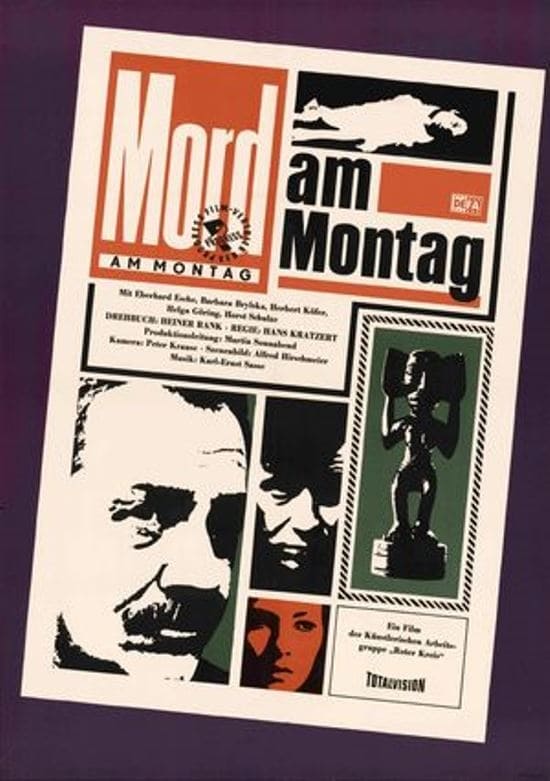
Photo model Monika Stange is found murdered in her apartment in a major West German city. Detectives Bentheim and Laube find rough diamonds hidden in the apartment. The trail leads to a racketeering ring and the influential industrialist Dr. Vogelsang. The latter is not prepared to get involved in the murder case under any circumstances and refuses to testify. Inspector Laube tries to solve the case without his colleague.
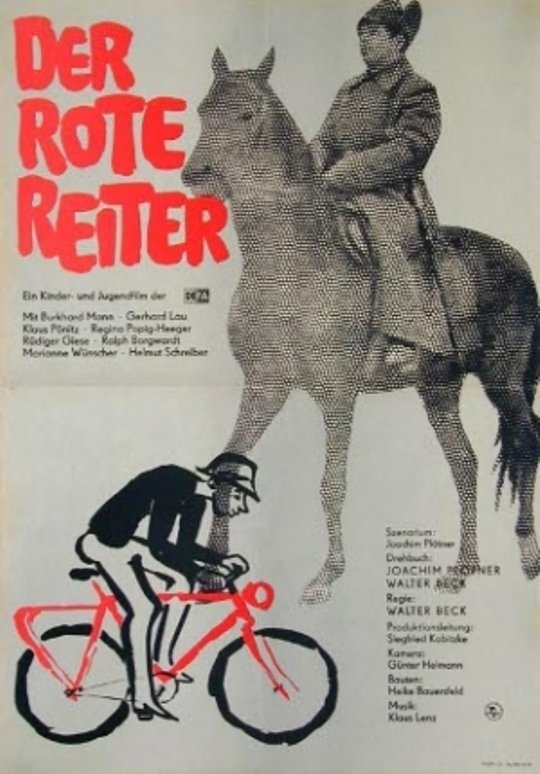
In 1920, Michael, the son of a German laboring man, decides to travel to Russia. As "red horseman" he wants to support the socialist revolution and fight for the welfare of the working class. The journey towards the east turns out to be both a big adventure and a severe ethical test for the young man. He has to escape the German Armed Forces and ends up at a traveling circus where he falls in love with Fanny, a dressage rider. He overcomes the temptation to stay with her at the circus and - after briefly joining a gang of teenage thieves - he eventually boards a ship heading east. Aboard the ship he finds out that the seamen are transporting weapons for the hostile members of the White Army.
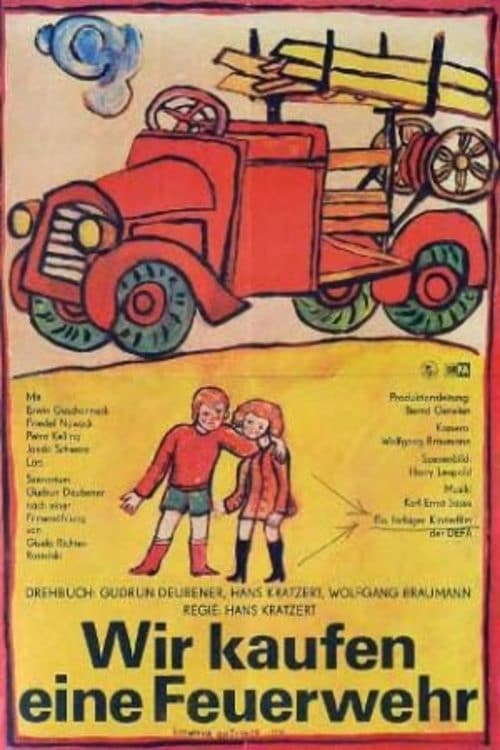
Little Matti and his friends are restoring the old abandoned fire truck .
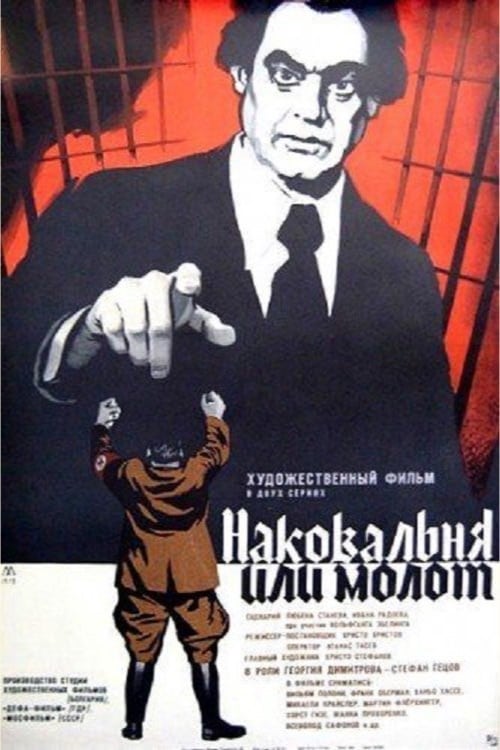
This is a political picture about the Bulgarian revolutionary Georgi Dimitrov. In 1933 during the Reichstag Fire Trial trumped-up charges of having set the Reichstag on fire were brought against him. At the trial Dimitrov exposed the machinations of the Nazis and turned from a defendant into an accuser. Central to the story is the face-to-face political duel between Dimitrov and Goering. Dimitrov's interactions with ordinary Germans, the memories of his wife Lyuba Ivoshevich, and the meetings with his mother Parashkeva alternate with documentary shooting scenes from the time of Nazi Germany.
Trini avenges the torture of his uncle by a landowner’s son. Trini and his fellow peons destroy the landowner’s home and overpower his guards with the help of Emiliano Zapata. Zapata is killed in a conspiracy before Trini can warn him.
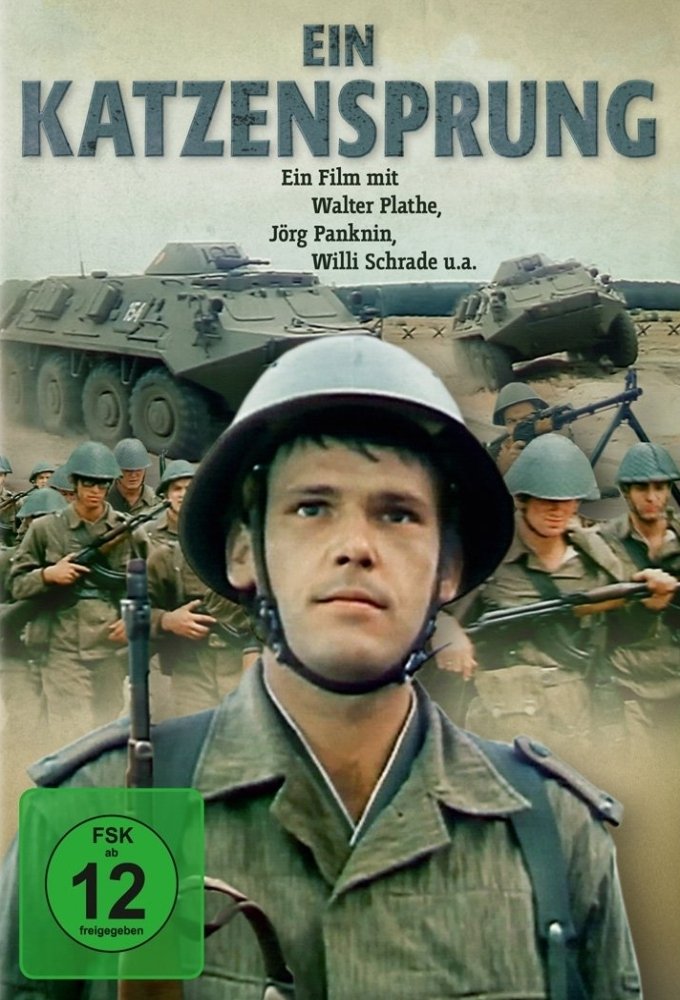
Young lieutenant Riedel, the leader of a motorized unit of NVA riflemen, is always concerned about his men. Thus, he is all the more happy that everything is running smoothly with the new recruits when he returns from his honeymoon. It seems to him that lance corporal Weißenbach, who is not only the oldest of the men but also a formidable armoured personnel carrier driver, has been a reliable stand-in for him. Thus, Riedel is all the more surprised when he learns that Weißenbach boosts the squad's performance with partly questionable methods.
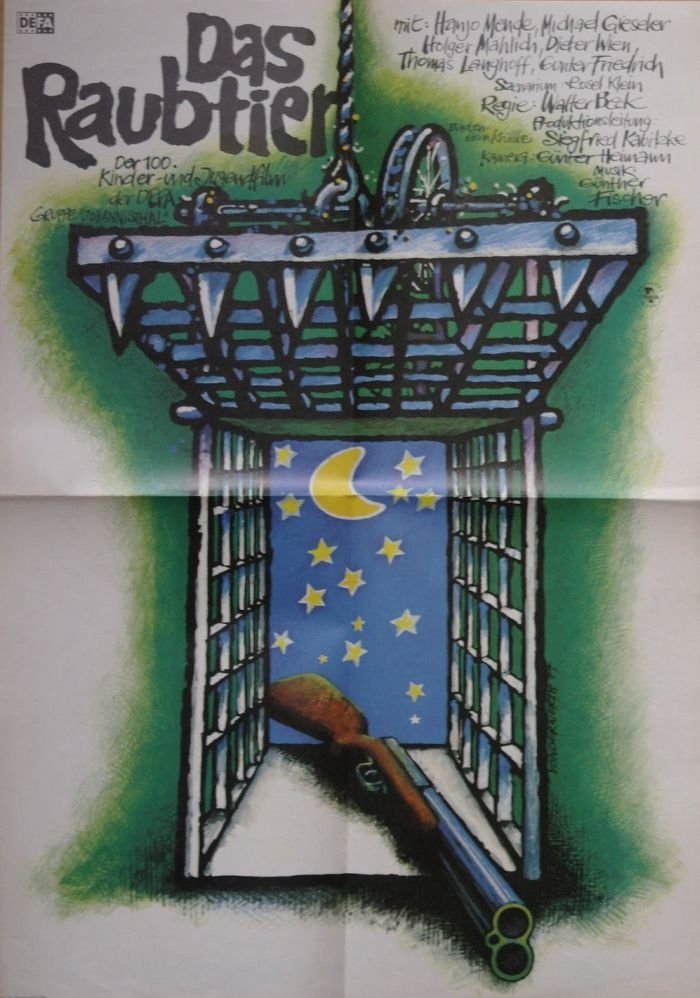
After a wolf had killed a sheep in their village, 12-year old Roland and his friend Hugo keep track of the predator. Roland wants to build a trap to capture the wolf alive. His father, on the other hand, wants to kill the animal with the hunting collective. Thus, father and son become rivals. Whereas his father takes leave from his job to lie in wait for the wolf, Roland ditches school and tinkers with his trap.

The merchant's daughter Constanze, begs her father to ask a lion for a favor. Her father approaches the lion who agrees to his request with one condition: that he send the first person he meets upon his return home to the lion's den. It is Constanze. Against her father's will she goes to the lion and discovers that he is an enchanged prince and that only a woman's love can release him from the spell.
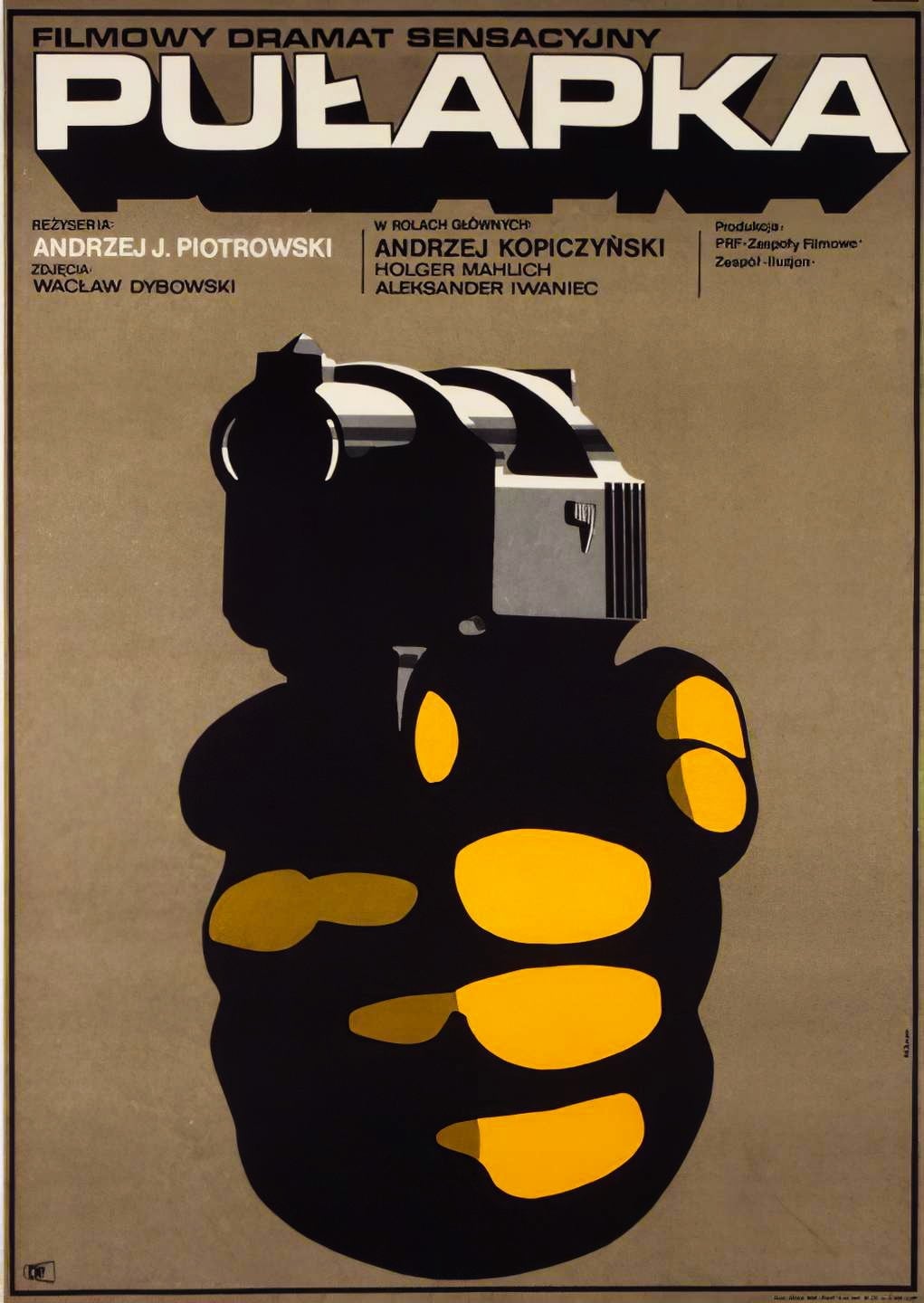
Shortly after World War 2 a conflict between cousins, a Polish major and a former SS soldier arises on the Recovered Territories.
Private detective Fritsch from Munich had received a lucrative assignment: he was to obtain proof of inheritance for a Mr. Seligmann from Canada; this would bring the client a sum of five million dollars. He is therefore looking for an old document that was hidden in a valuable painting that disappeared decades ago. The starting point is a trail that leads to a town in Poland. The painting in question is said to have disappeared there in the final years of the Second World War. But the object of desire cannot be found here, and a new clue points to a grave in Frankenthal in the German state of Rhineland-Palatinate. Fretsch then found out that the painting must probably be in the villa of a personality with significant influence in the economy and politics of West Germany. Fretsch manages to get in touch with the wife of the presumed new owner of the painting and to find out the secret of his rise to multimillionaire status. But the people concerned use their resources to counterattack.