10-year-old Pixote endures torture, degradation, and corruption at a local youth detention center where two of its members are murdered by policemen who frame Lilica, a 17-year-old trans hustler. Pixote helps Lilica and three other boys escape and they start to make their living by a life of crime which only escalates to more violence and death.

Shortly after World War II, the city of Rio de Janeiro experiments a period of great cultural, political and economic effervescence, when all the dreams – or nearly all – seem possible. In this exciting scenery of transformation, Paulo discovers love, friendship and sex through his childhood and adolescence in the 1950’s and 1960’s.
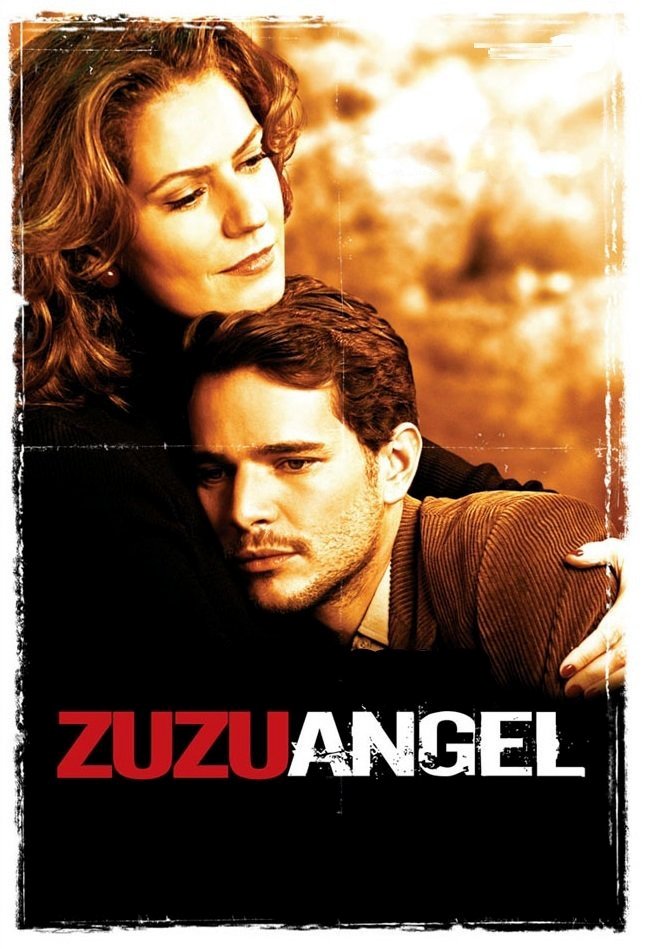
Covering the last years of the famous Brazilian fashion designer in her doomed quest for justice, Zuzu Angel follows the case of her activist son Stuart's arrest, torture, murder, and subsequent corpse disposal by the military forces in early 1970s Rio de Janeiro, during the darkest era of Brazilian military regime and media censorship.

In a country town in the state of Minas Gerais, Brazil, Januária is going to marry the shy and naive Amorim. But in her heart she wants to escape with her dream hero, the cowboy Roy Pereira, and start a new life in Texas.

The story of the great train robber Ronald Biggs.
Twin brothers arrive in Rio during the Carnival. One is a priest and is going to work in a parish; the other, a drug-dealer, in a business trip to sell cocaine. They’re not aware of each other’s presence. People expecting them always get in touch with the wrong guy.

The romanced story of Xica da Silva, a slave that used her "feminine atributes" in order to get power.
In 1947, Edgar went to visit Usher and his sister Lady Madeleine. He find out that coursed still living in the house after Usher rebuild it. Based on the novel of Edgar Allan Poe.
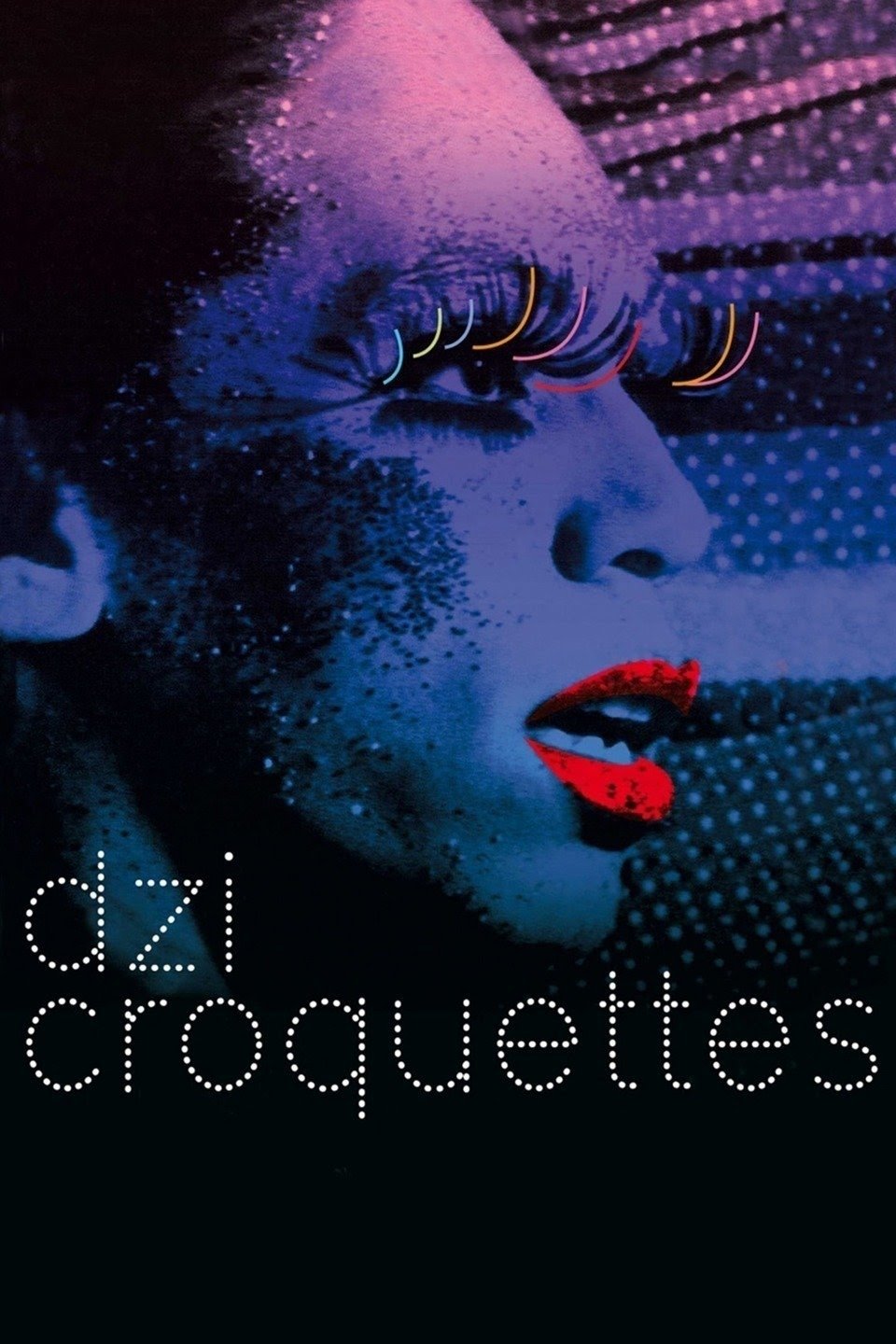
A Brazilian theatre group that through talent, irony and humour confronted the Brazilian violent dictatorship in the 1970s revolutionising the gay movement worldwide and changing theatre and dance language to an entire generation.

Upon learning that the school where he learned music is going to be expropriated, a famous singer decides to do a show for the benefit of the institution.
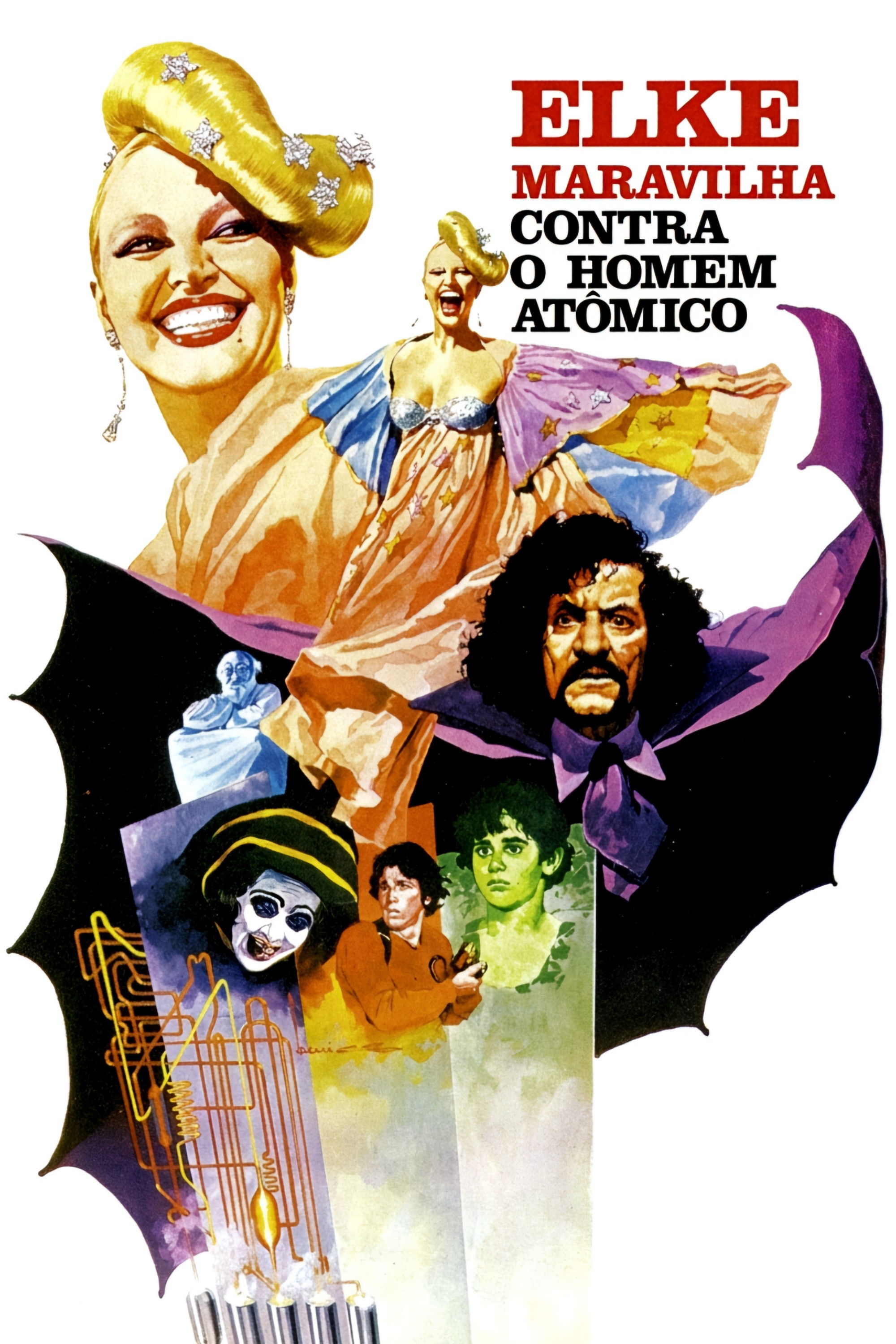
Reporter Tião, who routinely brings neighbor’s son Zeca along for leisure features, is drawn into investigating mysterious disappearances in the city. He uncovers Dr. Kiriri’s hidden laboratory, where the mad scientist and his secretary Mérilin transform victims into dust and send them to another galaxy. Tião must expose and stop Kiriri before more people vanish.
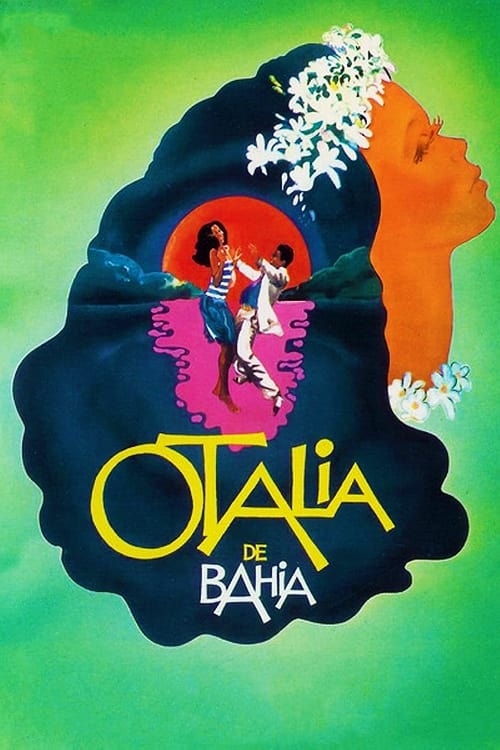
The adventures of Otalia, a strangely innocent young Brazilian prostitute who has just arrived in Salvador, Bahia. Though her belongings are stolen from her shortly after arrival, Otalia swiftly meets up with a group of charming and helpful friends.

Music manager has to get three of his artists together for a special show, but soon finds out it isn't an easy task.
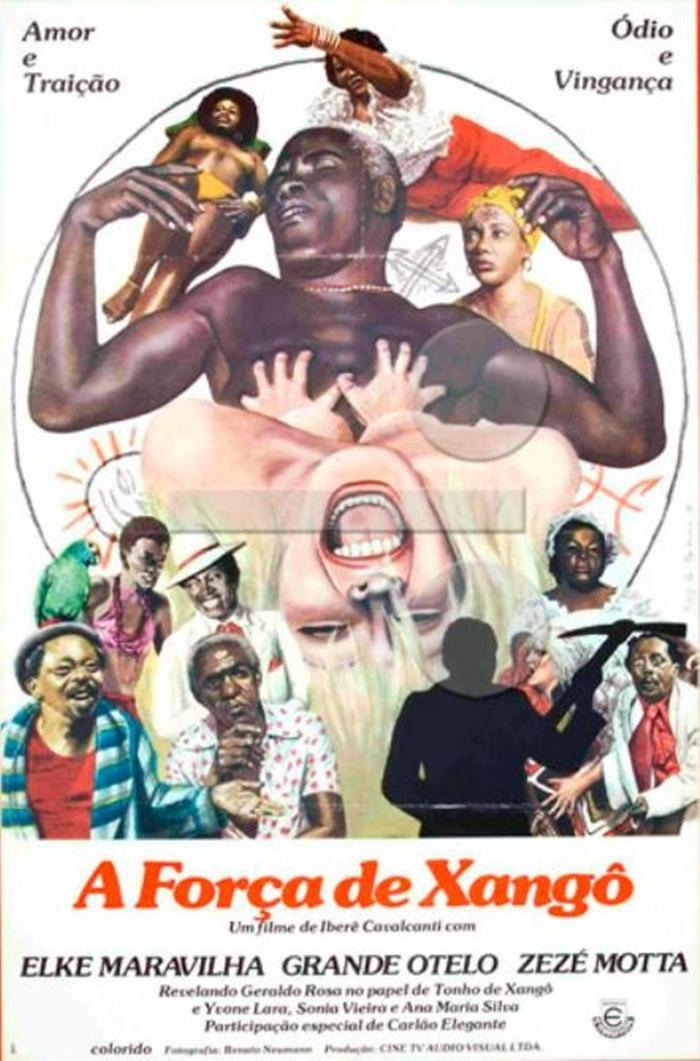
Tonho Tiê really likes living free, playing capoeira and drinking. During Carnival he meets beautiful Zulmira; they pledge love and projects for many children. But time passes and Tonho returns to being the womanizer he had always been. Zulmira, daughter of Iansã, cannot stand Tonho's brazenness, and asks her saint-mother to wash her honor with blood.
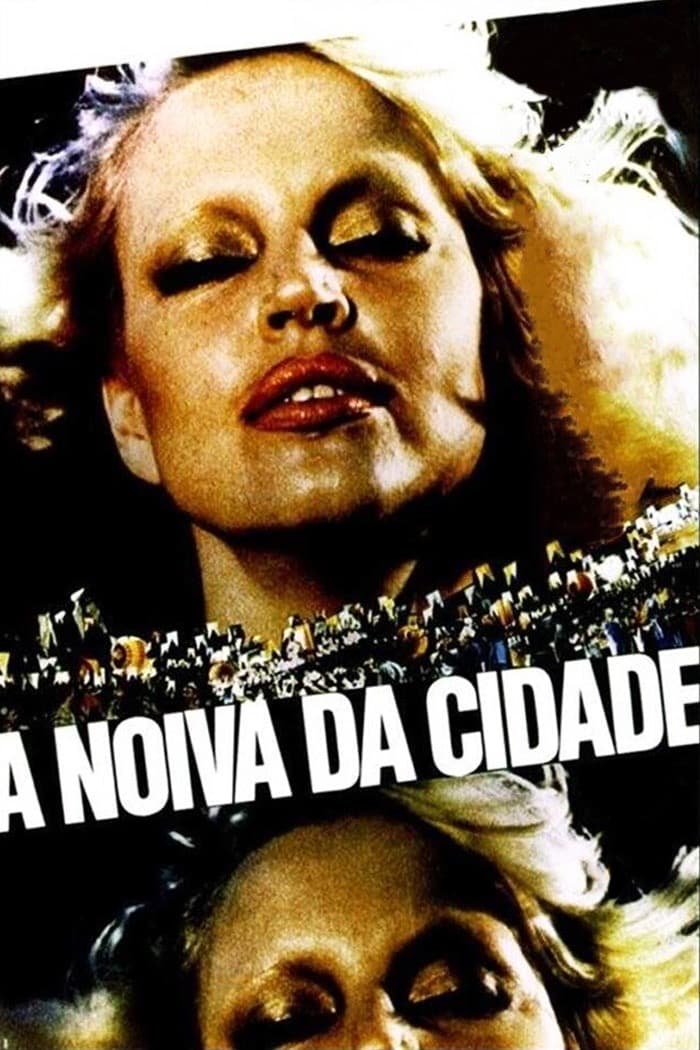
When Daniela, a famous actress, decides to return to her hometown to reconnect with a simpler lifestyle, local politicians decide to exploit her influence in order to get ambiguous deeds done.
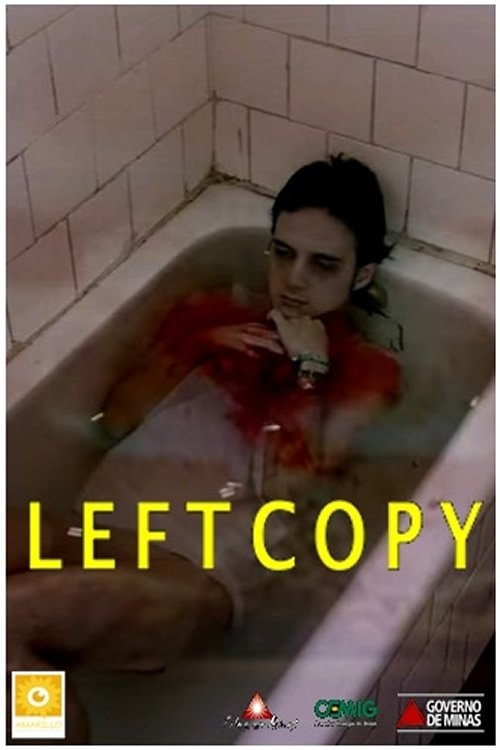
Obsessed with a heteronormative identity, Pendro confronts himself with an image that doesn’t represent who he is. On this search performed by him, the marks of violence start appearing all over his vulnerable young body.
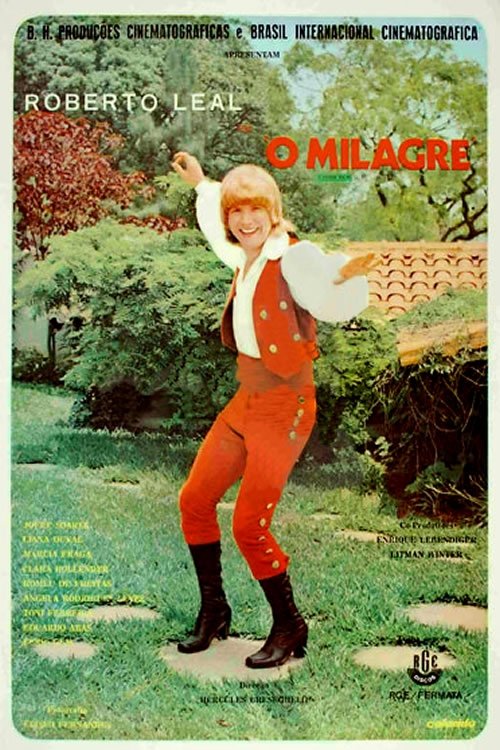
The dictator of a small Caribbean island receives the New York Times daily, sent by a nephew. Through the newspaper, he gets in touch with the world. Guerrilla groups try to neutralize this information system.

This film documents in depth the life and artistic trajectory of the musician and poet Itamar Assumpção. He was one of the pillars of a moment of Brazilian popular music that was conventionally called "Vanguarda Paulista". Starting from extensive research which resulted in more than 250h of images and a dive into the personal universe of this incredible artist, Itamar comes up with a poetic, intuitive plot where facts and testimonies speak louder than preconceived ideas.

The children are invited by a Brazilian music star to one of his shows. But the trip turns into a nightmare when the villains Gonzales and Gonzalito, recently released from prison, decide to kidnap Maria Joaquina.
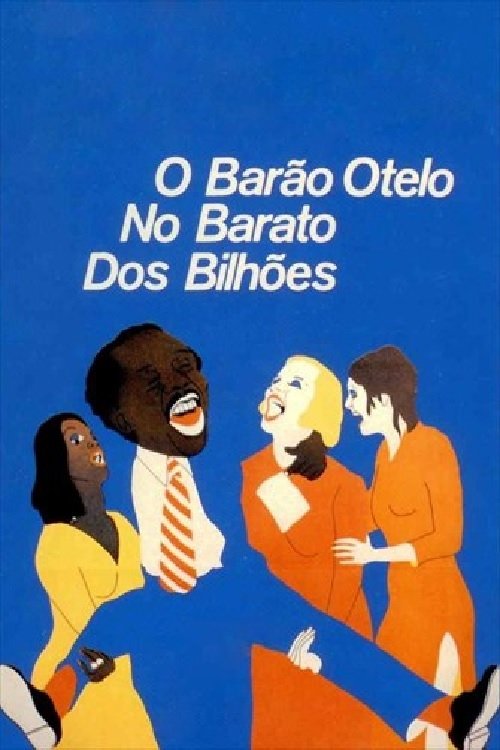
João-Sem-Direção knows Carvalhaes that proposes a blow to him. John does not accept the proposal, but ends up earning a hefty cash in the game.


Ana (Manuela Campagna) is a 17-year-old girl who lives in a border town between Brazil and Argentina. There, she has no leisure options and no internet access. Your only refuge is to visit a tallow / lanhouse known as "The Cave". It is there that, one day, she ends up meeting Murilo (Fagundes Emanuel), the boy she will fall in love with.
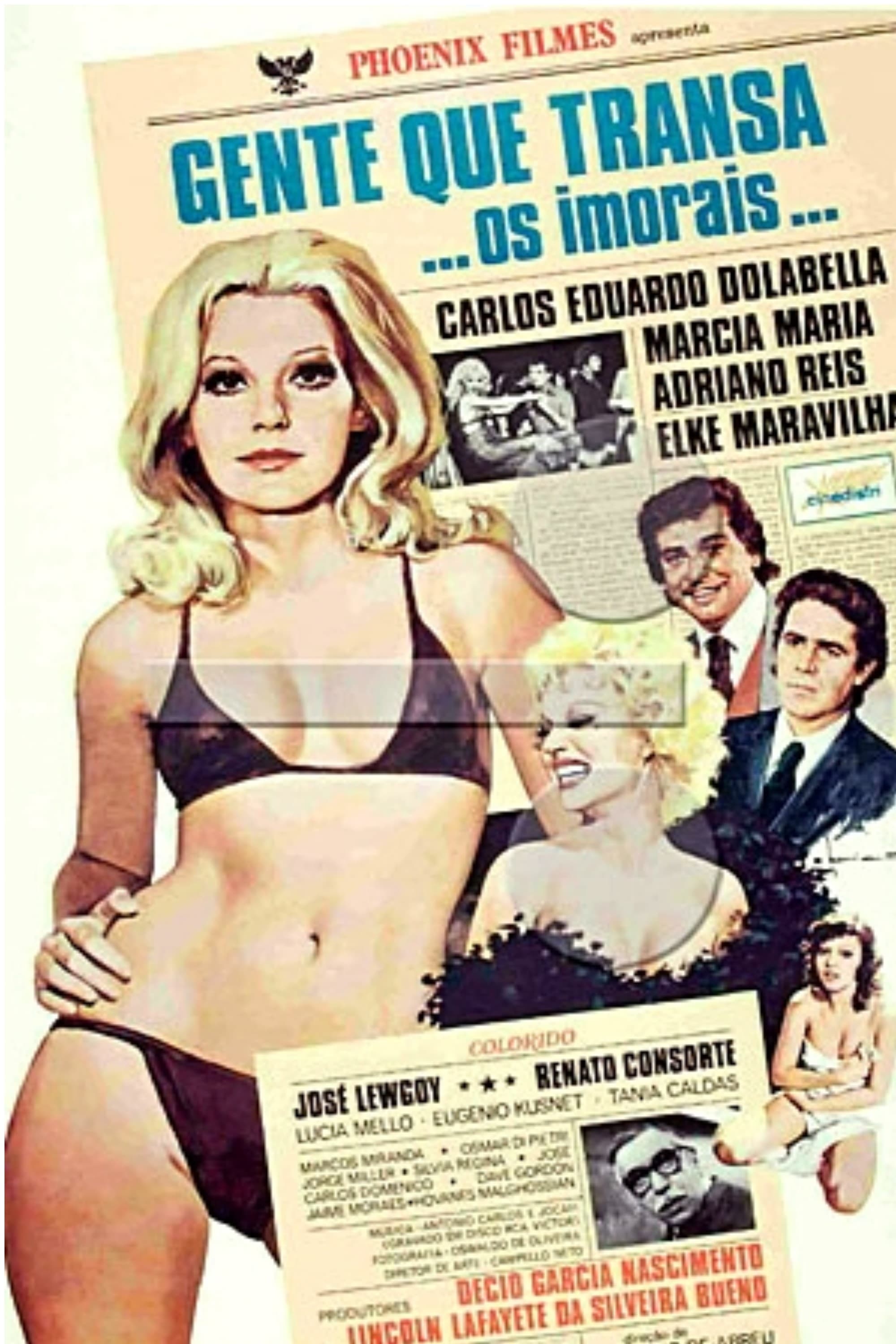
Competing for the concession of a TV channel, one of the contenders throws an orgy to defeat the other candidate.

Hello, Hello, Terezinha! is a feature-length documentary about the country's biggest communication phenomenon. Politically incorrect, radical, renewing, Chacrinha changed Brazilian television forever and expressed a Brazil that was around it, but was not perceived. The film tells the great adventure of Abelardo Barbosa through the eyes of the presenter. It gathers the nuclei of its constellation - chacretes, fledglings and artists who passed through its programs - to identify their individualities and their emotions.
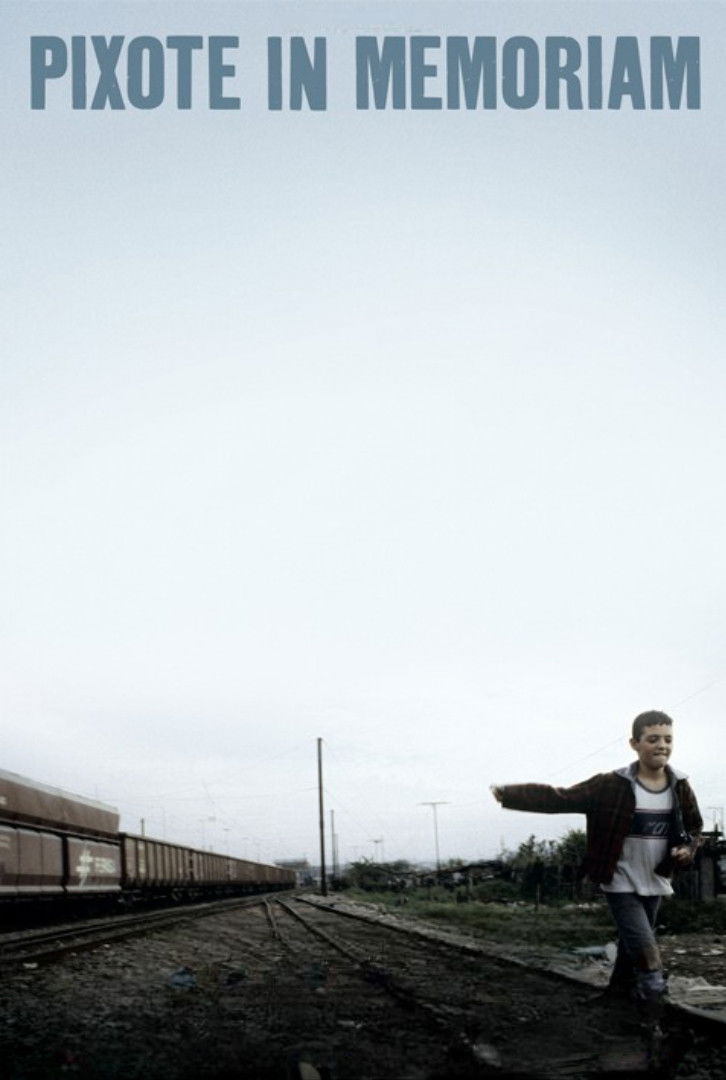
A tribute documentary on Fernando Ramos da Silva, the famous child star of the acclaimed film by Hector Babenco, "Pixote, a Lei do Mais Fraco" (1981). 20 years after his assassination by the police, his co-stars and Babenco talk about Fernando's contributions to the film, his troubled life when his acting works didn't took off as expected (since he was typecast) and which made him turn back to his past life of poverty and crimes. The project also presents that film's influence to many directors and artists around the world.

The day a man almost runs-over a puppy, he meets the love of his life. The couple and their dog live the dream, until she wants out.
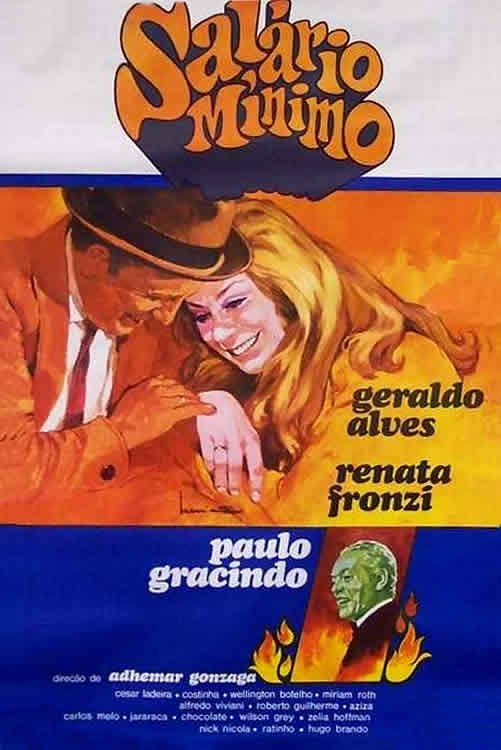
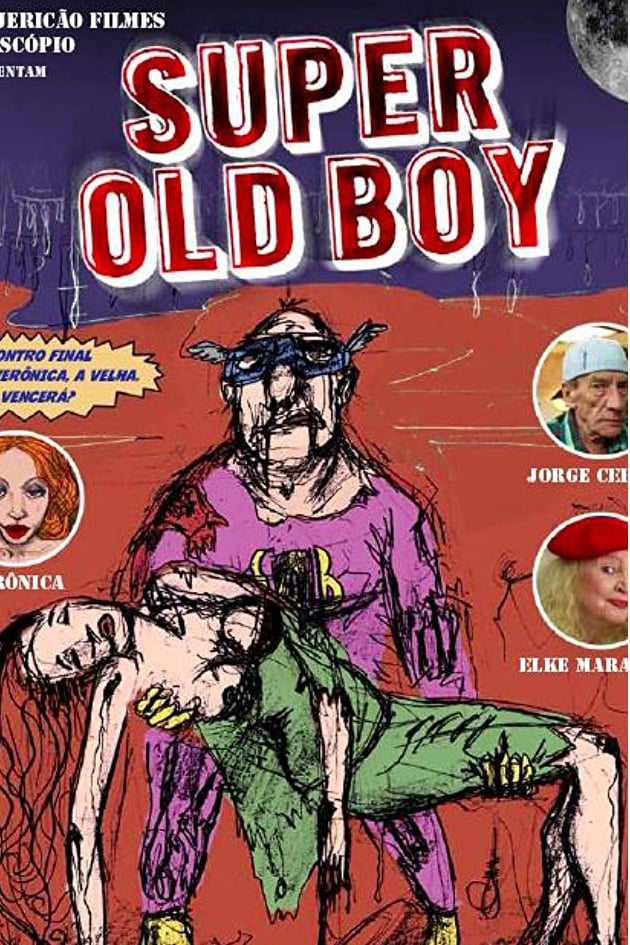
Bil is an elderly man who works as an office boy for a firm in São Paulo, as he does not pay for a bus ticket and takes a preferential line at the bank. One day he gets involved in an unusual bank robbery.

The immature and cheap douche bag Fábio Clóvis marries the pseudo-intellectual Miá and they travel in a cruise to Europe on board of a fancy passenger vessel. Fabio and Miá are invited to have dinner with the wealthy Beto Assunção and his gorgeous wife Laura in a VIP restaurant on the vessel. Soon Fábio discovers that Beto was Miá's boyfriend and Miá learns that Fábio had a crush on Laura that was his classmate. Meanwhile the cynical chamber maid Suzana Mello and her estranged husband, the entertainer Wilson, make a bet that Fábio and Miá will split before the end of the trip and poison their relationship. When the ship arrives in Casablanca, Fábio meets his bothersome childhood friend Cabeça that affects their honeymoon.
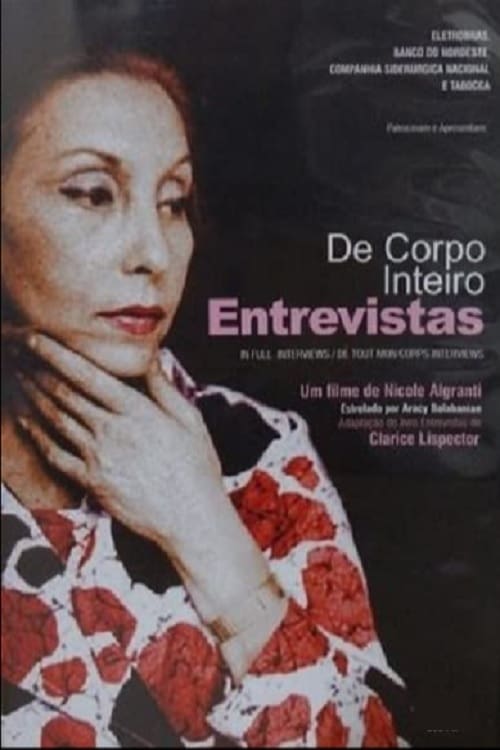
Mixed with fiction and documentary, the film relives the interviews conducted by the writer Clarice Lispector published in the magazines "Manchete" and "Fatos and Fotos" in the 1970s.

Nena, a journalist and former student of the Two Hearts dance academy, tries to stop the school from being sold to a group of drug dealers. She trains a group to win the Requebra dance contest that would give them the necessary money to carry their plans.

In six decades, Teatro Oficina has done more than revolutionize theatrical language in the country: the aesthetic influence of José Celso Martinez Corrêa's company extends from Tropicalism to the renewal of Brazilian audiovisual languages from the 1960s onwards. The film revisits a story that it involves personalities such as Caetano Veloso, Glauber Rocha, Lina Bo Bardi, Chico Buarque and Zé do Caixão, brings together scenic art, ecology, architecture and sexuality, and mixes art and life in the search for a Brazilian based language.

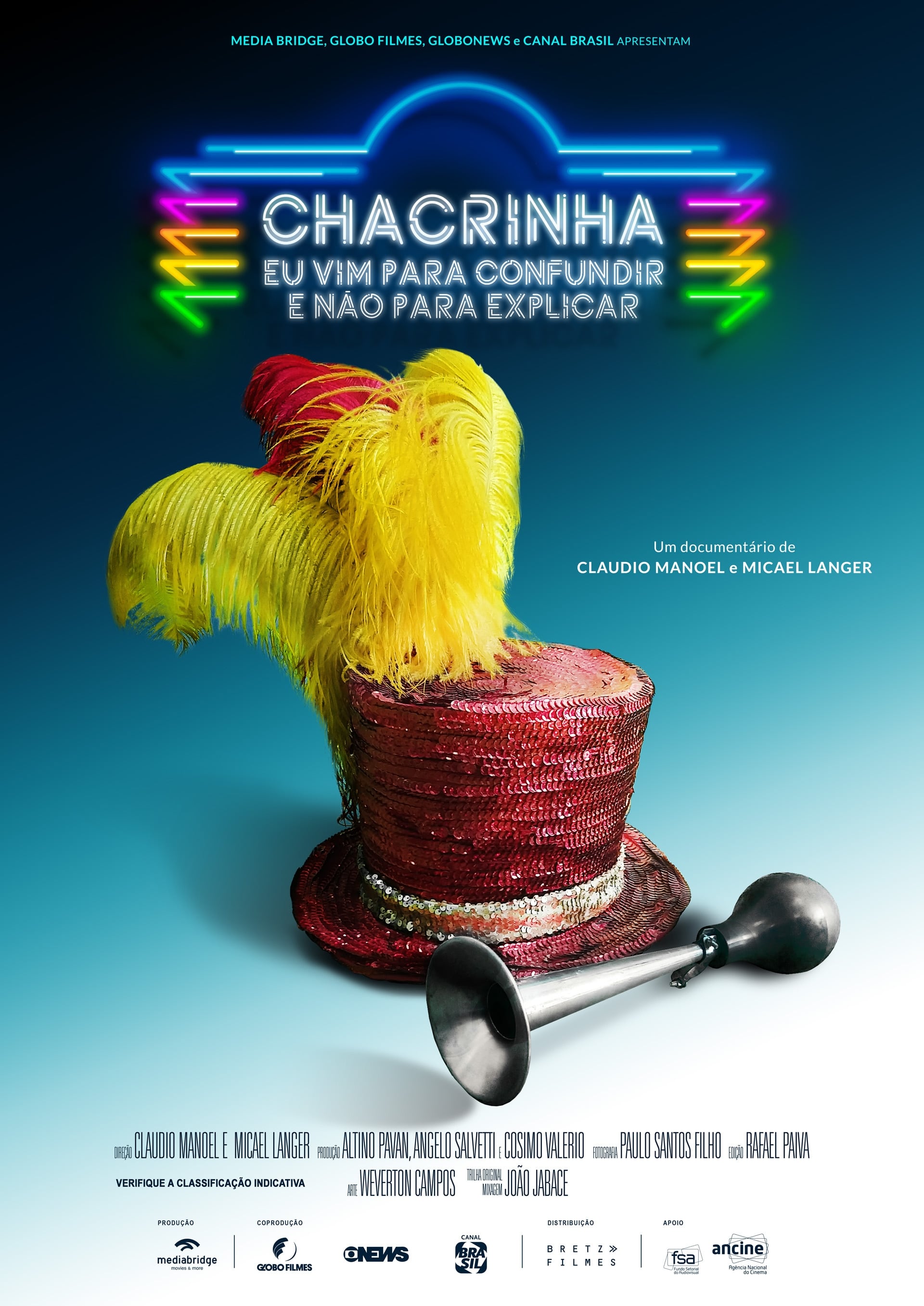
Chacrinha's legacy on TV and excerpts from his personal life are revealed through testimonials and archive images, which tell the story behind the cameras, the behind the scenes that consolidated a new way of communicating Brazil and the facets of a man who is one of the most interesting contemporary characters on the national cultural scene.