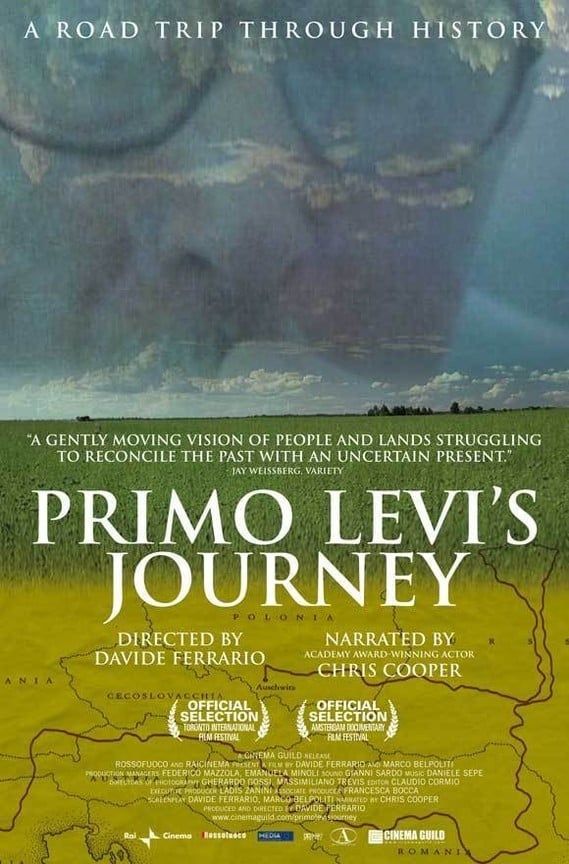
In February, 1945, Primo Levi (1919-1987) and other Auschwitz survivors set off for home. The journey took more then eight months. Sixty years later, a film crew retraces Levi's steps. Levi's words, mainly from "The Truce" (1963), tell us what he experienced. In turn, we see Poland's hollow post-war factories, nationalism in the Ukraine, Soviet-style Communism in Belarus, the abandoned town of Prypiat (Chernobyl), poverty and emigration from Moldavia, Italian factories in Romania, and on across Hungary and Slovakia to Munich where Levi's rage found no listeners. Then home to Turin. An aged Mario Rigoni Stern remembers his friend. What has changed? Some issues of the war remain unsettled.

The main character of "Żyłem siedemnaście razy" reflects on his childhood in Gwoździec and tells a story about the beginning of his career as a filmmaker.

A famous Polish journalist presents a problem for the powers-that-be when he displays his full political skill and knowledge on a television show featuring questions and answers on a world conference by a panel of journalists. His enemies take away his privileges when he is away. The shock of being "unwanted" parallels a deeper disappointment in his private life: his wife has an affair with a jealous young rival, and after 15 years of marriage and two daughters wants a divorce. She offers no explanations as he tries to untie these problems himself. All the moves he makes are the wrong ones. He takes on drinking heavily with students eager to attend his seminar after discovering the class has been canceled. The journalist, once suave and commanding, is reduced to silence.
The film reveals the mechanisms of the communist institution of censorship. Famous filmmakers - Kazimierz Kutz, Andrzej Wajda, Krzysztof Kieslowski, Filip Bajon and Marcel Lozinski - talk about their contacts and experiences with censors, how their films were censored, what parts were considered contrary to the ideology of the socialist state. These interferences were often of an absurd nature. At the same time, the filmmakers mention how much of the intended content they managed to smuggle out. The film is also an attempt to analyze and summarize the role of censorship in a totalitarian state and its impact on culture and art.
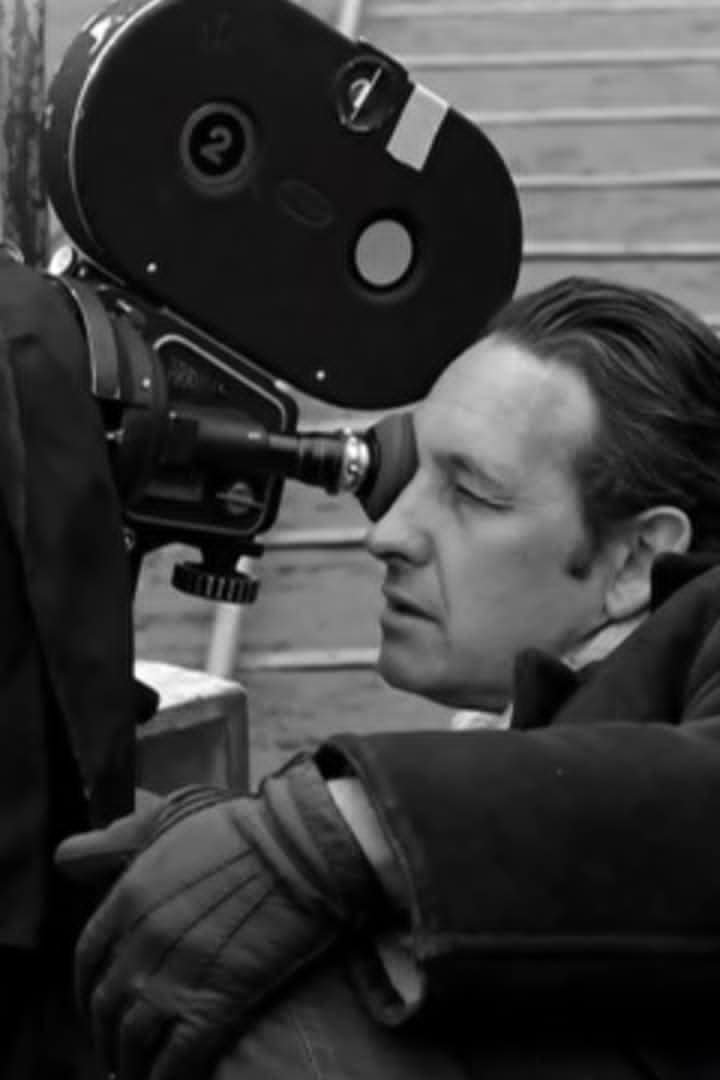
Reportage from the set of the film "Everything for Sale", focusing on the director - Andrzej Wajda. At one stage of the filming, Wajda planned to include all the documentary material shot by Ziarnik in his film. Ultimately, however, he changed the concept.
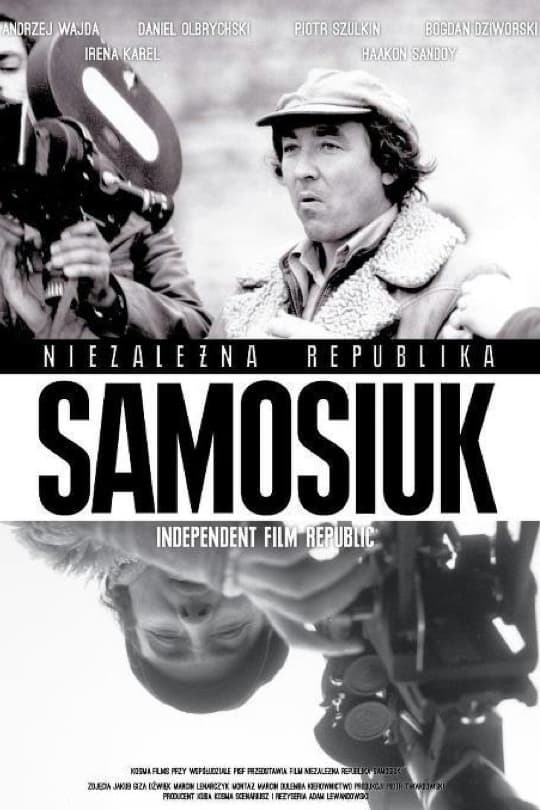
The film is a portrait of Zygmunt Samosiuk, a great forgotten cinematographer, who died in 1983. As a director of photography he worked on such films as The Birch Wood, Landscape Afterthe Battle and Austeria. He introduced, among others, hand‑held camera shots, colour lights and shooting at minimum exposure. Reminiscences of his colleagues and friends, including Andrzej Wajda and Piotr Szulkin, show a gifted artist and a modest man who valued his work above all.
Andrzej Munk was one of the leading directors in Polish cinema. Friends and collaborators share their memories about this stunning artist and his premature tragic death.
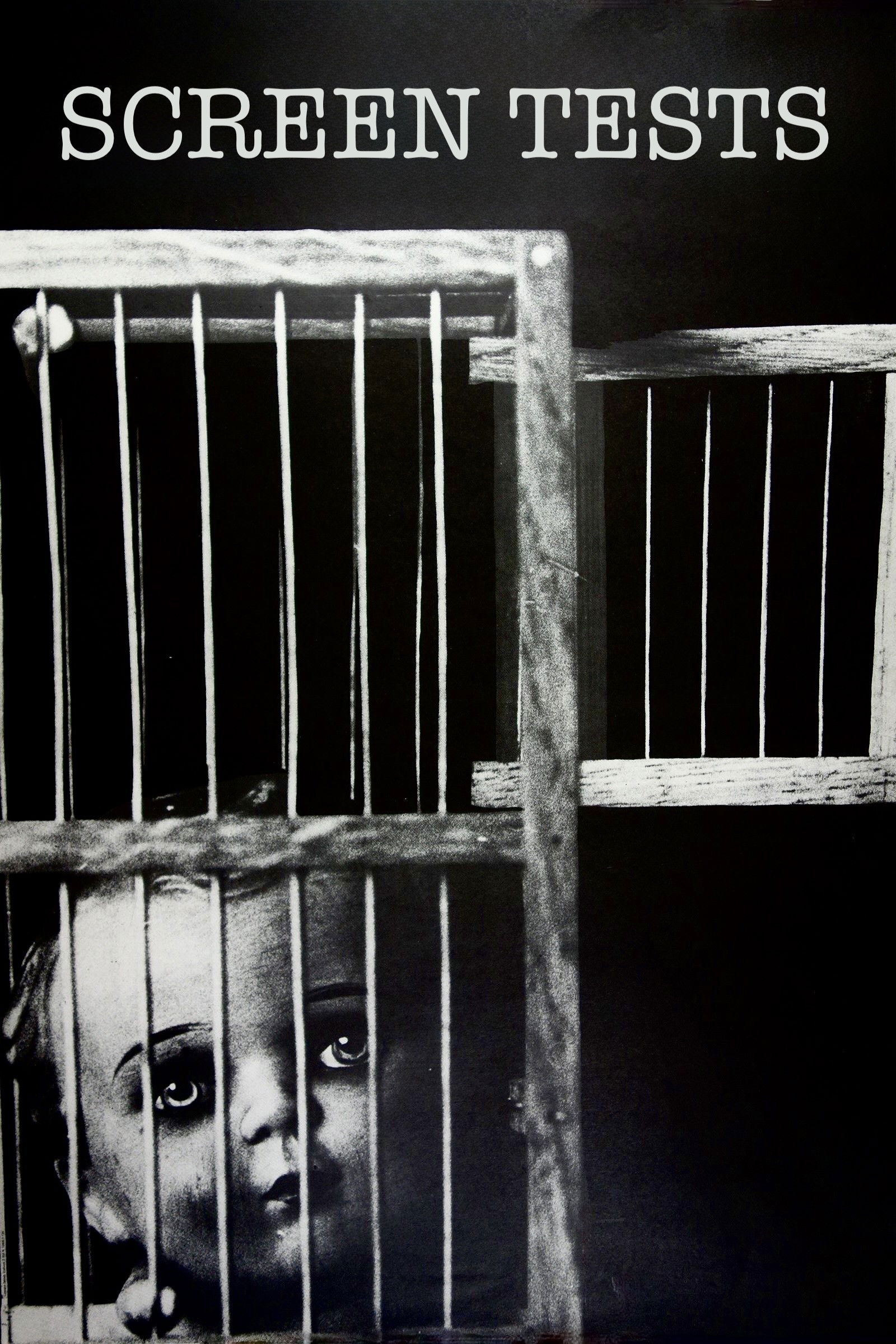
Three-part film centered around a film being made by a group of young directors. In the first a working-class girl finishes school and has her first love affair, which ends badly. In the second a provincial boy with dreams of life in the theater has an affair with his boss' wife. They meet during the film's screen tests.
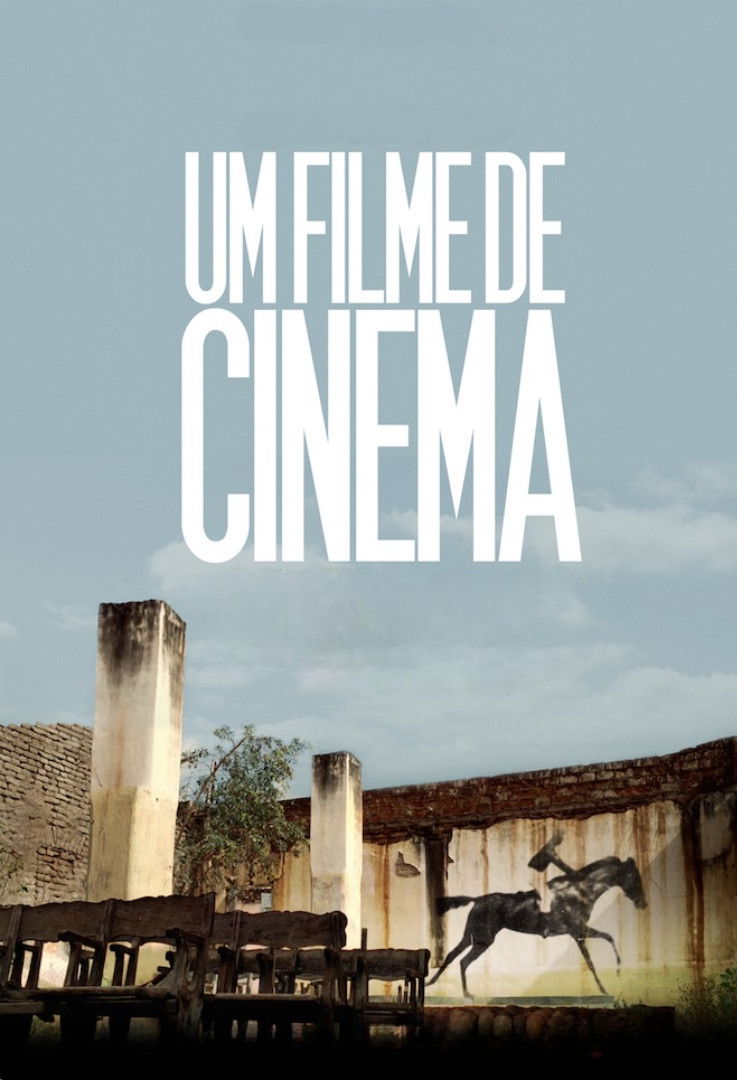
An abandoned tumbledown theater in the outback of Paraíba state is the initial setting of a film about cinema, which explores the testimonials of the novelist and playwright Ariano Suassuna and other filmmakers such as Ruy Guerra, Julio Bressane, Ken Loach, Andrzej Wajda, Karim Ainouz, José Padilha, Hector Babenco, Vilmos Zsigmond, Béla Tarr, Gus Van Sant and Jia Zhangke. They all respond to two basic questions: why do they make movies and why do they serve the seventh art. The filmmakers share their thoughts about time, narrative, rhythm, light, movement, the meaning of tragedy, the audience‘s desires and the boundaries with other forms of art.
An attempt to summarize the director's life and work to date, starting from his early youth and ending with his work on "Pan Tadeusz".
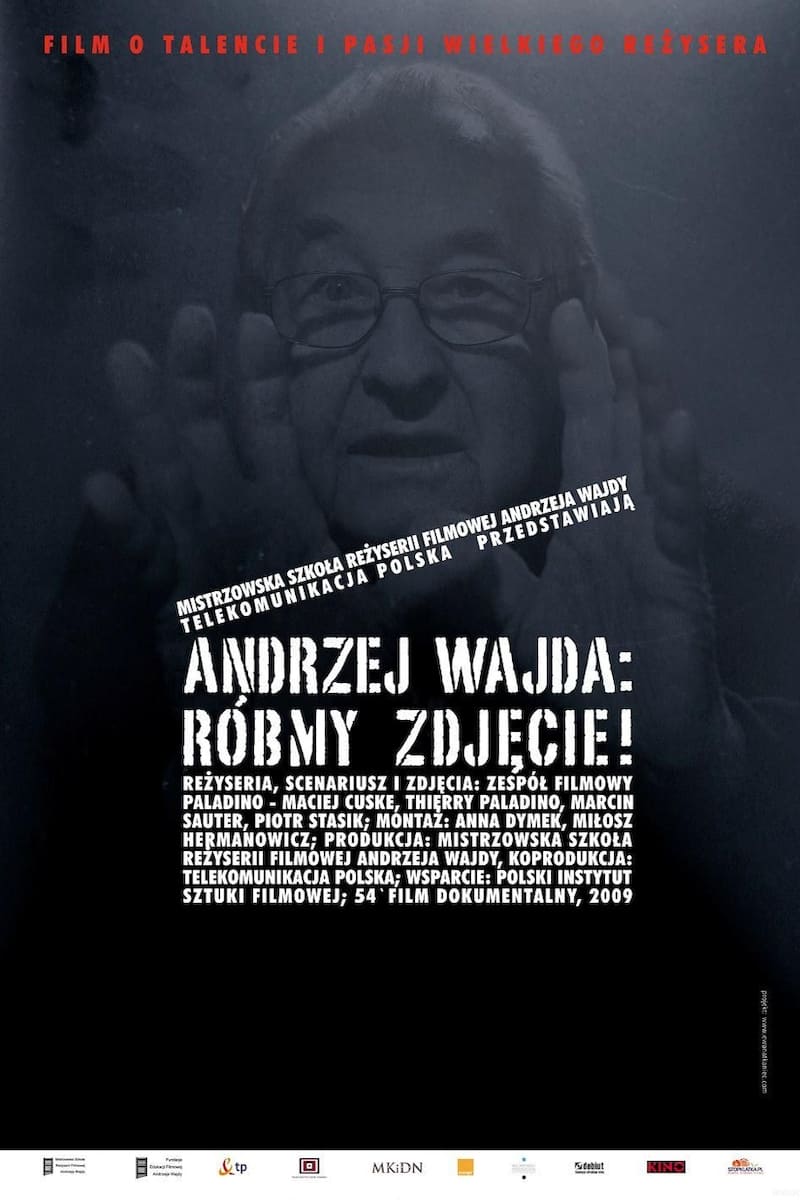
A record of a few months of struggle on the set, showing an atmosphere of work and a picture of immense film machinery, and at same time presenting the truest and intimate portrait of the Master of Polish Cinema, the Oscar winner.
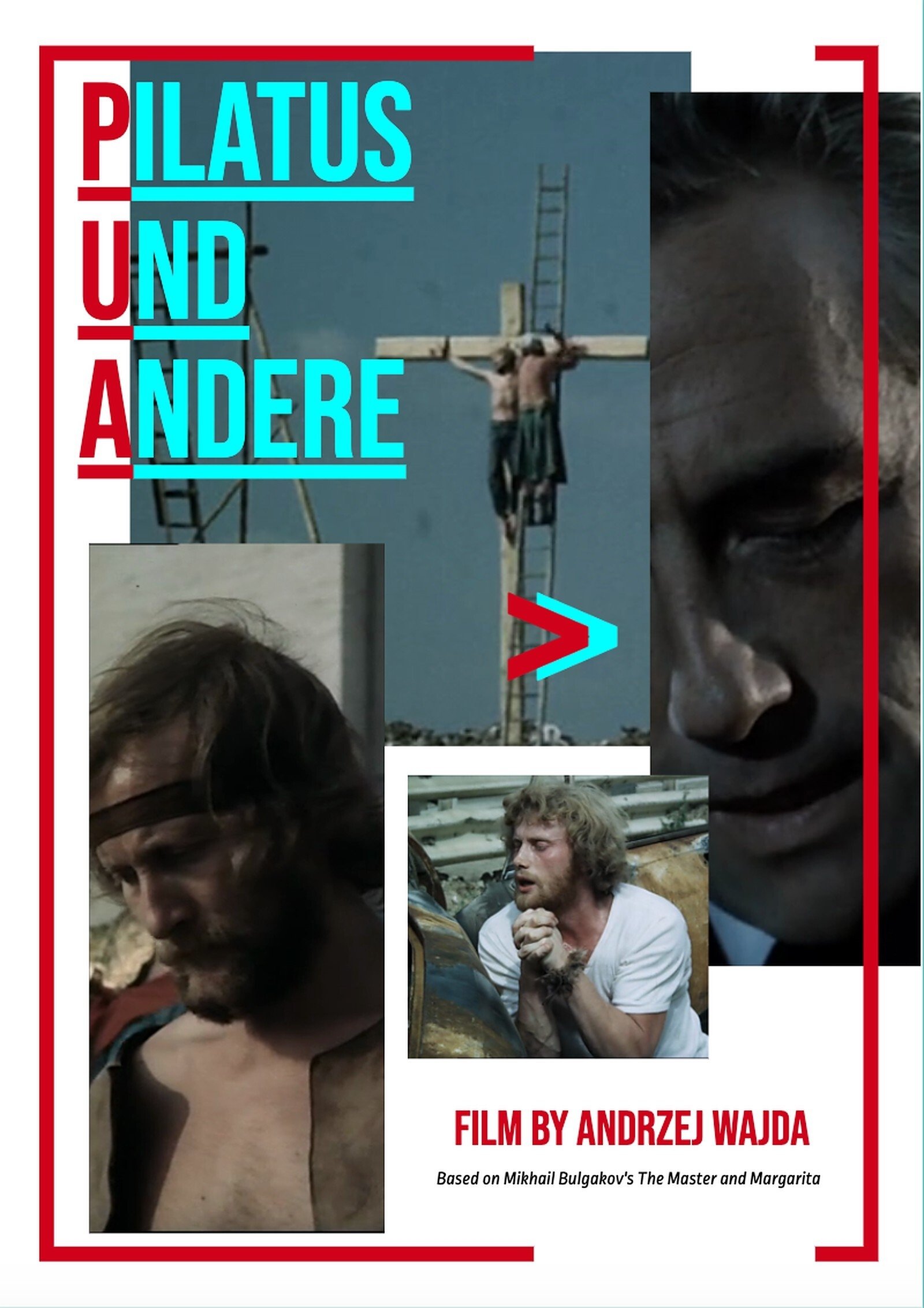
The trial of Yeshua Ha-Notsri is led by prosecutor Pontius Pilate who believes in the innocence of the accused but is forced to sentence him to death. This biblical story is set in present-day Germany.
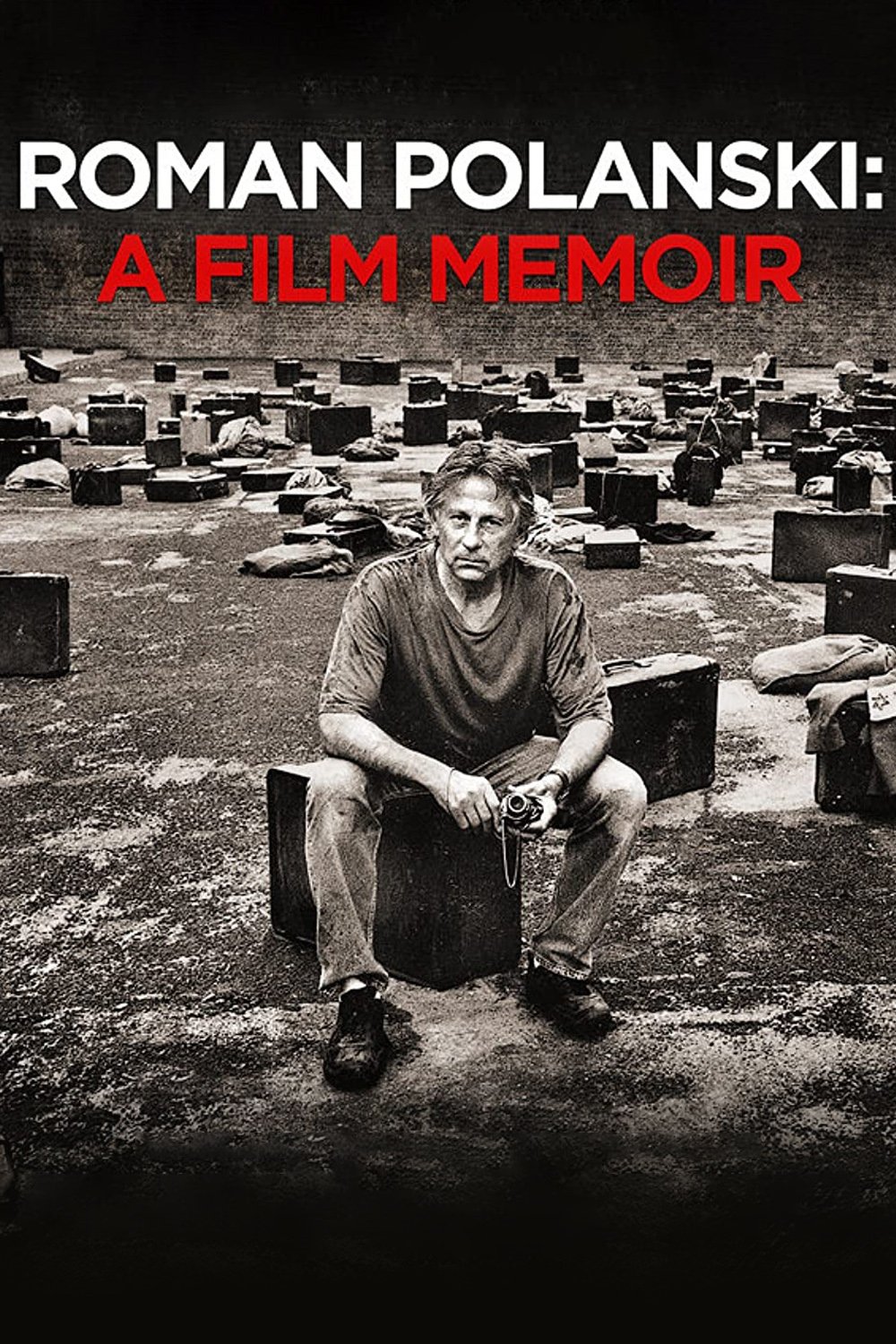
An interview with film director Roman Polanski conducted during his period of house arrest, discussing his life and work.
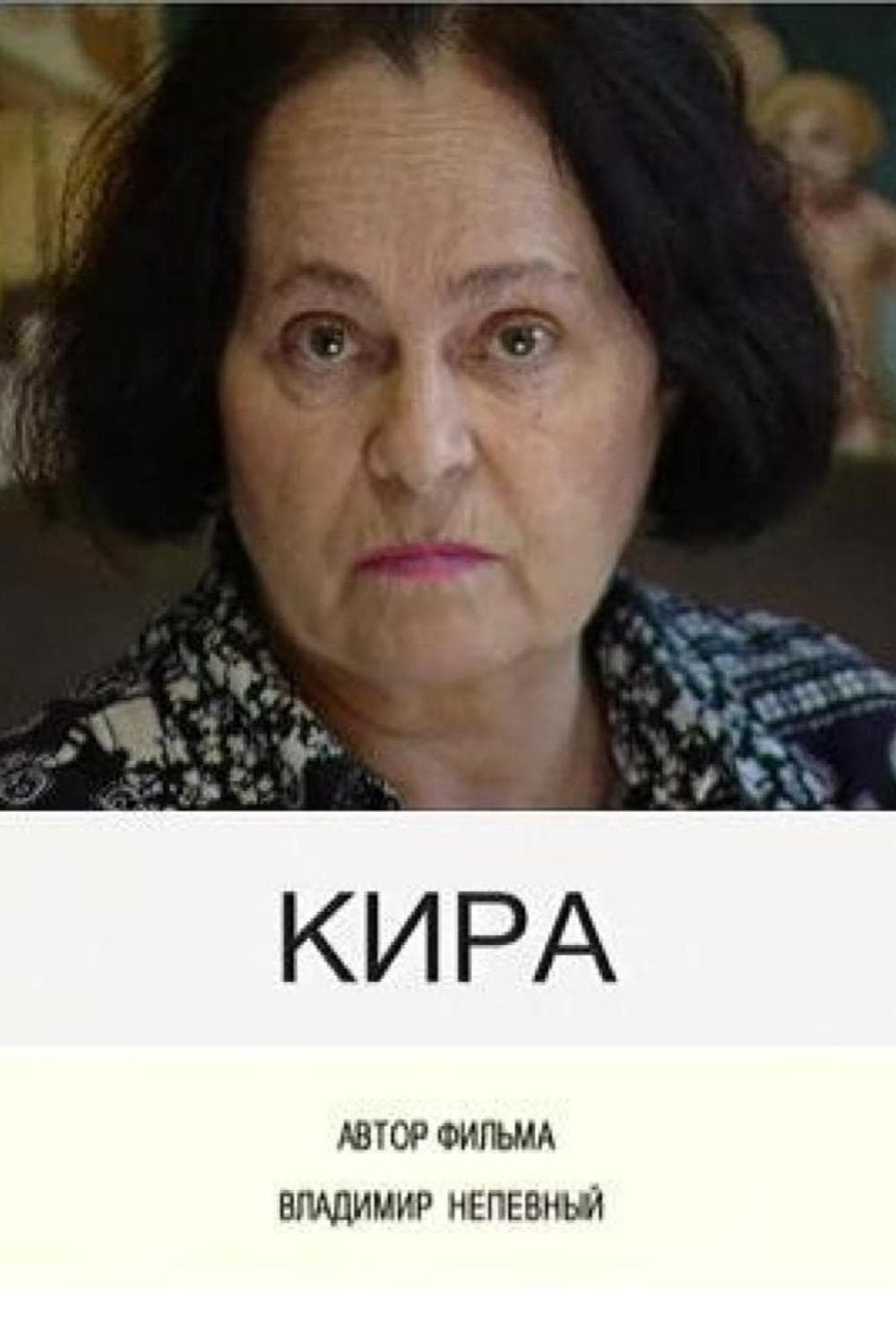
Film about the work of Ukrainian film director Kira Muratova.
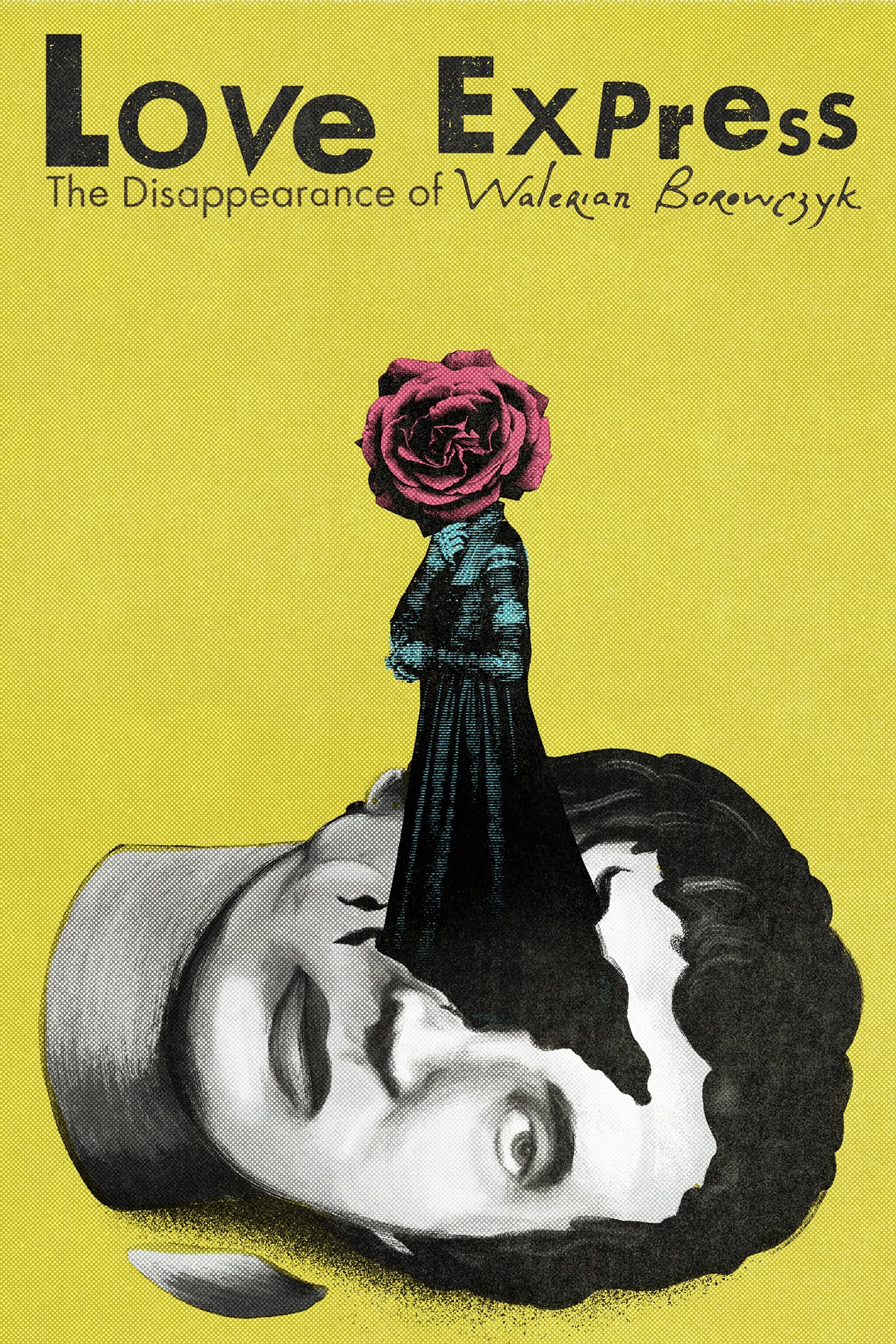
A documentary celebrating the work of Walerian Borowczyk, a director of unparalleled sensitivity, revered in the 1970s, who was later labeled as a maker of erotic movies.
Interview with political scientist and social activist Jan Nowak-Jezioranski by film director Andrzej Wajda.
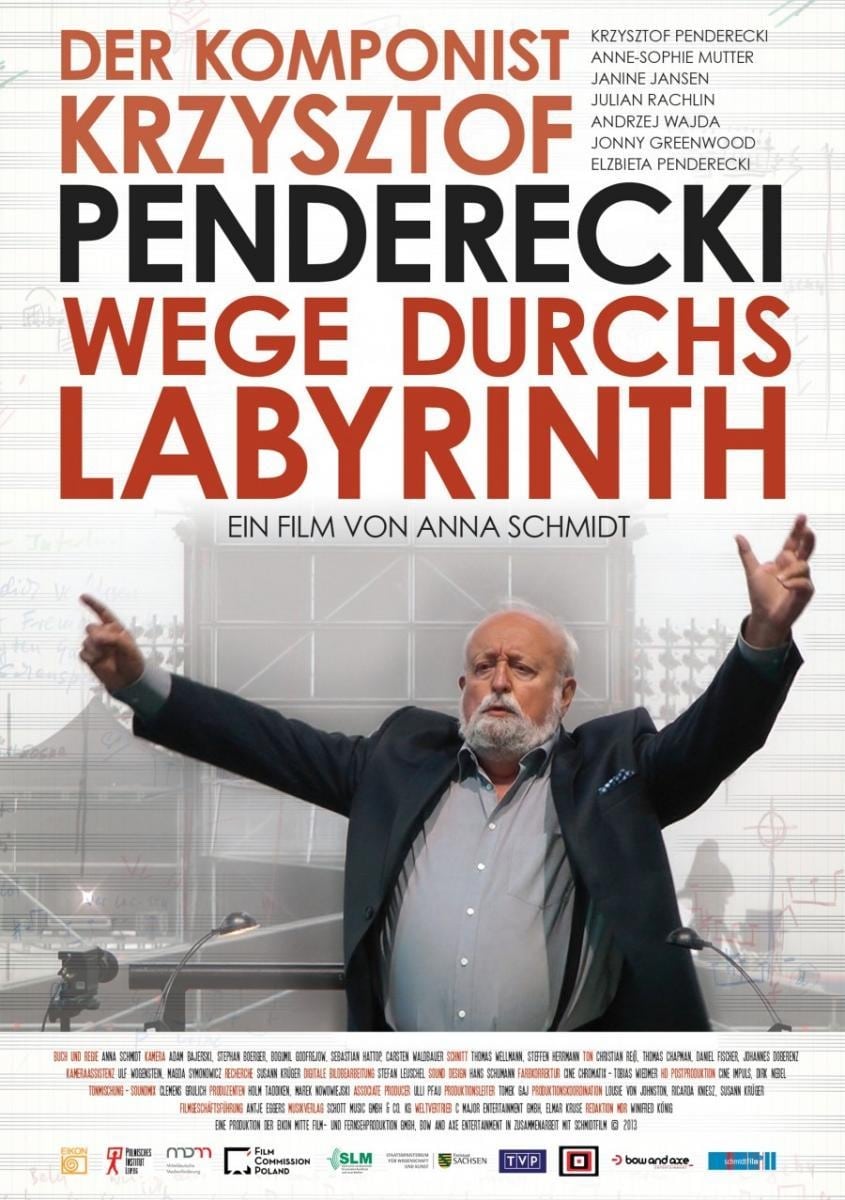
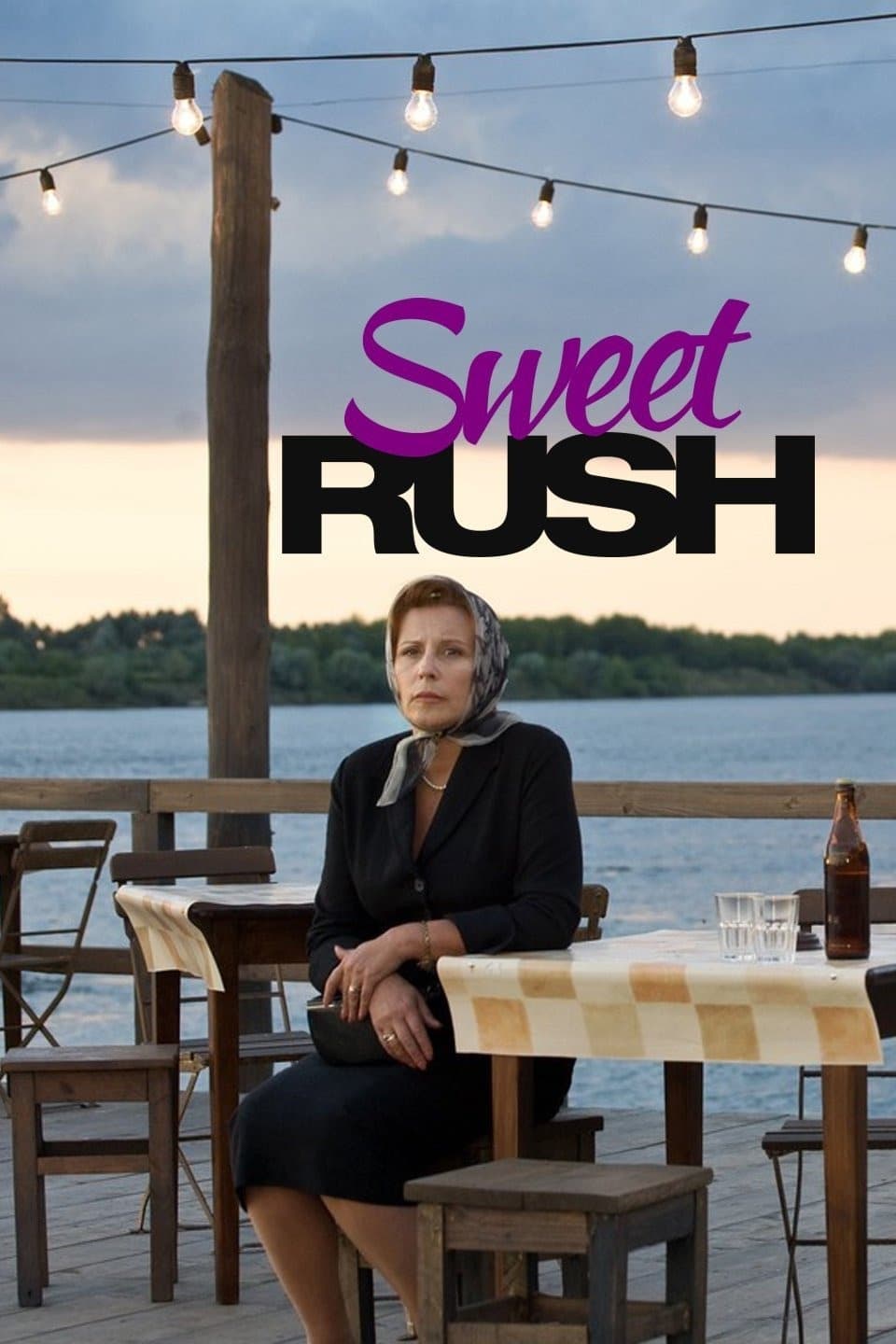
As an aging woman married to a workaholic doctor by chance meets a young man who makes her feel young again. All of this is films by a director making a film about her which cuts in and out of the on camera and off camera drama.
Fleeing from despair after losing those dearest to him, the hero hides in a safe land of memories, where time stands still and all those dear to him are alive.
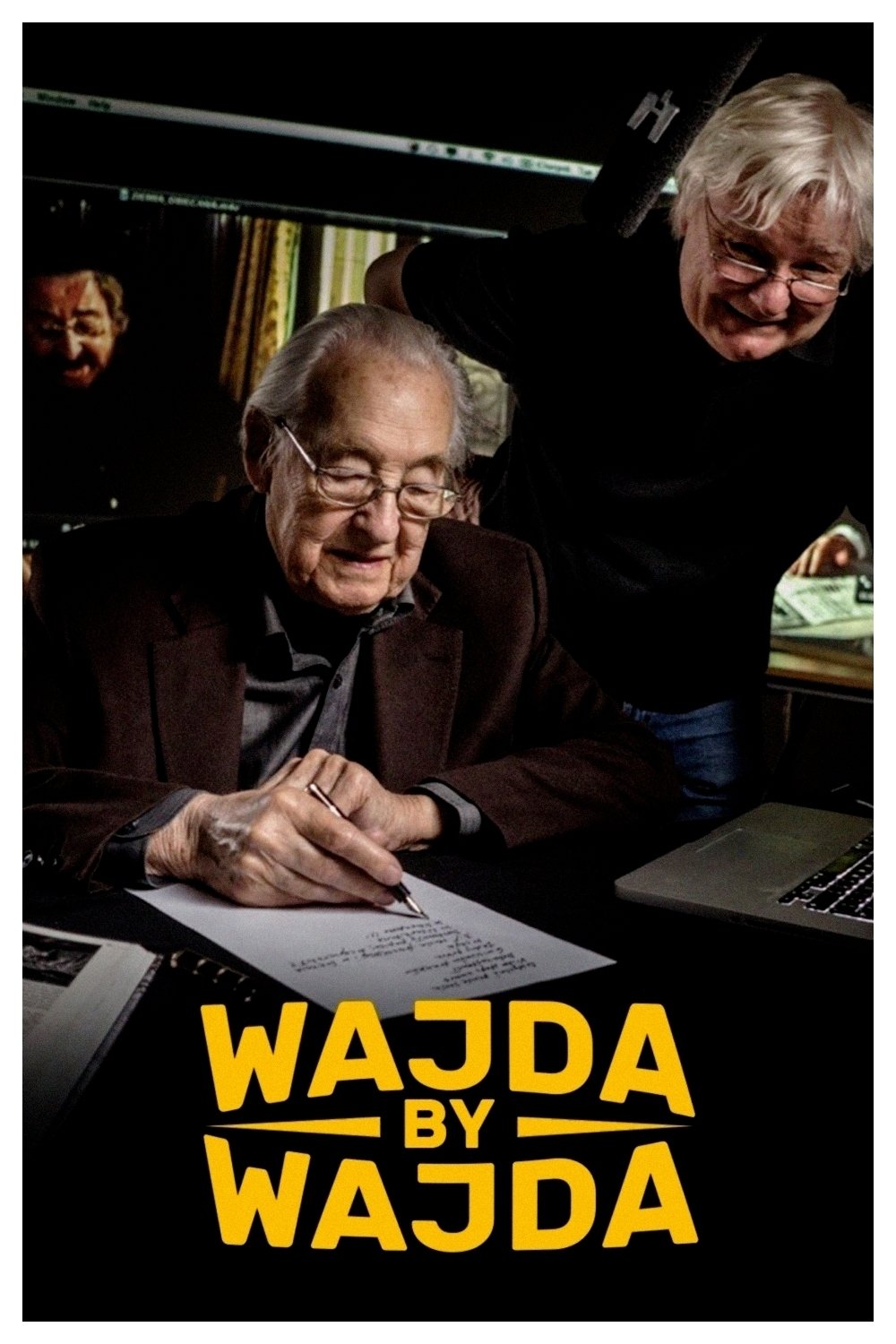
A few months before his death, Polish filmmaker Andrzej Wajda (1926-2016) revisited his work in an assembly room of the Andrzej Wajda Master School of Film Directing, established in Warsaw in 2002.
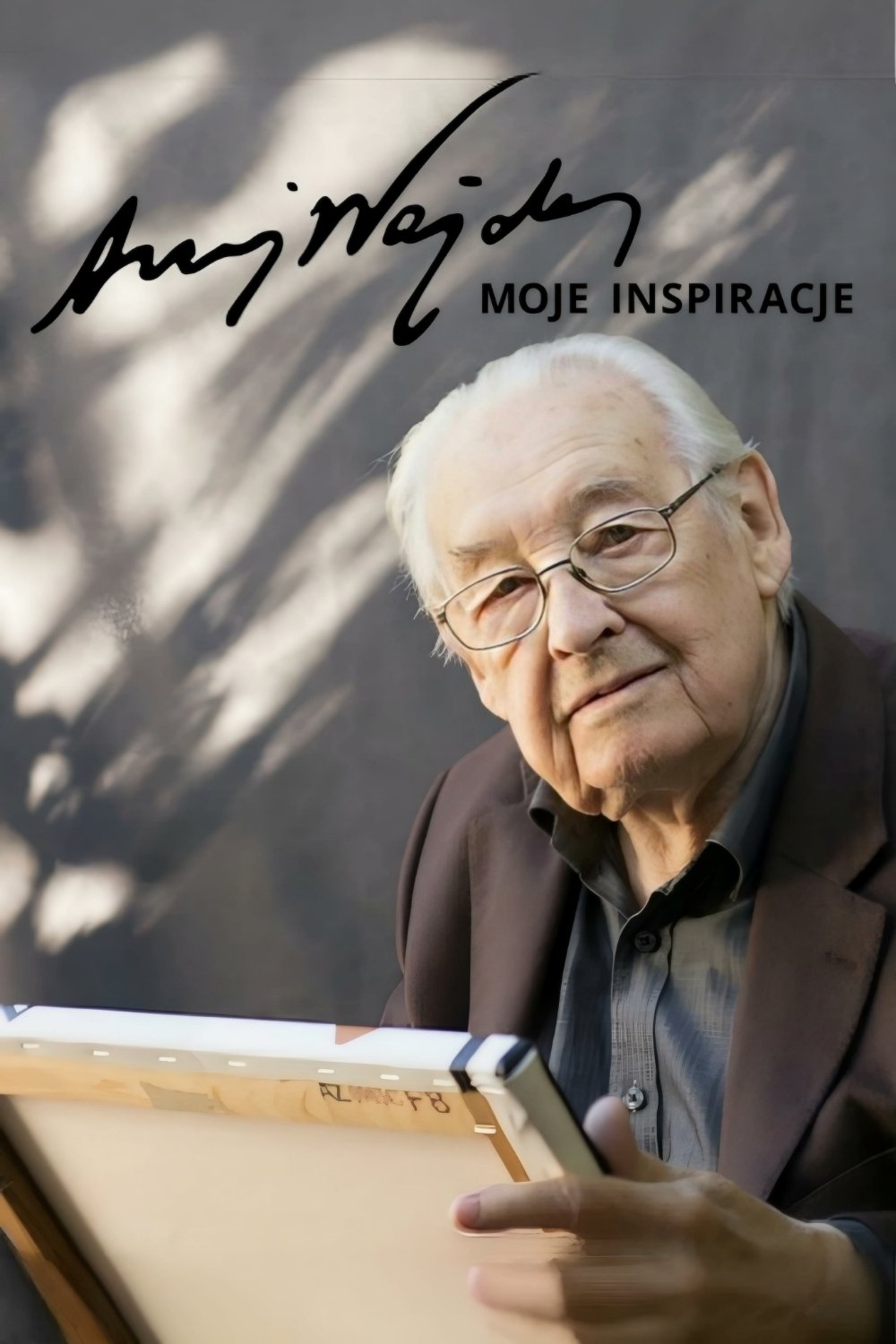
A 2005 novella film created to commemorate the 25th anniversary of the Solidarity movement. It consists of 13 10-minute shorts. There are various forms: mini-feature, music video, documentary, animation, interview.
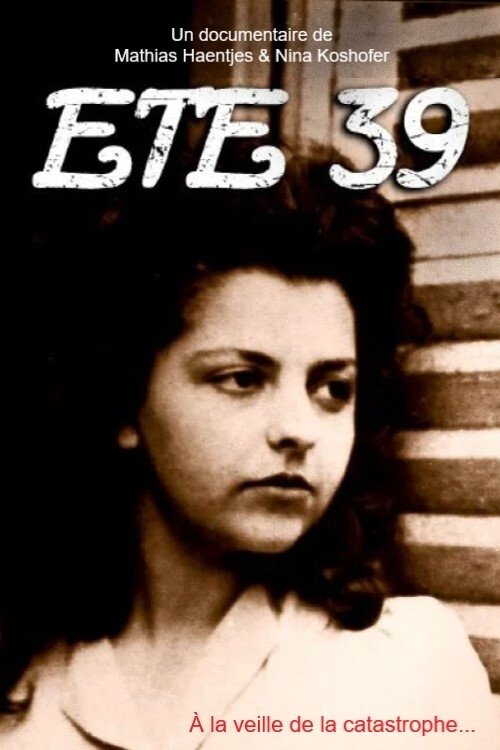
In the summer of 1939, people enjoyed the good weather, ignoring politics and pessimistic predictions. Images of everyday life that was about to change dramatically in a Europe in turmoil.
A feature-length documentary on the life and work of jazz musician and composer Krzysztof Komeda.
The making-of featurette of Andrzej Wajda's 2007 film Katyń.
Andrzej Wajda on the 50th anniversary of his film debut.
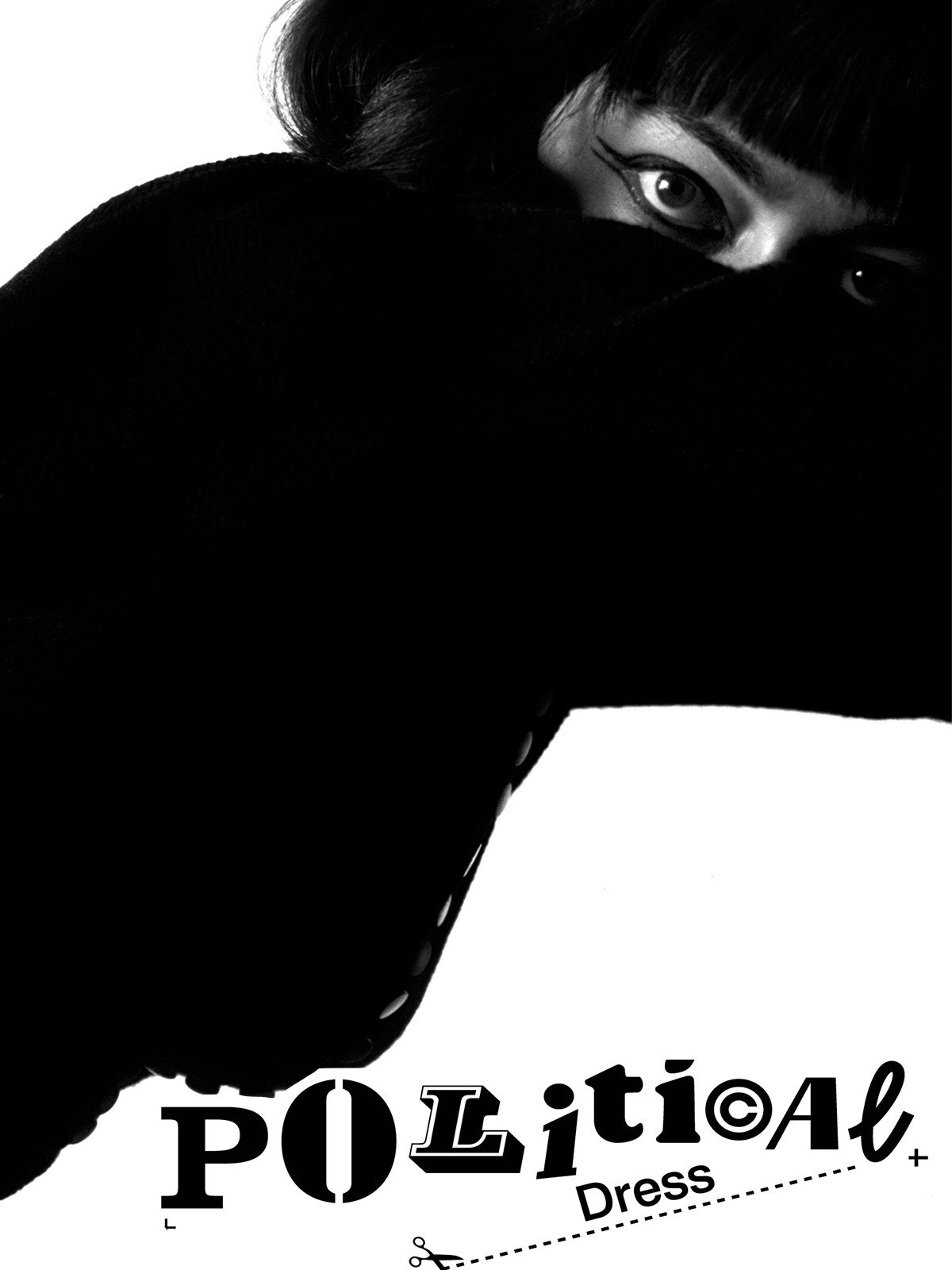
History of a fashion rebellion in communist Poland. The film shares the experiences of those who were singled out as ideological 'saboteurs' by the socialist authorities. The documentary presents the stories and opinions of stylish personalities of the day.
The documentary talks about the origins, development and achievements of the Polish film school. People from the environment of the "Filmówka" in Łódź, among others. Wanda Jakubowska, Jerzy Kawalerowicz, Antoni Bohdziewicz, Janusz Morgenstern or Kazimierz Kutz. The film is richly illustrated with archival materials and the first films of the school. The beginnings of the Łódź Film Festival begin in Krakow with the Young Film Workshop; On May 6, 1945, at Józefitów 16 production facility of the Polish Film Production Company, an inaugural meeting is held. After numerous transformations, in July 1946 the Young Film Workshop and the Film Training Course began activities, which can be considered as the beginning of state film education in post-war Poland. The later fate of the school is already connected with Łódź; July 16, 1948, the act of establishing the Film School was signed.
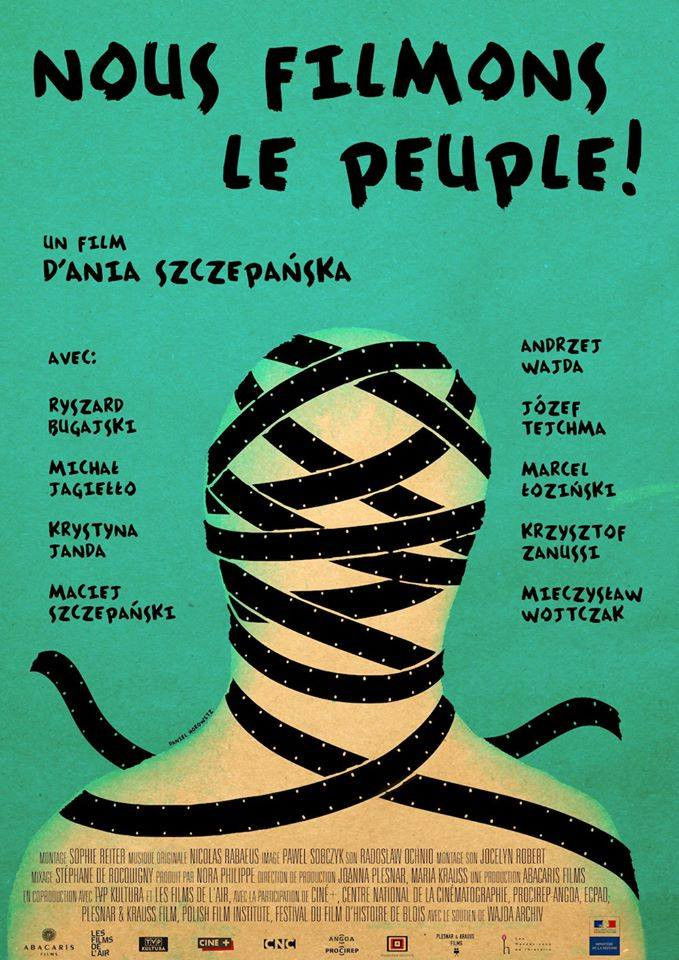
The unique story of film directors who managed to critic the Communist regime while being produced by the State: this is Polish cinema's golden age, in the 1970s. Director Ania Szczepanska, born in Poland and raised in France, meets prominent filmmakers, producers, actors such as Andrzej WAJDA, Marcel LOZINSKI, Krzyszstof ZANUSSI, Kristina JANDA, Ryszard BUGAJSKI and confronts them the testimonies of the State men of that time. Through unknown archives, forgotten documentaries and excerpts of cult films, she relates how the Solidarnosc people ended up in Cannes.
A documentary, focusing on foreign successes of the Polish Master of the cinema - Andrzej Wajda. By using unique archival materials, home videos, fragments of his films - never shown before we would like to create a documentary about the great director who inspired a whole generations of filmmakers - including Martin Scorsese, Nikita Michałkow, Volker Schlondorff. The film will be based on the interviews with many outstanding creators of world cinema as well as the memories of his wife Krystyna Zachwatowicz. We want to reach the unknown foreign archival materials regarding Wajda, photos from the film set and festivals, as well as his personal journal notes from these events.
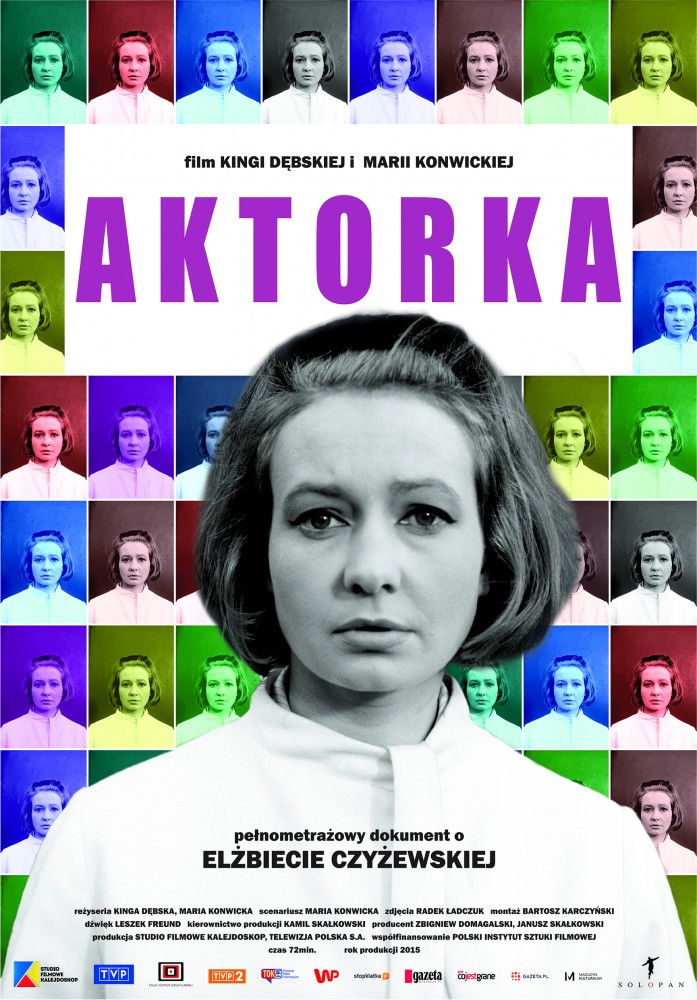
A documentary about Elzbieta Czyzewska, one of Poland's greatest actresses, a beauty icon of the 1960s, who died in 2010. She had a great career in Poland, but the filmmakers focus more on her attempts to make a name for herself as an actress in America, after her sudden emigration to the United States with her husband, American journalist David Halberstam. Friends and acquaintances of Elzbieta Czyzewska speak without embellishment about her failed marriage, her battle with alcoholism won after years, and her attempts to return to Poland. This is a story about the fate of the actress at different stages of her career: at the top, at the bottom and in between.
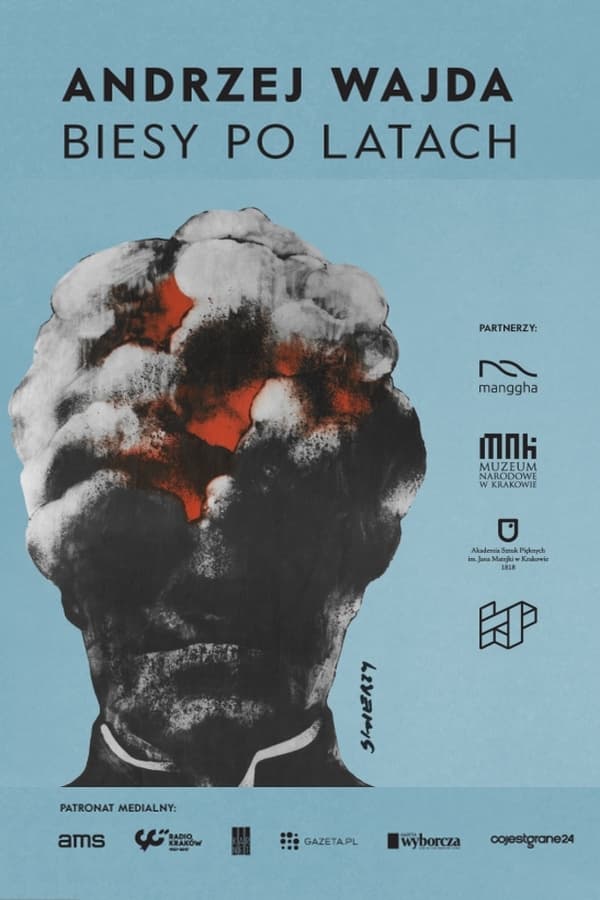
At the Old Theater in Krakow Wajda staged a play in 1971, based on Dostoevsky's novel "Demons". In this documentary Wajda tells the story of the unique play that went on uninterrupted for 10 years despite opposition from the authorities.
Andrzej Wajda documentary about Polish film.
Document following the production of Andrzej Wajda's 1973 film "The Wedding". It focuses on Wajda's struggle to decide on a concept of depicting one of the original play's characters, Wernyhora.