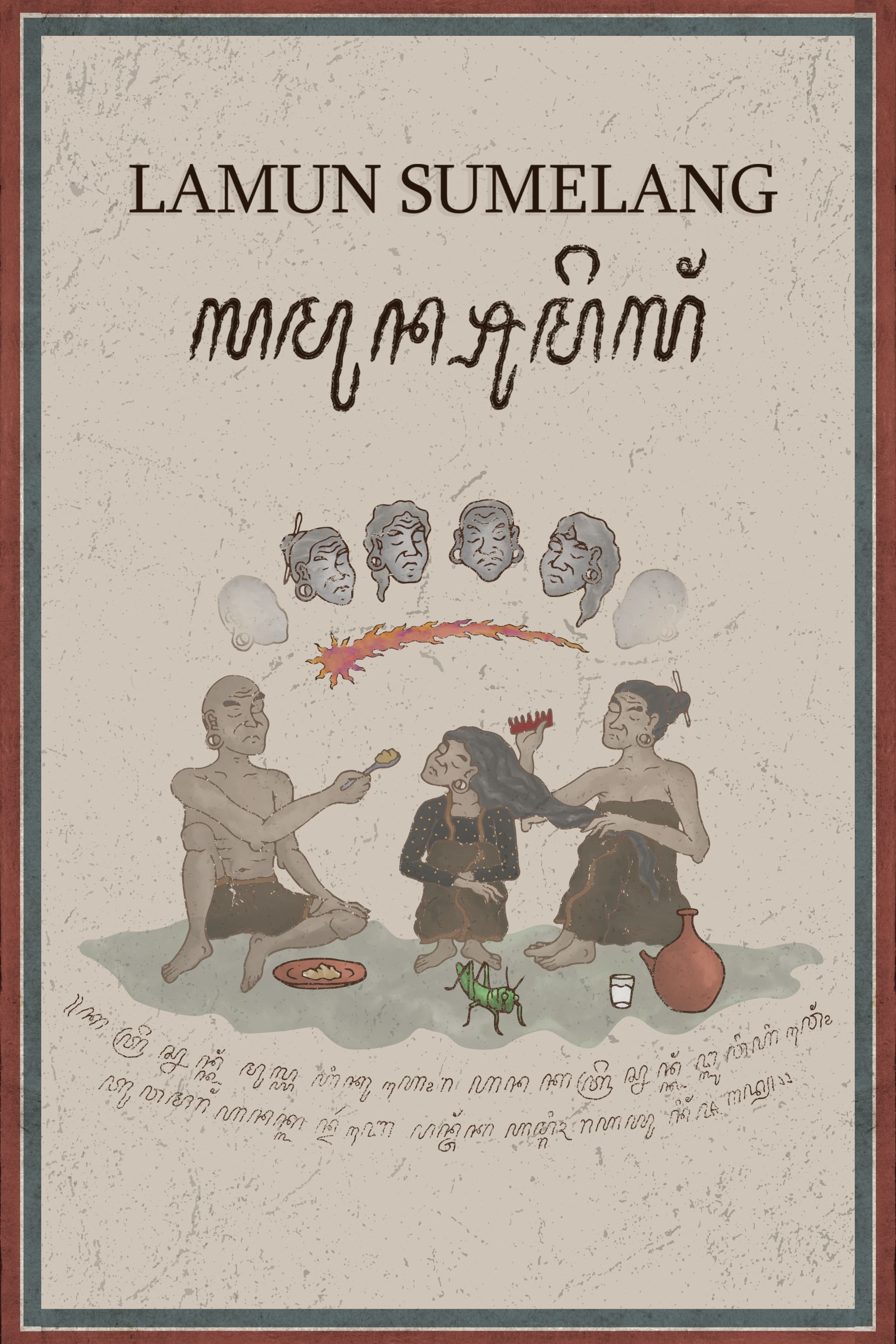
A forty years old father seeks a way to save his ill daughter by killing seven people as a way of sacrifice. He chooses his victims by waiting for red comet as a sign that there will be a suicide. One night, he's planning to kill his sixth victim that leads him to a night he won't be able to move on from.

It starts with Rana and his best friend Janu who are climbing a mountain in bad weather. In the middle of a dense forest, they got separated and lost. Janu is lucky to be back home at last. But not with Rana. An extensive search was carried out. Rana not found. A week has passed. Rana's extended family decided to hold a tahlilan. Rana is considered unlikely to have survived and will surely die there. Dini can't accept that. As a mother, Dini doesn't want to just give up and still believes that her daughter Rana is still alive. Sure enough. After the tahlilan, Rana came home in the pouring rain.

Pertiwi, a strong and independent woman who took care of her three children: Adam, Sekar, and Isham until they became adults and left their hometown. Her husband died after losing the village head election against his rival, Janji Upaya. The children of Pertiwi, who blamed Janji Upaya for their father's death, harbored deep feelings of resentment towards Janji Upaya.

Two filmmakers who always fail to market their films, try to find a way to success by doing black magic in their film production.

"KTP," a short film by the Yogyakarta filmmakers Shinta Oktania Retnani (producer) and Bobby Prasetyo (director/screenwriter) has been a favourite on social media since its release in 2016. Spiced up with the ironic and piercing wit of Yogyakarta's intellectual scene, it provides fascinating insight into the difficulties of religious pluralism in Indonesia. The humorous but realistic problem it brings to light has since become more visible following a 2017 ruling that permitted new levels of religious diversity.

Adam, the Village Head who entered regional election politics brought his politics home, affecting his relationship with his wife and younger siblings. Mixed with the love affairs of the widowed Mother Earth with Mr. Janji, a widower, a former village head, the euphoria of the village residents ahead of the regional elections and political brokers and dynastic political issues that spread to the village via social media became increasingly chaotic.

Puspa, a novice lawyer handling trivial cases, fights for the cause of poor people accused of petty crimes and threatened with disproportionate punishment. As she takes on a rigged legal establishment, she must grapple with her crippling senses of powerlessness, and empathy.

To preserve the reputation of their family's traditional fertility herbal shop from neighbors' ridicule, a married couple who have been childless for years pretend to be pregnant so they can claim a found baby as their own.

A teenager returns to his hometown with his friends when he learns his father has died — and discovers a curse consuming the isolated community.

Mirah, a woman shunned by her village after the mysterious deaths of men connected to her, seeks refuge in a Padang restaurant owned by Bana, who falls in love with her. As more men die, Mirah discovers she’s cursed by her stepsister Puti with the deadly “Bahu Laweyan” curse, which kills any man who becomes intimately involved with her. Fueled by revenge, Mirah plans to destroy Puti’s happiness by targeting her husband. Despite the deadly curse, Mirah and Bana craft their own tragic love story, choosing to be together no matter the consequences.