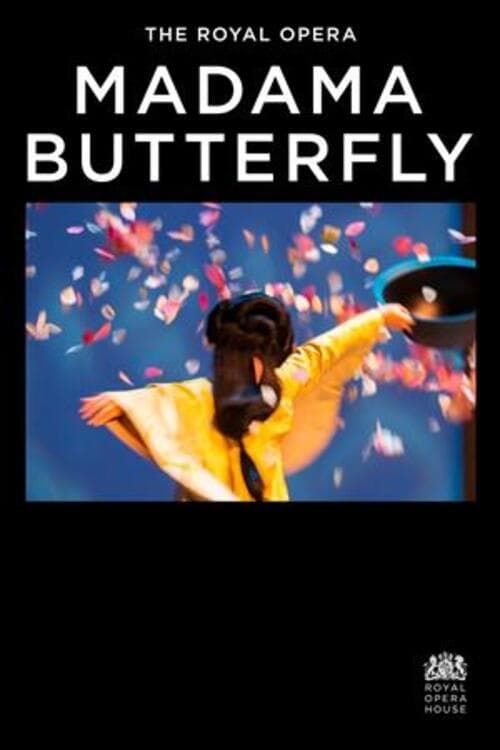
Cio-Cio-San, the young Japanese bride of American naval officer Lieutenant Pinkerton, finds her romantic idyll shattered when he deserts her shortly after their marriage. She lives in hope that one day he will return.
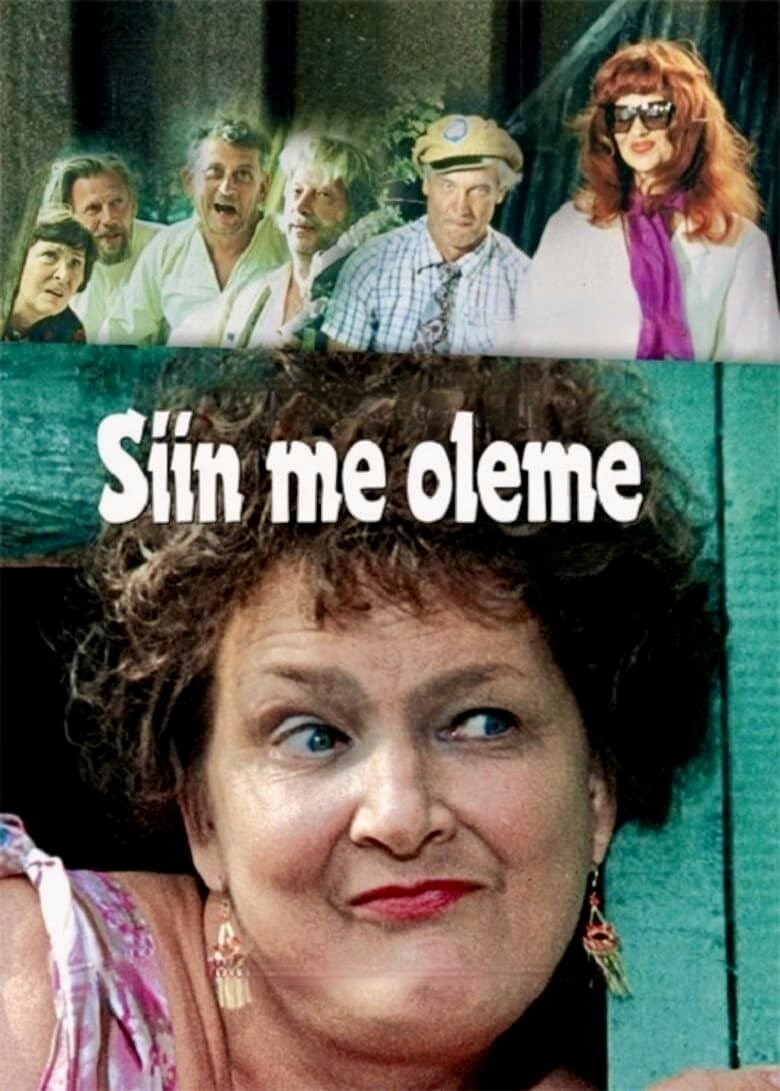
On a nice summer day a funny little car rolls over a peaceful farm yard of Muhu island. The family that withdraws from the vehicle is quite odd-looking: an overbearing madam, a henpecked stammering husband and a mystical red-head. They announce that they want to spend their vacation in the farm ... "We are from capital, we will pay". This quiet vacation turns out to be a frantic day with romance, unexpected turns and fisticuffs between suitors.
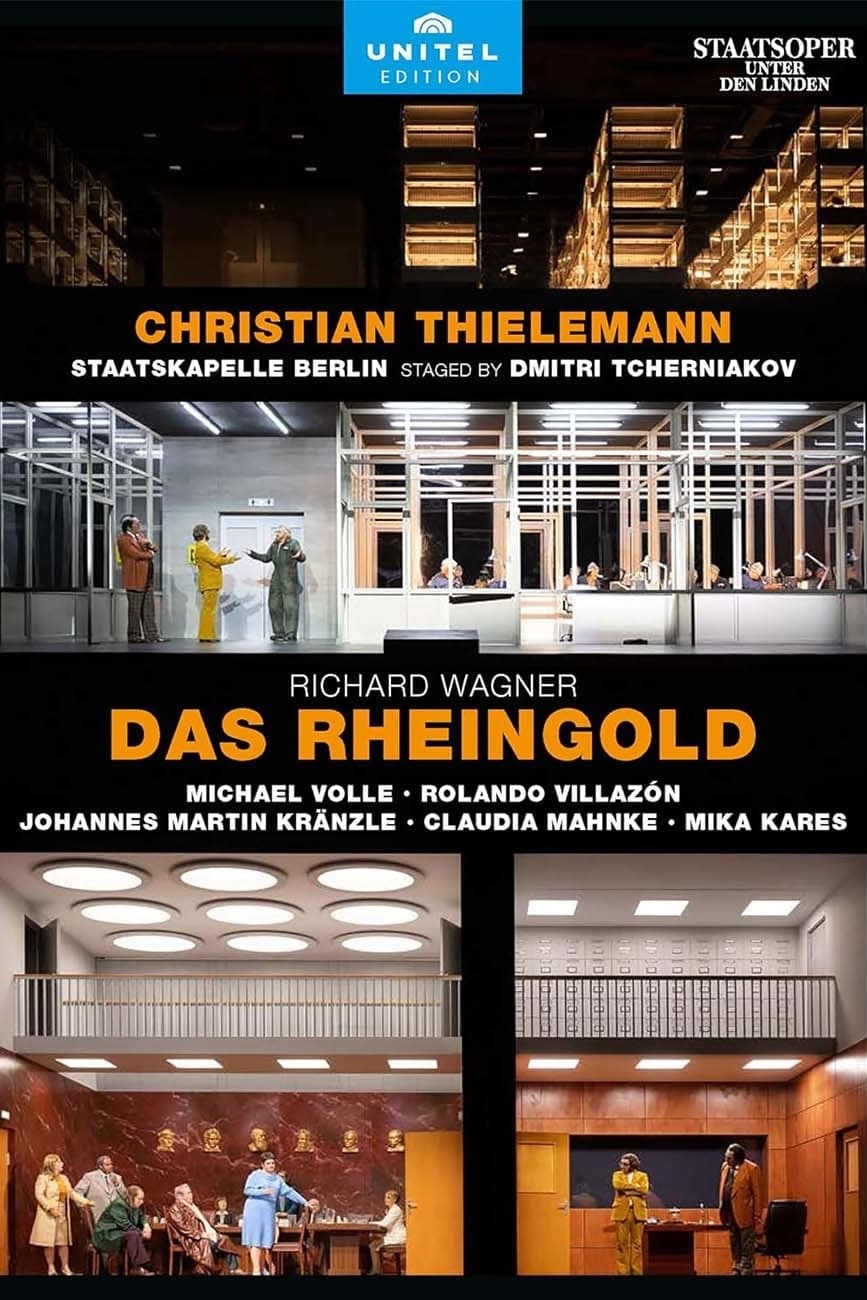
A myth, a heroic epic, a family saga - perhaps all of these together – make up Richard Wagner’s Ring tetralogy. This epic production of the Staatsoper Unter den Linden sees a remarkable collaboration between Christian Thielemann, one of the most distinguished Wagner conductors of our time, and Dmitri Tcherniakov, one of the great, internationally celebrated opera directors of our time.
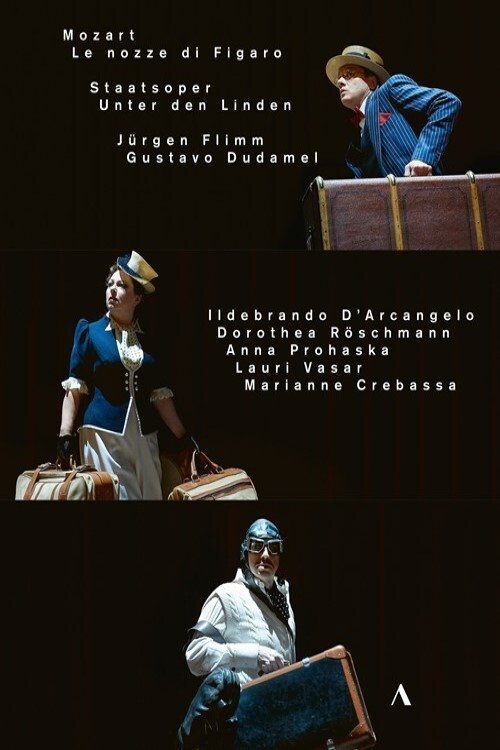
“Nothing is harder to put on stage than lightness. And humor is the sharpest weapon of the desperate. That is why it is an obligation, indeed a must, to enjoy this Figaro by Jürgen Flimm at the Staatsoper to the fullest.“ (ARD Radio) This production of “Le nozze di Figaro” is directed by the former artistic director of the Staatsoper Berlin, Jürgen Flimm, who characterizes it as follows: “Figaro is by far the best work ever devised for the stage; it combines everything that moves the human heart and mind – forlorn hope, pleasantry, satire, profound significance, also much ado about nothing and vain amours.”
From the Gran Teatre del Liceu - one of the great Wagner singers of our time in the lead role, Peter Seiffert is a nimble, youthful-voiced Tannhäuser He plays alongside Petra Maria Schnitzer as Elisabeth. As the goddess of love, Elisabeth’s counterpart Venus is portrayed by the stunning Béatrice Uria-Monzon. Sebastian Weigle, the Liceu’s principal conductor, gives a performance that the Spanish daily ABC wrote is “full of vitality and visibly inspired“heldentenor Peter Seiffert ruled the stage as the troubled artist. His duet with Elizabeth and his Rome narration were emotionally potent.” --Opera News
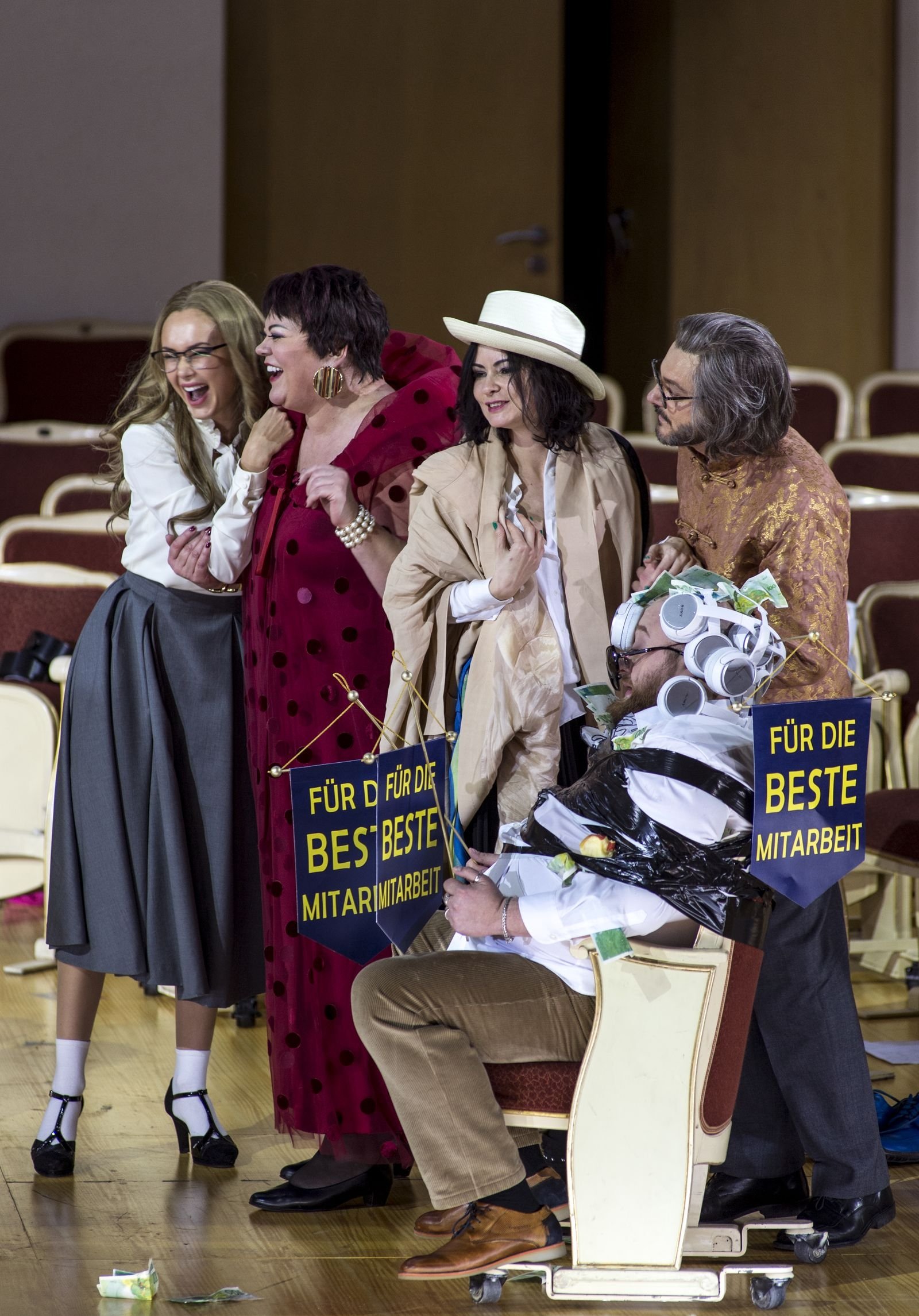
The support group for opera addicts is in session, and its participants perform Prokofiev's Betrothal in a Monastery. Rarely performed outside Russia, and consigned to oblivion by Andrei Zhdanov's anti-formalist policies after the Second World War, the work is transformed by Dmitri Tcherniakov's extravagant staging. Under the baton of Daniel Barenboim, an all-star cast featuring Aida Garifullina and Violeta Urmana bring the characters to life on stage at Berlin's Staatsoper Unter den Linden.

Aribert Reimann's "Lear" is a milestone in the tragic opera of the 20th century. Ever since it's 1978 premiere at the Bavarian State Opera in Munich, it has made it's triumphal progress around the world in more than thirty productions as the most successful Shakespeare opera of our time. The remorseless logic of the action and plot and the primal force of irresistible sonic fantasies give this work the power to hold the attention of it's listeners and viewers from the first moment to the last. The great theme of self-deception is fancifully portrayed in this captivating stage production by Karoline Gruber with a retreat into the interior of a far from frail old man. It is not senility that drives Lear, brilliantly sung by Bo Skovhus, into isolation but his hyperactive ego. The first Hamburg performance of Lear is a musical achievement of the highest order.