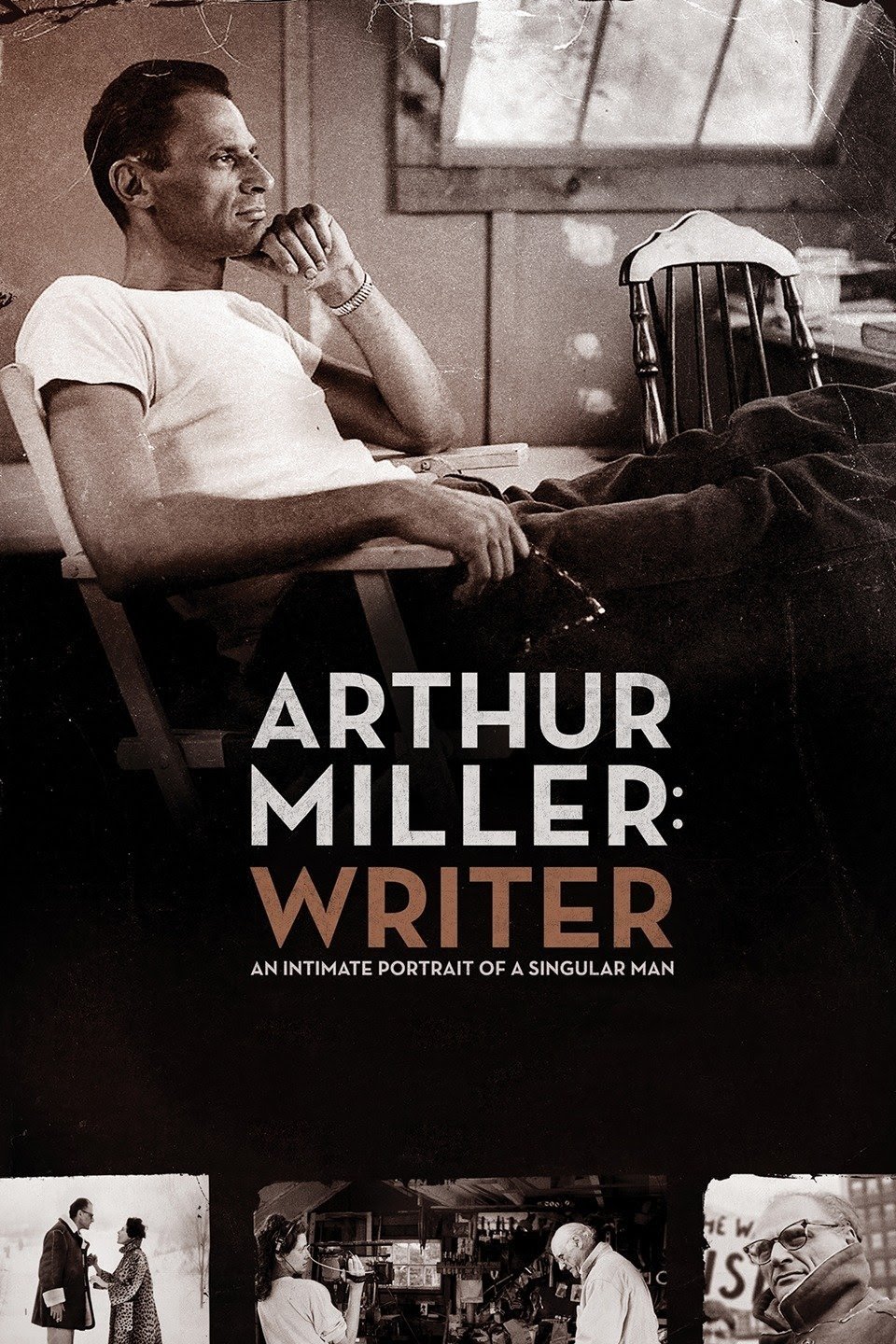
One of the greatest playwrights of the 20th century, Arthur Miller created such celebrated works as Death of a Salesman and The Crucible, which continue to move audiences around the world today. He also made headlines for being targeted by the House Un-American Activities Committee at the height of the McCarthy Era and entering into a tumultuous marriage with Hollywood icon Marilyn Monroe. Told from the unique perspective of his daughter, filmmaker Rebecca Miller, Arthur Miller: Writer is an illuminating portrait that combines interviews spanning decades and a wealth of personal archival material, and provides new insights into Miller’s life as an artist and exploring his character in all its complexity.
A short overview of Brando's career.
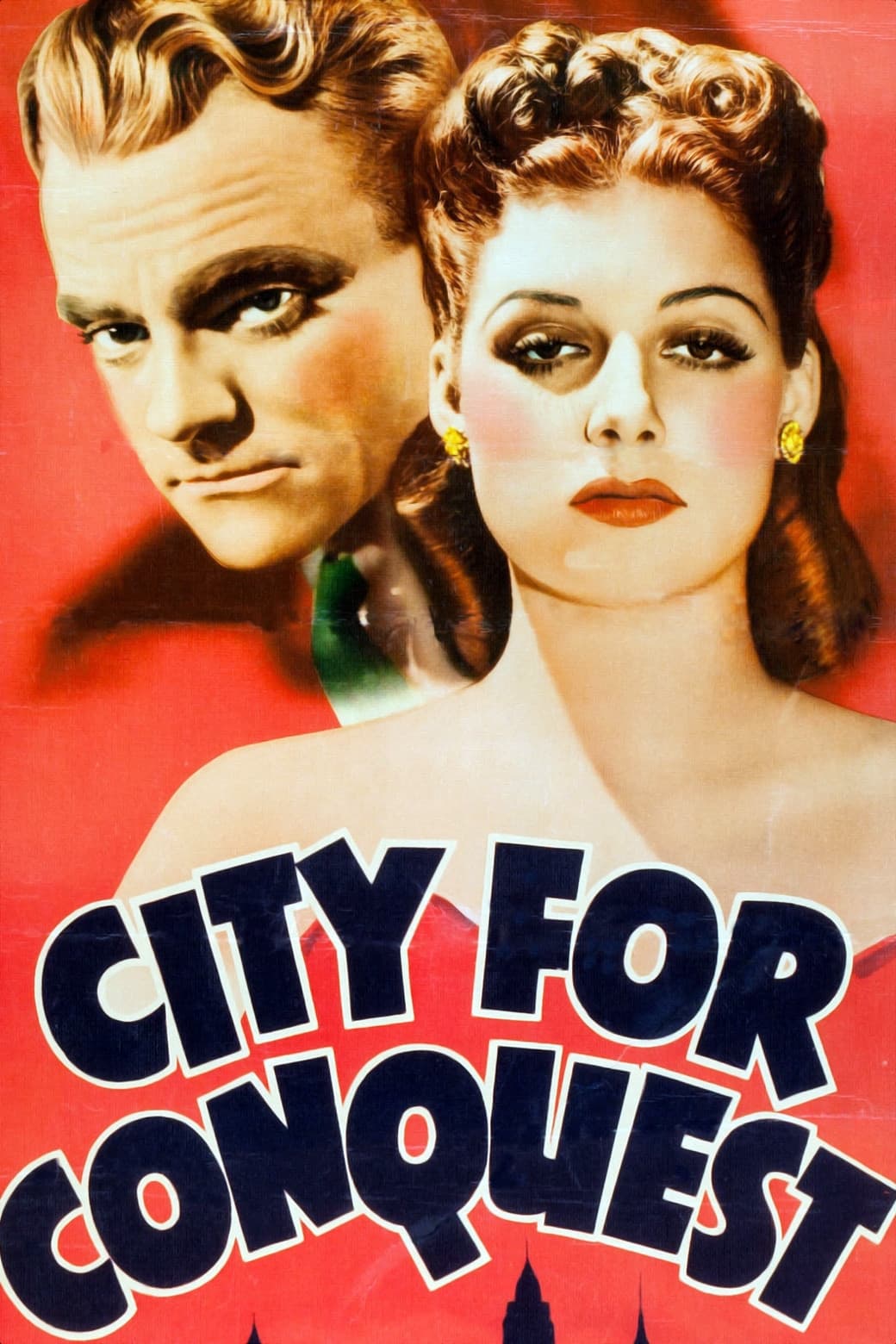
The heartbreaking but hopeful tale of Danny Kenny and Peggy Nash, two sweethearts who meet and struggle through their impoverished lives in New York City. When Peggy, hoping for something better in life for both of them, breaks off her engagement to Danny, he sets out to be a championship boxer, while she becomes a dancer paired with a sleazy partner. Will tragedy reunite the former lovers?
Darryl F. Zanuck ignores the protests of his peers and makes a movie about antisemitism called "Gentleman's Agreement" (1947).
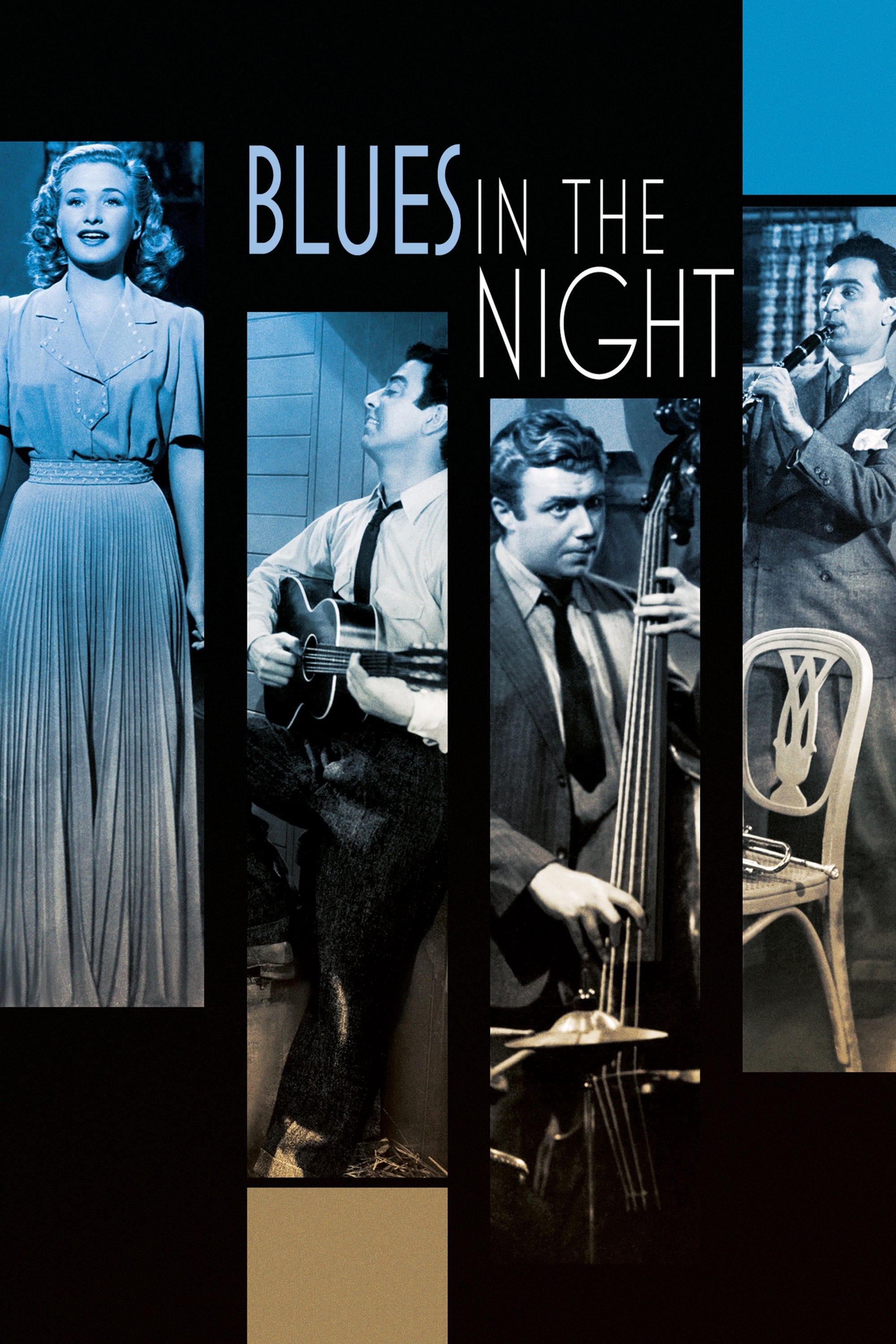
A struggling band find themselves attached to a fugitive and drawn into a series of old feuds and love affairs, as they try to stay together and find musical success.
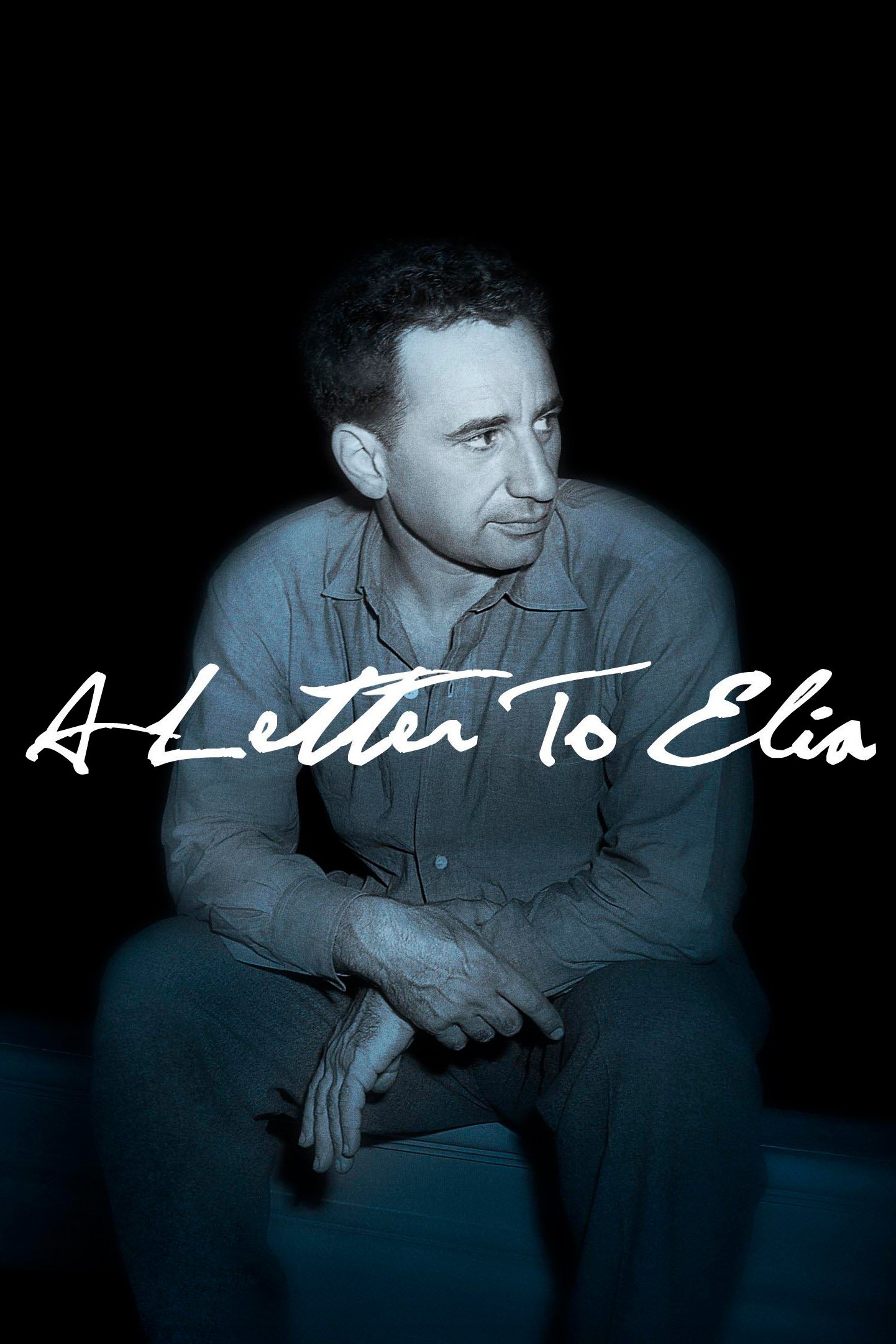
Martin Scorsese reflects on the profound influence of director Elia Kazan, tracing his artistic journey from the Group Theatre to Hollywood success and the controversies of the blacklist era. Co-directed with Kent Jones, the film combines interviews and clips from Kazan’s classics—On the Waterfront, A Streetcar Named Desire, and America, America—to portray him as a deeply personal filmmaker within an often impersonal industry.
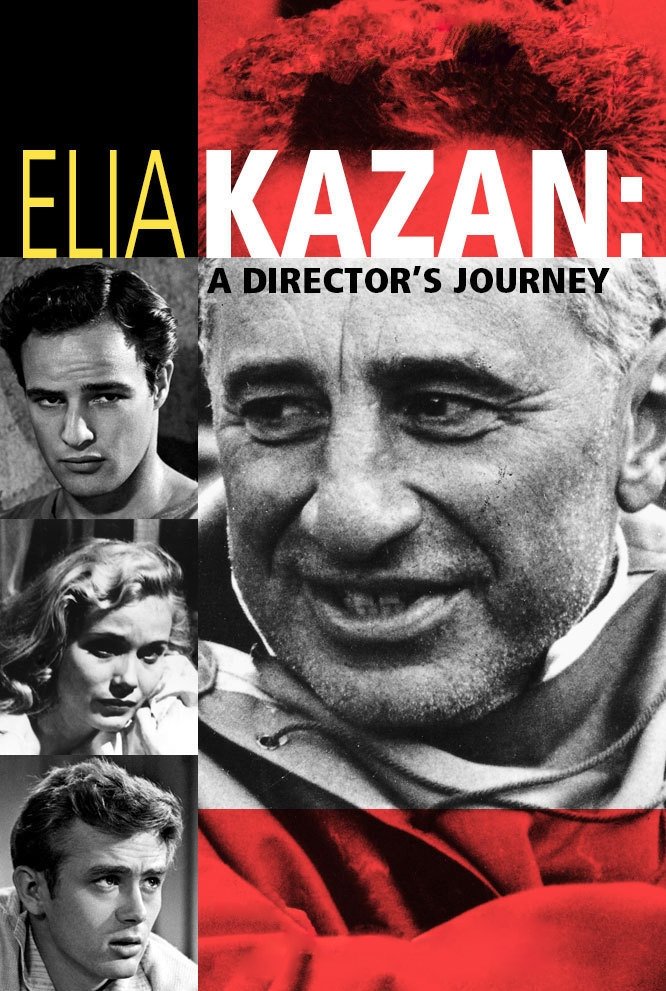
This documentary on the life and work of Academy award-winning director Elia Kazan highlights his colorful life on Broadway and in film, which is exemplified by such classic movies as East of Eden,A Streetcar Named Desire, On the Waterfront, and Gentleman's Agreement. Kazan's life outside the movie set is equally noteworthy, and this film utilizes various interviews to illustrate his controversial appearance before the House Un-American Activities Committee in the '50s. Elia Kazan is one of America's most respected directors, and this video provides a unique glimpse into the life of a man who has left a lasting mark on the worlds of both cinema and theatre. ~ Dan Macintosh, Rovi
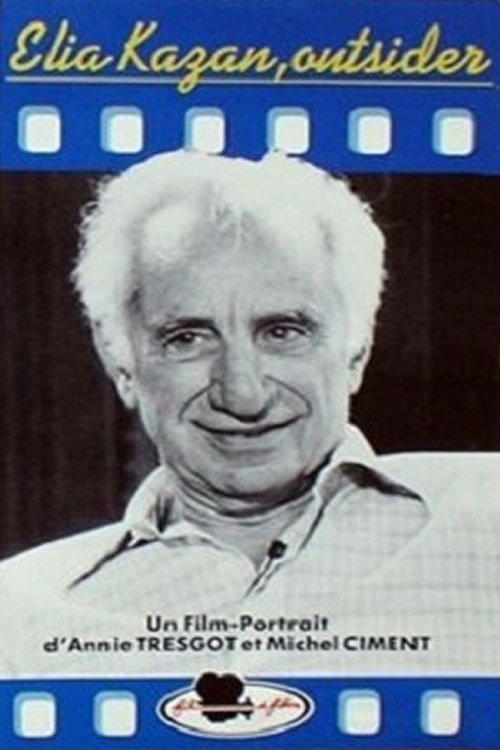
Hour long documentary on the legendary director.
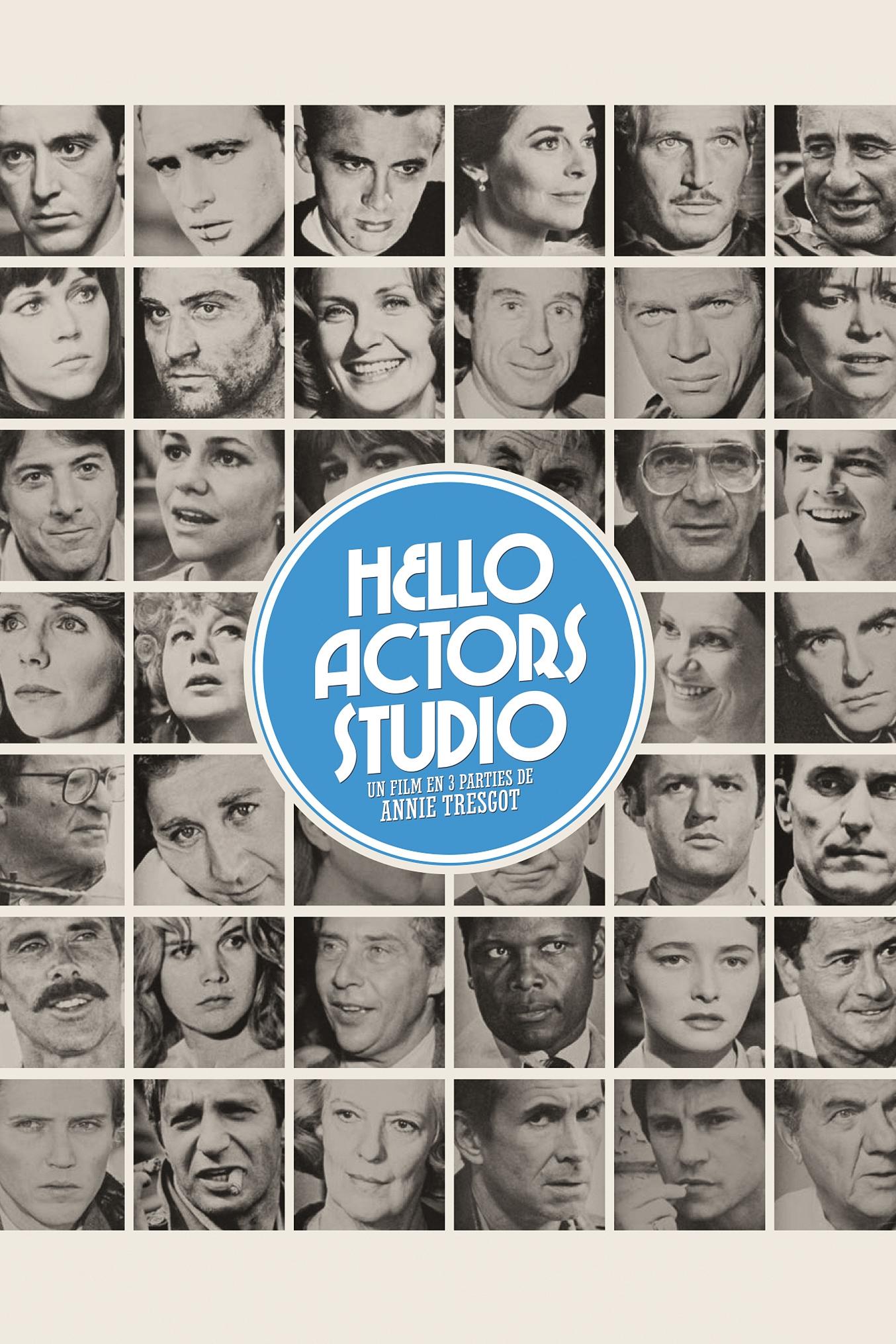
After Lee Strasberg’s death in 1982, the most prestigious talents from the Actors Studio assumed the leadership of this exceptional organization. For the first time ever, filmmakers have been allowed to film their work.

A leading acting teacher who trained some of the most famous performers of the stage and screen, Sanford Meisner was a founding member of the Group Theatre. The Group Theatre, a cooperative theater ensemble, became a leading force in the theater world of the 30s. Meisner performed in many of the group’s most memorable productions.

Domestic drama about an elderly woman and her four squabbling adult children.
Thelma Schoonmaker on Martin Scorsese and 'The King of Comedy'
Documentary short on Marlon Brando included in the DVD extras of The Streetcar Named Desire.
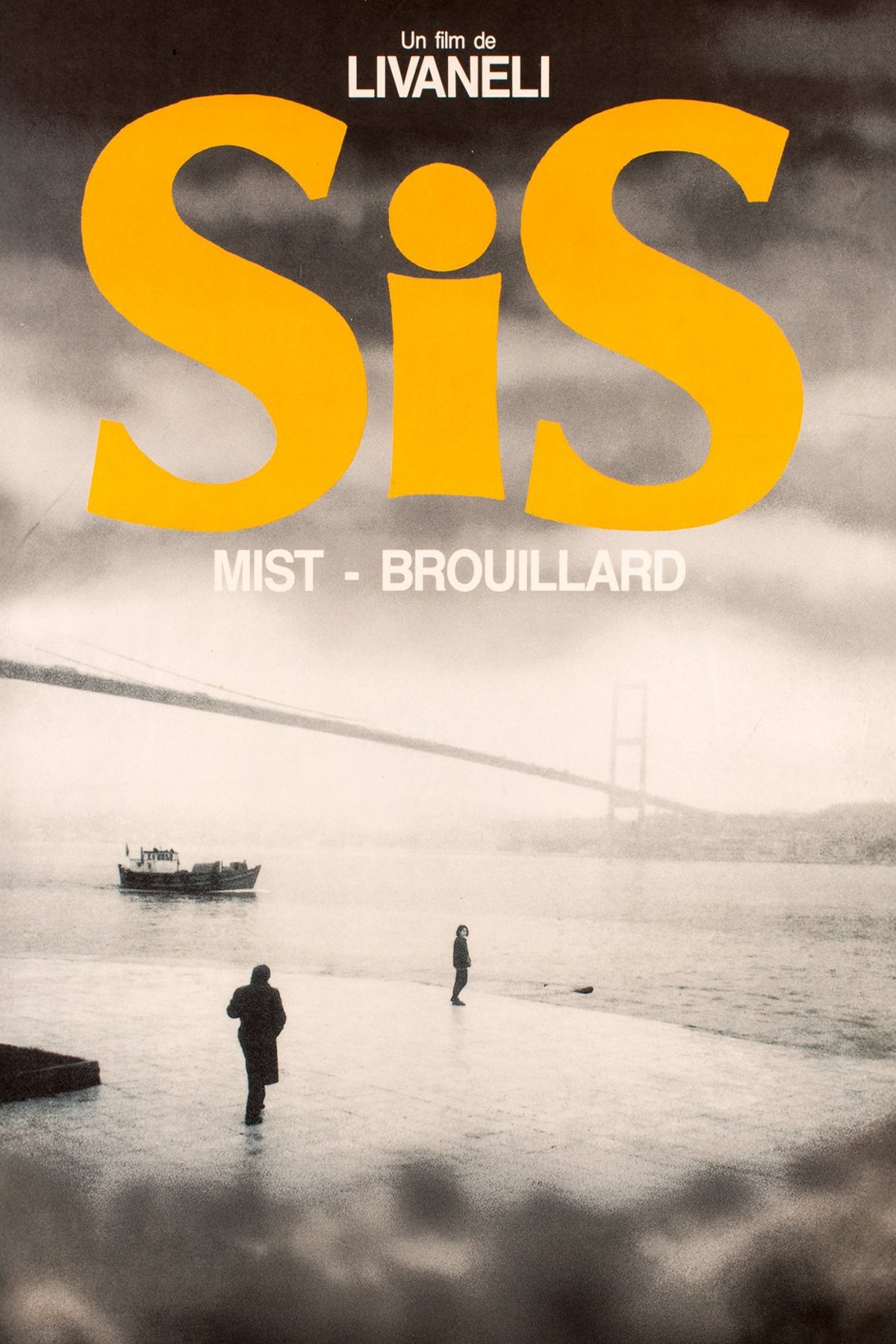
Two Turkish brothers find themselves on opposite sides of the political fence. When one of the brothers is murdered, the boys' father suspects that his surviving son was instrumental in the killing. Celebrated film director Elia Kazan returns to his acting roots in a key supporting role.
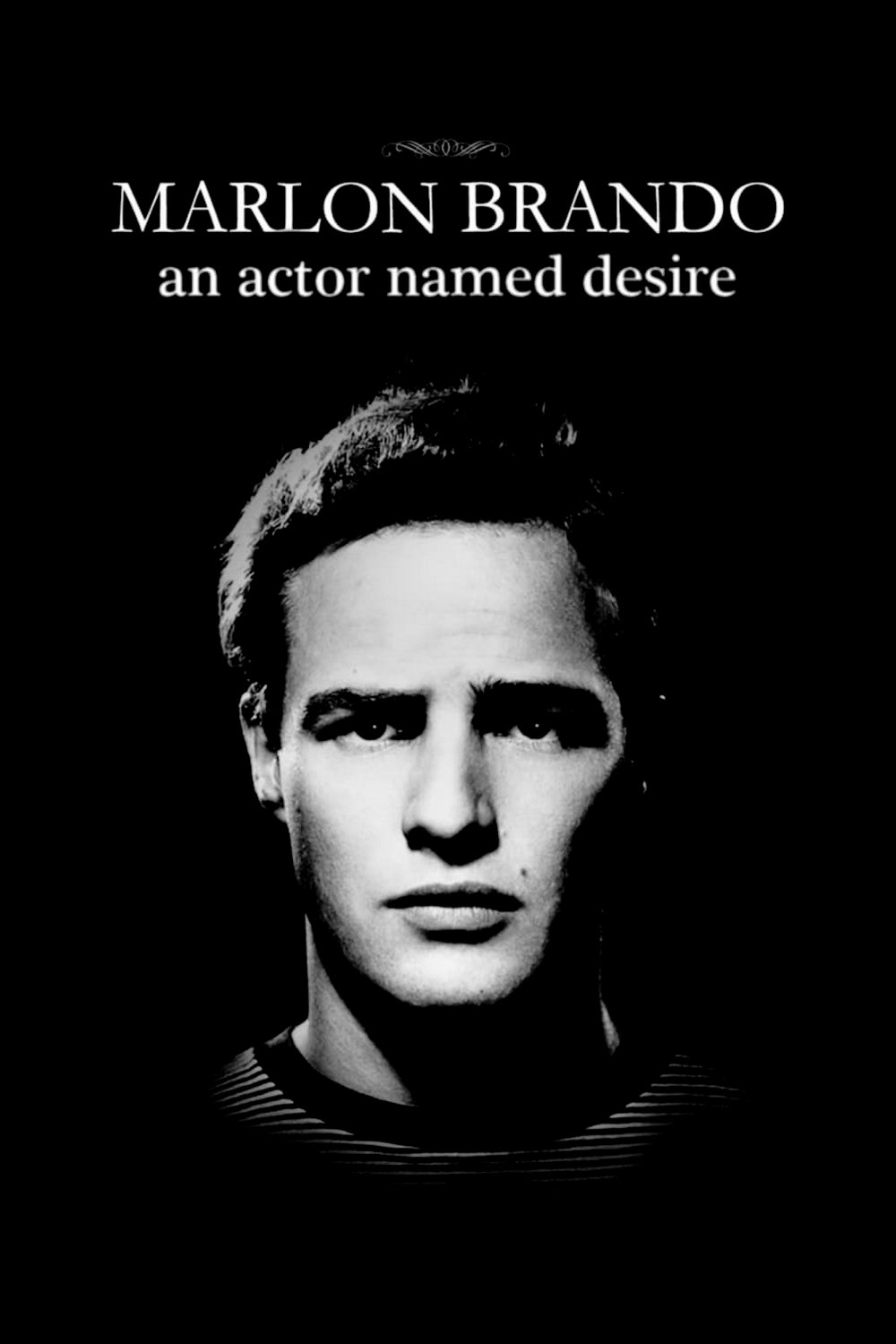
In his early days as an actor, Marlon Brando (1924-2004) was a shy young man with theatrical ambitions, like many others; but his charisma and superb acting skills made him truly unique, so that the doors to the starry sky of Hollywood opened for him. However, his peculiar manners, political commitment and complicated love life always overshadowed his artistic success.
Mini-doc on the set of Elia Kazan's "The Arrangement" (1969).
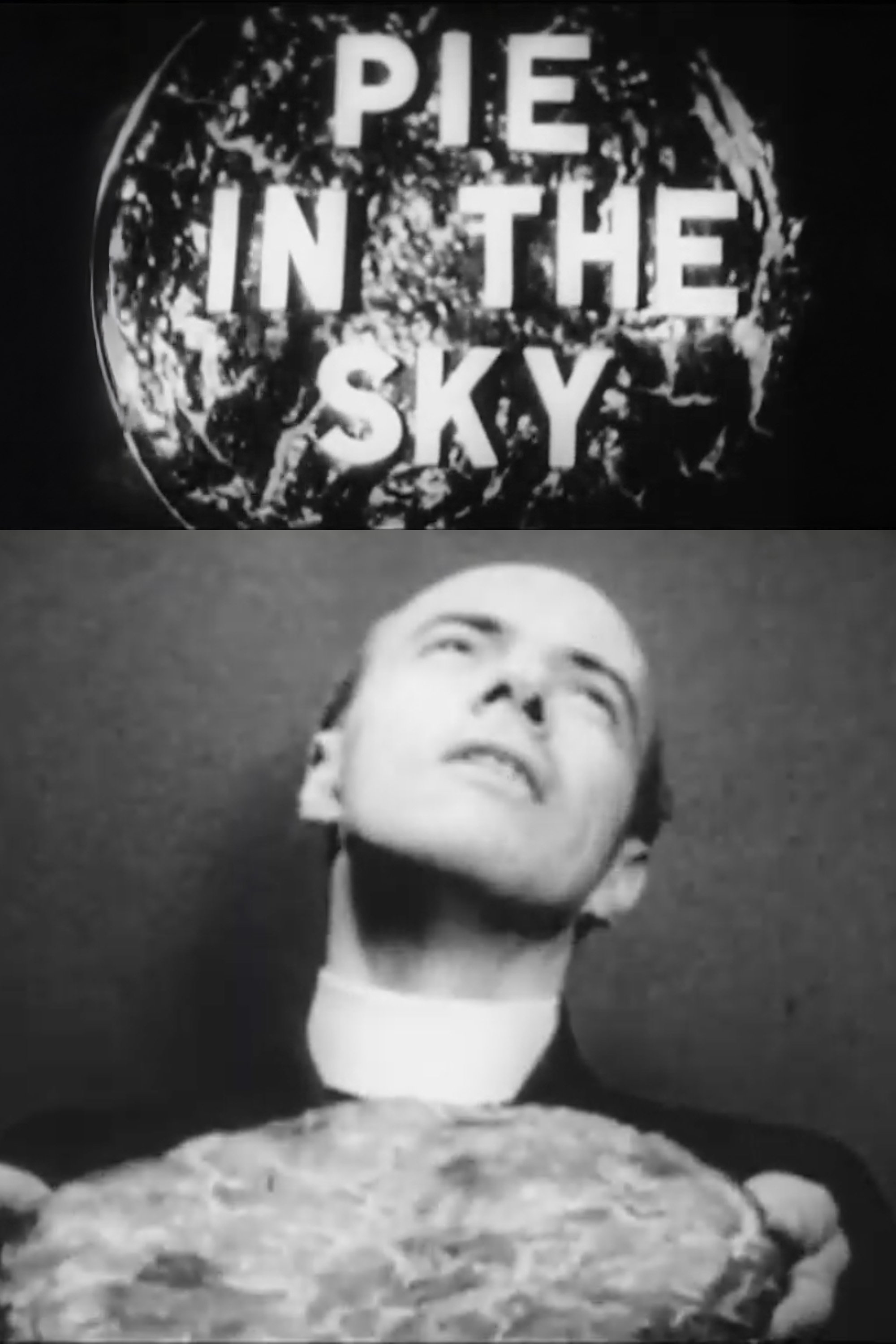
At a skid row mission, a cleric opines as men wait to eat. After his sermon, he brings out a pie and cuts it into small slices. The two men at the end of the line get none. They leave the mission and head for a garbage dump where junk becomes props for their play. A dress form becomes Mae West; a rusted car gives them a wild ride. Then, one dresses as a priest and promises pie in the sky. By the end, they sport metal halos.
A documentary short film depicting the work of the motion picture director. An anonymous director is shown preparing the various aspects of a film for production, meeting with the writer and producer, approving wardrobe and set design, rehearsing scenes with the actors and camera crew, shooting the scenes, watching dailies, working with the editor and composer, and attending the first preview. Then a number of real directors are shown in archive footage (as well as a predominance of staged 'archive' footage) working with actors and crew.
A study of Tennessee Williams's life and work as a whole, ranging from his youth in Mississippi and in St. Louis to success and acclaim, followed by the final difficult years. Includes some of the most celebrated scenes from film adaptations of Williams' work, among them extracts of A Streetcar Named Desire (1951),Cat on a Hot Tin Roof (1958), Night of the Iguana, The (1964), and Suddenly, Last Summer (1993) (TV). Contains footage of Williams being interviewed, including conversations with David Frost, 'Edward R. Murrow (I)', and Melvyn Bragg, as well as reminiscences from people who knew and worked with him, among them Edward Albee, Gore Vidal, and his lifelong friend, Lady Maria St. Just. Features readings from Elia Kazan's Notebook by Kim Hunter.

Documentary about American film director and actress Barbara Loden featuring an interview filmed in 1980.
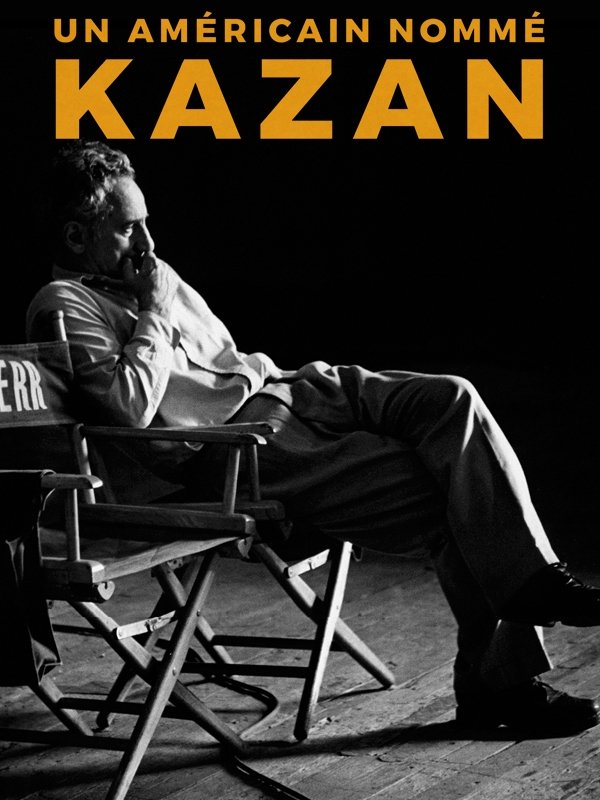
Elia Kazan represented the American dream. An immigrant who came without anything and who became the Prince of Hollywood and Broadway after World War II. Actor, theater director, filmmaker, writer, he is the founder of Actor’s Studio, a collaborator of Arthur Miller and Tennessee Williams, and a director who discovered Marlon Brando and James Dean.
A film essay contrasting the modern metropolis with its "golden age" from 1830-1930, with the participation of some of New York's leading political and cultural figures. Made at a time when the city was experiencing unprecedented real estate development on the one hand and unforeseen displacement of population and deterioration on the other. Empire City is the story of two New Yorks. The film explores the precarious coexistence of the service-based midtown Manhattan corporate headquarters with the peripheral New York of undereducated minorities living in increasing alienation.
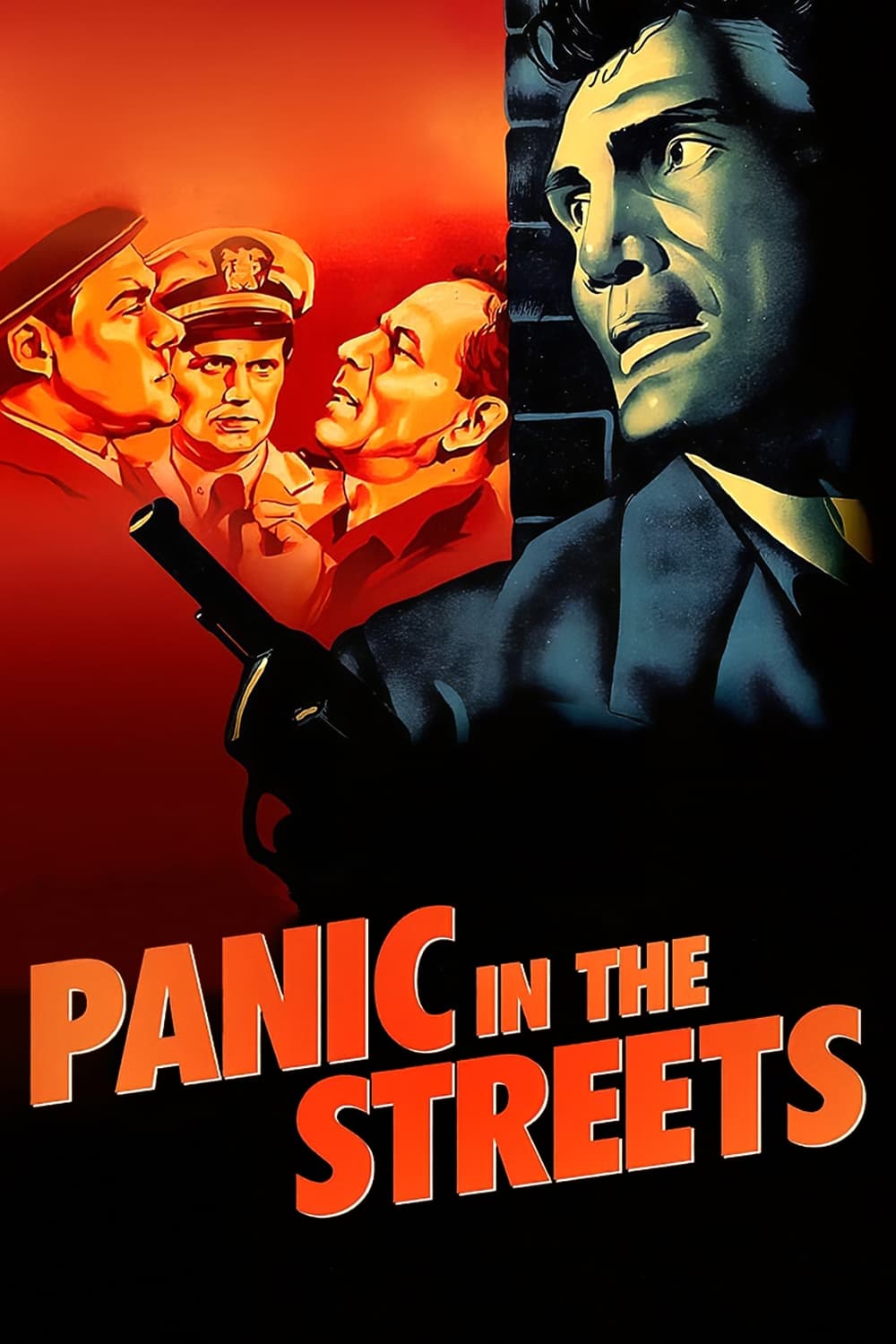
A medical examiner discovers that an innocent shooting victim in a robbery died of bubonic plague. With only 48 hours to find the killer, who is now a ticking time bomb threatening the entire city, a grisly manhunt through the seamy underworld of the New Orleans Waterfront is underway.
How the play was adapted to Film
Interviews and photos about the play on Broadway
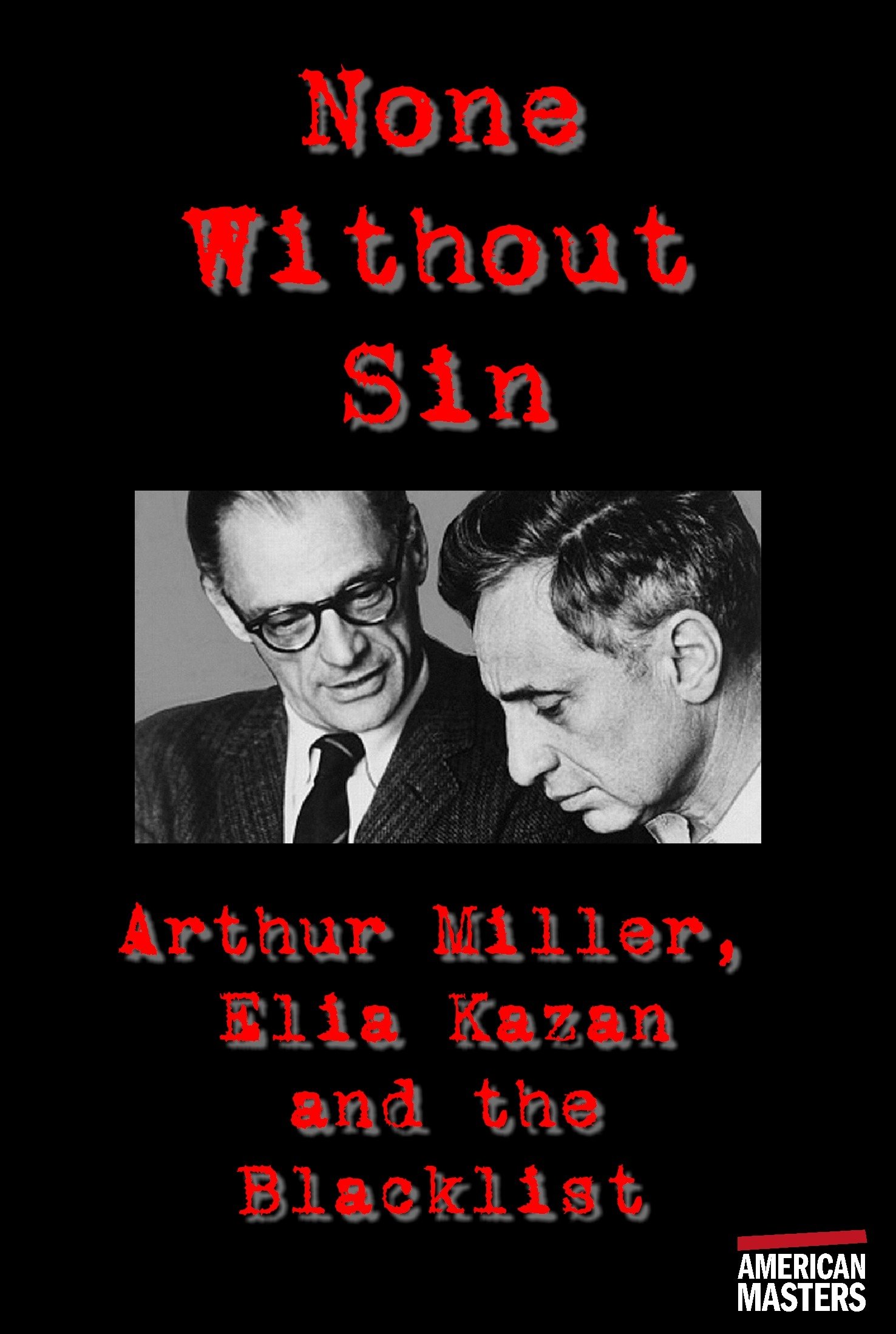
Director Elia Kazan and playwright Arthur Miller were once best friends and professional colleagues, to most that knew them then in both capacities as soul mates. Their politics were similar which was reflected in their work. Kazan was a Communist Party member for a few years in the mid-1930's, but Miller never officially joined the party ranks. Their relationship changed in the early 1950's when Kazan was subpoenaed to testify in front of the House Un-American Activities Committee where he named names of Communist Party members past and present.
A tribute and portrait of the Swedish filmmaker Bo Widerberg. Thommy Berggren presents slices and comments on Widerberg.
explores the production of the film with interviews with those involved. The historical significance is similarly discussed. Includes interviews with Ted Donaldson (the actor who performed the part of Neeley Nolan), Richard Schickel (author of "Elia Kazan: A Portrait"), stage director Norman Lloyd, and several clips from archival interviews with director Elia Kazan himself

An all-star tribute to Natalie Wood by some of her friends and co-workers.