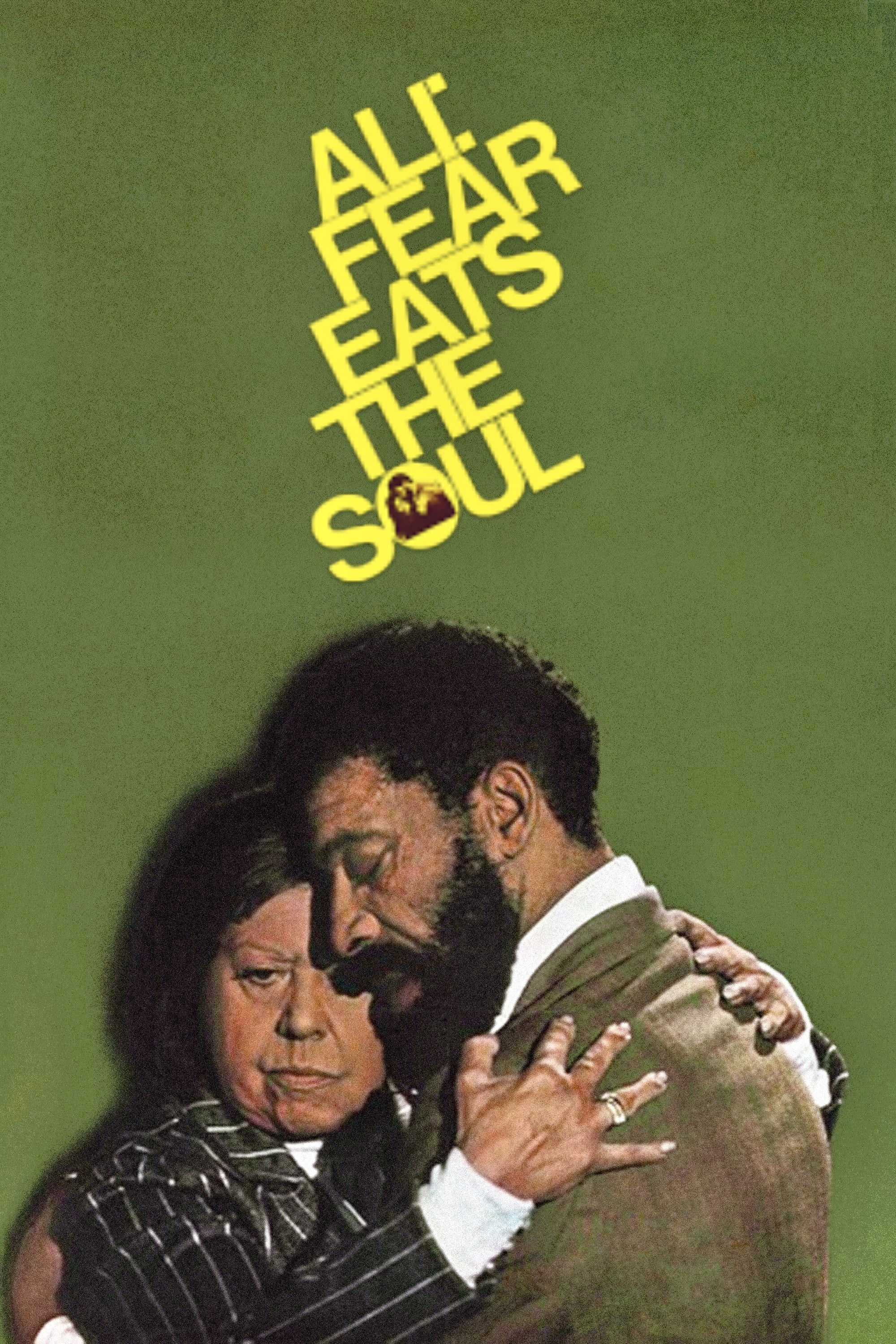
Emmi Kurowski, a cleaning lady, is lonely in her old age. Her husband died years ago, and her grown children offer little companionship. One night she goes to a bar frequented by Arab immigrants and strikes up a friendship with middle-aged mechanic Ali. Their relationship soon develops into something more, and Emmi's family and neighbors criticize their spontaneous marriage. Soon Emmi and Ali are forced to confront their own insecurities about their future.
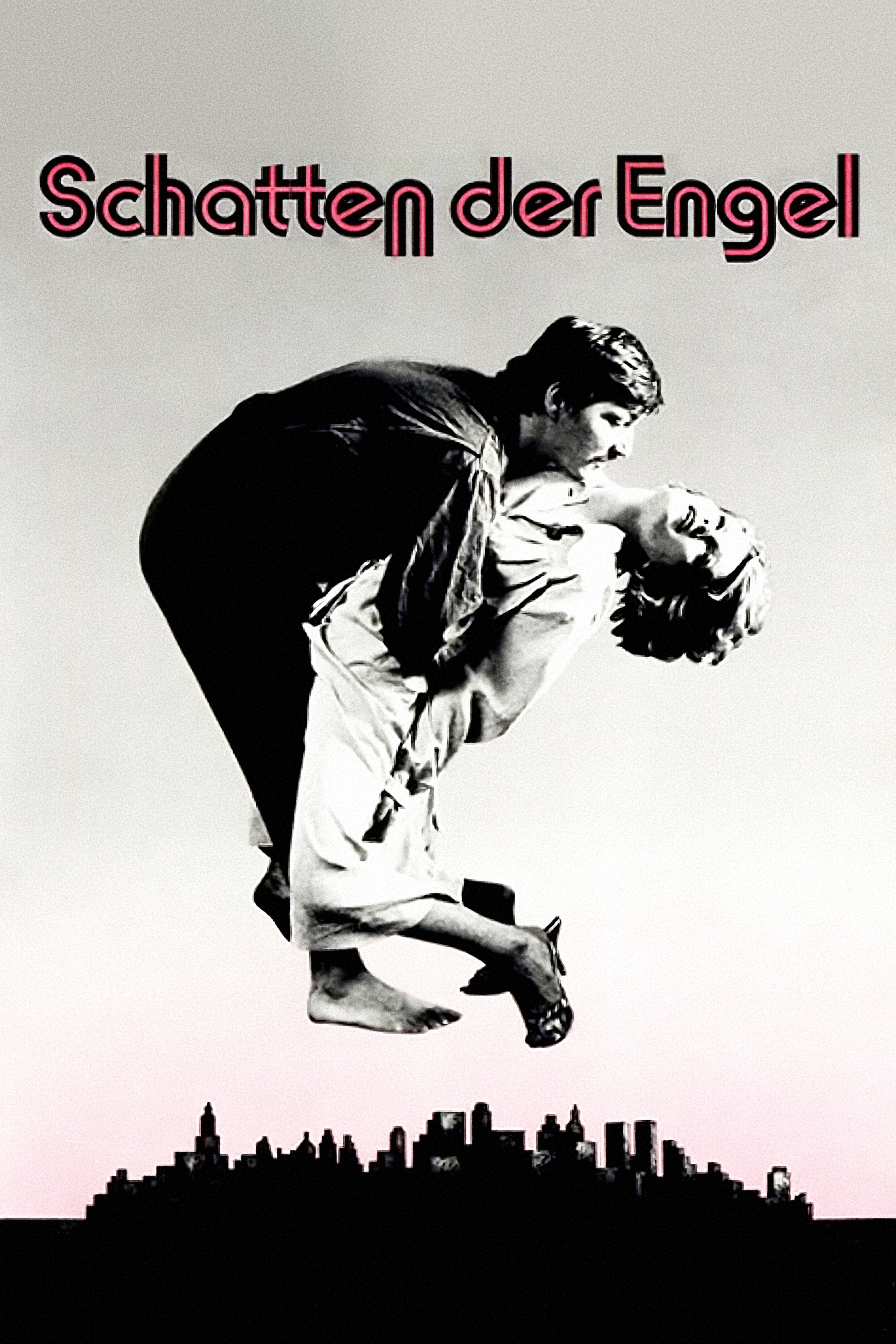
Beautiful, detached, laconic, consumptive Lily Brest is a streetwalker with few clients. She loves her idle boyfriend, Raoul, who gambles away what little she earns. The town's power broker, called the rich Jew, discovers she is a good listener, so she's soon busy. Raoul imagines grotesque sex scenes between Lily and the Jew; he leaves her for a man. Her parents, a bitter Fascist who is a cabaret singer in drag and her wheelchair-bound mother, offer no refuge. Even though all have a philosophical bent, the other whores reject Lily because she tolerates everyone, including men. She tires of her lonely life and looks for a way out. Even that act serves the local corrupt powers.
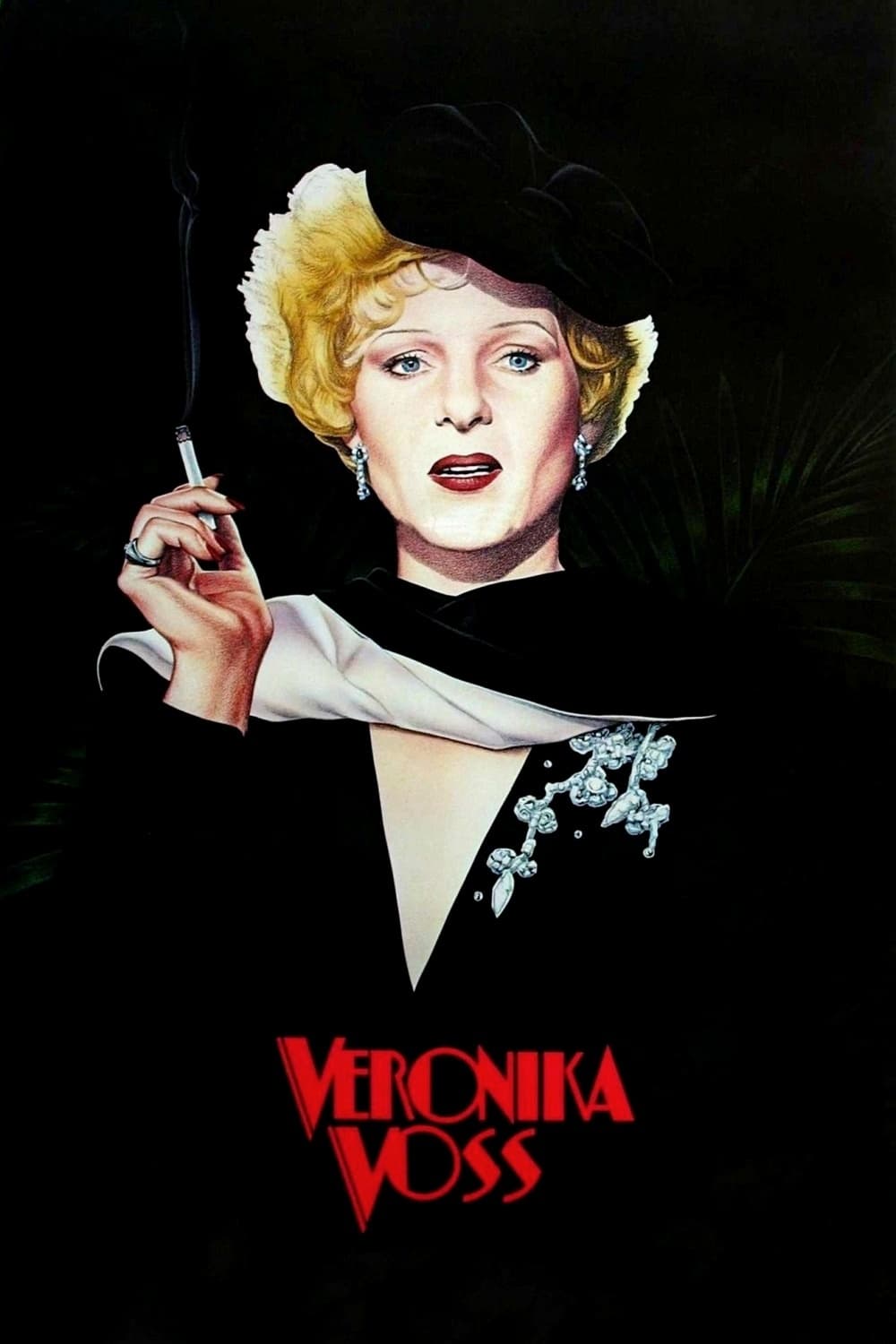
In Munich 1955, German film star Veronika Voss becomes a drug addict at the mercy of corrupt Dr. Marianne Katz, who keeps her supplied with morphine. After meeting sports writer Robert Krohn, Veronika begins to dream of a return to stardom. As the couple's relationship escalates in intensity, Veronika begins seriously planning her return to the screen -- only to realize how debilitated she has become through her drug habit.
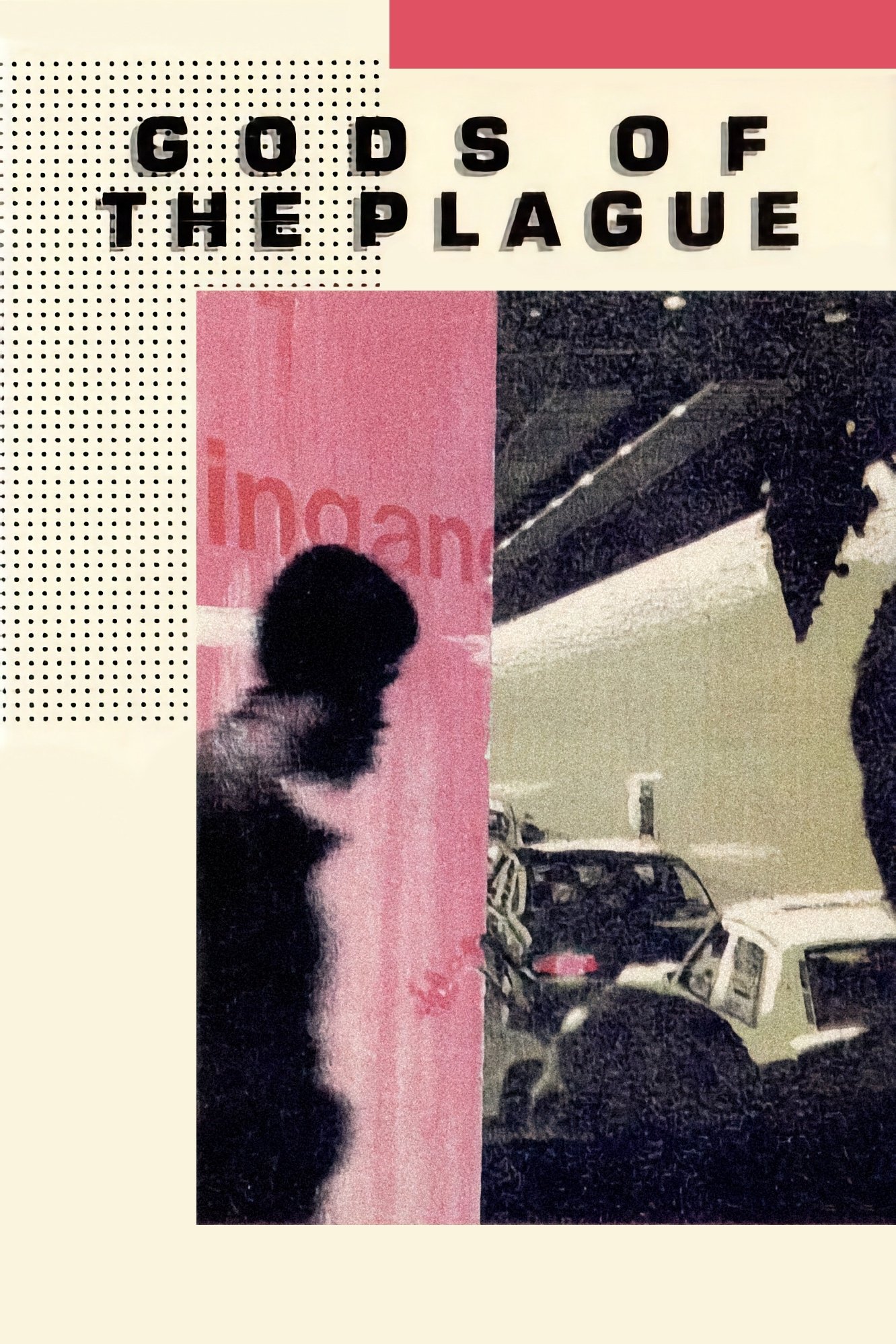
After his release from prison, ex-convict Franz Walsch finds his way back into the Munich criminal underworld. His attentions focus upon two women, Joanna and Margarethe, as well as upon Günther, his friend who earlier shot his brother.
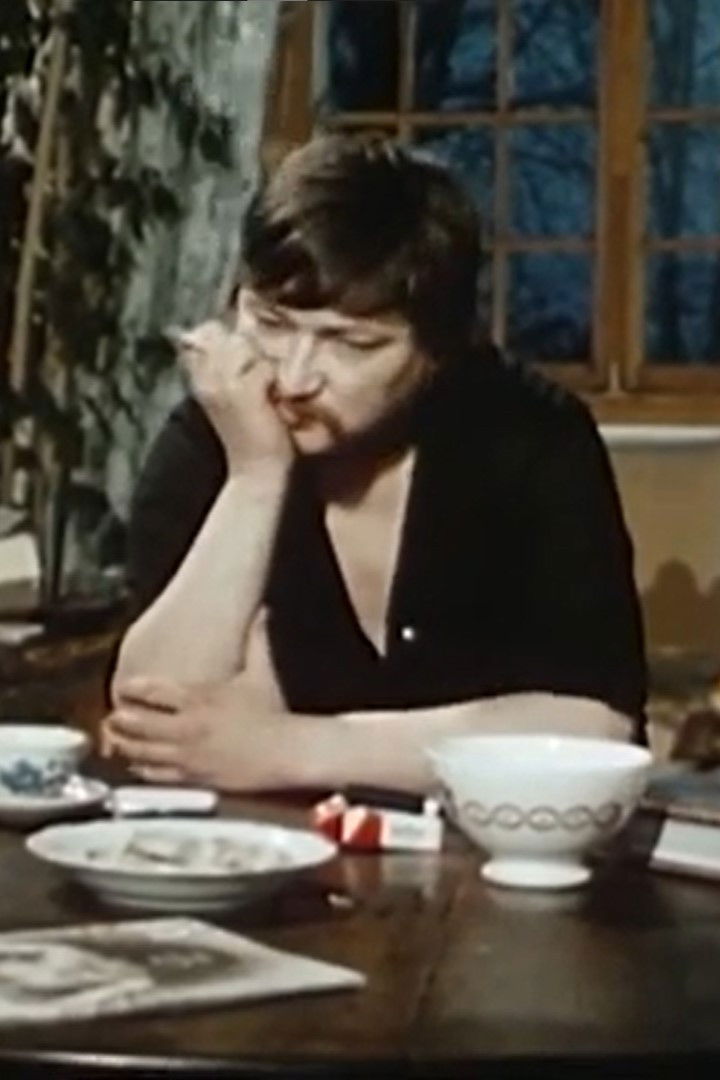
An interview with RWF in the kitchen in a house he had rented close to Paris at that time. Four years before his untimely death, the interview shows a quite relaxed and patient Fassbinder who answers all kinds of (often contrafactual or at least uninformed) questions and reveals quite a lot about his childhood and current personal drama. Sober, chainsmoking, but very lightheaded, RWF.

A young man who is constantly searching for relics from World War II and idolizes Hitler and Al Capone founds a criminal organization with friends and slides headlong into disaster.
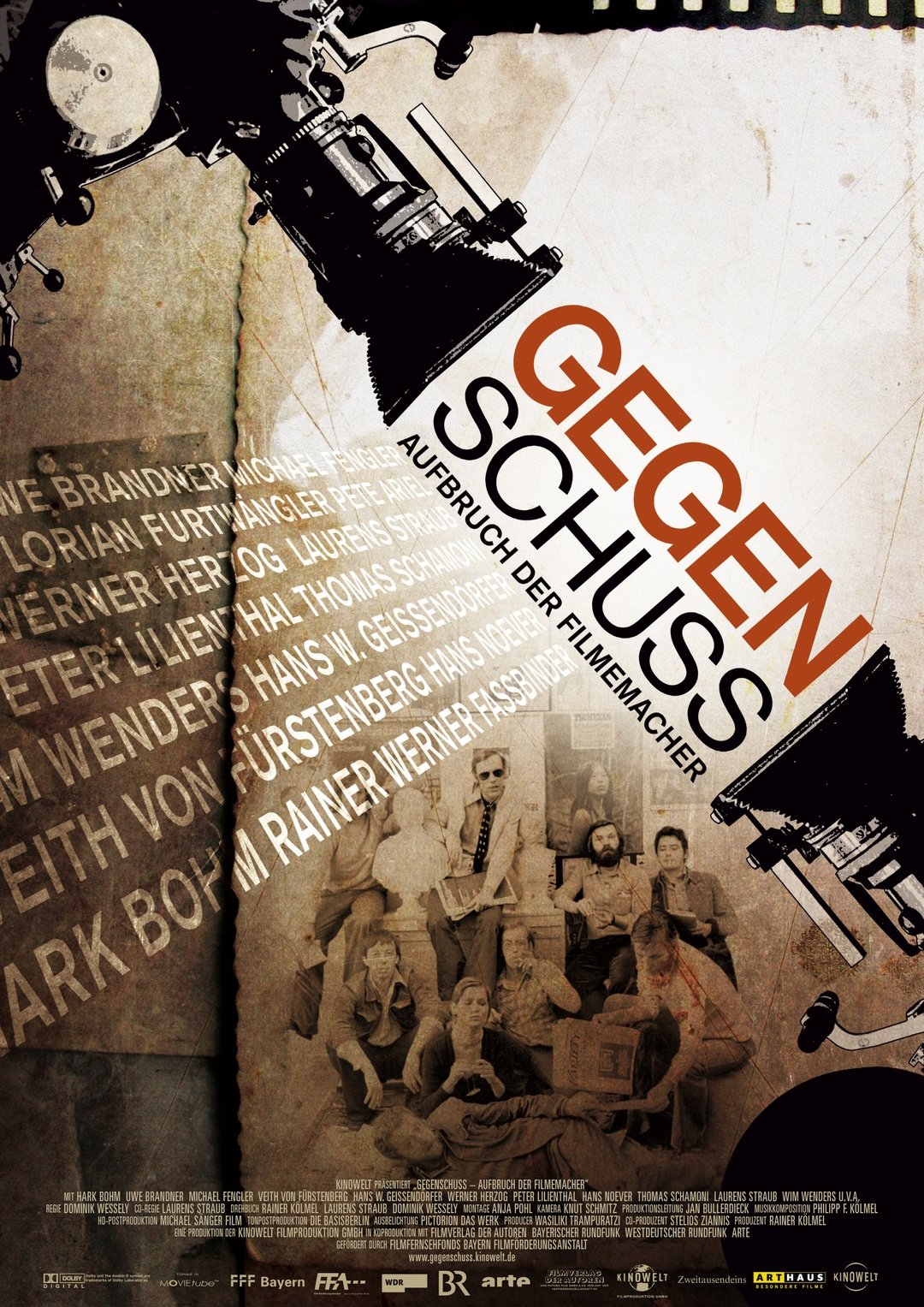
Documentary about filmmakers of the New German Cinema who were members of the legendary Filmverlag für Autoren (Film Publishing House for Authors). Among them are Werner Herzog, Rainer Werner Fassbinder, and Wim Wenders.
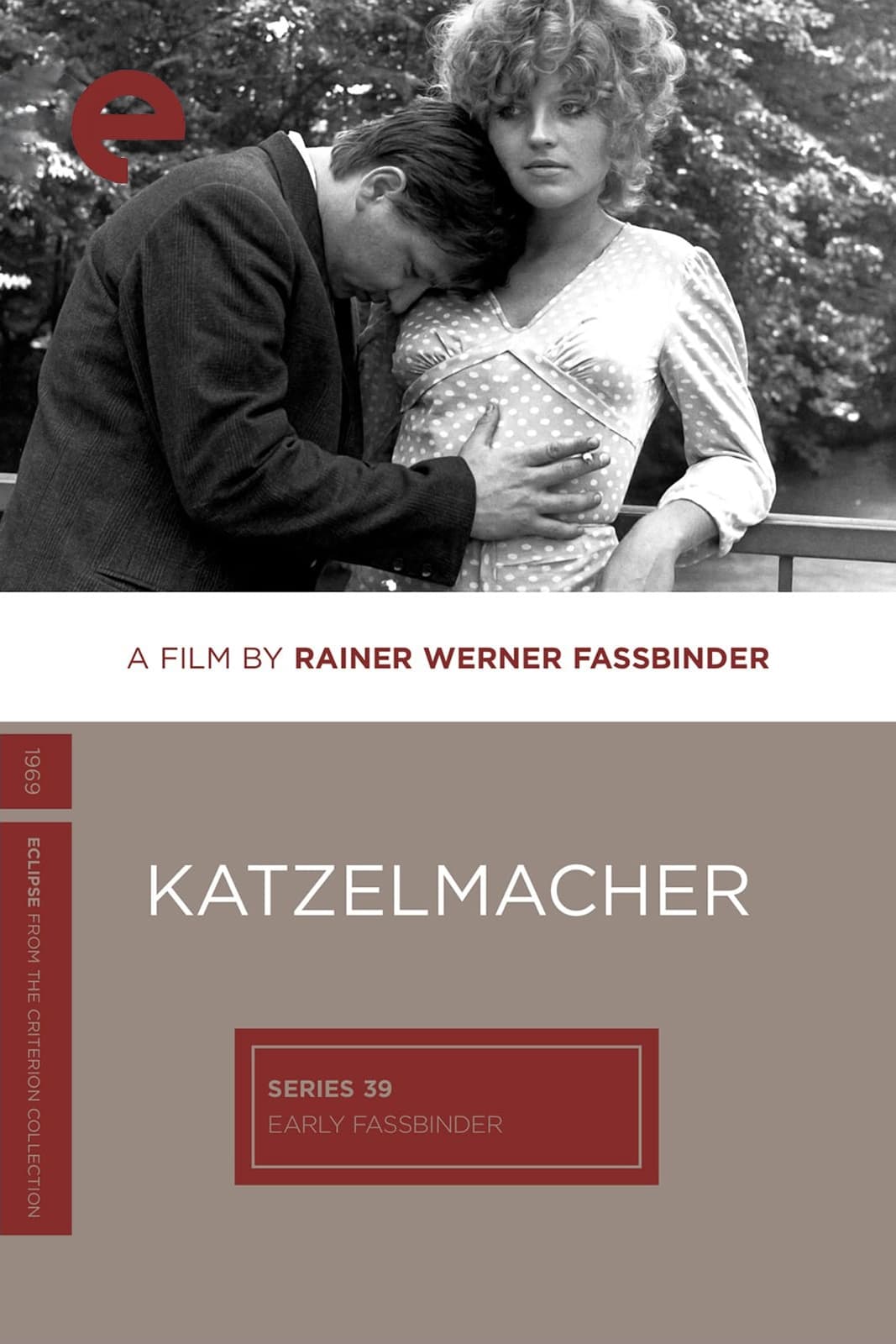
A group of young slackers spend most of their time hanging out in front of a Munich apartment building. When a Greek immigrant named Jorgos moves in, however, their aimless lives are shaken up. Soon, new tensions arise both within the group and with Jorgos.
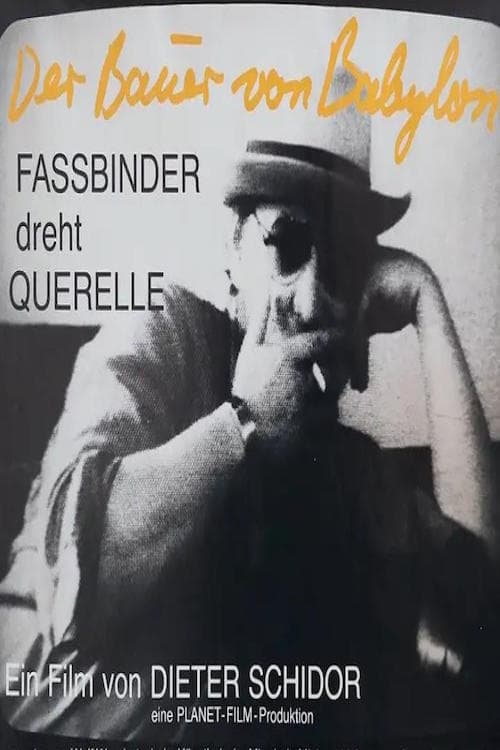
A documentary about German director Rainer Werner Fassbinder, during the time of filming "Querelle," features an interview with Fassbinder only ten hours before his death.
Douglas speaks about some of the stars he has directed, like Asta Nielsen, Lili Dagover, Zarah Leander, George Sanders, Signe Hasso, Barbara Stanwyck, Jane Wyman, and many others.
Film director Jeff and his lead actor are taking their time getting to set. In their absence, the crew lack a purposeful way to spend their time waiting, so they drink heavily. However, as booze is downed and frustration sets in, morale hits rock bottom.

In a futuristic, totalitarian society wherein the government controls all facets of the media, a homicide detective investigates a string of bombings and uncovers more than he bargained for.

Small-time pimp Franz is torn between his mistress and Bruno, the gangster sent after him by a shady crime syndicate he has refused to join.
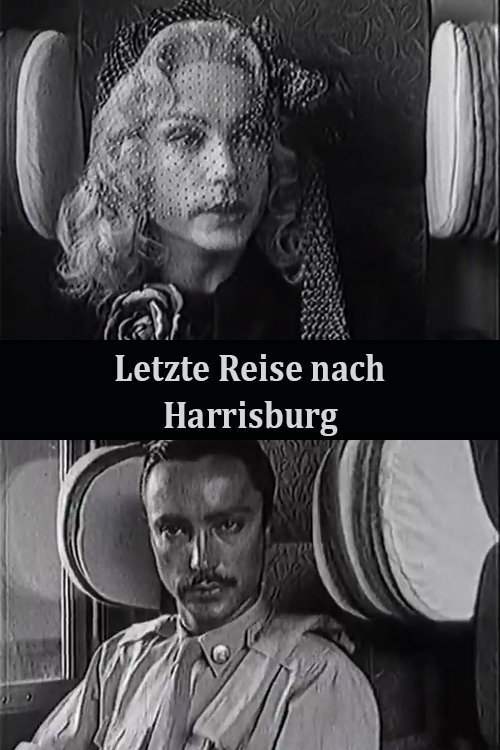
A soldier and a beautiful blonde on a train to Harrisburg.

Fox, a former circus performer, wins the lottery of DM 500,000 and can now have the life and things that he has always wanted. He enters an abusive relationship with wealthy industrialist Eugen in an attempt to climb the social ladder. His desperation for love and affection soon spirals into tragedy.
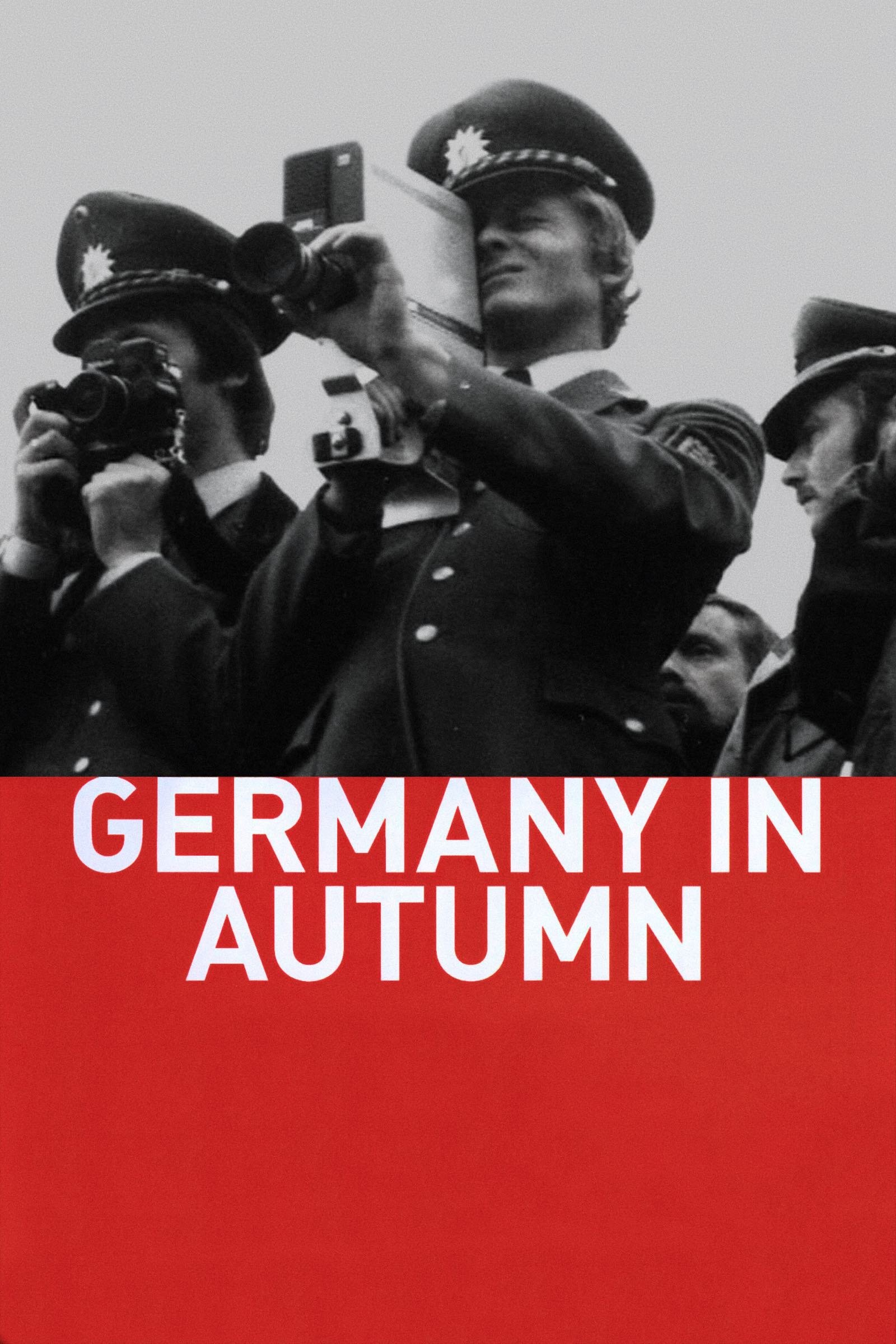
Nine fictitious documentaries and films reflect the mood of late 1970s Germany, particularly the two-month period in 1977 when a businessman was kidnapped by the RAF (Red Army Faction). The kidnap had been made to orchestrate the release of the original leaders of the RAF, aka the Baader-Meinhof.
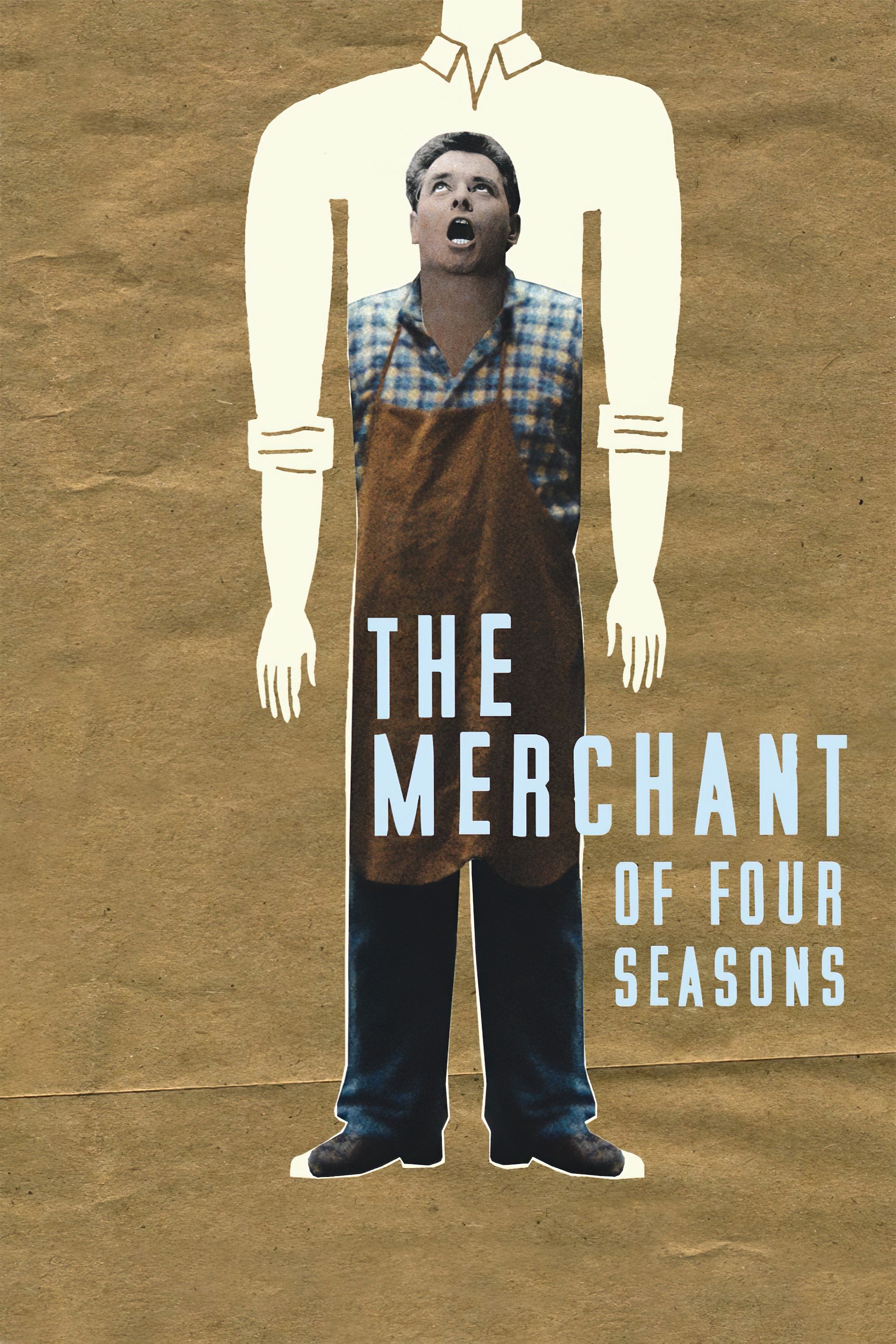
Hans is a street fruit peddler and born loser. His choice of career upsets his bourgeois family, causing him to turn to drinking and violence. After recovering from a debilitating heart attack, his business finally begins to take off. However, the more he becomes a credit to his family, the more depressed he becomes.
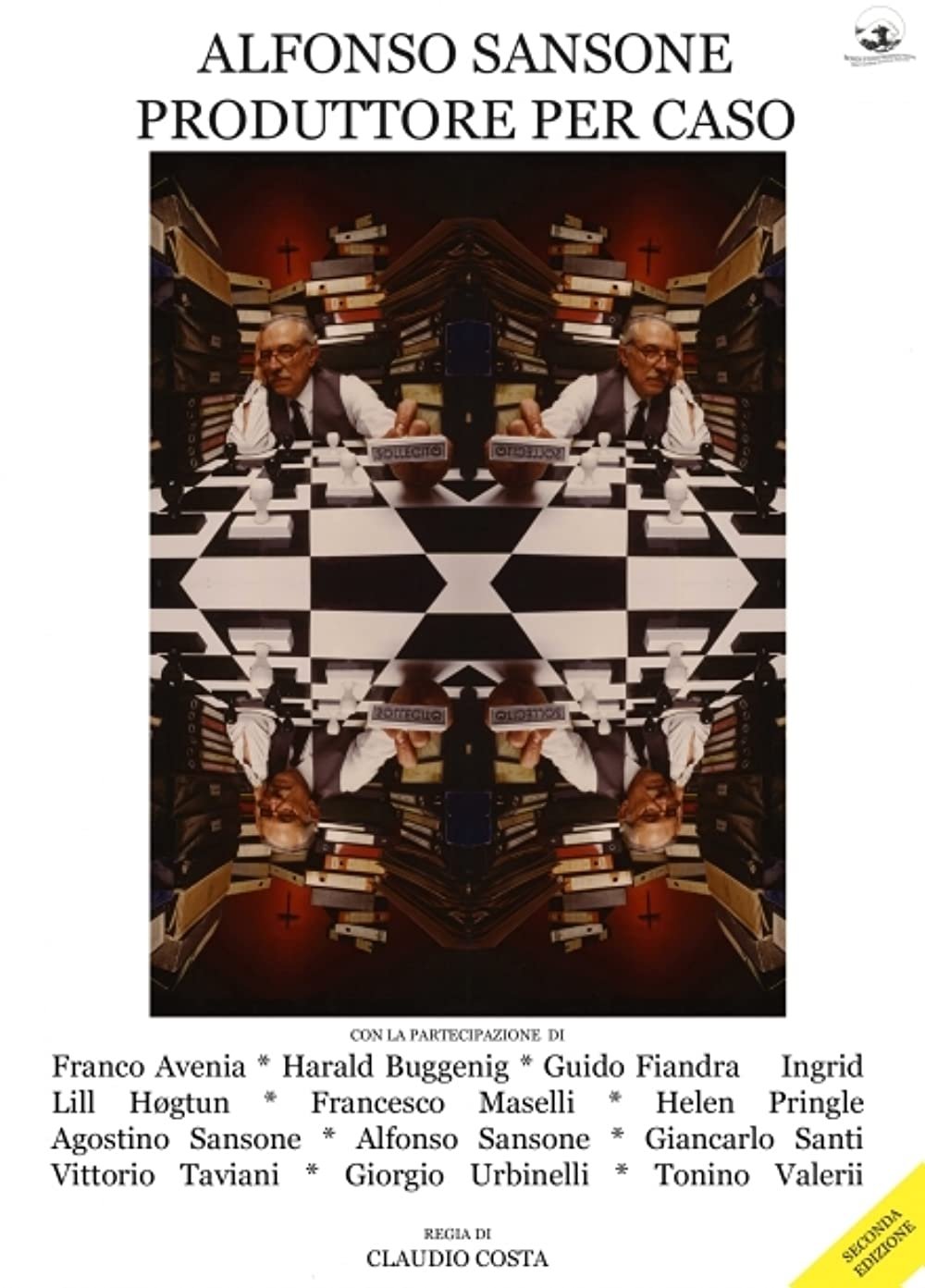
After the war, almost by chance, Alfonso Sansone started to produce documentary films and moved from Palermo to Rome, the city of film.
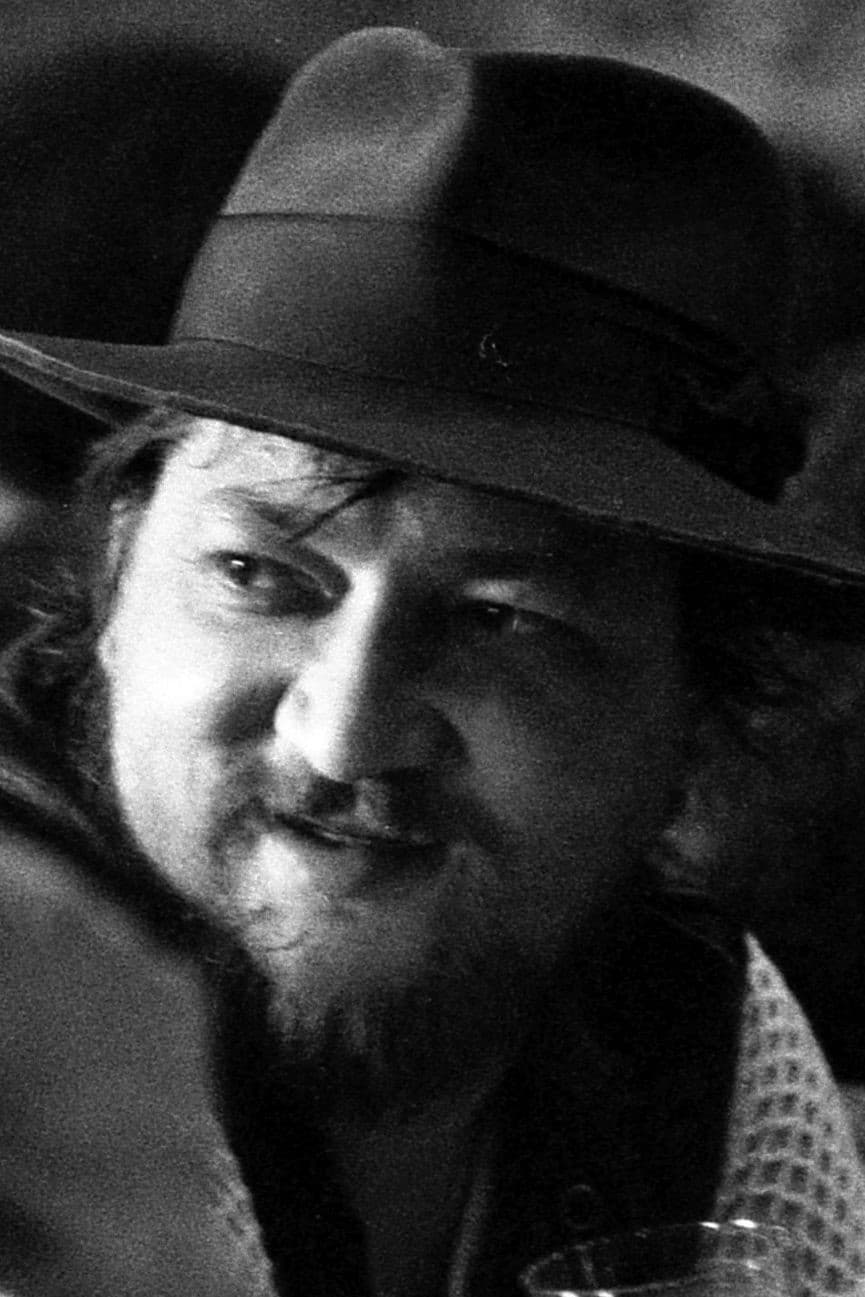
A documentary about the director Fassbinder but edited as if it were a film of the master himself, with some sequences of his own movies.

A documentary about the life and work of director Rainer Werner Fassbinder.
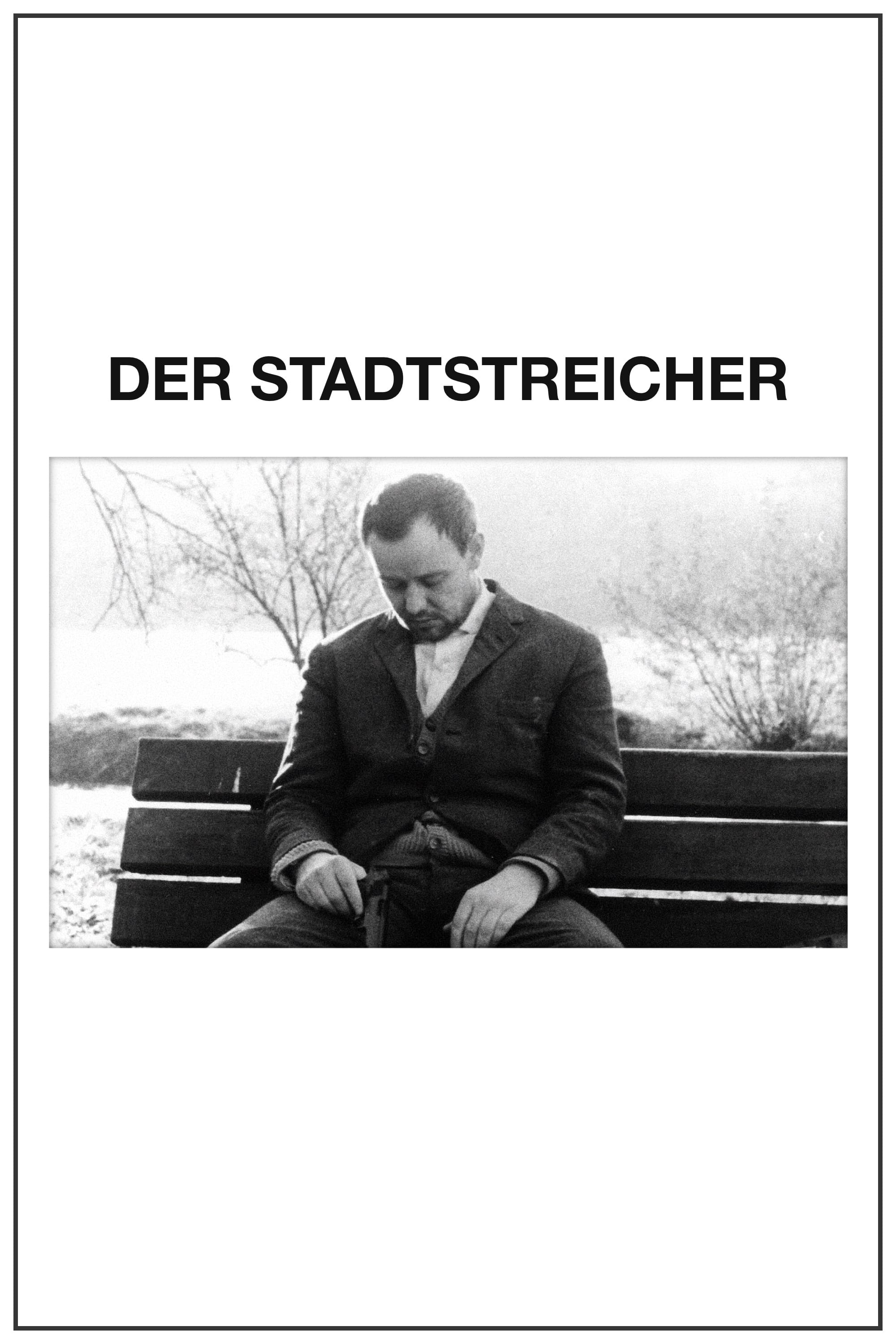
A tramp finds a gun lying in the street.

A German serial killer preys on boys and young men during the so-called years of crisis between the wars. Based on the true story of Fritz Haarmann, aka the Butcher of Hanover and the Vampire of Hanover.
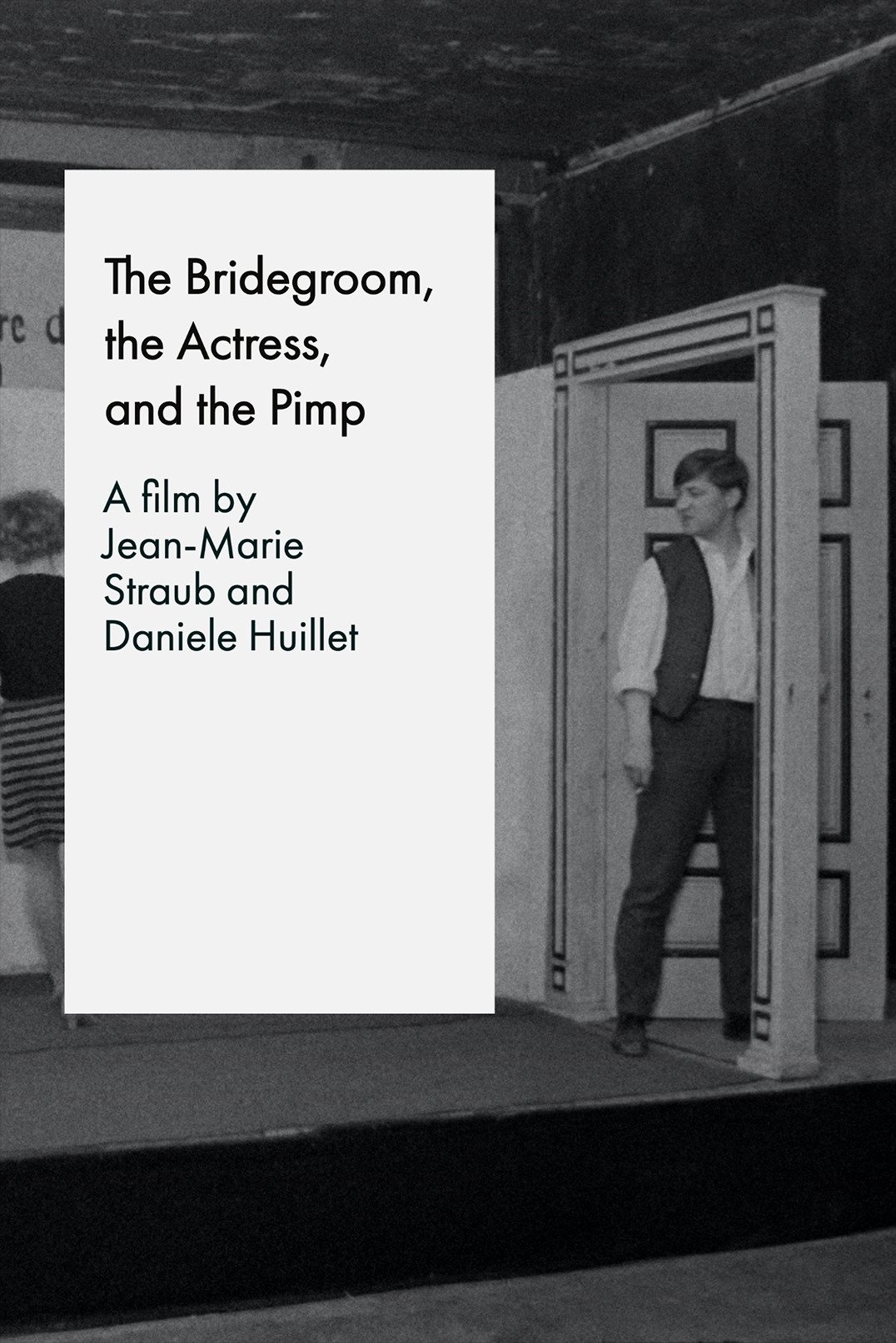
Three sequences are linked together in this short film by Straub; the first sequence is a long tracking shot from a car of prostitutes plying their trade on the night-time streets of Germany; the second is a staged play, cut down to 10 minutes by Straub and photographed in a single take; the final sequence covers the marriage of James and Lilith, and Lilith’s subsequent execution of her pimp, played by Rainer Werner Fassbinder. "The film is a look entirely at Western decadence" - Jean-Marie Straub.
Theo, Marite, and Franz cannot make any money selling magazines door to door, so they try a little robbery.
Ricky returns to Munich from Vietnam and is promptly hired as a contract killer.
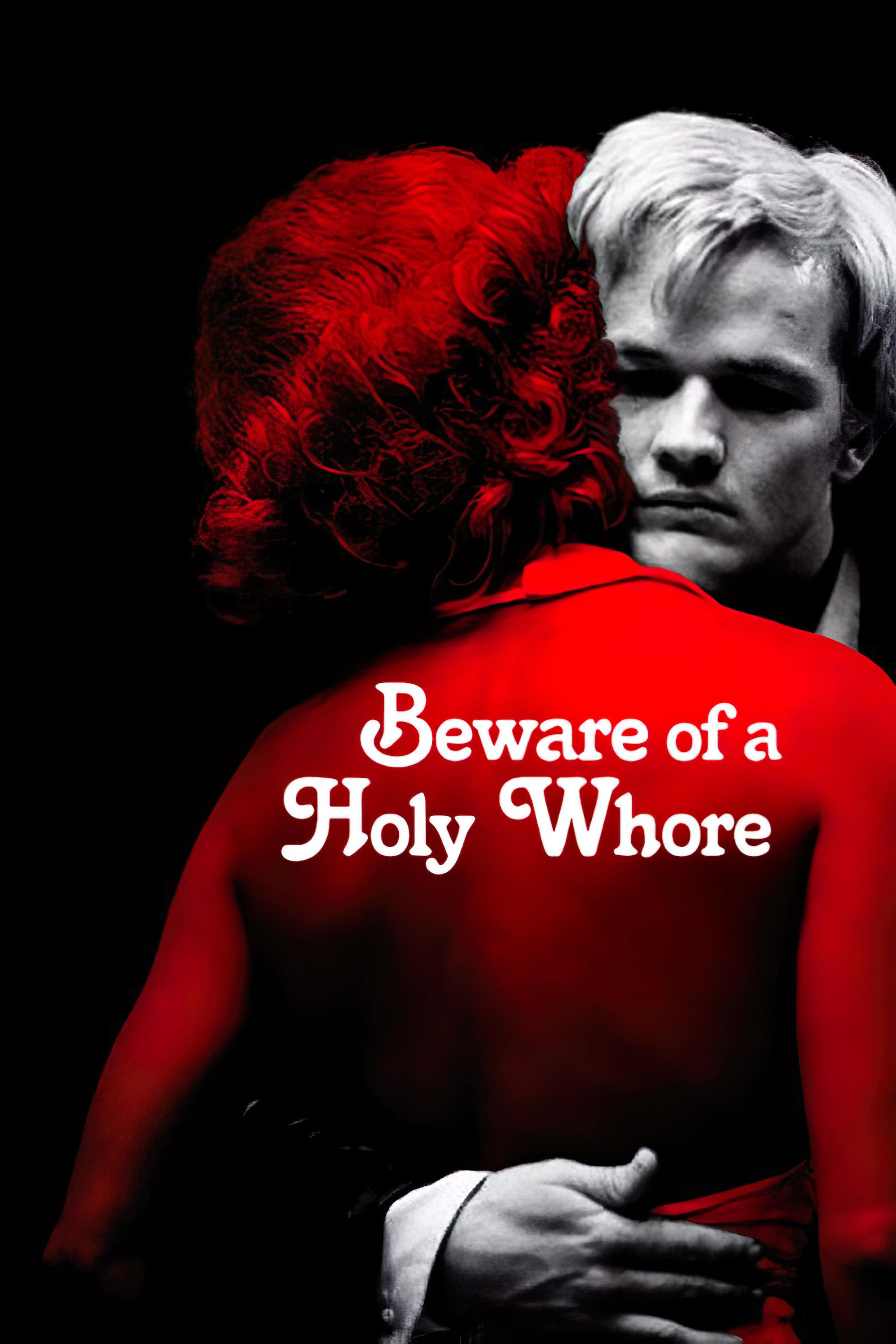
An attempt at a psychological profile of Rainer Werner Fassbinder, who answers the author's questions about his artistic and personal development in a manner that is at times shockingly laconic. Excerpts from his film "Beware of a Holy Whore" document how much the life circumstances of his group of actors influenced the work of the director.
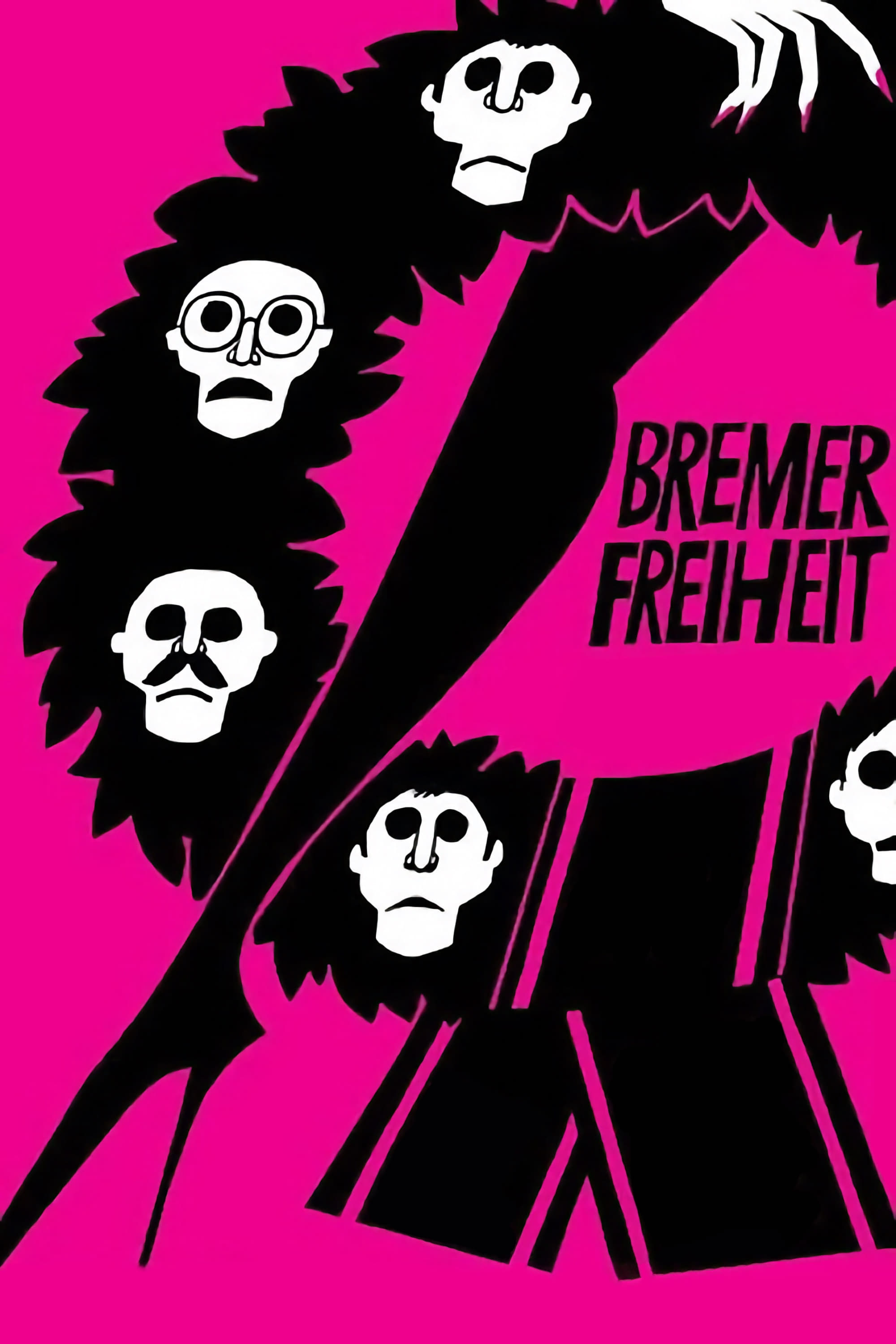
A very stylized TV version of the Fassbinder play. The set consists of a few pieces of furniture in front of a large screen on which coastal scenery is back projected. Geesche is a nineteenth-century woman who wants to have a mind of her own. She defies convention and will do anything to achieve her freedom from oppression by her family and friends.
This portrait, drawn by Wolf Gremm, shows Rainer Werner Fassbinder both as an actor— taking the leading role in the film "Kamikaze 1989", also directed by Wolf Gremm— and as a director working on "Querelle", his adaptation of the work by Jean Genet.
An adaptation of Tennessee Williams' "The Lady Larkspur Lotion" created by Douglas Sirk with the assistance of his film students and Rainer Werner Fassbinder. It depicts the conflict between a dreamy, delusional heroine and her brusque, practical landlady, who wants to kick her out of her apartment.

An exploration of the cult of the genius, an anti-heroic figure who chooses to be a social outcast and live on the fringe of bourgeois morality.
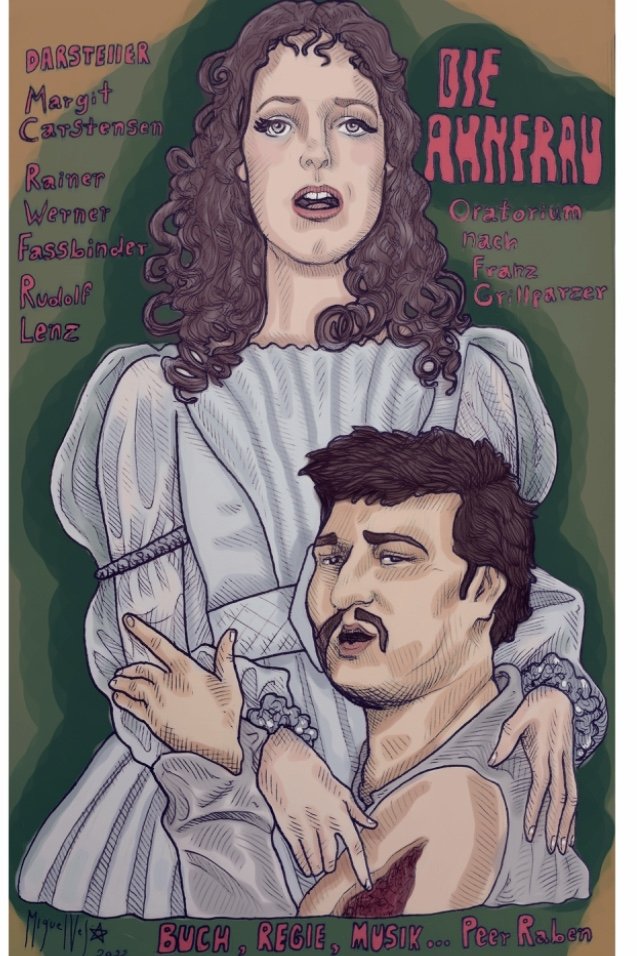
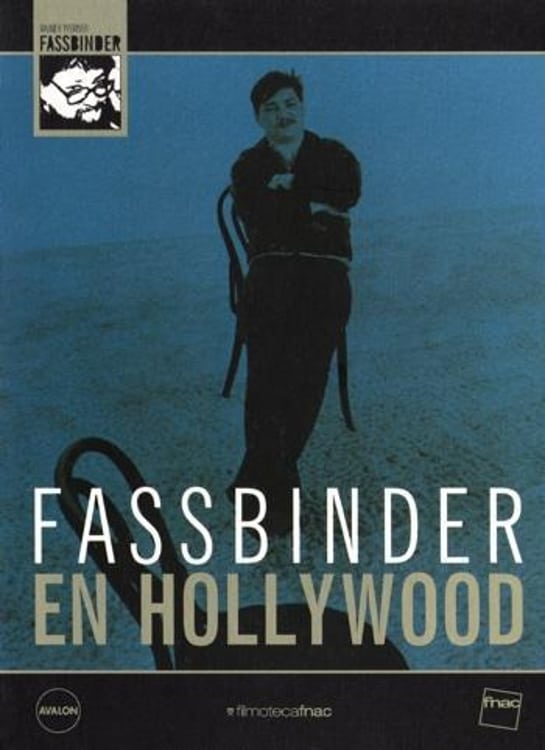
Though he never actually worked in Hollywood, Rainer Werner Fassbinder, who died in 1982 at the age of 36, was influenced greatly by American studio films of the 1950s and the convention of melodrama (the link most often mentioned is Douglas Sirk).
About the making of "Der amerikanische Soldat/The American Soldier" in 1970.
The production of a film requires recording equipment and financial resources, if nothing else. Hellmuth Costard places these basic prerequisites at the centre of his film: using a Super 8 camera system he developed, he films himself as he tries to raise funding for his film project. This creates an unconventional experimental setup, which reveals how the economics, politics, technology, and aesthetics of filmmaking relate to each other – with the ‘great’ Godard being called up as a kind of chief witness.
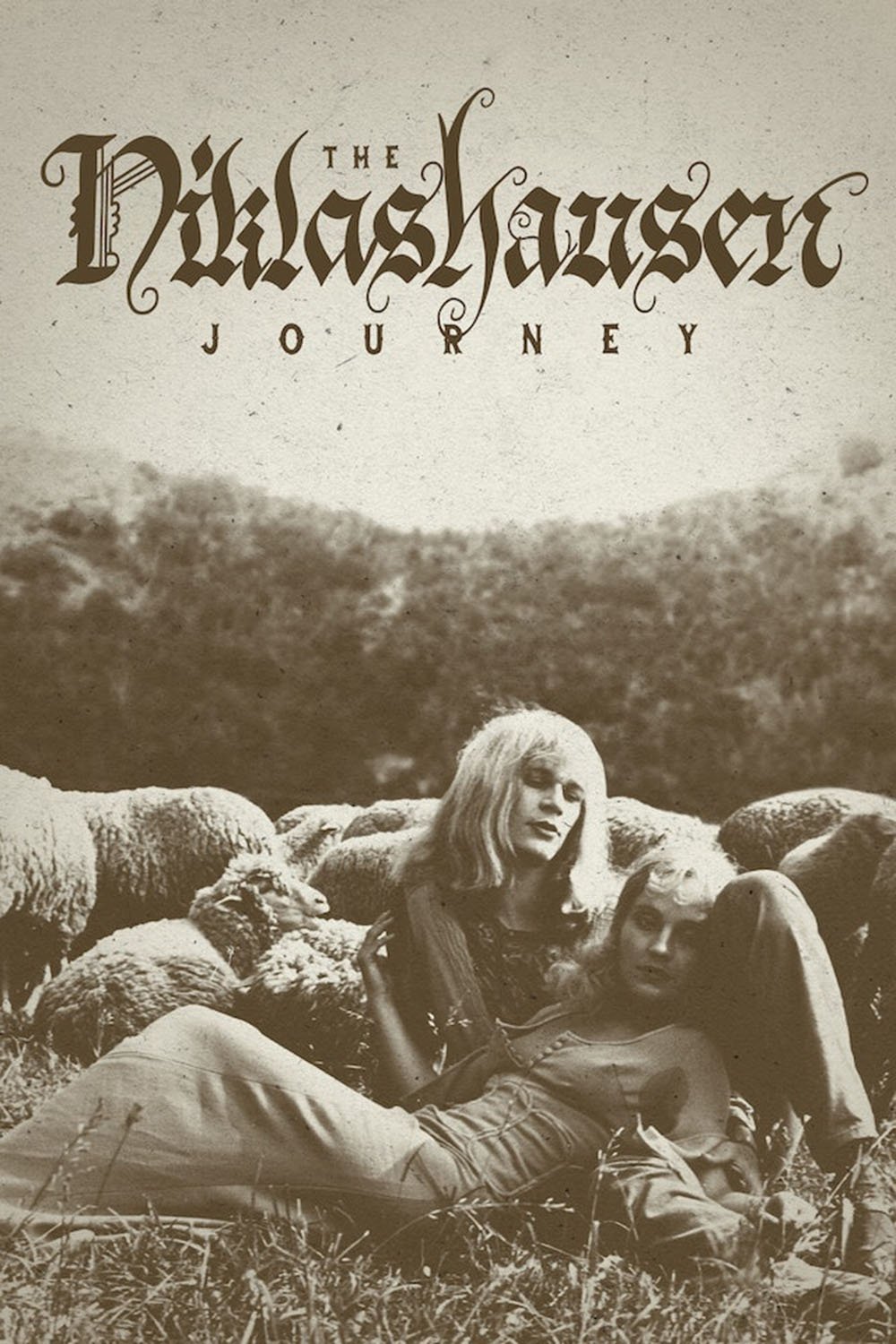
Can a small group of people start a proletarian revolution, asks the "Black Monk" in a leather jacket? The medieval shepherd, Hans Boehm, claims to have been called by the Virgin Mary to create a revolt against the church and the landowners. The "Black Monk" suggests that he would have more success if he dressed up Johanna and had her appear as the Virgin Mary.
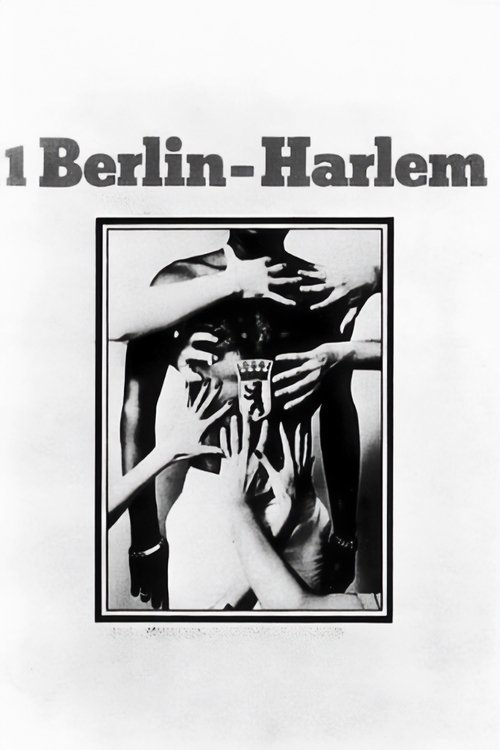
An African-American GI retires from the US Army in West Berlin to live with his white girlfriend, who already has a baby with another black man. After an argument with her family, she deserts him as well. Despite finding a job and a new place to live, he keeps running into racism, which also manifests itself in sexual intimidation.
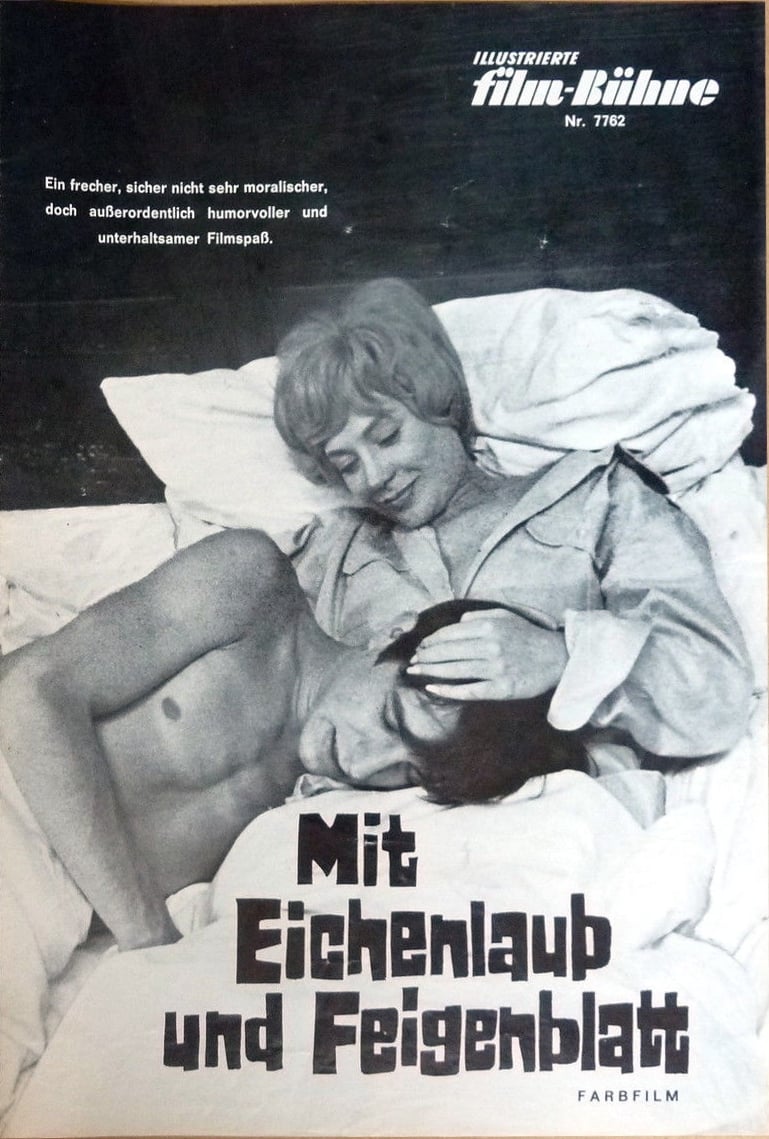
A young man named Jürgen joins the military. As much as he tries to make a heroic career as a soldier in a rearmed West Germany, he fails utterly and ends up in a bizarre sanatorium.
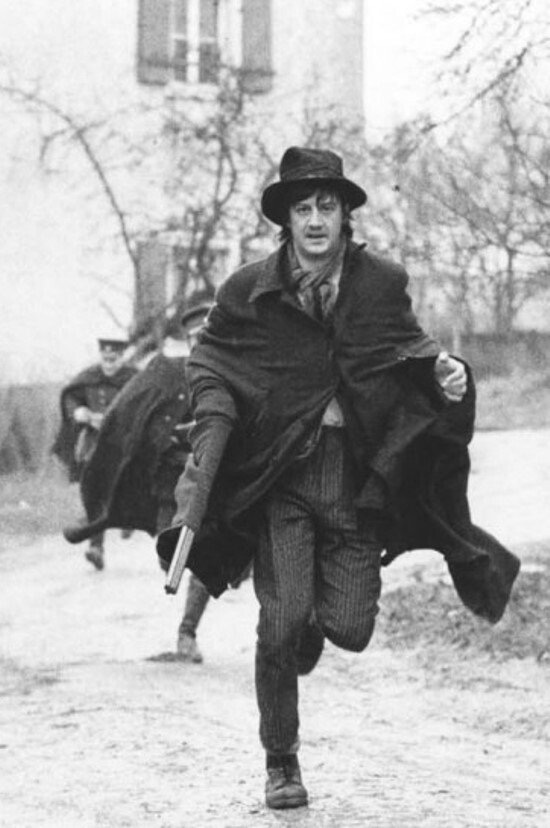
Inspired by the real-life events of Mathias Kneißl, a marginal man, son of poor farmers from Bavaria, in the late XIX century. Mathias stole from the rich to give to the poor, becoming a hero for the rural people and a popular social rebel. He was chased by the police until his unfortunate sentence.
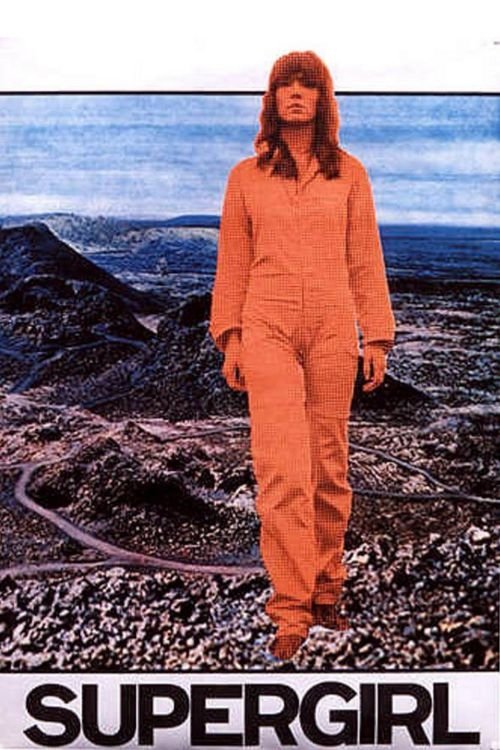
A beautiful woman, Supergirl Francesca Farnese, appears out of nowhere on a Bavarian highway. She wears only an orange jumpsuit and wants to go to Washington. Playboy Charly first takes her to Lake Starnberg, where she meets best-selling author Evers. He immediately leaves his wife and travels with Francesca to Spain, where he negotiates a project with the American film producer Polonsky. No one remains unimpressed by the mysterious beauty. Supergirl remains elusive— she quickly disappears again, leaving behind a warning to the inhabitants of Earth that an attack from outer space is imminent...

In an attempt to escape 19th-century poverty, eight farmers and day laborers attack a prince's money transport in the Hessian Hinterland.
A hitchhiker unsettles the ideologically colored lifestyle of a young architect and in doing so loses her own ideological distance from the maxim of prosperity.
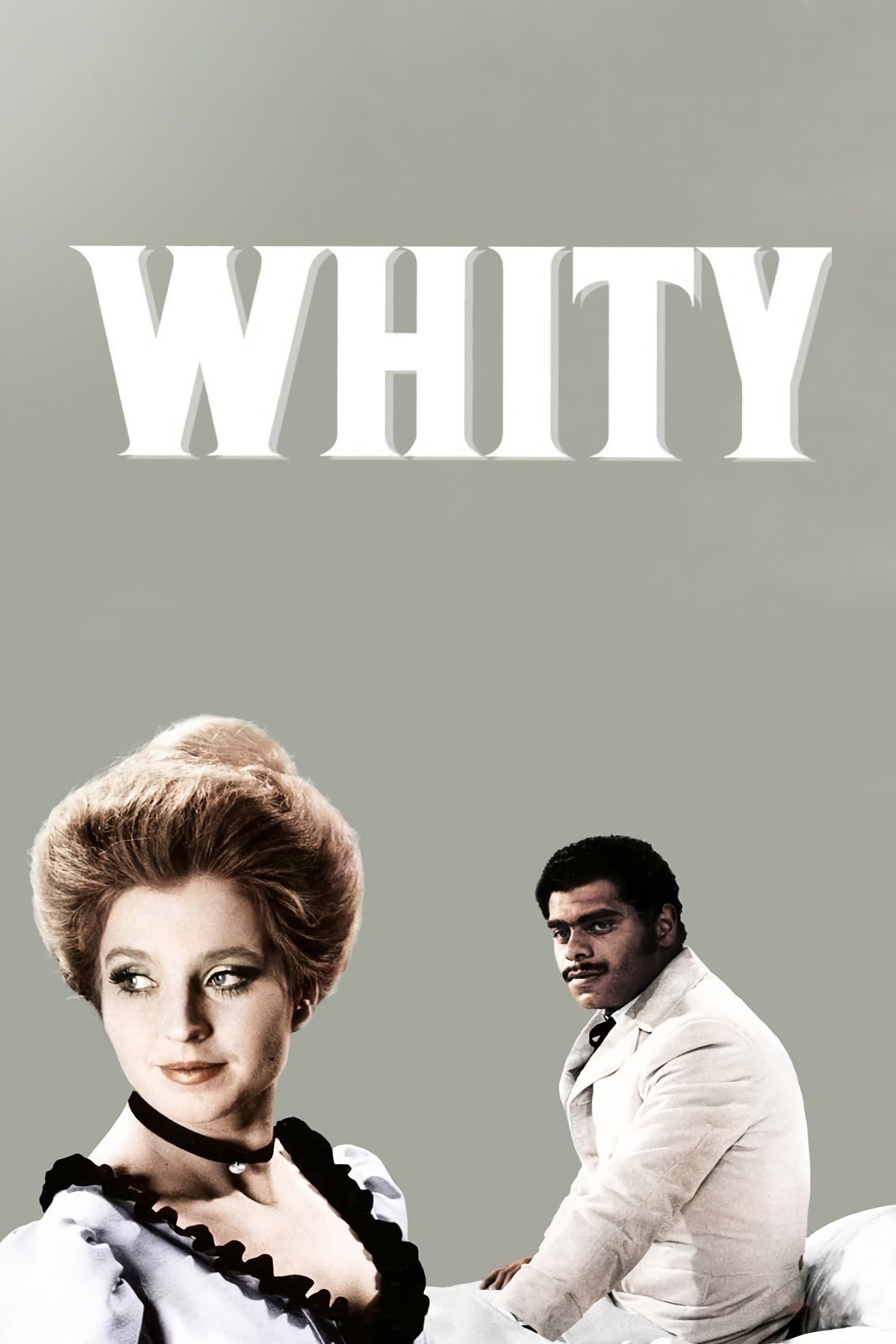
"Whity" is the mulatto butler of the dysfunctional Nicholson family in the American Southwest in 1878. The father, Ben Nicholson, has an attractive young wife, Katherine, and two sons by a previous marriage: the homosexual Frank and the feeble-minded Davy. Whity tries to carry out all their orders, however demeaning, until various family members ask him to kill some of the others.

A biochemistry professor finds an old manuscript with the structure and formula of an immortality drug.
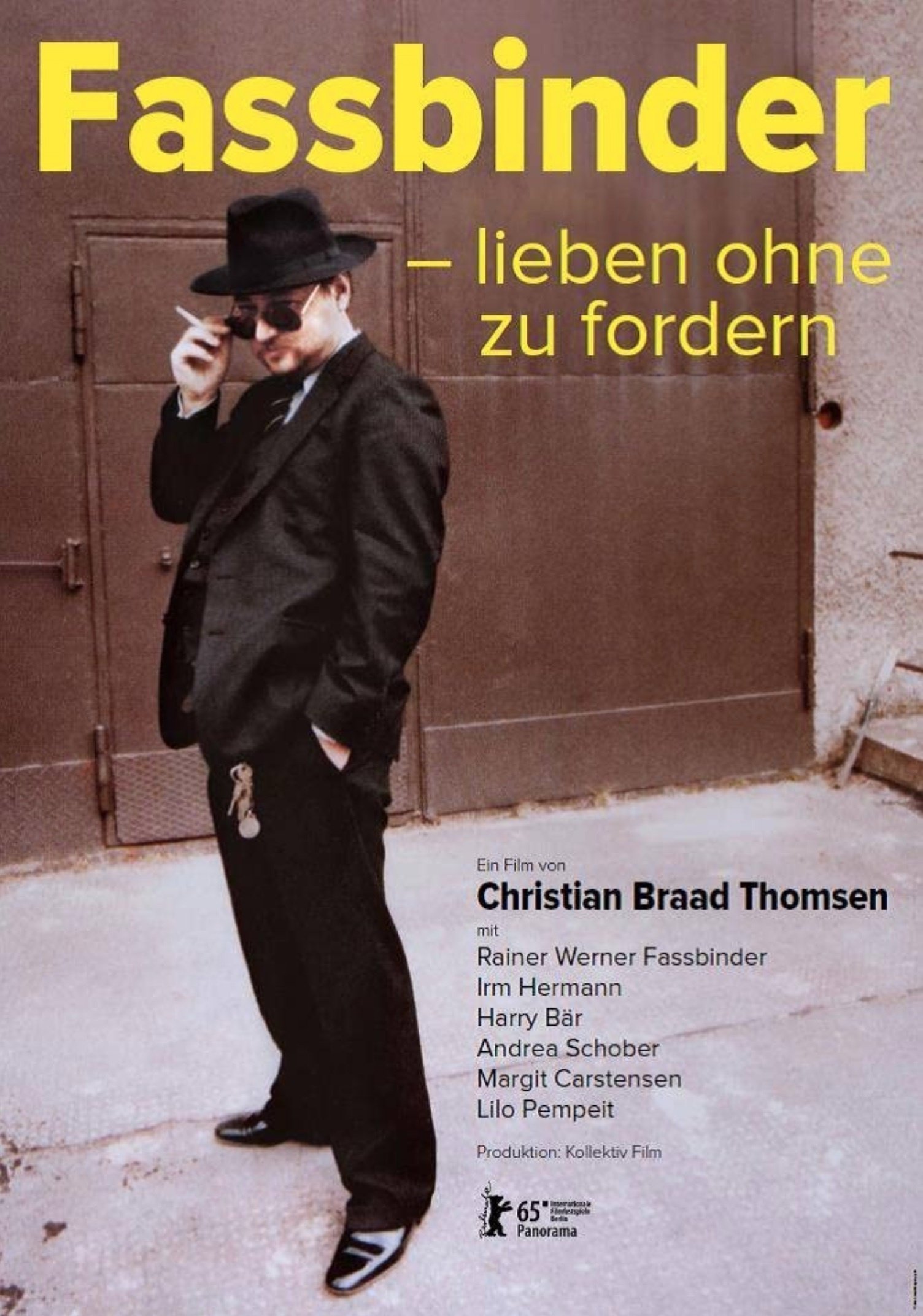
Rainer Werner Fassbinder was probably Germany’s most significant post-war director. His swift and dramatic demise at the early age of 37 in 1982 left behind a vacuum in European filmmaking that has yet to be filled, as well as a body of unique, multi-layered, and multifarious work of astonishing consistency and rigour. From 1969 onwards, Danish director and film historian Christian Braad Thomsen maintained a close yet respectfully distanced friendship with Fassbinder. The film is based on his personal memories as well as a series of conversations and interviews he held with Fassbinder and his mother, Lilo, in the 1970s.
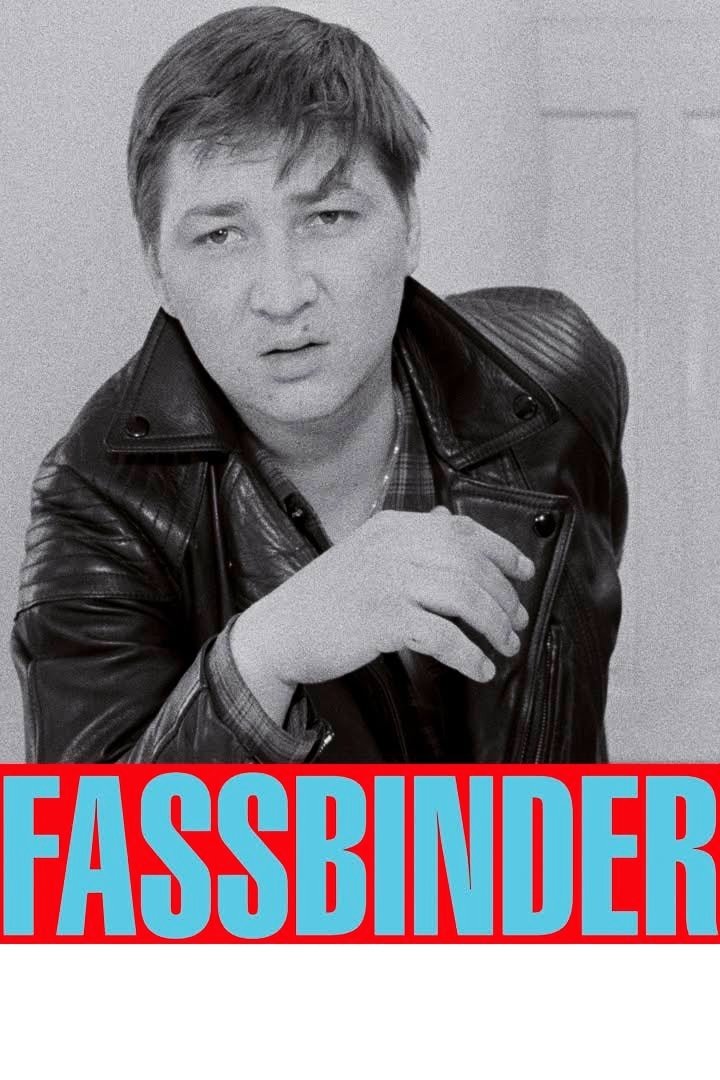
A film portrait of the influential Bavarian actor, director, and screenwriter who publicly confessed his homosexuality, which chronologically covers all the important stages from Action-Theater to the director's early death, supplemented with anecdotes.
What is the future of cinema? In 1982, in Cannes, Wim Wenders invited many movie makers to answer this question. 26 years later, the question remains, but Wenders is now on the other side of the camera.
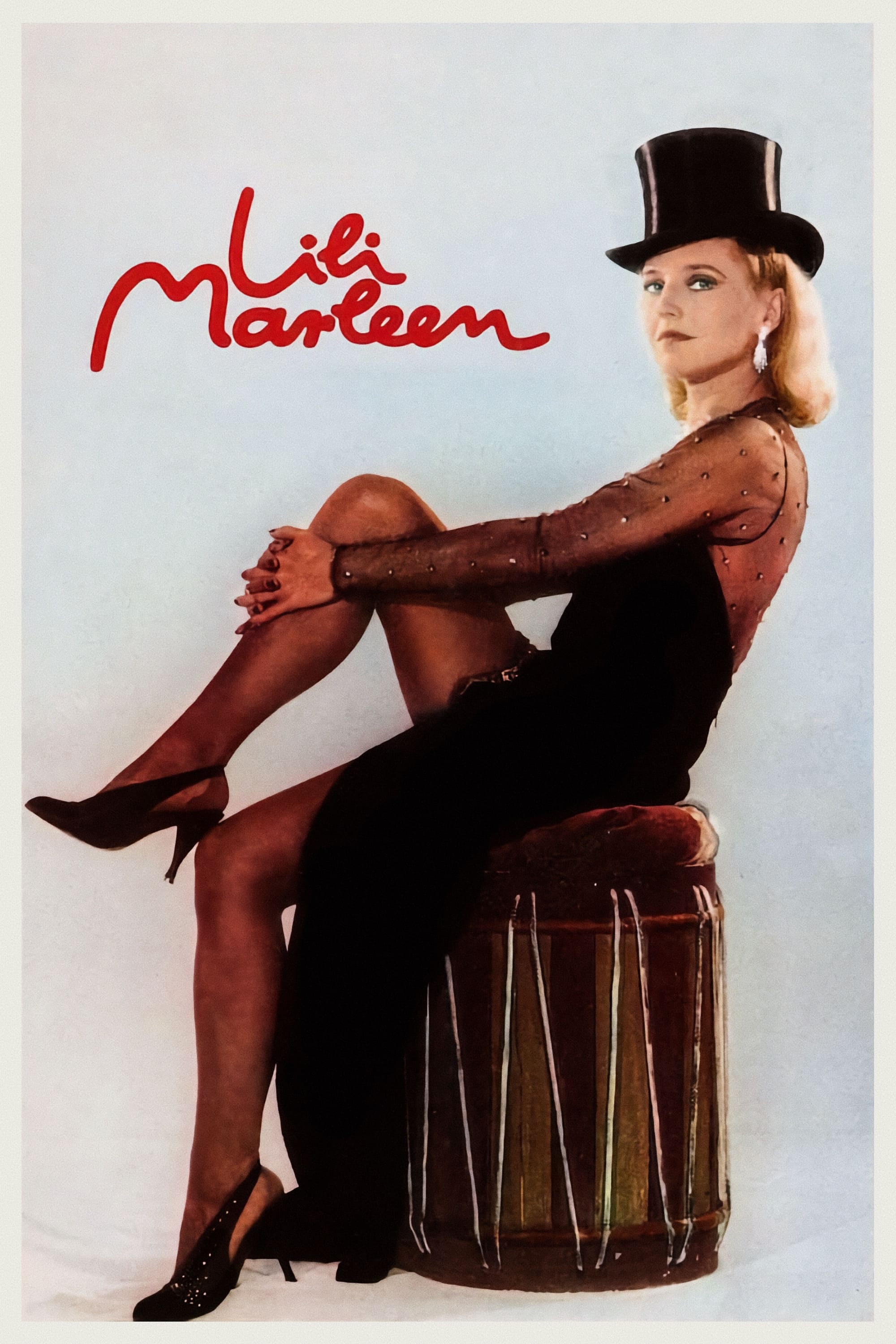
The story of a German singer named Willie, who while working in Switzerland, falls in love with a Jewish composer named Robert, whose family is helping people to flee from the Nazis. Robert’s family is skeptical of Willie, thinking she could be a Nazi as she becomes famous for singing the song “Lili Marleen”.
Rainer Werner Fassbinder reflects on the various stages of his career, discusses how his motives behind filmmaking evolved up his film Despair.

During the 1982 Cannes Film Festival, Wim Wenders asked a number of global film directors to, one at a time, go into a hotel room, turn on the camera, and answer a simple question: "What is the future of cinema?"
Documenatry about the films of Douglas Sirk.
Documentary about the shooting of BOURBON STREET BLUES.
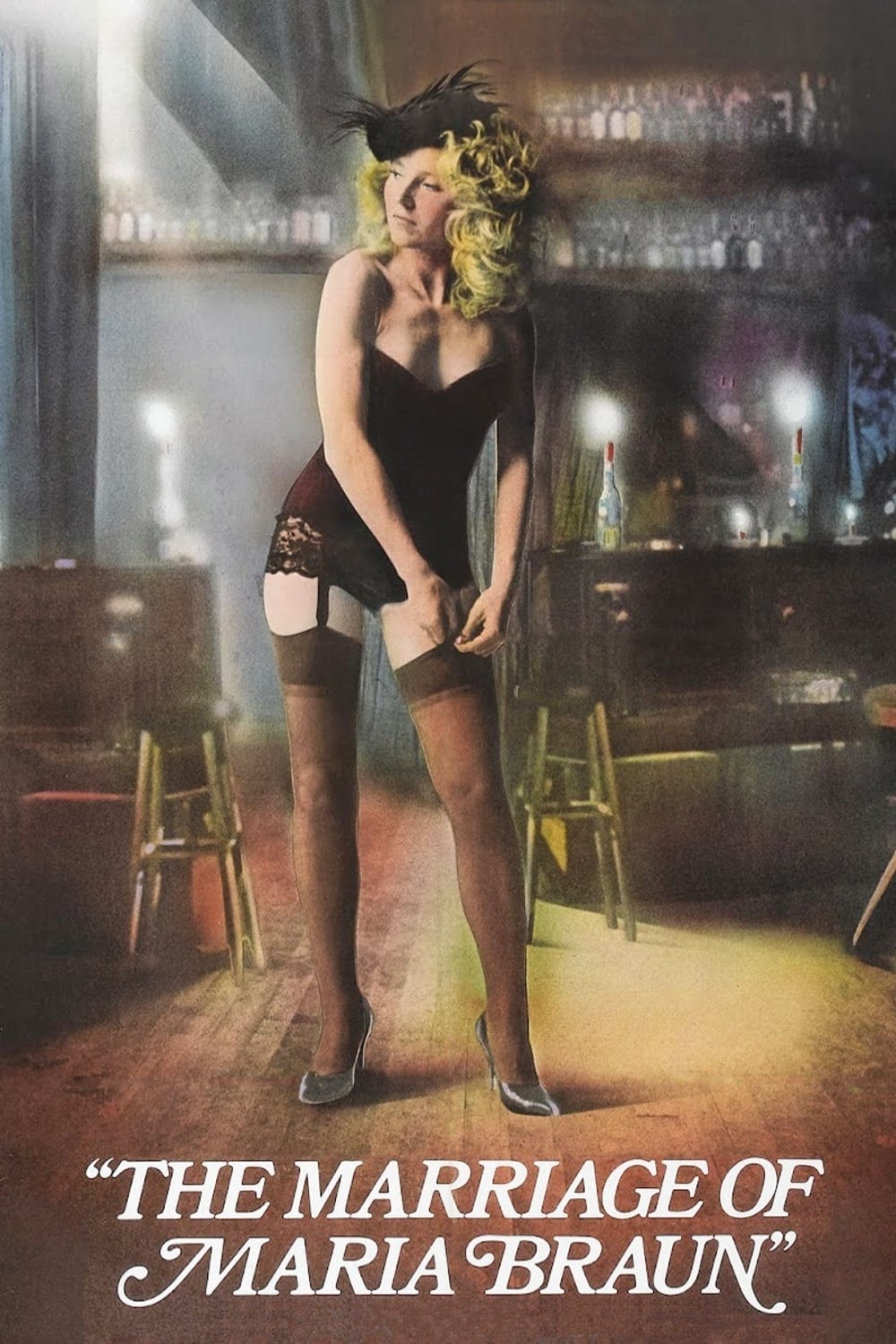
Maria marries a young soldier in the last days of World War II, only for him to go missing in the war. She must rely on her beauty and ambition to navigate the difficult post-war years alone.
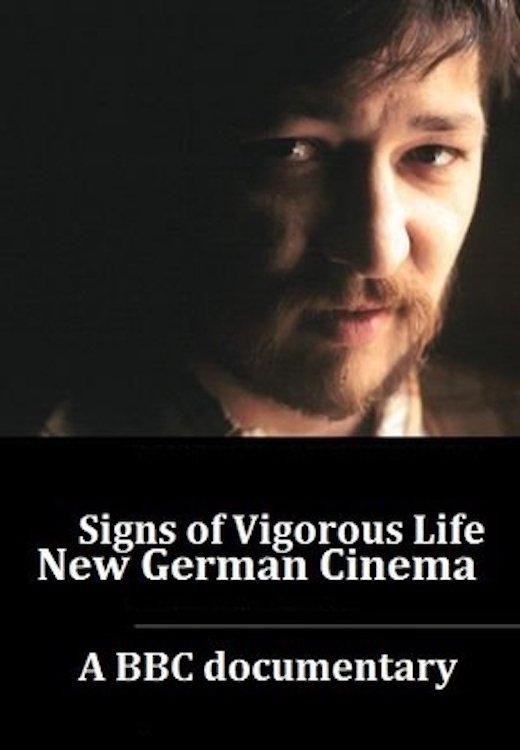
BBC documentary about the rise of the New German Cinema and several of its most important figures.

Documentary about the making of the 1980 German television series.
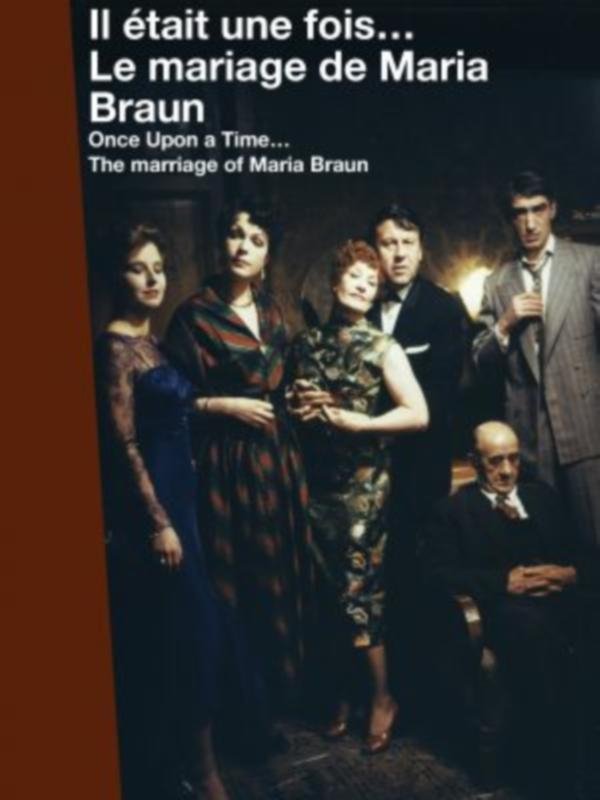
A documentary that focuses on the making of Rainer Werner Fassbinder's "The Marriage of Maria Braun".
Based on the French play Copain, Clopant. The plot revolves around the gangster Mallard, who wants to blackmail the rising singing star Tony. Tony and his friends, including Christine and her brother Zaza, join forces to hunt down the gangster.
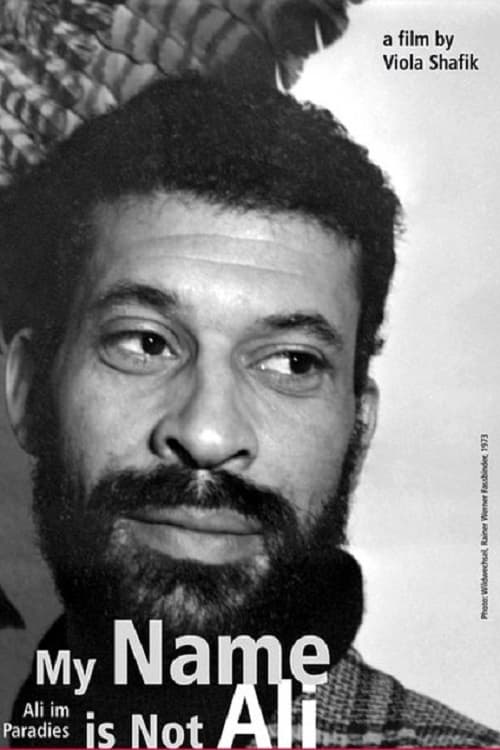
Travelling between Germany, France, and Tunisia, Viola Shafik reconstructs and deconstructs the unknown life story of El Hedi Ben Salem through interviews with his companions and family members as well as archival material. With openness and slight naivety, the interviewees explain how “Ali” became an oriental object of projection for the Fassbinder group, while El Hedi Ben Salem, the human being, was overlooked in order to establish the foreigner as “other.” A no-frills examination of a piece of German and Munich film history.

Michel and Guenther, working in dead-end jobs, are obsessed with going to Peru to find buried treasure, using a map of the Rio das Mortes. Michel's girlfriend, Hanna, humors their plan, but really just wants to get married.
The filmmaker Albert Serra and producer Àngel Martin present their last work on the web dedicated to the club Atlètic Club Banyoles and authentic football.
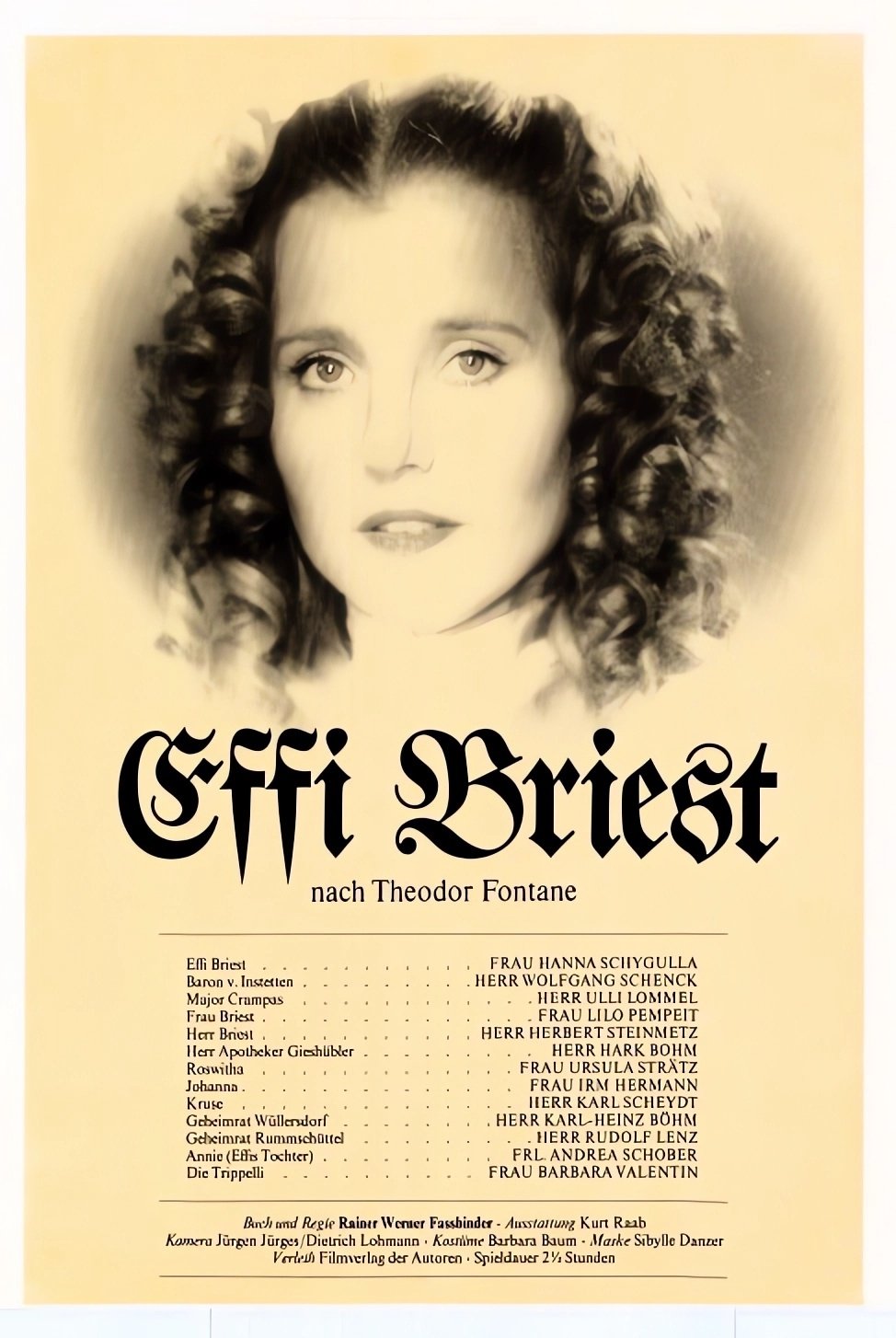
When 17-year-old Effi Briest marries the elderly Baron von Instetten, she moves to a small, isolated Baltic town and a house that she fears is haunted. Starved for companionship, Effi begins a friendship with Major Crampas, a charismatic womanizer.
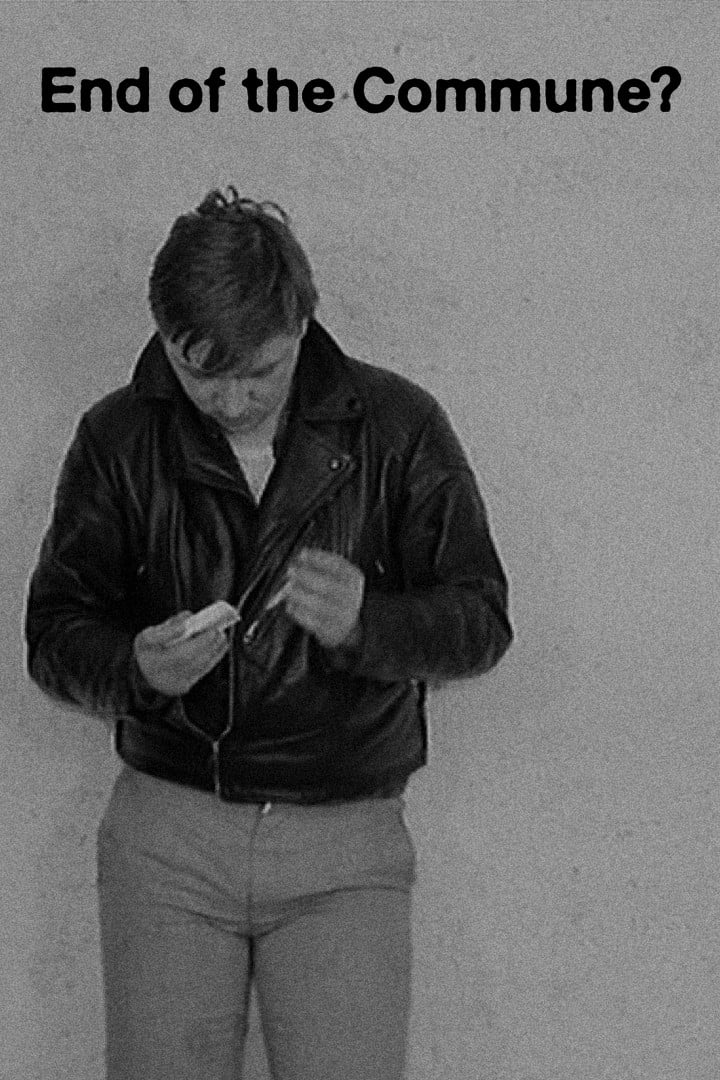
A documentary about Fassbinder and the early years of the legendary Antiteater, the group he was a member/leader of. You can here see and hear some of the actors he was going to use in his movies for the next years. The movie shows rehearsals for his play "The Coffeehouse," which also became a television movie, and you can watch unique footage from the 19th Film Festival in Berlin (1969) where "Love is Colder Than Death" was shown. As told in this documentary, his first feature movie was given a cold shoulder by many of the journalists and visitors at the festival. You can in "End of the Commune" watch Fassbinder and actor Ulli Lommel walk out on stage after the opening of "Love is Colder Than Death,” while a man in the audience is shouting "Out with the director!” In this documentary, Fassbinder also talks a lot about his father, who was a respectable doctor.
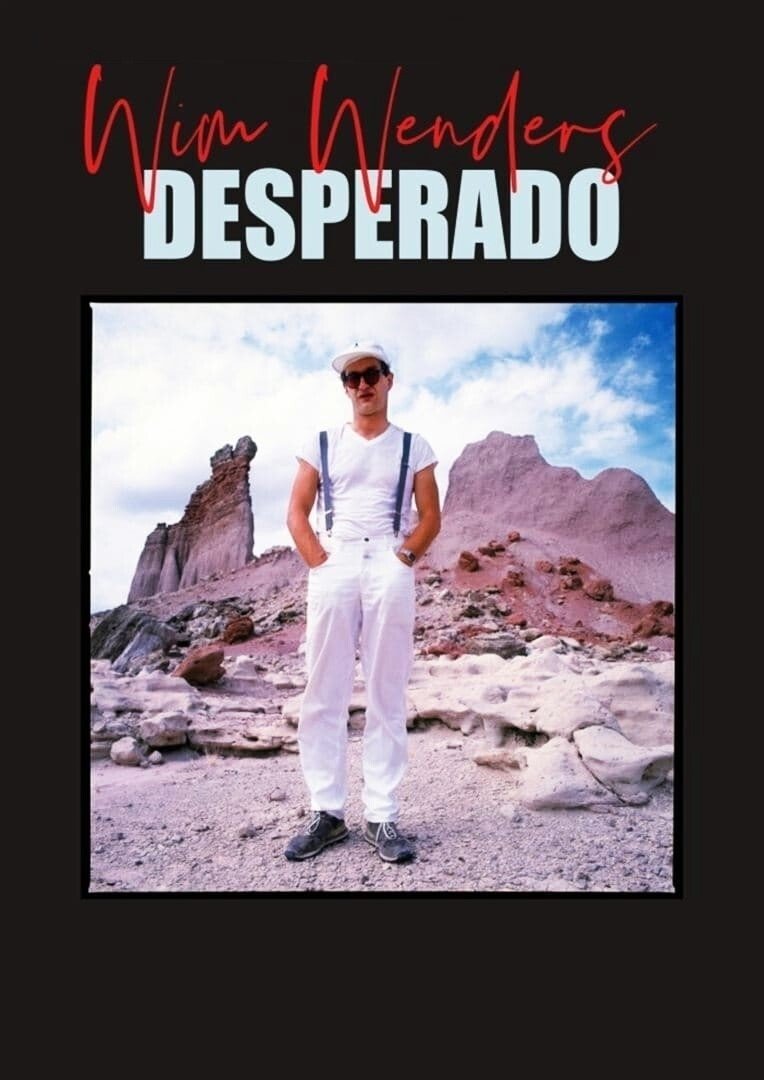
"Wings Of Desire" and "Buena Vista Social Club", "Paris, Texas" and "The State Of Things": Wim Wenders is considered one of the pioneers of New German Cinema and one of the most important and influential representatives of contemporary cinema. With never-before-shown archive material and extraordinary encounters with companions and contemporary witnesses such as Francis Ford Coppola, Willem Dafoe, Andie MacDowell, Hanns Zischler, Patti Smith, and Werner Herzog, this documentary provides unique insights into the life and work of one of the most multifaceted artists of our times. Renowned documentary filmmaker Eric Friedler ("It Must Schwing. The Blue Note Story") and his co-director Andreas Frege were given the exclusive opportunity to portray Wenders for this film. From Düsseldorf to Paris, and all the way to the desert of Texas, the film traces iconic locations and decisive moments in Wenders' work as director, producer, photographer, and author.
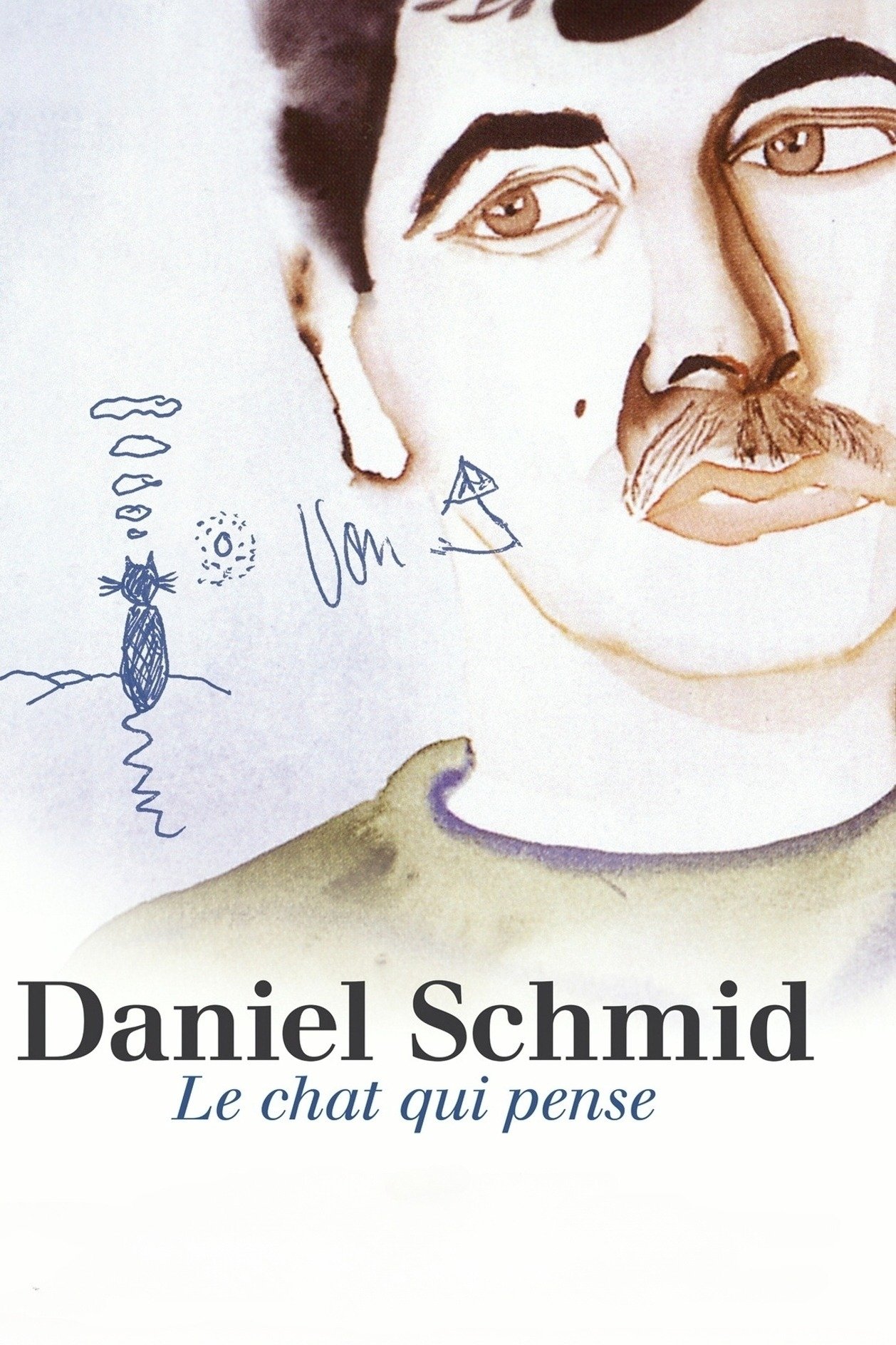
When director Daniel Schmid grew up, his parents ran a hotel in the Alps, and this singular setting was to influence his film. Rather by coincidence, he came to Berlin in the early 1960s and became part of the new German wave. Schmid worked with, among others, Wenders and Fassbinder, for example, as an actor in Wender’s The American Friend. He met Ingrid Caven, who was to play a diva in several of his films. This is a documentation of a part of modern European film history and a good analysis of artistry and how it corresponds to the individual behind the camera. A wealth of archival footage brings us close to many directors and actors in Schmid’s circle. If you’ve never seen a Daniel Schmid film, you are sure to want to after watching this portrait of his life.
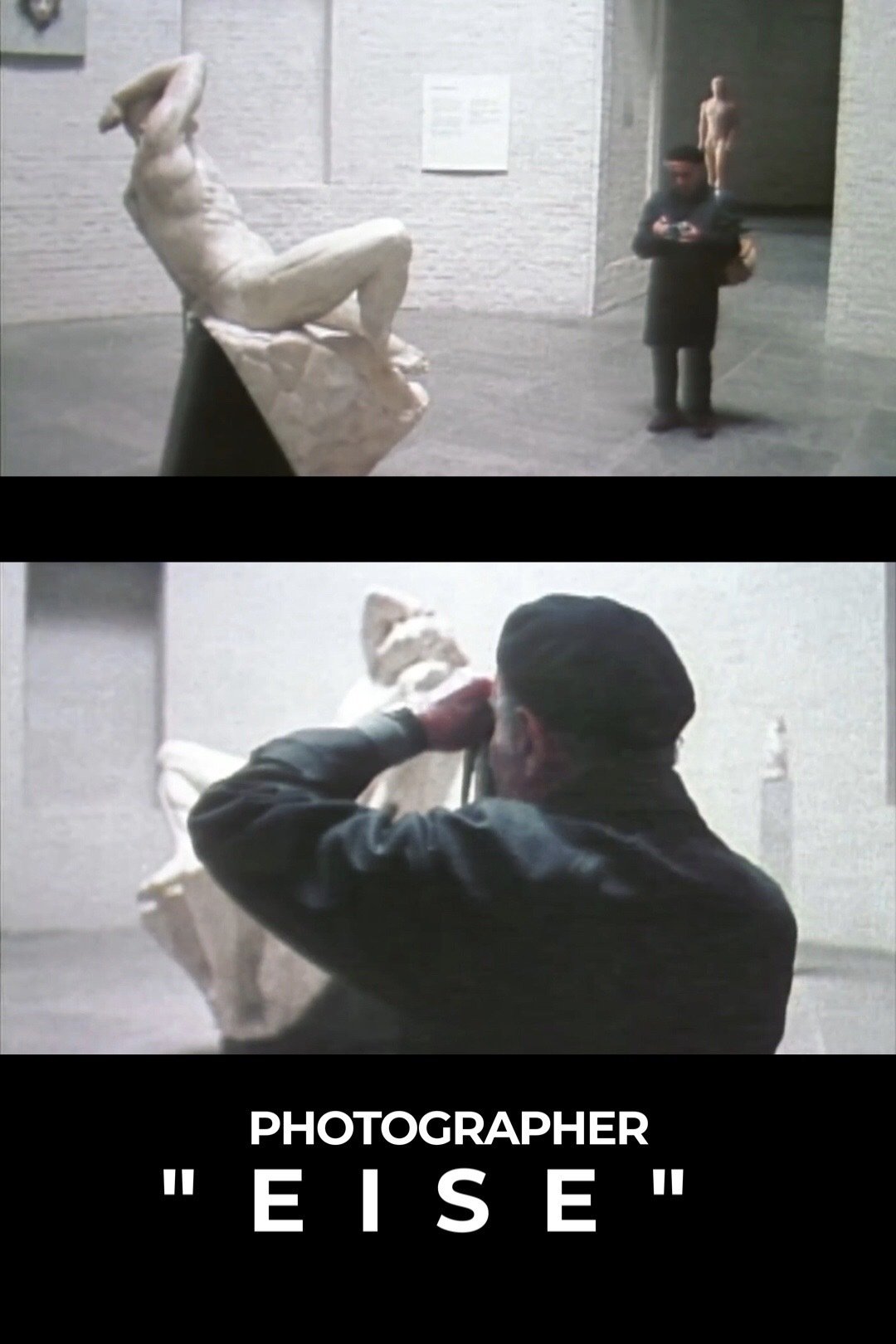
A portion of the Emmy award-winning documentary on the great Life Magazine photojournalist, Alfred Eisenstaedt (Eise). He photographed for over 50 years and was doing well in prewar Germany until he had to leave. This is him returning to Germany in 1982 to experience the country again and see how he felt about the new Germany. In making this film, viewers get a sense of the uniqueness of his character.

“Acting is something anyone can do,” says Barbara Sukowa. “It’s completely intuitive and instinctual, much like a child dressing up.” Those who have worked with her say that what she does is true artistry. Barbara Sukowa, a star of Fassbinder’s films, an icon, and a role model. Who says there are hardly any interesting roles for women beyond forty? New challenges continually come her way. A few years past normal retirement age, she is launching into a remarkable new chapter. The film chronicles the path of an internationally successful actress to this day.
What tends to be forgotten behind Fassbinder's immense cinematic oeuvre is that he wrote and directed plays with almost equal intensity and success directed plays. Many of these theatrical works subsequently became the basis for his films.
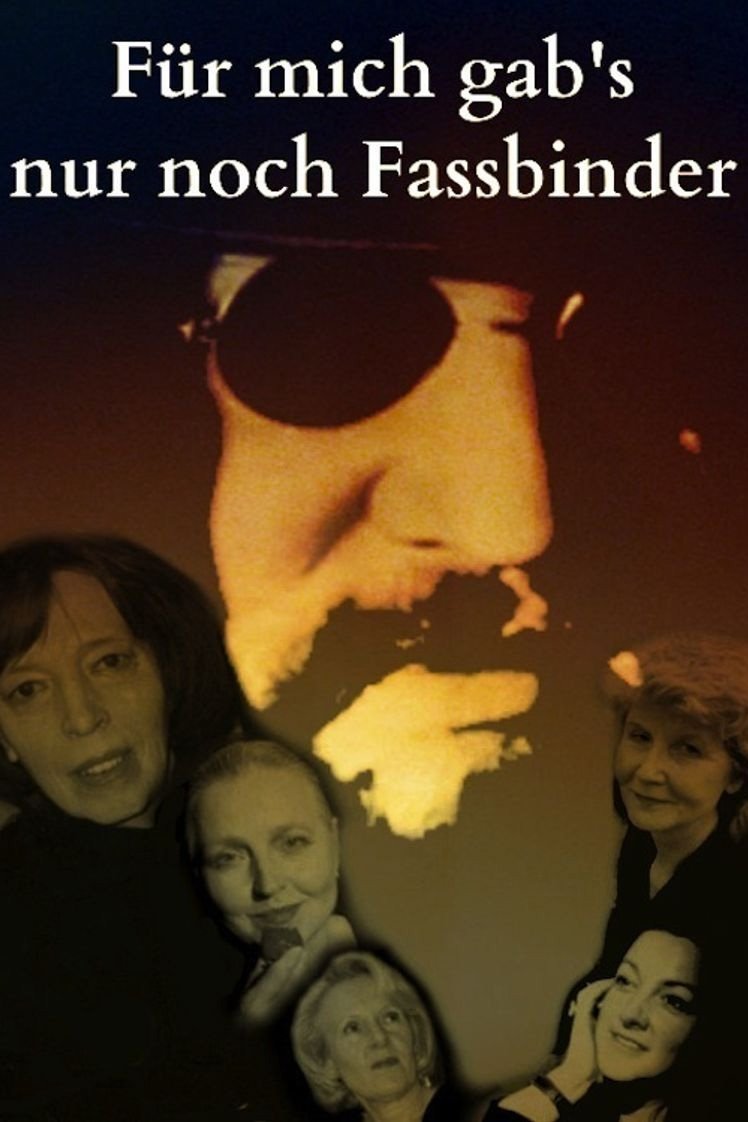
An essay film in which filmmaker Rosa von Praunheim interviews "the willing victims of Rainer Werner Fassbinder."
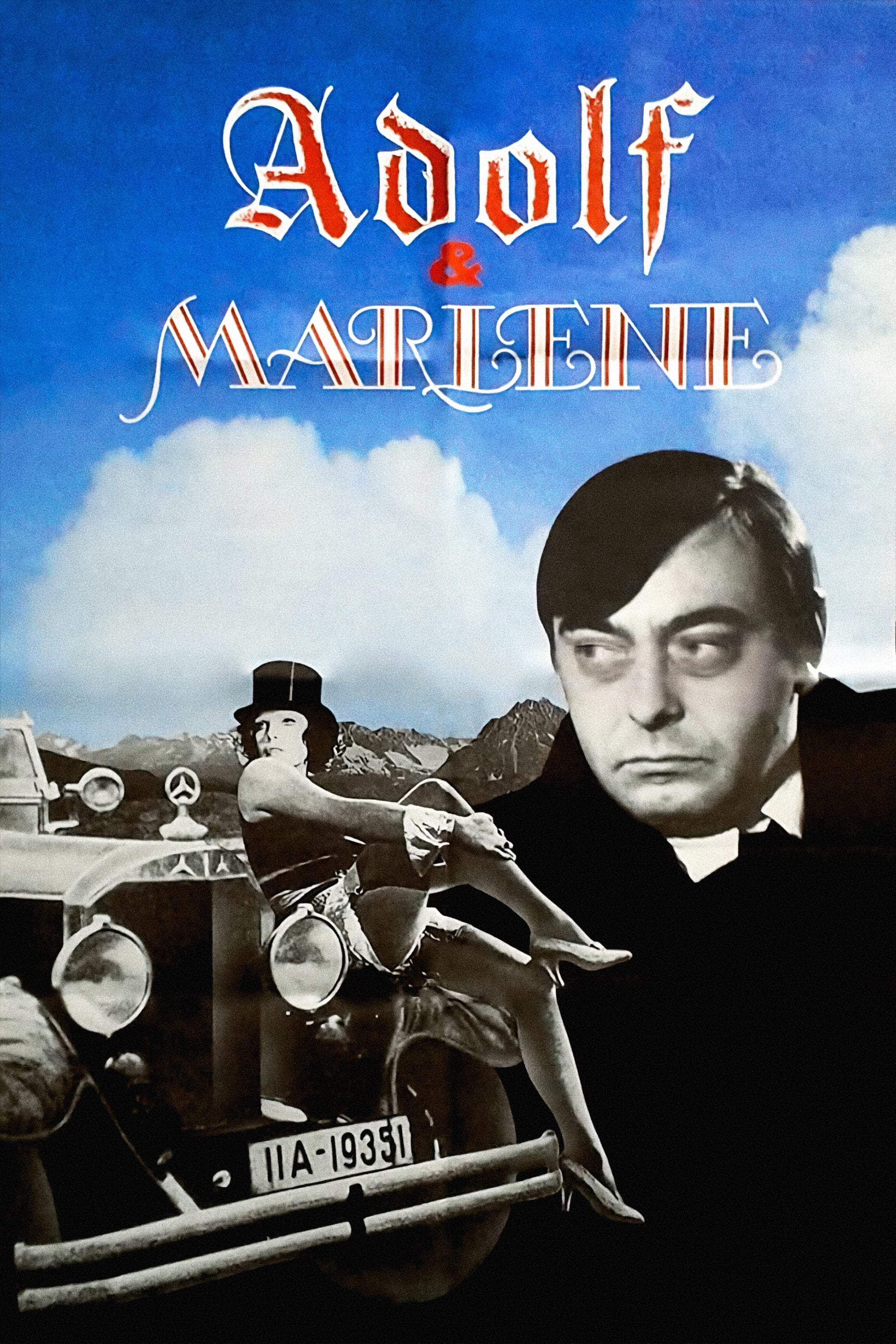
When Hitler watches Marlene Dietrich in a movie, he falls in love with her. He persuades her to come back to Germany to be with him, but upon her arrival, she constantly insults and provokes him until he eventually, on her command, bites the carpet to bits.
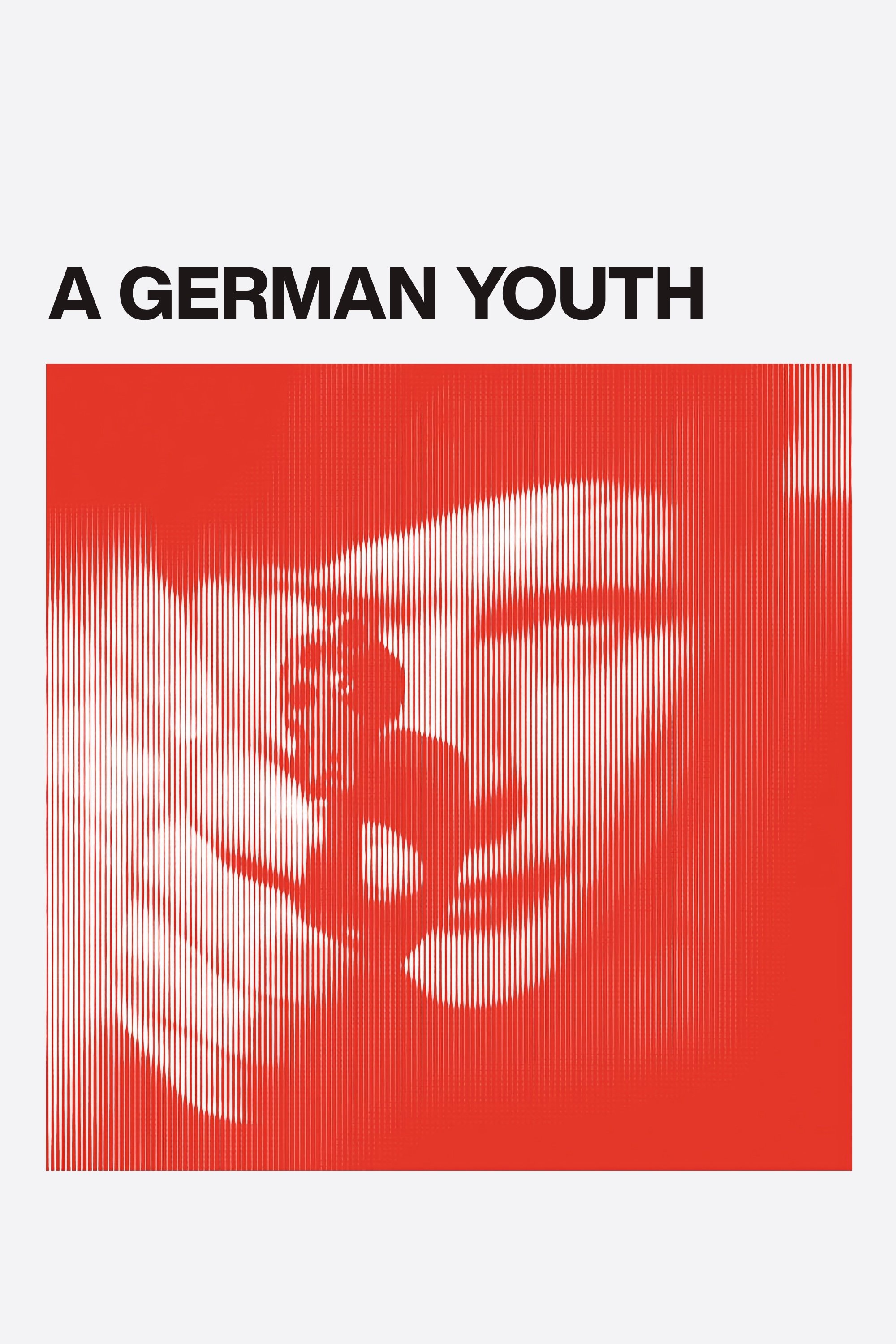
At the end of the 1960s the post-war generation began to revolt against their parents. This was a generation disillusioned by anti-communist capitalism and a state apparatus in which they believed they saw fascist tendencies. This generation included journalist Ulrike Meinhof, lawyer Horst Mahler, filmmaker Holger Meins as well as students Gudrun Ensslin and Andreas Baader.