
Eight space cargo-ships disappear without a trace within three days, and the orbit station "Margot" has suddenly fallen silent. It’s down to science officer Maria Scholl to find out what happened to them.

East Germany 1978. Karoline and Robert, teenagers who used to live in the same house until Robert's family moved, meet again at this year's holiday-camp. First love, first nude experience, first self-made theatre performance of "Romeo and Juliet". A look at the east-German youth in the late seventies.

This elaborate two-part television film features a section from the life of communist worker leader Ernst Thälmann. It begins with the bloody riots on May 1, 1929 in Berlin, in which police officers shot at demonstrating workers, and ends with February 7, 1933, when Thälmann appeared as a speaker at the illegal meeting of the Central Committee of the Communist Party of Germany in goat neck. This period was marked by the struggle of the Communists against the ever stronger National Socialists and the rise of Adolf Hitler.

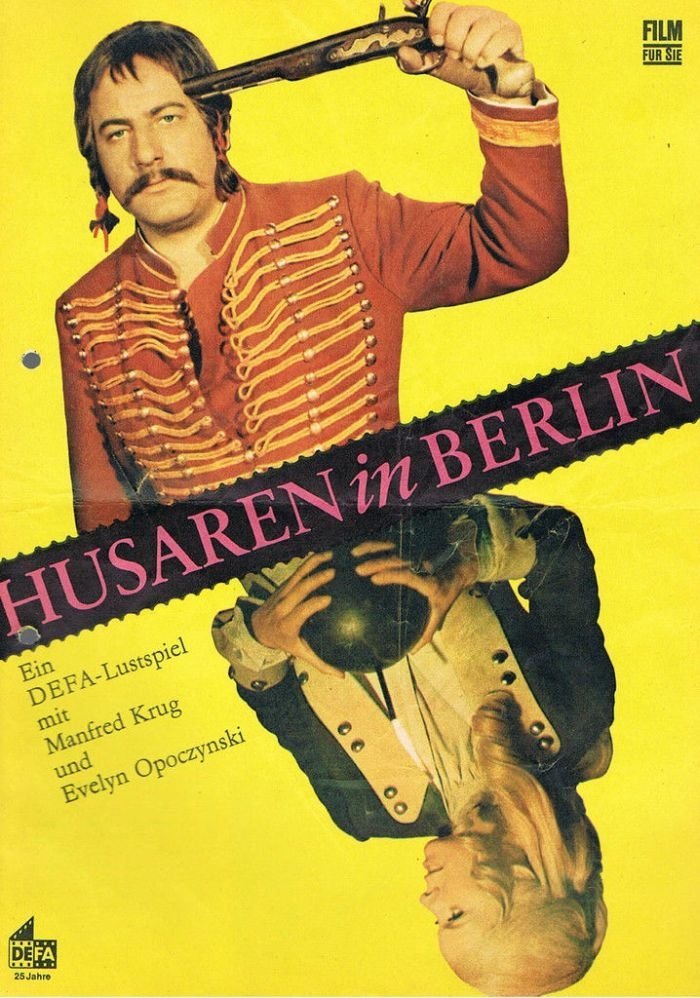
Comedy about the "Husarenstreich", the 1757 Berlin raid during the Seven Years' War.

When Angelika moves to Leipzig, she is forced to rent a room at Mrs. Häublein’s for a start, since her parents will not follow until a few months later. Fellow tenant Thomas, a philosophy student, is not at all enthused about his new, pretty housemate. Because of Angelika he has to move into a smaller room. Furthermore, he is annoyed at her many male acquaintances, without sensing that his aggression might be prompted by jealousy. When Angelika’s father comes for a visit, he asks Thomas to keep an eye on his daughter. Thomas takes this assignment very seriously and finally realizes that he has fallen in love with Angelika.
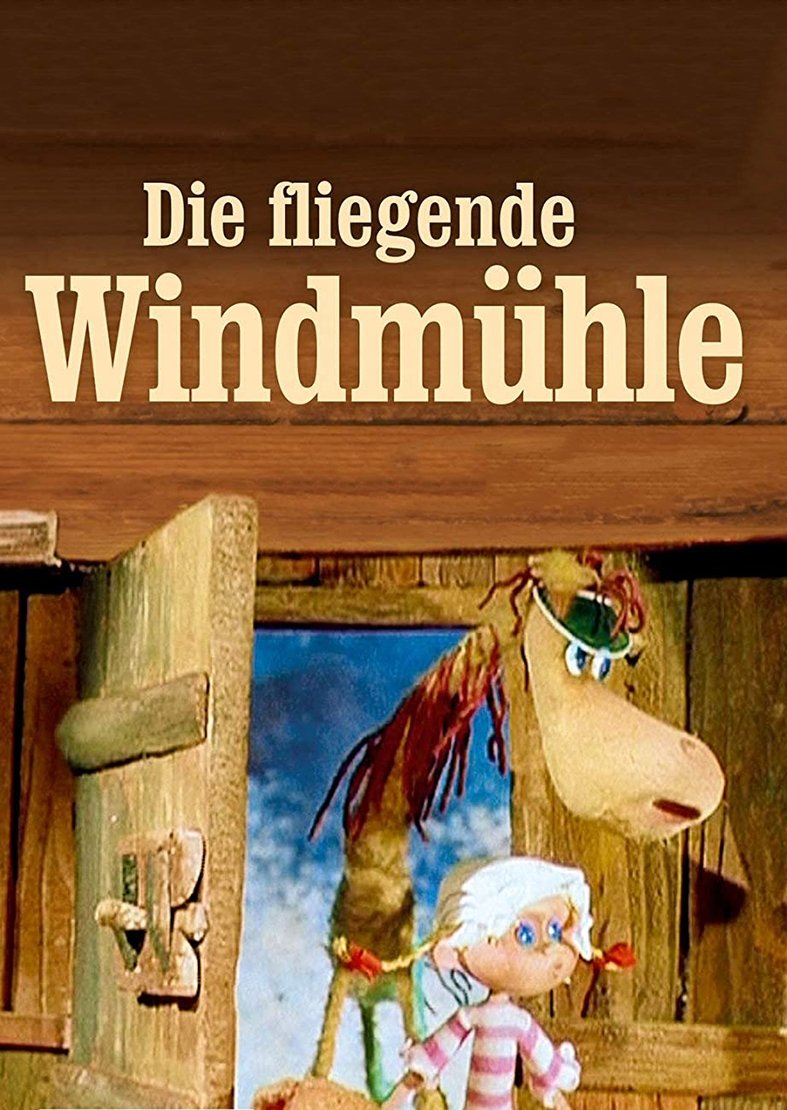
Olli, the main character in the movie, got a very bad grade and is terribly annoyed. She runs away from home and, together with a dog and a horse, finds a (mad? nutty?) scientist in a windmill. They experience the strangest adventures in this windmill and find other interesting characters, a lot of excitement and peril. While you may well interpret something as the "socialist value system" into this movie, it is more meant to be a children's movie, showing the kids that there are more exciting things out there than the ones that your parents and teachers show you, and that you will only find out most of those things on your own, if you show enough curiosity.
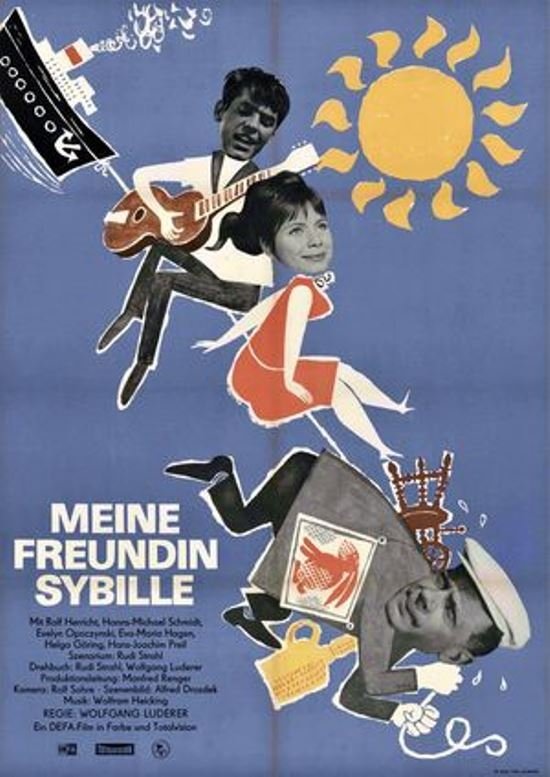
The adventures of three friends from East Germany on the Black Sea.
Master builder Bruno Kippnagel brings home his regular table acquaintance, the clever Egon Albert, who has a perfect command of the 'art of eloquence', to help him bring his somewhat over-excited wife back down to earth. But instead, Egon forms an alliance against him, relieves him of several marks and even kidnaps his maid Lotti.
Dr. Zacharias is an experienced and demanding woman. She sees her daughter Manuela as the continuation and fulfillment of her own life. She wants her daughter to achieve as much or more than her, and under the easier conditions of the present time. But Manuela does not seem to be the type who can fulfill this aspiration, as she is superficial and stubborn. Manuela is even expelled from the university for cheating. But even now she seems unwilling to recognize her mistakes and turn her life around.
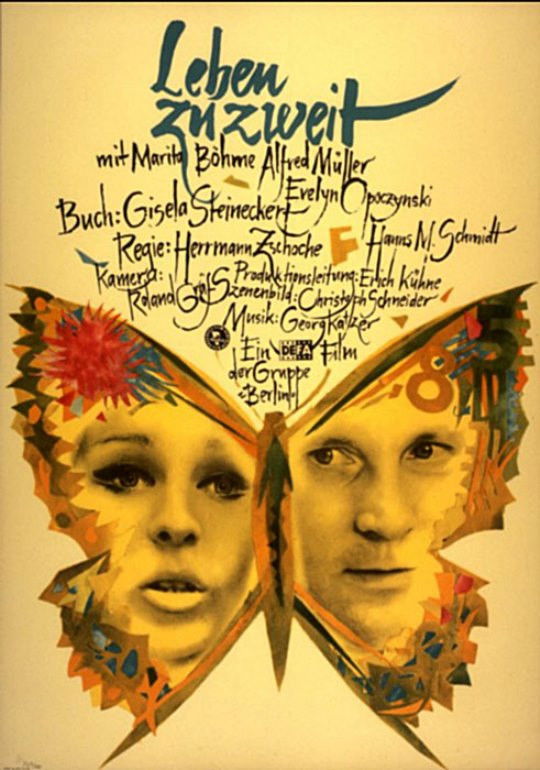
Karin, who is in her mid-thirties, works as registrar but has been divorced for several years. Together with her 16-year old daughter Nora, she leads a happy and independent life. Then, she finds a new partner in the mathematician Peter, but does not tell her daughter about him. When Peter proposes marriage, Karin always comes up with new excuses why such a step is still too early for her. She mainly fears that Nora would not be able to cope with another marriage of her mother. But when Peter cannot be dissuaded anymore by her excuses and finally wants to marry her, Karin comes up with a bizarre plan.

Letter carrier Eva is in her late twenties, unmarried and the mother of a twelve-year-old son. She falls in love with Jon, a bargeman who is unfortunately already engaged. This spurs Eva on to turn her life around. She changes jobs and changes her appearance. Her happiness seems perfect when Eva becomes pregnant...

A story about Ulrike, a ten year old girl who is looking for a new father with energy and determination.
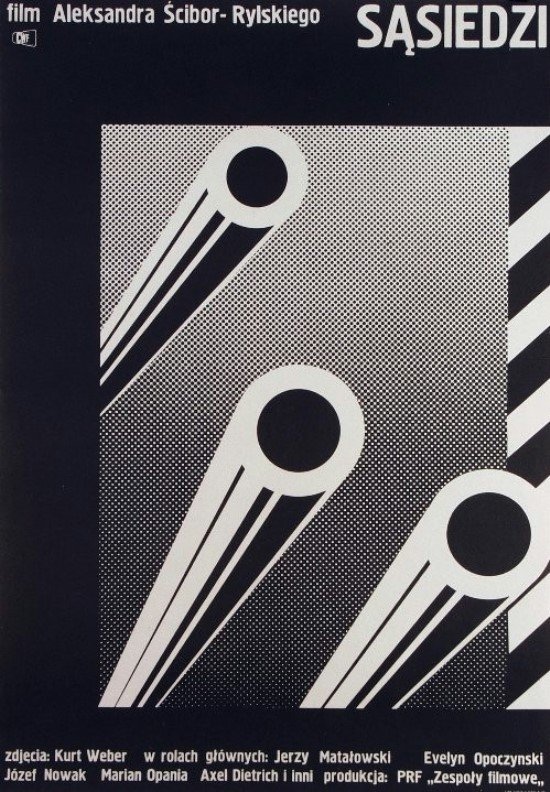
A day before the beginning of the Second World War, a young resident of Bydgoszcz falls in love with a German teenager.

She is called Dona Juanita: the attractive young architect Anita Nachtigall, who manages a department on a large construction site with great success. She is said to have had many affairs and, so it is said, the death of a certain Sawallish. The evil afterspeech puts Anita so that she announces her place. But a young safety inspector on the job site doesn't want her to leave. He cares what really happened...

Philipp, a closeted teacher, is dating a female colleague to keep up appearances. One night he stumbles into a gay bar and falls for a man. Transformed by this love, he is no longer afraid to face up to who he is.

Paul Pospischiel loses his job in the great colliery collapse in the Ruhr, retrains and builds a new life for himself. One day, he receives a letter from his mother, which tears him from his comfort zone and triggers a serious conflict. She has discovered the man who sent his father to a concentration camp decades ago and is therefore responsible for his death. The mother demands accountability from this man. Paul decides to confront the suspected informer and murderer...

High-school senior Peter considers the adults around him to be hypocritical, self-congratulatory, and immersed in the past. He gets suspended for writing an essay that his teachers consider to be a challenge to the state. Just Don't Think I'll Cry became one of twelve films and film projects-almost an entire year's production-that were banned in 1965-1966 due to their alleged anti-socialist aspects. Although scenes and dialogs were altered and the end was reshot twice, officials condemned this title as "particularly harmful." In 1989, cinematographer Ost restored the original version, and this and most of the other banned films were finally screened in January 1990. Belatedly, they were acclaimed as masterpieces of critical realism.

Pensioner Kagel sets up a village museum and wants to donate the farmhouse parlor to the district museum. But farmer Büttner secretly sells an old chest. When night watchman Kuwalski disappears, even the criminal investigation department gets involved...