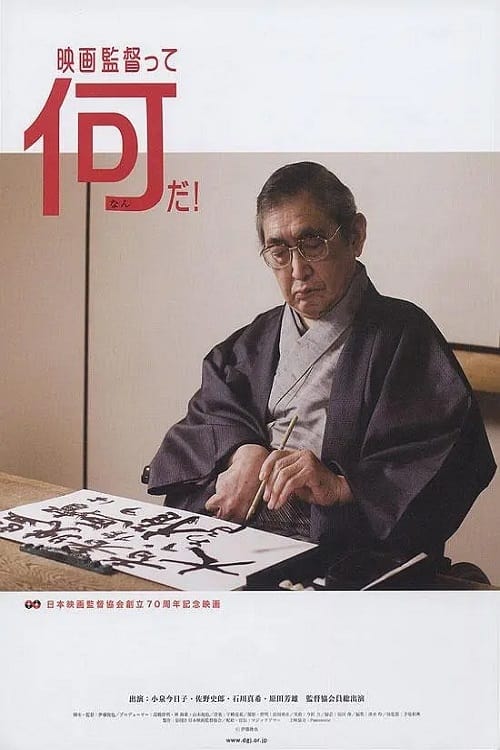
Works commemorating the 70th anniversary of the founding of Japan mapping Supervision Association

At some time in the 21st century, Japan's economy is in shambles. Riots and terrorism are the norm. The government buys up television stations in a last-ditch effort to promote nationalism and order to the nation. But this is the dawn of a new dark state. A new form of 3 on 3 basketball is developed in which anything goes, and the winner of the game is the team with the last man left standing.
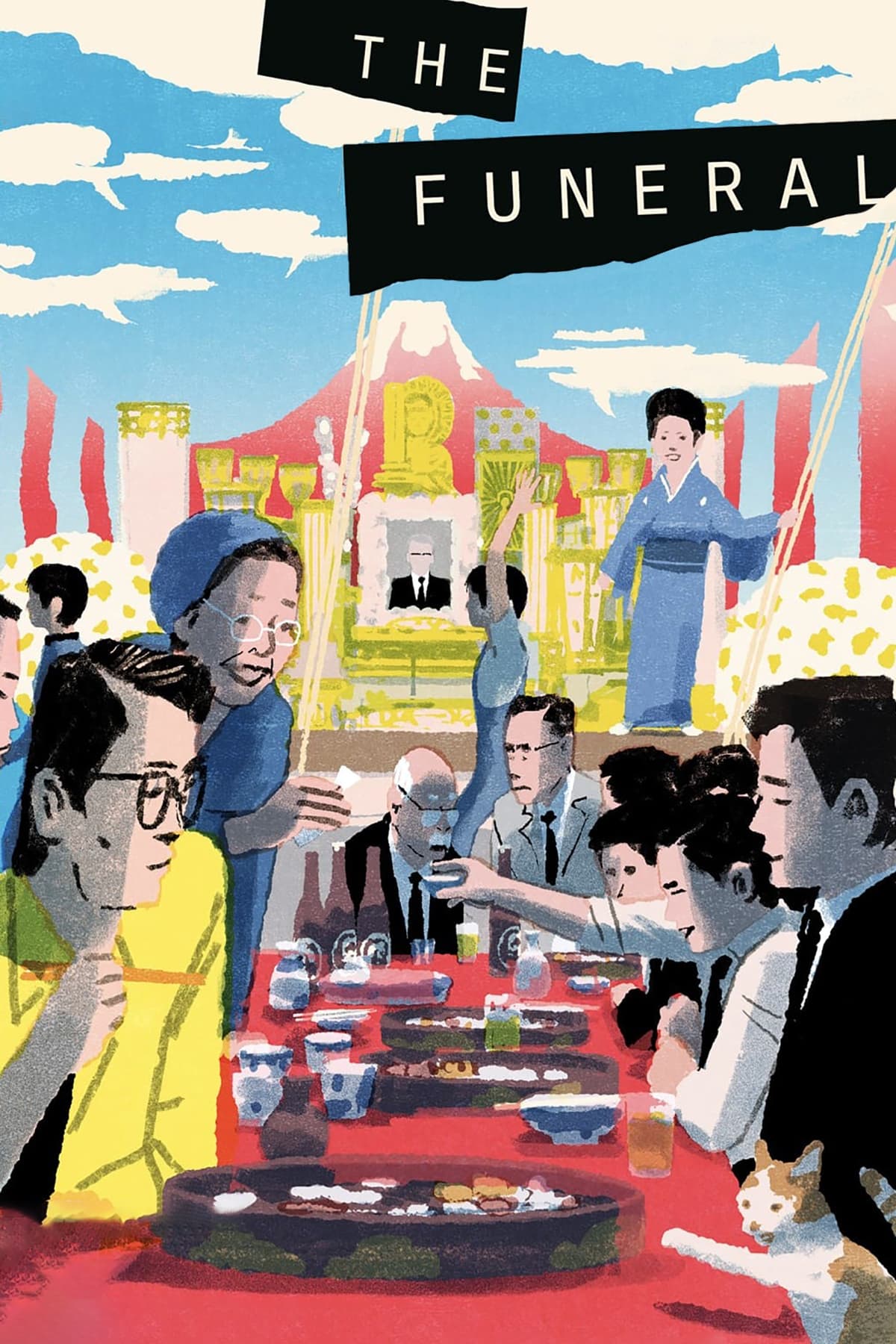
When Wabisuke's father-in-law unexpectedly dies, the family goes through a series of random events and occurrences as the funeral unfolds over three days in their home.
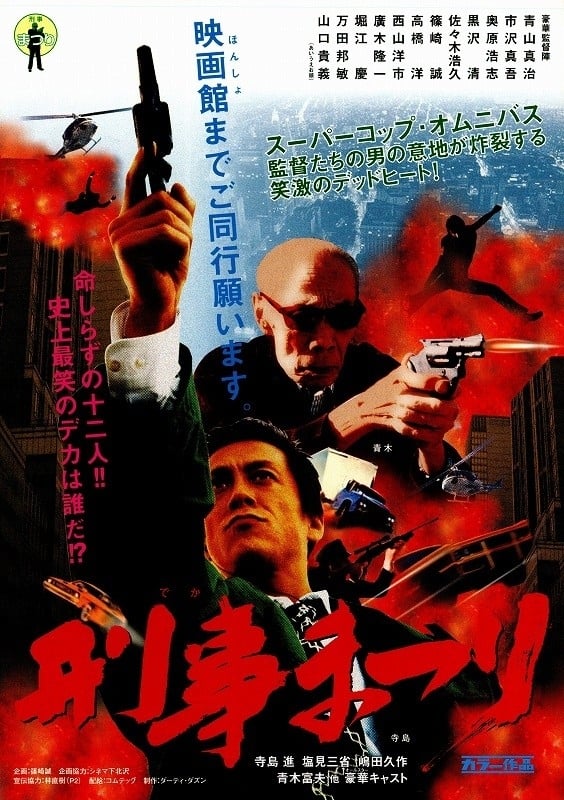
12-part omnibus made under the rules: "the main character is a detective" "at least one gag per minute" "the length must not exceed 10 minutes"
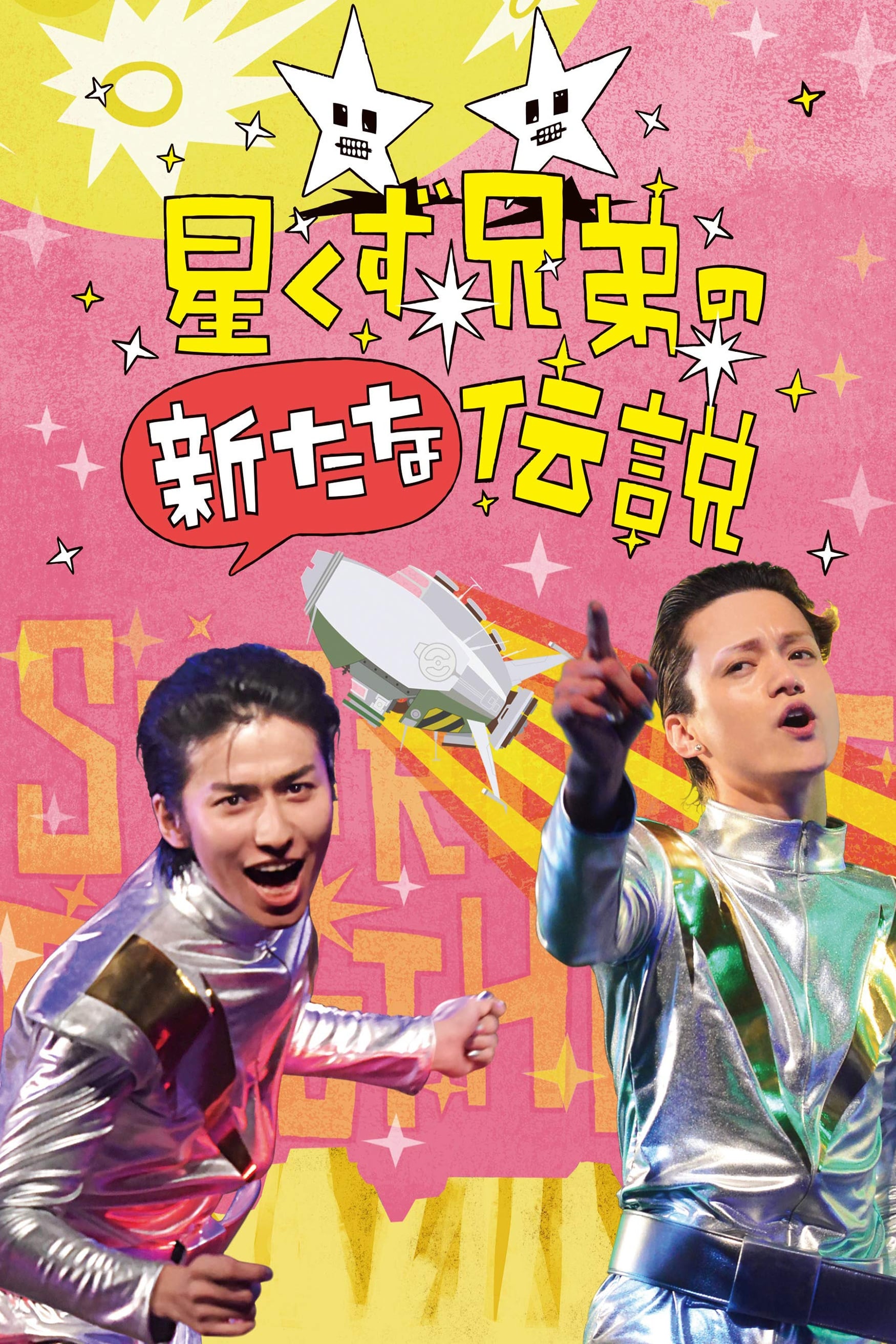
A sequel to the 1980 movie The Legend of the Stardust Brothers. As well as being a rock musical comedy, it also borrows elements from other genres such as road movies, westerns, and meta fiction.
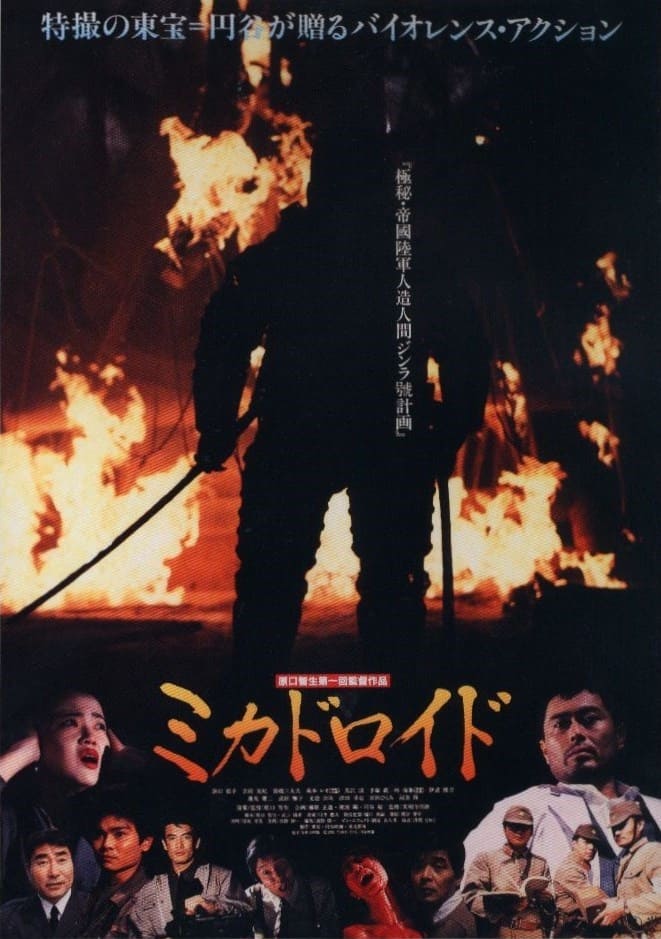
During World War II, the Japanese military established a secret underground laboratory in Tokyo. Three Olympic-level athletes were selected to undergo a process that would turn them into Jinra-go, superhuman armored soldiers. By March 1945, one of the soldiers had been completely transformed into the half man/half machine ultimate soldier called Mikadroid. But American B-29s firebomb the city and, while the two super soldiers manage to escape, Mikadroid and the lab are apparently destroyed. 45 years pass, Tokyo is rebuilt, and old secrets are forgotten. The site is now home to a complex that includes the Discoclub Layla. The disco’s patrons dance late into the night, unaware that a faulty basement generator has reactivated Mikadroid and the cyborg now prowls the basement levels, killing anyone in its path...
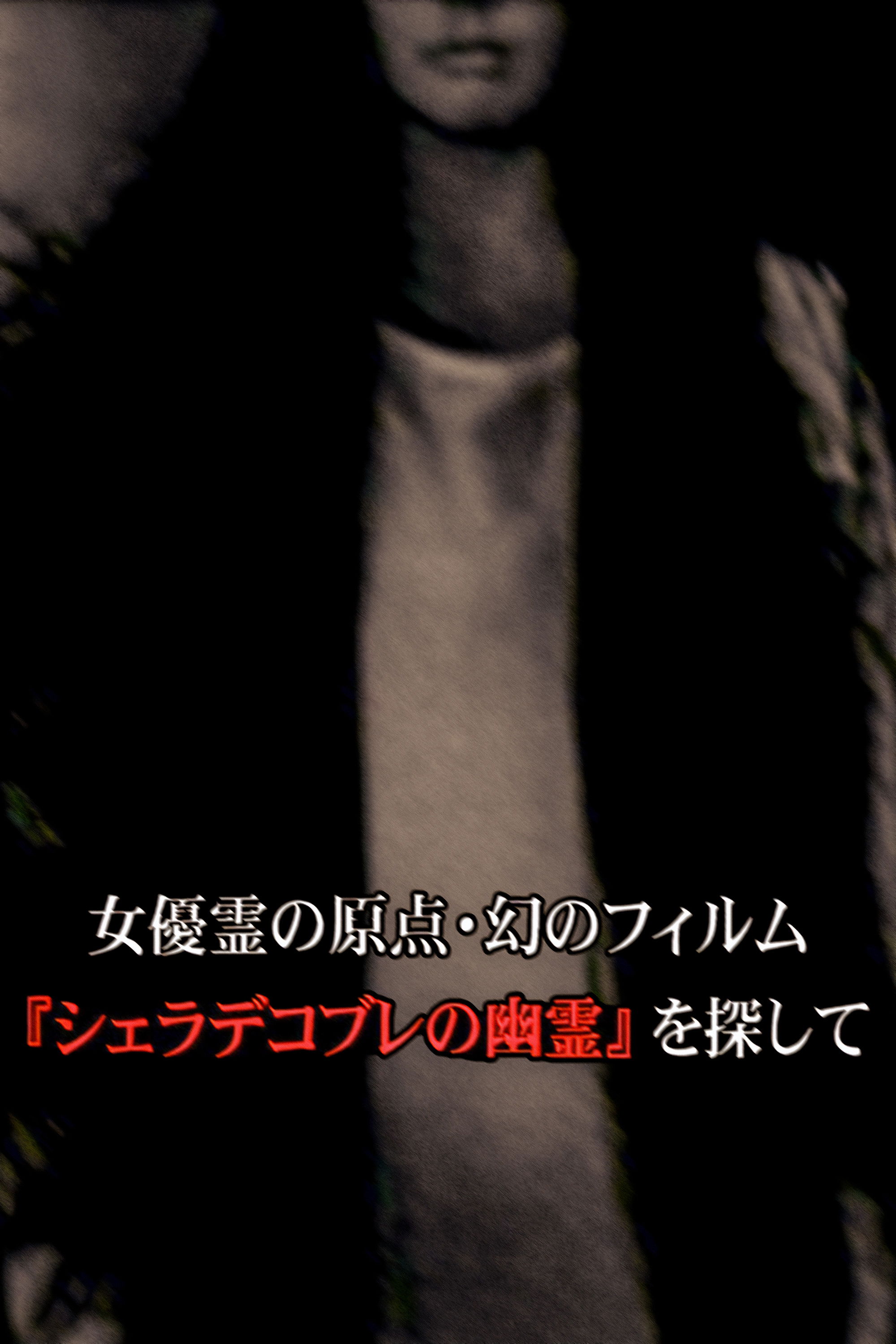
How did a single ‘Big in Japan’ videotape change the course of global horror history? Find out in this insightful documentary charting the origins, evolution and diffusion across the world of a distinctive brand of Japanese supernatural chillers featuring vengeful ghosts manifesting themselves through contemporary technology against a backdrop of urban alienation and social decay. From Psychic Vision: Jaganrei (1988) and straight-to-video scary true stories to such key titles as Ring (1998), Pulse (2001) and The Grudge (2002), critics and filmmakers reflect on how the bleak Dystopian visions and unsettling atmospheres infiltrated their way into the world’s shocker consciousness.
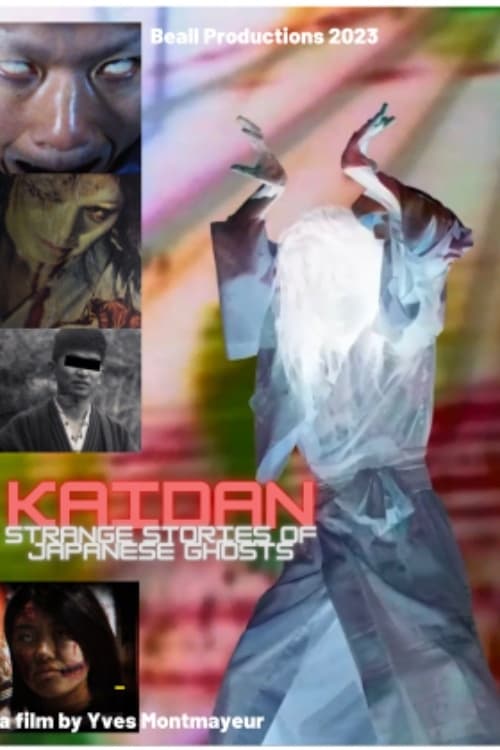
An exploration of the spirit world as portrayed in the height of the J-horror era of the late ‘90s.
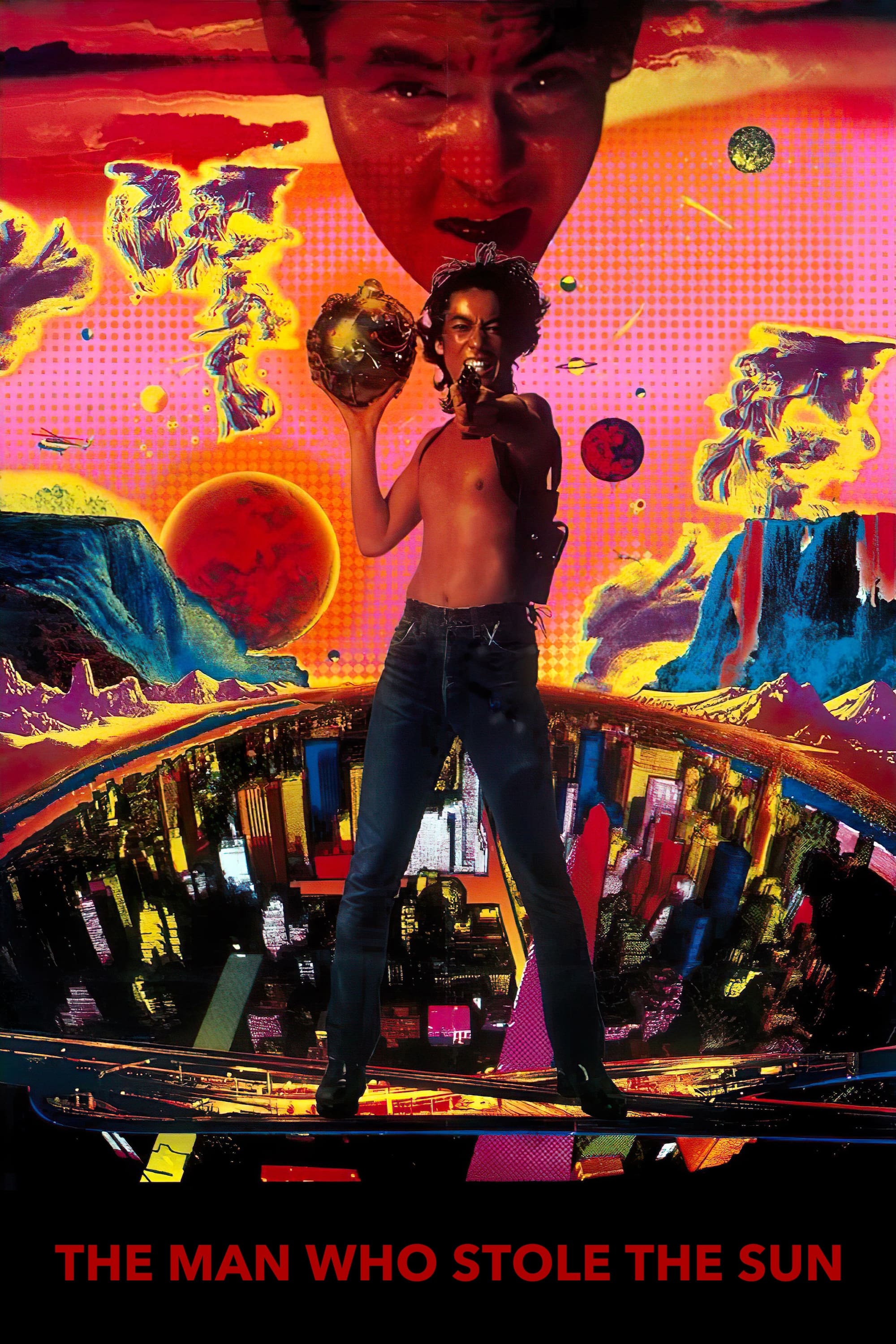
A high school science teacher is the butt of all his students' jokes, until their bus is hijacked on a school trip. But something more sinister lurks beneath the surface: he's building an atomic bomb in his apartment.
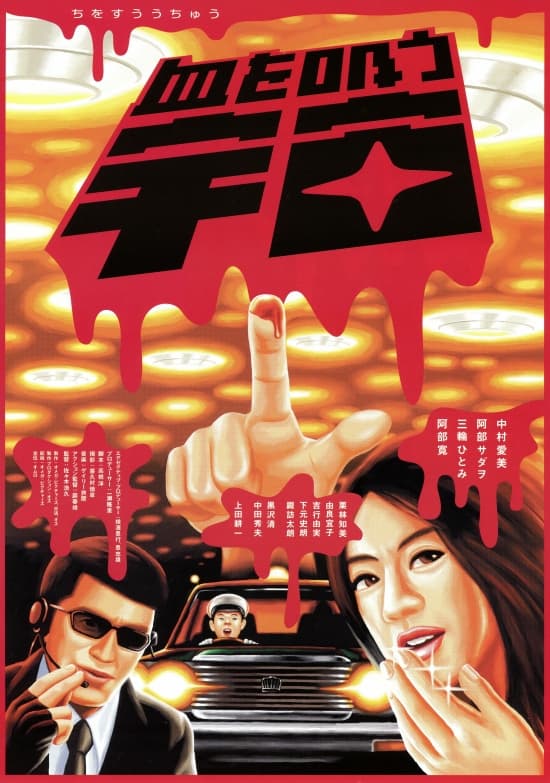
A mother is accused of murdering her daughter but when she tells her tale, things don't seem to make sense. Her husband says they have no daughter, there's a psychic that can trace phone calls, a blonde who sings the US anthem, a house with no bathroom, some Lynchian dream sequences, aliens, breeding experiments, very quirky FBI agents, and some other random events.
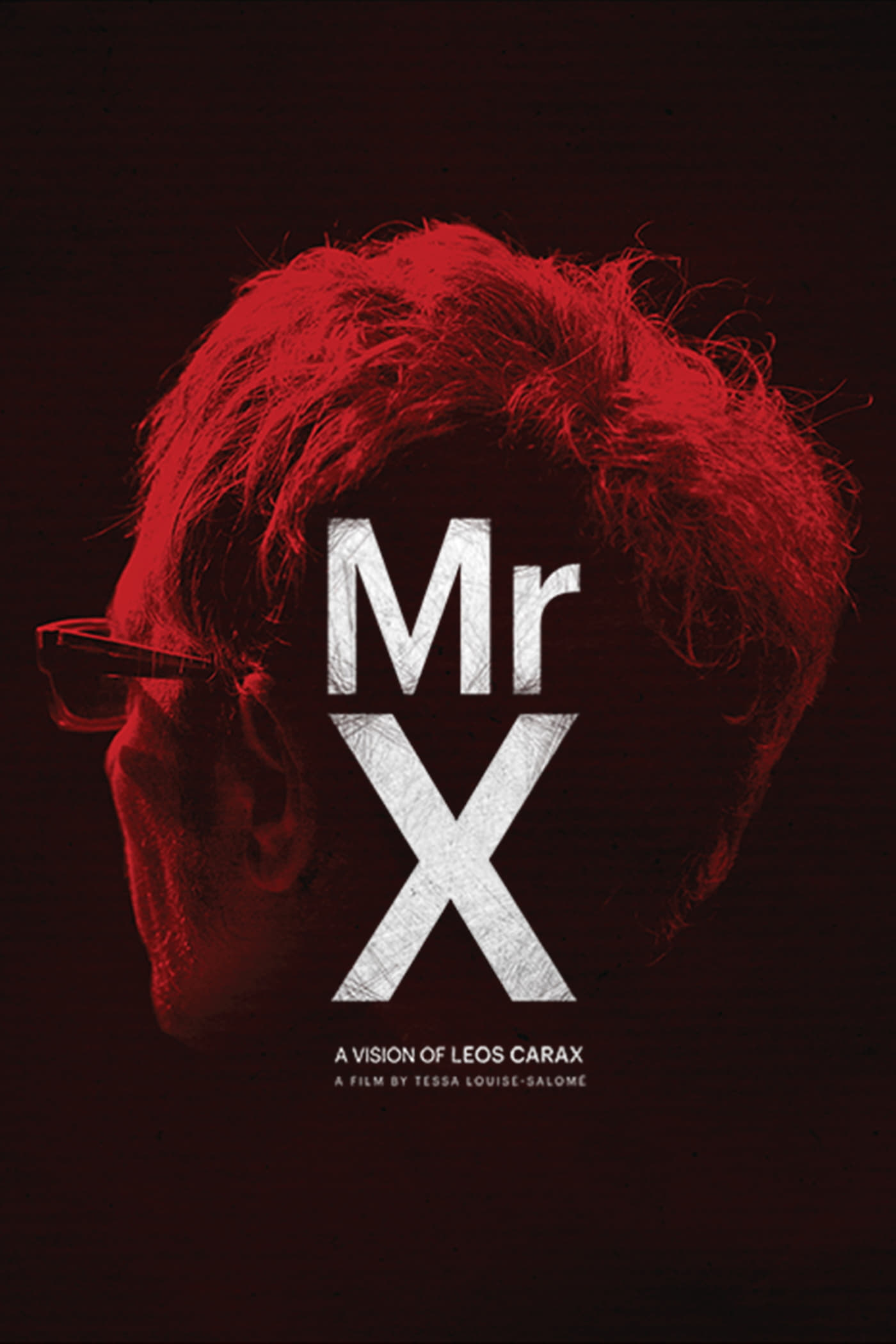
The image of a mysterious, solitary filmmaker - a cineaste maudit - who flees from both the media and the public, is unrelentingly bound to the figure of Leos Carax, in France. Elsewhere, the real focus is on his films and he is considered to be an icon of world cinema. Mr.X dives into the poetic and visionary world of an artist who was already a cult figure from his very first film. Punctuated by interviews and unseen footage, this documentary is most of all a fine-tuned exploration of the poetic and visionary world of Leos Carax, alias "Mr.X".
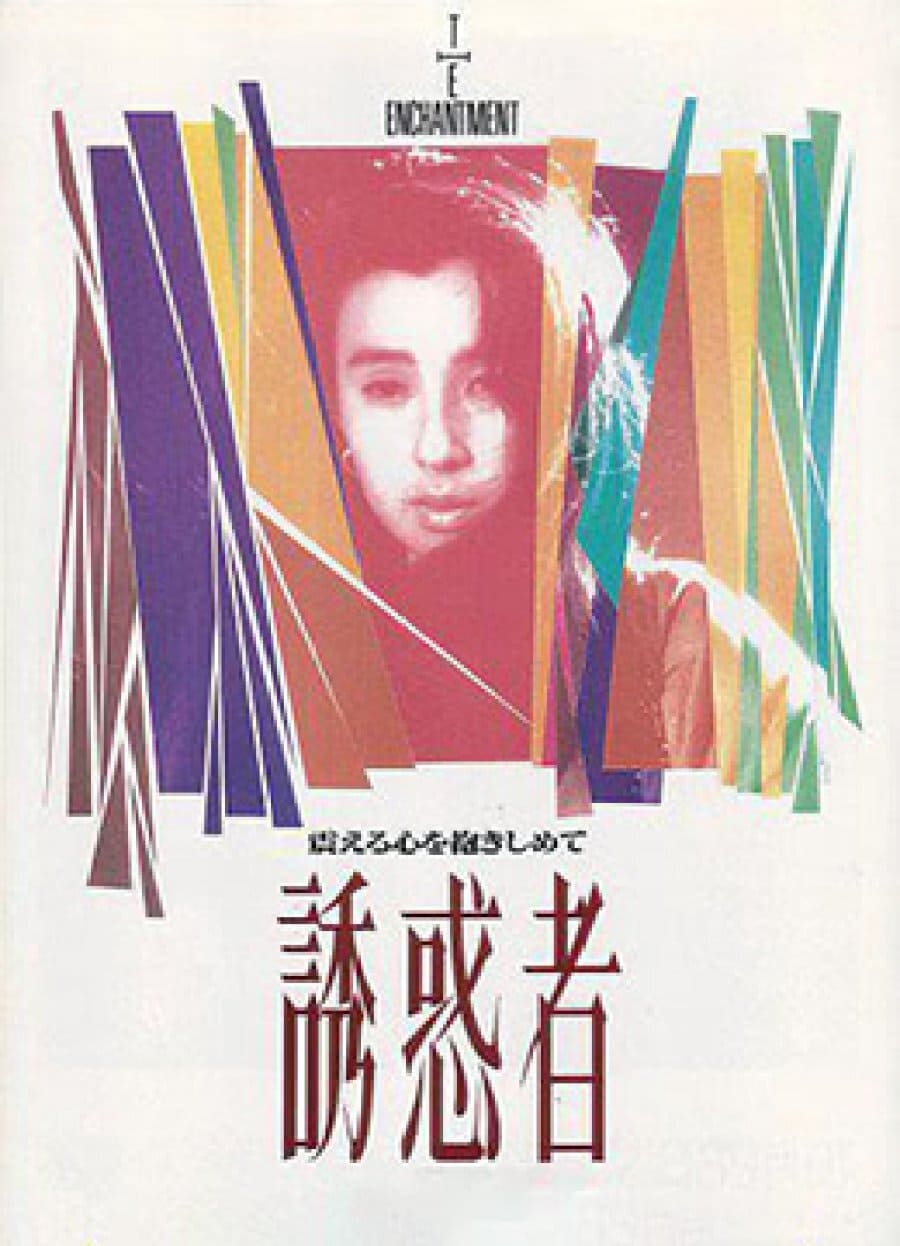
A Tokyo psychiatrist is hoping to better his career by marrying the daughter of a prominent doctor. The match is threatened however when an attractive but very troubled tourist guide comes to him for consultation...

In the immense city of Tokyo, the darkness of the afterlife lures some of its inhabitants desperately trying to escape the sadness and isolation of the modern world.
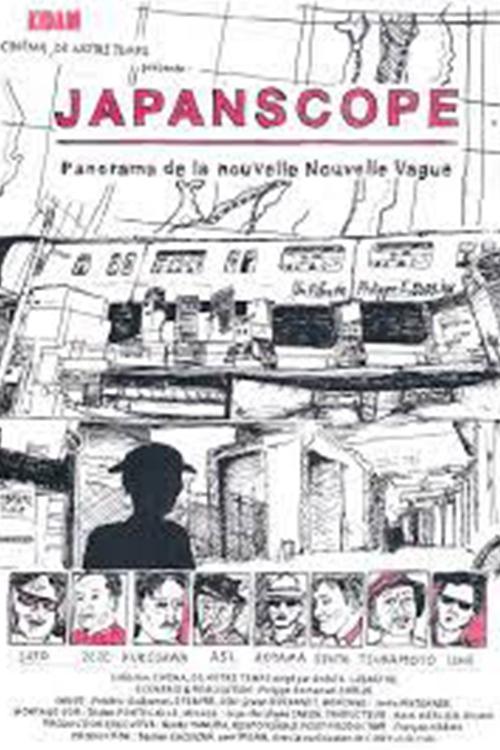
A “Cinéma, de notre temps” series episode directed by french filmmaker Philippe-Emmanuel Sorlin, originally aired 16 June 2015.
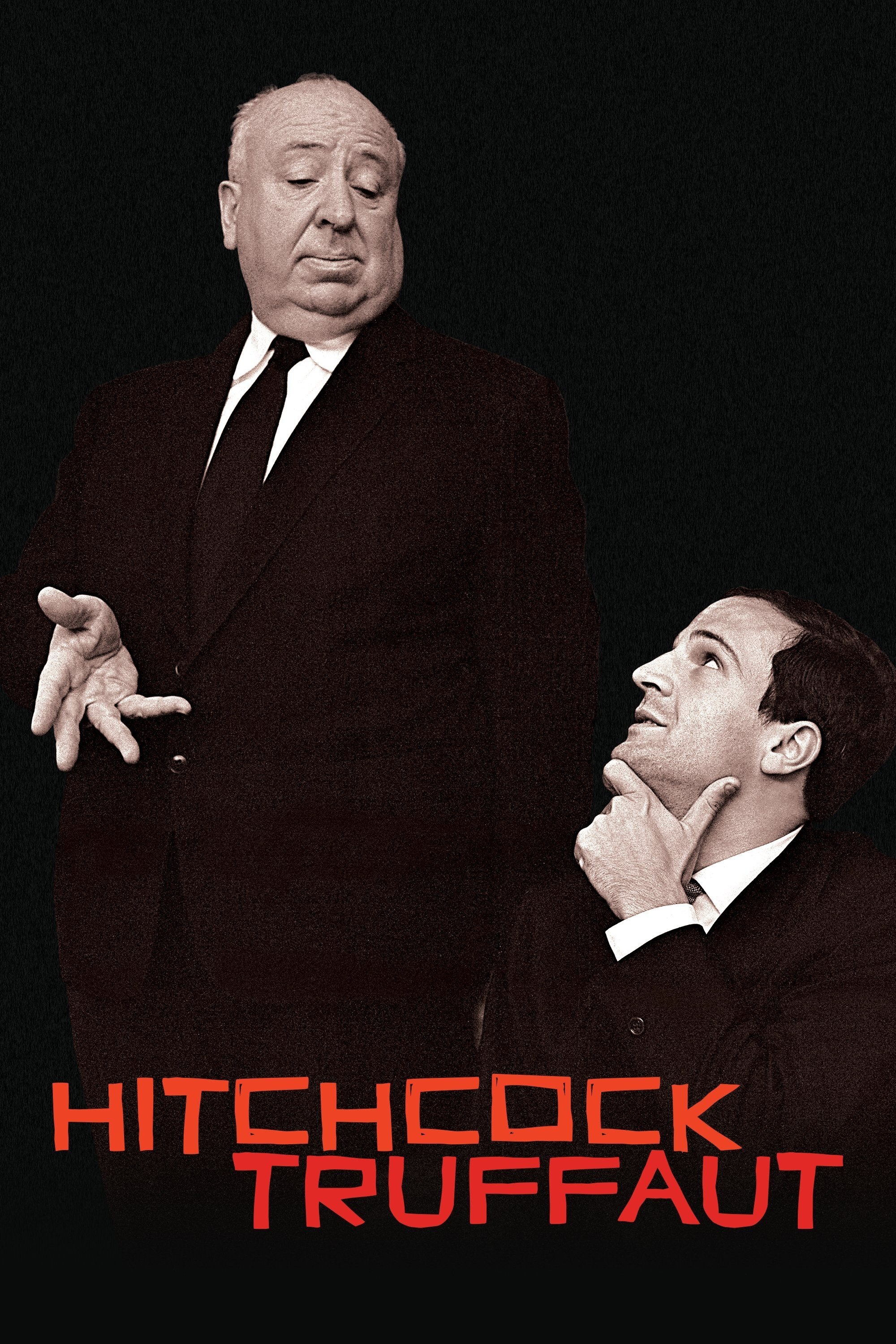
Filmmakers discuss the legacy of Alfred Hitchcock and the book “Hitchcock/Truffaut” (“Le cinéma selon Hitchcock”), written by François Truffaut and published in 1966.
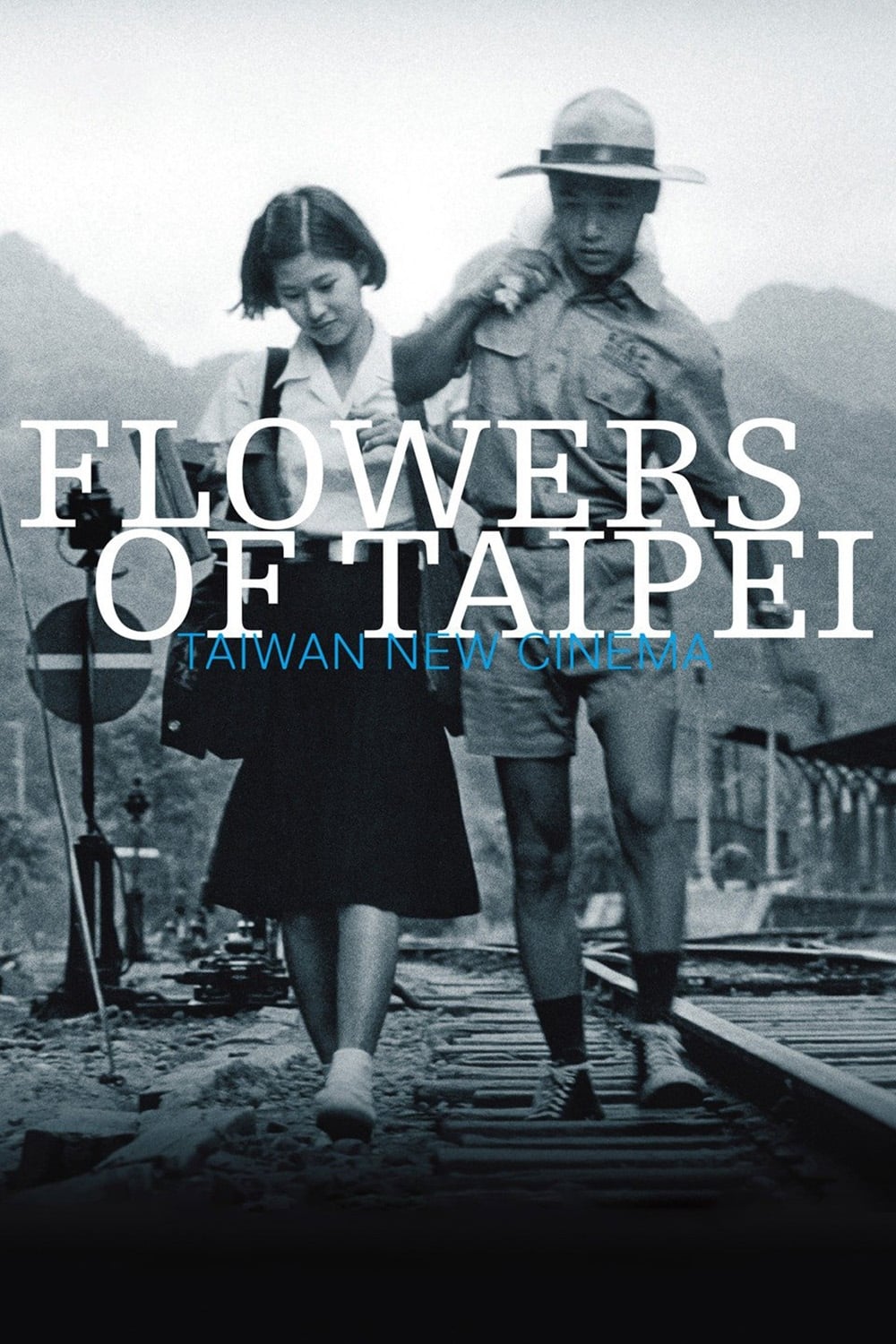
With Taiwan remaining in the grip of martial law in 1982, a group of filmmakers from that country set out to establish a cultural identity through cinema and to share it with the world. This engaging documentary looks at the movement's legacy.
Set in a Japanese university in the late '70s, the film discusses the absurdity of cafeteria prices, the struggle over the old clock tower, and more.
A woman searching for the truth behind the death of her lover visits Bazin, Godard, and Mekas.
The film multiplies women. A tragicomedy about a boy who is continually pranked by the appearance of his twin lovers.

Initially, Ambivalent Future was intended as a film about the production of Kiyoshi Kurosawa's "Bright Future". But director Fujii has taken the "behind the scenes"-concept to unprecedented heights with this unique documentary offering a close look into the world of Kiyoshi Kurosawa, the auteur. Scenes from the surprisingly low key and relaxed production of "Bright Future" are of course sprinkled liberally throughout the documentary, but between these we are treated to interesting and revealing interviews with actors, producers and Kurosawa's many other collaborators. And perhaps the most surprising thing of all is how much of Kurosawa there is, talking candidly about his working methods and the philosophy behind it all.

This documentary by Hubert Niogret looks at the revival of Japanese cinema during the 1990s.
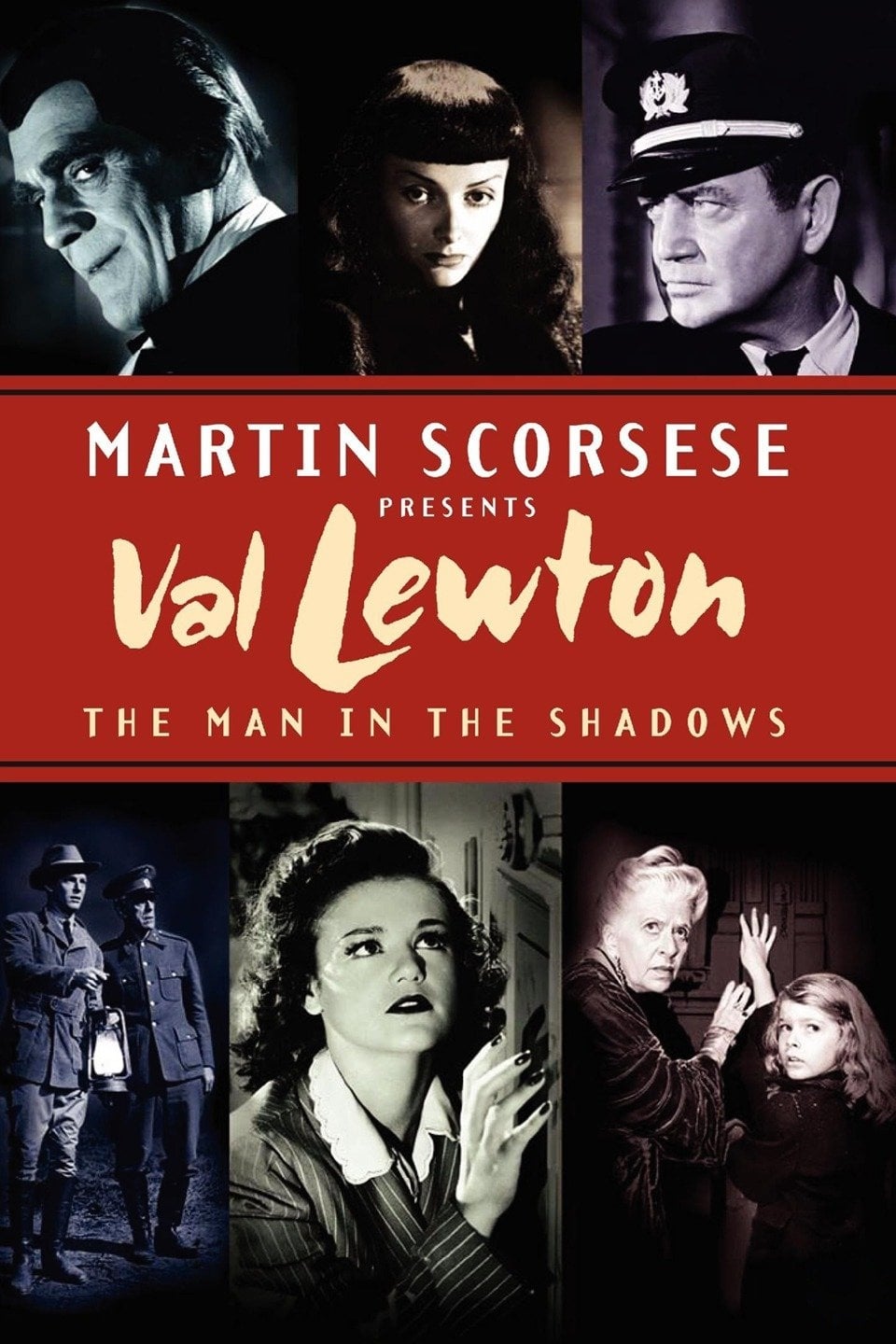
Martin Scorsese narrates this tribute to Val Lewton, the producer of a series of memorable low-budget horror films for RKO Studios. Raised by his mother and his aunt, his films often included strong female characters who find themselves in difficult situations and who have to grow up quickly. He is best remembered for the horror films he made at RKO starting in 1940. Starting with only a title - his first was The Cat People - he would meticulously oversee every aspect of the film's completion. Although categorized as horror films, his films never showed a monster, leaving it all to the viewers imagination, assisted by music, mood and lighting.
Documentary on the creation of Kiyoshi Kurosawa's film "Chime"
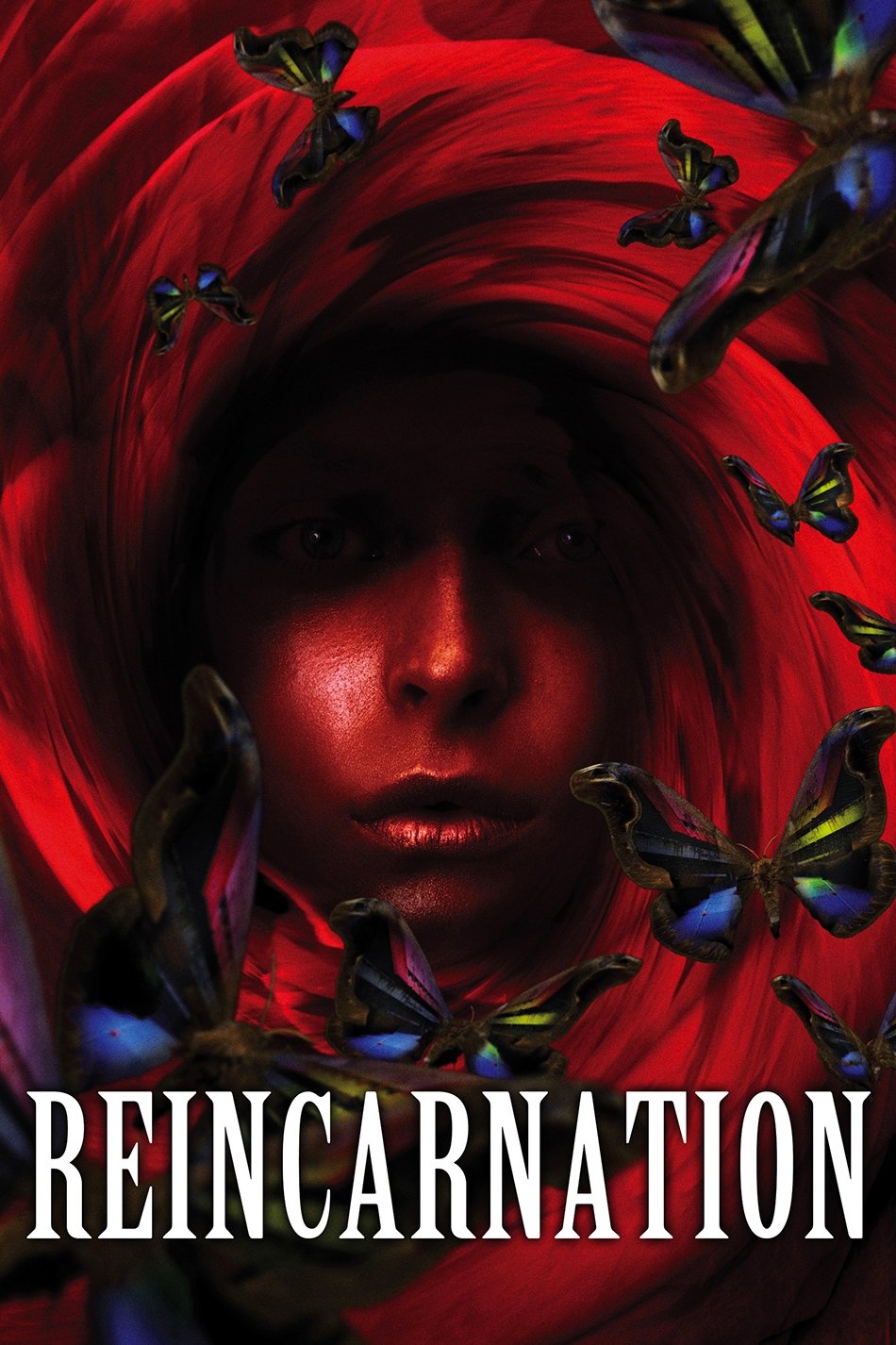
A Japanese actress begins having strange visions and experiences after landing a role in a horror film about a real-life murder spree that took place over forty years ago.
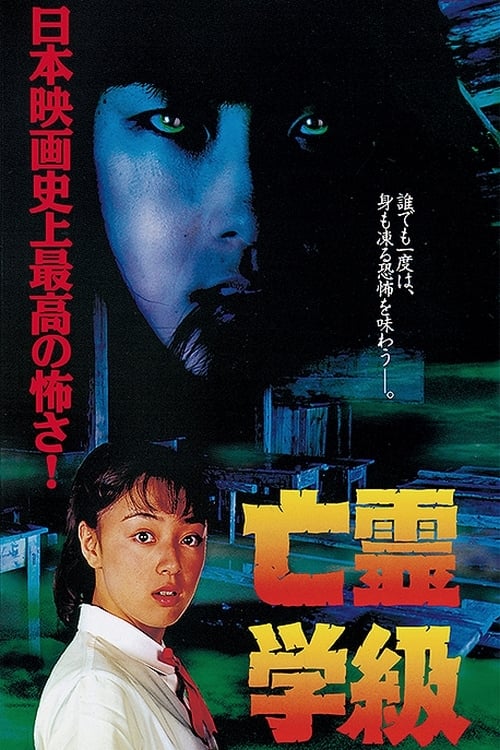
Amidst rumors that the spirit of a student, who committed suicide years ago, appears in the photography club darkroom, high school sophomore Yuri borrows a mysterious horror manga from her elusive but studious senior, Miwako.
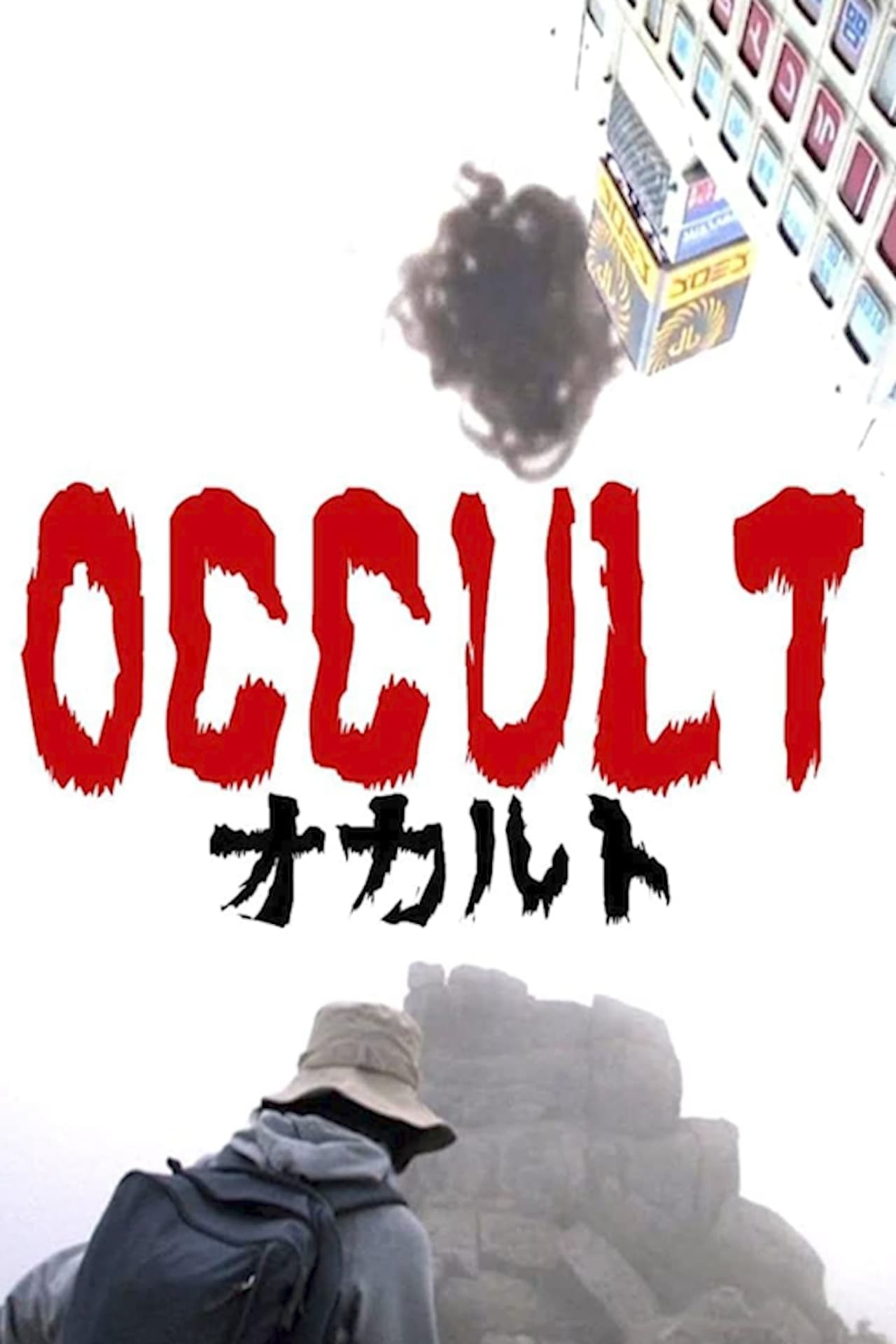
Koji Shiraishi interviews the survivors of an indiscriminate attack at a sightseeing resort and starts investigating the strange events that have been happening to them.
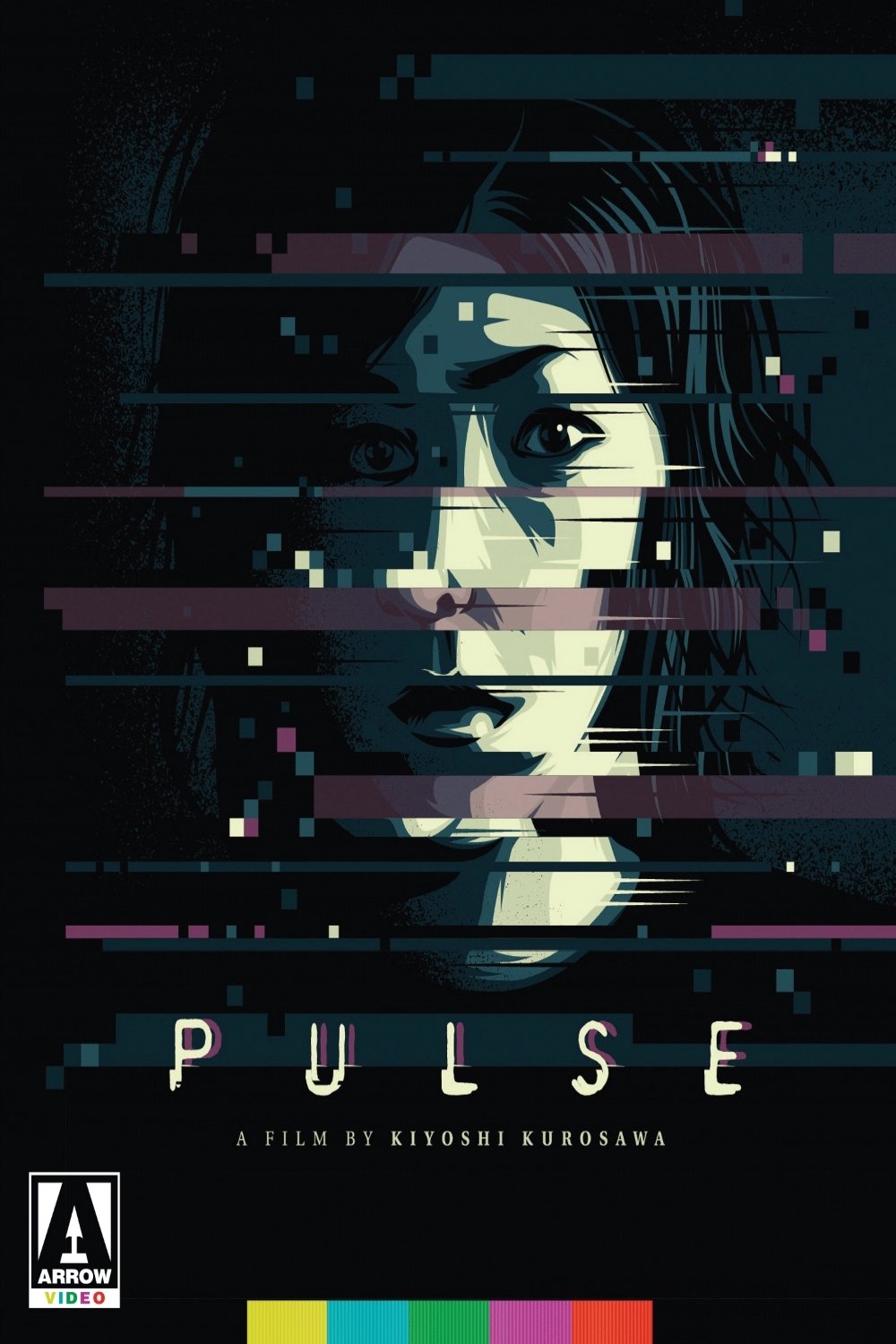
An interview with director Kiyoshi Kurosawa discussing his work in the horror genre from his V-cinema days to his 2001 released film Pulse
An interview with cinematographer Junichiro Hayashi speaking about his work with director Kiyoshi Kurosawa
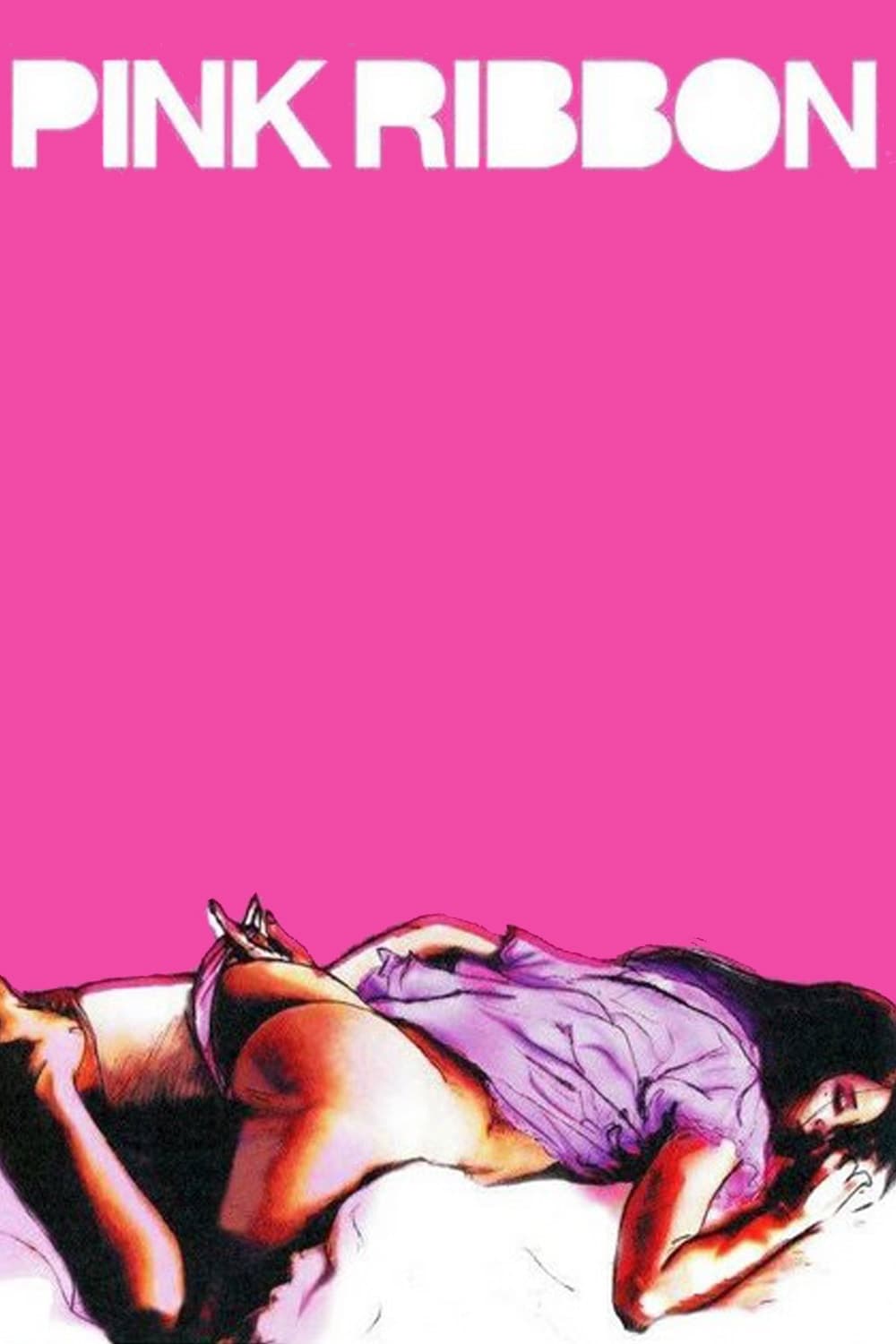
Documentary filmmaker Kenjiro Fujii takes a look at the history of a distinctly Japanese brand of softcore pornography in this extensive examination of the "pinku eiga" genre (ピンク映画 Pinku eiga or Pinkeiga). For more than 40 years, so-called "pink" films have served as both a key source of revenue for the Japanese film industry as well as a launching pad for the careers of such mainstream filmmakers as Kiyoshi Kurosawa. After providing a detailed history of the still-profitable and popular genre through interviews with a variety of behind-the-scenes players and clips from such classic pink films as Fish Bait Boobies, director Fujii shifts his focus to the production of an upcoming pink film to offer a glimpse into the creative and stylistic evolution of the genre.
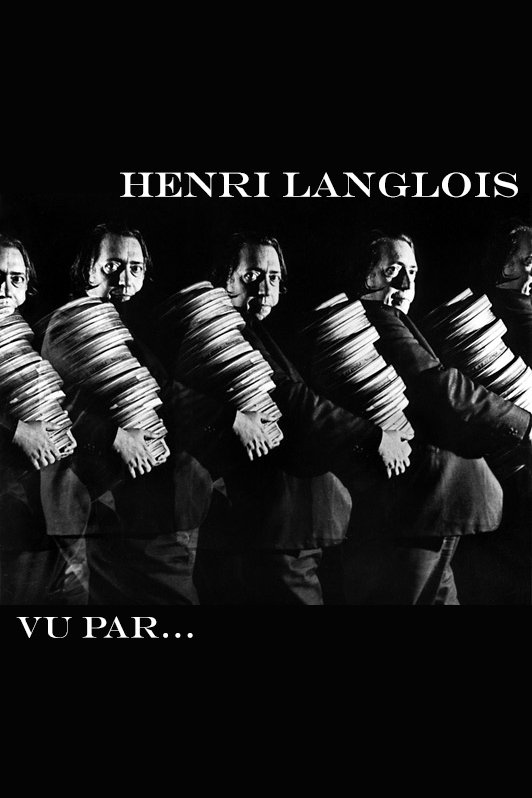
Thirteen filmmakers share personal reflections on Henri Langlois—the visionary founder of the Cinémathèque Française—recounting his influence on their lives, his role in preserving film history, and his enduring impact on world cinema.
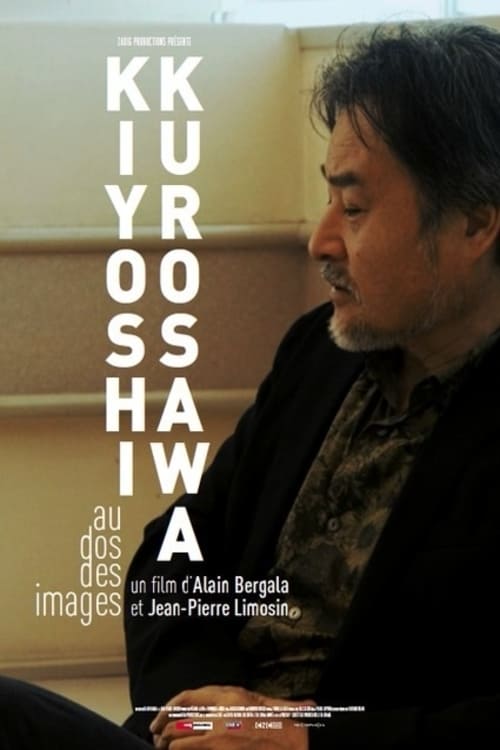
At the invitation of Limosin and Bergala, Kiyoshi Kurosawa rediscovers his own films, first during the shooting of his French film in Paris and then in Tokyo. From his first militant films in Super 8 to his undisputed masterpieces, the Japanese director confides his obsessions, his repulsions, his deliciously heterogeneous tastes as a film buff, his pleasures and his fears as a filmmaker.
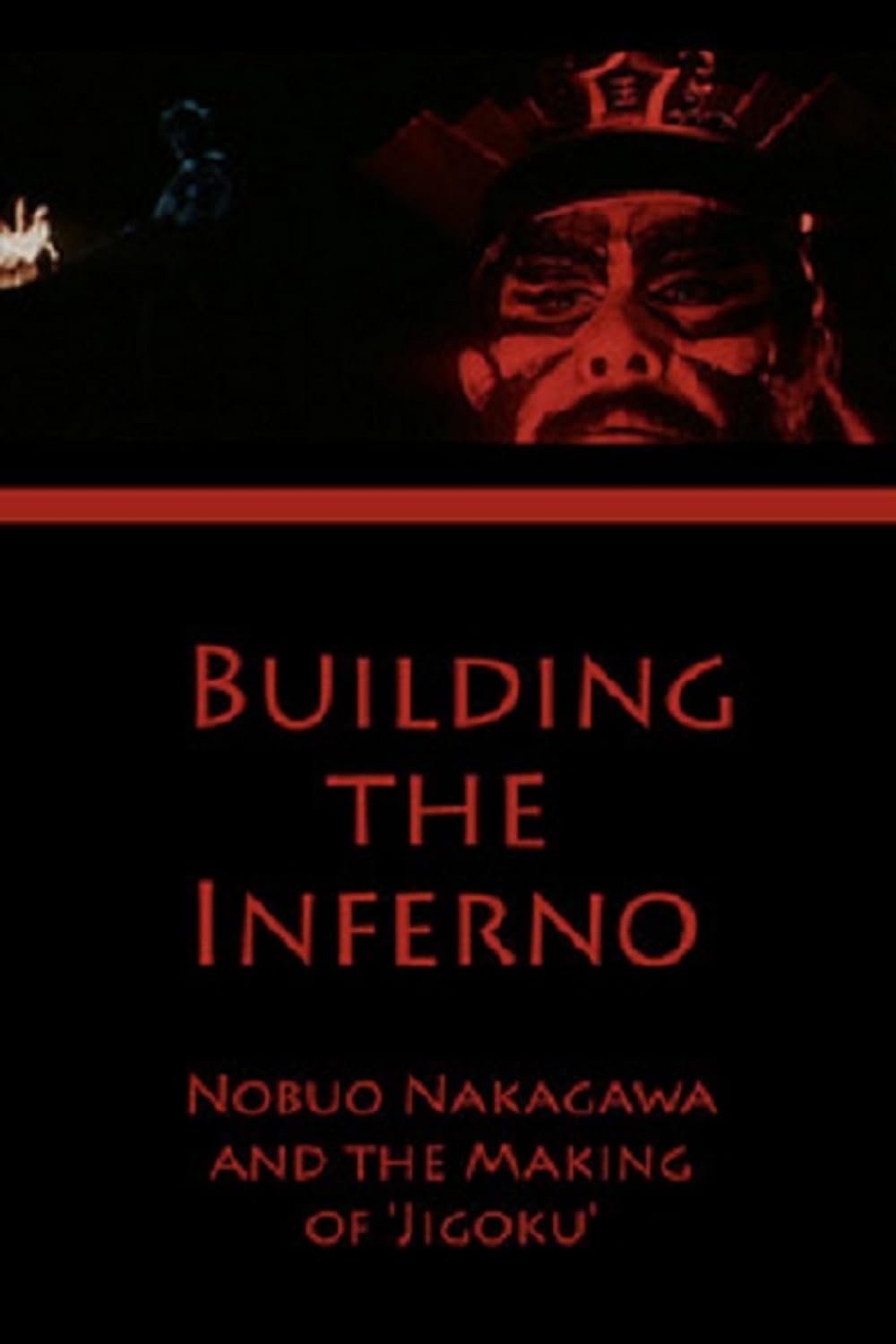
A new documentary on director Nobuo Nakagawa and the making of the film, Jigoku. Featuring exclusive interview with Nakagawa collaborators.
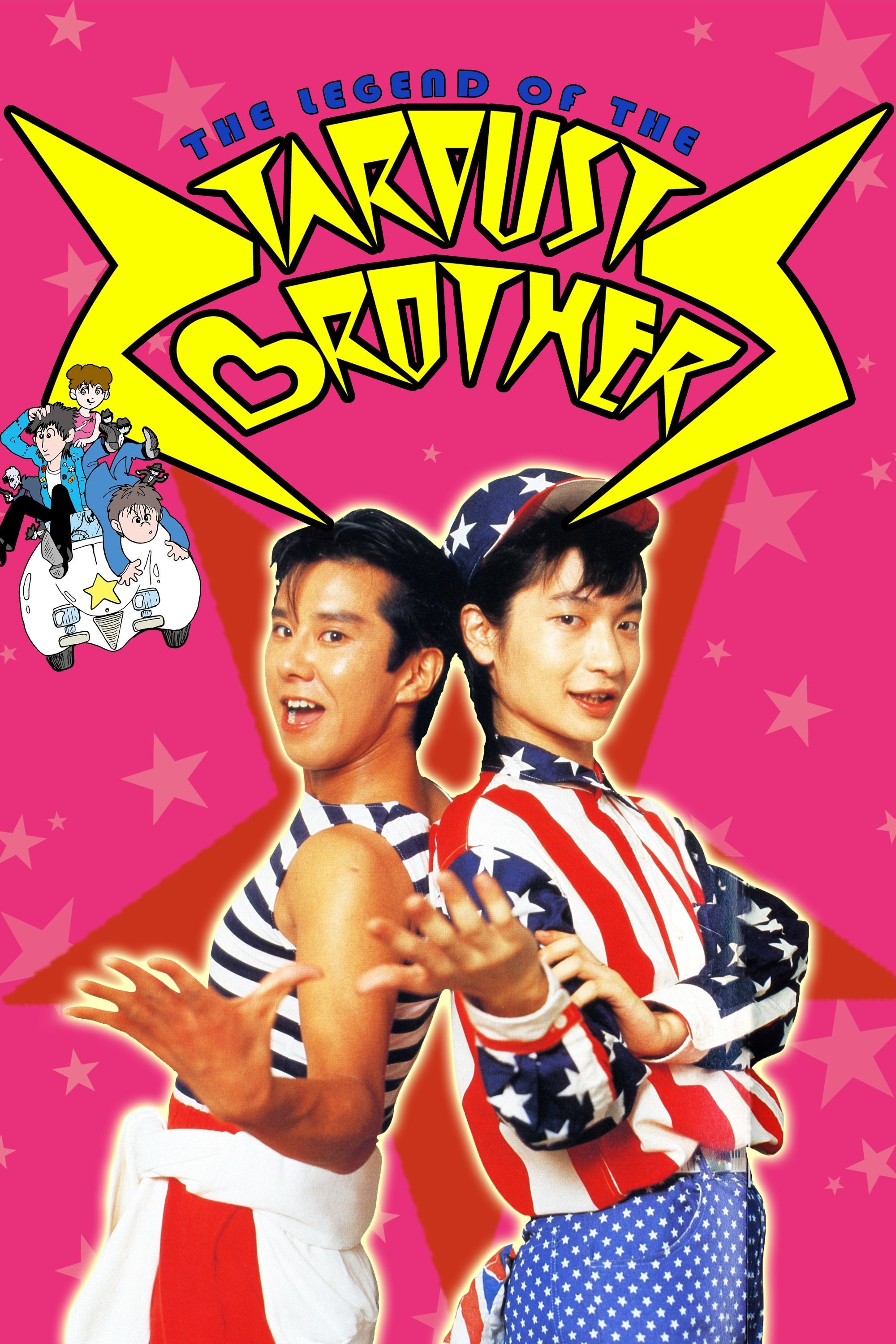
A shady music mogul brings together two wannabe stars—punk rock rebel Kan and new-wave crooner Shingo—and transforms them into the Stardust Brothers, a girl-friendly, silver-jumpsuited, synth-pop sensation. Along with their #1 fan, who herself dreams of a music career, the duo rockets to stardom.
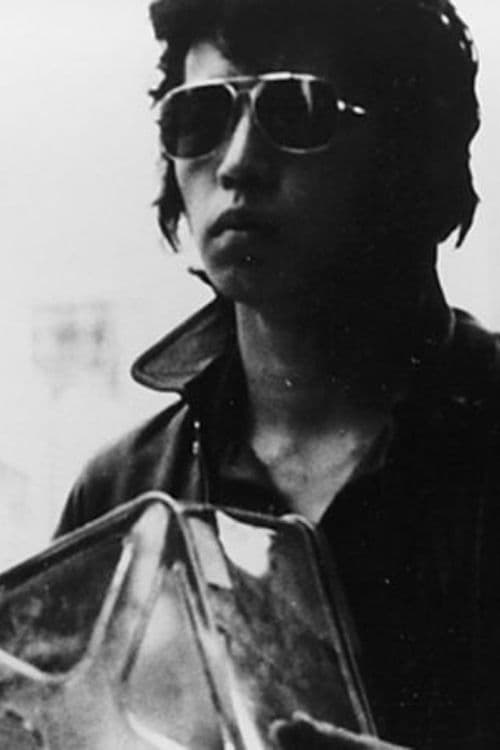
At the beginning of the film, we are presented with an ordinary story. It is the story of a student organization's internal struggle. The story begins with the protagonist taking a briefcase and the organization taking it back, along with his woman. The man who brings back the bag faces the woman. The room is somehow symmetrical. The room is somehow left-right symmetrical, with a low angle and fixed screen as in the Ozu style.

Documentary on the film "Pulse"
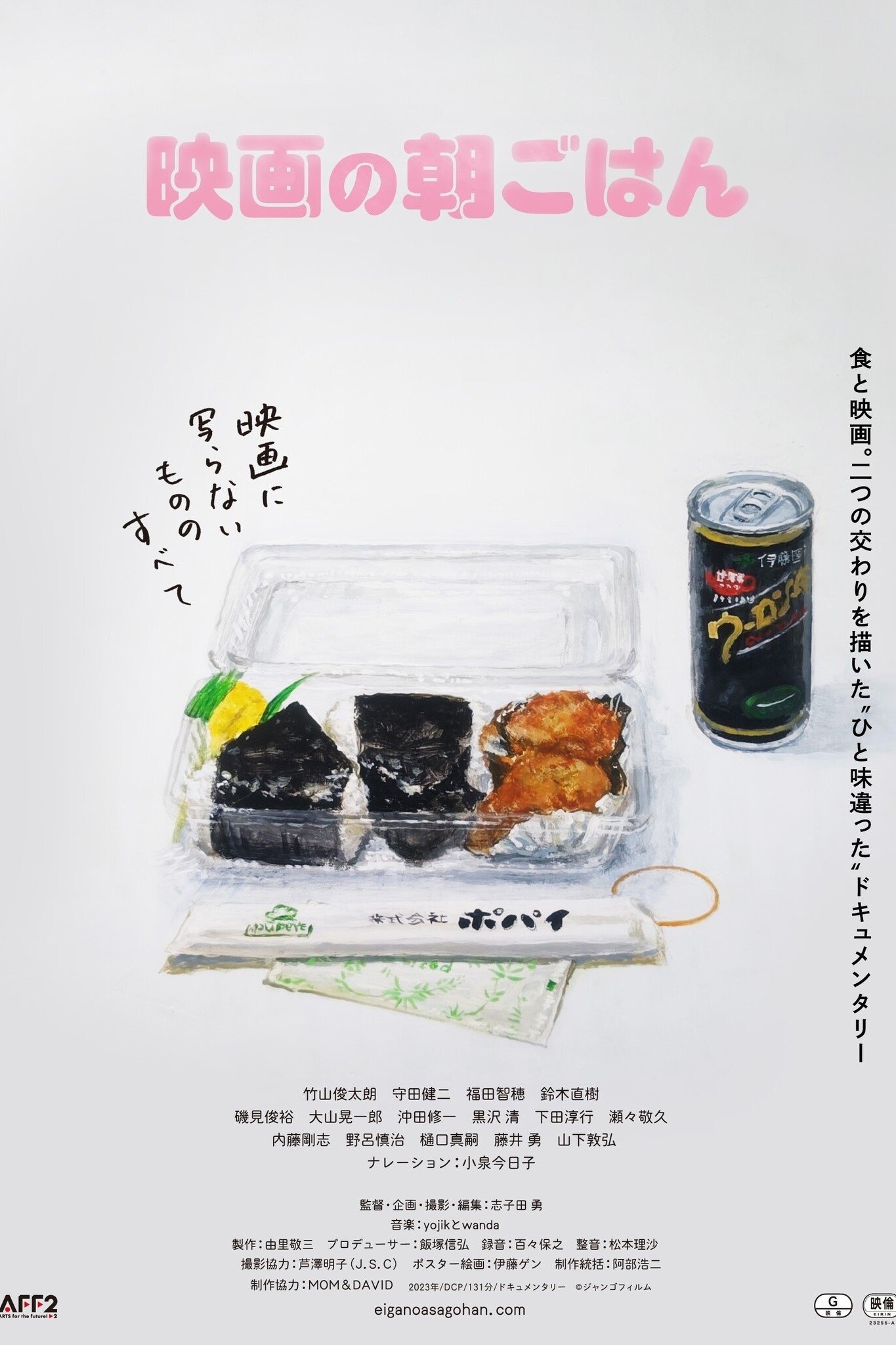
Documentary on the legendary bento shop "Popeye," known to everyone in the film industry.
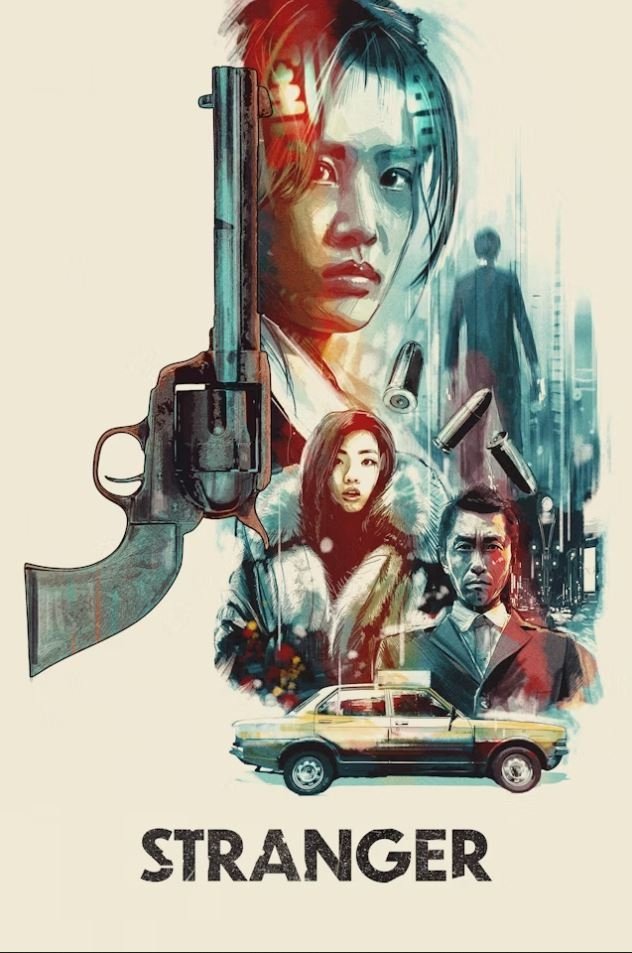
After serving time for bank fraud, Kiriko now lives a quiet life as a taxi driver working night shifts... but her peace is shattered by a relentless stalker in a Land Cruiser.
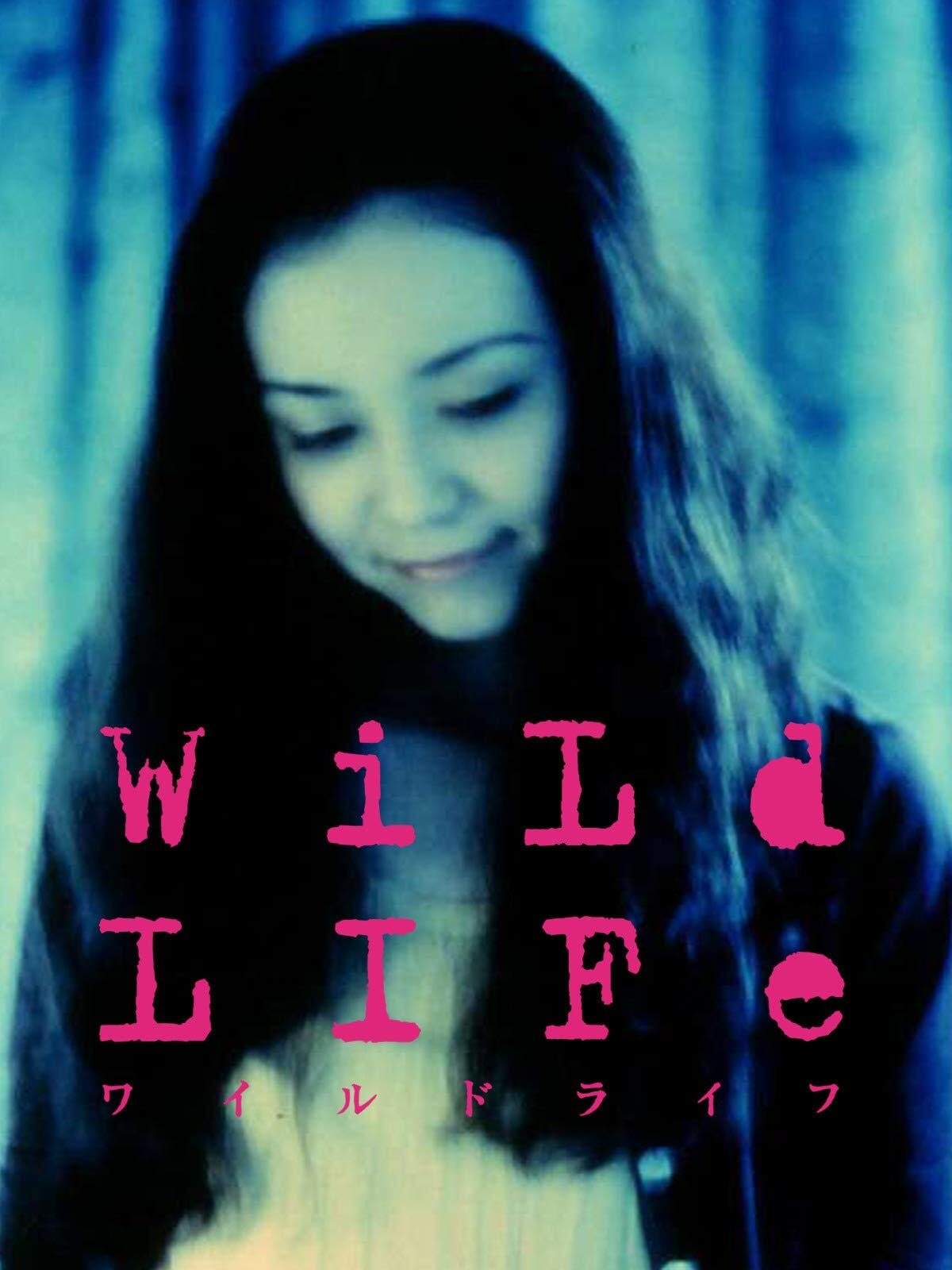
An ex-boxer working for a game parlor owner gets caught up in a complex blackmail operation he doesn't understand. Before long he's caught between two yakuza bosses and a mysterious thief who motivation is unknown. Add in the boss' daughter who has a crush on him and watch him struggle to make sense of it all and come out alive.
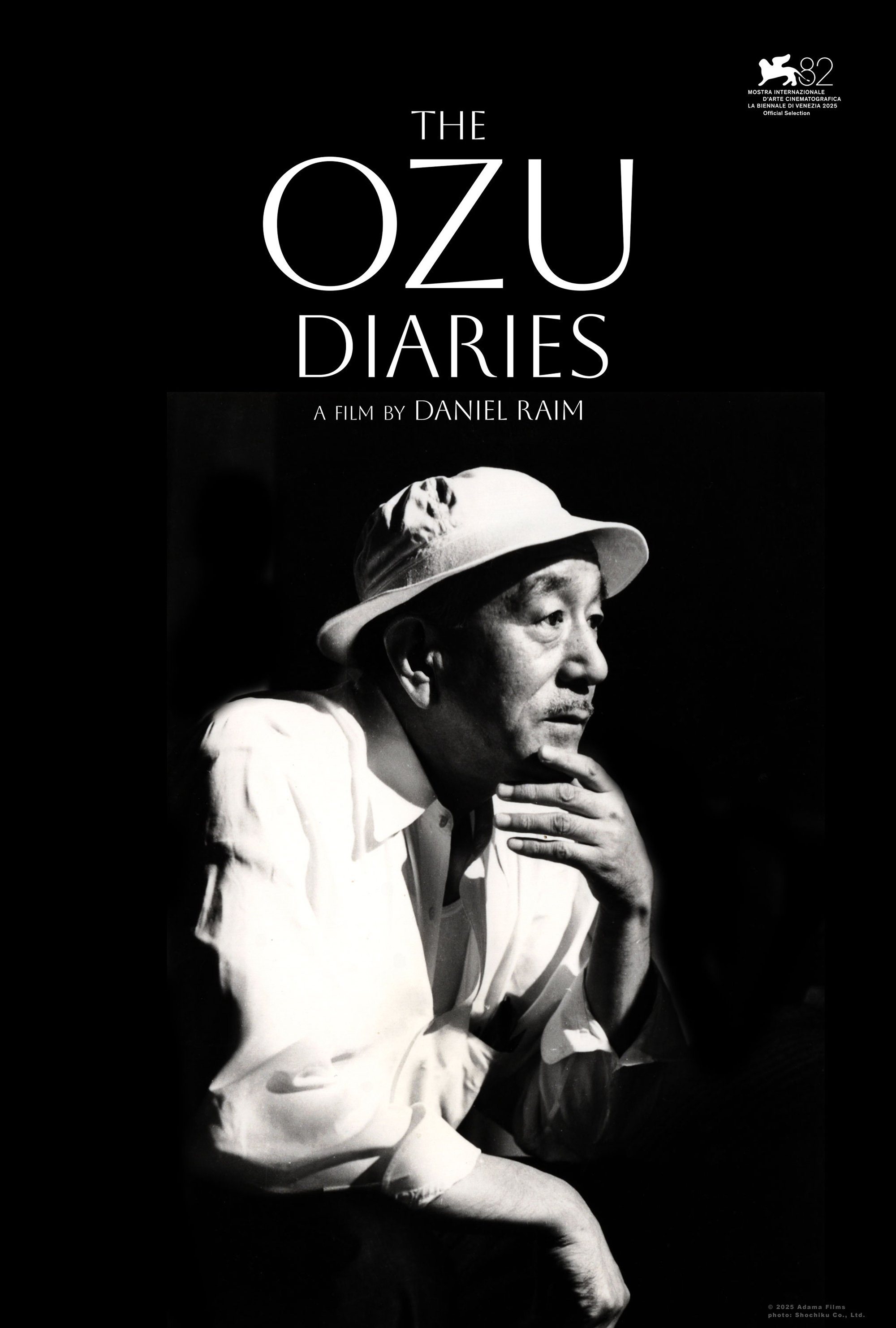
Unveiling Yasujiro Ozu’s legacy through his personal diaries, letters, and interviews, the documentary delves into his life, creative process, and lasting impact on filmmaking.
Conversation between director Kiyoshi Kurosawa and filmmaker Ryusuke Hamaguchi, recorded in 2022.

Shinji Aoyama’s short film follows an unlikely pair of detectives—played by Susumu Terajima and filmmaker Kiyoshi Kurosawa—as they navigate a quirky case with deadpan seriousness. Mixing parody with genre tropes, the film riffs on the idea of “The Detective Who Can Say No,” echoing the satirical spirit of its title while playfully undermining the conventions of Japanese cop dramas. Made for the omnibus film "Deka Matsuri"
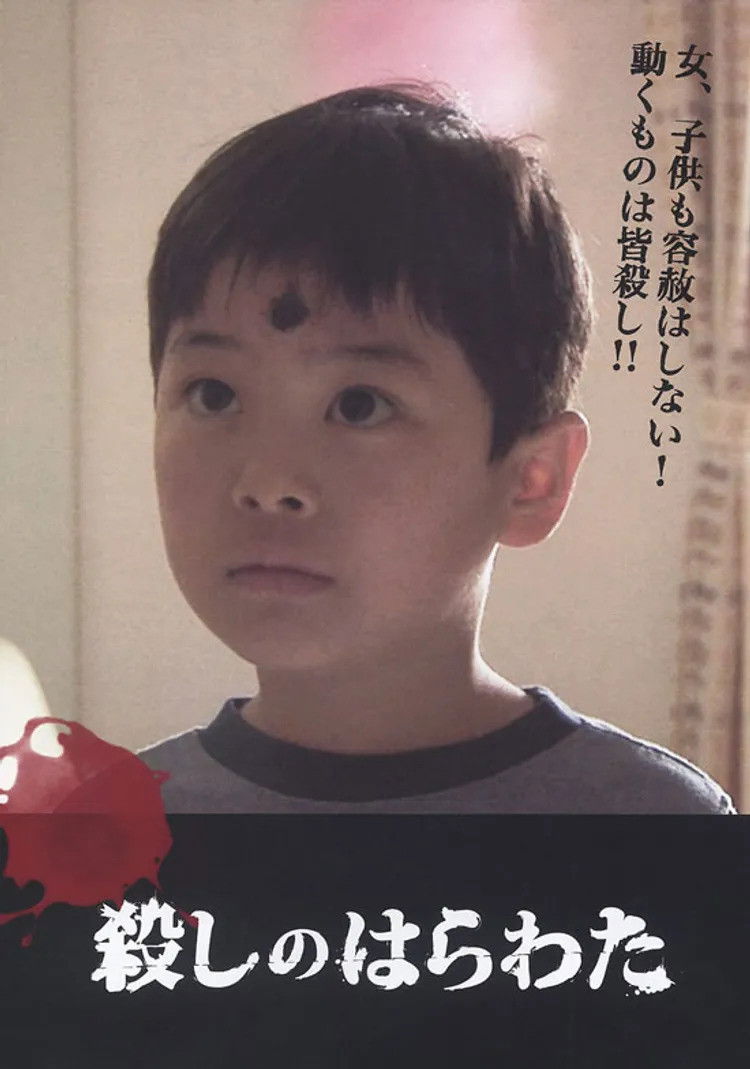
A secretive assassin collective is formed with a single purpose: to eradicate absolute evil from the world. Their final target, however, turns out to be their own leader. As loyalties collapse, a brutal showdown erupts—killer against killer in a fight to the death.
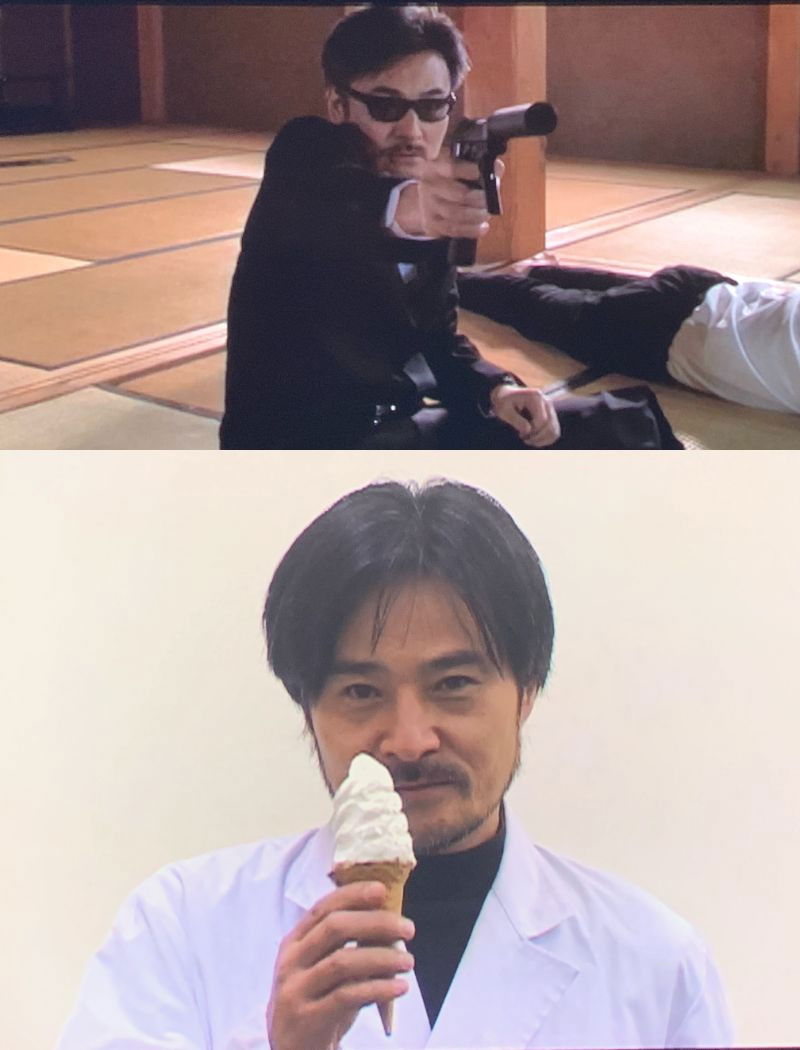
In this compact, off-kilter vignette, a lone researcher conducts a small-scale “experiment” whose procedures slide quietly from the scientific to the absurd. Confined to a minimal setting, his deadpan actions and seemingly methodical gestures generate a cool, understated comedic tension. Kiyoshi Kurosawa appears as the white-coated experimenter, and his impassive presence anchors the short’s blend of observational humor and controlled unpredictability.

Nanaki is having a hard time with her friend Eiko, who introduces her to a part-time job. Eiko is having an affair, leaving her boyfriend to become close with Nanaki...
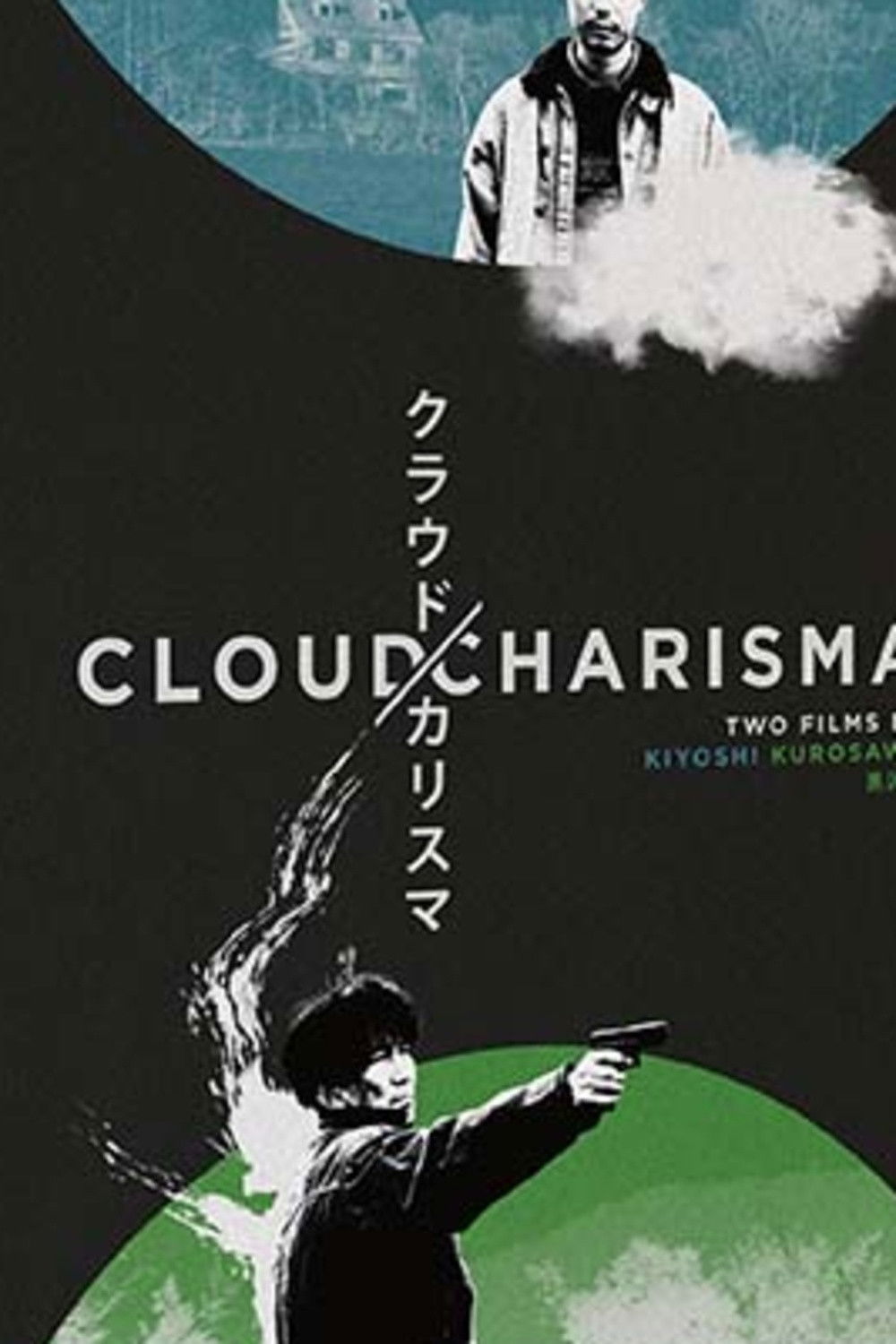
Behind the scenes footage of the shoot that gives us insight into the director’s process from script discussions to filming the action