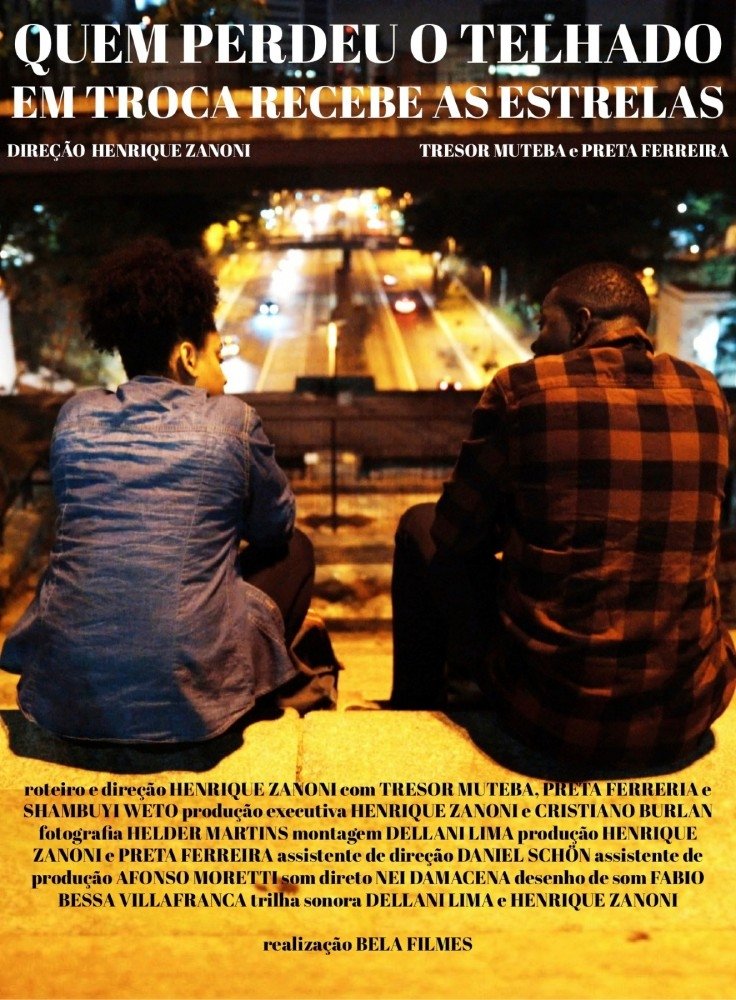
A congolese immigrant can't find a job. A resident of an occupation is exoelled from home. He doesn't know where he is going, she has nowhere to go. Together they roam the night of the city.
A Nigerian musician travels to Brazil to search for his estranged brother, who is living a life very different than the one his family thought.
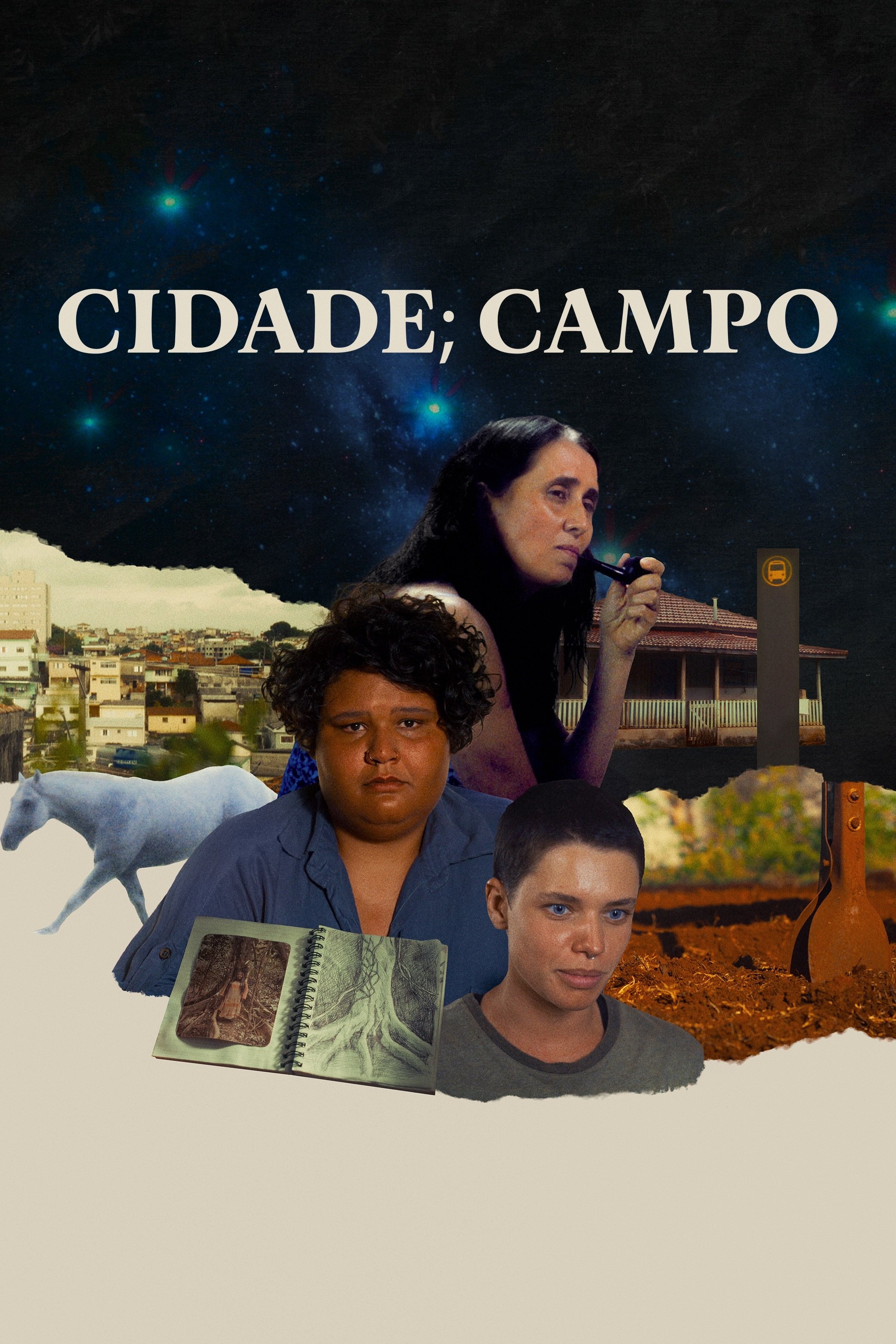
Two tales of migration. In the first, after a tailings dam disaster floods her hometown, rural worker Joana (55) moves to São Paulo to find her sister Tania, who lives with her grandson Jaime. Joana enters the universe of insecurity, replying to an application for house cleaning. She bonds with her colleagues, and their struggle for better conditions gives Joana’s life a new meaning. Her relationship with young Jaime brings back old memories. In the second part, after the death of her estranged father, Flavia (32) moves to her farm with her wife Mara. The couple suffer a shock of reality when facing the harshness of rural life. The contact with the abandoned house reveals to Flavia unknown aspects of her father. She begins to suspect that there is something supernatural in the woods.


Through clippings, the film draws a narrative line between the construction of racism in Brazil and the United States, having as base the European invasion of the continent, police violence, the genocide of the black people, the massacre of indigenous peoples, religious violence, the criminalization of funk music, structural racism in art and education, the importance of quota policy and the need urgent historical repair as a commitment by the Brazilian state to the black people.

Through artistic manifestations, a group of LGBTQIA+ people performs public stagings that raise debates on issues of gender, social inequality and prejudice in the streets of downtown São Paulo. Messing with the popular imagination and providing debates, the artists explain their daily struggles to anyone who is interested in acquiring a new perspective on the most subtle layers of intolerance.
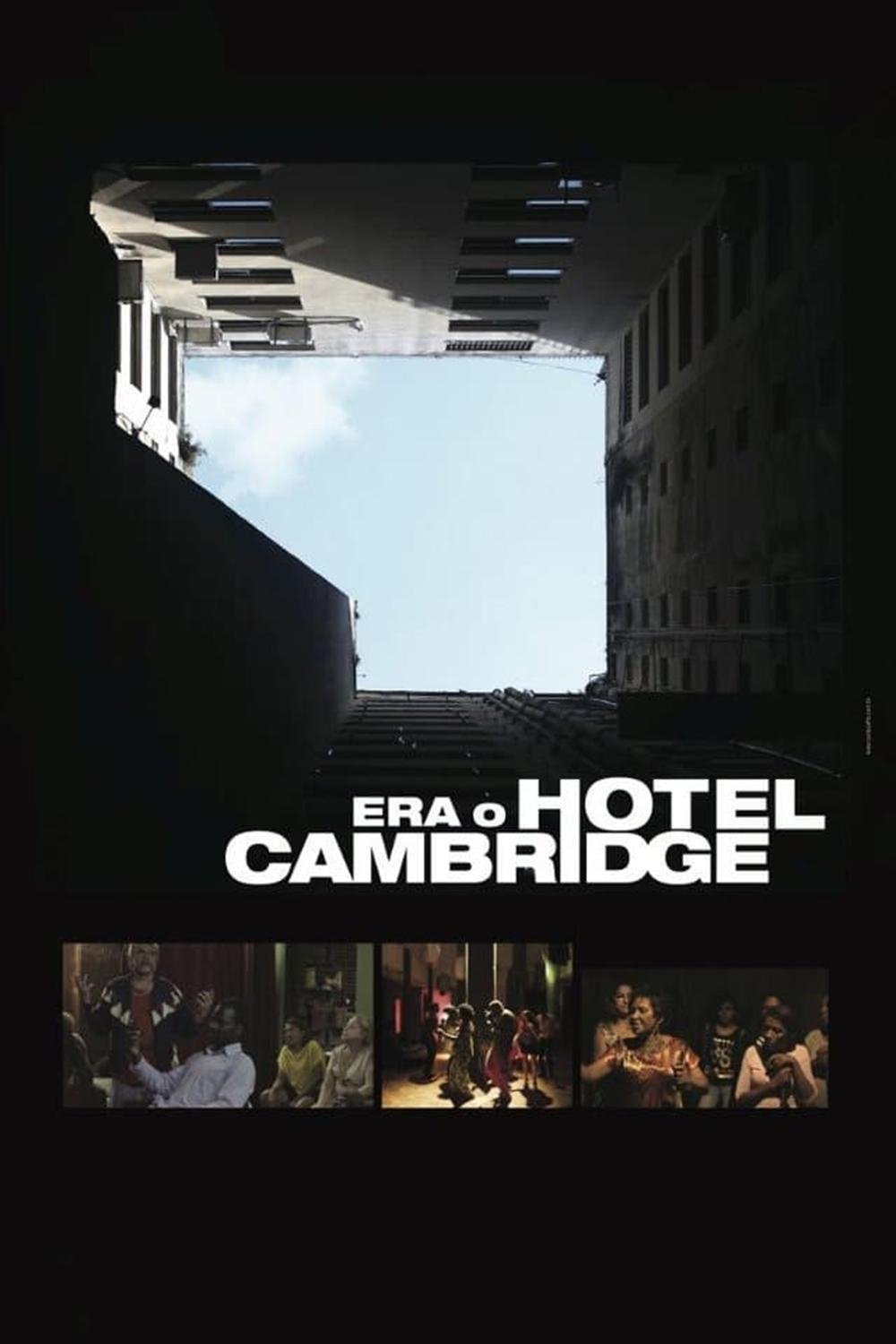
The Cambridge Squatter tells the story of refugees, recently arrived in Brazil who, together with a group of low-income workers, occupy an old abandoned building in downtown São Paulo. Daily dramas, comical situations and different views on the world commingle with the threat of impending eviction.
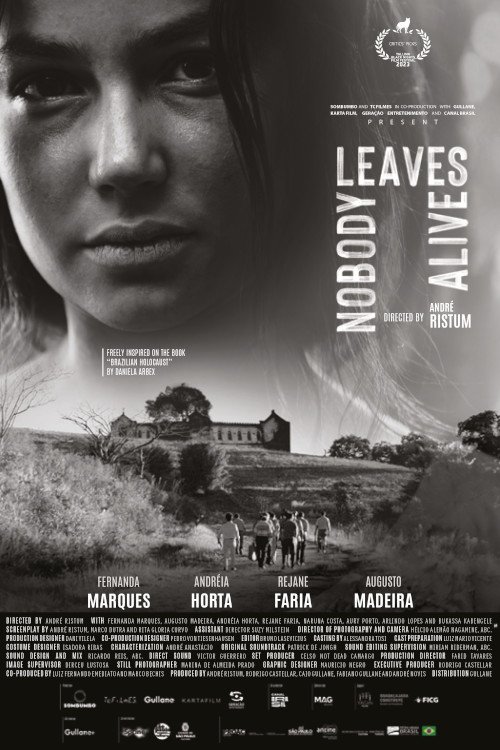
“Nobody Leaves Alive” by André Ristum is shot in beautiful but also distancing black and white. Looking at the Venice line-up, this seems to be a trend this year among the maestros of cinema. The film is inspired by true events that took place in the last century in the “Colonia” hospital in Brazil. Whoever didn’t fit the standards of society, or their family’s perception of it, was locked away, tortured, and killed. There were altogether more than 60,000 victims. Hope dies last, and some of the inmates don’t give up the fight. We’re reminded of film classics such as “One Flew Over the Cookoo’s Nest” or “Alcatraz”.