The second film in the 20 Duels of Young Shingo trilogy directed by Sadatsugu Matsuda.
The story of men devoted to the yakuza lifestyle and their struggles during a time of fading yakuza power.
Yuki's family is nearly wiped out before she is born due to the machinations of a band of criminals. These criminals kidnap and brutalize her mother but leave her alive. Later her mother ends up in prison with only revenge to keep her alive. She creates an instrument for this revenge by purposefully getting pregnant. Yuki never knows the love of a family but only killing and revenge.
The deep conversation between a Japanese architect and a French actress forms the basis of this celebrated French film, considered one of the vanguard productions of the French New Wave. Set in Hiroshima after the end of World War II, the couple -- lovers turned friends -- recount, over many hours, previous romances and life experiences. The two intertwine their stories about the past with pondering the devastation wrought by the atomic bomb dropped on the city.

The adventures of Aoi Shingo continue. Shingo is finally given permission to officially meet his father, the Shogun. However, his journey is disturbed by those who wish to claim his life. This is the third part of "THE 10 DUELS OF YOUNG SHINGO", following the first 2 parts (which were actually done as one movie). The tension mounts as young Shingo must face obstacles the like of which he had never before seen. And, can he avenge the death of his master? The man to whom he owes everything.
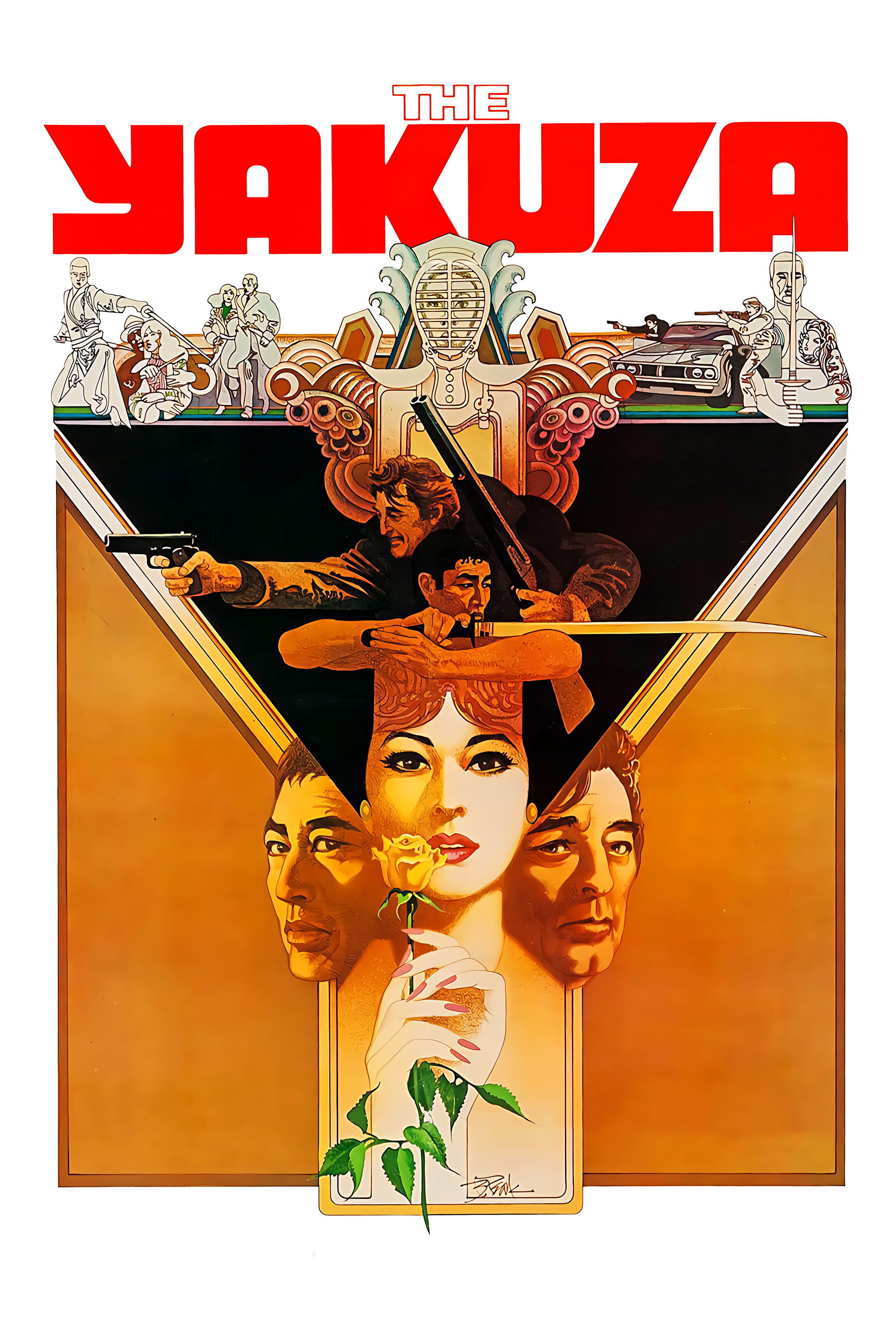
When George Tanner does business with high-ranking Yakuza Tono, Tono kidnaps his daughter, and George summons his old friend, private eye Harry Kilmer, to Japan to investigate.
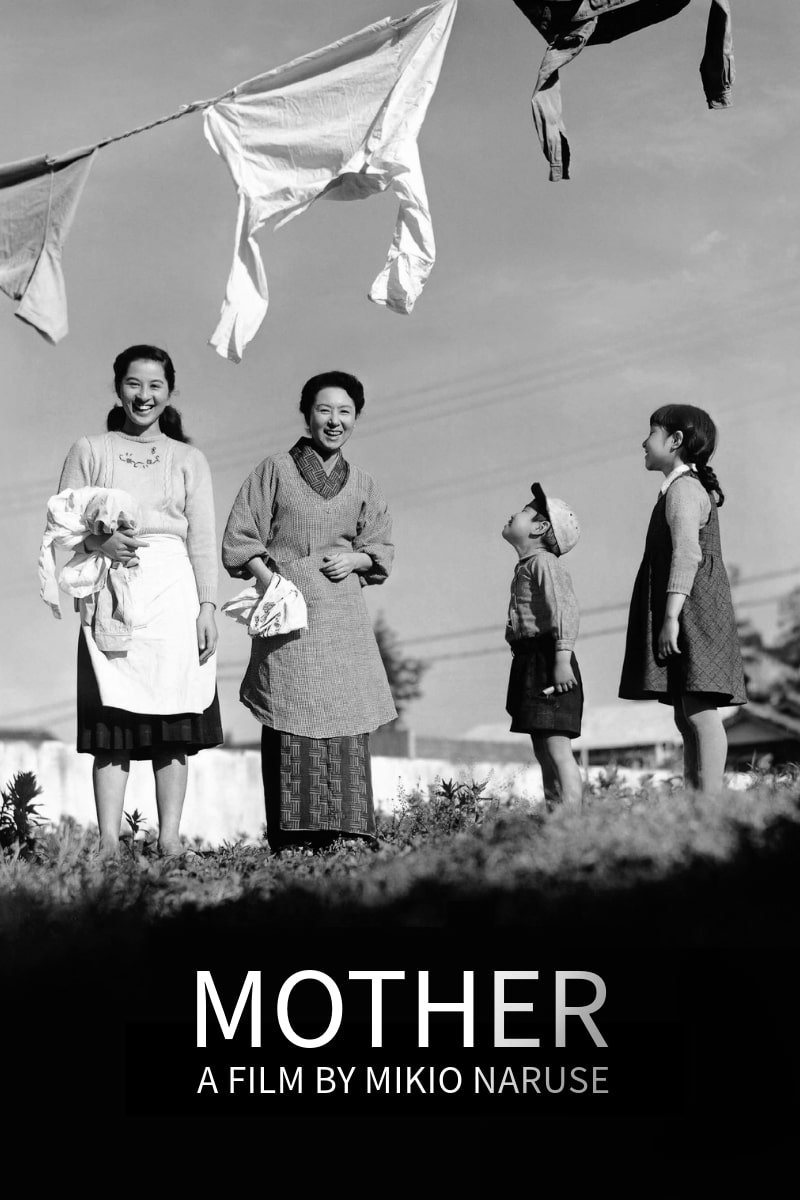
A teenaged girl witnesses her widowed mother's attempt to sustain her family.
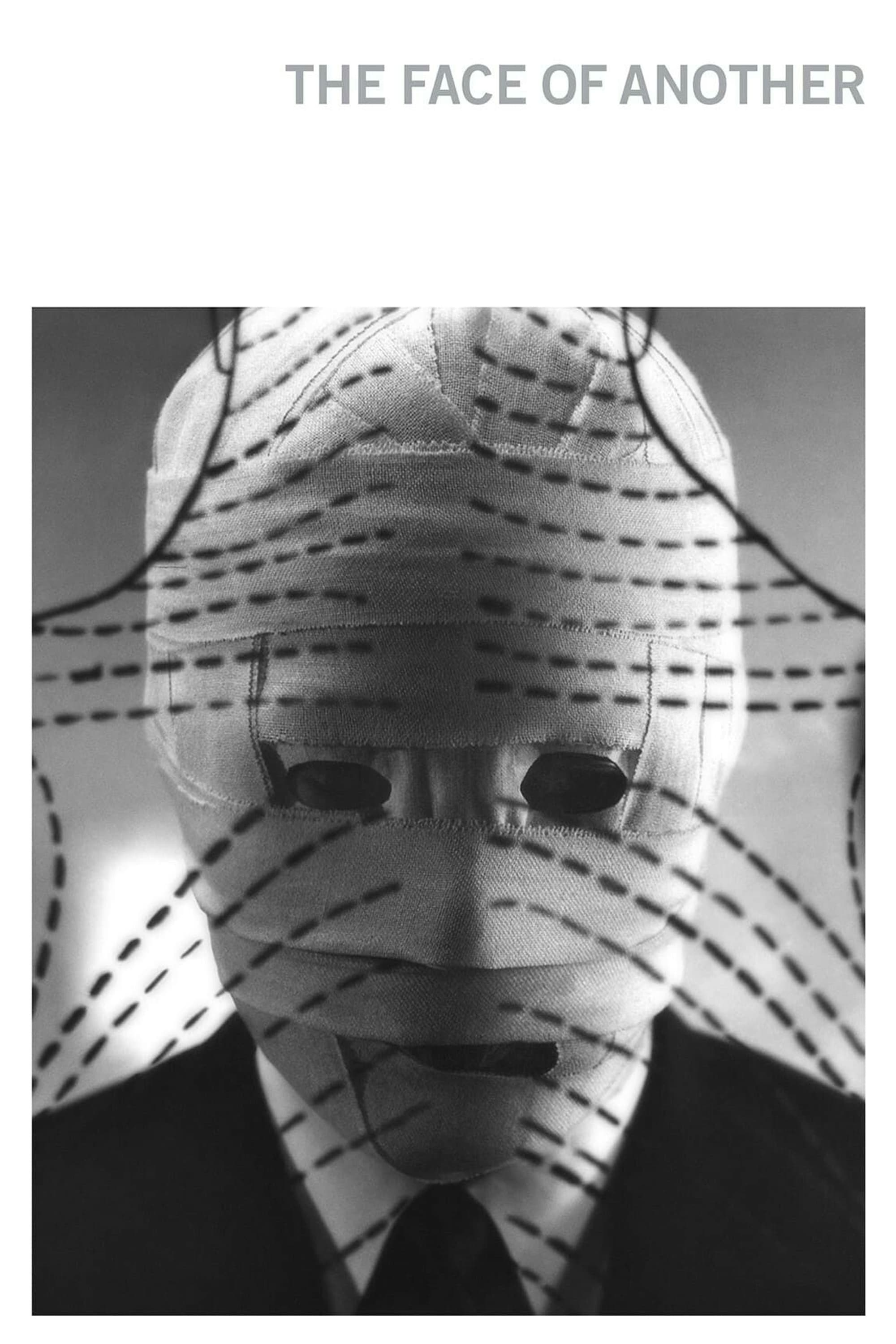
A businessman with a disfigured face obtains a lifelike mask from his new doctor, but the mask starts altering his personality and causing him to question his identity.
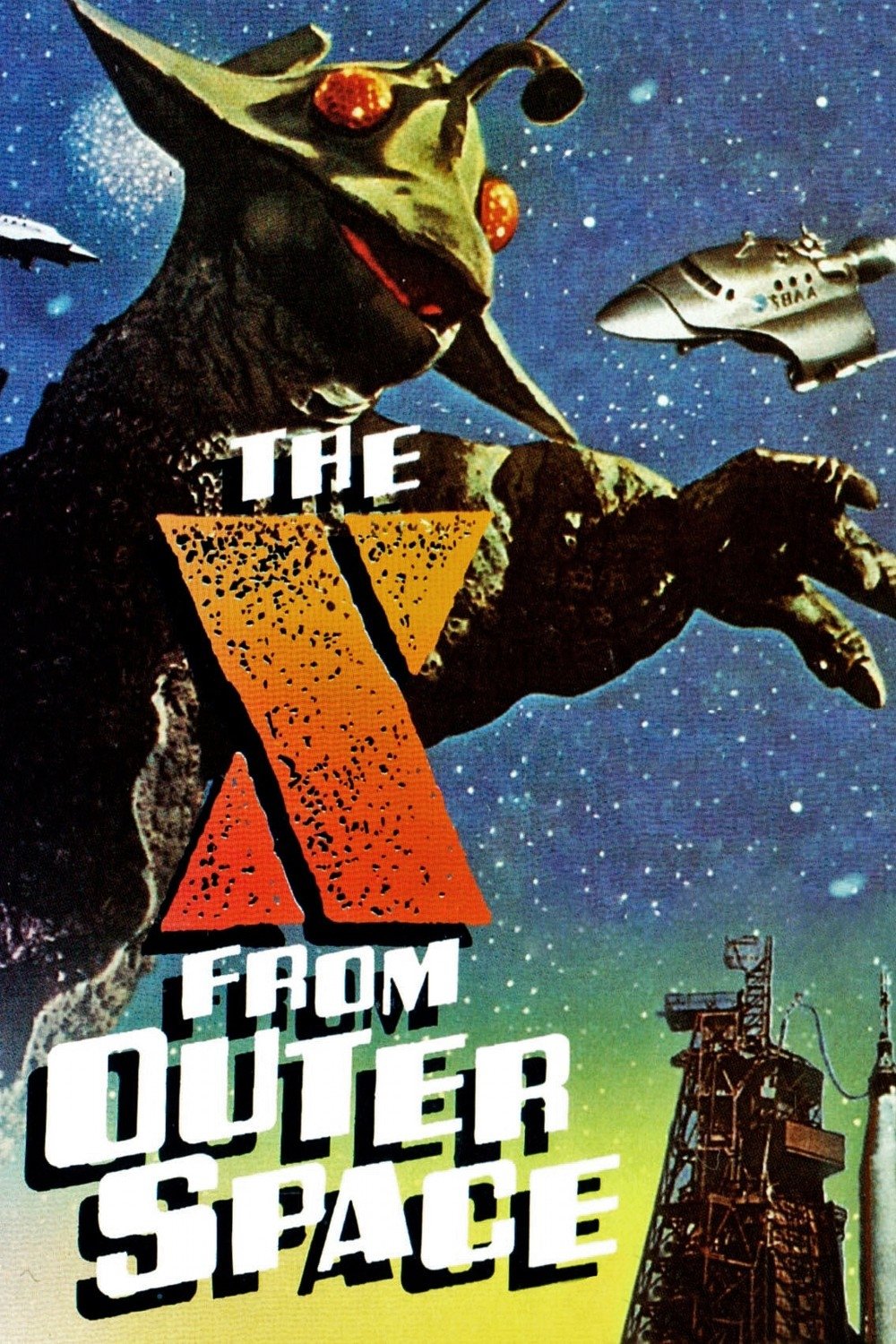
The spaceship AAB-Gamma is dispatched from FAFC headquarters in Japan to make a landing on the planet Mars and investigate reports of UFOs in the area. As they near the red planet, they encounter a mysterious UFO that coats the ship's hull with unusual spores. Taking one of the specimens back to earth, it soon develops and grows into a giant chicken-lizard-alien monster that tramples Japan.

A vacationing entomologist suffers extreme physical and psychological trauma after being taken captive by the residents of a poor seaside village and made to live with a woman whose life task is shoveling sand for them.
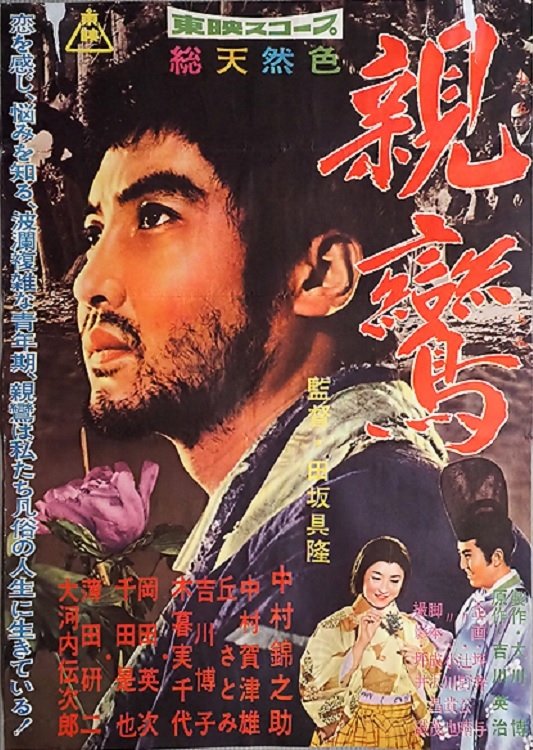
A biographical movie about Shinran

Two Japanese scientists, Ushioda and Ochi, develop a bond with their sled dogs while on an expedition in Antarctica.

Years of warfare end in a Japan unified under the Tokugawa shogunate, and samurai spy Sasuke Sarutobi, tired of conflict, longs for peace. When a high-ranking spy named Tatewaki Koriyama defects from the shogun to a rival clan, however, the world of swordsmen is thrown into turmoil. After Sasuke is unwittingly drawn into the conflict, he tracks Tatewaki, while a mysterious, white-hooded figure seems to hunt them both. By tale’s end, no one is who they seemed to be, and the truth is far more personal than anyone suspected. Director Masahiro Shinoda’s Samurai Spy, filled with clan intrigue, ninja spies, and multiple double crosses, marks a bold stylistic departure from swordplay film convention.
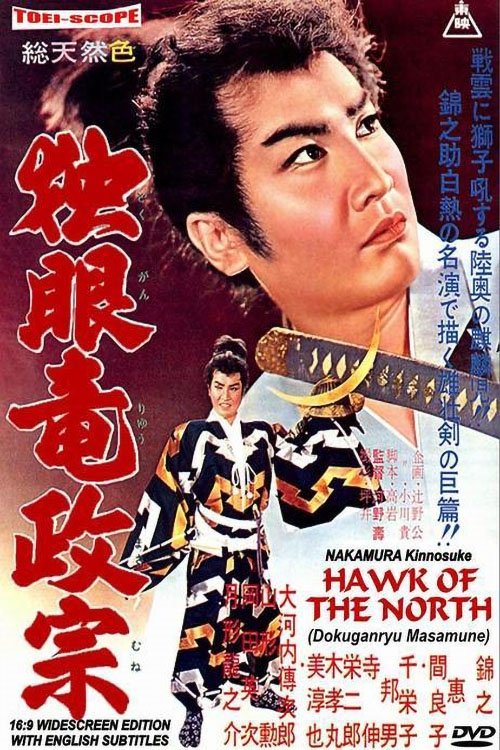
During the latter part of the 16th Century, Japan's Warring States era was coming to a close. After crushing almost all of his enemies, Date Masamune aka the "Hawk of the North" sets his eyes on Hatakeyama's lands. The young warlord is about to face his greatest challenge.

Utamaro was an artist who lived in Edo (which was later to become modern-day Tokyo) in the late 18th century. This film, which has a complex and wide-ranging storyline, recreates the world of that time, as it appeared in Utamaro's paintings.
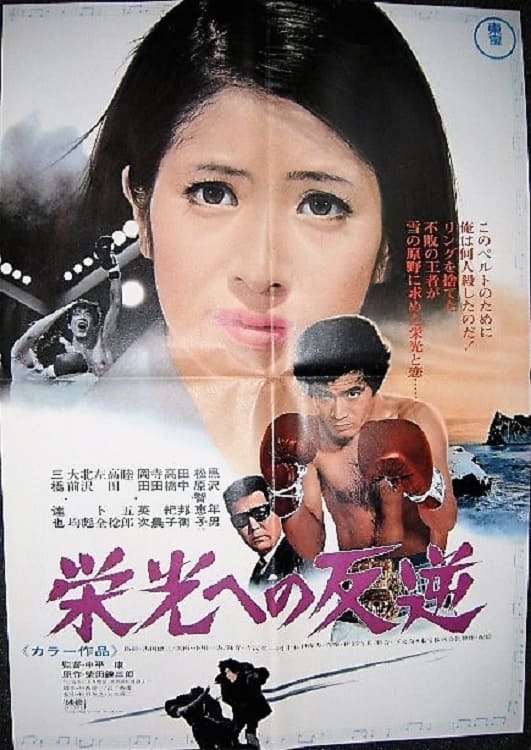
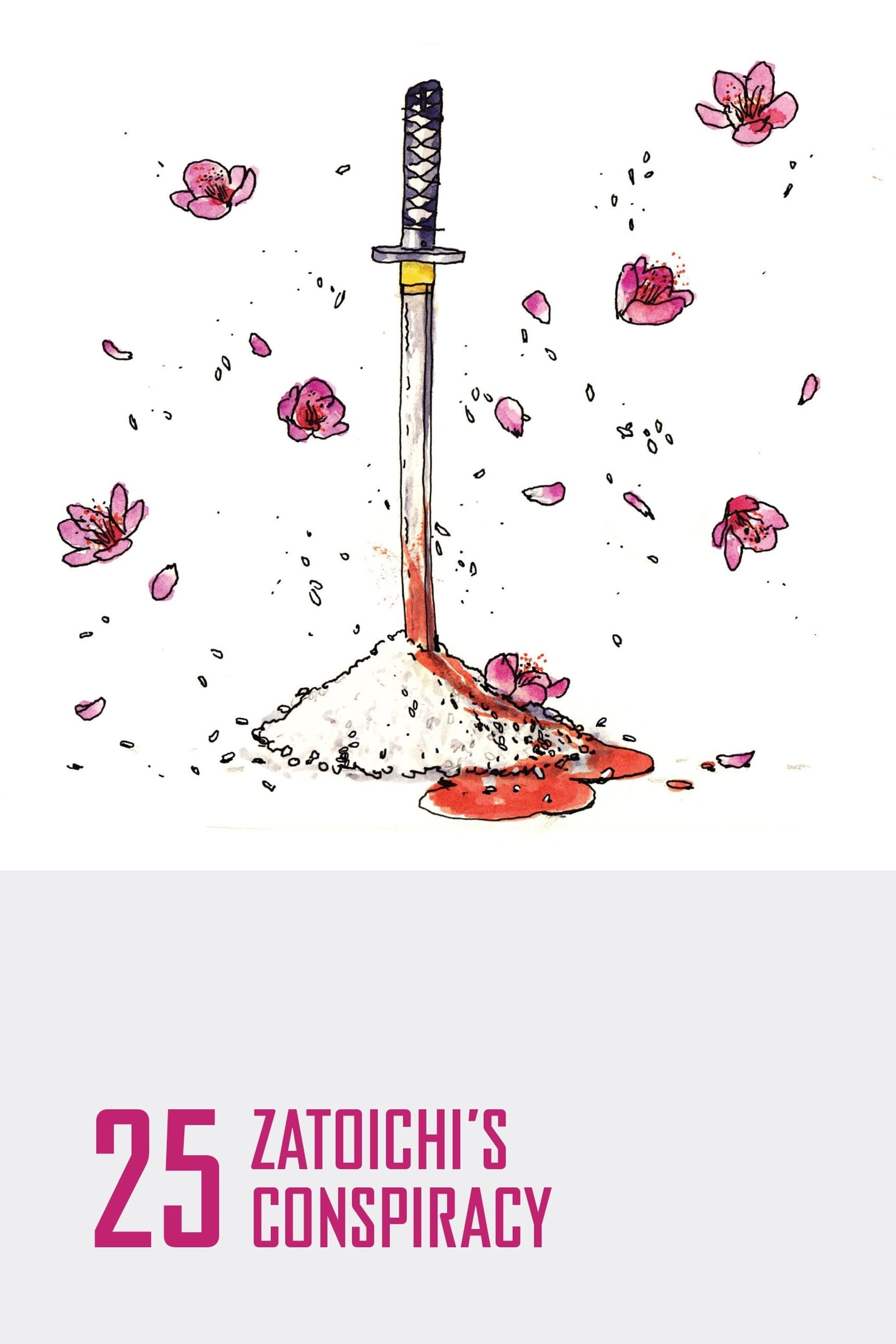
Zatoichi, the famed blind swordsman, returns to his home village for the first time in many years. He is befriended by Omiyo, who had the same wet-nurse as Zatoichi. He also encounters a boyhood friend, Shinbei, who is now wealthy and appears not to remember Zatoichi. Shinbei seems to be interested in repaying the villagers' debts, but is, in reality, manipulating the ownership of a now valuable rock quarry. Zatoichi learns of the subterfuge and confronts his old friend, who has a score of yakuza swordsmen backing his play.
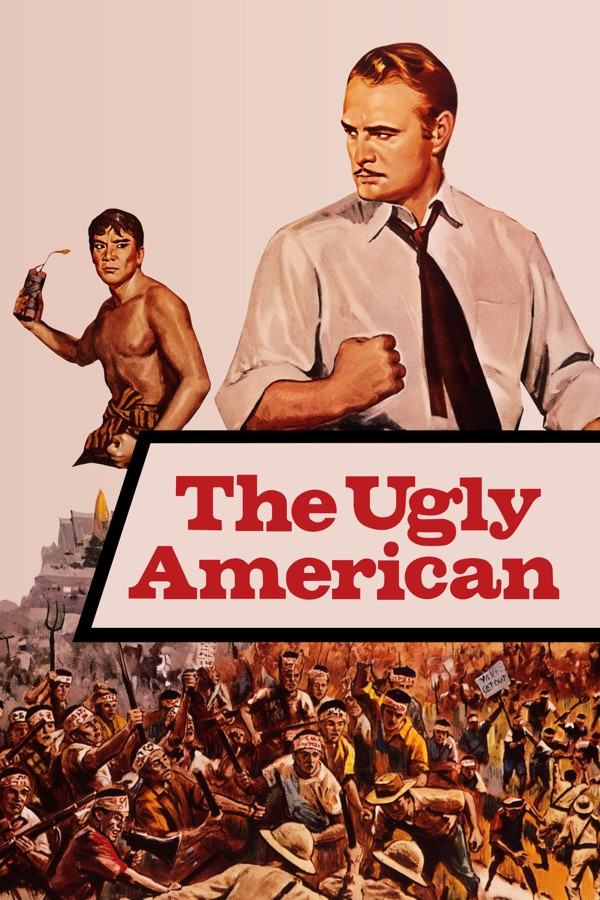
An intelligent, articulate scholar, Harrison MacWhite, survives a hostile Senate confirmation hearing at the hands of conservatives to become ambassador to Sarkan, a southeast Asian country where civil war threatens a tense peace. Despite his knowledge, once he's there, MacWhite sees only a dichotomy between the U.S. and Communism. He can't accept that anti-American sentiment might be a longing for self-determination and nationalism. So, he breaks from his friend Deong, a local opposition leader, ignores a foreman's advice about slowing the building of a road, and tries to muscle ahead. What price must the country and his friends pay for him to get some sense?
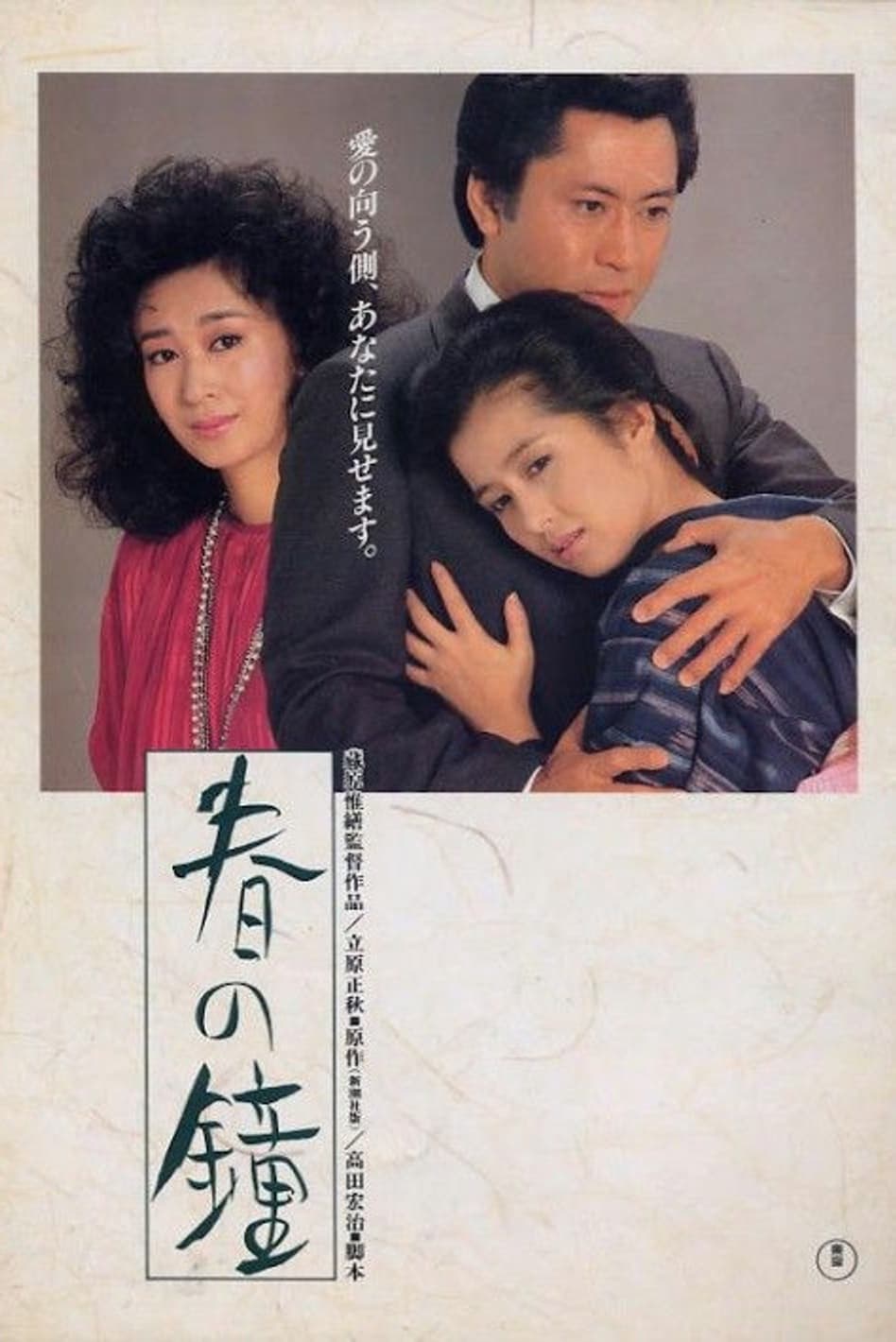
Rokuheita Narumi is fascinated by oriental art and works as the director of the Saho Art Museum in Nara. His wife, Noriko, is unable to leave Tokyo, despite his wishes, and the two live separately. Feeling lonely and neglected by her husband, she immerses herself in the depraved life of the city and continues to have a loveless relationship with a doctor, Katsumori. One day, Narumi arrives in Tokyo and learns of Noriko's affair, but he cannot divorce her for the sake of their child, so he devotes himself to his work.

Keiko Yukawa is a former prostitute and the newest inmate at White Lily, a female rehabilitation facility.
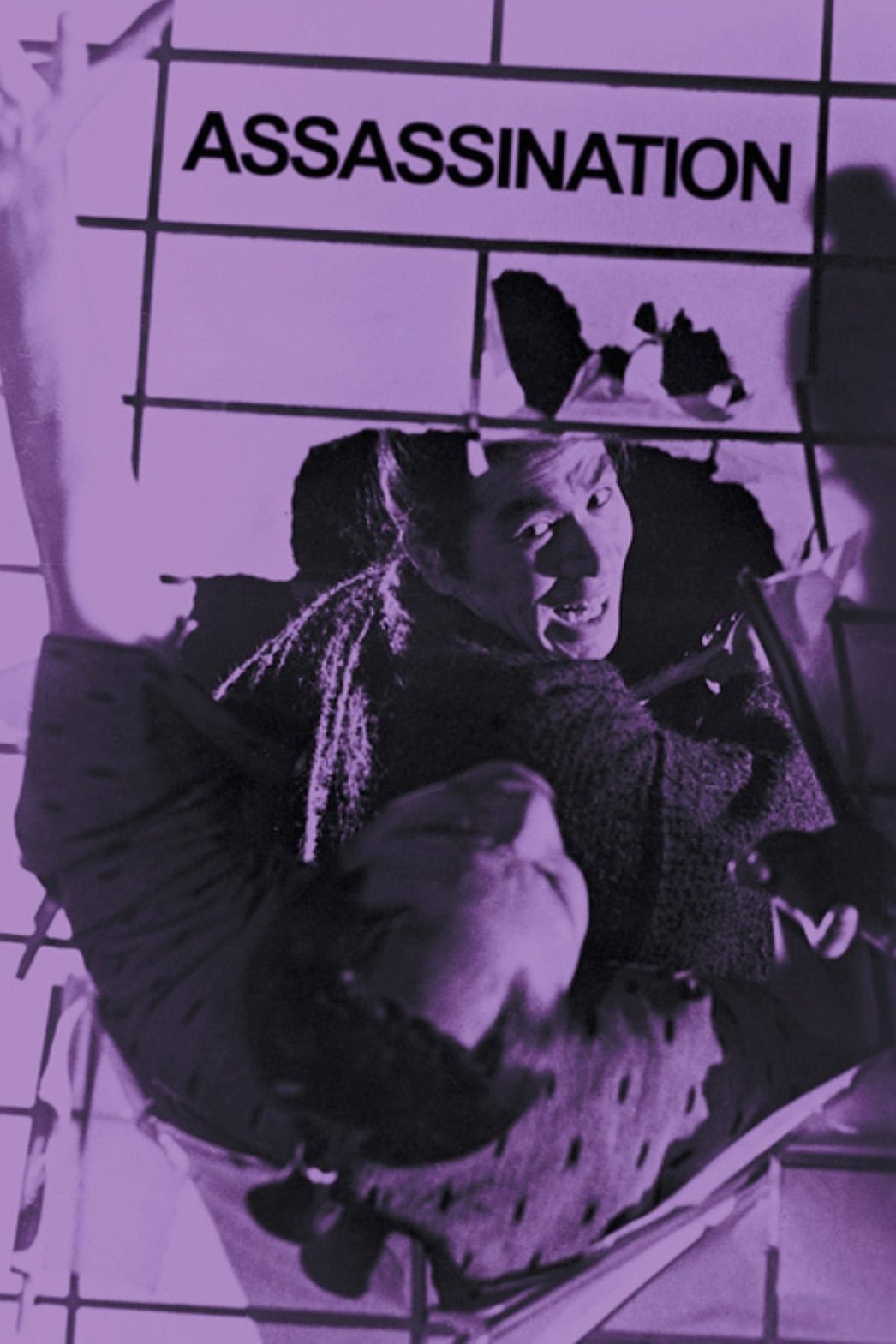
In 1863, when American warships approach Japan, an enigmatic ronin becomes an important figure in a complex game of power between the Shogunate and the empire.
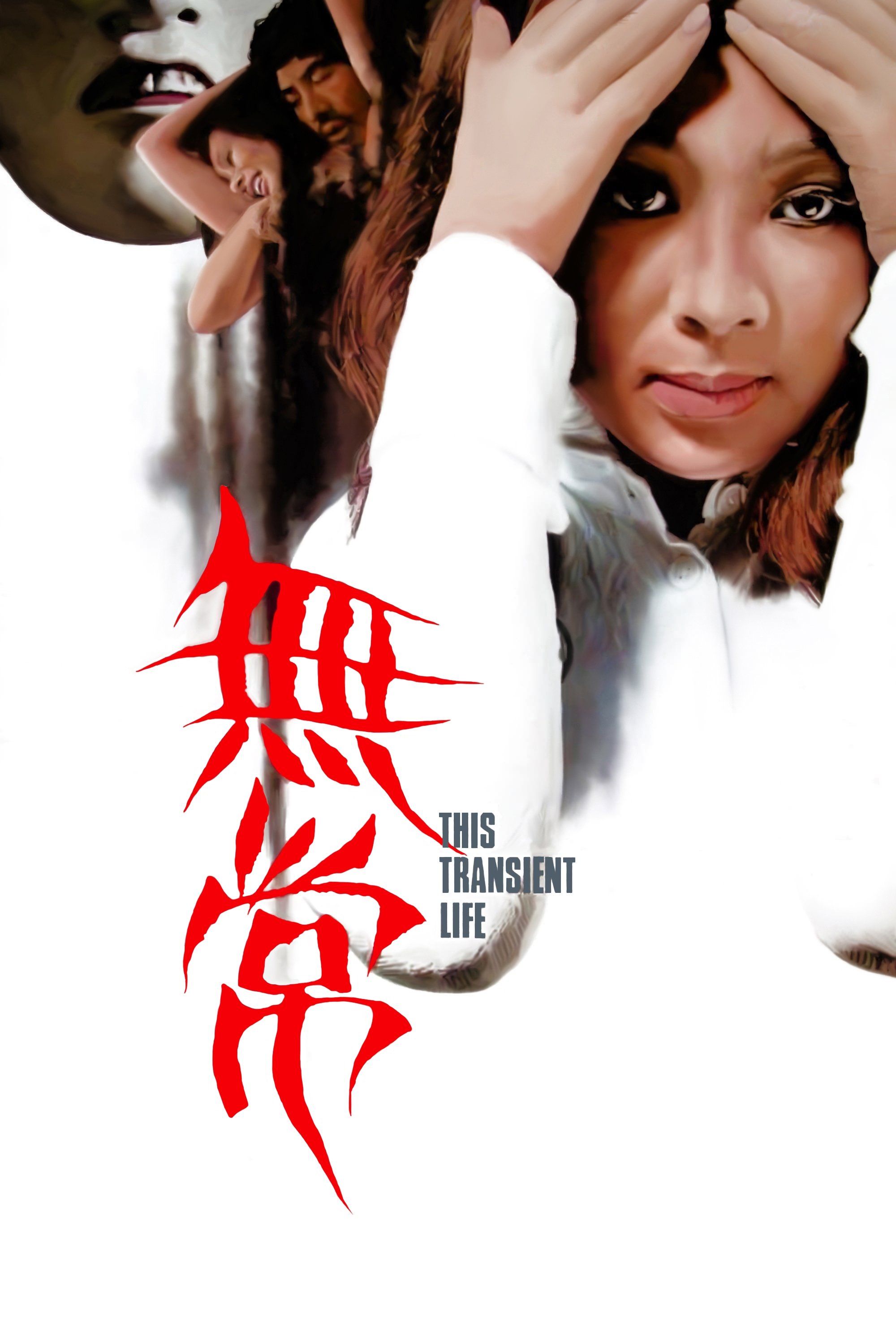
Near a remote Buddhist monastery, a young man falls in love with his sister and gets her pregnant. After a monk finds out, the young man becomes an assistant to a master sculptor, only to proceed to complicate matters with his affairs.
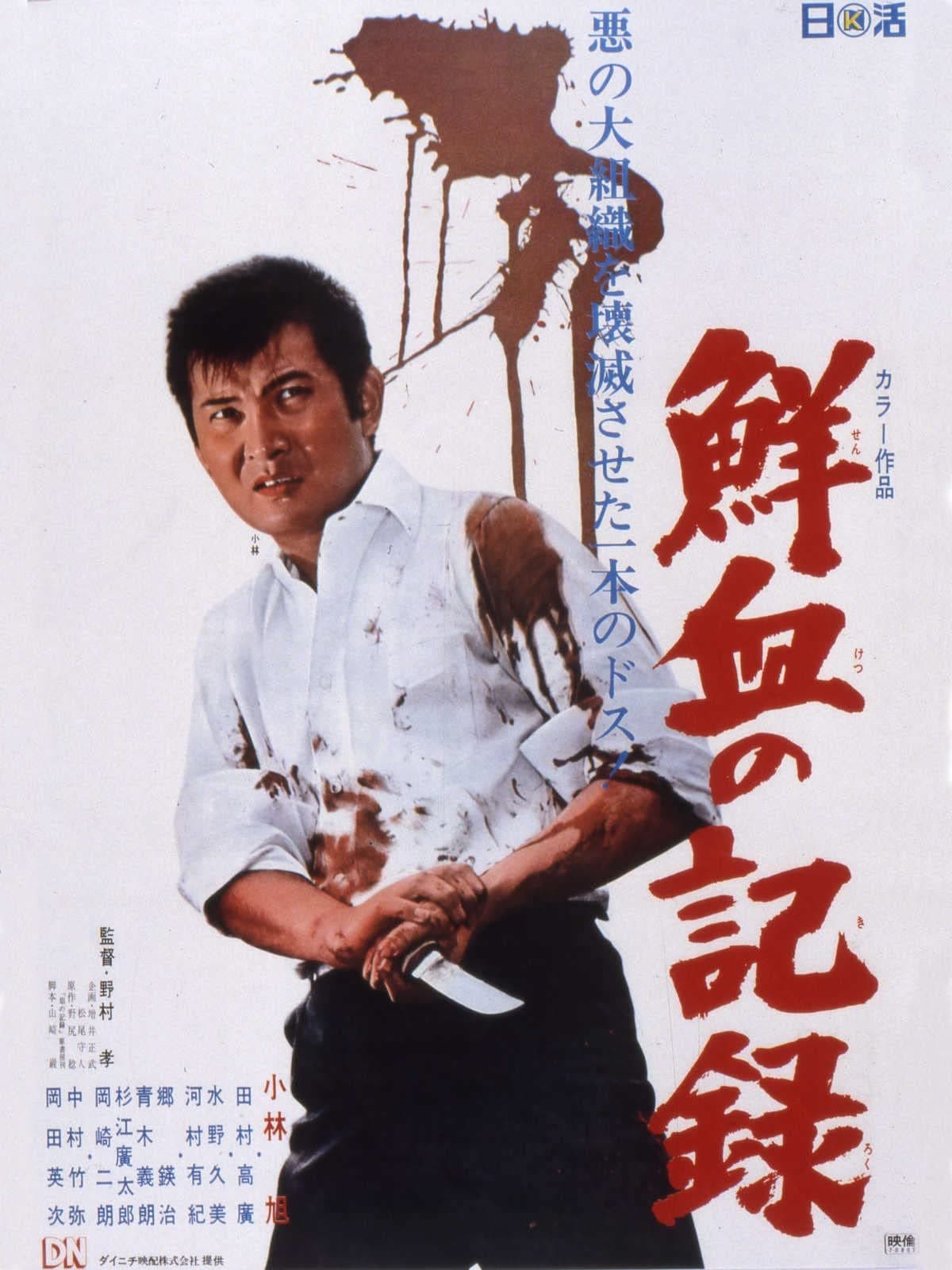
Post World War II, Minoru lives by selling supplies that had been stolen from the U.S. military. One day, he is arrested due to the plotting of Kurahata, a member of the Yakuza who doesn't like him.
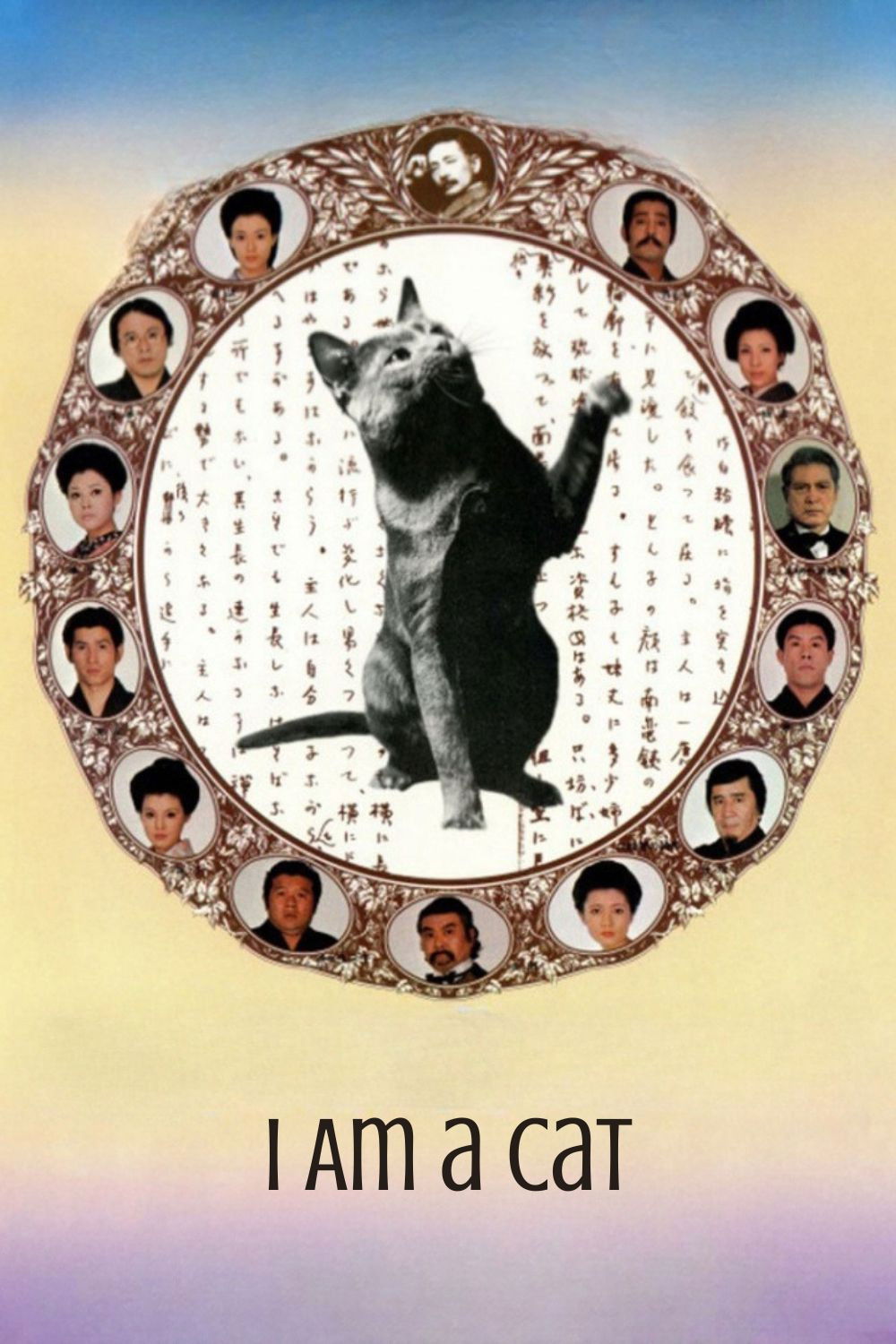
Nakadai is an English teacher at a local school. He’s put-upon like the patron figure of dozens of films and televisions shows. Viewers who are especially fans of Nakadai will appreciate how the actor comically rants about here. His home life is almost disastrous, with a ditzy (but attractive) wife, three young children, a loud school nearby that’s controlled by a corrupt businessman he loathes, and frequent visits from layabout friends. And the grey-furred, green-eyed cat!
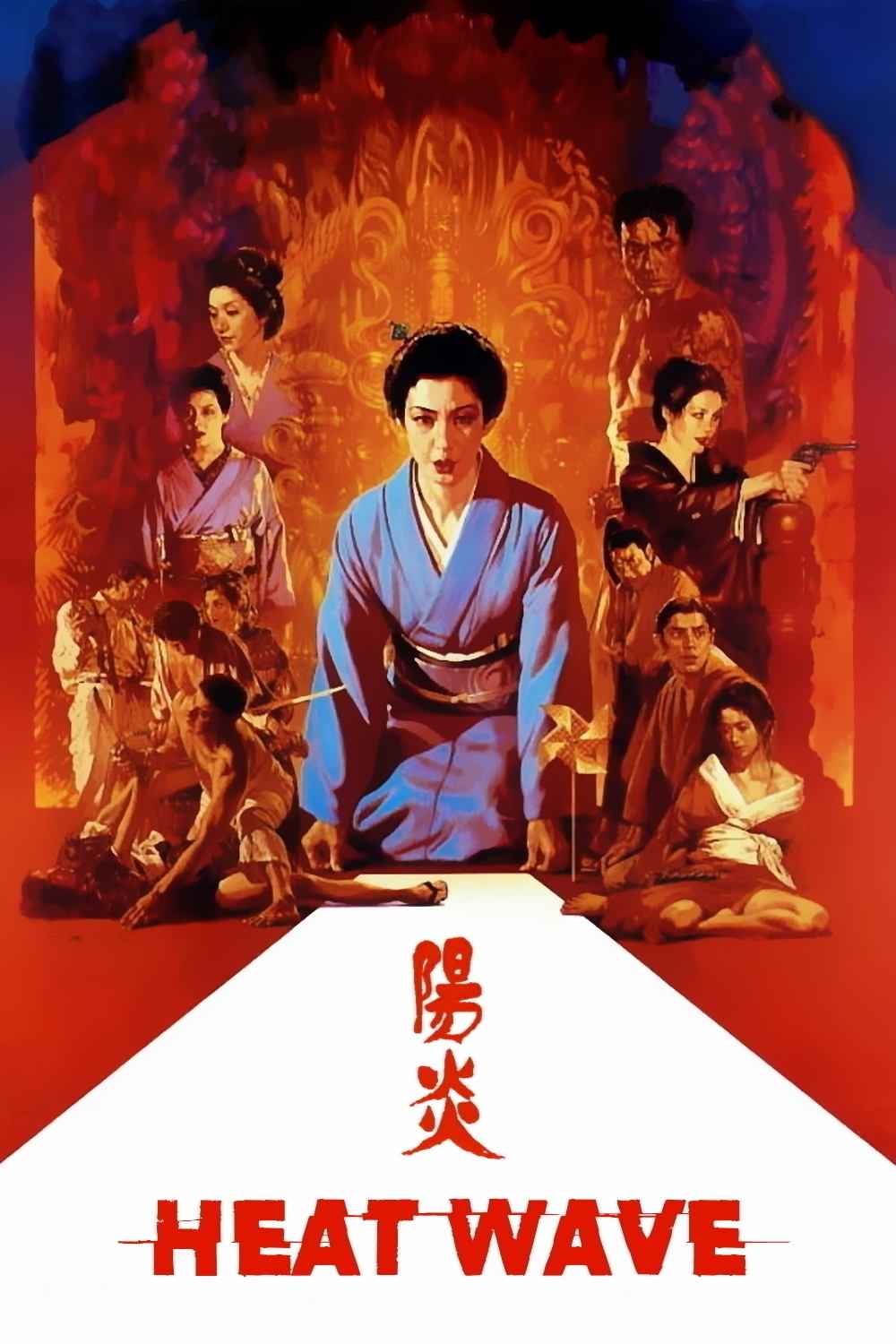
Rin Jyoshima lost her father to death-by-gambling; years later, she's grown up in the Kosugi household and has fallen victim to gambling herself.
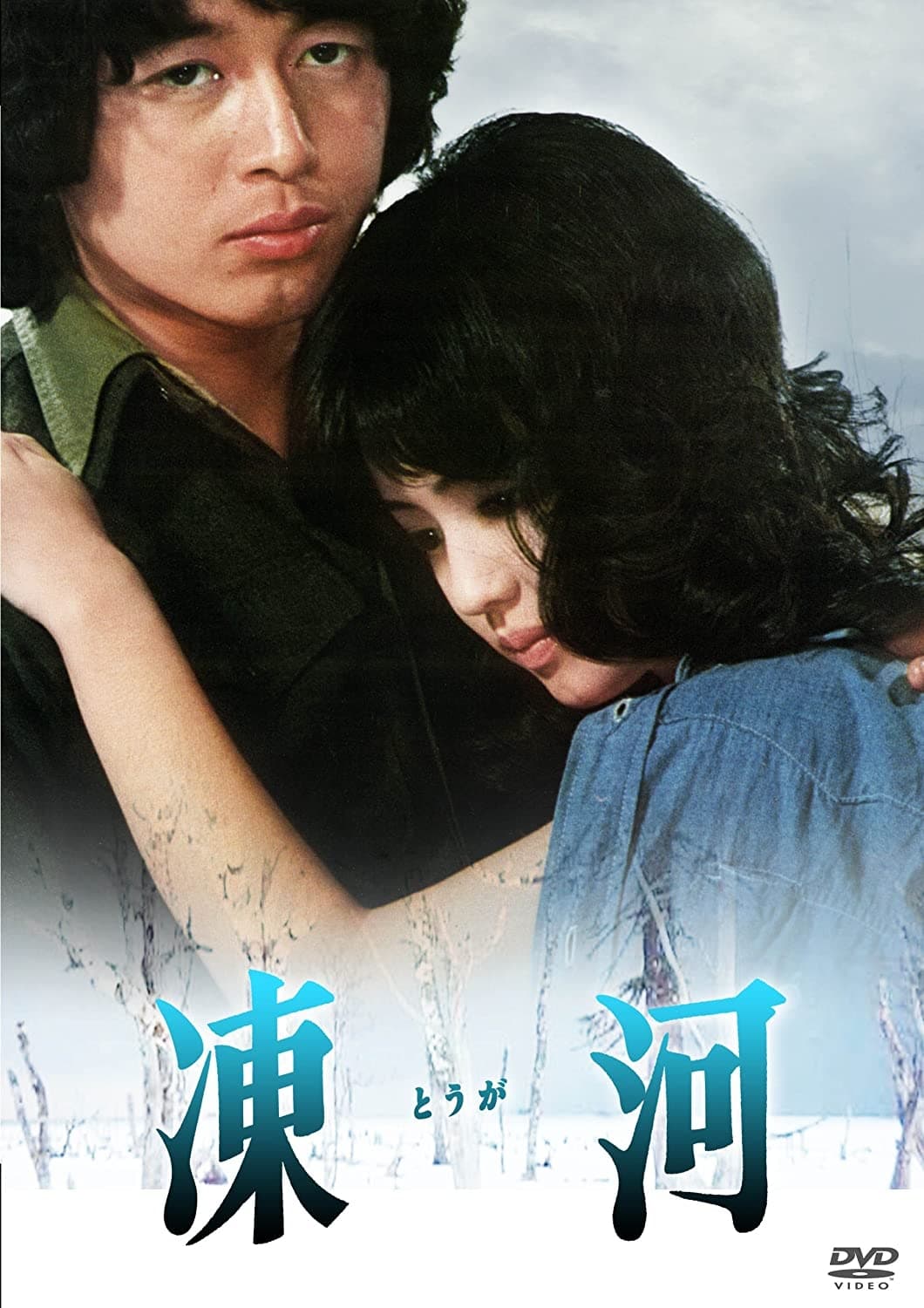
A young doctor starts working at a mental hospital in the Yokohama region and falls in love with one of the patients there.
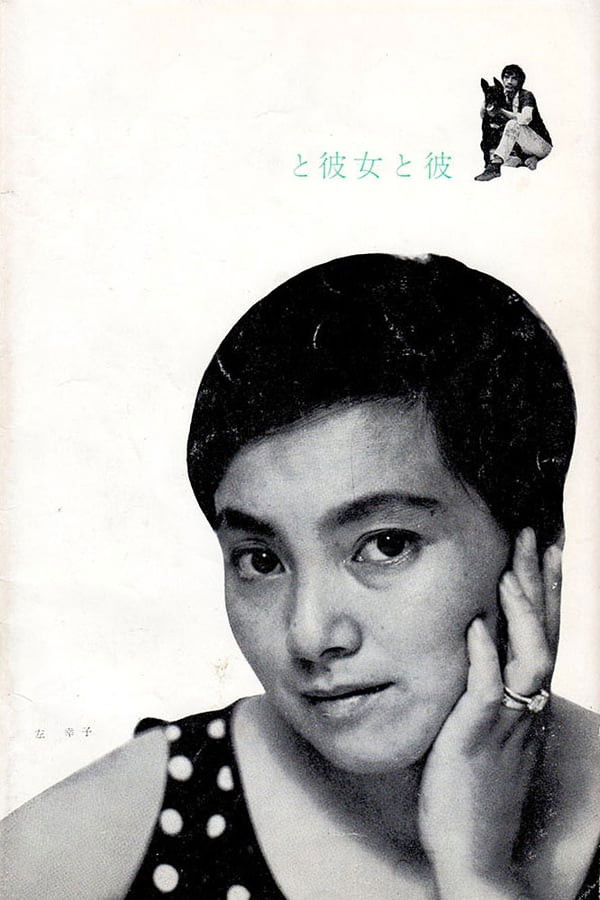
As her husband Eiichi becomes more entangled in his life as businessman, Naoko looks for ways to expand her own life even as her husband's life shrinks in scope and intimacy. She finds new interests, new love, and a greater sense of her place in the world.
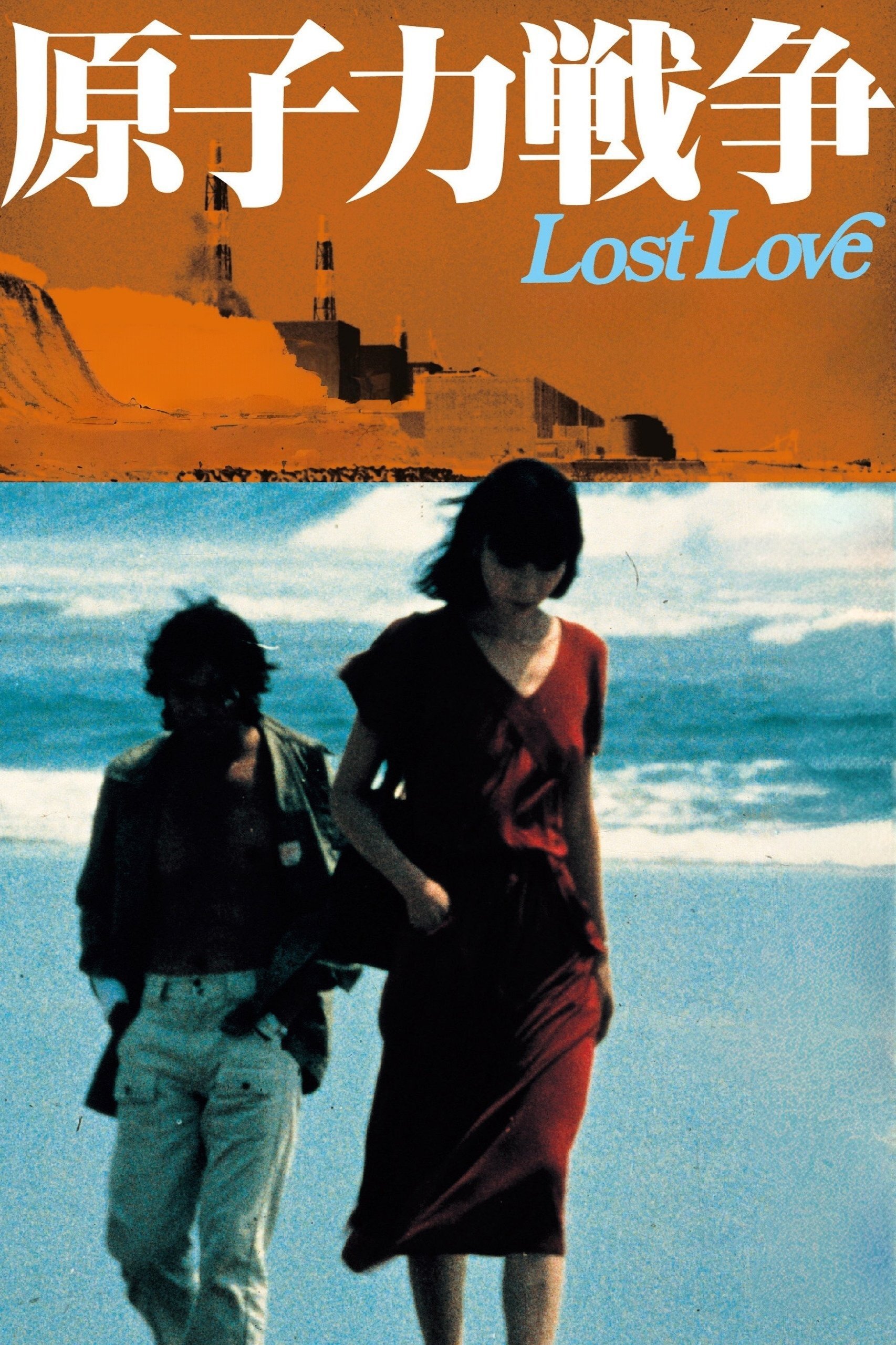
At a seaside city somewhere in the Tohoku area, the corpses of Nozomi, daughter of an affluent family, and Yamazaki, son of an engineer at the local nuclear power-plant, are found tied-to on a beach, as if they intended to commit double suicide. Nogami, a reporter, begins to investigate.

Director Koreyoshi Kurahara chronicles a year in the lives of Flep and Leila, two foxes living in Hokkaido, Japan's northernmost island, where the freezing winters are long and the mild summers short. After Flep defeats another male fox to become Leila's lifelong partner, they mate and raise a litter of five kits. With their family complete, the group must contend with human interference in their habitat, such as chicken farms and snowmobiles, and struggle against the debilitating cold of winter. The animals experience both triumph and tragedy, as the law of this harsh land proves – only the strong survive.
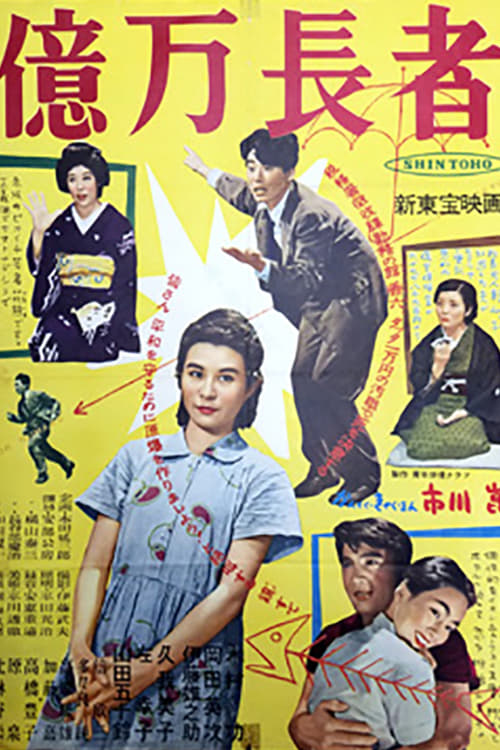
An ethical, young tax collector new to his area encounters increasingly absurd individuals and groups coping with their post-war woes.

Hayata and his best friend Ushijima came to Tokyo to become champions. Hayata repeatedly sought to join Tamura's boxing club, but Tamura fell in love with Ushijima's punch. Then Hayata decides to become Ushijima's manager and make good money on his friend's talent. Ushijima himself is a peaceful, kind guy who doesn't really like boxing, but under the wise guidance of Hayata, he starts to defeat one opponent after another...
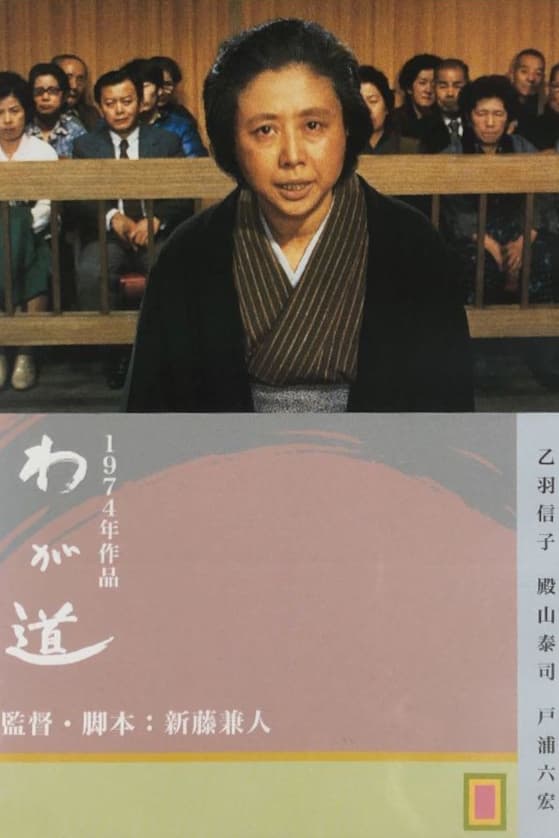
Based on a true story, an elderly woman resiliently spends nine months attempting to retrieve her husband's dead body, fighting government bureaucracy and indifference all along the way.
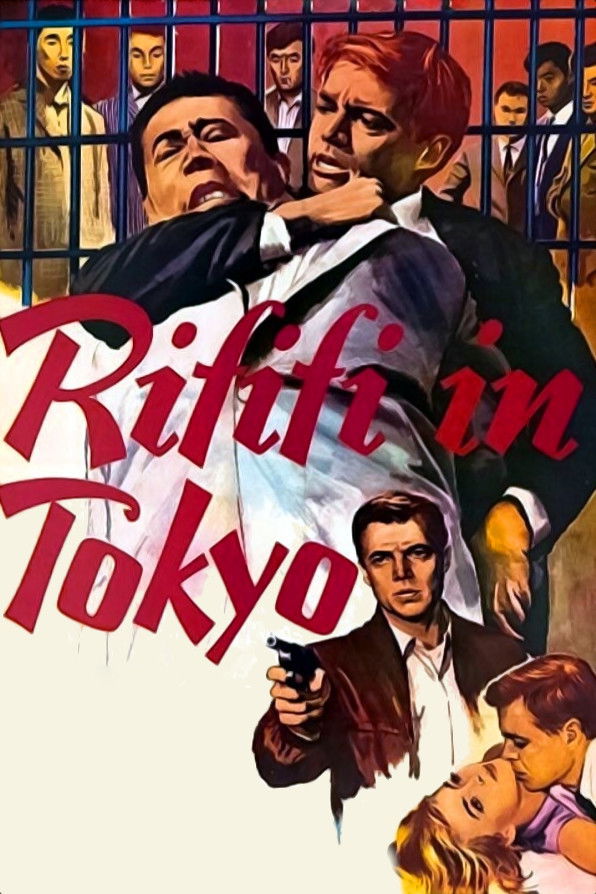
Van Hekken, an old gangster, arrives in Tokyo to direct a bank hold-up in order to get a very valuable diamond.
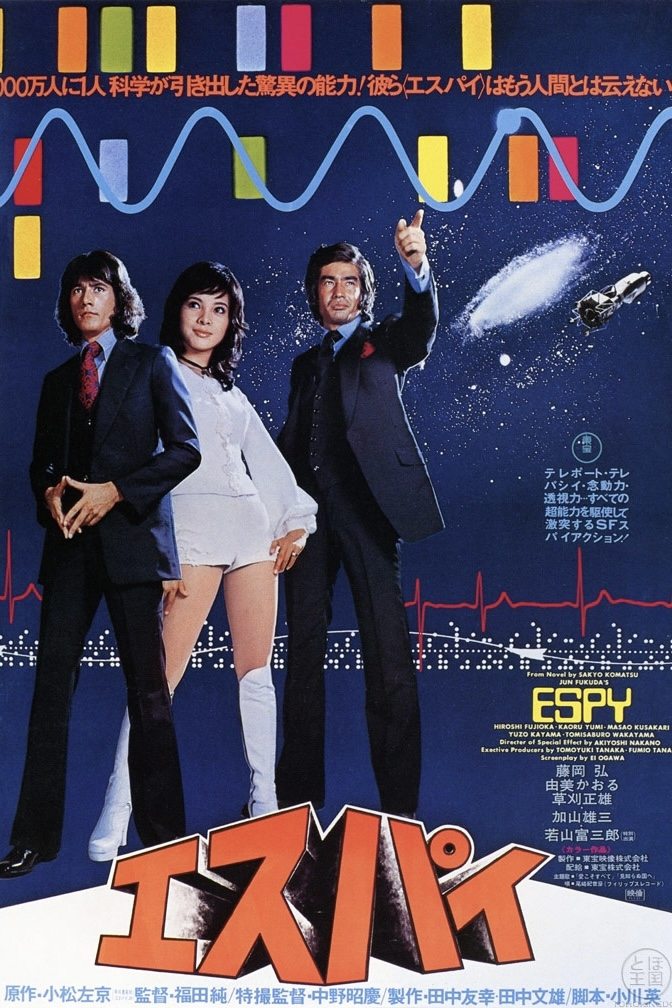
Two Japanese spies with extrasensory powers go to Istanbul to stop a global agenda of assassinations.
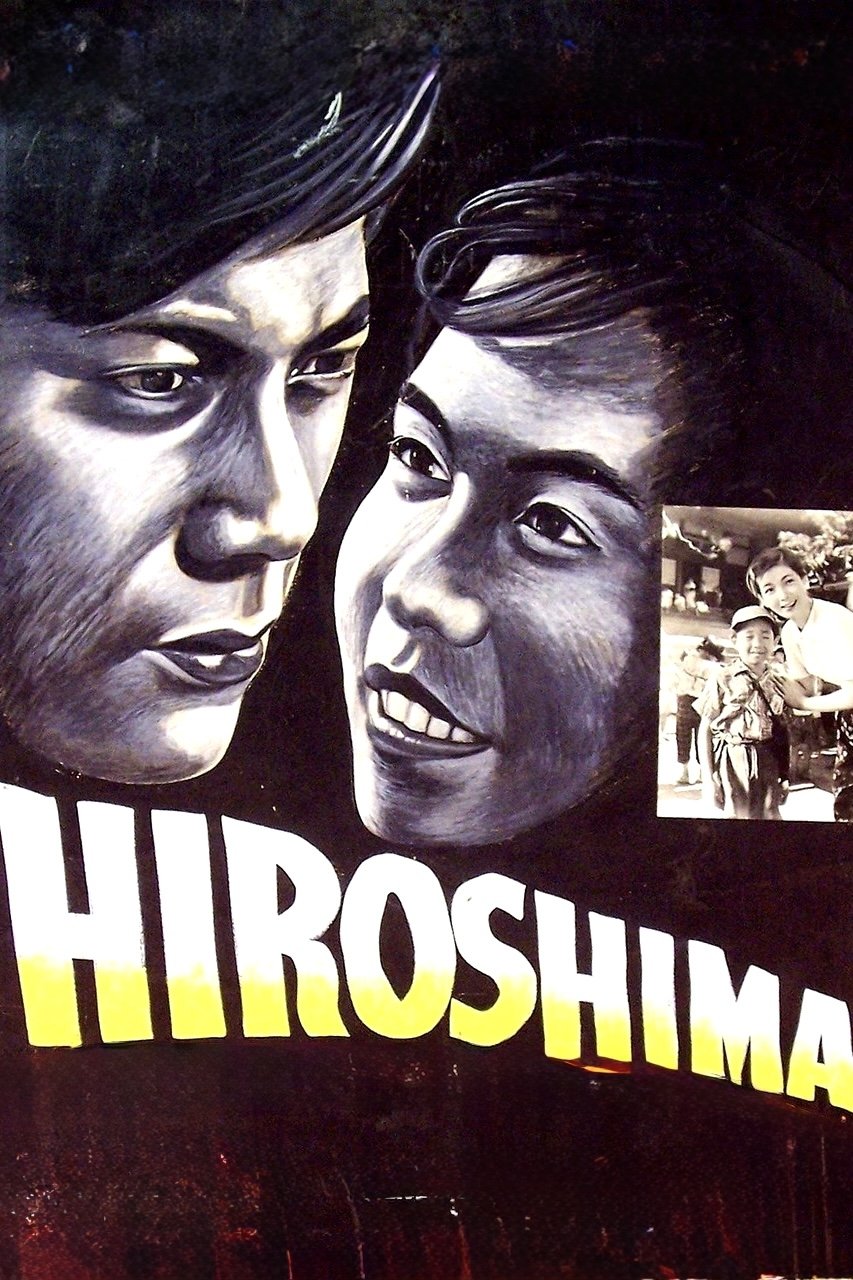
Historical fiction about the aftermath of the atomic bombing of Hiroshima, Japan, on 6 August 1945, and its effects on various civilians, especially children, of that city.
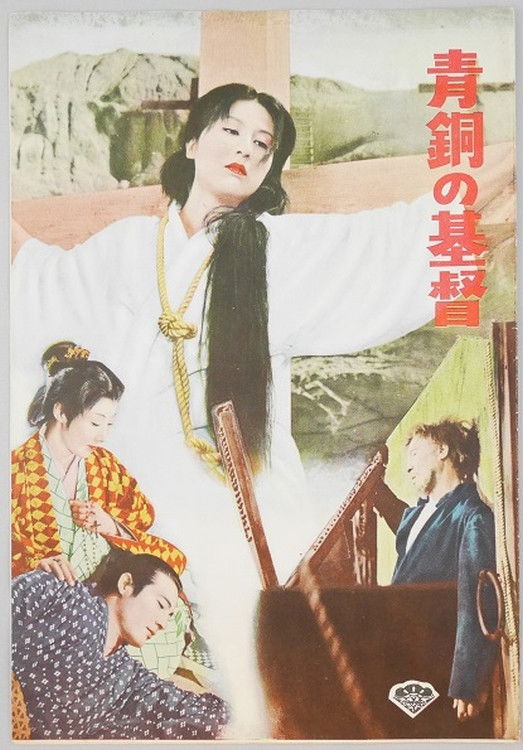
Christian converts face persecution in the feudal society of 17th century Japan.
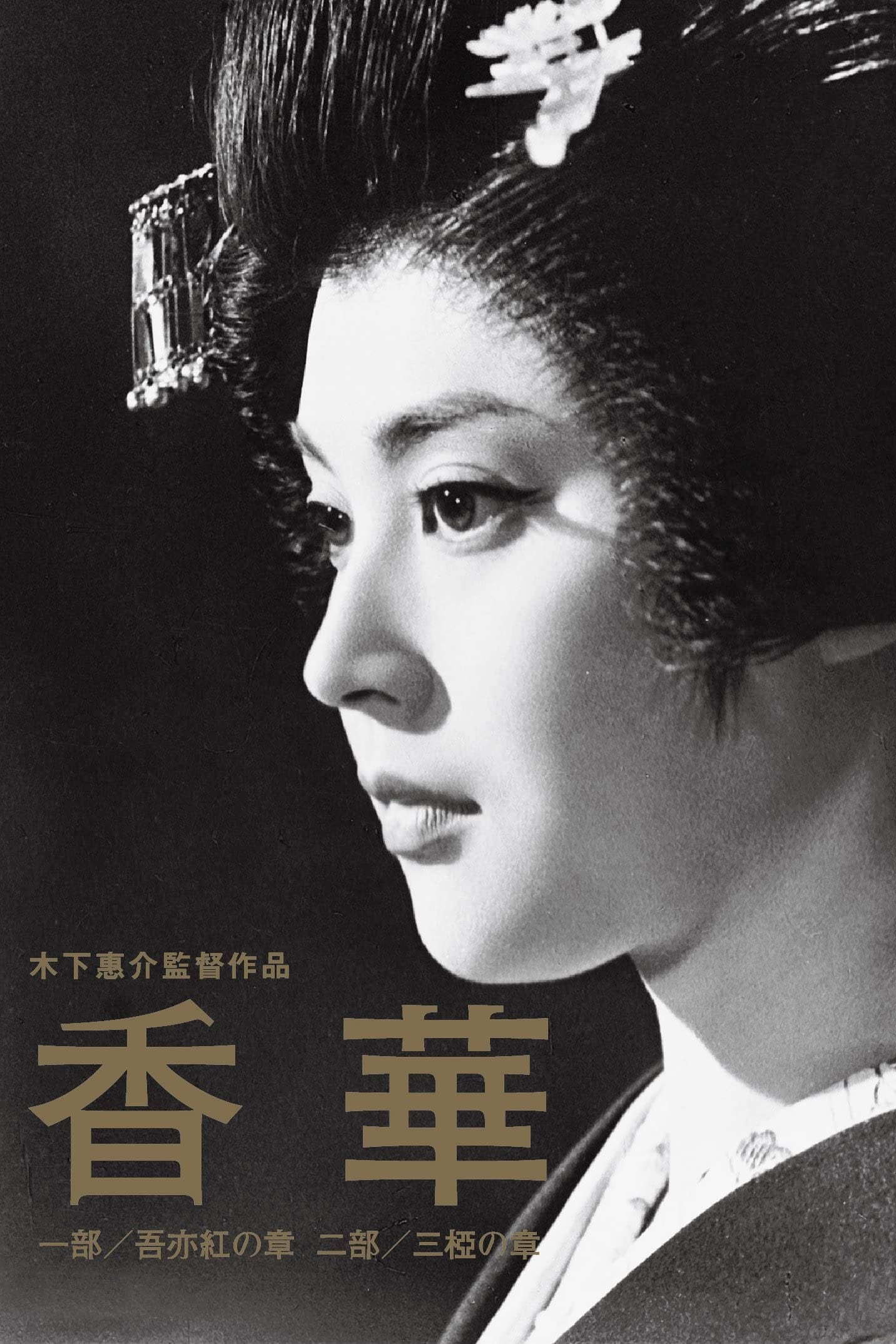
After her mother runs away from home, Tomoko is raised to be a geisha. One day Tomoko meets her mother in a red-light district in Tokyo and her life deeply gets in trouble.
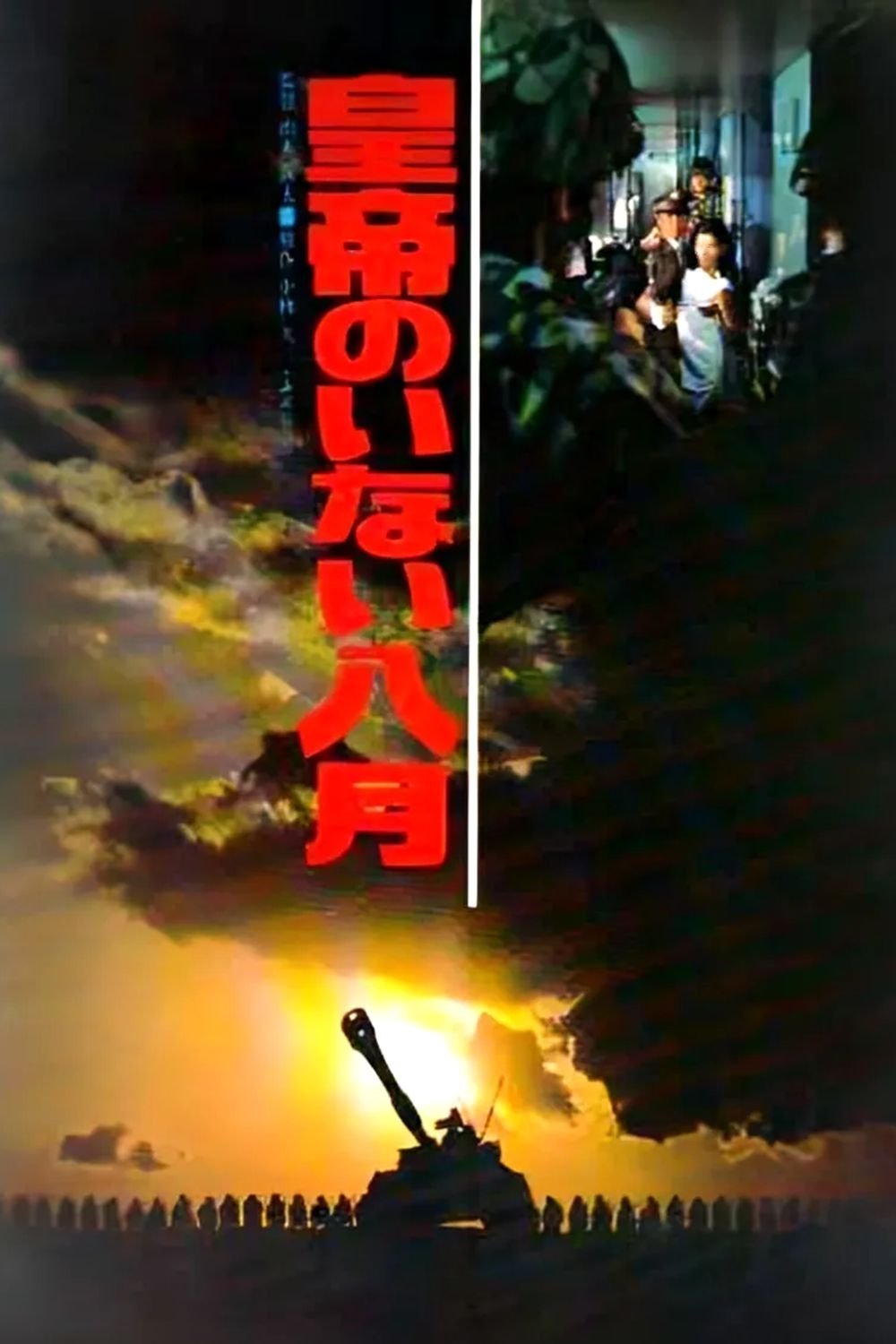
Taking the Chilean coup as an example, a group of young officers plan to overthrow the Japanese government on V-J Day. They aim to abolish the post-war constitution, restore the national army and revive the traditional spirit of Japan. As the conspiracy is exposed, the coup squadrons are wiped out one by one. The remaining squadron takes over a night train bound for Tokyo.
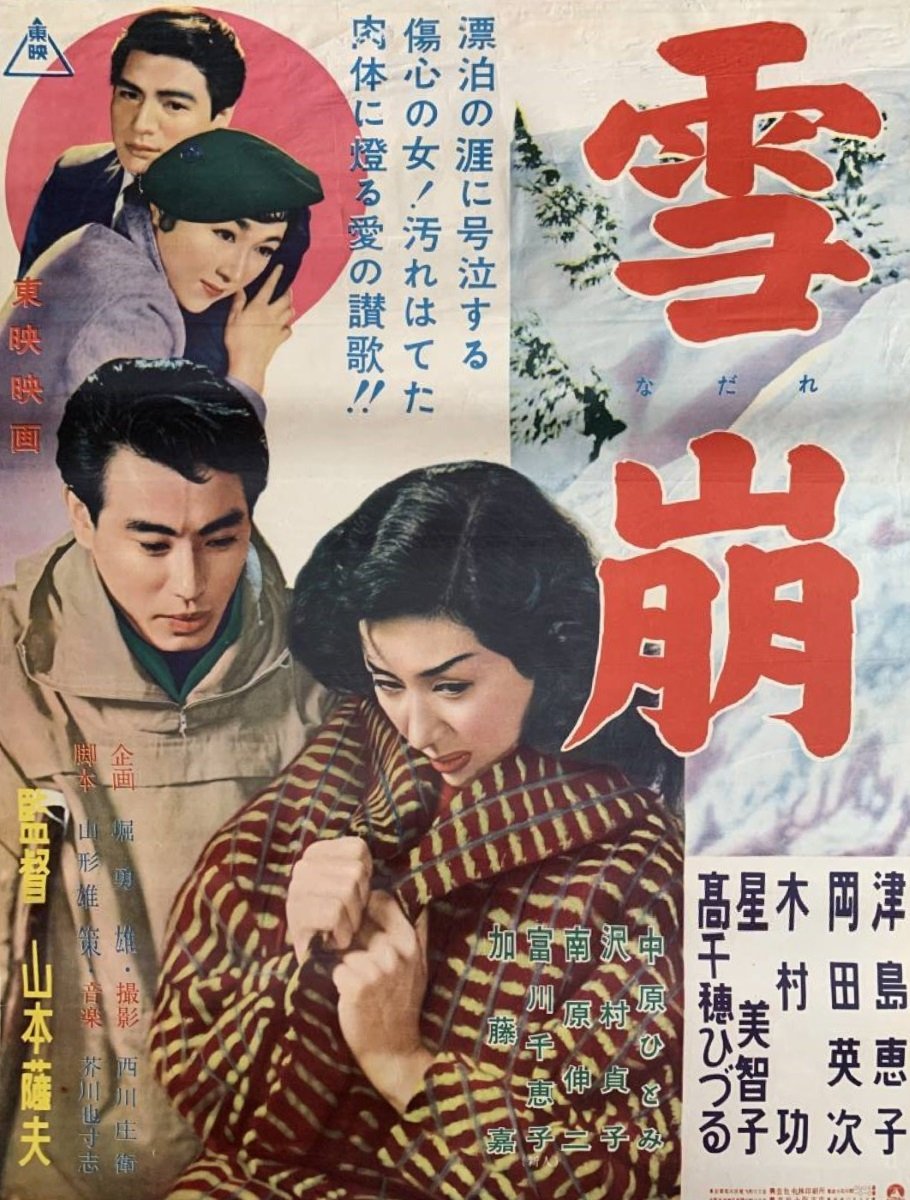
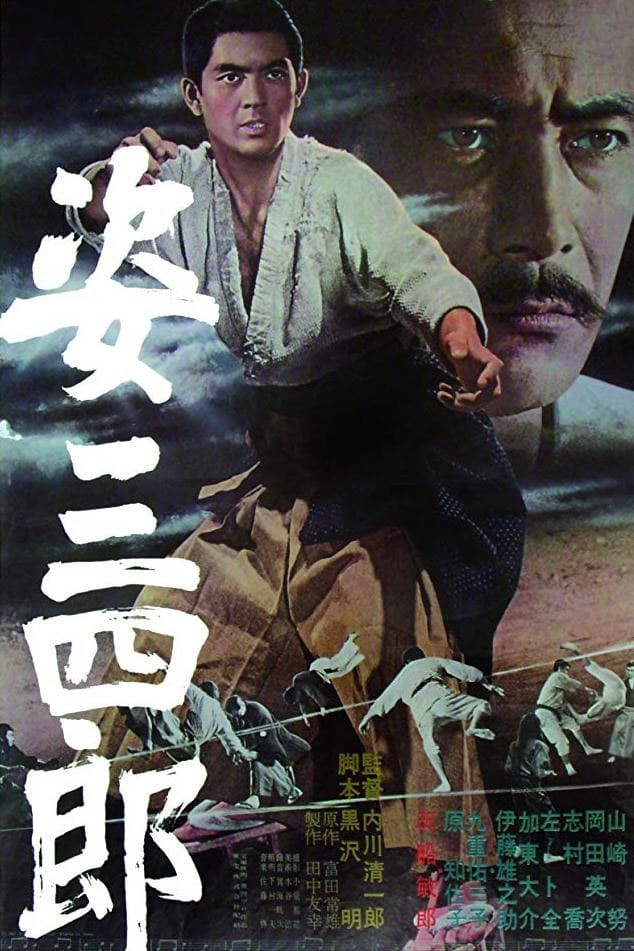
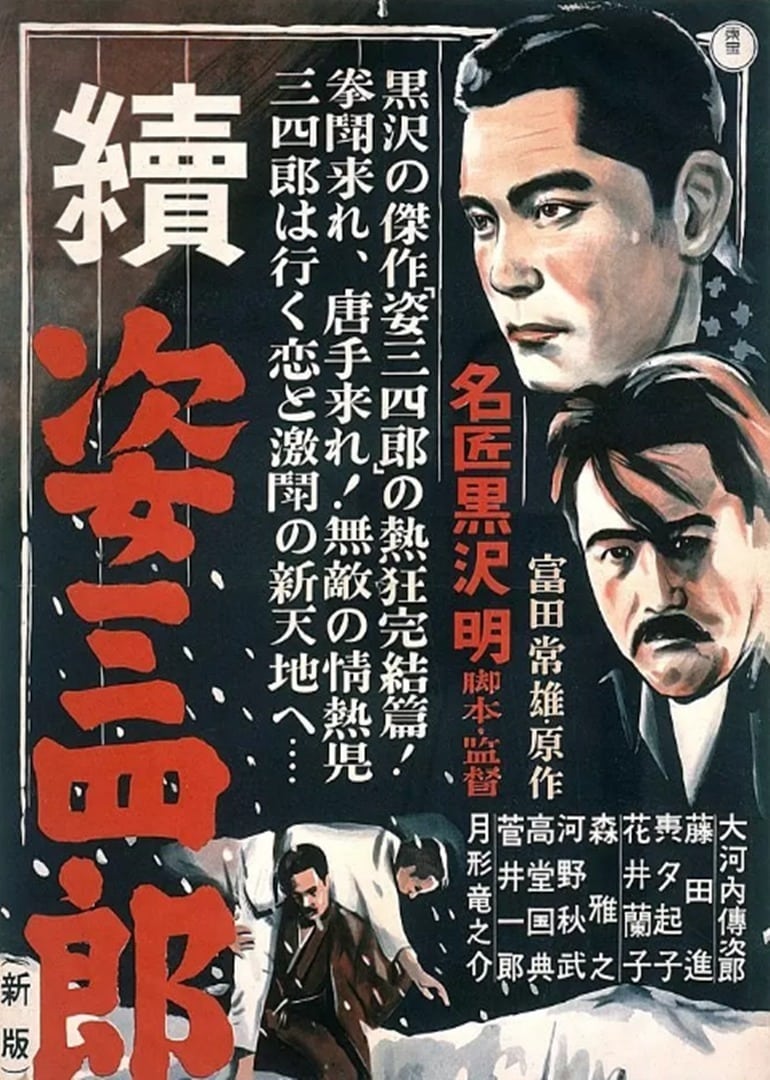
Remake of Akira Kurosawa's films "Sanshiro Sugata and "Sanshiro Sugata Part II". A young man, Sanshiro Sugata, troubled by personal problems, takes up judo. His teacher, Shogoro Yano, is a devout man who has aroused the enmity of the local practitioners of jujitsu, the older and more accepted of the two sports. Sugata uses his newly learned prowess to gain a measure of respect from others; however, Shogoro insists that the sport has a spiritual side, a lesson Sugata has yet to learn. Eventually, in hand-to-hand combat with the father of a young woman he loves, he comes to understand the true meaning of judo.
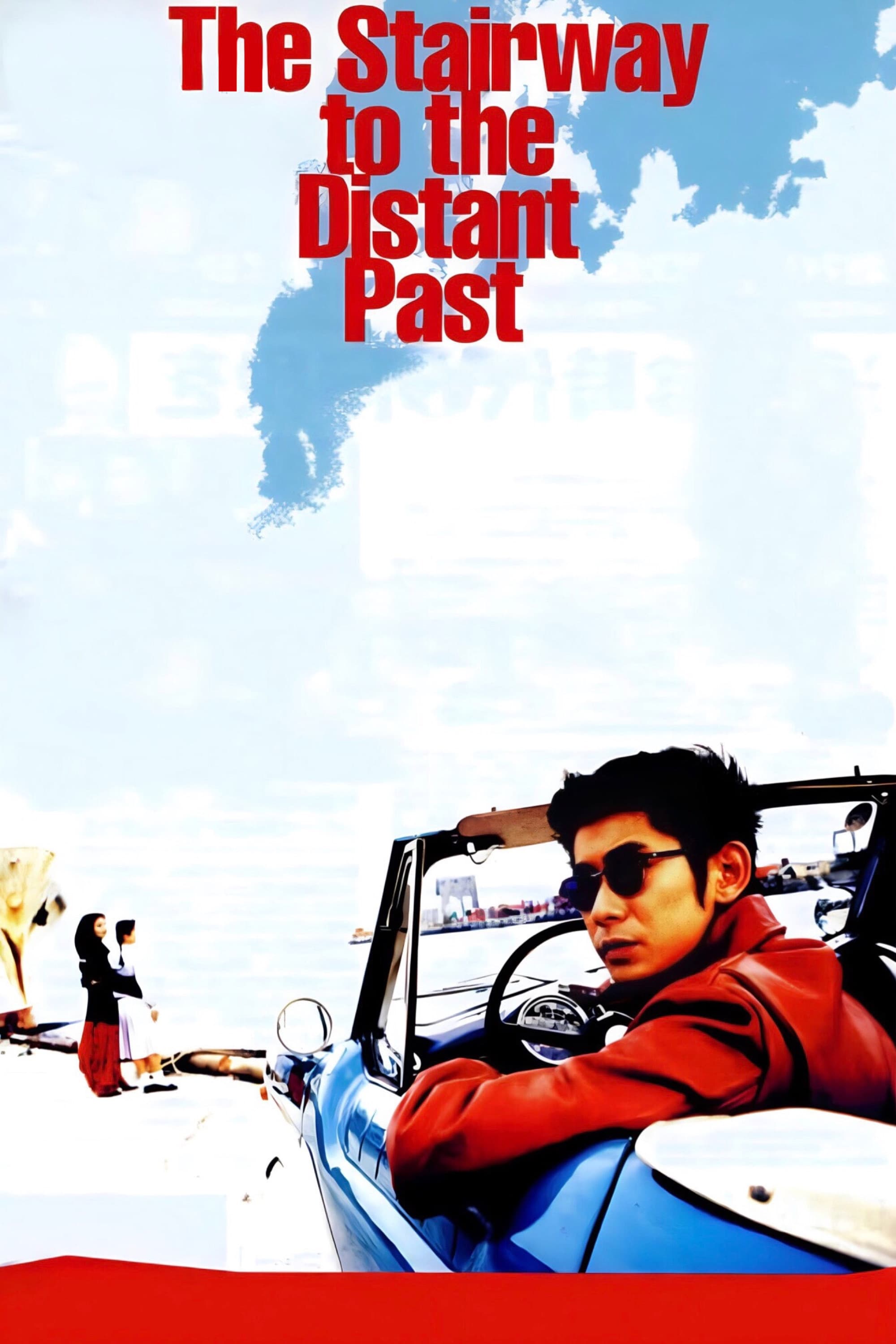
Broke, with his vintage Nash convertible repossessed, private eye Mike Hama is reduced to combing the mean streets of the Yokohama waterfront on a borrowed bicycle. But when Lily, a beautiful stripper from out of Hama's past, returns to town, the fuse is lit on a criminal powder keg set to blow the lid off the Yokohama underworld.

1949 drama film
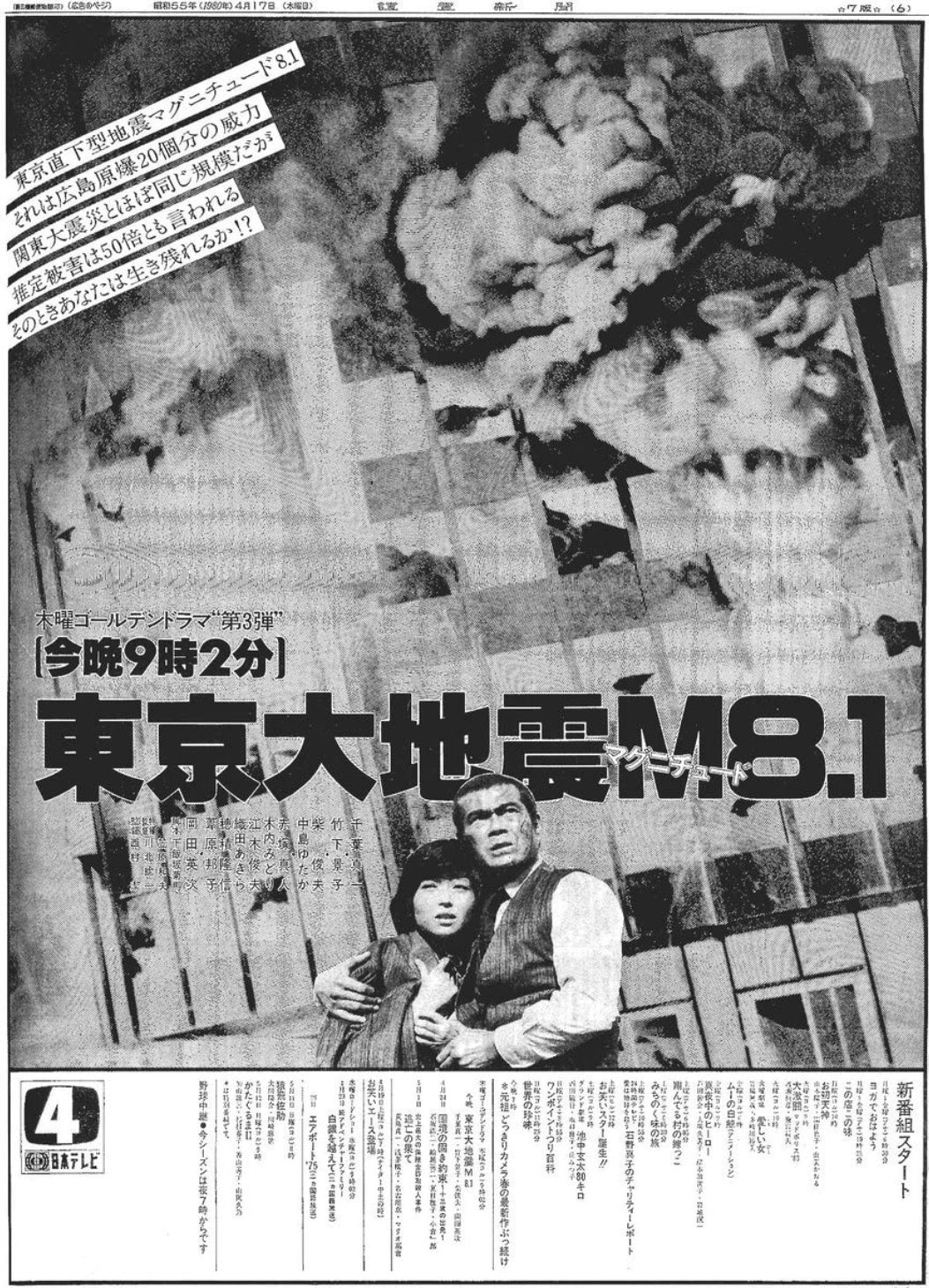
A made for TV movie that would be loosely remade as Magnitude 7.9 or DEATHQUAKE
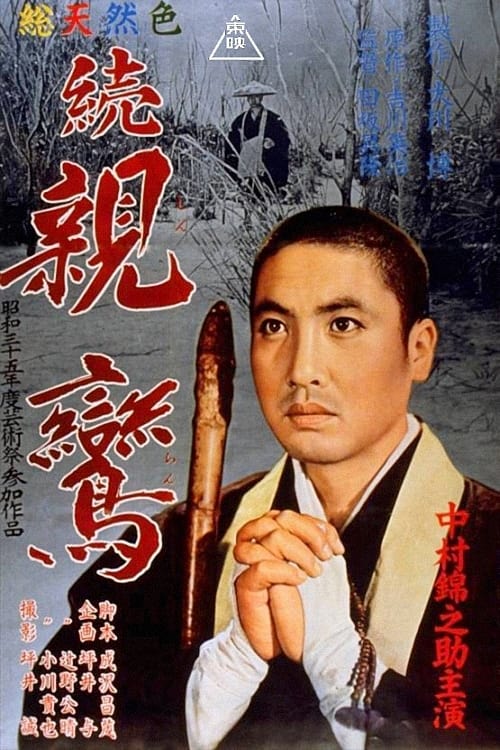
Continuation of the biographical film about the monk Shinran, based on the novel by Eiji Yoshikawa. Shinran, born of the fading aristocratic class, was placed in a monastary on Mount Hiei when still a child. He did not come down for twenty years, when his wanderings begin as he spreads his ideas for achieving enlightenment through the Pure Land sutra. Because his teachings contradict the powerful Tendai sect, he comes to grief with the government, his followers persecuted, himself exiled to far coastal Echigo where he married & began raising a family but soonafter was wandering & teaching again. He lived to be ninety.
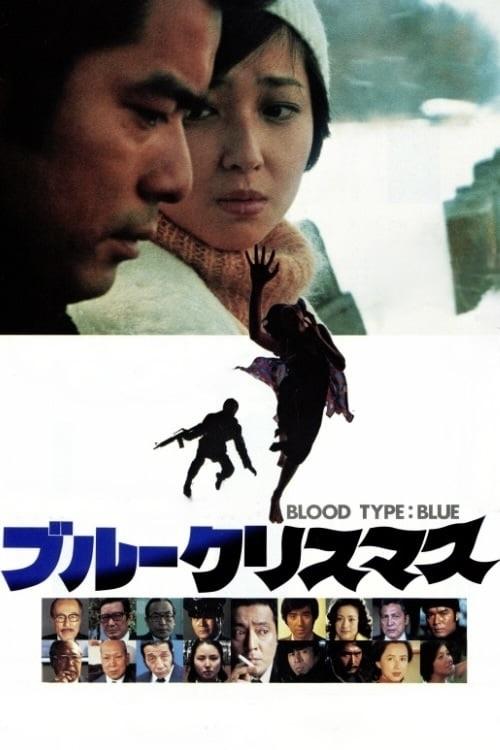
UFOs appear on Earth, and people who actually see them suddenly find that their blood has turned blue. Soon panic and hysteria result in the new "blue-bloods" being persecuted by the rest of mankind, and eventually certain all-too-familiar measures begin to be taken against them.
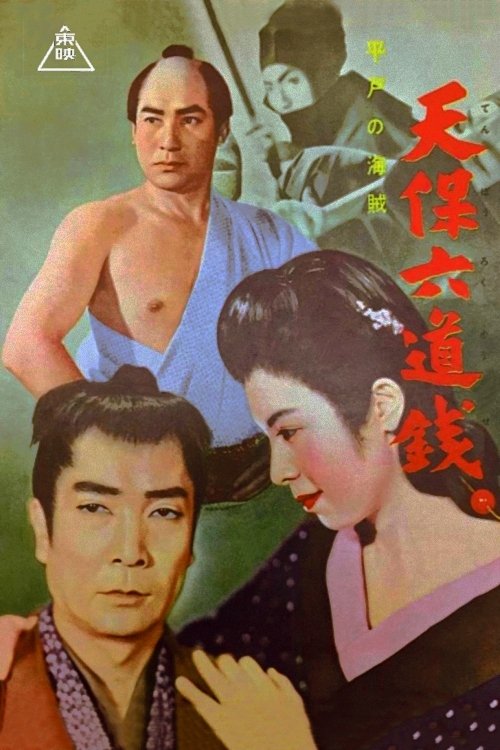
In the 9th year of the Tempo era, after a long sea voyage, Moritaya Seizo returned to Hirado, who earned huge amounts of gold by piracy. Along the way, he picked up Ichinojo Kaneko, a Ronin who survived the disaster at sea. Seizo and Orin, the daughter of merchant Yohei, are in love with each other and want to get married. However, Kashiwakura Gaiki, the samurai of the domain, wants to kill Seizo for the sake of his son Shozaburo, who is in love with Arin, and Kurando Matsuura, the owner of the castle, wants to seize all the gold for himself...

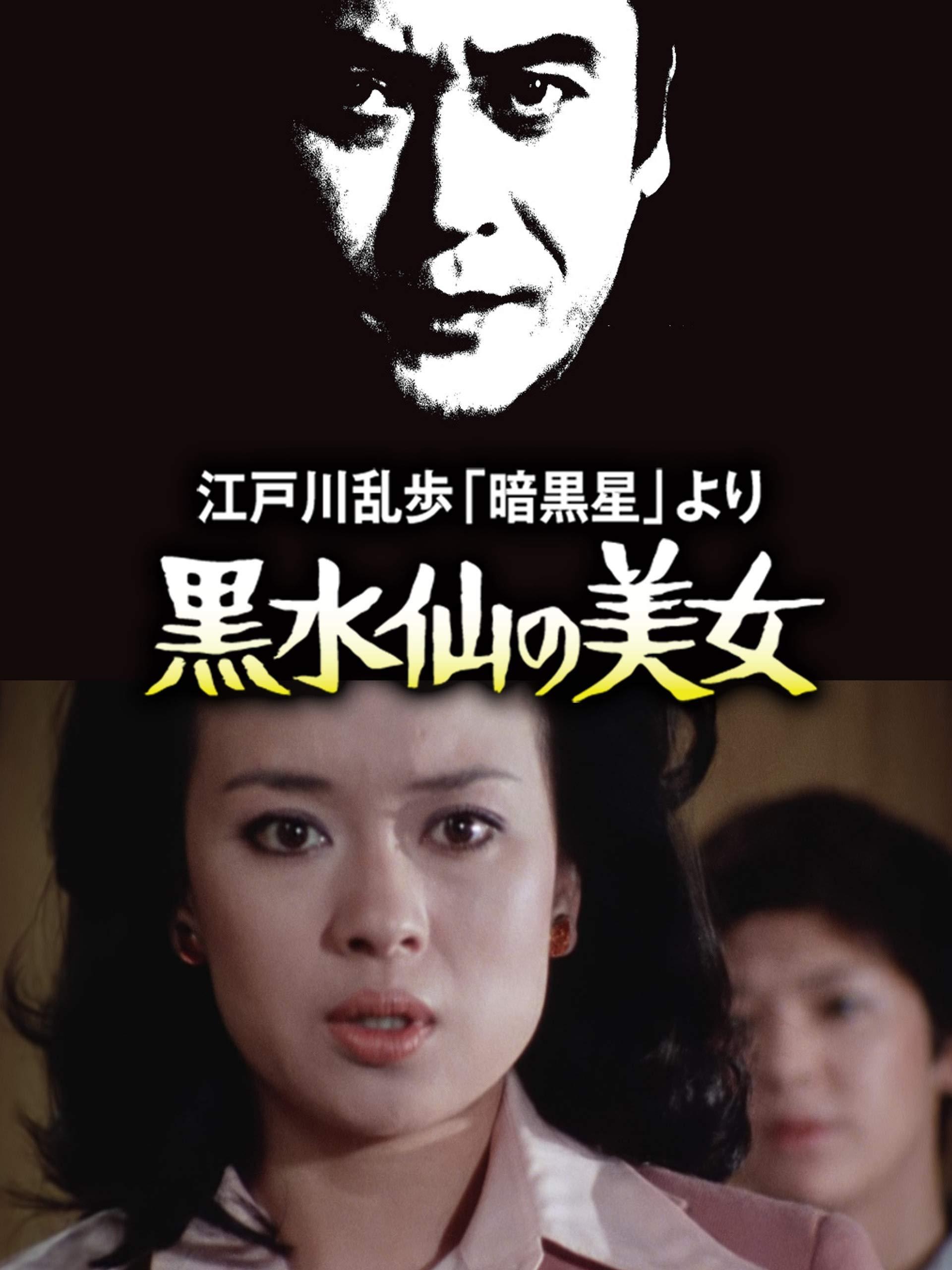
Movie adaptation of a novel by Rampo Edogawa.
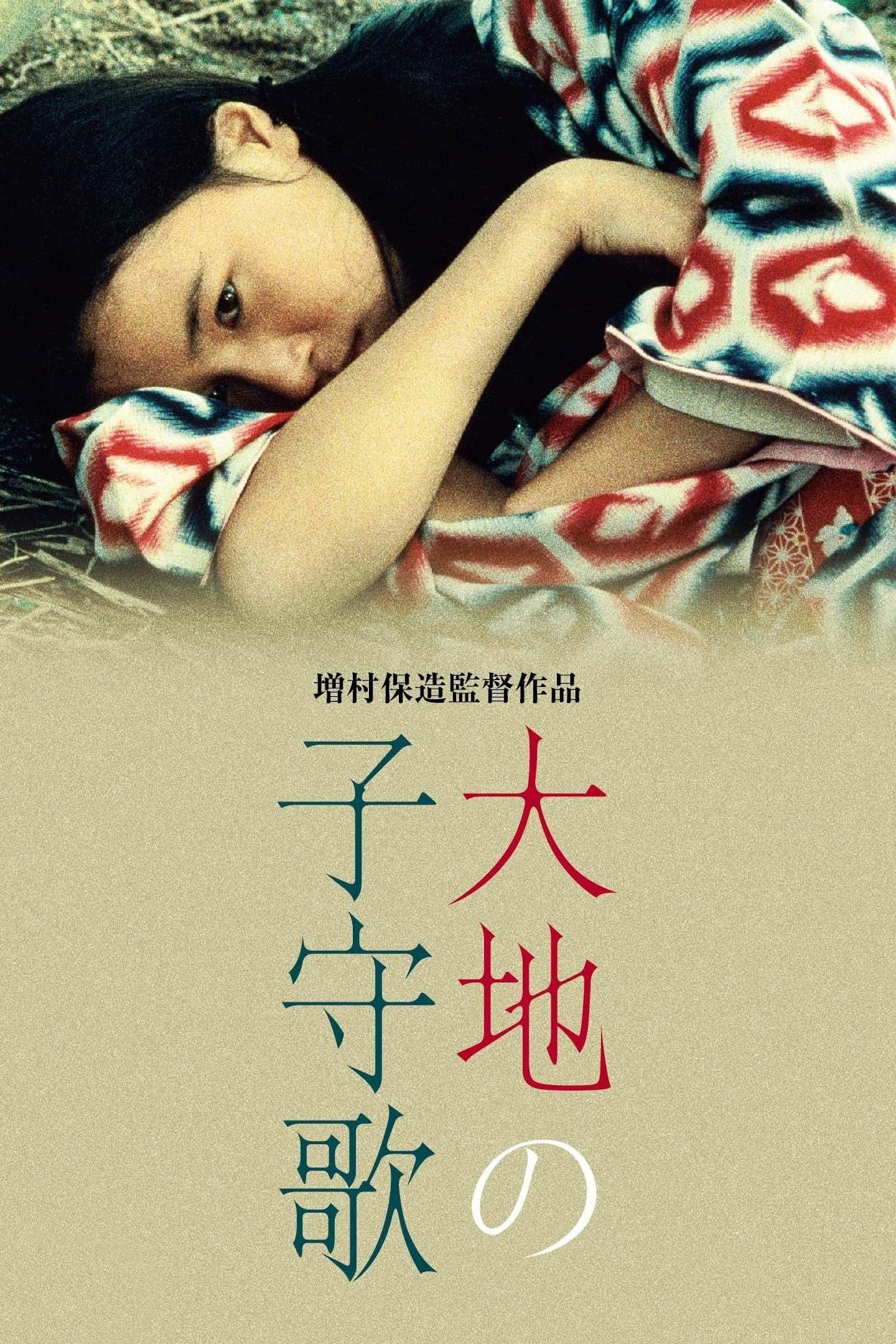
The story of an orphan girl, brought up in naive, rustic innocence by an elderly relative, who is suddenly exposed to the brutality, greed and deceptiveness of the outside world when her grandmother dies.
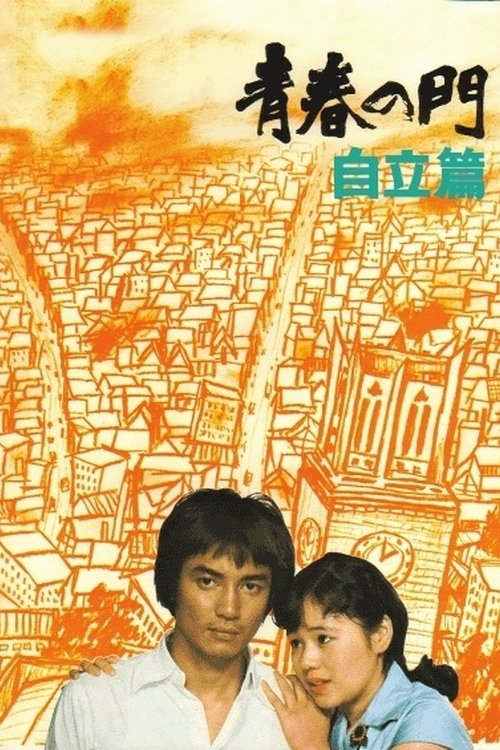
Mid 50s: the trials and tribulations of Shinsuke Ibuki, freshly arrived in Tokyo from Kyushu.
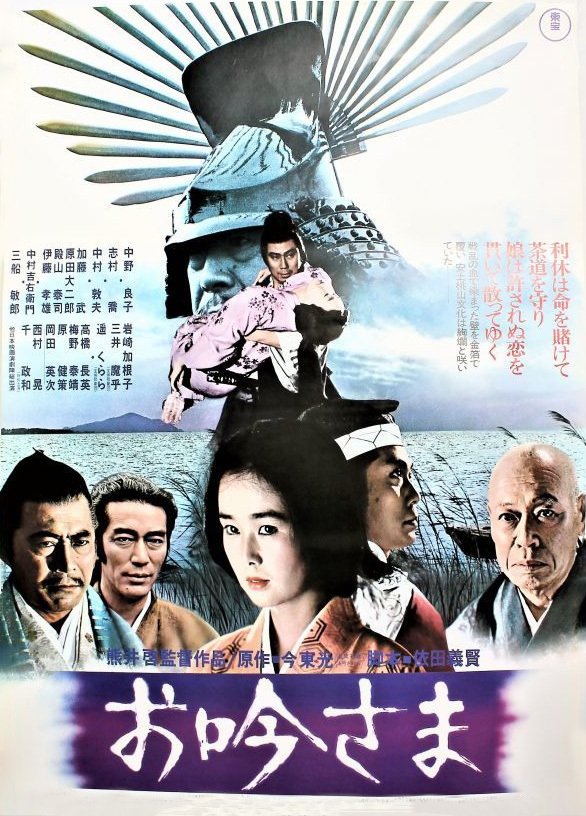
Sen Rikyu is a ceremonial tea master who advises warlord Hideyoshi in sixteenth-century feudal Japan. His daughter, the beautiful Lady Ogin, has an unrequited love for Lord Ukon, who has angered Hideyoshi by becoming a Christian convert. Ogin's father Rikyu also displeases Hideyoshi by opposing the warlord's plan to invade China and Korea. When the animalistic Hideyoshi is rejected by Ogin, he threatens her and her father with arrest and worse.
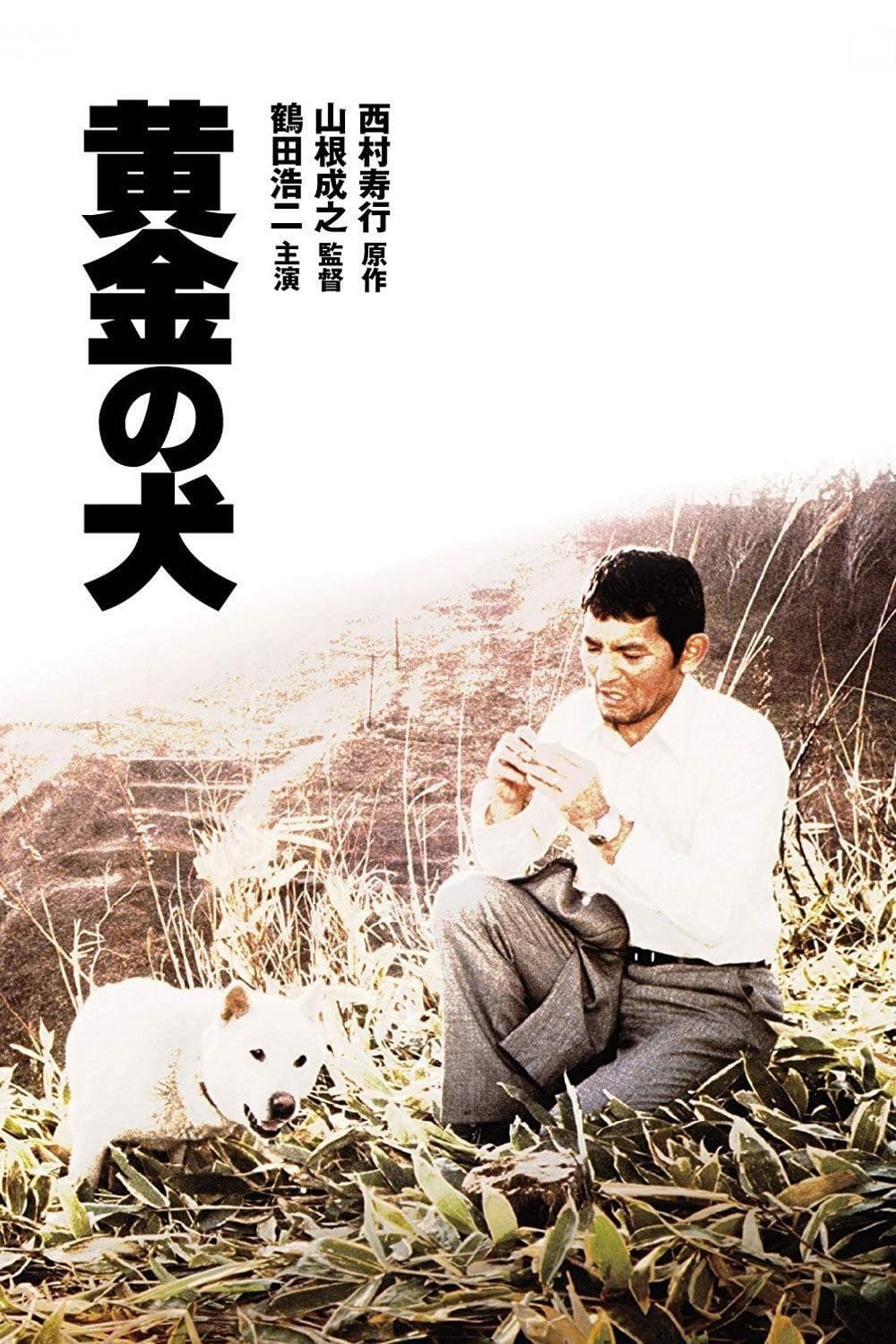
From Hokkaido to Tokyo, hunting dog Goro embarks on a long and grueling journey to reach home. With the loss of his master who held a secret to a weapons smuggling case and the corruptions of those who are involved, Goro's adventure unfolds.
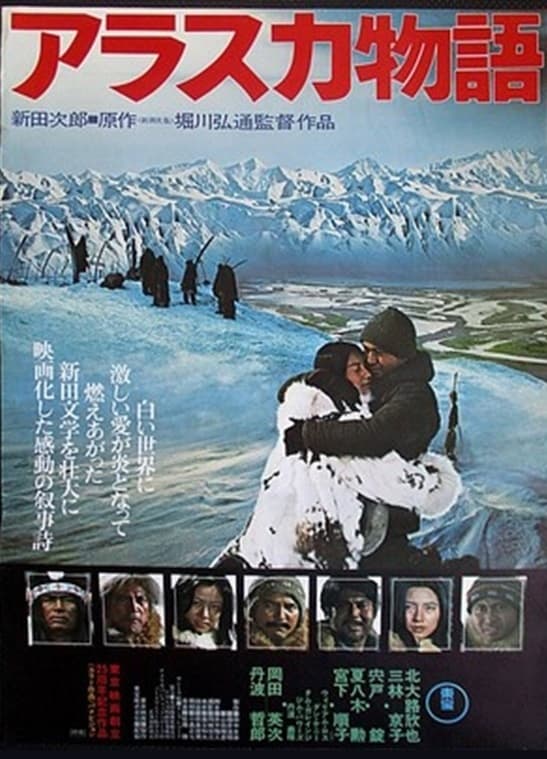
A Japanese sailor finds a colony of Eskimos in the Arctic and decides to stay with them. He comes off at a certain moment to look for his luck in the gold rush in Alaska. But he does not forget them.
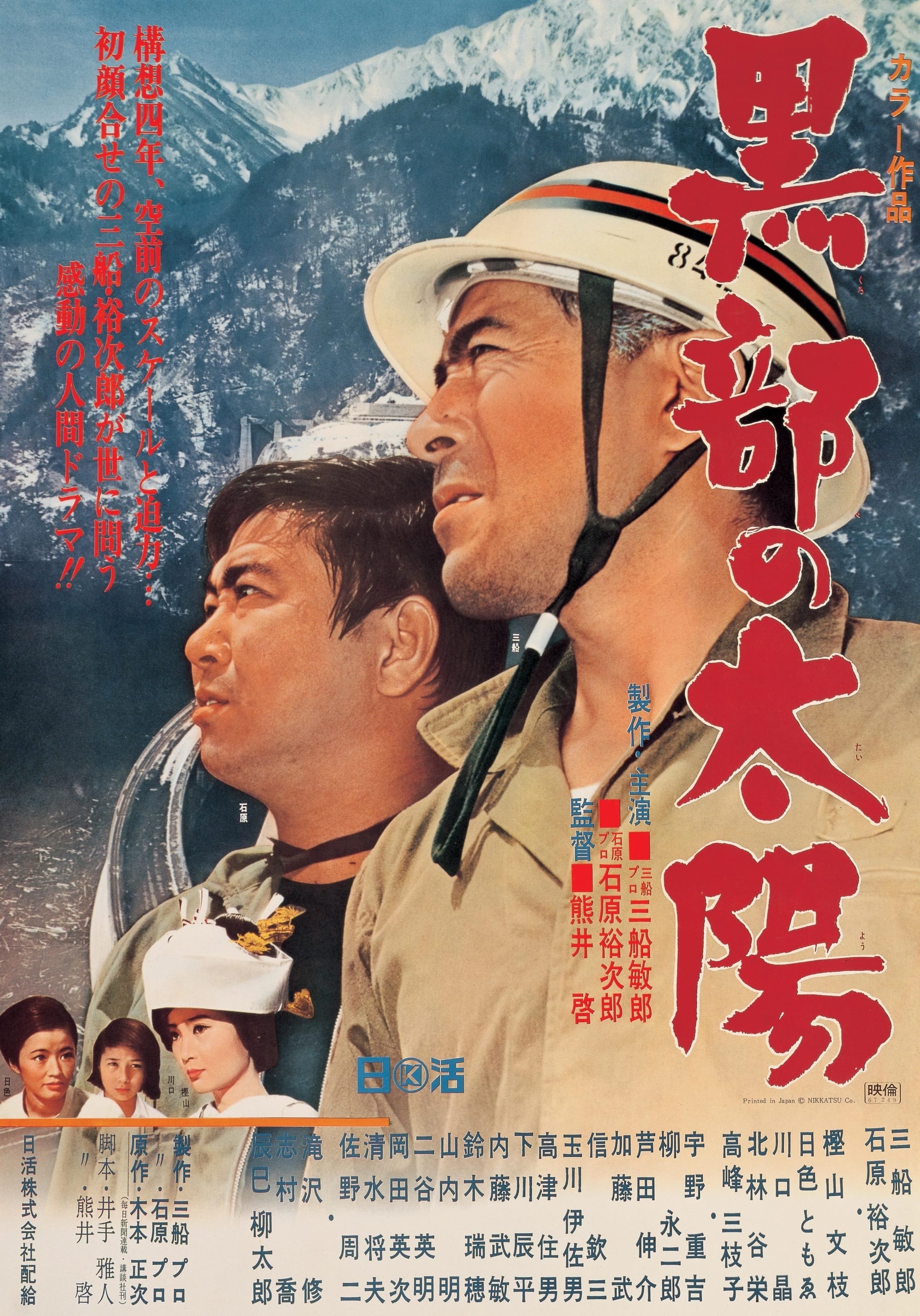
Kitagawa is an engineer charged with construction of a gigantic tunnel through the Japan Alps for the transportation of equipment in the building of the massive Kurobe Dam. The tunnel crosses an earthquake fault and Kitagawa is beleaguered not only by cave-ins and flooding, but by strife between management and the workers's union. Adding to Kitagawa's stress is the knowledge that as his attention is pulled inexorably toward the tunnel construction, his youngest daughter is dying from leukemia.
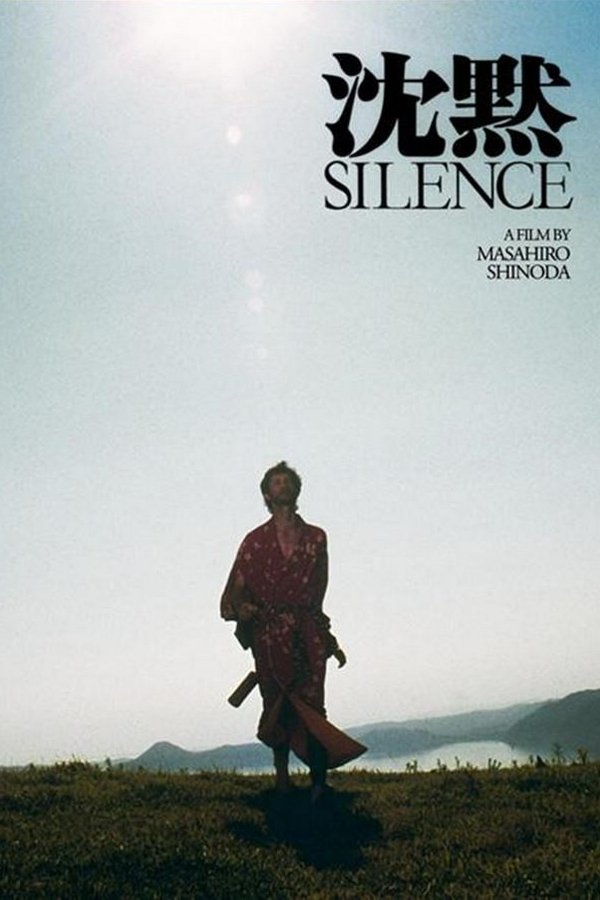
Two Jesuit priests encounter persecution when they travel to Japan in the 17th century to spread Christianity and search for their mentor.
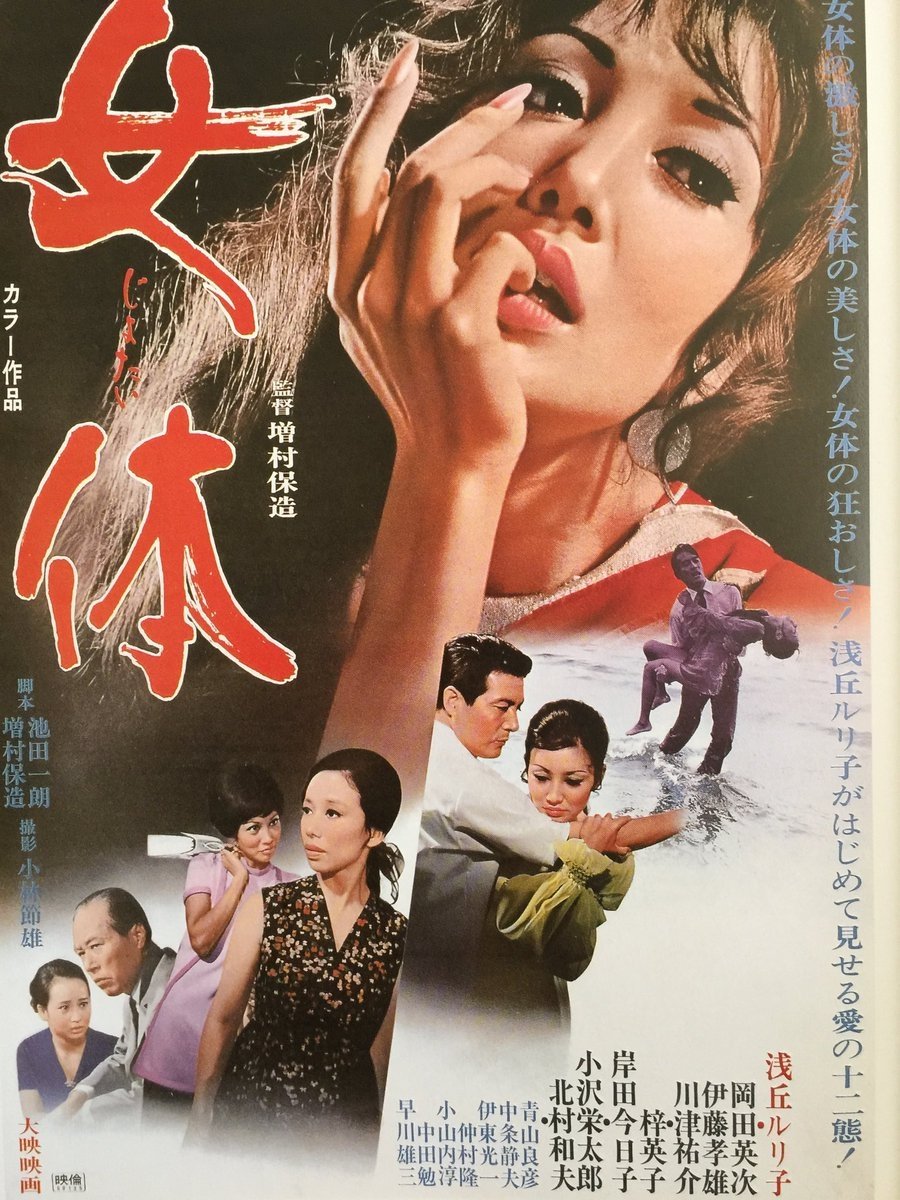
Michi's first encounter with Nobuyuki Ishida, secretary to the chairman of a private school, takes place in the drawing room, when she attempts to swindle him out of two million yen for alleged rape by his son. Akie, Ishida's wife and the chairman's daughter, offers her a million, but he gives her what she demands. Now Michi is not only satisfied, but she has a mad desire for Ishida and calls him every day asking for a date. His sympathy for her gradually evolves into love, and he soon allows her insatiable passion to strip him of his decency.
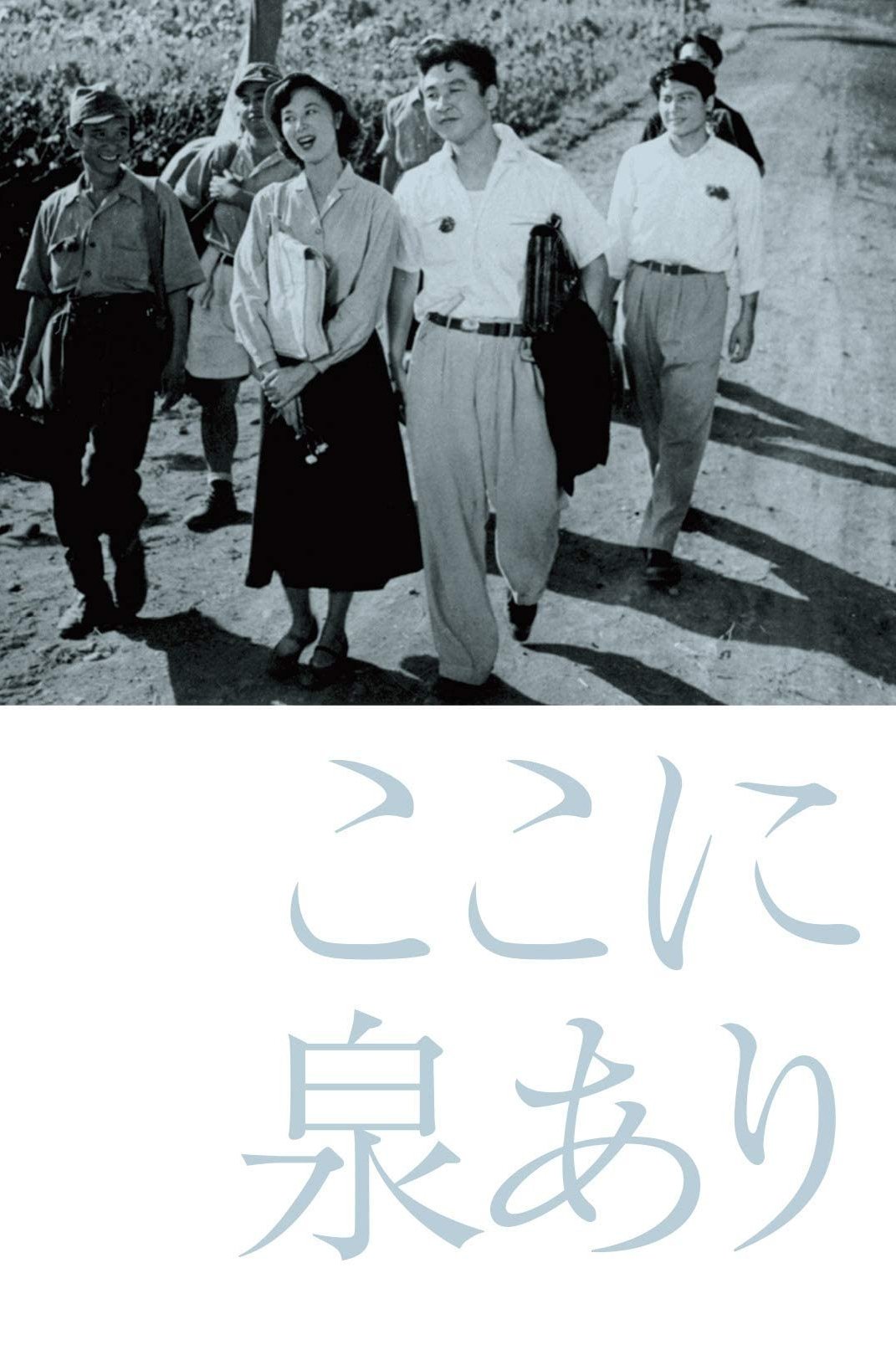
The story of a group of young people who organise their own travelling symphony orchestra to provide music for people living in remote villages shortly after the war.
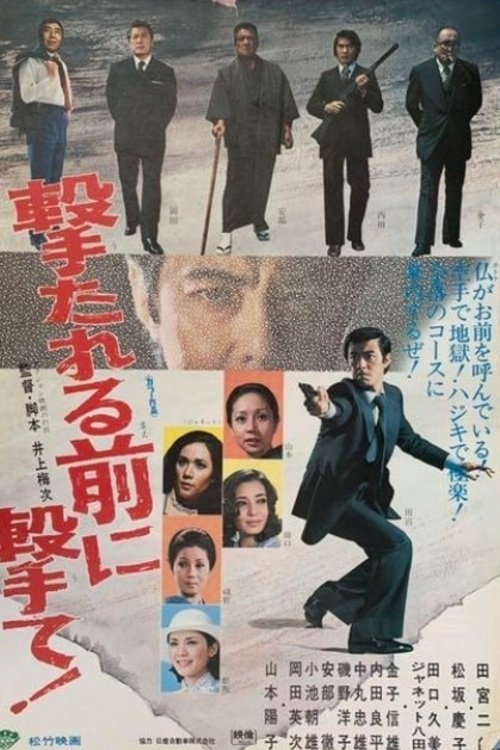
A Datsun driving, face-punching moody super-cop Cobra Cumera battles homicidal mobsters intent on causing mayhem and trouble in beautifully shot Tokyo. Complete with strippers, muggins, drugs, car chases, bouncy pop tunes, freak-outs, and a saucy lady assassin.
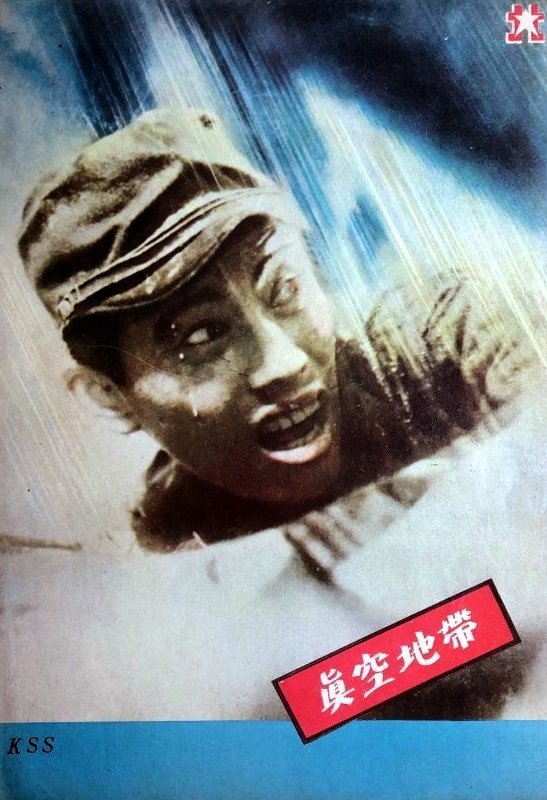
Just before the end of the war, Japanese soldier Kitani is released from prison, having served his term for theft. Told in flashback, viewers learn about Kitani's past and reasons behind his prison sentence.

Suzuko, a woman in her twenties who has a brother with political problems (due to communist reprisals), lives for over five years in a love affair with Tate who's a young lieutenant in the Army, ultimately becoming a right-wing fundamentalist revolutionary. She marries another man, one totally dedicated to the rigorous practices of Noh theatre, in an arranged marriage, but the bond that connects her with Tate is too strong.
Tonomura has a singular taste in women. He likes them, but he wants them tattooed. To this end, young Osayo has herself decorated with a celebrated flying-angel pattern and in this way brings much pleasure to her patron. A young hoodlum named Shinnosuke also covets the tattooed maiden. He, decorated with the design of a famous thief, finally gets to her and she responds as she rarely does with her older lover. Also in love with her is a young girl named Okimi who has herself tattooed with a courtesan design just to please the older woman. Having done so, however, she becomes fair prey to the tattoo-loving Tonomura who loses no time in seducing her.
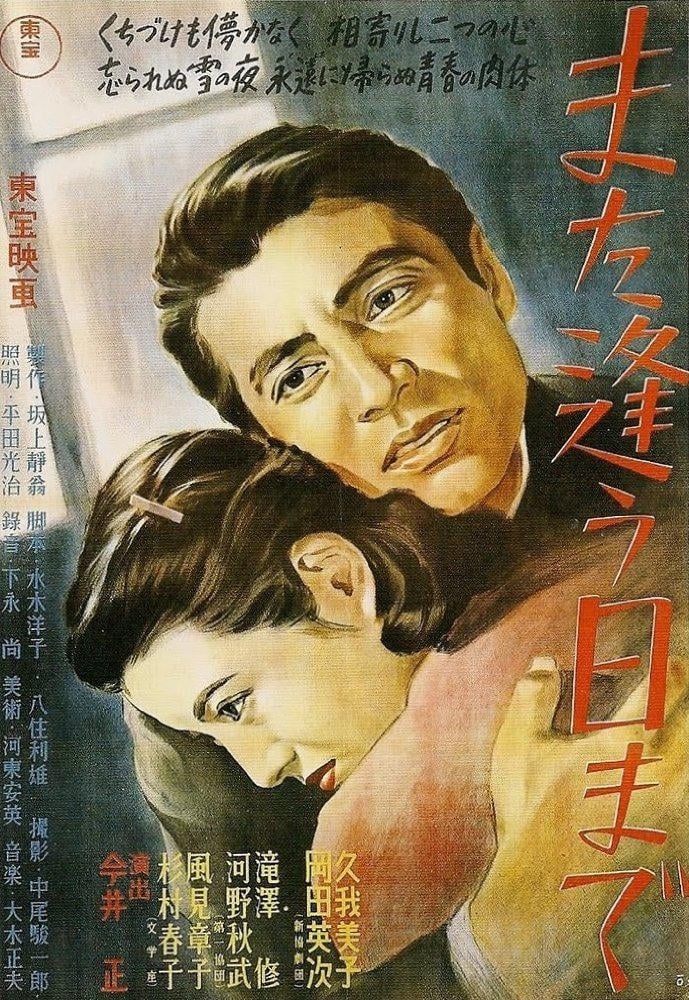
Saburo and Keiko fall in love with each other but the tide of war separates them.
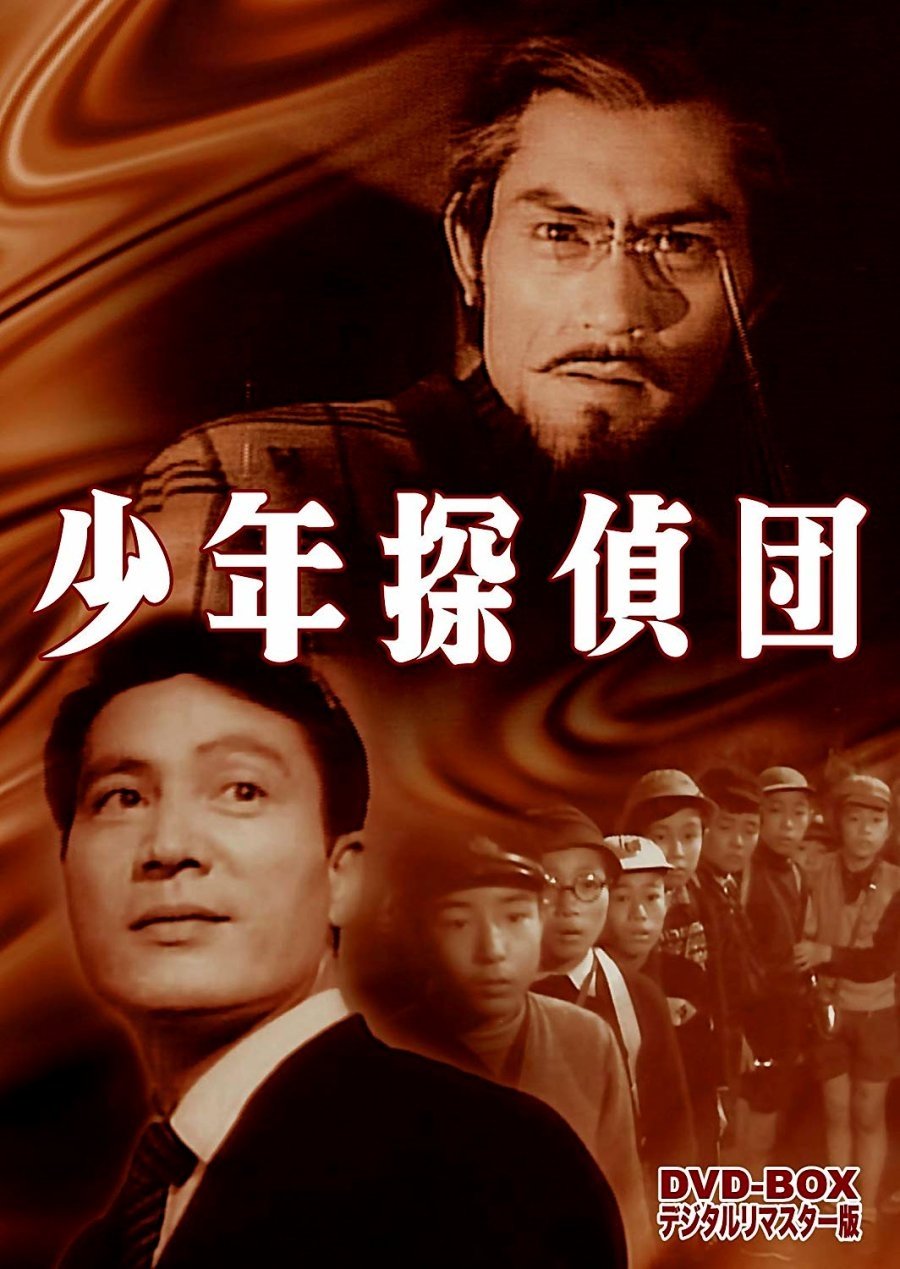
First film in the Boy Detectives Club series.
Second film in the Boy Detectives Club series.
A man with many disguises uses robotic beetles, man-made monsters and other devices to try and steal atomic power.
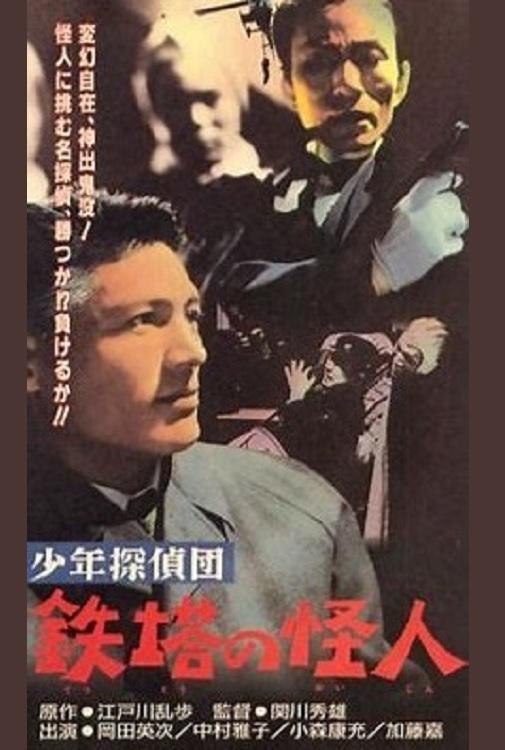
Fourth film in the Boy Detectives Club series.
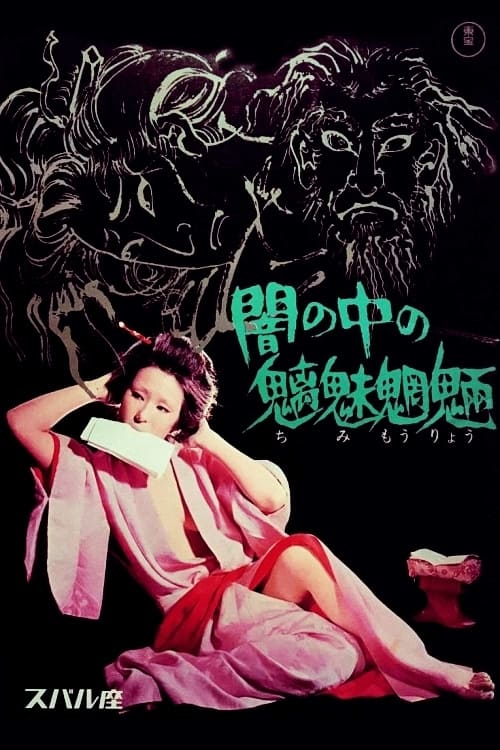
The film depicts the youth of Kinzo, a heretic painter who worked in Tosa during the late Edo period, and the hurricane-like inner side of his life.
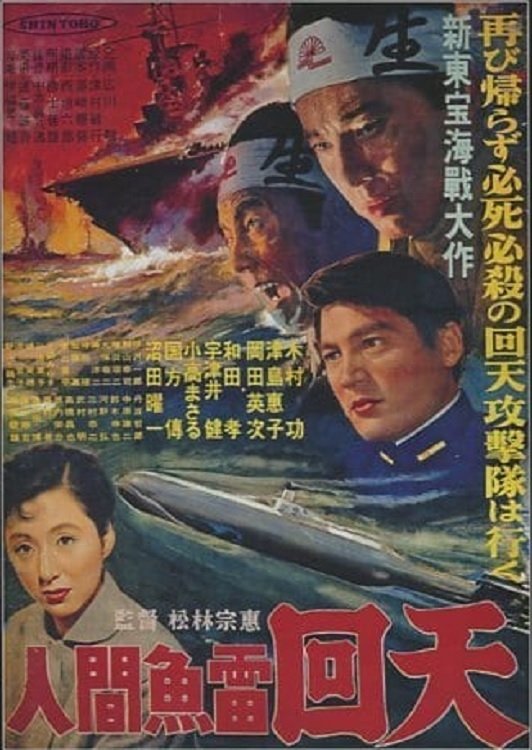
Adaptation of a 1956 novel by Yukio Mishima.

A group of Okinawan high school girls are drafted as nurses during the American invasion of the island. As the enemy army advances further, the situation for the girls becomes increasingly desperate as food and shelter run out and the number of injured climbs, leading to the film's tragic finale.
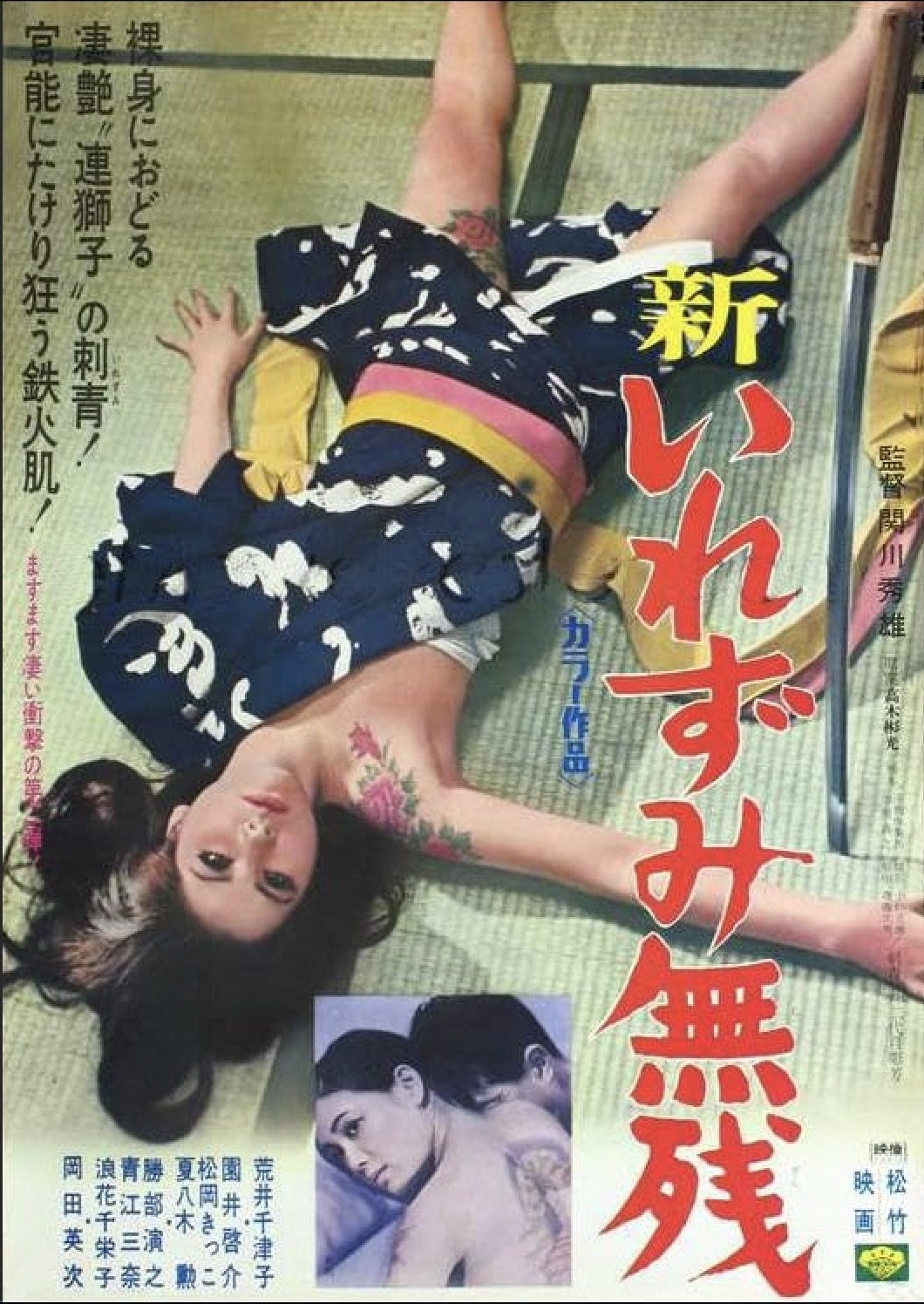
Modern sex and thrill film about tattooed prostitute.
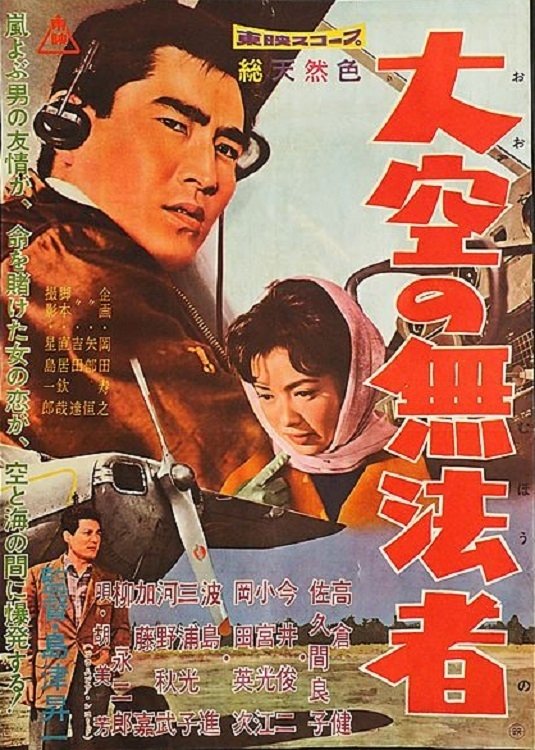
Sheriff Goro goes undercover to investigate drug smugglers.
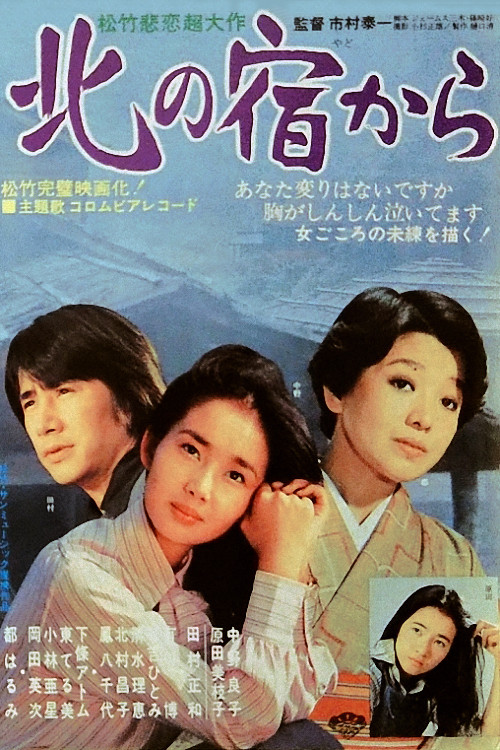
Japanese film based on the song by Harumi Miyako.
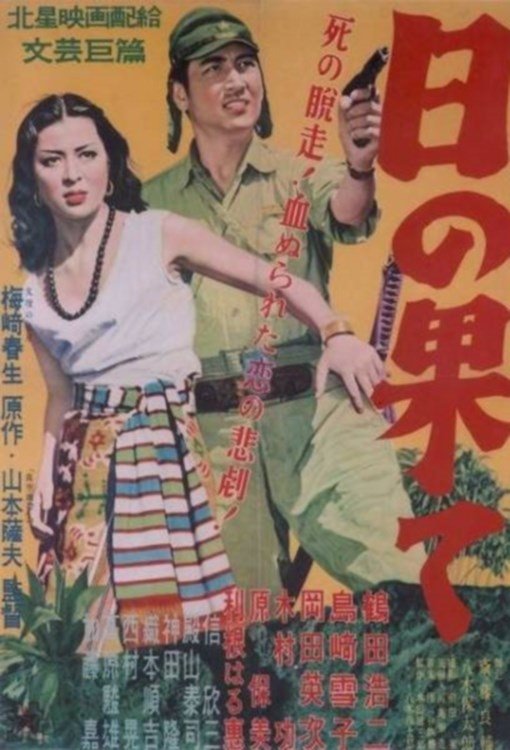
Military doctor Leutenant Hanada deserts during the war in the Philippines with a local girl. The officer in command orders Lieutenant Uji to shoot Hanada. Uji takes a sharpshooter called Takagi and tracks him. At first Uji cannot forgive Hanada but as Uji is isolated from the main force he too starts to think of desertion.
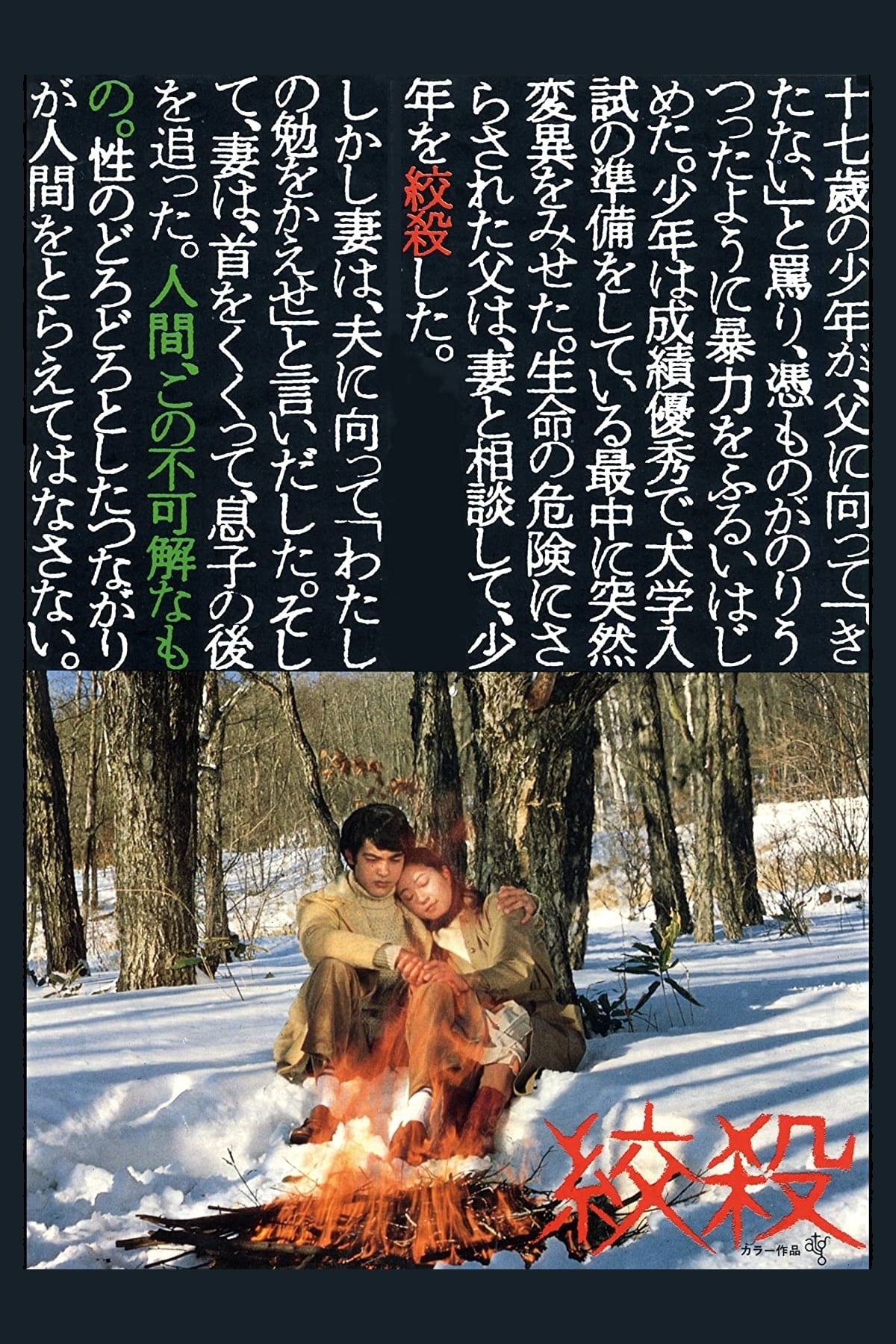
The men who surround and torment the young protagonist (demanding teacher, owner of the company that rapes his own daughter, despotic and uncompromising father) are opposed to women (victims of men) as embodiment of salvation.

A gangster named Sagara killed a broker at the request of a friend named Oba, was arrested and spent eight years in prison. Now released, he wants to find out who squealed on him.
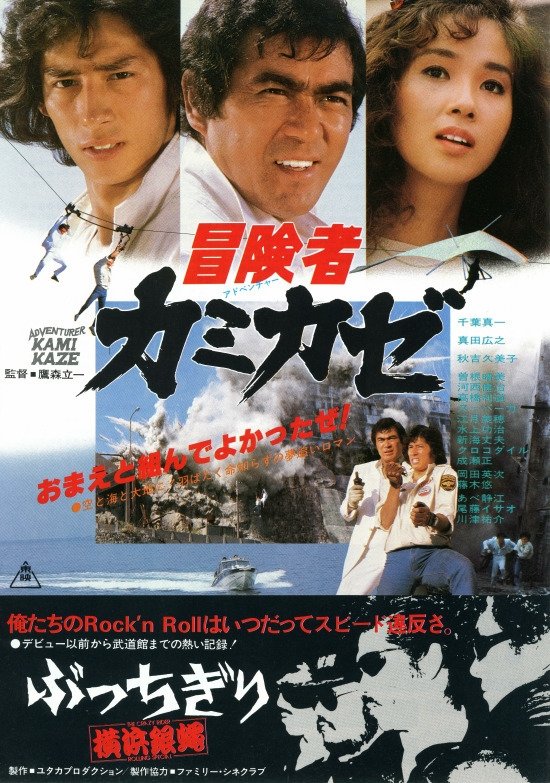
An ex-Olympic athlete and a student commit cash robbery. Aki Hoshino, a pre-med student, becomes inspired to steal money the school collected as “special fees” from parents wanting to assure their offspring’s’ acceptance into the hallowed institution. He forms an unbeatable alliance with an ex-employee and crime bosses to retrieve the ill-gotten money from the “wrong” hands.
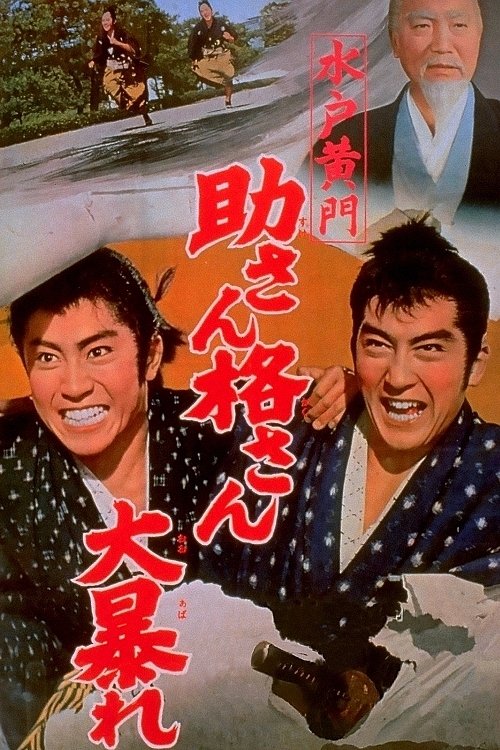
The story of two young men whose ambition is to become the personal bodyguards to the Shogun's uncle, Lord Mito Komon. Portrayed by a pair of up and coming stars, Sasaki Sukesaburo (Matsukata), the son of a widower and Atsumi Kakunoshin (Kitaoji), whose mother is a widow find themselves constantly in trouble and are forced to become two of the most powerful fighters in all Japan. The stories about Mito Komon and his travels througout Japan are many, but this is one that had yet to be told. The struggles of Suke-san and Kaku-san faced in order to join the Elder in his quest to fight against injustice and corruption during the samurai era.
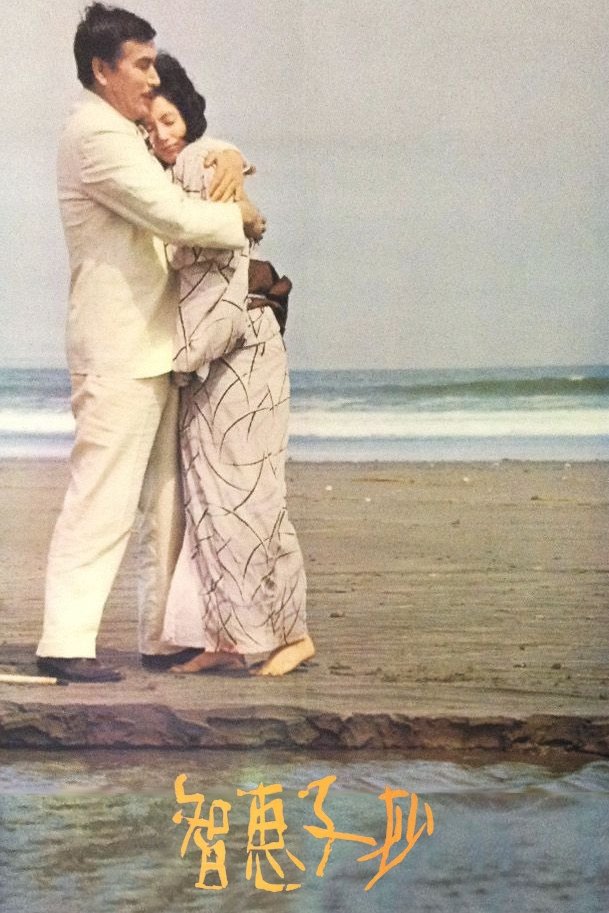
Takamura, a poet and sculptor, marries a budding artist named Chieko who dreams of becoming an oil painter. When a series of hardships befall her family, she finds herself unable to confide in her husband, and the pain she carries within begins to weigh heavily on her sanity...
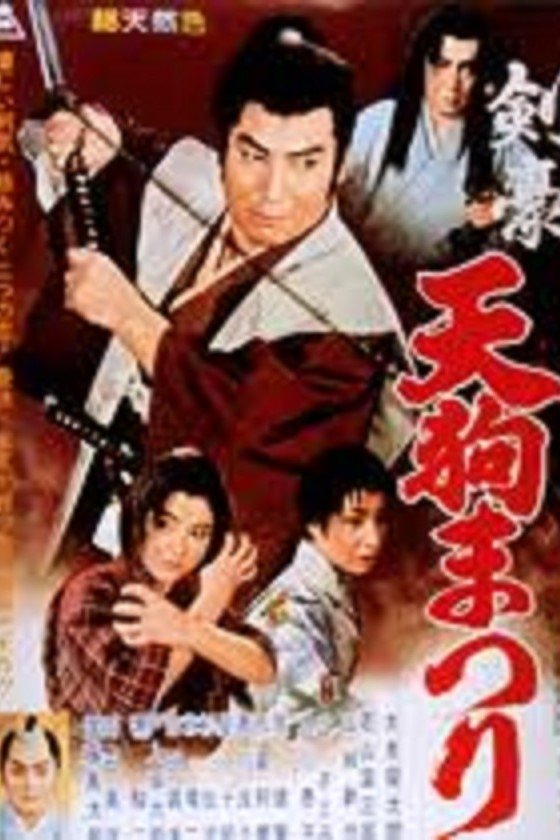
During the middle of the Kanei Period (1624-1644) Japan was in the early stages of its most peaceful era. This left a large number of unemployed samurai with nothing to do, and their morale suffered. In order to raise their spirits, the Shogun's Chief Advisor suggests that they hold a "Festival of Swordsmen" in the Shogun's presence. Problems arise when some of the martial artists bring their personal grudges to the competition. When Busshi Shirogoro (OTOMO) meets the daughter of the late Lord SANADA Yukimura sparks fly as she tries to use the competition to carry out her vengeance against Shogun Iemitsu.

Aoi Shingo, a son of the Shogun, continues his travels seeking to further his mastery of the sword. In this final episode of the popular “Shingo’s Original Challenge” series, Shingo confronts his master’s killer in the ultimate test of his skill.
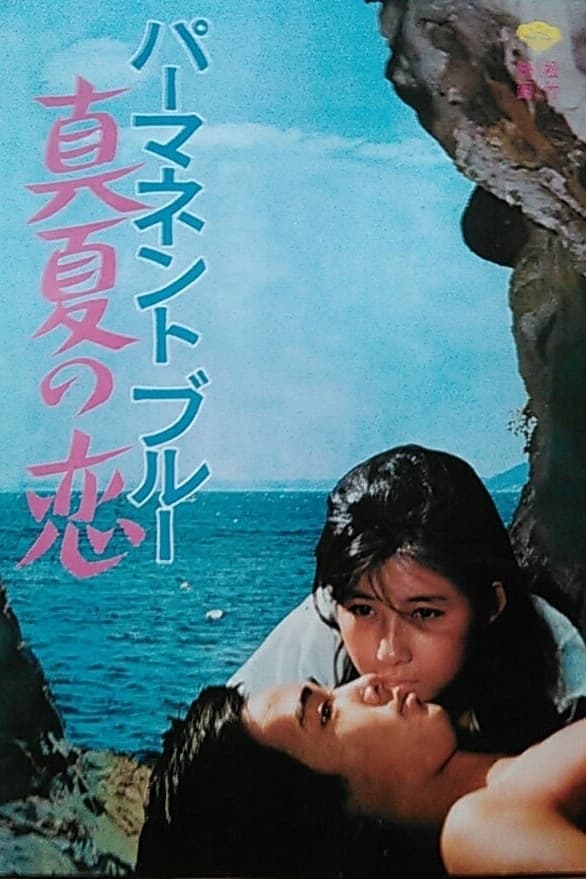
In a fishing town by the Seto Sea, a student discovers a woman motionless on the beach and takes her back to his family's inn to nurse her, but he soon discovers than she is an extremist on the run from the police.
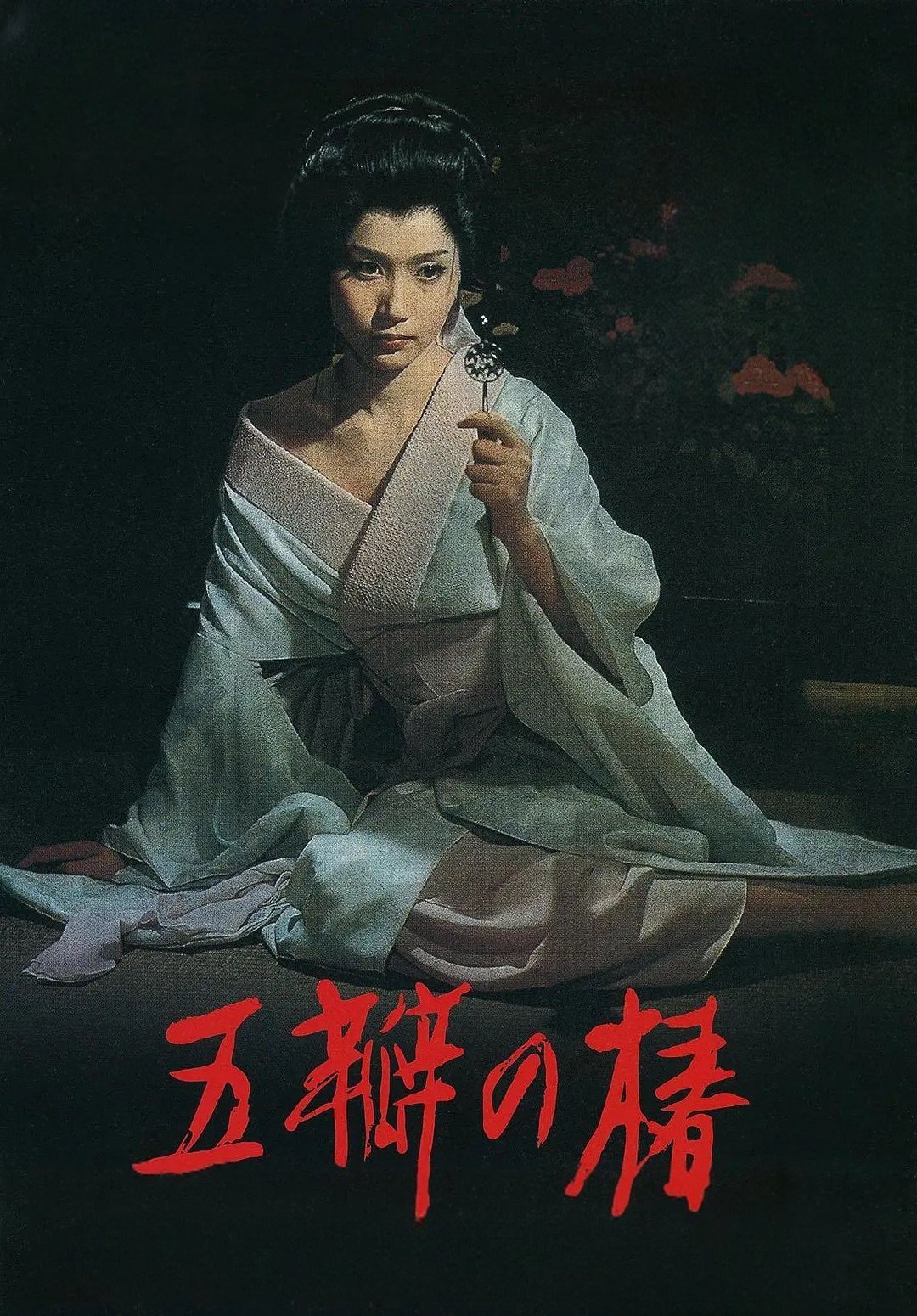
A young woman begins murdering all those responsible for her ailing father's condition. Because the girl is so outwardly sweet and innocent, the detective looking into the deaths does not suspect her.
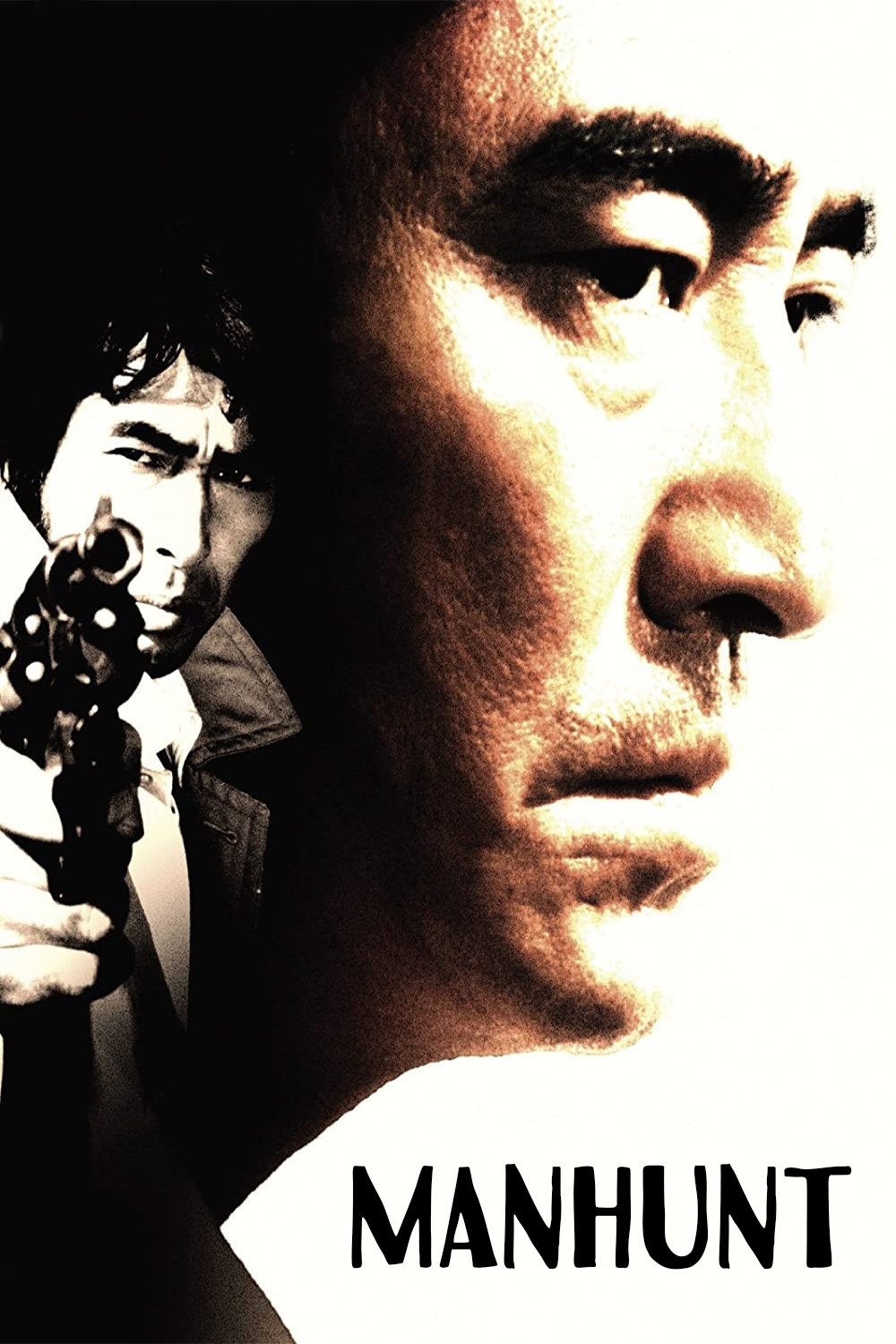
A tough prosecutor is falsely accused of theft and goes on the run to clear his name. He is assisted by the beautiful daughter of a rich man.
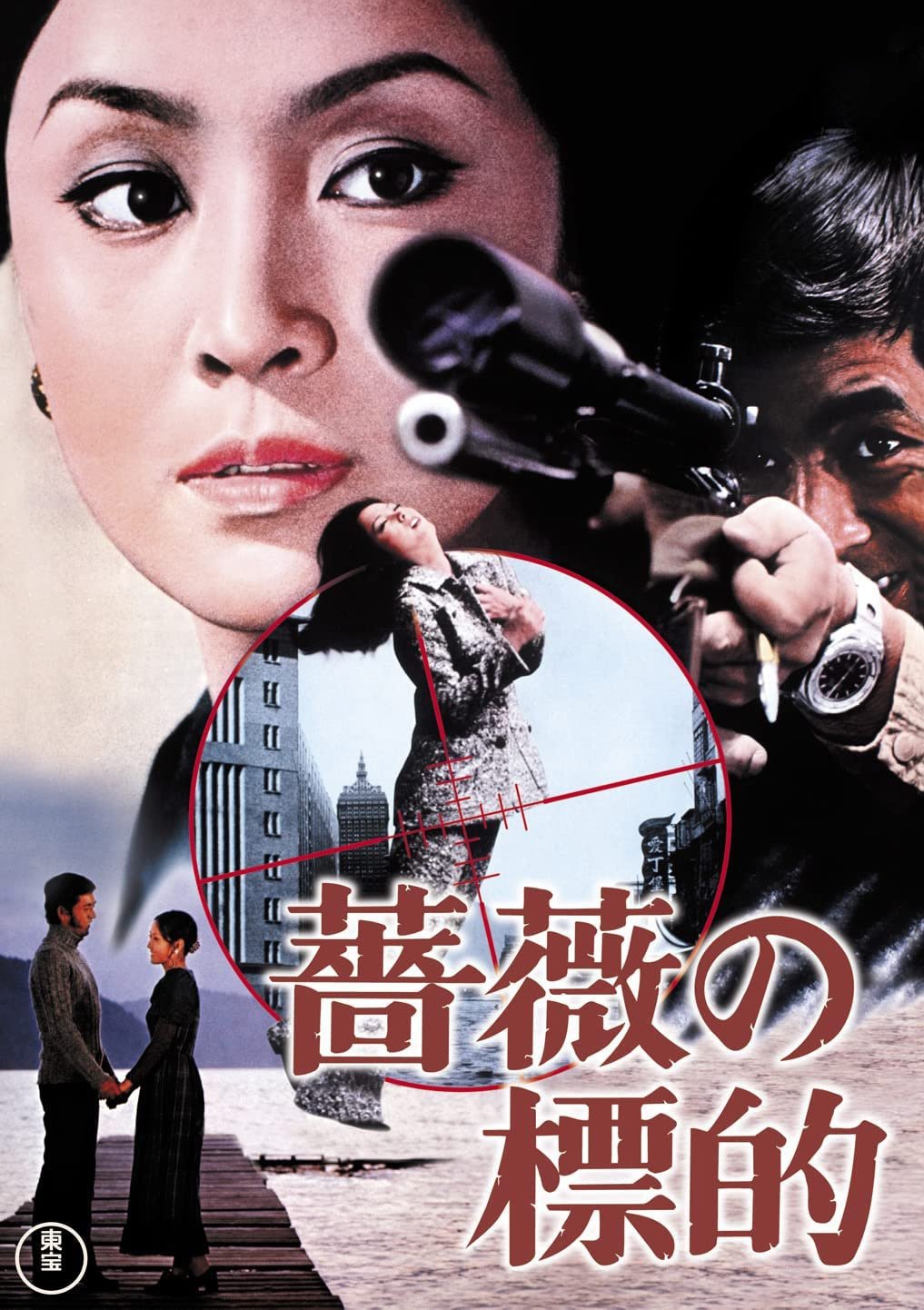
A gunslinger is hired to kill a news photographer. The young ward of the shot photographer discovers the set-up behind the killing - that a laboratory is being set up by a Nazi organization to capture and train talented youth and that the photographer was about to expose it.
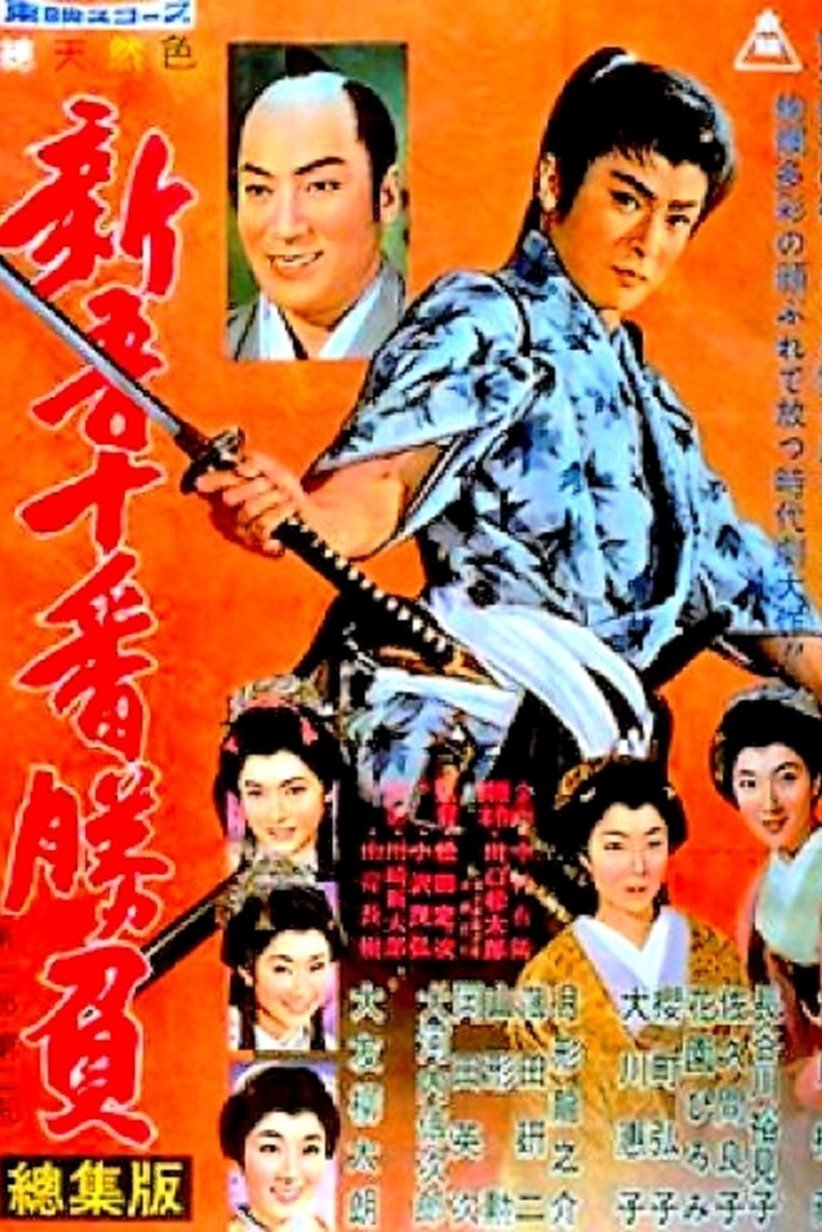
A young samurai learns that he is the illegitimate son of the Shogun. Hoping to reunite with his birth father, he travels to Edo to find Shogun Yoshimune.
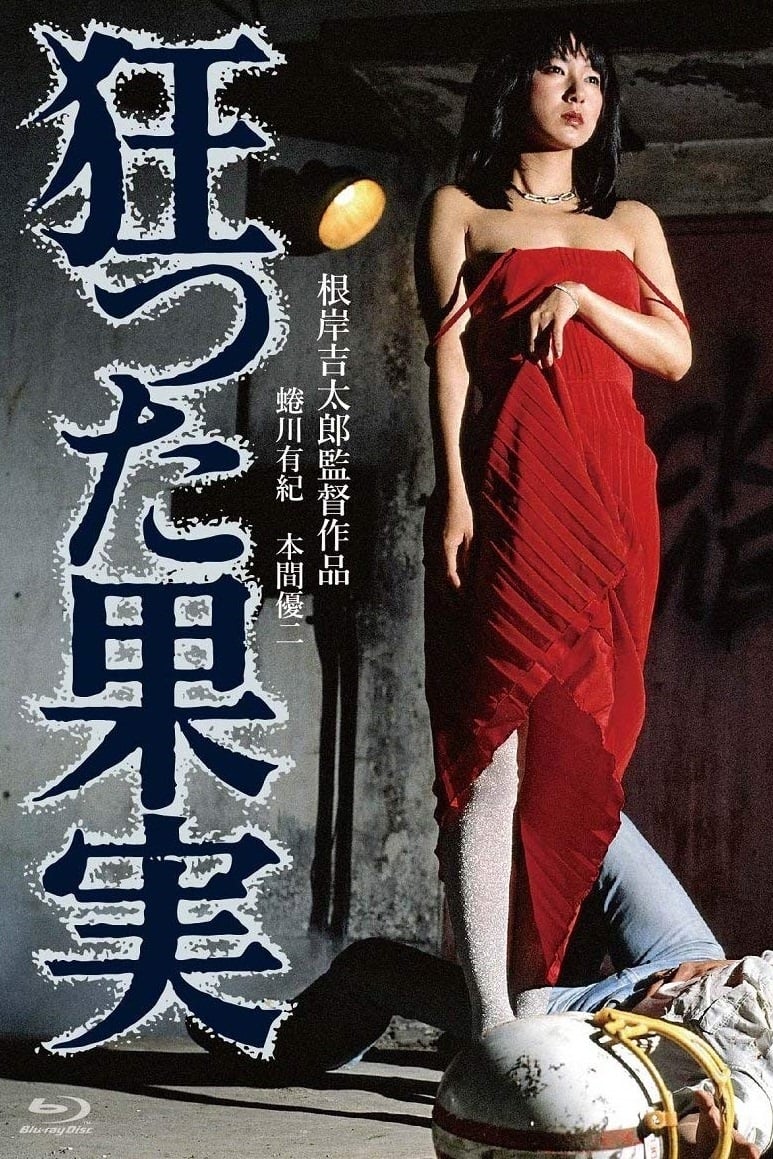
A working class young man, Tetsuo, who distrusts all rich people, falls in love with a girl, Chika, from an affluent family. He has a difficult time, but love survives despite the problems.
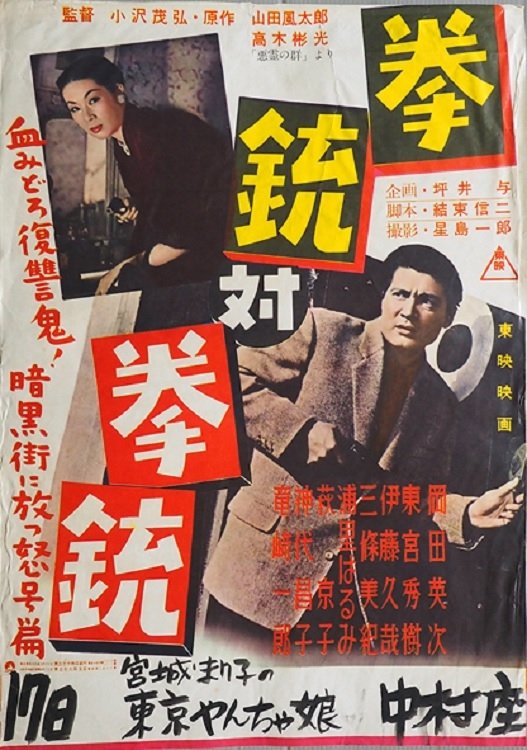
The orphaned son of a count who was assassinated by his subordinates in a conspiracy during the Pacific War becomes obsessed with taking revenge on his late father's enemies.
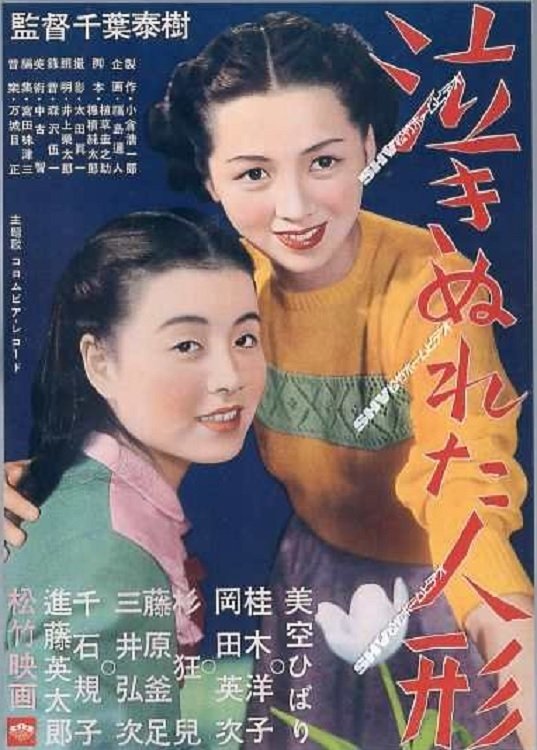
A Hibari Misora musical about an impoverished girl and her brother in Postwar Japan.
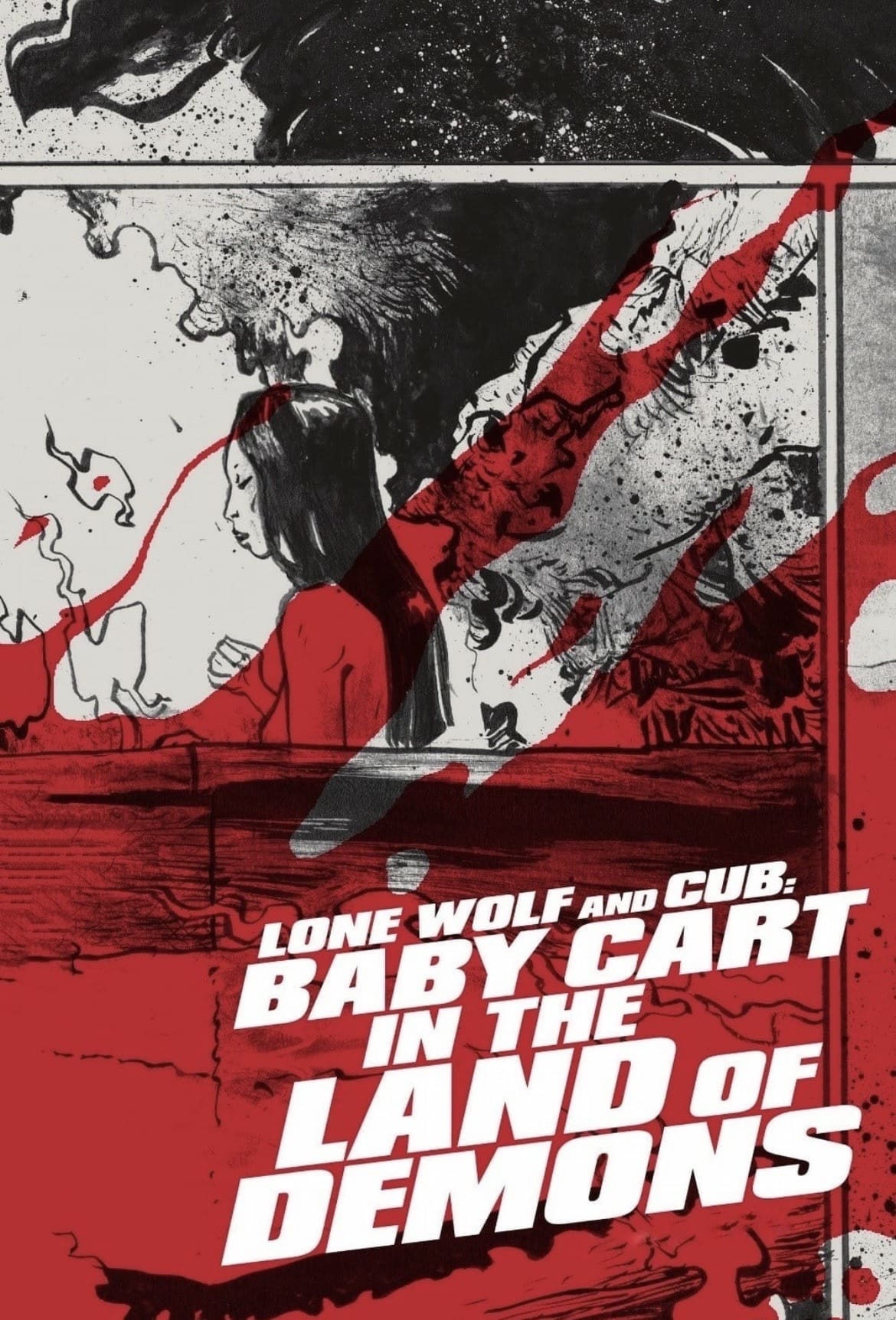
Ogami Itto is challenged by a quintet of warriors, each armed with one fifth of Ogami's assassin fee and one fifth of the information he needs to complete his assignment.
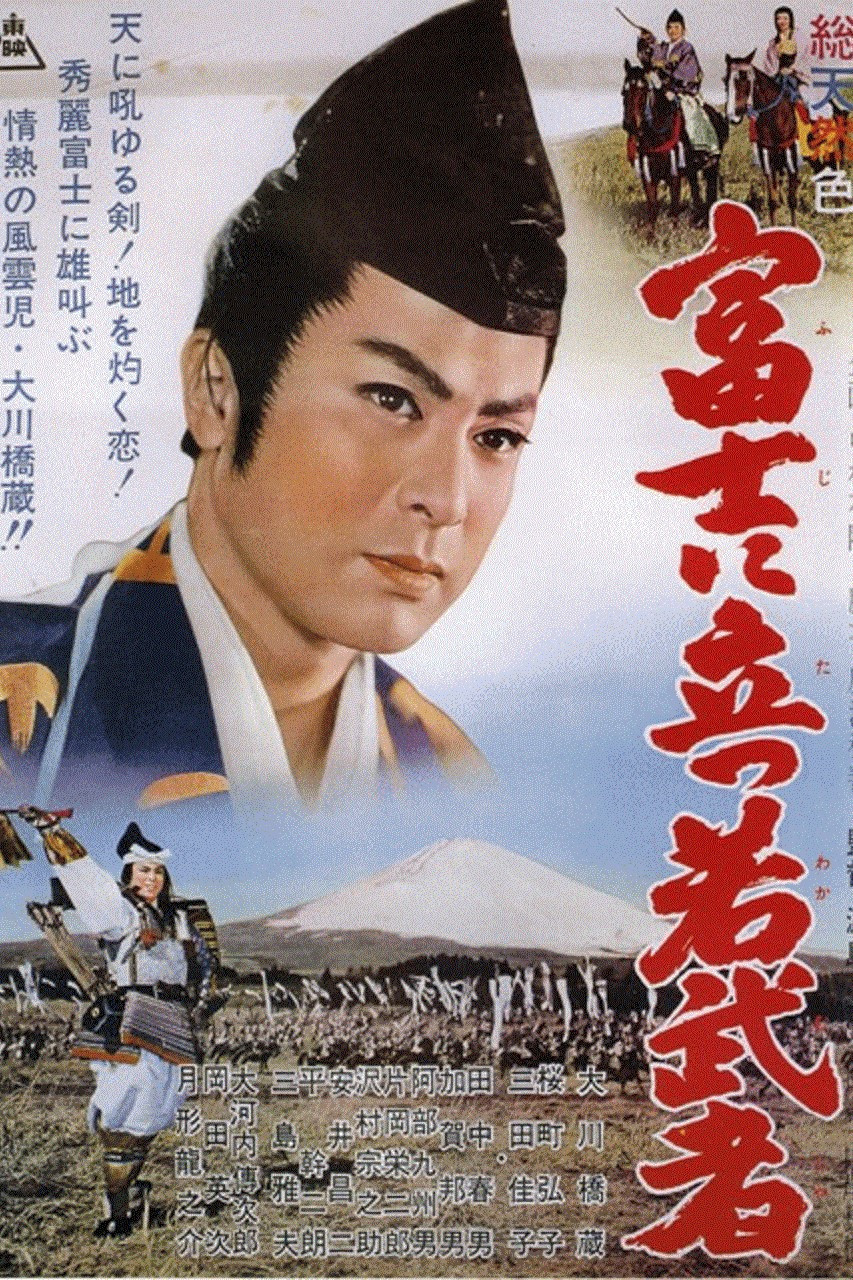
The epic battles between the Heike and Genji (Taira and Minamoto clans) take centerstage as the defeated leader of the Genji, Minamoto Yoritomo resolves to end his clan's exile and avenge the brutal loss in December, 1159 as they had fought under the white banner of the Emperor, while the Taira fought under their red flags in a battle to the death. The fight only took one day, with the Genji suffering utter defeat which led to their exile. His father, Yoshitomo, took responsibility for the loss and rather than live in humiliation, he decides to commit suicide with all his sons following him. However, the bravest warrior among them, Yoritomo stands tall and declares that he will not kill himself, but rather will fight to restore the clan.
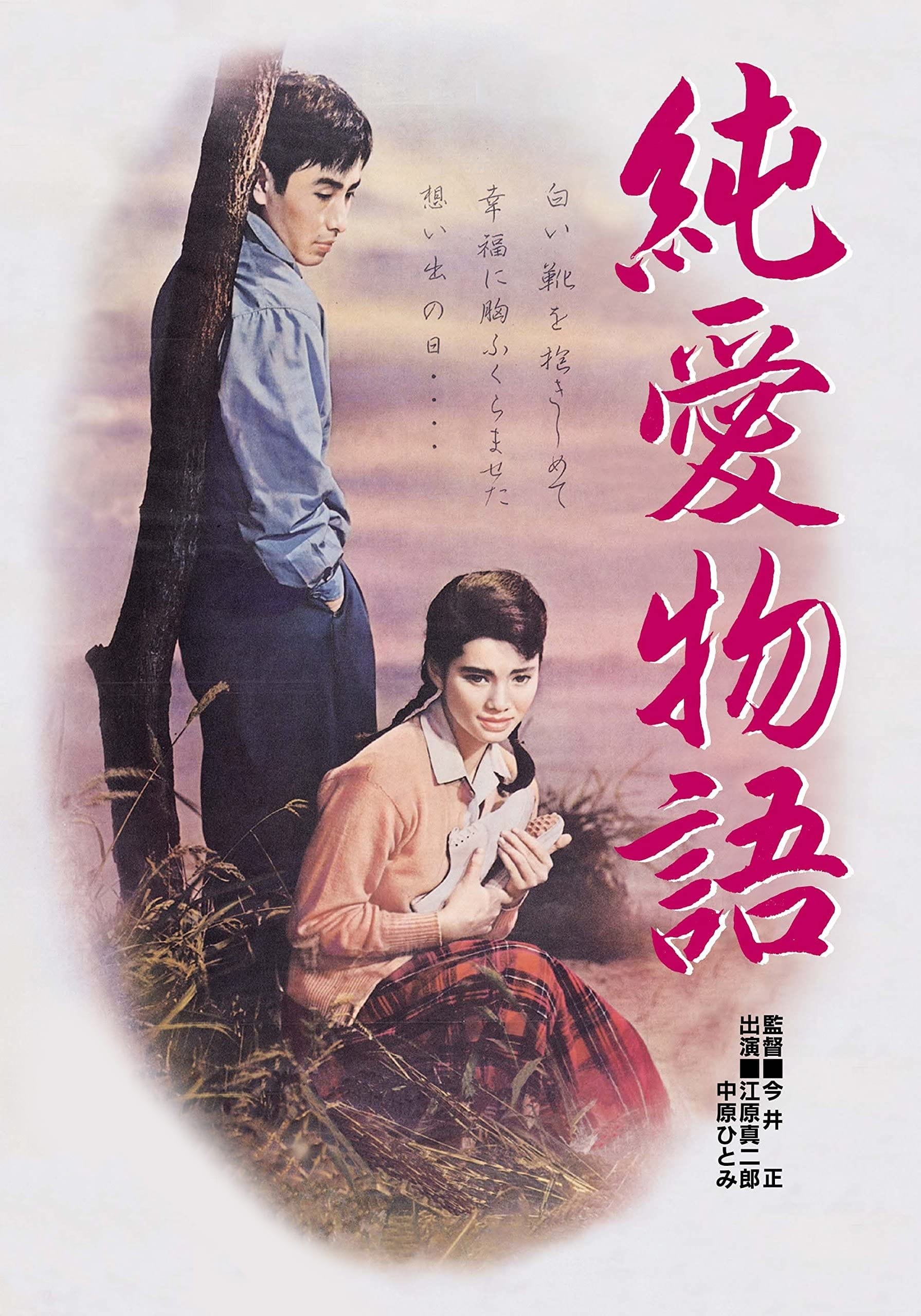
Junai Monogatari AKA Story of Pure Love is about two poor youths, Mitsuko and Kando, rebelling against society in various ways, who are desperately trying to be together despite tortuous circumstances. The film depicts their lives as thieves, menial laborers who can get little pay, society outcasts, and of course, lovers. Junai Monogatari depicts, mostly, their struggles within the Japanese reformatory system and Mitsuko's worsening sickness.
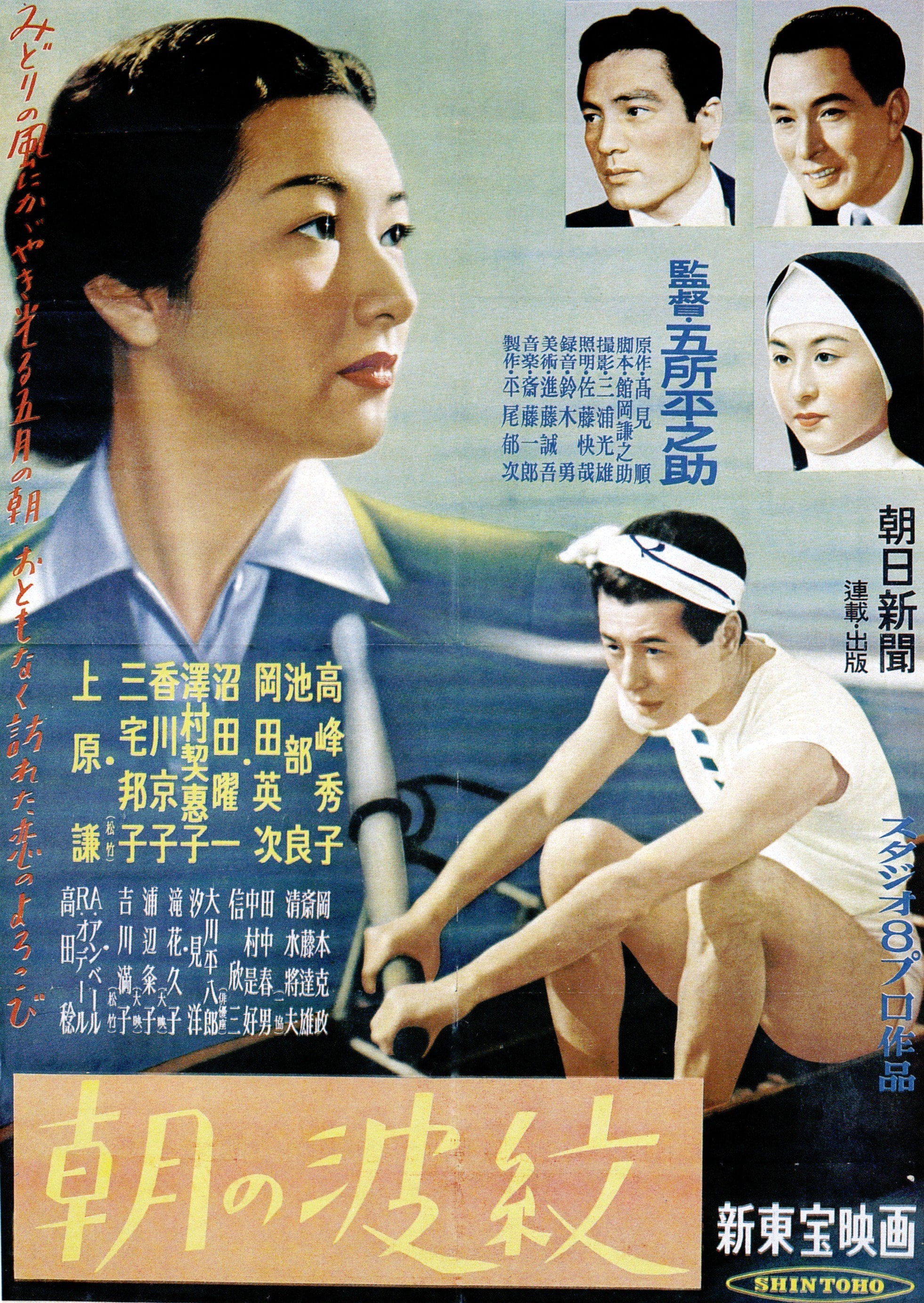
Atsuko is an office secretary who is also her family's primary source of income and caretaker in postwar Japan.
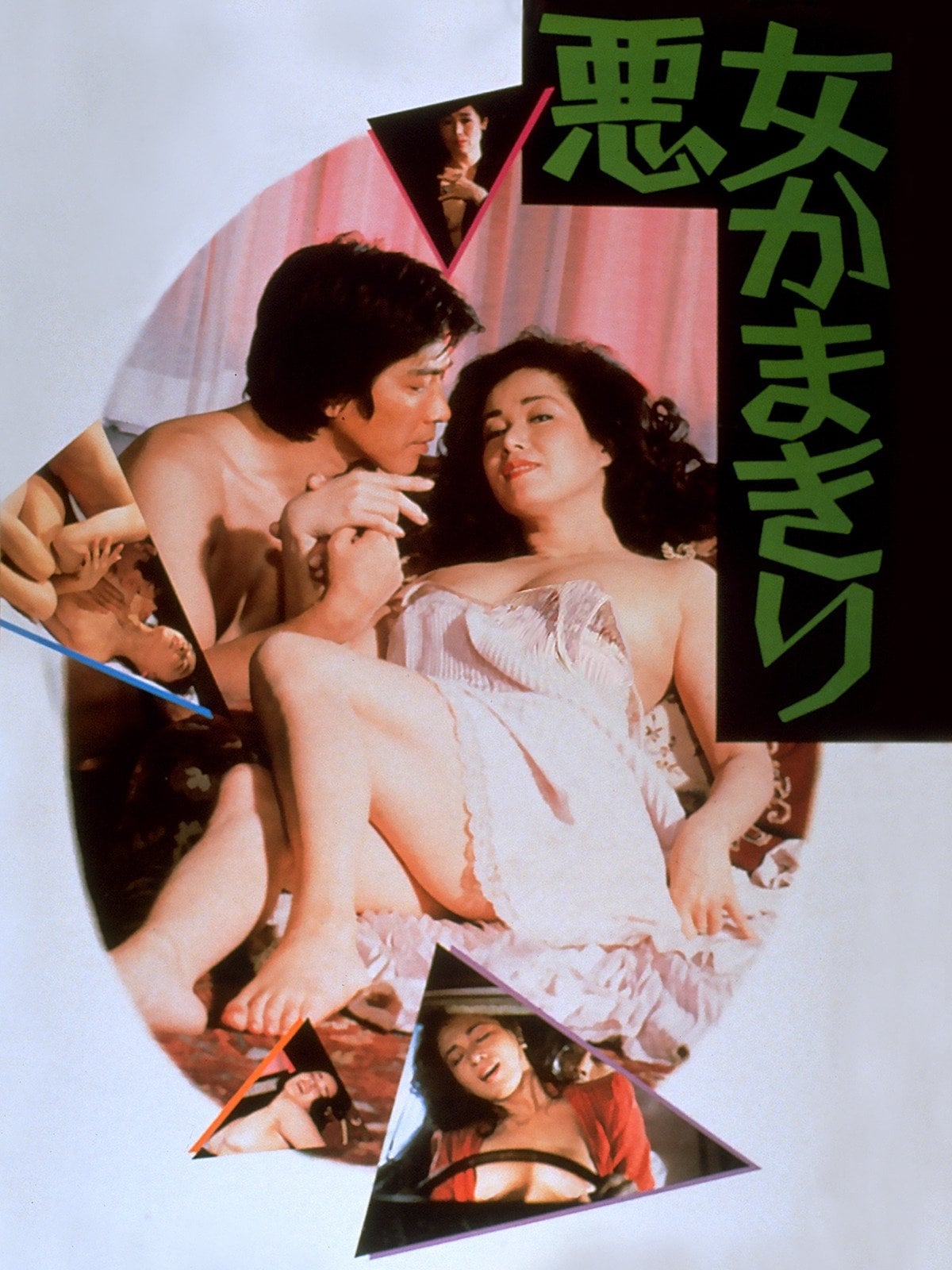
A man and a woman drift ashore after a typhoon. The man, dead, is an escaped perpetrator, and the woman, alive, is a hairdresser Masako. A detective in charge of an embezzlement case is tracking the whereabouts of disappeared money and suspects Masako. One year later, a real estate company president dies a suspicious death in front of Masako at her beauty salon. Was it an accidents or murder?
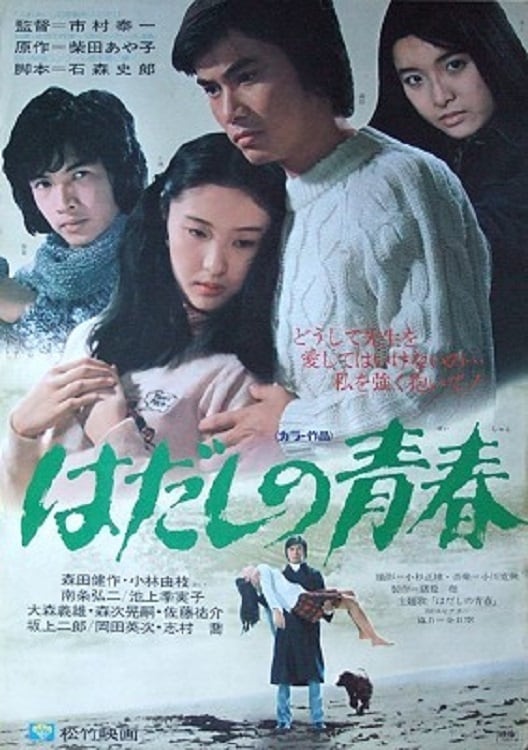
Youth movie.
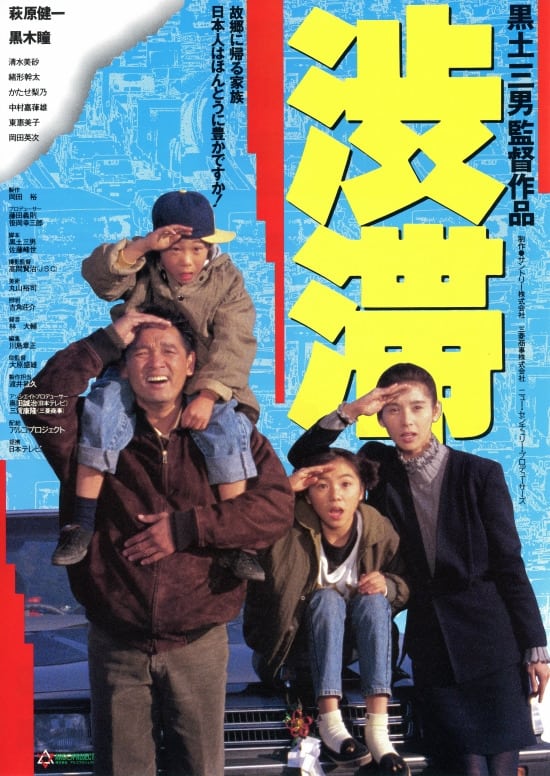
A hard working salaryman takes off five days from his busy job and sets off with his wife and two children to visit his parents in his hometown for the 1991 new year holidays. He decides that they will go by car to save on expenses. Unfortunately, the long drive from Tokyo to his hometown becomes a much longer journey than expected due to traffic, sickness and other misfortunes and by the time they arrive three days later, they only have time for a short but happy visit.
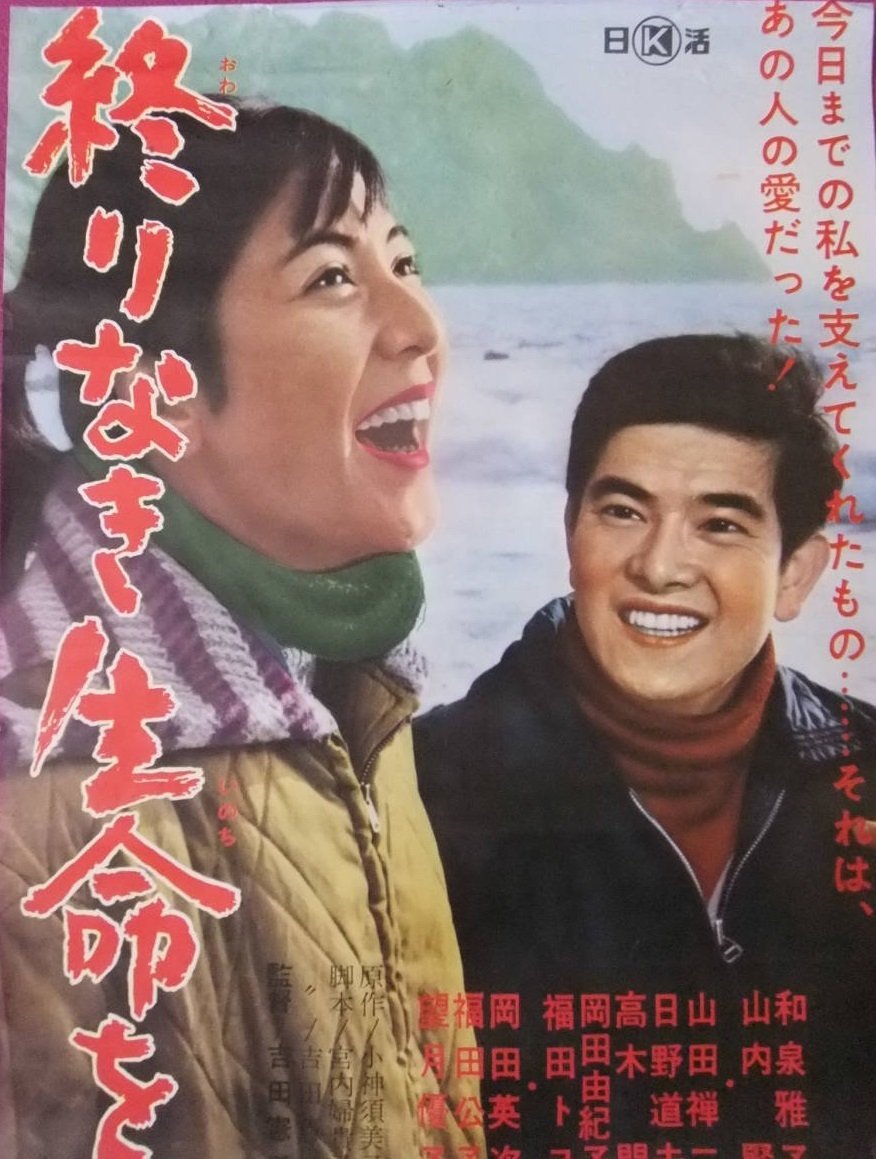
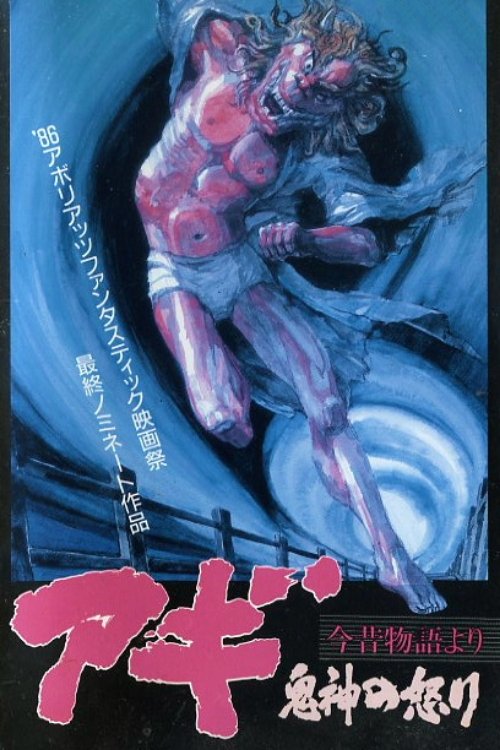
A samurai warrior is terrorised by the demon Agi.
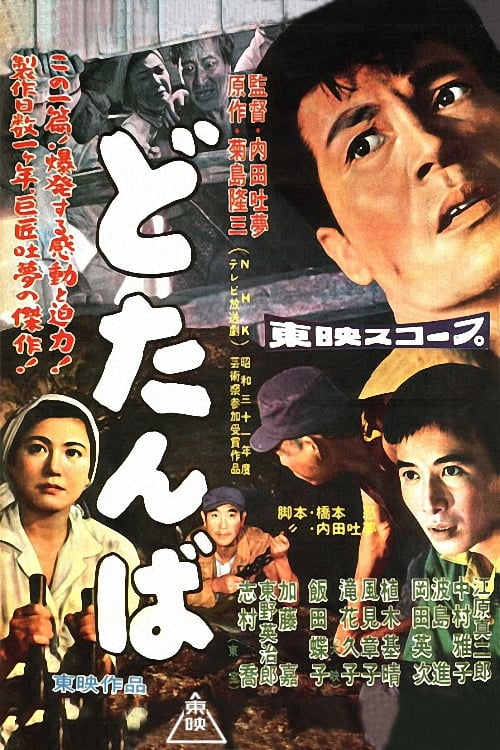
Based on a 1956 television feature on Japan’s national network, NHK, this is one of Uchida’s rarest films. A socially conscious drama with a contemporary backdrop, Dotanba focuses on the attempts to rescue a group of trapped miners. The title is a figure of speech — (essentially “last minute” or “eleventh hour”) — that refers to a situation of peril. The film boasts a script co-written by Uchida and Akira Kurosawa’s frequent screenwriter, Shinobu Hashimoto, and stars Kurosawa’s frequent star Takashi Shimura.
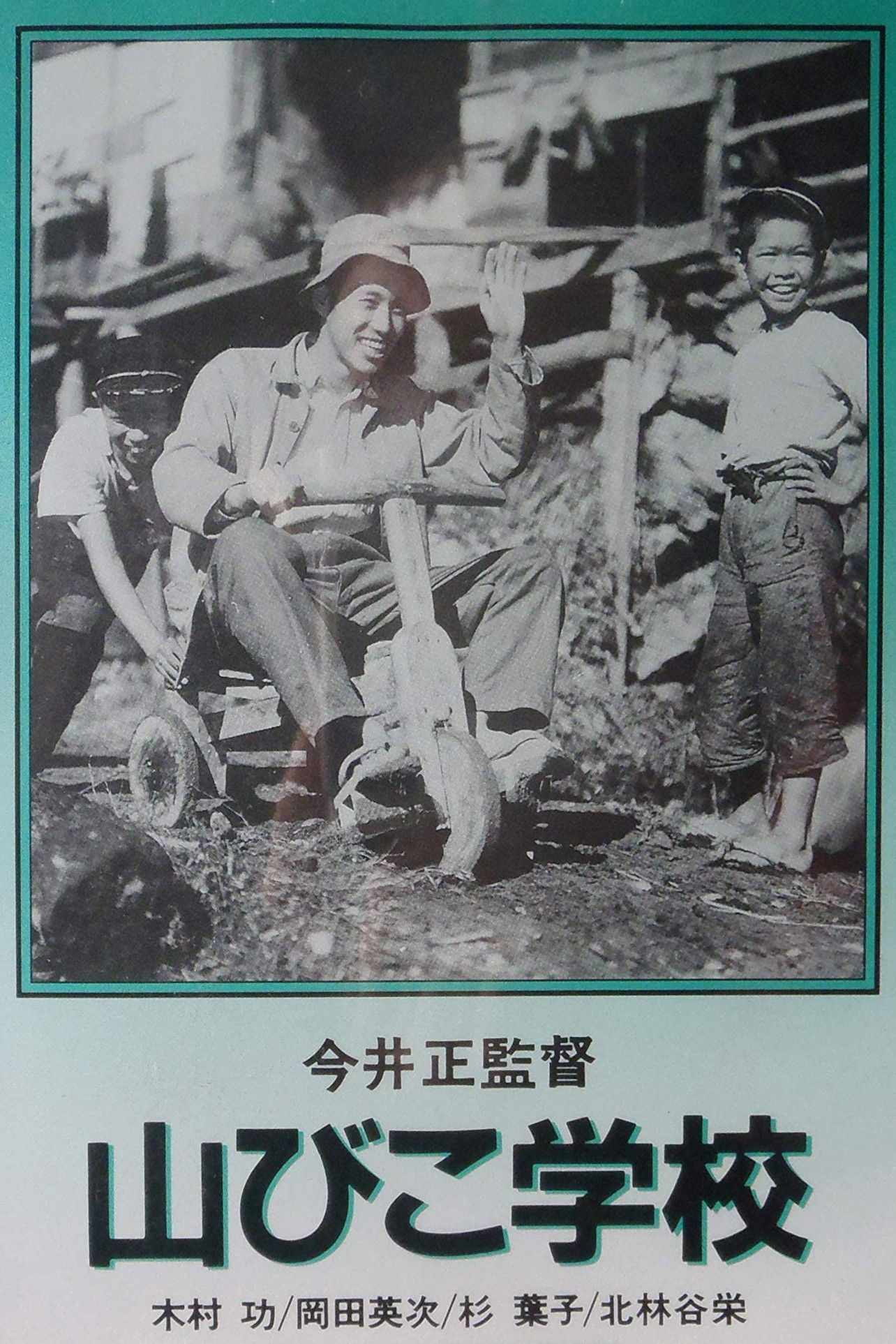
A story of a passionate teacher and his great effort for the children in a poor village.
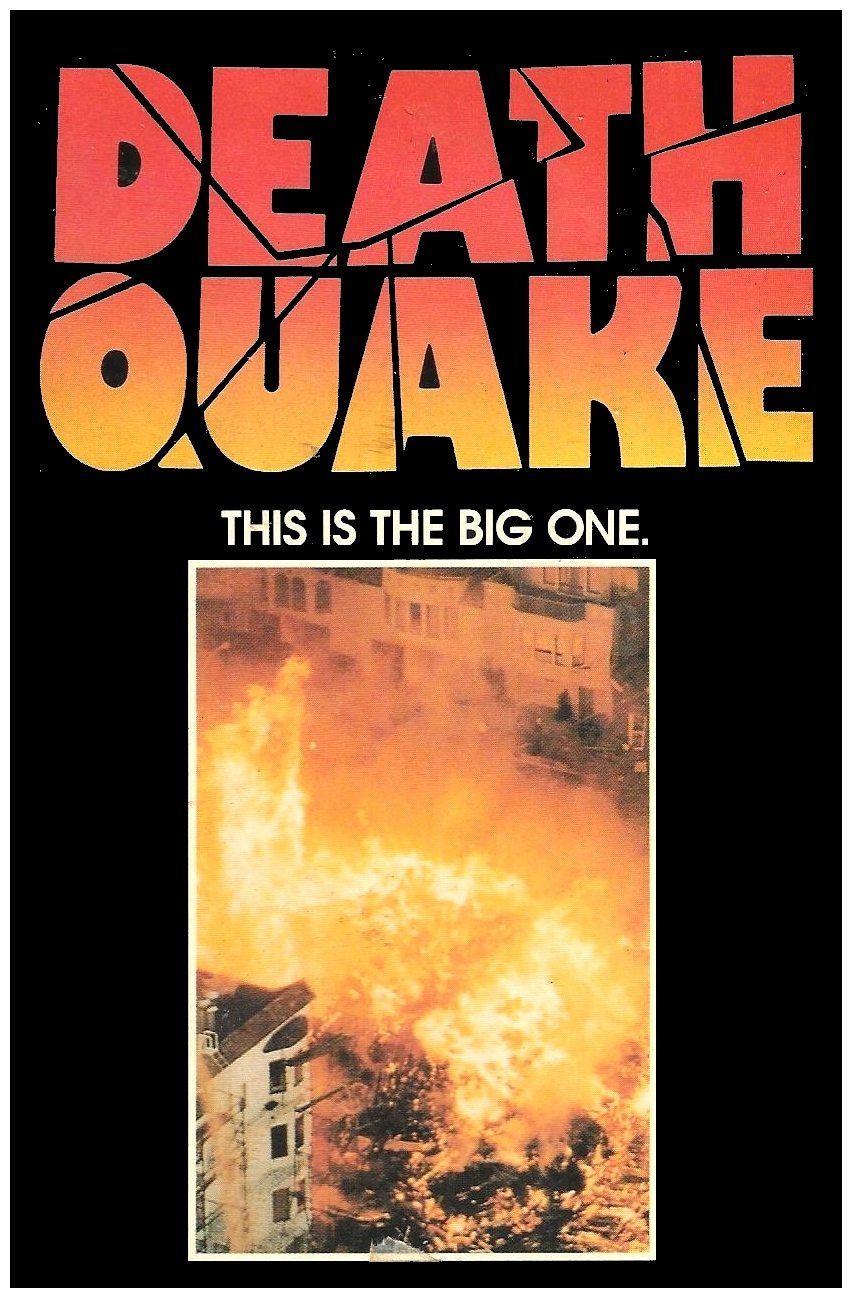
A large earthquake hits Tokyo, which was predicted by a seismologist but was ignored.
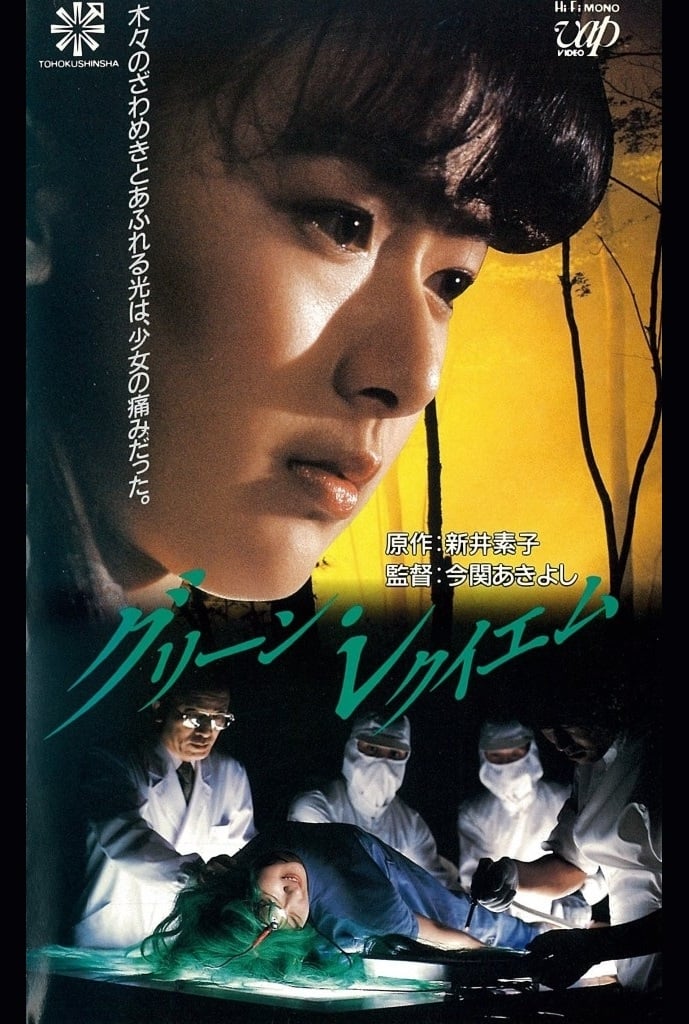
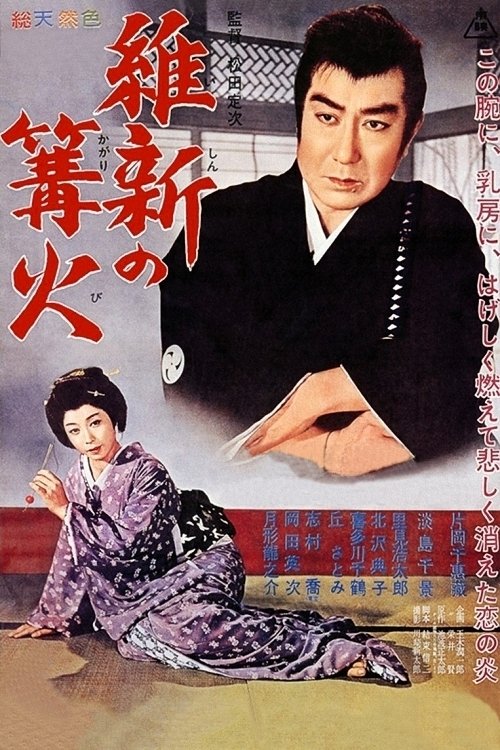
Megastar Kataoka Chiezo is Vice-commander Hijikata Toshizo of the Shinsengumi in this realistic tale of Japan’s inner battles that led to the downfall of the Tokugawa shogunate. Excellent performances and extremely good swordplay highlight this glimpse into the heart and soul of Japanese history. Although known as “Razor Blade” Hijikata, the vice-commander is a man of deep conviction with a little-known sense of humanity. Starting after the famed Ikedaya Incident, in which they saved Kyoto from Choshu’s plot to burn the city to ashes, they work hard to change the public’s view of them as merciless killers to their true mission of protecting the shogun. This is an extraordinary tale of blood and guts! From the pen of award winning author Shotaro Ikenami (Bandit Vs. Samurai, Hunter in the Dark, Misumi's The Last Samurai)
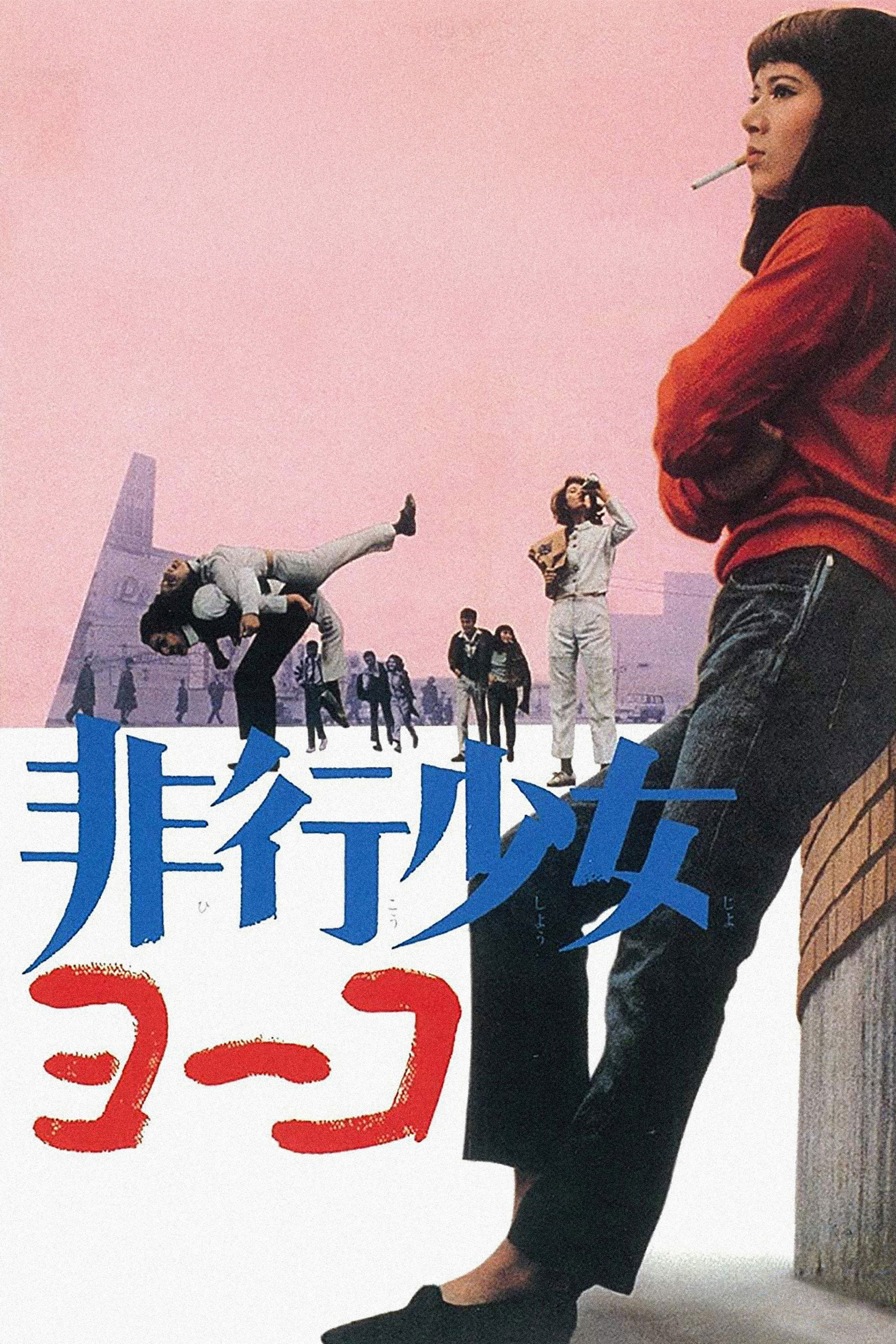
Easily bored, but still innocent and naive countryside girl discovers partying in Tokyo is a ton of fun. Yakuza-to-be is an acquaintance who tries to rape her, and the typically bland but very-good-here the first boyfriend.
Shunsuke Washimi, a member of the karate club, misunderstands the affections of Chiyo, a lodging house girl who is in love with him and in the midst of a confusion challenges Yamauchi Tatsuhiko to a fight, forgetting the true core of martial arts, that should only be used as a selfdefense.
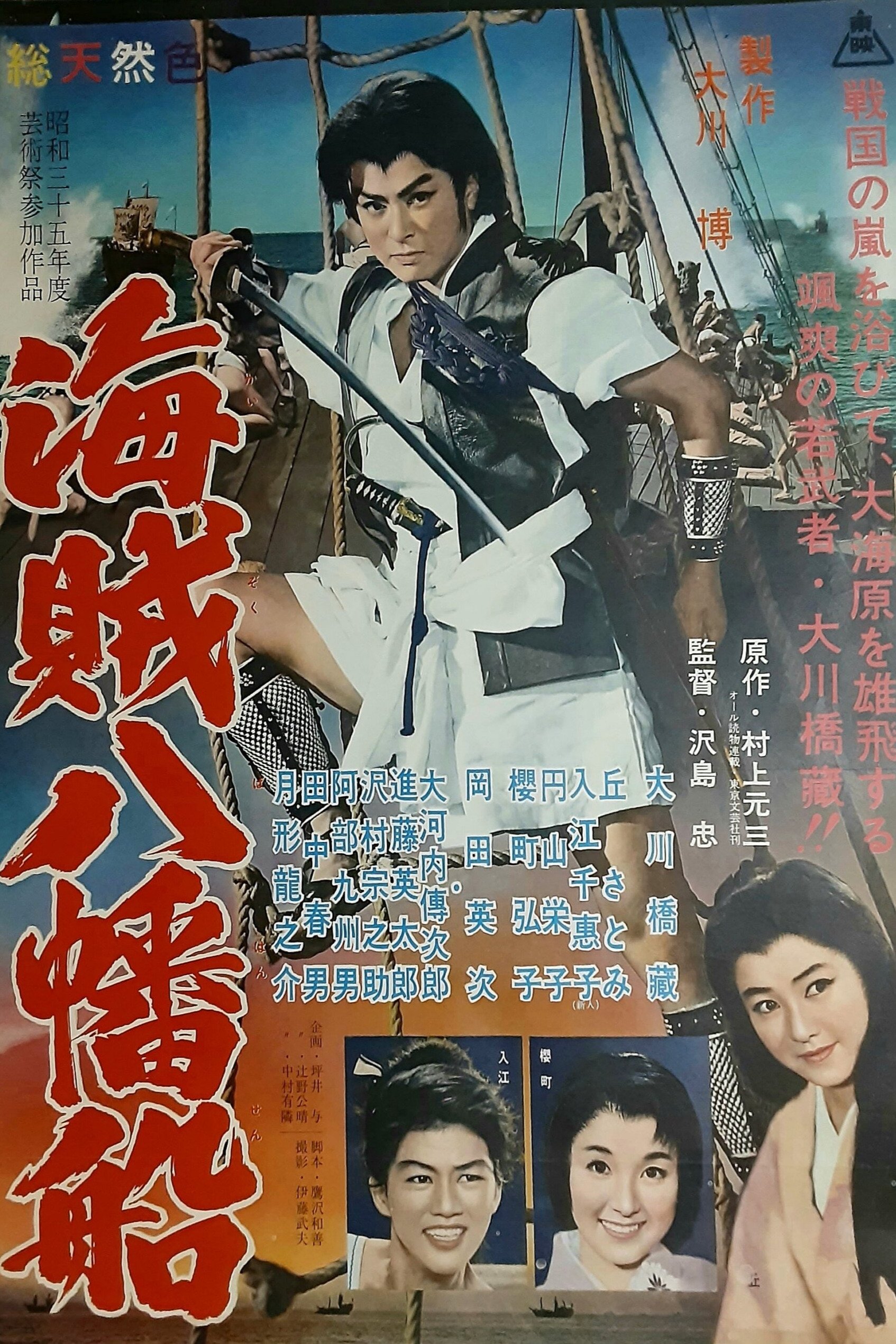
Finding more freedom on the high seas than in war-torn Japan, the 'Bahansen' (Pirate ships) based on the Seto Inland Sea during the Warring Period (Sengoku-jidai)sailed to China, Korea, Luzon, and Siam under the Hachiman banner. A battle for supremacy of the seas begins when a strange old shipwreck survivor is brought to Sakai where he divulges a secret that can change the course of history.One of the most literate and well-written films from Toei, this is an exciting tale of swashbuckling samurai on the high seas!
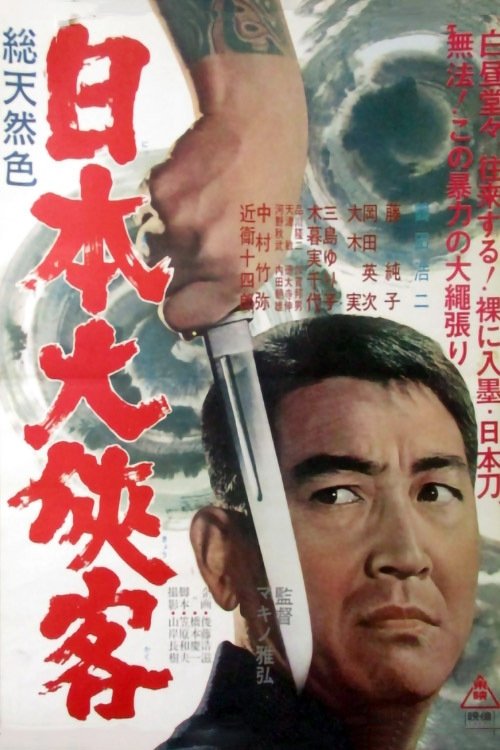
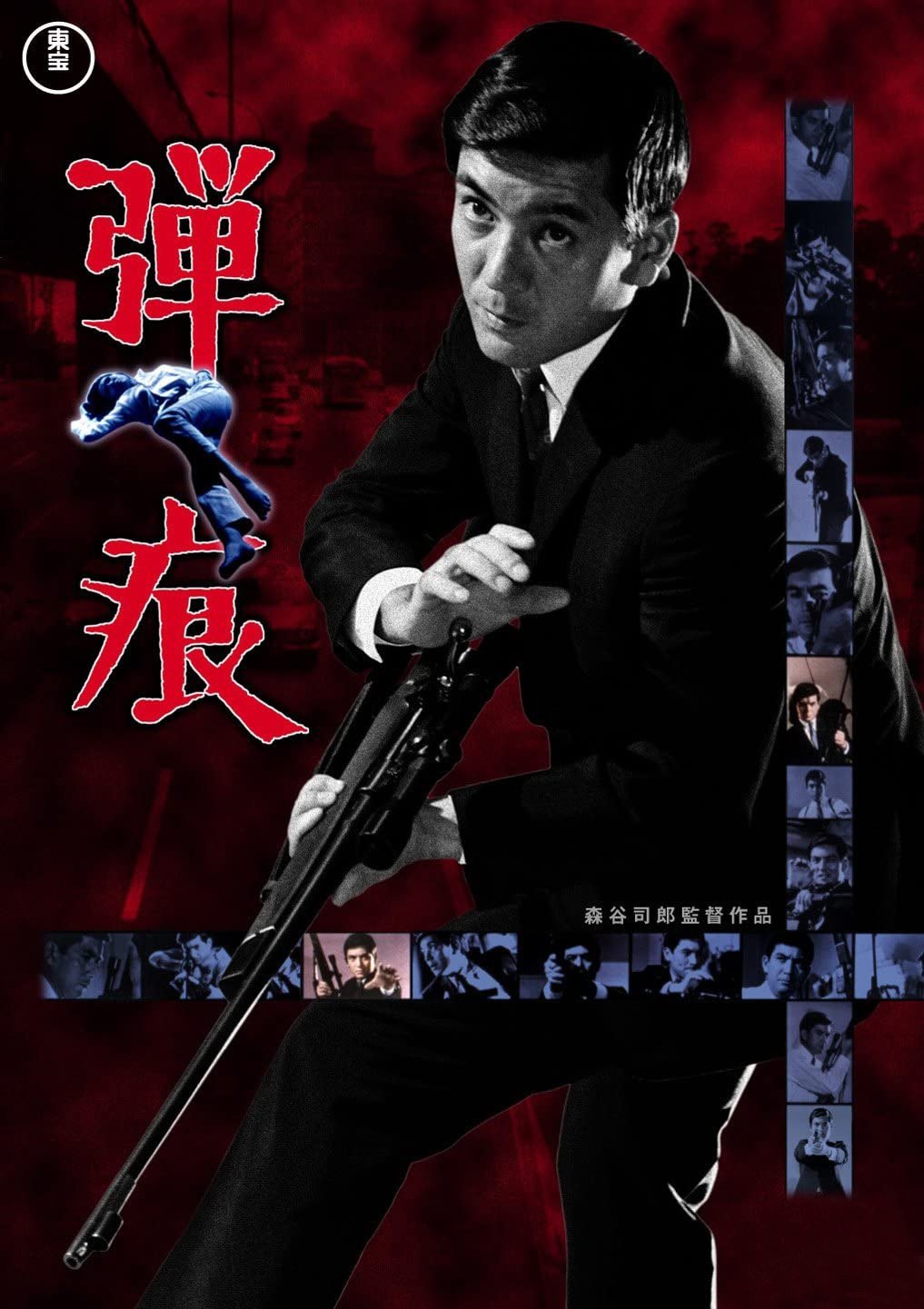
Yuzo Kayama is an American-Japanese operative working for the US to uncover an arms deal between an American seller and Chinese communists, and to take out both parties. After almost getting assassinated himself, he takes a wounded civilian with him despite living in a world where no one can be trusted.
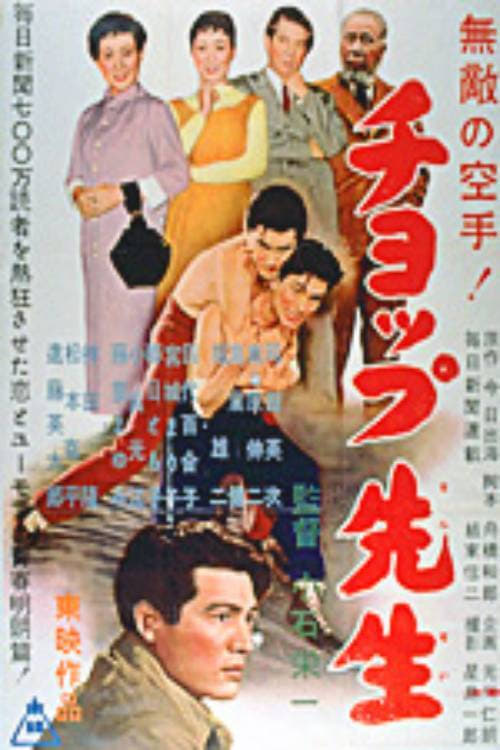
Junpei Kihara, a young president of the University's wrestling club, is nicknamed "Mr. Chop". One day, on the way back from visiting the hospital after being thrown by Nobuyoshi Shinohara during practice and injured, he met Asako, the sister of Arisawa's mother, Katsuko. When they entering a coffee shop run by Asako's best friend Hisako, Hisako misunderstood them as lovers...

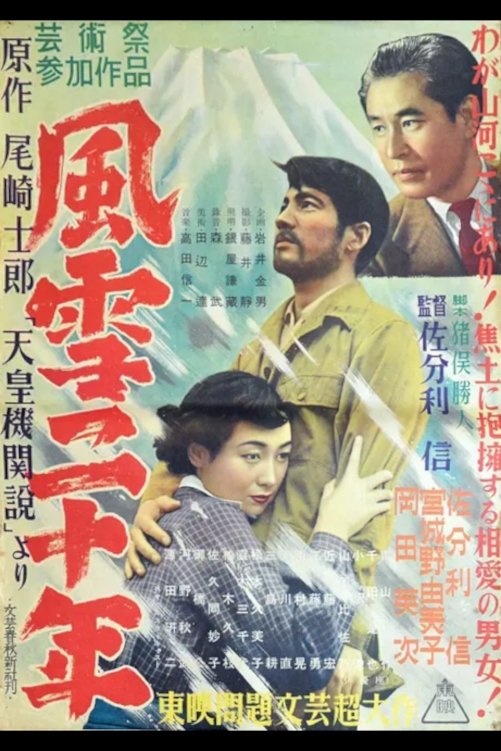
The Stormy Era of Twenty Years
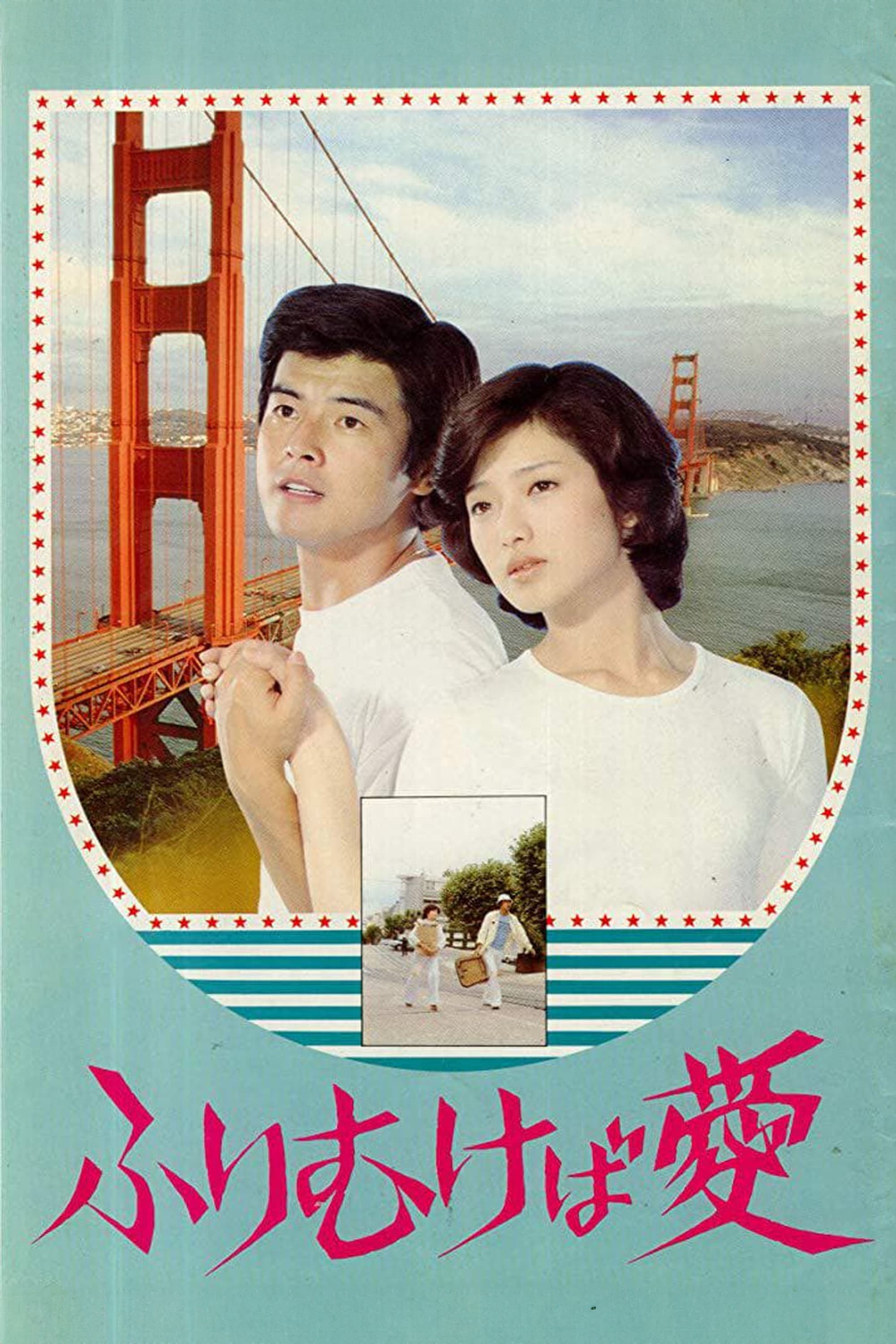
Kyoko met Tetsu during her trip to San Francisco. Soon they fell in love but getting married was not in his mind. They were to meet again back in Tokyo but Tetsu didn't turn up. She went to look for him in San Francisco but all she found was him with his new girlfriend. Kyoko went back to Tokyo and eventually married a big corporate CEO.
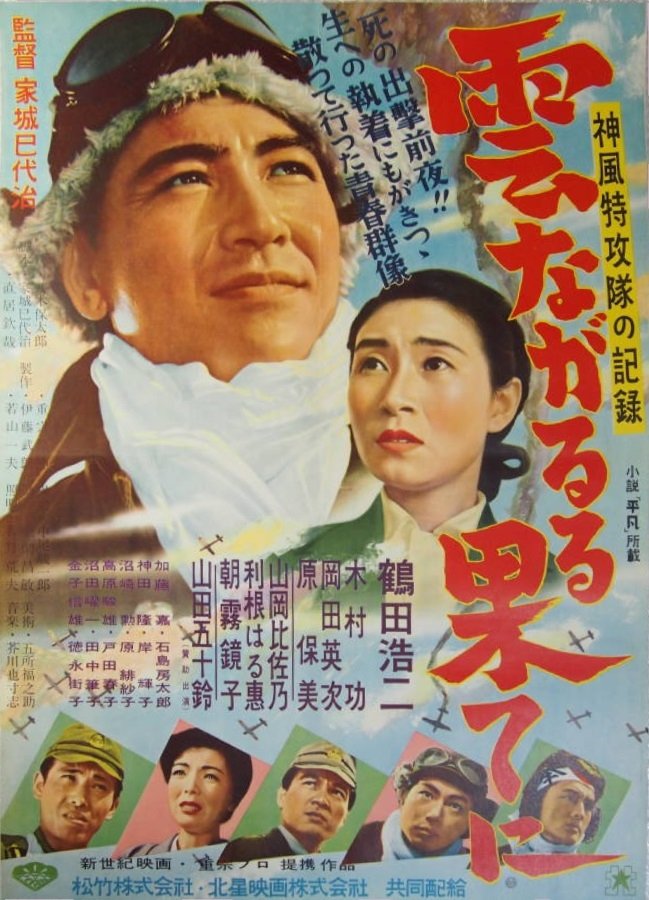
A movie that depicts the tragic fate of many Yokaren flight-academy pilots.
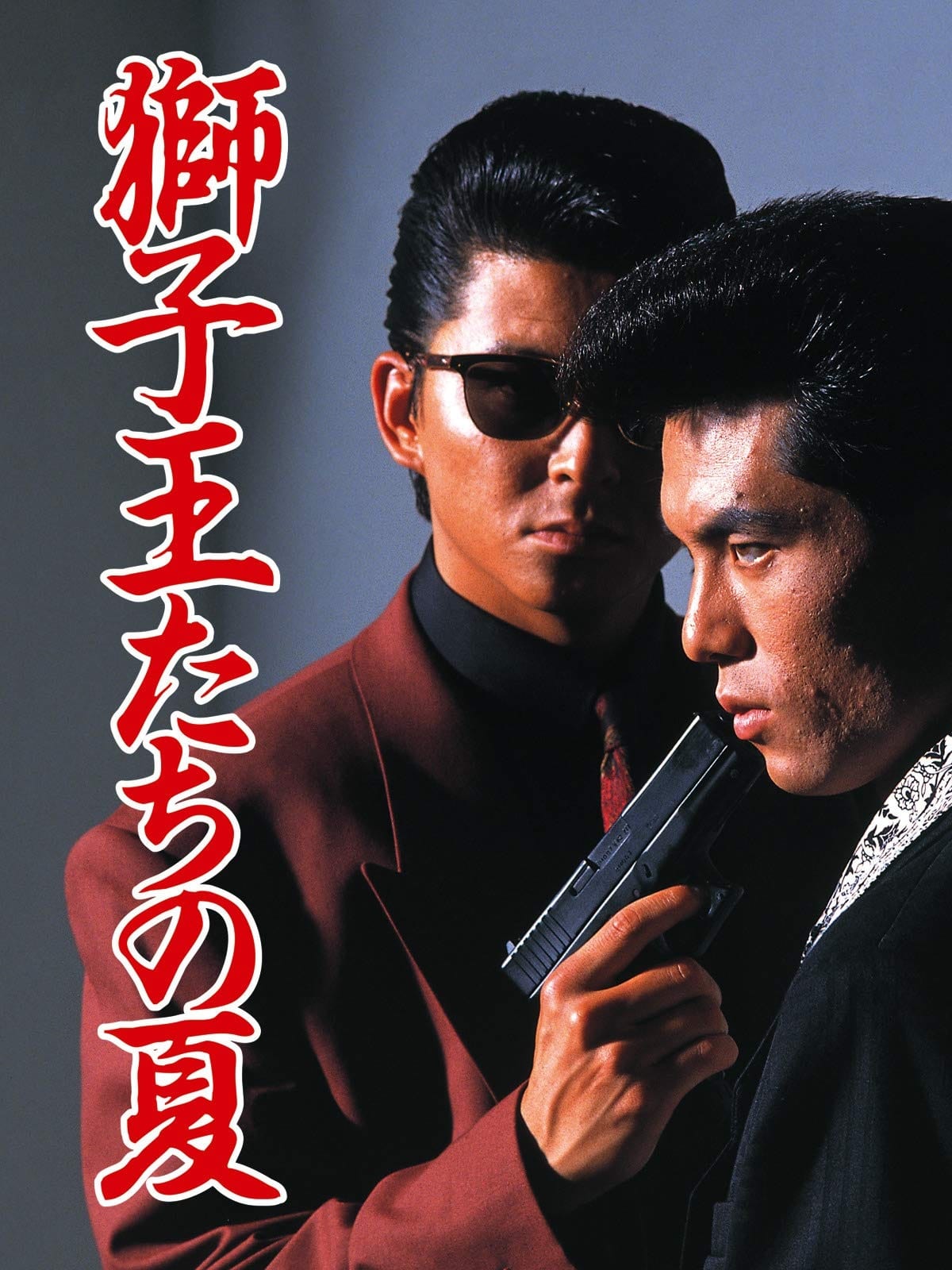
Katsu, who belongs to the Murai group of the Sakagami Union, was frustrated by the distance from the yakuza world he had envisioned. At that time, Katsu, who met Osamu who belongs to the conflicting Dainippon Kyokushinkai, feels the real gangster scent of Osamu.
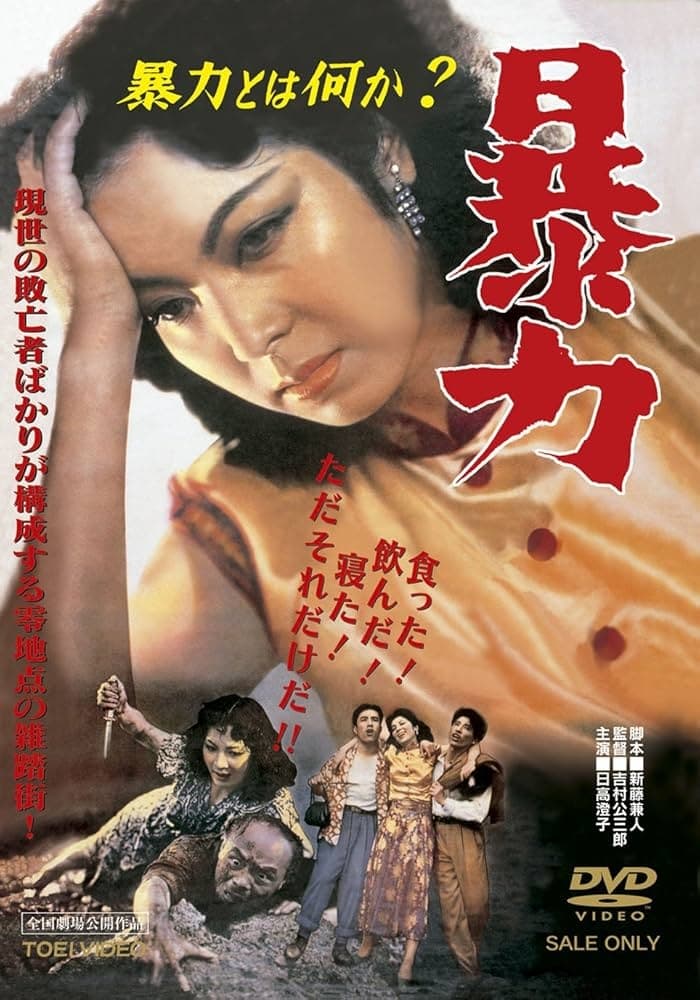
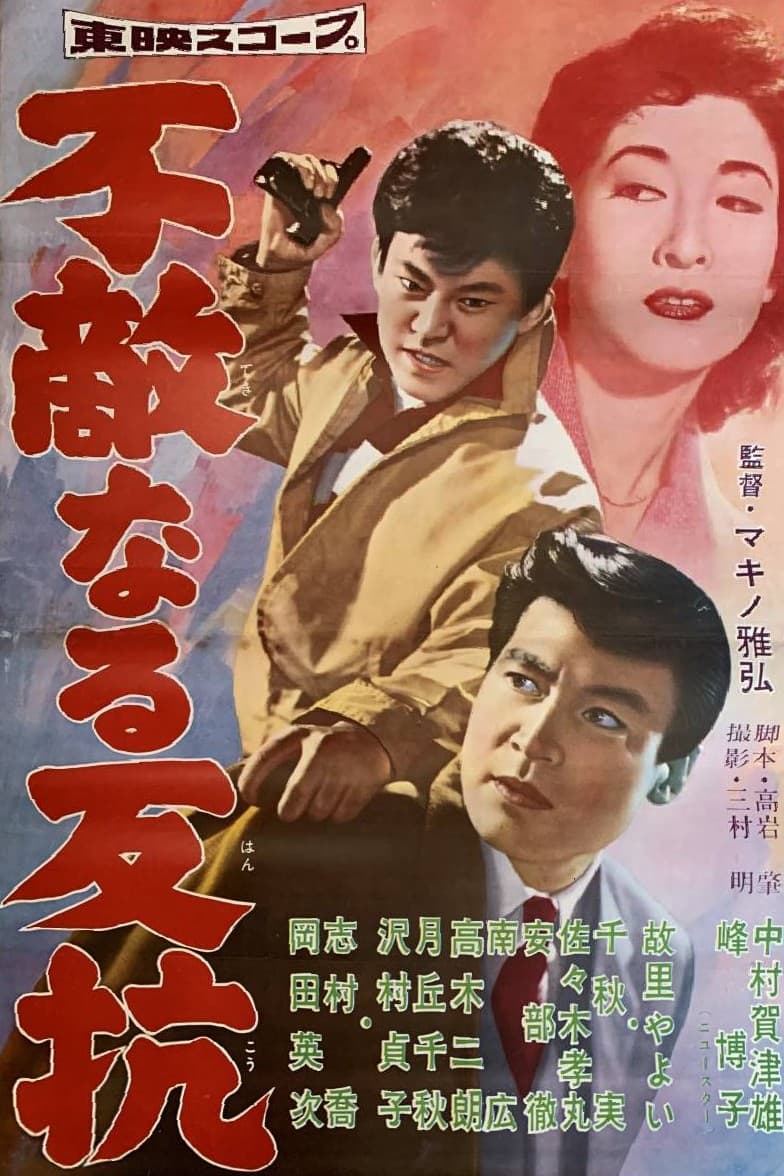
This action film depicts the conflict between two brothers, one a detective and the other a yakuza.
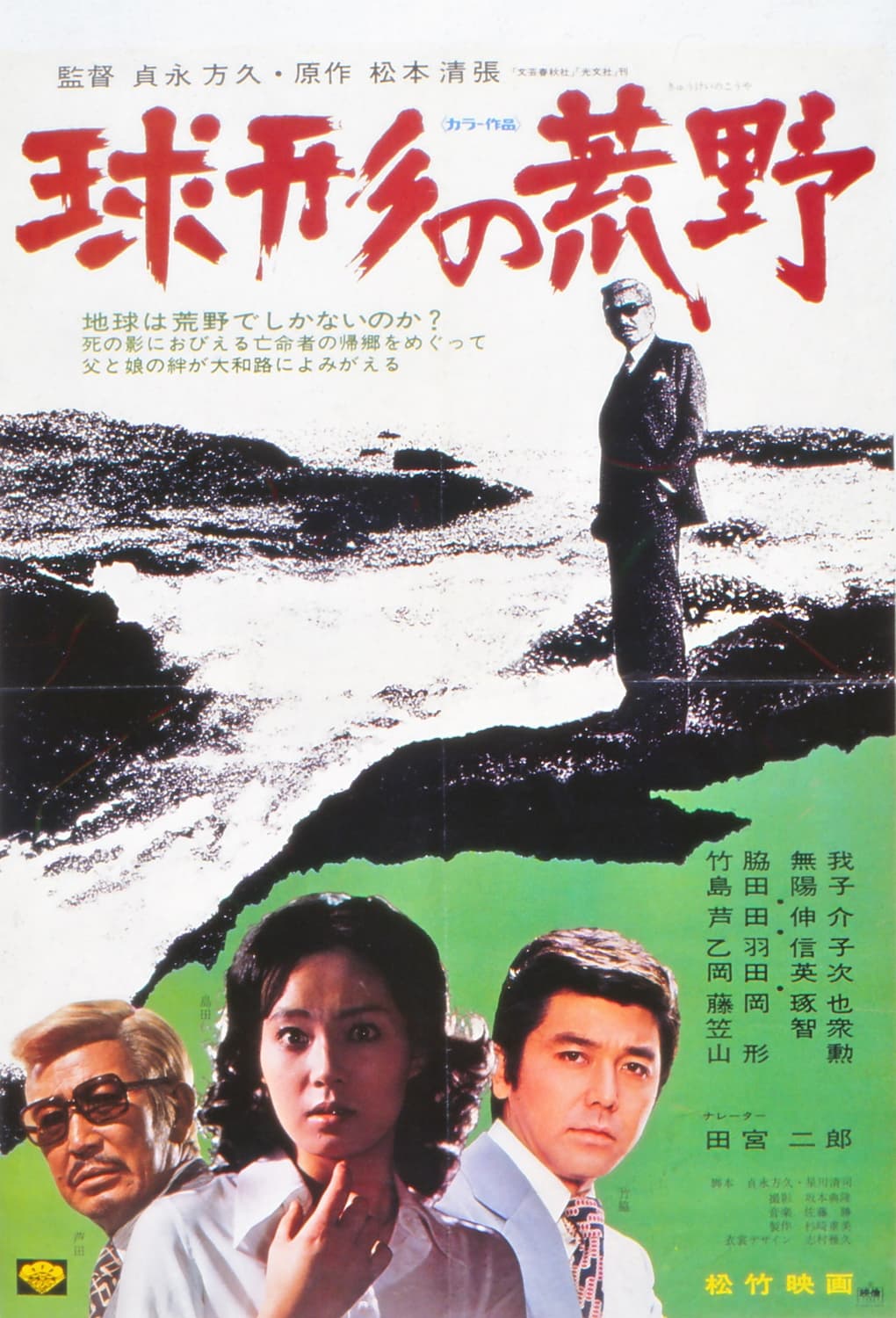
A film adaptation of Seicho Matsumoto's novel of the same title, starring Muga Takewaki and Yoko Shimada. Set in Japan at the end of the war, the film depicts the fate of a diplomat who abandoned his country, his wife and children, and risked everything to save his country from ruin, and the bond between father and daughter.
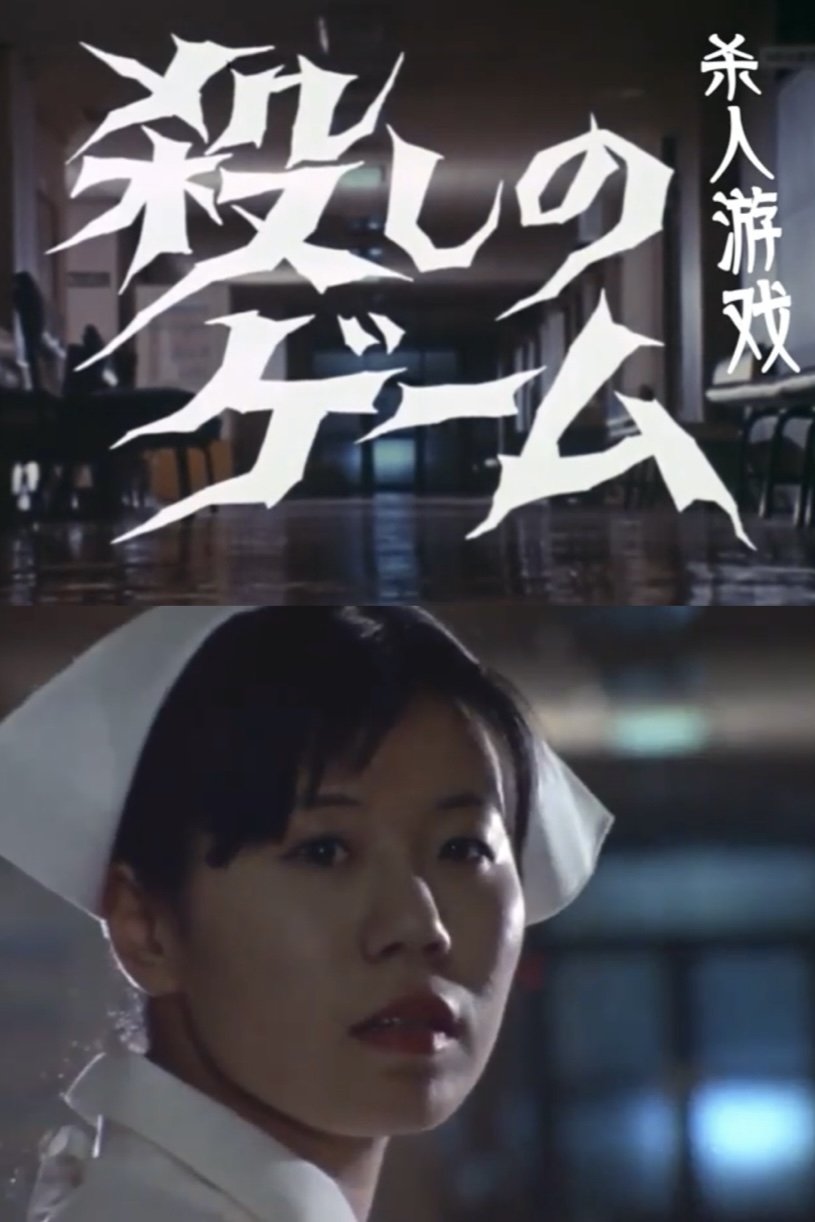
A middle-aged office worker, Masao Okada (Eiji Okada), discovers that his worsening illness is terminal cancer. Shaken and resigned, he meets a mysterious man, Suzuki (Haruo Tanaka), who knows every detail of his life. Also a dying patient, Suzuki proposes a “game”: two men with little time left will live in suspense, wondering when and how the other might kill, using paranoia as a way to escape the greater fear of death. Directed by Yasuharu Hasebe and based on a story by Kyotaro Nishimura, this short TV film from "Horror Theater Unbalance" blends psychological dread with social reflection. Alongside Okada’s fragile romance with nurse Akiko (Masumi Harukawa), the story introduces a nihilistic subplot where a reckless young couple (Renji Ishibashi among them) engage in a fatal dare that ends in self-destruction — echoing the era’s sense of emptiness and contrasting Okada’s struggle to find meaning in the face of death.
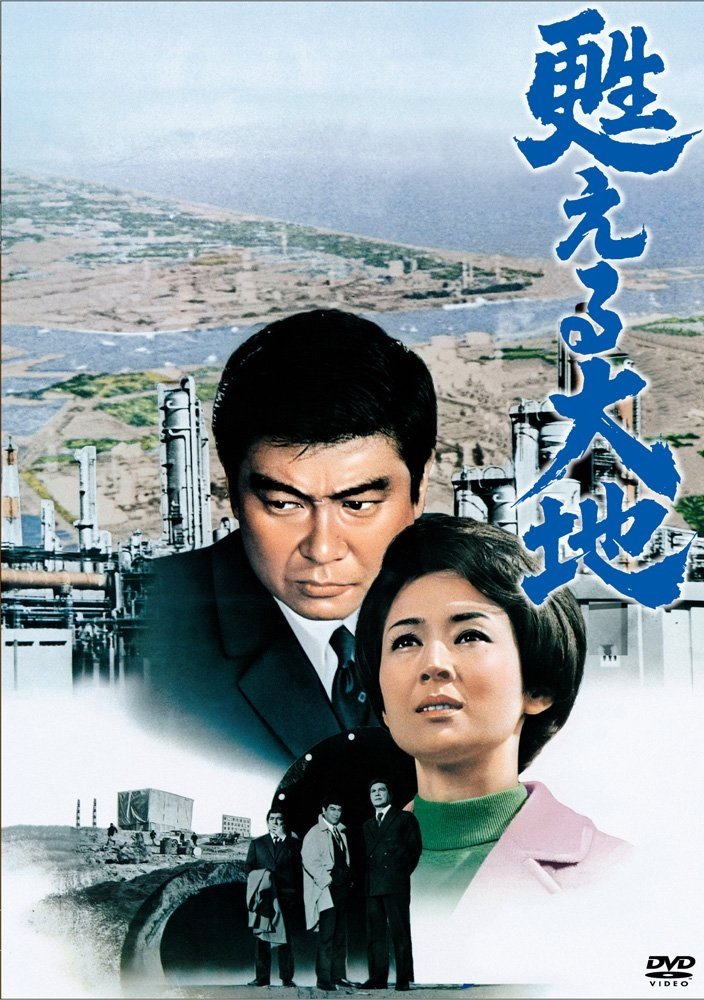
A dramatic film that recorded the history of Japan in the period of high economic growth. This work deals with Kashima Rinkai industrial zone development. The men who dream of making the overlooking wasteland as a big industrial area draw the courage to realize the ideal purely with the fishy desire swirling back to the coastal industrial area of Kashima Nada in Ibaraki prefecture.
Junko's only son dies in an accident. Junko is exhausted by despair and grief, and her husband, who should be there to support her, instead blames her. But her father-in-law, Tsuneo, finds her dear.
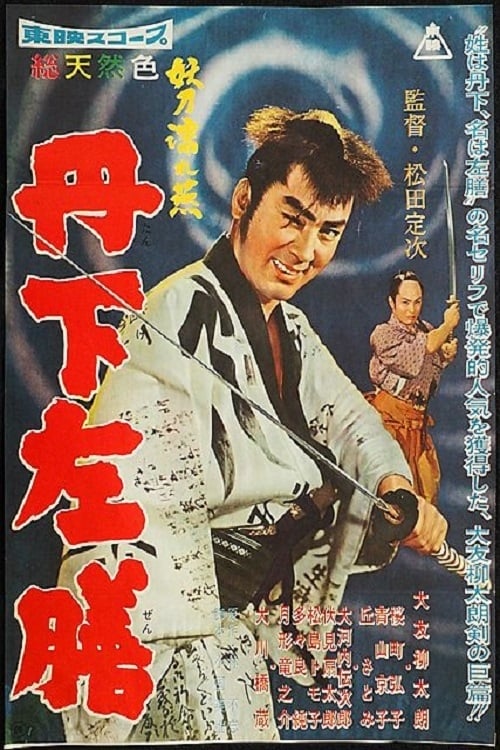
The legendary one-eyed one-armed swordsman Tange Sazen is back to aid a Magistrate in his efforts to steal bribe money on its way to Edo for the benefit to poor farmers.
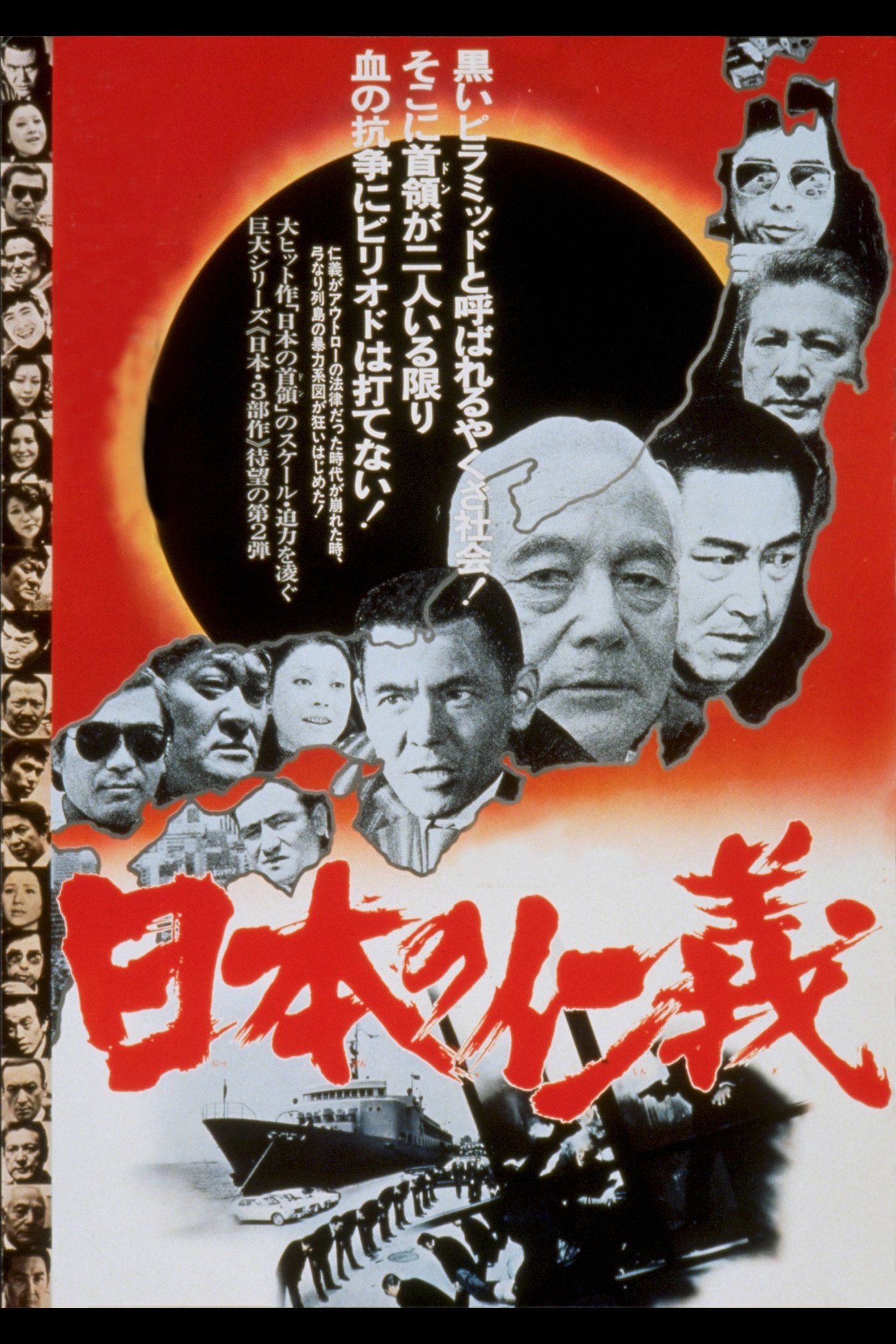
When a mob boss retires under political pressure, his successor and yakuza family are tested to their limits as new alliances and enemies are formed.
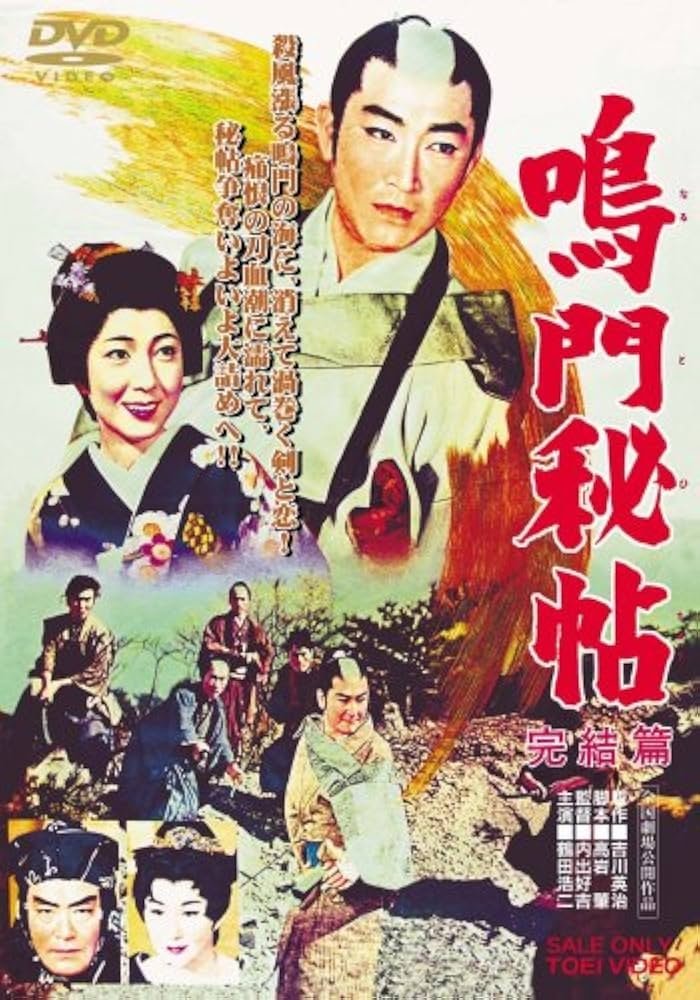
1961 Japanese movie
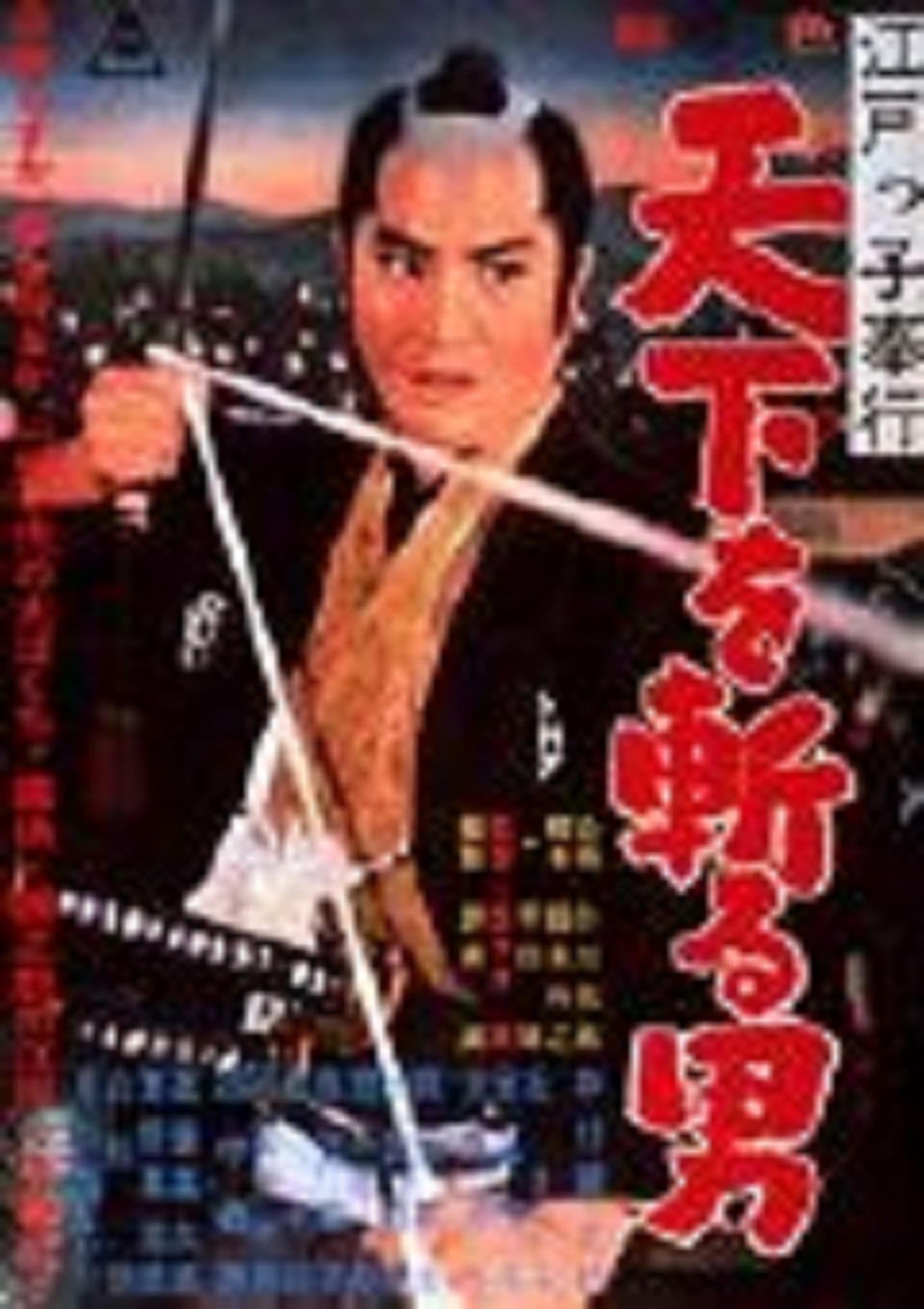
When a former artisan is tricked into putting his sister up as collateral for a loan by a gangster boss in a crooked gambling casino it sets in motion the story of Ooka Echizen, the famed magistrate of Edo during the reign of Shogun Tsuneyoshi. In a world where humans bow down to dogs and are beheaded for harming them, it's a wonder people can survive at all. Nakamura Kinnosuke is a former samurai who has left the fold to live freely and must put his life on the line to save the girl he loves, and rescue her from the yakuza who duped her brother. When the truth comes out about his background, he is forced to take on the role of Edo Magistrate, a decision that brings him unimaginable heartache and danger!
The ghost of a murdered husband appears nightly to his loving wife. A mystery of resentment surrounding a famous antique Seto ceramic ware.
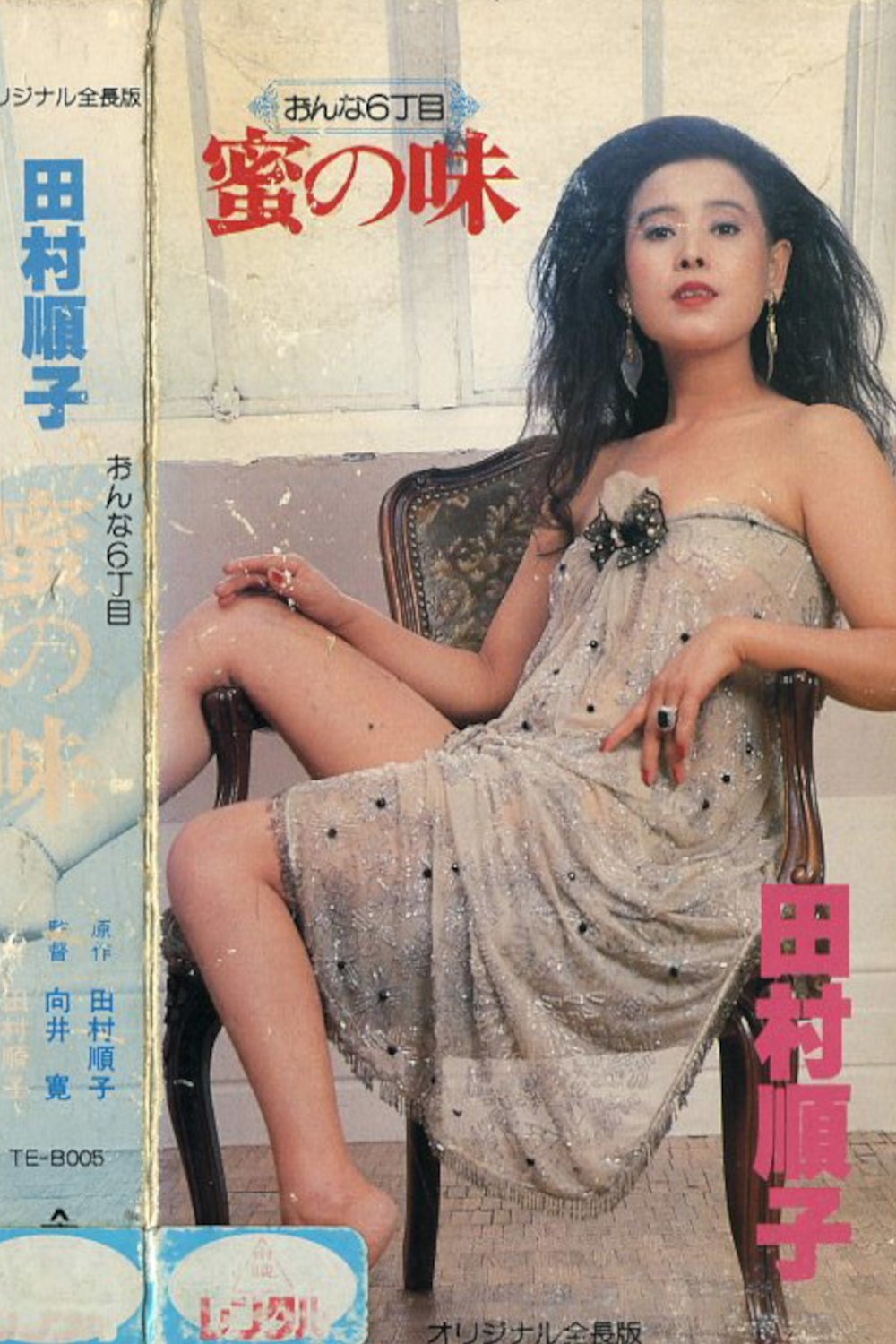
The night in Ginza was shimmering with neon lights. A grand celebration was being held for the seventh anniversary of the club "Ayako." Among the celebrities gathered for the beautiful Madame Ayako were Ayako's patron, businessman Hisamatsu Kozo; Madame Kahoru of "Black Pearl"; Madame Reiko of "La Bonne"; and the drunken, disheveled Fukiko, the owner of "Pahiyon," who relentlessly insulted Ayako. The next day, Fukiko jumped from the roof of a building. Her suicide, the result of her failure to attract customers, seemed to symbolize the harshness of Ginza beneath its glamor.
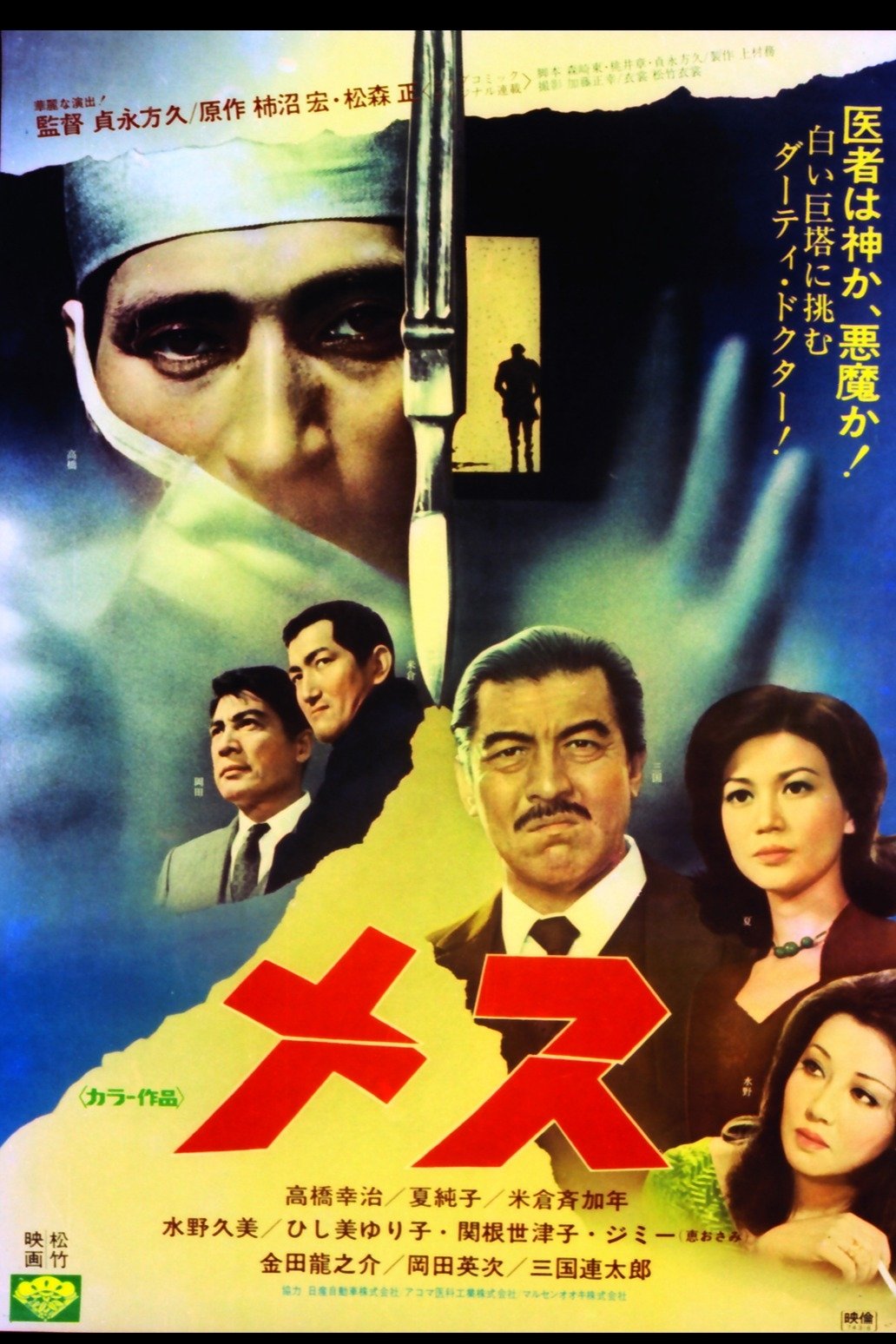
Surgeon Shūzō Shikine discovers his father Kikukawa’s rise in medicine was built on corruption and human experiments. After Kikukawa’s sudden death, hidden crimes surface, and Shikine takes action to expose those responsible.
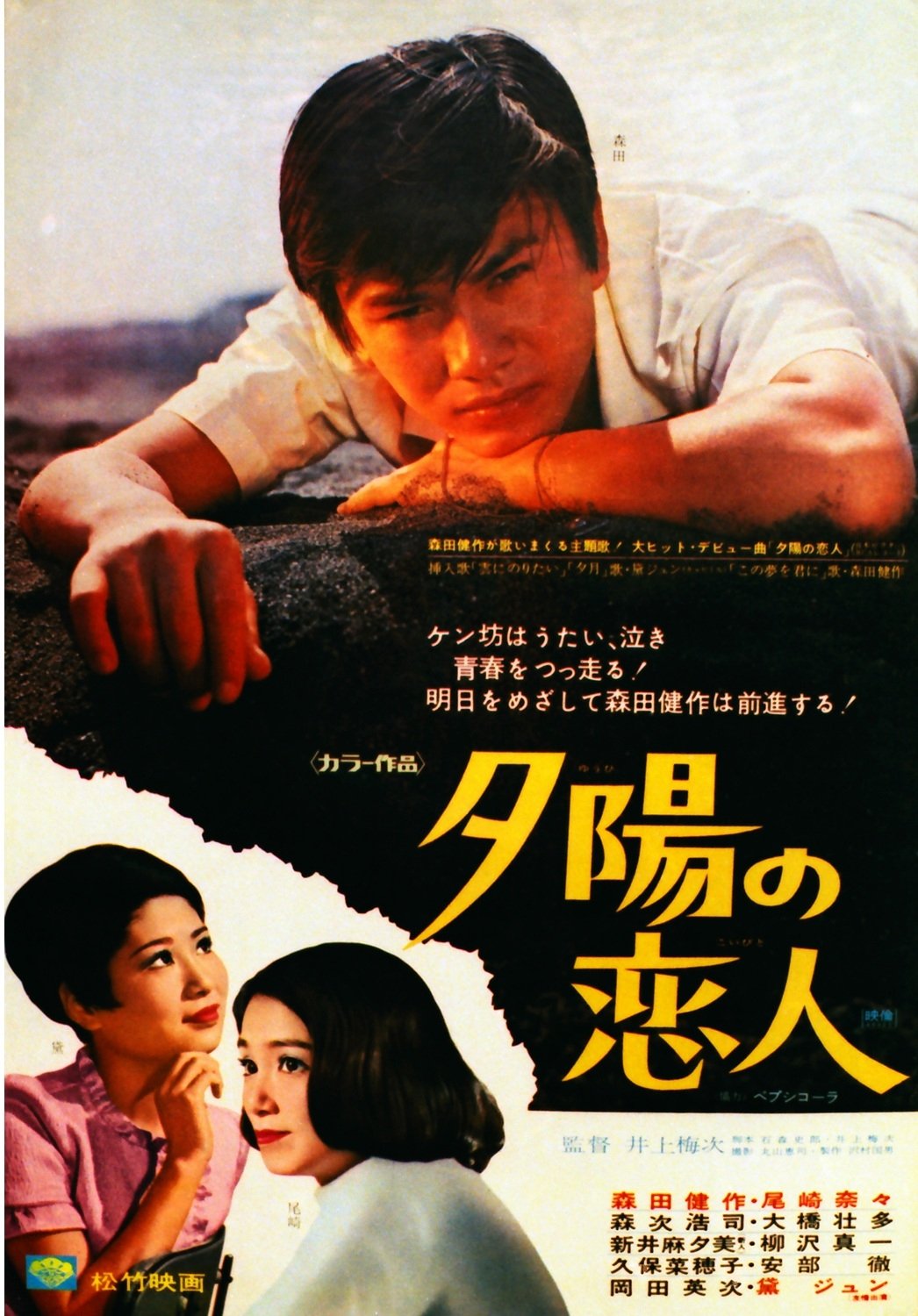
1969 Japanese movie
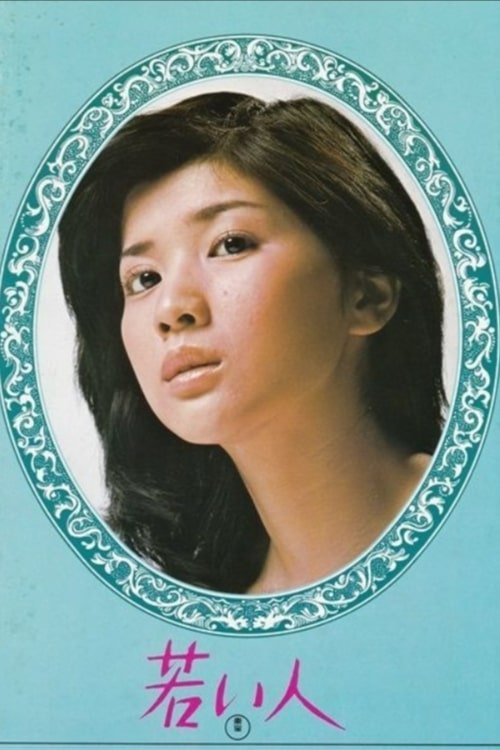
Drama starring Sakurada Junko
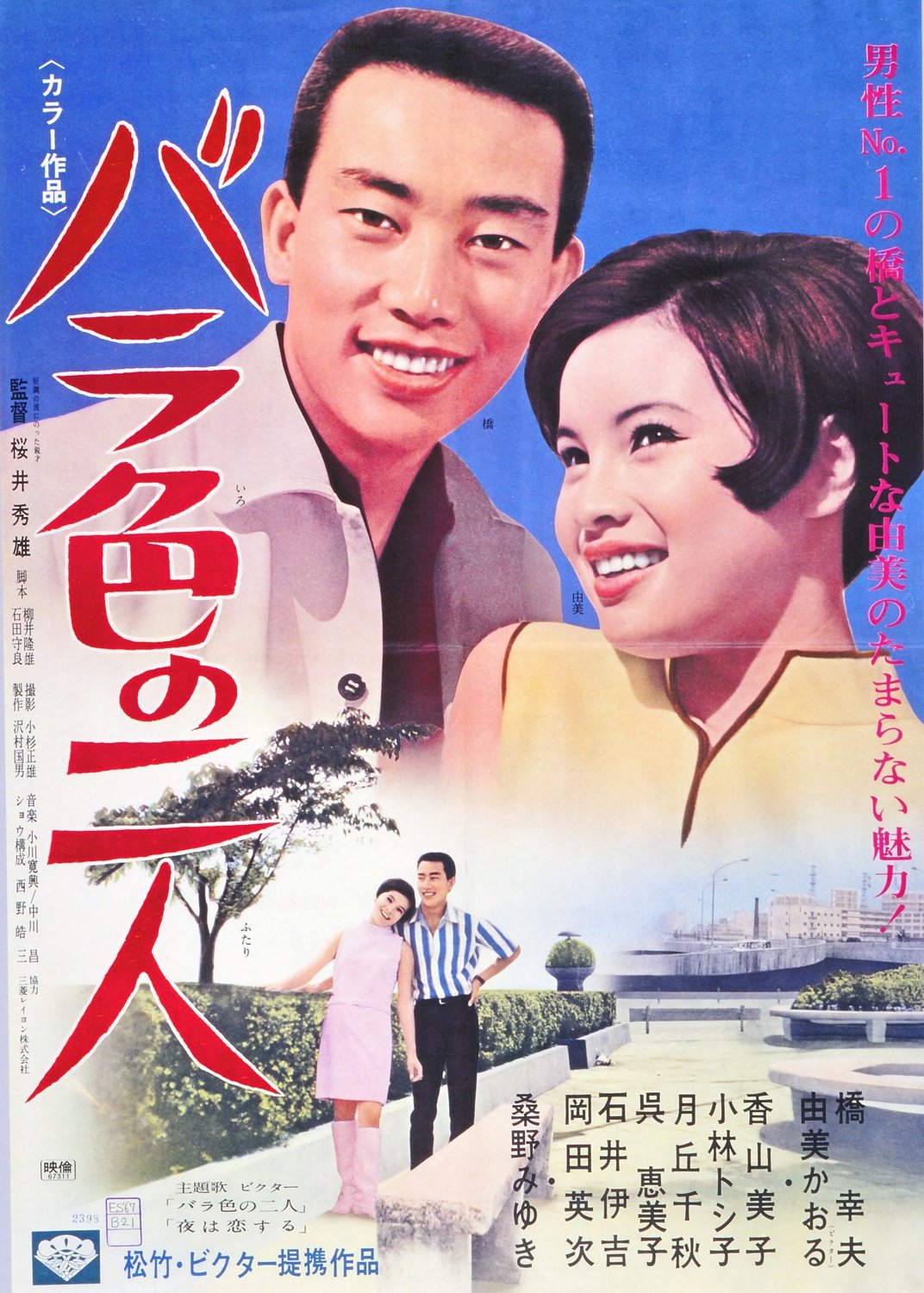
The film is based on the theme song of the same name sung by Hashi Yukio.
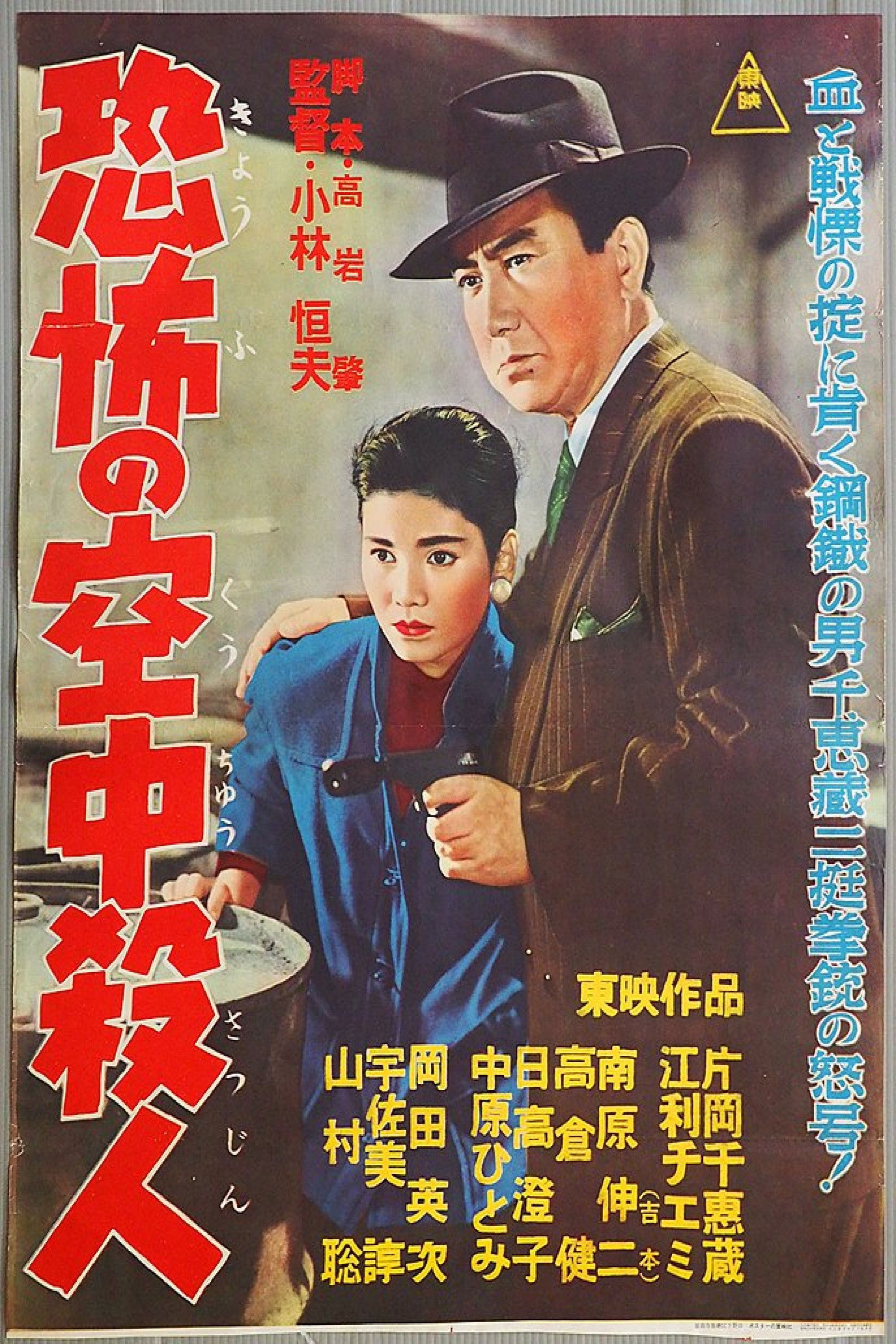
Three years have passed since the suicide of Kayo, the wife of sales manager Hagio of Kaihara Publishing. That day, Hagio is surprised to welcome Kaihara, the company president, back from London. Kaihara has brought his wife, Maki, who is like a daughter to him. Before long, Maki and Hagio's son, Kazuhiko, fall in love.
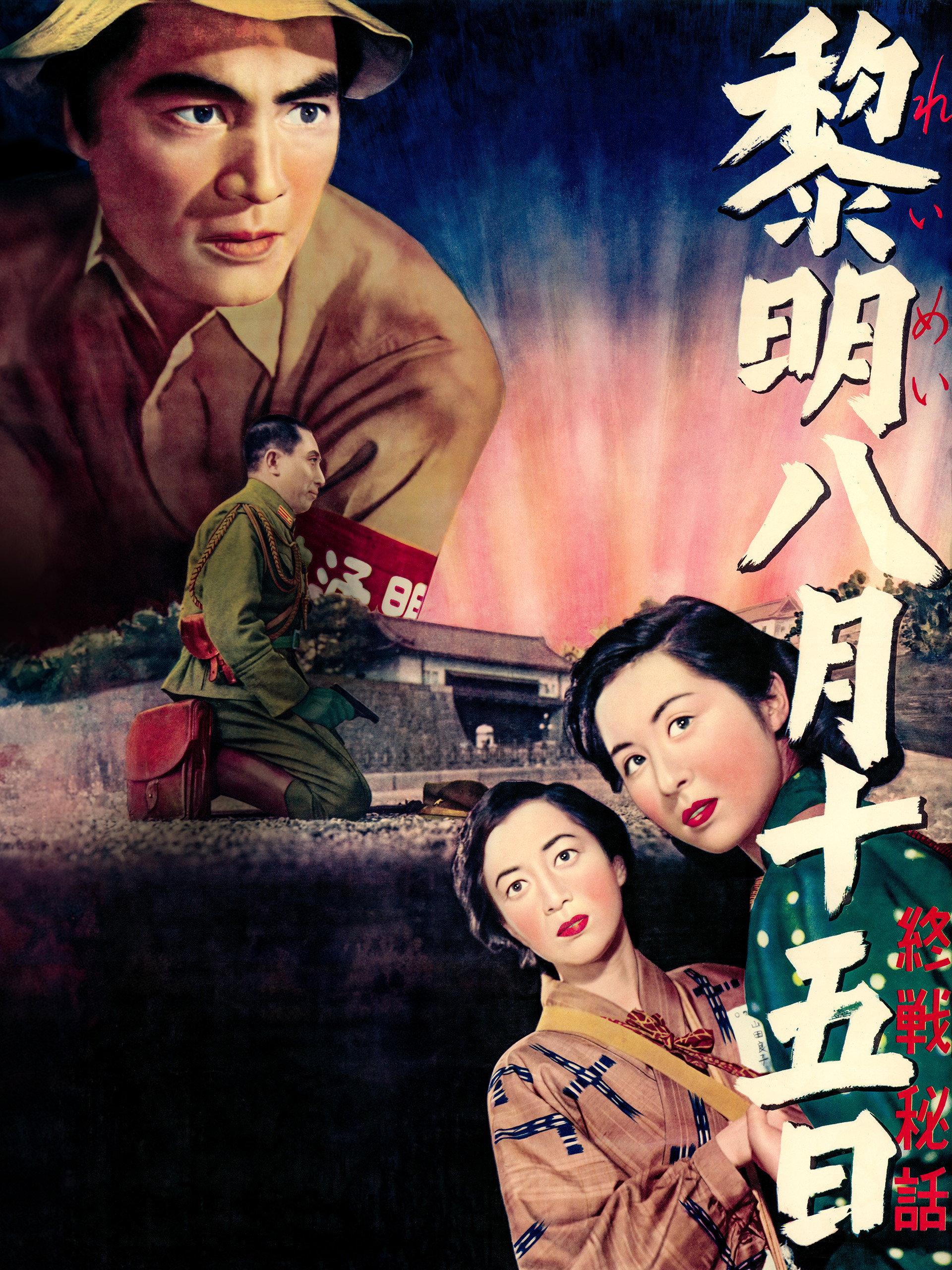
July 1945. War‑exhausted Japan groans under the heel of a brutal military regime. Young journalist Saeki struggles to cling to a fading sense of justice. Writer Yoshida slowly loses his convictions to the darkness of unquestioning orders. Kimiko, a young woman, bears the scars of cruelty from the cold‑hearted military police. Private Yamada has deserted the army. His wife, Ryōko, is branded a traitor's wife and relentlessly hunted. When Yamada finally reaches home, he finds his sick child Toshiko lying in bed. The military police drag him away in front of his family; a struggle ensues, and Yamada is shot dead before his wife's eyes. Hiroshima is annihilated by an atomic bomb. Rumors spread of a final decisive battle on the mainland. The people clutch bamboo spears with gaunt hands. Then August 15th arrives: Japan's defeat is laid bare before the stunned populace.