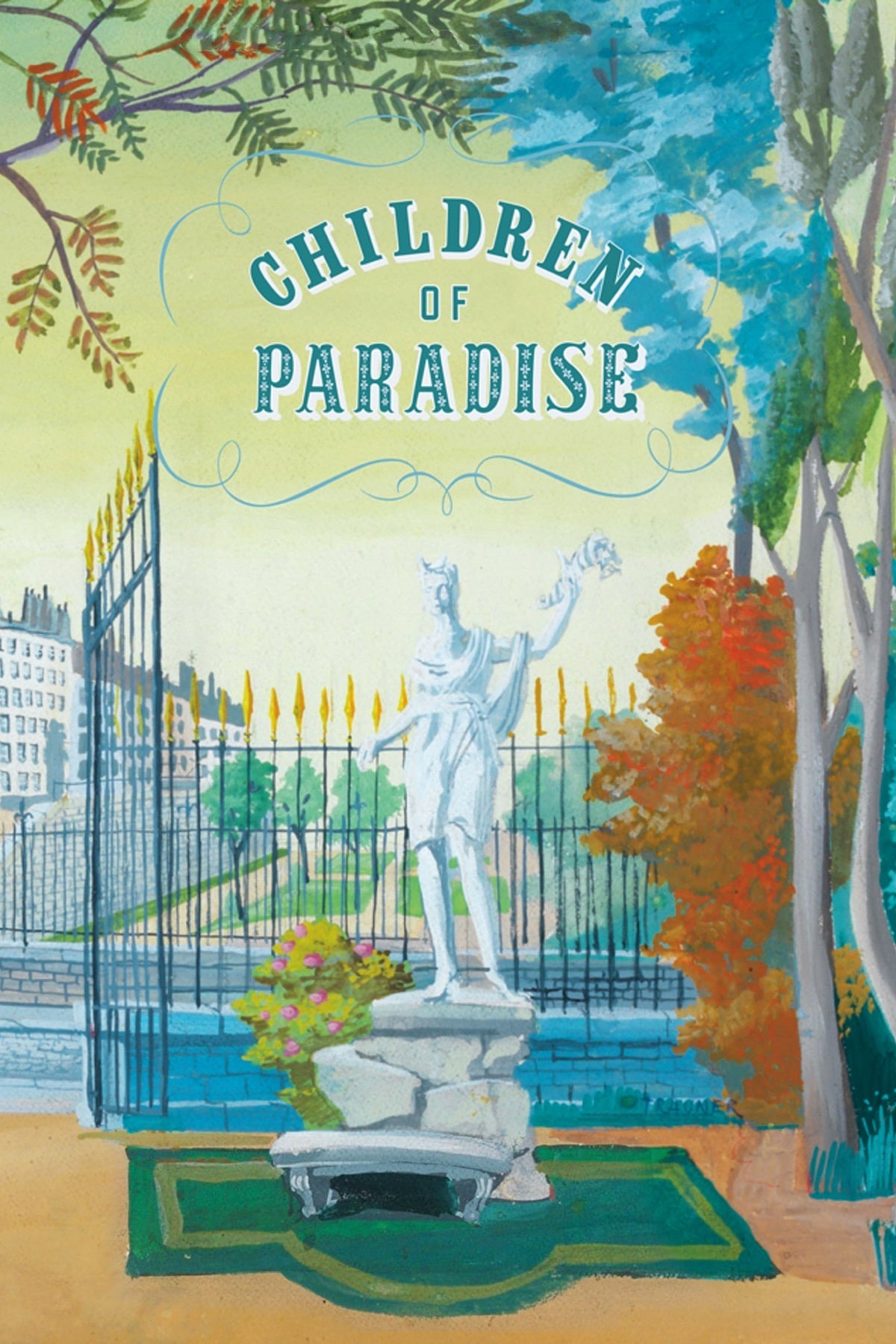
In a chaotic 19th-century Paris teeming with aristocrats, thieves, psychics, and courtesans, theater mime Baptiste is in love with the mysterious actress Garance. But Garance, in turn, is loved by three other men: pretentious actor Frederick, conniving thief Lacenaire, and Count Edouard of Montray.
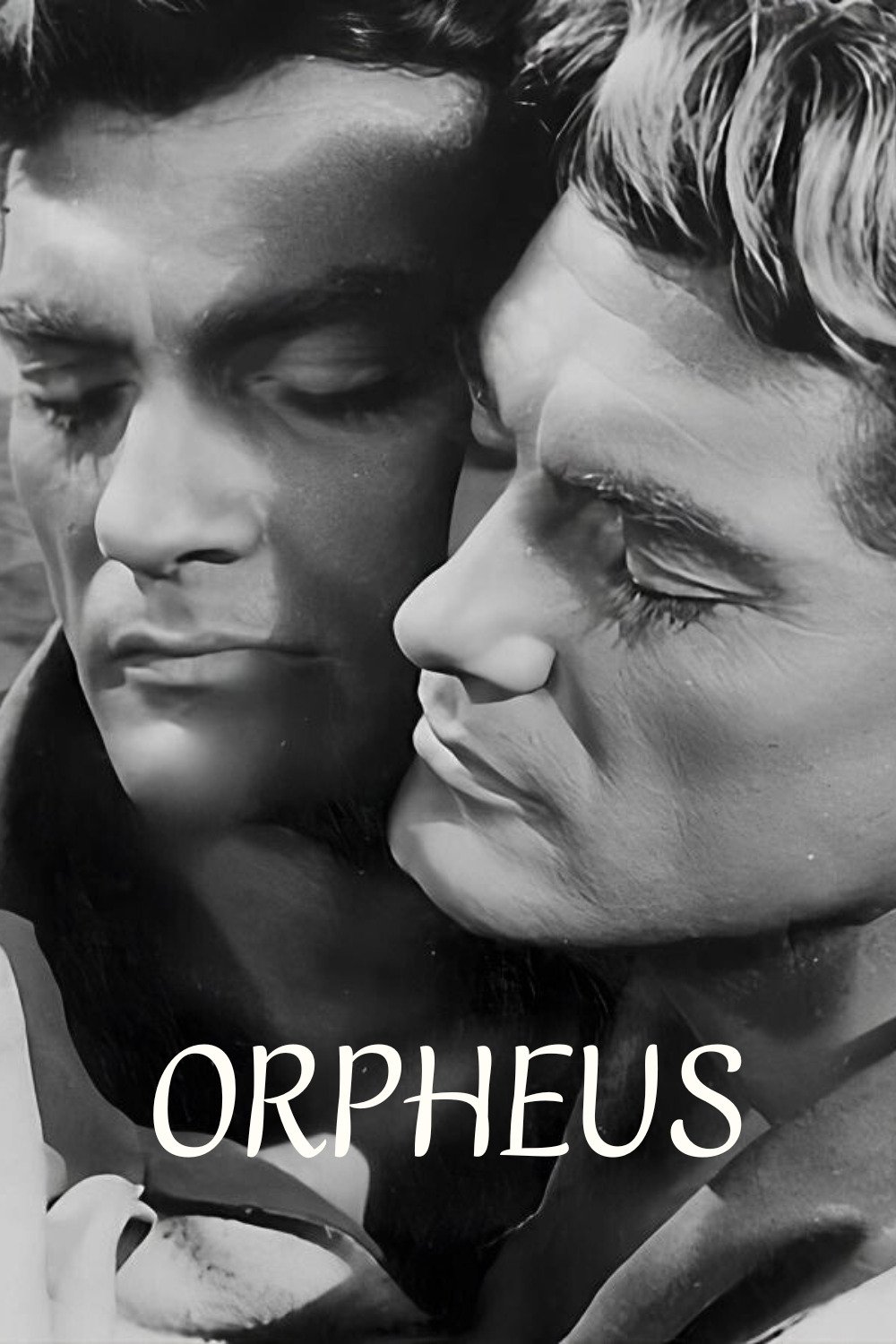
A famous poet in postwar Paris, scorned by the Left Bank youth, is in love with both his wife Eurydice and a mysterious princess. Seeking inspiration, the poet becomes obsessed and follows the princess from the world of the living to the land of the dead.
A very personal look at the history of cinema directed, written and edited by Jean-Luc Godard in his Swiss residence in Rolle for ten years (1988-98); a monumental collage, constructed from film fragments, texts and quotations, photos and paintings, music and sound, and diverse readings; a critical, beautiful and melancholic vision of cinematographic art.

A portrait of the Spanish actress María Casares (1922-96).

Puglia, southern Italy, around 1400. A convent is invaded by the Tarantula cult, whose fanatical and crazed members desecrate the sacred place by committing obscene and bloody acts.
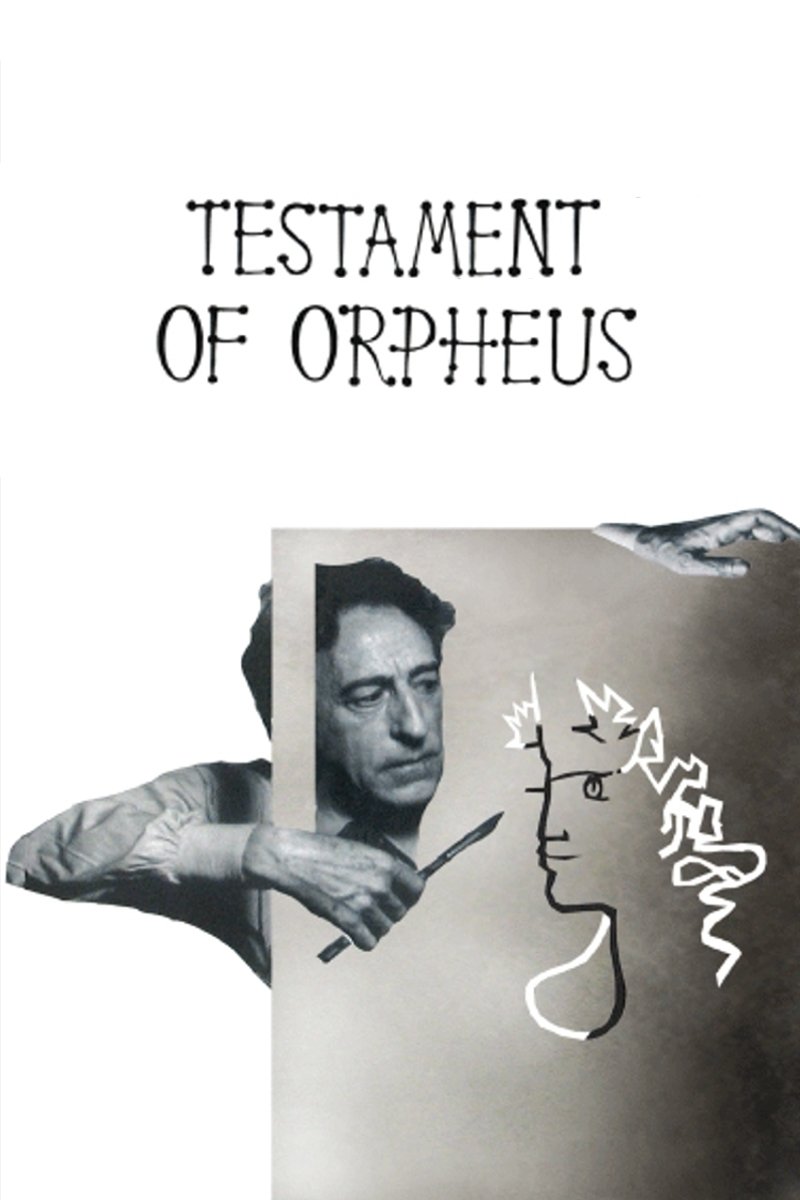
An 18th century poet travels through time in search of divine wisdom. In a mysterious wasteland, he has a series of enigmatic encounters with symbolic phantoms with whom he muses about the nature of art and his own career. Ultimately, the poet strives to achieve his rebirth as a celestial being.
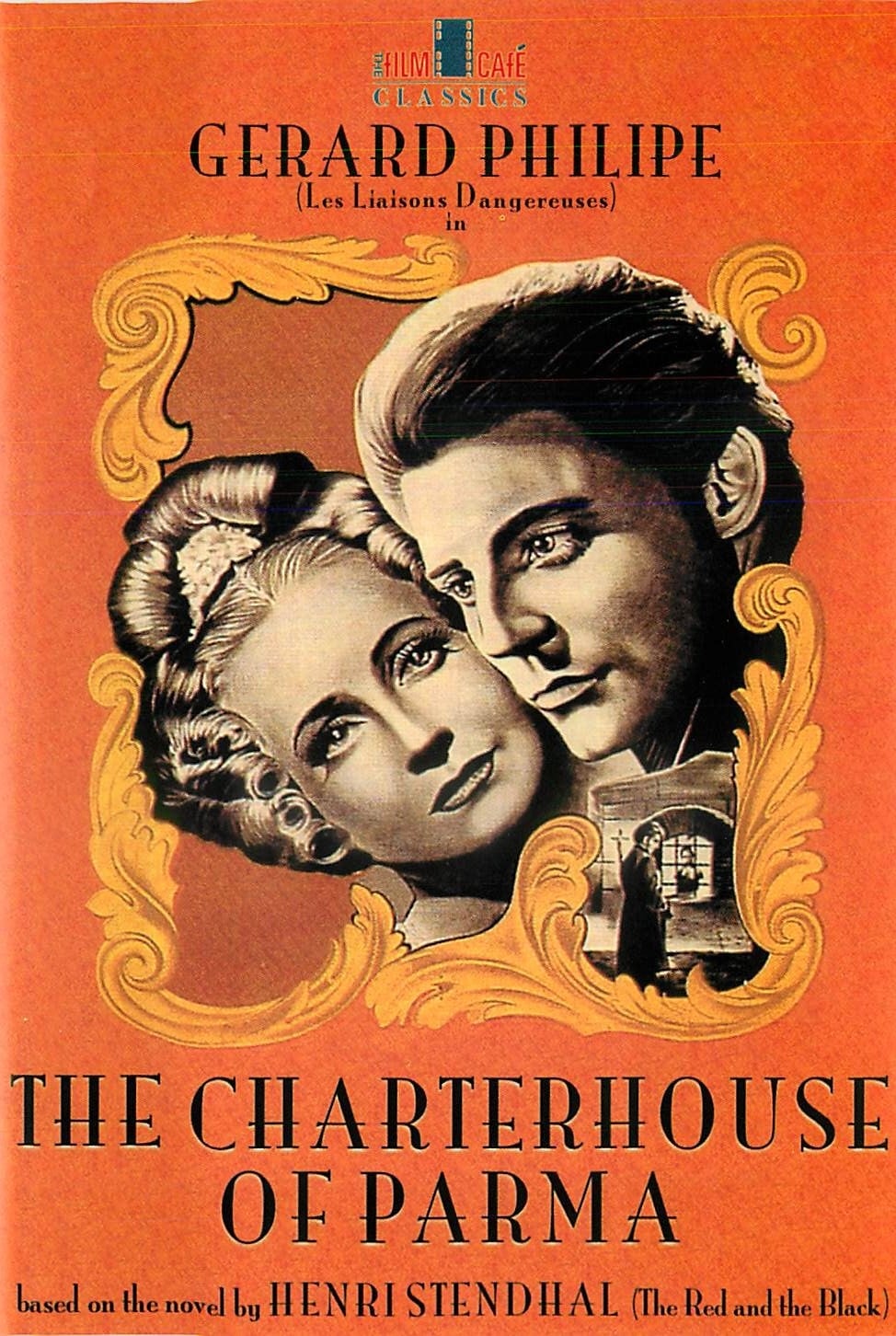
This adaptation of Stendhal's timeless masterpiece of French literature tells the tale of Fabrice Del Dongo (Grard Philipe) a young archibishop who gives his heart and soul to romance rather than to the Church creating upheaval in the lives of evergone around him the Countess of Sanseverine (Maria Casares) is but one of the may women who love him. In turn she incurs jealous retributions from those in high places who desire her. For his crimes Fabrice is thrown in Prison where from Crimes Fabrice is thrown in prison where form his lonely window he falls in love with his jailer s daughter and plans a daring escape she however calls his plan insane and takes a vow to the Virgin Mary to never see him again ever if his escape succeeds the Charterhouse of Parma explodes with conflicting desires man s desire form God vs. his desire for romance.
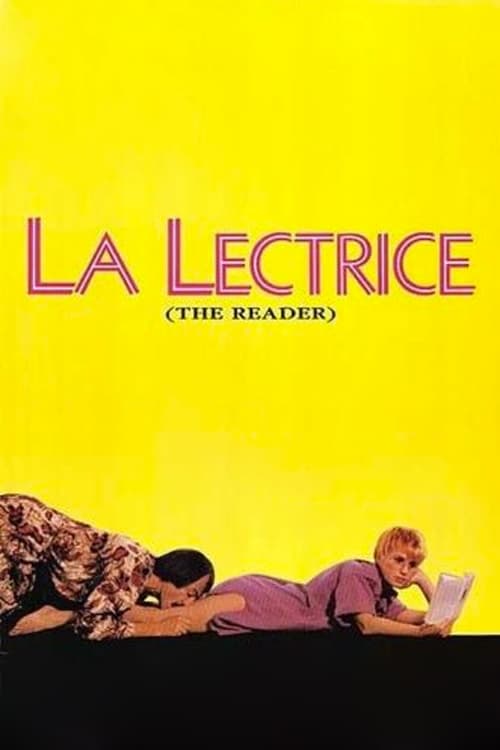
A young woman passionate about reading immerses herself in the adventures of a fictional character who makes reading her profession. As she explores different neighborhoods and wintertime Provence, her imagination blends with reality, revealing the mysteries behind each word.
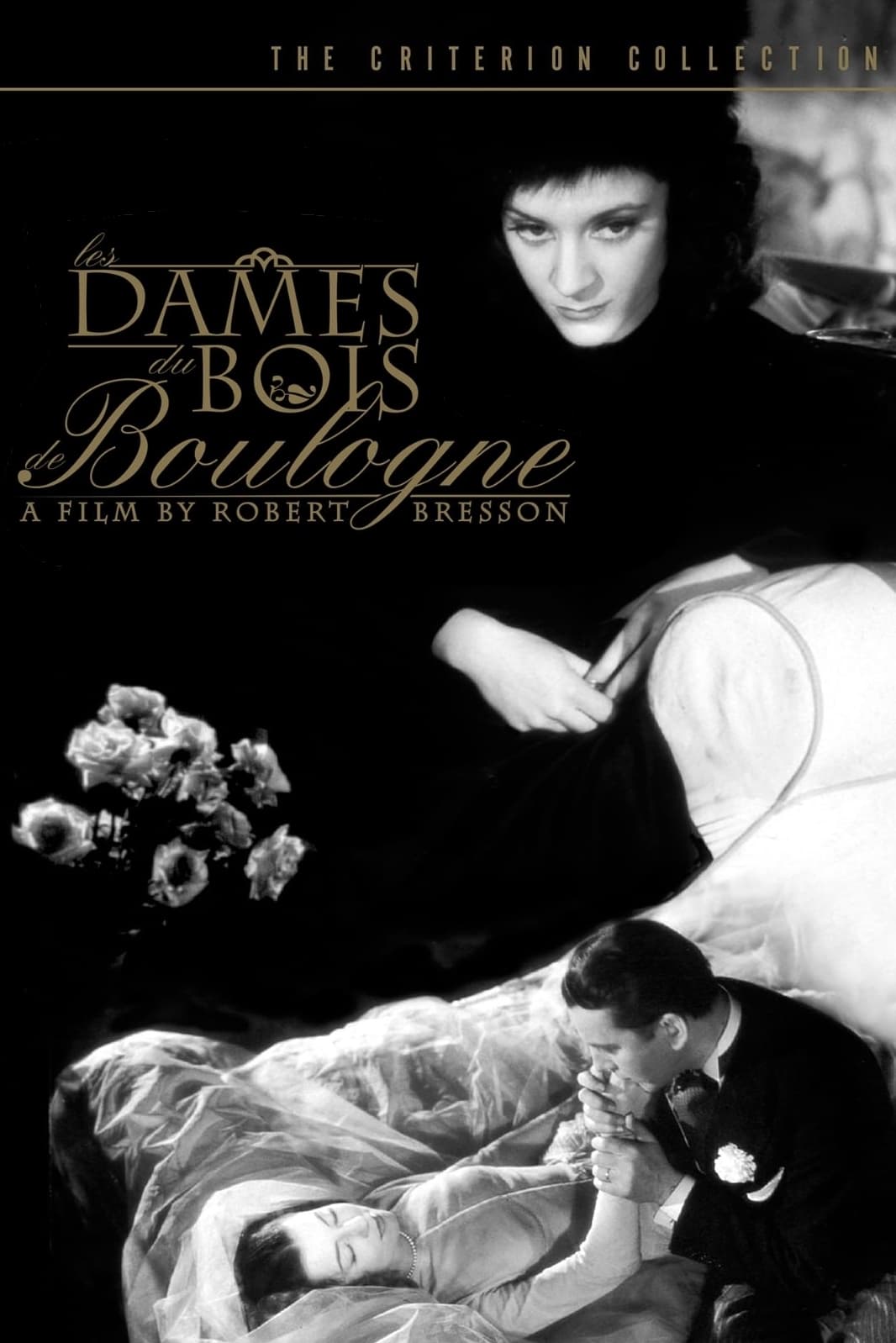
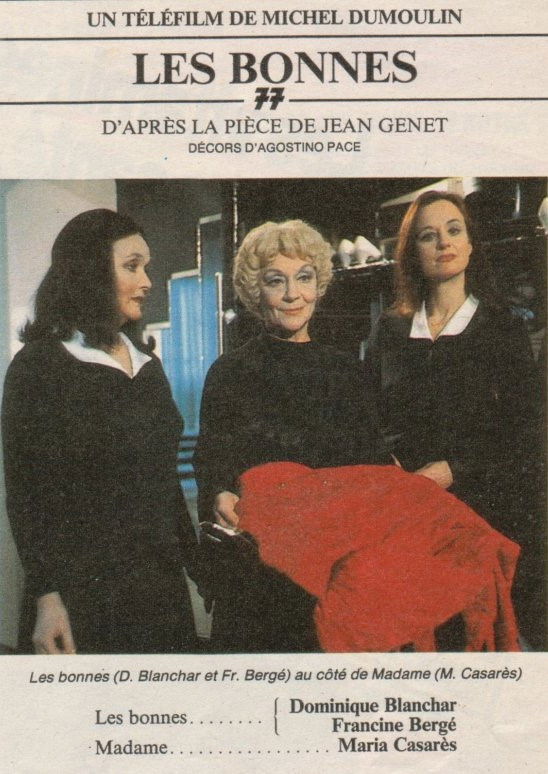
A love story that follows the maneuverings of a society lady as she connives to initiate a scandalous affair between her aristocratic ex-lover and a prostitute.
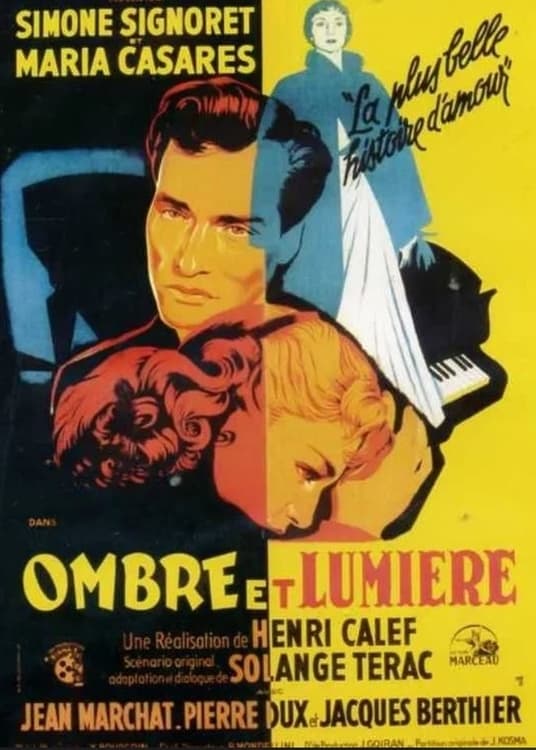
A few years ago, Isabelle Leritz, a famous pianist, suffered a fit of madness, in the middle of a concert. Now recovered, she fell in love with Jacques whom she plans to marry. She does not know that he is having an affair with Caroline, his sister, director of a fashion house.
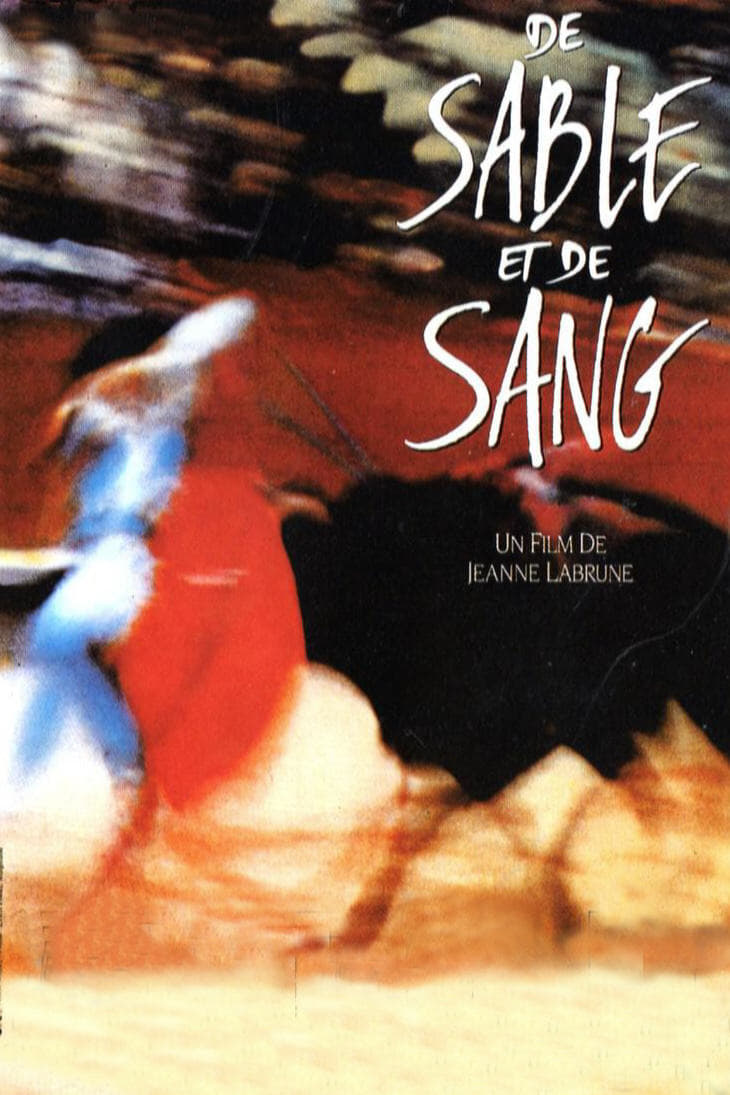
Bullfighting, music, medicine, change, and homoerotic possibilities mix in this study of friendship. Francisco is a bullfighter on his way up, so focused even sex doesn't hold his interest. After a minor road accident, he meets a doctor, Manuel, who attends a bullfight, leaving early, retching. His wife, who is also his partner in a string quartet, worries about him: Manuel has a history of breakdown. Manuel, for his part, hates bullfighting and the memories it brings of Franco's Spain. His harsh views undermine Francisco's focus. He accompanies the young fighter to Spain for an important corrida. Will Francisco succeed? And what becomes of this friendship?
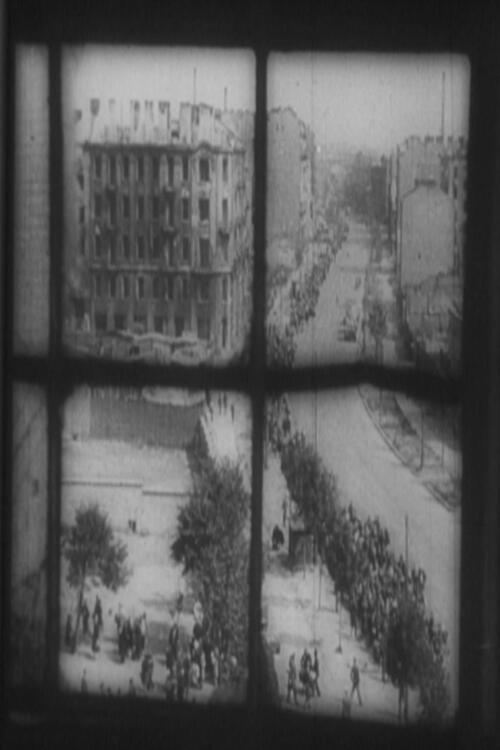
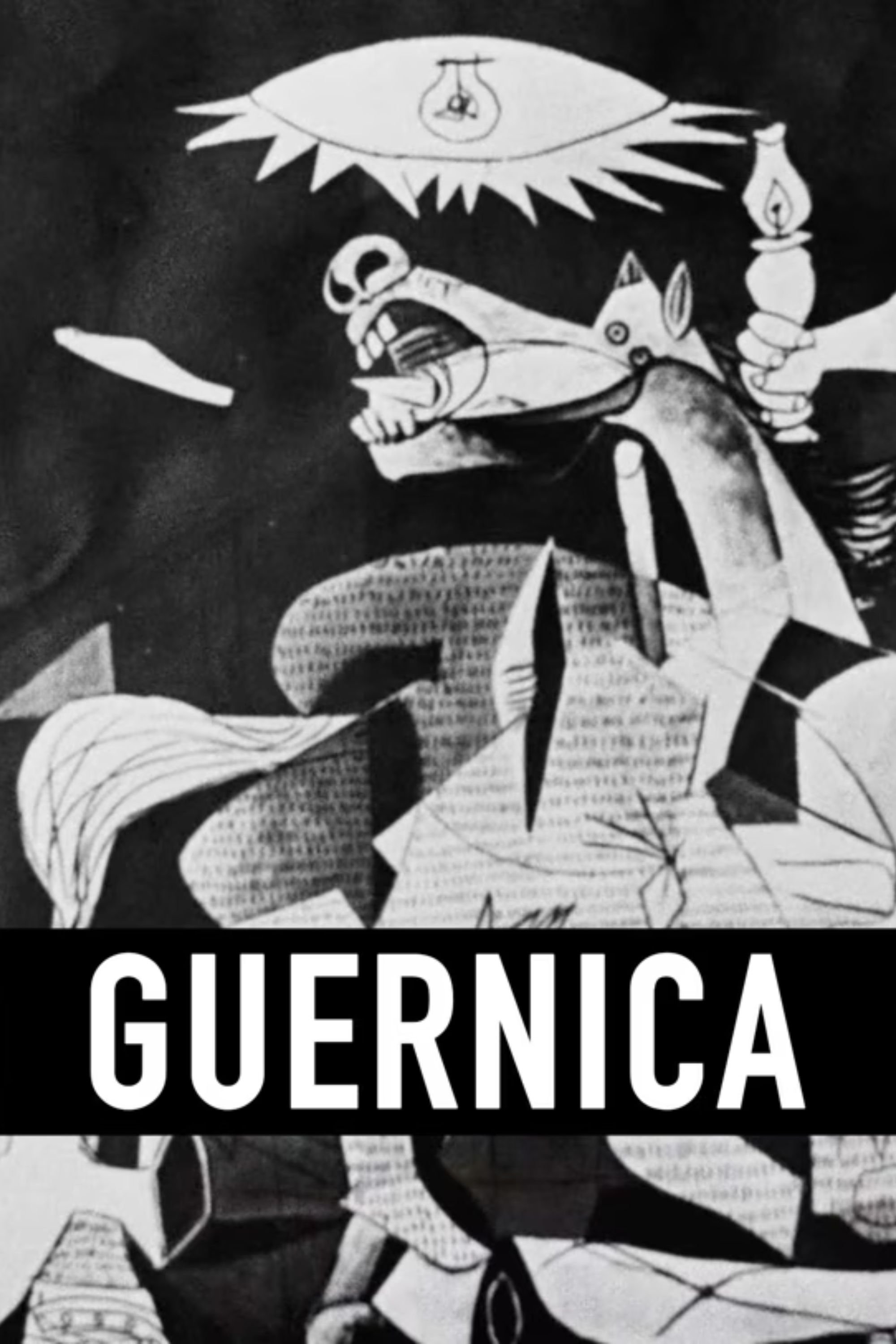
Alain Resnais & Robert Hessen use the famous Picasso mural "Guernica" in combination with newspaper headlines in an anti-war cry against the Spanish Civil War. Narration by Jacques Pruvost highlights the Guernica atrocity of April 1937, followed by a poem by Paul Eluard read by María Casares to a discordant score by Guy Bernard.
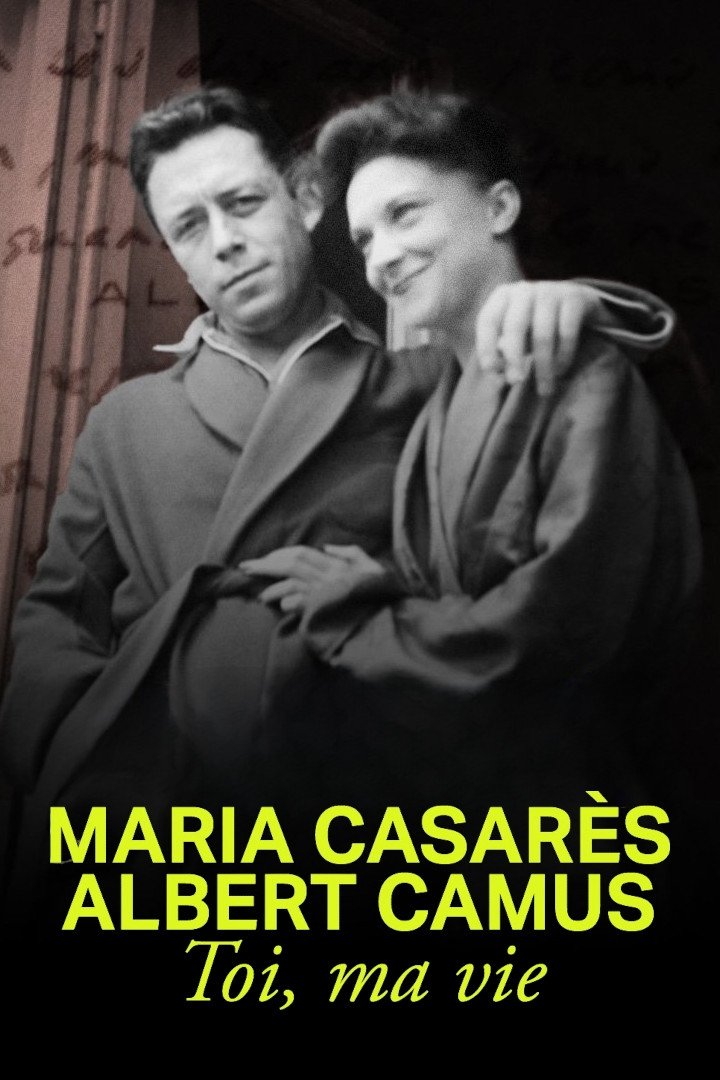
Maria Casarès, a theatre actress and Albert Camus, one of the most important modern french writer, keep a long correspondence (more than 900 letters) about their love and the emotions they feel for each other for 15 years.

A little town in the north of France, 1941. Blanche has three children. She worries about her husband Victor, who often goes out at night. Actually, Victor belongs to the Resistance. Soon, Blanche will be a resistant too. In the network, there is also Germinal, the hairdresser. His daughter Marie knows everything and asks to be part of it... Chronicle of the occupation and of the resistance through the eyes of the women.
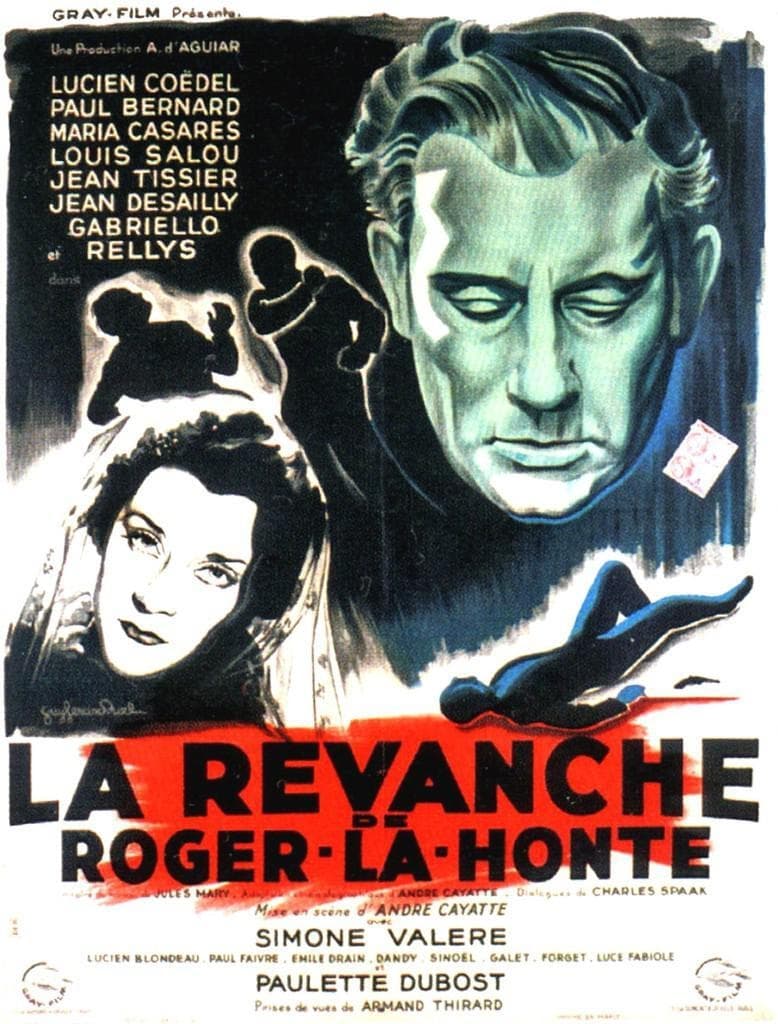
Roger Laroque is now a rich man. He returns to France under the name of William Farnell. There, he discovers that on the one hand his wife has died of a broken heart and on the other that his daughter Suzanne is in love with Raymond de Noirville, the son of his former mistress. With the help of a few friends, Roger coldly prepares his revenge.
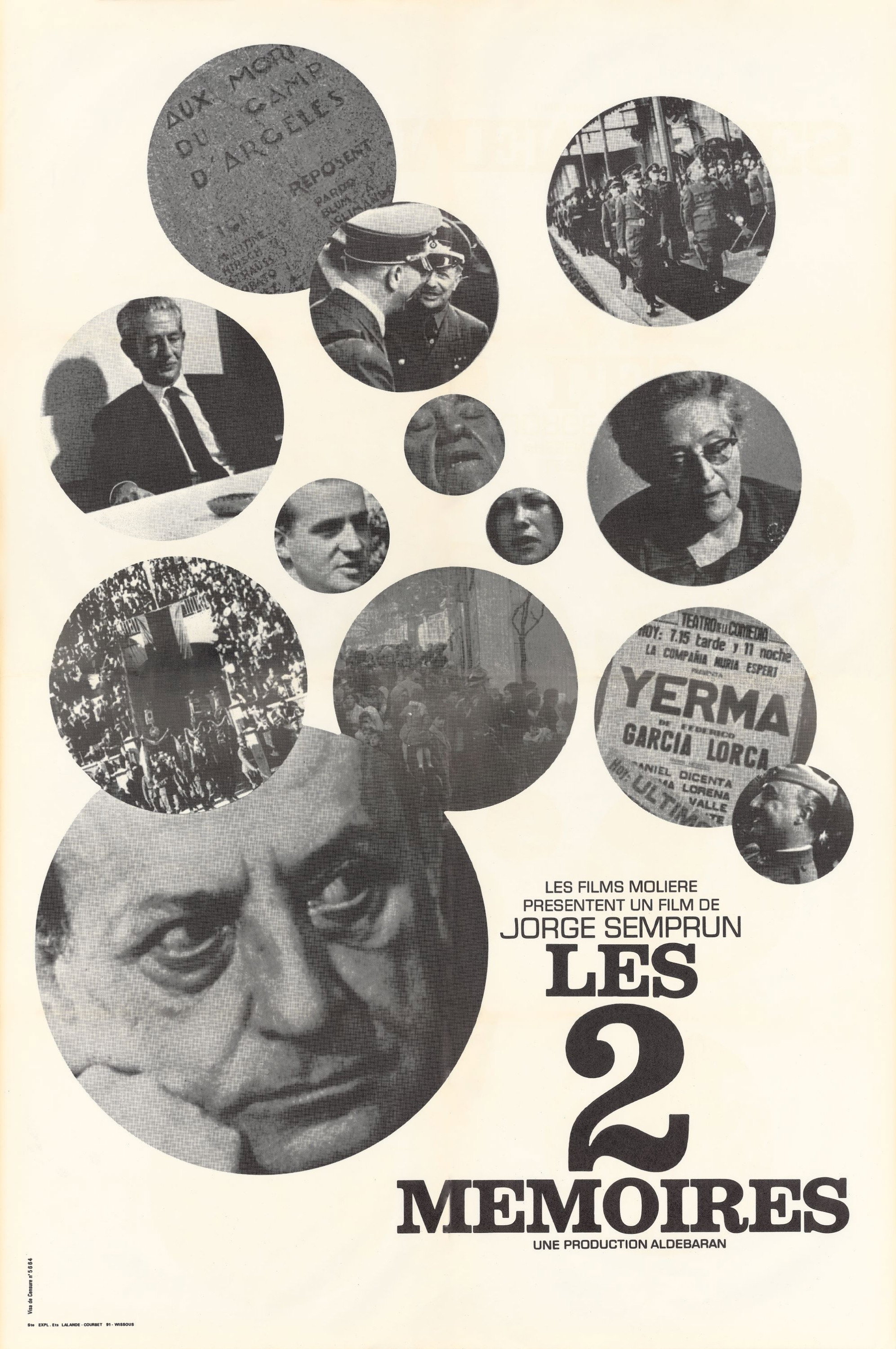
The Two Memories, “an investigation into Republican and Francoist memories”, in the words of Jorge Semprún, is based on interviews conducted in 1972 in France and Spain, archival footage of the Civil War and newsreels from the Franco period.
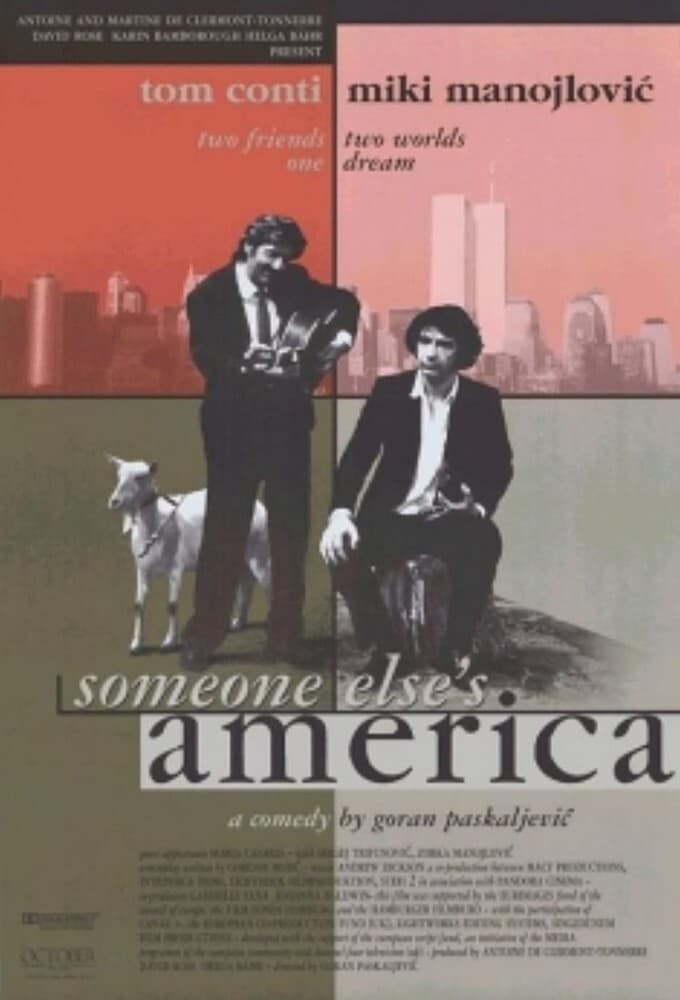
This tale takes place in a bar. The Spanish Alonso and his blind mother run this place. Bay, who is Alonso's friend live here too. This story tells something about Alonso and Bay and the "American Dream".
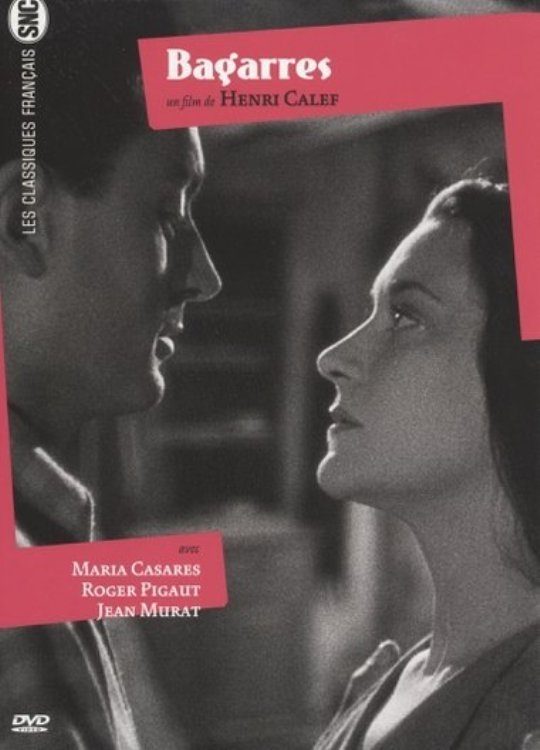
A proud femme fatale who works at a mountainous farm property manages, after being prodded by her lover, to become the heiress, but she plays the rival men against each other.
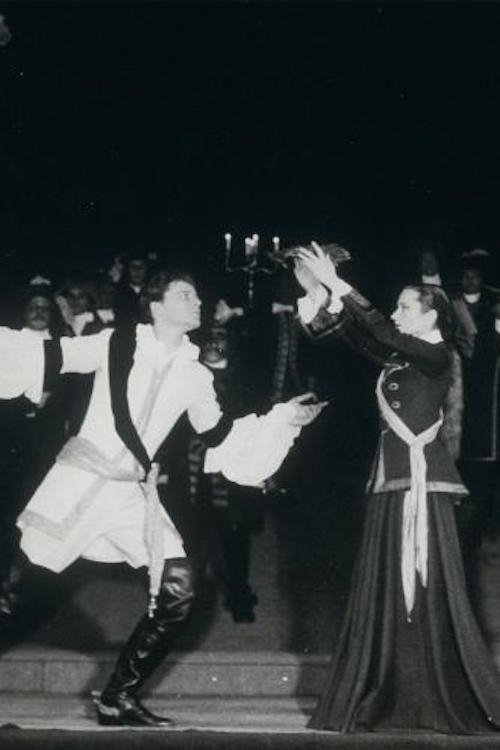
The T.N.P., the Théâtre National Populaire, an important experimental theater directed by Jean Vilar. Franju combines sequences from theatrical performances with documentary images, creating links and confrontations between theater and the real world.
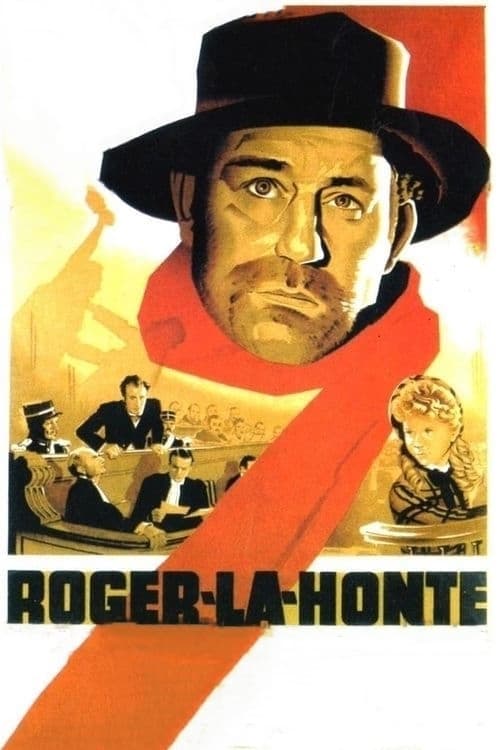
Roger Laroque, an honest industrialist, is the victim of a criminal machination by Julia de Noirville, his possessive and jealous mistress allied to the perfidious Paul Luversan, meant to make Roger take responsibility for the crime he himself committed. Laroque is sent to prison, from where he escapes by sea. When he is reported missing, it looks like he drowned. But he reappears with revenge as his objective. He also wants his daughter Suzanne back. For his wife, it's too late, she died of grief.

An account of the brief life of the writer Albert Camus (1913-1960), a Frenchman born in Algeria: his Spanish origin on the isle of Menorca, his childhood in Algiers, his literary career and his constant struggle against the pomposity of French bourgeois intellectuals, his communist commitment, his love for Spain and his opposition to the independence of Algeria, since it would cause the loss of his true home, his definitive estrangement.
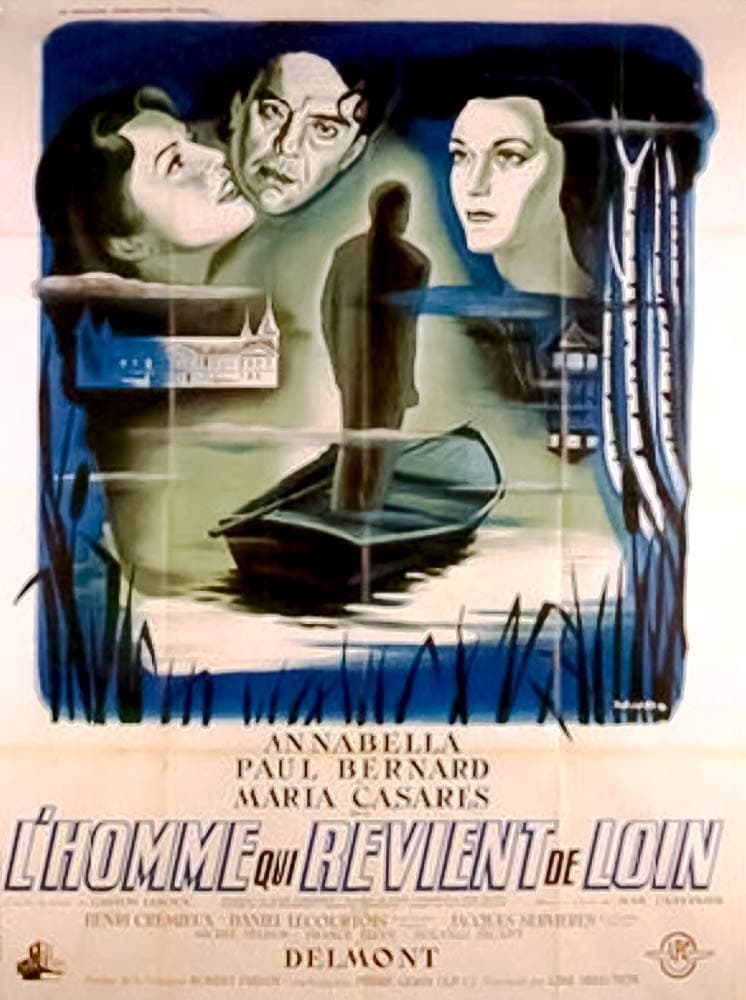
A man, after a fight, believes he has killed his cousin, and hides the body. The dead man had only passed out, but when he regained consciousness, he became amnesiac. When she sees him again, the woman who loved him takes him for a ghost.
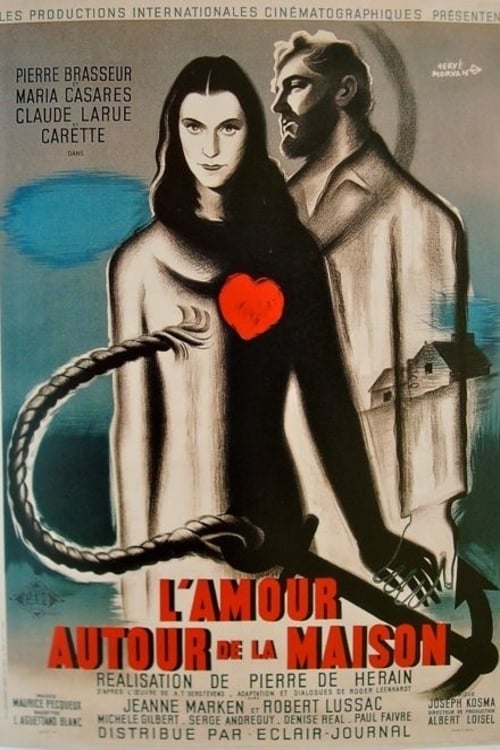
In an isolated house, in Brittany, live two sisters around whom gravitate a whole series of strange characters. Between the eruption of the vagrant voyeur and that of the couple in love, the youngest kills her eldest and goes mad.
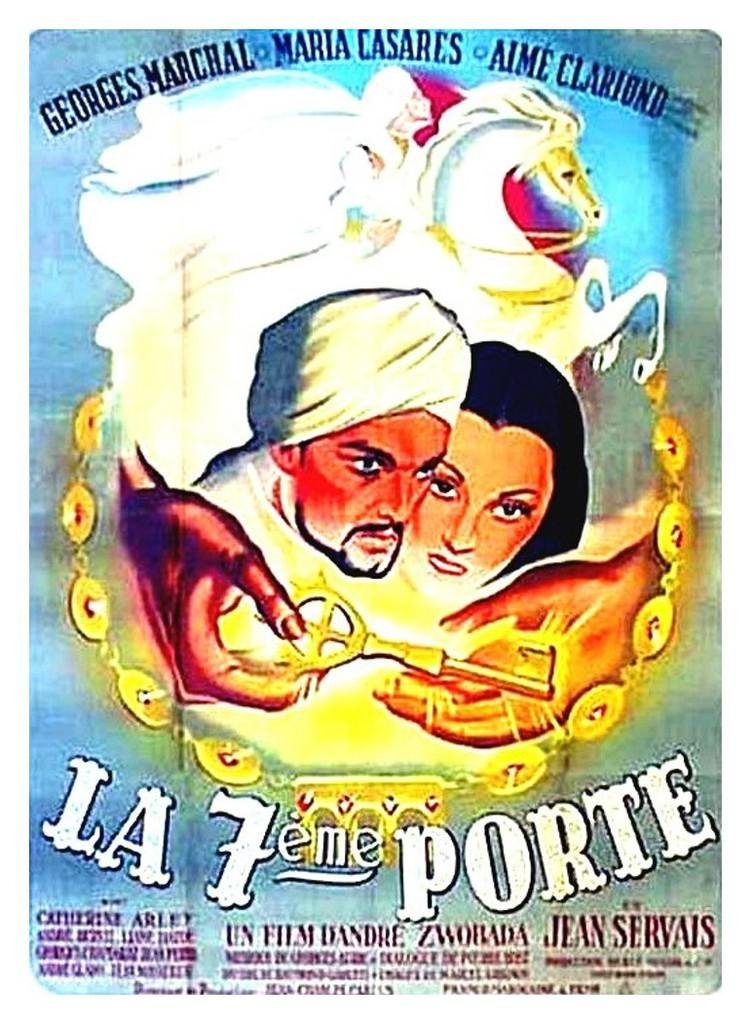
An old man about to die gives all his fortune to a young beggar he meets in an Arabian town. He takes him to his house (now the poor man's property) and he strongly advises him not to open one of the doors, the seventh door. "I could throw the key into the sea" says the young lad" No use, you'd dive to get it back". The young man is curious and he cannot resist temptation: he opens the forbidden door. A strange world is waiting for him where a girl, Leila, will be his guide .
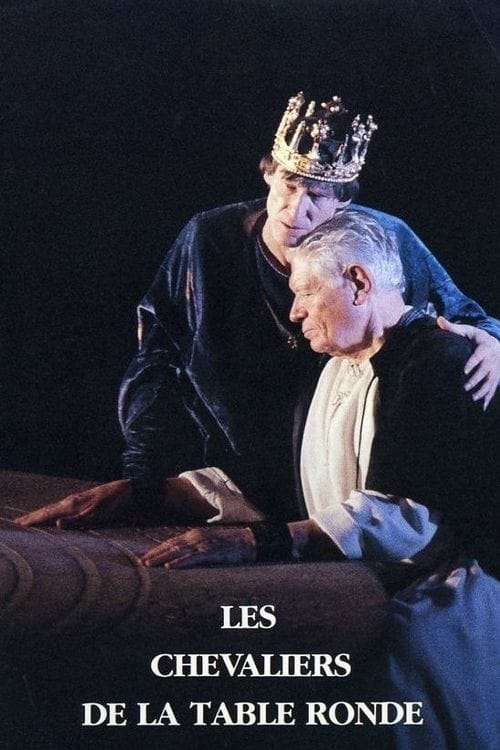
The Quest of the Grail from the birth of Merlin, to the foundation of the Round Table, the coronation of Arthur, the love affairs of Lancelot and Guinevere, the Bridge of the Sword, the revenge of Morgana until the return of Gilead to the castle of the Fisher King.
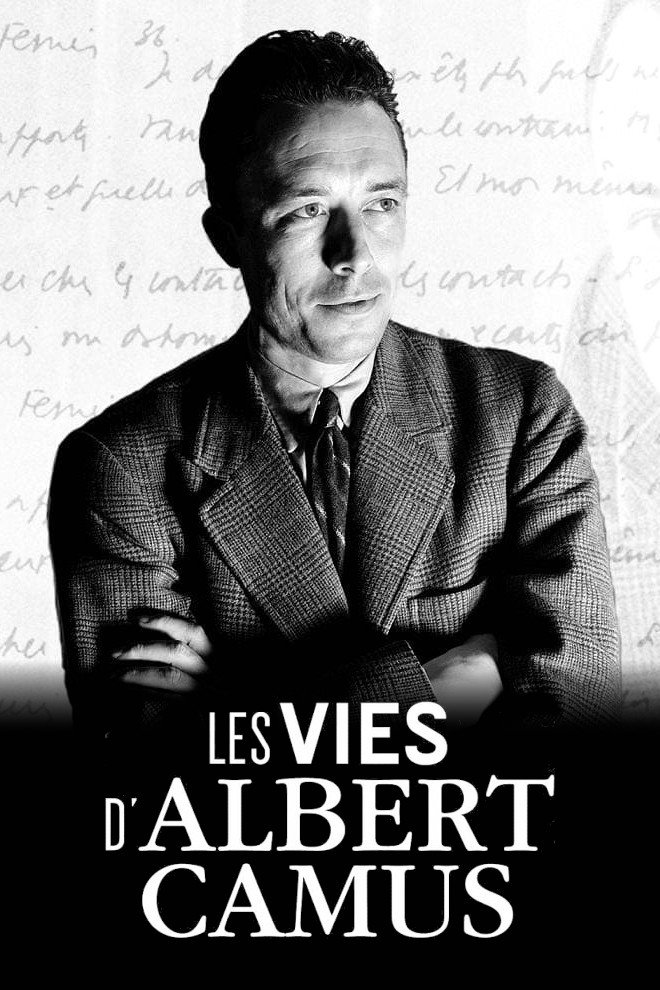
Albert Camus died at 46 years old on January 4, 1960, two years after his Nobel Prize in literature. Author of “L'Etranger”, one of the most widely read novels in the world, philosopher of the absurd and of revolt, resistant, journalist, playwright, Albert Camus had an extraordinary destiny. Child of the poor districts of Algiers, tuberculosis patient, orphan of father, son of an illiterate and deaf mother, he tore himself away from his condition thanks to his teacher. French from Algeria, he never ceased to fight for equality with the Arabs and the Kabyle, while fearing the Independence of the FLN. Founded on restored and colorized archives, and first-hand accounts, this documentary attempts to paint the portrait of Camus as he was.

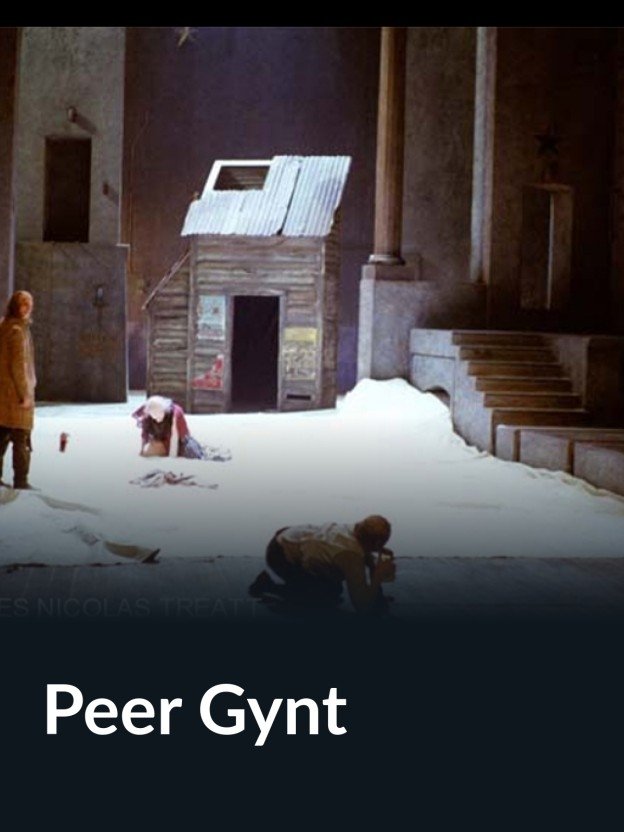
French television adaptation of Henrik Ibsen's five-act play in verse.