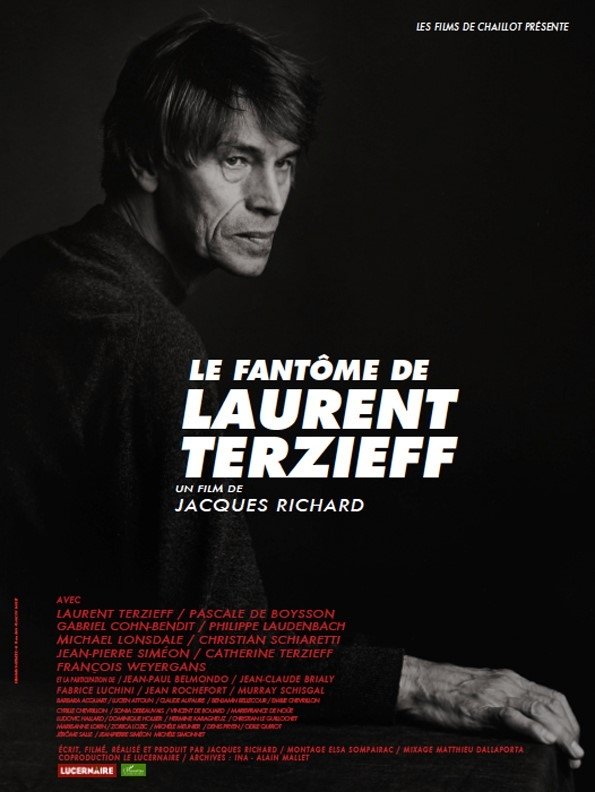
Laurent Terzieff was more than a good actor, after having been a real "star" in the cinema, through his professional choices, he gradually became a real "conscience of the theater", so much had he thought about his art. He received six Molière awards and was always unanimously praised by his peers. “THE GHOST OF LAURENT TERZIEFF” is a daring portrait, as it explores in depth “the secrets of a soul” and the atypical journey of the actor.
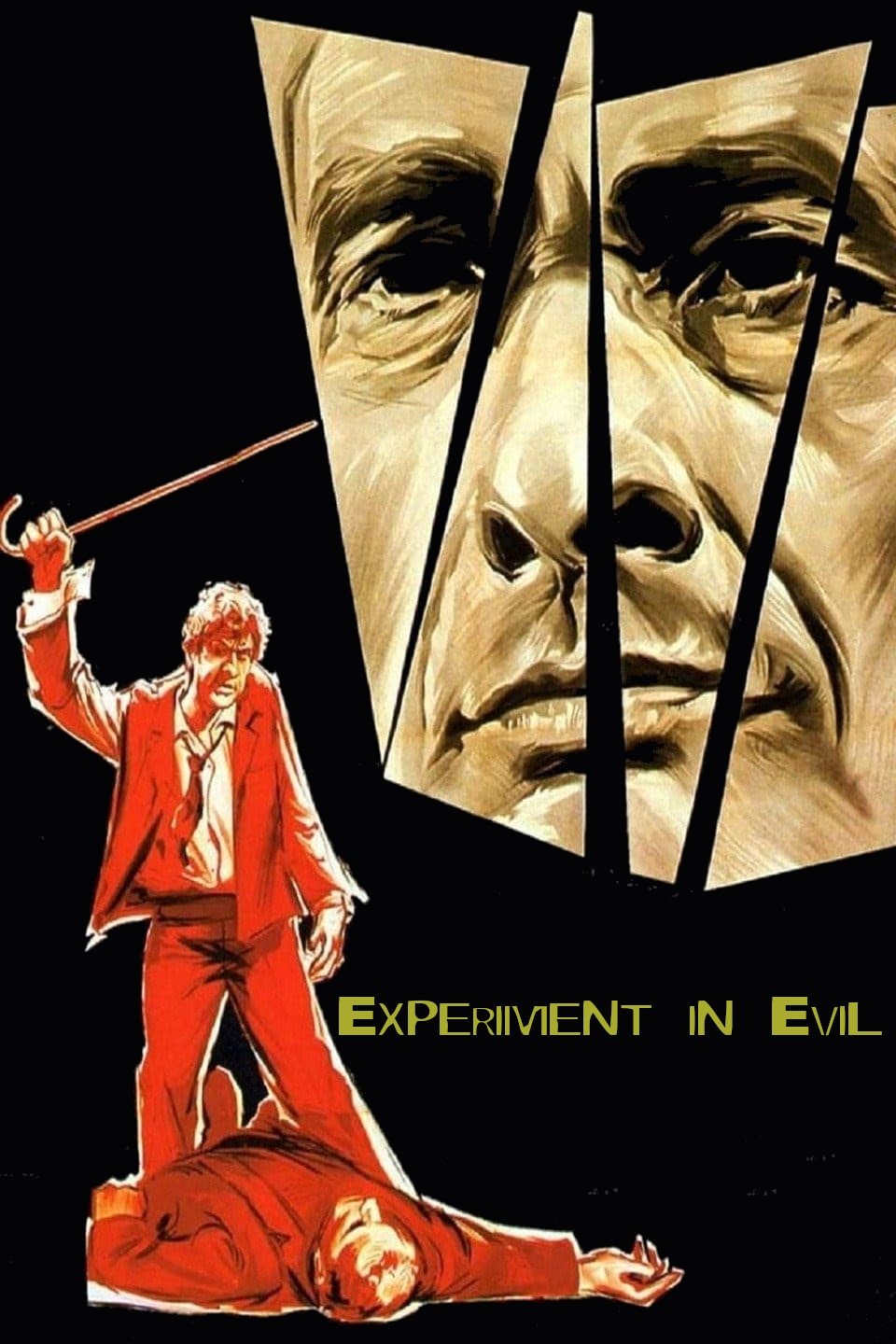
Dr. Cordelier, living in a suburb of Paris, withdraws from society to pursue research into the functioning of the human brain. His lifelong friend, Maître Joly, becomes concerned when Cordelier draws up a will that bequeaths his entire estate to a stranger, Monsieur Opale; he cannot understand why Cordelier defends him, considering Opale attacks women and children. After a colleague is killed, Joly confronts Cordelier and discovers the truth behind his friend's behavior.
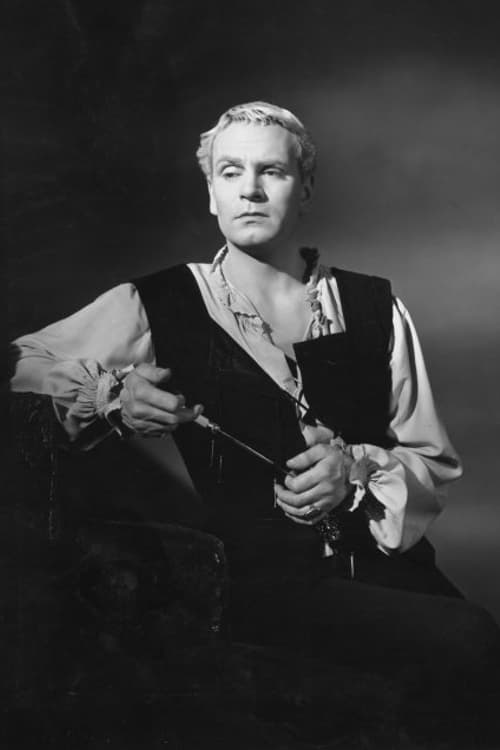
Documentary examination of the role of Hamlet, in which ten prominent actors who have played the part discuss Hamlet's personality, Shakespeare's play, and the enduring popular fascination it has inspired. The actors interviewed are Laurence Olivier, John Gielgud, Richard Burton, Nicol Williamson, Ben Kingsley, Jean Louis Barrault, Vittorio Gassman, Maximilian Schell, Innocenti Smoktunovsky, and Mandy Patinkin. Includes excerpts from various film and television versions of Hamlet, featuring these actors and others.
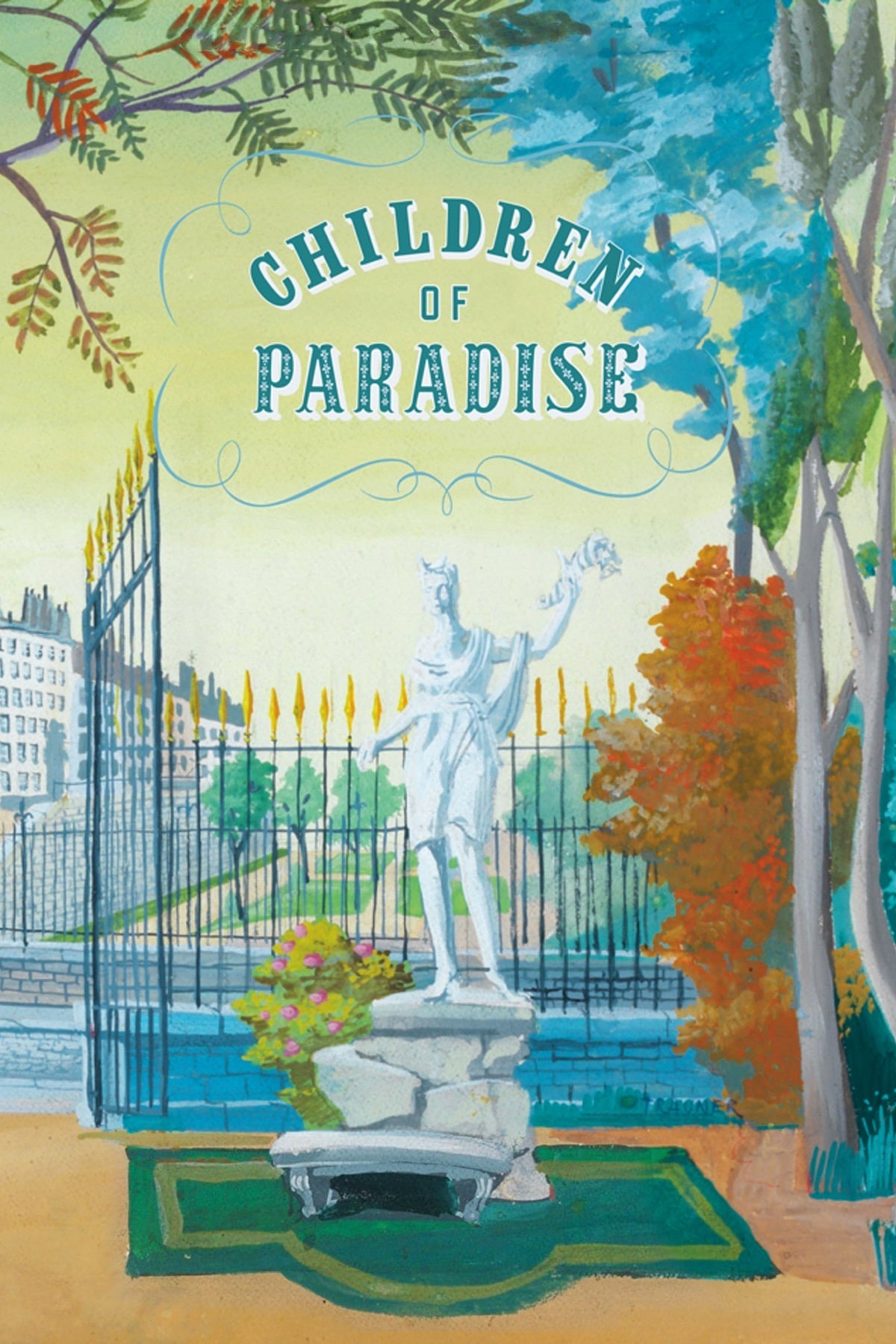
In a chaotic 19th-century Paris teeming with aristocrats, thieves, psychics, and courtesans, theater mime Baptiste is in love with the mysterious actress Garance. But Garance, in turn, is loved by three other men: pretentious actor Frederick, conniving thief Lacenaire, and Count Edouard of Montray.
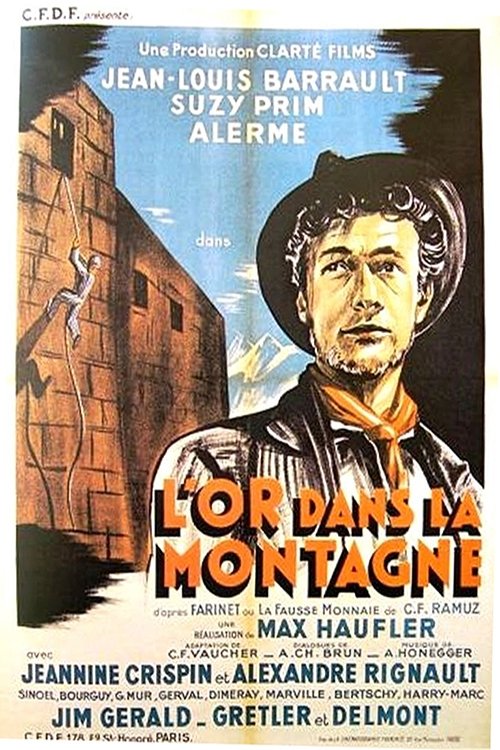
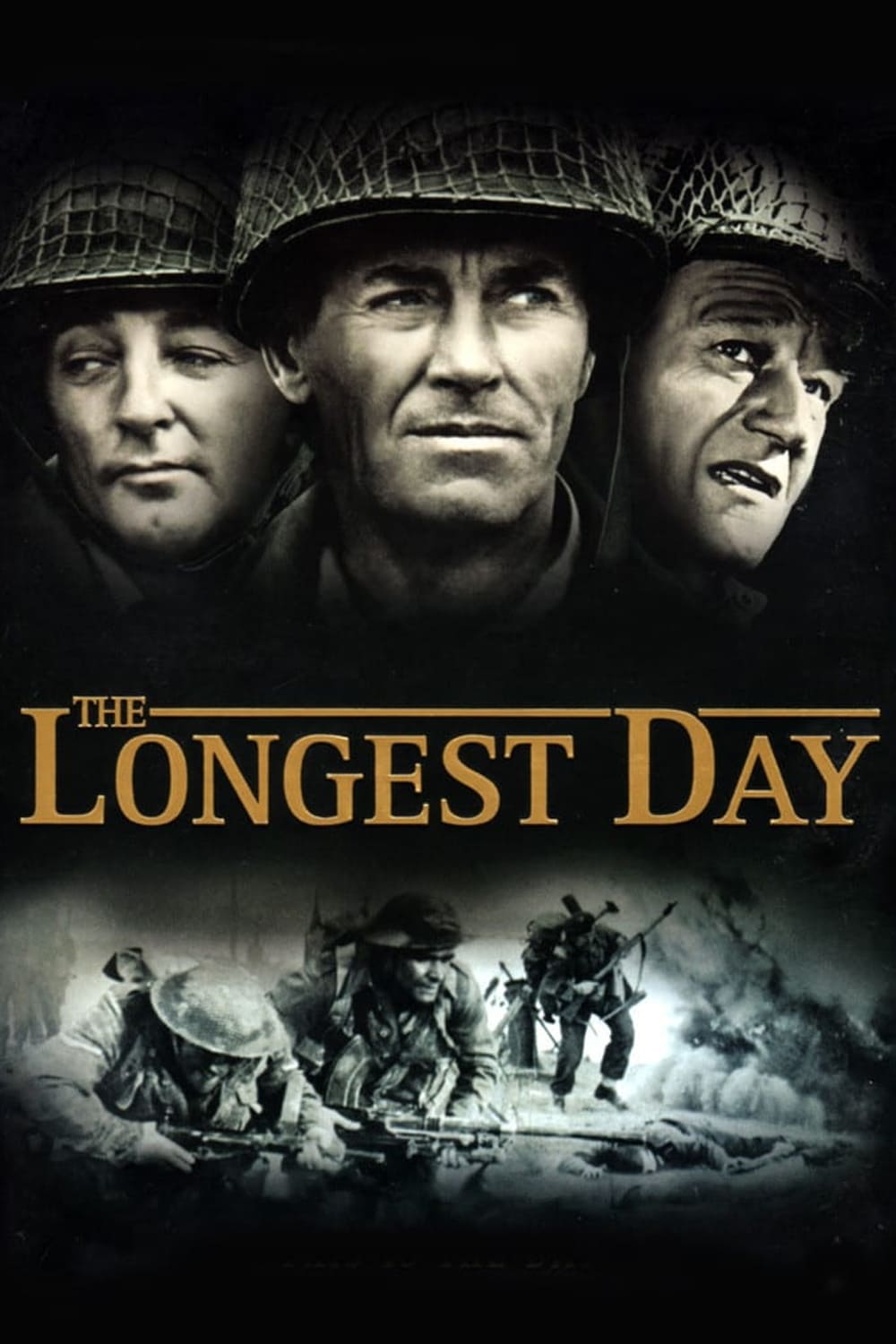
The retelling of June 6, 1944, from the perspectives of the Germans, US, British, Canadians, and the Free French. Marshall Erwin Rommel, touring the defenses being established as part of the Reich's Atlantic Wall, notes to his officers that when the Allied invasion comes they must be stopped on the beach. "For the Allies as well as the Germans, it will be the longest day"

Semi-autobiographical story of Conrad Rooks, who travels to France to undergo a drug-withdrawal cure. Flashbacks to the beginings of psychedelia in San Fran. Though initially confusing, as Rooks blends drug-illusion with reality, and cuts color with black-and-white and monochrome tinted shots, "Chappaqua" is conventionally constructed with a beginning, middle, and end.
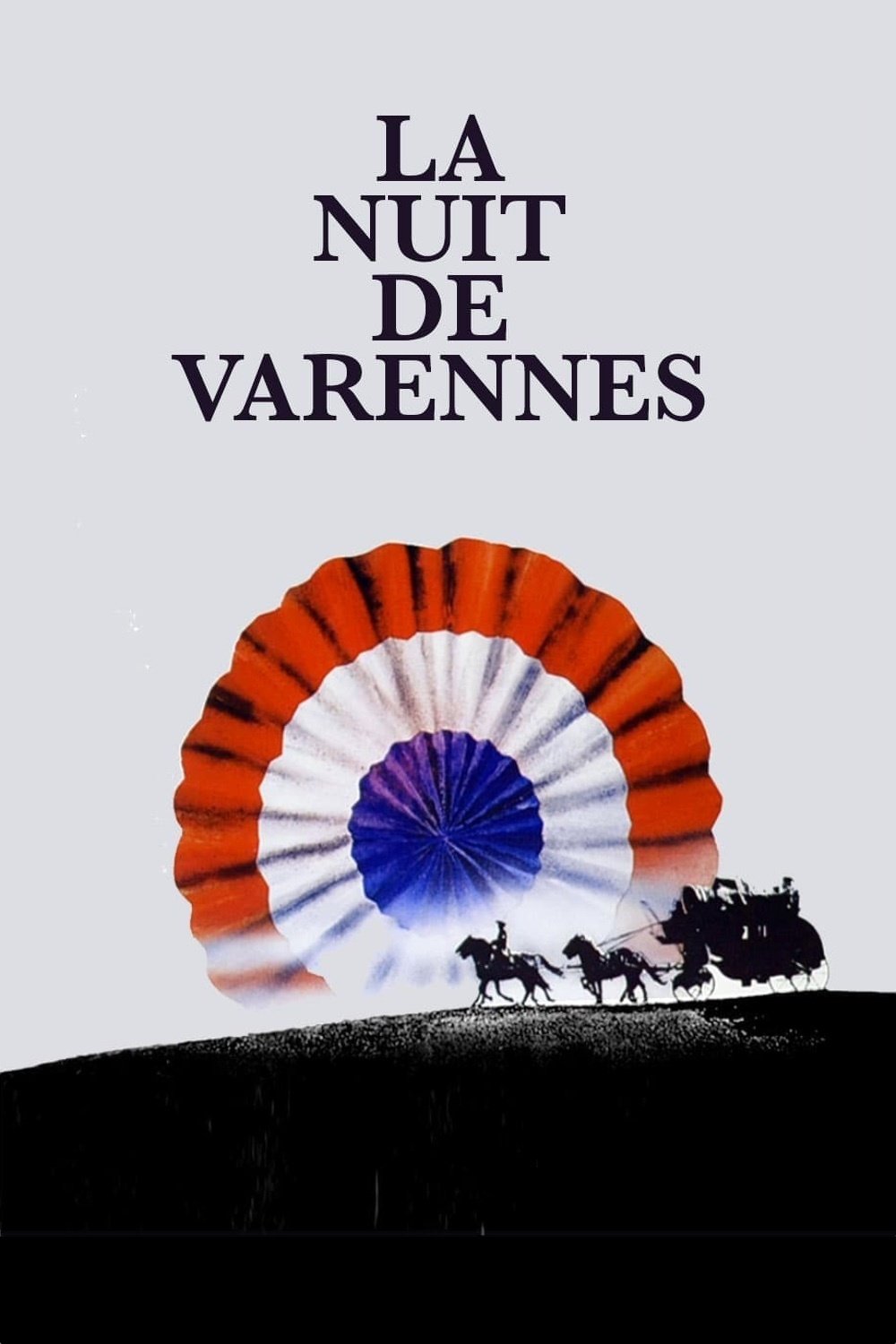
During the French Revolution, a surprising company shares a coach, trying to catch up something - the time itself, perhaps.
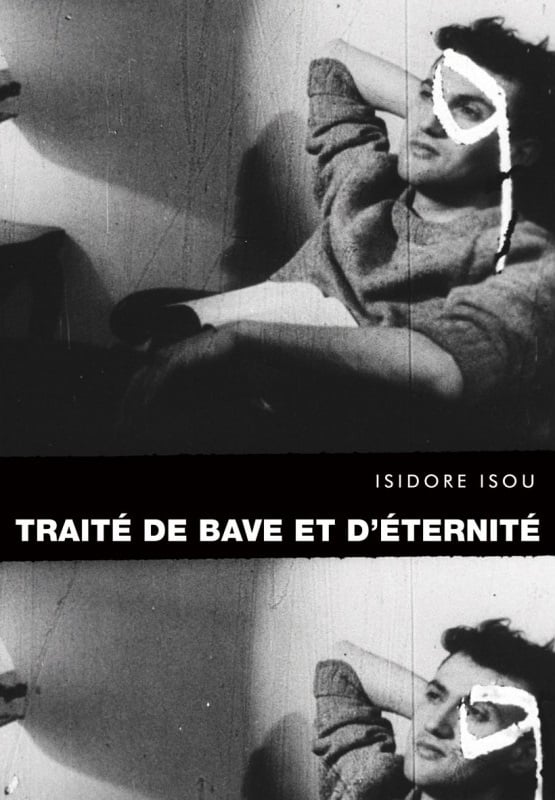
In this experimental film, Isidore Isou, the leader of the lettrist movement, lashes out at conventional cinema and offers a revolutionary form of movie-making: through scratching and bleaching the film, through desynchronizing the soundtrack and the visual track, through deconstructing the story, he aims to renew the seventh art the same way he tried to revolutionize the literary world.
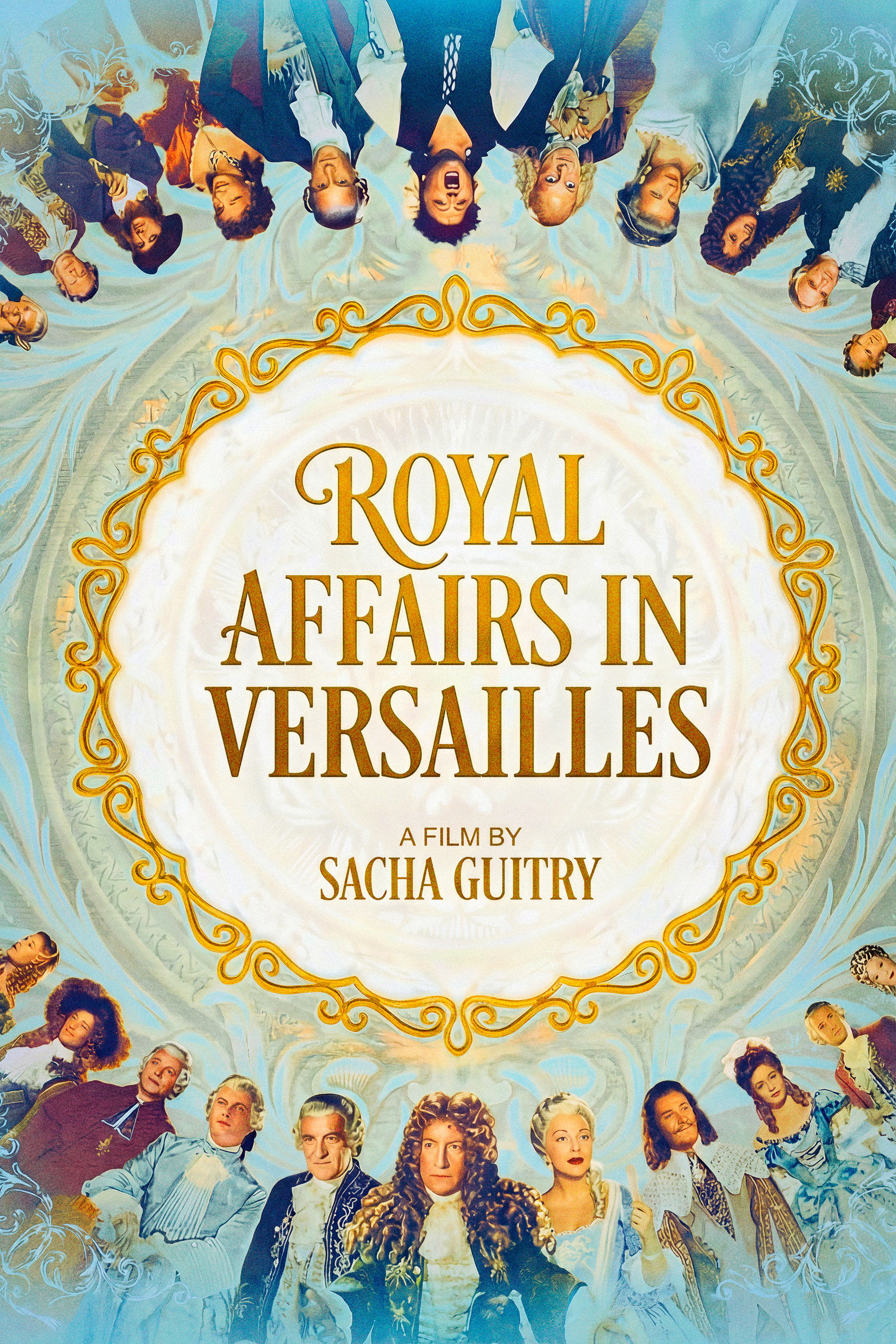
Witty narration follows the history of Versailles Palace; founded by Louis XIII, enlarged by autocratic Louis XIV, whose personal affairs and amours, and those of his two successors, are followed in more detail to the start of the Revolution, after which the story is brought rapidly up to date. A huge cast plays mainly historical persons who appear briefly.

The story of the seven pearls of the English Crown, from Henry VIII to 1937 – three of them missing.
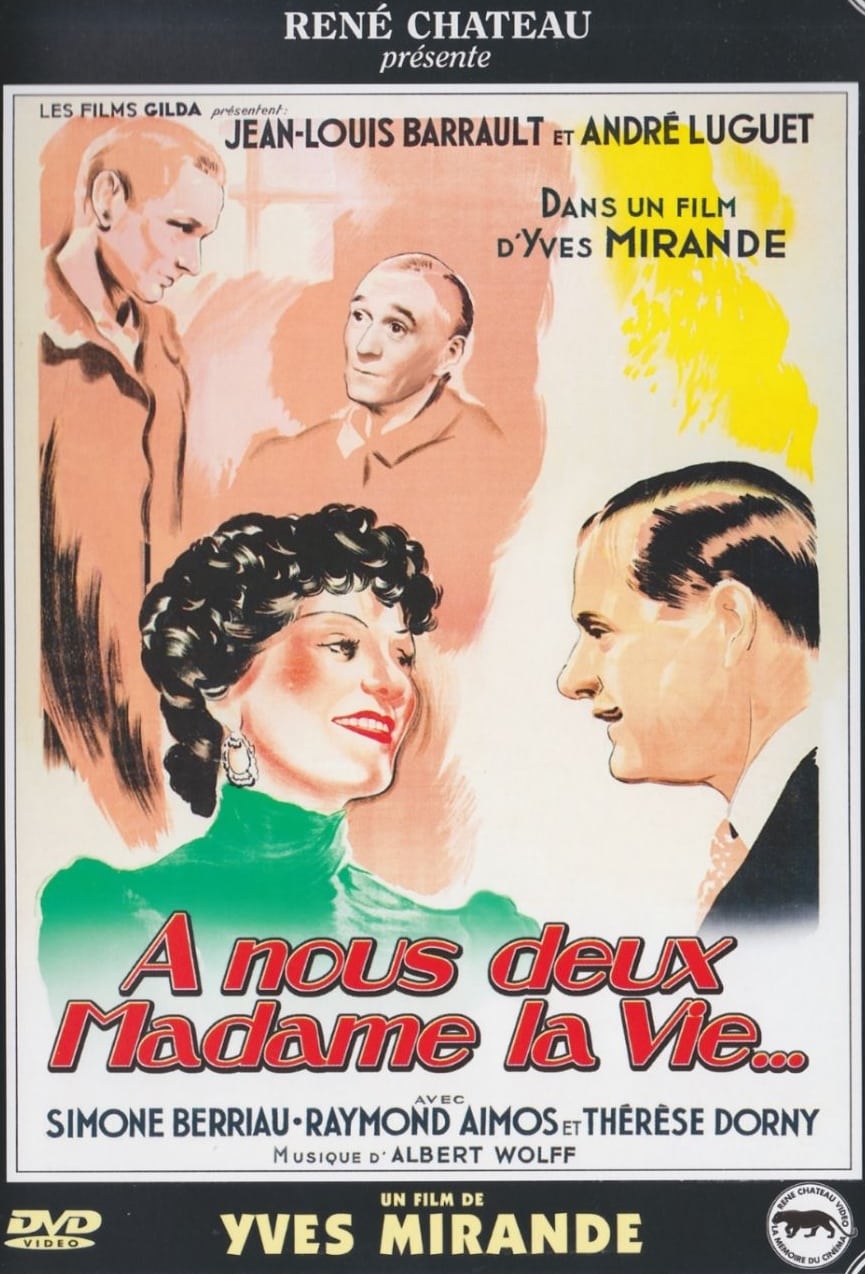
Two bank employees like Lucie, their colleague. They steal money from the cash register to gamble. Jean wins and Paul ends up in prison for five years. When he leaves, he discovers that Jean has become a businessman and that he has married Lucie.
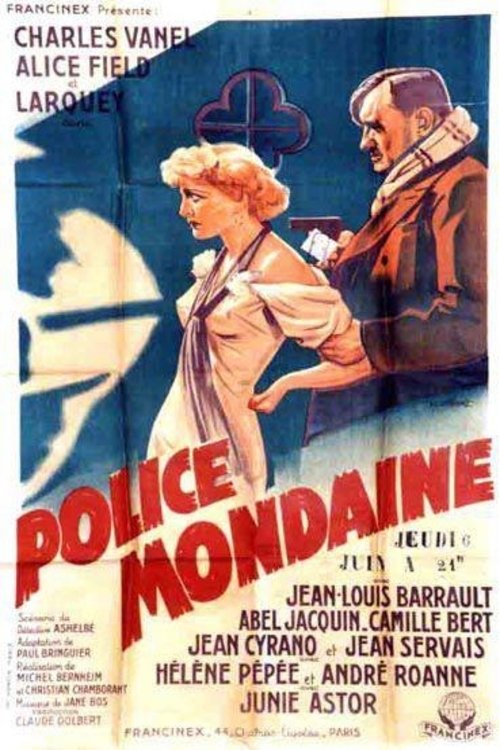
For years now, Chief inspector Gustave Picard has been trying to bring down Salviati, the dreadful leader of a drug-selling gang. Lucienne Préville, an informer who works for him, has infiltrated the gang but her position is dangerous. On the other hand, Scoppa, Salviati's former right-hand man, has started challenging his former boss. Will Salviati, the brutal public enemy, clear off at last?

After serving in the trenches of World War I, Jean Diaz recoils with such horror that he renounces love and personal pleasure to immerse himself in scientific research, seeking a machine to prevent war. He thinks he has succeeded, but the government subverts his discovery, and Europe slides with seeming inevitability toward World War II. In desperation, Diaz summons the ghosts of the war dead from the graves and fields of France to give silent, accusing protest.
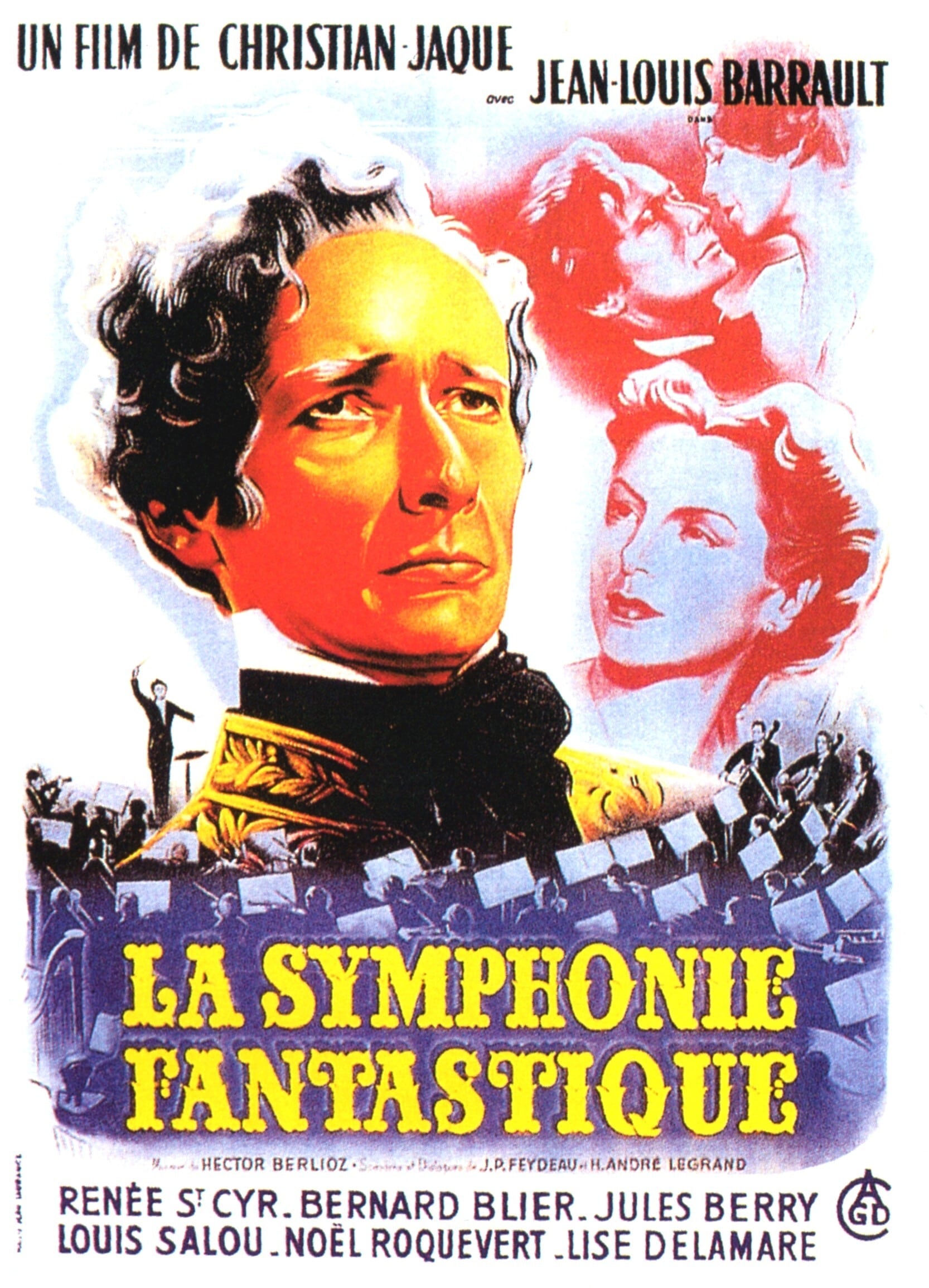
The film is biographical, telling the story of the life and artistic struggles of the French composer Hector Berlioz. Berlioz is shown as a recalcitrant medical student in an anatomy class dreaming of becoming a composer; at a demonstration during a performance at the Paris Opéra conducted by Habeneck; at supper with other young artists (Hugo, Janin, Dumas, Mérimée, Delacroix); and chasing after his future wife Harriet Smithson, after a performance of Hamlet. Also depicted are his life in a garret, while suffering from an illness due to an abscess in the throat; a visit from his mother who curses him; and the composition of the Symphonie fantastique. The film then shows his marital breakdown, the premiere of his opera Benvenuto Cellini, his travels throughout Europe, his second marriage to Marie Recio (called "Marie Martin" in the film), public acceptance in old age and reconciliation with his son.
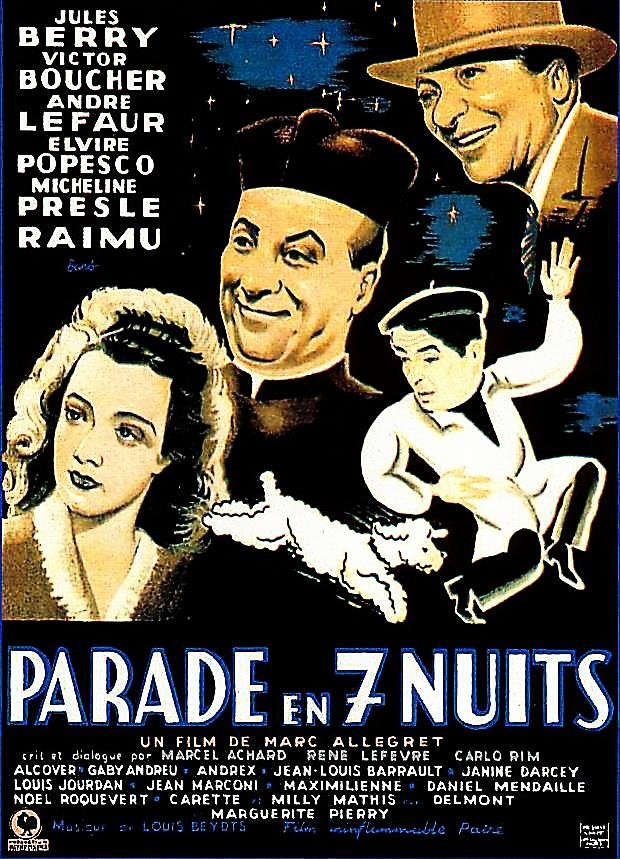
In the pound, Pipo the dog recounts his adventures to his fellow inmates.
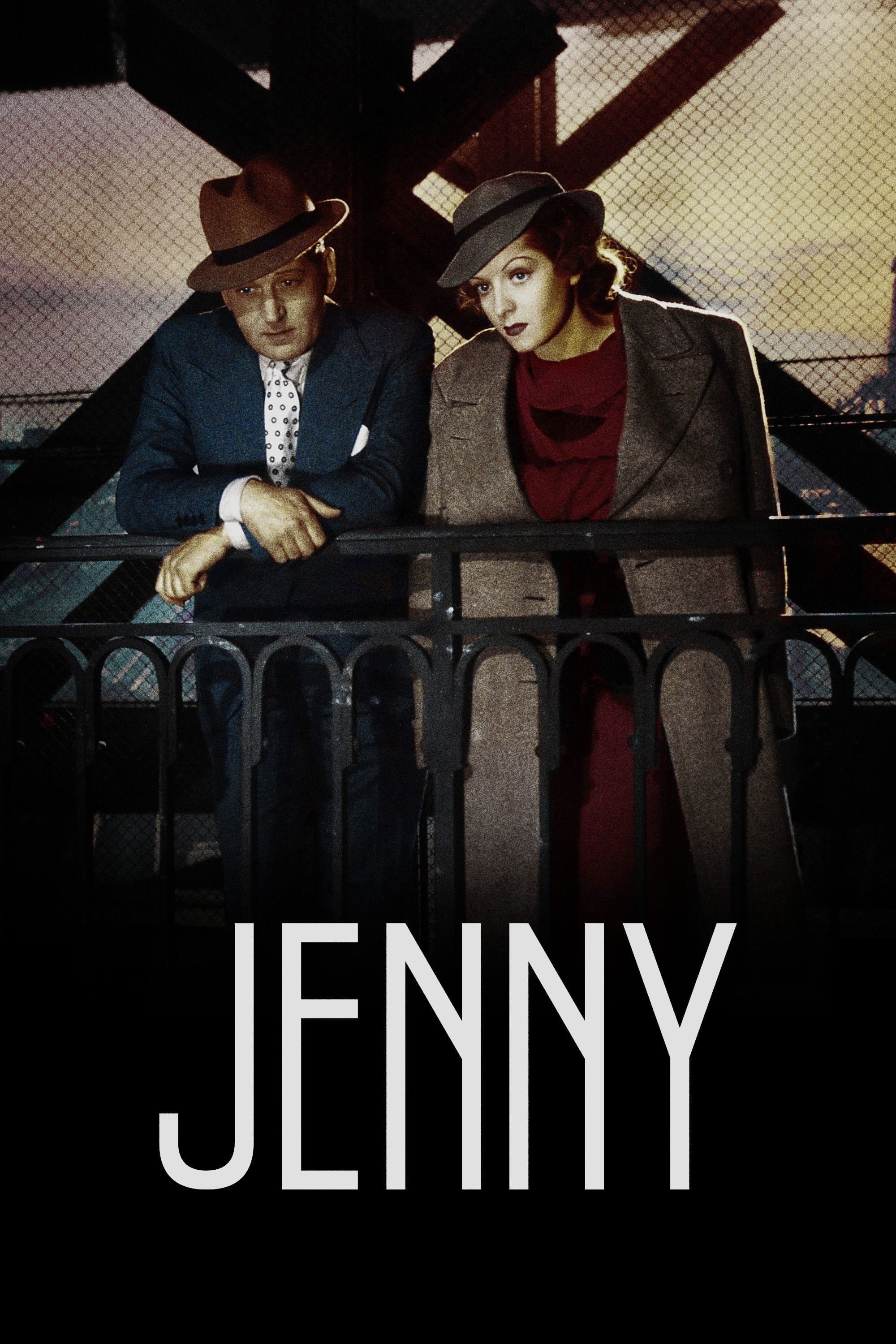
When her fiancé breaks off their engagement, Danielle leaves London and returns to her mother, Jenny, in Paris. With her business partner Benoît, Jenny runs what appears to be a respectable nightclub – it is in fact a place where wealthy men can buy the favours of attractive young women. Oblivious to her mother's professional and personal life, Danielle meets a handsome young man named Lucien, and falls in love with him – not realising that he is Jenny's lover...
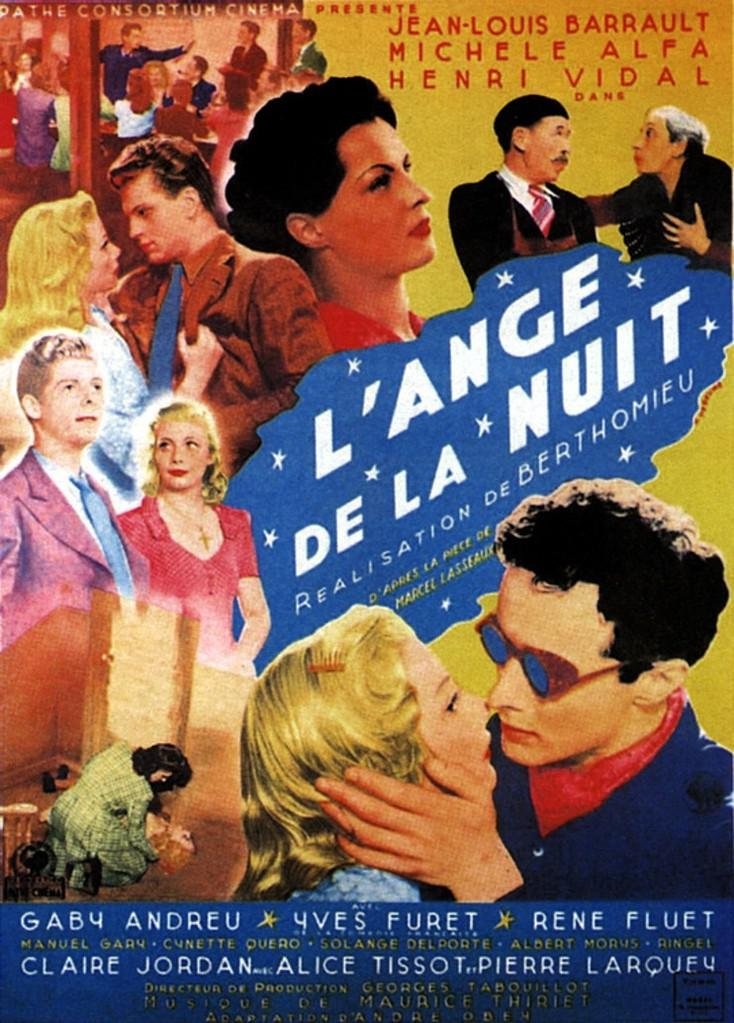
A young sculptor presides over the destinies of a student club where a miserable young girl ends up one evening. The treasurer of the association falls in love with the young girl who returns the favor. The war. The sculptor comes back blind. Out of gratitude, the young girl marries him and restores his confidence in his talent; out of discretion, the treasurer steps aside.
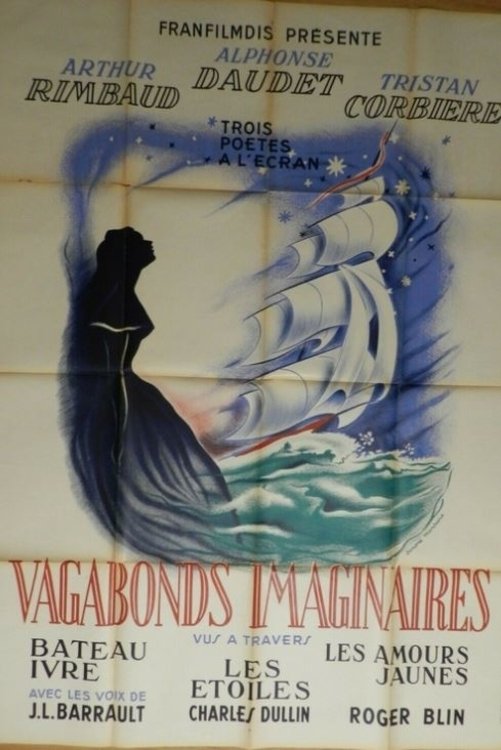
Jean-Louis Barrault, Charles Dullin and Roger Blin each say a poem. The actors do not appear on screen.
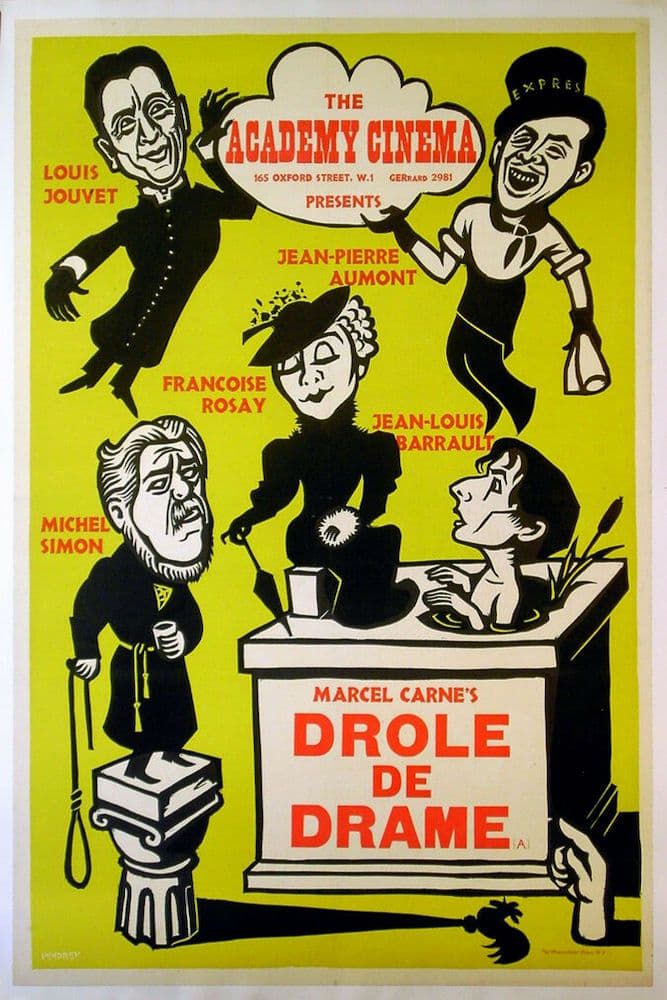
A French farce set in Victorian London where a botanist and his wife get into trouble when they pretend to go missing in order to hide from their sanctimonious cousin – an Anglican bishop who is leading a campaign against such writing.

Charles le Temeraire asks in marriage Jeanne de Beauvais, daughter of King Louis XI, wishing to get her valuable lands in dowry. The King is wise to this, and since his daughter does not feel inclined to accept, he refuses. Charles sets up a plan to abduct the prince, in a way that the suspicions will fall upon Robert de Neuville, a noble enamoured of the princess. Robert manages to free her from the castle where she was being kept. Charles keeps setting traps, and managing people to perjure against Jeanne, and the King himself. Finally, Jeanne escapes alive from a pack of wolves, who set watching the lady alone in the snow covered woods, instead of attacking her. Charles does yet accuse her of being a witch - wishing to have her dead rather than being the wife of Robert... Robert will be her champion in a Judgement of God. Will the 'miracle of the wolfs' repeat itself, or fearless Charles defeat Robert in the sword duel?
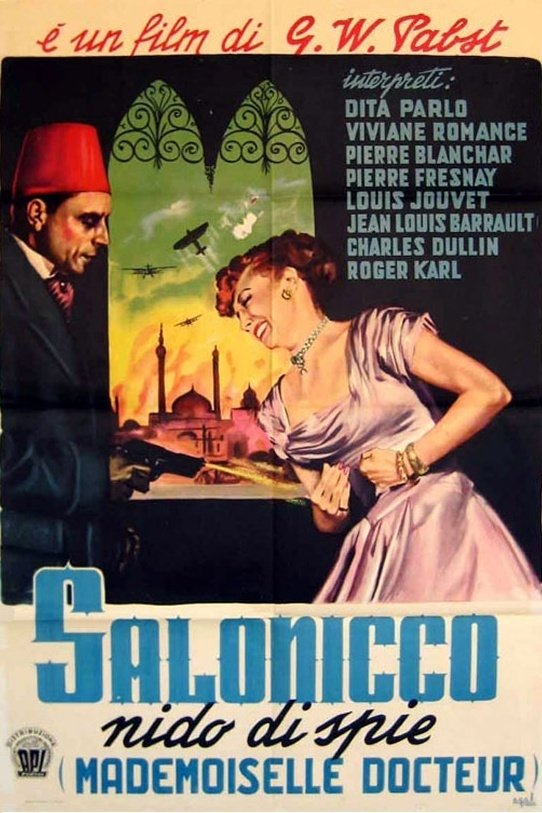
A slippery femme fatale, a spy for Germany during the Great War, is sent to Thessaloniki in Greece and becomes involved with a man on the other side, a French military officer.

Nobel-prize-winning author, social justice crusader, anti-colonialist, adventure traveler, musician, and one-time Communist: André Gide was a larger-than-life character who dominated French letters from the turn of the 20th century to his death in 1951. Directed by Marc Allégret, with whom Gide traveled extensively in French Equatorial Africa, the film was made in the year leading up to the writer’s death.
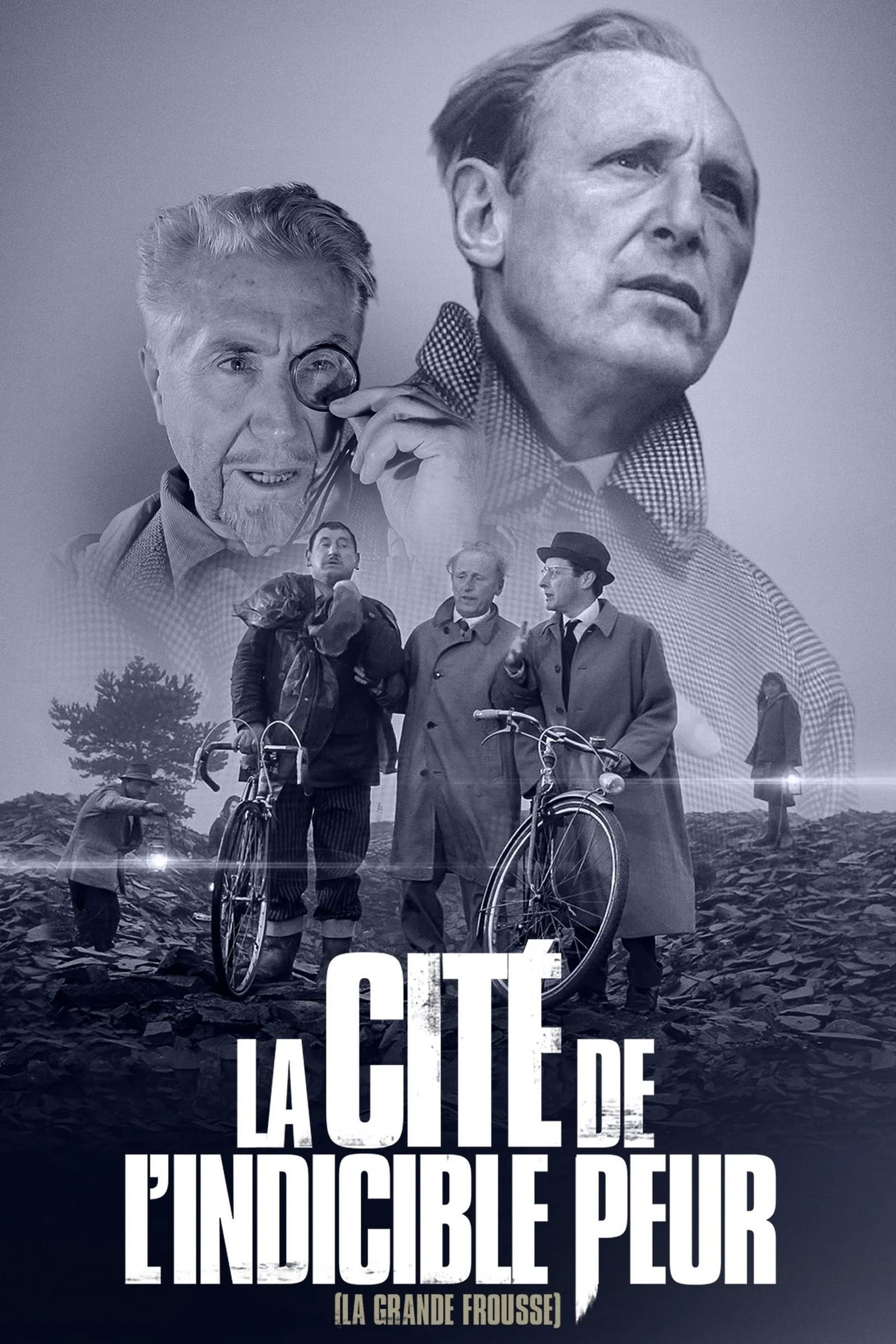
Two police inspectors pursue a dangerous counterfeiter on the run.
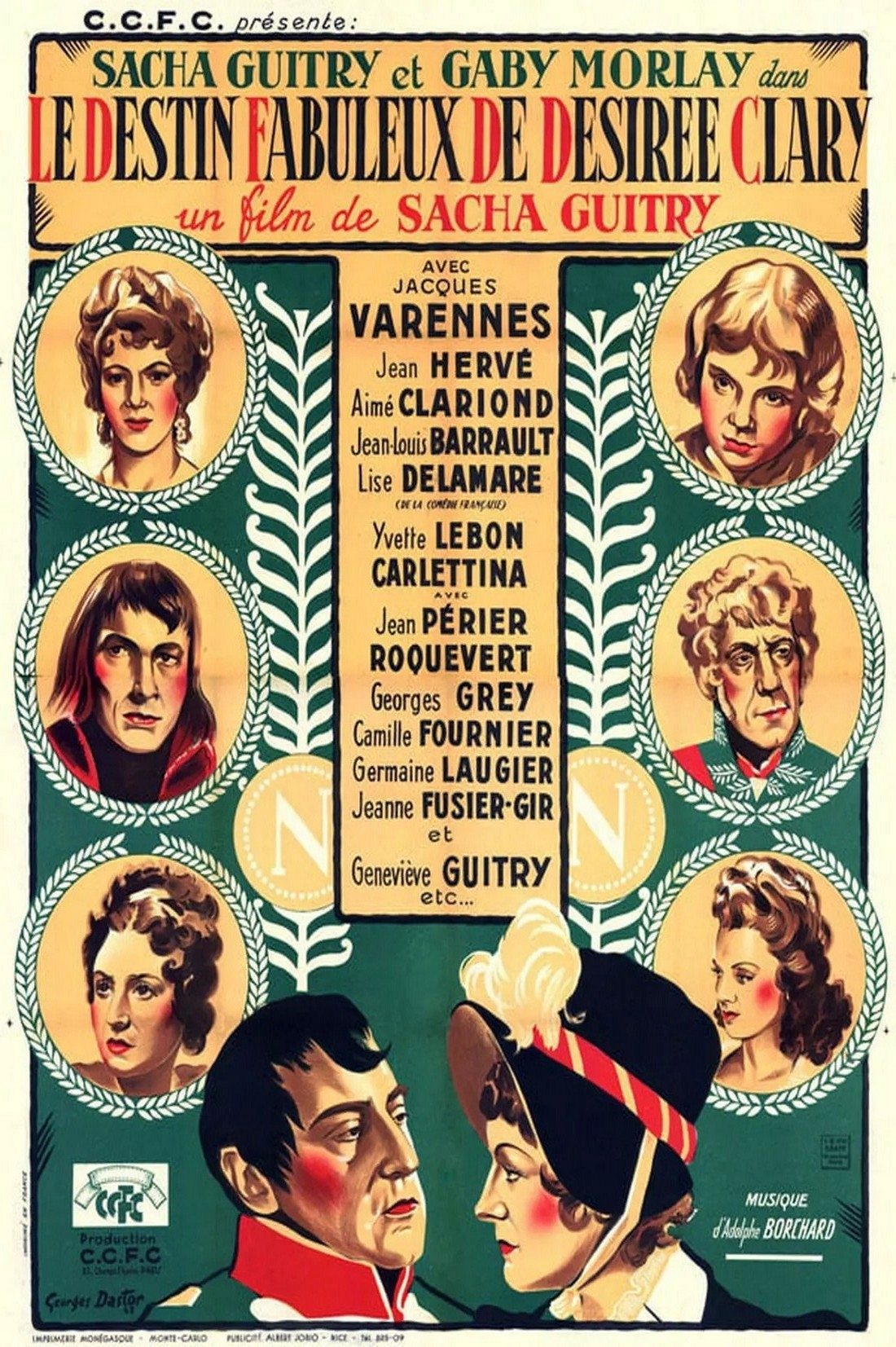
Julie and Désirée Clary are courted by the brothers Joseph and Napoleon Bonaparte. Joseph marries Julie and Napoleon is affianced to Désirée. When Napoleon breaks the engagement and marries Joséphine de Beauharnais, Désirée becomes involved with General Bernadotte.
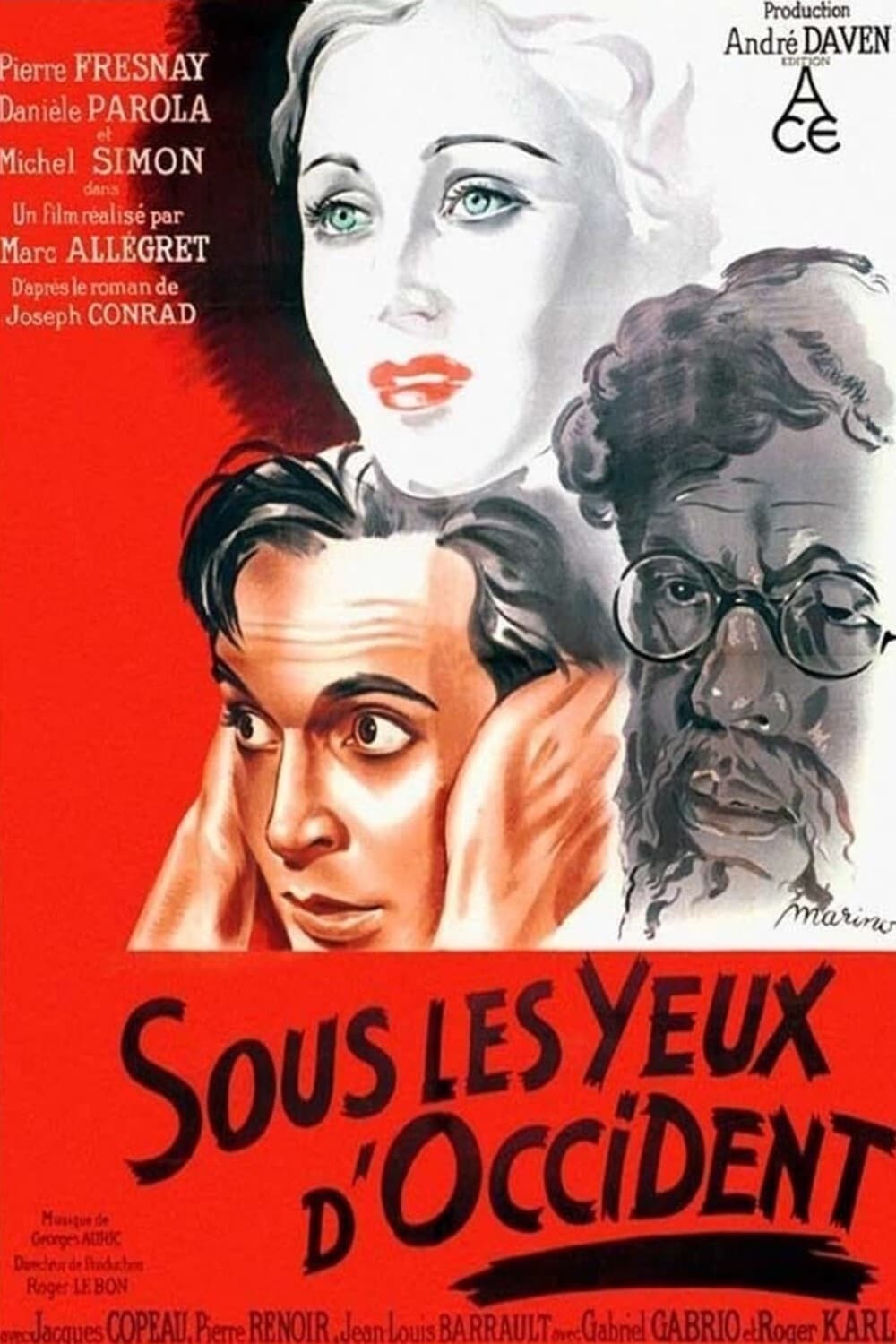
Political turmoil convulses 19th-century Russia as Razumov, a young student preparing for a career in the czarist bureaucracy, unwittingly becomes embroiled in the assassination of a public official.
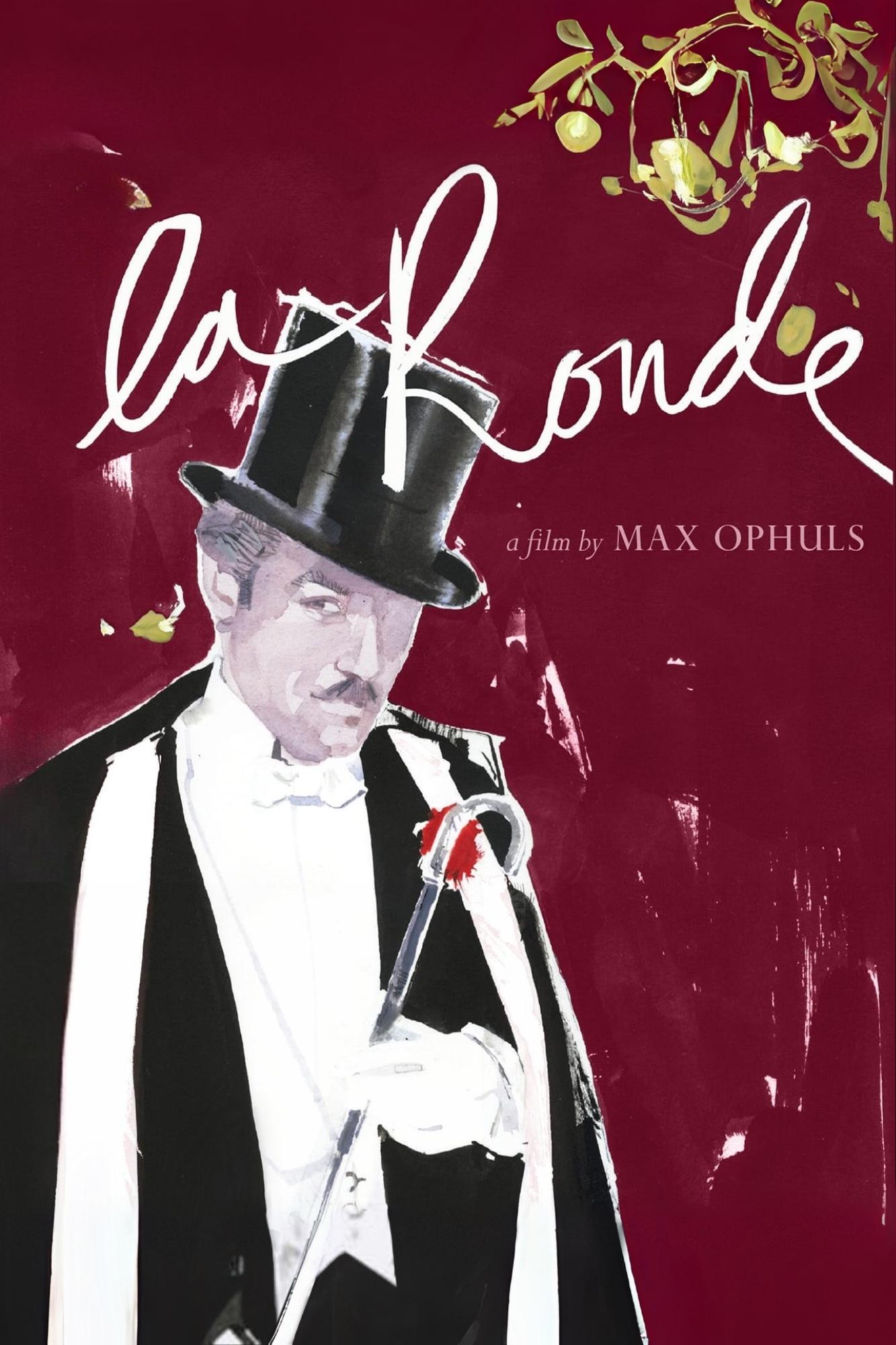
An all-knowing interlocutor guides us through a series of affairs in Vienna, 1900. A soldier meets an eager young lady of the evening. Later he has an affair with a young lady, who becomes a maid and does similarly with the young man of the house. The young man seduces a married woman. On and on, spinning on the gay carousel of life.
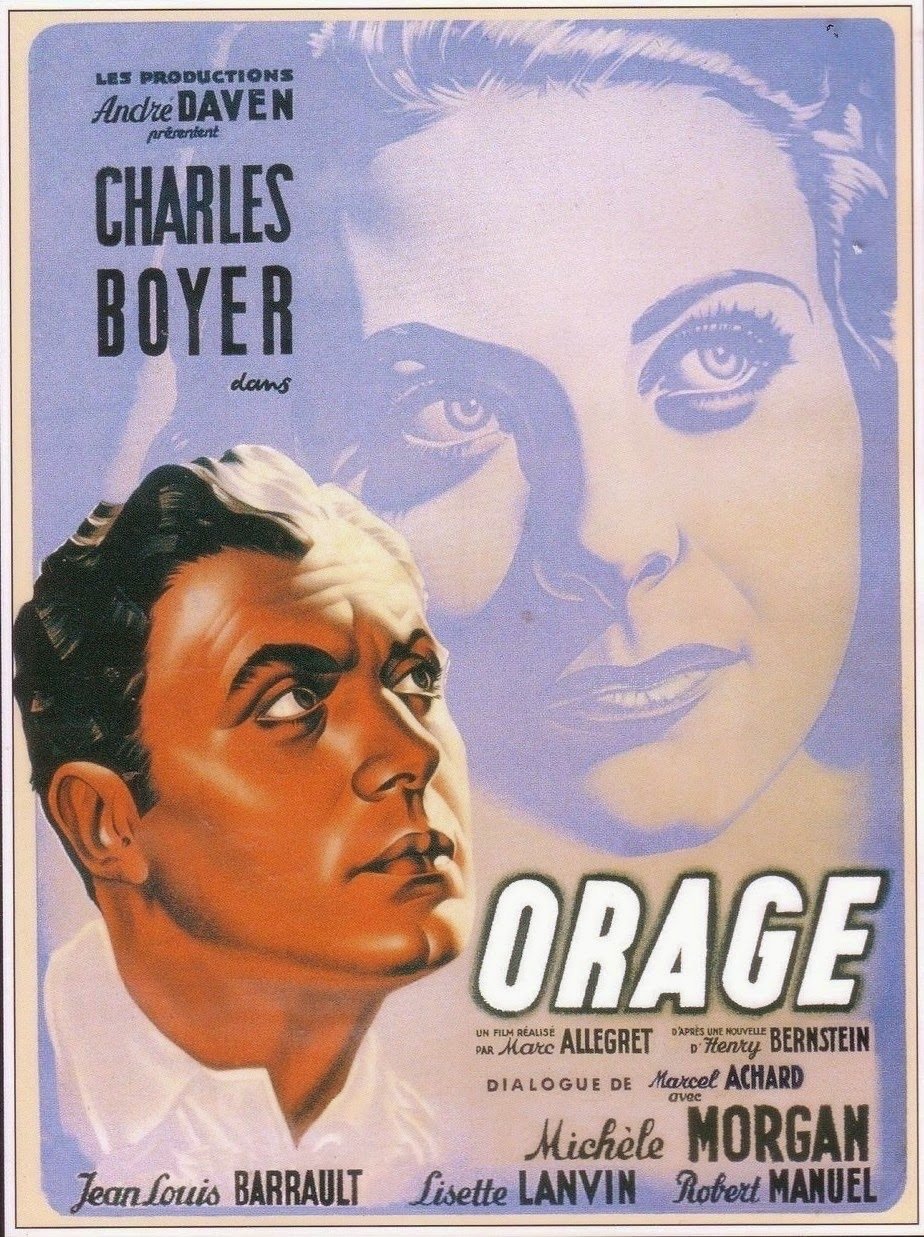
The mistress of an engineer meets the man's pregnant wife and decides to give up the liaison.
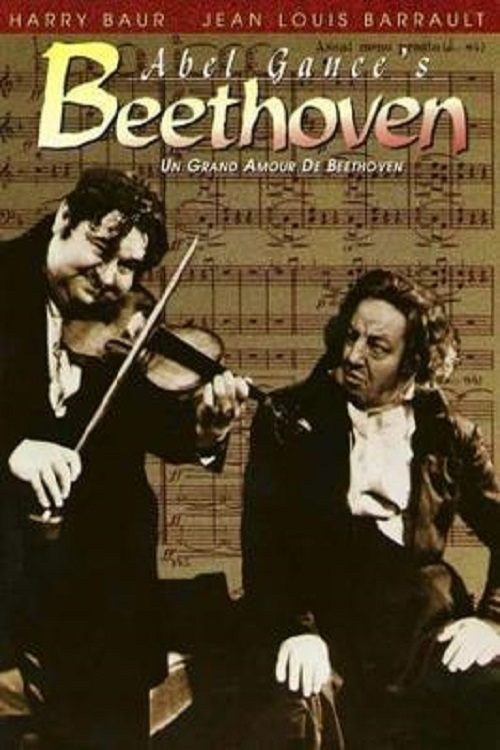
Lyrical biography of the classical composer, depicted as a romantic hero, an accursed artist.
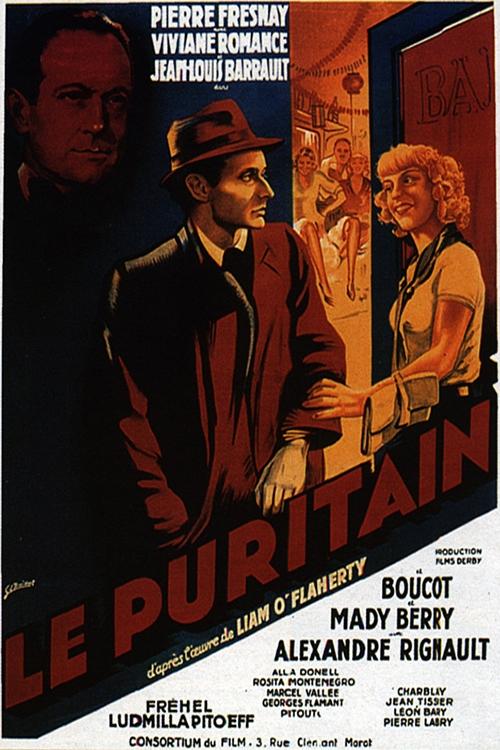
A religious fanatic finds his entire life and philosophy turned upside-down as he falls in love with a girl and kills her in a jealous rage. His search is for peace of mind and a desire to justify the murder of the girl to himself. His mind becomes distraught as he gropes trying to rationalize his deed and his world falls apart around him. A police inspector patiently and tirelessly stays on Barrault's trail, without putting him under arrest, though convinced he is the murderer, and waiting for the moment when he feels Barrault will break under the strain of his own religious fanaticism.
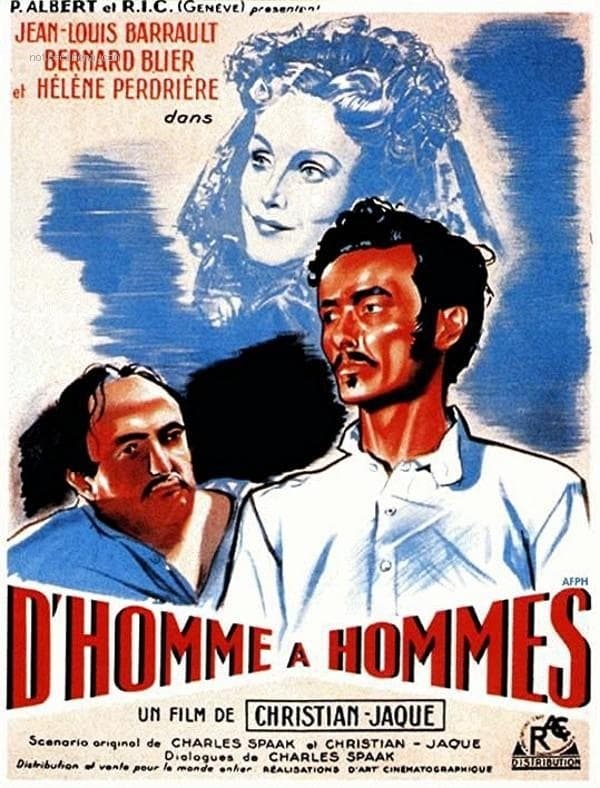
The story of the Swiss soldier, Henri Dunant, who was responsible for the founding of the Red Cross, and who was offered the first Nobel Peace Prize.

This drama about the Carmelite order of nuns is set during the French Revolution. A young woman seeks refuge with the Carmelites because she is terrified of dying during the upheaval. The longer she associates with the nuns the more she is transformed by their faith and devotion.
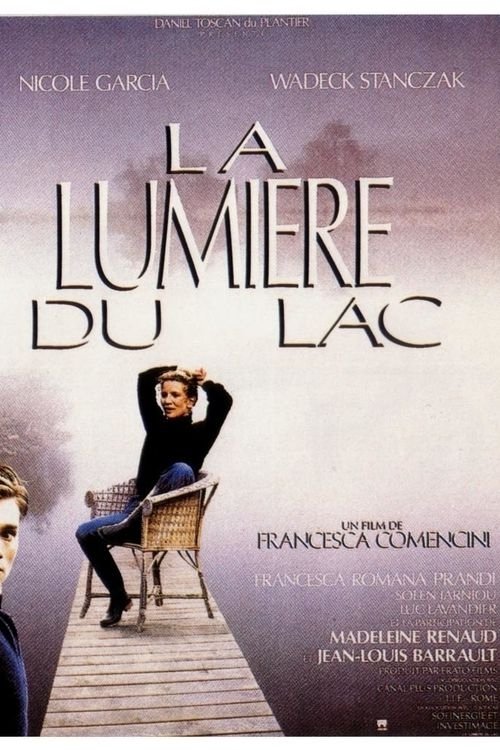
An urban gigolo on the run from a mobster hides out at the remote cabin of a female novelist in this plodding romantic drama. Her neighbors include an elderly man with a penchant for growing sunflowers and an unhappy neighbor girl with emotional problems. Love blossoms for the unlikely couple who somehow realize their liaison is doomed to failure.

Documentary about the making of Marcel Carne's 1945 film Children of Paradise (France), interviewing the director, the actors and production designer, as well as other French directors.
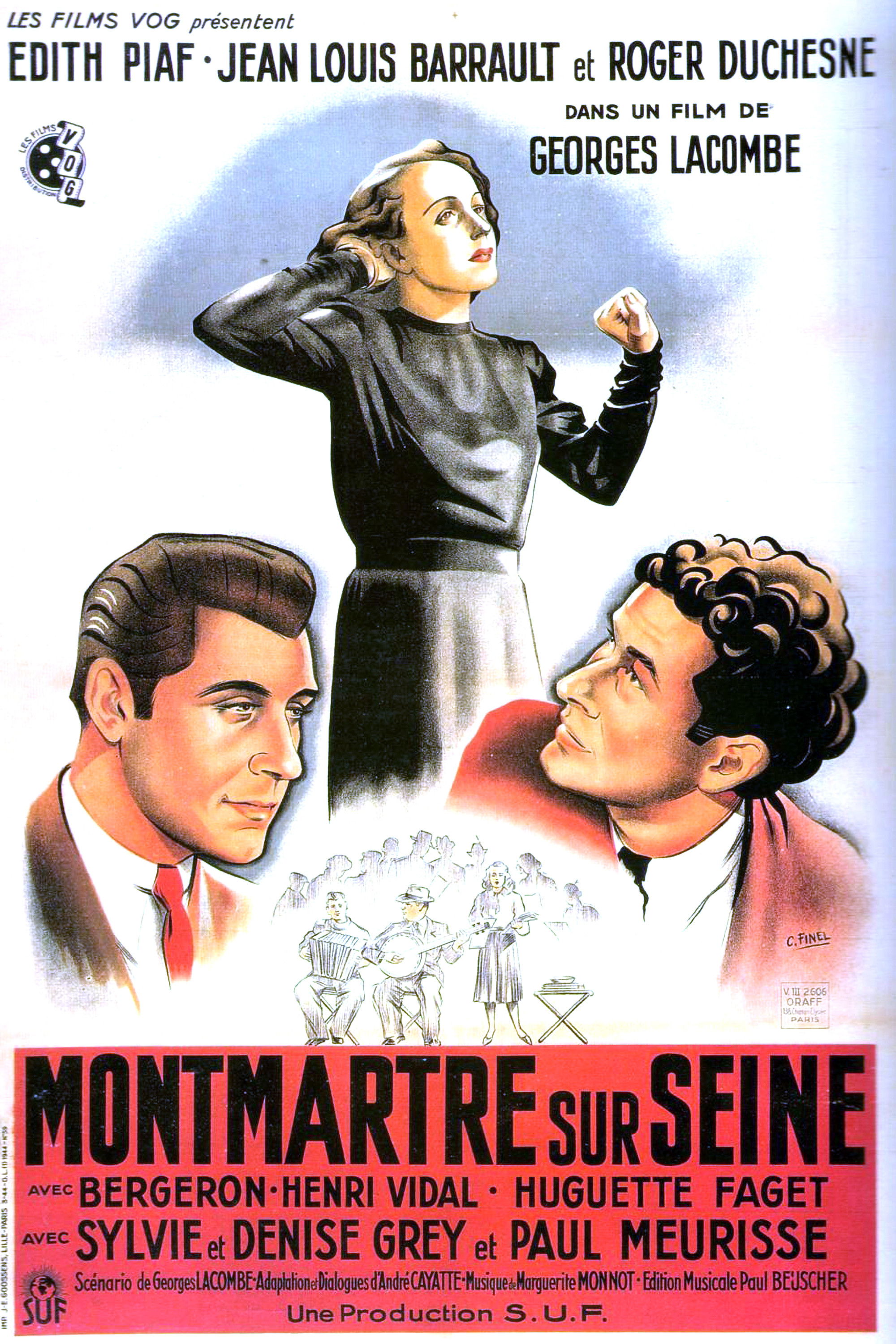
Maurice loves Juliet and Michael loves Lily. Romance blossoms on the hill. They are workers, artisans, and Lily has a real talent as a singer. But Claude's arrival brings trouble to their relationships. Maurice, jealous, approaches Lily. Singing in the streets, Lily quickly becomes a cabaret star.
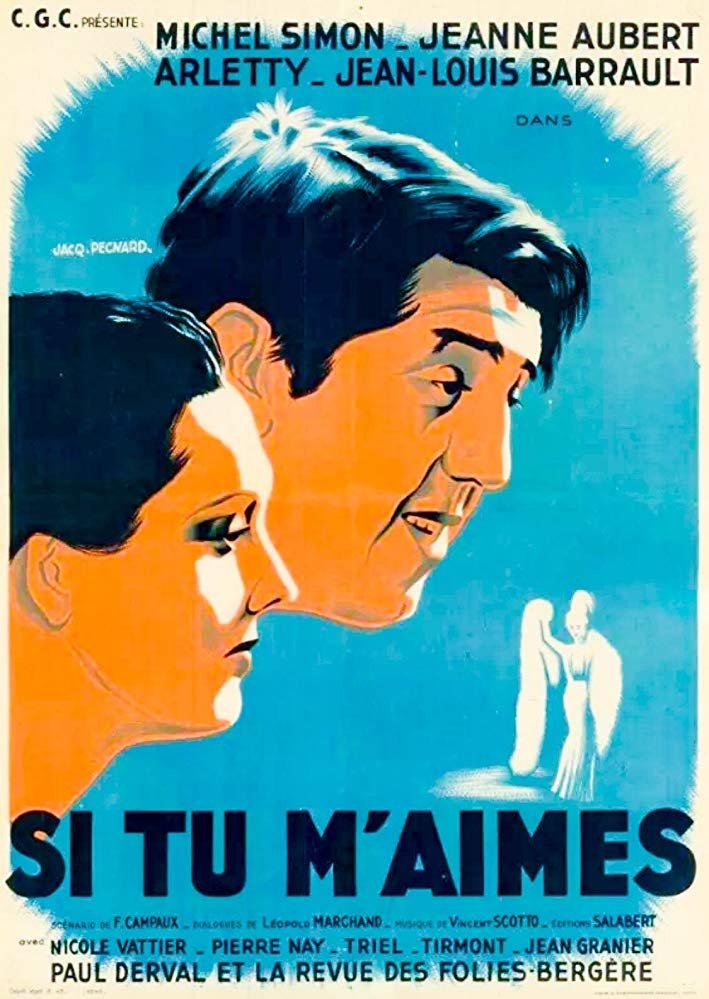
A star of Les Folies Bergères has to choose between her career and her love for an engineer.

Sylvie, a rich girl, learns at the same time the death and the ruin of her father. Forced to find work in Paris, she is given shelter by a medical student who soon falls for her. Another young man falls in love with her. When her benefactor gets ill and finally dies, Sylvie refuses to give the other man her heart out of faithfulness for the dearly departed. But youth commands and after a time love -but not oblivion - triumphs.
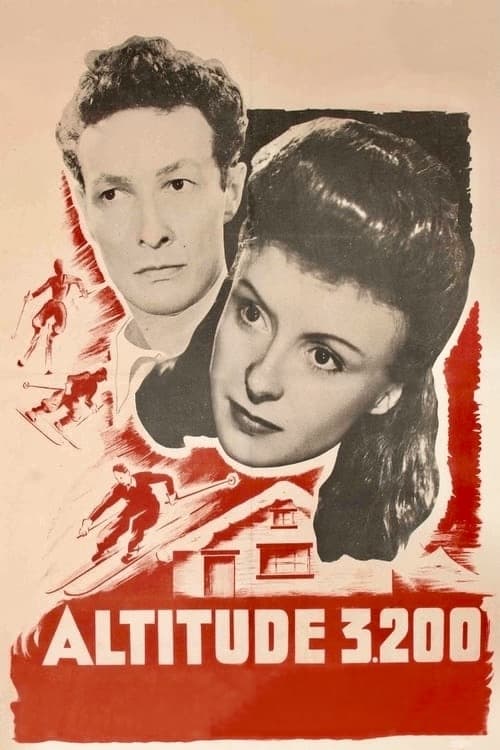
"Altitude 3.200" asks the question and provides the premise of what would happen if a group of young people----poor, rich, discontented, bored--- were given an idyllic community in which to live. Call it a colony. Call it a village. Call it one-world. Mainly call it a futile exercise in changing human nature, mores, culture and attitudes at any altitude. For t'ain't no time before clashing personalities, petty jealousy, violence and---that old demon---love create havoc. And isn't much longer before they become re-united in the face of an avalanche that threatens to destroy them. They all return to whence they came, sadder and wiser.
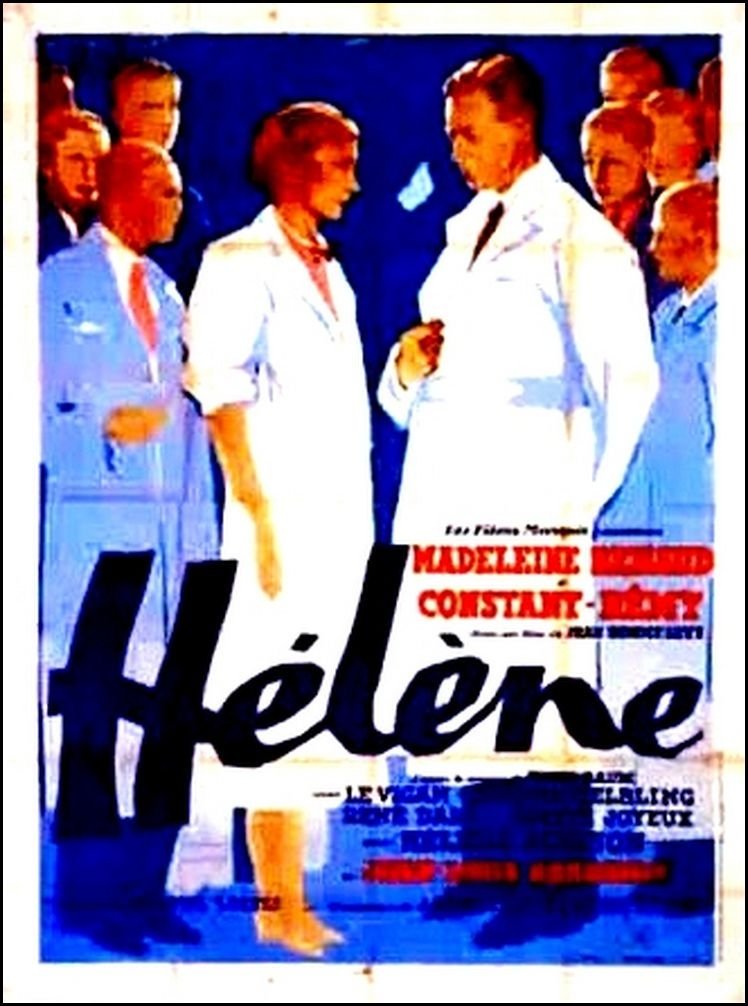
Helene is based on Helene Wilfur, a novel by Vicki (Grand Hotel) Baum. Madeleine Renaud essays the title role, a young medical student in love with aspiring musician Pierre Regnier (Jean-Lous Barrault). Pierre's father, a noted surgeon, puts pressure on his son to give up music in favor of medicine. Unable to withstand his father's remonstrations, Pierre kills himself, prompting the grieving Madeleine to forget all about romance and dedicate her life to the cause of healing others. Wilfur avoids the usual soap-opera goo by offering realistic performances and credible dialogue (the English-language subtitles were composed by erudite film critic Herman G. Weinberg).
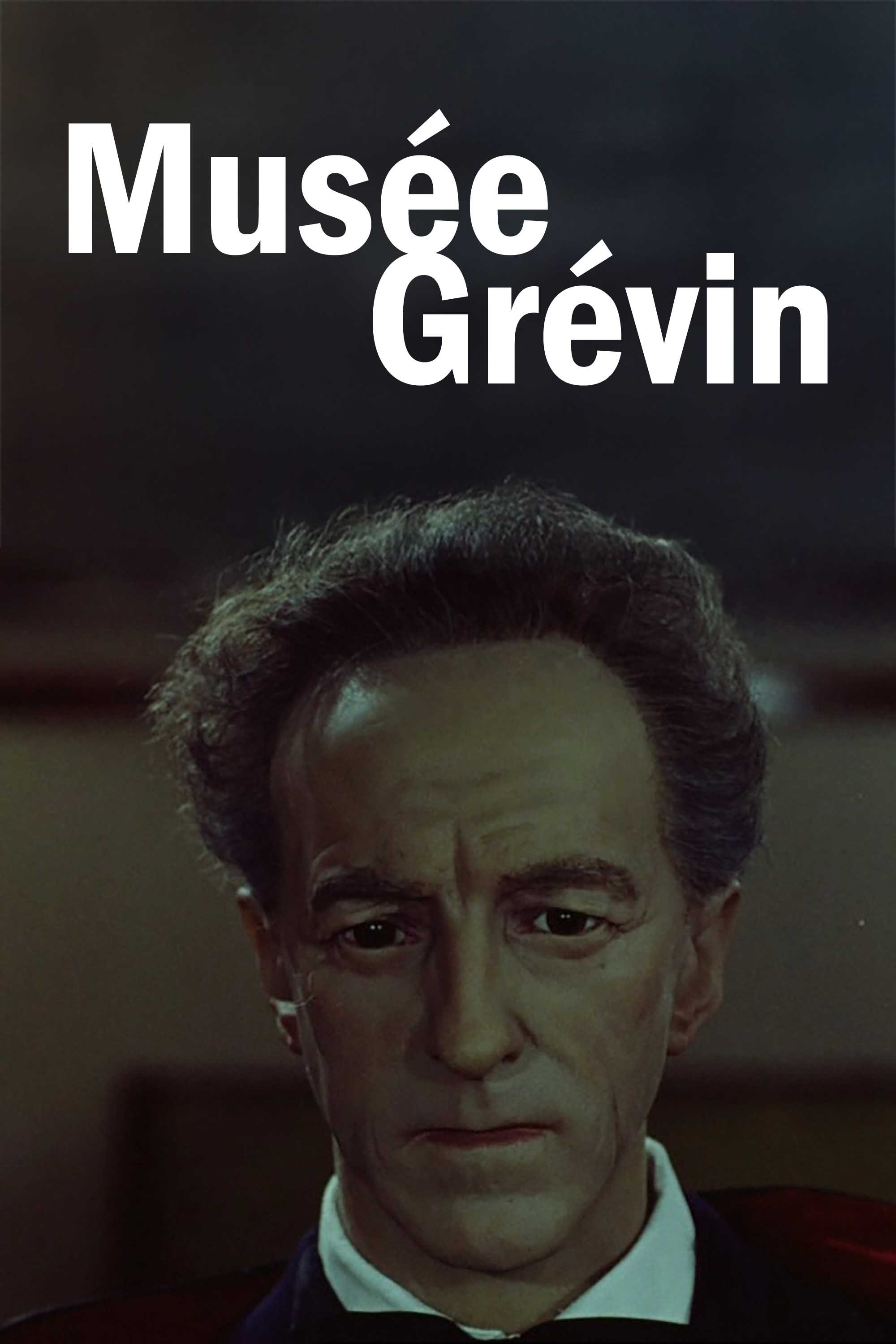
A man dreams he is in a wax museum after it is closed for the night.The statues come to life and behave in mysterious ways.
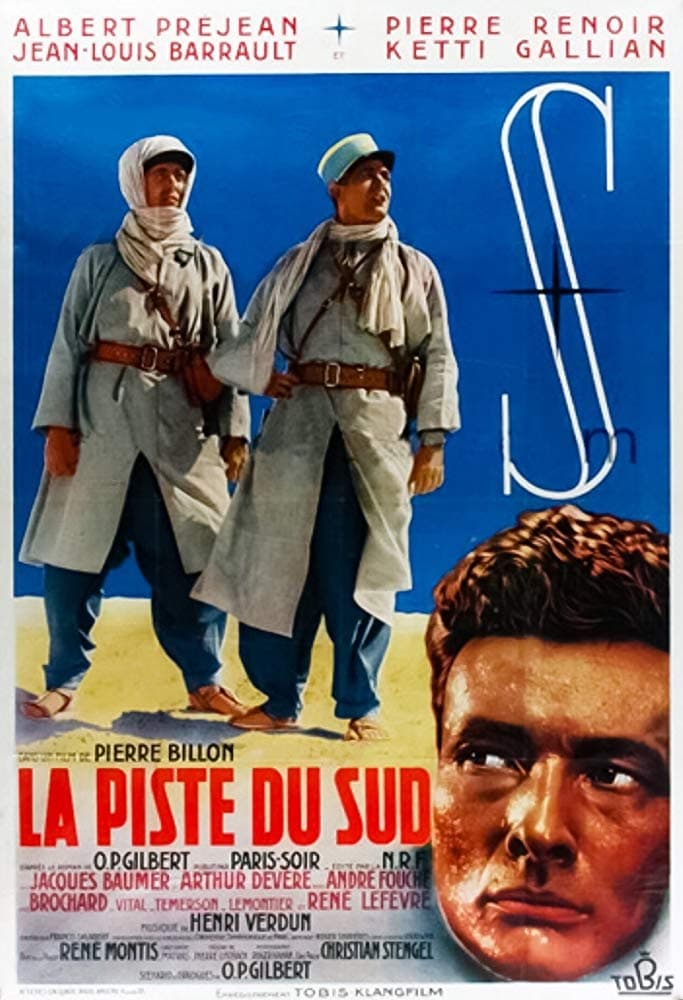
As Hélène is conveying her husband's body across the Sahara, her convoy is attacked by looters. The young widow survives only to be taken to a remote desert village called Tirzit amidst a band of lonely, ailing men. She meets her husband's partner who tries to kill her. Hélène does not report him to the police but is curious to learn the reasons for his action. Before dying of a terrible fever, the man confesses that he murdered her husband.
The poem of the same name by Aragon is read in order to make a statement about the 1940s wartime French Resistance.
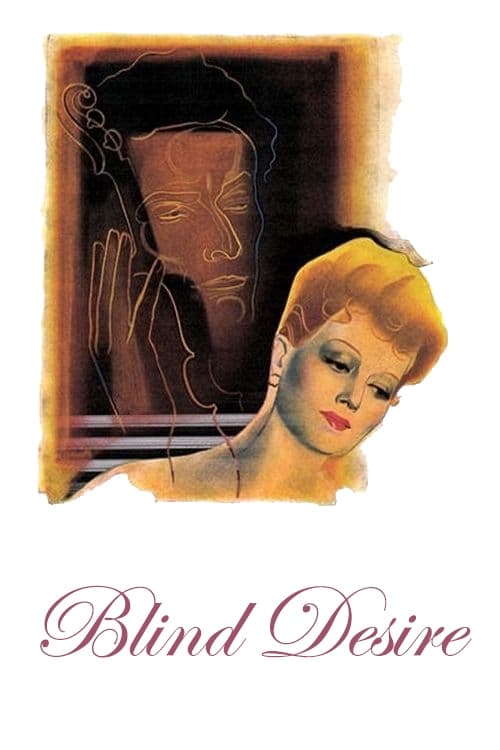
A violinist passes on to his daughter three rings which represent three passions of his romantic past, and urges her to save each for men who truly deserve one.She squanders them all on one man who is undeserving.
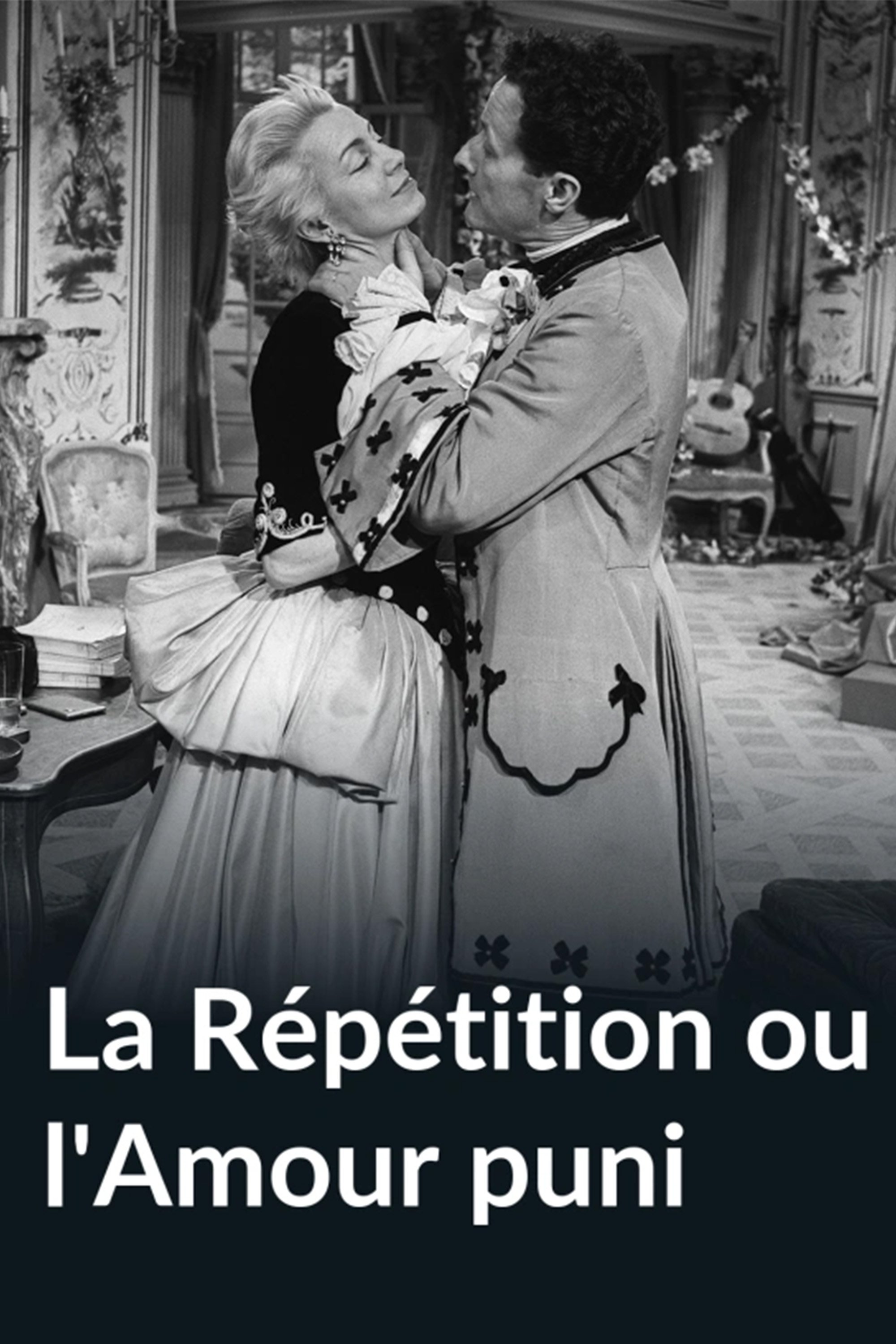
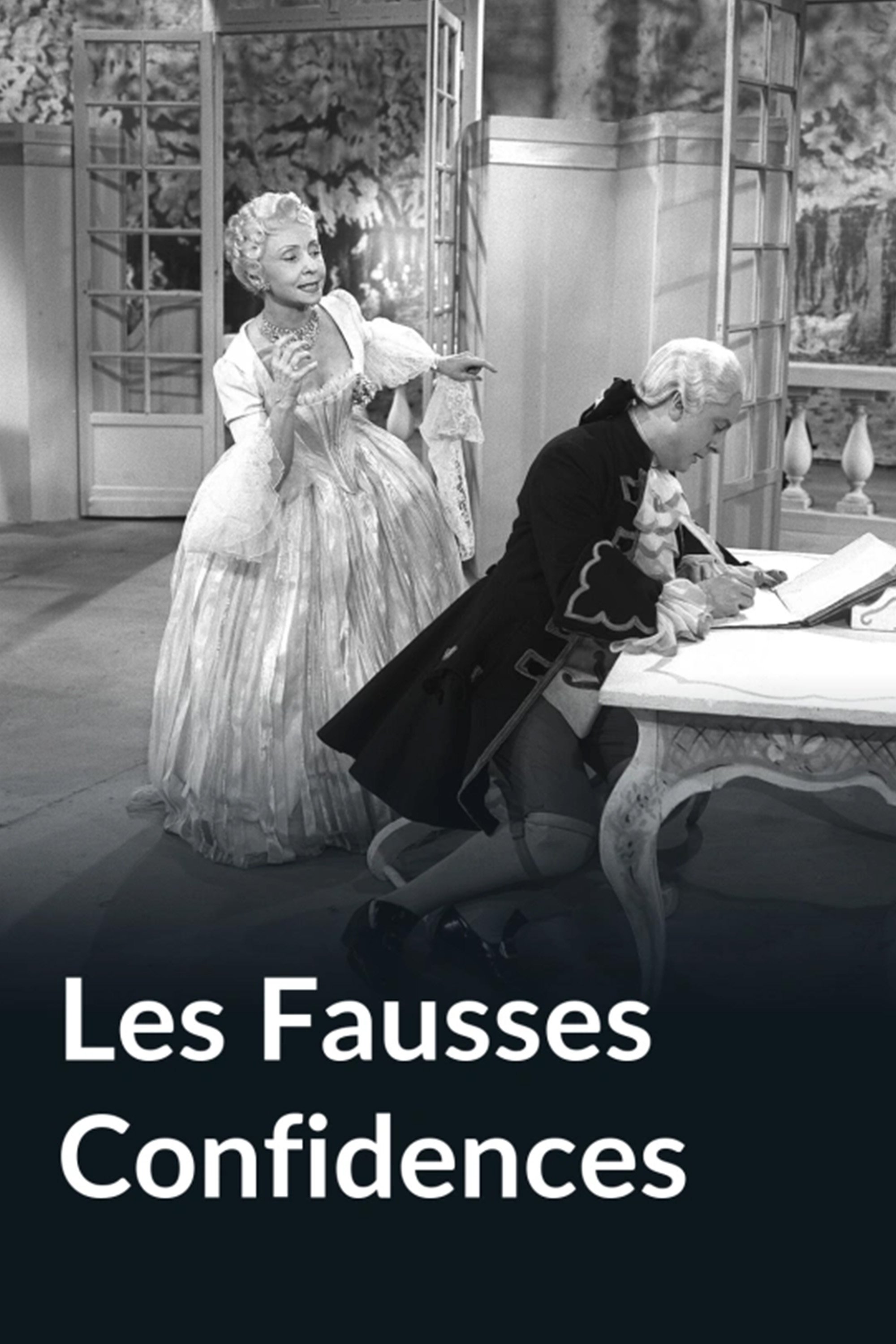
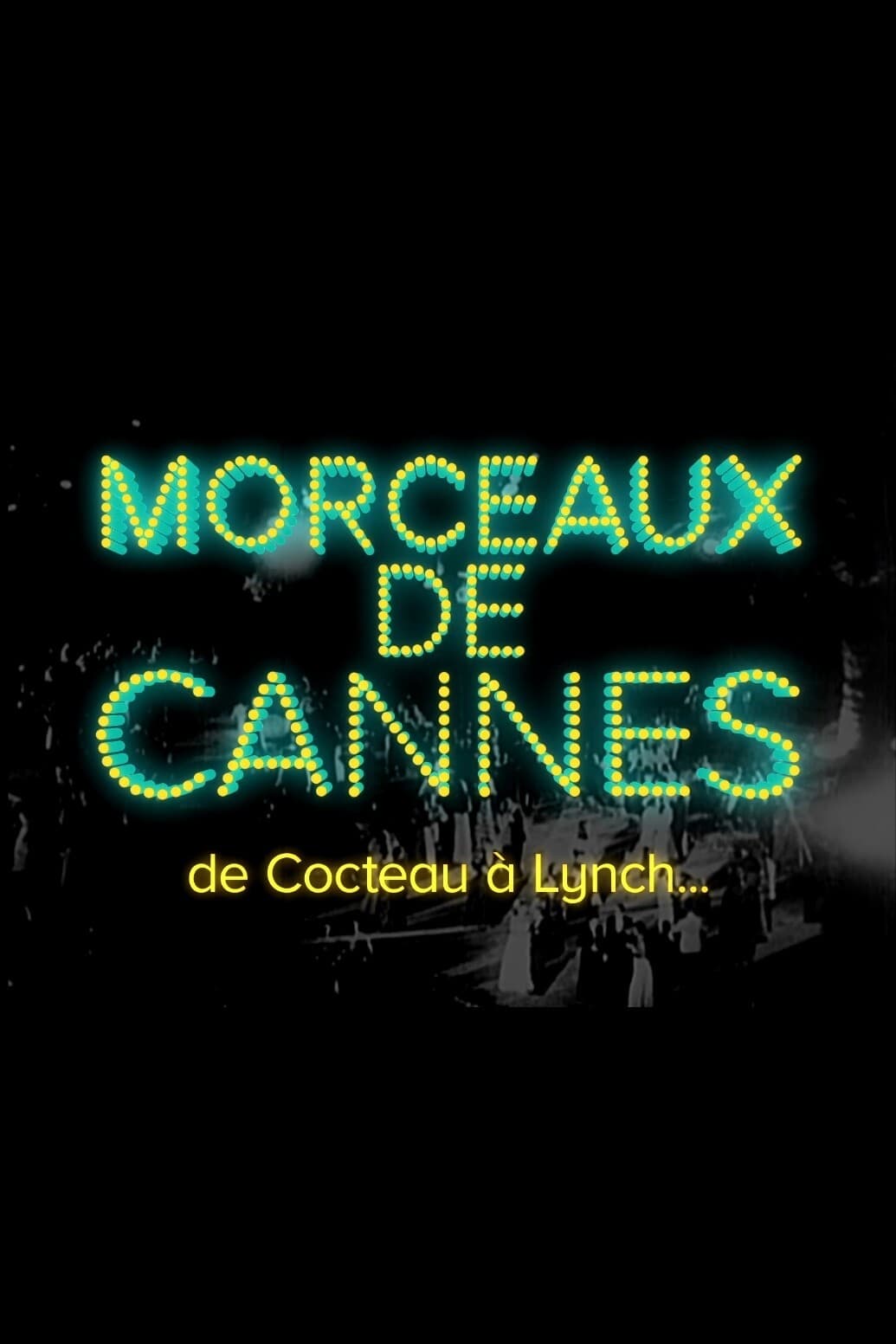
We thought we'd seen, read, and heard everything there was to see about the Cannes Film Festival, from the glitz and gossip to the scandals and censorship. And yet, Emmanuel Barnault's "Morceaux de Cannes" (Pieces of Cannes), by this leading expert on Italian and French cinema, convinces us otherwise. The third largest event in the world (after the Olympic Games and the FIFA World Cup) reveals its secrets only sparingly, as this film attests. The result of passionate research in the INA archives, these 52 minutes, without interviews or voice-over narration, string together rare and sometimes previously unseen footage. Taken together, they tell a surprising, original, and heartwarming story of the Festival. On the beach, on a street corner, in a restaurant, or in the privacy of a hotel room, these forgotten archives summon the greatest filmmakers, actors, and actresses of the last seventy years, from Jean Cocteau to David Lynch, for an anthology of the Festival's history.