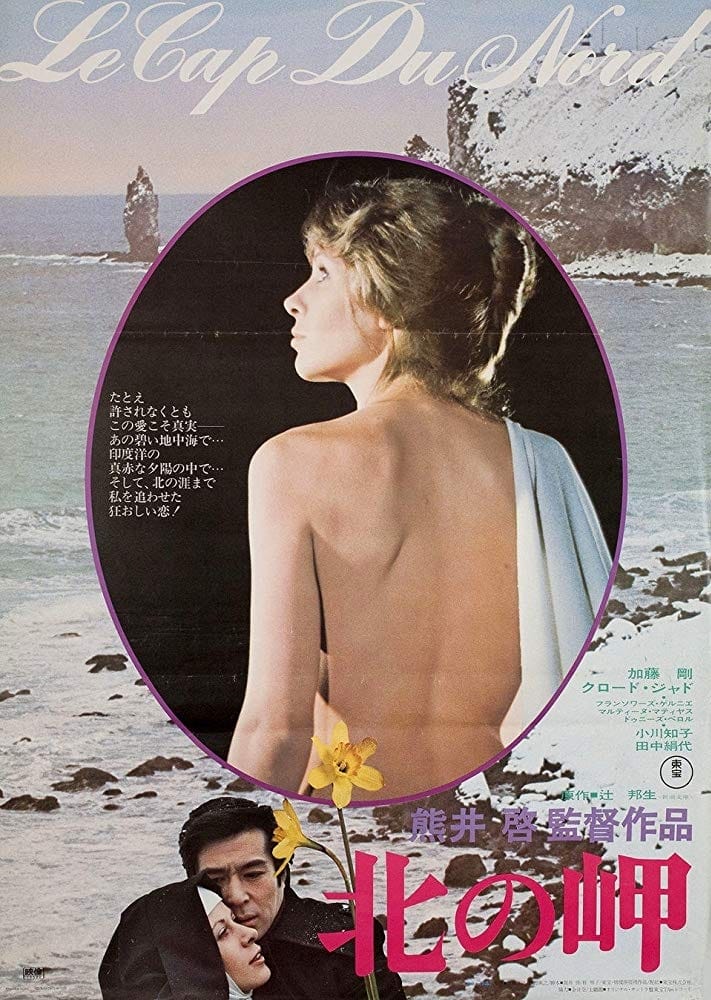
A Swiss nun falls in love with a Japanese engineer.
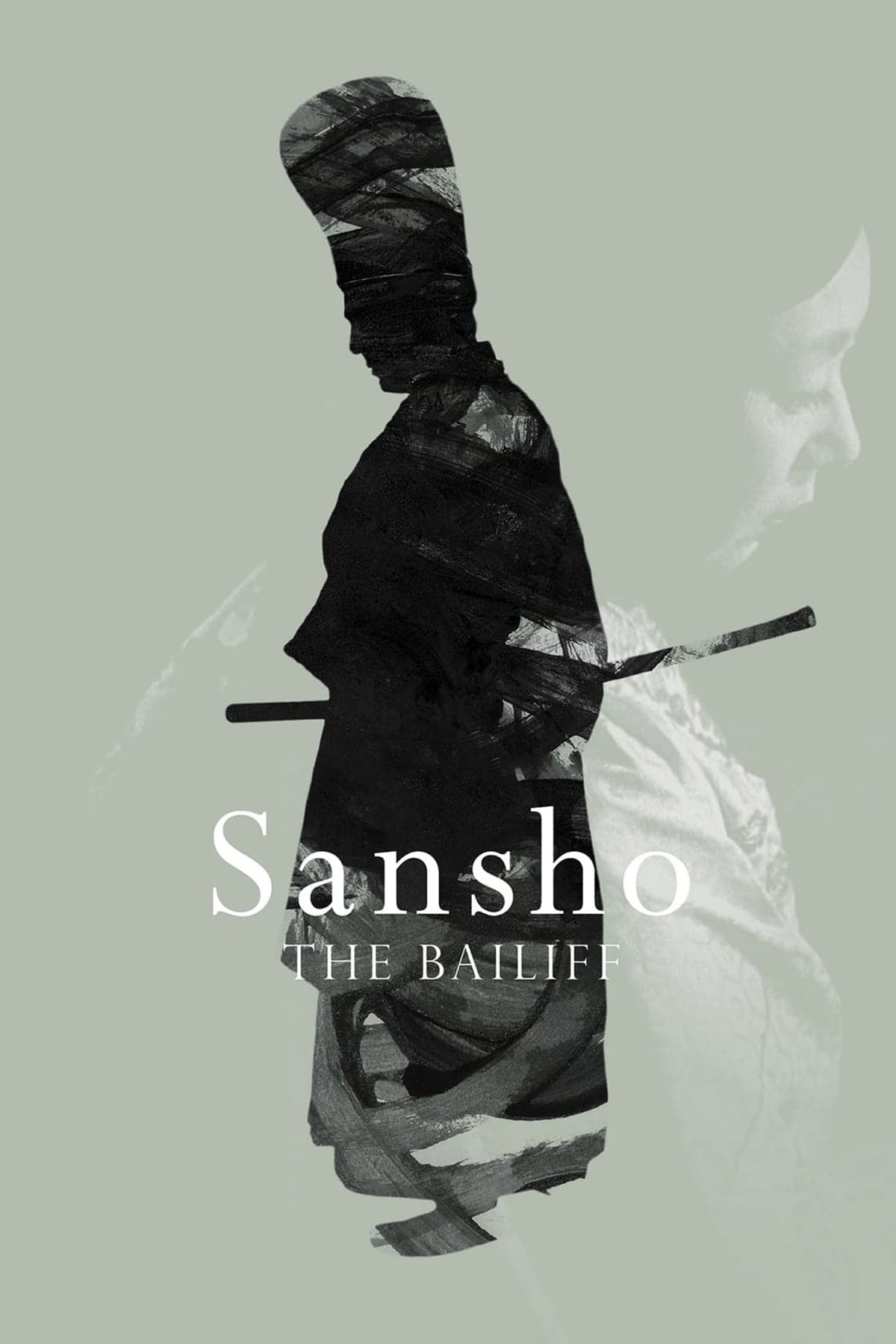
In 11th-century feudal Japan, following the exile of an idealistic governor, his wife and children are separated by slave traders; the children, Zushio and Anju, are sold into brutal servitude under the cruel bailiff Sansho.
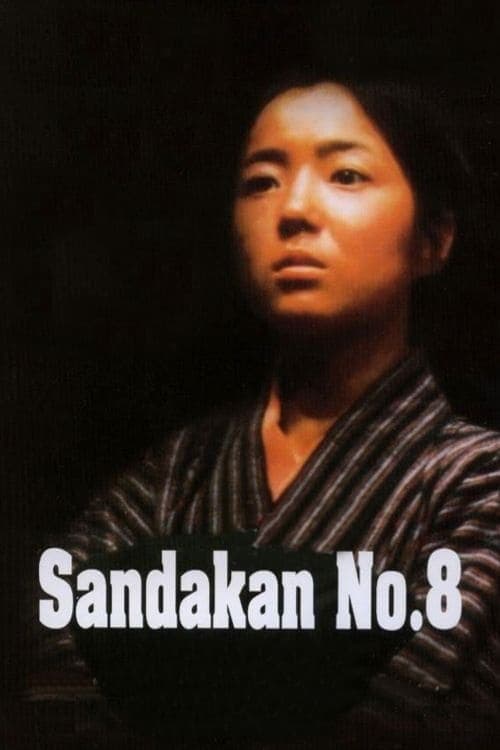
A young journalist interviews an elderly woman about being forced into prostitution in Borneo at a brothel called Sandakan No. 8.
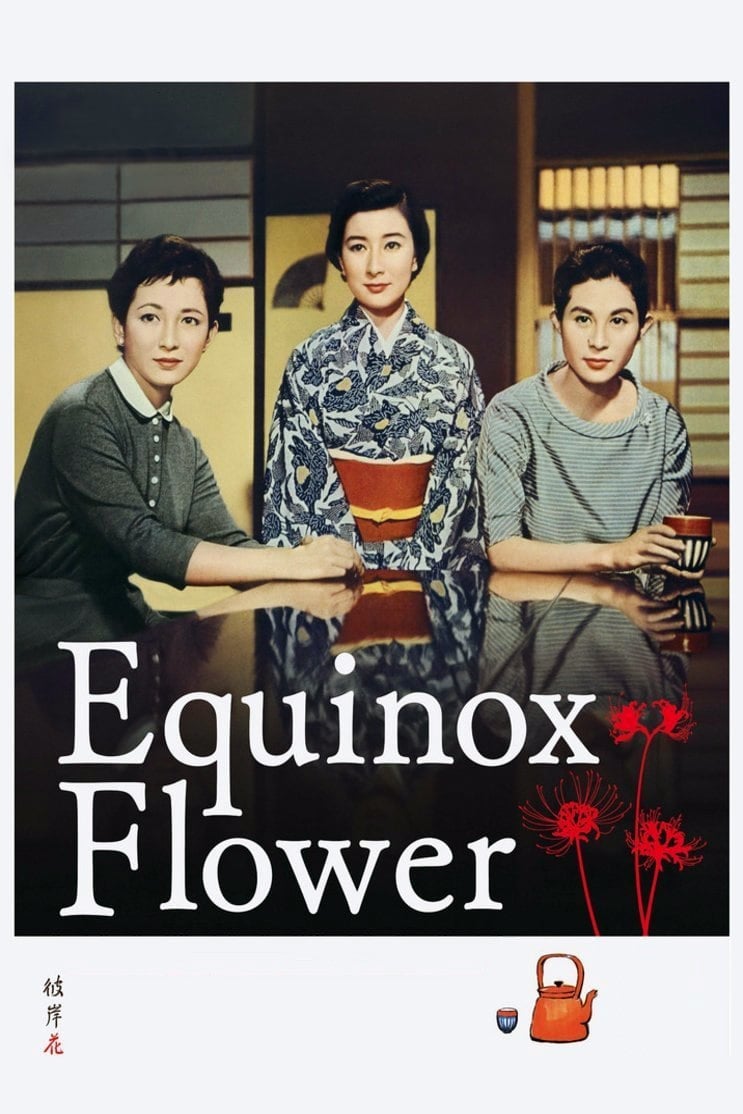
Wataru's outwardly liberal views on marriage are severely tested when his daughter declares her love for a coworker and is adamant to live her own way, instead of agreeing to an arranged marriage. Outwitted by his female relatives, Hirayama stubbornly refuses to admit defeat.
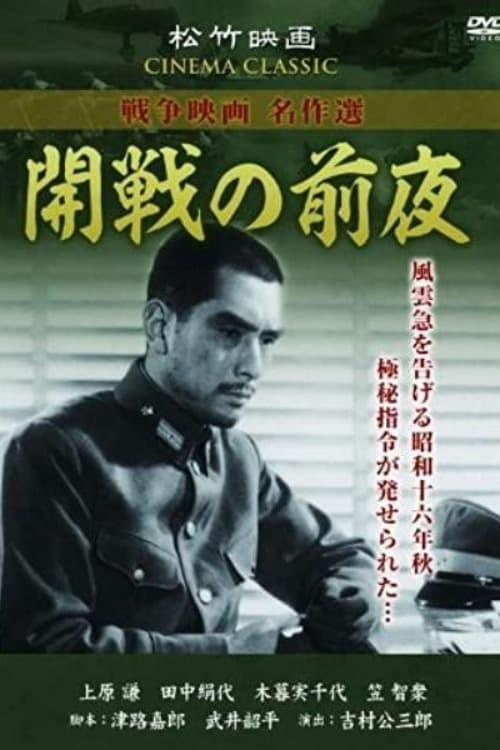
Kempeitai fights American spies in Japan
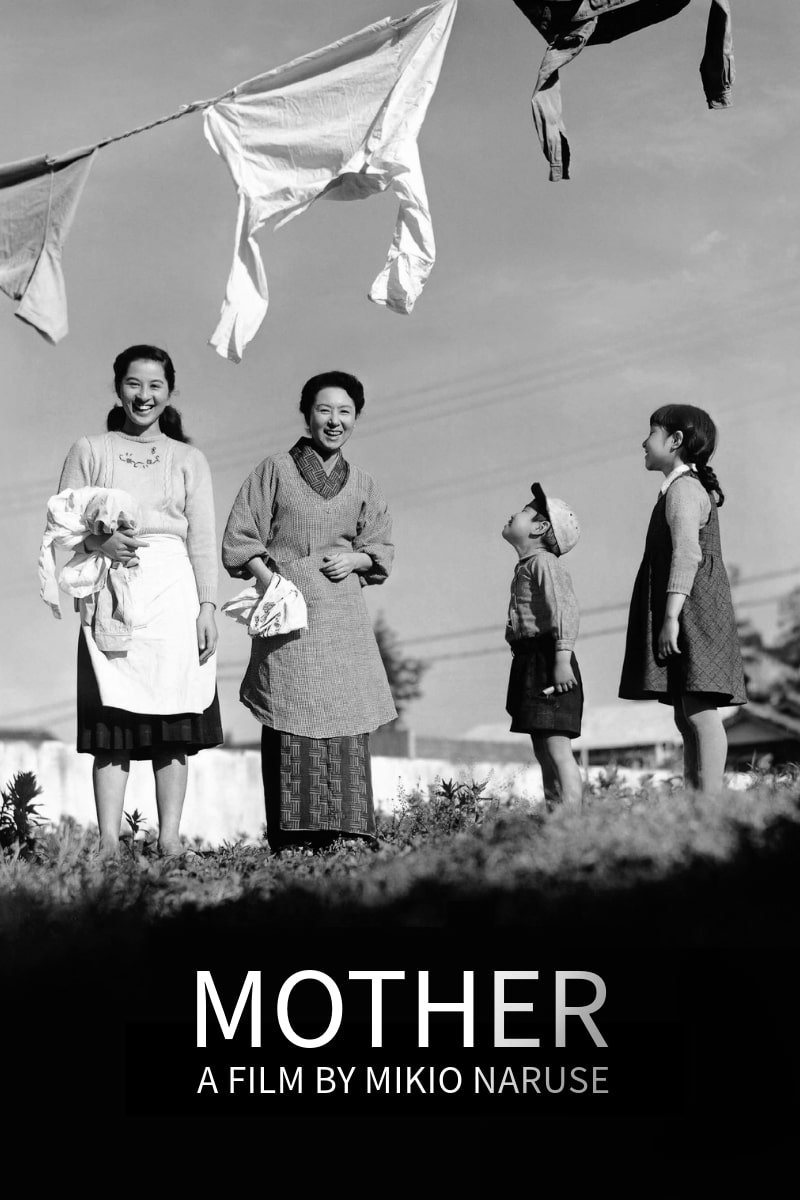
A teenaged girl witnesses her widowed mother's attempt to sustain her family.
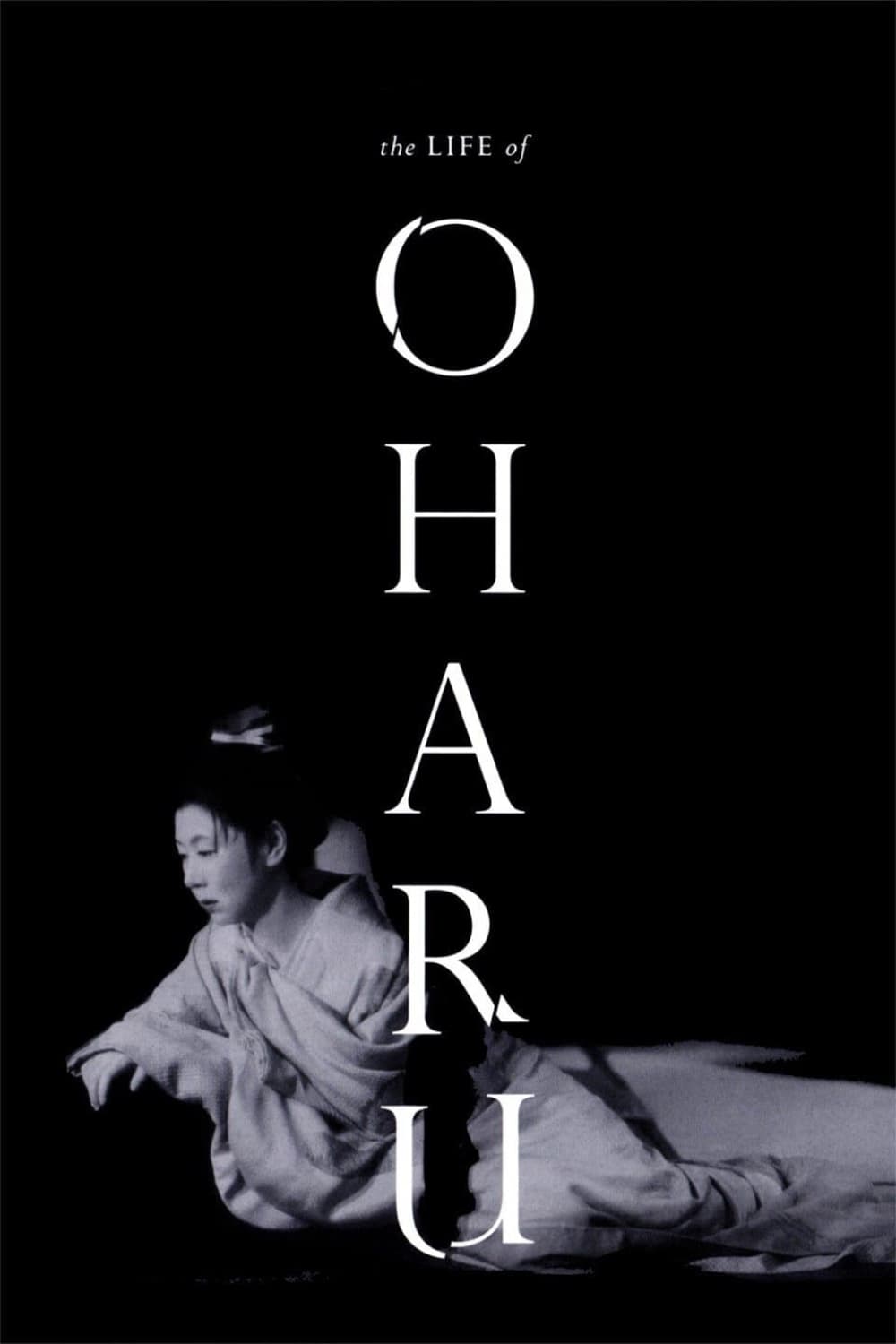
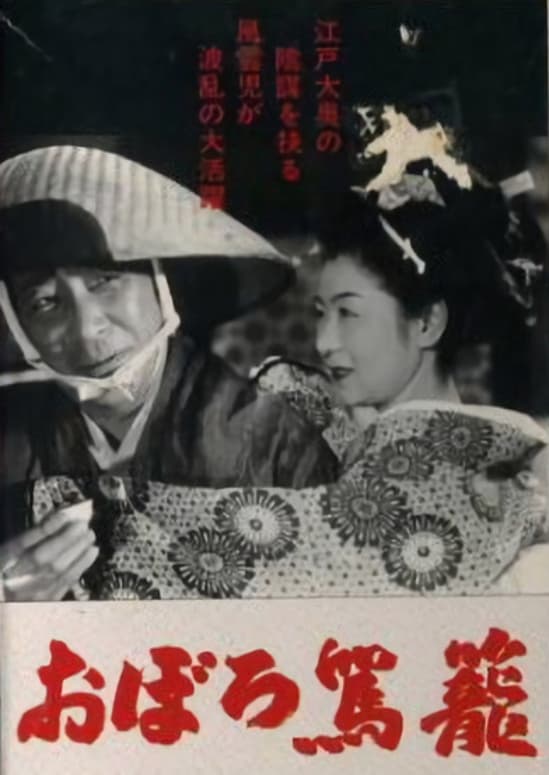
During the Edo Period, a noblewoman's banishment for her love affair with a lowly page signals the beginning of her inexorable fall.
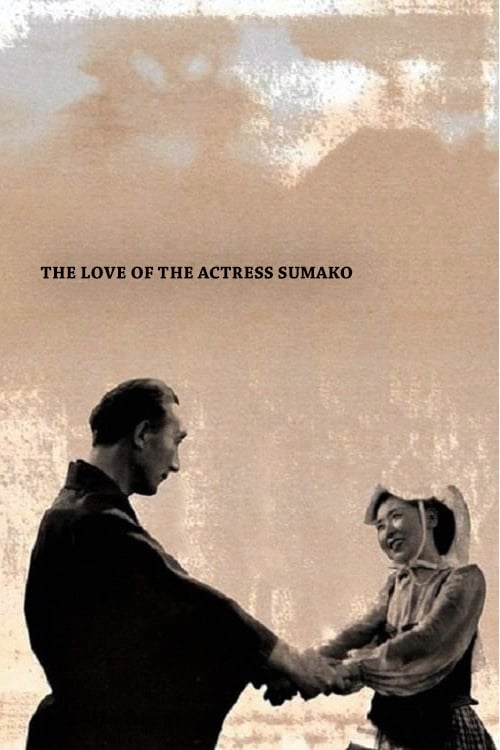
Stage director Shimamura, who is bringing western theatre to Japan, falls in love with outspoken actress Sumako Matsui, and leaves his family to be with her, while trying to keep his Art Theatre solvent.
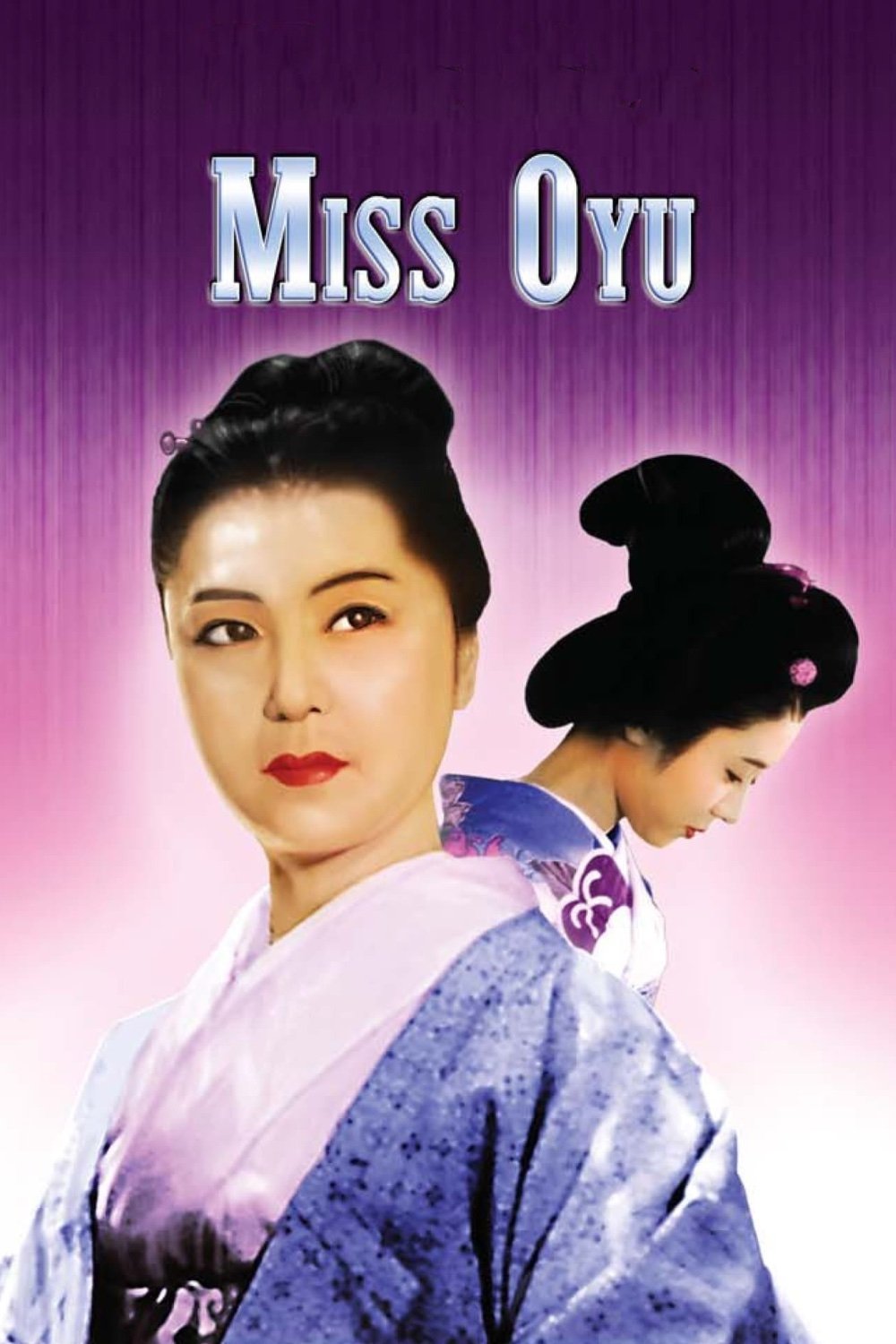
Shinnosuke is introduced to Shizu as a prospective marriage partner, but he falls in love with her widowed sister Oyu. Convention forbids Oyu to marry because she has to raise her son as the head of her husband's family. Oyu convinces Shinnosuke and Shizu to marry so that she can remain close to Shinnosuke.

After living a traumatic experience in Tokyo, Yukiko returns to Kyoto, where Hatsuko, her mother, runs a brothel, which upsets Yukiko very much.
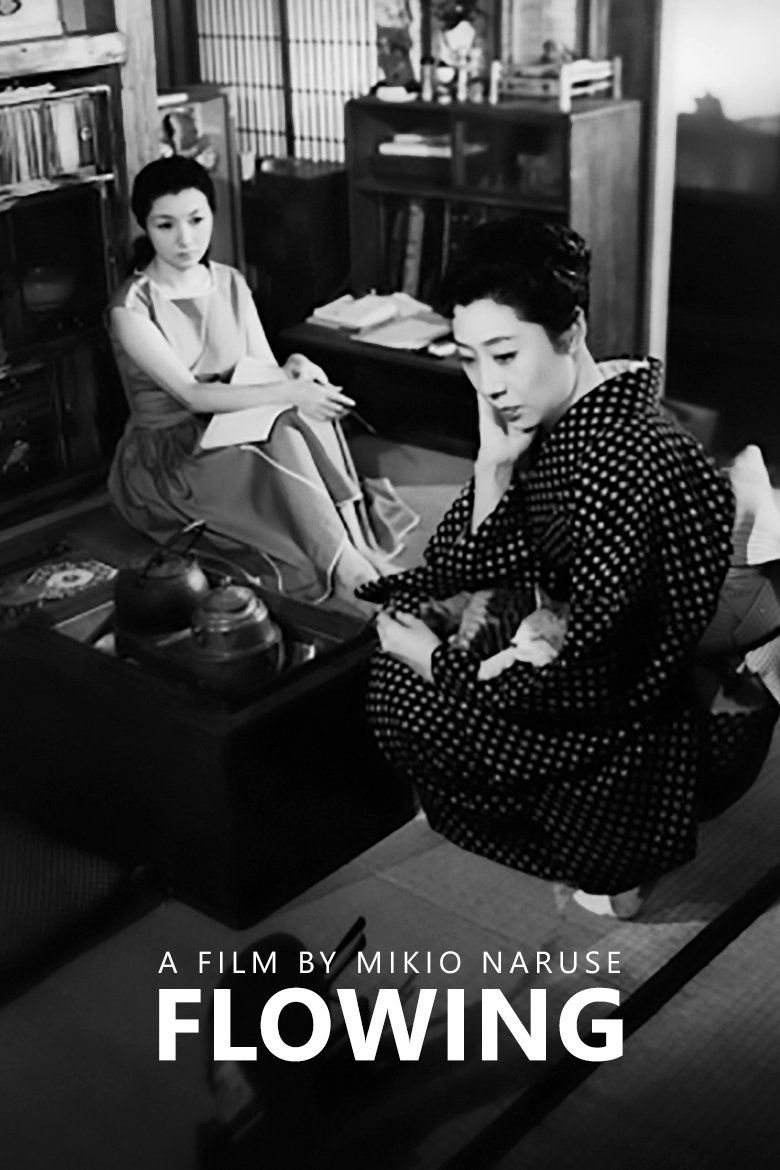
Otsuta is running the geisha house Tsuta in Tokyo. Her business is heavily in debt. Her daughter Katsuyo doesn't see any future in her mother's trade in the late days of Geisha. But Otsuta will not give up. This film portraits the day time life of geisha when not entertaining customers.
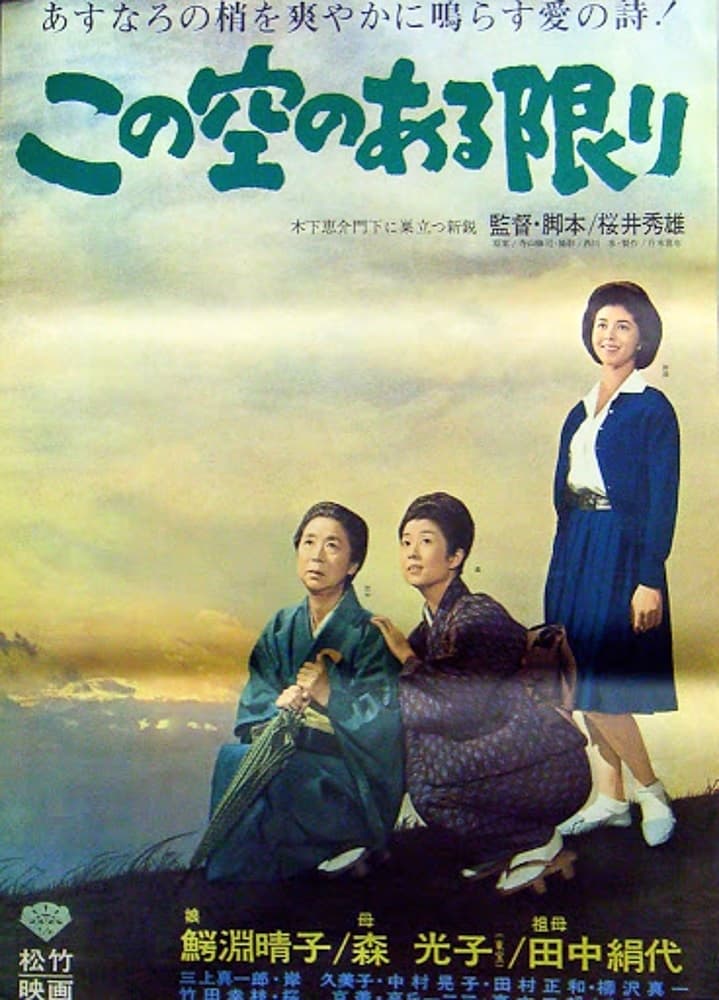
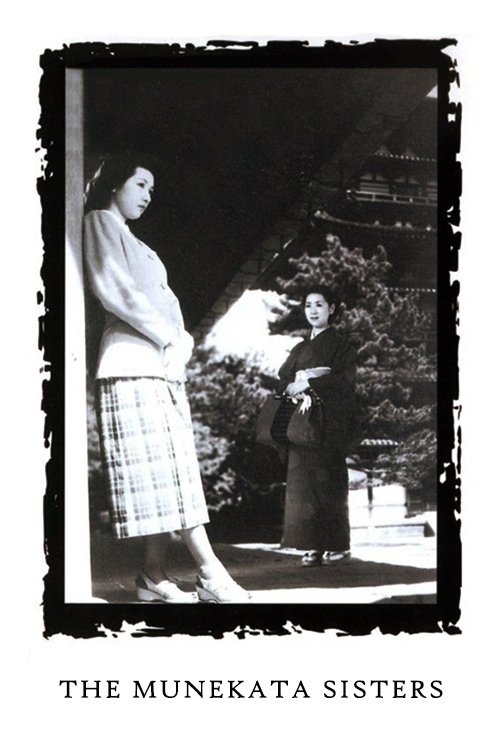
Setsuko is in an unhappy marriage to Mimura, an unemployed, alcoholic engineer. She had always been in love with Hiroshi but both failed to propose when Hiroshi left for France a few years ago. But now he's back and Mariko tries to reunite them, although she too is secretly in love with Hiroshi.
1939 Japanese movie
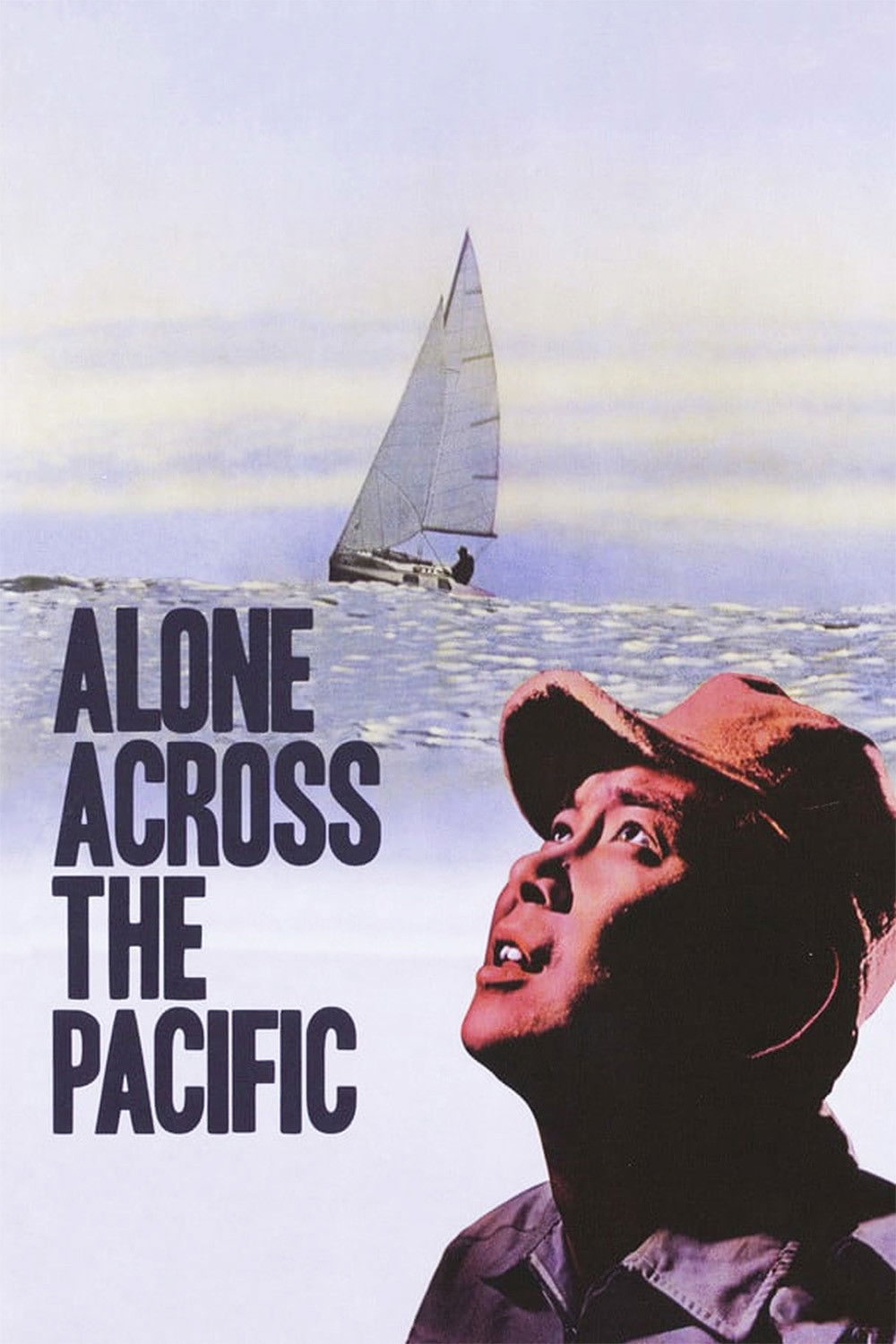
Kenichi Horie is determined to challenge his family, the law and the nature crossing the Pacific to America in a small sailboat. Despite his careful planning, many unforeseen events will test his determination.
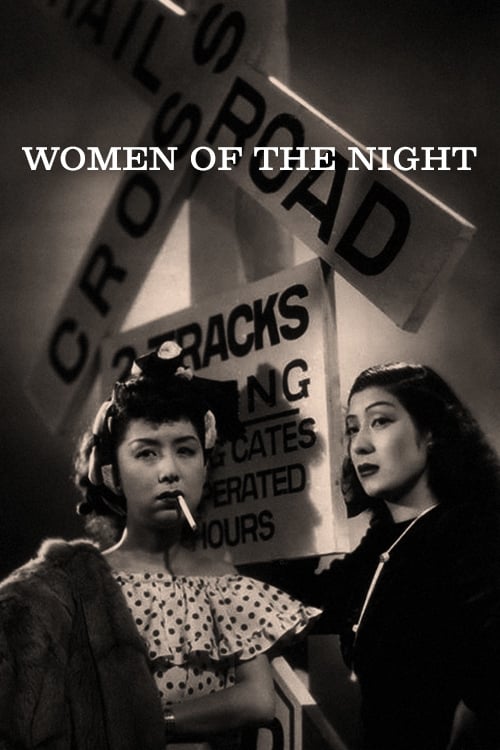
In early post-war Osaka, three women—war widow Fusako, her Korean expat sister Natsuko, and Kumiko, Fusako's sister-in-law—descend into prostitution, all for their individual reasons.
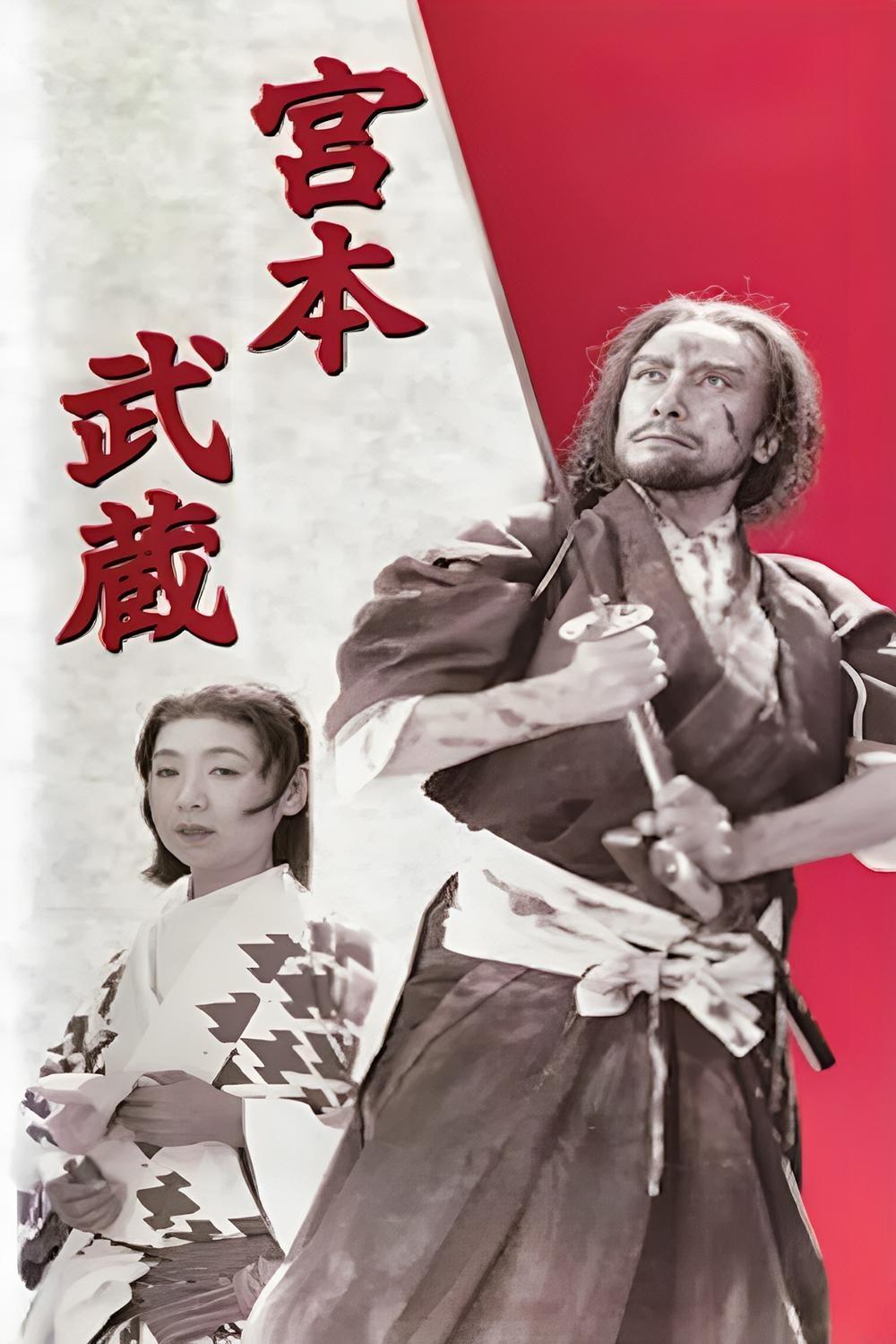
Shinobu and her brother Genichiro plead with famous swordsman Musashi Miyamoto to teach them to avenge their father's death. The perpetrators of their father's demise see the siblings practicing, and so enlist the help of another revered swordsman, Kojiro Sasaki, giving the latter an excuse to battle Miyamoto.
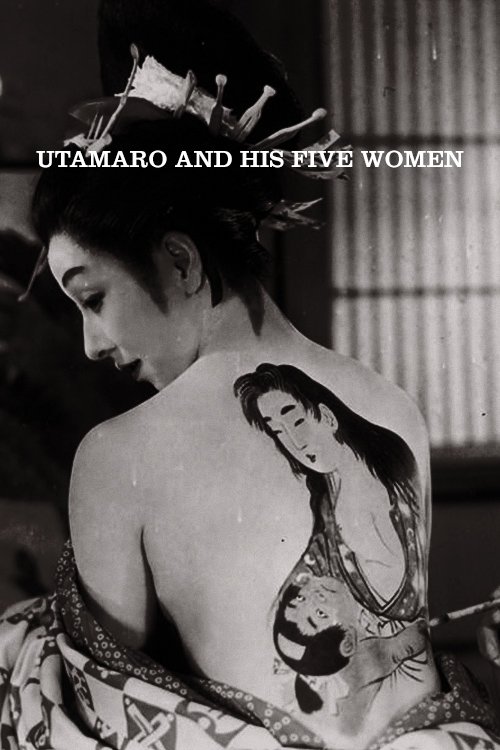
Utamaro, a great artist, lives to create portraits of beautiful women, and the Tokyo brothels provide his models. A world of passion swirls around him, as the women vie for lovers, and, occasionally, his art gets him into trouble.
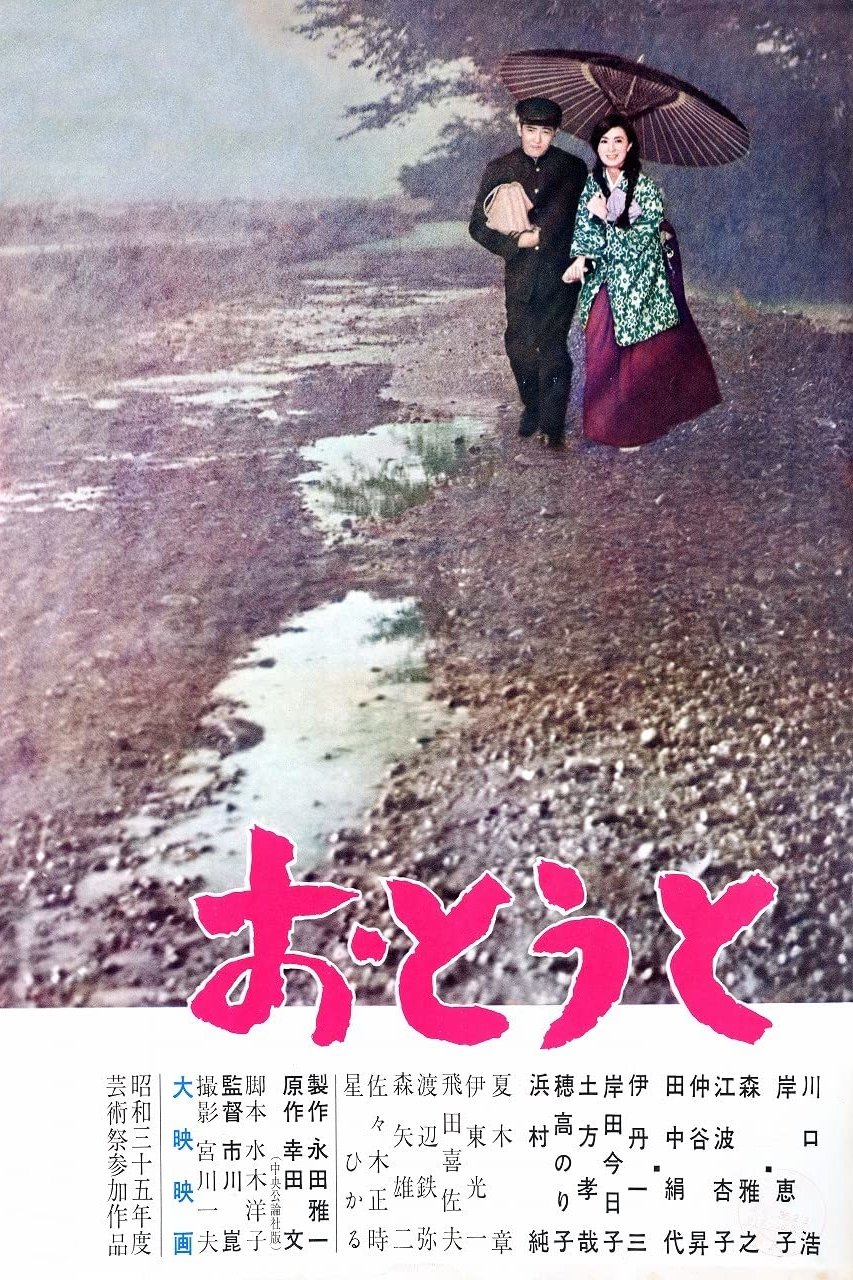
Set in 1926 when Japanese tradition was much stronger, this drama looks at the inner workings of a small family, especially the relationship between a sister and brother.
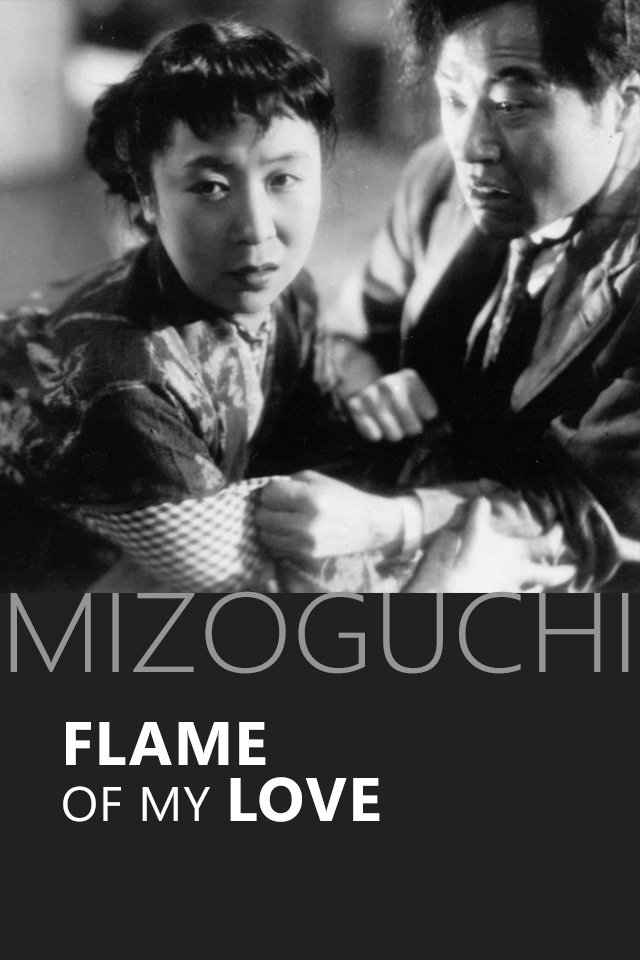
In 1880s Japan, women's struggle for equality rages on. Eiko Hirayama leaves Okayama for Tokyo, where she helps the fledgling Liberal Party and falls in love with its leader Kentaro Omoi, just as the party is being disbanded by the government.
Ryoichi and Chikako, brother and sister, live together. Chikako toils during the day and, at night, prostitutes herself to fund his college tuition.
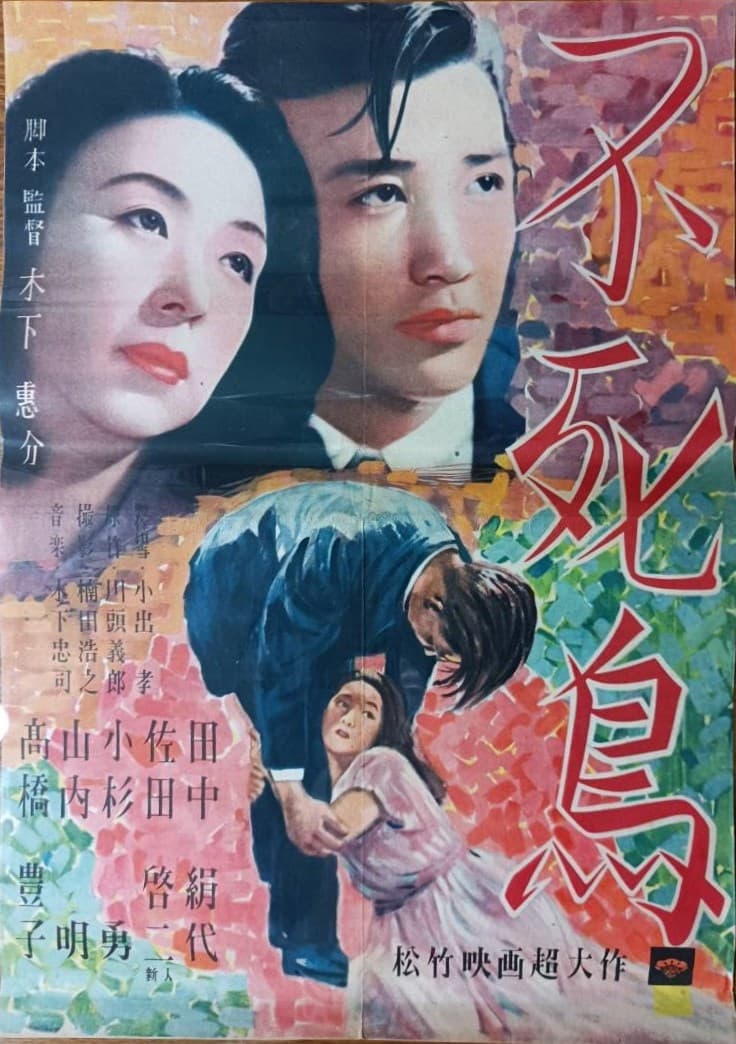
A Japanese war widow recalls her love affair with her deceased husband.
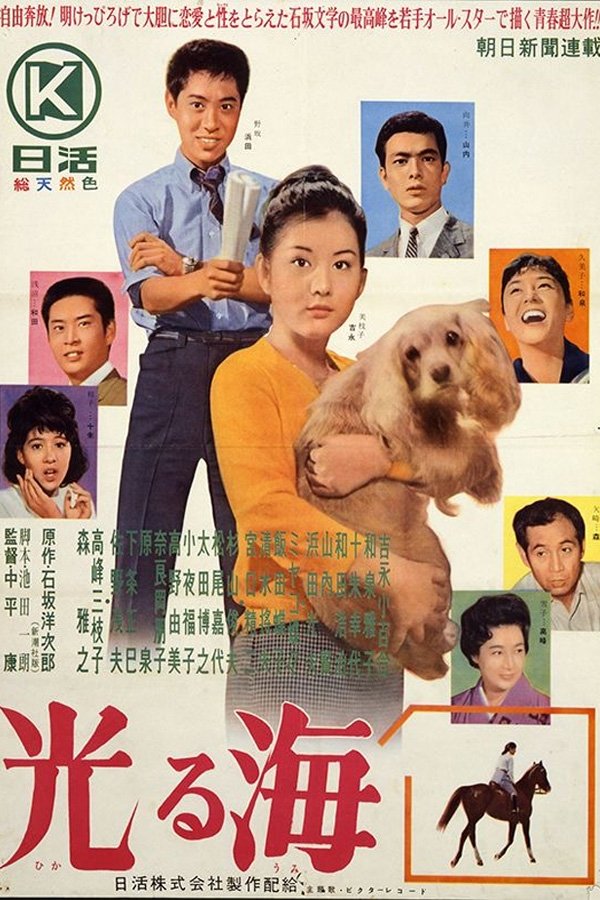
On the day of college graduation, Mieko (Sayuri Yoshinaga) stood on stage as the valedictorian for the Department of English. During her university years she made sure that she would always come out on top, and she did. With a victorious graduation behind her, she plans out the next chapter of her life: become a successful novelist and go out with a classmate she's been secretly eyeing for the past couple of years.
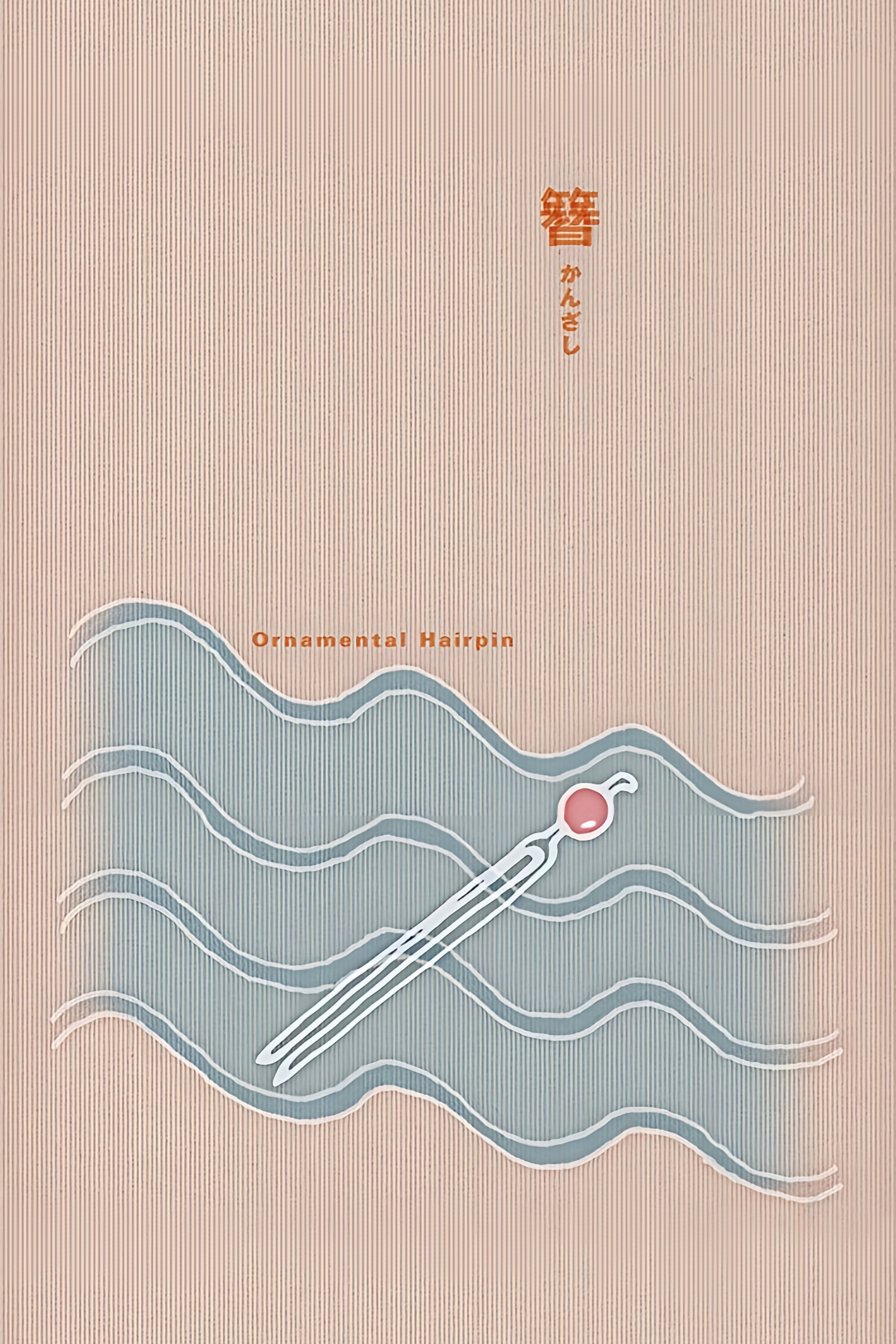
A Japanese mountain inn patron's foot is cut by an ornamental hairpin accidentally left behind by a former patron, leading to much curiosity among the other patrons regarding her identity.
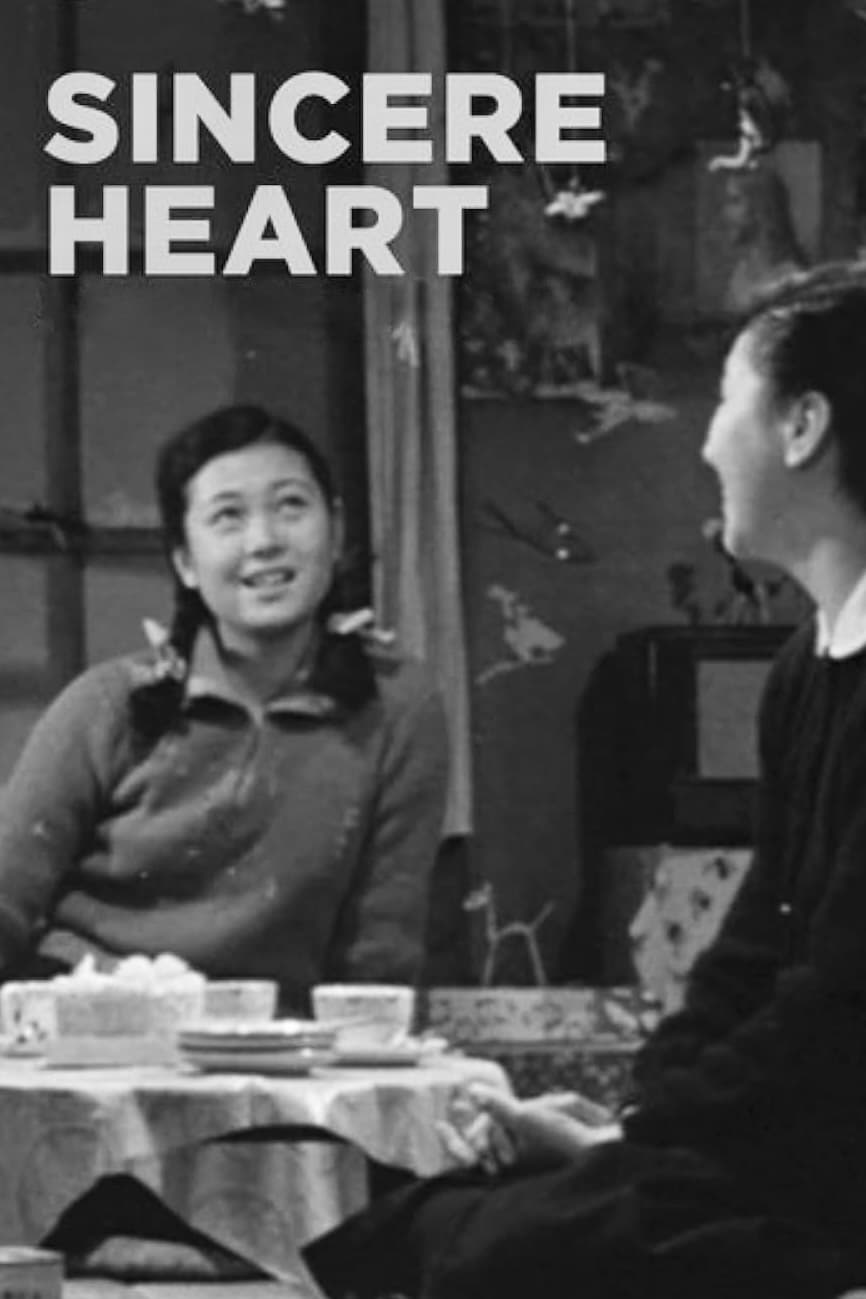
A young student falls for an invalid girl whom he can only see from afar.

Japanese silent film from 1928. Kinema Junpo ranked it among the ten best Japanese movies of the year.
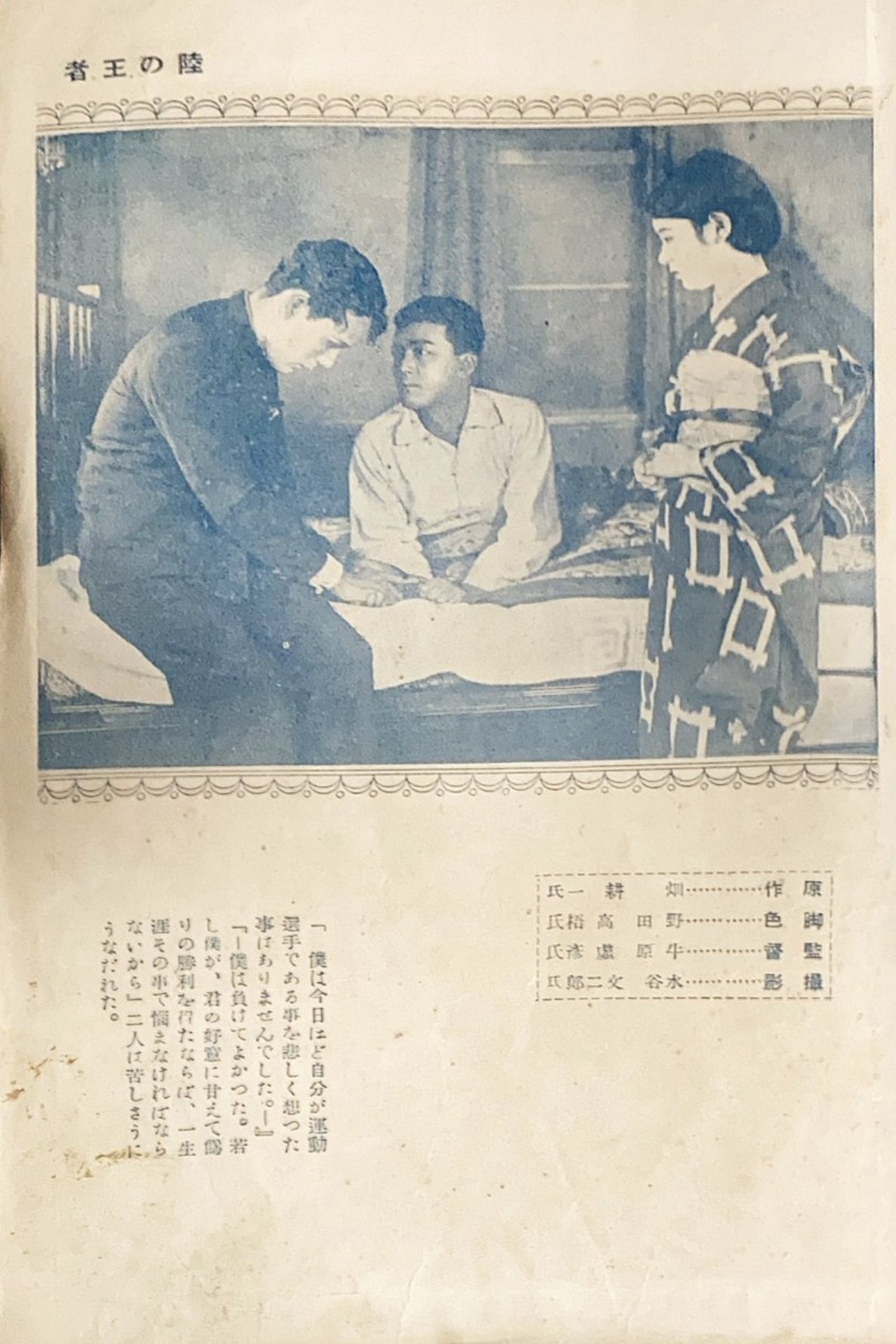
Japanese silent film from 1928, ranked as Kinema Junpo's second-best Japanese movie of the year.
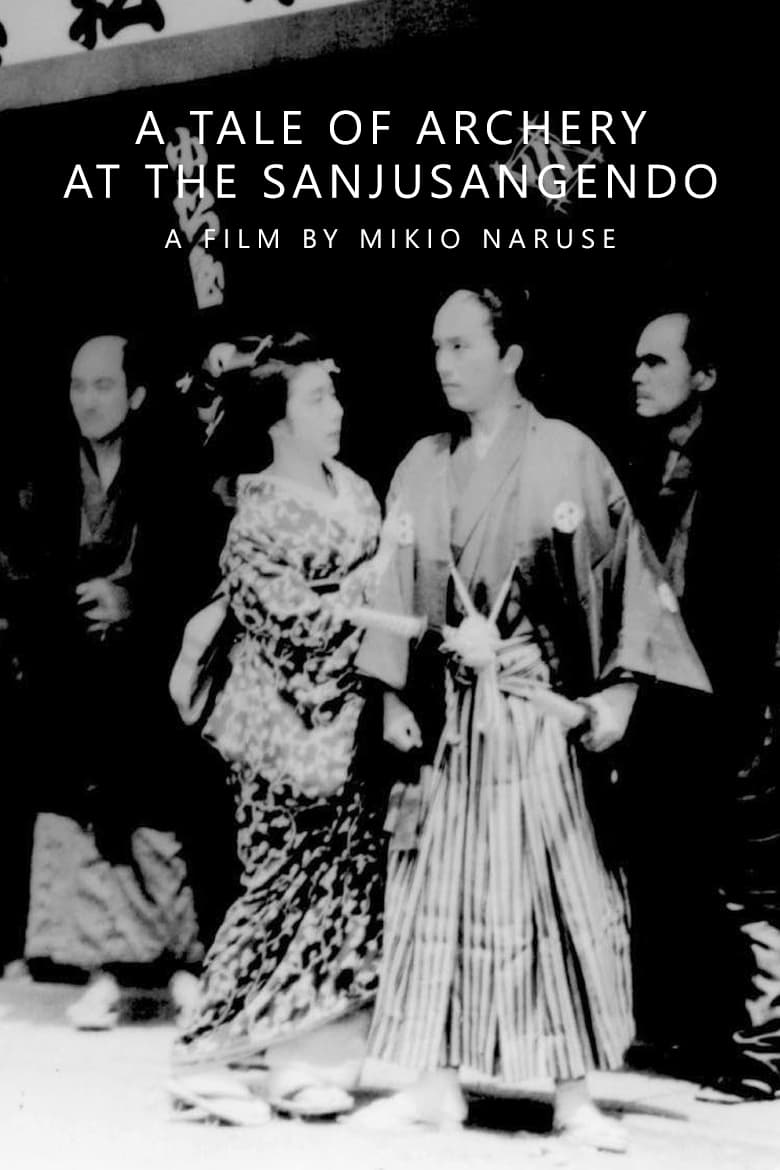
Young, timid bowmaster Kazuma seeks to beat the archery record set by Hoshino Kanzaemon, a mysterious figure who, it is rumoured, drove the previous champion—Kazuma’s father—to suicide. Possessed of much raw talent, Kazuma is very much a coward, holing up in an inn and generally avoiding confrontation. Despite his best attempts to remain clandestine, the locals know of Kazuma’s purpose and an attempt is made on his life. He's saved by Karatsu Kanbei, a samurai who offers to help Kazuma hone his archery skills, though it becomes clear that this apparently selfless stranger has potentially shady ulterior motives.
A hard-working new employee at a trading company is promoted through the company president's business. However, he quarrels with his wife over something trivial, and her wife runs away from home, causing a fuss, but she returns to normal. Selected by Kinema Junpo as the 5th-best Japanese movie of 1926.
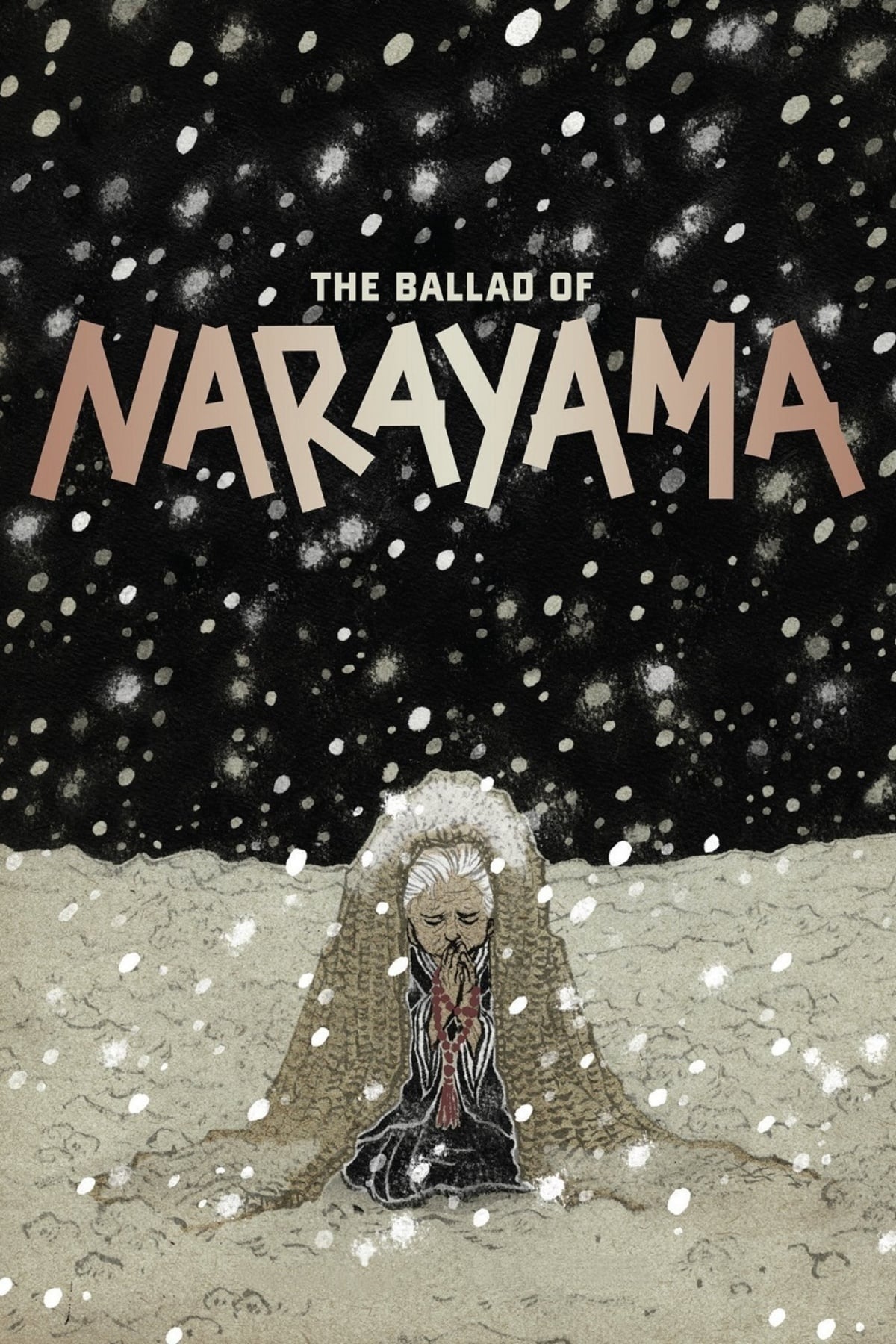
In a remote village where food is scarce, elders who reach the age of 70 are carried by their children to the top of a nearby mountain to die in solitude. Orin, a vibrant 69-year-old grandmother, has accepted her fate — but struggles to prepare the rest of her family for the ritual.
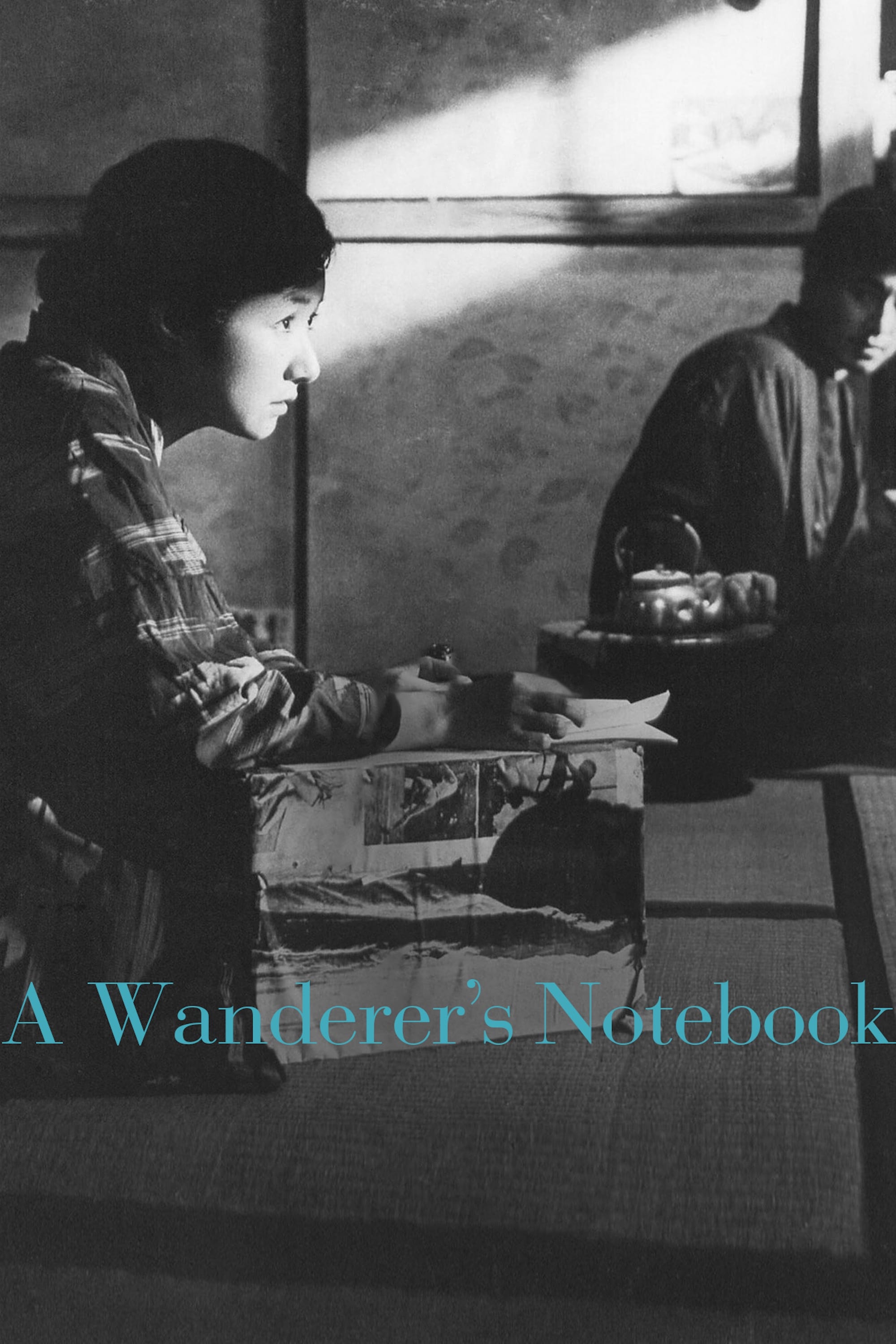
Based on the life and career of novelist Fumiko Hayashi, she bitterly struggles for literary recognition in the first half of the 20th-century – her affairs with feckless men, the jobs she took to survive (peddler, waitress, bar maid), and her arduous, often humiliating attempts to get published in a male-dominated culture.
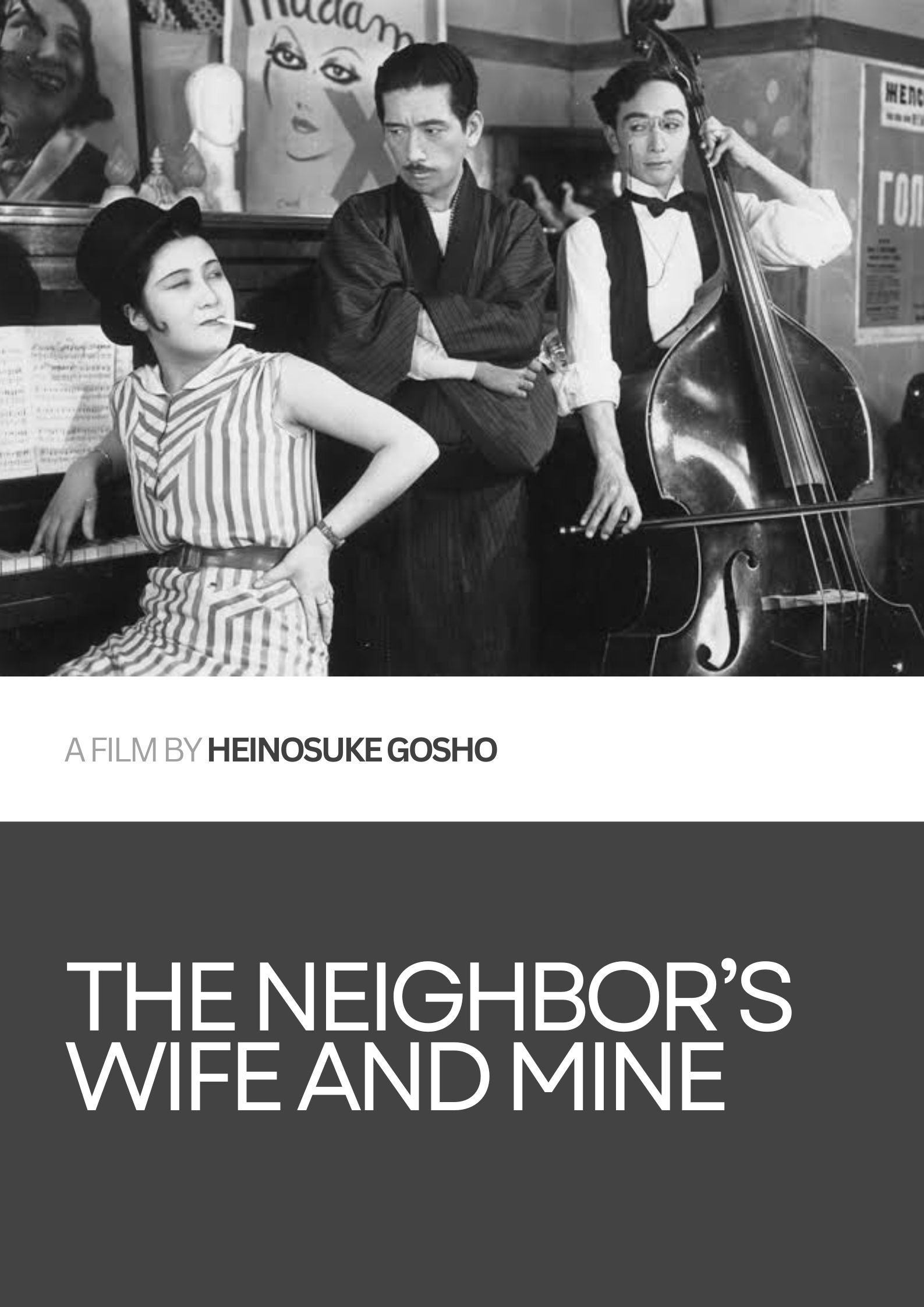
A playwright moves to a rural neighborhood to avoid the distractions of the city, but he discovers there are plenty of ways to get sidetracked in his new home, too.
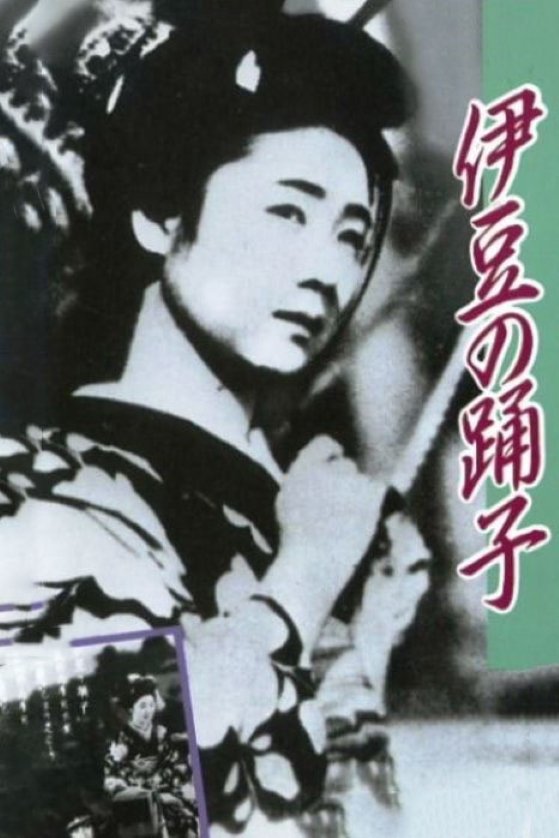
"The Dancing Girl of Izu" tells of the story between a young male student who is touring the Izu Peninsula and a family of traveling dancers he meets there, including their youngest girl. The student finds the naïve girl attractive even though he eventually has to part with the family after spending memorable time together.
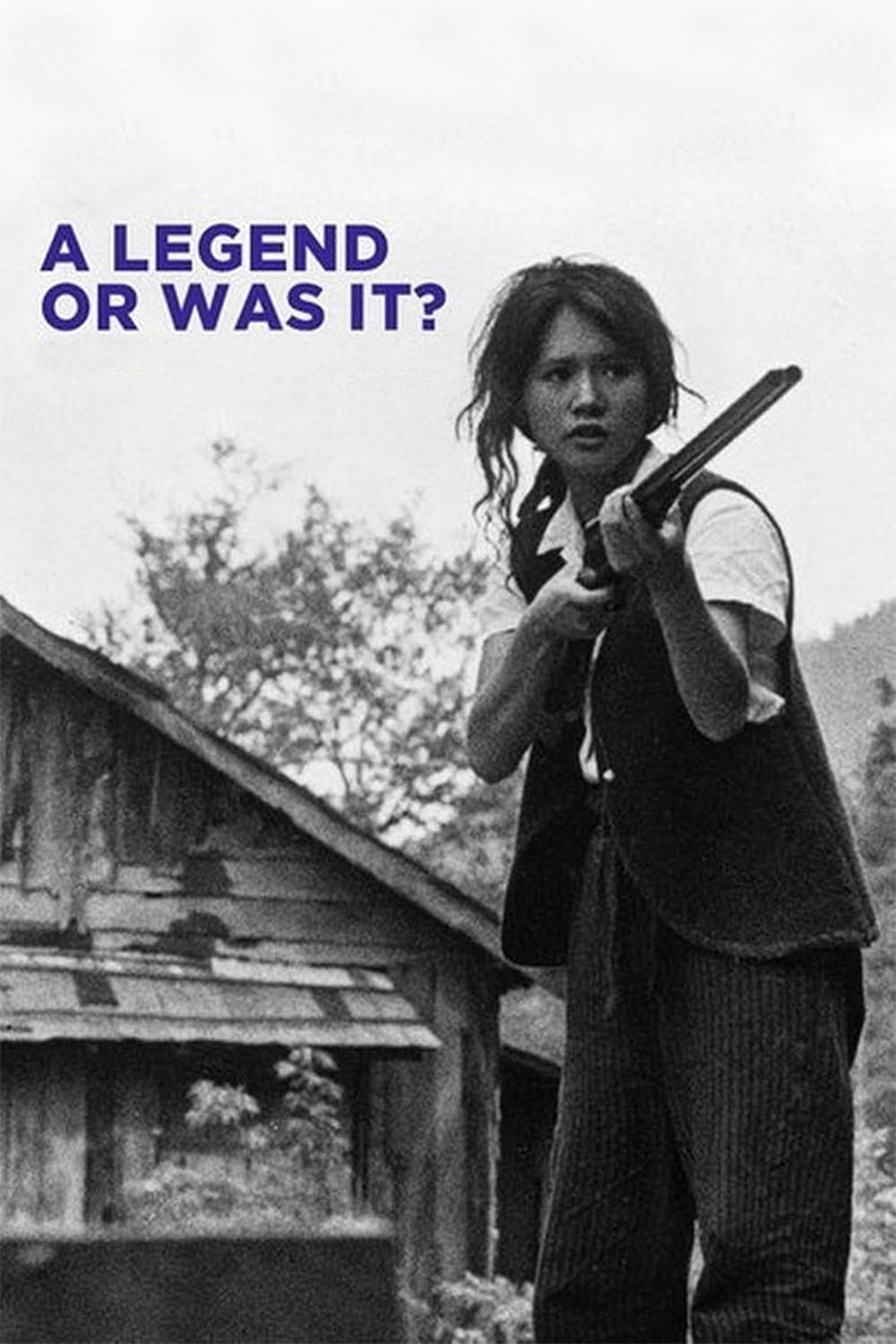
A Tokyo family escaping the war relocates to a Hokkaido village; their daughter is set to marry the local leader's son, but her siblings disapprove.
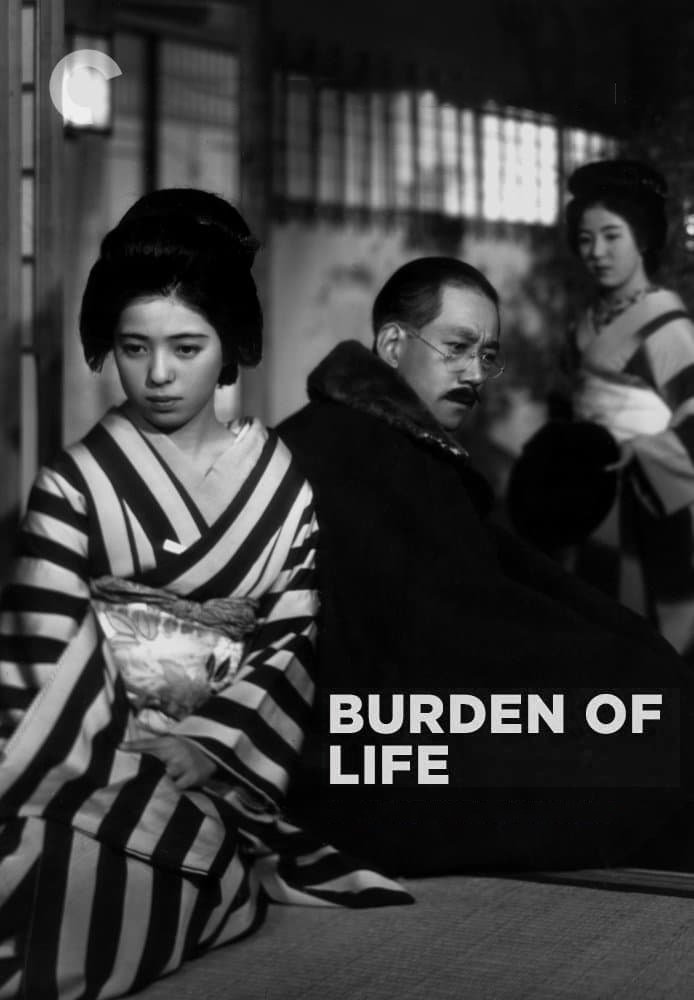
A middle-aged father has just married off his third daughter, but still has his nine year old son to raise whom he resents as he was unwanted.
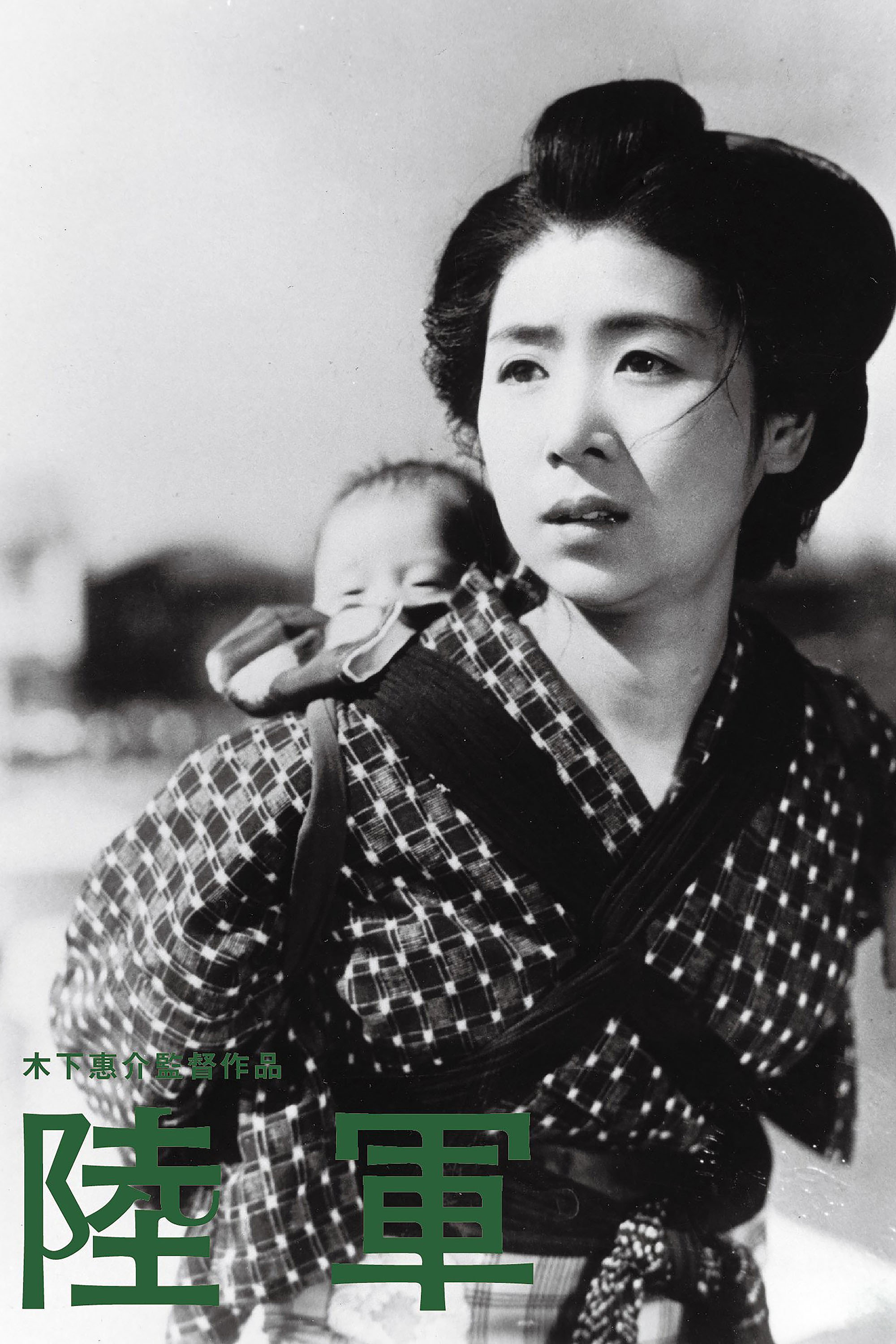
Though plagued by ill health all his life, a young Japanese man is obligated to fulfill his family's longstanding military tradition.
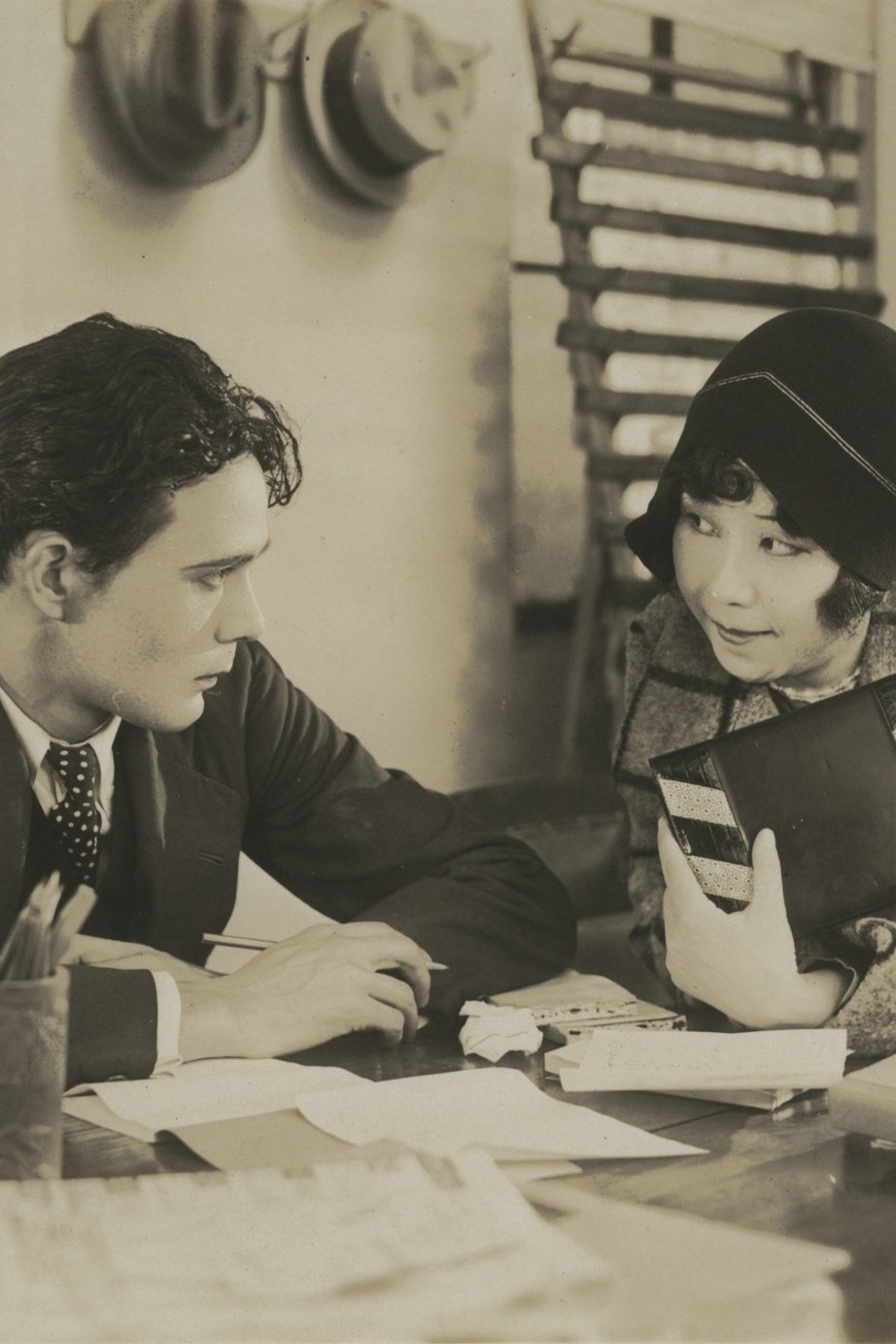
A modern girl suddenly intrudes into a widower's family home.
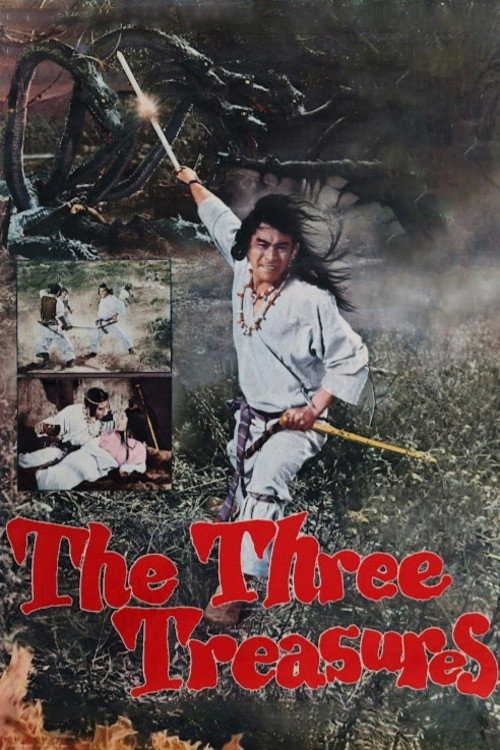
The legend of the birth of Shintoism. In Fourth Century Japan, the Emperor's son Ouso expects to succeed his father on the throne, but Otomo, the Emperor's vassal, prefers Ouso's stepbrother, and conspires to have Ouso die on a dangerous mission he has contrived. But Ouso prevails in the mission and returns to his father's castle under a new name, Prince Yamato Takeru. Otomo plots to have the Prince sent into even greater danger, but Otomo is unaware that the gods have favored the Prince and the outcome is far from what any of them expected.
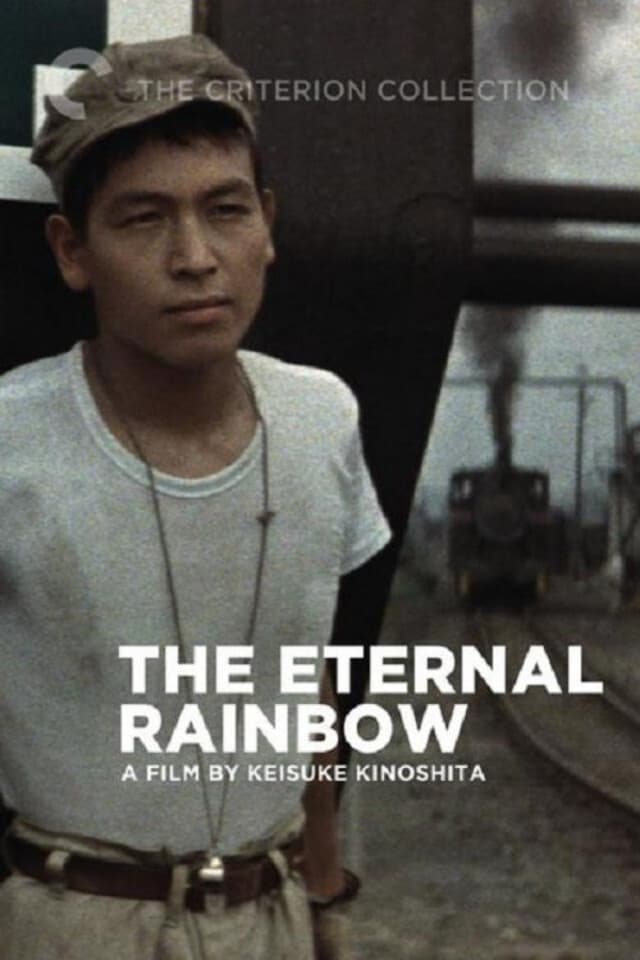
Two men at an ironworks encounter roadblocks: the first does not have the grades to get a job, while the other finds himself falling for a co-worker.
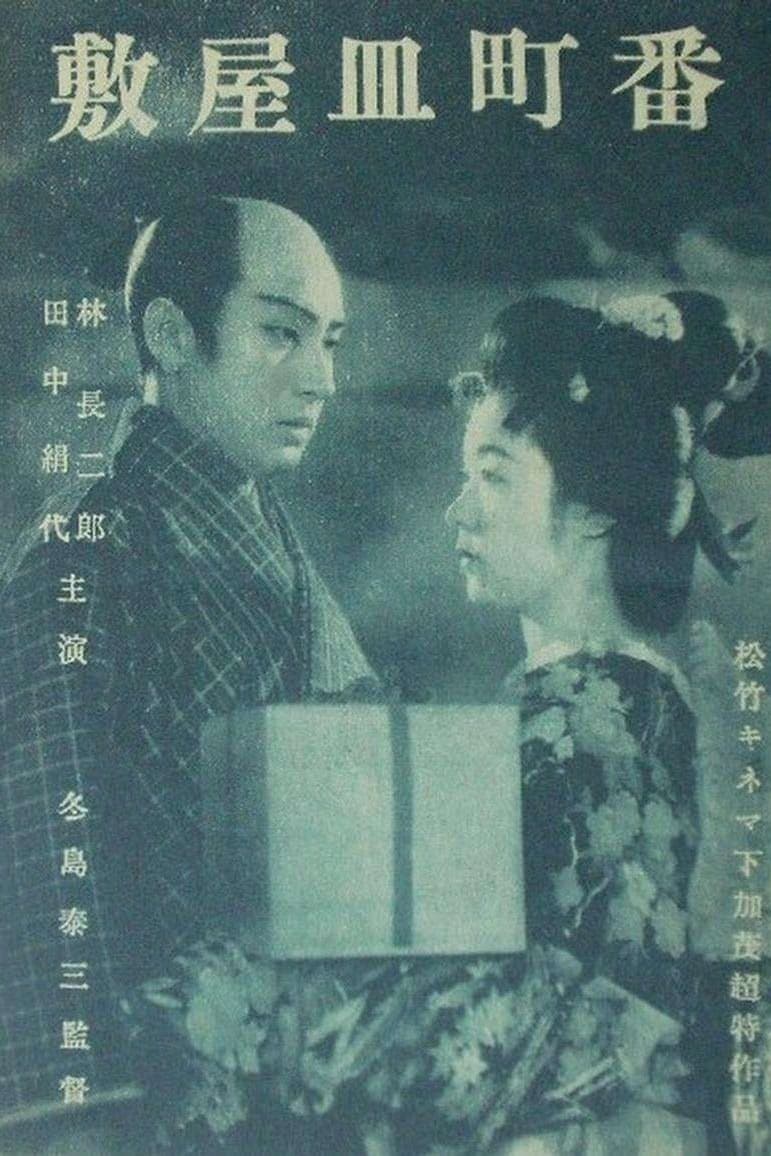
short film about Banchō Sarayashiki.
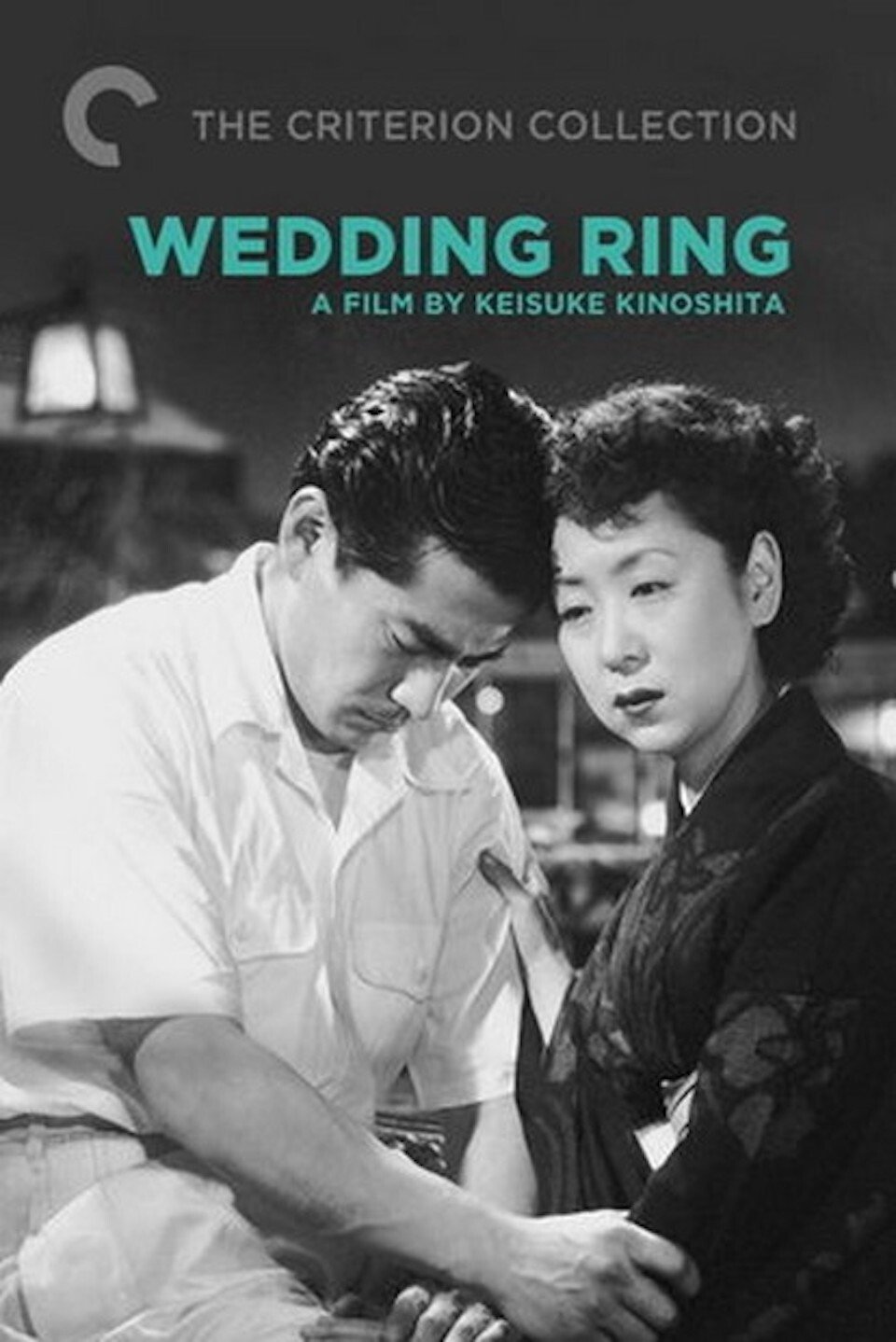
A jewelry store president begins to fall for the doctor treating her husband's illness.
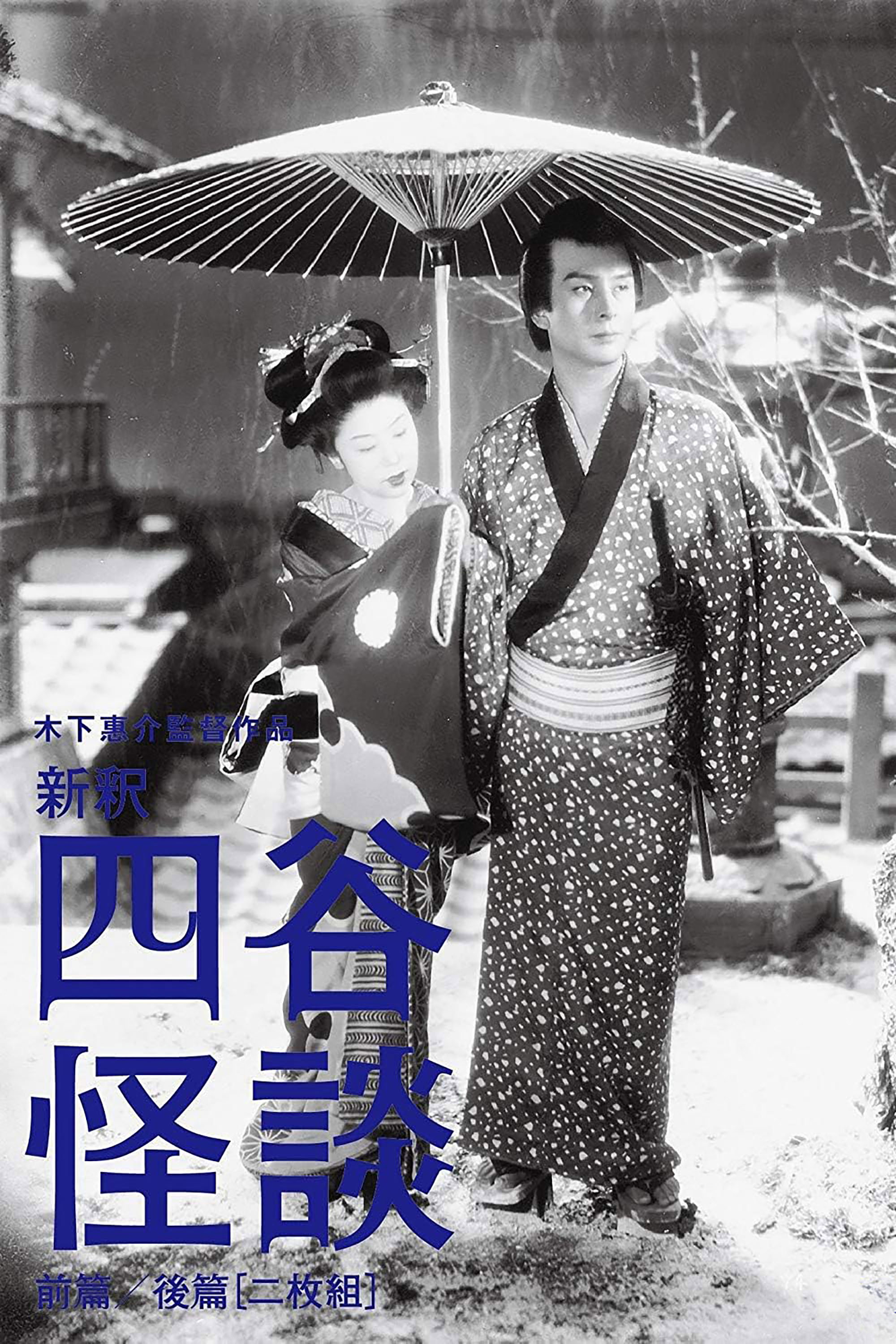
Iemon Tamiya is an impoverished masterless samurai who craves a better life, which he cannot have because of his marriage to Oiwa, who is completely devoted to her husband.
Part 2 starts where the first film ended, with Iemon disposing of the bodies of his wife and Kohei, marrying upward, and being blackmailed by the evil Naosuke.
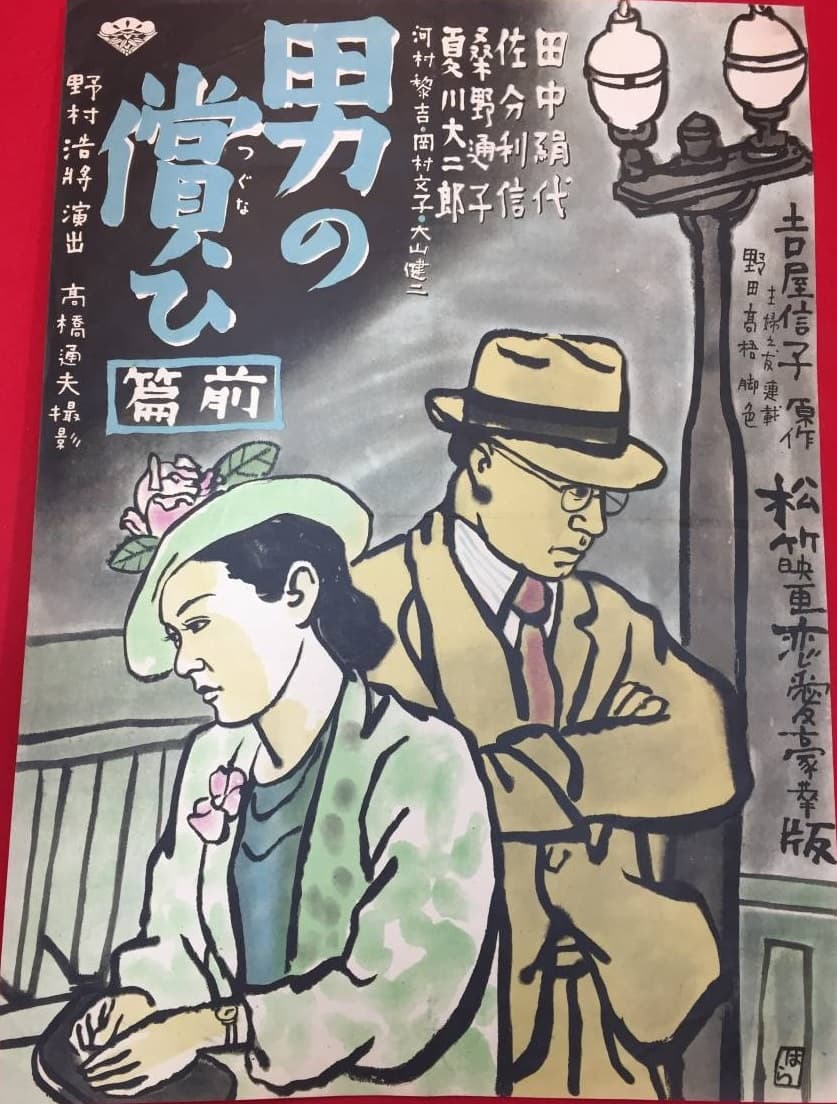
Sabu Toshinobu is an archaeologist who has taken a liking to Kinuyo Tanaka, the daughter of an archaeologist at an inn in Izu, where he is visiting to conduct an excavation. Sabun gets along well with his childhood friend Michiko Kuwano, but his mother (Fumiko Okamura) is against her, so he gives up easily and ends up being married to Kinuyo Tanaka.
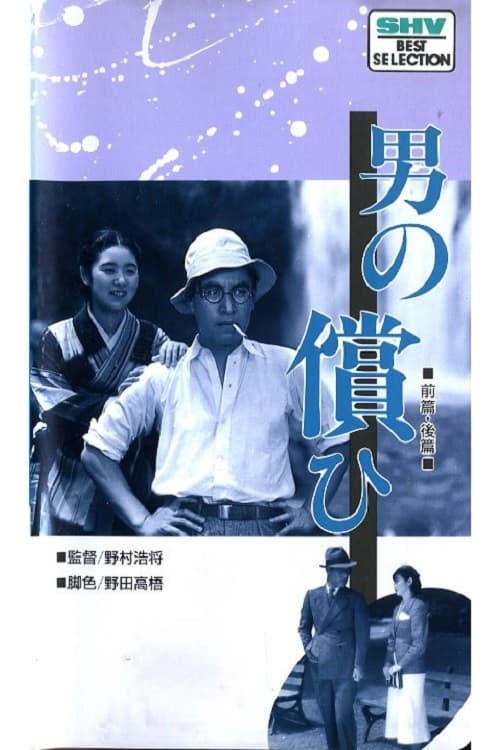
Sabu Toshinobu is an archaeologist who has taken a liking to Kinuyo Tanaka, the daughter of an archaeologist at an inn in Izu, where he is visiting to conduct an excavation. Sabun gets along well with his childhood friend Michiko Kuwano, but his mother (Fumiko Okamura) is against her, so he gives up easily and ends up being married to Kinuyo Tanaka.
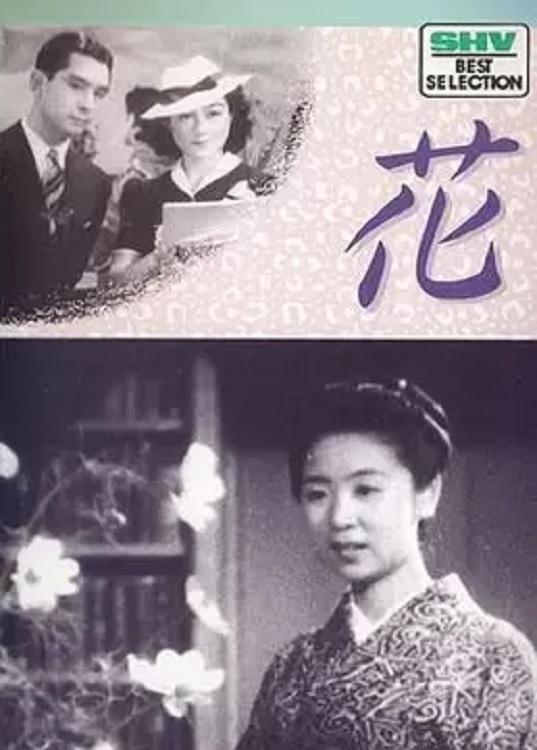
Most of the students studying Ikebana with Kozoe Iemoto are daughters of rich Tokyo families. Kozoe meets and grows close to a doctor who proposes marriage but whose mother harbours ill feeling towards her because of an incident in the mountains where a child got into difficulties. Kozoe rejects the proposal but falls ill and when she recovers, decides to devote herself entirely to the world of flower arranging.
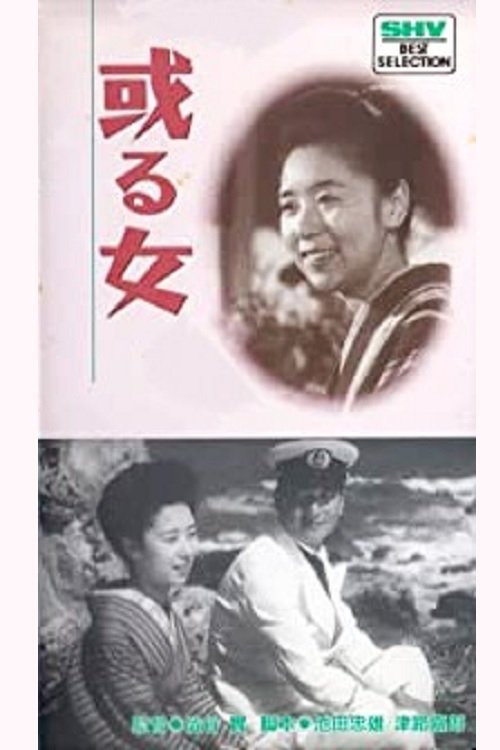
Pretty Oshige is deceived by her first love. After this, she lives a hard lifestyle, working at a number of jobs. Her only pleasure is her nephew, who eventually becomes a merchant marine. When Oshige meets her old love ten years later, she is able to forgive him and even thank him for the path her life has taken.
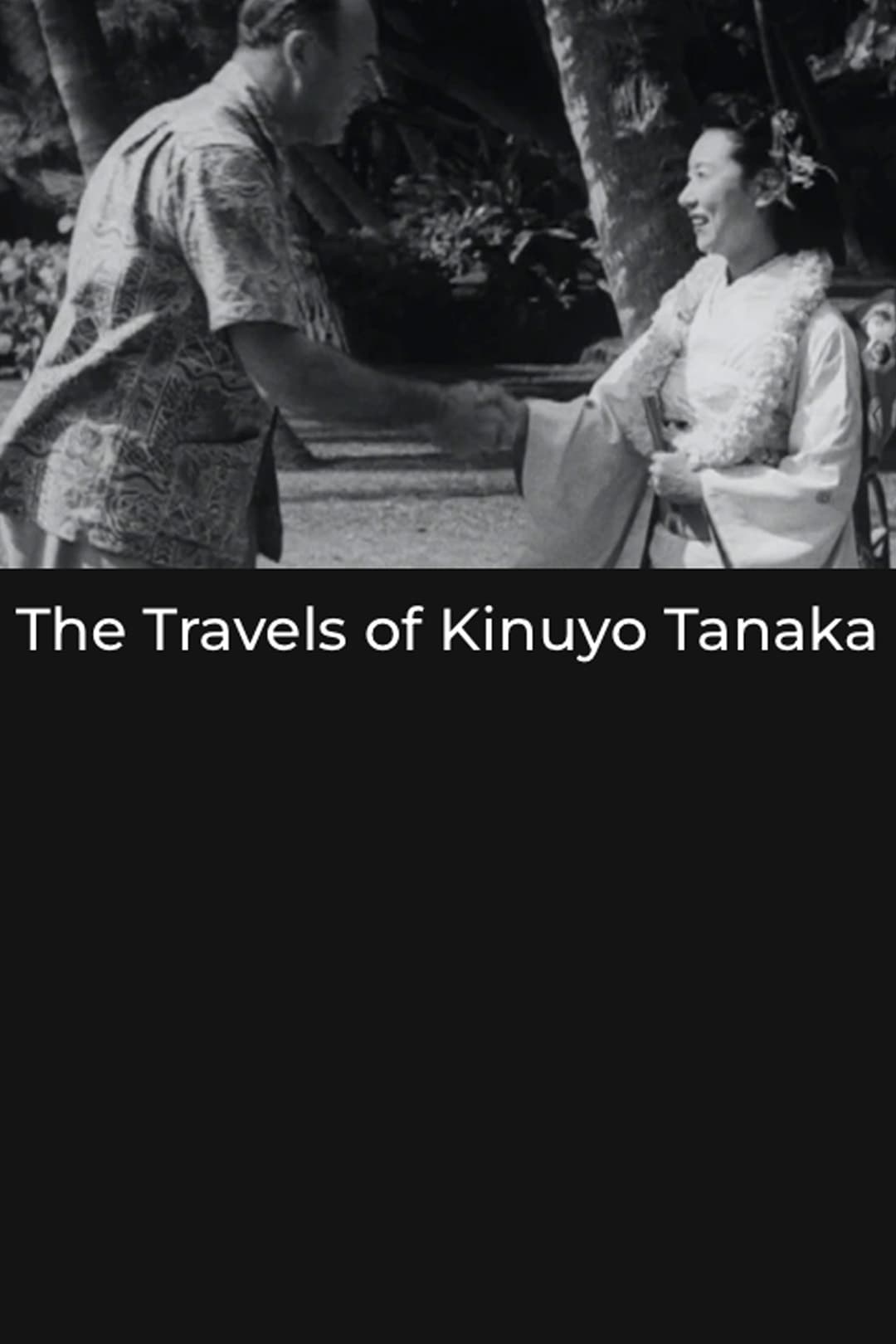
Compilation of film footage documenting Japanese film star Kinuyo Tanaka's goodwill tour of the U.S. in 1949.
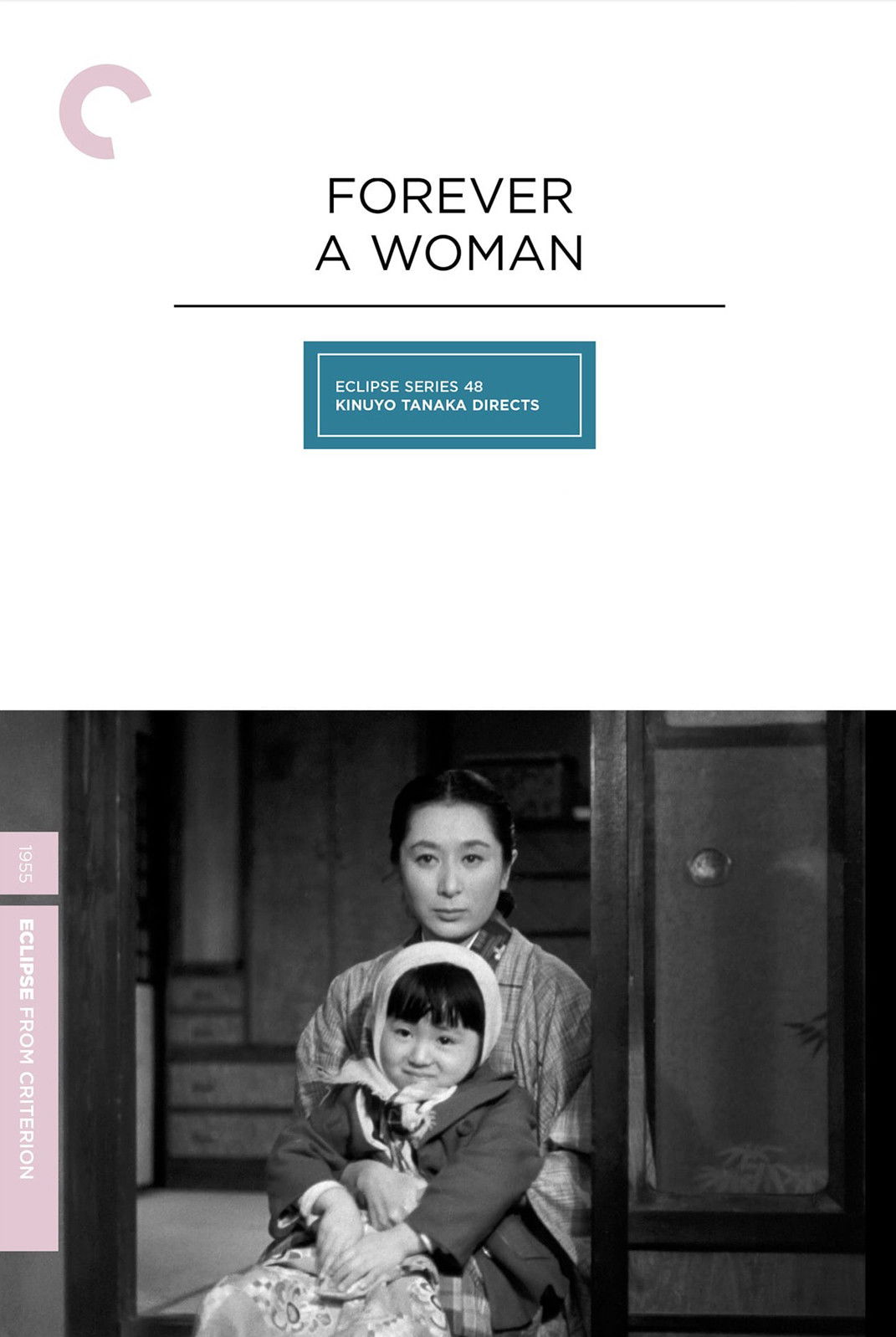
Fumiko, mother of two and wife to an unfaithful man, shares her family life with her budding vocation as a poet. The beginning of her successful literary career coincides with her divorce and her breast cancer diagnosis. In her final stages, Fumiko meets a young journalist from Tokyo who wants to write a story on her experiences.
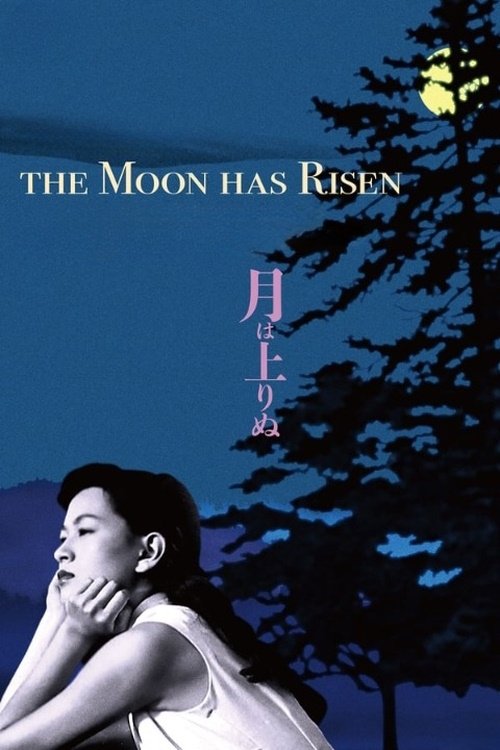
Mokichi Asai is a widowed father living in Nara with three daughters—Chizuru, Ayako, and Setsuko. The youngest, Setsuko, plays matchmaker for her older sisters, leading to humorous and awkward romantic entanglements.
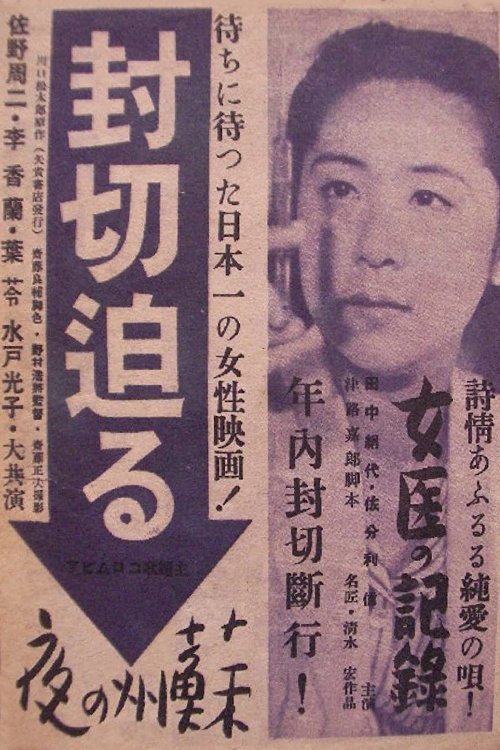
A group of female doctors travel to a remote village during their summer holiday to offer free medical care to villagers. There they must battle prejudice and superstition as much as disease.
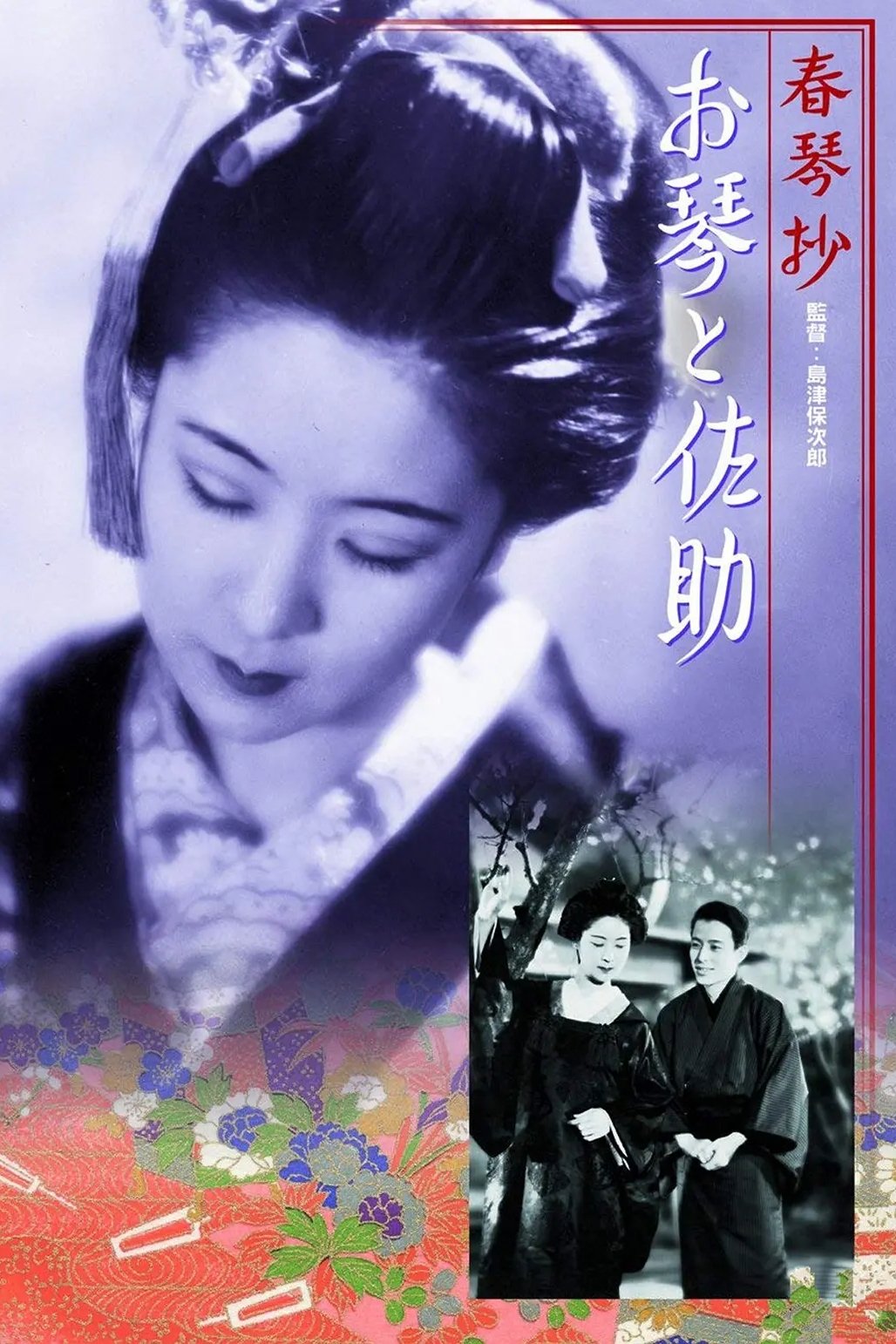
A period piece about the love of a wealthy blind woman, a teacher of koto and shamisen, and her devoted manservant. Based on a novella by Tanizaki Junichiro.
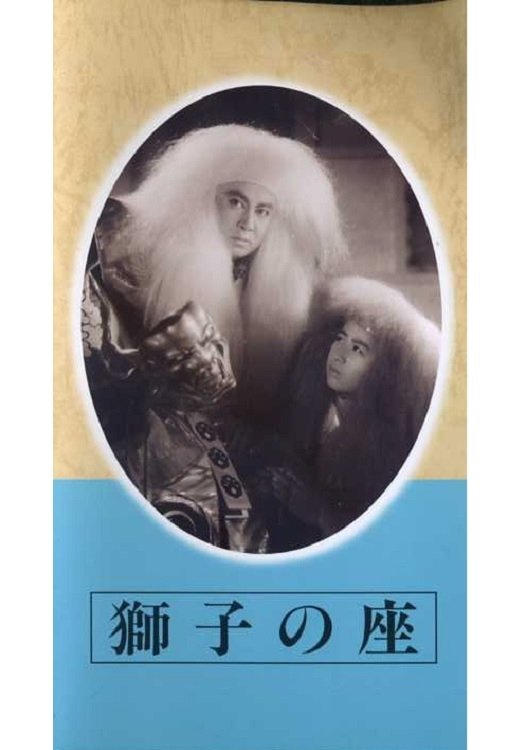
This film stars Tanaka Kinuyo as the mother of the heir to the Hosho name, a famous lineage of Noh actors. The heir, Hosho Yagoro, is played by Hasegawa Kuzuo who went on to become familiar among Ichikawa Kon fans as Yukinojo in An Actor's Revenge, which was also co-written by Ito, adding to the relatedness of An Heir's Place.
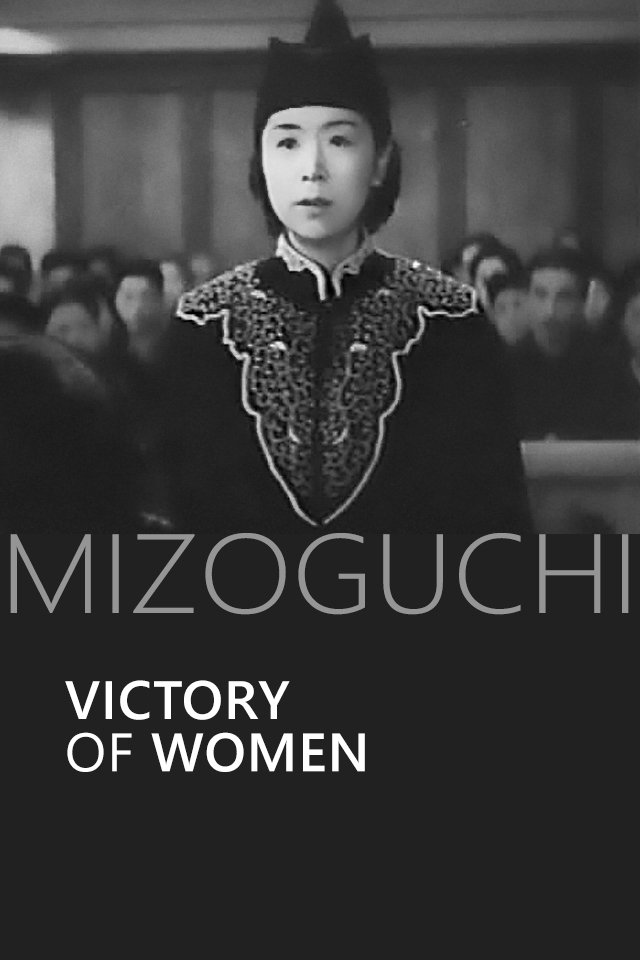
Representing a destitute mother in an infanticide trial, a female lawyer attempts to convince a conservative prosecutor of the benefits of Japan's democratized post-war legal system.
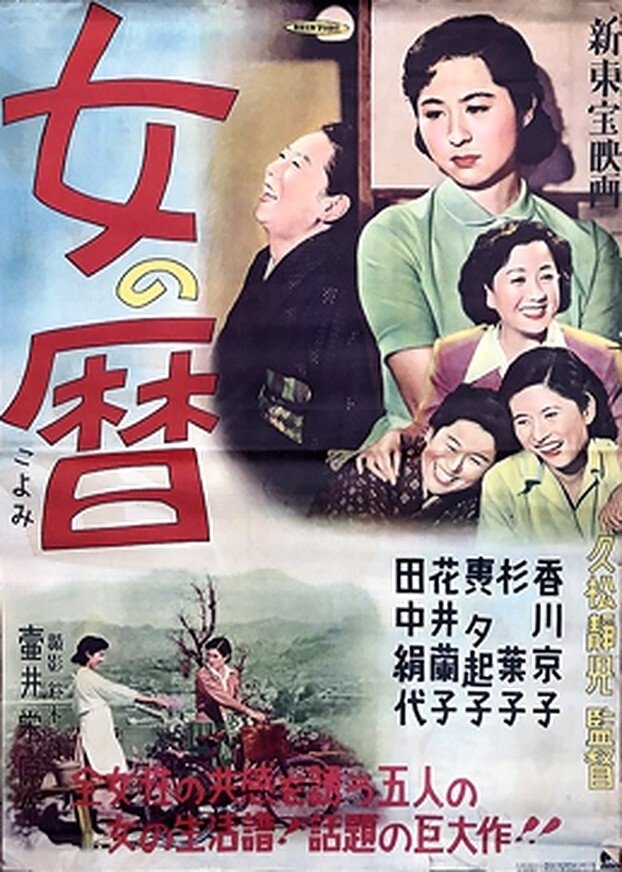
The story of five sisters.
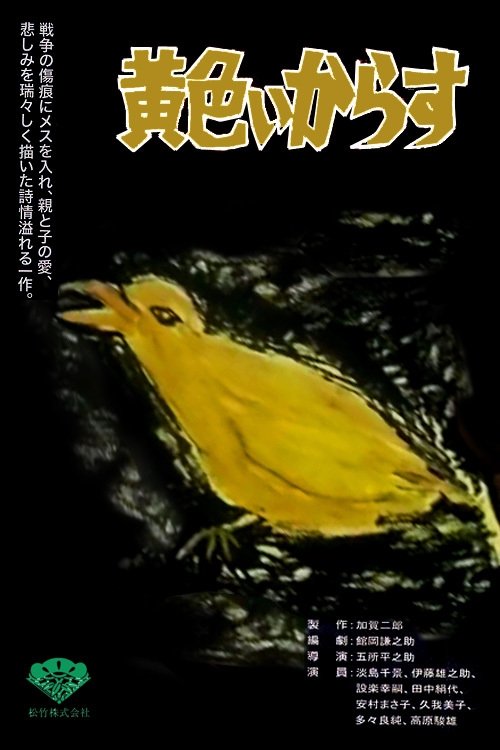
Ichiro Yoshida, the father of the boy Kiyoshi, who has been repatriated from China, returns home after a ten-year separation. The father, who has been estranged from his son for many years, pays no attention to the boy, often punishes him unfairly, and gives all his tenderness to his little daughter, who was born after his return. The boy sees all the injustice of his father and, offended, leaves home. The father realized that he was wrong, that he was guilty before his son. The mother finds the boy and brings him home. The father and the son become friends from that day on.
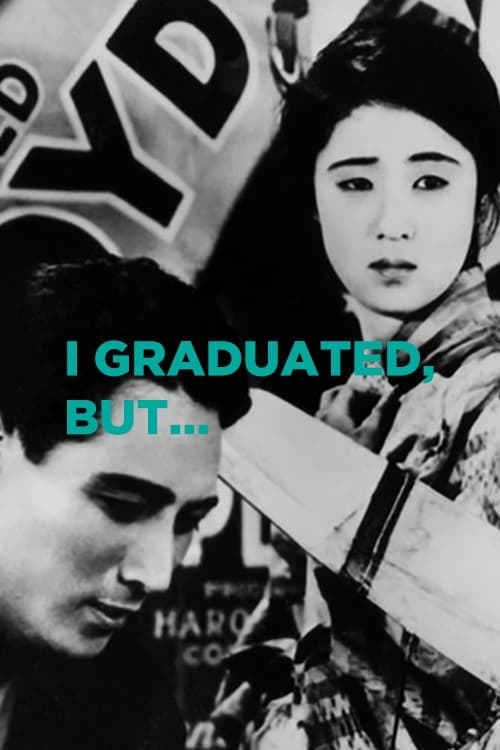
Tetsuo Nomoto, a young college graduate tries to find a decent job by himself. Later on, he will marry his girlfriend, Machiko, whom he hides the fact that he has no job. Hardships come quickly, which forces Machiko to find a job in a bar.
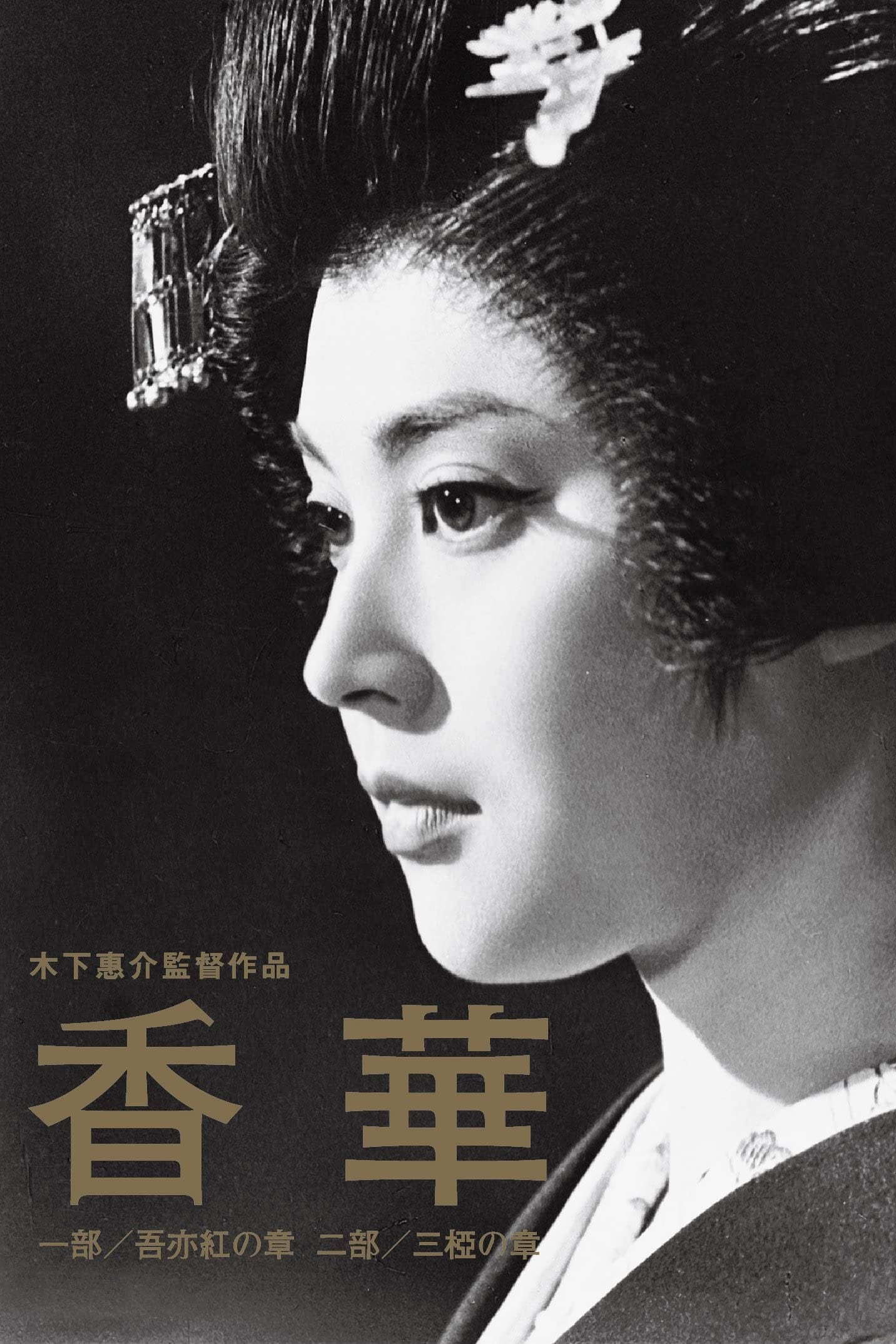
After her mother runs away from home, Tomoko is raised to be a geisha. One day Tomoko meets her mother in a red-light district in Tokyo and her life deeply gets in trouble.
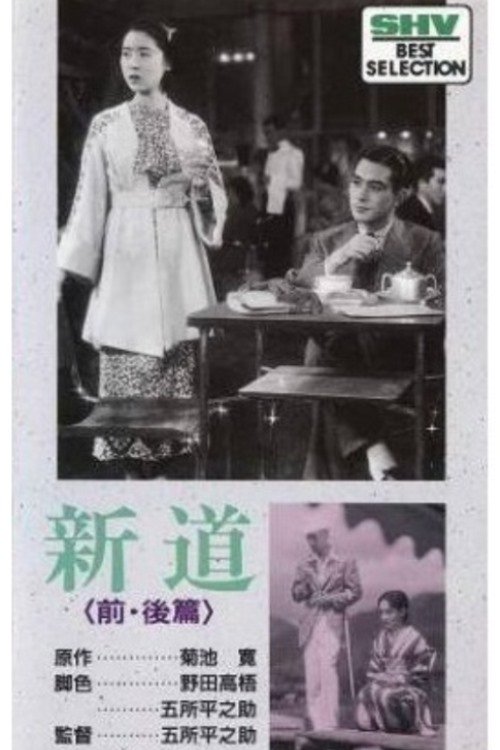
The eldest daughter of a noble family is in love with an aviator while being courted by a fellow aristocrat she thinks is a dullard. This part is told from the perspective of Akemi.

A Hiromichi Horikawa movie
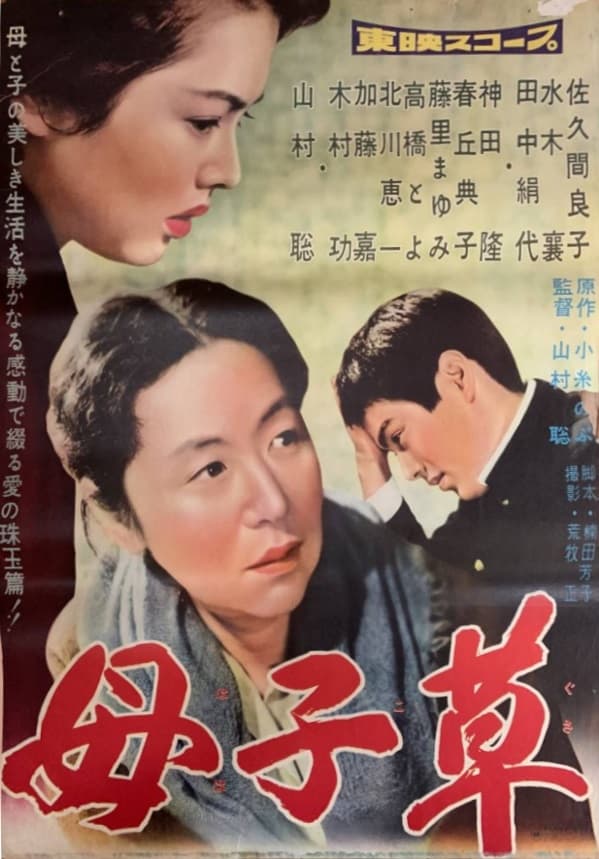
Based on the Nobu Koito story
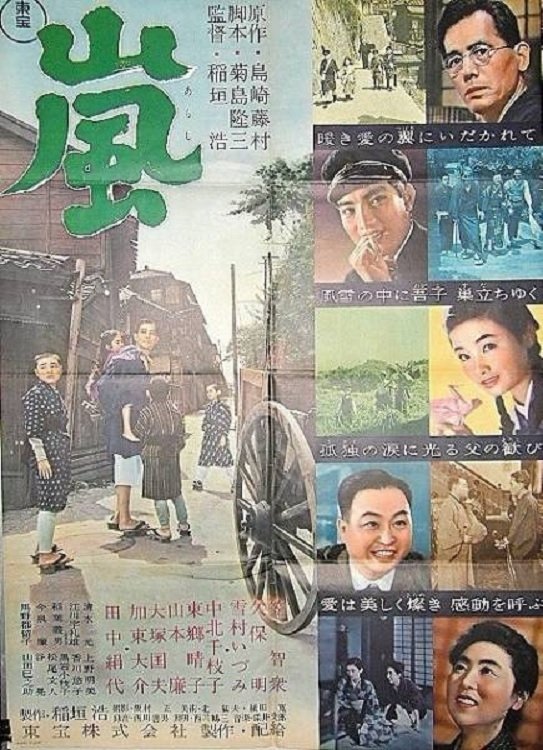
A widowed high-school teacher tries to raise his four children alone.
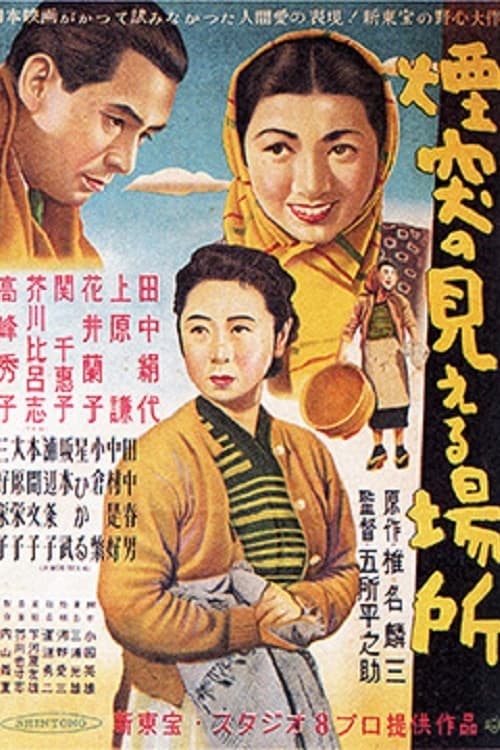
Where Chimneys Are Seen focuses primarily on the interconnected lives of two couples in a lower-middle-class neighborhood in Senju, a poor industrial section of Tokyo.

This documentary composed of numerous testimonies and archives, filmed in Japan highlights the extraordinary career of the actress-director Kinuyo Tanaka and her singular ambition to impose a female point of view on cinema, reflecting her own vision of the world.
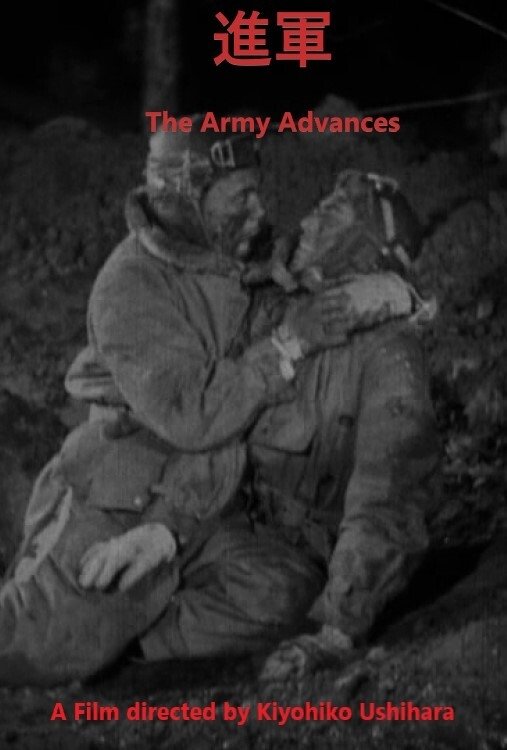
A farmer’s boy, obsessed with his balsa-and-paper flying models and with dreams of real aircraft, develops a friendship with the daughter of the local squire, who introduces the lad to her pilot brother and his flying officer friends; through hard work, and despite the handicap of a lowly class status, he eventually succeeds in qualifying as a pilot and joining the air force.


After the plans of a group of college students to cheat on their final exams goes awry, they're left to reassess their lives and educations and get back on track.

When a young man inherits his father's lucrative business, he cheats the system to set up three of his college friends with jobs.

A gangster tries to find redemption with the inadvertent help of an innocent shop girl and his jealous girlfriend will do anything to keep him.
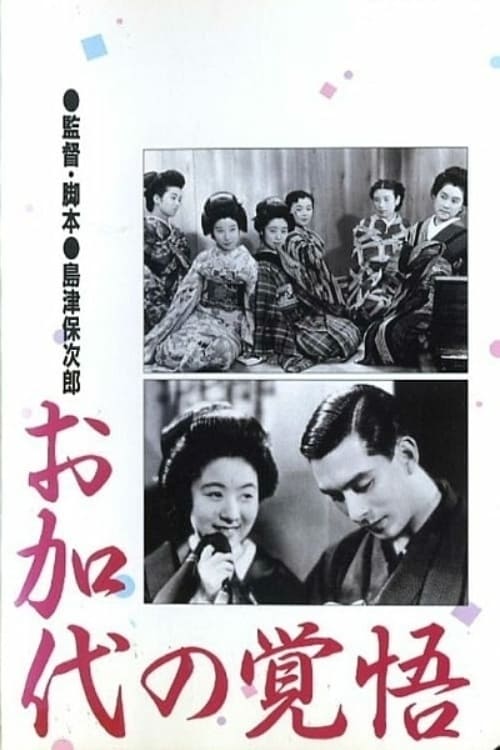
A young student of traditional dance falls in love with a handsome young man who visits the dance school in order to take photographs.
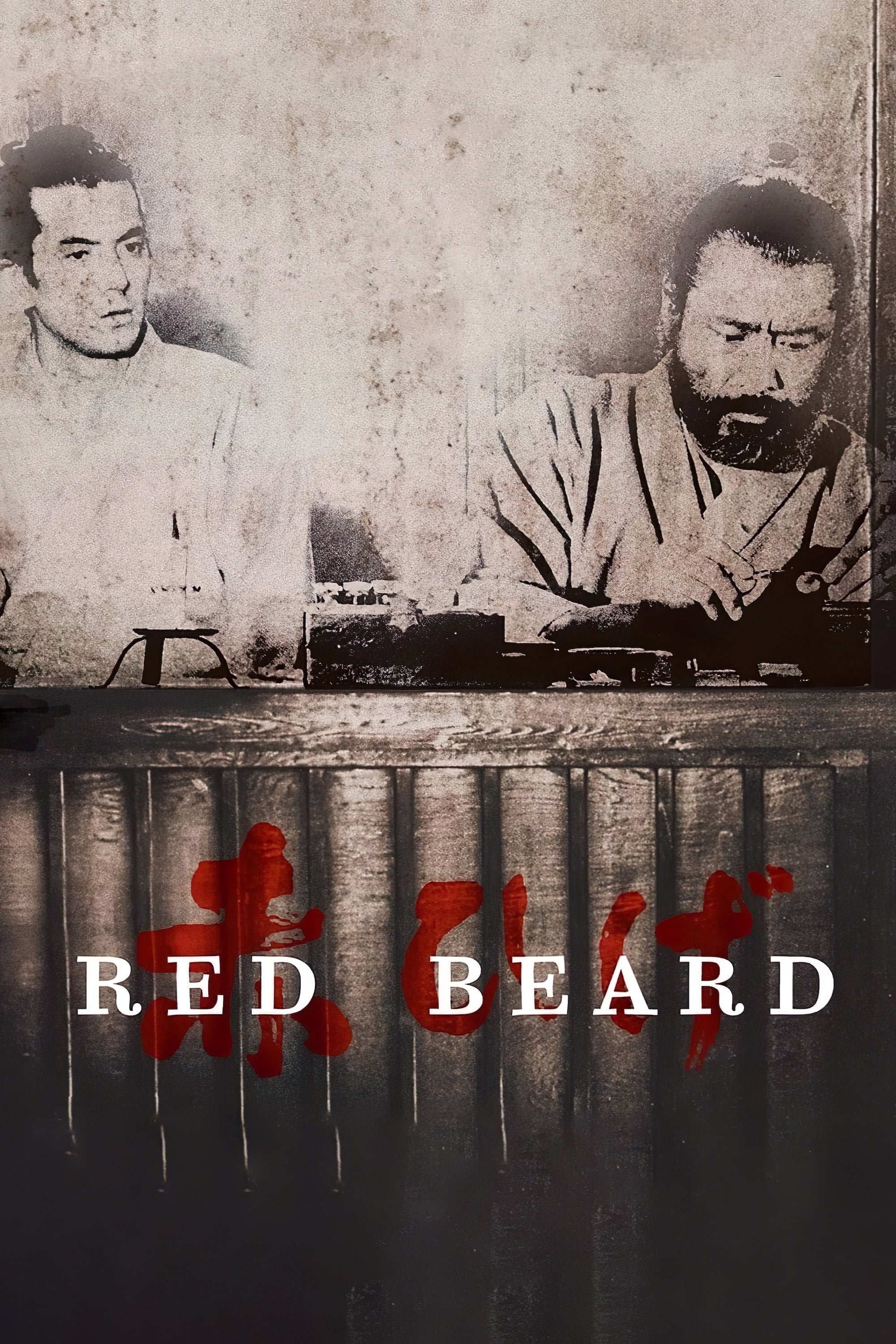
Aspiring to an easy job as personal physician to a wealthy family, Noboru Yasumoto is disappointed when his first post after medical school takes him to a small country clinic under the gruff doctor Red Beard. Yasumoto rebels in numerous ways, but Red Beard proves a wise and patient teacher. He gradually introduces his student to the unglamorous side of the profession, ultimately assigning him to care for a prostitute rescued from a local brothel.
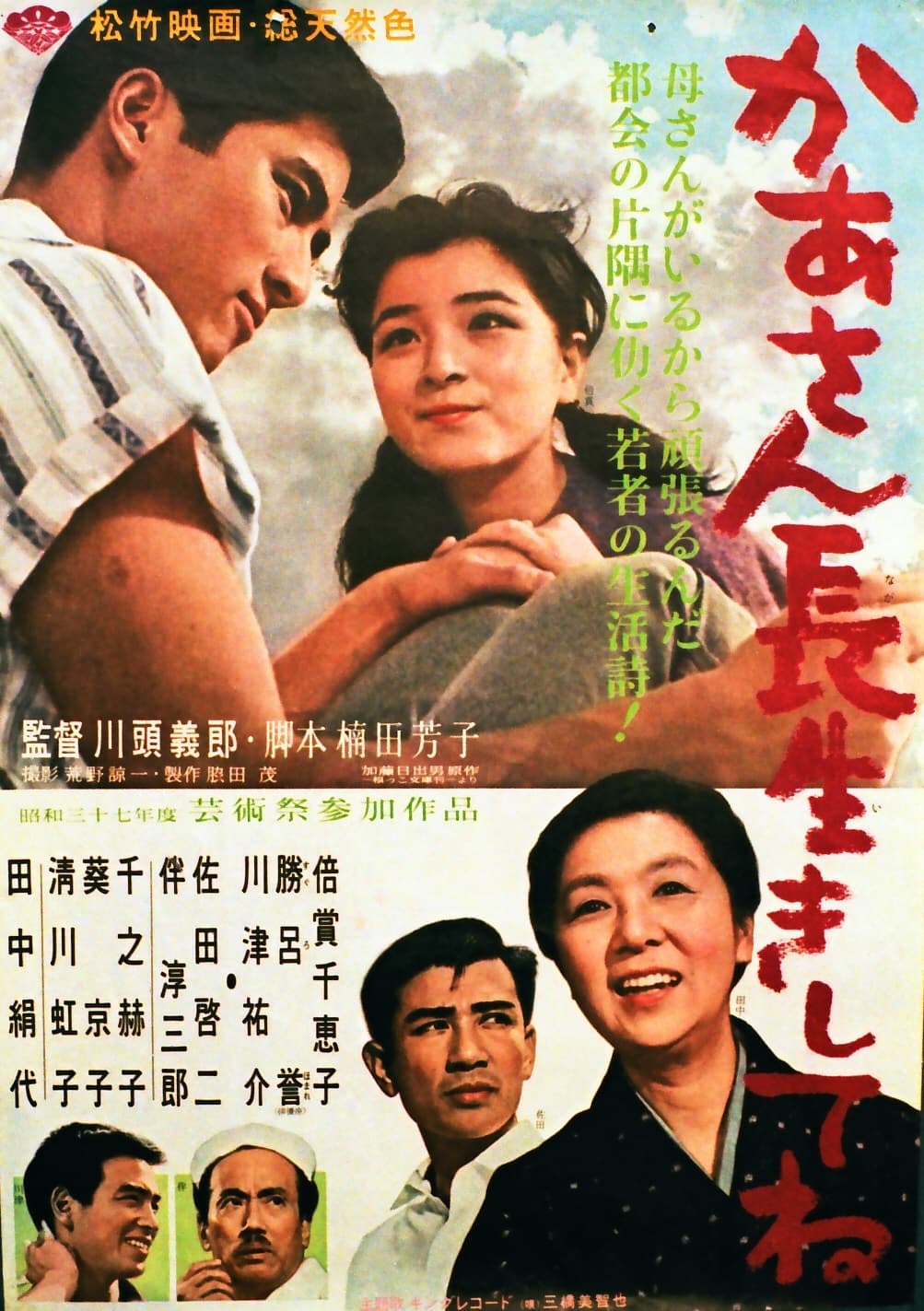
After finishing the course of junior high school, Kazuo comes up to Tokyo, leaving his mother alone in the unproductive northern district. He finds a job in a small laundry in downtown Tokyo and works hard till late at night. At a nearby restaurant a brother and sister are working, and Kazuo becomes friendly with the girl, Yoneko. Love blossoms between the two. However, Yoneko's brother objects to his sister marrying Kazuo.
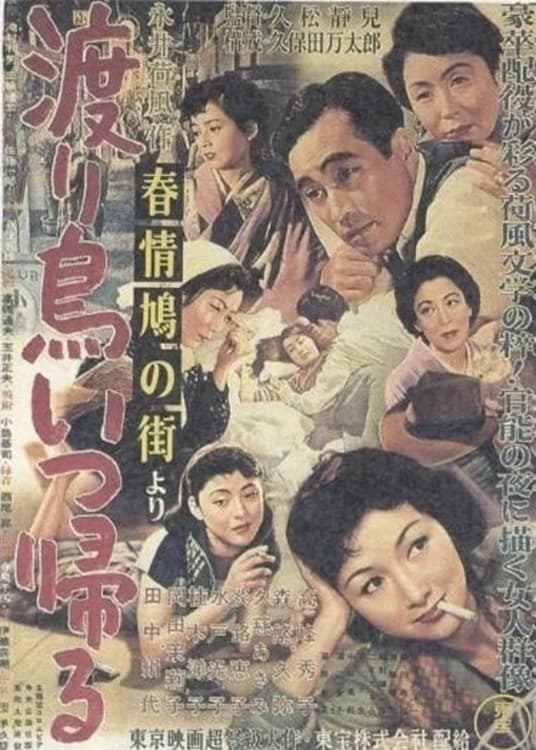
Yoshida Denkichi does loses sight of his wife Chiyoko and daughter Toyoko during the war, and is taken in by a familiar woman, Oshige, and becomes the owner of "Fujimura" in the town of Hato. Eiko is a timid woman who hates Terada, a watchmaker who is obsessed with her; Tamie is a hard worker who asks for money from customers to support her mother and daughter Teruko; Tane, who dreams of the day they can be together, gives money to her lover Takeda; Machiko, an apres girl, is selective about her customers in the name of romance. They are women working in the red light district at "Fujimura."
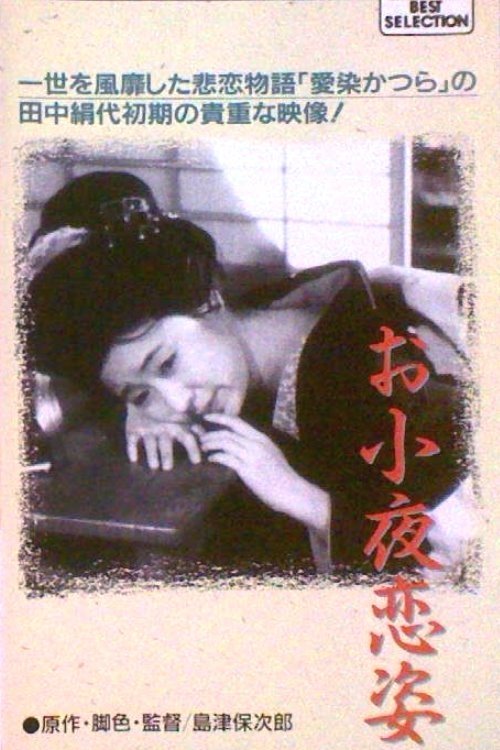
The poor novelist Yamamoto is writing his novel, determined and with a headband around his head. With him, the novelist who is always in trouble paying his bills, is the girl Saya who becomes the model for his novel. Saya however is in love with a young driver. When he is forced to move into a spa town as the result of the jealousy of another man Saya is terribly sad. But with the help of Yamamoto the driver's rival can be revealed and Saya can finally be with her beloved.
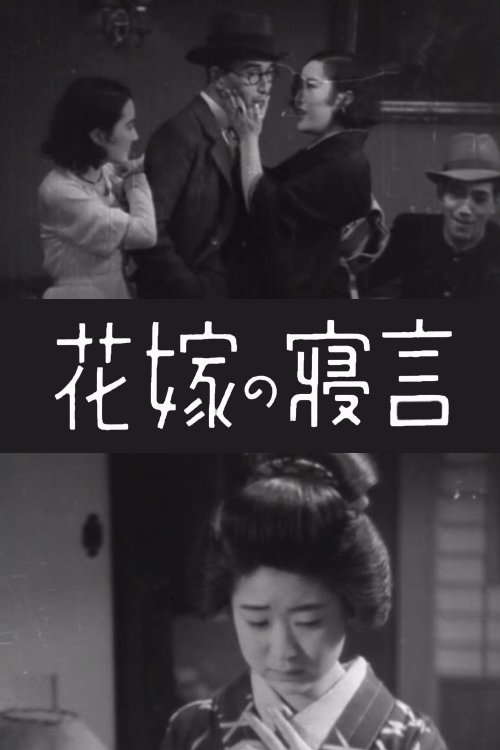
This pair of gentle yet witty and inventive comedies from the director of The Neighbour's Wife and Mine typify both the formal experimentation of early Japanese sound cinema and the social milieux that Shochiku tended to depict. 'Virtually plotless, and feeling more like comic sketches than fully developed stories,' writes Arthur Nolletti, Jr, 'these light comedies, or farces, take a wholly trivial matter (often a socially embarrassing situation) and use it as a springboard for a succession of gags.' Much of the films' distinction comes from the wit of Gosho's direction, the imaginative use of the new sound technology and the charm of the acting, particularly of the heroines (Kinuyo Tanaka in Bride; Hiroko Kawasaki in Groom). Yet in both films, Gosho finds room for some shrewd observation of character and environment, subtly exploring the values and assumptions of the suburban petit bourgeoisie.
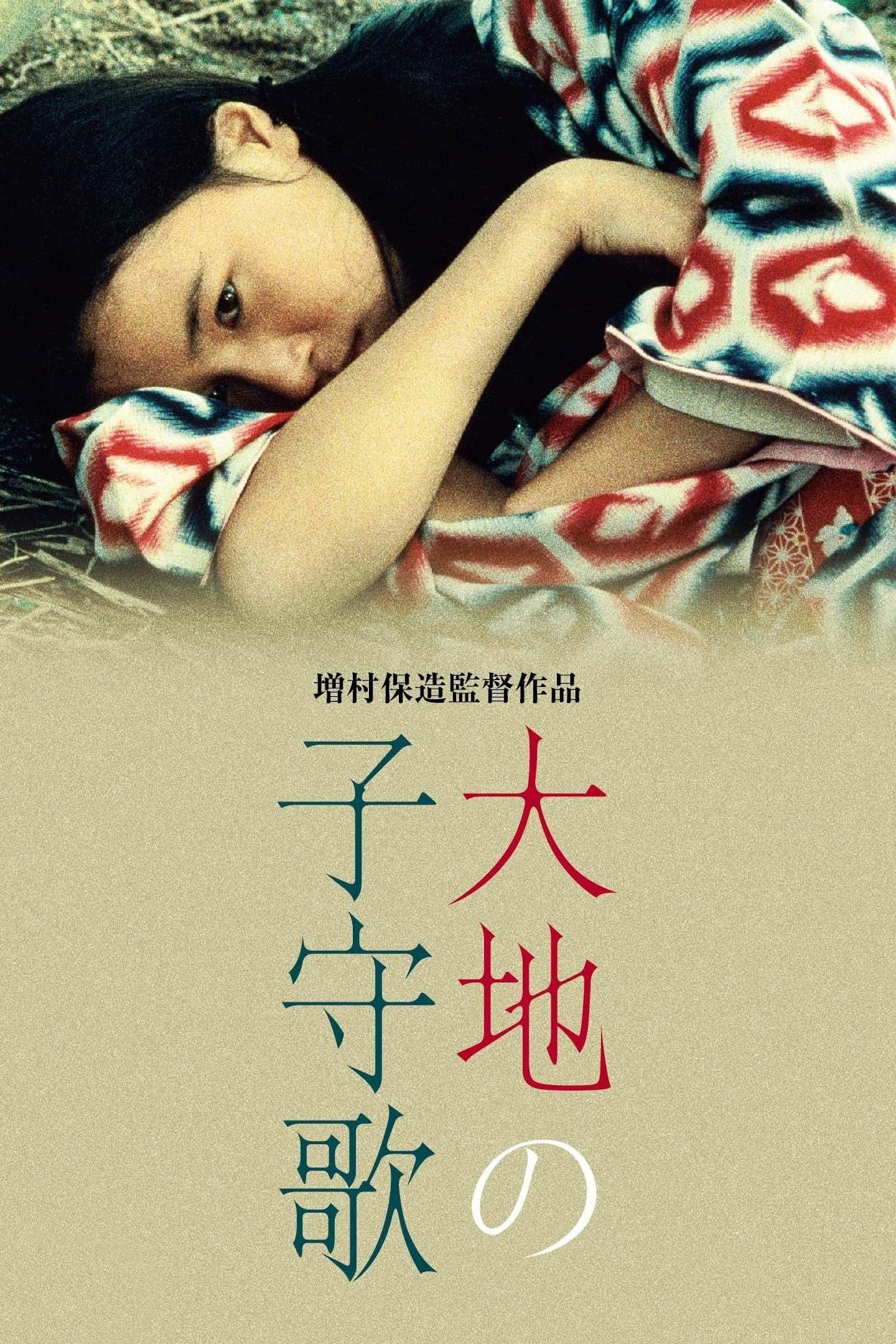
The story of an orphan girl, brought up in naive, rustic innocence by an elderly relative, who is suddenly exposed to the brutality, greed and deceptiveness of the outside world when her grandmother dies.
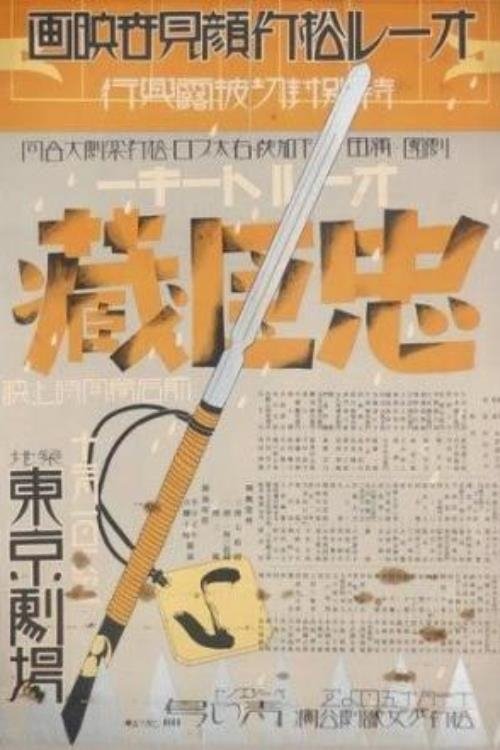
This 1932 adaptation is the earliest sound version of the ever-popular and much-filmed Chushingura story of the loyal 47 retainers who avenged their feudal lord after he was obliged to commit hara-kiri due to the machinations of a villainous courtier. As the first sound version of the classic narrative, the film was something of an event, and employed a stellar cast, who give a roster of memorable performances. Director Teinosuke Kinugasa was primarily a specialist in jidai-geki (period films), such as the internationally celebrated Gate of Hell (Jigokumon, 1953), and although he is now most famous as the maker of the avant-garde silent films A Page of Madness (Kurutta ichipeji, 1926) and Crossroads (Jujiro, 1928), Chushingura is in fact more typical of his output than those experimental works. The film ranked third in that year’s Kinema Junpo critics’ poll, and Joseph Anderson and Donald Richie noted that 'not only the sound but the quick cutting was admired by many critics.
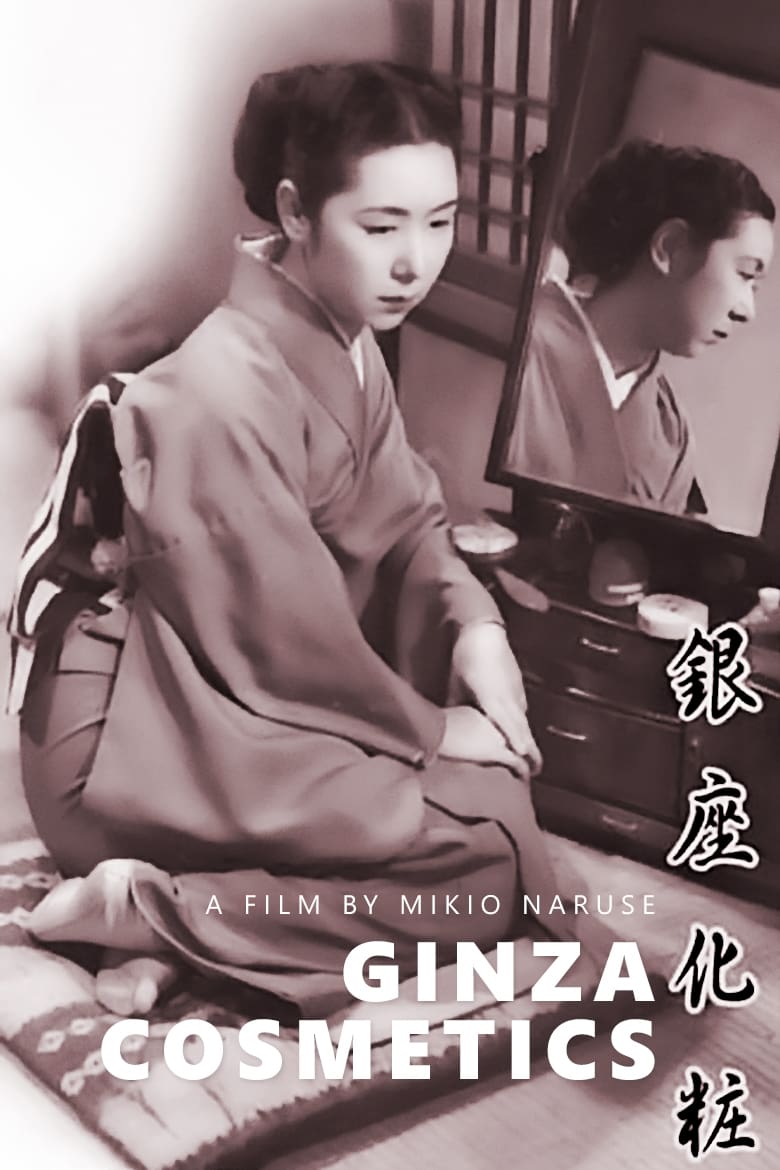
A few days in the life of a quiet geisha, single mother of a smart young boy, in the lively Tokyo quarter of Ginza. A woman devoted to others' needs, she'll end by taking part herself in one of the many disguises of Ginza.
A period mystery in which an unconventional priest exposes the truth behind the bizarre death of a maid in the shogun's harem. Kinuyo Tanaka stylishly plays a constantly intoxicated geisha in this all-star entertainment film.
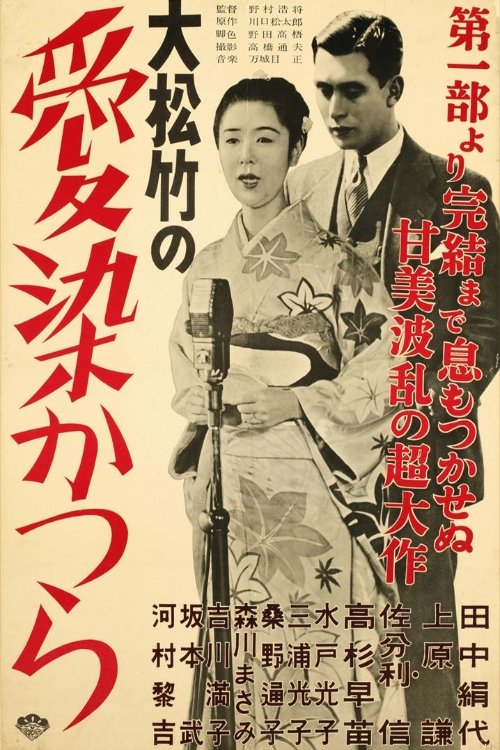
A young doctor, Kozo Tsumura, falls for young nurse Katsue Takaishi. But she's got a secret: she's a widow with a son. Kozo and Katsue decide to run away to Kyoto, but her child suddenly became sick and she just missed the train and Kozo. She makes it to Kyoto finally, but is unable to meet him. Plus she isn't accepted into Kyoto society. She goes back to her hometown and tries to forget him. She quits the hospital to concentrate on her singing. She makes her professional debut with the hit "Aizen Katsura". Kozo is in the audience.
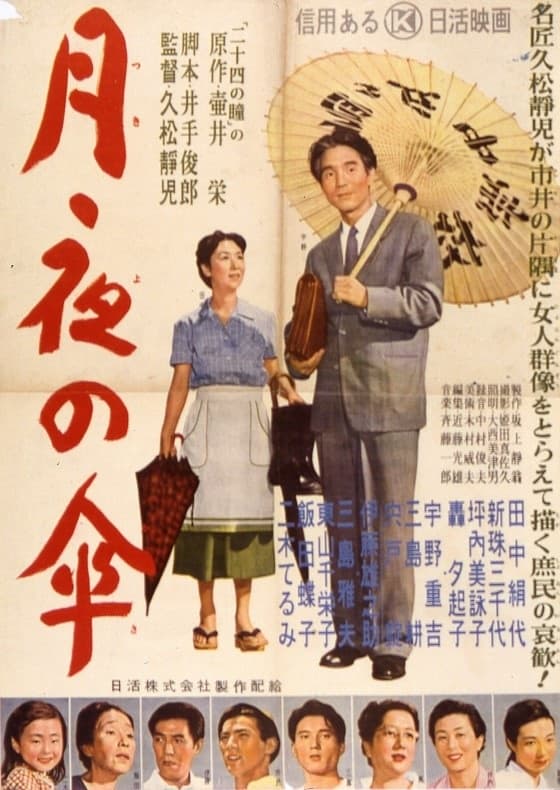
Housewives from four neighboring households casually gather at an old well at Kaneko's house in a residential area on the outskirts of Tokyo. If two people come together, they will talk about selling kimonos, if three people come together, they will discuss food shopping, and when four people come together, there will be laughter. Focusing on four housewives who gather at the edge of the well, it depicts the daily life of each household.
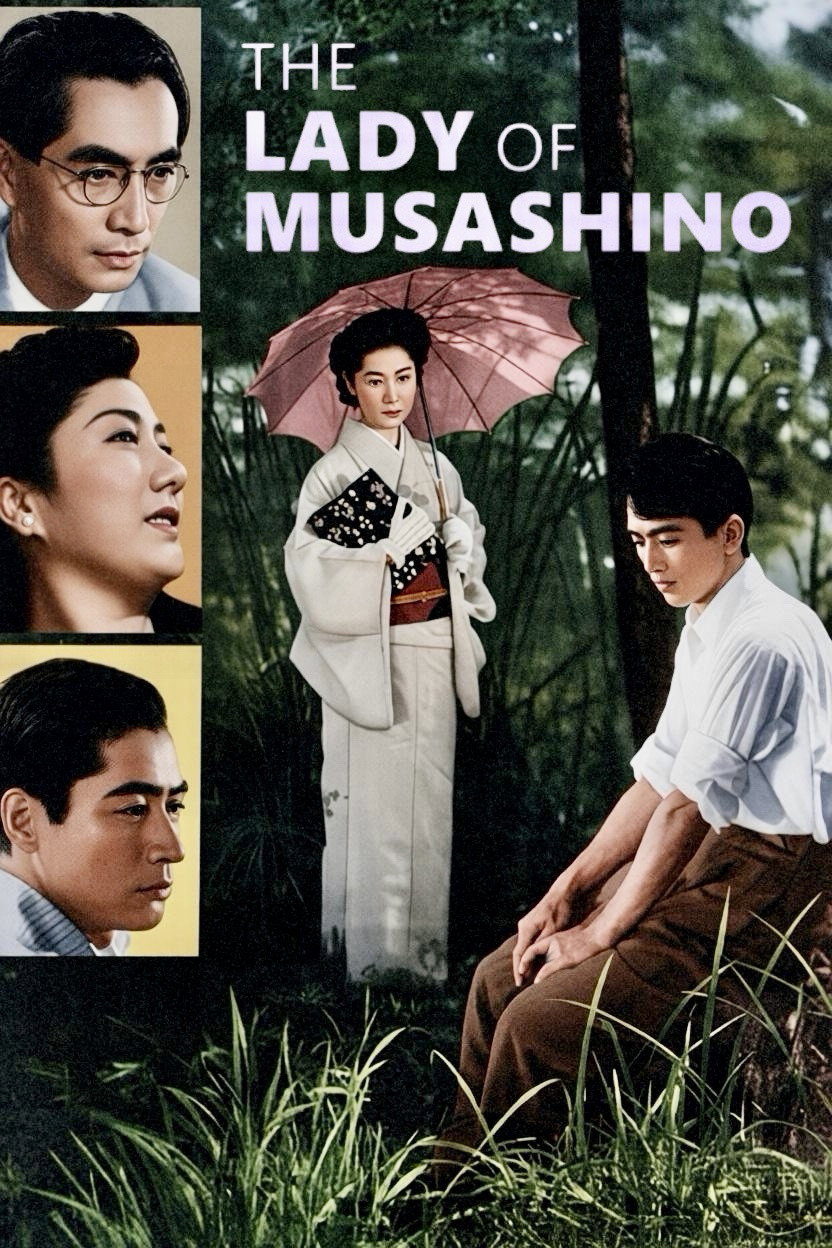
In post-war Japan, Michiko, a disillusioned young woman trapped in a loveless marriage, confides in her younger cousin, Tsutomo, and the two become close, but decide not to consummate their affair. He instead becomes involved with the flirtatious Tomiko, who is also conducting an affair with Michiko's husband. When Michiko finds that her husband has abandoned her, she decides to take her fate into her own hands.
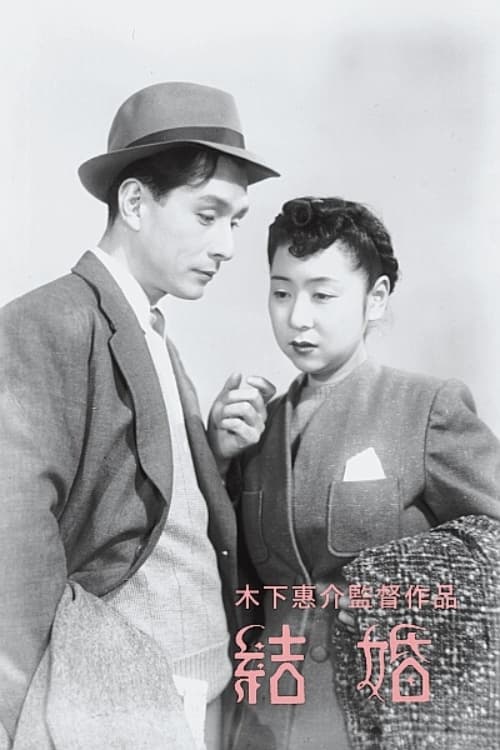
In postwar Japan a young woman is unable to marry her sweetheart because her family's in difficult circumstances and needs her income to keep afloat.
Directed by Mikio Naruse. It is presumed to be lost.
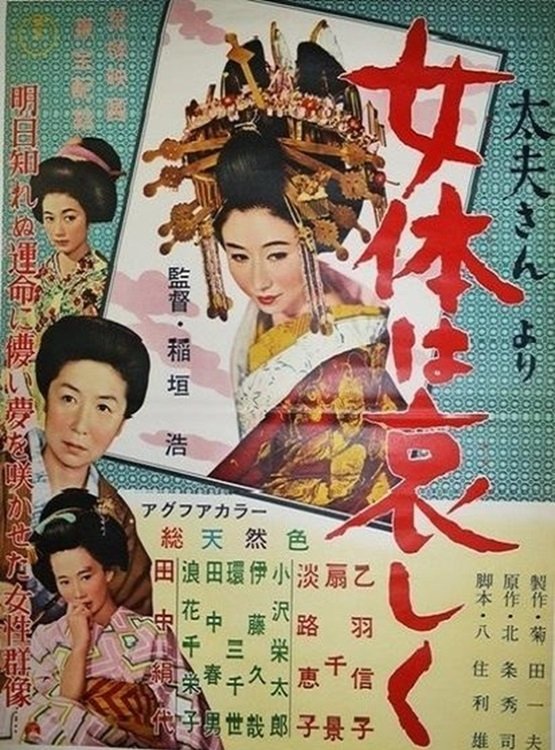
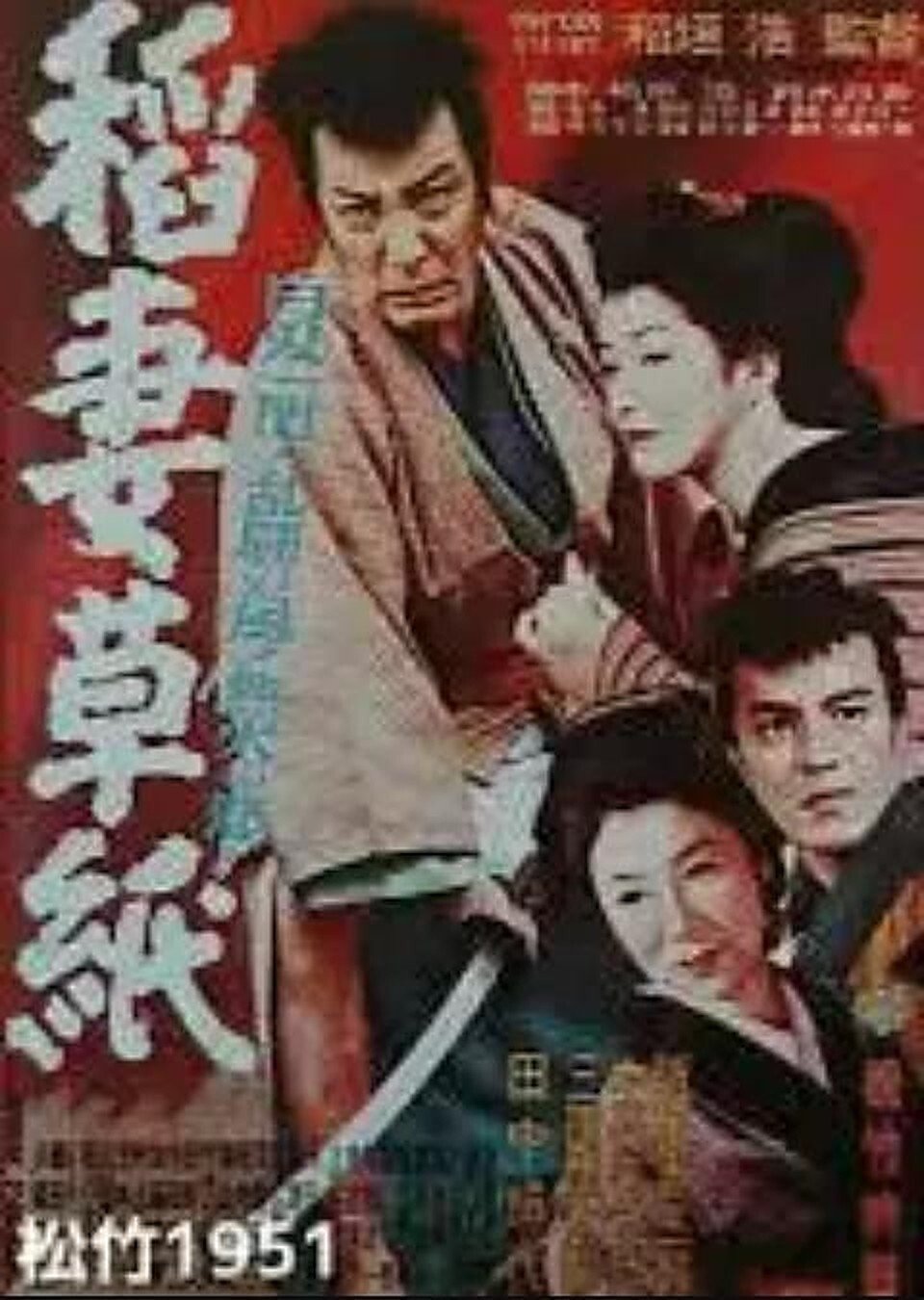
Directed by Hiroshi Inagaki, the drama, set in the brothels of Shimabara in post-war Kyoto, is a moving look at the lives of women of tenacity and resilience.
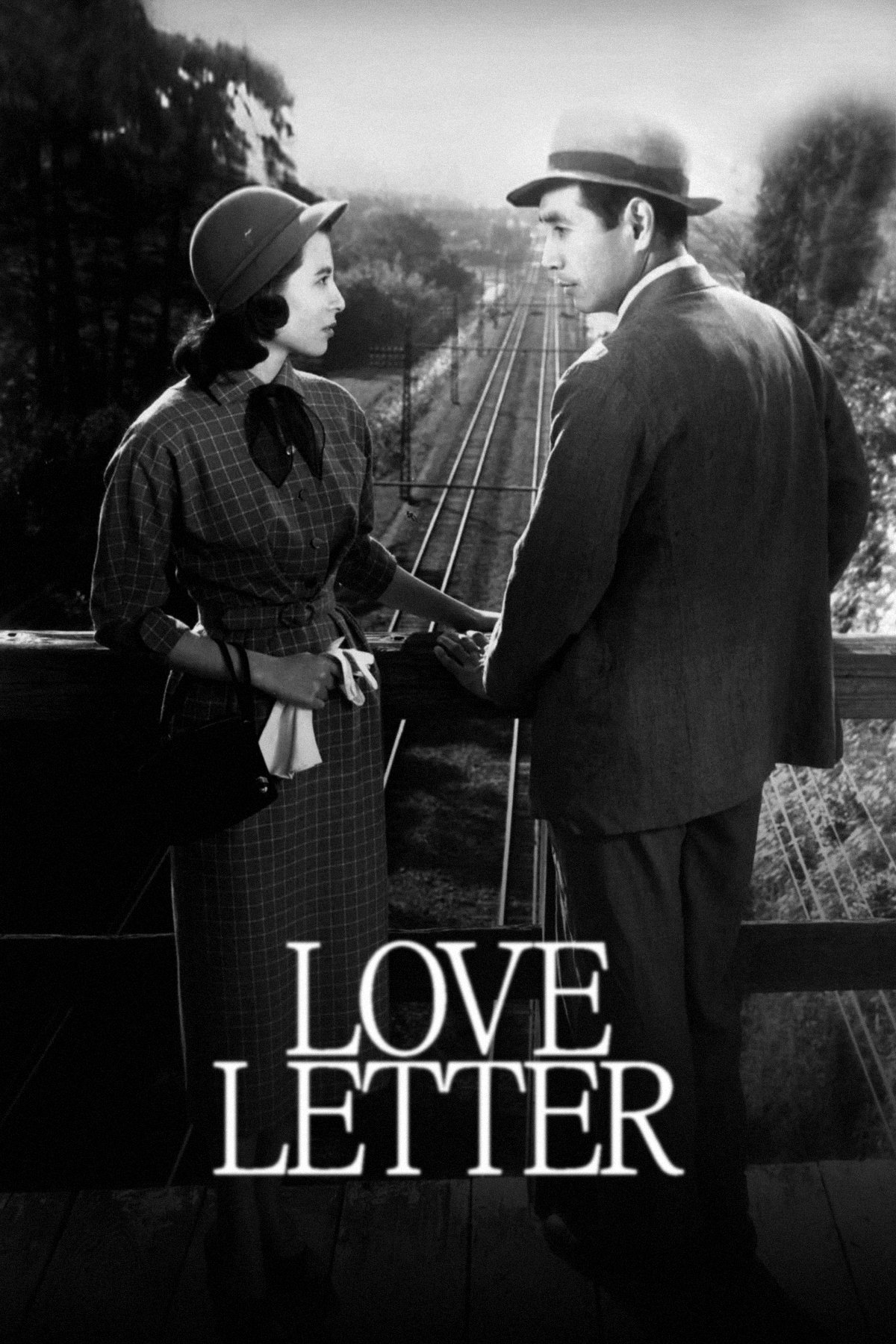
Five years after the end of the Second World War, Reikichi, a repatriated veteran, translates love letters for Japanese women to American GIs, while searching for his lost love, Michiko.
The story of a novelist whose wife is confined in a mental hospital. His love for her drives him to write about her, though he runs into trouble when her parents accuse him of cashing in on her misfortune.
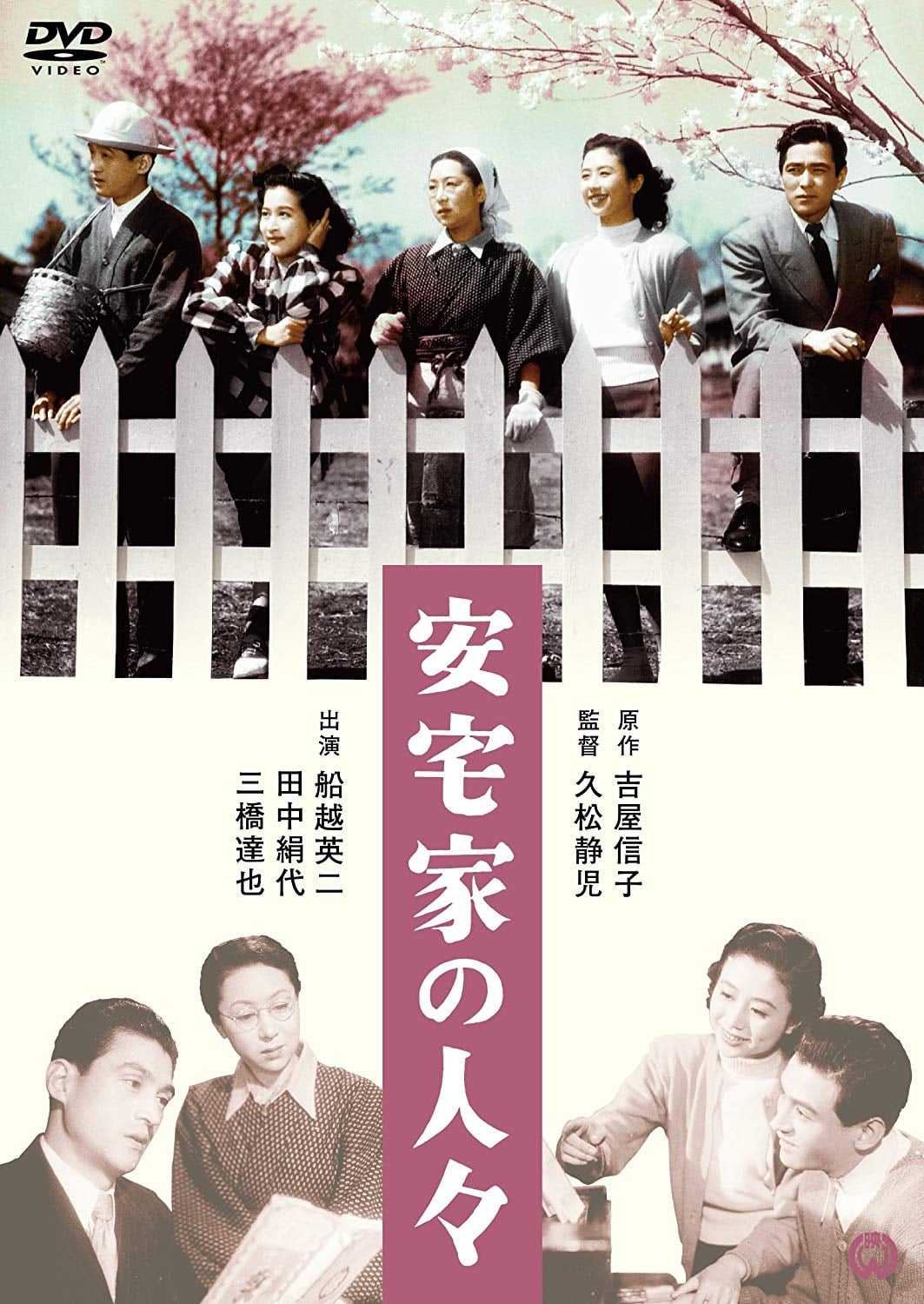
Soichi Ataka is the eldest son of Ataka family. Although mentally challenged, he's a person with a gentle heart. Soichi's wife, Kuniko is devoted to her husband and together the couple runs the family farm. Their happy family life comes to an abrupt halt when Soichi's half-brother, Joji returns with his wife Masako after failing in a business.
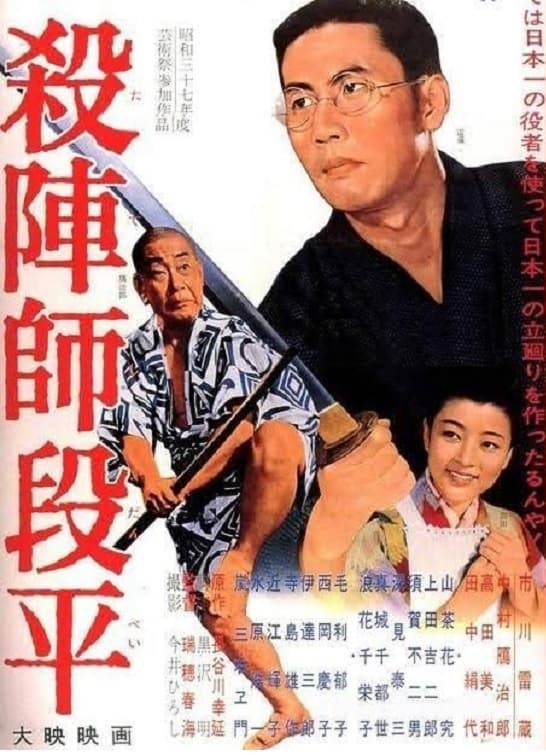
The Fencing Master tells the story of a man trying to survive as the only world he knows is becoming increasingly irrelevant. Danpei Ichikawa lives for swordfighting – he was once a renowned kabuki swordfight choreographer, and as the Chairman of the New National Theatre Company, he wants nothing more than to choreograph the swordfights for the modern plays put on by the company.
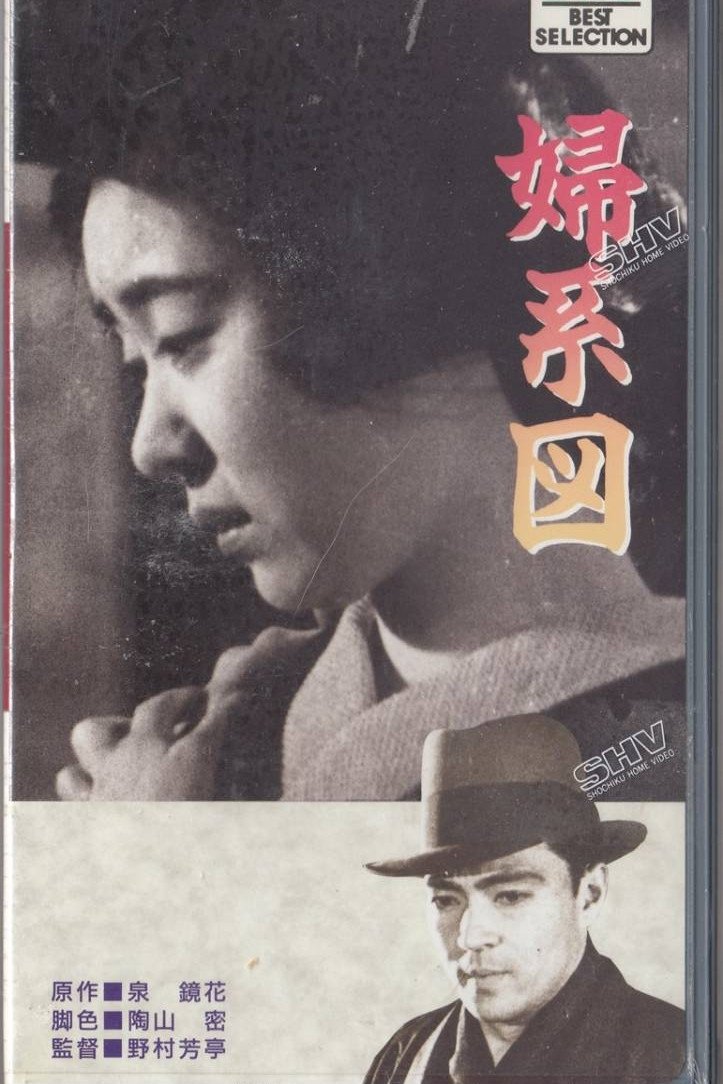
A melodrama by noted auteur and father of director Yoshitaro Nomura, Hotei Nomura. This is apparently the first adaptation of Izumi Kyoka's The Romance of Yushima.
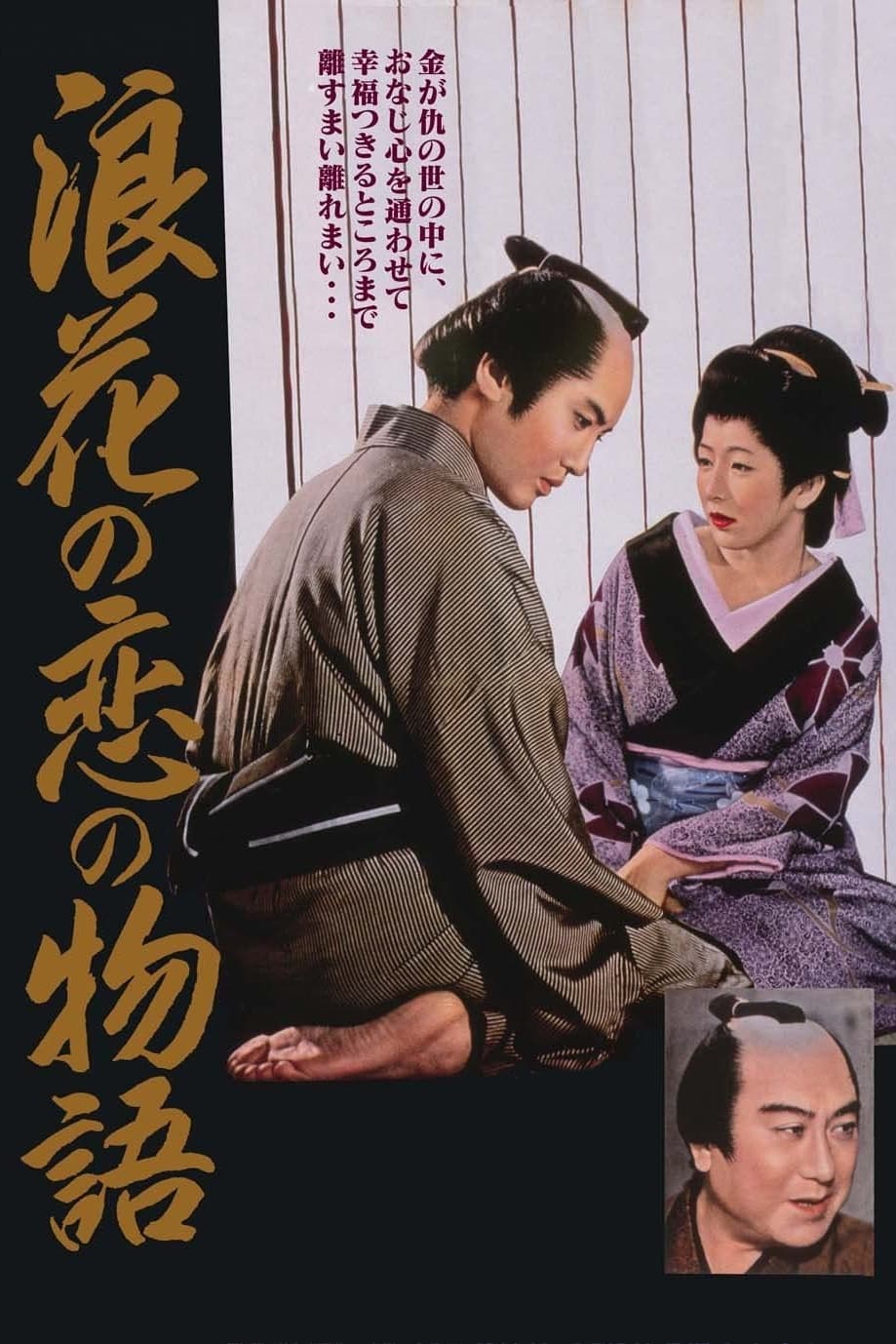
Chubei, the adopted son of an Osaka courier, falls desperately in love with the courtesan Umegawa. To prevent a wealthy client from purchasing her, he steals money from his employer to buy her freedom himself. Now hunted criminals, the lovers flee toward Yamato, pursued by the law.
A young man torn between love and friendship.
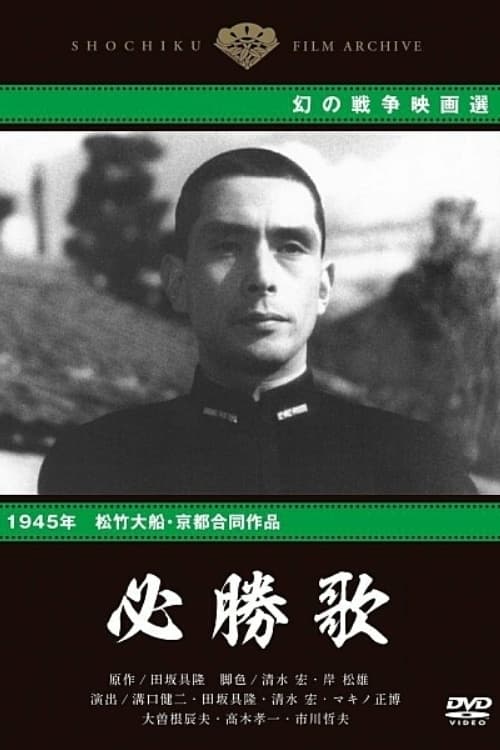
An anthology of thirteen patriotic stories about Japanese citizens contributing to the war effort.
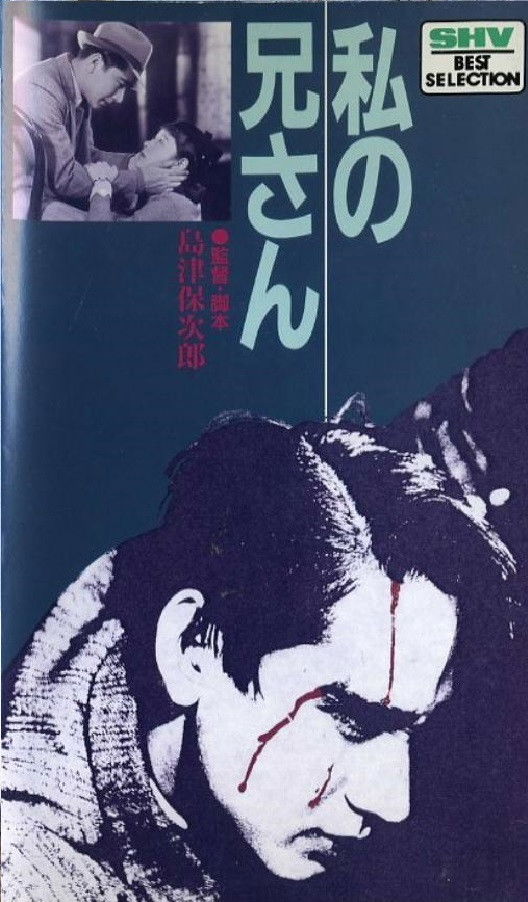
Jyuta, an honest owner of a taxi company, has a younger half-brother who is involved in the yakuza world and doesn’t get along well with his mother. Jyuta tries to correct him…
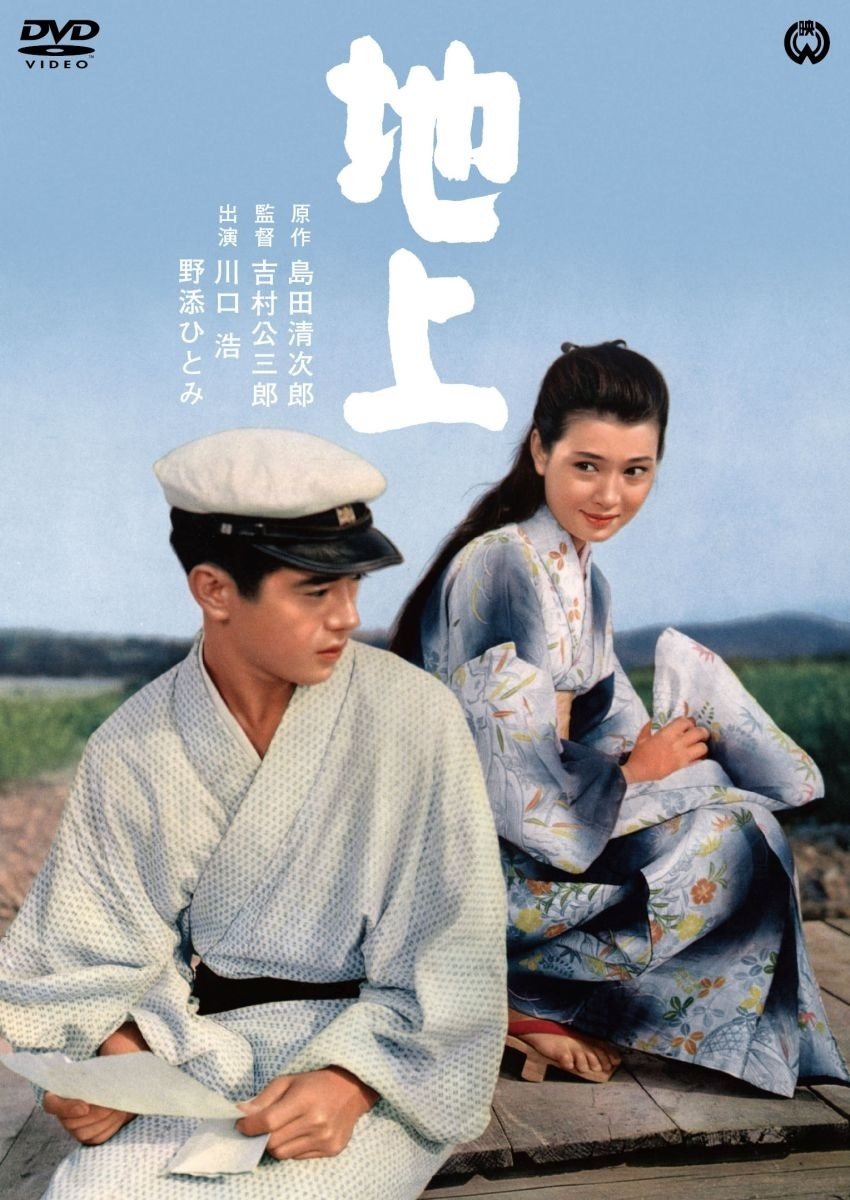
Ichiro’s family used to be a large landowner, but now he is living in poverty with his mother. His mother works hard to get her son through school. Under such circumstances, Ichiro meets Wakako, the daughter of a wealthy man, and they fall in love with each other, but they are opposed by those around them because of their different social status.
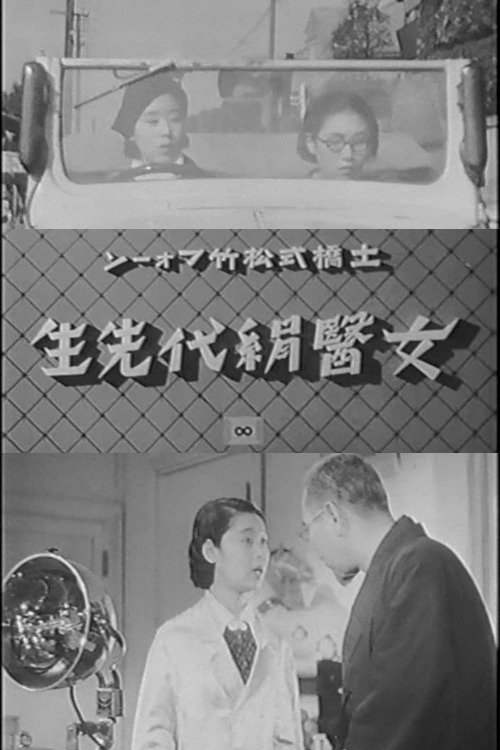
Kinuyo is a daughter of doctor of Chinese medicine, and Yasuo is a son of surgeon. Their families always fight like cat and dog. This relationship is ancestral. Although Kinuyo and Yasuo love each other, they have different thoughts toward treatments.
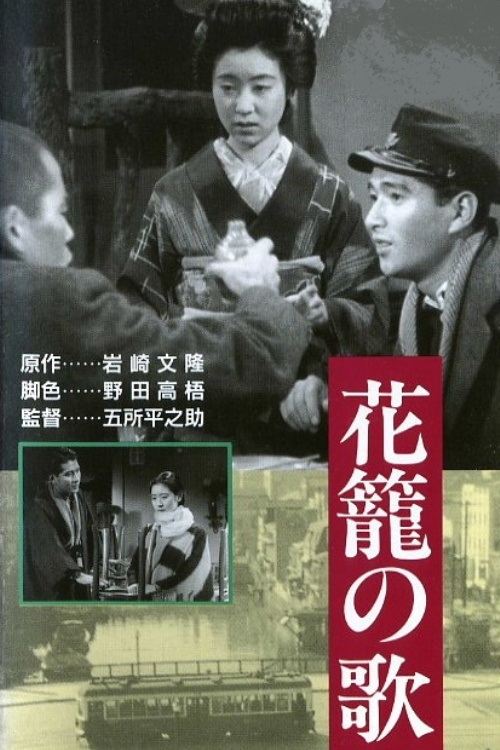
Three men fall in love with the same young girl who works in a tonkatsu restaurant in the Shitamachi district of Tokyo.
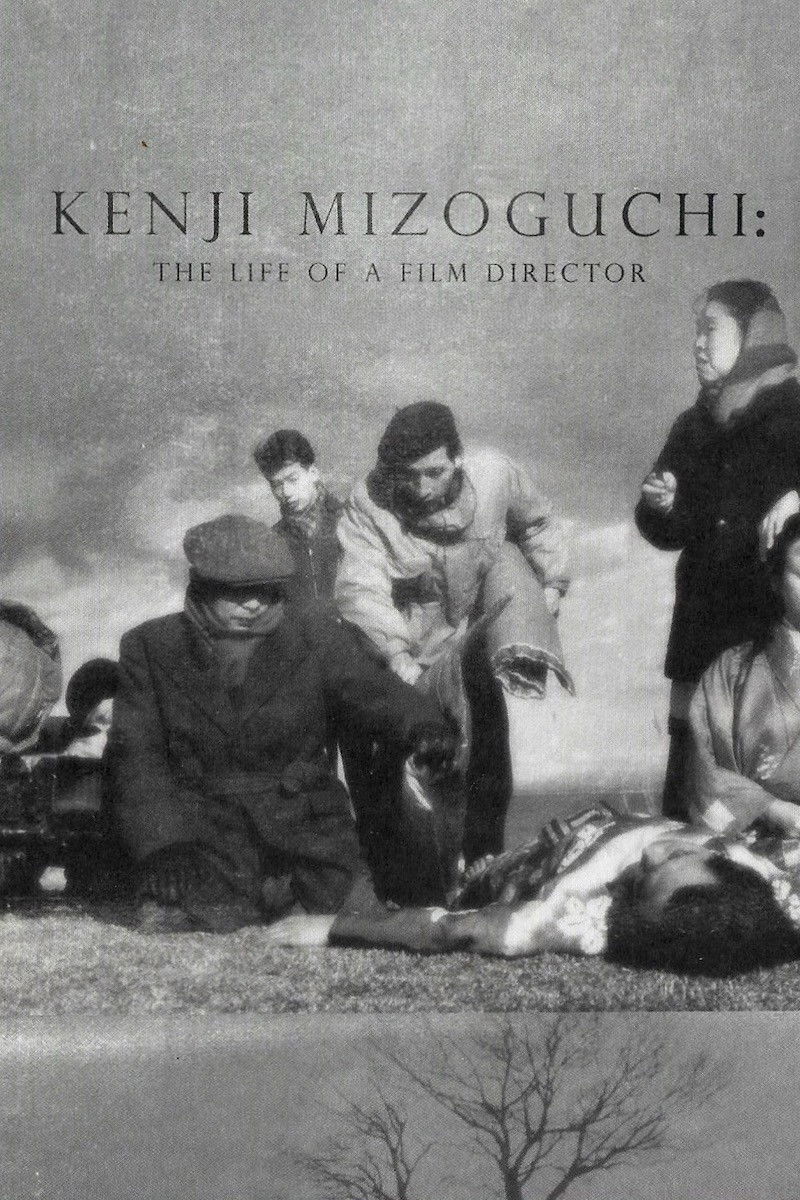
In 39 interviews with actors and actresses, writers, producers and staff members, interspersed with film excerpts and stills, Shindō recounts the life and career of his friend and mentor Mizoguchi.
A musical film made for the inauguration of Shochiku's Ofuna Studio, with an all-star cast of the era.
A family of Kyoto textile workers struggles after tragedy.
A story about being scared of getting old.
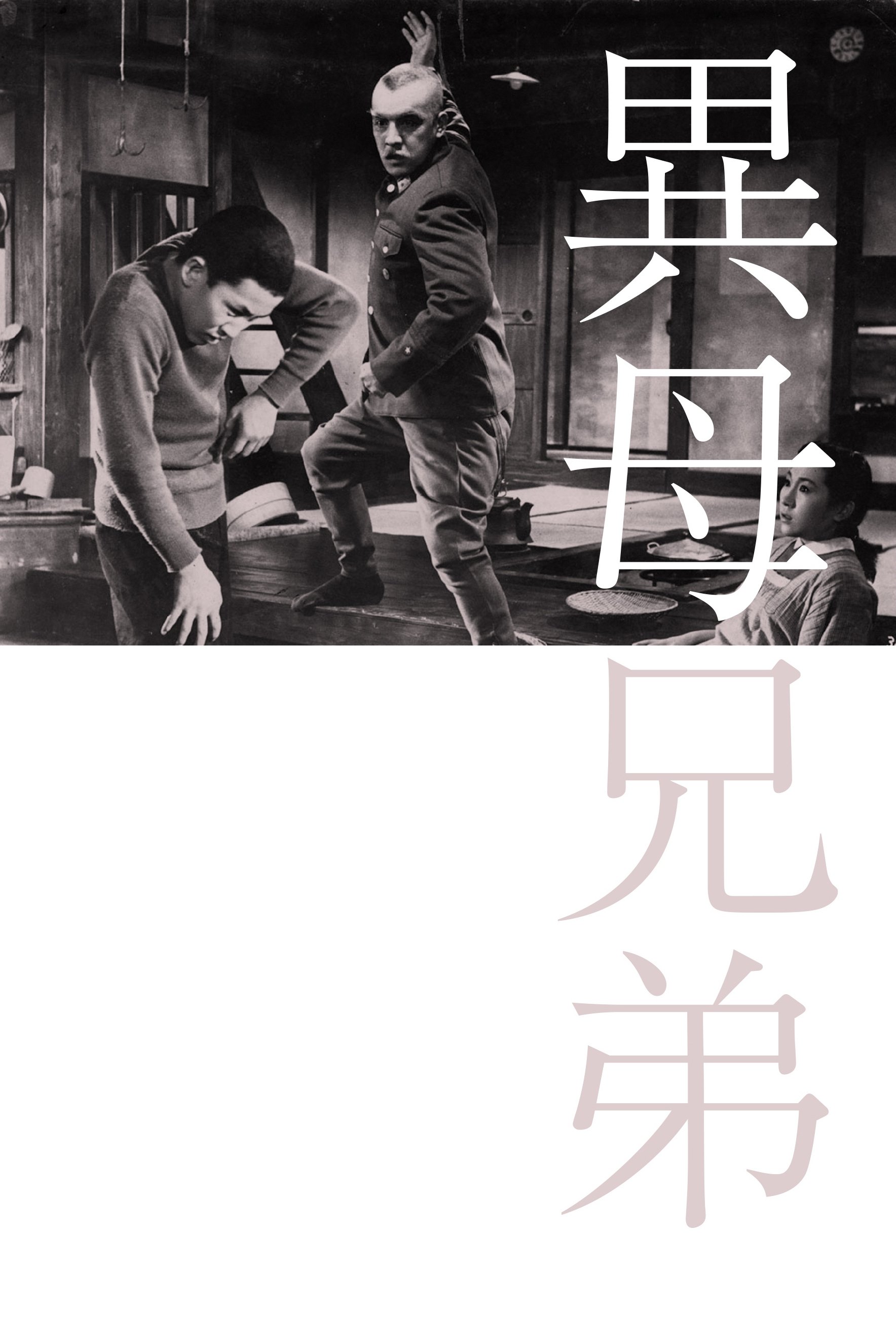
In a military family, an illegitimate son is brutalized by his brothers. A patriarchal, feudalistic household where dissent is forbidden is used to reveal the whole imperialist system that afflicted Japan between 1921 and 1946.
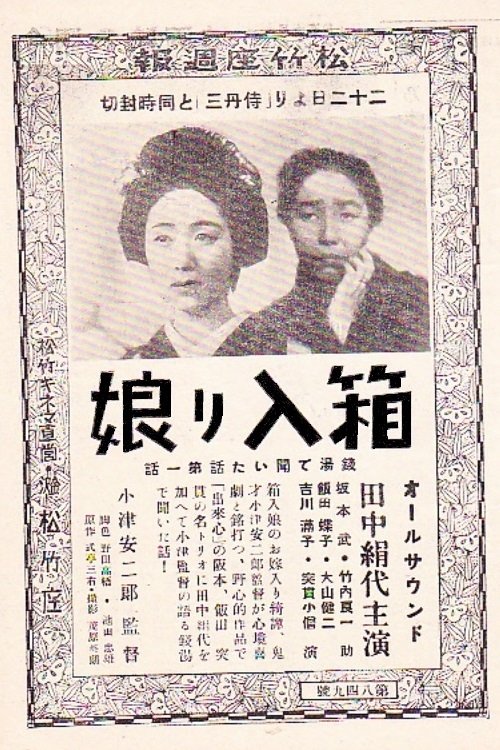
In a back alley of the Shitamachi district of Tokyo, Kihachi bears witness to a series of romantic complications involving the inhabitants of the neighborhood. Considered to be a lost film.

Lost film. Two reporters find that they are repeatedly beaten to the scoop by a new female journalist, 'young miss'. They decide to team up with her to investigate a secret club for wealthy voyeurs. Considered to be a lost film.
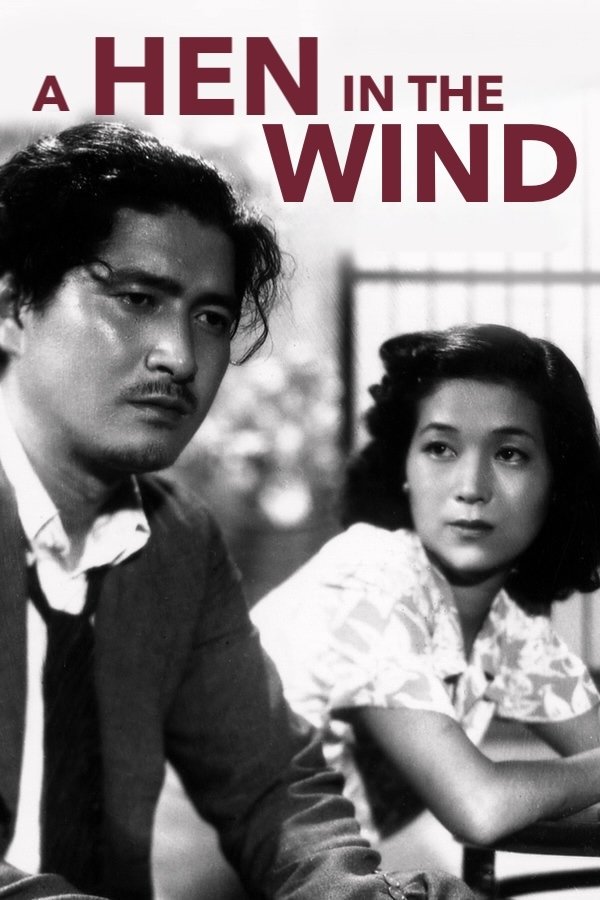
Tokiko patiently awaits her husband's return from WWII when her four-year old son falls ill. She takes him to the doctor but has no means of paying, so she resorts to prostitution. A month later, her husband returns to find his desperate wife, who tells him the truth. Together, they must deal with the consequences.
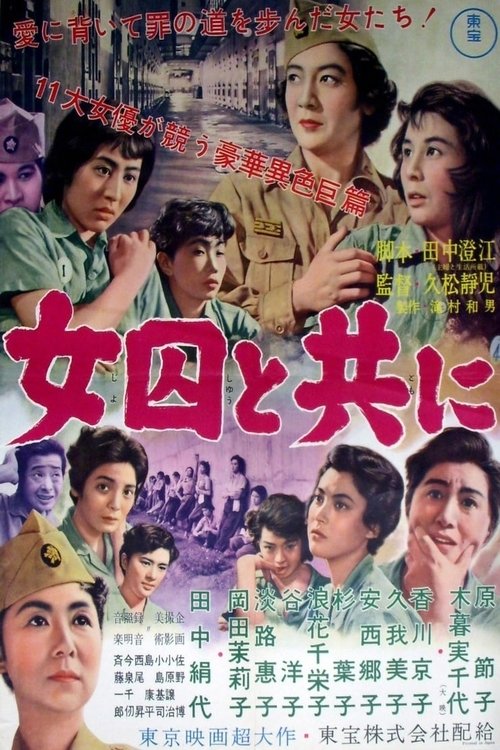
The woman prison has a cast all with a story of their own and with no dull or routine day. There is an employee who is divorced after her husband had an affair. She loves the jailed criminals and almost sees them as family. One day at a workshop someone faints while working hard to make money because she has a poor boyfriend. Another inmate is knocked up Another is a mother and has her child with her.
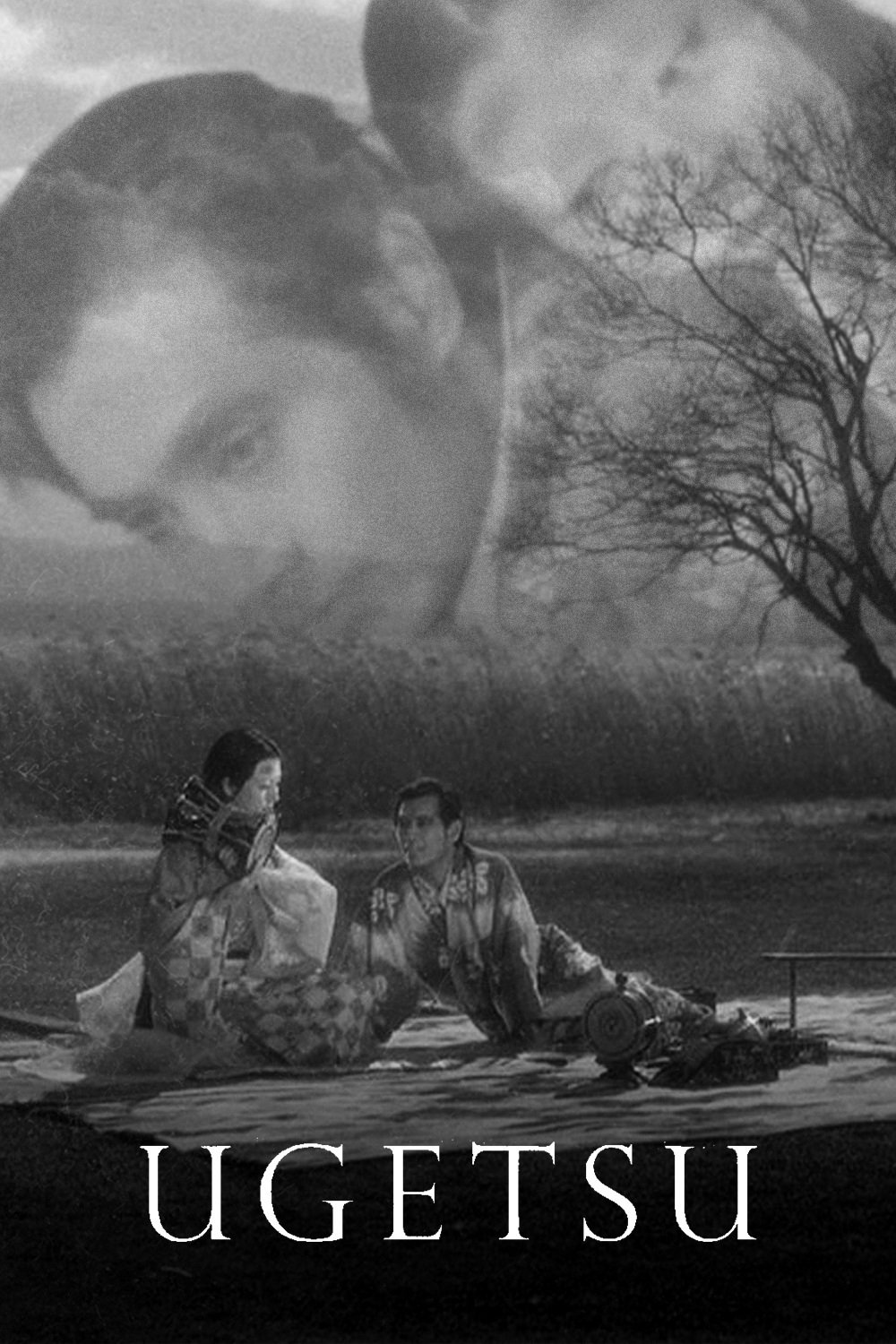
In 16th century Japan, peasants Genjuro and Tobei sell their earthenware pots to a group of soldiers in a nearby village, in defiance of a local sage's warning against seeking to profit from warfare. Genjuro's pursuit of both riches and the mysterious Lady Wakasa, as well as Tobei's desire to become a samurai, run the risk of destroying both themselves and their wives, Miyagi and Ohama.
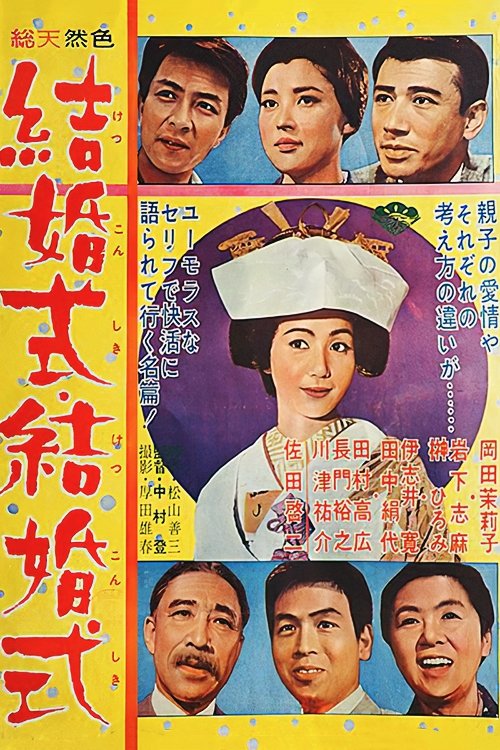
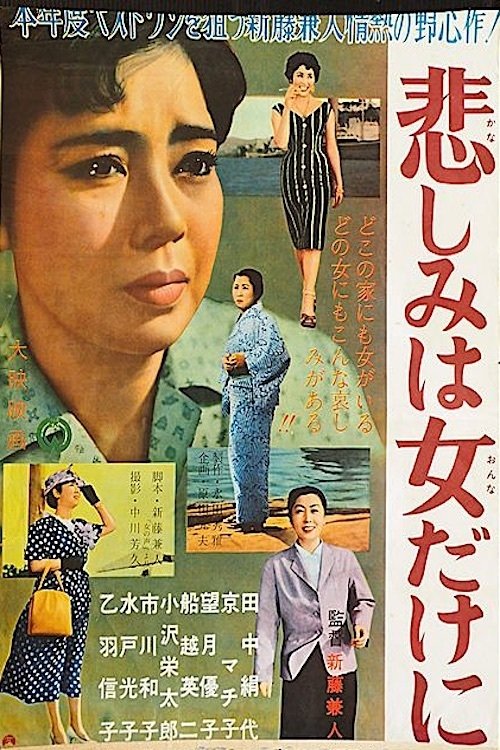
The beauty of the Japanese family system is portrayed through the women who greet a woman who went to America thirty years ago to visit her grave.
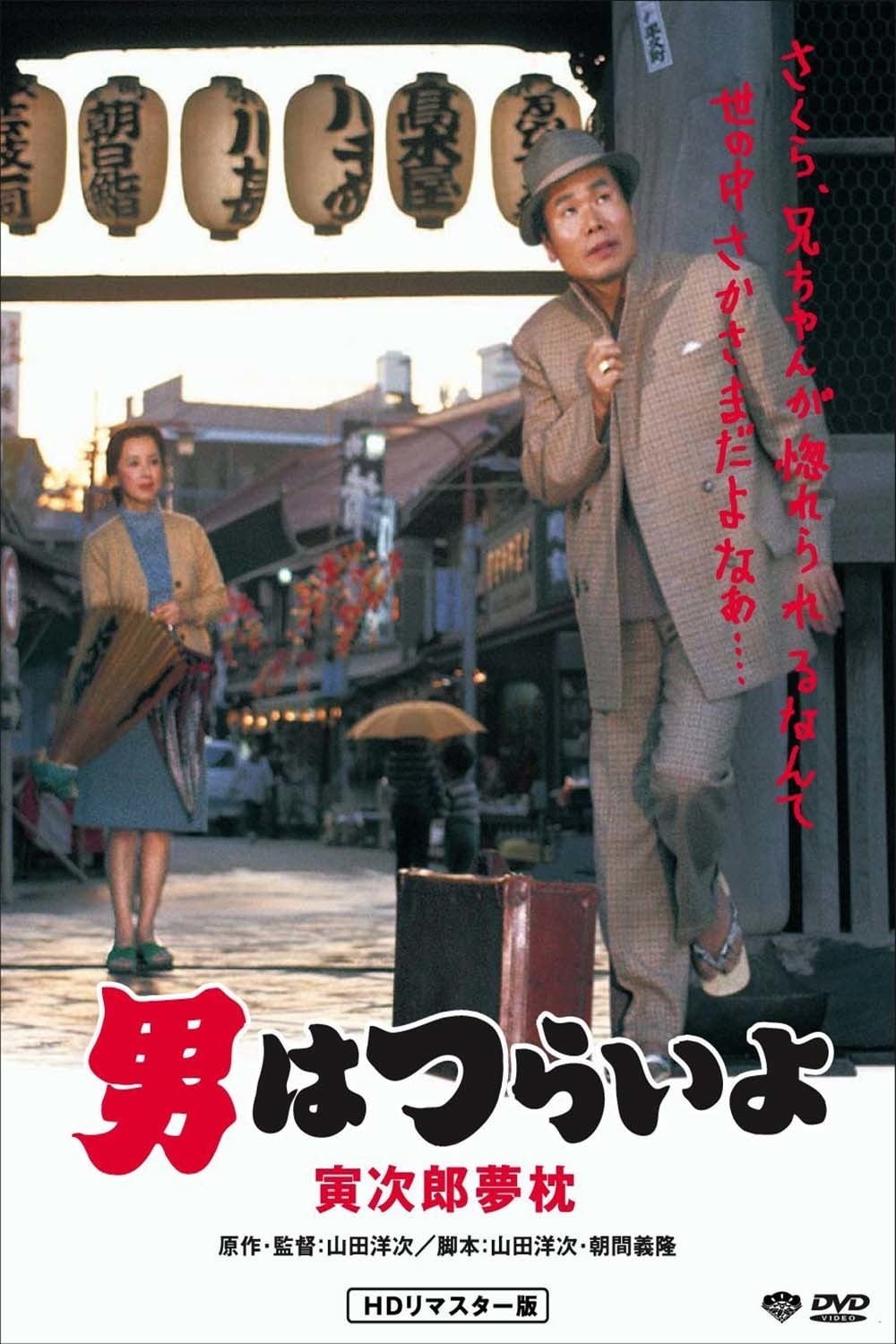
When Tora-san returns to visit his family, he is surprised to find an arrogant professor occupying his room. The professor and Tora-san become rivals for the affection of Chiyo.
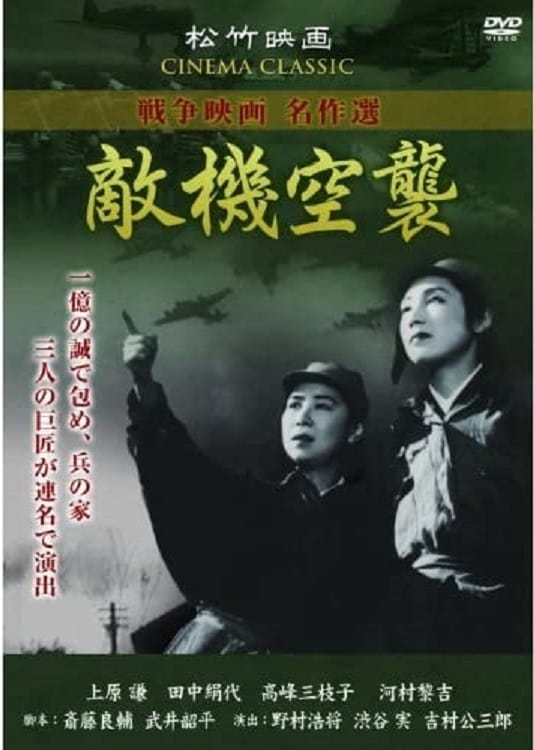
Japanese war movie.
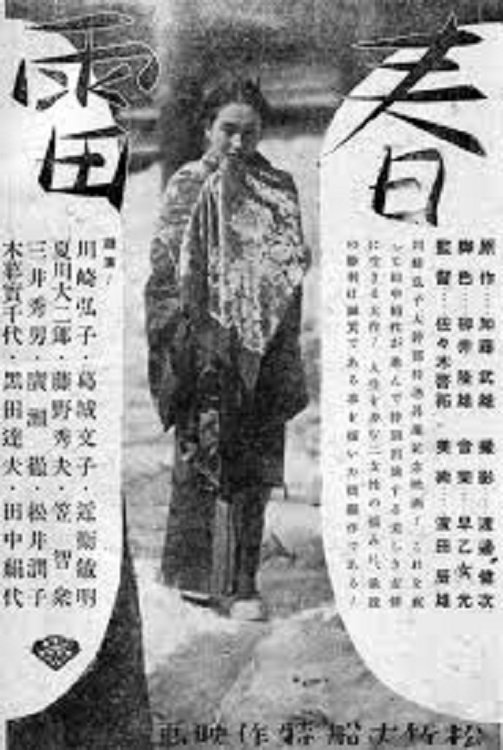
Eiko is an innocent young lady born into a wealthy family with nothing to offer. She was good at singing, and lived her life playing around with her cronies, organizing music concerts and so on. However, things change when her father's business fails and she was suddenly thrown out into the world without any foundation. Eiko has no one to support her after she loses her social status, and her only tutor, Shinnosuke (Natsukawa Daijiro) was the only one who was sincere. Eiko is a stickler for using everything she can get her hands on, and she quickly moves into Shinnosuke's house.
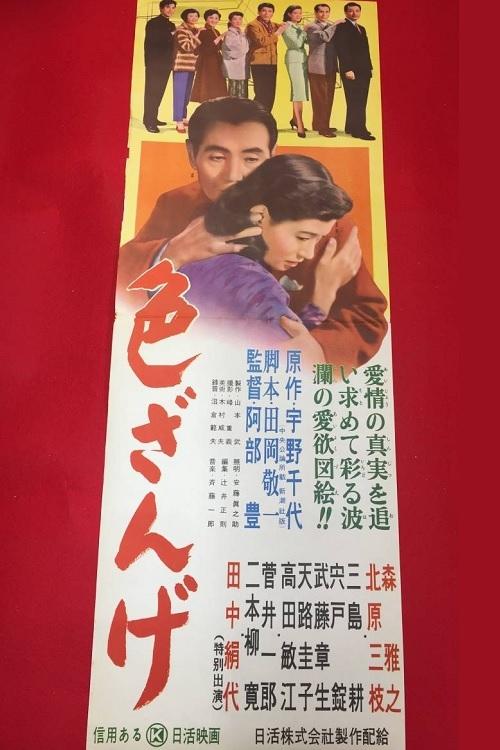
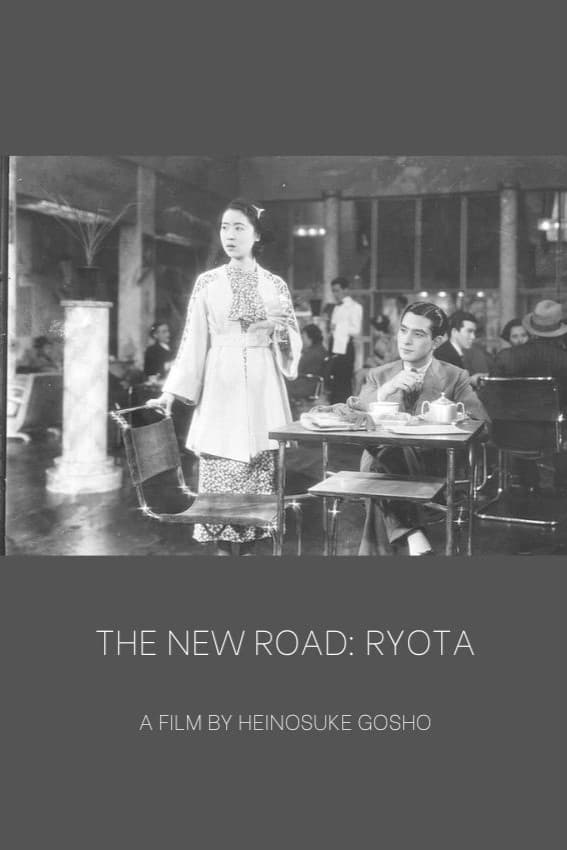
The eldest daughter of a noble family is in love with an aviator while being courted by a fellow aristocrat she thinks is a dullard. Told from the perspective of Ryota. In this second part, we learn that Akemi is pregnant...
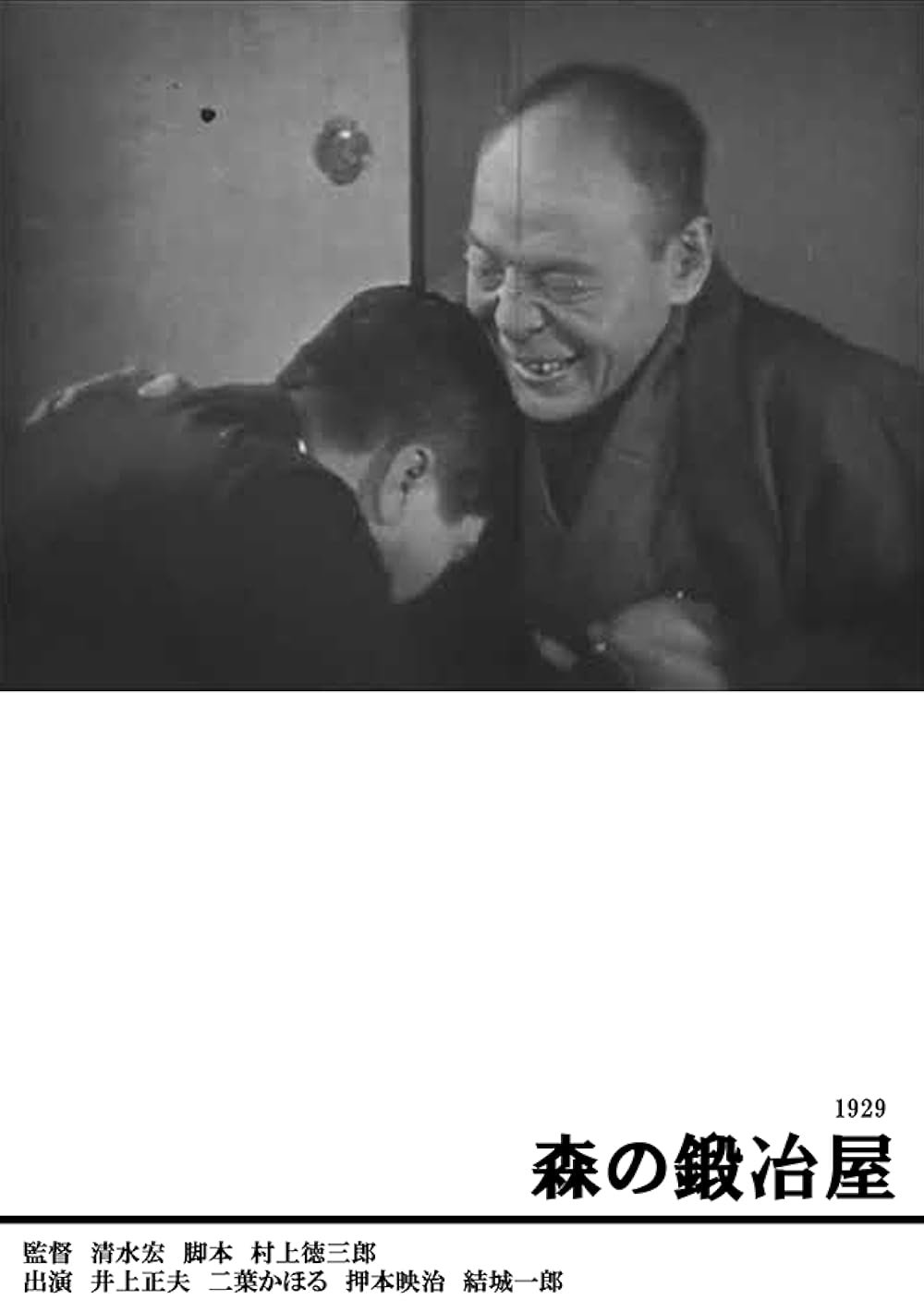
A blacksmith is chased out of the village by the sinister village chief and forced to move to the forest with his wife and two sons. The blacksmith's younger son is disabled, and the other children in the village tease him. The older son aspires to become a doctor in order to fix his brother's leg. The film depicts the bond between a father and his sons. Only 18 minutes survive.
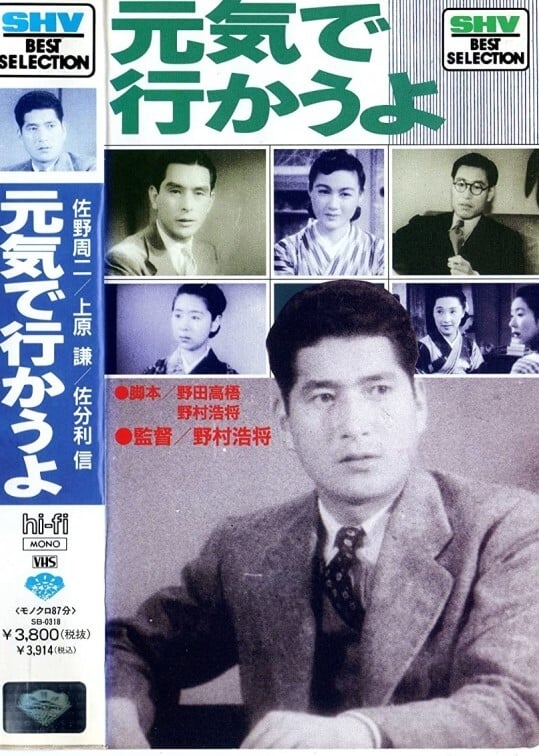
In the movies of those times, you can see young boys in the company scene often. Those boys were called kyuji (給仕), which means “waiter” literally. They are doing odd jobs in the company including serving tea, ushering visitors, buying tobacco, etc. Ordering lunch for the individual requests was also an important job. Those boys were hired often as soon as they graduated from elementary school.
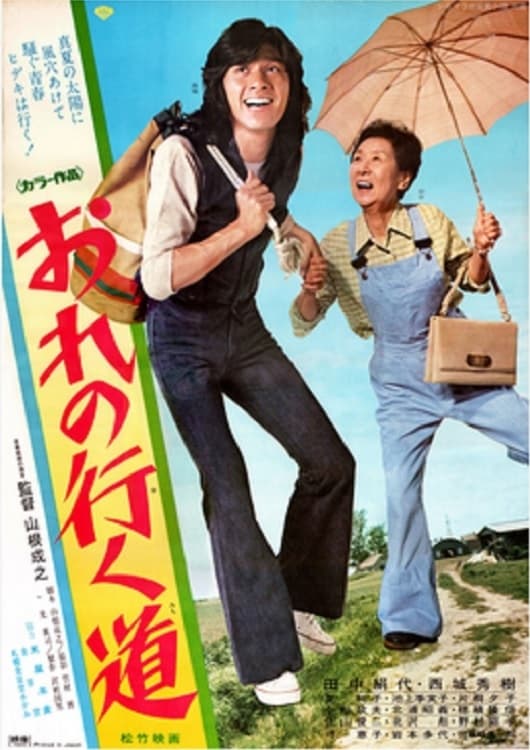
Let's Go, Grandma! plays like an exuberant, goofy update to Yasujiro Ozu's Tokyo Story. Kinuyo Tanaka plays the titular Grandma, who, after selling her Hokkaido property, is apparently flush with cash but newly homeless. Her grown children take turns hosting her, making extravagant performances of filial devotion with an eye to potential profit. Making use of a catalog of wacky visual effects, bracketed by gratuitous ham-fisted fight scenes, and costarring pop singer Hideki Saijo, the film is balanced by Tanaka's nuanced performance, which delivers a denunciation of hypocrisy and greed.

The movie follows a young woman (Kinuyo Tanaka), a daughter of a high-ranking businessman and his neglected mistress, as she struggles to ease her mother's loneliness, while also having an affair with her father's subordinate.
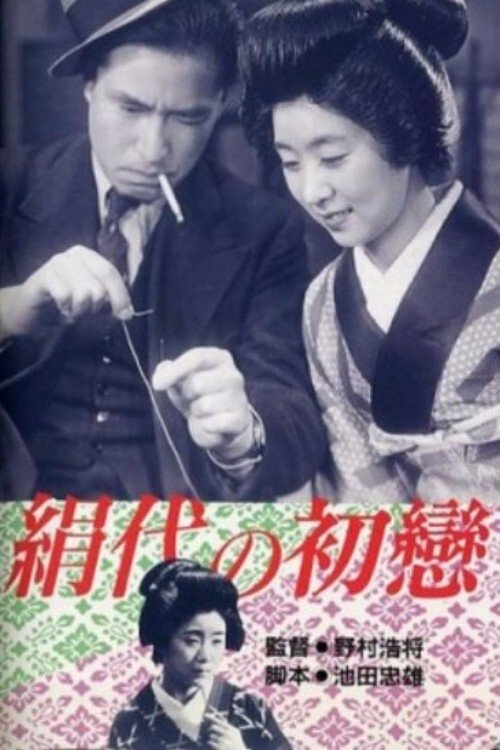
Kinuyo is a daughter of rice cracker shop in downtown. She fell in love with her sister's boyfriend. It is a story whose theme is warm human relationships in a town of customs and manners.
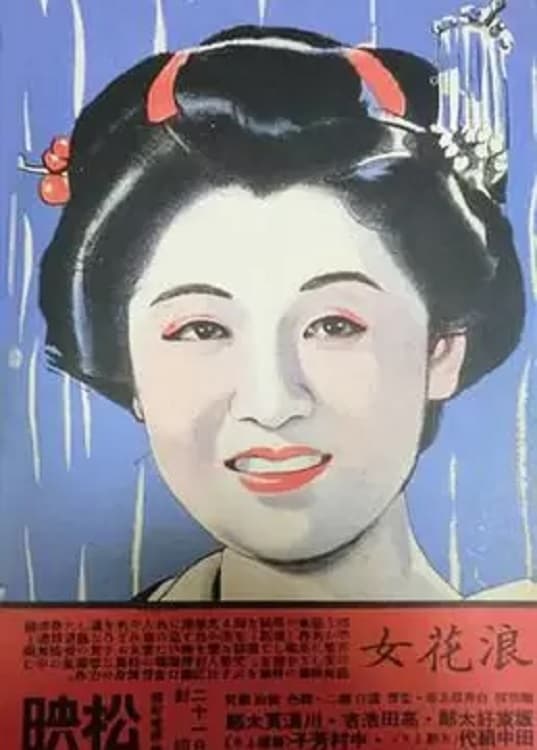
When wealthy Ochika marries desolute Danpei, she devotes herself completely to him and takes over her business, to the point of sowing dissensions within the Jōruri troupe in which her husband plays.
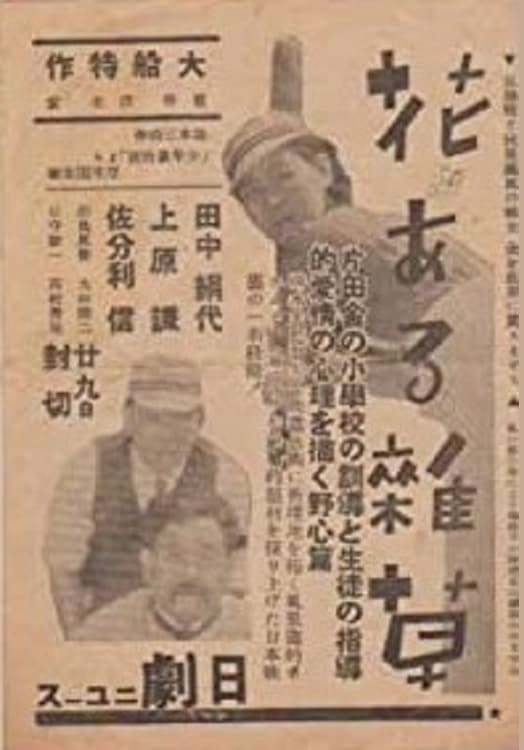
Weed with Flowers
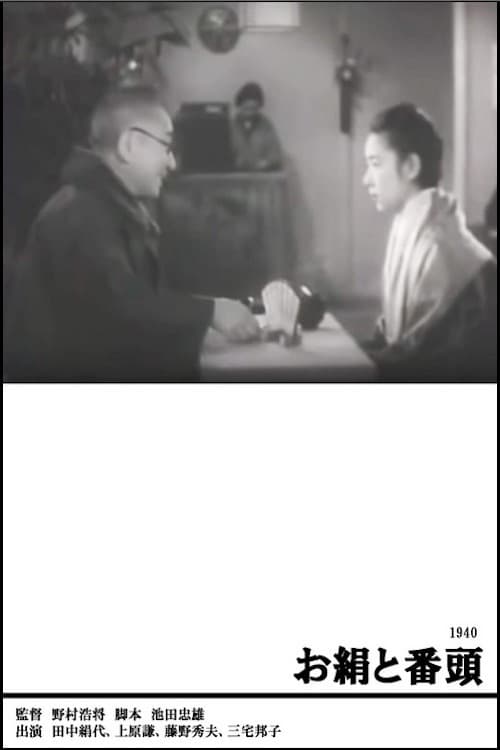
A story of a store that makes Tabi socks.
That Night's Woman
Gensaburo Funaki and Oyuki were childhood friends, but Gensaburo misunderstood that Oyuki was hesitant to get married because he had to feed his father and younger brother. I left the town.
Japanese film from 1924.
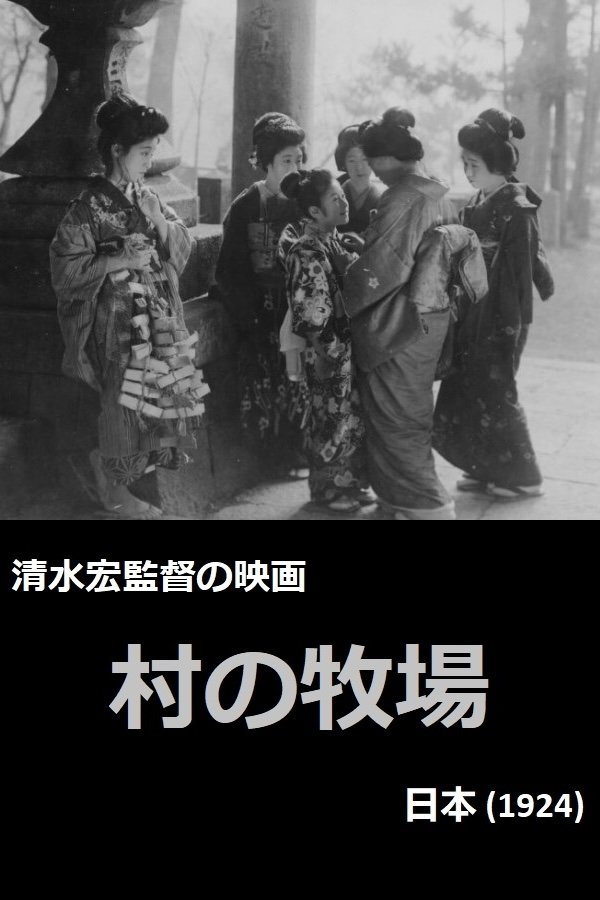
Japanese film from 1924.
Japanese film from 1925.
Japanese film from 1925.
Japanese film from 1925.
Japanese film from 1925.
Japanese silent film from 1925.
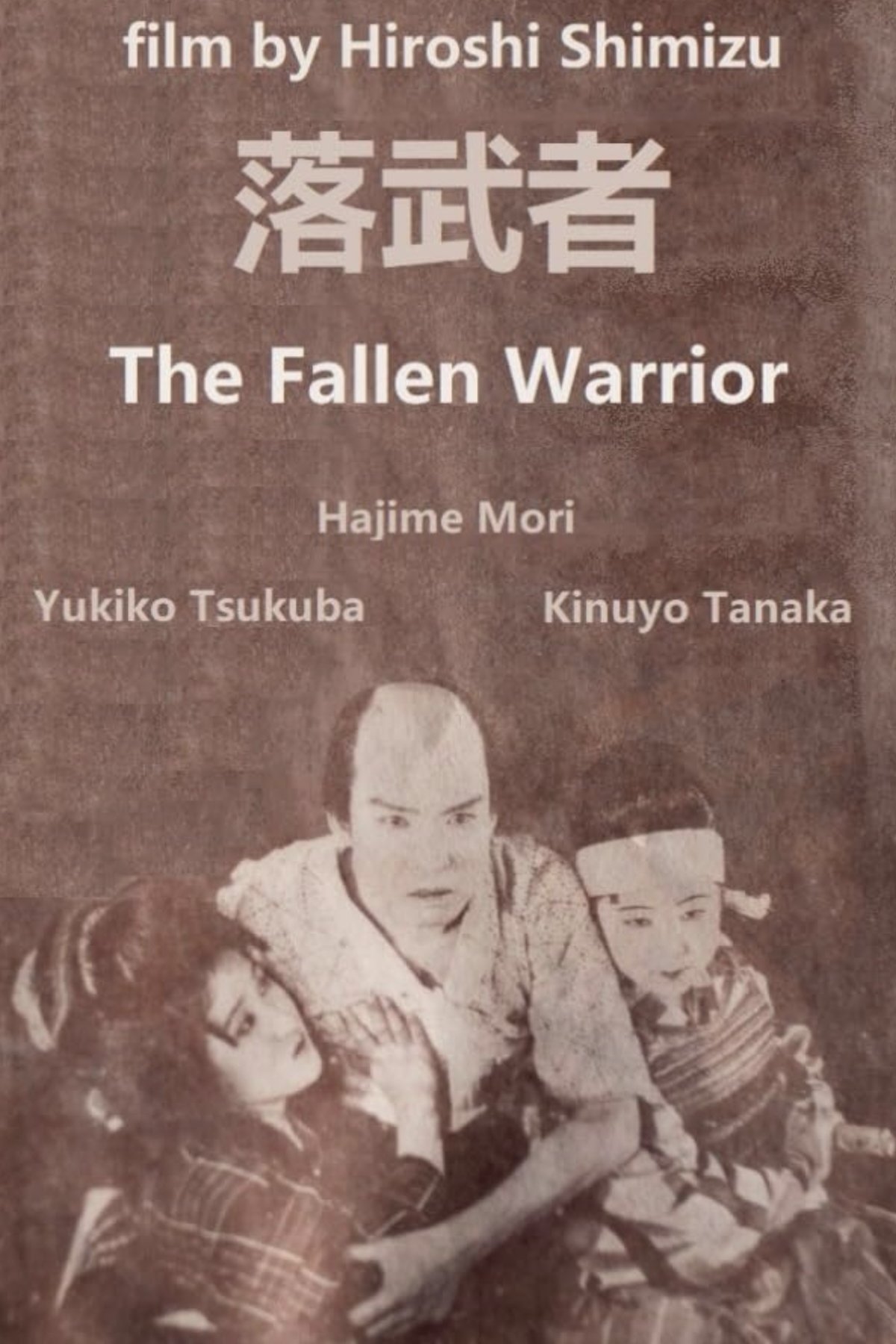
A period drama about samurai who survived a loss in battle. An early jidaegeki by Hiroshi Shimizu.
Early silent film from Hiroshi Shimizu.
Japanese silent film from 1925 featuring Kinuyo Tanaka.
Early Japanese silent film by Hiroshi Shimizu.
Early Japanese silent film directed by Heinosuke Gosho.
Short Japanese silent comedy from 1926. Directed by "Kamata Nonkinosuke," a probable pseudonym for a junior director (literally "Carefree Man from Kamata," the location of Shochiku studios).
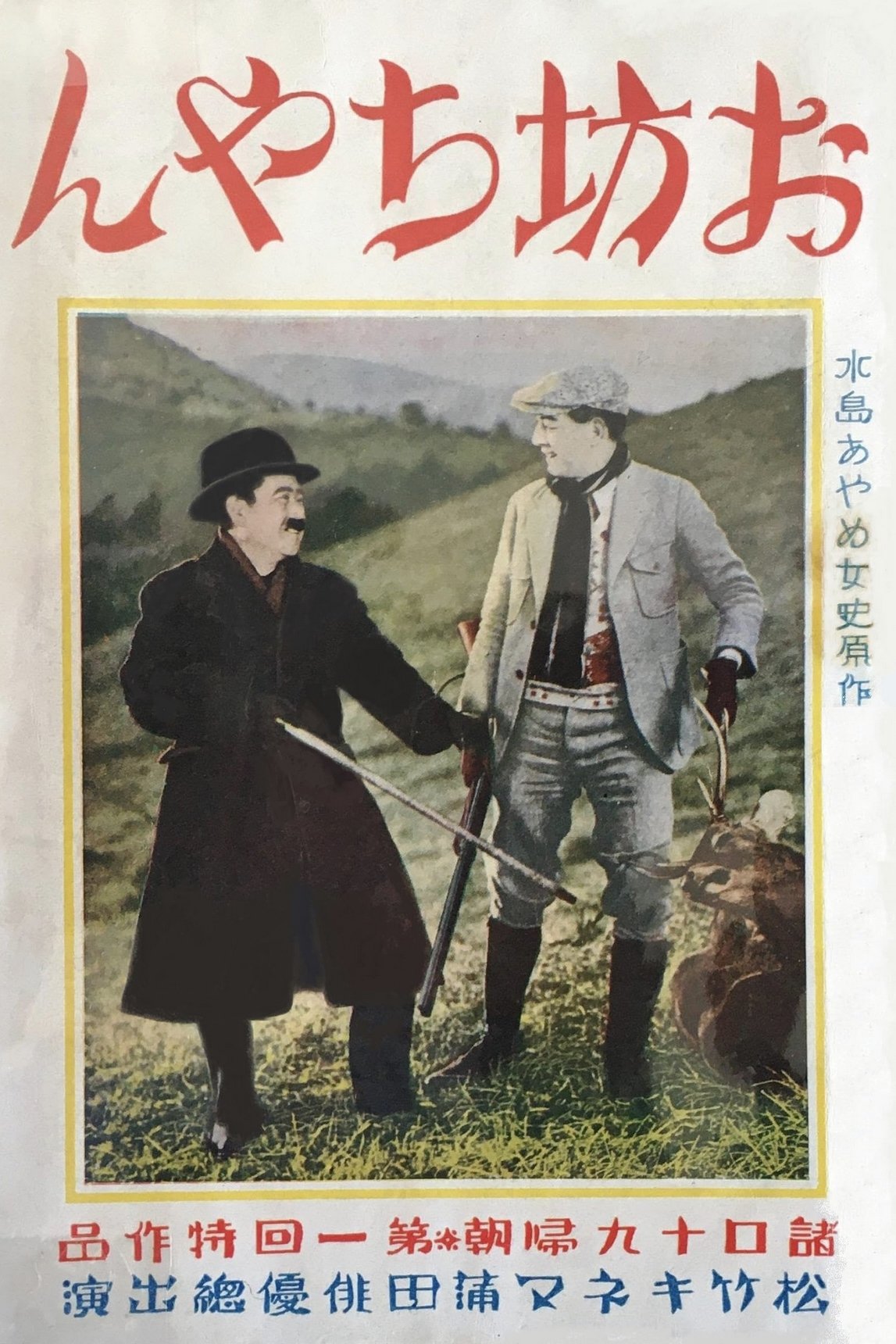
Japanese silent film from 1926. (Obo-chan meaning "Young Master.") Written by Ayame Mizushima, the first female screenwriter in Japan.
Japanese silent film from 1926, directed by Heinosuke Gosho and featuring Kinuyo Tanaka.
1926 jidaigeki (period drama) directed by Hiroshi Shimizu.
Japanese silent film (jidaigeki) from 1926.
1926 jidaigeki from Japan.
A dramatized chapter in the life of Shimizu Jirocho, a famous yakuza boss, gambler, and folk hero of the 1800s.
1926 silent film directed by Heinosuke Gosho.
Silent jidaigeki released on New Year's Eve, 1926.
Japanese silent film from 1926.
Japanese silent drama from 1927.
Japanese silent film from 1927.
Japanese silent film from 1927.
Silent jidaigeki (Japanese samurai film) from 1927.
Japanese silent film from 1927.
Japanese silent film from 1927. A landmark in the careers of two up-and-coming stars: director Heinosuke Gosho and, newly promoted to a starring role, seventeen-year-old Kinuyo Tanaka.
Japanese jidaigeki from 1927.
Japanese contemporary drama from 1927.
Japanese silent film from 1927, based on a popular serialized novel by Kan Kikuchi.
Japanese silent jidaigeki from 1927.
Japanese jidaigeki from 1927. The titular character's nickname may suggest agility, stealth, or other outstanding skills.
Japanese silent film from 1927.
Japanese silent film from 1927.
Japanese silent film from 1928.
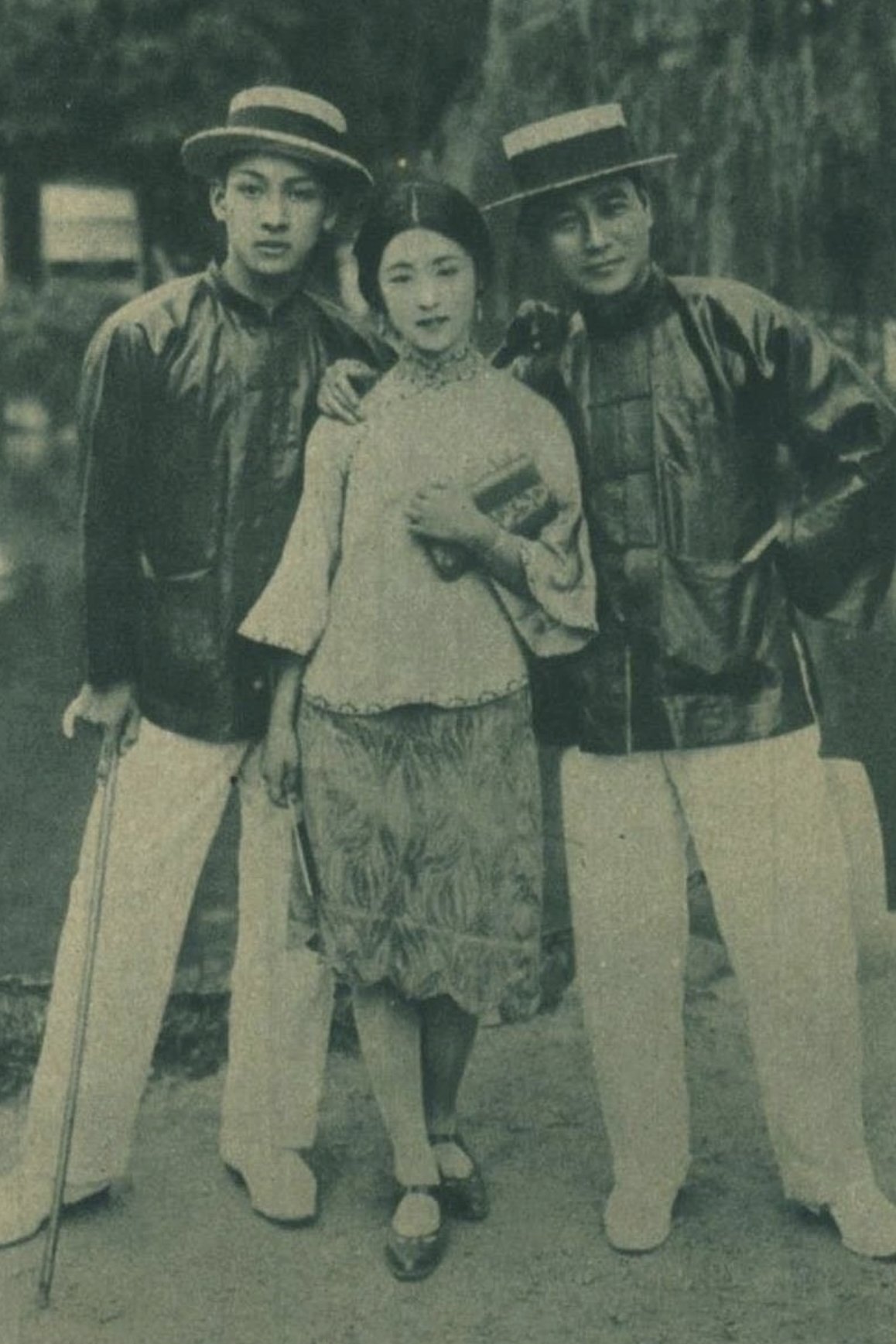
Japanese silent film from 1928, co-starring Chojiro Hayashi and up-and-coming actress Kinuyo Tanaka.
Japanese silent film from 1928.
Japanese silent film from 1928.
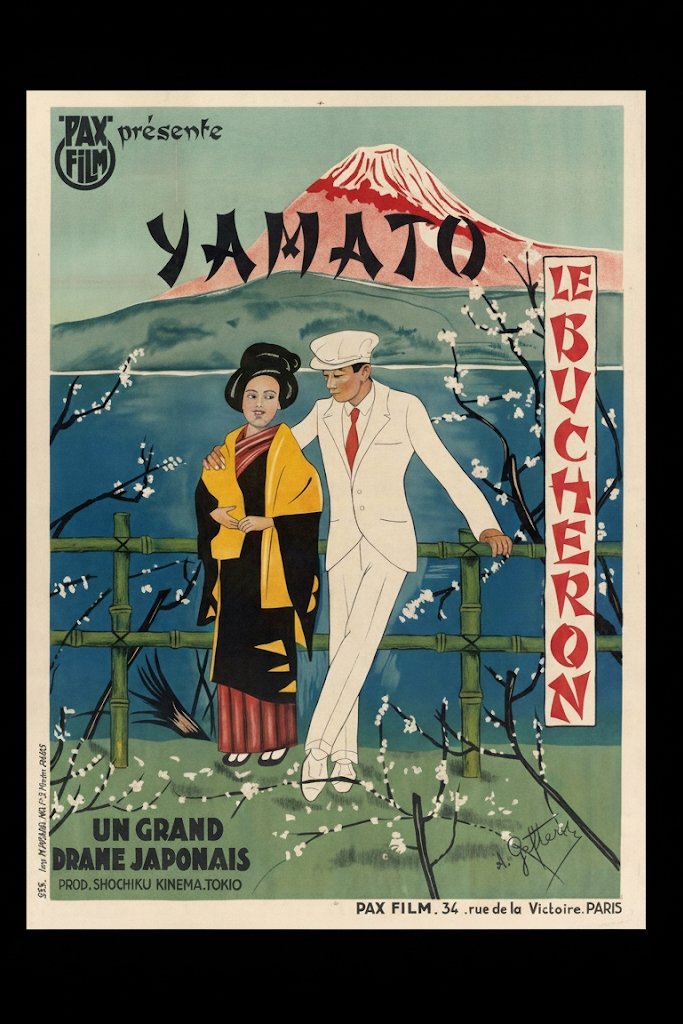
The logger Yamato has been raising his daughter alone since his wife died in childbirth. The baron who owns the forests where he works convinces him to let him adopt the child, despite his reluctance. Fifteen years of age pass without Yamato seeing his daughter again.
After being separated from their parents in childhood and left as orphans, Kyōko and Namiko were raised with the love of their aunt and grew into beautiful women who attracted the attention of many. Yet the chaste and gentle elder sister, Kyōko, somehow came to be called the “Iron Maiden.” When Namiko asked her about it, Kyōko would only say, “No matter what the world says, you are the only one I trust.” There was a reason for Kyōko’s transformation. One night, after seeing off Shinji, who had come to visit their ailing aunt, a man named Hayakawa assaulted Kyōko on her way home. Wounded, she chose to bear the title “Iron Maiden” herself. She also resolved in her heart to leave the inheritance of her aunt’s house to her younger sister. But then, Namiko appeared before Kyōko, intending to introduce a suitor. To Kyōko’s shock, it was none other than her rapist. Kyōko resolved to protect her sister at all costs.
Japanese silent film from 1928.
Japanese silent film from 1928.
Hirano's wife Yasuko had grown weary of her life of poverty. Her feelings of dissatisfaction deepened when she met her elegantly dressed friend Hanako. When Yasuko asked Hanako for advice, Hanako spoke at length about the restrictions and meaninglessness of married life and encouraged Yasuko to divorce her husband. Persuaded by Hanako’s words, Yasuko divorced Hirano and, hoping to emulate Hanako, adorned herself in fine clothes, applied heavy makeup, and sought to revel in her newfound freedom. But instead of admiration, she was met with ridicule and contempt. Even her attempts to gain recognition from magazines like Hanako’s went unanswered. She applied to work as a café waitress but was rejected, and when she became an office clerk at a company advertised publicly, she was treated as a nuisance. After being tossed about by these setbacks, Yasuko finally came to understand the love of her husband, Hirano.
Japanese silent comedy from 1928.
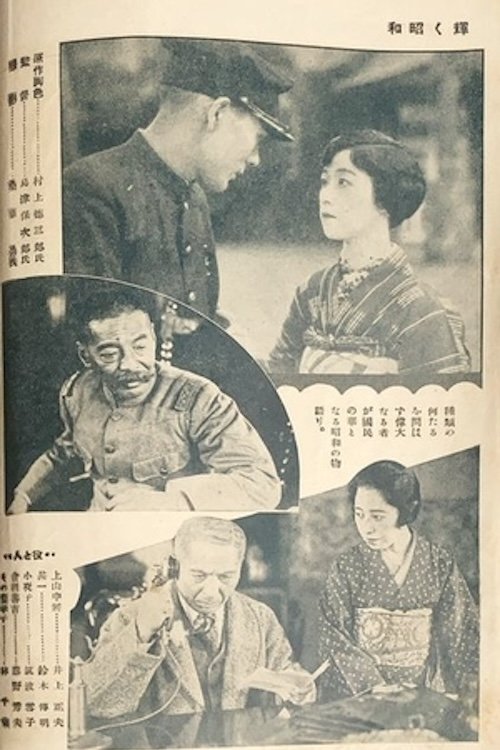
Japanese silent film from 1928.
Japanese silent film from 1928.
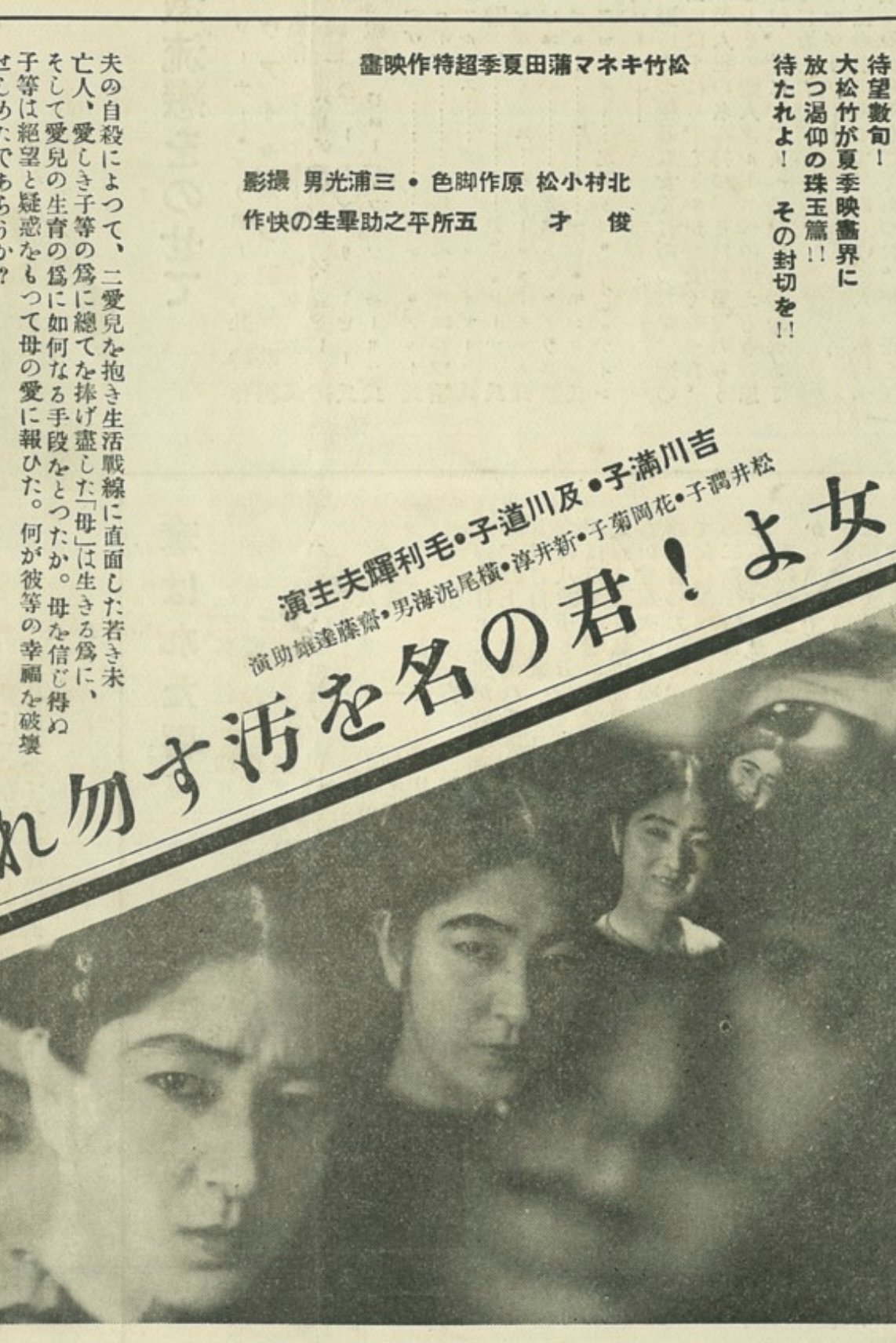
Because of her husband’s suicide, a young widow finds herself suddenly cast into a life of solitude, with only her beloved child in her arms. At first, her pure devotion is directed toward the memory of her late husband, but before long it transforms into a fierce, consuming love for her child. That very love, however, drives her onto a perilous path, leading inexorably toward the tragic fate of a doomed flower. Ah, Mother! For what sin must you endure the scourge of the world? This work is offered in silence and reverence—above all to mothers everywhere. [Adapted from the promotional poster.]
Japanese silent film from 1929.
Japanese silent film from 1929.
Japanese silent film from 1929.
A feature-length work based on Kan Kikuchi’s newspaper novel, adapted for the screen by Kōgo Noda. With performances by stars such as Shizue Ryūda, Kinuyo Tanaka, and Yukiko Tsukuba, alongside handsome leading men like Shin’ichirō Komura, Hikaru Yamauchi, and Ichirō Yūki, the film outshone its contemporaries. The collaboration between director Heinosuke Gosho and cinematographer Mitsuo Miura, recently returned from America, gave rise to a work of first-class quality in the Japanese film world, distinguished by its brilliance and delicacy.
Japanese silent film from 1929.
Japanese silent film from 1929.
Japanese silent film from 1929.
Japanese silent comedy from 1930. The directorial debut of Hiromasa Nomura.
Shirō Kuroki, the adopted son of the Yamada family, shares a deep and mutual love with his foster sister, Kinuko Yamada. His commitment to political and social causes, however, provokes the anger of his foster father, who casts him out of the household. Forced into exile, Shirō faces hardship and struggle. The film was based on a serialized novel written by the poet Byakuren (real name Akiko Yanagiwara) and echoes the real-life scandal known as the Byakuren incident.
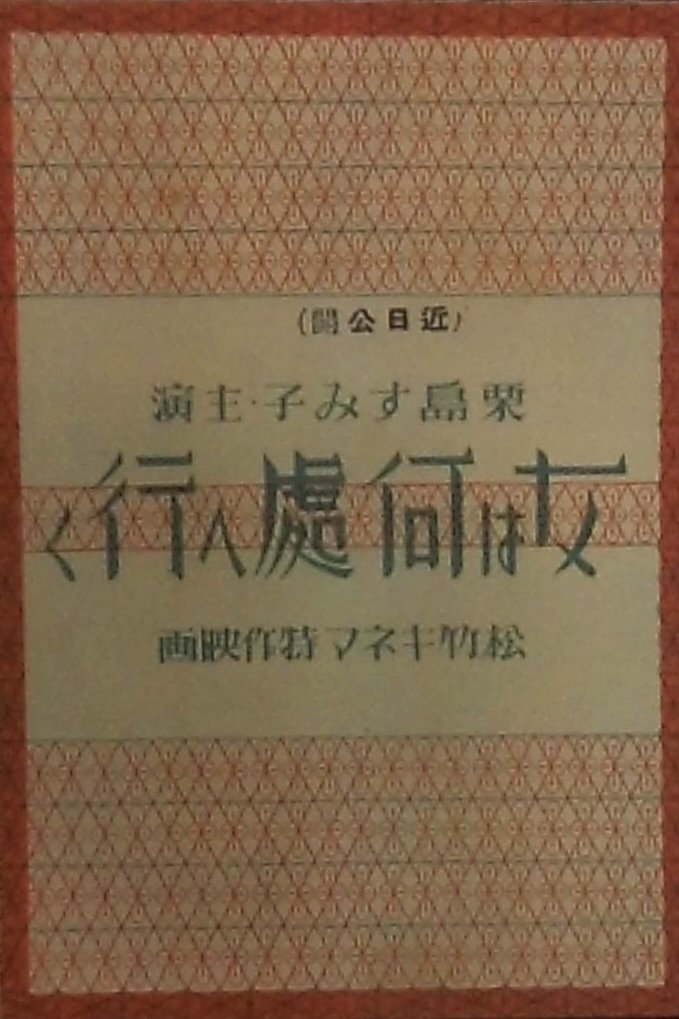
Japanese silent film from 1930 with an acclaimed performance by Sumiko Kurishima.
Japanese silent film from 1930.
Japanese silent film from 1930. The second chapter of "The Big City: Labor" (1929).
Japanese silent film from 1930.
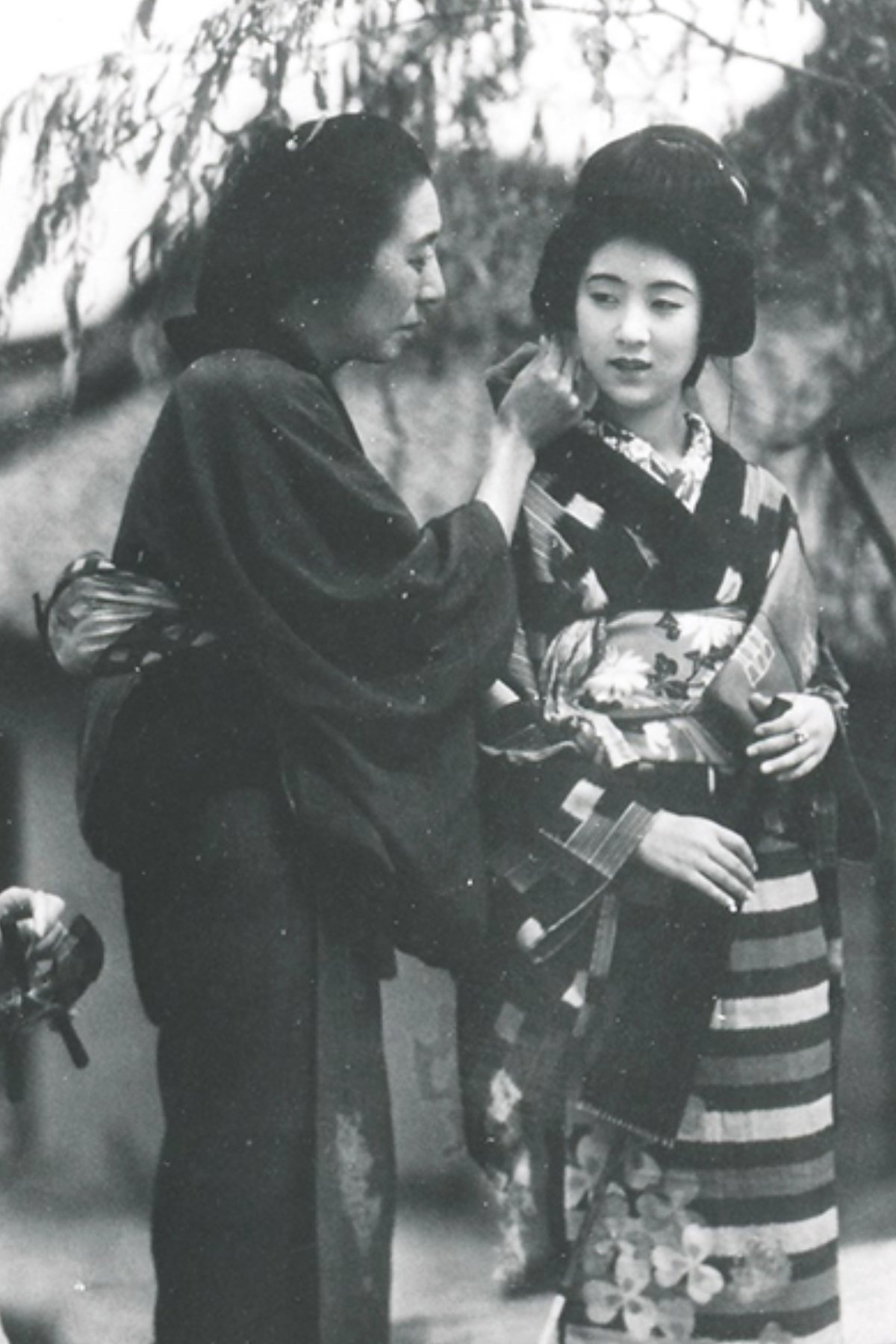
Japanese silent film from 1930. Directed by Heinosuke Gosho, the film marked a new stage in the artistry of Kinuyo Tanaka, earning acclaim strong enough to greatly expand her following as a leading actress.
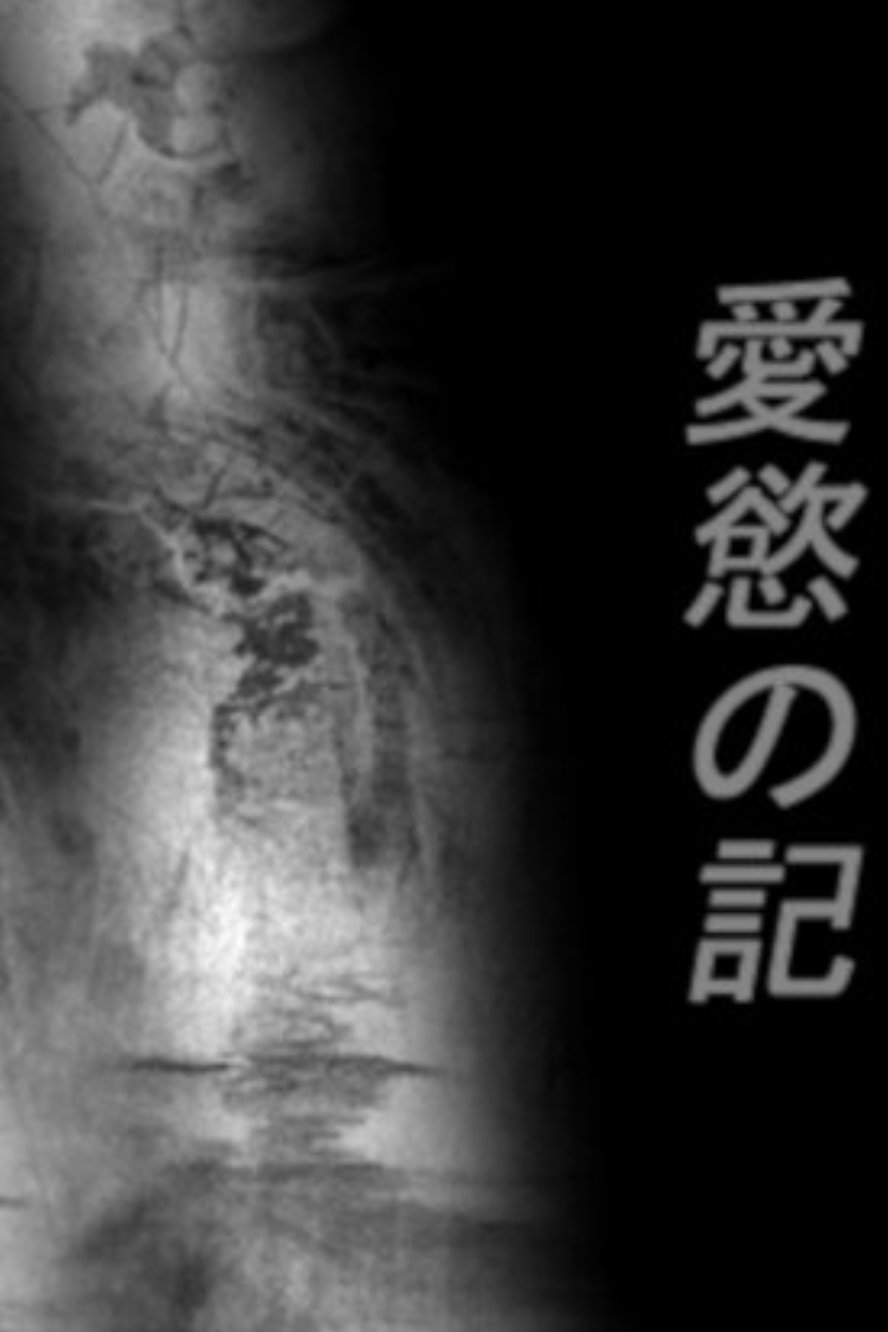
Record of Love and Desire a.k.a. Desire of Night (愛慾の記[b], Aiyoku no ki; lit. "Memories of Love and Desire") is a 1930 Japanese silent film directed by Heinosuke Gosho, starring Kinuyo Tanaka and Ichirō Yuki.
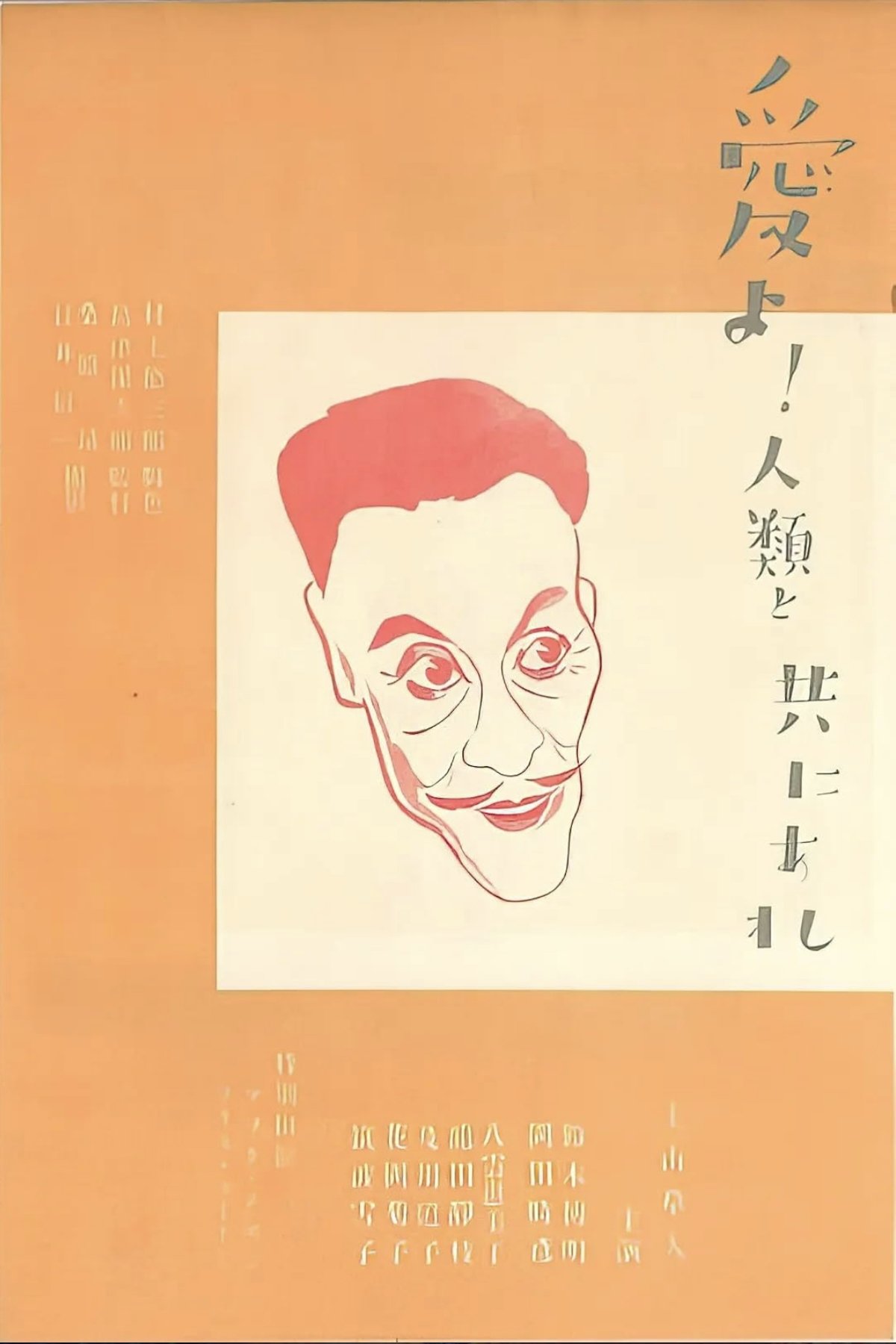
The three-hour Ai yo jinrui to tomo ni are / Love, Be with Humanity (1931) starts as a satire of alienation in the world of money, develops into a lumberland epic with a forest fire on Sakhalin Island, turns into a tragedy of King Lear dimensions, and manages to amaze the blasé audience with a happy end in the Wild West.
The three-hour Ai yo jinrui to tomo ni are / Love, Be with Humanity (1931) starts as a satire of alienation in the world of money, develops into a lumberland epic with a forest fire on Sakhalin Island, turns into a tragedy of King Lear dimensions, and manages to amaze the blasé audience with a happy end in the Wild West.
Japanese silent film from 1931.
Japanese silent film from 1931.
Japanese silent film from 1931.
Japanese silent film from 1931.
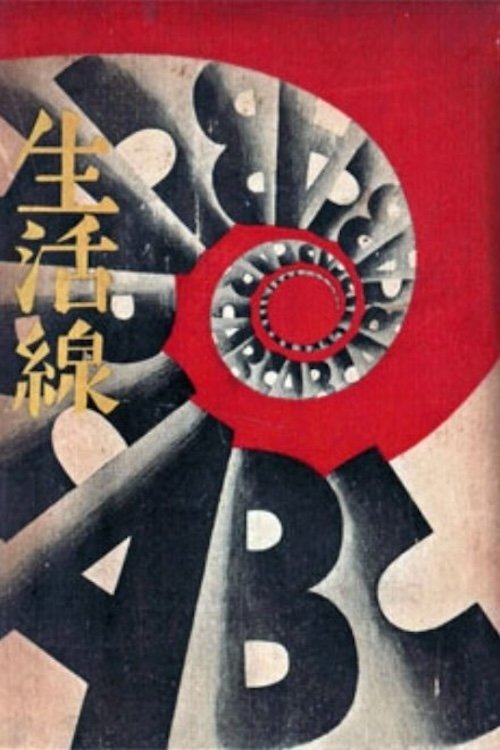
First chapter of Tasujiro Shimazu's ABC Lifeline, released two months before ABC Lifeline: Part 1 and ABC Lifeline: Part 2.
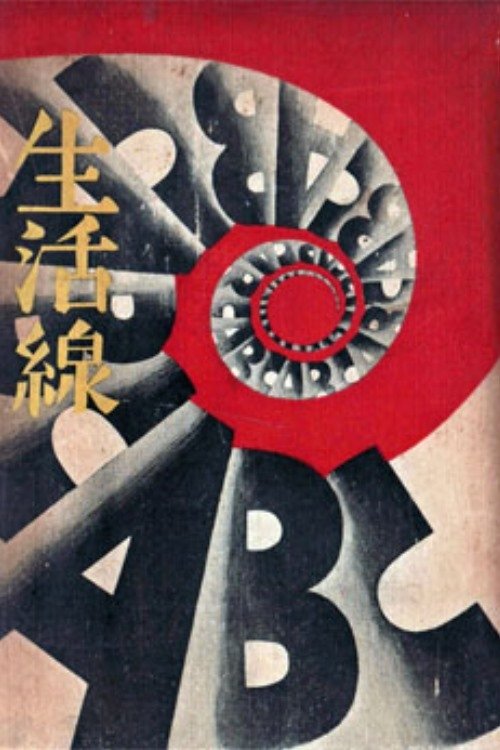
Japanese silent film directed by Yasujirô Shimazu, originally released as a two-part movie on December 11, 1931.
Lost Japanese silent film from 1931.
Kan’ichi Hazama and Omiya Shigisawa are engaged to be married, but Omiya breaks the engagement to marry a wealthy banker’s son. Heartbroken, Kan’ichi becomes a moneylender, and years later their paths cross again under changed circumstances. Adapted from a popular serialized novel of the same name.
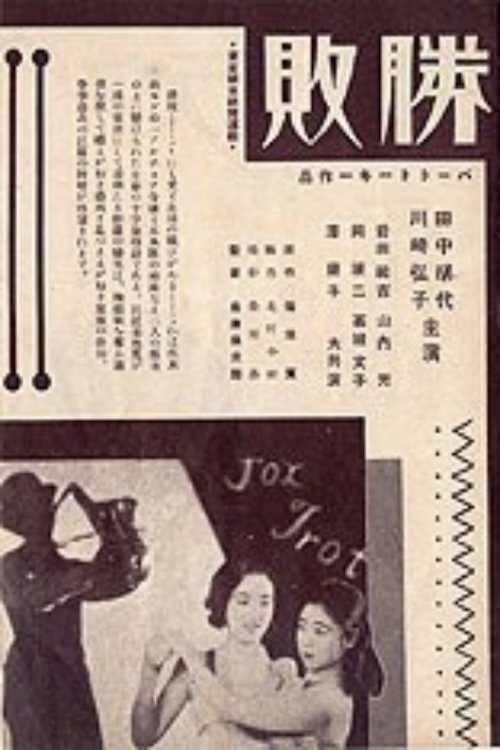
Japanese film from 1932, adapted from the novel by Kan Kikuchi. The first sound film from director Yasujiro Shimazu.
Japanese film from 1932.
Japanese film from 1932.
The Japanese debut film of silent-era star Sessue Hayakawa, in which he not only starred but directed.
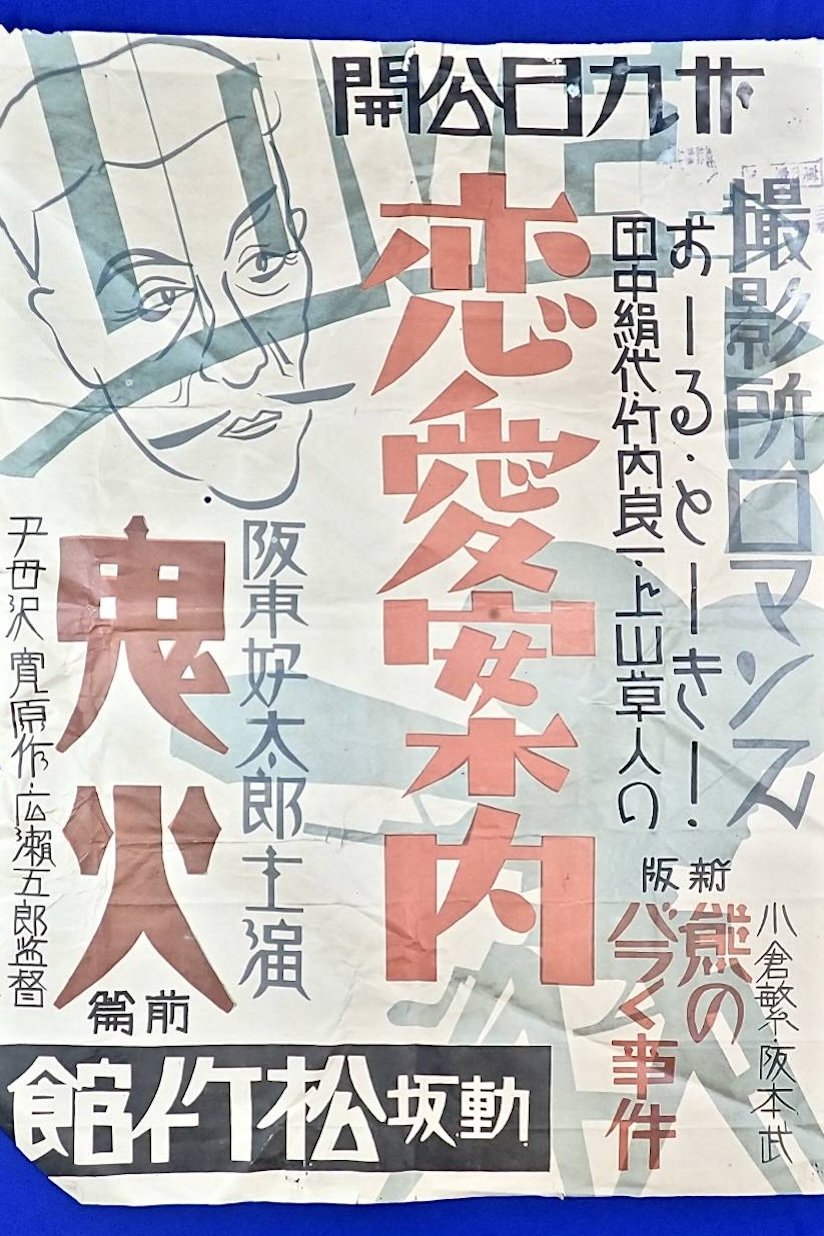
Japanese film from 1932.
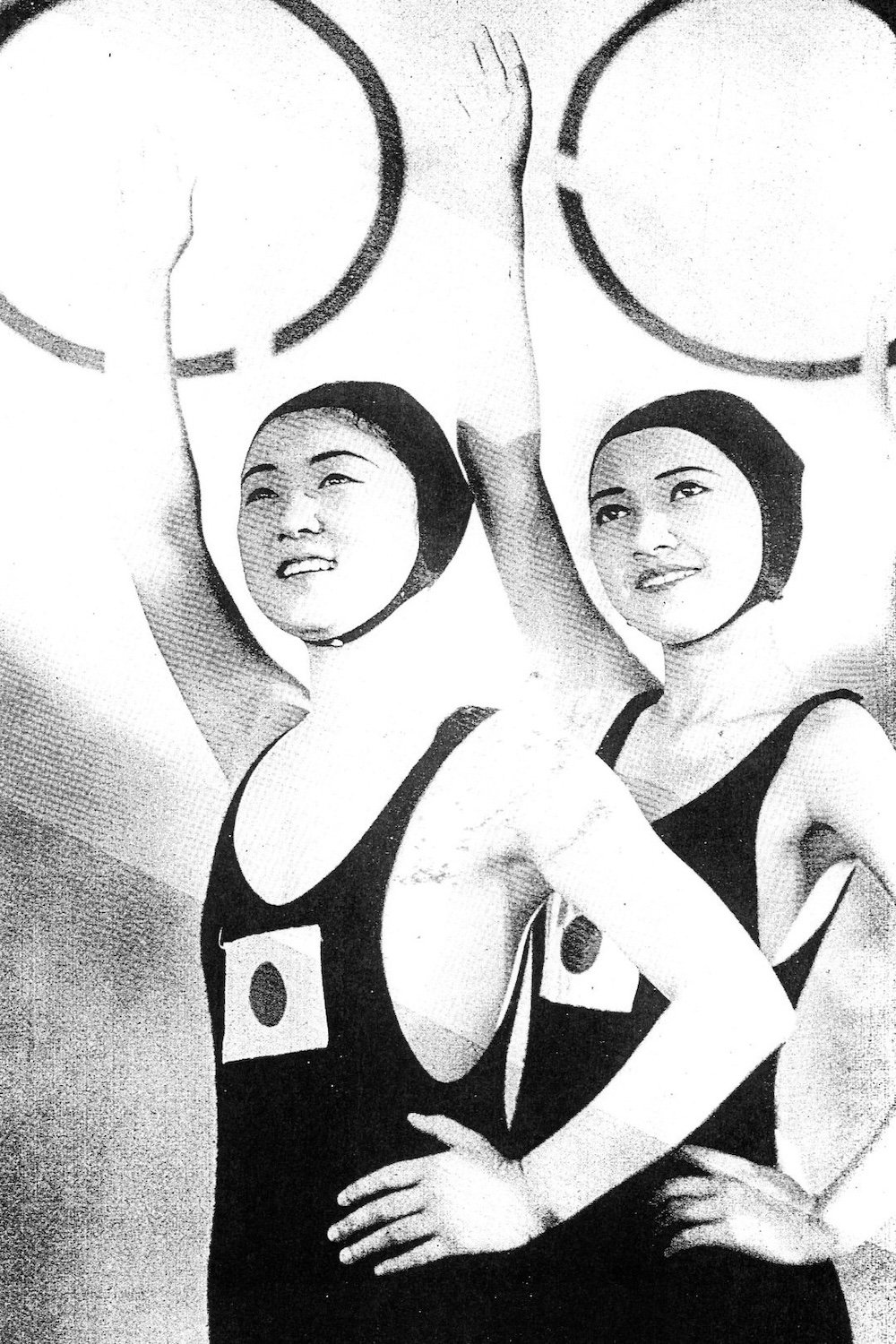
Shigeko and Midori, star swimmers at the renowned Kirishima Girls’ School, are training relentlessly with their sights set on the Los Angeles Olympics. But for the past week, Shigeko has been absent from practice. Her father has fallen ill, and to support her family’s struggling finances, she has secretly taken a job at a trading company. When Masao discovers this, he asks Midori to convince her to return, but soon the school learns of her secret. The students rally to raise funds, though the principal refuses their help, promising instead to handle the situation himself. Shigeko resumes training and travels to Tokyo for the qualifying meet. She touches the wall first in the 100-meter freestyle—only to receive news of her father’s passing. Overcome with grief, she collapses, cared for by Midori, whose own exhaustion leaves her finishing fourth. Despite these hardships, their prior accomplishments earn them a place on Japan’s Olympic team.
Japanese silent film from 1932.
Japanese silent film from 1932.
Tsukamoto and Omitsu are close friends, but one day, Tsukamoto becomes fascinated by Ayako, whom he meets at the home of Miyajima.
Japanese film from 1933, adapted from a story serialized in the entertainment magazine "Fuji."
Japanese silent film from 1933.
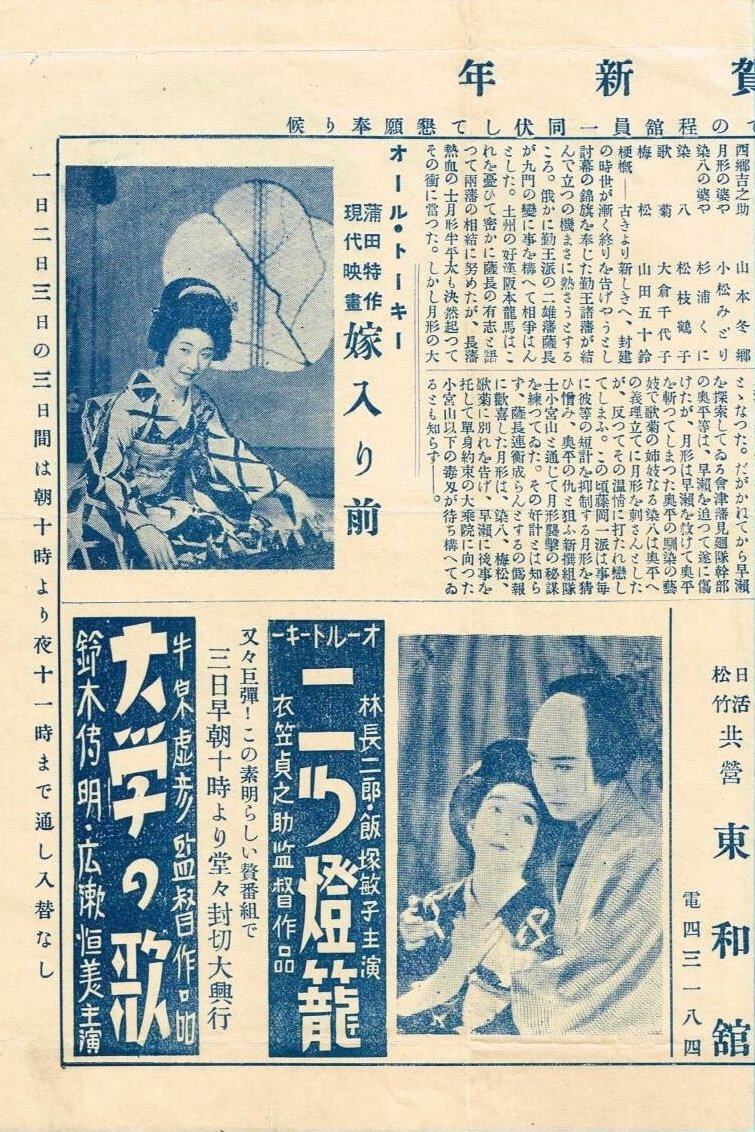
Japanese home drama starring Kinuyo Tanaka.
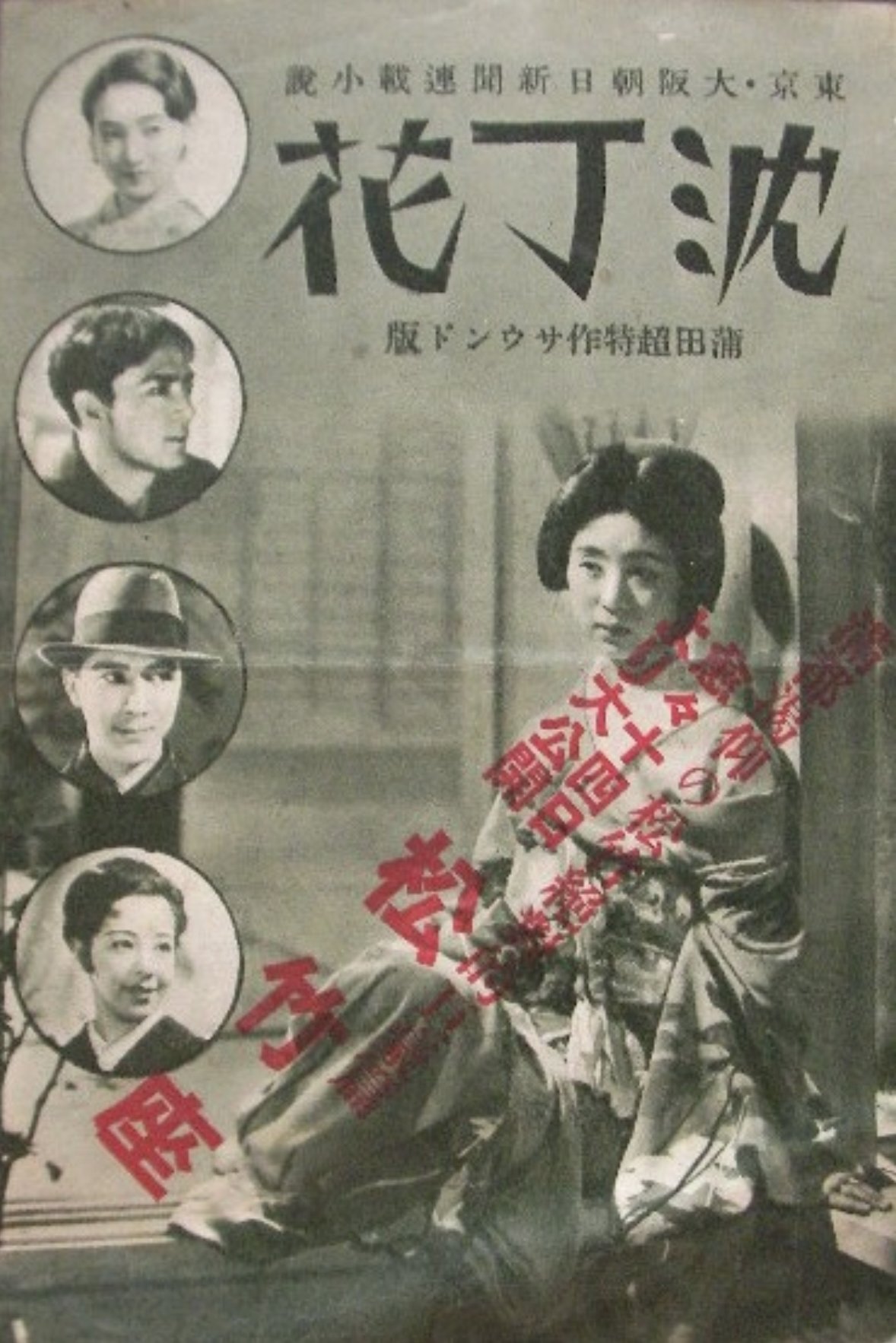
Japanese film from 1933, adapted from Masao Kume's serialized newspaper novel.
Japanese drama from 1934. A major production of Shochiku Studio, directed by Hiroshi Shimizu.
Sakura Ondo was a sound adaptation based on a popular 1934 song, produced at the Shochiku Kamata Studio as part of a five-studio competition to create a film based on the same tune.
Japanese film from 1934, based on a novel by Itsuma Maki (real name Kaitarō Hasegawa).
Japanese film from 1934, based on a novel by Itsuma Maki (real name Kaitarō Hasegawa).
Japanese film from 1934.
Japanese movie from 1934. The final film of director Hôtei Nomura, who died from a stroke suffered at a screening of this film.
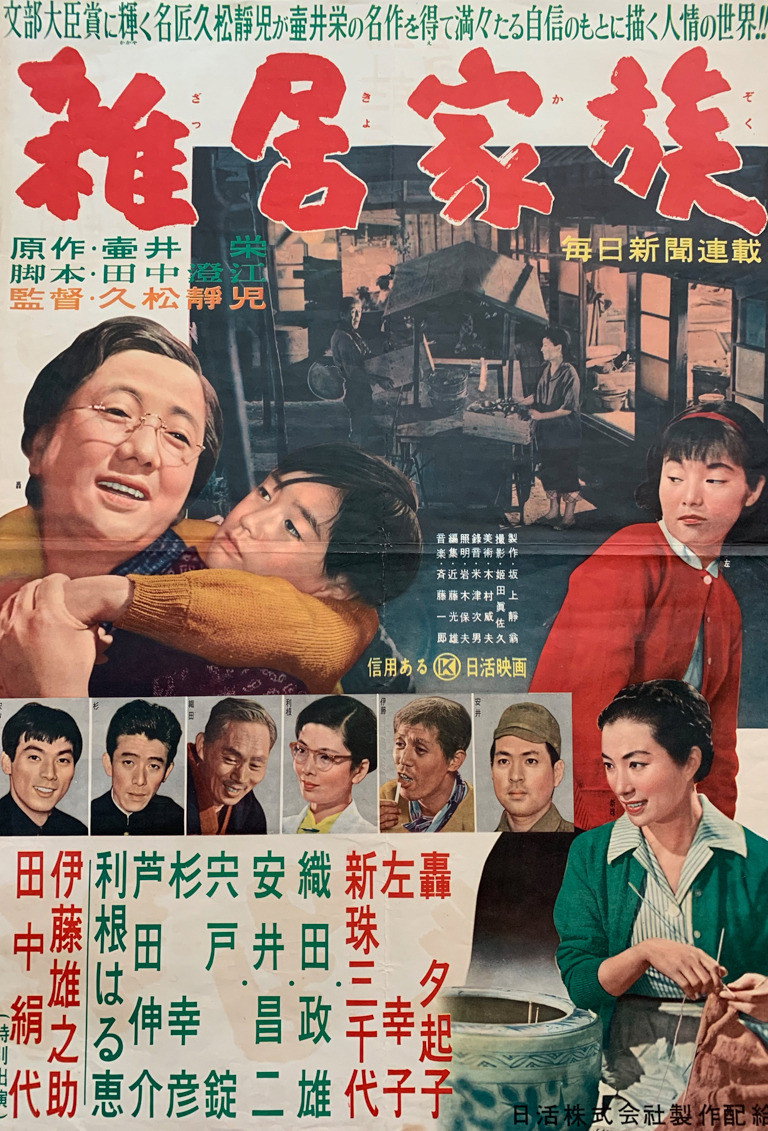
Yasue (Todoroki) and Fumikichi (Oda), a married couple, have no children, but they take in children from other places and wind up raising three kids.