
Der Stolz der Firma, meaning The Pride of the Business, is a classic German silent film from 1914. The film tells the story of a shrewd apprentice and is filmed in the comical style of director Lubitsch. This is one of the few Lubitsch films from World War I that wasn’t lost.

Film journalist and critic Rüdiger Suchsland examines German cinema from 1919, when the Republic of Weimar is born, to 1933, when the Nazis come into power. (Followed by Hitler's Hollywood, 2017.)
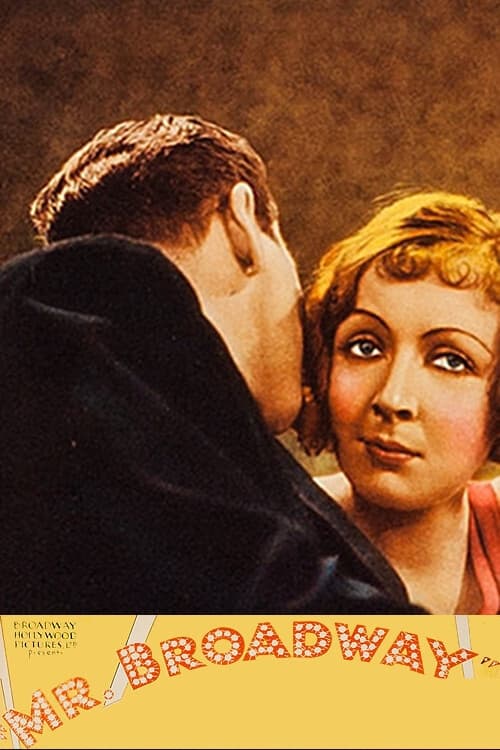
Ed Sullivan shows night spots all over New York in this movie, joking and listening to stories the patrons tell.

The favorite slave girl of a tyrannical sheik falls in love with a cloth merchant. Meanwhile, a hunchback clown suffers unrequited love for a traveling dancer who wants to join the harem.

Based on the 1856 Gustav Räder play Robert and Bertram about the adventures of two wandering vagrants, which has been turned into films on several occasions.
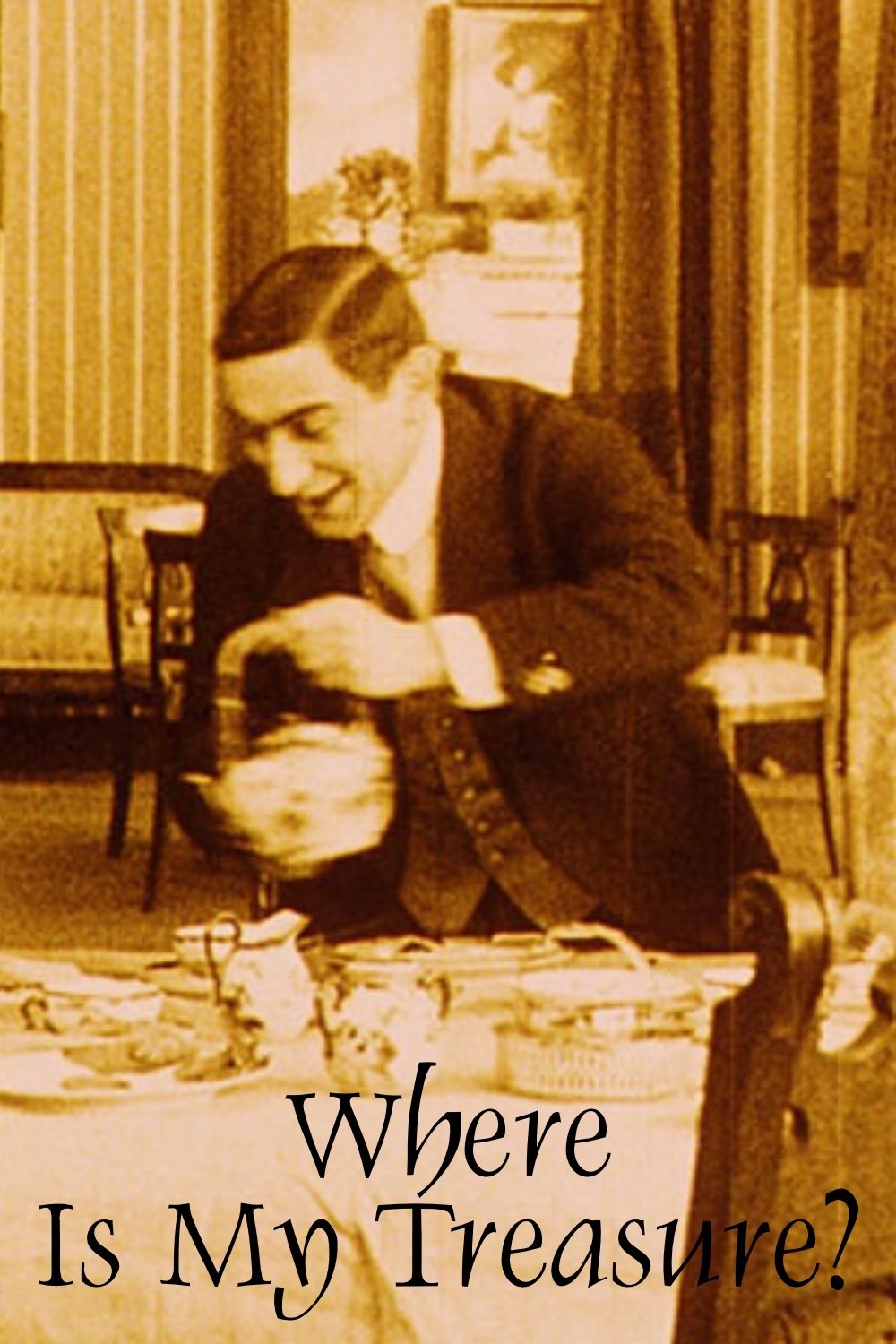
Because Ernst feels oppressed by his wife and her mother, he fakes his suicide and hires in his own household disguised as a servant.
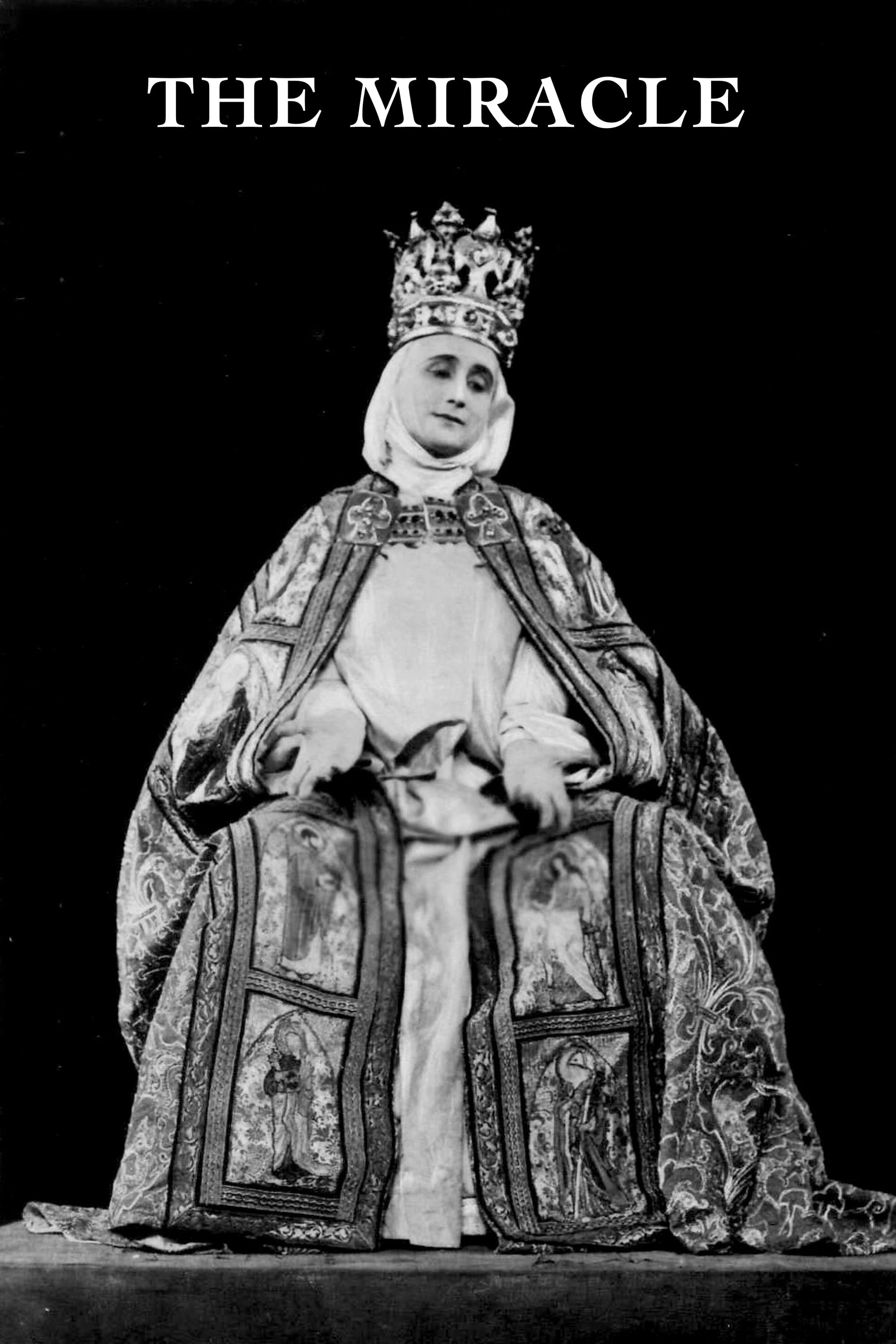
When a wayward nun, Megildis, deserts her convent with a knight, a statue of the Virgin Mary comes to life and takes place of Megildis, who makes her way through the world and its many vicissitudes.
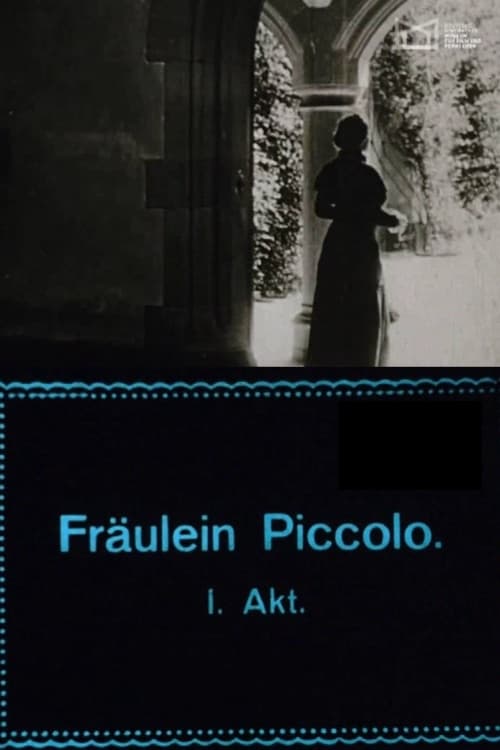
Miss Lo leaves finishing school and returns to her parents’ hotel “Zum Weißen Schwan”. One of the chambermaids eloped with the bellboy and now the daughter has to help out – sometimes as a maid, sometimes in the guise of a bellboy. When she falls in love with Lieutenant Clairon, her male disguise begins to stand in her way. At a ball she has to to look on helplessly while he’s flirting with other women. But with the help of her friend Röschen, who’s the cousin of Clairon, a happy ending is attained.
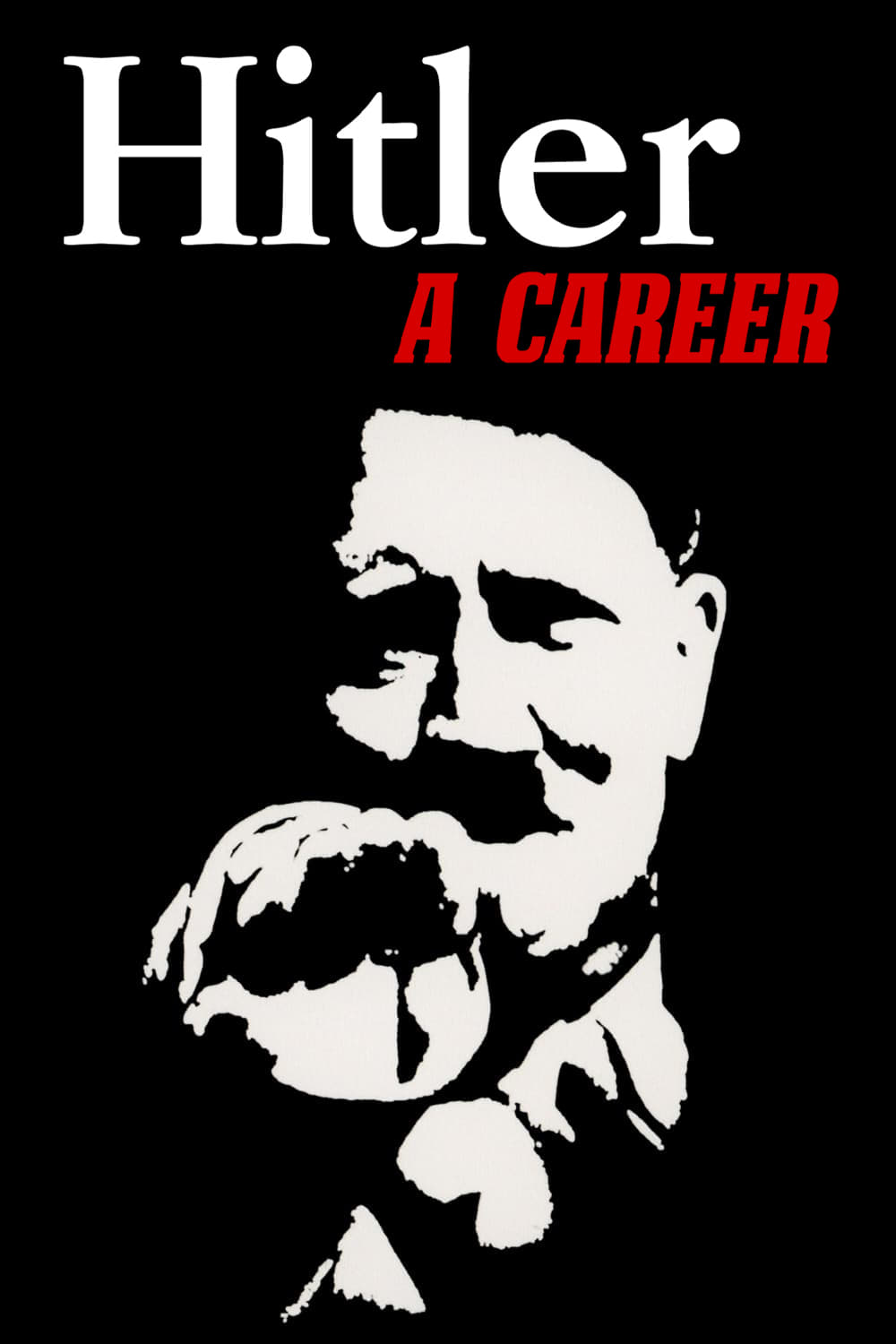
A keen chronicle of the unlikely rise to power of Adolf Hitler (1889-1945) and a dissection of the Third Reich (1933-1945), but also an analysis of mass psychology and how the desperate crowd can be deceived and shepherded to the slaughterhouse.
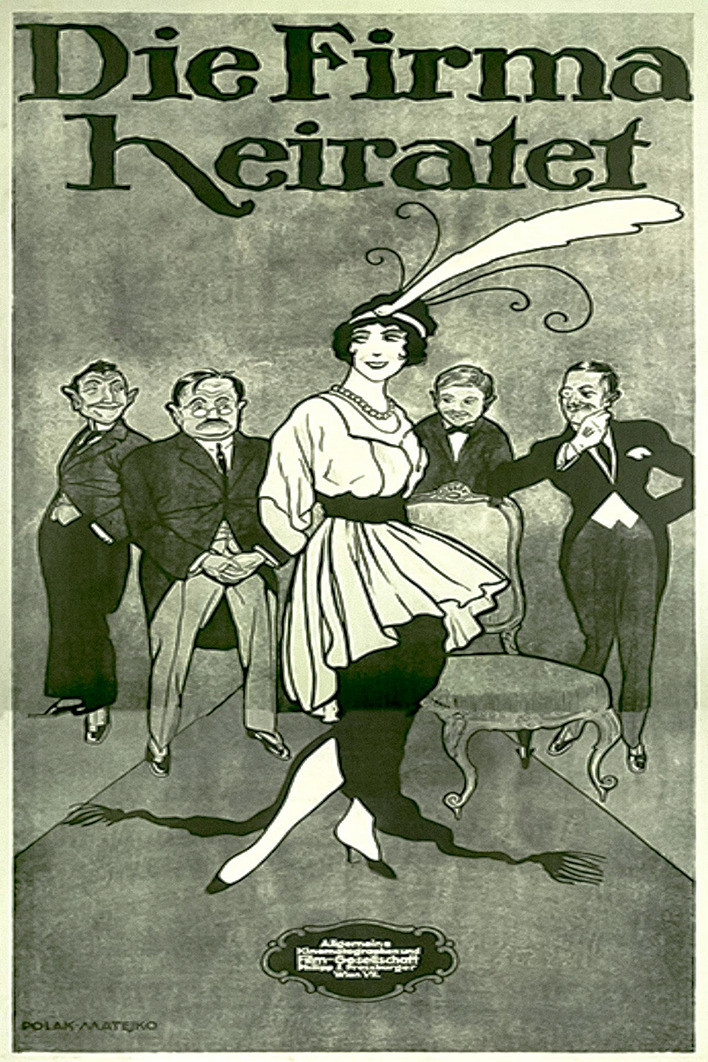
Directed by Carl Wilhelm.

Sally Katz begins a new job as a supervisor in the workshop of a garment maker where the boss's nasty daughter makes him advances. But the girl's father forbids him to flirt back.
Directed by Ernst Lubitsch. Lubitsch plays a book shop employee who falls in love with Jannings' daughter.
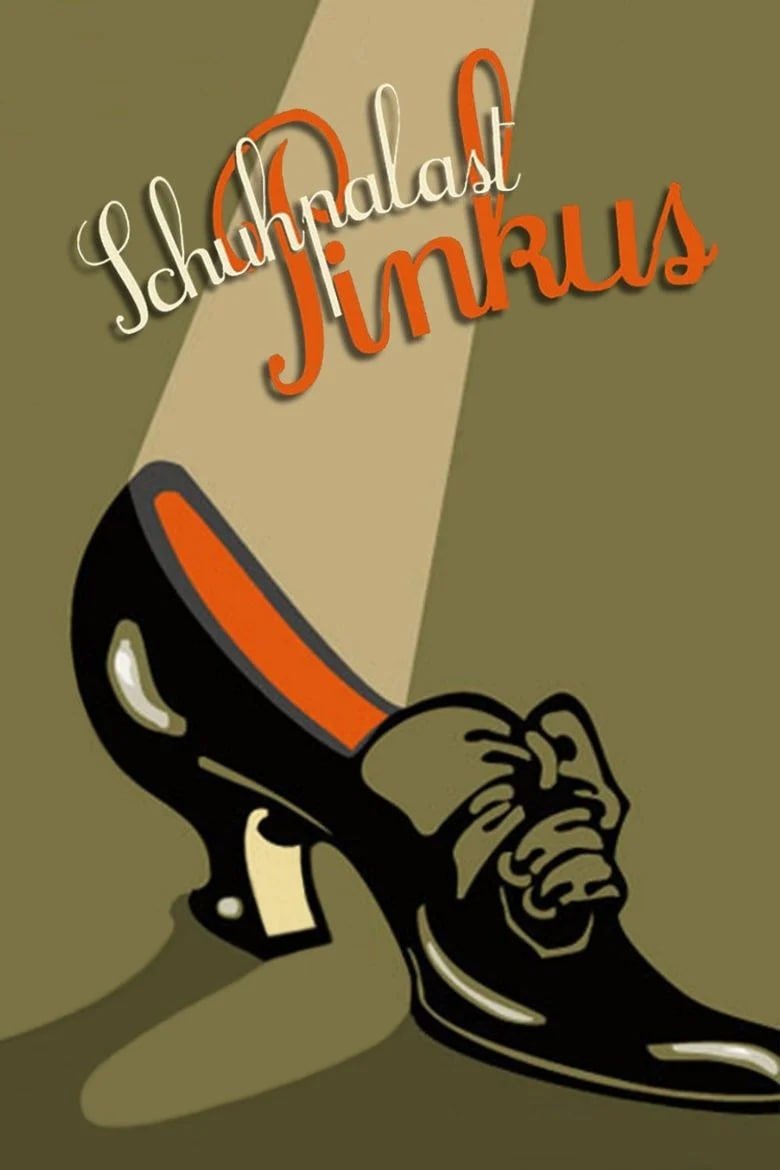
Sally Pinkus is an German-Jewish boy who takes a job as a shoe store clerk after being expelled from school for goofing around. Soon fired for trying to court the owner's daughter, Pinkus lands another job in a more 'upmarket' shoe salon, only to be fired again, before charming a rich benefactress to fund his ultimate dream: Pinkus' Shoe Palace.

A stylized fairy tale in which a farmer sells his soul to Satan in exchange for prosperity.
In The the film, Ernst Lubitsch plays Sally, the clever assistant to the detective Ceeps, who only succeeds in solving the Rosentopf case after some effort in the police farce. Partly lost.

A stern Russian woman sent to Paris on official business finds herself attracted to a man who represents everything she is supposed to detest.
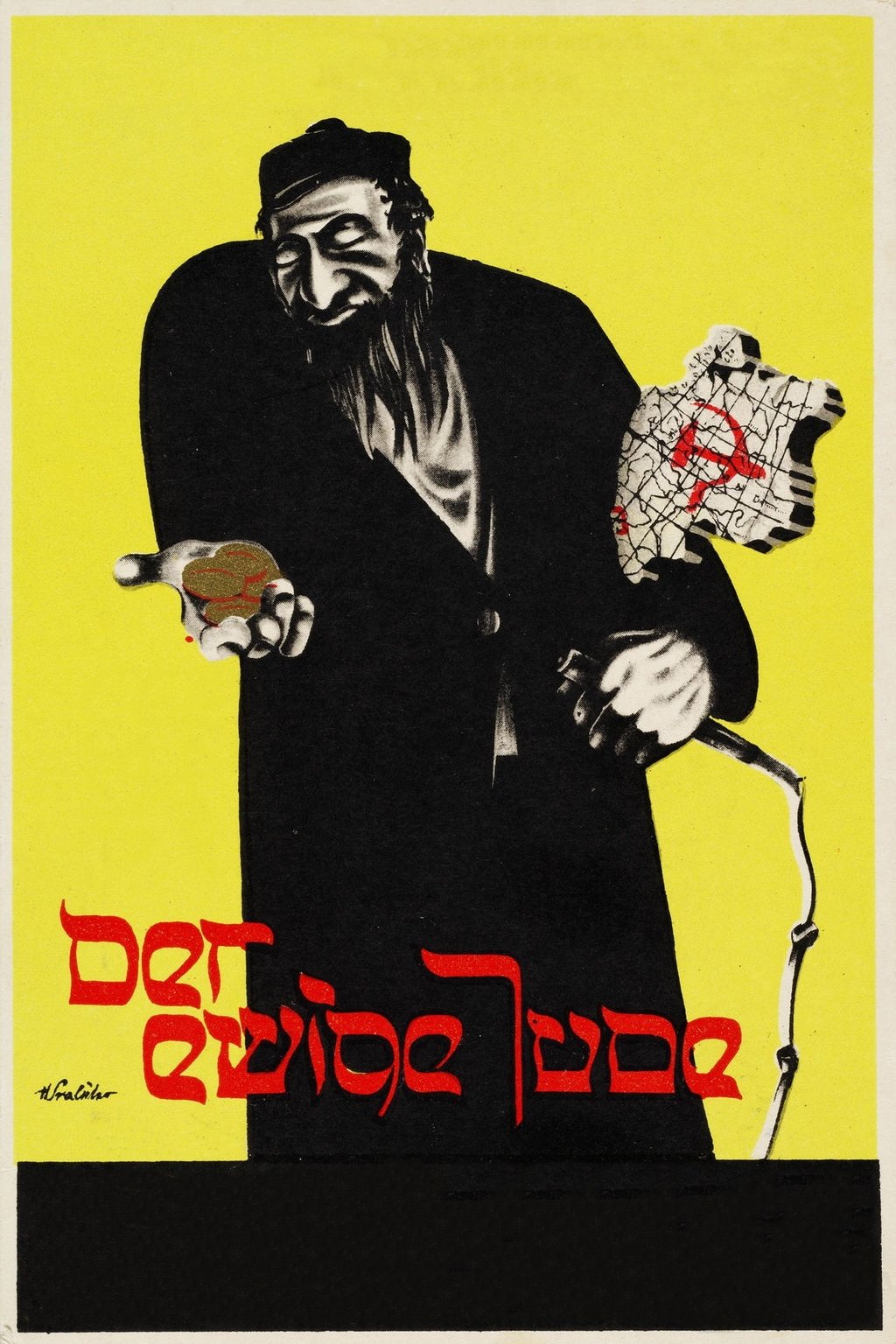
A Nazi propaganda film made to promote anti-Semitism among the German people. Newly-shot footage of Jewish neighborhoods in recently-conquered Poland is combined with preexisting film clips and stills to defame the religion and advance Hitler's slurs that its adherents were plotting to undermine European civilization.

The young Anselmus Aselmeyer fulfilled a long cherished dream: He travels to Venice, the city of his dreams. Once there, the porter Pipistrello directs him immediately to the hotel of his boss, and Anselmus lands in the middle of a wedding party. Mestre Mangiabene, a wealthy oilman, marries the beautiful but completely depleted Marchesina dei Bisognosi. But the secretly loves an officer.
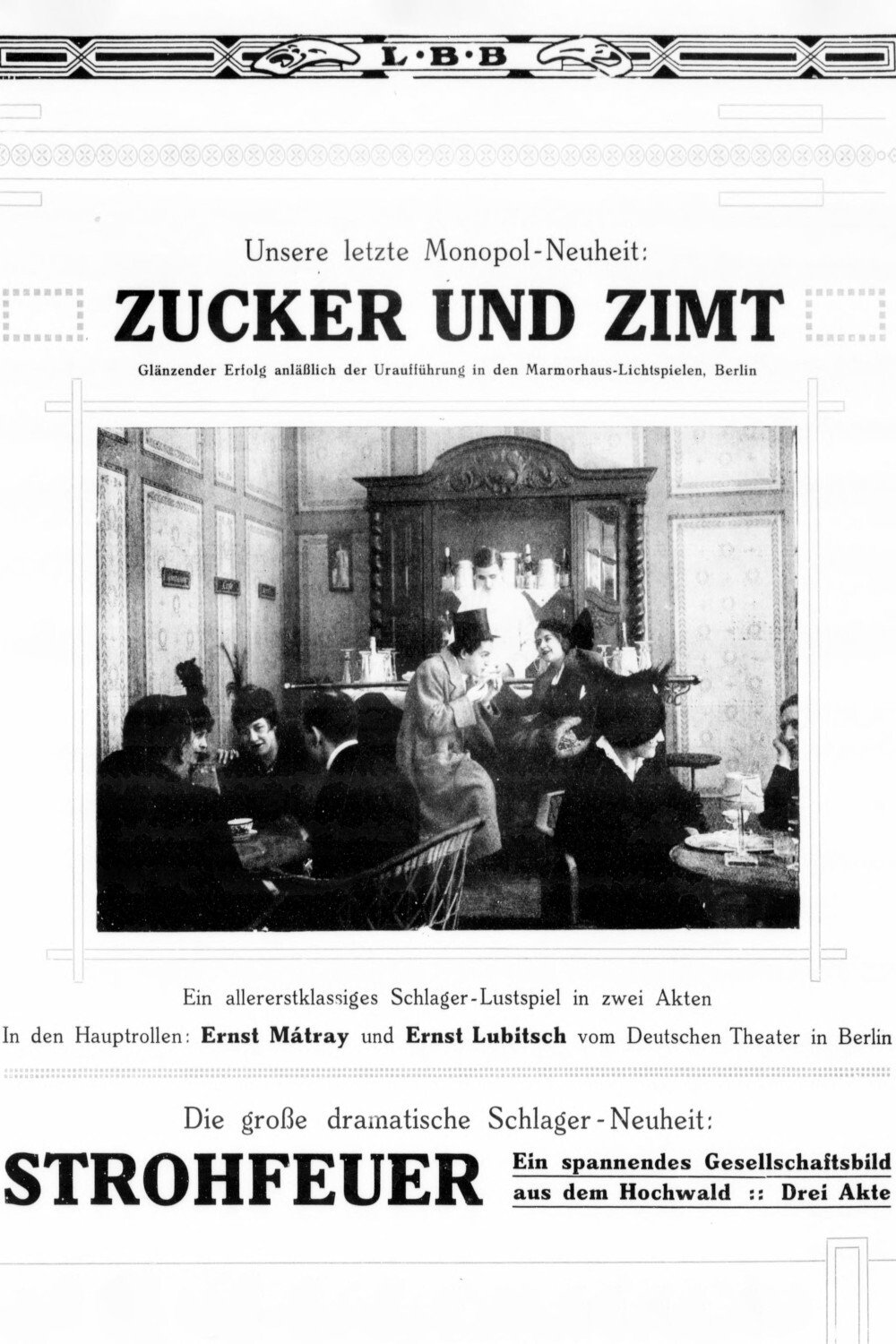
A resourceful landlady rents the same room to two men: the commercial clerk Zimt, who is at work during the day, and the conductor of a café orchestra Zucker, who has to work all night. After all kinds of turbulence, the trick comes to light and the two bitter enemies Zucker and Zimt eventually become good friends.
The mother wants to prevent her daughter from marrying a man she doesn't like at all costs, even becoming engaged to her daughter's boyfriend. However, she is outwitted by the couple, who eventually get together. A lost film.
Ernst is on the prowl and therefore seeks advice from a matchmaker. As he likes the athlete Anna Muskel, but she only wants a man with a so-called "forend nose", he has an operation. The new nose is still a little sore and not healed, so he hurries to Anna. She is delighted with his new prong and gives Ernst a firm hug. This doesn't do the still "soft" nose any good and it is flattened. Ernst flees and tries to save what can be saved. Then Ernst wakes up in horror: it was only a dream.
The two best buddies Ernst and Albert are pursuing the same girl. The girl leads them onto the ice in the form of an ice rink, where the two act awkwardly as non-skaters. But even on the ice rink, neither of them wants to give in, and the fight for the girl becomes increasingly intense. Suddenly, the girl's enraged groom appears and puts an abrupt and powerful end to the duel. This decision, imposed by a third party, leads to the two fighting cocks Ernst and Albert reconciling. Lost.
This time, Lubitsch plays a tailor's assistant who exploits his striking resemblance to a customer to appear as a gentleman for once. To do so, he needs the eponymous fine suit - the one that the customer, a bruised lover, has given him to iron. The slapstick finale is a big race. Lost.
A skinny couch potato buys a tonic that gives him unexpected strength. Thanks to his new strength, he breaks open the floor of his room, falls to the ground and lands in Africa. He later gets rid of his unloved mother-in-law and ends up with his wife in a fireplace that was destroyed by his fall. Lost.
The main character is appointed conductor of a mixed women's choir. However, it soon becomes apparent that the singers are no longer interested in singing but rather in their new conductor. Only with difficulty and cunning does the conductor manage to keep the women at a distance. However, the conductor can soon breathe a sigh of relief as his great love Lieschen succeeds in alerting the jealous husbands of the women in love. In the end, Lieschen and the conductor get married. A lost film.
Dr. Schneider paces restlessly around his practice - hardly any patients come in. He is delighted when the letter carrier finally rings, but he is in perfect health. Then his cook appears with a tiny cut. Instead of a plaster, Schneider applies an oversized bandage and prescribes strict bed rest. Dissatisfied, he goes hunting for sick people on the street and even treats a passer-by until he flees, exasperated. In the end, only his cook is fit and lively at the stove again. A lost film.
Sally comes from a small town to Berlin, where he begins an apprenticeship with his uncle. He helps his uncle with the bread production and dreams of becoming a famous tenor. One day he is discovered. A group of wealthy gentlemen form a limited company and finance Sally's singing lessons. The day comes when Sally is finally allowed to sing Lohengrin in the opera. His success is prevented by his greatest rival and envy, who sprinkles itching powder on his costume shortly before the performance. Sally returns to his uncle's company, where he finds solace with his cousin.
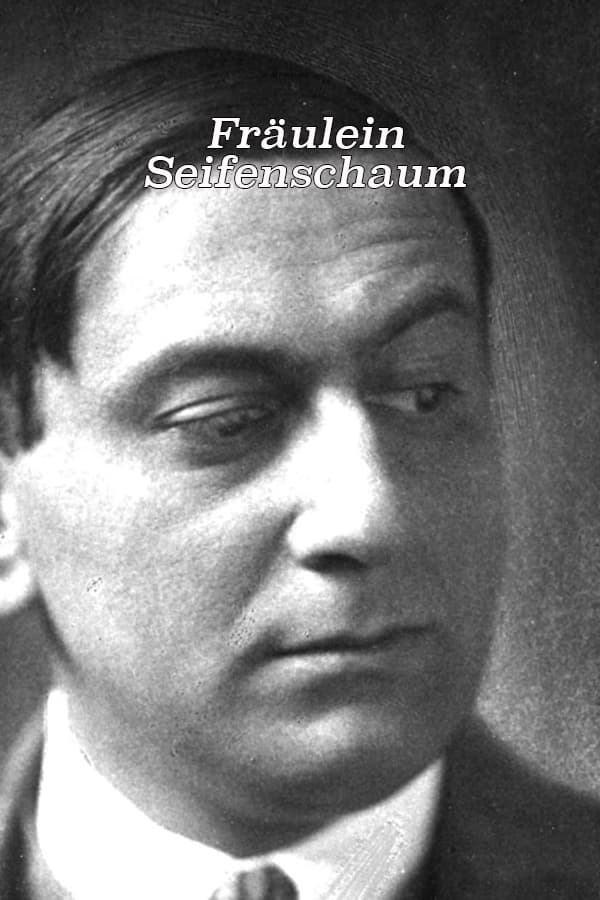
Fräulein Seifenschaum is a German silent film by Ernst Lubitsch from 1915. It is considered Lubitsch's first directorial work and is one of the director's lost works. With the outbreak of World War I , all the men, including the barbers , are drafted. As a result, the women have to take over their work, and so mother and daughter share the work in a barber's shop: the daughter soaps the customers, while the mother then more or less skilfully shaves the men. A customer named Ernst also wants to be shaved. He makes eyes at the daughter and is resolutely thrown out of the shop by his mother. Ernst flees with his great love in the car and is followed by his mother on foot and finally on a tricycle.
On the occasion of her birthday, a young woman sends out invitations to her many admirers: she wants to marry the one of them who gives her the best present. While the numerous suitors appear, Ernst Lubitsch's character is almost too late: having lost a button on his shirt, he has to roller-skate to his beloved in order to arrive on time. The effort is worth it, as he gives her the best present of all: a quarter of a pound of butter. Lost.
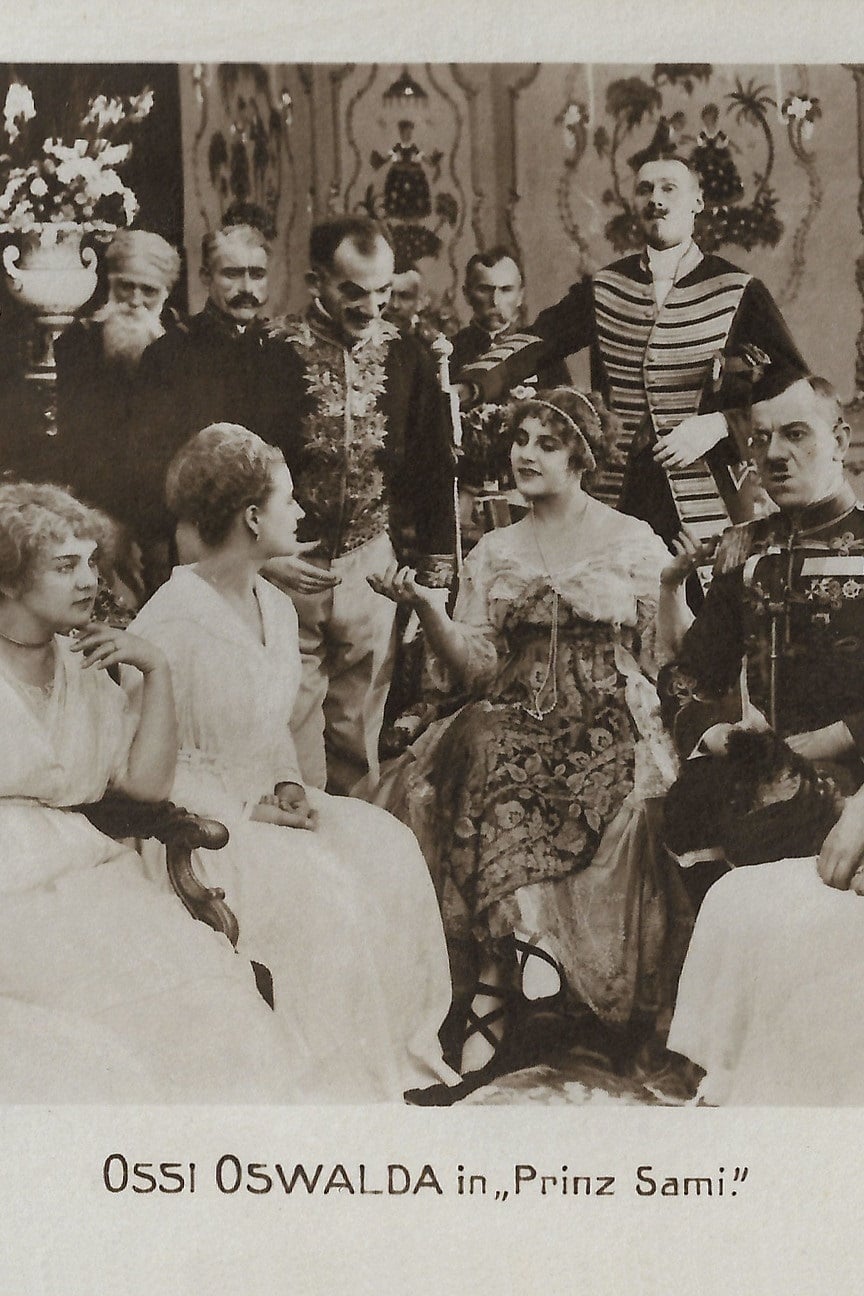
Prince Sami comes from Nigeria and is an uncivilized "nature boy." He is sent to the highly civilized court of Duchess Maria of Arragon, where he initially causes chaos. In the end, however, he becomes the duchess's husband.
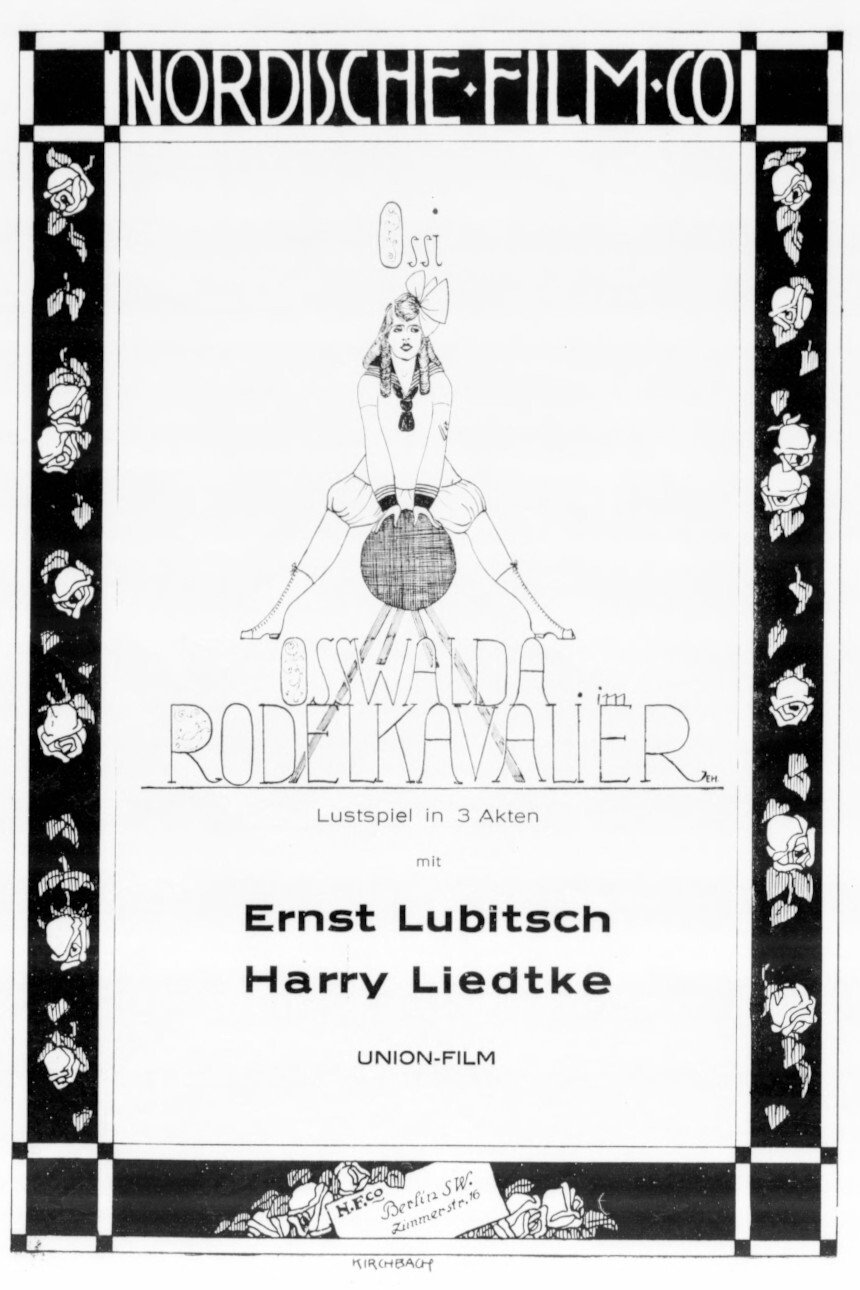
A young woman is forced by her father to marry a man she doesn't love and flees before the marriage takes place. In a small village she falls in love with a young man, but her father disapproves of the match.
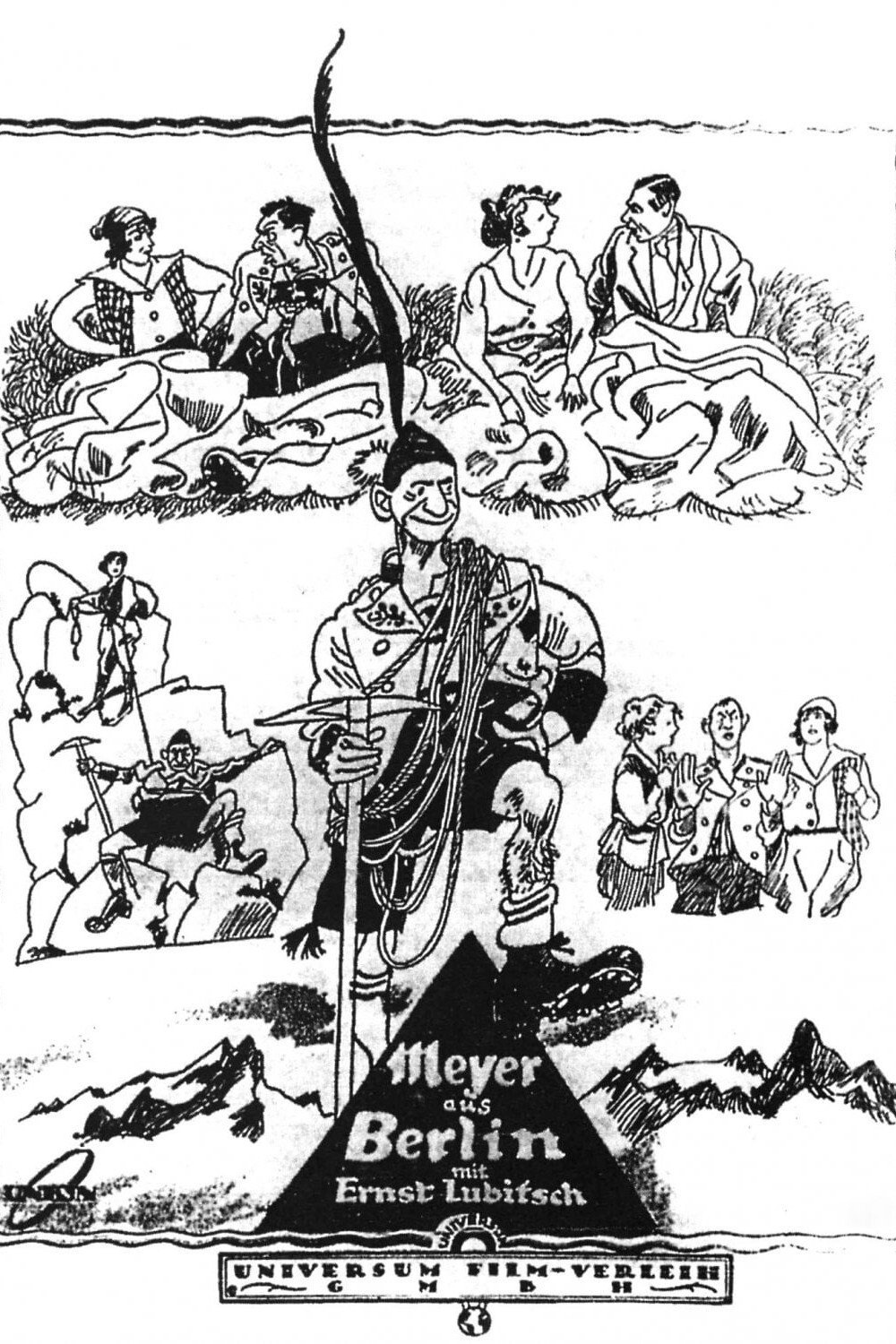
Sally Meyer, a young Berliner, persuades his Doctor to convince his wife that he is ill, so that he is able to take a holiday in the Austrian Alps.
The burlesque is about a man who calls himself Käsekönig Holländer and rises to become cheese emperor in the course of the film. A lost film.

The bachelor Paul lives as the only man in a household with his mother, his aunts, sisters and cousins. They are annoyed by his teasing.
The intricate history of UFA, a film production company founded in 1917 that has survived the Weimar Republic, the Nazi regime, the Adenauer era and the many and tumultuous events of contemporary Germany, and has always been the epicenter of the German film industry.
Film version of Max Reinhardt's play, presented in London in 1911. According to medieval legend, a nun leaves her convent to follow a knight. While she's away, the statue of the Virgin Mary miraculously takes her place, protecting her honor until she returns.
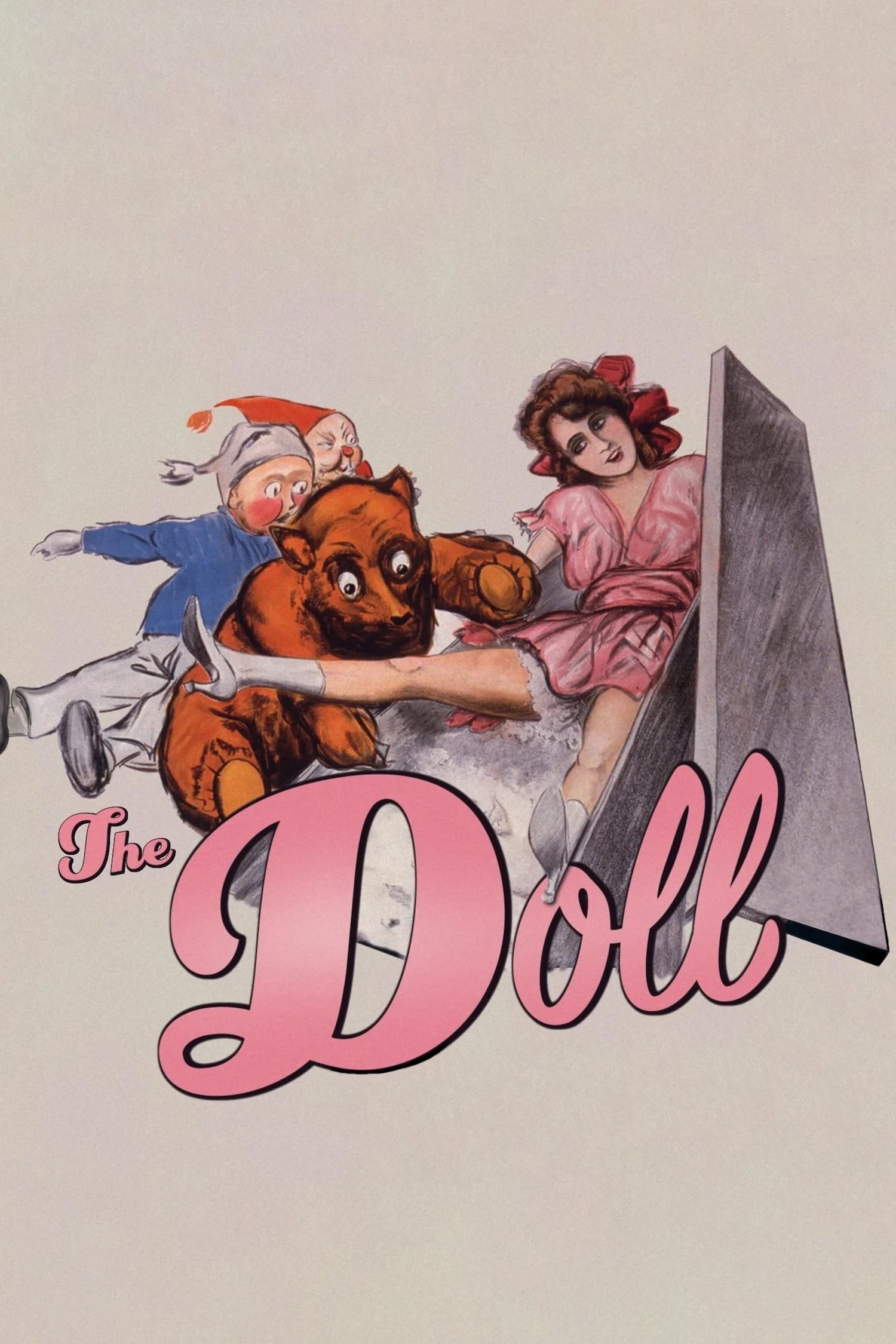
The misadventures of an effete young man who must get married in order to inherit a fortune. He opts to purchase a remarkably lifelike doll and marry it instead, not realizing that the doll is actually the dollmaker’s flesh-and-blood daughter in disguise.