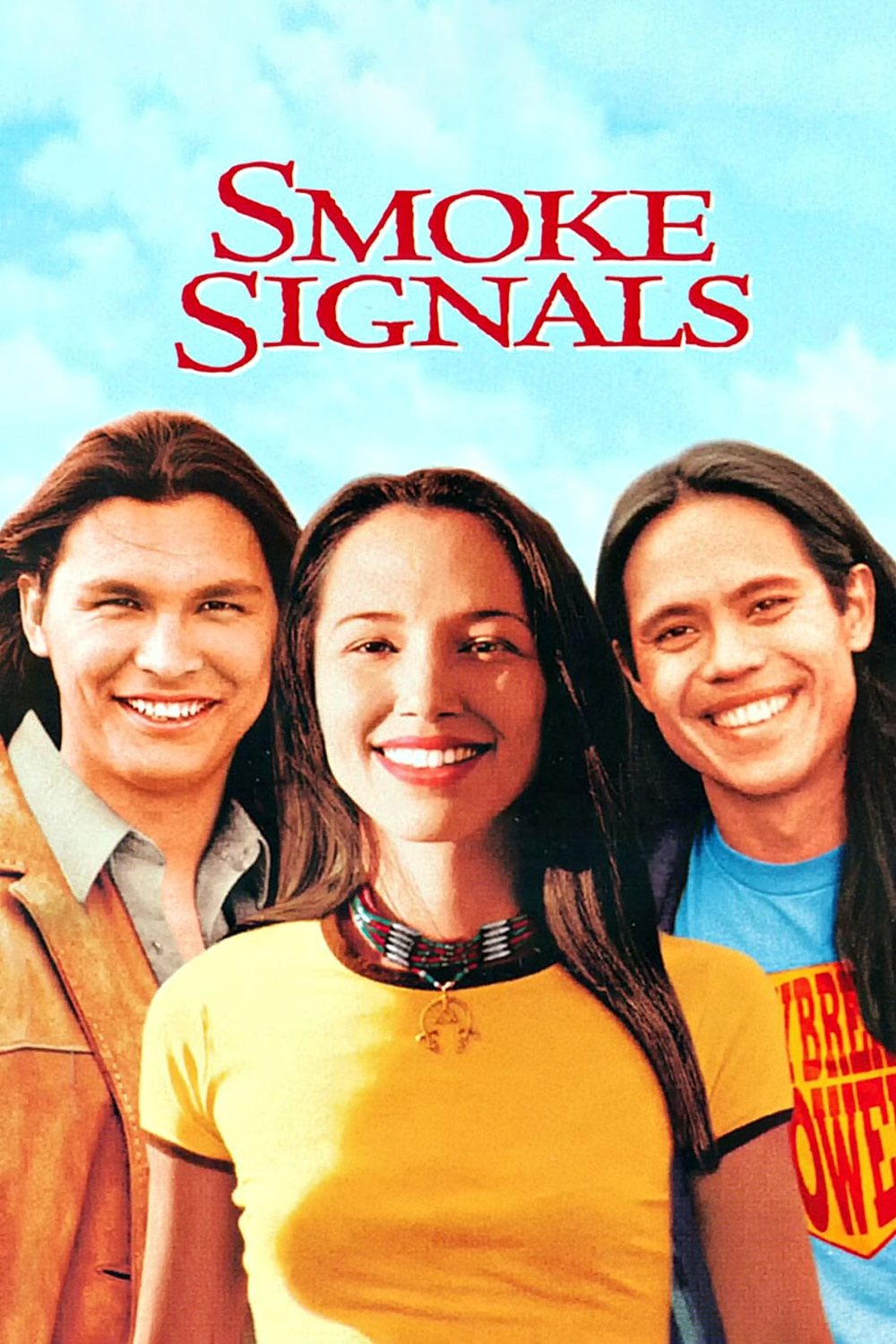
Young Native American man Thomas is a nerd in his reservation, wearing oversize glasses and telling everyone stories no-one wants to hear. His parents died in a fire in 1976, and Thomas was saved by Arnold. Arnold soon left his family, and Victor hasn't seen his father for 10 years. When Victor hears Arnold has died, Thomas offers him funding for the trip to get Arnold's remains.

This doc explores "The Band" guitarist and songwriter Robbie Robertson's Native American background. Half Mohawk on his mother's side, the film follows him back to the Six Nations reservation in Ontario where he spent summers growing up and picked up his first guitar. The resulting album, "Contact From the Underworld of Red Boy", draws on his childhood First Nation influences and includes musical collaborations wth Native artists such as John Trudell, Rita Coolidge and Buffy Ste Marie.
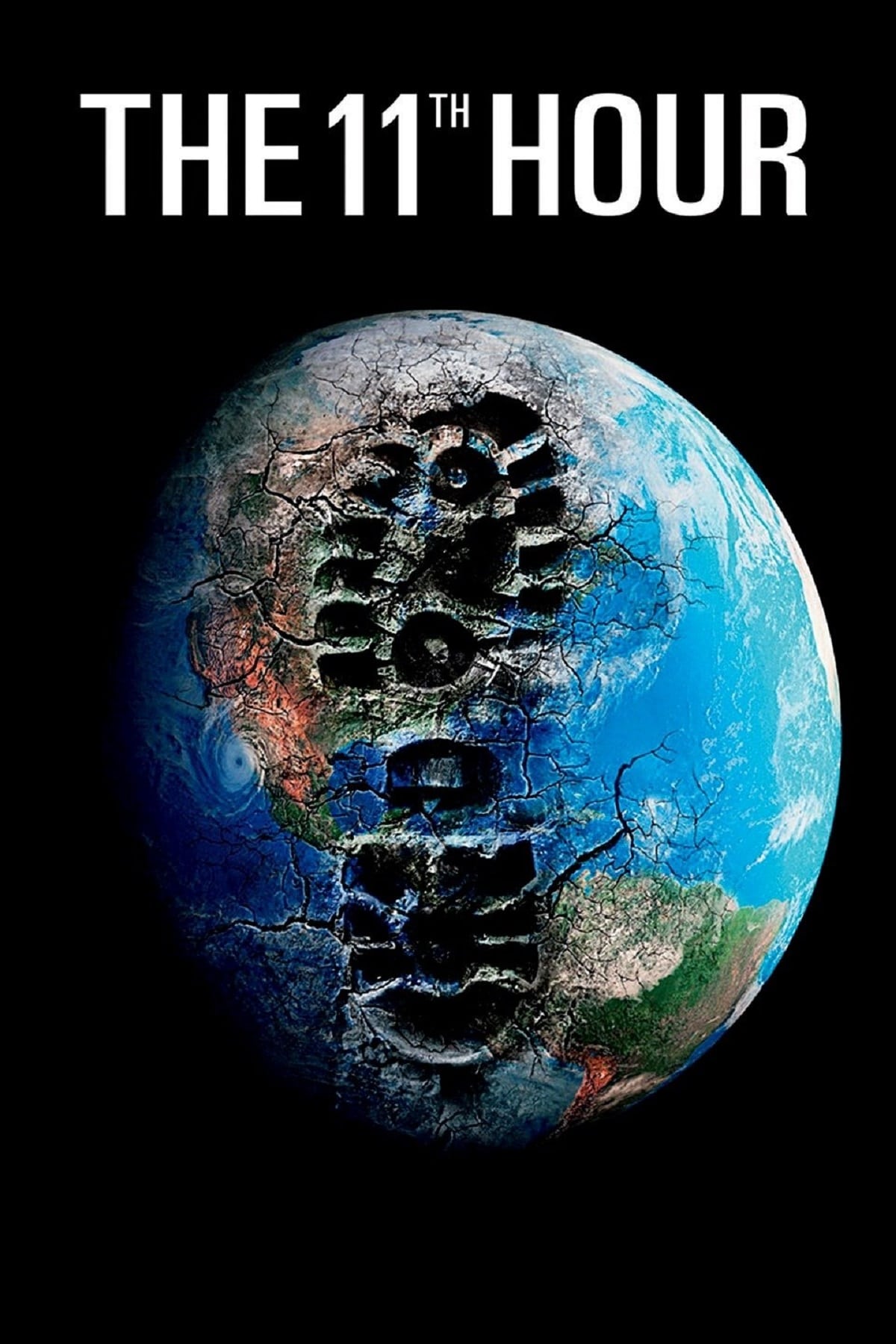
A look at the state of the global environment including visionary and practical solutions for restoring the planet's ecosystems. Featuring ongoing dialogues of experts from all over the world, including former Soviet Prime Minister Mikhail Gorbachev, renowned scientist Stephen Hawking, former head of the CIA R. James Woolse
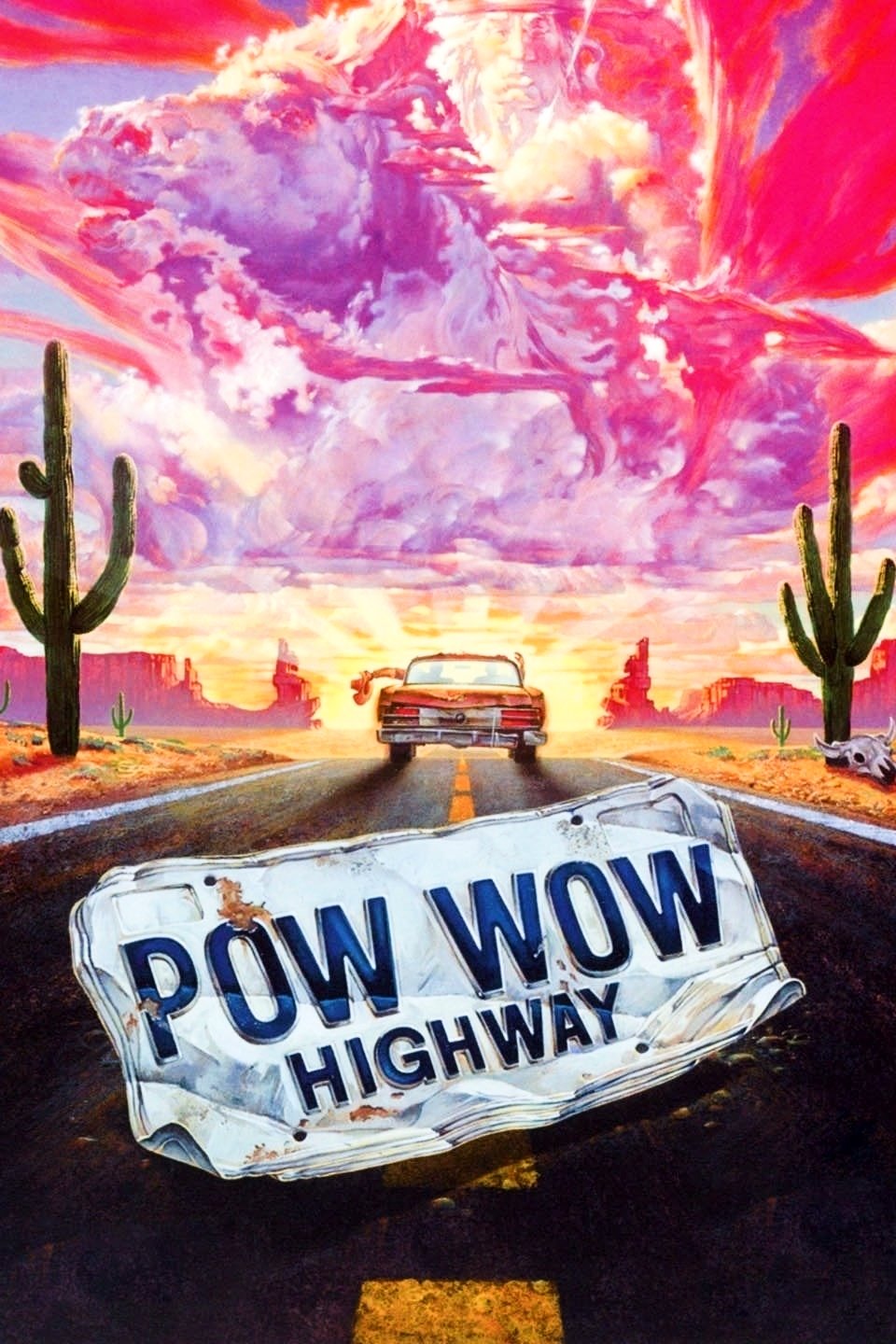
Two Northern Cheyenne men take a road trip from Montana to New Mexico to bail out the sister of one of them who has been framed and arrested in Santa Fe. On the way, they begin to reconnect to their spiritual heritage.
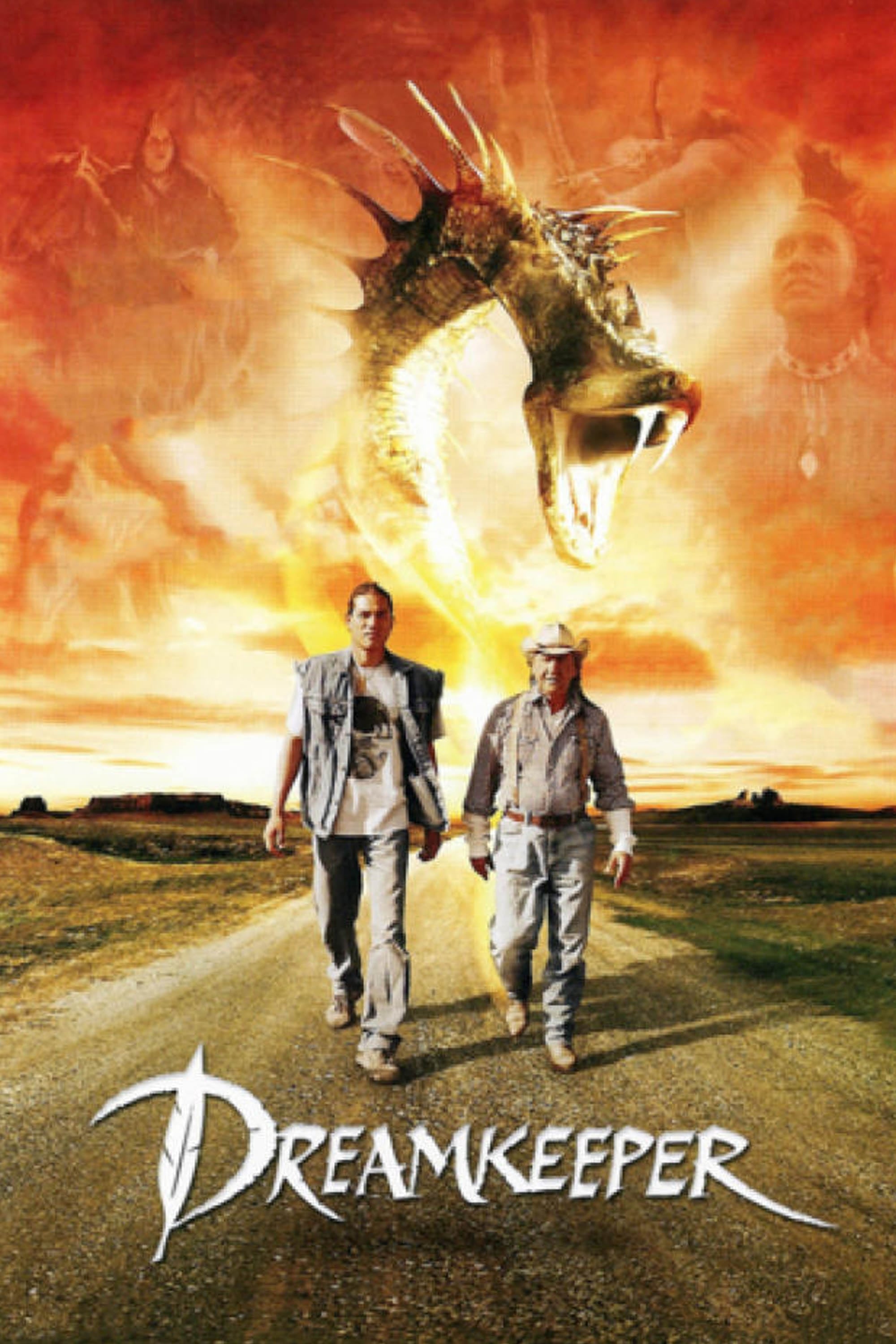
In South Dakota, in an Indian reservation, an old storyteller Indian asks his grandson Shane, who is in trouble owing money to some bad guys, to take his old pony and him to Albuquerque to the great powwow, an Indian meeting. While traveling, Grandpa tells mysterious Indian tales of love, friendship and magic.
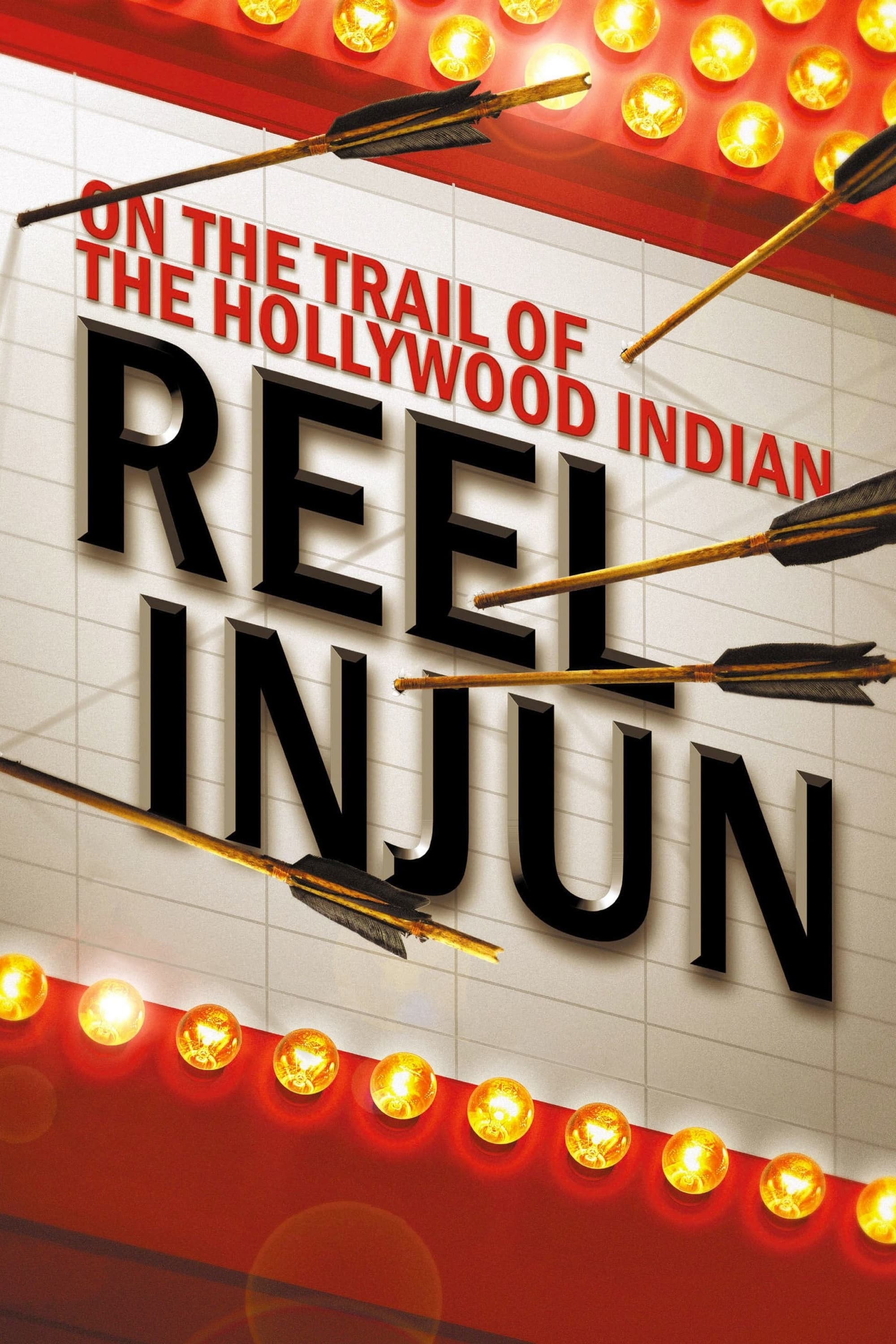
The evolution of the depiction of the various Native American peoples in cinema, from the silent era to the present day: how their image on the screen has changed the way to understand their history and culture.
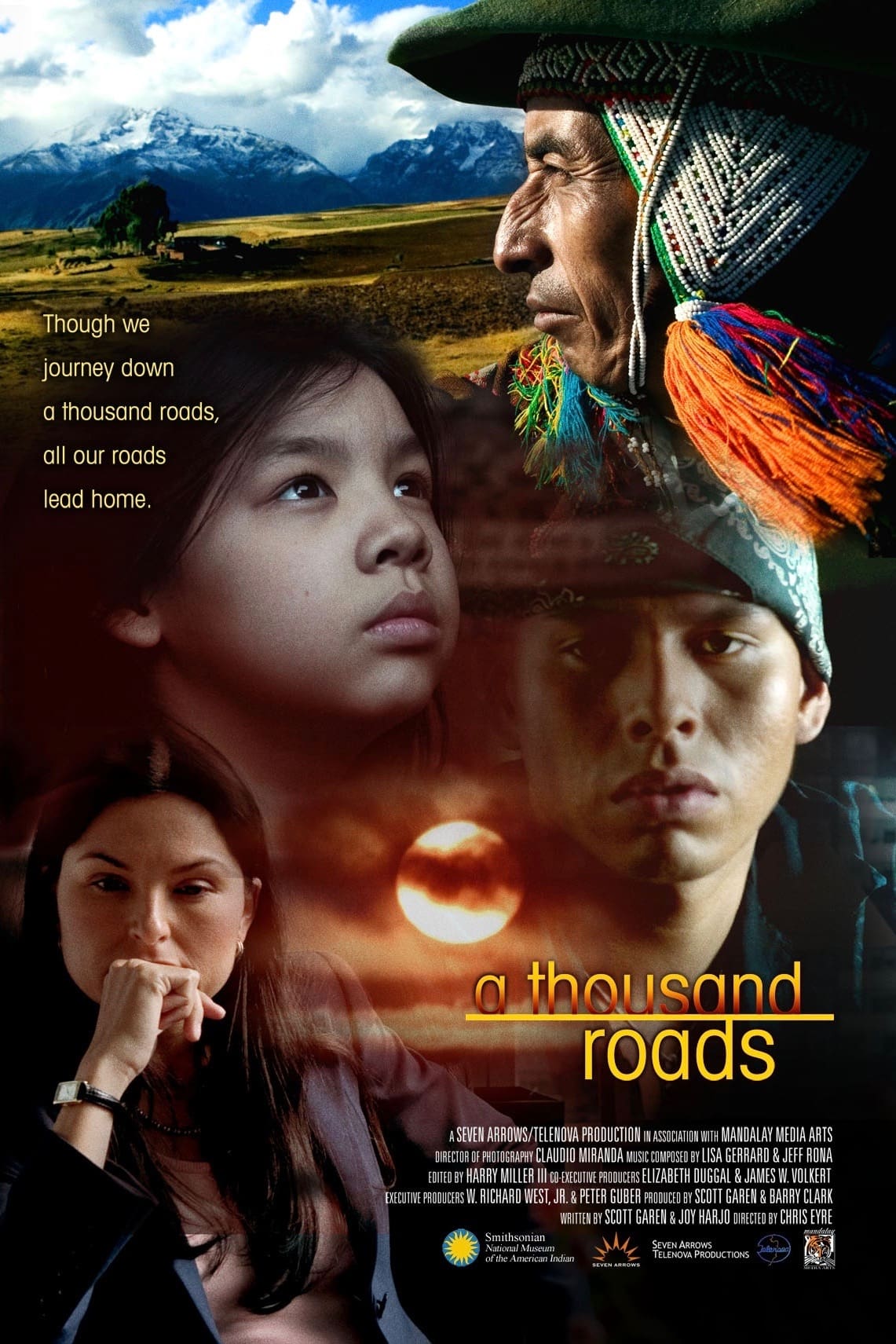
The film threads together four stories, taking us into the life of a stressed-out Mohawk stockbroker in Manhattan; a young Inupiat girl sent to live with her grandmother in Barrow, Alaska; a Navajo gang member who must find his core values in his reservation on the mesas of New Mexico; and a Quechua healer in Peru, attempting to save a sick child. Each story explores what it means to belong to a specific community.
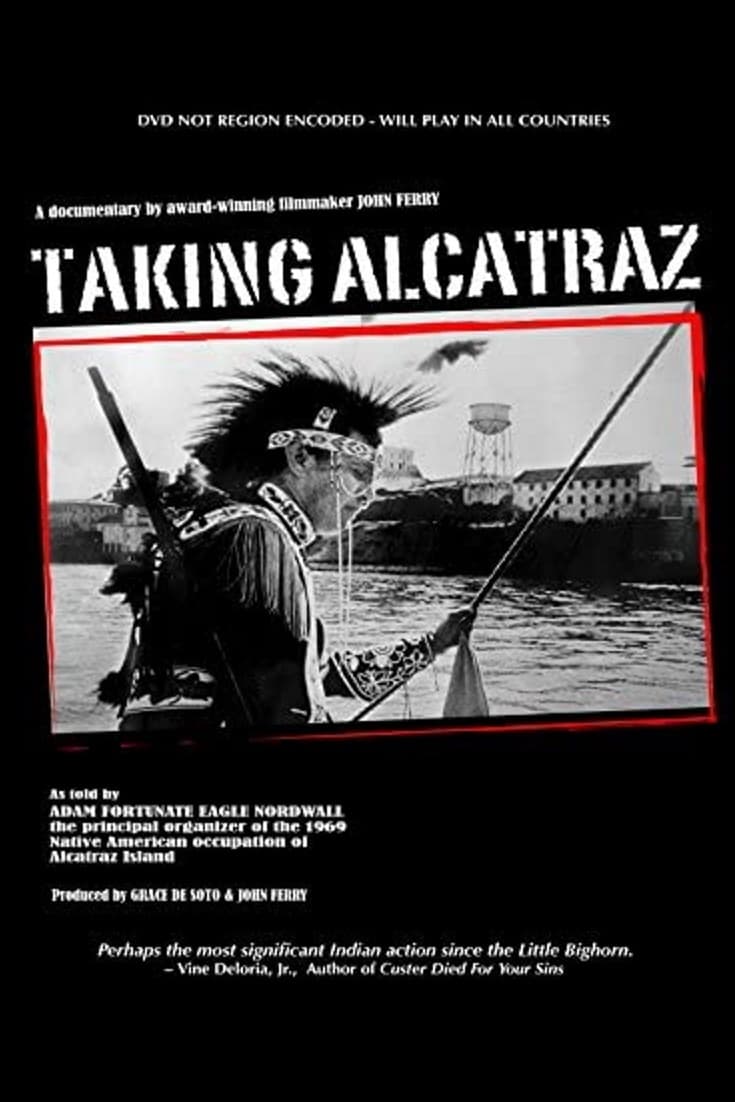
A documentary account by award-winning filmmaker John Ferry of the events that led up to the 1969 Native American occupation of Alcatraz Island as told by principal organizer, Adam Fortunate Eagle. The story unfolds through Fortunate Eagle's remembrances, archival newsreel footage and photographs.
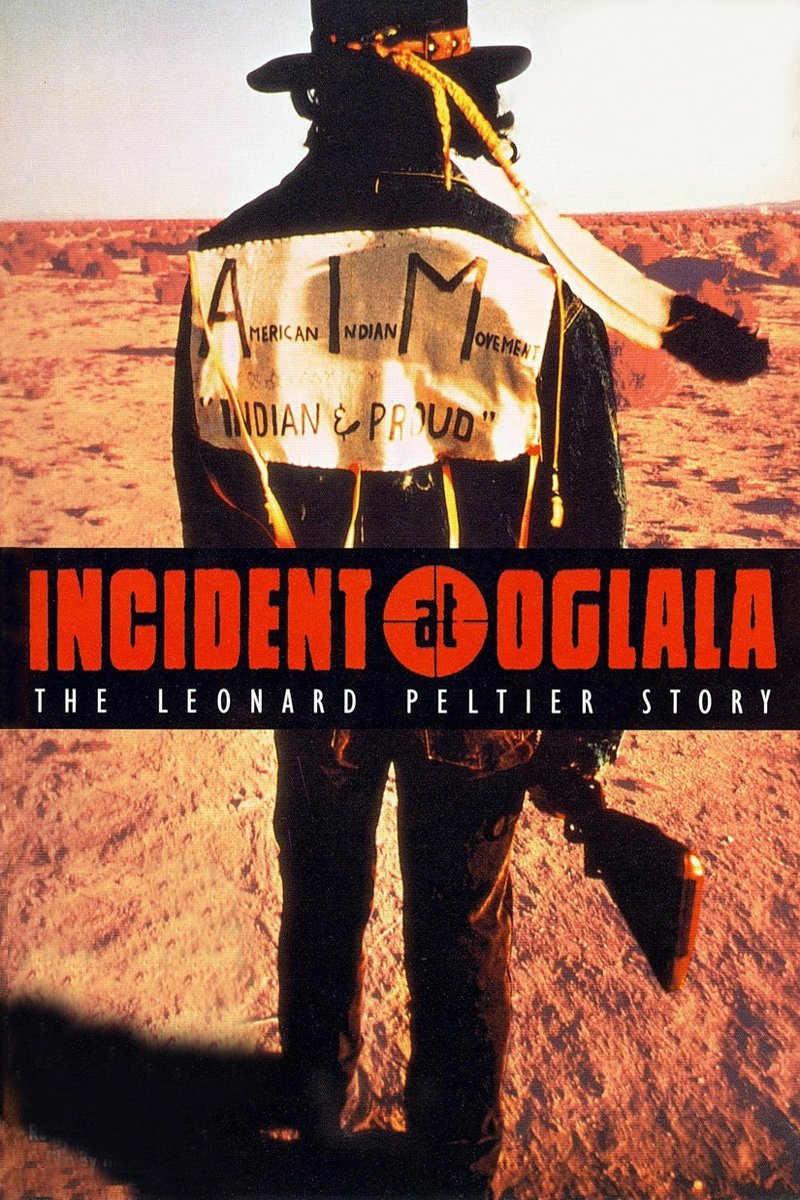
On June 26, 1975, during a period of high tensions on the Pine Ridge reservation in South Dakota, two FBI agents were killed in a shootout with a group of Indians. Although several men were charged with killing the agents, only one, Leonard Peltier, was found guilty. This film describes the events surrounding the shootout and suggests that Peltier was unjustly convicted.
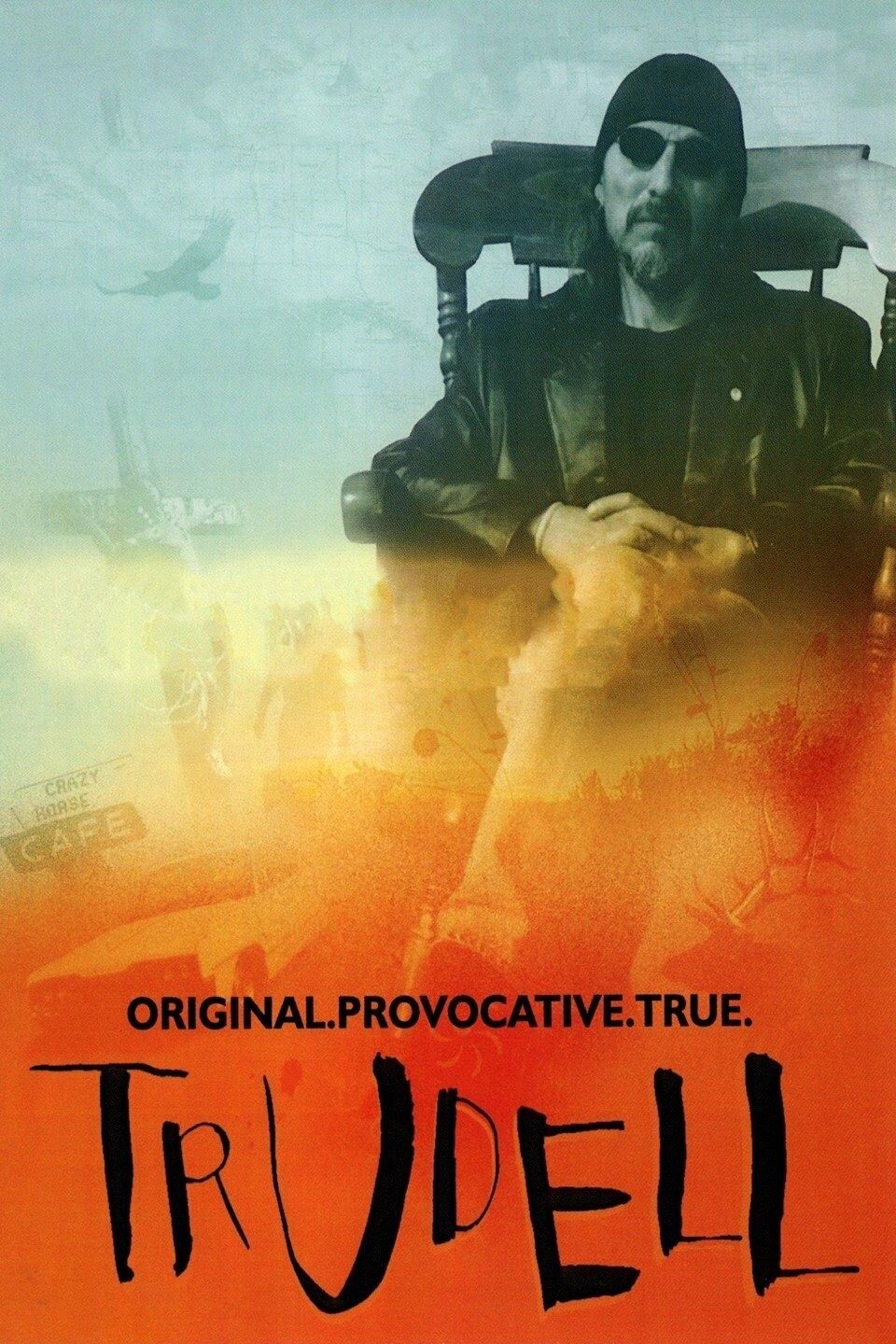
A chronicle of legendary Native American poet/activist John Trudell's travels, spoken word performances, and politics.
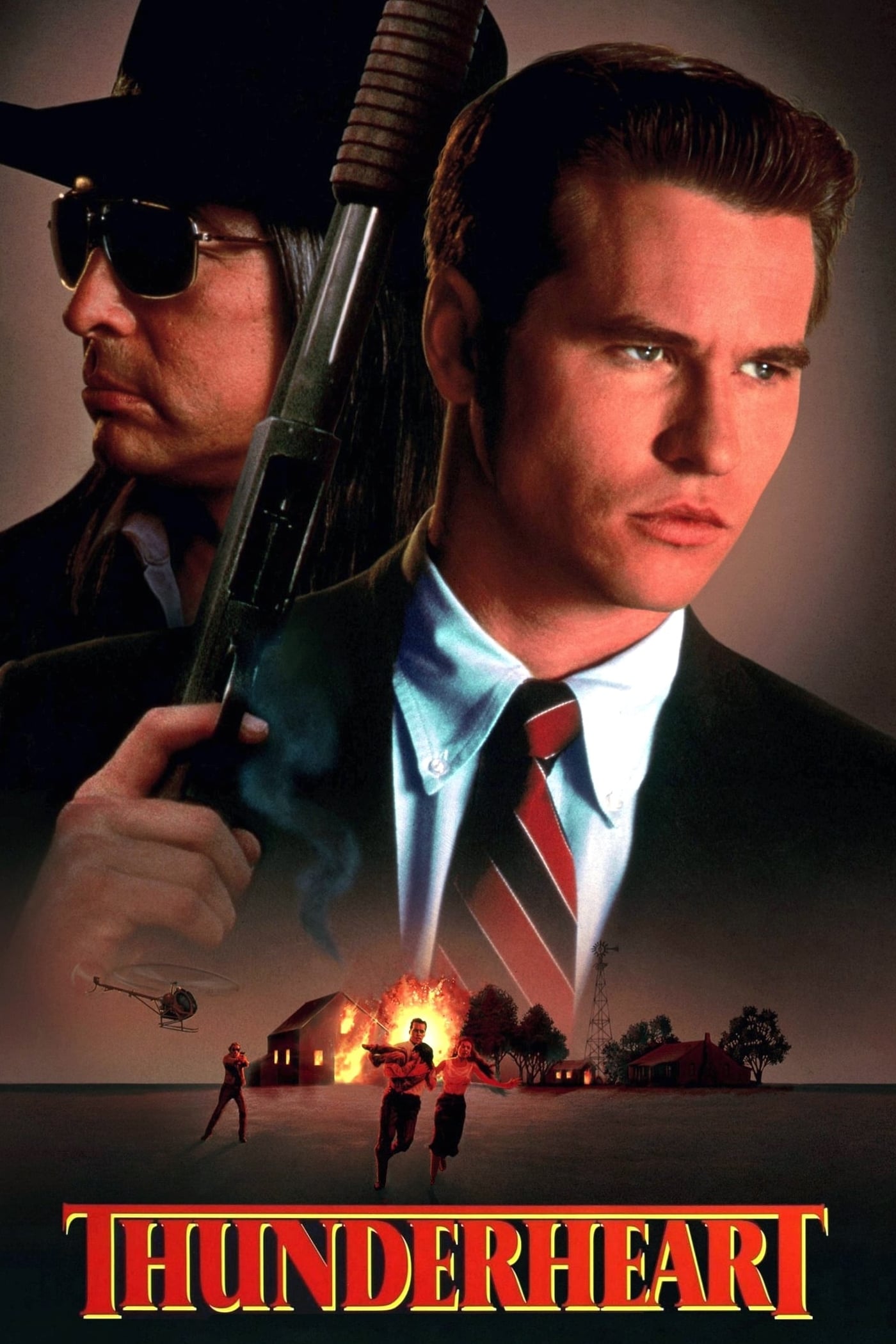
A young mixed-blood FBI agent is assigned to work with a cynical veteran investigator on a murder on a poverty-stricken Sioux reservation.
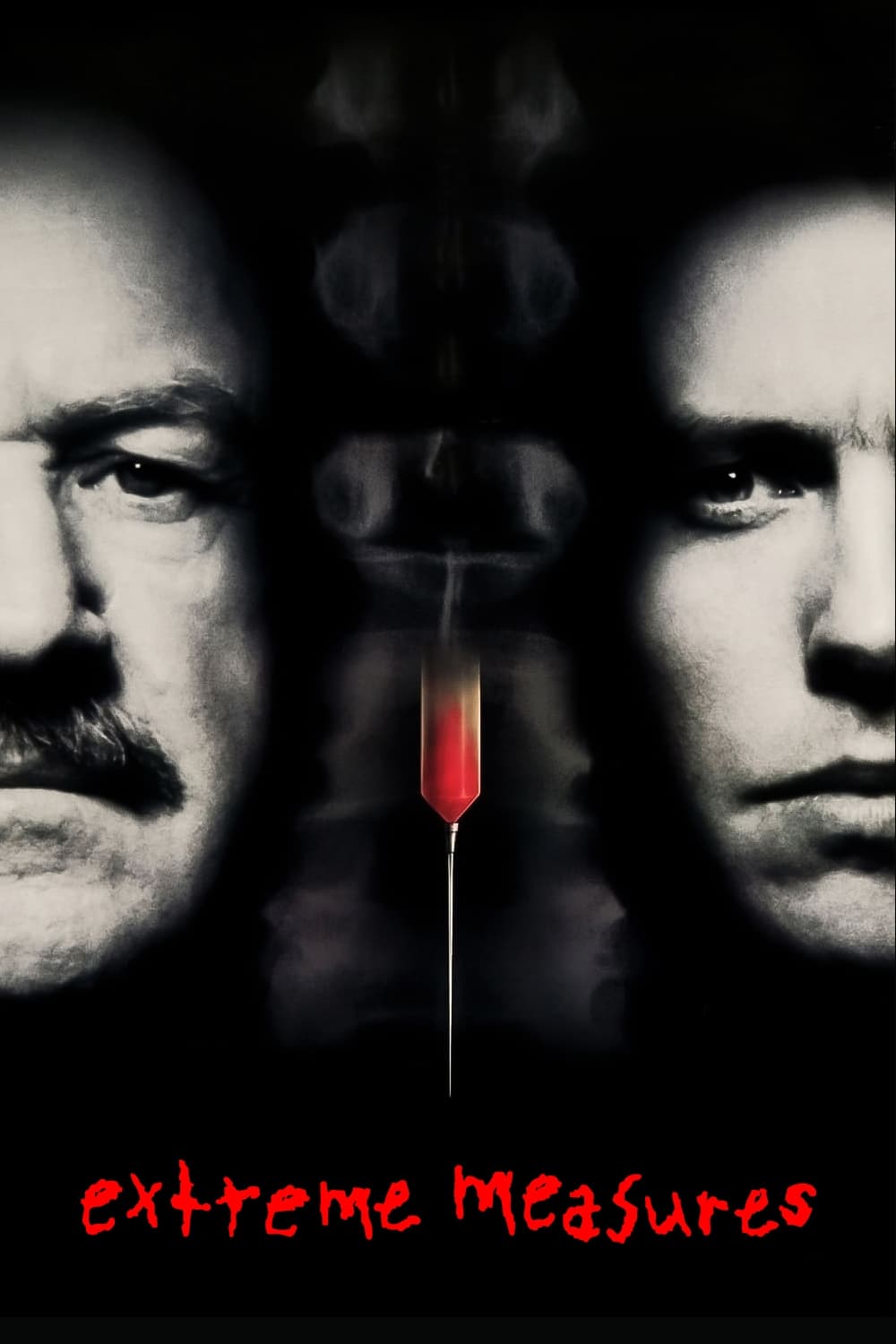
Guy Luthan, a British doctor working at a hospital in New York, starts making unwelcome enquiries when the body of a man who died in his emergency room disappears. After the trail leads Luthan to the door of an eminent surgeon at the hospital, Luthan soon finds himself in extreme danger people who want the hospital's secret to remain undiscovered.
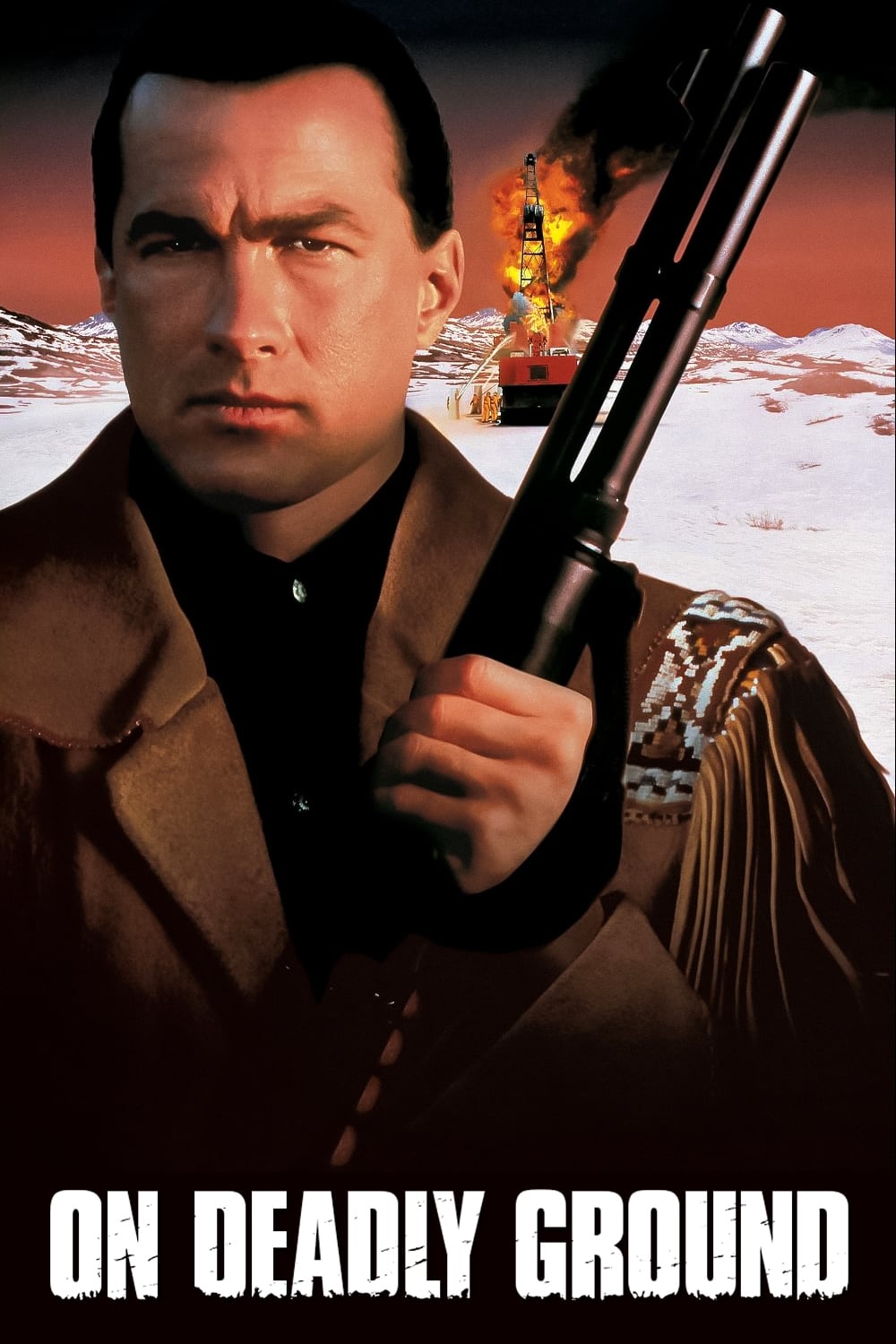
Forrest Taft is an environmental agent who works for the Aegis Oil Company in Alaska. Aegis Oil's corrupt CEO is the kind of person who doesn't care whether or not oil spills into the ocean or onto the land—just as long as it's making money for him.
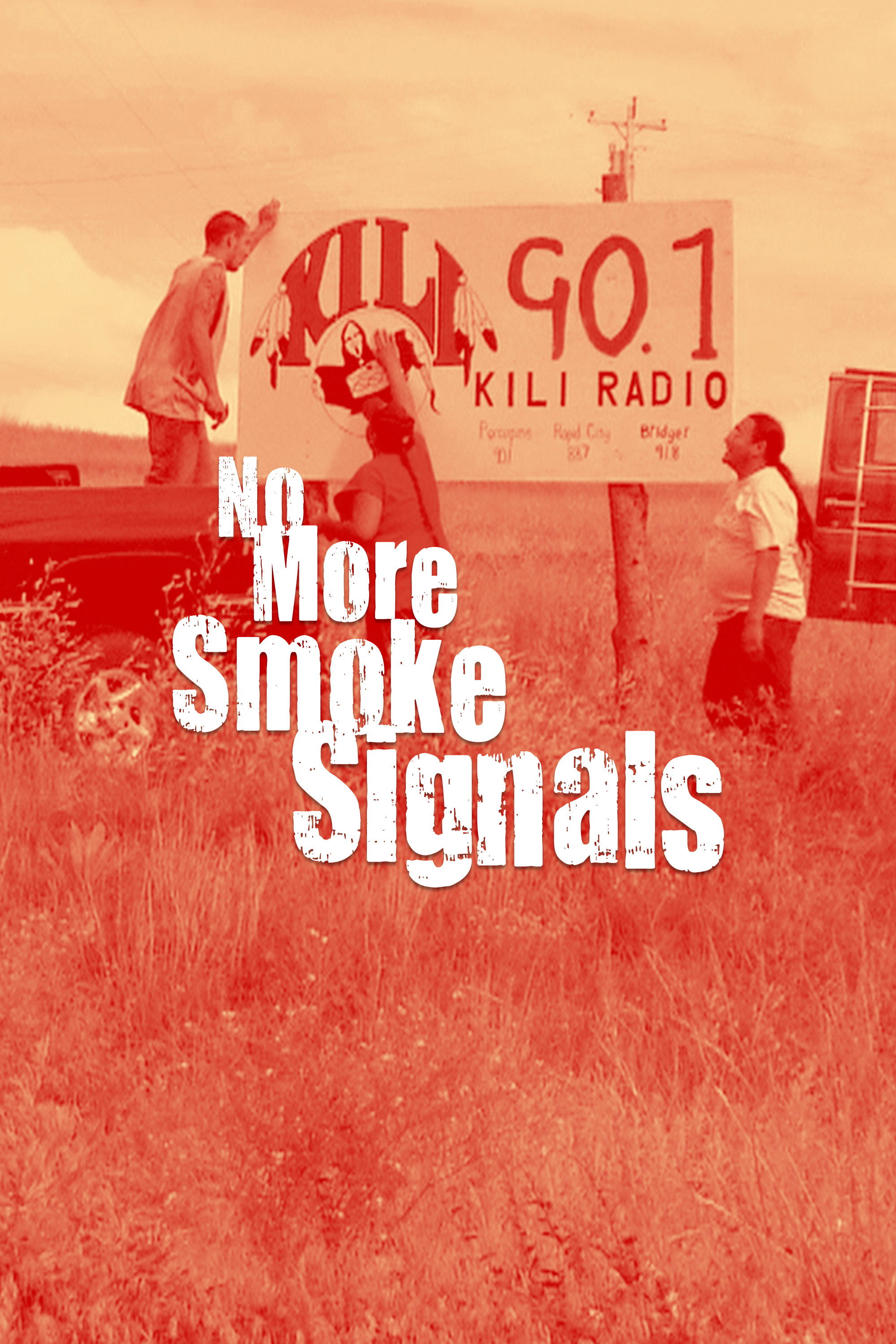
Kili Radio - "Voice of the Lakota Nation" - is broadcast out of a small wooden house that sits isolated on a hill, lost in the vast countryside of South Dakota. It’s a place that’s long forgotten; lying at the crossroads between combat and hope, between the American dream and daily existence on America’s poorest reservation. Yet we find people like Roxanne Two Bulls, who’s trying to start over again on the land of her ancestors; the young DJ Derrick who’s discovering his gift for music; Bruce, the white lawyer who for thirty years has been trying to free a militant who’s been fighting for American Indian rights; and finally John Trudell, an old AIM activist who’s made a career for himself as a musician in Hollywood. Everything converges at Kili Radio. Instead of sending smoke signals the radio station transmits its own signals across a vast and ... (from the webpage)
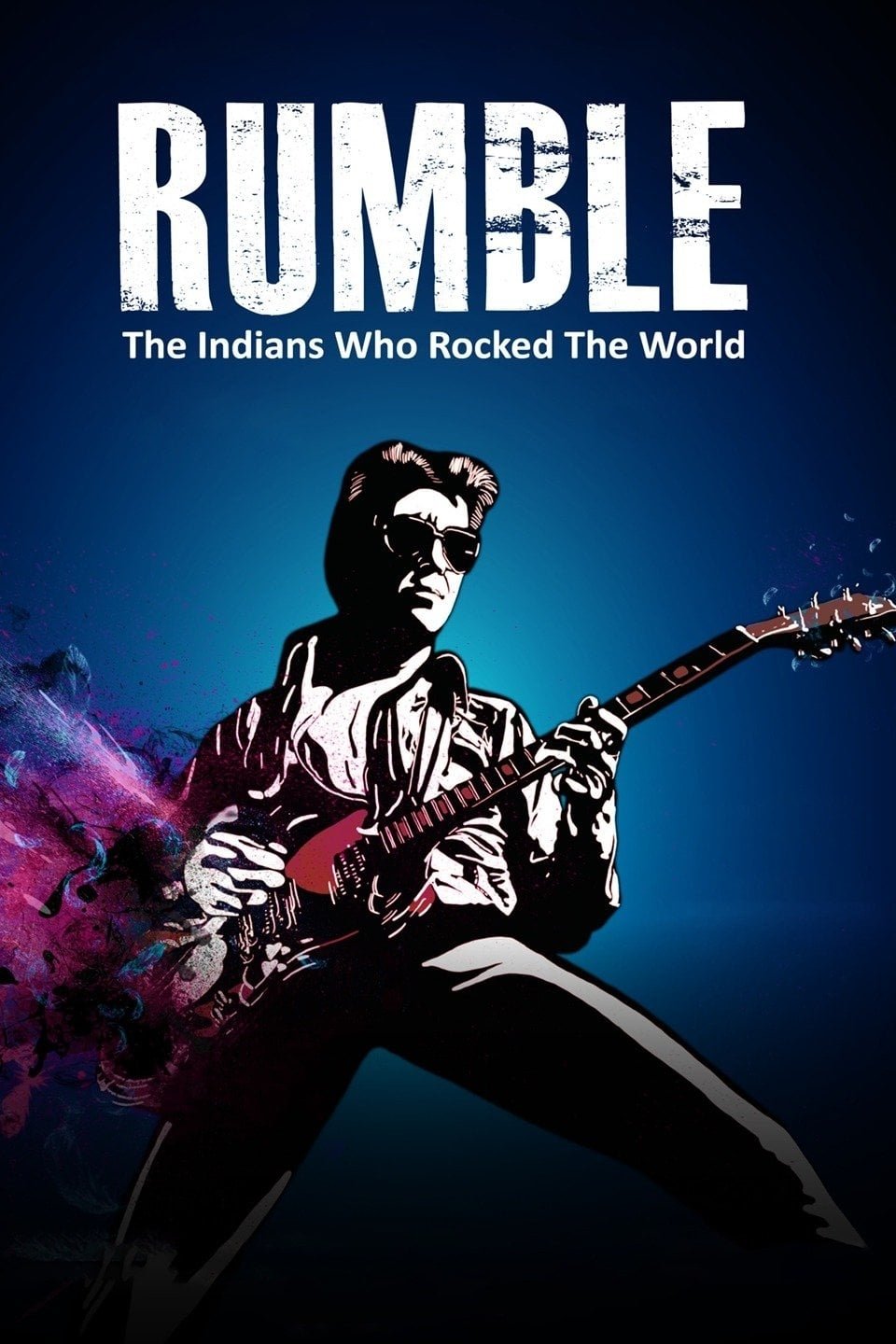
Documentary about the role of Native Americans in popular music history, a little-known story built around the incredible lives and careers of the some of the greatest music legends.
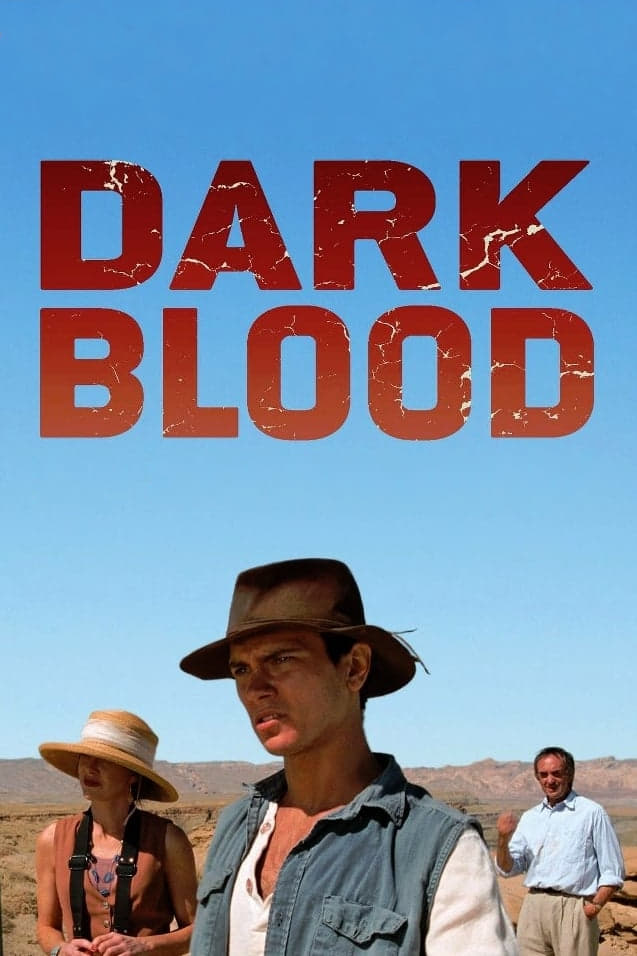
Filmed in 1993 but never completed due to River Phoenix's death, Dark Blood tells the story of Boy, a young widower living on a nuclear testing site in the desert. Boy is waiting for the end of the world and carves Katchina dolls that supposedly contain magical powers. Boy's solitude is interrupted when a Hollywood jet-set couple who are travelling across the desert become stranded after their car breaks down. The couple are rescued by Boy, who then holds them prisoner because of his desire for the woman and his ambition to create a better world with her.
Poet Layli Long Soldier crafts a searing portrait of her Oyate’s connection to the Black Hills, through first contact and broken treaties to the promise of the Land Back movement, in this lyrical testament to resilience of a nation.
America's Lost Landscape: The Tallgrass Prairie tells the rich and complex story of one of the most astonishing alterations of nature in human history. Prior to Euro-American settlement in the 1820s, one of the major landscape features of North America was 240 million acres of tallgrass prairie. But between 1830 and 1900 - in the space of a single lifetime - the tallgrass prairie was steadily transformed to farmland. This drastic change in the landscape also brought about an enormous social change for Native Americans; in an equally short time their cultural imprint was reduced in essence to a handful of place-names appearing on maps. America's Lost Landscape examines the record of human struggle, triumph, and defeat that prairie history exemplifies, including the history and culture of America's aboriginal inhabitants. The story of how and why the prairie was changed by Euro-American settlement is thoughtfully nuanced.