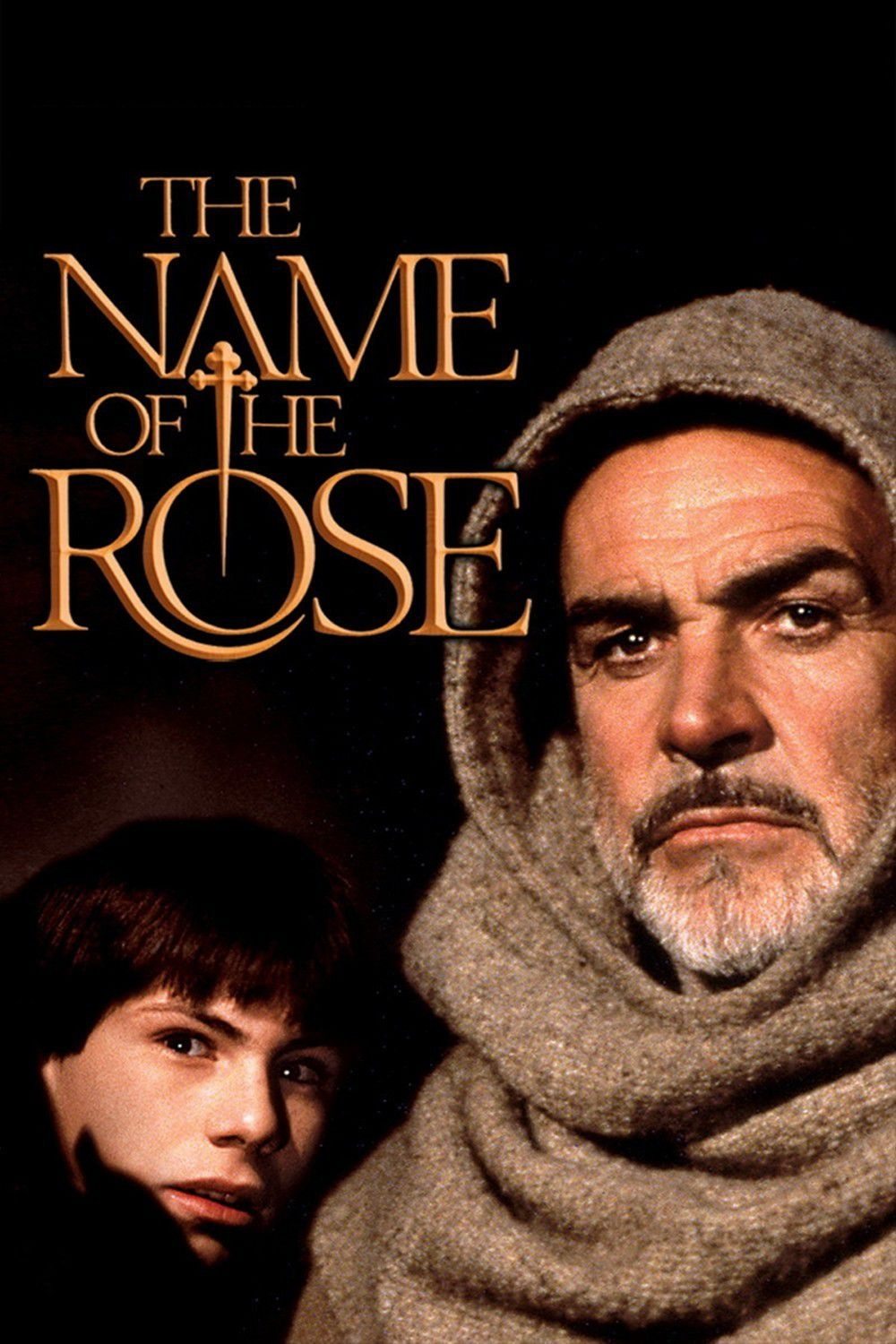
14th-century Franciscan monk William of Baskerville and his young novice arrive at a conference to find that several monks have been murdered under mysterious circumstances. To solve the crimes, William must rise up against the Church's authority and fight the shadowy conspiracy of monastery monks using only his intelligence; which is considerable.
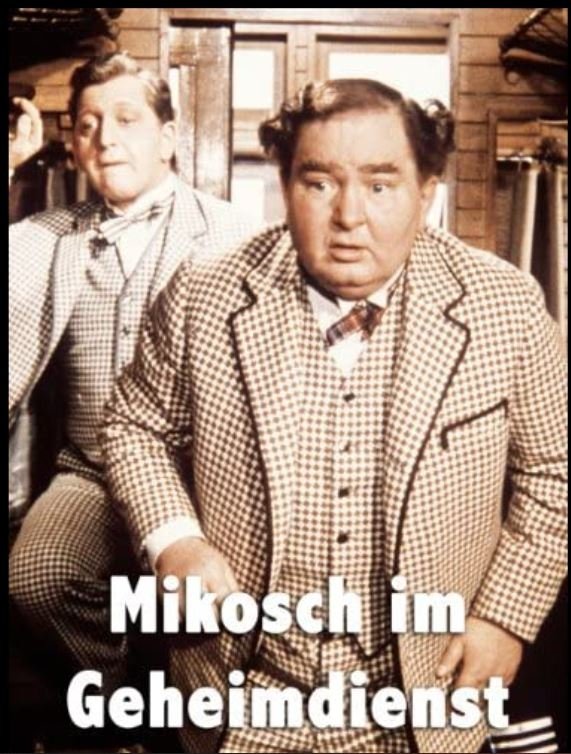
Bad Ischl is in a state of great excitement: the Emperor of Austria-Hungary, the Prussian Emperor, and the Russian Tsar are expected. But then plans to assassinate the heads of state become known. The Austro-Hungarian secret service deploys its "special unit": Mikosch and his helpers are to secretly neutralize the assassin...

The antihero "Mr. Karl" tells a "young person", the viewer, his life story while he sits at work in the warehouse of a delicatessen. The narrator increasingly turns out to be an opportunistic follower from the petty-bourgeois milieu, who maneuvered his way through life in the changing course of Austrian history from the end of the First World War to the end of the occupation in the 1950s.
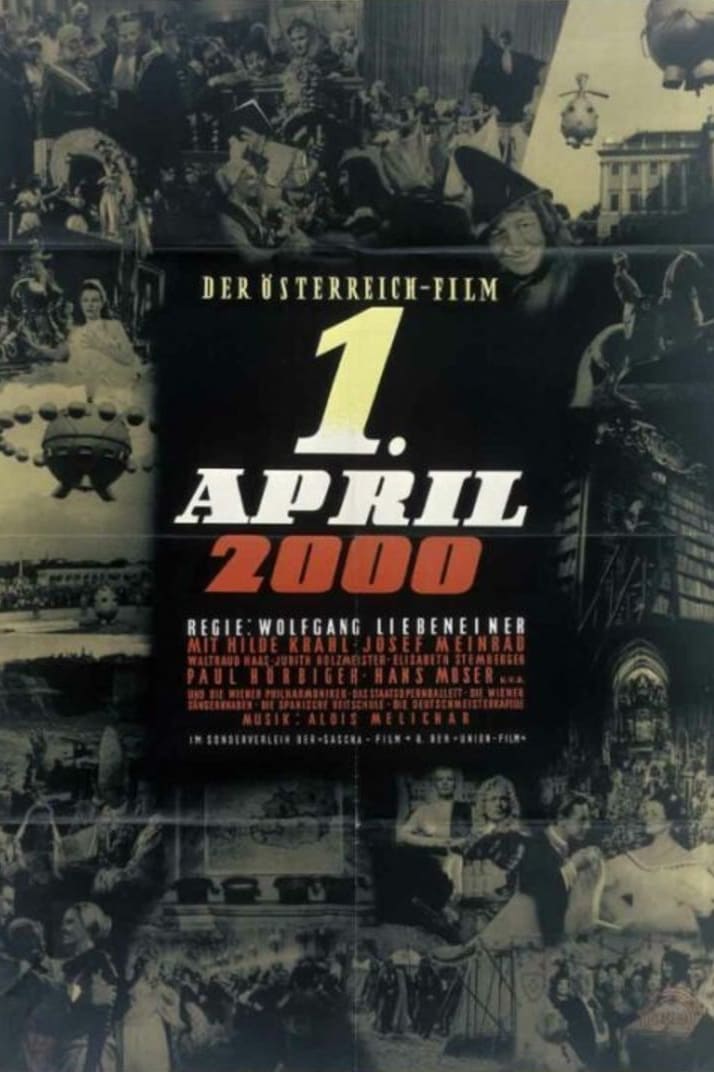
It is the year 2000 and the World Global Union is in charge, although other countries are allowed to elect their own government leaders, as long as they support the Union. When Austria's newly-elected president, played by Josef Meinrad, makes his inauguration speech he declares Austria independence and issues an edict ending Austria's financial support for the Global Union.
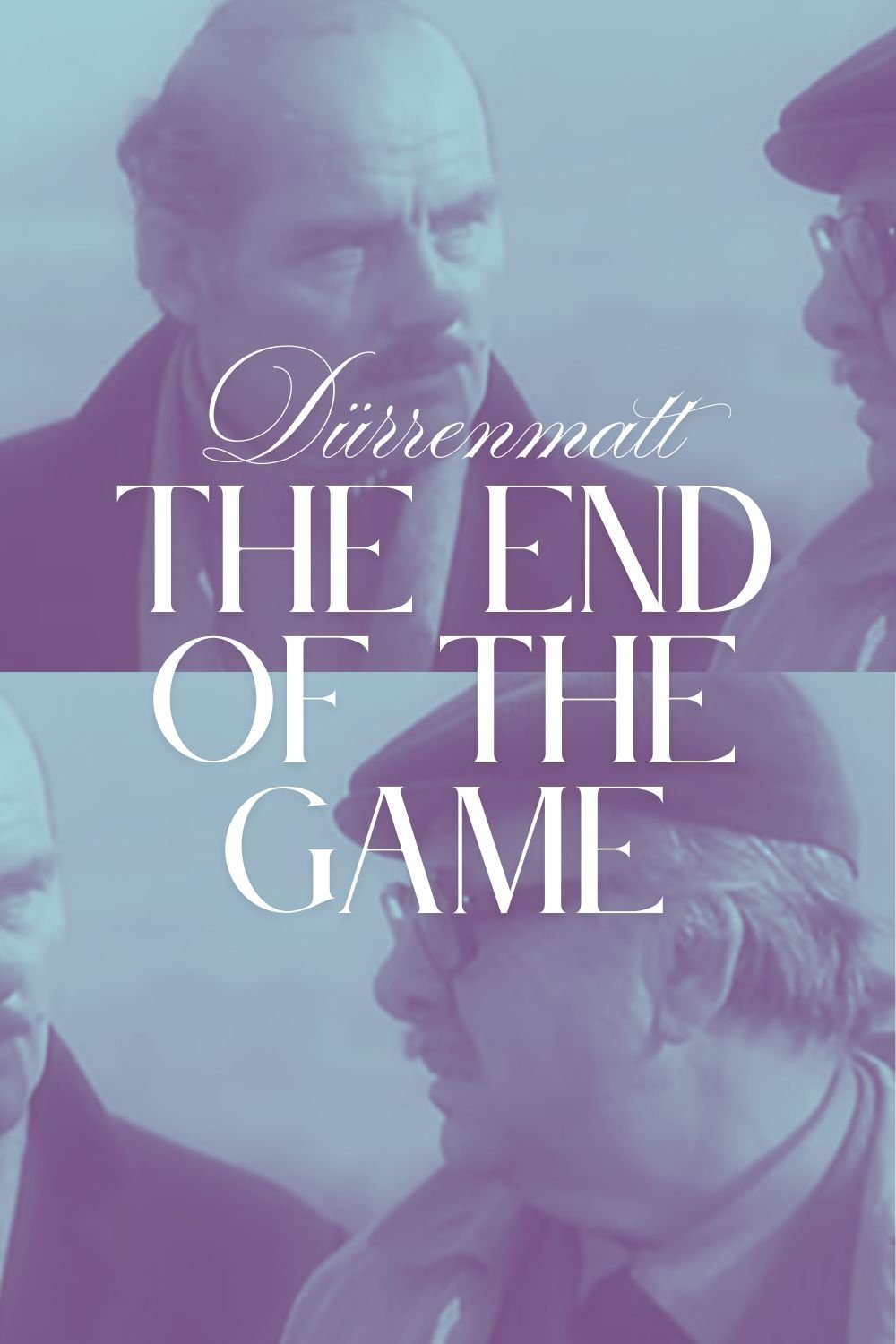
Hans Baerlach is a Swiss police detective who has dedicated much of his career to pursuing powerful and allegedly murderous businessman Richard Gastmann. Though Baerlach's partner meets his demise while investigating Gastmann, his replacement, Walter Tschanz, is undaunted. Meanwhile, the lovely Anna Crawley becomes involved in the case, which proceeds to take many twists and turns.
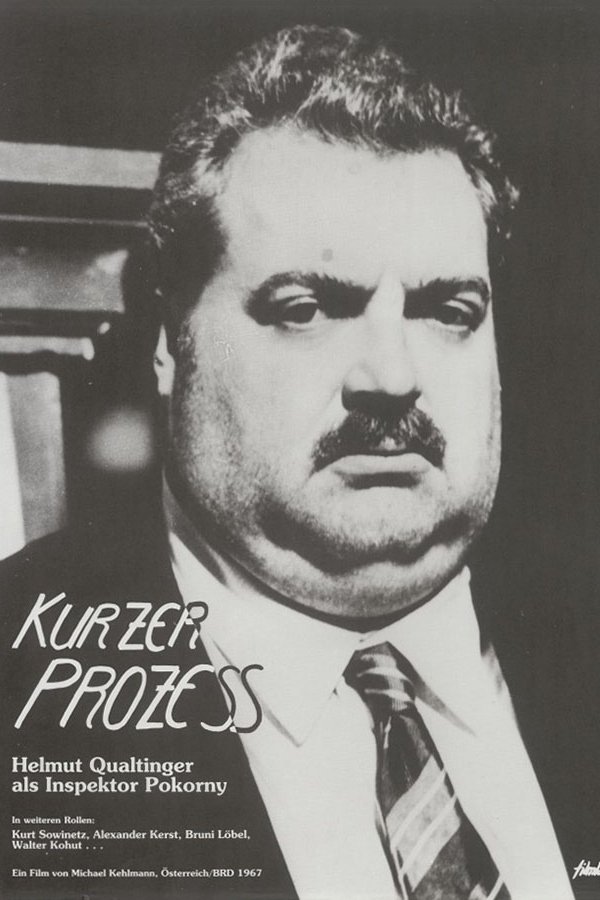
District Inspector Pokorny was transferred some time ago from Vienna to the fictional Upper Austrian town of Mühlstadt after assaulting a suspect while on duty. There, as he says, he has to deal with "idiotic scoundrels who steal each other's chickens." Police officer Janisch was given a quick trial and sentenced to seven years in prison for robbing the post office in Litzelsdorf. His colleagues do not believe he is capable of such a crime and try to catch the real perpetrators. At the same time, they have to deal with a multitude of other cases.
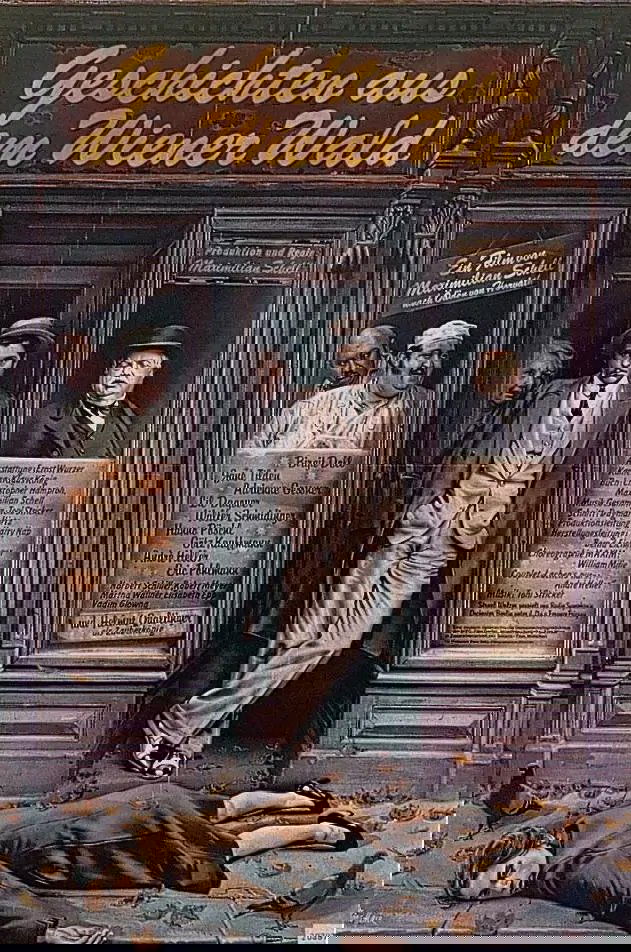
Based on a popular 1931 play, the film tells the fate of a naive young woman named Marianne, who breaks off her reluctant engagement with Oskar the butcher after falling in love with a fop named Alfred who, however, has no serious interest in returning her love. For this error, she must pay bitterly.

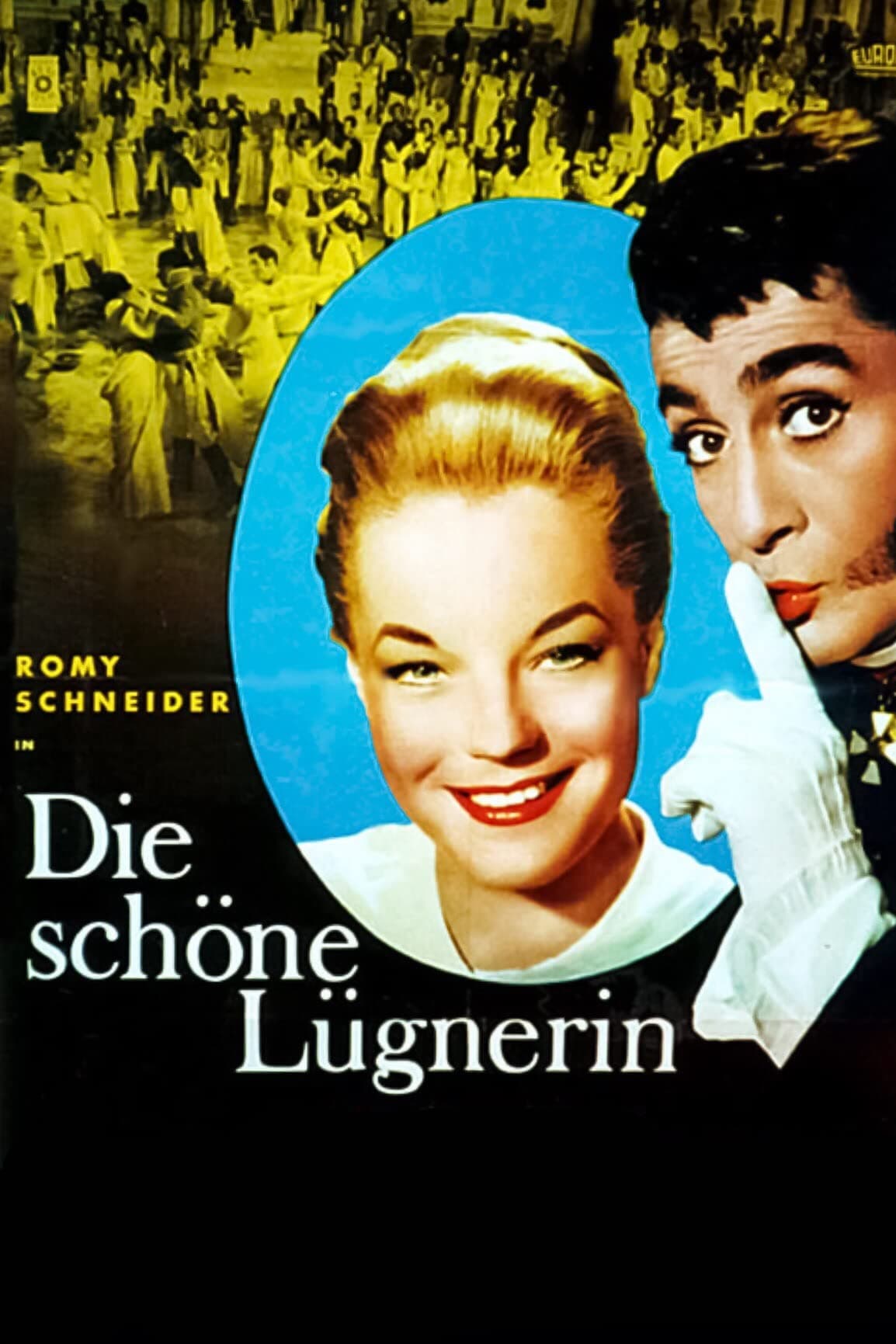
In 1815 Vienna, a corsetmaker falls in love with a valet.
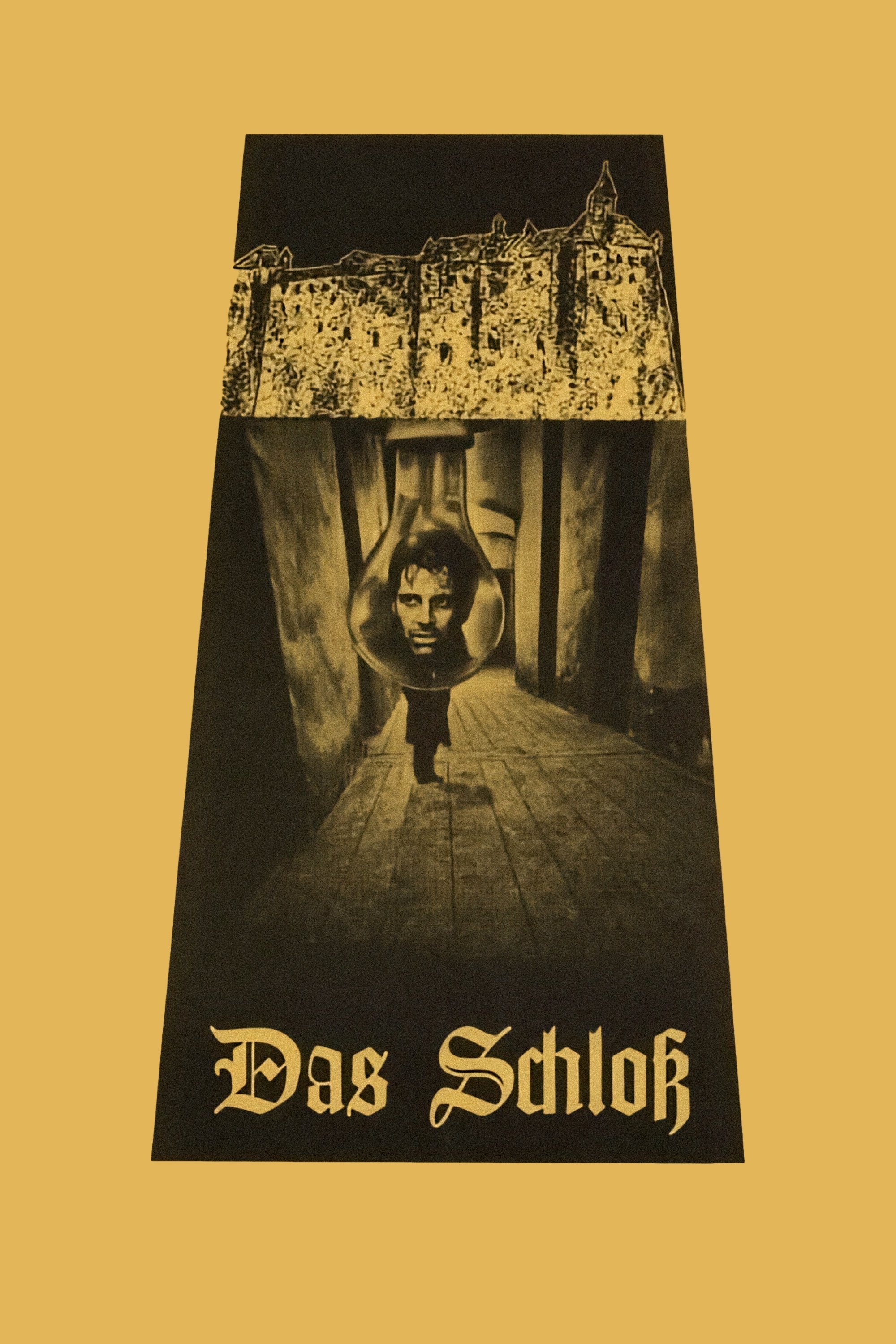
A man comes to a small village to begin his new job as an attendant at the nearby castle. But everybody in the village claims that he surely must be mistaken, there is no need for an attendant at the castle.
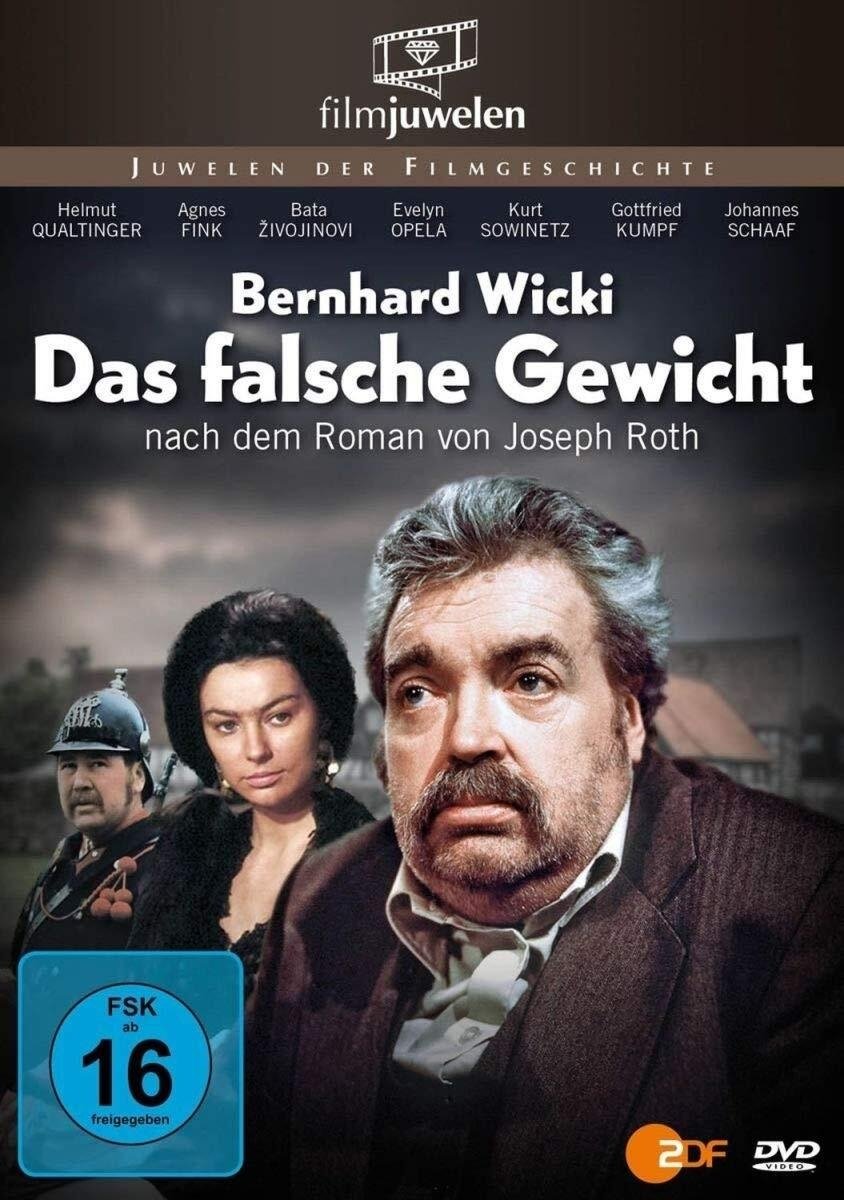
Tells of the tribulations of a middle-aged official of the Austro-Hungarian Bureau of Weights and Measures in fighting the local shopkeepers and traders whose weights are frequently light.
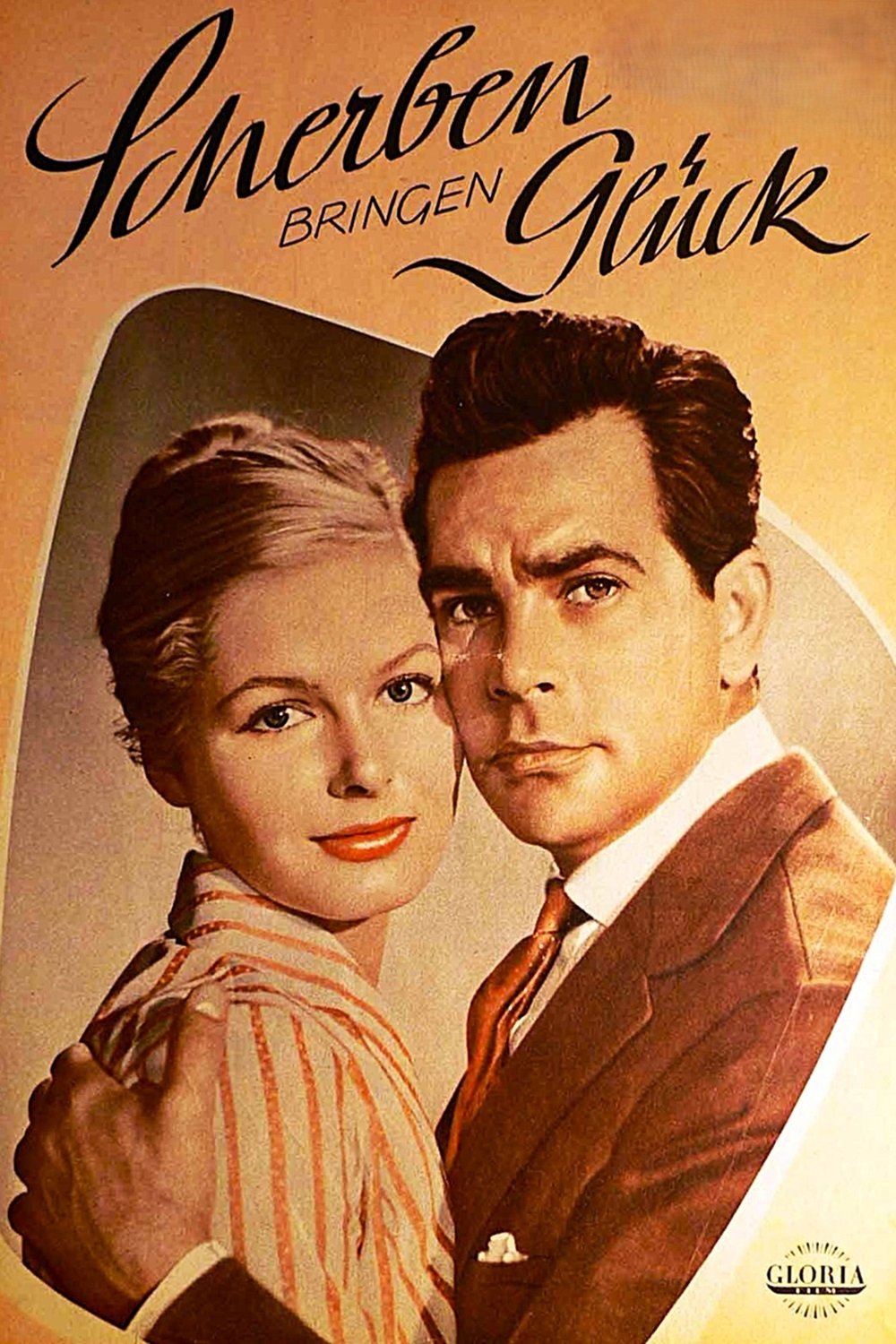


Edgar Burgman, after collaborating to assassinate the elder senator husband of Alice Young, the wife remarried. The woman, after a short period, doubts of love Edgar and convinces more and more that, having married out of interest, now wants to eliminate the possession of his great assets.
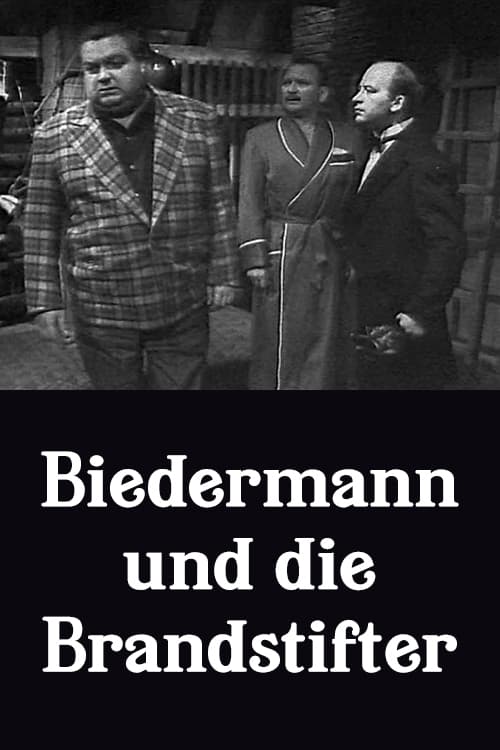
Max Frisch's famous parable about the cowardice of opportunists: Mr. Biedermann brings two arsonists into his home and pretends that they are his best friends.
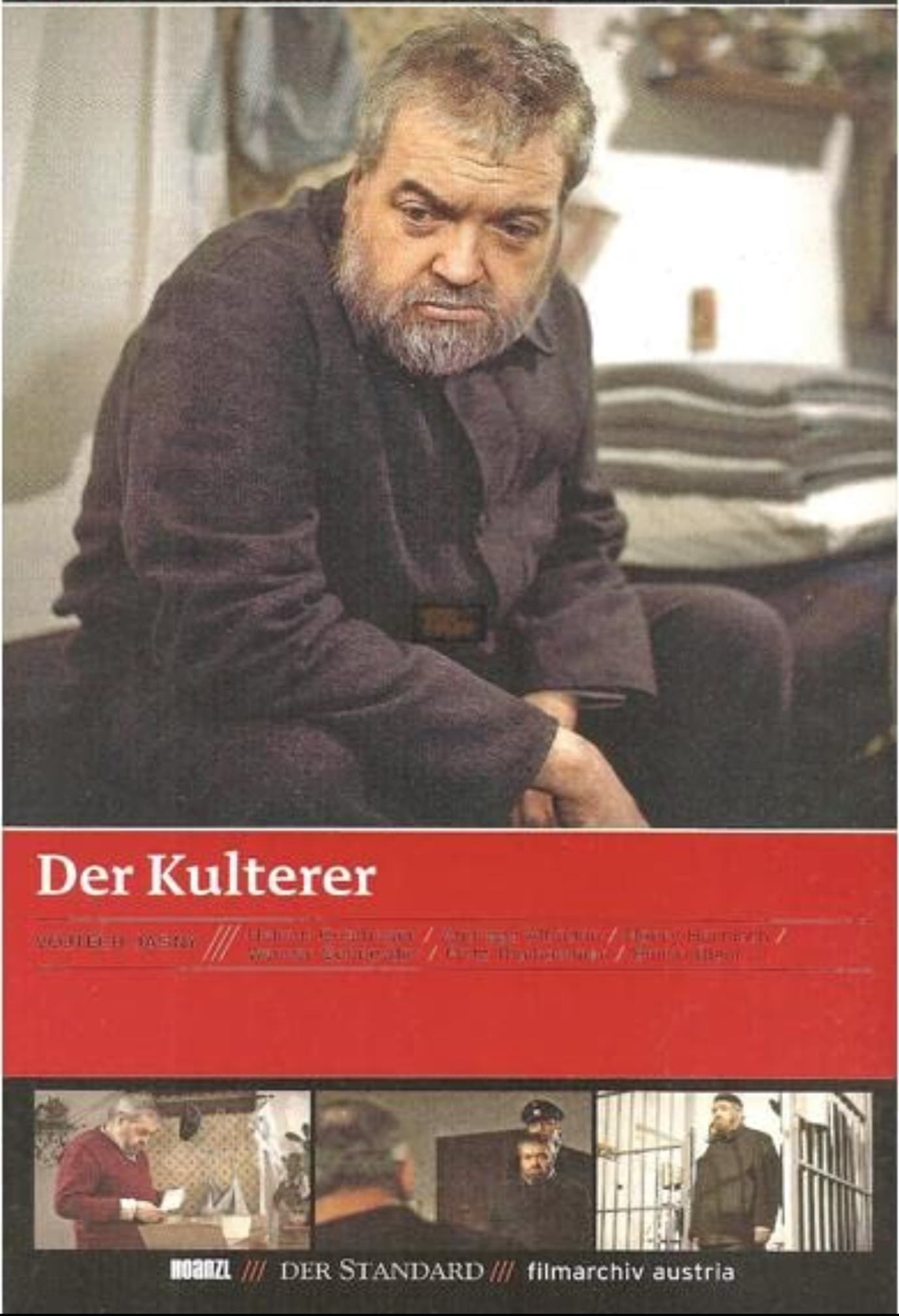
A quiet, unassuming man sentenced to a long term in a maximum-security prison uses his time to study and begins to write cryptic short stories.

The story of the Trotta family during the rise and fall of the Austrian-Hungary empire. Based upon the novel by Joseph Roth.
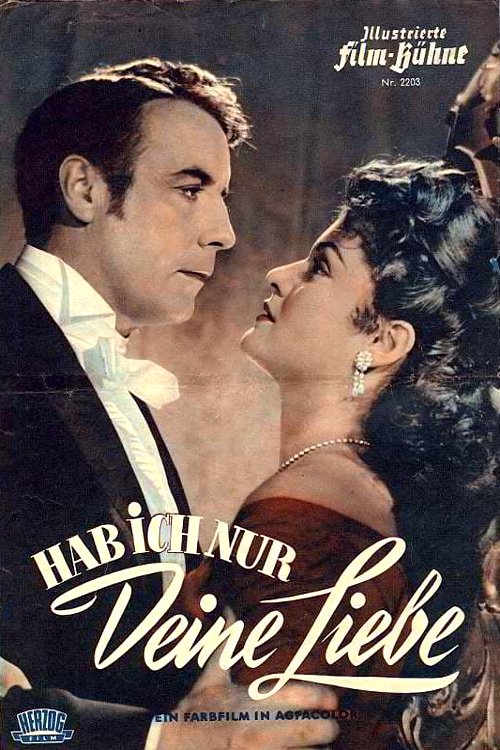
A German TV-Drama.

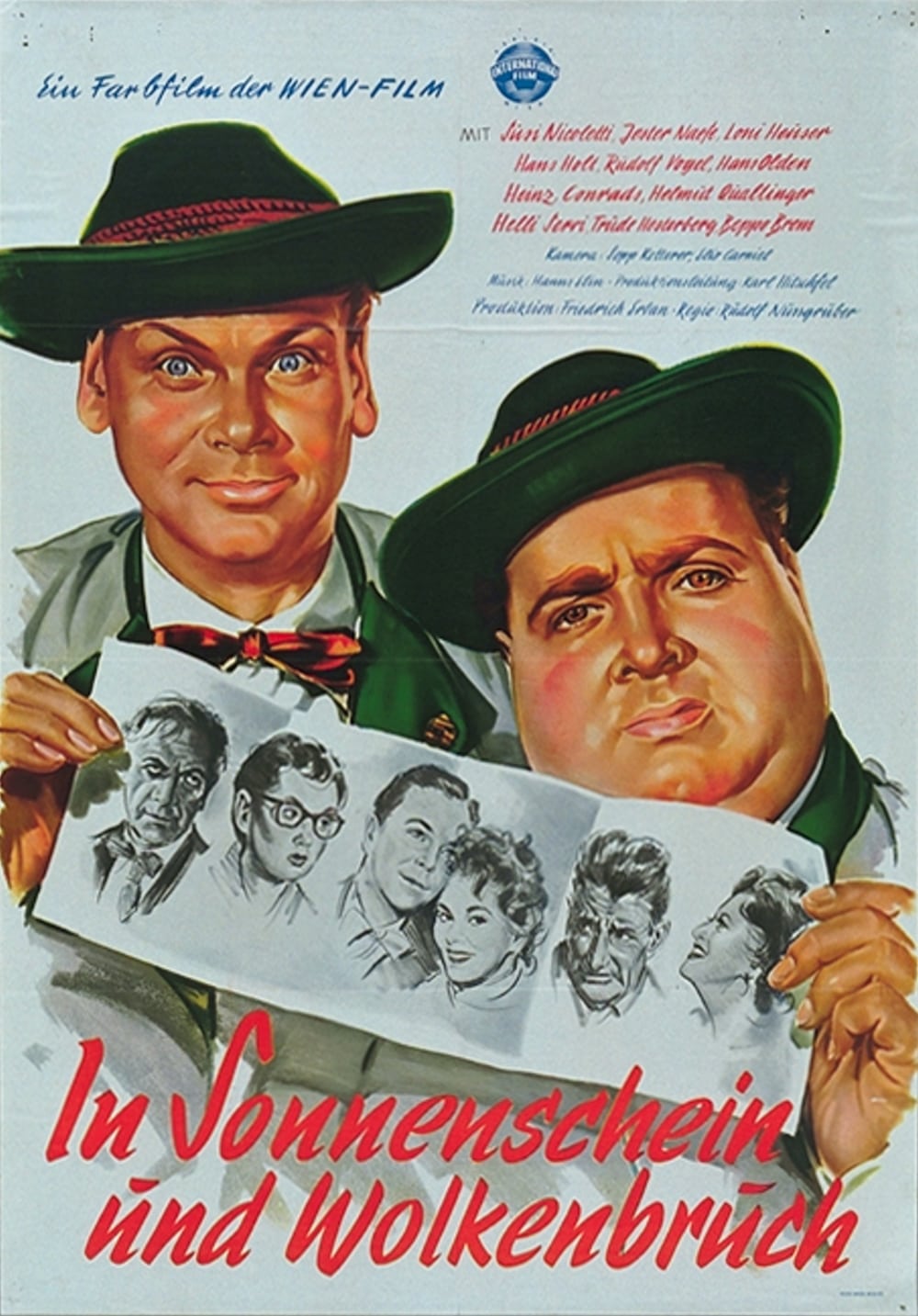
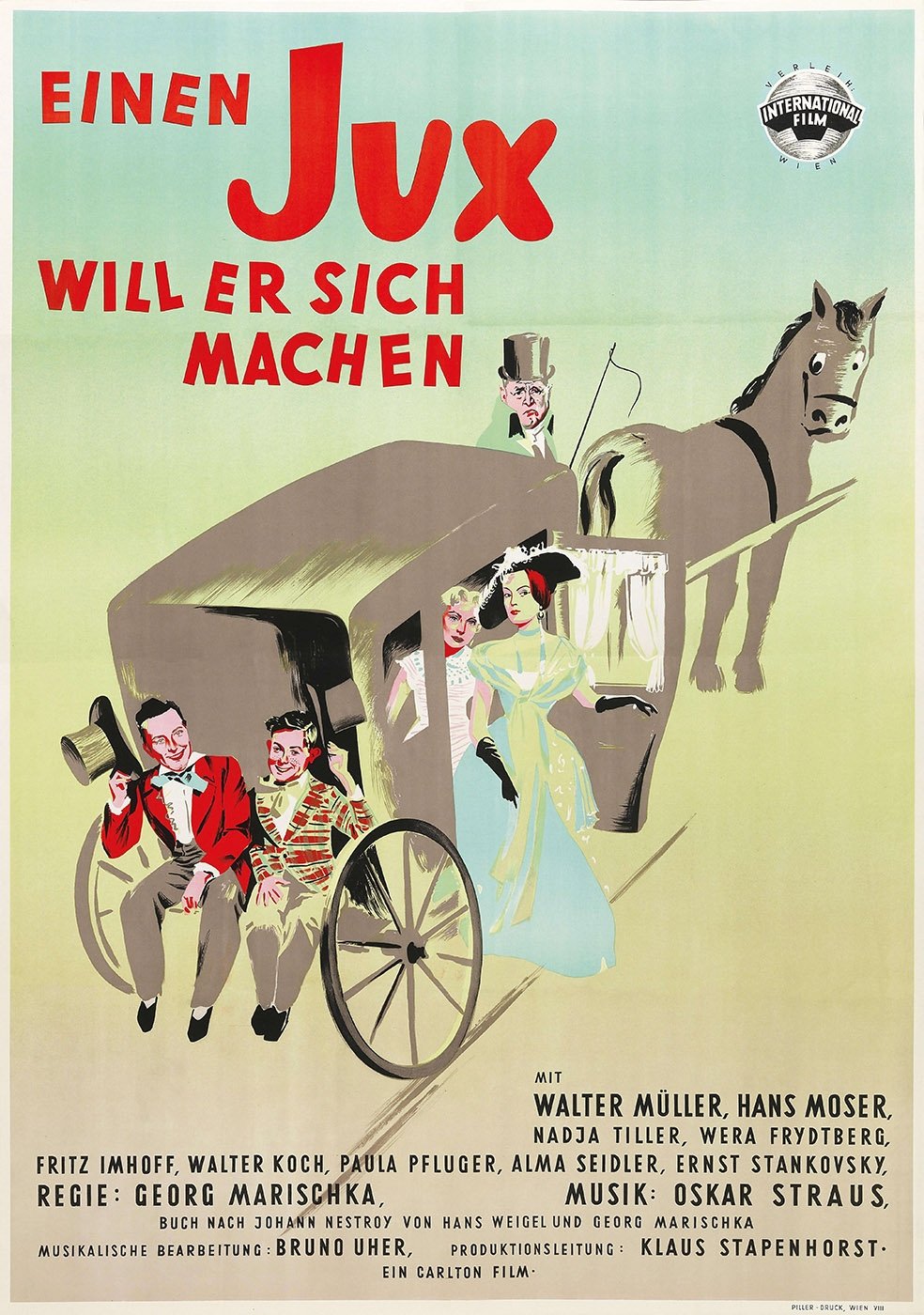
Leim, the carpenter’s journeyman, invests his lottery winnings wisely and marries his master Hoblmann’s daughter Pepi, securing a comfortable middle-class life. Zwirn, the tailor, falls for the alluring Signora Palpiti and lavishes his newfound wealth on her, rapidly depleting his fortune. Knieriem, the stout shoemaker’s apprentice, spends his windfall on endless drinking and revelry, embracing the carefree life without regrets.
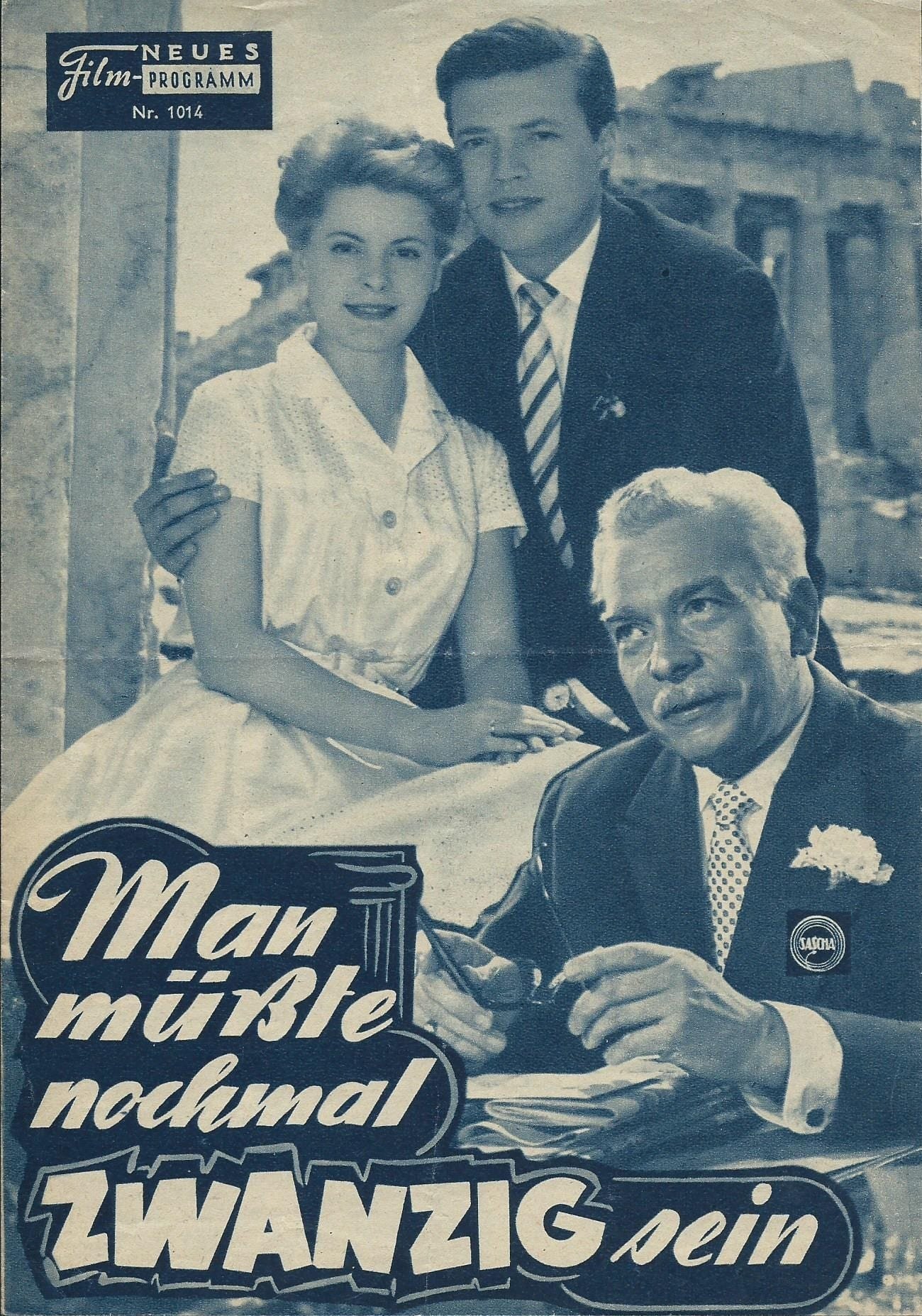
Hofreiter, who has a relationship with Natter's wife Adele, confronts Natter after the latter launches a newspaper advertisement linking the suicide of an admirer of Hofreiter's wife to Hofreiter himself. In his tried and tested manner, Hofreiter challenges his vis-a-vis to a duel, but contrary to all etiquette, Natter refuses and exposes Hofreiter's system of vain notions of honor by confronting him with "genuine feeling". Natter: "I am hopelessly in love with my wife. That happens, dear Hofreiter. Nothing helps. That's just the way it is." His revenge is of a different nature, because he gets out of Hofreiter's narcissistic game and disavows his deceptive maneuvers and strategies of shifting blame.
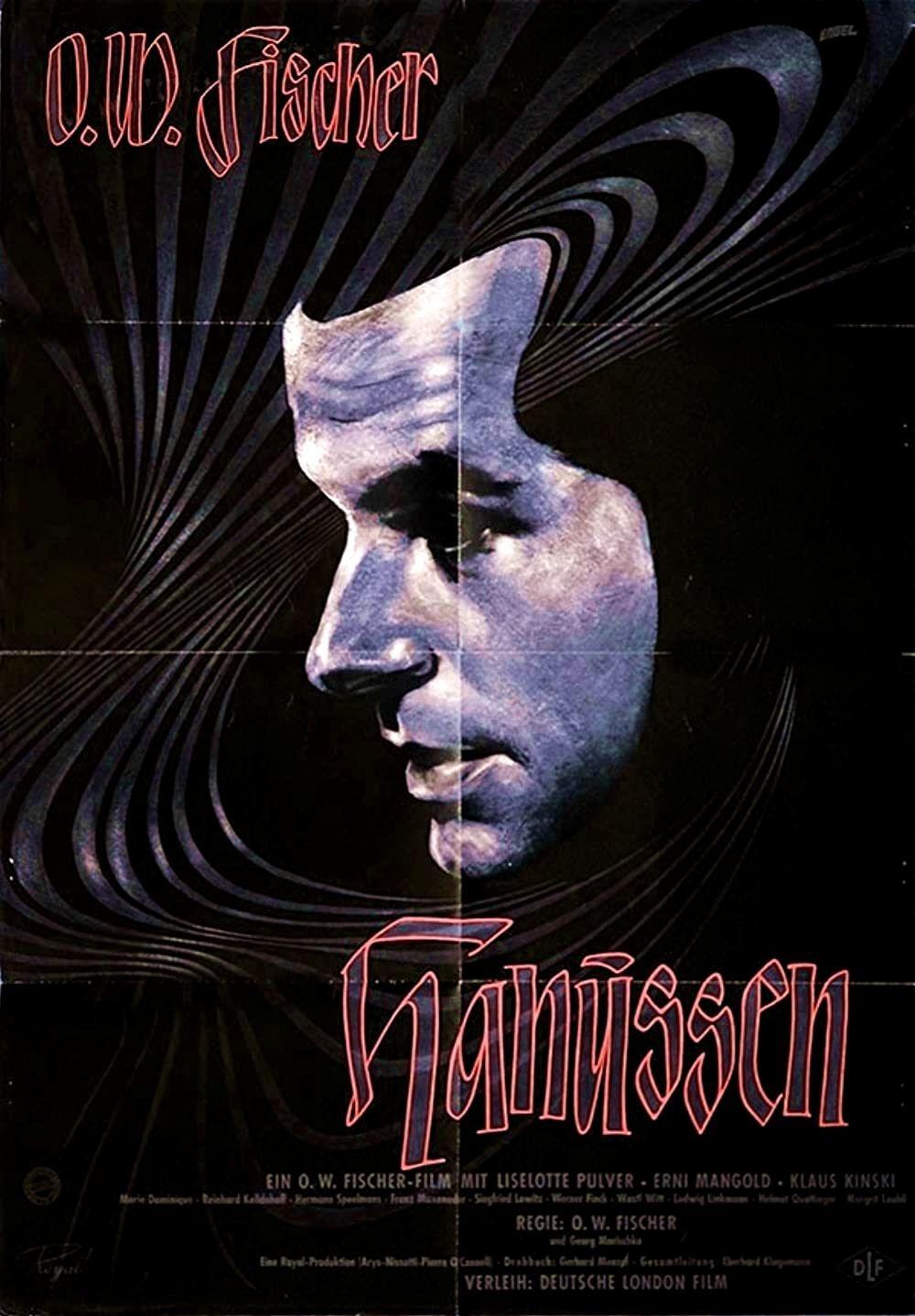
In Germany during World War II, a well-known psychic decides to collaborate with the Nazis.
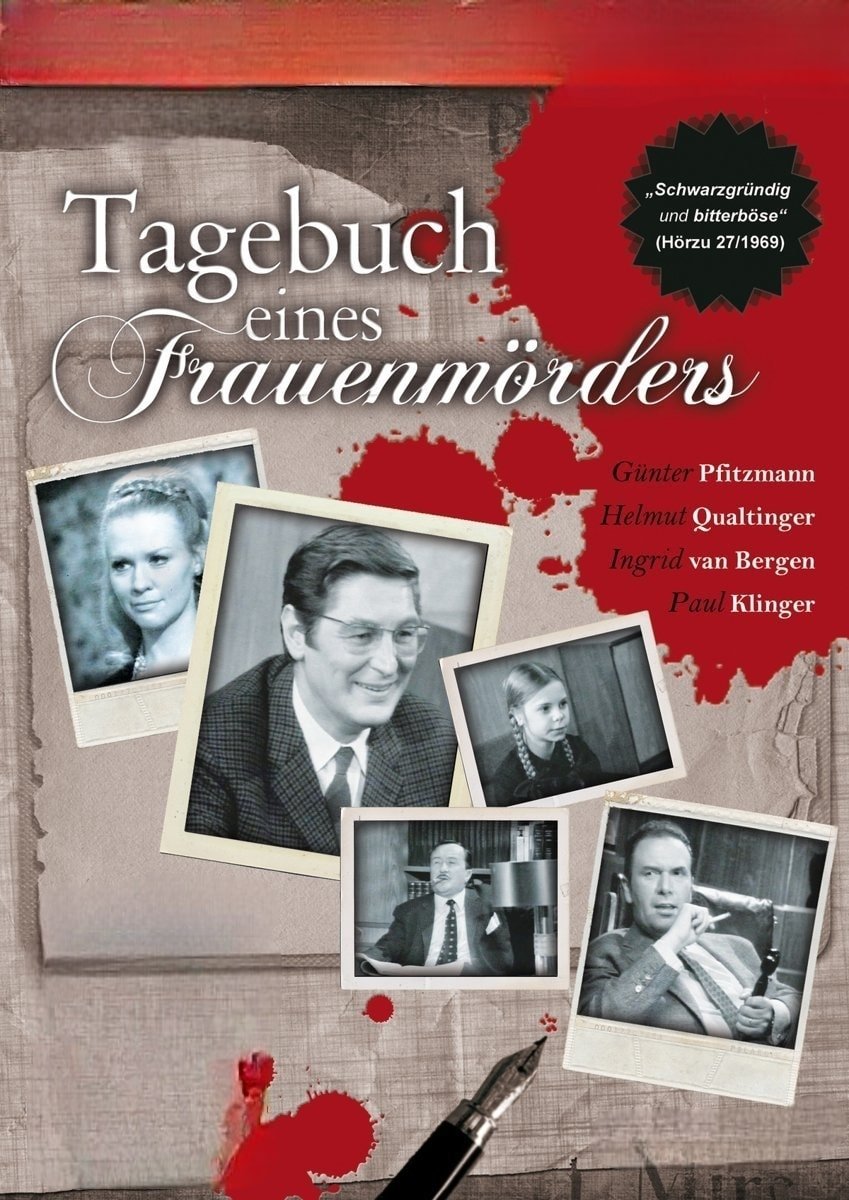
Böhm, a young marriage swindler, meets up with an old school friend who works as a writer. Lehmann writes sensational factual reports about spies and murderers. When Mr. Böhm learns that he can make money by claiming to be a murderer, he pretends to be a woman-killer. His old school friend Lehmann then takes him to his agent Mr. Marojan. While the "factual report" is in full swing, the police discover the truth, namely that Böhm is not a murderer at all. So as not to disappoint the magazines, Böhm, Lehmann and agent Marojan come up with a perfidious plan: Böhm is actually to murder women. A victim is soon found, but "woman killer" Böhm makes a fatal mistake...
Vienna, circa 1930: The "sweet Viennese girl" Marianne is supposed to find the man of her life in the butcher Oskar. She flees to the bon vivant Albert, who first makes her pregnant and then bitterly disappoints her. He abandons her, leaving Marianne all alone with the child. She loses all willpower and, in complete resignation, finally marries the stuffy Oskar.
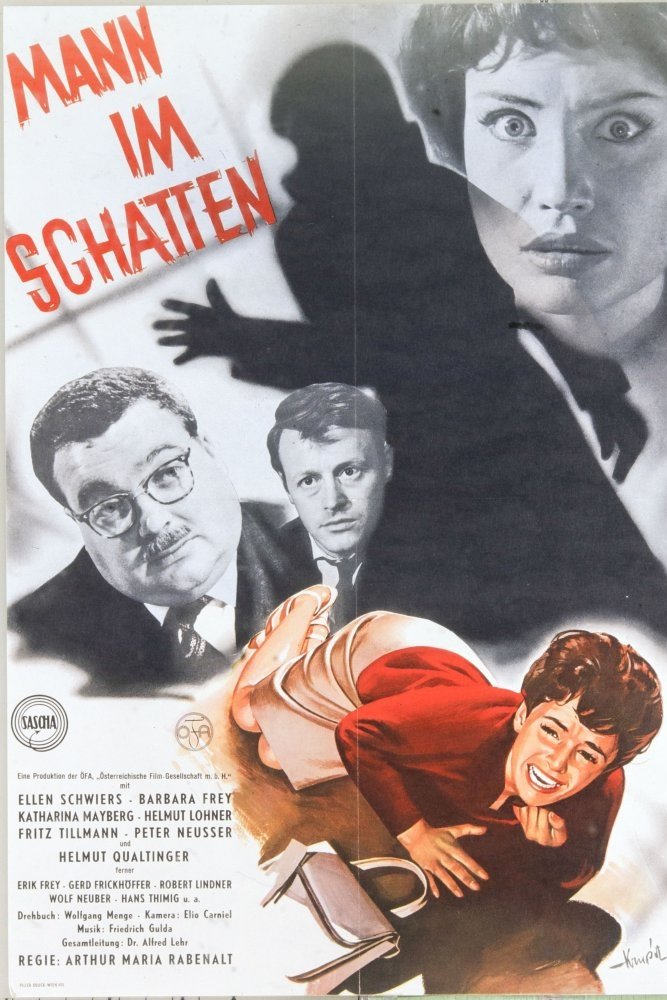
Crime Thriller with Helmut Qualtinger as Chief Inspector who investigates a Murder in 1961 Vienna. The murder is based on a real murder, the "bathub murder", which gained quite some media attraction in austria in the 1940's.
A politician is afraid about his reputation
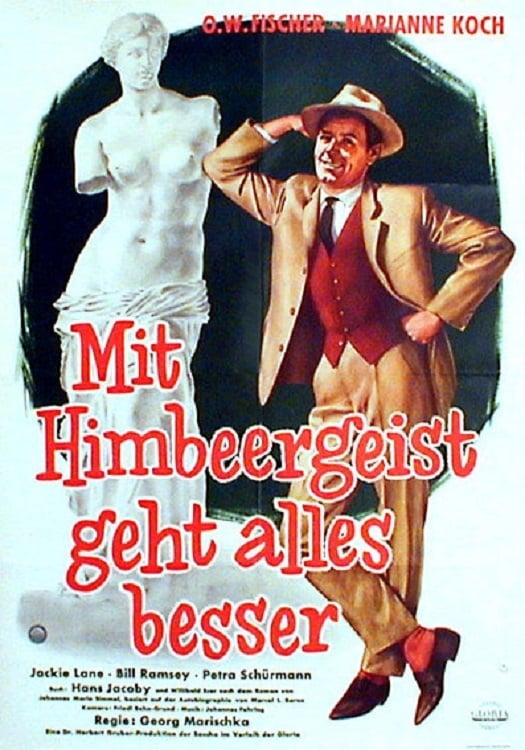
A slightly ironic comedy about the rise of a celebrated factory owner who began his swindles while a prisoner of war and ends up as a cheated fraudster.
The pub “Zum Weißen Lamm” (the White Lamb) is filled to the brim with nasty bores. The innkeeper, played by a sweat-soaked Helmut Qualtinger, and his self-righteous circle of regulars are thrown into turmoil when a quest who is supposedly “the Rasberry picker,” a former SS officer, checks in.

A film comedy about two beautiful women, two marry-able girls and a man!
Five film directors were given the task of making short films based on titles of drawings by Paul Klee.
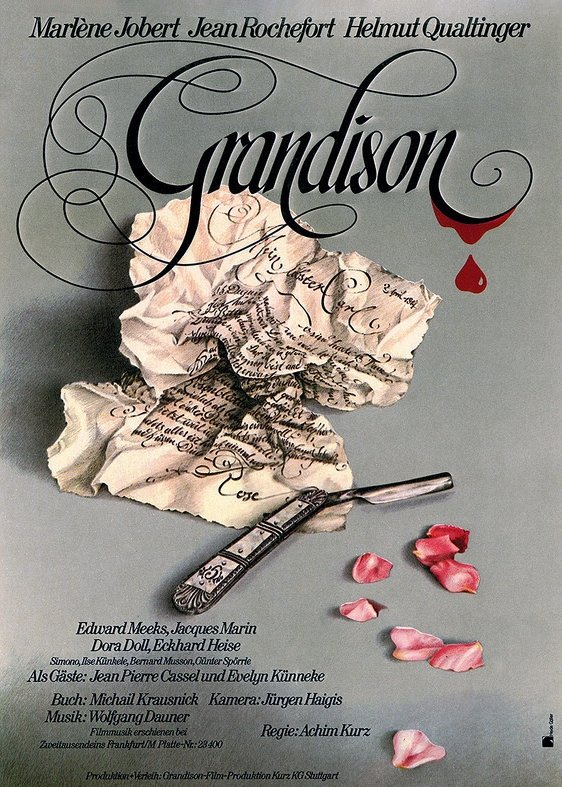
The case of stagecoach robber Carl Grandison, who lived in Heidelberg as a respected merchant and committed suicide in prison in 1814, as material for an expensive (DM 5.1 million), over-aestheticized flashback film: the decorations, props and costumes are right, otherwise everything seems fake.
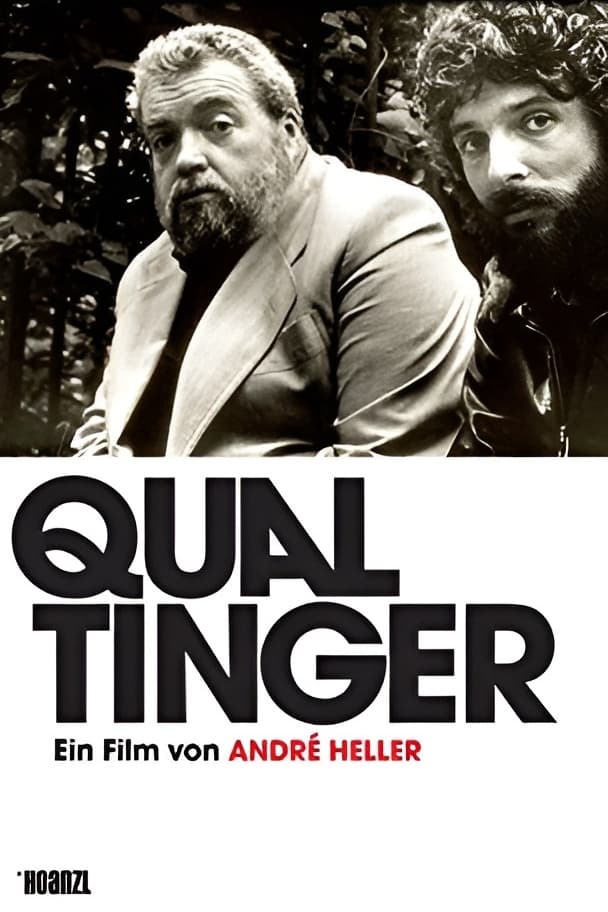
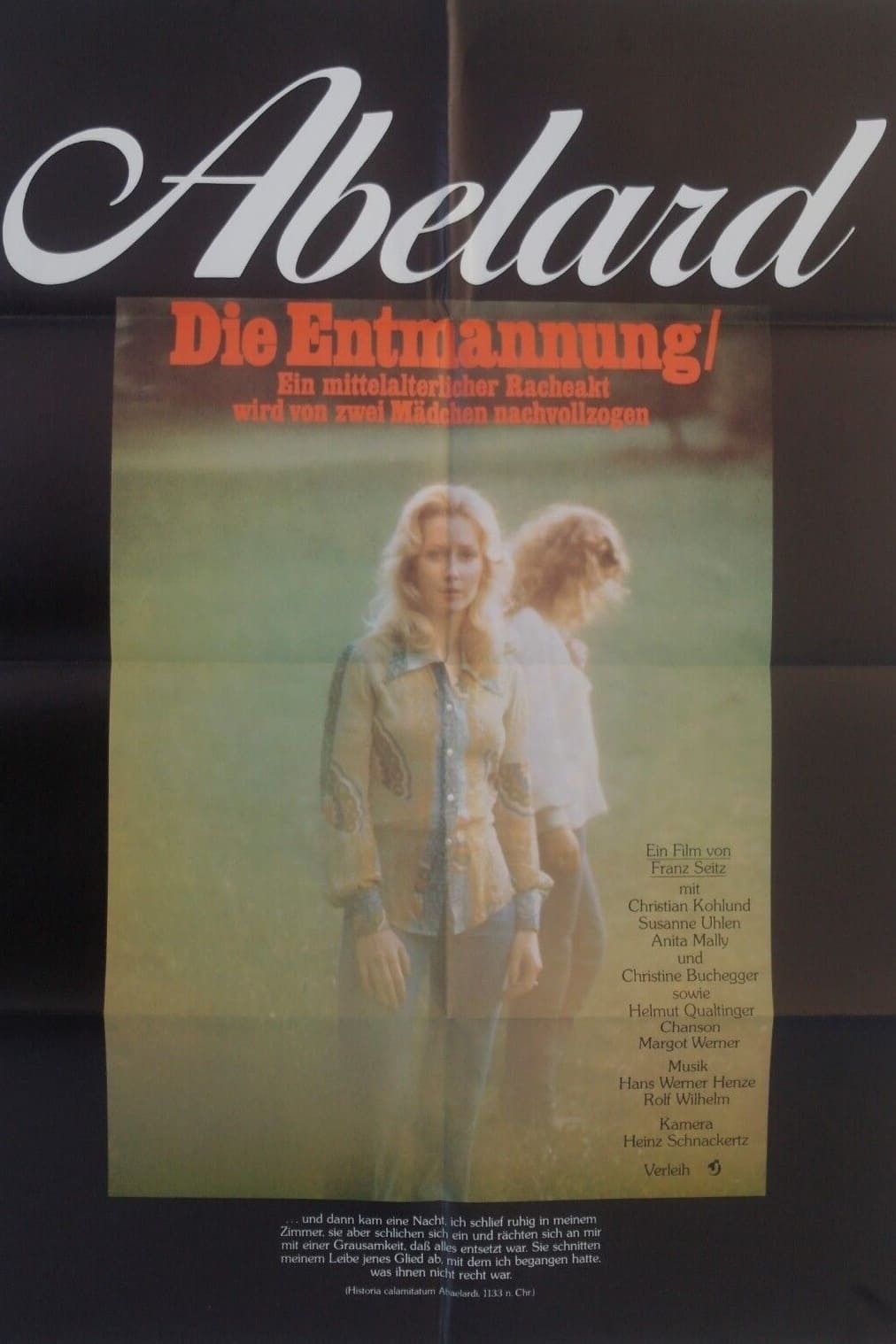
The story is about the Munich veterinarian Dr. Georg Rauh and his erotic-amorous relationships with women
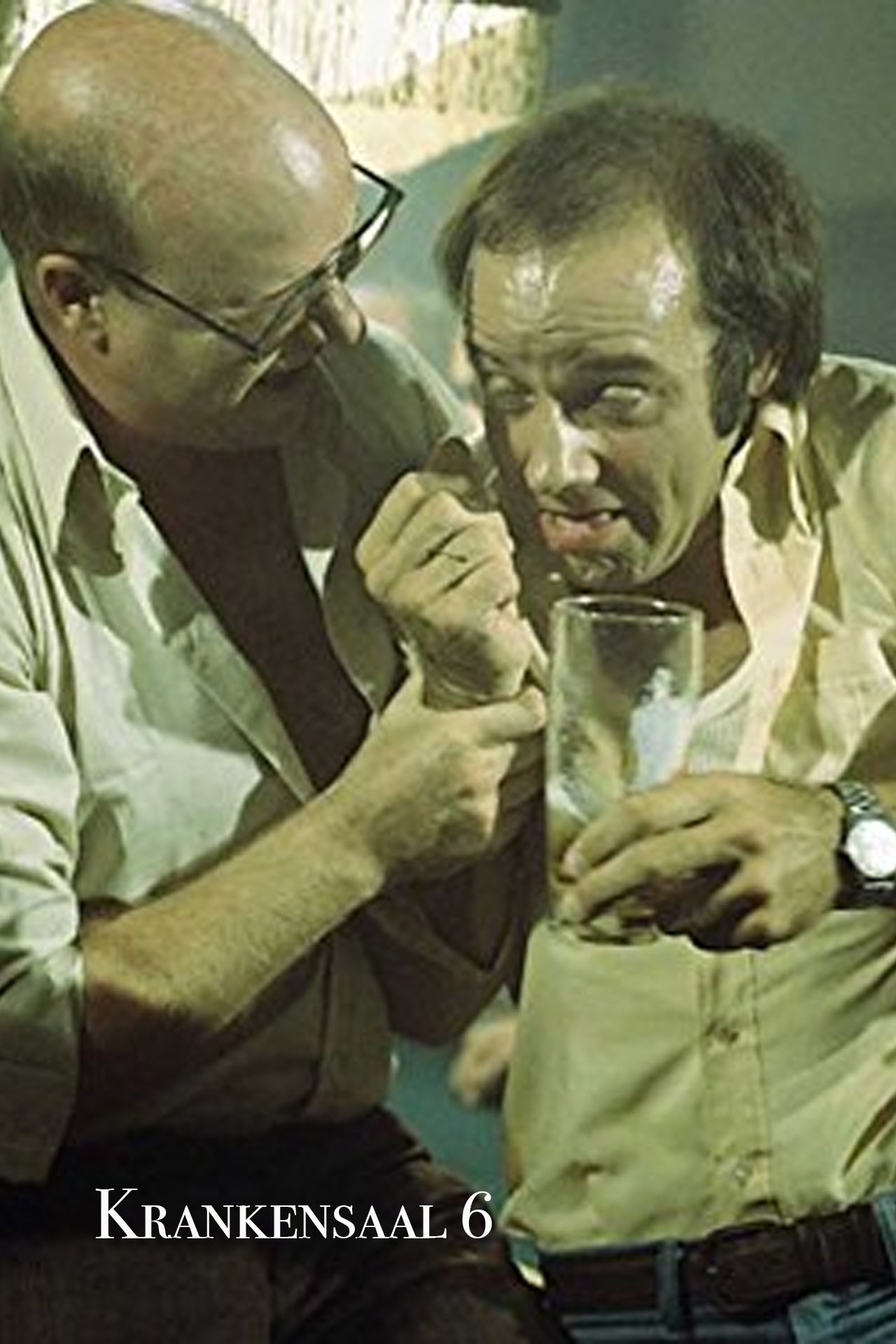
A hospital in a shabby provincial town in Tsar Russia swarming with spies, traitors and secret police. Doctor Ragin worries about his patient Gronow in Ward Six. Gronow is a former civil servant who talks about the future.
Erzsi, living alone in Budapest, keeps up phone and letter contact with her sister Gisa in Germany. Both elderly, they’ve long grown apart in how they face aging: Gisa accepts it, while Erzsi tries to hold on to youth, encouraged by her friend Paula and by Viktor, an aging opera singer and former lover.
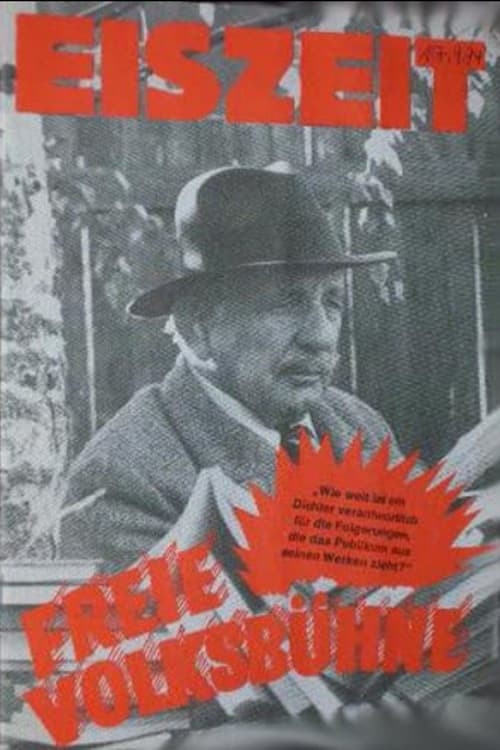
After World War II, an aging controversial Norwegian Nobel Prize winner must confront his past and the moral implications of his Nazi sympathies while being challenged by a man intent on holding him accountable.
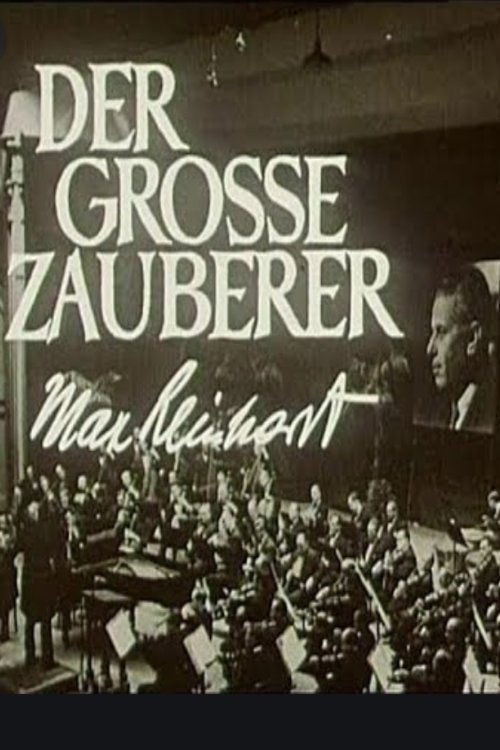
"The Great Magician" - Max Reinhardt (1873-1943) was an Austrian theater and film director, director, theater producer and theater founder. With his Jedermann production on August 22, 1920, he founded the Salzburg Festival.
Based on the many observations made during his extremely interesting and far from dull life, Dr. Döblinger relates four episodes in which he wants to give us a picture of the loneliness and incomprehensibility of mankind.
A German TV documentary that chronicles the daily rehearsals, the filming and all the behind the scenes of Jean-Jacques Annaud's classic "The Name of the Rose". From actors perspectives to the ideas used by the director to produce an impeccable international epic adaptation of Umberto Eco's best selling novel, the film presents the obstacles behind the creation of a production of such large scale and also the making of the many difficult scenes, most of the ones presented here are the characters' murders inside the mysterious abbey.
An oral history of the 1986 film adaptation of "The Name of the Rose", gathering together the memories of several members of the surviving cast/crew.