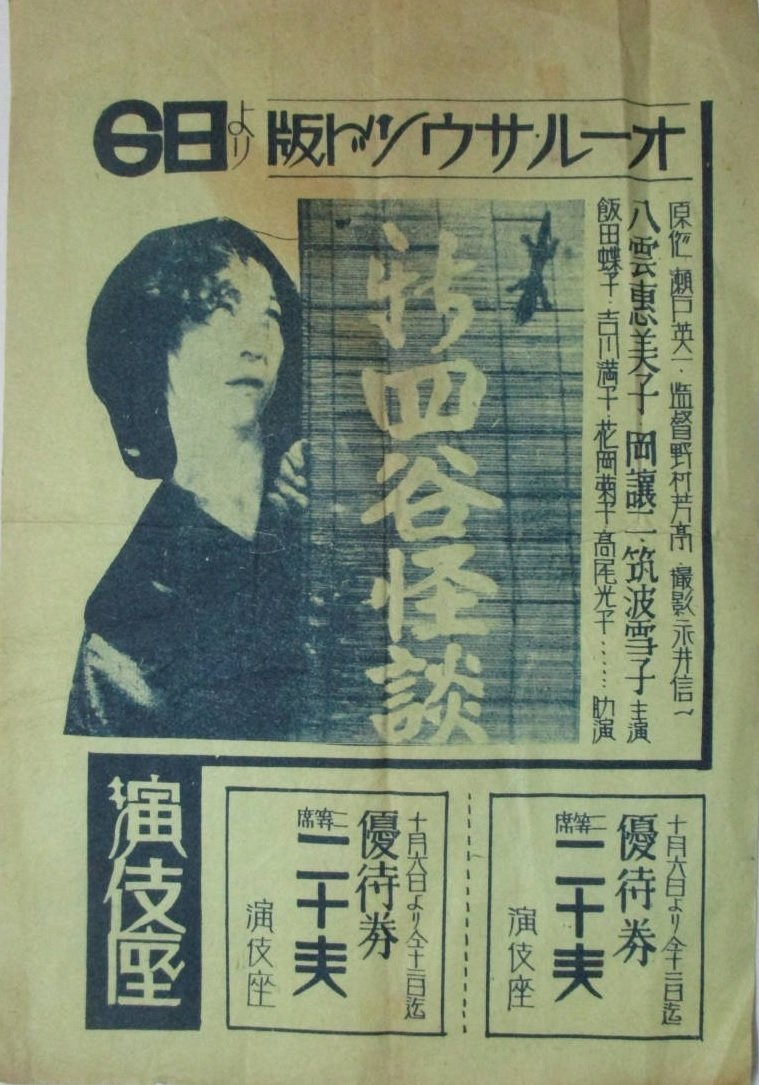
Shigeki Kachi, Tosuke Satomura, and Nanako, who belong to the theater company Vuanbert around Dosa, withdrew at the indignation of the chairman Hayashi and seeked their own careers in the film industry.
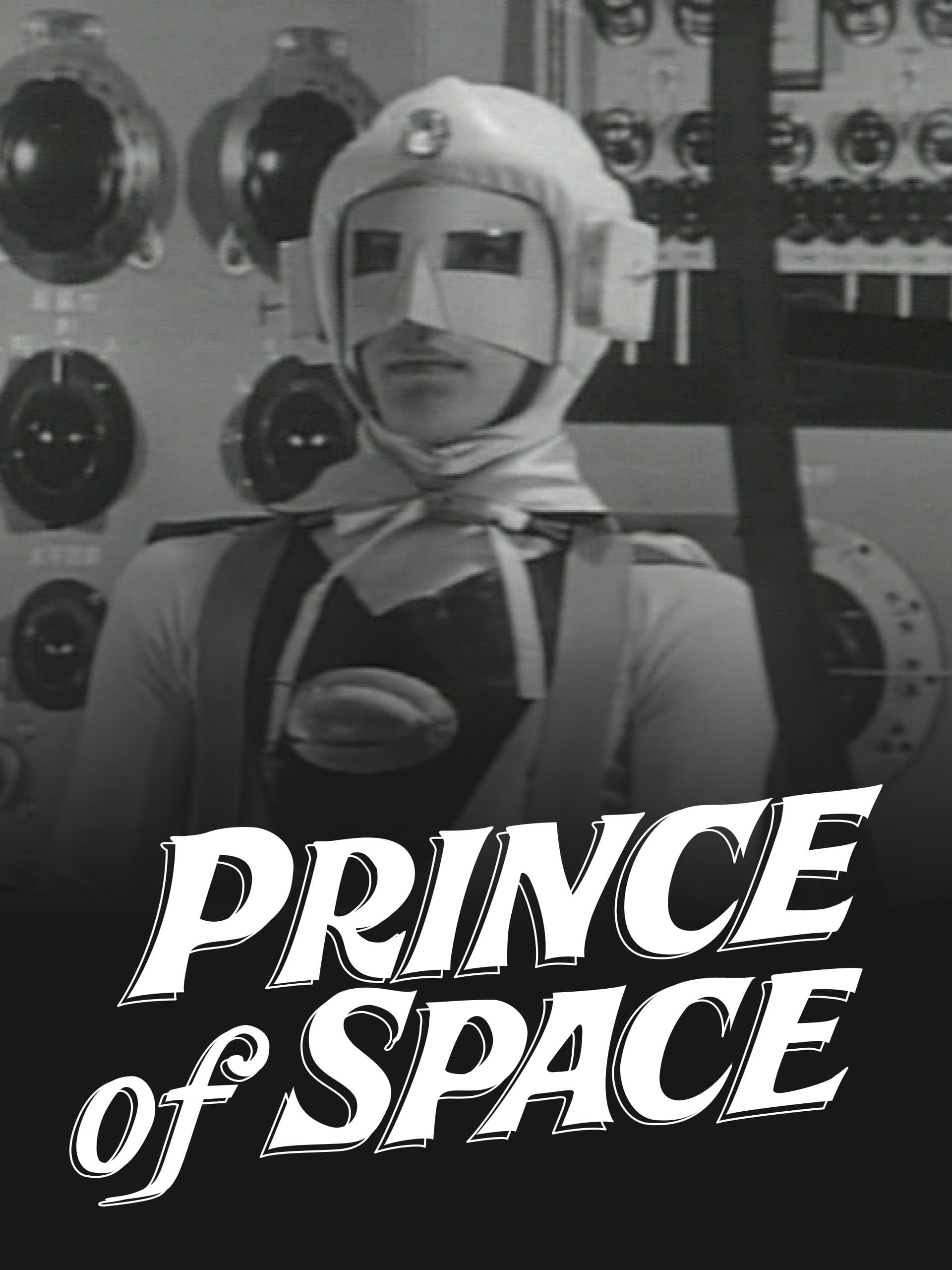
Attracted by the report of the development of a new type of rocket fuel, the vicious dictator of Krangkor, the dark planet, descends on Earth to steal the formula from its creator, the benevolent Dr. Makin.
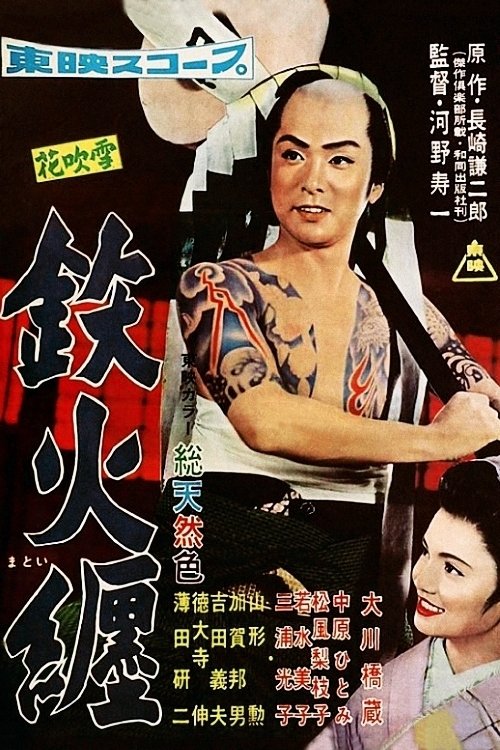
Hashizo Okawa in the form of a courageous firefighter who confronts unscrupulous traders who make a profit even at the cost of human lives. A fireman exposes the corrupt activities of merchants.

Ronin Sasaki Kojiro pursues his ultimate goal of becoming a master swordsman. Along the way he encounters another great swordsman, Miyamoto Musashi.
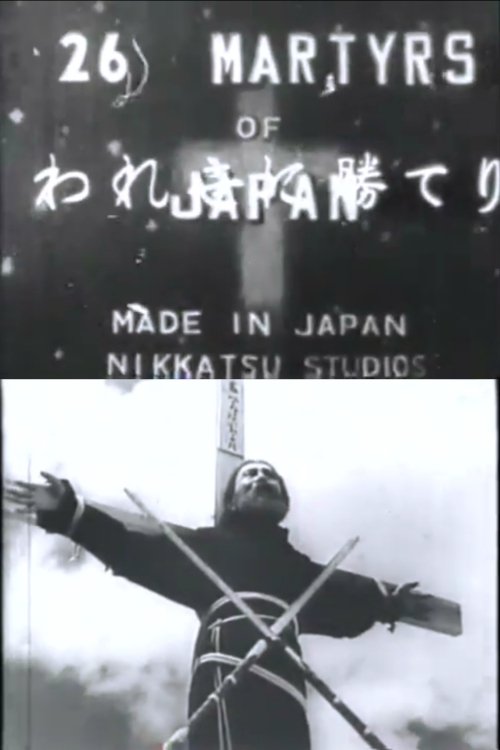
Jesuit priests in Japan during the 17th century are persecuted by the shogunate to for trying to spread Christianity.
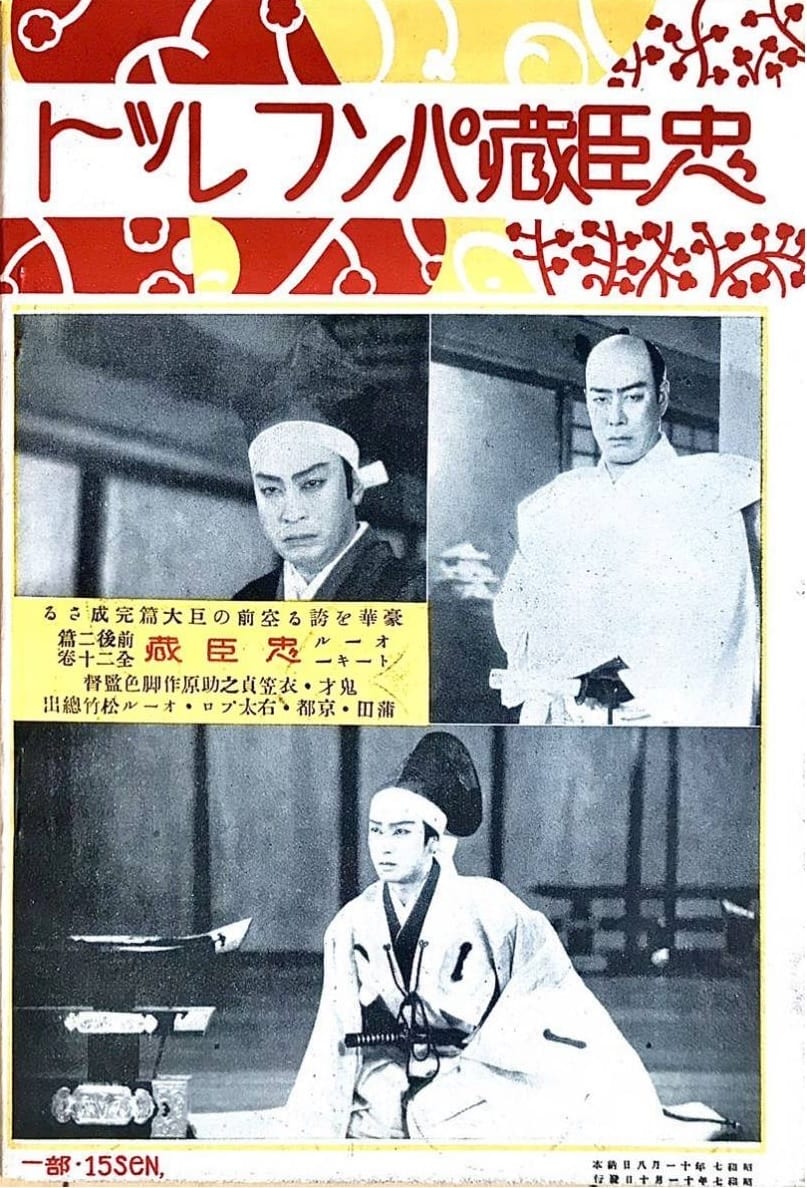
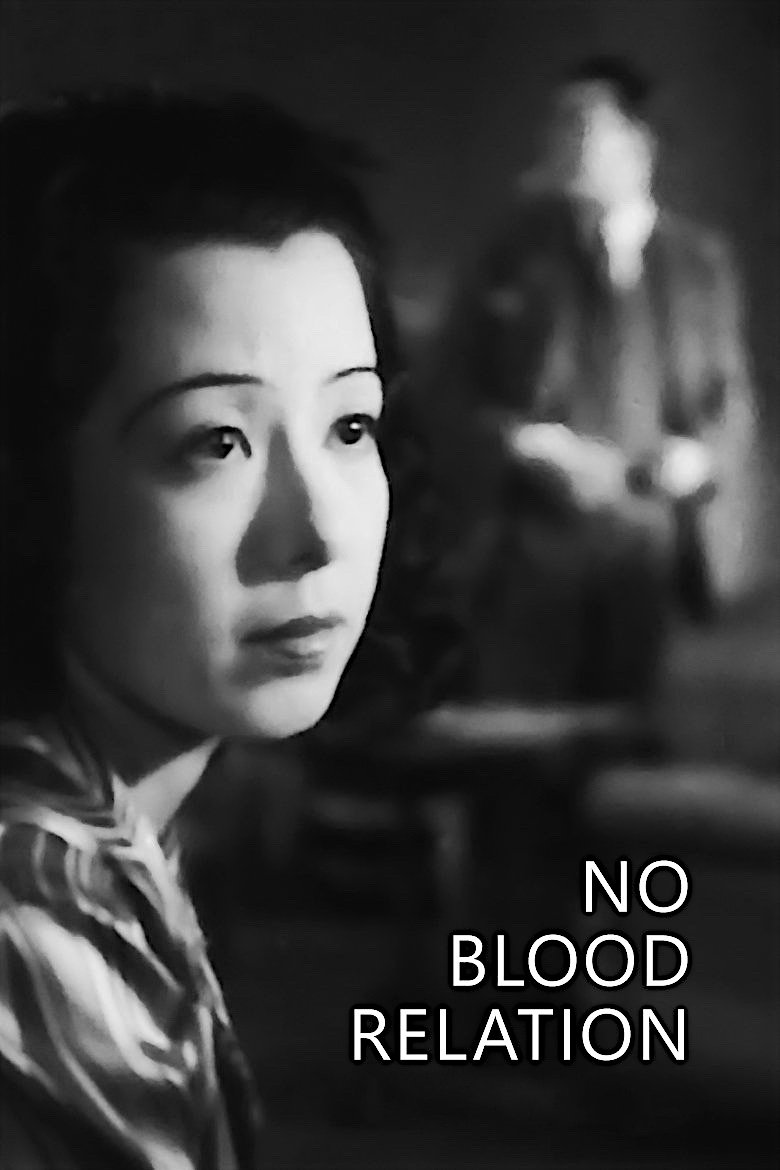
An actress returns to Tokyo after a successful stint in Hollywood to reclaim—with the help of her gangster brother—the daughter she abandoned years before.
Two brothers run a factory canning crabs. The elder brother Kotaro is righteous and insists on honesty. The younger brother is fixated on money. They are polar opposites. When a boat sails out looking for crab and does not return one day the brothers begin to argue over how to run their facility. They had just received a large order from a foreign country and had obtained a loan from a lender that needed to be repaid.
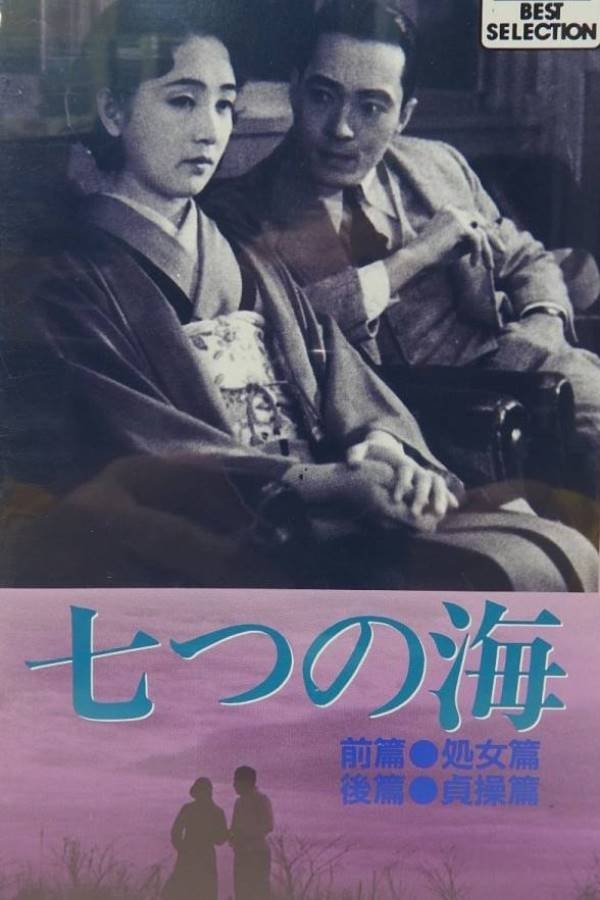
The film is a lengthy work interweaving characters from different backgrounds and social strata in a narrative centered around the experiences of its heroine, Yumie Sone. Over two hours long, Seven Seas was released theatrically in two parts, with the first part entitled "Virginity Chapter" coming out in December 1931, while the second part, "Chastity Chapter," followed in March 1932. Near the beginning of the narrative, at a garden party given by the wealthy Yagibashi family in Tokyo, Yumie meets Takehiko, the Yagibashis' playboy son and the brother of Yumie's fiancé, Yuzuru. Yumie, a young middle-class woman, lives with her ailing father, a retired ministry official, an older sister, and a younger sister still a child (played by a very young Hideko Takamine). Takehiko, who has just returned from a trip to Europe, is attracted to Yumie and contrives to have her stay overnight at his family's mansion where he takes advantage of her.
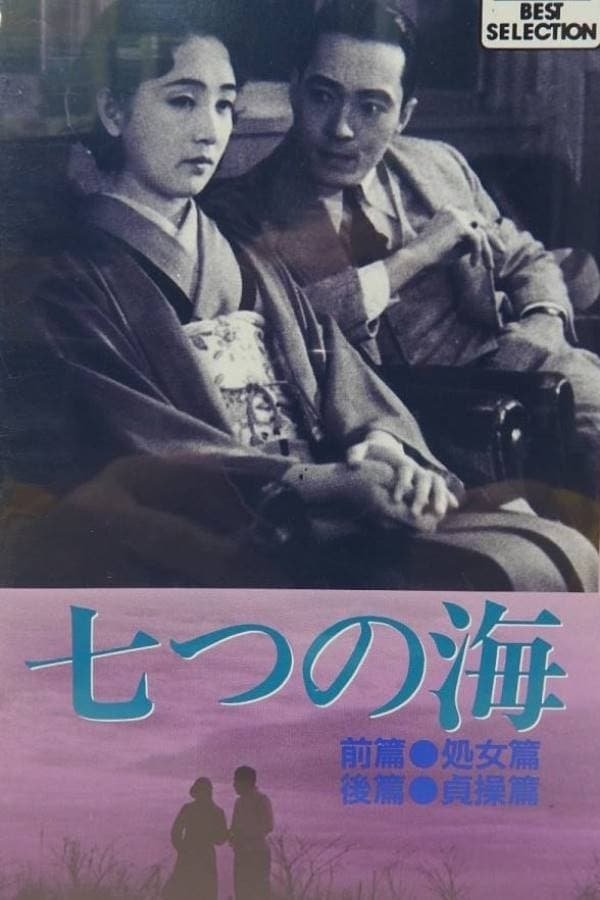
Part two of Shimizu's major silent Seven Seas, a family drama of the intertwining fates of the rich, decadent Yagibashis and the far less prosperous Sone family.
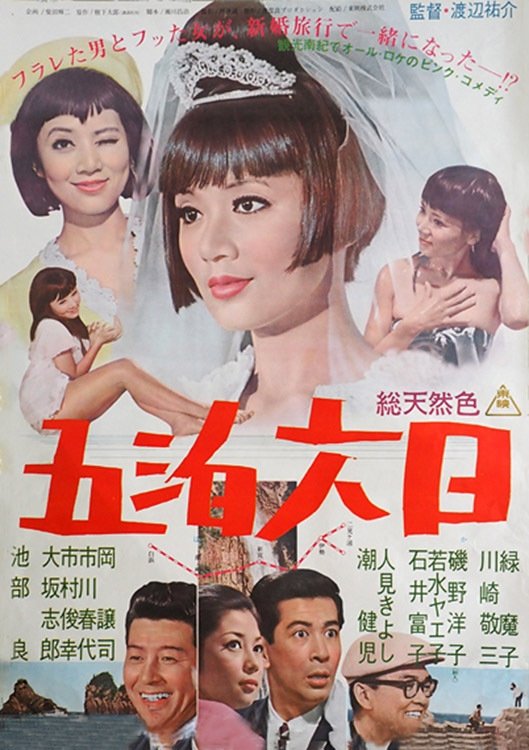
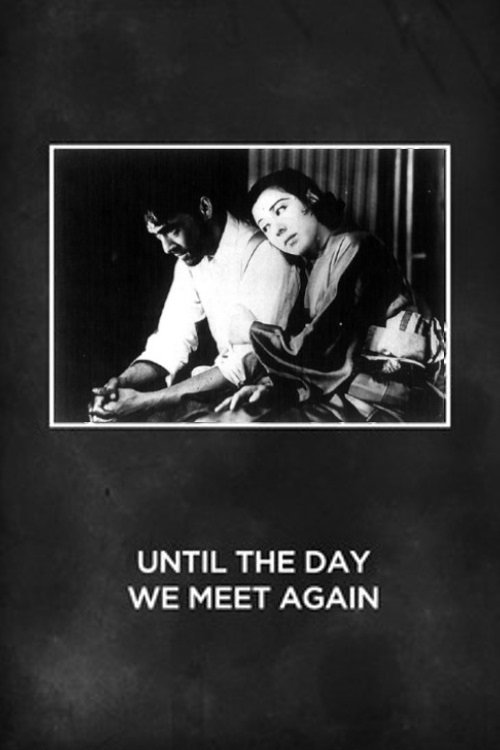
A young man falls in love with a prostitute and is disowned by his family. He is then drafted, and heads off to war. Script exists - considered to be a lost film.
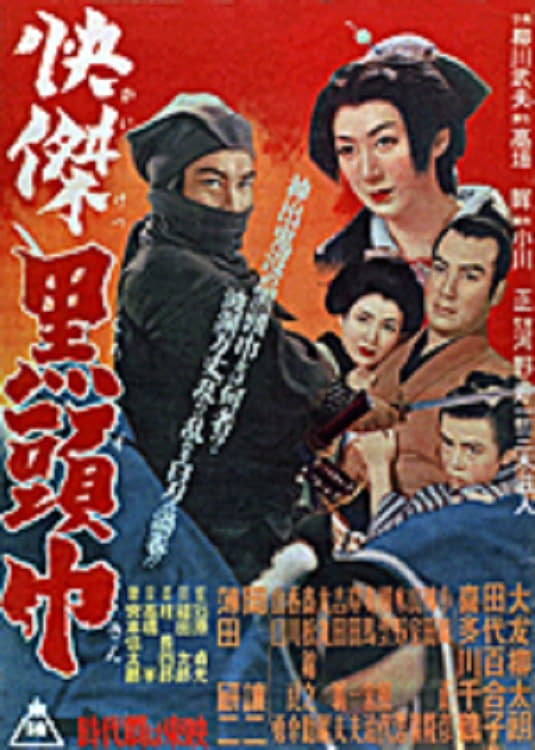
First film of the The Black Hooded Man series.
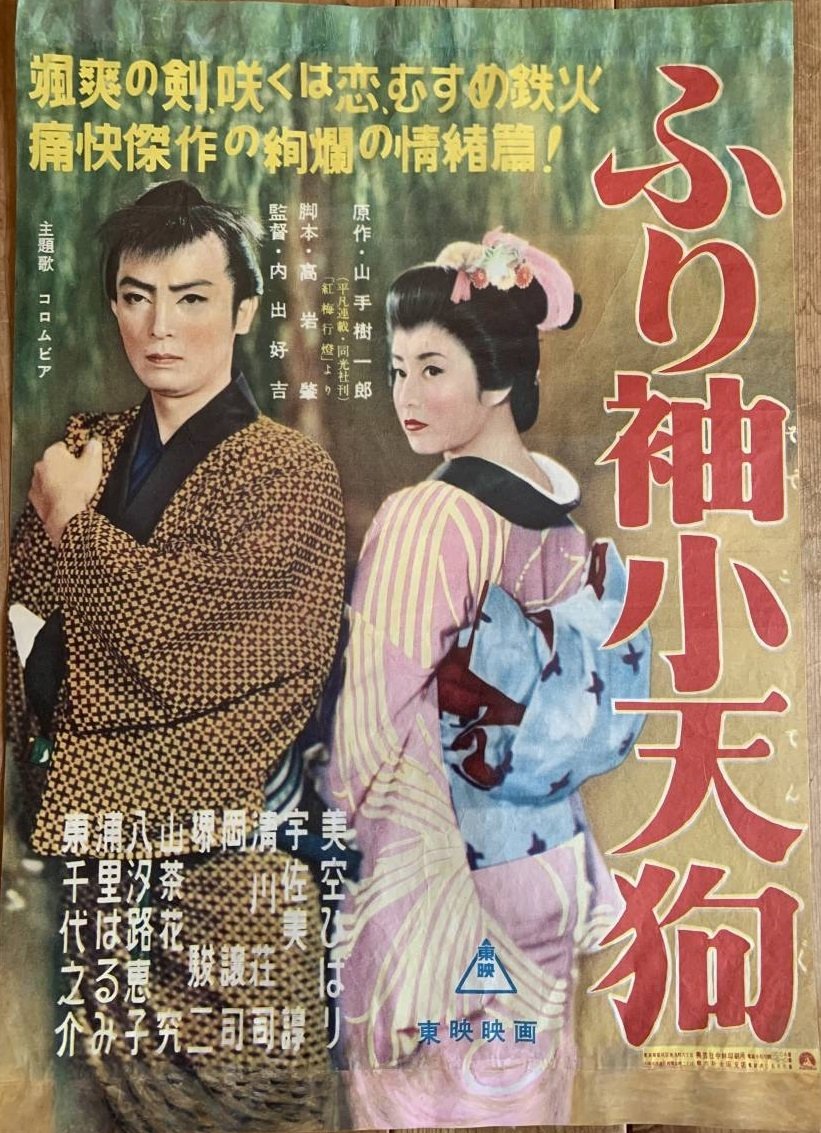

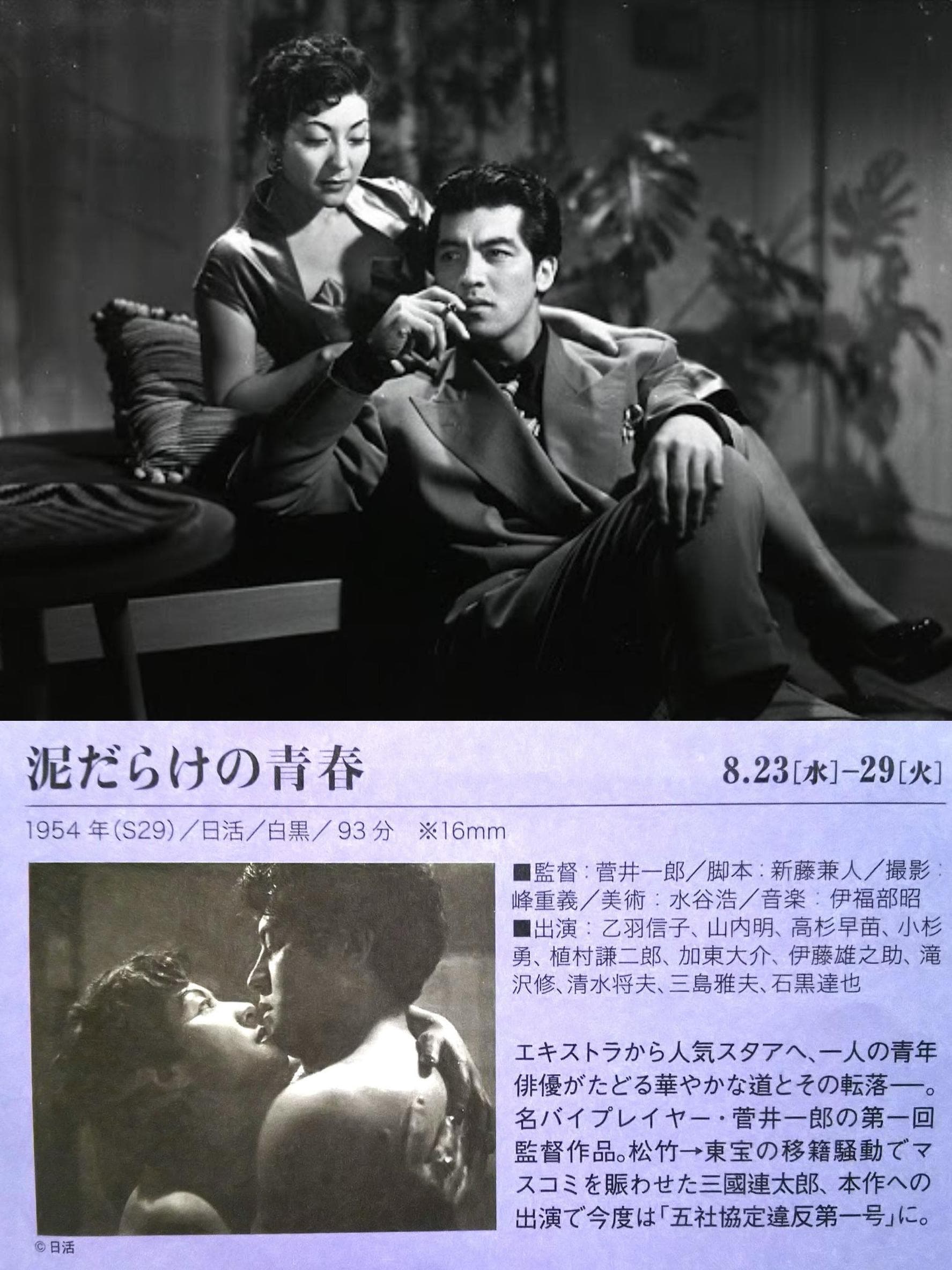
A gangster tries to find redemption with the inadvertent help of an innocent shop girl and his jealous girlfriend will do anything to keep him.
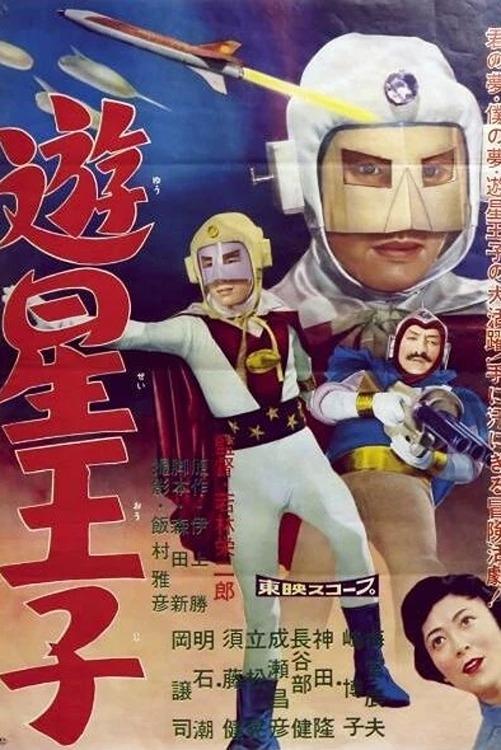
A mysterious hero must intervene when a nefarious presence from outer space arrives to steal a powerful new rocket fuel.
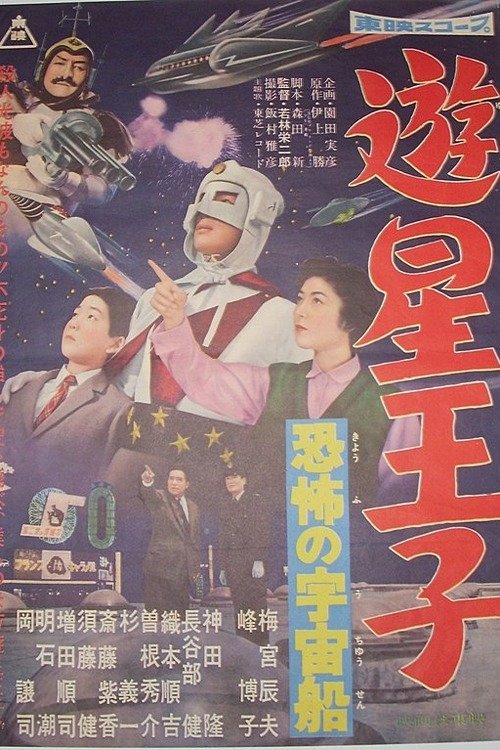
Sequel to 1959's Planet Prince

Directed by Mikio Naruse. It is presumed to be lost.
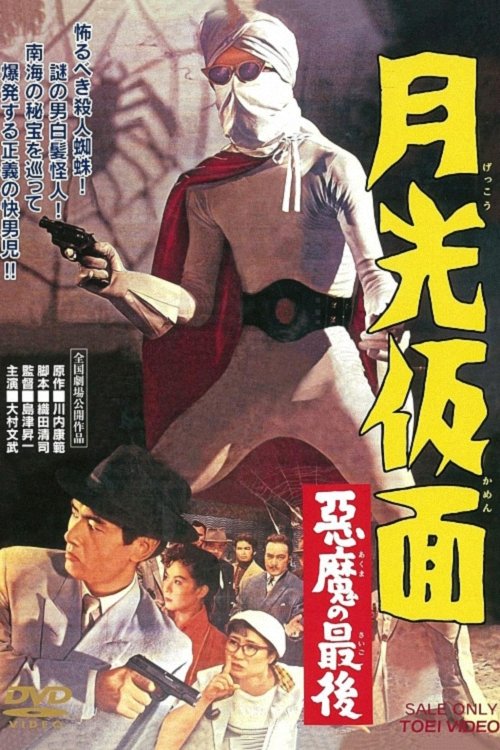
The sixth and last Moonlight Mask film in the original series produced by Toei in the 1950s.
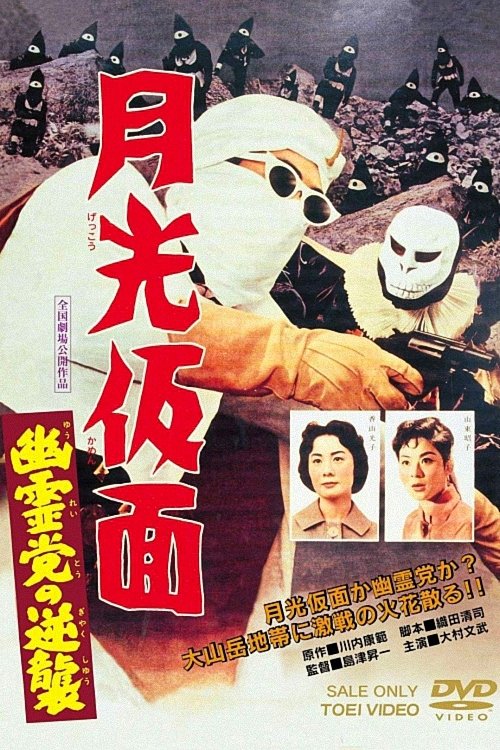
Fifth Moonlight Mask theatrical film.
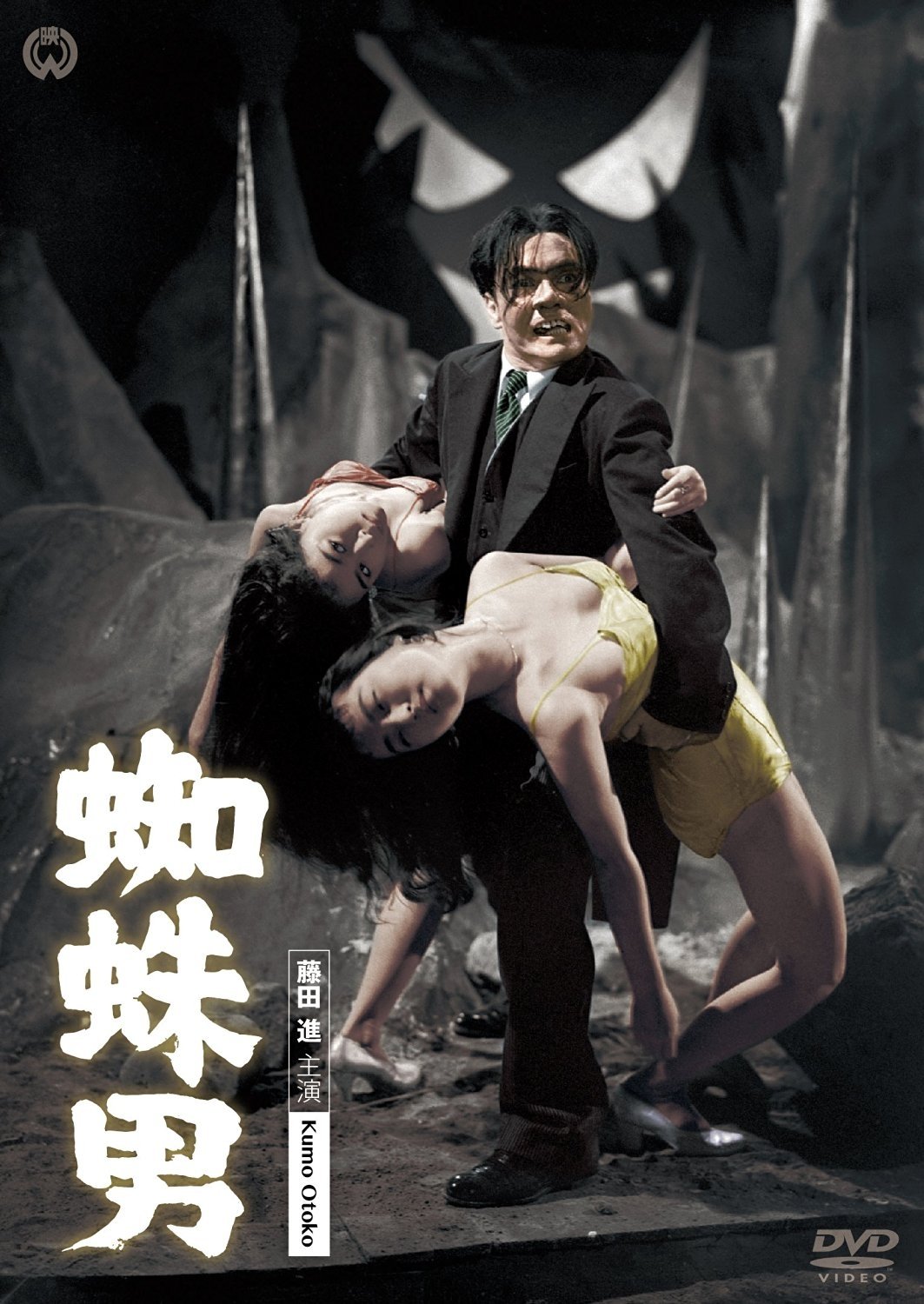
Adaptation of Edogawa Ranpo's novel.
Japanese film.
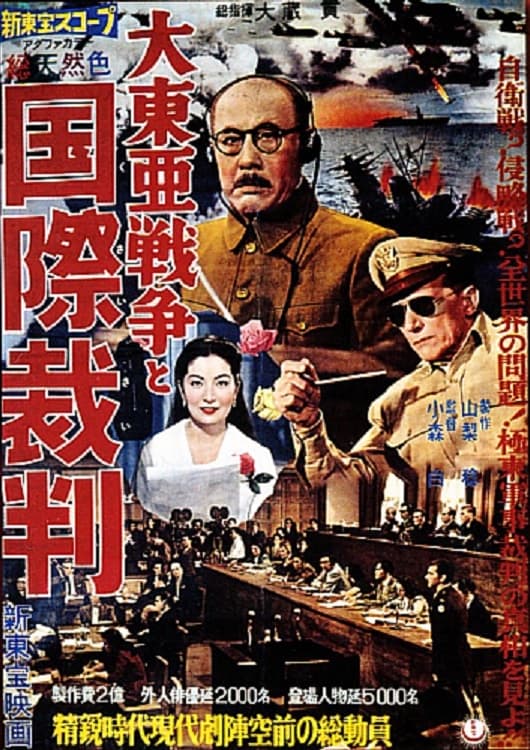
In 1941, overpopulated Japan faces an economic boycott and its armed forces push further to the south. And despite negotiations between Japan and the U. S. A. war is declared with the attack on Pearl Harbour. Victories follow for Japan on land and sea and her forces push forward to the borders of India. But gradually the tide turns in favour of the Allies and after the atom bombings of Hiroshima and Nagasaki, Japan is compelled to accept the Potsdam Declaration and by the order of the Emperor agrees to unconditional surrender. Under the supervision of the occupation forces the International Military Tribunal opens in Tokyo to try the Japanese war leaders. Established in the cause of justice, and to prevent future aggressive wars the trials drag on for two and a half years. And on December 23, 1948, General Tojo and six other war leaders mount the thirteen steps to the gallows at Tokyo's Sugamo prison.
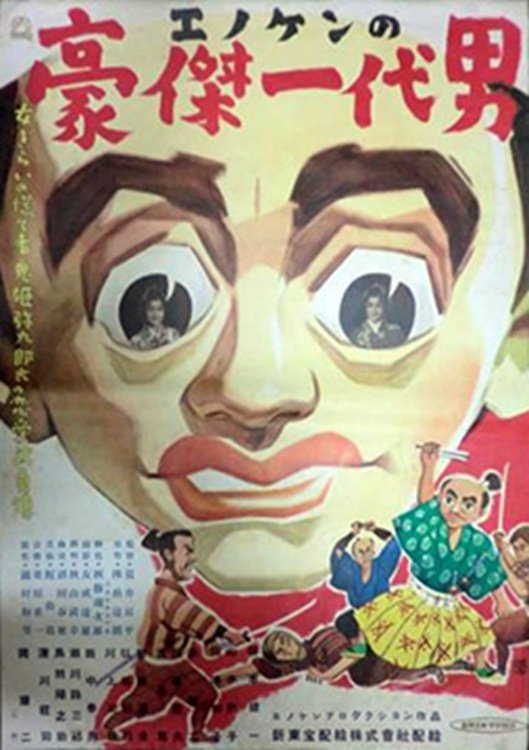
Set in the Sengoku period, Tokugawa vassal Yakurota (Kenichi Enomoto) helps the older sister and twin sister of the Matsudaira family who are in love with his best friend Iori while also resolving the conflict between the Tokugawa and Oda Nobunaga.
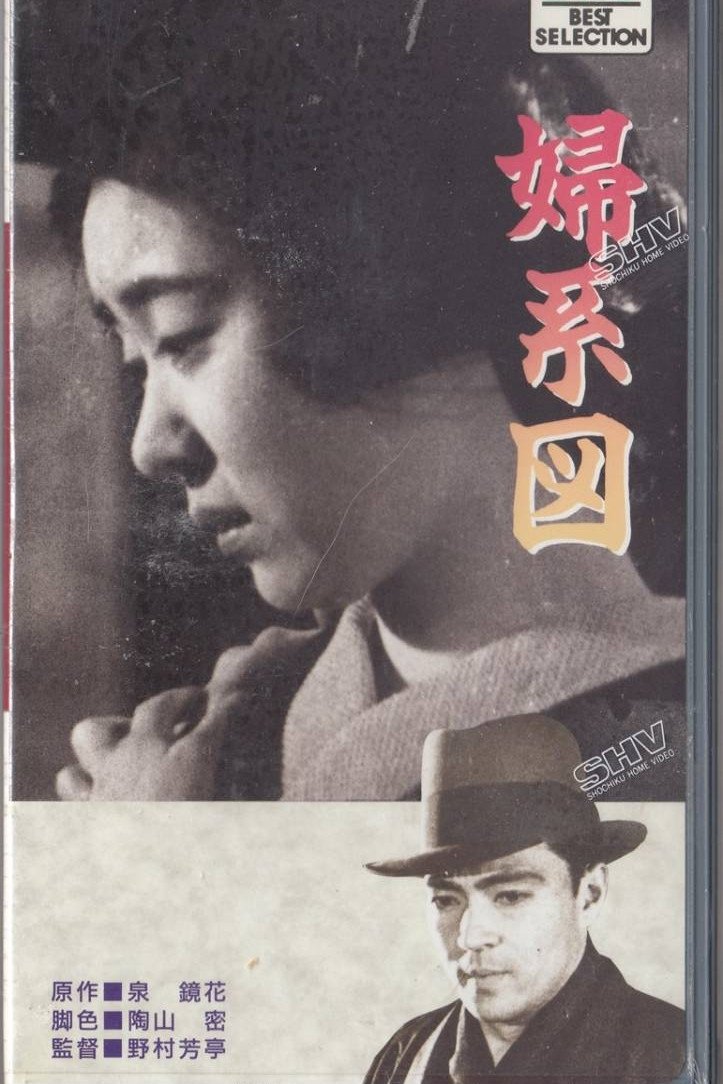
A melodrama by noted auteur and father of director Yoshitaro Nomura, Hotei Nomura. This is apparently the first adaptation of Izumi Kyoka's The Romance of Yushima.
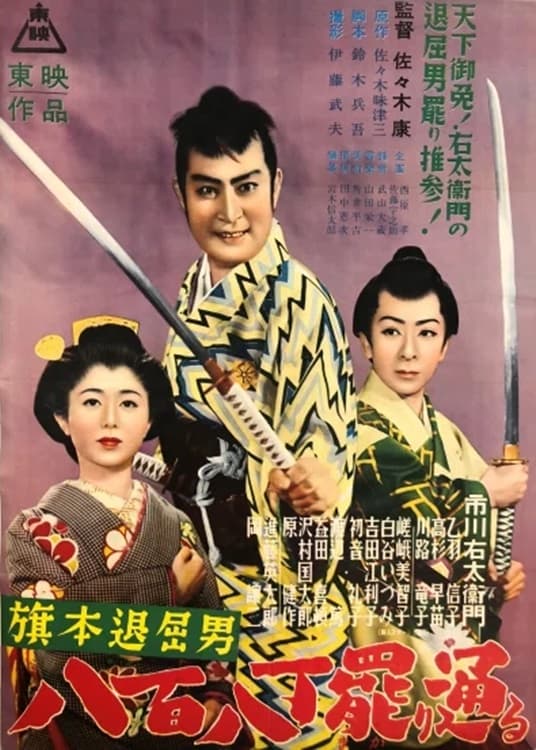
Bored Hatamoto movie #14
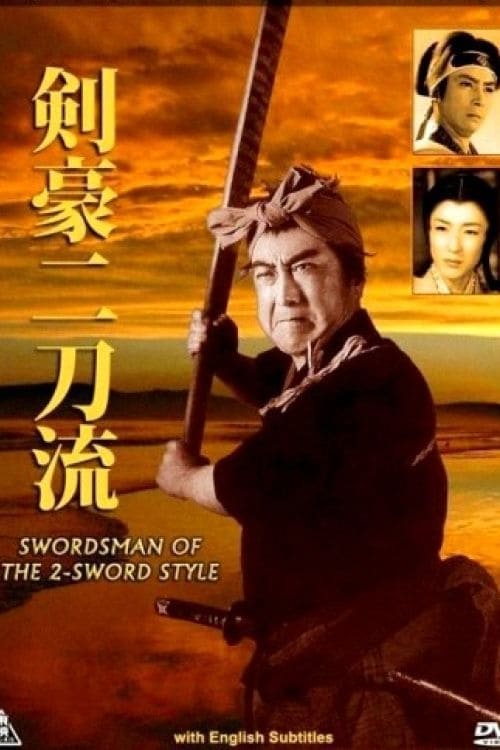
The story of Japan’s greatest warrior, Miyamoto Musashi, after his historic duel with Sasaki Kojiro on Ganryu Island.
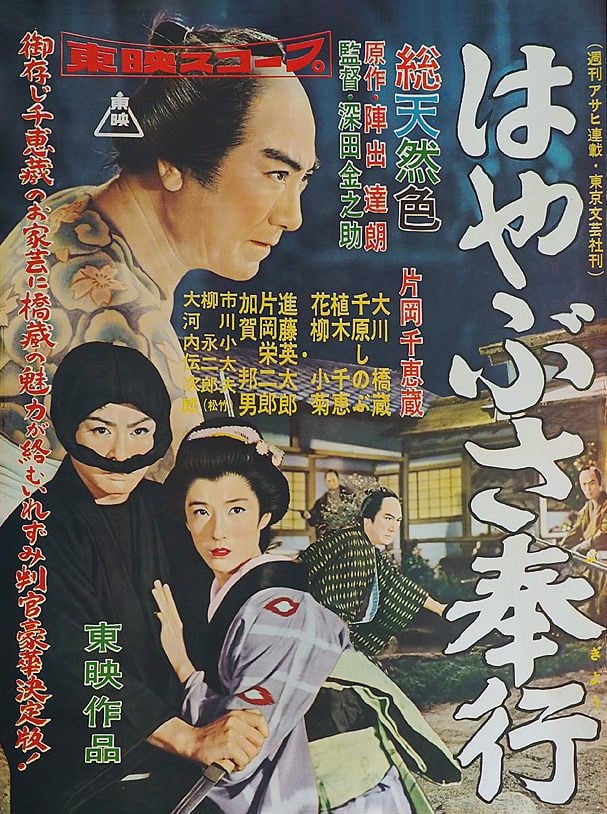
Toyama Kinshiro, a commissioner from northern Edo, goes undercover to unravel the mystery behind a series of murders. Kinshiro, played by Kataoka Chiezo, is most famous for the cherry blossom tattoos on his shoulder which he reveals at the moment of judgement.

Thanks to a secret message hidden on the two sacred swords Kaen and Suien, the samurai Genji Kurô (Nakamura Kinnosuke) found the hidden treasure of Lord Yoshitsune. When he gives a piece of the treasure to a couple of poor but honest people so they can pay their debts, it attracts the unwanted attention of several dishonest people, such as pirates, greedy merchants and rebels. While the government is fighting a battle for power against rebels and royalists, all want the treasure by any means possible.
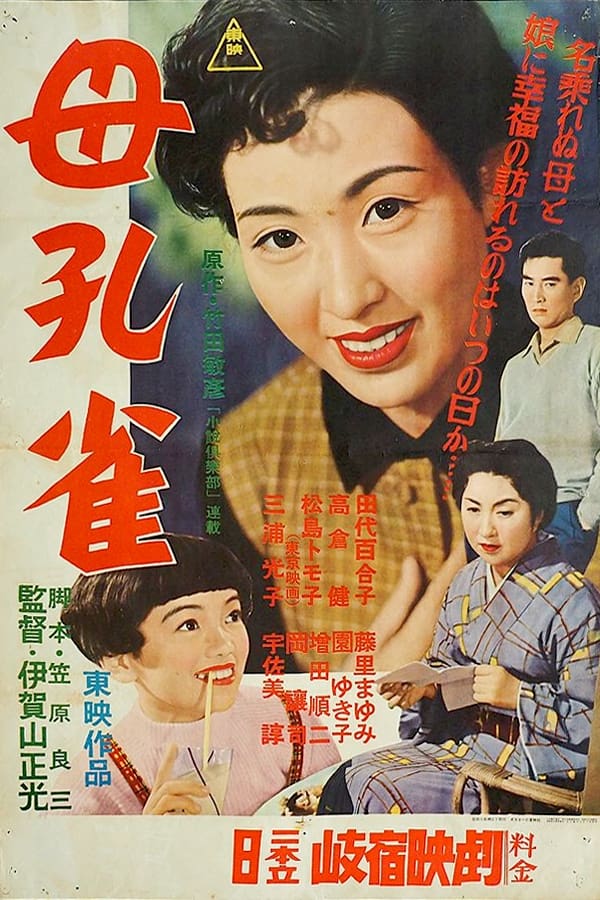
Japanese drama film.
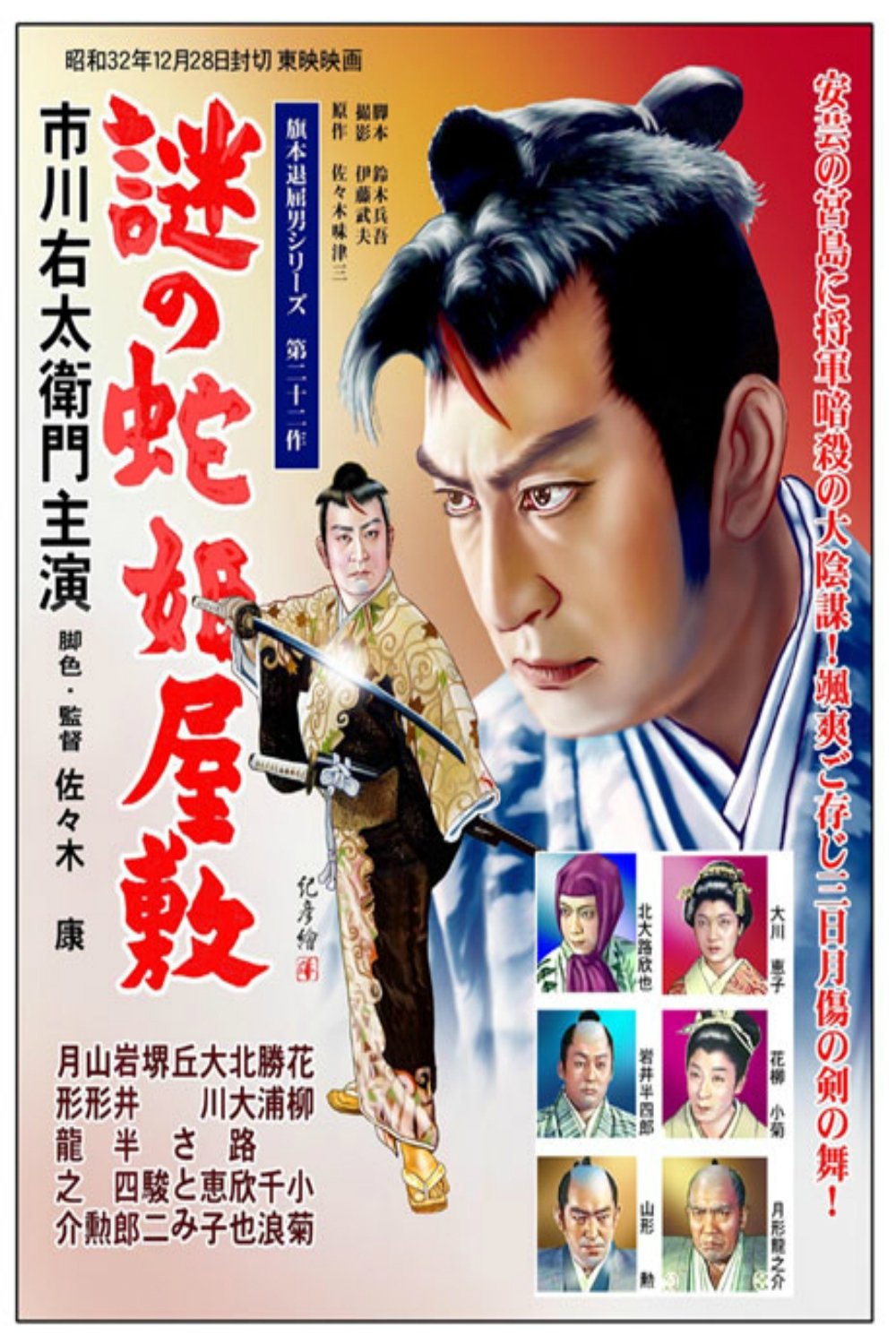
A swordsman must foil a minister's sinister plan to assassinate the shogun.
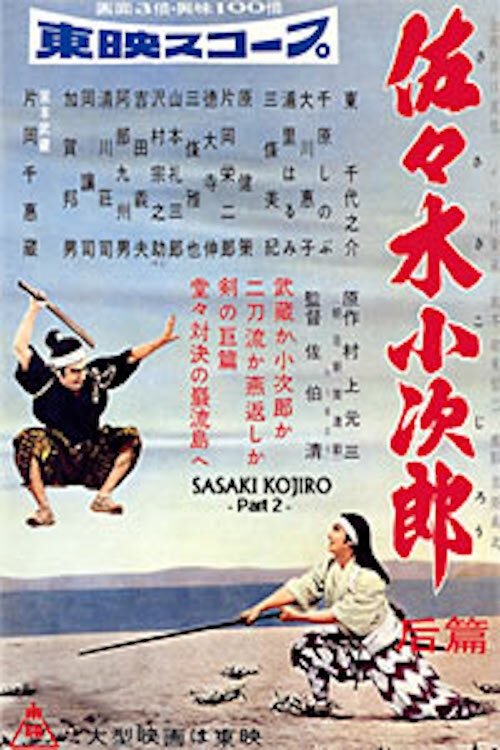
The conclusion of the story of famed swordsman, Sasaki Kojiro. After surviving a series of daring adventures, Kojiro seems to have finally discovered the ultimate happiness in life when he is reunited with Tone, the love of his life. However, his days of happiness are overshadowed by an upcoming duel with his fateful enemy Miyamoto Musashi.
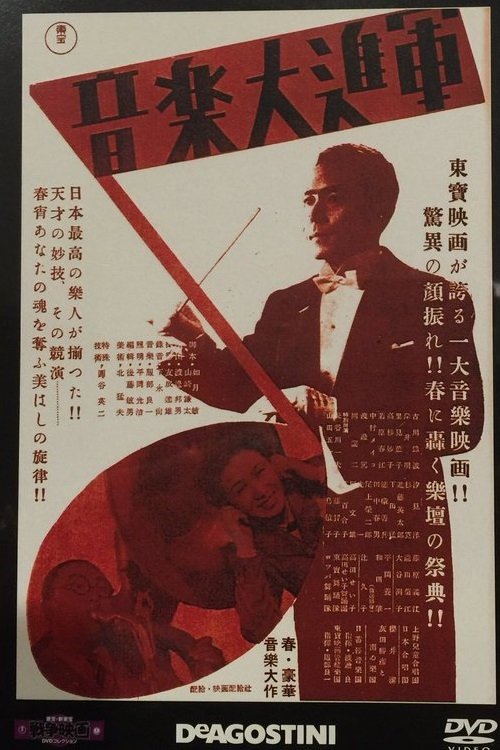
A 1943 film.
Kusuo Abe stars in this kaidan.
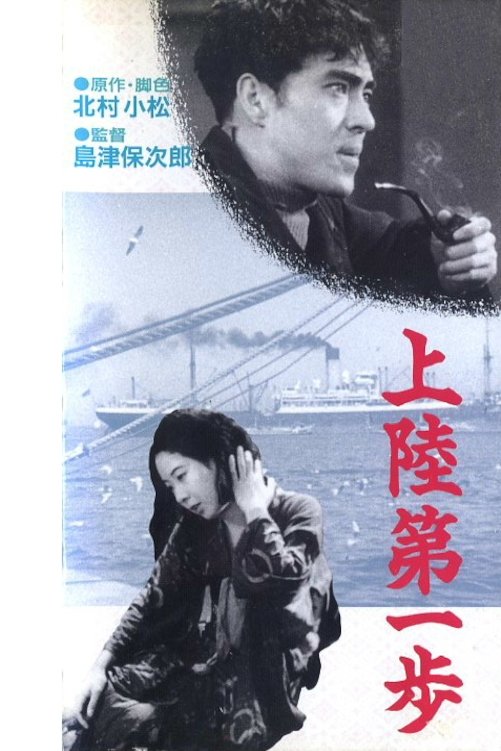
The story of a sailor who begins a love affair with a woman he saves from suicide.
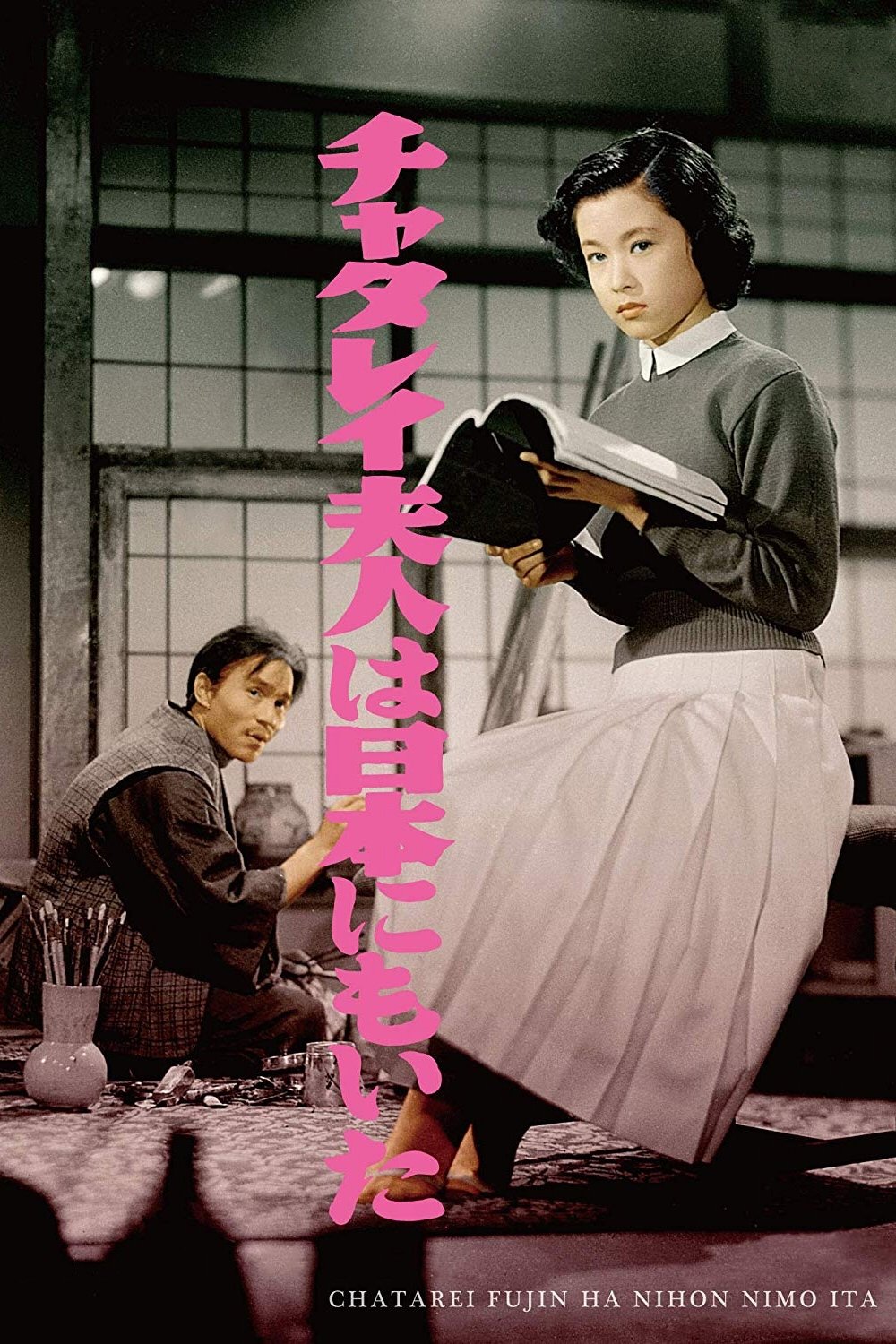
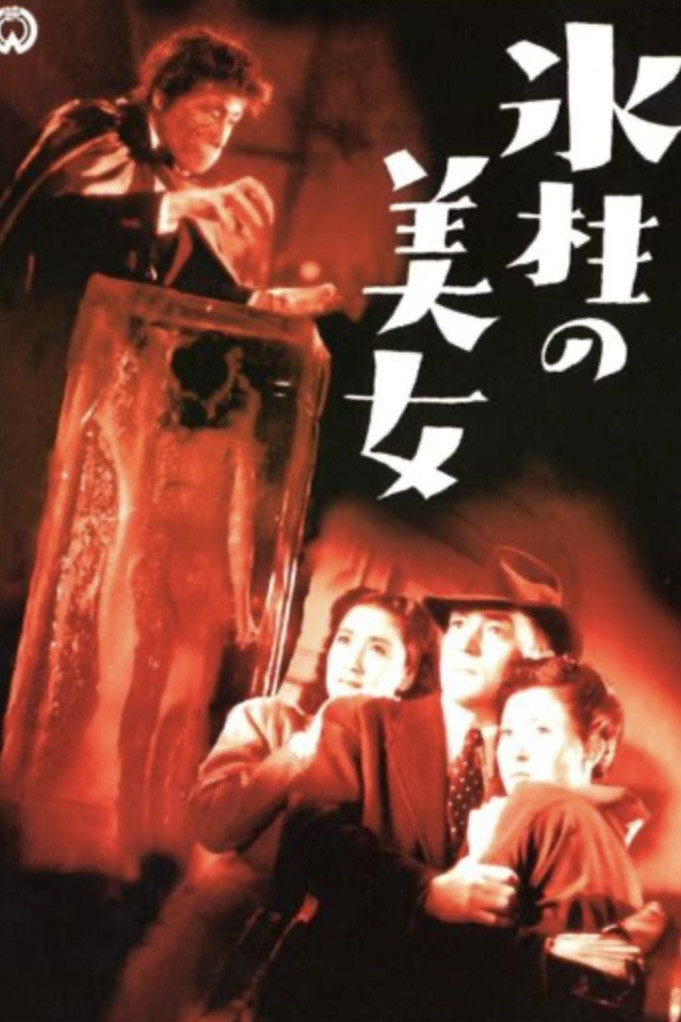
Based on the novel The Vampire (Kyūketsuki) by Edogawa Ranpo.
1930s Japanese film.
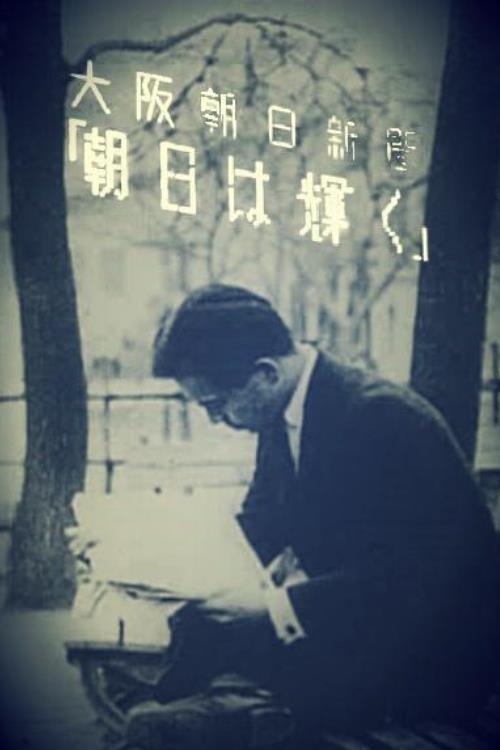
The Morning Sun Shines is a fiction-documentary film by Kenji Mizoguchi and Seiichi Ina. The film is a combination of a drama about a reporter, and documentary footage about newspaper production. Only 25 minutes of footage has survived.
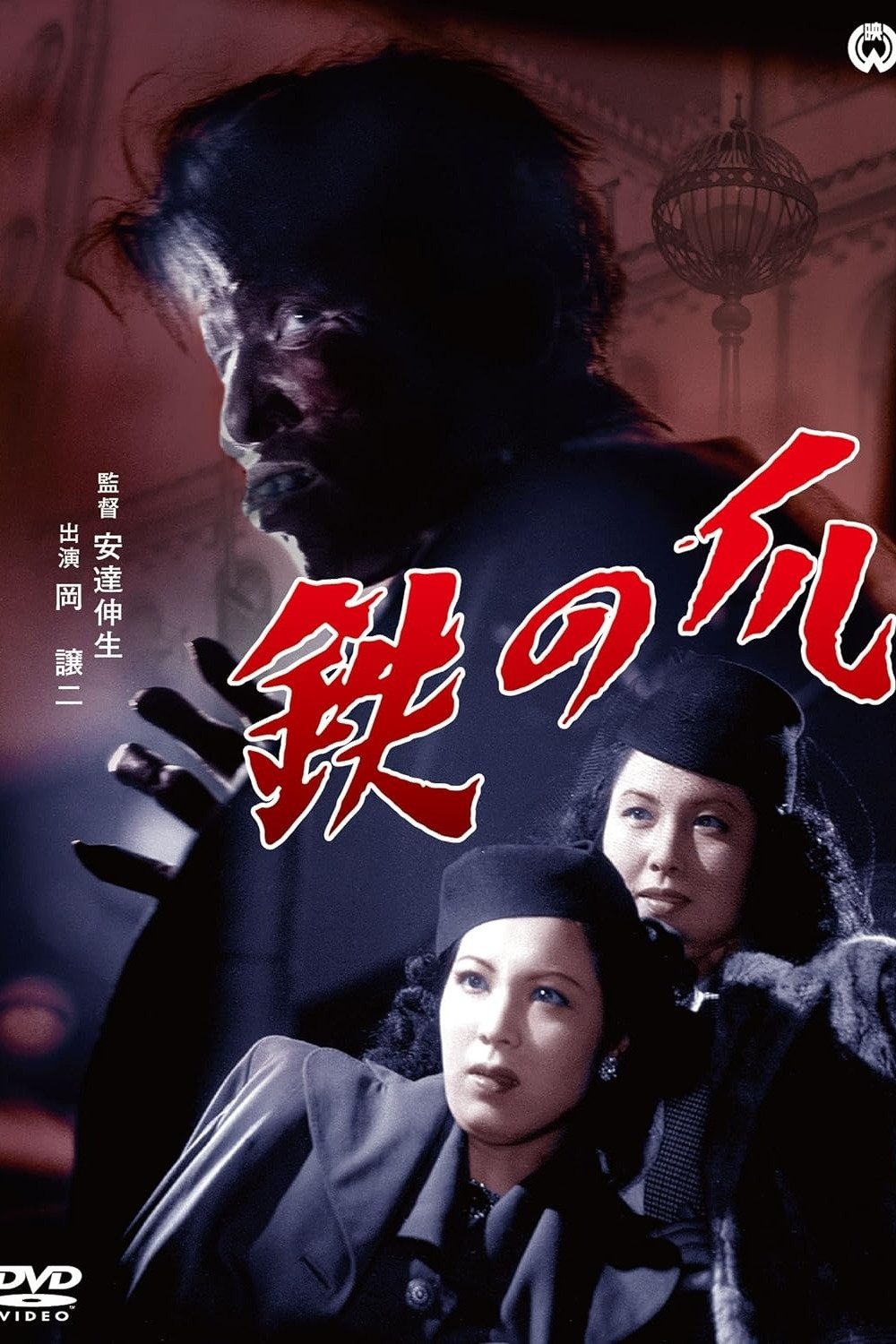
During the war a man is bitten by a creature which looks like a cross between a bear and an ape in the jungle. Later he starts to transform to a monster like creature who kills with his claw like fingers.
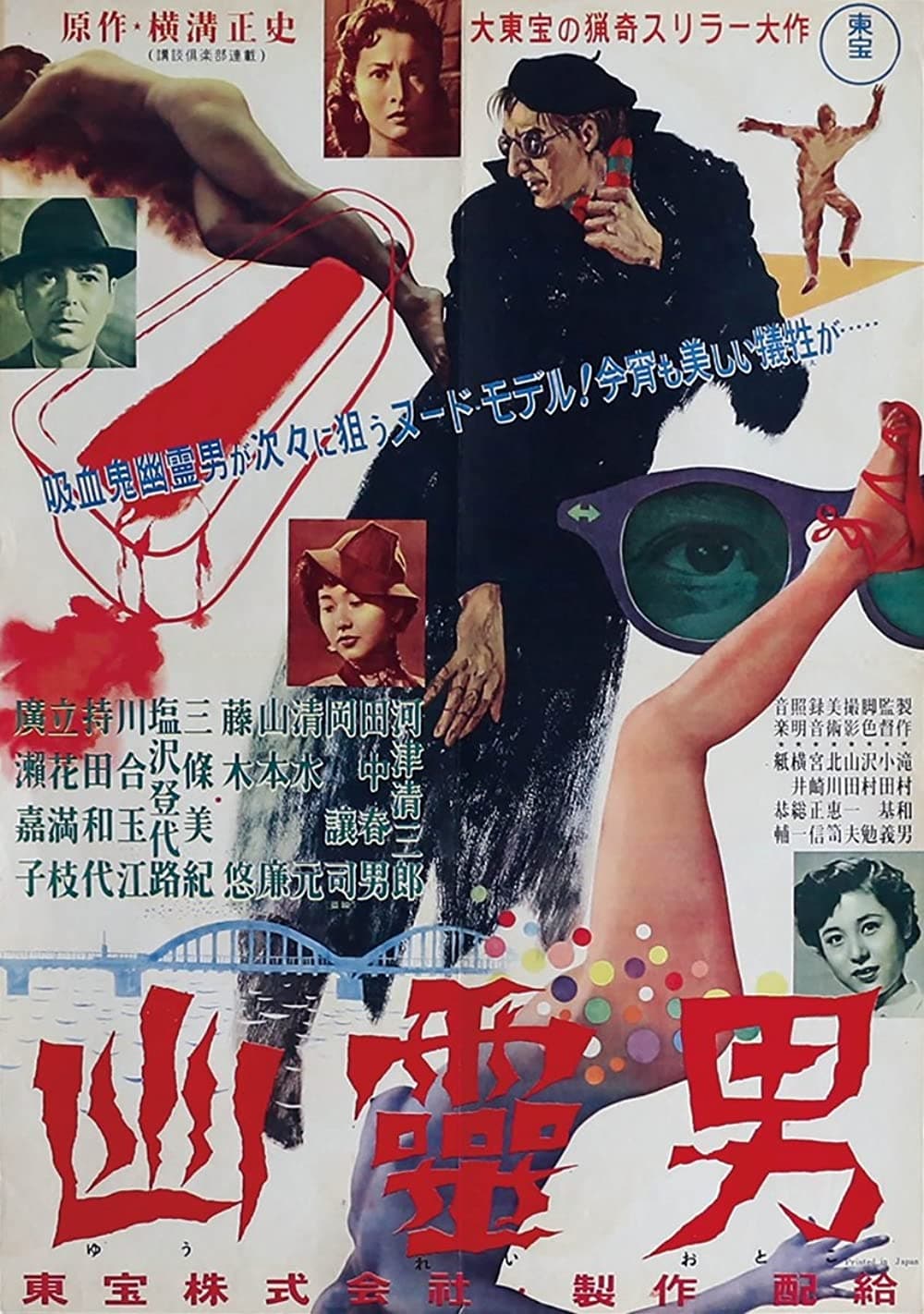
A ghost man with his face hidden entirely by bandages is killing beautiful nude models. Detective Kindaichi investigates.
The sequel to the 1935 film Great Bodhisattva Pass
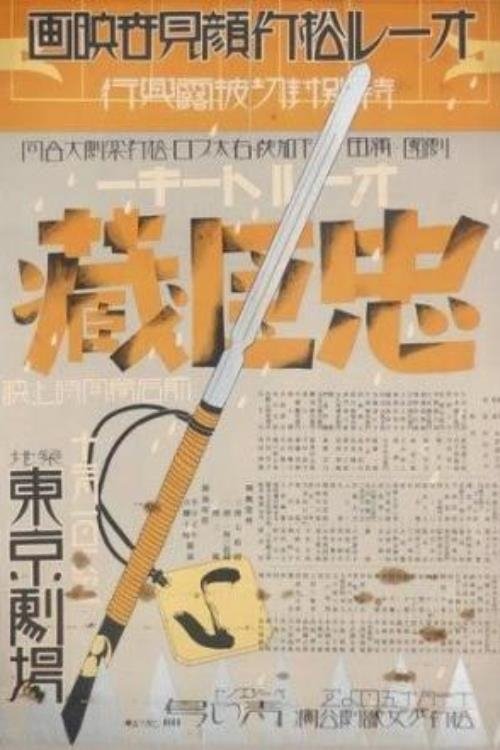
This 1932 adaptation is the earliest sound version of the ever-popular and much-filmed Chushingura story of the loyal 47 retainers who avenged their feudal lord after he was obliged to commit hara-kiri due to the machinations of a villainous courtier. As the first sound version of the classic narrative, the film was something of an event, and employed a stellar cast, who give a roster of memorable performances. Director Teinosuke Kinugasa was primarily a specialist in jidai-geki (period films), such as the internationally celebrated Gate of Hell (Jigokumon, 1953), and although he is now most famous as the maker of the avant-garde silent films A Page of Madness (Kurutta ichipeji, 1926) and Crossroads (Jujiro, 1928), Chushingura is in fact more typical of his output than those experimental works. The film ranked third in that year’s Kinema Junpo critics’ poll, and Joseph Anderson and Donald Richie noted that 'not only the sound but the quick cutting was admired by many critics.

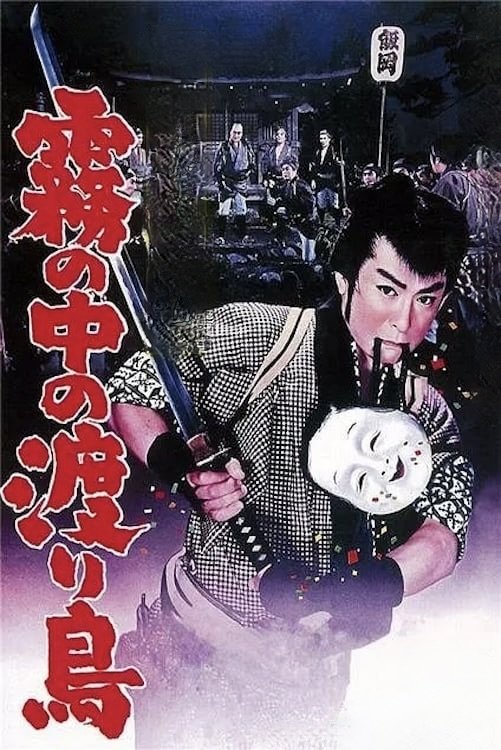
A kindhearted wandering gambler named Hajiro gets involved in a crisis of a village as he passes through and decides to lend a sword in hopes to rescue them.
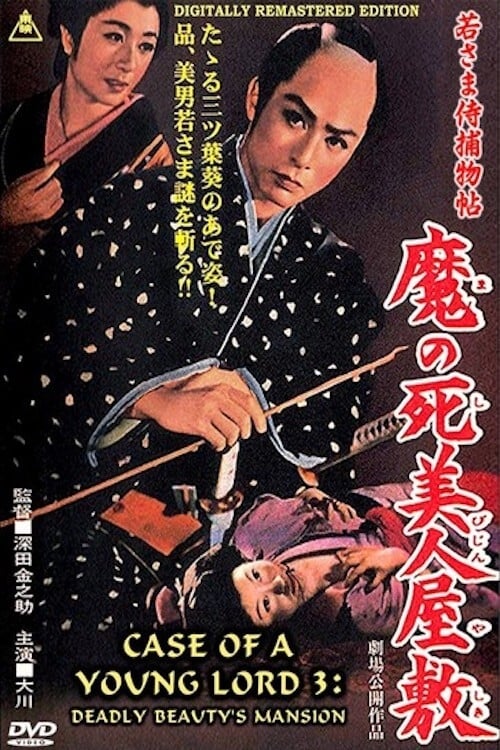
Okawa Hashizo as 'Young Lord', the unlikely sleuth sets out to untangle the riddle of what went on at the Inner Palace, where a young woman who had served the Shogun came home in fear for her life. Will the Young Lord uncover the truth of what went on at the Palace, and does it relate to a series of murders that have been occurring just before the festival?
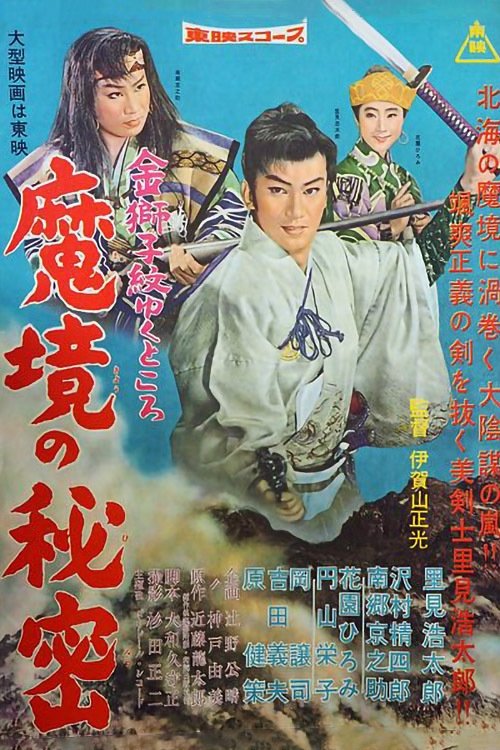
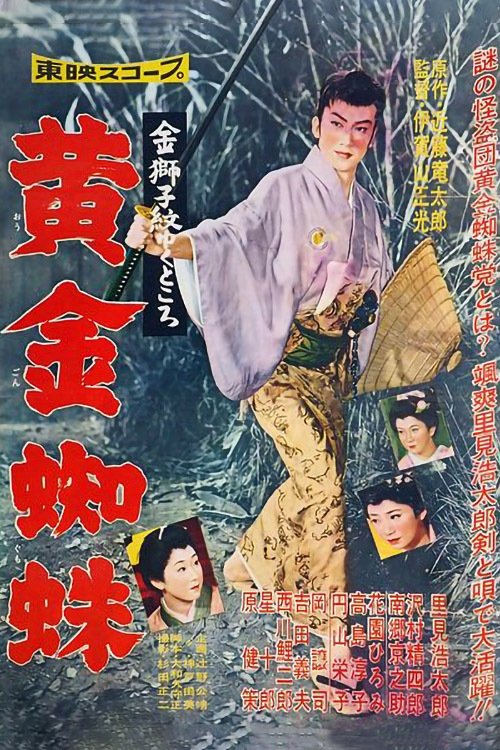
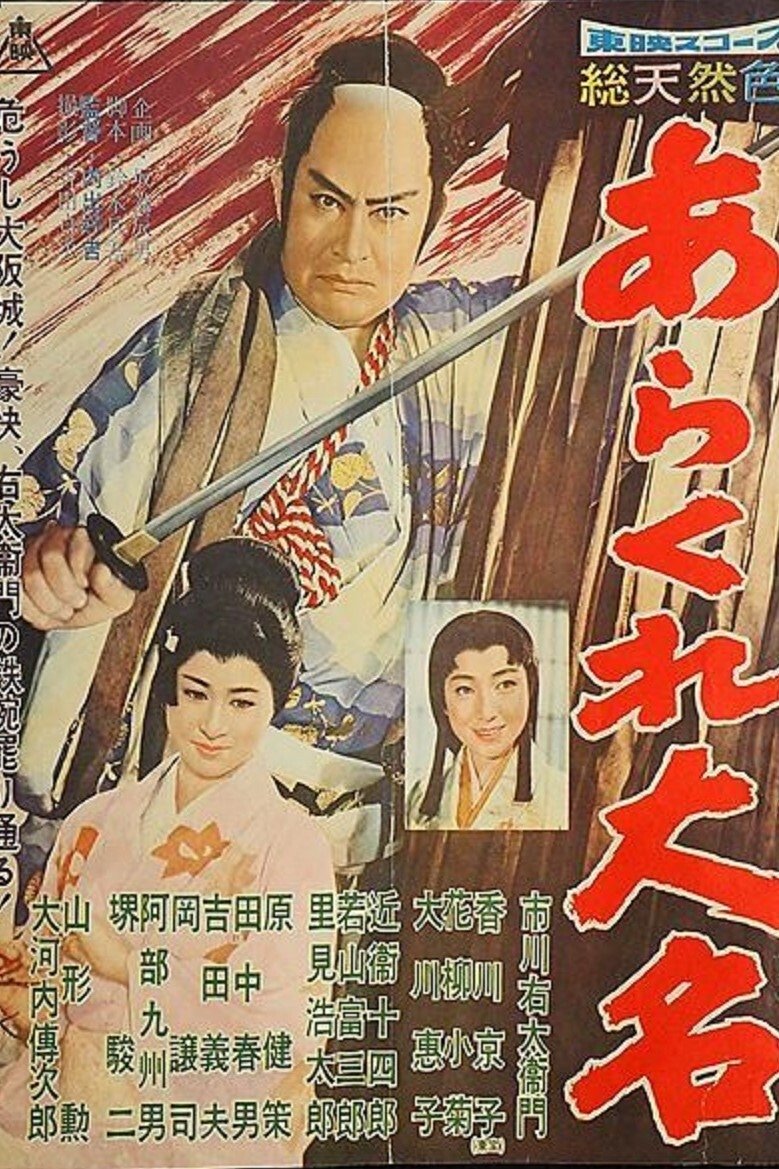
A young lord lives against the will of his father Lord Tokugawa.
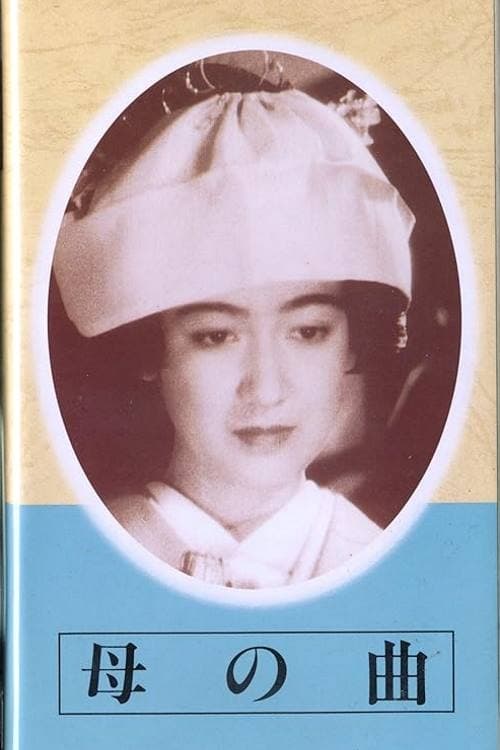
The film depicts how the work to build the Great Buddha overcame a number of obstacles as proponents and opponents clashed over the construction of the Buddha. This work is based on a play by Hideo Osada, which was performed by the Shin Kyodo Theater Company in 1940.
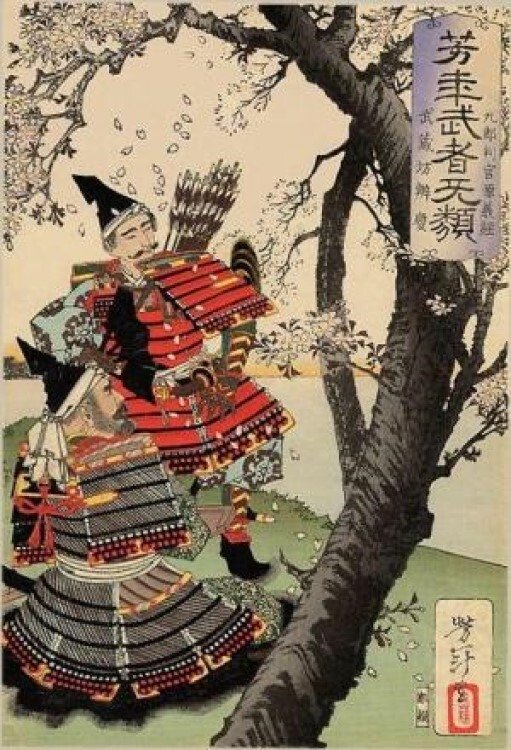
A 1942 Jidaigeki by the veteran jidaigeki filmmaker Kunio Watanabe about the legendary warrior Musashibo Benkei with Hideko Takamine portraying Minamoto no Yoshitsune (who is, of course, a man). The film climaxes in the famous encounter/fight btw Benkei and Yoshitsune at the Gojo Bridge.
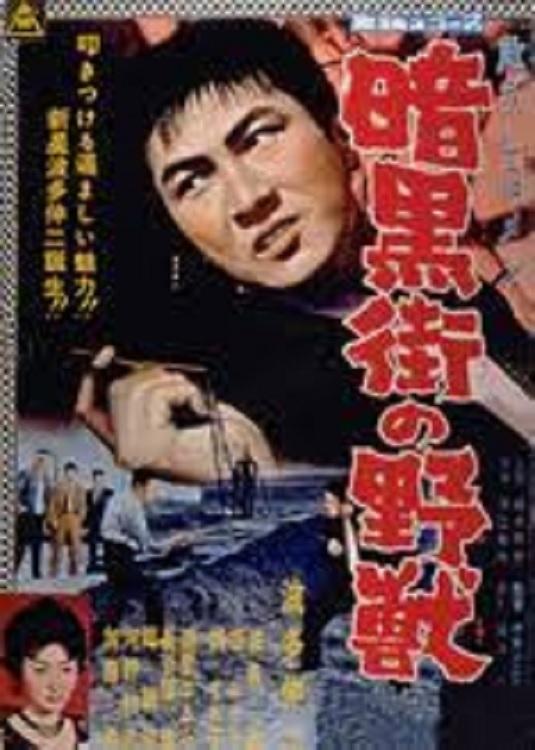
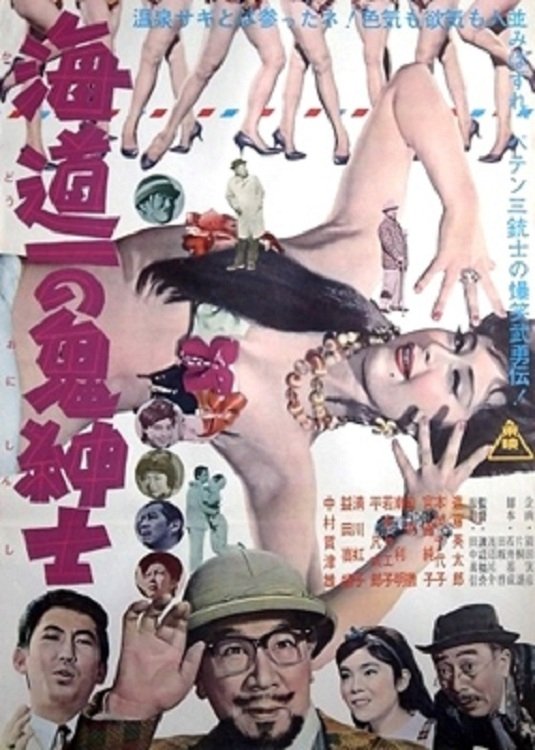
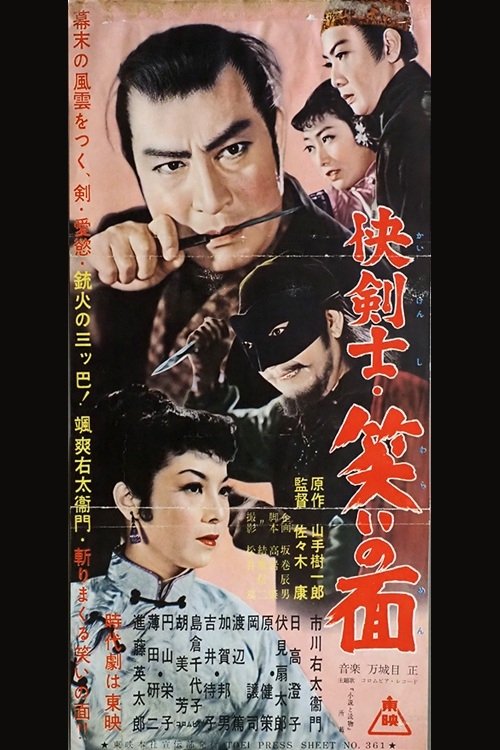
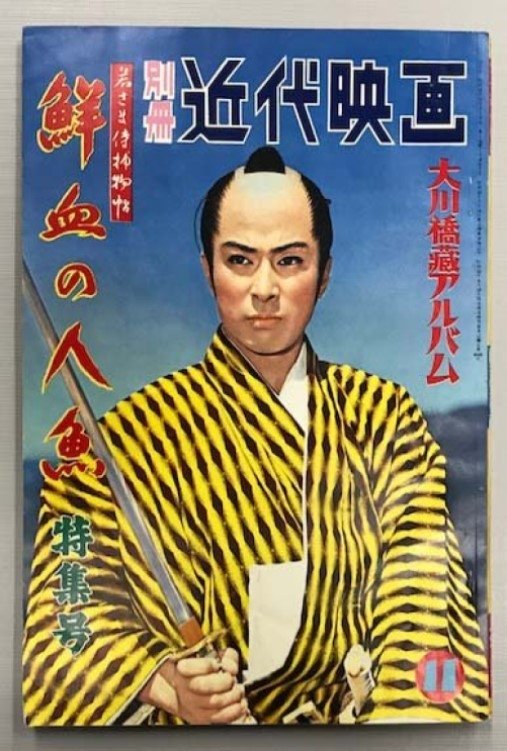
The sixth episode of Hashizo Okawa's "Wakasama Samurai" catch series.
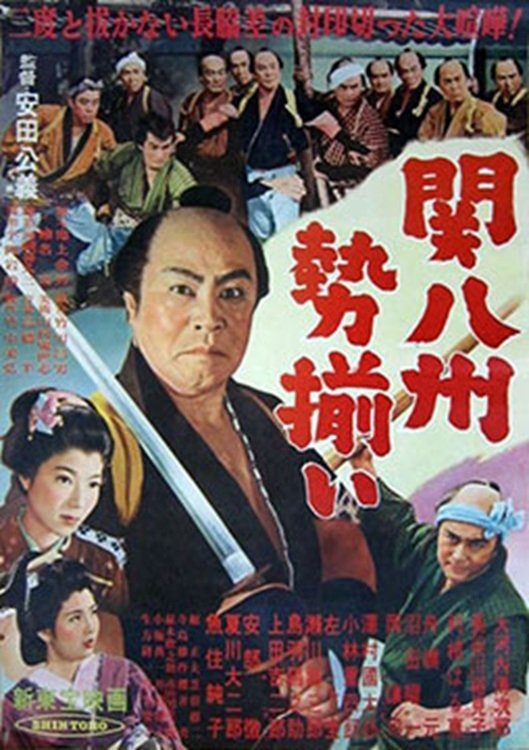
During the Tenpo era, the peasants of the Kanto region were in dire straits due to successive natural disasters. Maebashi's boss, Shiroganeya Ginjiro, allied with the magistrate Yamaoka Jintayu, and, using his baton as a shield, he committed a series of evil acts, earning the peasants' animosity. At this time, Omaeda Eigoro, who had been on a long journey, returned with his horseman Kunisada Chuji. Eigoro was popular with yakuza all over the country, and the Shiroganeya family, whose territory had been disturbed until then, were alarmed by the news of Eigoro's return.
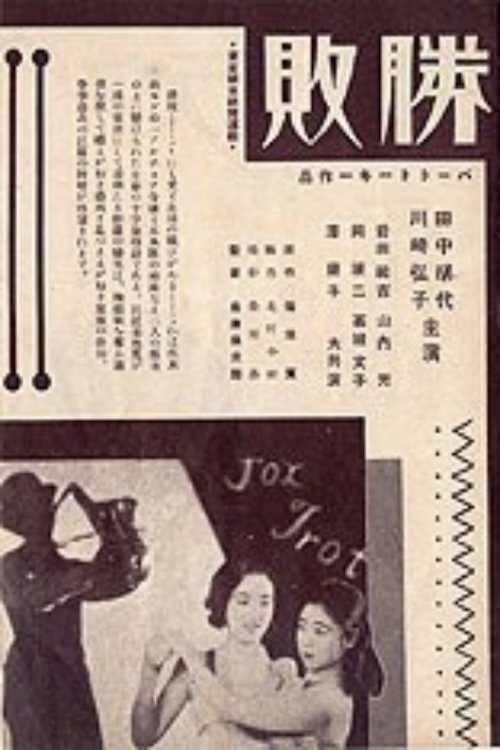
Japanese film from 1932, adapted from the novel by Kan Kikuchi. The first sound film from director Yasujiro Shimazu.
Tsukamoto and Omitsu are close friends, but one day, Tsukamoto becomes fascinated by Ayako, whom he meets at the home of Miyajima.
Japanese film from 1933, adapted from a story serialized in the entertainment magazine "Fuji."
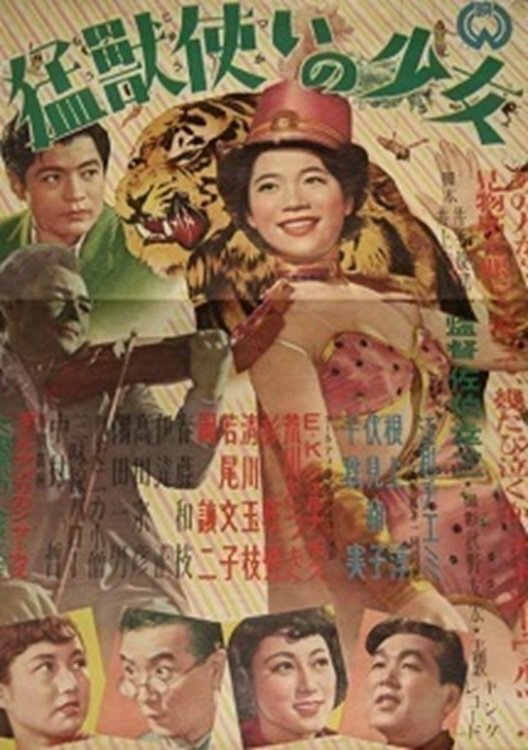
Moju Tsukai no Shojois a 1952 black-and-white Japanese film
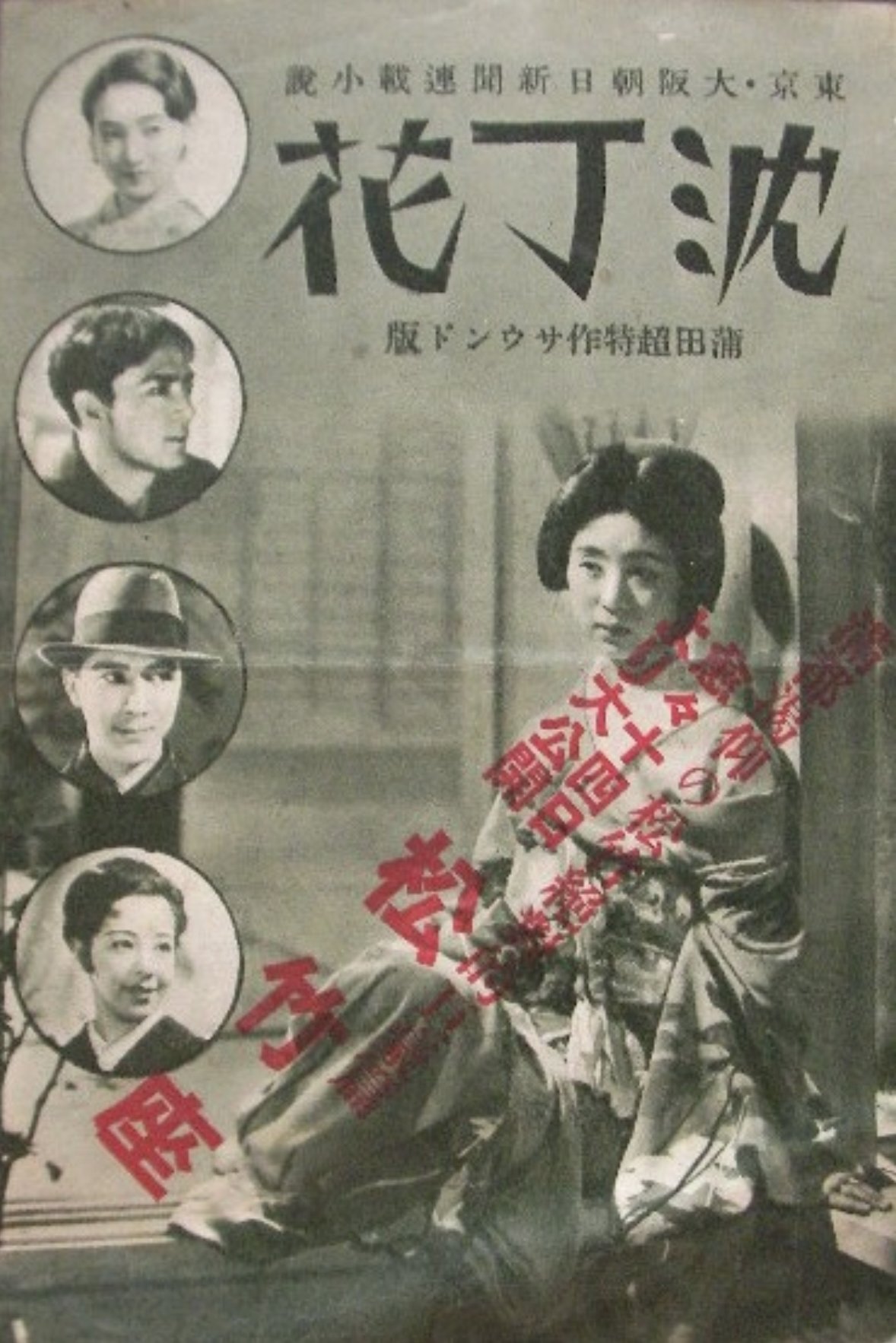
Japanese film from 1933, adapted from Masao Kume's serialized newspaper novel.
Japanese drama from 1934. A major production of Shochiku Studio, directed by Hiroshi Shimizu.
Japanese film from 1934, based on a novel by Itsuma Maki (real name Kaitarō Hasegawa).
Japanese film from 1934, based on a novel by Itsuma Maki (real name Kaitarō Hasegawa).
Japanese movie from 1934. The final film of director Hôtei Nomura, who died from a stroke suffered at a screening of this film.

The adventures of Aoi Shingo continue. Shingo is finally given permission to officially meet his father, the Shogun. However, his journey is disturbed by those who wish to claim his life. This is the third part of "THE 10 DUELS OF YOUNG SHINGO", following the first 2 parts (which were actually done as one movie). The tension mounts as young Shingo must face obstacles the like of which he had never before seen. And, can he avenge the death of his master? The man to whom he owes everything.

While performing in Kanazawa, the renowned water-trick artist Taki no Shiraito falls deeply in love with a young student, Murakoshi Kinya. Determined to see him succeed, she endures years of financial hardship and social scorn to secretly fund his legal education in Tokyo.