
Based on a novel by Maria Majerova, this well-photographed but routine romantic drama is directed and co-scripted by Vaclav Krska. Set in a more old-fashioned time, the story centers around Lenka (Suzana Fisarskova), a young woman with a domineering, psychologically abusive father. When Lenka falls in love she suffers the ultimate injustice when her father and her family forbid her to marry the man. They see no advantage in such a union and want her to marry a wealthy local landowner instead, for obvious reasons. But Lenka is not as submissive as they think and she runs away to the city to look for the man she loves -- only to find a serious problem, though a surmountable one, is waiting for her.

In the 1600s, an overzealous clergy hauls innocent women in front of tribunals, forces them to confess to imaginary witchery, and engages in brutal torture and persecution of their subjects.
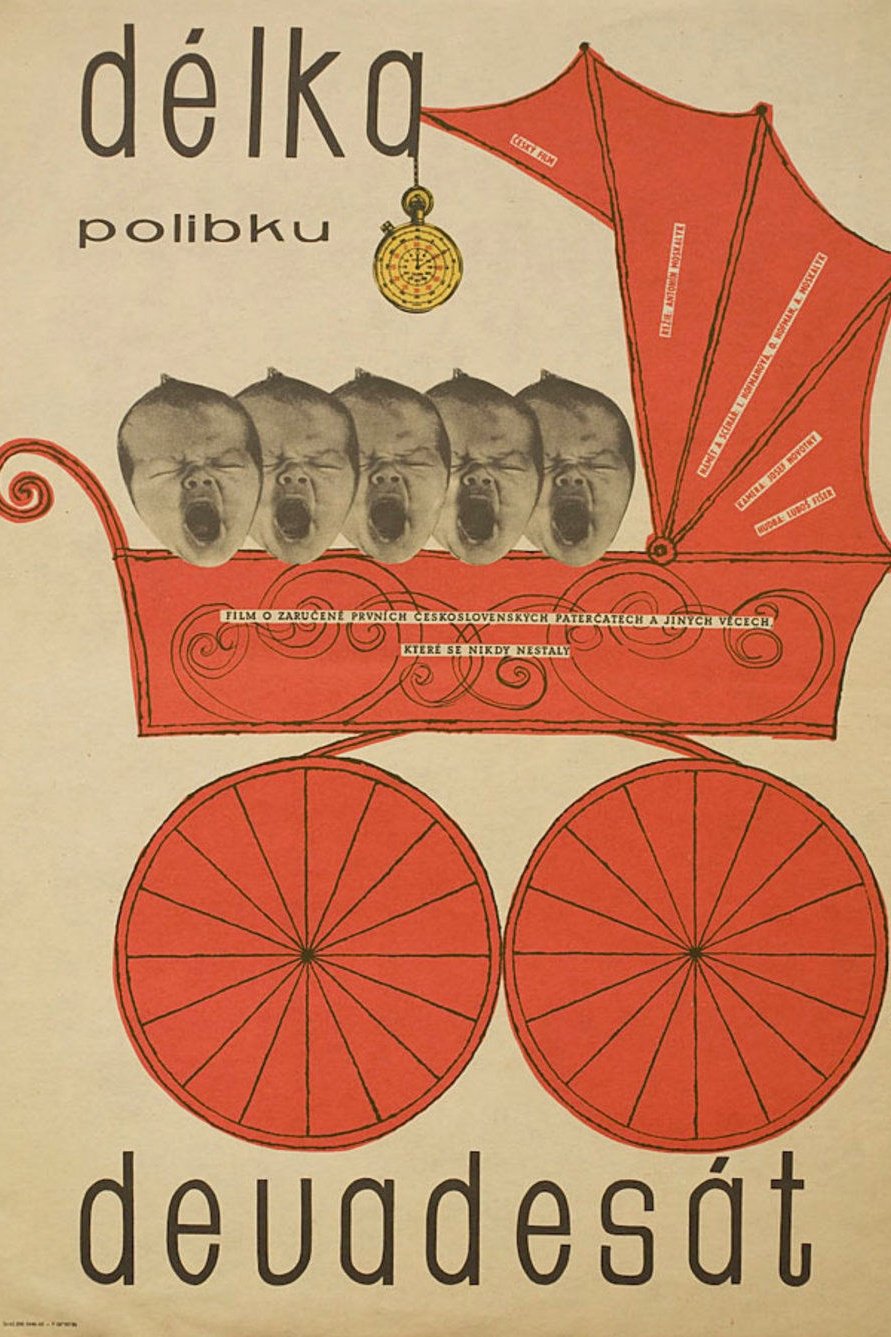
Young couple Eva and Jarda Tům face housing shortages just as Eva miraculously gives birth to quintuplets, drawing intense media and state attention. Authorities install them in a high-tech villa monitored by a commission led by Drahoslav Svitáček. As intrusive experiments, constant scrutiny, and malfunctioning gadgets strain their family life, a planned railway project momentarily frees them. Eva conceives again, but when only one baby arrives amid fading public interest, the state and the spotlight move on.
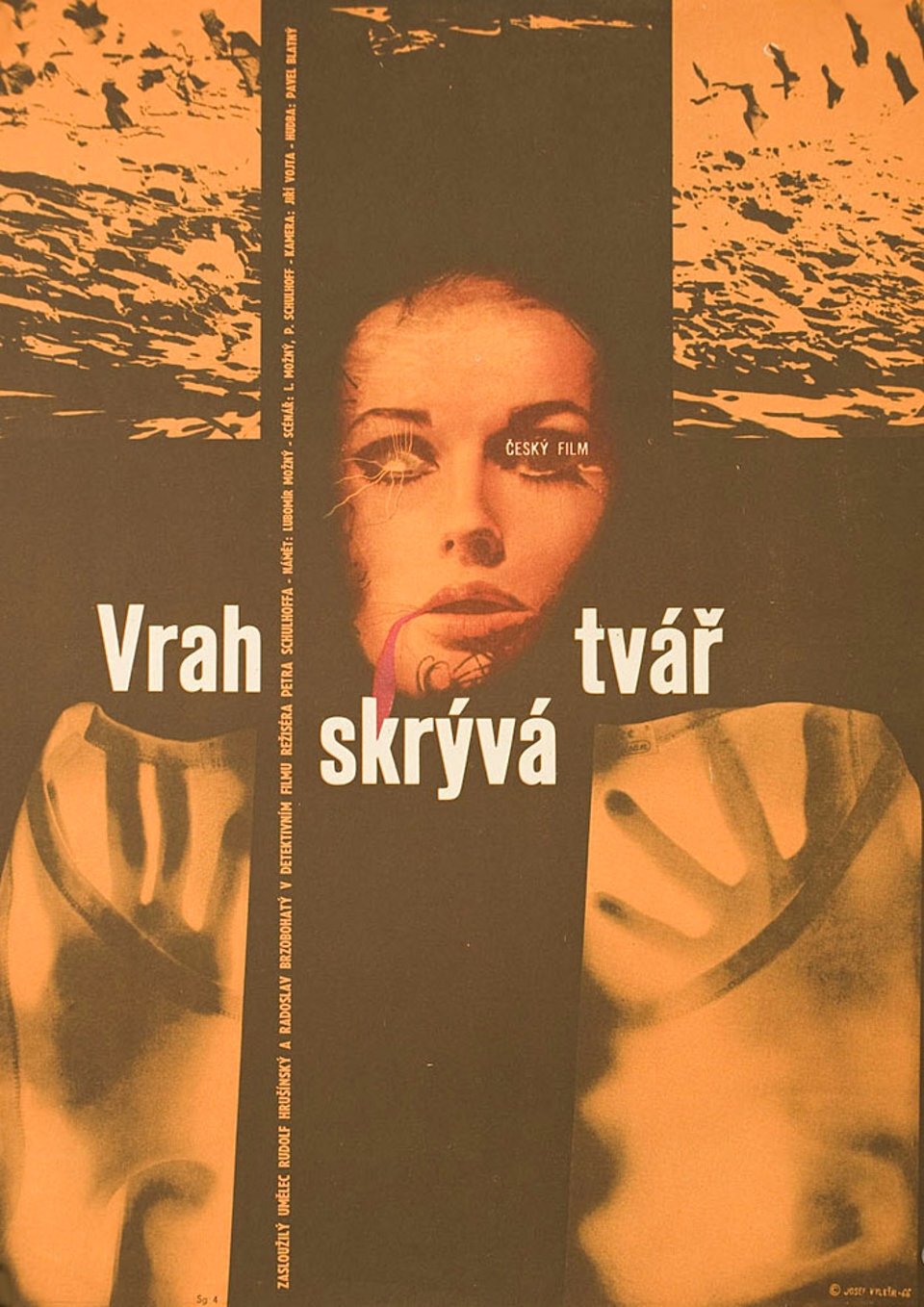
In the forest near the village of Drahovice, a nurse from the local health center is found murdered. Three months ago, another young woman died nearby and a sexual motive was proved in the case of her murder. In the case of the nurse, the motives are not so clear. Two criminologists from Prague - Major Kalas (Rudolf Hrusínský) and Lieutenant Varga (Radoslav Brzobohatý) - patiently collect all available leads and question the villagers.

Detective Lieutenant Boruvka (Lubomír Lipský) is called to the State Scientific Library to investigate the loss of a precious manuscript, the Infernal Psalter of the Occult Sciences by Master Peregrinus from the eleventh century, written in a secret script which has only recently been deciphered by senior lecturer Zajíc (Josef Chvalina). Chaos is reigning in the labyrinth of passages and halls of the former monastery where the library is housed. In order to save space the director of the library has introduced a peculiar system. The books are arranged in the bookcases according to height and six girls dressed in black, the library assistants, are quite happy to cut volumes down to size in case of need. Boruvka refuses the case, since he is specialist in murders. He has to return to the investigation, however, when senior lecturer Zajíc disappears.
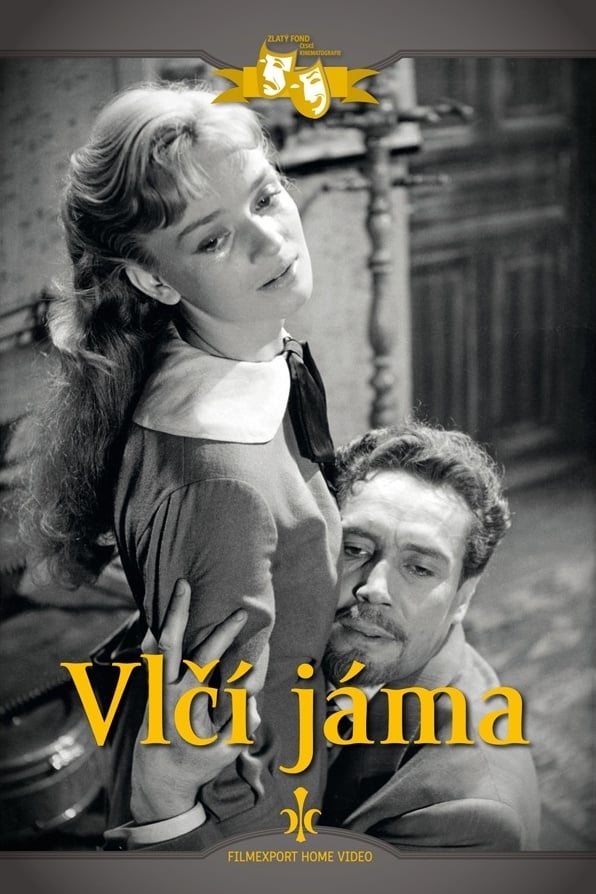
An orphaned young woman named Jana moves into the household of Robert and his older, possessive wife, Klára. While Klára maintains a strict and manipulative control over the home, a mutual attraction develops between Robert and Jana. The three characters continue to live together as their domestic tensions increase.

Wandering through the forest, a woodcutter finds a golden fern whose seed turns into a beautiful woman - they fall in love. After getting drunk in a village feast, he gets to sign up to the army. The fairy gives him a shirt to wear and asks him to swear he will never abandon it. At the war front, he falls in love with the the colonel's daughter and will have to perform various feats to get her attention.
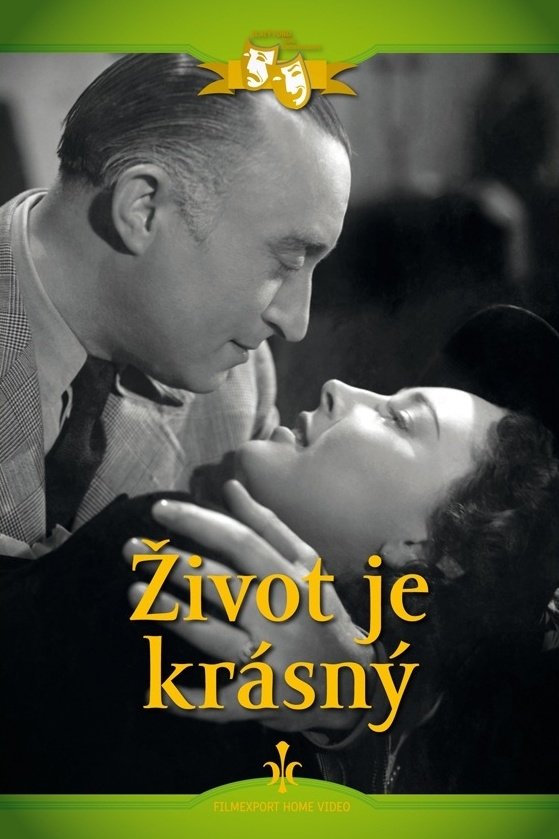
A famous writer seeks the favor of a charming aspiring artist. However, Jarmila intends to dedicate her life to art, and men should have no other place in it than as models for the artist's work. So, the lovelorn Jan disguises himself as a fortune teller and a grandfather with a scythe, just so that the chosen beauty will notice him a little...
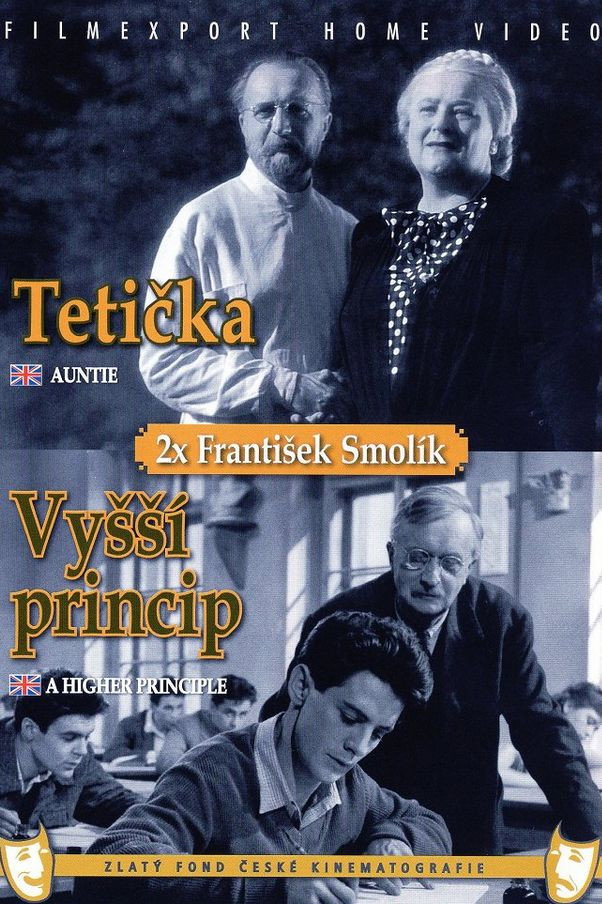
Rich spinster Berta celebrates her sixtieth birthday. Her faithful admirer Dr. Jelinek proposes. But Berta can not forget Edward, the great love of her life, and refuses the offer…
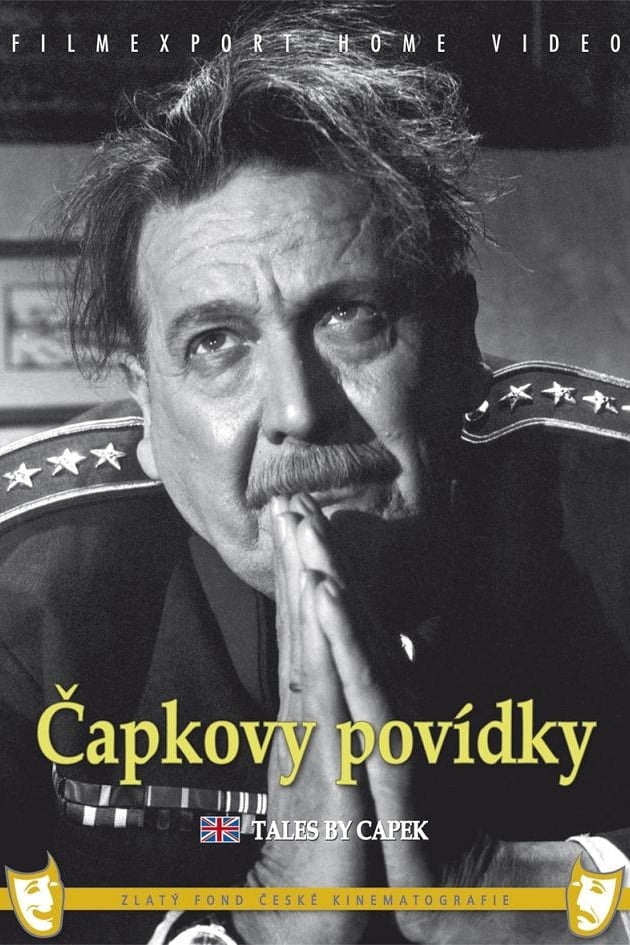
Five crime stories connected by the narration of police superintendent Bartosek.
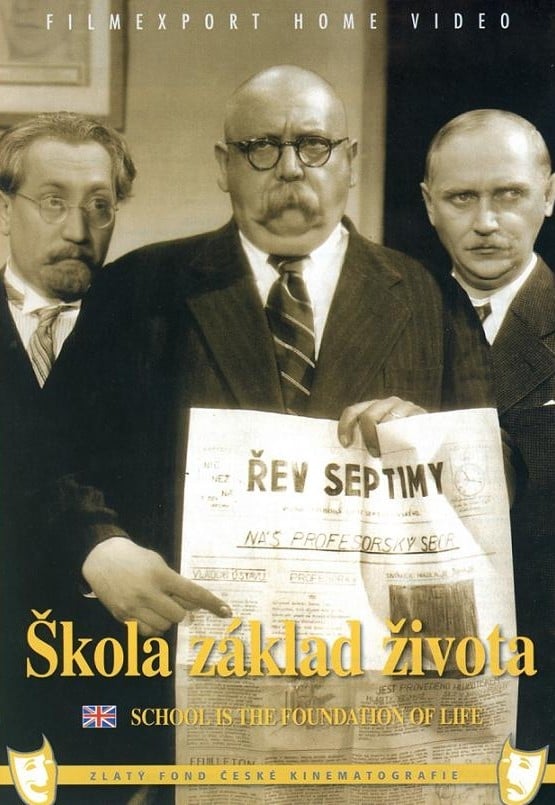
Seventh form pupils at a grammar school in Přívlaky are preparing for a secondary school sports competition. Class creep Krhounek gives the class teacher Lejsal a copy of the seventh form’s magazine Roar. Most of the teachers insist on severe punishing the culprit. The author does not own up and consequently the whole class is punished by being banned from taking part in the schools competition. The most gifted pupil, Benetka, rather sharply criticises the school in a homework essay on a subject of his choice. The strict Czech language teacher is convinced Benetka is the author of the school magazine. Benetka denies the charge but his expulsion from school is proposed anyway on account the views he expounded in his essay. Eventually, Boukal, the author of the school magazine comes forward and admits to writing it. The pupils are allowed to take part in the contest and thanks to Benetka they win. In the meantime however the teachers vote to expell him.
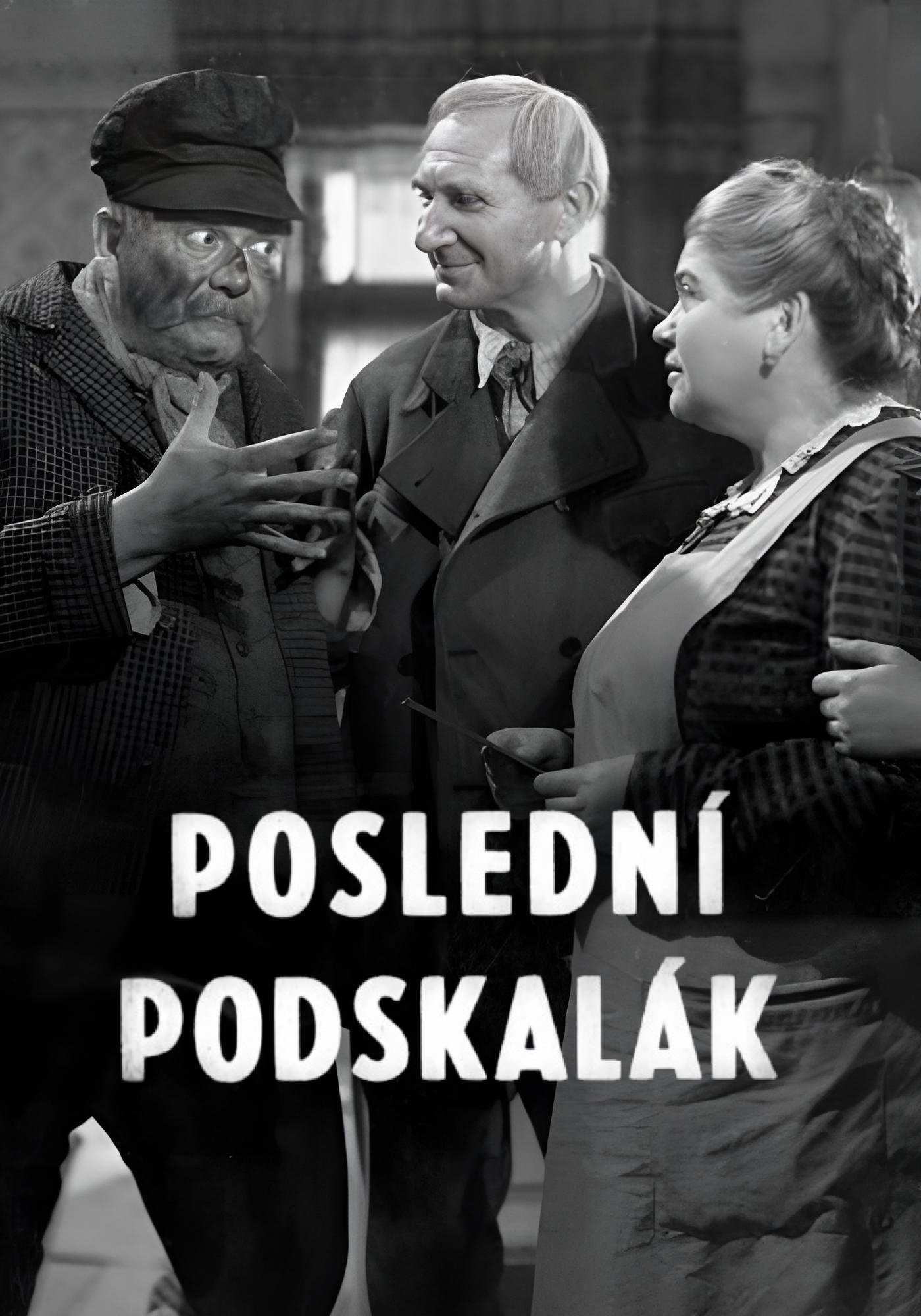
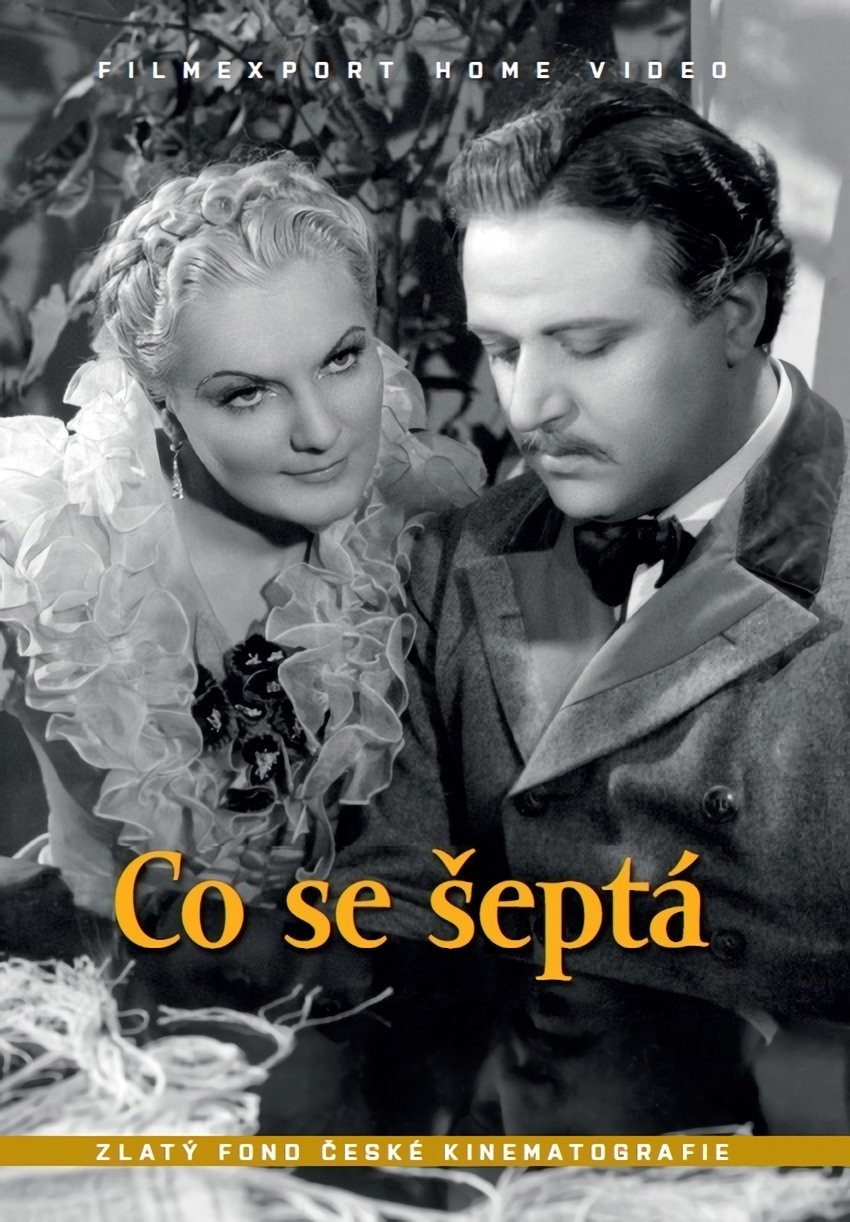
On a park bench, one gossip tells another the story of a young man who has just passed by. His mother Helena was a beautiful and talented singing student years ago. She was platonically loved by her classmate Vilém, the son of a shoelace merchant. After the conservatory graduation party, Helena was seduced by the frivolous Martin. The next day, he left for Paris and did not report back. The girl was horrified to discover that she was pregnant. Therefore, she welcomed the saving offer of marriage from the faithful Vilém...
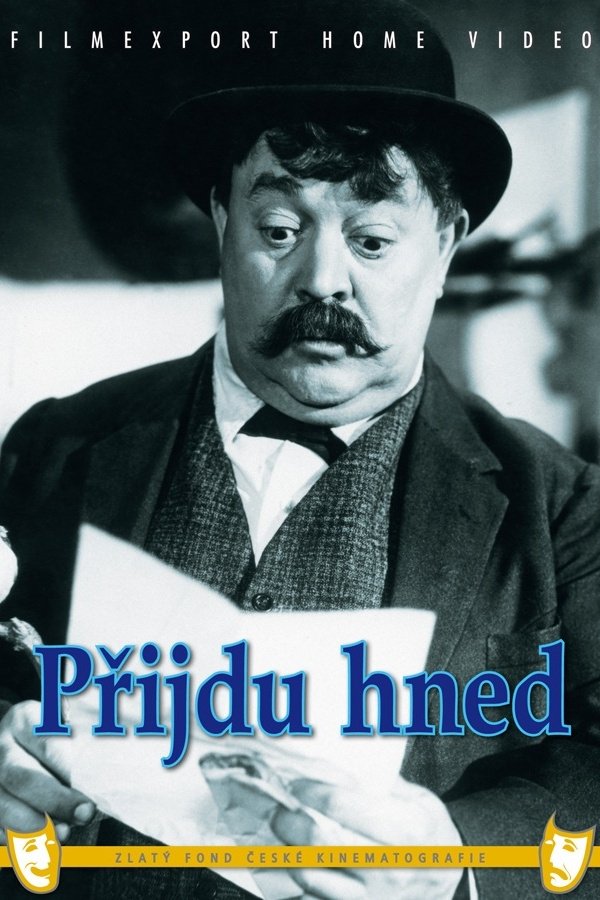
The stuffed animal dealer Václav Barvínek spent twenty-four hours in prison for a petty dispute. And that very day, his uncle's will was read, stating that the deceased had hidden a check for a million crowns somewhere. If it was not cashed by the appointed time, the entire amount would go to charity. The other relatives looted all the movable property, and only an abandoned Saint Bernard remained in the uncle's villa, which the kind-hearted Mr. Barvínek took in. The cheated heir continues to lead a simple life and has no idea that wealth is within reach. He has quite different worries - the heart of the elderly fat man has burned with love for a girl whose friendliness he misinterpreted...
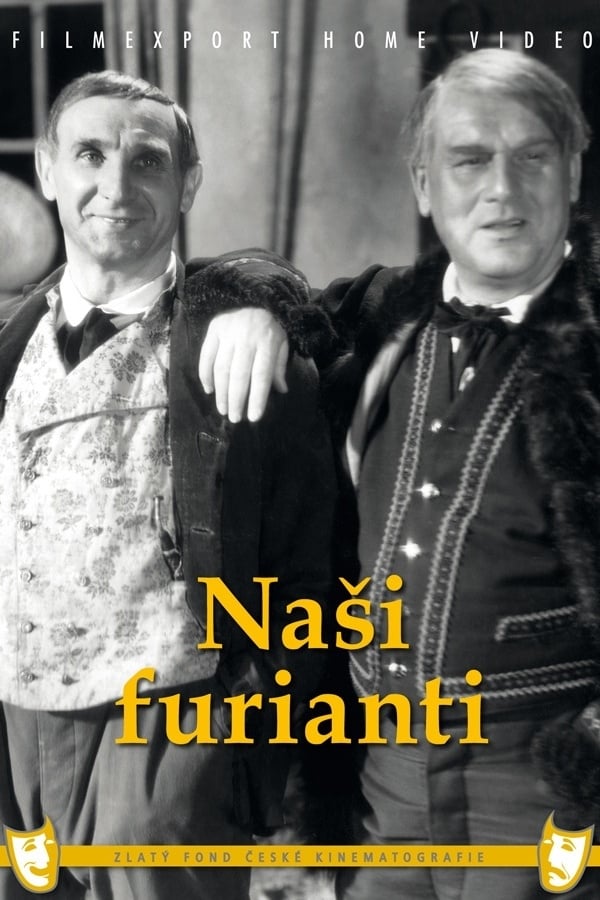
The richest farmer and at the same time mayor Dubský and first councilman Bušek are constantly competing for supremacy. Their rivalry affects not only the fates of their families, but also the entire village, in which every problem, even the smallest one, everything that the board of directors discusses becomes a battleground for the two rivals. And it is not just about who will be appointed night watchman due to the increasing thefts. It is also about the love of Václav, Dubský's son, and Verunka, the daughter of councilman Bušek.
Vera is eleven years old and after the death of her parents she lives with her grandmother. She doesn't understand her at all, doesn't recognize her as her beloved son and is terrified of the genes of her daughter-in-law, who was "just" a saleswoman. Vera prefers to escape into her own world, where she doesn't hear her grandmother's lamentations, ponders good and evil, and her balls become Spanish nobles...
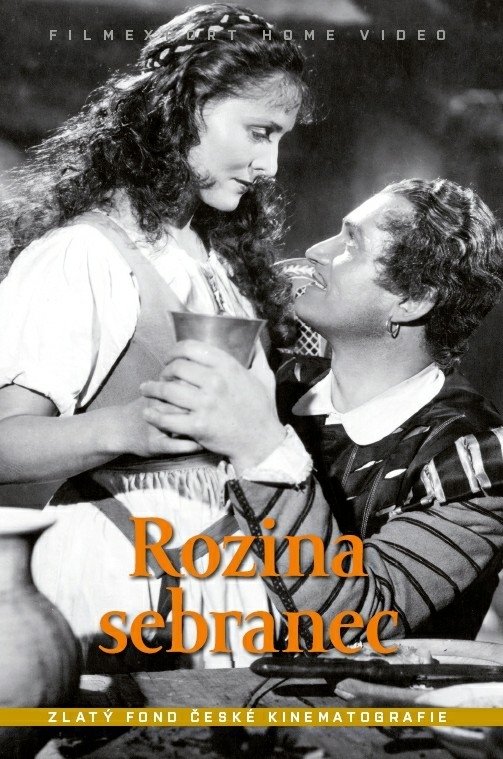
Prague, the beginning of the 17th century. Rozina falls in love with Italian glass worker Nikolo, but after returning home, she gets a message that will never come to Prague. She falls for the promise of an older man to marry her, but when Nikolo does return, the tragic fate of Rozina is sealed.
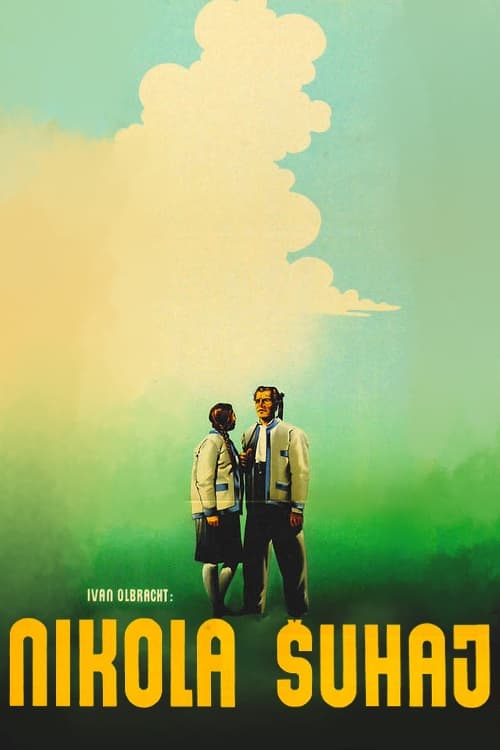
At the end of the First World War, Nikola Shuhai and his friend from the army desert. On the way home, to the village of Kolochava, they both find refuge with baby Jaga. Jaga mixes them a drink to protect them from the deadly bullets. The bachelors must promise to marry her daughters in exchange for a drink, or they will be punished. Nikola finds his home village in poverty. He stands against the powerful and the rich, and they turn the gendarmes against him. Nikola hides from them in the woods, where he will remain even after the end of the war, because nothing has changed for the villagers. Out of poverty and hopelessness, other men join Nikola and together they raid the wealthy. Nikola distributes the obtained booty to the poor and needy, who see him as their protector and hero.
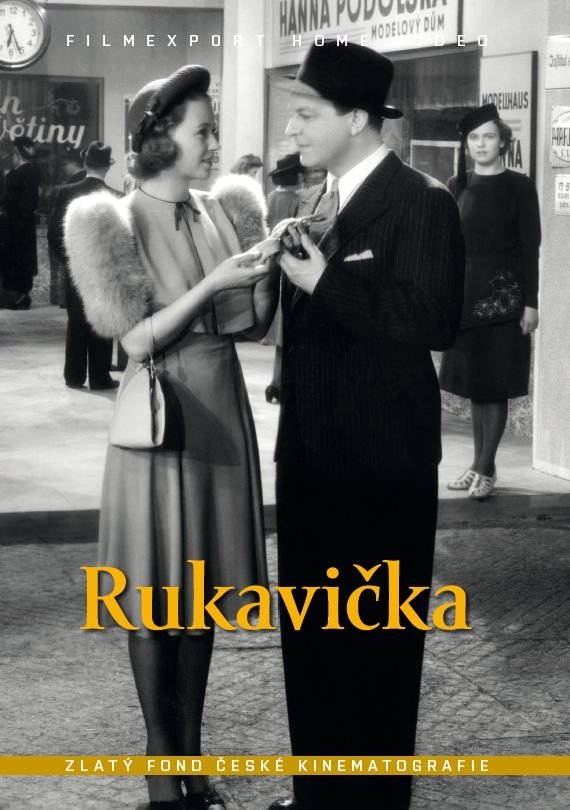
A lost lady's glove that connects several human destinies. The focus here is not on the lost part of the wardrobe, but on piano virtuoso Arne Brant, a man armed with a charming smile and surrounded by women, two of whom have particularly influenced his life. The first is the daughter of a famous can-can star, dancer Pavlína Doré-Zejdová, the second is Mařenka Berková, the main character of the film and a kind of Kristián in skirts. An orderly and well-bred daughter from an honorable family who lives her second life as a lady of high society. The lost glove complicates the situation for all of them considerably, but in the end she finds her rightful place, just like the heroes of the film...

Marta Dekasová works as a governess in a garrison town. The beautiful girl is the center of attention of many men, but she only desires Lieutenant Varga, who is married and rejects her. Desperate, Marta throws herself into the arms of the most intrusive of her suitors, and is then dismissed in disgrace. She goes to Prague to live with her friend Kiki, becomes a bar singer, and continues her journey down the sloping surface. Hope for a new life dawns on her when a young student falls in love with her, but just then Varga appears in the bar and rekindles her unquenched feelings...
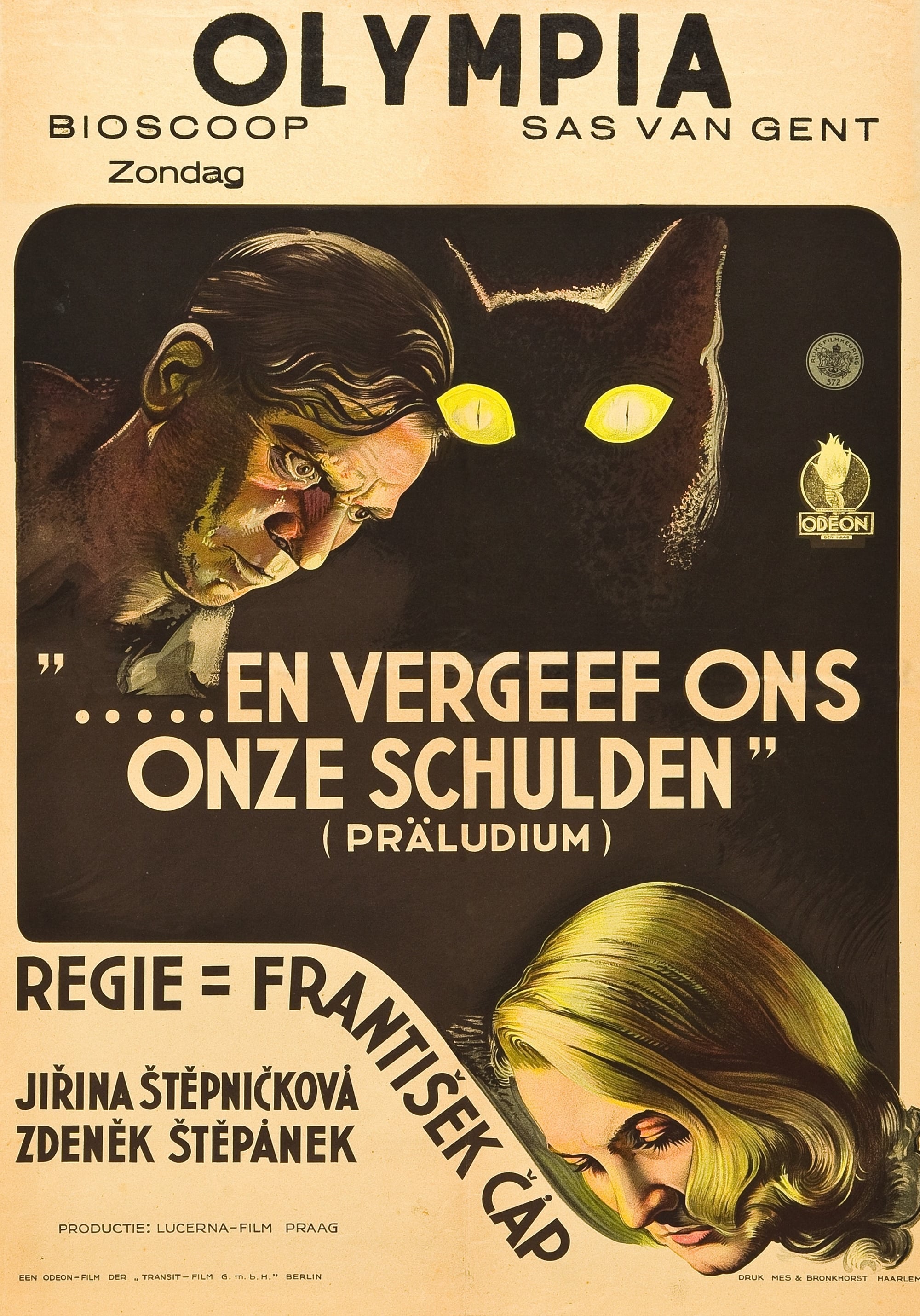
Theater props maker Karel Vajgant has a young wife, Magda, and two children, seven-year-old Pavlík and eleven-year-old Pepička. Magda is a caring mother, but she feels that her husband prioritizes work and his comfort. In a weak moment, Magda becomes unfaithful. Vajgant receives an anonymous letter that warns him of his wife's infidelity. His friend, the opportunist Tonda, advises him to throw away the letter and instead devote more time to Magda...
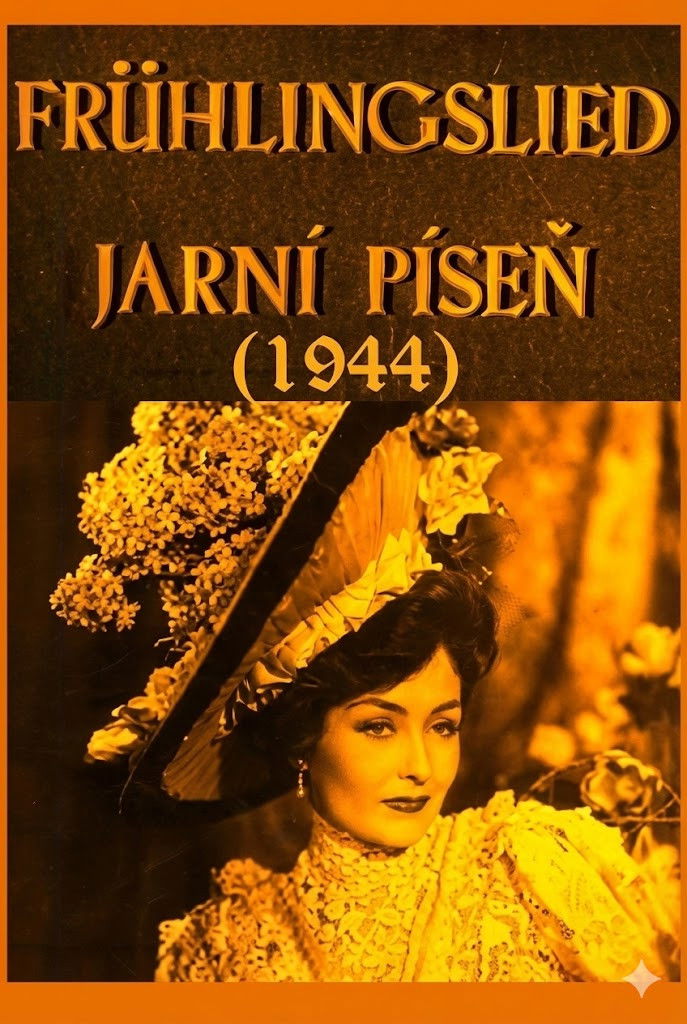

Leopold Kohák married a rich widow a long time ago and now has nothing to do compared to his energetic wife. He's growing old and troubled by the fact that he betrayed his first love Emča and his beloved river Sázava where he spent his childhood and youth. A visit from an old friend Lebeda brings it all back to him. After a nervous breakdown Leopold secretly visits his home instead of going to the spa. A wandering tramp suggest Leopold should bathe in the magical waters of the Sázava, and slowly his youth returns to him.
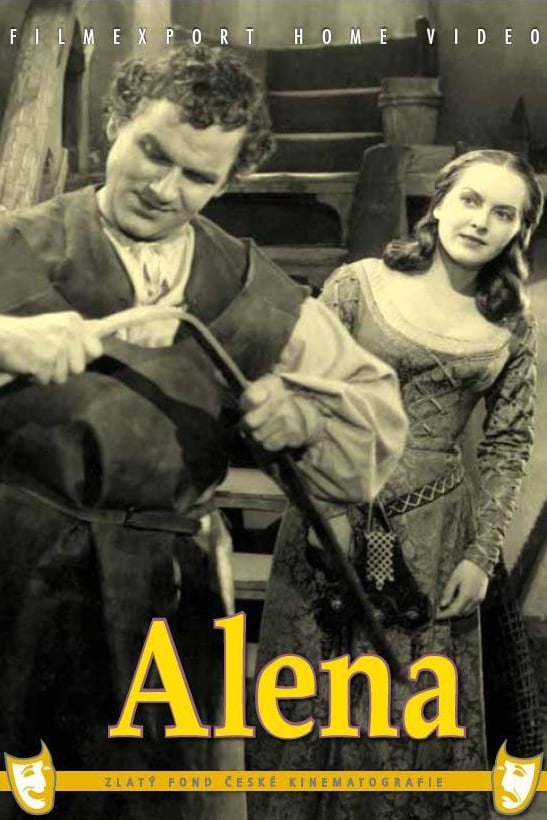
Master armourer Tomás has young wife Alena, of whom he is very jealous. One day the ruler of town sees Alena and decides to win her over for himself. To get a free hand for his love affairs, he sends Master Tomás to acquire more skills in Flanders. Jealous husband does not know how to secure fidelity of his beautiful wife while he is away, and finally accepts aid of the devil, to whom he signs his soul as a reward. Devil in the disguise of Master Ondrej works in Tomás's workshop and protects Alena against various courtiers and the ruler of town. But finally he falls in love with Alena himself and becomes her lover.

An anthology of three absurd, ironic tales inspired by Čapek’s “Tales from One Pocket” and “Fables and Side Stories,” each showing uncanny forces disrupting ordinary lives: in Krejčík’s “Glorie,” a gentle clerk is haunted by a sudden halo; the other two segments by Mach and Makovec similarly blend everyday routines with ironic, supernatural twists.