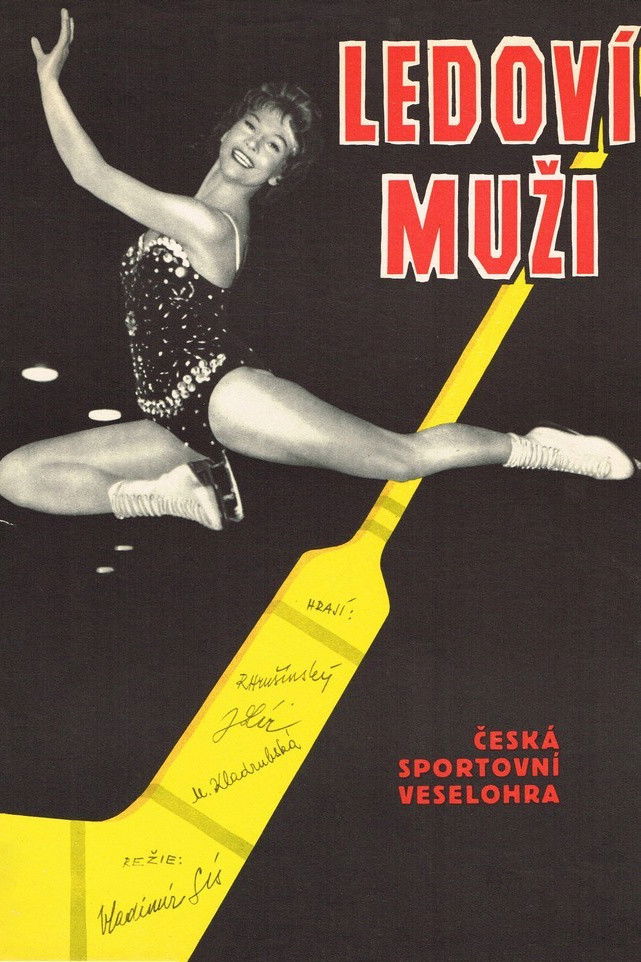
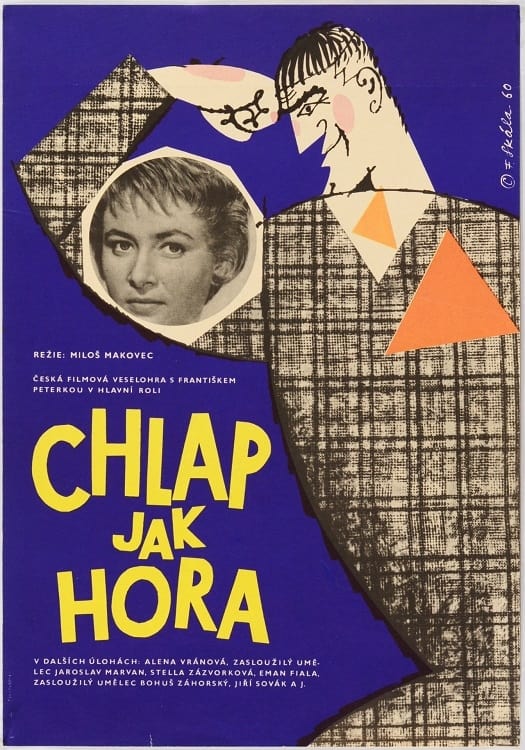
An official of a declining hockey club has a tip for a prodigy shooter: a young teacher Havranek is famous for his hits in a fairground shooting range, but he can't skate. Luckily, his daughter Alena is here...
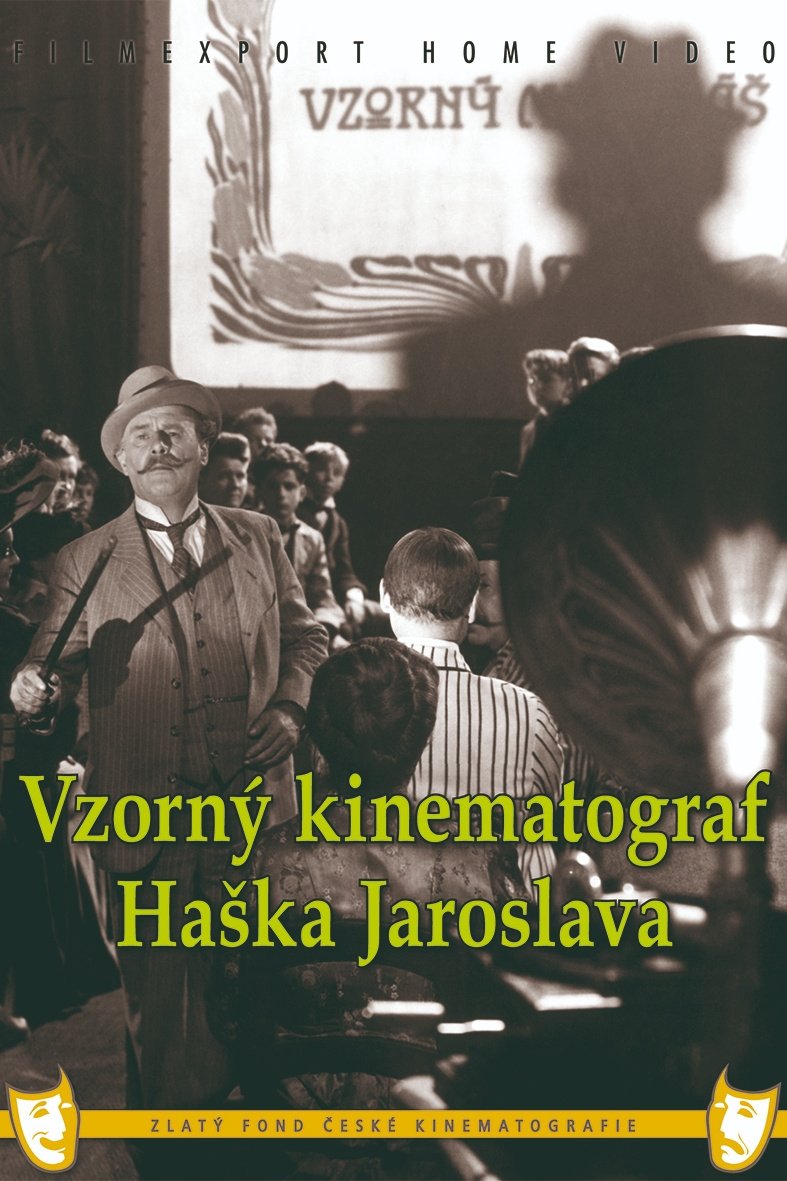
Jaroslav Hašek screens four film stories in the fairground shed around 1900. After period advertising slides and a "newspaper", we see "the first part of a sensational, exemplary, parfuss, salon program - a film from the life of school-age children, shot under very difficult circumstances". The plot of this film takes place partly in a school classroom and partly in a gymnasium toilet, where the primate Chocholka took refuge from a Latin composition. "Exemplary Family Happiness" is the second film that takes the viewer into the family of the municipal official Honzátek, in which many stormy scenes occurred when the hamster, provided by Honzátek Jr., moved into the sofa - a wedding gift from Sister Ema. Equally surprising are two other stories, one of which tells about the "father of the poor", the owner of a company with unrecoverable cash flow and a famous patron, and the other about the fateful consequences of a joint trip between the old bachelor Mr. Hanzlíček and his neighbors.
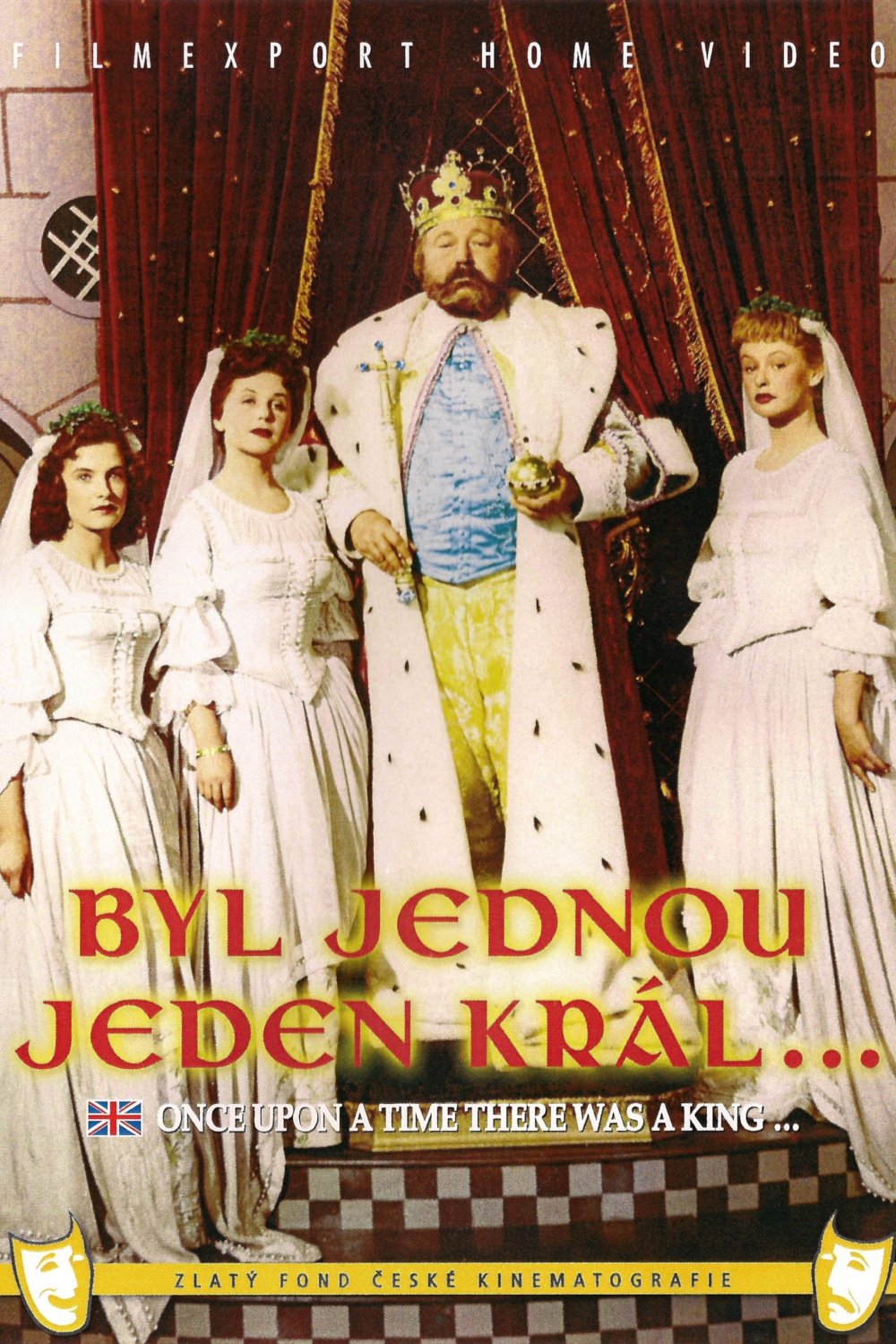
A selfish self-centered widowed ruler, barely tolerated by his subjects and called appropriately enough, 'King Myself, First' asks his three daughters to name the measure of their love for him. When one of them says, "more than salt", he banishes her from the kingdom. Not understanding what she meant the King assumes love can only be measured by precious metals or one's own talent, the 'correct' answers from his other two daughters. The arrogance of the King leads him to gather all the salt in the kingdom and destroy it. Of course, this backfires as he slowly learns the universal value of the substance, and of course, the essence of his daughter's reply. With the help of the wise and magical old 'herb woman', the King also learns what it means to be a true and wise ruler.
Five short stories: The Master and the Twentieth Disciple; Every Week is Sunday; It's Boniface's Fault; The Raggedy Song; The Spider's Web.
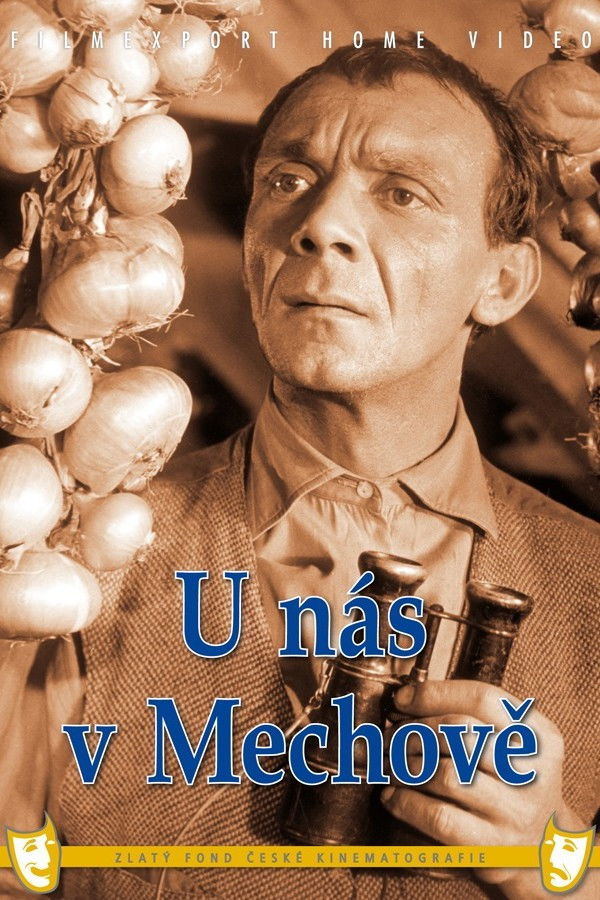
A rumour that a large holiday resort is supposedly being built on the banks of the local pond causes confusion among the villagers.

Little Honzík tries everything he can in order to join the team for Spartakiada Games.
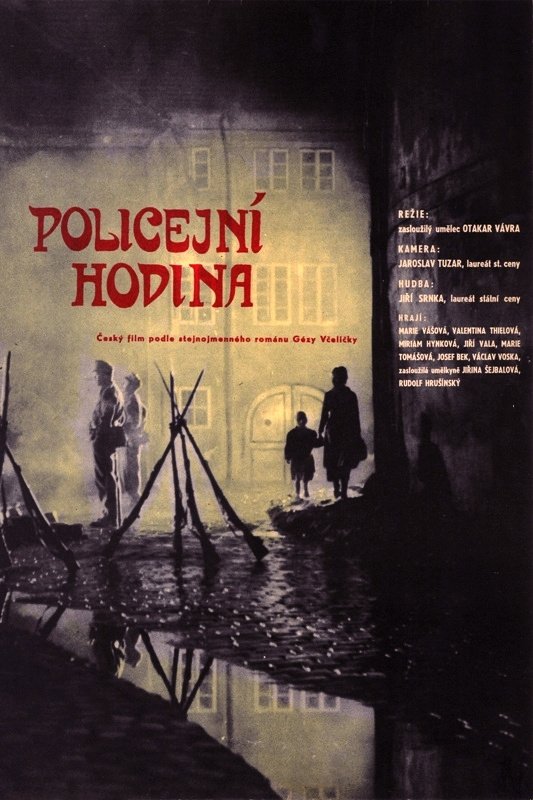
The story of a poor, disintegrating family of a mother Fišerová and her three children. It is set in the 1890s - a time when the poor working classes did not yet have the right to vote or a permanent eight-hour working day.
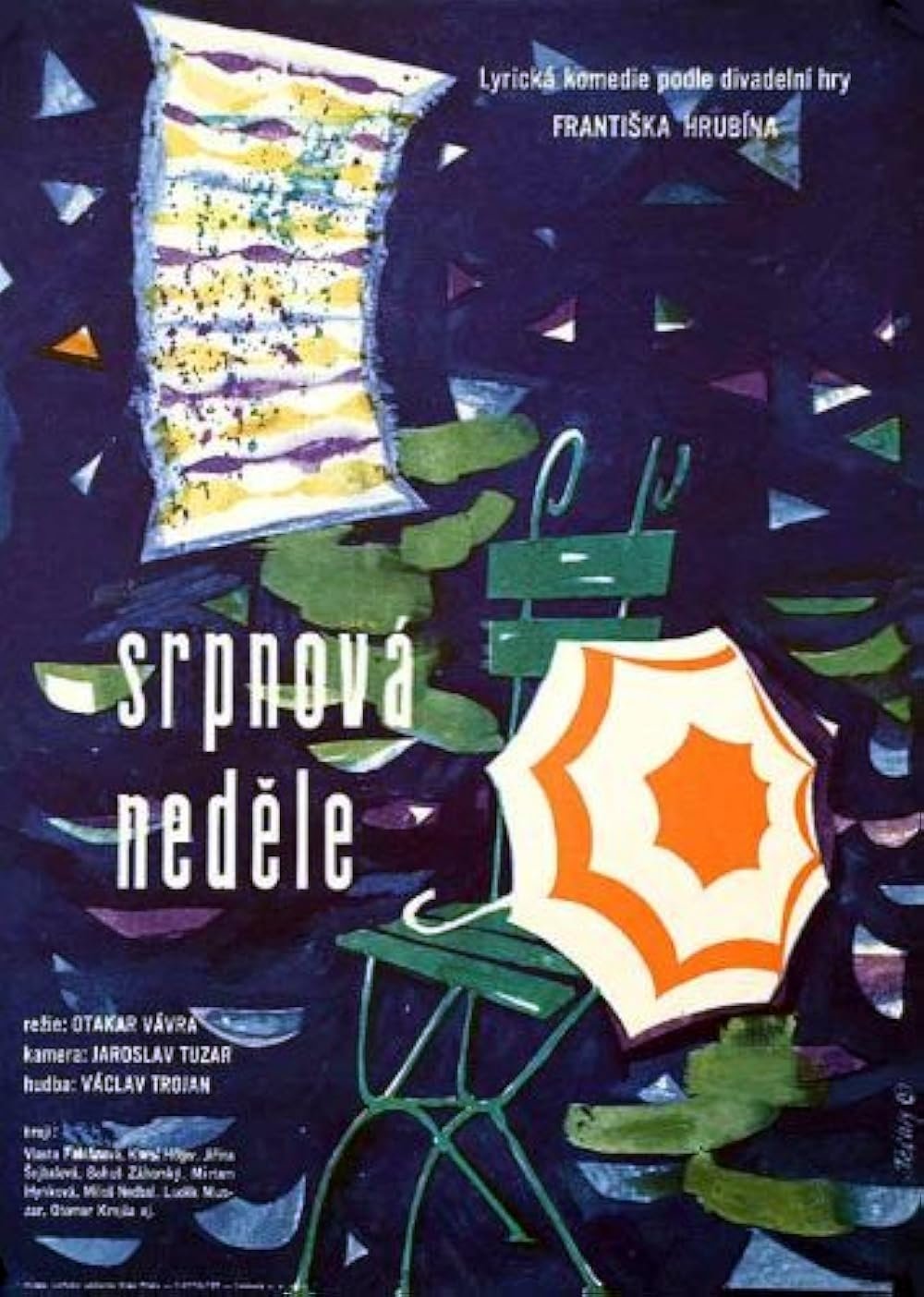
This lyrical comedy story takes place in two hot days in the small South Bohemian village. On the shore of a small pond, summer guests and local youth meet. As is typical of the works of Hrubín, it is a conflict of youth and age, life and death, represented by the medical student Zuzana and her beloved Jirka.
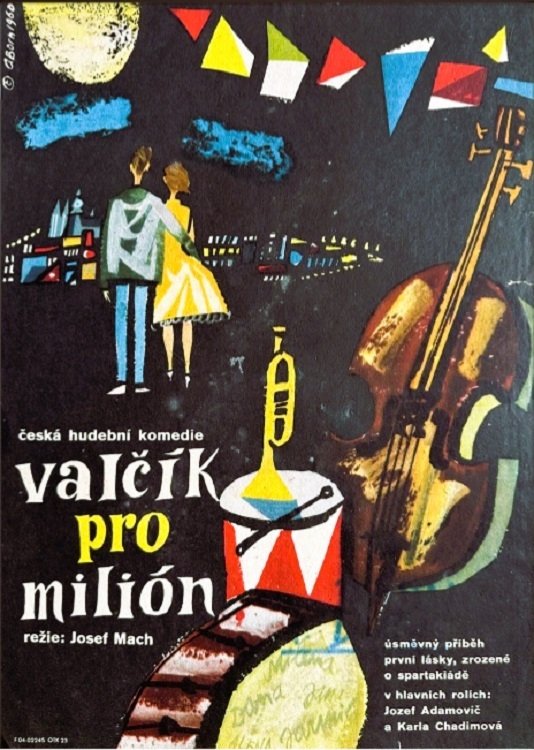
A girl from a dance ensemble from Uherské Hradiště and an amateur jazz musician from Strakonice will meet at the II. National Spartakiada. Life under victorious socialism is presented as a permanent folk festival with mass gymnastic performances, dance and music. The film was said to have been very popular in Cuba at the time.
The group of mining foreman Kohut is about to enter the competition for the title of Brigade of Socialist Labour. All the men are in favour, only young Ondracka needs to be firmly re-educated...
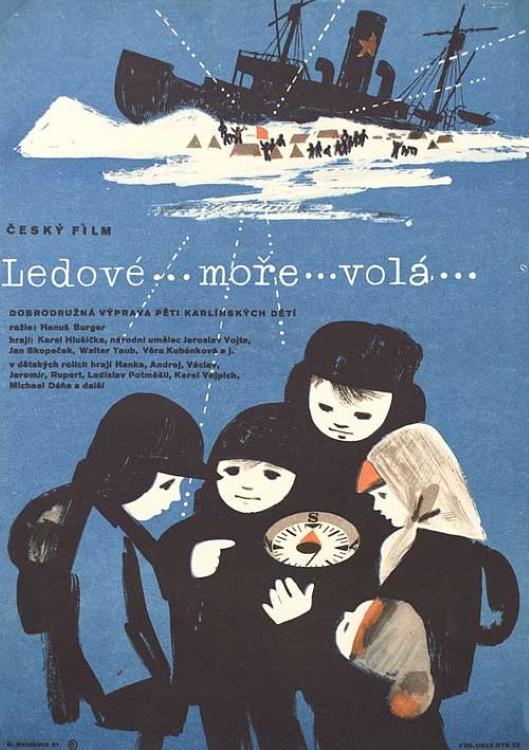
A group of children from 1930s Prague follow the news about the polar expedition of the Chelyuskin, whose members find themselves stranded on a floating crust after the shipwreck. The rescue operation they had planned eventually turns out to be an aid to the striking workers of Děčín...
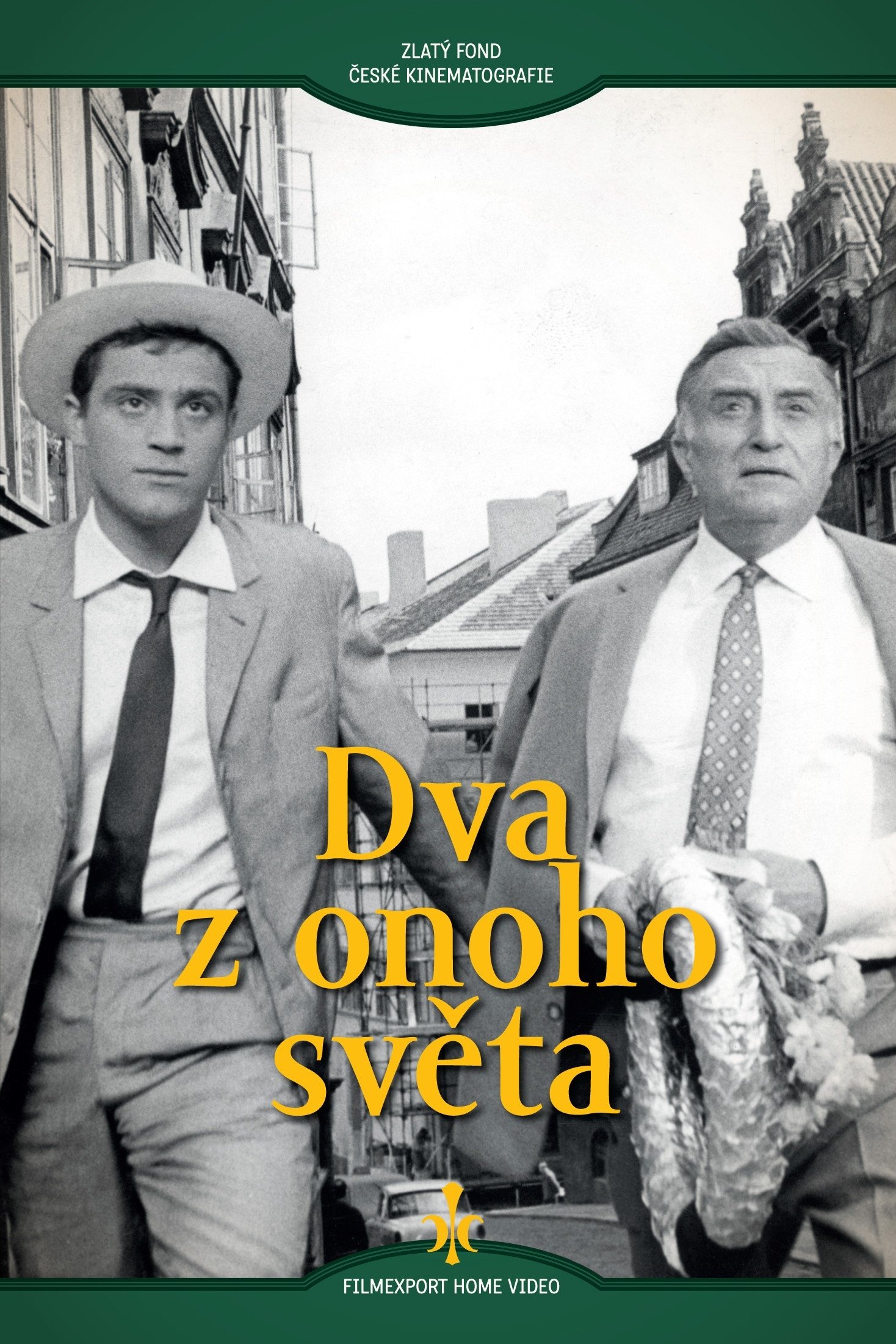
A musical comedy about two indistinguishably similar siblings who love music, but each of them is completely different. Pavel Fořt is a professor of classical music at a pedagogical institute, his brother is a jazz musician and plays music in America. When the twin brother suddenly appears in Prague, they switch roles.
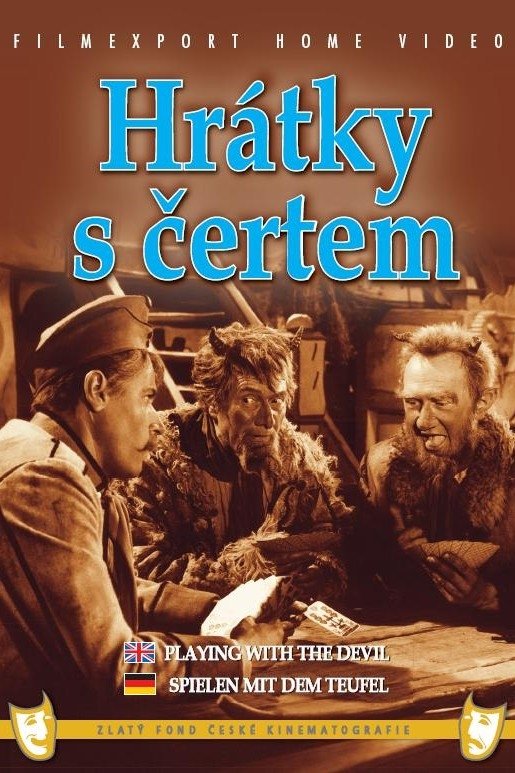
Two marriageable girls, Princess Disperanda and her maid Káča, sign a betrothal with their own blood in exchange for fairy-tale grooms. Although both devilish betrothals accidentally fall into the hands of the brave retired soldier Martin Kabát, the cunning devil Solfernus takes possession of them through cunning, and Martin has no choice but to go to the burning hell.
A medium-length story about the birth of a father and son friendship.
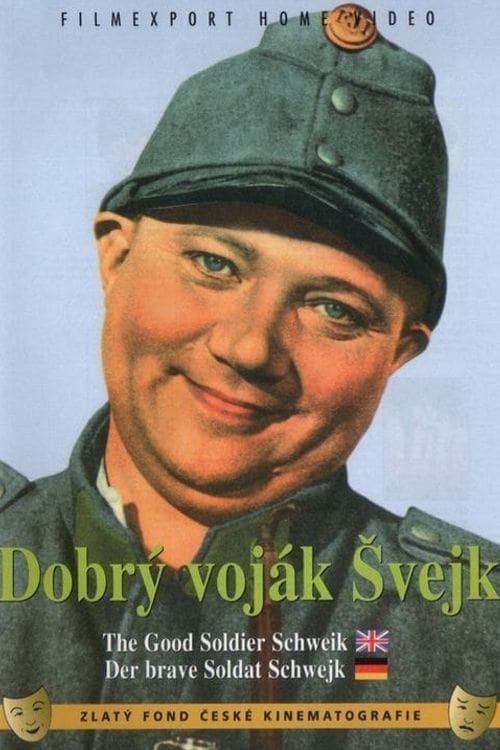
Good-natured and garrulous, Schweik becomes the Austrian army's most loyal Czech soldier when he is called up on the outbreak of World War I -- although his bumbling attempts to get to the front serve only to prevent him from reaching it. Playing cards and getting drunk, he uses all his cunning and genial subterfuge to deal with the police, clergy, and officers who chivy him toward battle.
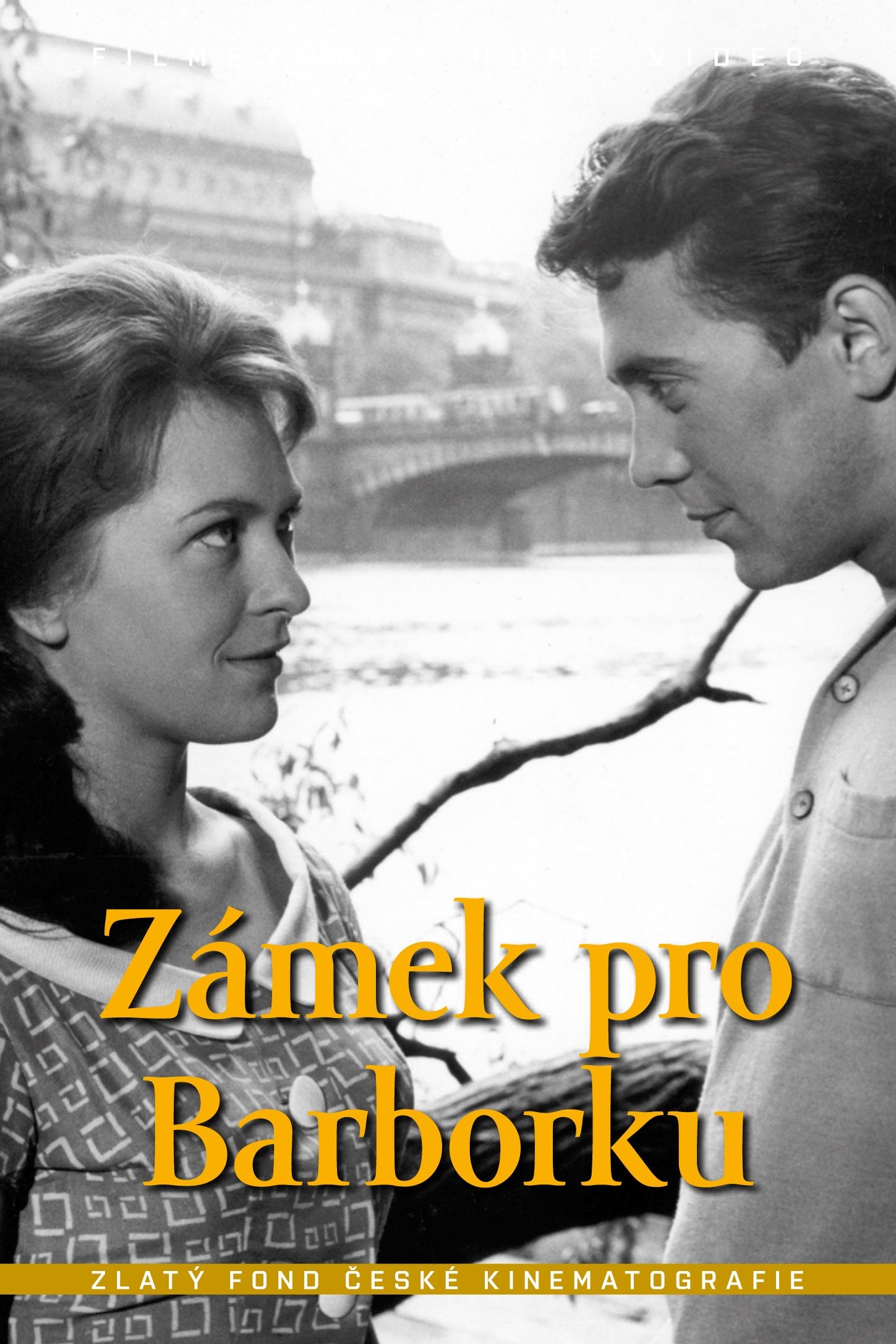
Twelve graduates of one year of DAMU decide to go to the regional theatre together. During the first season, the enthusiastic collective breaks up and only five remain, determined to continue.
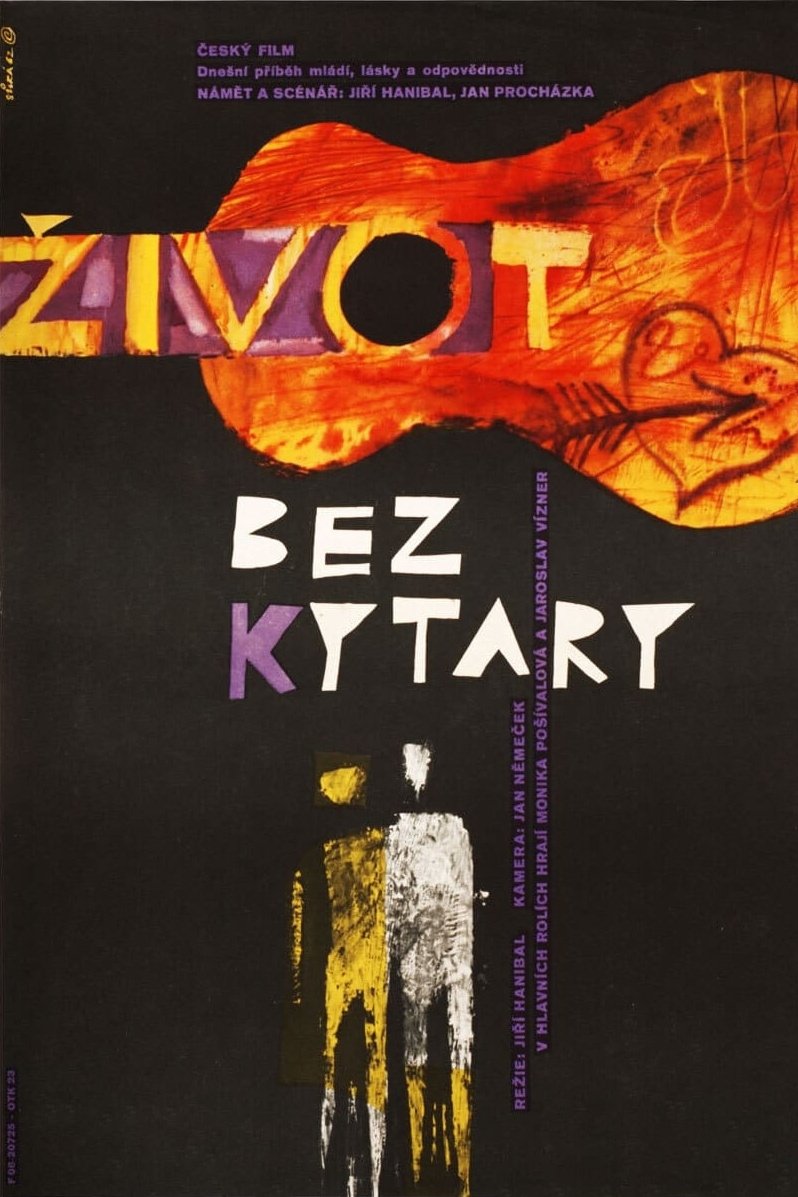
A group of jolly young people work in the Prague Tesla factory, also spending most of their leisure time together. One of them, guitar player Zdenek, begins to shun his friends' company. He has fallen in love with Vera, who does not belong to the group. The happy-go-lucky young man already has several acquaintances and has his own method to get a girl: to take his motorcycle, his guitar and a bottle of wine and take her to a rented houseboat. Vera, however, is different and gets angry at Zdenek. But she is fond of him and thus eventually spends a whole evening with him on the houseboat. At a preventative medical examination, the doctor tells Vera she is pregnant.
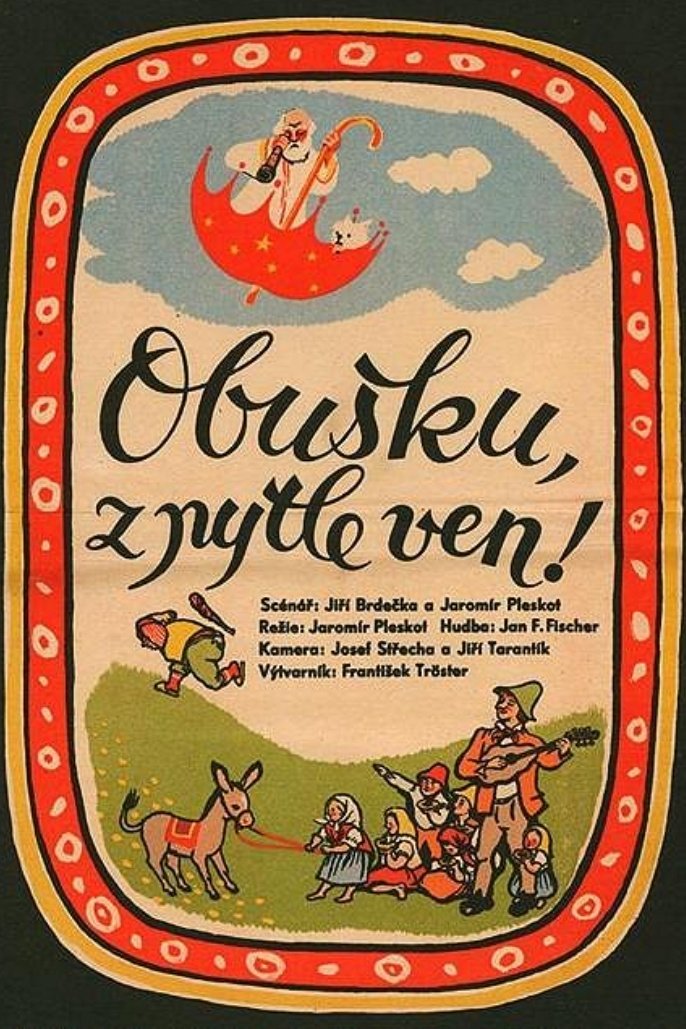
A poor musician with a good heart, as a reward for sharing even the last piece of bread despite being hungry himself, is rewarded with a miraculous napkin on which the best delicacies appear. However, a greedy innkeeper steals it from him along with a miraculous donkey from which ducats are pouring...
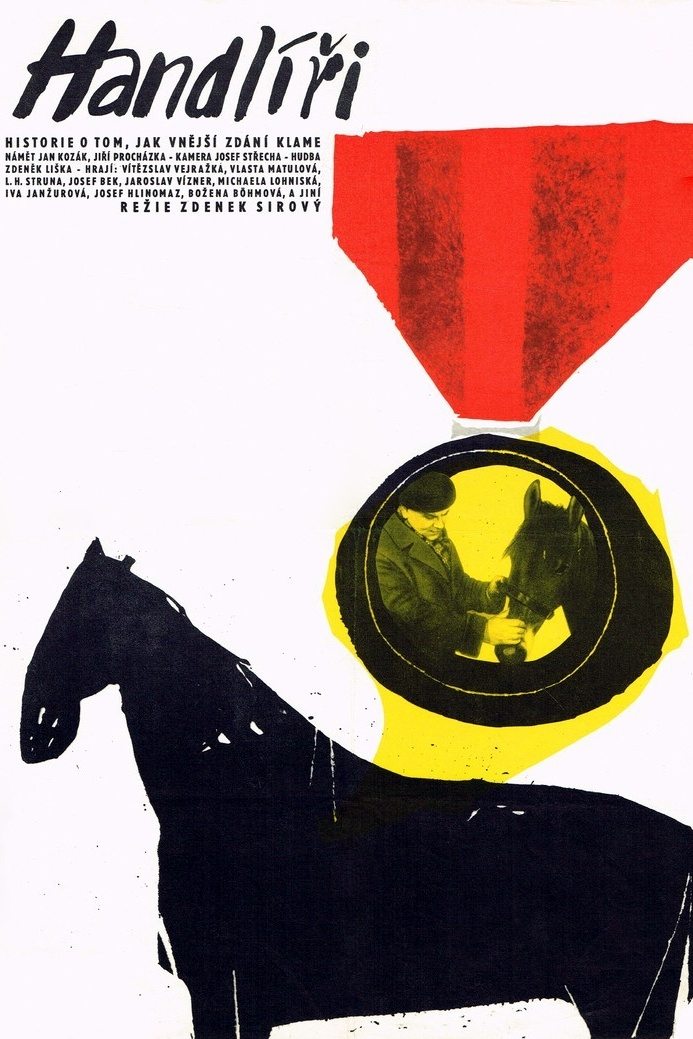
JZD Hořičky is one of the best cooperatives in the district. Its chairman, who knows how to get advice and money wherever he can, is supported by the district secretary - even at the expense of others. The cooperatives will reject high state honours as undeserved... An unconvincing attempt at a critical film from the present day.
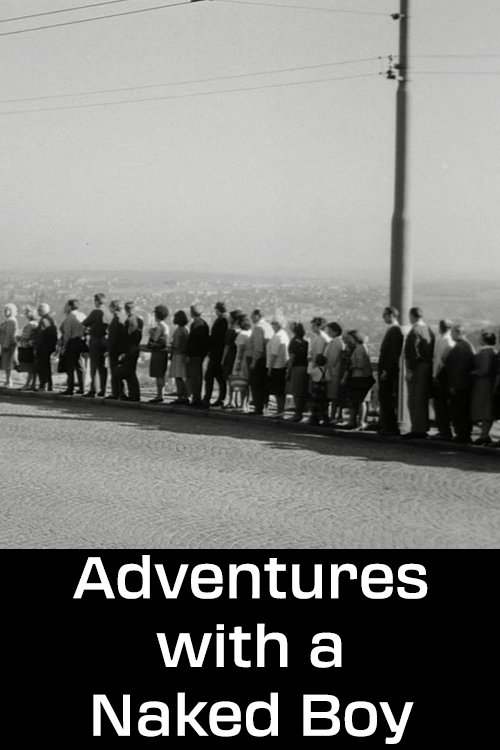
A man boards on a tram together with a naked boy. Somebody has stolen the boy's clothes when he was out bathing, leaving him with not even change for the tram. The man has taken care of him and is taking him home. At first nobody notices them but as soon as the people realize they are seeing something out of the ordinary they begin to react to the situation. Some are content with the simple explanation as to why the boy is naked. Others are agitated, for they see the whole situation as something unseemly. An ordinary incident, which might have been passed over in silence, results in a heated argument that turns into a fight. More and more people join in the fight until the police are forced to intervene.
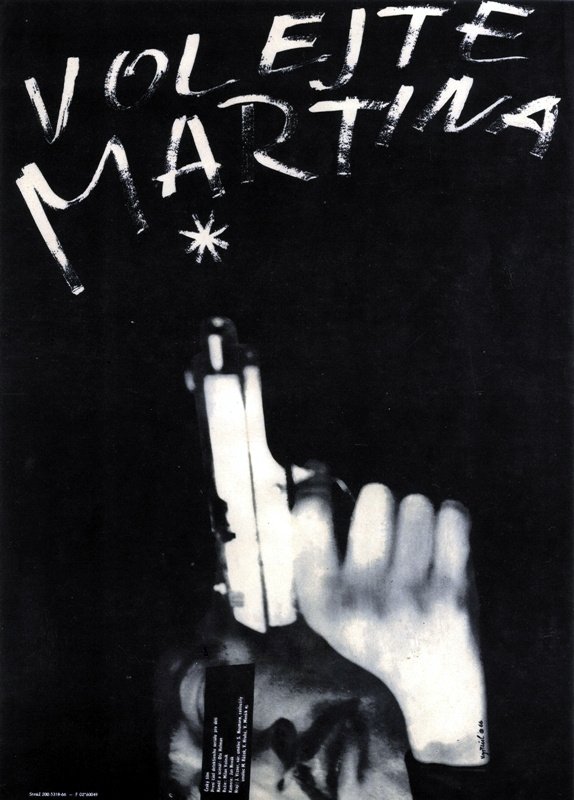
The series of children's films about Detective Martin, who intervenes in cases involving children, begins with this film. It consists of two short stories: in the first ("Three Bottles"), the young hero, escaping from an orphanage, gets involved in a robbery of postage stamps..., in the second ("Flying Carousel"), the children fight a dishonest owner of fairground rides...
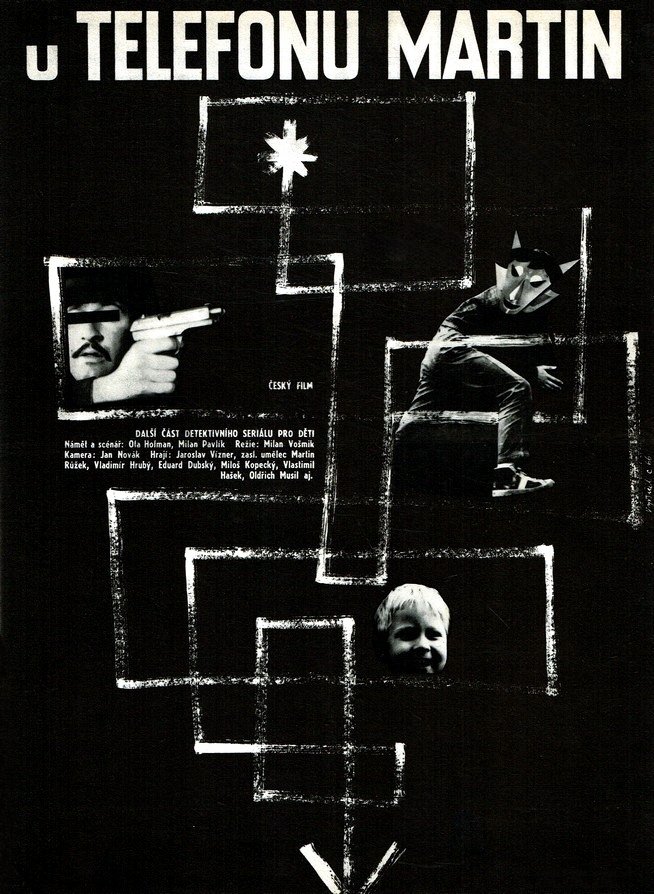
The second installment of children's stories investigator Dr. Martin. The film has two stories:
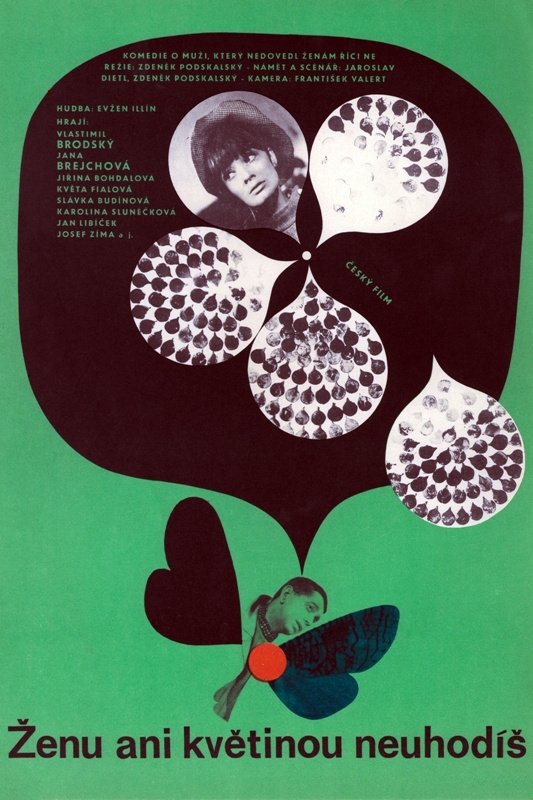
Shortish forty-year old Ludvík Podzimek, lute and flute player in a Prague orchestra, is far from being an attractive man. He is nevertheless generally considered a great 'Don Juan'. Women take up with him out of a certain motherly compassion and Ludvík's tender heart does not allow him to split with any of them. His lovers thus accumulate and cause him numerous troubles.
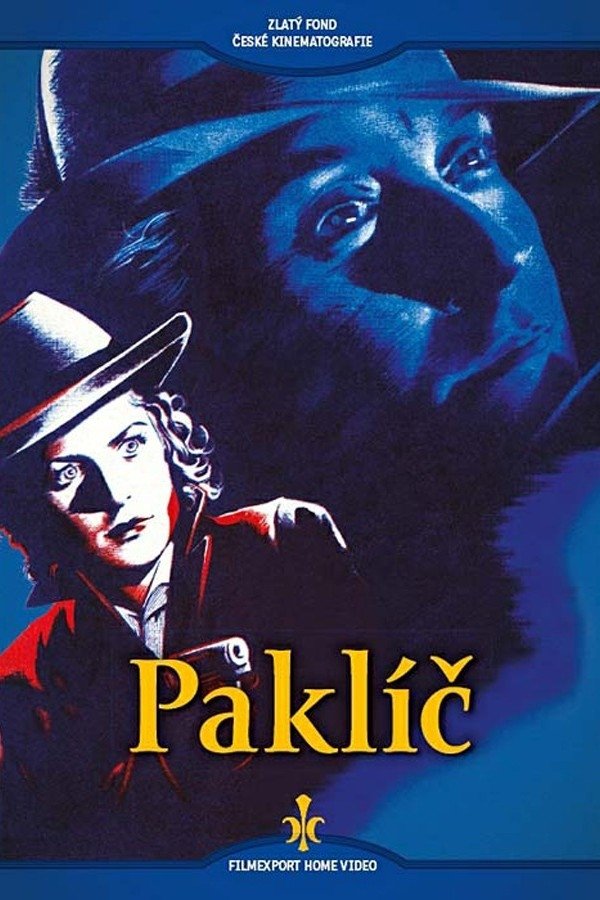
Successful writer Gabriel Anděl still loves his wife Lola very much, but he can't stand the way she is always getting involved in his work, so he decides to divorce her. Just as he is about to move into his country villa, a police inspector appears on the scene with a warning that some crooks are planning to sell the house in question to a rich Czech-American. Anděl and the inspector immediately drive there and indeed find a gang of criminals disguised as servants. However, these are far from the only crooks involved in this complicated case. Before the crazy night is over, Gabriel and Lola will have many more surprises and complicated situations...
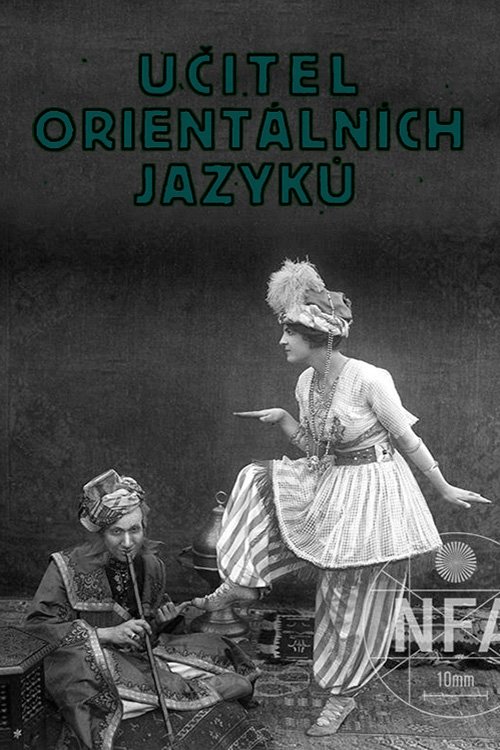

The employees of the furniture company MARS welcome a rare visitor with hired music. Their boast that they would put together an orchestra is taken seriously, so they receive a small gift - musical instruments for thirty musicians.
A Czechoslovakian comedy directed by Carl Lamac and starring himself Theodor Pistek & Anny Ondra.
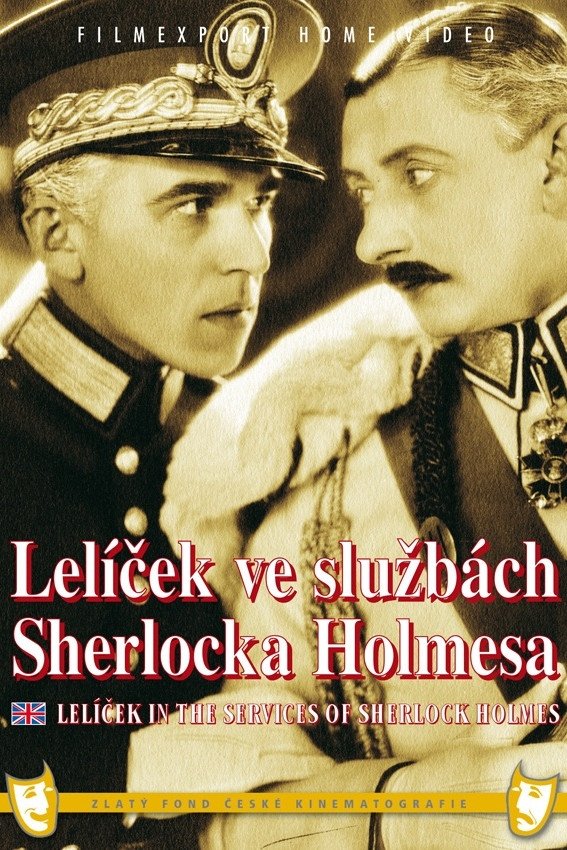
The Portorican prime minister asks British detective Sherlock Holmes to find a twin for King Fernando XXIII, a weak and frightened man who fears anarchists and does not want to show himself in public. Holmes finds in the Czech newspapers a photo of the perfect double, František Lelíček, a daring bon vivant drowned in debt, so when Holmes offers him money, Lelíček decides to travel to Portorico and play the role.
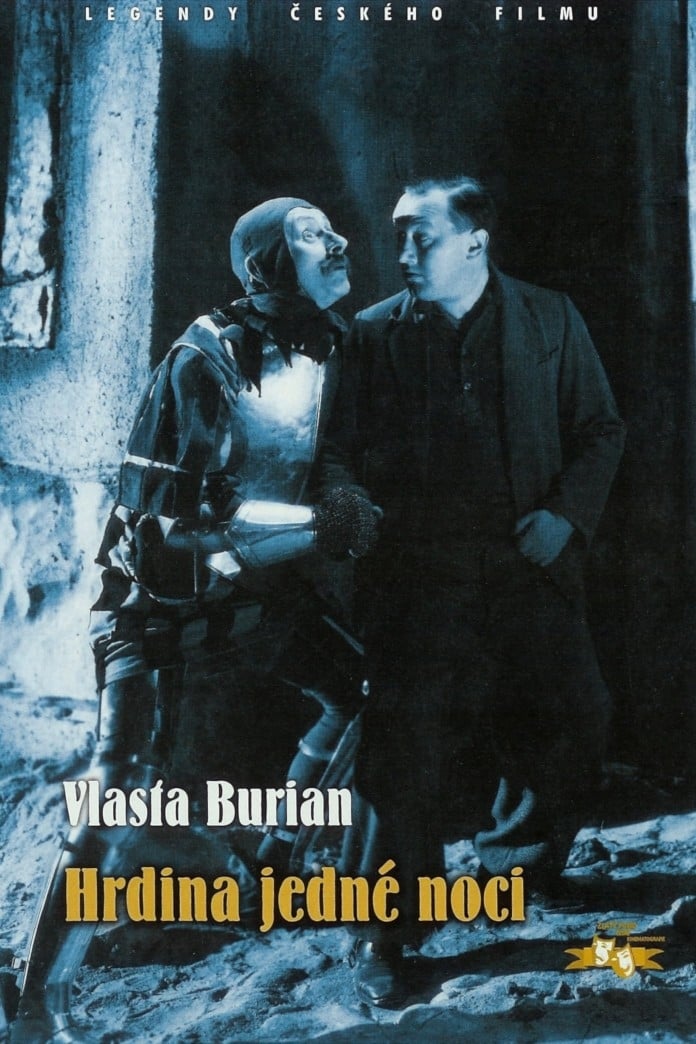
Country tailor Florian Svíčička neglects his work because of his interest in medieval history. When preparing an amateur performance at Zdislavice Castle, he gladly replaces the bailiff and plays the role of a knight. However, he ruins the performance and is shamefully banished. On his way home, he witnesses a horrific scene in the forest: two knights behead a young girl. It later turns out that it was a filming, and the girl Hana, a double for the famous diva Elvíra, spends the night with Florian at the castle because the filmmakers accidentally leave her. The master loses patience with Florian's excesses and Florian is fired from the tailoring shop. He sets off for Prague to find the girl he was with at the castle the night before. However, he does not know her name and accidentally comes to Elvíra's villa. The diva is not at home. Florian finds a love letter in the villa and thinks it is addressed to him. However, upon his return, Elvíra mercilessly throws Florian out...
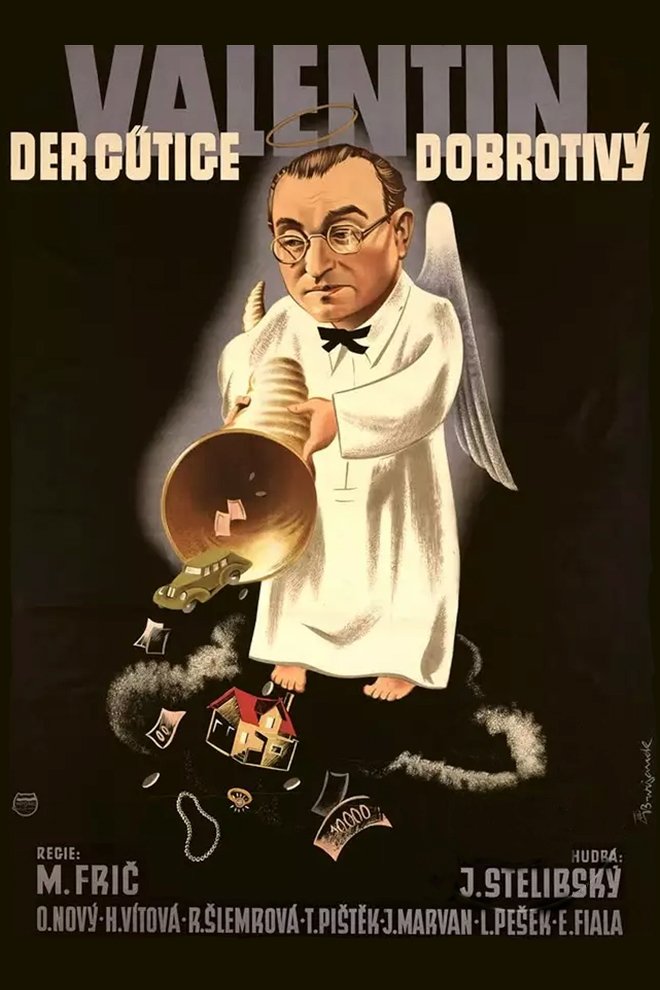
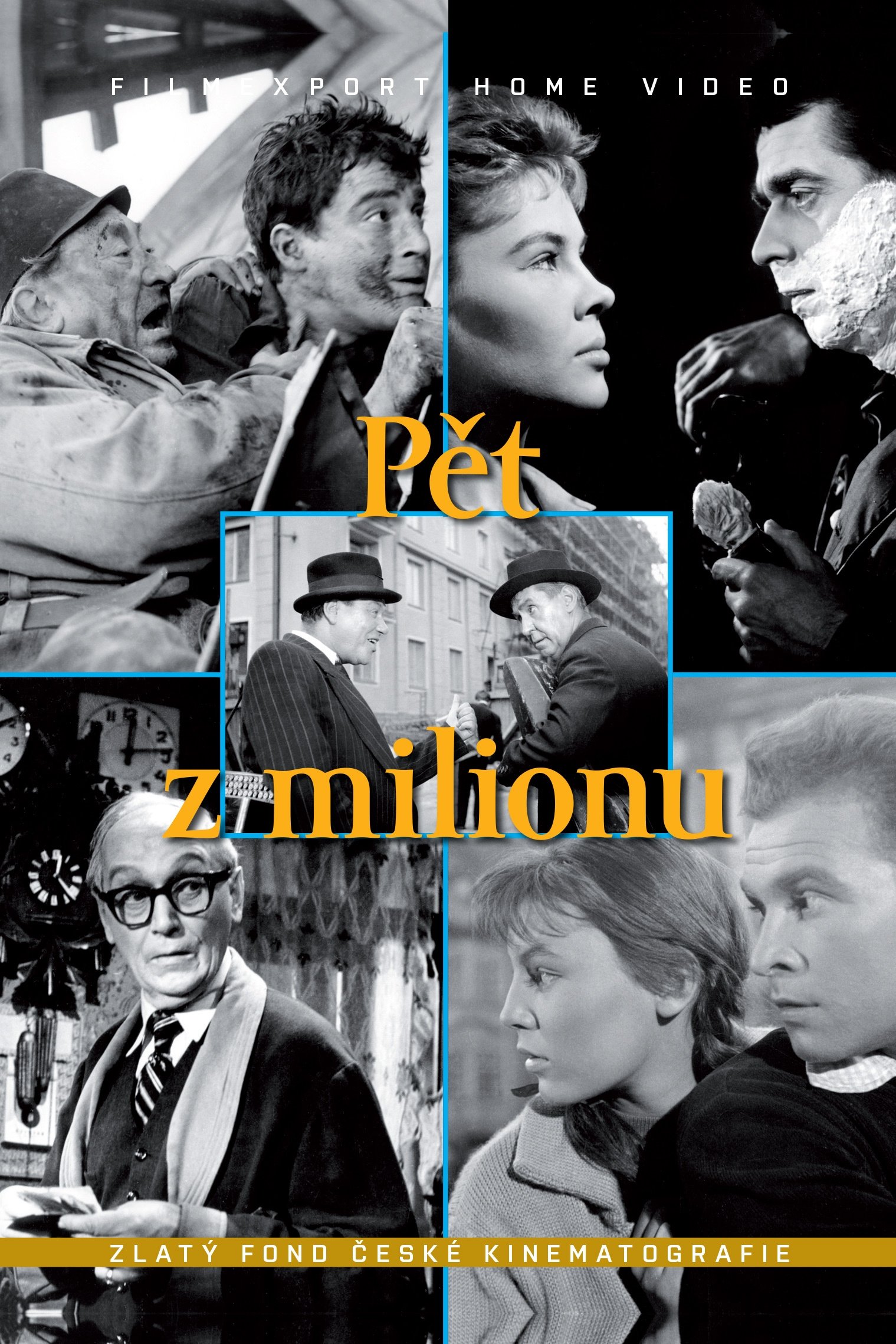
A very hardworking but also very naive insurance company clerk, Valentin Plavec, becomes the target of endless pranks, jokes and recessions from his colleagues Bejšovec and Voborník. However, their last successful trick somewhat gets out of hand. They add a one to the winning number 8456 and convince Valentin that he has won a million in the lottery. However, since Valentin cannot collect his winnings immediately, he withdraws twenty thousand, which is all the savings he has saved together with his fiancée Helena, and starts shopping for a deposit. However, the truth soon comes out and when his colleagues reveal to him that it was just a joke, they all leave him, only the faithful Helena stays and even helps the unfortunate fiancé cancel all the deposits and agreed deals. When the newspaper reports that there has been a mistake and the winning ticket is number 18456, Valentin decides to take revenge on the two pranksters...
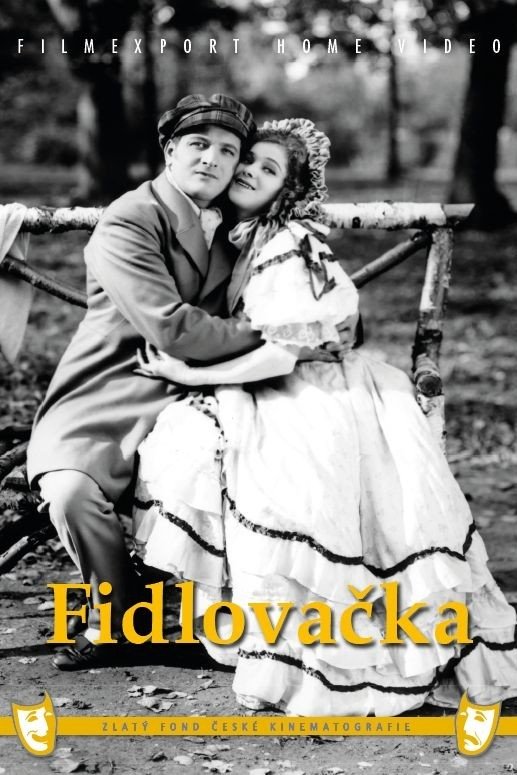
In "Fidlovacka", the name of a Czechoslovakian festival, the proprietress of a cheese factory picks a fiancé for her orphaned niece in her desire to bring aristocratic blood into the family. THe niece has also picked the man she wants to marry and isn't the the rich aristocrat.
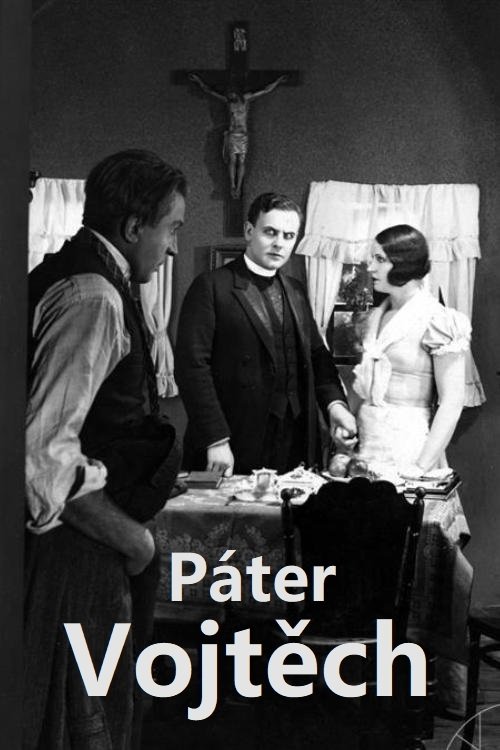
Father Vojtech (Czech: Páter Vojtěch) is a 1929 silent Czech romance film directed by Martin Frič.
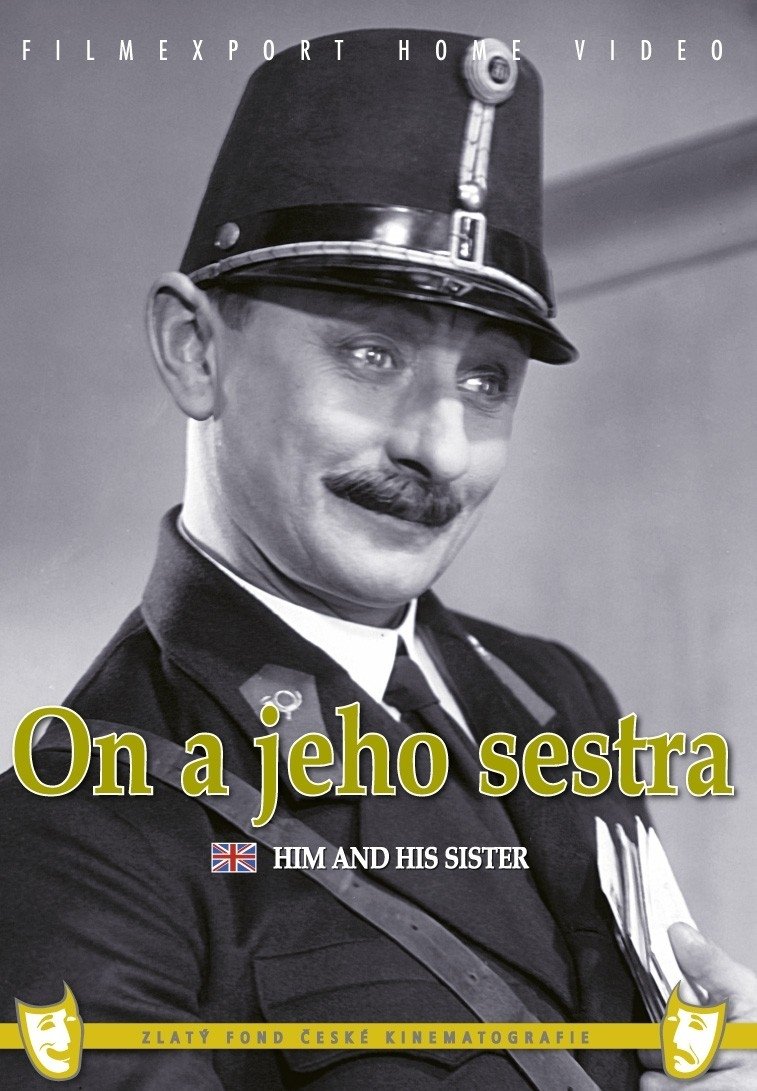
Postman Brabec is a welcome guest of the revue theatre for his sense of humor, and he brings his director Holt letters from female admirers every day. Holt's fans include Brabec's sister Anny. The girl would like to join the theatre, but for the time being works as a maid for the actress Velden. A new revue is being rehearsed, the name of the author is secret. Veldenová will return the role just before the premiere because she doesn't like it. The quick-witted Brabec introduces the director to his sister, who knows all the parts by heart.

An anthology of three absurd, ironic tales inspired by Čapek’s “Tales from One Pocket” and “Fables and Side Stories,” each showing uncanny forces disrupting ordinary lives: in Krejčík’s “Glorie,” a gentle clerk is haunted by a sudden halo; the other two segments by Mach and Makovec similarly blend everyday routines with ironic, supernatural twists.
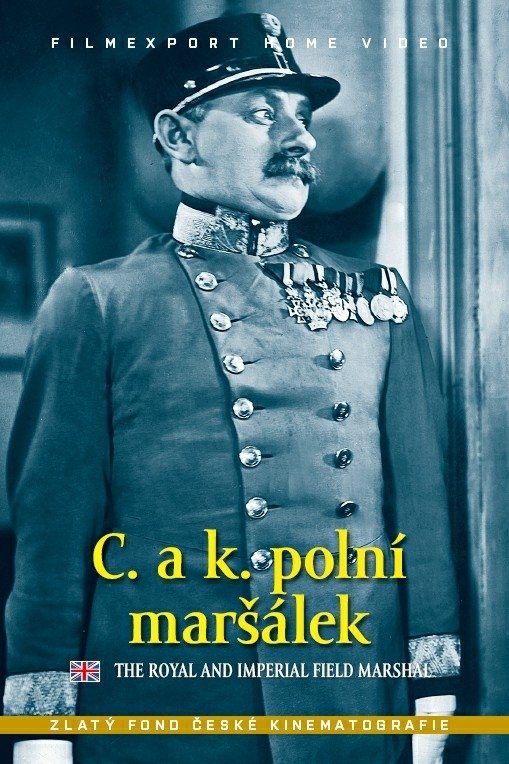
František Procházka was retired early because his soldiers sang a forbidden song about a c. and k. field marshal. Since he is a soldier in body and soul and his request for reactivation is rejected, he decides to visit his nephew Rudi. Upon arrival, he finds the uniform of the secretly expected field marshal in his nephew's room and, after putting it on and walking through the corridors of the garrison in it, he has no choice but to complete the entire play to the end. With his performance, he helps his nephew to get married, convicts the wanted spy and is eventually promoted to the real marshal and called back into service.
Skid-row epic about a lawyer's decline.
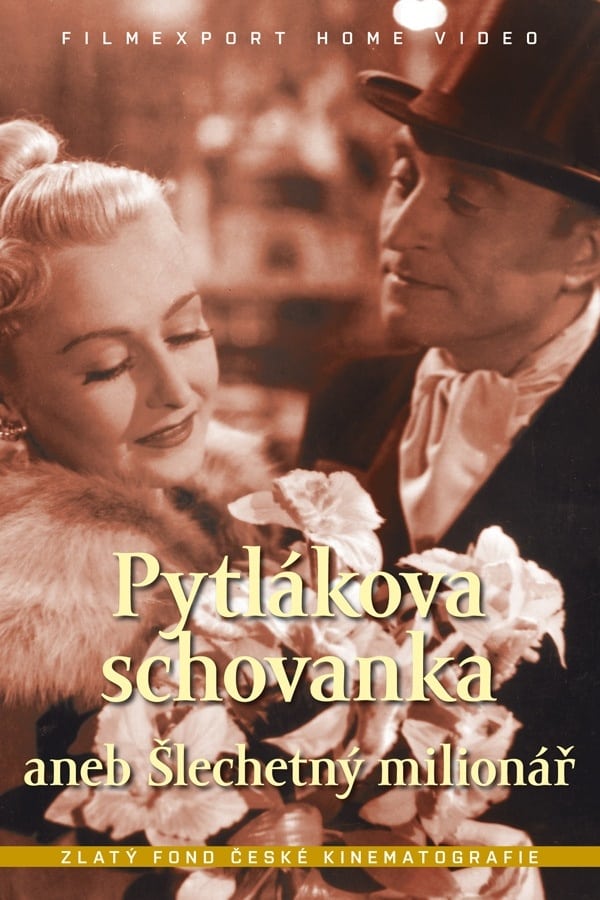
Elén, a girl living with her mother and stepfather in a secluded forest, has a great singing talent. On her twenty-first birthday, she runs away from home and on the train, millionaire René falls in love with her. Their paths soon diverge, only to be reunited soon after. Violinist Pavel Sedloň falls in love with Elén, and although Elén does not love him, she is determined to marry him. At that time, René dies, exhausted from working on the operetta Srdce v delirium. However, he is saved at the last moment and everything comes to a happy ending when Oldřich Nový explains how the authors actually meant it all.
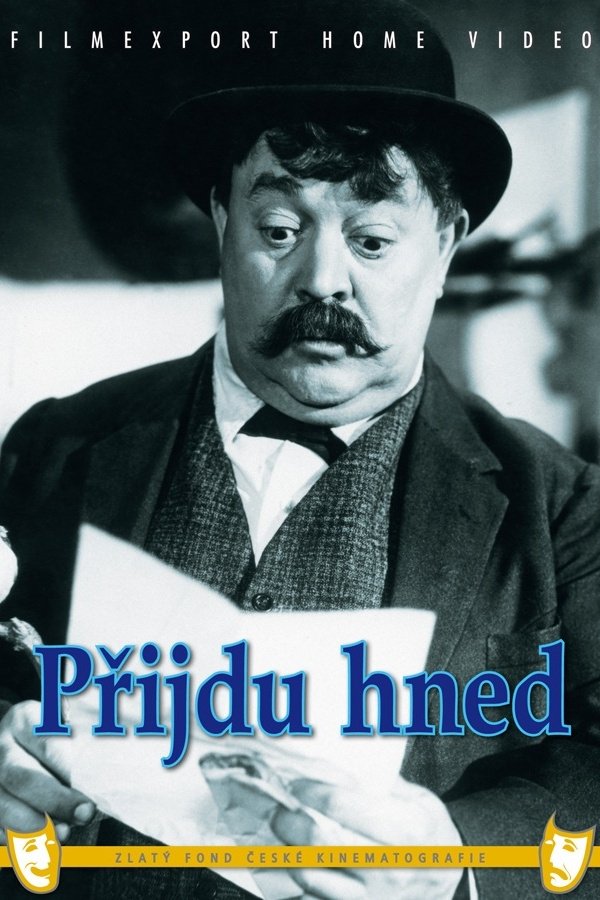
The stuffed animal dealer Václav Barvínek spent twenty-four hours in prison for a petty dispute. And that very day, his uncle's will was read, stating that the deceased had hidden a check for a million crowns somewhere. If it was not cashed by the appointed time, the entire amount would go to charity. The other relatives looted all the movable property, and only an abandoned Saint Bernard remained in the uncle's villa, which the kind-hearted Mr. Barvínek took in. The cheated heir continues to lead a simple life and has no idea that wealth is within reach. He has quite different worries - the heart of the elderly fat man has burned with love for a girl whose friendliness he misinterpreted...
The shopkeeper František Diviš offers cheap goods at the fairs, while the co-owner of the traveling variety show Bohouš Vosáhlo offers unpretentious folk entertainment. They therefore meet very often. Neither of them earns a comfortable living from their work, but they do not allow themselves to worry unnecessarily. However, this changes when a little boy enters their lives. Pepík is an orphan, there is no one to take care of him, and both fairground vendors cannot resist the plea in the children's eyes...
The story of a trio of released criminals that even prison re-education did not reform. They intend to "bankrupt" a farming cooperative, but soon discover that they must first deal with the local thieves. Not surprisingly, therefore, they end up championing the right cause and make the commons flourish...
It all begins when Zuzanka, the new young owner, arrives at the dilapidated Blue Star Hotel. Determined to put the declining inheritance back on its feet, she starts chasing three young men, including the composer Jirka, who, dressed in a waiter's tailcoat, is to work off his debt to the new owner. Like his two friends, Jirka succumbs to the charms of his new boss and, with some confidence, hopes that he is the one who has the best chance of becoming her chosen one. At that moment, however, a guest arrives, intent on carrying out the family tradition and throwing an engagement party at the Blue Star Hotel, regardless of his condition. This, however, is not to the liking of his wilful fiancée. Fortunately, there is the sympathetic Zuzanka, who charms the unusual guest so much that he resolutely breaks off his engagement to the rich girl and prefers to marry the cute hotelier.
A new teacher with high standards and a strong sense of duty replaces an easy grader. Once bad grades begin to pile up, a product of his predecessor's subservience to the system, the new teacher has to stand up for himself and his students.
A poor miner, Kuba Dařbuján, cares for his wife Markýtka and eleven children. When a newborn arrives, he seeks a godfather and, finding only Death fair to all, accepts a pact: as a doctor whom Death accompanies at the foot of a patient’s bed, he can heal; but if Death stands at the head, no cure is possible. Kuba eventually heals even a miserly brewer, violating the pact and imprisoning Death, leading to a world where no one can die and unforeseen chaos follows.
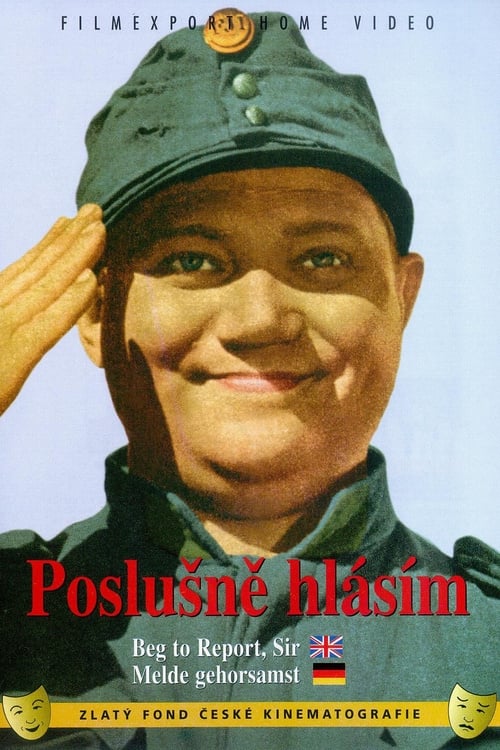
A comedy based on the novel of Jaroslav Hašek's The Good Soldier Svejk happens during the World War I. I Dutifully Report: In the introduction to the second part of the film adaptation of Hašek's novel The Good Soldier Švějk presents his main character Josef Švejk. With the distinctive traditional Czech cartoon character of a soldier Svejk, this time you meet on the way to the front and eventually right in the firing line. You can look at his famous train events, and also probably the most famous episode of the novel, Švejk's Budějovice anabasis. Don't miss the scene with the secretly bought cognac, the episode with Svejk as a fake Russian prisoner of war, including the court scene, and the scene in which lieutenant Dub is caught in a brothel. Despite the criticism, Steklý's adaptation is undoubtedly the most famous and memorable at present.
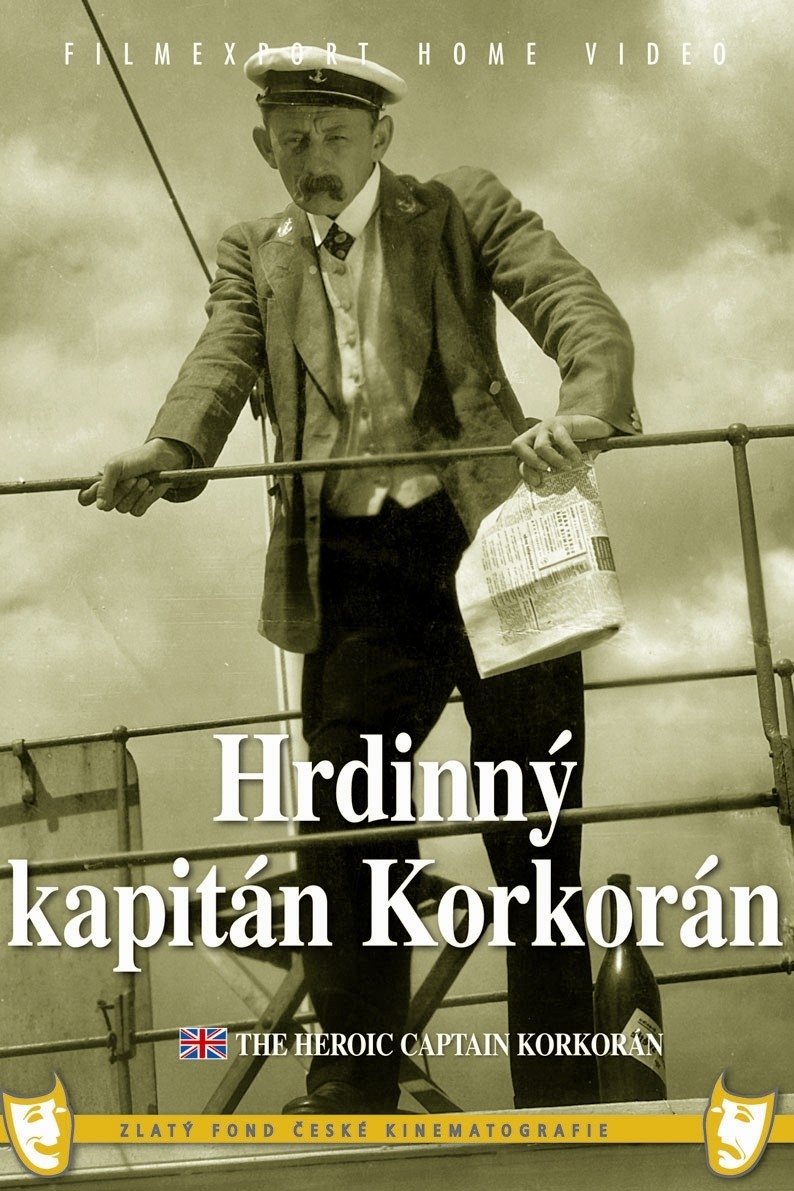
The captain of the Prague shipping company, Adam Korkorán, lives his dreams of commanding ocean liners, even though in reality he only sails a small steamer on the Vltava River. The company's management still has problems with him, so when Korkorán refuses to retire, they at least send him to a spa. However, at the train station in Poděbrady, a servant from the most expensive spa hotel accidentally takes away his suitcase with the luggage of a rich lady. As a result, Korkorán is mistaken for a corvette captain and a rich man. Dazzled by the luxury, Korkorán befriends a retired admiral and begins to play a game with the spa guests and himself. He is even declared the most popular guest of the season. When he runs out of money, he writes to his housekeeper to send him all his savings. The horrified woman decides to go to Korkorán, and the truth comes out...
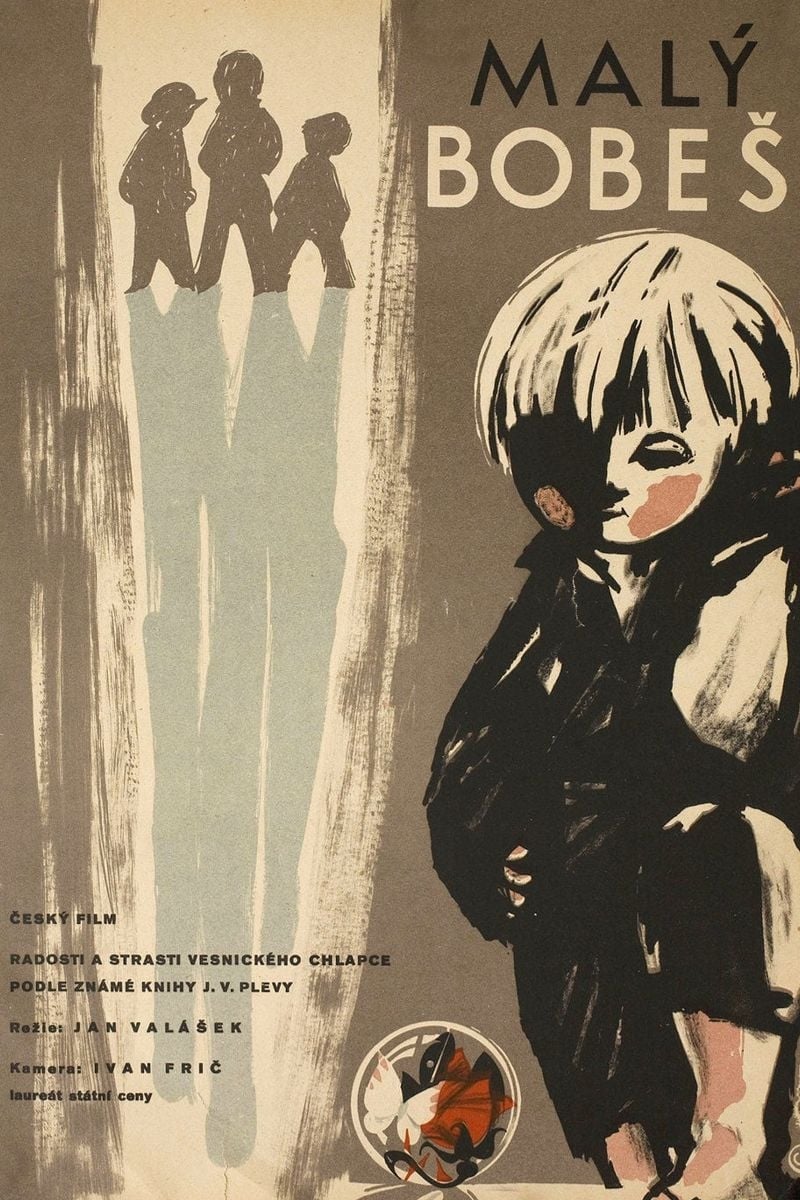
A story of a young boy called Bobesh and his funny adventures.
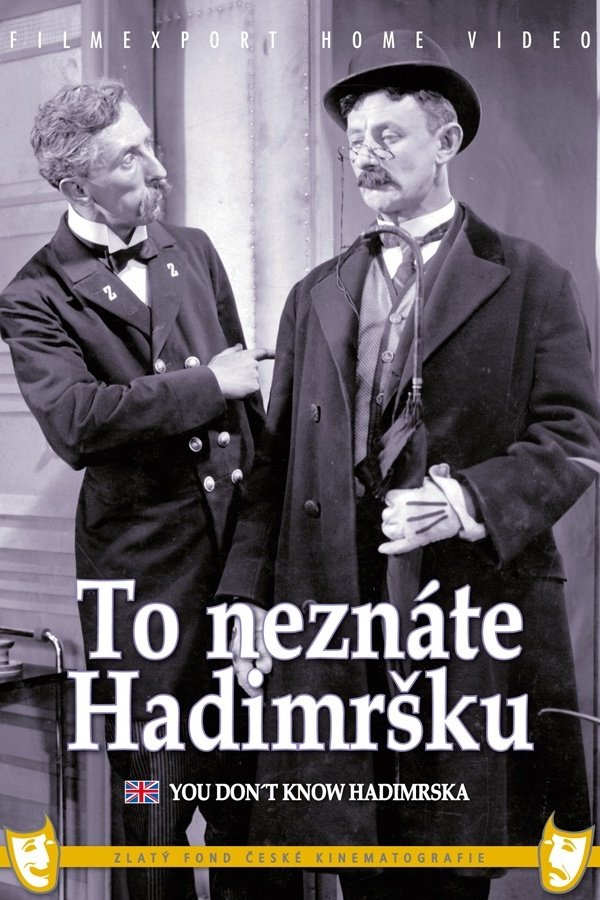
Finnicky efficiency expert is sent to straighten out business management problems at a jazz club, and finds self being drawn into the swingin' scene.
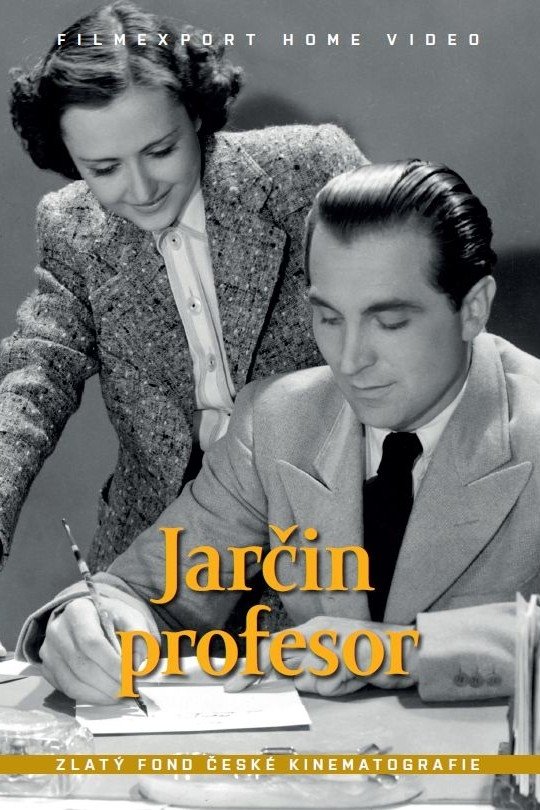
A graduate of the Faculty of Philosophy, Karel Stržický earns extra money in the summer as a day laborer for the landowner Drahan. Jarča, the Drahans' daughter, spends the holidays with her parents, and her father has a lot of worries about her. The unsuccessful student is failing her German. However, an easy solution is offered - Karel will prepare her for remedial work. The mischievous Jarča considers him an ordinary coachman, and so she initially turns her nose up at him. However, the cultured young man manages to win her trust and heart. This does not go down well with his rival in the fight for the girl's favor, and he immediately comes up with a nasty slander: Karel is supposedly a former convict! A rift is not long in coming...
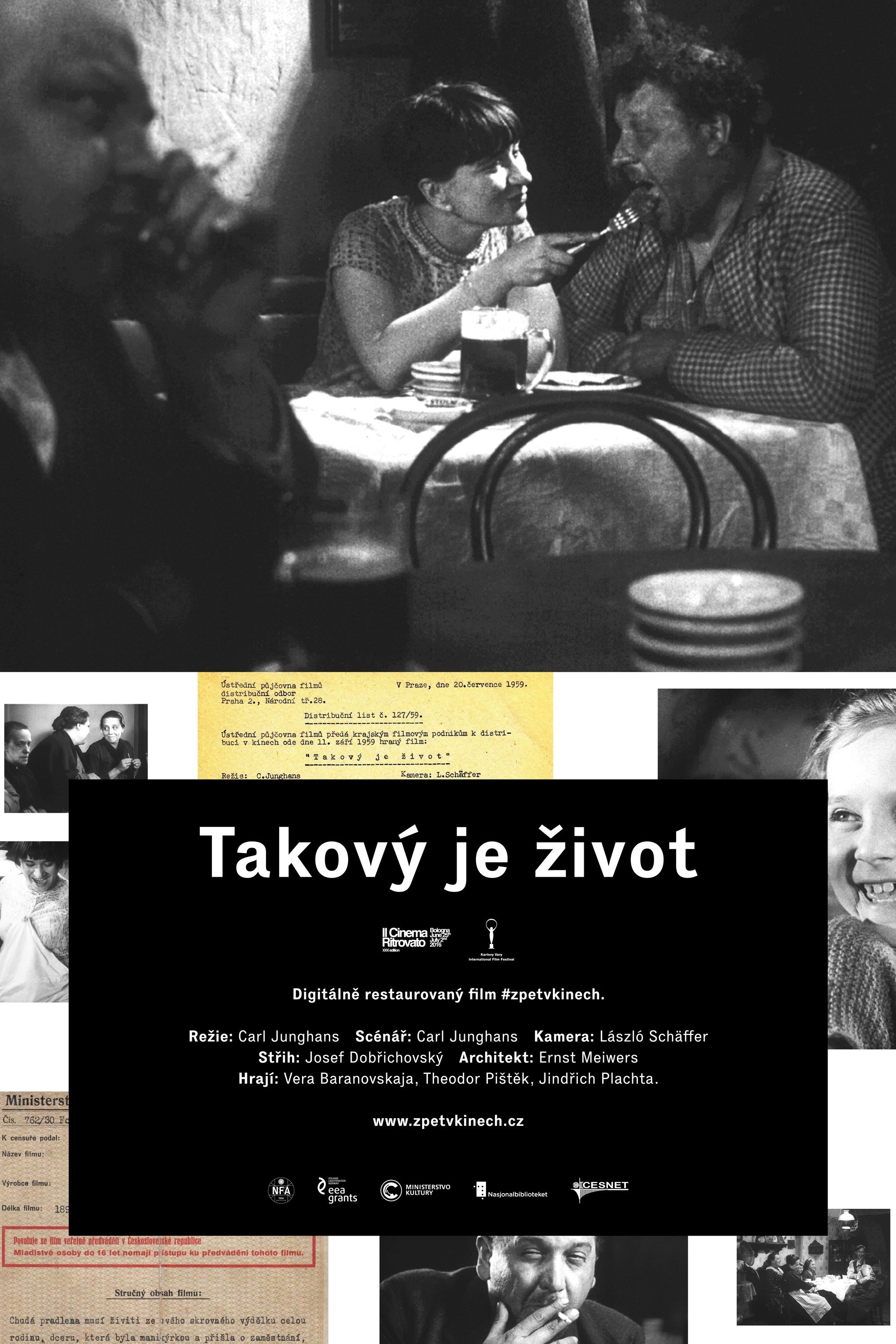
A story about domestic life in a typical working-class environment. Life and trials and how little situations have big consequences.
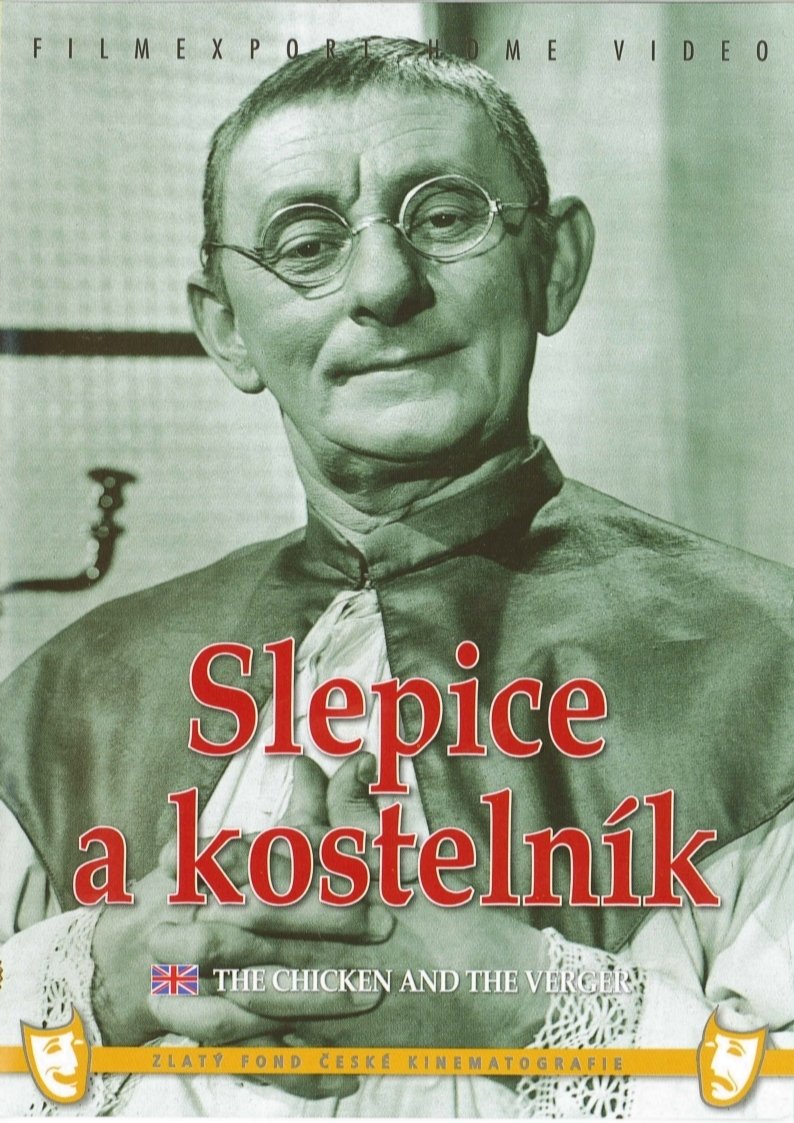
Cooperative members are harvesting crops, trying to get new water piping installed and preparing to plough away the field boundaries in autumn. Local kulak Voznica (Vladimír Repa) doesn't like any of this so he forces sexton Kodýtek (Vlasta Burian) to help him sabotage their efforts.
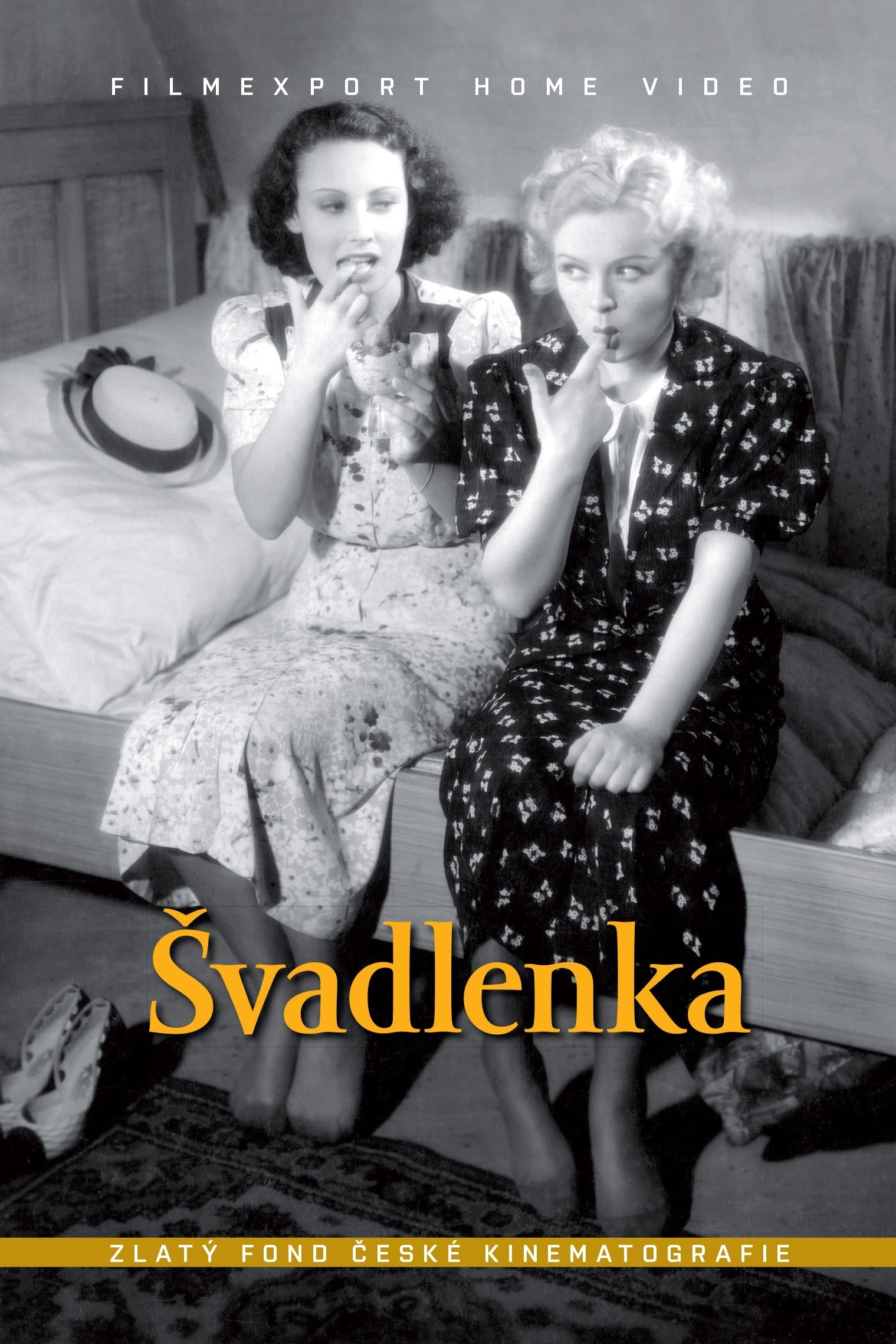
Even though the heroine works as a seamstress, she would like to become a designer. And she really has the talent, even a businessman from Paris shows interest in her. But many things turn out to be different than they seem at first. This applies to people and love.
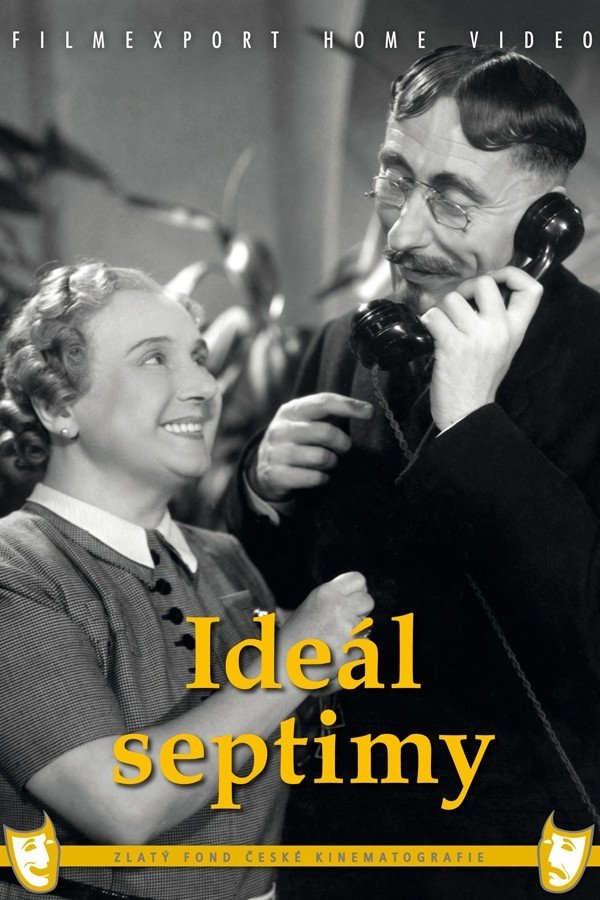
Jindřich Tůma, a partner in the gas mask shop "Asana", has a very energetic wife who promotes a vegetarian diet. The real soul of the company is Ing. Ivan Kareš, who also leads civil defense exercises. On the street, during a practice air raid warning, he sternly reprimands a girl who did not go to shelter. It is Věrka, the Tůma's niece, who comes from the countryside to finish her studies in Prague. Věrka enters the seventh grade and soon shares the enthusiasm of her classmates for an unknown composer whose pseudonym is Michal Marhan. Ing. Kareš gives a lecture on civil defense in the seventh grade and so meets Věrka again. Kareš tries to convince the girls of the necessity of more concrete life ideals. At the premiere of Marhan's operetta "Píseň o štěstí" it turns out that Kareš is the composer. The girls give him a standing ovation. Ivan ignores Věrka, with whom he has recently had a falling out. The stubborn girl therefore leaves for home...
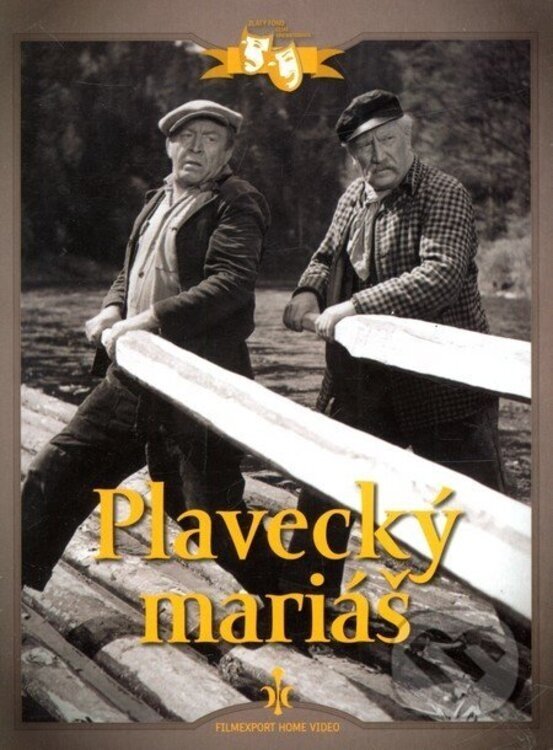
In the past, most of the wood from the mountain forests was transported to the sawmills by river. The rafters were gradually replaced by trucks and railways, but they still remember the days of their glory and the romance of water travel. Two experienced old swimmers, Váň and Šindelář, managed to push for a return to the old way, at least for one trip. They got a group of like-minded enthusiasts and rafts made of logs can set off down the river...
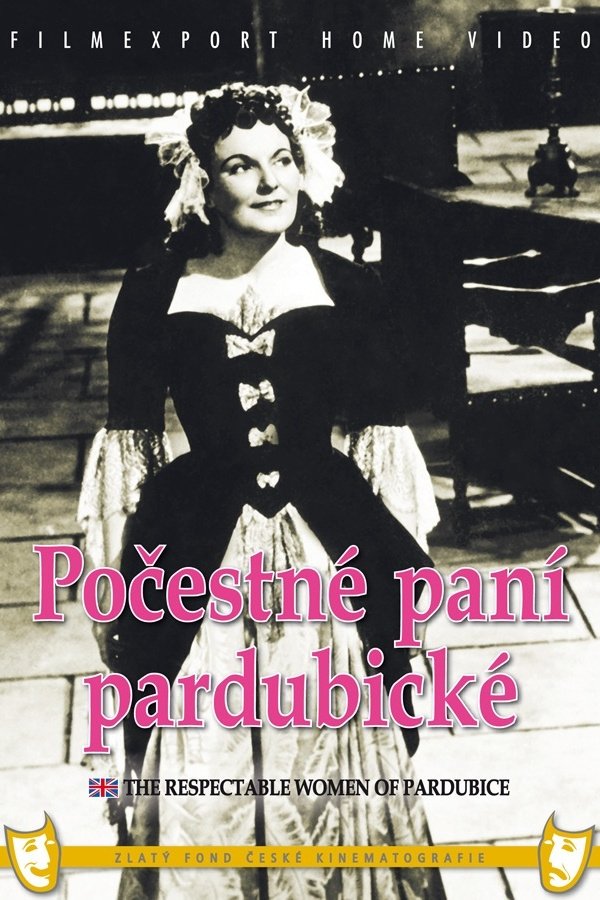
The bickering of envious mistresses, the criminal intentions of fraudsters and the love of two young people are at the center of events, in the middle of which unfolds the fate of the city executioner Jiří, who longs to break free from his destiny and become a proper burgher. He is not heard, but he manages to expose the iniquities and their culprits, reunites a hard-pressed couple in love and his undeniable merits for the city and eventually bring him luck.
Princess Blanka (Aglaia Morávková) is secretly meeting her beloved, huntsman Ondrej (Jirí Papez). Only the chamber-maid Anezka (Jirina Bohdalová) is in favour of their love but Blanka’s father, the King (Jaroslav Marvan), mustn’t find out anything about it. Blanka is refusing all the bridegrooms the King has invited to the castle. The King has enough of his daughter’s moodiness and shuts her up in the tower. The suitors must search for her and she is to marry the one who finds her first.
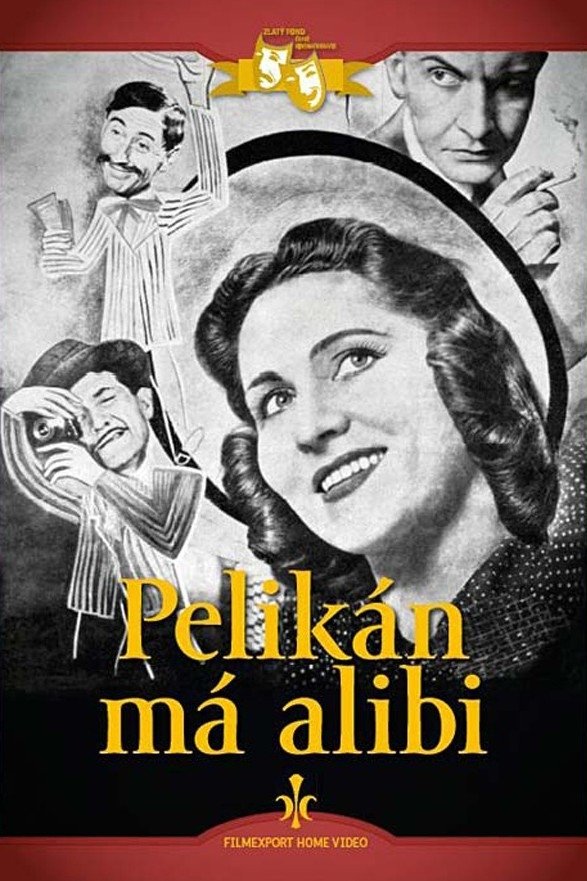
While street photographers Máček and Kalabis are vainly offering their services to passersby, a pair of cronies rob a jewelry store almost right in front of their eyes. Kalabis accidentally manages to photograph one of the robbers. Coincidentally, the brutal thug is indistinguishable from the notorious bookseller Karel Pelikán. Hard times await him: the police, led by the experienced district inspector Moudřý, are interested in him, as well as a gang of criminals who accidentally slipped Karl a ticket from the train station locker where they hid the loot. The only ones who trust Karl are his good-natured aunt Klára and his girlfriend in love, Jarmila...
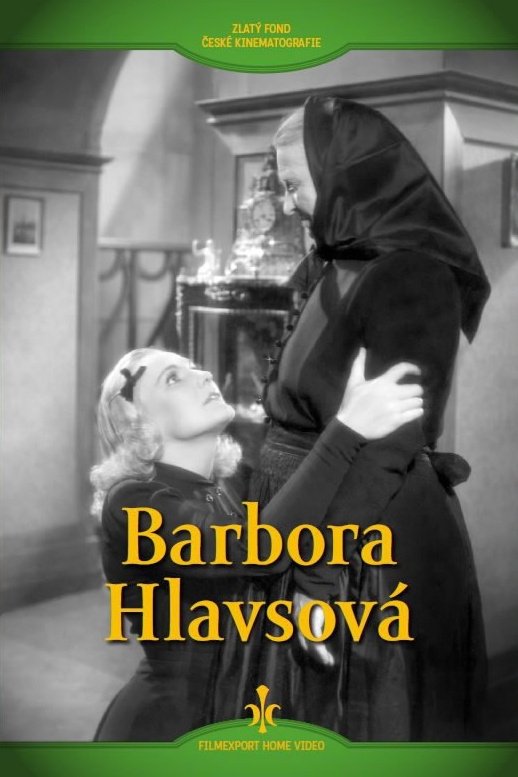
The generally respected director of a small-town savings bank, Hlavsa, commits embezzlement because of his wasteful and spoiled wife, and when the situation cannot be saved, he shoots himself. His mother, a simple village woman, takes in her widowed daughter-in-law and teenage grandson on the condition that they both help her to compensate for all the damage. For the city lady, the hard village work is suffering. The same goes for young Bořík, a gifted pianist who finds it difficult to give up his dreams of an artistic career...
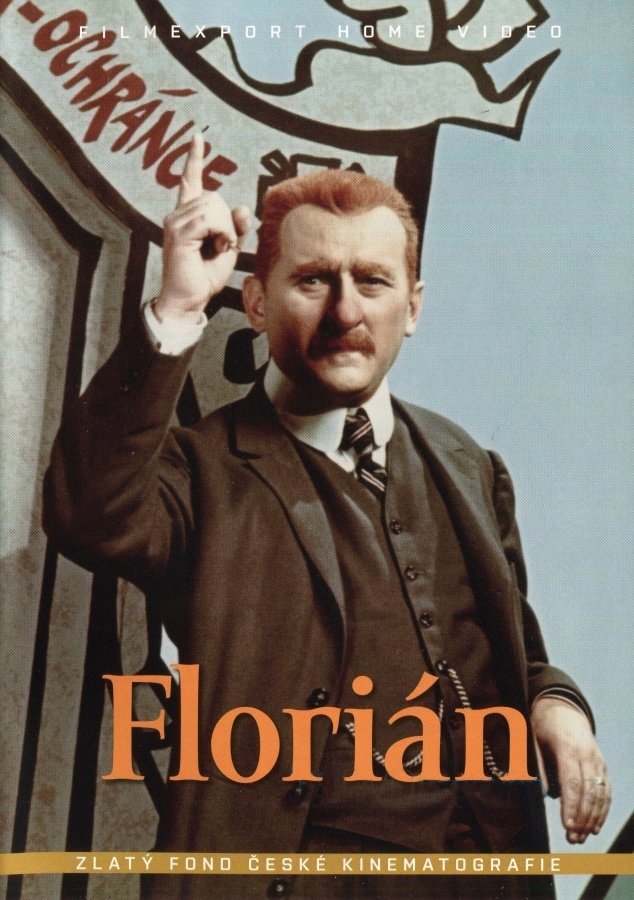
A mobile chapel of St. Florian is moved every week between the villages of Zbořov and Spáňovice. The farmer Florian Jírovec, who has to provide his horses for this event, is tired of it and therefore supports the proposal to build a proper brick chapel in Zbořov. The saint himself visits him at night and is rewarded for his efforts with a miracle. He sends him a golden cord from the sky, which can regulate the weather...
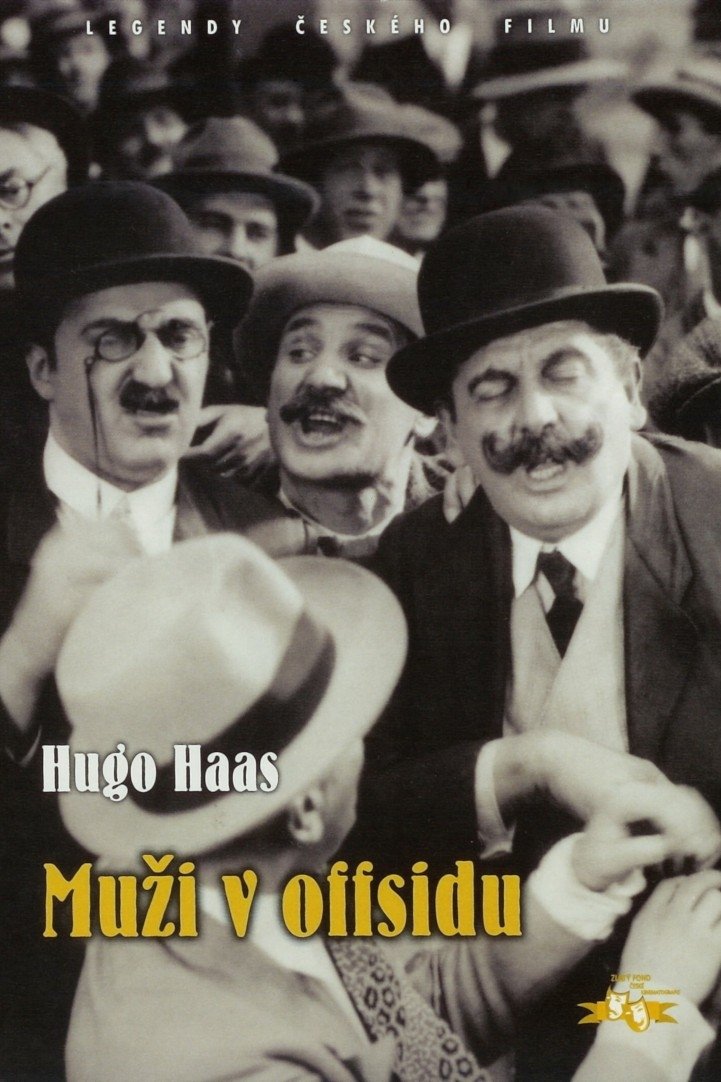
The owner of the ready-to-wear store, Mr. Richard Naceradec from Zizkov, is an enthusiastic fan of S.K. Slavia and despite his wife's opposition, he goes to football every Sunday. Tailor Emanuel Habásko lives alone with his adult son Eman. Widow Ouholicková chases Krejcí endlessly, but father Habásko bravely resists. Habásko do not recognize any other club except S.K. Viktoria. One day, Naceradec will face Eman at the match between Slavia and Viktoria.
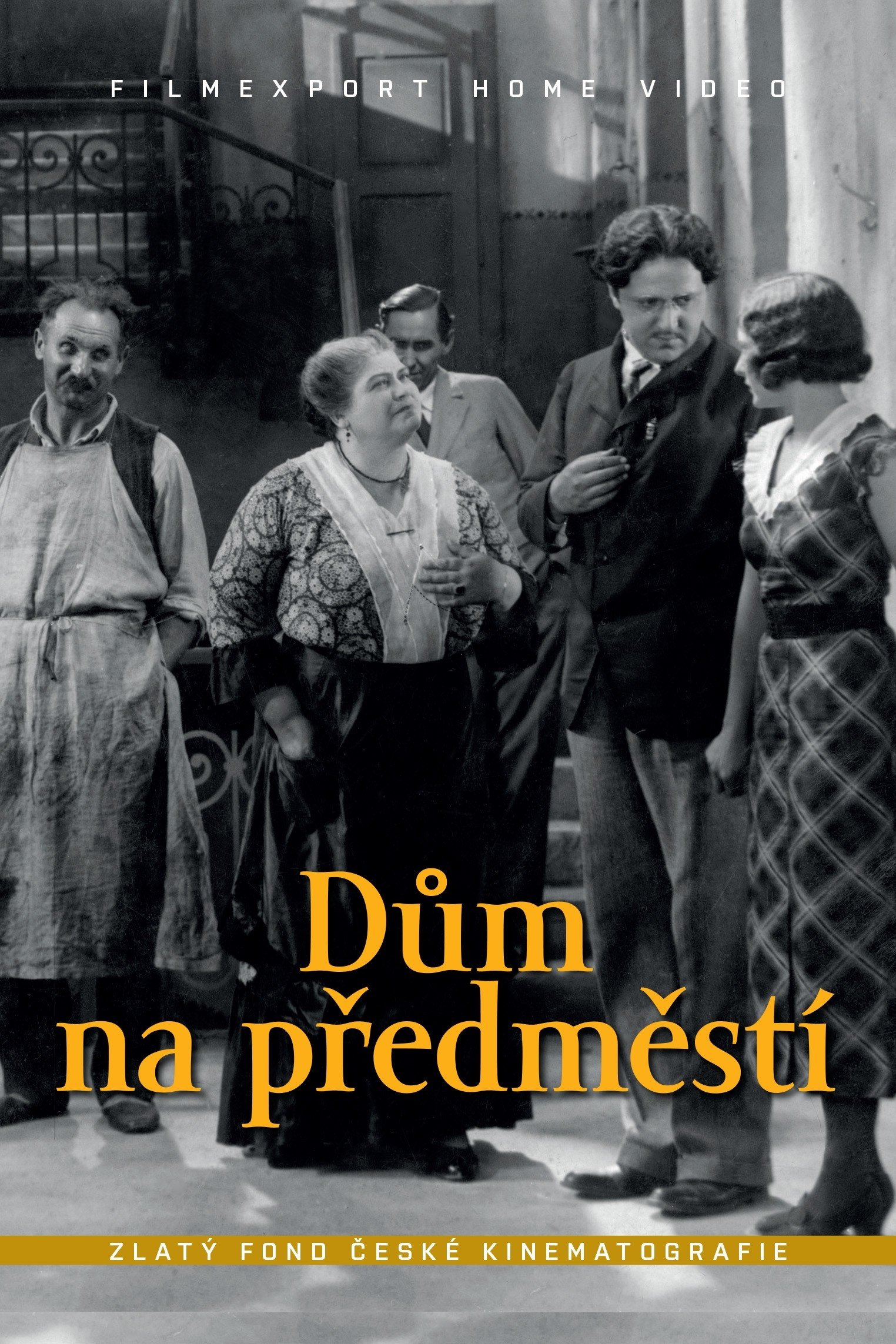
The owner of a suburban house, Anna Faktorová, makes life miserable for the tenants. There is strict order in the house and the only one who gets along well with Mrs. Faktorová is the parasite and thief Gustav, who informs on the others. An old bachelor named Zajíček, a pawnshop clerk, moves into the attic. After a while, he finds a liking for his neighbor, music teacher Věra Hronová. Grocer Mejstřík is worried about the fate of his shop on the ground floor. Spiritualist Šoltys is forced to pay increased rent when he is caught at a seance, and on top of that, a clock goes missing from his apartment. A dealer later comes to the pawnshop with them. Zajíček recognizes the clock and it turns out that Gustav stole the clock. Zajíček, who has become close to Věra, is jealous when he sees her talking to an older, rich man...
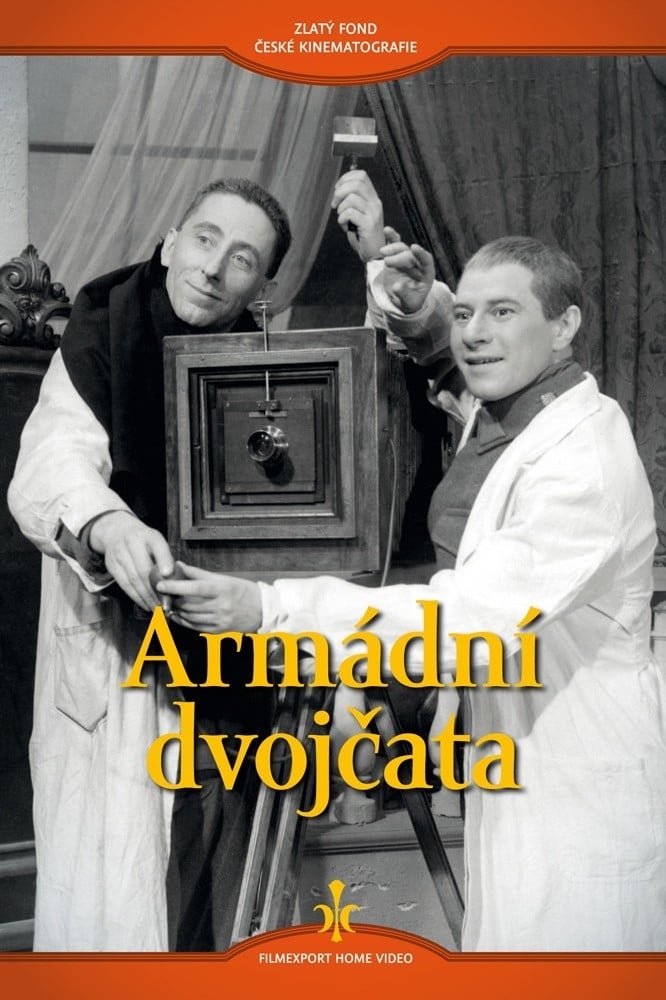
Řina Weberová, the daughter of a retired colonel, is the owner of a not very prosperous photo studio. Her elderly boyfriend, banker Václav Novák, secretly supports her financially because he is in love with her. One day, Řina meets her childhood friend, Vincenc Špaček, who has entered military service in Prague. The enterprising Vincenc and his inseparable comrade Vendelín Křídl advertise Řina's studio in the military garrison, so that the soldiers flock to Řina to have her photograph them. One day, Lieutenant Novák also shows up and immediately falls in love with Řina. Řina's father finds out that banker Novák is visiting his daughter, and he wants him to marry her...
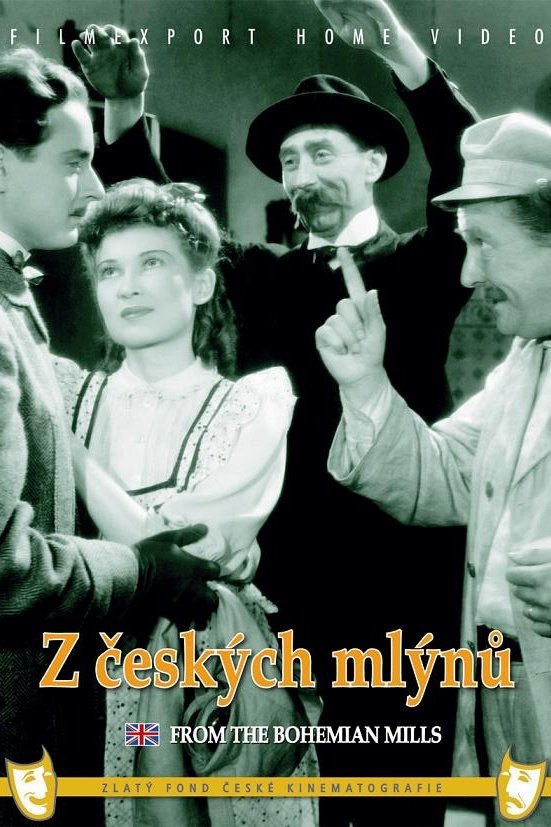
You will meet the family of the miller Kaliba, who is proud not only of his mill, but also of the family tradition, according to which the milling profession has been passed down at the inn's mill for almost three hundred years. And since Mr. Kaliba has no son, it is certain that his only daughter Liduška must marry a miller. Perhaps this would have happened if the Kalibas had not gone to the anniversary exhibition. Here, Liduška meets the handsome engineer Karel Loukota, who is an overly zealous member of the cycling club "Don't Get Married!", but is not immune to love at all. Of course, he will face many hardships and obstacles, the biggest of which is, of course, the miller Kaliba with his fierce efforts to uphold the family tradition...
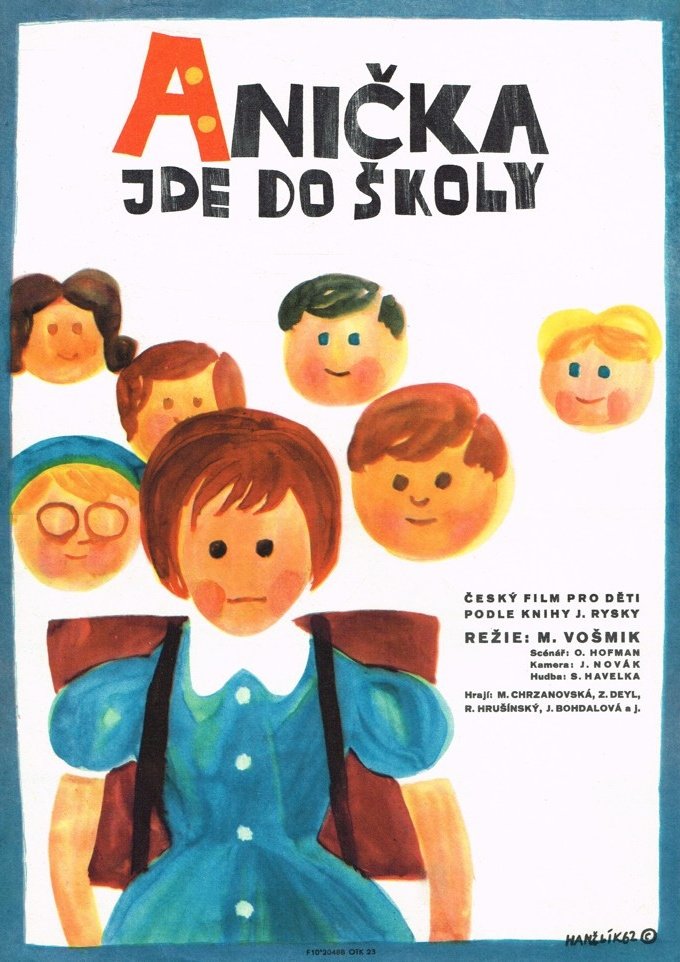
Six-year-old Anička Čejková has moved with her parents from the village to a new housing estate in Prague. For now, she and her father are alone, but her mother is due to return from the hospital soon with her newborn Ondřej. Anička gets lost during her first walk around the neighborhood, but a nice young woman helps her. She is teacher Řeháková, in whose class 1. And soon Anička will start. The first-graders like the school, and when Anička confides in them that her mother will be back soon, they decide to give her a festive welcome.
The factory owner's son Oldřich missed his own wedding. He overdid his bachelor party and spent the night before the wedding in Mr. Šourek's carriage, who asked him in vain for his address. In the morning, the cabman went to the police for advice, but the passenger woke up and drove away with his carriage. He headed for his bride, but she was offended and threw him out. Oldřich also became hardened and declared that he would marry the first girl he met. The further development of events was ensured by Šourek's horse Karel, when he headed home, bringing Boženka, his master's daughter, to Oldřich's path. But she was not interested in the spoiled young man either. So Oldřich bet with her father that he would work hard for a month. If he won, he would win Boženka's hand, the cab, and the faithful Karel...
A young princess arrives at her estate. She is bored by the welcoming ceremony and is quite happy to hear about the rebellious miller who refused to come to the castle. He lives with his mother and ward Hanička in an old mill. The miller is exempt from work, but he is obliged, if the lordship requests it, to accompany her with a lantern to the forest castle. The princess likes the miller and therefore uses his right...
A lost lady's glove that connects several human destinies. The focus here is not on the lost part of the wardrobe, but on piano virtuoso Arne Brant, a man armed with a charming smile and surrounded by women, two of whom have particularly influenced his life. The first is the daughter of a famous can-can star, dancer Pavlína Doré-Zejdová, the second is Mařenka Berková, the main character of the film and a kind of Kristián in skirts. An orderly and well-bred daughter from an honorable family who lives her second life as a lady of high society. The lost glove complicates the situation for all of them considerably, but in the end she finds her rightful place, just like the heroes of the film...
Pavel Hora offers his friend Jiří Pulpán a place to live. When they get home, they find out that the landlord has evicted Pavel to the yard because he found a love letter from his daughter Zuzanka. So the two men arrange an apartment in the yard. When the landlord catches Jiří with his other daughter Pepička, he sends both daughters to his brother Sylvester on the farm.

It all started when the family of a rich farmer, Stanek, moved to a small village and his daughter Liduška fell in love with a poor violinist, Toník. However, her parents did not approve of her love and decided to marry her to the son of the landowner Krejzová, even though the girl rejected the unsympathetic man. When her parents did not back down, Liduška was determined to run away with Toník, but when she learned that her beloved had been called up for military service, in despair she gave in to her parents' pressure and agreed to the wedding...
Pharmacist Pavlovský has a modern and sporty son, Karel, also a pharmacist, whom he would like to marry. He therefore sends him to Kutná Hora to live with his friend Řep, who has a daughter of marriageable age. However, Miroslava is a girl strictly led by her conservative parents and therefore lacks any charm. Karel also meets his uncle Ambrož in the family, who lives a double life. He is a serious older man by day and secretly flees at night so that he can perform in the local theater.

The family of Prague burgher and master interior decorator Václav Kondelík lives happily in their house on Ječná Street. The peace is disturbed by an invitation to an "apron party", where their daughter Pepička meets a young municipal official, František Vejvara. The two young people fall in love. Their relationship is also supported by Mrs. Kondelíková, because Vejvara could become a welcome groom for her daughter. However, Pepička's acquaintance disrupts the established order of Kondelík's life.
When the handsome parish priest takes on a single mother with a child, he has no idea what kind of malicious gossip he will be exposed to. But he is determined to take care of his brother's girlfriend, who left for America for a long time, not knowing that he had become a father, despite all the difficulties...
A few bus-loads of holidaymakers from the agricultural cooperative on a day trip arrive to see the show at the Slavia Circus. But, they have bad luck. It is Monday, the day on which the employees have their extra day off.
A romantic story of a noble lady who wanted to live without the bonds of marriage, but her desire for a child led her - carefully disguised - into the arms of a young nobleman. Only years later did she believe in his love and make herself known.
A ballad drama set in a rural setting, set in a foothill area, where farmers struggle with harsh natural conditions and their own inner hardness. The biggest obstacle, however, is the eccentric mill owner, who deliberately blocks the water supply. The reclusive man is unable to cope with disappointment in love.
Věra accepts the offer of her friend Kajetán, who arranges a position for her in Dominik's puppet factory. The spirited girl impresses her employer, Antonín Dominik, so much that he falls in love with her. Dominik's mother notices her son's interest in Věra and immediately fires her. Kajetán, who works in the studio of sculptor Výr, who is engaged in the production of mechanical puppets that can be used to advertise goods, asks Věra for help...
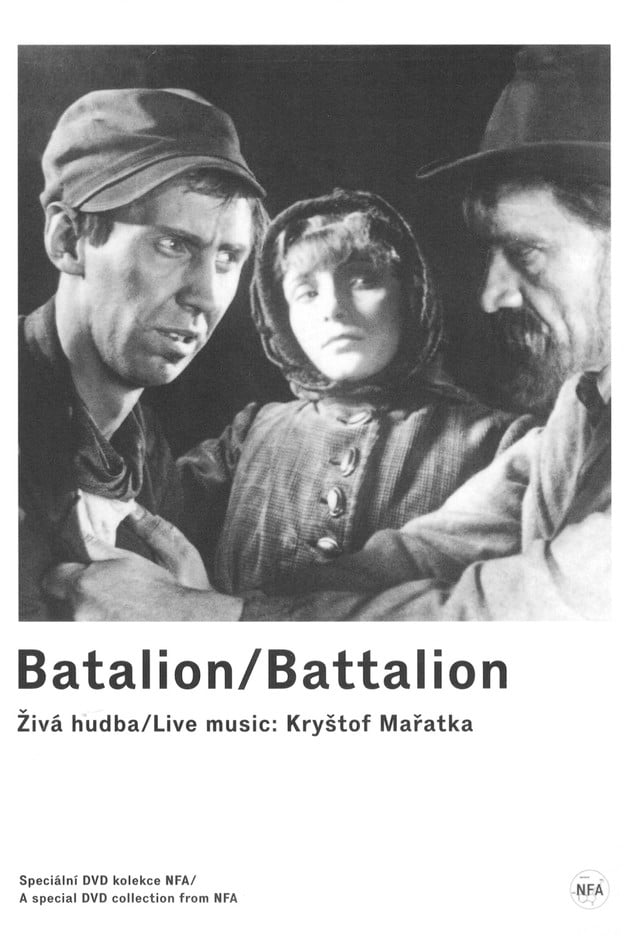
Attorney František Uher is known for his patriotic mindset and active assistance in disputes between the Czechs and the Austrian justice system. One of his clients is the poet Šulc, who, while staying with Uhry, discovers that the lawyer's wife Anna is flirting with Uhry's cousin Hojer. When Anna does not respond to Šulc's warning, the poet draws attention to Anna's relationship with Uhra. Uher wants to know the truth, so he returns early from a business trip and actually catches Anna cheating. Disappointment brings him to the "Batalion" pub in Old Prague, where Šulc also used to go some time ago. Here, Uher becomes a mentor to the poorest, but gradually falls into alcoholism. He once again finds strength and stands on the side of justice when he accuses the police in court of murdering poor Lojzík, who wanted to marry the unfortunate waitress from "Battalion" Mimi. After appearing in court, Uher is arrested and "Battalion" is closed. After his release, Uher becomes an organist...
Lyrical short story film about children's fantasy based on Ludvík Aškenázy's short stories Little Christmas and Lovers from the Box.
A biographical film about the famous Czech painter Mikoláš Aleš, portrayed as part of the vanguard of the working class and a spokesman for the oppressed, who asserts himself despite the opposing bourgeoisie and reactionaries of all kinds. The film focuses on the period when Mikoláš Aleš participated in the competition to decorate the National Theatre.
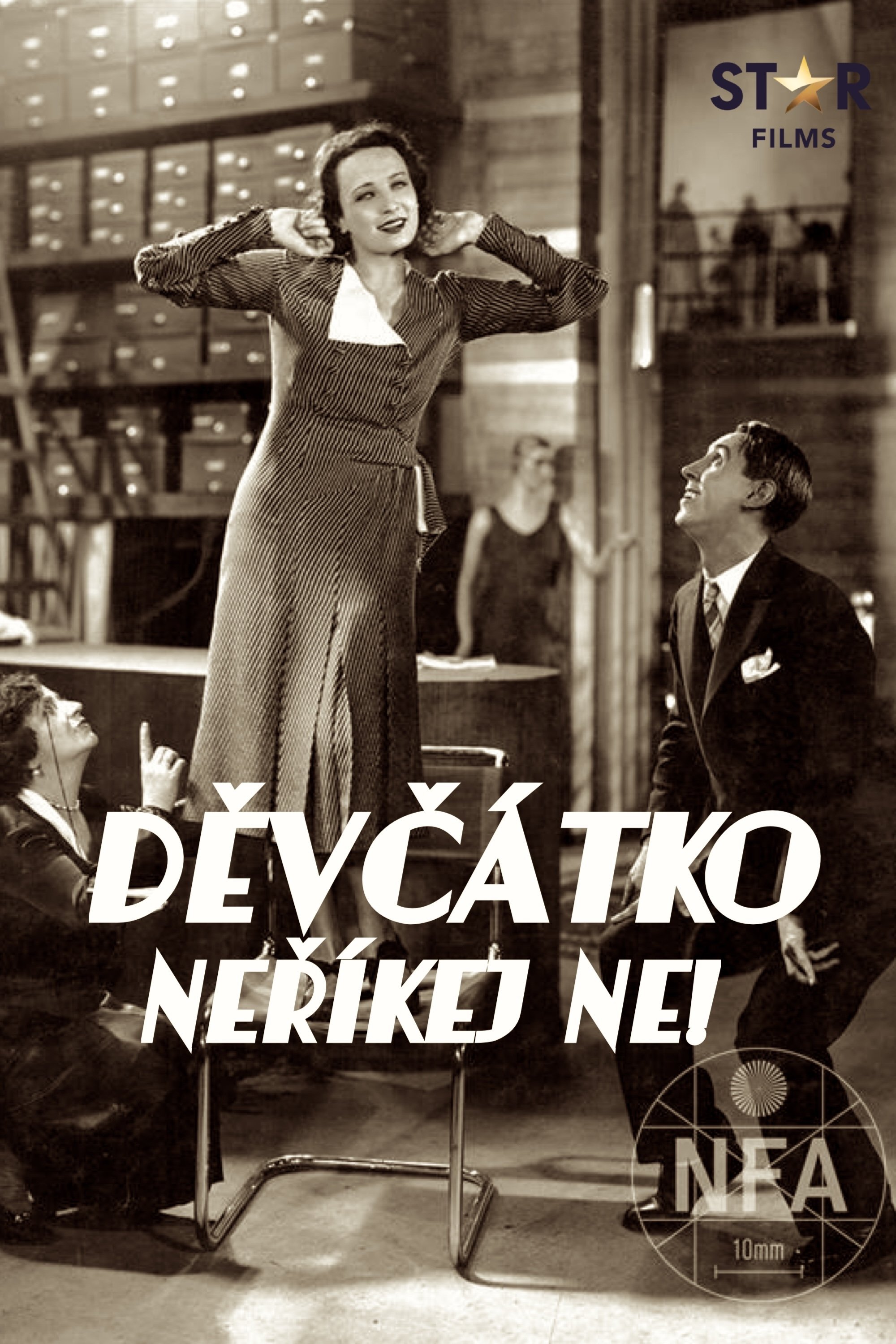
Based on an anonymous letter about Margot's fiancée's infidelity, the factory owner Hora hires detective Pejsek. His investigation then reveals Margot's efforts to obtain money from the factory owner for her lover Pepito, a fake gambler and swindler. Pepito has lost twenty thousand and must pay the money by midnight. At a fashion show, Margot receives a check from the factory owner for the purchase of a fur coat, but accidentally puts it in the pocket of a fur coat that the saleswoman and model Eva secretly borrows after the show...
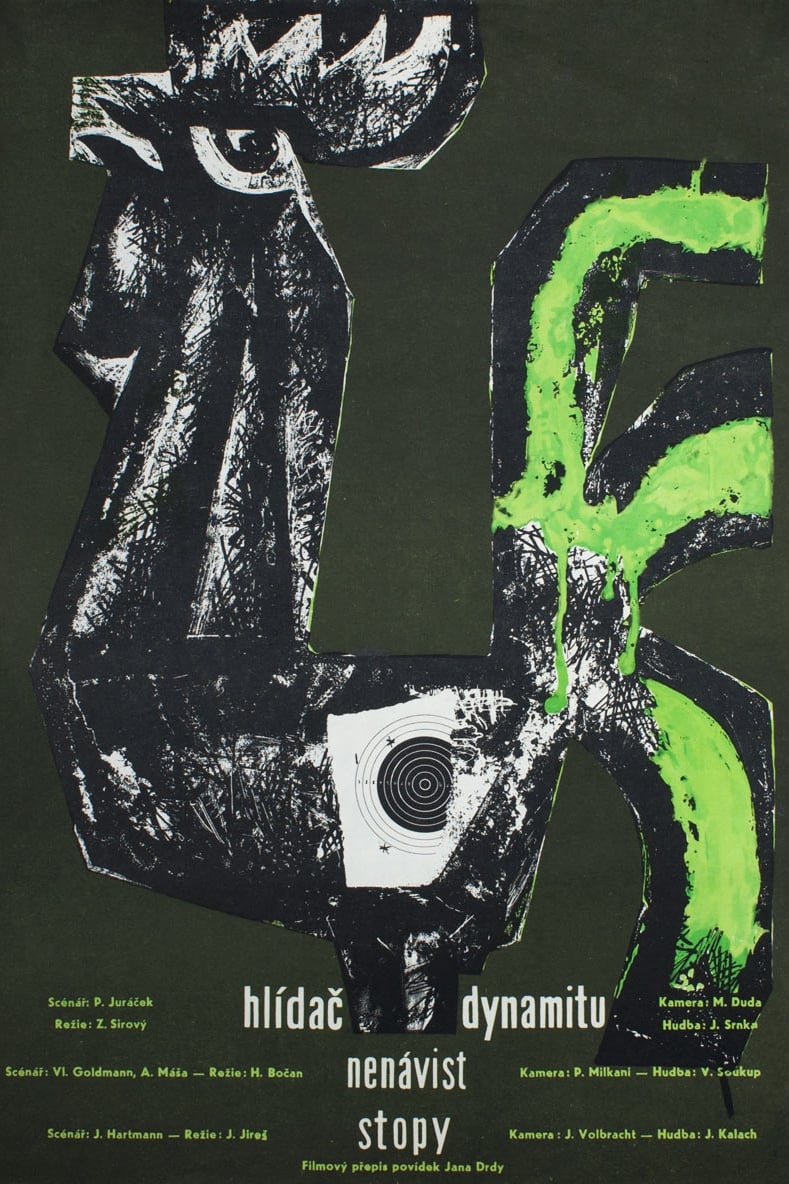
Three separate short stories by Jan Drda from the collection The Dumb Barricade: The Dynamite Watchman, Hatred and Traces.
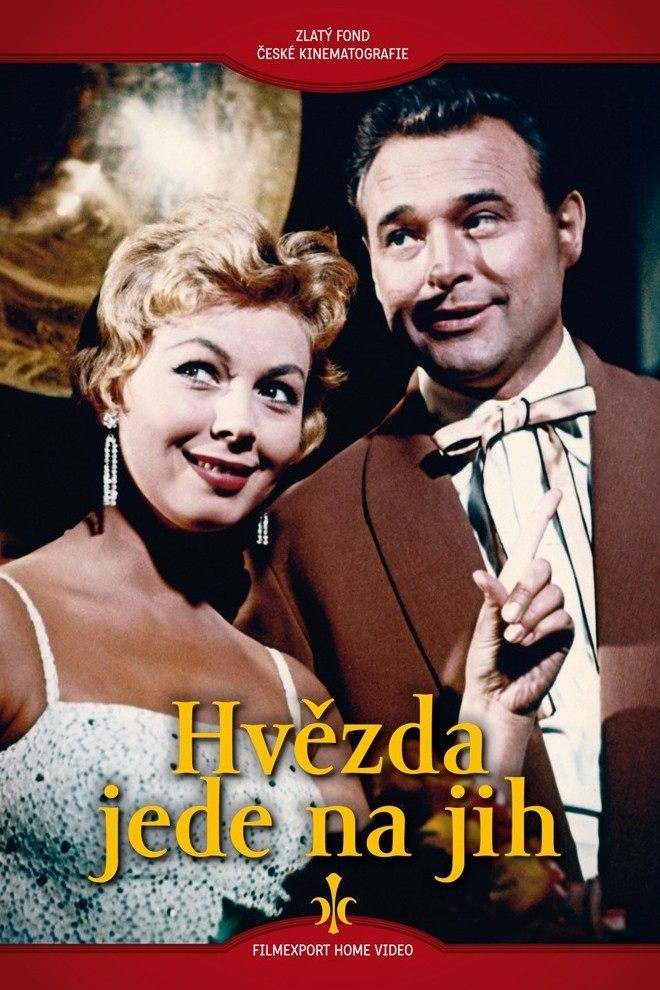
The Prague Grand Orchestra travels by train to a music festival in Yugoslavia. Only the singer Sona Klánová missed the departure. In the meantime, she managed to buy a ticket to Belgrade at the air-terminal from Mrs Navrátilová, who couldn't make the trip. In the meantime, the orchestra conductor is beside himself with despair. He phoned to Prague from the border, and when he realized that Sona had left her house in a taxi, he thought that she would catch up with them by the road. The orchestra delayed the train's departure with an improvised concert for the custom officers and the passengers.
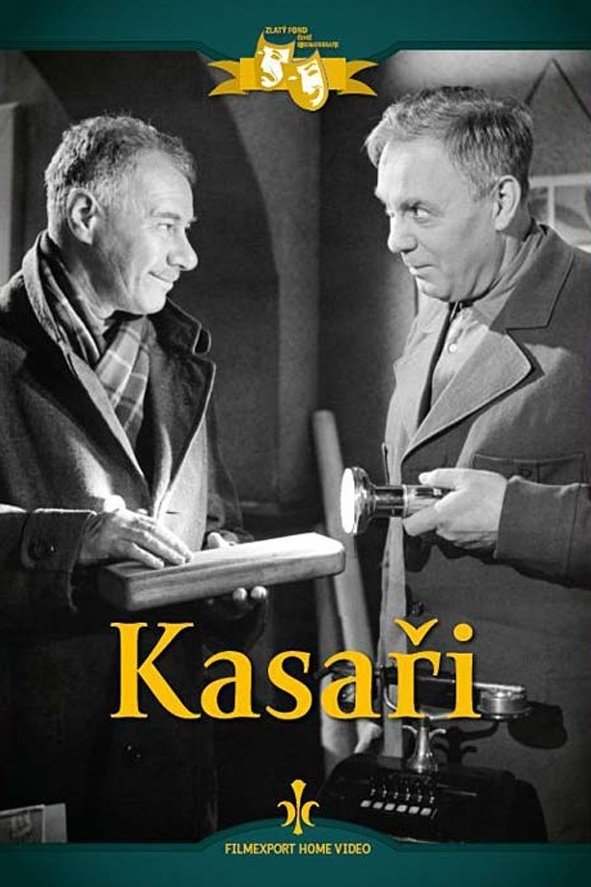
A detective comedy about ex-cashiers who - except for one - have improved and lead a proper and peaceful life and mostly desperately resist the slightest reminder of their past. However, one of them, Josef Fiala, formerly known as Procházka, is one day asked to open a safe in the Sitex factory that has been slammed open with keys inside by careless employees. The operation goes well, but in time Fiala finds himself suspected of theft...
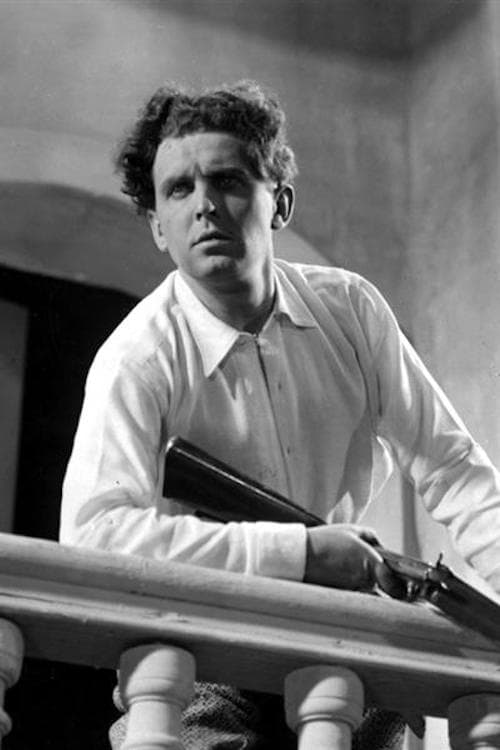
Mimi lives with her parents and the maid Fanka in a villa near the forest. One day, a gamekeeper comes to court Mimi when her parents are away.
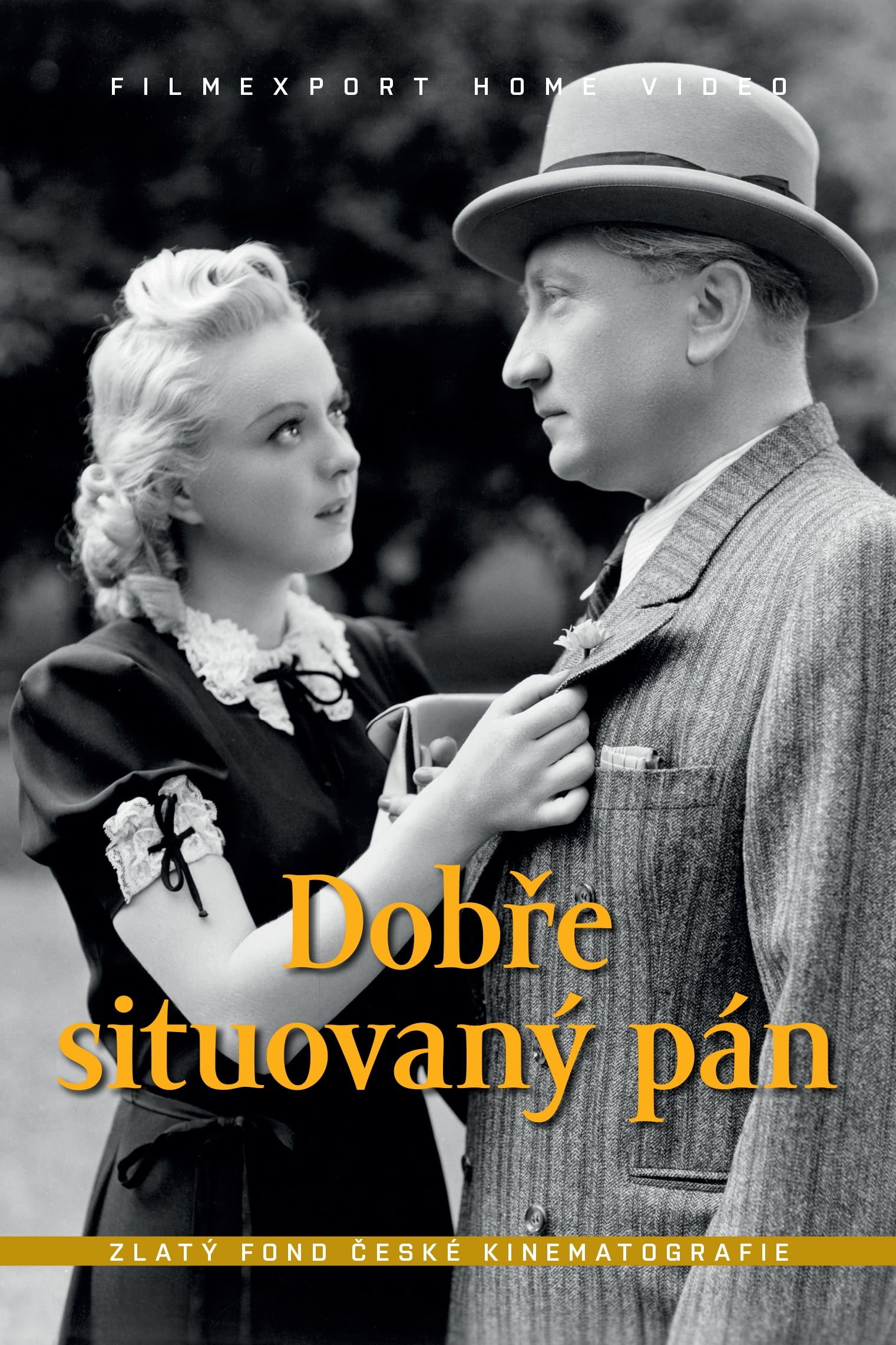
Antique dealer Samek lives a bachelor life. He financially helps his housekeeper raise her daughter Mána, who is learning to be a hairdresser in the countryside. On the recommendation of matchmaker Mudra, Samek decides to get married. Mána returns to Prague and Samek, who has not seen her for a long time, is enchanted by her charm. Mána has the opportunity to get a nice job, but she lacks knowledge of German. Samek offers to teach her while they go for walks together. During a German conversation on Petřín Hill, Mána catches the eye of electrician Vašek, who falls in love with her. He thinks that Mána does not know Czech, so he buys a German textbook so that he can speak to her. Soon the opportunity arises and the two young people confess their love. Samek is about to propose marriage to Mána. But Mána prevents him. She confides in him about her love and asks him to give Vašek a job...
In a small village in the Chodsko region, people live with daily worries about making a living. Many are dependent on work on the estate. Only the priest Jiří is able to stand up against the undignified conditions here, but he receives no gratitude, because the steward turns the villagers against him. Staněk, an engineer whose son Ondřej is studying at a grammar school, also works on the estate. The boy would like to continue studying law in Prague and is very surprised by his mother's wish for him to become a priest. His mother relies on the priest to talk Ondřej out of it. However, Jiří was once in the same situation, so he knows how difficult it is to perform well a mission that one has not chosen for oneself...

Leopold Kohák married a rich widow a long time ago and now has nothing to do compared to his energetic wife. He's growing old and troubled by the fact that he betrayed his first love Emča and his beloved river Sázava where he spent his childhood and youth. A visit from an old friend Lebeda brings it all back to him. After a nervous breakdown Leopold secretly visits his home instead of going to the spa. A wandering tramp suggest Leopold should bathe in the magical waters of the Sázava, and slowly his youth returns to him.
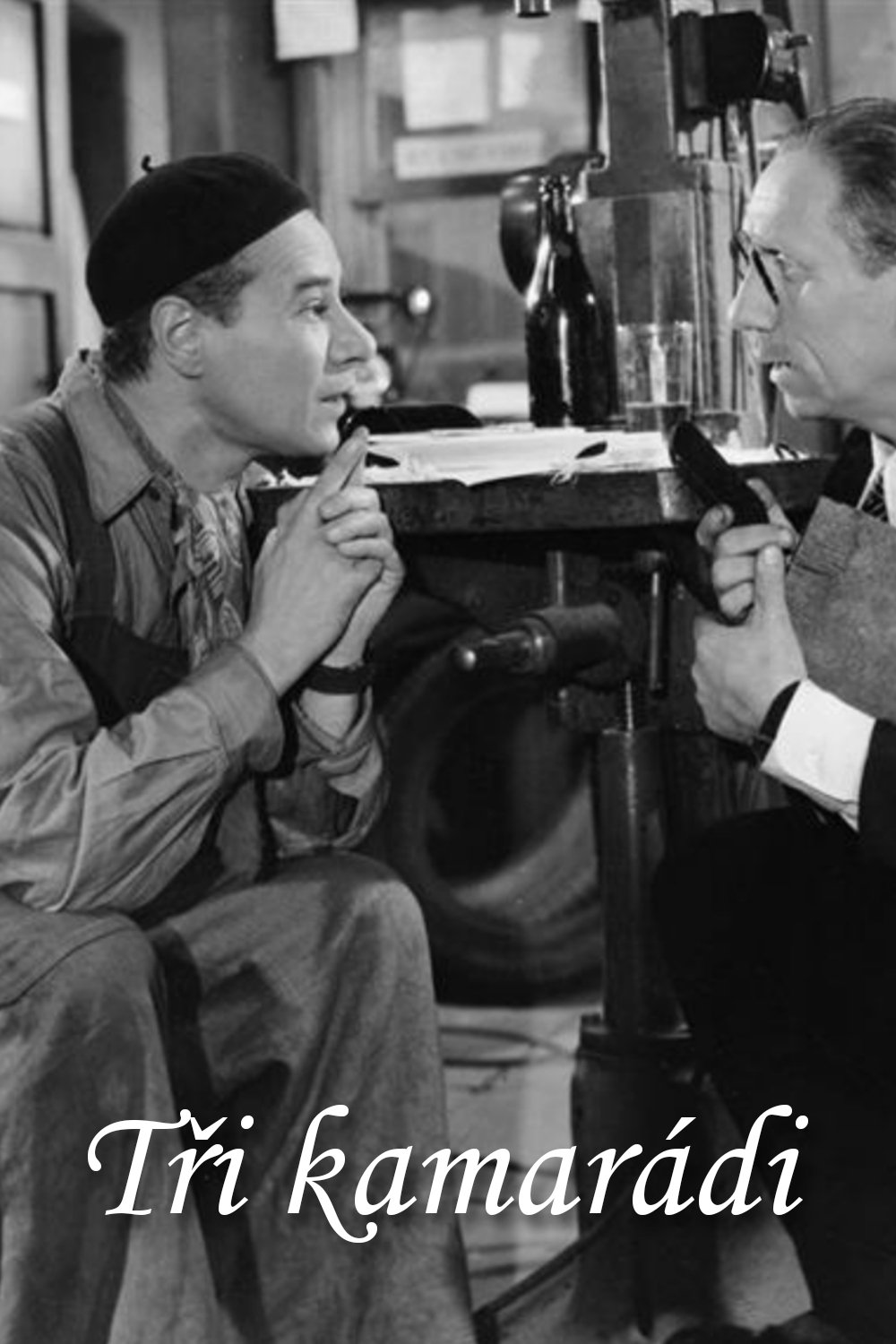
Young men Štěpán, Ludvík and Karel became friends abroad, where they fought during World War II. Now they have returned home and are thinking about their future. Štěpán is a designer, so he starts a car repair shop. There is also work for Ludvík, while Karel gets a job at the Omega car factory. However, the young entrepreneurs are all in debt and their business is not prospering. Štěpán invents a car carburetor, but he has no way to test it. In his greatest need, he receives news that Štěpán will inherit from his uncle from South America...
The new era brings with it progress, which must inevitably penetrate even the most remote corners. It has also reached the village of Čirá. The men there have a number of modern machines that make their work in the fields easier, while their wives still toil in the household. One help is readily available - a communal laundry could replace the traditional washcloths. However, the men who rule the municipal council do not want to hear about such spending. So the wives join forces in resistance and resort to severely repressive means...
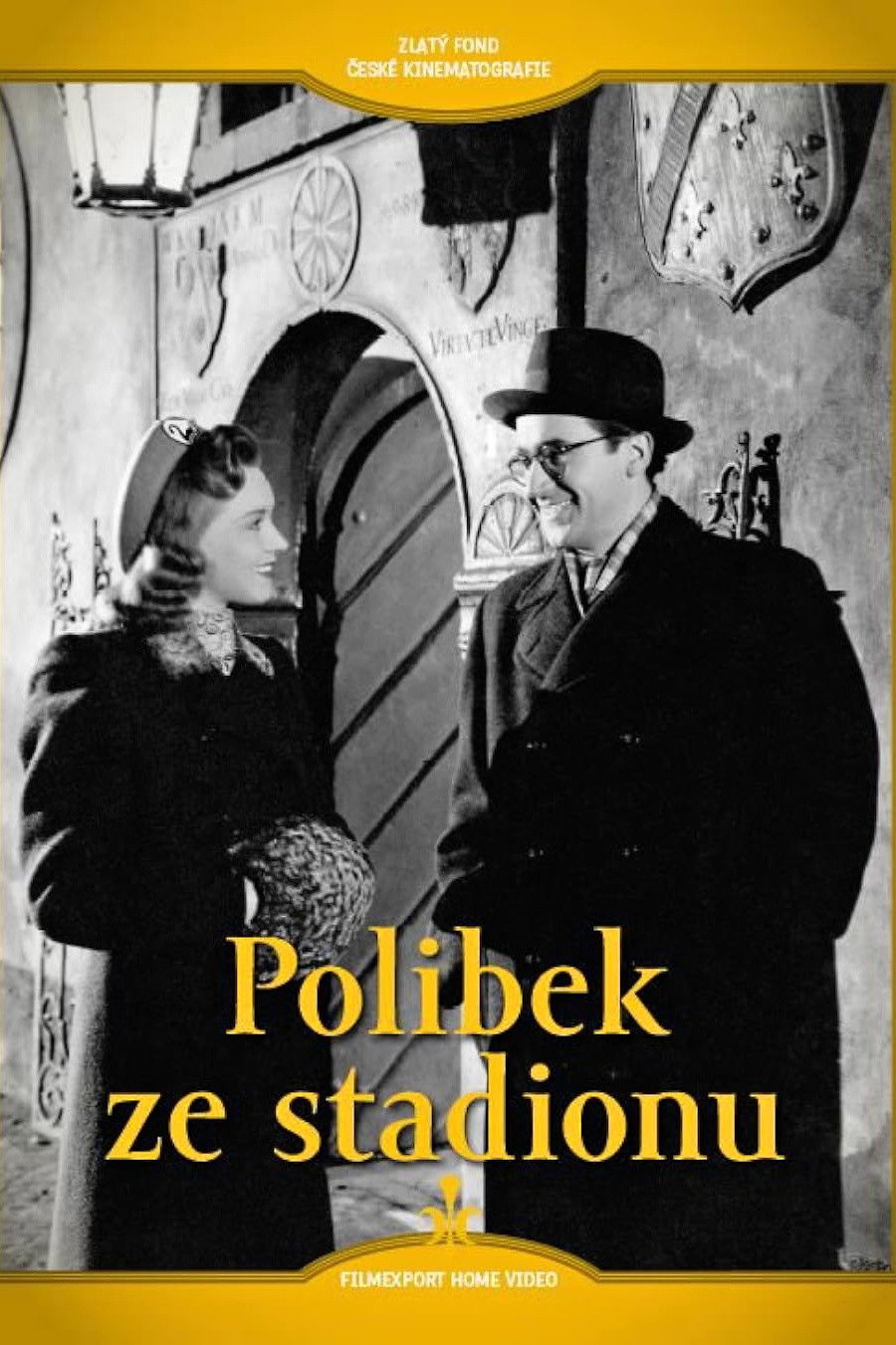
Austria's victory over Sweden at the 1947 World Ice Hockey Championship in Prague helped Czechoslovakia win the title of world champion. After the match, the cheering of the spectators in the stadium knows no bounds, and so it happens that dentist Jan Vaněček is kissed by an unknown girl out of joy. The kiss is captured by a film camera and is then seen in a film newsreel by Vaněček's fiancée Lída in the cinema. She becomes very angry and does not want to see Vaněček anymore...
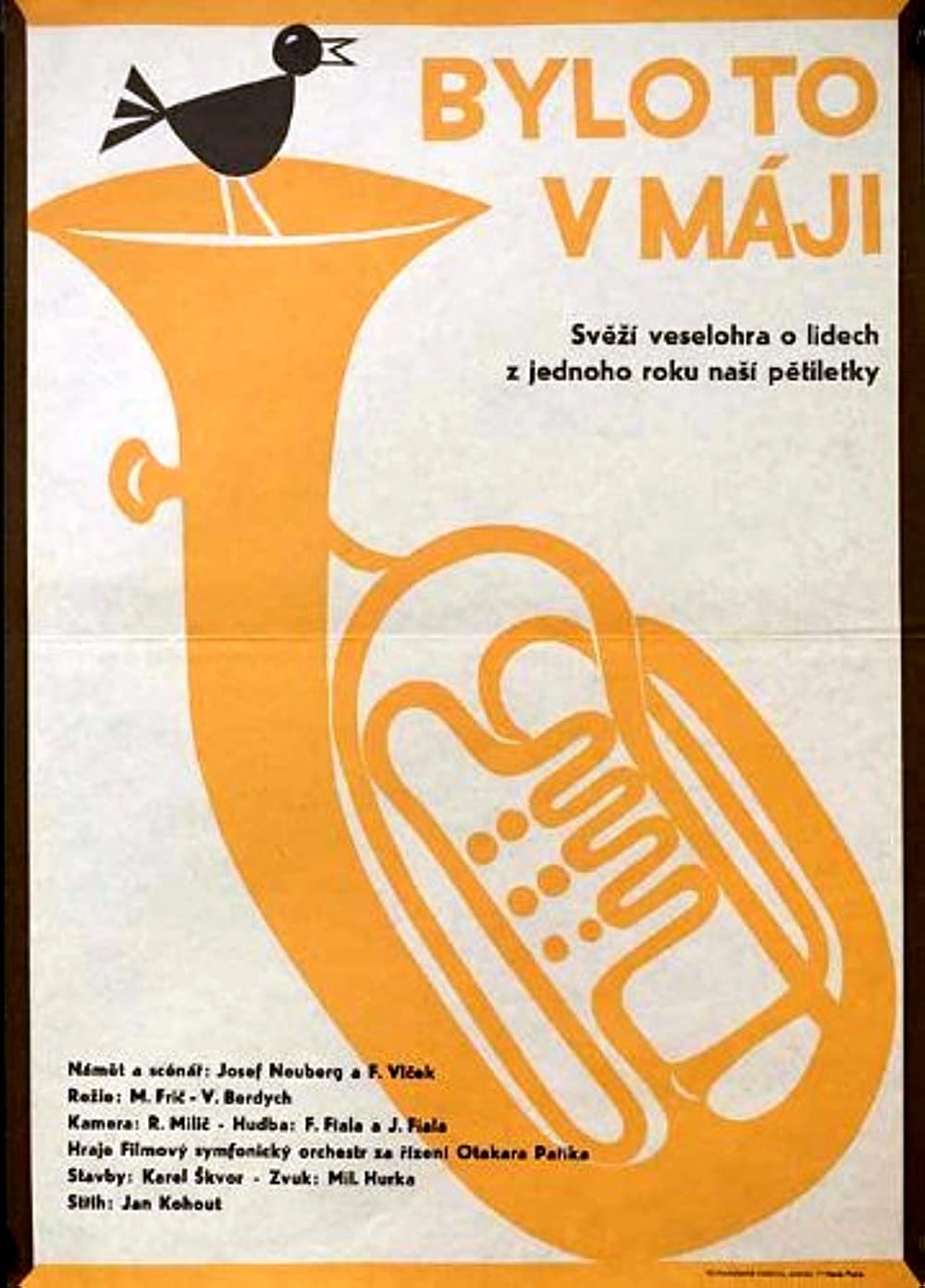
Worker Šebesta does not rejoice with the others in the May Day parade, as his boots are weighing him down. The following working day does not bring him a good mood either. At a plant-wide meeting, he comes into conflict with the young striker Brejcha from the United Engineering Works. He demands an increase in the production of heating elements so that the new hall can be completed before the deadline. The workers react to his passionate speech about the improvement efforts with distrust and, with a bit of mockery, challenge him to prove his words with action in their plant...
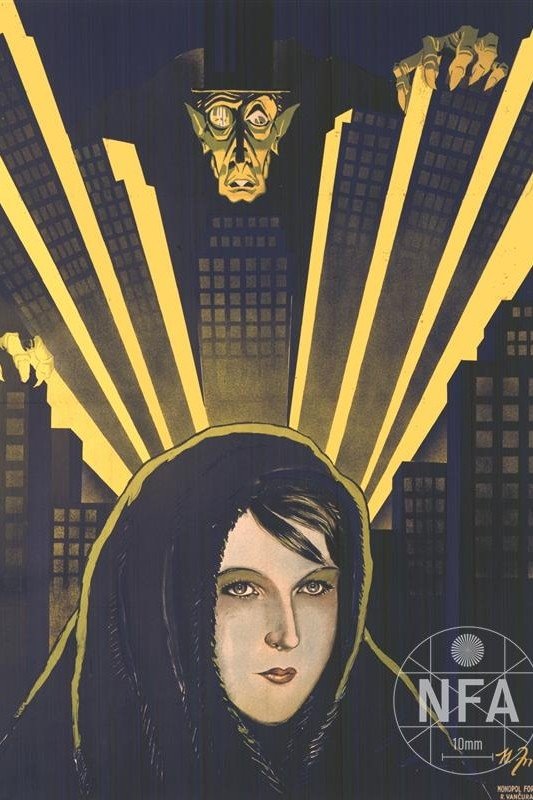
The illegitimate child, Marie Růžová, grows up in the family of the Bořický miller. Childhood and youth spend with the son of Bořice, Klement. Klement asserts the rights, becomes a lawyer, and marries Jirina. In order not to cause further contradictions, Mary will go to Prague secretly at night. There he is living heavily as a waitress. He resists the insults of architect Jansky until he ultimately decides to commit suicide in despair.
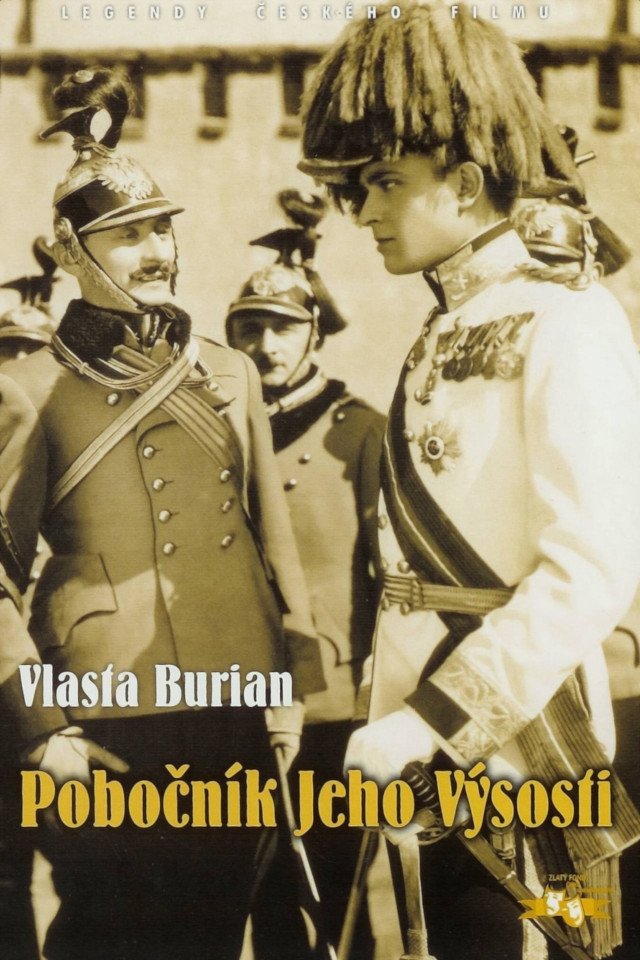
Lieutenant Patera, who unfortunately became involved in a scandalous affair in the highest circles of the Habsburg monarchy, is transferred from his sentence to the backwater garrison in Munich.
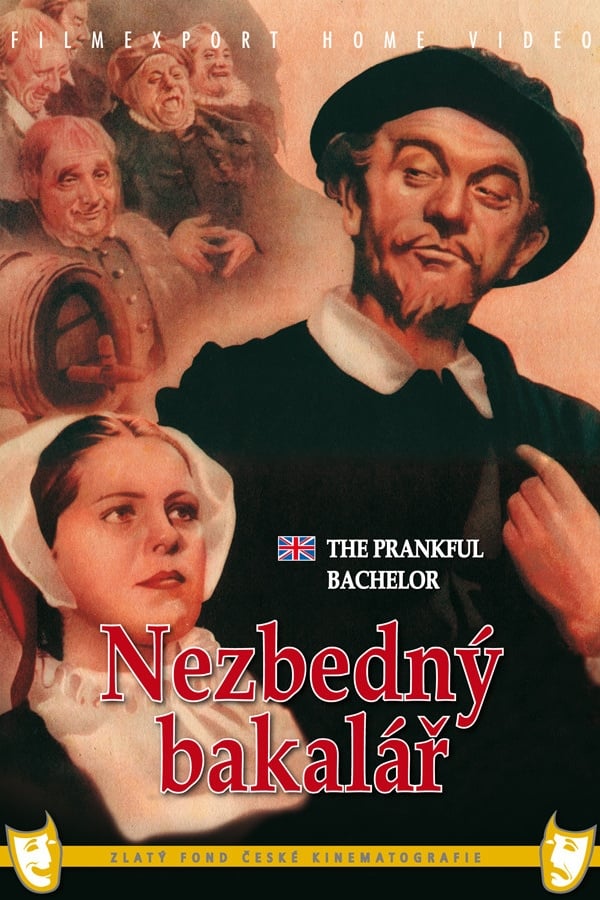
Even the pre-Blohemian times were not idyllic. Even a bachelor, invited by the consuls to Rakovník to elevate the local education system, finds out. But the stingy and proud townspeople soon grow to dislike him, and even love does not develop according to his wishes.
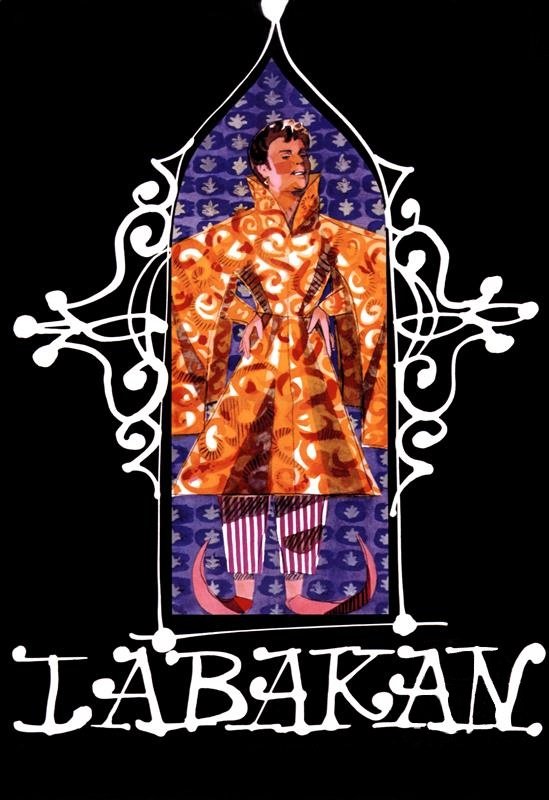
Labakan is a lazy tailor's journeyman dreaming of a life of luxury and dresses himself in fancy clothes for the rich emir, and when he sees how respectfully people greet him in the marketplace, he seizes the opportunity that unexpectedly presents itself. For he meets the Sultan's son Omar, who was brought up by the noble Cairo Pasha and is now returning home. Labakan steals the Sultan's dagger, his trademark, and sets out to find him. However, the Sultan's wife recognizes her true son and forces the Sultan to put both men to the test. Both have to prove their skill by sewing a coronation gown, which of course only the real tailor Labakan will be able to do, and so the executioner awaits him. Fortunately, it was all a dream and the foolish young man will make amends in time.
The Czech revival movement is divided at the end of the first half of the 19th century. While the older generation, such as František Palacký, urges restraint, students lean towards radical positions. A report on the revolutionary events in Paris prompts Czech Prague residents to write down the demands of the Czech nation for self-determination and the proclamation of a constitution. Tensions peak during the All-Slavic Congress in Prague's Žofín. Vienna rejects the Czech demands and the congress is brutally dispersed by the Austrian police. Prague begins to build barricades...
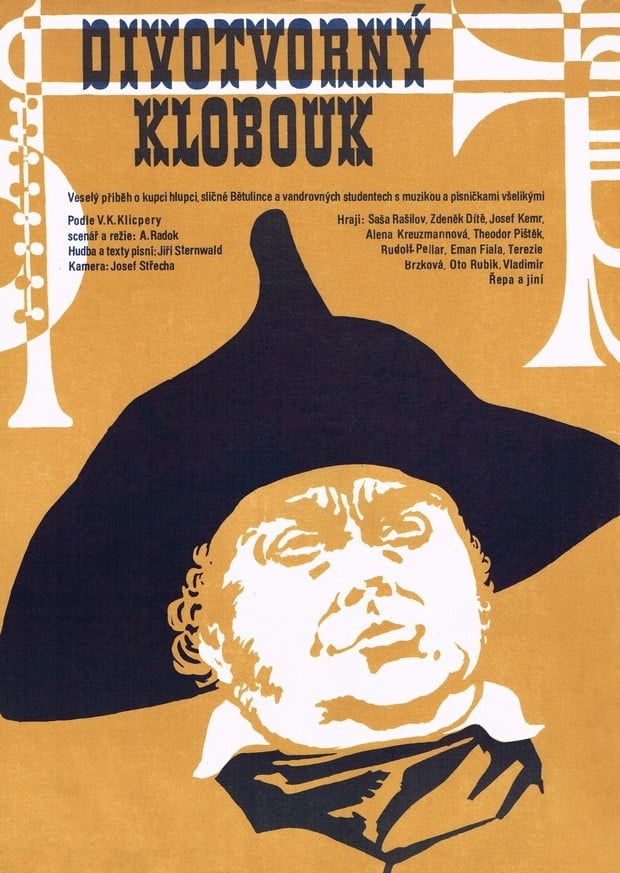
Two poor students, Strnad and Křepelka, console themselves with the fact that Křepelka is to inherit, but it later turns out that the inheritance is only an old hat. The young man seeks help from his relative, the merchant Koliáš, who is the guardian of the beautiful Bětuška. Křepelka immediately falls in love with the girl, but the old miser does not want to hear about his poor nephew. Strnad finally comes up with an idea to use the hat to trick the greedy merchant...

The leader of the emerging organized labor movement in the 1880s, Ladislav Zápotocký-Budečský, is exiled to his native village, where he works as a tailor and continues to raise social awareness among members of the working class.
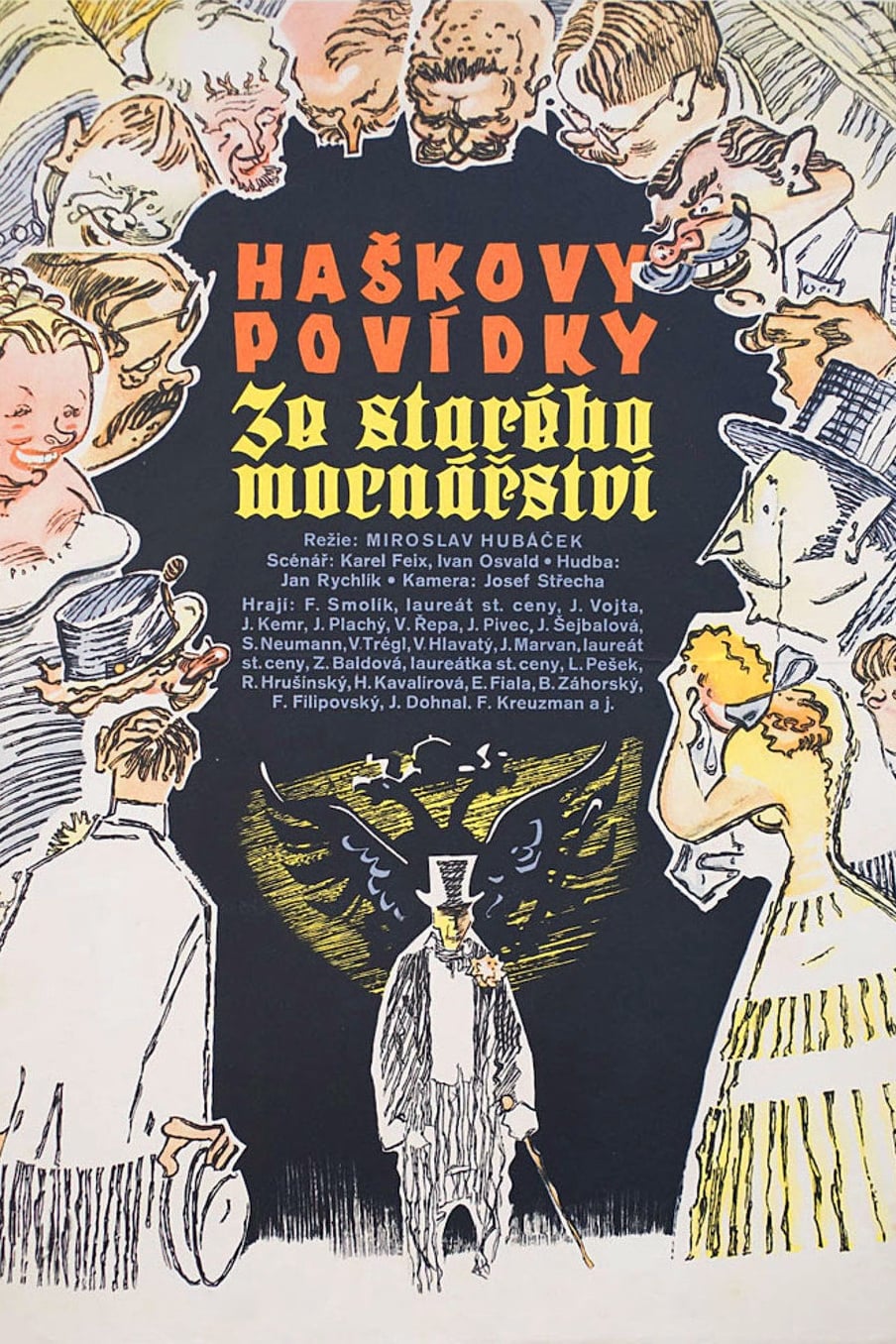
Four short stories by the greatest Czech satirist Jaroslav Hašek. "Soup for Poor Children" tells the story of how Prince Robert himself cooked soup for poor children, "Meeting of the Municipal Council in Mejdlovary" is the history of filling the position of municipal policeman, "Trampotes of Mr. Tenkrát" shows how strange events lead to marriage and promotion, "Revolt of the Convict Šejba" depicts the victorious fight of the convict Šejba for a dumpling for ministering at mass.
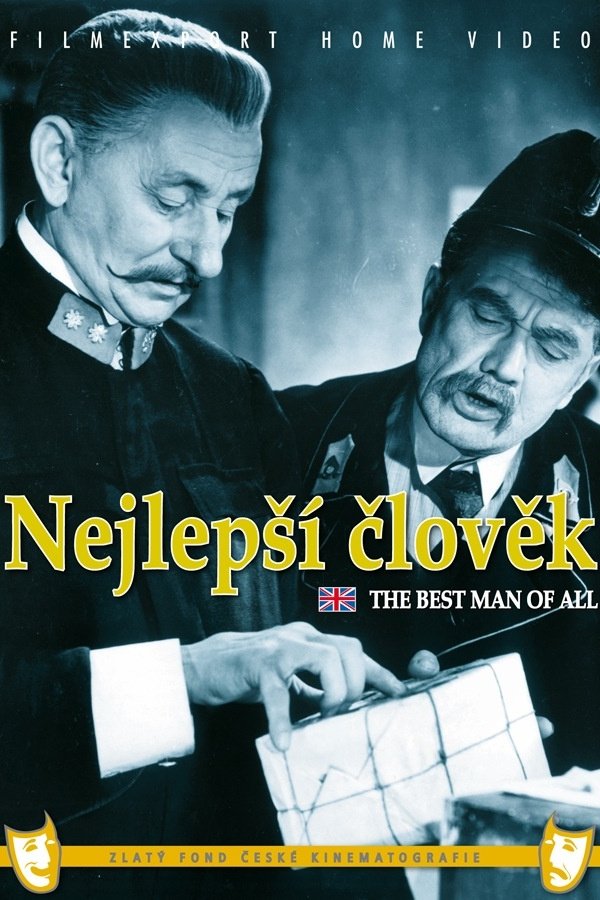
A Czech satirical comedy set around 1900. The inhabitants of the small town of Pětice are excited by a mysterious package that is to be delivered to the best person in the village. Of course, all members of the town council claim the title of best person. In the end, it turns out that it was a cleverly thought-out prank intended to reveal the true character of the "better people" of the town.
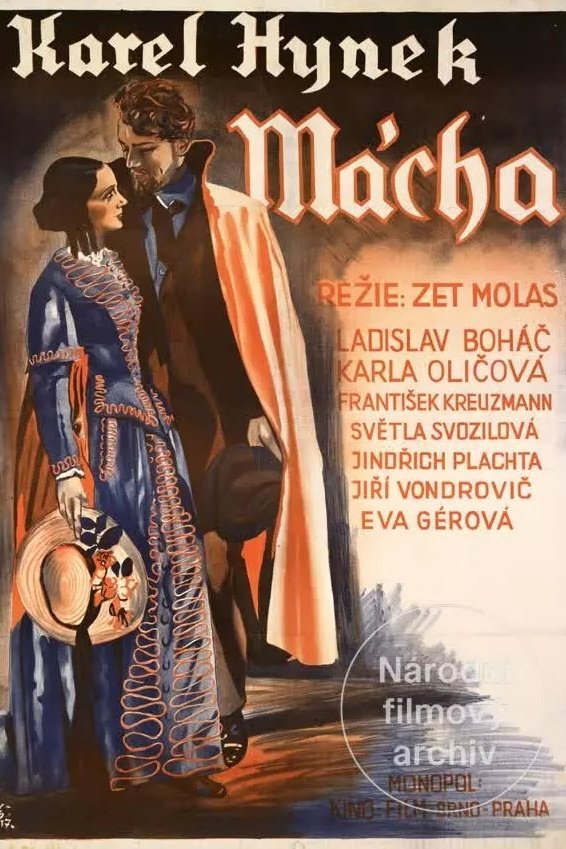
Film about famous poet Karel Hynek Mácha
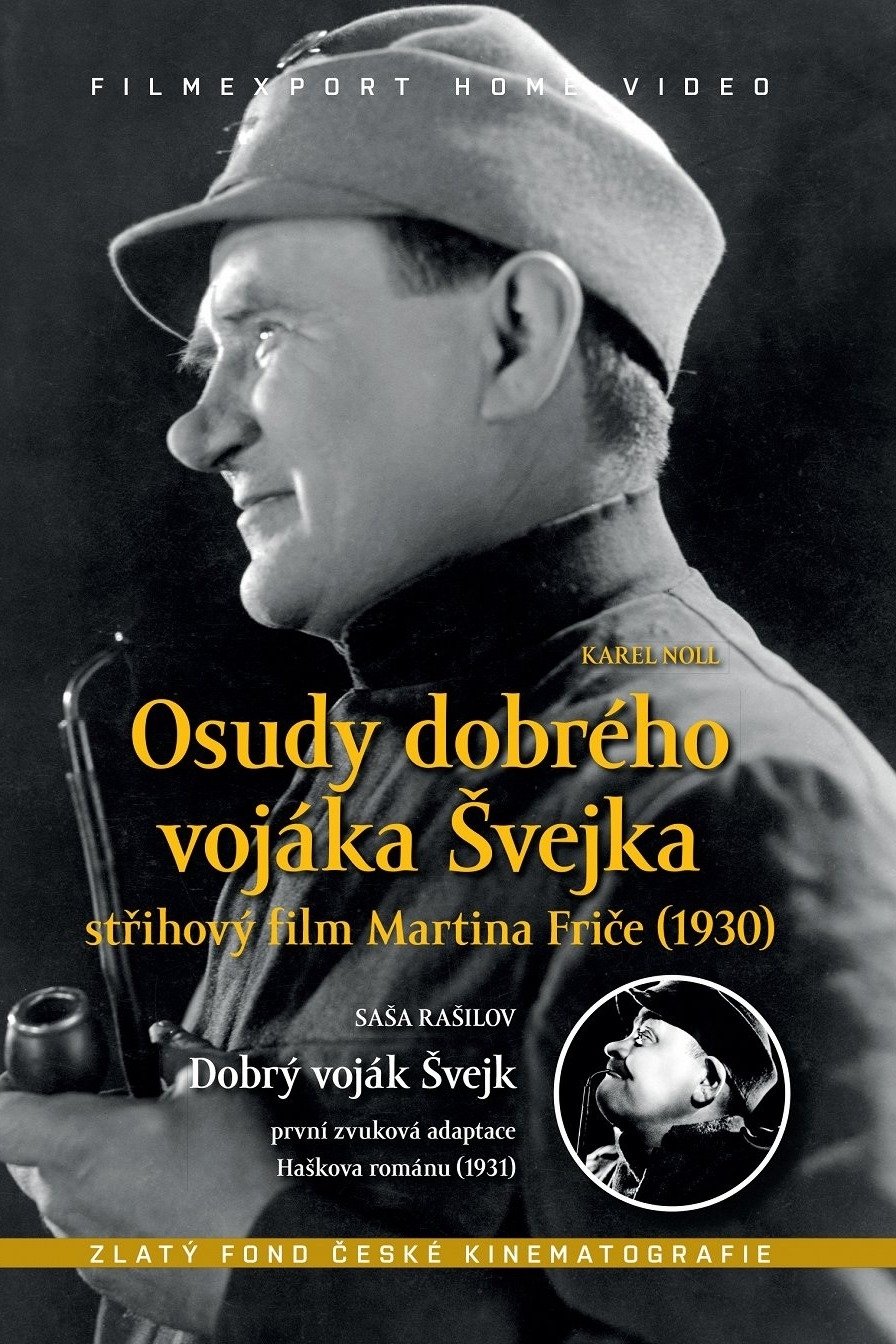
Joint montage of the first three silent films about Švejk: Good Soldier Švejk (1926, director: Karel Lamač), Švejk on the Front (1926, director Karel Lamač) and Švejk in Russian Captivity (1926, director: Svatopluk Innemann, model Karel Vaněk). The lead role was played by Karel Noll, who was very popular at the time. The last silent sequel Švejk v civilu (1927) exists independently, but the copy of the film is badly damaged.
The case of Colonel Redl -- an officer blackmailed into spying by virtue of his homosexuality.
Disillusioned with his marriage which has ended in divorce, Petr Leroy goes off to the Riviera to the place where he first met his wife and where he hopes to be spiritually revived. Here he meets his friend Jan and together they enjoy the joys the Riviera has to offer. Jan meets a charming girl at the casino and he takes her off into the mountains. On his return he speaks of the beautiful Olga with whom he has spent a wonderful three days. Olga, however, does not appear for a meeting they had arranged, so Jan goes to look for her in the mountains. Then he sees her in a village and tries to catch up with her in his car. He has an accident. Olga takes him to the nearest sanatorium where everyone behaves very strangely to the newly-arrived patient.
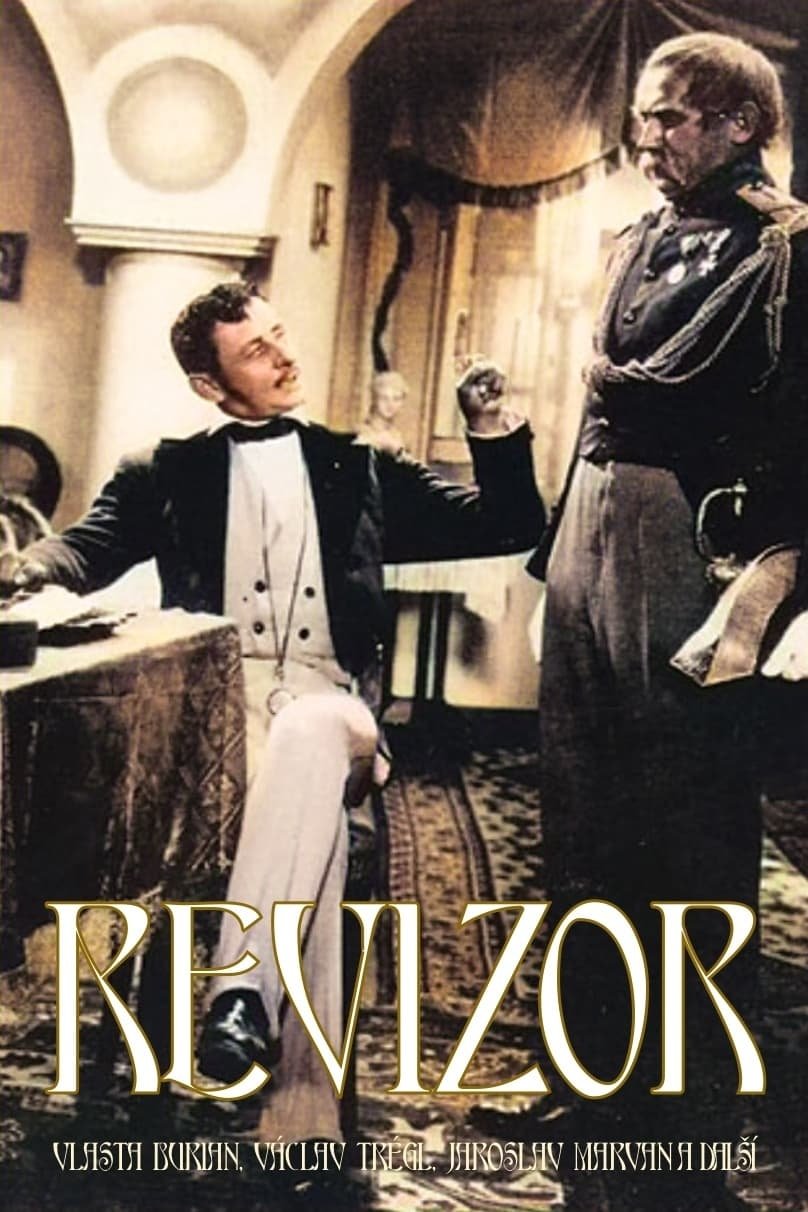
Vlasta Burian appears in a town of Czarist Russia impersonating an Inspector General, and he is entertained lavishly by the local political-hacks and peasants seeking his favor for whatever they are advocating or need fixed. Burain is involved in a series of comical situations as he takes everything he can gets his hands on while the peasants, who must plead for the betterment of their conditions, are left on the outside-looking-in. He makes his escape just as the real Inspector General is set to appear, but those-in-need will be no better off when the real McCoy shows up then they were with Burian.
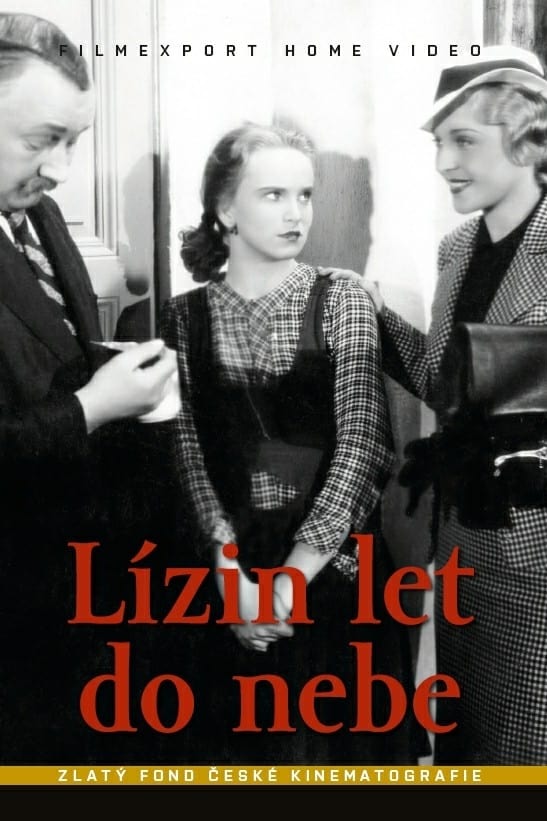
The orphan Eliška Irovská, nicknamed Líza, arrives in her native village of Ptačice. As an orphan she is housed in the local poorhouse and has to go out begging. Her guardian Petr Tumlíř, however, sees that she is competent enough to go to school.
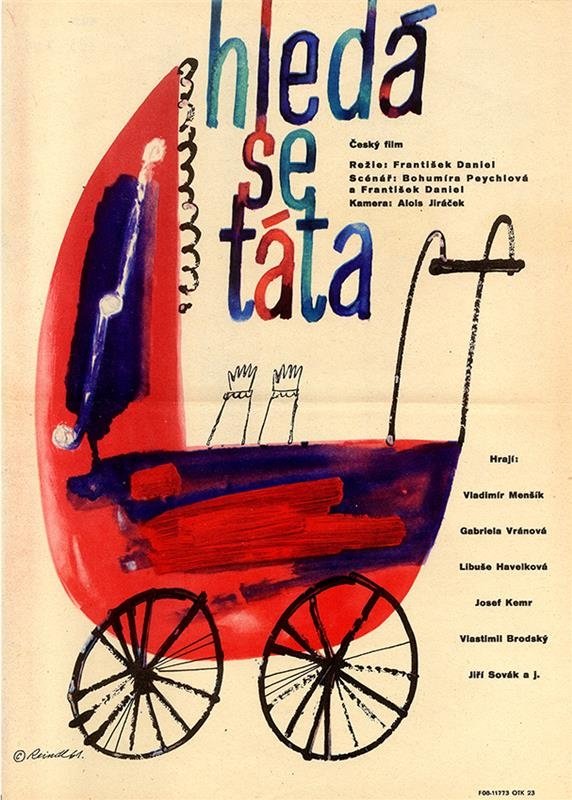
It all starts when two men arrive at the asylum. Mr. Houdek, who goes to see little Honzik Slavata, the illegitimate child of his colleague, whom he wants to adopt, and young Standa Hurych, who takes up a position as a driver. The pretty nurse Magda mistakes Standa for his father and is angered by his reaction. However, when Mrs. Houdková insists that the adoption will not take place until the child's true father is known, Standa offers to help Magda track down the father. He immediately sets about the difficult task.
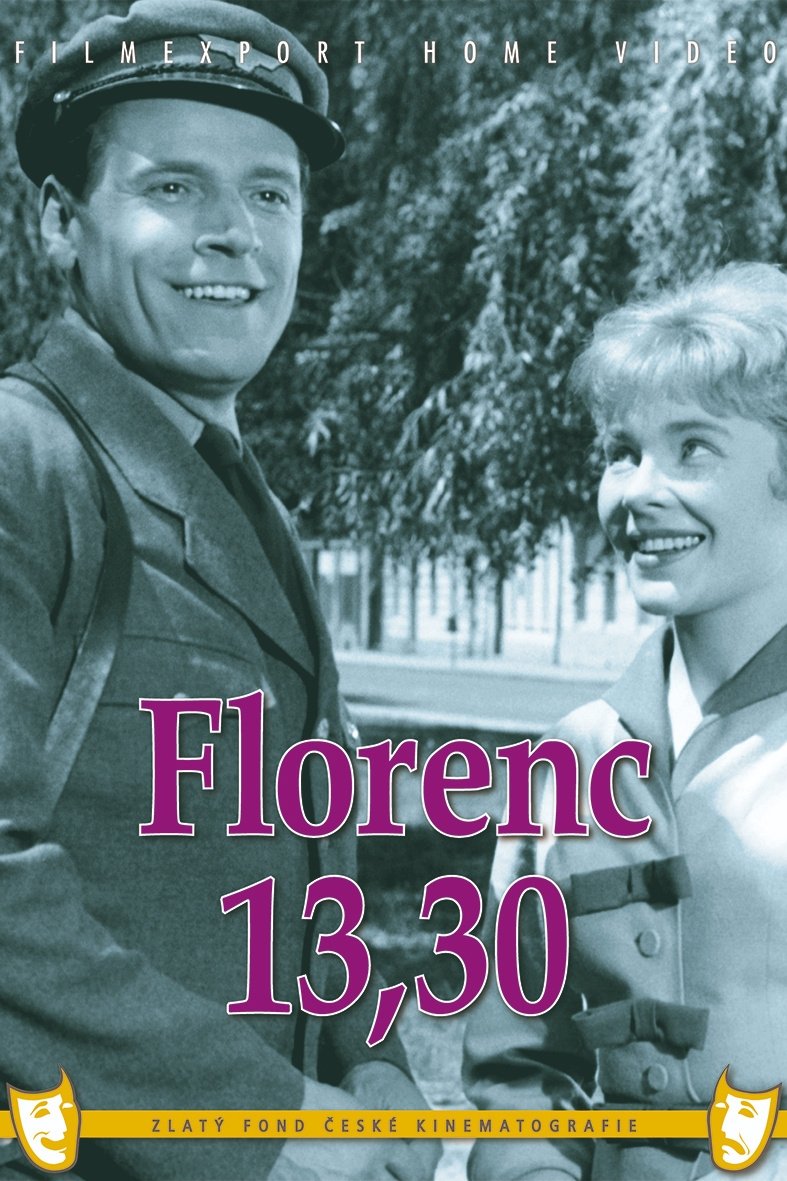
The plot of the film follows a bus ride on the Prague - Karlovy Vary route and the actions of the people on it. A diverse group of people with various interests, professions and personalities gathered on the bus. Their encounter in the close environment of the bus gave the opportunity to create a whole series of good humorous situations. The ride on the express bus is a symbolic example of the contemporary life of our society, in which, just like when riding a bus, it is necessary to suppress many private interests and selfish qualities in order to successfully reach the destination.
Věra Donátová has graduated from law school and wants to open a law firm. However, she is financially dependent on her parents. Her emancipated mother supports her efforts, but her father gives Věra money on the condition that if her practice is not successful within a year, she will marry the son of Consul Raboch. Věra has no clients. The first case is assigned to her ex officio. Věra visits her client Petr Kučera, known as Tygr, in a prison cell and achieves his release against his will. In an attempt to reform him, she offers him a position as a butler in his office. Tygr invites her to a pub to get acquainted with the mentality of the underworld. Věra likes his sovereign behavior. The one-year deadline has passed and Father Donát is throwing a feast. He wants Věra to choose from several invited suitors. Věra ridicules all the suitors, including Consul Raboch's son...
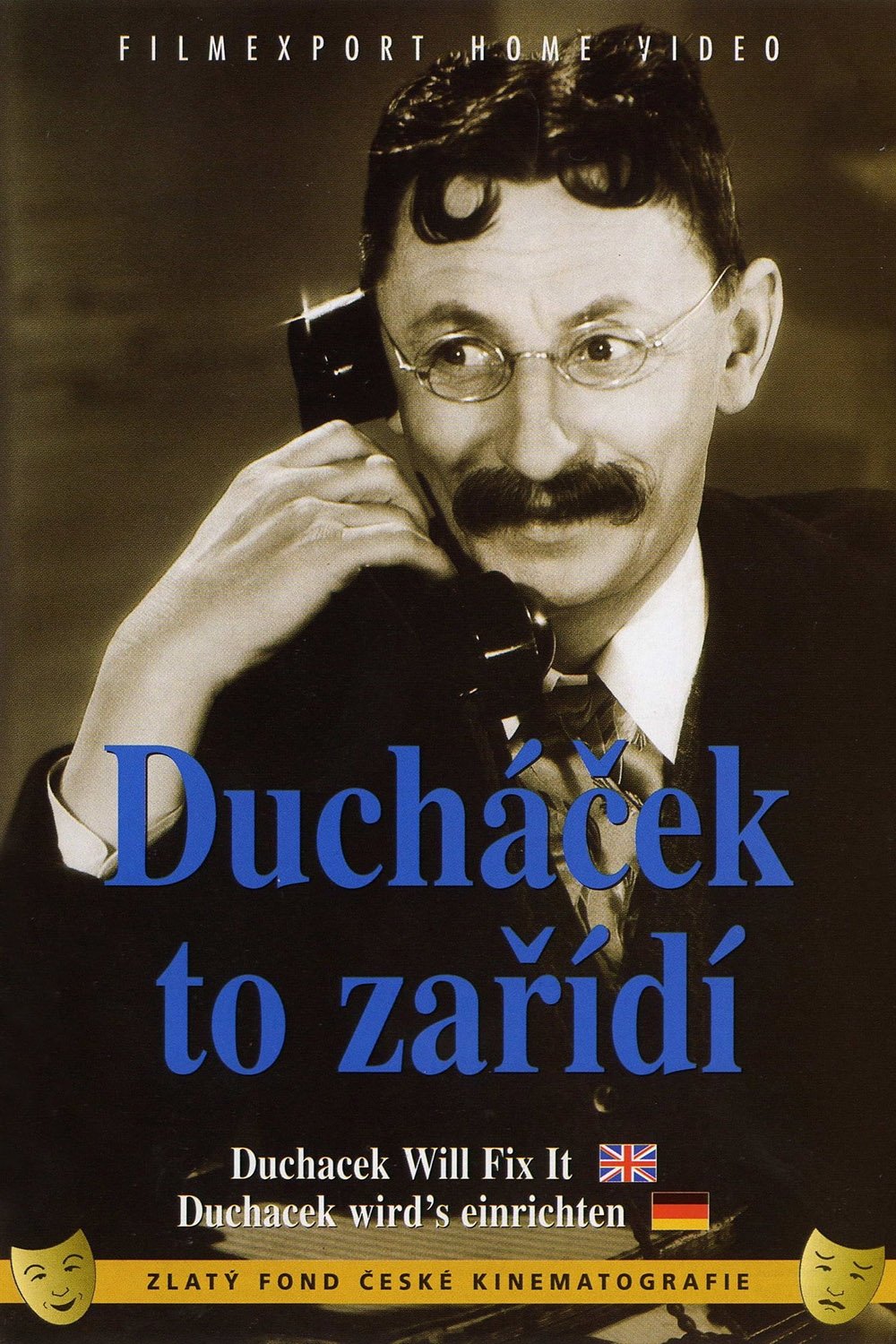
Mr. Ducháček runs the law firm of JUDr. Faukner in a peculiar but completely devoted manner, which manages the financial affairs of the Rispaldic family. The family members treat their lawyer Faukner with condescension, except for their daughter Julia, who secretly loves him. However, no one except Ducháček knows that the squandering family no longer has any money and that JUDr. Faukner is subsidizing it, because he is also secretly in love with Julia.
The Counter-Reformation period: Myslivec Machovec is forced by representatives of the Jesuit order to flee his home for his religious beliefs. His teenage children Helenka and Tomáš do not give up the faith and traditions of the Czech Brethren despite the increasing pressure.
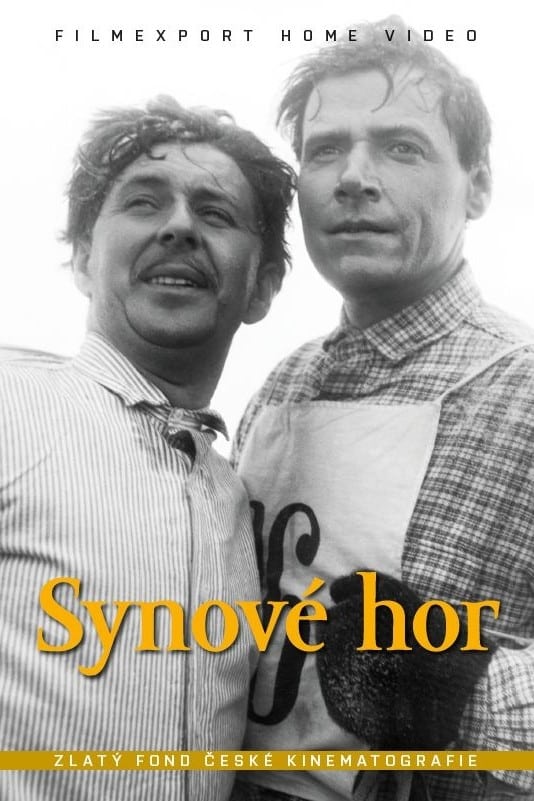
The story of a friendship for life and death captures a real event that took place in the snowy Krkonoše Mountains in 1913. The actors of the drama were Bohumil Hanč, one of our first ski racers, and his friend Václav Vrbata. The film's plot takes place between 1912 and 1913 and is framed by two international 50 km races. After winning in 1912, Bohumil Hanč wants to stop racing at the behest of his wife Slávka. In 1913, strong foreign competitors enter the race, so Bohumil succumbs to the pleas of his friends and decides to race for the last time. However, the weather changes during the race. Strong winds and snow begin to blow, severe frost sets in, and for the racers, it means a fight for their lives.
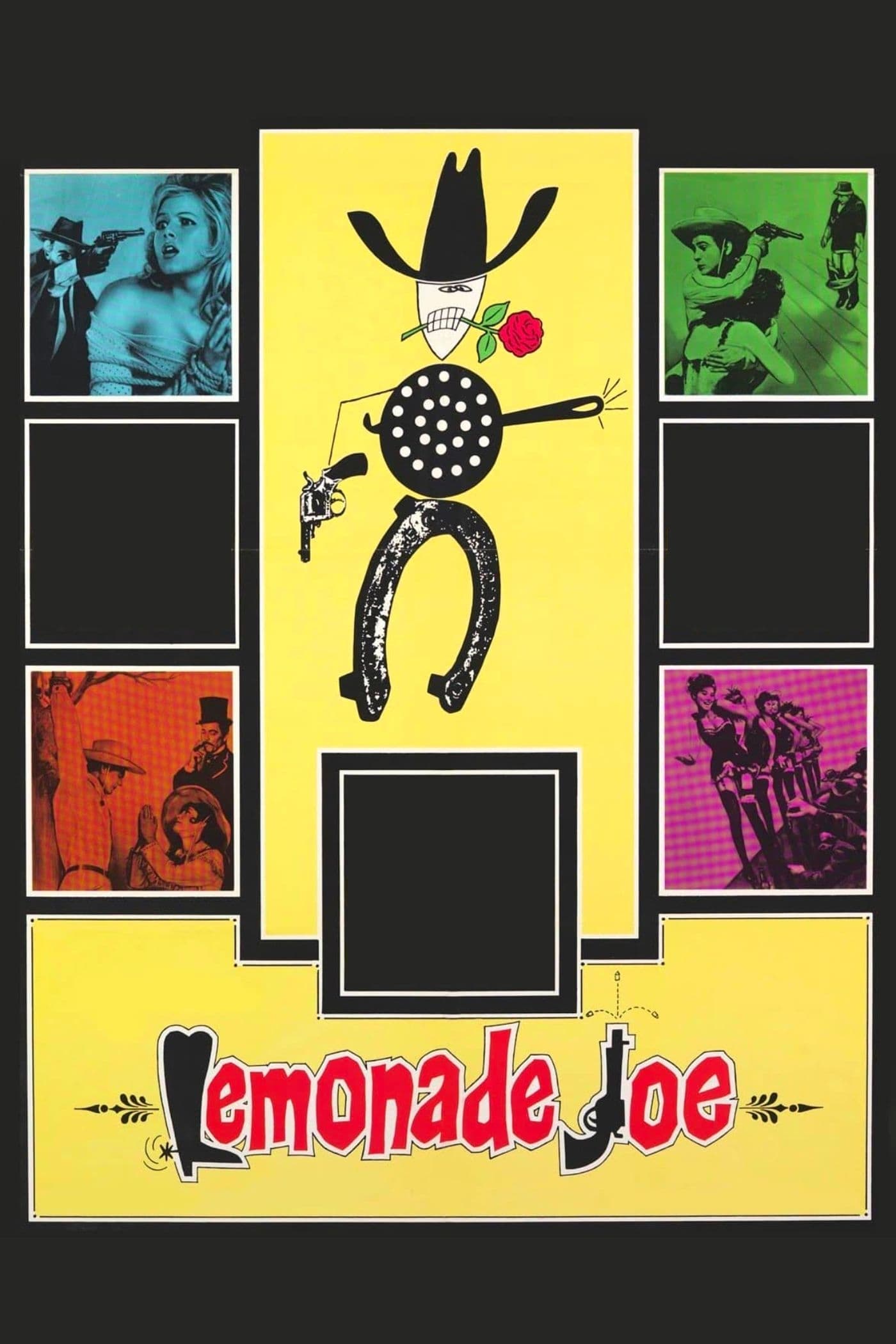
A satire of the Great American Way, with Lemonade Joe a "clean living" gunfighter who drinks only Kola-Loca Lemonade and convinces everyone else in town (with his gun skills) that all "real men" drink ONLY lemonade!
A student rebellion precedes revolutionary events in Prague.
In a small Texas town where cowboys lived their usual lives, local villain Bill Crooked Mouth and his cronies played cards in the saloon and the bandits raided the town, there lived rancher Andrews and his daughter Daisy. One day, rancher Andrews succumbed to his evil passion and lost not only the girl's dowry, but also the entire ranch, to Bill and his villains at cards. But at that moment, rescue appeared in the form of the noble cowboy Sandy, who fell in love with the girl and rushed to her aid. Unfortunately, the father also lost his daughter in poker. Sandy saved him from suicide - he won everything back. Then a melee broke out, during which the guests whitewashed the entire saloon and chased out the villains, led by Bill Crooked Mouth. Daisy asked how Sandy had acquired the money he had invested in the game - he had won it in the Sportka lottery. And so their happiness was no longer hindered...
The North Bohemian town of Chudoplesy in the middle of the 19th century: the only local industry is the domestic production of reed goods. The poor reeders organize a revolt against the exploitative factors.
Three nine-year-old boys are ridden with guilt after chasing their classmate into a busy street, causing him to get hit by a truck.
Television lighting engineer Honza borrows an apartment from successful architect Zdeněk so that he can meet his love Marta alone. The architect pretends that Honza's request is convenient for him, because he has a program in the early evening anyway. However, the opposite is true, the architect spends the most important time of the year in a pub. He is successful and carefree only on the surface, but in reality he is unhappy, his marriage has ended in bankruptcy. On the other hand, Honza and Marta are happy, although they lack their own apartment to be happy. They have their love...
A painting of a girl from another time comes to life for it's buyer in this costume comedy.
A writer of pulp crime novels is drawn into a series of real crimes. This film was one of the first Czech attempts on a genre parody.
Tragicomic events in the idyllic town of Rukapán reveal both the prejudices of the local residents and their solidarity. The chronicle of the town of Rukapán captures the funny and tragic fates of its inhabitants at the end of the nineteenth century. Poacher Matěj saves the council of Zimmerheier in a buried mine, mayor Buzek is warned by an angel to stop drinking, and other events form a mosaic of the small town.
The revolutionary year of 1848 brought great hopes among the hitherto silent classes, awakening social and national hopes. The response also penetrated the remote countryside, even as far as the Podkrkonoše Mountains. The young shoemaker there began to take an interest in social and political events, and he also experienced disappointment in later developments.
Oldřich Nový was and will forever remain the embodiment of charm, elegance and personal charm for Czech cinema, to which all women, regardless of age, were subject. In his unforgettable lover roles, he was not only a romantic who was able to fall in love with a girl from an ancient painting, succumb to the chocolate-brown eyes of the minister's girlfriend, but also a seducer for whom infidelity was a regularly practiced sport, or, conversely, a newlywed obsessed with jealousy. This was exactly Viktorin, the main character of a crazy Art Nouveau comedy, where everything revolves around a massive deer antler. Its involuntary owner becomes the jealous Viktorin, and it is certainly not difficult to guess what such a "right" gift can cause.
Martin Plechatý and Petr Nový roam occupied Prague with their trams. Times are hard and sometimes survival is not easy - especially when, in an attempt to help a threatened (and charming) neighbor, you get involved with an SS man, hit him on the head and kill him. At least that's how the two friends explained the situation to each other when their opponent collapsed to the ground. What to do with the body now? An endless anabasis begins, in which even a baby stroller comes into play...
Antique dealer Kohout is not a bad person. However, he has an ideal: to be the unlimited master at home. Therefore, he does not see his wife's wishes, nor the fact that his daughter Helena has found a groom, that his other daughter has fallen in love, and that his son is a passionate swimmer. He would like to run their lives according to his old-fashioned ideas. However, Zdenka's suitor, engineer Bečvář, uses a trap to gain Kohout's favor. The antique dealer even offers him Zdenka's hand in marriage. In addition, Kohout's brother, a forester, enters the story, who comes to Prague for a visit. By coincidence, the two brothers switch roles and the family considers their father a dear uncle...
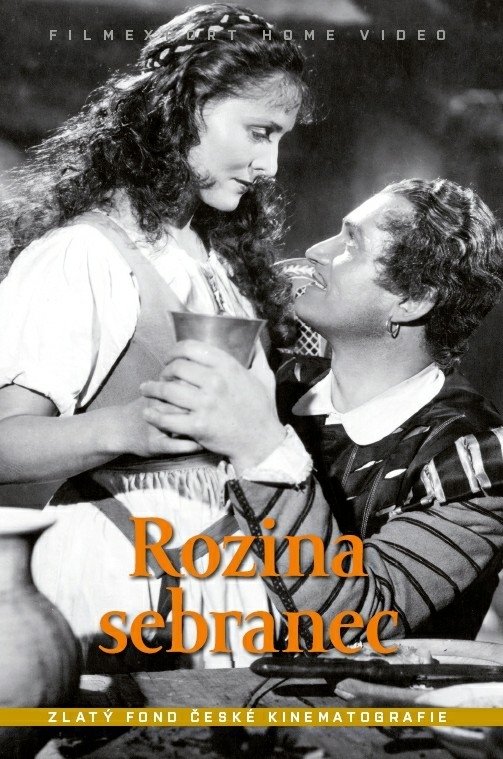
Prague, the beginning of the 17th century. Rozina falls in love with Italian glass worker Nikolo, but after returning home, she gets a message that will never come to Prague. She falls for the promise of an older man to marry her, but when Nikolo does return, the tragic fate of Rozina is sealed.
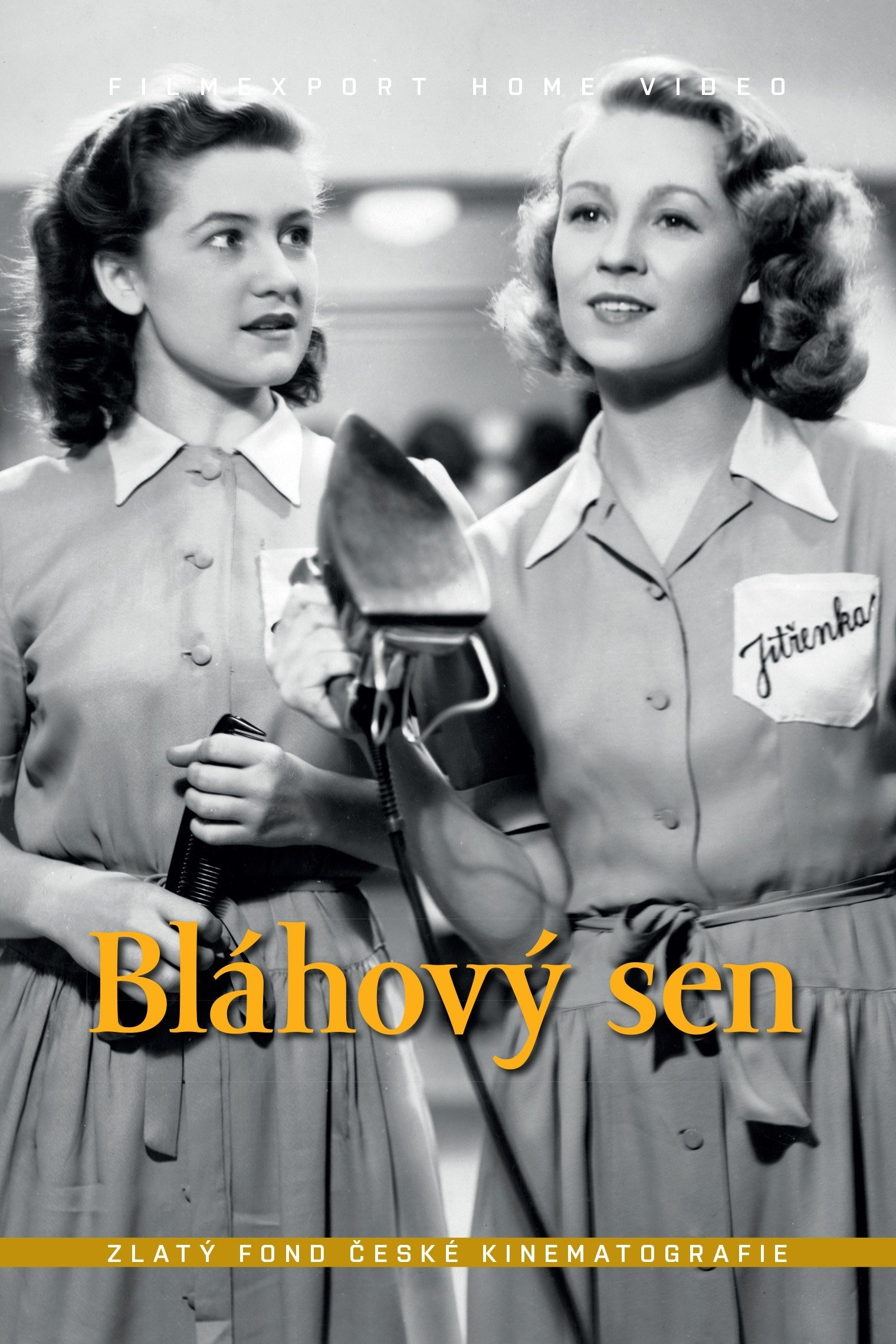
Hairdresser Žofka Stárková desires fame perhaps more than other girls. The petty plans of her fiancé František do not satisfy her wild imagination. Žofka suddenly gains popularity when, while on her way to get an autograph, she discovers the dead body of the famous tenor Helbich and is arrested on suspicion of murder. Helbich actually committed suicide because he lost his voice. After being released from prison, Žofka receives an offer for the lead role in a forthcoming film. The dubious fame confuses her. She leaves her parents' modest apartment and quits her hairdressing business. Unfortunately, it soon becomes clear that she has no talent for acting, and the desperate director has the film edited in such a way that Žofka practically disappears from it...
The younger brother of a brave paratrooper killed by the Nazis joins a partisan unit to avenge his death. The story is still naive in many ways, but the foundations of resistance myths are already being laid here.
An ambitious and selfish lawyer confesses to the murder of his first wife. Some of the scenes were filmed in the last weeks of the war.
An ambitious and selfish lawyer confesses to the murder of his first wife. Some of the scenes were filmed in the last weeks of the war.
In an unsightly tenement house, the walls of which are as peeling as the souls of the tenants, an old woman waits for her son to return from prison. However, her neighbors believe that she is hiding a large fortune in her tattered suitcase, which she protects like the apple of her eye, and they want to get hold of it at any cost.
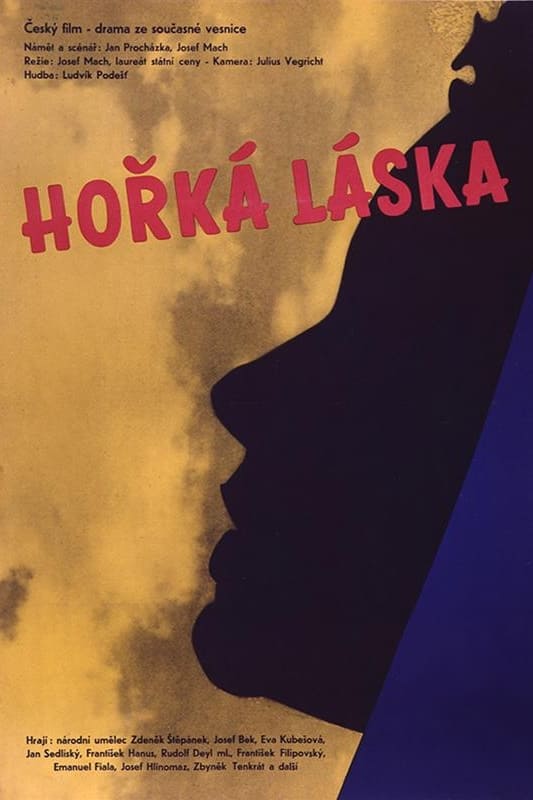
The elder son of the farmer Marunáč dies of a work accident. His wife and younger brother fall in love and try to break free from their despotic father.
The catastrophically dry weather of 1947 causes immense problems in the countryside. In the small village Klícov, only farmers Hánek and Bervida and the old Hromádka have water. The others must queue every day for a drop for themselves and their cattle. All the villagers lament over their previous decision to turn down the cooperative chairman Kouba's proposal to built a new village water-supply system.
A construction comedy about the labor struggle of two groups of workers in a Prague factory. The old group is led by the grinder Karhan, while the young group is led by his son. The struggle between the two groups leads to the emergence of socialist competition and cooperation, in which the old share their experience with the young, and the young share their new ideas.

A biographical film about a Czech mechanic and designer who was the first in the Czech lands to construct a steam car.
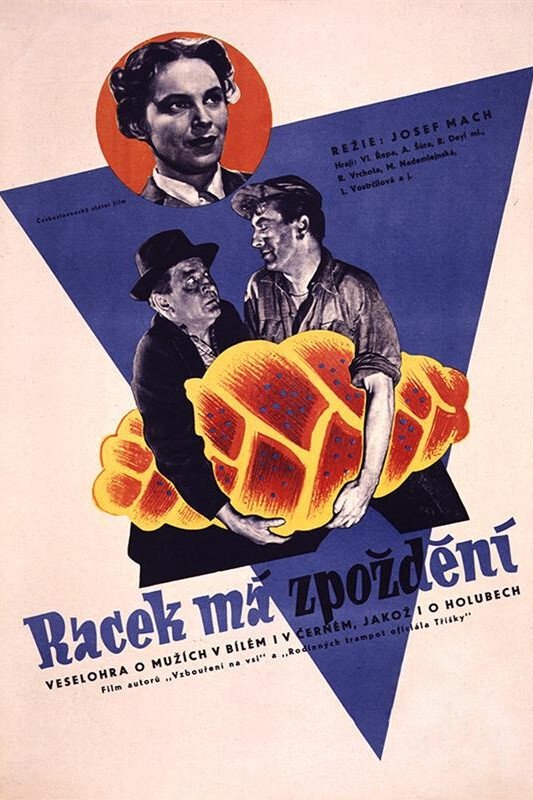
Baker Jan Racek (Vladimír Repa) is a very hard-working and sensible man. His great passion is pigeon-keeping and also, for many years, Ruzenka (Ludmila Vostrcilová). They are going to get married but Racek is busy waiting for the pigeons' return and misses the wedding. The engaged couple is already getting a little older so the otherwise kind Ruzenka gets very angry at this and gives Racek an ultimatum - it's going to be her or the pigeons.
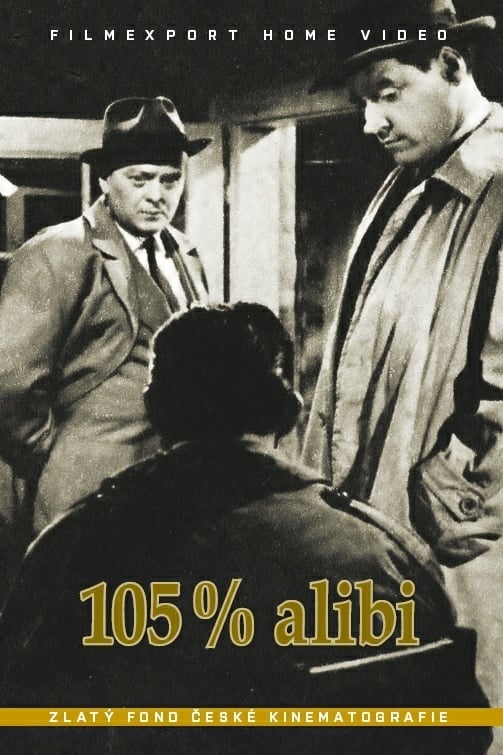
On an early Sunday evening, people of the small town are reading lottery results that are hung on a board. Young man Karel Antos is annoyed that his lottery-ticket missed the main prize, a car, by only one number. Karel is going to the pub to drink away his bad luck with his friend Jirka Broz. The old accountant auditor Zelinka drops a wallet. Karel picks it up and before he gives it back he notices the winning lottery-ticket in it. Both young men accompany the old drunk man. Karel steals the ticket and exchanges it with his own. Next day, Zelinka is found dead. Investigators, Captain Tuma and the Lieutenant Líbal, soon discover that this is a murder case covered up as an accident.
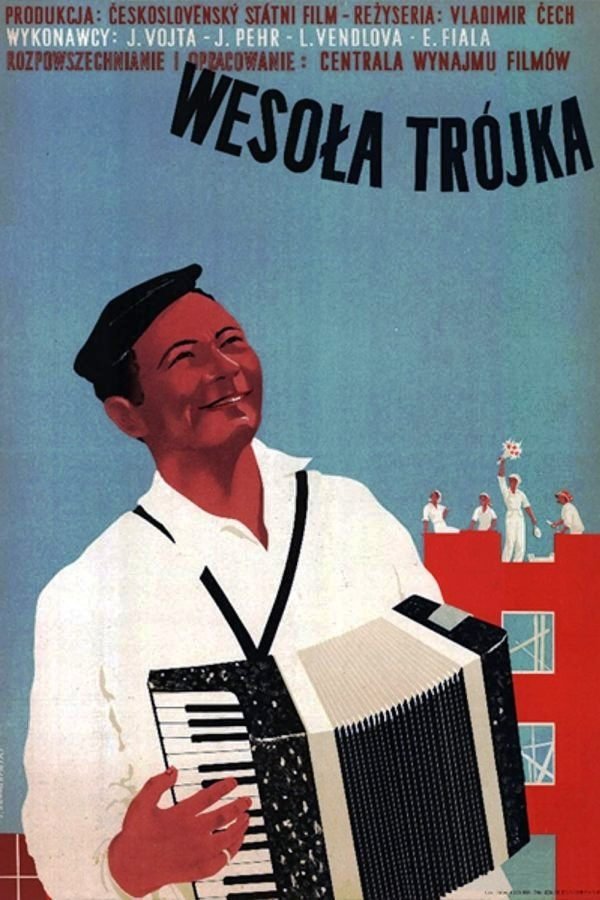
Young bricklayers Franta Doubrav and his friend Béla meet two girls, Mařka and Vlasta, on their way back from a friend's wedding, but they only manage to call them by their name and the construction site they are currently working on. Imagine their surprise when they discover that Mařka is a trained bricklayer who has joined Franta's father's work crew, where she proposes a new way of working that will help catch up on the construction delays. As a young girl, however, she must first deal with the distrust of the older and more experienced bricklayers.
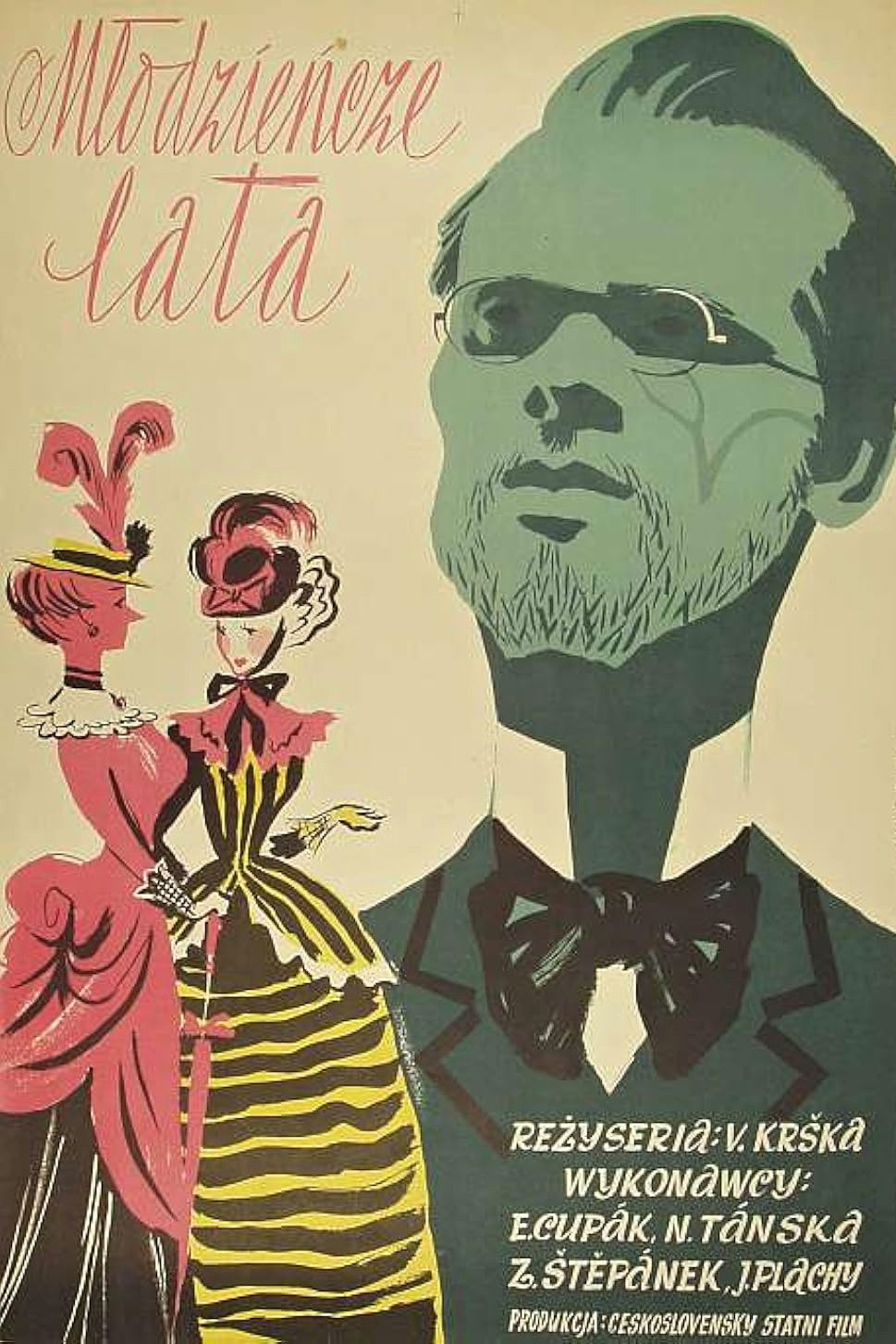
Early Days follows the early life of famous Czech writer Alois Jirásek. Jirásek had already developed his own view of the history of the Czech nation while he was at grammar school in Broumov. When he becomes the supply teach in Litomyšl, he has already written his first book and a number of poems. The local dignitaries await the arrival of the young writer in excited anticipation. Jirásek, however, is sickened by the empty patriotism from the depths of his soul and soon becomes disagreeable to the notables. The district sheriff tries to remove Jirásek from the school and drive him out of town. Unable to do this, the sheriff appoints a pro-Austrian headmaster who attempts to sabotage Jirásek. The students stand behind Jirásek , however, and discontent is not only felt in Litomyšl but throughout Bohemia.
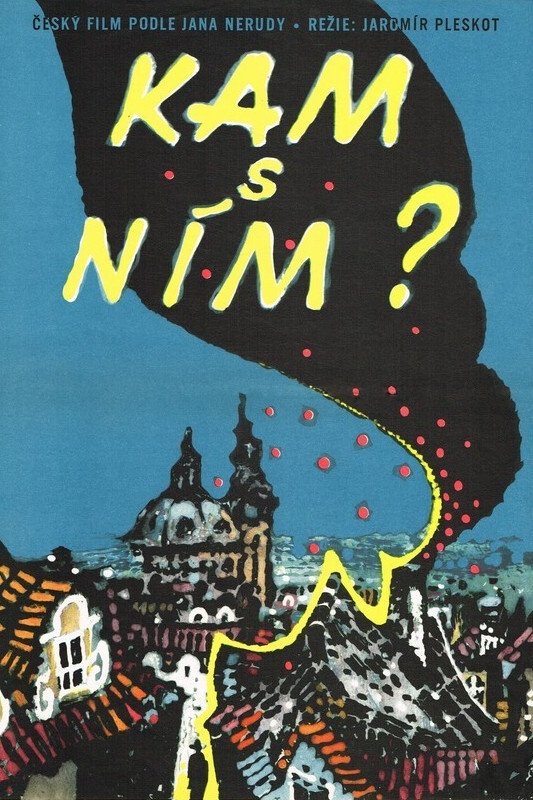
Based on Jan Neruda's column of the same name, which depicts the troubles of an old straw man. The film is introduced by poet Jaroslav Seifert with a speech about Jan Neruda and his work.
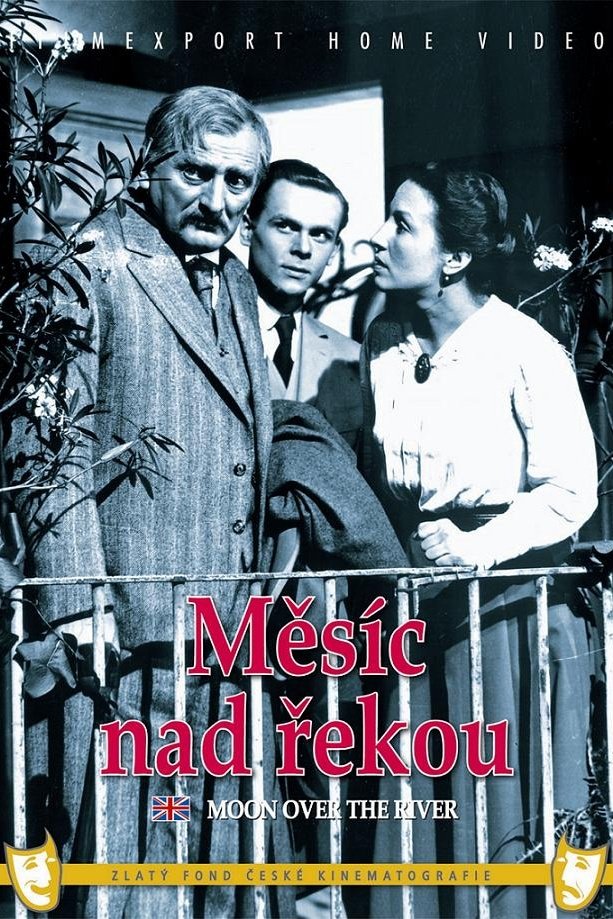
A look back at old classmates at a high school reunion, discovering how life has fruitlessly slipped through their fingers. And they don't even have a chance to break free from the small-town grip.
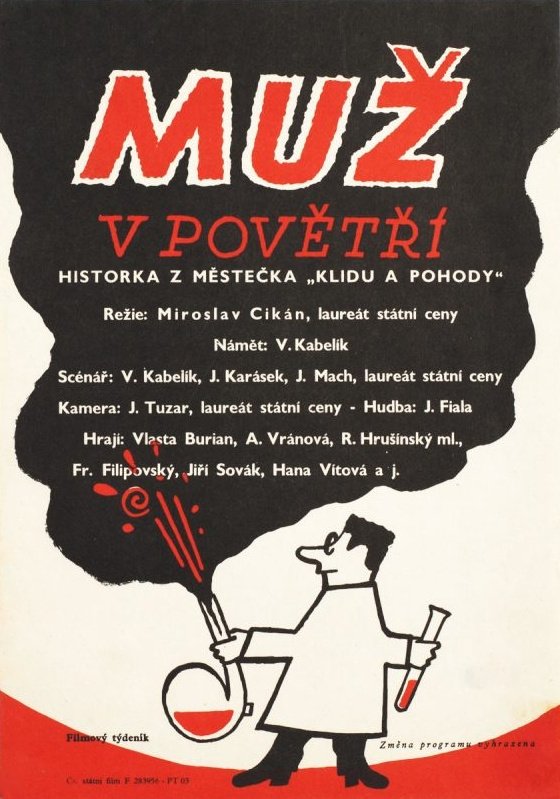
Mr. Čap is an inventor who disturbs the peace of the town of Krásnov with his experiments. During his attempts to discover the eternal match, smoke and a stench pour out of the window, accompanied by detonations. Some people are amused by it, others fear for their lives.
We learn that the greatest virtue of socialist competition is collective cooperation. This is what the young, physically fit assembler refuses to understand. He suspects his co-workers of overlooking his merits out of jealousy. And it takes him a long time to understand that the individual alone can do nothing, that only the collective has the necessary strength - and therefore the truth.
On his first business trip in a new place, driver Rudo has an accident. A drunken truck driver dented the fender of the tatraplane and drove off while Ruda went to a pub for a beer. His situation looks desperate. He arrives in Prague distraught. But his wife Marie finds a way out. She remembers an old friend and hopes he can help them fix the car before morning. The friend, Plachetka, gets other helpers and the car is finally fixed during the night. Plachetka, his wife, Rabas the painter and Kroupa the plumber all lend a helping hand to the couple. Rudo's place is saved. The friendship, willingness and understanding of a few individuals has done a good job.
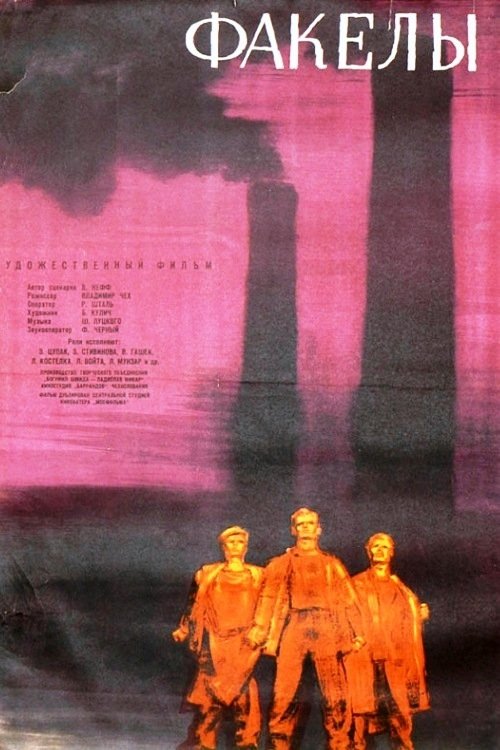
Prague in the 1870s. Work in Smolík's sulphur factory is hard and dangerous to health. The poorly paid workers resemble torches because their clothes are soaked with poisonous phosphorus. Young Josef Rezler also works in the sulphur factory and uses his earnings to feed his mother and little sisters. He throws his perpetually drunken father out of the house. The older worker Brož forces Josef to learn to read and write. A cholera epidemic breaks out in Prague and Josef is the only one of his family to survive the disease...
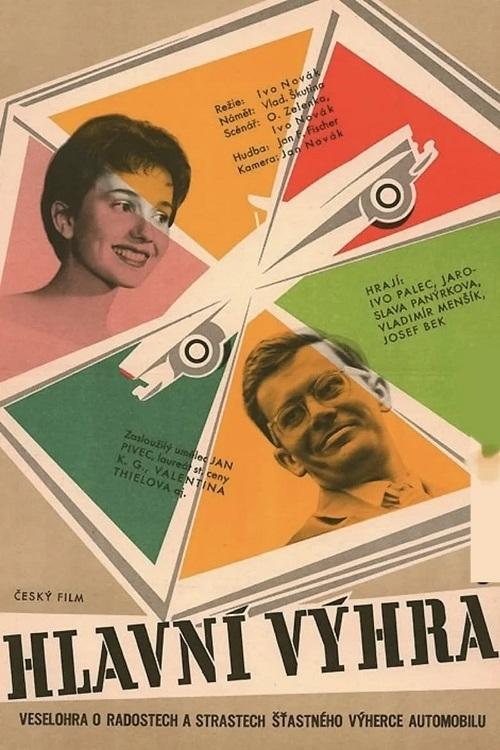
A comedy about a young salesman Havelka, who gets his life's wish. He wins his dream car Spartacus in a lottery. So together with his fiancée, they experience a happiness they have never known before and have no idea that their dream car will complicate their lives...
Frantík arrives in Prague for the holidays and discovers an abandoned tram named Terezka. With local children, he secretly paints and hides it to prevent scrapping, then organizes a scrap-metal collection to raise funds for its restoration.