
It's the 1970s in Communist Yugoslavia. Mother is secretly celebrating Easter at home with children. Father, an army officer and ingrained communist, bursts in during the celebration…

Asja, a 45-year-old single woman living in Sarajevo, meets Zoran, a 46-year-old banker, at a dating event. Zoran is not there looking for love though, but for forgiveness. During the war in 1993 he was shooting at the city from the opposite side, and he wants to meet his first victim. Now, they both have to relive the pain in their search for forgiveness.

Every day Mirza spends with women. Every day he has to re-visit them and make them all happy. Today, he says goodbye to everybody.

Croatia, 1991. Two sisters prepare a special homecoming for their father on the day he’s set to return after three months as a prisoner of war.
Anka, 12, and Yelena, 45, know each other from the neighborhood grocery store where they spend their day, one inside, the other outside. One evening, an unexpected visit provokes an incident that both women will suffer from.
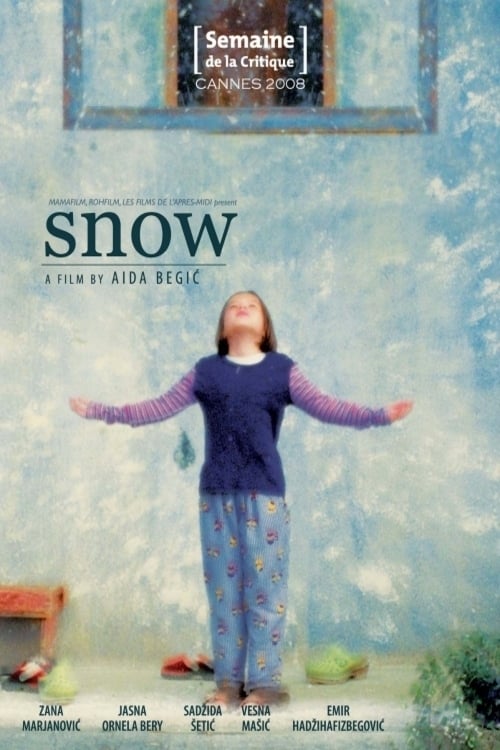
The daily hardships of a war-scarred Bosnian village, where all that remains are widows and orphans, are painstakingly documented in this first feature from director Aida Begic. Snow offers insight about the psychological aftereffects of the 1992-95 civil war from a distinctively female point of view without showing any of the brutality or carnage.

Five uniquely moving films about motherhood—bubbling up in the grocery store, the cemetery, or even a car ride—come together in this omnibus film set in Sarajevo.
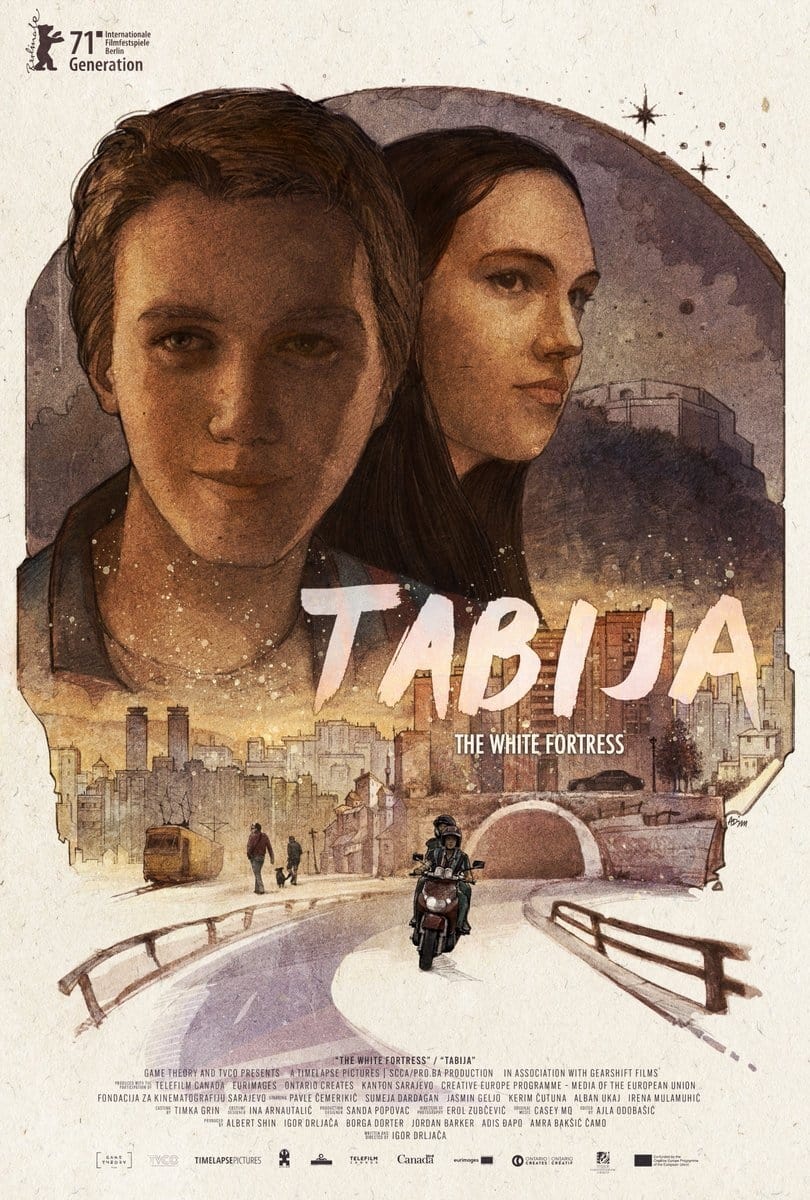
What could be a beautiful fairy tale for some - boy meets girl - could also be the beginning of a horror film for Faruk. The young man is crushed between the dark world of his criminal cousins in Sarajevo and the discovery of love. The film powerfully visualises and contrasts a harshness and tenderness experienced and dreamed.
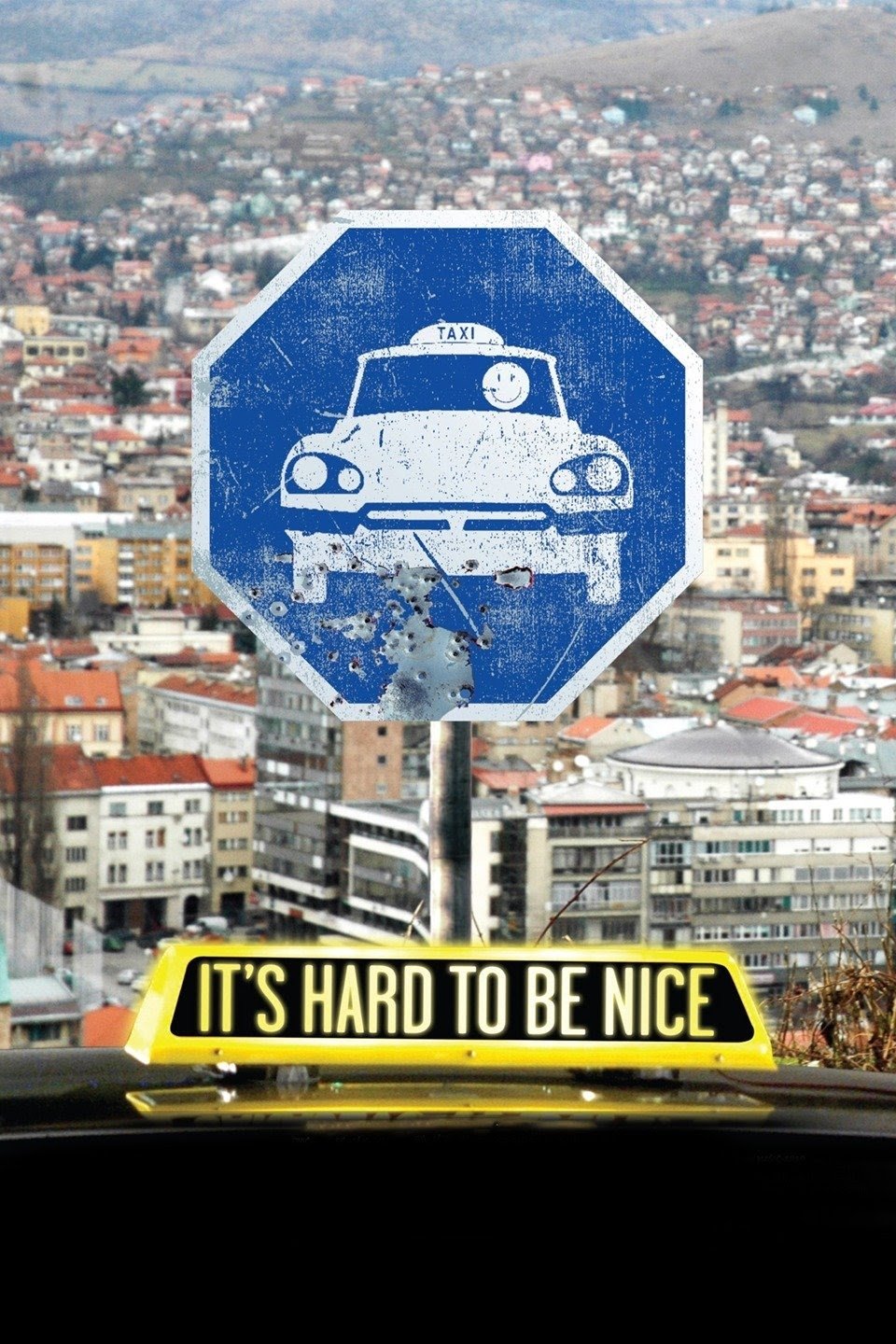
Story about a forty-something Sarajevo taxi driver named Fudo (Saša Petrović) who decides to take control of his own destiny. Fudo doesn't earn much, so he supplements his income by offering tips to the local criminal syndicate and turning a blind eye to their nefarious dealings. One day, after offering a particularly bad bit of advice to a violent gangster, Fudo is badly beaten. When Fudo's wife Azra (Daria Lorenci) discovers what has happened, she decides to take the couple's infant son and move out. Now determined to win his wife back and restore peace in the home, Fudo decides to go straight. But cleaning up his act isn't going to be easy, because after borrowing enough cash from black market dealer Sejo (Emir Hadžihafizbegović) to purchase a van and then refusing to aid him in any underhanded dealings, the only person willing to cut him any slack is the sympathetic Azra.
Six months after the genocide in Srebrenica and after the Peace Treaty was signed, the women still don’t know the whereabouts of their sons. Out of desperation, they organize protests and private investigations. Despite being emotionally fragile, often under-informed and lacking education, these women embody an incredible strength that overcomes all political and bureaucratic barriers. They demand their sons, the truth, and justice, and nothing can stand in their way.