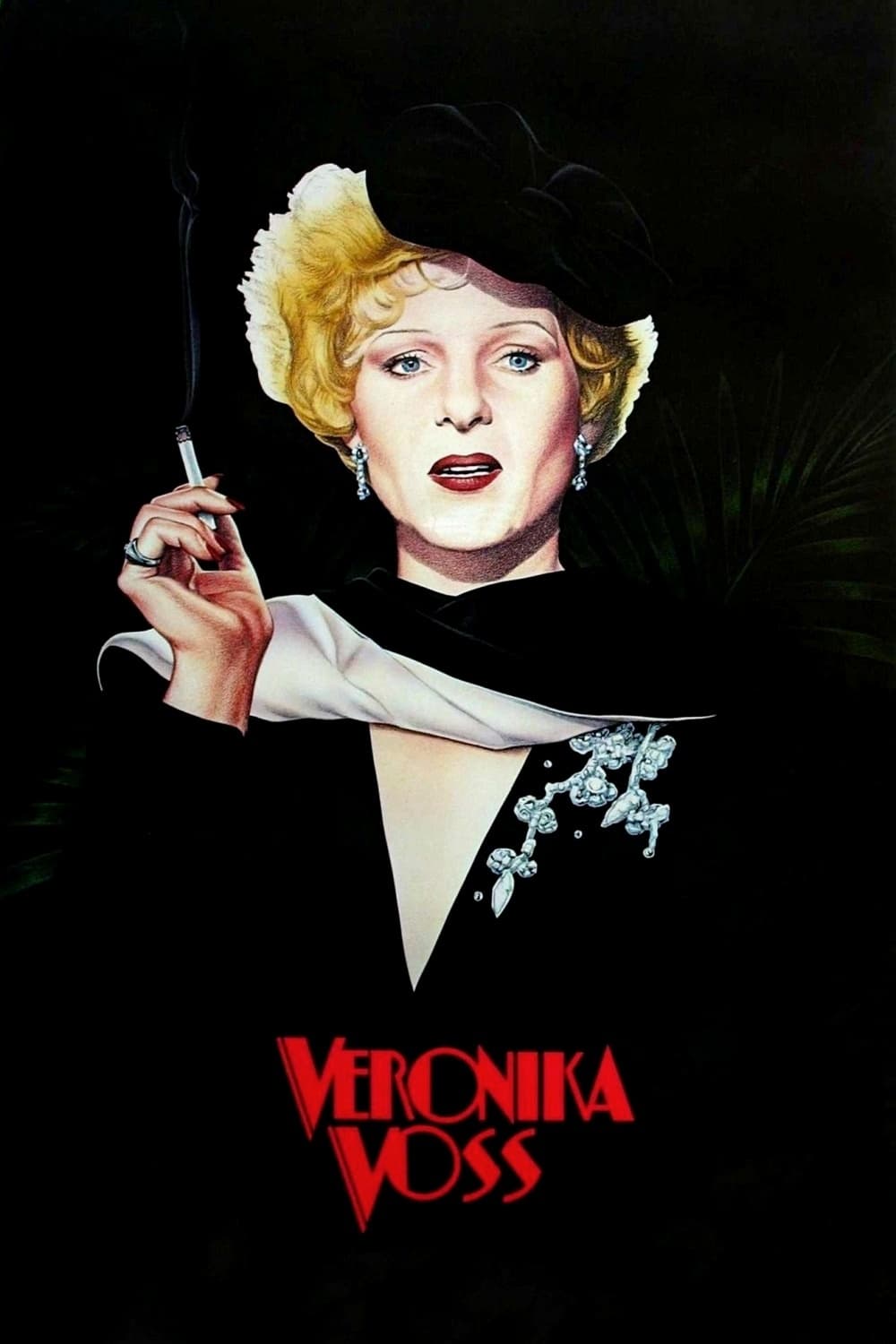
In Munich 1955, German film star Veronika Voss becomes a drug addict at the mercy of corrupt Dr. Marianne Katz, who keeps her supplied with morphine. After meeting sports writer Robert Krohn, Veronika begins to dream of a return to stardom. As the couple's relationship escalates in intensity, Veronika begins seriously planning her return to the screen -- only to realize how debilitated she has become through her drug habit.

Eva’s interactions with men are polite but distant. Grosser, the director of the church choir, is in love with Eva, though he has no hope of a future with her, as she devotes all her care to her mentally disabled son, Oliver. One day, the pimp Hager pulls up in front of Eva’s modest little house; he has come to demand that Eva return a large sum of money with which she eloped twenty years ago.

The subject of this historical drama is a splintering Berlin in the years of 1948 and 1949. Played against the backdrop of social upheaval, the characters in the drama come to epitomize the best and worst of each pole of the political sphere. A 17-year-old hoodlum by the name of Gladow works hand-in-glove with a local white-collar criminal to rob and pillage every day and night, defying capture. While he and his gang of thugs are terrorizing the people of Berlin, the Soviets are trying to make the blockade of their region of control impermeable. The future casts long shadows over the drama, as Berlin's problems take the shape of times to come.
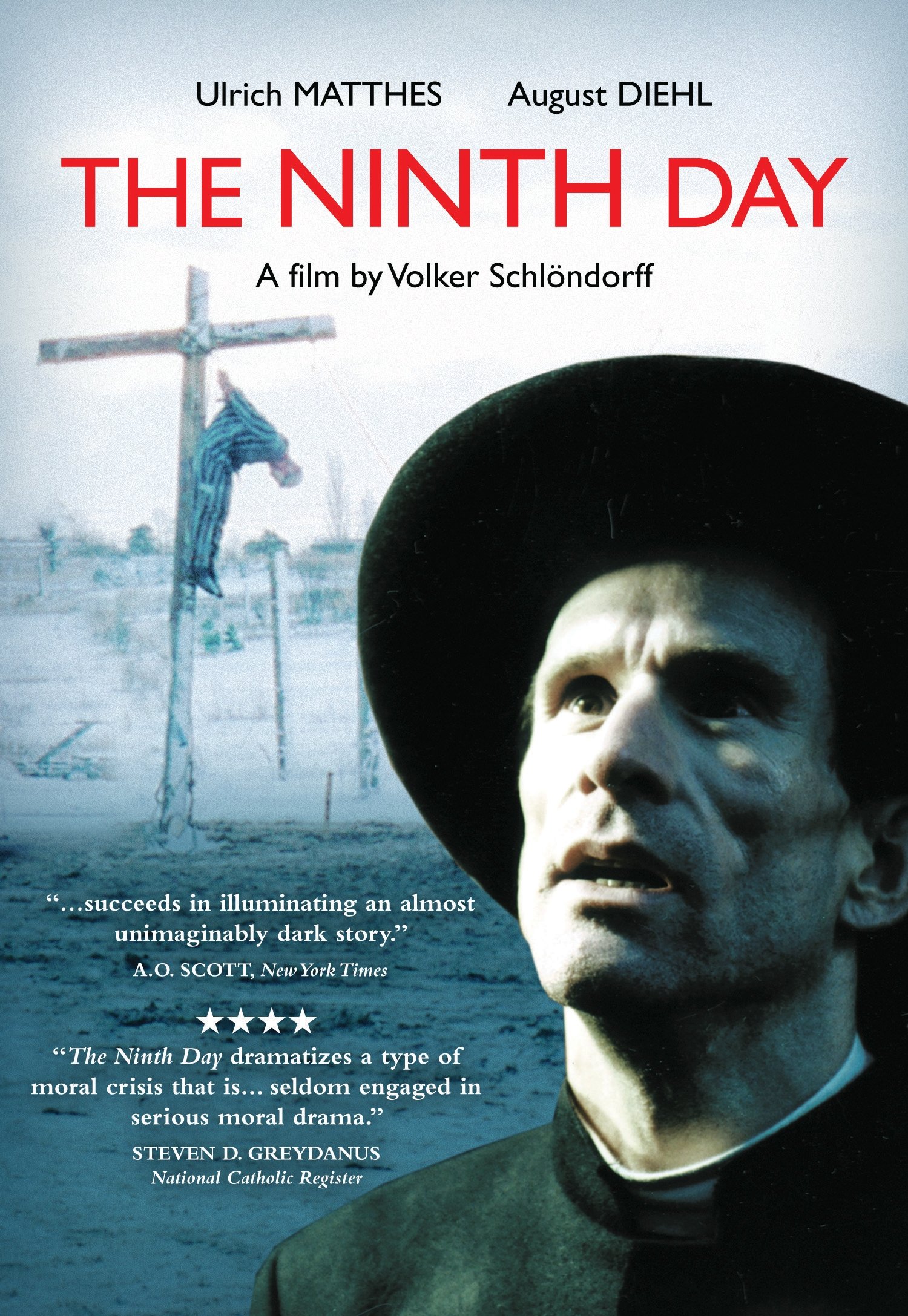
During WWII, head priest Henri Kremer is mysteriously freed from Dachau. He learns that he can return home to Luxembourg, for only nine days, during which he'll have to face a persuasive Gestapo chief who will put his faith to the test.

Early 1921: a man is on his way home. Gleb Chumalov, regimental commander, worker and Hero of the Order of the Red Banner, returns to his home town from the Civil War. The victory over the enemies of the Russian people gives him the conviction that a new, better time will dawn overnight. Gleb looks for his comrades from earlier years, but only finds people who are emaciated by their efforts. The cement works where he used to work has been plundered and abandoned. With great effort, Gleb and his comrades try to get the plant up and running again. The struggle seems to begin anew... It is the time after the victory of the “Great October Socialist Revolution“ and the time of building a new society.

The emotional story of an adulterous relationship between a journalist and a teacher.
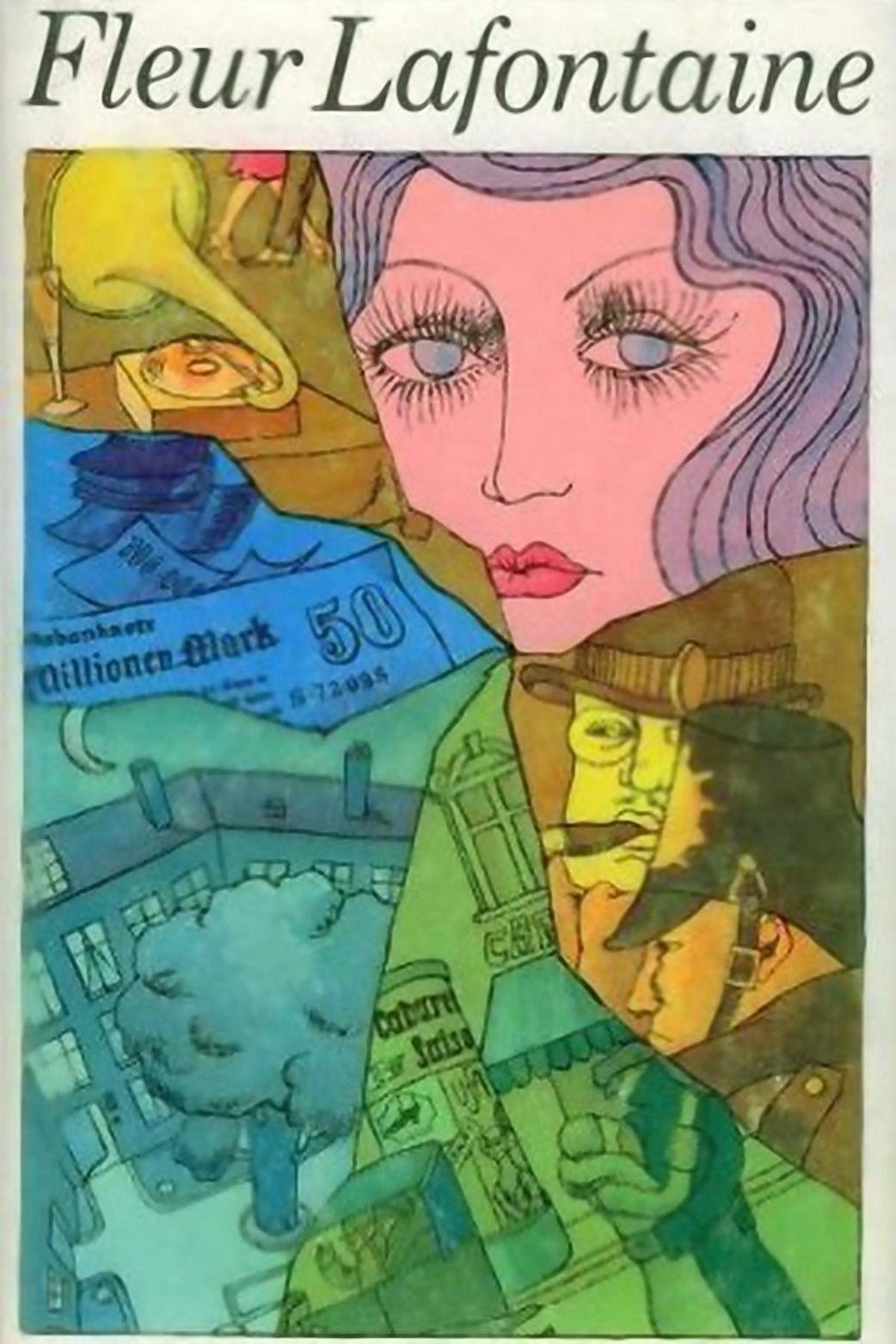
Berlin, 1948: Paralyzed and robbed of her memory, Fleur regains consciousness after a serious fall. The doctor treating her recognizes that her problem is of a psychological nature and encourages her to face up to her past. The daughter of a brothel owner is reluctant to look back: on a hapless childhood, her relationships with bon vivant Dr. Goldner and the politically committed locksmith Philipp (Hilmar Thate) as well as the difficult period of fascism... This exciting journey into the German past is based on Dinah Nelken's novel "Das angstvolle Heldenleben einer gewissen Fleur Lafontaine".

A Jewish chief of surgery in 1933 Germany remains blind to the rising Nazi threat, dismissing political dissent from his son and a patient, until his family faces increasing anti-Semitic persecution.
Eduard and Charlotte live an isolated and idyllic life together. But soon Eduard feels that something is missing and he invites his friend Otto to come stay. Charlotte, meanwhile, decides that her foster daughter Ottilie should come live with them. Complex and passionate relationships between the four people begin. Based on Goethe's novel of the same title.
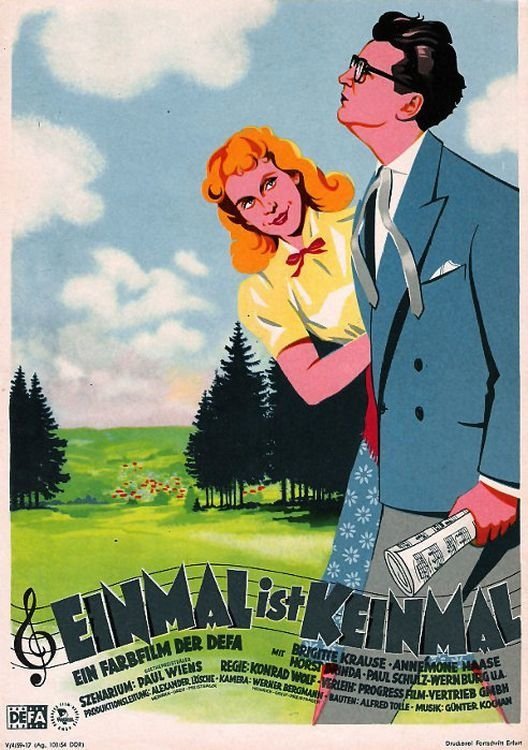
A musician seeks a peaceful vacation in a Vogtland village but is soon overwhelmed by requests for a symphonic composition and a pop song for a local dance band, leaving him with no time to relax.
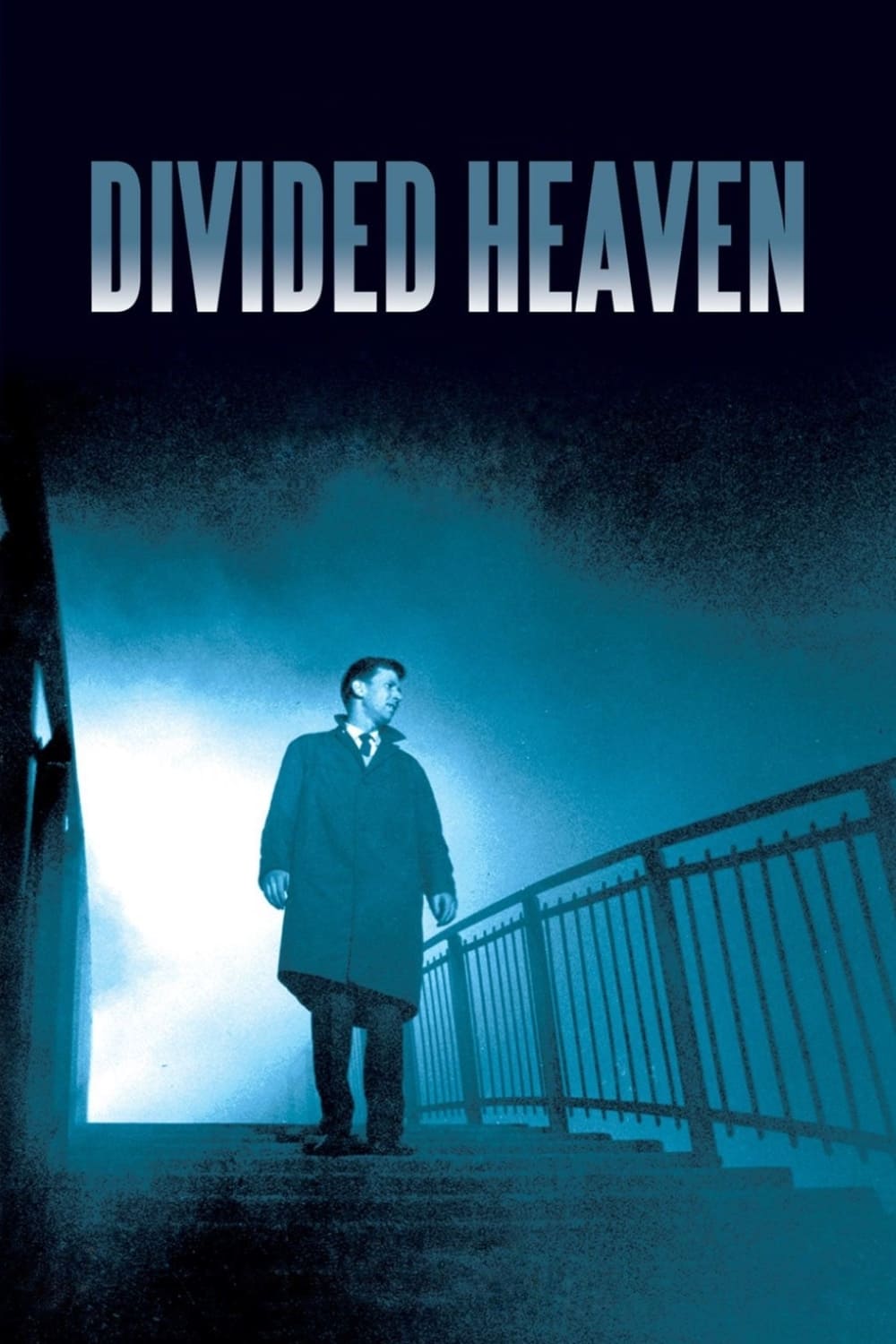
After a breakdown, Rita returns to her childhood village in 1961. As she recovers, she remembers the past two years: her love for the chemist Manfred, ten years her senior; how his enthusiasm about his new chemical process turned to bitter disappointment in the face of official rejection; how he escaped to West Berlin a few weeks before the Wall was built and hoped that she would follow him …
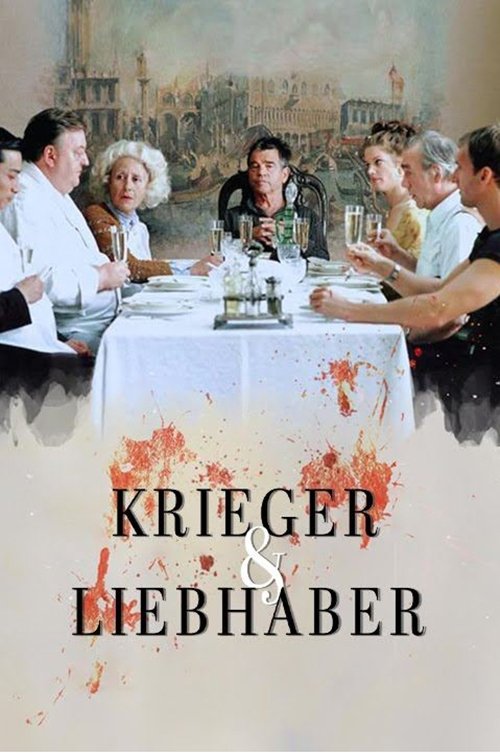
Underworld boss Caesar has a close male friendship with his personal chef Alfons. However, this is put to the test when Caesar wants to have his unfaithful wife Milena killed - and Alfons stands in his way.

A film about the historical uprising of the seamen in Kiel: During the Russian October Revolution of 1917, German and Russian soldiers start to solidarize with each other. By disarming the officers, machinist Henne Lonke and stoker Jens Kasten prevent the attack on a Russian freighter. When German admiralty gives out orders for operation "Nibelungen", which would lead the German fleet into a suicidal attack against England and quell the revolutionary spirit, seamen and soldiers from different political backgrounds unite in protest.

During the October Revolution in 1917 the Bolshevik Party appointed a woman commissioner of the “Free Anarchist-Revolutionary Section”. This regiment emerged from an anarchist division of the ship of the line “Imperator Paul I.”
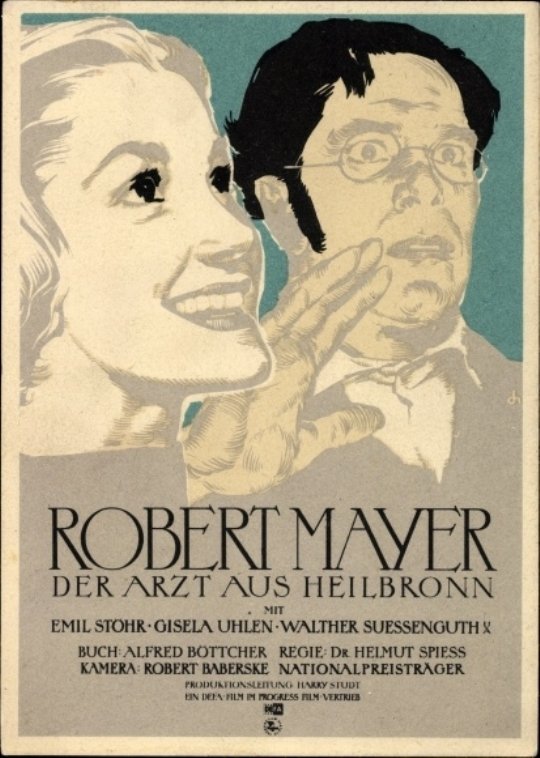
Biographical movie about Julius Robert Mayer (1814-1878), a surgeon and town doctor in Heilbronn, who studied heat for many years and was the first to correctly formulate the basic principles of the theory of mechanical heat and the principle of conservation of energy. Competing Prussian scientists laugh at him, and his life is full of misunderstandings and persecution. The film tells of his fate and his long and futile struggle for recognition of the results of his scientific work.
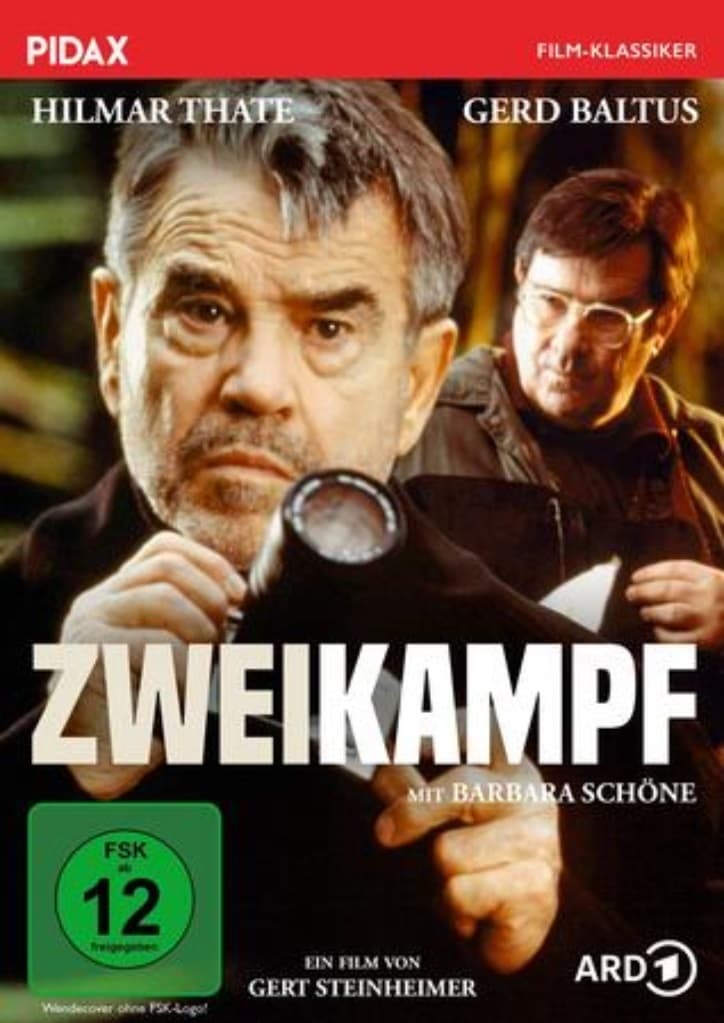
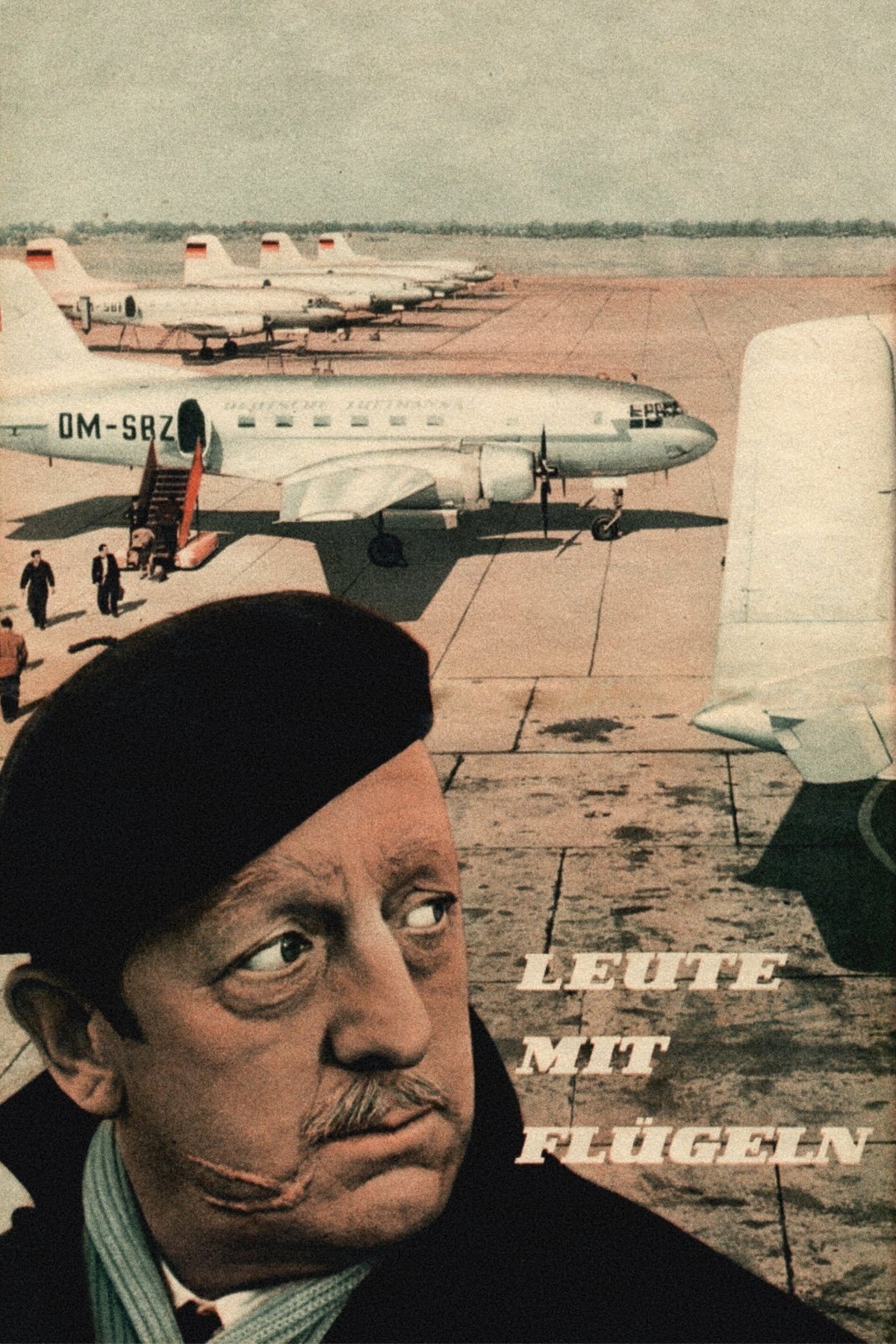
This film continues the story of radio operator Ludwig Bartuschek from “The Sailor’s Song”. Near the end of the Weimar Republic, Bartuschek (Erwin Geschonneck) is working as a mechanic in the Sperber airplane plant. Director Dehringer offers him the opportunity to train as an airplane constructor if he is willing to give up his communist beliefs under oath. Bartuschek will not allow himself to be bought and instead joins the underground resistance movement.

Set against the backdrop of post-unification Germany, the film explores the breakdown of relations in a decaying social structure.
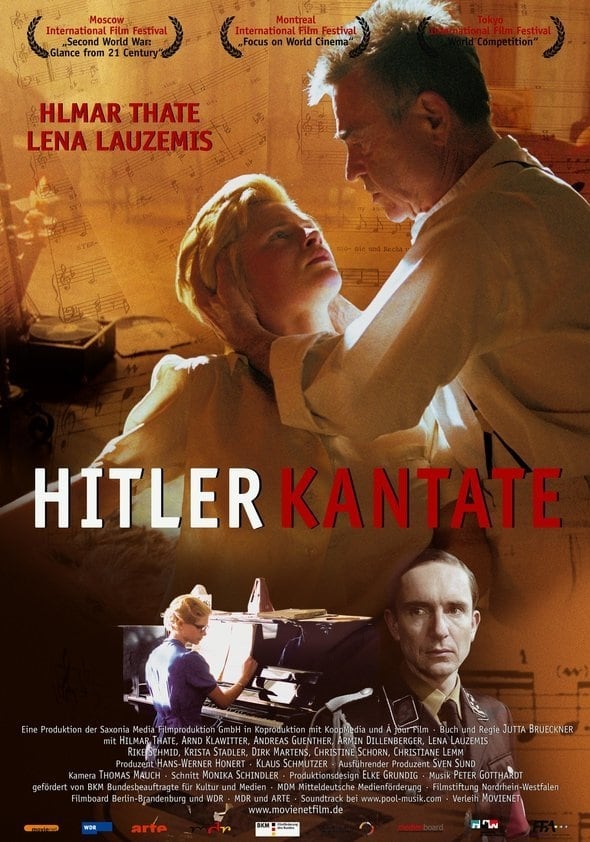
Berlin during the Nazi reign: Young music student Ursula is a talented musician and a fervent admirer of the "Führer". When she is asked to assist renowned composer Broch, who was ordered to compose a cantata for Hitler′s 50th birthday, it first seems like a dream fulfilled. Over the time, Broch and Ursula fall in love, and her relationship with the former communist gradually changes Ursula′s perspective on the realities of Nazi Germany. But falling in love with a Nazi means a huge moral conflict for Broch.

It is a fateful moment: during one of his concerts, Jewish pianist Klaus Seiser discovers Gestapo officer Dr. Becker in the audience. He had imprisoned and harassed the young Seiser in 1943 because of a leaflet. Although the musician had managed to escape from prison at the time, he was caught at the Swiss border and Becker had him sent to Dachau concentration camp. Now, years after the end of the Nazi regime, Seiser denounces the Gestapo man and hopes for justice.
Victory and demise of the first proletarian dictatorship in the history of mankind, about the struggling, bleeding workers of Paris who enthusiastically defend their historical initiative. The little Cabet family from Rue Pigalle and their friends let the spectator participate in the action.
A divorced woman tries to restart her life.
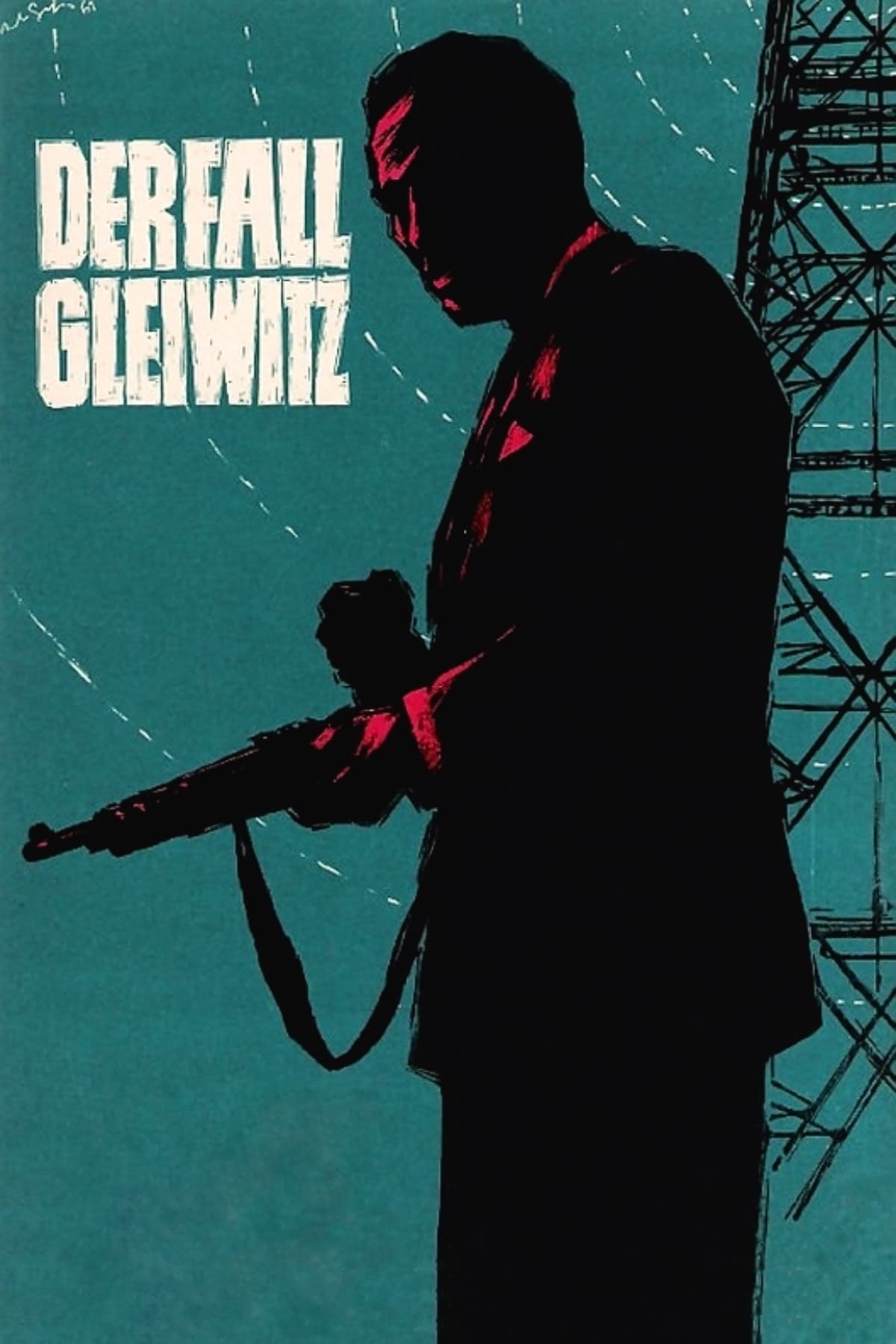
To justify their invasion of Poland at the start of WWII, Nazi high command hatches a secret plan: six Polish men from an SS training camp are sent on a special mission to the town of Gleiwitz, to fake a Polish raid on Germany. The ‘provoked’ Germans will thus launch a ‘counterattack’ on Poland.
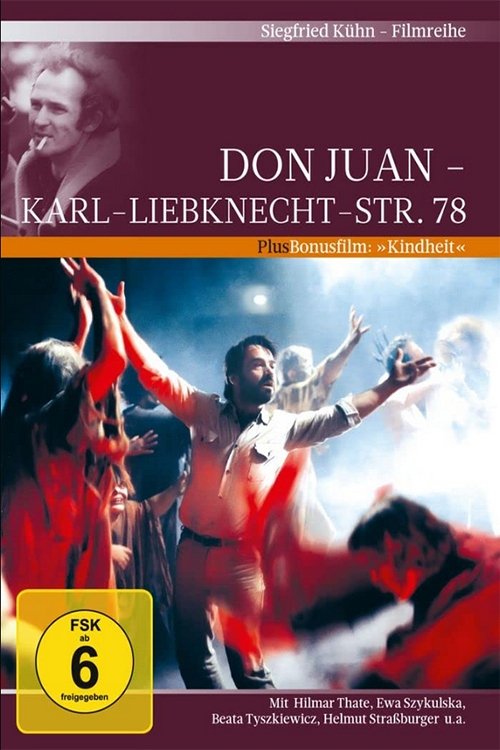
In a backwater town, opera director Andrej Wischnewsky is supposed to put on a production of Mozart's "Don Giovanni".
At a farm-equipment plant, production lags at 89 % and a new, untested combine proves a “failure” in the fields. A promising redesign exists, crafted by a transplanted West German engineer, but he’s mistrusted. Meanwhile, workers and the Party secretary blame plant director Berendonck’s poor leadership. As harvest season looms, personnel upheaval and swift action are needed to install the reliable new machine and get production back on track.
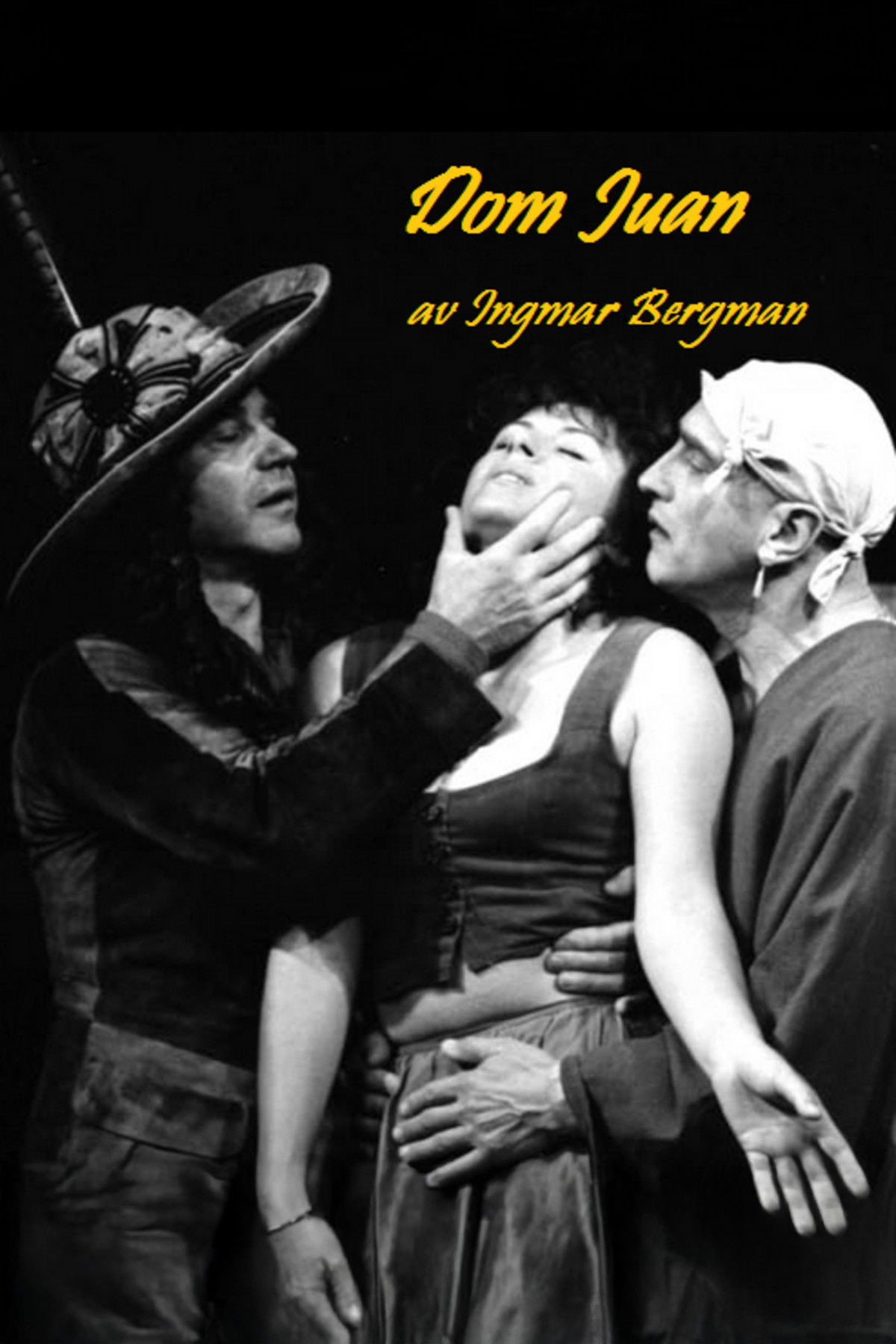
Filmed for television, this production adapts Molière’s Dom Juan (or The Feast with the Statue), following the final days of the libertine Dom Juan Tenorio as he seduces, deceives, and provokes those around him. His servant Sganarelle serves as a constant companion and observer, accompanying Dom Juan toward the reckoning implied by the play’s statue motif.
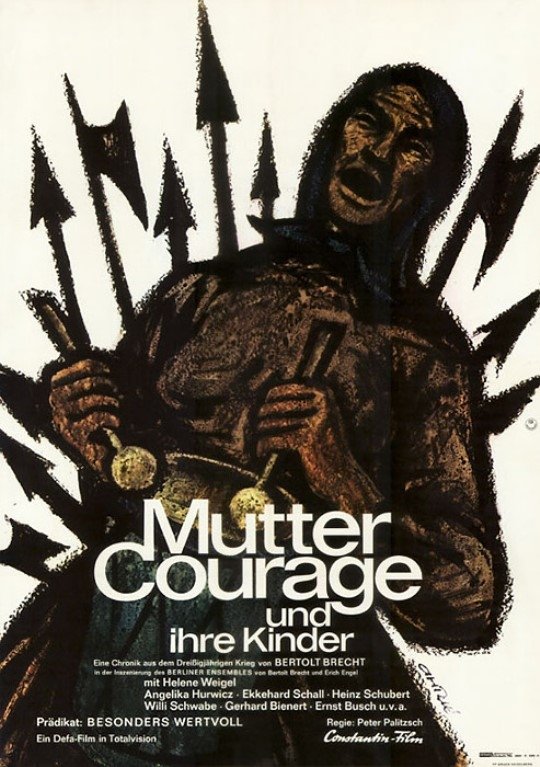
During the Thirty Years' War, the camp-follower Anna Fierling, called "Mother Courage", travels the length and breadth of Europe with her covered wagon. She does not care if it's Catholics or Protestants she trades with as long as business thrives. She loses her three children as a result of the war: bold and spirited Eilif, sincere and upright Swiss Cheese and mute Katrin, who saves the children of Halle by beating a drum on a farmstead roof In wartime, the Fierling children's virtues prove to be deadly. Yet, Mother Courage, remains incorrigible. She will not have anyone "spoil the war" for her and so sets out once more after the soldiers with her wagon.
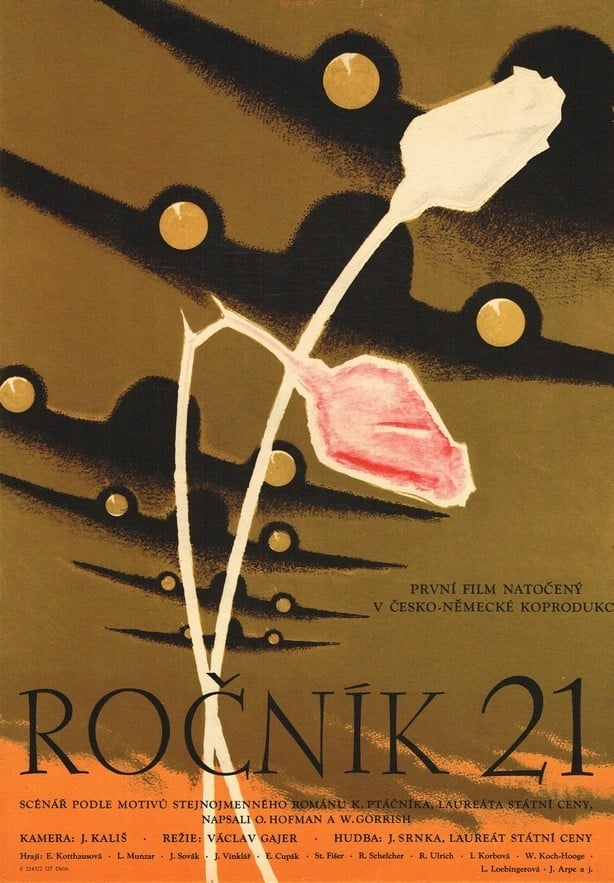
At the beginning of the Second World War, Czech music student Honsik comes to Germany from Prague to join a "foreign worker company". After rescuing a boy from the rubble of a bombed-out house, he himself is seriously injured and taken to a hospital in Stralsund. There he is regarded as a second-class citizen and the Germans are preferred to him. Nurse Käthe stands up for him, cares for him and defies all prohibitions. A love affair is kindled between the two, but it is not under a good star. Honsik tries to flee to his homeland with his comrades and Käthe supports him. At the last moment, however, Honsik realizes that his love for Käthe is stronger than his homesickness and makes his way back. Once back home, he can only watch as Käthe is arrested by the Gestapo. With the help of a resistance fighter, the young man from Prague manages to escape after all.
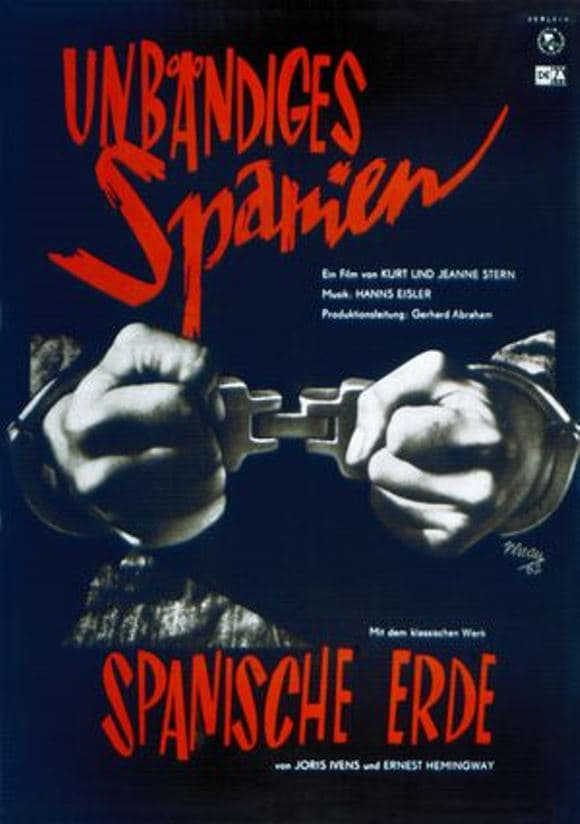
Documentary film about the Spanish Civil War.
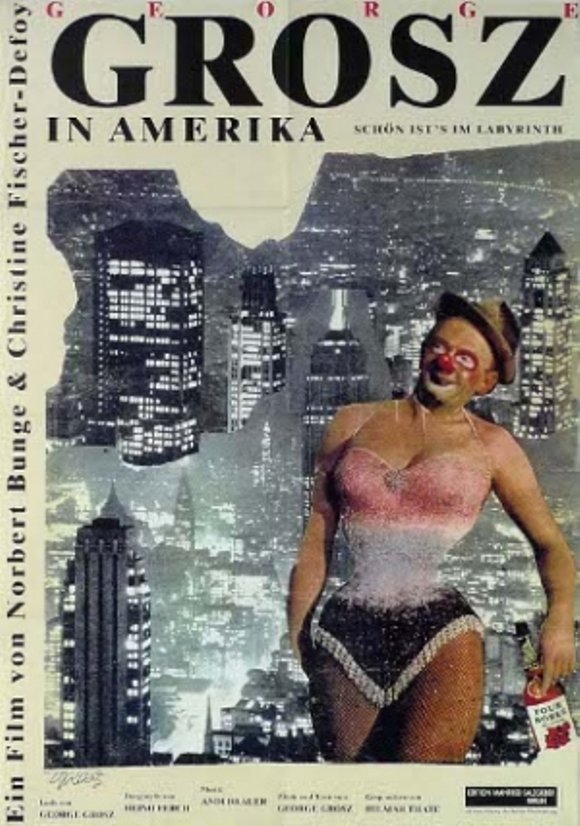
George Grosz, born on July 26th in Berlin, vicious draftsman and painter of the face of the ruling class, enfant terrible of the 1920s, accused of pornography and blasphemy, was one of the most popular visual artists of the Weimar Republic. Little is known, however, that Grosz spent half of his artistically productive life in the USA before returning to Berlin in 1959.
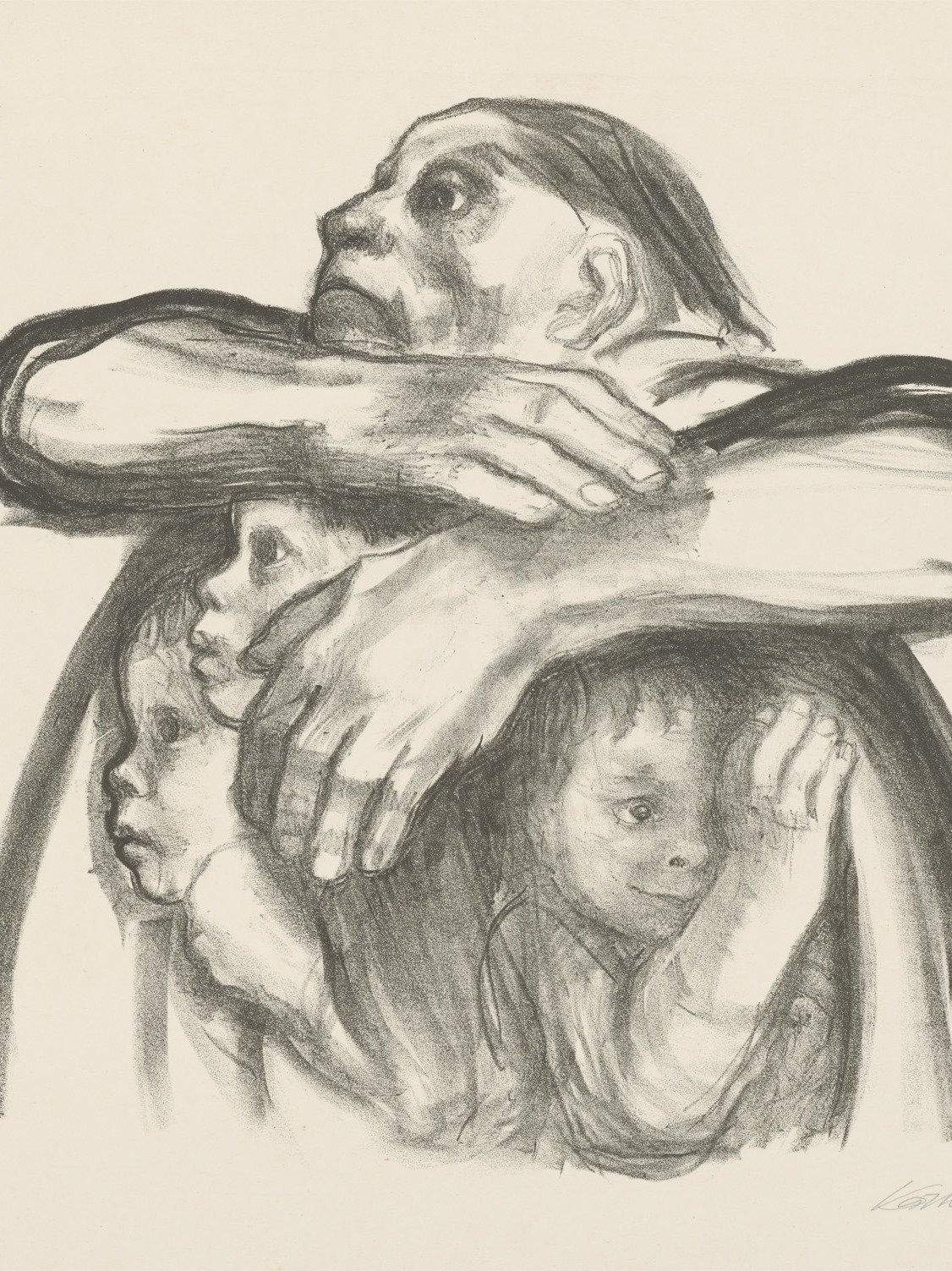
Tetzlaff's documentary combines historic film footage and photographs with quotes from Kollwitz's diary and images of her sculptures and graphic works, including The Weavers' Revolt (1893-97), The Peasant War (1902-08), Woman with the Dead Child (1903) and War (1922-23), her famous series of seven woodcuts.
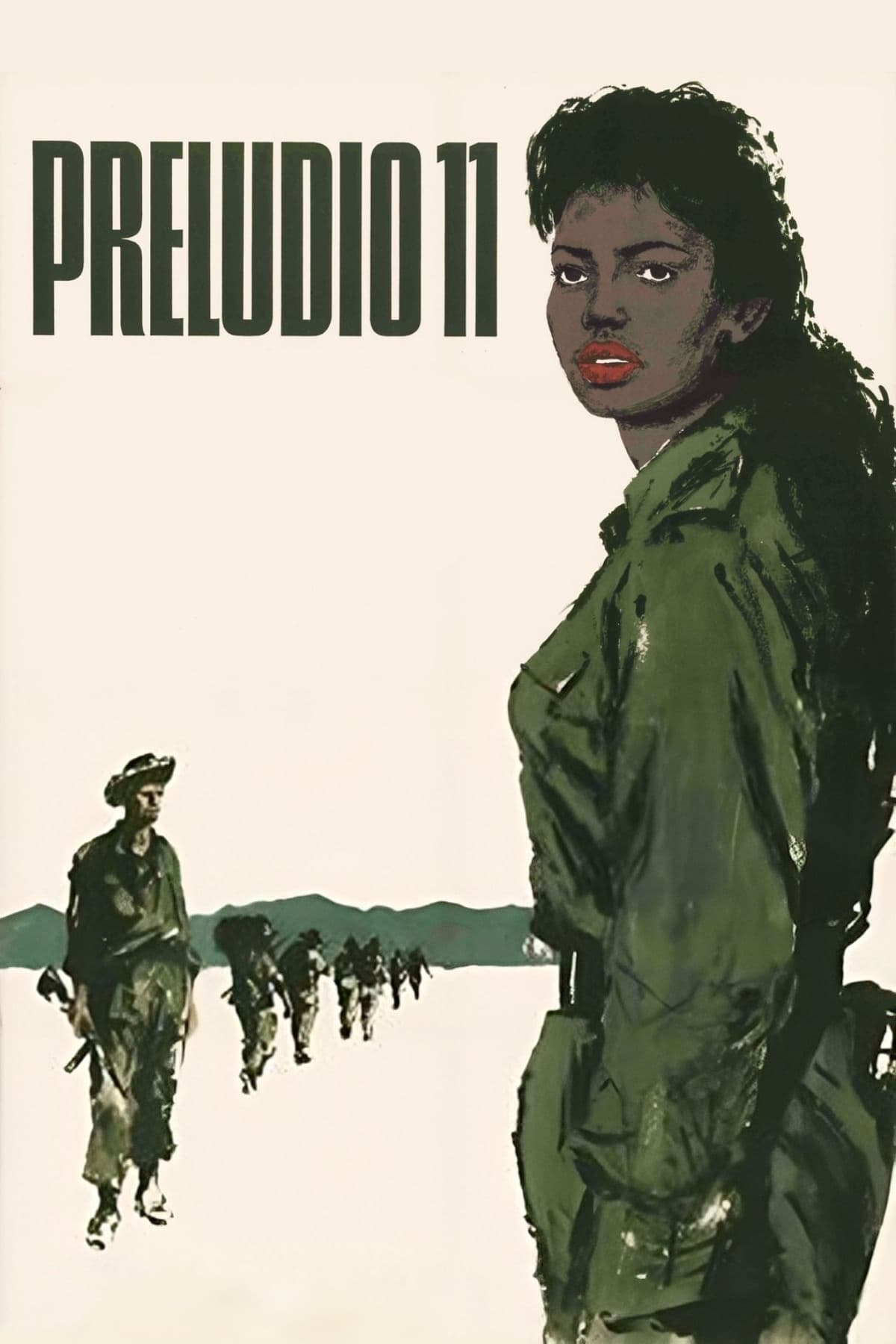
Daniela – a single mother, whose boyfriend left for the US – believes wholeheartedly in Cuba's revolutionary new order. Meanwhile, in Florida, a plot is afoot. Under the command of an American officer, four Cubans ex-patriots and a Guatemalan land on the Cuban coast to prepare a US invasion of the island. Daniela's superior, the corrupt Cuban officer Palomino, is secretly helping the invaders and the young woman becomes entangled in the intrigue.

A feuilletonistic conversation with the movie audience about the question: How do you feel about going to the movies? In general - and especially in summer? What do people expect from movies these days and what criticism do they have on their minds? The interviewees are vacationers of all ages and tastes. The occasion and background for this not entirely serious survey is the 1965 Summer Film Festival, which is captured in a cheerful reportage style. Interviews with actors on the festive opening evening and climax of the film confirm that there is only a relative cinema fatigue. It depends on the quality of the film on offer.
A film about Jewish cemeteries in East Berlin, based on a screenplay by Günter Kunert, with text by Rabbi Martin Riesenburger. There are shots of gravestones and inscriptions – deported, murdered, perished; in Auschwitz or Theresienstadt. Commentary reminds us of the victims – "in 1933, 160,564 Jewish citizens lived in Berlin; in 1945, 3,500".
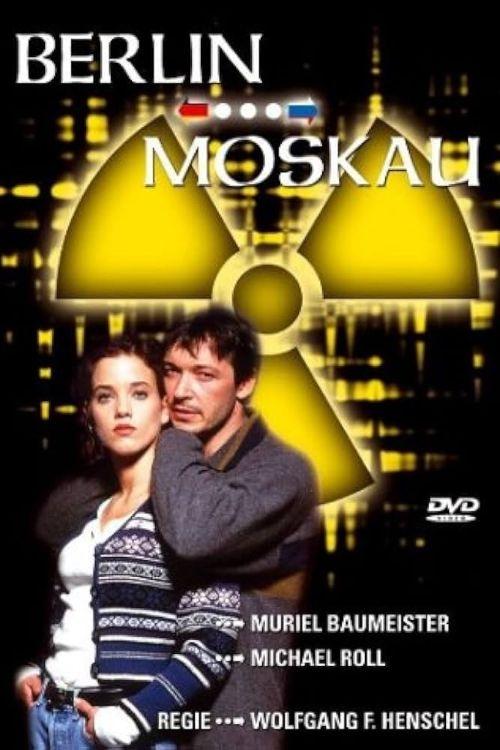
By coincidence, a couple who have just fallen in love are targeted by the Russian mafia, who have made a deal with a shady Berlin businessman and a corrupt politician. When the young woman is kidnapped, her boyfriend sets off on a dangerous search for her.

The artists Käthe Kollwitz, Otto Dix and Otto Nagel used different forms of expression, but had the same goal: fight against war, against exploitation and for the liberation of oppressed people.