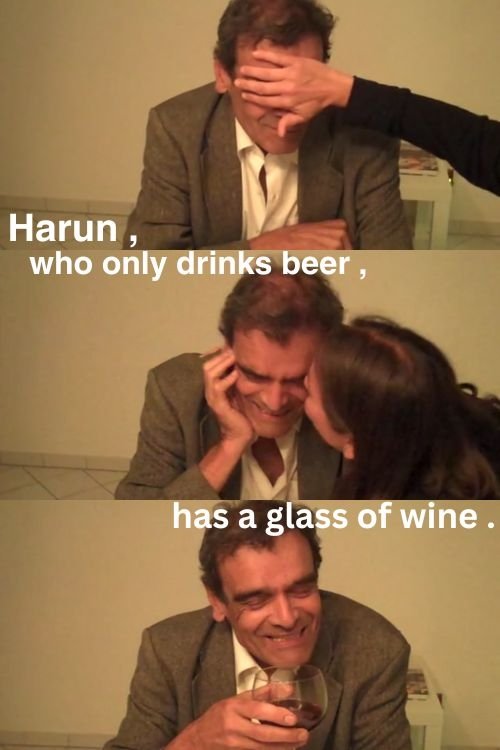
An homage to Harun Farocki, who left us too soon. I hope this memory of a wonderful summer night in Berlin testifies to his openness and generosity.
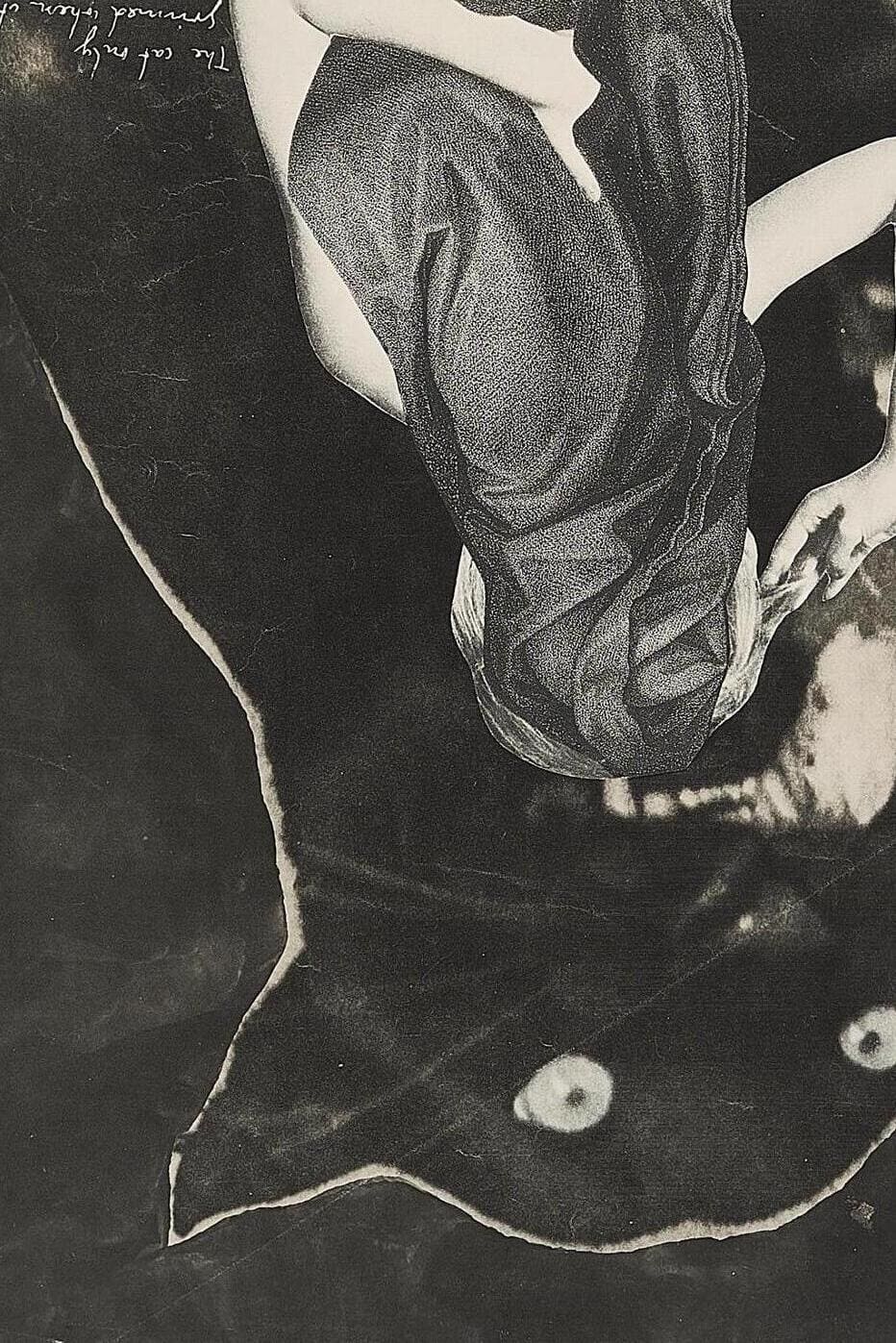
This Harun Farocki film shows the creation of a picture on which the artist worked for nine weeks. Sarah Schumann lives in Berlin and is a pioneer of the feminist scene. 1977 together with several other artists she organized the first large exhibition in which only work by women was shown. Sarah Schumann paints figuratively, that is to say she has developed a technique using layers of collage and painting worked on top of and into one another. Regarding a picture becomes an adventure. (harunfarocki.de)

Among the "political" filmmakers who got their start in the student movement, Harun Farocki is perhaps the most formally brilliant and conscious, and today he is exploring new documentary territory with his video installations.

A West Berlin doctor, married with a two-year-old child, leaves her husband to go to Munich to work in the birth clinic of a hospital. Her husband doesn’t know that she’s pregnant with their second child. Will she have to choose between motherhood and her career?
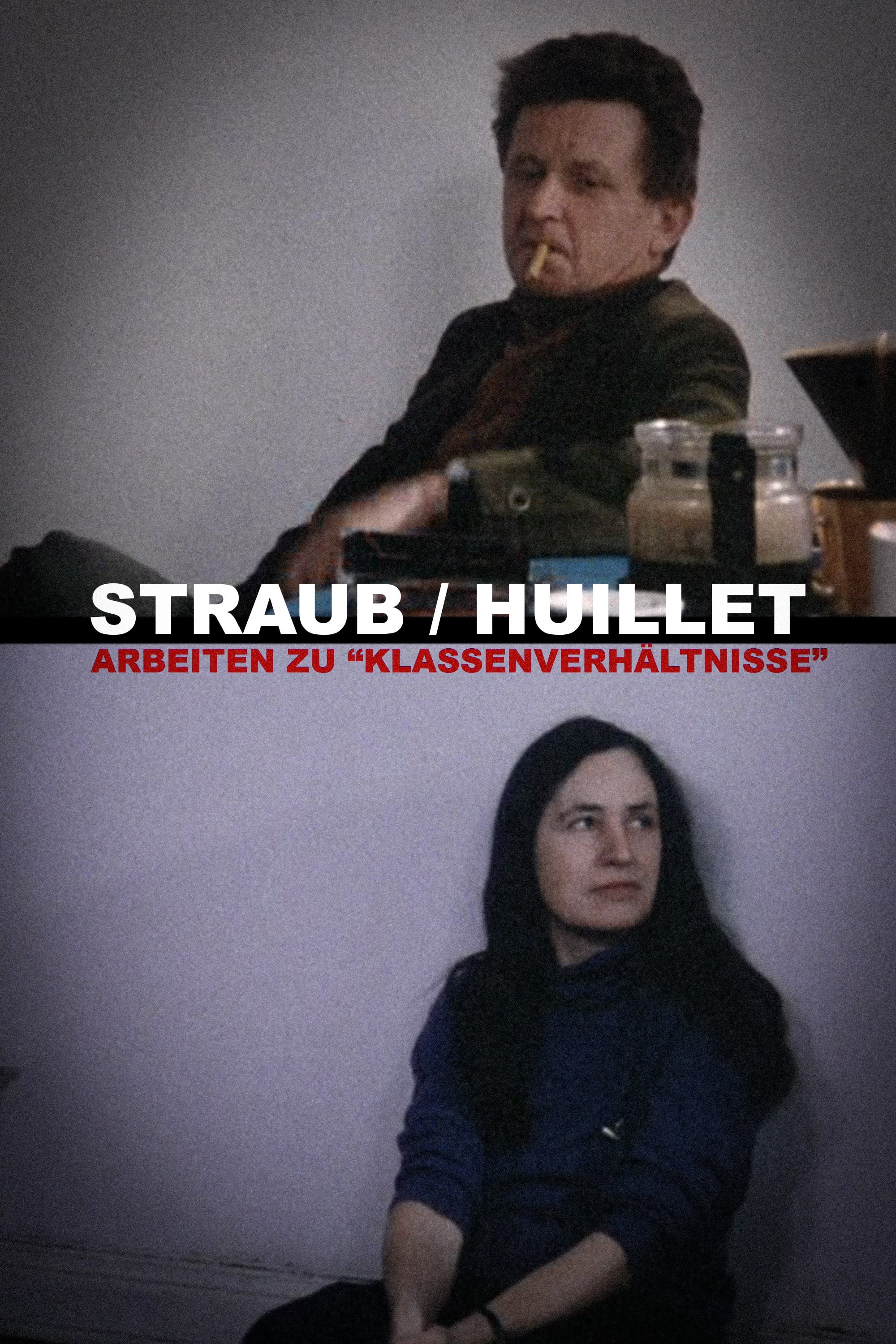
A behind the scenes film of Class Relations.
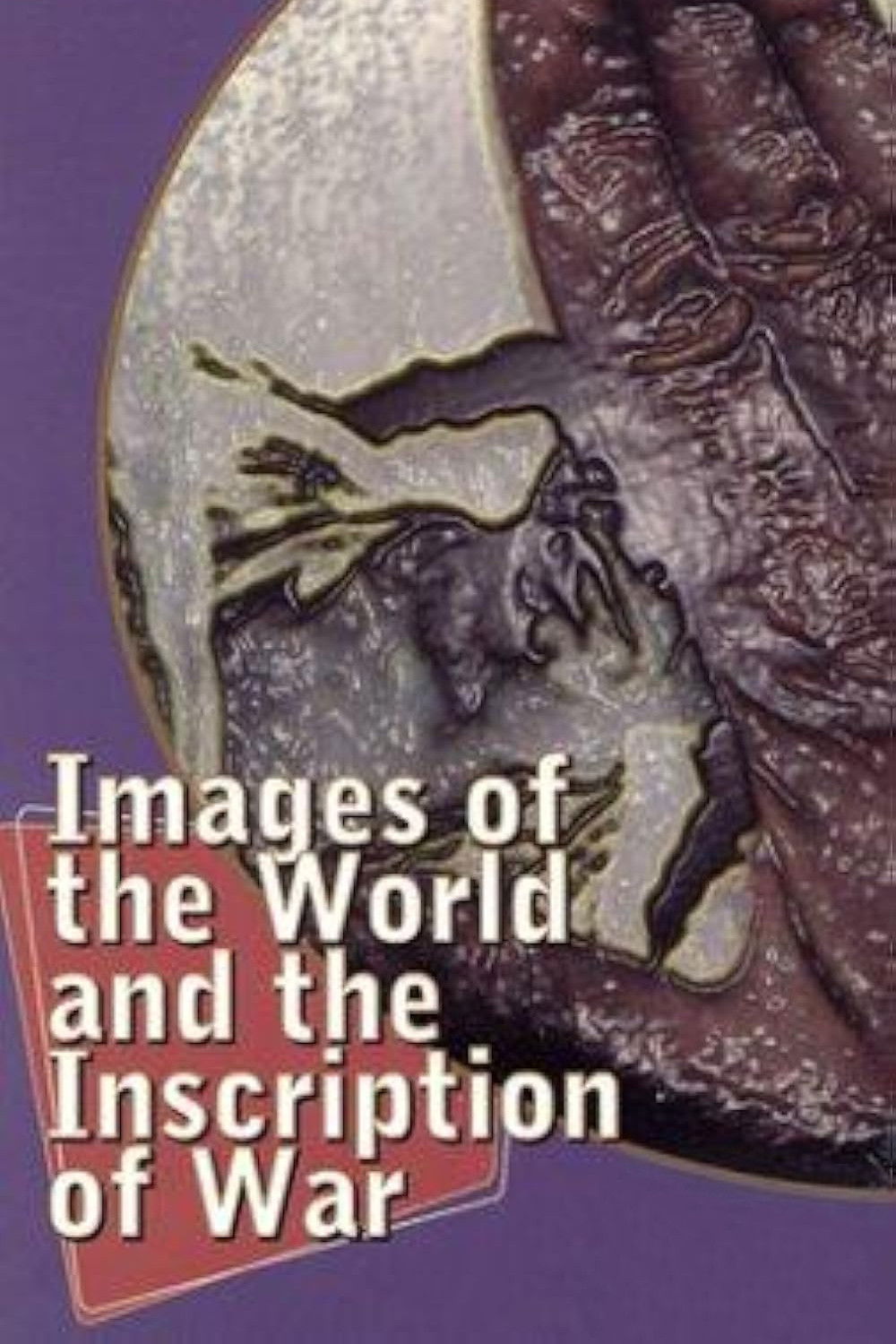
Farocki’s intriguing and troubling film explores the processes of visual perception and how they affect our understanding of history and society. In a work reminiscent of the writings of Paul Virilio and Michel Foucault, Farocki examines a range of phenomena including aerial reconnaissance photos of the Auschwitz concentration camp.
Only the chosen few know this woman who started working as a secretary for the German Film and Television Academy (DFFB) on 13 February, 1966. The path of Helen’s career is paved with famous names – including that of Wolfgang Petersen, Holger Meins (who later became a member of the Red Army Faction) as well as directors Wolfgang Becker, Detlev Buck and Christian Petzold. All have fond memories of forgetting their troubles after having poured their hearts out over a cup of coffee in Helene’s office – for Helene was both friend and advisor to countless film students.
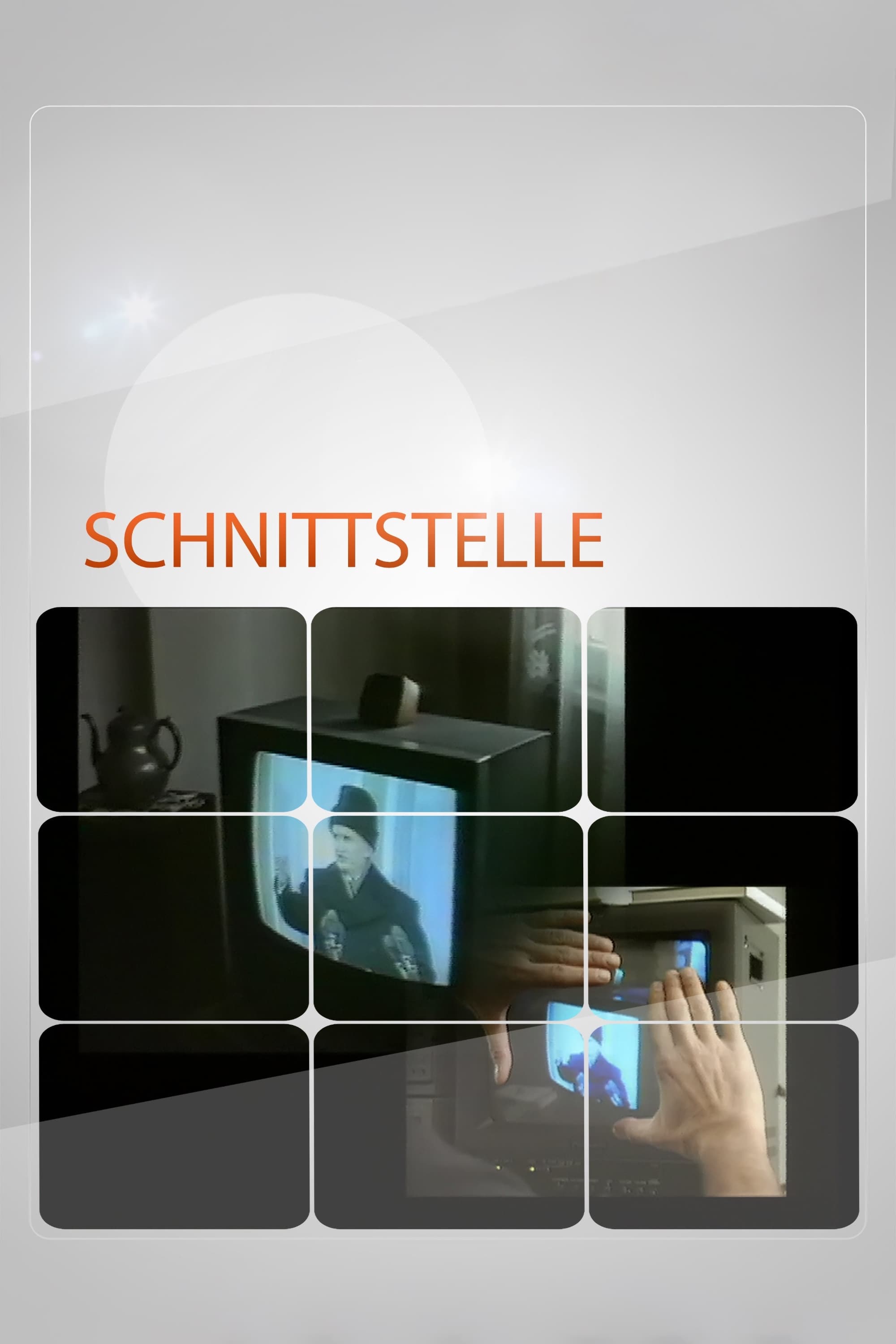
Harun Farocki was commissioned by the Lille Museum of Modern Art to produce a video 'about his work'. His creation was an installation for two screens that was presented within the scope for the 1995 exhibition The World of Photography. The work Schnittstelle developed out of that installation. Reflecting on Farocki's own documentary work, it examines the question of what it means to work with existing images rather than producing one's own, new images. The title plays on the double meaning of 'Schnitt', referring both to Farocki's workplace, the editing table, as well as the 'human-machine interface', where a person operates a computer using a keyboard and a mouse.
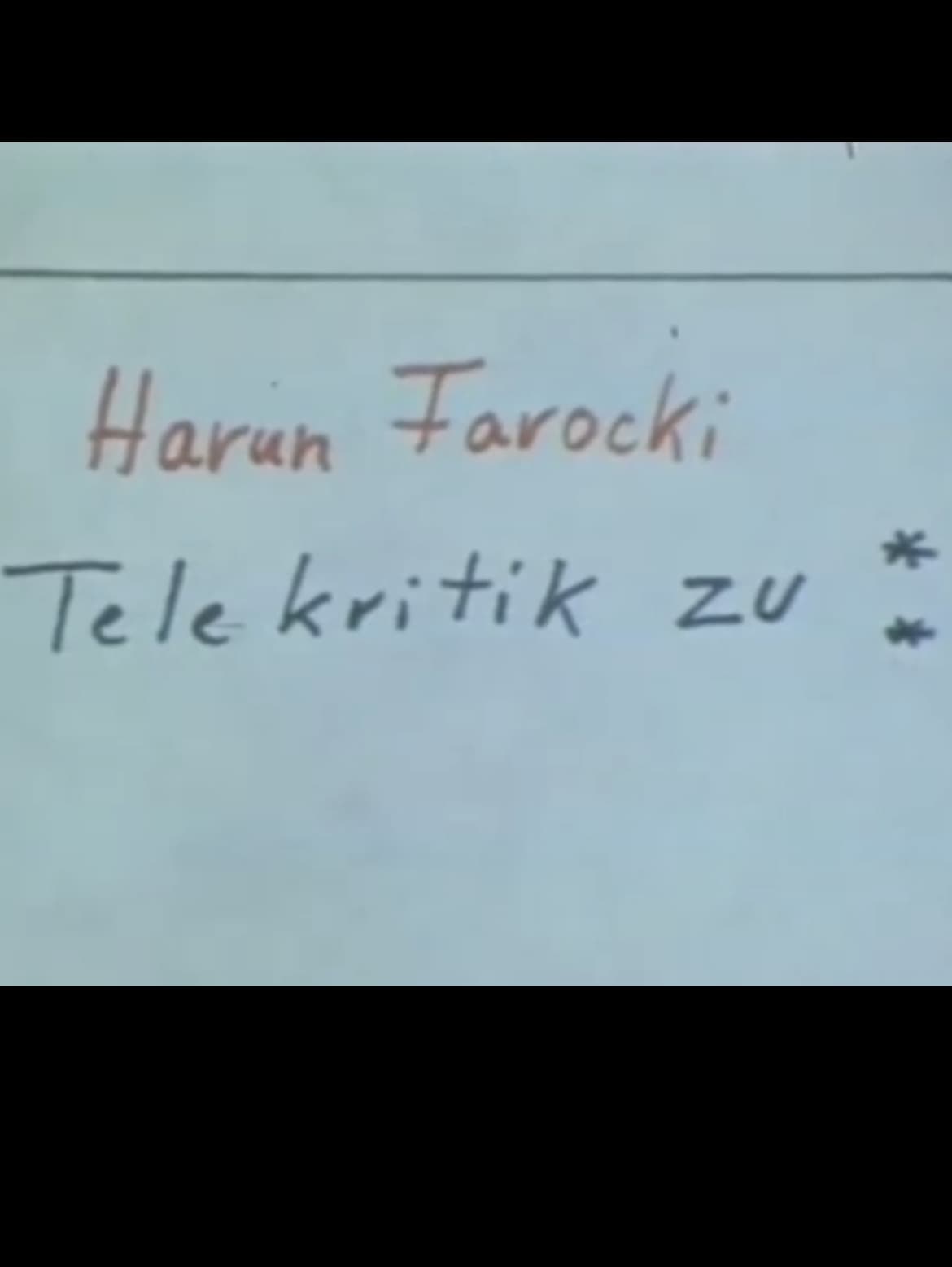
Song of Ceylon was commissioned for the short-lived German TV-series Telekritik and broadcasted in 1975. In Telekritik documentary approaches were analysed and made available for a critique of contemporary TV, its aesthetics and modes of production. Other authors for the series include Hartmut Bitomsky, Rainer Gansera and Klaus Wildenhahn.In the 30-minute movie, Farocki shows and comments on excerpts from the film Song of Ceylon by Basil Wright (and a short segment of Eisenstein's Mexico-fragments). Farocki's voice-over describes part of the movie, focussing on details and montage. He also uses didactic and descriptive drawings and intertitles to confront the classic documentary and its stylistic approaches with contemporary TV.
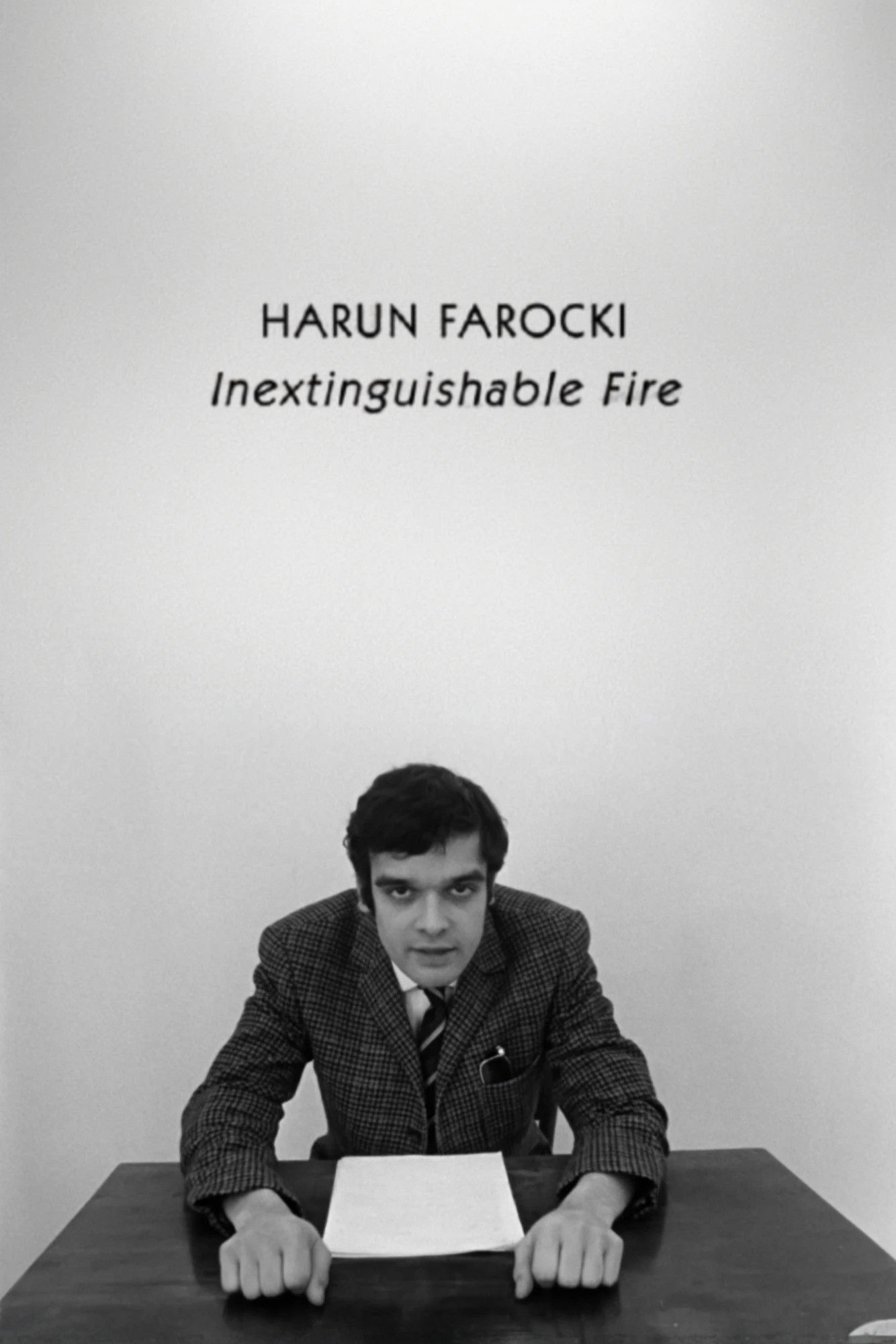
An austere treatise on the military-industrial complex that produces napalm.
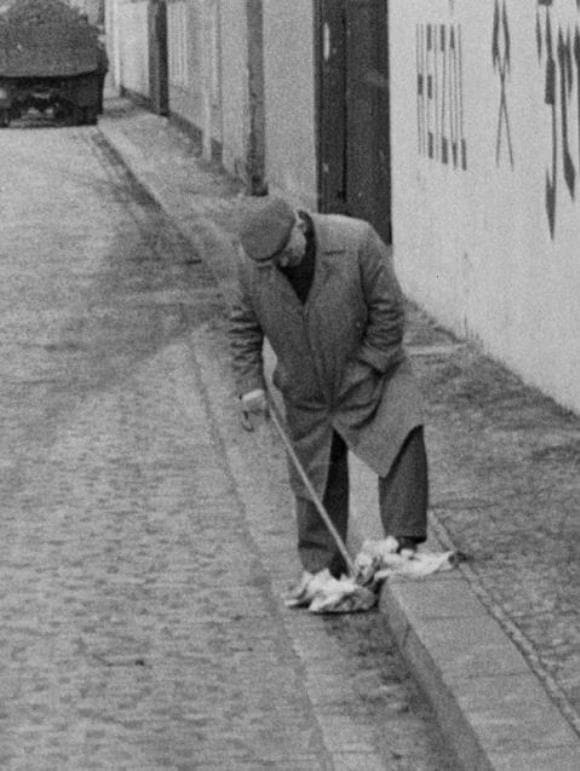
Ihre Zeitungen is a political film rooted in the 1968 student campaign against the Springer press group, which controlled popular dailies such as the Berliner Zeitung and the Bild Zeitung. Claiming the latter were manipulating public opinion, the students laid siege to the publisher's offices. These events made a strong impression on the German collective conscience, and it's in this context that Farocki made this "agit-prop" film.
Essay film about Franz Kafka's novel "Amerika".
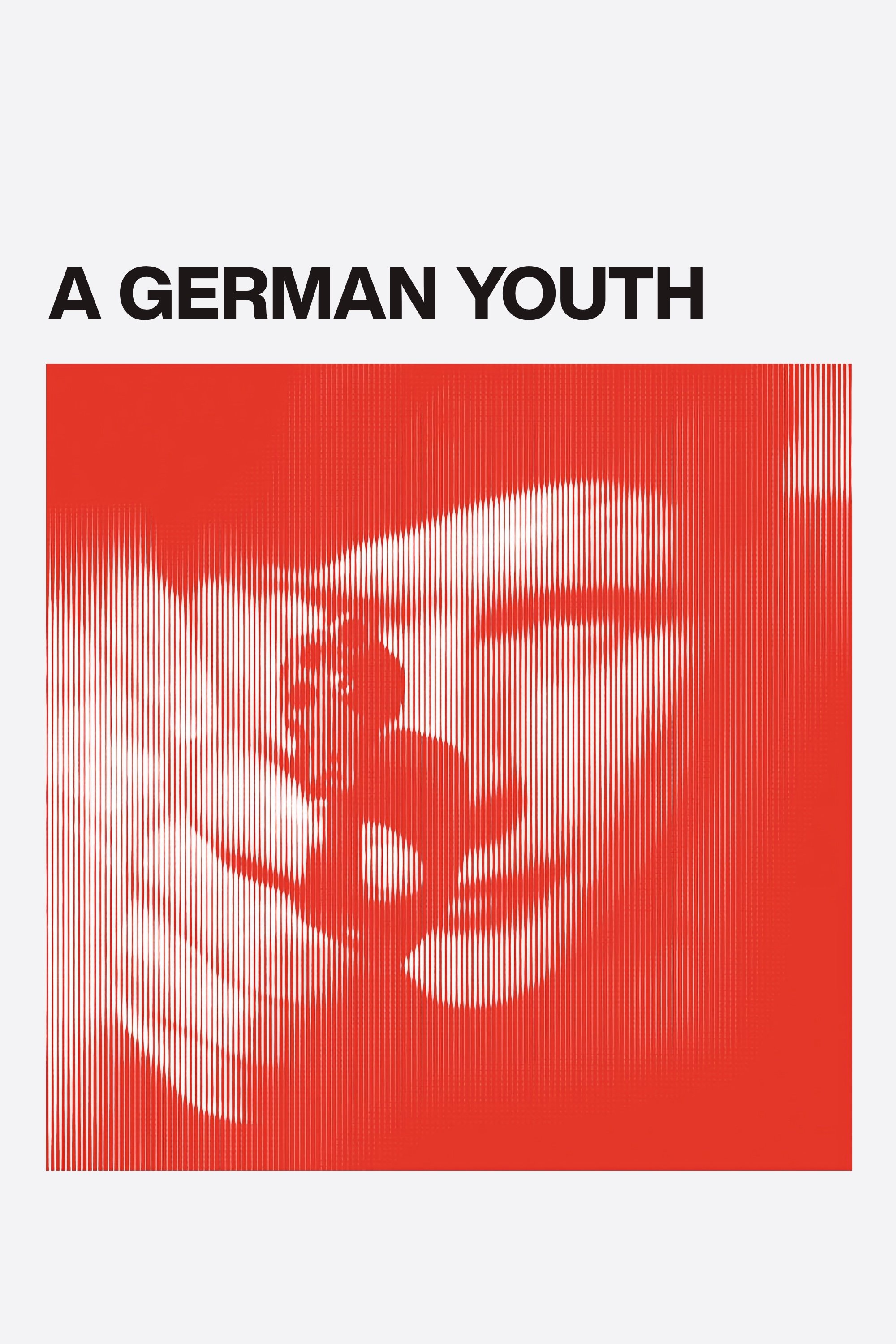
At the end of the 1960s the post-war generation began to revolt against their parents. This was a generation disillusioned by anti-communist capitalism and a state apparatus in which they believed they saw fascist tendencies. This generation included journalist Ulrike Meinhof, lawyer Horst Mahler, filmmaker Holger Meins as well as students Gudrun Ensslin and Andreas Baader.
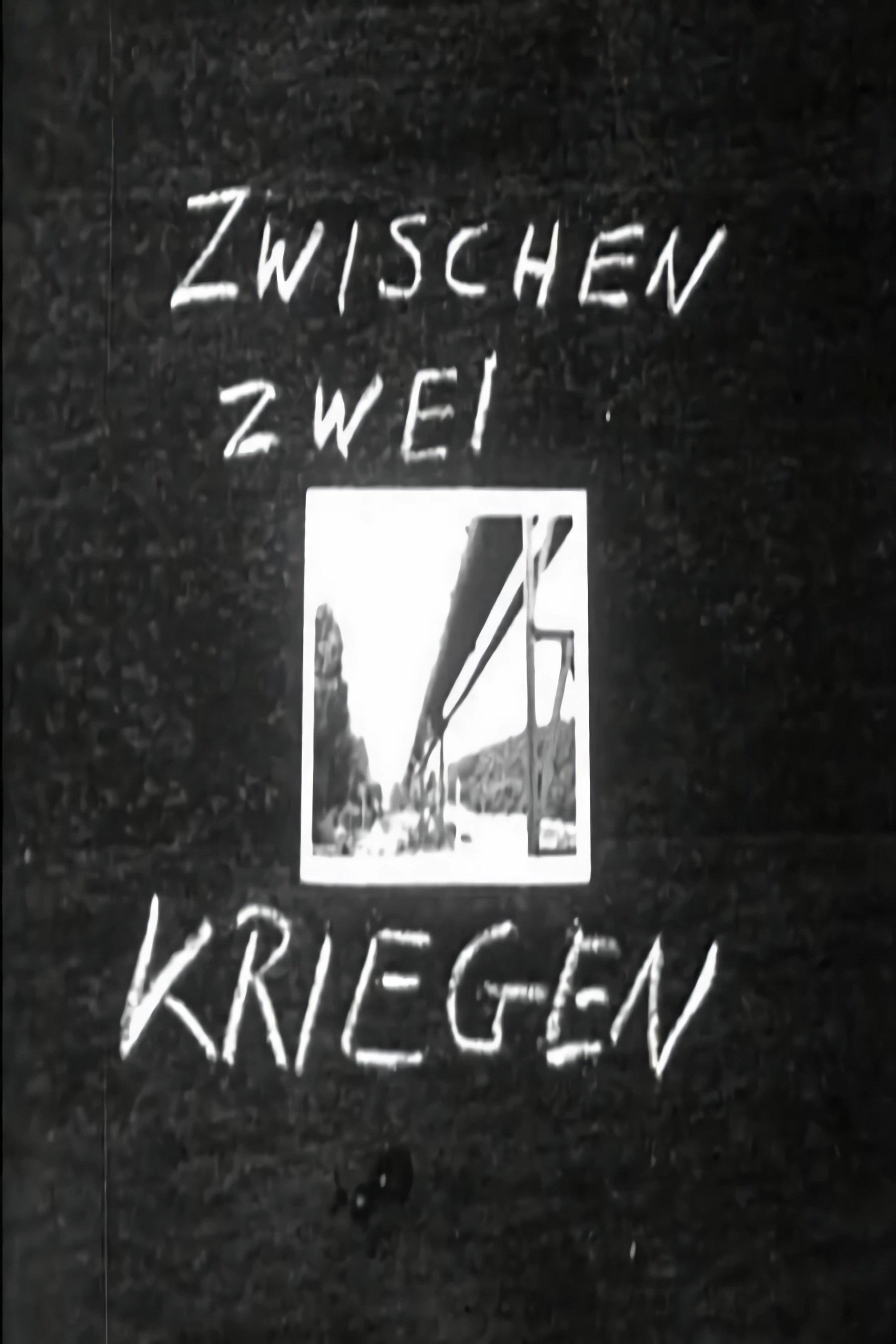
A film about the time of the blast furnaces – 1917–1933 – about the development of an industry, about perfect machinery which had to run itself to the point of its own destruction.
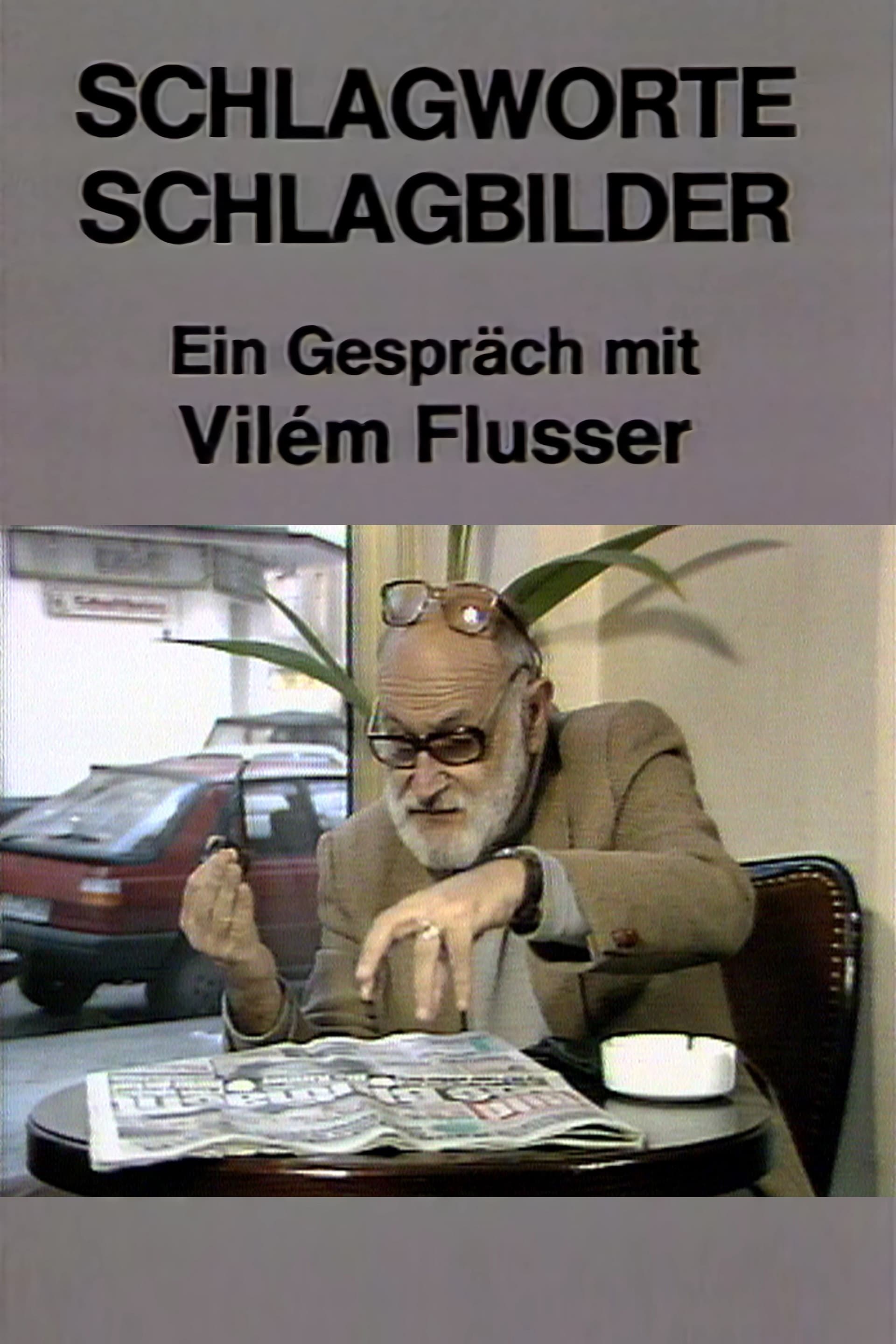
Harun Farocki sits down with Vilém Flusser to discuss the front page of the German tabloid newspaper Bild Zeitung.
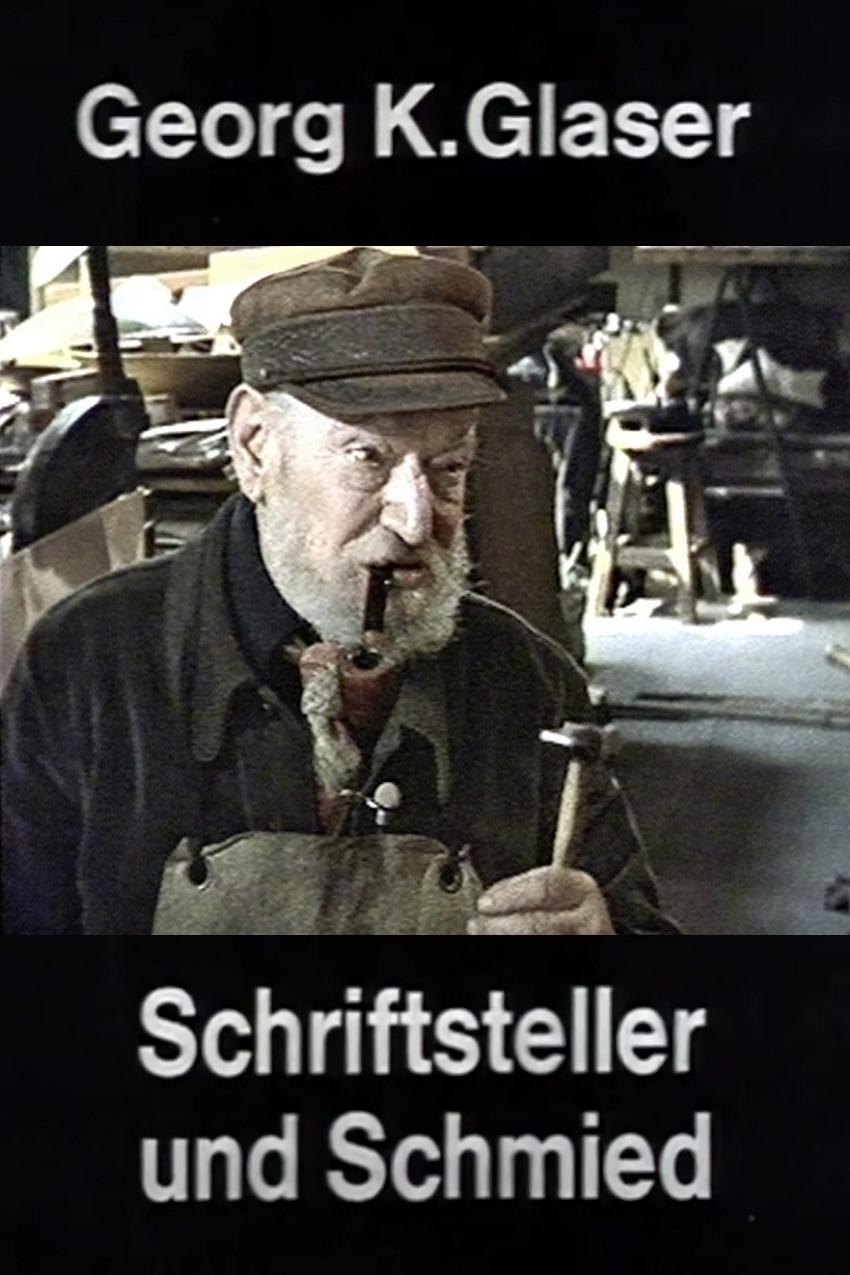
Portrait of Georg Glaser, who is a writer in the mornings and a blacksmith in the afternoons.
Twenty-five years after the death of Holger Meins, filmmaker and former student friend of the deceased, Gerd Conradt takes an in-depth look at the helmsman of the Baader-Meinhof gang. Who was Holger Meins? What led him into the underground? What circumstances resulted in his death, a death which made him the declared symbol of the radical opposition in Germany? What remains of his legacy?
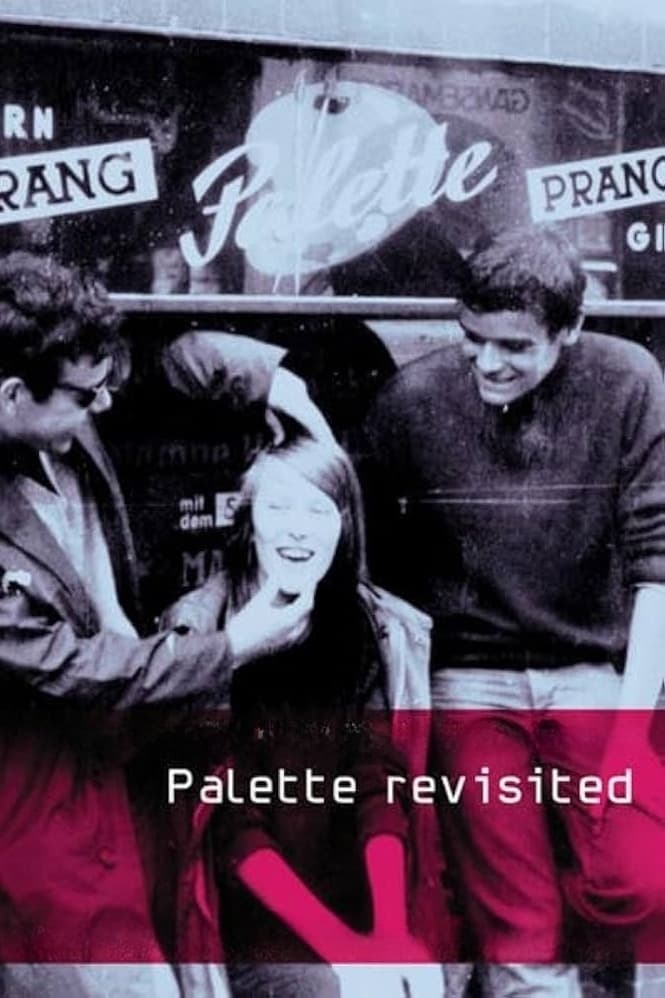
Die Palette was a legendary basement bar at 55 ABC Street, where a colorful crowd of dockworkers, vagrants, students and runaways, artists and petty criminals gathered in the 1950s and early 1960s. With his novel Die Palette, published in 1968 – four years after the bar closed – Hubert Fichte created a literary monument to this venue. Conversations with former Palette regulars, pictures, and documents bring the scene of that time back to life: What did the Palette look like? What music blared from the jukebox? What about sex? And what about hitchhiking? Who, pray tell, was the sheriff? And what did that actually mean—subculture in Hamburg in the 1950s?
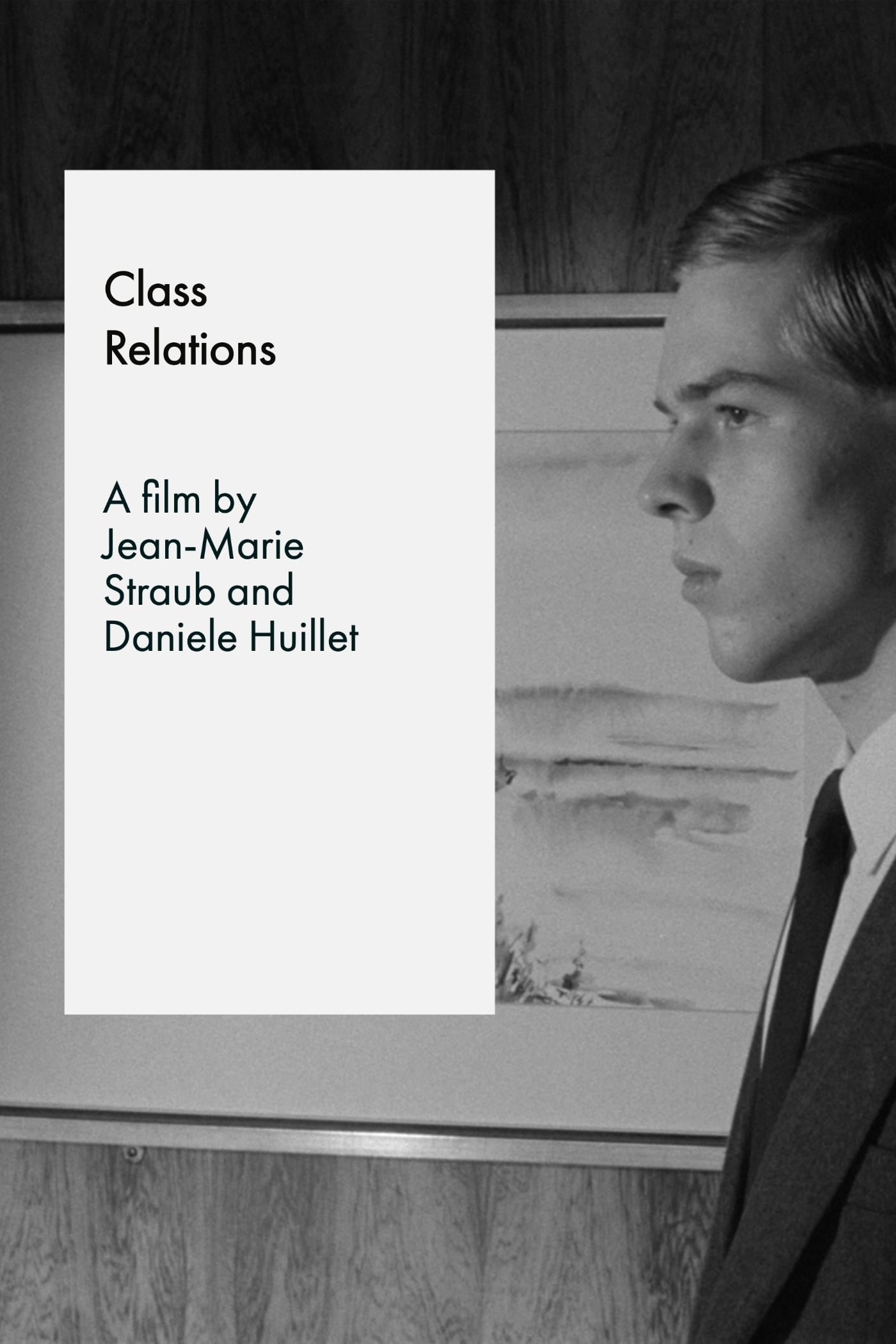
A young man, recently arrived in New York from Europe, becomes swept up in a series of events that are beyond his knowledge or control.
An introduction to films by Peter Weiss: "Study II" (1952) "Study IV" (1954)" According to the Law" (1957) "Shaded Faces" (1956 ) "What should we do now? "(1958).
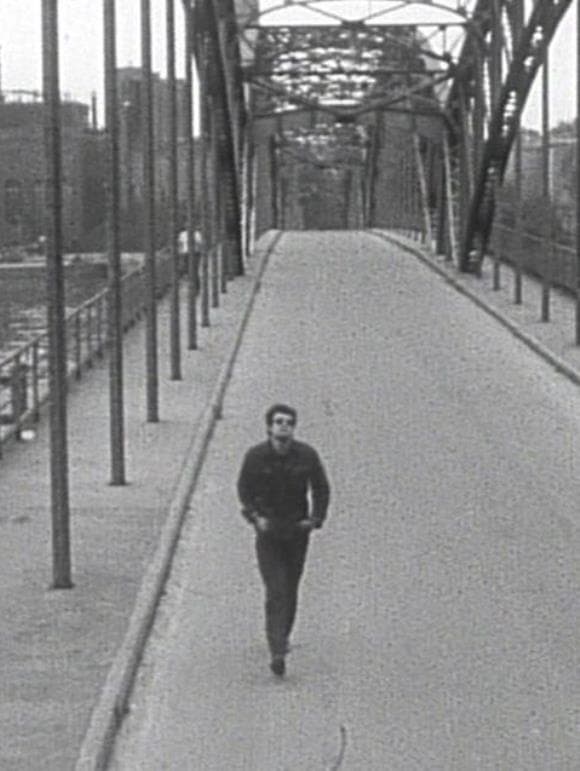
“Six young people move through a city in order to establish the starting point of their joint action. But they can’t agree on the topic. In the end everybody goes their own way and leaves the city.” - Hartmut Bitomsky
Henry Angst receives a farewell letter that promises an unspeakably cheerful death and calls his previous life into question. As a result, he leaves his wife and gives up his job. In a hotel room, he plays heads and tails and chooses the random path. The next day he meets Rita, a young woman whose contradictory nature attracts him.
Straschek's film points to the gap between workers and intellectuals and describes the "difficulties of the revolution" in a biting and witty way.
The revolution is as good as over, but the captain wants to send his crew into one last battle. Before this can happen, however, he is murdered. The crew is finally free. Meanwhile, the revolutionary Snow White has hidden on the ship, but she is discovered.
A documentary about the events at the German Film and Television Academy Berlin (dffb) in November 1968, which led to the termination of the training contracts of 18 students. While Director Heinz Rathsack dictates to his secretary Helene Schwarz the letter lifting the ban from the premises against 18 students, the students plan a general assembly inside the dffb despite the ban.
Interdisciplinary studies put into practice is a plane on which HaF's interests and mine coincide. Ideas of fictional research projects in films emerge very early on, or of film as research device, allowing people from different disciplines to come together and discover something, to pursue a line of thought, or just be adventurous. These ideas correspond to a tendency we both have of accumulating knowledge from different sciences, for example so as to bring exact sciences like medicine together with subjects which aren't directly aimed at application, such as religious studies or anthropology.
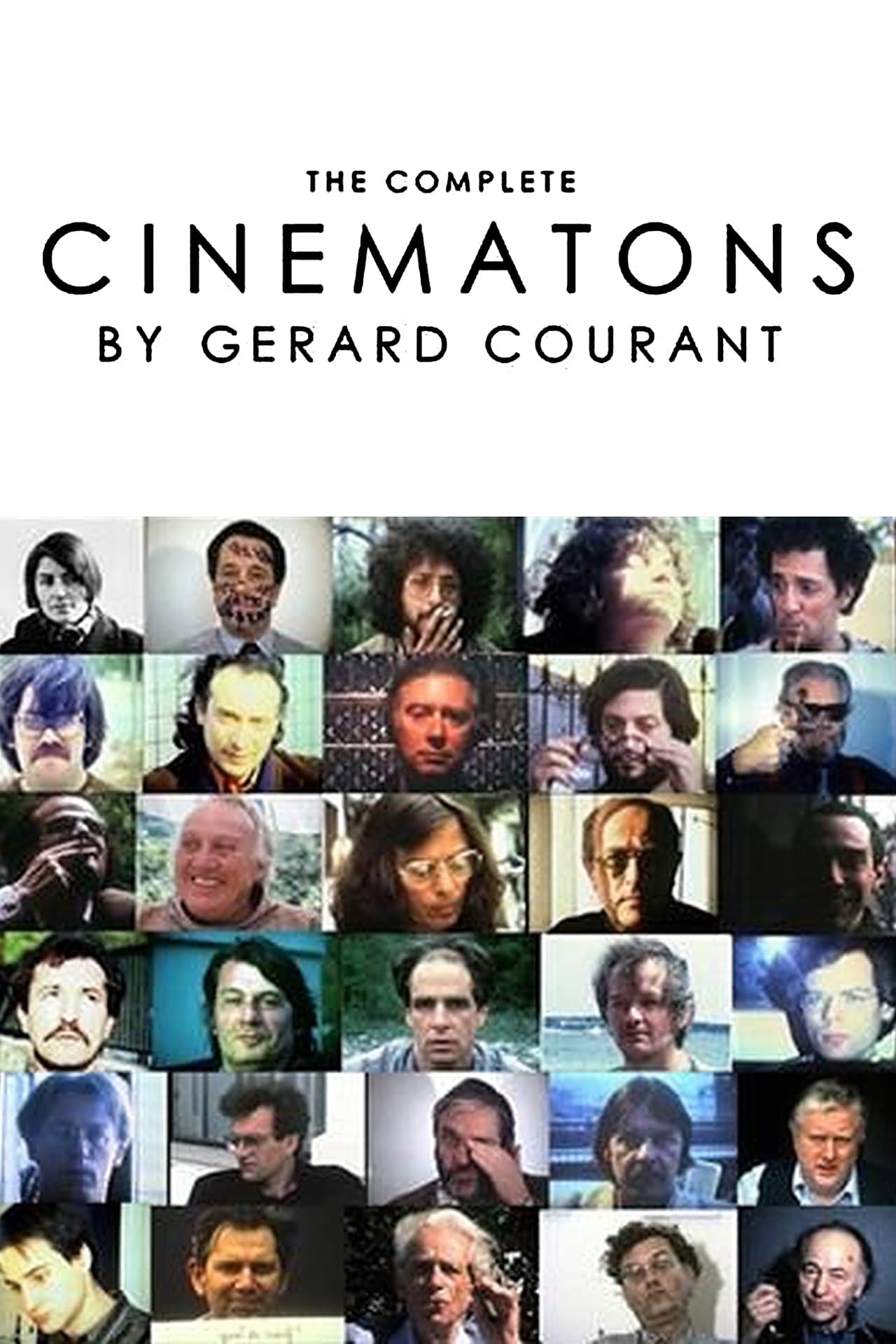
Cinématon is a 156-hour long experimental film by French director Gérard Courant. It was the longest film ever released until 2011. Composed over 36 years from 1978 until 2006, it consists of a series of over 2,821 silent vignettes (cinématons), each 3 minutes and 25 seconds long, of various celebrities, artists, journalists and friends of the director, each doing whatever they want for the allotted time. Subjects of the film include directors Barbet Schroeder, Nagisa Oshima, Volker Schlöndorff, Ken Loach, Benjamin Cuq, Youssef Chahine, Wim Wenders, Joseph Losey, Jean-Luc Godard, Samuel Fuller and Terry Gilliam, chess grandmaster Joël Lautier, and actors Roberto Benigni, Stéphane Audran, Julie Delpy and Lesley Chatterley. Gilliam is featured eating a 100-franc note, while Fuller smokes a cigar. Courant's favourite subject was a 7-month-old baby. The film was screened in its then-entirety in Avignon in November 2009 and was screened in Redondo Beach, CA on April 9, 2010.
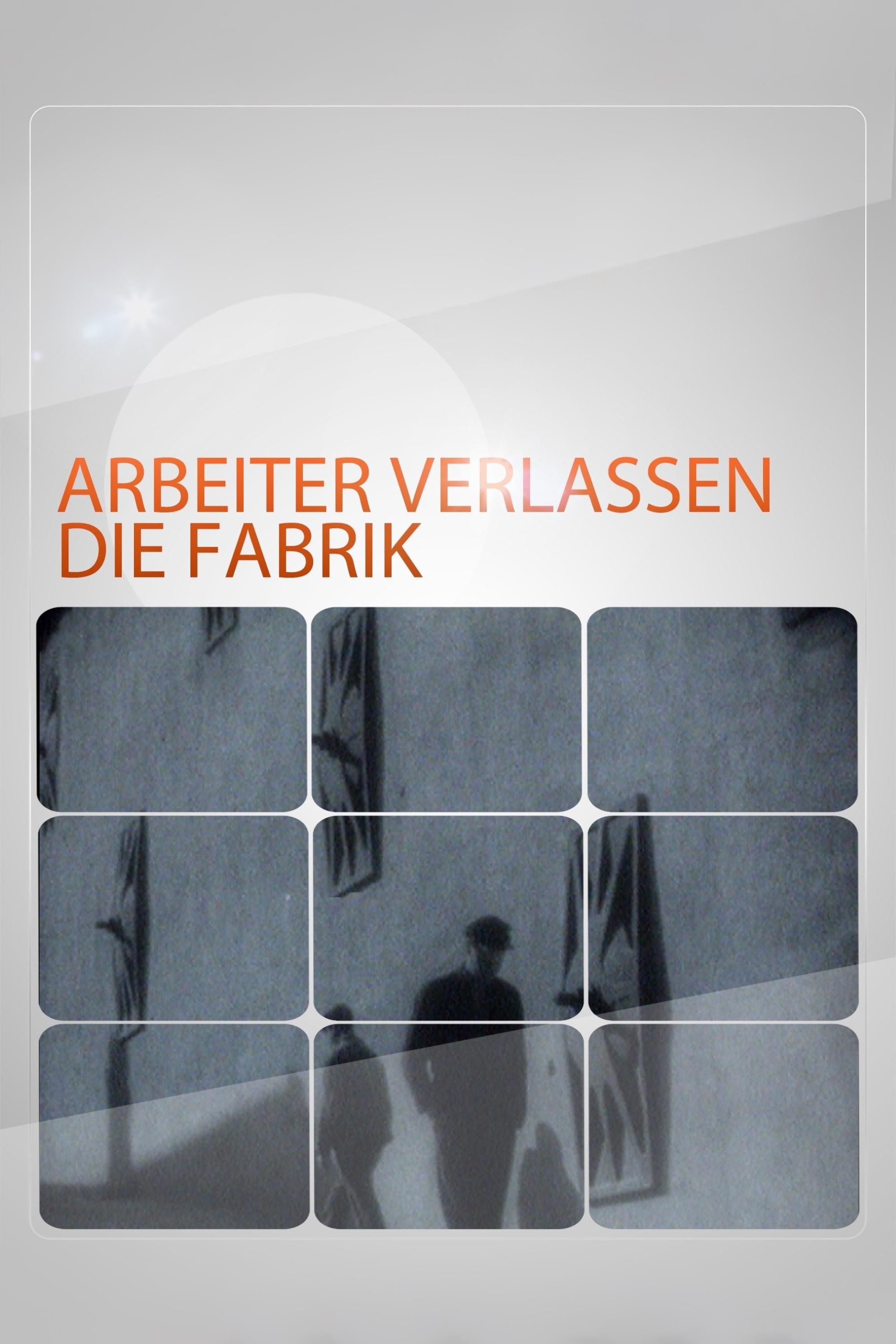
Using one of the Lumière Brothers' first films of workers leaving the Factory as his starting point, Farocki provides an insight to changes in industrial production, workers' strikes and motion pictures-- via images of workers leaving factories throughout the years.
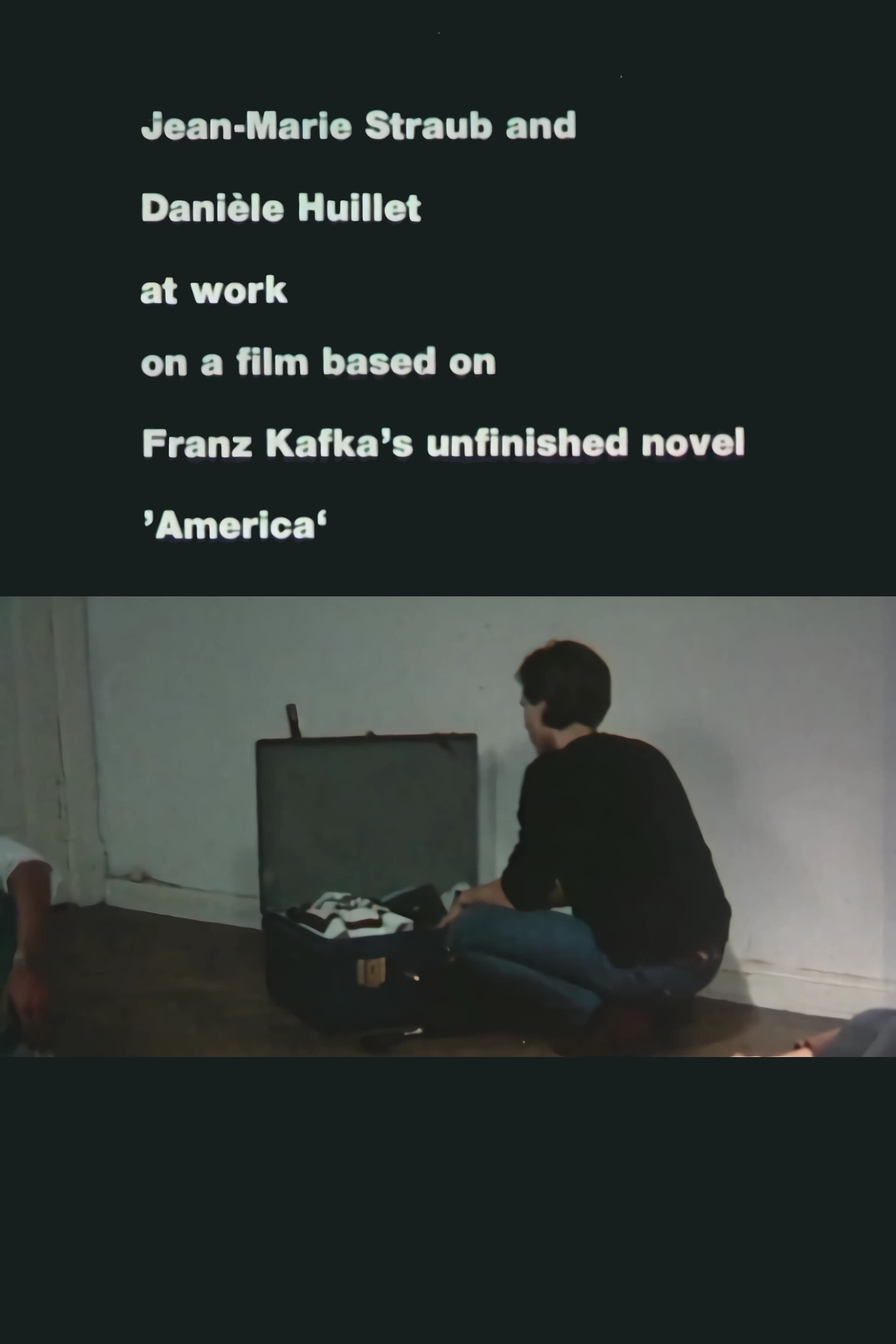
This film is at once a self-portrait and an homage to Jean-Marie Straub, Farocki's role model and former teacher at the Film Academy.
An issue of the magazine Kino 81, designed for the film department of WDR by staff of FILMKRITIK
A worker is sitting at a conveyor belt on which light bulbs are coming in at regular intervals. He takes the light bulbs from the conveyor belt and inserts them into a testing device. The light bulbs light up briefly and bathe the scene in glistening light. The worker puts the light bulb back on the conveyor belt, looks directly into the camera and shouts against the noise of the machines: "We create wealth."
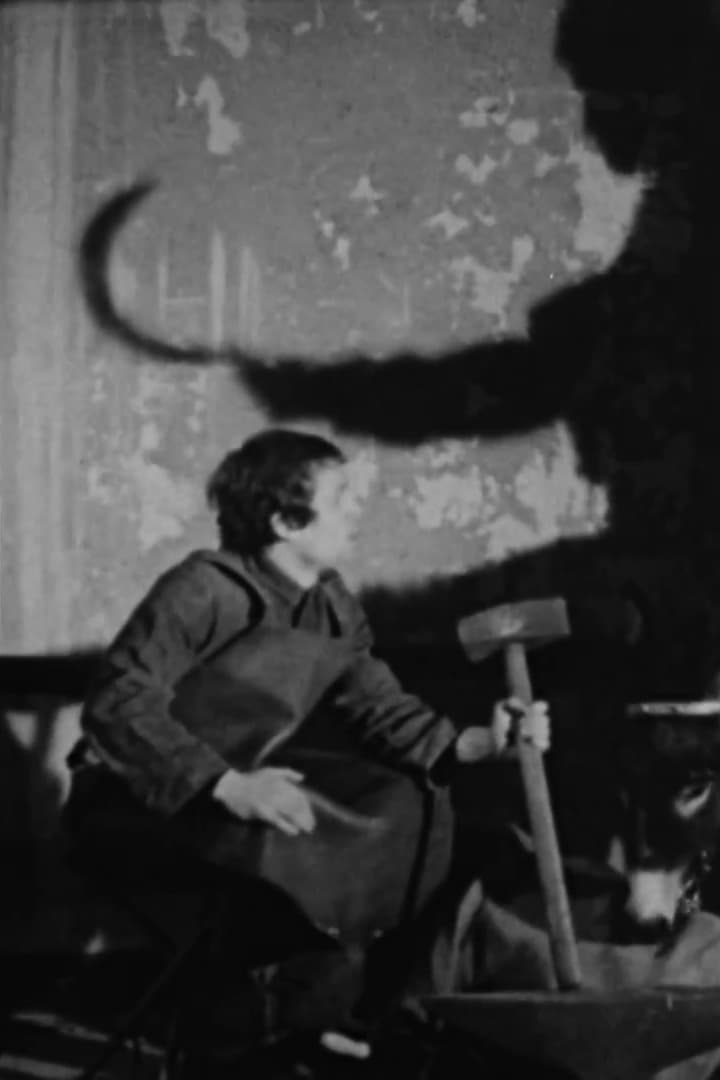
An educational film about an aspect of political economy. The concepts of use value, barter value and labor as a commodity are the subjects; they are intended to introduce the process of understanding the theory of value of work and the law of values, alienation and fetish.
Portrait of German filmmaker Harun Farocki, shot in Paris (France) on July 12, 1988 at 2:15 PM.
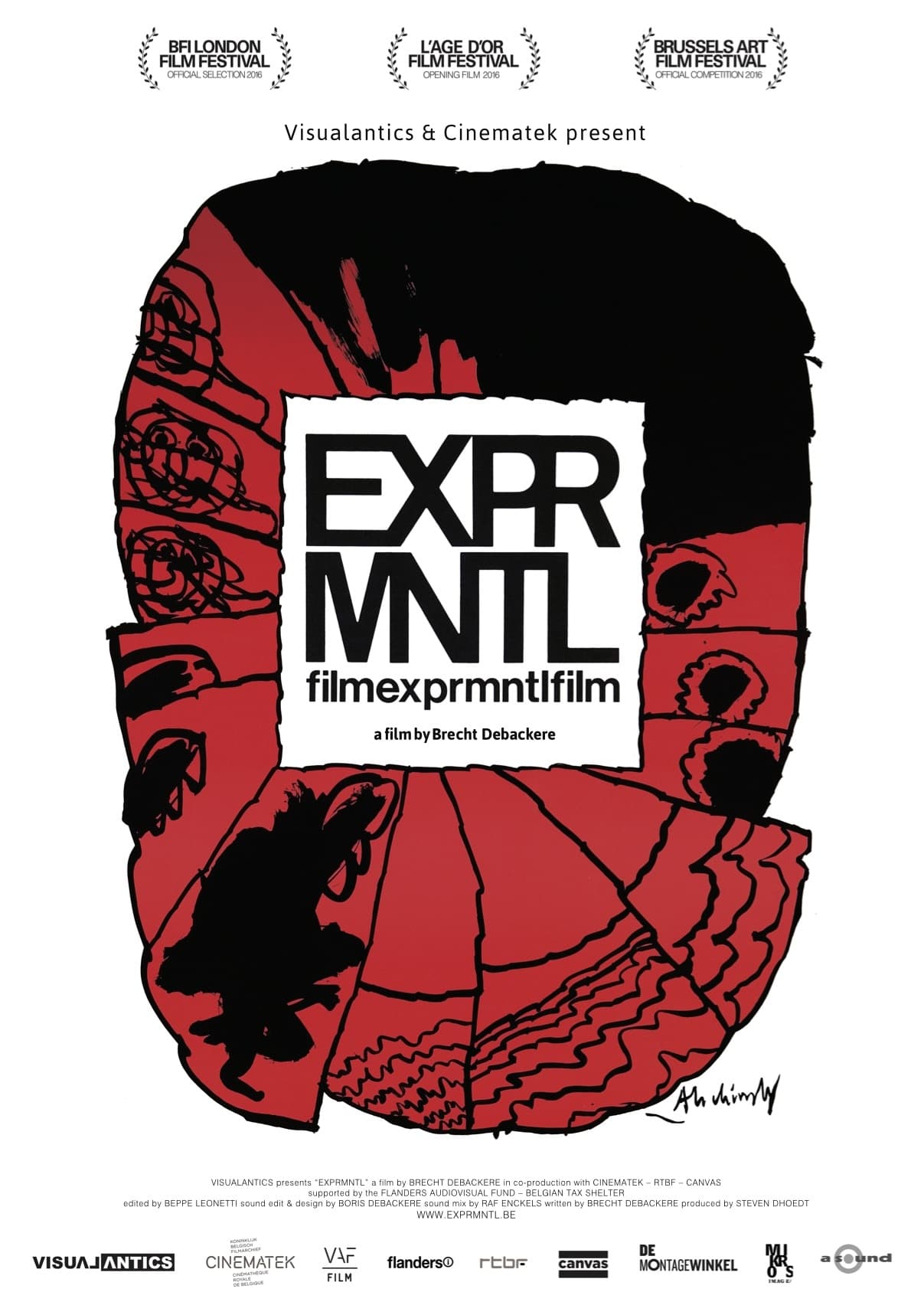
Knokke, Belgium. A small mundane coastal town, home to the beau-monde. To compete with Venice and Cannes, the posh casino hosts the second ‘World Festival of Film and the Arts’ in 1949, organised in part by the Royal Cinematheque of Belgium. To celebrate cinema’s 50 year existence, they put together a side program showcasing the medium in all its shapes and forms: surrealist film, absolute film, dadaist films, abstract film,… The side program would soon become a festival in its own right: ‘EXPRMNTL’, dedicated to experimental cinema, and would become a mythical gathering of the avant-garde…
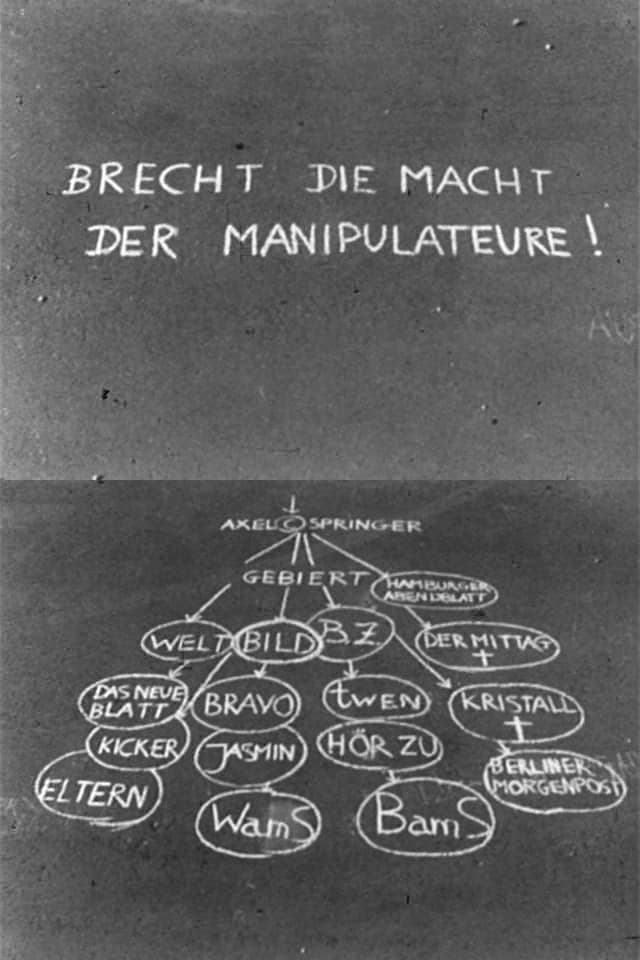
Documentary by Helke Sander, in collaboration with Harun Farocki (among others), about the campaign of the West German New Left against the publishing house Springer, particularly its control and manipulation of the news.
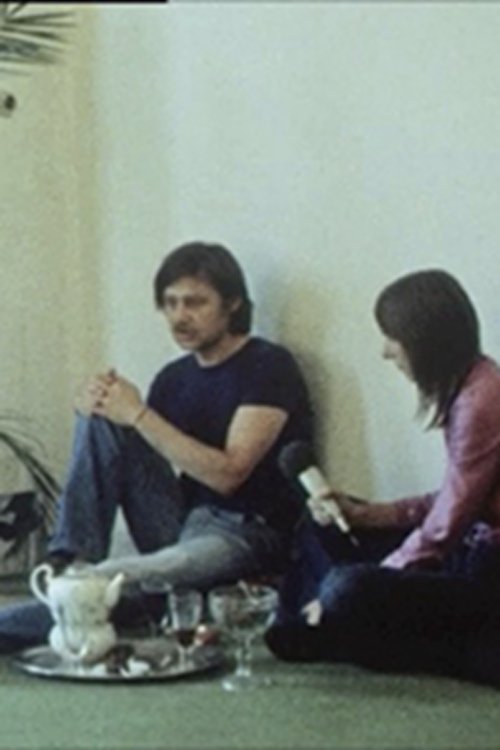
A look into the life of Holger Meins, the German cinematography student who became a revolutionary and a prominent voice in the Vietnam War protest movement. This film is comprised of interviews with his associates.
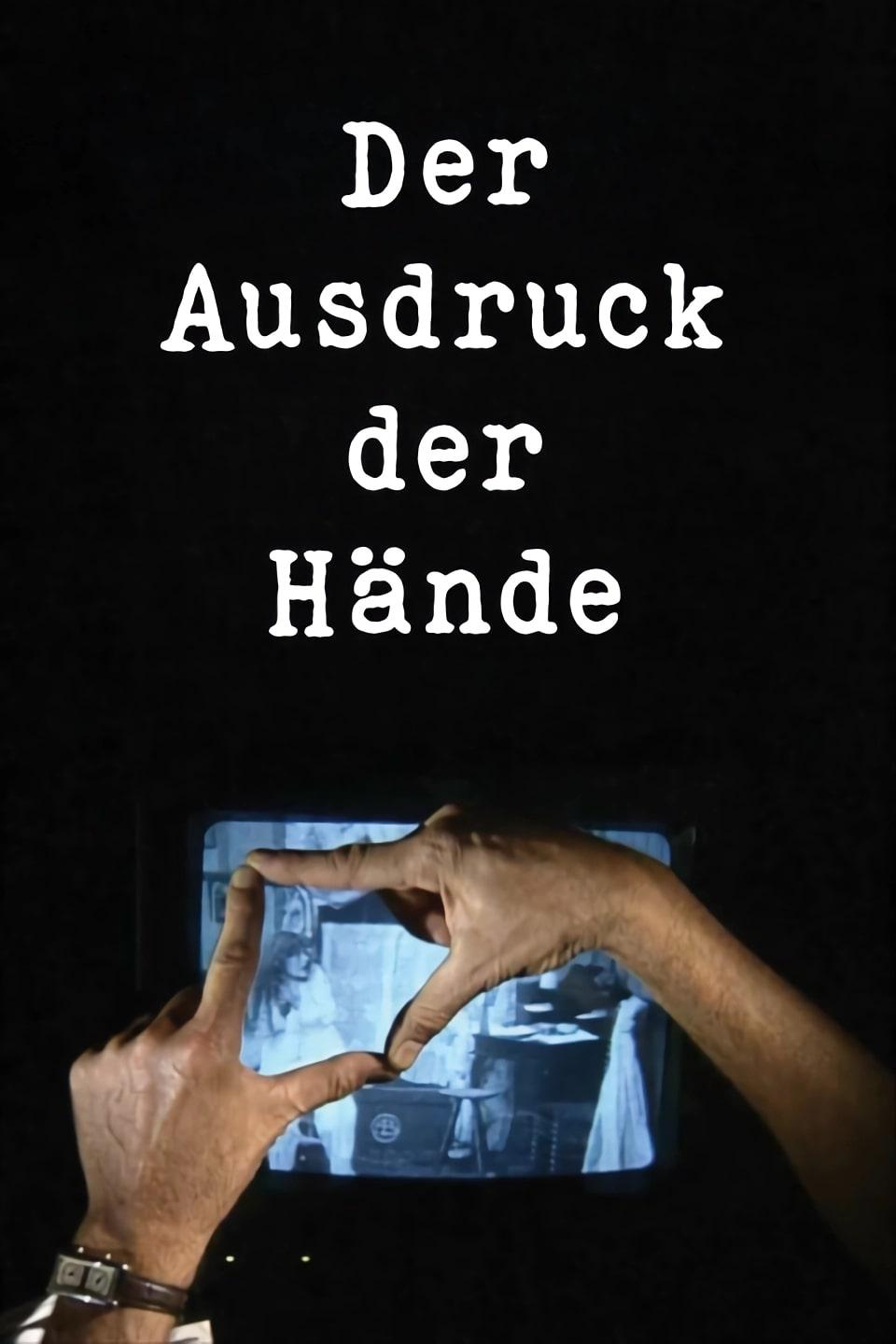
Historically, the cinema close-up was initially employed to convey emotions through facial expressions. But soon filmmakers also began focusing their attention on hands. Using film extracts, Farocki explores this visual language, its symbolism, Freudian slips, automatisms and its music. Often, hands betray an emotion which the face tries to dissimulate. They can also function as a conduit (exchanging money) or witness to a form of competence (work).
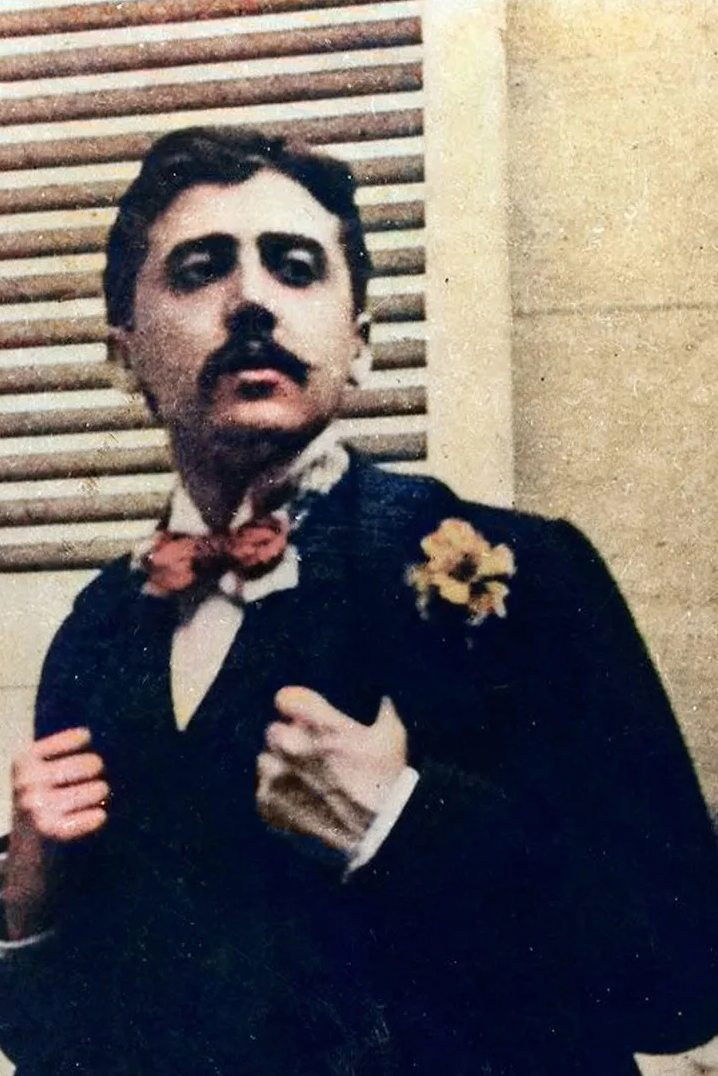
"Proust Palimpsesto: Pastiches e Misturas" (2026) is a Brazilian experimental documentary and film essay directed by Carlos Adriano. The film, which explores the impossibility of filming Marcel Proust's "In Search of Time That Flew", is presented as a collage of archival images and theories.