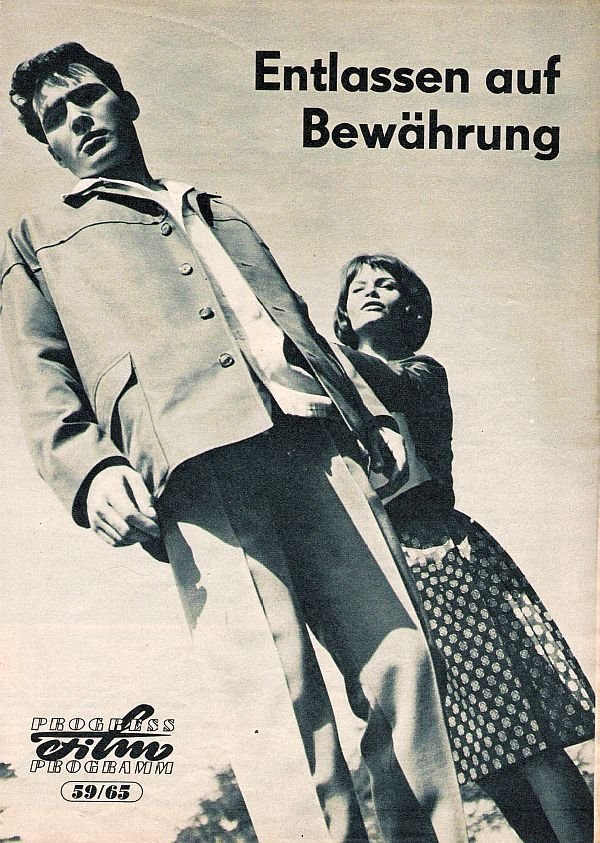
After causing a deadly hit-and-run motorcycle accident, Conny Schenk spends two years in prison, where he is able to complete a printing apprenticeship and is released early for good behavior. While he is still on probation, money is stolen at the company where he works and everyone is quick to suspect Conny. Can he overcome his past mistakes and start fresh, or will the mistrust of his colleagues and friends become a self-fulfilling prophecy?

Every year, many Germans are preparing to spend their vacations in the sunny south. And they all have to use the same highways. And every year everything ends in a big traffic jam.

A young couple from the present day is transported by magic to a distant fairy-tale world. There they encounter clever objects such as the table that sets itself, the flying carpet, and the invisibility cloak. All of these objects can be used for useful purposes. However, since they can also be used to play pranks and cause a lot of mischief, Vera and Peter and their allies are urged to be brave and cautious...
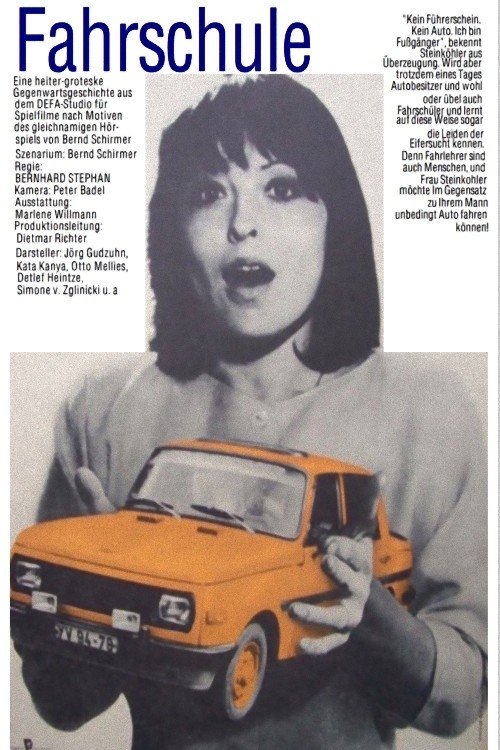
In the GDR, purchasing a car was such a difficult process that many families applied for one years in advance. For example, Gisela secretly orders a Wartburg model after the birth of her first child. By the time the vehicle is ready, her daughter is a teenager, and Gisela's husband, who actually prefers walking, has already bought a second Wartburg from a friend in financial trouble. As a result, the couple decides to sign up for driving school together.
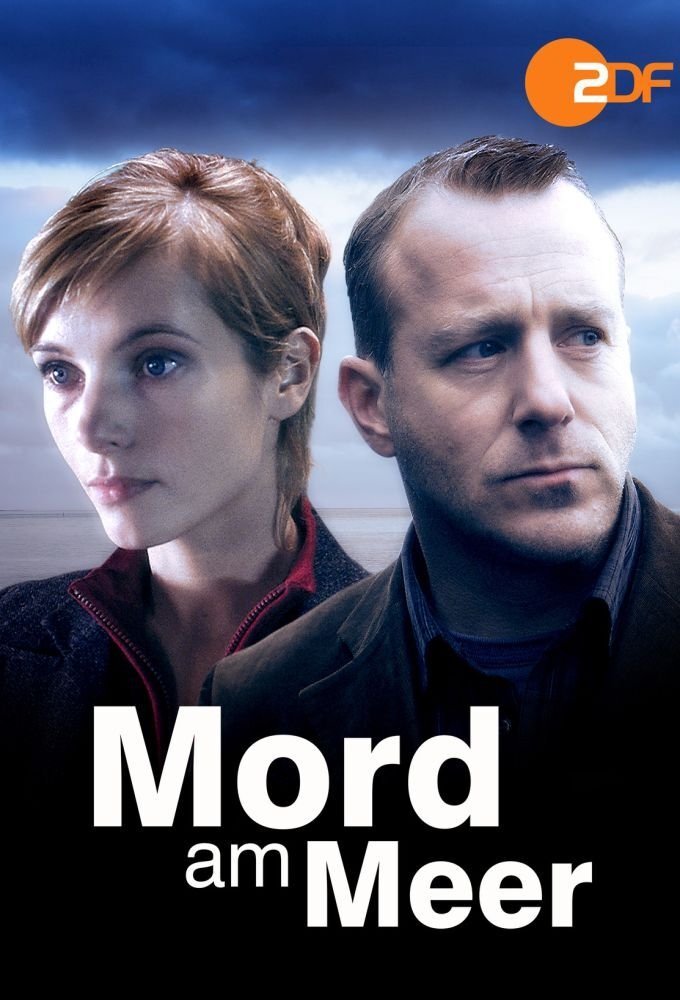
Hans Wolgast is executed with a shot in the head in the idyllic town of Husum to Mozart's Magic Flute. His half-brother, Inspector Anton Glauberg, immediately suspects that the shadows of the family past have caught up with him because Hans was a member of the RAF. Without initially disclosing that he not only knew the dead man but was even related to him, Glauberg begins to investigate, supported by the young, attractive but inexperienced BKA officer Paula Reinhardt. The traces lead to Berlin to the scattered remnants of the RAF and its still functioning cable groups. Wolgast lived there in a shared apartment before he, like so many former terrorists, fled to the GDR in the 1980s. A former roommate of Hans Veith Seewald points out the parallel to Glauberg to a murder case from 1978.

It's mom's birthday and her three daughters want to throw a big party. But everything turns out differently. It's not just because the divorced dad arrives a few days early and brings his much-too-young new girlfriend with him, or because the birthday girl has to stage the end of the world with her village theater group.
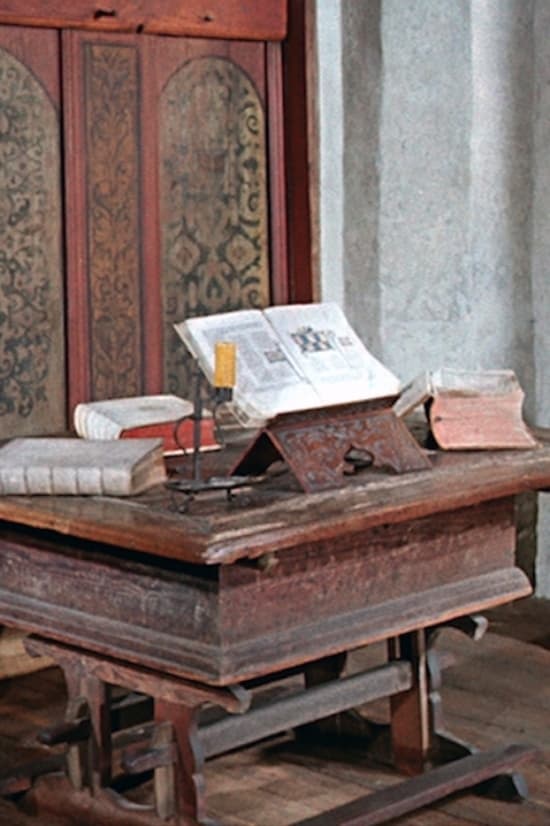
Using contemporary artistic representations in words and pictures, the documentary intends to create an overall view of the historical significance of the 450th anniversary of the Reformation in the historical image of the GDR. In terms of content, the film is limited to the city of Wittenberg as the historical center of the Reformation events. This period is seen as the beginning of the early bourgeois revolution, as Luther also made a certain contribution to the replacement of feudalism by the rising bourgeoisie by initiating the reformatory efforts. Lucas Cranach the Younger's panel painting "The Reformers in the Lord's Vineyard" runs like a common thread through the documentary and thus vividly conveys to the viewer the social upheavals of the 16th century between the Reformation and the German Peasants' War.
Documentary on physicist Max Steenbeck
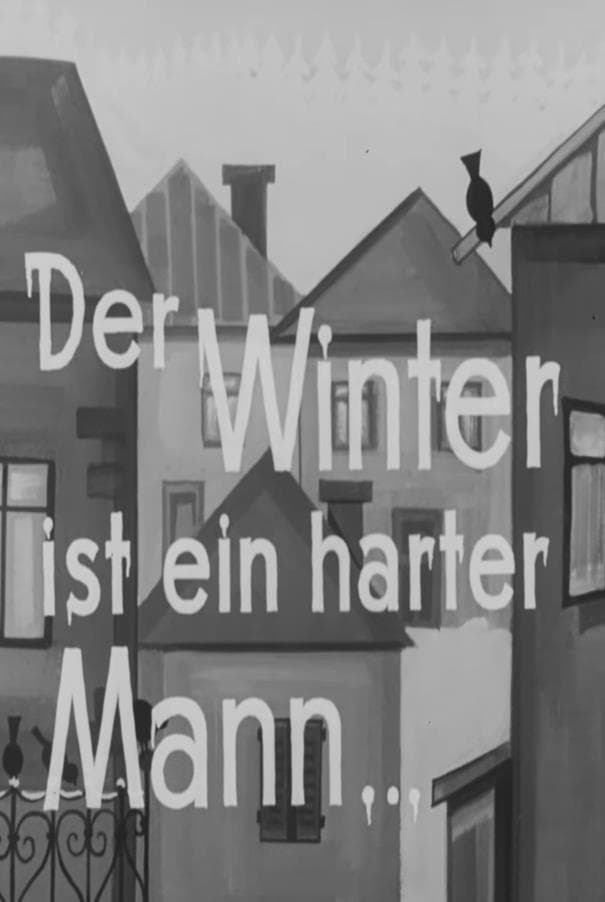
A young pioneer shows his little sister how to build birdhouses and feeders for the birds to make their lives more bearable in winter.
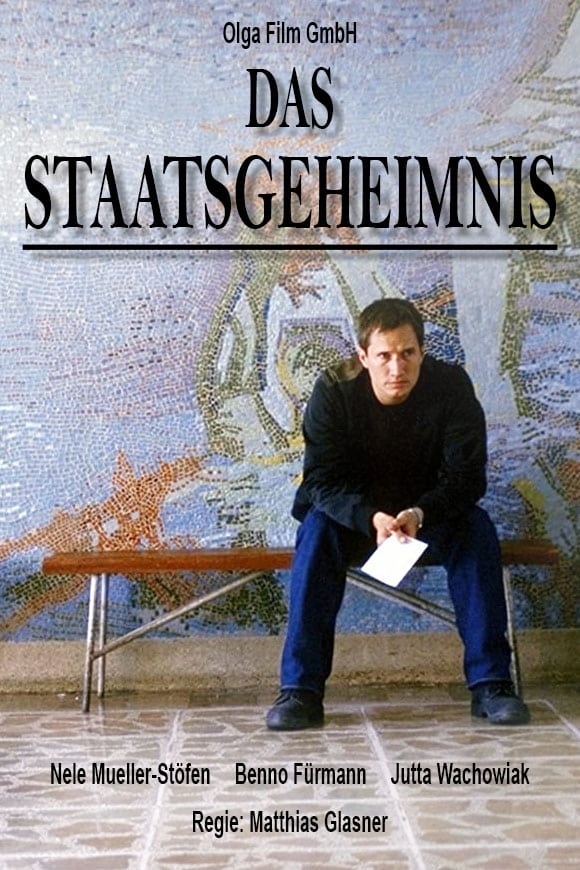
Lars Schelling runs a sushi bar in Berlin that was financed by the mafia. They now want their money back. Then suddenly his mother dies, and the next day he almost falls into the hands of kidnappers. Why? There's a lot of money involved that the Stasi put aside after the fall of communism to bribe politicians. And Lars possesses - without suspecting it - the code word for the Swiss bank...

A working-class son who became orphaned in the war is brought up by his foster father to become an upright citizen. Now, after graduating from a teacher training college, he is faced with the task of preparing young people for life.
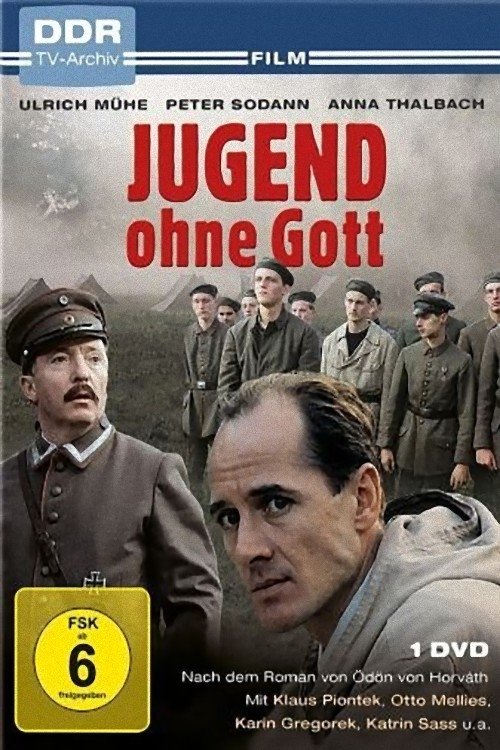
A teacher at a German high-school in the nineteen thirties has issues with his students who seem to be getting less human and more convinced of Nazi ideals as time goes on.

Kerstin is a successful department head of a tax consulting firm in Berlin. She is respected and feared by her employees. Only one thing is too short in her life: for years she had no sex and no husband by her side. At the company, she wants to show that she can also party properly. The next morning, she wakes up in a hotel bed with two employees next to her: the hated opponent Simon and the "footman" Gregor. With the aid of her assistant Achim, she has lost all the memories of the previous evening. Her employees are forcing her to silence. Four months later, she realizes that she is pregnant and one of her nightmares is the father.

A former Olympic champion wants to compete in the Berlin Marathon one last time.

Inspired by West German terrorists, two pupils kidnap a teacher in East Germany.

Under the slogan of the arms race of the superpowers, which escalates in the Cuban Missile Crisis in 1962 and brings the world to the brink of nuclear war, two exemplary post-war male figures challenge an almost archaic feud: Defense Minister Franz Josef Strauss and journalist Rudolf Augstein.

Frank and Simone have fulfilled a dream and live with their two children in a row house in the suburbs. They are a happy couple, until the day Frank is diagnosed with an inoperable brain tumor. The family is suddenly confronted with death.
A German scientist drowns while on vacation in Bulgaria. The GDR state security authorities become involved in the investigation, suspecting a political murder.

The criminalist Hannes Bergemann tries to blackmail the city where he spent his youth. After many years returning to the familiar places of his childhood, he hopes to meet again his old friends, especially Fred, Helmuth and Richard, with whom he had a close childhood friendship. When confronted with a murder shortly after his arrival and given the task of investigating it, he has the painful experience that his friends are involved in the case.
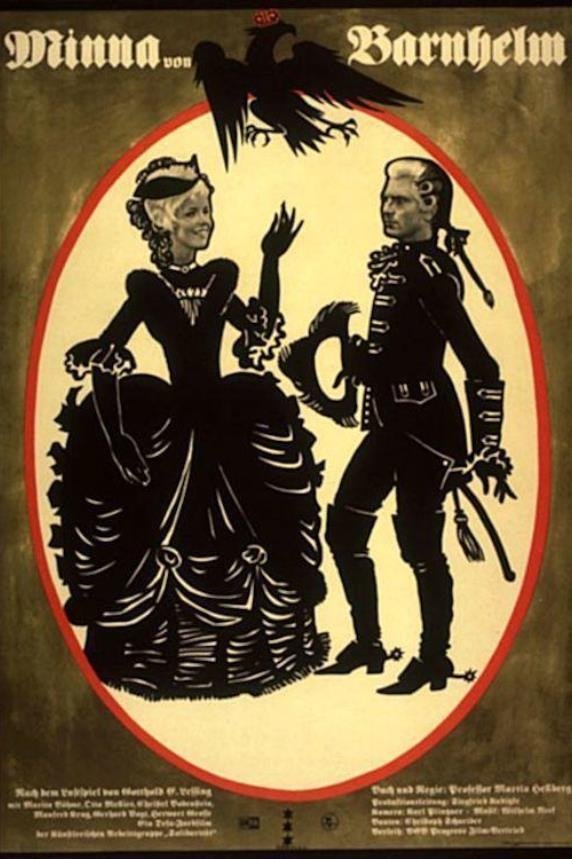
This film takes place during the Seven Years' War. The Prussian Major von Tellheim has become engaged to the Saxon noblewoman Minna von Barnhelm. After the war, the King - in an unwarranted move - deprives the major of his honor. Von Tellheim becomes impoverished and, filled with shame, breaks off his relationship to Minna. An innkeeper in Berlin, who is a police informer, makes the Major move to a shabby little attic because he cannot pay his debt. In the meantime, Minna has also arrived at the inn. She and her lady's maid Franziska are questioned and spied on by the nosy innkeeper. Minna has followed her beloved Tellheim and she now cunningly manages to elicit a new declaration of love from him...
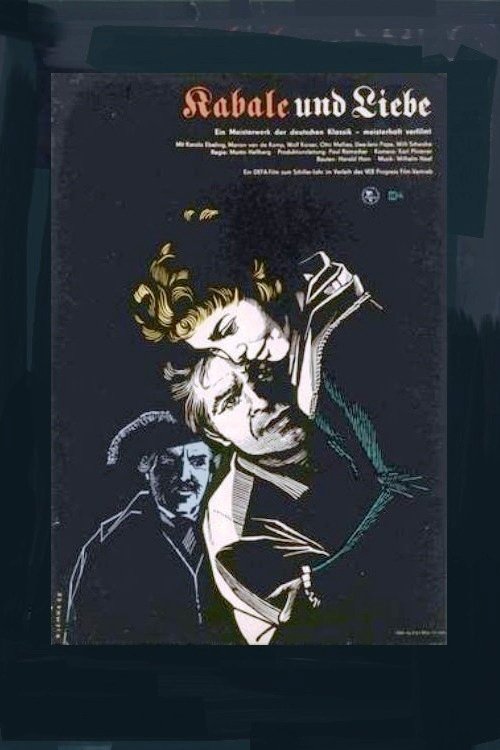
Ferdinand is an army major and son of President von Walter, while Luise Miller is the daughter of a middle-class musician. They fall in love with each other, but both their fathers urge them to end the affair.

Young Uli Merkel is an engineer and inventor. He has a wife and child and is primarily interested in his career. One day, he receives a strange assignment from general manager Zeim. He is to track down the former chief designer Heiner Rudolf in order to take his inventions out of his pocket. Rudolf, ridiculed at the time for his forward-looking work, had taken all his documents with him when he left. Now they are needed to fulfill an important export order. In his search for Rudolf, Uli begins to realize that he, the boy, is being used. He finally finds Rudolf as a gravedigger on the island of Rügen. The encounter reinforces Uli's doubts about the moral integrity of his mission. He gets out and stays there, while Rudolf accepts an offer from the general manager.
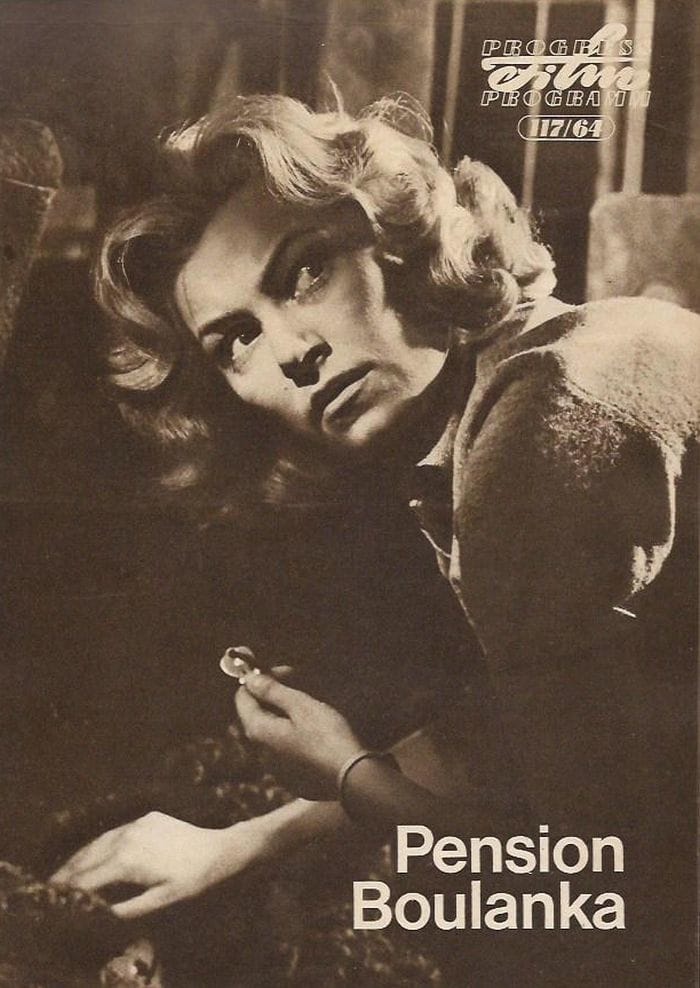
A murder has been committed in "Pension Boulanka", a famous guesthouse for artists and circus people. Captain Bruckner is heading the investigating team.
In works like “Guide Dog Ruepel” (1962), Bärbl Bergmann was the first feature film director in the GDR to portray children in their often pitiless but also honest dealings with each other, something that was almost impossible in the documentary films of that period. But she also managed to sneak lessons on how to pursue educational goals with creative obstinacy into popular science films. Thus her educational piece about two boys who discover that magic, too, requires hard work, despite its rational approach, is far from disenchanting: The protagonists reach their conclusion via detours that take them through mysterious corridors, furtive looks through keyholes and bewitching dreams.

Dr. Sonja Martin is a neurosurgeon at a large clinic in Leipzig. She loves her job. But she has bigger plans: She wants to become a clinic director. She pursues this career goal with ambition. But she has lost sight of the important things in life. Sonja gradually realizes this when she involuntarily has to put up her grandchildren Clarissa, Paula and little Benedikt in her apartment for a few days.
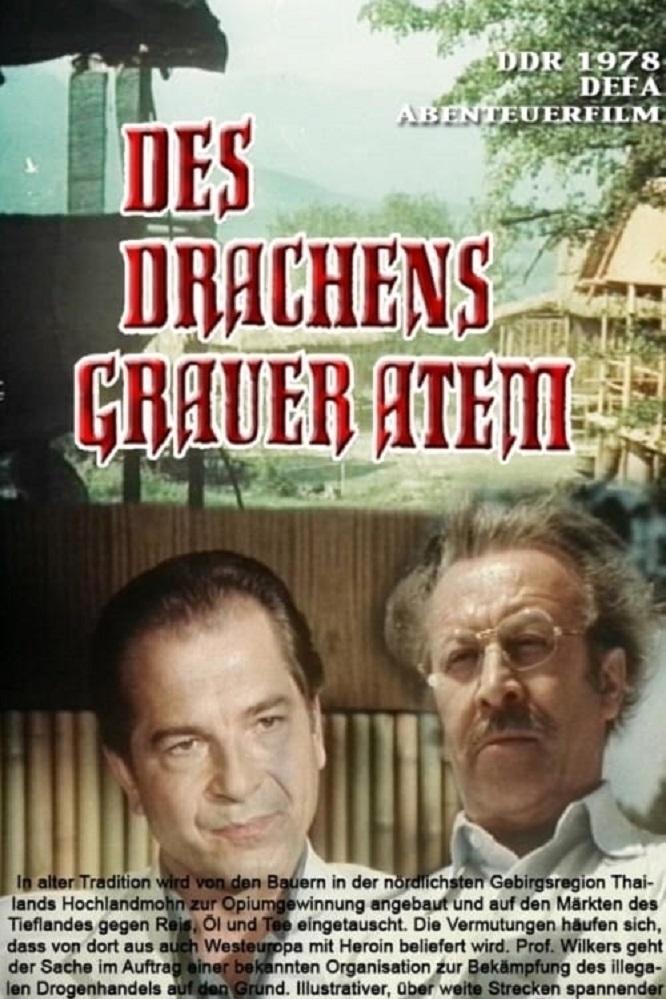
Professor Wilkers saw the trip to Thailand as a welcome change. But already in Bangkok, the starting point of his research into the origin of the drugs whose abuse he is trying to combat as a member of an international commission, he encounters extreme contradictions. The Swiss doctor is tempted to solve them, as the claims of the rich silk manufacturer Tracy Blake sound truthful and bitter, yet extremely strange. Leo Wilkers decides to embark on a life-threatening venture: He moves into the mountains near the border with Burma. Up there, in the village of Muong Nan, whose headman is at the same time in prison in Bangkok worrying about who in the capital might be interested in his arrest, Wilkers learns about the necessity of poppy cultivation in these areas.
Documentary on the former border patrol sergeant Klein. Klein deserted in 1961, defected to the enemy and betrayed state and military secrets. He was caught by the security forces.
"I'm walking through my city...", sings a cheerful pop singer. She fervently praises the new metropolis of East Berlin. As an emphatically lively, often anthemically condensed revue, the film tells of the "growth and development of our new capital". Accompanied by cheerful music, the camera indulges in high-altitude views, shows squares whose fountains, benches and green spaces are designed to make you forget that you are in a big city, as well as visitors from all over the world in top hotels. An emphatically cheerful, yet meaningful insight into the brave new GDR world.
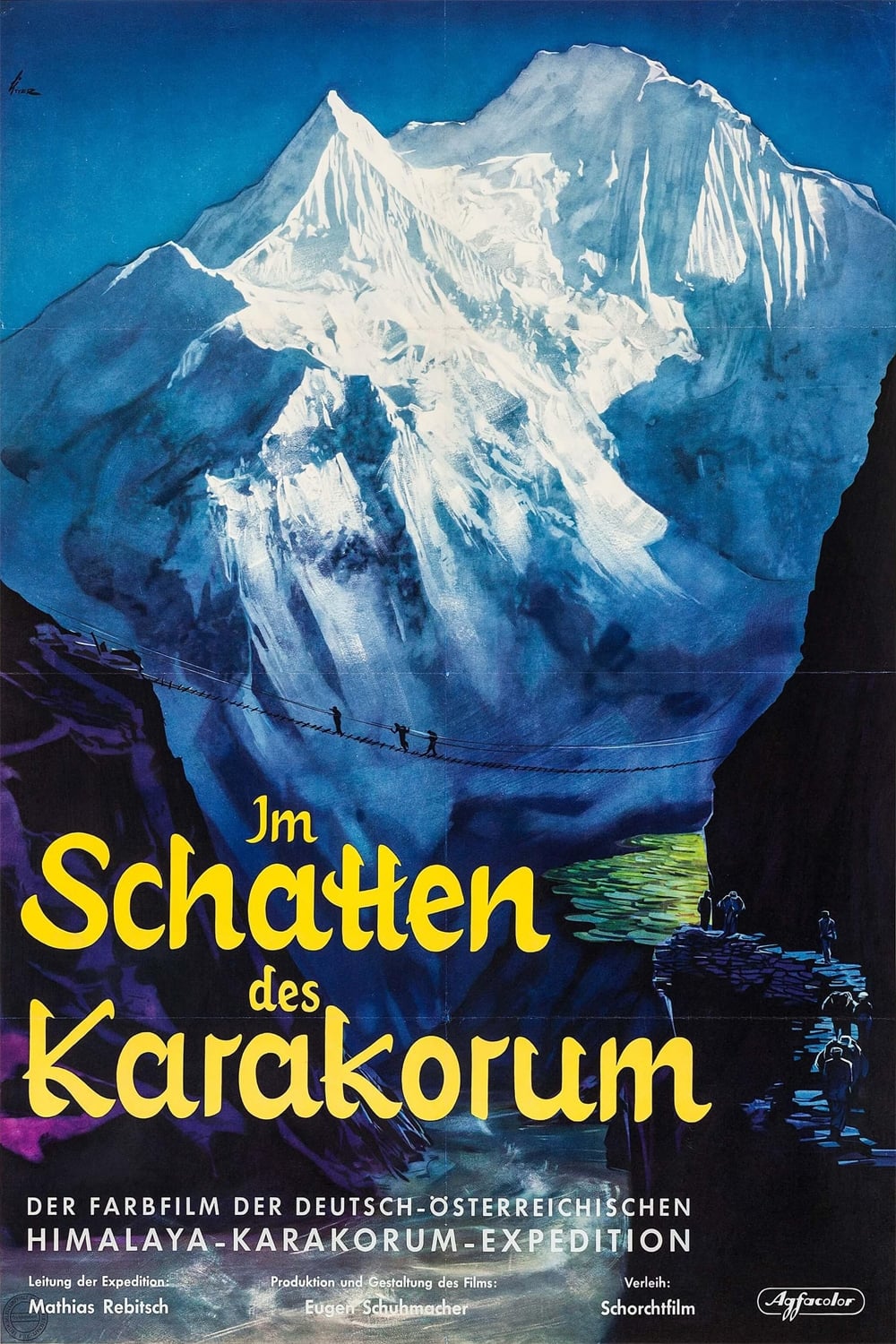
In 1954, a German-Austrian expedition led by Mathias Rebitsch set off for the difficult-to-access Karakoram Mountains, geographically north of the Himalayas. They come across the Hunza, a people who live in the valley of the same name and believe they are descended from the soldiers of Alexander the Great. The documentary conveys impressions of the poor life of the Hunza people, the harvest, a court hearing, festivals and the children's everyday school life. Finally, the expedition sets off again and sets up its main camp on the moraine ridge of a glacier, where they measure the glacier and the earth's magnetic field. Finally, some men from the research community set off for a sub-peak of Batura.
When the seven-year-old daughter of an architect falls ill with a rare but curable form of cancer, the family wants to give the child the best possible treatment. Unfortunately, they decide against chemotherapy in favor of a gentle natural remedy. When the hospital doctors notice that the child's condition is deteriorating, the necessary race against time can only begin once the parents are convinced of the effectiveness of conventional therapy.
Eva is a passionate teacher. After the death of her mother, she tries to find a new direction in life. Then Sevda, a Turkish girl, joins her class. She is smart, self-confident and wears a headscarf out of conviction. She demands her right to religious freedom without restriction. Rolf, the principal of the grammar school, believes that peace at school is at risk and wants to ban Sevda from wearing the headscarf. Eva, on the other hand, wants to take the more sustainable path and persuade her. But then the conflict at the school comes to a head.

Gunnar, a bigmouth, hitchhikes from Berlin to Rostock with his brother's duffel bag. Right at the start of his trip, he meets well-mannered Teresa, with whom he continues the journey in an old motorcycle. On the adventurous tour that follows, which is fraught with many obstacles, they meet a wide variety of people. For example, a pastor on his way to visit a dying man, an actor whose car breaks down or the shady Mercedes-Hurtig.
A group of tourists from the GDR spend their holiday at the coast of Bulgaria. When making a trip to a small fisher house, they have to stay they night, because the ship's motor broke down. One of the group proposes a game: Someone has to be a corpse, one the detective and another one the murderer. But shortly after starting the game the "corpse" has vanished only to befound at the foot of the nearby cliff - being dead for real. Now the group start their investigation...
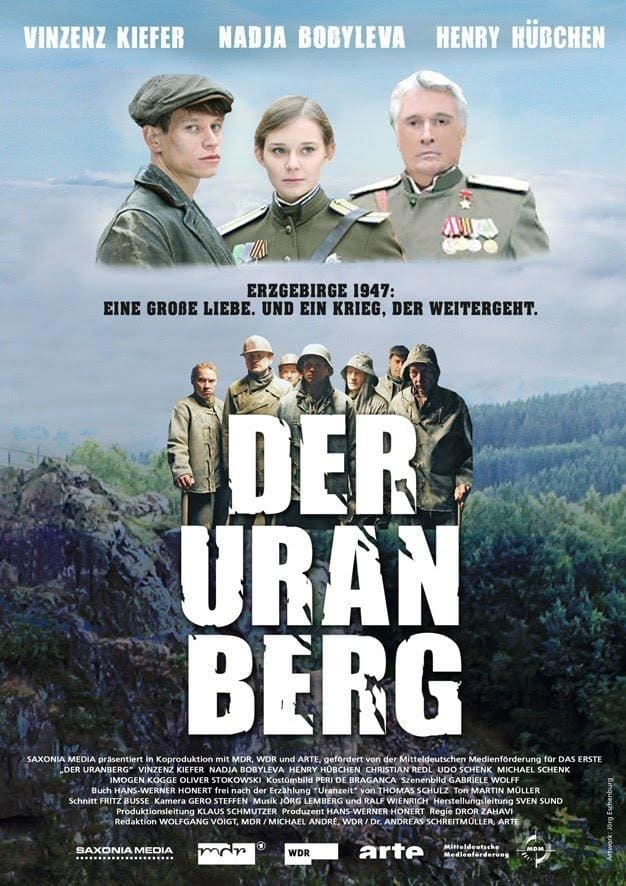
1947: the Russians have uranium extracted from the newly founded SAG Wismut mine in the Ore Mountains. Among the miners is Kurt, who has become an enthusiastic communist while a prisoner of war in Russia and therefore hates his father, a convinced Nazi. Kurt falls in love with Lydia. The daughter of Soviet Major Burski was actually supposed to spy on him, but soon returns his love. However, this is not under a good star. A mining accident is in the offing.
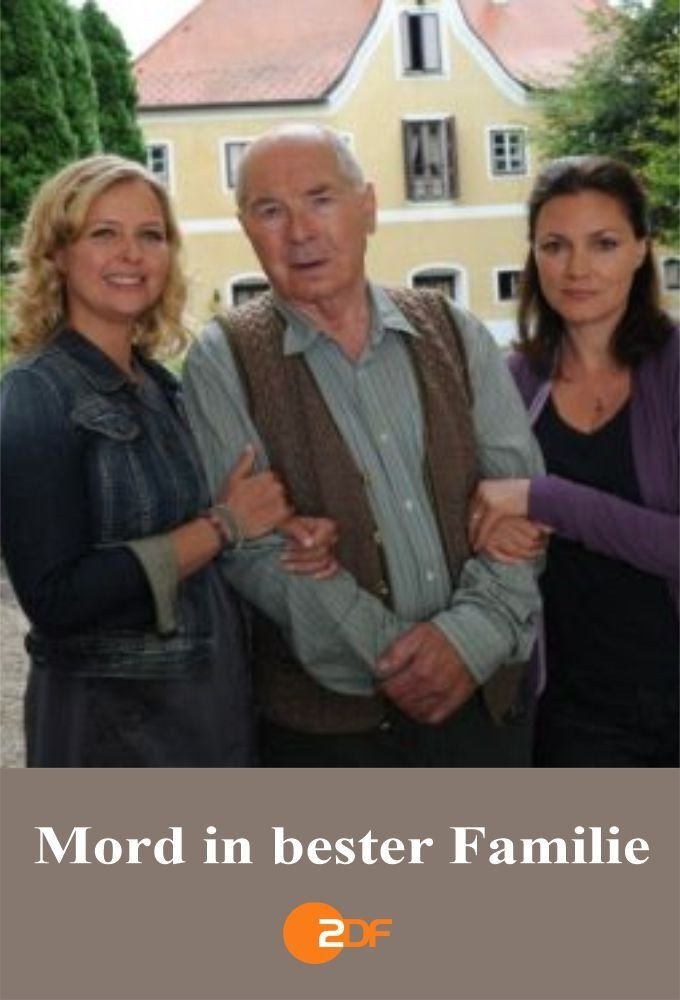
Wealthy sawmill owner Reinhard Lorenz has two daughters who compete for his love: The older Manuela runs the company, supported by her lover, the authorized signatory Jens Mattern. The younger Katrin returns home from the USA for her father's 80th birthday to reconcile with the patriarch. Both sisters were in love with the same man almost twenty years ago.

Puberty drama about the first love of a 15 year old girl from Berlin.
Private detective Fritsch from Munich had received a lucrative assignment: he was to obtain proof of inheritance for a Mr. Seligmann from Canada; this would bring the client a sum of five million dollars. He is therefore looking for an old document that was hidden in a valuable painting that disappeared decades ago. The starting point is a trail that leads to a town in Poland. The painting in question is said to have disappeared there in the final years of the Second World War. But the object of desire cannot be found here, and a new clue points to a grave in Frankenthal in the German state of Rhineland-Palatinate. Fretsch then found out that the painting must probably be in the villa of a personality with significant influence in the economy and politics of West Germany. Fretsch manages to get in touch with the wife of the presumed new owner of the painting and to find out the secret of his rise to multimillionaire status. But the people concerned use their resources to counterattack.

1523. The Protestant theologian Thomas Müntzer is entrusted with the pastorate by the 'Allstedt Council'. On the one hand, he is to open people's minds and hearts to more freedom, and on the other, he is to serve as an ally against the count.
Single crime writer Tom Clempner receives a delivery of goods that he did not order. Out of the box emerges a domestic robot called Graumer, whose pleasant female voice reveals it to be the latest ultra-de-luxe model. The sender's address, the agency for the placement and rental of domestic staff, does not mention delivery to Clempner, so the robot suggests that he should just keep it. As it costs him nothing, the writer quickly overcomes his reservations and makes diligent use of the unforeseen help, perfect in conversation and housework. However, it doesn't take long before the man of the house becomes annoyed by Graumer's all-encompassing care. The robot has already become indispensable, be it in the construction of Tom's new mystery plot or the preparation of the upcoming dinner for some acquaintances. But why does Graumer seem so disturbed when he learns that a police inspector will be among the guests?
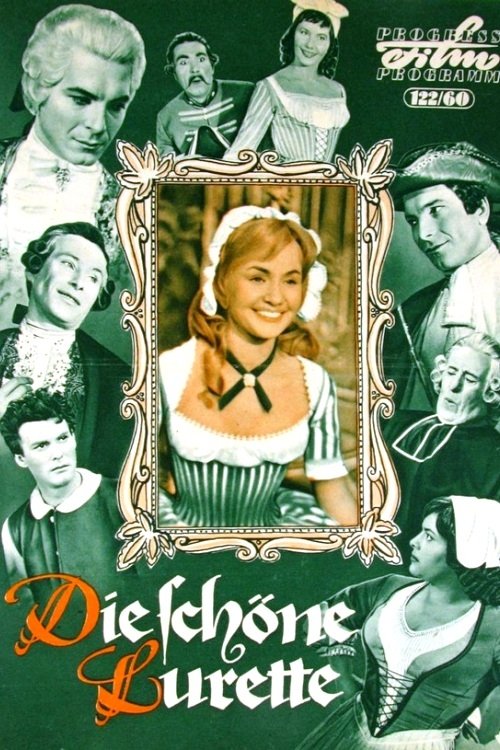
The beautiful and charming laundress Lurette is a well sought-after young woman in Ludwig XV’s Paris. Her heart is already taken, however, and she makes elaborate plans during Carnival to obtain the man she truly loves, the carpenter Campistrel. During her plans to make Campistrel jealous and recognize his love for her, she meets the Duke of Marly, who plans to make her his mistress. The unsuspecting Lurette finds herself caught in a love triangle, and her peer, Marcelline, must save the beautiful Lurette from these scandalous schemes.

In England in 1553, the marriage of Queen Mary Tudor to the Spanish crown prince Philip II is being considered. It is Simon Renard's task to force the issue. Maria, however, has lost her heart to Fabiano, who for his part is betraying the queen and is only interested in gaining power. When his relationship with Jane becomes apparent to both her admirer Gilbert and the queen herself, intrigues begin to unfold on several levels...

1831. A village schoolteacher Matthias Spitzbart dreams of the ideal school and writes a textbook on the perfect educational institution. When he becomes principal of a grammar school by chance, he puts his ideas into practice. His almost missionary-like zeal blossoms in wondrous ways, but his family idyll is deceptive. Entangled in his activities, Spitzbart fails to see his wife's affair with pro-rector Mehlmann, daughter Friederike flirts with the trainee teacher, and son Michael's misdeeds are enough to make a mockery of his efforts at exemplary behavior. Teachers, parents and the mayor are of the opinion that he has upset everything that worked before: he is dismissed...

East Berlin, late 1970s: Because she doesn't really have any particular career aspirations, Marta becomes a nurse. And since true love is a long time coming, the 17-year-old seduces Monty, the young man next door. Then there are her parents' marital problems. Marta is in the middle of the exciting trials of growing up.
In spring 1946, Warsaw historian Wojtek arrives in a Polish provincial town to study the Renaissance. He soon becomes entangled in the fierce postwar power struggle between the Soviet-backed People’s Government—nationalizing industry and land—and reactionary exiled forces waging “bandit terror,” from train robberies to political assassinations. As violence escalates, Wojtek shifts from observer to active defender of the new “people’s power.”
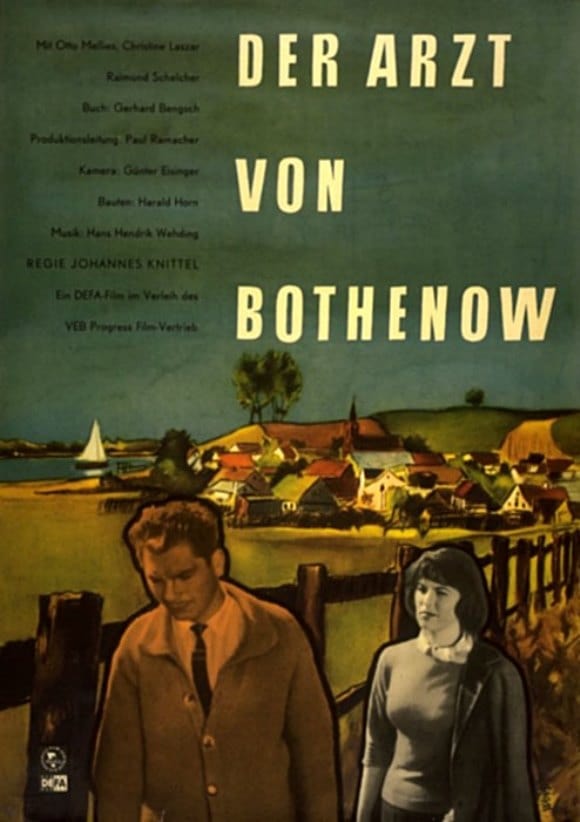
The son of a working-class man, Harry Brenner studied medicine at the ABF and quickly made a career as a doctor in Berlin. His lifestyle and his demanding wife swallow up a lot of money, so he takes on any part-time work. After a gross dereliction of duty, he is transferred to Bothenow. He meets Eva again, whom he knows from his student days and who now works here as a nurse. The two hit it off and Dr. Brenner slowly begins to change his life. In doing so, he increasingly comes into conflict with his wife. Their different views on life eventually lead to a separation.

In 1787, Friedrich Schiller published his story about a prince who manipulates, seduces, and ultimately falls victim to a murderous intrigue in Rococo Venice. The prince, an enlightened ruler with a penchant for worldly things, travels to the funeral of his brother, a sometimes mentally confused, generally incompetent, alcohol-addicted good-for-nothing who died in a brawl. Having come to fulfill a tedious duty, the prince falls in love with a mysterious beauty against a romantic backdrop of dreamy gondolas, castles, and masks, and she drives him mad. He, who is usually guided by incorruptible judgment, becomes increasingly entangled in the finely woven web of his invisible enemies from the nobility and clergy. For, despite all reason, it is a matter of succession to the throne and thus of power.

An ageing genetic scientist recognizes the curse of his own research.
On a West German Autobahn, Robert plummets from a bridge and is hospitalized. As he recovers, he flashes back to a Bulgarian holiday where he met Jutta and her uncle Lothar, who’d ordered a West German passport to smuggle her out of the DDR. Back home, Robert and Jutta marry and have a daughter, Anna, but Jutta still yearns for the West. Lothar arranges their escape: Robert, Jutta, and Anna hide in a car trunk, but delays doom Anna. At the border, a grief-stricken Jutta blames Robert; distraught, he leaps from the bridge, surviving to face his guilt. A film banned in the GDR.
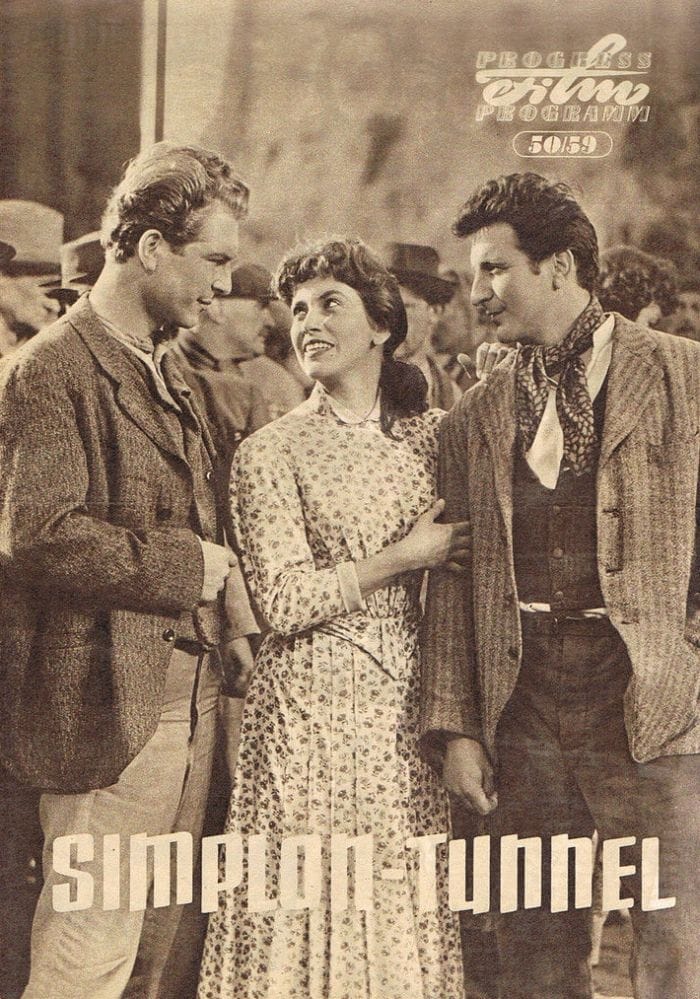
A sociohistorical drama about the construction of the Simplon-tunnel: A conflict develops when German workers want to strike and fight for better working conditions while Italian workers simply want to earn money and provide for their families.

Young, pretty Milli is passionate about winter sports, and of all things, she wins a vacation trip to the Baltic Sea at her company - in summer, of course. After her first dip in the sea and meeting a nice young man, her initial displeasure fades. But not for long, because Robby turns out to be a filou, shuns regular work and is also a womanizer. After some confusion, Milli's vacation ends well after all. She goes home with Robby, who wants to take a job as a car mechanic in her home town of Suhl.

Historical television comedy around Friedrich Alfred Krupp, whose connection to the imperial court and the influence of Kaiser Wilhelm II. to the Krupp family. Not yet 50 years old, the "cannon king" dies in 1902. The emperor holds a memorial speech sown with threats against the "inner enemies". Telltale secret files emerge, strange amorous adventures are in the game.
A journey through a nature reserve in the GDR: the island of Hiddensee—with a special focus on the landscape, flora, and fauna.