
The magical-realist camera follows the trials and encounters of Jonathan as he attempts to fulfill his mother’s final wish: that her ashes be laid to rest at Alexanderplatz, Berlin. Carrying her blue urn and searching for a suitable location, he attempts to gain permission, assistance, and sometimes merely empathy from his fellow citizens.

A musician tries to get by working several jobs.

Former German Chancellor Angela Merkel is retired and lives with her husband and pug in a small town. She is bored with the quiet life. When a man is found murdered in a castle, she begins to investigate on her own, supported by her bodyguard.
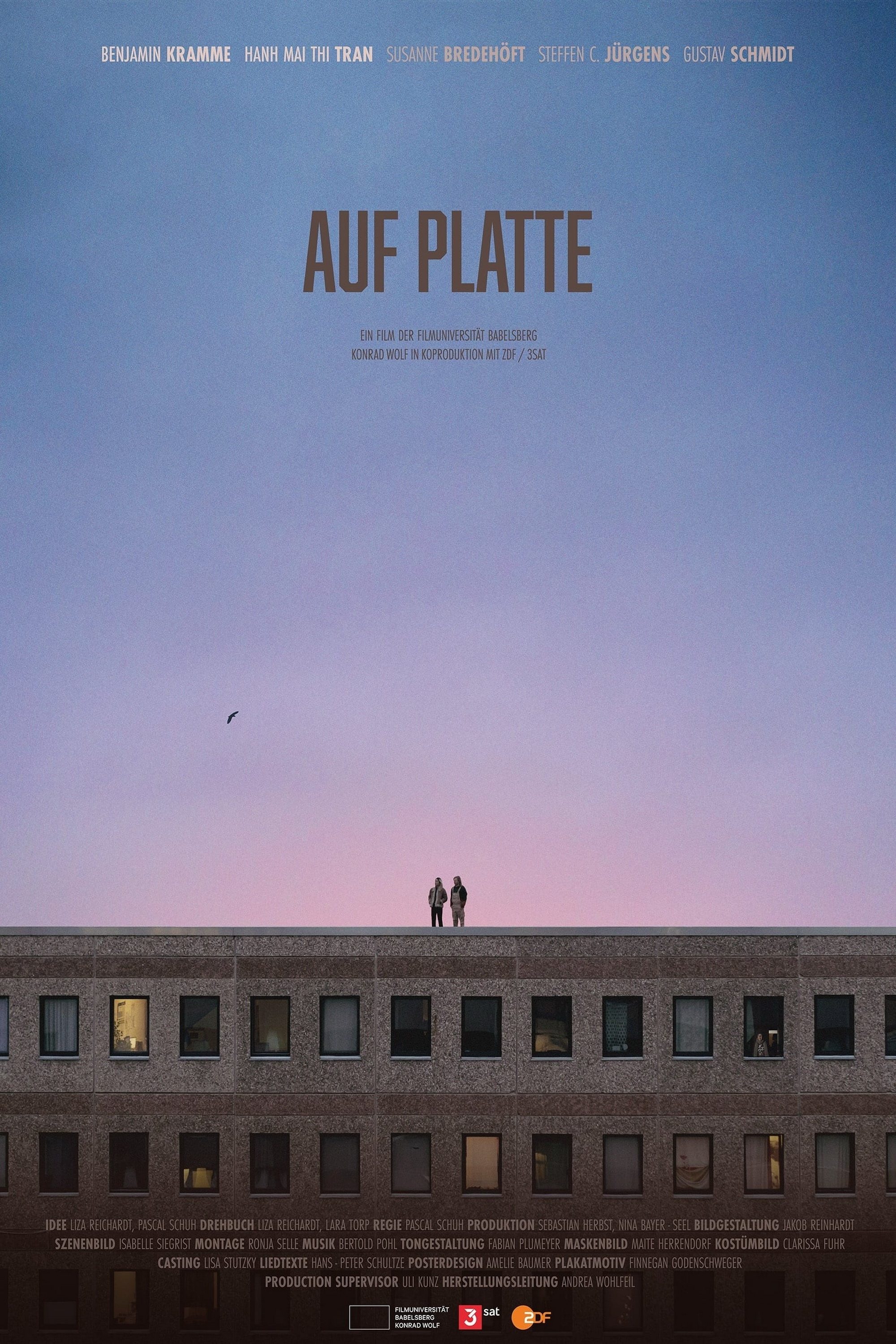
The shy Hugo is a caretaker in a prefabricated building. He feels at home here, is appreciated by the residents and sings his songs in the corridors. Dramatic changes make Hugo uncomfortable in his home. Similarly dissatisfied is Johanna, who lives in a bus in front of the house and faces racism and sexism on a daily basis. The two grow closer - sharing a sense of not quite belonging and, above all, a love of music. For Hugo, the world is visibly coming apart at the seams: birds that reject freedom, a dollhouse that develops a life of its own - At the same time, a catastrophe is brewing in very real life that puts Hugo and Johanna's friendship to the test.

As stated in the opening titles and at the end Freakstars 3000 is supposed to be a commentary on the problems of the non-disabled people. The more I was shocked about how the disabled were depicted in this film the more I started to realize that in every non-disabled TV counterpart of this show (German TV shows like "Popstars" or "Friedmann" or the home shopping channels) its mentally "non-handicapped" participants are treated in a completely identical way: The total prostitution of the mind in front a huge TV audience at the expense of one's most important gifts one should hang on to: dignity. On the other hand one could completely understand people who are furious about "exploiting" these handicapped persons. But that's what Schlingensief's works are all about: shock people and don't care about those who cannot or will not try to get the message (if there is one).

Dance teacher and mother Nadja left her son Mario with her own mother when he was little. Now she has reappeared on his doorstep, seeking a closeness that knows fewer and fewer boundaries. An uncompromising film about family relationships.
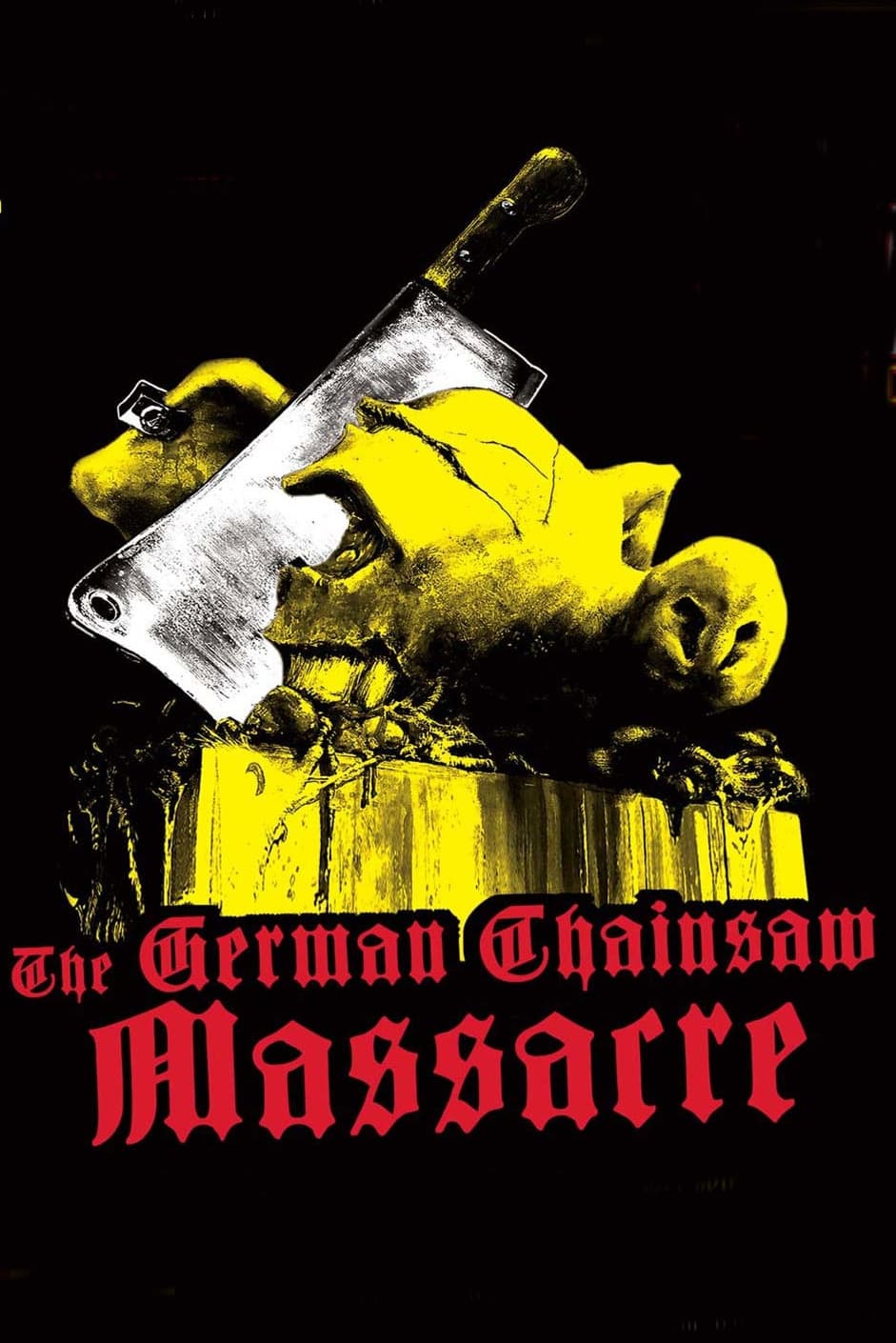
Taking place around the German reunification of 1990, a group of East Germans cross the border to visit West Germany and get slaughtered by a psychopathic cannibal family who want to turn them into sausages.
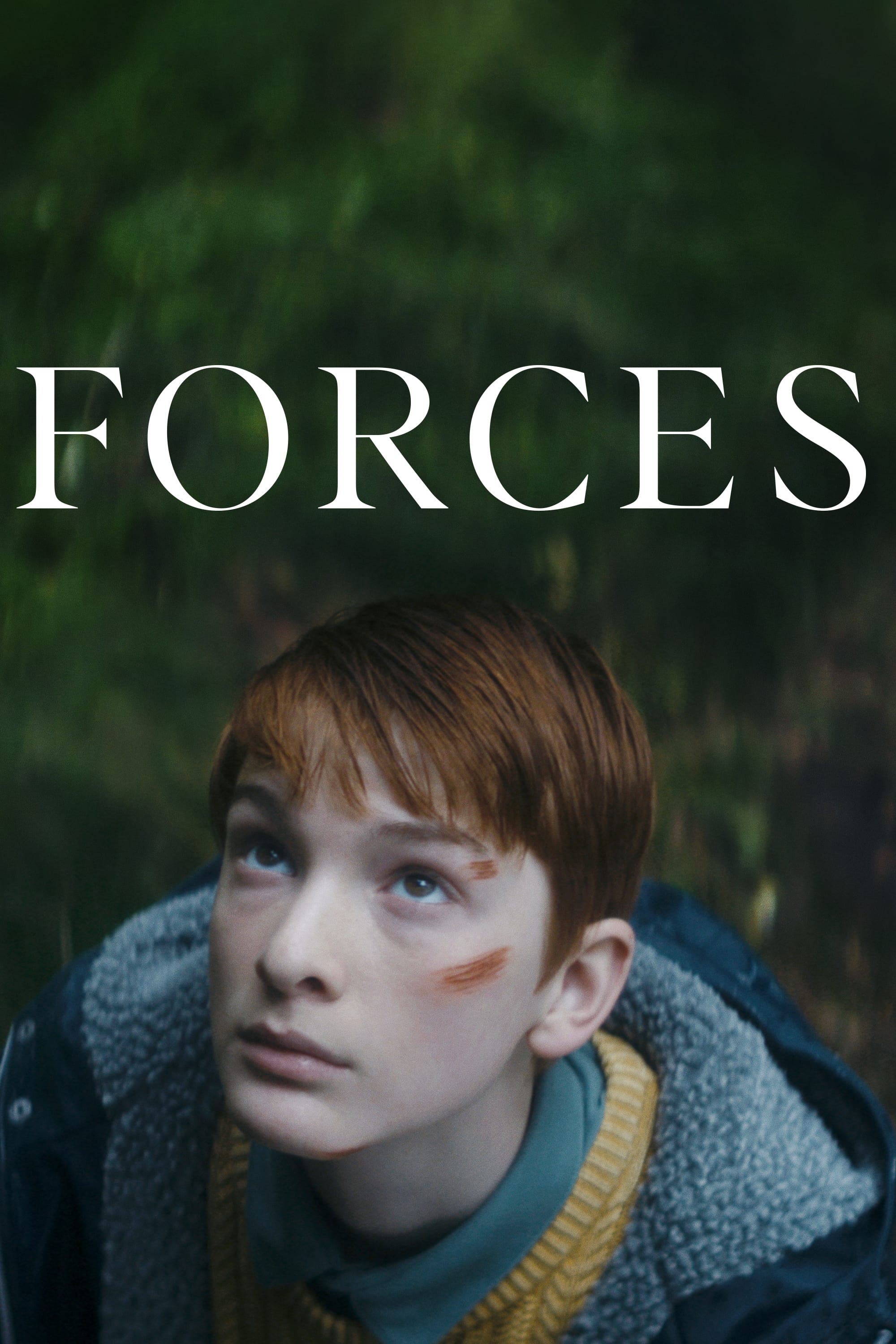
Thirteen-year-old Daniel lives with his older brother and terminally ill father in a village plagued by rural exodus. There, the young people live their lives between rare bus stops, xenophobia, unemployment, illegal dog fights and chemical intoxicants, among other things. Daniel stands between childhood and adolescence, and in the face of the indifference and stagnation of his surroundings, he becomes the victim of inhuman conditions that force him into a painful loneliness.
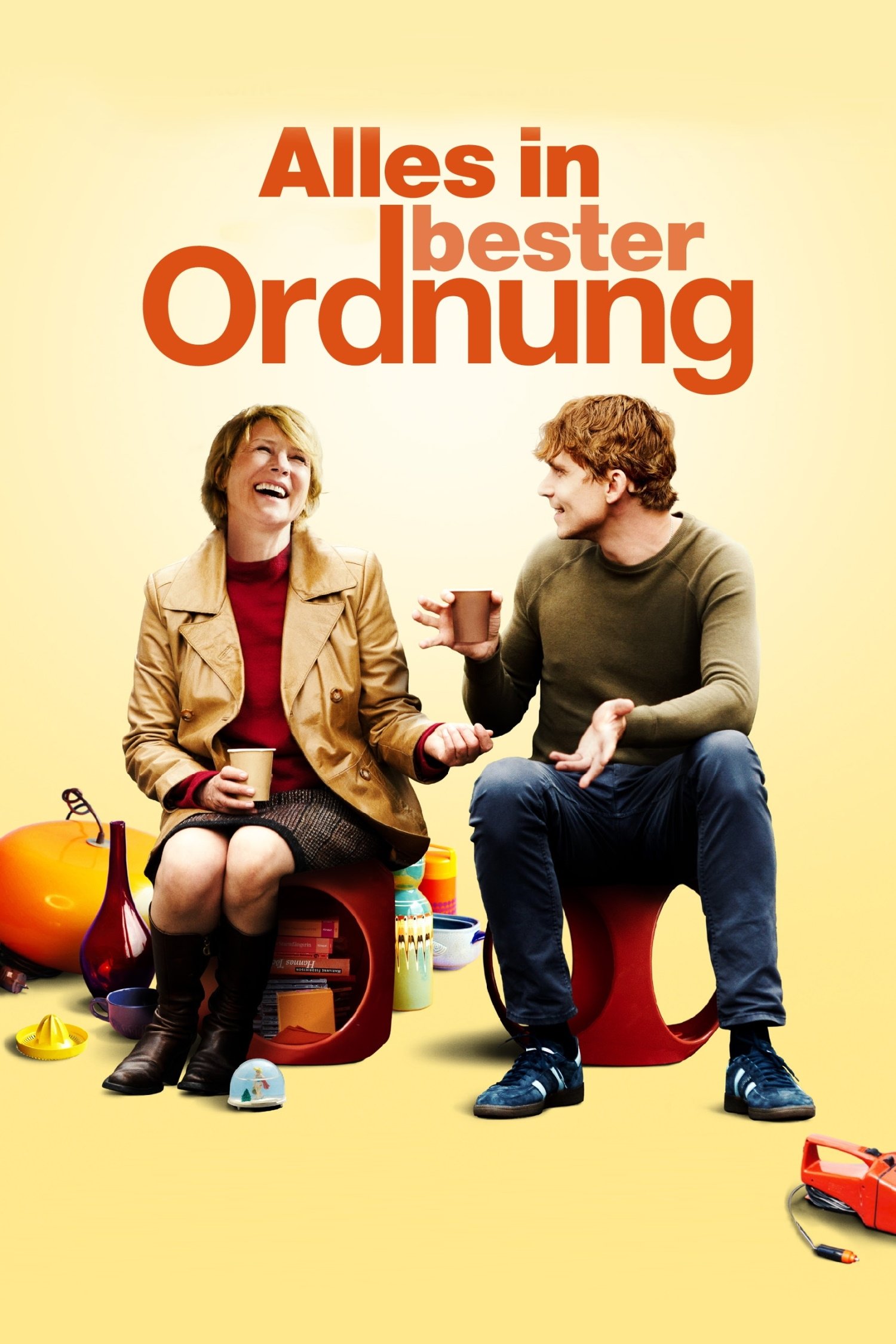
The contrasts between Marlen (Corinna Harfouch) and Fynn (newcomer Daniel Sträßer) couldn't be any more extreme if they tried: Marlen's apartment is packed to the rafters with objects too valuable or important to throw away, while Fynn plans to go through life with only 100 things in his possession. The fact that they can't keep their hands off each other and end up falling in love holds true to the old adage that opposites really do attract...
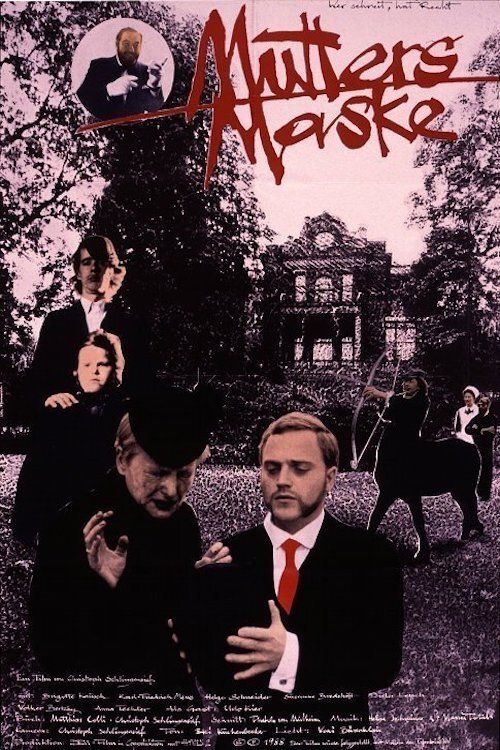
Returnee Willy von Mühlenbeck has to realize that his evil brother Martin has risen to become the head of the industrialist family, while their ailing mother is in the hands of sinister doctors. When he falls in love with the terminally ill Els, fate takes a tragic course.
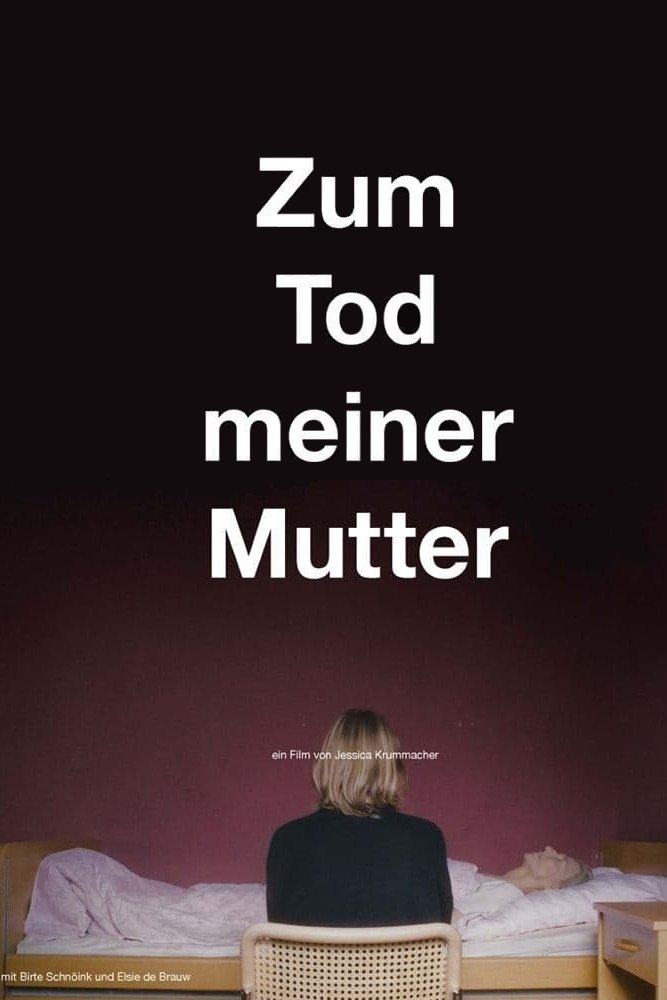
Kerstin is in great pain. Her daughter Juliane wants to help her die, but the law forbids it. Jessica Krummacher’s second feature describes the most important of events via tiny details that stay with us and get under our skin.
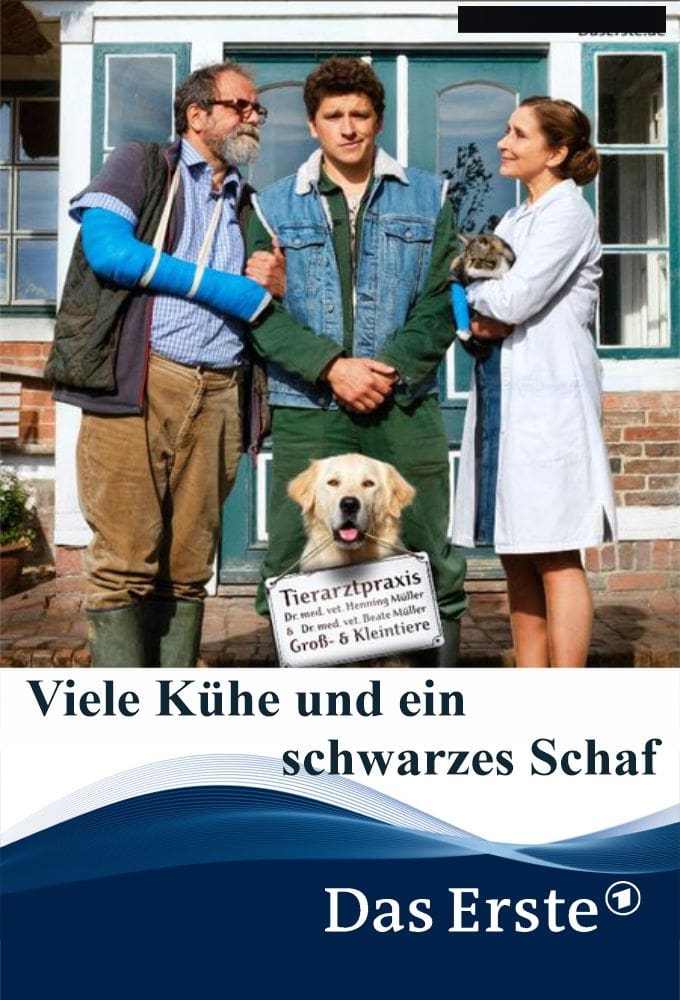
Martin has failed as a veterinary surgeon and works in research. But then he loses this job too. He is neither stupid nor lazy, just incredibly scatterbrained. His girlfriend Tessa has had enough and throws him out. Martin is left in a shambles. Just at this moment, he receives a call from his mother Beate: his father Henning, a veteran country vet, has broken his arm and needs Martin's help.
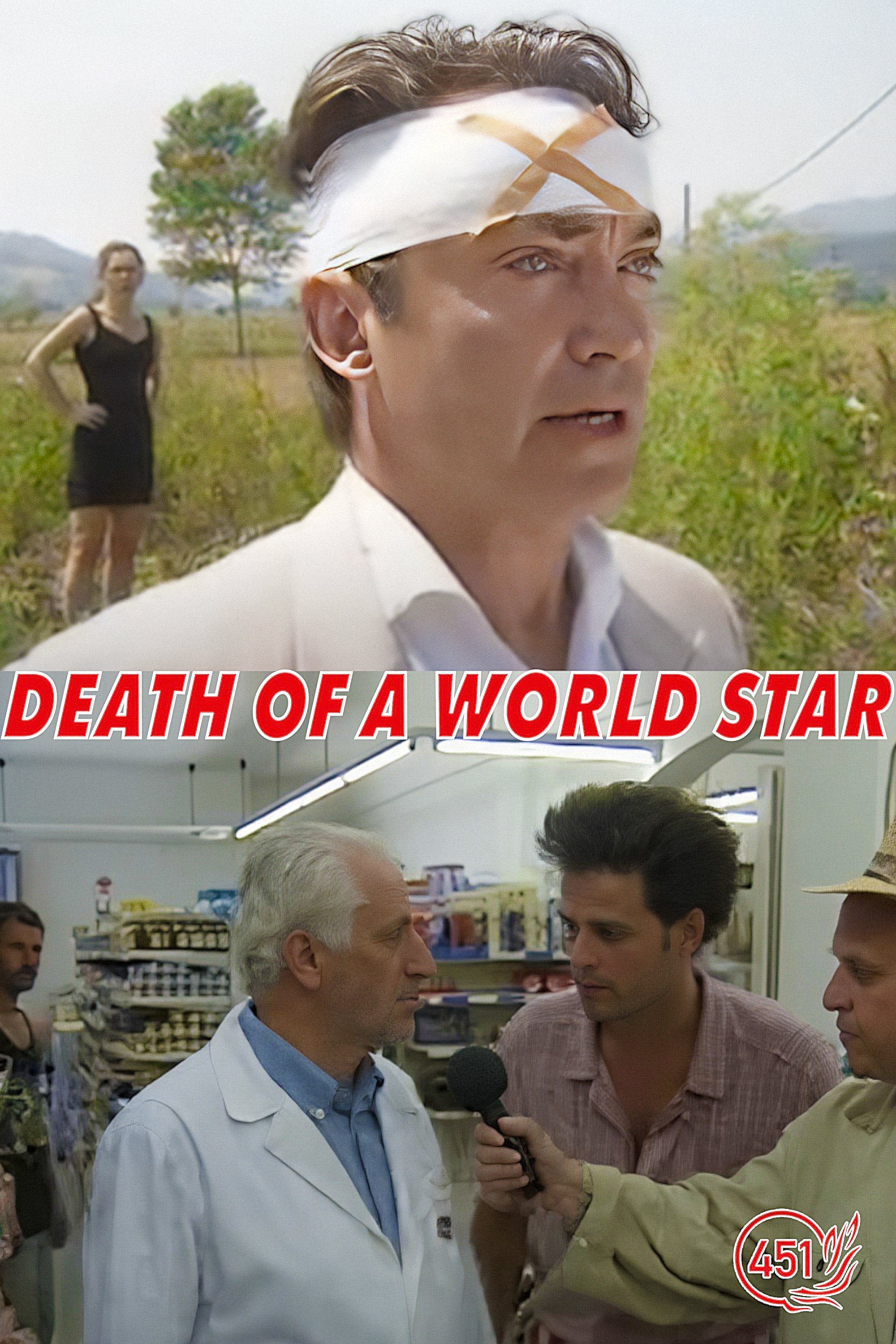
A mockumentary - after suffering a tragic accident on a shoot in Tuscany, Udo Kier is about to die. Alfred Edel is sent in to film an obituary.
When her best friend Jojo falls in love and moves on from their wild dating adventures in Berlin, Paula does everything she can to sabotage her wedding.

Victoria, a transgender woman, embarks on a journey in search of release from the burden of the body and its limitations.
Young nurse Sissi lives a secluded life entirely devoted to her patients at Birkenhof asylum. Her first encounter with ex-soldier and drifter Bodo has a lasting impact. He causes an accident in which he provides first aid, Sissi wonders if he may be the man of her dreams. But when she finds him weeks later she is rejected, as Bodo is stuck somewhere between a traumatic past and a criminal future.

Helena, 29, a single mother with an 11-year-old daughter, is a moderately successful actress who earns a living as an escort in the sex industry. Her relationship with her own mother, a singing teacher, is tense, and she’s also increasingly annoyed with her job. Meeting David offers her an opportunity.
Two inmates make written contact through a personal ad that is hidden and found in a pair of work trousers. The pen-pal relationship turns into love, whose future remains uncertain after a personal encounter.

Another murder takes place in tranquil Klein-Freudenstadt. And Angela Merkel is in the middle of it again.
Contemporary cinema’s preeminent chronicler of architecture and its intersection with the ever-present crisis of 20th-century modernity, Heinz Emigholz returns with an alternately mournful and sly treatise on how the presence—and, in some cases, absence—of municipal and communal building architecture is inseparable from capitalist ideology. Focusing mainly on cities and provinces in Argentina, Germany, and Bolivia, Emigholz’s latest film is a work of quiet observation and historical excavation. From slaughterhouses in Salamone to the flooded former spa city of Epecuén to the newly built Humboldt Forum in Berlin, the film demonstrates the effect of capital on public spaces, where creation and destruction go hand in hand, and as always, Emigholz makes the journey one of intellectual force and cinematic beauty.

A crew from the U.S. intends to film a war drama at an abandoned sugar factory on the remote outskirts of a German city, making the nearby town, which had been a pool of stagnant water, seem to come to life. The residents are excited, each making their own little plans, until a tank pulls up in front of the mayor's house and a sudden power outage disrupts all plans.
Four teenage friends - Frank, Spüli, Mücke, and Pommes - try to have their first contact with the opposite gender. Not so easy in the Ruhr region of the 80s. Attempts at dancing and being in a band go wrong, and their parents and teachers can't help with that, so the four teens need to get creative.
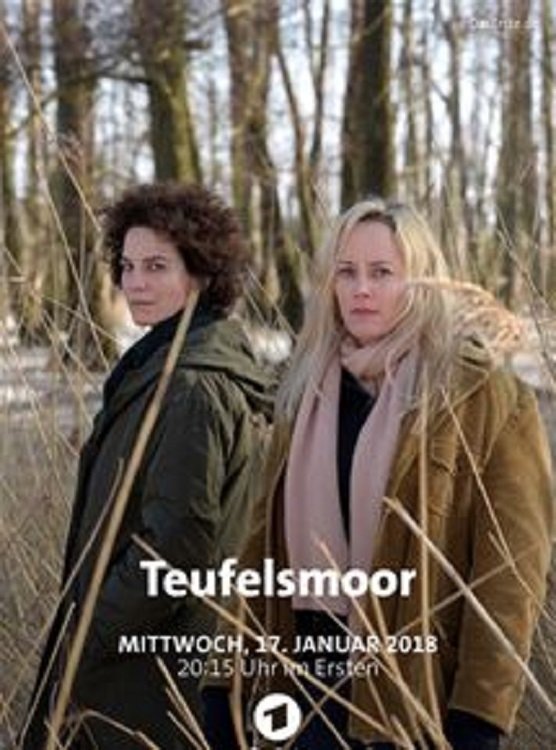
After the death of her father Georg Inga Hauck drives together with her son Max in their home village. In her old home she meets Anna Kertesz. Inga's parents had taken Anna 28 years ago after her adult brother Zoltan mysteriously disappeared. Since the same day also Ingas was missing then six-year-old brother Magnus. Inga is being overtaken by her past in her parents' house. Soon her nerves are bare. And every day her memories come back.

Burned out and lonely Rocky is almost 50 years old and has seen better times as a womanizer. One day, Thorben shows up at his door claiming to be his son. He is trying to get advice on how to be successful with women.
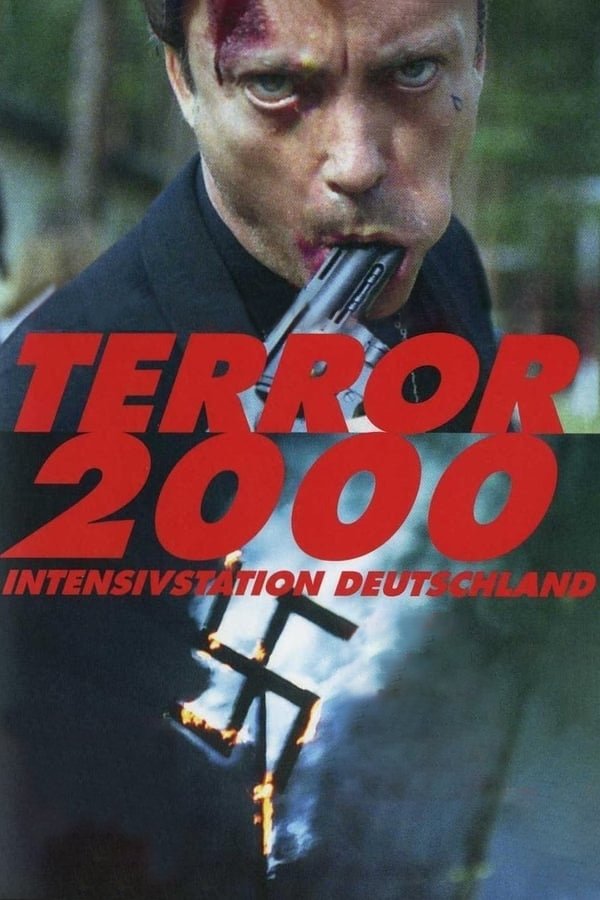
Germany, right after the re-unification. The people are out of control, blind hatred towards immigrants is common sense. In this time, a social-worker, with the mission to bring a Polish family to their destination (an immigration camp in a little provincial town called Rassau), gets kidnapped just as the family. Chief inspector Koern and his girl-friend start to investigate in this matter in Rassau, exploring a world of obsessive sex, mislead lust and an over-whelming irrational love to the German nation, infiltrating anyone's mind. Rascism doesn't start with shaved hair and boots but rather in the middle of society itself...

Cologne towards the end of the Second World War. The city is in ruins, everyone is afraid, many are dead. It is a time of great inhumanity. Cologne’s young Edelweiss Pirates refuse to submit to the pressure of the Nazi regime. They fight with the Hitler Youth and scrawl anti-war propaganda on walls. Karl is an Edelweiss Pirate; his younger brother, Peter, is in the Hitler Youth movement. The two young men have been alone ever since their mother’s death in a bombing raid; their father is serving at the front, and their older brother, Otto, has been killed in action. Otto’s financée, Cilly, is doing her best to survive the war with her children. Carl is trying to help her.
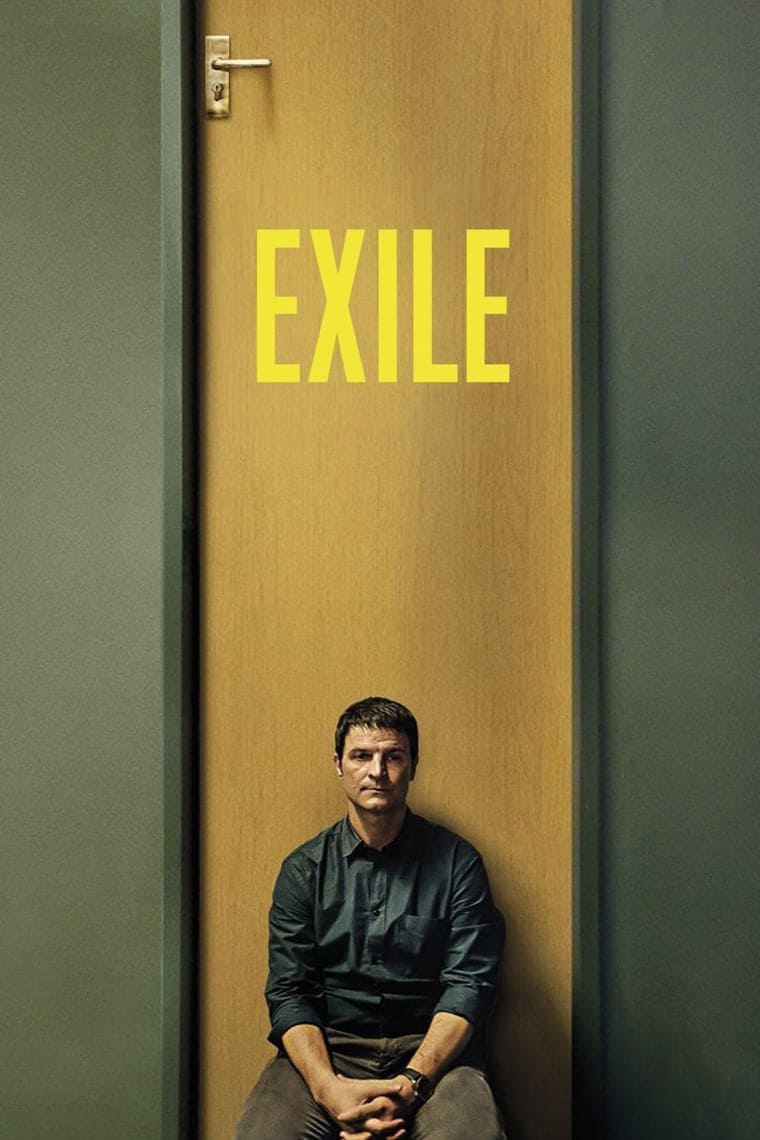
Exil tells the story of a chemical engineer of foreign origin who feels discriminated and bullied at work, plunging him into an identity crisis.

Today is Lara’s 60th birthday, which happens to fall on the same day as her pianist son’s career-defining concert. A failed pianist herself, Lara spends the time before his performance pacing about Berlin—boiling with jealousy, nerves, and pride—trying to get hold of her elusive son.

Summer 1989, East Germany. Adam works as a tailor, Evelyn as a waitress. They are planning a vacation together when Evelyn finds out that Adam is cheating on her and decides to leave for the holiday on her own.
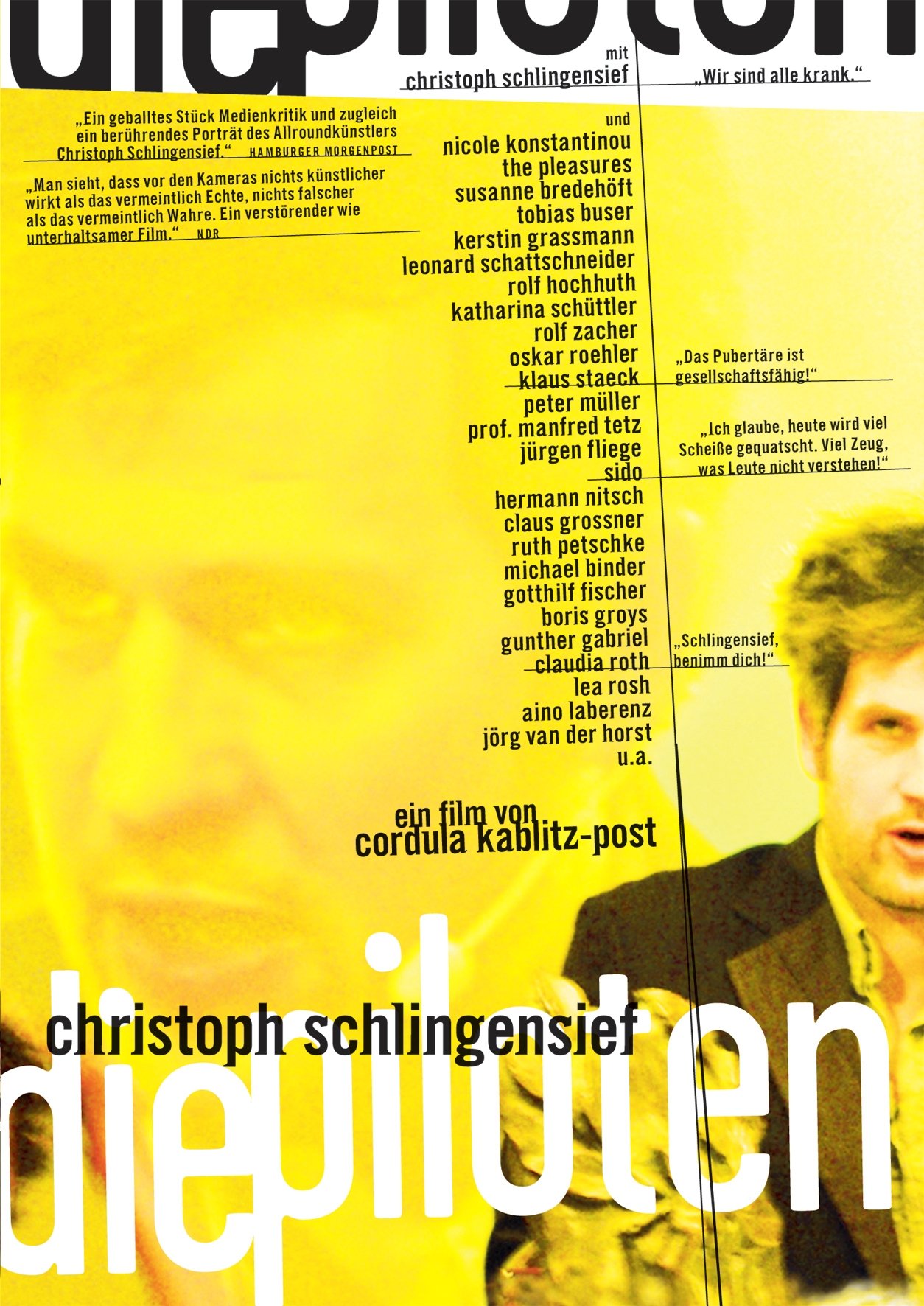
Documentary satire about a project by Christoph Schlingensief: Ten years after his TV project "Talk 2000", Schlingensief started to work on a new talk show – at least that was what he claimed. But in reality, it was obvious that the pilot episodes he produced would never be broadcasted. Nevertheless, all celebrities from the political and cultural sphere, Schlingensief had requested, accepted his invitation, including the filmmaker Oskar Roehler, the televangelist Jürgen Fliege, the politician Claudia Roth, or the rapper Sido. It is beyond question, that the talk show panel took an unconventional course directly from the start – and was soon threatening to turn into an uproar.
Part of the Bonn opera production "Freax". Schlingensief's disabled protagonists initially move through the circus ring in artist costumes, as in Tod Browning's Freaks (1932), interspersed with and thus communicating with footage of their controversial opera performance in Bonn. Their initially cheerful procession turns into a passion play, with individual protagonists being symbolically crucified and thus once again mutilated by others.
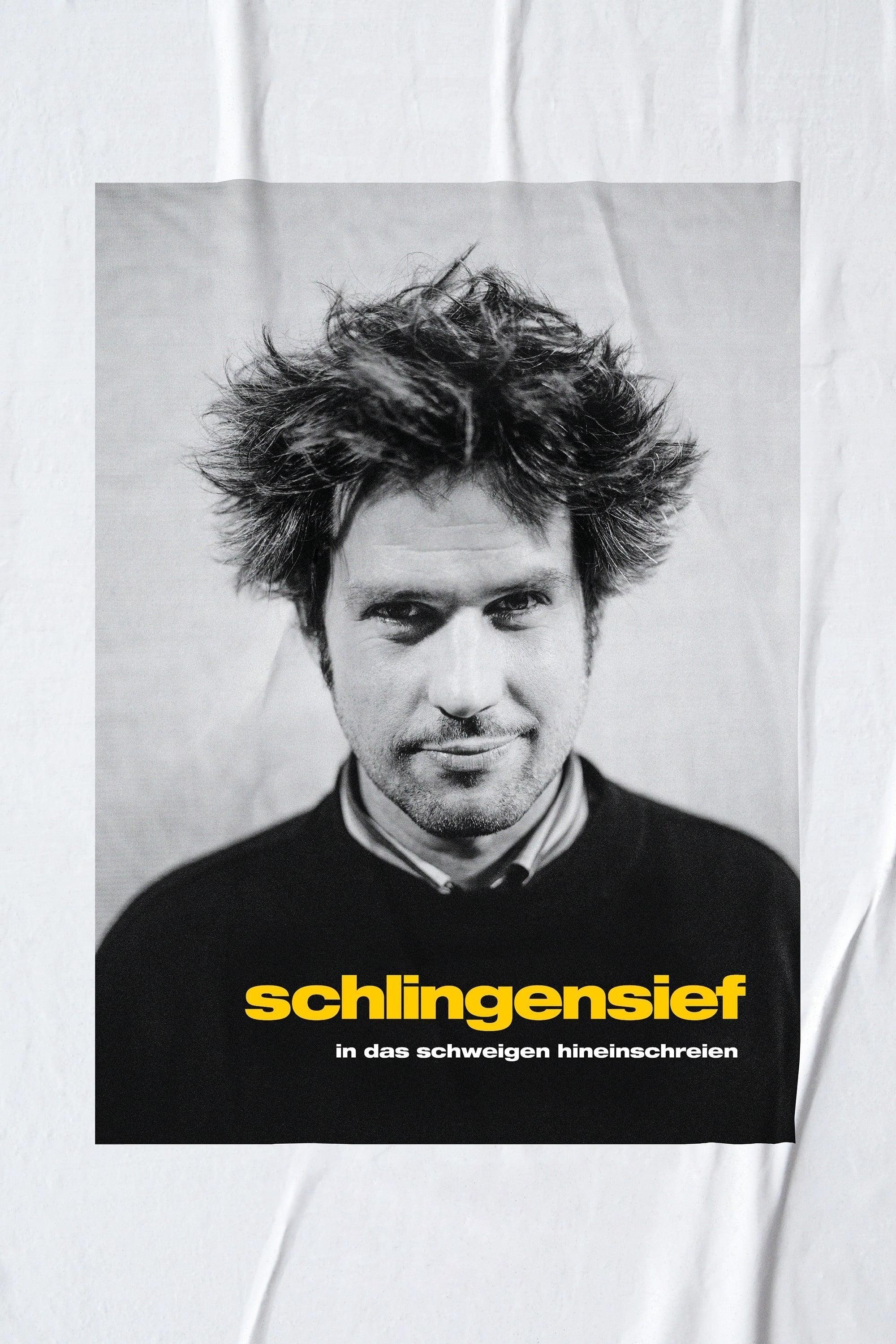
Using unpublished and newly digitalised archive footage and film material, Bettina Böhler has brilliantly assembled this film about the life and work of the exceptional artist Christoph Schlingensief, who died in 2010.

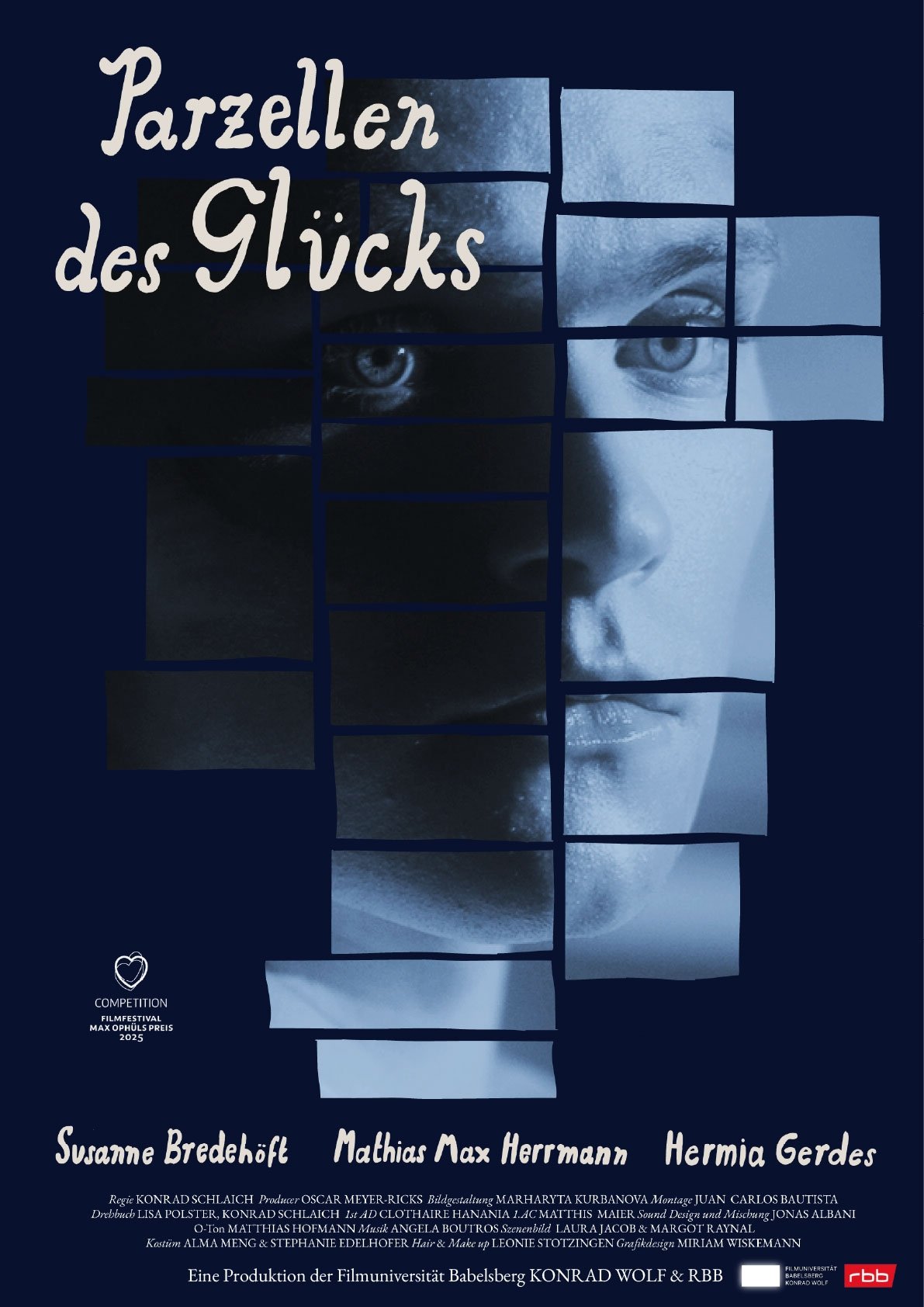
During a storm, Monique and Heiko find an uninvited guest on their allotment plot. The strange stranger has wings on his back and it almost seems as if he has fallen from the sky. Heiko falls under its spell and Monique has a thought: don't we all want to believe in a miracle?
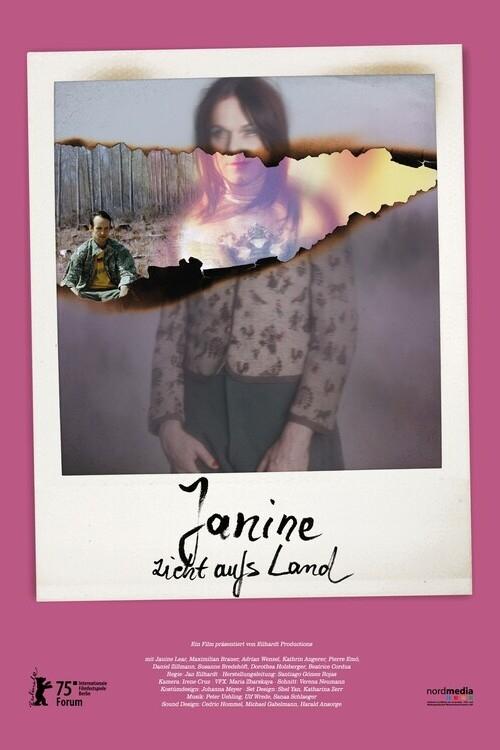
Far away from the big city, Janine is unwelcome, yet an eye-catcher: a sensual, queer subject of projection with wine-red hair. Jan Eilhardt travels with her to engage with his own rural past, opening old wounds and infiltrating a hostile milieu.
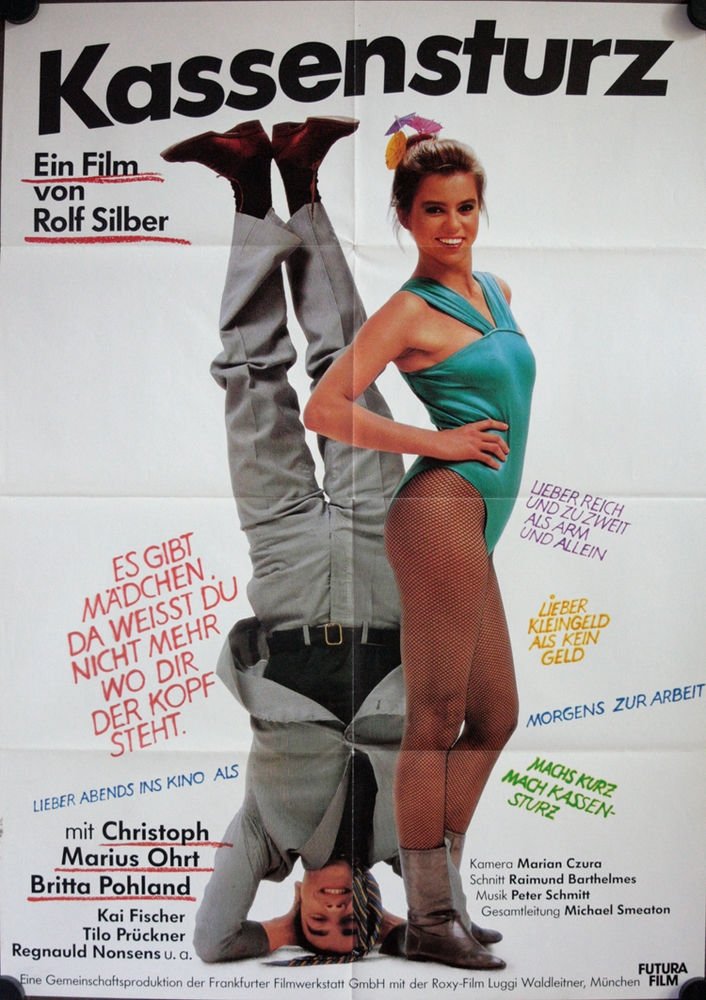
Erich Bauermann is a smart, young, good-looking guy (he thinks). His life becomes troublesome, when he first meets a very unusual woman and an even more unusual bank robber.
Although hostess Brigitte and life-loving schoolgirl Paula only meet in person once, their fates and lives are closely intertwined.
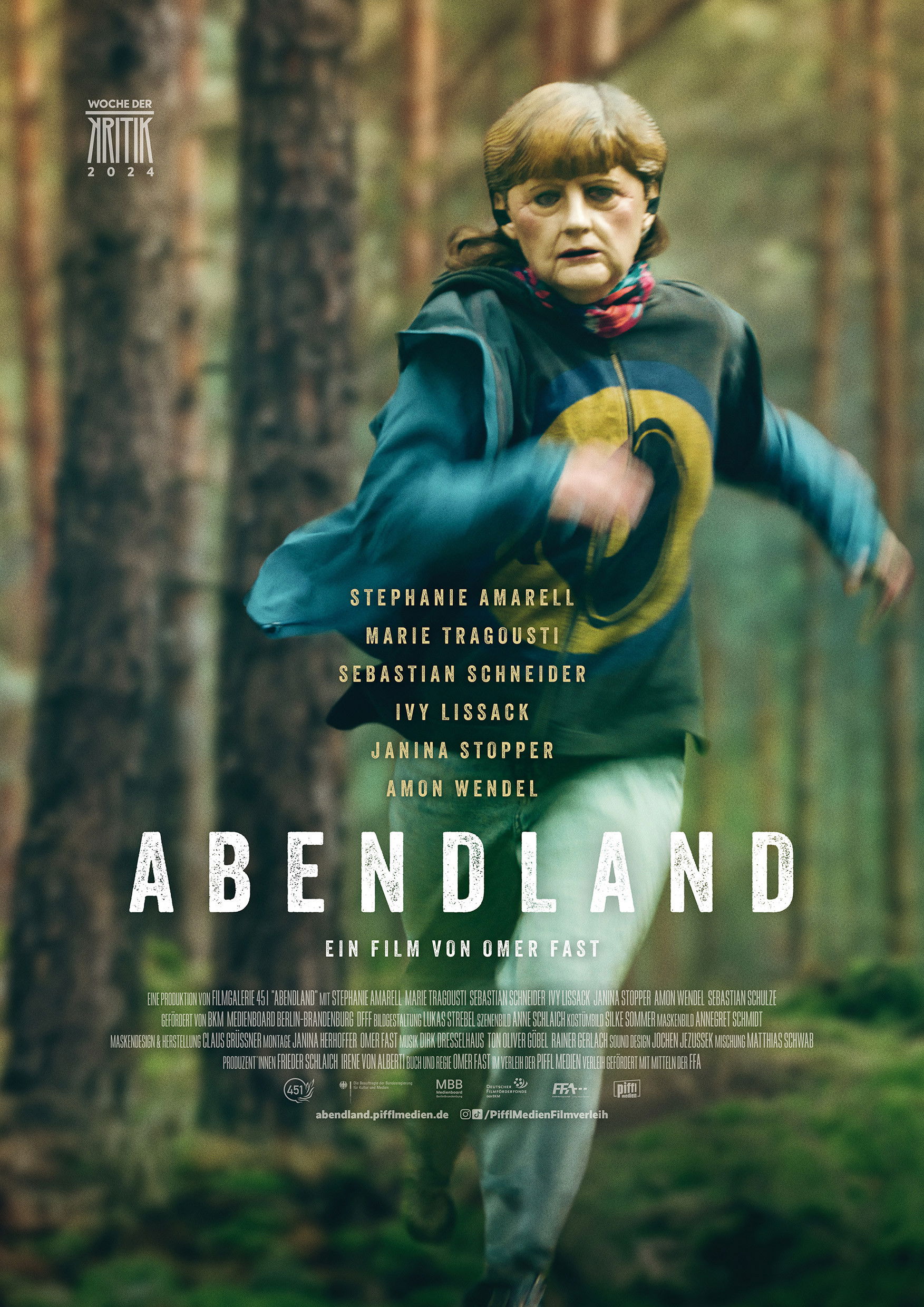
Because the German state has failed, a large number of people are living in the forest, outside of society.
The existential quest of a young woman, Flippa, within the eternal “heterosexual knot”. In search of her sister Furia, she finds her in Sardinia in a community of mother witches.
Docudrama about a prostitute.
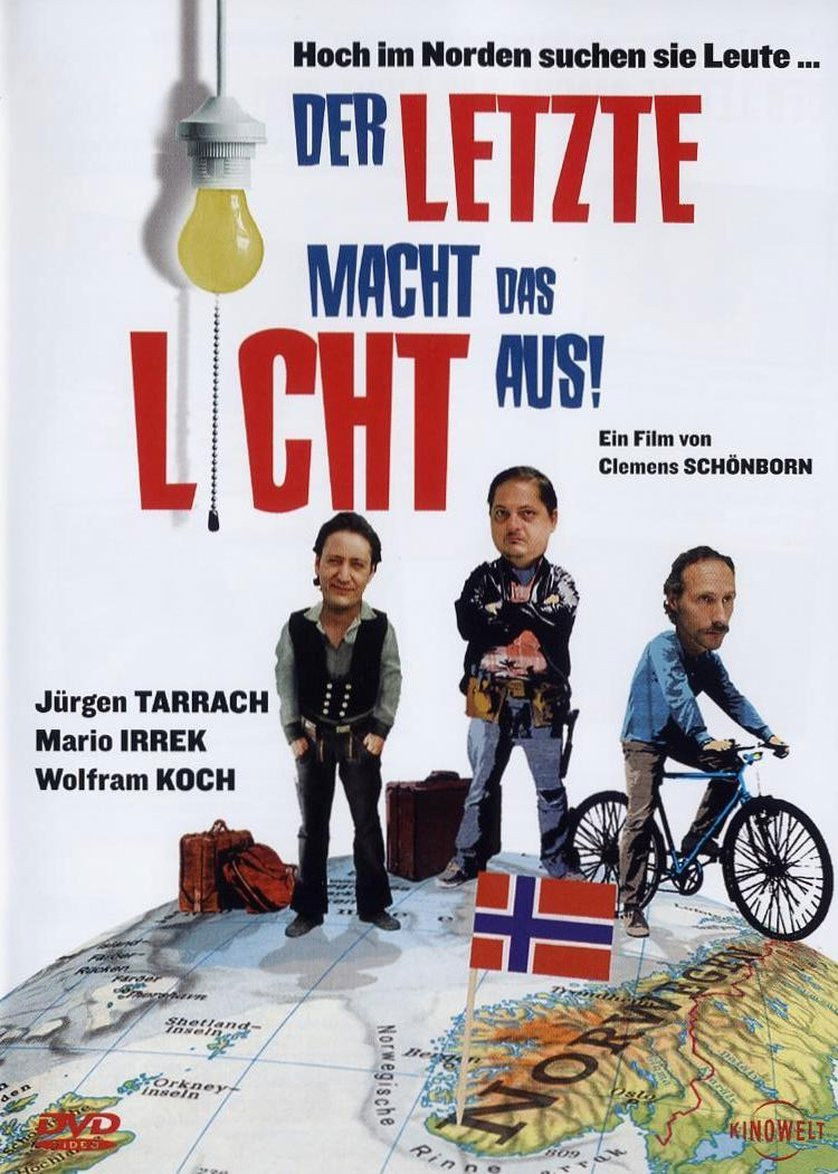
The Berlin construction workers Micha, Silvio and Norbert are out of work. The way out spells - Norway. Because German craftsmen are in demand. The three, with 17 other desperate people, are bawling Norwegian and preparing themselves for "it's always just salmon" and fearing the darkness. Too bad that their wives have other plans.
Jesse Bronske runs the melancholy bar Klaus Meine, navigating love, work, and paranoia while haunted by his twin, as daily life and risky plans spiral amid alcohol and obsession.