The war in the Ukraine has changed the way many European countries view Russian politics. Suddenly it became clear how dependent countries had become on Russian gas imports for decades and what Vladimir Putin was up to. However, no country needs more gas than Germany. It was only after Russia's invasion of the Ukraine that the German government realized that Russia had long used gas as a weapon to impose its will on states. The instrument created for this purpose is the natural gas production company GAZPROM. So how did Germany become so dependent on Russian gas? The documentary shows how, over several decades and several changes of government, a broad alliance of politicians and business representatives did everything possible to secure Germany's energy supply with cheap Russian gas, while the Kremlin's foreign policy became increasingly aggressive and the warnings of experts went unheeded.
A film showing the social mood and tensions in the period between the end of the strikes in August 1980 and the registration of the Solidarity Trade Union in November 1980.

The documentary presents the presidential election campaign in Poland in 1990.
The film traces the conflict between General Wojciech Jaruzelski and the electrician Lech Wałęsa. Close companions and contemporary witnesses have their say in the documentary, providing an insight into this important chapter of contemporary European history.
Documentary about the Intervision Song Contest in general and the 1980 edition in particular. Focuses on Finland's participation and the shipyard strikes in Gdansk at the time.
Exactly 25 years ago, on December 10, 1983, Danuta Wałęsa received the Nobel Peace Prize awarded to her husband in Oslo. The tragic figure of Magdalena Wójcik is inscribed in the history of Wałęsa's Nobel Prize.
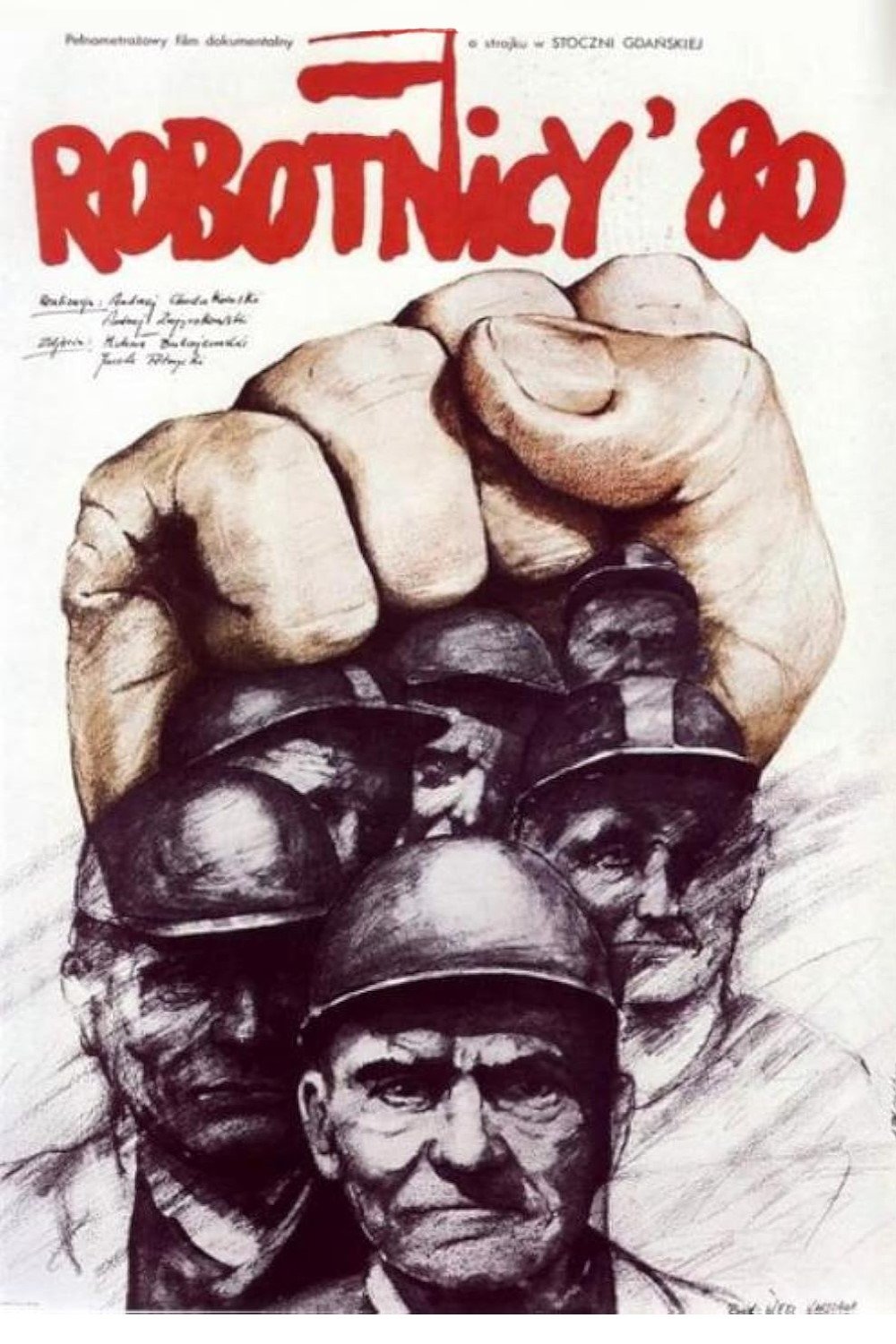
Documentary about the beginning of Solidarnosc.
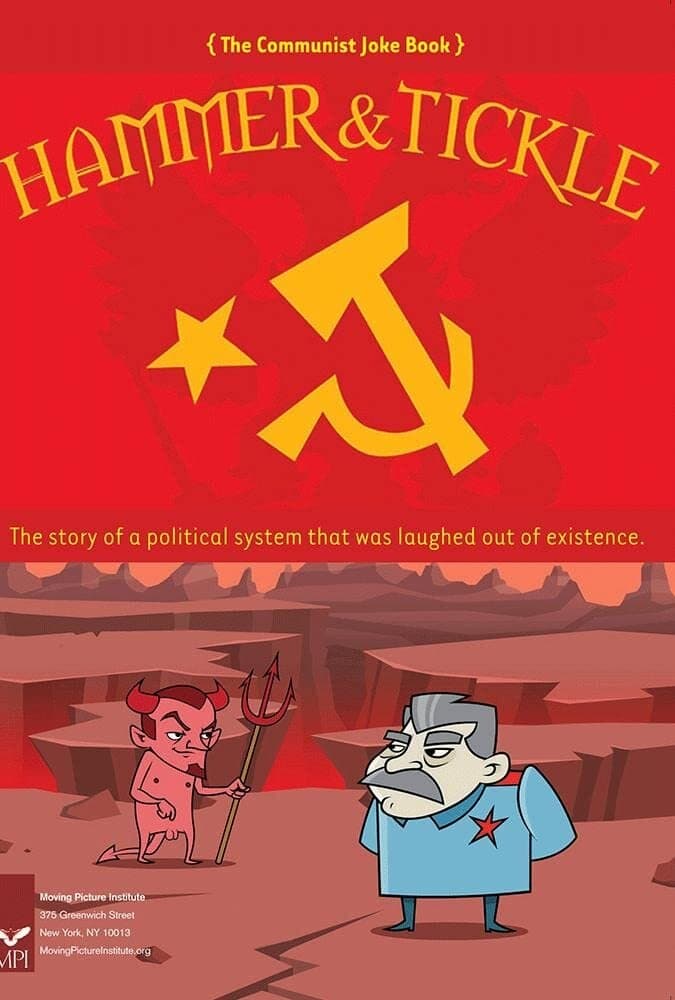
Hammer & Tickle: The Communist Joke Book is a 2006 propaganda documentary film about "jokes" under the Soviet Union.
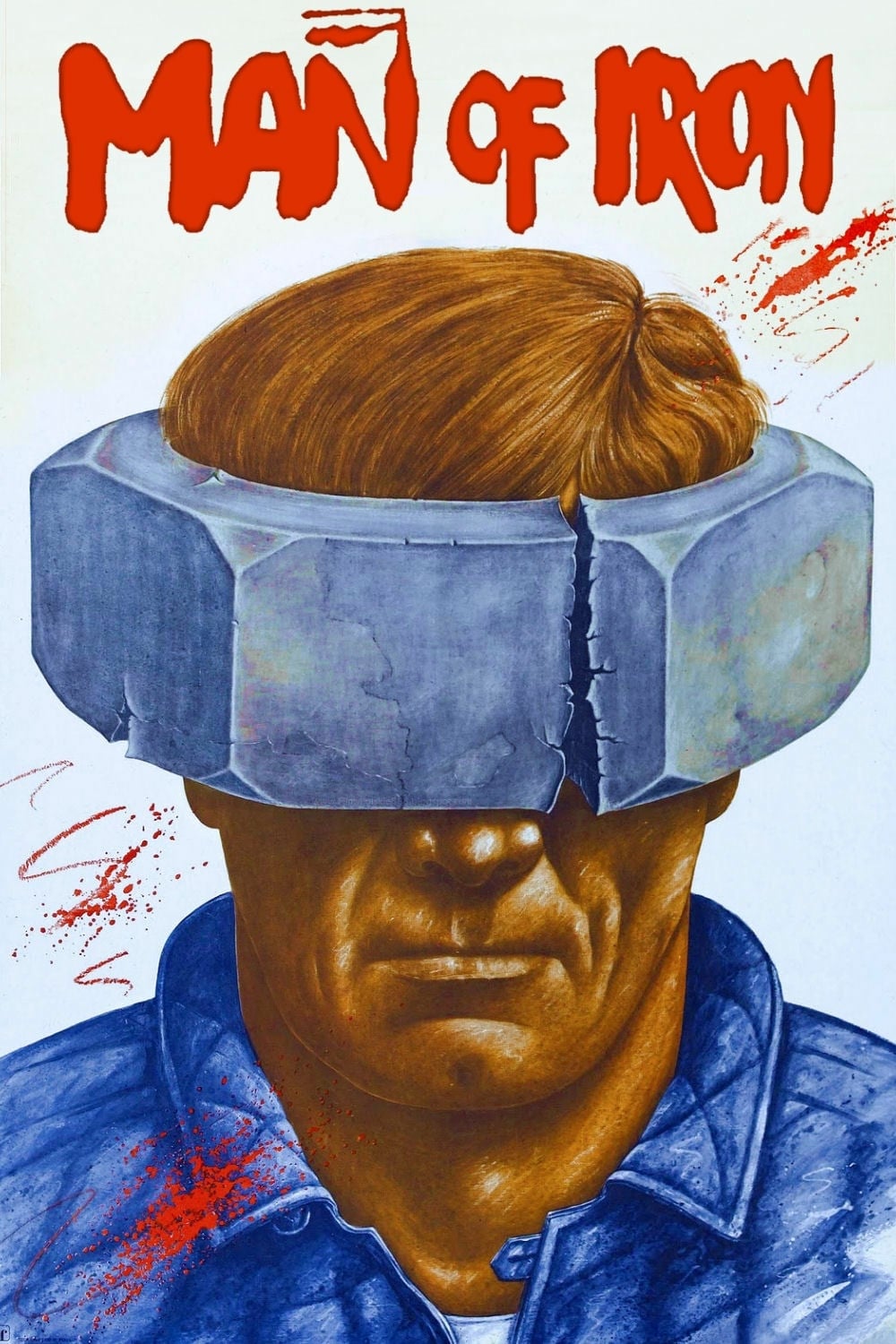
In Warsaw in 1980, the Communist Party sends disgruntled radio reporter Winkel to Gdańsk to dig up dirt on the shipyard strikers - particularly on Maciek Tomczyk, an independent labour union leader whose father was killed in the December 1970 protests. Posing as sympathetic, Winkel interviews the people surrounding Tomczyk, including his detained wife, Agnieszka.
A black political comedy, which, as a backdrop, uses the election race and the accompanying chaos in the media. The film's protagonist is a presidential candidate in the 2000 elections in Poland who suddenly withdraws from the election campaign despite his best ratings. During the election battle, he portrays himself as a professional liar and decides to give away everything he has previously won. What he doesn't expect, however, is how difficult a problem giving can be.
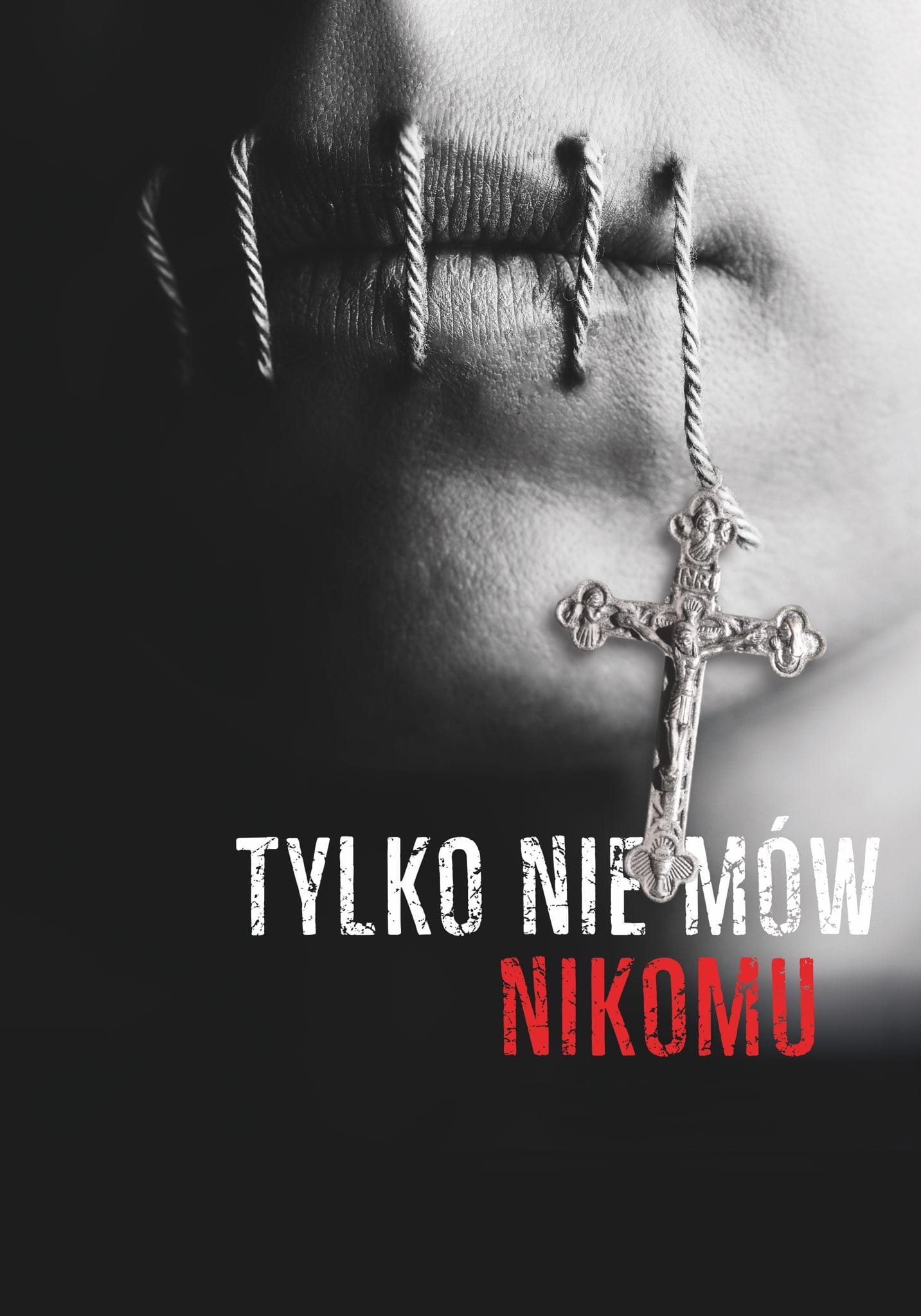
Documentary film about sexual abuse in the Catholic Church in Poland.
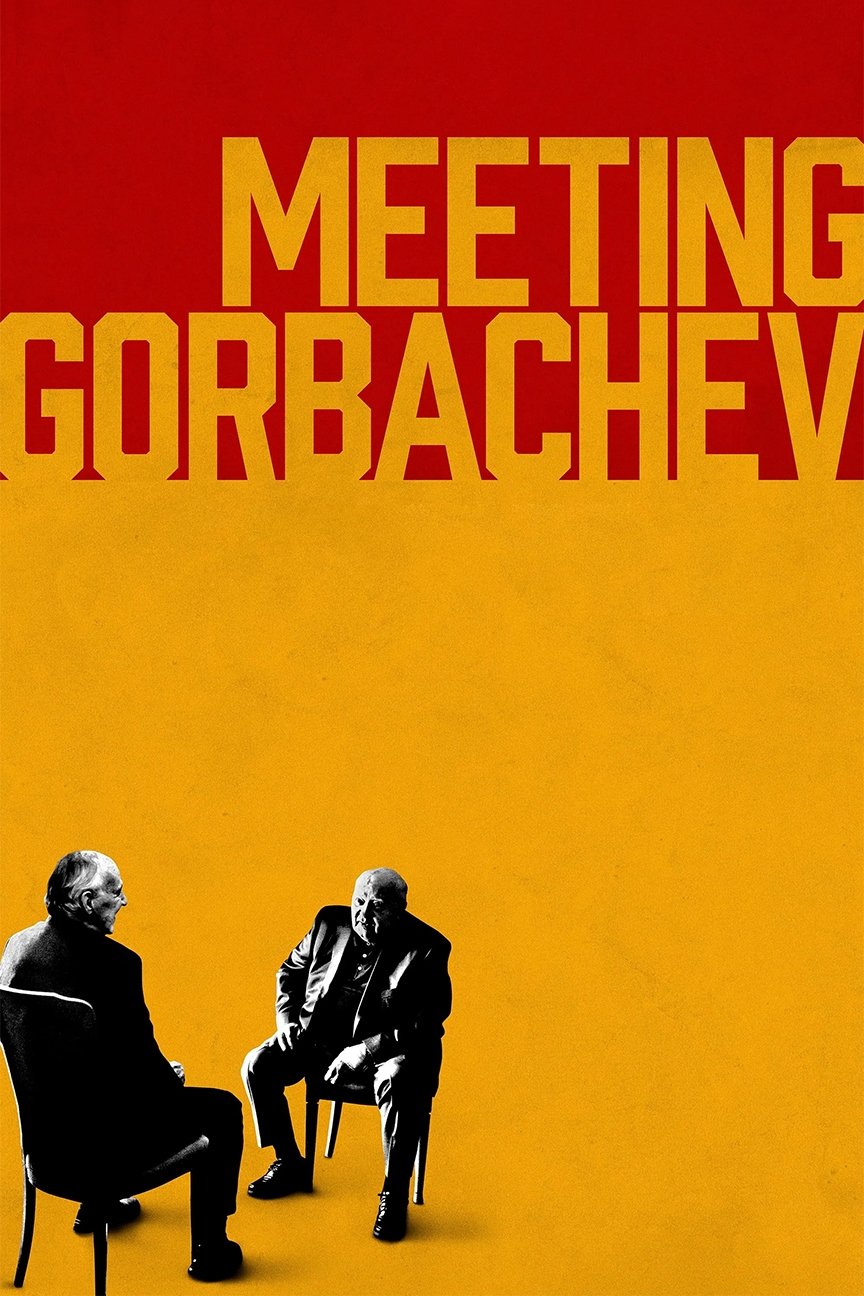
Mikhail Gorbachev, former president of the Soviet Union, sits down with filmmaker Werner Herzog to discuss his many achievements. Topics include the talks to reduce nuclear weapons, the reunification of Germany and the dissolution of his country.

Gdańsk, Poland, September 1980. Lech Wałęsa and other Lenin shipyard workers found Solidarność (Solidarity), the first independent trade union behind the Iron Curtain. The long and hard battle to bring down communist dictatorship has begun.
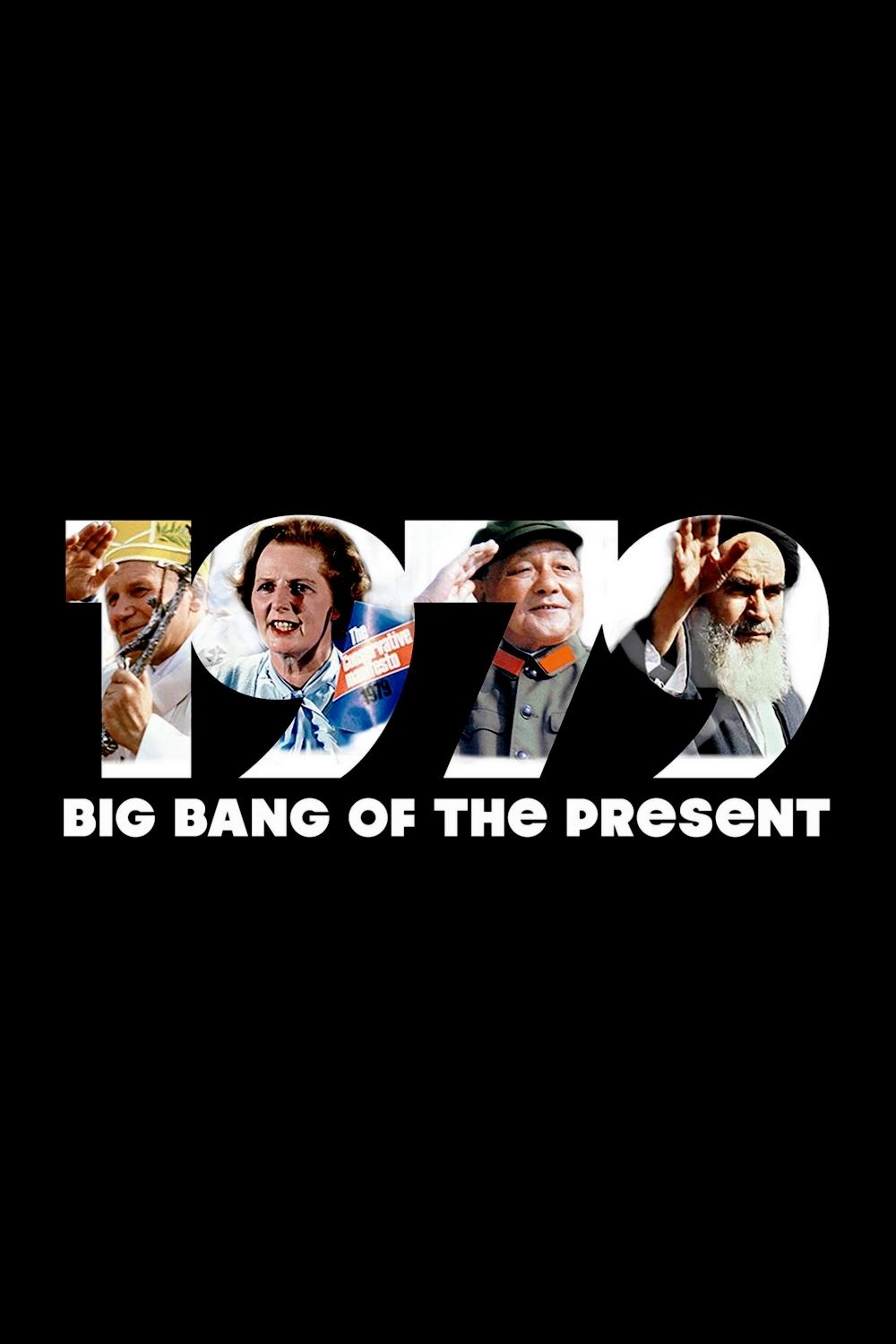
Deng Xiaoping's economic and political opening in China. Margaret Thatcher's extreme economic measures in the United Kingdom. Ayatollah Khomeini's Islamic Revolution in Iran. Pope John Paul II's visit to Poland. Saddam Hussein's rise to power in Iraq. The Soviet invasion of Afghanistan. The nuclear accident at the Harrisburg power plant and the birth of ecological activism. The year 1979, the beginning of the future.
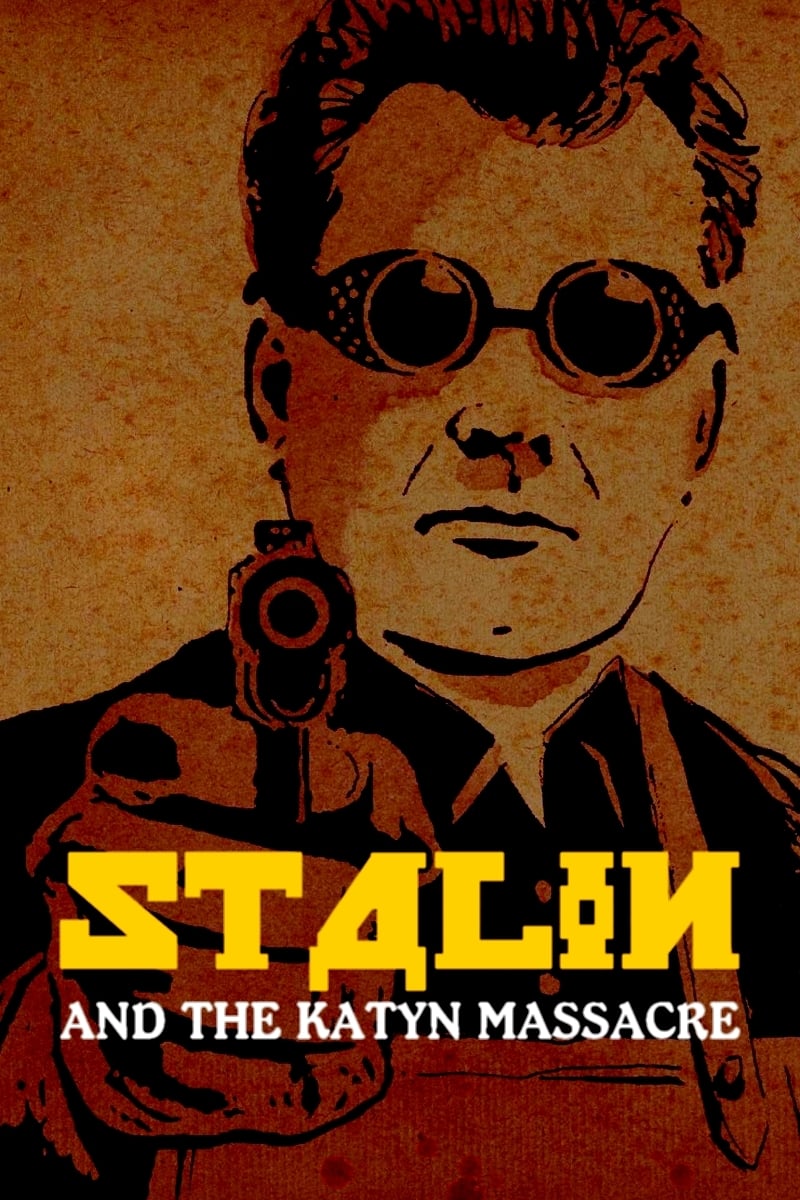
The Katyn massacre, carried out by the Soviet NKVD in 1940, was only one of many unspeakable crimes committed by Stalin's ruthless executioners over three decades. The mass murder of thousands of Polish officers was part of a relentless purge, the secrets and details of which have only recently been partially revealed.
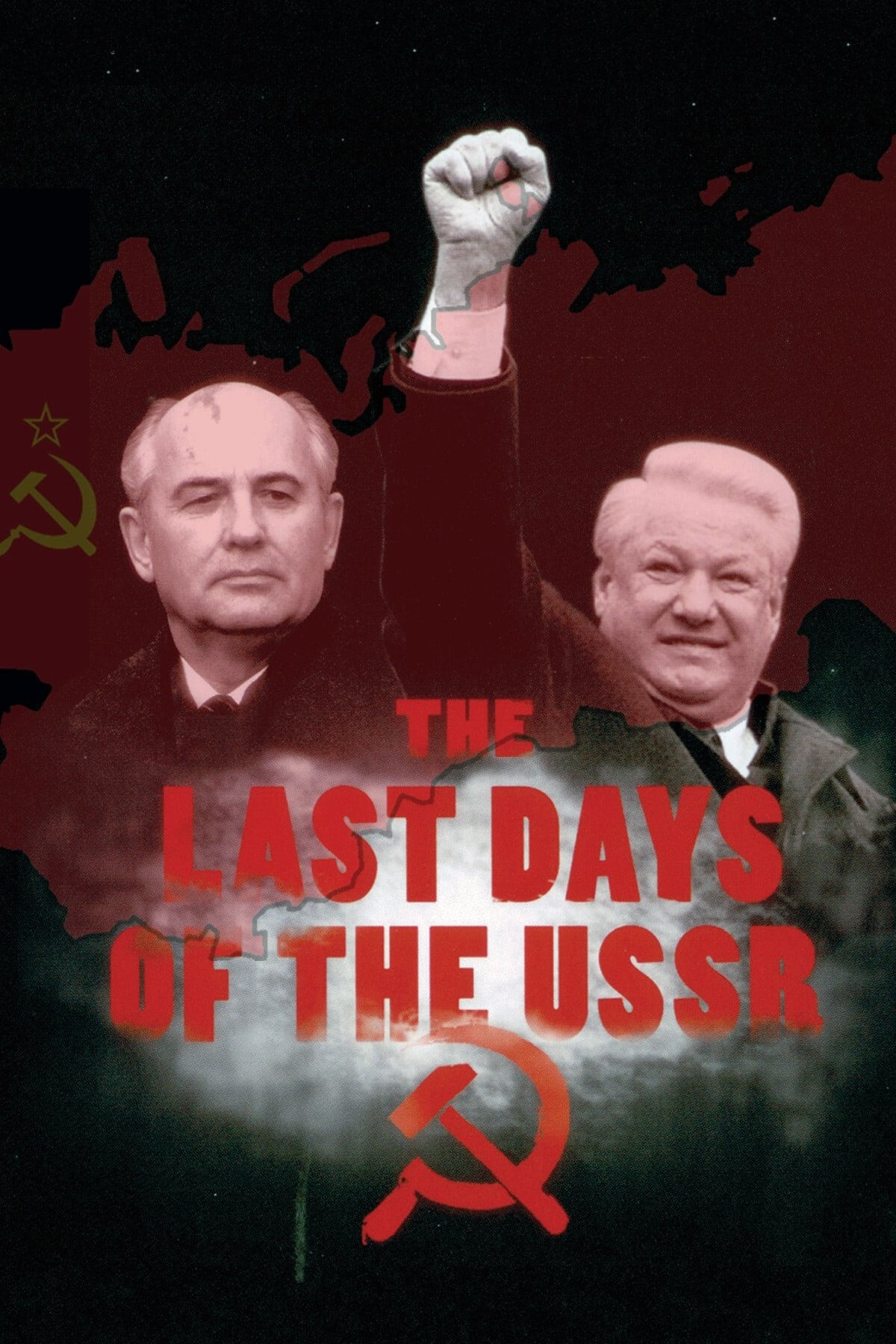
From 1989 to 1991 a string of unpredictable events happened that brought to light the rivalry between two men: Gorbachev, hindered by the economic results of his perestroika, and Yeltsin, embodying the hopes of the Russian people. Illustrated with interviews of top protagonists such as Mikhail Gobachev himself, the documentary recounts the critical last two years of the former USSR.
A 2005 novella film created to commemorate the 25th anniversary of the Solidarity movement. It consists of 13 10-minute shorts. There are various forms: mini-feature, music video, documentary, animation, interview.
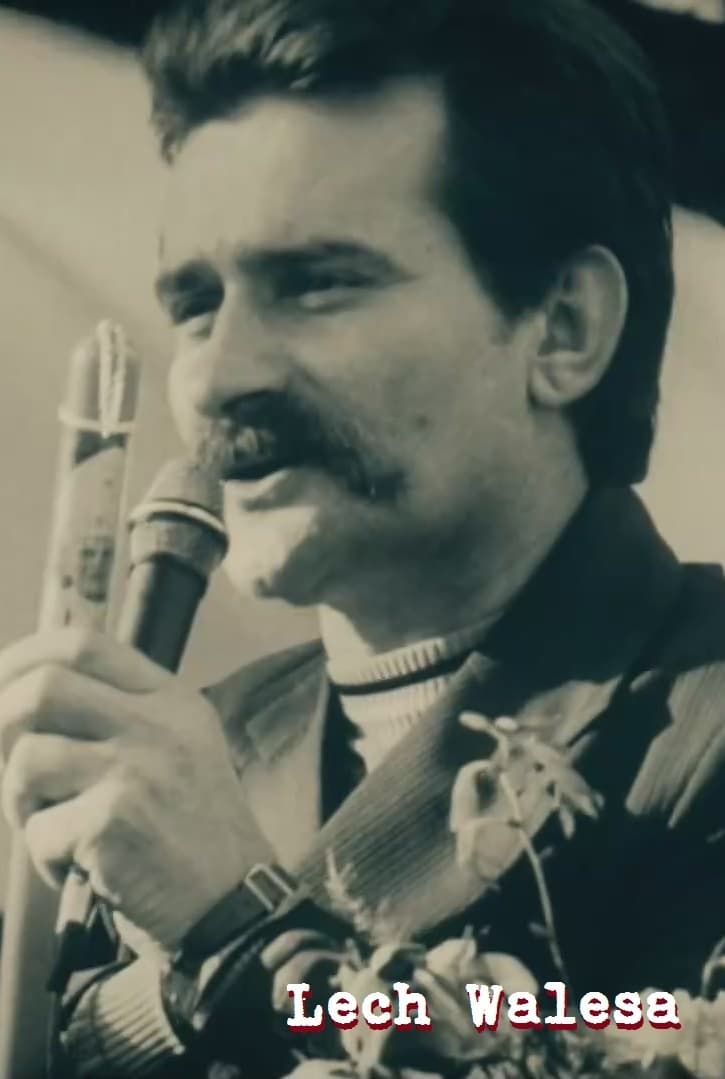
Lech Wałęsa. One of the most important and at the same time most colourful figures in Polish history. In communist Poland he was a simple electrician, then he led the downfall of communism in Poland, and consequently in other countries of Eastern Europe. Winner of the Nobel Peace Prize 1983, President of Poland from 1990 to 1995. The film tells the incredible story of Lech Wałęsa and his wife Danuta.

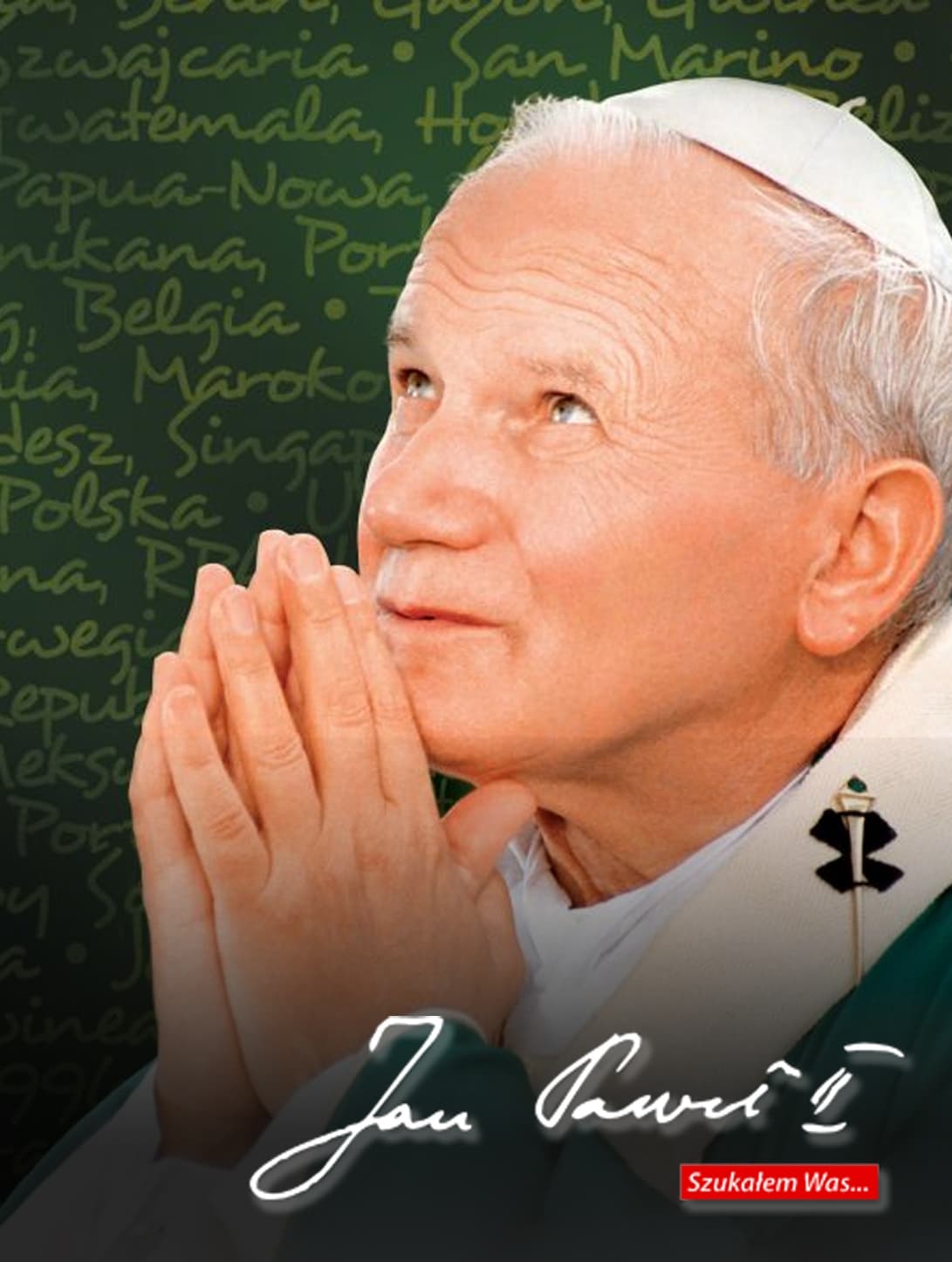
The eventful life of a humble Polish priest who once decried the pomp of the Catholic Church "a circus" and labeled the Pope a "prisoner of the Vatican" before ascending to the papal throne to usher Catholicism into the 21st century. Born in Poland and forced to carry on following the untimely death of his family, Karol Wojtyla endured both personal hardships and the rape of his homeland by the Third Reich to spread the word of God through the Catholic Church. Later, as Pope John Paul II, Wojtyla was beloved by millions of Catholics worldwide. From the sexual-abuse scandal that shook the American Catholic Church in the later-20th century to the murder of Salvadoran Archbishop Oscar Romero and the near-fatal assassination attempt made on his own life, Pope John Paul II endured to bridge the gap between various faiths until his death resulting from Parkinson's disease in April of 2005.
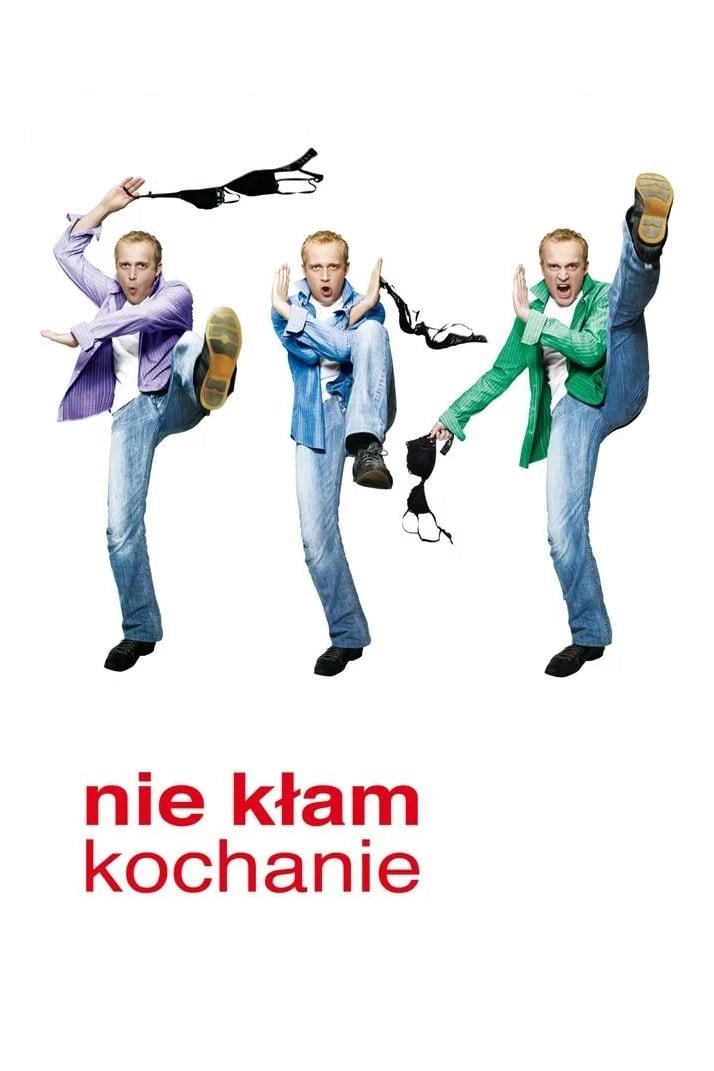
Ania, a sensitive, shy green-architecture student, tends the gardens of an elegant building and finds herself falling for its handsome tenant, Marcin. Ambitious and adept at lying to charm women, Marcin faces a sudden financial crisis he can only escape if his wealthy aunt Nela believes he’s already married, so he must persuade Ania to pose as his wife.
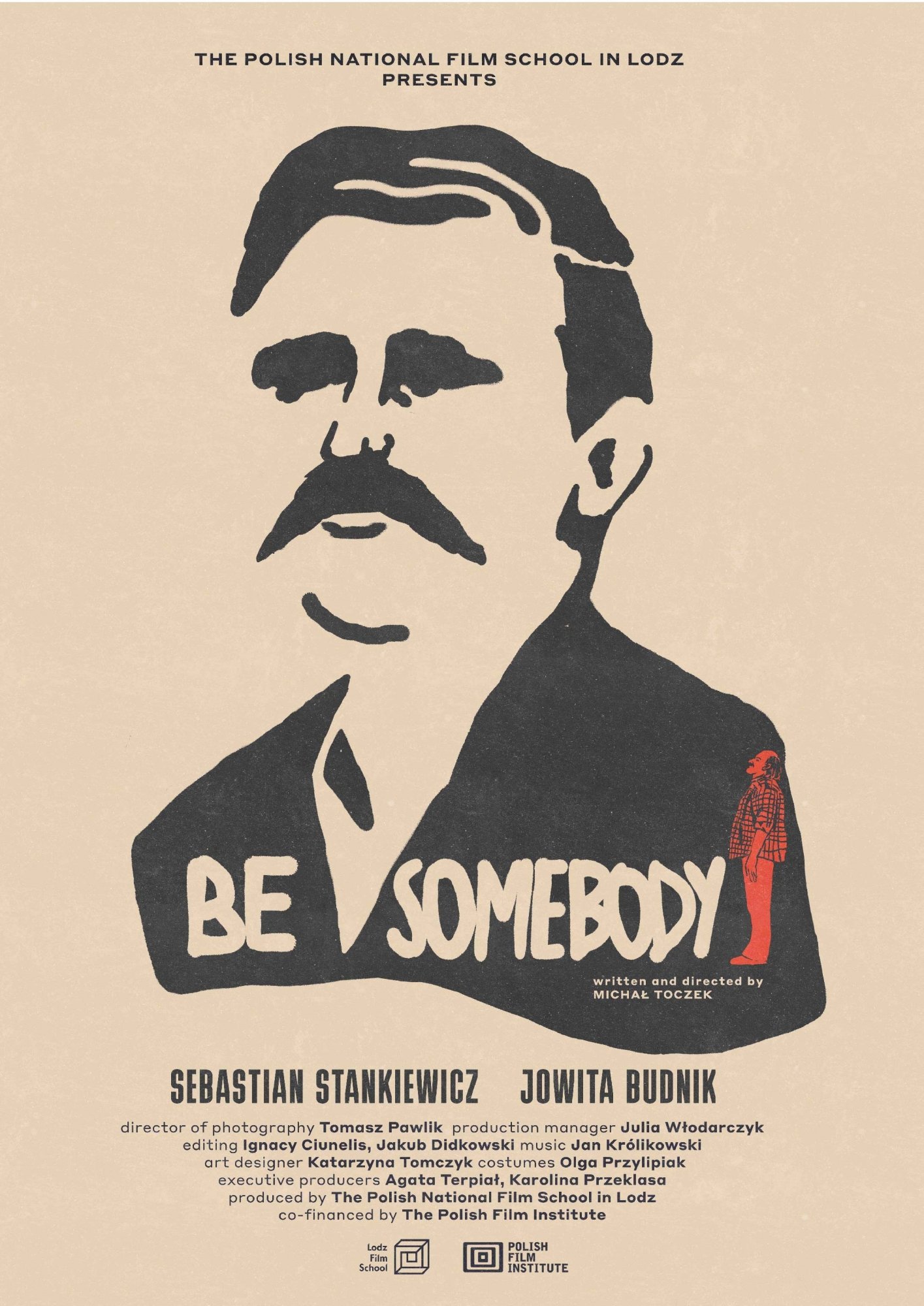
Together with his family, Wiktor moves into a recently bought flat, which turns out to have belonged to Lech Wałęsa, a symbol of freedom and a legend as a simple electrician who became Poland’s president many years ago.
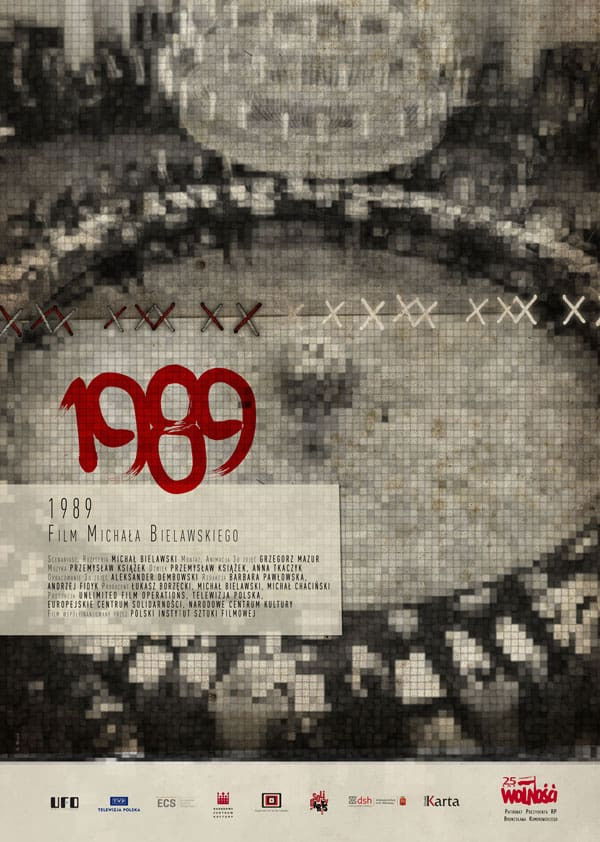
Such changes took place in Poland over a period of several months - from the end of 1988 to the end of January 1990? Michał Bielawski, through the prism of official and underground archives, shows the then state of mind of Poles, their fears, hopes and reflections. Film materials from the 1988-1990 period are in harmony with the photographs and diaries written by Poles at that time, as well as with the messages about the changes taking place. We observe the most important political, social and moral events of that period, confronted or reinforced by the comments of their active observers: ordinary people, politicians of the government camp and oppositionists.