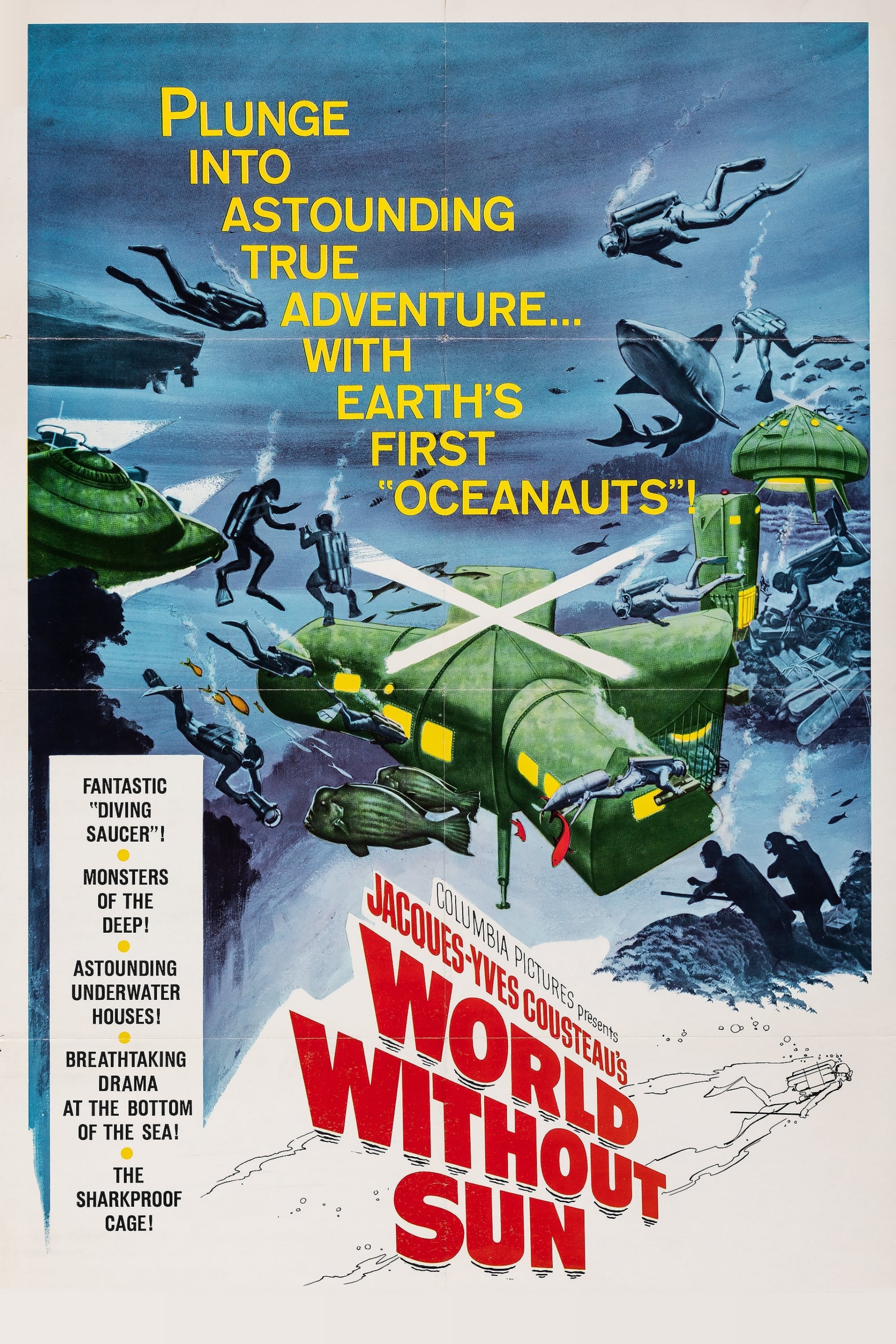
Fascinating underwater documentary filmed with hand-held cameras by frogmen and mostly filmed in deep-water seas from within a special designed batiscaff, by the Cousteau family of sea explorers. Preserved by the Academy Film Archive in 2010.
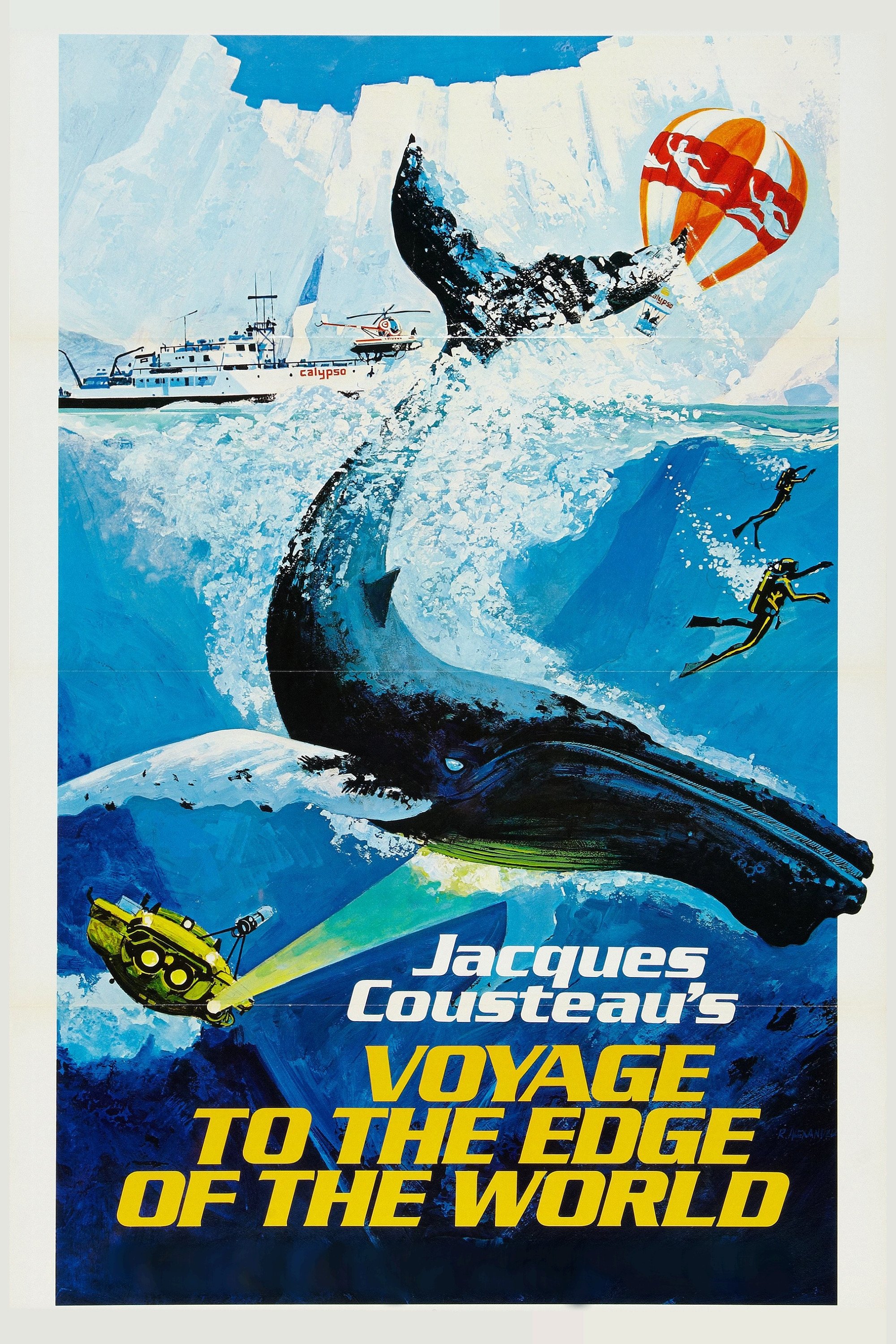
On his ship "Calypso," as well as in a submarine, Jacques Cousteau and his crew sail from South America and travel to Antarctica. They explore islands, reefs, icebergs, fossils, active volcanic craters, and creatures of the ocean never before seen. This voyage took place in 1975, and Captain Cousteau became one of the first explorers ever to dive beneath the waters of the frozen South Pole.
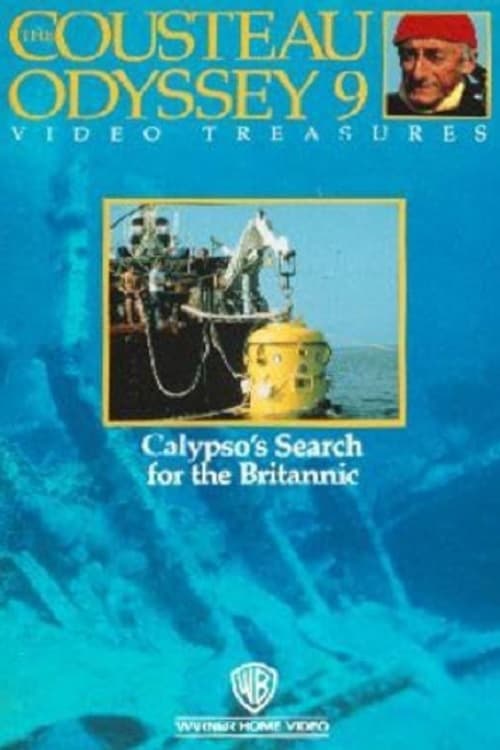
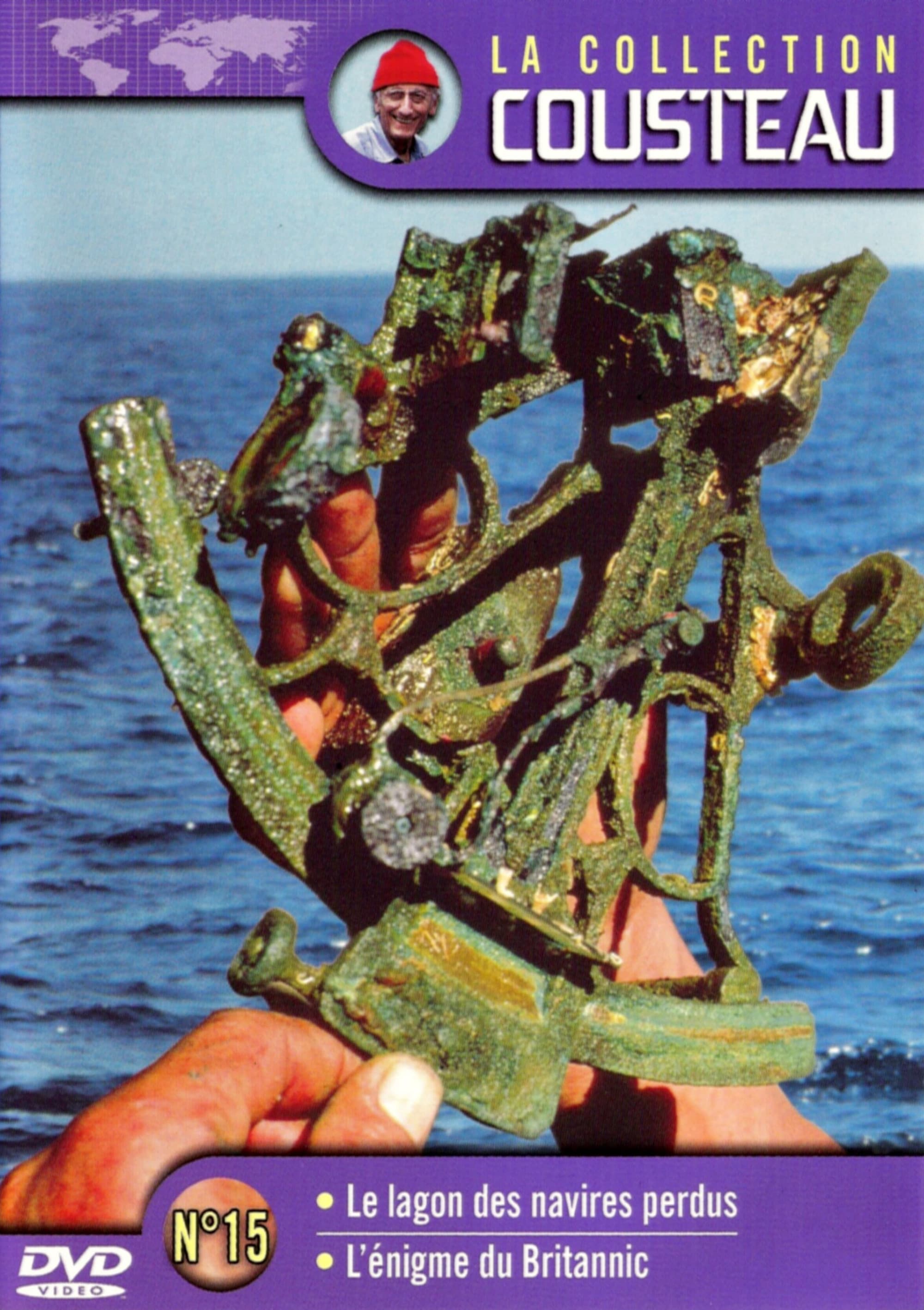
For 70 years, the sudden sinking of the mighty British ship Britannic - larger than the sister ship Titanic - has been shrouded in mystery. Jacques Cousteau reveals the full story of November 21, 1916 when, on her sixth journey as a hospital ship, Britannic exploded and sank into the Aegean Sea.
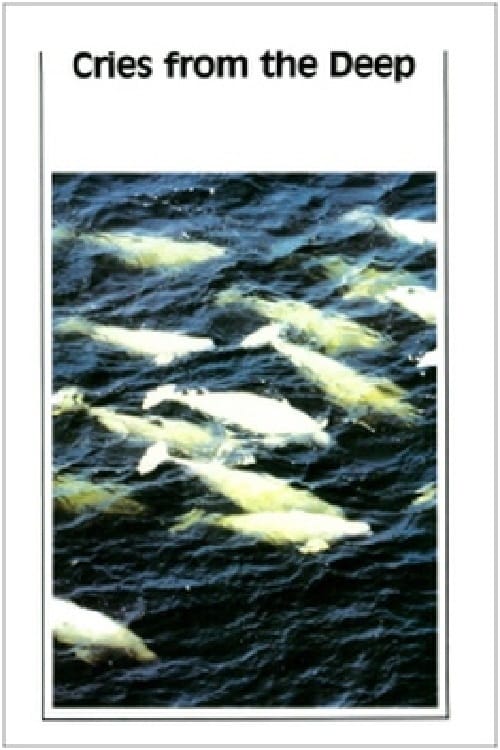
This documentary records the journey undertaken by Jacques Cousteau, his 24-member team, and an NFB film crew to explore the Grand Banks of Newfoundland, one of the world's richest fishing areas. They discover shipwrecks, film icebergs and observe beluga whales, humpback whales and harp seals. The film also includes a fascinating sequence showing Calypso divers freeing a calf whale entrapped in a fishing net.
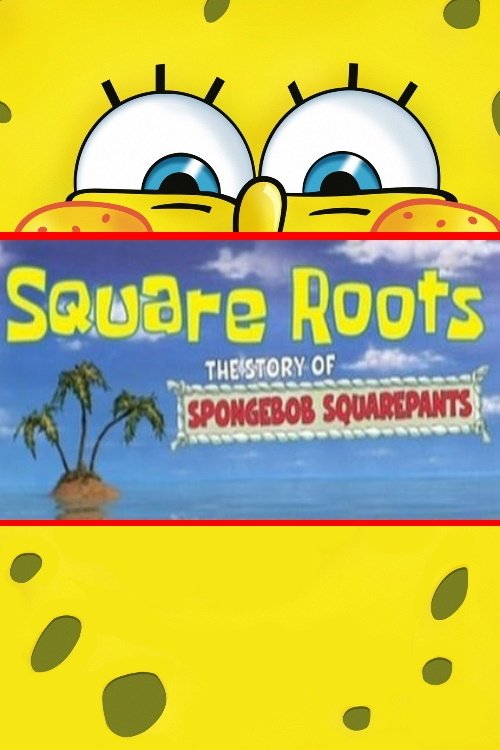
Commemorates the 10th anniversary of the SpongeBob SquarePants. The documentary chronicles the beloved character's journey to international pop culture icon status and showcases the series' around the world.
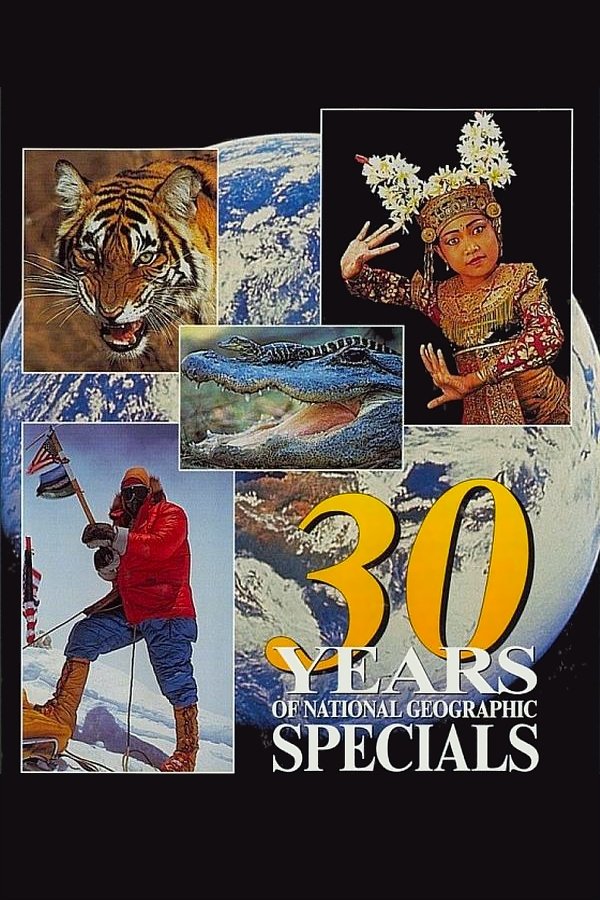
Celebrates 30 years of televised specials by The National Geographic Society.

World-famous underwater adventurer Jacques Cousteau is on a journey on the surface of the sea. Along with Lucien Malavard and Bertrand Charrier, Cousteau invented a new kind of sailing vessel using a state-of-the-art, high-tech turbo sail. The tall, computer-controlled cylinder of metal sails the ship much like a conventional canvas sail, but is up to six times more efficient.
This unusual film, narrated by Orson Welles, records the day-by-day events in the lives of six oceanauts who, in an unique experiment, spent 27 days 328 feet below the surface of the Mediterranean. The experiment originated with the French scientist and explorer, Jacques-Yves Cousteau, on whose work the idea of oceanic exploration is based. The film shows the preparation and training needed for the expedition and the working conditions both inside and outside Conshelf Three, a specially made steel bubble which served as home and laboratory.
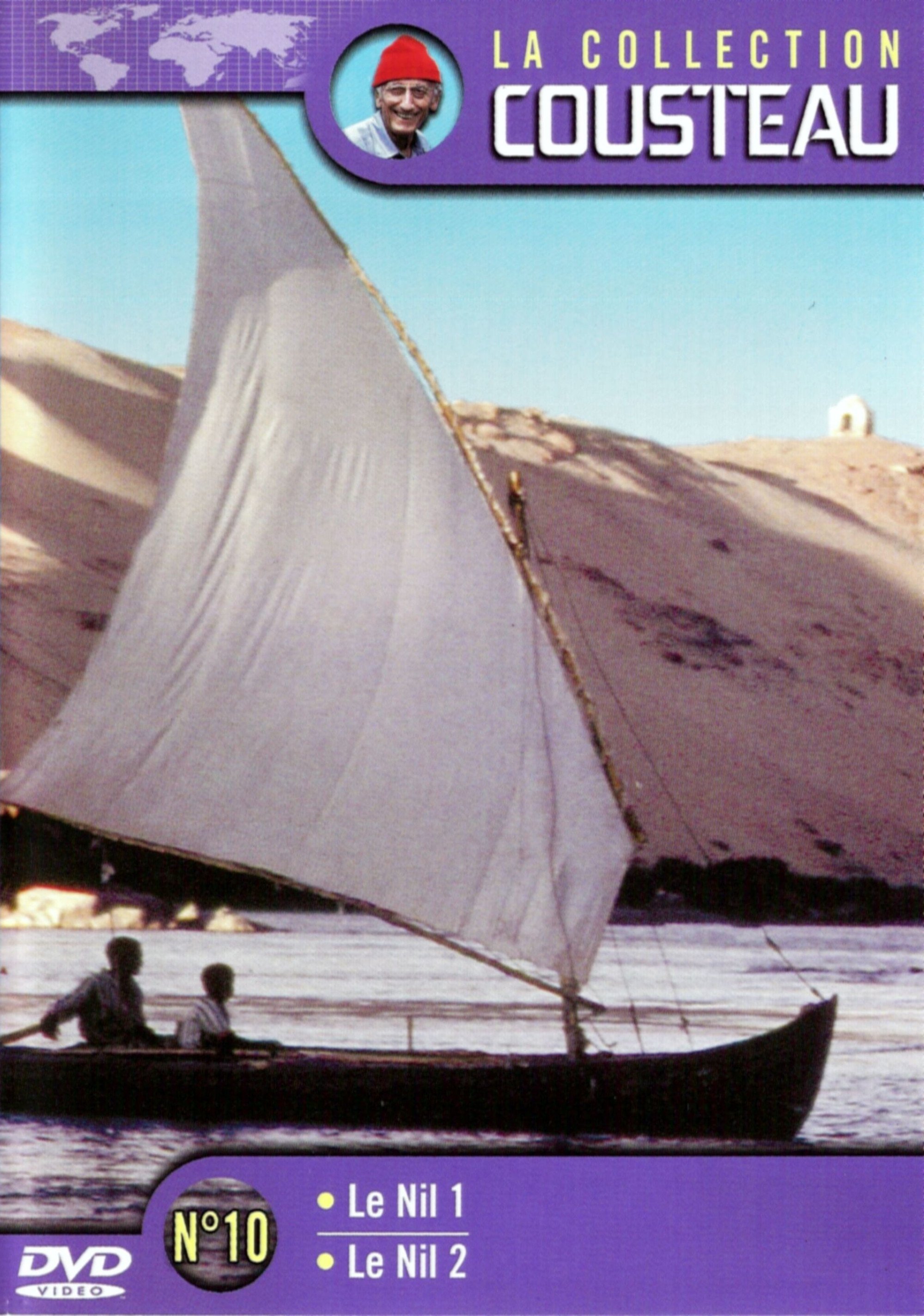
During a 9-month trip, the Cousteau team will explore the longest river on the planet: the Nile. It flows north to the Mediterranean, crosses half a continent and over 7000 years of history. On its shores, civilizations have built marvels of architecture. Kingdoms rose and then fell, each person's destiny still intimately linked to that of the river... without anyone having mastered it. The Calypso team studies life around the Nile, which has remained almost unchanged since the time of the pharaohs.
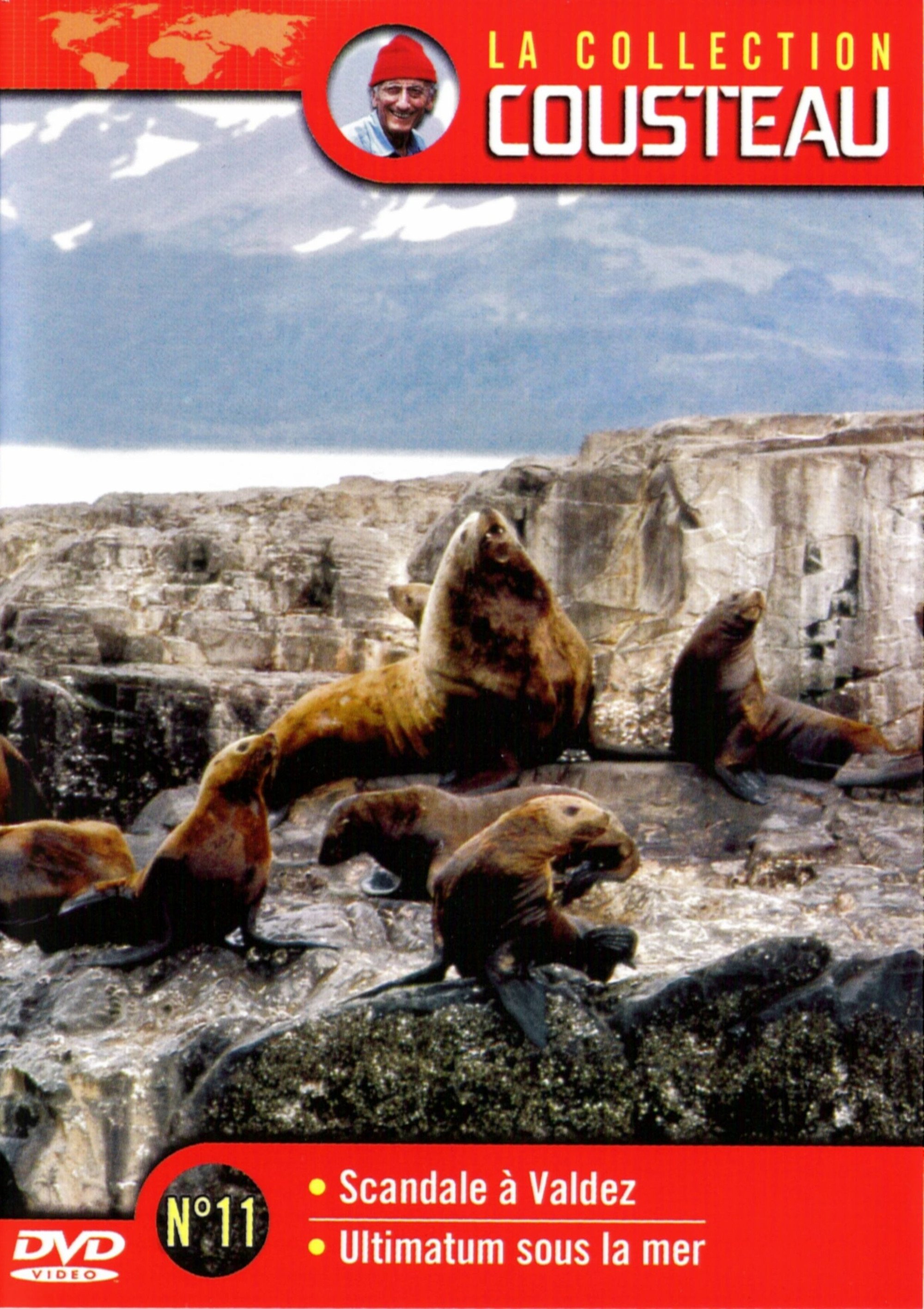
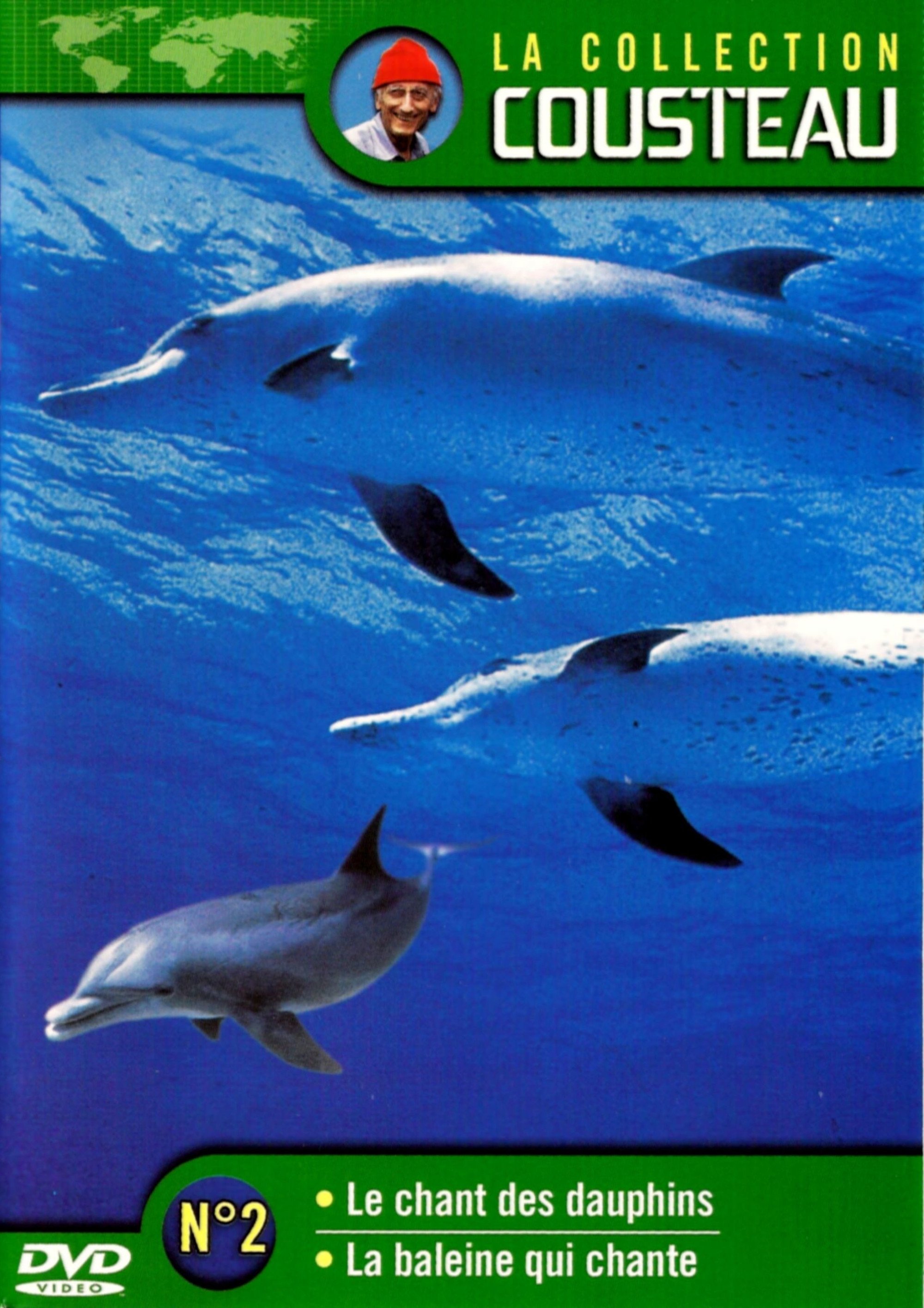

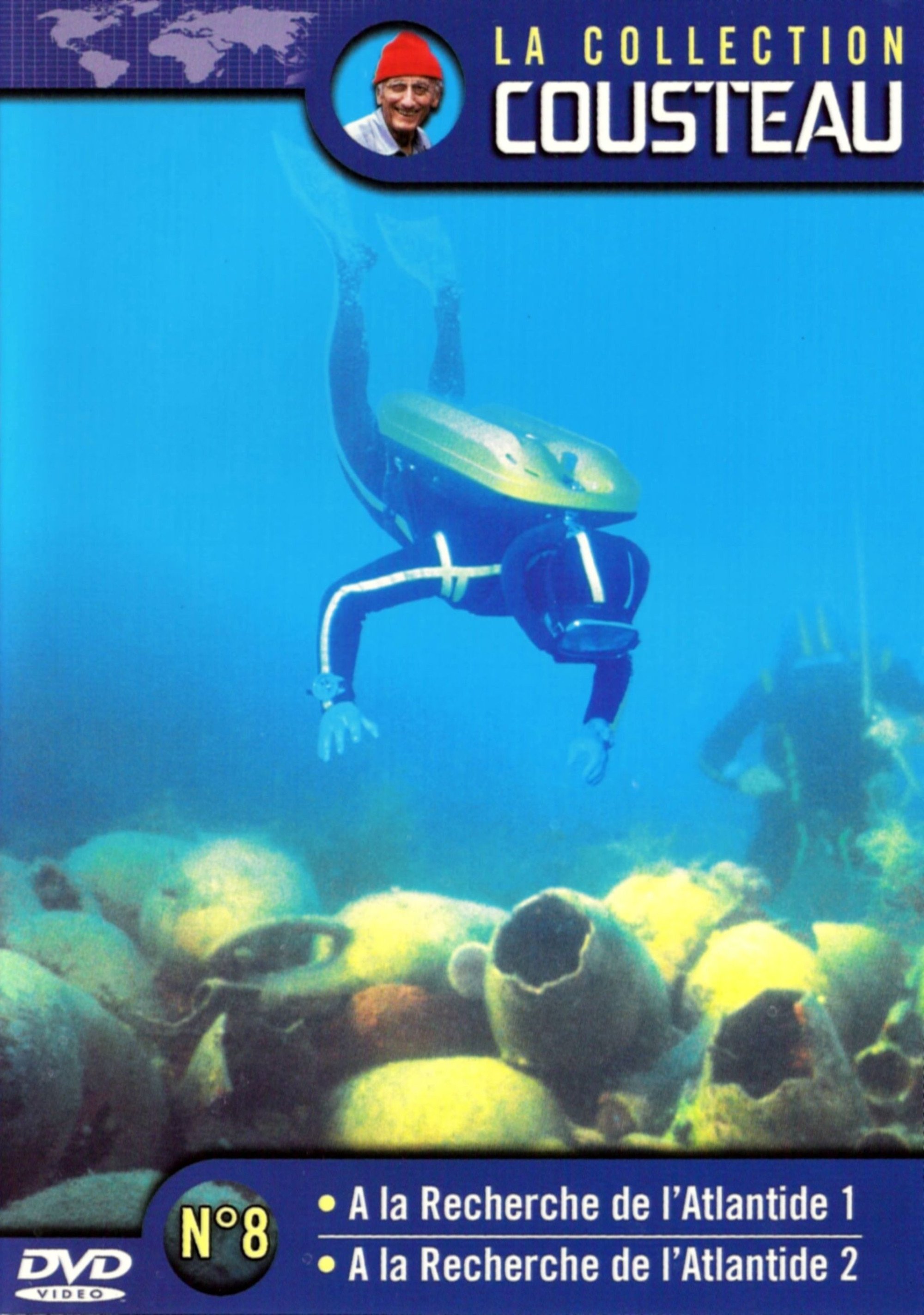
The myth of Atlantis has only one source: Plato. He described, some 2,500 years ago, a country overflowing with wealth, located beyond the Pillars of Hercules, whose capital would have been destroyed by an earthquake, then engulfed in the depths of the sea. Following a miraculous aerial photo, Commander Cousteau finds himself on the trail of the lost civilization of the legend of Atlantis. Near the island of Dia, the team makes an extraordinary discovery…

Cousteau becomes a modern-day Huckleberry Finn to explore the Father of Waters. Shows the Mississippi's icy origin in Minnesota to its destination in the Gulf of Mexico. Looks at the river's land, wildlife, people, folklore, and industry.

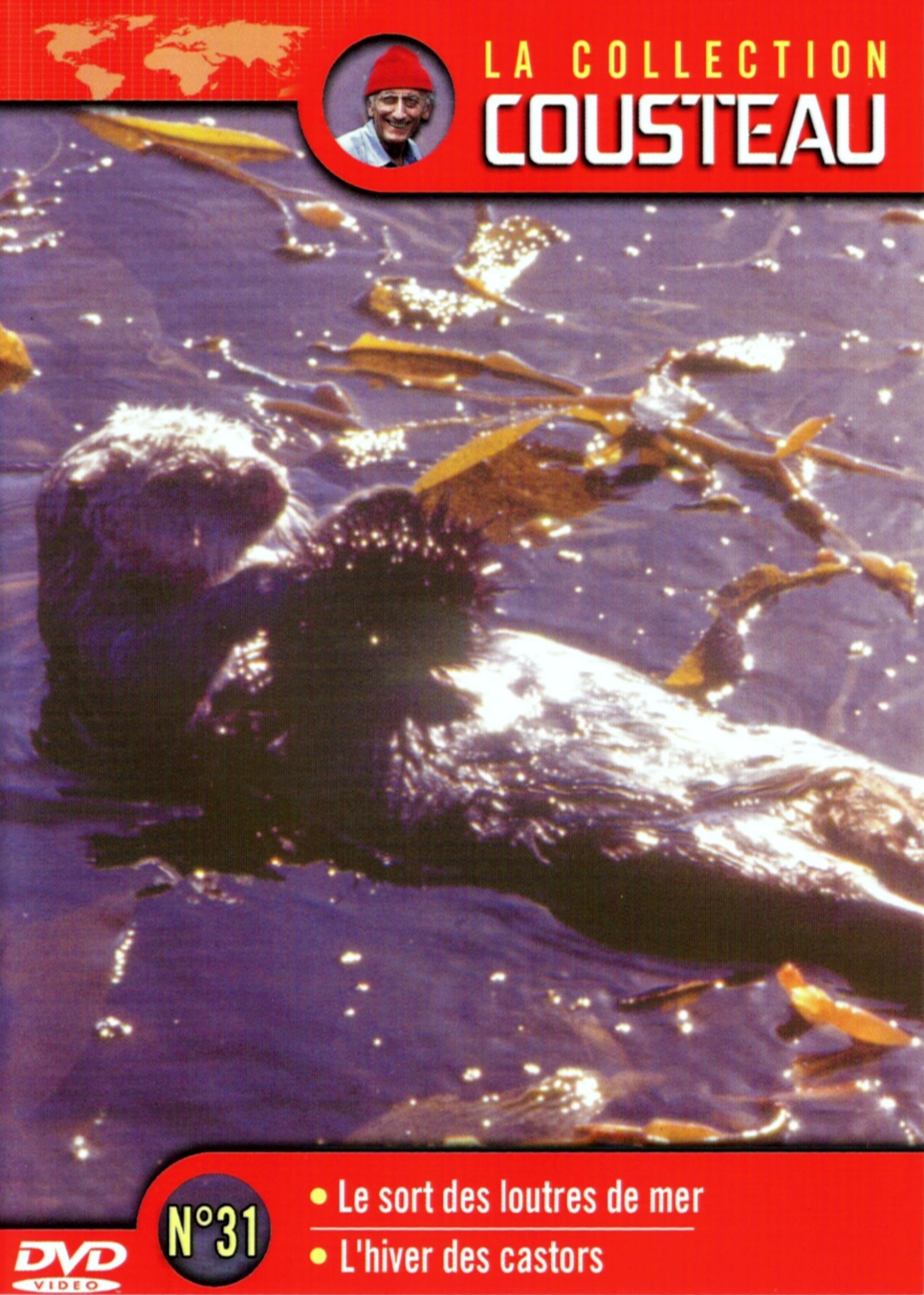
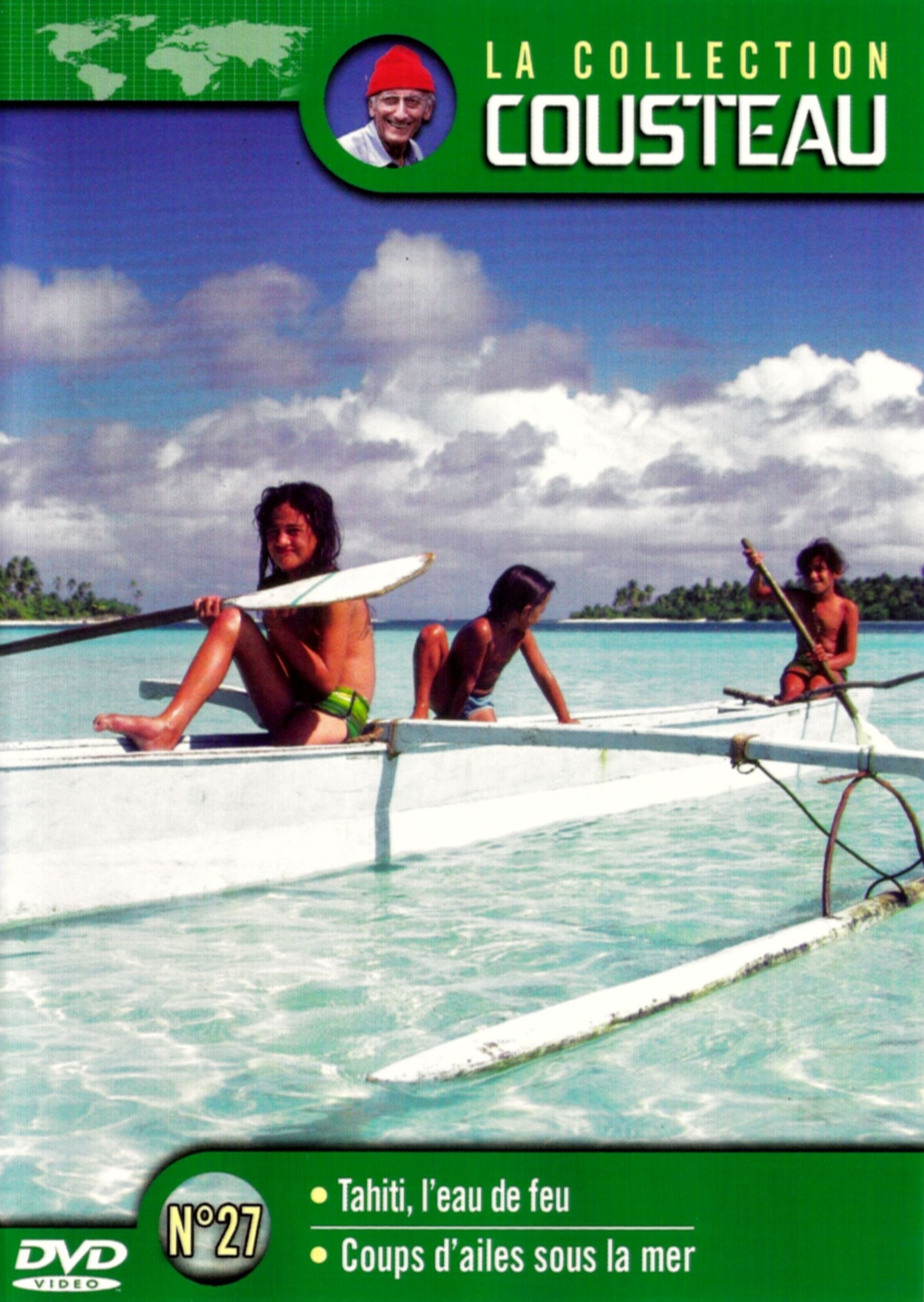
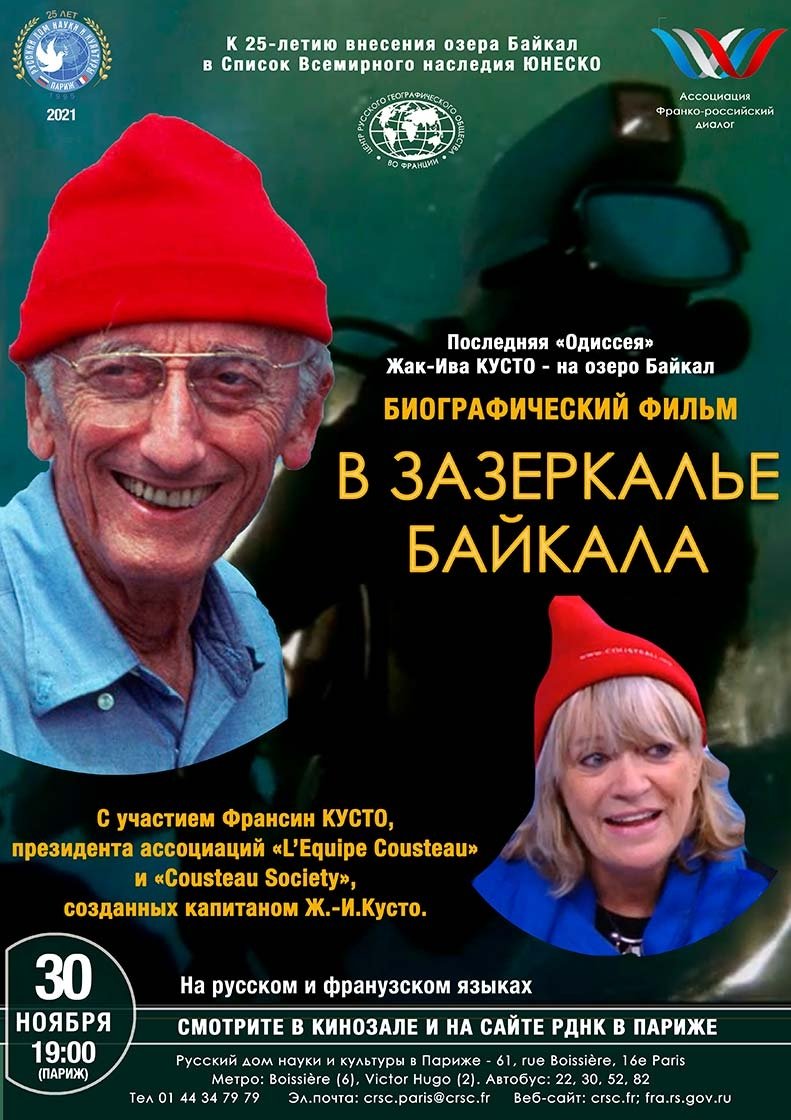
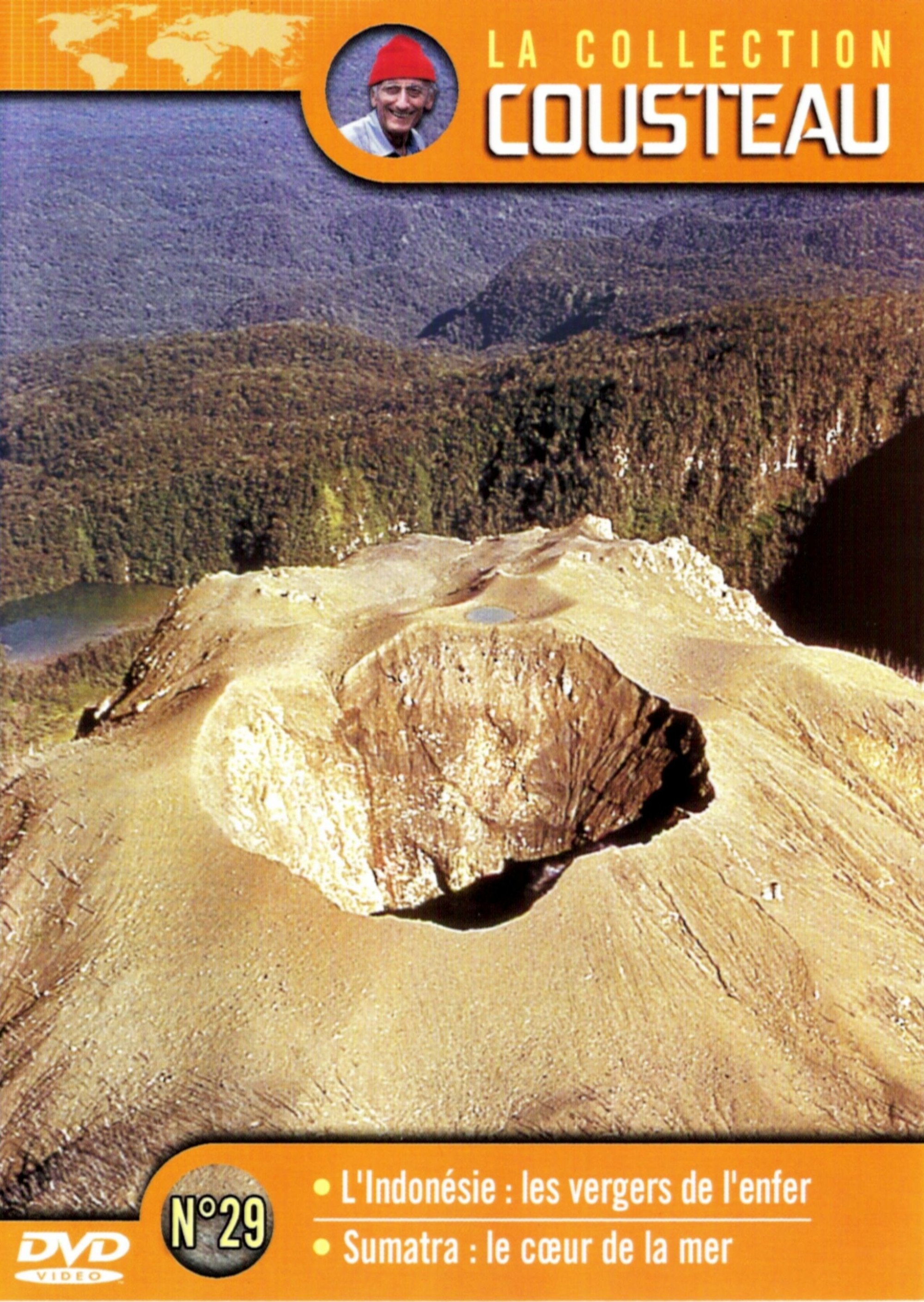
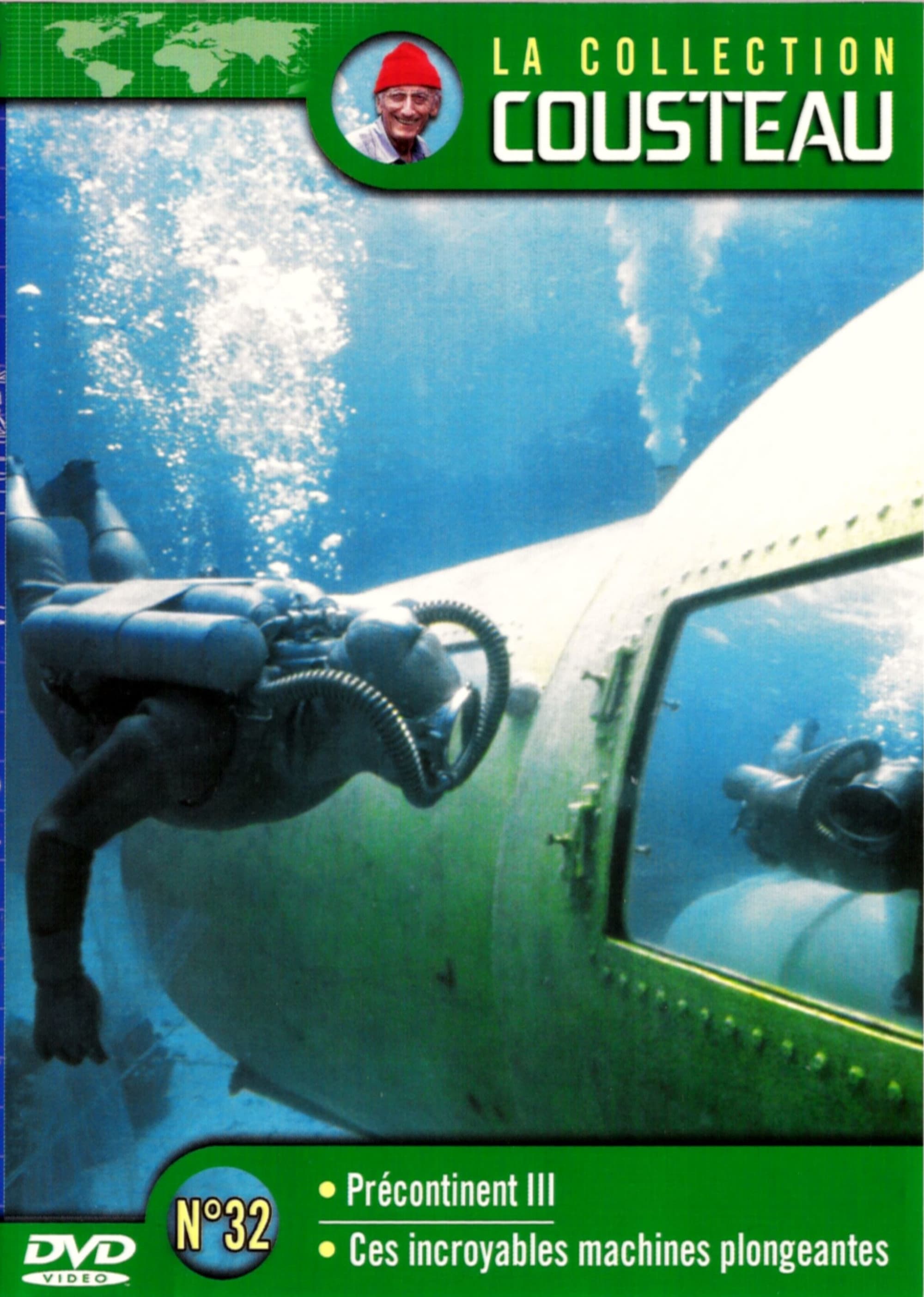
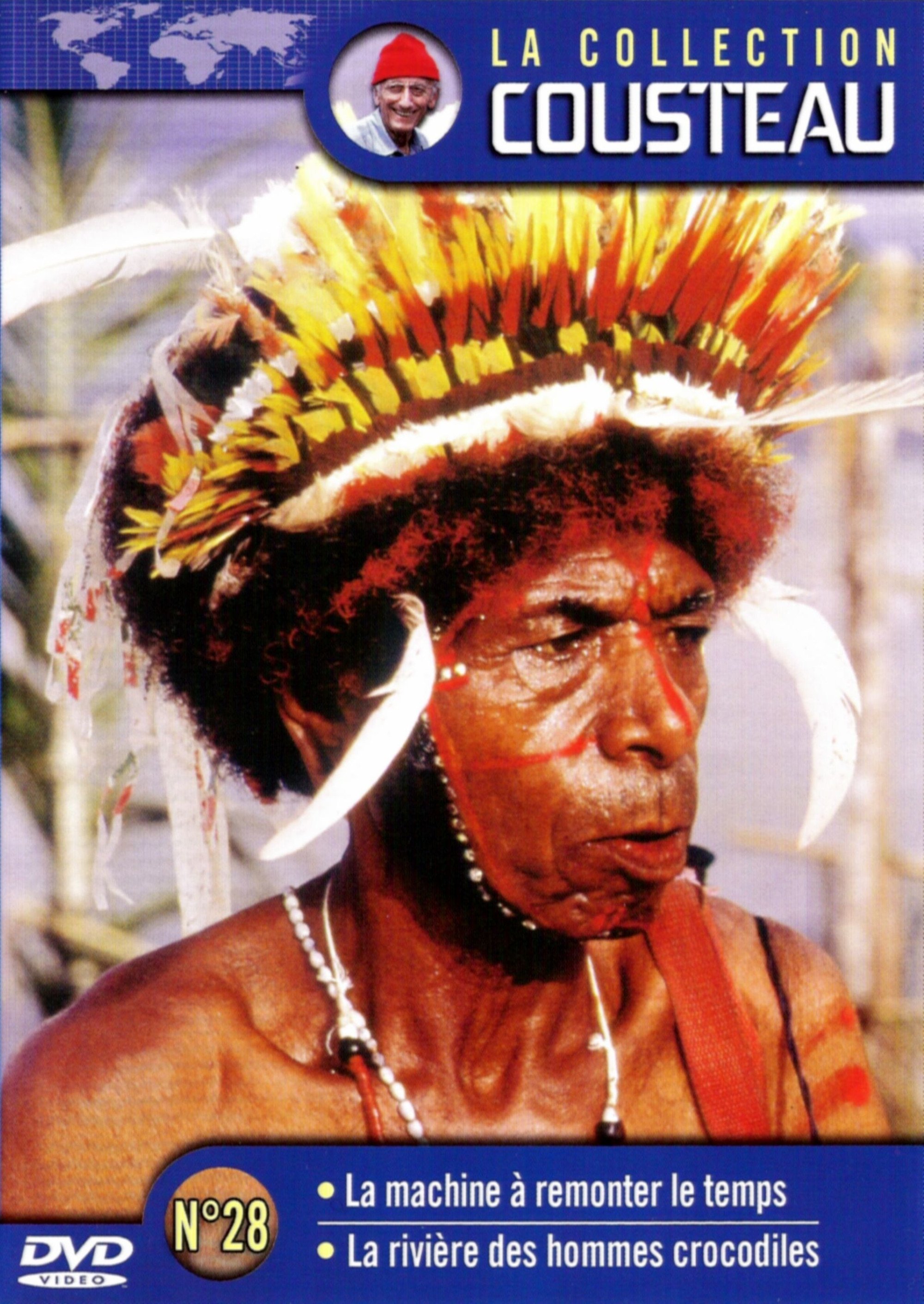
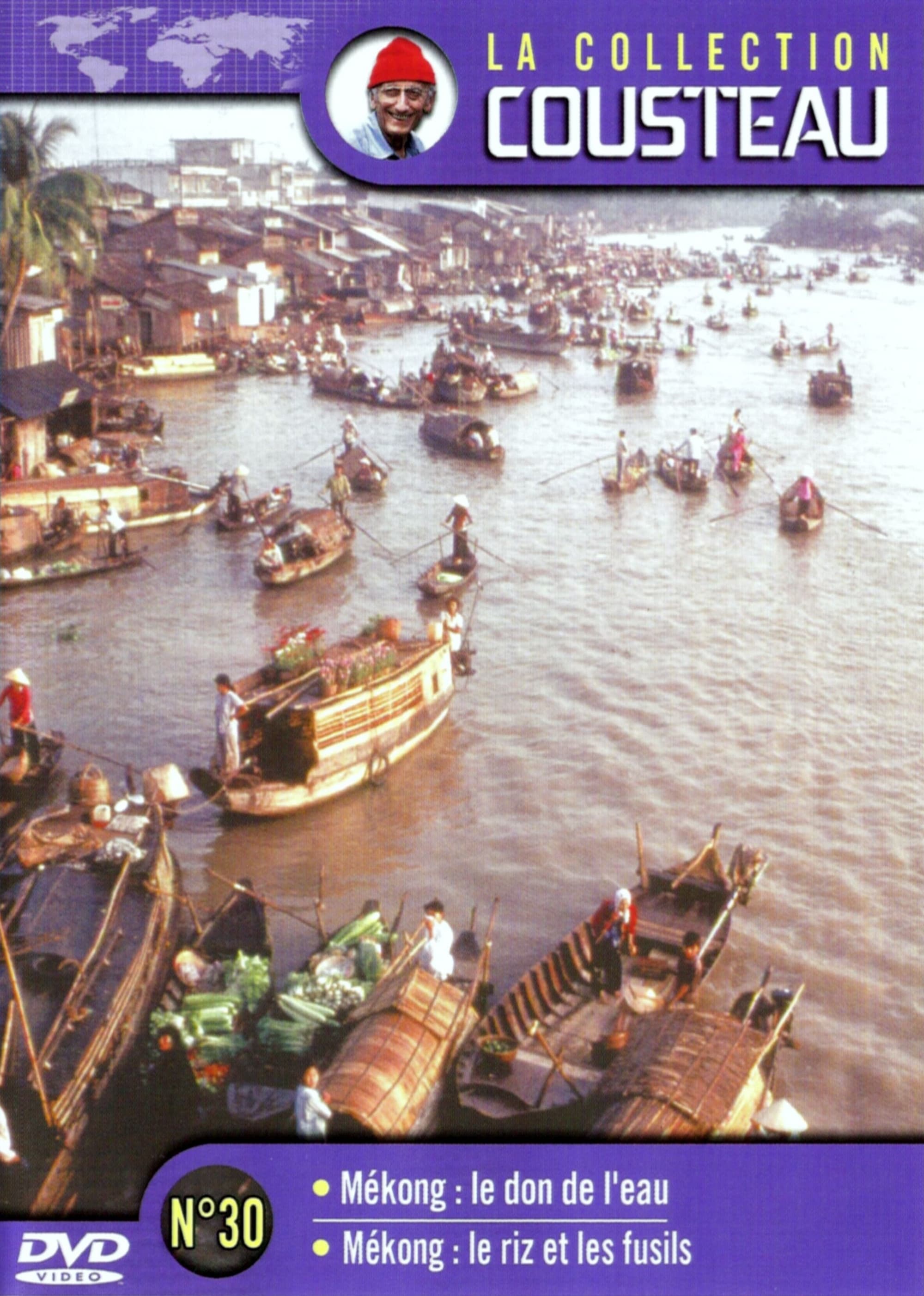
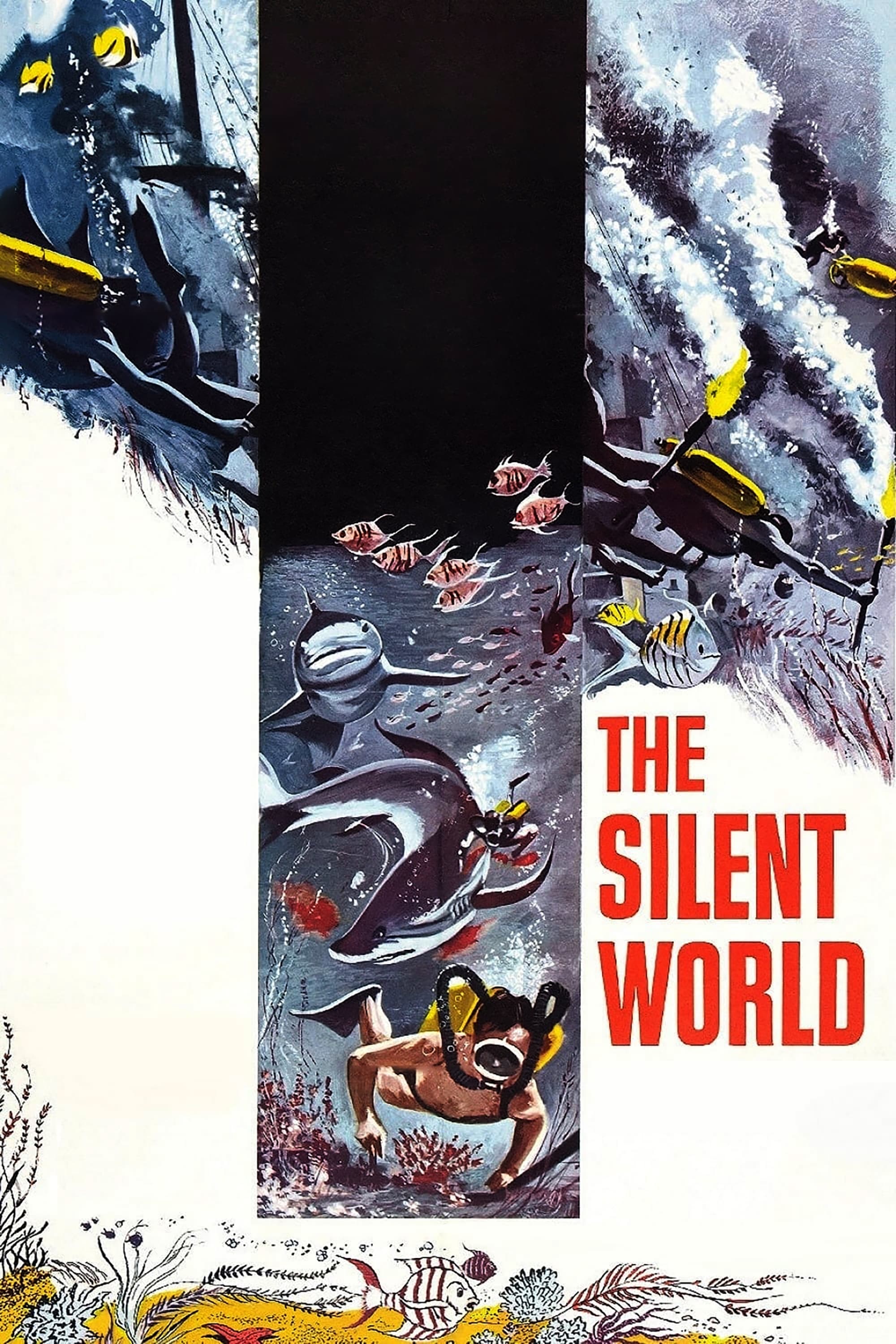
Join renowned explorer Jacques-Yves Cousteau as he investigates aquatic habitats worldwide, showcasing whales, sharks, and diverse marine life. The film highlights the brutal realities of nature while capturing the wonder of underwater exploration, as the team ventures into previously unseen ocean depths.
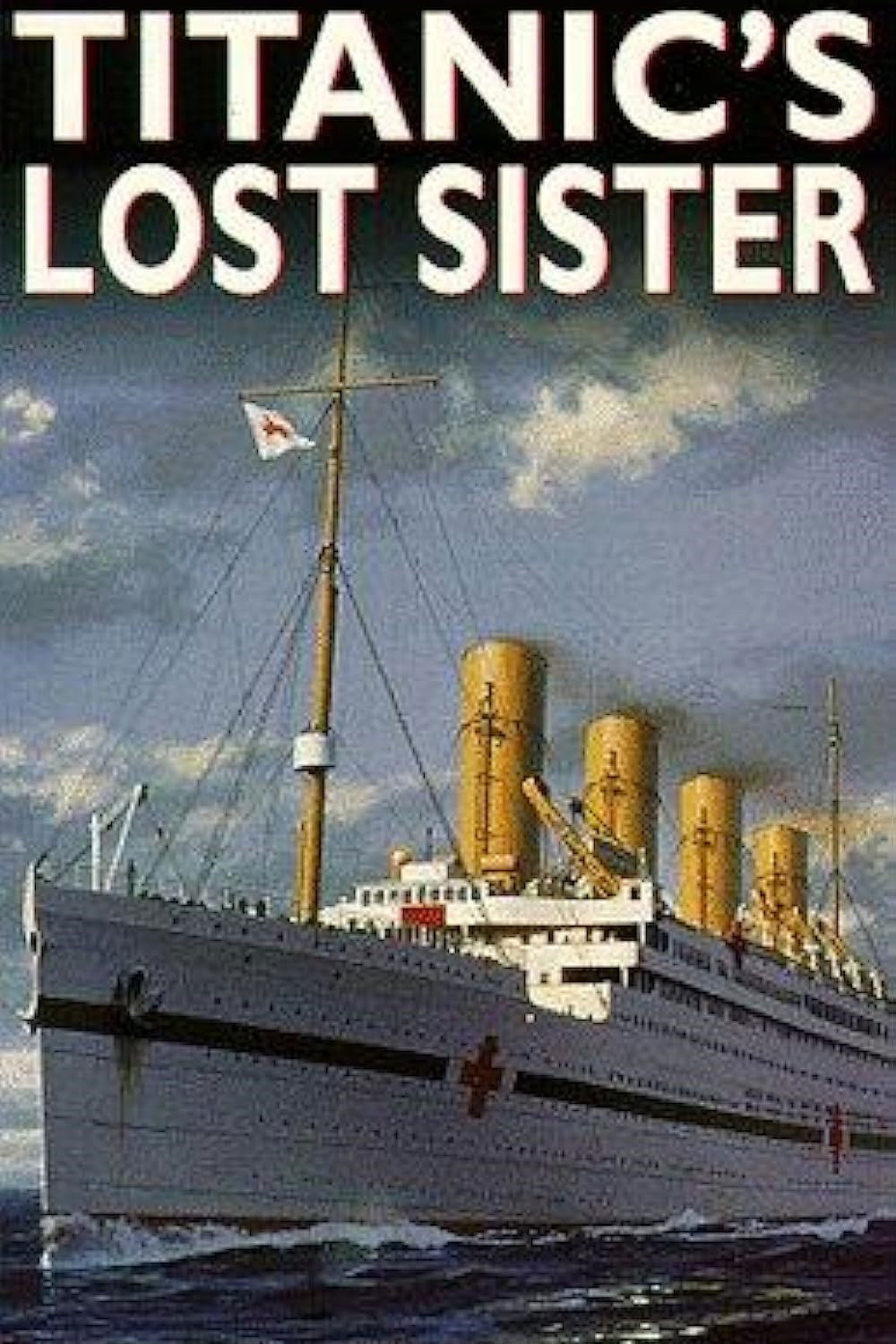
An account of Dr. Robert D. Ballard's exploration of the wreck of the Britannic in September 1995. Britannic, the sister-ship of the Titanic, was sunk after a mysterious explosion while serving as a hospital ship during World War One. Ballard sets out to relocate the wreck and attempts to prove once and for all whether it was a German mine or torpedo which inflicted the fatal damage.
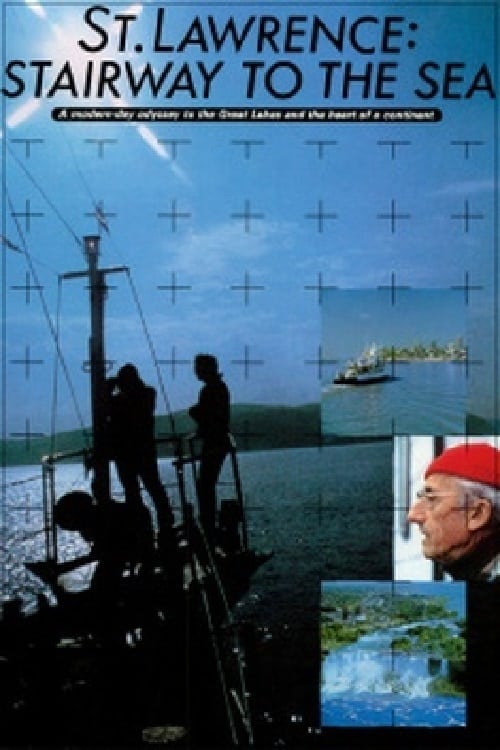
In this spectacular feature-length documentary, oceanographer Jacques Cousteau and an NFB crew sail up the St. Lawrence River to the Great Lakes on board the specially equipped vessel, the Calypso. They explore the countryside from their helicopter and plumb the depths of the waters in their diving saucer. They encounter shipwrecks, the Manicouagan power dam, Niagara Falls, the locks of the St. Lawrence Seaway and an underwater chase with caribou.
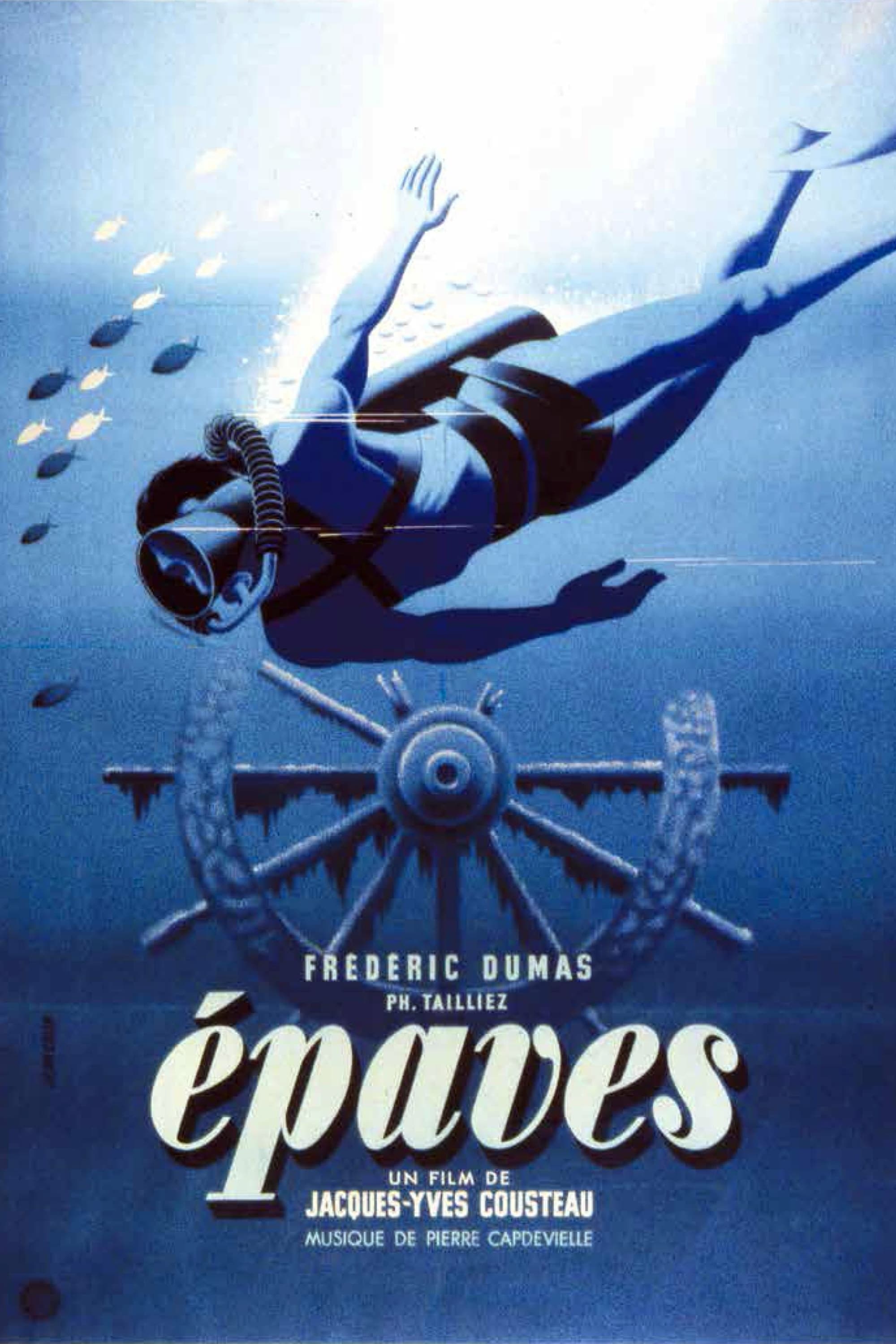
The first film created using the “Cousteau-Gagnan” – an autonomous diving suit – enabling the first underwater sequences in the Mediterranean at nearly 62m depth.
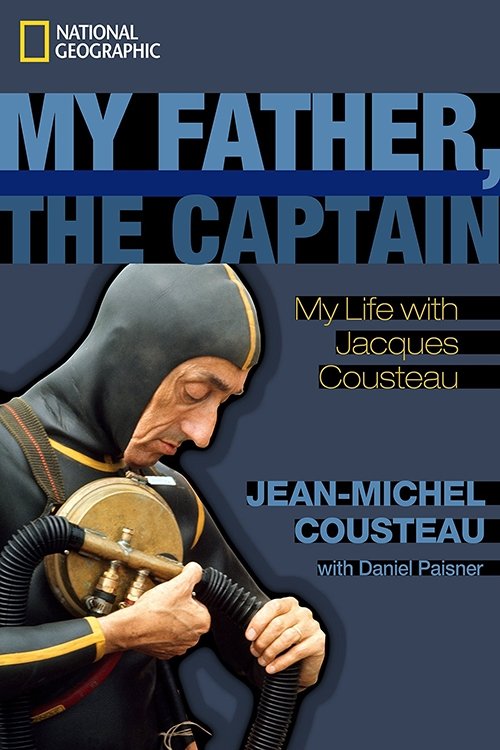
My Father, The Captain: Jacques-Yves Cousteau revisits the adventure and the legacy of Captain Cousteau not only through intimate stories from his family but also from some of the people whose lives he influenced. In rediscovered footage of the earliest days of scuba diving, Jean-Michel Cousteau shows how his father brought the great unseen ocean into focus and into our homes. Jean-Michel and the next generation of Cousteau children, now adults, describe the legacy they have taken upon themselves to carry and cast a meaningful light on the life and work of a man who inspired millions to reconsider our relationship with the sea and its creatures.
A breathtaking trip down Earth's longest river reveals its fabled past and complex, challenging present. Wild hippopotami, the mysteries of the deadly tsetse fly, the ancient Dinka and Shilluk African tribes and the Sudd- a swamp as large as England - are among the natural wonders encountered along the trek from Uganda to Khartoum to Egypt, before concluding at the manmade wonders of the Nile, the Jonglei Canal and the Aswan High Dam.
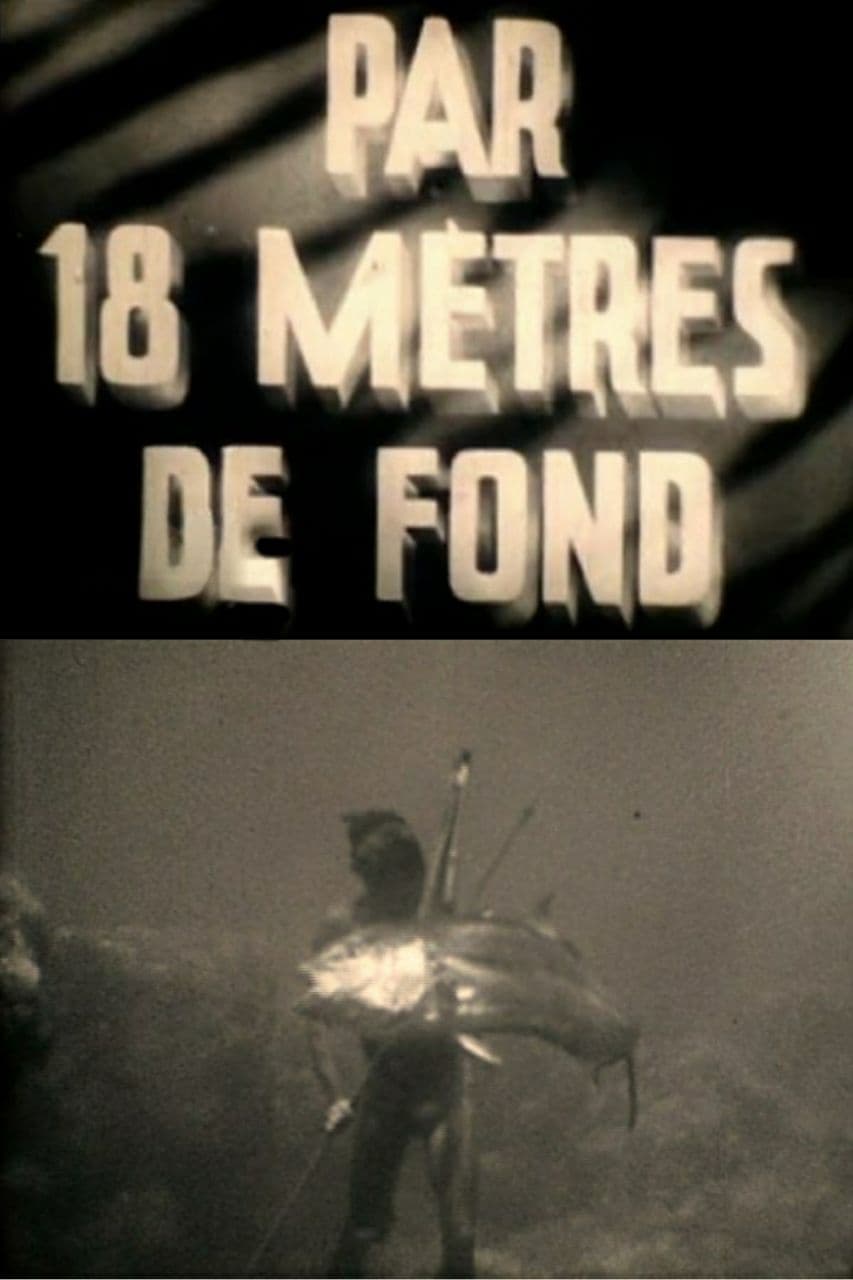
Jacques Cousteau's 1942 plunge into the Mediterranean sea
Documentary about exploring shipwrecks in the Mediterranean and Caribbean.

Adventurer, filmmaker, inventor, author, unlikely celebrity and conservationist: For over four decades, Jacques-Yves Cousteau and his explorations under the ocean became synonymous with a love of science and the natural world. As he learned to protect the environment, he brought the whole world with him, sounding alarms more than 50 years ago about the warming seas and our planet’s vulnerability. In BECOMING COUSTEAU, from National Geographic Documentary Films, two-time Academy Award®-nominated filmmaker Liz Garbus takes an inside look at Cousteau and his life, his iconic films and inventions, and the experiences that made him the 20th century’s most unique and renowned environmental voice — and the man who inspired generations to protect the Earth.
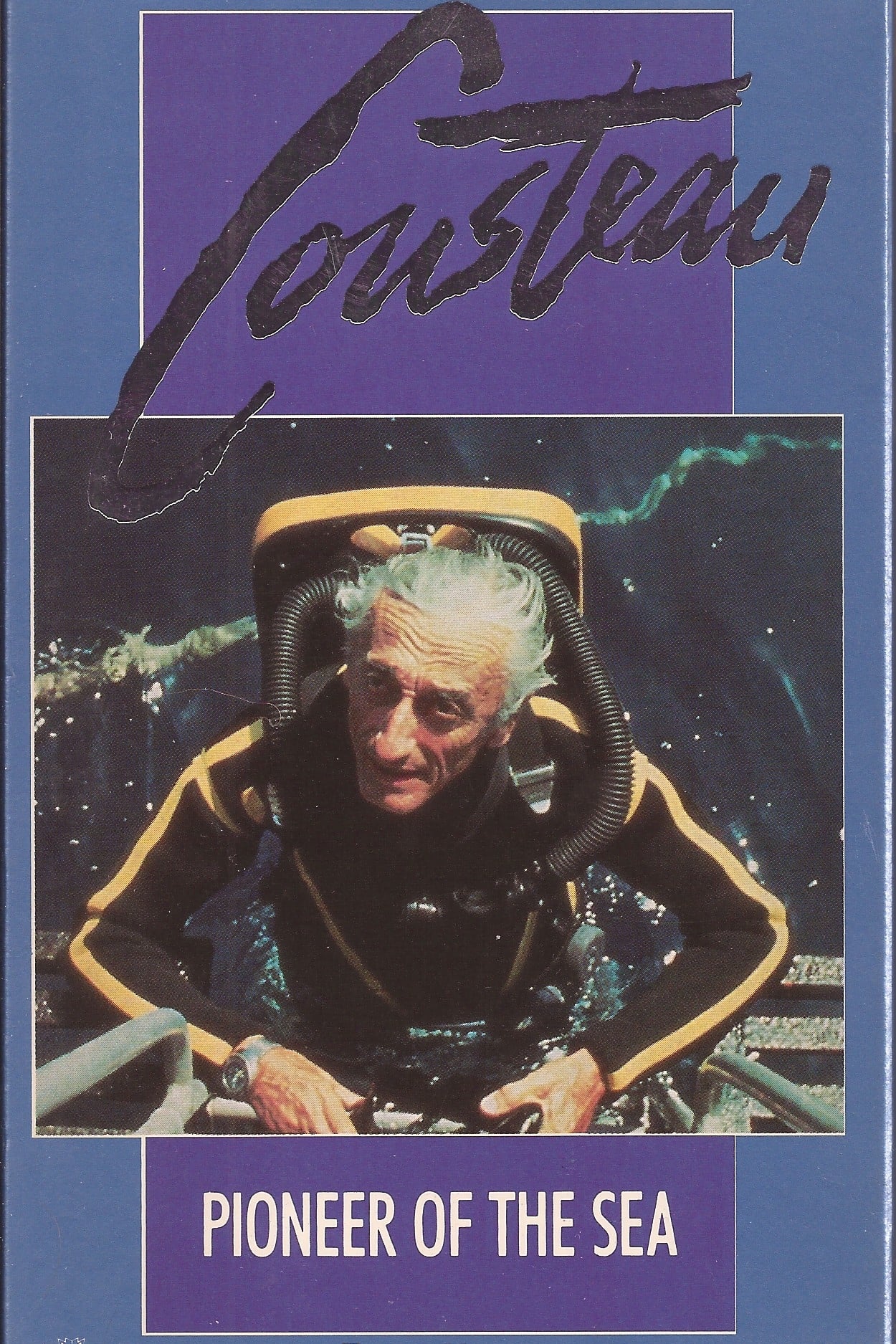
Documentary about the life of explorer Jacques Cousteau.
Follows the scientific research carried out in the natural cavity of Fontaine-de-Vaucluse by Cousteau and OFRS (French Underwater Research Office) divers, who reach for the first time a depth of 243 ft.
Follows Cousteau on a trip to Antarctica with 6 children, each chosen to represent one of the other continents in order to raise awareness about the global significance of Antarctica, the continent most crucial to world climate regulation.
The team travels to the coral reefs of the Indian Ocean, an area teeming with animal and plant life, and where numerous complex relationships between different species are played out on a daily basis. Cousteau and his men find a well-ordered universe housing a highly complex community on the coral reef.
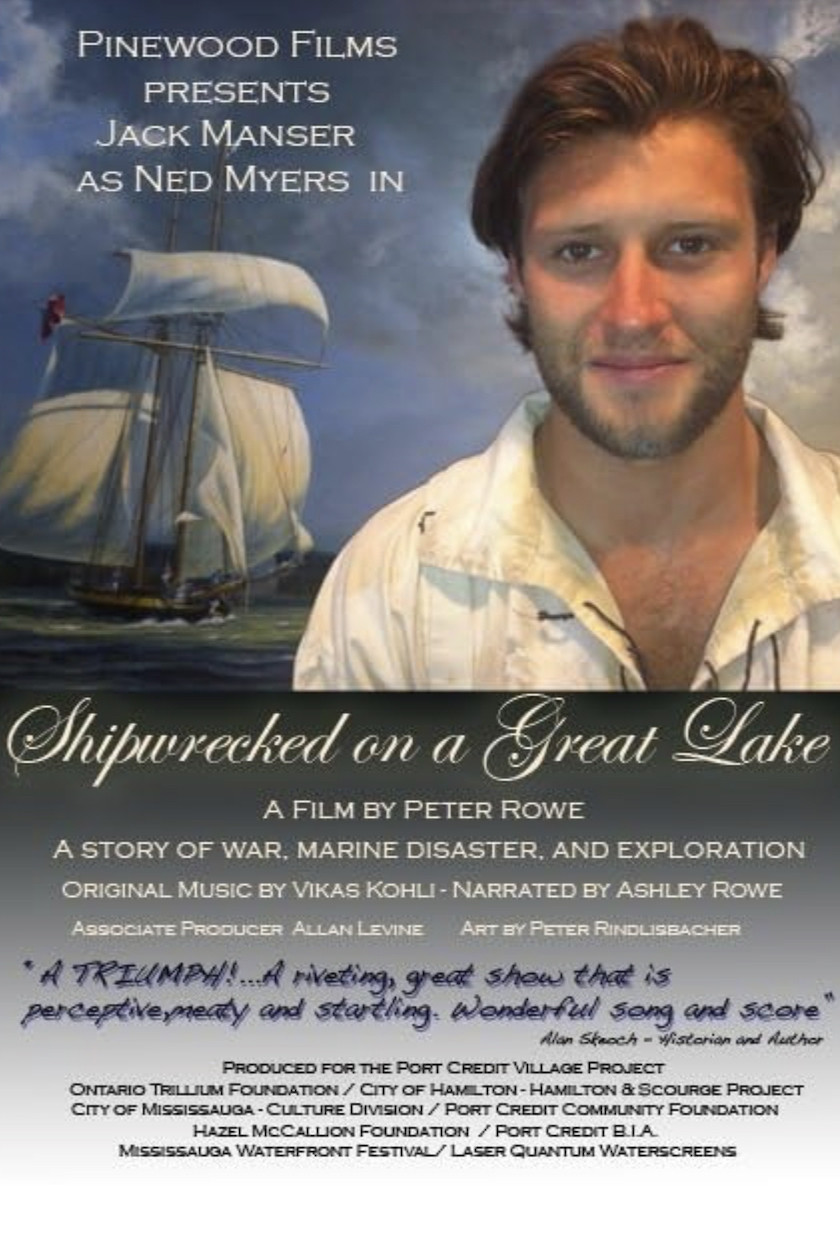
An adventure docudrama from Canadian producer and director, Peter Rowe. Shipwrecked on a Great Lake is the story of Ned Myers, the 24-year-old Canadian-American sailor who was one of the few survivors of the shipwreck of two warships, the Hamilton and the Scourge, in August 1813. Based on the story by James Fenimore Cooper, who appears as a character in the film.

Live concert by American singer and songwriter John Denver aired as a television special. It was recorded at the Universal Amphitheatre in Los Angeles, California in August and September 1974.