
Paul and Paula have had bad experiences with love: Paul is financially well off but has lost all affection for his wife, and Paula leads a troublesome life raising two children on her own. They meet and discover a strong passion for each other. Life seems like a dream when they're together - but their short flights from the burdens of reality are once and again interrupted by Paul's ties to family and career.
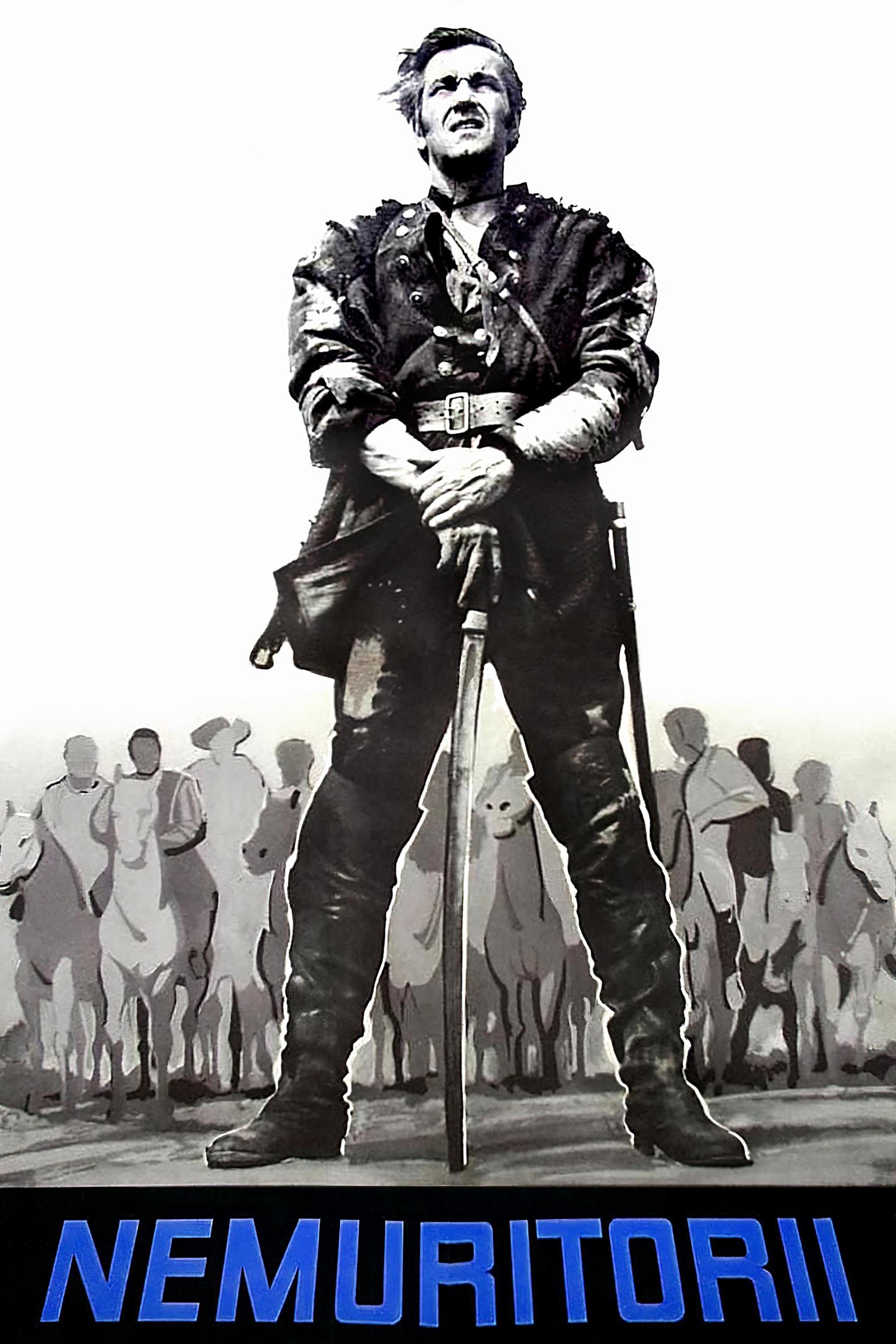
It's the story of a few men that wonder across Europe trying to come home and rebuild what Mihai Viteazul called "Romanian dream".
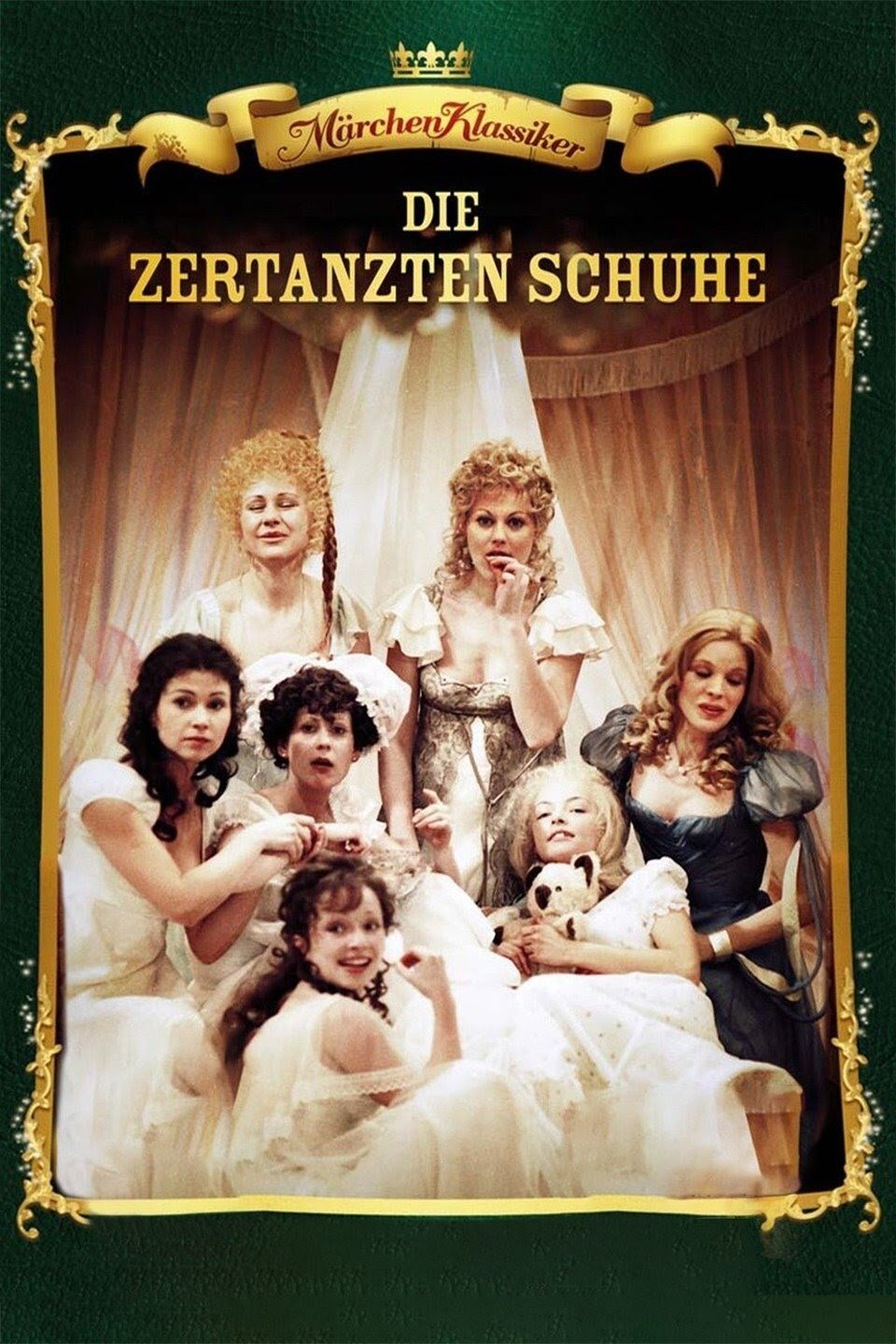
Television adaptation of the Brothers Grimm fairytale.
Bruno Kappel is an established attorney in Hamburg who, in earlier times, belonged to an anarchistic student circle. His former girlfriend Karin Kunze is still a member of this scene. Bruno, who still has left-wing beliefs, becomes her attorney. But when Karin gets into a shootout with the police, she has to go into hiding. The prosecuting attorney Baller has also been a former member of the anarchistic scene. He does not want his past to be revealed by Karin′s apprehension and prosecution. Thus, he asks Kappel to find Karin and sneak her out to a foreign country.
Susanne and Christian get to know each other during a wonderful week in summer - and fall in love. This, however, leads to conflicts: up to now, Susanne has been living with Wolfgang, a biologist. This shared life was harmonious and based on mutual trust. Wolfgang is not only resolute and in full command of social situations; he has also always been the stabilizing force in the relationship. This is precisely why Susanne now feels drawn to the unsettled, unsteady and frivolous Christian, the complete opposite of the calm, well-balanced Wolfgang. And Christian, working as a shift boss on a natural gas derrick, has become more aware of his personal and social responsibilities as a result of loving Susanne.

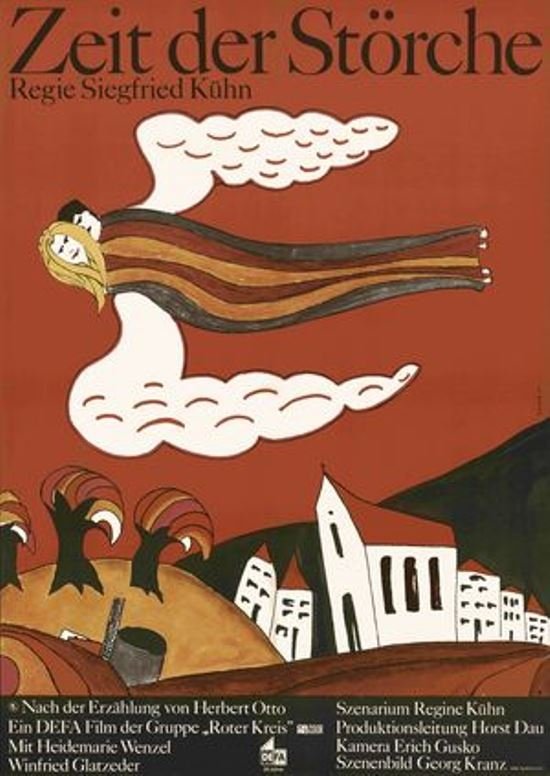
Eight-year-old Matthias dreams that he will someday become a pilot and his divorced parents will get back together. He waits yearningly for his ninth birthday because his father has told him the story of Icarus, and promised to take him on a sightseeing flight. When Matthias' father doesn't come home, he is devastated. He runs throughout the city, talks to his friend about the relationships of adults, looks for his father at his desk, and gets himself into conflict with the police. As he sits alone on the roof of a house, he comes to the conclusion that Icarus didn't plummet to the earth because he didn't listen to his father, but rather because his father had forgotten him.
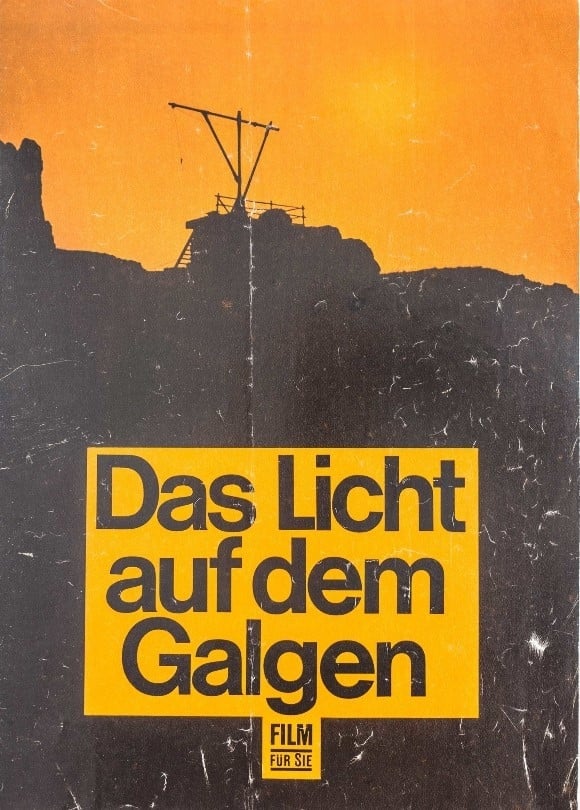
Europe in 1793. For years, England and France have been at war with each other. Now, France sends three men to the British colony of Jamaica to organize a slave revolt. The envoys are Debuisson, the grandson of a Jamaican rum manufacturer, who knows the island very well, his old friend Sasportas, and the sailor Galloudec. After having established contact with the fragmented rebel groups, they receive the surprising news of Napoleon′s takeover in France. Whereas Debuisson, who by now has gotten used to his role as a rich heir, wants to wait for new instructions from home, his companions are determined to press ahead with the revolt. When a slave kills a British guard, the situation escalates.
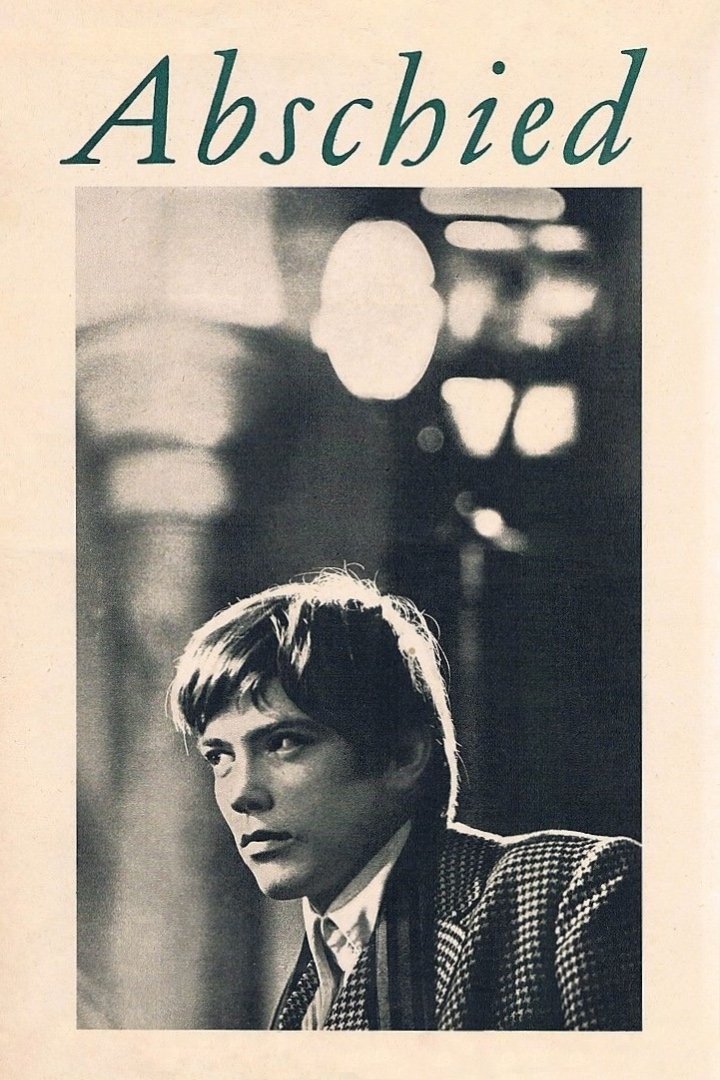
In August of 1914, amidst the public ecstasy surrounding the impending war, Hans Gastl, the young son of a Munich bürger, makes a decision: he will not take part in this war. This resolution signifies a turning point in his life; a farewell to his class and his family.
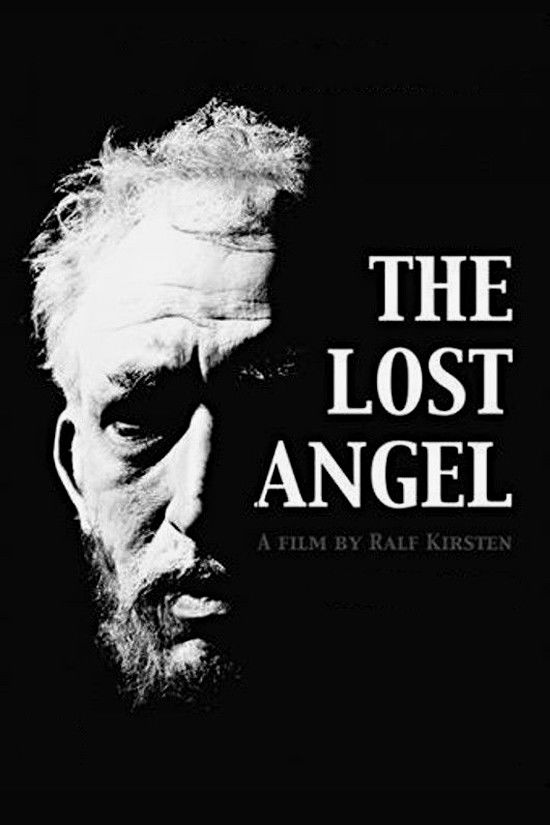
August 24, 1937: a day in the life of expressionist sculptor and author Ernst Barlach (Fred Düren). Barlach lives in the small town of Güstrow, keeping to himself and wanting to steer clear of politics. On this day he learns that the Nazis have dragged his famous 1927 sculpture The Hovering Angel out of the Güstrow Cathedral. Barlach begins to reflect on his life of “inner emigration” and on his work.
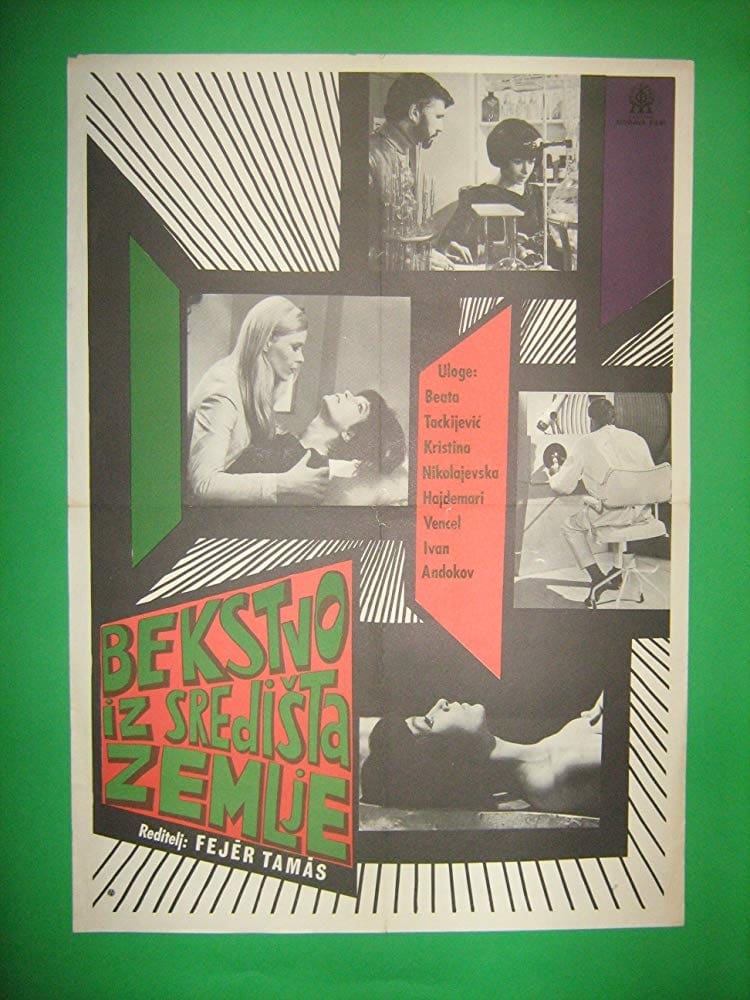
Five social misfits undergo cryogenic suspension. When they awake in the far distant future, they find a world devastated by nuclear war. Yet they discover that each of them has some personal involvement - and responsibility - for the series of the events that ended in the destruction of the world they knew.
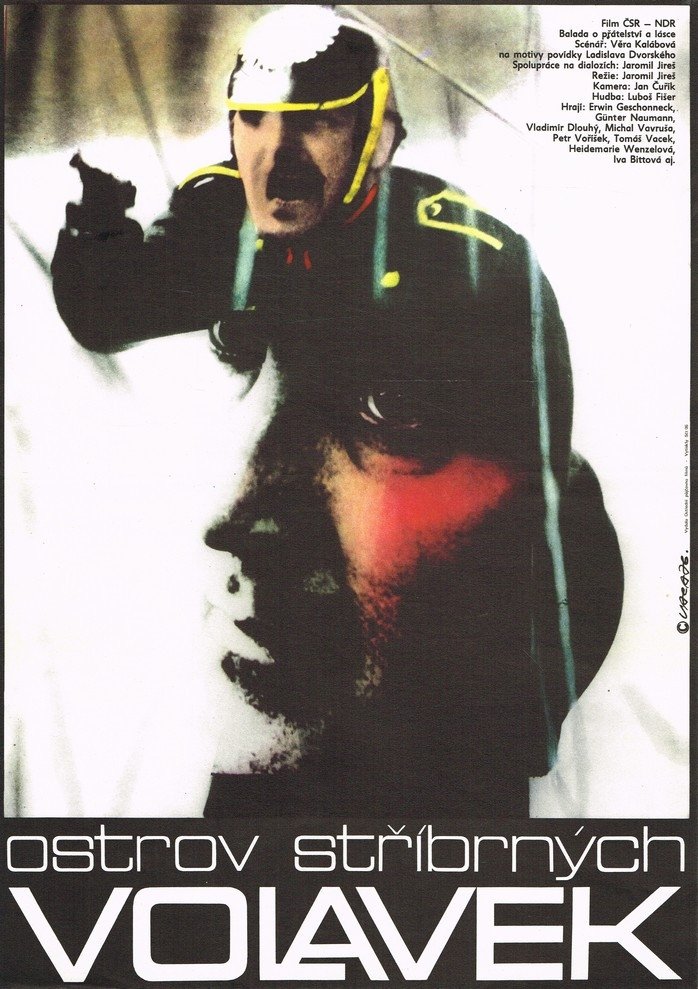
The late summer of 1918. Paul, Willi and Heinrich from an age-old German town are good friends, although there is a great deal that divides them. Heinrich comes from an officer's family with an army tradition and is preparing to enter cadet college. Paul's father and grandfather are workers, and Willi, left to depend on himself, works as a hotel messenger. The last year of the war is hard for everyone, but while Paul and Willi know their own minds and do not hesitate to help the war fugitives Tony and Sepp, for Heinrich everything is more complicated.

In the spring of 1969, a young man from a small town arrives at the partner company in Berlin, where he falls in love with red-haired Rita. A love story about "everyday heroes," in which director Egon Günther continues his idiosyncratic formal experiments with actress Jutta Hoffmann, which he began in "Junge Frau von 1914" (Young Woman of 1914).
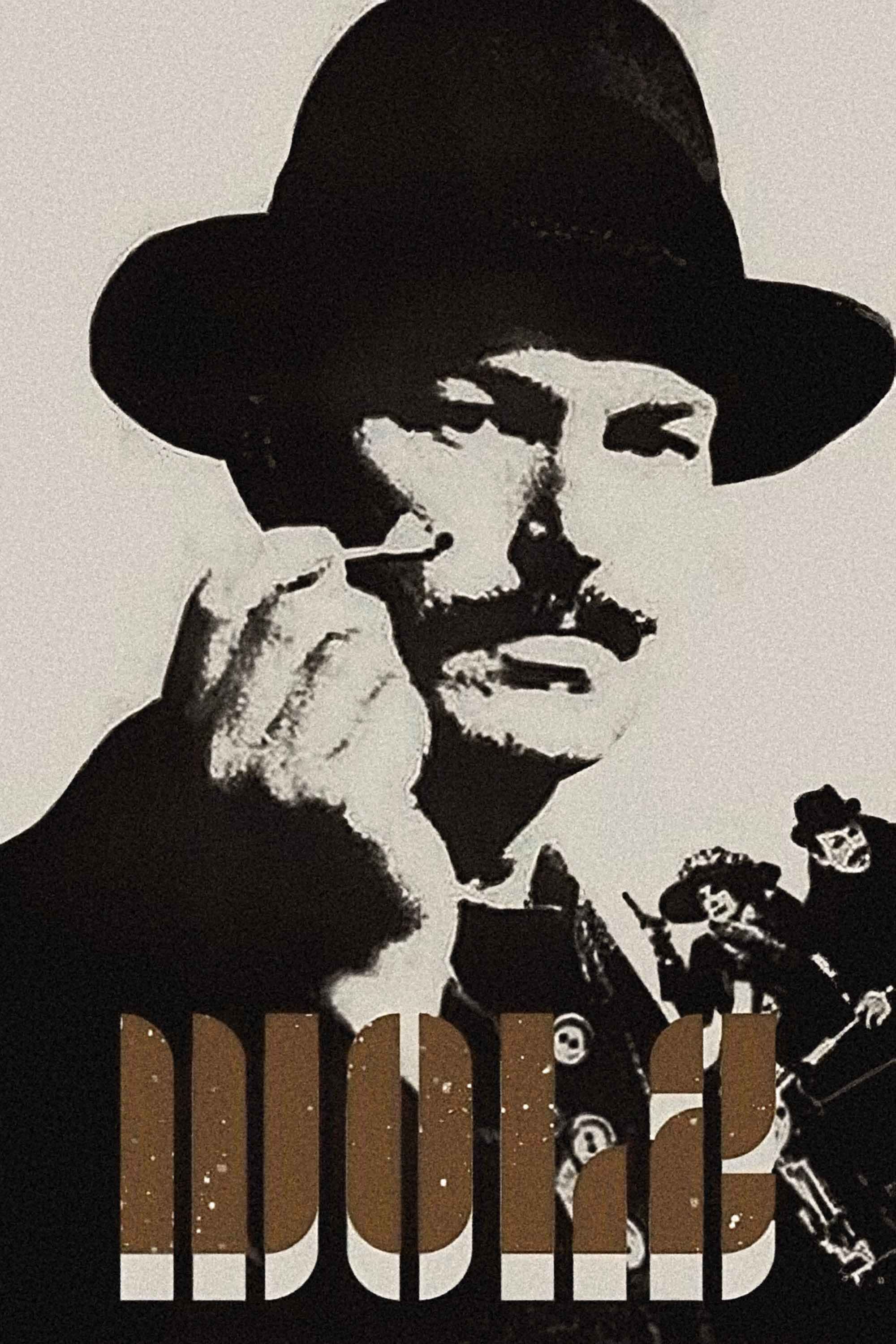
Soldier Ignaz Wolz returns from WWI with an immeasurable hatred of capitalist war profiteers. He decides to start his own revolution, but tries to stay away from the organized class struggle. He steals from the rich men and divides the wealth among the poor. One day, Wolz is arrested and sentenced to life in prison; seven years later he is released due to mass protests. More than ever, it is hard for him to fit in. He severs ties with his former companions, who reject his ideas, and leaves Germany.
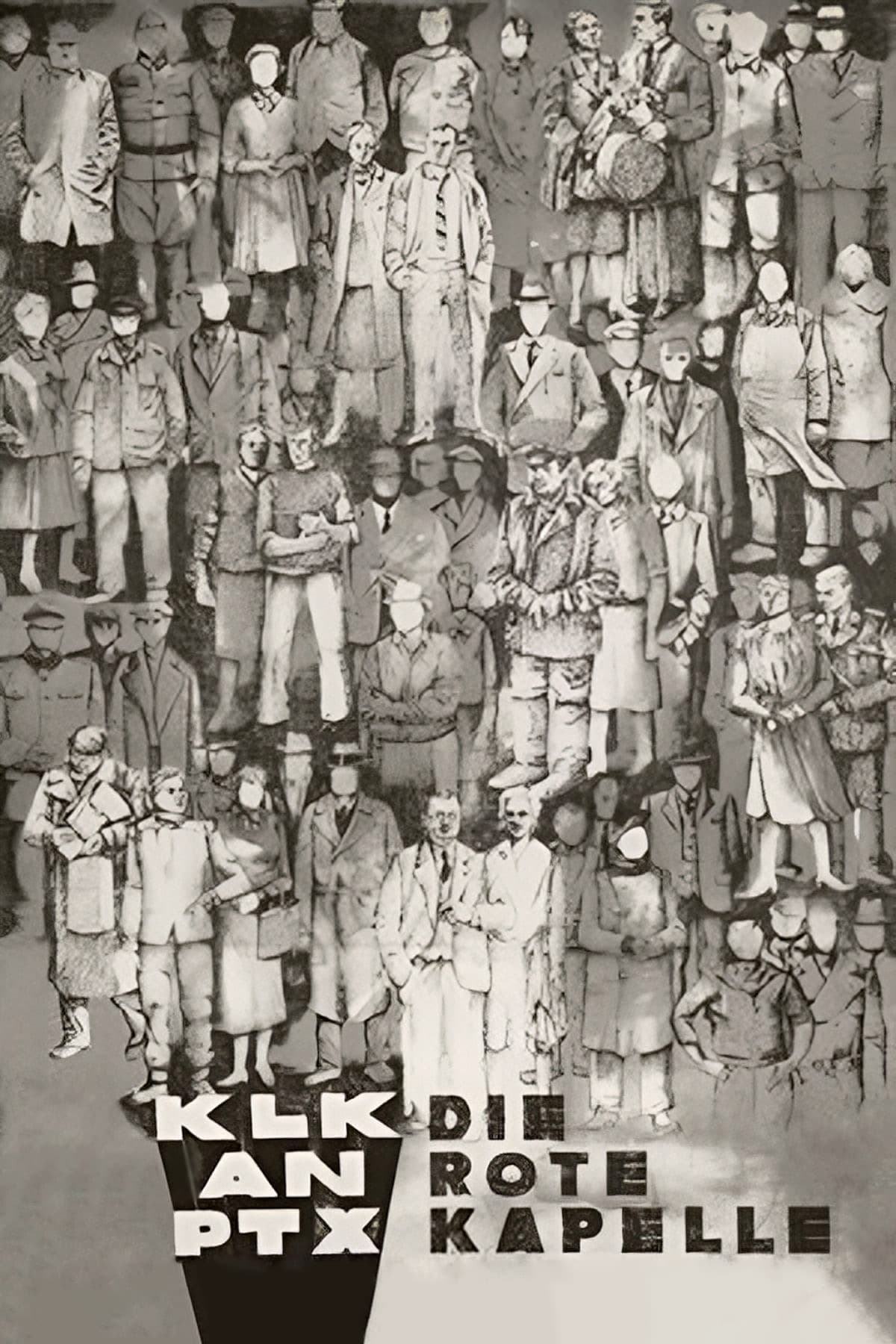
East German film about the history of Red Orchestra, a real life German pro-Soviet spy ring created after the rise of Hitler that turned into a resistance movement led by a leftist Nazi officer, Harro Schulze-Boysen, and Arvid Harnack.

A depiction of class conflicts in Germany between 1918 and 1945. The Spartacist Erwin is shot by officers in 1918, and his pregant working-class bride Marie begins a new relationship with social democrat Geschke. Erwin's son Hans grows up to be a communist like his father, leading to bitter hatred between him and his Nazi step-brother, while Geschke becomes increasingly resigned to the political situation in Germany. The three aristocratic officers who shot Erwin many years ago meet again during the Kapp Putsch, but their support for the Third Reich eventually leads each to their deaths.
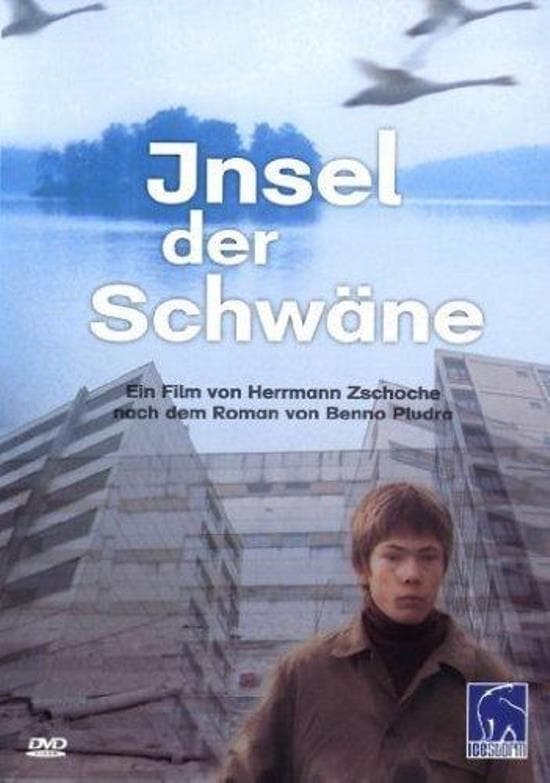
Fourteen-year-old Stefan Kolbe, along with his mother and sister, moves from an idyllic small town to the developing area of Berlin-Marzahn, where his father works as a construction worker. Stefan must find his way in a completely new environment and surrounded by strange people. Stefan gets to know two girls, who attempt to seduce him, and gets himself into trouble with the landlord, who kisses up to societal authority figures. He becomes friends with the anxious Hubert, defends him against the constant humiliation of the older student Windjacke, and encourages him to stand up for himself. It ends tragically in a bitter fight between Stefan and Windjacke.
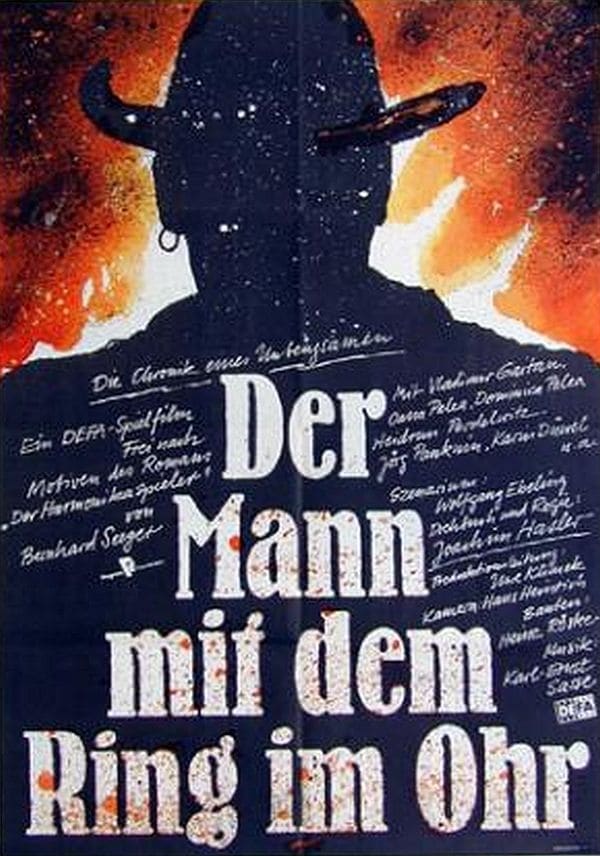
For years, the carpenter Tillmann Rutenschneider has moved around. In 1932, at the age of thirty, he returns to his village in the Mark Brandenburg with a foreign wife. He builds a house and starts a family. It wasn't long before he became a victim of the new racial laws. His house is set on fire, his wife and child burn to death in the flames. He himself is sent to a concentration camp. After liberation, he returned to his home village, started a new family and built a new house. He joins forces with resettlers to form a cooperative, enforcing the land reform in his very own way. Tillmann falls into debt, gets into trouble and ends up in prison. He has to sell his house to pay off his debts. Released from prison, Tillmann Rutenschneider makes his way back to his village.
Factory wife Jenny Treibel plans to engage her youngest, softened and weak son Leopold to teacher's daughter Corinna Schmidt. She wants to cross the plans of her daughter-in-law Helene, who wants to marry her younger sister to the brother-in-law. At the engagement party, Corinna learns from maid Luise that Leopold has a child with her. Corinna dispenses with the wedding, but for Mrs. Treibel, a marriage between Leopold and Luise is out of the question... The old Count Petöfy worships actress Franziska Franz, who would fit better with his nephew Egon in terms of age. He introduces her to his house and marries her. His sister, the strict Judith of Gundolskirchen, approves this step despite the age-appropriate and social distance. However, after a love relationship between the young Count Egon and Franziska, everything changes...
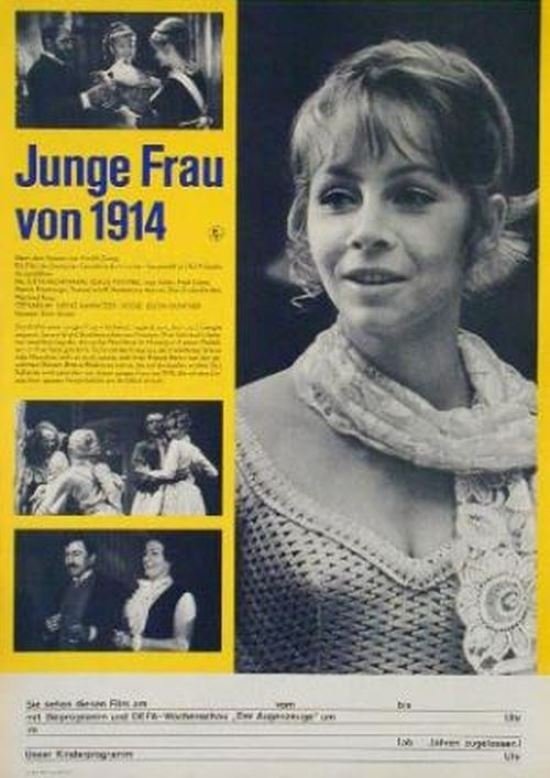
In 1914 Berlin, bank heiress Leonore Wahl and struggling Munich student Werner Bertin fall passionately in love, defying class and her parents’ expectations. Their idyll is shattered by the outbreak of WWI: Werner, swept up in patriotic fervor, is conscripted to the Western Front, while Leonore, pregnant and abandoned, faces her family’s condemnation and a clandestine abortion. Set against the tumult of war, the film explores idealism, social divides, and the personal costs of duty and desire.

This episodic comedy explores love in all its varieties.
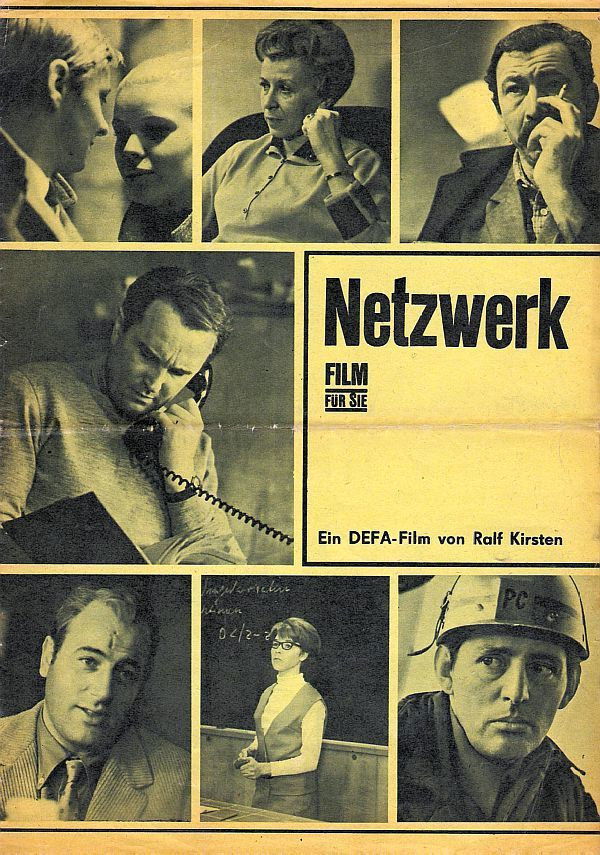
The writer Schaffrath enters the office of Dr. Hans Kahler, a graduate engineer, and asks if he may look around the facility, as he intends to write a report on the workers in the new section of an oil refinery.

The war is over and soldier Christoffel has no prospects for the future and no money. He doesn't know what to do, so he meets the devil. He offers him a pact: Christoffel's pockets are always full of money, but he is not allowed to wash, cut his hair or nails for seven years and he is not allowed to sleep in a bed. If he doesn't keep to all these things, he will be forever devoted to the devil. Christoffel accepts the condition. Relieved of his worries about the future, Christoffel sets off. However, he soon becomes lonely. Society avoids him; he is dirty, unkempt and smelly. He only finds a place to stay in prison. He pays off the debts of a goldsmith, which wins him the heart of Katarina, the goldsmith's daughter. However, Christoffel is aware of his appearance and leaves her. After seven years, he is finally cleansed by the devil himself and returns to her as a well-groomed man.

Paul Pospischiel loses his job in the great colliery collapse in the Ruhr, retrains and builds a new life for himself. One day, he receives a letter from his mother, which tears him from his comfort zone and triggers a serious conflict. She has discovered the man who sent his father to a concentration camp decades ago and is therefore responsible for his death. The mother demands accountability from this man. Paul decides to confront the suspected informer and murderer...
Private detective Fritsch from Munich had received a lucrative assignment: he was to obtain proof of inheritance for a Mr. Seligmann from Canada; this would bring the client a sum of five million dollars. He is therefore looking for an old document that was hidden in a valuable painting that disappeared decades ago. The starting point is a trail that leads to a town in Poland. The painting in question is said to have disappeared there in the final years of the Second World War. But the object of desire cannot be found here, and a new clue points to a grave in Frankenthal in the German state of Rhineland-Palatinate. Fretsch then found out that the painting must probably be in the villa of a personality with significant influence in the economy and politics of West Germany. Fretsch manages to get in touch with the wife of the presumed new owner of the painting and to find out the secret of his rise to multimillionaire status. But the people concerned use their resources to counterattack.

Historical television comedy around Friedrich Alfred Krupp, whose connection to the imperial court and the influence of Kaiser Wilhelm II. to the Krupp family. Not yet 50 years old, the "cannon king" dies in 1902. The emperor holds a memorial speech sown with threats against the "inner enemies". Telltale secret files emerge, strange amorous adventures are in the game.
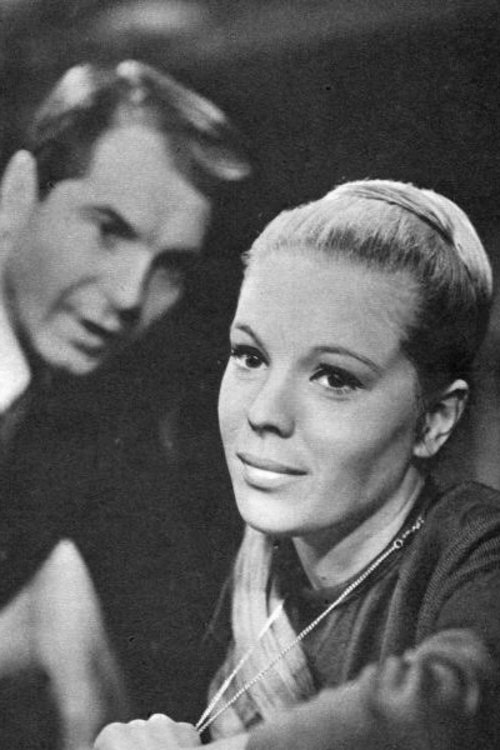
In spring 1946, Warsaw historian Wojtek arrives in a Polish provincial town to study the Renaissance. He soon becomes entangled in the fierce postwar power struggle between the Soviet-backed People’s Government—nationalizing industry and land—and reactionary exiled forces waging “bandit terror,” from train robberies to political assassinations. As violence escalates, Wojtek shifts from observer to active defender of the new “people’s power.”

The widowed registrar Robert Zimmermann reconciles divorcing couples and finds happiness in love once again.
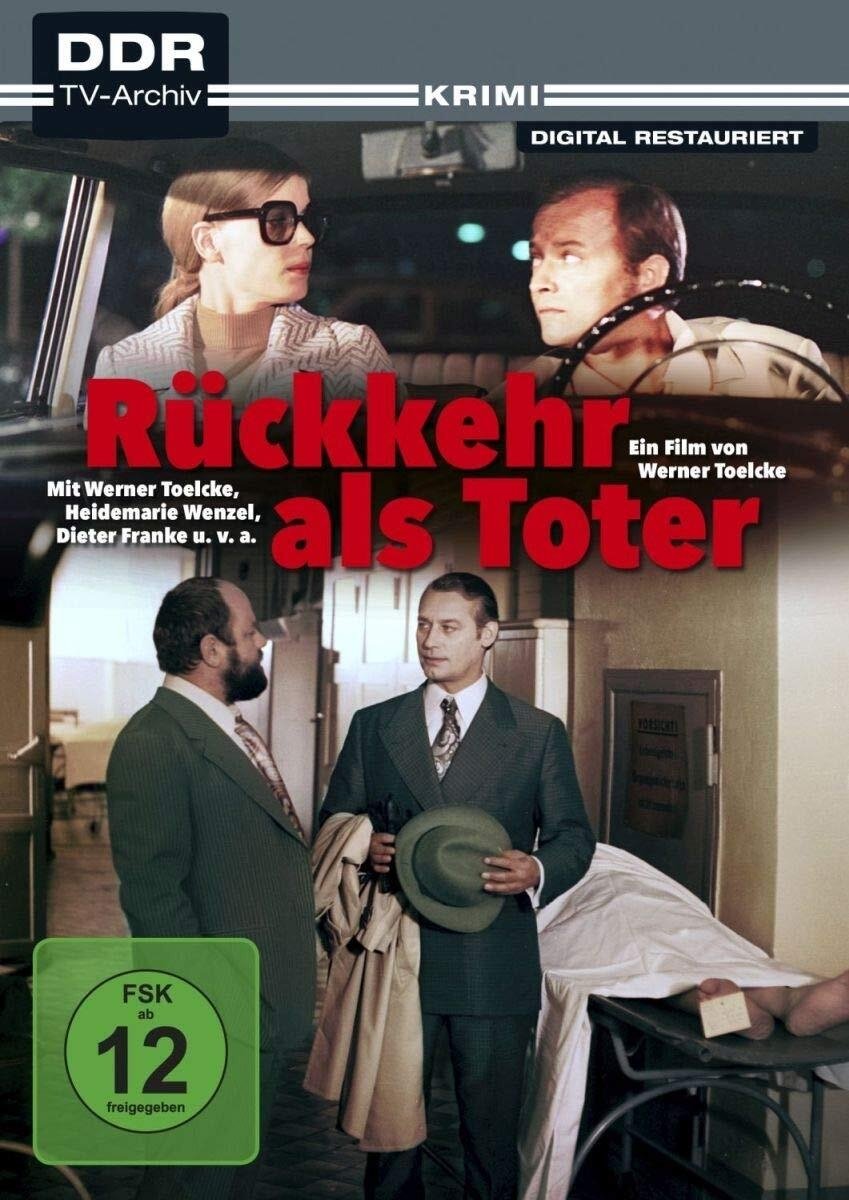
Boatman Ahrens from Hamburg has a sense of justice when it comes to finding a missing girl. He goes down illegal paths when he breaks into someone else's villa. He is caught by the millionaire entrepreneur Ofterdinger and his employee. It turns out that everything is connected to the death of a Turkish citizen who came to Hamburg penniless and worked in the port without papers. Ahrens suspects that it must be a crime...
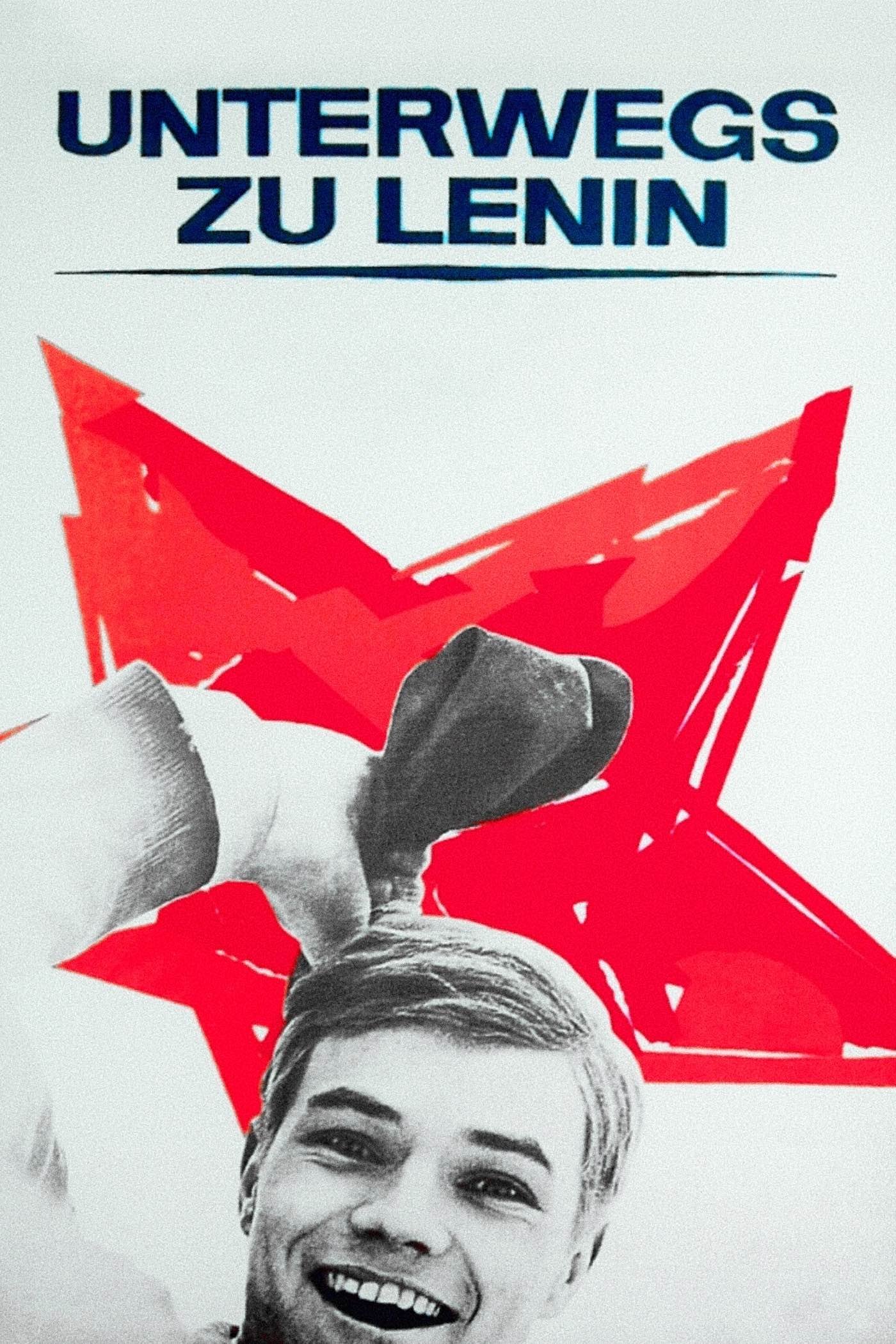
A train travels through the vastness of Russia, a train with German prisoners of war returning home, and Viktor Kleist, a young German communist from an intellectual home in Munich, travels back home with them. During the journey, the stations on his way to Lenin wake up again.

Three people from very different walks of life meet at a large construction site. Young, unmarried, self-confident construction manager Linda Hinrichs dedicates herself completely to her work and enjoys living more independently then most women. Daniel, a student works on the construction site to make money during his summer holiday, and impresses Linda with his spontaneous energy and idealism. Brigadier Böwe, an older, divorced man works his way from one construction site to the other and has lost his own personal happiness on the path to developing what was seen as officially suitable social standards. Both men try to win Linda over, not realizing that they are taking her freedom away from her.