
Paul and Paula have had bad experiences with love: Paul is financially well off but has lost all affection for his wife, and Paula leads a troublesome life raising two children on her own. They meet and discover a strong passion for each other. Life seems like a dream when they're together - but their short flights from the burdens of reality are once and again interrupted by Paul's ties to family and career.
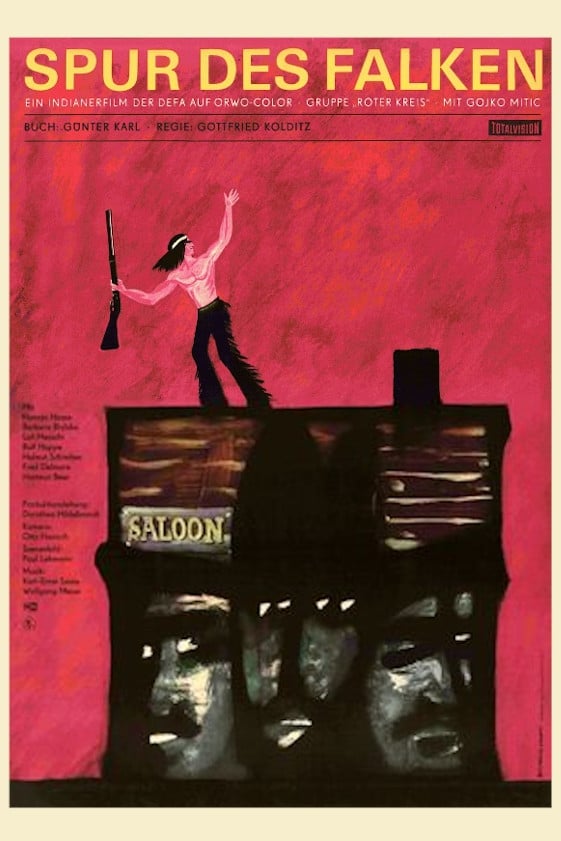
In the latter half of the 19th century, gold is discovered in the Black Hills, sacred land of the Lakota people. Gold diggers, profiteers and adventurers flock to the region. Among them is the hard-hearted land speculator Bludgeon, who tries to expel the Lakota using brutal methods. Lakota warriors retaliate, and soon the gold diggers' town becomes a battlefield.
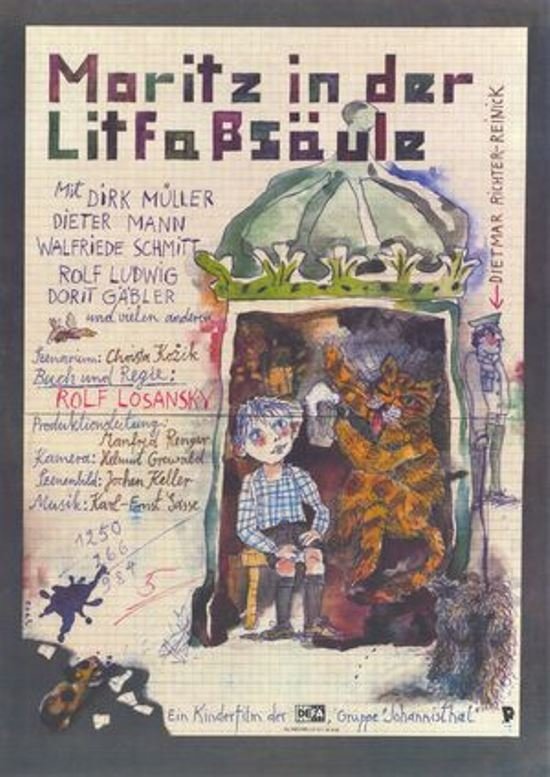
No one has any time for Moritz. And at school, things are not exactly the greatest either. Moritz runs away and moves into the inside of an advertising pillar. A speaking cat, a circus girl and a street sweeper become his new friends. Gradually, they help the young boy to realize that running away does not solve anything.

Normal everyday life in an apartment building on Plantagenstraße in East Berlin is disrupted when a truck pulls up with the new tenants' furniture. And they include two small children - now, of all times, when old Matuschke's wife has just died and consideration should actually be shown for the widower. Even worse for Mrs. Tillack, however, is the fact that the entire male world seems to be after her 16-year-old daughter Katrin.

The school authorities want to read success stories in director Joachim Faber's reports. But they cannot simply be produced on an assembly line. Pupils, for example, use the wrong tone. The matter draws circles until the superiors finally talk about refusal to work. Director Faber is caught between the efforts to resolve the conflict with pedagogical means and the pressure from above.
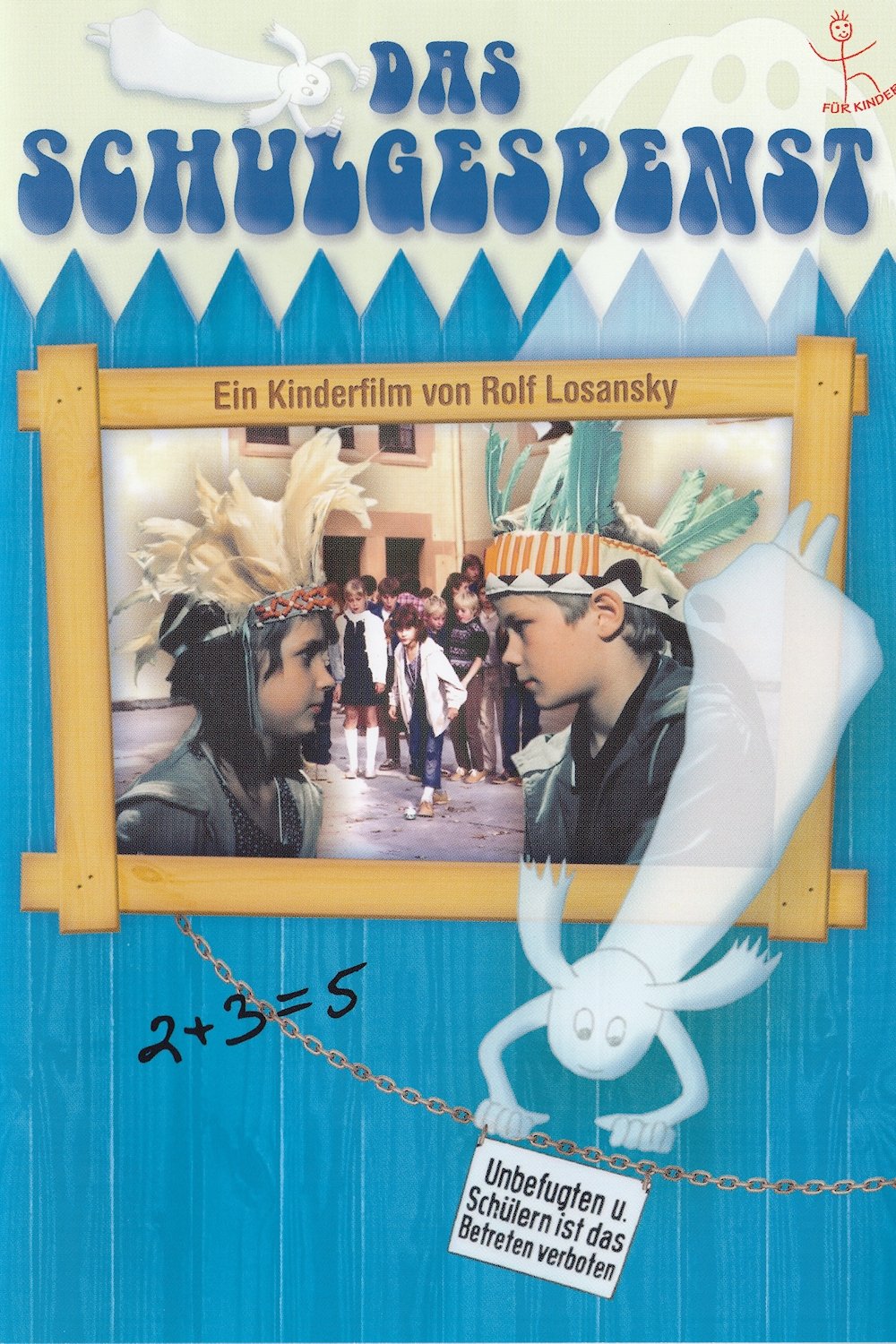
Carola is a mischievous girl who doesn't care much for school- except for sports and recess, of course. Without her good friend Willi to keep her on the straight and narrow, she would really be in trouble. One day at school, Carola has an idea. She invents what she calls "International Ghosts' Day" and a ghost named "Buh" to go with it. When Buh turns out to be less-than-imaginary the two decide to switch places, with Buh taking on all the schoolwork, and Carola taking the opportunity to play practical jokes on all her friends...
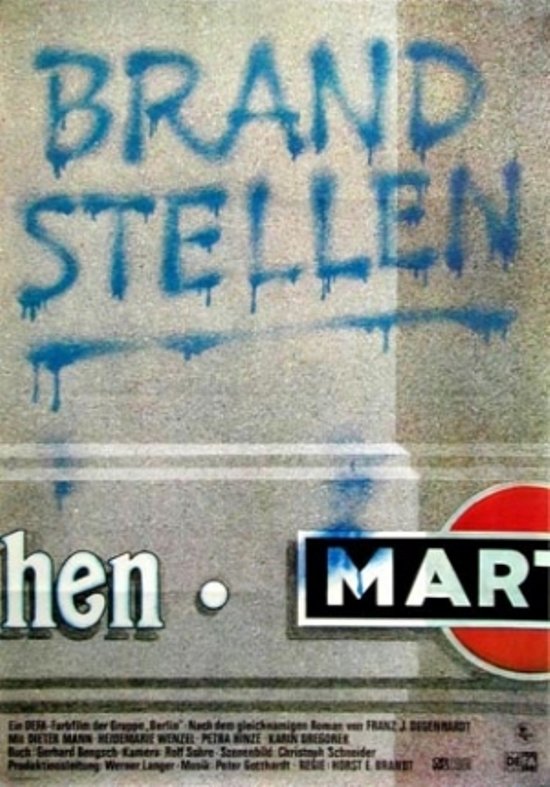
Bruno Kappel is an established attorney in Hamburg who, in earlier times, belonged to an anarchistic student circle. His former girlfriend Karin Kunze is still a member of this scene. Bruno, who still has left-wing beliefs, becomes her attorney. But when Karin gets into a shootout with the police, she has to go into hiding. The prosecuting attorney Baller has also been a former member of the anarchistic scene. He does not want his past to be revealed by Karin′s apprehension and prosecution. Thus, he asks Kappel to find Karin and sneak her out to a foreign country.

A lost box is a strange one that nobody knows. It appears in the middle of an apartment exchange involving the Ilse and Rudi Karschek family and another couple. Since no one can be assigned to this box, it is opened; the contents: the portrait of an attractive girl who dedicated it to "her" Rudi. Rudi, however, is quite sure that this must be a misunderstanding. But then his wife Ilse receives a phone call in their new apartment that is not at all misleading, which brings the situation in the Karschek family to a head. In this respect, the whole affair becomes a total "mess".


As American settlers encroach on the lands of the Lakota people, Tokei-ihto witnesses the murder of his father at the hands of Red Fox, who wanted information on where the tribe finds its gold. Two years later, at the height of the Great Sioux War, Tokei-ihto and Red Fox meet again.

The television play by Werner Bernhardy depicts episodes from the life of Heinrich Zille as well as his much-praised "Milljöh". It tells of Zille's dismissal from the Berlin Photographic Society, of Kommerzienrat Hübel and his wife, of Zille's unreal, loyal friend Gustav Nogler, in whose role the experiences, attitudes and characteristics of many people from those years were incorporated, and of many other Berlin characters.
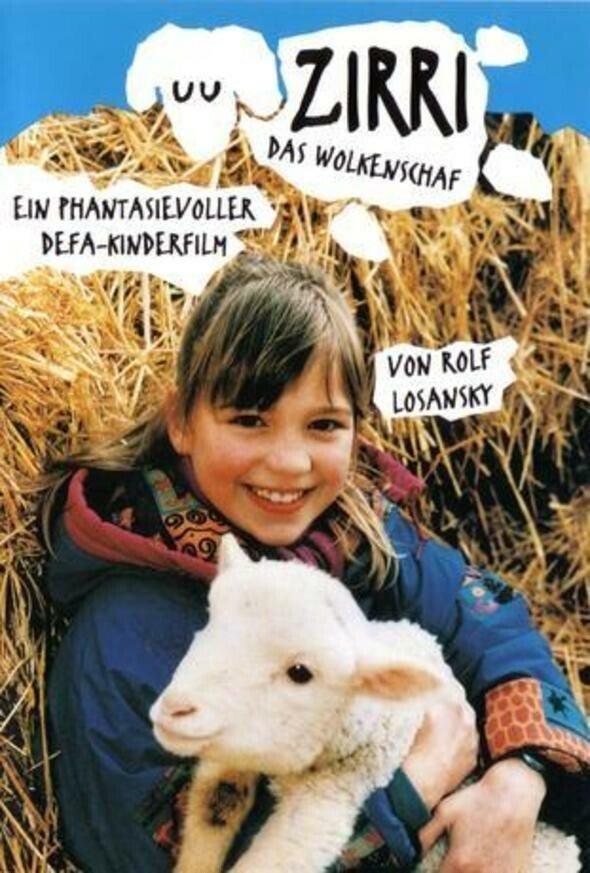
Eleven-year-old Christine, called “Schiene”, spends her vacation on her grandparents' farm and discovers Zirri, a bright white cloud sheep, in her grandfather's flock of sheep.
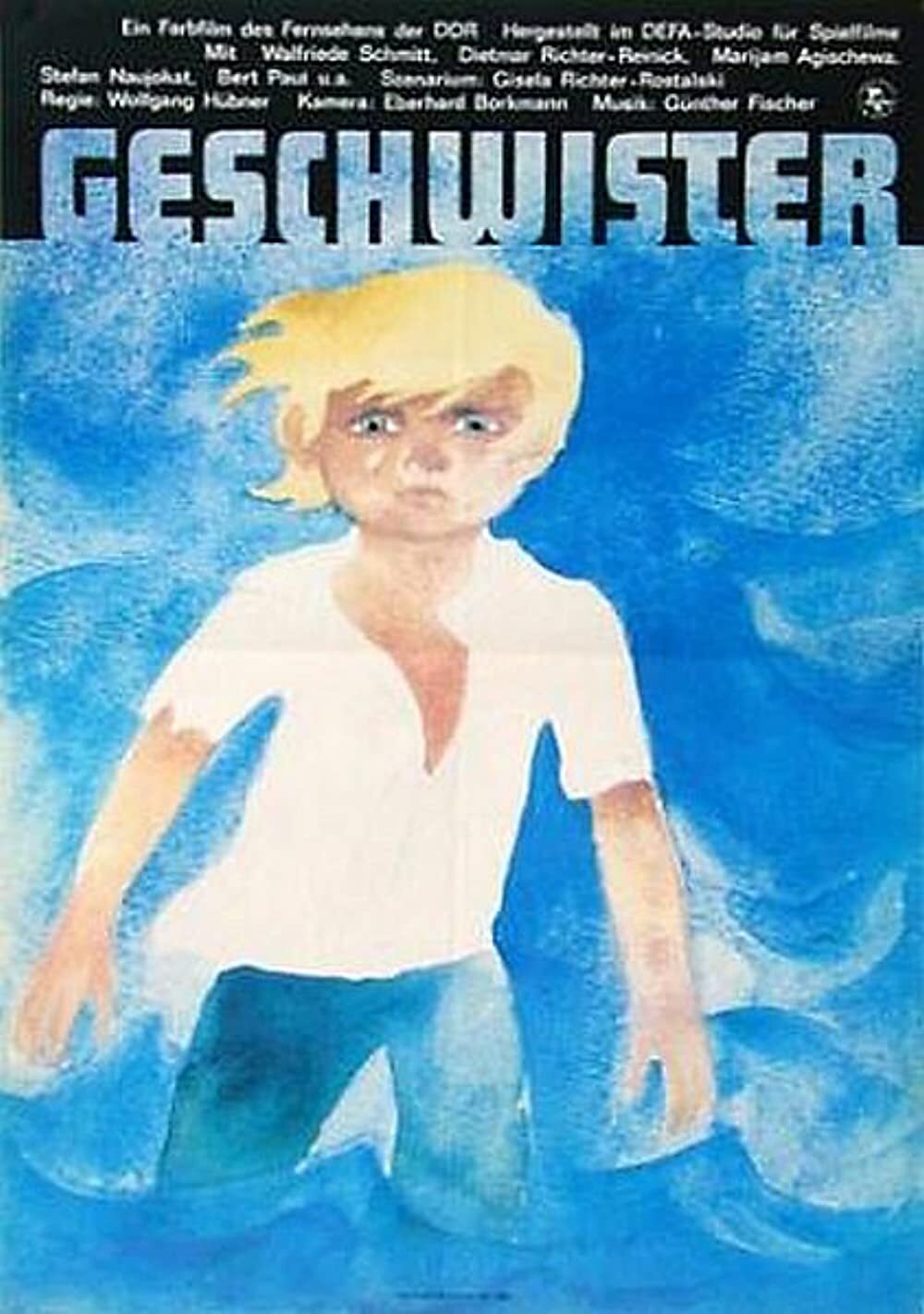
The children of Herbert and Hella, two single train conductors, are going to vacation at Baltic Sea. Unfortunately the parents are to busy to go so the oldest sister is in charge.
Teacher Ellen is fed up with her lame partner and colleague Horst. He teaches with such complacency! Ellen is different, she wants to inspire her pupils. No wonder the emancipated young woman turns down Horst's marriage proposal. She has also met someone new: the charming Brigadier Frank, finally a man who doesn't just talk the talk but walks the walk...

The armouring soldier and writer Werner Bertin is ordered to the Western Front to France during the First World War. The use before Verdun - with all the horrors of war in the period 1916/1917 - brings a fundamental change of consciousness for the academic from Berlin. The intellectual devoted to bravery by fate develops into a disappointed but rebellious being. He sees more and more the injustices of warlike conflicts and their social causes.
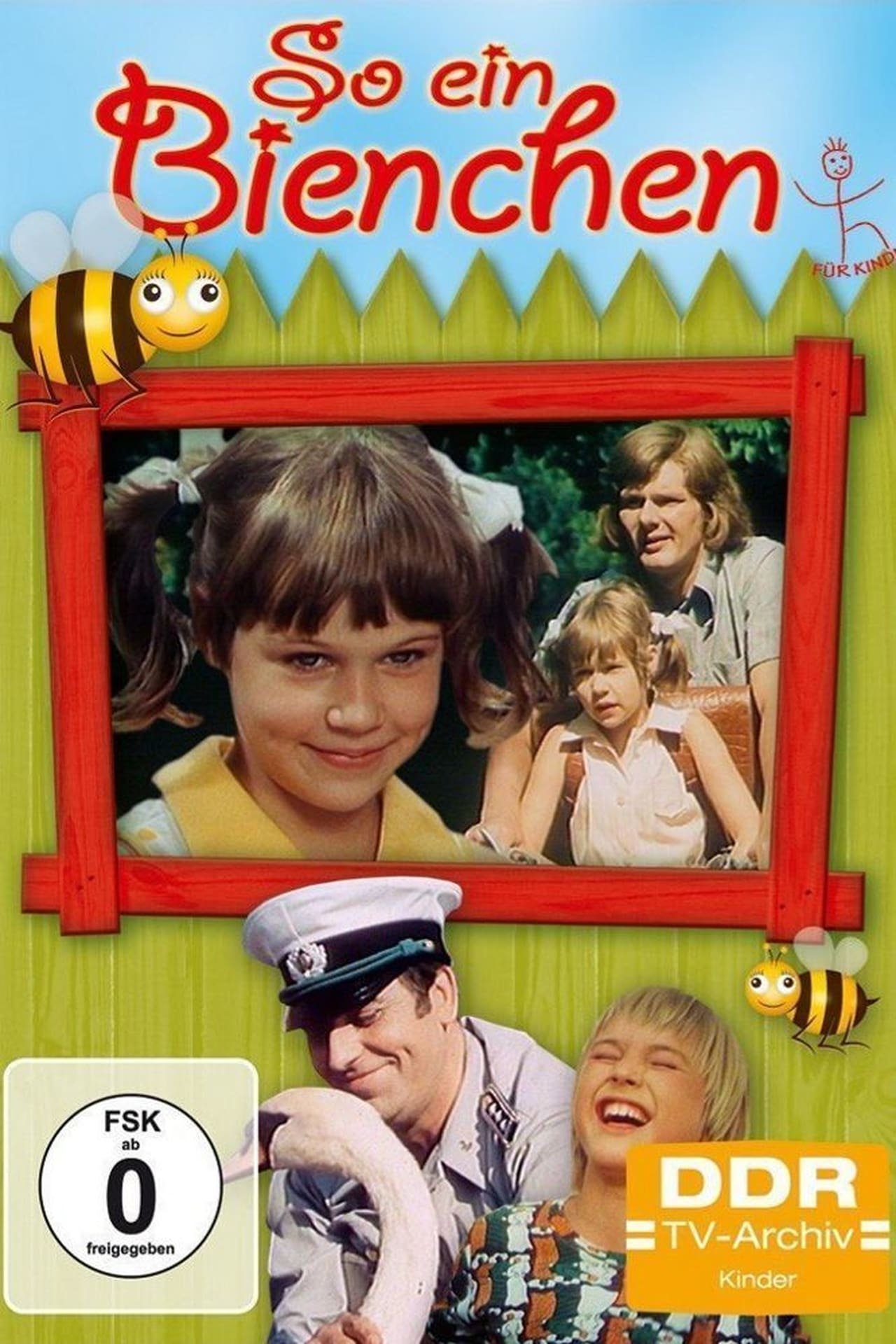
Bienchen is a little girl who is very worried regarding the private life of her older brother.

A ship from the GDR fishing fleet is on its way home. The work is done, the hold full of fish. Captain Nipmerow could be satisfied with that, but he has a completely different problem to deal with - a matter about which he also owes the shipping company a statement.
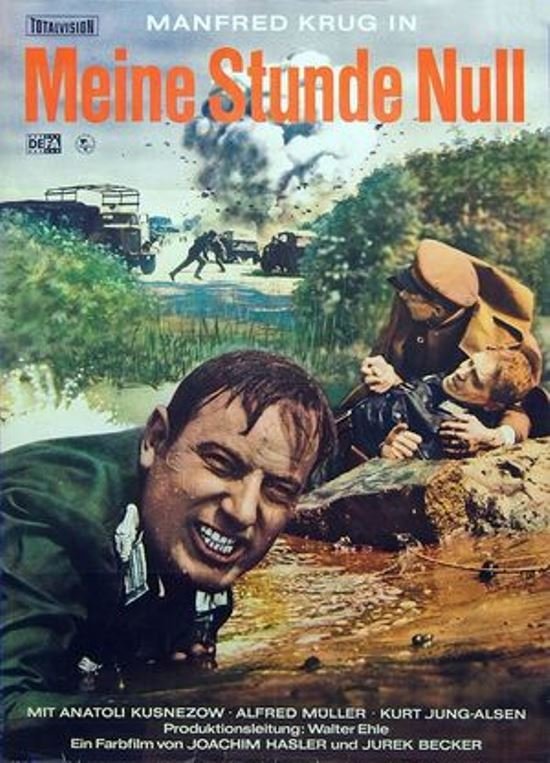
Germany in 1943. The Berlin worker Klaus Hartung is deployed as a soldier to the Eastern front during World War II. During a tour, he is captured by a Russian patrol. While in captivity, Hartung comes to the conclusion that he has to come through and actively take part in the effort to end the war. He consents to abduct a German officer together with two Russian soldiers. During their adventurous mission, the men who at first had been enemies, become sincere friends.

Helene Sonntag, 40, unmarried and a teacher. She has long dreamed of happy partnership, but things turn out as they should. In order to avoid the work overload caused by substitute teaching and vacation childcare, she is forced to make a move.
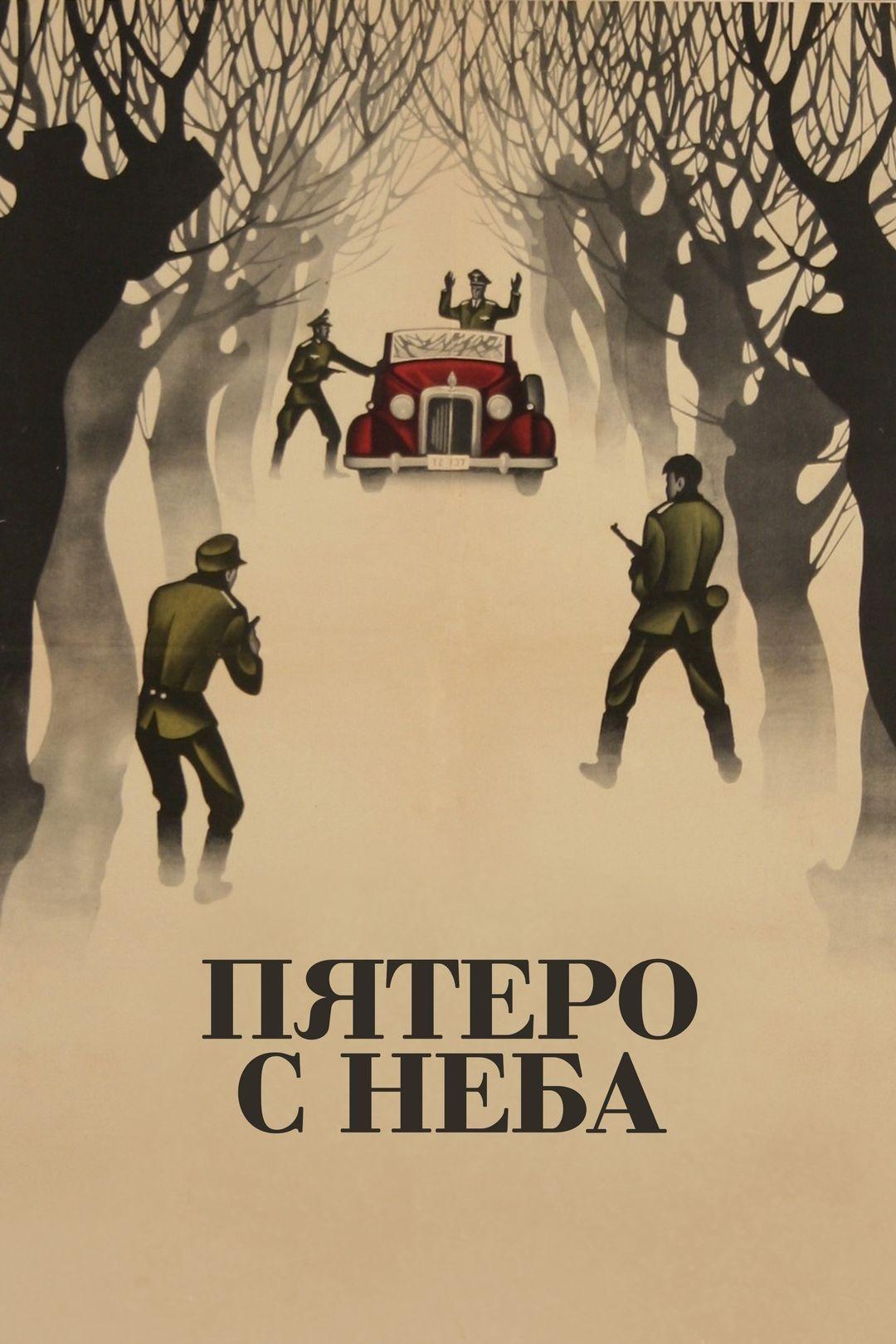
The Soviet command has alarming information about the new invention of the enemy. According to intelligence, the Nazis delivered a batch of new chemical shells filled with gas of tremendous destructive power to one of the sections of the Eastern Front. The Nazis want to test them in combat conditions, and then apply them on a large scale.
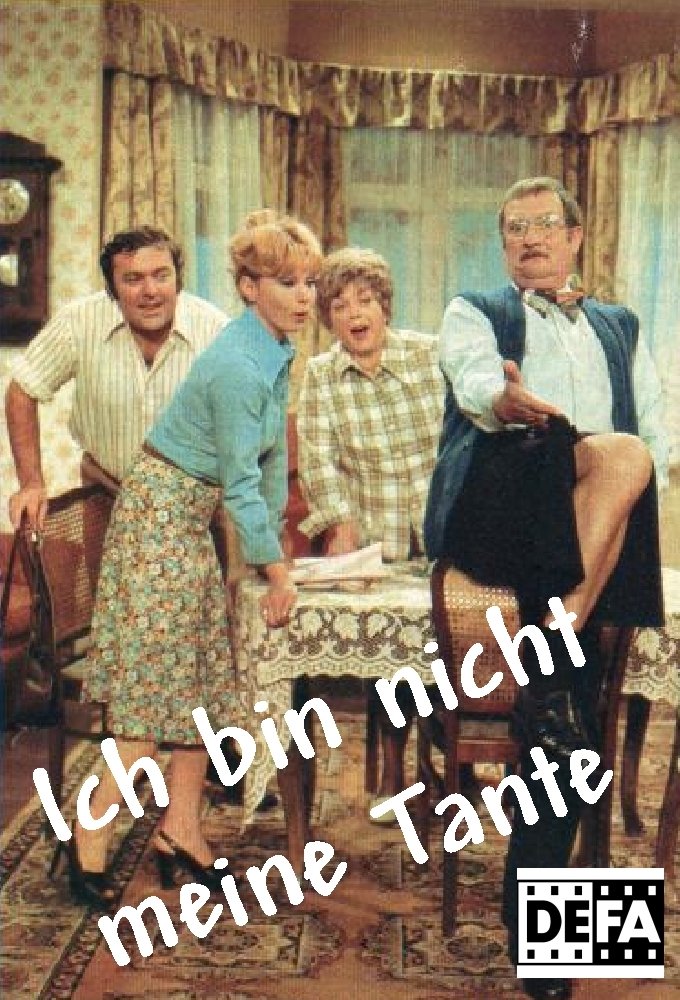
Karla Geisler is a woman with her heart in the right place and a very quick mouth - the tenant on the first floor is practically the good soul of the entire building community. Karla is also the aunt of a 32-year-old single man called Karl, who is not lacking in imagination. Every Wednesday, he invites himself over to Auntie's for coffee and cake so that he can do some geological studies in peace.

In 1903, Jan Anskath and his half-brother Martin are living in Rajgorod at the border between Russia and Prussia – Jan on the Russian, Martin on the Prussian side. Both are occasionally smuggling stuff over the border. But while Jan acts from political conviction and is smuggling illegal writings over the border, Martin is only interested in the money. That is why he does not question his shadowy client when he sneaks out refugees into Russia. But then it becomes evident that the distinguished gentleman has robbed the refugees from all of their belongings, only to turn them over to the authorities of the Czar.
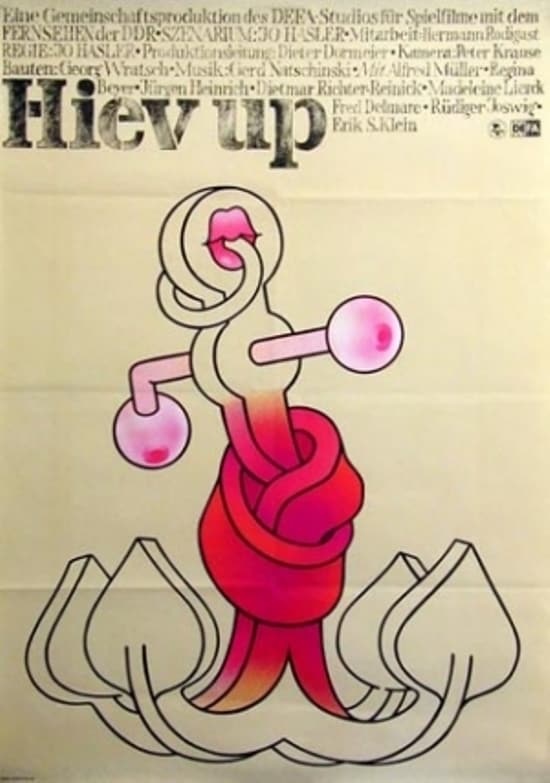
The crew of a small Saßnitz fisherman has problems with the "making a cultural socialist life". In order not to lose the competition prize again in the future, they want to show the organizer a collective weekend with all the trimmings. And they really do not mind ...
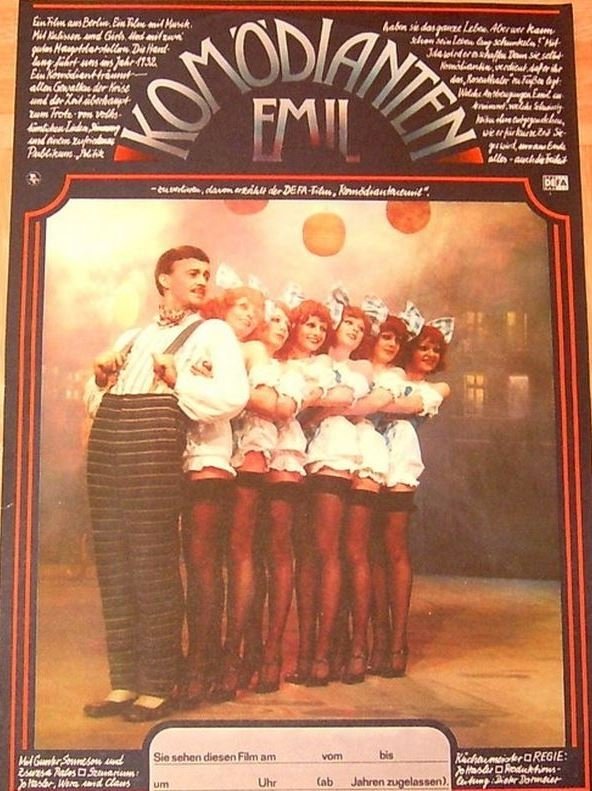
The early 1930s in Berlin. Cabaret artist Emil Damaschke wants to entertain people with his program - together with Ida, the attraction from Hungary. But because he risks a lip that is too big, he is thrown out of the "Rosenthaler" cabaret, ends up on the criminal circuit and briefly in prison. Back out again, he and his colleagues leased the "Rosenthaler", whose Jewish owners had fled abroad to escape the Nazis. They set up a cooperative. However, a gang of criminals who professed allegiance to the Nazis wanted a share of the profits and believed they had a free ride. Emil rejects Ida's intention to win over the workers as a new audience, he makes money with advertising and refuses to join the criminals. They kidnap Ida, murder her in the forest and make sure that Emil is framed for the murder. Emil ends up in prison and the criminals take over the cabaret - in Nazi uniform.

Episodes from the life of German poet and communist Erich Weiner: his stay in Paris, participation in the Spanish Civil War, years of exile in Russia. Moscow, May 1941. Children play in the sun, young people fall in love, make plans for their future. German emigrants, including 50-year-old Erich, are concerned about events in their homeland and sense impending disaster...
A child abduction story ordered by a non-custodial uncle with the background of the East/West-German separation.

Paul Pospischiel loses his job in the great colliery collapse in the Ruhr, retrains and builds a new life for himself. One day, he receives a letter from his mother, which tears him from his comfort zone and triggers a serious conflict. She has discovered the man who sent his father to a concentration camp decades ago and is therefore responsible for his death. The mother demands accountability from this man. Paul decides to confront the suspected informer and murderer...
Private detective Fritsch from Munich had received a lucrative assignment: he was to obtain proof of inheritance for a Mr. Seligmann from Canada; this would bring the client a sum of five million dollars. He is therefore looking for an old document that was hidden in a valuable painting that disappeared decades ago. The starting point is a trail that leads to a town in Poland. The painting in question is said to have disappeared there in the final years of the Second World War. But the object of desire cannot be found here, and a new clue points to a grave in Frankenthal in the German state of Rhineland-Palatinate. Fretsch then found out that the painting must probably be in the villa of a personality with significant influence in the economy and politics of West Germany. Fretsch manages to get in touch with the wife of the presumed new owner of the painting and to find out the secret of his rise to multimillionaire status. But the people concerned use their resources to counterattack.
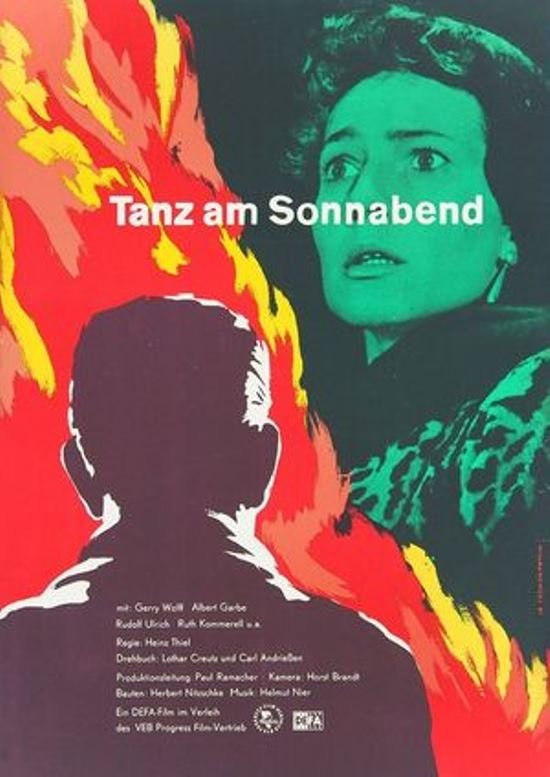
A Saturday evening dance in the village pub is interrupted when the barn of local farmer Paul Gäbler catches on fire. The farmer himself is soon found – hanged. Sawmill owner Züllich claims that Gäbler committed suicide because he was forced to join an agricultural production cooperative, but others are convinced Gäbler was murdered. Officers Schneider and Anders must navigate their way through a complex maze of personal and political motivations in order to reconstruct the crime.