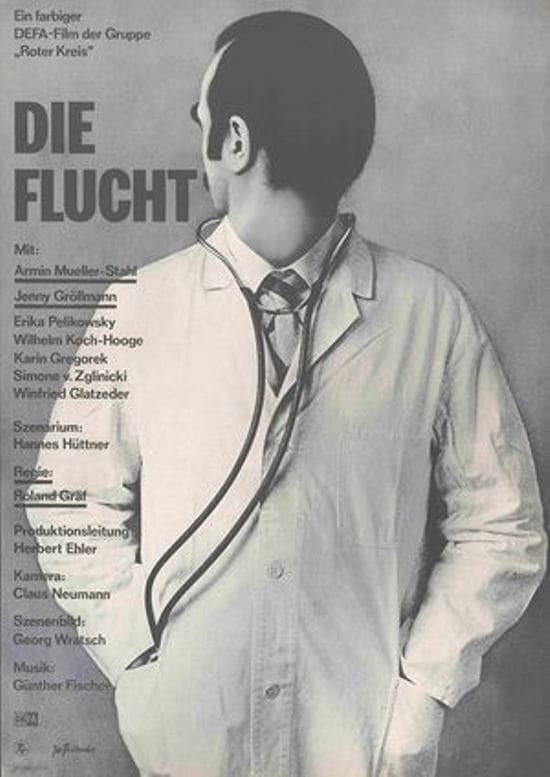
When Dr. Schmith's proposal for international research on infant mortality is rejected, he decides to leave East Germany and strikes a deal with an escape agency that promises him a leading position at a children's hospital in West Germany. But then the decision is reversed: the project is approved and his international colleagues want Dr. Schmith to head the GDR section. Moreover, he falls in love with his new colleague, Katharina. Schmith initially tries to ignore the arrangements he made with the escape agency, but they blackmail him. Things soon turn deadly...
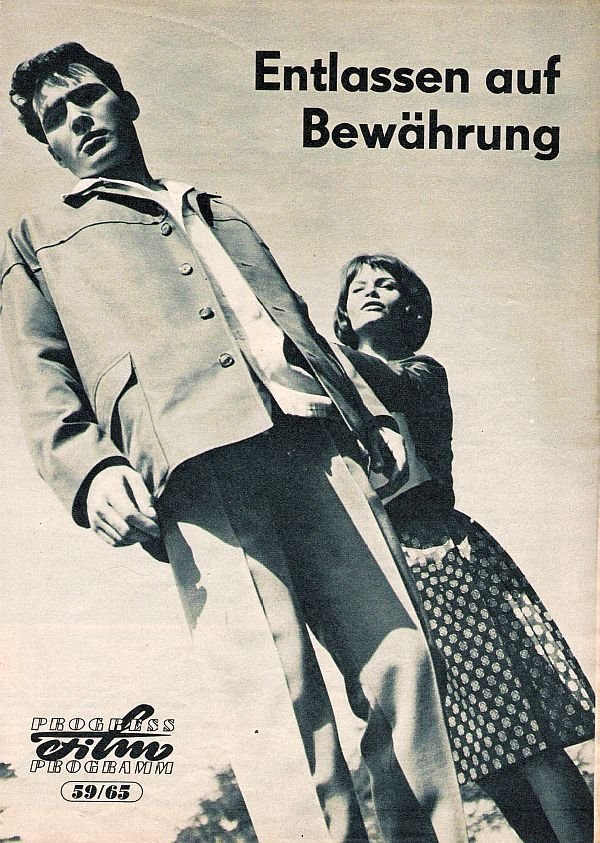
After causing a deadly hit-and-run motorcycle accident, Conny Schenk spends two years in prison, where he is able to complete a printing apprenticeship and is released early for good behavior. While he is still on probation, money is stolen at the company where he works and everyone is quick to suspect Conny. Can he overcome his past mistakes and start fresh, or will the mistrust of his colleagues and friends become a self-fulfilling prophecy?
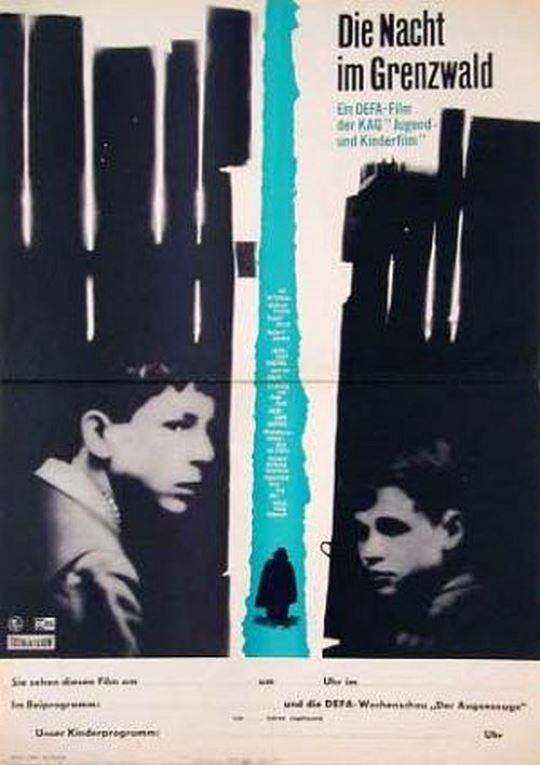
1936 in a small town near the Czechoslovakian border. Albert and Fritz are close friends. Albert lives with his aunt, who is loyal to the Nazis. His father, an anti-fascist, is in hiding, and Albert only sees him secretly from time to time. His mother is in prison. Fritz's father, a member of the Social Democratic Party, has officially withdrawn from politics. Fritz also does not know that his father is working illegally and is disappointed by his apparent inaction. Together with Albert, he tries to stand up to the Hitler Youth and the Nazi teacher Wagner. By hoisting the red flag on the town hall, he brings his parents into the hands of the Gestapo. His mother cannot withstand the brutal interrogation and reveals the name of a communist. The boys inform the man and flee with him across the border to Czechoslovakia.
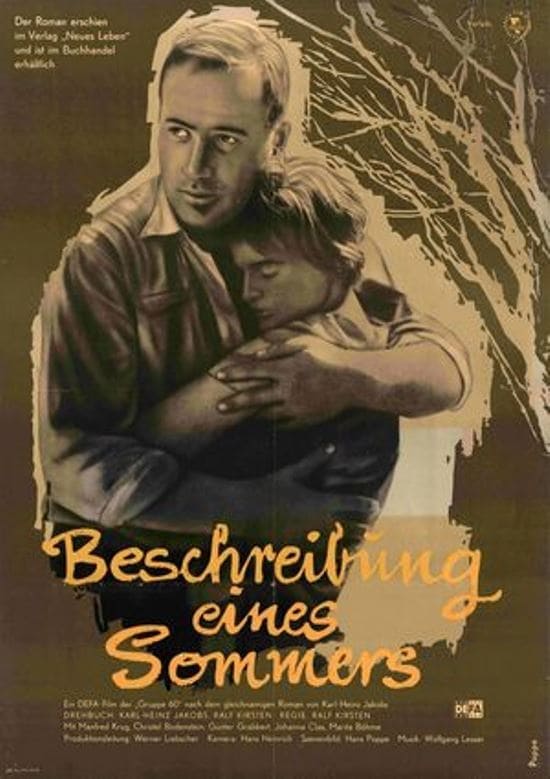
In the late fifties a large industrial complex was built near Schwedt, in the GDR. This low budget film tells about the voluntary participation of the brigades of the Freie Deutsche Jugend in the building up …

In this German drama, Brock, a railroad inspector, witnesses a robbery at a train depot. He recognizes the thief, but turning the man in would mean acknowledging he knows him, thus revealing his own complicity with the Nazi war machine. When Brock’s daughter and her boyfriend begin to question him about the incident, will the secret he’s kept for nearly 20 years finally be exposed?
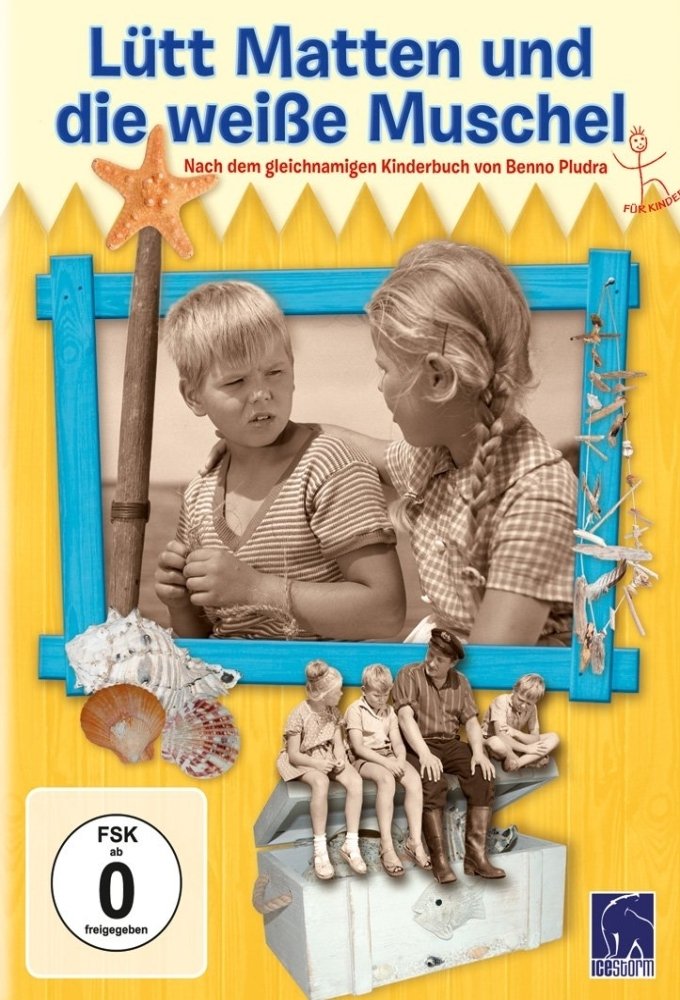
Eleven years old Lutt Matten lives near Baltic Sea and has only one dream - to go deep sea fishing independently and catch some eels.

Two people love each other when they know they should not. Their parents' and friends' pleas, their social backgrounds and reputation, their careers; everything is used to make them give each other up. Flattery, lies and threats finally drive Frank to despair and Karin to treason. But it is not due to their parents' hatred, nor to any greed for inherited wealth. Rather, the mere conjecture expressed by the authorities is enough to set off a merciless mechanism.
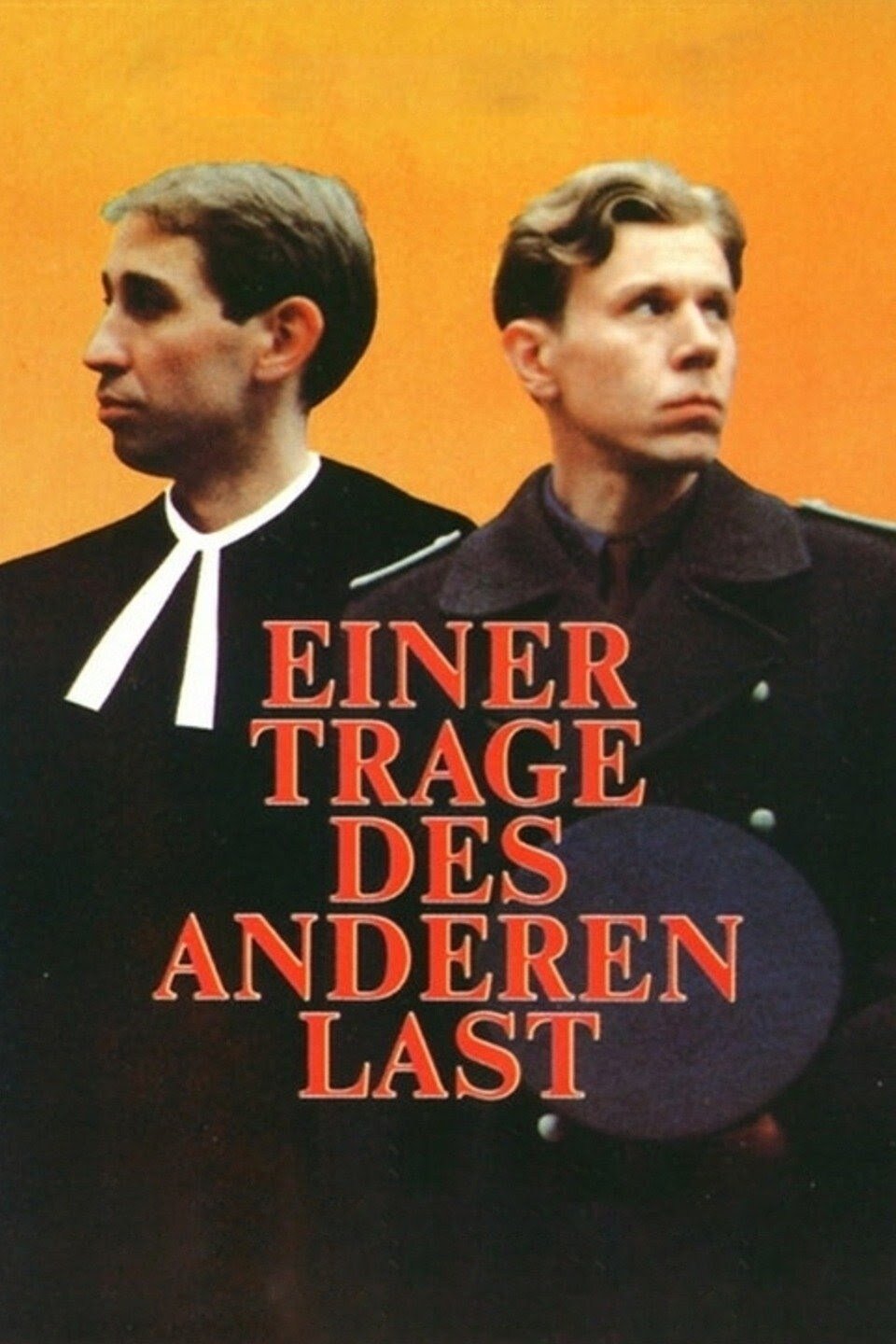
At the beginning of the 50s, two extremely disparate men meet in a private sanatorium for consumptives: an officer in the People's Police, Josef Heiliger; and a young Protestant curate, Hubertus Koschenz. On account of their consumption, they have to share a room. Initially, this is the only thing they have in common.
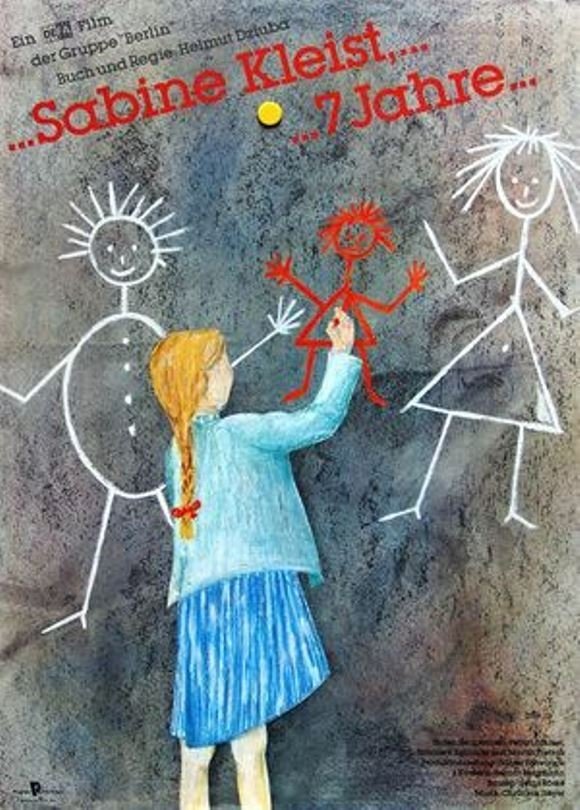
Little Sabine has spent her childhood in an orphanage after her parents died in a car accident. When one of the women in charge at the orphanage, Edith, leaves to have a baby, Sabine runs away, because Edith was the only adult there she could trust. She then wanders through the city to find someone to take her in. She meets a lot of people on her journey, but she seems out of place everywhere she goes until, at last, she realizes that there is a special place where she belongs.
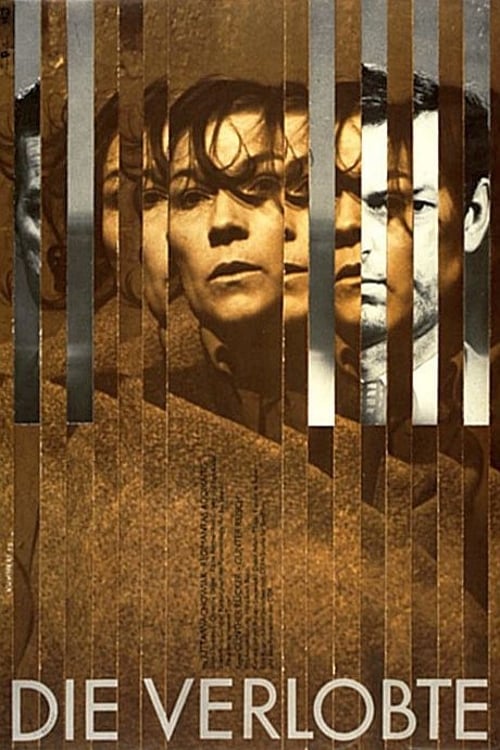
The wrenching story of a woman sentenced in 1934 to ten years in prison for antifascist activities. The love between her and her fiancée enables her to survive the tribulations of her time in prison, where she is one of few political prisoners.
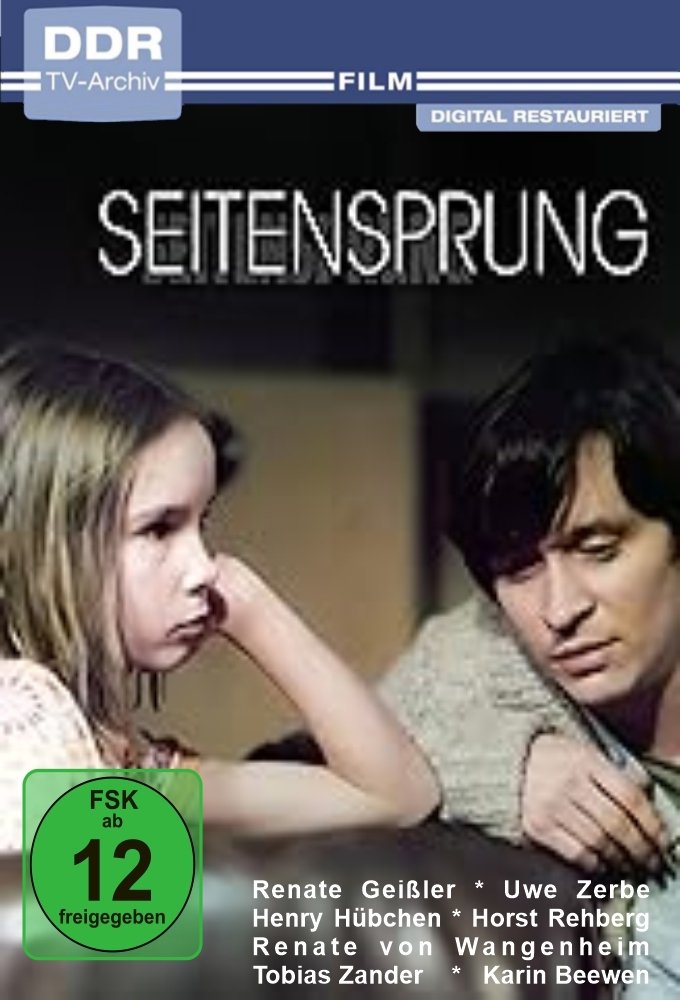
Edith and Wolfgang have led a fairly harmonious family life for many years, together with their son Danilo. Edith has long since got over Wolfgang's infidelity twelve years ago, which resulted in a daughter. Every now and then he visits 12-year-old Sandra, simply fulfilling his fatherly duties. But suddenly the girl appears at the door.
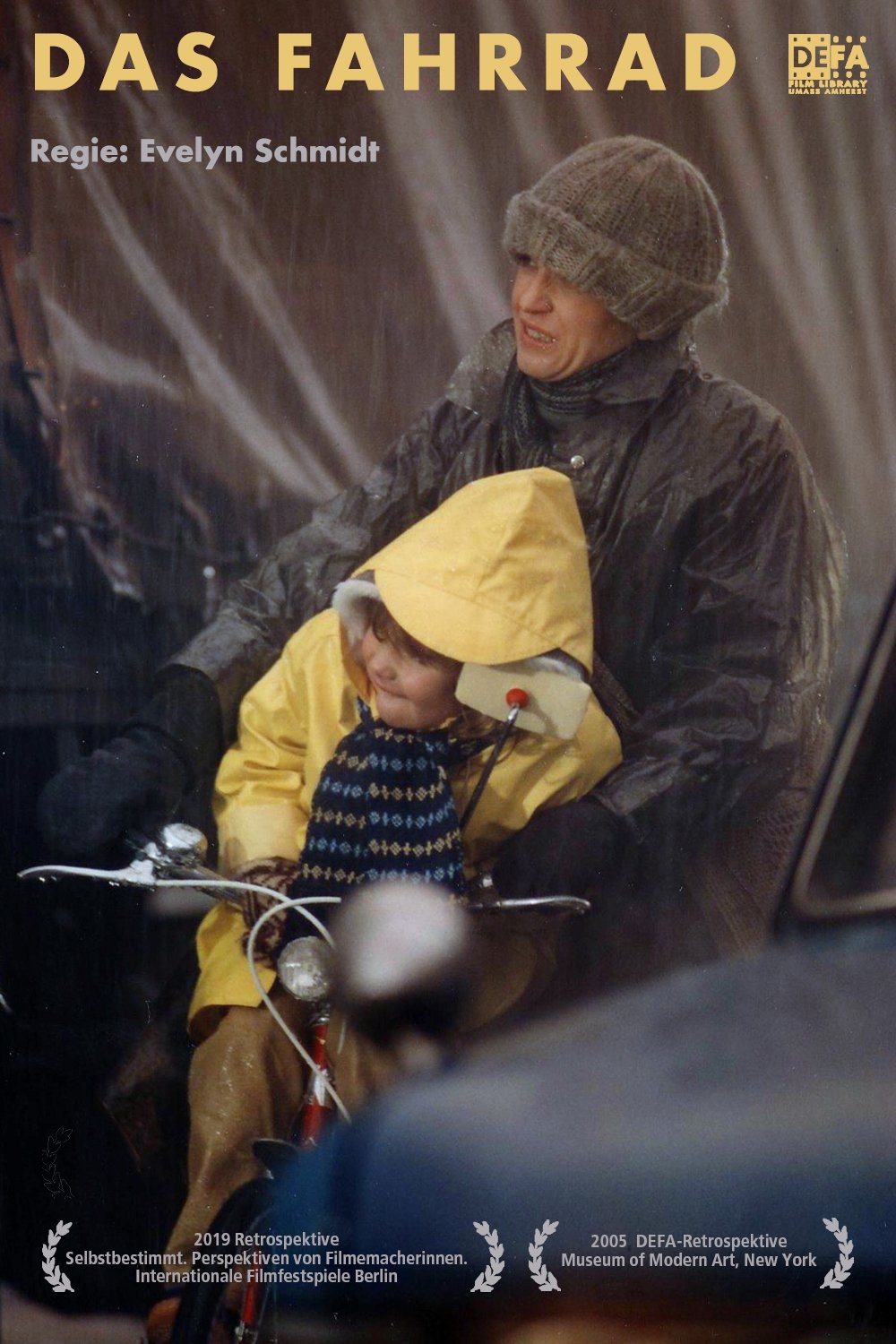
Susanne is a young single mother who lives a somewhat "carefree" lifestyle. After quitting her job, she finds herself in trouble financially and attempts a minor insurance fraud to make ends meet. Despite its rare view of everyday socialism from a woman's perspective, East German officials were critical of this frank portrayal of a less-than-ideal socialist citizen and turned down all invitations for the film to be screened abroad.
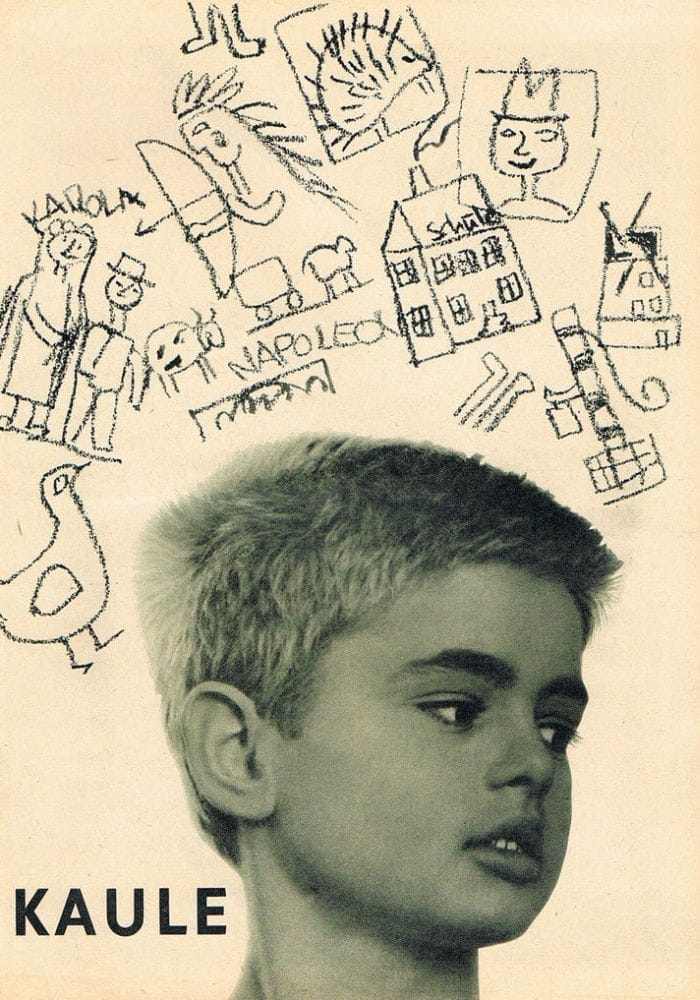
Eleven-year-old Kaule lives with his aunt in Hinrichsfelde, a small village located in Mecklenburg. The smart and animated boy constantly comes up with plans that are supposed to help others. Since they usually go awry, however, most of the time his fellow men have a hard time appreciating these plans. Things get even worse when Kaule meets Karola, a girl who is new in the village.
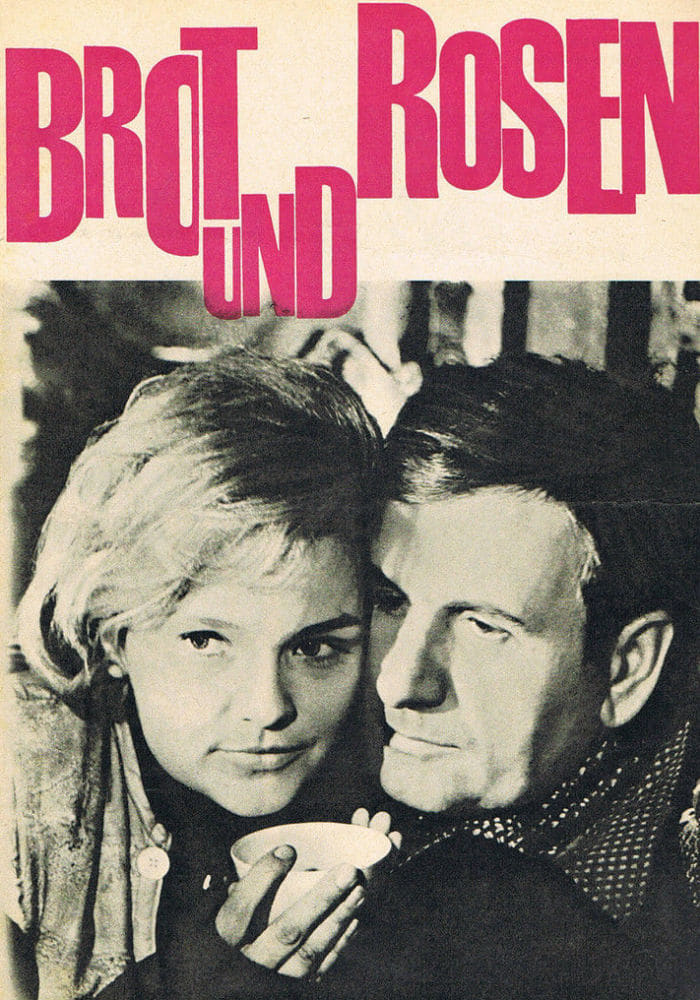
At the VII Party Congress of the SED, a delegate tells a reporter his life story: 18-year-old returning soldier Georg Lendau ends up in a small village in 1945. He is starving and sick. Mayor Kallam helps. Later, they meet again; Kallam is now the director of a heavy engineering company. He gives Georg, who is a lathe operator, work. But Kallam has more plans for him and wants to send him to university. Georg refuses. An extra shift, which he only did so that he could buy his future wife wedding shoes, brings him into conflict with backward colleagues - and the realization that you first have to work better if you want to live better. He followed this insight with action, becoming a master craftsman, comrade and student.
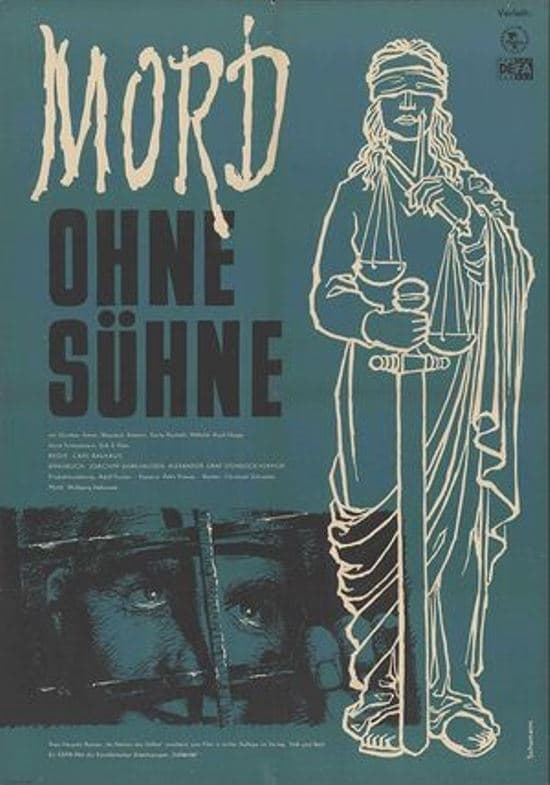
Based on an authentic case from the 1920s. The head country constable Heinz Lippert arrests the Polish farm worker Jakubowski on suspicion of murdering a child - his adopted son. Although he has insufficient evidence, public prosecutor Becker takes the case to court. Jakubowski is sentenced to death, the "Polish murderer" fits in with the propaganda of the time. Lippert, encouraged by the communist editor Hartmann, tries to prevent the sentence from being carried out and even investigates the real perpetrator. In vain, the death sentence was carried out prematurely. After the Nazis seized power, the public prosecutor, now an SS leader, had the men who had uncovered the true facts arrested. Lippert joins the underground resistance.