
Helene Sonntag, 40, unmarried and a teacher. She has long dreamed of happy partnership, but things turn out as they should. In order to avoid the work overload caused by substitute teaching and vacation childcare, she is forced to make a move.
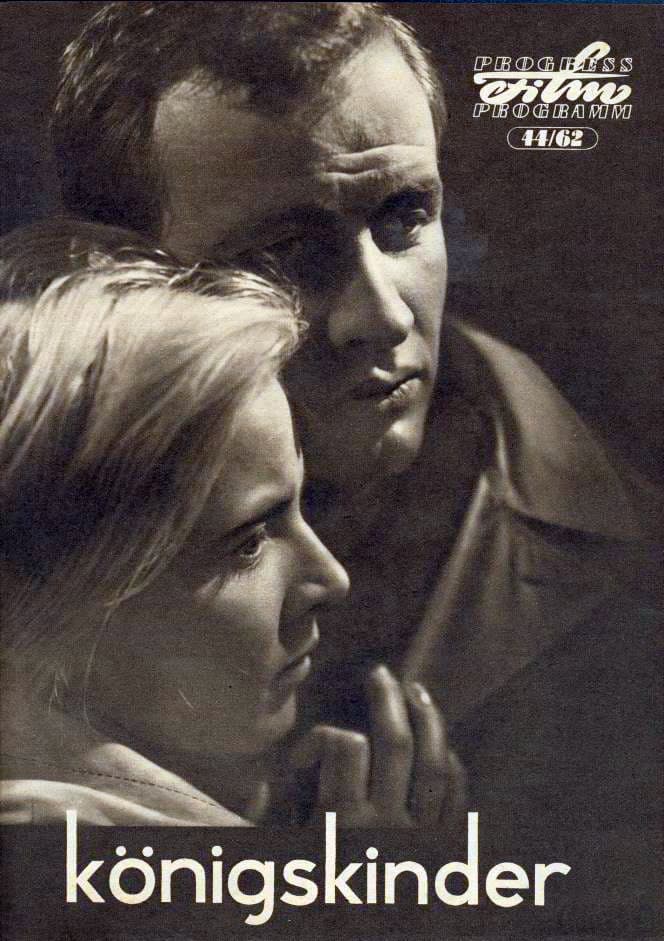
Magdalena and Michael have loved each other since they were children. But when the Nazis come to power, Michael rebels against the regime and is sentenced to fifteen years in a concentration camp. Magdalena, meanwhile, goes underground with the help of a friend and later immigrates to the Soviet Union. Michael, who has joined the Red Army, discovers on the way to Moscow that Magdalena is staying there. But when his plane lands, she is already on her way back to Germany. Michael hopes that one day, he and Magdalena will be reunited.

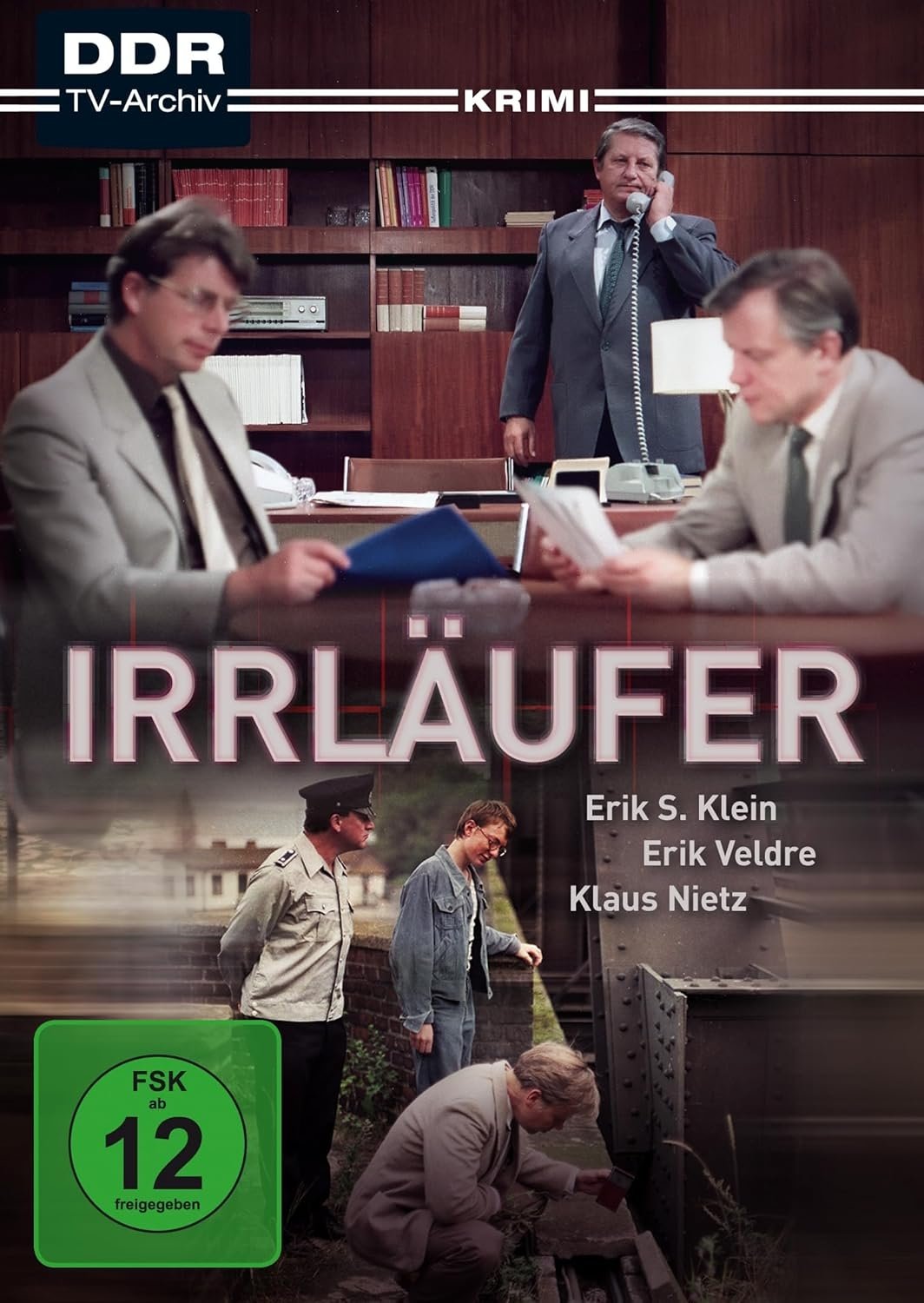
After causing a deadly hit-and-run motorcycle accident, Conny Schenk spends two years in prison, where he is able to complete a printing apprenticeship and is released early for good behavior. While he is still on probation, money is stolen at the company where he works and everyone is quick to suspect Conny. Can he overcome his past mistakes and start fresh, or will the mistrust of his colleagues and friends become a self-fulfilling prophecy?

Using the example of three generations of a Hamburg working class family, the rise of the working class from the founding of the Wilhelmin Empire to the First World War, over the time of the Weimar Republic and National Socialism to the destruction of the Third Reich.

Factory workers Yvonne and Evchen have their nose full of married men who appeal to them again and again in their home for a short adventure. In short, they decide to profit from this state: Evchen goes to her home with the willing men and puts her in a clear situation of which the then suddenly emerging Yvonne takes a photo. Then it says: 5000 marks or your wife learns about this failed side jump. So far, so profitable! But when the two women encounter the art hehler Domski in their bar, things get out of control...

A young doctor has to spend a night in a lonely house near the transit highway. Unexpectedly, he witnesses East-West smuggling operations, which he manages to prevent at the last moment.

They are just 17 years old when Gaby and Eva receive the offer to play in a feature film that ambitious Hamburg filmmakers want to make. Despite their youth, the girls are suspicious because they have already experienced a lot. On the other hand, that would be the opportunity to escape the difficulties they have been in for a long time. The filmmakers persuade them to cross the border illegally. The girls do not suspect that they should be used by the Springer company to provoke a scandal. But the Ministry of State Security has the action already in sight.

Early 1921: a man is on his way home. Gleb Chumalov, regimental commander, worker and Hero of the Order of the Red Banner, returns to his home town from the Civil War. The victory over the enemies of the Russian people gives him the conviction that a new, better time will dawn overnight. Gleb looks for his comrades from earlier years, but only finds people who are emaciated by their efforts. The cement works where he used to work has been plundered and abandoned. With great effort, Gleb and his comrades try to get the plant up and running again. The struggle seems to begin anew... It is the time after the victory of the “Great October Socialist Revolution“ and the time of building a new society.

During the October Revolution in 1917 the Bolshevik Party appointed a woman commissioner of the “Free Anarchist-Revolutionary Section”. This regiment emerged from an anarchist division of the ship of the line “Imperator Paul I.”

Weeks after the victory in Vietnam, first pictures of a new humanity are captured: old and sick people preparing for their future, children on their way to school.
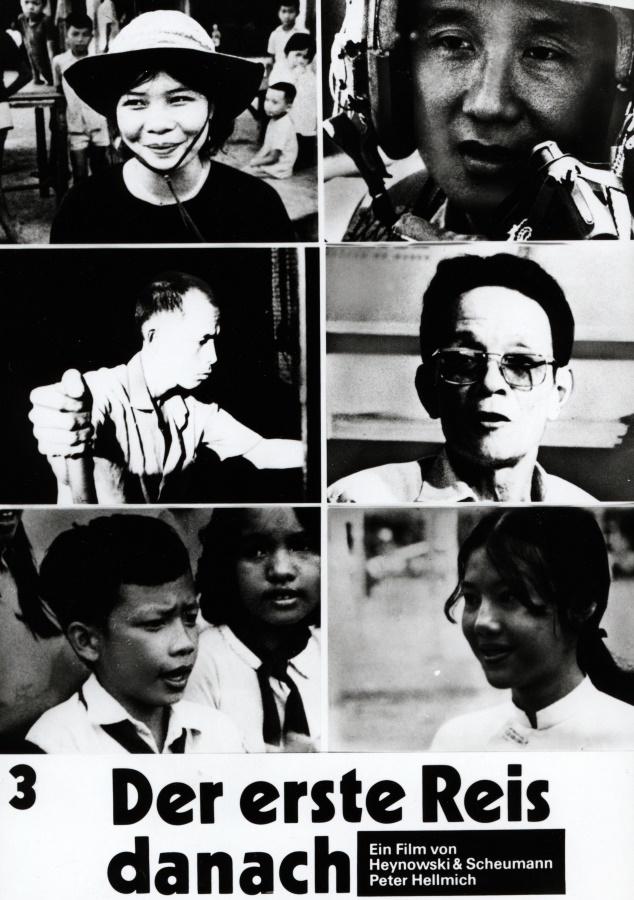
Stories from the first summer after the end of the war in Vietnam
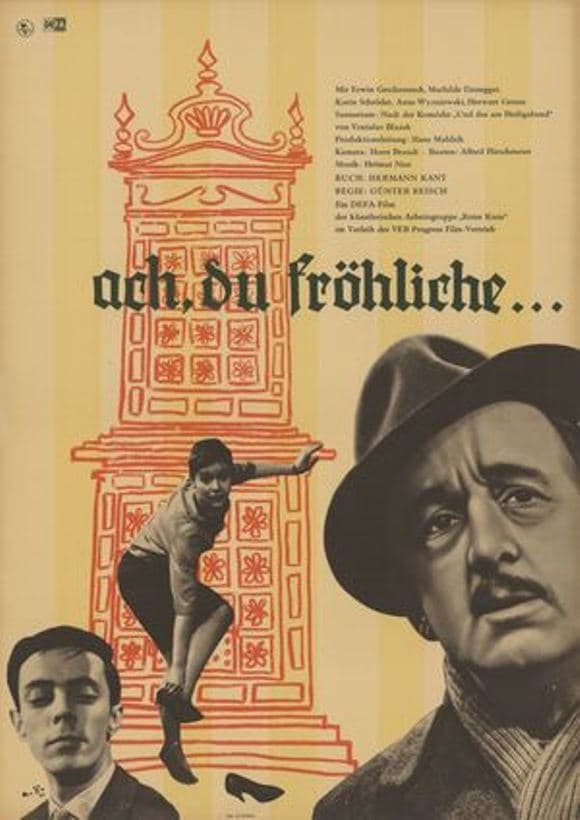
It was supposed to be a cozy Christmas evening with the family. Labor Director Walter Lörke was particularly looking forward to it. But then his daughter Anne surprised him with her future son-in-law Thomas Ostermann. And that's not all: Lörke is to become a grandfather. This doesn't suit him at all, especially as the young man clearly shows his critical attitude towards the state whose ideals Lörke has fought for all his life. An argument ensues - on Christmas Eve. Lörke leaves the apartment in a rage. But he is driven by unrest: He wants to know what kind of person his future son-in-law is and why he has such a negative attitude towards the state. It turns out that Thomas has had bitter experiences with the opportunistic attitudes of many adults and that, although he was the best student in his class, he was not admitted to university because of his critical opinions.

This elaborate two-part television film features a section from the life of communist worker leader Ernst Thälmann. It begins with the bloody riots on May 1, 1929 in Berlin, in which police officers shot at demonstrating workers, and ends with February 7, 1933, when Thälmann appeared as a speaker at the illegal meeting of the Central Committee of the Communist Party of Germany in goat neck. This period was marked by the struggle of the Communists against the ever stronger National Socialists and the rise of Adolf Hitler.

Dr. Zacharias is an experienced and demanding woman. She sees her daughter Manuela as the continuation and fulfillment of her own life. She wants her daughter to achieve as much or more than her, and under the easier conditions of the present time. But Manuela does not seem to be the type who can fulfill this aspiration, as she is superficial and stubborn. Manuela is even expelled from the university for cheating. But even now she seems unwilling to recognize her mistakes and turn her life around.

Russian soldier Grisha escapes from a German prisoner-of-war camp in the spring of 1917. He is caught and is to be shot as a spy. This decision is controversial. The dispute continues. Grisha is executed on the orders of the army high command.
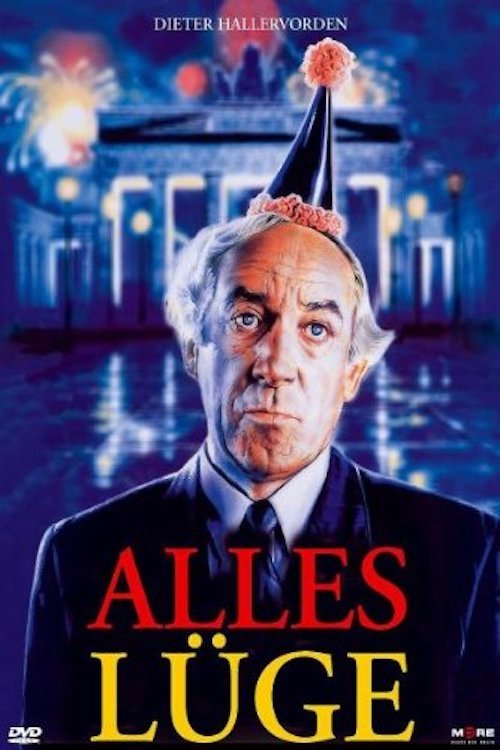
Erich Kasulke and Rudolf Portmann are comedian stars of the former GDR. When the Wall falls, so does their success. Portmann becomes a successful businessman, while Kasulke tries to continue working on the comedy circuit - without success. When his wife also cheats on him, he decides to start a new life in Berlin. There he quickly meets his old friend Portmann, who has built up a huge company. He offers him a job. But Erich puts the entire company in danger...
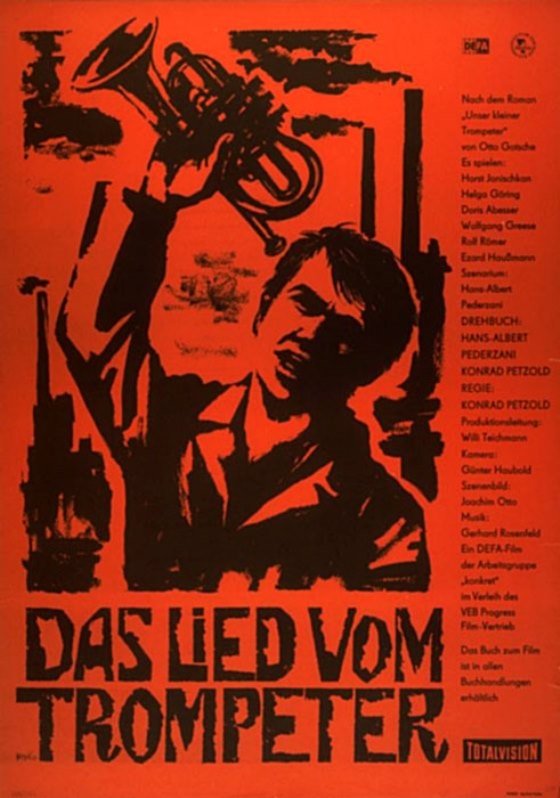
Fritz Weineck, a worker′s son from Halle, loves music – and dreams to make a living out of it one day. When his friend Alfons, a World War I veteran, gives him a trumpet as a gift, Fritz seems to come closer to fulfil his dream. But then, Fritz realizes that after the end of the German empire workers still have to desperately fight for their rights, and decides to use his instrument for political means: At a meeting of militant workers, he uses his trumpet as a signal horn. But Fritz suffers a severe setback when a comrade dies in the fight for an arms depot because of his fault.
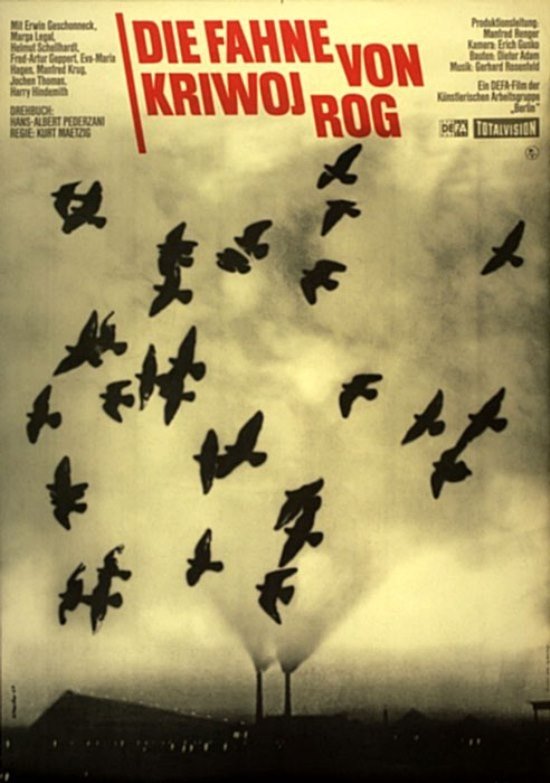
In an act of friendship and solidarity between two mining towns in 1929, the locals of Kryvyi Rih, Ukraine, give their flag as a gift to the locals of Bergstedt, Germany in this GDR propaganda film. This quickly takes on a symbolic meaning for the miners in Bergstedt as the Nazi party demands that this Soviet gesture be erased and the flag be replaced with their own. The miner and communist party functionary Otto Brosowski publicly declares it his duty to defend this flag against every danger, and he keeps his promise despite his family being threatened by torment and torture.
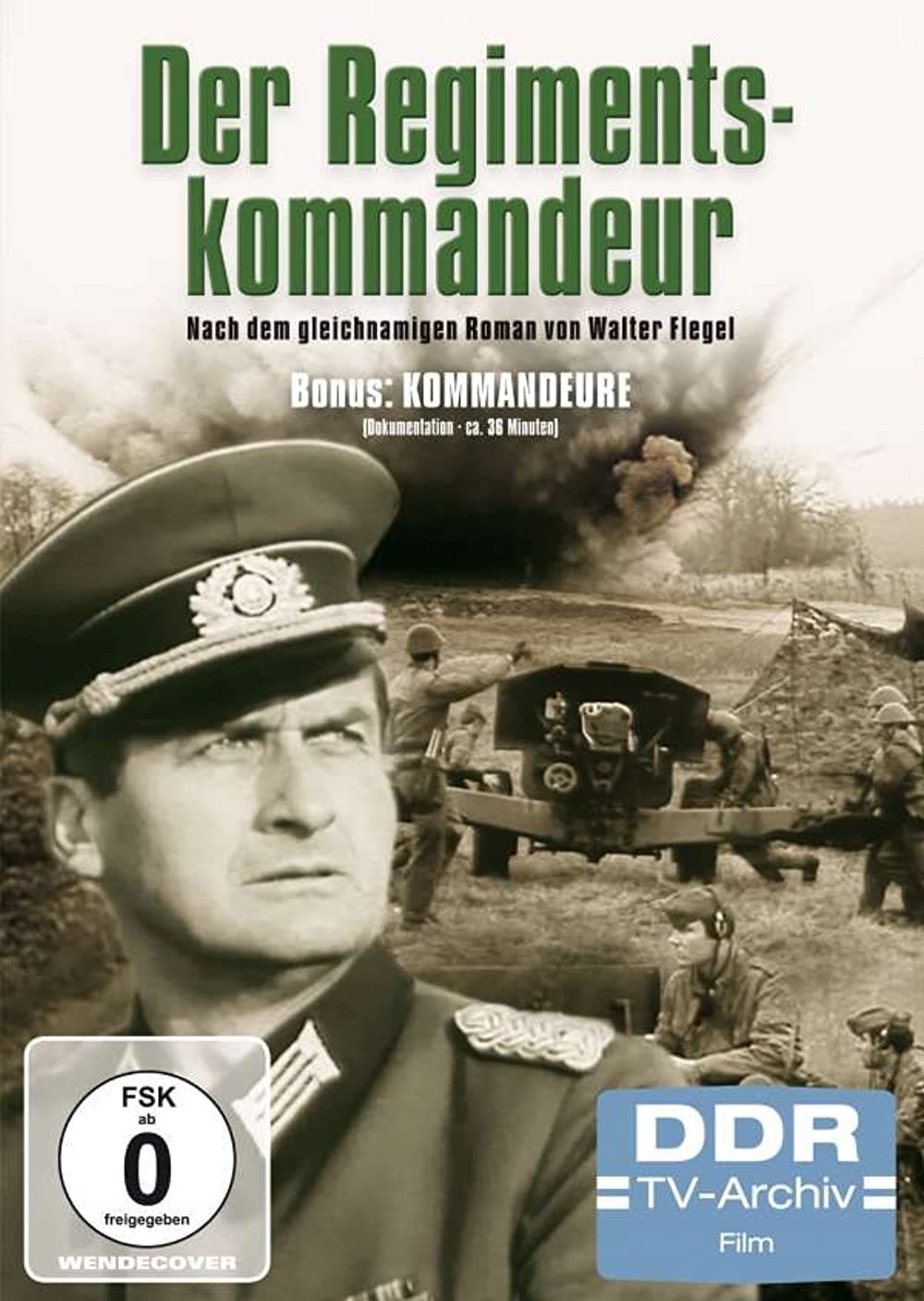
Major Bert Harkus takes over the artillery regiment in Jesnack after graduating from the military academy. The troop proudly presents itself during an exercise. But apart from some good results in shooting, Harkus soon realizes that there are a few problems. As he does not believe that constant combat readiness is guaranteed, he orders far-reaching changes and does not only make friends. Only gradually do the troops pull themselves together.

The young shepherd Konrad wants to ask the princess to marry him. All the exhortations of the kitchen maid Anne are to no avail. With the help of a magic flute, Konrad solves all the tasks set by the king and the princess. In doing so, he recognizes the princess's true character and so he decides in favour of Anne, not without first severely punishing the greed of the royal court.
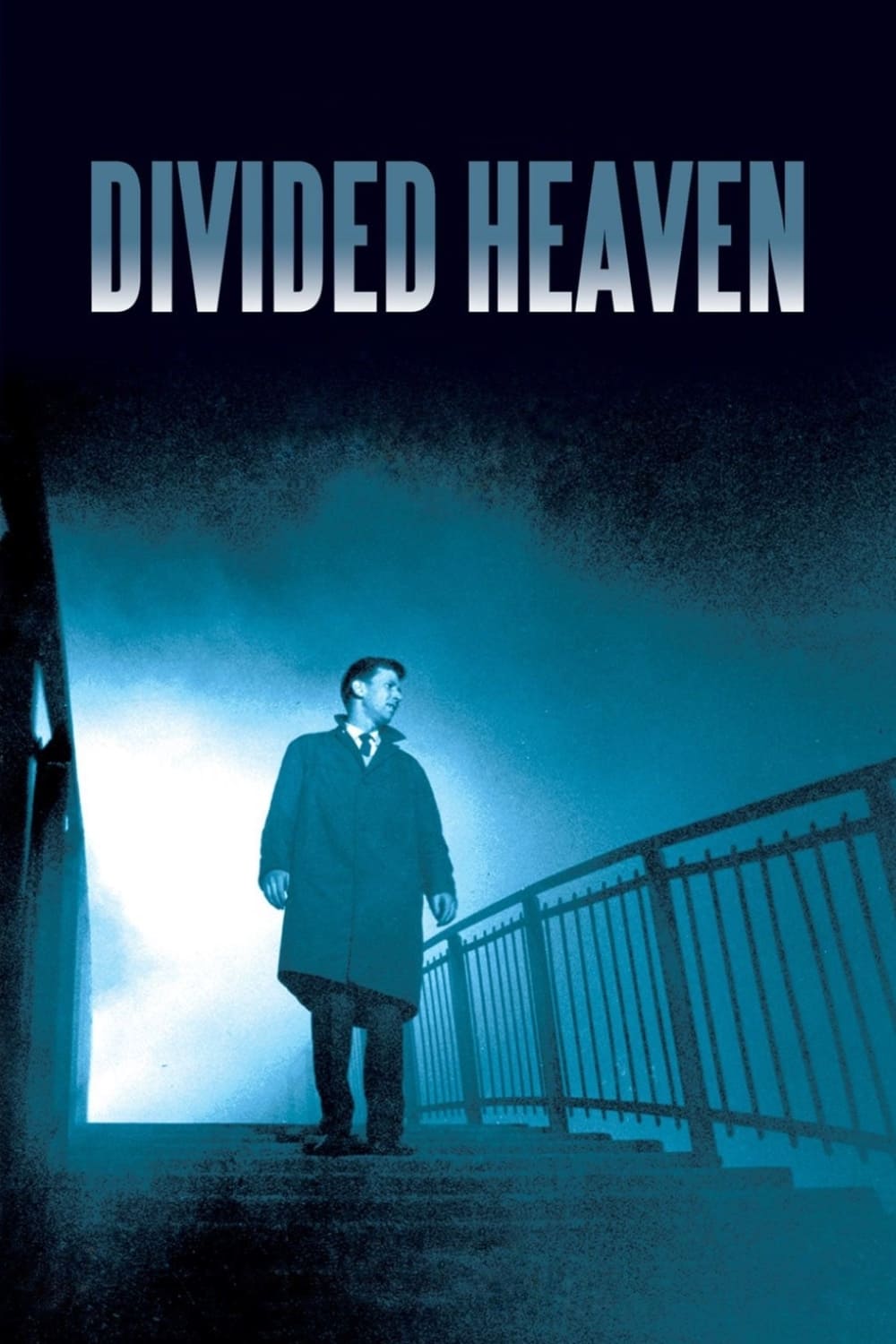
After a breakdown, Rita returns to her childhood village in 1961. As she recovers, she remembers the past two years: her love for the chemist Manfred, ten years her senior; how his enthusiasm about his new chemical process turned to bitter disappointment in the face of official rejection; how he escaped to West Berlin a few weeks before the Wall was built and hoped that she would follow him …
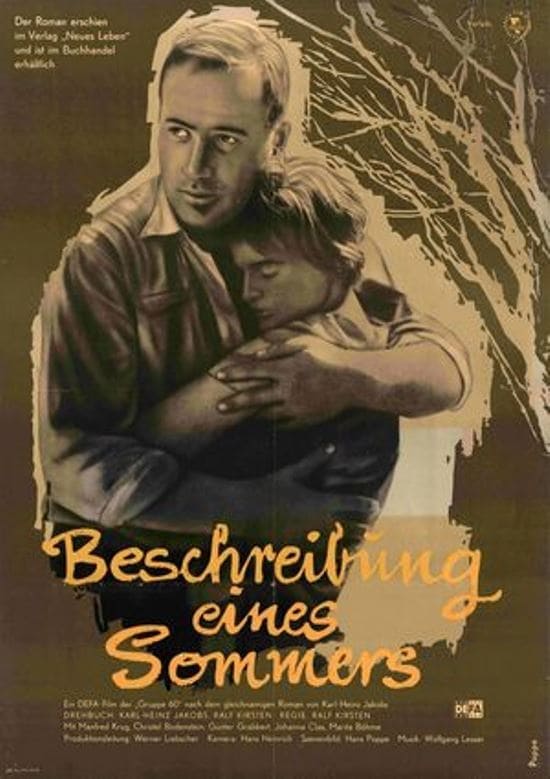
In the late fifties a large industrial complex was built near Schwedt, in the GDR. This low budget film tells about the voluntary participation of the brigades of the Freie Deutsche Jugend in the building up …

A depiction of class conflicts in Germany between 1918 and 1945. The Spartacist Erwin is shot by officers in 1918, and his pregant working-class bride Marie begins a new relationship with social democrat Geschke. Erwin's son Hans grows up to be a communist like his father, leading to bitter hatred between him and his Nazi step-brother, while Geschke becomes increasingly resigned to the political situation in Germany. The three aristocratic officers who shot Erwin many years ago meet again during the Kapp Putsch, but their support for the Third Reich eventually leads each to their deaths.

A murder has been committed in "Pension Boulanka", a famous guesthouse for artists and circus people. Captain Bruckner is heading the investigating team.

Silvia and her boyfriend Lutz, both aged twenty, work as jockeys at a big racing stable and have their whole life in front of them. But while Lutz would like to get married and start a family, Silvia only thinks of her career. When she meets the charming veterinarian Clemens, her relationship with Lutz seems to come to an end. Driven by her burning ambition, Silvia causes an accident one day in which her favorite horse dies. Only now, the young woman seems to come to her senses. Silvia realizes that she must face criticism and scrutinize her selfish actions.
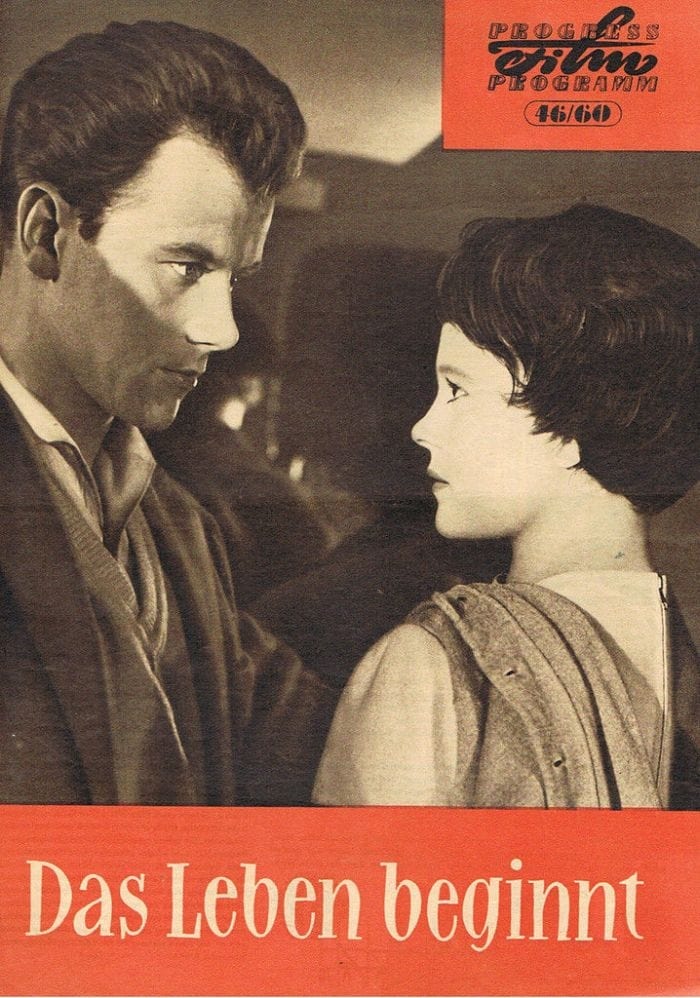
A new world full of excitement and temptation opens up for 18-year-old Erika when her father flees from Krüselin, a small village in Brandenburg, to West Berlin, taking his daughter with him. Her uncle's luxurious house, the turbulence of life in the big city, and her cousin's progressive thinking and quick wit all turn her head at first. But behind all this glitter and tinsel lurks the cold, hard world of money and Erika begins to feel homesick for the town where she grew up and for Rolf, her first real boyfriend.
A life-threatening heart attack confines Richard Roth to the hospital bed. There, Richard, who is in his late fifties, asks himself what will remain of him and his life. What happened to his four daughters? Do they take after him? How have they developed? His youngest daughter Nanny, who is still living with her father, gets her three other siblings to Weimar to visit their father.
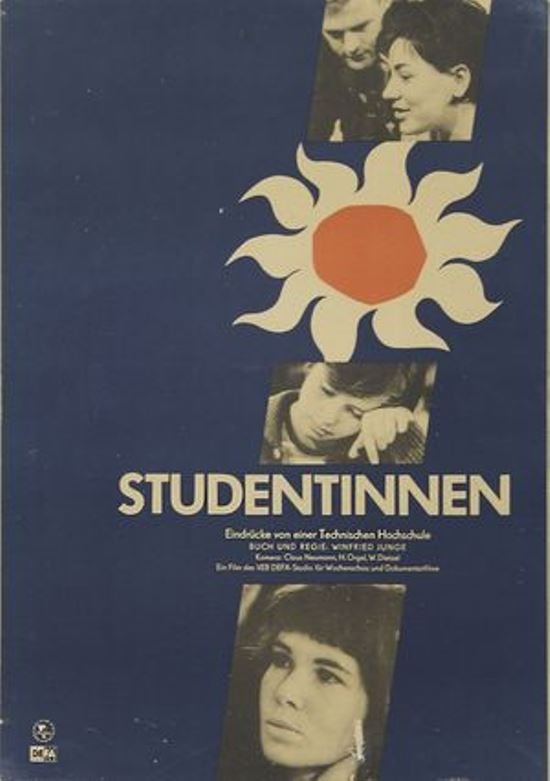
Young women made up only five per cent of students at the technical college in Ilmenau. The film devotes itself of this particular situation by conveying impressions of the women's everyday lives.

Portrait of Interflug airline captain Günter Schneider.
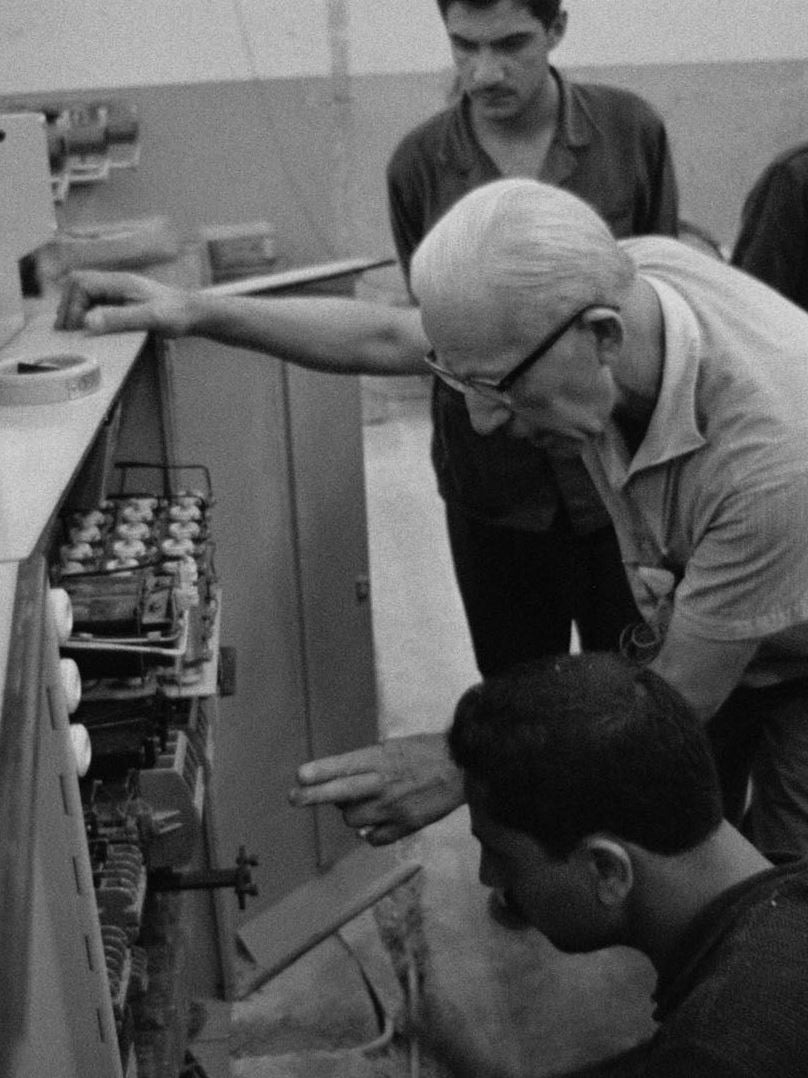
The film is a reportage showing the help of workers from the GDR in the industrial reconstruction of Syria. We witness the friendly relationship between workers from both countries, who are jointly involved in the construction of the cotton spinning mill in Homs. In impressive pictures the exoticism of the environment and the mentality of the Syrian hosts is shown. At the same time it becomes clear that the workers from the GDR become 'ambassadors of the GDR' through their collegial behaviour and good work.

Everything changes for fifteen-year-old Heinz Stielke, a fanatical member of the Hitler Youth, when he learns that his father, who died as a war hero, was actually Jewish. Heinz is forced to leave school, loses his friends, and worst of all, his mother dies in a bombing raid. A kind-hearted police officer tries to get him a place at an orphanage in Thuringia, but on the way there, he is picked up by the SS and sent to a training camp.

A dead body is found in a burning car on the Berlin-Leipzig highway. The police investigate: Murder. Objects found in the car point to gold smuggling. At the funeral of the murdered man, his circle of acquaintances is scrutinized. They are all suspects. The trail leads detective Lindner to a bar.

During a weekend spent on the island Hiddensee, the snobbish high school student Jan, who has just been expelled from school, meets Christine. Christine is impressed with his bragging attitude although he just uses it to hide his insecurity and his remorse about the fact that he was sacked. Naturally, he keeps quiet about his current situation. Christine’s companion Hannes is less thrilled about Jan. Later on, the three of them meet again at a dockyard in Stralsund. After the disreputable end of his school career, Jan is assigned to the very brigade in which Christine and Hannes work as a crane operator and a brigadier respectively.
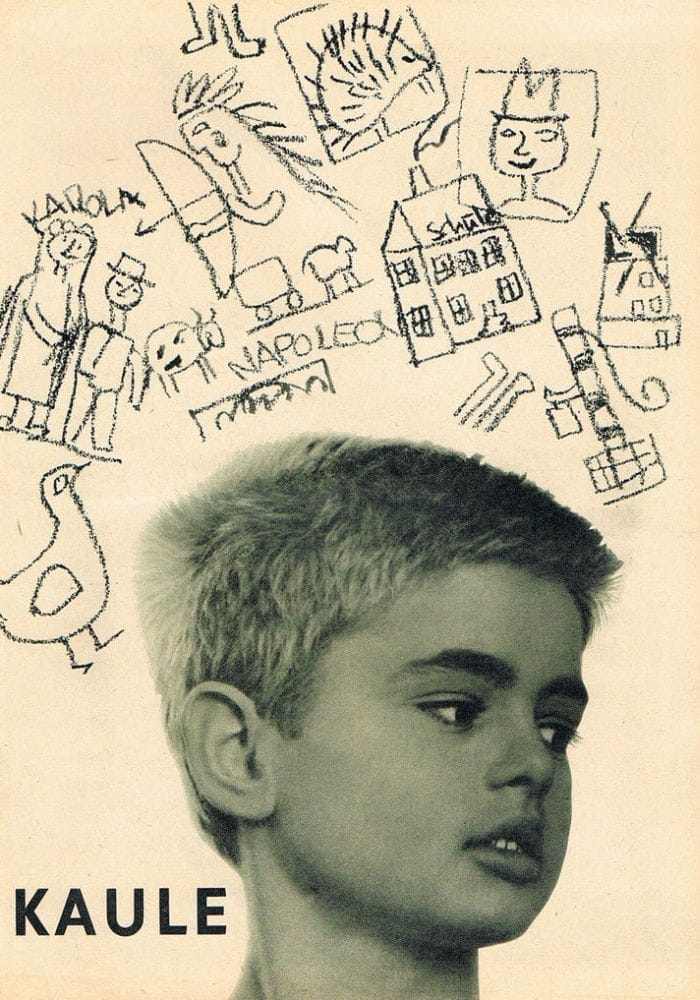
Eleven-year-old Kaule lives with his aunt in Hinrichsfelde, a small village located in Mecklenburg. The smart and animated boy constantly comes up with plans that are supposed to help others. Since they usually go awry, however, most of the time his fellow men have a hard time appreciating these plans. Things get even worse when Kaule meets Karola, a girl who is new in the village.

Bad planning and shortages prevail on an East German construction site. Foreman Hannes Balla uses unconventional methods to overcome the problems. New Socialist Unity Party secretary Werner Horrath is charged with bringing the rough-and-ready builder crew into line. The task seems doomed to fail as the two men compete for the affections of young engineer Kati Klee. But when she gets pregnant by married man Horrath, he is in danger of being expelled from the party, and Balla takes his side...
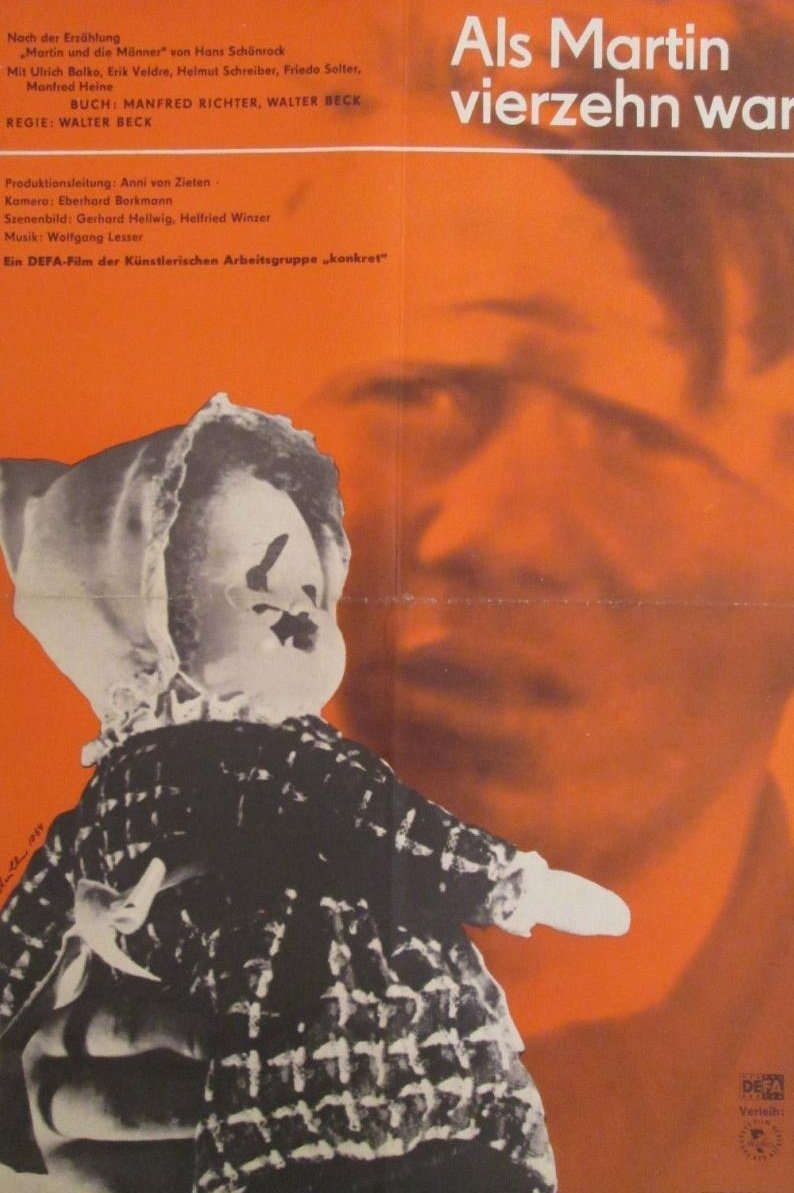
Martin′s and his girlfriend′s Kathrin′s childhood comes to an abrupt end in 1920, when their Mecklenburg village is drawn into the events surrounding the Kapp putsch. By accident, Martin discovers a charge of weapons that land owner von Bröder had put away for the reactionary forces, and gives them to the workers in the city. When the village starts to organize a strike against the putsch, soldiers arrive at the village to hold down the residents of the village.

A young blacksmith, searching for happiness in a series of dreams, realizes that he must find a rejected princess and hold her hand. A fairytale after the Brothers Grimm.
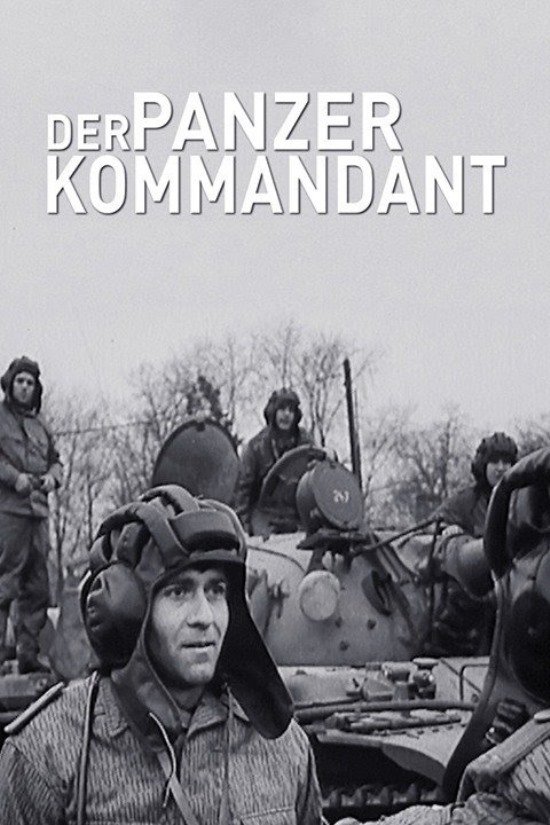
Tank commander Sergeant Tessen does not believe that his crew can become a successful collective and requests his transfer, but he finally withdraws his request due to a young boy to whom he carelessly promised a tank model. However, this would first have to be made by the crew members. New difficulties arise, even though everyone agrees to keep the soldier's word of honor. The spell is only broken when the tank gets into a dangerous situation during an underwater journey and the four of them have to prove themselves together.

A village has to be destroyed for coal mining. Henning, a 15 years old boy, who wants to visit his grandfather one more time, realizes that nothing will be the way it used to be.

A black-and-white children’s film follows class 6b during their autumn holidays. After a fun test drive with a new electric locomotive, they help Master Sellm build his house. They plan to build a paddling pool but struggle to find pipes. Discovering pipes in an old house, they also find stolen motorcycles. With help from the People’s Police and the godparent brigade, they lay the pipes and learn about foreign property and reporting stolen goods.