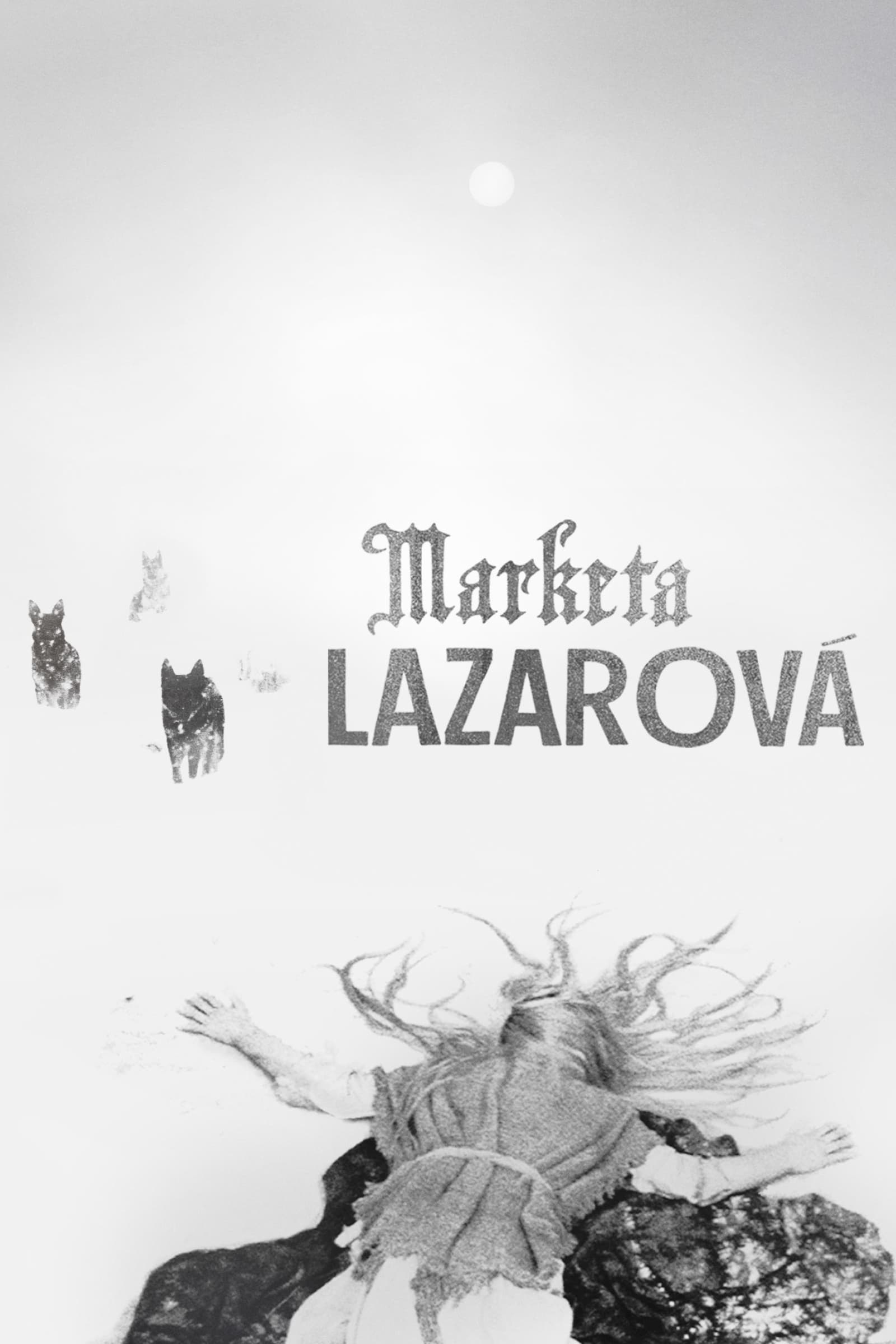
Mikolás and his brother Adam end up with a young German hostage of noble blood during a robbery. While their clan prepares for the wrath of the German king, Mikolás is sent to pressure his neighbor Lazar into a defense pact. Persuasion fails and he abducts Lazar's daughter Marketa on the eve of her initiation as a nun in an act of vengeance.

Cast out by his father, young Ondrej joins the Order of the Teutonic Knights, where he is raised by strict monk Armin. After years of hardship, Ondrej escapes from the Order when he is wrongly punished, and sets out for his former home. Arriving to discover his father to be dead, Ondrej now not only assumes control of his father's properties, but seeks to marry his former stepmother.
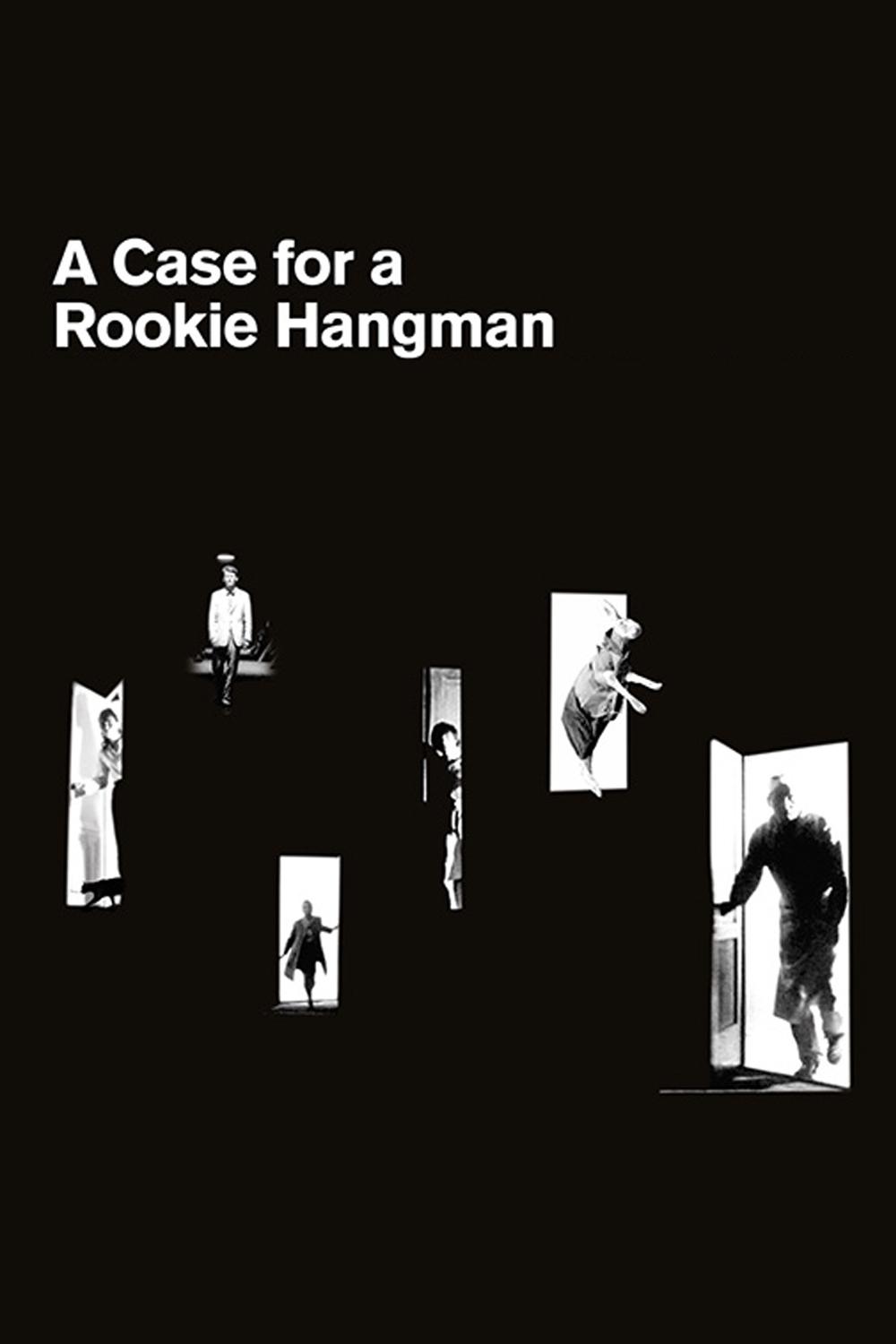
Lemuel Gulliver has had a car accident and continues his journey across the unknown countryside on foot. On the road he finds a dead rabbit dressed like a man and takes a watch from its waistcoat breast pocket. The half-ruined house that he enters reminds Lemuel of his childhood and brings up a painful memory of a dearly loved girl Markéta who was drowned years ago. Gulliver finds himself in Balnibarbi, a country where he doesn't understand the laws and habits and so continually offends against public decency. It is a day when people are ordered to keep their mouths shut and they force their visitor to follow suit. He faces harsh interrogation and finds it difficult to explain that he is not the rabbit Oscar whose watch has been found in his possession.
The television adaptation of Jaroslav Hašek's satirical short story.
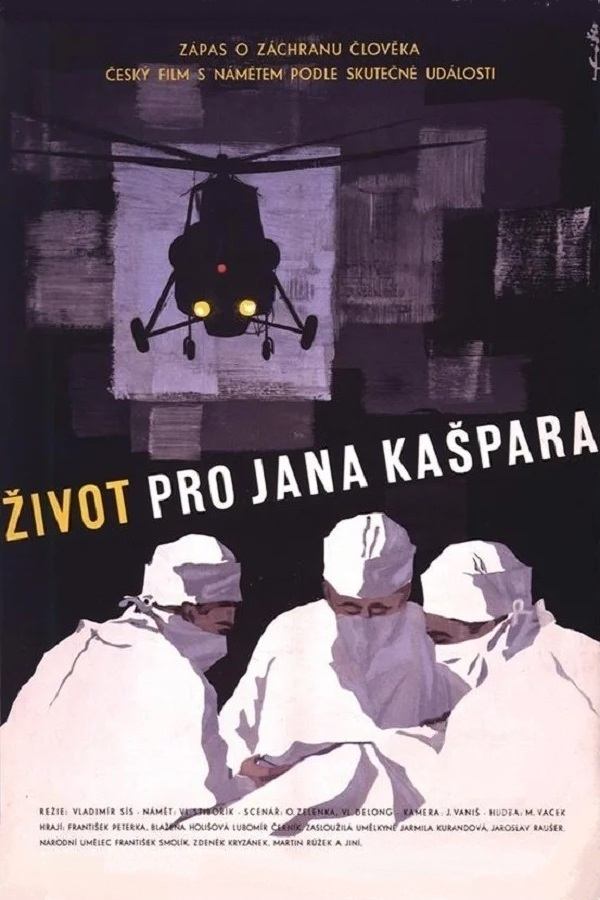
The bridegroom Jan Kaspar is an officer in the Klement Gottwald's Nová Hut rolling-mill. After bidding farewell to his freedom, he accidentally takes a sip from the bottle of tetrachlore which he stores at home. He disregards the dizziness, but the next day, he faints in the factory and has a brain concussion. During her regular tests, doctor Dudková is shocked by a high percentage of residual nitrogen found in Kaspar's blood. Doctor Bohácek, with whom Dudková consults, thinks that it is a liver disease and informs the head physician Filip. The doctors know nothing about tetrachlore and are in the dark about the case. Despite that, they immediately start to fight for Kaspar's life and their struggle consequently affects their personal lives.
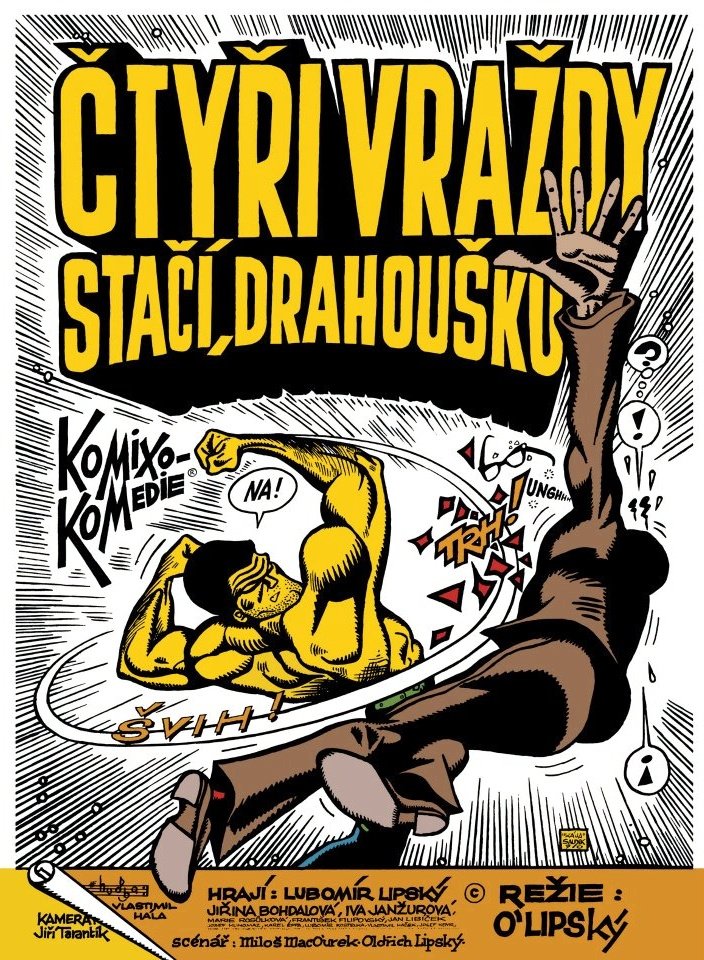
Two criminal gangs are ruthlessly fighting for a 1-million dollar check that, purely by chance, got into the flat of shy high school teacher George Camel. As the number of victims sharply increases, Camel is mistakenly regarded as a mass murderer and cunningly uses his horrifying reputation to get the respect and heart of his beloved Sabrina, a journalist from a local newspaper. But this game turns out to be risky and in the end, both gangs don't hesitate to seize the check at all costs, including an improvised operation
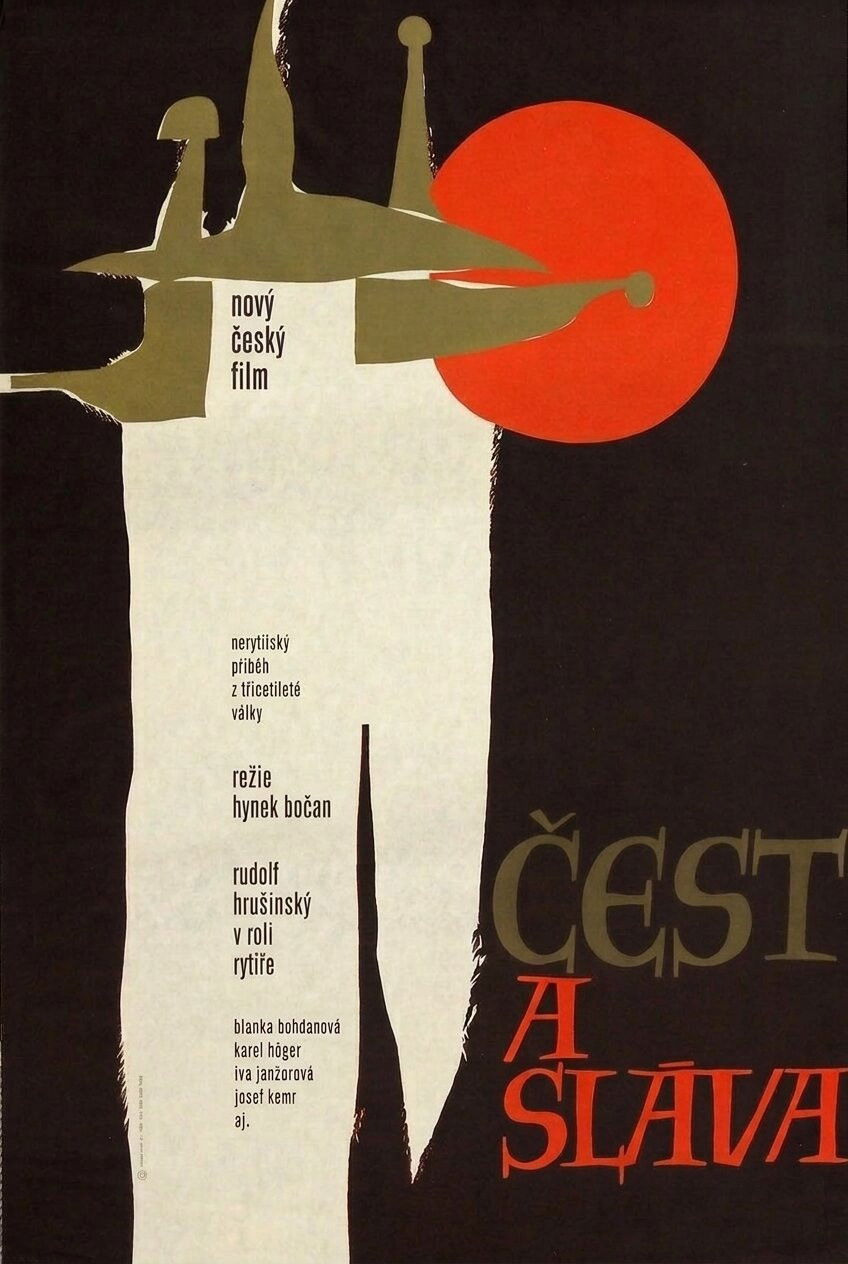
In 1647, the impoverished noble Václav Rynda shelters an imperial commissioner-only to learn the visitors are French agents plotting a Bohemian revolt against the Habsburgs.

The young Prince Charles (Jaromír Hanzlík), the future King of his country Charles IV, is being educated at the French court in the company of his fiancée Blanche (Daniela Kolárová). One day he receives a summons from his father John of Luxembourg (Milos Kopecký) in Italy. He leaves for Italy accompanied by a deputation from Bohemia. On the way the prince's company fights a battle with armed Milanese against heavy odds. Thanks to Charles's perspicacity, the prince's almost naked soldiers win through. In Lucca in Italy Charles joins his father, and here he experiences an amorous adventure and escapes from the traps laid by the Italian rebels.
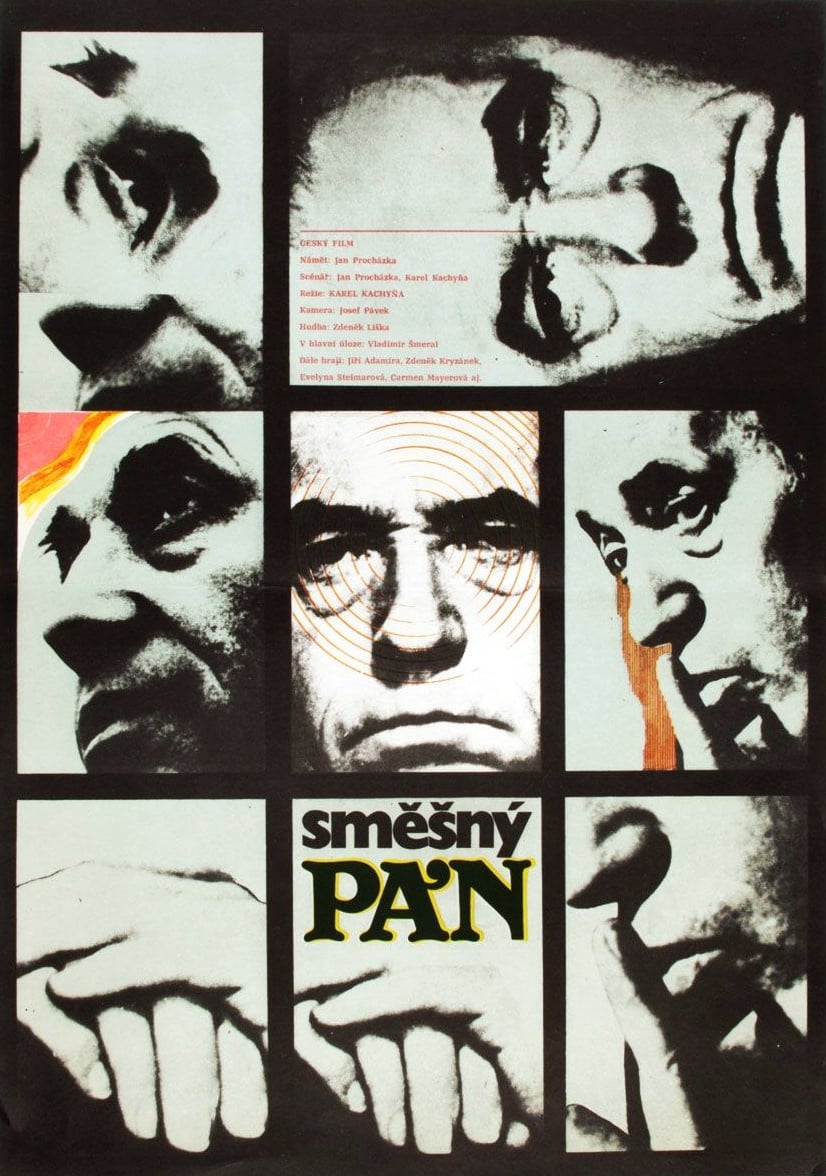
When a noted professor receives a new treatment for his heart ailment, his outlook on life changes. Despite doctor's orders, he is determined to live out his final days on his own terms and fulfill his fantasies. He saves the life of a young woman who tries to kill herself after his recovery from heart surgery in this symbolic story of a man trying to determine his own fate in his last days alive.
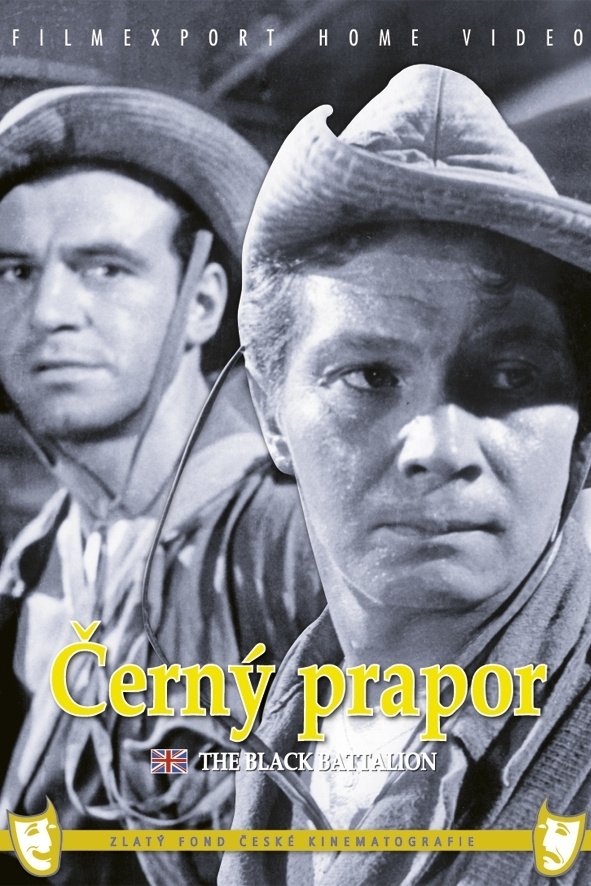
A fictionalized account of Czech soldiers who fought for the French Foreign Legion in Vietnam.
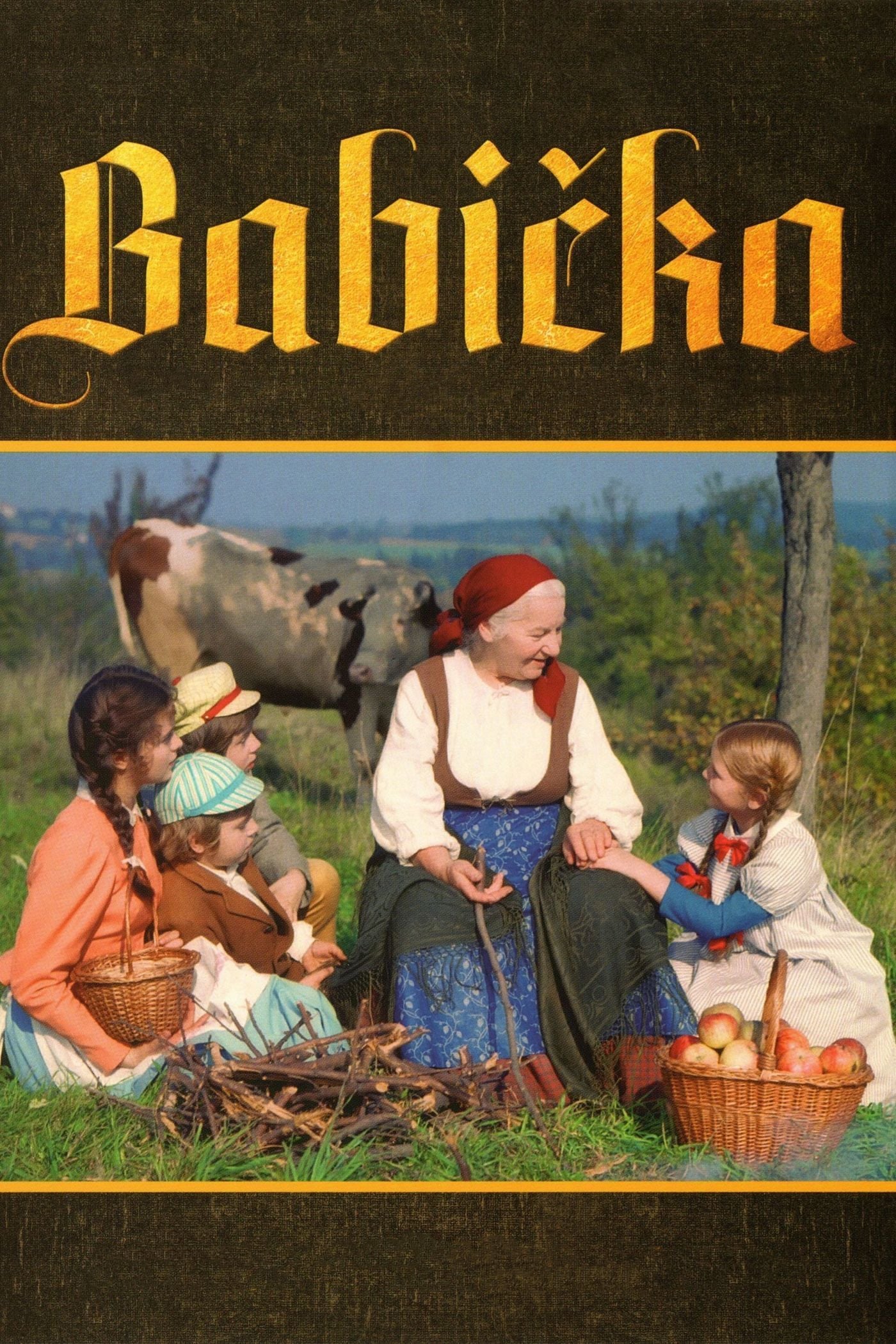
A tale based on novel by Czech writer Bozena Nemcova.


This Czechoslovakian children’s film takes place during the last days of the Austro-Hungarian empire. The young son of a horse trainer loves nothing more than riding his horse, until he is stricken by polio…
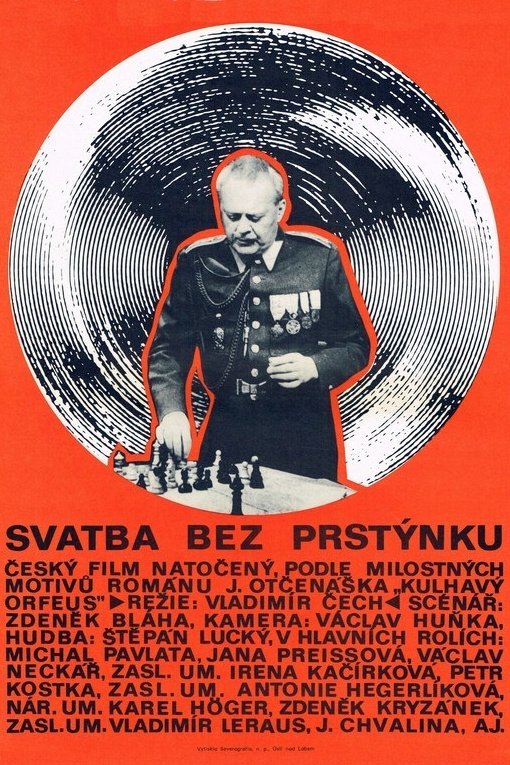
At the end of the occupation, Vojta, a young worker, marries the daughter of a rich builder to protect her from being deployed to the German Reich. Vojta agrees because he secretly loves Alena. But when the newlywed's family learns that Vojta is suspected of anti-German actions in the foundry, the marriage is over...
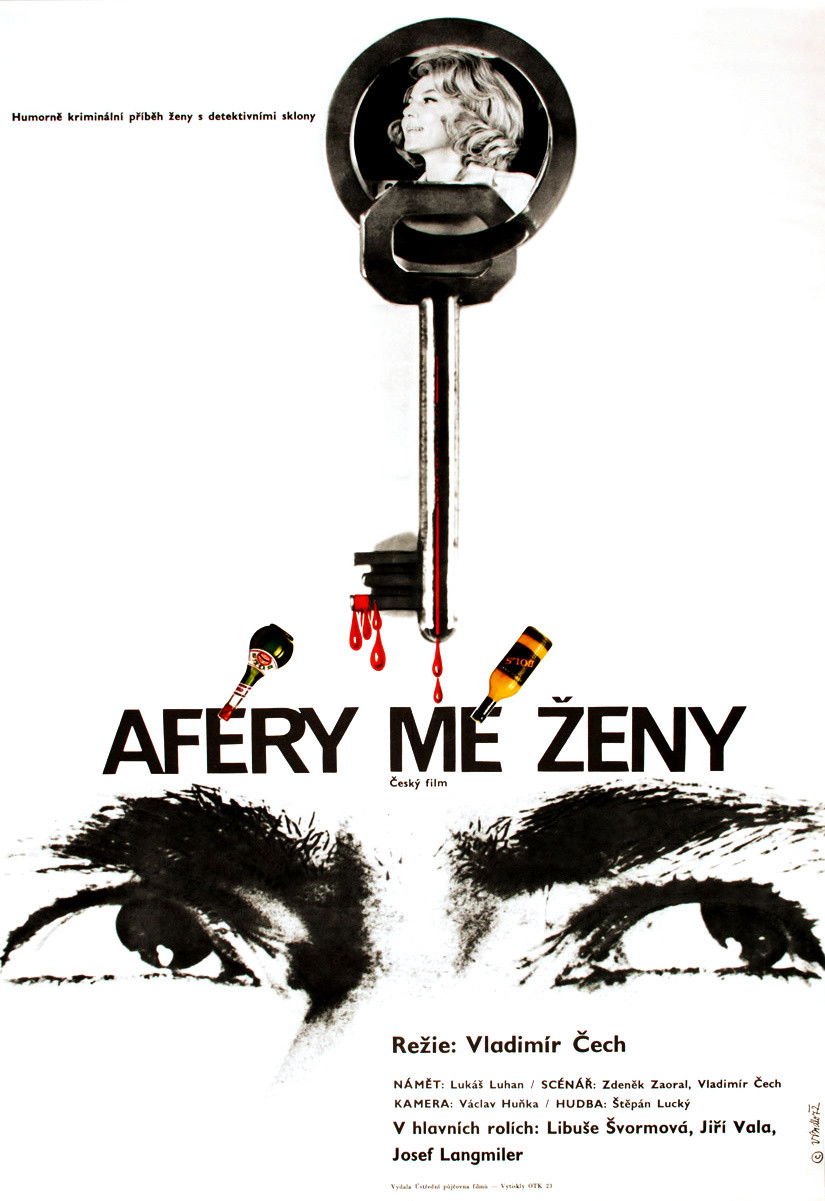
Doctor Adéla Neradová, a medical doctor, has succumbed to the desire to uncover a criminal and become a kind of Sherlock Holmes in skirts. The thankless role of her Dr. Watson has fallen to her husband Peter, a professional photographer who helps her with the cases she gets involved in, but usually gets everything mixed up.
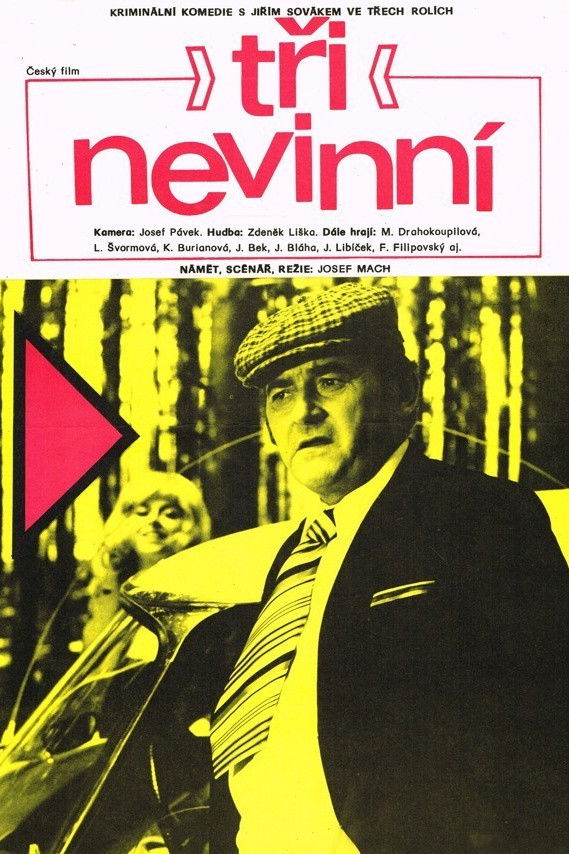
The car thief Halama, the shy groom Poupě, the divorcing jealous Pic and the mustachioed cinema projectionist Vlk are suspected of robbing the cinema box office. They are so similar, however, that the sharp-witted Public Security investigator Doll doesn't know them at all...
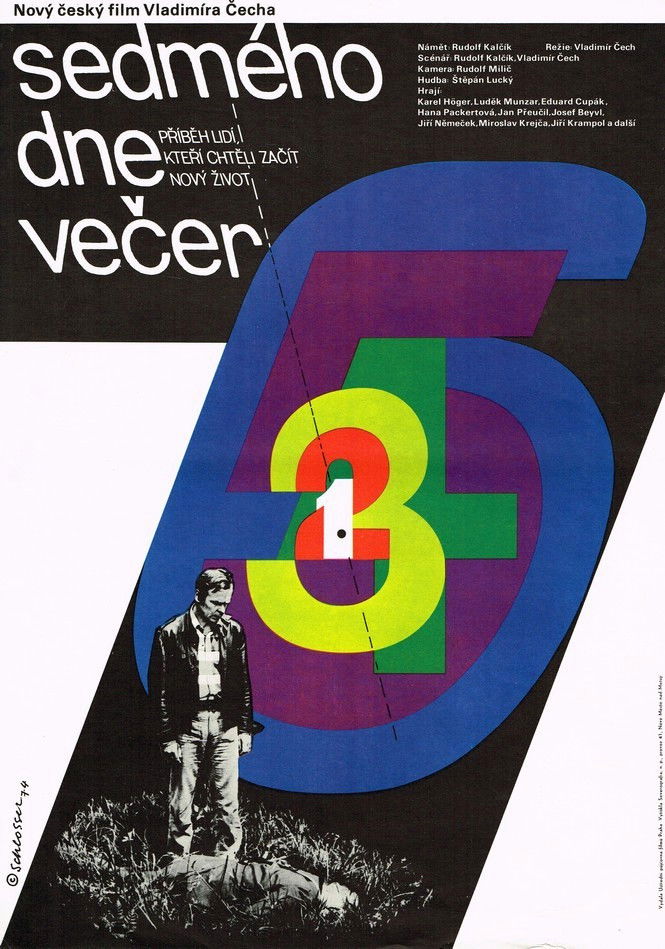
A former aircraft mechanic wants to start a new life in a small border village after a stint in prison and working in the mines. But things don't work out as he would have liked and bad luck follows him. By an unfortunate coincidence, he even falls under suspicion of double murder...

The news that the television is going to make a film about the cooperative's leisure activities leads the locals to extraordinary social and sporting activity, but the only result is a chain of endless confusions, misunderstandings and disasters...
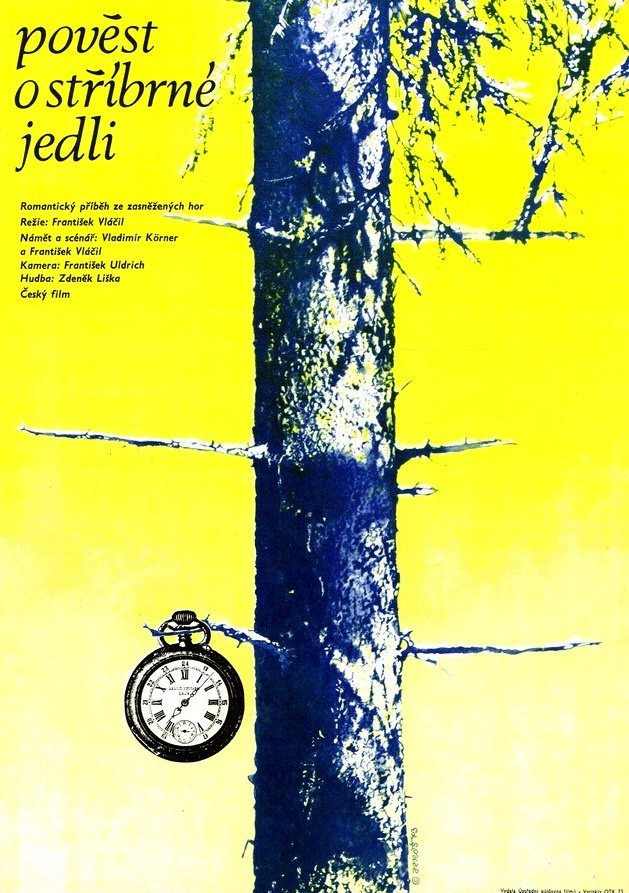
According to one Beskydy Mountains legend, if you do a good deed you will see silver trees. Little Ondra knows trees like that. In his family's cottage hangs a picture showing silver firs, a person falling from a height and a watch. In art lessons Ondra paints trees of the same kind. - One day Lojzek Hojgr, a man who climbs fir trees to gather the seeds, comes to see Ondra's parents. Long-ago Ondra's father has had such a job and Lojzek is his long-time friend. Hojgr moves into a half-ruined wood cabin. Ondra's father takes him on a visit to Lojzek and both demonstrate the beautiful but dangerous work of seed-gathering to the boy.
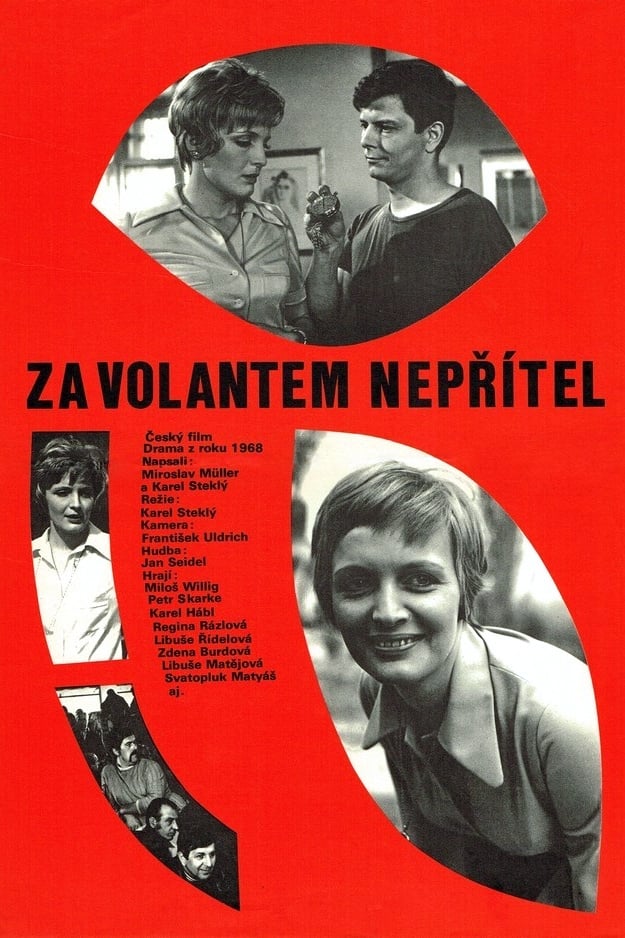
Summer 1968: The crisis is reaching its peak. The director of the Prague taxi service, Mudroch, rejects the drivers' absurd demands for a pay increase. The taxi drivers decide to go on strike and seek support against Murdoch from trade unionists and enemies of the regime. The director is convinced that honest communists like him cannot be defeated. However, hateful vandals damage the brakes in his car...
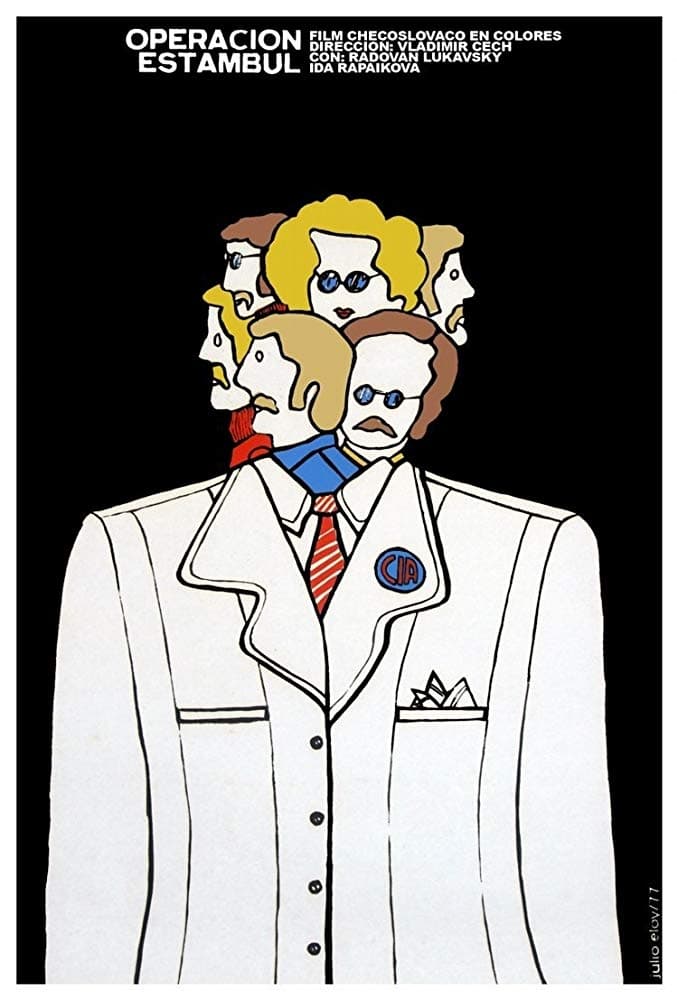
A communist agent, who has successfully caught on with the stupidly gullible American secret services, does not have it easy - he is threatened with exposal, but he still rescues a Czech scientist whom the evil imperialists wanted to kidnap. It was supposed to be a psychological portrait of an intelligence officer under intense stress, yet convinced of his truth...
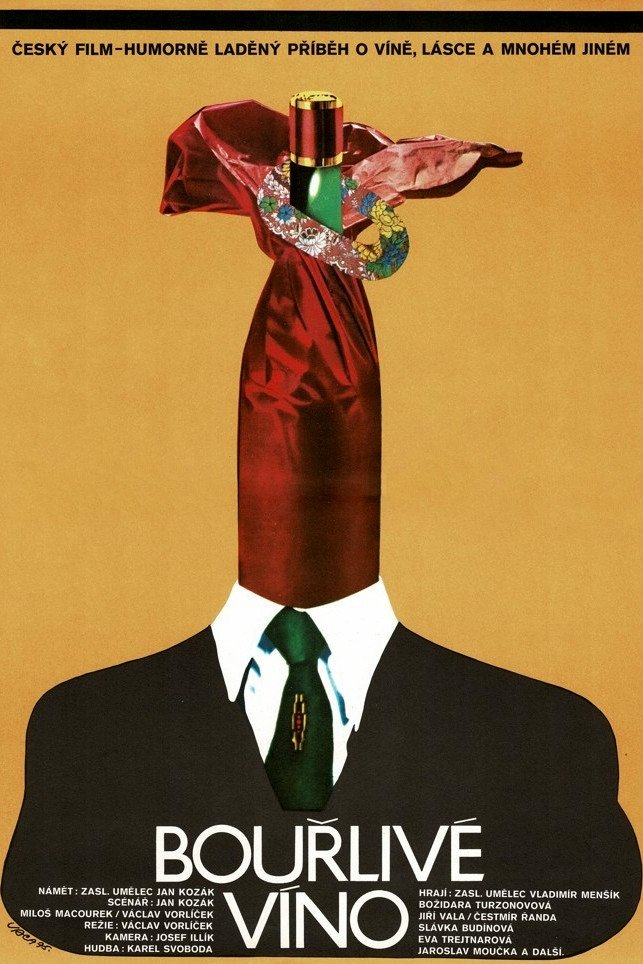
It is the summer of 1968 and also in South Moravian Pálavice appear political clashes. The so far peacefully farming Unified farmers' cooperative starts splitting. Some of the farmers have found the cooperative called Vidrupa and want to deal with wine in private trade. Michal Janák, chairman of the farmers' cooperative is a deliberate man and refuses the latent return to the capitalism. As an excellent farmer he continues preparing planting out new vineyards. His adversaries do not agree - the returns will come many years later. Jozka Hrdlicka, an émigré, notices on the Austrian TV the interview with the representatives of Vidrupa and decides to visit his native village. The new suit and the hired car transform the bankrupt and criminal to the successful businessman with wine.
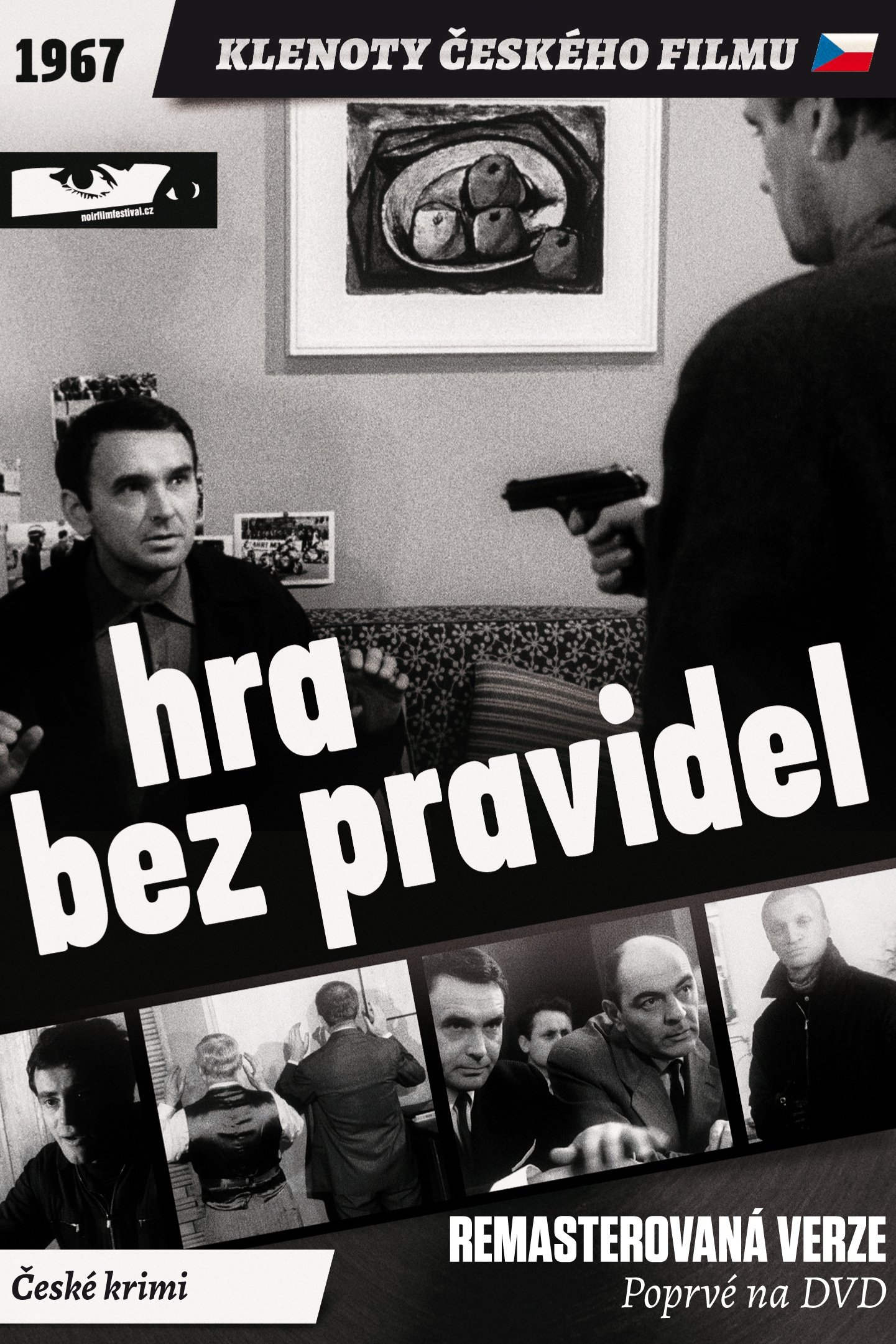
A robbery in a Prague jeweler's shop results in the shop manager Kubát and his deputy Litera being shot and wounded. The culprits take the jewelery away in a stolen car and that very night hide the loot tens of kilometers outside Prague in a forest. Then the three robbers part with each other. One of them, Burian, leaves in the same car, the other two, Duda and Hovorka, take to flight in another car, which soon ends up in a car crash. Hovorka dies in the accident, but Duda survives and hides in an abandoned cottage. Burian is arrested, Duda is traced out by a police dog. Duda confesses to the robbery to the criminologist Málek, but refuses to say where is the jewelery. The robber then begins to shoot and Málek kills him in self-defense. The court fails to prove Litera's involvement in the robbery and the only one convicted is Burian. The disappointed Málek leaves the police and begins to work as a cab driver.
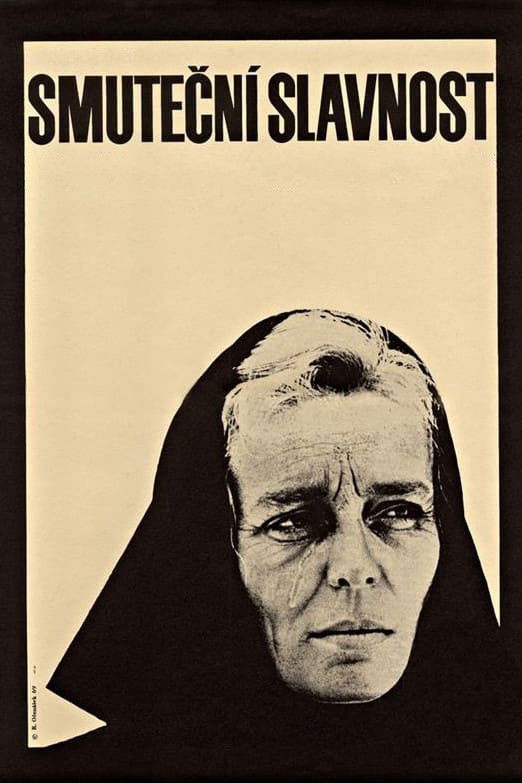
Matylda, who lives in the Czech countryside, is trying to arrange burial plans for her dying husband, Jan. While Matylda hopes to have a funeral for Jan in the small town where they once lived, there are complications. Years earlier, Jan spoke out against the Communist government and was consequently expelled from the town. When Matylda fails to convince a local politician to allow the ceremony, she uses her husband's funeral as a public show of dissent.
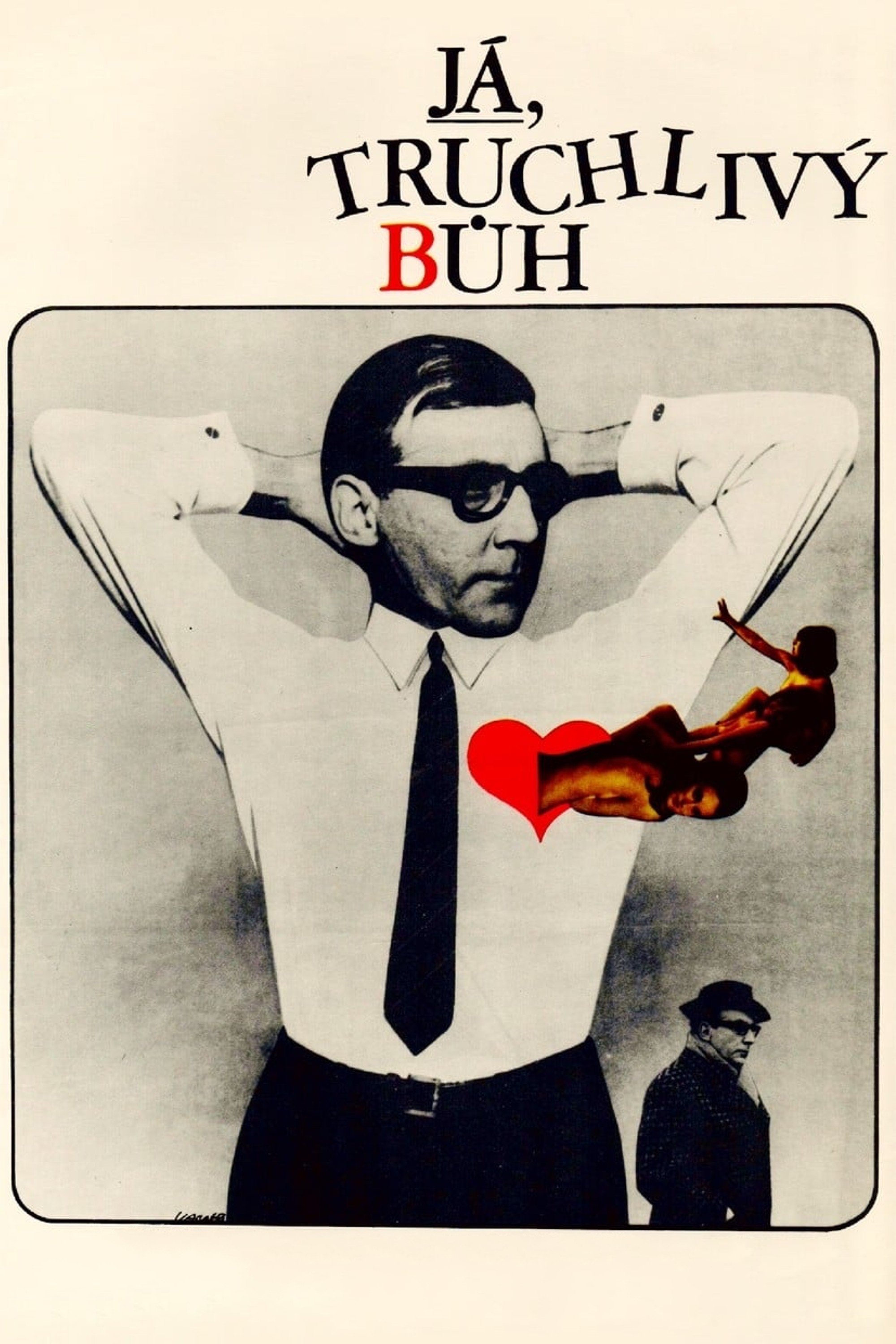
Adolf, the irresistible seducer of women, is fond of Janicka, a novice opera singer. The girl, however, prefers famous men and Adolf thus does not have a single chance with her. One day in a hospital, he meets a Greek partisan named Apostolek who impresses him with his spontaneity and ease in solving all problems, especially those with women. Adolf has an idea for a revenge. He makes Apostolek familiar with social manners, dresses him after the latest fashion and introduces him to Janicka as a Greek conductor. Janicka instantly falls in love with the made-up composer and Apostolek does no better.
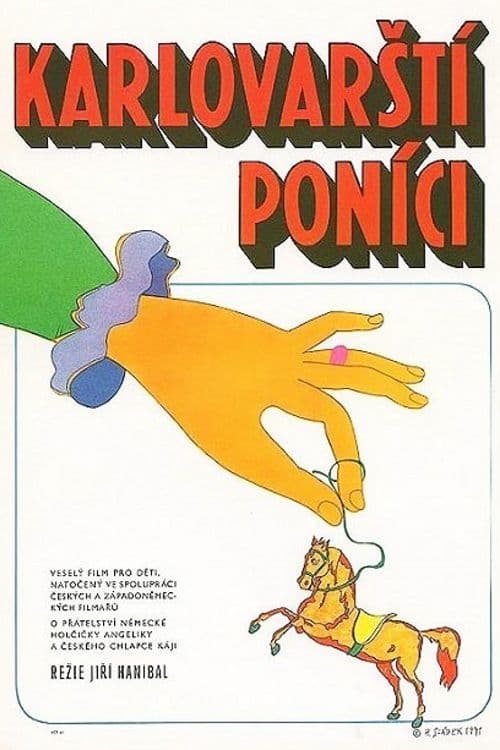
Angelika, a ten years old daughter of a spa visitor Bachmann is terribly bored in Karlovy Vary spa. Her father enjoys different spa procedures, trying to lose some weight, but the little girl feels to be only waiting for something to enjoy. Moreover, she cannot speak any Czech unlike her father. Kája, a son of the hotel receptionist Vlasta, attempts to amuse her despite he cannot speak German. Both children make friends although there is the language barrier.
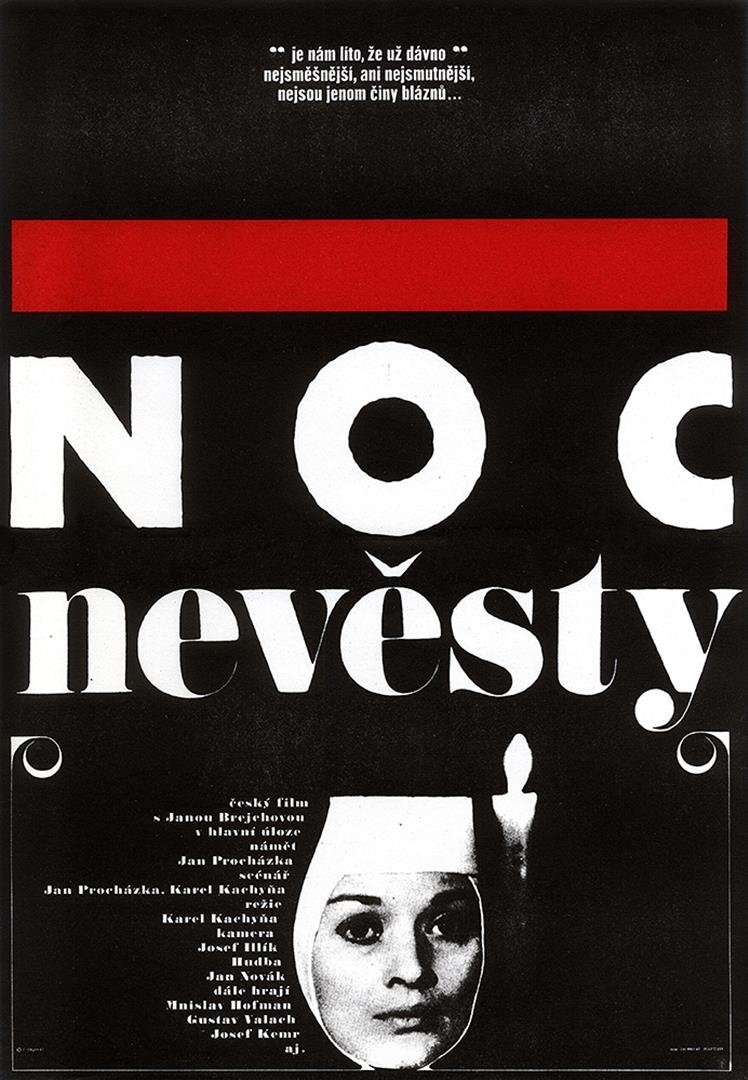
A dark fable set in an early 1950s Czech village, a time of Soviet-style socialism which saw the implementation of collectivized agriculture and the mass closure of monasteries and convents.
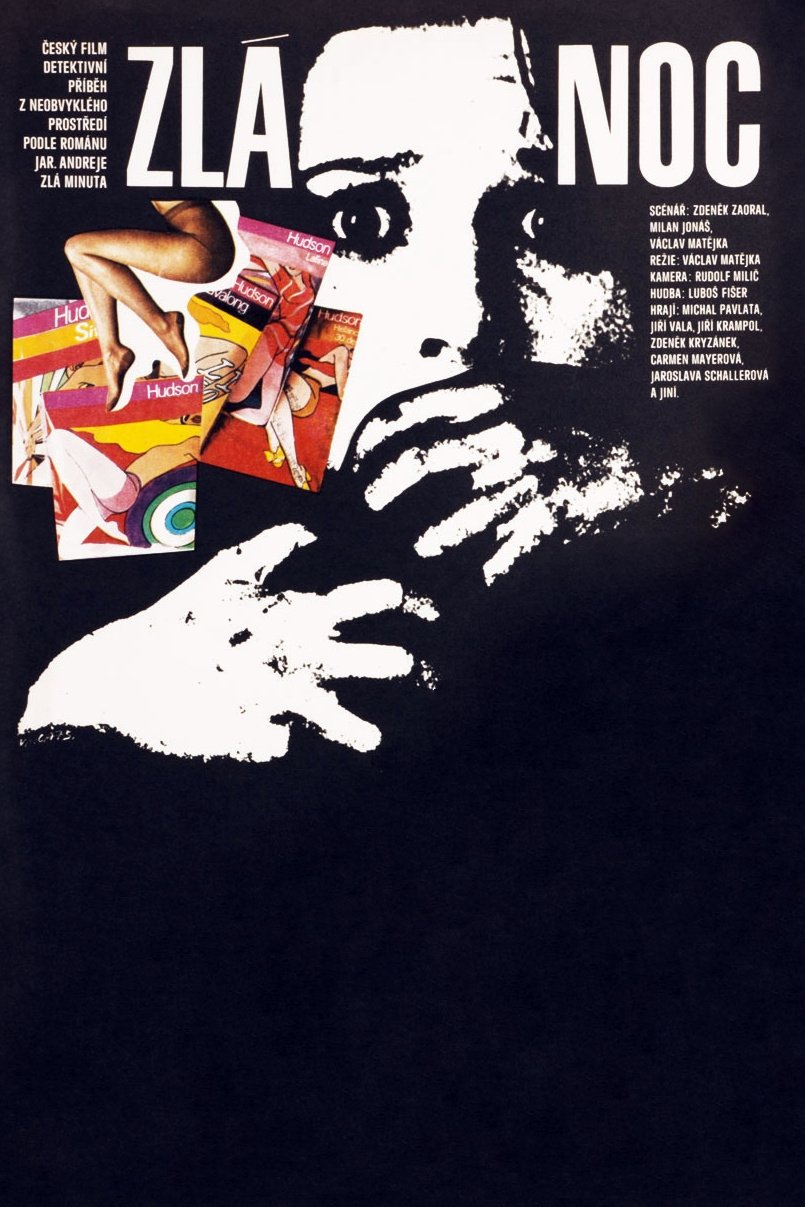
Lieutenant VB, disguised as a laborer, is looking for a young woman killer among the staff of a wheel loader. But which of the possible motives found is the right one?

Petr Rynes (Svatopluk Matyás) is celebrating his forty-fifth birthday in the company of his friends. He is happy with his wife, and his abilities at work have been rewarded with the medal For Outstanding Work. But a few short seconds are enough to change his life when he makes the ill-judged decision to take his car to bring a friend's wife to the celebration, and hits a pedestrian on the way. He has of course been drinking at the party and is consequently sentenced to sixteen months in prison. Being in jail is not an easy thing for a honorable communist. He soon gets into conflict with several violent inmates, who think they can break his spirit by violence.

In the 1600s, an overzealous clergy hauls innocent women in front of tribunals, forces them to confess to imaginary witchery, and engages in brutal torture and persecution of their subjects.
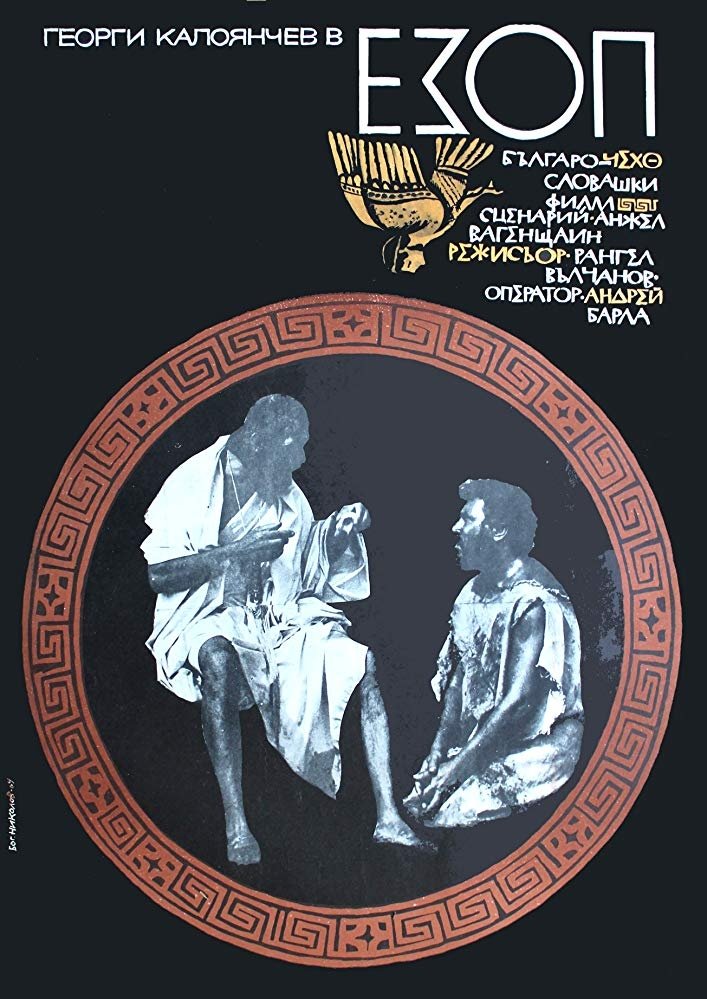
This film brings us back to show us the life of the famous ancient sage Aesop, who helped people with his wisdom in their struggle for freedom and happiness.
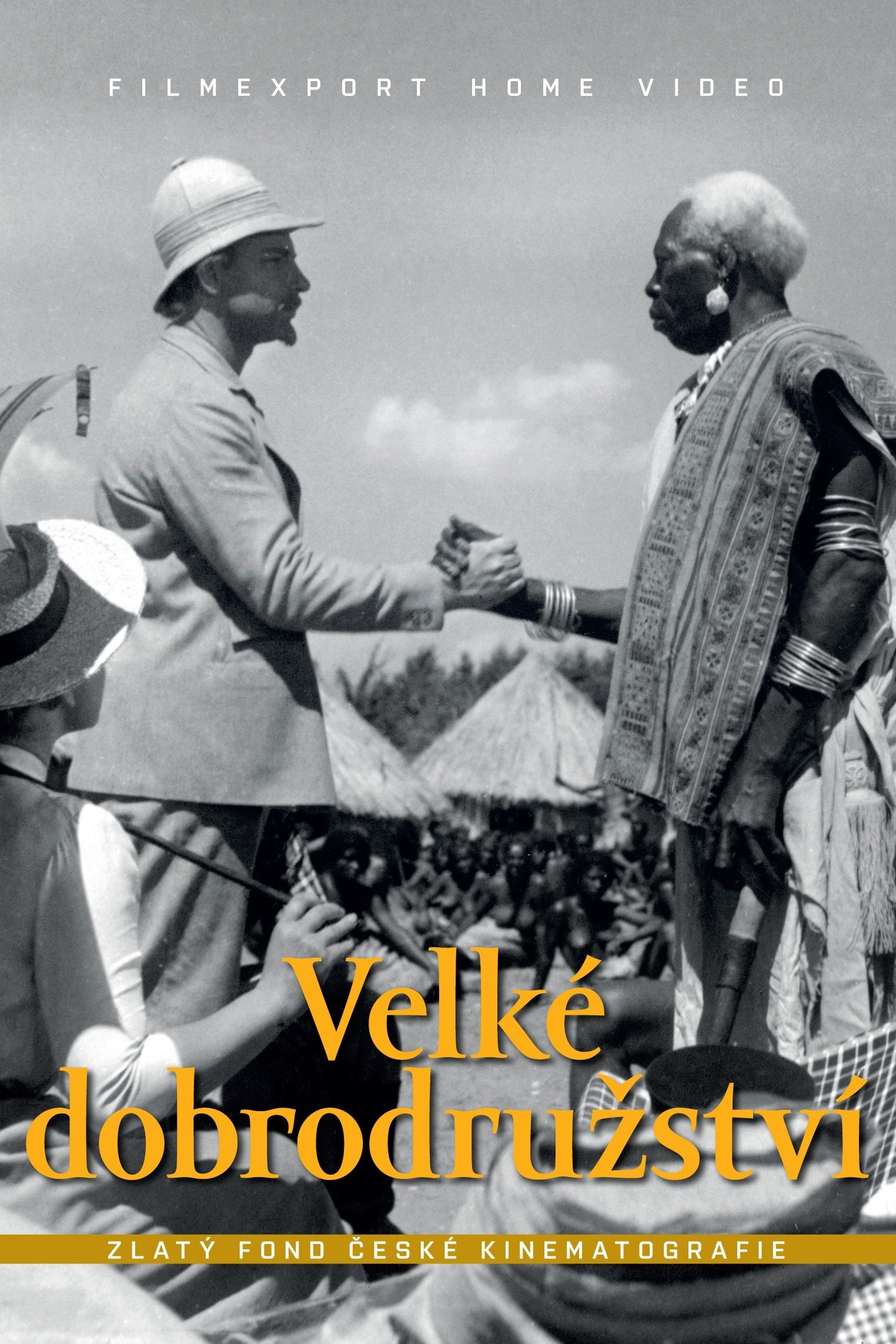
A biographical film about the traveler Emil Holub, conceived as an illustrative story of an exceptional man, who, however, encounters the disinterest and rejection of the domestic Czech bourgeoisie. To this is added an international perspective - Holub encounters British expansionism in Africa and indignantly rejects colonial methods, trying to help black people.
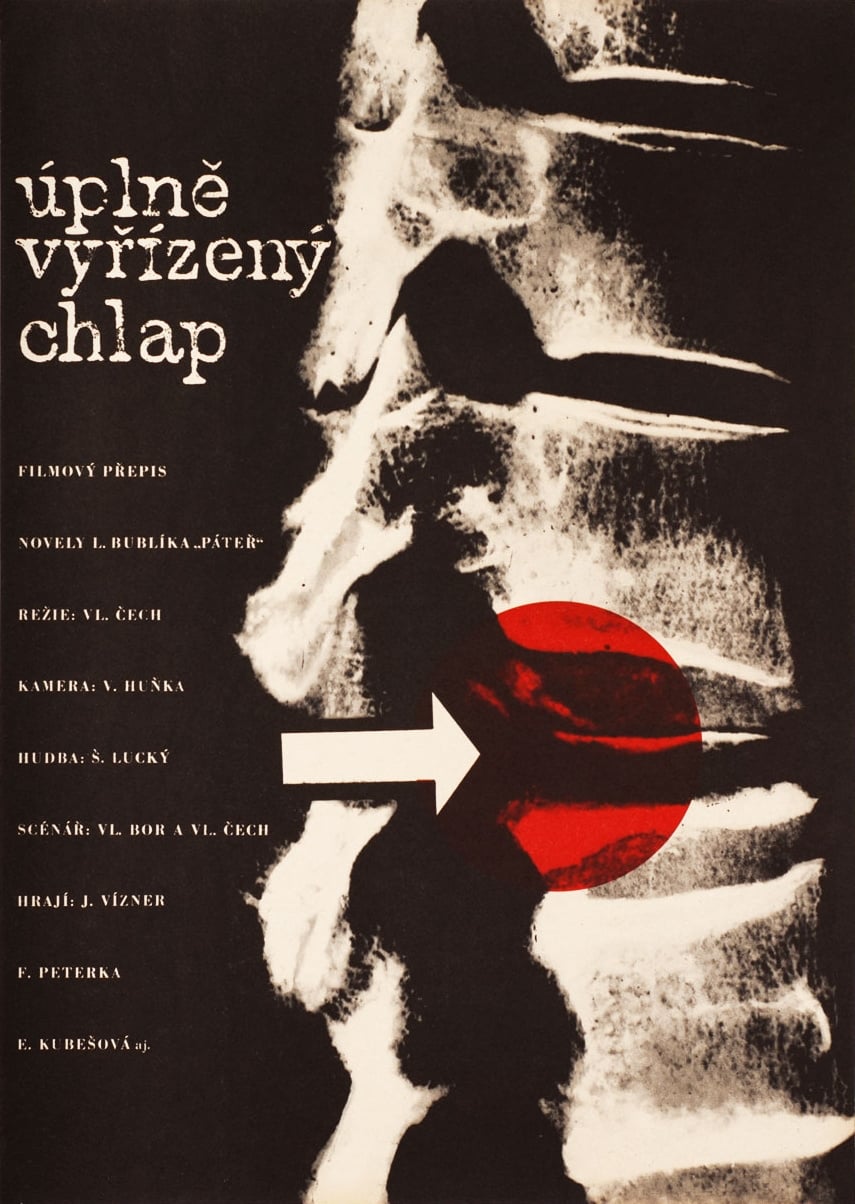
Ostrava - Kunčice , 1953: on the same day as the manifestation funeral for J. V. Stalin, the funeral of Brigadier Bédi Nevěřil, a tragic victim of the bureaucratic cadre machine... The story unfolds in the memoirs of another brigadier, former journalist Karel Kratochvil.
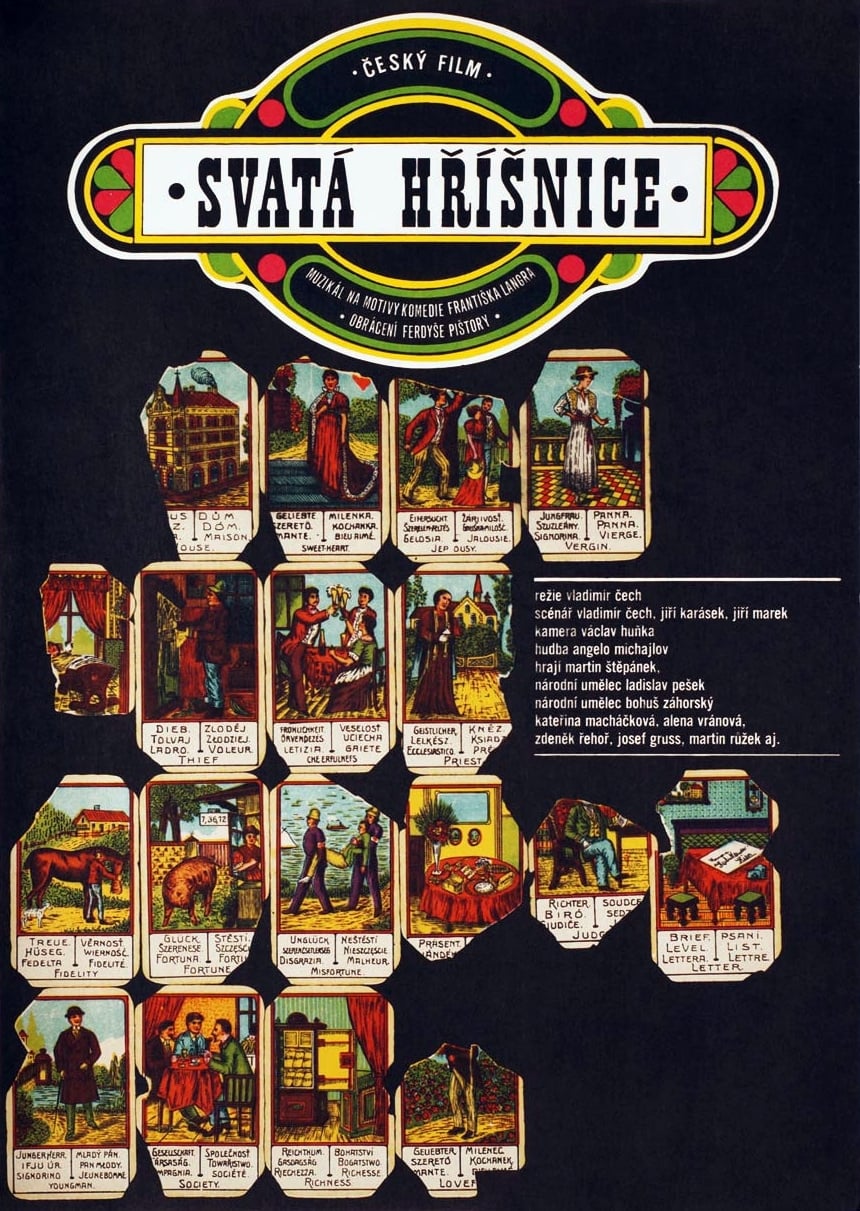
In the Prague Old Town and the adjoining streets there is always plenty of life. Housewives shop, beggars arouse sympathy, the Salvation Army tries to put the godless on the road to salvation by hymns and sermons, and Ferdys Pistora hunts in the pockets of his fellow men and isn't even put off by the presence of an officer of the law. Ferdys sets off to burgle villa of the banker Rosenstok, but a fire breaks out in the house and Ferdys ends up saving the banker's two small children. For this he is celebrated as a hero and gets a place as an errand boy with the Rosenstoks. At home he is visited by representatives of the Salvation Army, Captain Kosterka and Terezka, with whom Ferdys instantly falls in love.
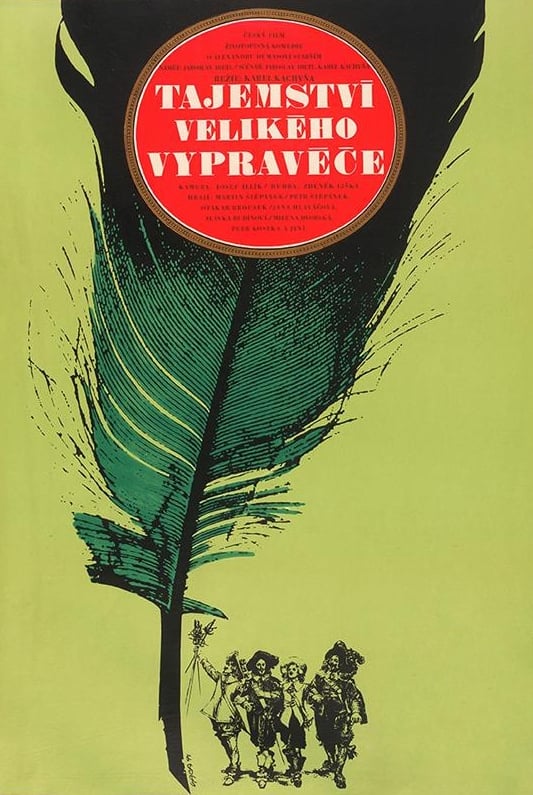
The life of the famous French writer Alexander Dumas the Elder. Screenwriter Jaroslav Dietl did not hide his admiration for this literary giant, and in addition to the screenplay he also wrote a three-part TV play about Dumas (starring Vladimír Menšík). In Kachyn's film, Dumas played the father and son of the Štěpánková brothers, and it was a very difficult and difficult task for these young actors.

Jan Zika is the legendary hero of the communist resistance movement during World War II and leading functionary of the second underground Central Committee of the Communist Party of Czechoslovakia.

The leader of the emerging organized labor movement in the 1880s, Ladislav Zápotocký-Budečský, is exiled to his native village, where he works as a tailor and continues to raise social awareness among members of the working class.
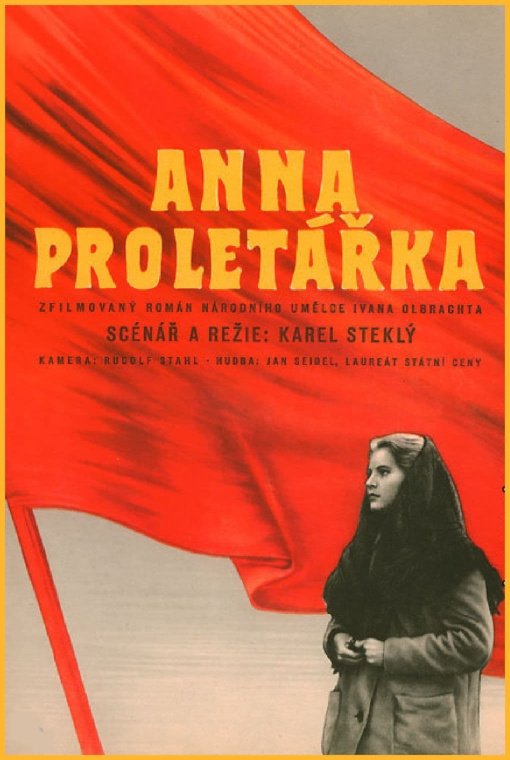
The movie describes proletarian life in the Czech Lands after World War I.
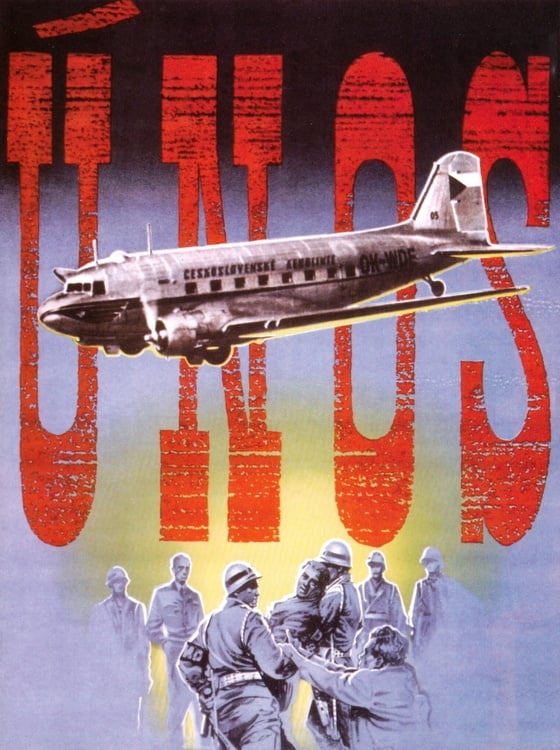
American agents hijack a plane on the Ostrava-Prague route to launch a campaign against the People's Democratic Czechoslovakia. The plane lands in West Germany, but the Americans have an unexpected problem convincing the hijackers to stay in the West. Based on a true story.
A story about the conditions in Bohemia in the second half of the nineteenth century, when small-town officials, such as Hrdlička, succumbed to the predators of the emerging large financial and industrial bourgeoisie, represented by Jestřáb.
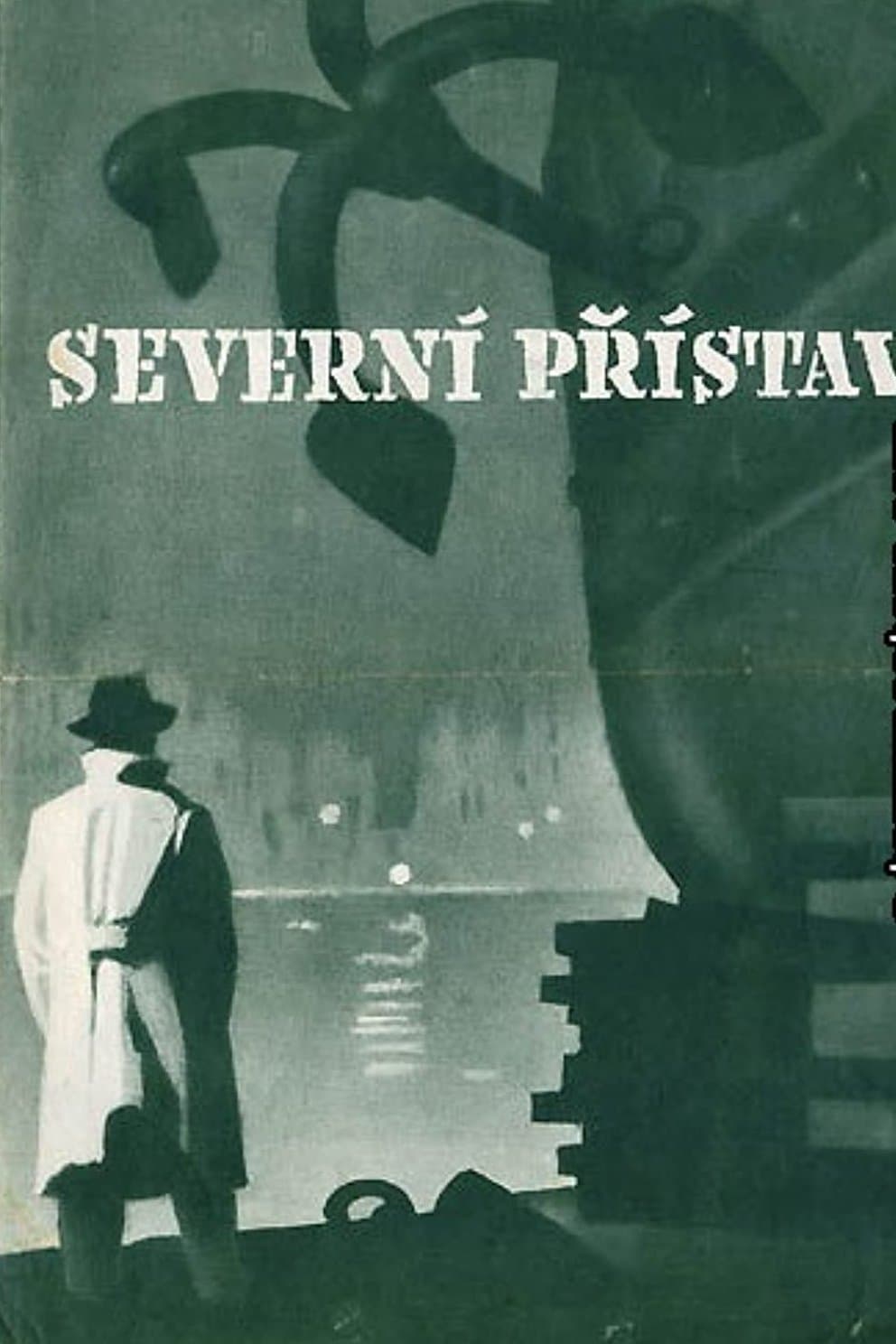
A spy film about how saboteurs obtain important data about the activities of a key company, while also trying to thwart the plan and undermine work morale. But vigilant security agencies intervene in time and stop their heinous raids.
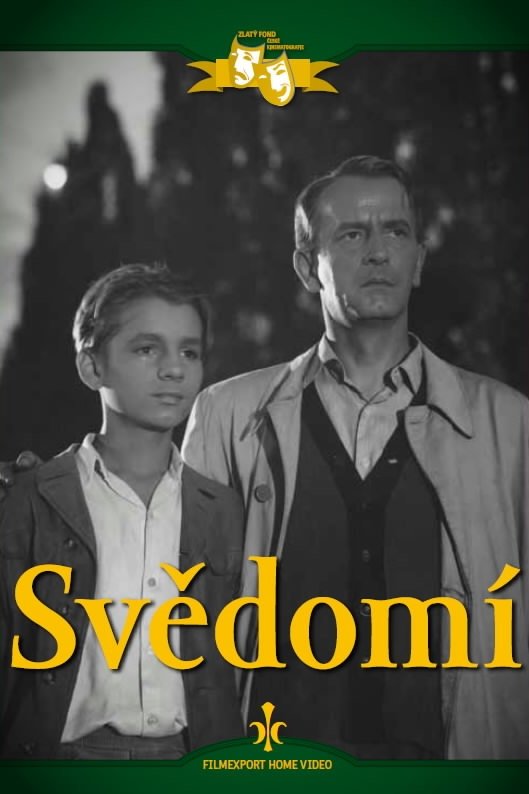
Karel Doležal, insurance clerk and exemplary father of a family, leaves for a business trip with his secretary Vlasta. After spending the night together, they both return home. However, thanks to a small moment of inattention, they run over the boys. Karel runs away from the scene of the crime. He won't tell anyone what happened. Then when he reads in the newspaper that the boy did not survive the accident, he begins to feel guilty. He confides in his wife about the accident, not the infidelity. Their son Jirka overhears everything. His father has always been his role model, and that's why he doesn't want to accept his guilt.
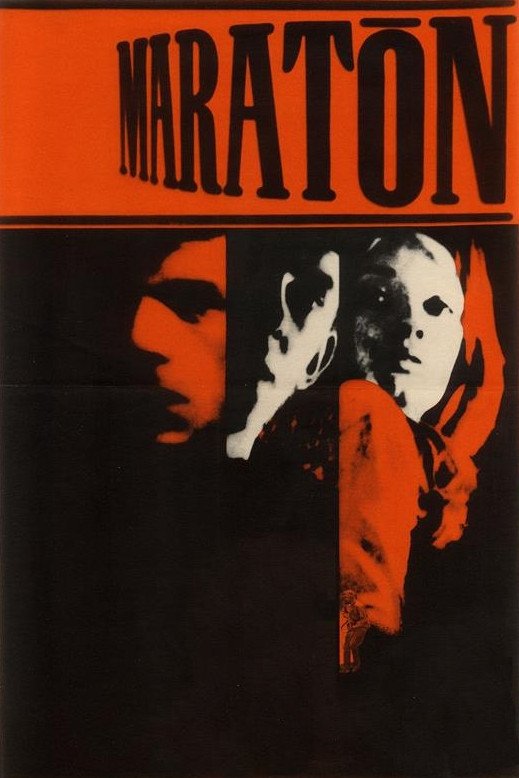
It is 5 May 1945 and the uprising against the hated German occupiers has broken out in Prague. The Czech guards open the gate of the Pankrác prison to allow the prisoners to escape en masse. Many of them are shot dead by the German guards but young Ruda (Jaromír Hanzlík) manages to run away. He is taken care of by one of the Prague fighters, concierge Kytka. Kytka hides him in the flat of the house's owner where only the young maid Karla (Jana Brejchová) is left, ordering her to take care of Ruda.
"The Rally" is based on a communist writer Vaclav Řezáč's well-written novel of the same name
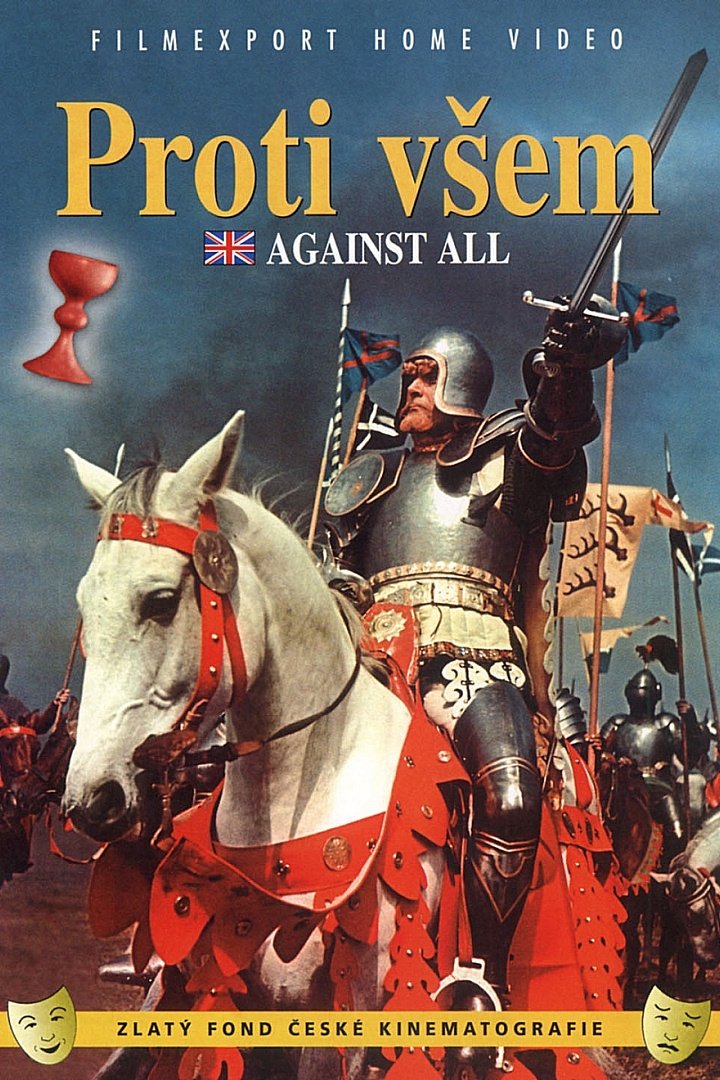
After the battle of Sudoměř the Hussite teaching spreads through the whole country and people start leaving their homes to help build the fortification of Tábor. Prague citizens request help against the army of Zikmund. The Hussite army with Jan Žižka in the lead make their way towards Prague. They fortify themselves on the mountain Vítkov and engage in a bloody battle with Zikmund’s huge army.
The Counter-Reformation period: Myslivec Machovec is forced by representatives of the Jesuit order to flee his home for his religious beliefs. His teenage children Helenka and Tomáš do not give up the faith and traditions of the Czech Brethren despite the increasing pressure.
In the last days of the war, American planes bomb a synthetic gasoline plant in the Sudetenland. The workers are then faced with the enormous task of building a new plant on the site of the ruins and starting production. Their efforts are truly bearing fruit - after immense sacrifices, Stalin's plants are back in full swing, which is something that competitors abroad don't like to see and they try to use the reaction to liquidate the production of synthetic gasoline...
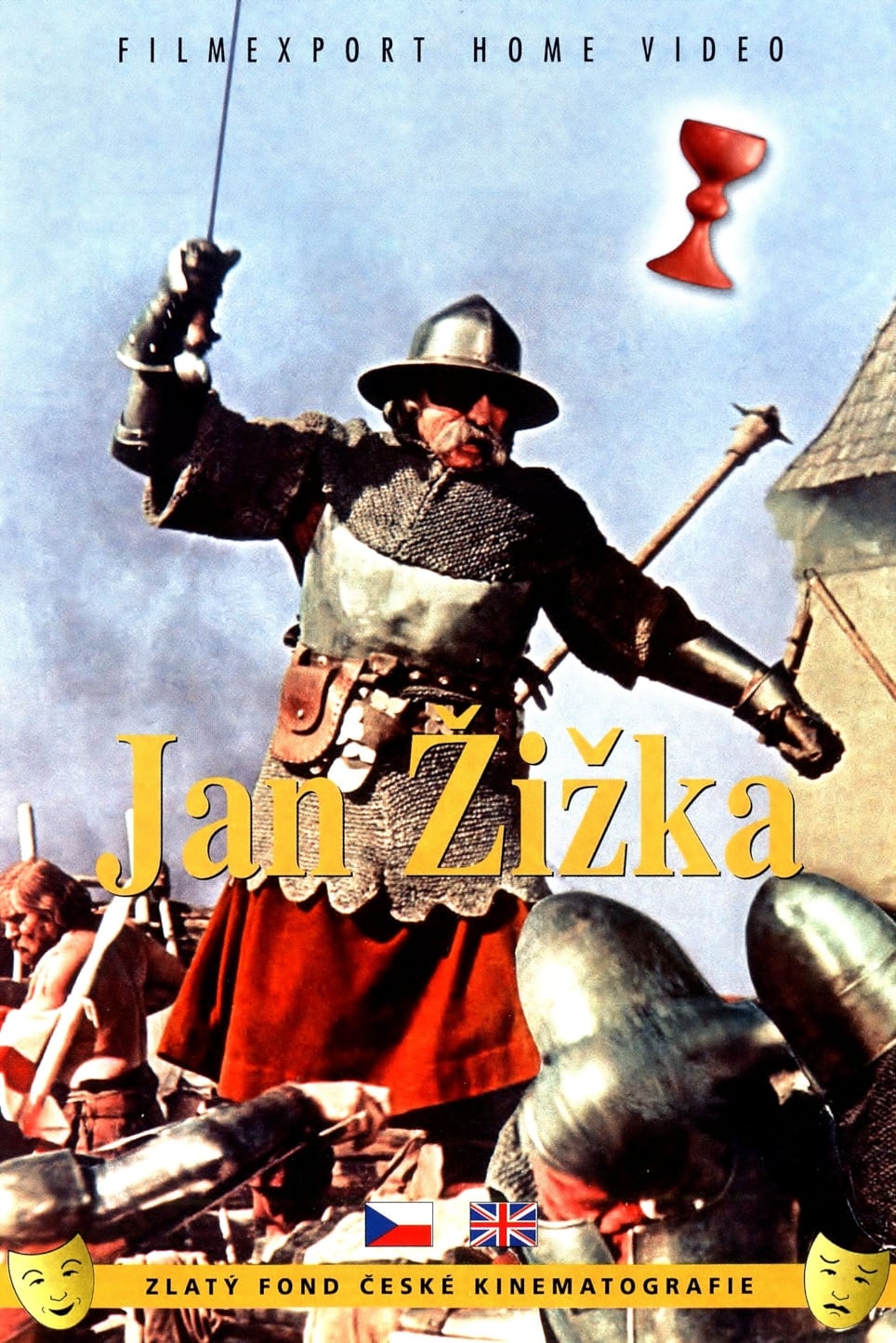
The second part of the revolutionary Hussite trilogy takes place in the years 1419-1420.
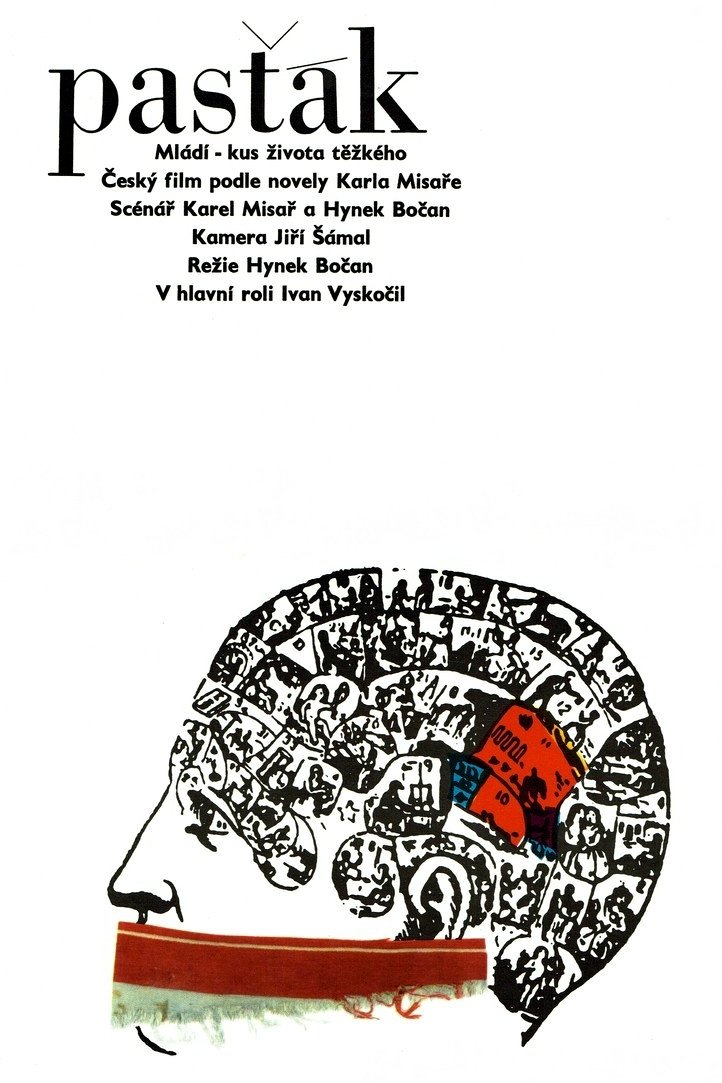
A young teacher is sent to a rural reform school, where he is faced with brutality of the inmates.
Building a bridge is no simple matter. The city council has to decide between two competing proposals, one of which is submitted by villainous scoundrels and scoundrels who would like to enrich themselves everywhere. Although the film was made before the communist coup, it already anticipates the political diction of the stories that the approaching Stalinist period will produce.
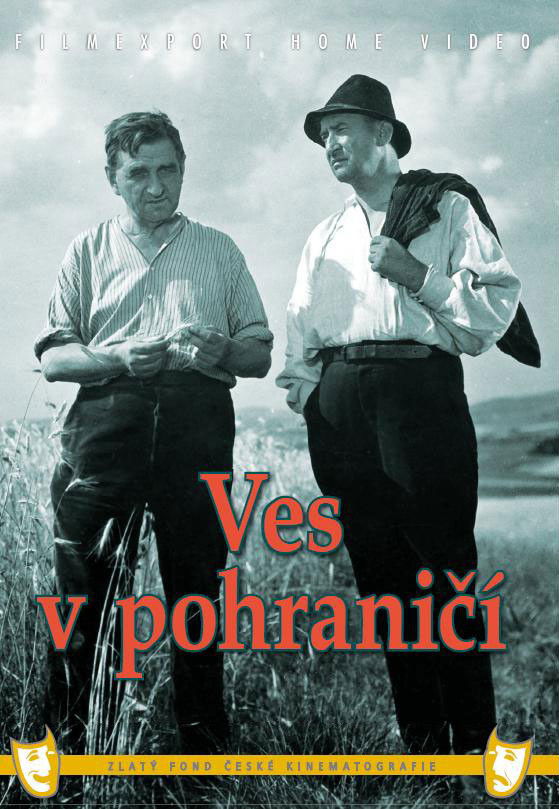
The family of Prague greengrocer Pavlas was among the first immigrants to settle in the border village of Severov. Together, the new residents manage to harvest their first harvest on time and successfully - but they will have to uncover a German saboteur posing as the manager of a sawmill...
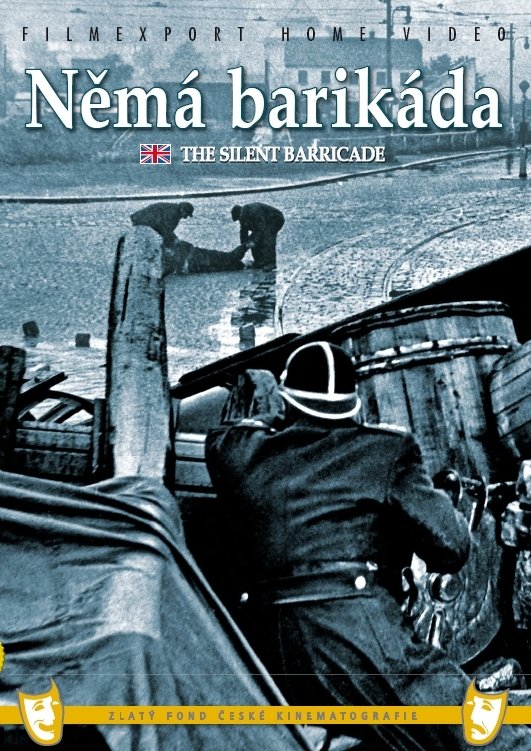
A fiction piece centered around the Czech resistance to the Nazis.
The bridegroom Jan Kaspar is an officer in the Klement Gottwald's Nová Hut rolling-mill. After bidding farewell to his freedom, he accidentally takes a sip from the bottle of tetrachlore which he stores at home. He disregards the dizziness, but the next day, he faints in the factory and has a brain concussion. During her regular tests, doctor Dudková is shocked by a high percentage of residual nitrogen found in Kaspar's blood. Doctor Bohácek, with whom Dudková consults, thinks that it is a liver disease and informs the head physician Filip. The doctors know nothing about tetrachlore and are in the dark about the case. Despite that, they immediately start to fight for Kaspar's life and their struggle consequently affects their personal lives.
The story of young boys who have proven their loyalty to the republic unfolds in the setting of a boarding school for miners' apprentices. A tunnel is dug from the Engels mine to the Ludvik mine, so that the two mines can be connected to form the Engels mine. However, the project is targeted by subversives who want to flood it, regardless of human lives.
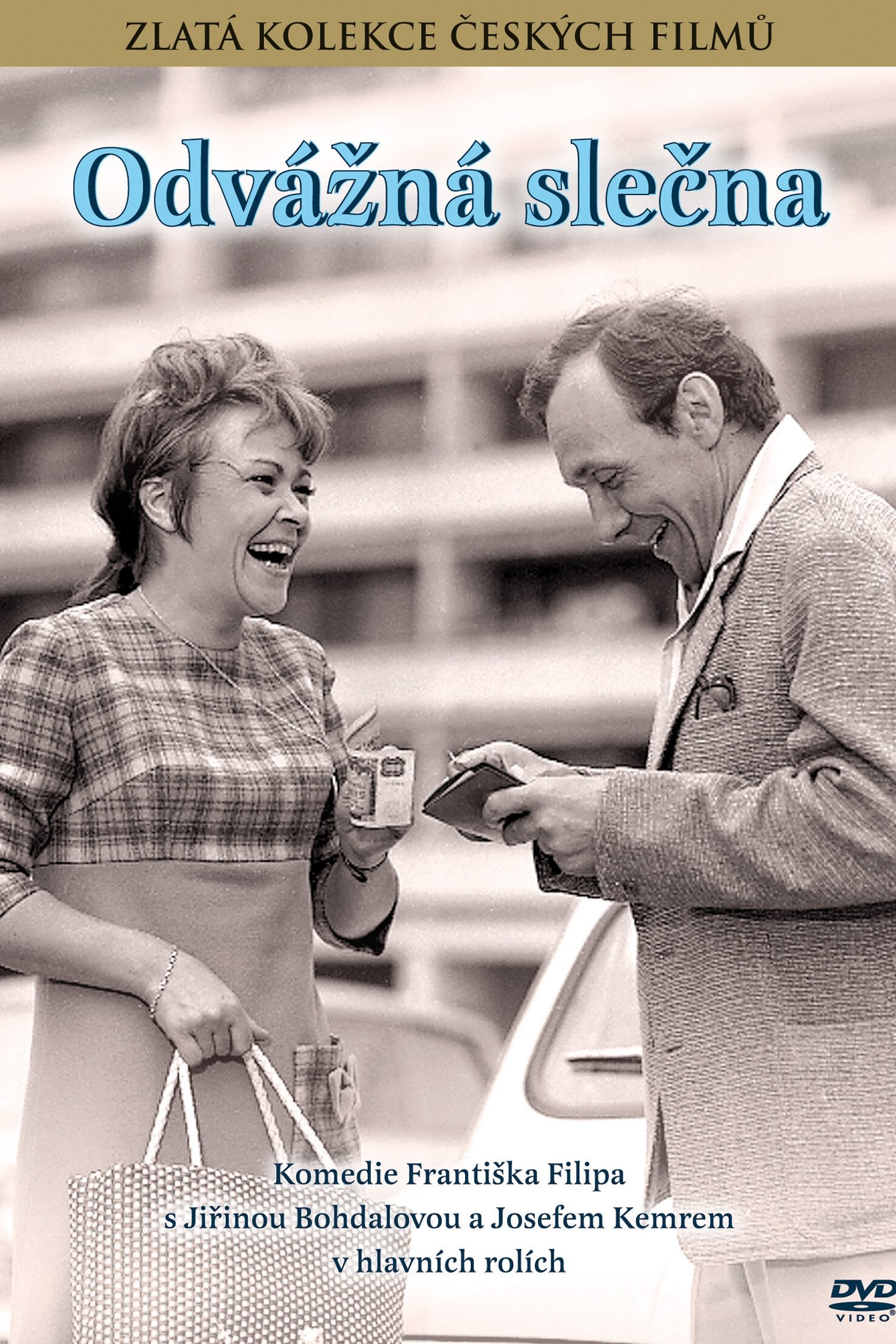
JUDr. Kroupa will take over as President of the Civil Court from his colleague who is retiring. His job description is mostly to judge married couples who are divorcing and arguing over alimony, with the very least concern for the welfare of their children. With his new job, Kroupa "inherits" a handsome but peculiar secretary, Zdenka, who takes a liking to him. However, his attempts at courtship are occasionally thwarted by strange events...
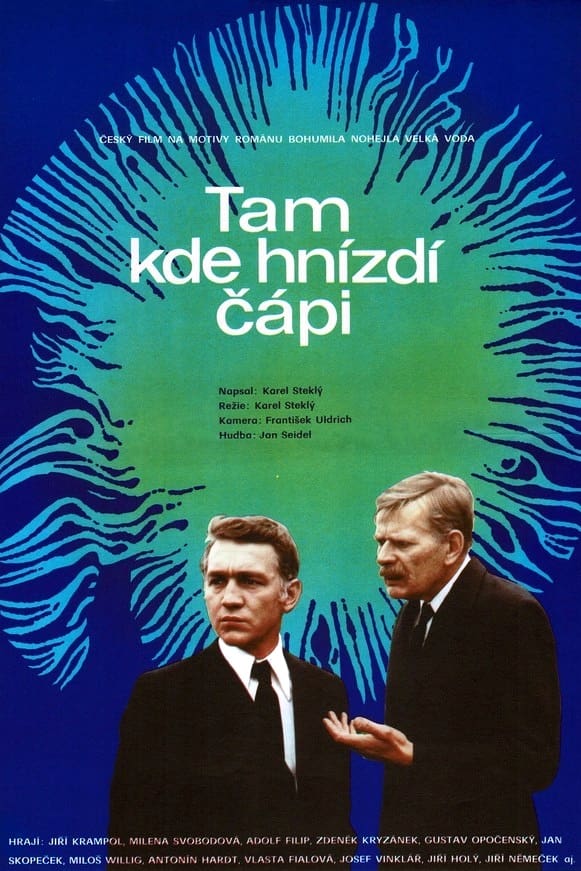
Despite the initial mistrust of others, former glass worker Štěoán Urban becomes the founder and first chairman of the local agricultural cooperative. However, 1968 arrives and with it comes previously unexpected problems.

In medieval times, a horse merchant is forced by a noble to leave part of his stock as payment for crossing his land. Upon returning, he finds his horses near death, and when the noble refuses to compensate him, the merchant fights unsuccessfully against the injustice.
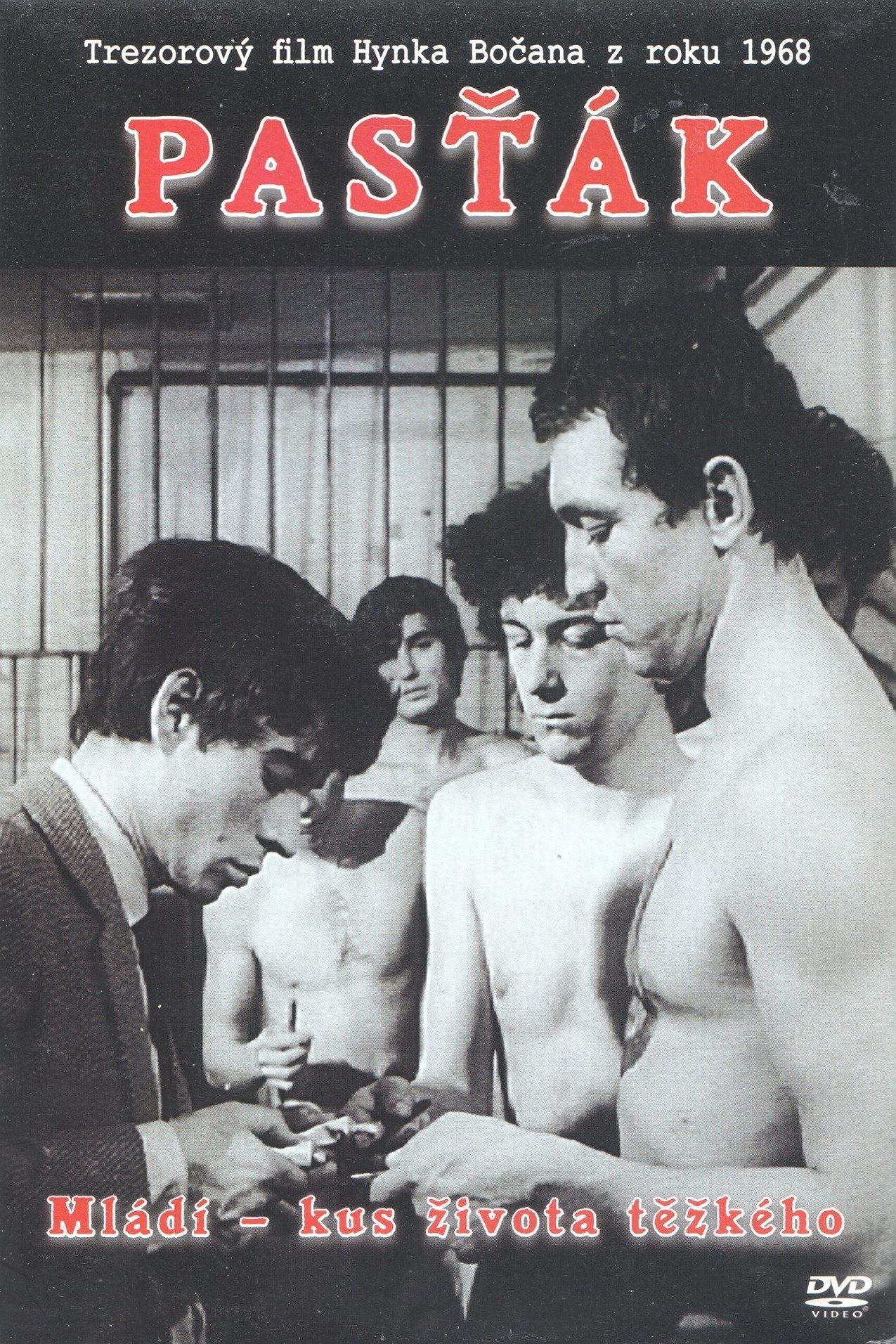
The story takes place during the 1960s. A young teacher takes on the role of a tutor in a Prague youth protection institution. Filming was stopped in 1968 and the final editing of the footage was not done until early 1989.