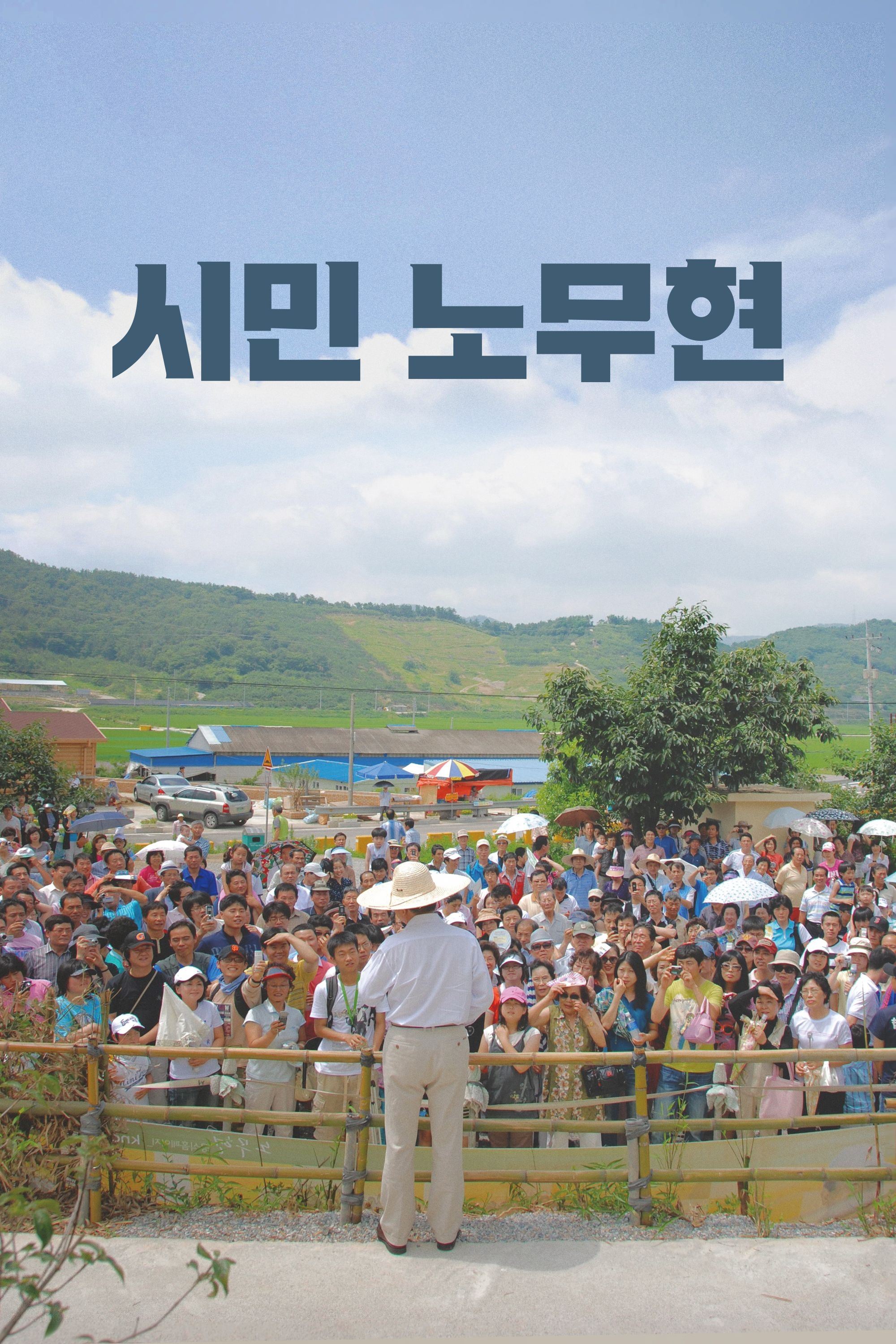
In 2008, late President Roh Moo-hyun returned to his hometown Bongha village after his retirement and was joined by supporters as he recreated his hometown and began to clean up the Bonghae Mountain, cultivating Bongha Mountain, and cultivating environmentally friendly rice.
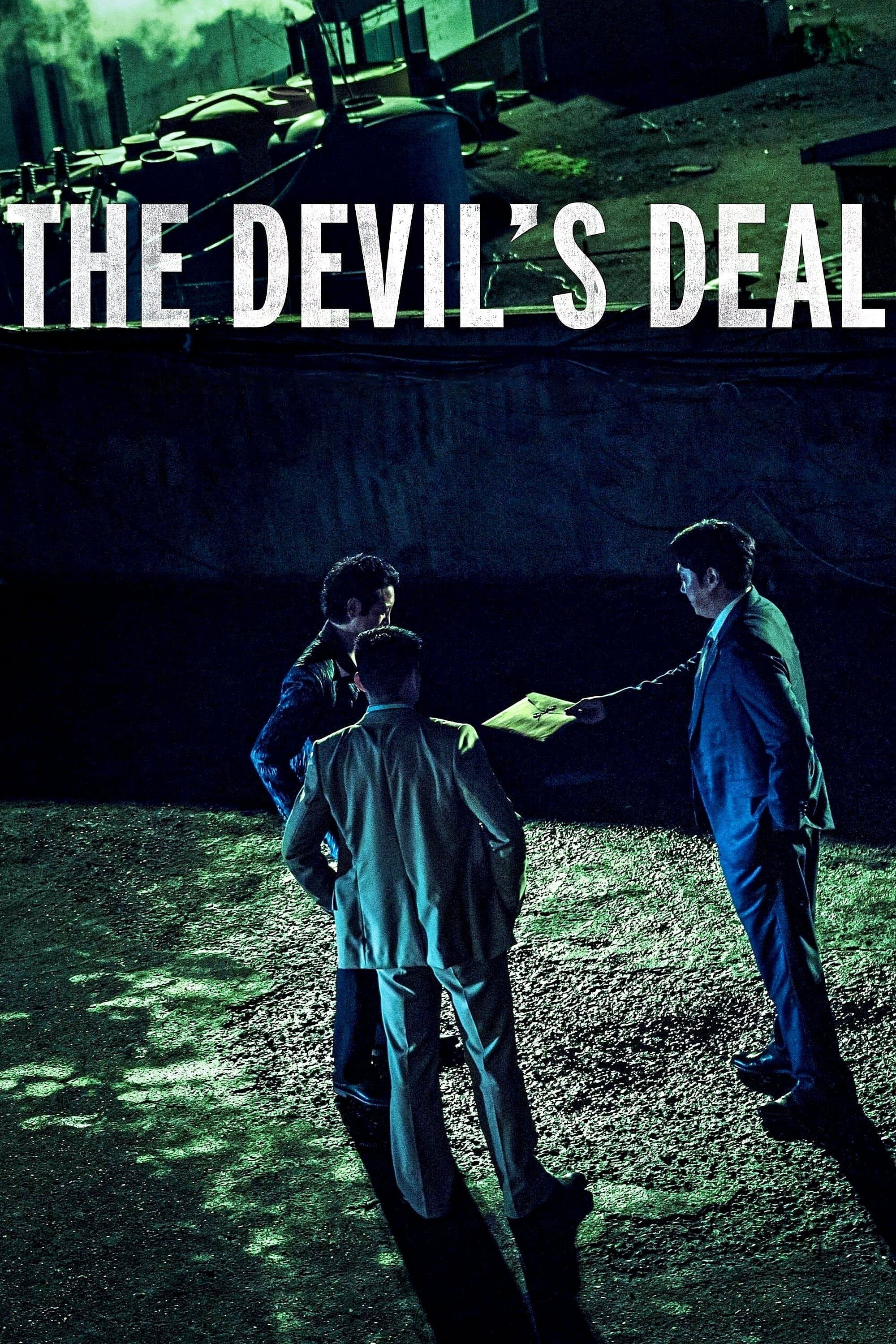
Hae-woong, an assembly member candidate, is taken out of the running because he became a thorn in the side of a local bigwig, Sun-tae. Hounded by loan sharks, due to defaulting a campaign loan, he decides to get his hands dirty. He steals classified government’s information about an urban development plan and obtains the help of a local gang leader, Pil-do, by promising hefty real estate profit. Now Hae-woong re-enters the race and tries to take revenge on Sun-tae. Unbeknownst to him, his messy journey through politics has only just begun.

Major corporations and the financial industry are thought to be the case of growth in exports and also the dangers of the IMF. The realities of the '97 Asian Financial Crisis and the IMF bailout are looked into in detail. While the government-led economic growth was being replaced by a neo-liberalistic one represented by a ‘global standard,’ there was an expert bureaucratic body. Meanwhile, Korea’s first general trading company was turned into the 4th largest major corporation by Kim Woochoong, who criticized the government and pushed for greater focus on international exports. With the old order of Korean economics facing the new, the summer of ’99 tells the story of the ticking time bomb of Daewoo.
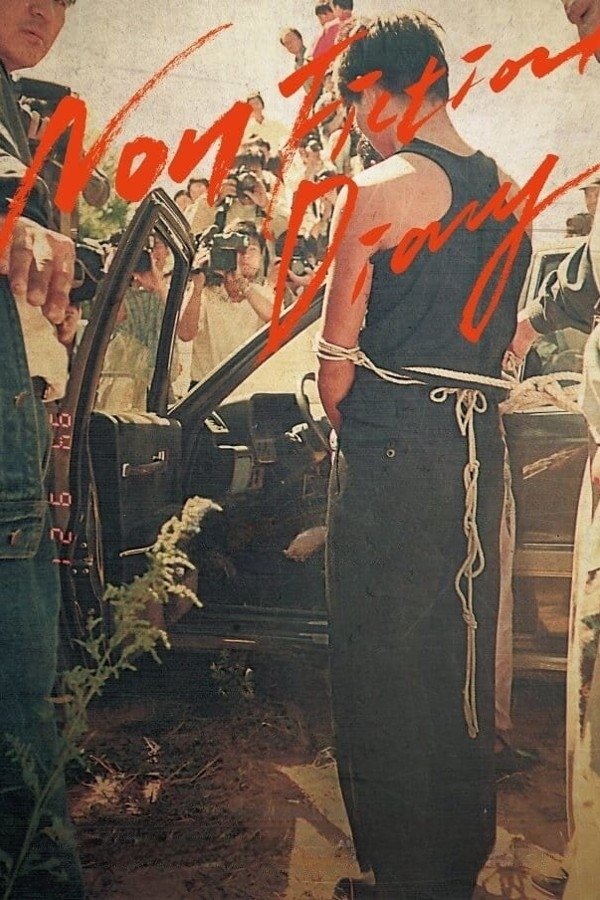
What happened in Korean society in the 1990s? The film starts with the Jijon-pa (Supreme Gangsters) case. The shocking story is narrated through the discussion by the two detectives who arrested the gangsters, of details of the roundup, data screens, and the death sentence. Nevertheless, Nonfiction Diary’s focus is not on the crime story. Starting from Jijon-pa onwards, the film reflects on the 1990s, when Korea digressed into contemporary history. The Seongsu Bridge and the Sampoong Department Store’s collapses are recalled, followed by the then-government’s punishment of the May 18 Uprising leaders, revealing the Korean legal system’s death penalty status, touching on political and power issues. The audience is reminded that today, 2013, is an extension of that same flow.
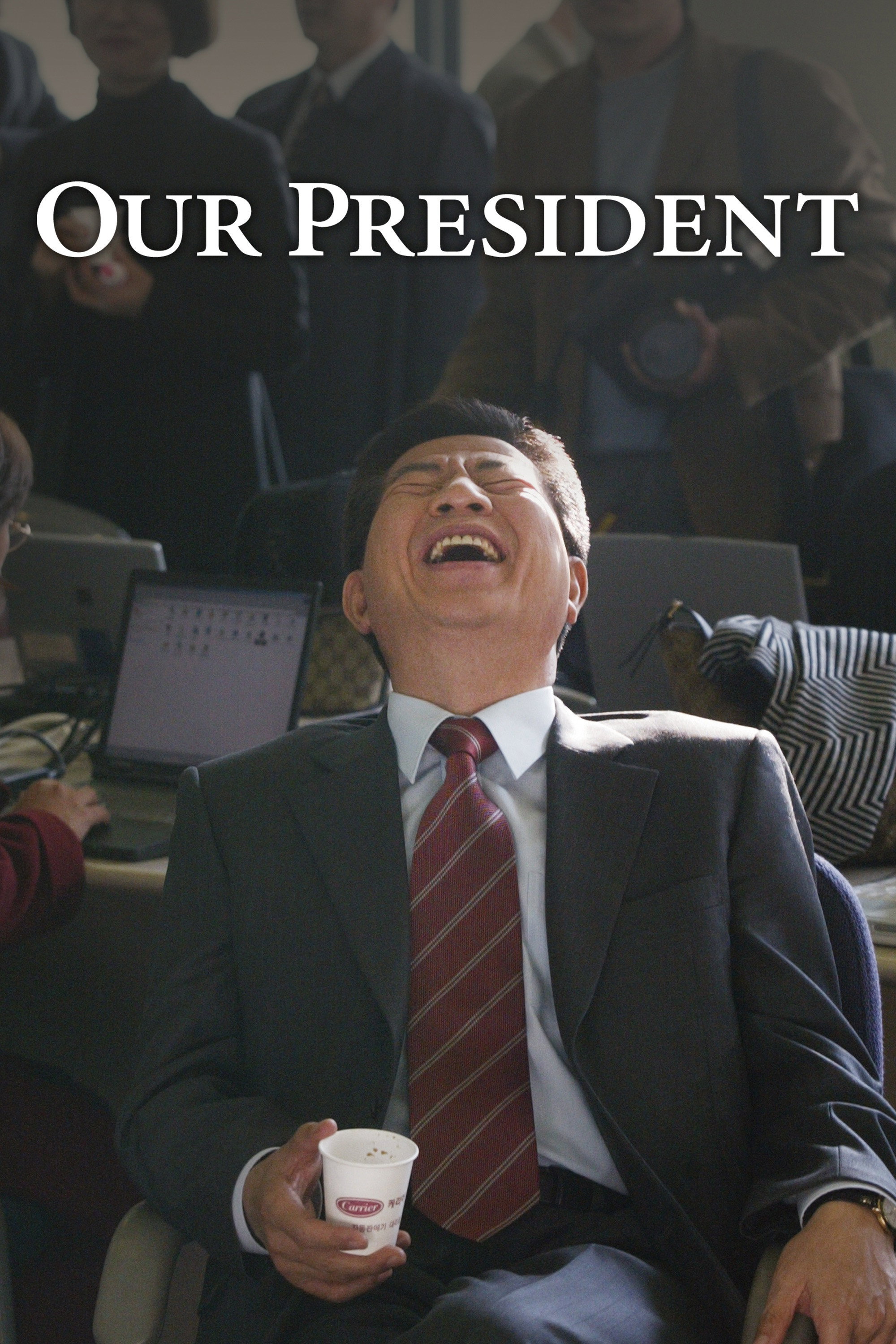
In South Korea, 2002, the Democratic Party put the presidential nomination to a plebiscite for the first time. Amongst numerous candidates, the one who brought about the most unexpected result was a fringe candidate named Roh Moo-hyun.
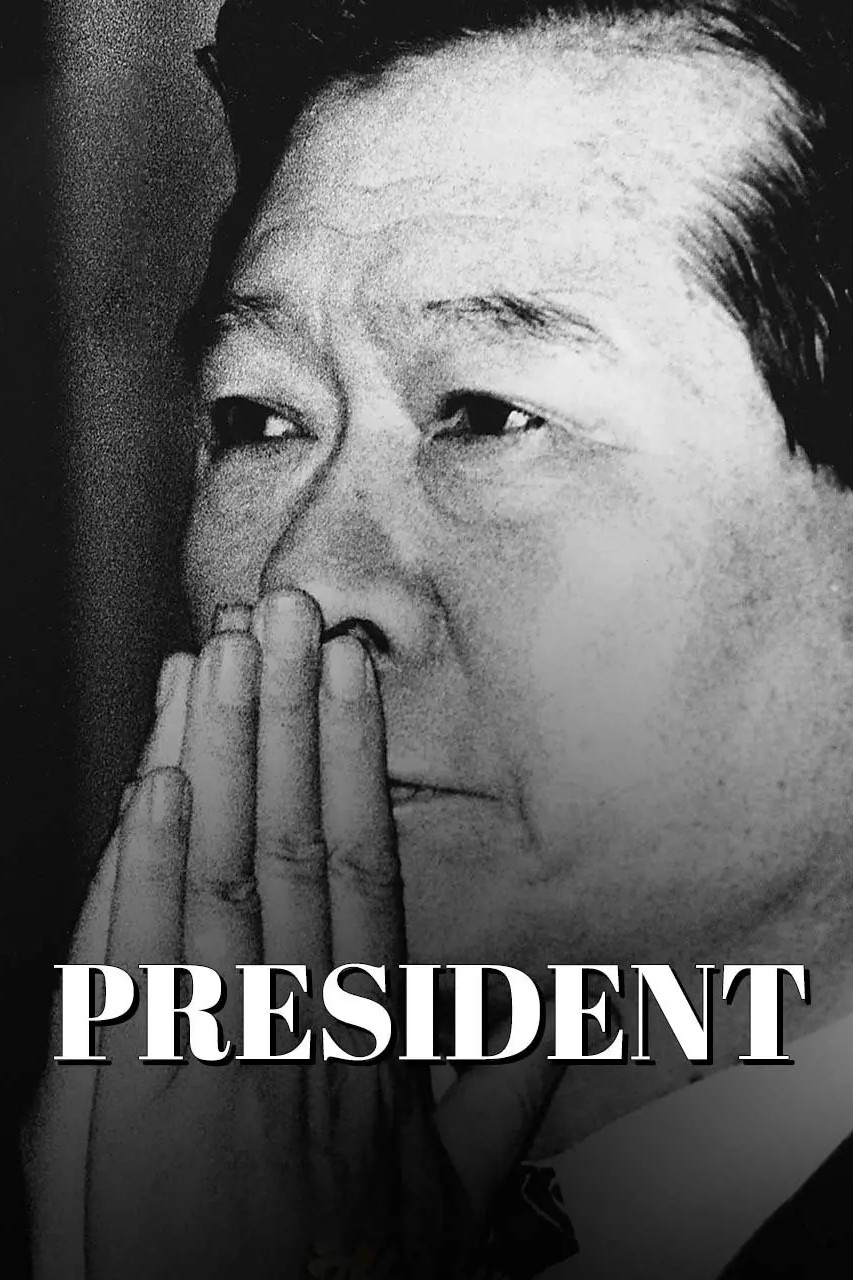
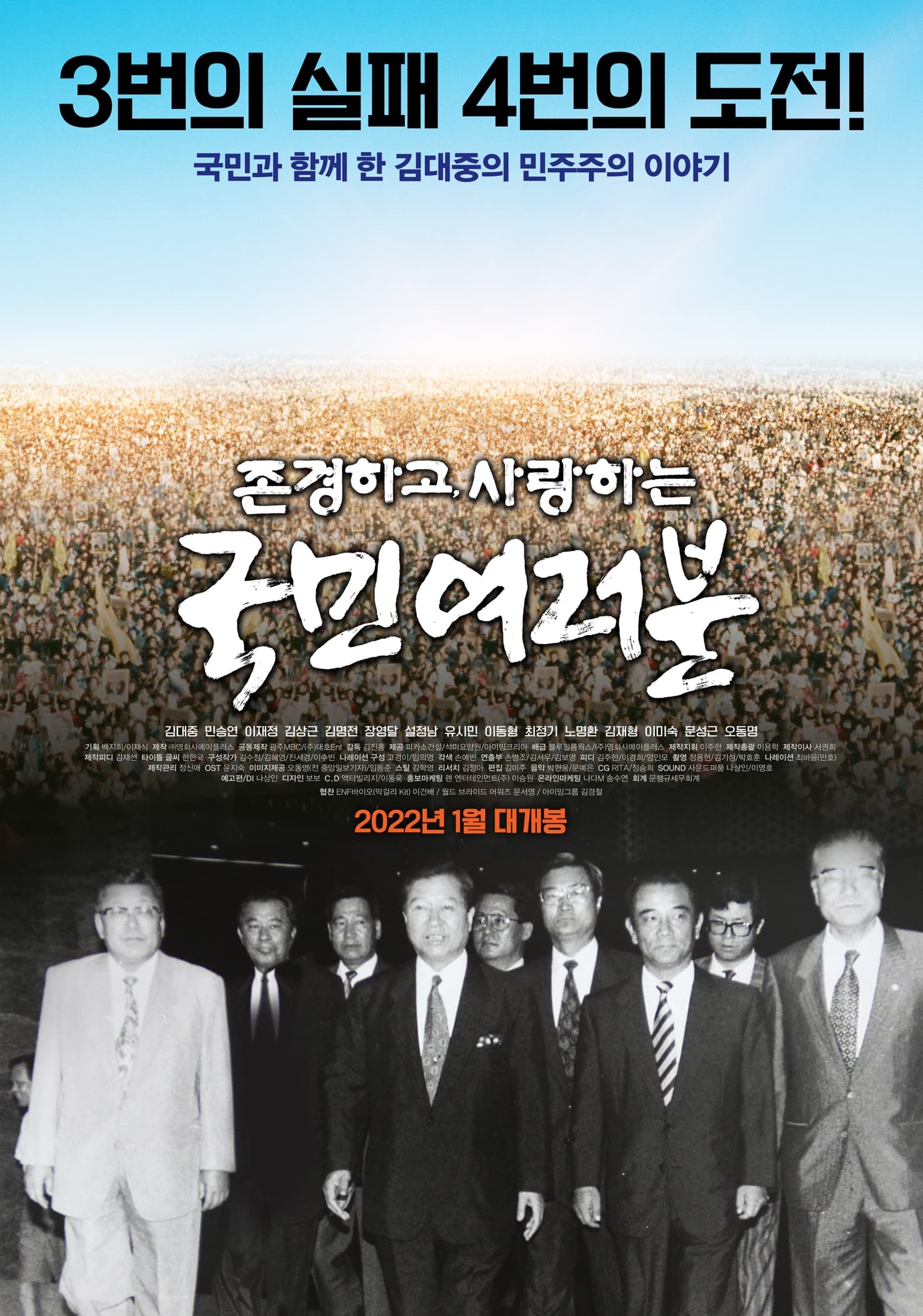
This documentary celebrates the life of former President Kim Dae-joong, who fought for democracy in South Korea and peace in the Korean Peninsula. It marks the 10th anniversary of his passing and covers his challenging journey, from his childhood on an island to his imprisonment, exile, near-death experiences, and ultimately becoming the president.