
Jette and Johannes have been living together for two years when Johannes suggests that they "legalize" their relationship. Jette loves him, but the proposal of marriage terrifies her.
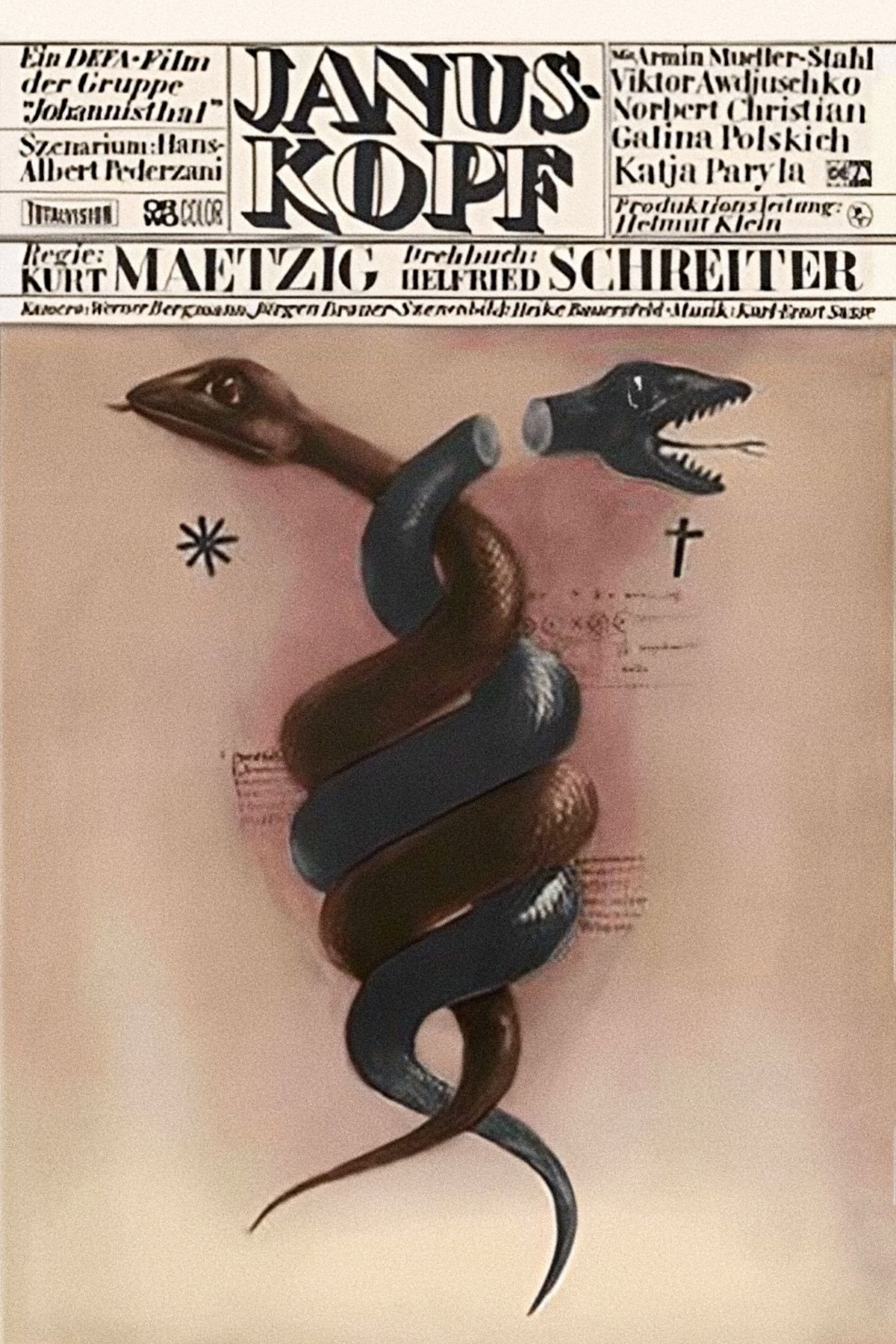
World-famous geneticist Professor Hülsenbeck is a man of integrity who refuses to mix science and political gain. When his findings are being used to harm humanity, he immigrates to the USA in 1933 in protest against Nazi racial politics.

In this East German film, the third one in The Third is Margit's third lover. After her mother's death, Margit has two affairs which don't work out, and one lesbian friendship which she retains. She is looking for a husband, though, and thinks she has spotted a candidate in her fellow factory worker. As she contemplates marrying him, her story is told in a series of flashbacks.
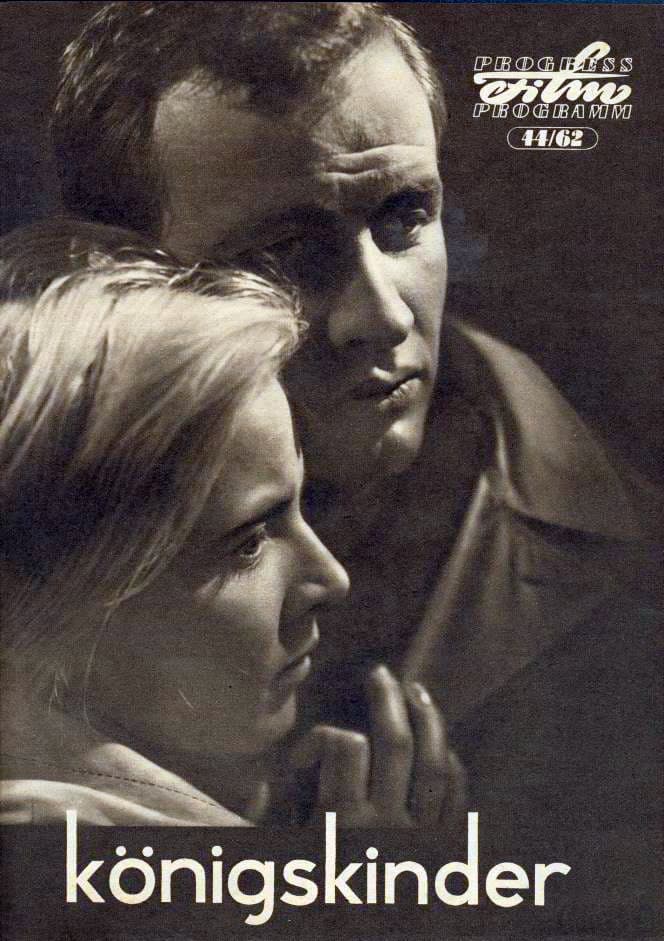
Magdalena and Michael have loved each other since they were children. But when the Nazis come to power, Michael rebels against the regime and is sentenced to fifteen years in a concentration camp. Magdalena, meanwhile, goes underground with the help of a friend and later immigrates to the Soviet Union. Michael, who has joined the Red Army, discovers on the way to Moscow that Magdalena is staying there. But when his plane lands, she is already on her way back to Germany. Michael hopes that one day, he and Magdalena will be reunited.
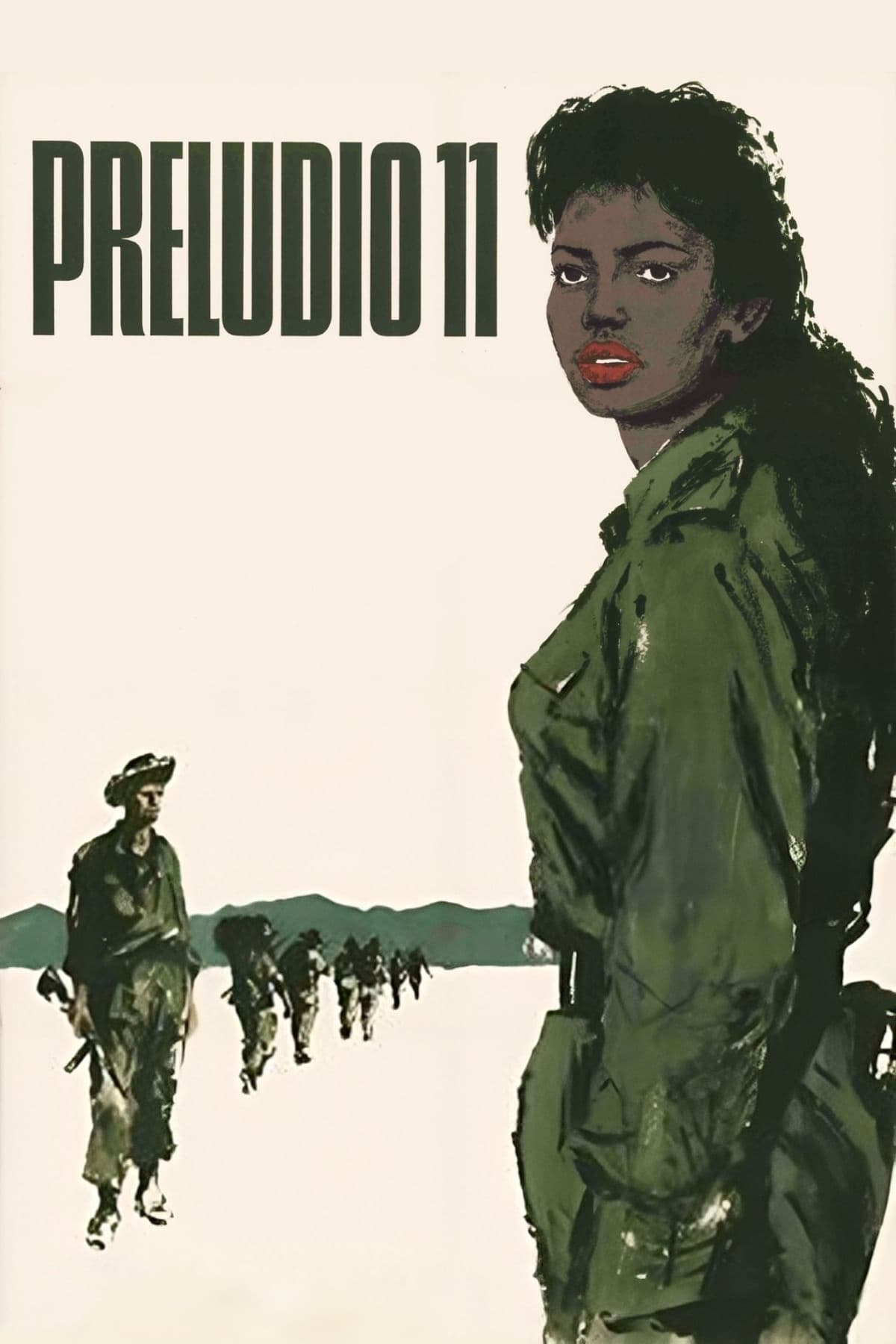
Daniela – a single mother, whose boyfriend left for the US – believes wholeheartedly in Cuba's revolutionary new order. Meanwhile, in Florida, a plot is afoot. Under the command of an American officer, four Cubans ex-patriots and a Guatemalan land on the Cuban coast to prepare a US invasion of the island. Daniela's superior, the corrupt Cuban officer Palomino, is secretly helping the invaders and the young woman becomes entangled in the intrigue.
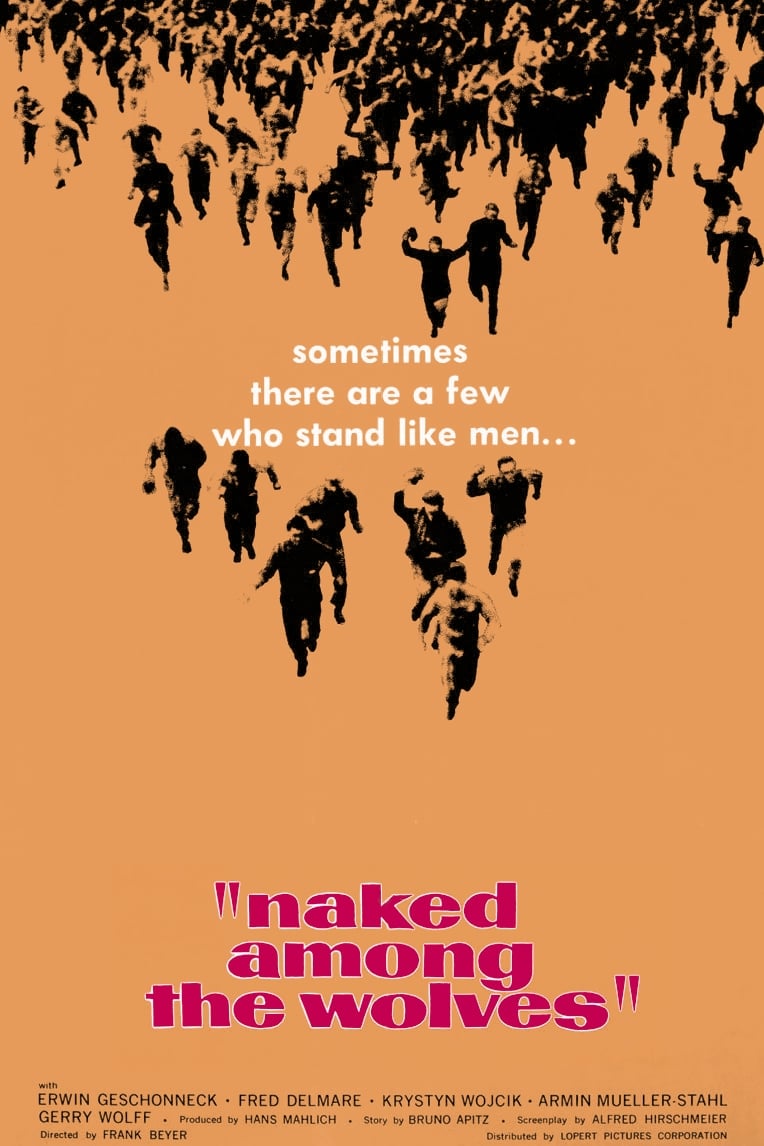
Based on a true story of inmates at KZ Buchenwald that risked their lives to hide a small Jewish boy shortly before the liberation of the camp.

Paul and Paula have had bad experiences with love: Paul is financially well off but has lost all affection for his wife, and Paula leads a troublesome life raising two children on her own. They meet and discover a strong passion for each other. Life seems like a dream when they're together - but their short flights from the burdens of reality are once and again interrupted by Paul's ties to family and career.
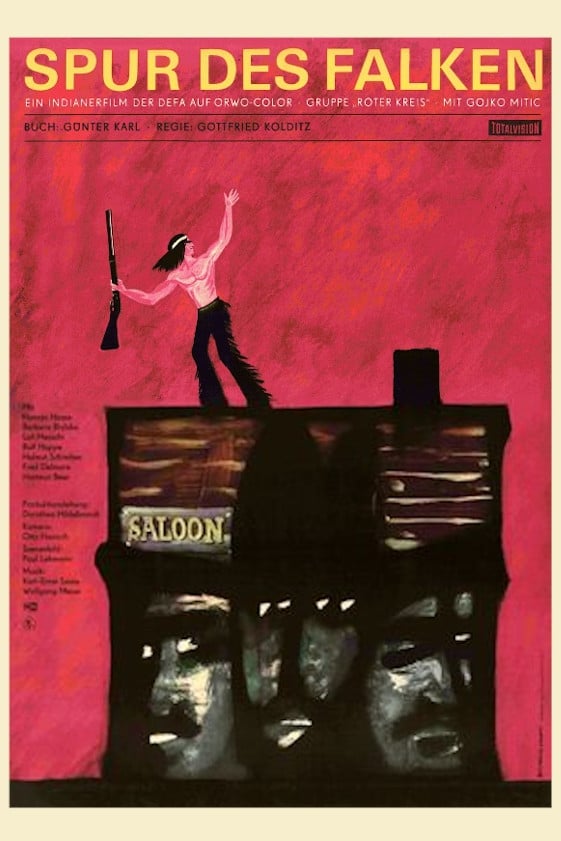
In the latter half of the 19th century, gold is discovered in the Black Hills, sacred land of the Lakota people. Gold diggers, profiteers and adventurers flock to the region. Among them is the hard-hearted land speculator Bludgeon, who tries to expel the Lakota using brutal methods. Lakota warriors retaliate, and soon the gold diggers' town becomes a battlefield.

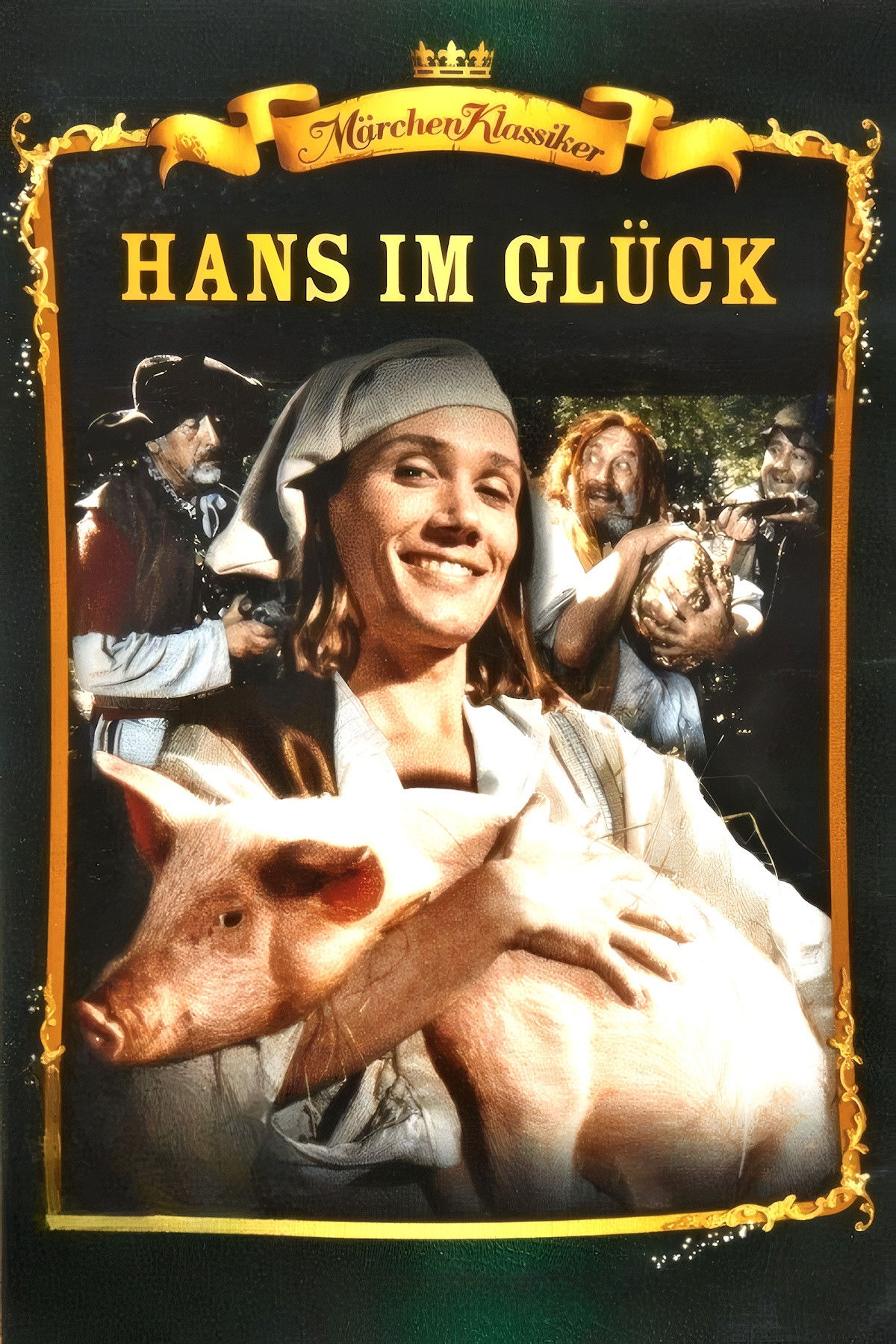
Hans the farmer is drawn into war as a soldier. Returning from the front, having been defrauded of his pay by his own king, he makes his way home. On his trip, he encounters a witch who asks him to fetch the light from a spring. He keeps it when the witch tries to deceive him and he discovers her foul magic. When the light is ignited, a little man appears who must serve the owner of the light, but it only has power if the owner has faith in himself. His courage bolstered, Hans goes to the king once more to demand his wages be paid.

Otto Scheidel (Manfred Krug) has been captain of the Elbe steamer Jenissei for over twenty years, but his ship, the last of its kind, is going to be converted into a floating restaurant. Otto, whose his strong attachment to the ship has already cost him his relationship with his girlfriend Caramba (Renate Krößner), refuses to take another job and instead joins a railway construction brigade.

Early 1921: a man is on his way home. Gleb Chumalov, regimental commander, worker and Hero of the Order of the Red Banner, returns to his home town from the Civil War. The victory over the enemies of the Russian people gives him the conviction that a new, better time will dawn overnight. Gleb looks for his comrades from earlier years, but only finds people who are emaciated by their efforts. The cement works where he used to work has been plundered and abandoned. With great effort, Gleb and his comrades try to get the plant up and running again. The struggle seems to begin anew... It is the time after the victory of the “Great October Socialist Revolution“ and the time of building a new society.

Enemy secret services from the West had used modern technology for the "cold war", i.e. the confrontation with the Eastern Bloc, and developed a device called COMMINT 3-72. Its nickname was "Radiokiller". This weapon was not much bigger than a soccer and could be easily camouflaged on the territory of the GDR, for example as a fieldstone, the remains of a wall or a lump of earth. These enemy objects were inconspicuous on the outside, but packed with complicated inner workings, i.e. highly sophisticated microelectronics.

In a village, there is reason to gossip and mock. As a kind of reward, the workaholic tractor driver Andreas is sent on vacation for a few days before being called up for military service.
Four years have passed since Alma and Dr. Kröpelin got married. The home zoo in Groß-Klückow is thriving and Alma is completely absorbed in her new role. But she still finds time to take care of things that, strictly speaking, are none of her business.

Alma Krause is the proud owner of a thoroughbred French bully. Even otherwise, she nurses and harbors several two- and four-legged friends in her apartment - just as one would expect from a veterinarian's widow. Her nephew Heinz, on the other hand, is kind of beaten. Not as for the love of animals, that would fit badly to a nascent vet, but for a small animal practice, as the blessed uncle operated, he seems to have no ambitions. A future as a "Bazillenscheuche" in the cowshed would like to spare him again Aunt Alma. And she takes her appropriate action.
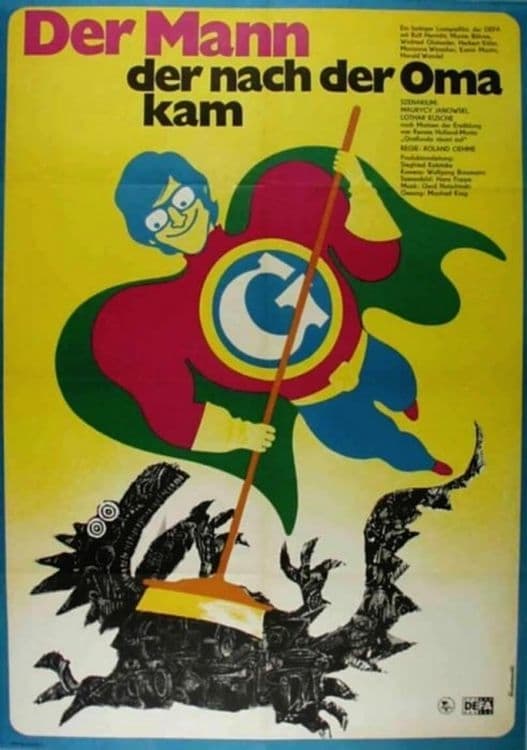
Günter and Gudrun Piesold are very busy with their careers as a TV comedian and an actress, so Grandma takes care of household chores and childcare. But when Grandma remarries, the Piesolds are faced with chaos at home and a burning question: Who will take care of the household?
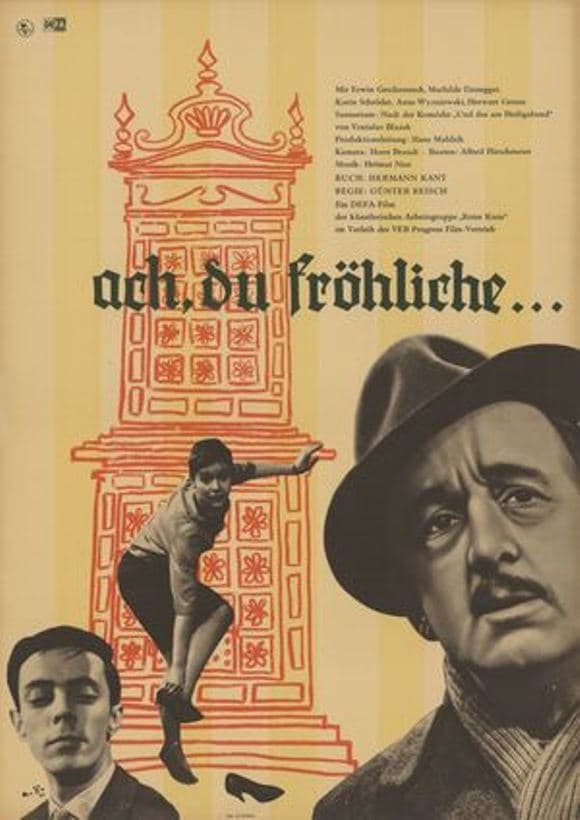
It was supposed to be a cozy Christmas evening with the family. Labor Director Walter Lörke was particularly looking forward to it. But then his daughter Anne surprised him with her future son-in-law Thomas Ostermann. And that's not all: Lörke is to become a grandfather. This doesn't suit him at all, especially as the young man clearly shows his critical attitude towards the state whose ideals Lörke has fought for all his life. An argument ensues - on Christmas Eve. Lörke leaves the apartment in a rage. But he is driven by unrest: He wants to know what kind of person his future son-in-law is and why he has such a negative attitude towards the state. It turns out that Thomas has had bitter experiences with the opportunistic attitudes of many adults and that, although he was the best student in his class, he was not admitted to university because of his critical opinions.

In the forests of the Ore Mountains, on the border with Bohemia, a gang of smugglers is up to mischief. Anyone who dares to oppose them is murdered in cold blood. The locals are paralyzed by fear of the ominous bush ghost that is said to be behind it all. Then a stranger turns up at the remote forester's lodge and begins investigating a murder that took place twenty years ago. Having become wealthy in the Alaskan gold fields, Arndt is now looking for the woman he once loved and whose perjury landed him in prison. The forester and the weaver Eduard Hauser help him with his investigations. But Hauser himself soon becomes the victim of a sinister intrigue. Fritz Seidelmann, an unscrupulous profiteer who is after Hauser's fiancée Angelika, lures him into a trap. Hauser is arrested as an alleged bush ghost. For the time being, Arndt can do nothing for him ...

The two computer specialists Frank and Kamminke are not the type of citizens the party likes. Thus they are sent to the landscape where they still find enough stuff to do: They repair the software of a western type factory which is currently not working.

The Germanic pagan deity, The Rainmaker, has fallen asleep, causing widespread drought and poverty. A young couple, Andreas and Maren must trick an old goblin into leading them to the magic garden of The Rainmaker and wake her up.

The story of Ulzana, an Apache chief who has reached a rapprochement with the local Mexican population and generously extends it to whites who travel through the territory. His people have become inured to the treacherous ways of the white man, however, and are now reliant on them for booze, 'relief flour' and beef steak.
1945: Buchenwald concentration camp shortly before liberation: Polish inmate Janowski rescues a small child hidden in a suitcase. A child in the world of death means hope and danger at the same time. When his fellow inmates and members of the secret resistance group discover the boy, they are faced with a difficult decision. But in the end, humanity prevails. The original and first German feature film about life and death in a concentration camp based on an authentic story.
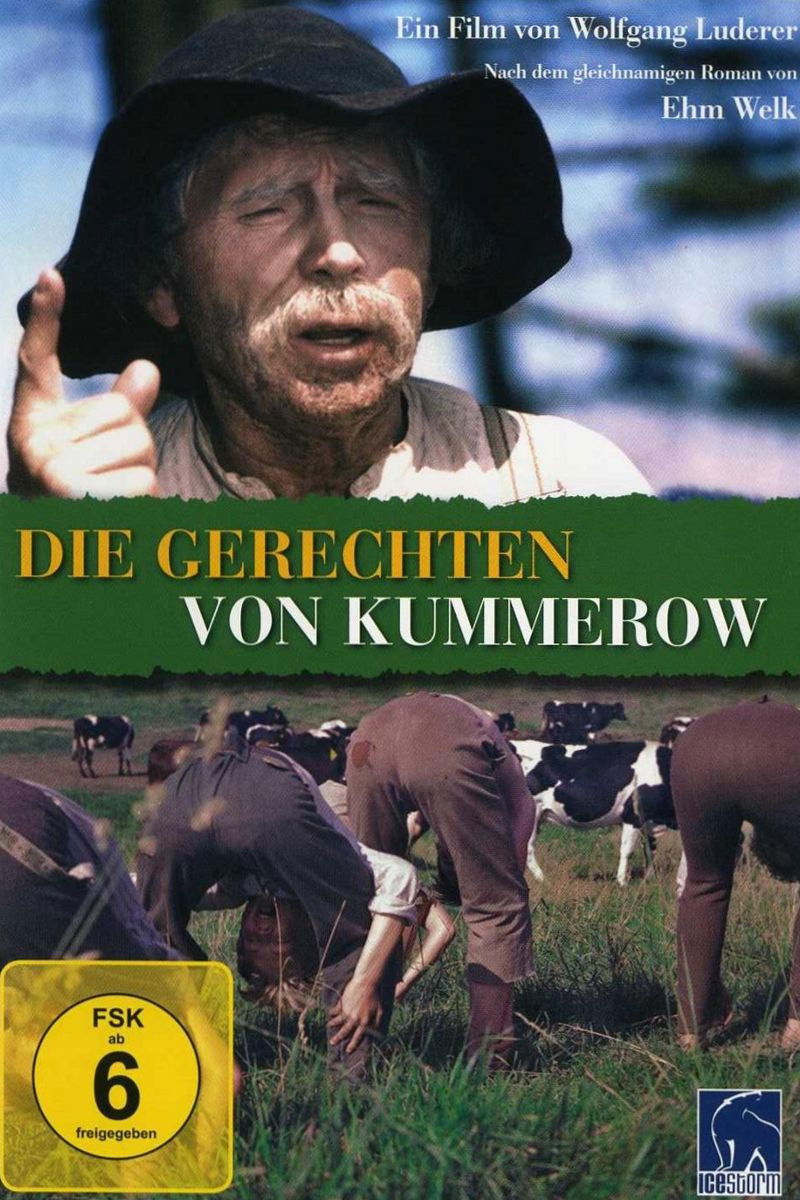
In a remote Prussian village, the shepherd Krischan with his fantastic stories is the attraction point for the children. One day they experience together how the Müller Düker beats his horse to death and intervene. Düker sues her for body injury at the district court, and because the main accused, Krischan, lives illegally in the village without papers, the village community decides to deport him before the trial. Krischan disappears. The children feel the loss painfully, are outraged by the adults. The boys Martin and John search for Krischan on an adventurous ride and are put by the police. Krischan remains gone.

The tale of young Gritta who lives with her father, an unsuccessful inventor. When her new stepmother tries to put her away in a convent she discovers some dark secrets there.
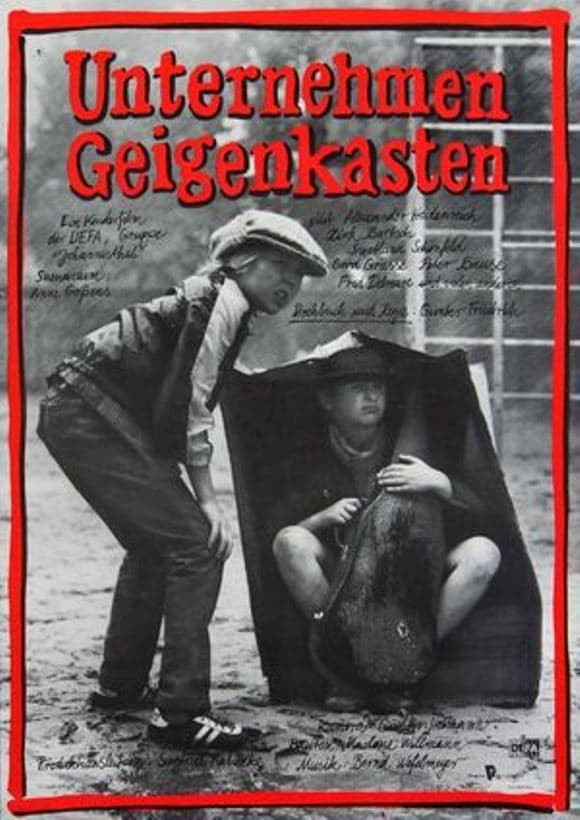
Ten-year-old Ole is full of mischief. He attempts to fly and is hospitalized with a broken leg. When he sees a Sherlock Holmes movie on TV, however, he forgets about the pains and comes up with a new plan. Disguised as Sherlock Holmes and Dr. Watson, he and his friend Andreas start searching for criminals. Soon, the two boys detect their first case. On the street they meet a man wearing a stuck-on beard. The hobby detectives find this very suspicious and decide to follow him.

This elaborate two-part television film features a section from the life of communist worker leader Ernst Thälmann. It begins with the bloody riots on May 1, 1929 in Berlin, in which police officers shot at demonstrating workers, and ends with February 7, 1933, when Thälmann appeared as a speaker at the illegal meeting of the Central Committee of the Communist Party of Germany in goat neck. This period was marked by the struggle of the Communists against the ever stronger National Socialists and the rise of Adolf Hitler.

Telling the prisoners of a death camp. Boxer Tony Majer, who got into a concentration camp for a fight with the Gestapo, remembers the murderous work in quarries, on the cruel torture of the Nazis and prison solidarity that helped him survive.
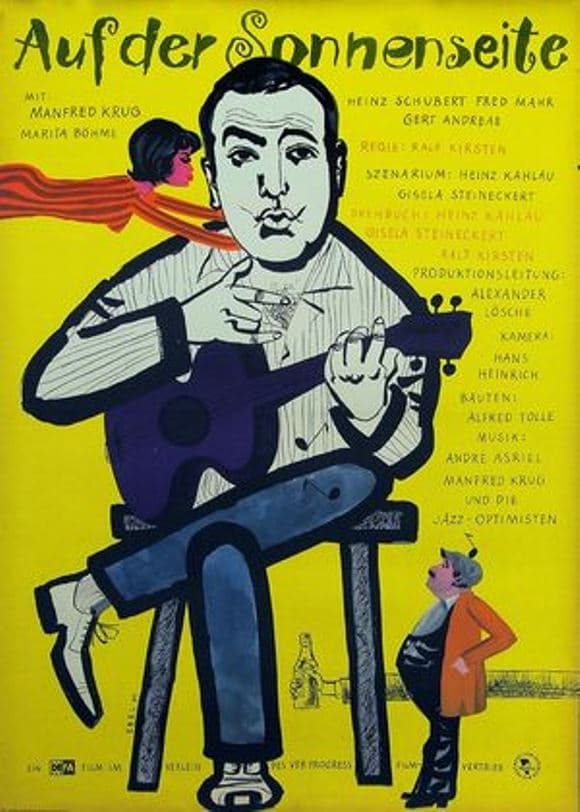
The story of the steel melter Martin Hoff, whose factory delegates him to a drama school, corresponds to the real life of the actor Manfred Krug. Like his (film) hero, Krug works as a steel melter, does artwork, sings and acts, and is sent to drama school. Like his hero, who behaves anarchically and conspicuously, Krug is soon expelled from school.
The puppet player Sebastian Fußberg moves through the country at the end of the fifties. Despite his age, an unwavering dreamer and idealist. But also a torn person who cannot detach himself from the shadows of his past.
Willi, a dropout from Berlin, hitchhikes to the south of France with his buddy Paul Gottlieb. There he sets out to find a certain Pierre, whom he knows from the war and post-war period. Pierre offers him the villa of a pretty model who wants to travel to Paris for an extended period of time as a place to stay for the winter. But when Willi enters the villa, he hears strange noises in the basement. This marks the beginning of an exciting life for him.
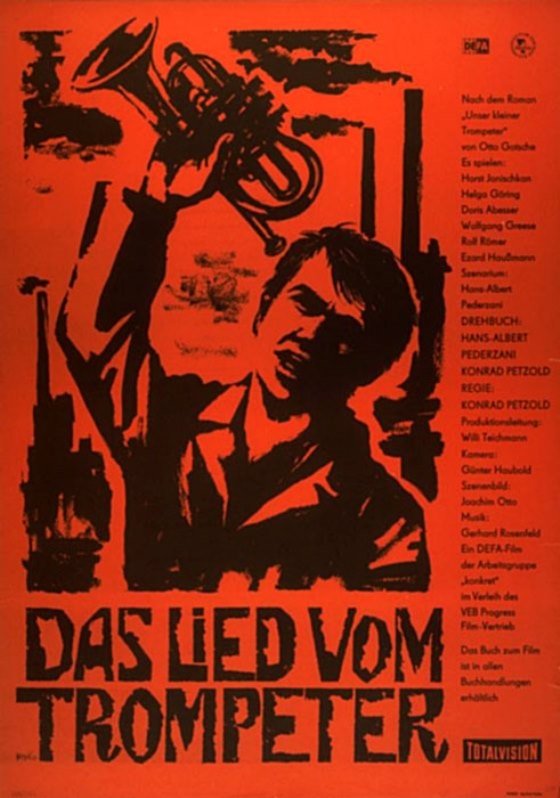
Fritz Weineck, a worker′s son from Halle, loves music – and dreams to make a living out of it one day. When his friend Alfons, a World War I veteran, gives him a trumpet as a gift, Fritz seems to come closer to fulfil his dream. But then, Fritz realizes that after the end of the German empire workers still have to desperately fight for their rights, and decides to use his instrument for political means: At a meeting of militant workers, he uses his trumpet as a signal horn. But Fritz suffers a severe setback when a comrade dies in the fight for an arms depot because of his fault.
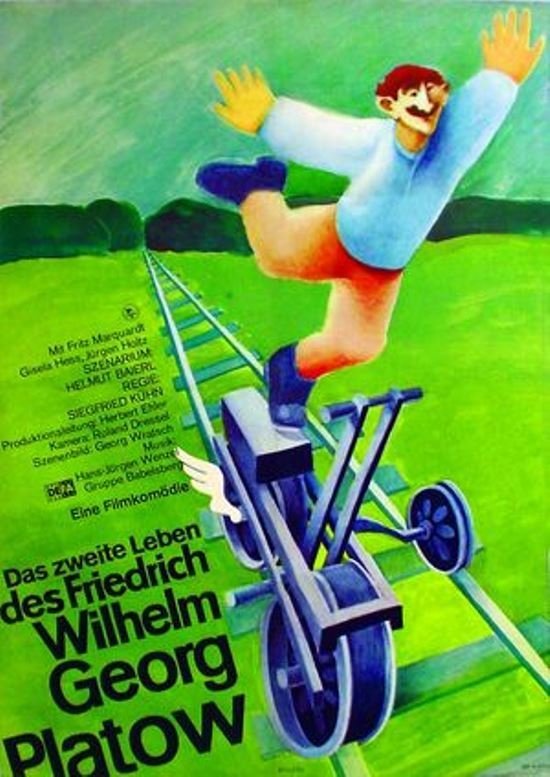
Friedrich Wilhelm Georg Platow worked for the railways his entire working life. He took up service at the small station of Luege 34 years ago. Now, the line is to be electrified and Platow, who cannot cope with the new technology, has to work on a secondary local line. Georg, his son, a railway worker as well, is to attend a training course, but Georg refuses to go. Then his father comes to a surprising and highly unusual decision. He pretends to be Georg Platow, making himself twenty years younger than he really is and registers for the course.

High-school senior Peter considers the adults around him to be hypocritical, self-congratulatory, and immersed in the past. He gets suspended for writing an essay that his teachers consider to be a challenge to the state. Just Don't Think I'll Cry became one of twelve films and film projects-almost an entire year's production-that were banned in 1965-1966 due to their alleged anti-socialist aspects. Although scenes and dialogs were altered and the end was reshot twice, officials condemned this title as "particularly harmful." In 1989, cinematographer Ost restored the original version, and this and most of the other banned films were finally screened in January 1990. Belatedly, they were acclaimed as masterpieces of critical realism.
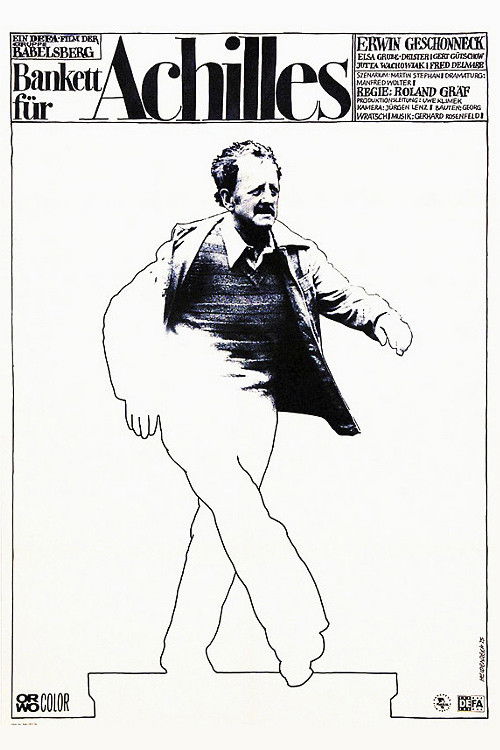
For thirty years, Karl Achilles has been working at the chemical collective in Bitterfeld. But now his last day as a master at the plant has come. He is about to retire; even if Karl, who finds ending his working life difficult, wanted to stay on, it would not be possible. Karl’s colleagues have arranged a farewell dinner for the retiring master at an outdoor restaurant. But on his last day of work, before the farewell dinner, he meets all sorts of people: both colleagues and people, who do not work at the plant. A mosaic of the biography of a person who found fulfilment in his work and now has to look for the meaning of his life anew.

In Scotland in 1751, young David Balfour is shanghaied aboard a ship where he meets Jacobite rebel Alan Breck Stewart with whom he escapes to the Scottish Highlands, dodging the redcoats.

After the second World War, Dresden has a lot of reconstructing to do. To get the cigarette factory he once worked for running again, Kalle has to travel to Wittenberg - the only place where carbide can be found. Once there, Kalle find himself in the unfortunate situation of having to hitchhike his way back to Dresden, transporting seven heavy barrels of carbide. However, his inventiveness and optimistic attitude help transform the grueling task into an adventurous, entertaining, and funny journey.
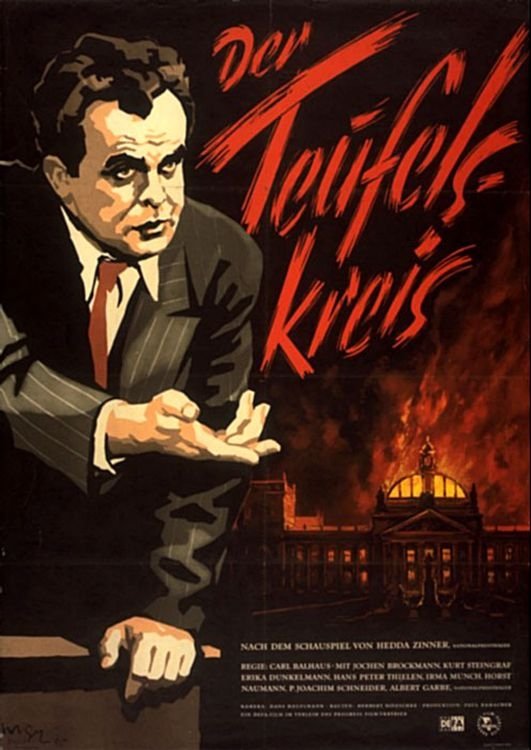
Shortly after the seizure of power by Adolf Hitler at the beginning of 1933, preparations were underway to silence the members of the socialist and communist parties.

Young lovers Hero and Claudio, soon to wed, conspire to get verbal sparring partners and confirmed singles Benedick and Beatrice to wed as well.
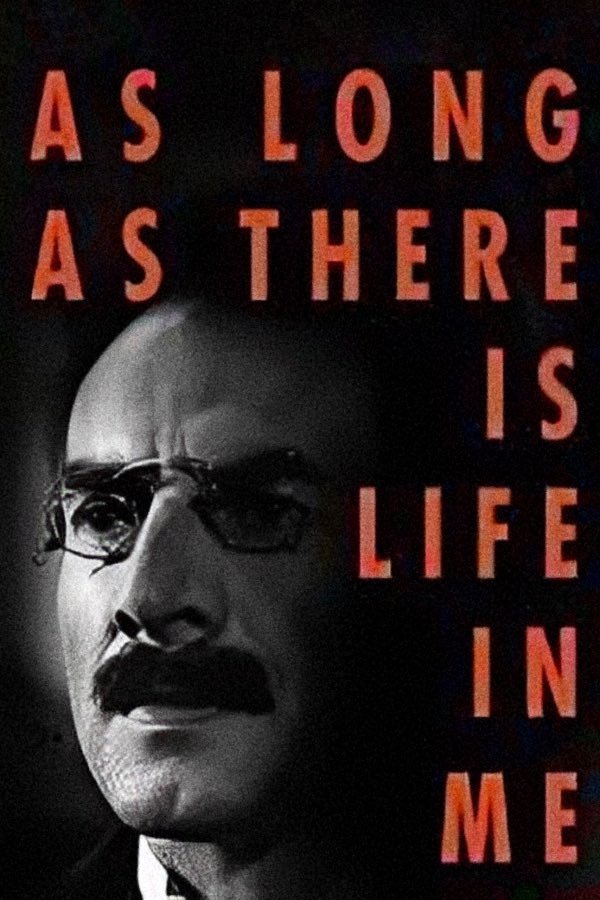
This is part one of a two-part biopic about Karl Liebknecht. In 1914, Germany is arming itself for war. Karl Liebknecht, left-wing revolutionary Social Democrat, workers’ leader and a virulent antimilitarist, is one among 110 SPD members of Parliament who vote against approving war loans. From then on, he is considered un-German and a traitor to the fatherland, and his own party’s leadership turns against him. Despite threats, Liebknecht speaks up against the war and writes the manifesto “The Main Enemy Is at Home.” Even when he is arrested and charged with treason, he does not surrender.
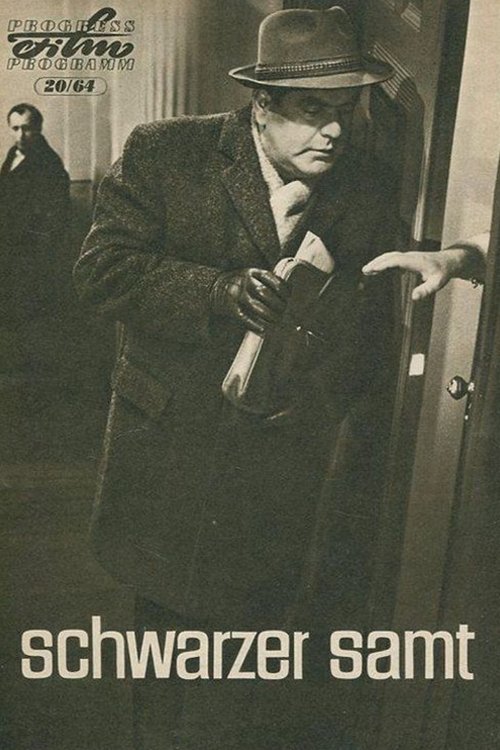
Stasi agent Alexander Berg has to uncover a plot of sabotage.
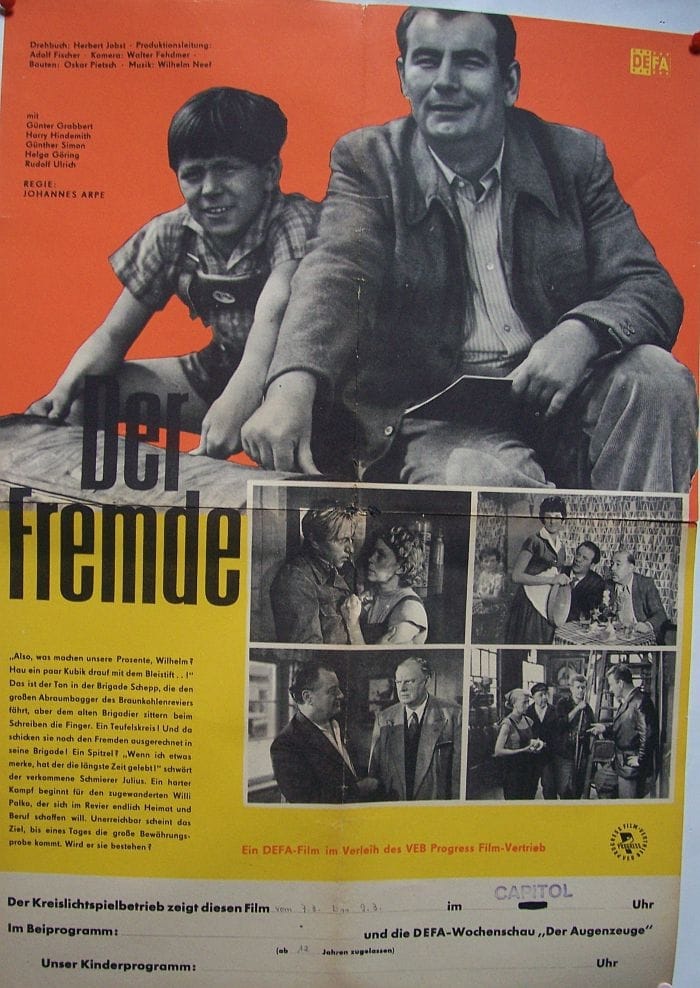
After years of drifting around, Willi Palko arrives in the lignite mining area. He was not only looking for a new job, but also wanted to finally settle down here. The party leadership sends him to the Schepp brigade, which has made itself "suspicious" (on paper) due to its extremely high production figures. The stranger is accused of being a spy for the factory management. Willi finds it difficult to assert himself, but he is taken with the big excavator, the prospect of one day being allowed to drive it, and the brash flapper Hanna. He stays, and with his help a mine foreman is exposed as a Western agent and coal production is brought up to a really high level.
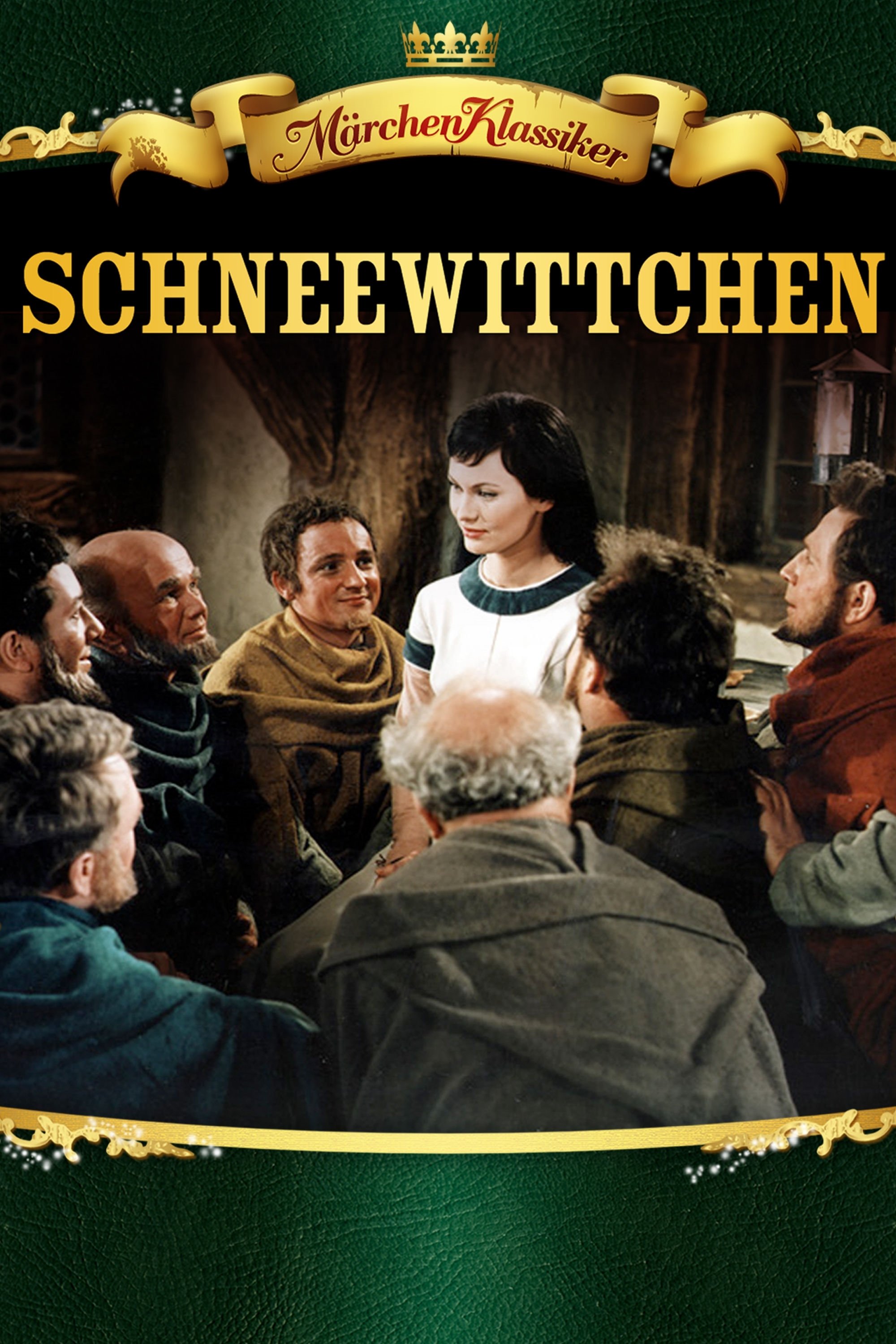
Hated by her jealous and bloodthirsty stepmother, Snow White flees a murder attempt and seeks shelter in the woods with seven kindly dwarfs. Feeling she is safe from harm, Snow White welcomes the disguised queen into her home...with fatal consequences.

Josef Neumann has always been an outsider to society, and at the age of 30, he has already lived an adventurous life when he comes to the GDR. He was raised as a foundling by nuns, made an apprenticeship as a construction worker, went to the Foreign Legion, and was a seaman and a tramp. Now, he is working at the Warnow shipyard. Brigadier Bruno has a lot of sympathy and patience with the unconventional Josef, but Josef cannot fall in line with strict orders and again and again acts against the rules.

Oliver is in the 4th grade. He hasn't been paying attention in magic class and gets a big, fat five on a test. He has to have the work signed by his parents, but he is ashamed and doesn't want to cause his parents any grief. So he tries to get rid of the five with magic or at least turn it into a three. He manages to create talking guinea pigs and singing geese, but the five remains. The other children are already angry with him because he has no time to play with all the magic exercises. And so he decides to confess his mishap to his parents. His mother shows him how he can turn the five into a better grade - and that has to do with learning.

A fantasy story about the young boy Lutz who is looking, with two friends, for a missing magical bird.

Eight-year-old Matthias dreams that he will someday become a pilot and his divorced parents will get back together. He waits yearningly for his ninth birthday because his father has told him the story of Icarus, and promised to take him on a sightseeing flight. When Matthias' father doesn't come home, he is devastated. He runs throughout the city, talks to his friend about the relationships of adults, looks for his father at his desk, and gets himself into conflict with the police. As he sits alone on the roof of a house, he comes to the conclusion that Icarus didn't plummet to the earth because he didn't listen to his father, but rather because his father had forgotten him.
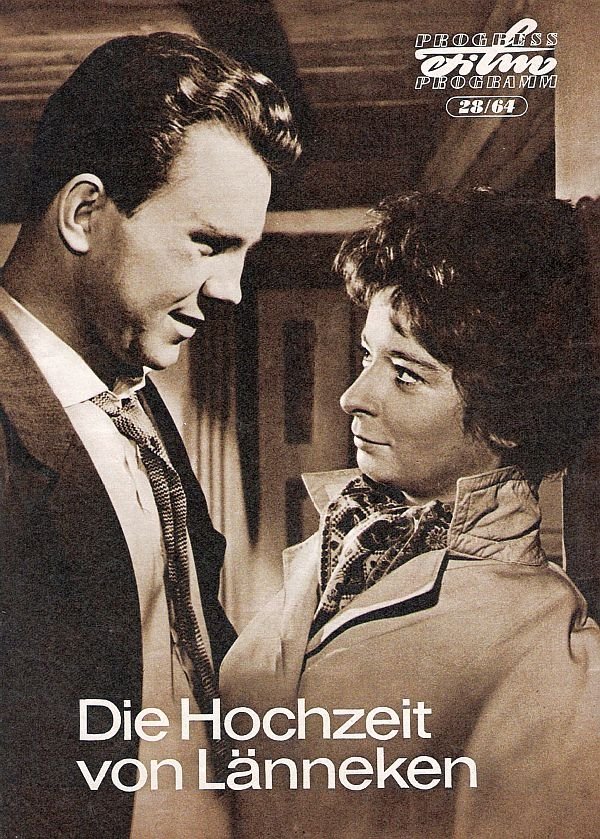
The little island of Laenneken is a place where time seems to stands still. Traditional customs and age-old power relations are still in place and are unaffected by modern-day influences. Not even the foundation of a fishery cooperative has diminished the power of the two richest fishermen, Pröpping and Grabe. Both men have been bitter rivals for ages. Nevertheless, Grabe’s son Henning and Pröpping’s daughter Bärbel prepare to break with the traditions that restrict their lives, as they are had over heels in love with each other and want to marry.

Johann Wolfgang von Goethe (1749-1832) was the author of Werther, the romantic novel that was transformed into a play during Goethe's lifetime and which initiated the whole German romantic movement. The book's story tells of young love and suicide. In this East German film, based on a book by Thomas Mann, Lotte (Lilli Palmer) was the woman who served as the model for the heroine in the novel Werther. She comes to Goethe's hometown for a visit, and her experiences there eerily re-create episodes from the book. Goethe comes across as a pompous old bore, and his friends as pandering sycophants, in this very proper communist party-sponsored, anti-heroic movie.
A senior professor is kidnapped in the park by residents of a veterans home. Once there, he is asked to invent a "rejuvenating machine" to restore their youth.

Jonas and Ines are in love and want to spend their vacation together camping on the Baltic coast. But Ines’s narrow-minded parents intervene and insist that the young couple joins the family vacation. Problems arise, so everyone ends up traveling to the Bulgarian Black Sea on their own. Along the way, Jonas meets a beautiful Dutch girl who is going to India via Turkey…
Mostly fictional episodes in the life of famous german social-critical painter Heinrich Zille.
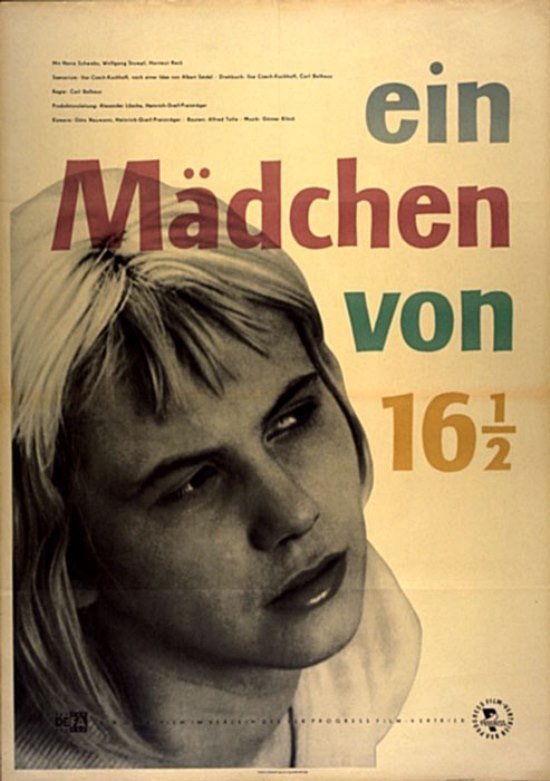
The young orphan Helga is raised by her aunt after WW II. At the age of sixteen, she turns her back to go her own way. As a rambler, Helga wanders through the night streets of Berlin and has brief acquaintances.

The film describes the activity of an ABV of the People's Police in its section in East Berlin. A mixture of “positive” characters from the beginning, the extensively staged “owl”, who is introduced as a criminal and over the course of time, especially due to the influence of the ABV, develops into a good citizen, and incorrigible characters, with whom the ABV fails with its extensive attempts at rehabilitation and who are arrested after having committed again offenses.
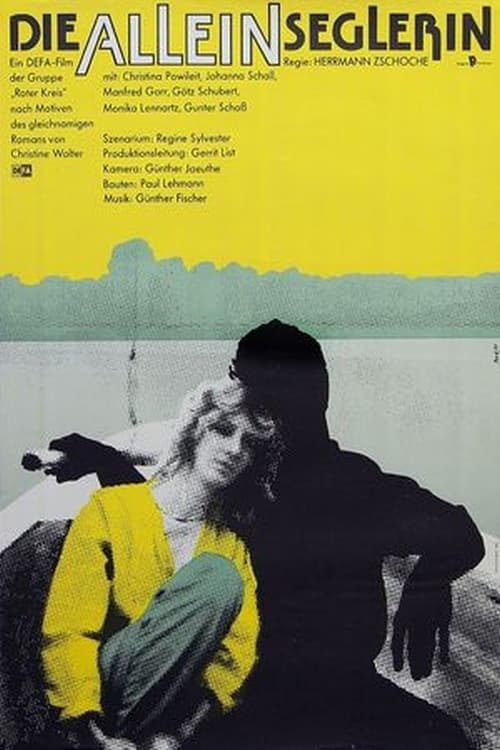
Christine inherits a sailboat from her father, whom she barely knew. Christine is a divorced single mother and her job at a research insitute leaves her with too much work and too little time to sail. She can't find anyone to buy the boat at full value, so she tries to repair it over the winter in the hopes of being able to get a better price in the spring. Working on the boat become something of an obsession to the detriment of Christine's relationships with her son, boyfriend and collegues. When the boat is finally ready to sell, she isn't sure that she is willing to part with it after all.

This quirky episodic comedy weaves together three plotlines centered around the employees of a car garage, with some unexpected fairytale elements to get things moving. A woodland fairy convinces shy bookkeeper Piel to suddenly start driving his Trabi far above the speed limit. Manager Neumann sells his soul to a black cat in order to purchase a more respectable vehicle. And a spirit named "Car Accident" offers to warn owner Sengebusch about upcoming traffic accidents so he can make money by always being the first on the scene.

Heinz is a well-stocked veterinarian in Klückow and his Jana in quite firm, although not always present hands. And now - as Aunt Alma is slowly getting rid of the concern for her beloved nephew - Dr. Kröpelin finally got his chance: he makes a marriage proposal to Alma. She would not be averse if it had not been his "bloodthirsty" hobby, the hunt. A get-together on the high seat is still not a desirable prospect for Alma. But the more she refuses, the tighter Kröpelin bites into his intention to marry her anyway, whatever the cost.

Adam receives a flashlight with special powers: every liar it shines on flies into the air. Production was cancelled in 1965/66 due to the film's political content. Only in 1989/90 could the director reconstruct the film, where missing sounds and images are replaced with script inserts.
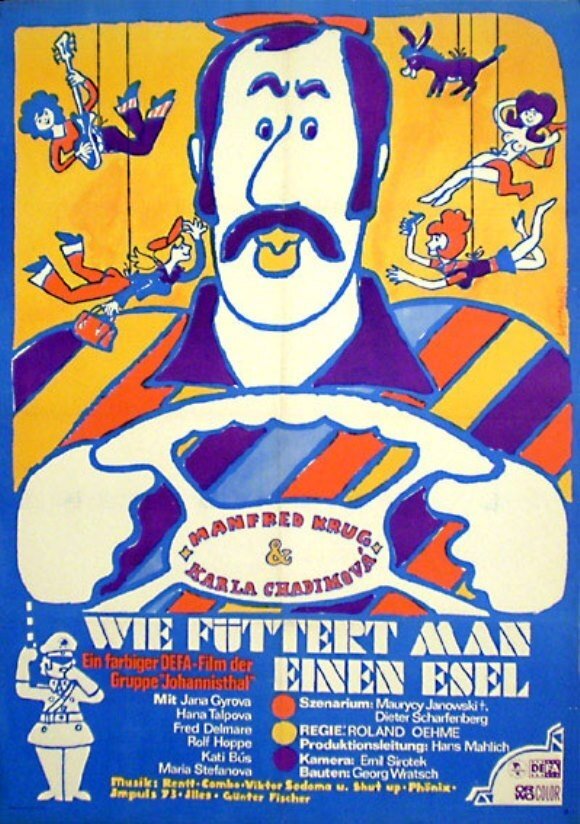
Due to his profession, Fred, an easy-going and charming long-haul truck-driver, sees a lot of the world. Along his routes he enjoys the company of a lot of girlfriends who sweeten his spare time. One day, he suffers an accident in Prague which puts his co-driver Orje out of action. The beautiful Hungarian Jana persuades him to make her his new co-driver and does her utmost to take care of the stressful job. The more time the uneven couple spends on the road together, the more Jana feels attracted to Fred.

17-year-old Traudel flees the orphanage she has to live in, in order to venture to Berlin.

Old Otto Gratzick is a porter at DEFA and a great admirer of Asta Nielsen. When the famous actor Hermann Gschwindner dies shortly before the end of his film, the director is looking for a double for the final scenes and discovers Otto in the movie theater, who has just been moved by Asta again. Otto takes on the task. He also places a marriage advertisement looking for a woman who resembles Asta. The first date with Astrid, who does indeed look like Asta, is a flop. Otto falls asleep. He tries again with her - as Hermann Gschwindner - and is successful. He is recognized in a hotel bar and asked to perform a song. Everyone, including Astrid, is entranced. After a few complications, his real identity is revealed - Astrid had also done a lot of work to look like Asta.
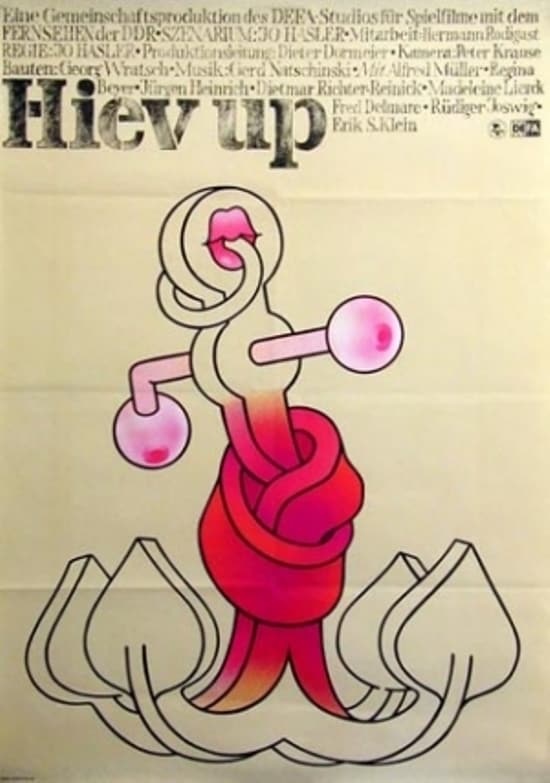
The crew of a small Saßnitz fisherman has problems with the "making a cultural socialist life". In order not to lose the competition prize again in the future, they want to show the organizer a collective weekend with all the trimmings. And they really do not mind ...

This episodic comedy explores love in all its varieties.

The communist and resistance fighter Lorenz Reger, who after the war put all his efforts in the creation of a socialist German state, learns that he has only a short time left to live. Nevertheless, he wants to take on one last difficult new task: He wants to restructure a large firm which has run deep into the red numbers. In a short amount of time, Reger manages to establish mutual trust between the employees and the new management. Furthermore, he motivates the employees with his personal interest for their concerns.
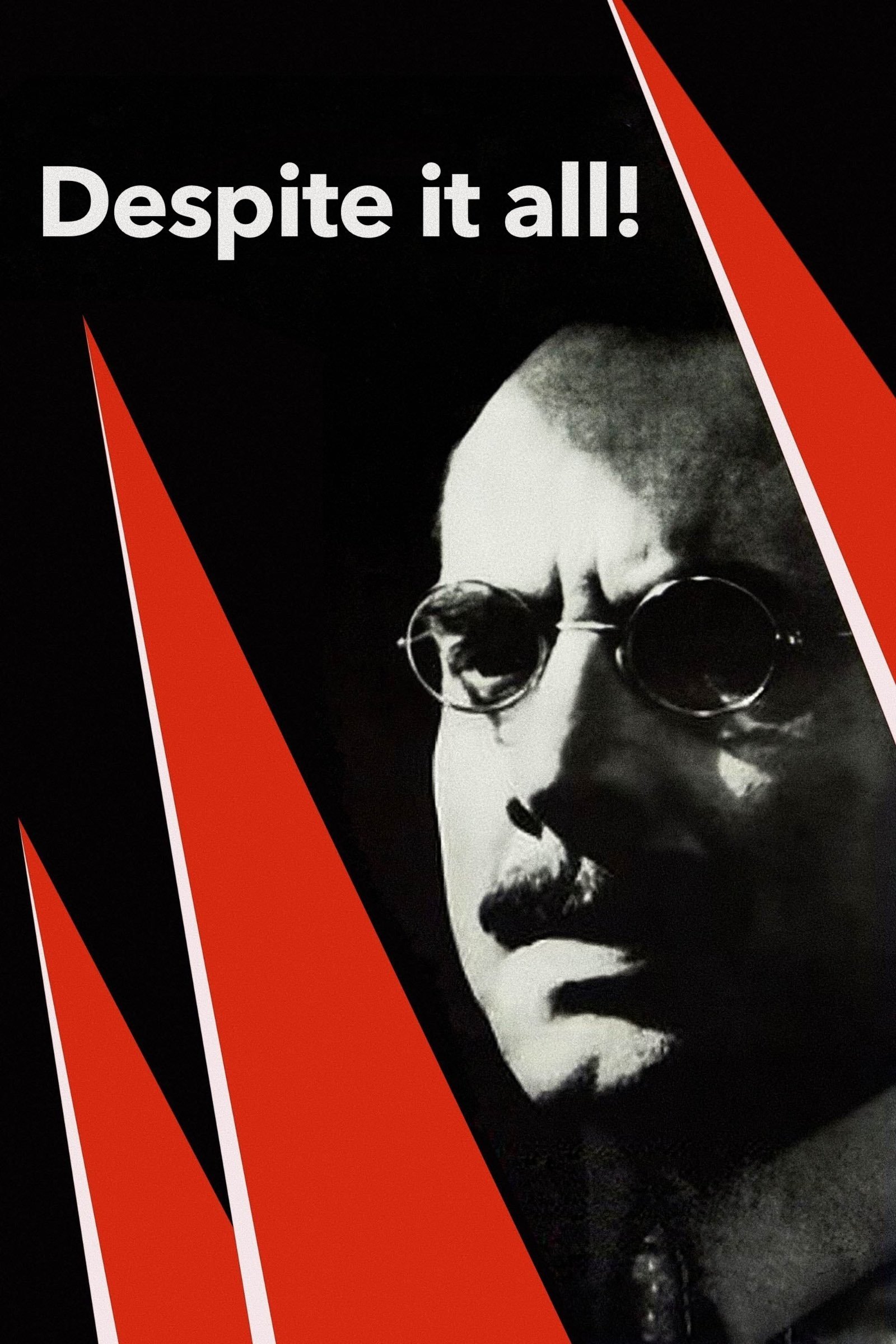
October 1918: Karl Liebknecht is released from prison and Berlin workers celebrate his release. Although WWI is almost over, the German Kaiserreich in vain sends its last reserves to the slaughter. The working class is in a rebellious mood; the uprising of Kiel’s sailors against war and militarism sets off a call for revolution led by Liebknecht. On November 9, Liebknecht declares the Free Socialist Republic of Germany. But pro-Kaiser military and right wing Social Democrats oppose him.

In 1914 Berlin, bank heiress Leonore Wahl and struggling Munich student Werner Bertin fall passionately in love, defying class and her parents’ expectations. Their idyll is shattered by the outbreak of WWI: Werner, swept up in patriotic fervor, is conscripted to the Western Front, while Leonore, pregnant and abandoned, faces her family’s condemnation and a clandestine abortion. Set against the tumult of war, the film explores idealism, social divides, and the personal costs of duty and desire.
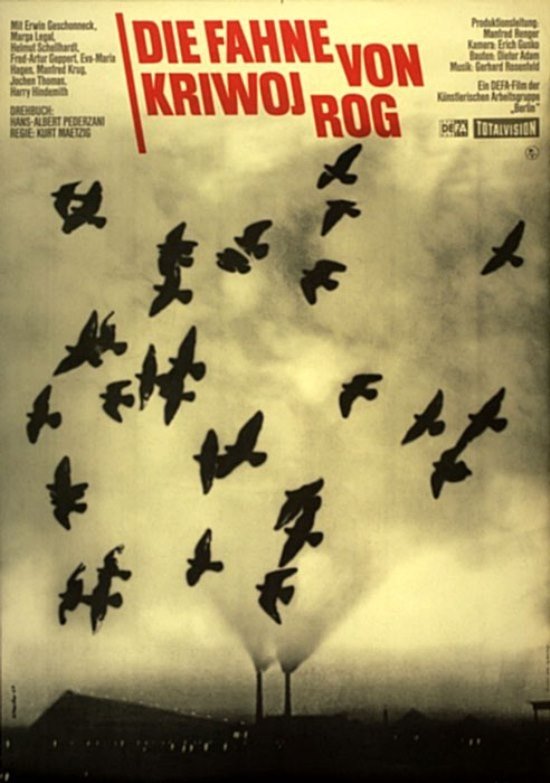
In an act of friendship and solidarity between two mining towns in 1929, the locals of Kryvyi Rih, Ukraine, give their flag as a gift to the locals of Bergstedt, Germany in this GDR propaganda film. This quickly takes on a symbolic meaning for the miners in Bergstedt as the Nazi party demands that this Soviet gesture be erased and the flag be replaced with their own. The miner and communist party functionary Otto Brosowski publicly declares it his duty to defend this flag against every danger, and he keeps his promise despite his family being threatened by torment and torture.

It is the 1930s. Physician Bartos devotedly attends poor patients in the city suburbs, at the same time researching the possibilities of regeneration of human tissues after transplantation. His former colleague Rosen, now working as an assistant at the private clinic of surgeon Kirchenbruch, considers the research a mere utopia. The disappointed Bartos, trying to verify his theories, therefore accepts the outrageous proposal of Marion, owner of a brothel - to surgically replace the face of her lover, the wanted thief Cutter, with the face of murdered Father Hopsasa. Bartos is well paid but his successful operation remains a secret.
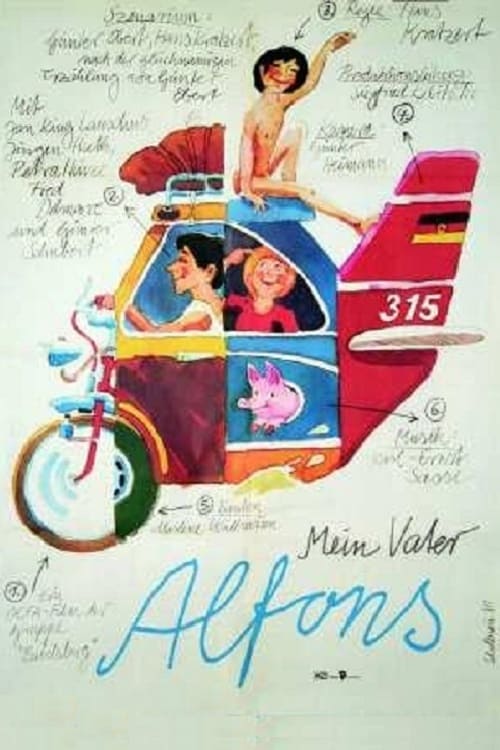
Ten years old Ernst and his father Alfons are traveling to the family event on their bikes.

Philipp is a small boy, who other guys pick on, because he's not as large as them. But when a musician gives him a magical flute, he can make objects bigger or smaller.

It seems as if Lena is a Sunday child: successful in her job and heiress to a hotel. What is strange, however, is that she doesn't know the man who left her a legacy in his will. She travels to the Thuringian town of Saalfeld to take a look at her inheritance and initially decides to sell the hotel. However, when the situation in the company changes for her, she changes her mind and accepts her inheritance in full. But running a hotel requires more than self-confidence and cleverness, as she soon realizes.

Romantic comedy about a series of mix-ups. Brigitte Kaufmann wants to divorce her husband Jörg who is an engineer and chief executive of an electronics company – and a hopeless pedant. Benno, a former boy friend of Brigitte, has a slightly bizarre idea how they could save their marriage. A piano player, whom Benno has seen in a bar, and who looks exactly like Jörg, is asked to work his charms on Brigitte and to try to dissuade her from divorce while Jörg is on a business trip. Piano player Engel agrees on the plan and acts as Jörg at home with Brigitte as well as in Jörg′s workplace.
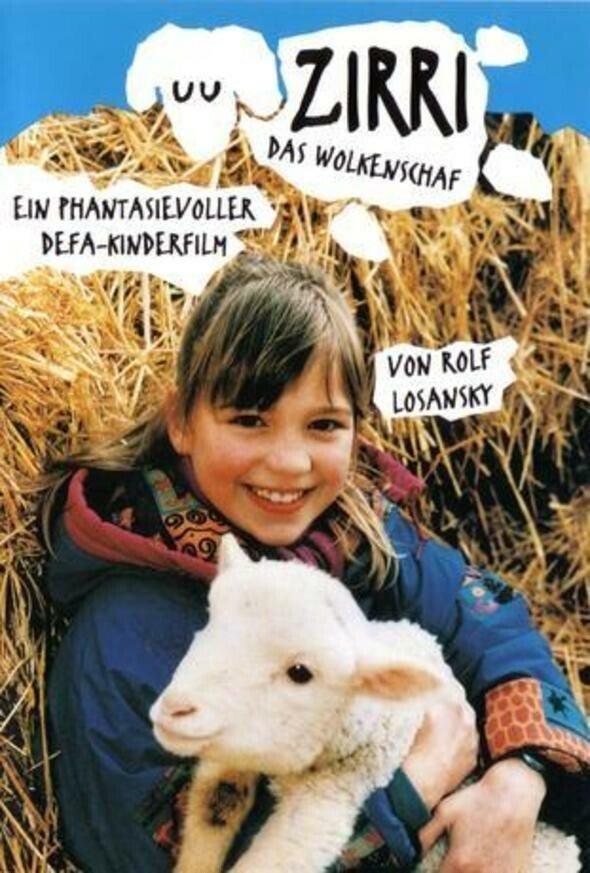
Eleven-year-old Christine, called “Schiene”, spends her vacation on her grandparents' farm and discovers Zirri, a bright white cloud sheep, in her grandfather's flock of sheep.
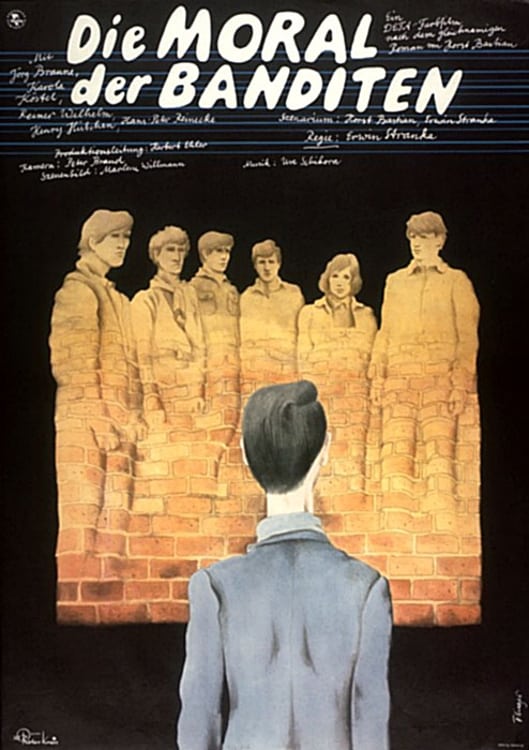
In a post-war village, children and young people come together to form a gang to do justice their own way. They go astray, commit crimes and have to realize that the 'objective chance to change life' does not necessarily coincide with their own subjective views and their implementation.

Uncertainty, mistrust and sorrow torment the children and young people, war orphans, who find a temporary home in an abandoned castle in Thuringia in the fall of 1945. They are given a bowl of barley soup and a first inkling of safety, security and peace. The adults to whom they are entrusted must learn to cope with their new task as educators. Courage and self-confidence are necessary.
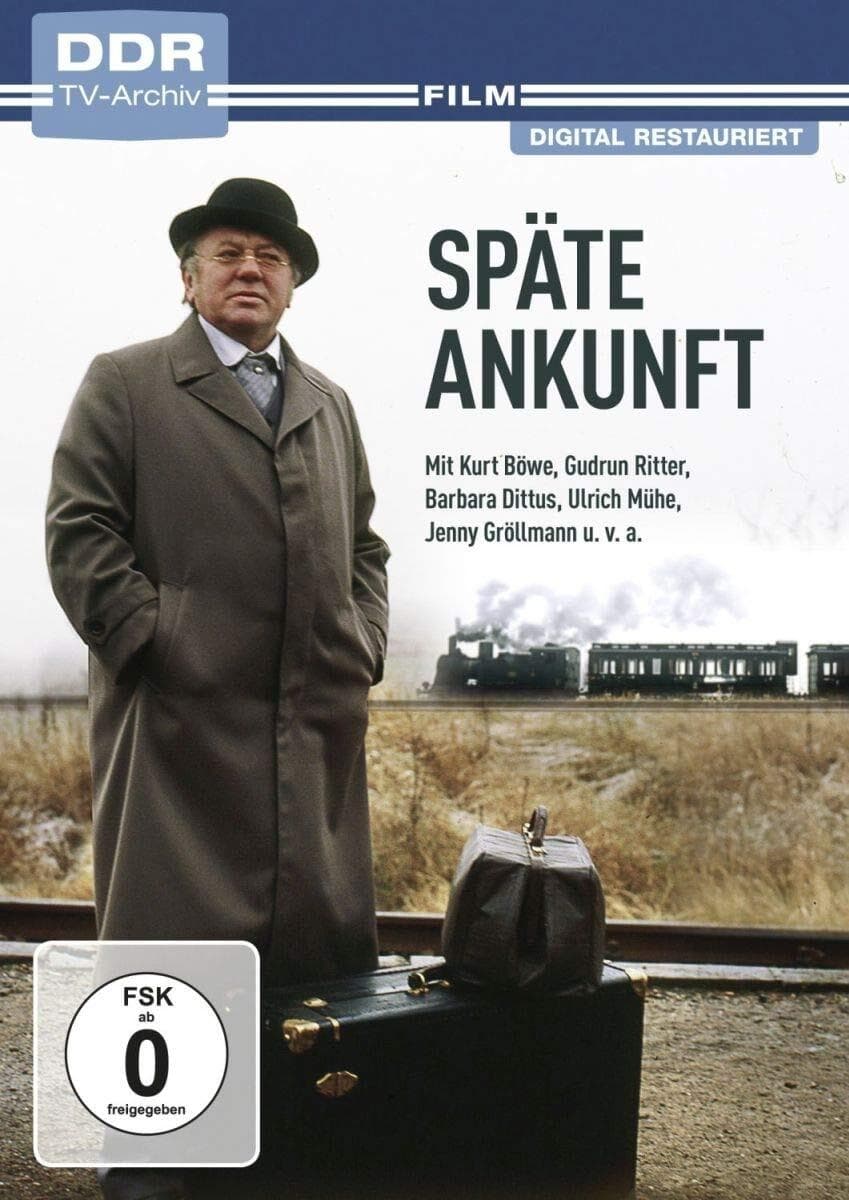
In 1896 the Berlin noble doctor Dr. Wilhelm Holtfreter takes over his well-to-do wife Mathilde and takes over the country doctor's office in the Prussian district of Westprignitz from the late Dr. Tochtenhagen. His decision was met with incomprehension everywhere.
Götz von Bredow's elk-leather trousers have their own special meaning: whoever wears them cannot come to any harm. Only they must not be washed. The meticulous Mrs. Brigitte cleans them anyway - but they get lost because the squire Hans-Jürgen, who is guarding them, has to save the life of Eva von Bredow, who is floating in a wash barrel. Meanwhile, Privy Councillor Lindenberg has arrived at the Bredows' house and loses a large sum of money in the game that does not belong to him. He wants to make up for the loss with a robbery. Suspicion first falls on Bredow because his trousers were involved, but Lindenberg is convicted and sentenced to death. This throws the cavalry into turmoil, as robberies are an important source of income for them. The four of them march against the Elector, who is hunting in the Köpenicker Heide. But Bredow, who has his protective trousers back, comes to his aid.

This film is the second of a two-part historical and biographical portrait of the communist politician and anti-fascist Ernst Thälmann. Autumn, 1918: Somewhere on Germany’s western front, Ernst Thälmann, age twenty-four, is calling on his fellow soldiers to put down their guns and join him in the communist struggle at home. When Hamburg’s Police Commissioner blocks a much-needed food shipment to the workers of Petrograd, Ernst battles to see it allowed through. Until his murder on August 18, 1944, Ernst remained true to his political convictions in the face of many setbacks.

A wrestler finds his political interest and activism through sport. However, this is extremely dangerous during the Nazi era and the workers' sports movement starts a resistance against the Nazi regime...
The Ruhr area in November of 1918. 13-year old Achim Wolters and his friends get their hands on some potatoes on the market. They want to surprise Achim′s father, who works on a mine sweeper boat, with a decent meal. But Achim′s father does not show up – an informer at the train station has betrayed him for his left-wing beliefs and has turned him over to the police. The priest tells Achim the sad news and advises him to pray for the release of his father. But when carpenter Stelzebein stresses that everybody has to take actions for himself, the devout boy at first does not believe in Stelzebein′s words. But then Achim witnesses in the prison how brutally the imperial police treat his father and the other inmates. Together with his loyal friends, Achim takes Stelzebein′s side. When the revolution starts, they stand together on the barricades.

Small town policeman Holms suffers from a rather unusual problem: Because of the low crime rate, there is simply not enough to do for him. Deadly bored, he sinks into the depths of depression and requests the help of a psychiatrist. But his imagination is far more effective: In his dreams, he chases gangsters in London. Finally, some small-time crooks find a way to help "their" policeman out of his emotional misery: They steal a memorial from the market square and thus help Holms to a spectacular case.

Little Daniel is a huge fan of cycling. He constantly drives around on his three-wheeler, knowing that he wants to become a famous racing cyclist – just as fast and famous as the world champion Täve Schur. But until then he has to struggle with the difficulties of growing up. His mother, for example, wants him to drink milk – even though Daniel does not find this very suitable for world champions. To get affirmation, Daniel starts searching for his role model Täve. On the way, he has some interesting encounters and experiences many adventures. When he finally meets Täve at a race, Daniel is astonished to watch him pleasurably drink a bottle of milk after an outstanding victory.

Five-year-old Peter and his older brother Hans drop the Christmas present for their parents in the middle of the road and it gets flattened by a car. Deeply distressed, they go to a Christmas fair and buy a lottery ticket with their remaining money. To their delight, they win a washing machine! Peter is especially excited when Santa Claus shows up and promises to transport the machine for him, but the old man instead vanishes with the boys' gift. Hans is convinced that Peter has been conned and chases after the fleeing Santa. But Peter simply cannot believe that Santa Claus could be anything other than kind and helpful.

At the textile company, everyone appreciates the work of 18-year-old Susanne, but nobody really considers her a woman—including Lutz, with whom she is in love. She sets about to make a change, but it is only when she realizes that she is being taken advantage of that a more self-confident Susanne emerges.

Europe, 1620: The well-known astronomer and mathematician Johannes Kepler, who teaches as a professor in Linz, receives the message that his mother is prosecuted as a witch in Württemberg. The truth behind the allegations is rather simple: His mother has been denunciated by a former friend after an argument with the authorities. Kepler tries desperately to convince the prosecutors of the absurdity of their allegations with rational arguments.

Sister Agnes helps in all situations and does not only make friends. She has just fallen out with the new mayor. The consequences leave an entire community upside down.

A film gala featuring a colorfully mixed program of musical numbers, along with the most popular artists of the GDR music, film and television scenes. The majority of the show is comprised of music performances, which are visually altered or transformed. Cabaret-style written contributions and one acts round out the program. Before each performance, the artists involved are seen in an everyday situation in their life.

On the eve of the German Peasants' War, the family of the young Christoph falls victim to an act of revenge by the knight Scharfenstein. The peasant leader Joß takes Christoph in. He learns to read, write and use a weapon. When Hieronymus is on his way to fetch a flag to signal an uprising, Christoph discovers treachery. To warn Jerome, he rides after him. But he can no longer save him from arrest and fetches the flag himself. On the way back, he is arrested with it. In prison, he meets Jerome again - and his older brother Jacob, who is an executioner. Jakob wants to let his brother go if he renounces the Peasants' Union. Christoph refuses and is able to escape with the flag.

The war is over and soldier Christoffel has no prospects for the future and no money. He doesn't know what to do, so he meets the devil. He offers him a pact: Christoffel's pockets are always full of money, but he is not allowed to wash, cut his hair or nails for seven years and he is not allowed to sleep in a bed. If he doesn't keep to all these things, he will be forever devoted to the devil. Christoffel accepts the condition. Relieved of his worries about the future, Christoffel sets off. However, he soon becomes lonely. Society avoids him; he is dirty, unkempt and smelly. He only finds a place to stay in prison. He pays off the debts of a goldsmith, which wins him the heart of Katarina, the goldsmith's daughter. However, Christoffel is aware of his appearance and leaves her. After seven years, he is finally cleansed by the devil himself and returns to her as a well-groomed man.
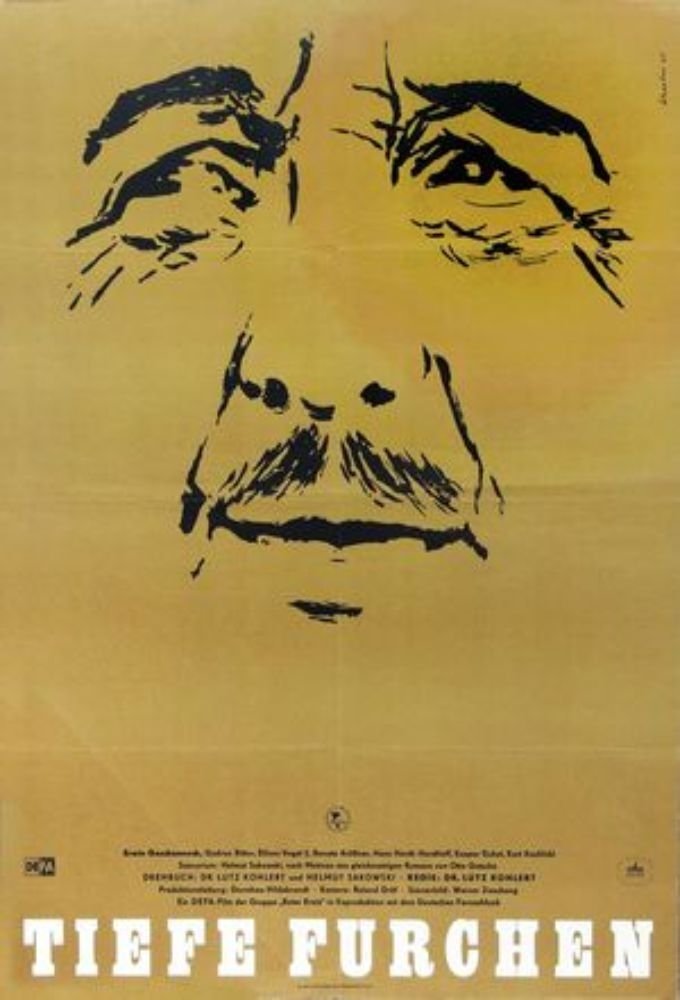
Germany in May 1945: the war is over, men are returning home and a new life begins in the villages. After 12 years in a concentration camp, the "Red Shoemaker" also returns to his home village. His wife is dead and others live in his house: Gebhardt, an employee on the farm of the large farmer Winter, and his family. The "Red Shoemaker" comes to stay with Hübner and his daughter Agnes. Over the past terrible years, he had repeatedly felt the hatred within him and wanted to take revenge on those who had sent him to the concentration camp. But now he wants to look to the future and takes on the position of mayor here in the village. He works to ensure that the village is supplied with food and tries to ensure that the fascist ideology disappears from people's minds. In doing so, he also makes enemies.
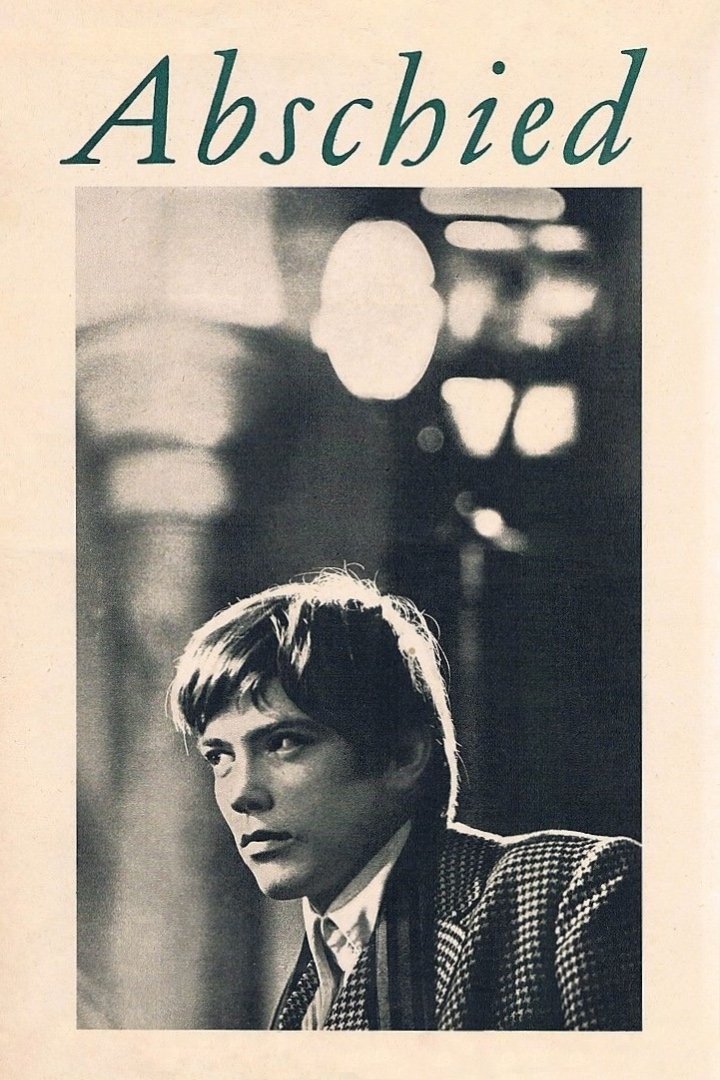
In August of 1914, amidst the public ecstasy surrounding the impending war, Hans Gastl, the young son of a Munich bürger, makes a decision: he will not take part in this war. This resolution signifies a turning point in his life; a farewell to his class and his family.

An idealistic teacher is shocked to discover her pupils are already cynical and opportunistic. Her colleague soon grows resentful when she uses new and challenging techniques to help her students overcome obstacles.

In a backwater town, opera director Andrej Wischnewsky is supposed to put on a production of Mozart's "Don Giovanni".
The story of the steel melter Martin Hoff, whose factory delegates him to a drama school, corresponds to the real life of the actor Manfred Krug. Like his (film) hero, Krug works as a steel melter, does artwork, sings and acts, and is sent to drama school. Like his hero, who behaves anarchically and conspicuously, Krug is soon expelled from school.
Bosch witnesses a theft: German publishing house lawyer Petra Jansen's handbag is stolen from a street café. Together, the two set off in pursuit of the thief.
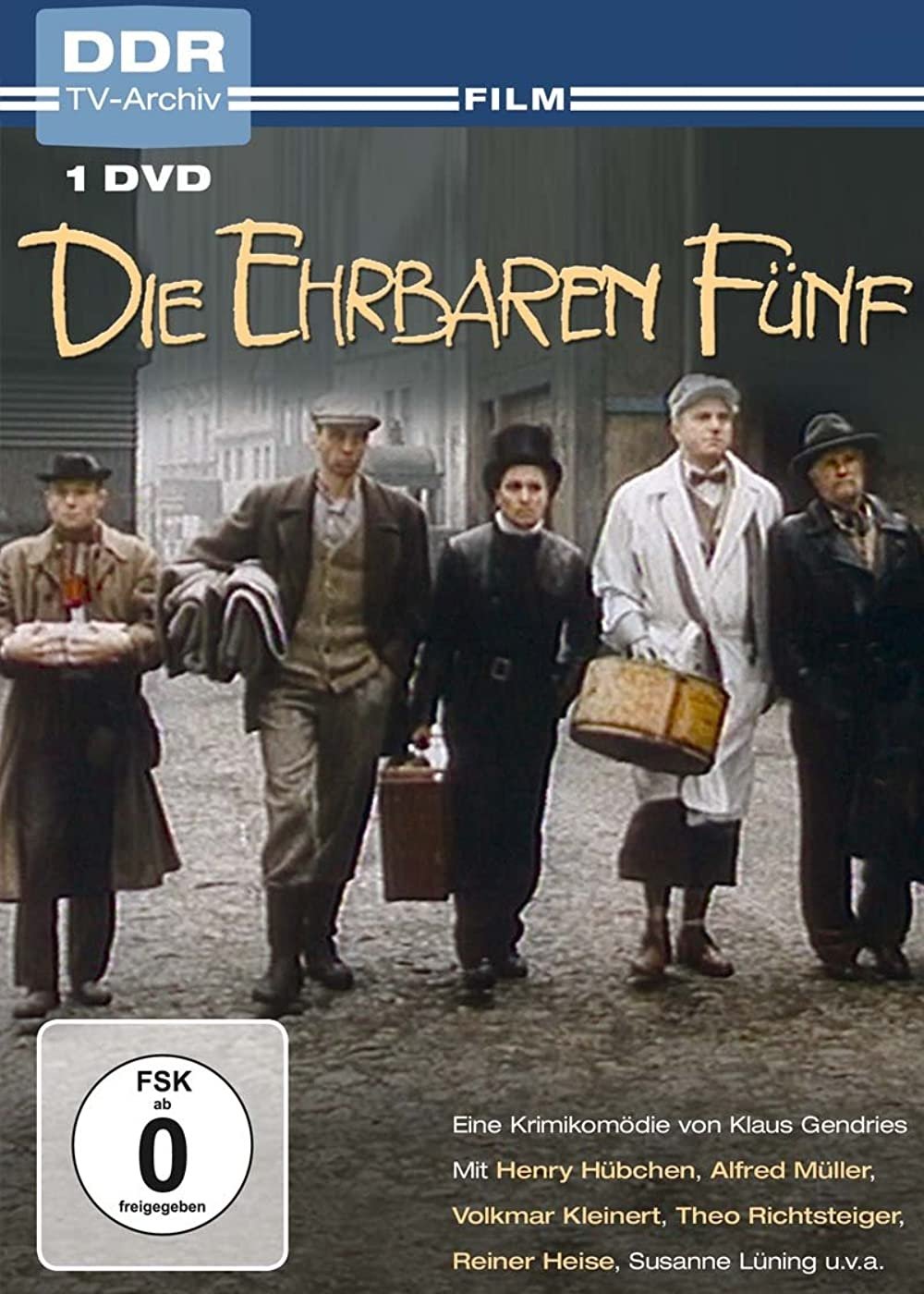
In a small Saxon town after the Second World War, the former chimney sweep Toni tries to survive on the black market and meets the pusher Ginfizz. Together they initially trade in flour before embarking on a riskier plan: they are to rescue machines from Soviet expropriation for the mill owner Hartmann by transporting them in hidden trucks. In the process, they become entangled in various adventures, from rescuing orphans to transporting pigs, while being constantly pursued by the young policewoman Gisela, who wavers between her professional duty and her attraction to Toni. After Ginfizz is caught and the others remain temporarily free, they help to get the mill up and running again to avert a food shortage.

Young Anna Hallbauer, daughter of a blind trumpeter, is suspected of infanticide. In the winter of 1802, children playing in a pond near the village of Sanden found the body of a newborn baby. Heinz Schirmer, a geographer appointed by Baron von Droste, has enough evidence to bring Hallbauer to trial. In the course of the proceedings, in which he believes he is serving absolute, infallible justice, he suddenly finds himself entangled in the crime...

Unknown assailants threaten the life of British scientist Dr. Ronald Fergusson. Only by chance does the attempt to shoot him in the street fail. Fergusson, who does not believe in police protection, hires private detective Weber for his personal safety. And time and again, the headstrong scientist makes it difficult for his bodyguard to fend off further assassination attempts. Despite being expressly forbidden to do so, he leaves the house. Full of bad suspicions, Weber looks for his client in the morgue, but Vivian, Fergusson's employee, doesn't know the dead man...

Krestan Serbin, a 64-year-old Sorbian farm-worker, considers himself non-political. He owns a few acres, a few pigs and a cow, and intends to pass all this on to his daughter Lena. Lena, however, shows only little interest. Krestan’s situation becomes more difficult when he is meant to become integrated into the agricultural production cooperative. He even gets offered a position as Training Supervisor. Although Krestan does not oppose the new policy, he is unwilling to surrender his properties. When the political die-hards who intend to hinder the progressive movement try to win him over, Krestan realizes that it is time to show colours.

The plot takes viewers to various places in Europe, including Prague, Erfurt, Frankfurt/Main and even Tenerife. And the title "The Blonde Geisha" turned out to be a nickname for the film's heroine, who had once been called that by her school friend Andreas. At the time, there was more than a hint of romance between the two, but then they lost sight of each other. Now, all of a sudden, a reunion in Prague! This would be a chance for Erika and Andraes to start afresh, but the two are not alone in the Czechoslovakian capital, as if on an island. Instead, the businesswoman from West Germany and the research engineer from East Germany find themselves in the sights of shady people who do not shy away from crime in order to achieve their goals, and so the two main protagonists find themselves in increasingly dangerous situations.

Dr. Gerd Thiessen, an experienced veterinarian, takes up a new job at a publicly owned manor. His research colleagues are less than thrilled about his ideas and modification proposals. Thus, the pretty and confident veterinarian Sabine Ladenbach becomes his only ally and soon they fall in love with each other. When Thiessen’s wife Eva notices that her husband is growing away from her, she starts to fight for him. Eventually, Thiessen realizes that Eva is the woman of his life, both privately and professionally. At the same time, he figures out that he needs the support of his team to achieve success in his field.

Just as a large payroll transport operation for a major company is being carried out by several employees of London's Celtic Bank, shots suddenly ring out. The man behind the wheel of the car is hit. Then everything happens in a flash and the culprits escape with a large sum of money. The chauffeur had to give his life for 6000 pounds. Scotland Yard, in the form of Inspector Varney, investigates and strongly suspects that the crooks are not professionals. Scotland Yard Inspector Varney is wrong: what initially looks like a simple routine case turns out to be a tough nut to crack. Not least because he has to deal with a great unknown who operates in the background and keeps throwing sticks between the investigator's legs. Who is this man behind the scenes?
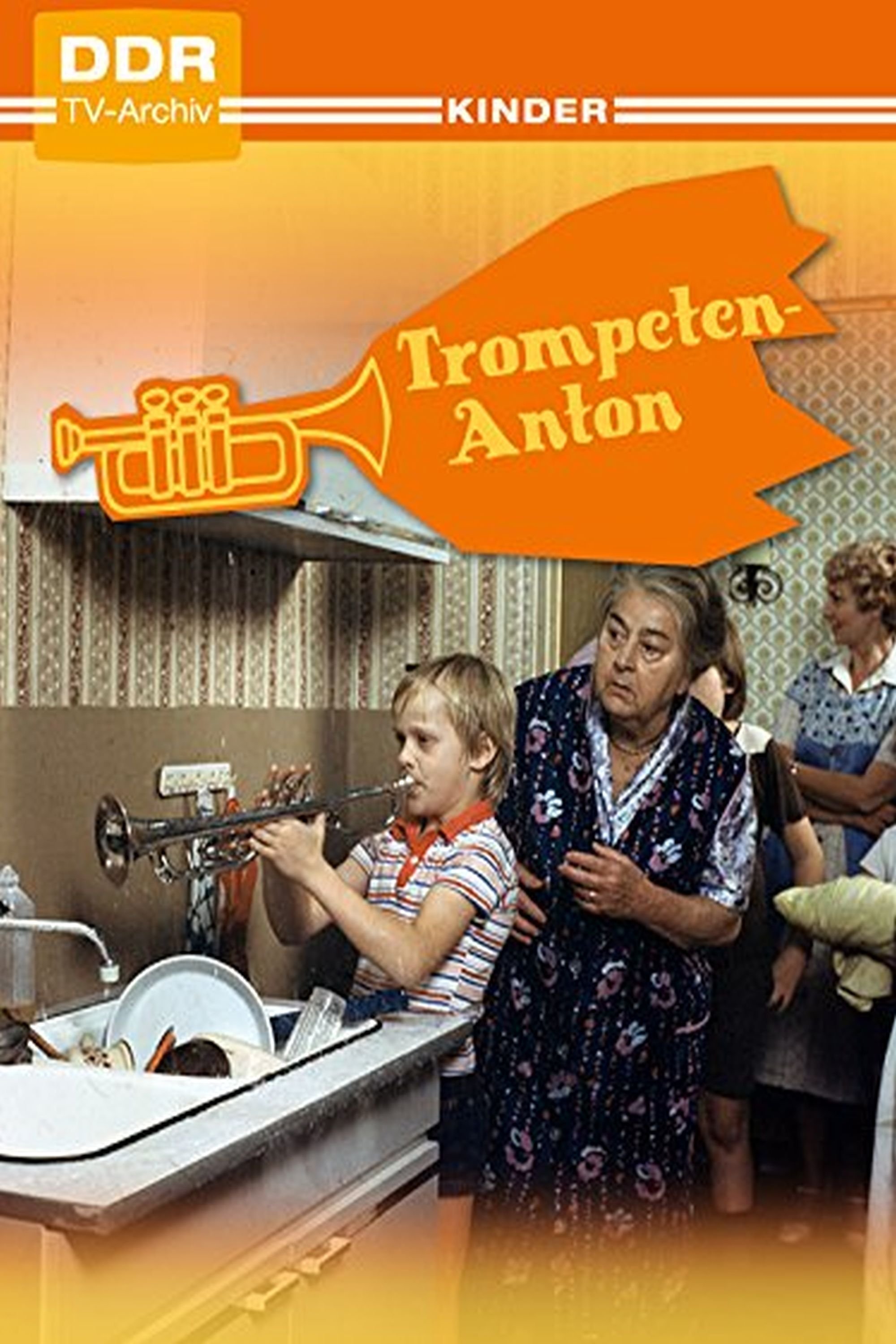
Anton and his family moved into a high-rise building. In order for the new neighbors to accept his trumpet music, he has to perform a little "miracle" with the instrument.
The 16-year-old Umberto, who lives in an East German small town with his mother and his little half-sister Bianca, dreams of Pa-isch, the country to which Bianca's Angolan father returned long ago. Pa-isch, a verballhorn of the Portuguese word for country, is far enough to no longer have to see the changing men's acquaintances of his drinking mother. When the family moves to Hamburg, everything gets even worse. The mother professionalises her constant partner changes and becomes ill with all abundance. Umberto's flame Tschibo also turns out to be a prostitute. Umberto is full of nose. He steals a heavy machine and breaks up to Africa with Bianca.

This musical comedy based on an opera by Jacques Offenbach incorporates a twist on the classic Greek myth: Orpheus, a music teacher at a girls’ school in the ancient Greek city of Thebes, actually does not miss his wife Eurydice that much – until the gods and Offenbach himself pressure him to retrieve her from Hades.

Ironically, at the beginning of the summer holidays, Alwins strict father has grounded him to get him to improve his spelling. Alwin feels like a prisoner and decides to run away heading to his grandparents in the Harz mountains nearly 200 kilometers away. On the road Alwin meets many people and with their help Alwin slowly progresses towards his destination.
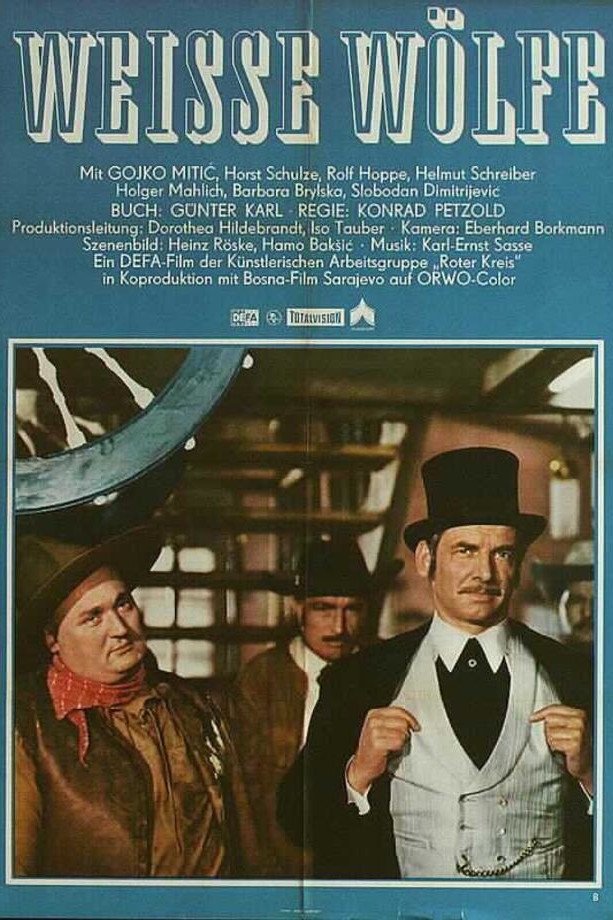
Farsighted Falcon, chief of the Lakota, seeks refuge in the Black Hills with his wife Blue Hair and two warriors, sole survivors of their tribe. When they are attacked by the outlaw Bashan, Falcon strikes out for the town of Tanglewood to take on Bashan's boss, mining magnate Harrington.

Vienna, 1813-1819: Beethoven (played by Donatas Banionis) is at the peak of his fame. Orchestras all over the world play his music, but he lives modestly and is dependent upon private patrons. Nagged by his patronizing brothers, spied upon by officials for his republican beliefs and faced by his progressive hearing loss, the composer becomes more and more isolated. Seeman’s poetic film explores the joys, heartbreak and artistic spirit of the great composer as he works on his Ninth Symphony.

In Chicago of the 1920s, crime gangs are fighting a bitter battle for power. Gangster boss Bill Cracker plans a bank robbery with his cronies in Bill's Ballhouse just as the ladies of the Salvation Army enter. Among them is the magical Lilian, who Bill immediately falls for. This has an impact on the planned coup. Shootouts, chases, and the fight for the big money are the ingredients to this comedy, whose famous songs Bertolt Brecht and Kurt Weill wrote.

Young Uli Merkel is an engineer and inventor. He has a wife and child and is primarily interested in his career. One day, he receives a strange assignment from general manager Zeim. He is to track down the former chief designer Heiner Rudolf in order to take his inventions out of his pocket. Rudolf, ridiculed at the time for his forward-looking work, had taken all his documents with him when he left. Now they are needed to fulfill an important export order. In his search for Rudolf, Uli begins to realize that he, the boy, is being used. He finally finds Rudolf as a gravedigger on the island of Rügen. The encounter reinforces Uli's doubts about the moral integrity of his mission. He gets out and stays there, while Rudolf accepts an offer from the general manager.

Pensioner Erich Zarling loves two things: his daughter Ulrike and his dog sports club, of which he is chairman. But this position is in danger, so he wants to make himself indispensable with a daring move: He wants to build a sports clubhouse. He has come up with a curious idea to raise the funds: the sale of thirty state-owned trees from Berlin's Puschkinallee. His daughter Ulrike, who loves to sing and dance, is a chambermaid at the "Stadt Berlin" hotel. And against her father's wishes, she dreams of the boards that mean the world. A guest, the pop singer Balter, hires her as a replacement for his absent partner at the "Night of the Celebrities". He promises her more, but disappoints her. Father Zarling comforts her and they sing the "Rose Song" together in his tricked-out sportsman's home.
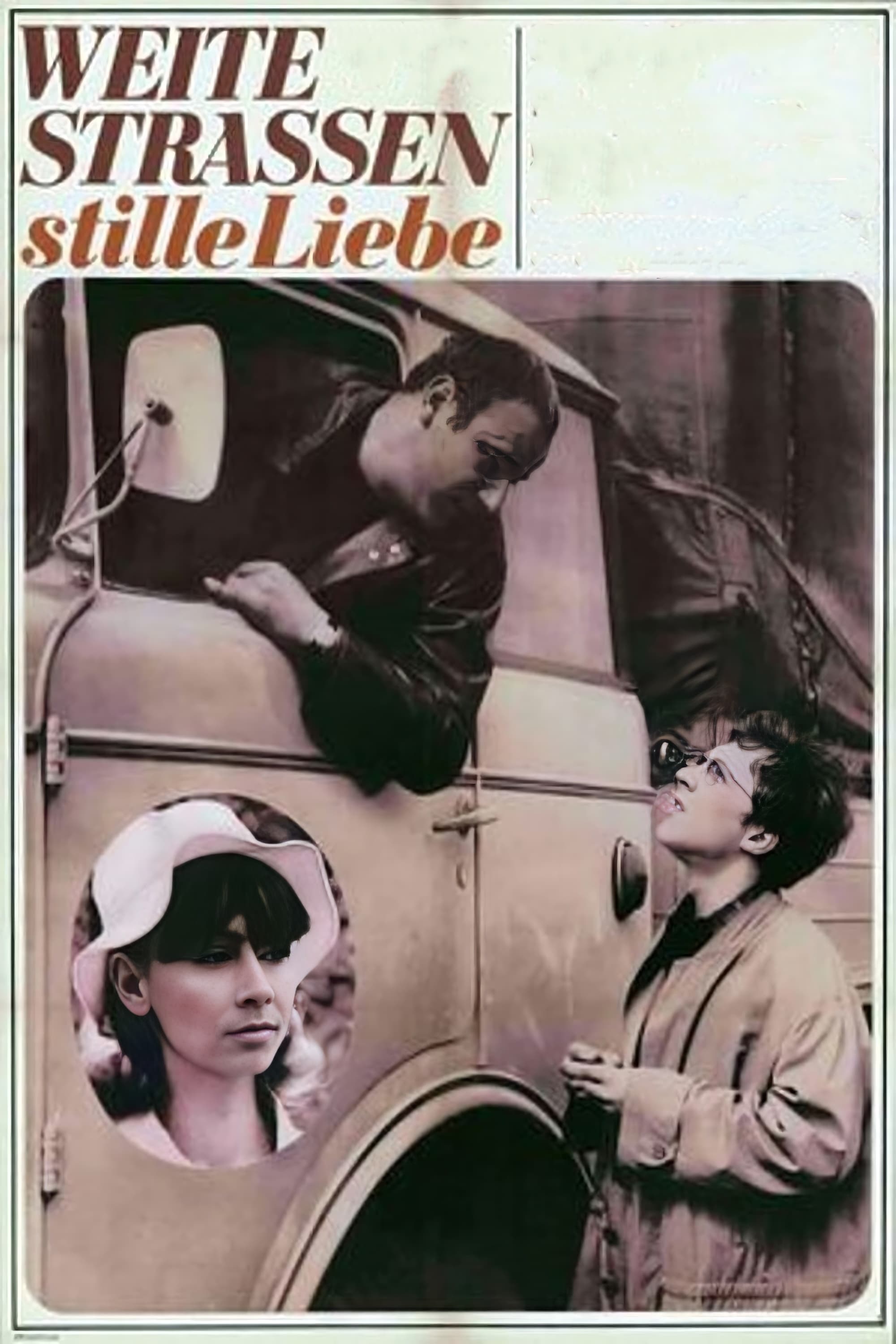
Long-haul driver Hannes picks up a young hitchhiker, Herb, who had a falling-out with his parents after dropping out of college and now travels around doing odd jobs. After a series of adventures, they are joined by Johanna and her child, who missed their bus and need a ride to Berlin. Johanna has left her husband so that he can reflect on their broken relationship and both men gradually begin to fall in love with her.

Karl Erp is a middle-aged man with two children and a boring marriage. After starting an exciting affair with his intern, Miss Broder, he leaves his loveless marriage and moves in with his lover. Under pressure from Miss Broder’s mother, Karl once again promises marriage. He finds, however, that the excitement that drew him to her in the first place doesn’t carry over into their daily lives.
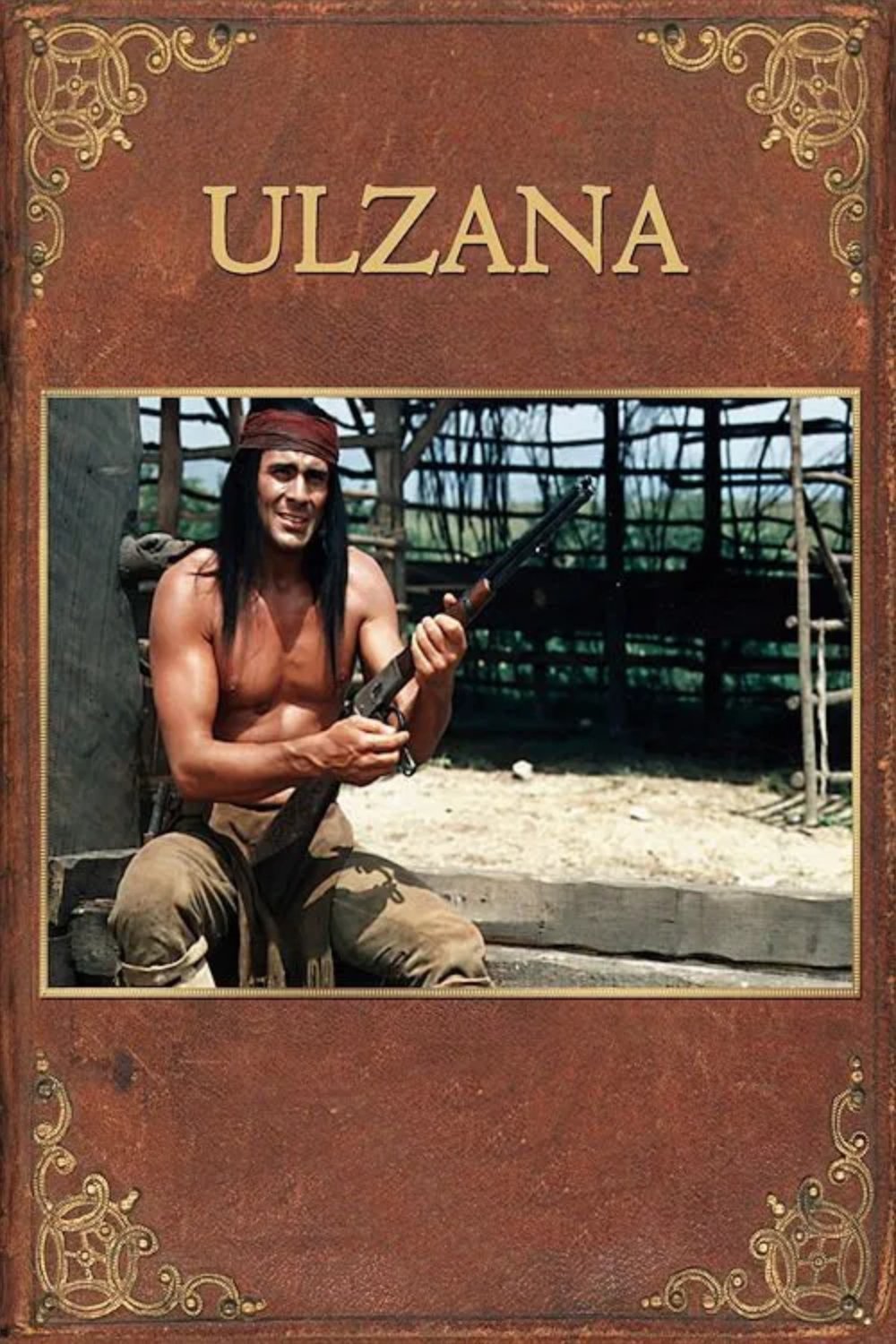
This rather unconventional Western movie is set in the middle of the 19th century in Arizona. The film portrays an Indian tribe, the Mimbreno Appacheans, who are celebrating their Thanksgiving, building an irrigation plant, carrying on commerce, and trying to settle down in a rather constricted territory. But the confrontation with the white Americans changes their situation as the mercantile "gentlemen" want to prevent the Indian tribe to become independent from the white men′s business practices. Thus, they destroy the irrigation plant and chase the Indian tribe in an inhospitable territory where they cannot survive. Led by their chief Ulzana, the Appacheans thus start a bitter fight to preserve their habitat.

In May 1945, returning soldier Michael Duda finds his hometown Weißenthal unoccupied. He meets escaped camp prisoner Arno Laube, who leads the town’s ad hoc move toward democracy and improbably appoints 19-year-old Michael as mayor. Tasked with refugees, shortages, and rogue soldiers, Michael must prove himself in a fractured No Man’s Land.
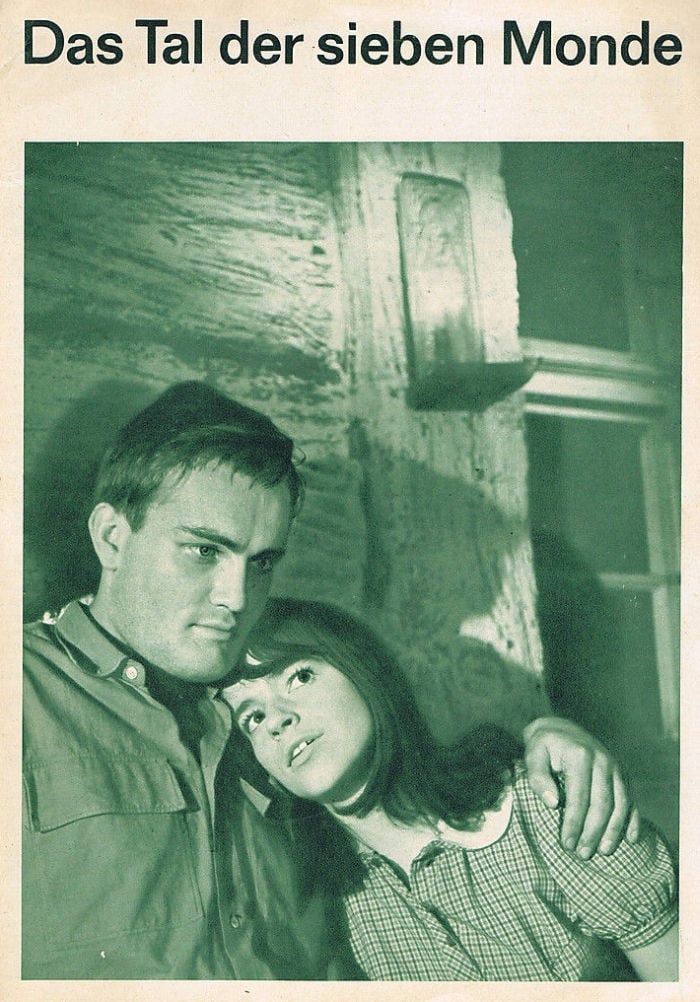
Based on the novel of the same name by Harry Turk. 1944. In occupied Poland, a railway line is being built to transport lead ore to Germany. The Valley of Seven Moons is restless, with construction materials disappearing and people vanishing. The occupiers feel uneasy on foreign soil. Despite increased security, partisans carry out one act of sabotage after another, hindering construction in every way possible. The German Rudek and the Jewish girl Martina, who at first stand aside from any struggle, join the partisan detachment.

Helmut Kamp, the construction brigade leader, a man no longer young, life immediately confronted several difficult and woeful problems. The birth of a son, the tragic death of his wife, the relationship of his daughter Ingrid with Dr. Beißert coincided with the need to move to an uninhabited area where a nuclear power plant will be built. Kamp, Ingrid and the members of the friendly brigade decide to act as the duty and the feeling of partnership prompts them, and gradually they all become participants in the new construction...

Suse works as a truck driver on a major construction site. The young woman has a hard life behind her. She was foundling, was raised by farmers. Manne, the father of her child, wanted to escape from the GDR and is in prison. After he is released, Manne wants to live again with Suse and their child together. But she rejects him as well as another worshiper. Suse is more interested in the Soviet engineer Boris, but apparently not for her, since he can never remember her at their chance encounters. But a much bigger problem - and a difficult one - is Suse, when she is offered to go to the Soviet Union for six months.

Willi Zubrodt is delegated by his department to a parachuting course at the GST. As he is not very disciplined, has no respect for the instructors and does not fit into the collective, the instructors try to show him up and force his expulsion from the course. However, the attempts to prove that he had gaps in his theory and physical condition were a complete failure. Zubrodt manages to turn the tables each time.
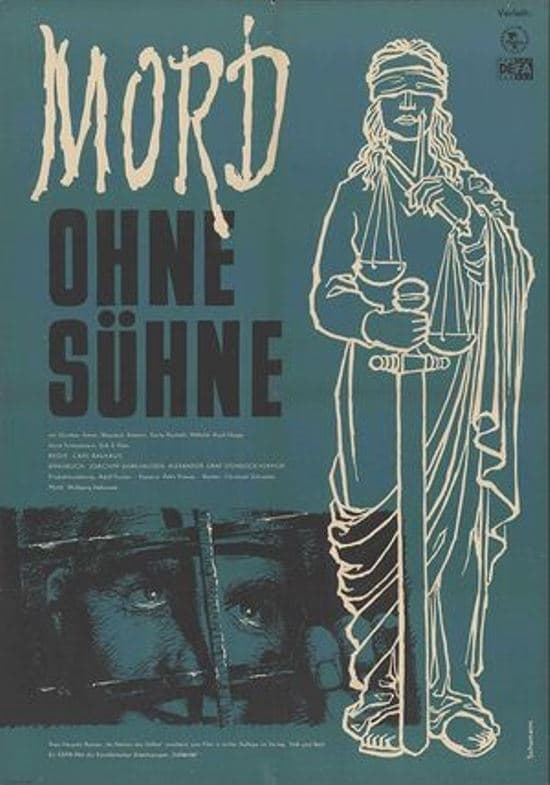
Based on an authentic case from the 1920s. The head country constable Heinz Lippert arrests the Polish farm worker Jakubowski on suspicion of murdering a child - his adopted son. Although he has insufficient evidence, public prosecutor Becker takes the case to court. Jakubowski is sentenced to death, the "Polish murderer" fits in with the propaganda of the time. Lippert, encouraged by the communist editor Hartmann, tries to prevent the sentence from being carried out and even investigates the real perpetrator. In vain, the death sentence was carried out prematurely. After the Nazis seized power, the public prosecutor, now an SS leader, had the men who had uncovered the true facts arrested. Lippert joins the underground resistance.

In 1903, Jan Anskath and his half-brother Martin are living in Rajgorod at the border between Russia and Prussia – Jan on the Russian, Martin on the Prussian side. Both are occasionally smuggling stuff over the border. But while Jan acts from political conviction and is smuggling illegal writings over the border, Martin is only interested in the money. That is why he does not question his shadowy client when he sneaks out refugees into Russia. But then it becomes evident that the distinguished gentleman has robbed the refugees from all of their belongings, only to turn them over to the authorities of the Czar.
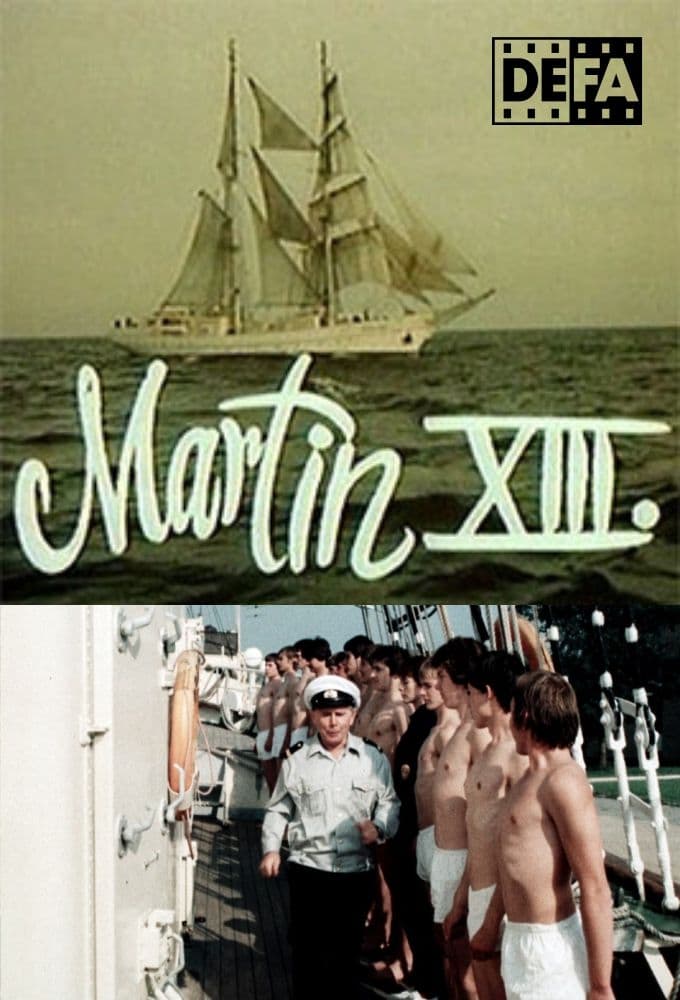
The oceans seem to be the Nehls' second home. But there is one exception that Grandpa Nehl, alias Martin XI, captain of a training sailing ship, is not at all happy with. His son Martin XII is the first of the family to work ashore. A scandal, really, but Grandpa Nehl doesn't give up. He hopes that his grandson Martin XIII will carry on the maritime tradition. But behind his grandfather's back, he also goes his own way. And so a huge row is brewing, if it weren't for twin sister Martina.

Grandpa Lörke is preparing for a contemplative, quiet Christmas Eve. But nothing comes of it, because his daughter Anne informs him that his 17-year-old granddaughter has disappeared.

Jürgen Fohrmann works as a hauer underground. In the course of the coal crisis, his mine closes - he loses the work. In this mood, his wife's prosperity thinking gets on his nerves - his marriage threatens to break. The dismissed coal buddy applys, first becomes an auxiliary worker, but then receives a job in an automated operation of the electrical industry and believes to have socially risen through this "clean work". Fohrmann quickly realizes that wearing a "white coat" is only seemingly better than the arduous work in the pit and understands that he can no longer stay out of the work struggles of the buddies.

The fisherman's son Christian, called Spinner, has a lively imagination. When he is sailing with his pirate sailboat, he feels like the sailor Magellan on the oceans.
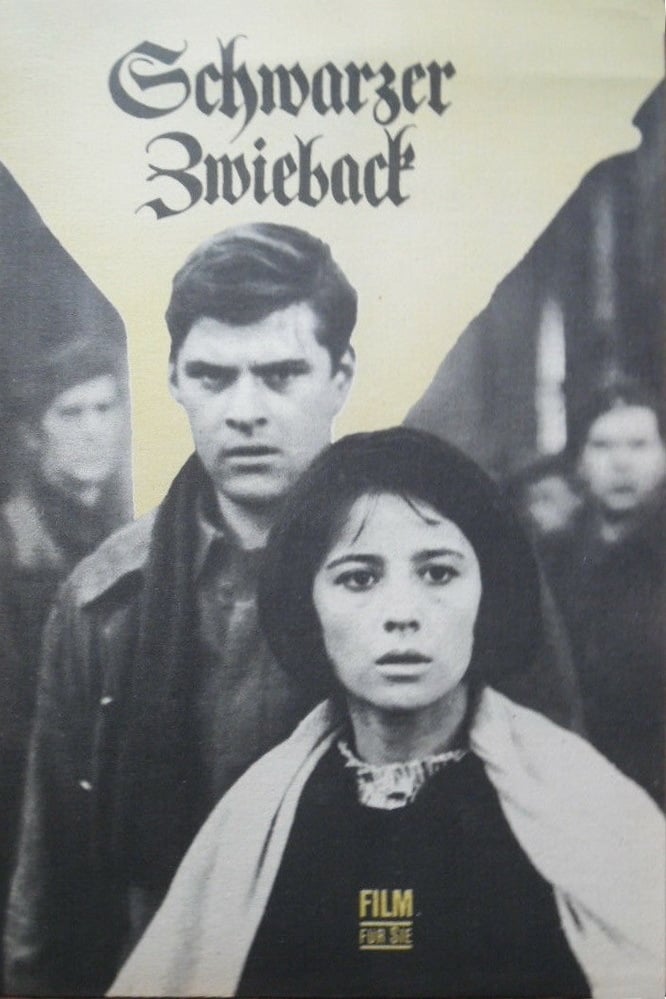
The November Revolution of 1918 in Germany, famine and social upheaval evoke a response from the young Soviet government in Russia. To provide food assistance, trains with bread are being formed. One of them, on the personal instructions of V.I. Lenin is accompanied by the young revolutionary Tatyana . On the way, she meets a former German prisoner of war, Kurt . A romantic relationship arises between them. The train with bread, despite all the difficulties, was delivered. In a clash with a detachment of counter-revolutionary German troops, Tatyana was wounded. She returns to Moscow, and Kurt goes to Berlin to continue the revolutionary struggle.

A young boy fantasizes his way to school into a battle between cowboys and Indians, where the bad guys want to steal some gold medals. Real events and fantasy interacts in his mind.
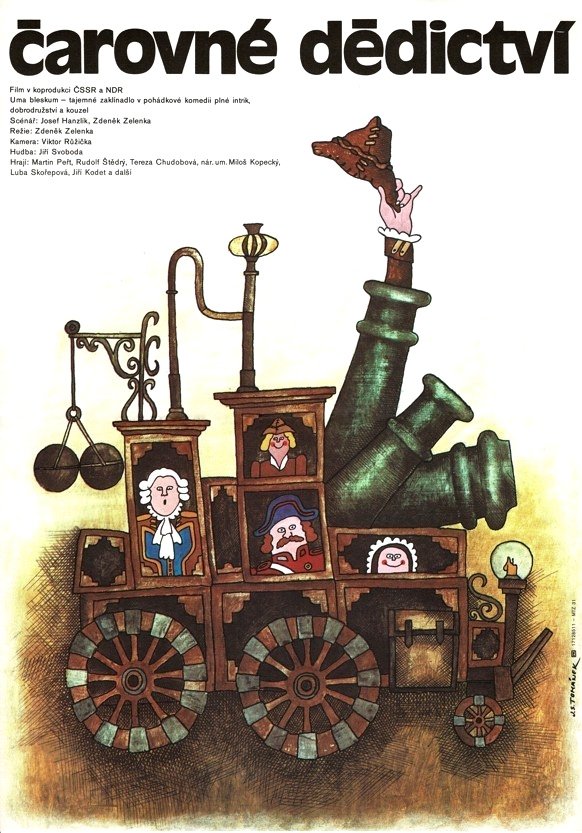
In 18th century Bohemia, the mercenary troops of a cruel duke roam the countryside. A cap maker who defends himself against injustice is thrown into prison. His ten-year-old son tries to free his father with the help of his friends of the same age and a magic cap, but the duke's henchmen are soon after the magic cap.

19-year old Benjamin, called Ben, works as a cashier on the fairground und is impressing girls with his youthful self-confidence. After an argument with his uncle, who had caught the boy with a 16-year old girl, Ben leaves his familiar surroundings und ventures into the world beyond the fairground. At Berlin′s Ostbahnhof, he meets the much older cookmaid Hanna, who puts homeless Benjamin up in her flat. Ben finds work as a welder in a factory where he at first has to cope with the prejudice of his sceptical co-workers.
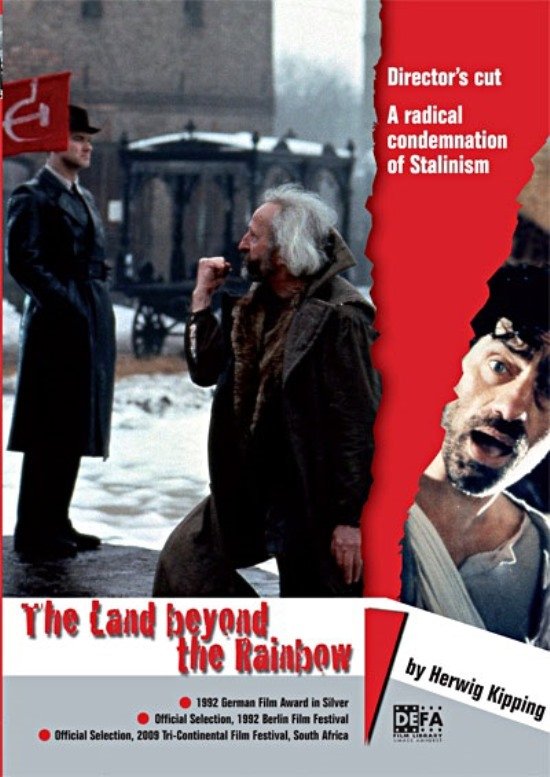
A surrealist tale set in the East German village of Stalina.

At the VII Party Congress of the SED, a delegate tells a reporter his life story: 18-year-old returning soldier Georg Lendau ends up in a small village in 1945. He is starving and sick. Mayor Kallam helps. Later, they meet again; Kallam is now the director of a heavy engineering company. He gives Georg, who is a lathe operator, work. But Kallam has more plans for him and wants to send him to university. Georg refuses. An extra shift, which he only did so that he could buy his future wife wedding shoes, brings him into conflict with backward colleagues - and the realization that you first have to work better if you want to live better. He followed this insight with action, becoming a master craftsman, comrade and student.
Czech friends help refugees from Nazi Germany escape in 1939.
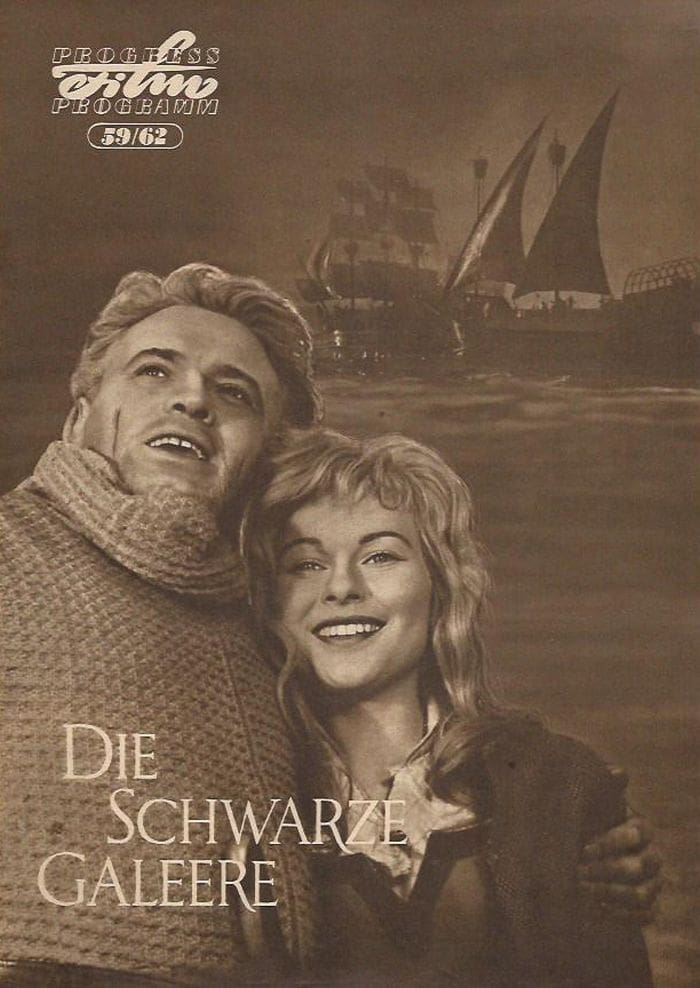
Antwerp at the end of the 16th century. For the second time, the city falls into the hands of the plundering and murdering Spaniards. Jan and Myga are just ten years old. While Myga's father tries to come to terms with the Spaniards, Jan leaves the occupied country with his father. When Jan has grown into a young man, he joins the Geusen and is entrusted with the best ship as helmsman, the "Black Galley". He survives numerous battles and dangers, but one day he is captured by the Spanish. He frees not only himself but also his beloved Myga from the hands of the enemy. In 1609, the Spaniards are forced to finally recognize the independence of the northern provinces.
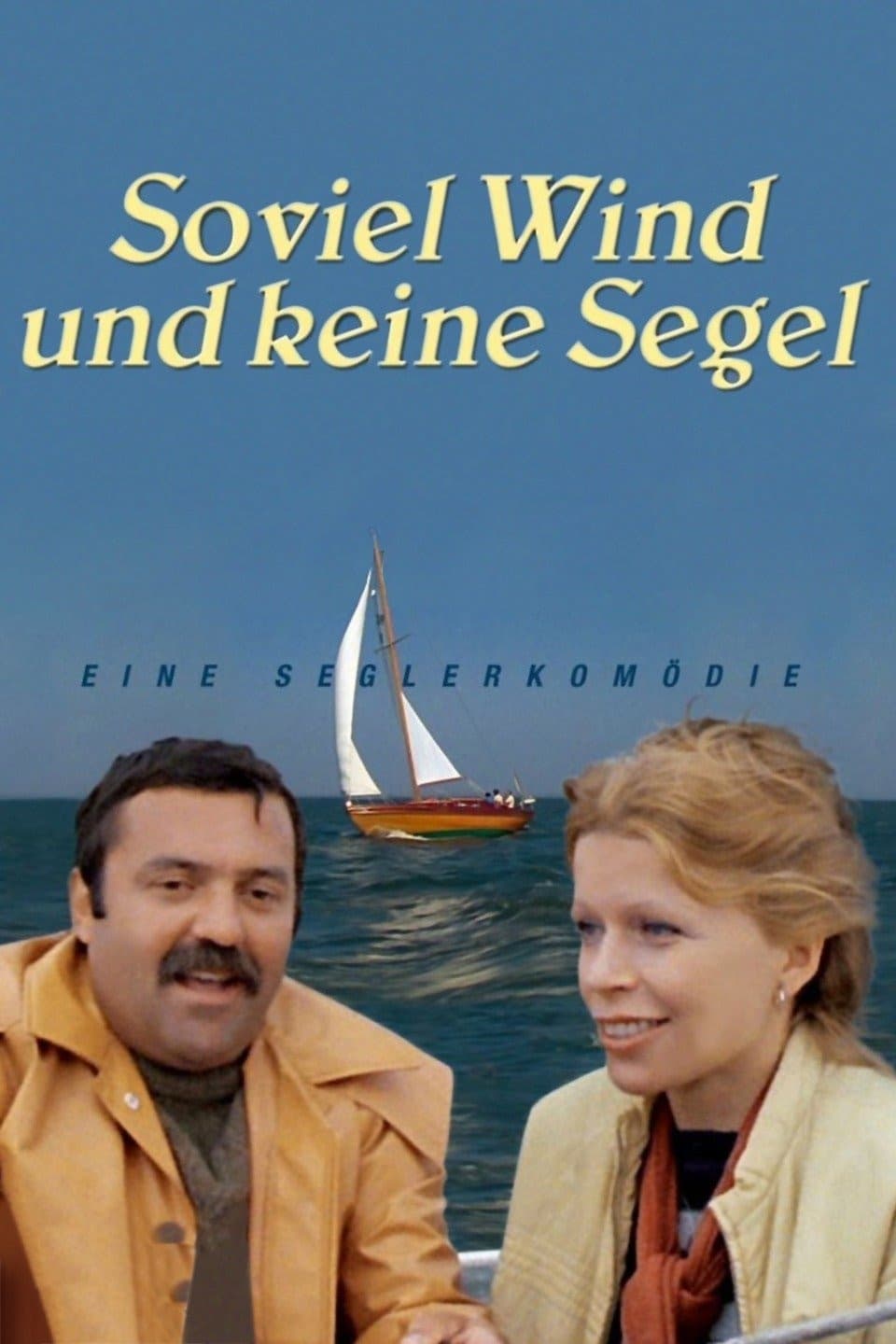
The water sports fans of a cooperative on the coast finally want to acquire a seaworthy sailing ship. But at the board they encounter deaf ears. Only the chief accountant Irma shows interest in sailing and especially the leisure captain named Ali. Then a minister surprisingly his visit. Irma devises a plan to support the sailors. In order to vote the Minister benevolently, flights, a company sports community should be launched. The founding of a sailing section would be just right. But unfortunately, the Chairman Scheffel continues to be cross. He even wants to use the storage space of the sailors. Only when the minister finds pleasure in the spontaneously organised sailing trip for him, movement comes into the affair.

Six episodes taking place the night the Berlin Wall came down.


A film about the historical uprising of the seamen in Kiel: During the Russian October Revolution of 1917, German and Russian soldiers start to solidarize with each other. By disarming the officers, machinist Henne Lonke and stoker Jens Kasten prevent the attack on a Russian freighter. When German admiralty gives out orders for operation "Nibelungen", which would lead the German fleet into a suicidal attack against England and quell the revolutionary spirit, seamen and soldiers from different political backgrounds unite in protest.

A black-and-white children’s film follows class 6b during their autumn holidays. After a fun test drive with a new electric locomotive, they help Master Sellm build his house. They plan to build a paddling pool but struggle to find pipes. Discovering pipes in an old house, they also find stolen motorcycles. With help from the People’s Police and the godparent brigade, they lay the pipes and learn about foreign property and reporting stolen goods.