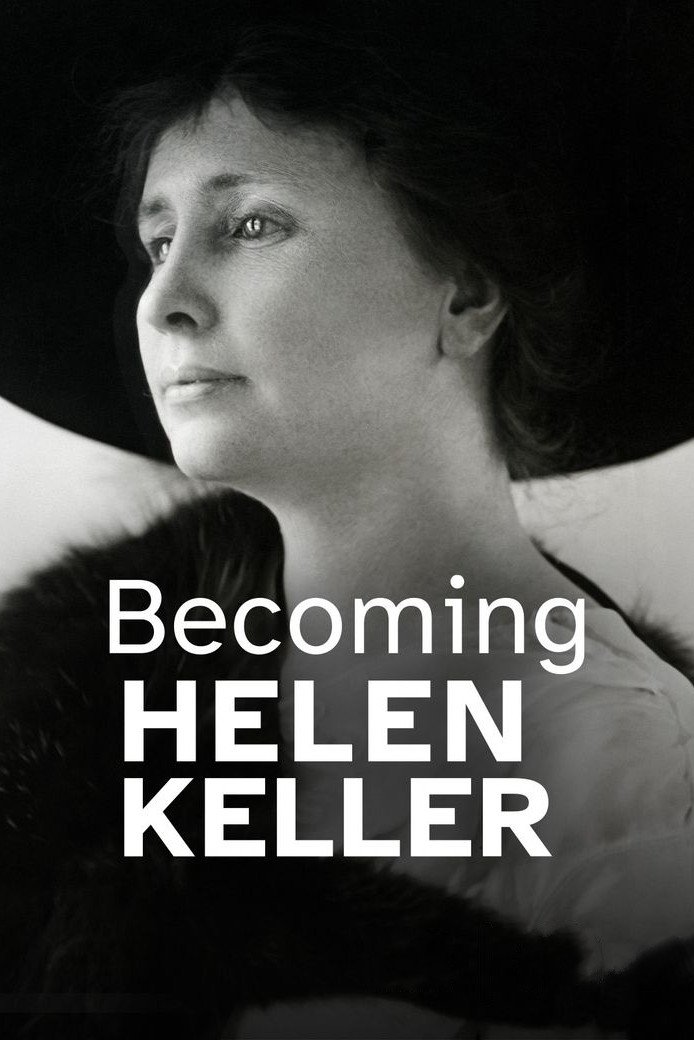
The life and legacy of Helen Keller, including how she used her celebrity to advocate for human rights and social justice for women, the poor and people with disabilities.
The story of Helen Keller and how she overcame her disabilities.
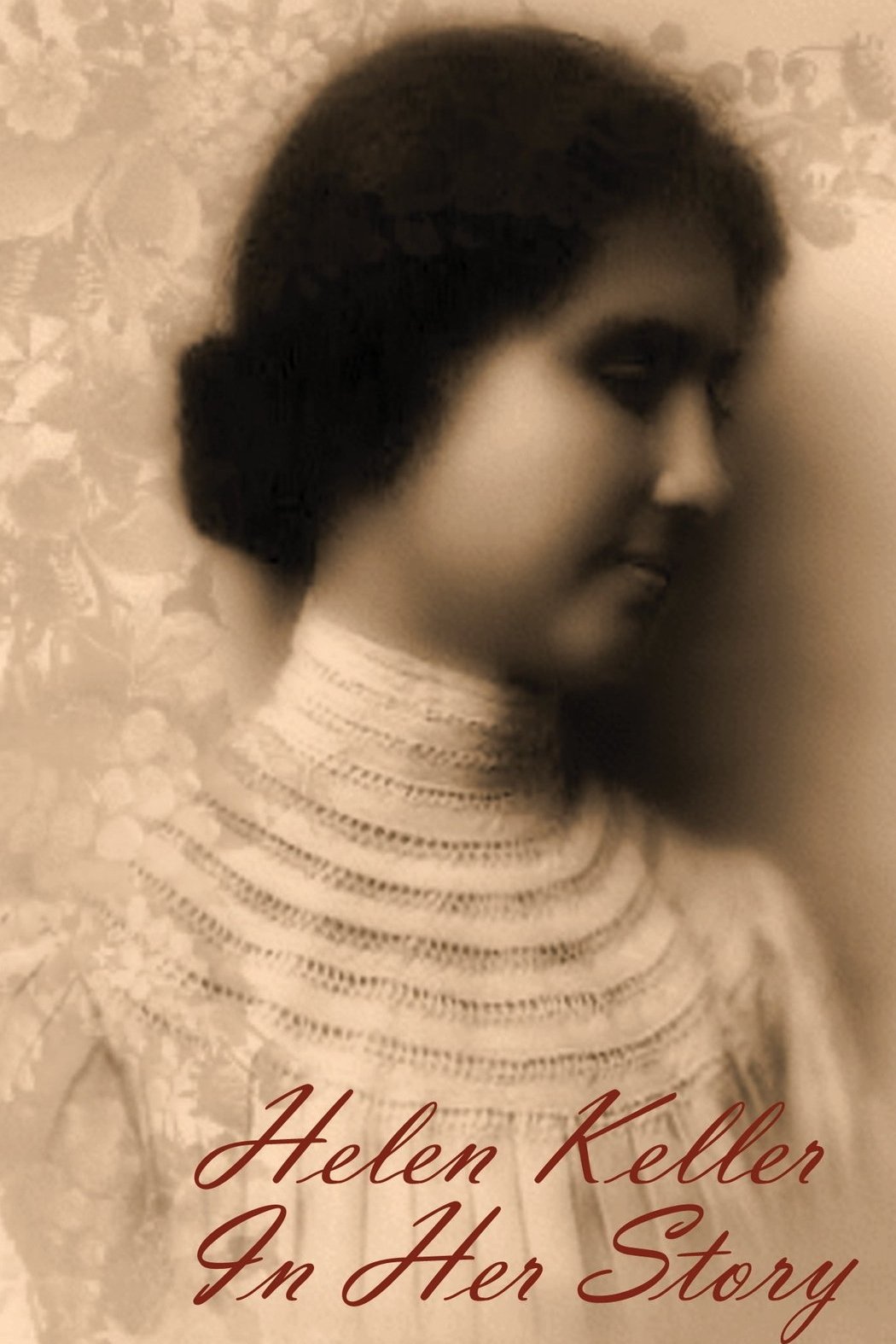
Narrated by actress Katharine Cornell and filmed in black and white, it spends the first 24 minutes introducing viewers, through newsreels, interviews, and old photographs, to the story of the deaf and blind disabled-rights pioneer. News footage shows her international appearances and visits with heads of state, including President Eisenhower allowing her to feel his face. The second half takes a day-in-the-(exceptional)-life approach to Keller's existence circa 1955. Made just 13 years before her death, Keller's famed tutor-translator-friend Anne Sullivan had already died, leaving her live-in replacement, Polly Thomson, to share the film's focus. From the time Keller takes her morning walk along the 1,000-foot handrail around her yard through her workday to her nightly reading of her Braille Bible, her serene acceptance of her life will amaze and inspire. Preserved by the Academy Film Archive in 2006.
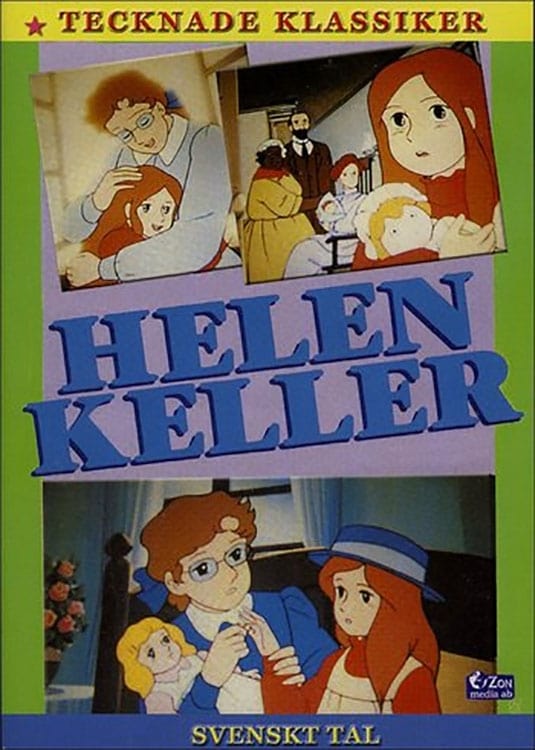
Based on the story of Helen Keller who at a very young age was left deaf and blinded by an illness. But she fought through the obstacles, trying to live a normal life as possible. She became on of the first disabled rights-pioneers.