
„White mouse“ Fritz controls the traffic on Dresden’s Körner Square. Helene, who crosses the junction on her motor scooter every day, has taken a shine to Fritz a long while ago. Although Fritz yields right-of-way to her remarkably often, the two have not spoken to each other. In order to finally get to know him better, Helene deliberately performs a traffic violation. Her plan is working: She is ordered to take road safety education lessons from Fritz and they get closer. New problems arise in the shape of Mrs. Messmer who must pay a monetary fine. She feels discriminated against by Fritz and complains about him to his supervisor.

They are just 17 years old when Gaby and Eva receive the offer to play in a feature film that ambitious Hamburg filmmakers want to make. Despite their youth, the girls are suspicious because they have already experienced a lot. On the other hand, that would be the opportunity to escape the difficulties they have been in for a long time. The filmmakers persuade them to cross the border illegally. The girls do not suspect that they should be used by the Springer company to provoke a scandal. But the Ministry of State Security has the action already in sight.
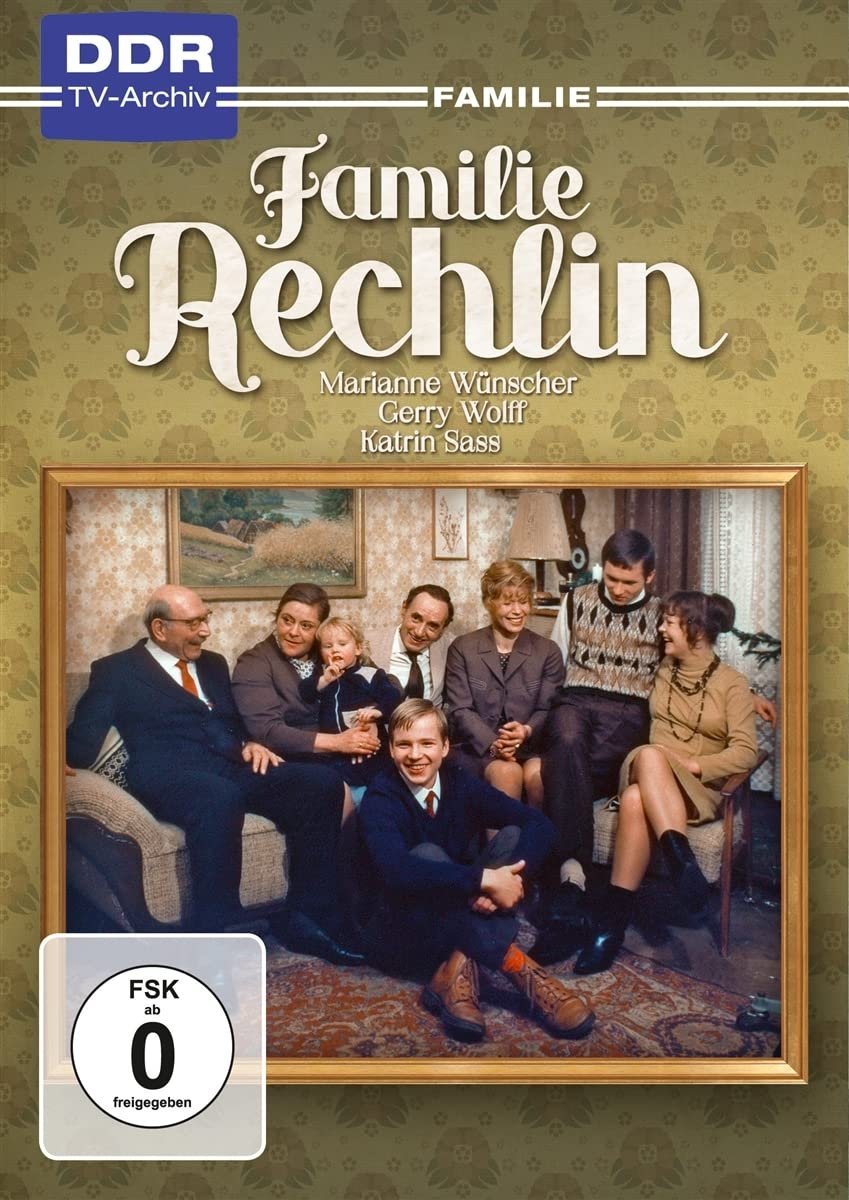
Berlin in the 60s. The construction of the Berlin Wall not only divides the city, but also separates the Rechlin family. While mother Ingelore lives with husband Hannes and the youngest son in the eastern part of the city, the young, married daughter Beate lives in West Berlin. Even when she gives birth to the first grandson, the newly baked grandma Ingelore cannot visit her. Travel permits are only issued one year later. But the formerly so tight family bond is burdened by the long separation. Son Bernd also avoids the rest of the family, as his new girlfriend has just been released from prison because of attempted "republic escape". And so Mother Ingelore almost has to watch her family shatter.
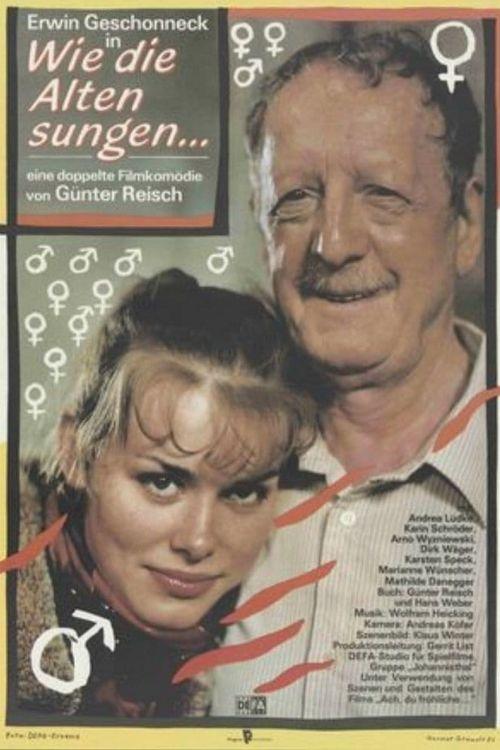
Grandpa Lörke is preparing for a contemplative, quiet Christmas Eve. But nothing comes of it, because his daughter Anne informs him that his 17-year-old granddaughter has disappeared.
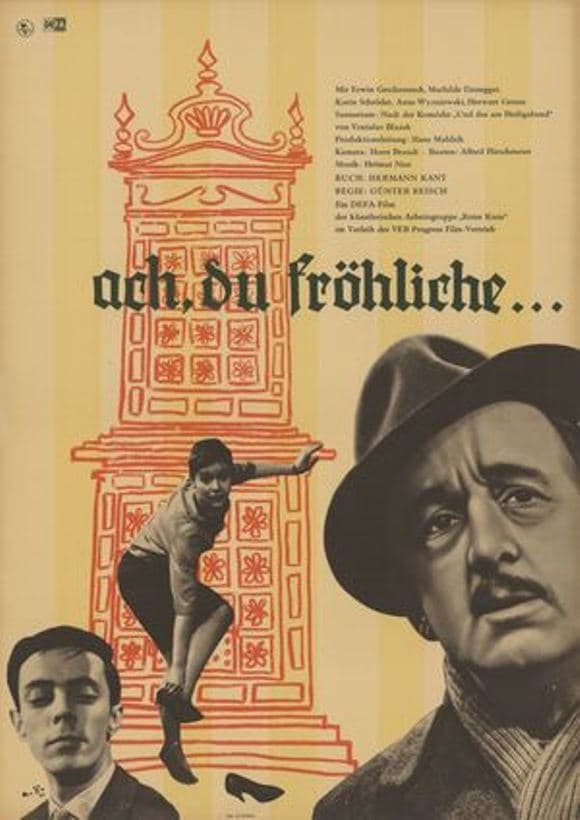
It was supposed to be a cozy Christmas evening with the family. Labor Director Walter Lörke was particularly looking forward to it. But then his daughter Anne surprised him with her future son-in-law Thomas Ostermann. And that's not all: Lörke is to become a grandfather. This doesn't suit him at all, especially as the young man clearly shows his critical attitude towards the state whose ideals Lörke has fought for all his life. An argument ensues - on Christmas Eve. Lörke leaves the apartment in a rage. But he is driven by unrest: He wants to know what kind of person his future son-in-law is and why he has such a negative attitude towards the state. It turns out that Thomas has had bitter experiences with the opportunistic attitudes of many adults and that, although he was the best student in his class, he was not admitted to university because of his critical opinions.
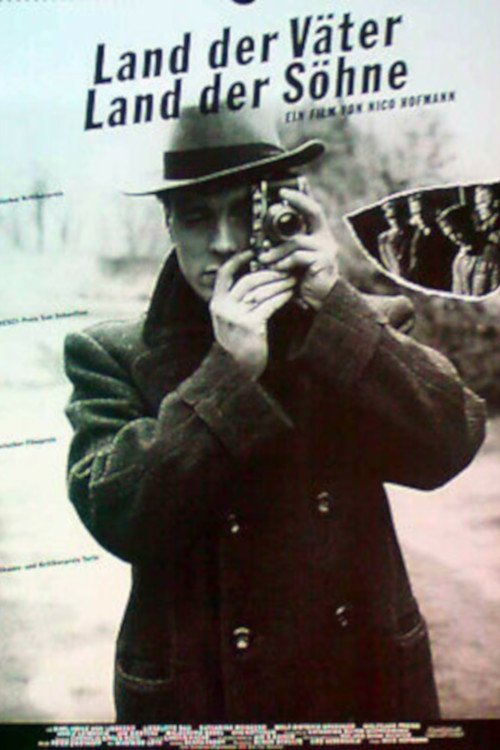
A young journalist researches the life of his father which leads him to path of contradictions until he uncovers a gruelling truth.



The television play by Werner Bernhardy depicts episodes from the life of Heinrich Zille as well as his much-praised "Milljöh". It tells of Zille's dismissal from the Berlin Photographic Society, of Kommerzienrat Hübel and his wife, of Zille's unreal, loyal friend Gustav Nogler, in whose role the experiences, attitudes and characteristics of many people from those years were incorporated, and of many other Berlin characters.
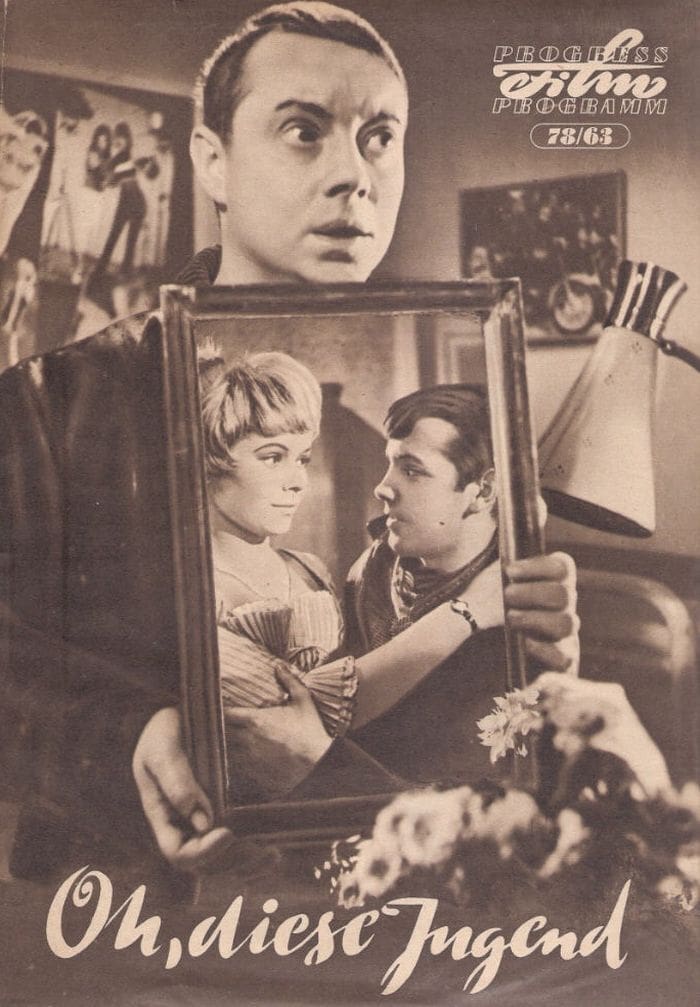
Engineer Franz Bach seems to have gone astray once again. Working overtime, nagging at his wife and his parents sleeping apart lead the children to come to this conclusion. It can't go on like this. His youngest son Täve does his best to keep his father away from the very young intern Irene. Täve's 19-year-old brother, on the other hand, tries to steal his father's mistress. His wife Margarete also wants to bring a breath of fresh air into the marriage.

Two men want to escape the hustle and bustle of Christmas in the city and travel to the countryside. However, it's not easy to find accommodation on the spur of the moment. And so they end up in a rather spartan hostel…
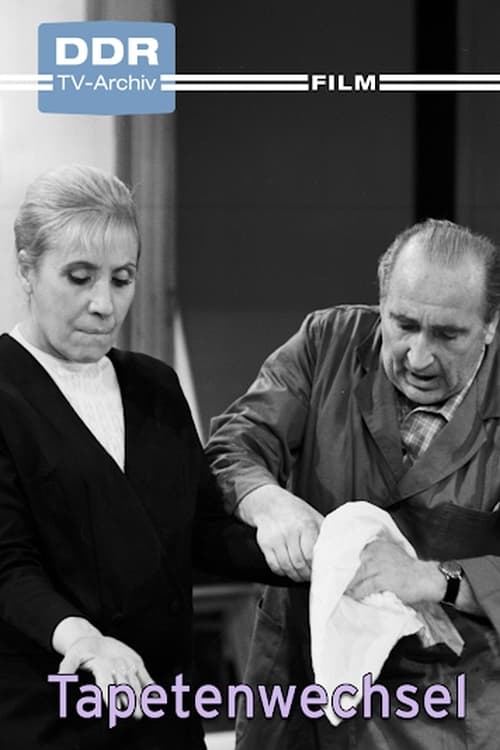
Marcel Schlurfke is not exactly the heartthrob that friends Elke and Gitte are looking for. So they think about how to get rid of this annoying admirer. The best way is to put him in a position where he makes a fool of himself. This is what happens to the aforementioned Marcel, who suffers a total shipwreck with his "cooking skills". And after this failure, Marcel can only place himself in the care of his father Wollermann.Elke's father is a very desirable man in certain respects: in his spare time, he likes to wallpaper and transform worn-out rooms into pretty rooms. For Elke herself, however, this is a problem, because her father repeatedly takes possession of her (desired) admirers and promotes her to "honorary helper" in wallpapering matters. Only Marcel Schlurfke proves his touchingly helpless clumsiness in these assignments too.
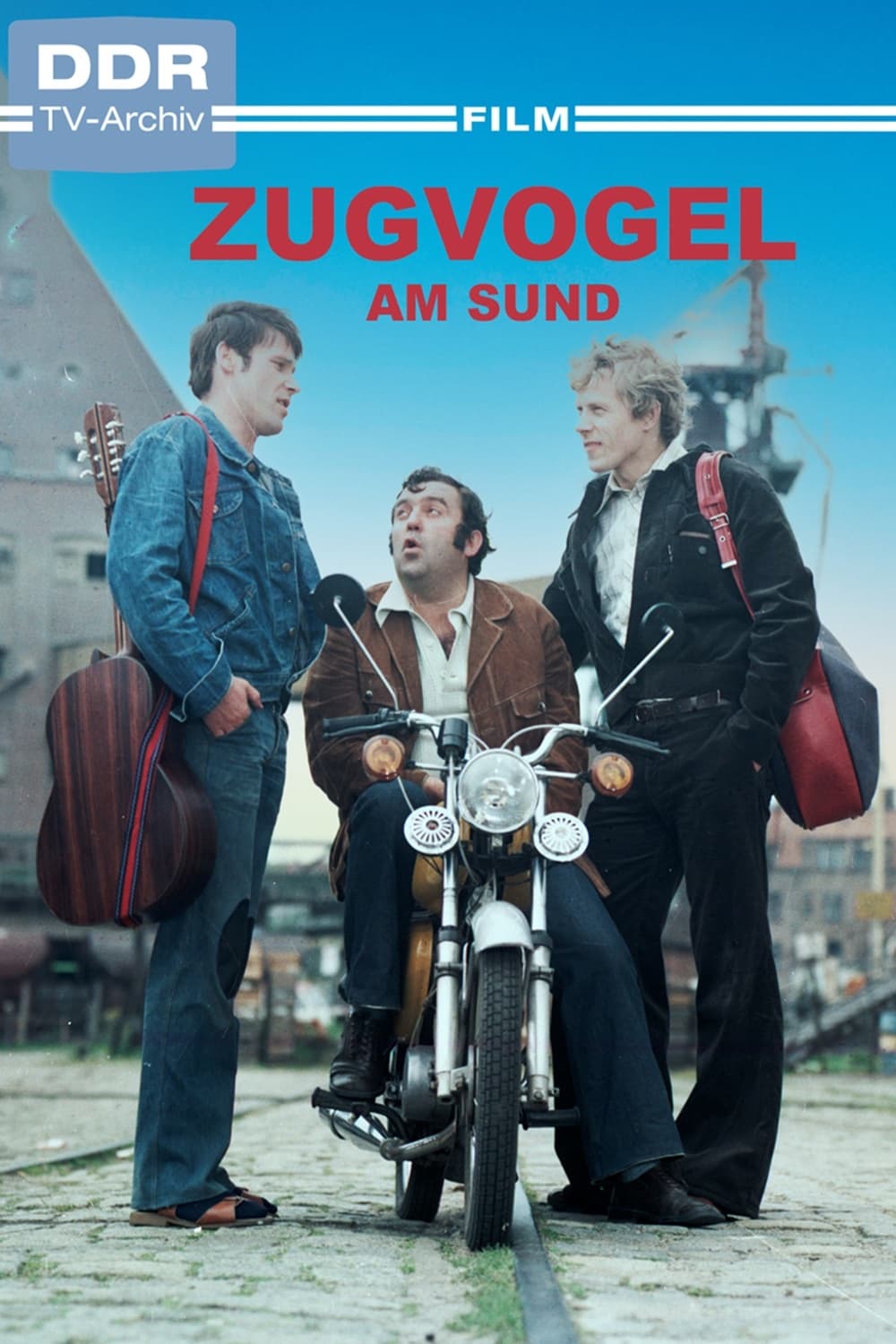
Ekke and Karsten are newcomers to the shipyard. Paddy claims to have heard it on Rügen radio. But the two did not fall on their heads, even if they still fear that their accommodation, the "Fritz Heckert" accommodation ship, could be - as it is called - a "working-class monastery". Not only do they find out from Paddy that such worries are unfounded, they experience it for themselves.
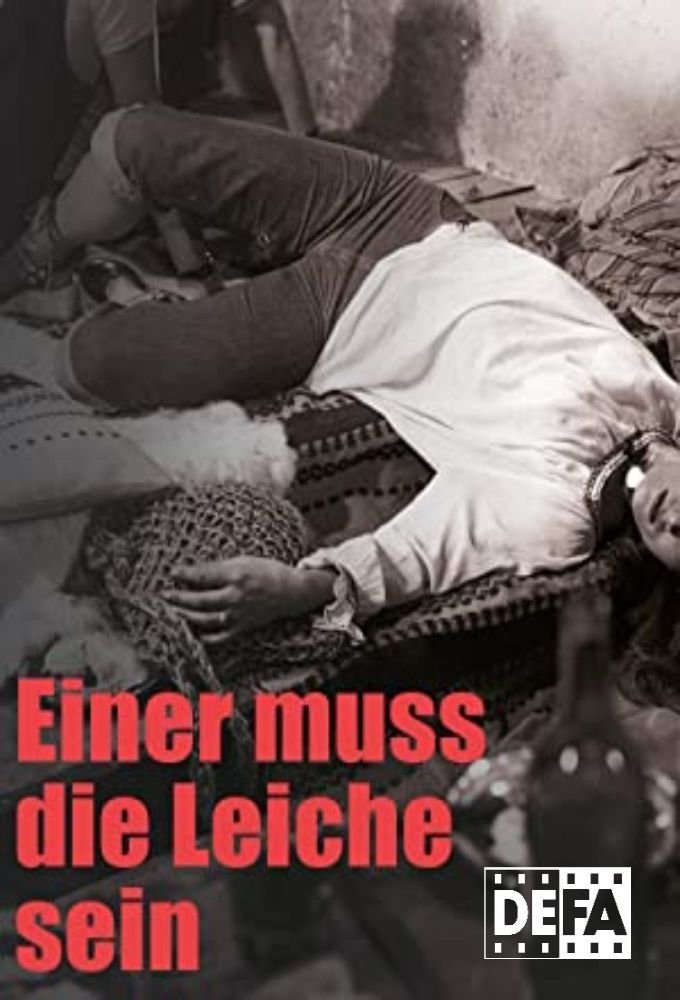
A group of tourists from the GDR spend their holiday at the coast of Bulgaria. When making a trip to a small fisher house, they have to stay they night, because the ship's motor broke down. One of the group proposes a game: Someone has to be a corpse, one the detective and another one the murderer. But shortly after starting the game the "corpse" has vanished only to befound at the foot of the nearby cliff - being dead for real. Now the group start their investigation...

After their successful May party, now the Lehmann family want to throw a New Year's Eve part with punch. Wilhelm's sons Franz and Paul are brigade leaders at a chemical factory. One of their brigades consists largely of fanatics of high culture, while the other consists of sports fanatics. But the rival brigades must work together in order to throw a successful New Year's Eve party for the factory, since the occasion requires both elements: sports and culture.

Tired of never having enough money to spend, Rita and Susanne throw all bourgeois moral concerns straight out of the window and simply become contract killers. With their little heads and guns, they bring a few unpleasant contemporaries around the corner and collect a tidy sum for their own use. The whole thing is so covert that even her husbands Herbert and Ralph don't suspect a thing. But then the cunning private detective Mazulla gets onto their trail and seems to see through their murderous scam...
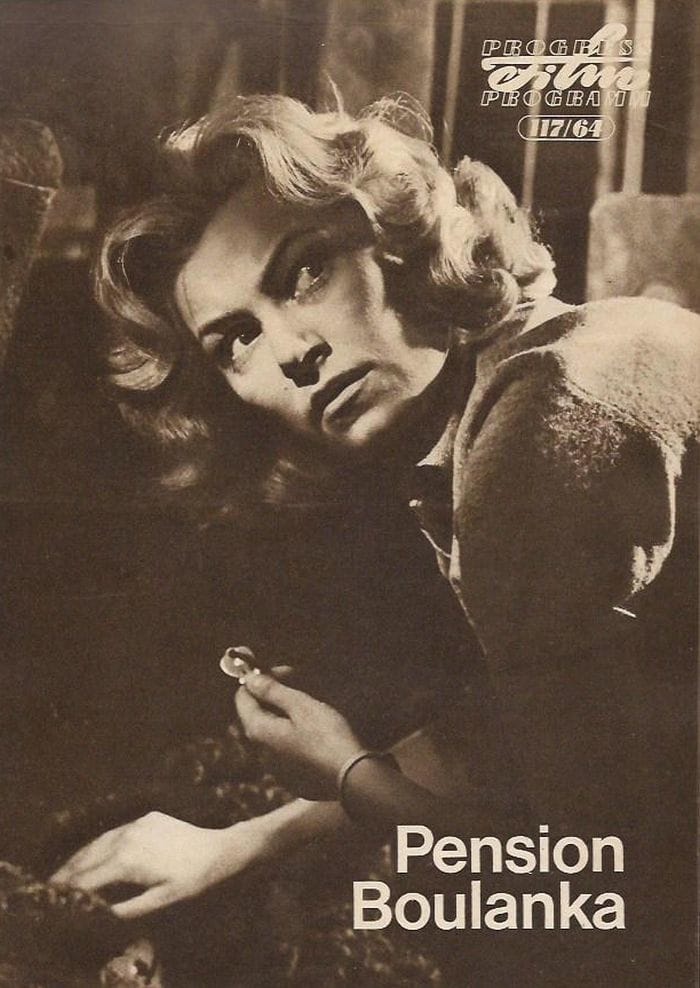
A murder has been committed in "Pension Boulanka", a famous guesthouse for artists and circus people. Captain Bruckner is heading the investigating team.

A doctor of social sciences - a specialist in failing marriages - becomes jealous. He imagines his skater wife in various situations, but always on skates.
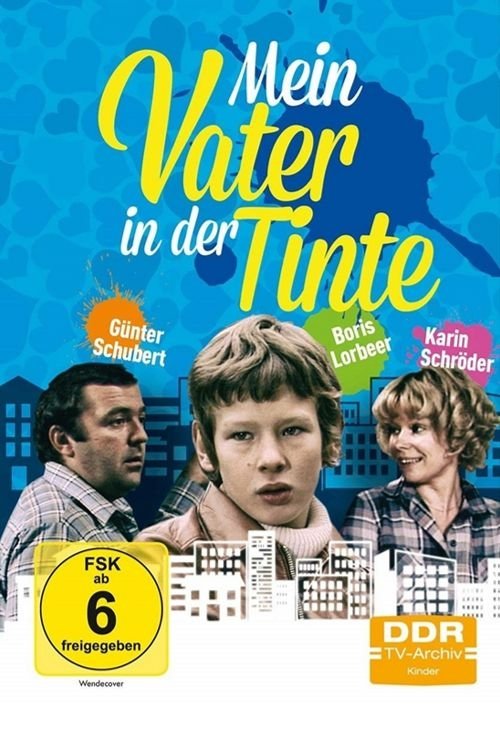
Two young boys are trying to organize a wedding of the father of one of them and the mother of the second.
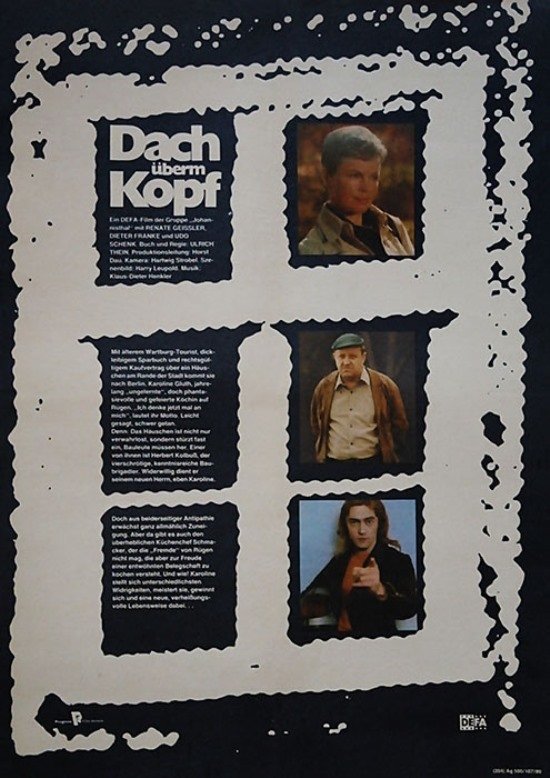
Karoline Gluth is approaching forty, has an 18-year-old son who is studying and is therefore independent. She decides to start a new life and says goodbye to the family inn on the island of Rügen, where she earned a good living as a cook. She buys a little house on the outskirts of Berlin - based on a photo. The reality, however, looks less favourable than the picture. The house is close to collapse and has an illegal occupant, Christian. She evicts him, but he helps her through the jungle of organising tradesmen and materials. In the process, she meets construction brigadier Herbert Kotbuß, clashes with him - and impresses him. Karoline struggles through, the money runs out, she even has to sell her car, and in the end the house is still pretty much a patchwork. But she has realised her ambition for herself - a new independent life begins.

Oliver is in the 4th grade. He hasn't been paying attention in magic class and gets a big, fat five on a test. He has to have the work signed by his parents, but he is ashamed and doesn't want to cause his parents any grief. So he tries to get rid of the five with magic or at least turn it into a three. He manages to create talking guinea pigs and singing geese, but the five remains. The other children are already angry with him because he has no time to play with all the magic exercises. And so he decides to confess his mishap to his parents. His mother shows him how he can turn the five into a better grade - and that has to do with learning.
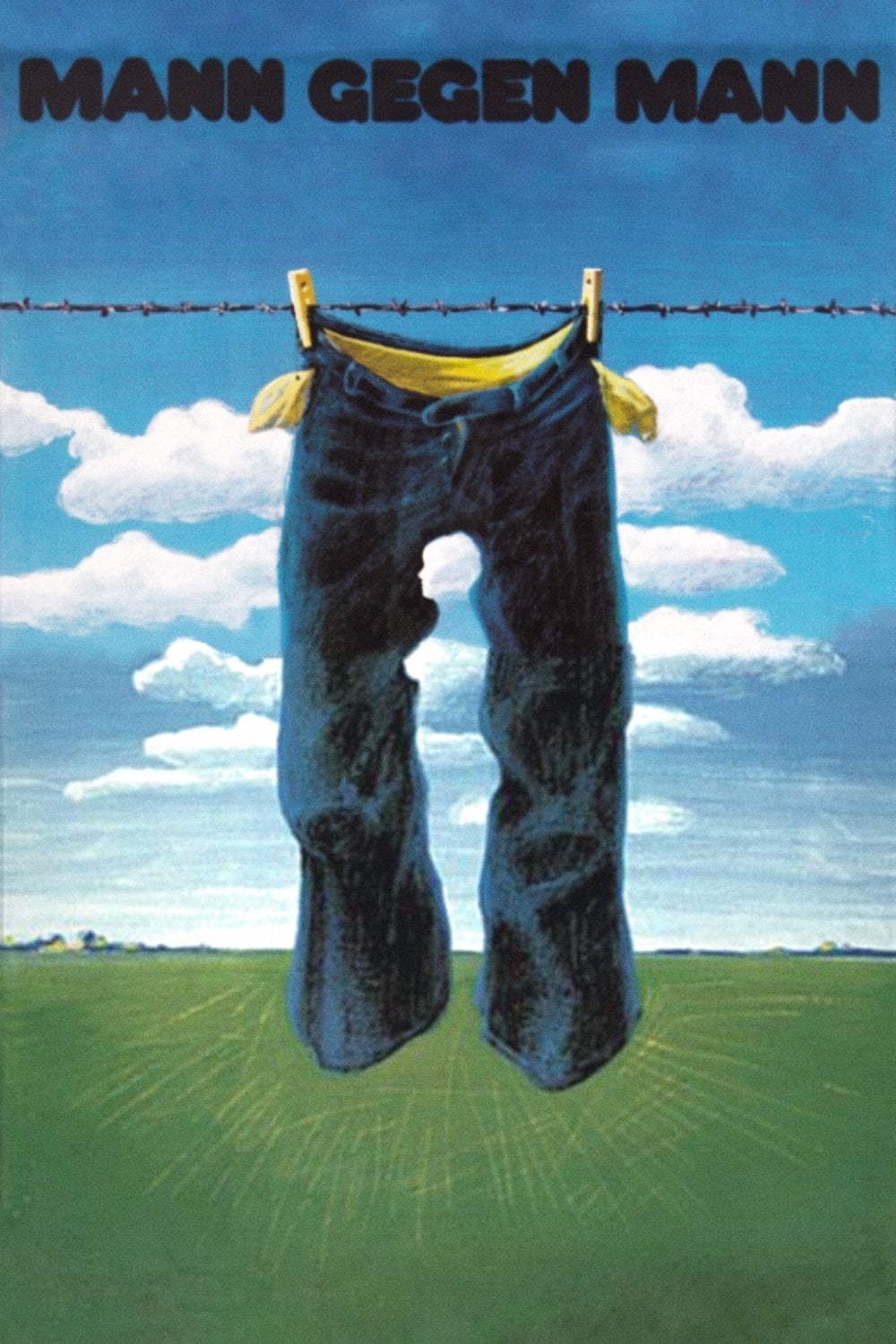
Robert and Michael meet on their return from captivity. They discover that they are both married to the same woman: After Robert was pronounced dead, Michael married Anna. The decision about the future is left to chance.
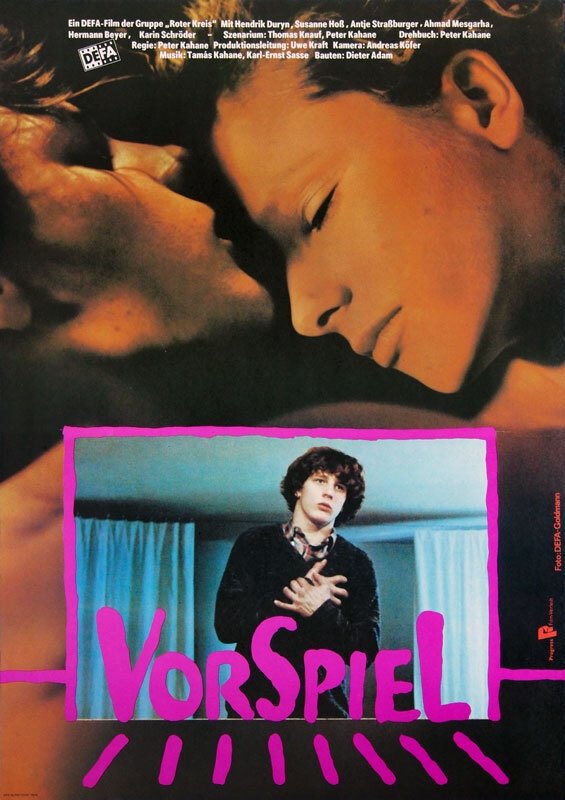
Tom, a 17-year-old window design apprentice, dreams about true love. One day, a new girl from East Berlin moves to town. Tom has a crush on her and will do anything to impress her. When he finds out that she plans to become an actress, he even discovers the aspiration to perform himself. For a while, Tom is on cloud 9.

Letter carrier Eva is in her late twenties, unmarried and the mother of a twelve-year-old son. She falls in love with Jon, a bargeman who is unfortunately already engaged. This spurs Eva on to turn her life around. She changes jobs and changes her appearance. Her happiness seems perfect when Eva becomes pregnant...
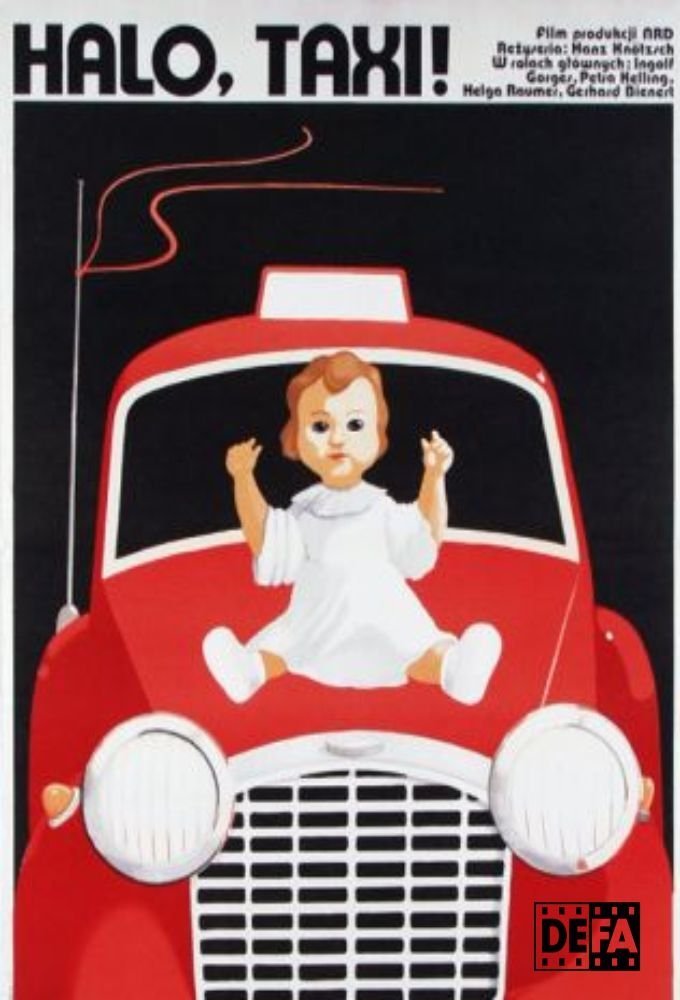
The story of a philanderer behind the wheel of a cab, who gets into a series of hilarious but also adventurous situations, was based on the actual experiences of Berlin cab drivers. It is an entertaining portrayal of how the main protagonist, Eddy, is to be cleverly dissuaded from his dashing bachelor life. Gaby and her grandpa come up with a few ideas. This is necessary, because Eddy may be a proper cab driver, but in his private life he knows no rules when it comes to winning over pretty girls.
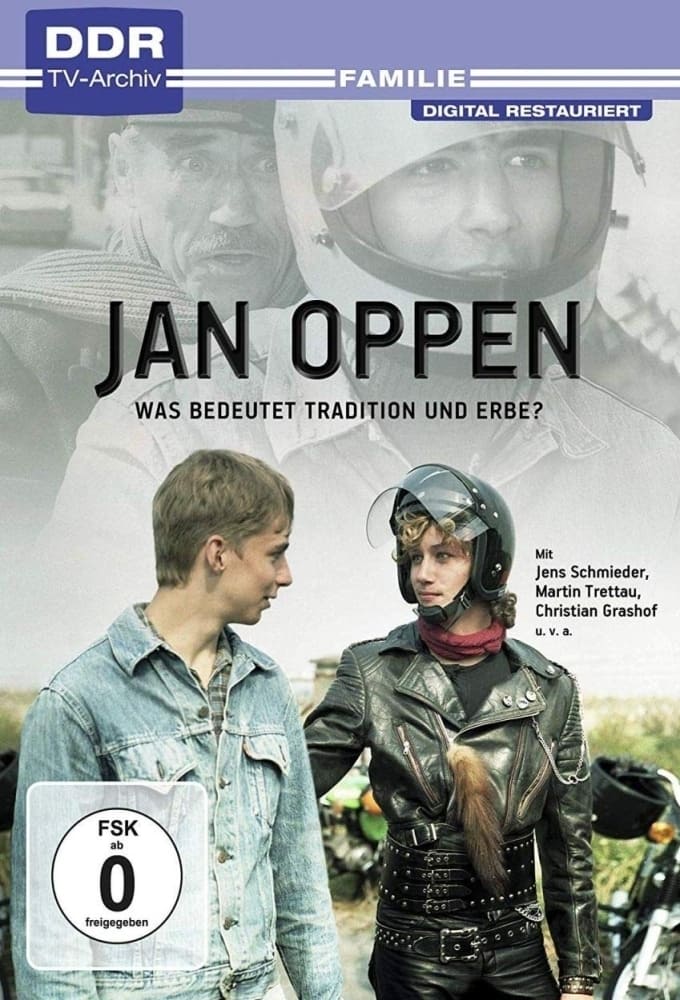
The Oppen family has lived in Berlin, Griesener Straße, for generations. The first names of the family members are also repeated, so the grandson Jan has the same first name as his grandfather. The Oppens' husbands have maintained a tradition up to now: they were or are all carpenters. But the latter does not yet fall on fertile ground with 16-year-old Jan, whose passion is the moped, his "machine". Of course, he is a newcomer among the motorcycle fans around the black Jonny, but he loves to be in their company to experience adventures, and of course he wants to be able to "keep up" with them. Jan has already developed a strategy for how he can do this.

Until he was 11, Detlef Kammrath (René Siodla) had a carefree childhood. But now his parents have decided to go their separate ways and divorce - a catastrophe for the boy. The court awards custody to his mother (Karin Schröder), but Detlef harshly rejects his mother's new partner (Gerd Grasse). He sees him as the person responsible for his unhappiness. Hoping to improve the family atmosphere, his mother forbids the boy from meeting his biological father; this leads to Detlef's absolute despair, and he becomes a "case" for child welfare services.