
„White mouse“ Fritz controls the traffic on Dresden’s Körner Square. Helene, who crosses the junction on her motor scooter every day, has taken a shine to Fritz a long while ago. Although Fritz yields right-of-way to her remarkably often, the two have not spoken to each other. In order to finally get to know him better, Helene deliberately performs a traffic violation. Her plan is working: She is ordered to take road safety education lessons from Fritz and they get closer. New problems arise in the shape of Mrs. Messmer who must pay a monetary fine. She feels discriminated against by Fritz and complains about him to his supervisor.

Ewald Honig can't break his bad habit. Hardly has he crossed over into the GDR when the strapping, well-built man in his late fifties once again starts courting ladies with fraudulent intentions. His daughter Ina, burdened with the same genes, specializes in married men in their prime. Two criminologists are on the Honigs' trail, but they soon have enough to handle just dealing with each other. Meanwhile, Honig and his daughter have left their wayward path of their own accord.

Popelka, a resourceful and independent young girl, is a servant in her stepmother's house and confides in her closest friend the owl. When she comes across three magical acorns, she's granted a single wish for each one of them.

Using the example of three generations of a Hamburg working class family, the rise of the working class from the founding of the Wilhelmin Empire to the First World War, over the time of the Weimar Republic and National Socialism to the destruction of the Third Reich.
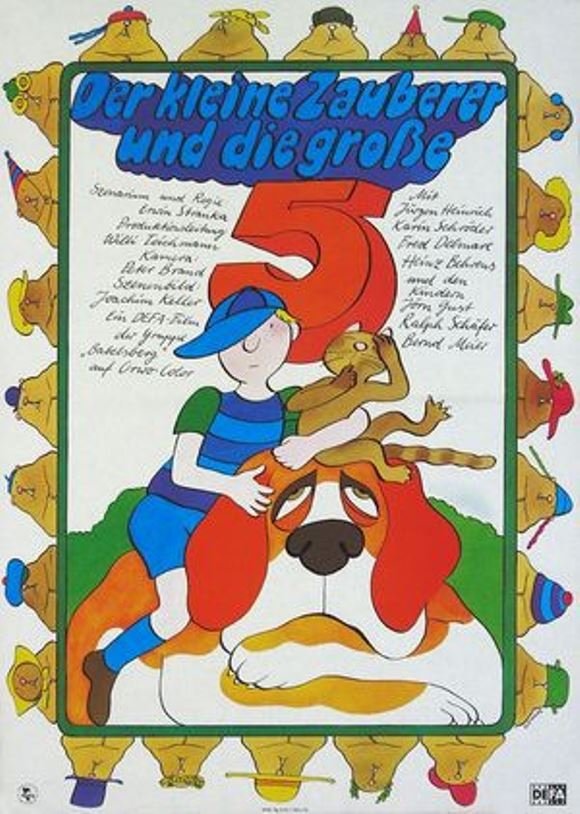
Oliver is in the 4th grade. He hasn't been paying attention in magic class and gets a big, fat five on a test. He has to have the work signed by his parents, but he is ashamed and doesn't want to cause his parents any grief. So he tries to get rid of the five with magic or at least turn it into a three. He manages to create talking guinea pigs and singing geese, but the five remains. The other children are already angry with him because he has no time to play with all the magic exercises. And so he decides to confess his mishap to his parents. His mother shows him how he can turn the five into a better grade - and that has to do with learning.

Brigitte is caught between two men: on the one hand there is the ambitious Klaus, the father of her young daughter, and on the other the sensitive Wolfgang, her flatmate, to whom she feels attracted. With the active help of the housemates, especially her mother Klucke, she finds out who her heart really beats for.

Maria is a record saleswoman by profession. She is lucky to have a job, because the year is 1930 and a major economic crisis has hit the world, accompanied by an army of unemployed people, especially in Germany. Maria is aware of her good fortune; in order to secure it, she has to do without many things. What business owner would employ an unmarried woman with a child in times like these? When Maria became pregnant, she, like many other women, had to become "active" and do something about this "misfortune". So she seeks "help" from a female doctor, trusting in her youth and hoping for better times when family happiness could come true for her.

Berlin landlady Mrs. Klucke looks after the residents of Florentiner Strasse 73 like a mother, who could do with her help. When pregnant Brigitte is looking for a furnished room, she ends up with Mrs. Klucke. However, she has to make do with a spare room. At first Brigitte is quite disappointed that all sorts of residents and their guests regularly pass through the room, but over time she gets used to this situation. She soon comes to love the idiosyncrasies of the other residents of Florentine 73 and the motherly care of her landlady.

A disruption on the Berlin S-Bahn: passengers have an involuntary one-hour layover at Frankfurter Allee S-Bahn station and use the time to take a closer look at their fellow passengers. Alice Räppel, a native Berliner with a heart and a snout, meets Egon Ziesemaus, who is usually plagued by bad luck. Klaus Fiedler, who wants to leave his family, gets to know the actress Inge, and other passengers also quickly make friends.

Russian soldier Grisha escapes from a German prisoner-of-war camp in the spring of 1917. He is caught and is to be shot as a spy. This decision is controversial. The dispute continues. Grisha is executed on the orders of the army high command.

The 20-year-old Berliner Wilhelm, called Willi, returns from two years as a prisoner of war to the village of Weltzow in the Havel region, where he meets Hans Graber, a former comrade from the front. Hans is now a teacher and finds Willi a job with innkeeper Brunzel. His daughter, Mrs. Leidenfrost, has been a widow for five years, as her husband was killed at the front. Over time, she begins to take a liking to Willi, but Willi is not aware of this. He is interested in the dressmaker Ulla, but skips their first meeting when he learns in the inn that Ulla has an illegitimate child.
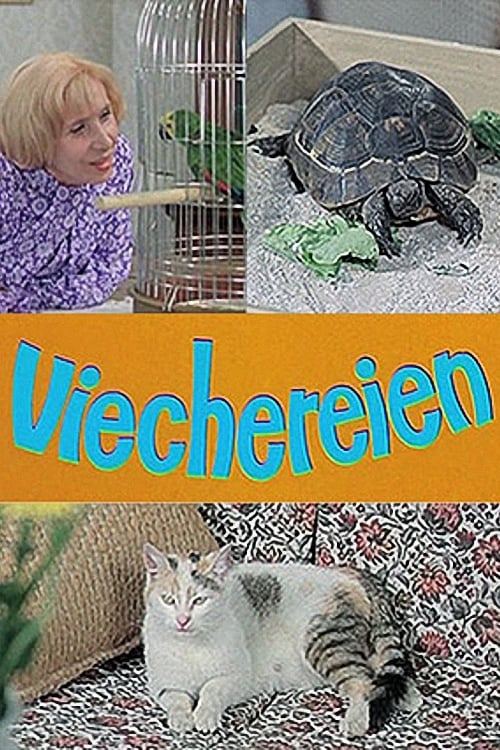
Alma Krause is the proud owner of a thoroughbred French bully. Even otherwise, she nurses and harbors several two- and four-legged friends in her apartment - just as one would expect from a veterinarian's widow. Her nephew Heinz, on the other hand, is kind of beaten. Not as for the love of animals, that would fit badly to a nascent vet, but for a small animal practice, as the blessed uncle operated, he seems to have no ambitions. A future as a "Bazillenscheuche" in the cowshed would like to spare him again Aunt Alma. And she takes her appropriate action.
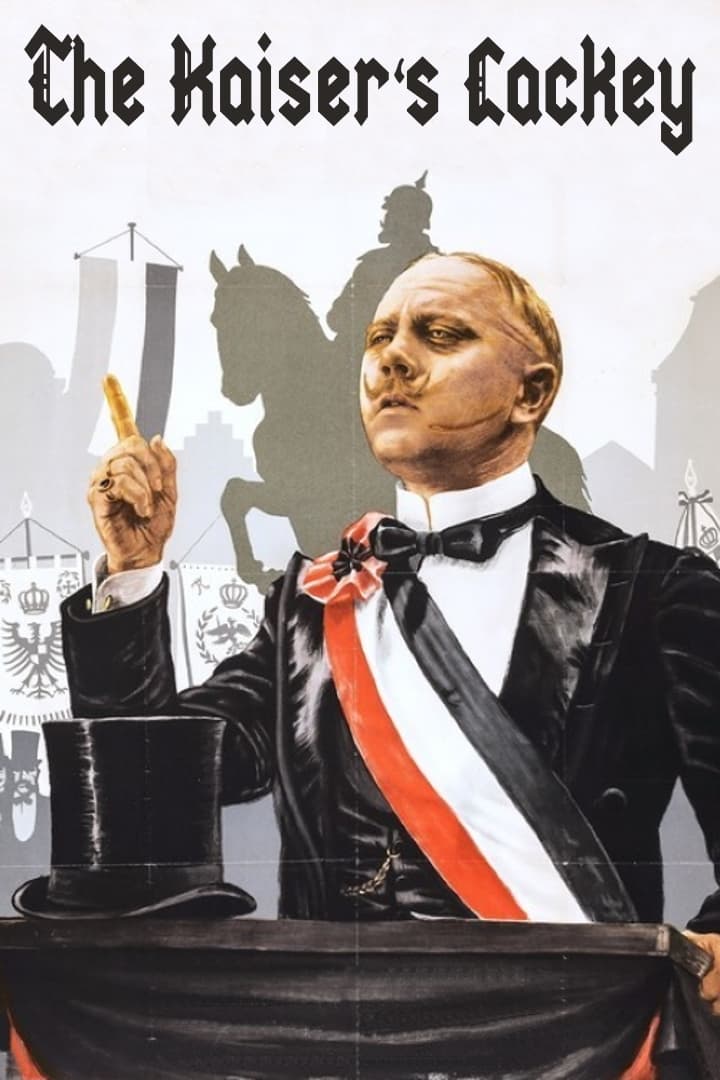
Diederich Heßling is scared of everything and everyone. But as he grows up, he comes to realize that he has to offer his services to the powers-that-be if he wants to wield power himself. His life motto now runs: bow to those at the top and tread on those below. In this way, he always succeeds: as a student in a duel-fighting student fraternity and as a businessman in a paper factory. He cajoles the obese district administrative president Von Wulkow and wins his favor. He slanders his financial rivals and hatches a plot with the social democrats in the town council. On his honeymoon with his rich wife Guste, he finally finds a chance to do his beloved Kaiser a favor. And when a memorial to the Kaiser is unveiled in the town where Diederich lives and works, he delivers the address. He stands behind the lectern in the pouring rain, saluting his Kaiser. The crowd is dispersed. Everything is laid in ruins...

After the death of their father, 18-year-old Helene Raupe (“coccoon”) and her younger sister Asta come under the guardianship of the youth welfare office in East Berlin. Helene fails miserably as a fishmonger, fashion assistant and bus conductor, all jobs ordained for her by the authorities. The young woman really only “emerges” in her fantasies, where she can escape from her dull, normal life.
Victory and demise of the first proletarian dictatorship in the history of mankind, about the struggling, bleeding workers of Paris who enthusiastically defend their historical initiative. The little Cabet family from Rue Pigalle and their friends let the spectator participate in the action.
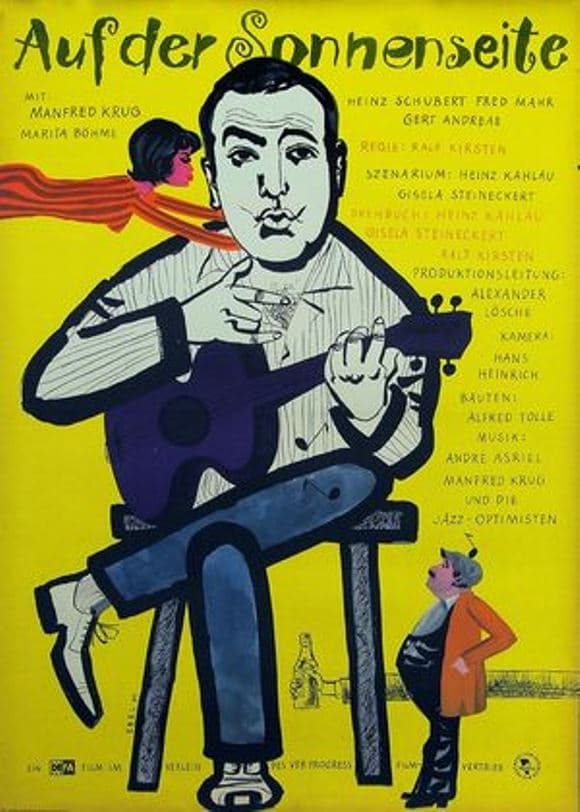
The story of the steel melter Martin Hoff, whose factory delegates him to a drama school, corresponds to the real life of the actor Manfred Krug. Like his (film) hero, Krug works as a steel melter, does artwork, sings and acts, and is sent to drama school. Like his hero, who behaves anarchically and conspicuously, Krug is soon expelled from school.

At the end of the 1950s, the production of optics in the German Democratic Republic has reached top quality and instigates interest in the West. When national demand rises strongly and at the same time the export to South America heavily decreases, the Volkspolizei - the GDR police force - starts to look into the case. Two seemingly unrelated cases are the starting point for the investigation by second lieutenant Schellenberg of the department for optics racketeering: An old woman who was arrested in the Berlin city railway for trying to smuggle a pair of binoculars to West Berlin, and a dead person in an area of allotments who was involved in obscure dealings with optical devices.

A wild story set in eighteenth-century Prussia. Alexander can do everything that a real devil of a fellow must be able to do: ride, shoot, love and devise clever plots. As a result, he is able to climb the ladder from herder to chamber master, where he makes a fool of the feudal lords.

Hans Müller finds himself on a trip in Thüringen, accompanied by his loving female friend, Moritz. Hans doesn't understand much about trust, which constantly leads to problems between the two of them. During one of their fights, Lady Venus intervenes and sends the young man back to the Middle Ages - so he can learn the true meaning of love. Disguised as Tannhäuser, he has to stand his ground against a horde of minstrels. At a singing competition, he blunders, without the support of Moritz, who had also been thrown back into the 13th century. And with the help of Frau Venus, his adventure will surely turn out even worse...
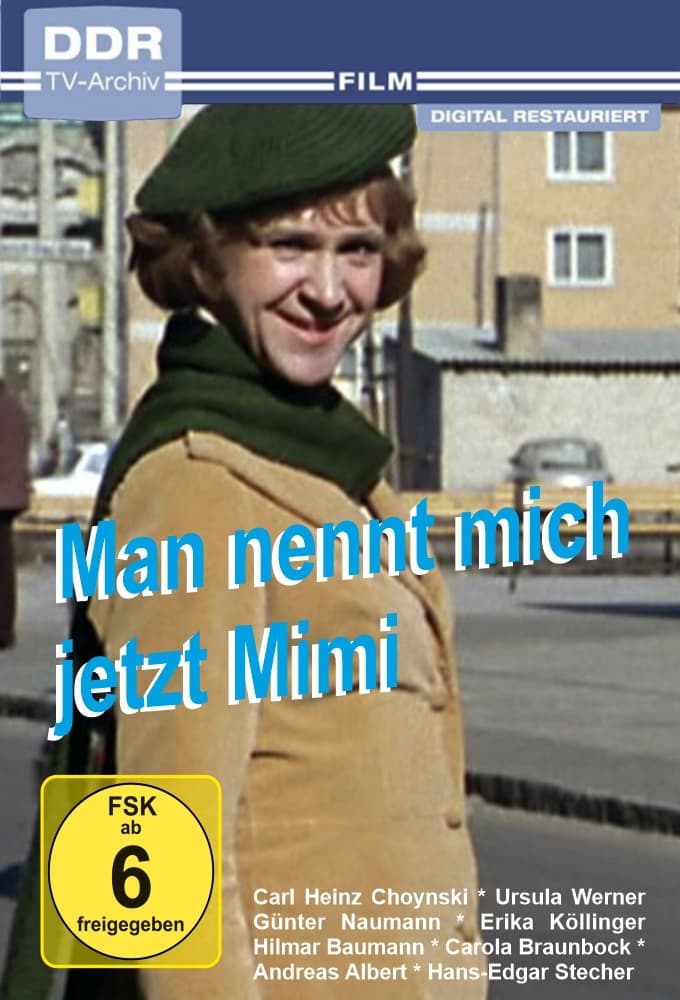
A young married couple is in love. Both believe that the other has it easier in life. To find out who is right in this matter, they swap clothes: Anna slips into a man's suit and Peter into a chic woman's wardrobe. In this outfit, they both drive towards their vacation destination. Of course - under these circumstances, the young couple are in for exciting and unpredictable adventures, as the locals at the vacation resort show more than just platonic interest in their new guests...
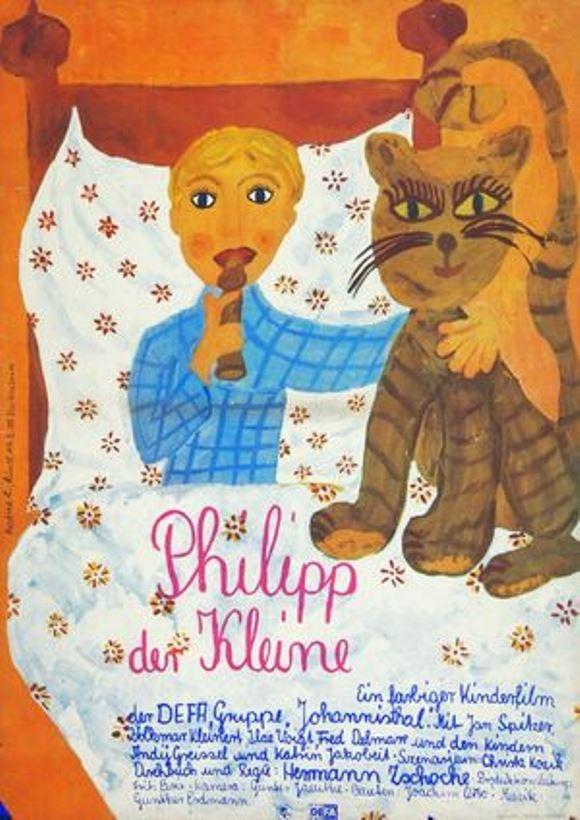
Philipp is a small boy, who other guys pick on, because he's not as large as them. But when a musician gives him a magical flute, he can make objects bigger or smaller.

East Germany 1978. Karoline and Robert, teenagers who used to live in the same house until Robert's family moved, meet again at this year's holiday-camp. First love, first nude experience, first self-made theatre performance of "Romeo and Juliet". A look at the east-German youth in the late seventies.
Last years in the Life of german Dramatican Georg Büchner. Around the year 1830 he and his fellow students try to initiate a revolution in Germany, but they are not successful. Büchner has to leave the country and seeks exile in France and Switzerland, where he falls ill with typhus.
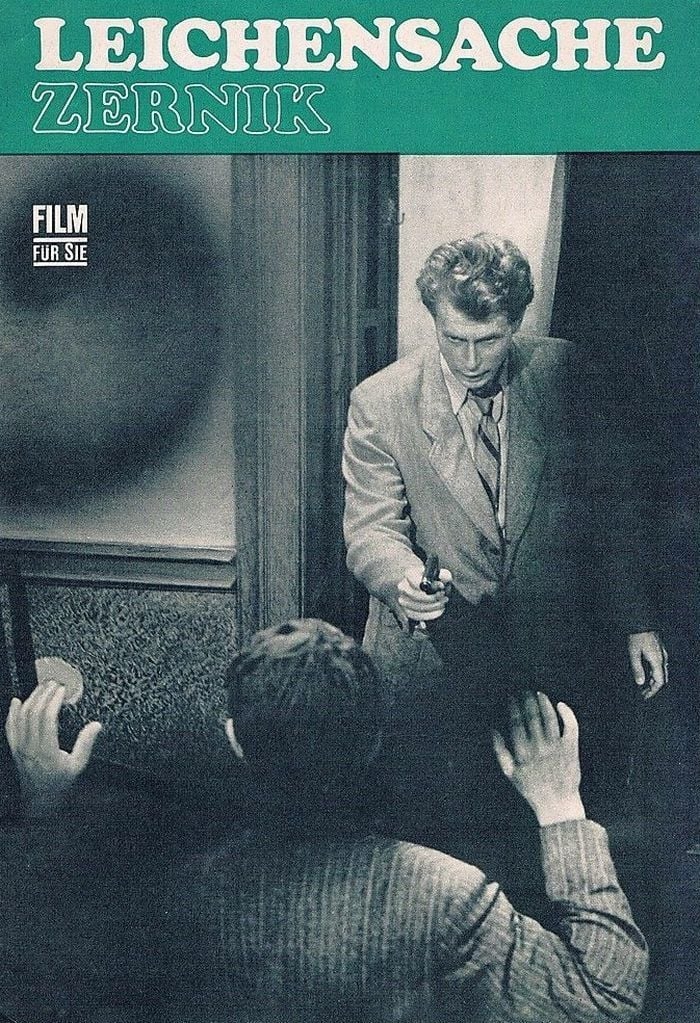
After meeting the woman on the train Erwin Retzmann kills her in the forest.

The friends Jochen and Gerd both work at the fashion boutique "Saxonia", which has only recently designed a new collection. Therefore, Jochen and Gerd are shocked when they meet two young ladies during their well-deserved holiday who are already dressed in two of the new pieces. And as if that was not enough, they pass the creations off as their own, even though they are employed at the competing company "Berolina". Naturally, the two men refuse to let the matter rest, although they do not actually want to raise a quarrel with the pretty ladies. After some turbulent entanglements they become aware of the foolishness of their squabbling and, eventually, the four of them present the disputed designs as a co-production at the fashion fair in Leipzig.
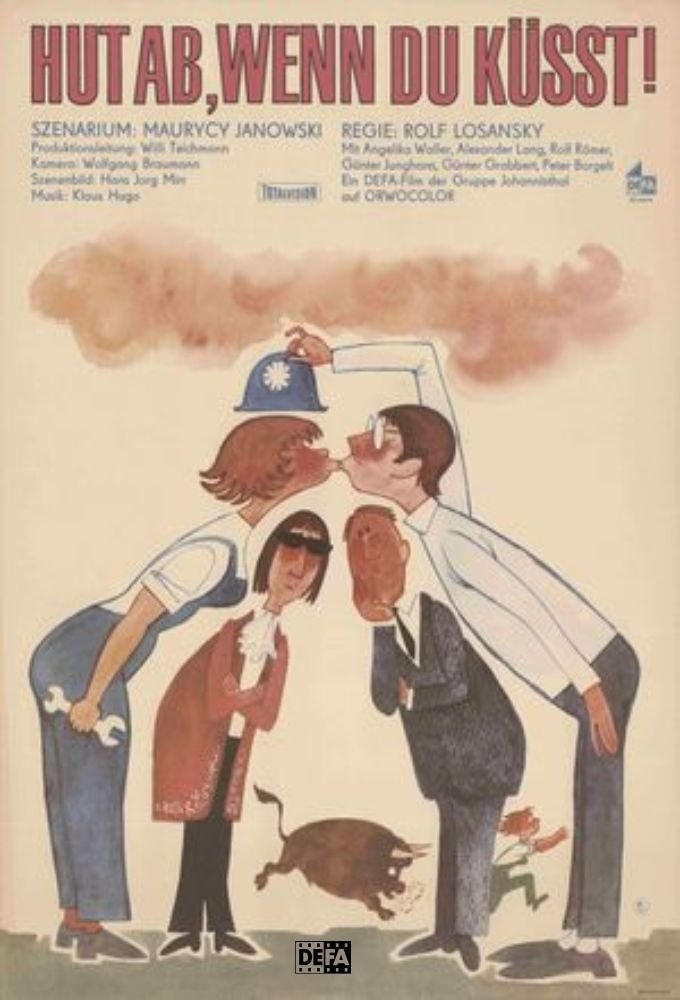
Fred works as an engineer and a test driver at a car company. His girlfriend Petra is a car mechanic - actually an ideal combination. However, the old-fashioned Fred is less than thrilled about his girlfriend’s "male profession". In his opinion, the masculine job damages her femininity. Since Petra is unwilling to give up her beloved job for such stupid concerns, there is a lot of friction between them. It is not until Petra turns the heads of all the men at a fair that Fred realizes how absurd his objections really are.
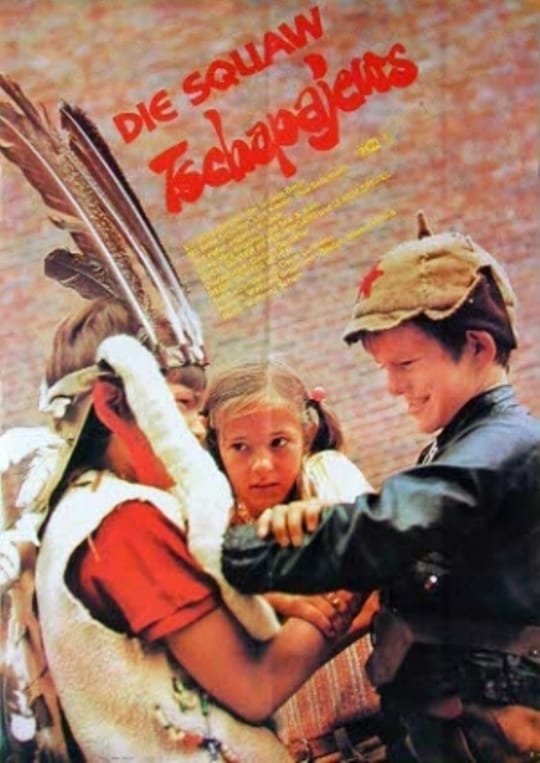
Two school classes compete against each other. The prize for the winner is a trip to the Baltic Sea. Lars, Peter and the group leader Manni are confident of victory in the cross-country game, after all they have gained experience in the game as "Chapaev's cavalry army". The first point goes to them. However, they fail the math Olympiad - an Indian movie was more important to them than learning. And before the soccer match, they split into two groups. Lars leads a pitiful remnant of Chapaev riders, while Peter plays Indians with the others. At the soccer match, they put legs on each other, and the other class wins that point too. After the defeat comes the realization: maybe they should practice "Cosmonaut" together again - until next year's competition.
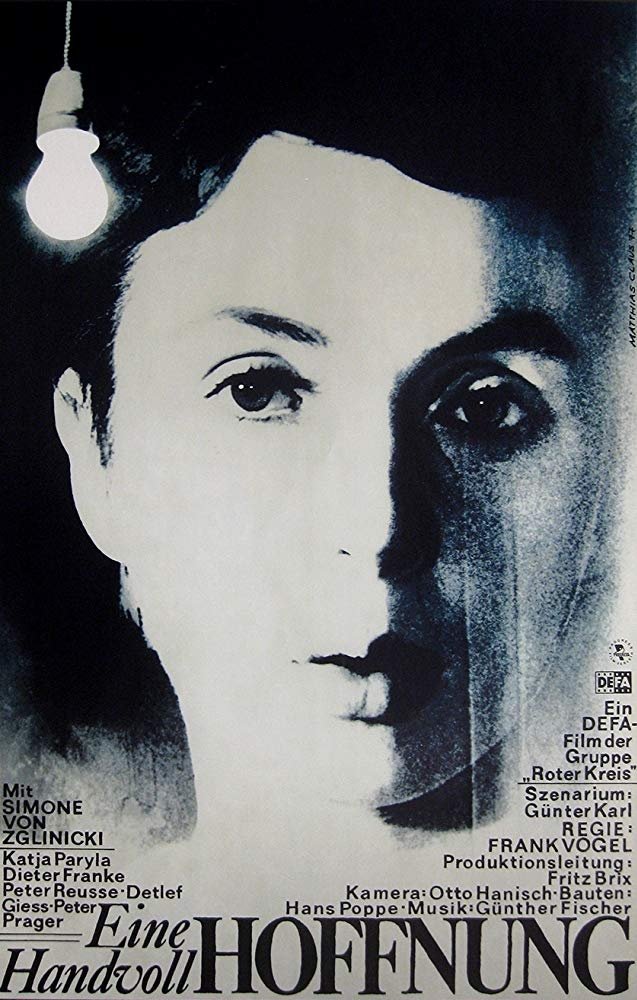
Berlin at the end of the 1940s. Anneliese Weyher is working as a switchboard operator. She is living with her aunt after losing her parents in the war – a stroke of fate that has thrown the young woman off course emotionally. Indifferently, she is doing her work; her private life consists of an affair with a black-marketeer. Even when Anneliese witnesses an armed robbery, committed by infamous Wollnick and his gang, she stays lethargic and apathetic – she keeps silent instead of helping the inspector who is a friend of her aunt. It is not until Anneliese by coincidence meets her former lover, the watchmaker Kurt, that her life seems to take a positive turn.

When he reaches age 18, Peter is released from the children's home where he grew up, but this does not mean he is truly ready for adult life.
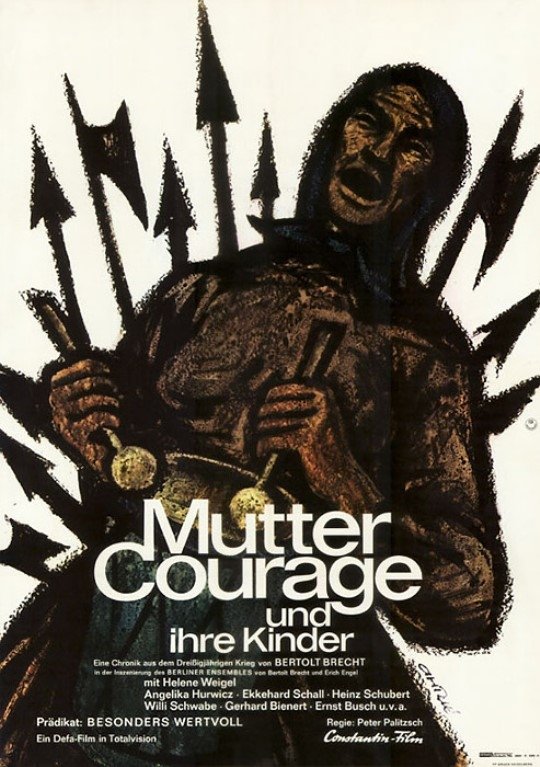
During the Thirty Years' War, the camp-follower Anna Fierling, called "Mother Courage", travels the length and breadth of Europe with her covered wagon. She does not care if it's Catholics or Protestants she trades with as long as business thrives. She loses her three children as a result of the war: bold and spirited Eilif, sincere and upright Swiss Cheese and mute Katrin, who saves the children of Halle by beating a drum on a farmstead roof In wartime, the Fierling children's virtues prove to be deadly. Yet, Mother Courage, remains incorrigible. She will not have anyone "spoil the war" for her and so sets out once more after the soldiers with her wagon.

At the VII Party Congress of the SED, a delegate tells a reporter his life story: 18-year-old returning soldier Georg Lendau ends up in a small village in 1945. He is starving and sick. Mayor Kallam helps. Later, they meet again; Kallam is now the director of a heavy engineering company. He gives Georg, who is a lathe operator, work. But Kallam has more plans for him and wants to send him to university. Georg refuses. An extra shift, which he only did so that he could buy his future wife wedding shoes, brings him into conflict with backward colleagues - and the realization that you first have to work better if you want to live better. He followed this insight with action, becoming a master craftsman, comrade and student.
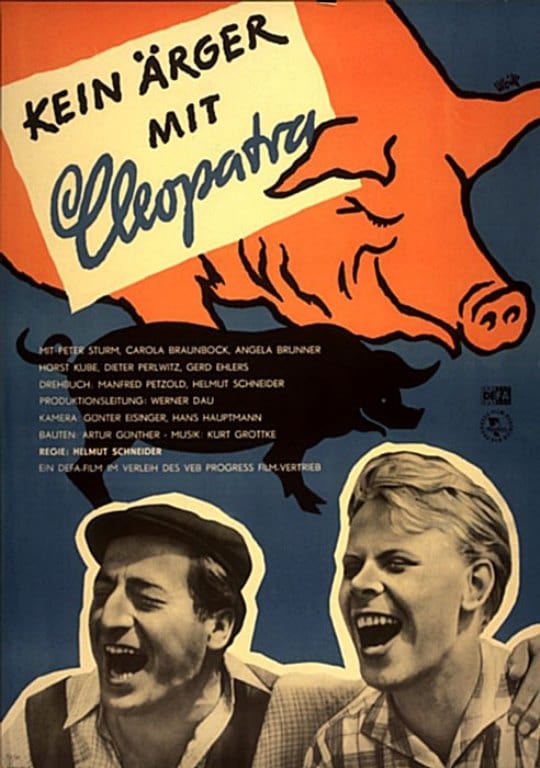
The black cooperative Cornwall boar achieves single-handedly, so to speak, what the LPG functionaries in Bolbitz fail to do. He takes away the individual farmers' fear of the LPG by secretly covering their sows at night. The black piglets frighten the farmers at first, because black litters mean bad luck and presuppose a sin. Collectivization is seen as a sin by the superstitious, especially Grandma Kahlow. But when even the priest's sow is not spared and they find out who the "culprit" is, the superstition dissolves into laughter and the fear of the LPG is banished.
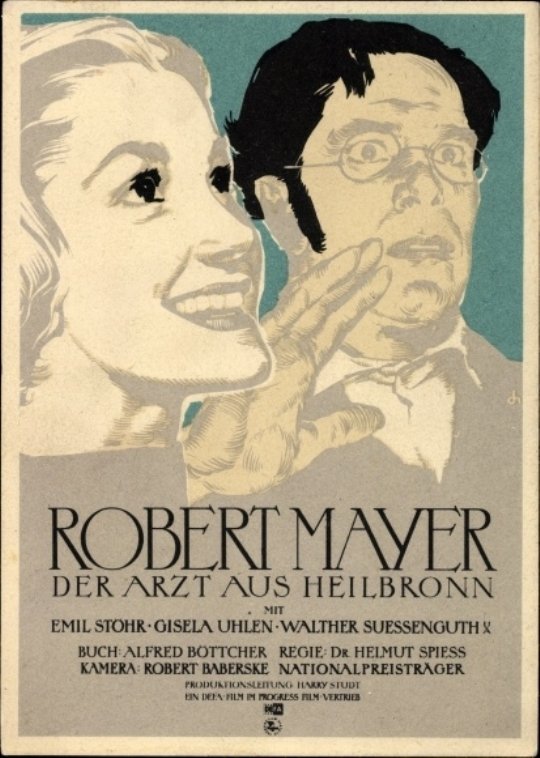
Biographical movie about Julius Robert Mayer (1814-1878), a surgeon and town doctor in Heilbronn, who studied heat for many years and was the first to correctly formulate the basic principles of the theory of mechanical heat and the principle of conservation of energy. Competing Prussian scientists laugh at him, and his life is full of misunderstandings and persecution. The film tells of his fate and his long and futile struggle for recognition of the results of his scientific work.

A film about the historical uprising of the seamen in Kiel: During the Russian October Revolution of 1917, German and Russian soldiers start to solidarize with each other. By disarming the officers, machinist Henne Lonke and stoker Jens Kasten prevent the attack on a Russian freighter. When German admiralty gives out orders for operation "Nibelungen", which would lead the German fleet into a suicidal attack against England and quell the revolutionary spirit, seamen and soldiers from different political backgrounds unite in protest.

The widowed registrar Robert Zimmermann reconciles divorcing couples and finds happiness in love once again.
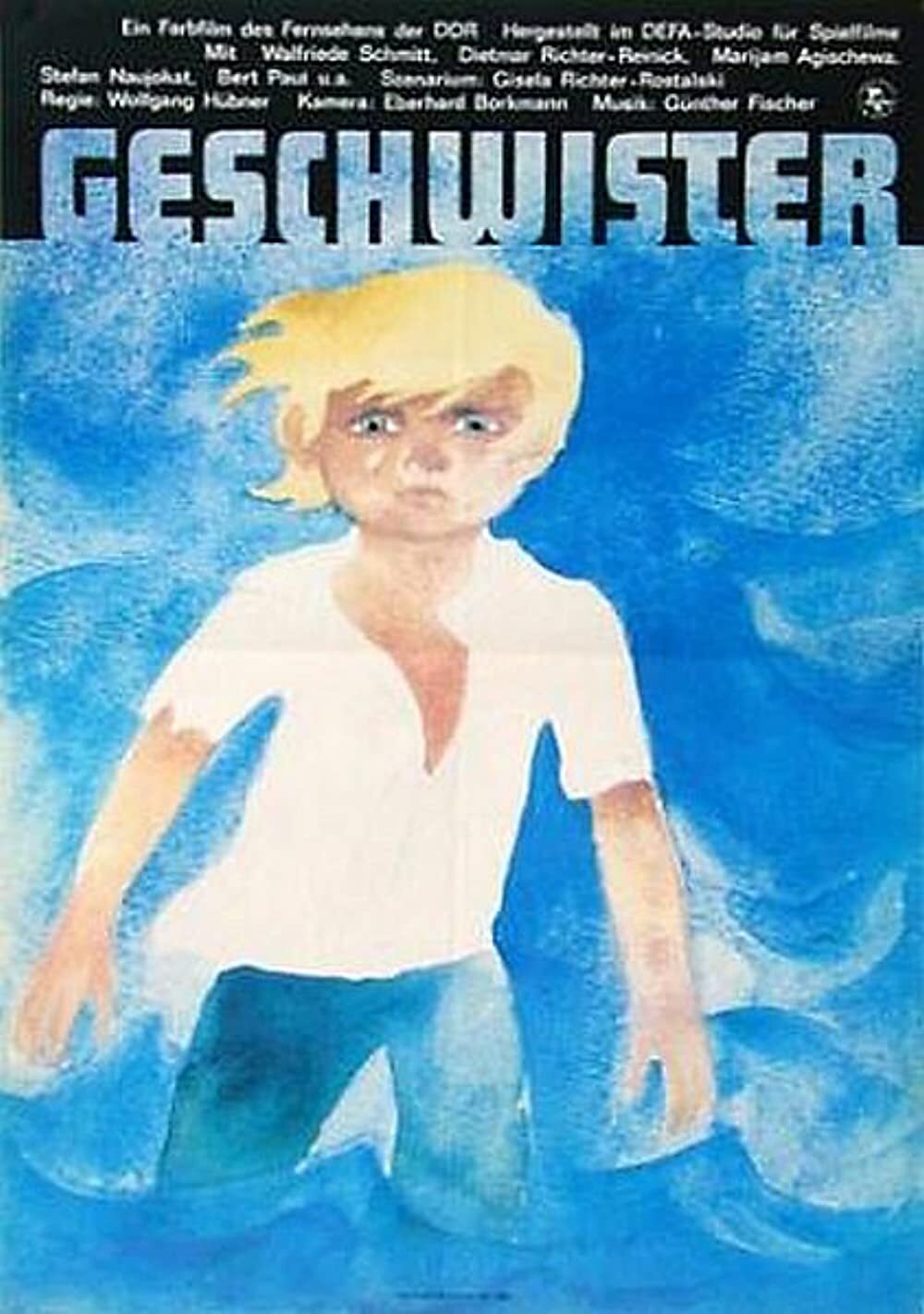
The children of Herbert and Hella, two single train conductors, are going to vacation at Baltic Sea. Unfortunately the parents are to busy to go so the oldest sister is in charge.
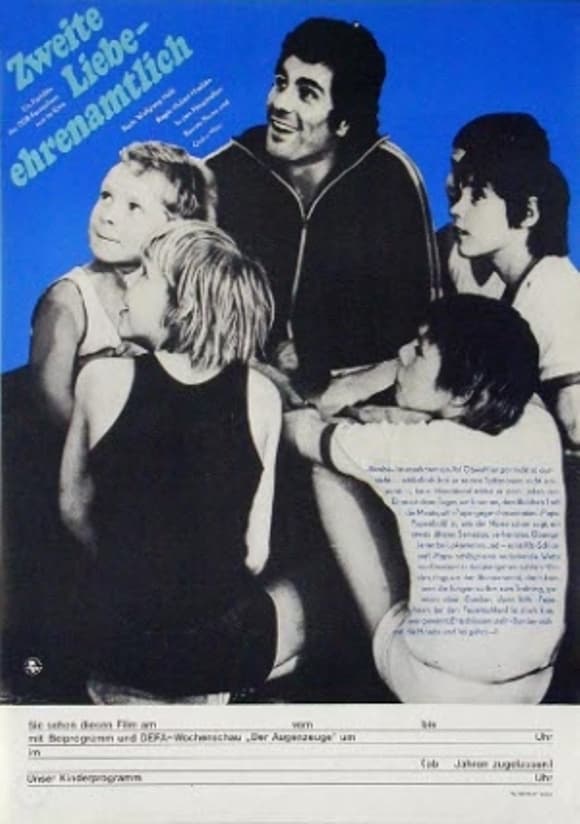
A mechanic, Peter Papenbold, is giving all his free time to volunteer in the children's sport school. When he's asked to switch to teaching permanently - it's a very difficult decision for him.

A miracle happened 50 years ago: The fairy tale "Three Hazelnuts for Cinderella" becomes the ultimate Christmas movie and turns the actors into stars overnight. Libuše Šafránková and Pavel Trávníček, fresh from drama school, took the hearts of millions of viewers by storm. The documentary answers recurring questions from fans: Why was it filmed in the freezing cold winter and not in summer, for which the costumes were tailored? How did a Czech film idea become a cooperation with DEFA? Pavel Trávníček recalls the filming 50 years ago and takes the audience to the original location of the happy ending scene. An immortal Cinderella myth is explored, told and celebrated.
