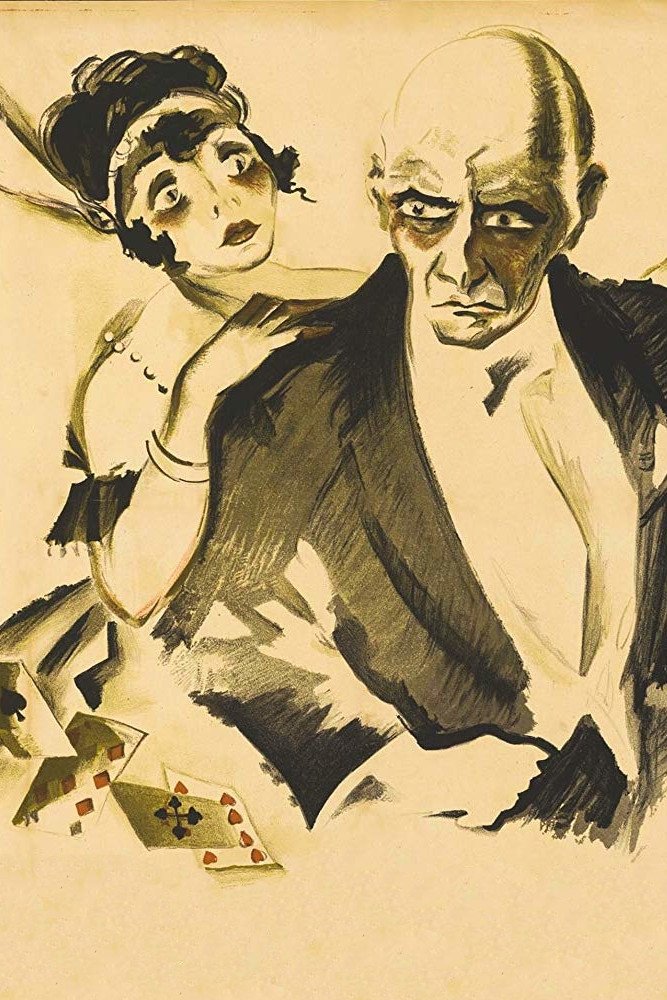
A dramatization of the assassination of Franz Ferdinand.
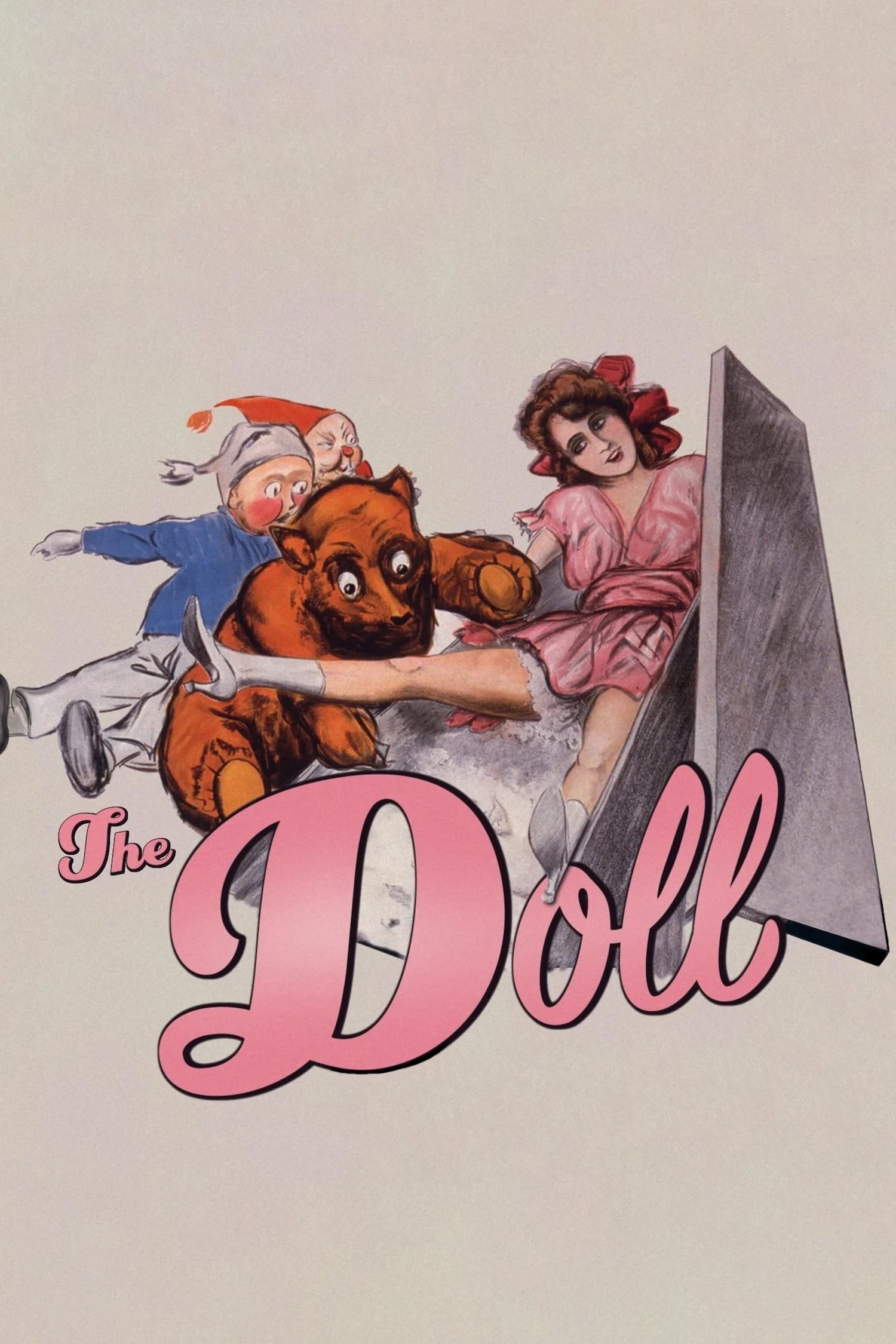
The misadventures of an effete young man who must get married in order to inherit a fortune. He opts to purchase a remarkably lifelike doll and marry it instead, not realizing that the doll is actually the dollmaker’s flesh-and-blood daughter in disguise.
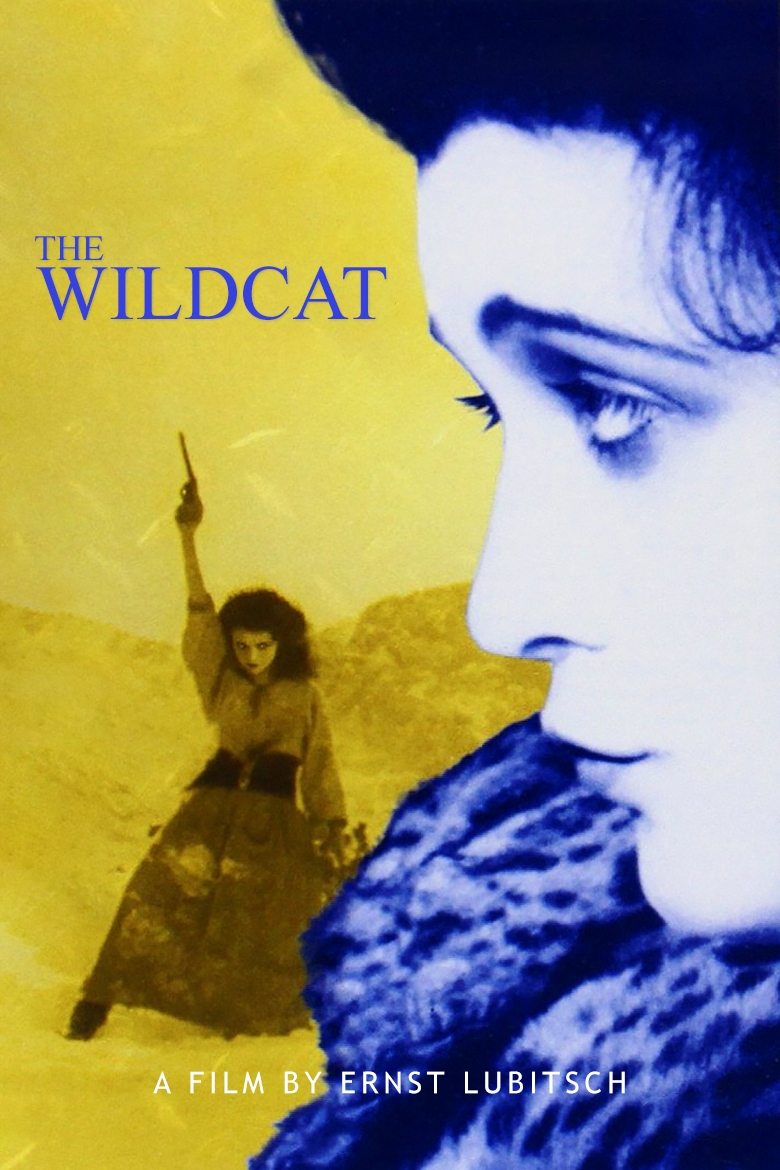
A charismatic lieutenant newly assigned to a remote fort is captured by a group of mountain bandits, thus setting in motion a madcap farce that is Lubitsch at his most unrestrained. A wonderfully anarchic and playfully subversive satire of military life from one of the great comedy filmmakers.
German silent film directed by Erich Schönfelder.
An adaptation of the eponymous novella by Jeremias Gotthelf.

The story of Romeo and Juliet, a tale as old as time-- Here, played as farcical lark: A goofy comedy of manners set in a snowy Bavarian village.
German silent film
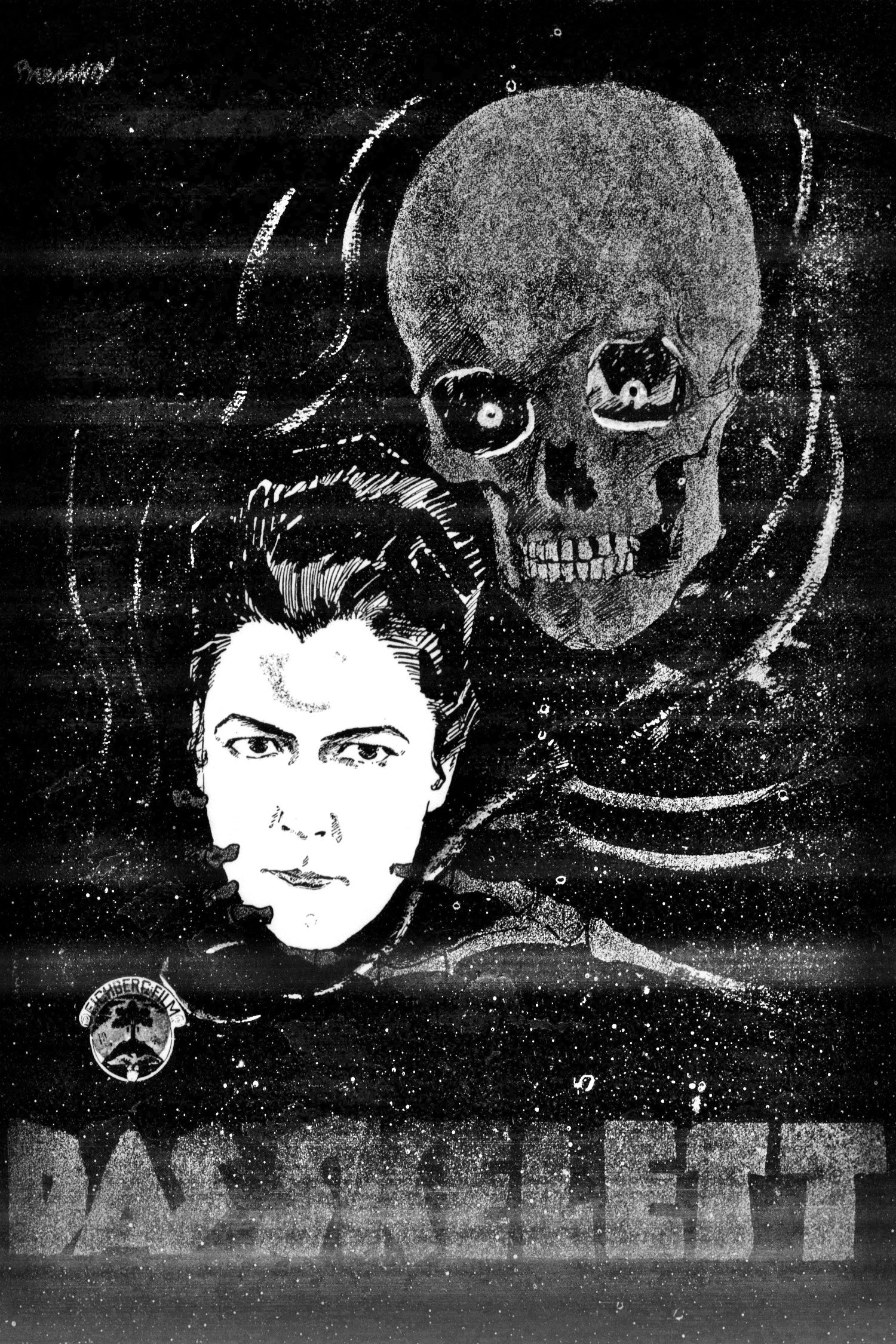
Stella Orlanda is a young variety artist who can stand her ground like the next man - and not only on the stage from where as a boxer she calls out the strongest men in the audience.
In the summer of 1920, the staff of the Rembrandt Theatre in Amsterdam went on strike, which was especially unfortunate for the management of the theatre, since they had invited the German film stars Ossi Oswalda, Marga Köhler, and Victor Janson to the Dutch premiere of their film Wohnungsnot (Ernst Lubitsch, 1920). For this special occasion, there were even two extra segments shot with Ossi Oswalda playing the lead role. In one of those films, we see how Oswalda, dressed in traditional Volendam costume, cheerfully makes contact with the local inhabitants. But not every Volendammer seems charmed by the advances of the German diva. Because of the strike, the film could only be screened one time in the presence of the three stars.

French aristocrat falls for Russian nightclub singer, gets involved in underground Russian revolutionary movement. Parts 1 and 2 were re-edited in the only surviving copy named Daughter of the Night.
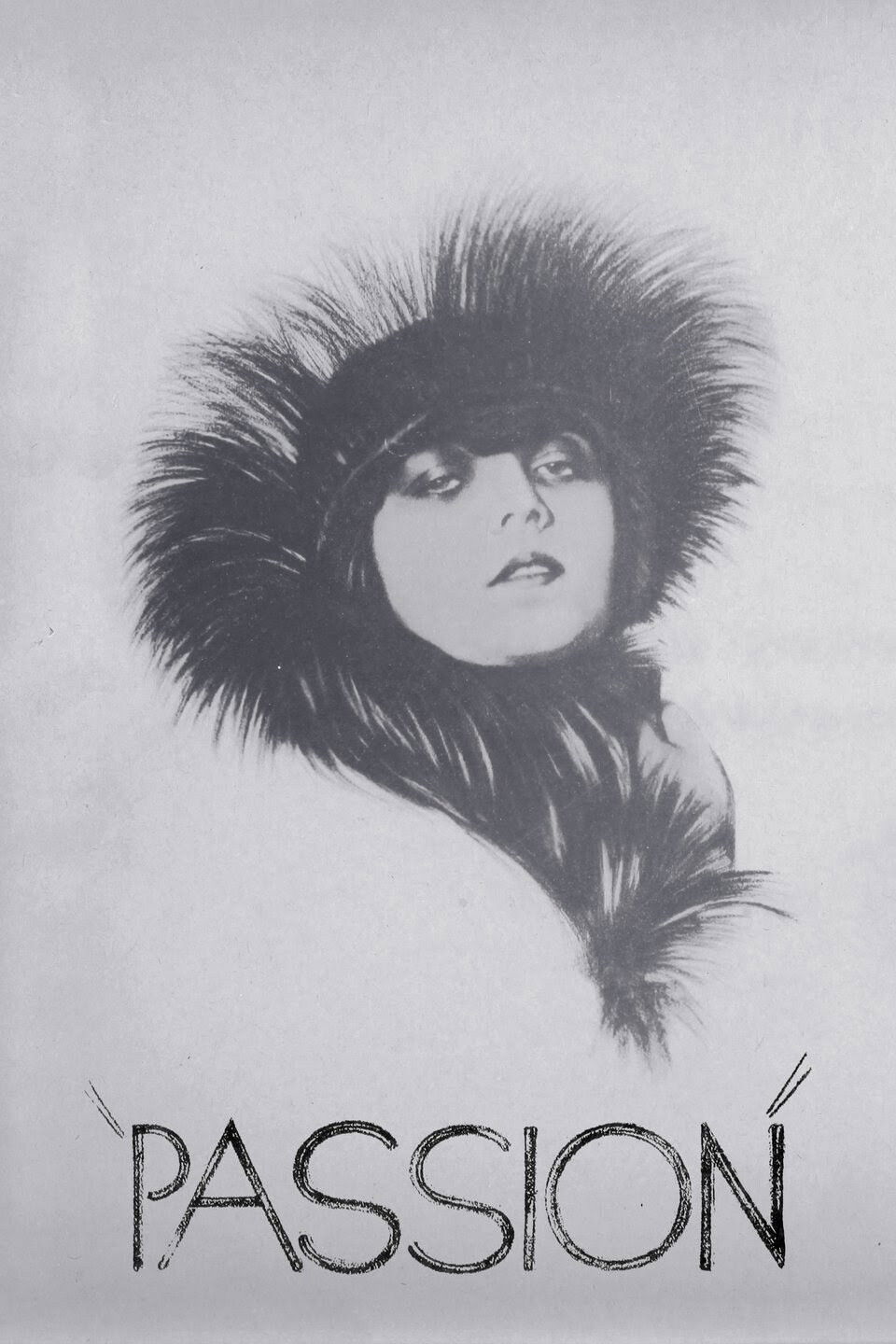
The story of Madame DuBarry, the mistress of Louis XV of France, and her loves in the time of the French revolution.
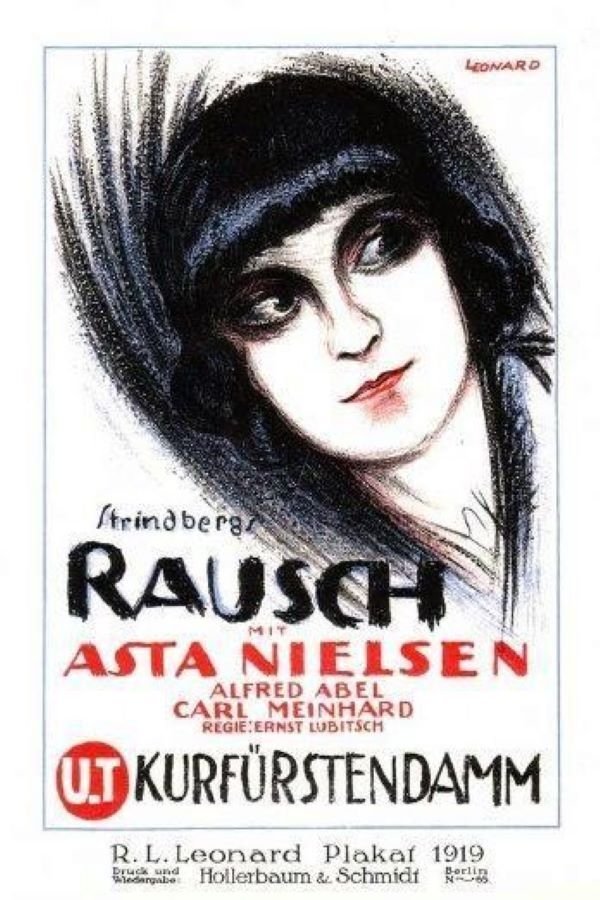
Gaston finally succeeds as a dramatist and decides to leave his wife and child for another woman. When the child dies, the finger is pointed at him and he winds up as a destitute before all is revealed. This film is considered lost.
The plot of the lost film is divided into two acts. Ossi Oswalda and Victor Janson play two apartment seekers, while Marga Köhler is a landlady. The housing shortage is treated in sketch form and "in a joking manner [...] the real housing calamity", whereby "humorous aspects" are wrested from the "tragedy." Lubitsch and Kräly used a sketch in the film that they had written especially for Ossi Oswalda.
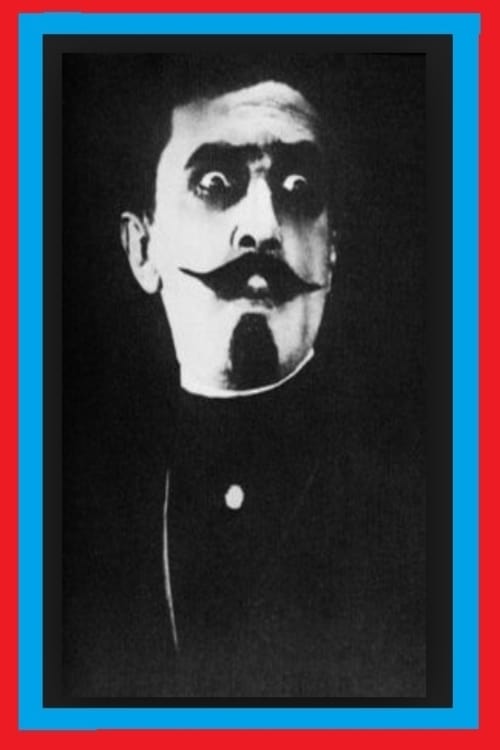
When doctors fail to cure the young and beautiful Claire Raven, who for inexplicable reasons seems to have fallen under a spell, Professor Mors, an expert in the field of hypnosis, is called in to help.
A tinted silent film about a murder plot.
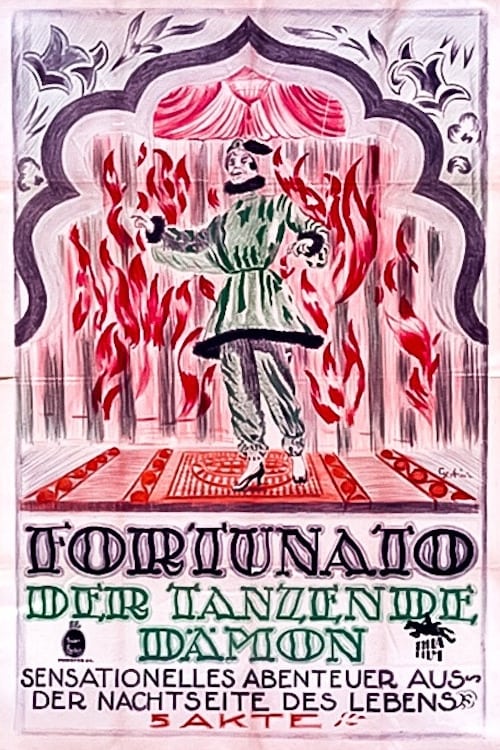
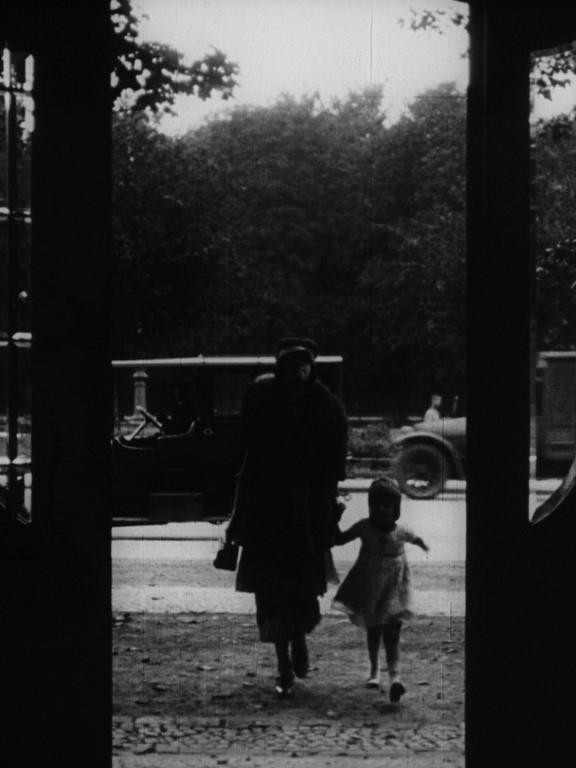
Many suitors woo the wealthy heiress Dora, but her heart belongs to the doctor Alberto. Shortly after their engagement, it turns out that Alberto has kept a child from a previous relationship a secret, which causes Dora – in grief and defiance – to marry Reppen, a banker who is only after her fortune. Years go by in their unhappy marriage until one day the couple’s daughter has an accident – and only one doctor can help.
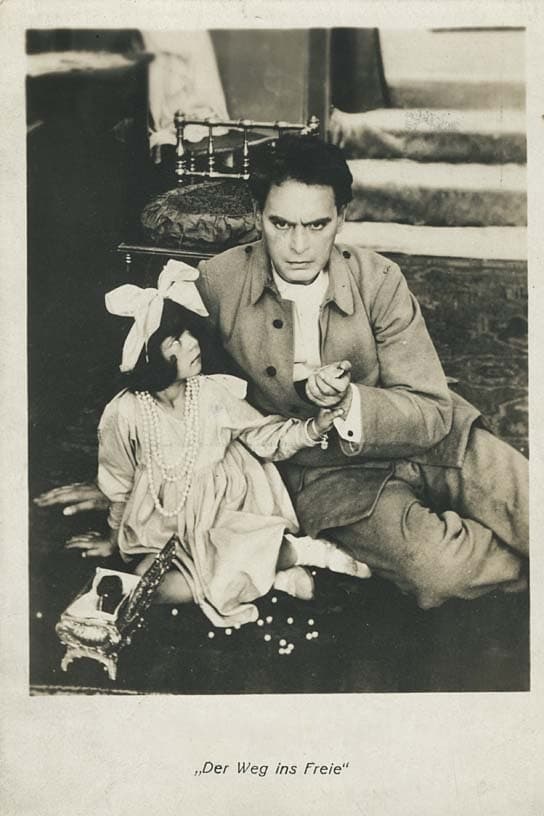
Such a soul torments young composer Georg von Wergenthin, around whom the author creates a precise picture of the fin de siècle, its neuroses and its politics. Georg starts a relationship with a young singer, but does not confess to her in front of his friends, even when she becomes pregnant by him.
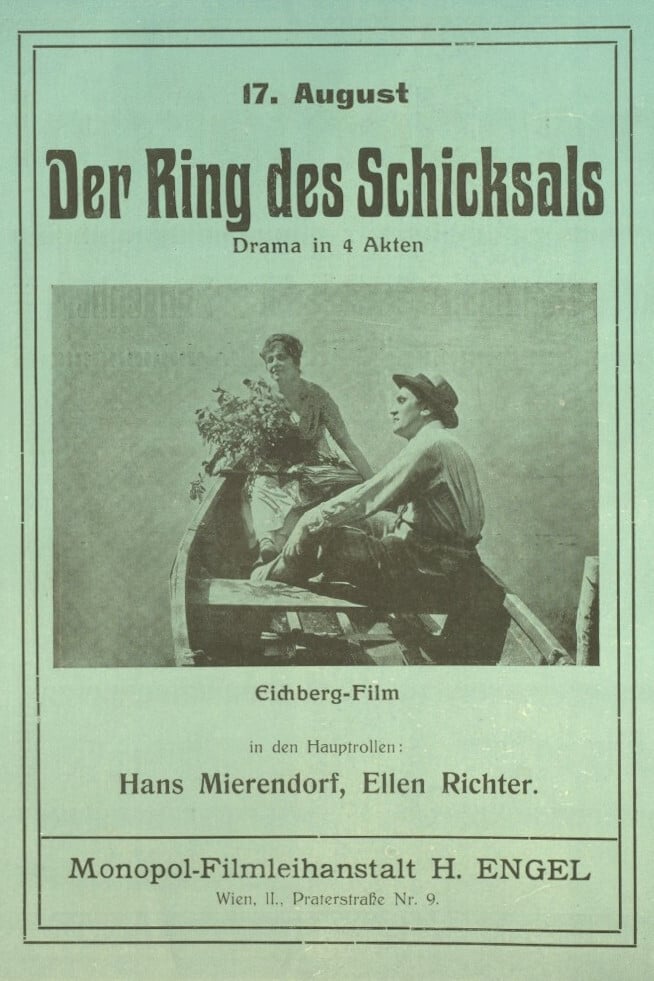
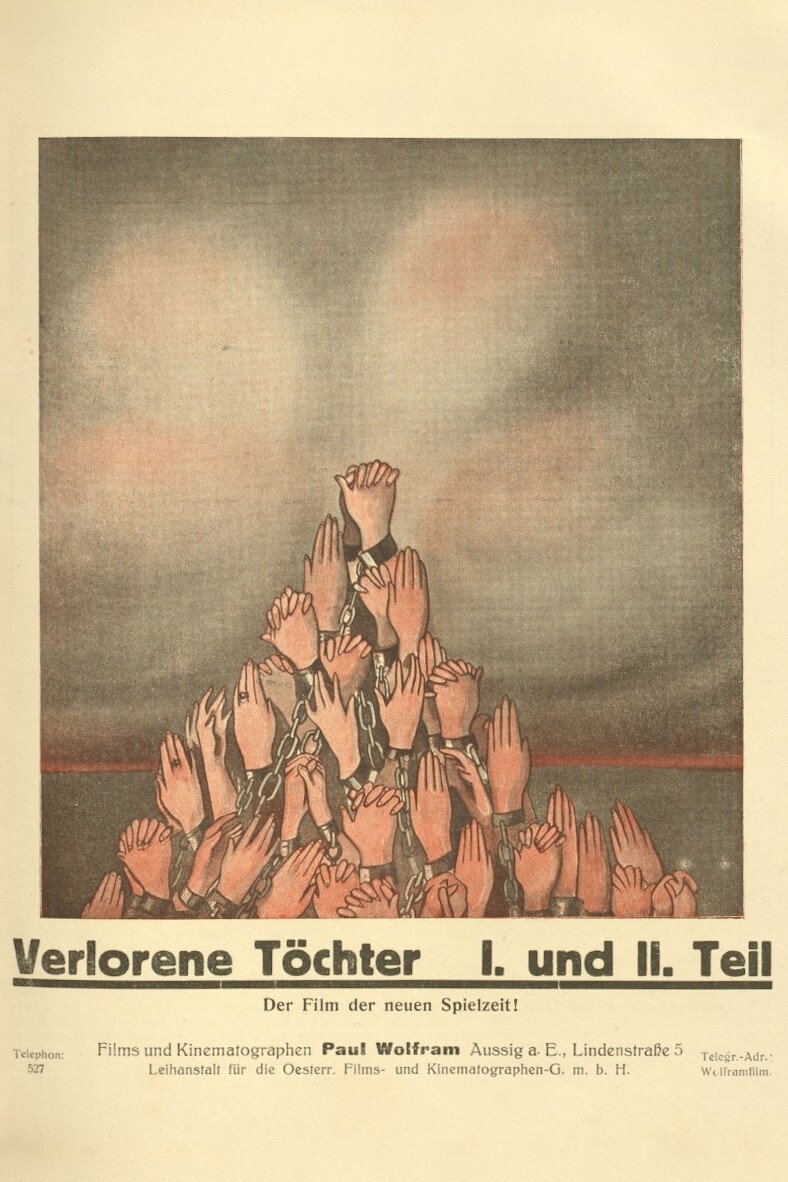
The doctor Ada Haller pursues a successful career as a scientist, in which she comes more and more into conflict with her marriage and the role expected by society as a woman. An extremely progressive and conventional film at the same time, which takes up modern themes and shows parallels to the life of the leading actress: Esther Carena, real name Franziska Lucia Pfeiffer, studied medicine for a semester before she came to film through acrobatics and pantomime; after their marriage in 1924, she withdrew from an extremely successful silent film career into private life.