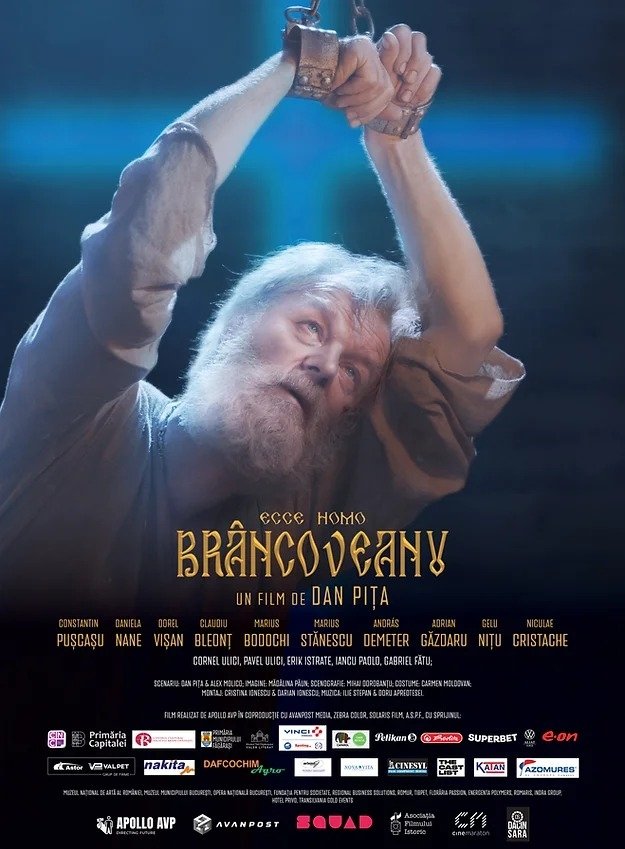
A parable about honor and true character, inspired by the reality of the 18th century. Constantin Brâncoveanu preferred to be beheaded in Constantinople alongside his four sons - Constantin, Stefan, Radu, and Matei - as well as by his counselor Ianache Vacarescu, instead of renouncing the Christian faith.
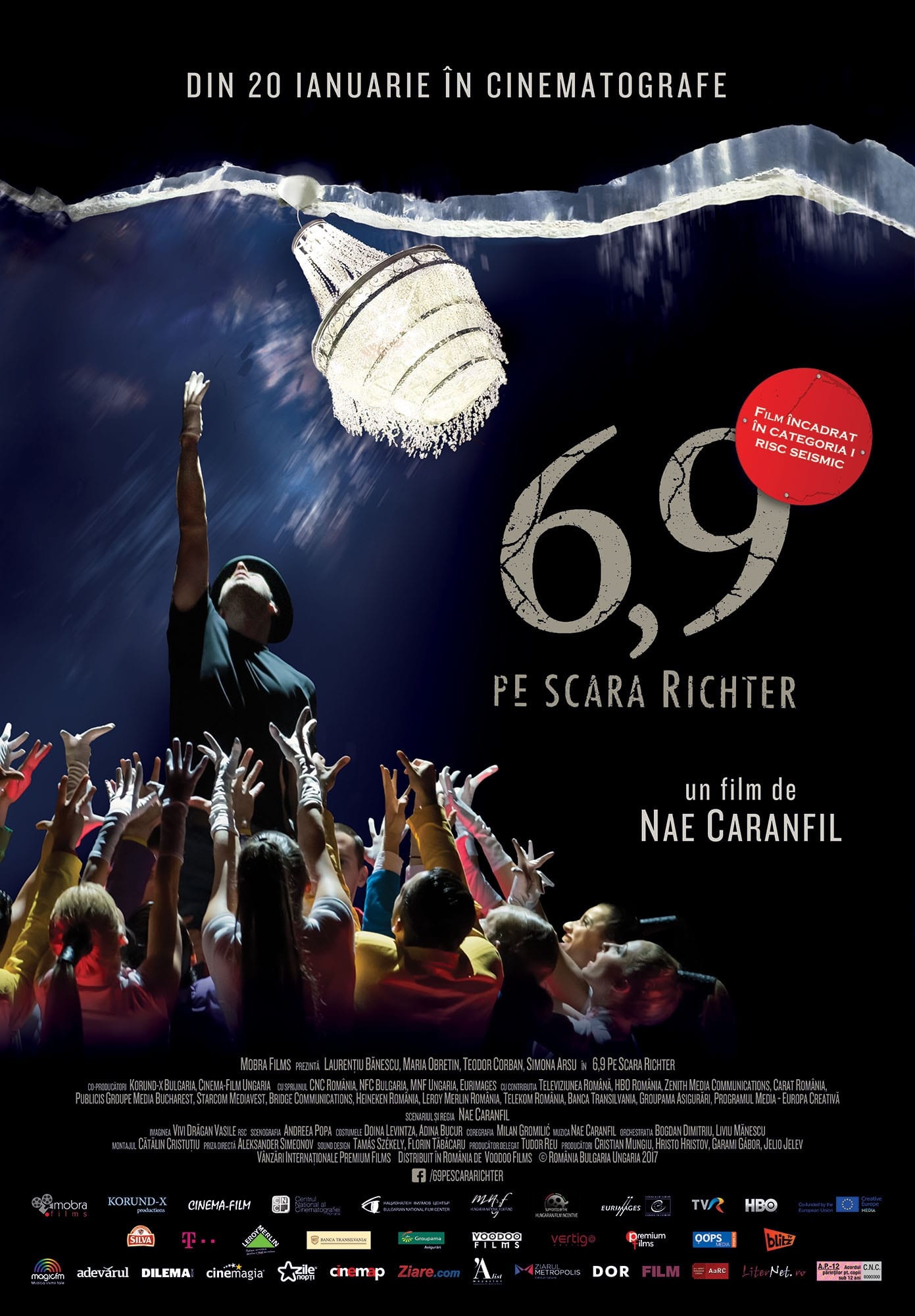
A humble Romanian actor in his 40's, hardly surviving between a complicated part in a musical, a depressed wife, and the obsession of an imminent, devastating earthquake, becomes the victim of his manipulative father.
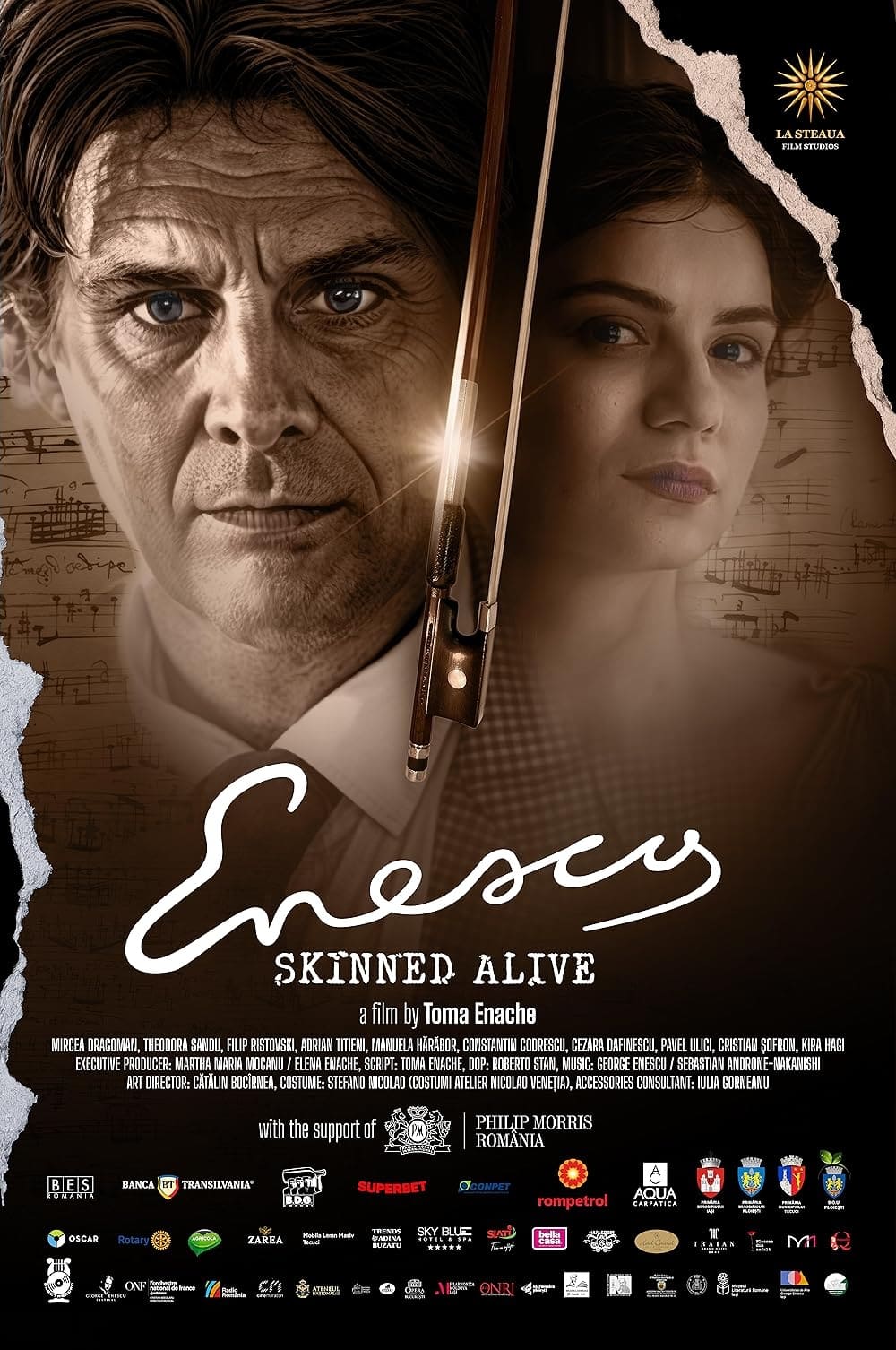
Brilliant composer and violinist George Enescu is at the peak of his career and wants to compose an opera. He falls in love with a princess, Maruca, who inspires and challenges him. She is fascinated by Enescu and his music, she loves him passionately, but has a duty towards her husband and her two children. Destiny will release her from the chains of marriage, but will that be enough for the genius and the princess to live happily ever after?
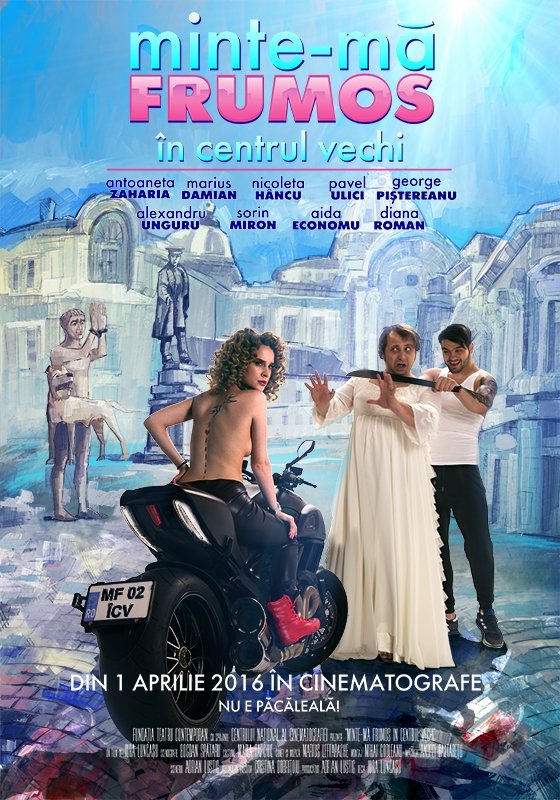
Matters of the heart weave themselves into a love pentagon between five actors as they rehearse for a stage play in Bucharest's historic quarter.
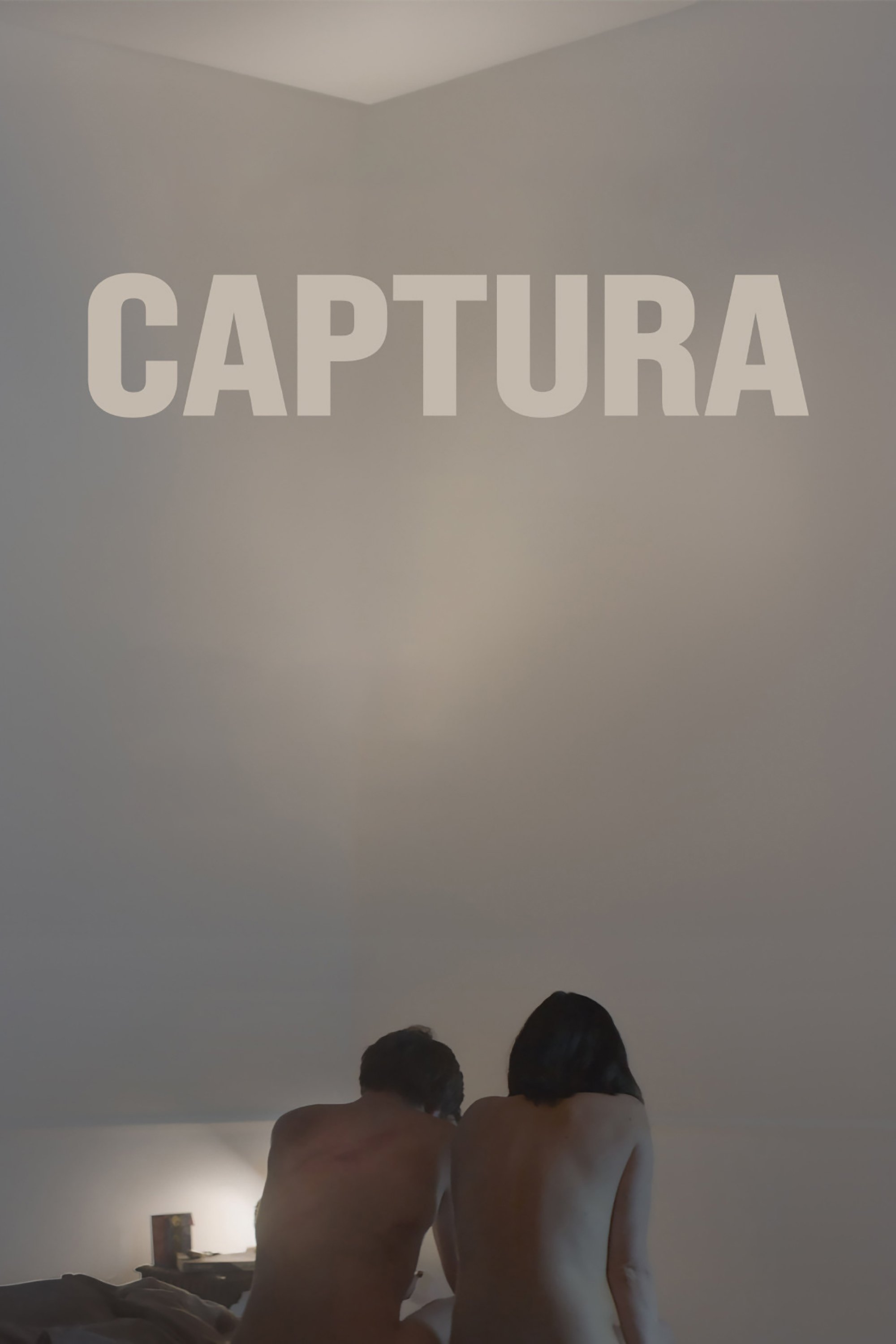
Sami is a passionate visual artist with a keen eye for the world's untold stories. Tonight, he steps away from the comfort of artistic abstraction at a vibrant party, seeking authenticity amidst the chaos of a city in upheaval. Drawn to the raw energy of street protests, Sami finds himself in a reality far beyond the scope of his camera—a reality where the lines between observer and participant blur. As he navigates the complexities of truth, power, and freedom, Sami's journey becomes an exploration of resilience and the cost of integrity in the face of injustice. The Capture invites audiences on a gripping journey through the beauty and pain of standing up for one's beliefs, challenging us to question where we draw our own lines.
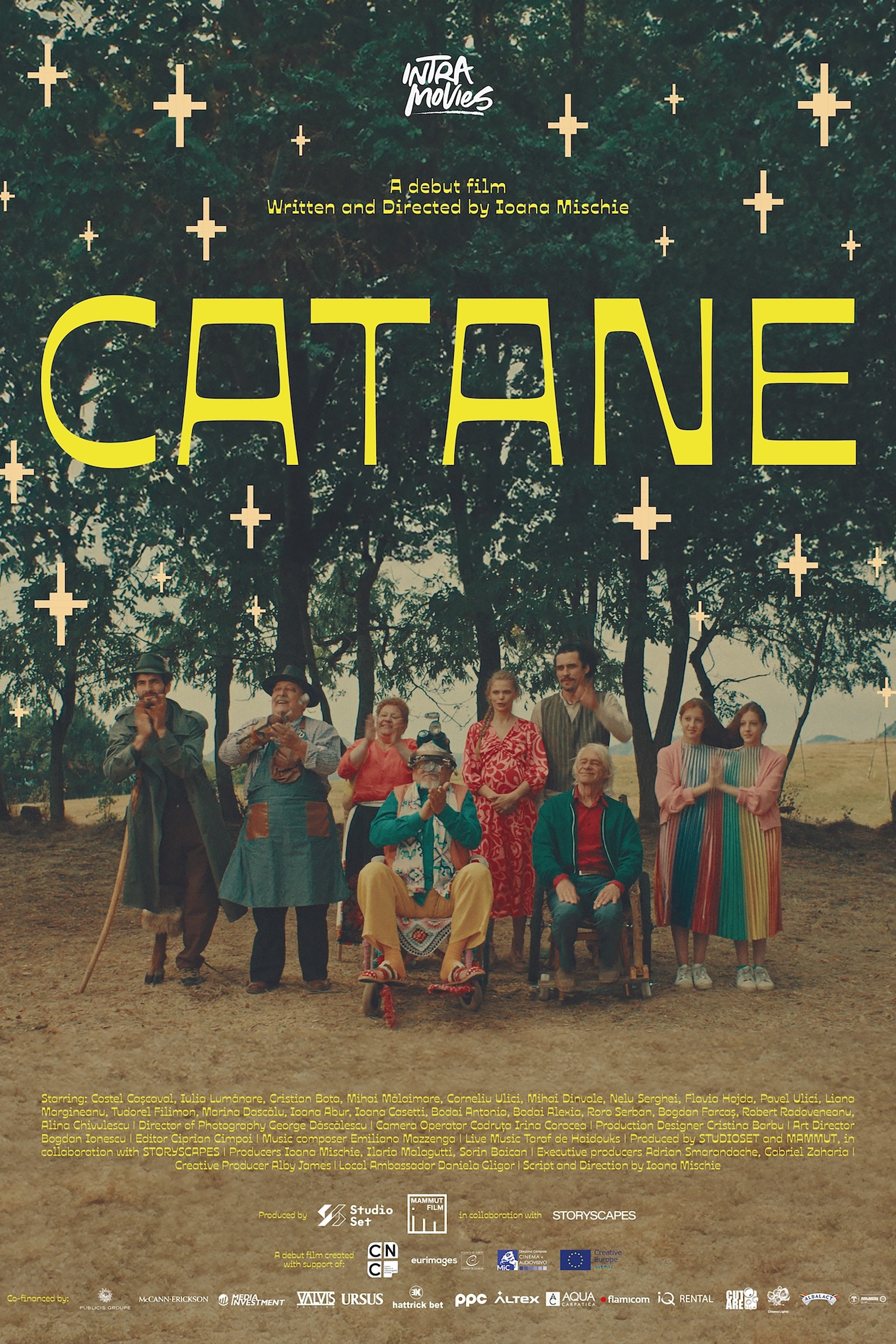
In the remote Romanian village of Catane, a community of villagers, long surviving on disability benefits obtained through ambiguous means, faces exposure when a local inquiry descends. What unfolds is not a story of deception, but of unexpected ingenuity as the villagers craft a disarmingly poetic and humorous response to the absurdities of a broken system. In reinventing their way of life, they reveal not only a means of survival—but a radical model of communal resilience in a fractured world.