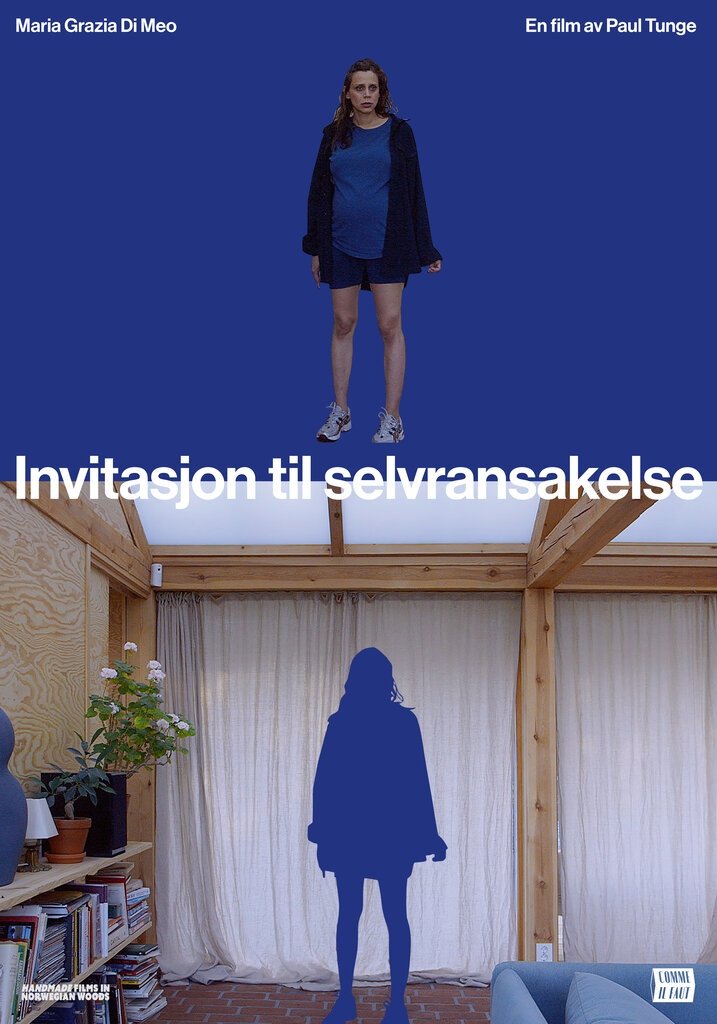
The story stems from a whistleblower case and the protagonist Sierra's examination of her own behavior towards the people in her daily life. The film follows her encounters, which reveal a person in crisis. The deeper, more honest, and more complex her encounters become, the more she fulfills the characteristics she is accused of. At the same time, the story also follows her pregnancy, and the closer she gets to giving birth, the closer she gets to a new understanding, which serves as a contrast to the crisis she is experiencing at work.
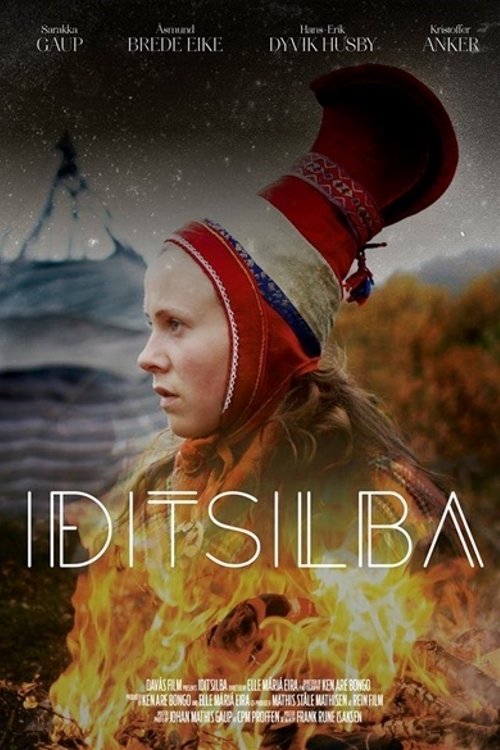
Májjen carries a very special hat. All the women in her reindeer herder community wear one. Its shape resembles that of a horn. The hat is of great value for her, but the men representing the church think that the hat resembles the horn of the devil itself. Thus the hats must be extinguished.

During summer 1979, Ester moves to Alta in Northern Norway to begin teaching at an elementary school. Like many Sámi at the time, she is ashamed of her heritage and conceals her ethnicity. Ester goes to great lengths to fit in, even joining in with the derogatory jokes. When her cousin Mikkhal takes her to a camp by the Alta River, where people are demonstrating against the building of a dam, Ester learns how the fight for the river is also a revolt against the years of brutal racism and discrimination against her people. After a major confrontation with the police, Mikkhal and some other Sámi decide to go to Oslo to hunger strike in front of the Parliament. Knowing what is at stake, Ester realises it is time to make a stand…
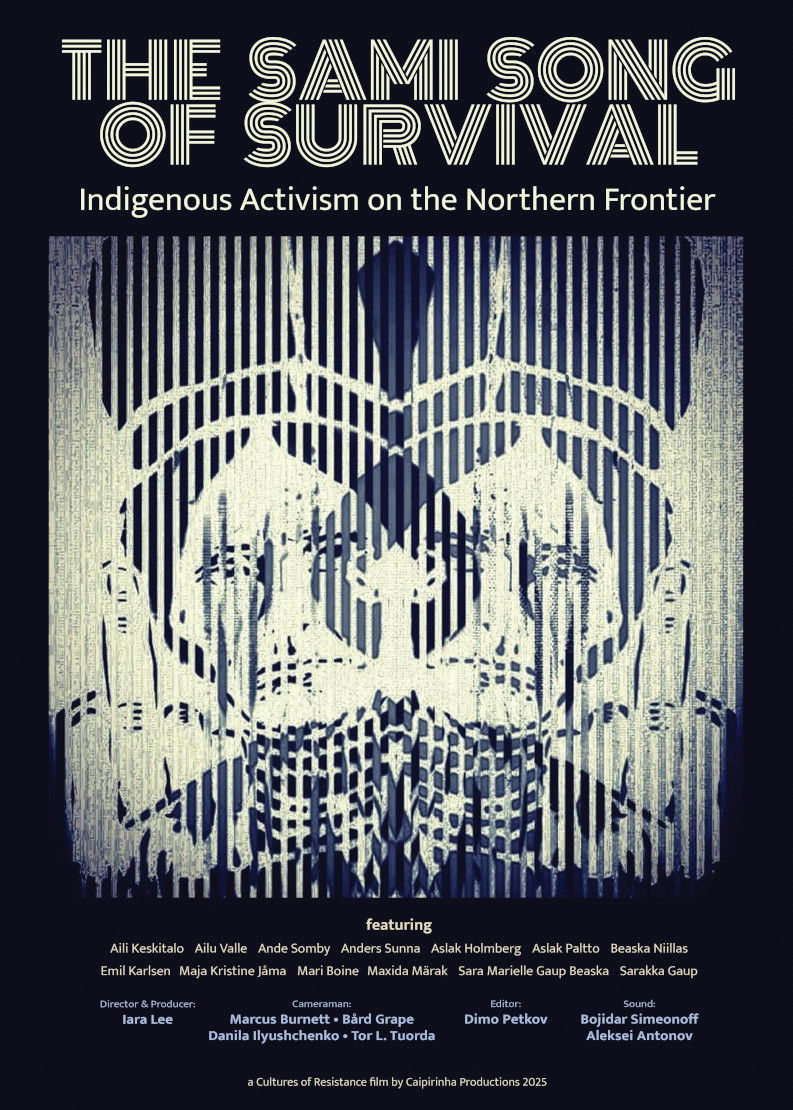
The Sami people, mainly found in Russia and Lapland, continue their struggle against oppression and colonialism. For centuries, they have faced institutionalized racism, marginalization, and repression of their culture and language. Through activism, they have gained recognition and respect in recent years, but the struggle is not over. Through art and cultural resilience, the Sami assert their rights to exist and thrive in their ancestral lands.