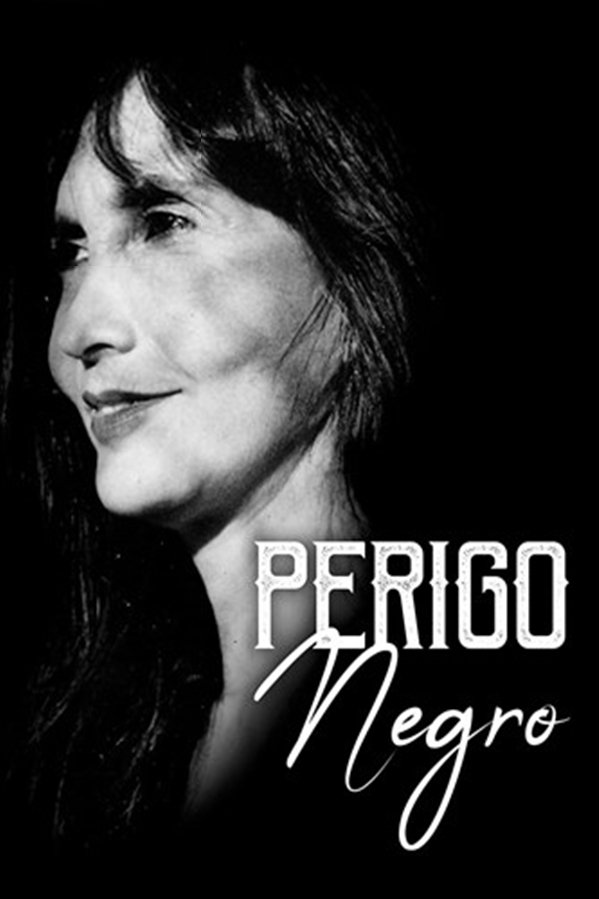
Loosely based on an Oswald de Andrade screenplay, "Perigo Negro" is a segment of anthology film "Oswaldianas" which deals with a uprising soccer player who has his career spoiled by a unscrupulous gambler
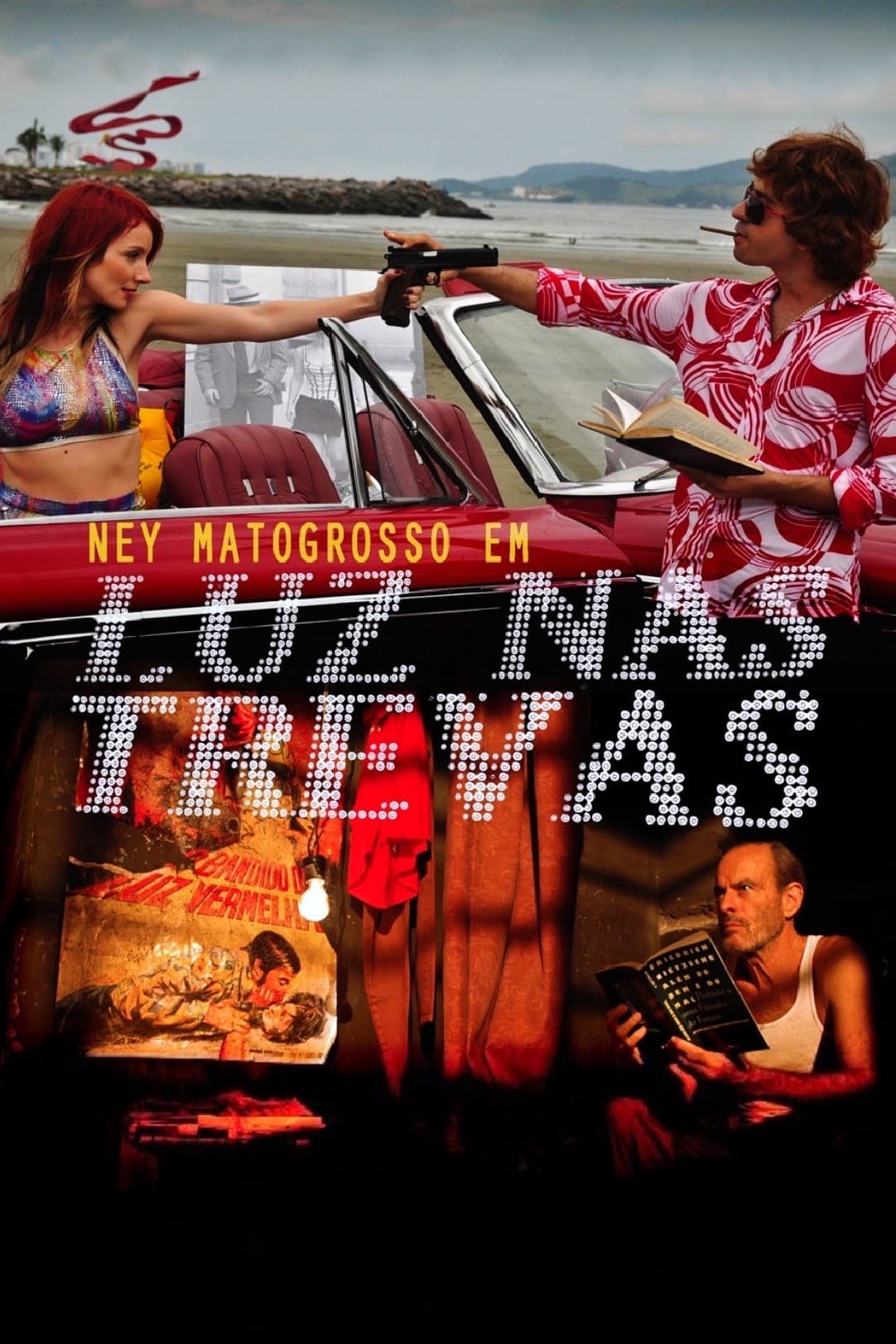
Jorge, bastard child of the infamous Red Light Bandit, decides himself to pursuit a life of crime after meeting with his father, who has been incarcerated for the last 30 years.

Abrindo o Armário dives into the process of liberation and conquests of the gay movement in Brazil. Through interviews, archival images and artistic performances, the film shows how homosexuals from different generations faced resistance, conquered spaces and fought for the right to construct a political, social and collective identity.
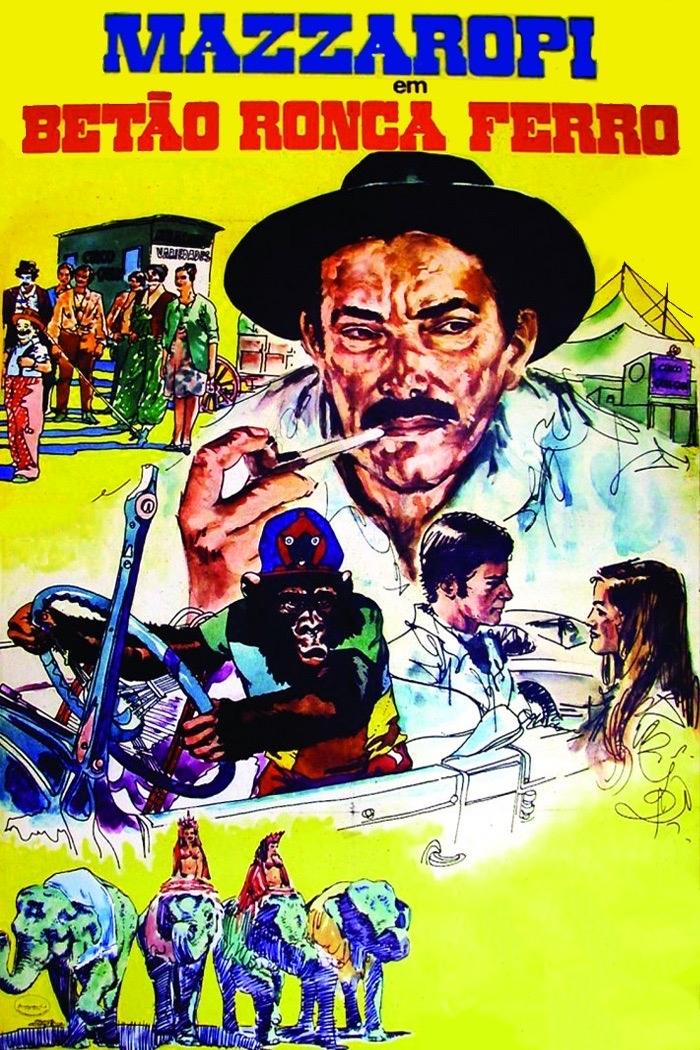
Betão is a countryman who works in a circus, selling peanuts. His daughter also works there, and becomes the circus's greatest attraction. But she decides to marry a rich man, and another circus comes to town, putting his employment in danger.

Since her historic participation in the International Song Festival in 1972, in a performance that would earn her the Honorable Mention award, Maria Alcina has become one of the most beloved figures in Brazilian music.

Several characters realize their personal way to build their own identity from the choice of genre. Transsexual, transgender, crossdressing – the defining of terminologies different ways of looking at yourself are constantly rising, portraying a universe of possibilities, expanding the boundaries of the possible and permitted.
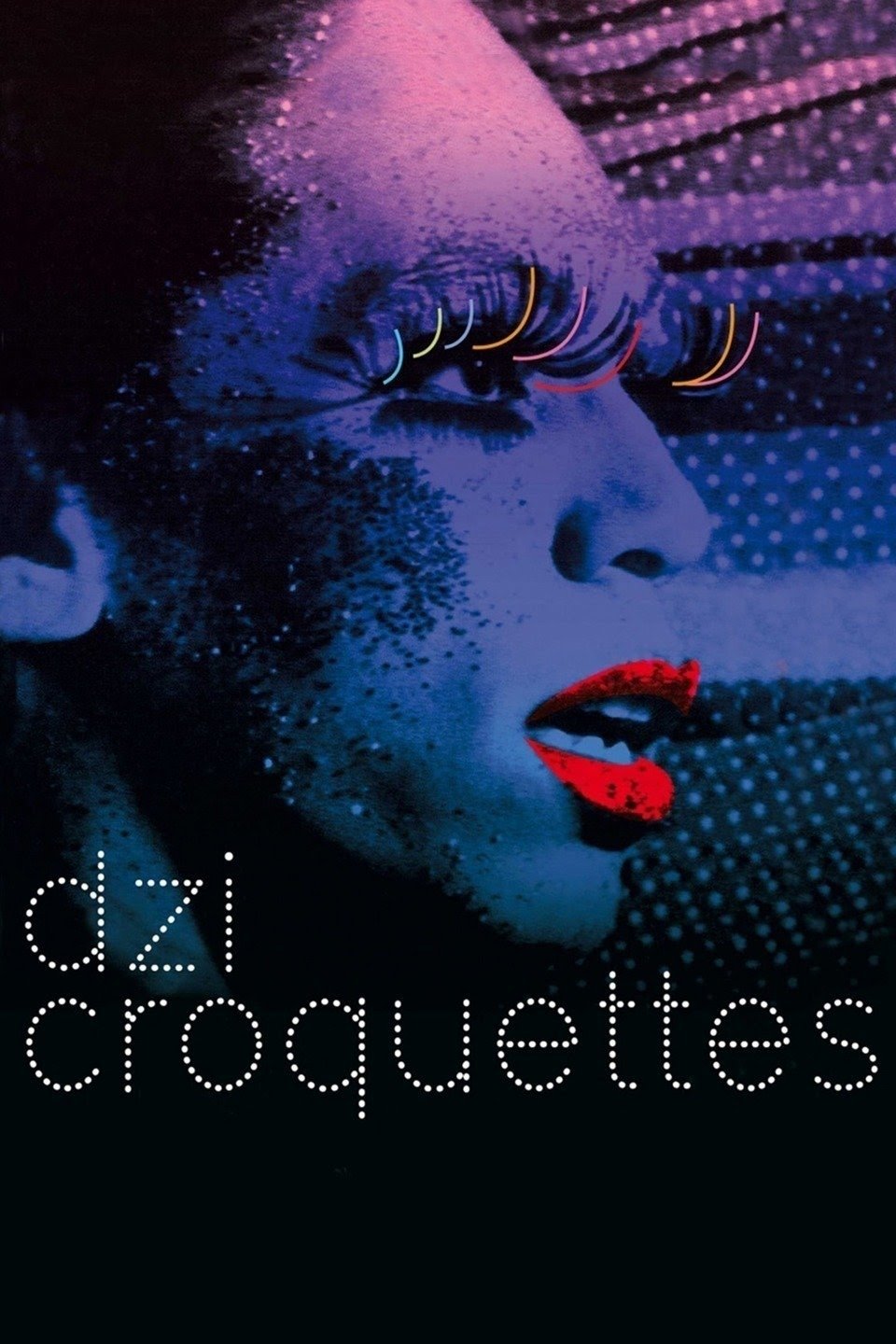
A Brazilian theatre group that through talent, irony and humour confronted the Brazilian violent dictatorship in the 1970s revolutionising the gay movement worldwide and changing theatre and dance language to an entire generation.
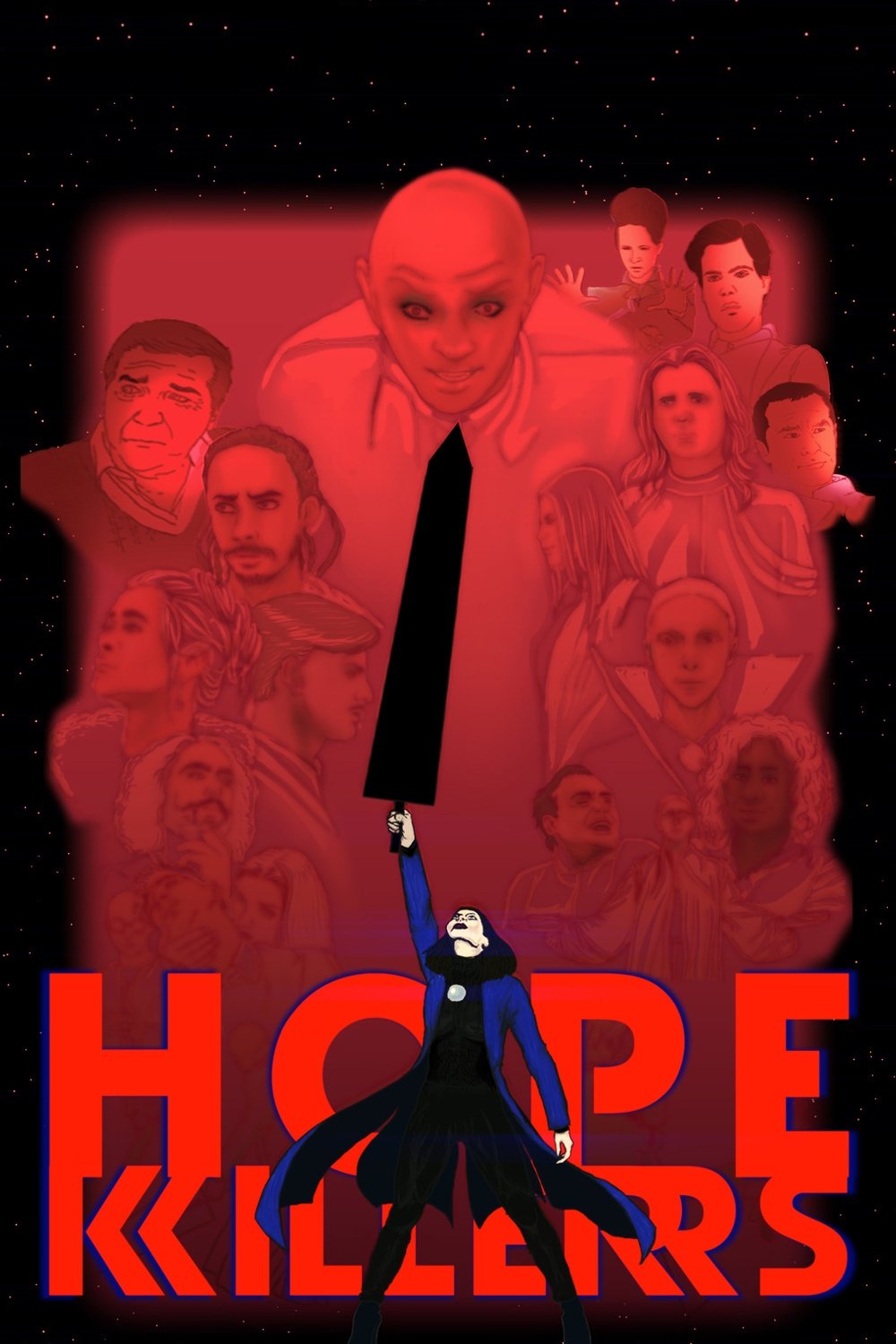
Vampires rule the world for thousand years disguised as wealthy humans, while humanity has been relegated to middle-class, poor and miserable. Hopekillers use the suffering within the human blood to process their technology.
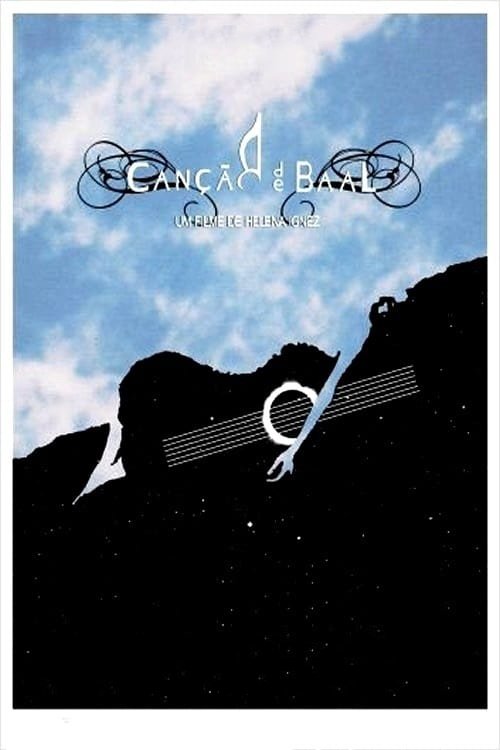
A marginal version of Brecht’s piece, “Baal”.
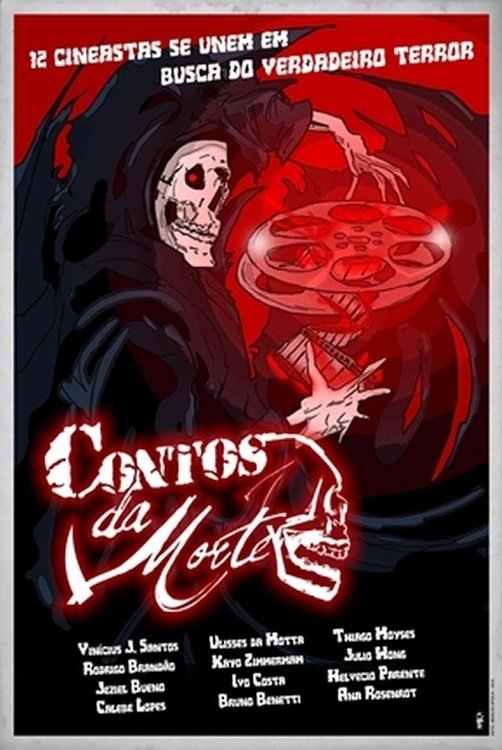
Tales of Death is a project that has united 12 directors of Independent Cinema from various parts of Brazil, in the challenge of creating short films of the most varied genres and styles, where death is the main theme.
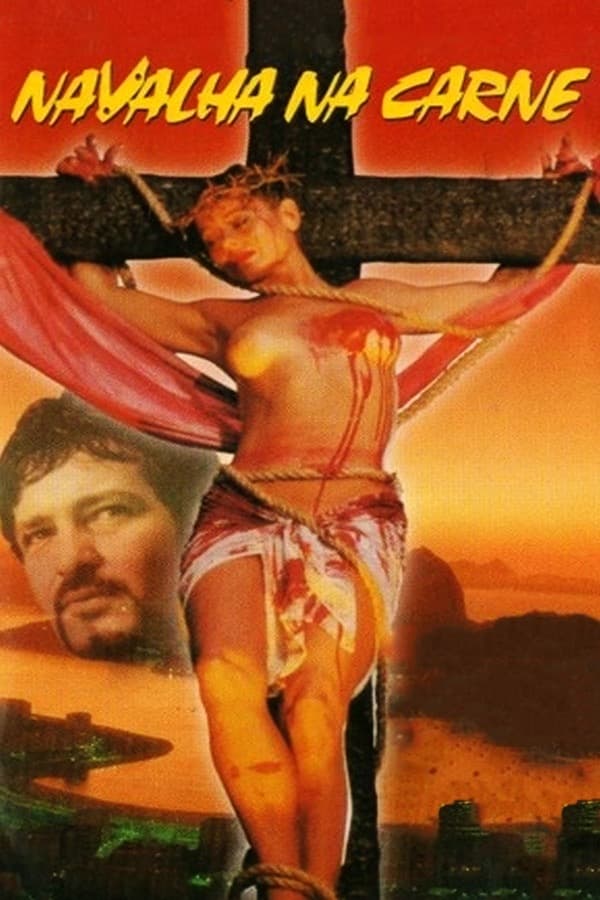
The story of three characters in a brothel room: the prostitute Neusa Sueli, the gigolo Vado and the homosexual Veludo speak of their lives and expose their marginality.

A throuple of queer elderly men deals with the proximity of death — Zito, who has been diagnosed with dementia, and his two lovers, Morpheus and Charon. As the illness progresses, the boundaries between dream and reality blur: Zito imagines his last days as if his whole life was a Brazilian samba musical extravaganza, while his partners in life take care of him until their last farewell.