
Childhood friends Jacques and Enzo share a passion for the danger of free diving. Jacques, following in the footsteps of his father, who died at sea when Jacques was a boy, harbors a remarkable ability to adjust his heart rate and breathing patterns in the water, with his vital signs more closely resembling those of dolphins than men.

Alexandre Boursault, a provincial notary, would have been the happiest man alive if his wife did not openly display her political views and participate in all kinds of demonstrations.

The mind of Pierre Bérard, a successful middle-aged architect, is torn between his unstable present with Hélène, his younger lover, and his happy memories of the past with Catherine, his ex-wife; but his true destiny awaits him at a crossroads on his way to Rennes…
A middle-aged businessman faces bankruptcy after his partner's suicide and a rival's unscrupulous offer to buy his company. Determined to avoid the trap, he finds an unexpected solution through a prostitute.
In Montauban in 1944, Julien Dandieu is a surgeon in the local hospital. Frightened by the German army entering Montauban, he asks his friend Francois to drive his wife and his daughter in the back country village where Julien has an old castle. One week later, Julien decides to meet them for the week end, but the Germans are already occupying the village.

Fred, a raffish safe blower, takes refuge in the Paris Metro after being chased by the henchmen of a shady businessman from whom he has just stolen some documents. While hiding out in the back rooms and conduits of the Metro, Fred encounters a subterranean society of eccentric characters and petty criminals.

A history of the French Revolution beginning from the decision of the king to convene the Etats-Generaux in 1789 in order to deal with France's debt problem. Part one spans the event until August 10, 1792 (when the King Louis XVI lost all authority and was imprisoned). Part two carries the story through the end of the terror in 1794.

With "little captain" Cambrai raising serious doubts about the reality of the so-called "super spy," Colonel Toulouse kidnaps Christine and forces Francois to play again the character of "The Tall Blond Man with One Black Shoe" in some fake adventures. All this to stop the investigation into the death of Colonel Milan.
In 1917, the First World War is raging. Julien is from Luxemburg, so instead of having to go to war he studies piano in Paris. One day his friend Jacques, also a musician and now a fighter pilot on the front, invites him to spend a few days in his family's empty house in Bray. The housekeeper, a beautiful stoic woman lets Julien in, but his friend is late and he is obliged to wait. In the meantime, he starts reminiscing of the pre-war days spent with his friend and Jacques' girlfriend Odile.
On his way from Madrid to Paris, Diego, a chief of the Spanish Communist Party, is arrested at the border for an ID check but manages to flee. When he arrives in Paris, he searches for one of his comrades to prevent him from going to Madrid where he could be arrested.
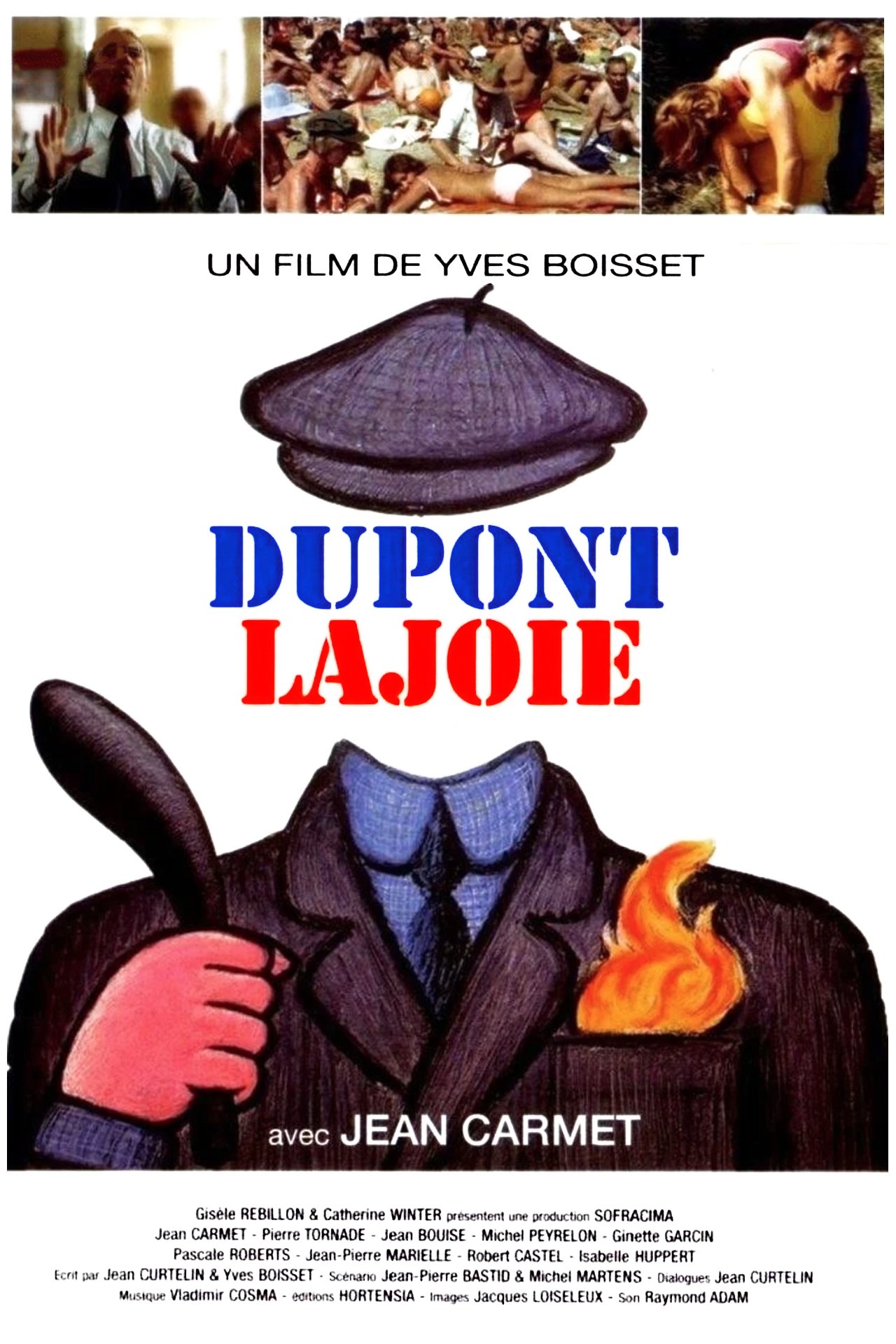
Georges Lajoie is a Parisian café owner. As every summer, Georges, his wife Ginette and grown-up son Léon go on holiday to Loulou's campsite, where they meet up with the Schumacher family (whose father is a bailiff) and the Colin family (who sells bras in the markets). This year, their peace is slightly disturbed by the proximity of a construction site where foreign workers are employed. Xenophobic comments are made. One evening at the ball, a fight breaks out between Lajoie, Albert Schumacher and two algerian immigrant workers...

The body of a young woman is discovered near a farm. The judge, Larcher is in charge and thinks that the farmers have something to do with the murder.
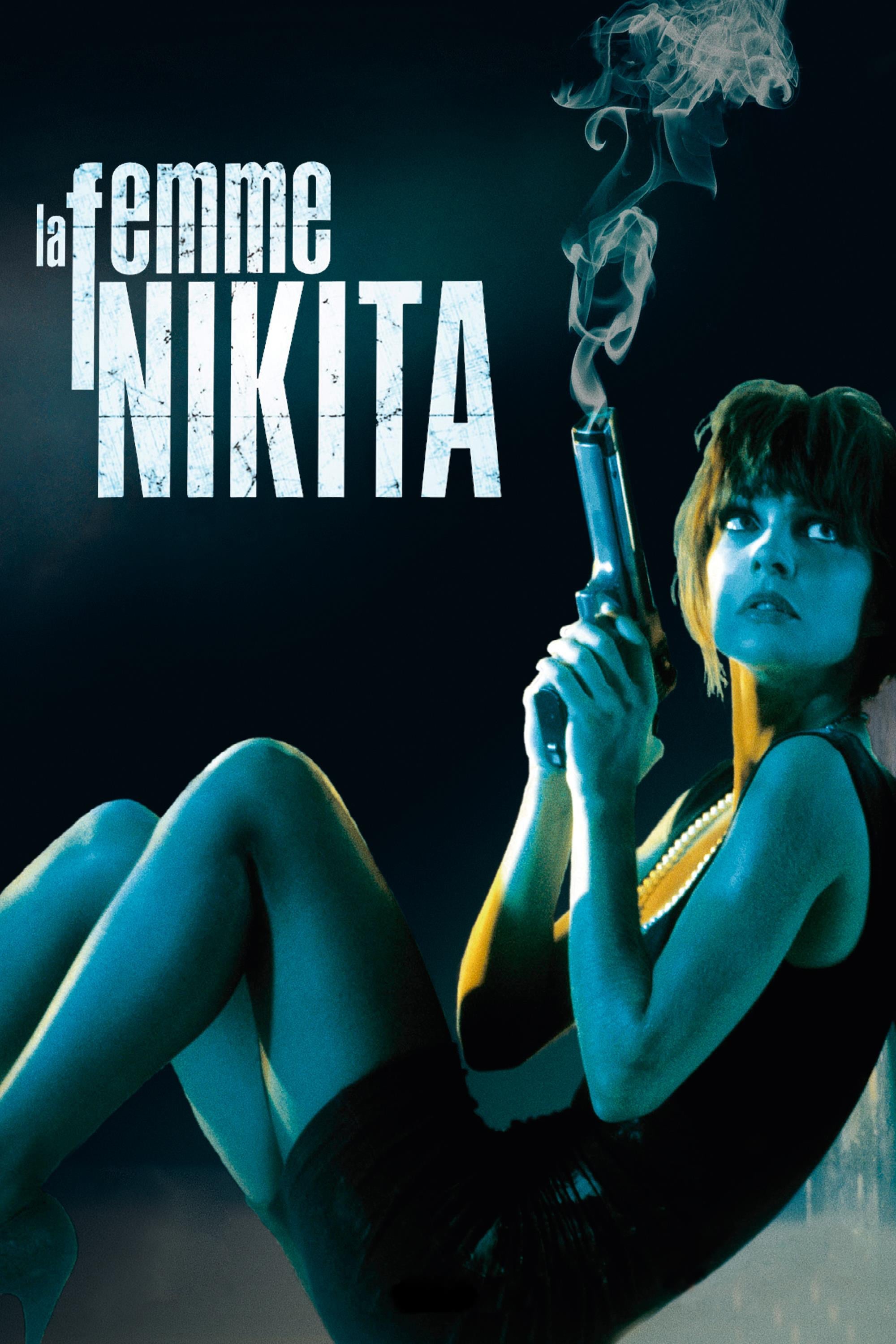
A beautiful felon, sentenced to life in prison for the murder of a policeman, is given a second chance – as a secret political assassin controlled by the government.
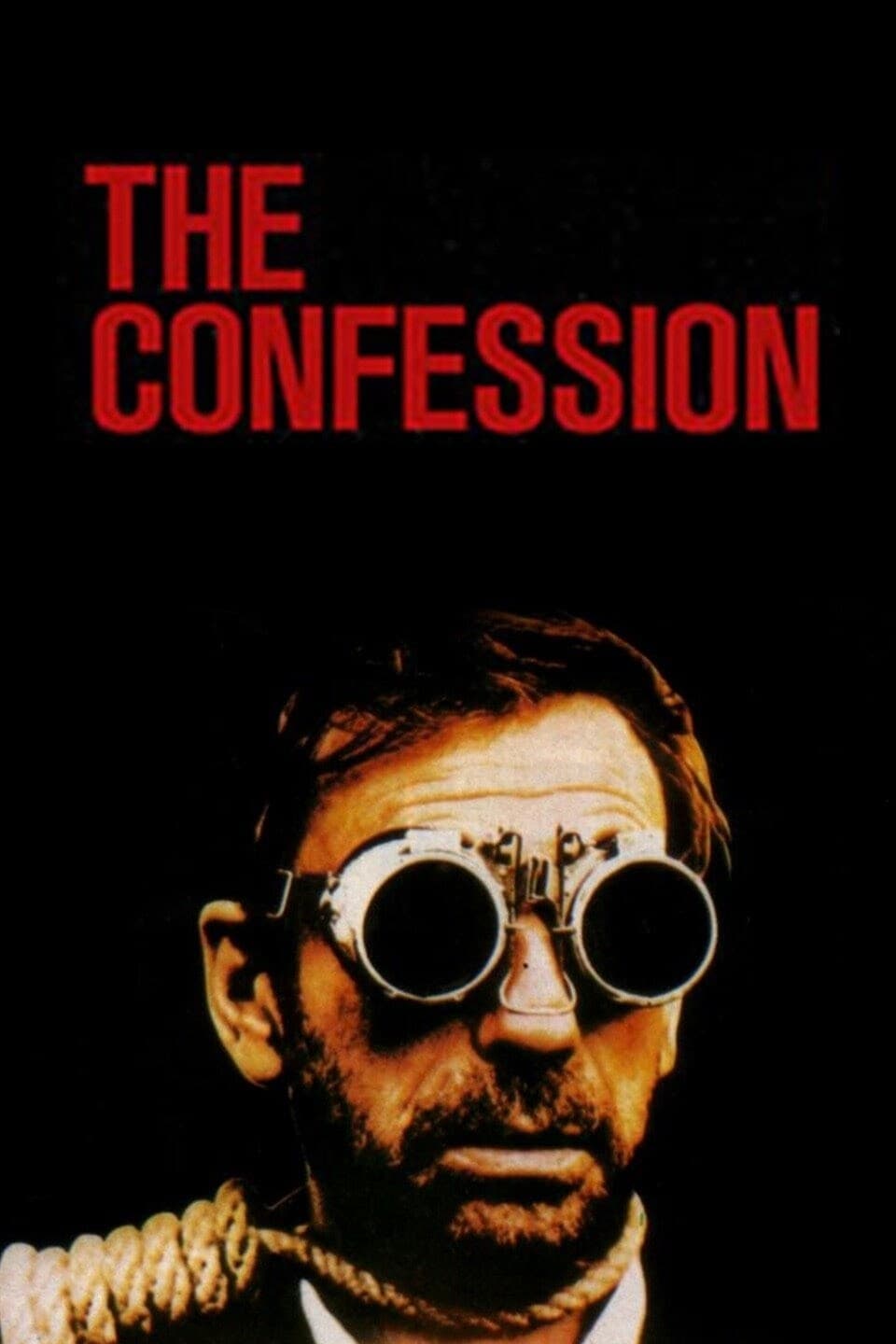
In 1950s communist Czechoslovakia, a government minister, a war veteran long a loyal party man, leads a relatively comfortable life with his wife. However, he soon finds himself under surveillance, then under arrest. Unclear what his offense is, agents for the totalitarian regime interrogate and torture him, aiming to use their unending power to gain a false confession for these supposed crimes against the state.
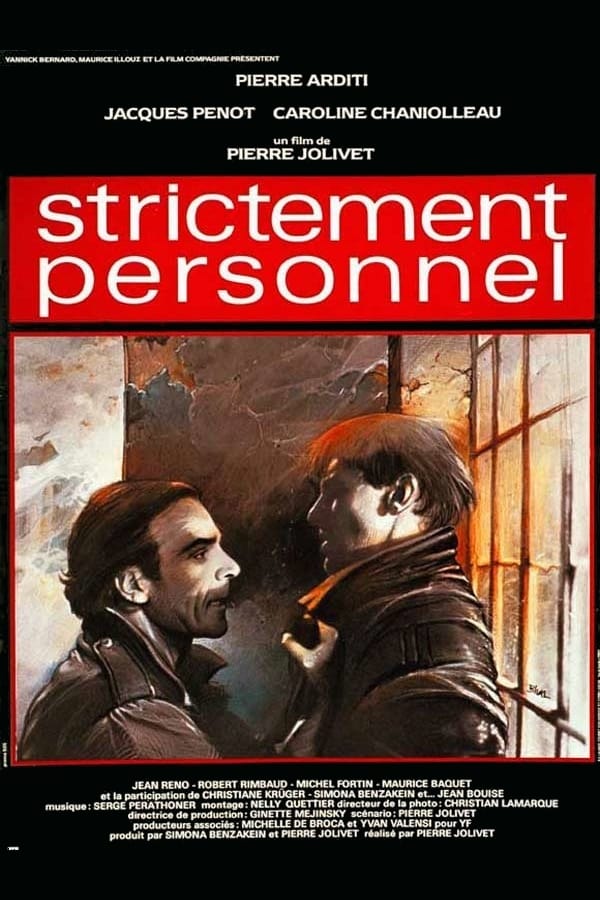
The crimes and tragedies that tear apart one family seem overblown in the telling, yet this psychological drama about the miseries of one French policeman is compelling throughout. Jean (Pierre Arditi) is a cop and also a failed novelist who was abandoned by his father, brother, and sister after his mother died. The trio move to Paris where they set up an art scam that nets them considerable cash -- something Jean begins to figure out when he joins them for a family reunion. Little by little, he learns that his father is an expert forger, his stepmother's art gallery seems to be involved in the scam, his brother is a derelict and into drugs, his stepmother is a hooker in addition to all of this, and his sister runs an exercise gym for keeping prostitutes in shape. Things get worse -- just when everything seems bad enough, the stepmother is murdered and it is up to Jean to find the killer.
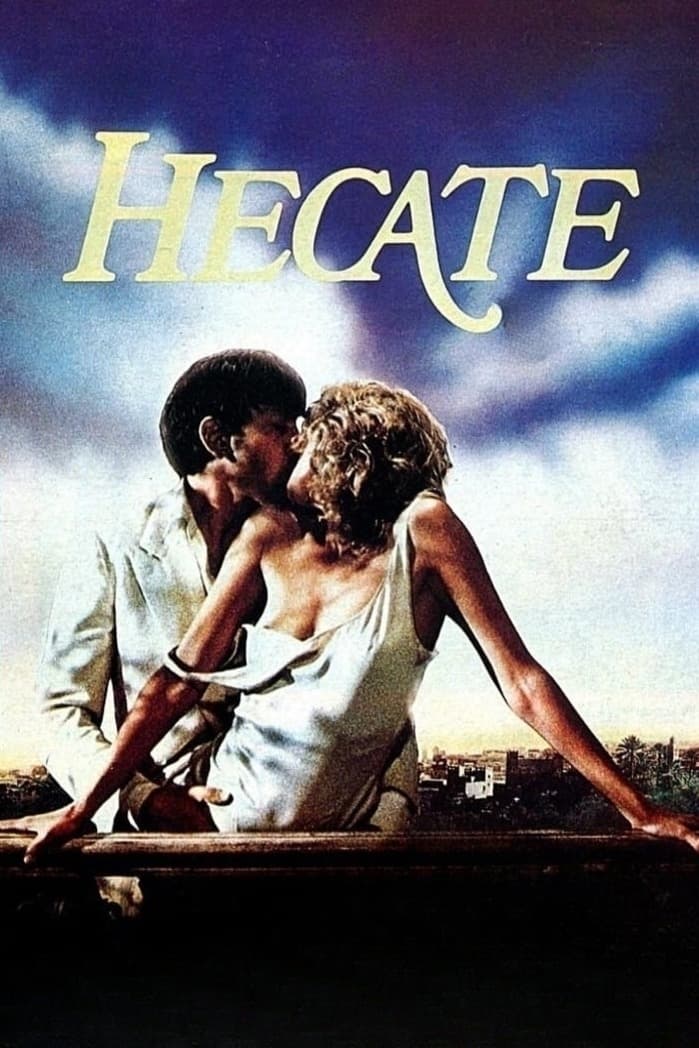
Set amid the European community in an unspecified North African country, a colony on the verge of nationalism just before the war. And colonized is what happens to a French diplomat, Julien Rochelle, when he meets the mysterious beauty Clothilde de Watteville. Schmid 's favorite axiom, that love is projection, never had such a thorough airing. Is Clothilde really the wife of a French official now holed up in Siberia? Or is she Hecate, goddess of black magic and devourer of the Arab boys she meets far from the European quarter? Only our projections know for sure; for the rest, she is a "woman looking out into the night." Drawn from a novel by Paul Morand, who based the main character on his wife Helene, Schmid's film achieves an atmosphere of magic in which psychological credibility is not so much absent as irrelevant-a film that distances itself from the drama it invokes, perhaps as the elusive Clothilde turns her back on the madness she provokes.

The Inquisition is in full swing in 16th century Flanders. Wanted for his dissident writings, the alchemist doctor Zeno has been wandering Europe under an assumed name for twenty years. But he remains a non-conformist. He returns to his native Bruges, where he thinks he has been forgotten. In this silent labyrinth where the faces of the past resurface, he rediscovers his identity and thus signs his death warrant.
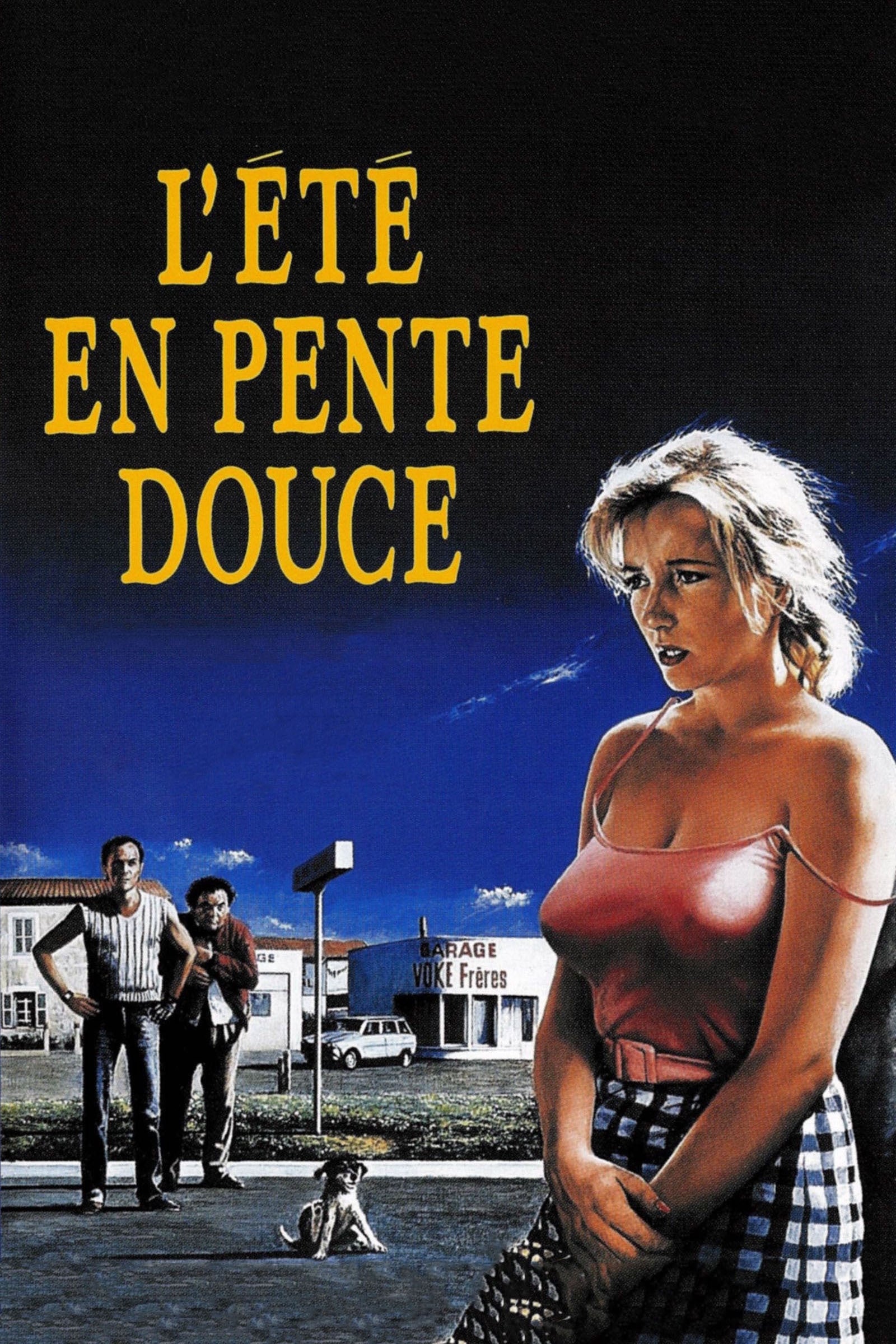
When he inherits the family house and property after his mother's death, aspiring novelist Fane returns home with his bimbo girlfriend Lilas. He must care for his idiot brother Mo and contend with a greedy garage owner who covets Fane's property to expand his business. When efforts to buy the property are fruitless, the mechanic incites the townsfolk against the strange trio.

Professor Calculus's friend develops a blue-skinned orange that can grow on any kind of land and survive harsh weather (in the manner of Lue Gim Gong) and therefore solve world hunger. The Professor and his friends, however, run afoul of gangsters who also covet the fruit. The adventure takes them from their home in Marlinspike Hall (Moulinsart), a fictional mansion that is presumably in Belgium, to Spain, where Calculus and another scientist are kidnapped.
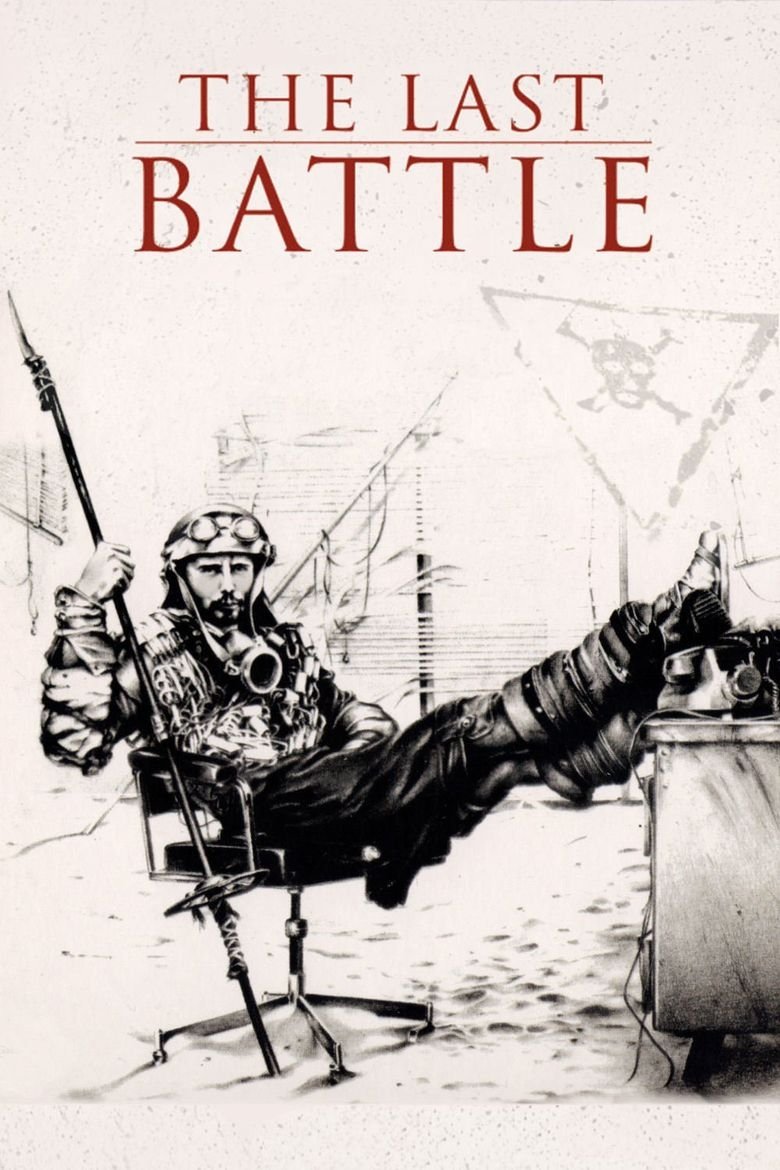
The plot explores the devastation of civilization and issues of brutality, hostility and isolation. Pierre Jolivet stars as the main character (identified only as "The Man" in the end credits) who is menaced by "The Brute" (played by Jean Reno) on his journey through a world filled by people rendered nearly mute by some unknown incident.
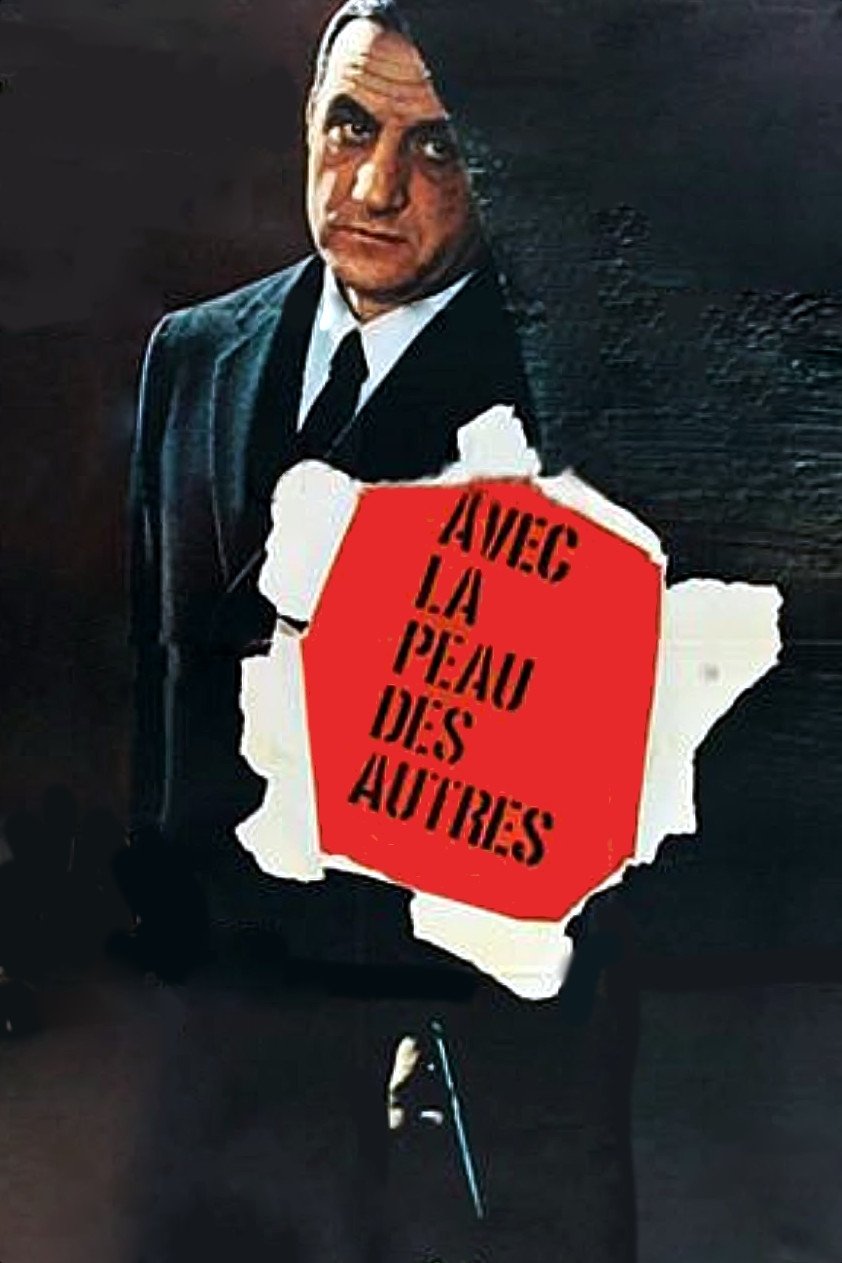
A French secret agent gets a license to kill when he is sent to Vienna to plug a security leak in this routine spy saga. He is caught in the crossfire of international enemy agents trying to eliminate the French.
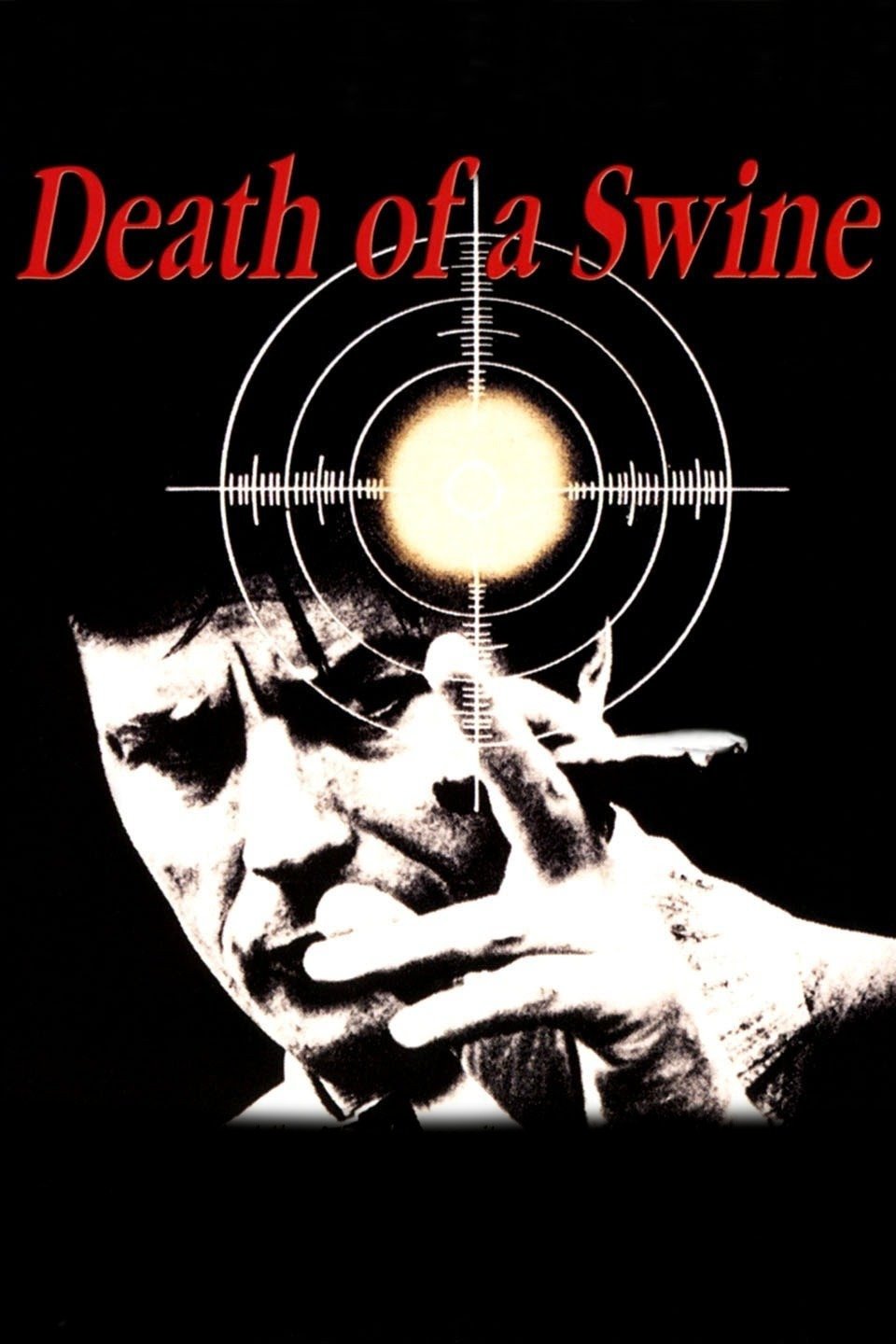
In the middle of the night, deputy Philippe Dubaye wakes up his old friend Xavier Maréchal with disturbing news: he has just killed Serrano, a racketeer with extant political connections. Serrano kept proofs of Dubaye's involvement in corrupt dealings and was poised to use them against the deputy. Xavier readily agrees to cover up for his old pal Philippe, but he soon runs into difficulties. Nobody believes Dubaye's alibi. And everybody -- influential personalities, powerful businessmen, dubious go-betweens and the police -- wants to get hold of the documents that served to blackmail Dubaye; by all possible means...
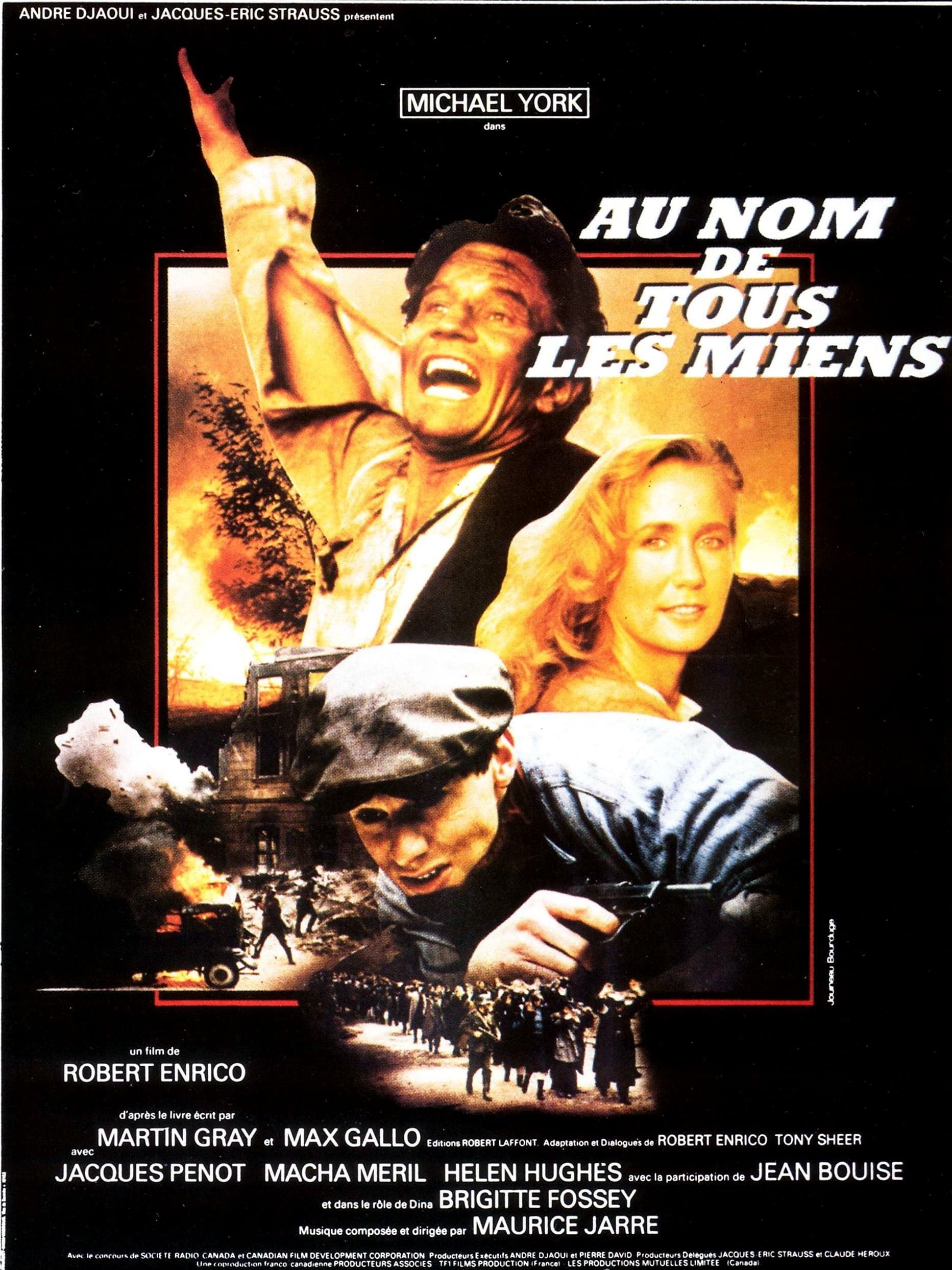
Polish Martin Gray recalls the Holocaust, New York prosperity, and losing his wife and family.
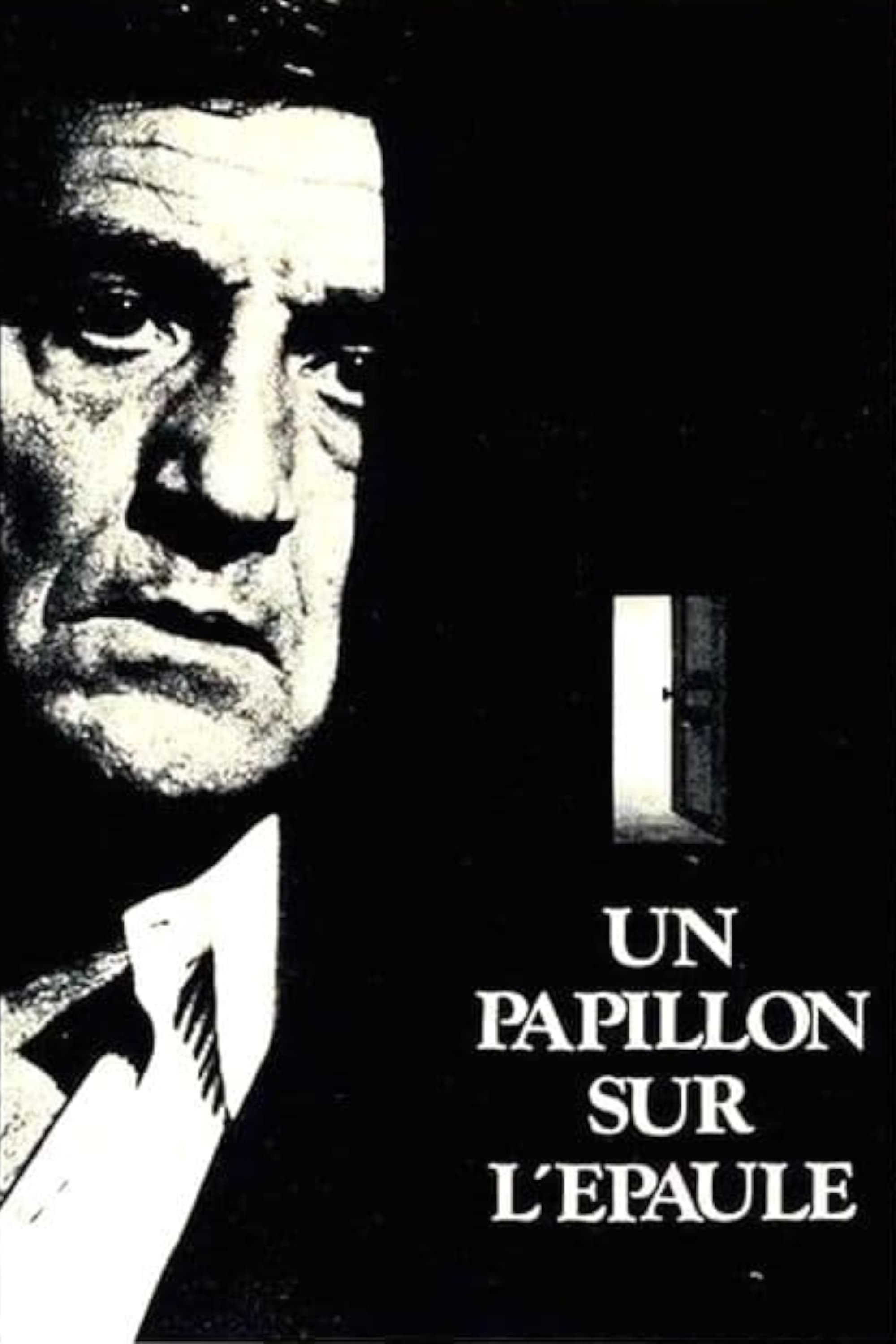
On a stopover in Barcelona, Fériaud Roland discovers a corpse in the hotel room next door. He wakes up in a strange clinic without remembering who brought him there. The doctor insists he hallucinated, but it's not long before he obtains evidence that it wasn't a dream.
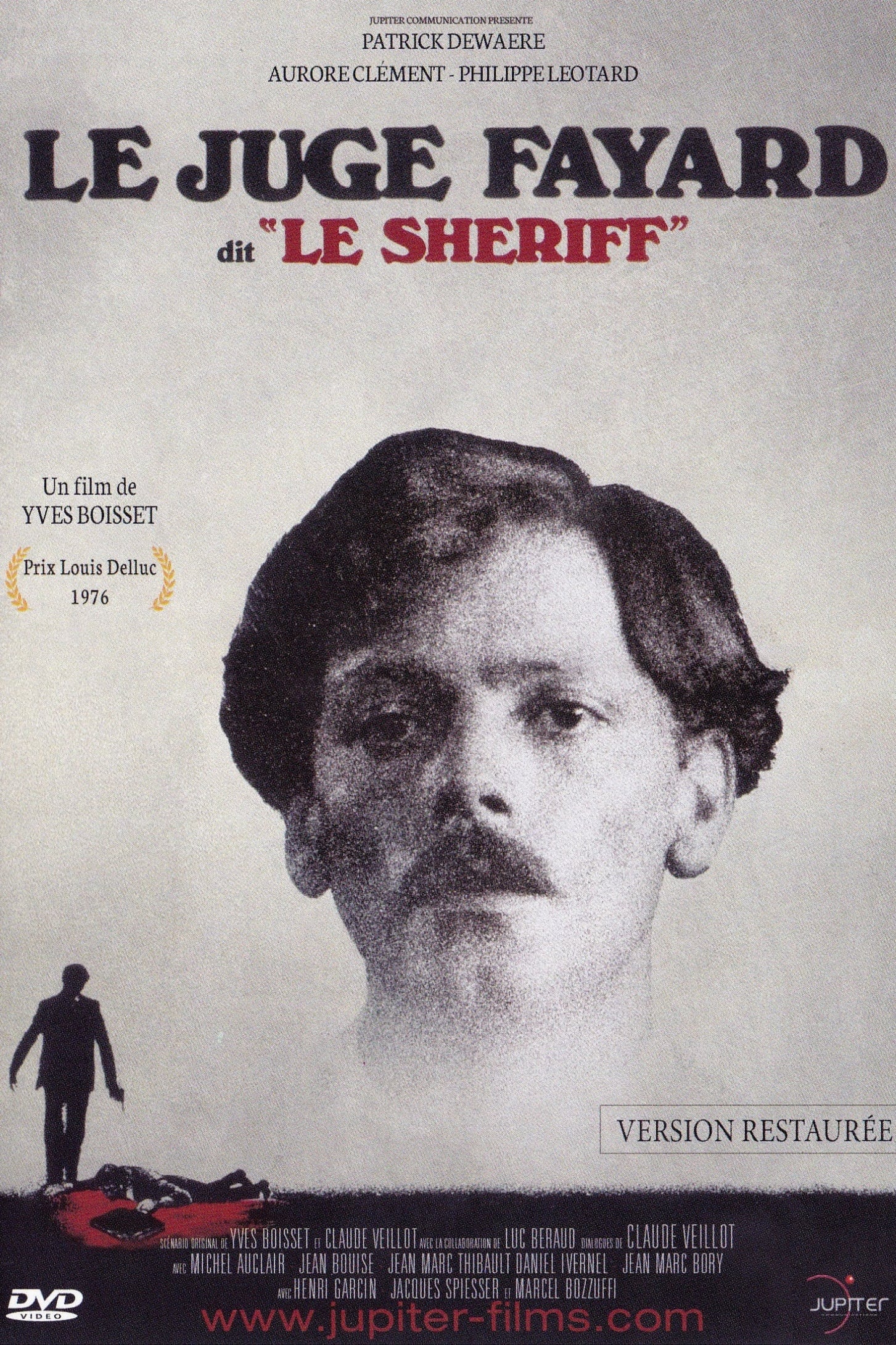
Jean-Marie Fayard is a young examining magistrate in a large provincial french city. He belongs to that generation of judges who are endeavoring to re-adapt the notion of justice to our changing times. His methods are not agreeable to every one. Criticism and pressure are brought to bear upon him but he is aware of his value, professionally, and refuses to make any concessions. He follows an unwavering course. He uses dynamic methods and takes uncustomary initiatives. He behaves like a crusader, a battler, whence the nickname given him by the reporters : the sheriff.
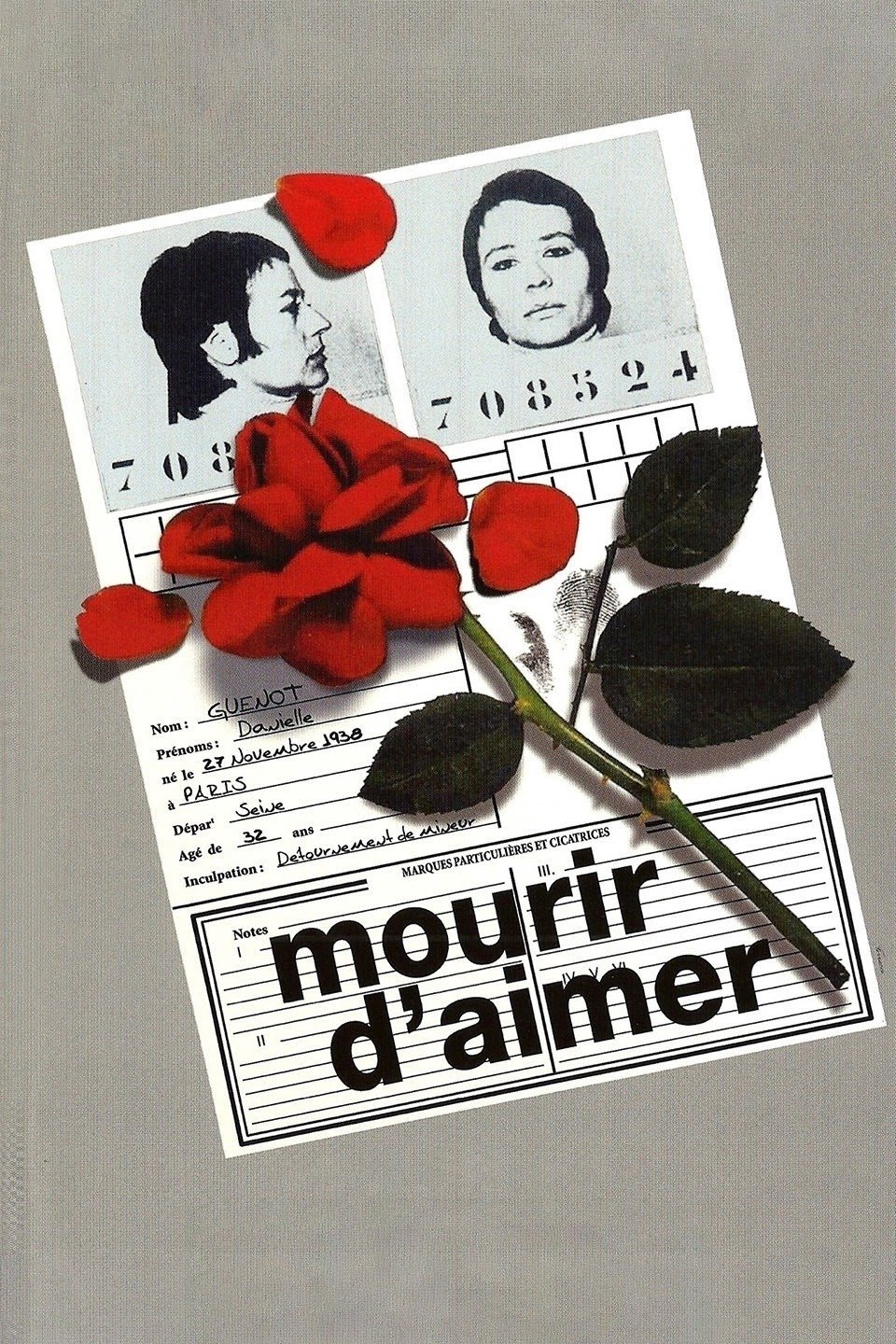
A love story between a teacher, Danièle, 32 years and one of her students Gérard, 17 during the heated atmosphere of May 68. Danièle is a fiery young woman, very involved politically. Gérard's parents accuse Danièle of statutory rape and complain. Danièle is trapped and the drama begins...
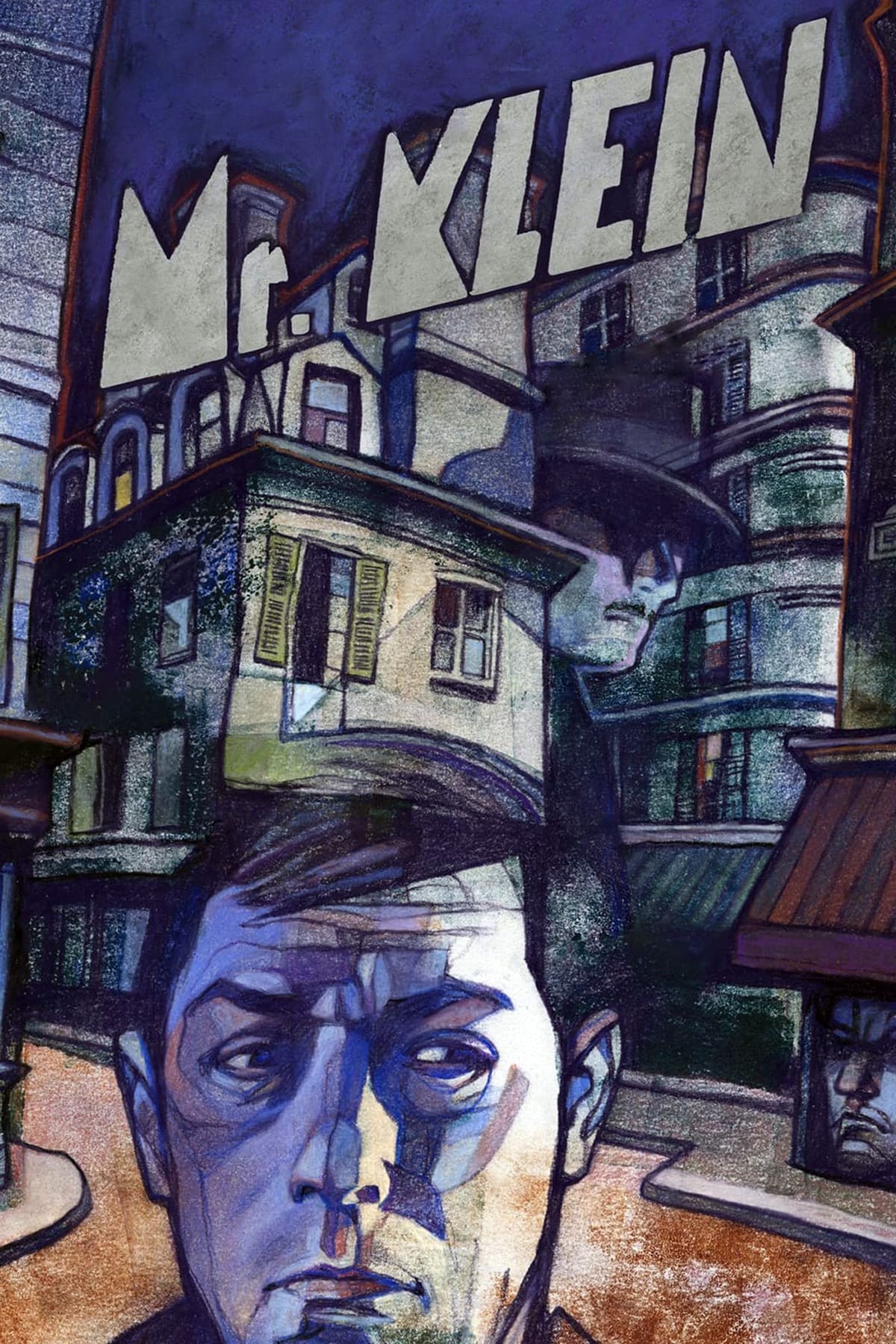
Paris, France, 1942, during the Nazi occupation. Robert Klein, a successful art dealer who benefits from the misfortunes of those who are ruthlessly persecuted, discovers by chance that there is another Robert Klein, apparently a Jewish man; someone with whom he could be mistakenly identified, something dangerous in such harsh times.
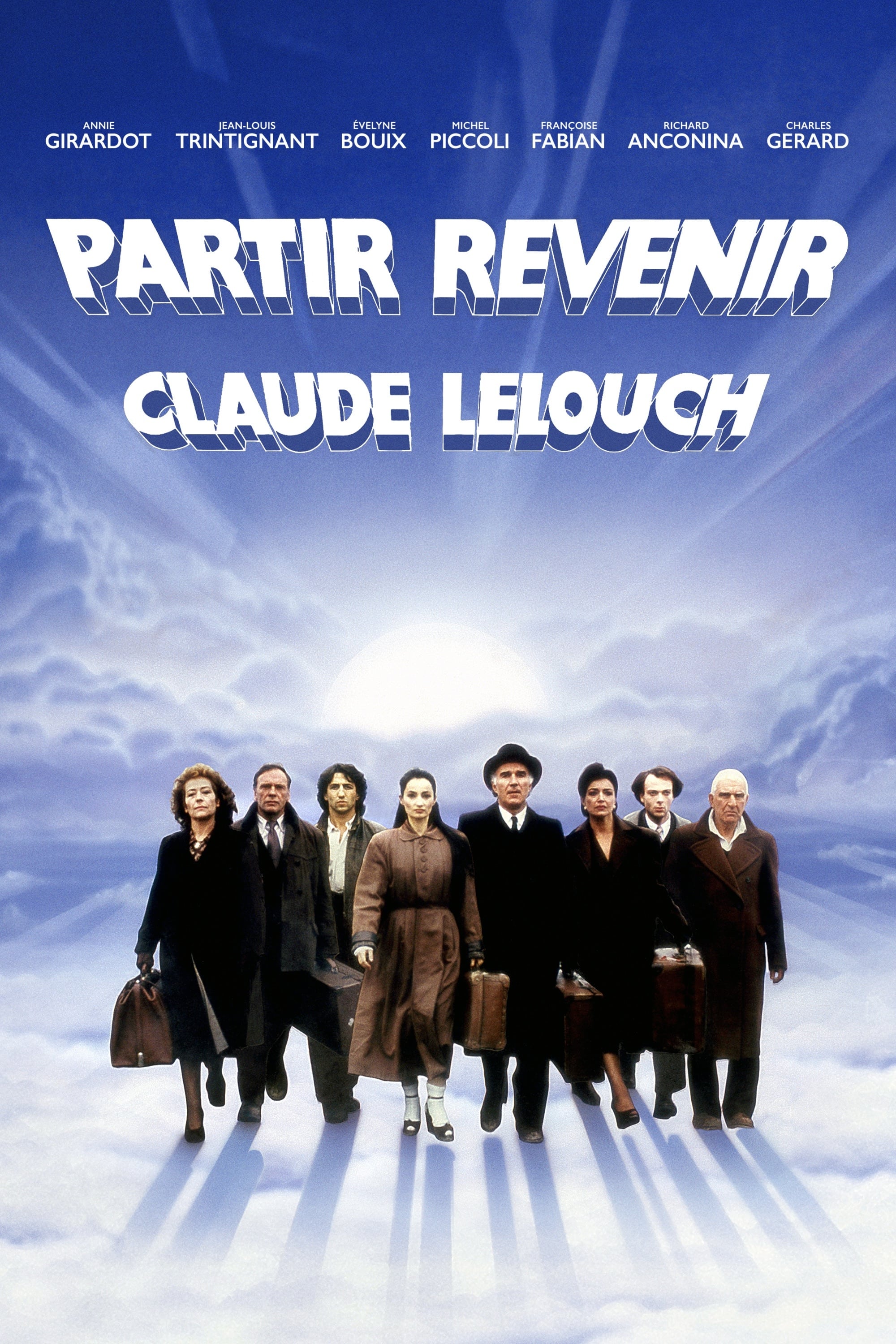
Salomé Lerner just finished writing an autobiography. She goes to a TV show called "Apostrophes", hosted by French TV showman Bernard Pivot. Pivot then imagines a film that could be created from her gripping story. A film entirely made of music because after seeing the young pianist Erik Berchot, Salomé believes seeing her long lost brother, who was a musician as well. A brother she had lost along with her parents in 1943. However, the Lerners did in fact escape the gestapo and might have based themselves in Paris...
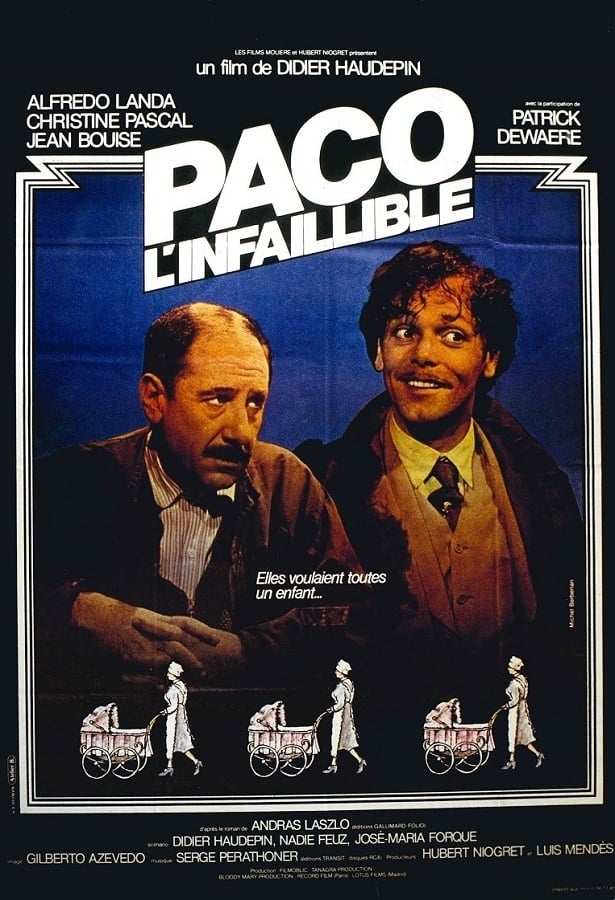
In Madrid of the 20's, many women were hired as wet nurses for middle class families. Milk is paid very well, so women are turning to the honest services of Paco, glazier by trade, which completes his monthly salary getting pregnant the clients who pay for it.
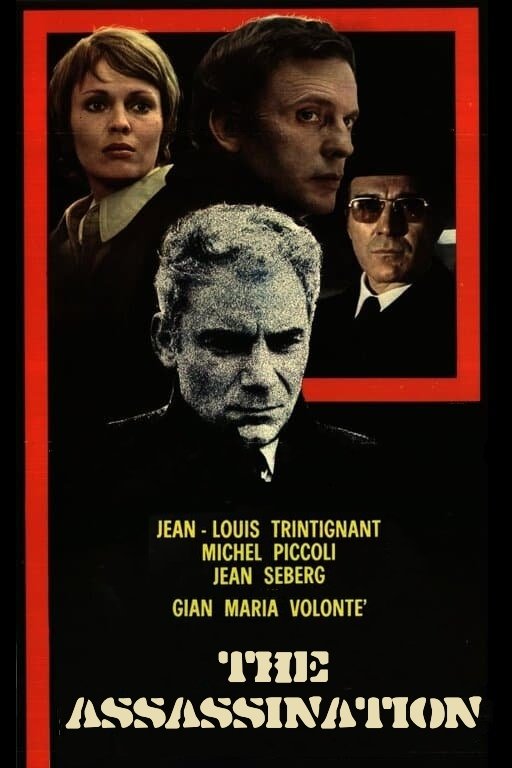
Darien, a left-wing police informant, is forced to lure his old friend Sadiel to Paris, allegedly to film a television special about the Third World. Sadiel, the exiled leader of a North African state, is being hunted by the ruthless Colonel Kassar, who will stop at nothing to capture his political rival. Once Sadiel arrives in Paris, Darien realizes he has been manipulated. He tries to turn back the clock, not realizing what or who he’s truly dealing with.

Godard blends elements of literature, cinema and other artistic medias from different historical periods in order to make a stance on how words can be subverted and manipulated to many different contexts, sometimes bearing a similar significance to the original material or even creating an alternate context.
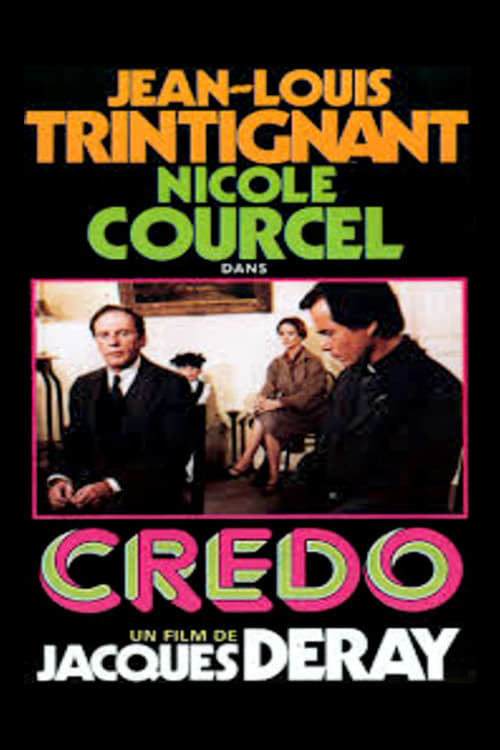
Based on an actual Cold War incident in which a Ukrainian prisoner of conscience was forced to defend his Christian faith while under Soviet interrogation

A César award winning short film about a group of men playing poker until, at precisely 6pm, a bright light suddenly invades their room...
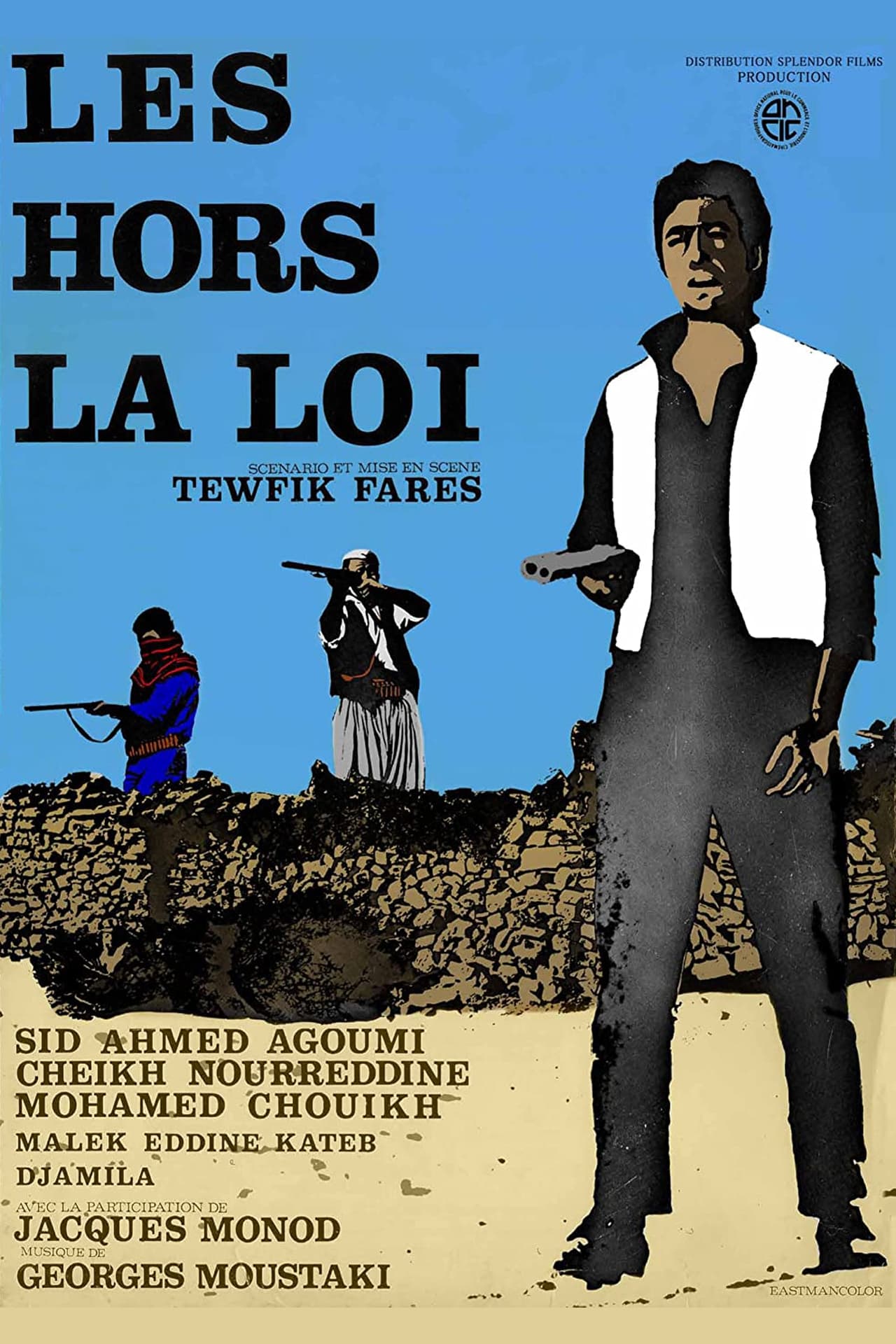
In prison in colonial Algeria, shortly after the end of the Second World War, three indigenous cellmates make out. Once free, they attack the authority represented by the triad of the boss, the gendarme and the administrator. “Living the colonial condition,” confided Tewfik Farès, “is something! It’s not sociologically or historically speaking. It’s life. And I think that’s all there in it. [...] For a hundred and thirty years, we wait. We hold back. We push back. We hope. At the same time, on different occasions, there are skirmishes, unrest.
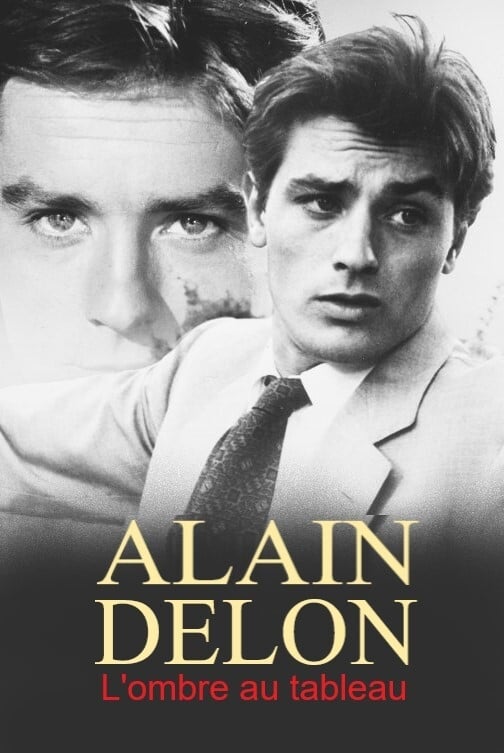
A childhood in boarding school, volunteered at 17 for the war and dismissed for indiscipline, thug in Marseille turned gigolo in Paris, he became actor thanks to some inspired women. Then flying high, fast and far, thanks to his director masters René Clément, Luchino Visconti & Jean-Pierre Melville.
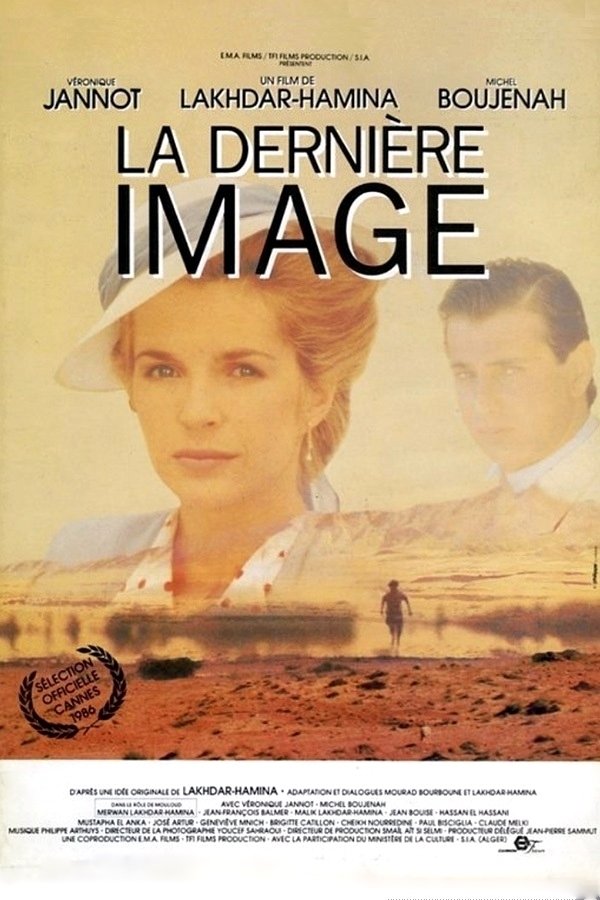
Seen through the filtered lens of boyhood memories, award-winning director Mohamed Lakhdar-Hamina crafted this half-fictional, half-autobiographical account of a brief period in the history of an Algerian village. It is 1940, and the quiet town is ruled by French colonialists appointed by the Vichy government. Algerians are being called up for service in the Vichy military, and Jews in the village are in danger of deportation. A beautiful young schoolteacher named Claire Boyer (Veronique Jannot) arrives in town and turns every male head within miles, including 14-year-old Mouloud (Merwan Lakhdar-Hamina, the director's son). Simon Attal (Michel Boujenah), a fellow teacher and a Jew, is also attracted to Claire, and so is Mouloud's older brother. Suddenly two murders occur in the village, Simon is in danger of being deported, and the tone shifts from the dreams of boyhood to the realities of manhood.
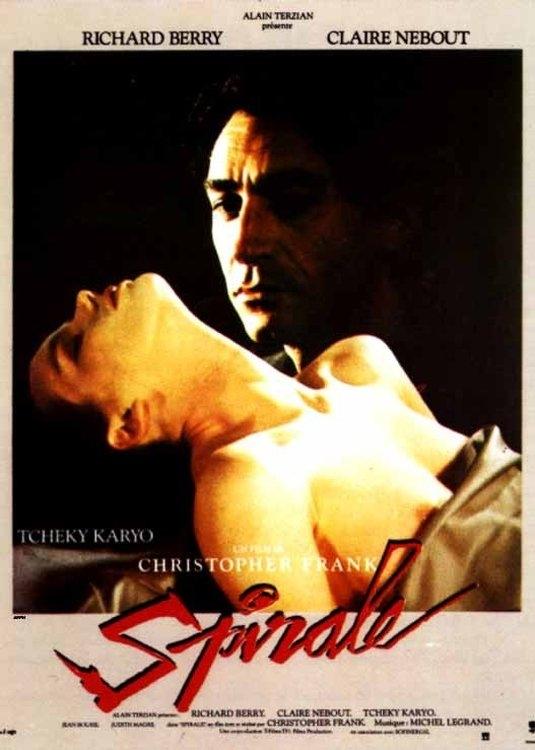
Whilst spending a few days on the Côte d’Azur with his friends, Jérôme meets Simorre, a strange young woman who will have a profound impact on him. Jérôme allows Simorre to take her into her world, and he soon finds himself caught in a terrible trap...
Based on Alfredy Jarrry's 1896 play about a greedy, overweight, selfish dude named Pere Ubu. The story follows Ubu on his journey to overthrow the current ruler and become King of Poland. Along the way he betrays many of his followers, taxes the civilians to an unreasonable degree and eventually slaughters everyone. Along his side, is the equally crude but somehow more likable Mere Ubu, who's like a foul mouthed Lady Macbeth.

A study in contrasts set in and around Havana that explores Cuba's 1959 revolution: a young woman's fascination with the excess of an American-owned casino leads to her downfall in the eyes of her street vendor boyfriend; a tenant farmer revolts the only way he knows how, attacking the land he works; university students gain first-hand knowledge of political upheaval; and, in the hills outside the city, the members of a poor peasant family are patriotically swept up into the burgeoning revolt.
François, a miserable football player, becomes a town hero after bringing victory in an extremely important game. He uses his fame for revenge on the team star for the previous mockeries.
A journalist is assigned to interview an eccentric anthropologist who has exhumed the skeleton of Jörg Jenatsch, a revered freedom fighter who was mysteriously murdered in 1639. Initially disinterested, the journalist begins to uncover unflattering truths about the national hero and experiences visions in which he seems to be witnessing events that transpired over 300 years ago. As he obsessively pursues the investigation, his personal life and his grip on reality disintegrate, drawing him relentlessly toward the fatal carnival at which Jenatsch was killed.

The dictator Anastasio rules with an iron fist backed by business-men making deals and speeches about building canals, completely disconnected from the chaos amongst the population. Anastasio is rumored to have died after an incident with a mirror and a violent confrontation after literally crowing as a cock amongst his chicken followers. The afterlife is shown as a casino where Anastasio strong-arms his way into heaven. Divination is used to find the next dictator, and a sailor and his black, peasant sidekick find themselves attempting to start a revolution with an organ, dragging it through the countryside, as the movie explores the country, culture and music.
A young man struggling with reality and dreams finds himself caught between his fantasies and the harshness of everyday life. As he drifts through surreal encounters and romantic aspirations, he must confront the limits of his imagination and the disappointments of the real world.
Professor Wilcox, recognized for his research on magnetic phenomena, decides, in the company of his assistant and a famous adventurer, to fight the evil forces which are devastating the planet.
Reading old letters, a young girl from Châteauroux, Carole, discovers that her father was an American soldier whose regiment was based in town in the 1950s. She will try by all means to find people who remember this period.
Reporter renowned photographer, Danièle Gaur is conducting an investigation into the alleged accident of her husband Michel. Her research is gradually leading her to discover the workings of a plot to assassinate US Foreign Secretary John W. Maxwell.
North Africa, December 1942. Valentin, a professional gardener ruined by the bombings of 1940, has fled to Tunis, where he traffics stolen goods, transporting them from Libya to Tunisia on an old boat.
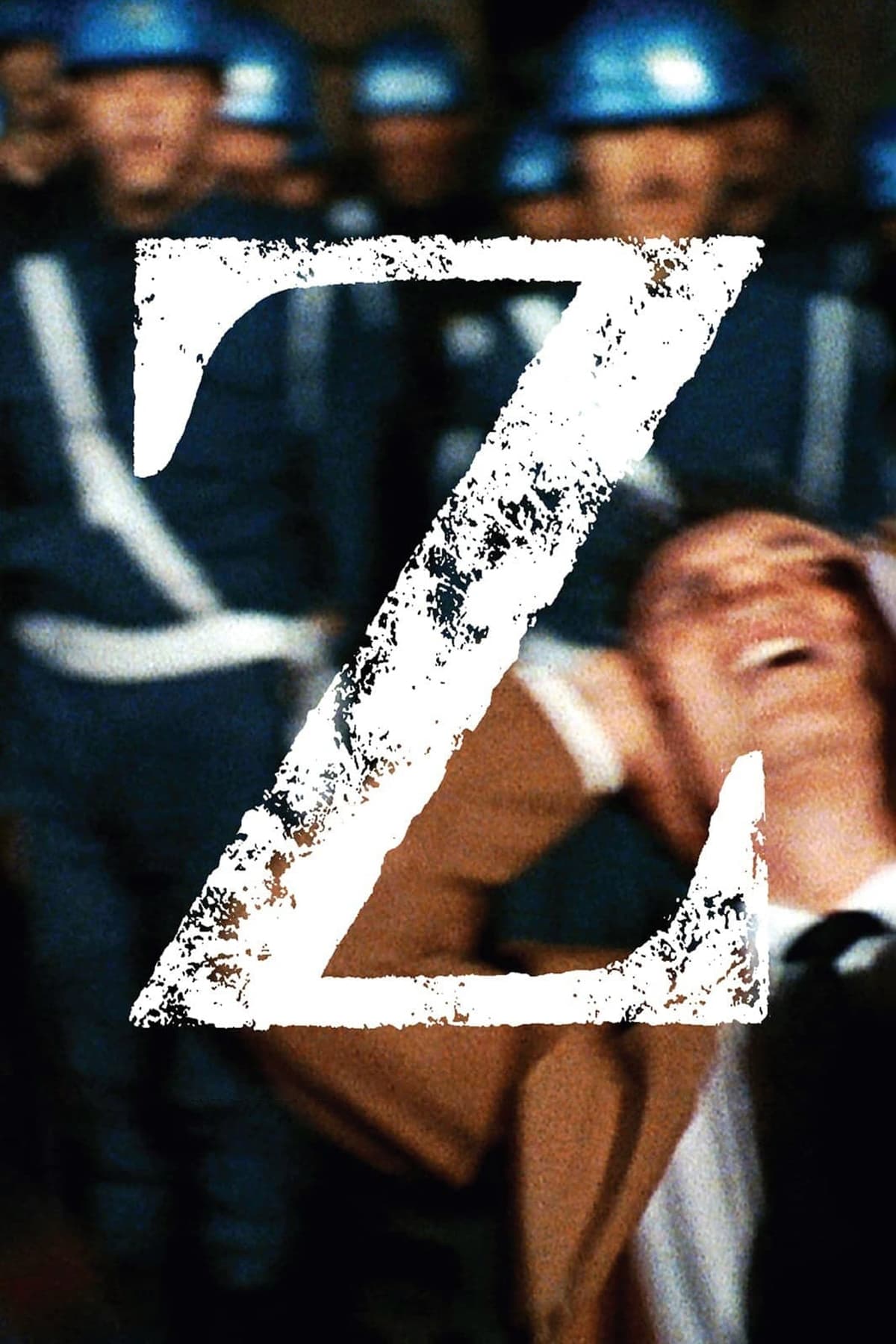
A prominent politician is murdered during a demonstration. The government and army are trying to suppress the truth, but a tenacious magistrate is determined to not to let them get away with it.
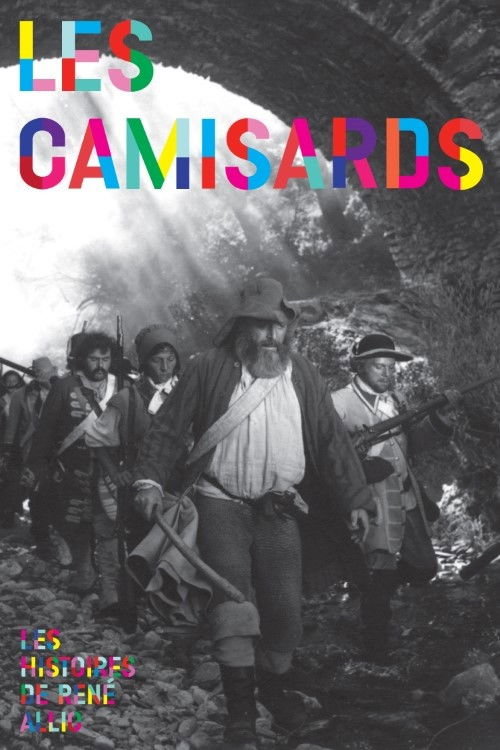
A few years after the revocation of theEdict of Nantes, the Camisards, Protestants from the Cévennes region, mostly peasants and silk workers, formed groups following Gédéon Laporte and fought Louis XIV's dragoons.

While two theater groups rehearse plays by Aeschylus, two solitary individuals wander the Parisian streets hustling the populace for cash.
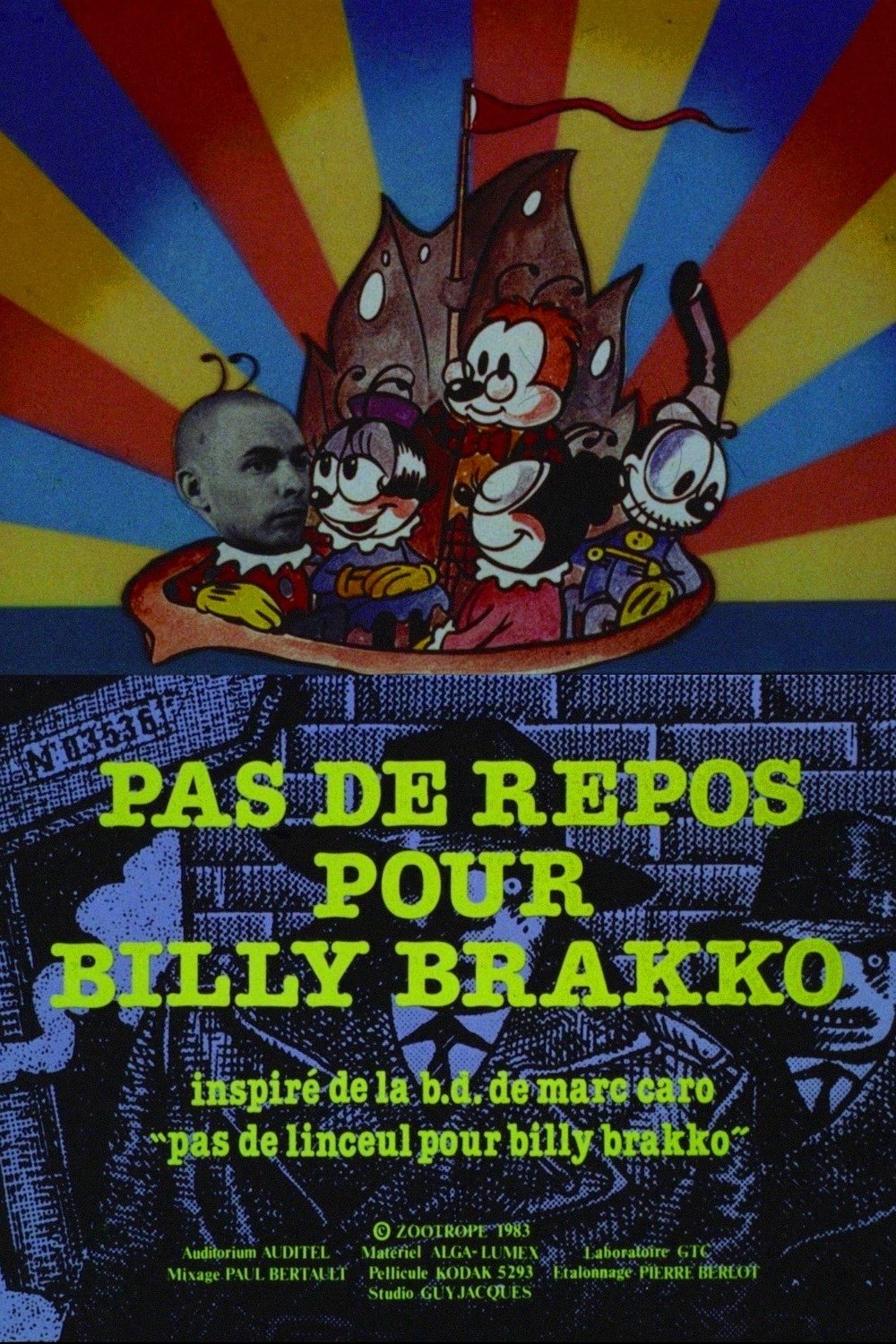
On a winter evening Billy Brakko buys a paper and reads: "The famous Billy Brakko is dead!" An early short film from Jean-Pierre Jeunet and Marc Caro.
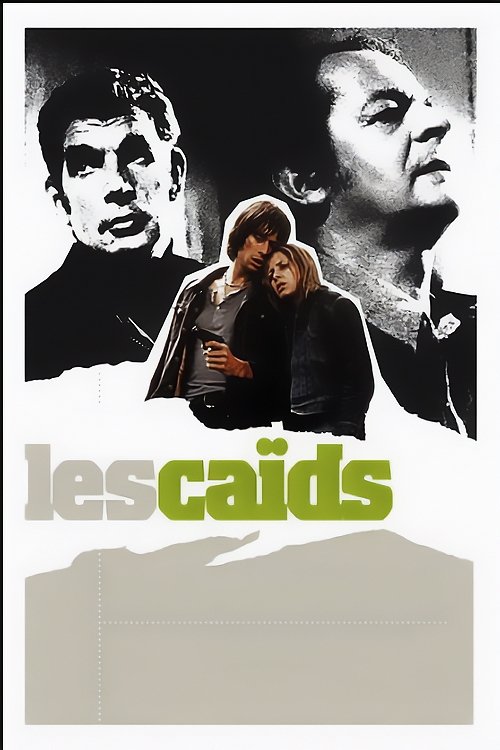
Thia and Murelli, who live from car stunt shows, make ends meet by carrying out small burglaries. When Murelli's daughter, whom he has tried to keep away from his business falls in love with a young thug, her father feels he must help the couple by including the young man in a heist. Their scheme misfires and forces the group to set up a jailbreak, with unfortunate results.
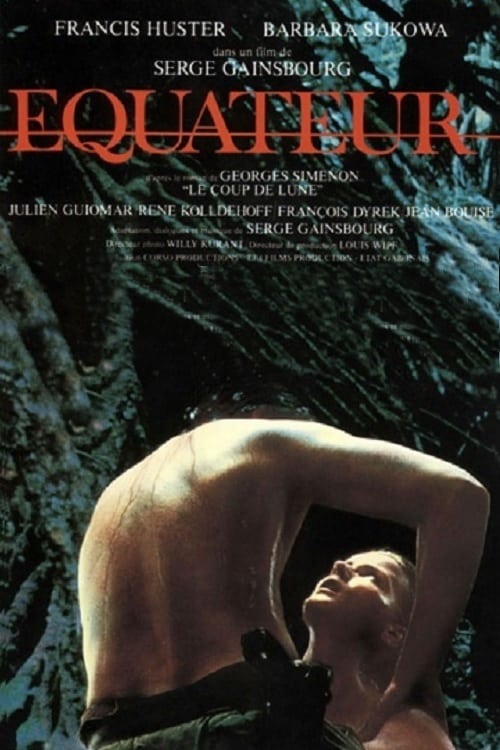
Although based on a novel by Georges Simenon, director (and songwriter) Serge Gainsbourg has superimposed several dark emotions and a subtle brutality over the weak plot about a man's trip to Africa and his unfortunate passion for a murderess whose amorality sends the disillusioned fellow back to Europe. Sometimes described as frustrating and self-centered, reactions to this film swing across a broad spectrum of complaints -- not the least might be whether or not Gainsbourg is using a clichéd and stereotypical view of "dark Africa" to convey what he sees in his characters.
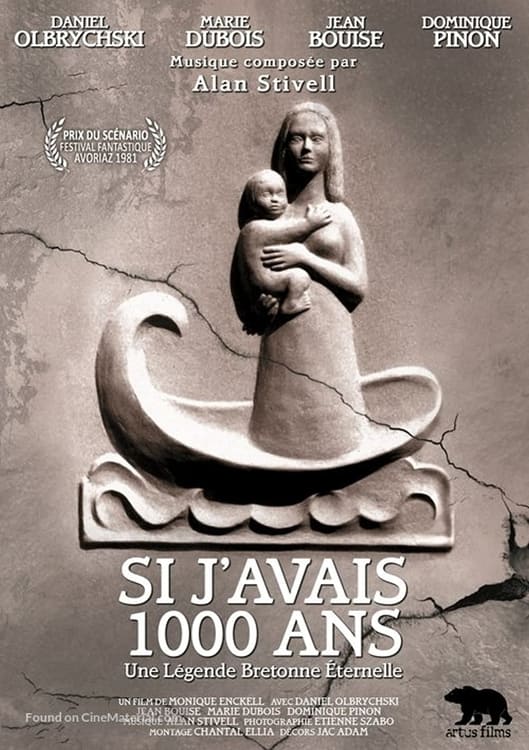
A long time ago, on a French island, a group of villagers saved a girl from being sacrificed by the local lord. To this day the place is cursed. Mysterious knights emerge from the fog each year, while a woman disappears.
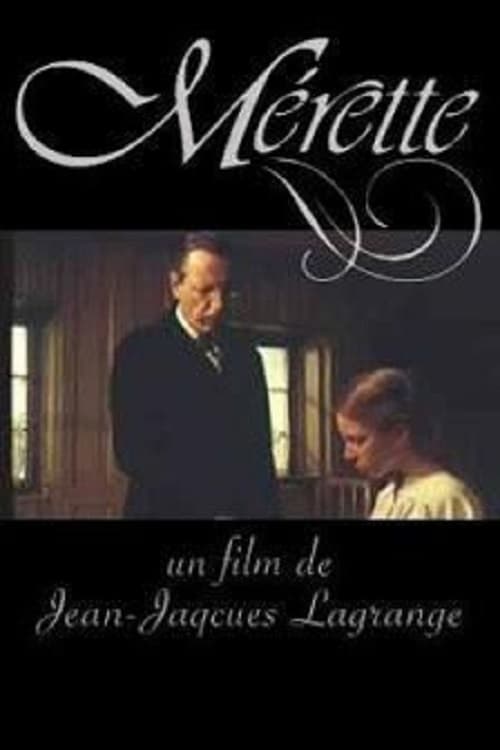
Merette is a pretty child, living within a patrician, strictly Calvinist family in the Switzerland of the 19th century. She is happy, until her mother dies, and Merette blames God, and gives up her religion. Her family turns against her, the villagers reject her, and her priest drives her into isolation.
In a Jesuit secondary school , the headmaster imposes an iron discipline on the unfortunate students. Enter Father Godard who believes in Christian love.
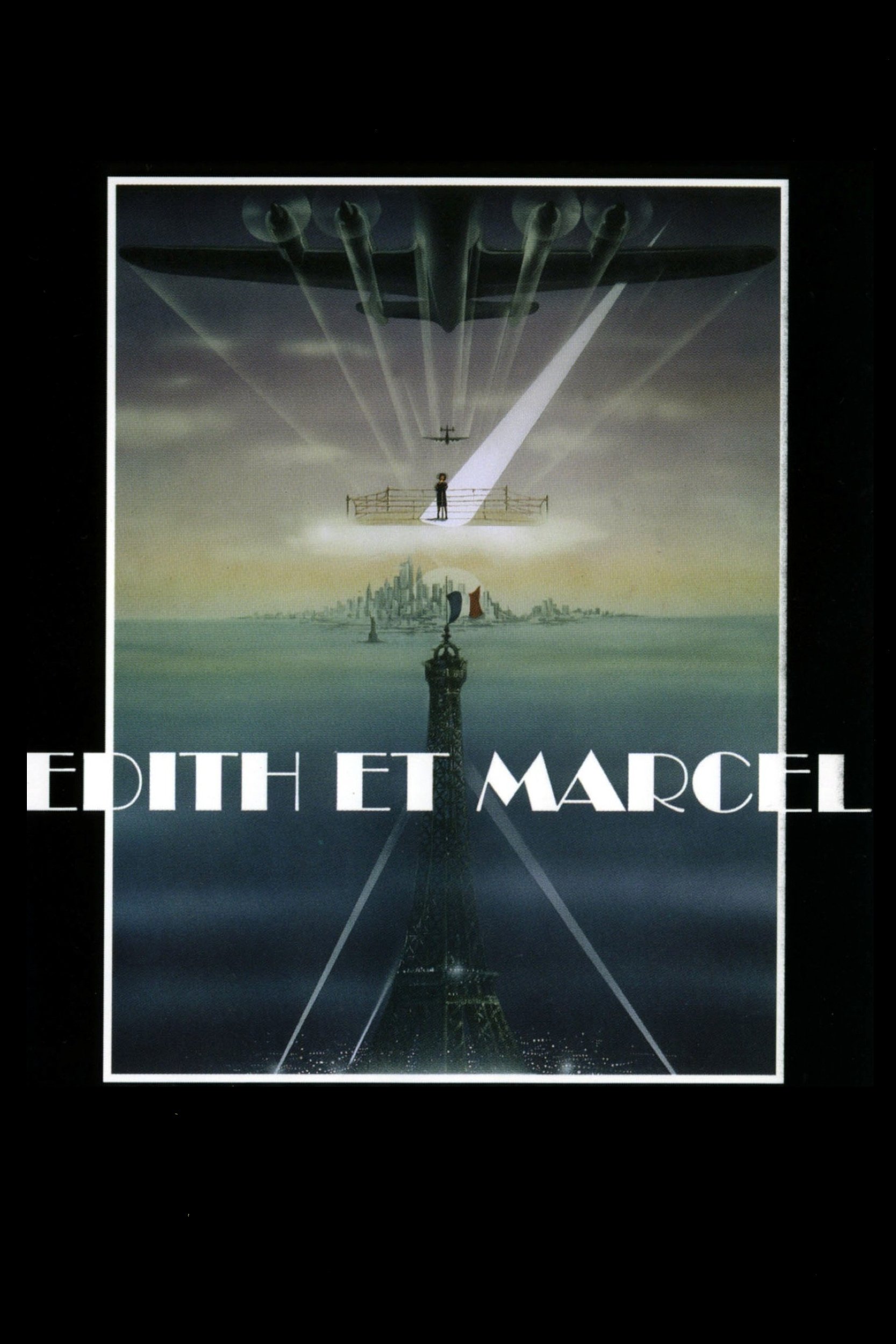
This tragic musical drama chronicles the star-crossed love between beloved French singer Edith Piaf and World Middleweight boxing champion Marcel Cerdan who died in a plane crash. The tumultuous affair is paralleled by the love affair of a French POW and his young pen pal who get engaged after writing to each other for four years and having never met. Their romances are framed by the sad, torchy songs of Piaf.

Bokolo and Mamadou, sweepers in the city of Paris, are looking for a way to pay for the return home of one of their sick comrades. When they find an old book of recipes in the trash, they discover a passion for French cuisine and decide to participate in a televised cooking competition.
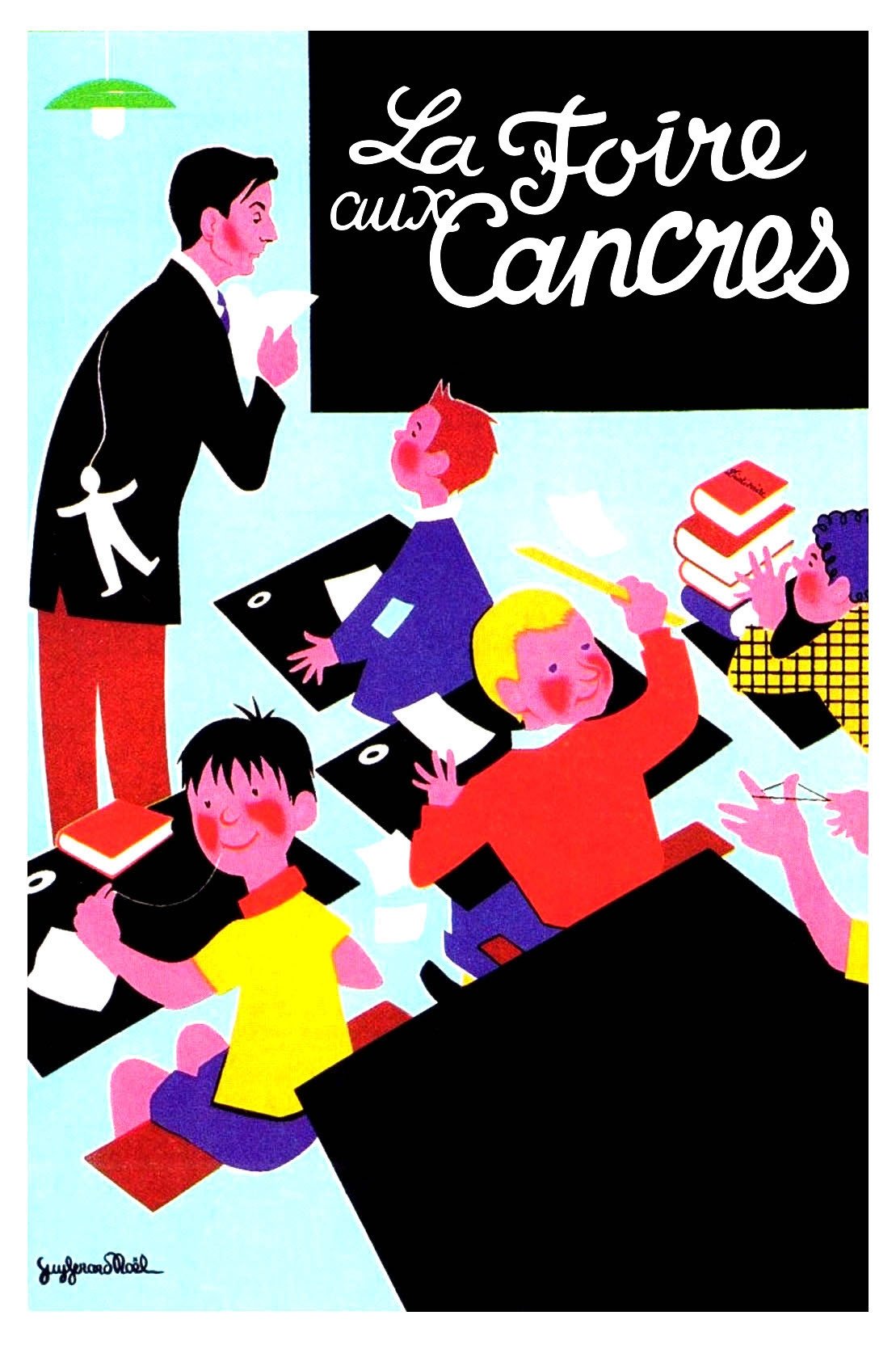
On prize-giving day, a few dunces recall various incidents that marked their school year.

This film explores the experiences of some of the members of an anti-Nazi resistance group in France composed mostly of Polish immigrants, known as "La Brigade." Many of them also fought for the leftist cause during the Spanish Civil War, and for them the resistance is simply a continuation of their prior activities. After the war, some of them continue to have a "resistance" mind-set. One of the stories concerns a love relationship between a Polish boy and a French girl who are thrown together because of their war efforts. After the war, they get together and reminisce.
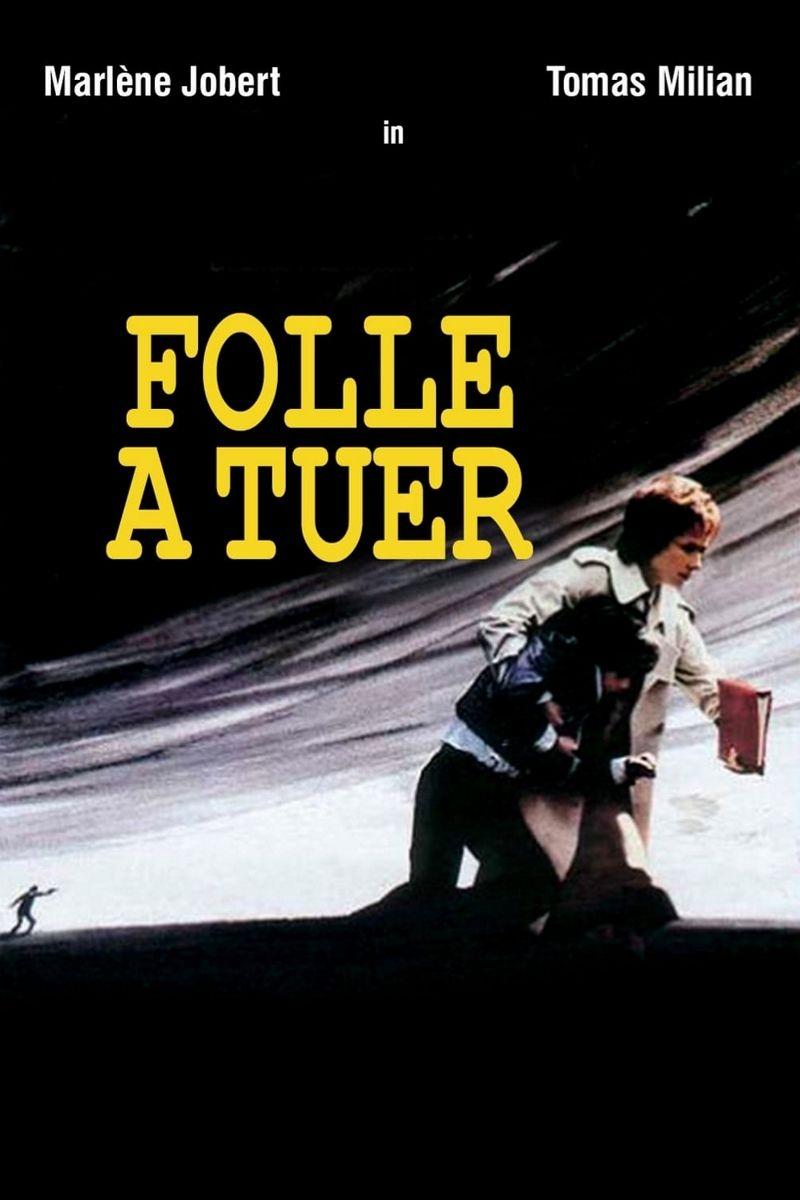
Julie Ballenger has spent five years in a psychiatric clinic. Leaving the clinic apparently cured, she is hired by a wealthy industrialist, Mostri, to work as a governess to his young nephew, Thomas. The boy is heir to a huge fortune after the recent death of his wealthy parents who died in mysterious circumstances. During a visit to a park, Julie and Thomas are kidnapped at gun-point and driven away to deserted quarry. The two hostages manage to escape, but are closely pursued by an armed killer...

In Nazi-occupied France, a German officer is assassinated. The Germans demand justice, and the Vichy government is quick to capitulate. Unable to apprehend the actual culprits, Minister of Justice Joseph Barthélémy decides the execution of token Frenchmen will suffice, but the problem is finding judges and jurors eager to participate in a sham trial of innocent men. The solution is a Special Section, a court comprised of individuals handpicked for this exact purpose.

France, 1975. Jean, an exiled Spanish Communist, is a successful screenwriter who, after a tragic event, struggles with his political commitment, his love for his country, under the boot of General Franco, whose death he and his comrades have waited for years, and his complicated relationship with his son. (A sequel to “The War Is Over,” 1966.)
In a small Italian village live a group of men, each as miscreant as the next. Among them is the baker, violent and miserly. One day, to benefit from an inheritance, he has to distribute fifty kilos of bread a day to the poor for five years. At the moment of distribution, a dog comes along and takes a loaf of bread in its mouth, to take to an old hermit whom the villagers are convinced "has seen God".
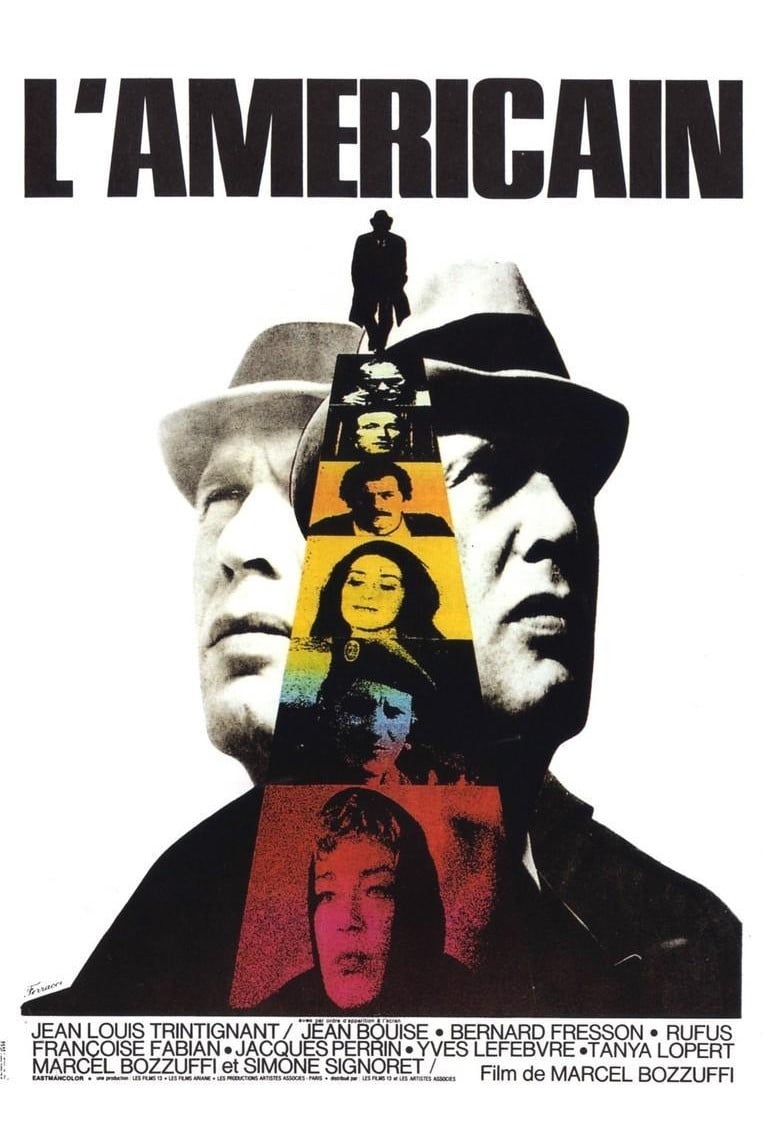
A man returns to Rouen, after fifteen years in the United States, and feels like a stranger among old friends.
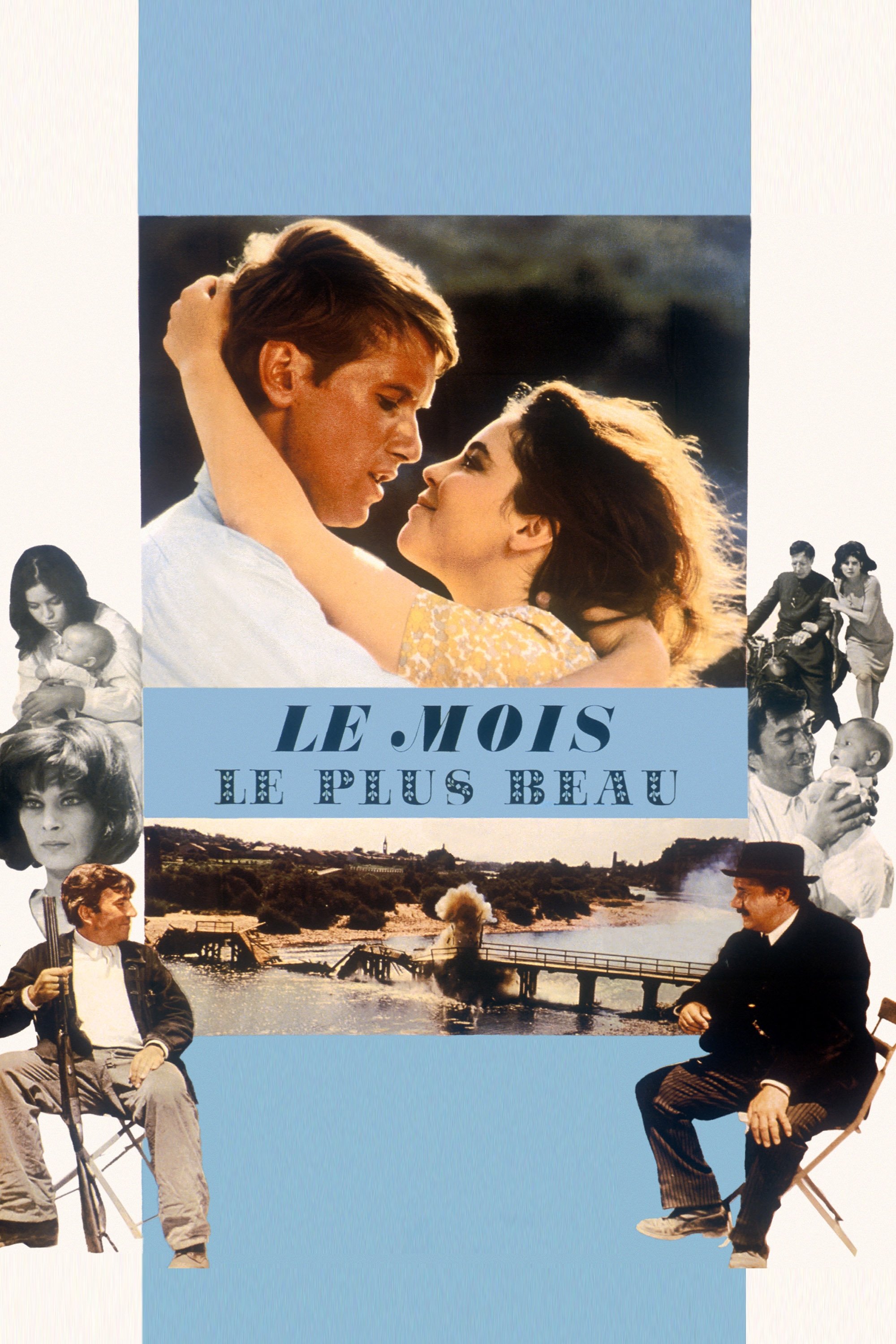
The life of the inhabitants of a village in the Drôme region during the debacle of May-June 1940. Liberated, Cyprien Boromès returns to his village to learn that his daughter Rosine has had a child out of wedlock with the mayor's son, Bruno Besson.

Claire Rousset visits her ex-husband Pierre who lives in the Lyon region. For some time now, Pierre's health and that of the other inhabitants of the village has deteriorated to the point of becoming worrying.
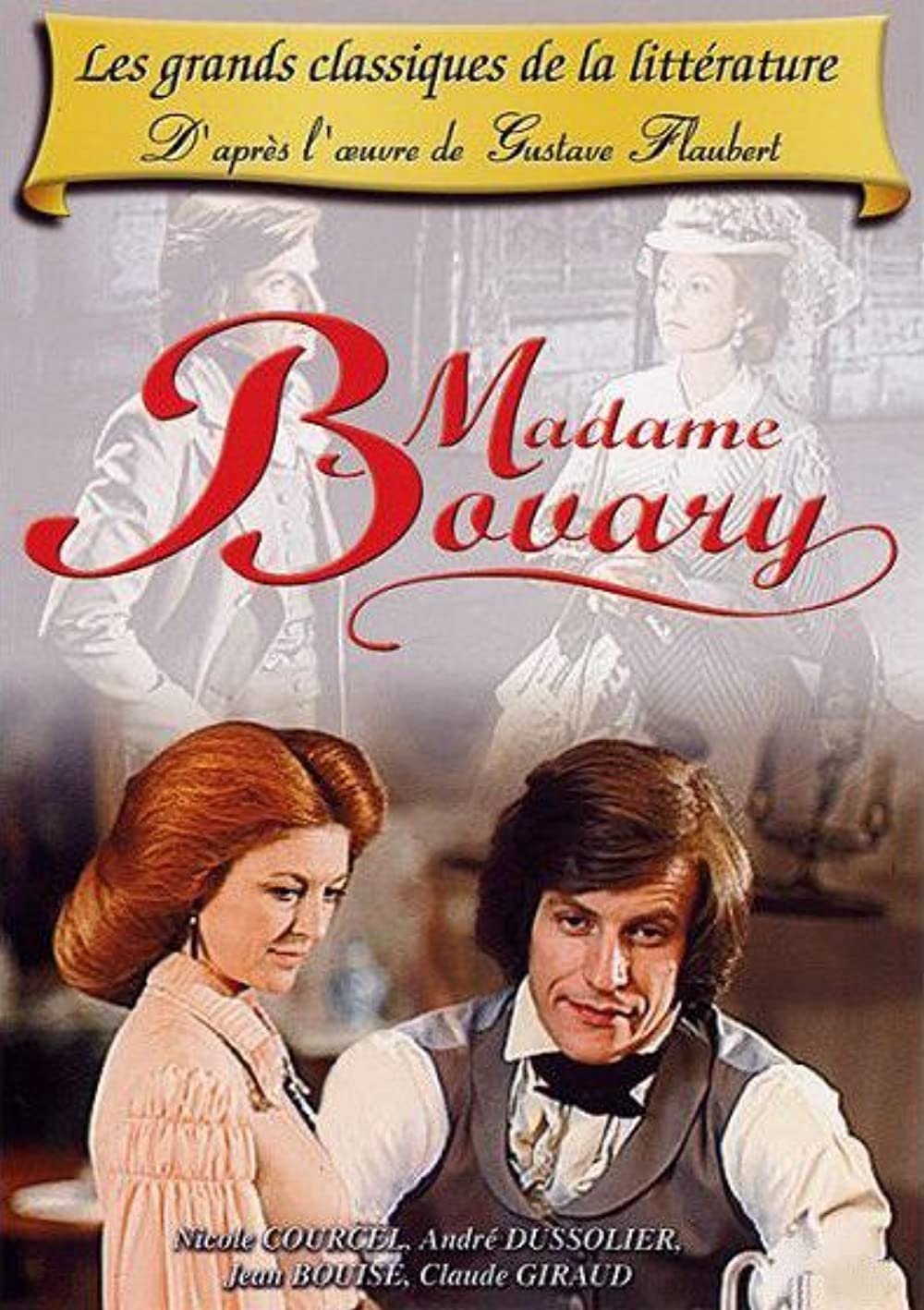
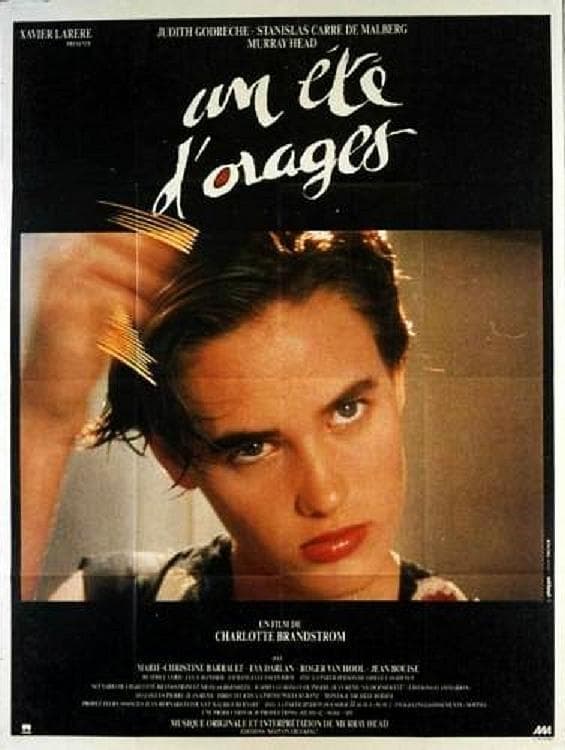
Every year, the whole gather in the French region of Auvergne's home. During this 1944 summer, Louis falls in love with his cousin Laurence. The arrival of a British skydiver, Jack, will completely upset Laurence. Louis, jealous like crazy, will betray the skydiver who will die in front of his eyes. But his cousin François-Xavier has also seen what happened.
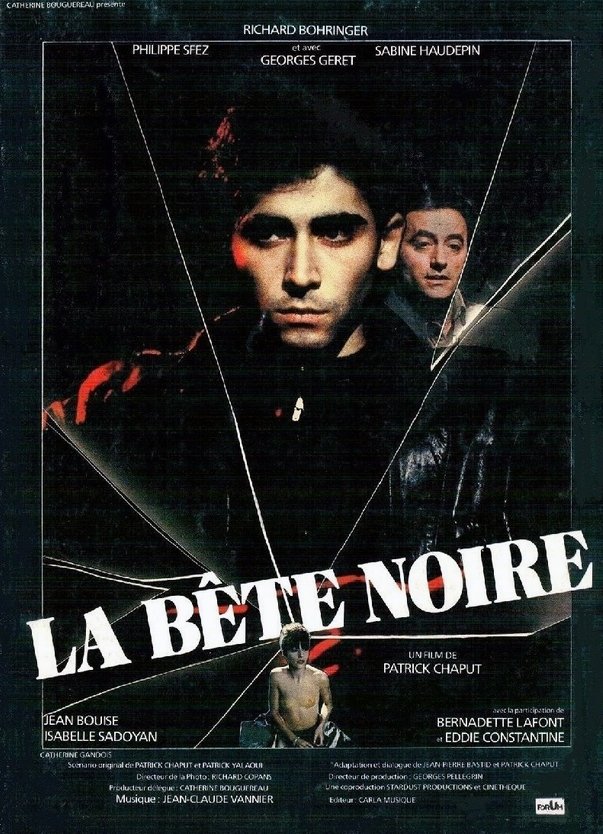
In this creatively organized story of one "delinquent," director Patrick Chaput has put together a well-paced drama/thriller set in part against the dark by-ways of Paris. Seventeen-year-old Daniel grew up in foster homes in a rural area and those years contrast with his later youth in Paris. A filmmaker opts to interview Daniel for a documentary on delinquency, and that is how the young man's past and precarious present start coming to light.
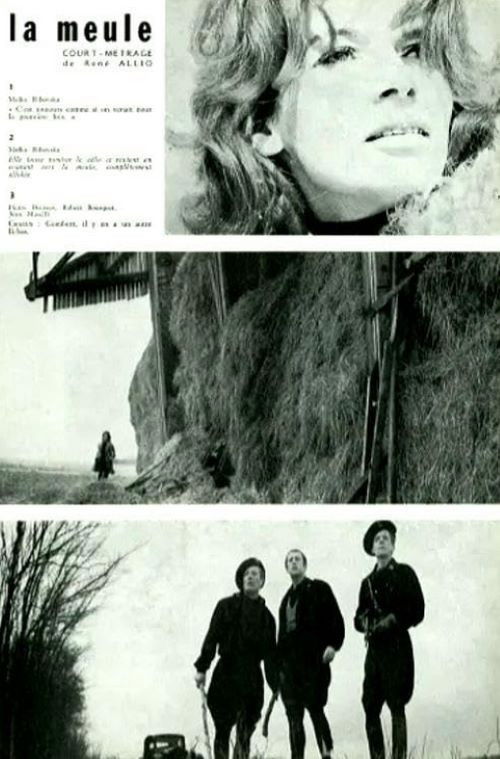
In 1943, a young couple hides food intended to be sold on the black market in a haystack. Each of their trips in the countryside represents rare, exalting moments during which they can live in harmony with nature. But one afternoon, the situation brutally changes.
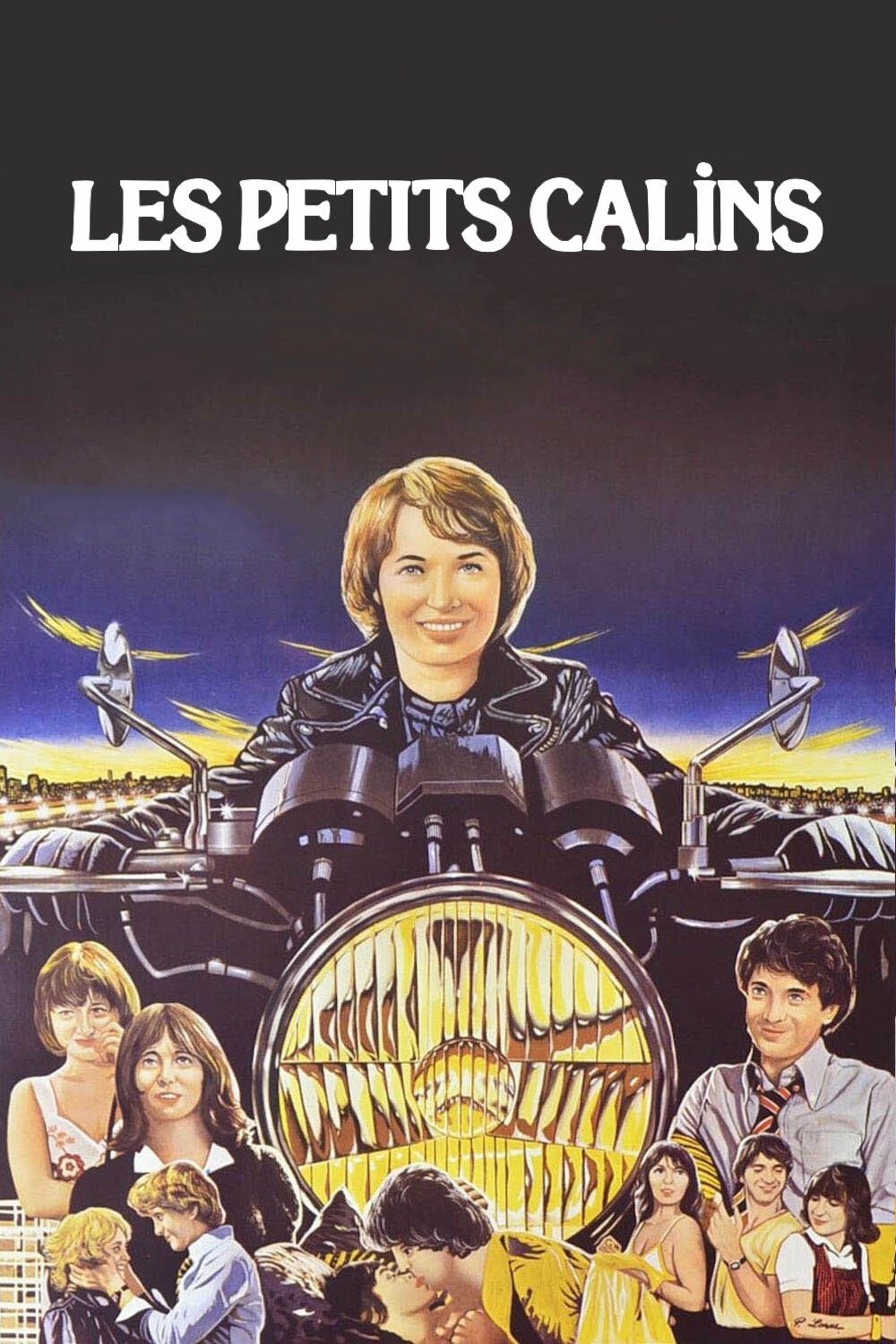
Sylvie, Corinne and Sophie all live in the same accommodation in Paris. The first sells clothes on the steps. The second works in a factory restaurant and the third is divorced, has a child and does odd jobs.