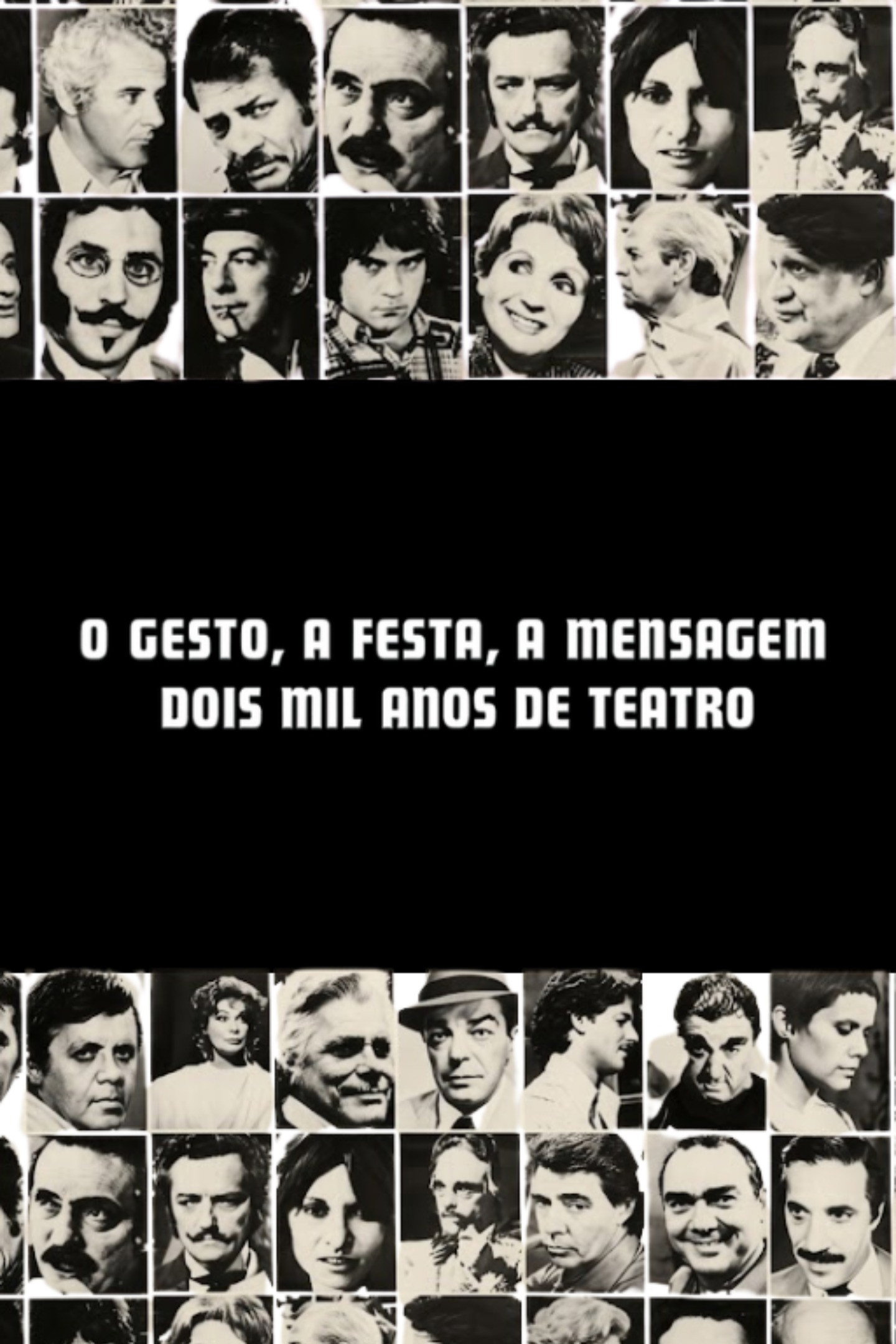
"Portraits and excerpts from Brazilian films from all times. Actors, directors and images that affirm cinema."
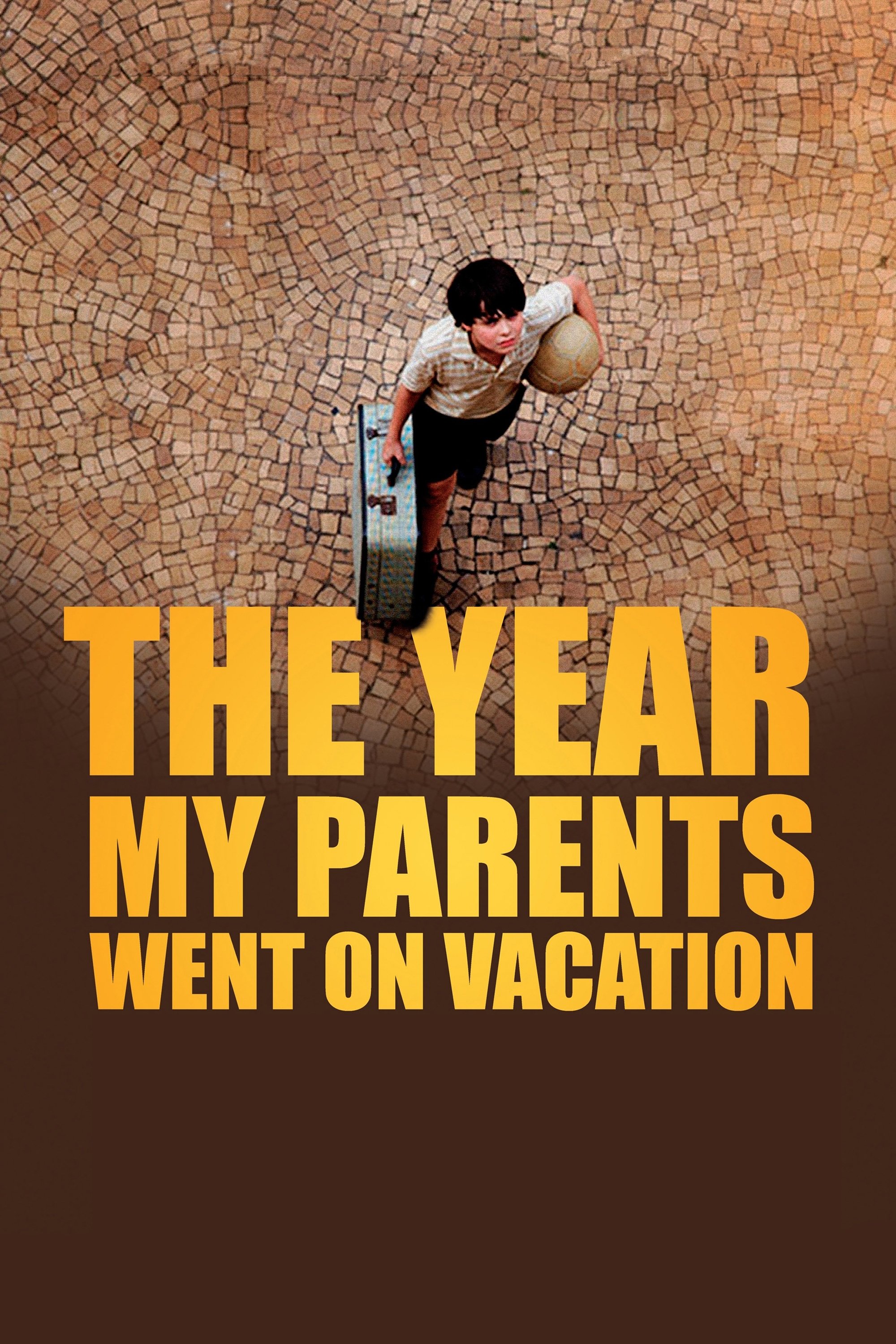
A boy is left alone in a Jewish neighborhood in the year of 1970, where both world cup and dictatorship happen in Brazil.
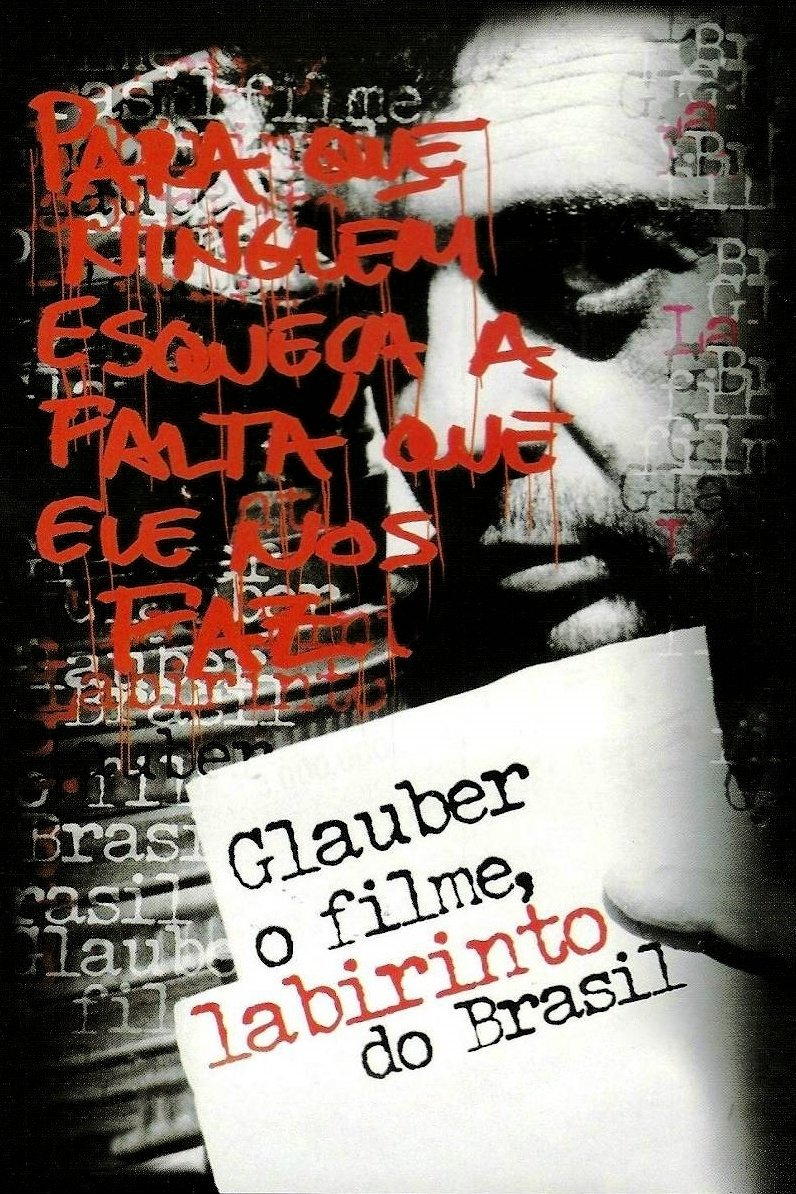
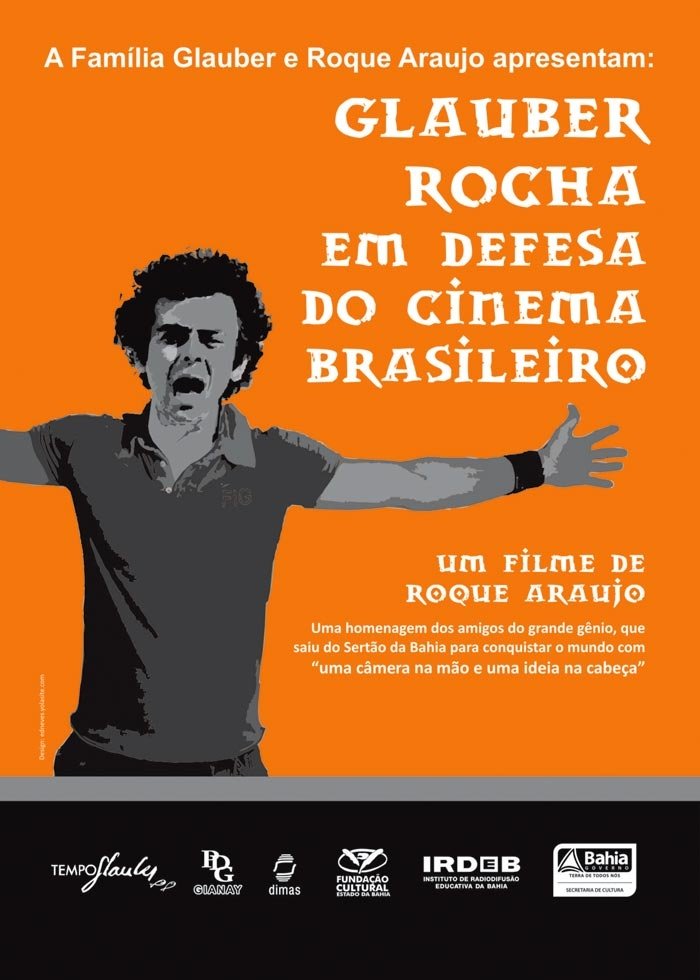
Documentary about Brazilian filmmaker Glauber Rocha, one of the most important names in the Cinema Novo, with interviews with some of his friends and colleagues.
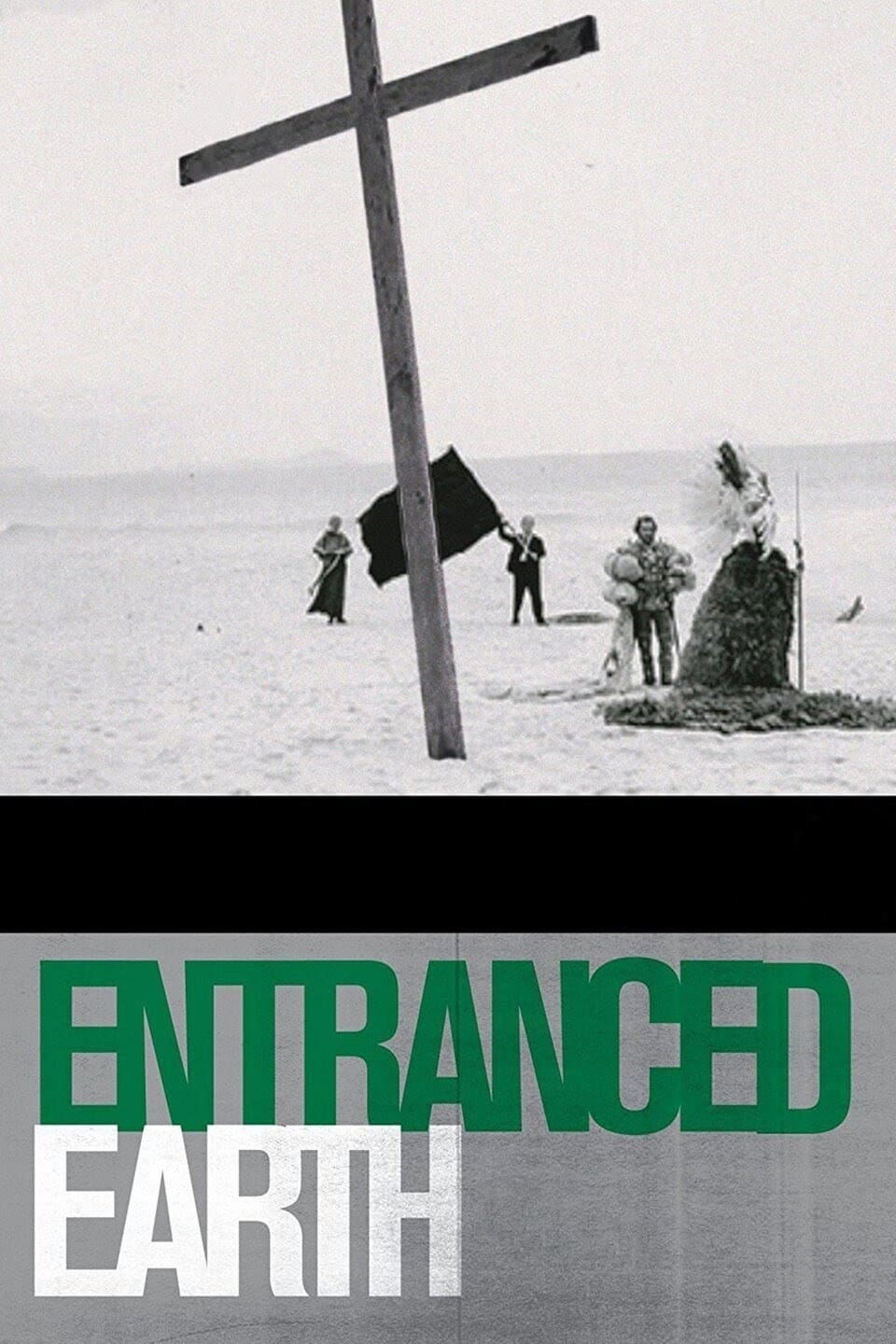
Eldorado, a fictitious country in America, is sparkling with the internal struggle for political power. In the eye of this social convulsion, the jaded journalist Paulo Martins opposes two equally corrupt political candidates: a pseudopopulist and a conservative. In this context, Paulo is torn between the madness of the elite and the blind submission of the masses. But, in this complex tropical reality, nothing really is what it seems to be.
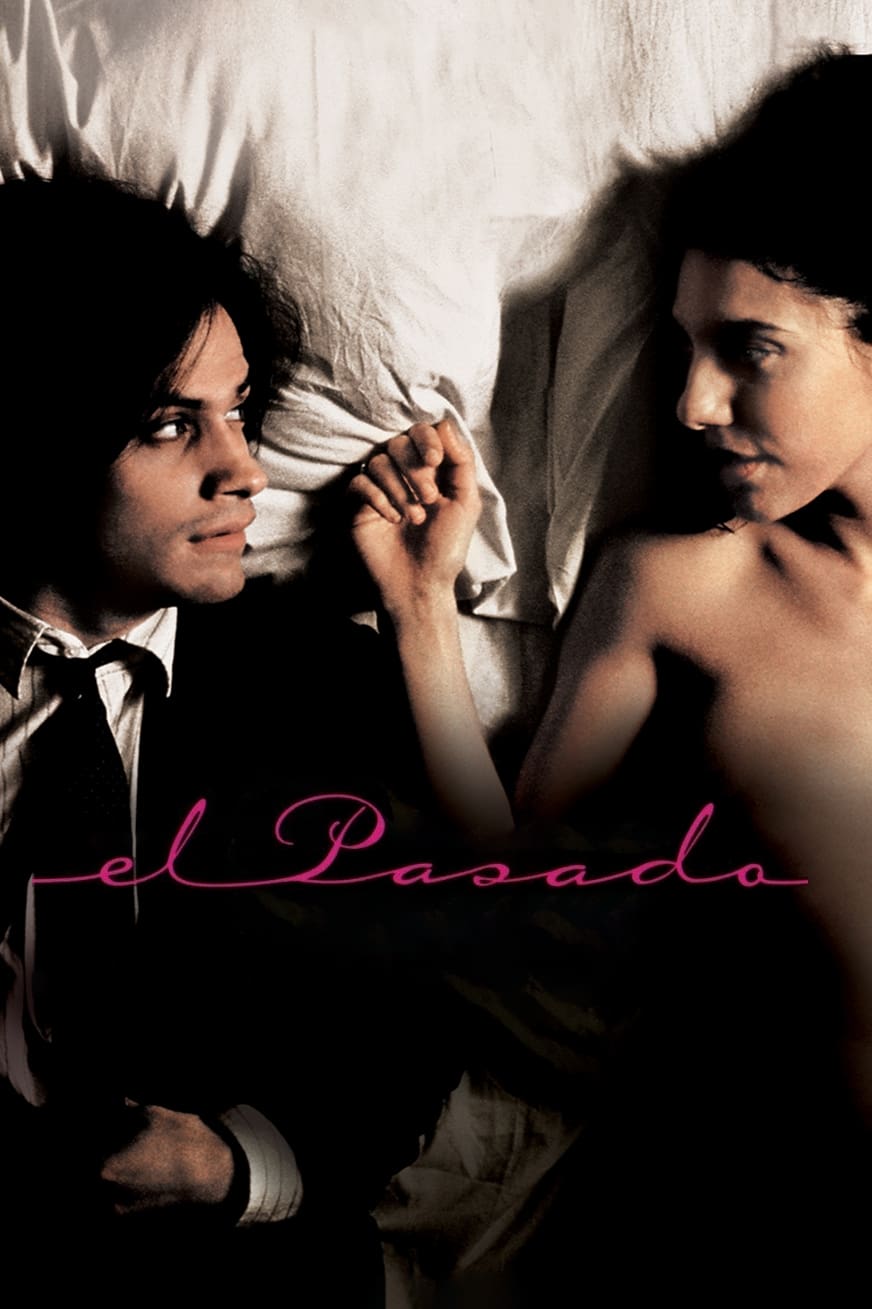
After 12 years, Sofía and Rímini decided to separate. While Rímini finds it easy to move on and start a new life, Sofía stays stuck in the past and constantly harasses him. She reappears again and again on Rímini's horizon to reconquer him, torture him or redeem him.

In Nordestina, a small town lost in the Brazilian badlands, young Karina dreams of becoming an actress and leaving to explore the world. Before losing his love, Dona Nazaré’s son, Antônio, takes the first step in a kamikaze crusade to bring the world to Karina. For that, Antônio leaves town and announces, in a TV show that he will set off on a sensational adventure: a trip into the future, starting from Nordestina’s square. A story where dreams contradict reality, geographical and political conditions threaten to block life, and love plays the part of the transforming element.
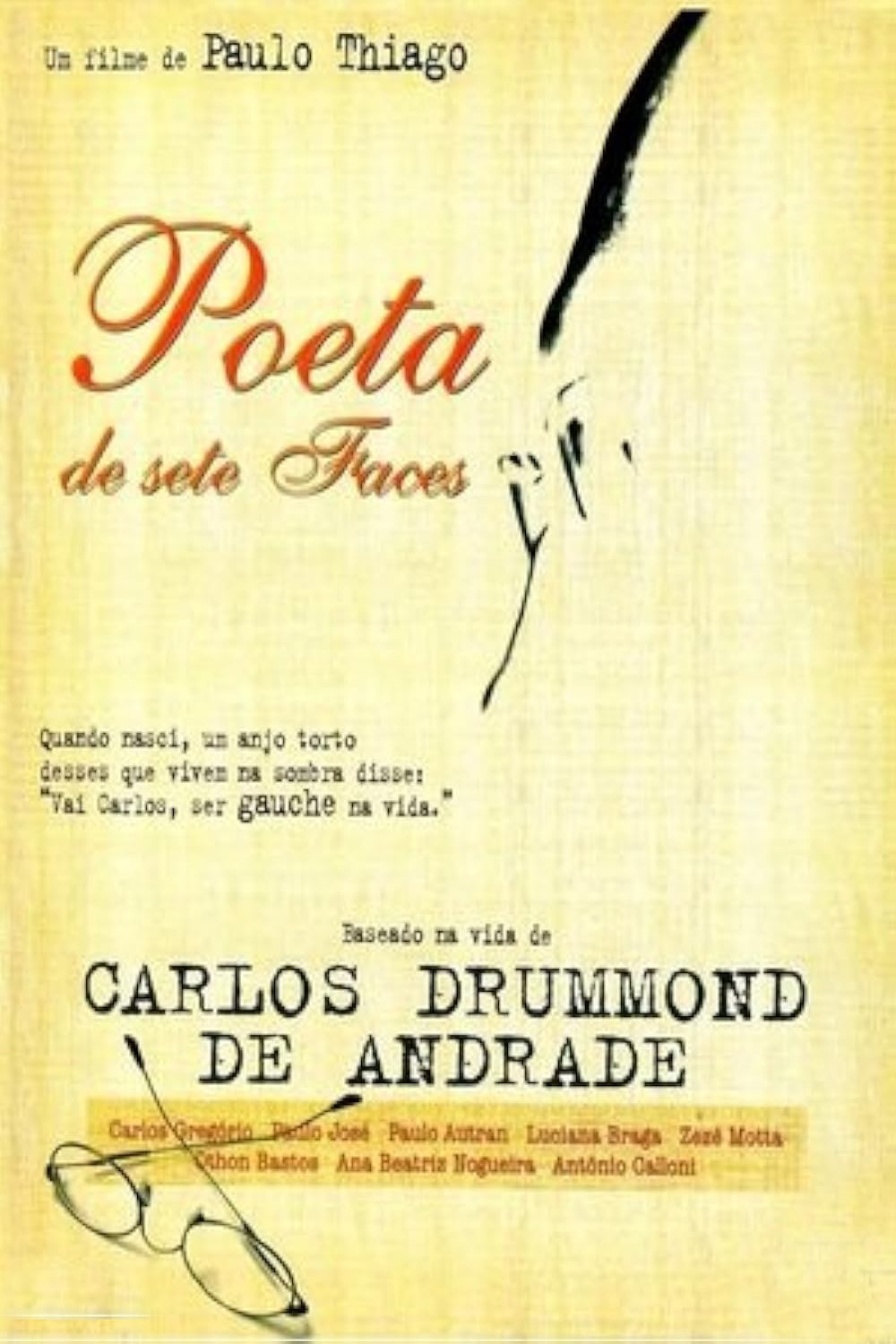
Documentary about Brazilian poet Carlos Drummond de Andrade, and the many facets of his work.

Eduardo wants to become a police reporter. To do so, he unravels a mysterious crime, but fails to get the editor of his newspaper to promote it. He is engaged to Suzy, who works at a nightclub. In charge of interviewing a famous actress, June, gets involved in several embarrassing situations that are created by Suzy and two other reporters, Harry and Steve, who follow June since her arrival in Brazil.
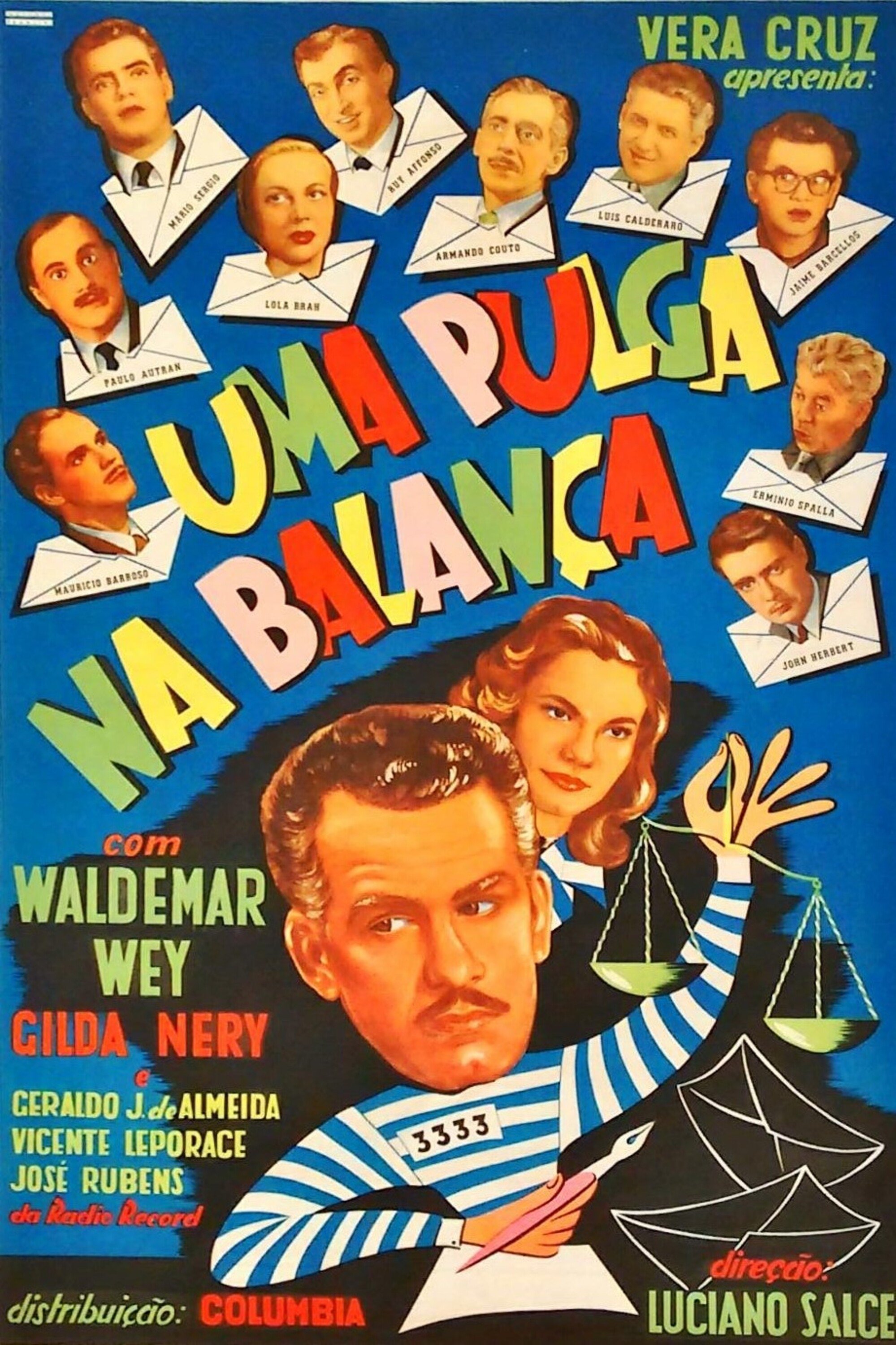
Swindler in jail devises a scheme to blackmail the family of recently deceased people, threatening to tell supposedly incriminating facts about their dead relatives' lives.
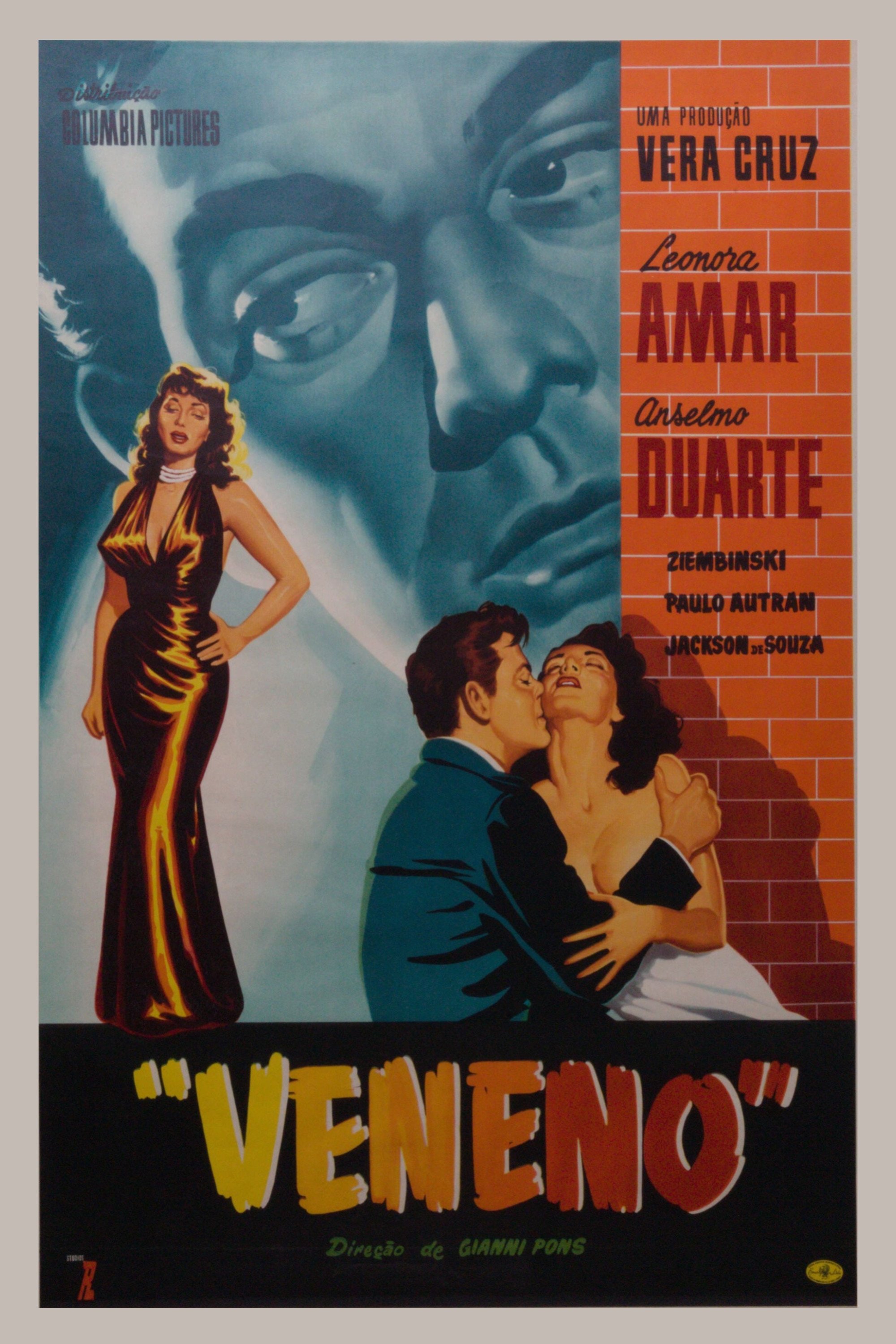
An employee of a glass factory suffers with his wife's contempt and starts to develop homicidal delusions about her. One night, he meets a singer which resembles his wife a lot and conjures up a plan.
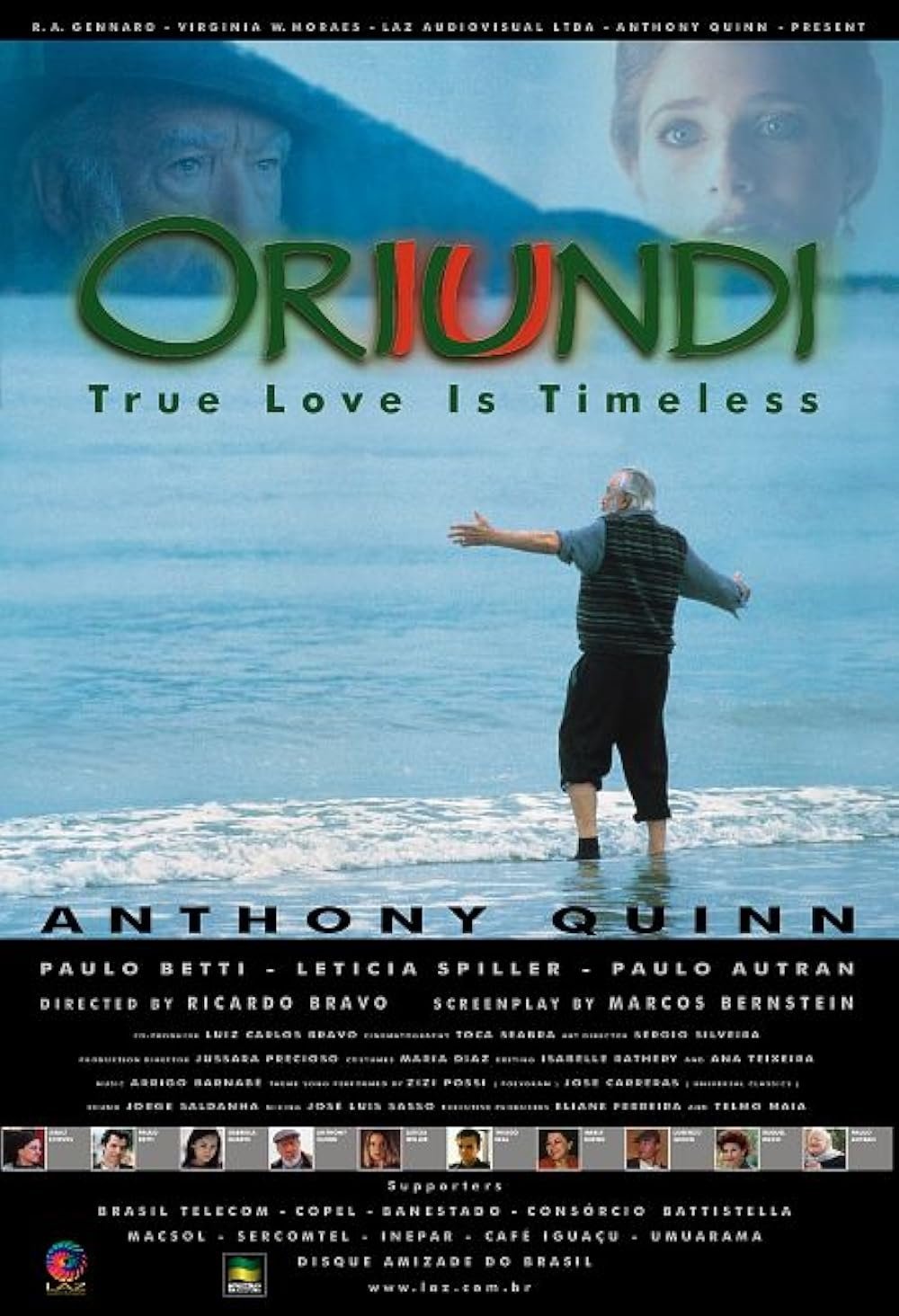
In a love story set in Curitiba, Southern Brazil, a patriarch witnesses the crumbling of his life-long family business at the hands of his descendants. Suddenly Sofia appears. Is she from this world, and is she the key to this family's happiness and their hope for survival?
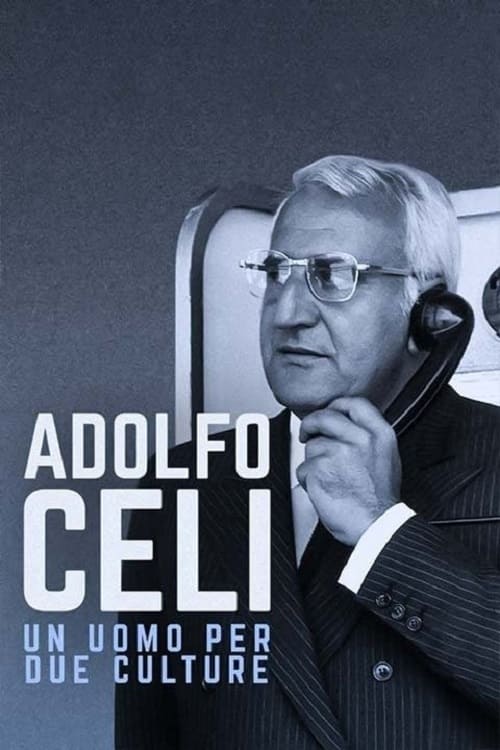
Created by his son Leonardo, this portrait of Adolfo Celi reconstructs his personal and artistic journey between Italy and Brazil. Through interviews, film clips, testimonials, photos, and extraordinary footage from the Celi family's personal archive, we will revisit the places that shaped his life.

A portrait of the evolution of theater in the 20th century and a deep reflection on the art of acting through the career of Paulo Autran (1922-2007), one of the greatest actors in Brazil.
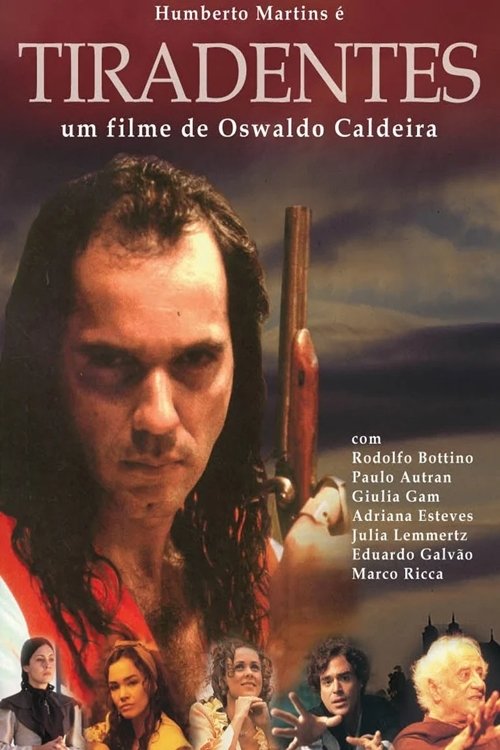
The story of one of the most important Brazilian heroes, Joaquim José da Silva Xavier, known as Tiradentes. He was the leader of a group who tried to proclaim Brazil's Independence from Portugal in 1789. But he was betrayed by one of his comrades and hanged.
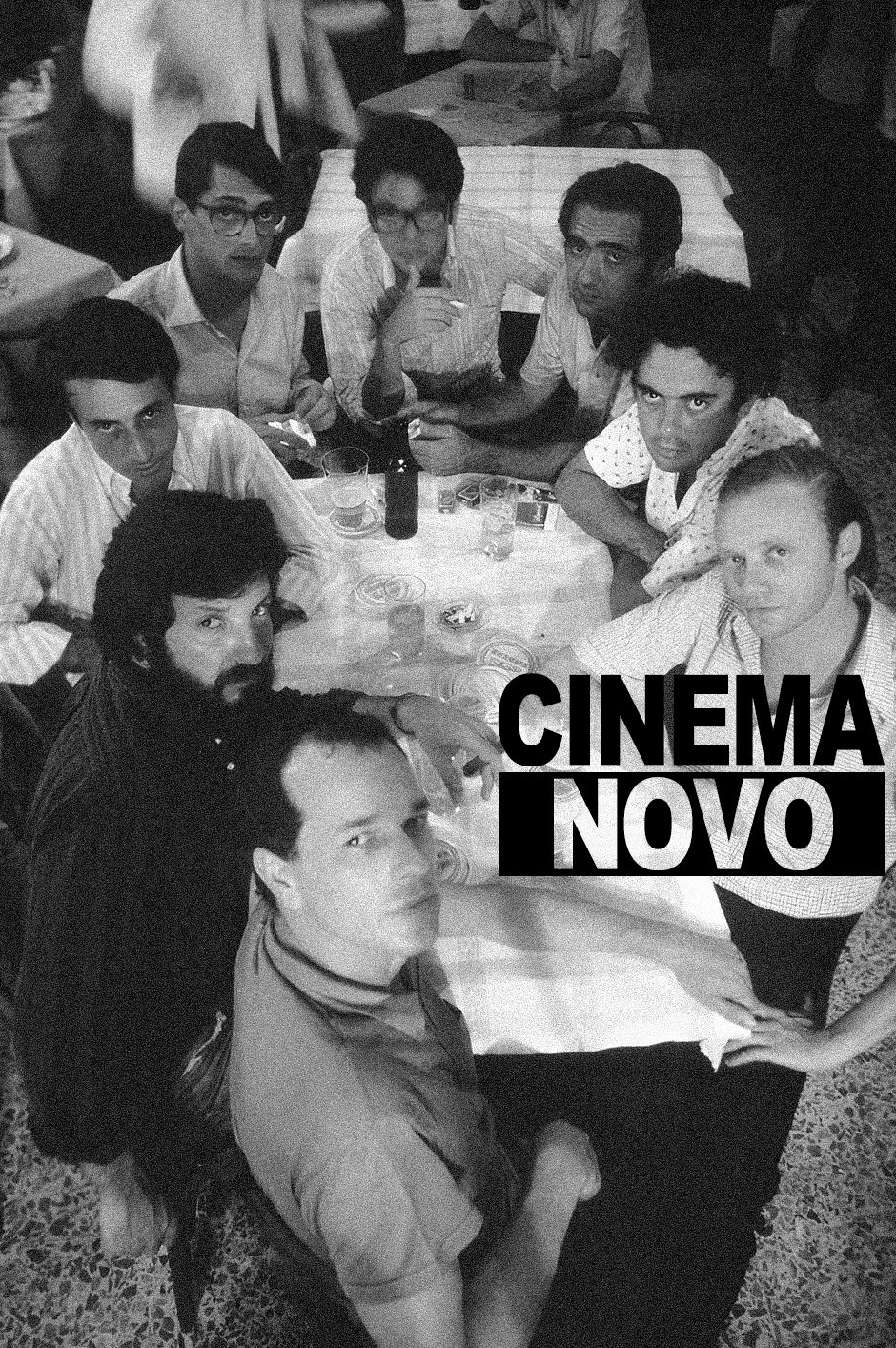
Originally produced for German TV, Improvised and Purposeful is a firsthand look at the "Cinema Novo" movement (otherwise known as the 'Brazilian New Wave'). Director Joaquim Pedro de Andrade focuses on six Cinema Novo filmmakers working in Rio in 1967.

The story of one of the greatest stars of Brazilian cinema, Glauce Rocha.
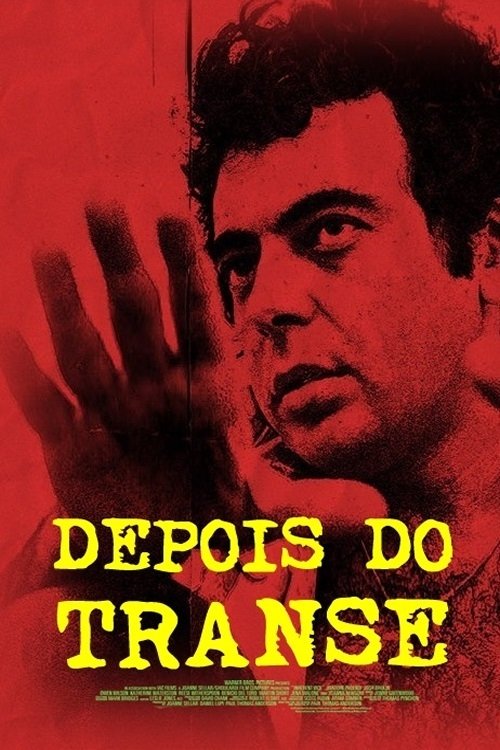
The documentary "Depois do Transe" covers the entire process of creating the masterpiece "Entranced Earth", which was released and awarded at the Cannes Film Festival in 1967. "Entranced Earth" charmed the world and won great admirers such as filmmaker Martin Scorsese and the writer Marguerite Duras, who at the time considered a "fabulous filmic opera."
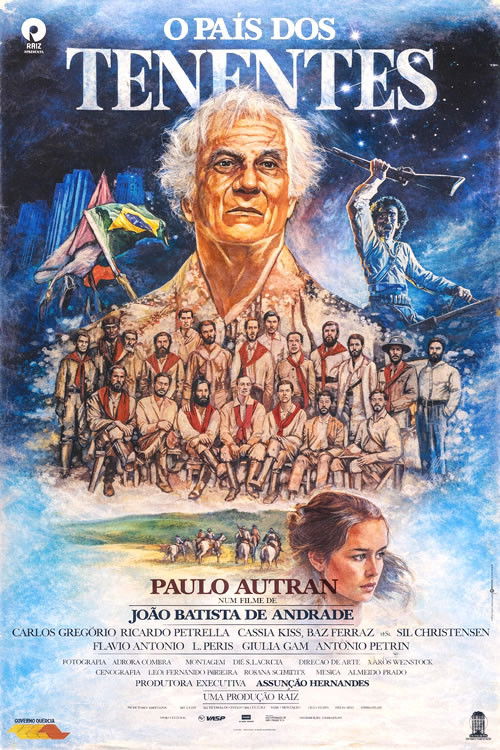
With death getting near, a retired officer remembers the most important passages in his life and his participation in historical events in Brazil, such as the Lieutenants' Movement, and the 1964 coup.
A male nurse goes to a small village in Bahia's countryside. Based on the Machado de Assis short story.
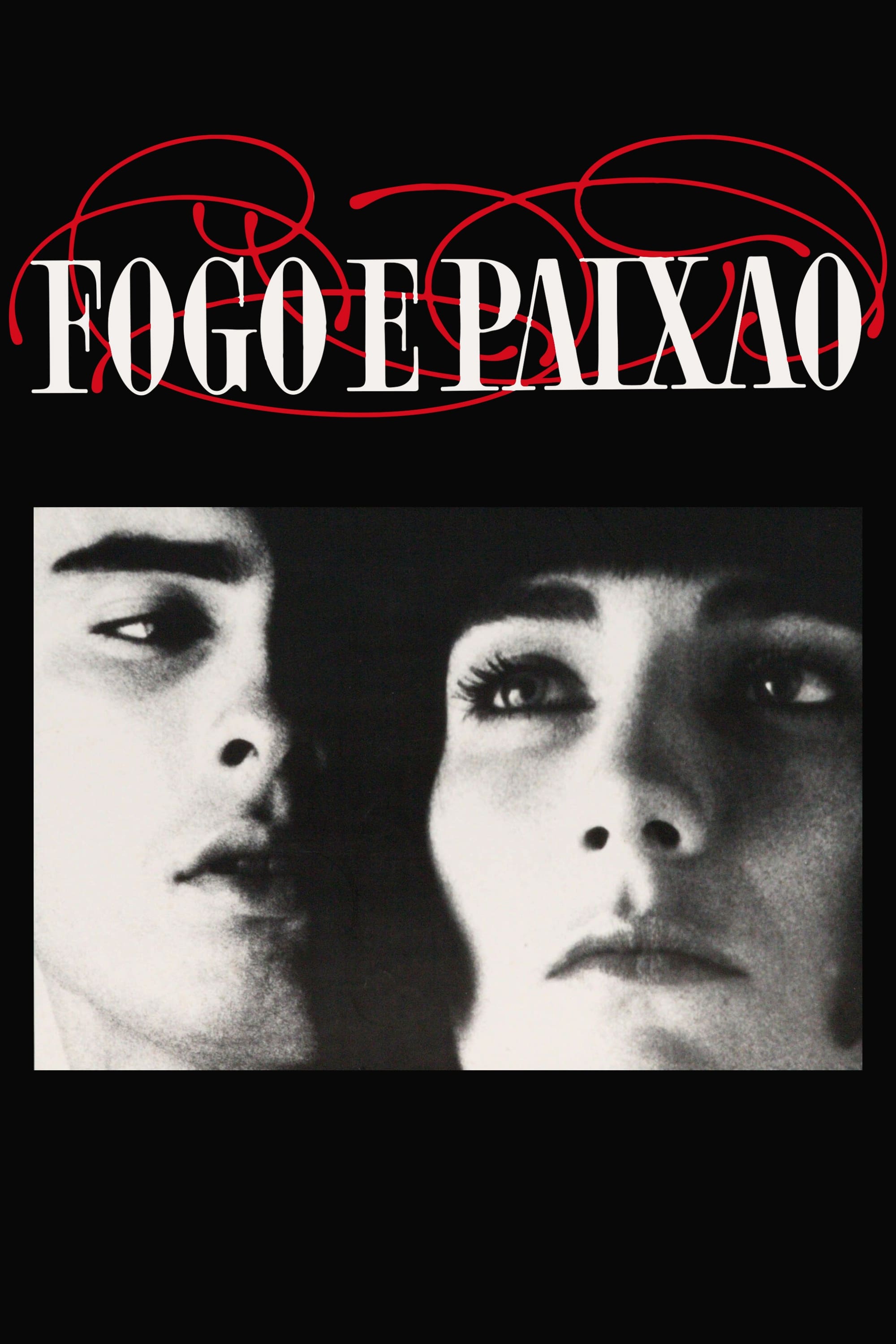
A bus tour to São Paulo’s touristic spots bumps into several strange people.

Documentary about the birth of bossa-nova, in Brazil, and the major stars of this musical style.
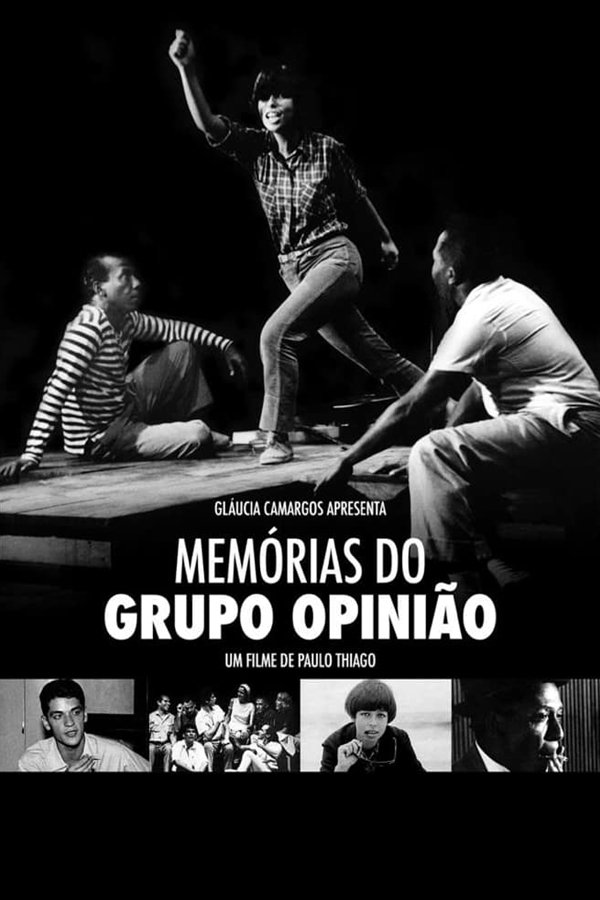
Follows the story of Opinião, a theatre group created in 1964 during the early Brazilian dictatorship period to oppose the government through artistic performances. Considered the first left-wing response to the dictatorship, the group gathered now famous Brazilian artists such as Nara Leão, Maria Bethânia, João do Vale and Millôr Fernandes.
In a specialized, hermetic drama about love won and lost, not necessarily by the same individuals, novice director Christine Laurent has focused on the backstage melodramas of an opera company. The conductor for an upcoming performance of the Marriage of Figaro has his mind and heart on other matters -- an entrancing diva who keeps him enraptured with her presence and voice. In the meantime, he finds fault with his cast members who cannot, of course, measure up to the woman of his dreams. As singers encounter one problem or another, it is clear that something has to be done about the conductor. Director Laurent designed costumes for both theater and opera, giving her some insight into the venue.

For this behemoth, Bressane took his opera omnia and edited it in an order that first adheres to historical chronology but soon starts to move backwards and forward. The various pasts – the 60s, the 80s, the 2000s – comment on each other in a way that sheds light on Bressane’s themes and obsessions, which become increasingly apparent and finally, a whole idea of cinema reveals itself to the curious and patient viewer. Will Bressane, from now on, rework The Long Voyage of the Yellow Bus when he makes another film? Is this his latest beginning? Why not, for the eternally young master maverick seems to embark on a maiden voyage with each and every new film!
Helena, married to decorator Bruno, is a woman dissatisfied with the futility of social life. She rekindles her relationship with her former boyfriend, Clóvis, and discovers how difficult the struggle for happiness is by seeing the example of the less fortunate. After saving herself from the rough seas on the beach, Helena finds herself possessed by a mystical fear. On New Year's Eve, while the people celebrate Iemanjá, Helena and Bruno throw a lavish party. Their employee, Luiz, is arrested as a suspect in the death of a woman found on the beach. Having a disagreement with her husband, Helena leaves the party and throws herself into the sea. She is saved by Umbanda followers and welcomed by Bruno, who tries in vain to comfort her.
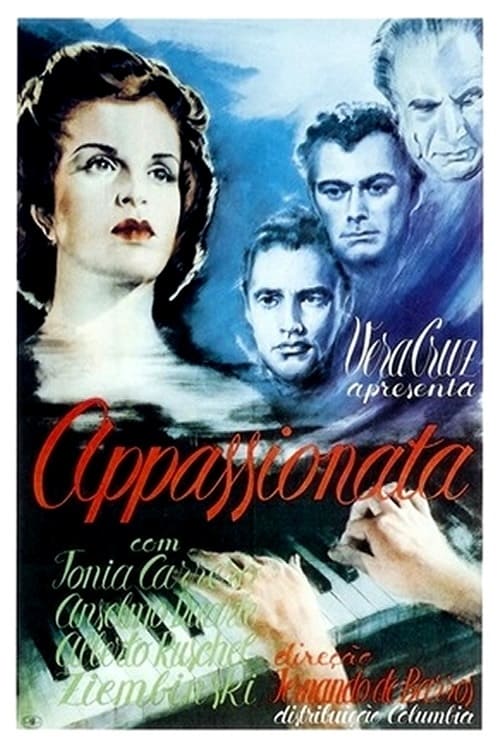
Sílvia Nogalis, a renowned concert pianist, prefers her career to her marriage. On the night she performs Beethoven's "Appassionata", she learns of the death of her husband, maestro Walter Hauser.
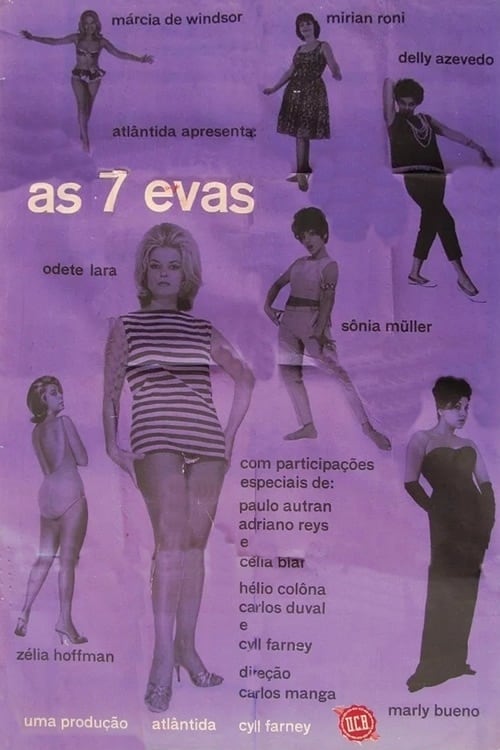
When a lady-killer announces his wedding, seven of his ex-girlfriends decide to kidnap him, keeping him in a sailing ship.
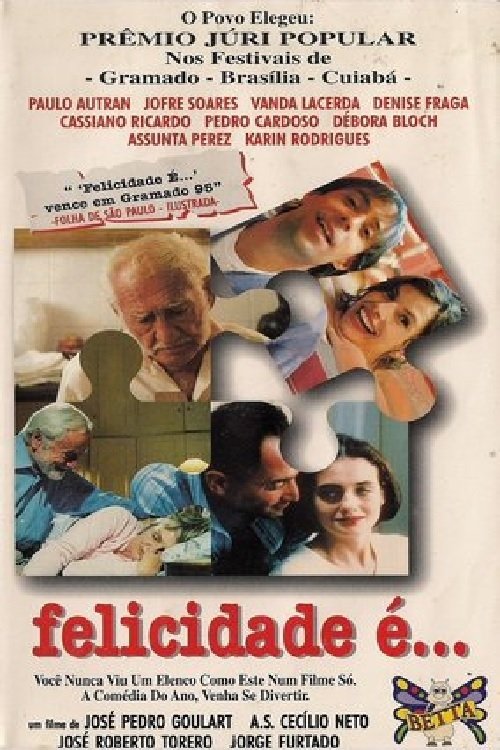
Four directors tell stories related to the concept of happiness.
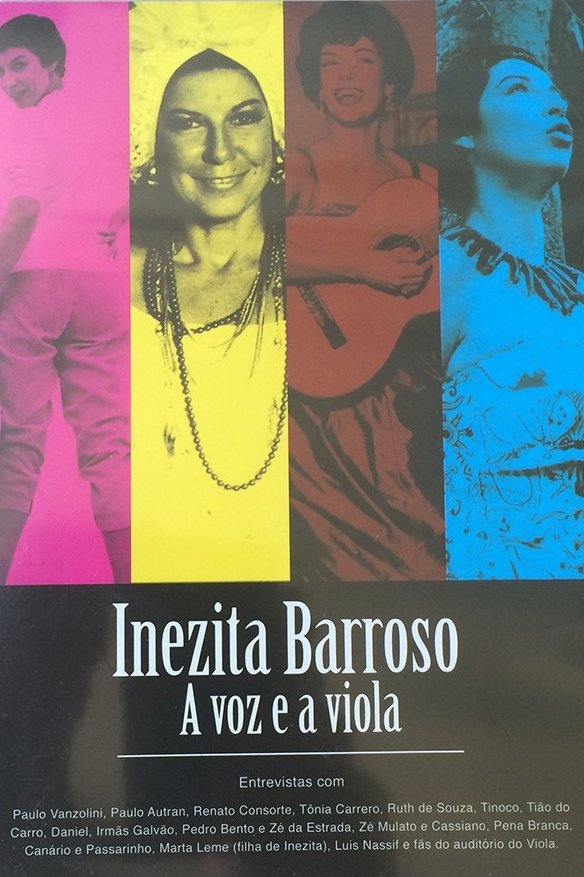
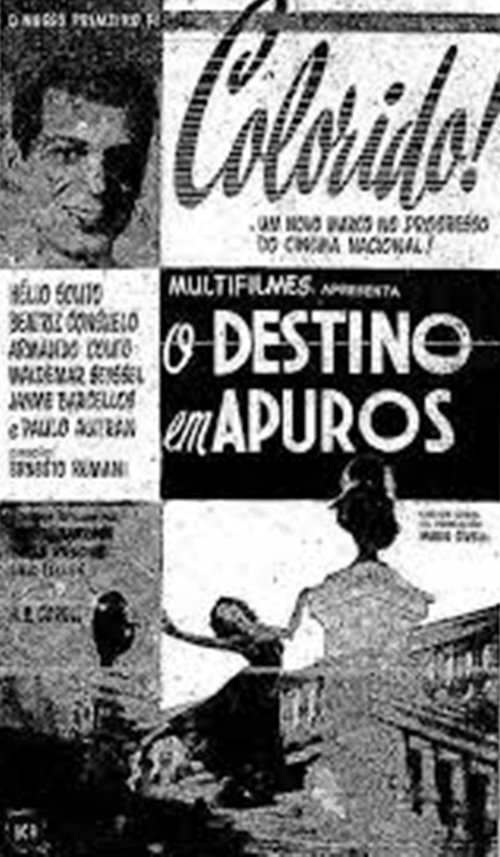
This was Brazil's first feature film in color.
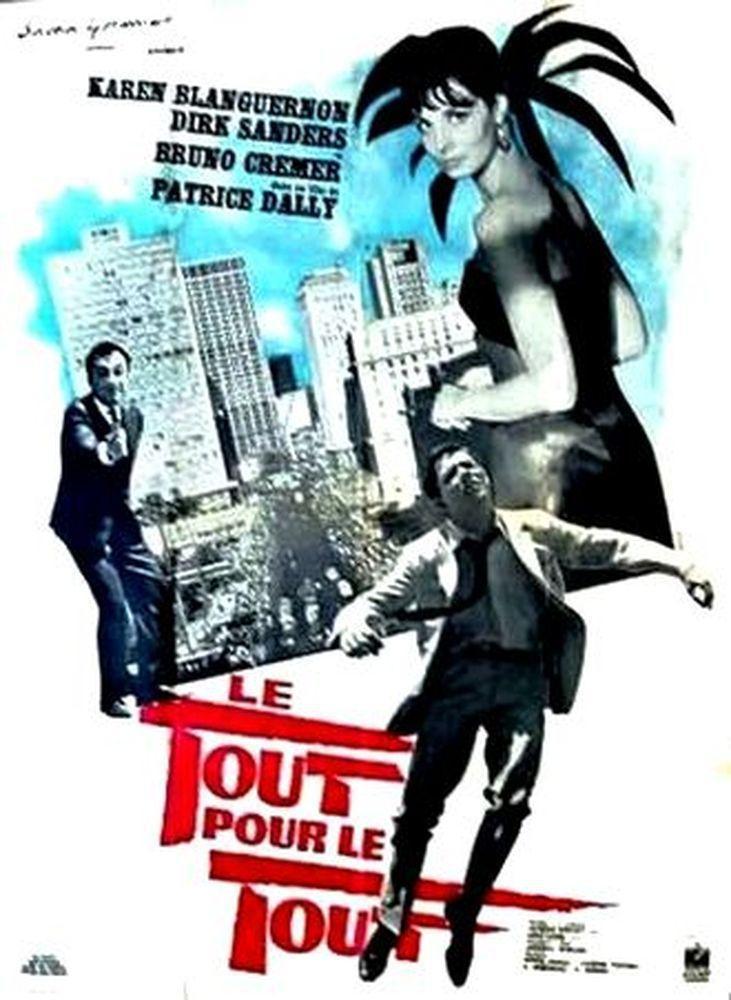
An unlucky trumpeter and a young singer try to rebuild their lives in Brazilian nightclubs. They will try everything for everything while making a risky heist.
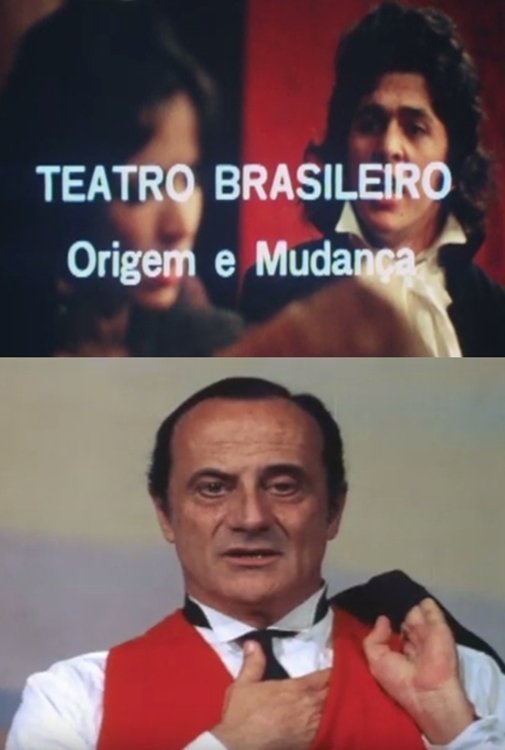
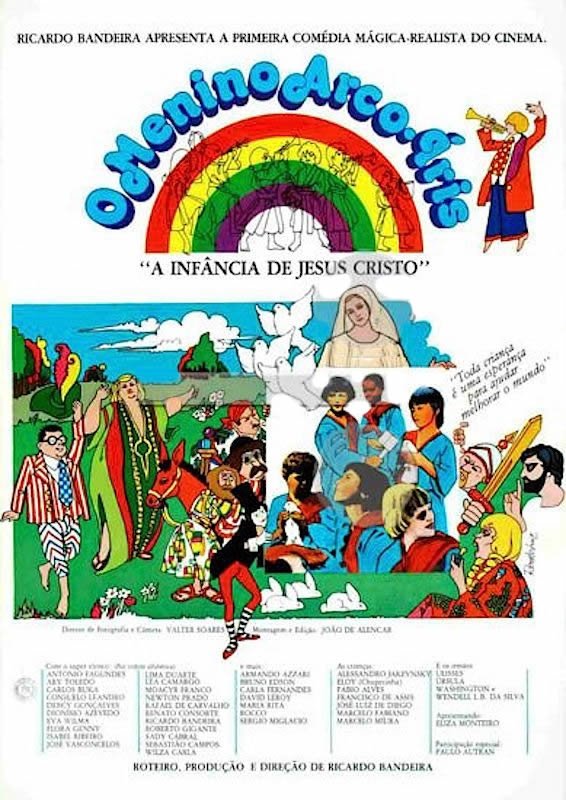

Eleven small stories, loving chronicles about Rio de Janeiro and its people, written by some of the best Brazilian writers of the time.
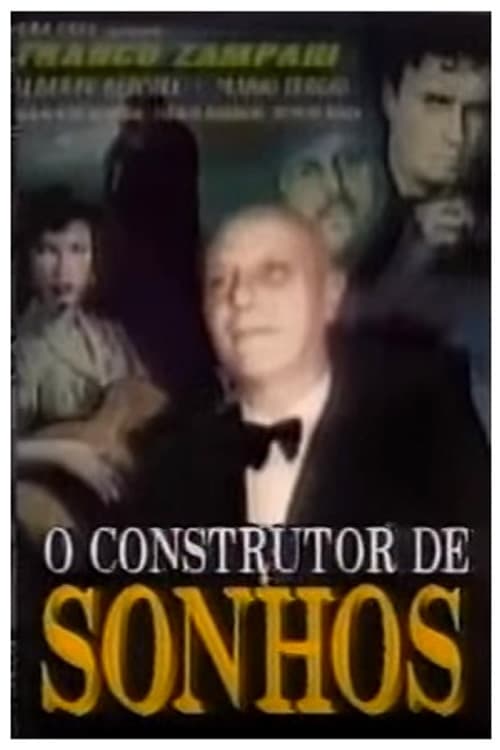
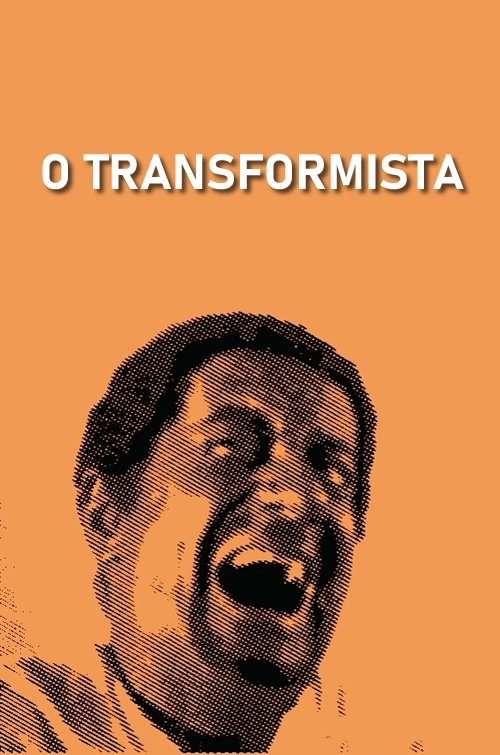
Based on the story by Edgar Allan Poe.

The trajectory and artistic imagery of actor and director Zbigniew Ziembinski (1908-1978), precursor of modern theater in Latin America and master of generations of Brazilian actors. The polyphonic montage builds on vast unpublished material, covering half a century of performances, teletheaters and interviews by Zimba, as he was known – before and after fleeing Poland, on the eve of the invasion of Warsaw – and recreates fragments of Wedding Dress , a play by Nelson Rodrigues which the Polish-Brazilian director won a revolutionary montage in 1943.

A tribute to Paulo Autran with historical interviews and archive material from the actor, including previously unpublished testimonies from artists who worked with him.