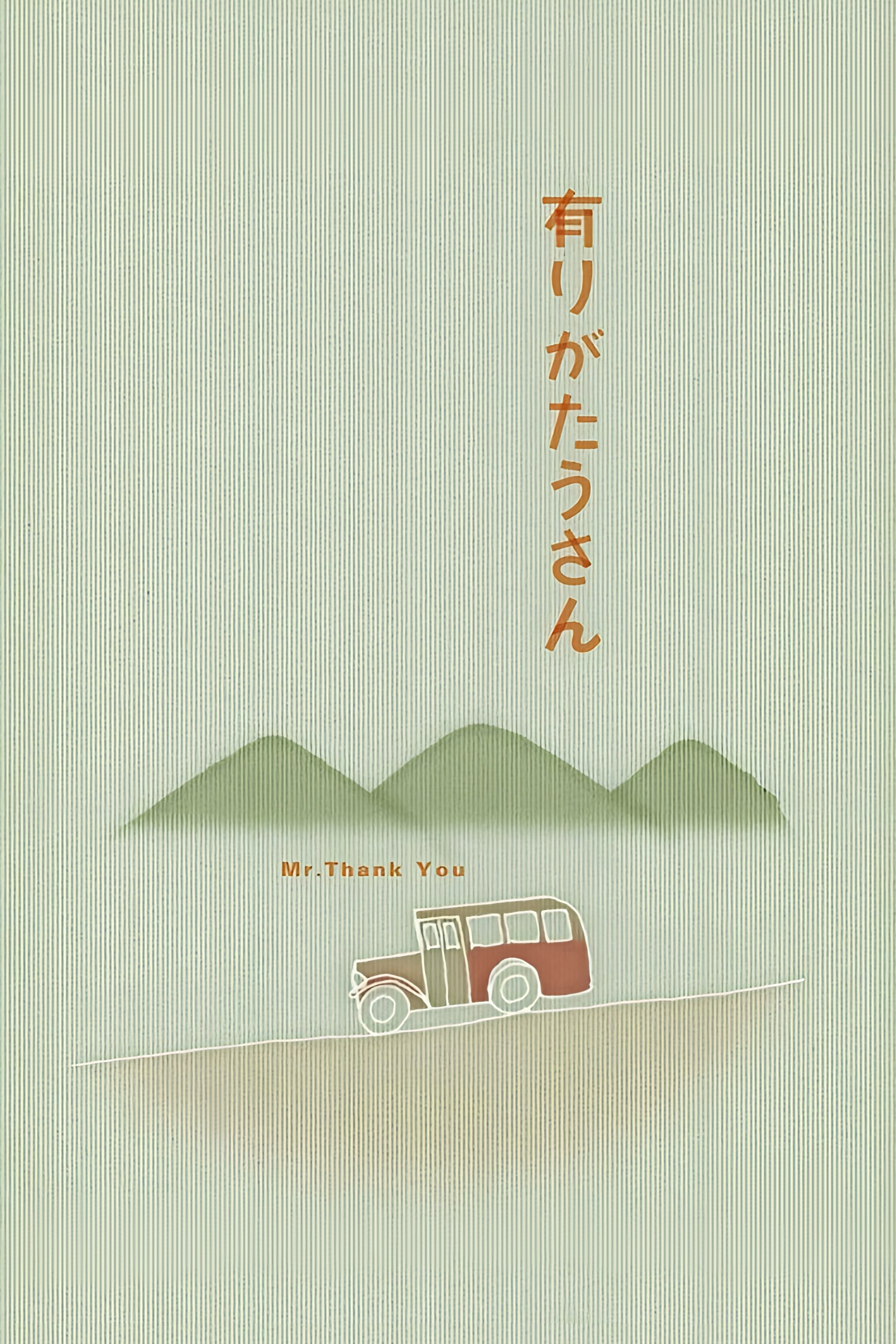
In Depression-era Japan, a courteous bus driver carries an eclectic group of passengers from the mountainous Izu to Tokyo.
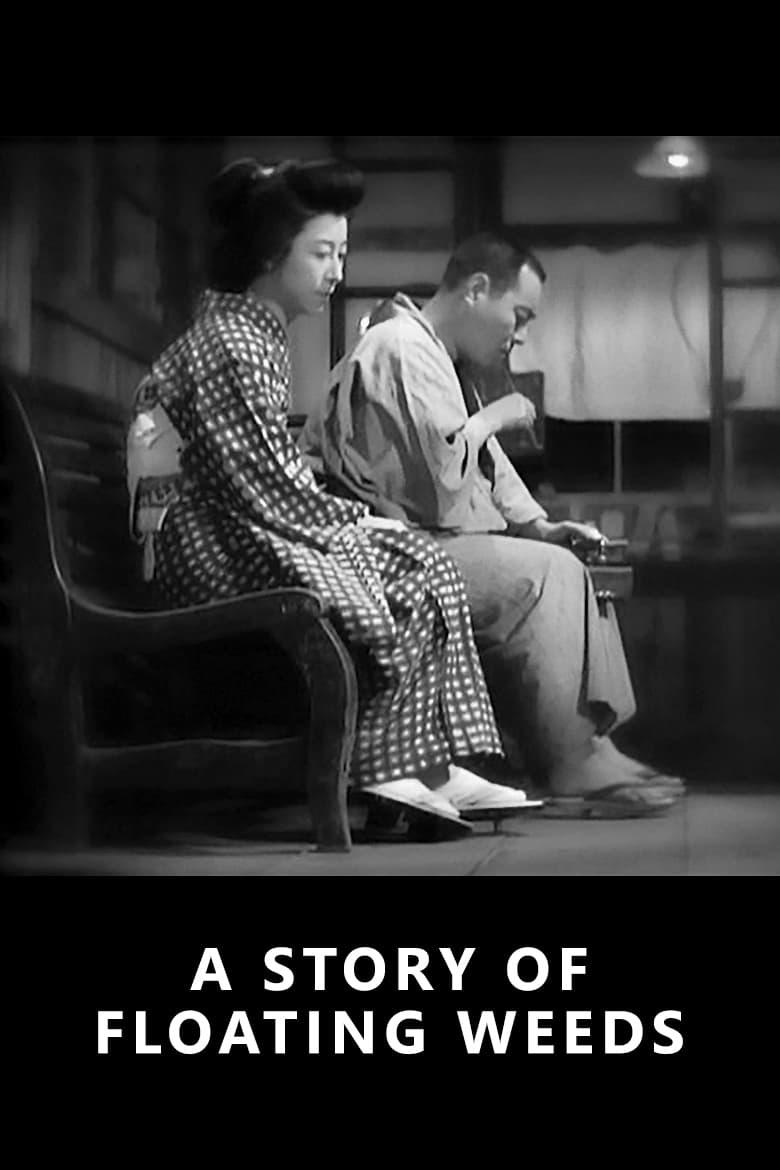
An aging actor returns to a small town with his troupe and reunites with his former lover and illegitimate son, a scenario that enrages his current mistress and results in heartbreak for all.
Domestic comedy involving a strong wife and a "henpecked" husband taking place in a family-run judo school.
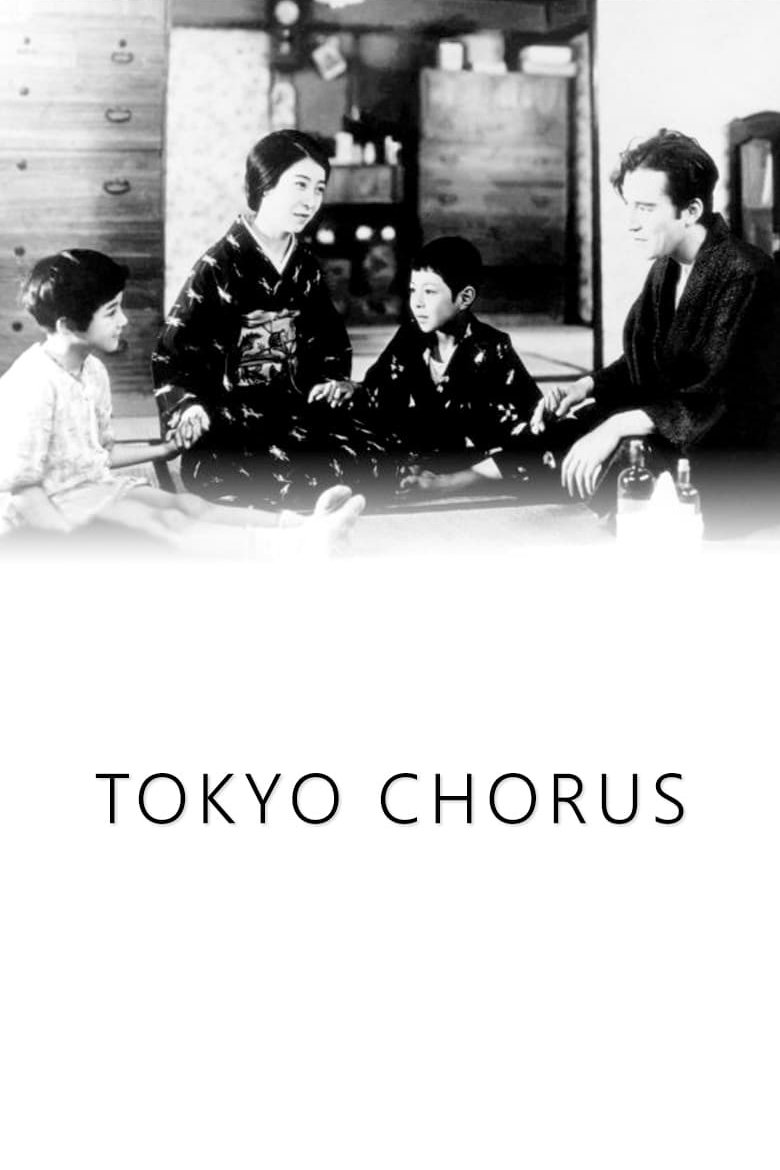
During the Depression, a young man struggles to provide for his family after he is sacked for defending an older colleague.

In Depression-era Tokyo, a struggling middle-aged single father with a young son comes across a homeless young lady and convinces a bar owner to take her in.

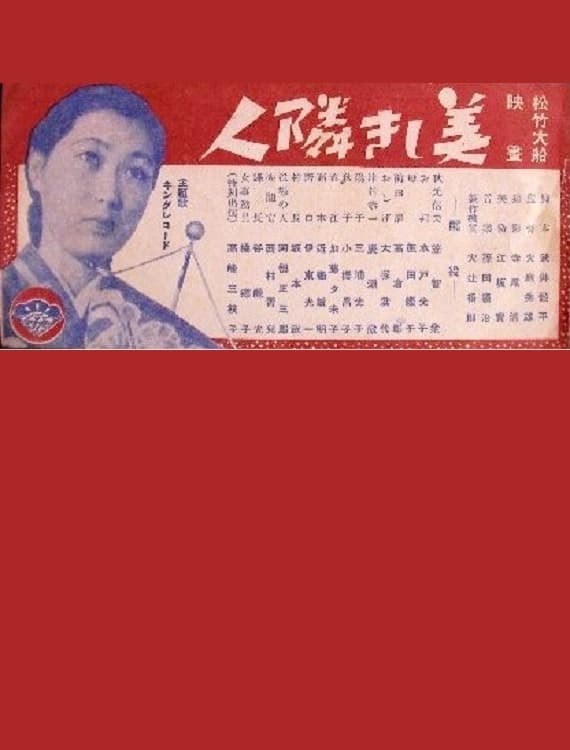

A gangster tries to find redemption with the inadvertent help of an innocent shop girl and his jealous girlfriend will do anything to keep him.
Kato's splendid mustache is an obstacle when it comes to finding a job. However, he gets a job as a security guard at a construction site. The president of the construction company tries to grow a mustache like Kato's and, failing, orders Kato to shave off his. Considered a lost film.
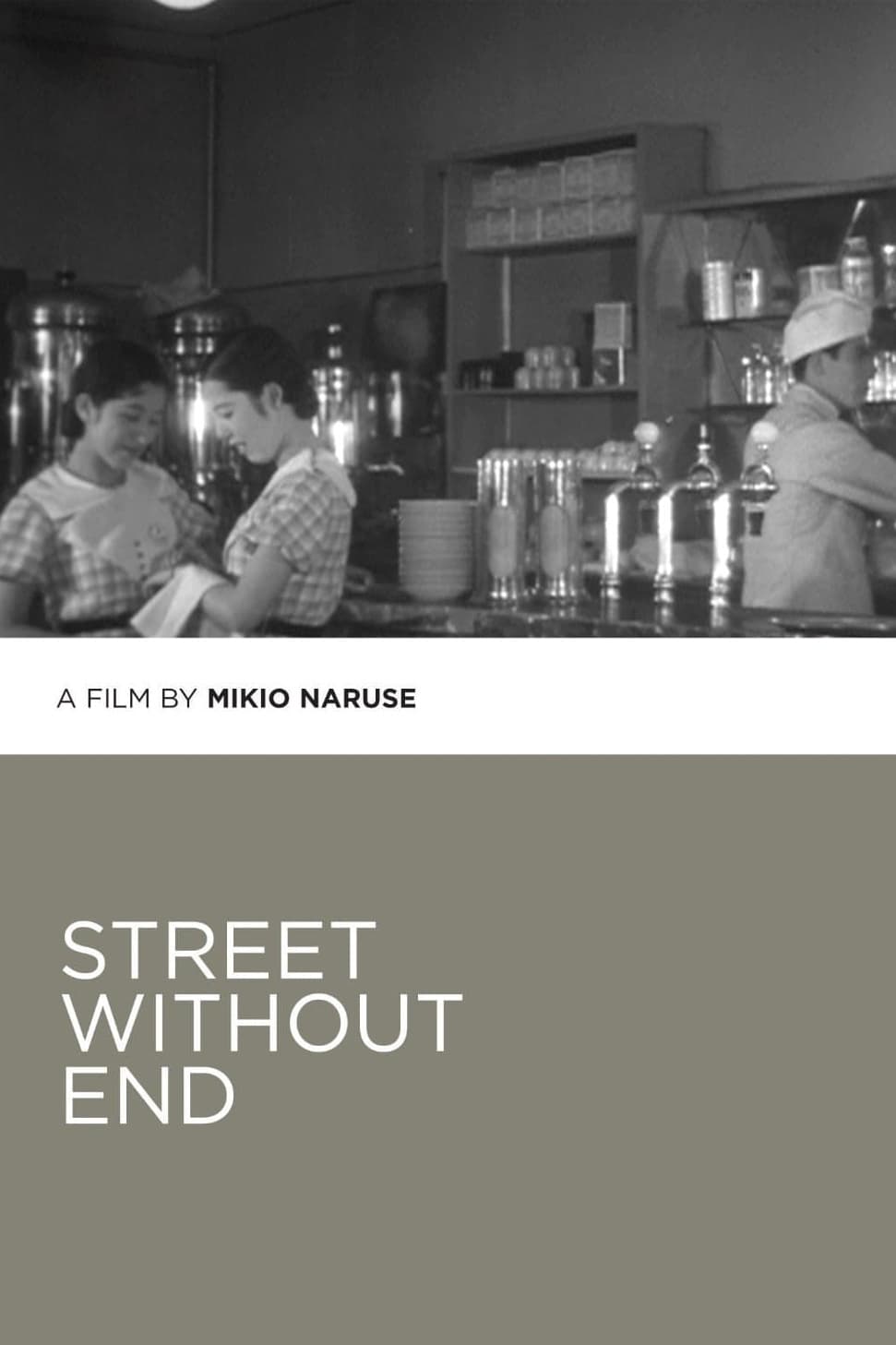
Mikio Naruse’s final silent film is a gloriously rich portrait of a waitress, Sugiko, whose life, despite a host of male admirers and even some intrigued movie talent scouts, ends up taking a suffocatingly domestic turn after a wealthy businessman accidentally hits her with his car.
Directed by Mikio Naruse. It is presumed to be lost.
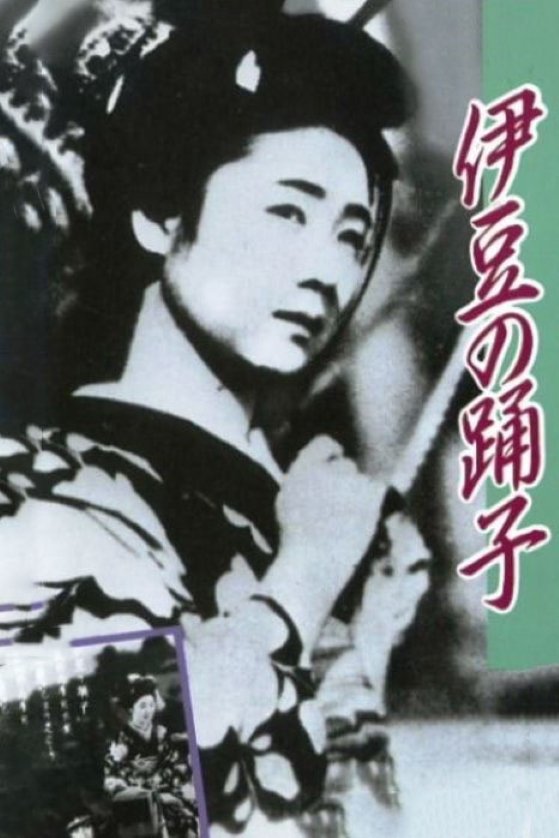
"The Dancing Girl of Izu" tells of the story between a young male student who is touring the Izu Peninsula and a family of traveling dancers he meets there, including their youngest girl. The student finds the naïve girl attractive even though he eventually has to part with the family after spending memorable time together.
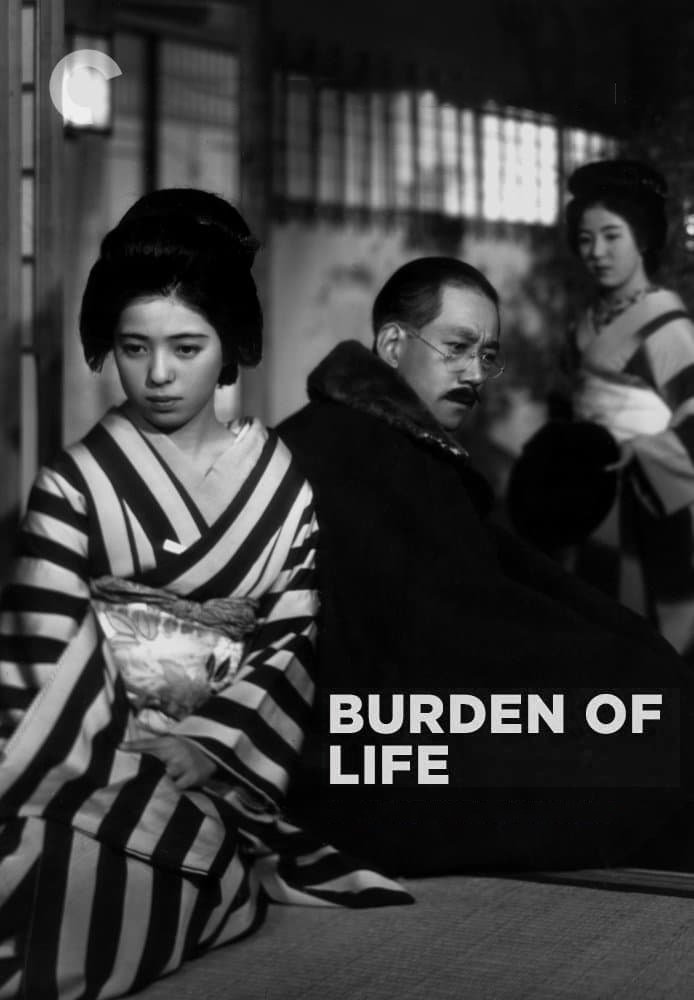
A middle-aged father has just married off his third daughter, but still has his nine year old son to raise whom he resents as he was unwanted.
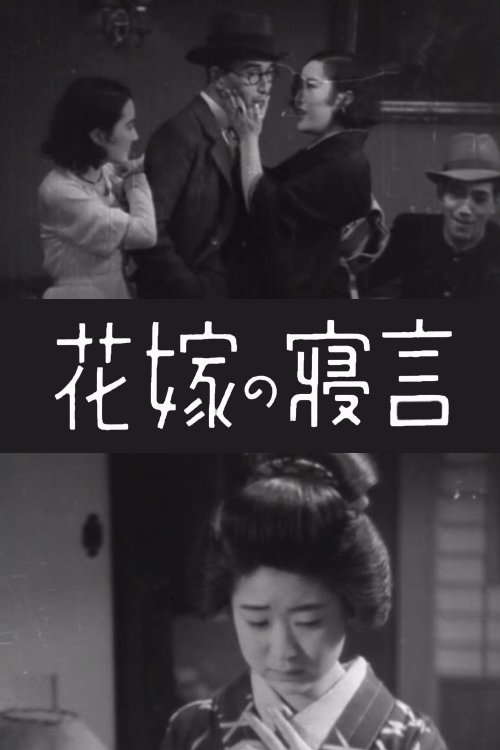
This pair of gentle yet witty and inventive comedies from the director of The Neighbour's Wife and Mine typify both the formal experimentation of early Japanese sound cinema and the social milieux that Shochiku tended to depict. 'Virtually plotless, and feeling more like comic sketches than fully developed stories,' writes Arthur Nolletti, Jr, 'these light comedies, or farces, take a wholly trivial matter (often a socially embarrassing situation) and use it as a springboard for a succession of gags.' Much of the films' distinction comes from the wit of Gosho's direction, the imaginative use of the new sound technology and the charm of the acting, particularly of the heroines (Kinuyo Tanaka in Bride; Hiroko Kawasaki in Groom). Yet in both films, Gosho finds room for some shrewd observation of character and environment, subtly exploring the values and assumptions of the suburban petit bourgeoisie.
A Japanese screwball comedy about the battle between the sexes: two timid men, egged on by their wives, end up in a bitter duel over an expensive lace handkerchief.
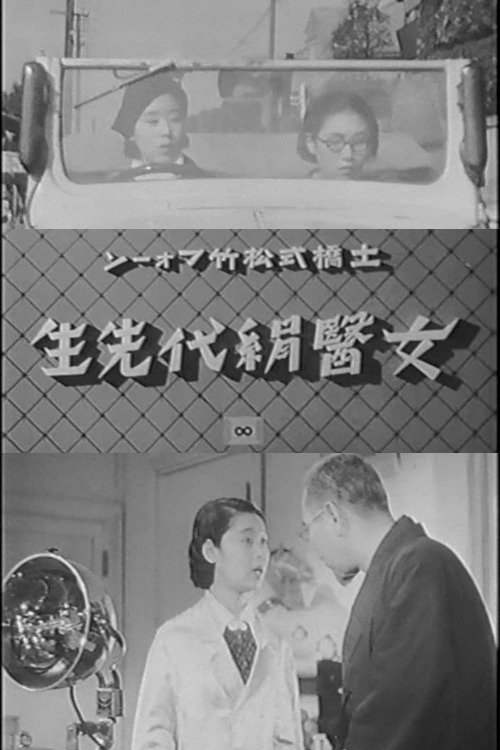
Kinuyo is a daughter of doctor of Chinese medicine, and Yasuo is a son of surgeon. Their families always fight like cat and dog. This relationship is ancestral. Although Kinuyo and Yasuo love each other, they have different thoughts toward treatments.
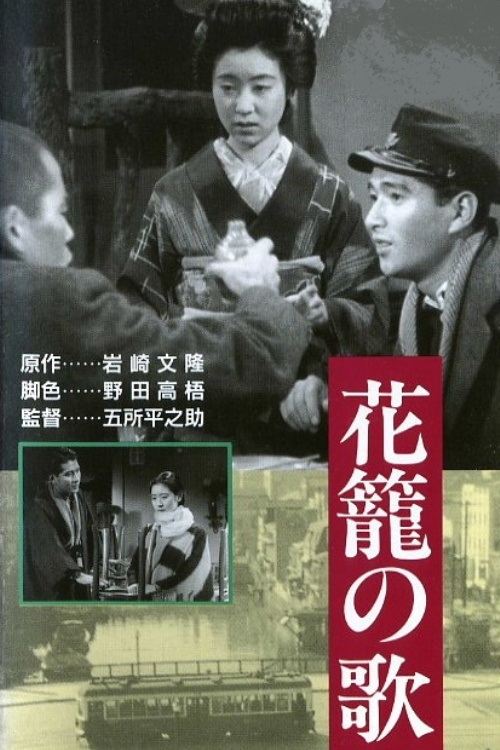
Three men fall in love with the same young girl who works in a tonkatsu restaurant in the Shitamachi district of Tokyo.
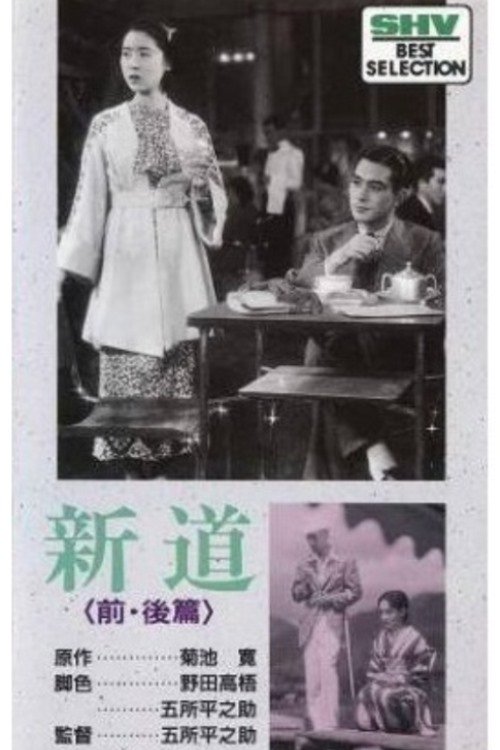
The eldest daughter of a noble family is in love with an aviator while being courted by a fellow aristocrat she thinks is a dullard. This part is told from the perspective of Akemi.
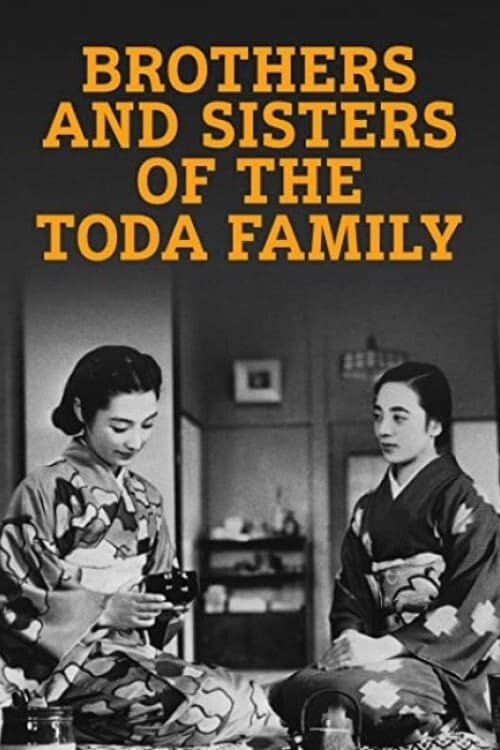
After the death of her husband, an elderly woman and her youngest, unmarried daughter are forced to sell their house to cover his debts and decide to move in with one of the former's children, each of whom is scarcely happy to accommodate.

In Depression-era Tokyo, the life of a single mother and her young son are disrupted by the return of her ex-husband, who fathered the child and walked out on her years earlier.
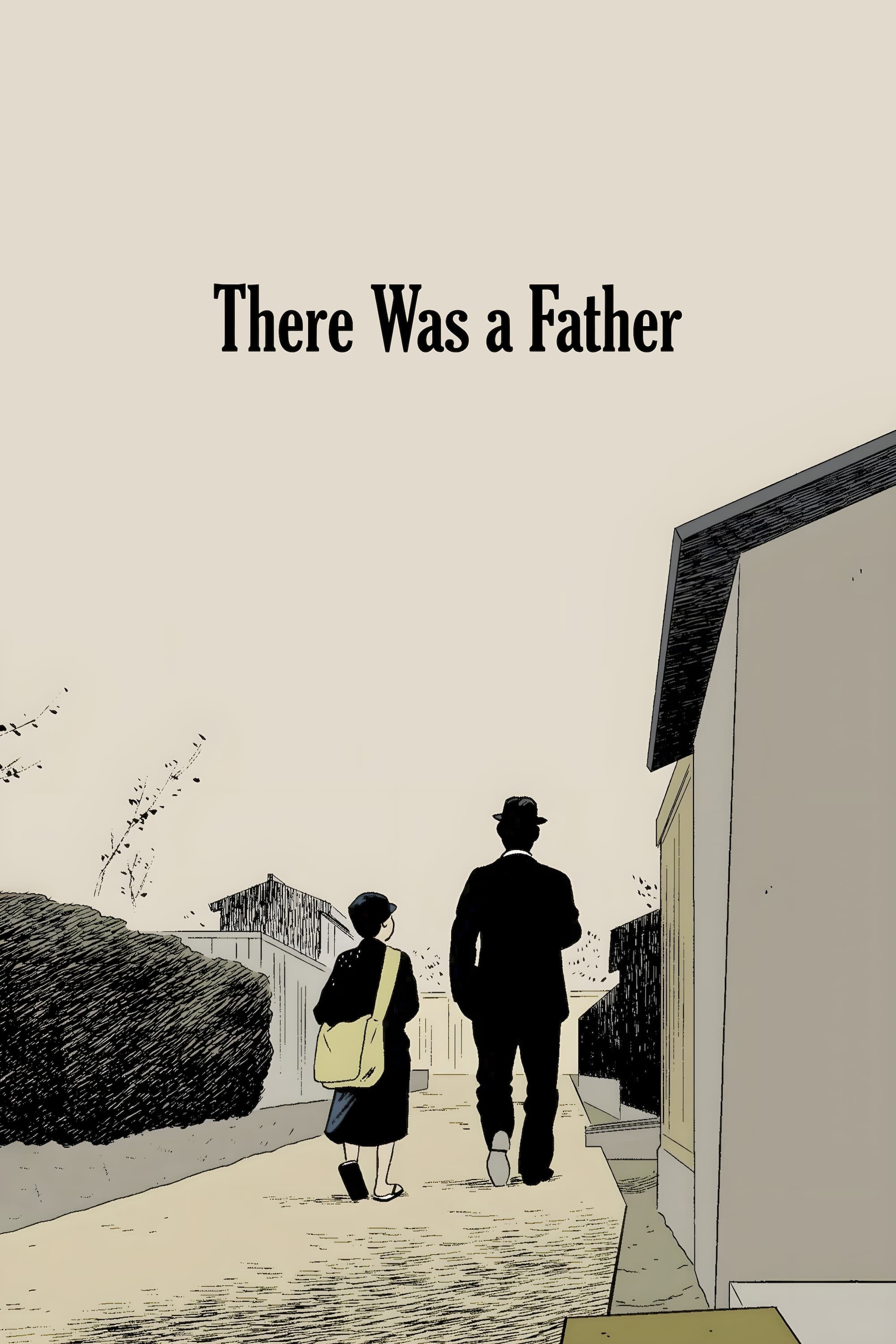
Shuhei Horikawa, a poor schoolteacher, struggles to raise his son Ryohei by himself, despite neither money nor prospects.
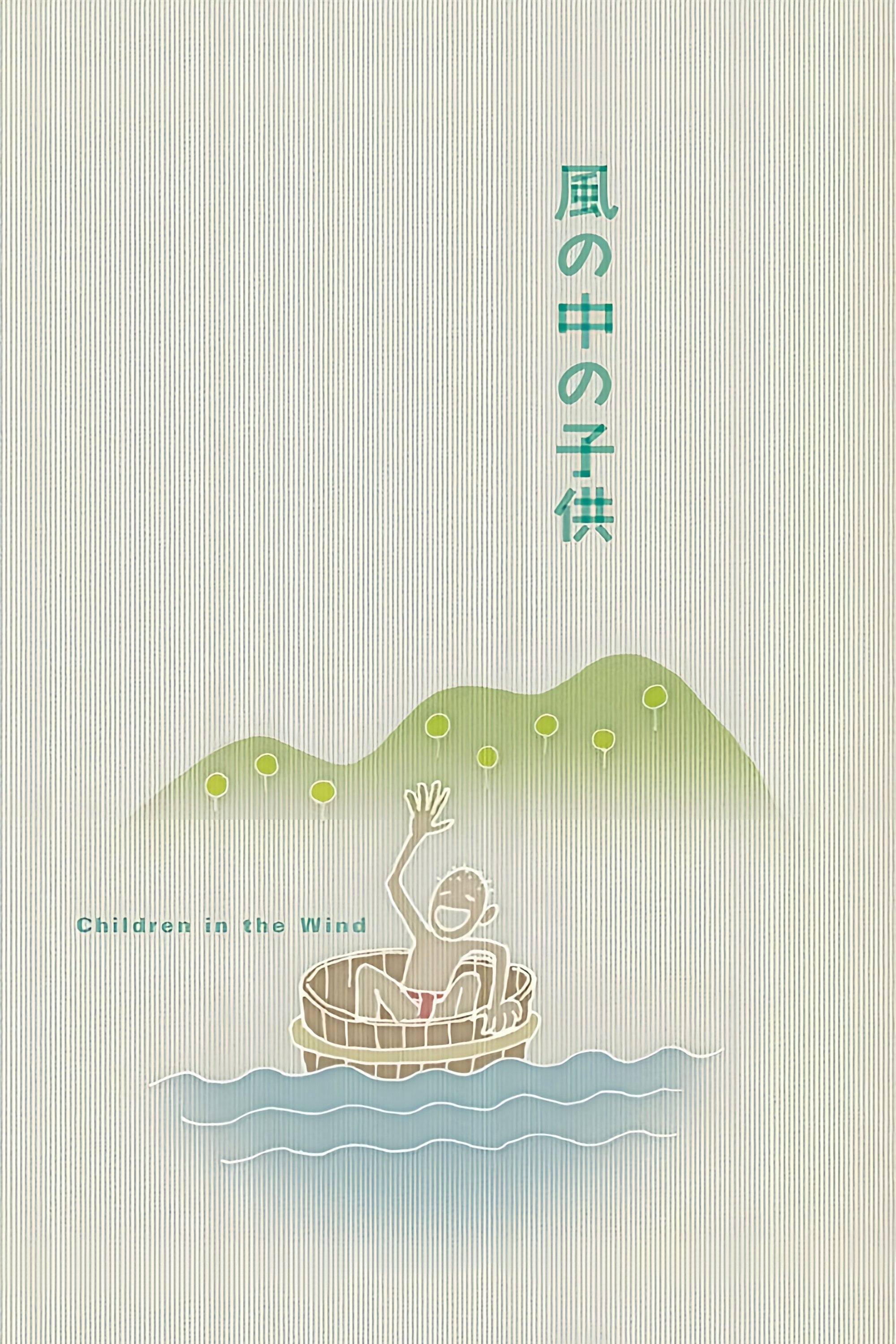
On vacation's eve, a boy is sent to the countryside to live with his uncle after his father is imprisoned and accused of embezzlement.
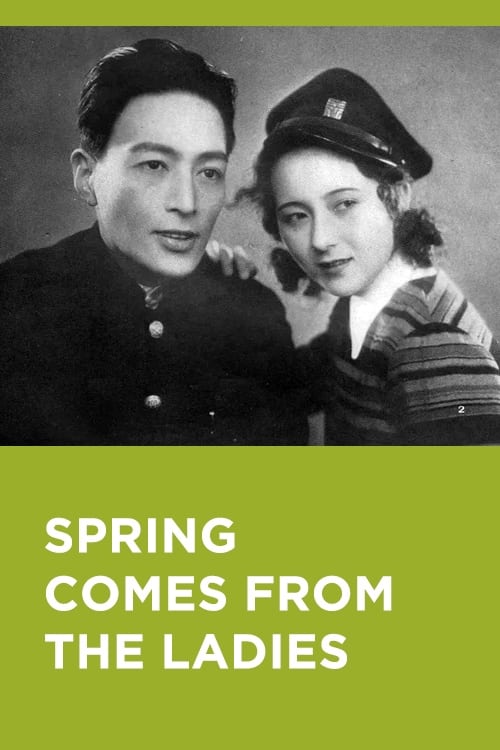
A student comes up with various schemes to avoid paying a tailor the money he owes him. Considered to be a lost film.
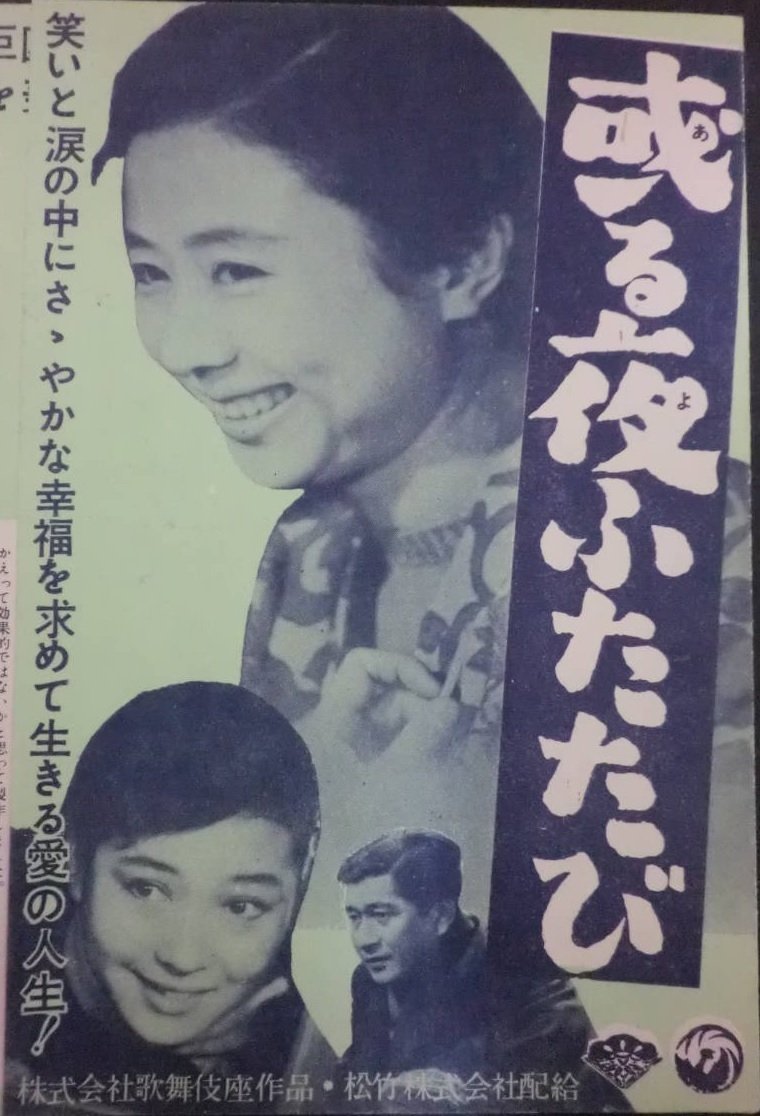
Poor social conditions badly affect the relationship between a married couple, when the husband, who is desperately searching for work, fails to notice the terrible sacrifices made by his wife when she accepts a job at a local inn.
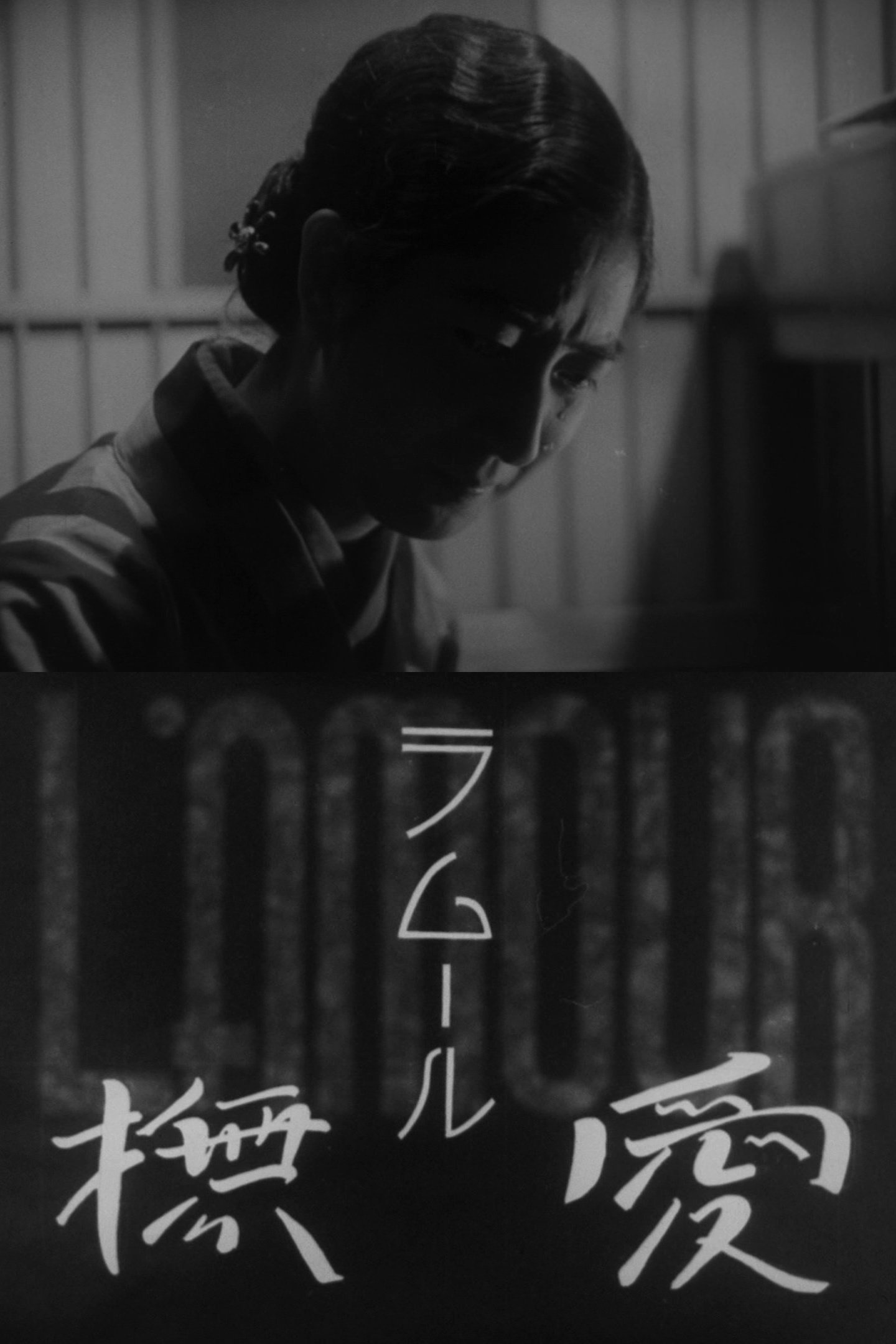
Heinosuke Gosho evokes in this film the family conflicts engendered by the eternal problem of a father who projects his professional desires on the life of his son. The sister Machiko is the essential link that will allow everyone to apologize to each other and achieve reconciliation.
If you throw this child away
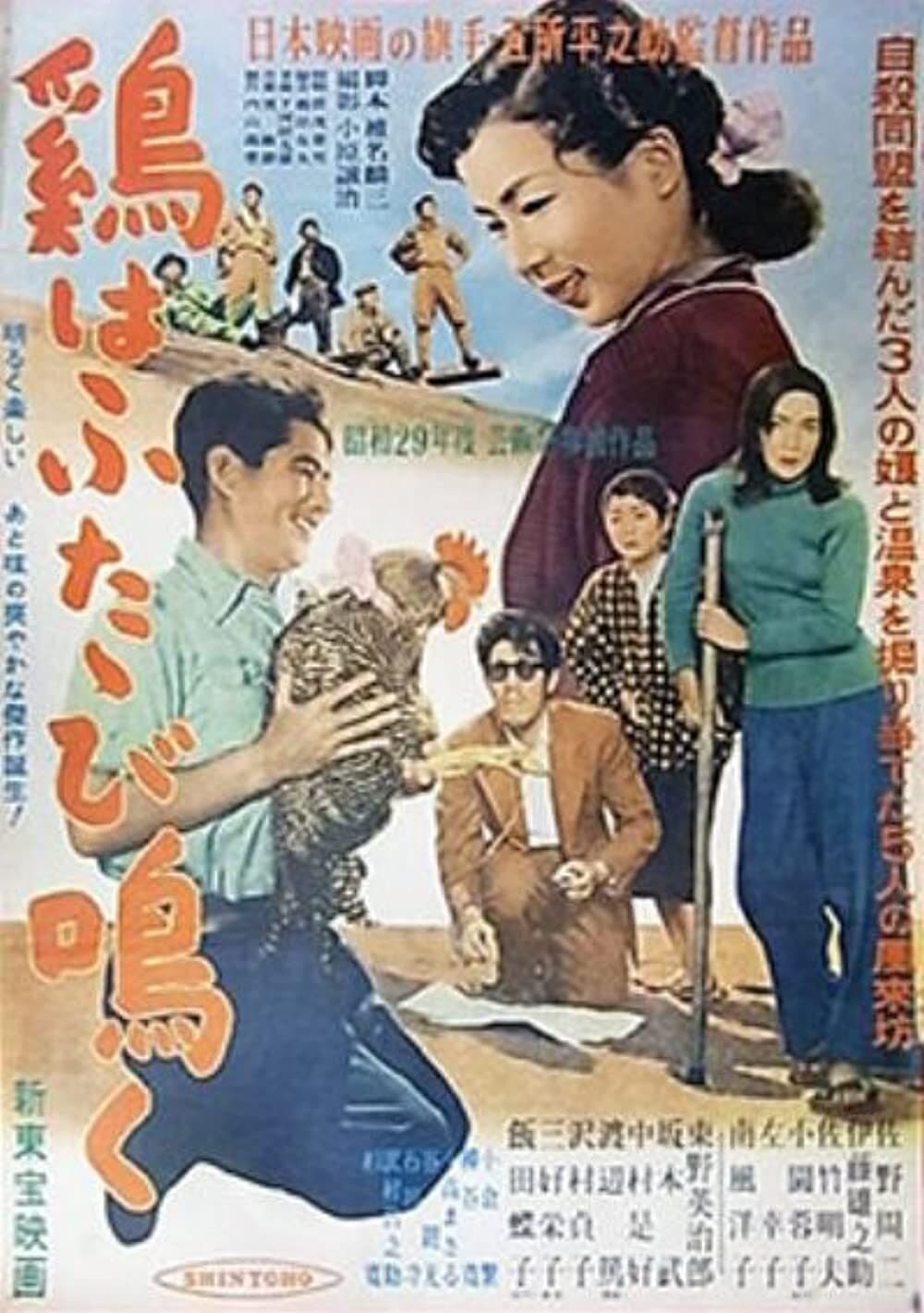
Three young women make a suicide pact, but they grow to have a better understanding of themselves.