The adventures of a modern day descendant of a famed Edo era thief are the basis for this short supernatural comedy romp.
Shuhei Horikawa, a poor schoolteacher, struggles to raise his son Ryohei by himself, despite neither money nor prospects.
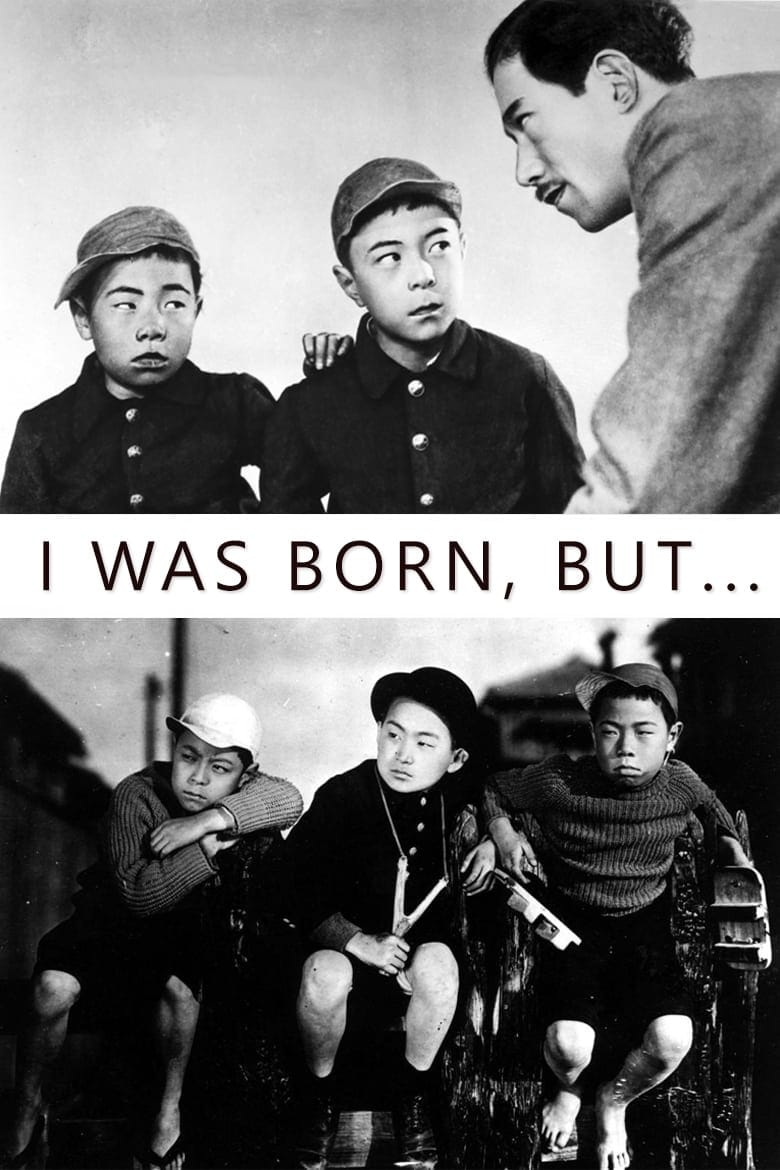
Brothers Keiji and Ryoichi move to a new neighborhood in the Tokyo suburbs after their father, an office clerk, is promoted. The boys join the local gang as lowly new kids and emerge as natural leaders after defeating a bully. While visiting the home of their father's boss, the brothers witness the ridicule their father endures to please his superior. Angry and embarrassed, the boys find their naive ideas about power being challenged.
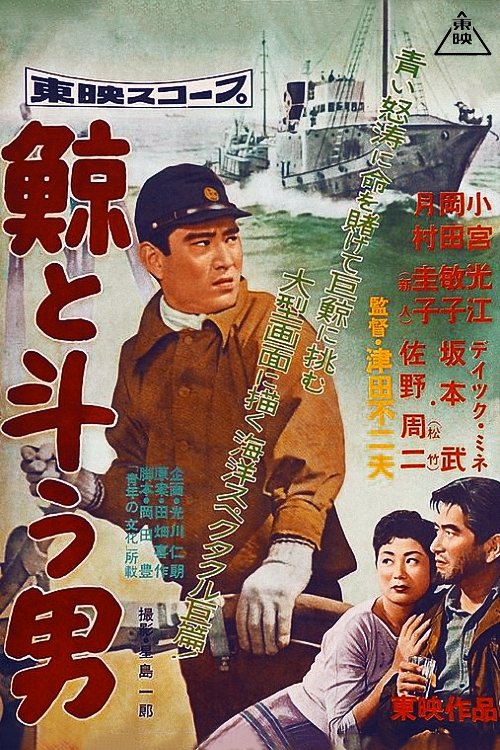
A film about the rivalry between Captain Gondo and the harpooner Yosuke Yamagami, working on the best whaling ship Hayabusa Maru. One day they will have to face a giant, monstrous whale.
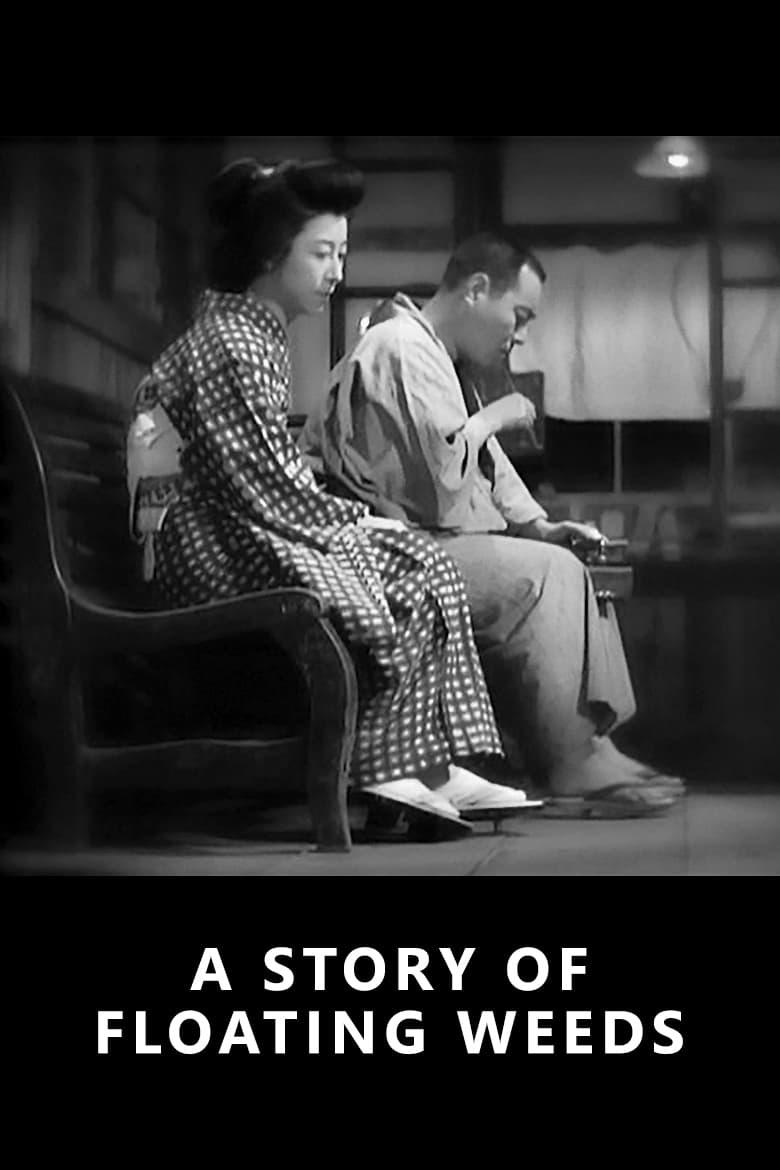
An aging actor returns to a small town with his troupe and reunites with his former lover and illegitimate son, a scenario that enrages his current mistress and results in heartbreak for all.
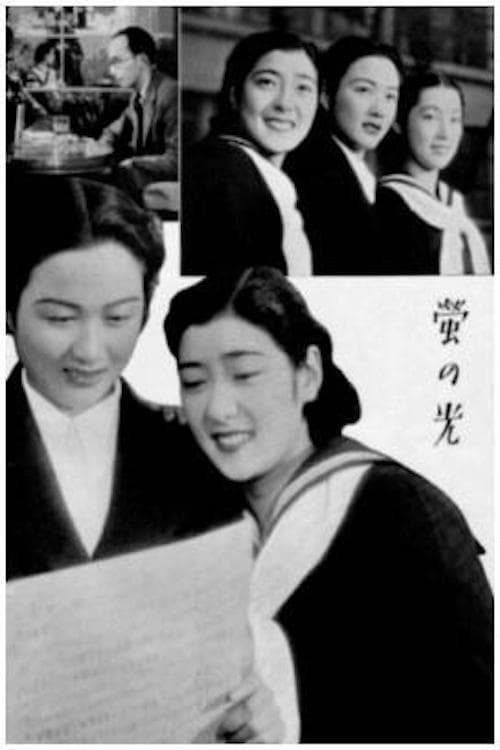
Approaching their graduation ceremony, Saegusa, Sanae, and their classmates go on an overnight trip to Hakone with their teacher Ms. Kawahara, who will soon leave school. They thank her doing so and go on their respective paths, ending soon their student life.
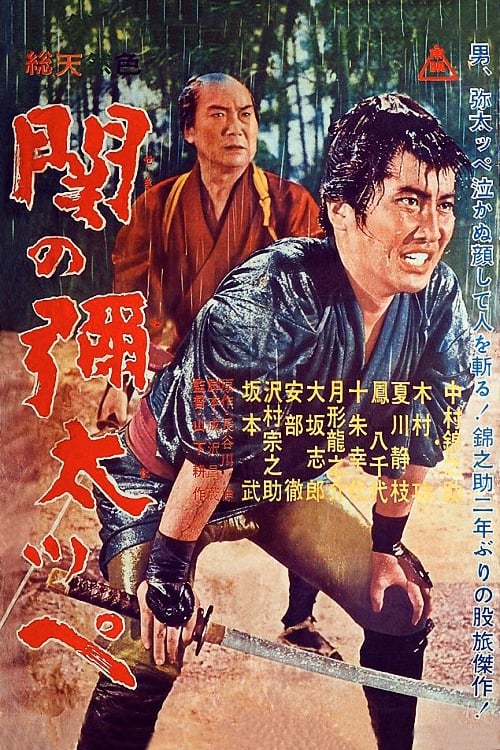
A young yakuza, Yatappe, wanders around the country in search of his long-lost little sister, Oito. While traveling, he rescues a young girl, Osayo, whose father entrusts her to him with his dying wish. To honor his promise to Osayo's deceased father, Yatappe brings her to safety, and from a distance keeps a watchful eye on her well being.
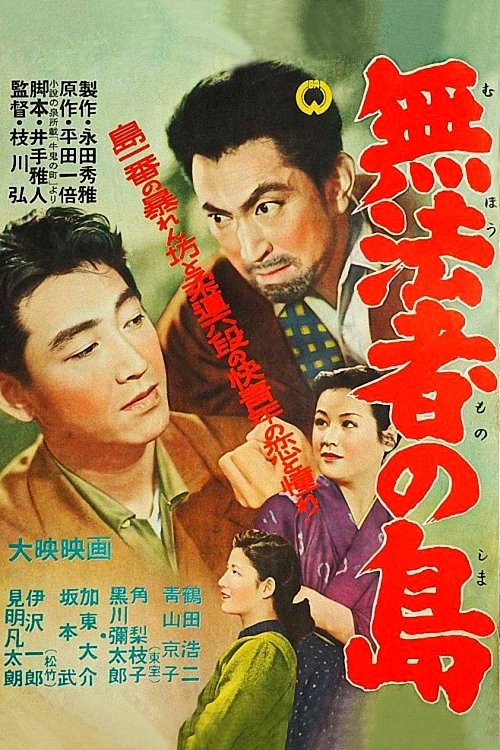
The southern tip of Shikoku. This village, surrounded by a bay, where, according to legend, the former warriors of the Heike clan settled, is famous for its bullfights. Today there is also a bull market in the village, and there are extremely many people here. The black bull "Great Tengu", which Gonzo from Misaki offered, cost 50,000, but was forcibly taken away by a Bakuro soldier, who possessed extraordinary strength and physique, for less than half the price. However, the violent soldier was in love with Tsunayo, the hostess of the inn and the organizer of the bullfight. One day, a young man from the city, an Ihara police officer, arrives in the village. And soon the real problems will begin…
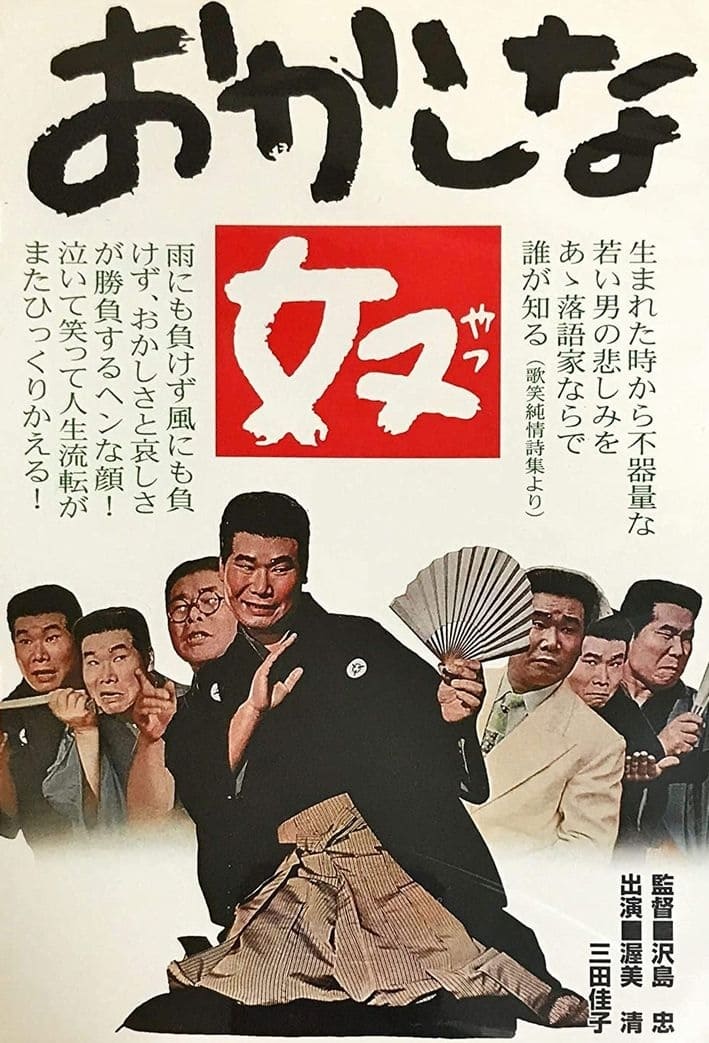
The story of a boy who befriends a lonely middle-aged man.
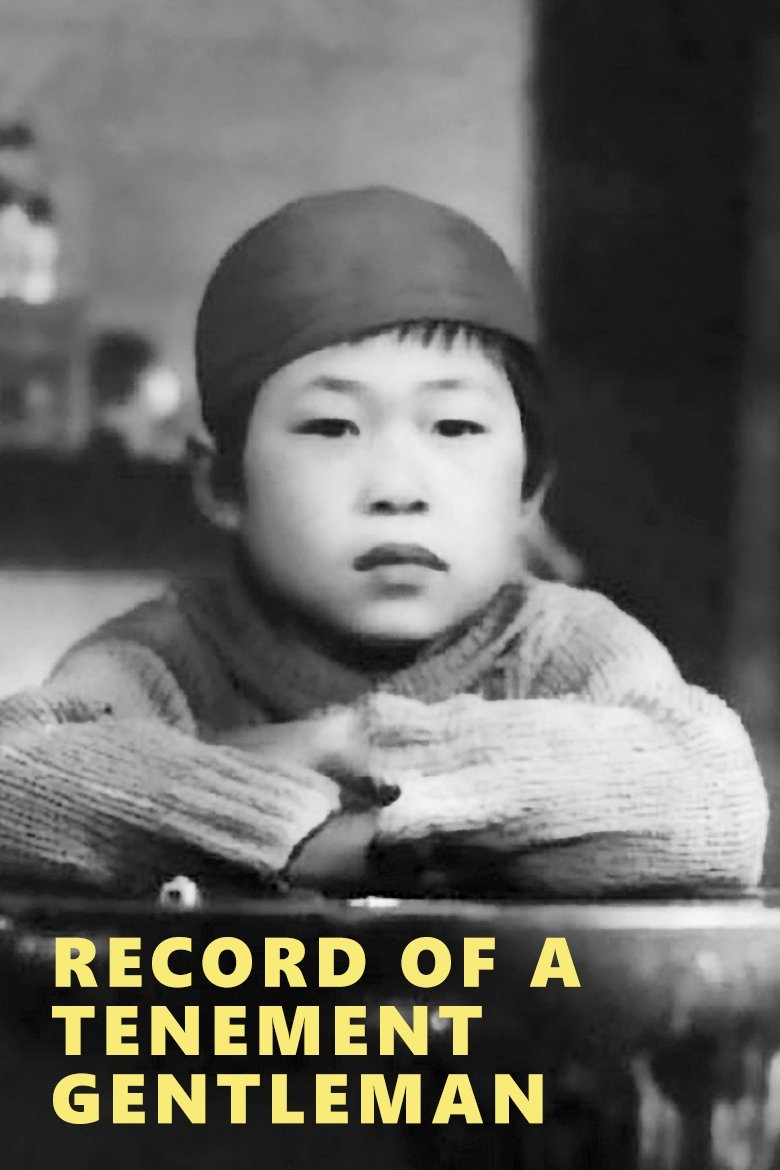
A hard-hearted old woman in a bombed-out Tokyo neighborhood reluctantly takes in an abandoned boy, leading to a heartwarming bond between them.
1939 Japanese movie
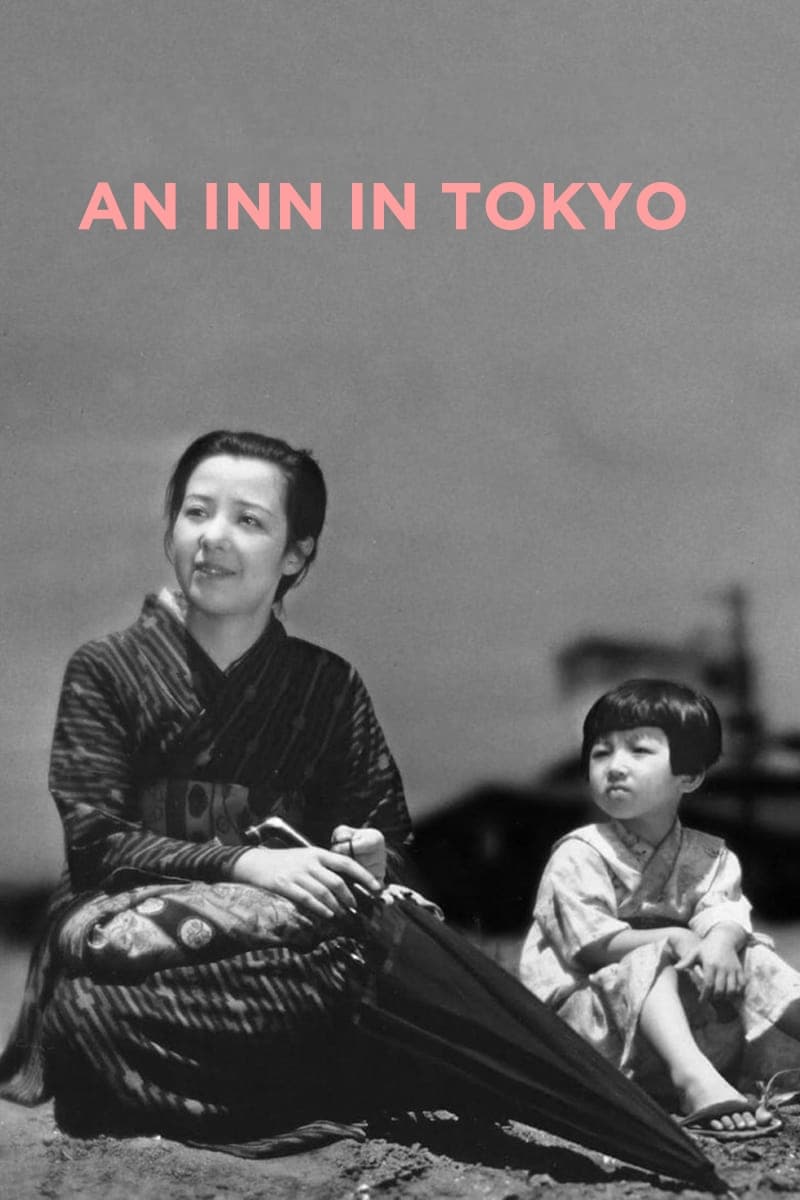
An unemployed Japanese man and his two sons wander the industrial flatlands of Depression-era Tokyo, until he chances upon an old friend and befriends a woman and her daughter, who are in a similar predicament.
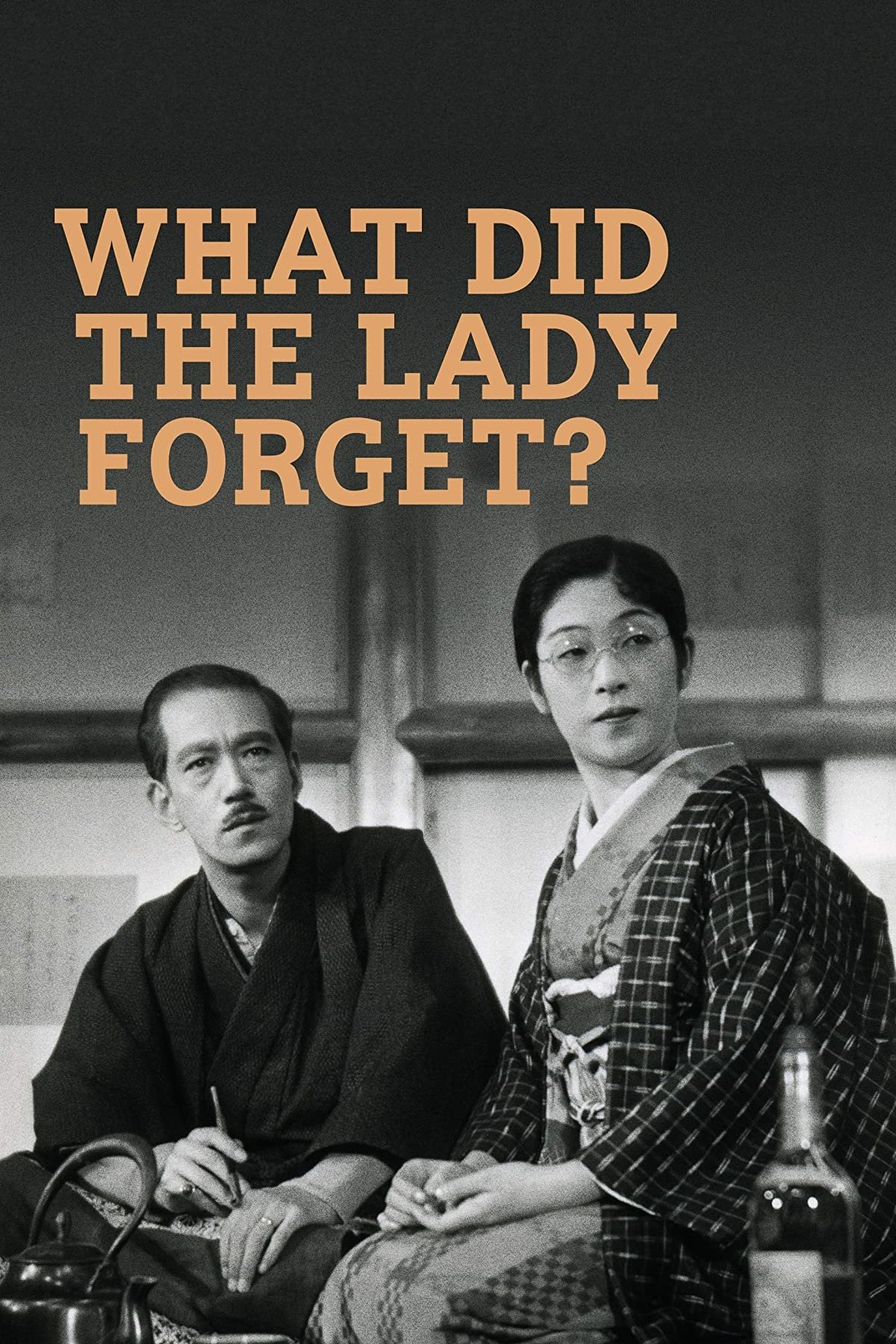
A professor, Komiya, and his bossy wife, Tokiko, are to look after Setsuko, their high-spirited niece from Osaka. Despite being a minor, Setsuko is a liberated woman who does whatever she wants, including smoking. She even convinces Koyima to take her to a geisha house. When she gets rather tipsy, the professor calls Okada, one of his students, to take her home. The wife becomes suspicious of Setsuko when she sees Okada bringing her home.
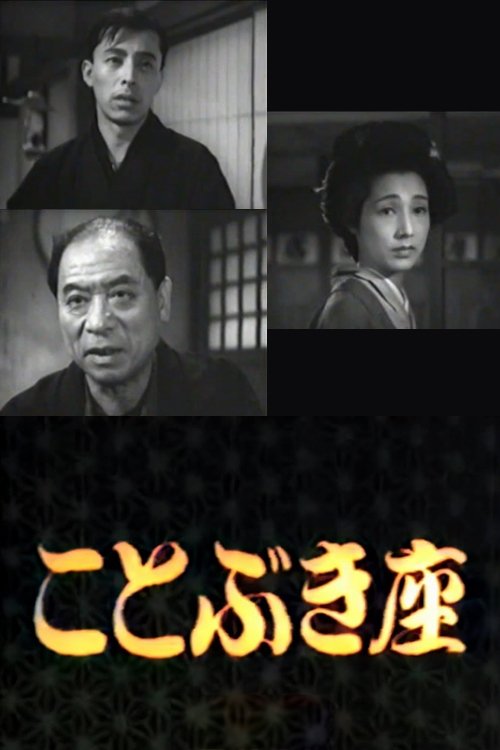
Kotobuki-za is a story of the Naniwa-bushi singer Baichuken Tsurumaru.
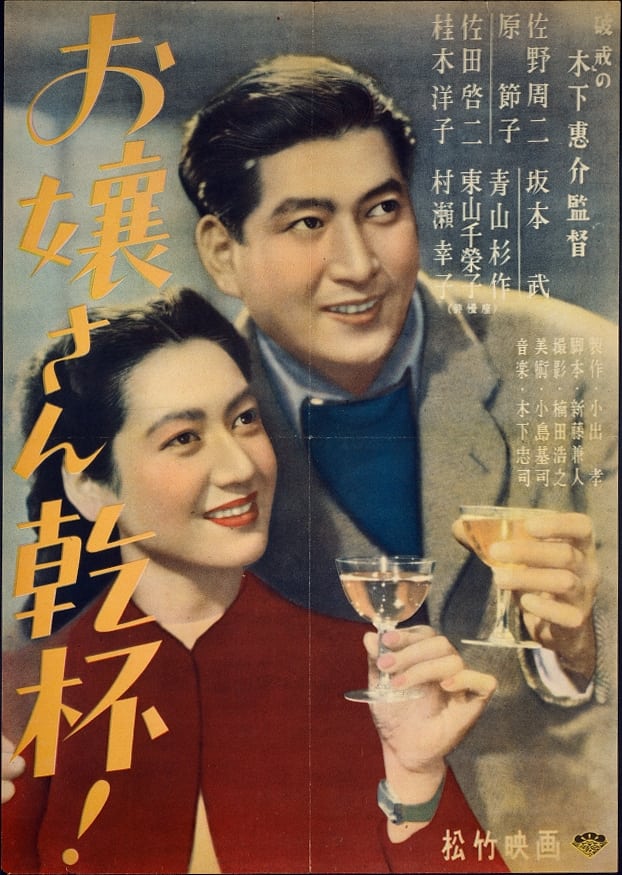
A matchmaker looks to unite a young woman from a wealthy Tokyo family with the humble owner of an auto garage.

A rural village elder plans an event on the return of a farmer's daughter from the city, unaware that she has become a Westernized burlesque artist.
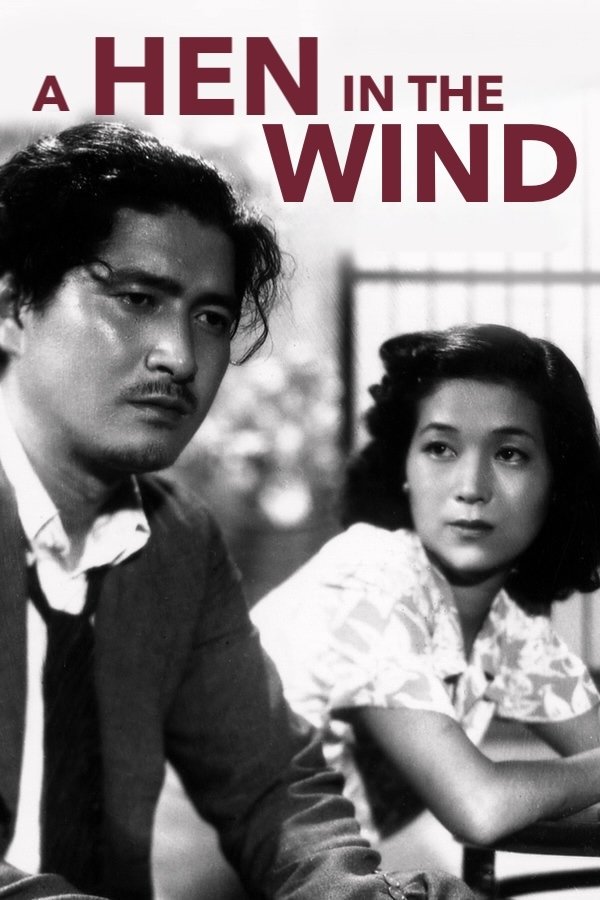
Tokiko patiently awaits her husband's return from WWII when her four-year old son falls ill. She takes him to the doctor but has no means of paying, so she resorts to prostitution. A month later, her husband returns to find his desperate wife, who tells him the truth. Together, they must deal with the consequences.

In Depression-era Tokyo, the life of a single mother and her young son are disrupted by the return of her ex-husband, who fathered the child and walked out on her years earlier.
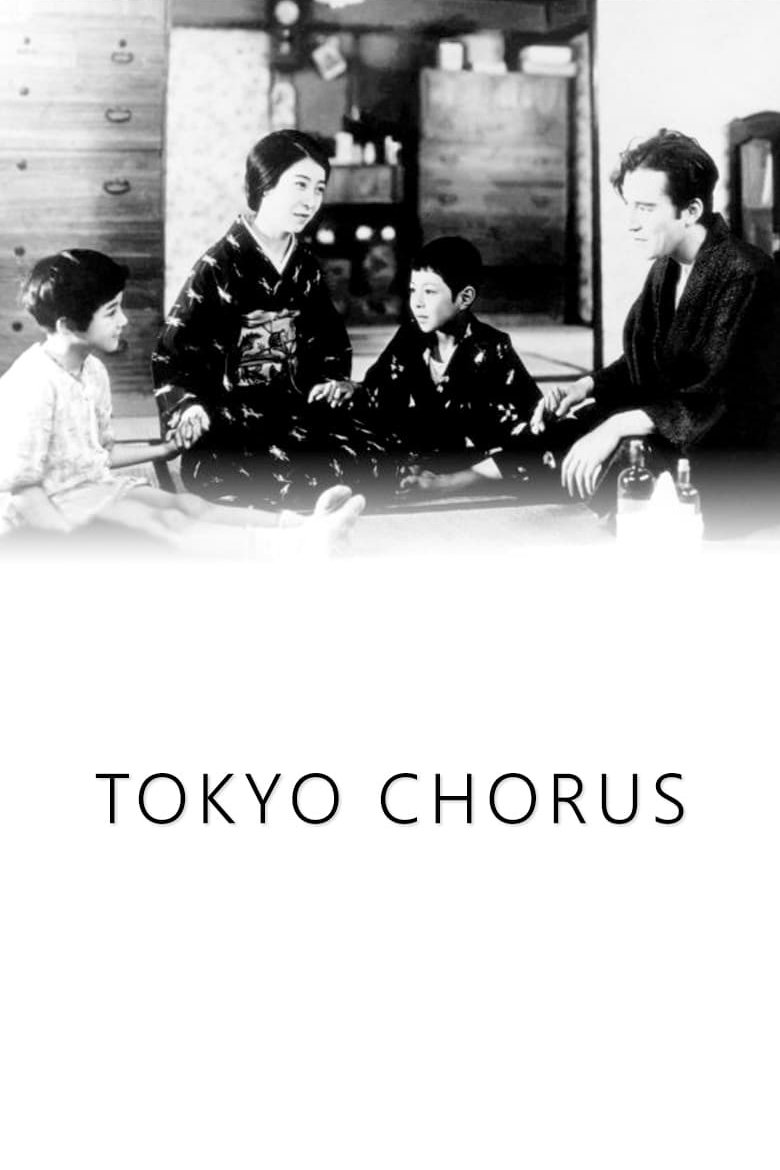
During the Depression, a young man struggles to provide for his family after he is sacked for defending an older colleague.
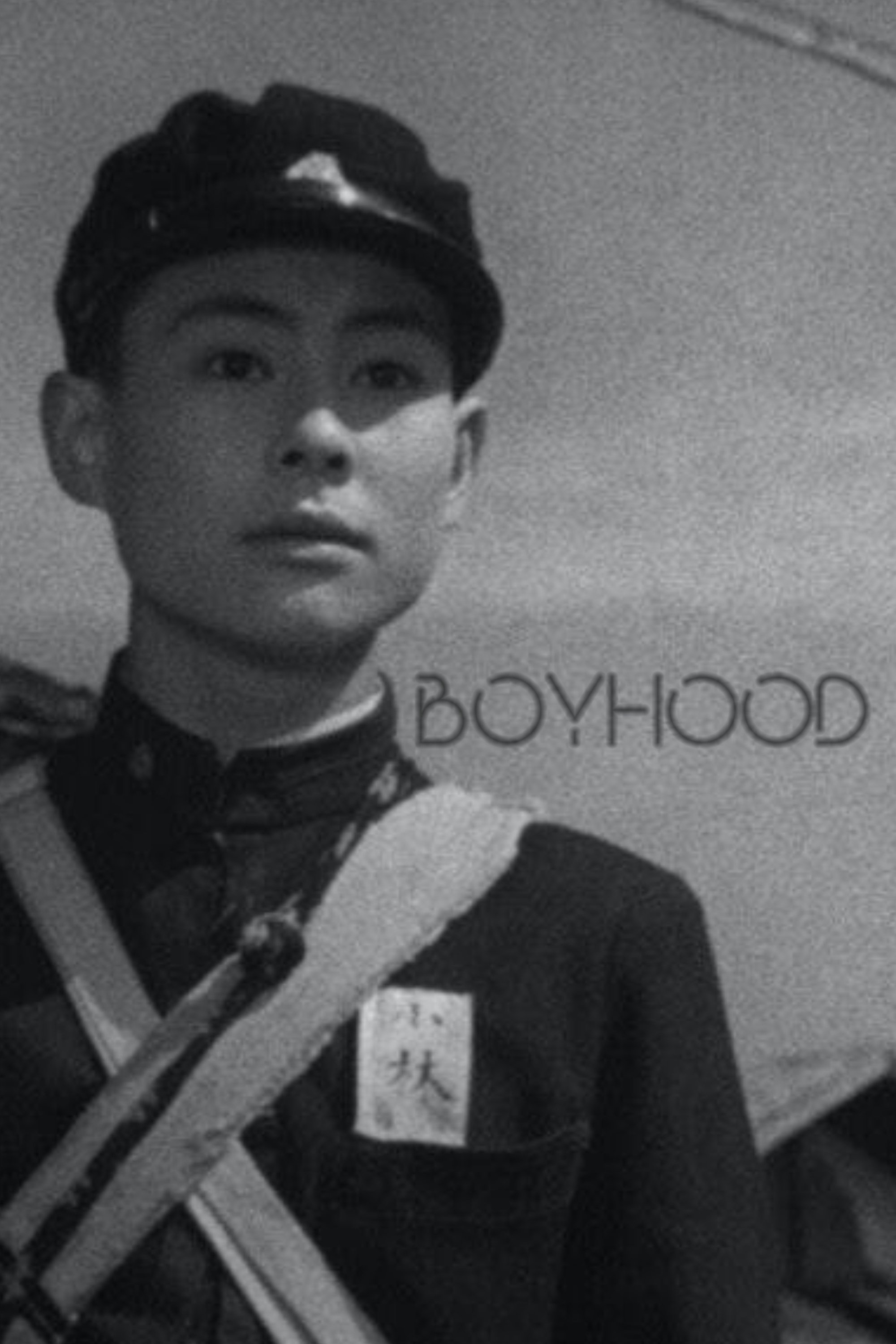
When a family has to relocate due to the war, they are ostracized by their new community.
A Japanese mountain inn patron's foot is cut by an ornamental hairpin accidentally left behind by a former patron, leading to much curiosity among the other patrons regarding her identity.
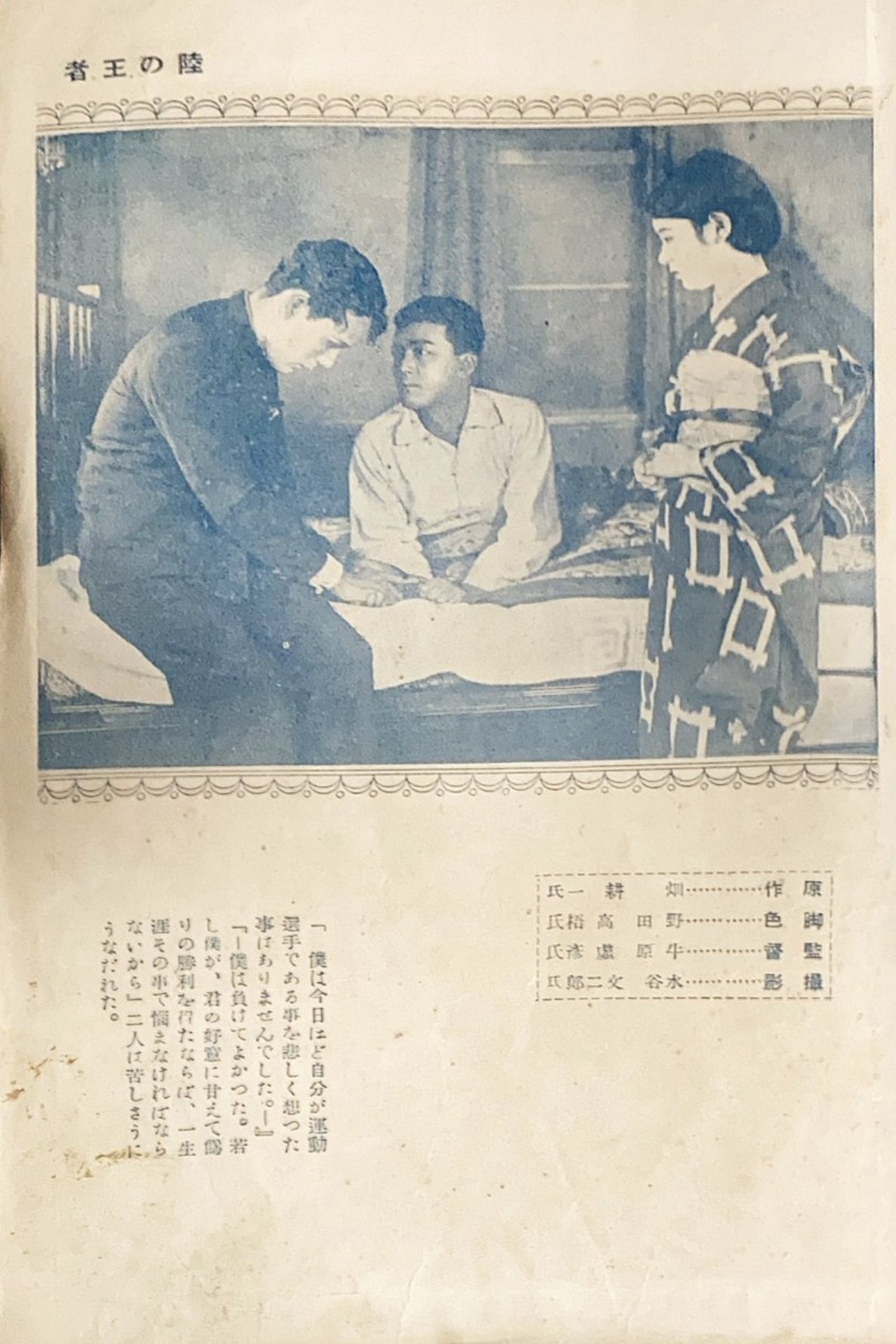
Japanese silent film from 1928, ranked as Kinema Junpo's second-best Japanese movie of the year.

In Depression-era Tokyo, a struggling middle-aged single father with a young son comes across a homeless young lady and convinces a bar owner to take her in.
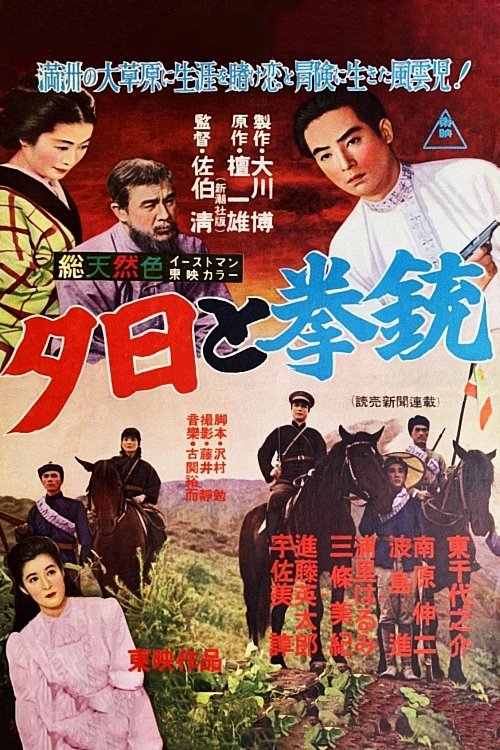
A film adaptation of the original novel by Kazuo Dan. This exciting film, set in Asia on the eve of violent changes, tells the story of a young man Rinnosuke Date, who, following his dream, love and passion, breaks through the blood- and dust-drenched land of Manchuria with a pistol in a piercing wind.
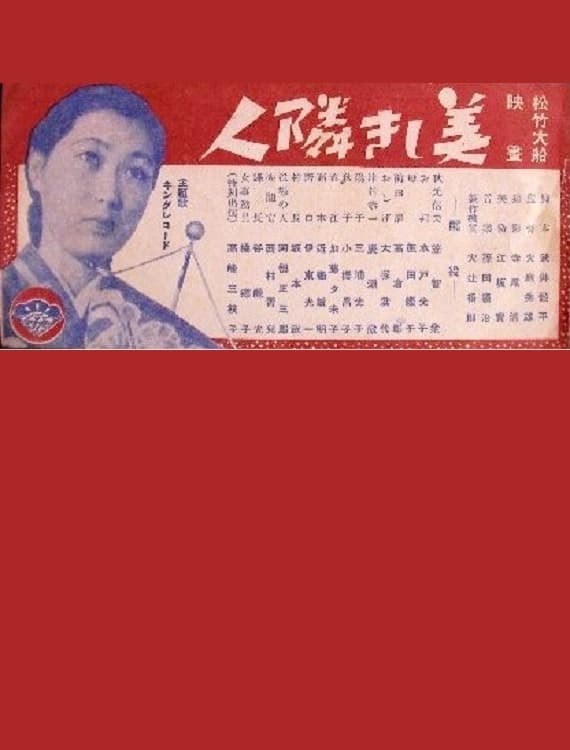
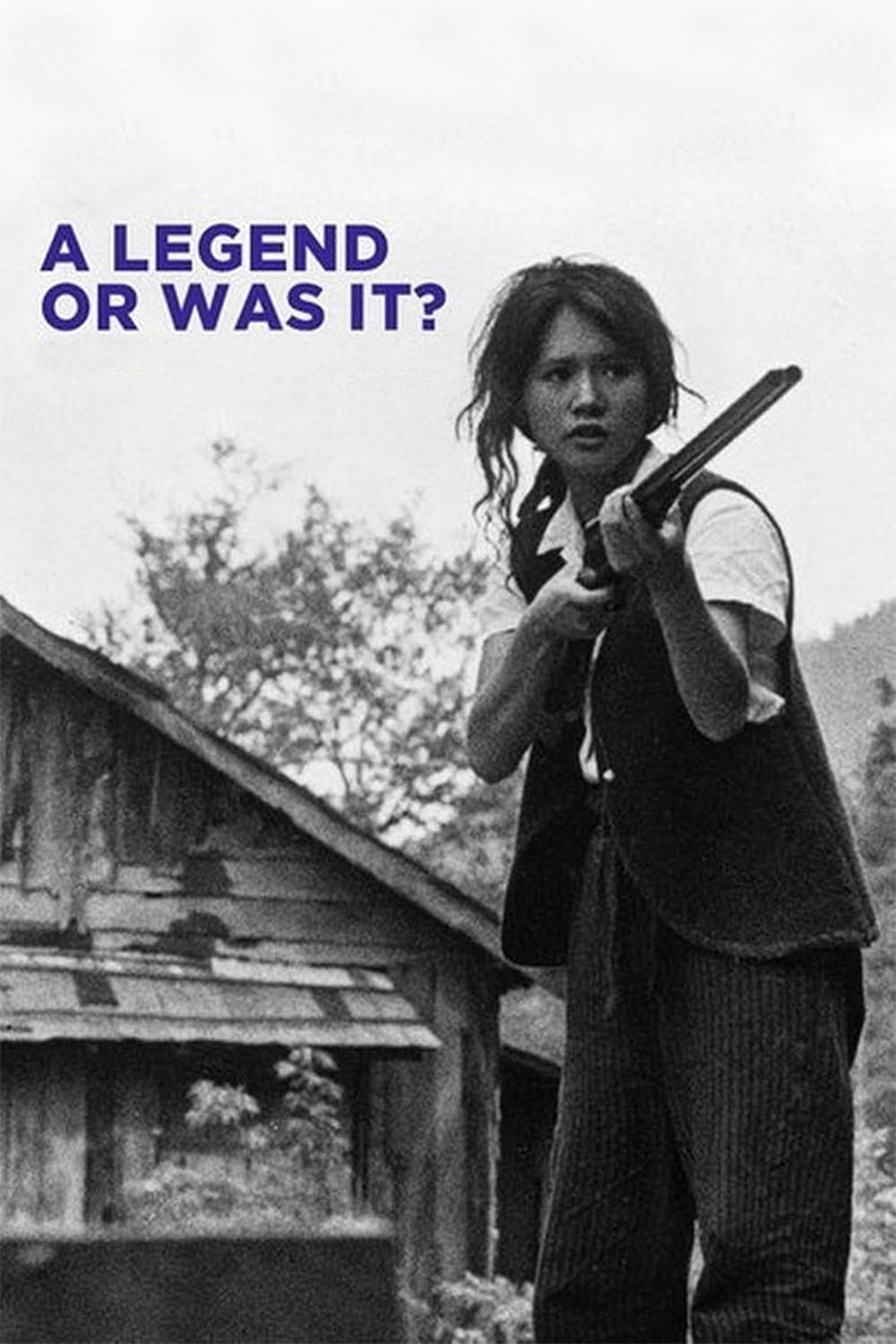
A Tokyo family escaping the war relocates to a Hokkaido village; their daughter is set to marry the local leader's son, but her siblings disapprove.
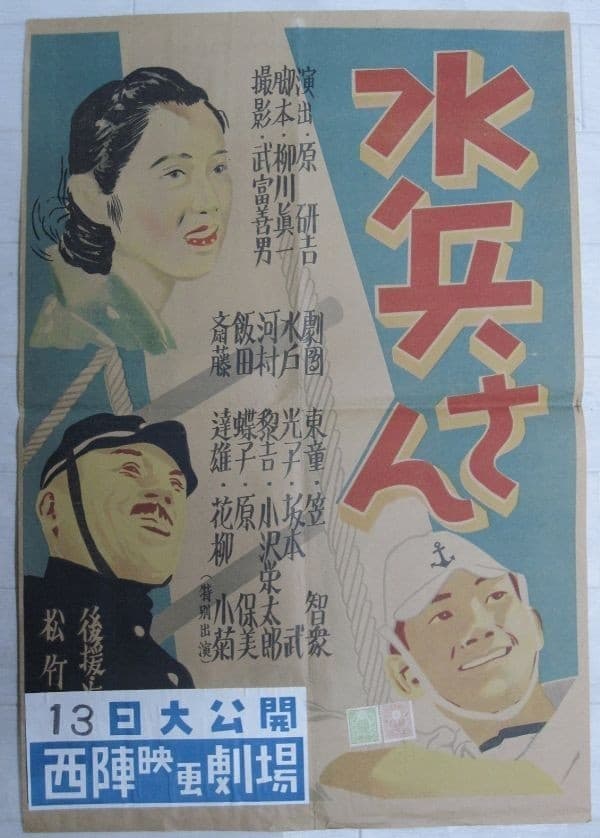
Shinpachi Morimura, who was born in a fusuma craftsman's house, wants to join the Japanese navy. However, his father wants him to continue in the family business and refuses to accept it.
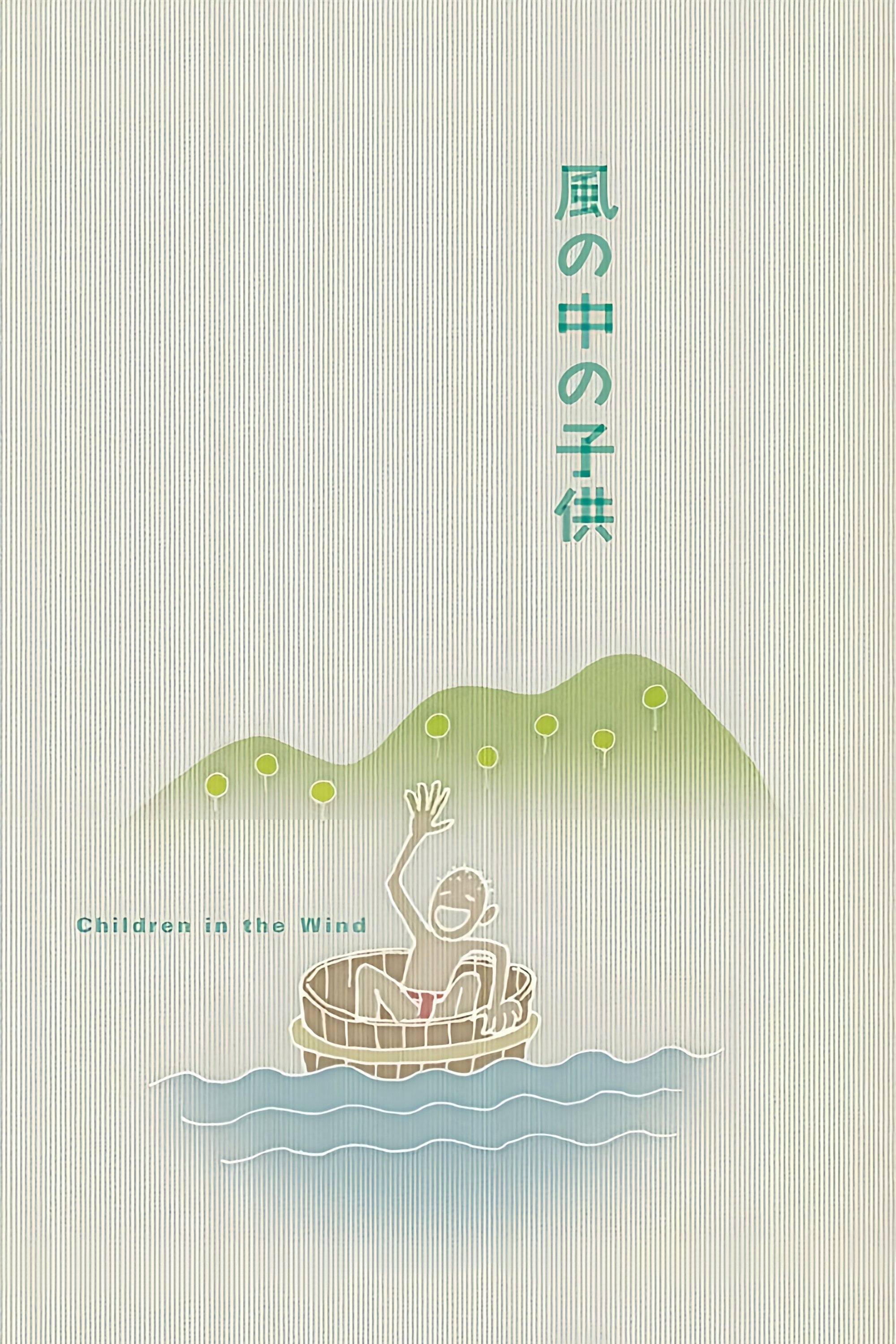
On vacation's eve, a boy is sent to the countryside to live with his uncle after his father is imprisoned and accused of embezzlement.
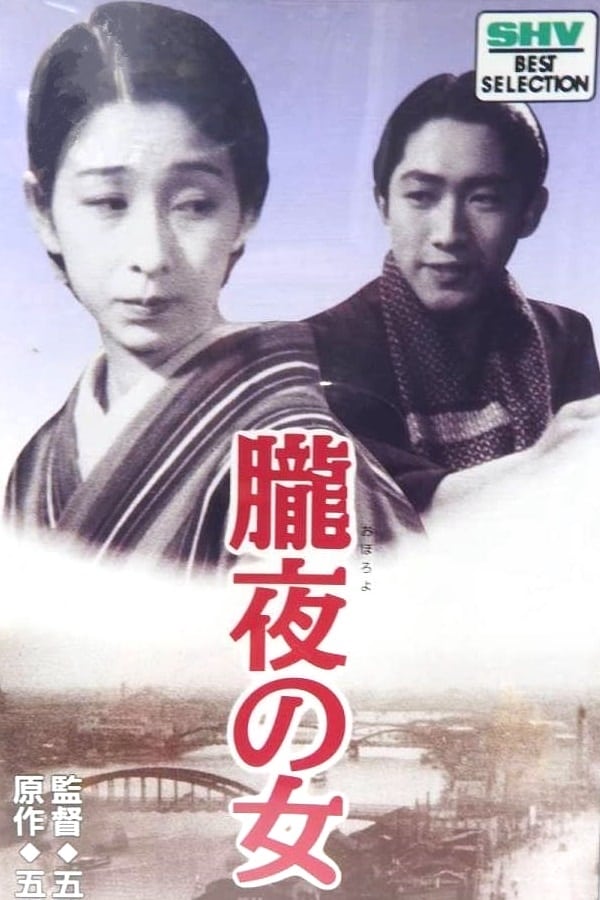
Otoku asks her brother Bunkichi to speak with her son Seiichi, a young man for whom sacrificed everything but who now seems to be headed for a wastrel life. Bunkichi admonishes the boy to study harder, but it seems his uncle's advice may already be too late.
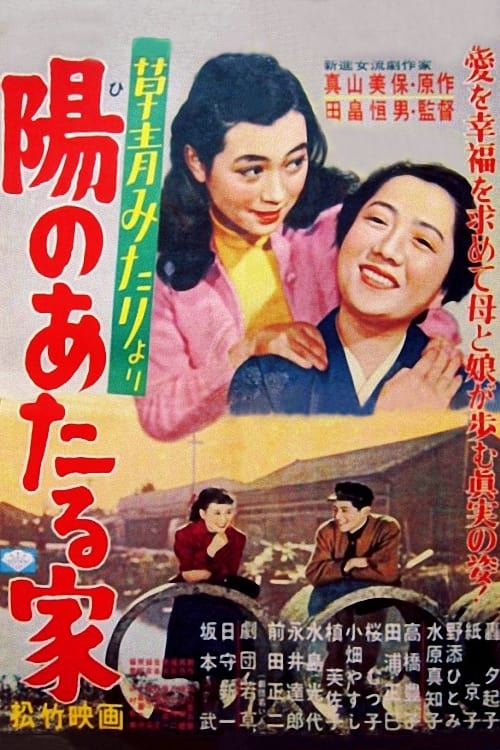
On the outskirts of Tokyo, a family of Mitsu Nakahara lives in one of the small huts surrounded by barracks and tin pens. Mitsu's husband died in the war, and she was left alone with four children and works as a day laborer. The eldest daughter Haruko, who is already nineteen years old, works in a clothing store, the second daughter Natsuko works in a restaurant, a schoolboy Akio is studying carpentry, and even the youngest Fuyuko helps her mother by working as a nanny in a neighboring house. Nearby lives a widowed electrician Tokuji Yamada with two boys - Norio and Tatsuo. He has a widowed daughter, Sakiko, who, along with a small child, ran away from home, as she is going through hard times. At Haruko's suggestion, Mitsu and Tokuji get married, and it would seem that happiness smiles on their new family, but it turned out to be short-lived…
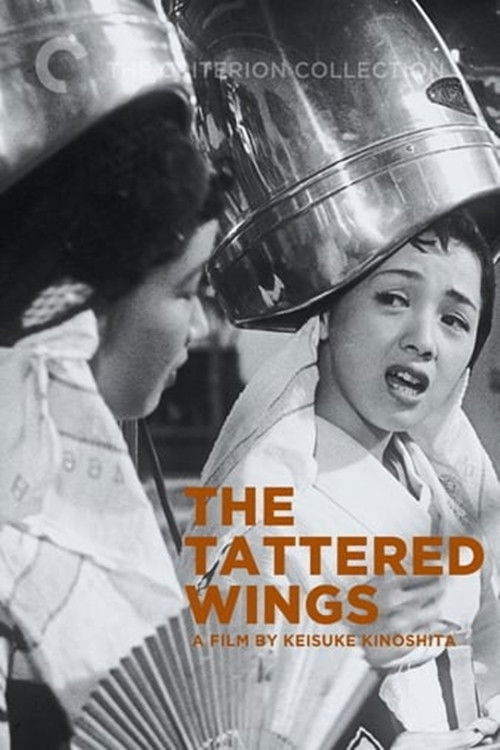
A young widow, made world weary by her abusive, neglectful husband, finds herself in a minor scandal when she's seen with her intense, no-nonsense childhood sweetheart.
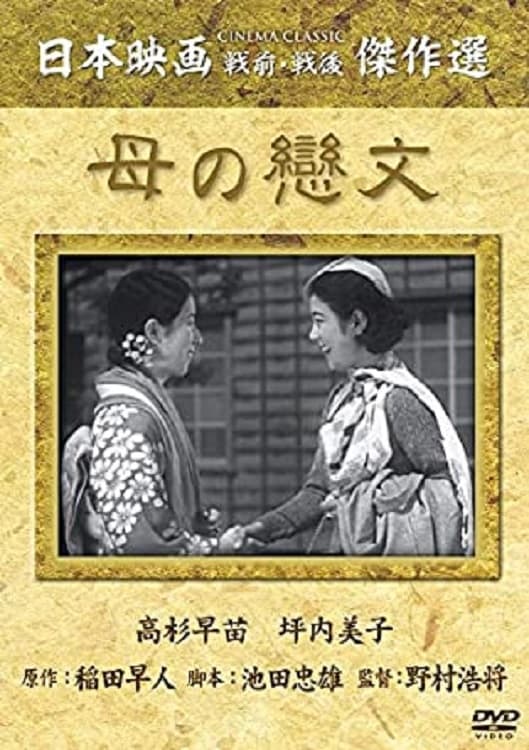
Domestic comedy involving a strong wife and a "henpecked" husband taking place in a family-run judo school.
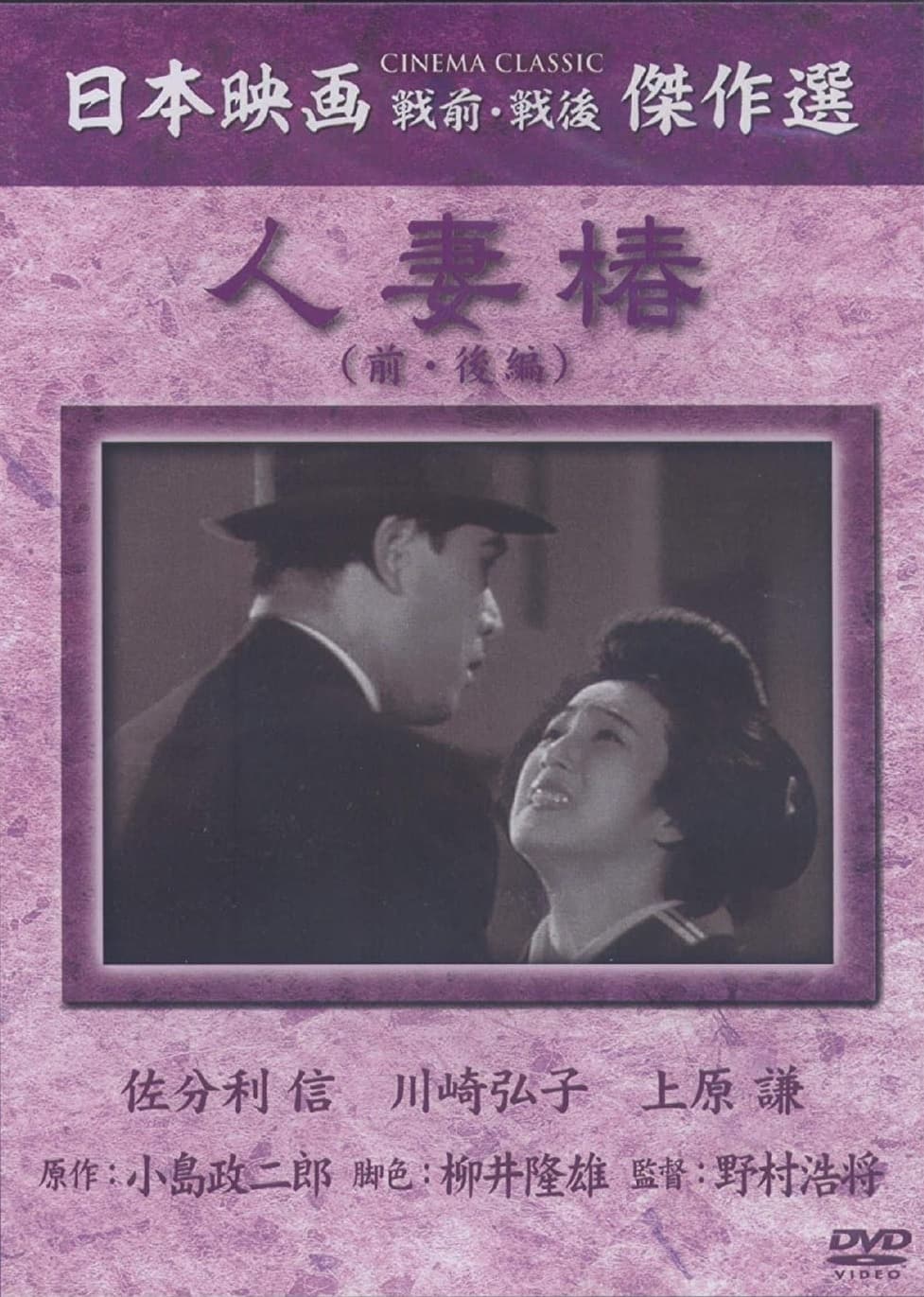
The narrative is about a woman who faces hard times, when her husband is arrested for a crime committed by his boss. The woman also has a child to look after, and they end up meeting several colorful personalities.
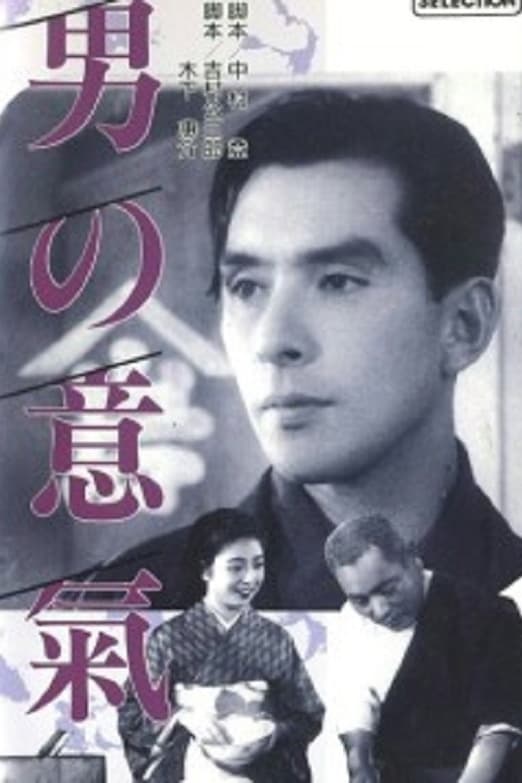
This was 1942, so it was a national policy film, no matter what you call it. But when the war was still on the winning side, there wasn't even a little bit of sadness in the film (as the war was getting worse and worse, the burdens on our backs were increasing day by day, and we had to keep forming a line for tomorrow with nowhere to go (Akira Kurosawa's "The Most Beautiful", Admiral Nomura's "Enemy Air Raid", etc.) (Song of Annihilation, directed by Sasaki Yasushi). The film closes with the hope of the blue cloud that is bubbling up in the air. Or it may be the last time that a Japanese film talks about war and looks at the end of the war with an unconcerned eye.
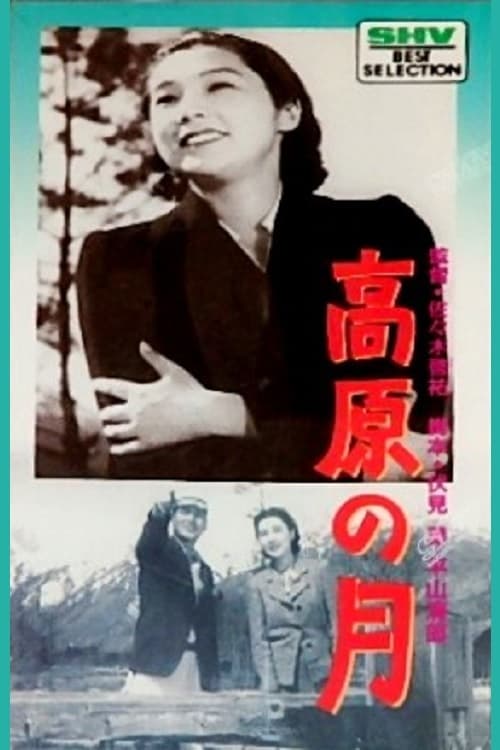
An older sister and brother (Mieko Takamine and Masayoshi Otsuka) come to visit their grandfather (Takeshi Sakamoto) who lives deep in the mountains. As for their parents, father was serving in the South Seas and mother died of illness on her way home. So, the brother, who is still young, will live alone with his grandfather whilst the sister goes away to study to become a teacher.
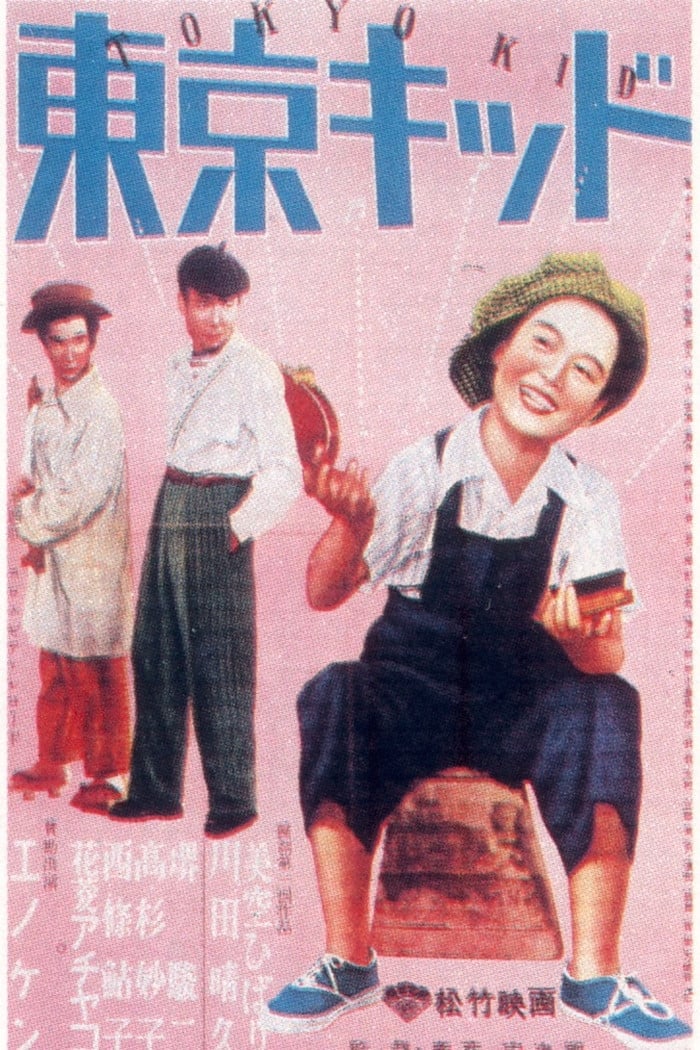
A young, talented singer (Misora) is orphaned, not once but twice, and has to turn to a rather unlikely, and unwilling, parental figure, while avoiding her wealthy, absentee father, his hired goons, and the neighborhood fortune teller (Enoken) who's after the reward money.

A kidnapped boy proves to be more than his abductor can handle.
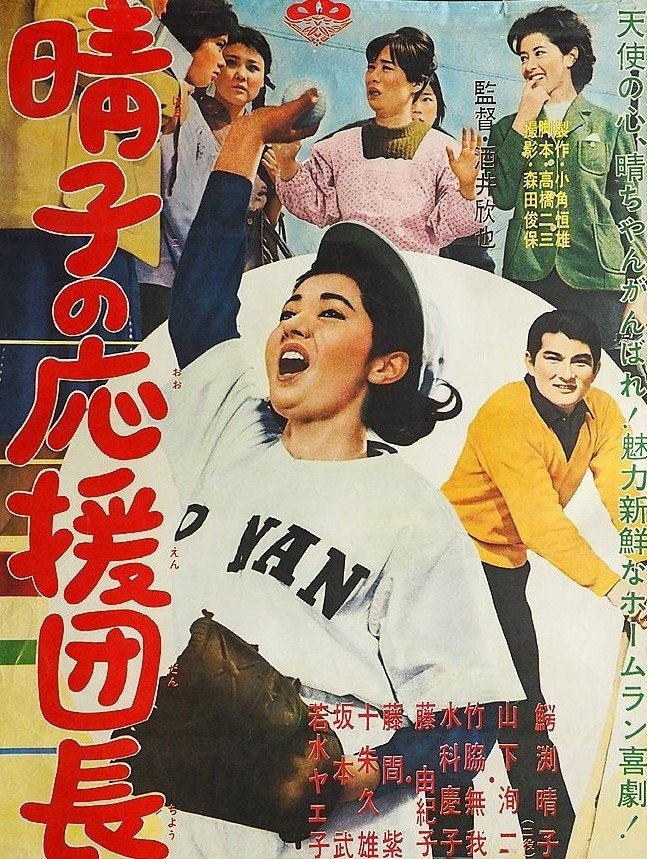
1962 Japanese movie
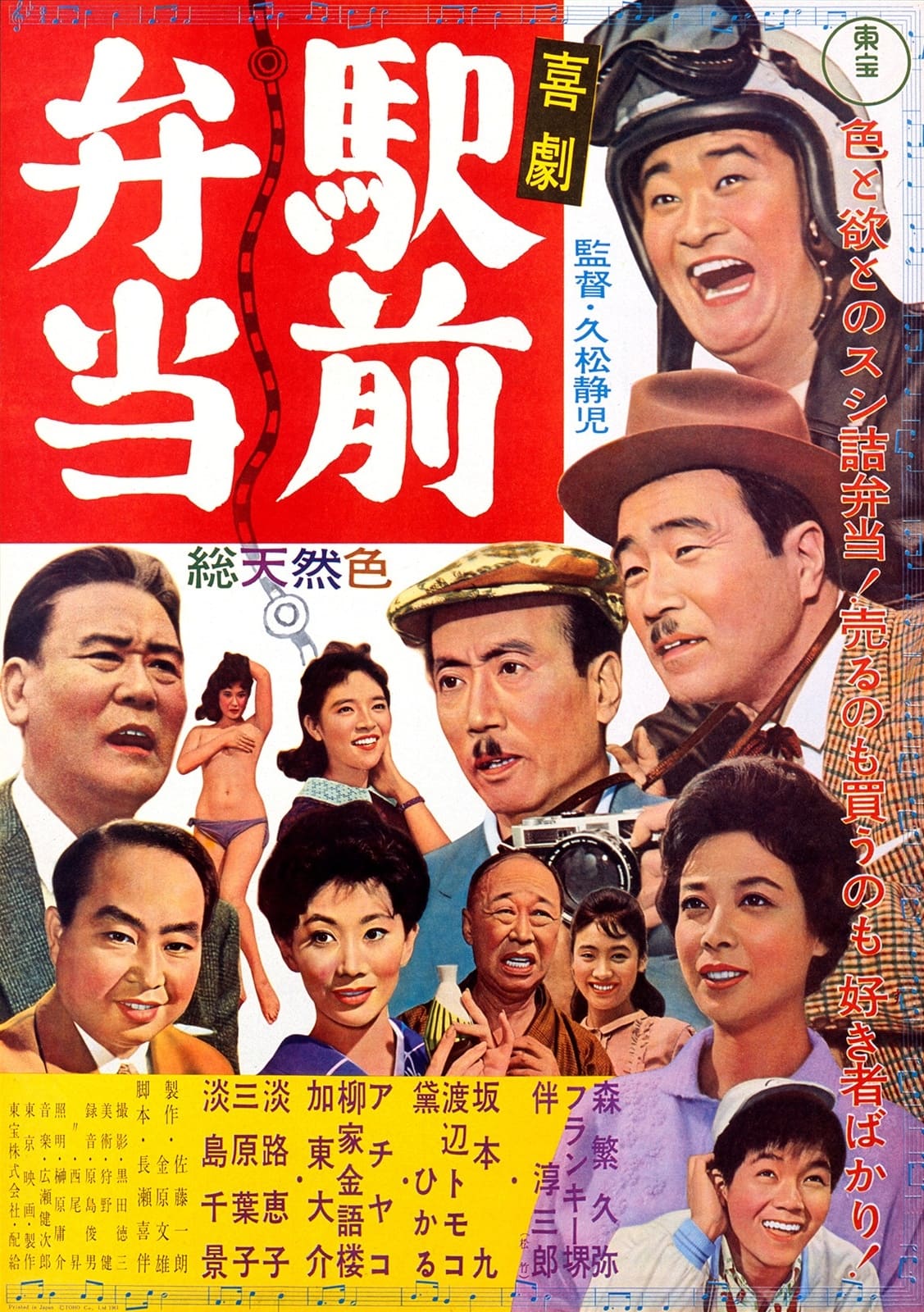
Third film in the "Ekimae" series, this time set in Hamamatsu. A widow named Keiko and her brother Jiro run the bento shop, "Goraku." One day, Keiko asks for advice from her childhood friends Kintaro, a textile manufacturer, and Magosaku, an entrepreneur, about a big-shot from Osaka who wants to invest in her shop. However, Kintaro and Magosaku suspect that things are not what they seem...
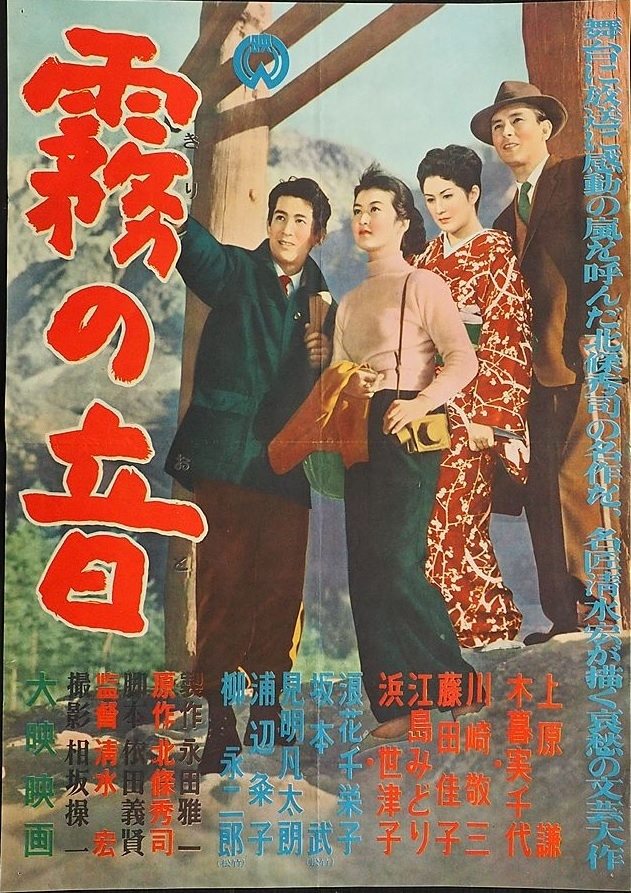
In the heart of the Japanese Alps, in Kamikochi, Nagano Prefecture, botany professor Kazuhiko Onuma spends time with Tsuruko, his lover. One night, Kazuhiko's wife Kazuyo comes to see them and confronts the professor about his extramarital affair, and Tsuruko, an inevitable witness to the confrontation, leaves the professor the following morning. Over the next decade, whenever he visits the mountain cabin every autumn equinox, the memory of Tsuruko will forever haunt Kazuhiko...
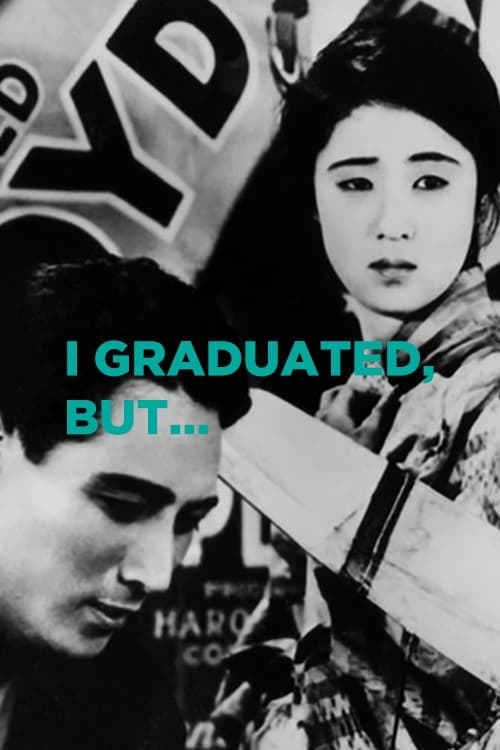
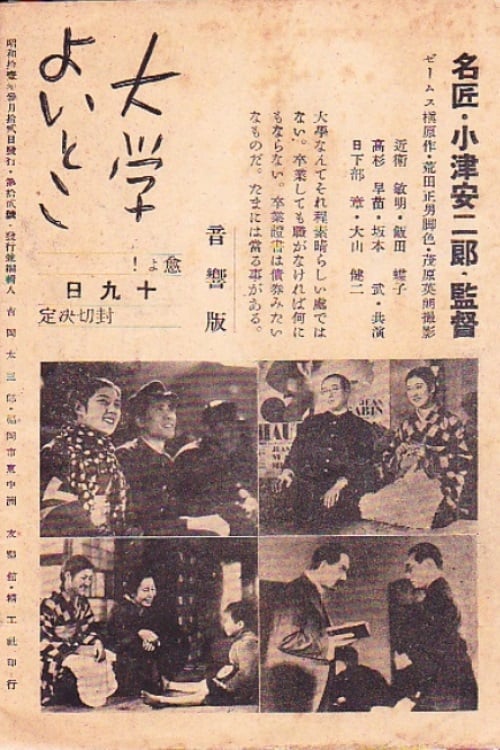
Tetsuo Nomoto, a young college graduate tries to find a decent job by himself. Later on, he will marry his girlfriend, Machiko, whom he hides the fact that he has no job. Hardships come quickly, which forces Machiko to find a job in a bar.

While under sedation in a dentist's office, a young art student has sex fantasies about naked women, vampires and a beautiful patient he saw in the office.
A Japanese screwball comedy about the battle between the sexes: two timid men, egged on by their wives, end up in a bitter duel over an expensive lace handkerchief.
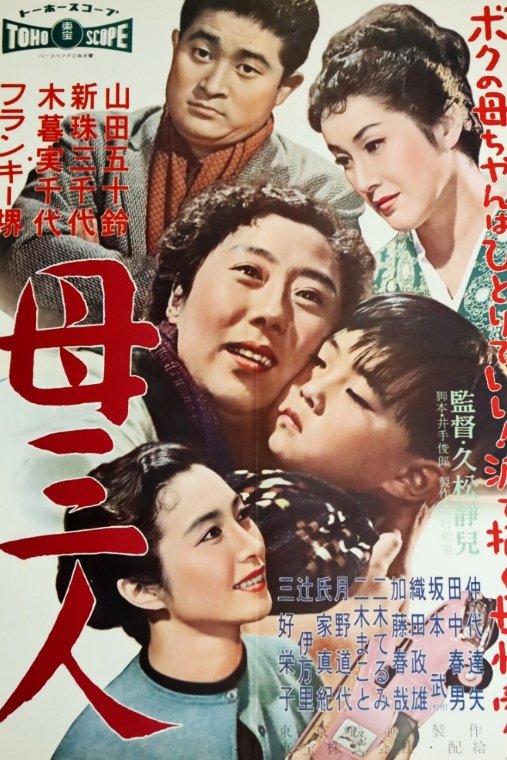

Directed by Mikio Naruse. It is presumed to be lost.
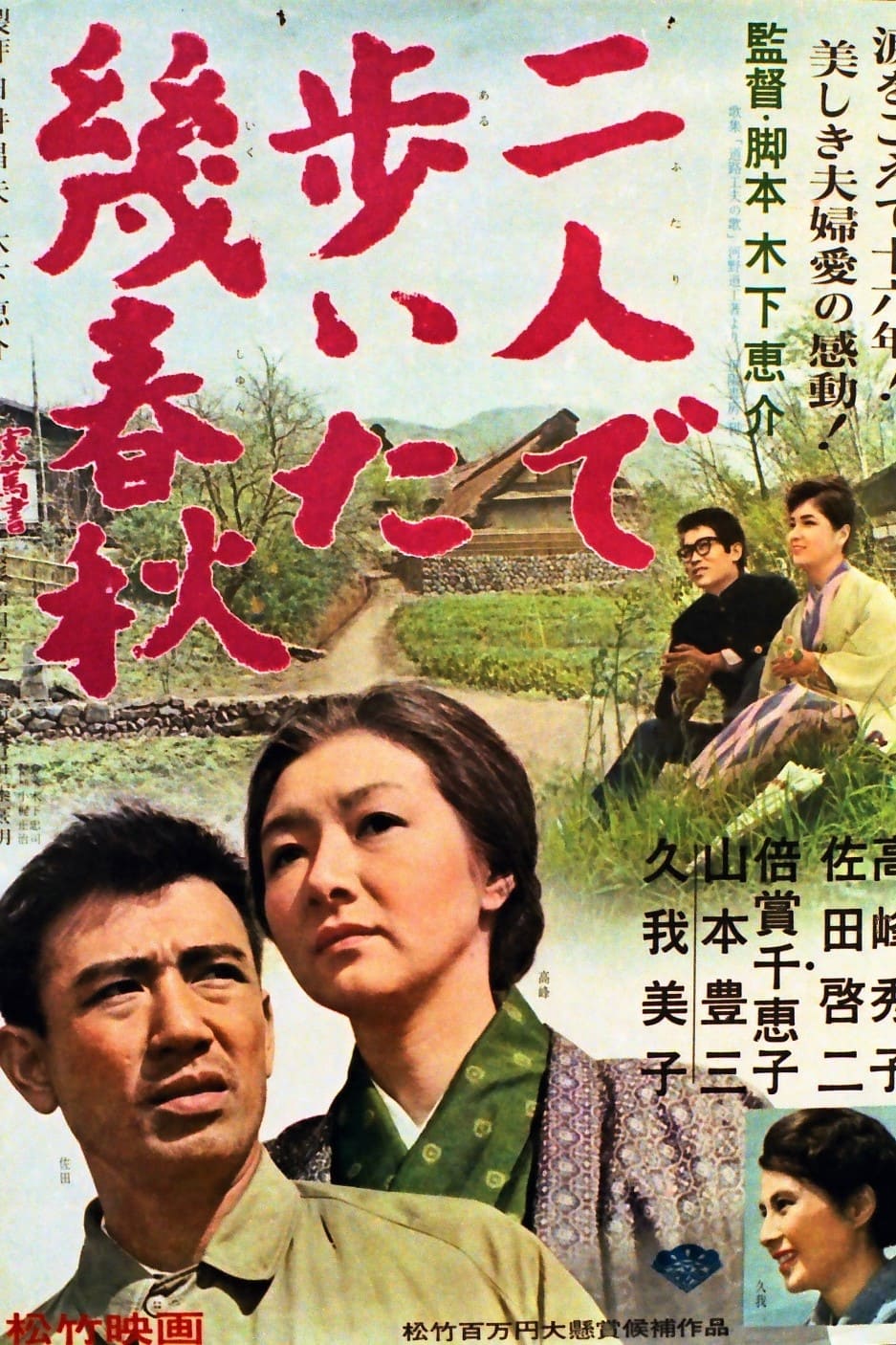
A demobilized soldier becomes a day laborer with a road construction gang, and his wife goes to work to bolster their income. Their modest dream is to see their son grow and to be happy as a family.
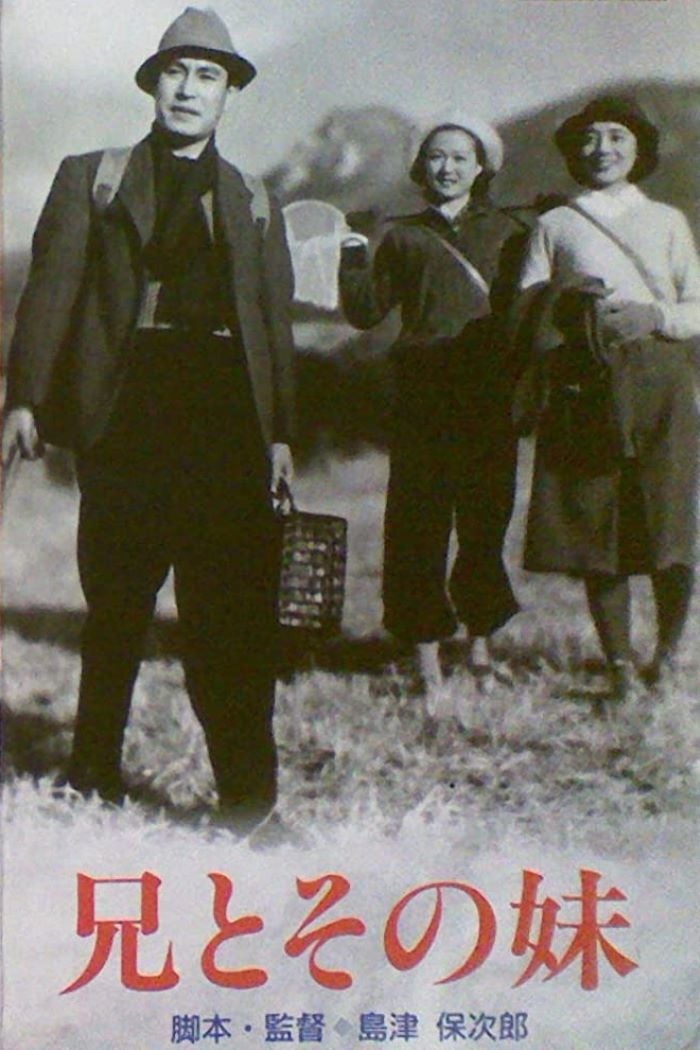
A man who works late hours at a deadening job lives together with his wife and his younger sister. The younger sister's a modern girl who's starting to receive romantic attention from one of her co-workers.
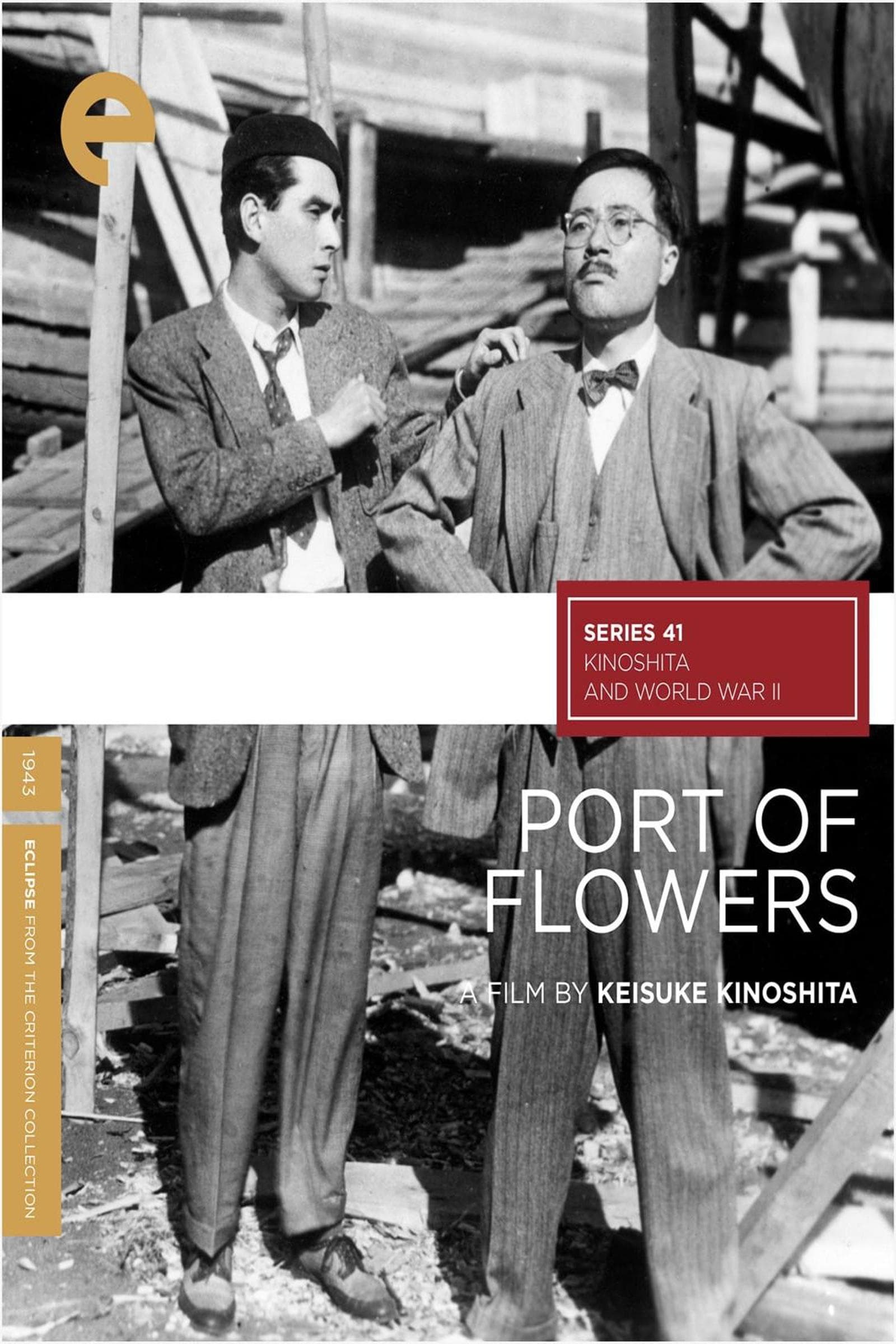
The sweet but naive denizens of a charming port town are hoodwinked by a couple of con men at the outset of World War II. But the hustlers’ plan backfires when they come down with severe cases of conscience. Keisuke Kinoshita’s directorial debut is a breezy, warmhearted, and often very funny crowd-pleaser that’s a testament to the filmmaker’s faith in people.

Raucous small-time thief Kenji falls in love with sweet and simple Yazue, but when she finds out what kind of guy he really is, she leaves him until he proves to be honest. Kenji soon finds it's not so easy to get rid of one's past.
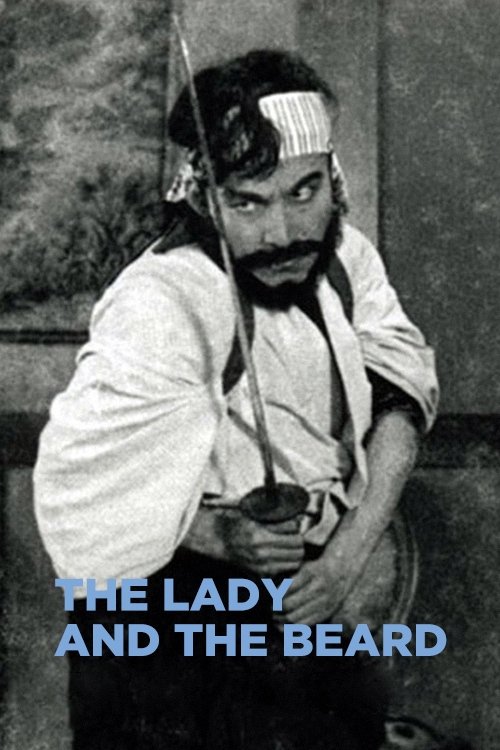
Graduate Okajima finds his old-fashioned beard makes life difficult in a comedy exploring the tension between tradition and modernity.

When a young man inherits his father's lucrative business, he cheats the system to set up three of his college friends with jobs.
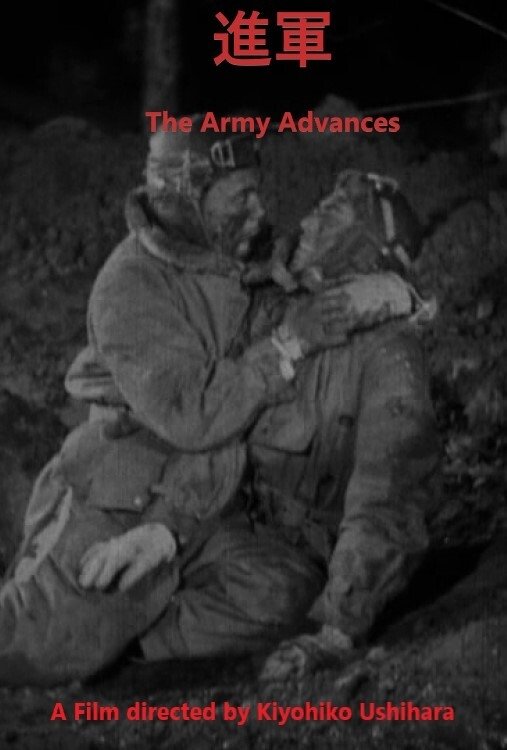
A farmer’s boy, obsessed with his balsa-and-paper flying models and with dreams of real aircraft, develops a friendship with the daughter of the local squire, who introduces the lad to her pilot brother and his flying officer friends; through hard work, and despite the handicap of a lowly class status, he eventually succeeds in qualifying as a pilot and joining the air force.
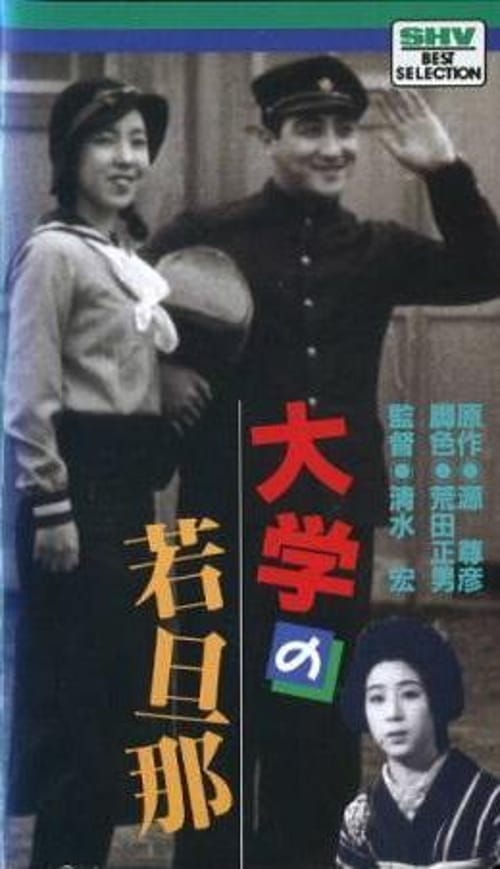
The story deals with Fuji, nicknamed Waka-danna (Young Master), the star athlete on his university's rugby team. The son of a wealthy soy sauce manufacturer, Fuji basks in the glory of his athletic celebrity. Attracting the attention of admiring young women, Fuji resists family pressure to settle down and marry after college. Instead, he spends much of his time drinking and womanizing, behavior which eventually leads the college officials to expel him from the team.
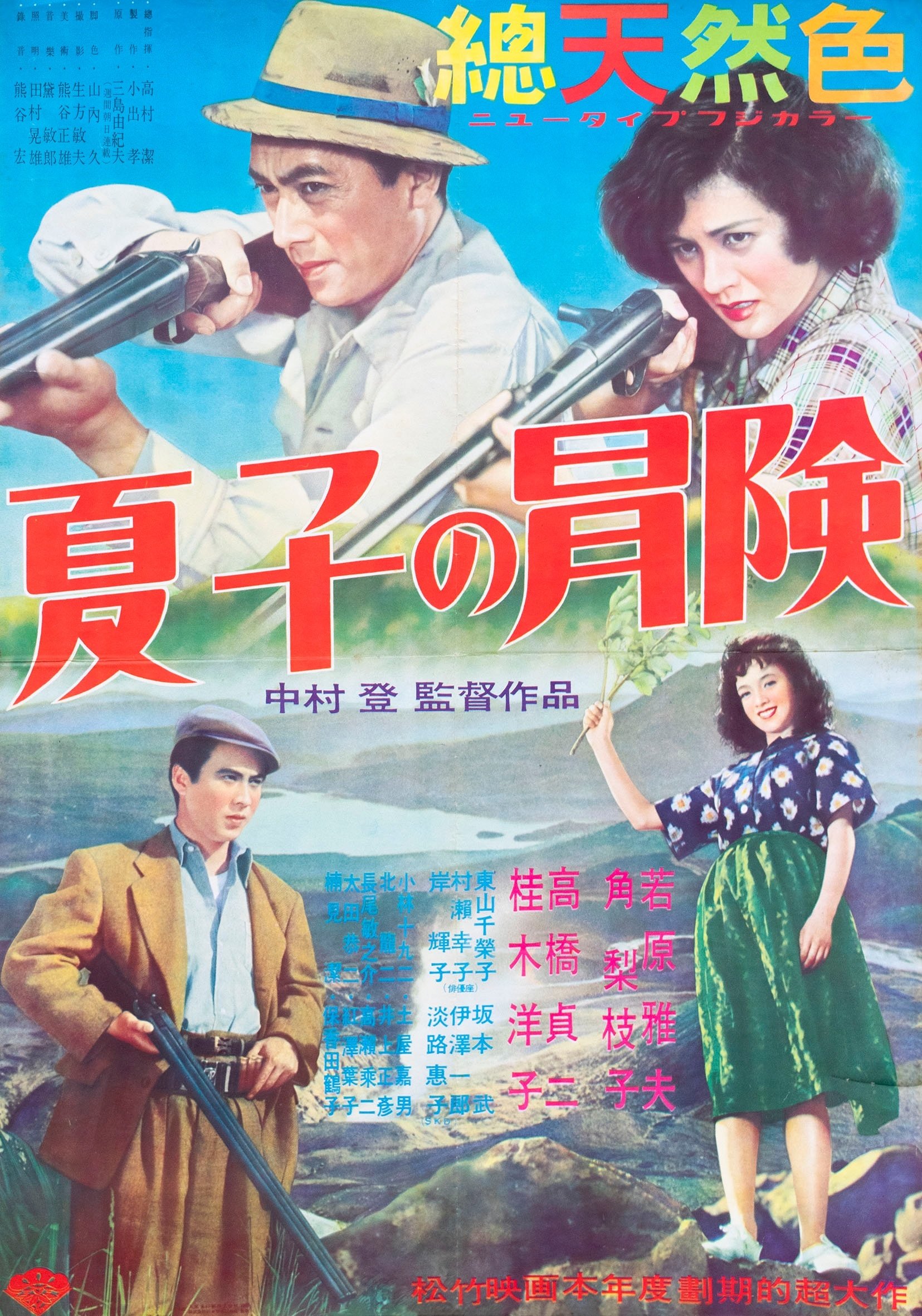
Born to a prestigious family, Natsuko is not impressed by any one of her suitors. Determined to spend her life serving god, she sets off to a convent in Hakodate, Hokkaido, and meets along the way a young bear-hunter with whom she begins an adventure.
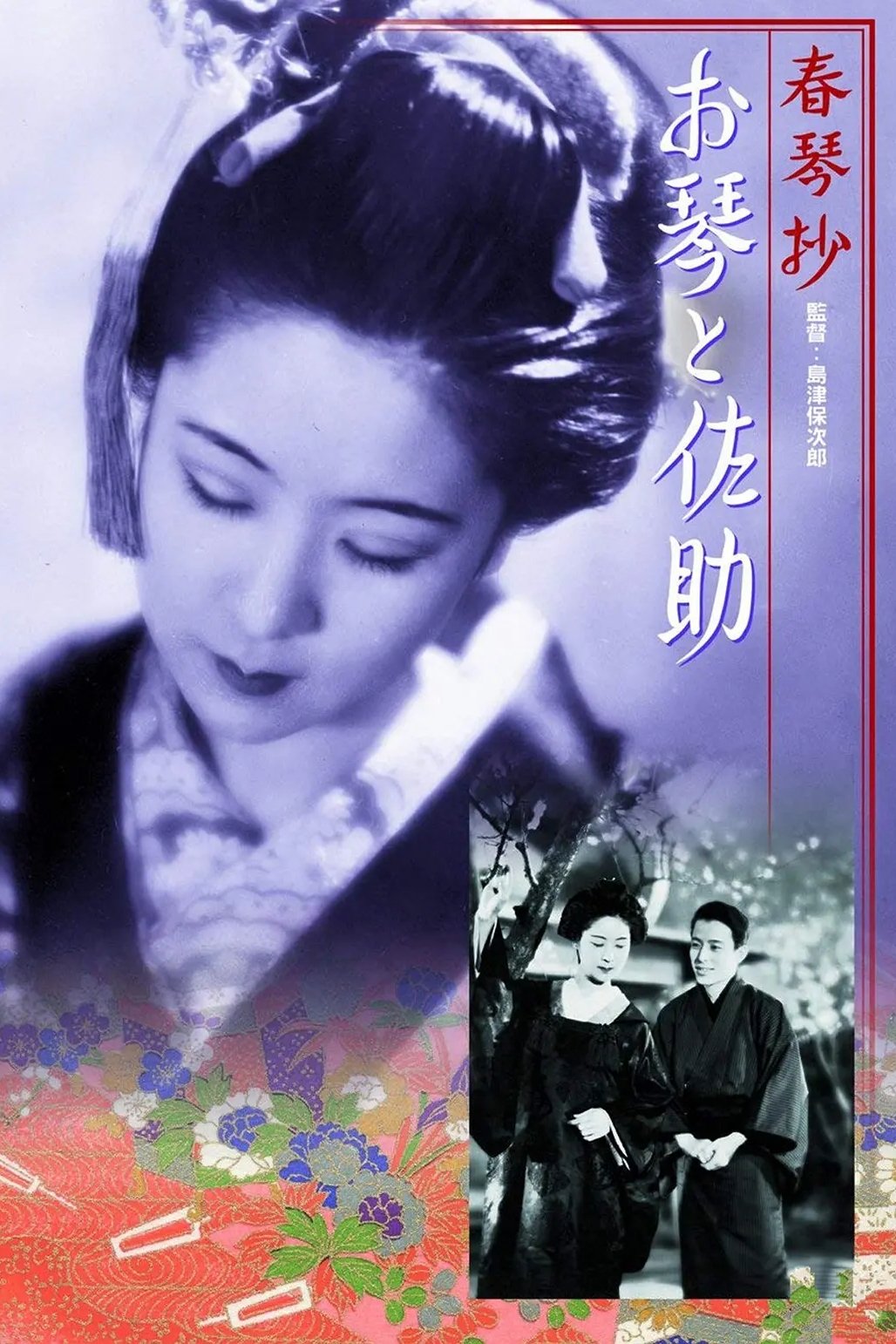
A period piece about the love of a wealthy blind woman, a teacher of koto and shamisen, and her devoted manservant. Based on a novella by Tanizaki Junichiro.

Follows six male friends from elementary school whose career paths diverge—newspaper reporter, engineer, boxer, sushi restaurant owner—but whose romantic lives intersect. (MoMA)
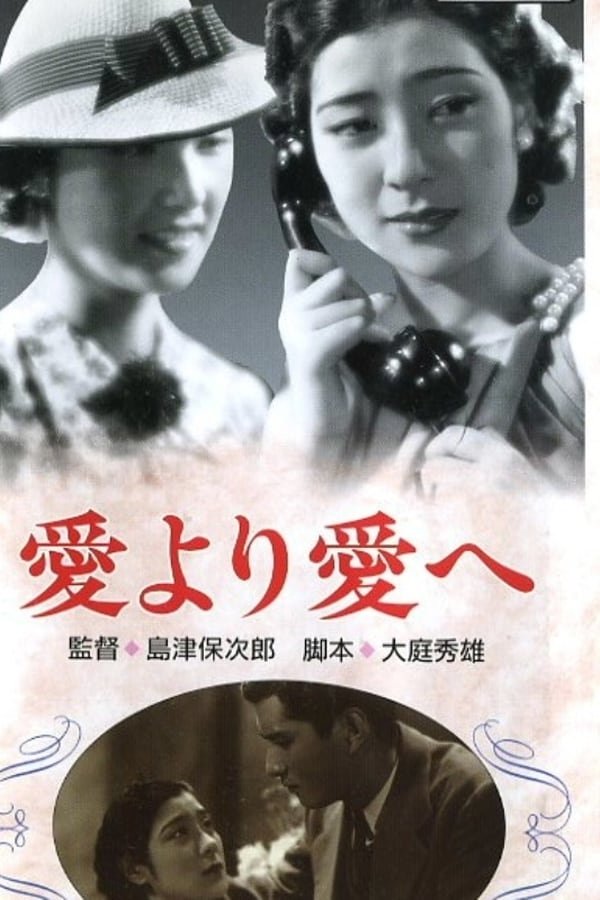
Shigeo is an aspiring writer living with his girl friend Minako and hoping for success and a better tomorrow every day. Both live on what Minako earns from working in a café. Shigeo is not happy with the situation and neither is his family who do not approve of Minako. Especially his uncle tries to convince him to leave Minako, even using his influence behind the scenes. Things start to change when Shigeo's sister pays the young couple a visit, being the first member of Shigeo's family to actually get to know Minako in person.
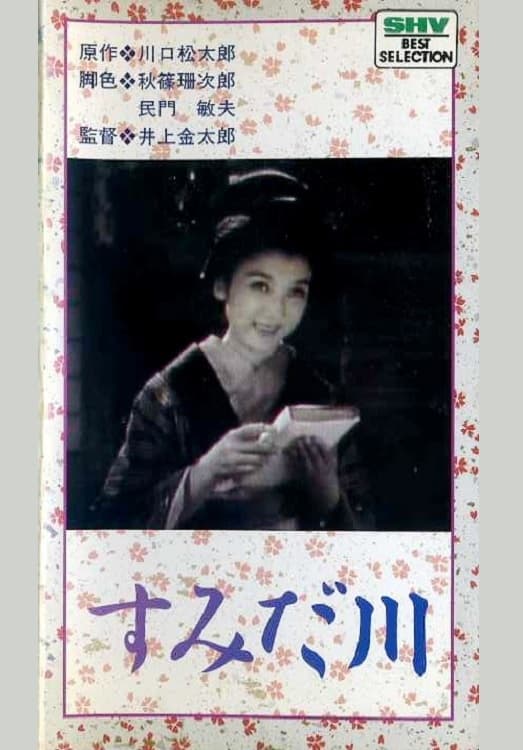
Inoue was something of a rarity in the sense, that he was a Shochiku house director who seems to have worked mostly in period films, often with big stars like Hasegawa or Bando. "Sumidagawa", named after the river that runs through Tokyo, is also a period film, but thematically a modern one. All the themes that you associate with the normal Shochiku women's films set in the present day are in this film, just in a different context: love, the planning of a marriage, career, family relations and societal melancholy. There is no action or swordplay.
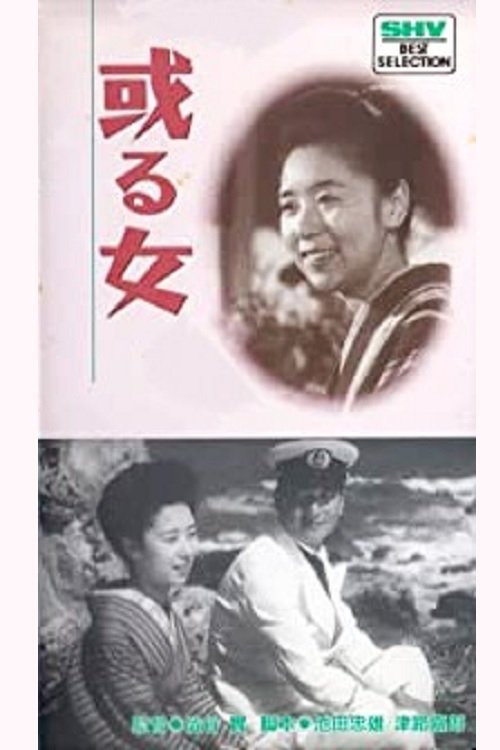
Pretty Oshige is deceived by her first love. After this, she lives a hard lifestyle, working at a number of jobs. Her only pleasure is her nephew, who eventually becomes a merchant marine. When Oshige meets her old love ten years later, she is able to forgive him and even thank him for the path her life has taken.
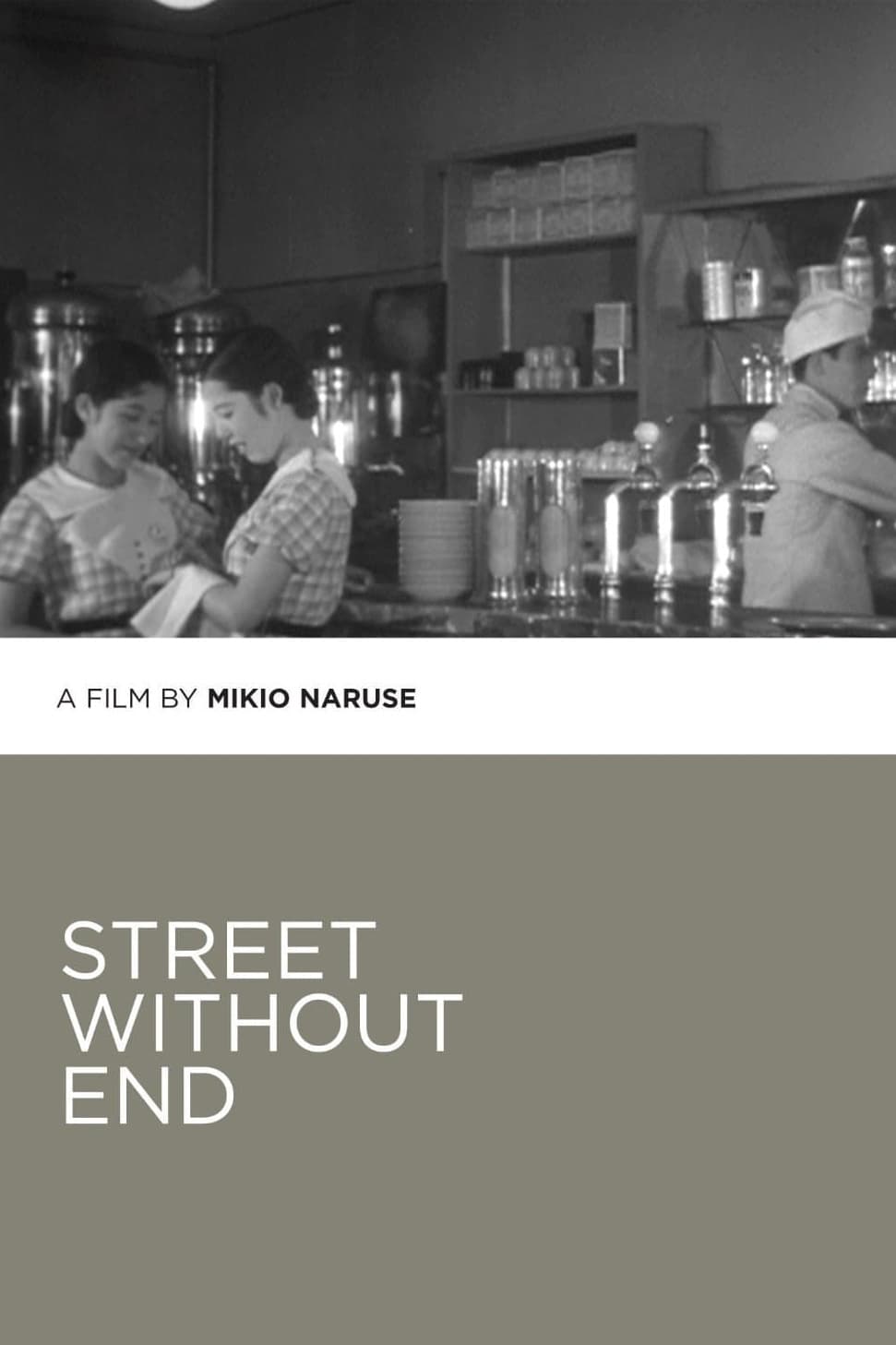
Mikio Naruse’s final silent film is a gloriously rich portrait of a waitress, Sugiko, whose life, despite a host of male admirers and even some intrigued movie talent scouts, ends up taking a suffocatingly domestic turn after a wealthy businessman accidentally hits her with his car.

Directed by Mikio Naruse. It is presumed to be lost.
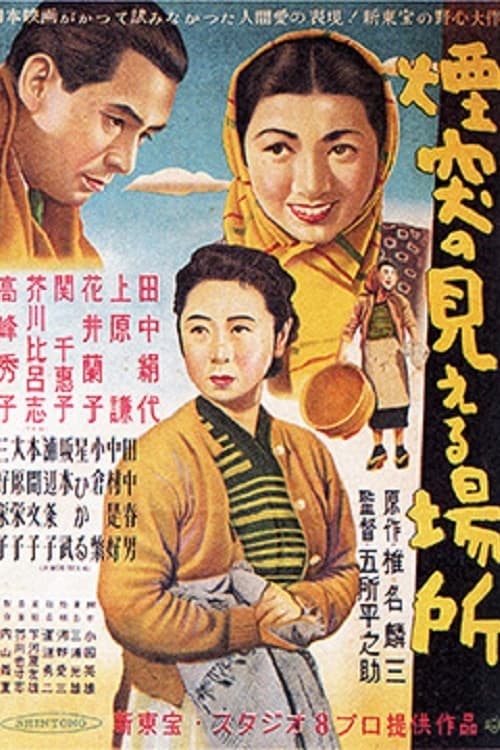
Where Chimneys Are Seen focuses primarily on the interconnected lives of two couples in a lower-middle-class neighborhood in Senju, a poor industrial section of Tokyo.
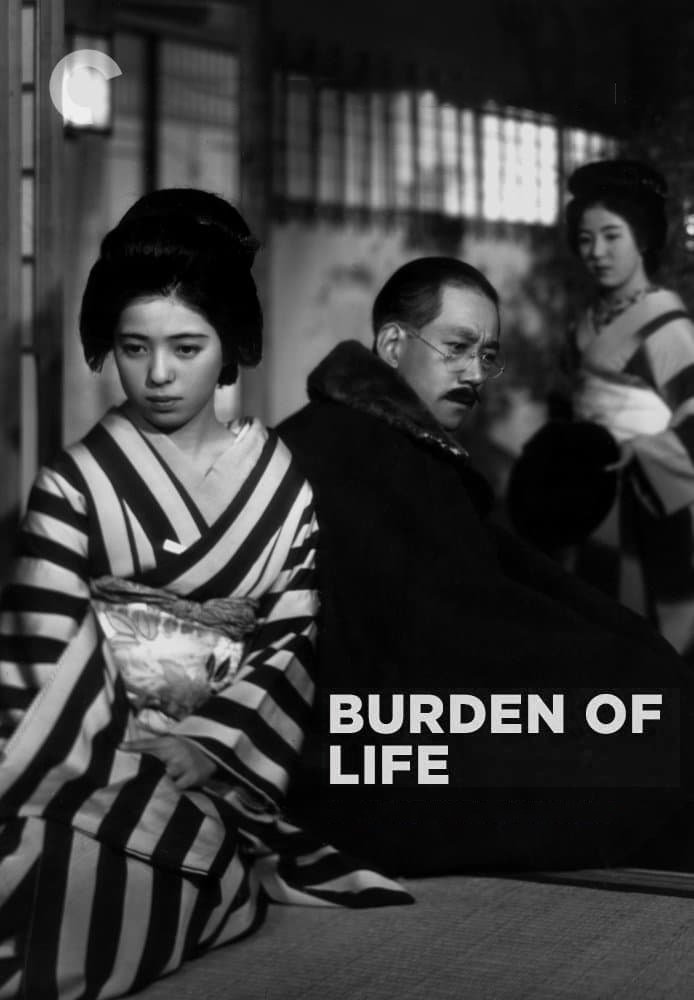
A middle-aged father has just married off his third daughter, but still has his nine year old son to raise whom he resents as he was unwanted.
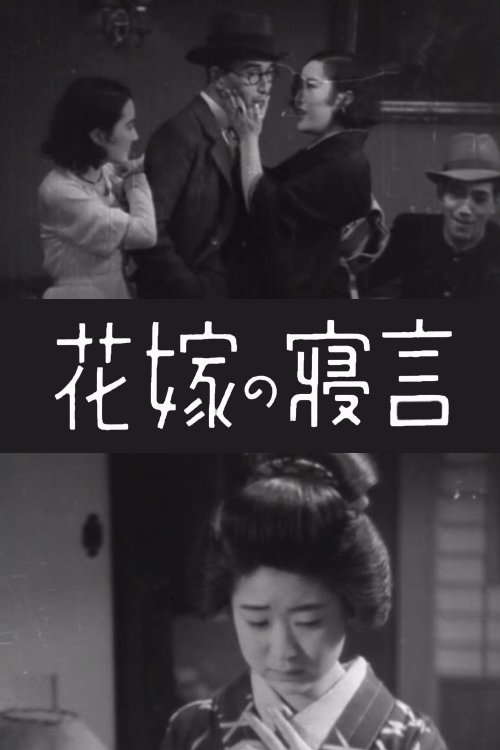
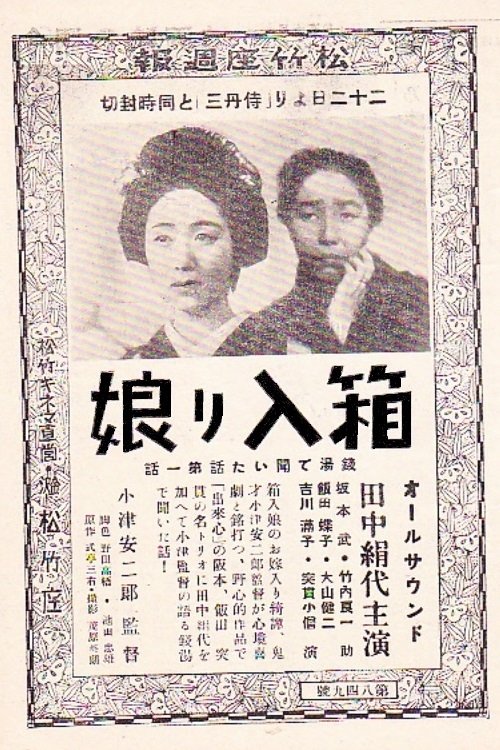
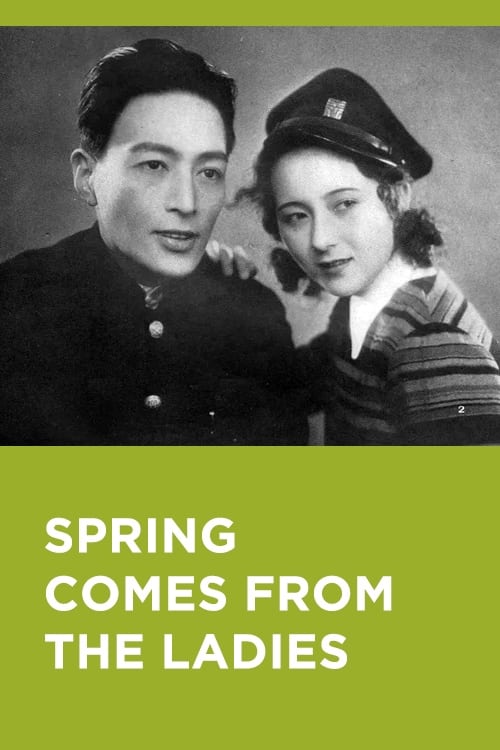
This pair of gentle yet witty and inventive comedies from the director of The Neighbour's Wife and Mine typify both the formal experimentation of early Japanese sound cinema and the social milieux that Shochiku tended to depict. 'Virtually plotless, and feeling more like comic sketches than fully developed stories,' writes Arthur Nolletti, Jr, 'these light comedies, or farces, take a wholly trivial matter (often a socially embarrassing situation) and use it as a springboard for a succession of gags.' Much of the films' distinction comes from the wit of Gosho's direction, the imaginative use of the new sound technology and the charm of the acting, particularly of the heroines (Kinuyo Tanaka in Bride; Hiroko Kawasaki in Groom). Yet in both films, Gosho finds room for some shrewd observation of character and environment, subtly exploring the values and assumptions of the suburban petit bourgeoisie.
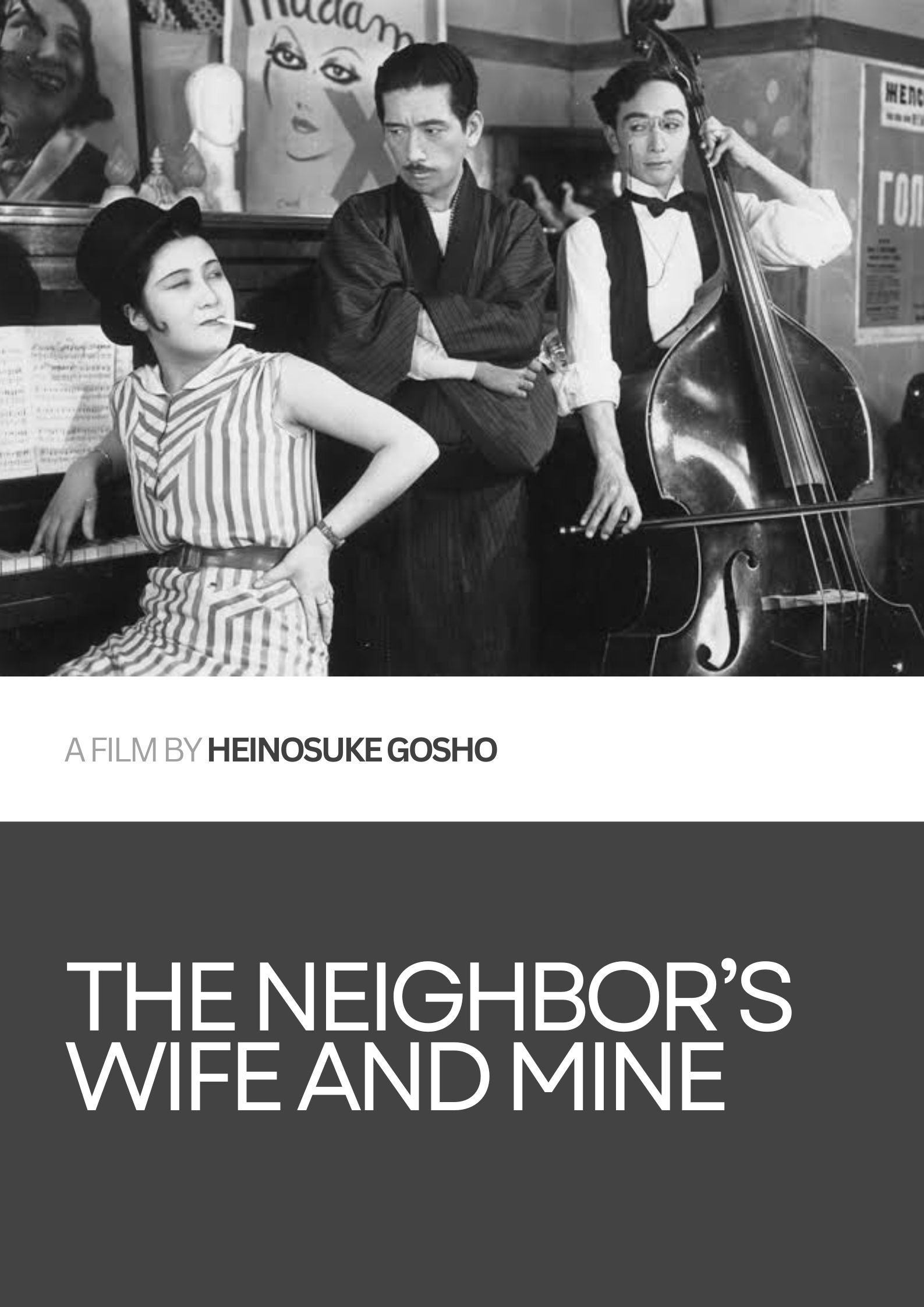
A playwright moves to a rural neighborhood to avoid the distractions of the city, but he discovers there are plenty of ways to get sidetracked in his new home, too.
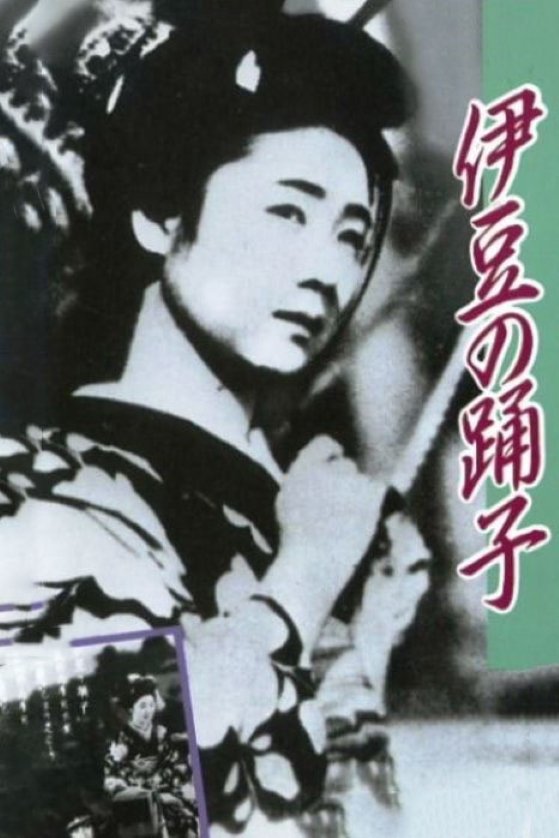
"The Dancing Girl of Izu" tells of the story between a young male student who is touring the Izu Peninsula and a family of traveling dancers he meets there, including their youngest girl. The student finds the naïve girl attractive even though he eventually has to part with the family after spending memorable time together.
1945 Japanese movie
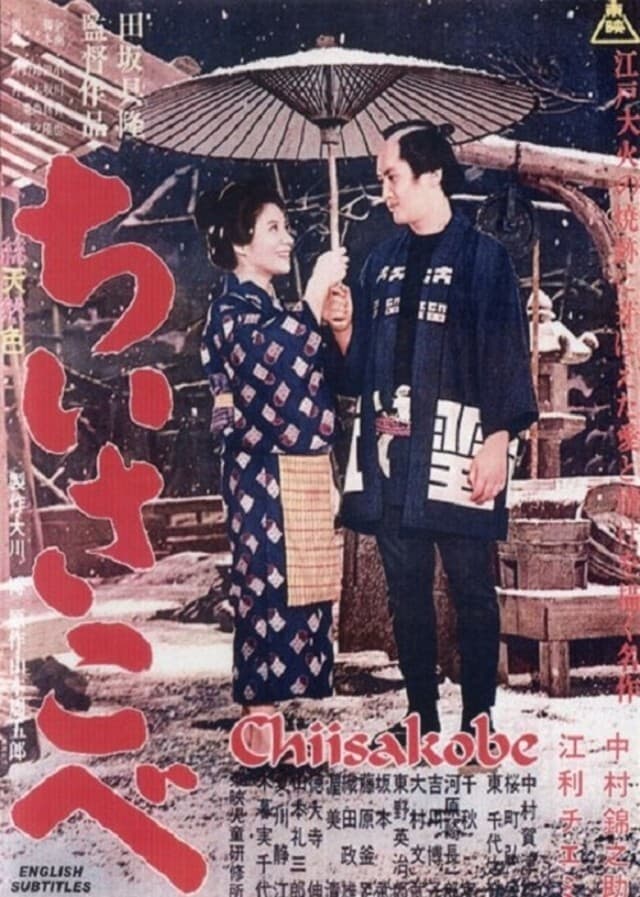
A carpenter, Shigetsugu, learns a lesson of love and humanity from five orphaned children and an affectionate woman named Oritsu. It's a winning combination of drama and humor. The warm friendship that grows between the carpenter, the woman and the children making this into a true masterpiece.
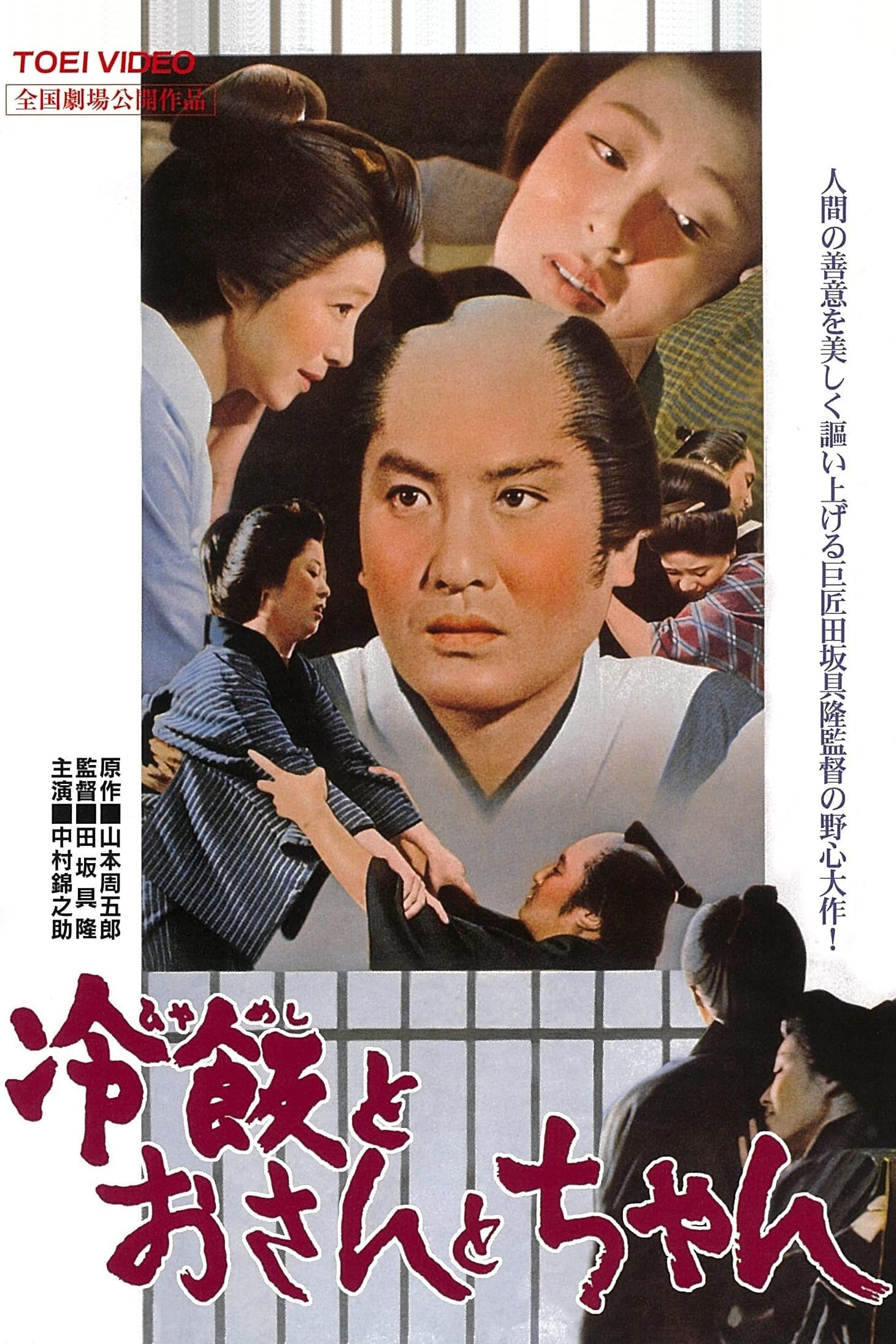
Three stories revolve around independence, a man searching for his wife, and a poor craftsman trying to make money.
Japanese mystery film marking Yuka Mizuhara's film debut.
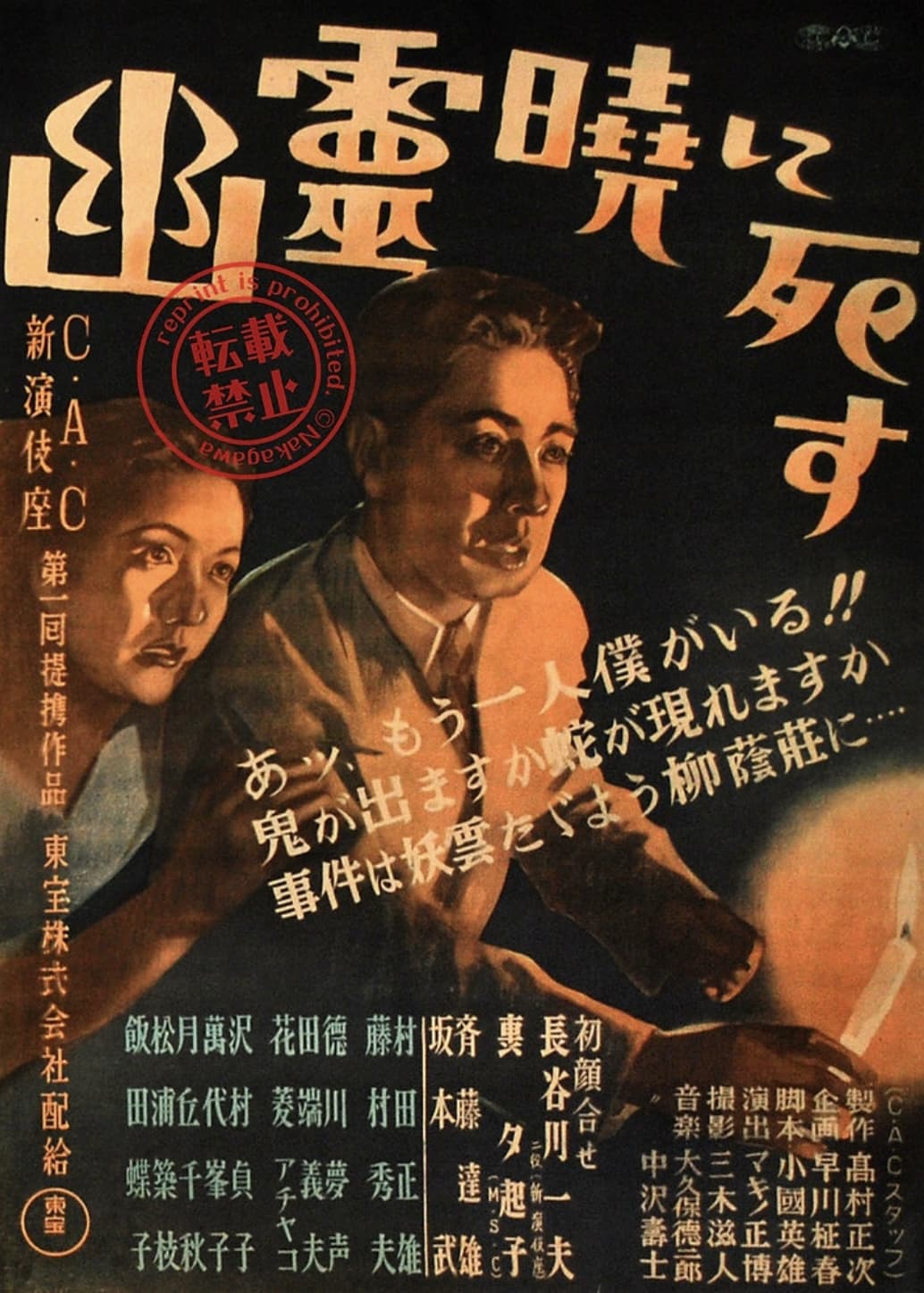
At the wedding of Kohei (Hasegawa) and Michiko (Todoroki), a whisper echoes along with a gust of wind. As if manipulated by the mysterious voice, Kohei takes Michiko to stay at a dilapidated mountain villa in his hometown. What awaited him there...
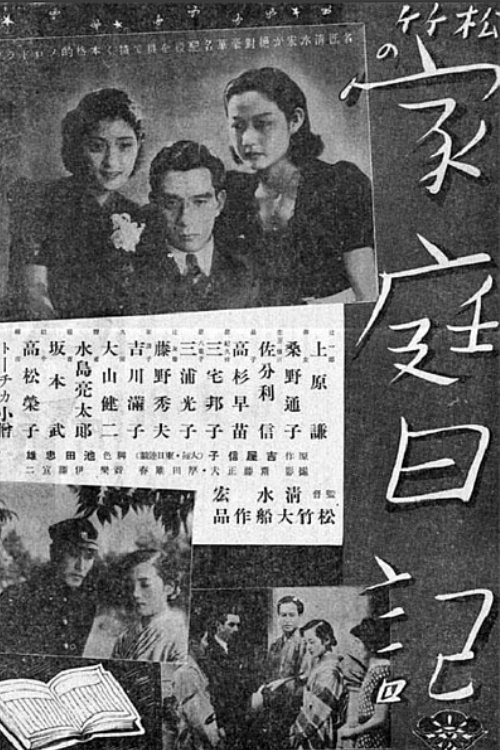
Two childhood friends go their own ways but meet again some years later after they have both married. They get re-acquainted, meet each others’ families, and all is well. Then the disagreements start...
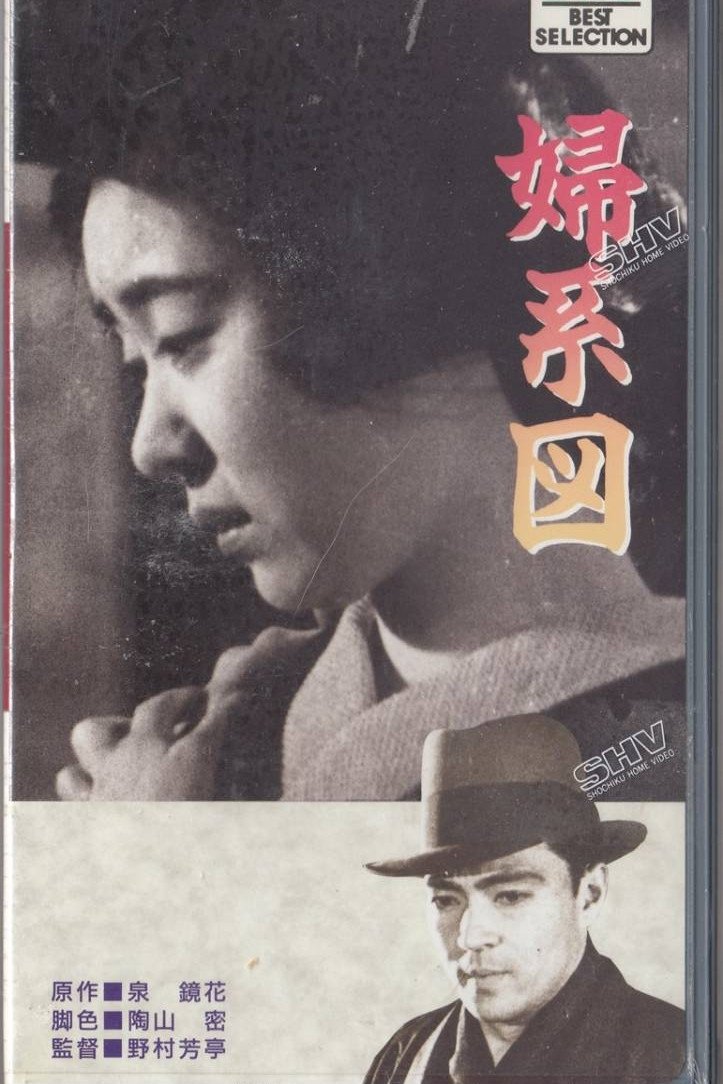
A melodrama by noted auteur and father of director Yoshitaro Nomura, Hotei Nomura. This is apparently the first adaptation of Izumi Kyoka's The Romance of Yushima.
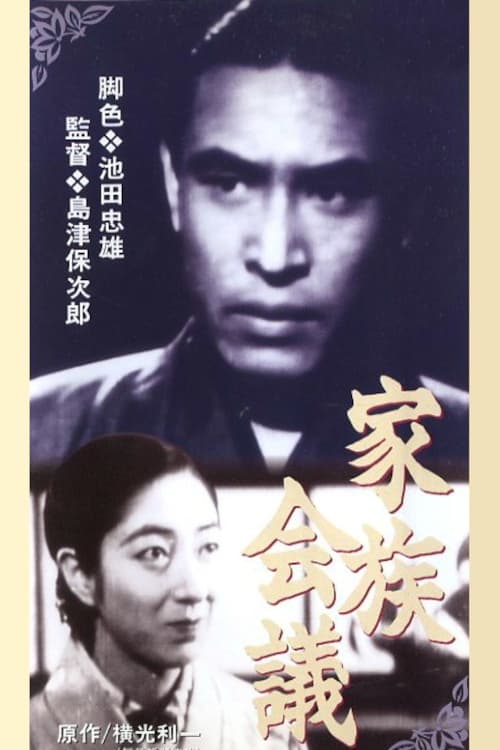
A melodrama about a businessman's relations with the three women in his life.
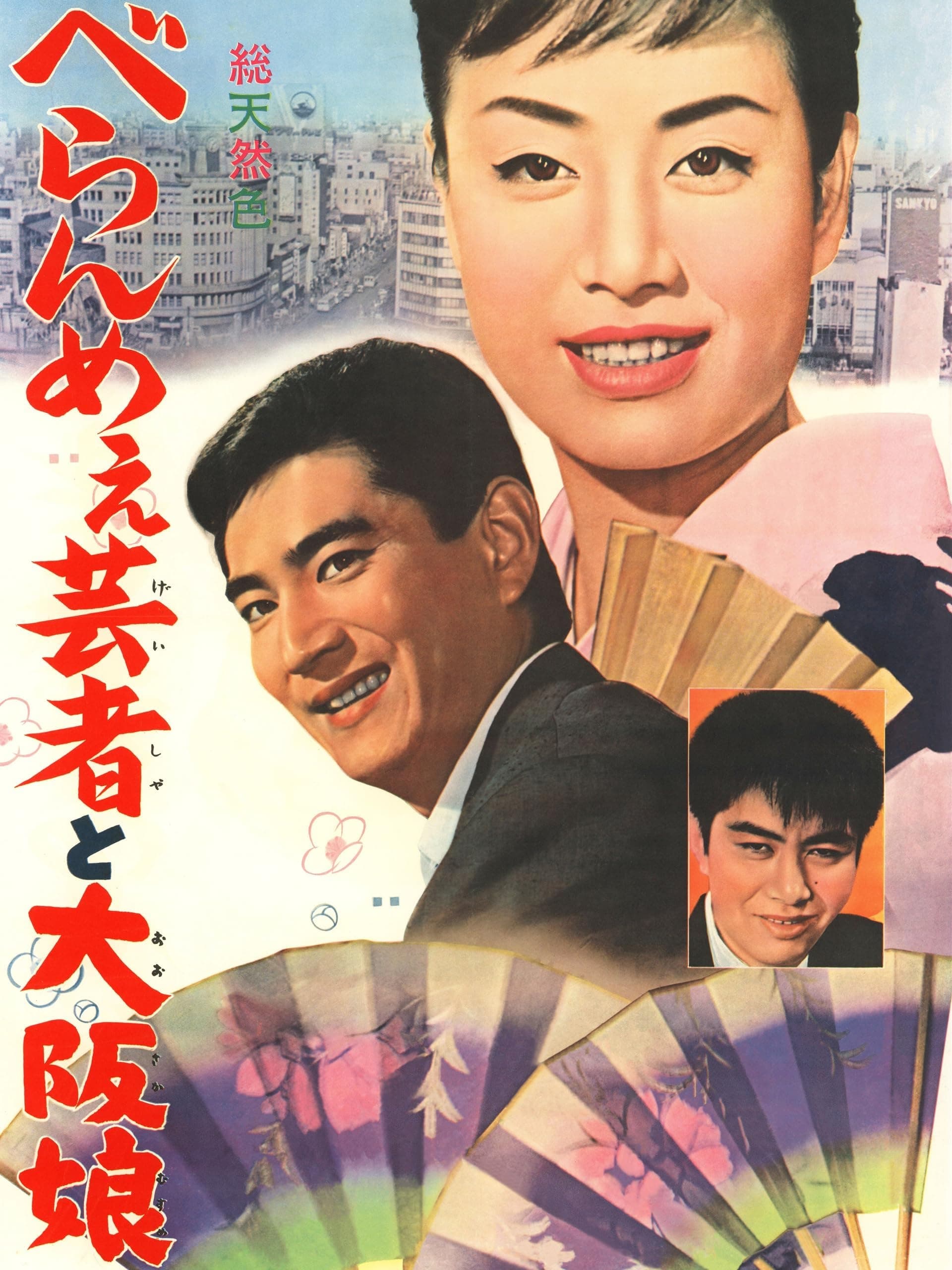
A geisha helps a runaway who looks just like her.
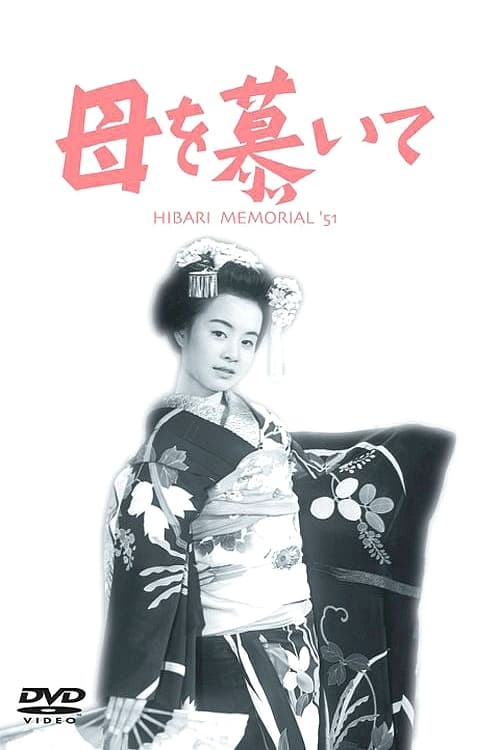
A human drama about the bond between parents and a child and family love. The daughter leaves her foster parents and ends up with her mother in Kyoto, who divorced her father, but her father in Tokyo, who has another family, takes her to himself out of guilt for breaking up with her. How does the daughter feel?
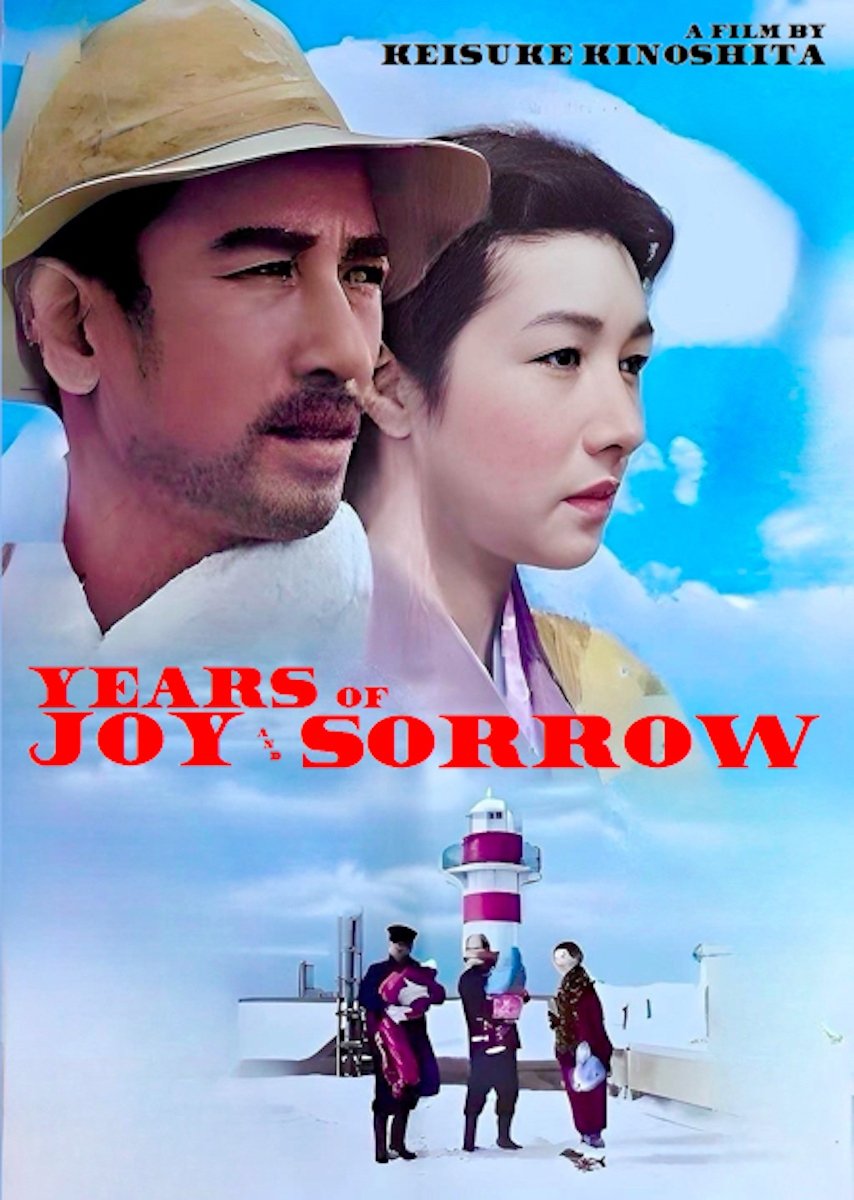
The story of the trials and tribulations of a lighthouse keeper and his wife.
Live-action adaptation of Yoshiro Kato’s manga.
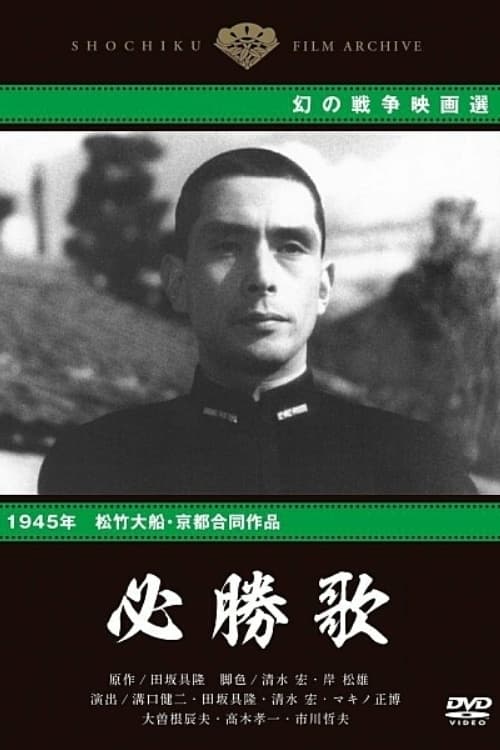
An anthology of thirteen patriotic stories about Japanese citizens contributing to the war effort.
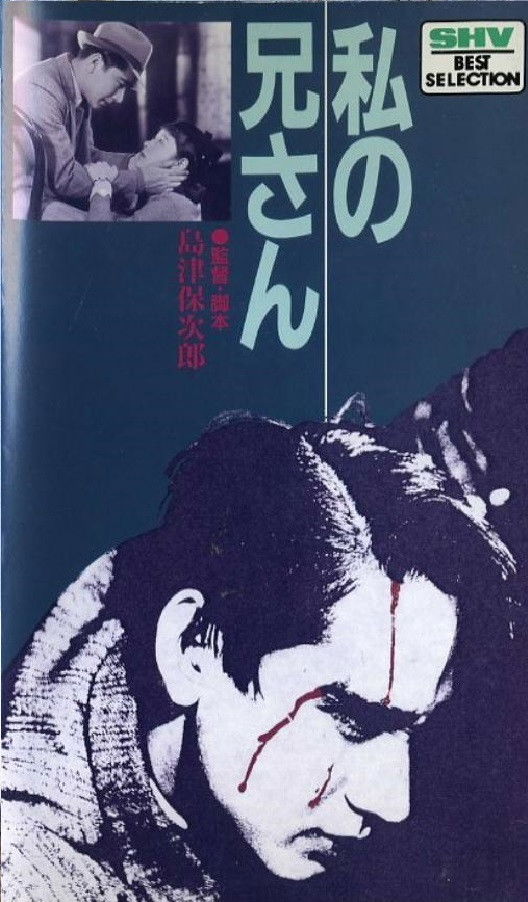
Jyuta, an honest owner of a taxi company, has a younger half-brother who is involved in the yakuza world and doesn’t get along well with his mother. Jyuta tries to correct him…
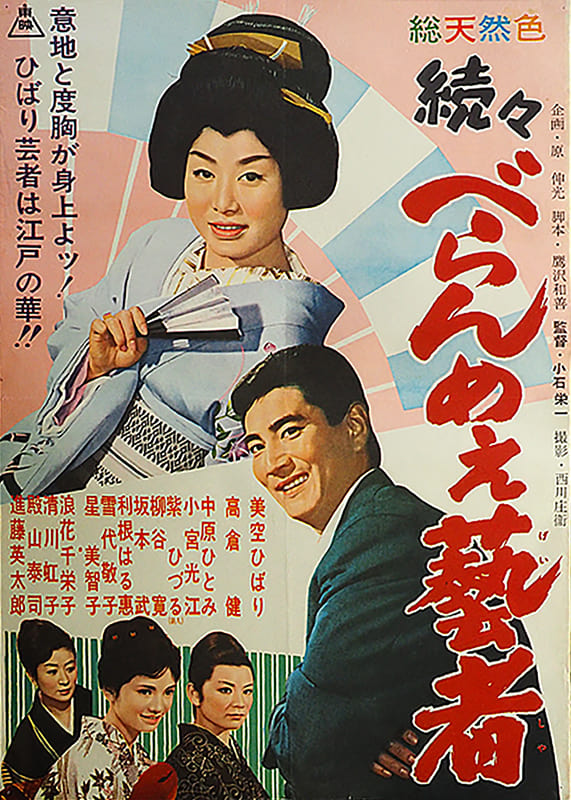
Popular geisha Koharu suspects that Yusaku, a handsome stranger she falls in love with, is involved in a robbery of precious diamond.
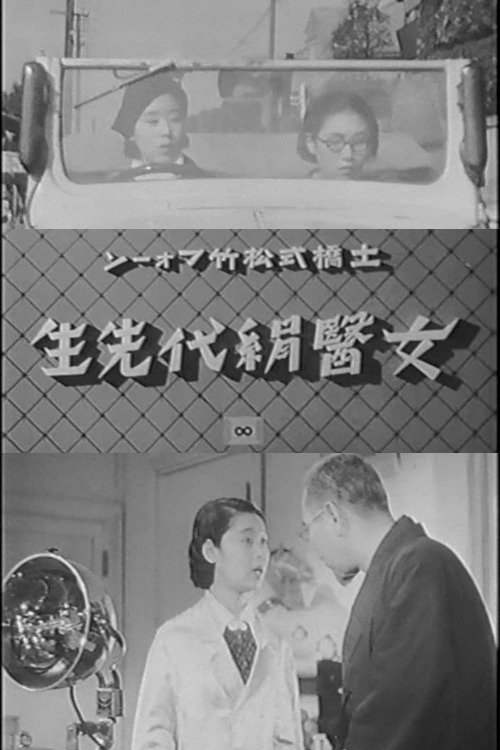
Kinuyo is a daughter of doctor of Chinese medicine, and Yasuo is a son of surgeon. Their families always fight like cat and dog. This relationship is ancestral. Although Kinuyo and Yasuo love each other, they have different thoughts toward treatments.
A 1937 Japanese film.
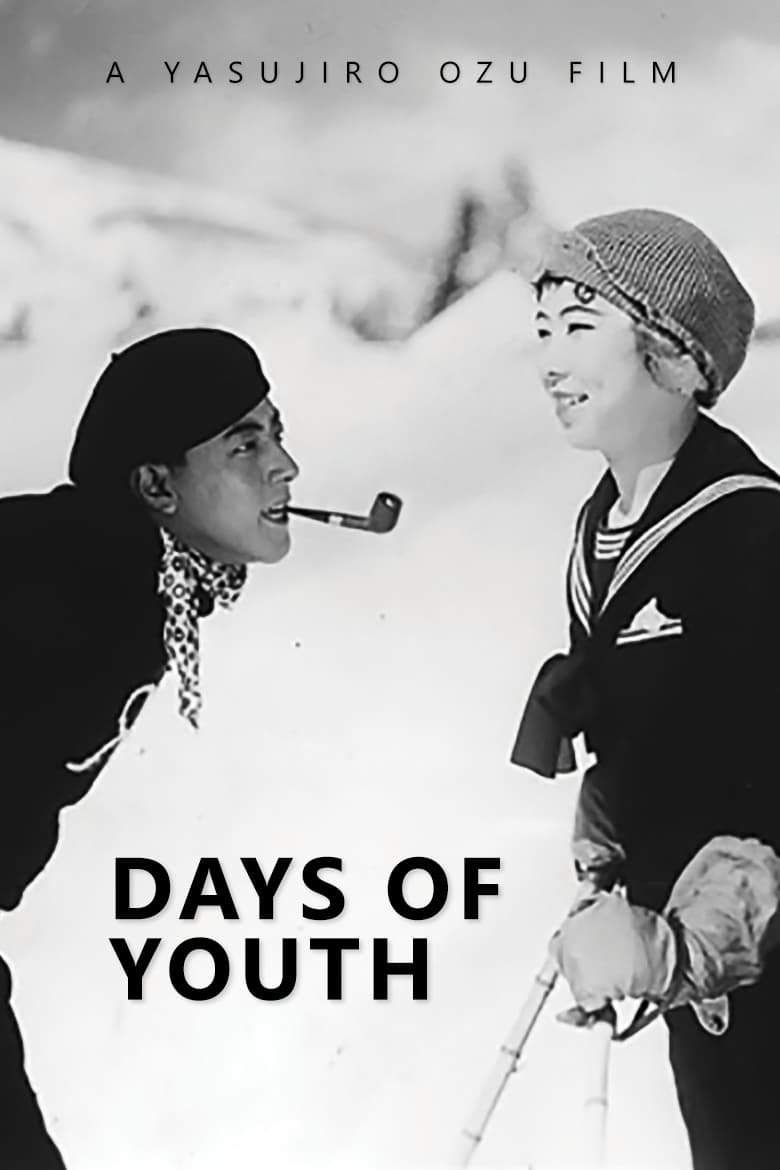
University friends Ben and Shūichi unknowingly vie for the attention of the beautiful Chieko while on a skiing trip.
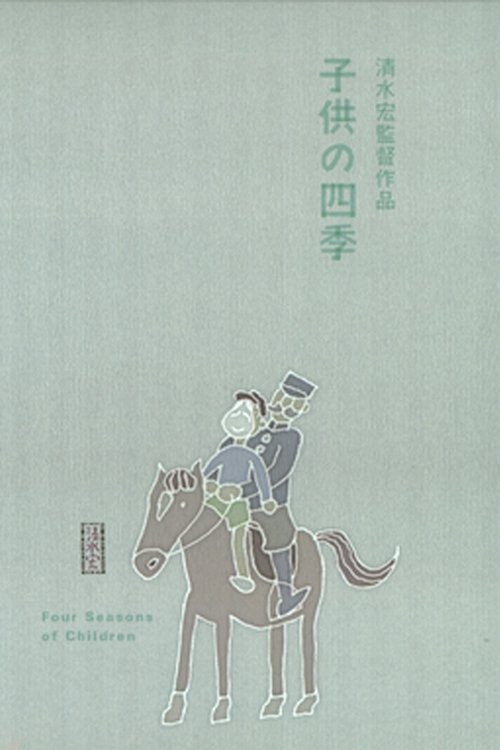
The brothers of Children In The Wind deal with declining family fortunes: they must work when the father becomes sick, and eventually live with their grandfather, which means making new friends and struggling with a different environment.
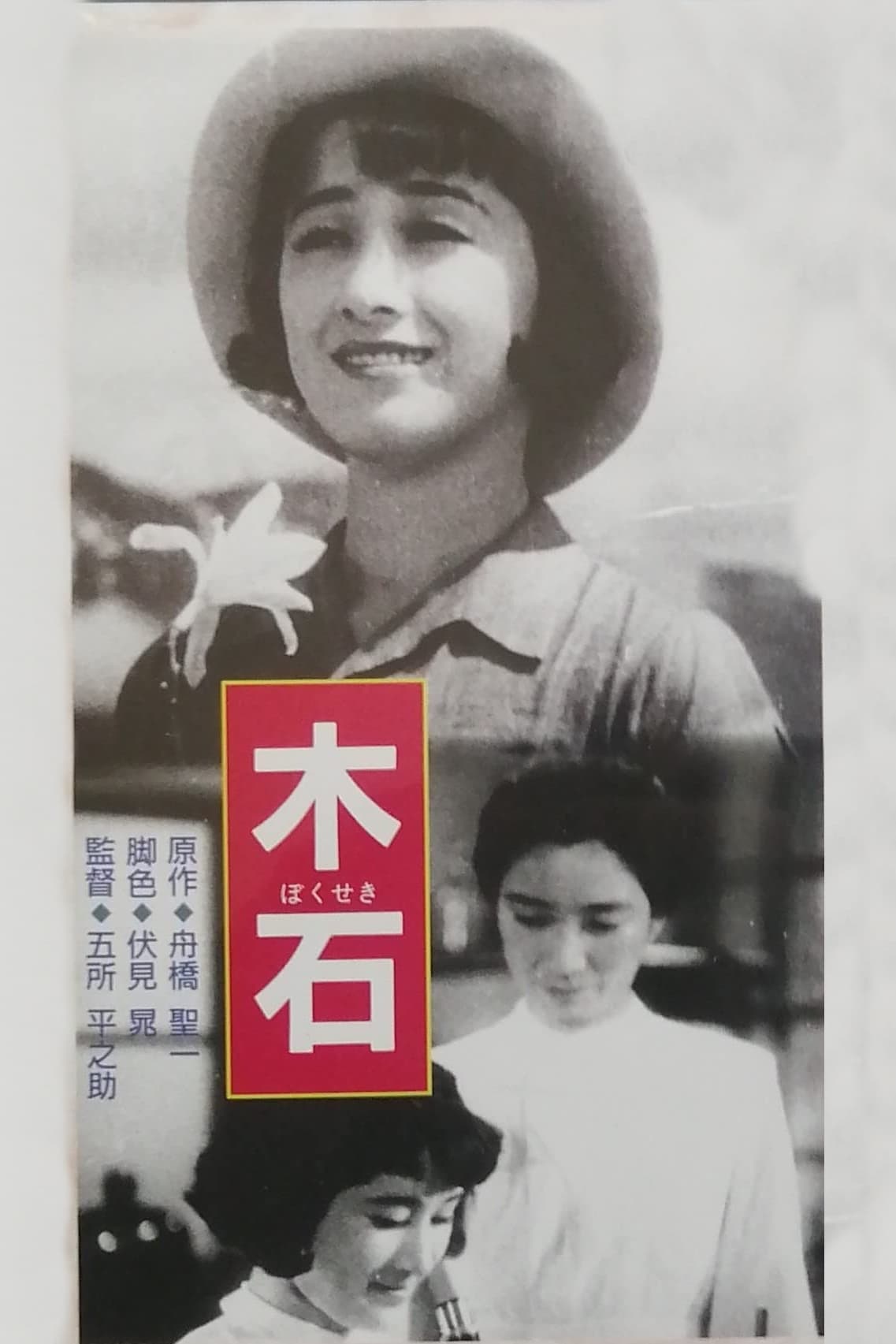
Movie about a devoted and single woman and her daughter. The mother's nickname is "Bokuseki" (wooden head) because of his supposed stubbornness. No.10 in the list of "The 10 best films of 1940" by Kinema Junpo.
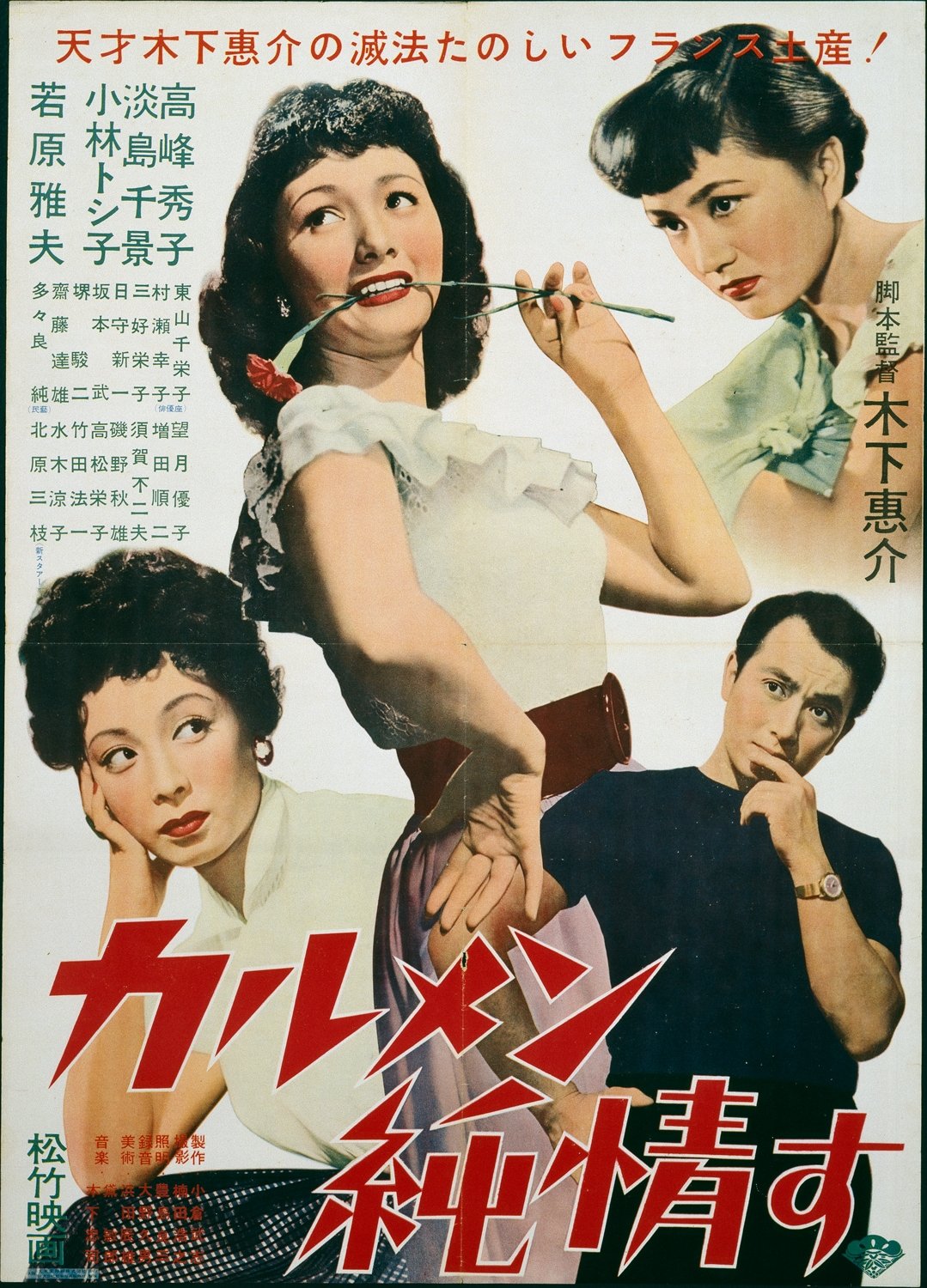
Strip dancer Carmen falls in love with Hajime, who is engaged to the daughter of a right-wing politician.
A Japanese film
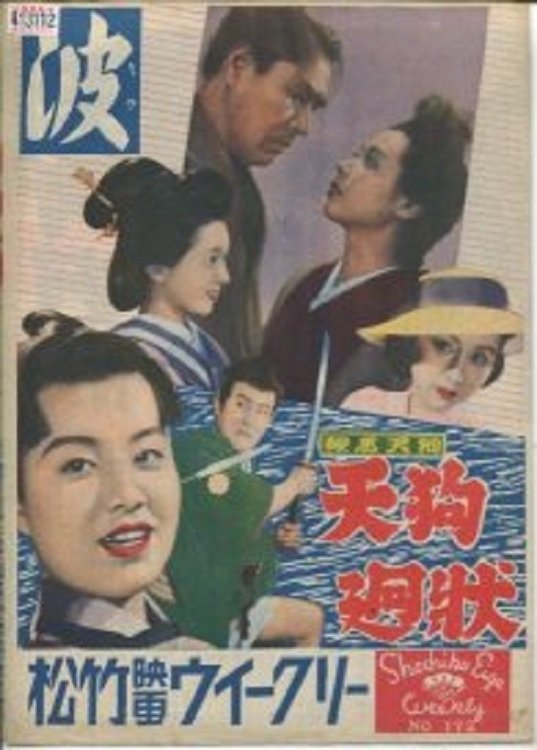
Before a young woman can be sold to a geisha, she becomes pregnant.
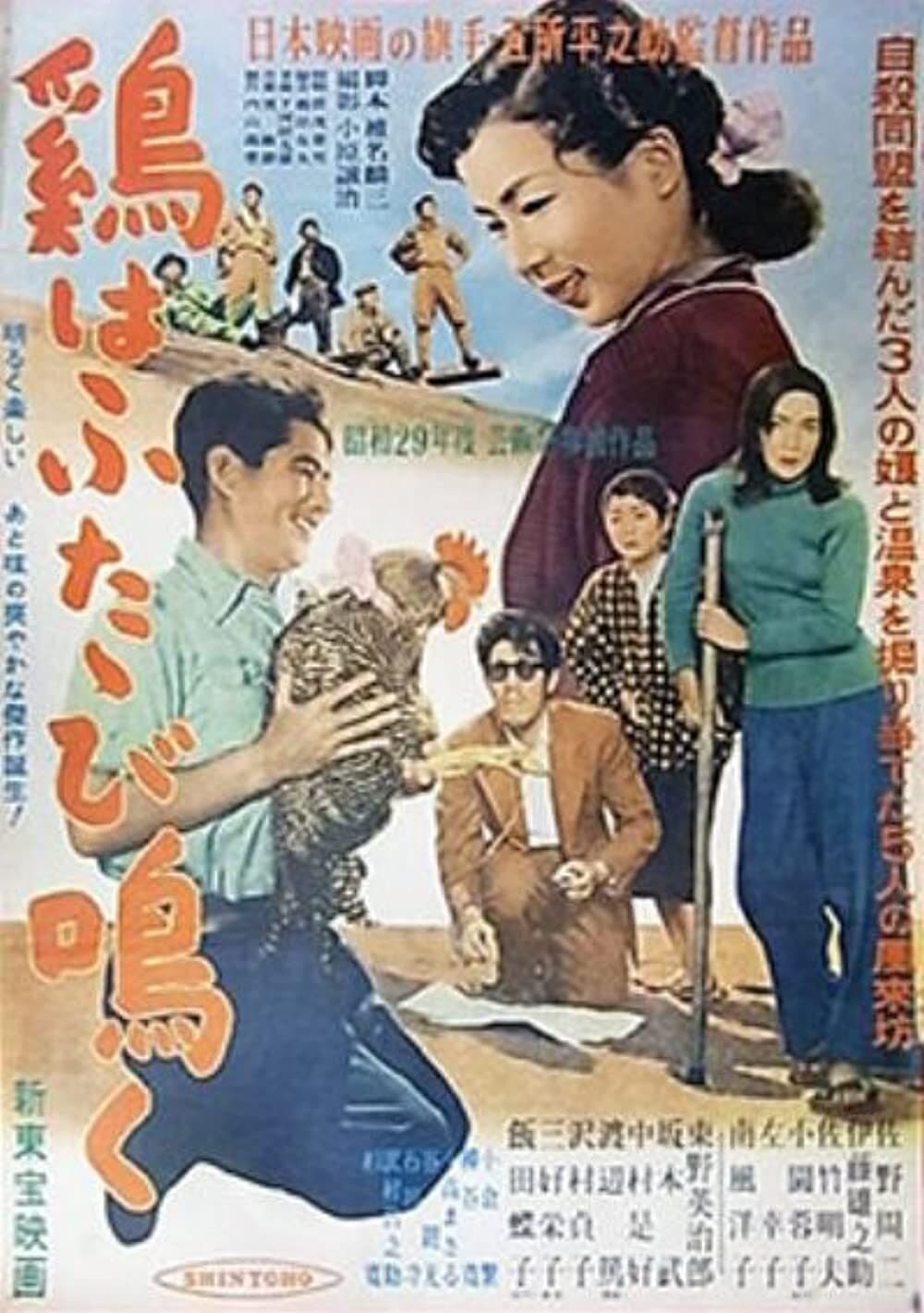
Three young women make a suicide pact, but they grow to have a better understanding of themselves.
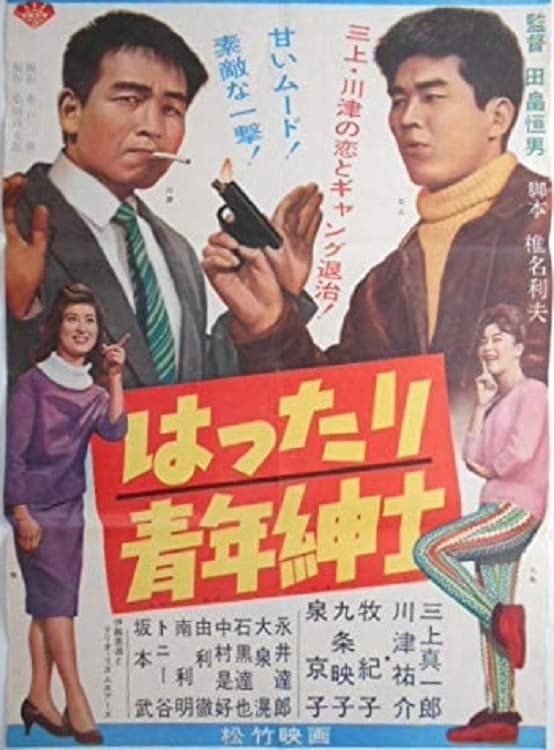
Japanese comedy film.
A young couple is harrased by an uncle.
A wealthy family will not allow the military to grow crops on their fields due to their superstitious beliefs about their son's illness.
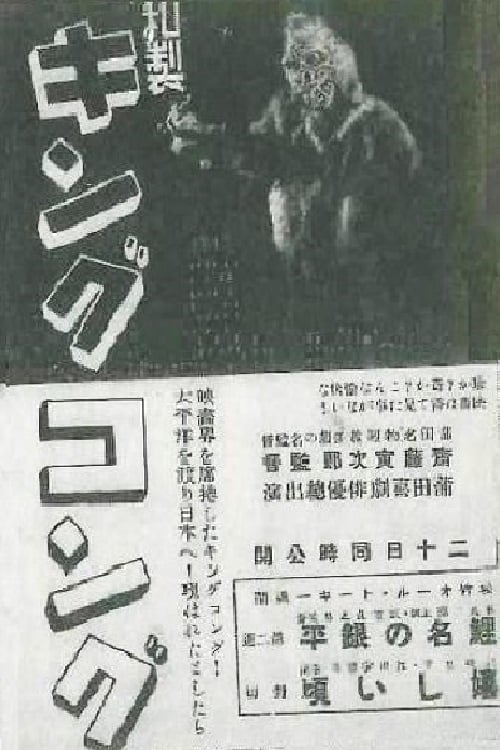
A silent 3-reel comedy short that uses the 1933 film King Kong as a backdrop to the story. It was produced by Shochiku Studios (who released the original 1933 film in Japan on behalf of RKO). It is now considered to be a lost film.
A President of the confectionery company announced his retirement, and his sixteen year old granddaughter, Madoka was ordered to be a new head. But Madoka wants to be a stage dancer, so she won't concentrate her office job. Madoka meets Akiyama, a stage director. Akiyama introduce her to his neighbors. In among poor but open minded people, Madoka has changed. Her new ambition is her company provide nice sweets for children. She decide to focus on the office job. But she doesn't know that company executives has conspiracy against her...
A boy falls in love with a girl. Neither of them know that she's to be sold to a brothel.
A salaryman finds some money in the street and gets a reward for returning it to its rightful owner. However his colleagues immediately start borrowing money and selling him things he doesn't need, much to his wife's annoyance. Considered to be a lost film.
In a back alley of the Shitamachi district of Tokyo, Kihachi bears witness to a series of romantic complications involving the inhabitants of the neighborhood. Considered to be a lost film.
A student comes up with various schemes to avoid paying a tailor the money he owes him. Considered to be a lost film.
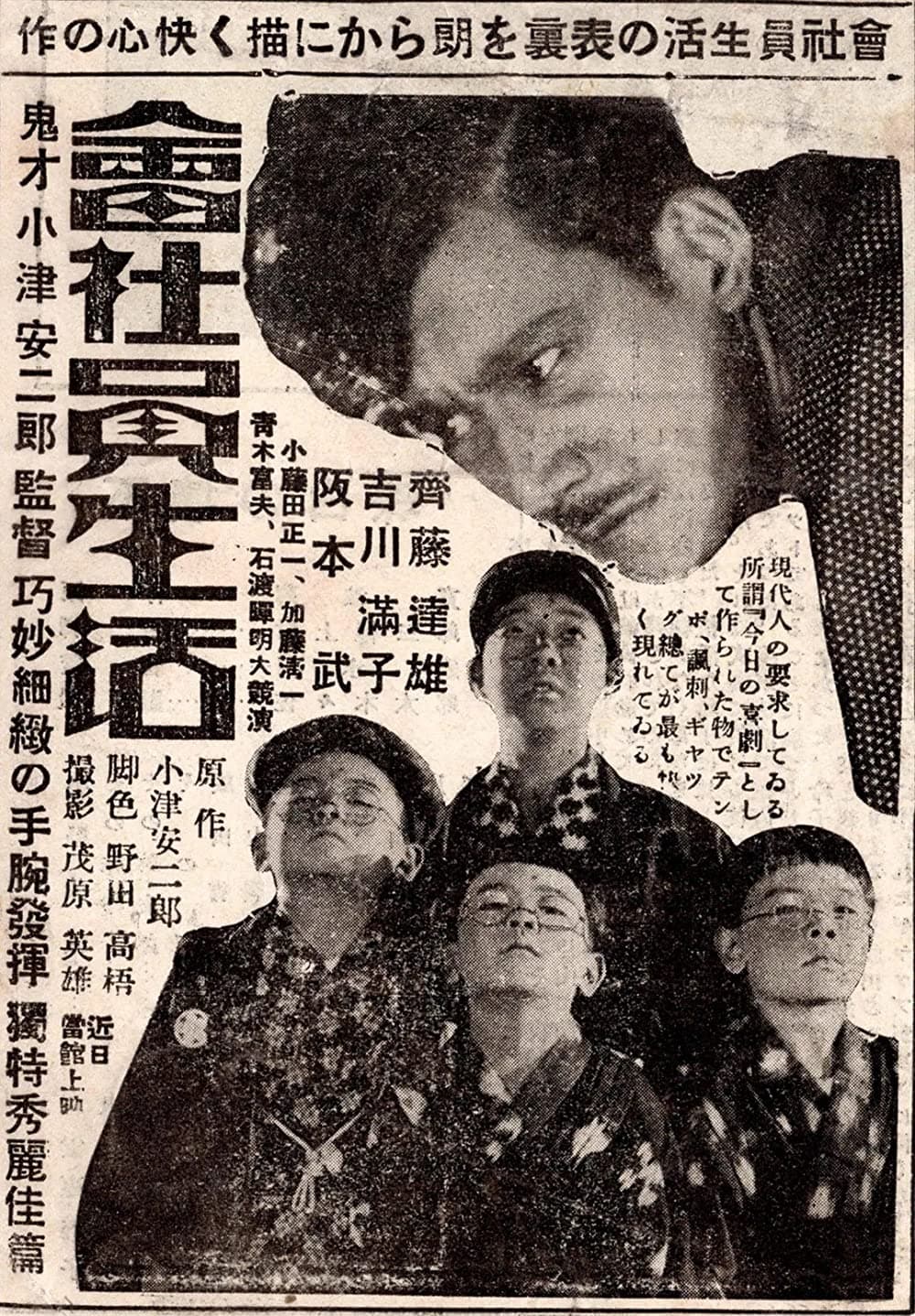
When Tsukamoto is made redundant he cannot bring himself to tell his wife. Instead he investigates other employment opportunities. Considered to be a lost film.

Comedy about a young man juggling several girlfriends. Considered to be a lost film.
A married man falls for a dancer and his wife's uncle hires a private detective to spy on him. Considered to be a lost film.
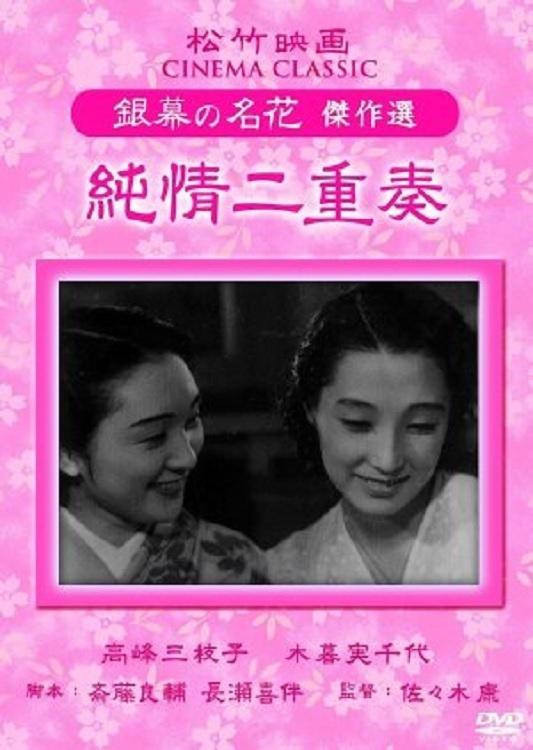
Melodrama about a talented singer who finally makes her debut
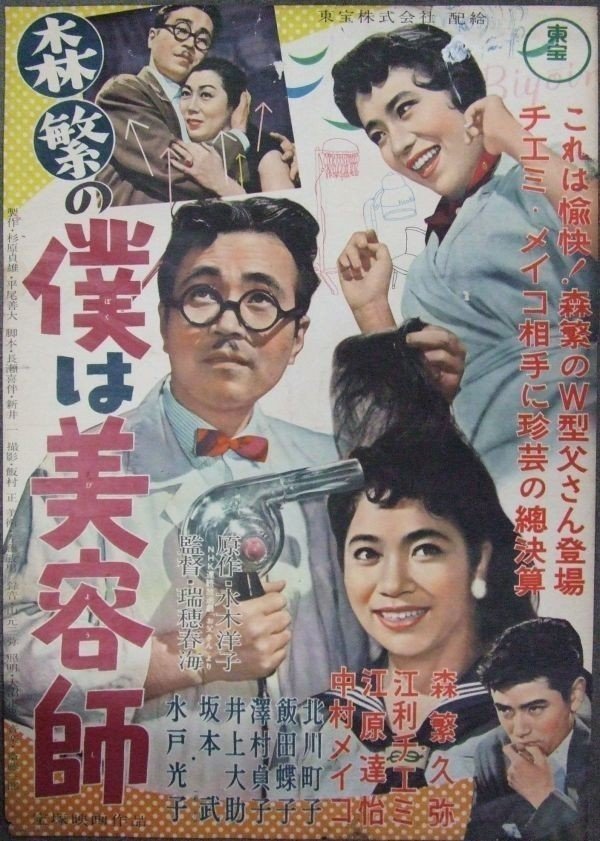
A reformatory in the remote countryside houses 200 delinquents and problem children. The teachers and caretakers face much trouble. The school is often short on water, and one day, the well runs dry.
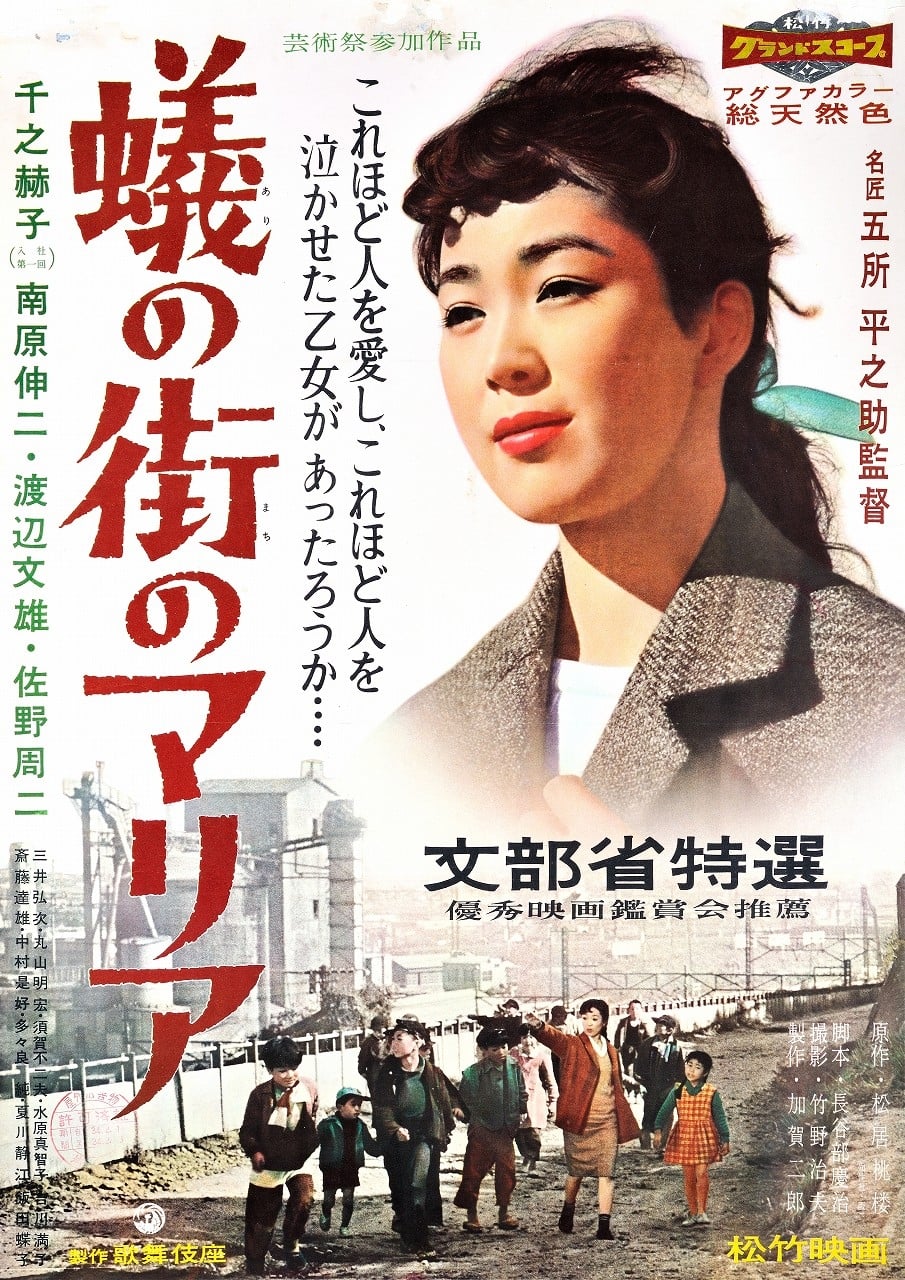
Alongside Tokyo's Sumida River is a ragpickers' settlement known as Ant Village. One night, a young Catholic girl, Satoko Kitahara, who has been baptized under the name of Maria, comes to offer her services. However, Ant Village is not just an ordinary vagrants' community but a fine autonomous organization, and as the municipal authorities have long been demanding that the people of Ant Village leave the site, Satoko is utilized to publicize the Village and win public sympathy. While being utilized in this manner, Satoko is nevertheless glad to be able to help the people of Ant Village, especially the children, and when the summer vacation comes she decides to take the children on an excursion to Hakone. To raise funds for this purpose she becomes a rag-picker herself.

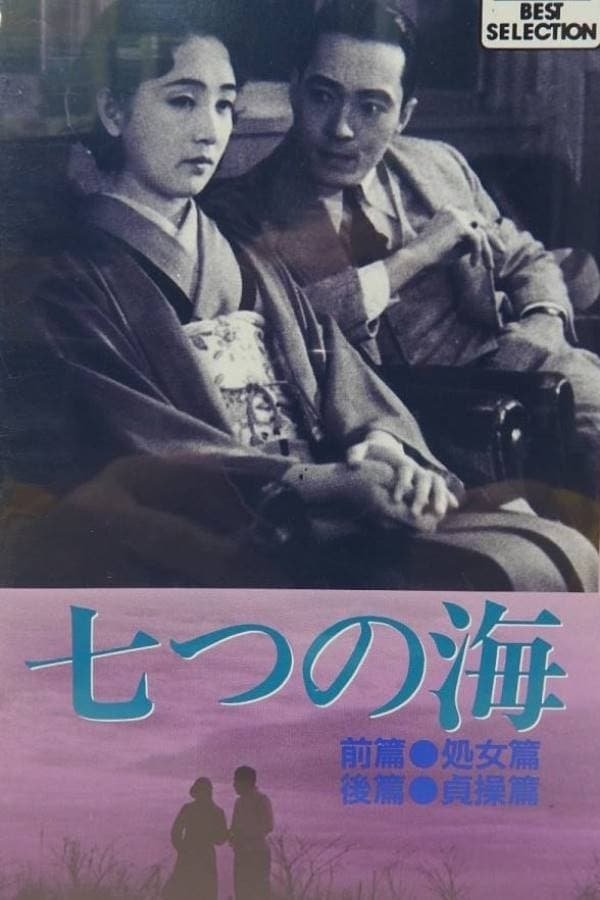
Part two of Shimizu's major silent Seven Seas, a family drama of the intertwining fates of the rich, decadent Yagibashis and the far less prosperous Sone family.
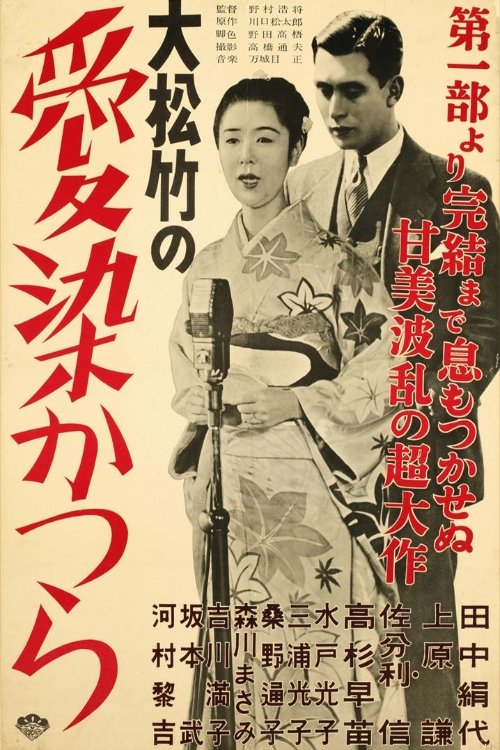
A young doctor, Kozo Tsumura, falls for young nurse Katsue Takaishi. But she's got a secret: she's a widow with a son. Kozo and Katsue decide to run away to Kyoto, but her child suddenly became sick and she just missed the train and Kozo. She makes it to Kyoto finally, but is unable to meet him. Plus she isn't accepted into Kyoto society. She goes back to her hometown and tries to forget him. She quits the hospital to concentrate on her singing. She makes her professional debut with the hit "Aizen Katsura". Kozo is in the audience.
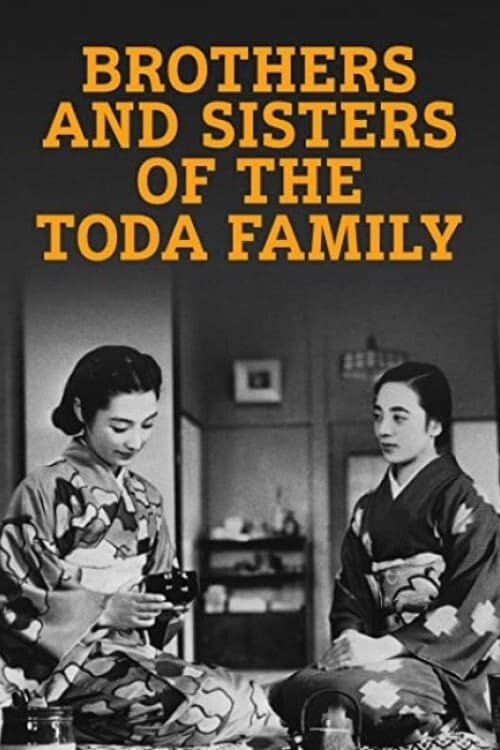
After the death of her husband, an elderly woman and her youngest, unmarried daughter are forced to sell their house to cover his debts and decide to move in with one of the former's children, each of whom is scarcely happy to accommodate.
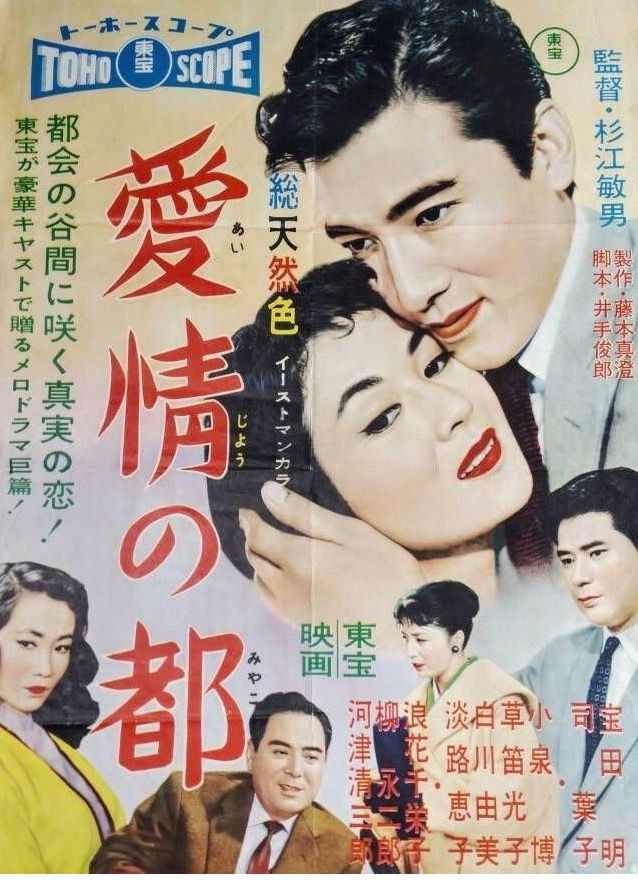
Aiko, a bar hostess, falls for the son of a company president who also keeps a mistress, and whose family disapproves of his relationship with the bar hostess.
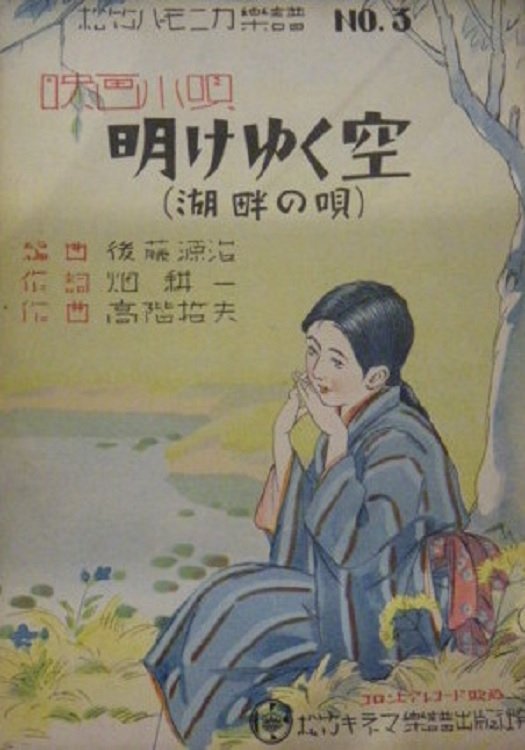
A melodrama about an orphan and her mother who are separated and lose contact, but are later reunited.
A woman marries, gives birth to a stillborn child, and divorces, falls in love with a hotel-keeper, only to find herself subordinated to his drive for success, takes up with a tailor who cannot console himself with her strong personality.
Adaptation of Kishida Kunio's novel. Set against the backdrop of a power struggle within a hospital, depicts the love lives of the director's daughter, the administrative director, a doctor, and a nurse.
A pair of blind masseurs, an enigmatic city woman, a lonely man and his ill-behaved nephew—The Masseurs and a Woman is made up of crisscrossing miniature studies of love and family at a remote resort in the mountains. With delicate and surprising humor, Hiroshi Shimizu paints a timeless portrait of loneliness and the human need to connect.
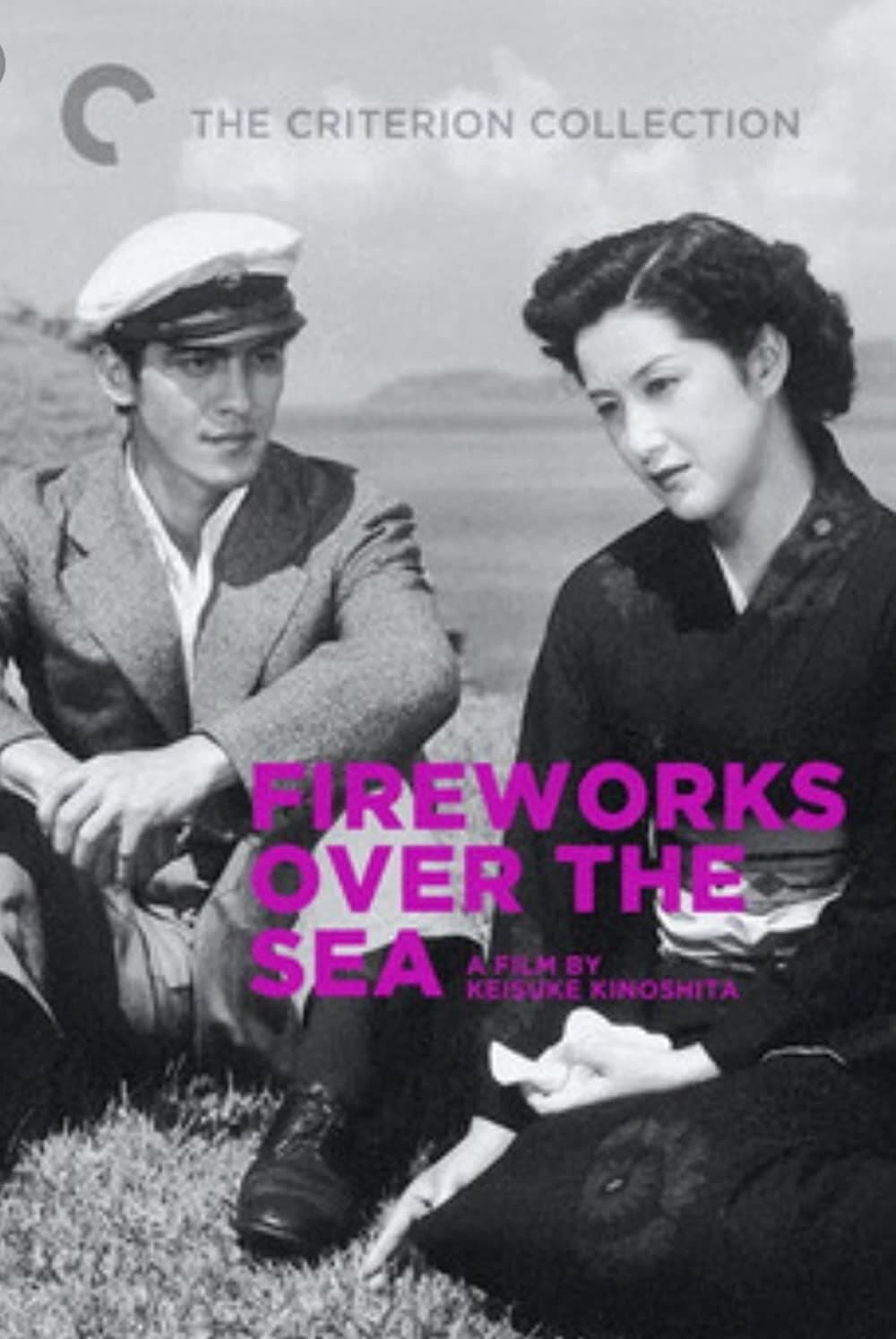
A fishing union depends on two brothers to make up the losses caused by the dishonest captains they replaced.
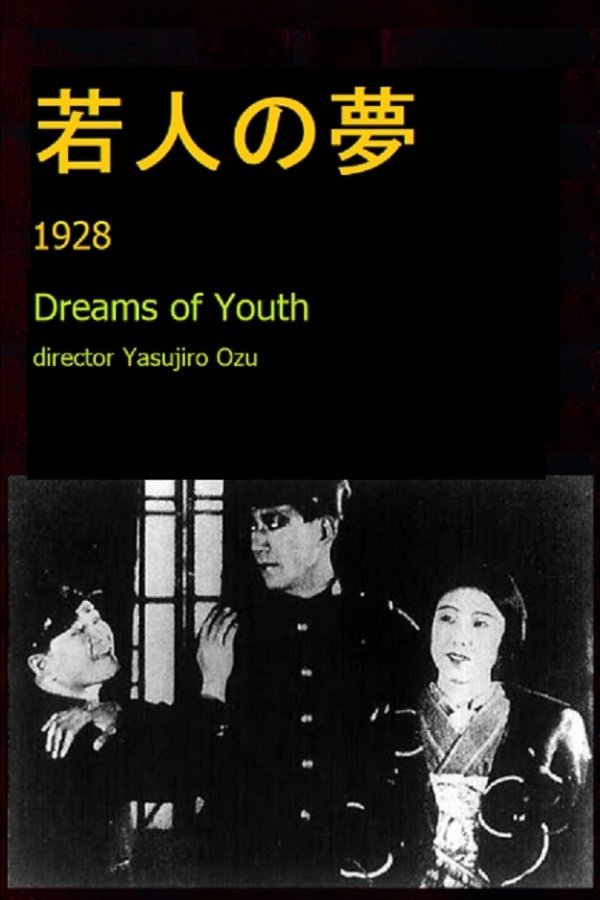
Lost silent film
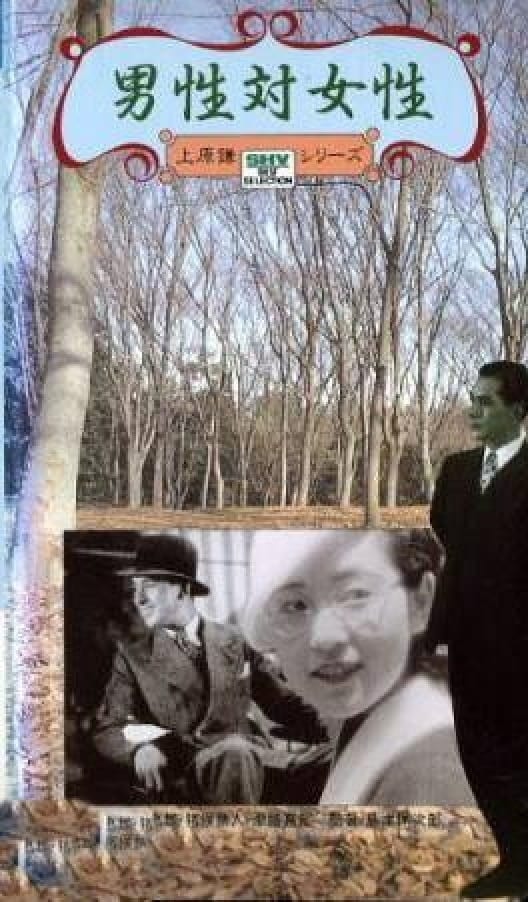
A musical film made for the inauguration of Shochiku's Ofuna Studio, with an all-star cast of the era.
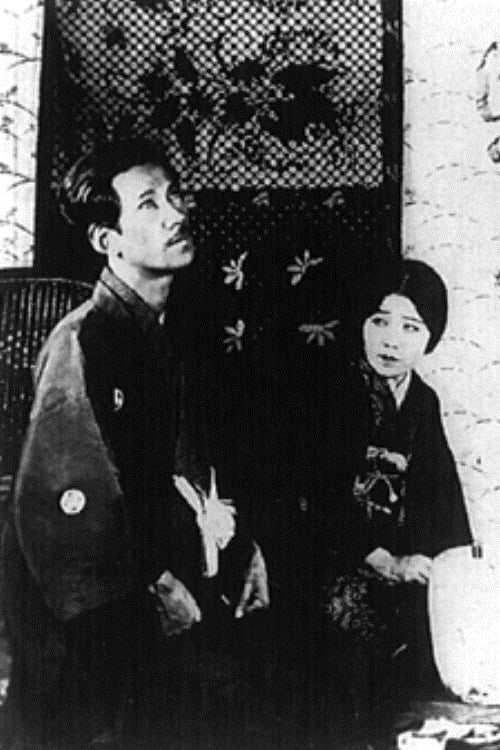
A hen-pecked man works as his artist wife's model and a house-husband. When her patron flirts with her and humiliates him, he decides to get revenge by trying his own hand as a painter. Considered to be a lost film.
In a Tokyo boarding house a group of students and recent graduates struggle to complete their studies and find jobs. Considered a lost film.
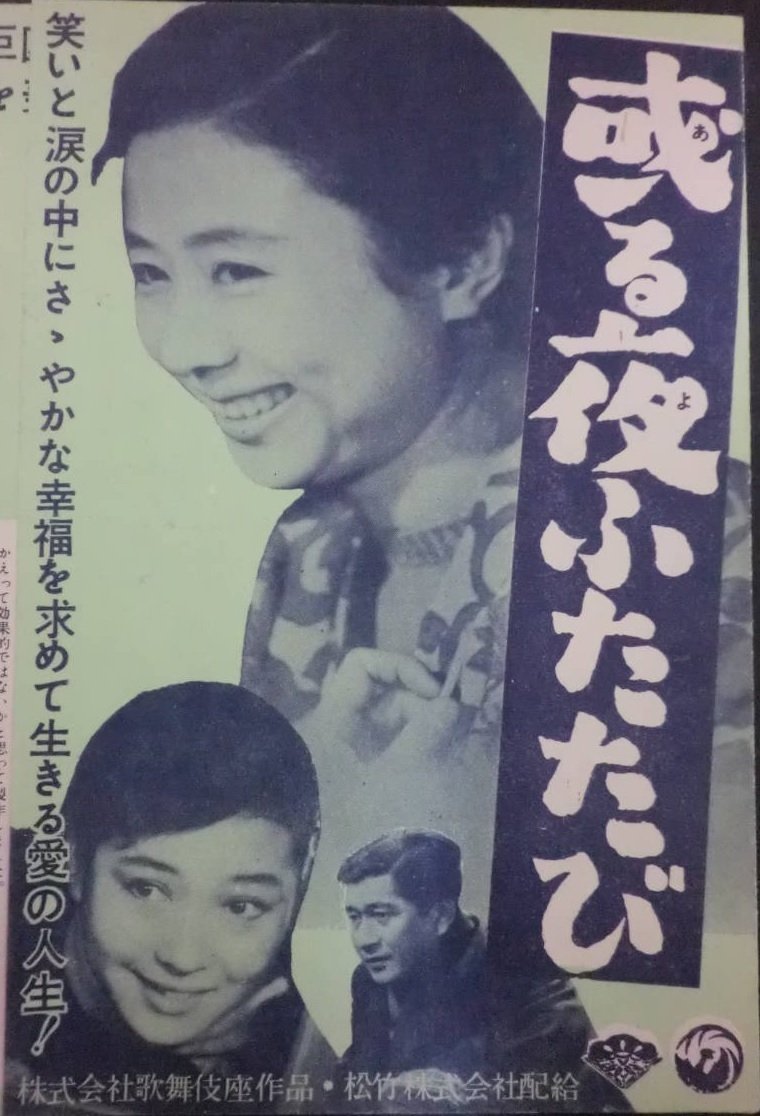
Poor social conditions badly affect the relationship between a married couple, when the husband, who is desperately searching for work, fails to notice the terrible sacrifices made by his wife when she accepts a job at a local inn.
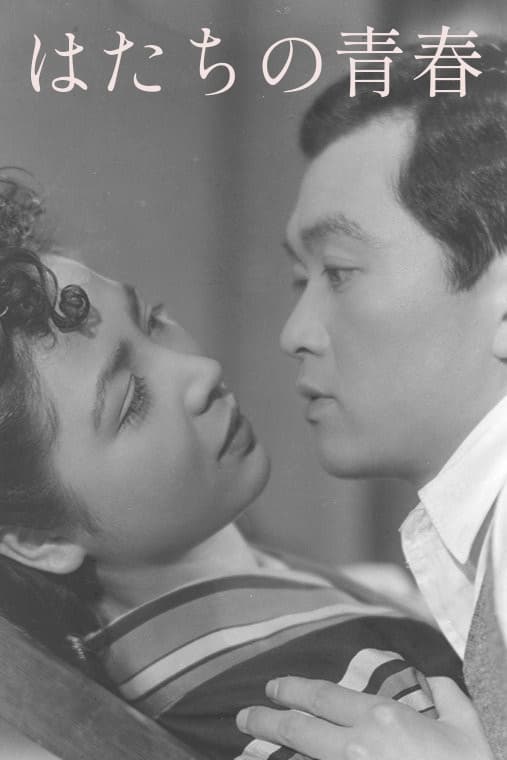
The film features the first scene with kissing in a Japanese film. Kiss scenes were encouraged by the American occupiers of Japan following World War II as it encouraged westernization and contrasted with the traditional bow prevalent in that country.
Michiko gets pregnant after a rape. She marries a boring business partner of her father to avoid the shame. Later she meets the rapist again who is now a union leader in opposition of her husband.
A young couple flee their disapproving parents, get lost of Mt. Akagi and find a cache of gold protected by the ghost of a gangster.
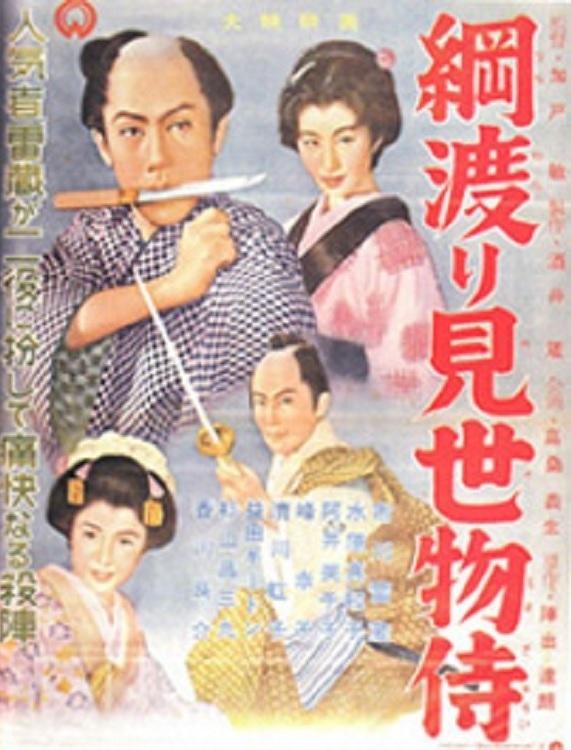
Rikitaro and Osayo are popular entertainers who throw knives. They are sweethearts. At one day They help Ocho, who is a beautiful pickpocket when she is attacked by Ronin. in Asakusa, However, they come to be surrounded by doubtful Ronin after that. Moreover, Rikitaro is called to stop by Kajima of Edo-Karo of Nihonmatsu-Han. He calls him a young lord and treats Rikitaro as one, because his young lord, Tetsunojo is missing. Kuni-Garo makes a plan to carry out. Kikumaru, the younger brother of the mother difference in him instead of Tetsunojo, Since Rikitaro is just like Tetsunojo, then, they are convinced that it is Tetsunojo of Rikitaro. Rikitaro and Osayo decide to help Kajima and Tetsunojo. Finally they success to crush Kikumarsu's group.
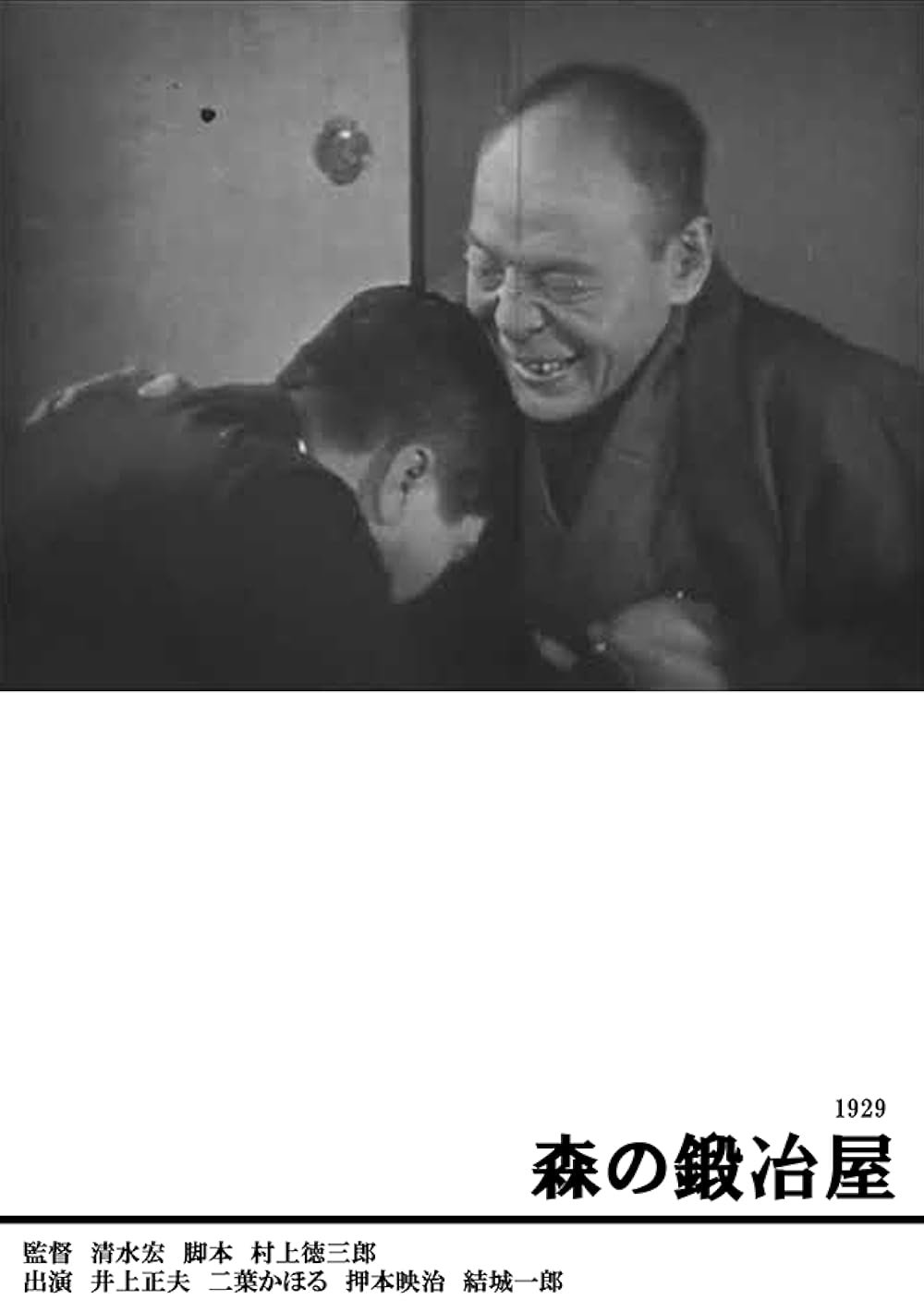
A blacksmith is chased out of the village by the sinister village chief and forced to move to the forest with his wife and two sons. The blacksmith's younger son is disabled, and the other children in the village tease him. The older son aspires to become a doctor in order to fix his brother's leg. The film depicts the bond between a father and his sons. Only 18 minutes survive.
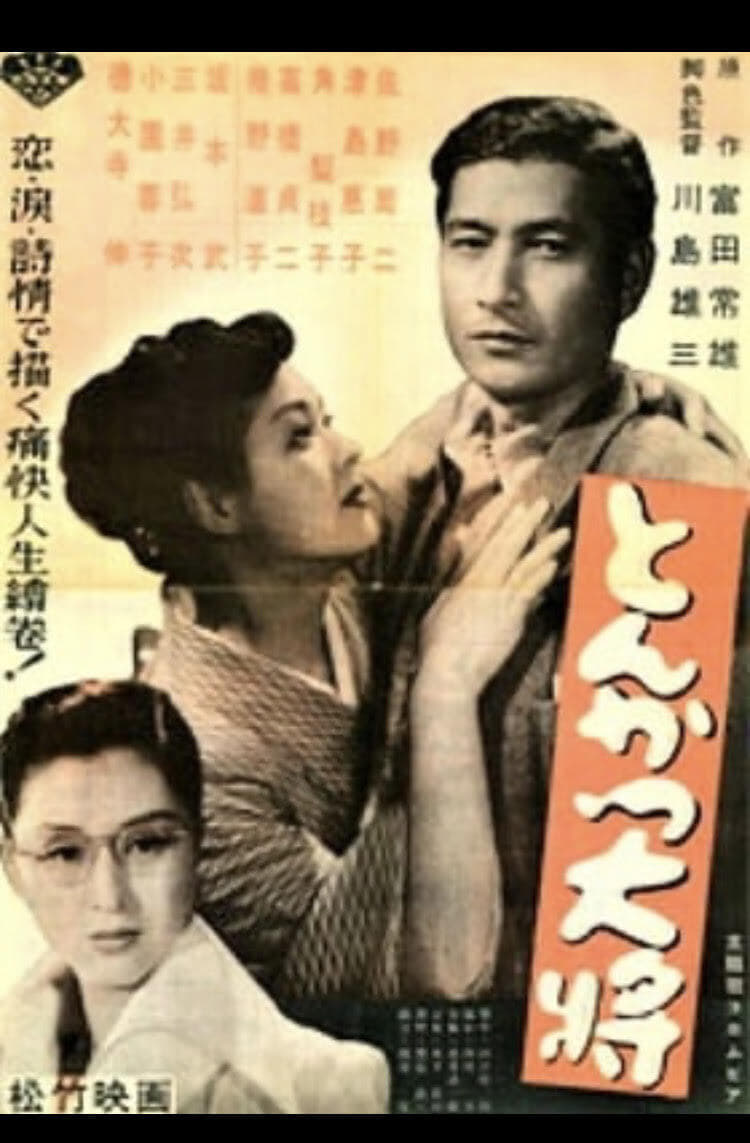
It chronicles the experiences of a neighbourhood doctor, whose taste for tonkatsu (a popular Japanese dish, similar to a pork schnitzel) earns him the nickname ‘the pork cutlet prince’ (‘Tonkatsu Taisho’, the film’s Japanese title) from the affectionate residents of the tenement in which he lives. When a local hospital, run by a female doctor, plans to expand, the future of the tenement is called into question.
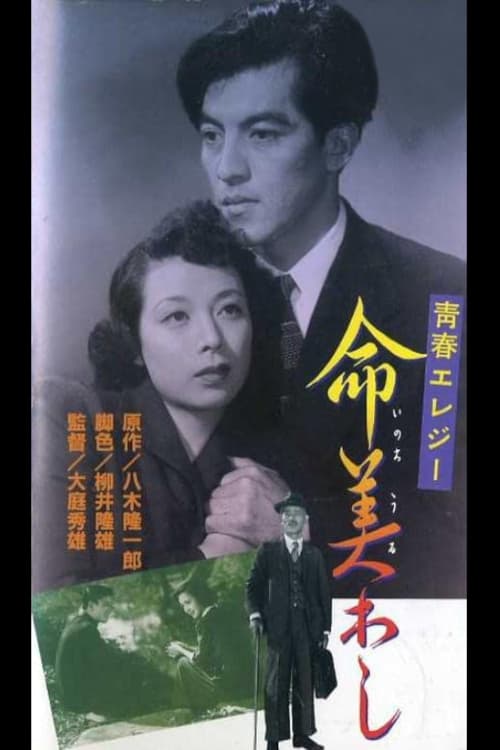
Inochi uruwashi

A nurse's tale of self-sacrifice during wartime. The title is borrowed from a patriotic song made popular by singer Hamako Watanabe during the Second Sino-Japanese War.
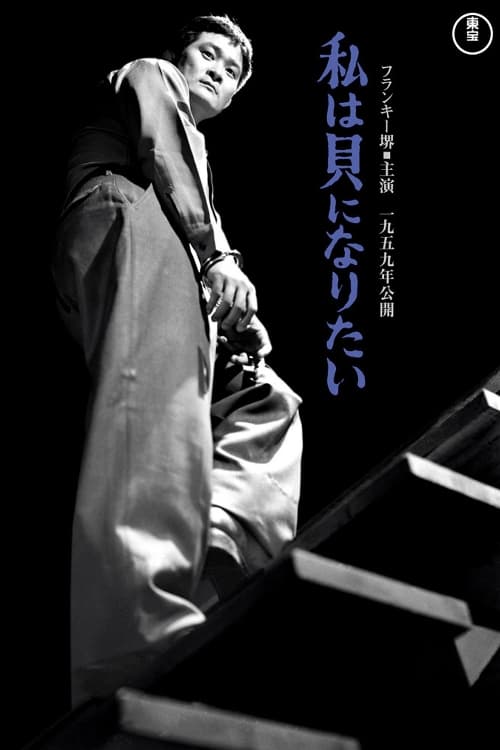
Television production of I Want to Be a Shellfish. On a post-war peaceful day in Japan, Toyomatsu Shimizu, a barber as well as a good father and husband, is suddenly arrested by the Prefectural Police as a war criminal and sued for murder. According to the accusation by GHQ, Toyomatsu "attemped to kill a US prisoner", which was nothing but an order by his superior and failed after all with hurting the prisoner by weak Toyomatsu. Also, Toyomatsu was driven to corner at the trial by the fact that he fed the US prisoner some burdock roots to nourish him. Toyomatsu believes nothing but being not guilty, but he is sentenced to death by hanging. Prior to the execution, Toyomatsu writes a long farewell letter to his family, the wife and the only son: "If I ever incarnate, I hate to be a human being any more.... Oh yes, I would like to be...a shellfish living on the rock-bottom of the sea."
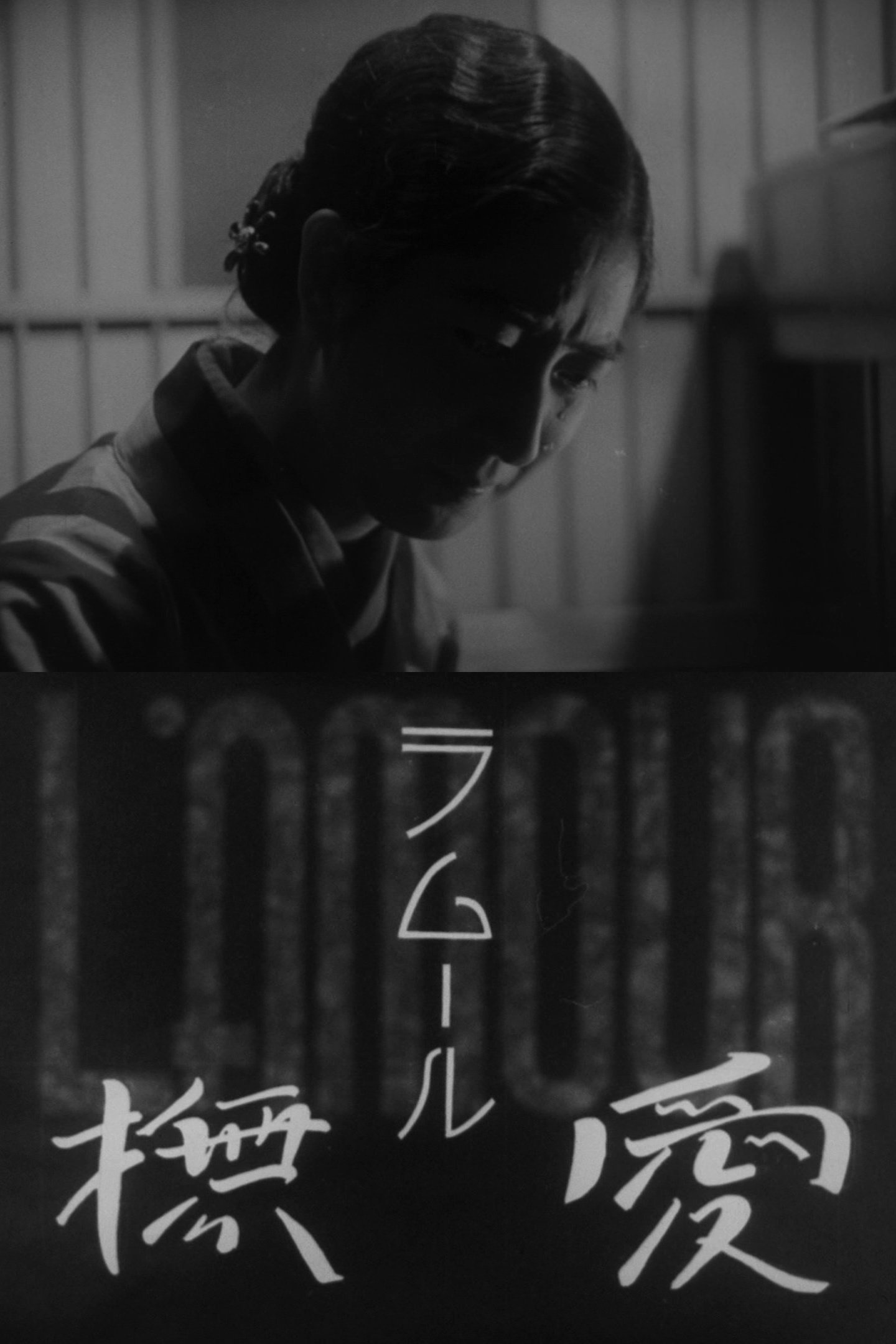
Heinosuke Gosho evokes in this film the family conflicts engendered by the eternal problem of a father who projects his professional desires on the life of his son. The sister Machiko is the essential link that will allow everyone to apologize to each other and achieve reconciliation.
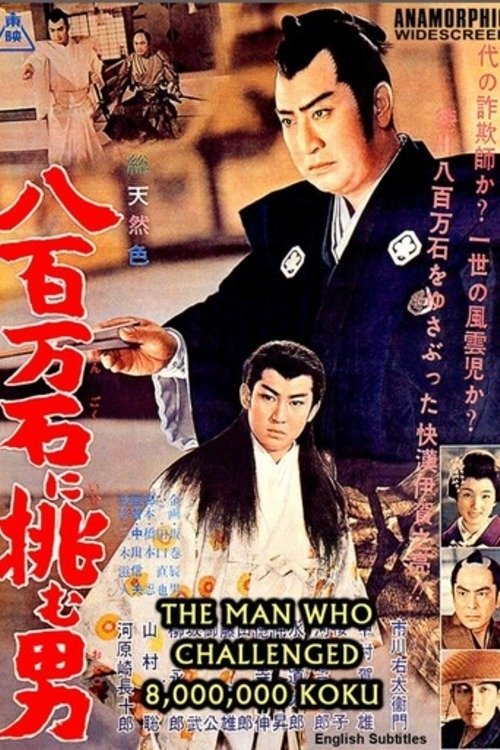
A story of an orphan boy who wanted the love of parents so badly, another orphan sincerely pitied him to the point he gives his secret birthright as an illegitimate son to a Shogun as a "gift of hope" to the sad boy. As the orphan boy grew up, his loving heart became bitter and he saw the opportunity to take advantage of this birthright with the help of a man who wanted to use this orphan's desire to be loved, for seizing power in the shogunate by using the imposter. Many obstacles to hurdle along the way of deception, however, will they succeed or will he be exposed?

A young girl gives up high school to help out family expenses and starts to work as a bus conductor.
That Night's Woman
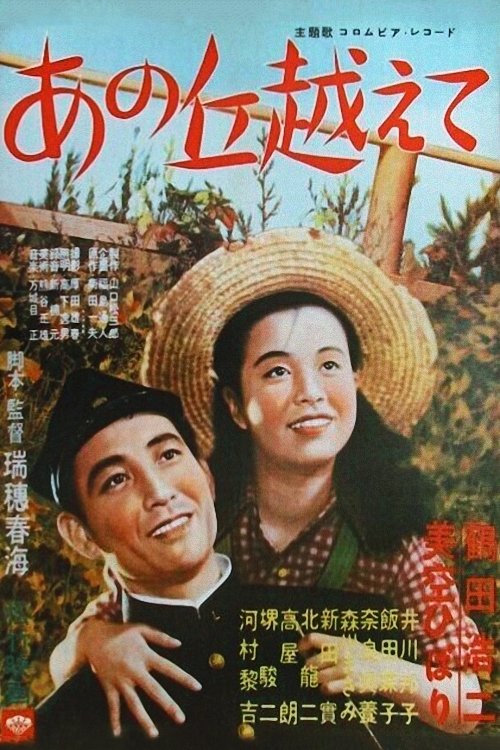
Mariko is an innocent girl who grew up in the highlands of Shinshu. She moves to Tokyo to live with her father who has successfully returned to Japan. Mariko is simply confused by the life in Tokyo, which is different from her own. Only her private tutor Daisuke was an advisor she could tolerate. Mariko develops slight feelings for Daisuke and finally realizes that he is her first love...
1961 Japanese movie
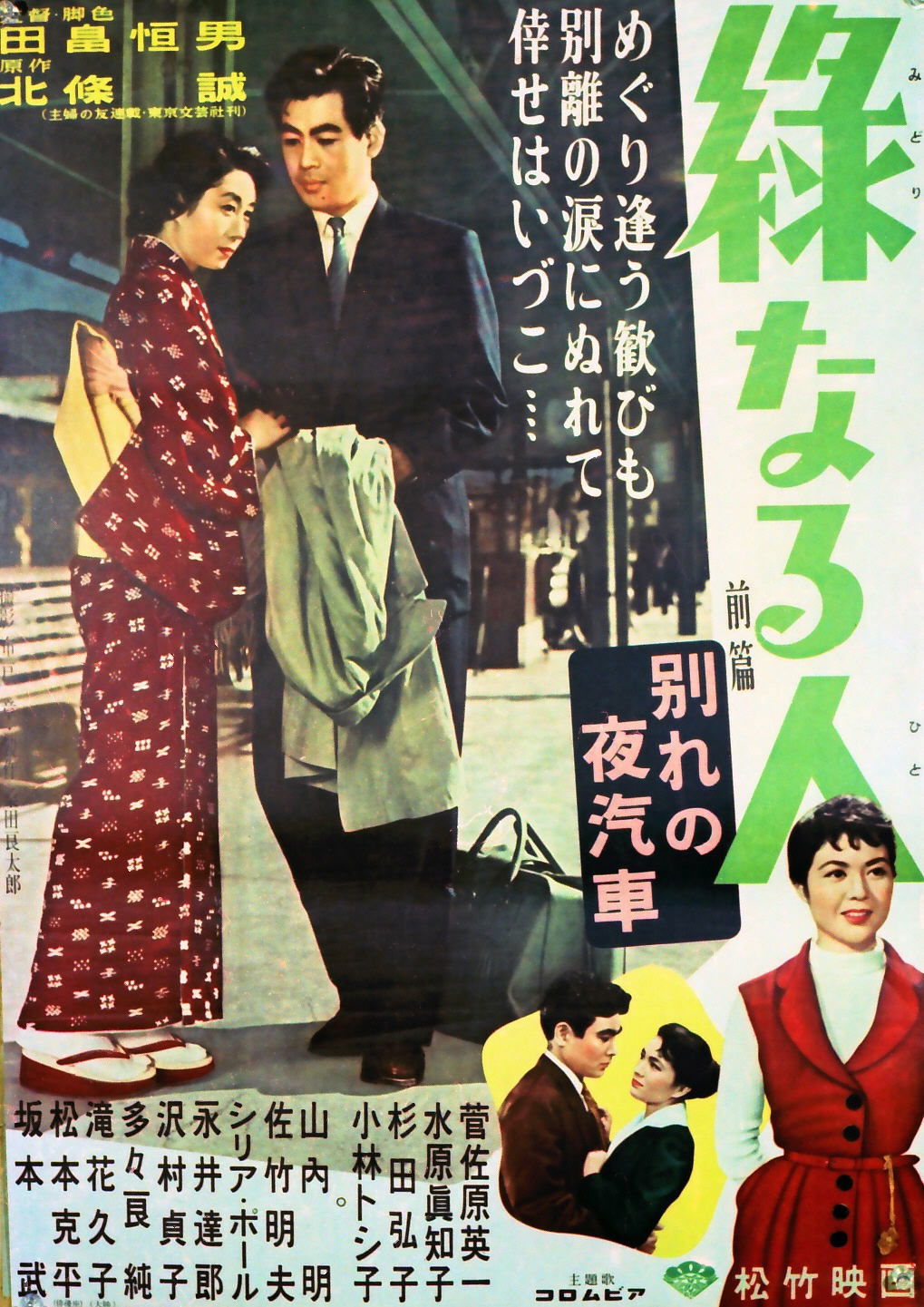
1956 Japanese movie
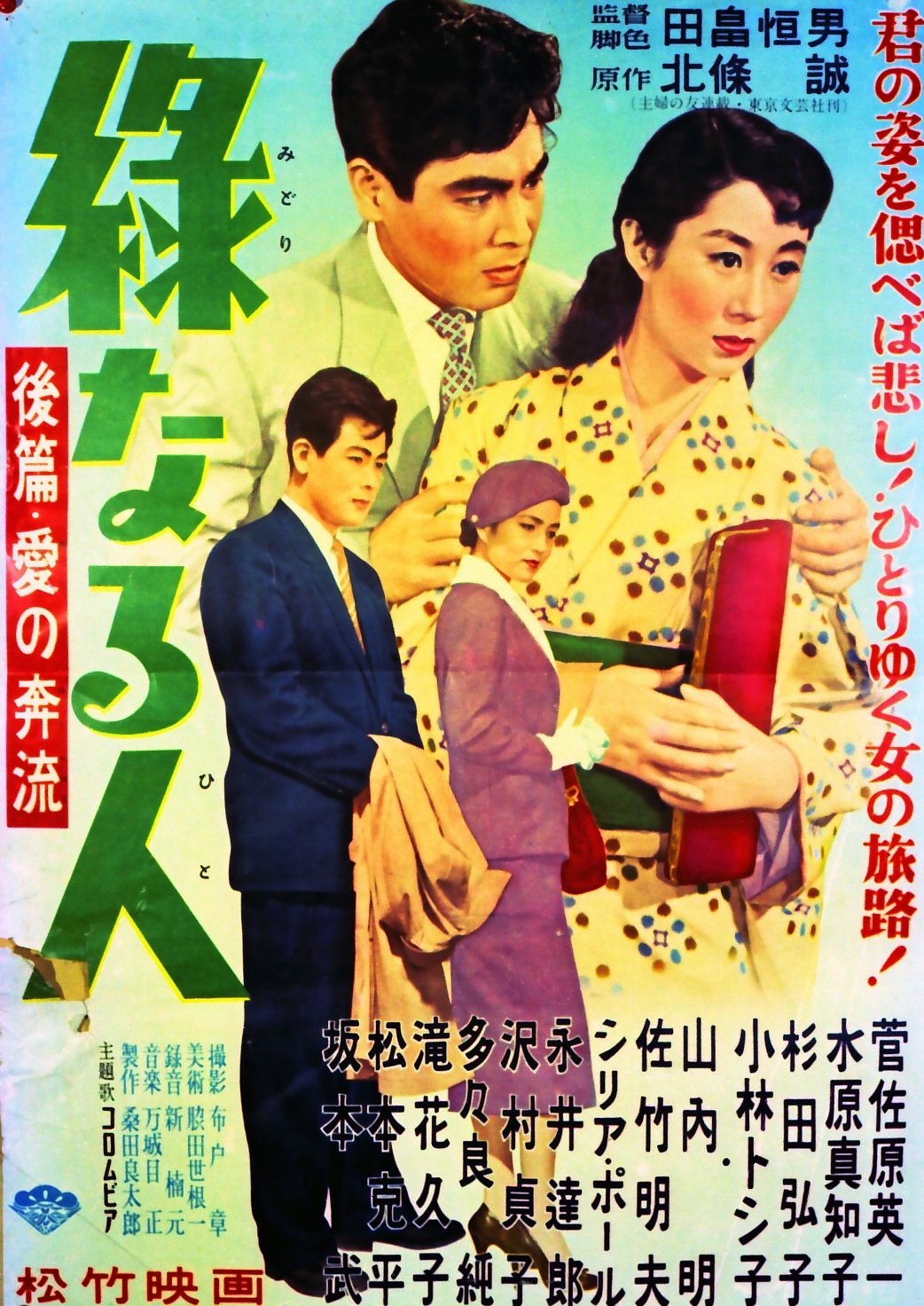
1956 Japanese movie
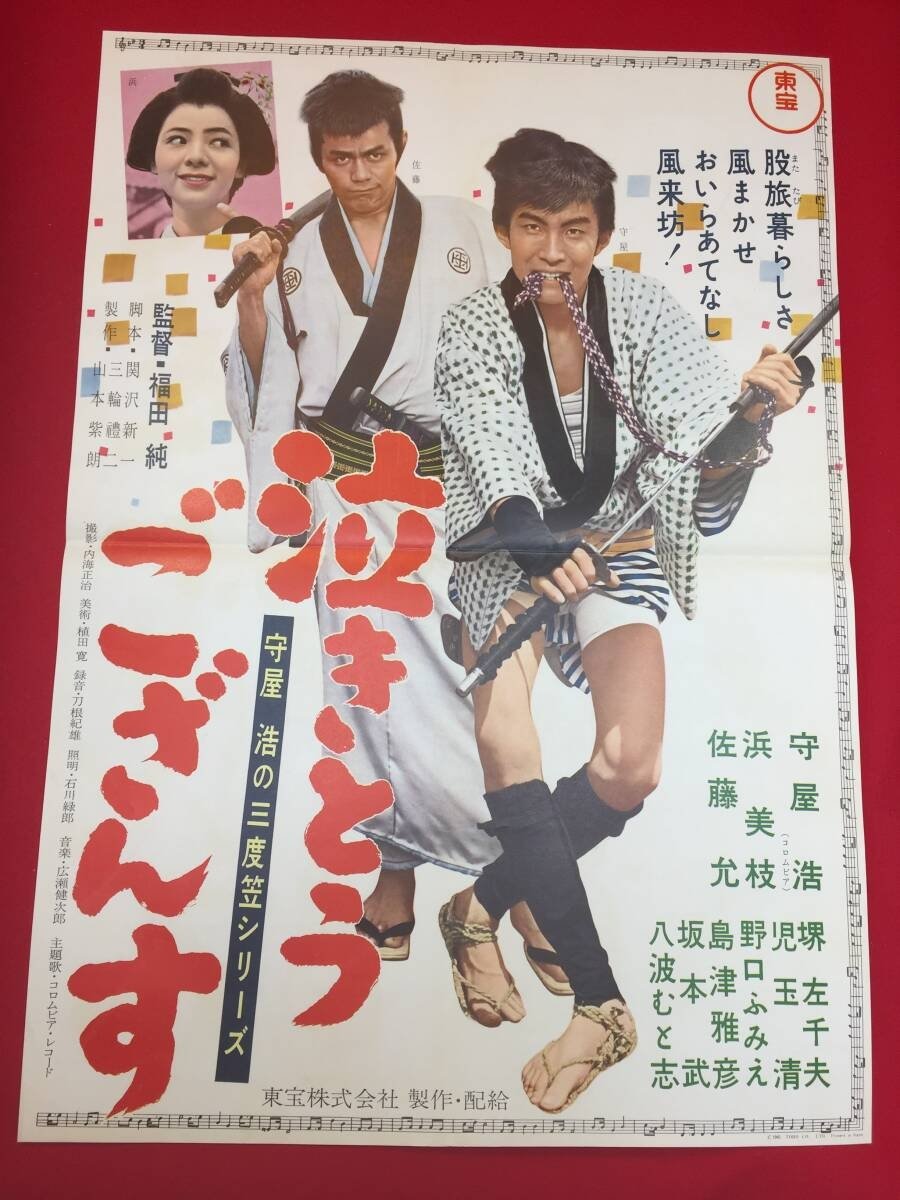
A wandering swordsman helps a doll maker and his fiancée fight against a ruthless gang in a small town. As tensions escalate, epic duels and betrayals lead to a final showdown that shifts the balance of power. The swordsman departs, leaving a lasting impact on those he helped.
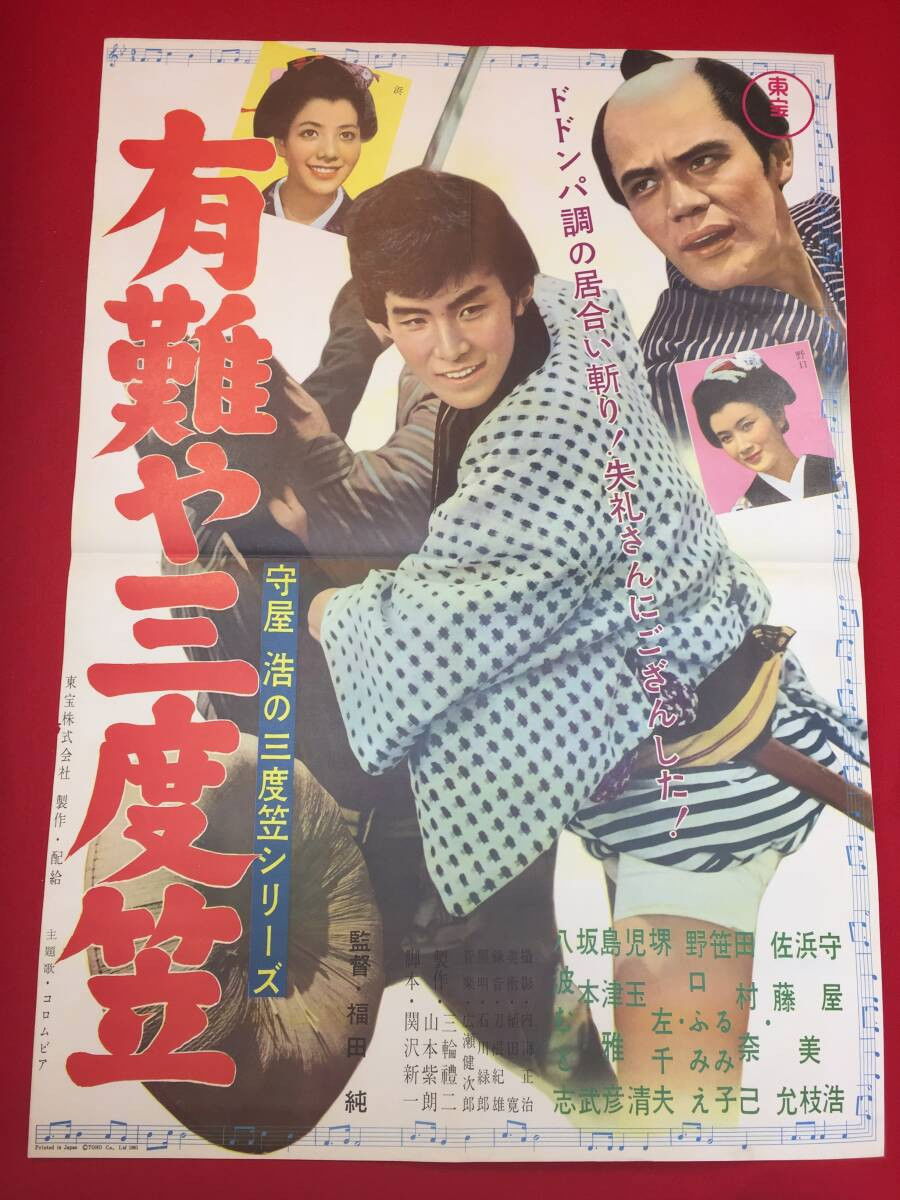
When noble wanderer Moritaro saves a disowned merchant’s son from gangsters, he becomes entangled in a town’s struggle against corruption. Teaming up with a rogue monk, bold tea-picking girls, and even a reformed thug, he battles a violent crime boss exploiting local families. Amid betrayals and brawls, justice and solidarity triumph.
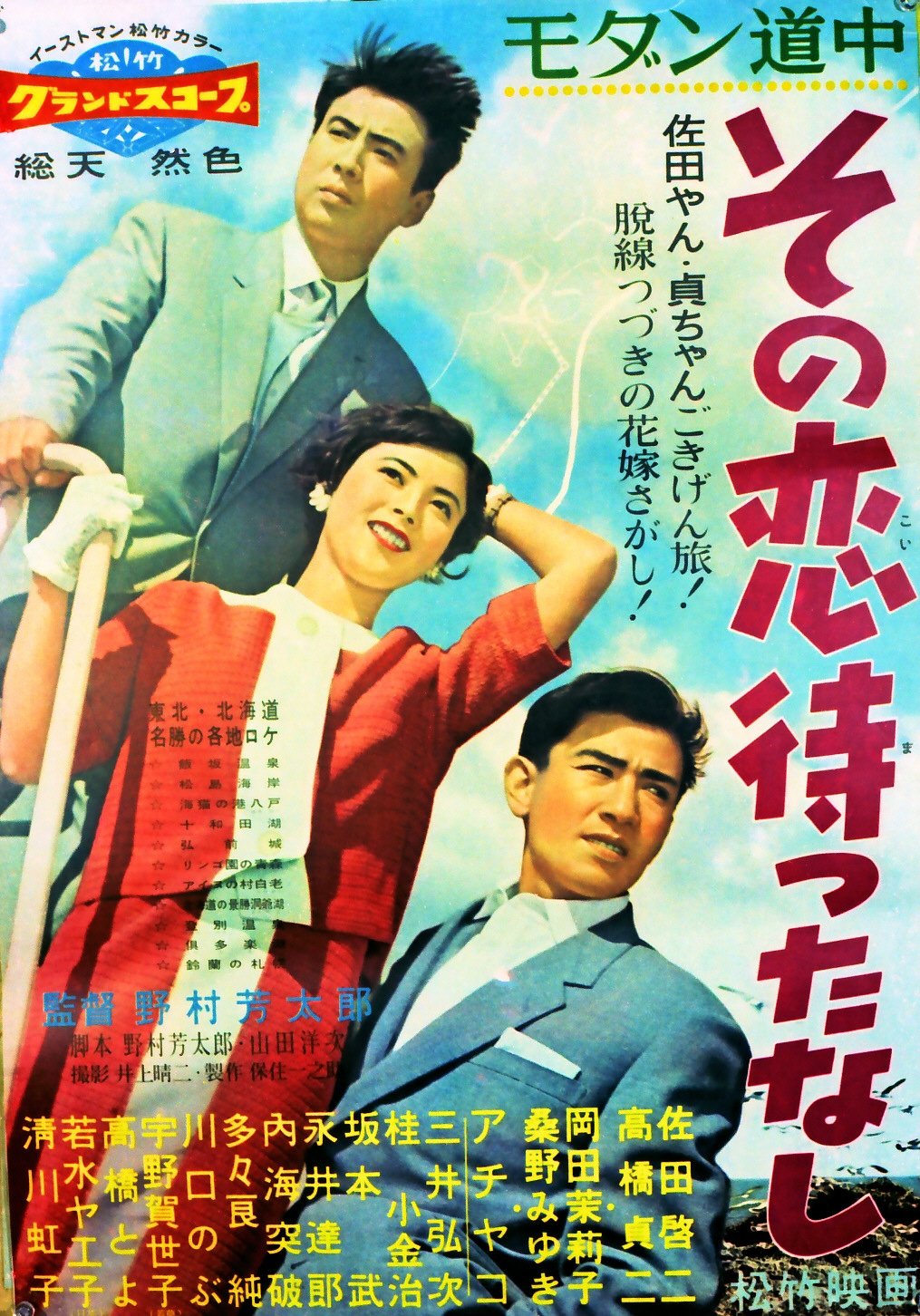
A road trip comedy set against the backdrop of the famous historical sites of Tohoku and Hokkaido.
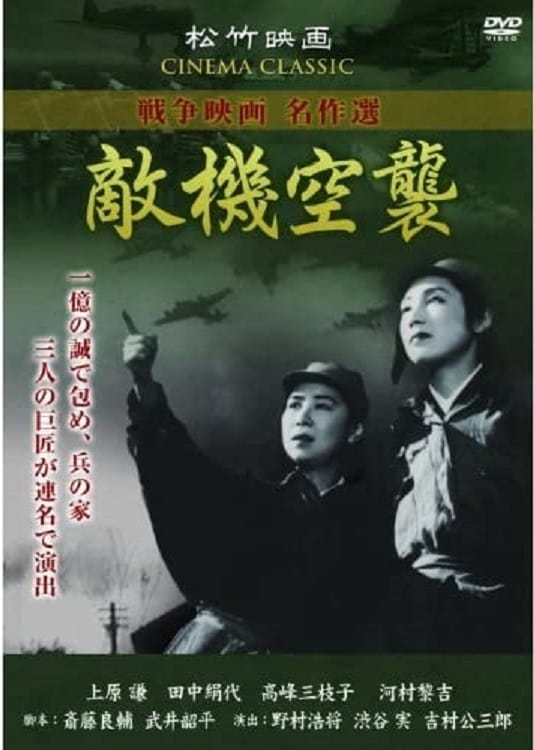
Japanese war movie.
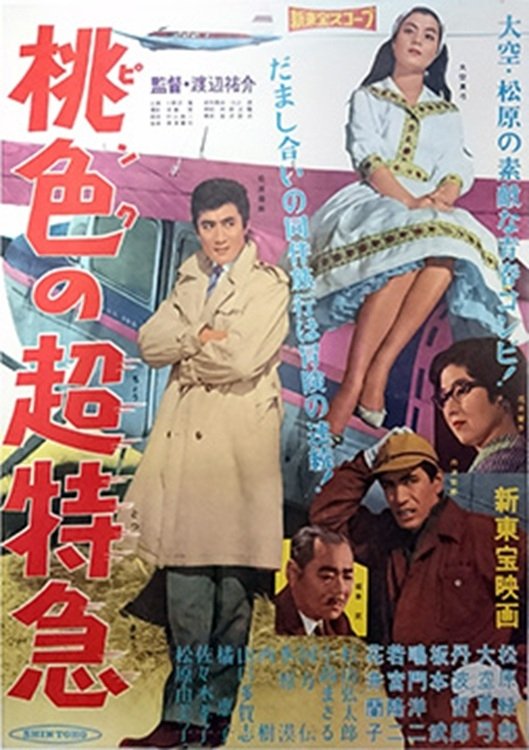
1961 Japanese movie
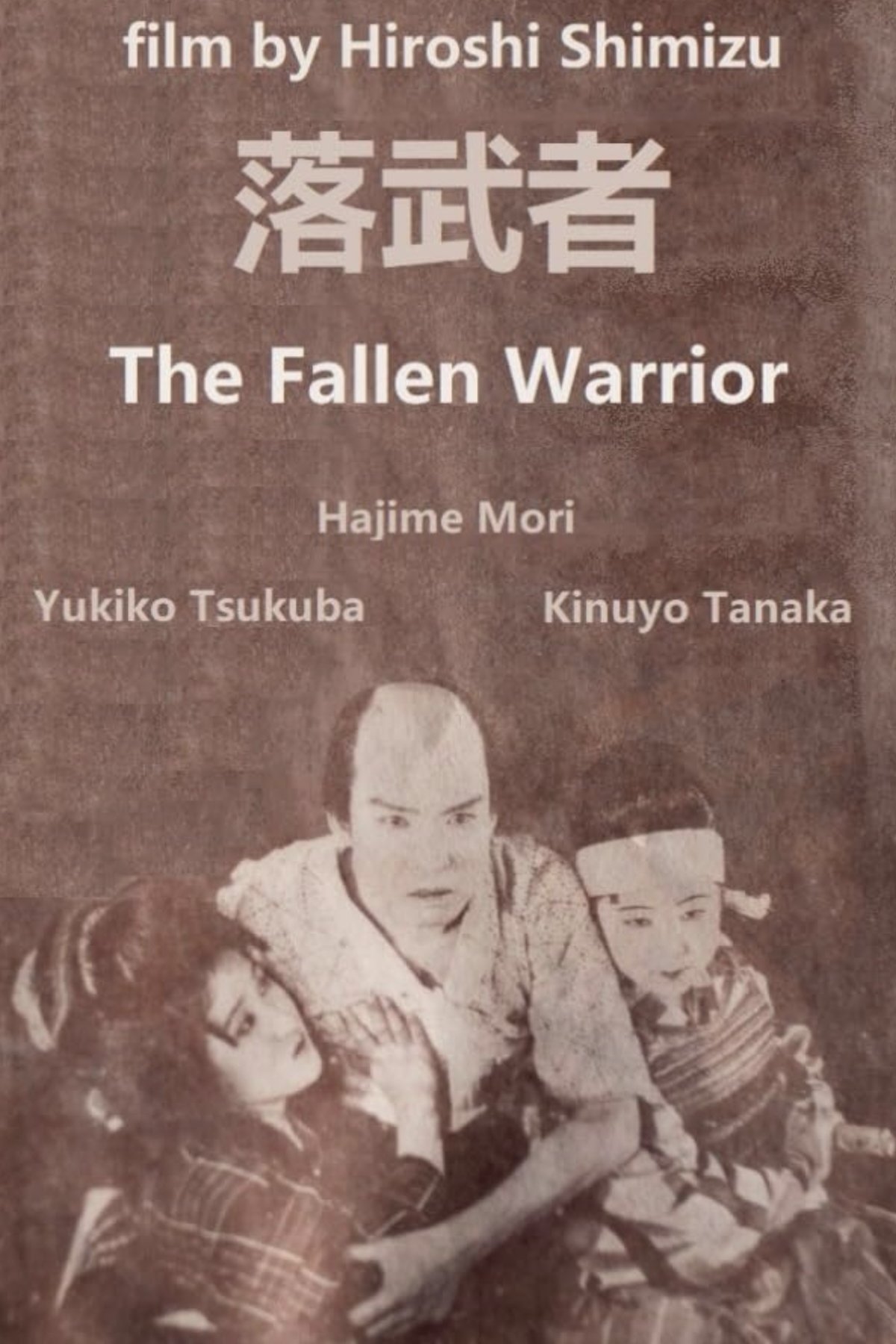
A period drama about samurai who survived a loss in battle. An early jidaegeki by Hiroshi Shimizu.
Silent jidaigeki released on New Year's Eve, 1926.
Japanese silent drama from 1927.
Japanese jidaigeki from 1927.
Japanese jidaigeki from 1927. The titular character's nickname may suggest agility, stealth, or other outstanding skills.
Japanese silent film from 1928.
Hirano's wife Yasuko had grown weary of her life of poverty. Her feelings of dissatisfaction deepened when she met her elegantly dressed friend Hanako. When Yasuko asked Hanako for advice, Hanako spoke at length about the restrictions and meaninglessness of married life and encouraged Yasuko to divorce her husband. Persuaded by Hanako’s words, Yasuko divorced Hirano and, hoping to emulate Hanako, adorned herself in fine clothes, applied heavy makeup, and sought to revel in her newfound freedom. But instead of admiration, she was met with ridicule and contempt. Even her attempts to gain recognition from magazines like Hanako’s went unanswered. She applied to work as a café waitress but was rejected, and when she became an office clerk at a company advertised publicly, she was treated as a nuisance. After being tossed about by these setbacks, Yasuko finally came to understand the love of her husband, Hirano.
Japanese silent film from 1929.
Japanese silent film from 1929.
Japanese silent film from 1929.
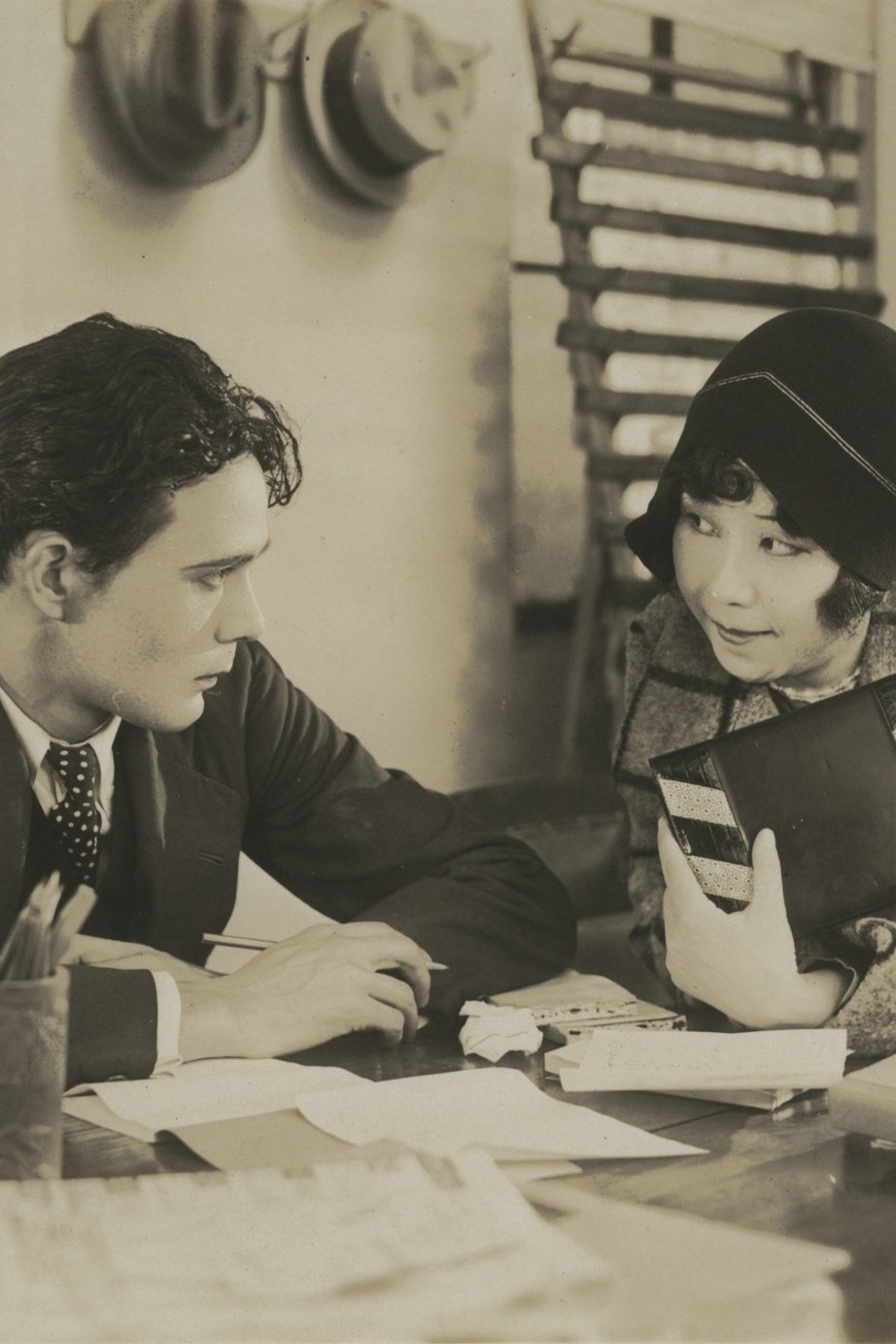
A modern girl suddenly intrudes into a widower's family home.
Japanese silent film from 1932.
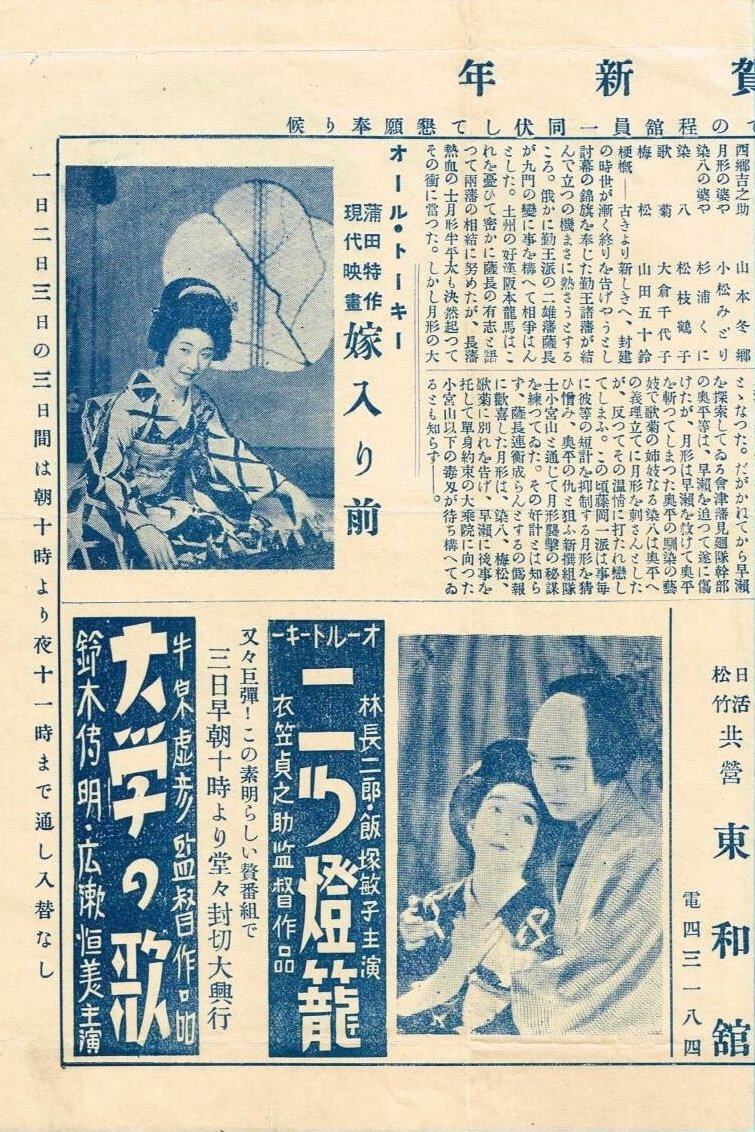
Japanese home drama starring Kinuyo Tanaka.
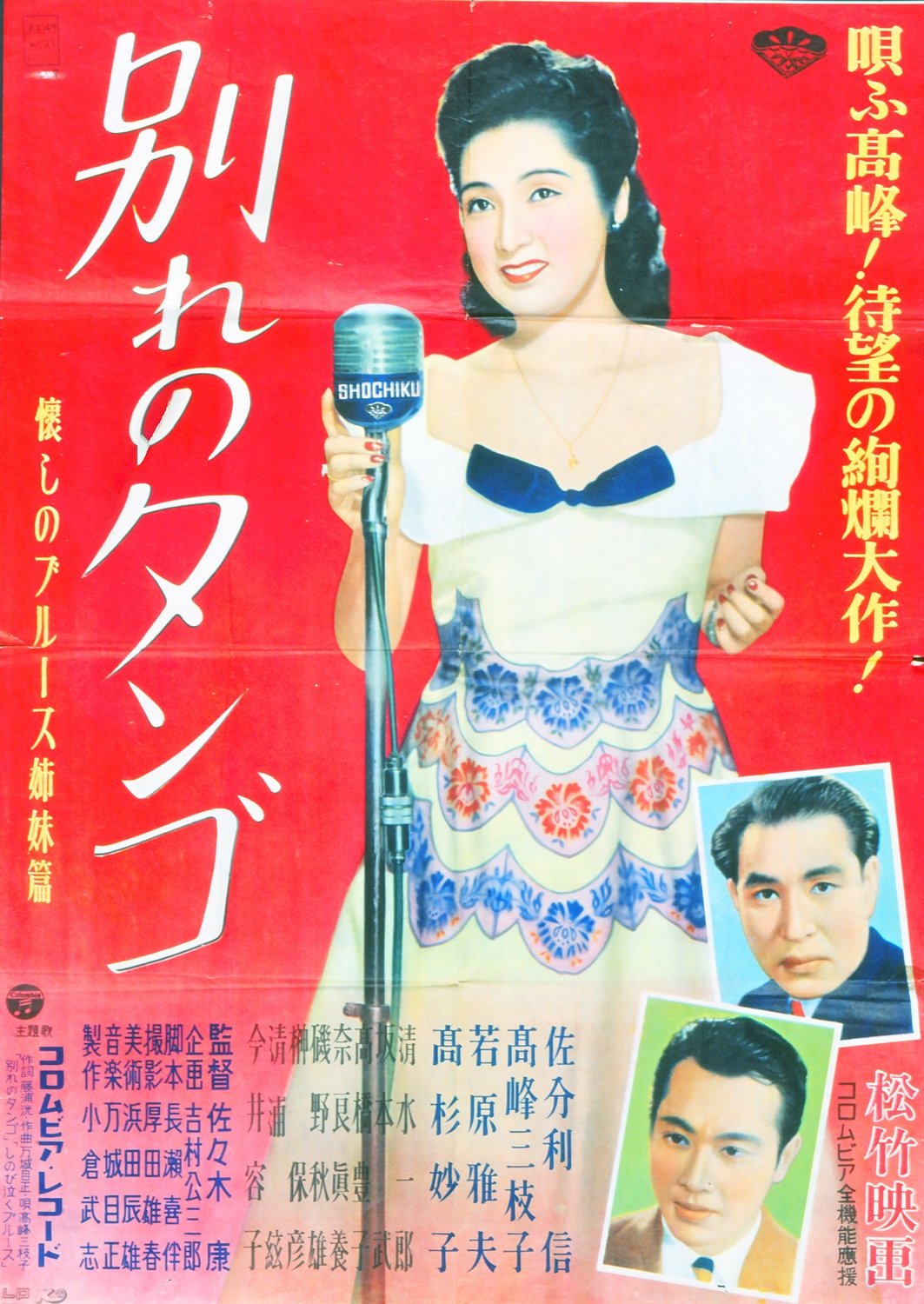
A heartrending love story between an aspiring singer and a unnamed composer. Sobbing love songs sung by a heroine Mieko Takemine.
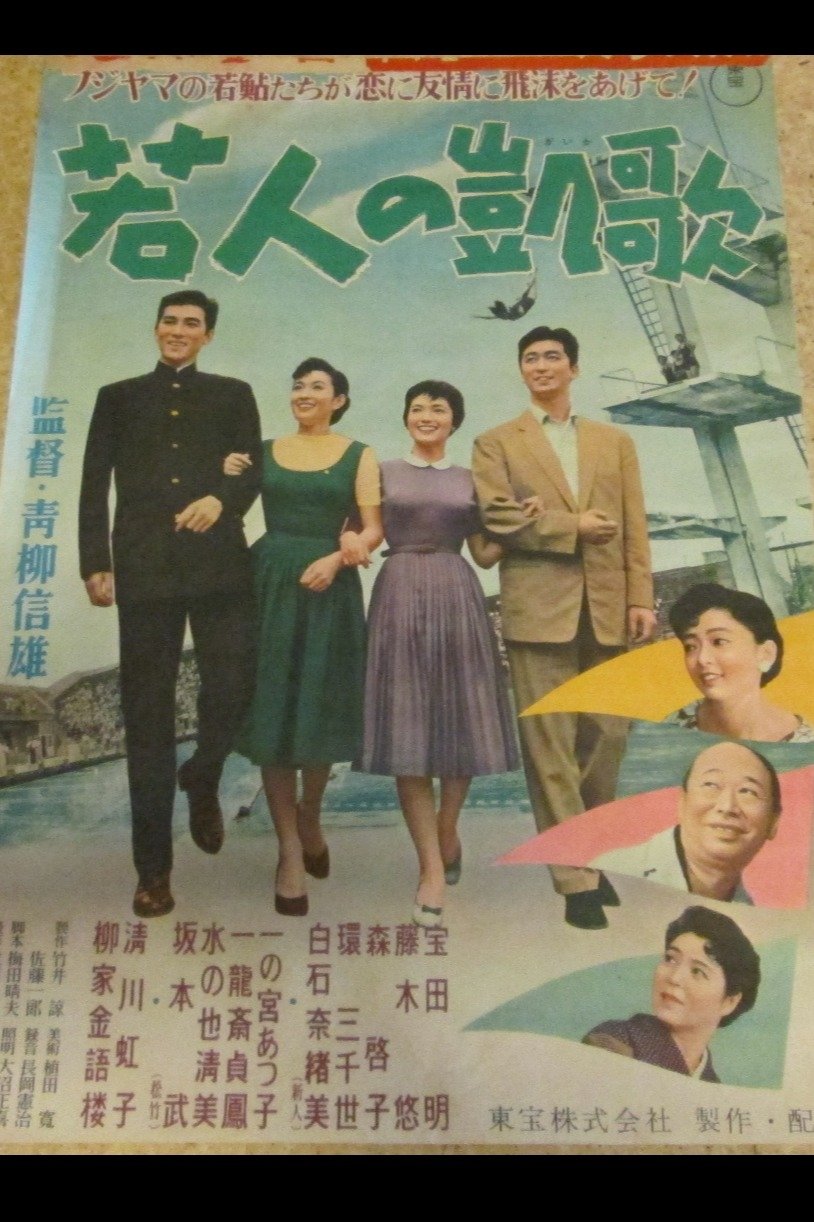
Swimmers Akio and Natsuko train hard for national competition while Natsuko struggles with family chaos — her father’s affair and her mother’s push for an arranged marriage. Pretending to date teammate Akio to escape pressure, Natsuko soon realizes her feelings are real.
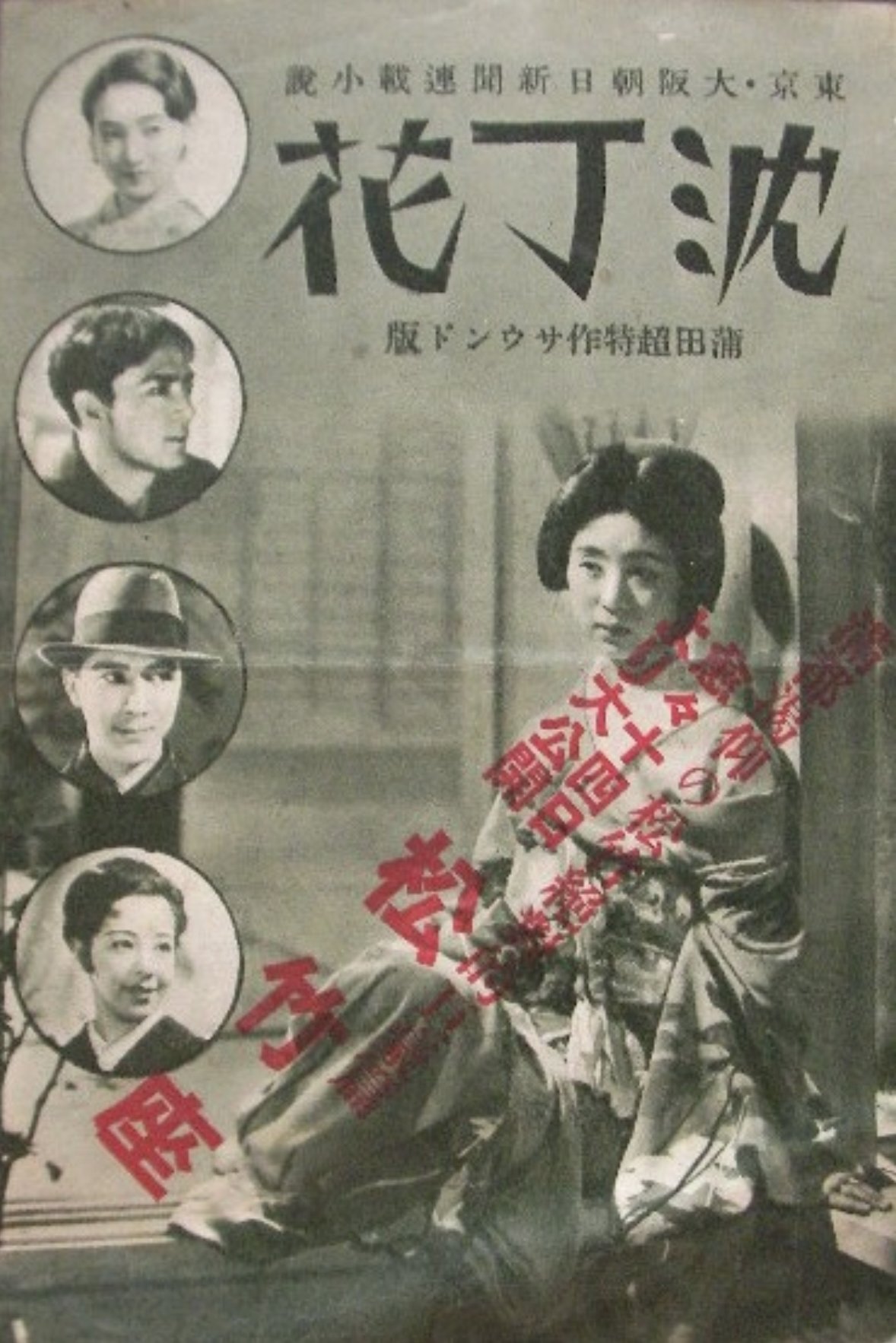
Japanese film from 1933, adapted from Masao Kume's serialized newspaper novel.
Japanese drama from 1934. A major production of Shochiku Studio, directed by Hiroshi Shimizu.
Japanese film from 1934.
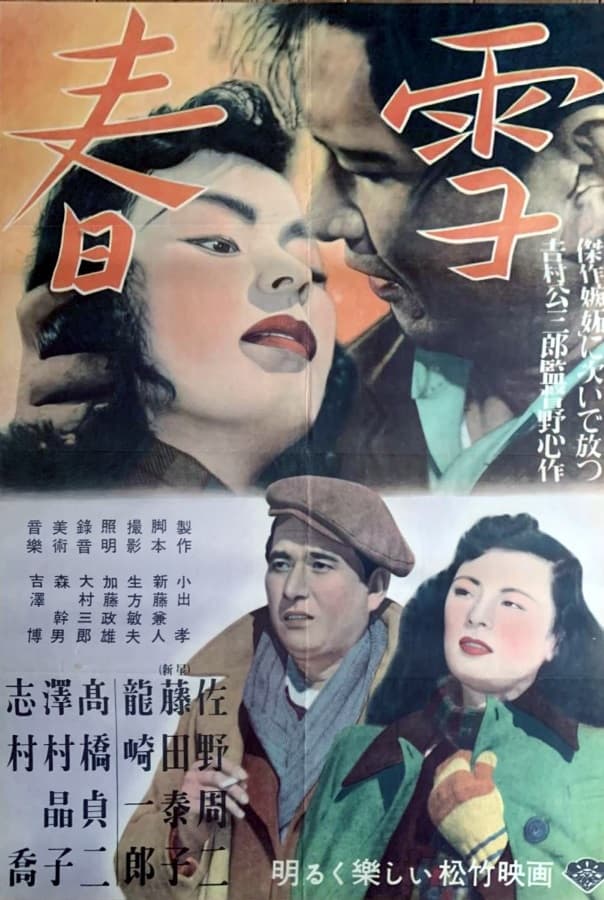
The Yoshikawa family is a typical small town family. With only the father's and daughter's salaries to support the family's six members, life is not easy.
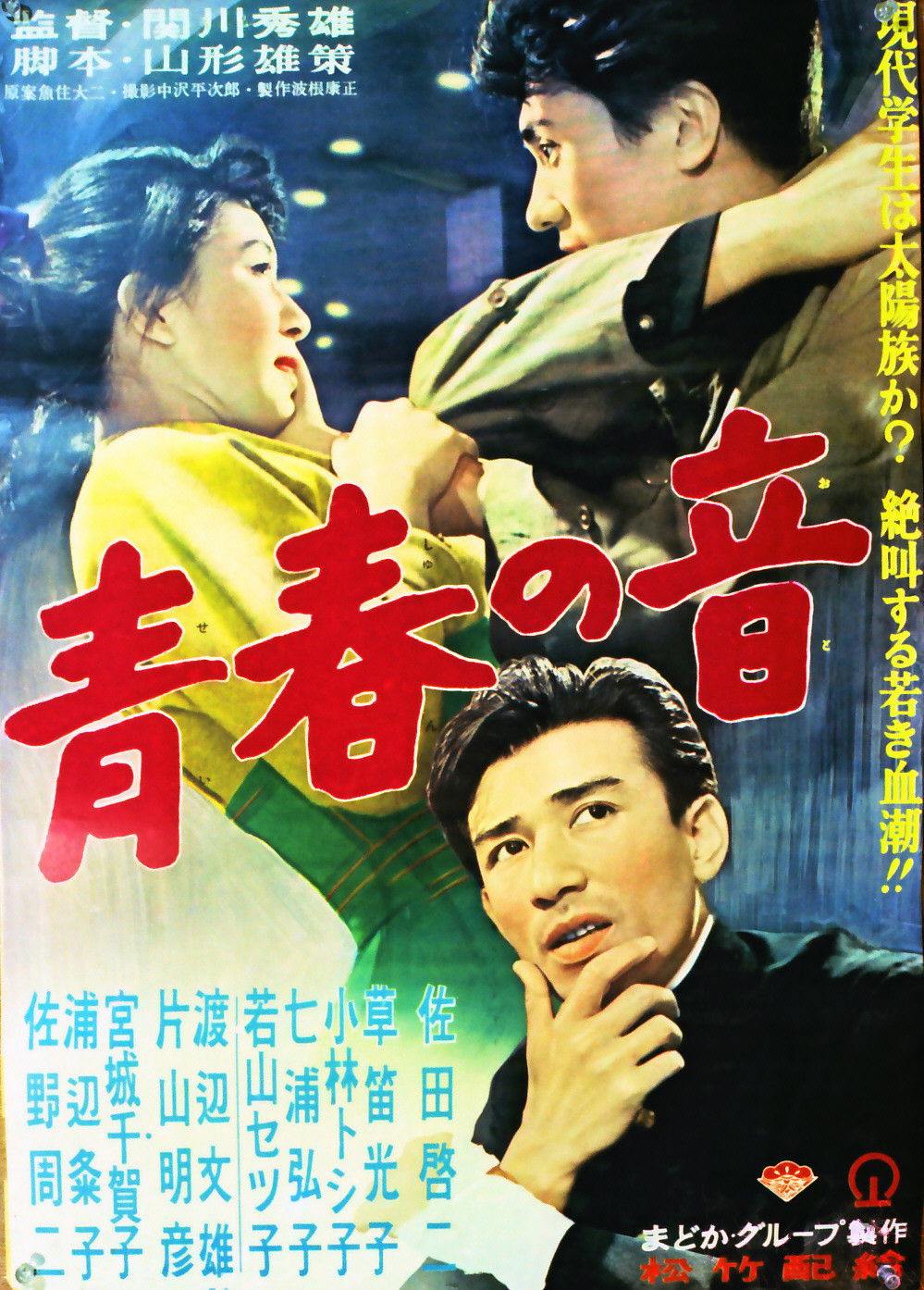
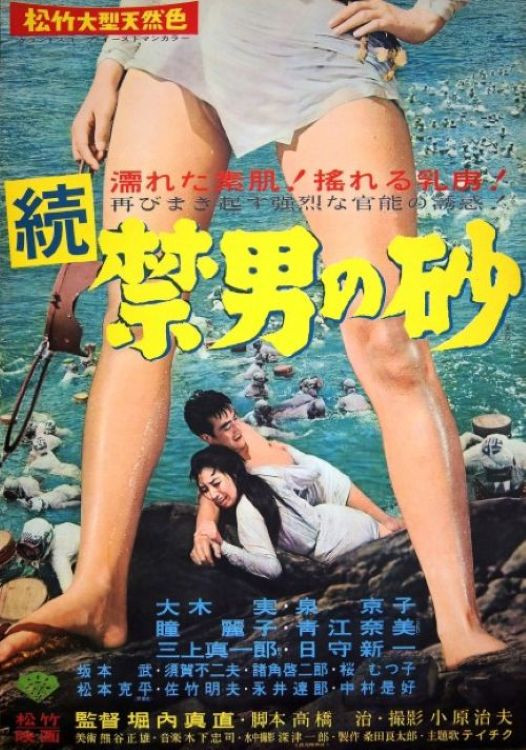
Bank robbers hide their loot in an underwater cave in a small fishing village, but the Ama (female divers) of the village suspect something and dive to find it.
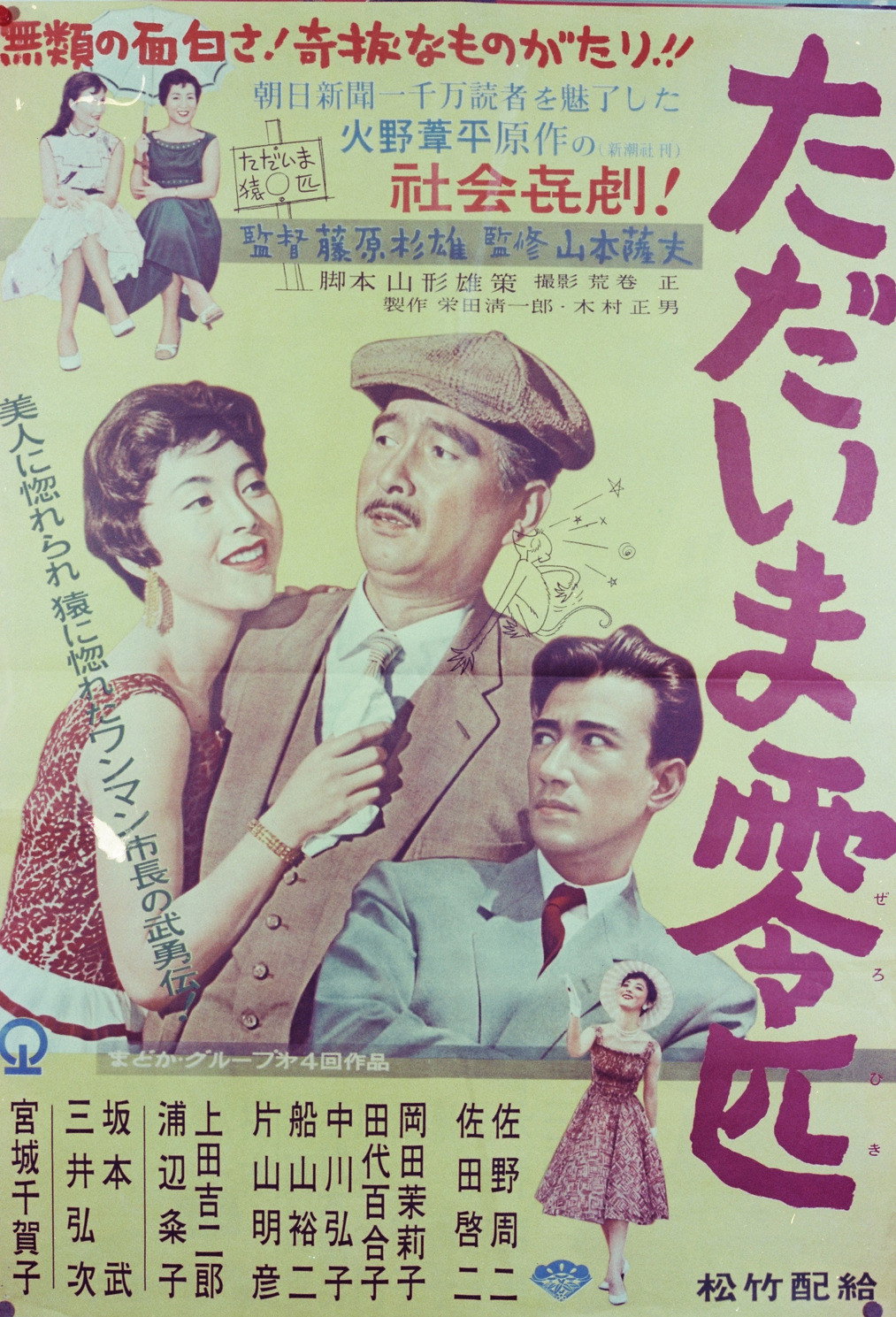
Produced by Shochiku’s all-star cast as a commemorative film to mark the completion of the “Shochiku Kaikan” in Tsukiji, Tokyo, this movie introduces both the Shochiku Ofuna and Kyoto studios. Part One focuses on the studio’s behind-the-scenes staff: set designers, prop masters, and lighting technicians. Part Two presents a digest-style overview of the process surrounding a young woman who auditions for the “New Faces” program, from the auditions to her debut as an actress.