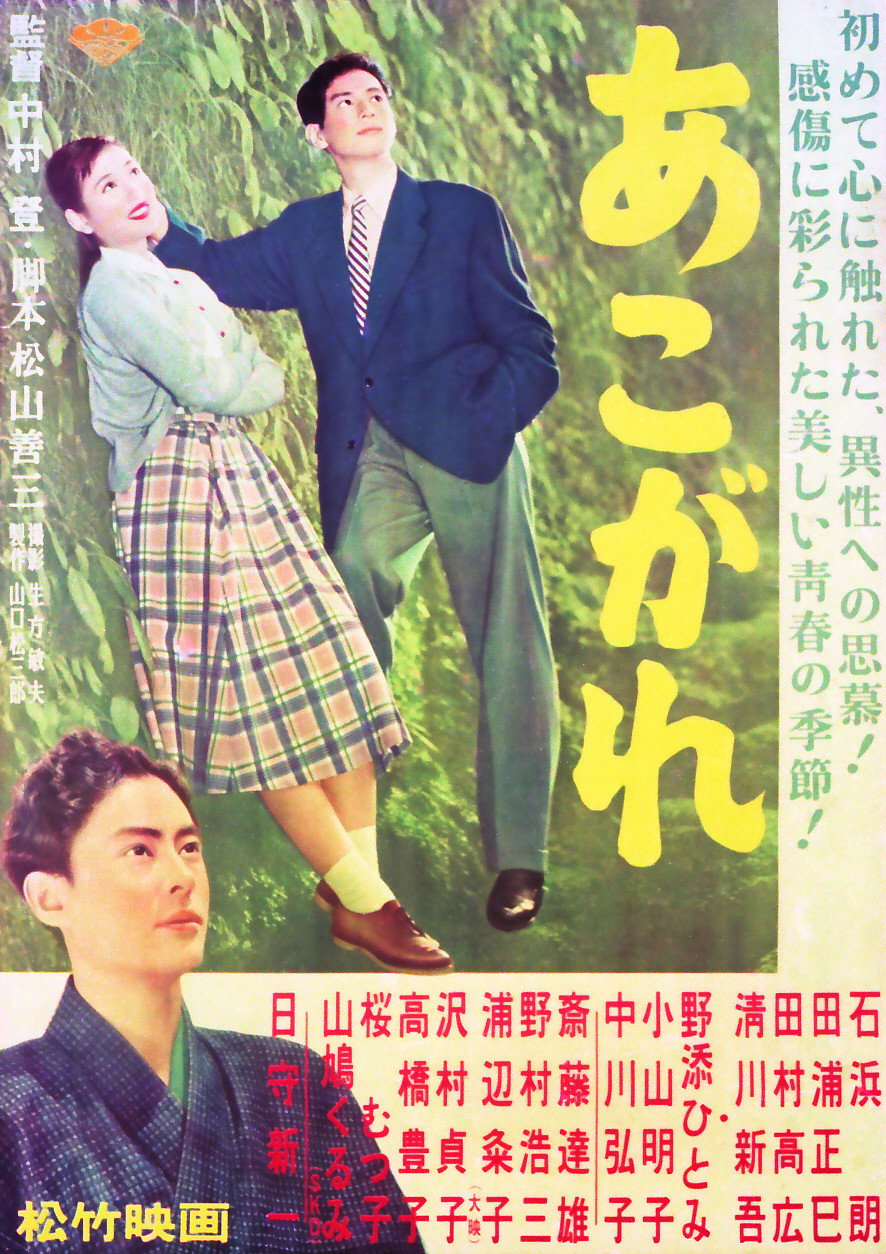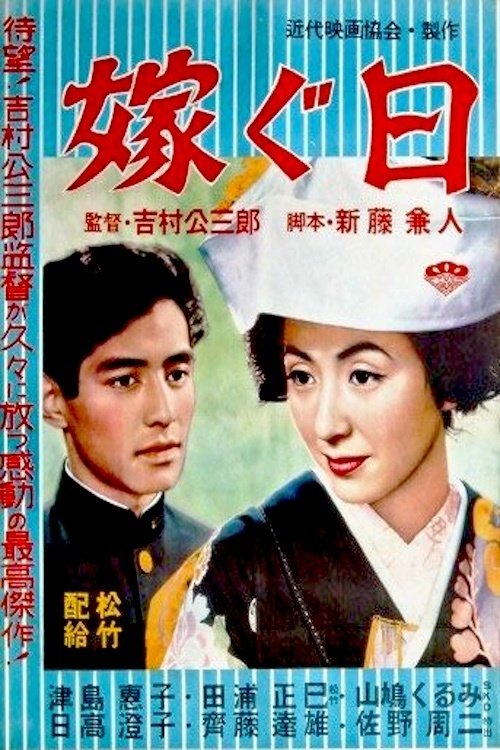
Shinsaku was once a renowned playwright, has now been left behind by journalism and is living a lethargic life in Oiso. His family is concerned with Shinsaku regaining his old vigor as a writer and Sakie, his daughter, finding a suitable match, while the family is struggling with the losses of war.
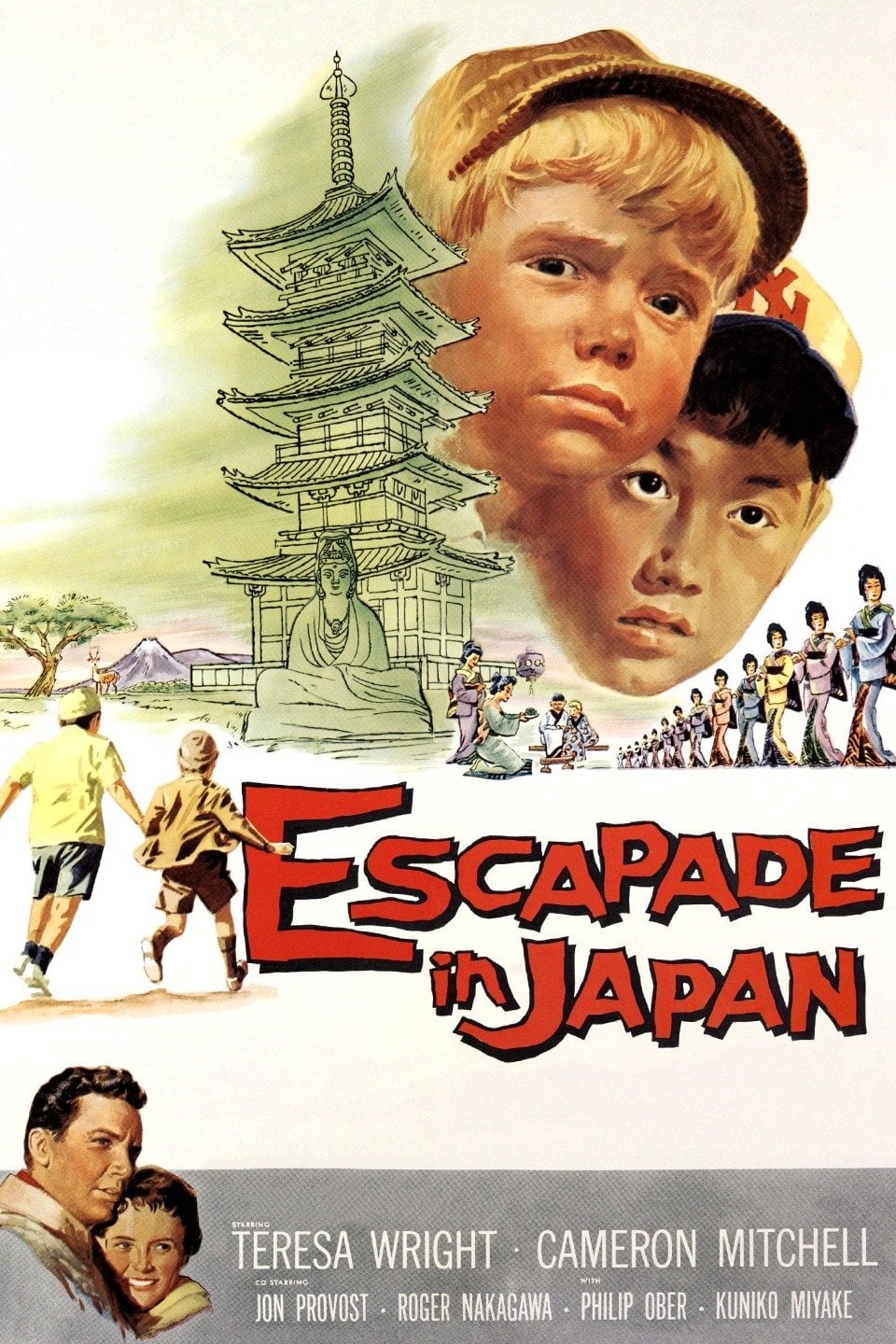
A plane is forced to land at sea just off the Japanese coast. A young American boy is later befriended by a fisherman's son, with the two setting off on an unintended journey across the country.

Hong Kong-set religious drama.
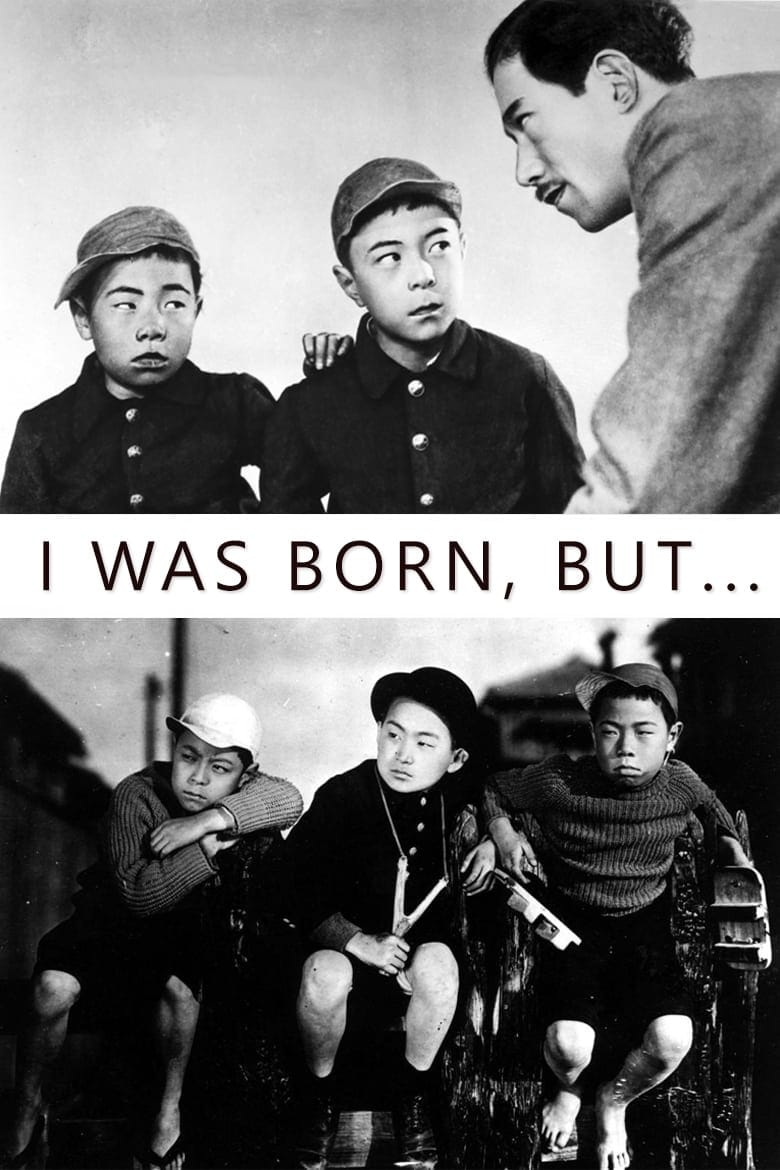
Brothers Keiji and Ryoichi move to a new neighborhood in the Tokyo suburbs after their father, an office clerk, is promoted. The boys join the local gang as lowly new kids and emerge as natural leaders after defeating a bully. While visiting the home of their father's boss, the brothers witness the ridicule their father endures to please his superior. Angry and embarrassed, the boys find their naive ideas about power being challenged.
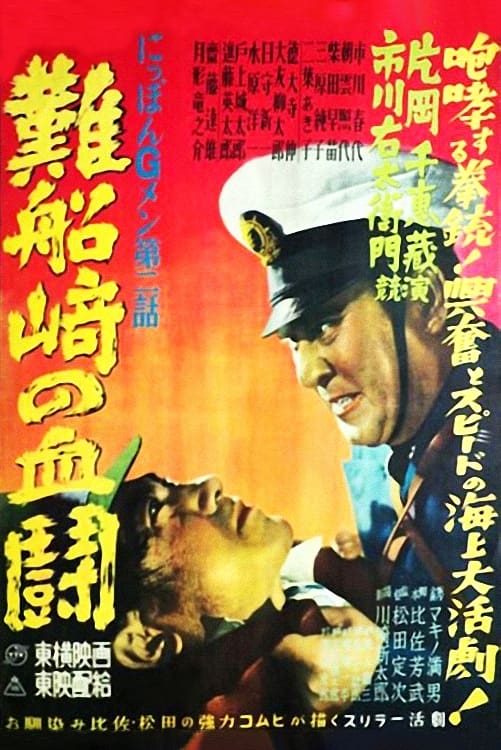
The second part of an action-packed action movie about the struggle between smugglers, the Japanese Coast Guard and G-men. Having caught a suspicious radio signal, the coast Guard discovers that a smuggling transaction is taking place and goes to the place. It was supposed to be a big catch, but they lose sight of the smugglers by finding and rescuing a woman drowning in the sea. The rescued woman says she jumped into the sea while escaping from a slaver's boat... A luxury version featuring the two main stars of the Toei company – Chiezo Kataoka and Utaemon Ichikawa.

Famed movie director Paul Robaix breaks with tradition by not casting his actress-comedienne wife, Lucy Dell, in his latest film production, a version of Madame Butterfly. Undaunted, the resourceful Lucy wings her way to Tokyo and, masquerading as a Japanese geisha, lands the coveted role from her unsuspecting husband! But in front of the cameras (and behind the pancake makeup), Lucy faces greater challenges: her lecherous leading man - and a husband who is beginning to realize that his talented new "discovery" seems vaguely familiar...
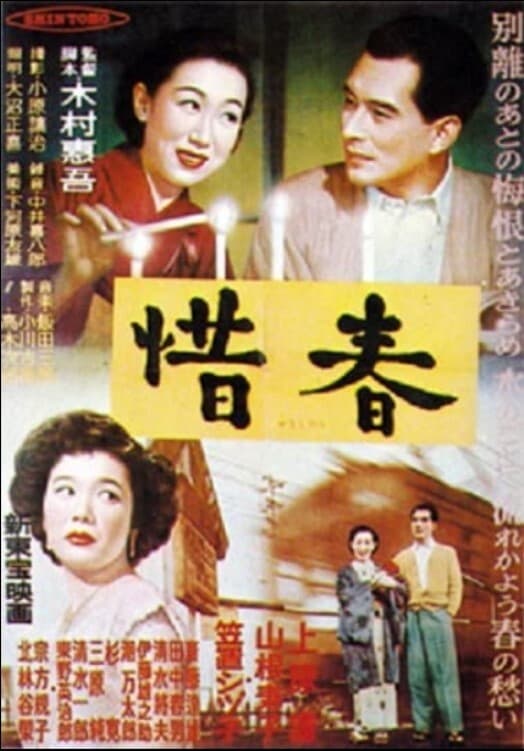
Bittersweet shomin-geki drama by Keigo Kimura
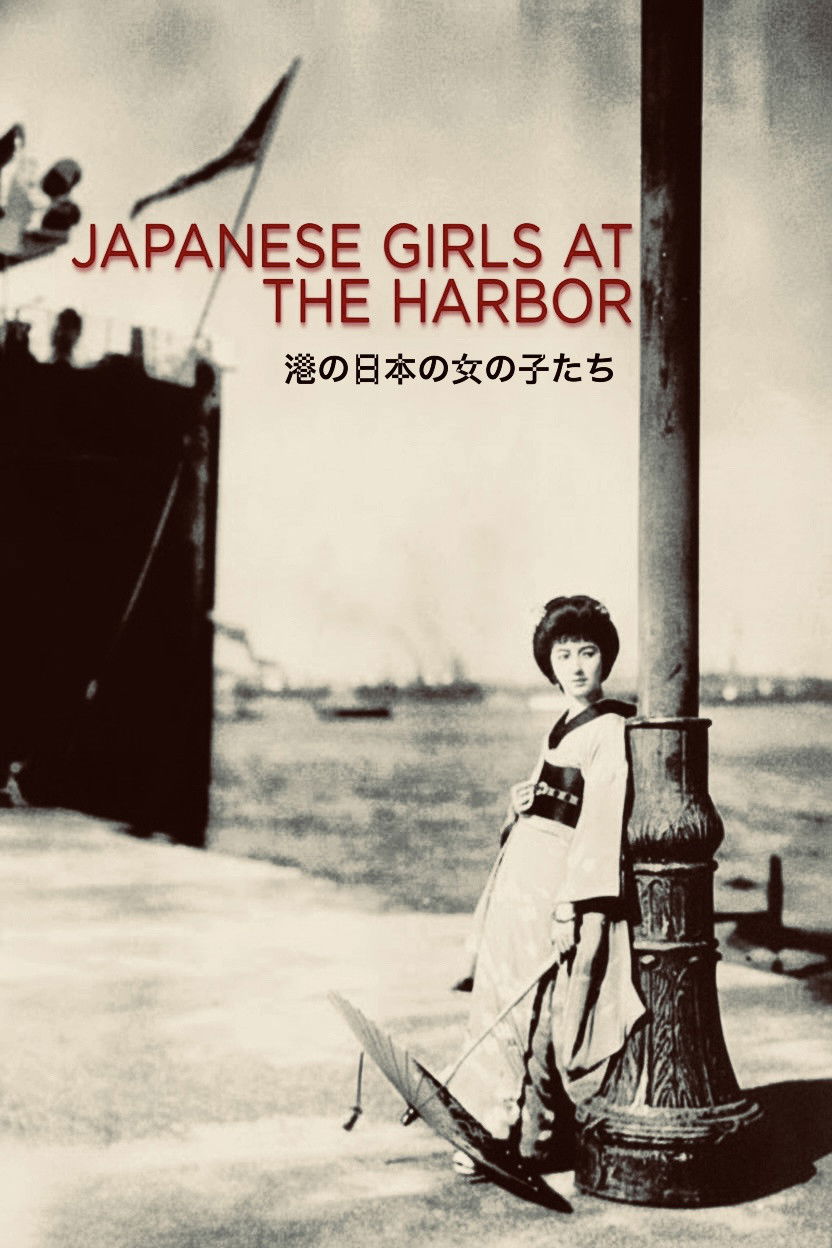
Set in the port city of Yokohama, two girls, Sunako and Dora who attend a Christian school, pledge to be friends. But when a youth named Henry appears on his motorcycle and offers to take Sunako for a ride, we know that this friendship won't last and that the lives of both girls will change in ways they are barely able to comprehend, and can do little to change.
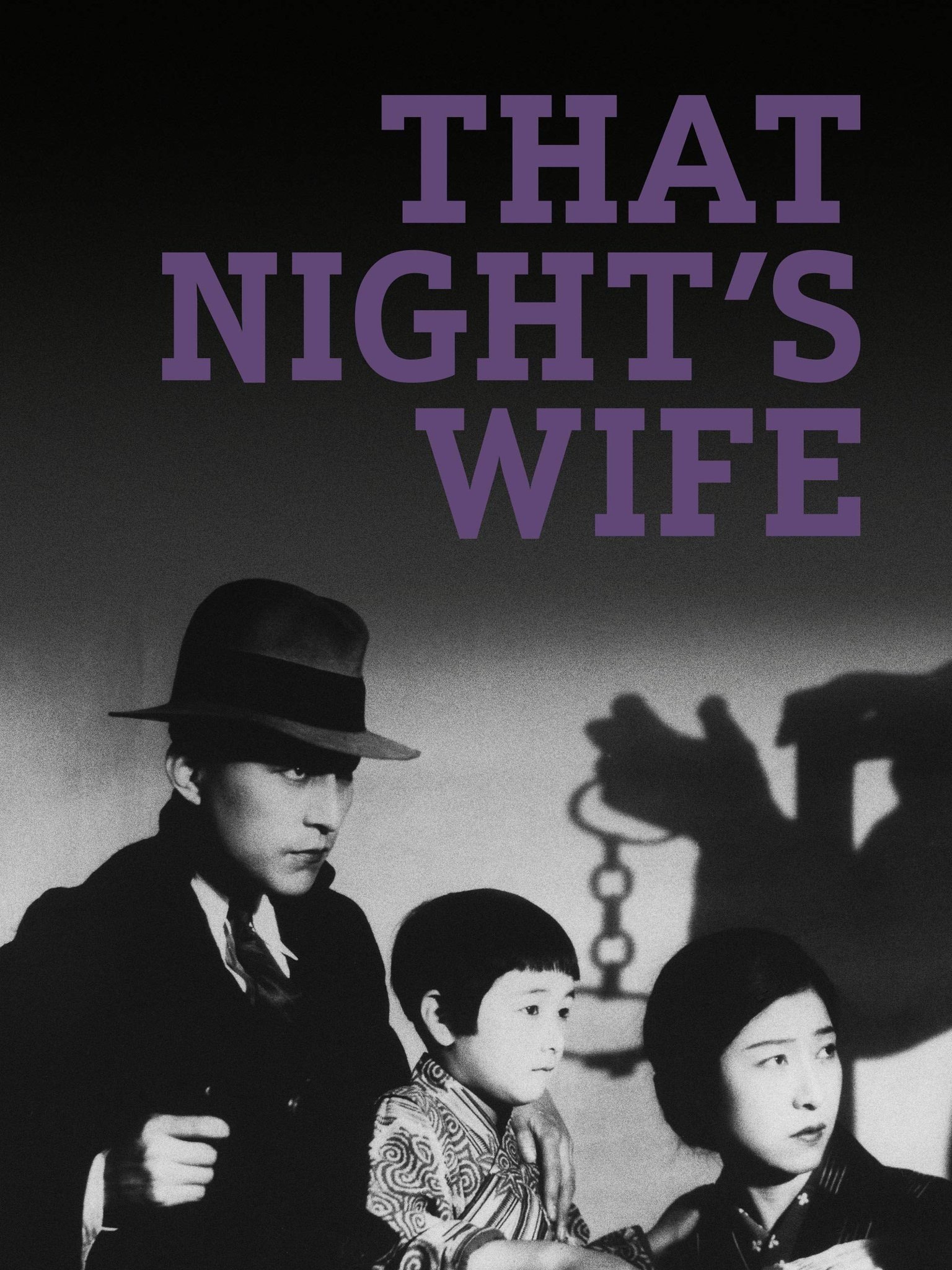
In Depression-era Japan, a man commits a robbery to save his critically ill daughter and escapes with the funds, but complications arise.
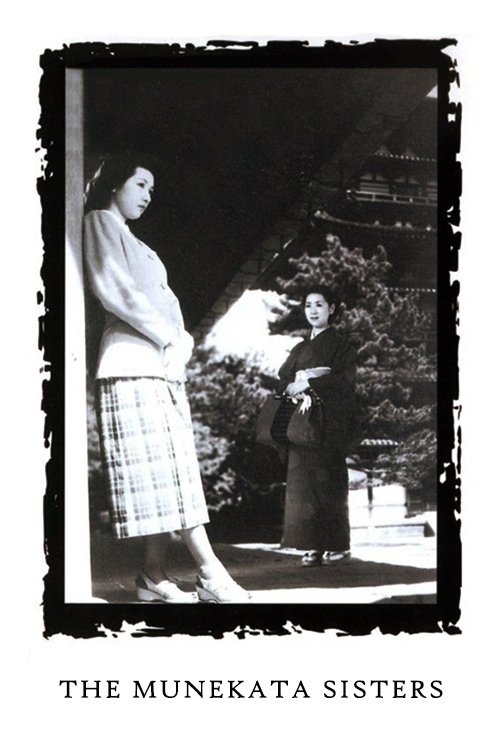
Setsuko is in an unhappy marriage to Mimura, an unemployed, alcoholic engineer. She had always been in love with Hiroshi but both failed to propose when Hiroshi left for France a few years ago. But now he's back and Mariko tries to reunite them, although she too is secretly in love with Hiroshi.
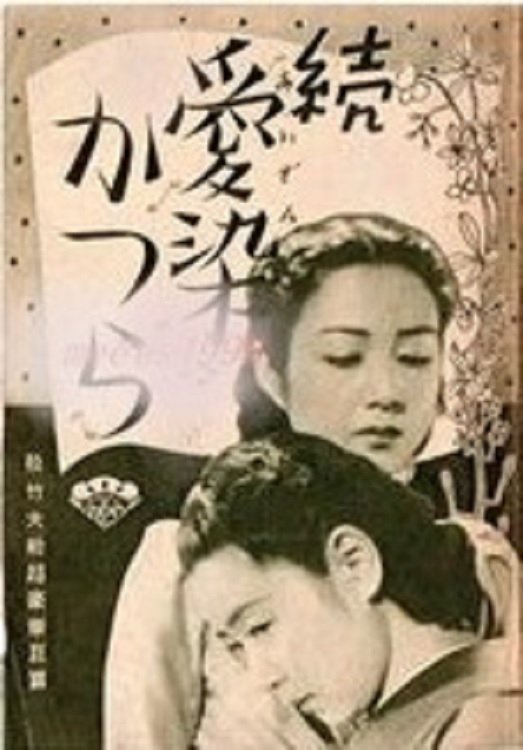
1939 Japanese movie
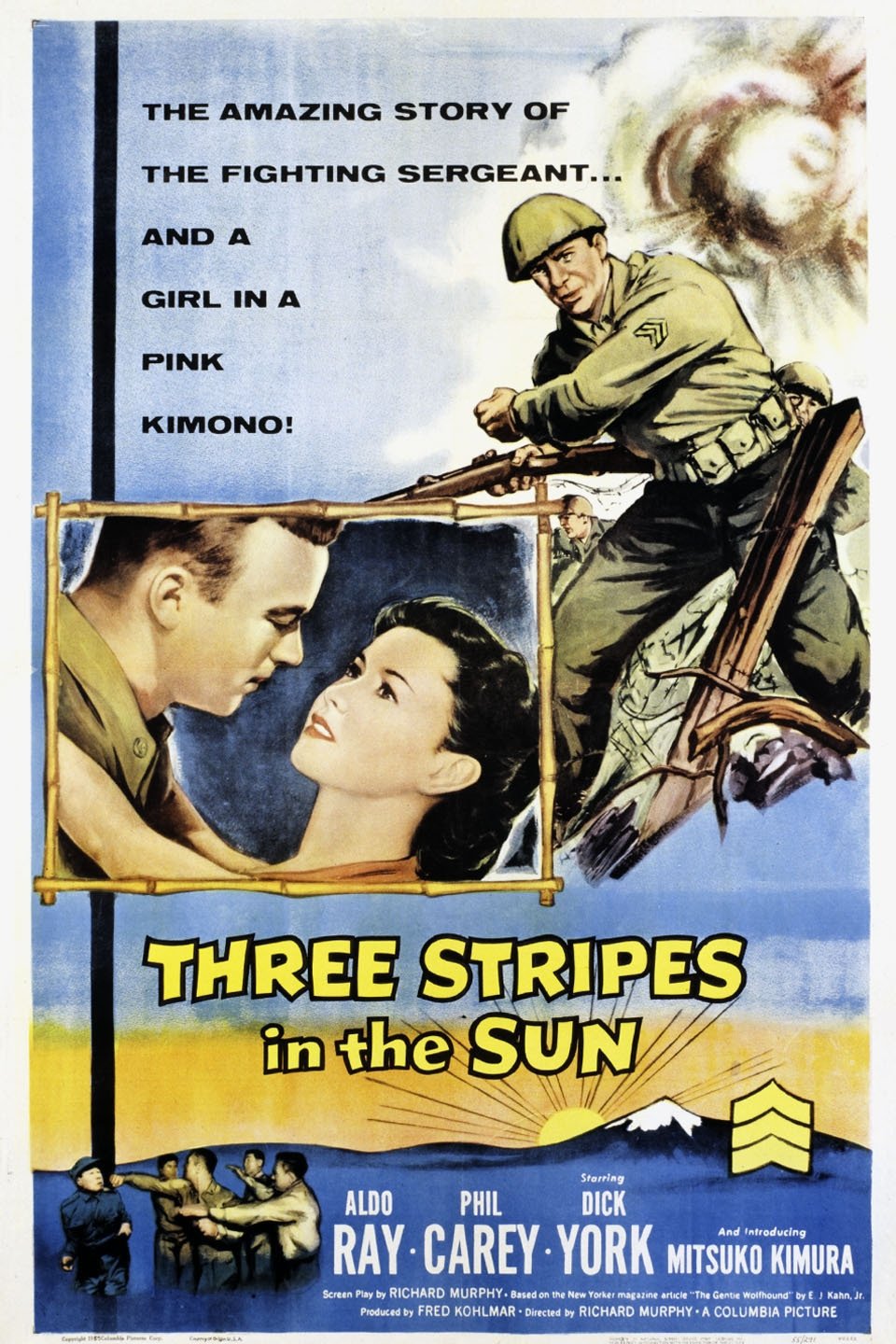
A racist sergeant stationed in post-war Japan finds himself softening towards the children and falling for a local woman.
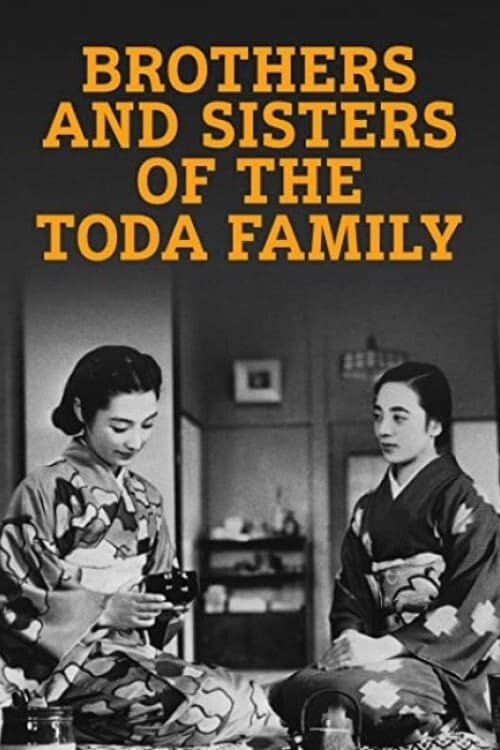
After the death of her husband, an elderly woman and her youngest, unmarried daughter are forced to sell their house to cover his debts and decide to move in with one of the former's children, each of whom is scarcely happy to accommodate.
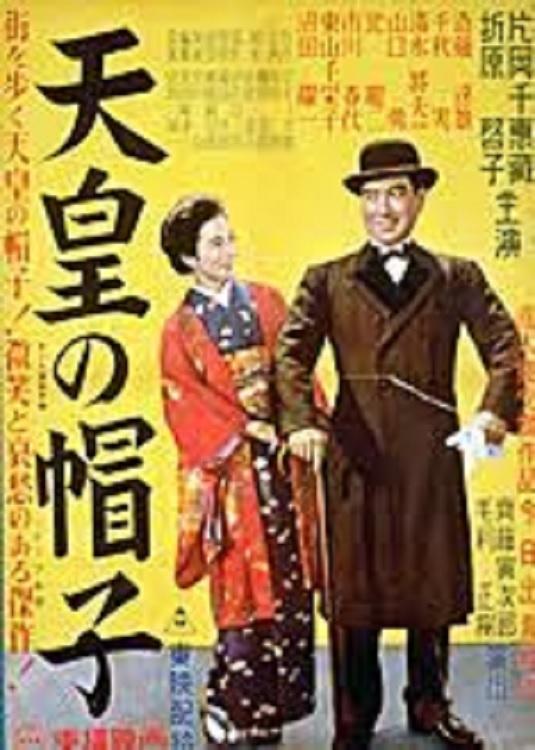
A man working in a museum steals the Emperor's hat on display.
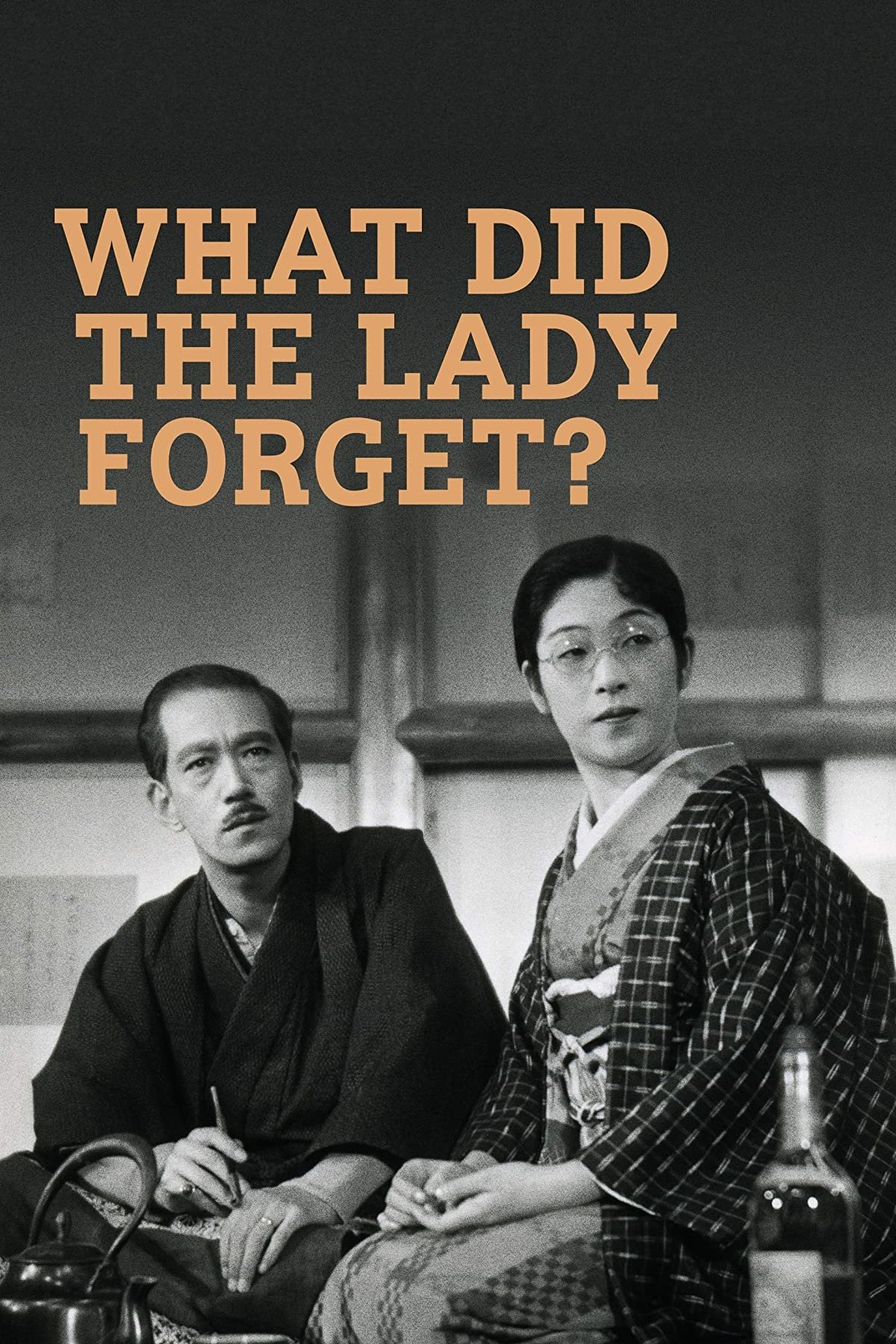
A professor, Komiya, and his bossy wife, Tokiko, are to look after Setsuko, their high-spirited niece from Osaka. Despite being a minor, Setsuko is a liberated woman who does whatever she wants, including smoking. She even convinces Koyima to take her to a geisha house. When she gets rather tipsy, the professor calls Okada, one of his students, to take her home. The wife becomes suspicious of Setsuko when she sees Okada bringing her home.
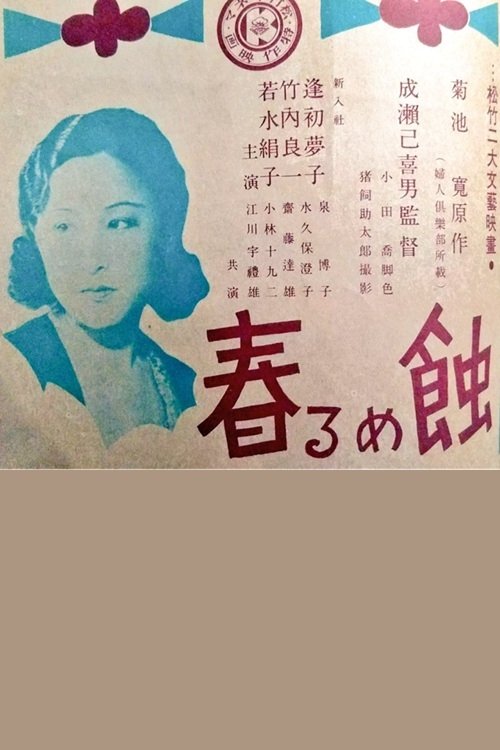
Directed by Mikio Naruse. It is presumed to be lost.

In Depression-era Tokyo, the life of a single mother and her young son are disrupted by the return of her ex-husband, who fathered the child and walked out on her years earlier.
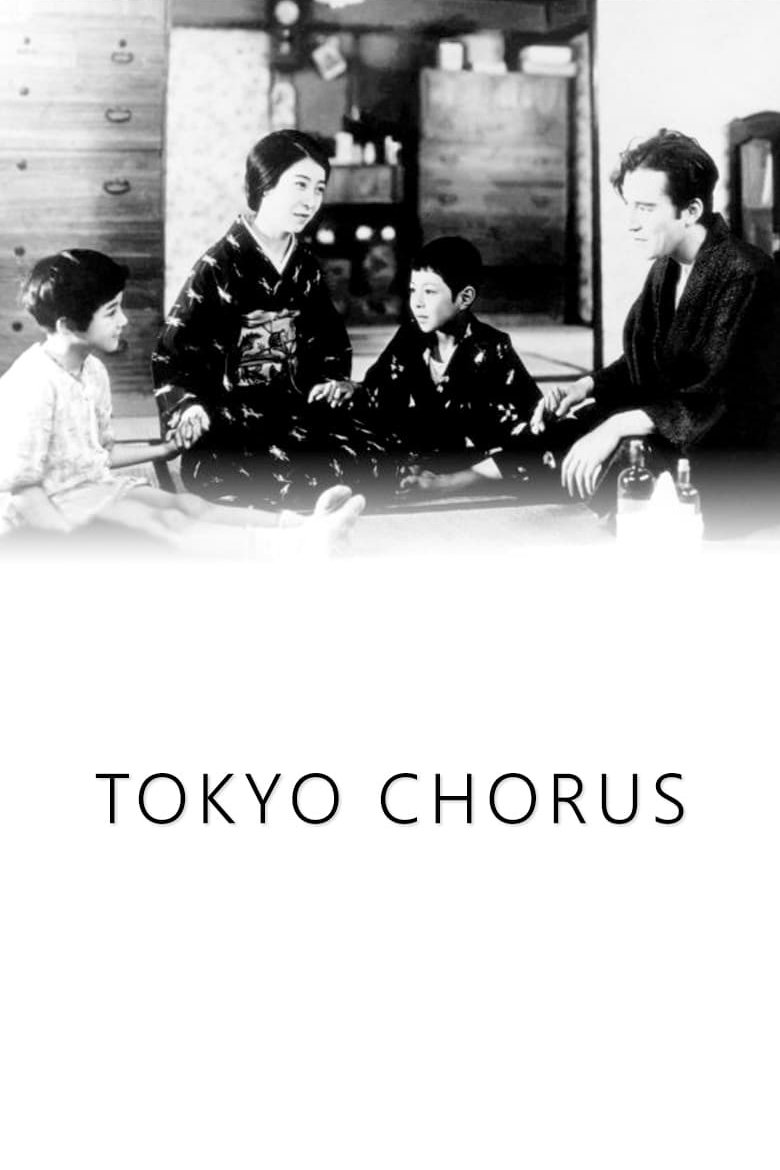
During the Depression, a young man struggles to provide for his family after he is sacked for defending an older colleague.
A Japanese mountain inn patron's foot is cut by an ornamental hairpin accidentally left behind by a former patron, leading to much curiosity among the other patrons regarding her identity.
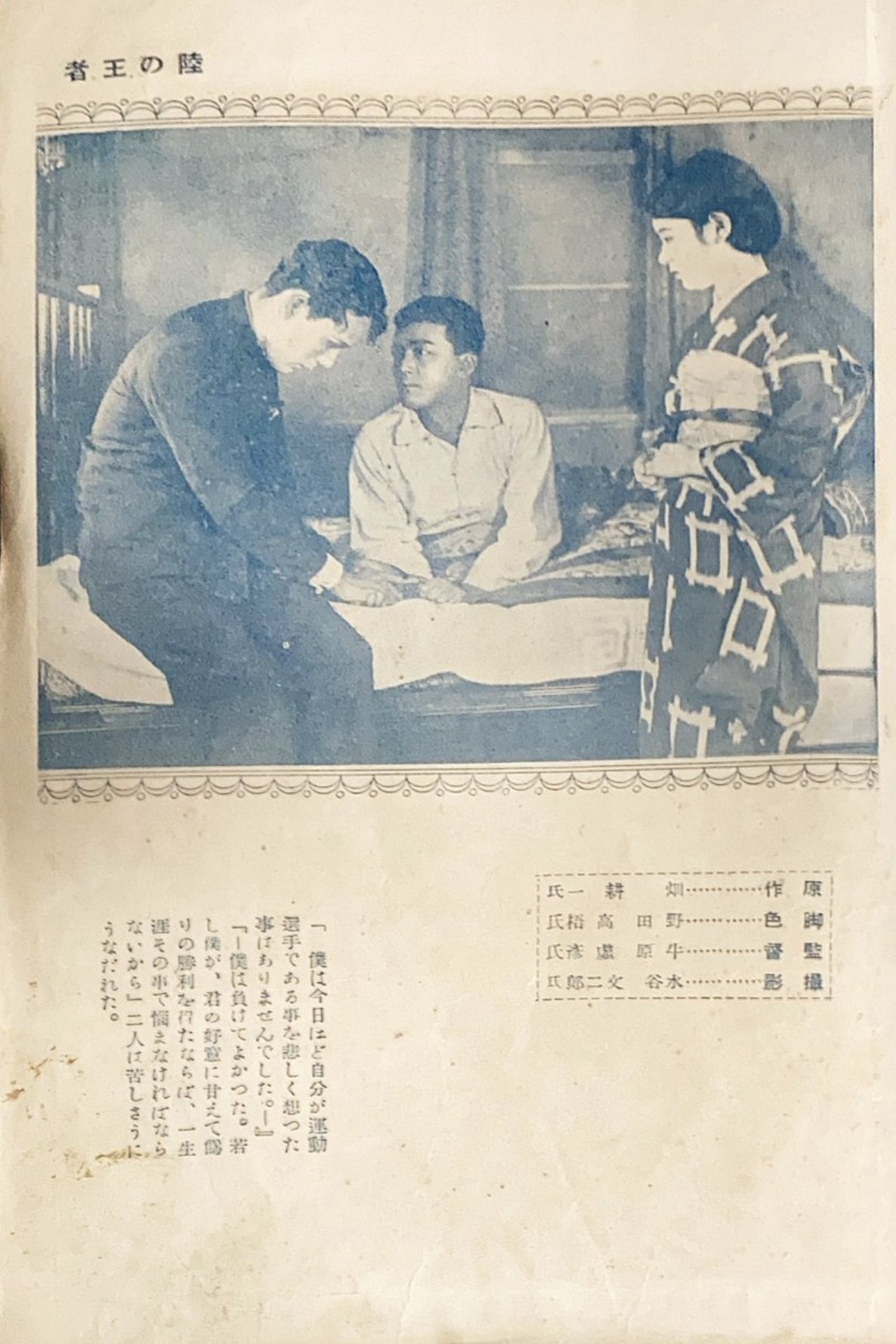
Japanese silent film from 1928, ranked as Kinema Junpo's second-best Japanese movie of the year.
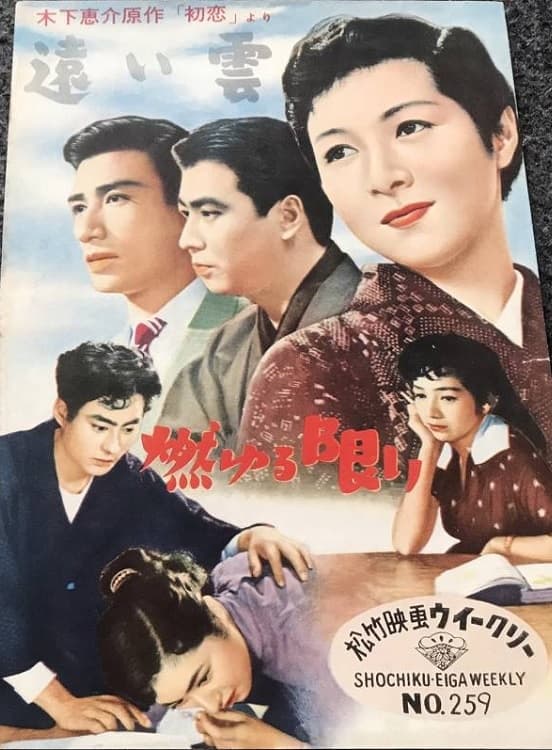
The Nakata family, father, mother, son Hideo, and daughters Taeko and Akiko live in the poorer section of modern Tokyo. Their troubles start when the father leaves with another woman, returns after he is rejected, and leaves again with the family's money.
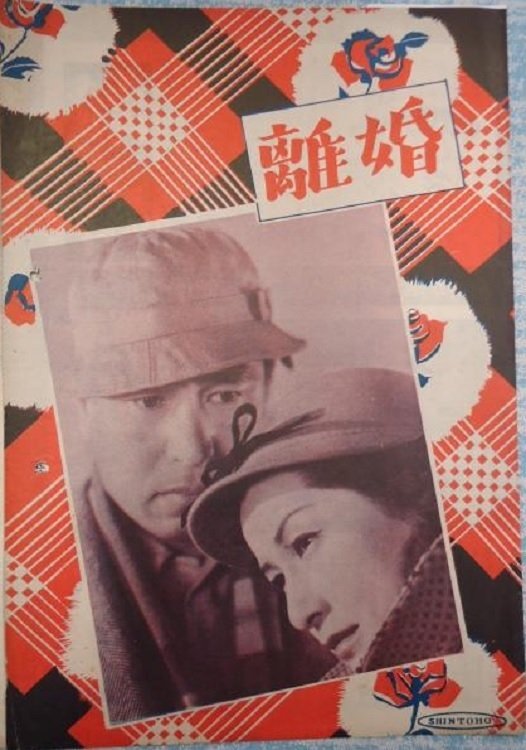
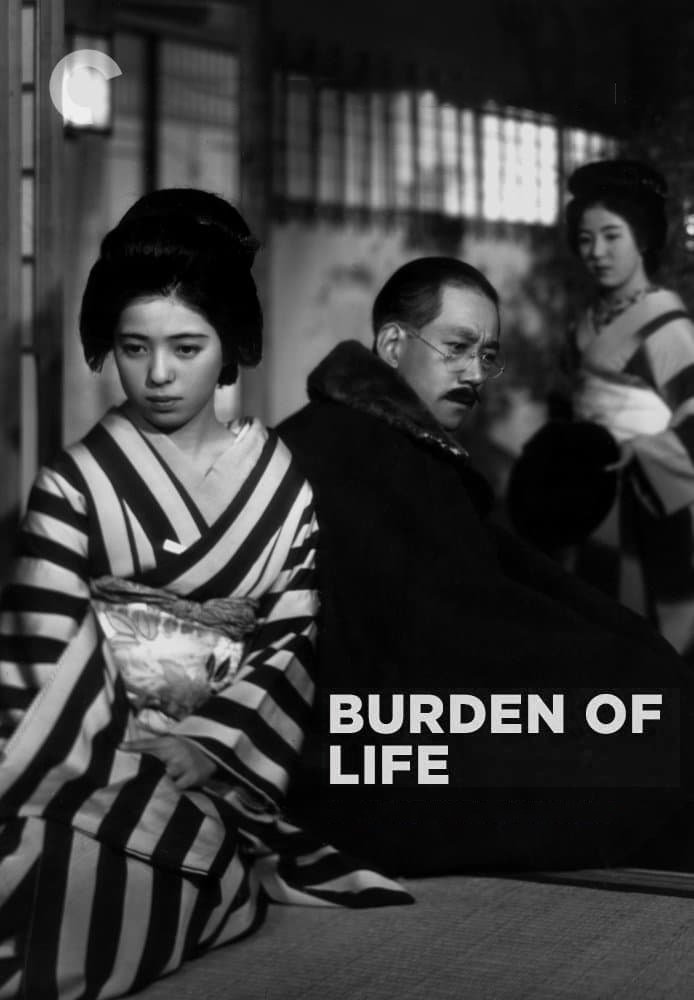
A middle-aged father has just married off his third daughter, but still has his nine year old son to raise whom he resents as he was unwanted.
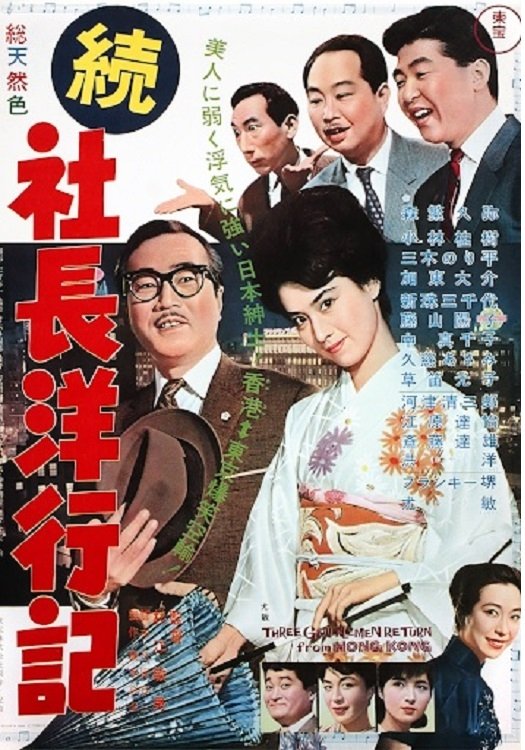
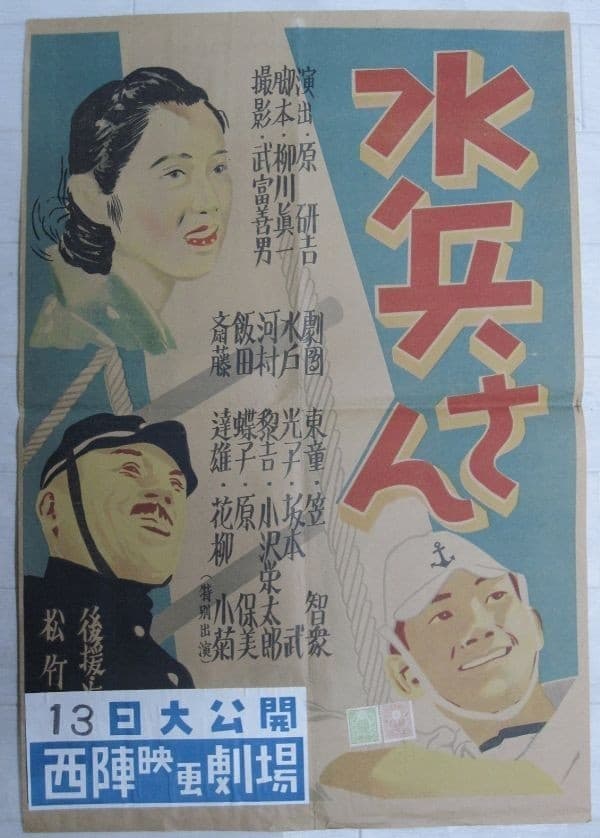
Shinpachi Morimura, who was born in a fusuma craftsman's house, wants to join the Japanese navy. However, his father wants him to continue in the family business and refuses to accept it.
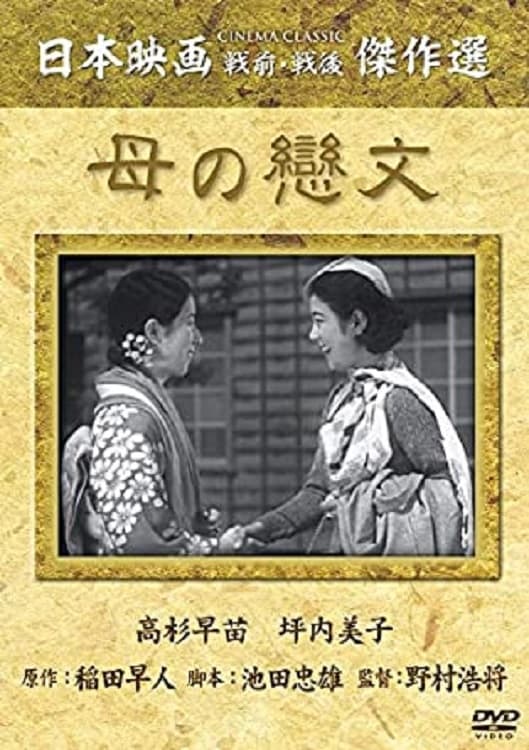
Domestic comedy involving a strong wife and a "henpecked" husband taking place in a family-run judo school.
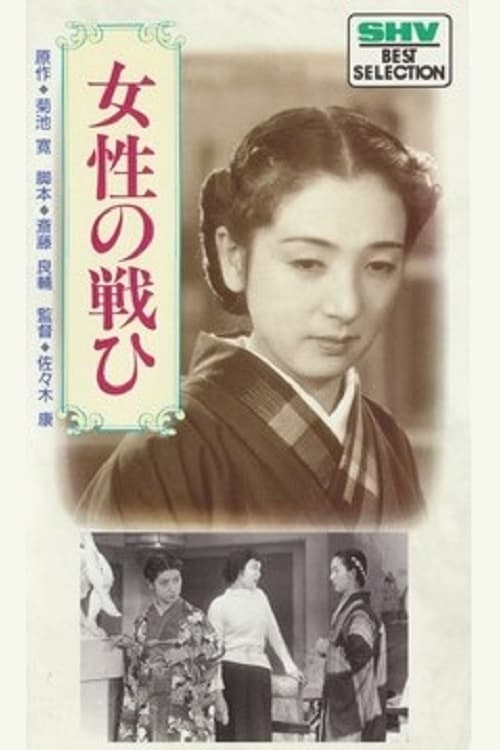
Naomi Tazawa (Hiroko Kawasaki), who works at Isetan Department Store, was told by an executive at a film company (Ken Uehara), that he was going to make a film about her. She was scouted to become an actress, but she held strong. Around that time, her adoptive father dies, and at the time of his death, she learns that her real father was a man of high rank.
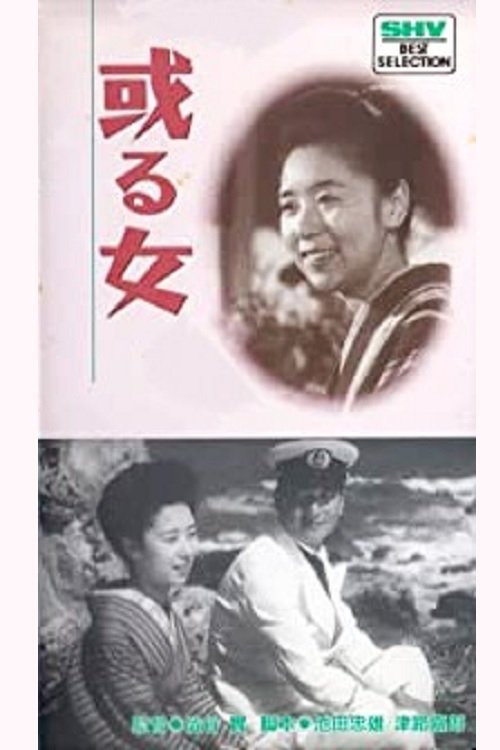
Pretty Oshige is deceived by her first love. After this, she lives a hard lifestyle, working at a number of jobs. Her only pleasure is her nephew, who eventually becomes a merchant marine. When Oshige meets her old love ten years later, she is able to forgive him and even thank him for the path her life has taken.
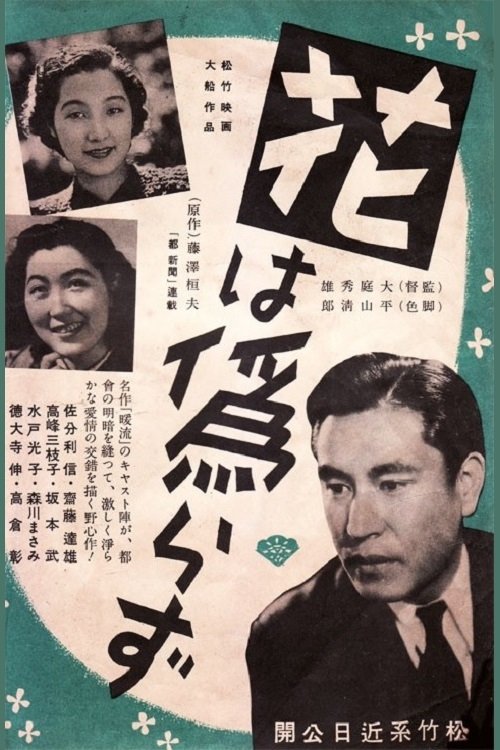
Hana wa itsuwarazu (1941) is the second directorial work by Shochiku's Oba Hideo. Oba had previously worked as an assistant director to Shimizu Hiroshi and penned films for Shimazu Yasujiro. In this early effort, he is not stylistically very far from either, but then again all Shochiku directors resemble each other to a point. The film is an everyday romance for younger audiences, full of clean, ideal human beings.
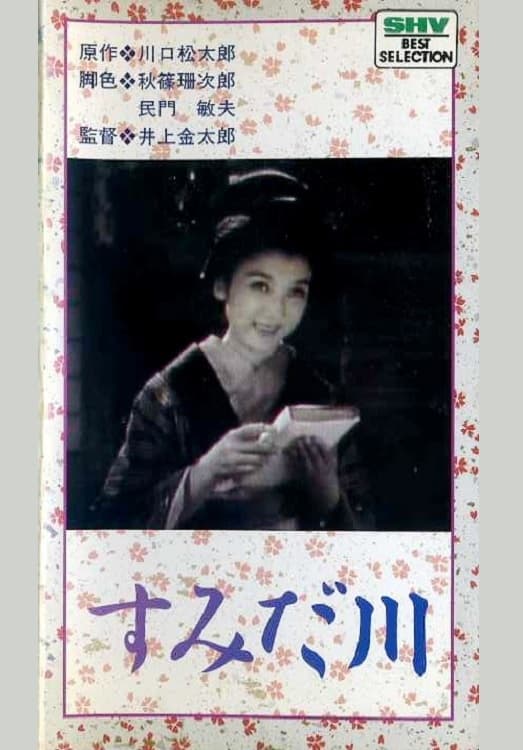
Inoue was something of a rarity in the sense, that he was a Shochiku house director who seems to have worked mostly in period films, often with big stars like Hasegawa or Bando. "Sumidagawa", named after the river that runs through Tokyo, is also a period film, but thematically a modern one. All the themes that you associate with the normal Shochiku women's films set in the present day are in this film, just in a different context: love, the planning of a marriage, career, family relations and societal melancholy. There is no action or swordplay.
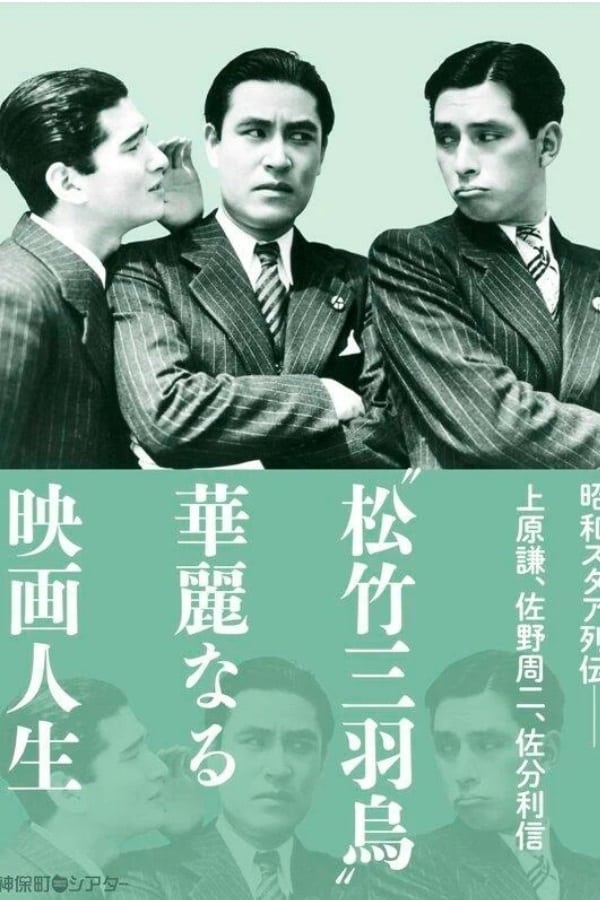
Three men vying for the same job end up chasing the same girl in this comedy-drama from noted Japanese director Yasujiro Shimazu.
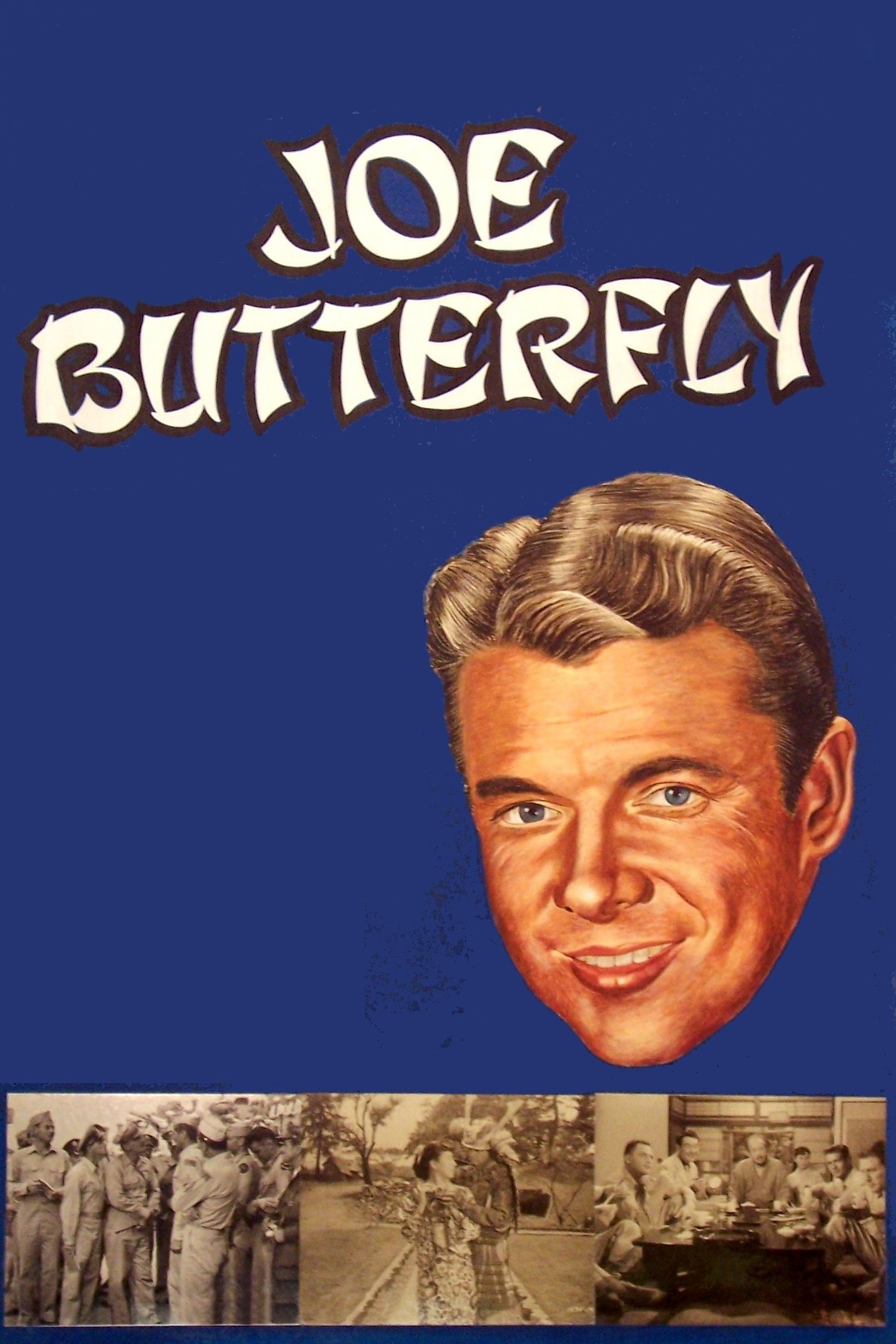
The staff of "Yank" magazine are among the first American troops into Tokyo after the Japanese surrender. Their mission: produce an issue of the magazine...in three days. To accomplish the seeming impossible, they reluctantly enlist the aid of black marketeer and arch-conniver Joe Butterfly, who sets them up in a palatial private mansion, complete with lovely daughter -- strictly against regulations. How much trouble can our heroes talk their way out of?
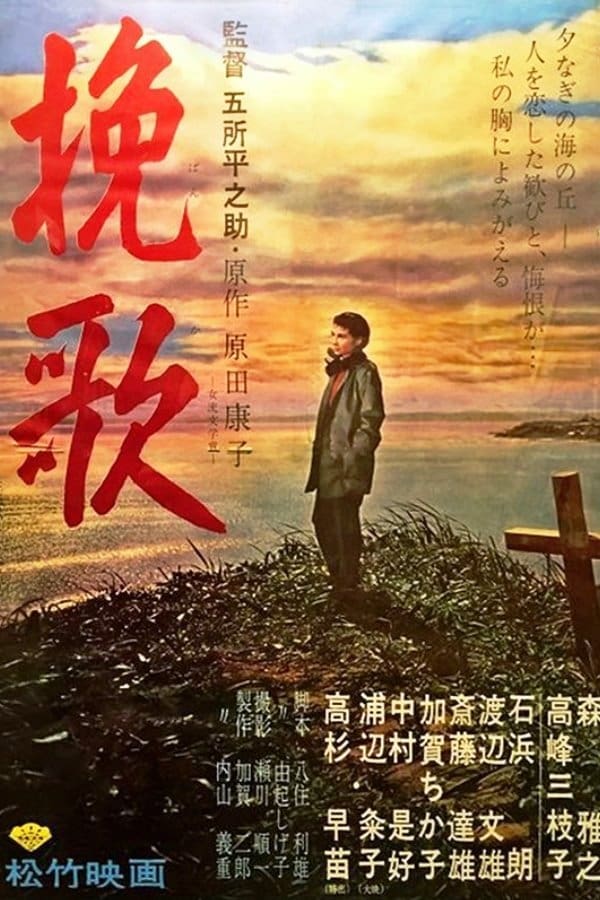
Reiko, a young woman with a physical disability, begins a clandestine affair with the married architect Katsuragi, but also becomes dangerously obsessed with his unfaithful wife, Akiko.

A kidnapped boy proves to be more than his abductor can handle.
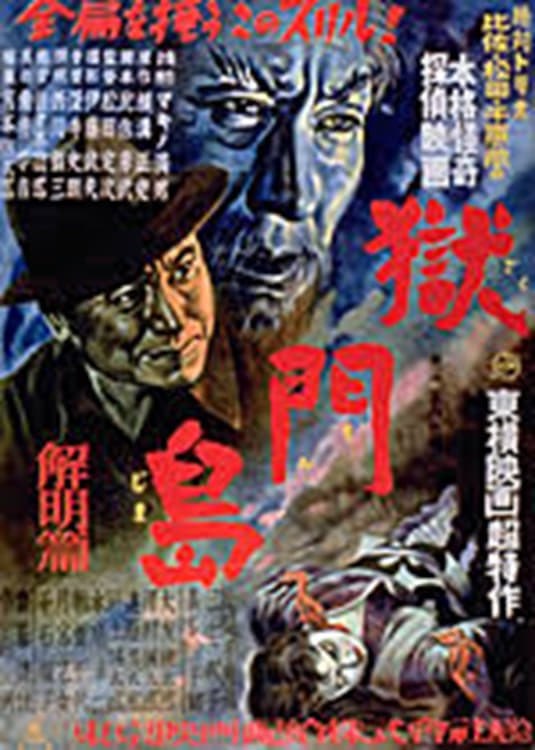
Sequel to "Island of Horrors" (獄門島, 1949).
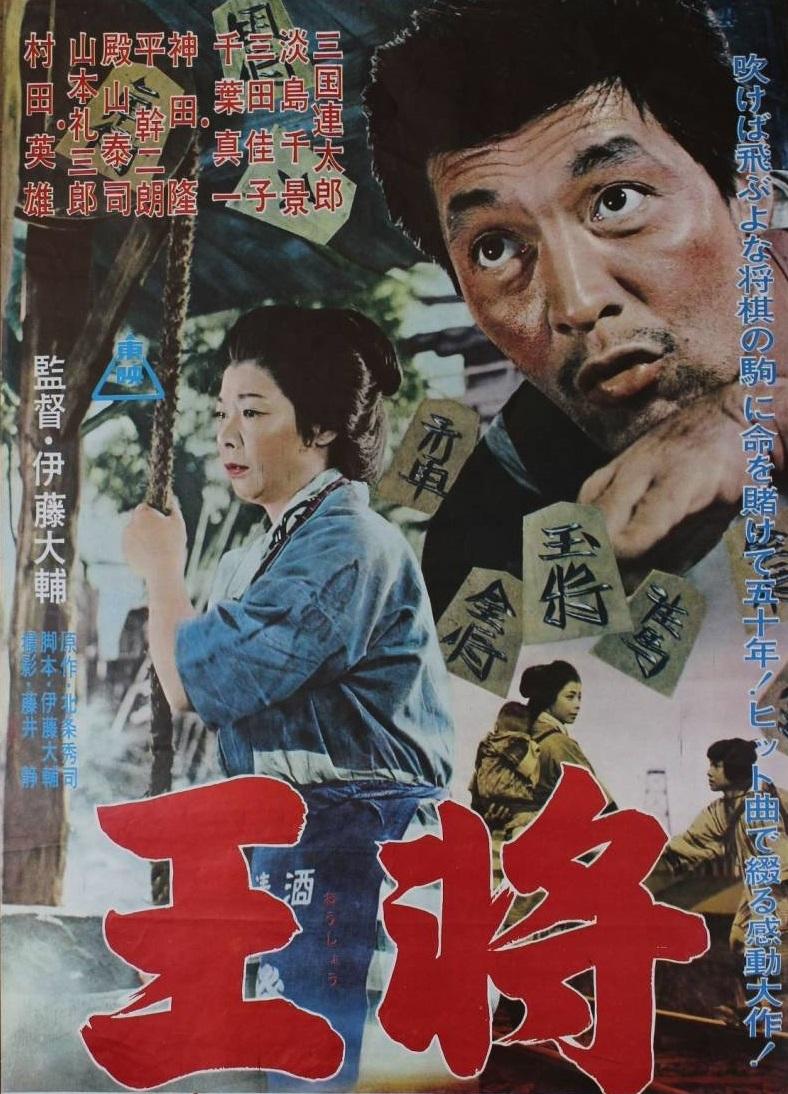
Shogi, a Japanese form of chess, is a game that requires skill and determination. When poor sandal-maker Sakata decides to pursue his dream of becoming the Shogi Grand Master Champion, everything is at stake – including his family. What will it cost for Sakata to follow his passion?
A Japanese screwball comedy about the battle between the sexes: two timid men, egged on by their wives, end up in a bitter duel over an expensive lace handkerchief.

Directed by Mikio Naruse. It is presumed to be lost.
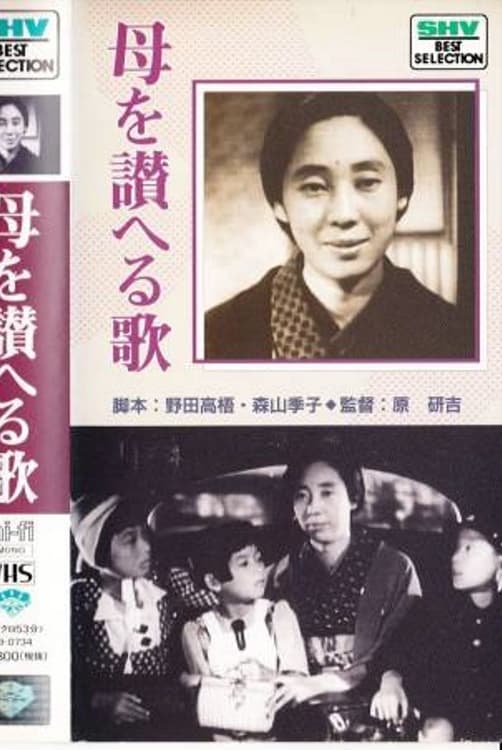
A widow works as an insurance seller to raise her three children
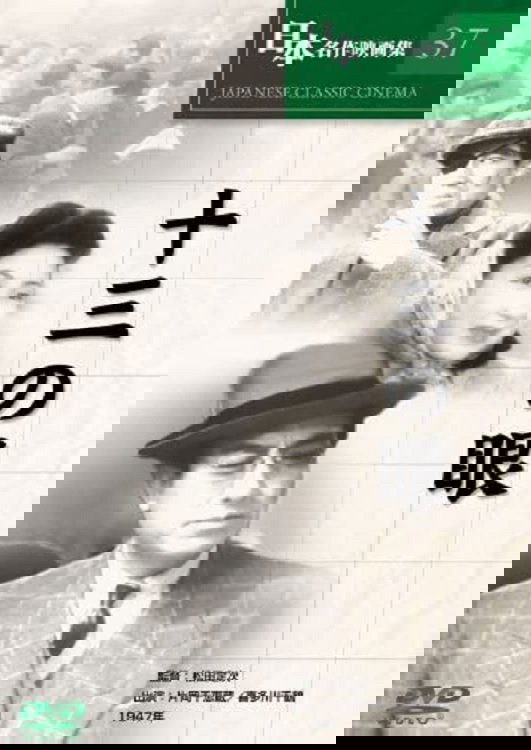
Second film of the Bannai Tarao series starring Chiezo Kataoka
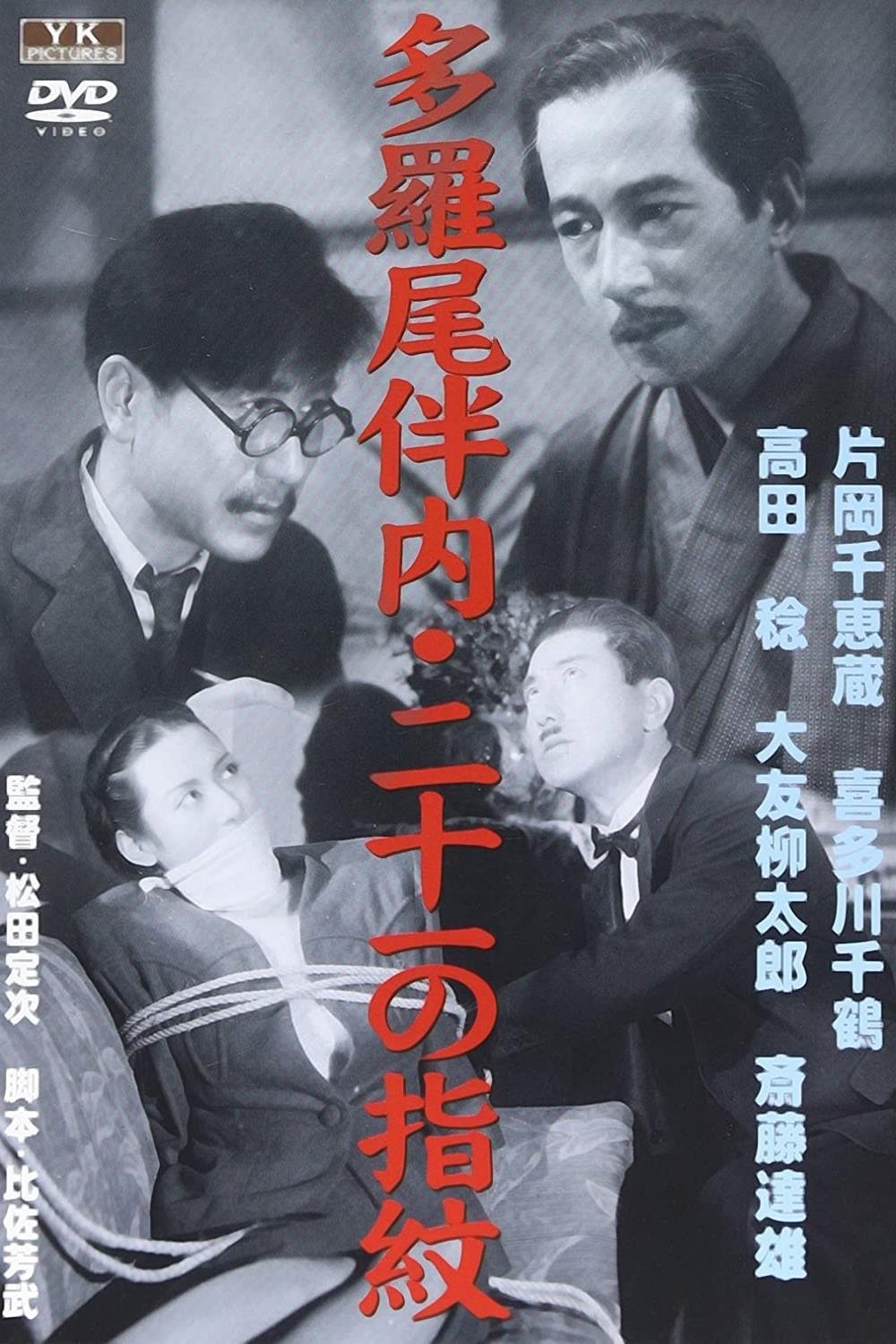
Third film of the Bannai Tarao series starring Chiezo Kataoka
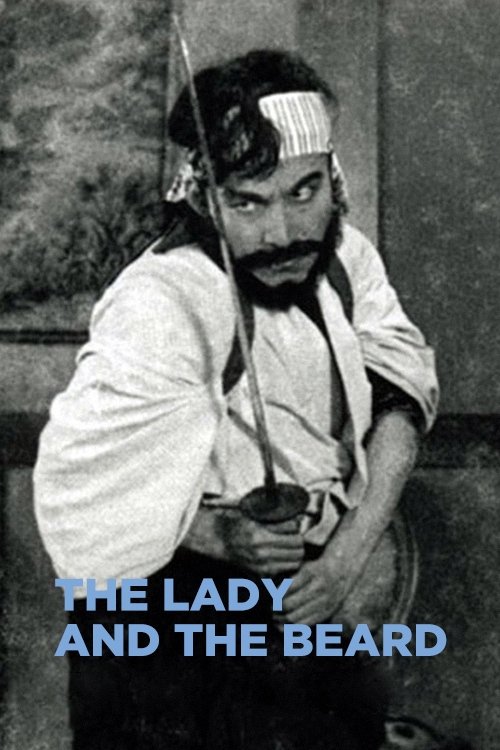
Graduate Okajima finds his old-fashioned beard makes life difficult in a comedy exploring the tension between tradition and modernity.

After the plans of a group of college students to cheat on their final exams goes awry, they're left to reassess their lives and educations and get back on track.

When a young man inherits his father's lucrative business, he cheats the system to set up three of his college friends with jobs.
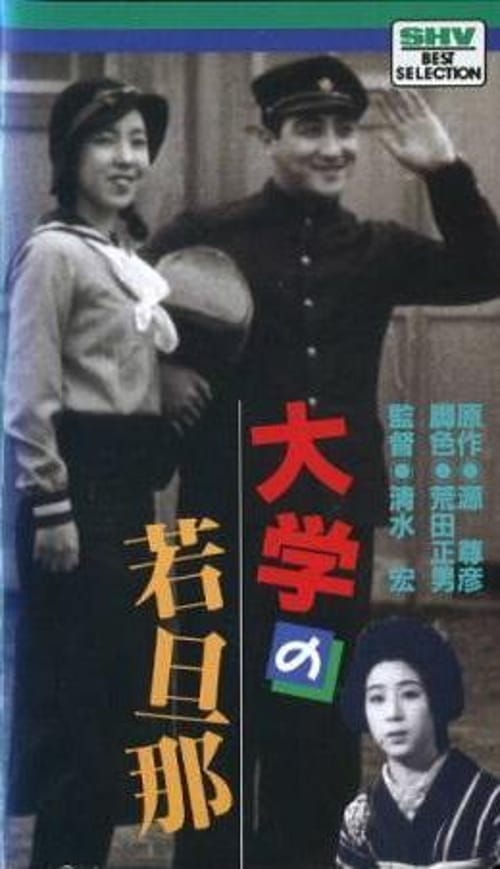
The story deals with Fuji, nicknamed Waka-danna (Young Master), the star athlete on his university's rugby team. The son of a wealthy soy sauce manufacturer, Fuji basks in the glory of his athletic celebrity. Attracting the attention of admiring young women, Fuji resists family pressure to settle down and marry after college. Instead, he spends much of his time drinking and womanizing, behavior which eventually leads the college officials to expel him from the team.
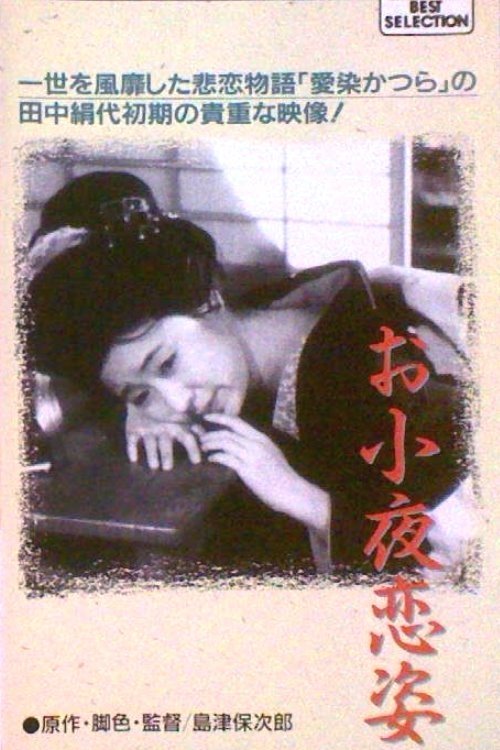
The poor novelist Yamamoto is writing his novel, determined and with a headband around his head. With him, the novelist who is always in trouble paying his bills, is the girl Saya who becomes the model for his novel. Saya however is in love with a young driver. When he is forced to move into a spa town as the result of the jealousy of another man Saya is terribly sad. But with the help of Yamamoto the driver's rival can be revealed and Saya can finally be with her beloved.
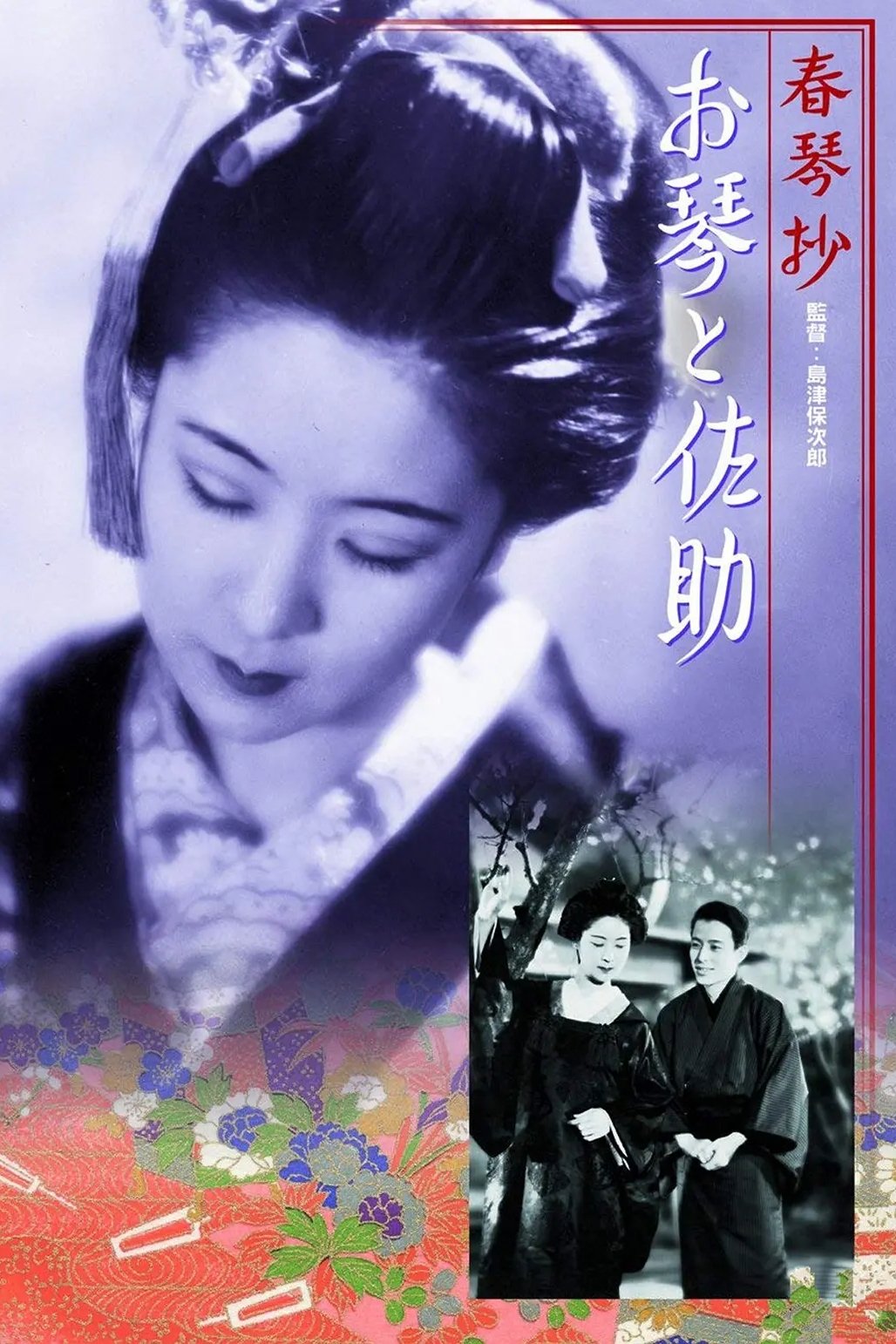
A period piece about the love of a wealthy blind woman, a teacher of koto and shamisen, and her devoted manservant. Based on a novella by Tanizaki Junichiro.
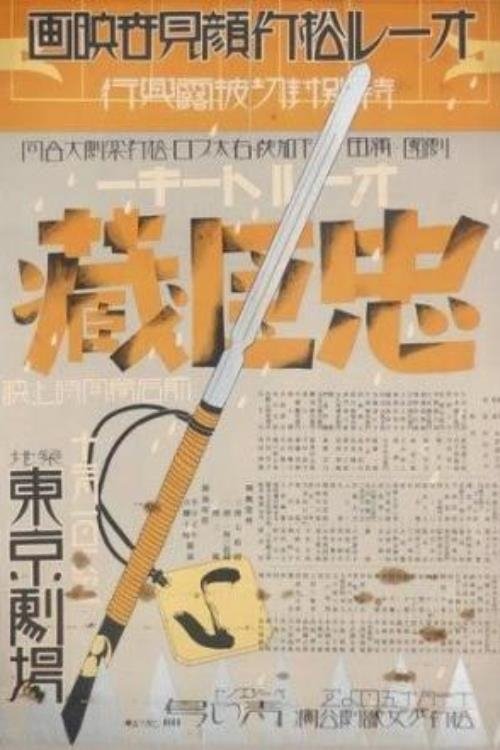
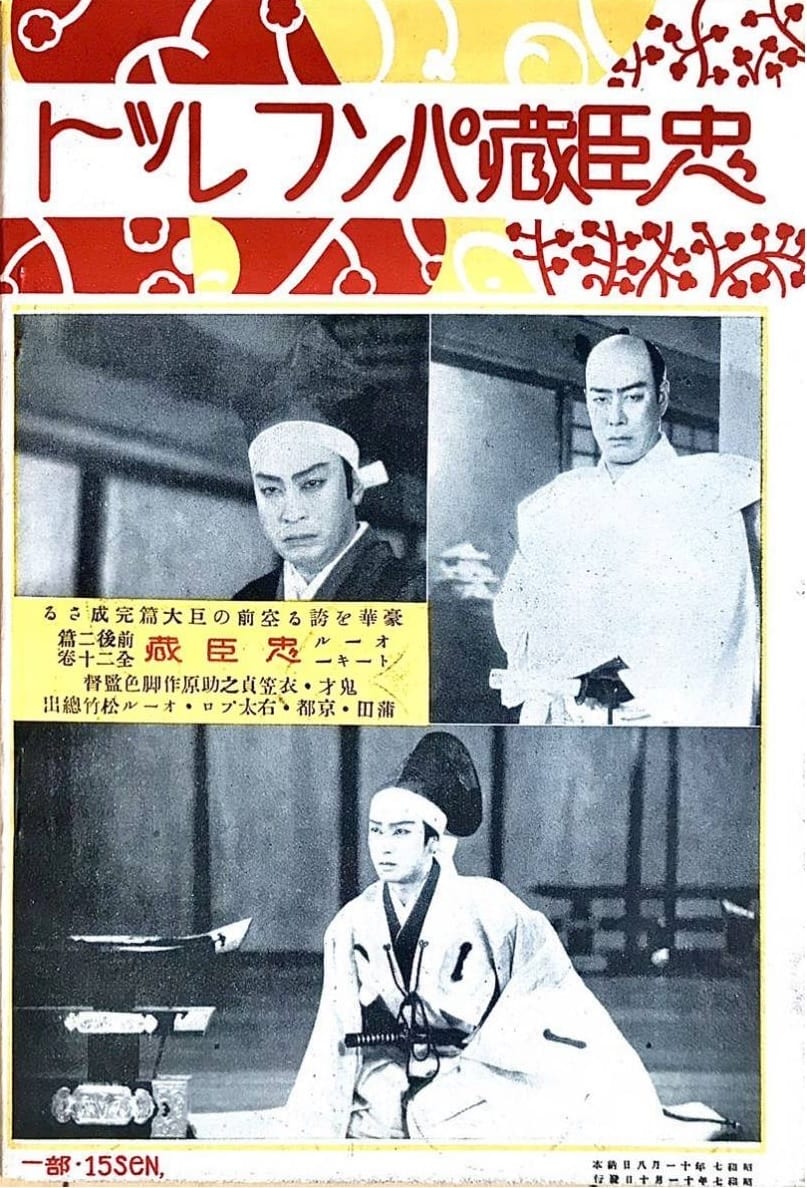
This 1932 adaptation is the earliest sound version of the ever-popular and much-filmed Chushingura story of the loyal 47 retainers who avenged their feudal lord after he was obliged to commit hara-kiri due to the machinations of a villainous courtier. As the first sound version of the classic narrative, the film was something of an event, and employed a stellar cast, who give a roster of memorable performances. Director Teinosuke Kinugasa was primarily a specialist in jidai-geki (period films), such as the internationally celebrated Gate of Hell (Jigokumon, 1953), and although he is now most famous as the maker of the avant-garde silent films A Page of Madness (Kurutta ichipeji, 1926) and Crossroads (Jujiro, 1928), Chushingura is in fact more typical of his output than those experimental works. The film ranked third in that year’s Kinema Junpo critics’ poll, and Joseph Anderson and Donald Richie noted that 'not only the sound but the quick cutting was admired by many critics.
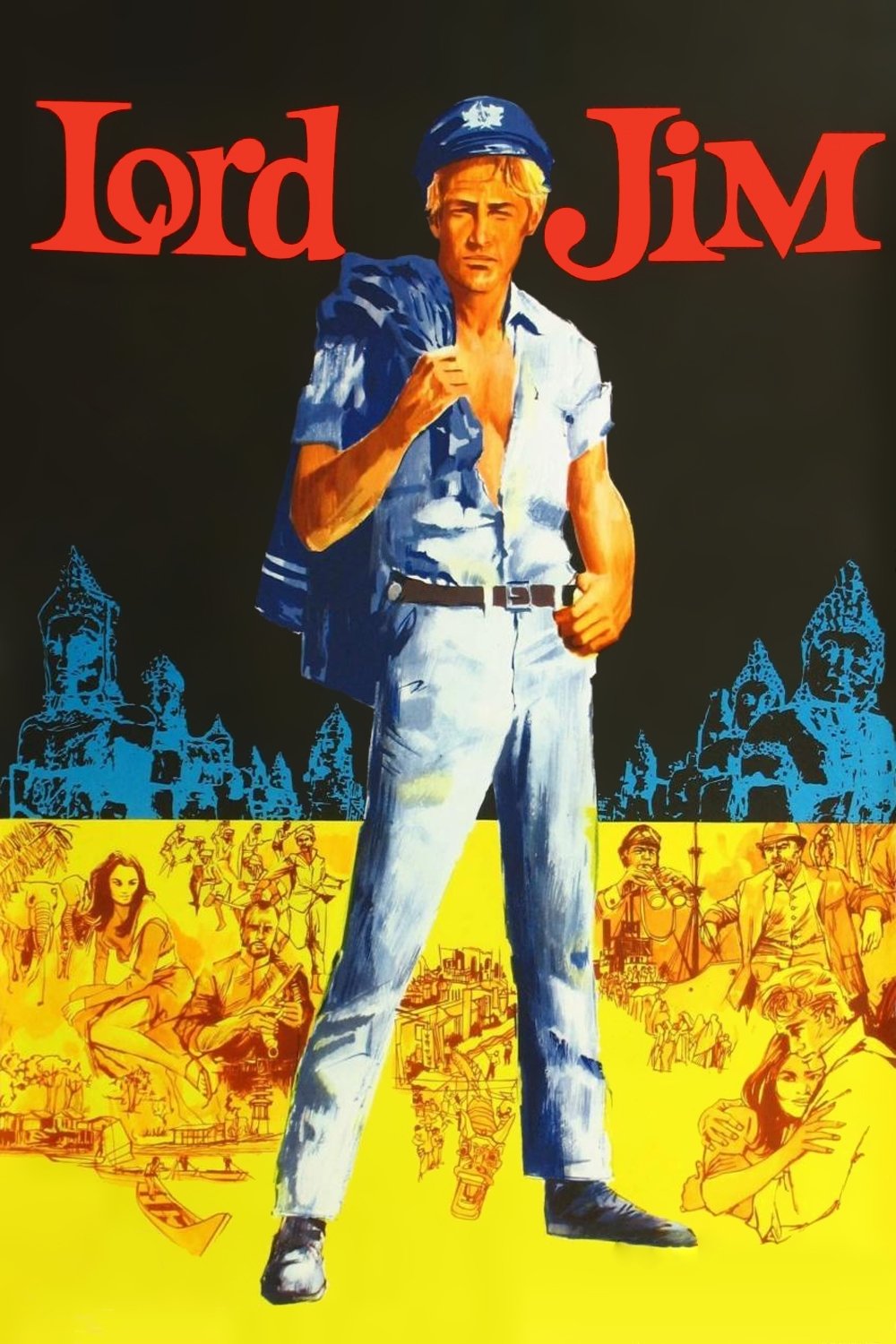
After being discredited as a coward, a 19th century seaman lives for only one purpose: to redeem himself. Preserved by the Academy Film Archive in partnership with Sony Pictures Entertainment in 2000.
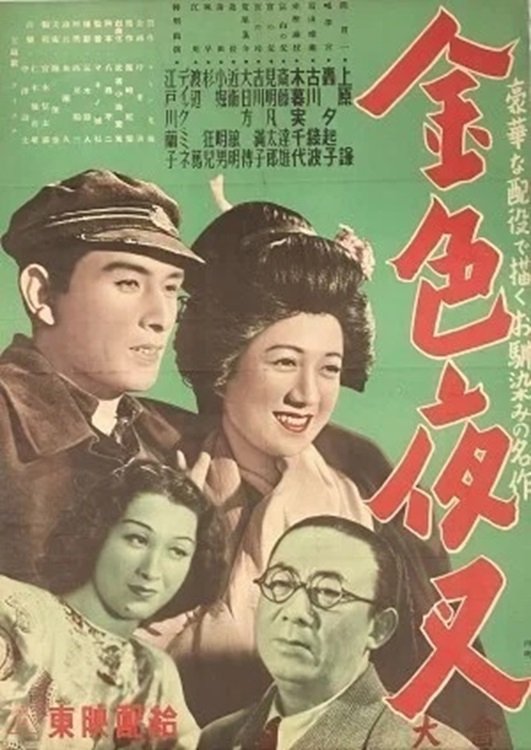
1948 adaptation of Golden Devil
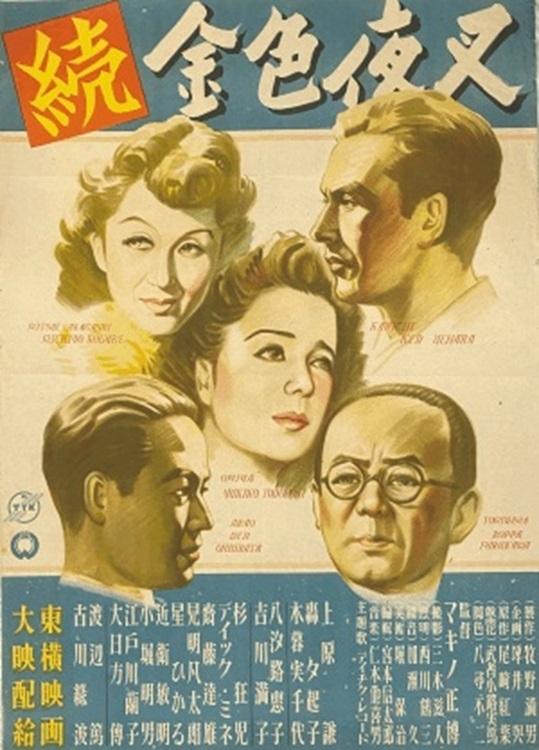
1948 adaptation of Golden Devil, part 2
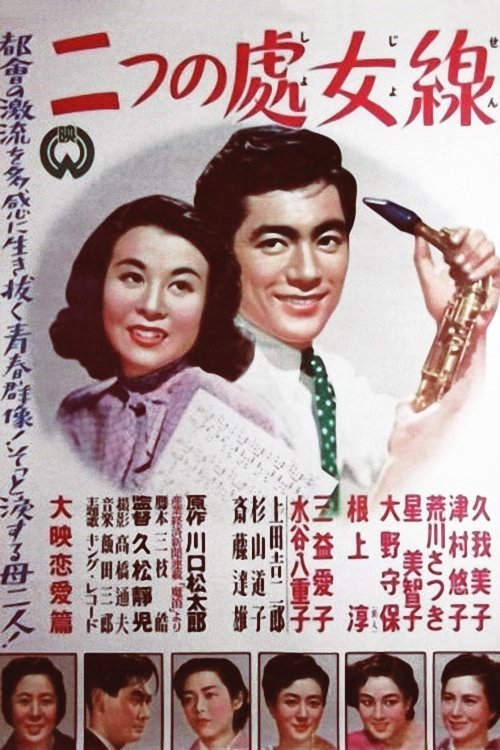
Melodrama about two sisters with different mothers.
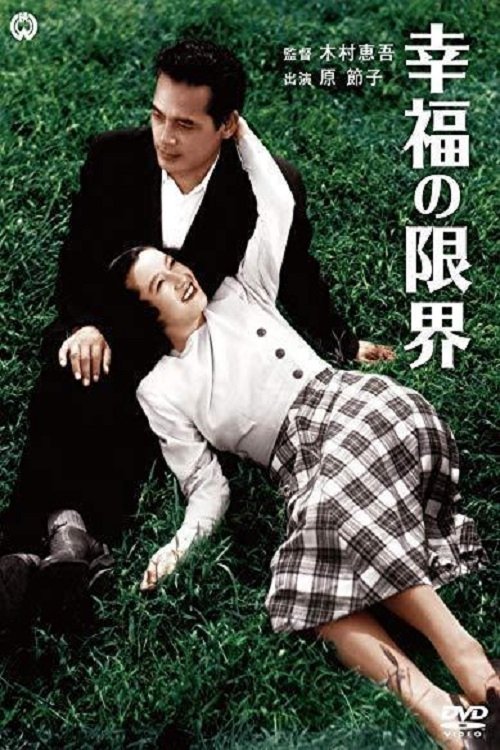
The eldest daughter of the Takamatsu family, Atsuko, a widow, returns home due to not getting along with her late husband's family. On the other hand, the youngest daughter, Yukiko, is in love with a teacher older than her, much to her father's chagrin. All of this, together with Yukiko and Atusko not getting along, will shake the foundations of the Takamatsu family.
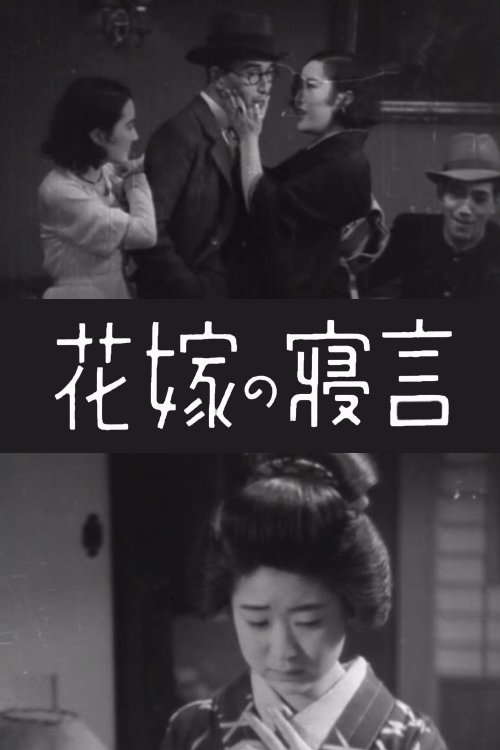
This pair of gentle yet witty and inventive comedies from the director of The Neighbour's Wife and Mine typify both the formal experimentation of early Japanese sound cinema and the social milieux that Shochiku tended to depict. 'Virtually plotless, and feeling more like comic sketches than fully developed stories,' writes Arthur Nolletti, Jr, 'these light comedies, or farces, take a wholly trivial matter (often a socially embarrassing situation) and use it as a springboard for a succession of gags.' Much of the films' distinction comes from the wit of Gosho's direction, the imaginative use of the new sound technology and the charm of the acting, particularly of the heroines (Kinuyo Tanaka in Bride; Hiroko Kawasaki in Groom). Yet in both films, Gosho finds room for some shrewd observation of character and environment, subtly exploring the values and assumptions of the suburban petit bourgeoisie.
A newlywed couple faces tension when the wife, after her husband leaves for work, becomes completely unmotivated to handle household chores and goes back to sleep. Her neglect of daily duties starts to strain their marriage, and the couple is on the brink of divorce. However, a close friend of the husband, determined to save their relationship, introduces a hypnotist to uncover something.
1945 Japanese movie
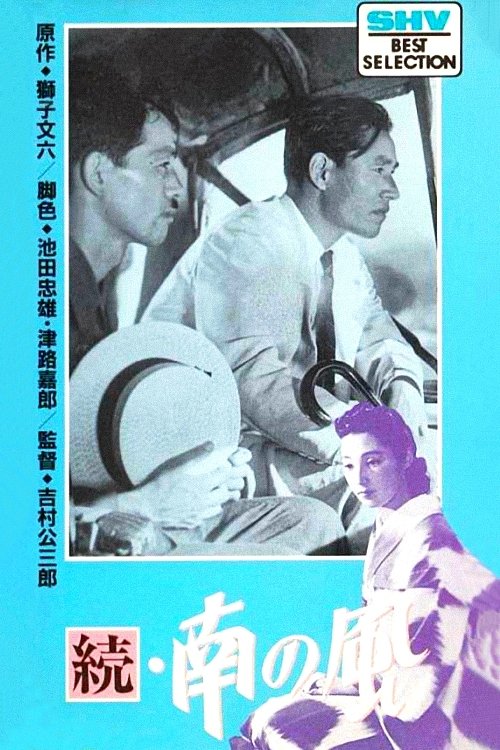
In this comic sequel to Yoshimura Kozaburo's original, Minami no Kaze, ex-baron (Saburi Shin) is in Singapore where he meets an old friend who proposes a scam to make some quick cash. It involved inventing the story that Saigo Takamori didn't actually die in the Satsuma Rebellion but escaped to Southeast Asia to start a new religion and in the process fathered a son who is now the founder. But when they bring the supposed heir and his aide to Japan, chaos ensues...
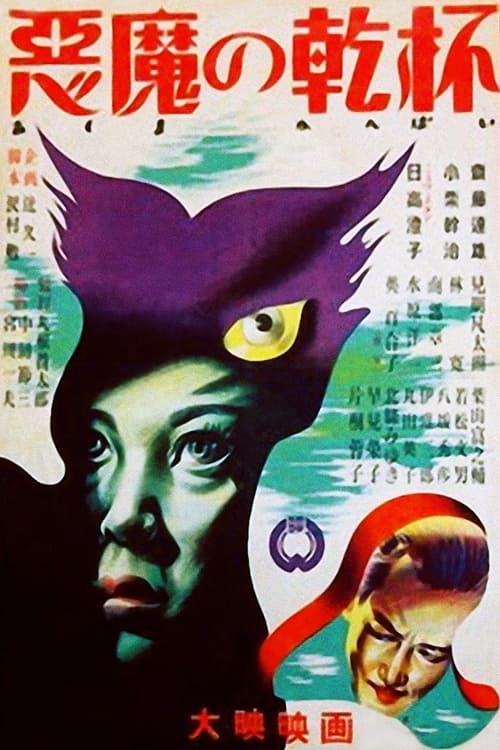
Retired police inspector Kurusu is vacationing at a seaside hotel when one night he hears a child's screaming...but there are no children staying in the hotel. But when an ex-actress who is also a guest there mentions an unsolved murder that occurred on the spot over a year ago, Kurusu decides to investigate.
Shochiku melodrama about the loves of the humble people living in the poor tenement called the Ryuheiso.
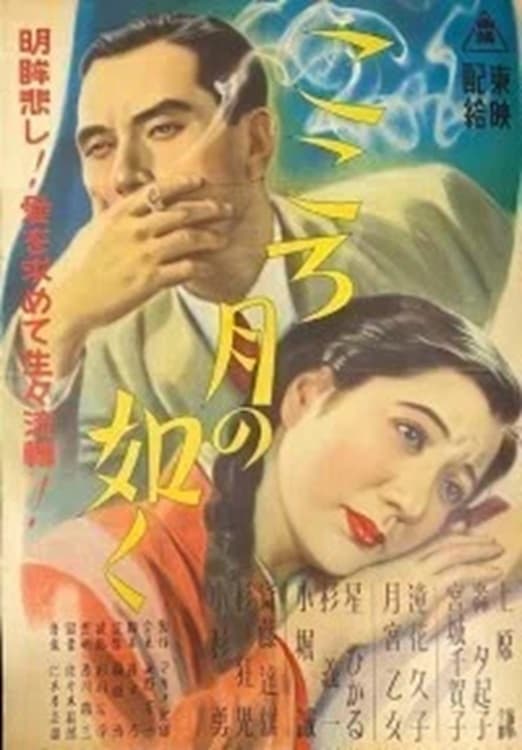
1947 Japanese movie
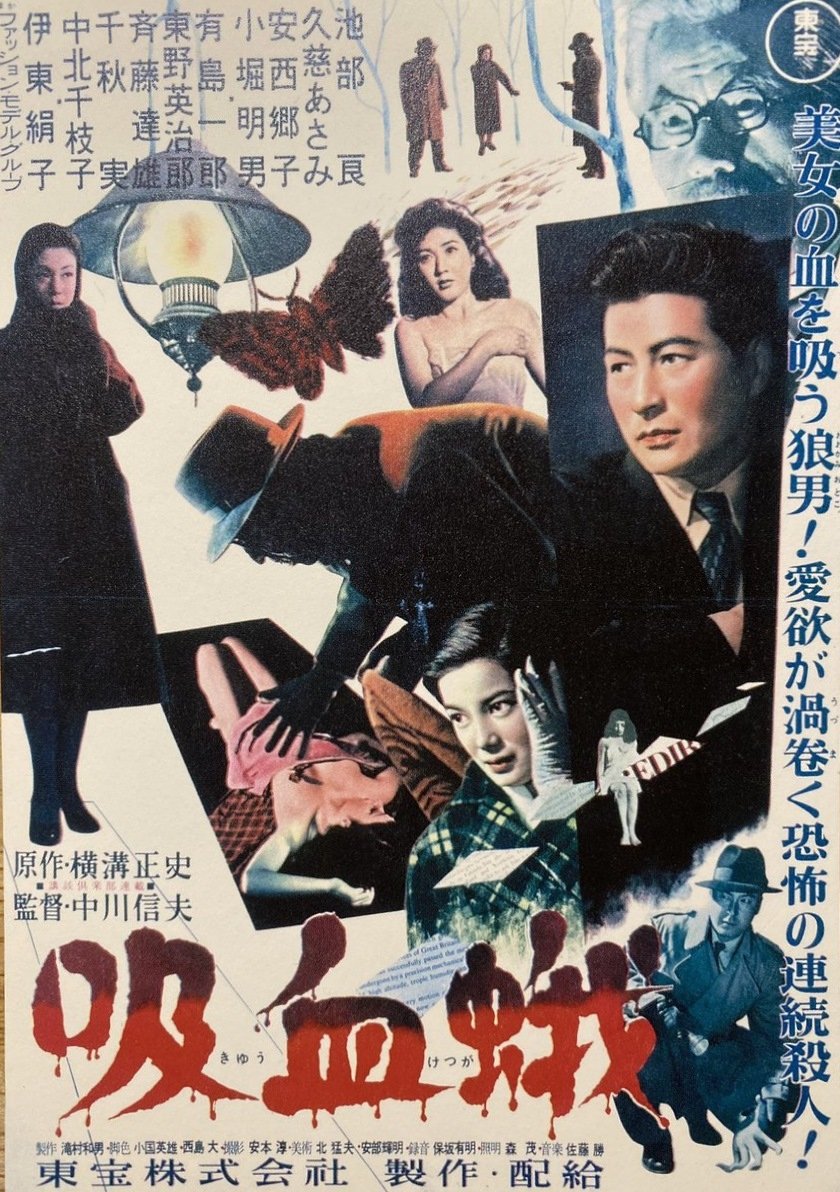
The story of a professional nude model stalked by a bizarre, unknown man wearing a hideous mask.
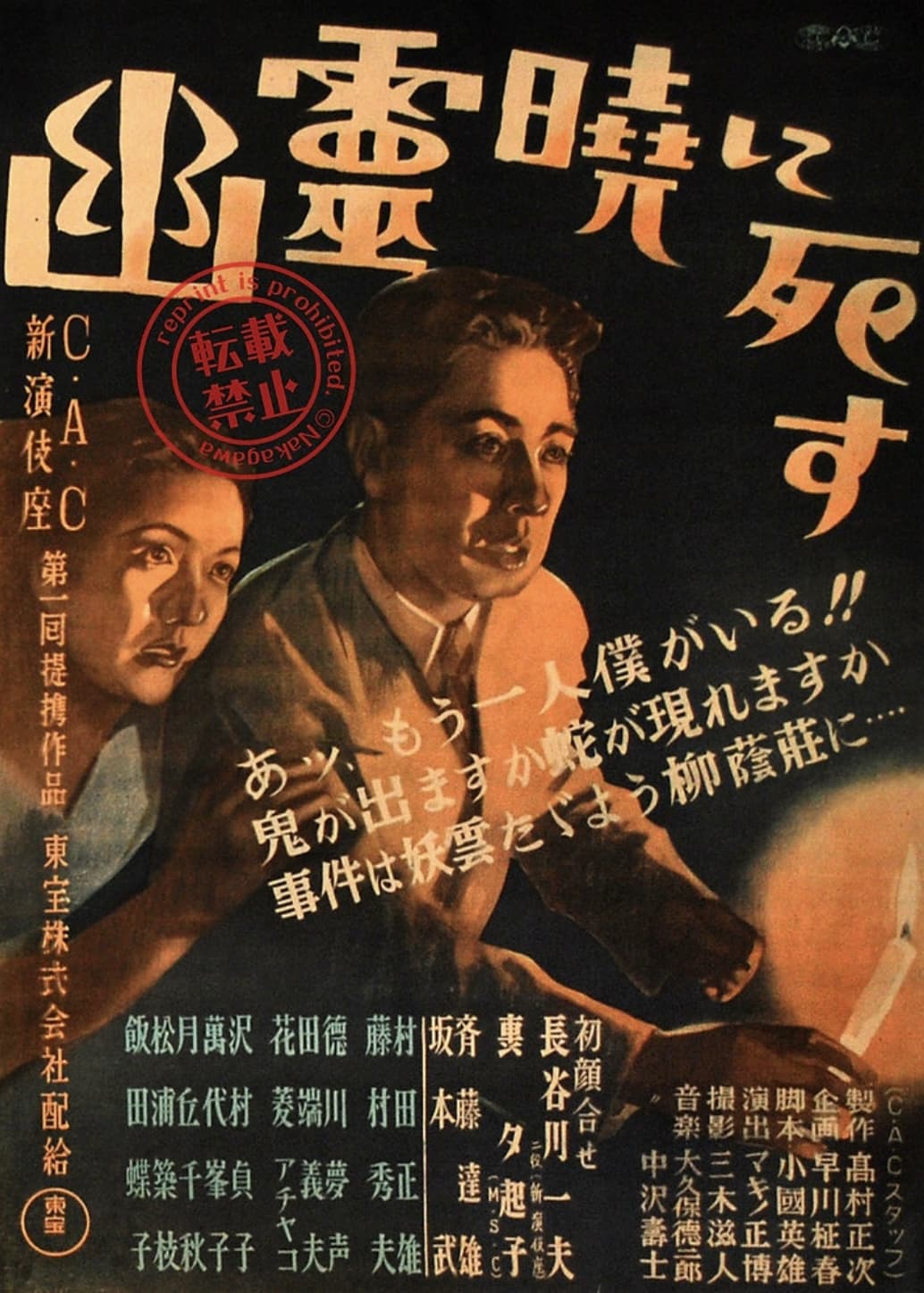
At the wedding of Kohei (Hasegawa) and Michiko (Todoroki), a whisper echoes along with a gust of wind. As if manipulated by the mysterious voice, Kohei takes Michiko to stay at a dilapidated mountain villa in his hometown. What awaited him there...
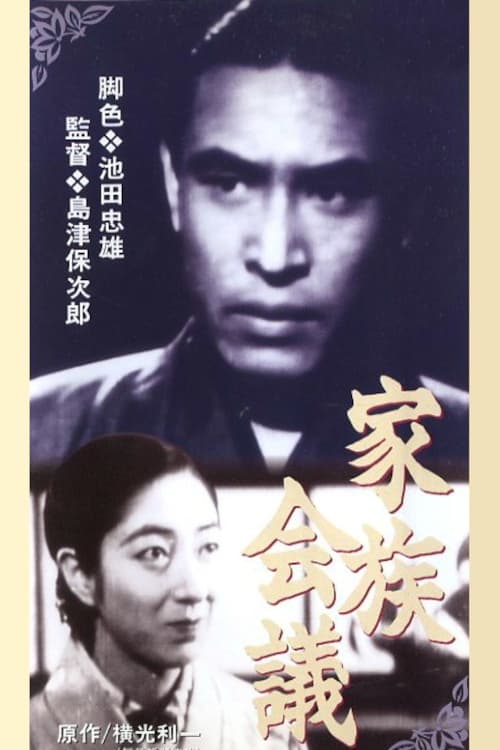
A melodrama about a businessman's relations with the three women in his life.
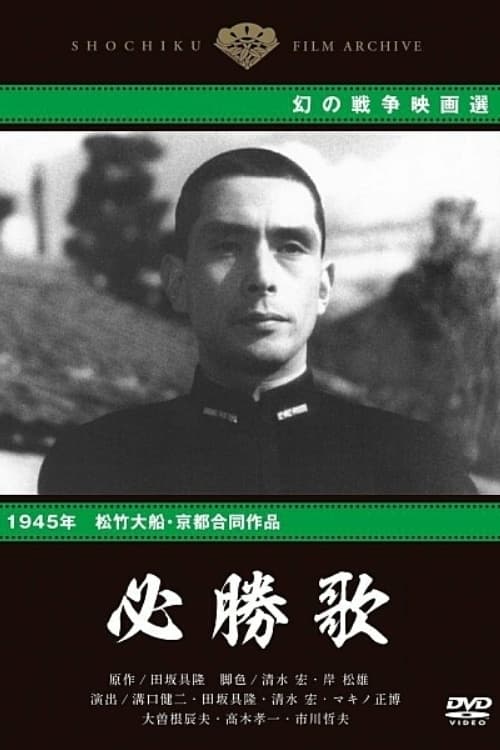
An anthology of thirteen patriotic stories about Japanese citizens contributing to the war effort.
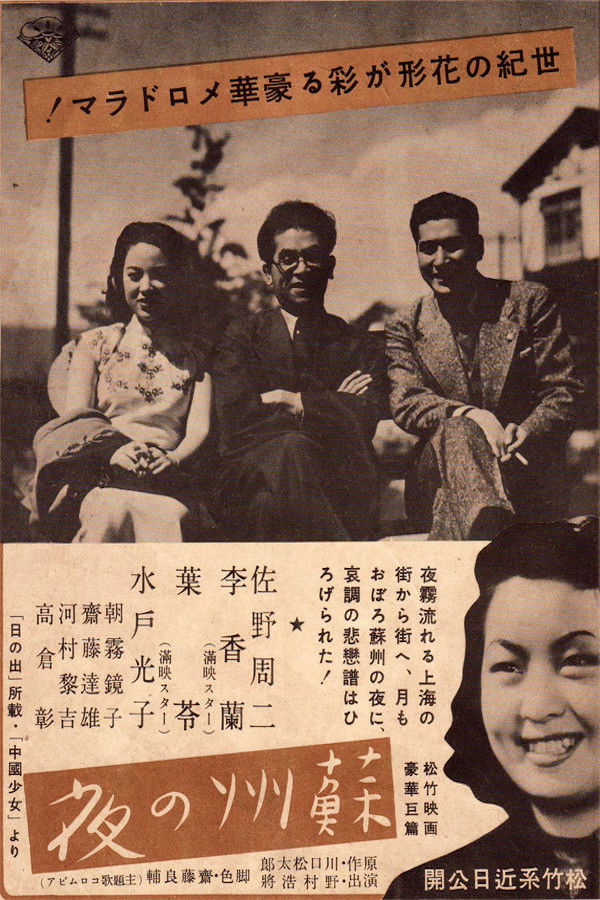
A hostile Chinese nurse (Yamaguchi) who works in an orphanage is won over by the care and commitment of the Japanese doctor (Sano) who treats her wards. Disease outbreaks and family obligations, however, threaten to torpedo their budding romance.
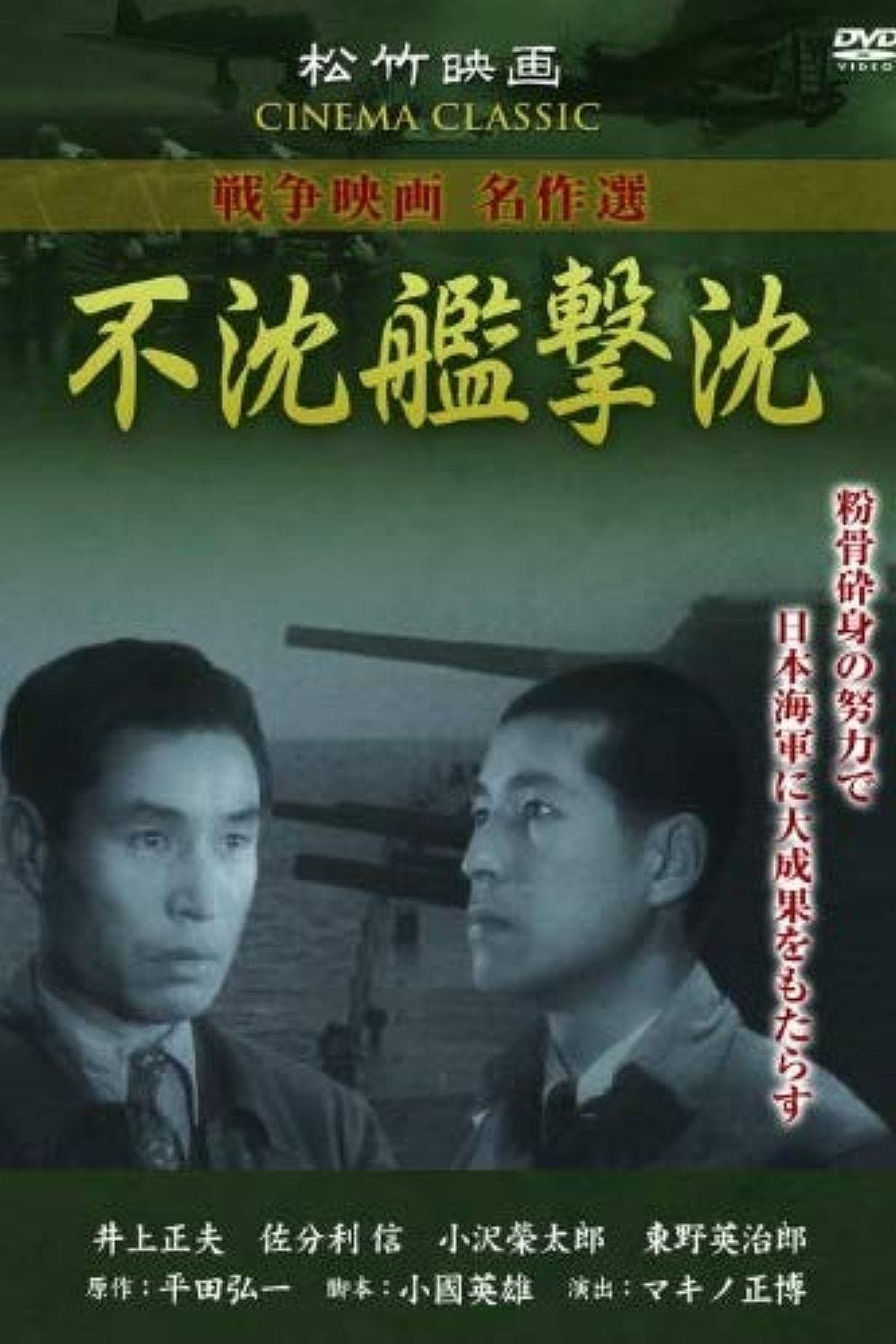
Japanese Warmovie
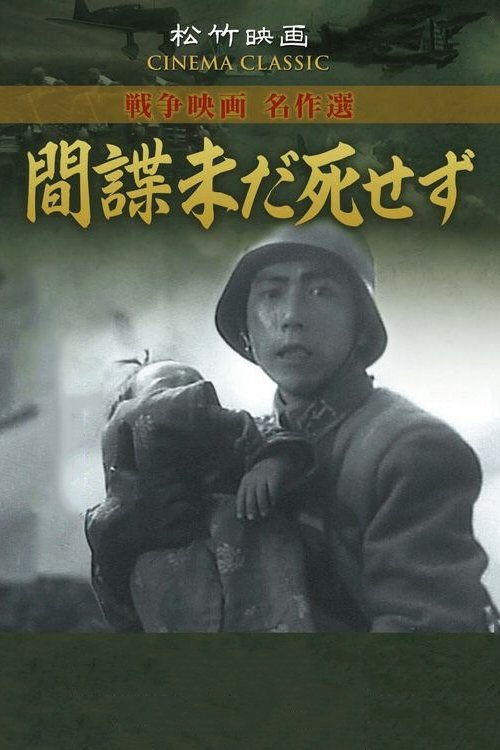
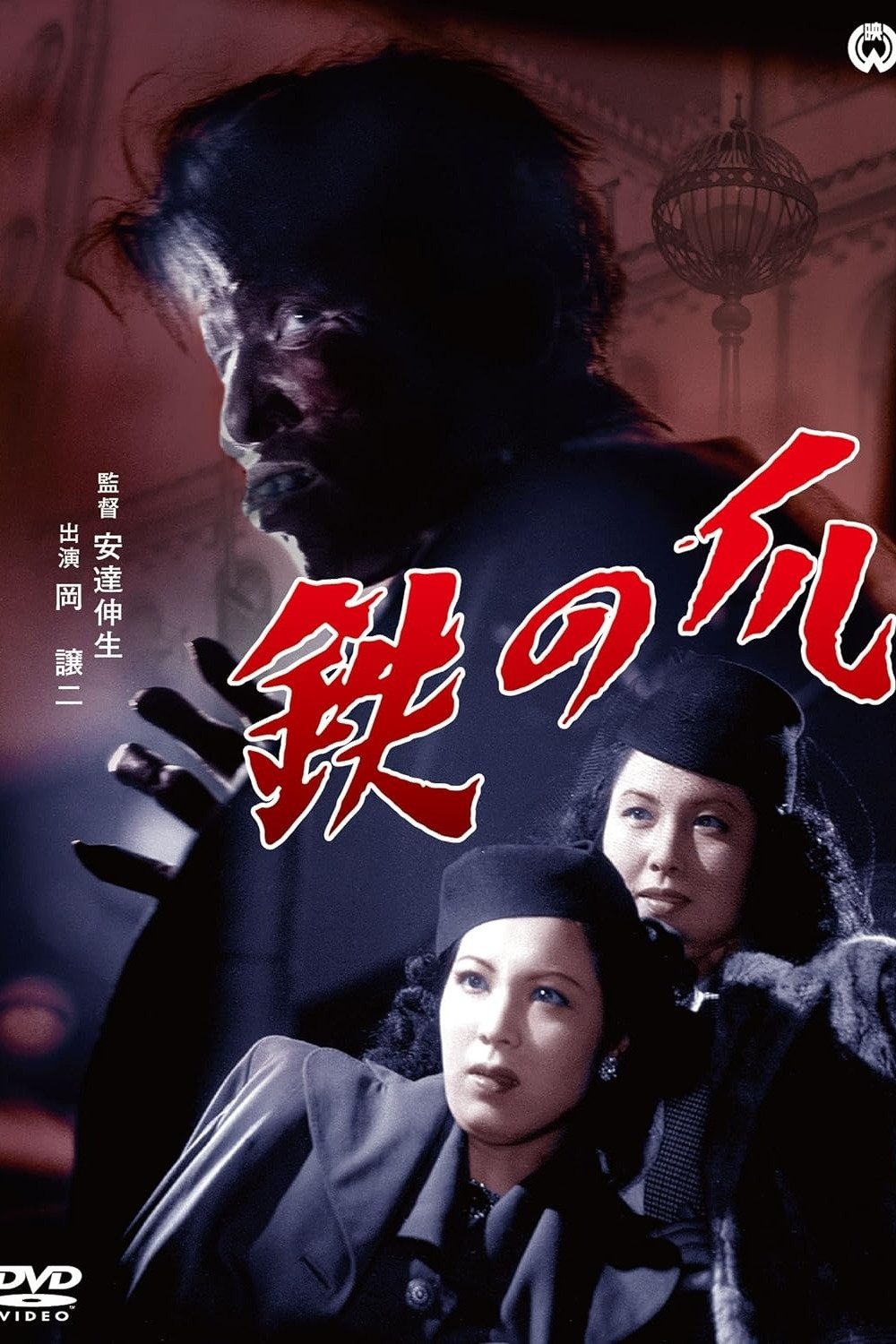
During the war a man is bitten by a creature which looks like a cross between a bear and an ape in the jungle. Later he starts to transform to a monster like creature who kills with his claw like fingers.
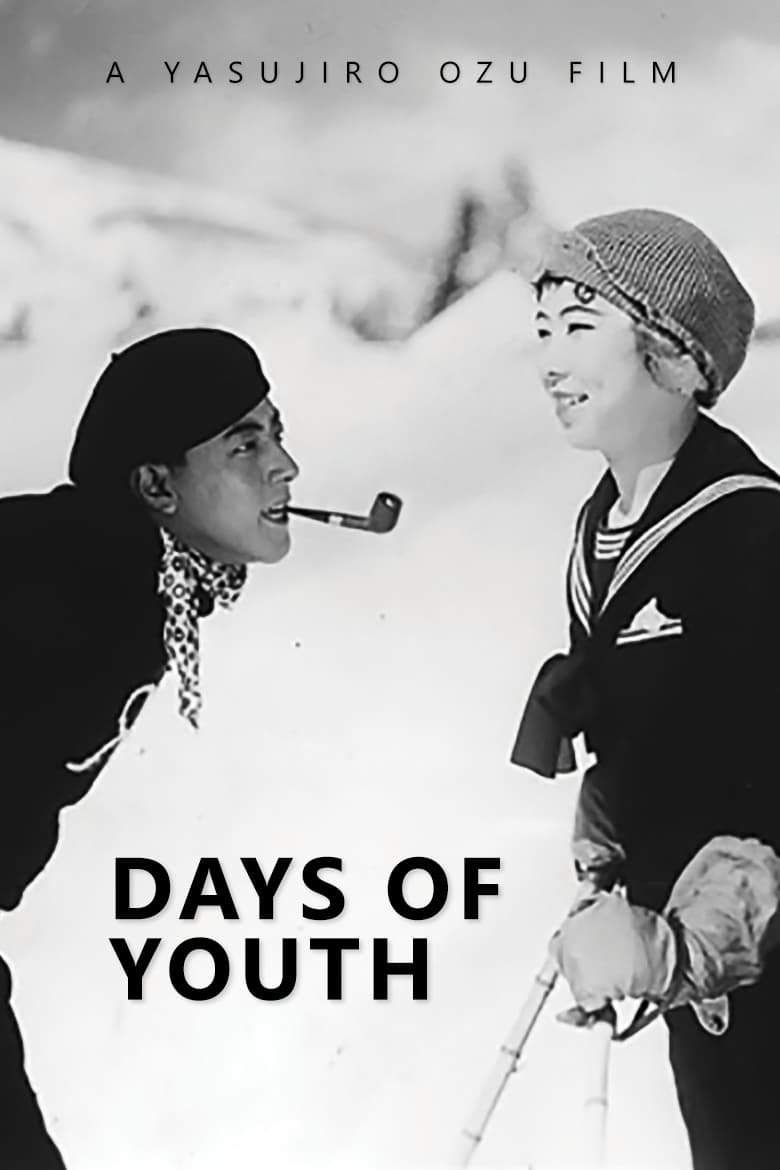
University friends Ben and Shūichi unknowingly vie for the attention of the beautiful Chieko while on a skiing trip.
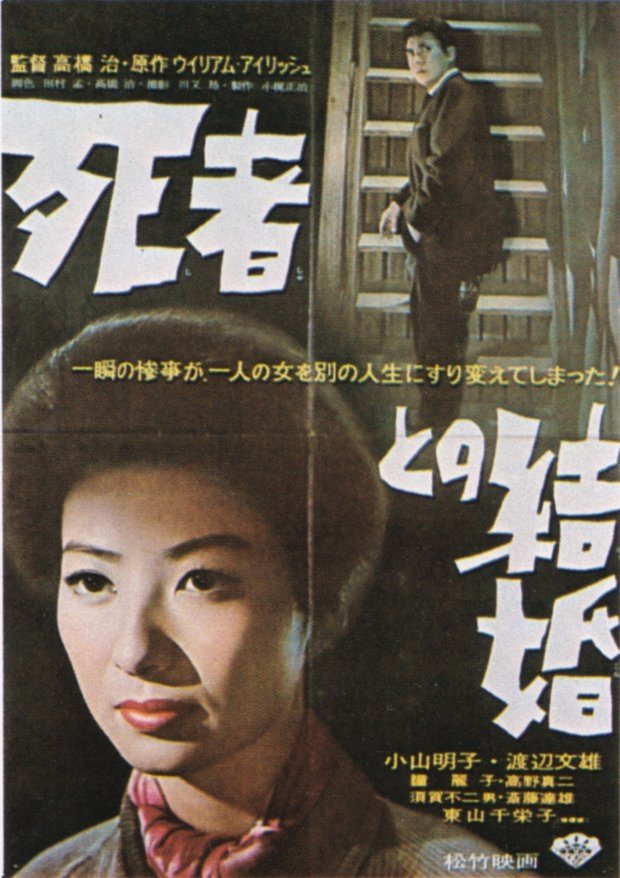
A case of mistaken identity in which a woman assumes the role of widow to a man killed in a train accident.
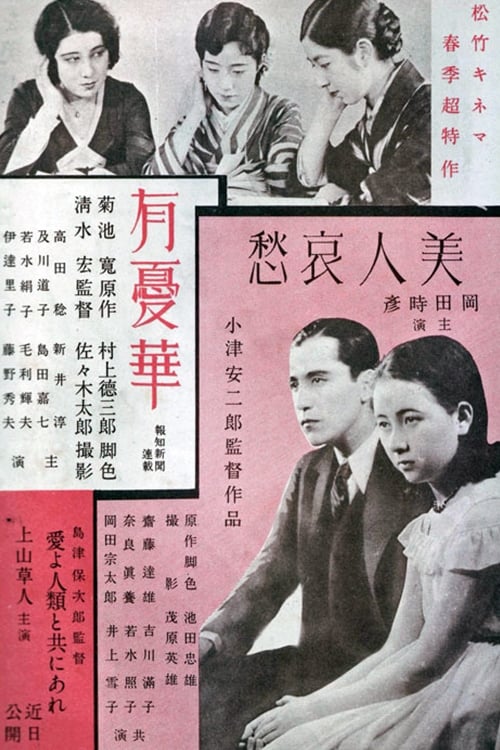
Two people are fascinated by a sculptor's statue. The film is lost.
A young couple is harrased by an uncle.
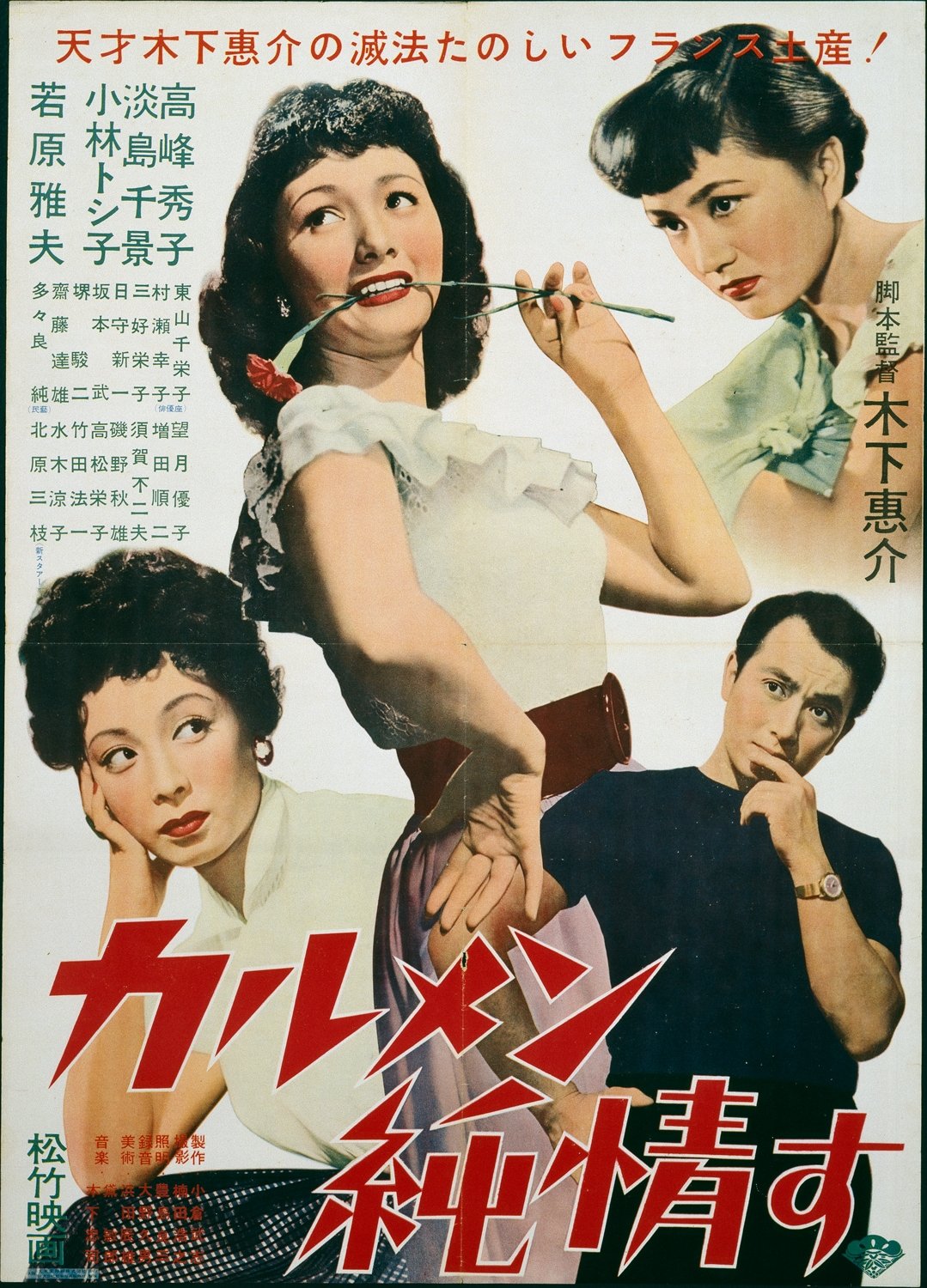
Strip dancer Carmen falls in love with Hajime, who is engaged to the daughter of a right-wing politician.

A Communist spy ring in Japan is hard at work trying to sabotage the American war effort during the Korean War, using kidnapping, murder and a disturbed former kamikaze pilot. A U.S. secret agent, posing as a reporter, is dispatched to Tokyo to put a stop to these nefarious activities.
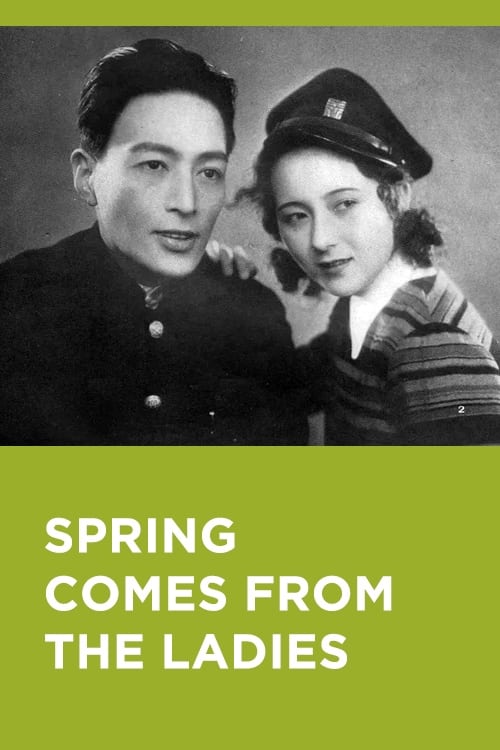
A student comes up with various schemes to avoid paying a tailor the money he owes him. Considered to be a lost film.
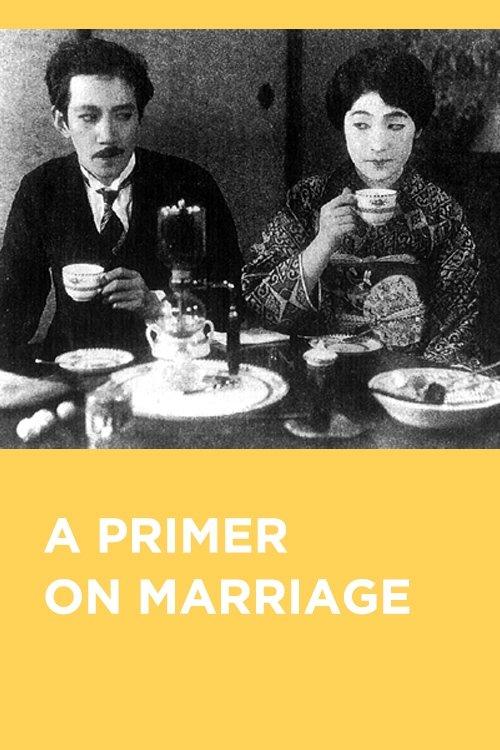
Bored in his marriage, a dentist flirts with a young woman on a train. However he soon finds himself embroiled in a series of misunderstandings with his wife, the young woman and her husband. Considered to be a lost film.
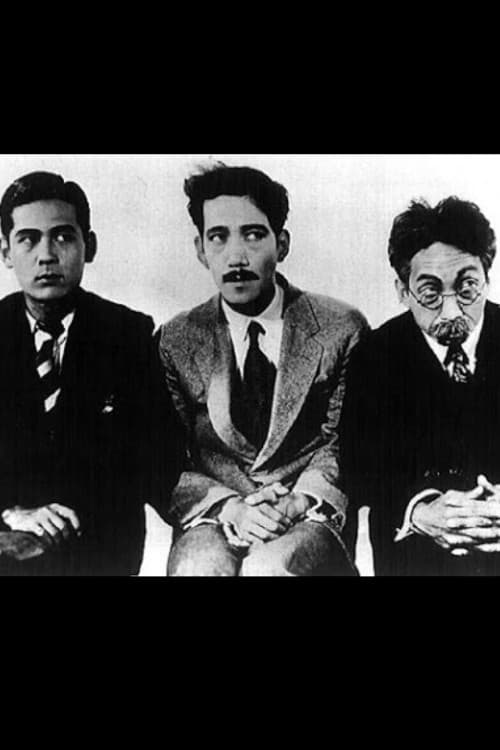
A salaryman finds some money in the street and gets a reward for returning it to its rightful owner. However his colleagues immediately start borrowing money and selling him things he doesn't need, much to his wife's annoyance. Considered to be a lost film.
A young couple jump into the sea as part of a suicide pact. The man is rescued and subsequently discovers that his lover is also alive and working in a dance hall. Considered to be a lost film.

Lost film. Two reporters find that they are repeatedly beaten to the scoop by a new female journalist, 'young miss'. They decide to team up with her to investigate a secret club for wealthy voyeurs. Considered to be a lost film.
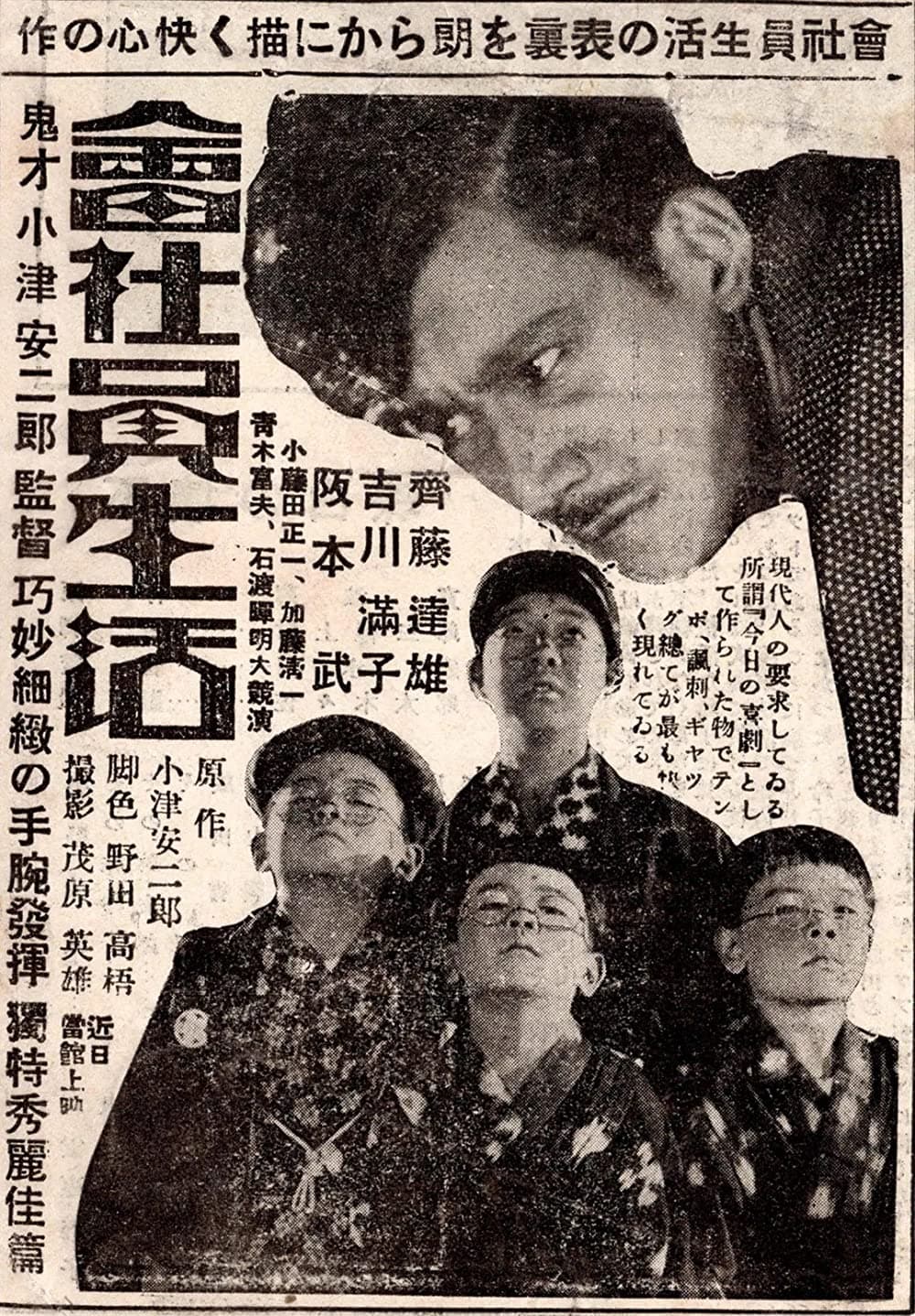
When Tsukamoto is made redundant he cannot bring himself to tell his wife. Instead he investigates other employment opportunities. Considered to be a lost film.
A hen-pecked man works as his artist wife's model and a house-husband. When her patron flirts with her and humiliates him, he decides to get revenge by trying his own hand as a painter. Considered to be a lost film.

Comedy about a young man juggling several girlfriends. Considered to be a lost film.
A married man falls for a dancer and his wife's uncle hires a private detective to spy on him. Considered to be a lost film.
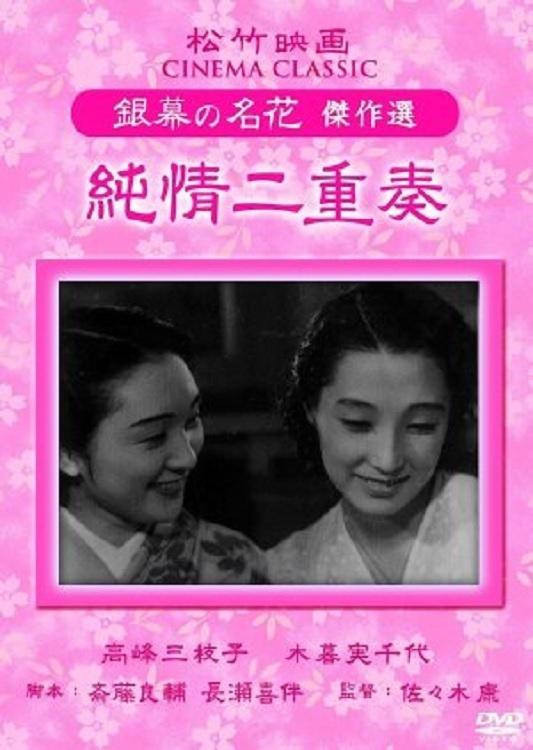
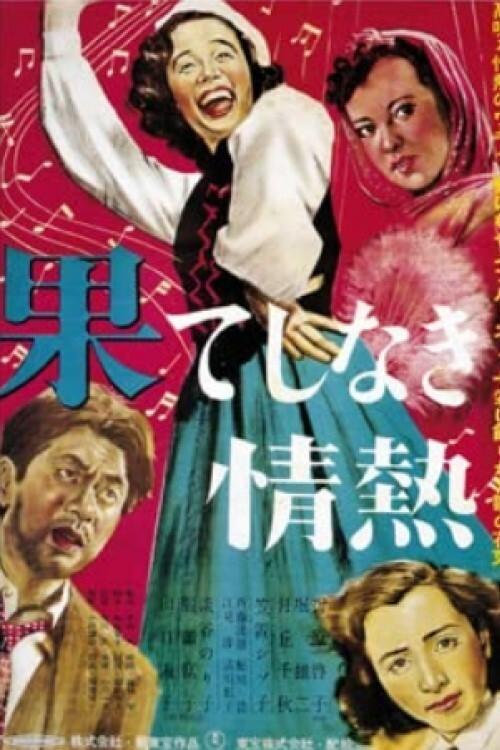
Melodrama about a talented singer who finally makes her debut
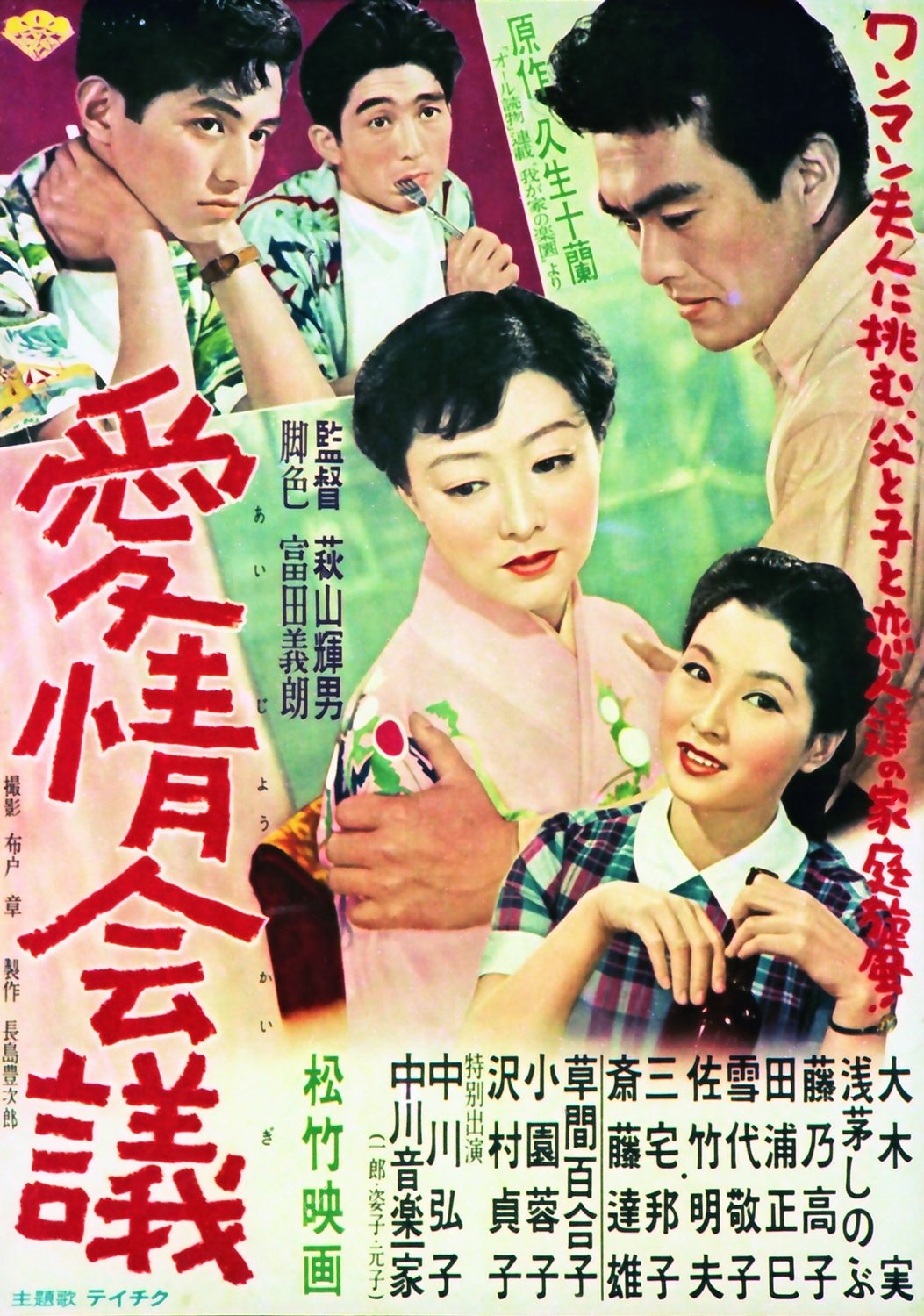
The Kumakichi Ishida family lived happily in a small house in Shibuya while their mansion in Azabu was requisitioned by the occupation forces. When the residence is released to them, Mrs. Ishida wants to turn it into a Western style hotel to recoup their fortunes, but returns to Shibuya, swindled and sober.
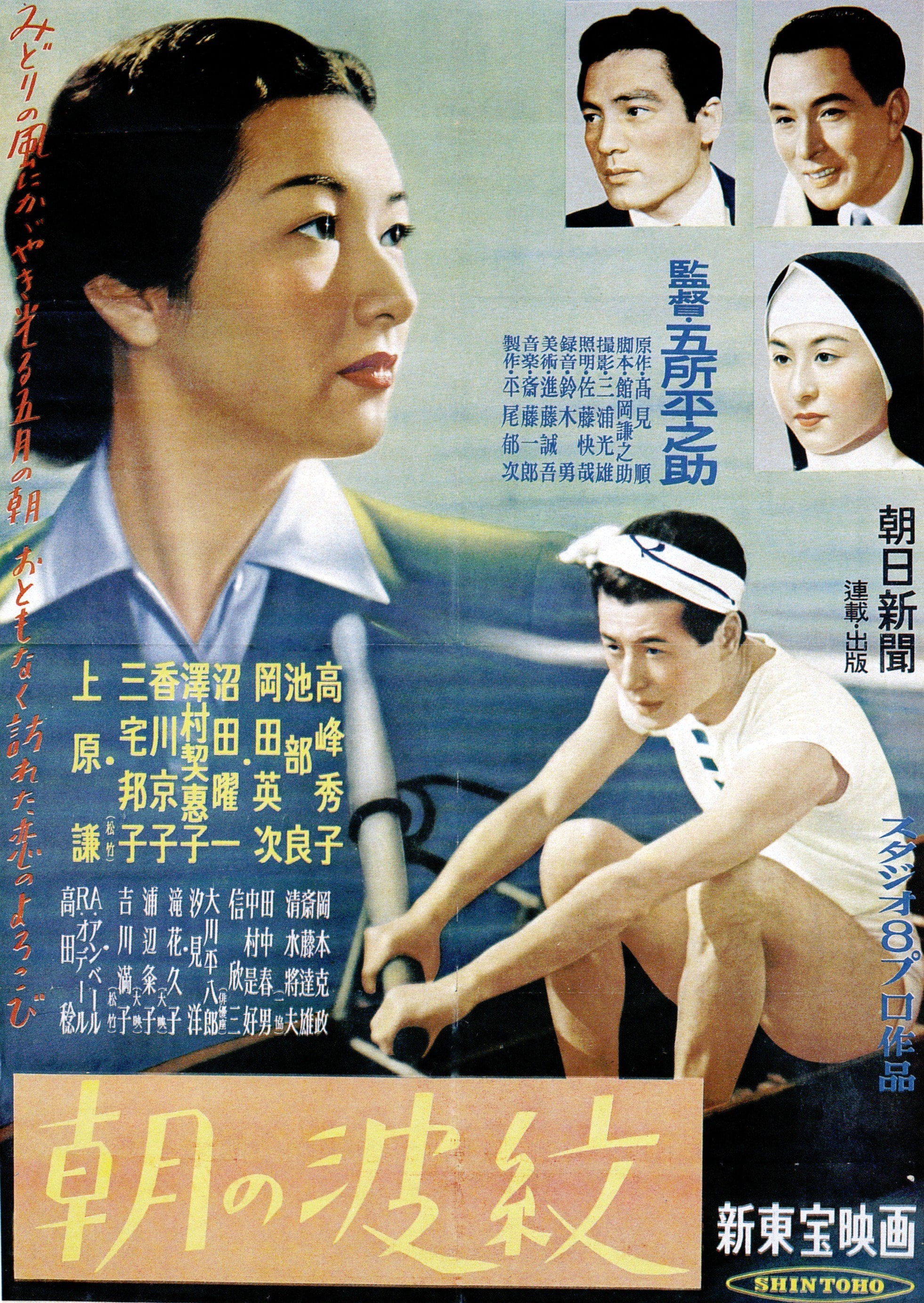
Atsuko is an office secretary who is also her family's primary source of income and caretaker in postwar Japan.
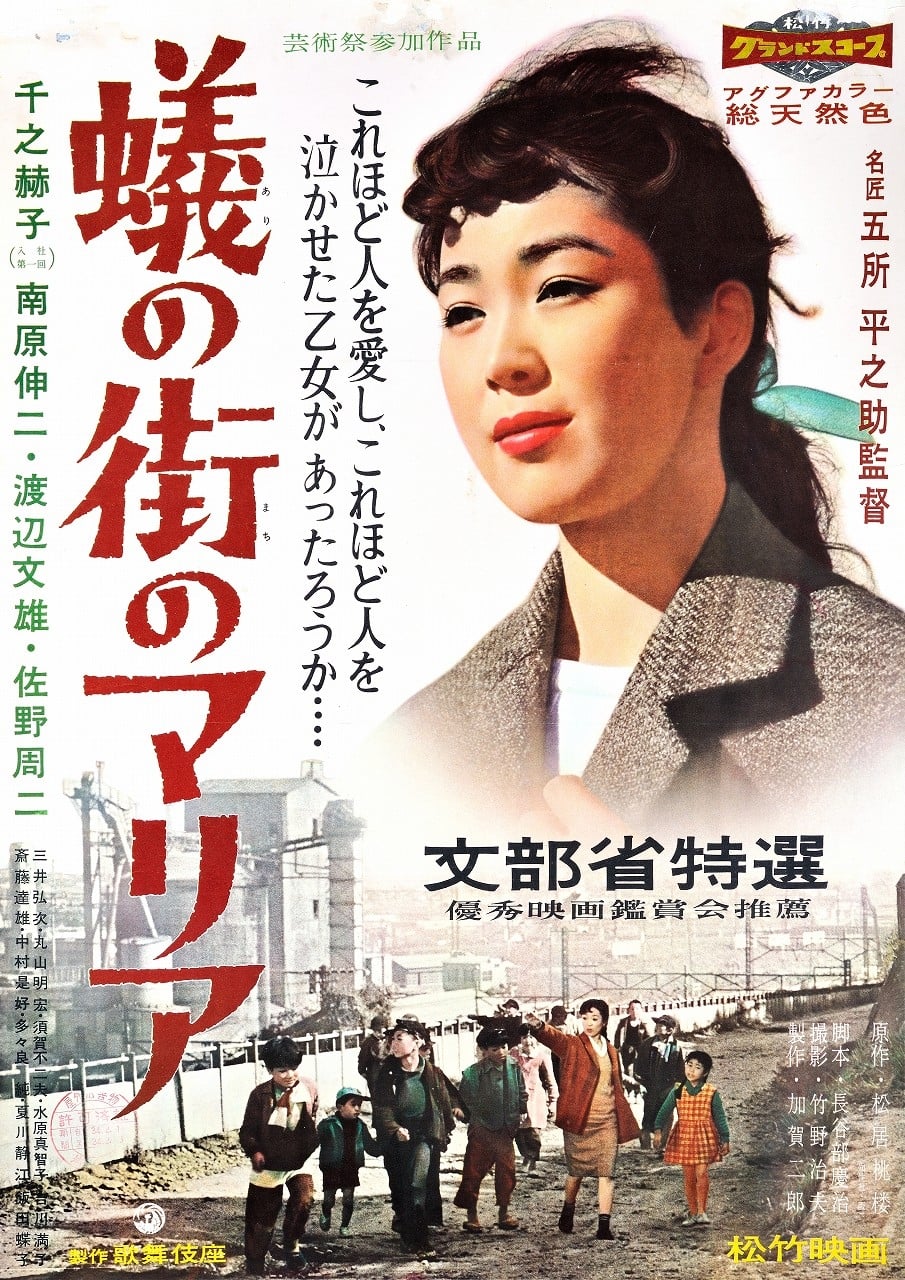
Alongside Tokyo's Sumida River is a ragpickers' settlement known as Ant Village. One night, a young Catholic girl, Satoko Kitahara, who has been baptized under the name of Maria, comes to offer her services. However, Ant Village is not just an ordinary vagrants' community but a fine autonomous organization, and as the municipal authorities have long been demanding that the people of Ant Village leave the site, Satoko is utilized to publicize the Village and win public sympathy. While being utilized in this manner, Satoko is nevertheless glad to be able to help the people of Ant Village, especially the children, and when the summer vacation comes she decides to take the children on an excursion to Hakone. To raise funds for this purpose she becomes a rag-picker herself.
The eldest daughter of a noble family is in love with an aviator while being courted by a fellow aristocrat she thinks is a dullard. This part is told from the perspective of Akemi.
A young doctor, Kozo Tsumura, falls for young nurse Katsue Takaishi. But she's got a secret: she's a widow with a son. Kozo and Katsue decide to run away to Kyoto, but her child suddenly became sick and she just missed the train and Kozo. She makes it to Kyoto finally, but is unable to meet him. Plus she isn't accepted into Kyoto society. She goes back to her hometown and tries to forget him. She quits the hospital to concentrate on her singing. She makes her professional debut with the hit "Aizen Katsura". Kozo is in the audience.
Two obaachans become fast friends listening to music in front of a record store. They both boast about their loving sons but in reality, one had just escaped a retirement home and the other was looking for an escape from her son and daughter-in-law. With nowhere to go, the two wander around, befriending a cosmetics salesman and a kind waitress who give them beer. This biting social satire starring two memorable grandmothers, scripted by Yôko Mizuki, picked up on Japan’s aging population problem far ahead of its time.
Pre-war Asakusa was a riotous district of cabarets, dance-halls and brothels - a striking backdrop for Shimazu's story of innocence and experience. Pretty, young Reiko is the new dancer in an infamous theatre troupe, and her fellow performers try to protect her virtue in a land of vice. Meanwhile, an ageing actor wants to be a hero off stage as well as on, and the troupe matriarch Marie has to keep them all together.
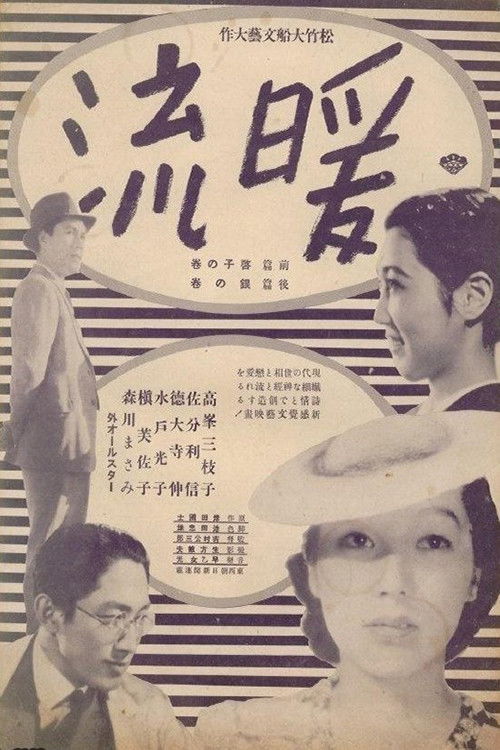
Adaptation of Kishida Kunio's novel. Set against the backdrop of a power struggle within a hospital, depicts the love lives of the director's daughter, the administrative director, a doctor, and a nurse.
Michiko gets pregnant after a rape. She marries a boring business partner of her father to avoid the shame. Later she meets the rapist again who is now a union leader in opposition of her husband.
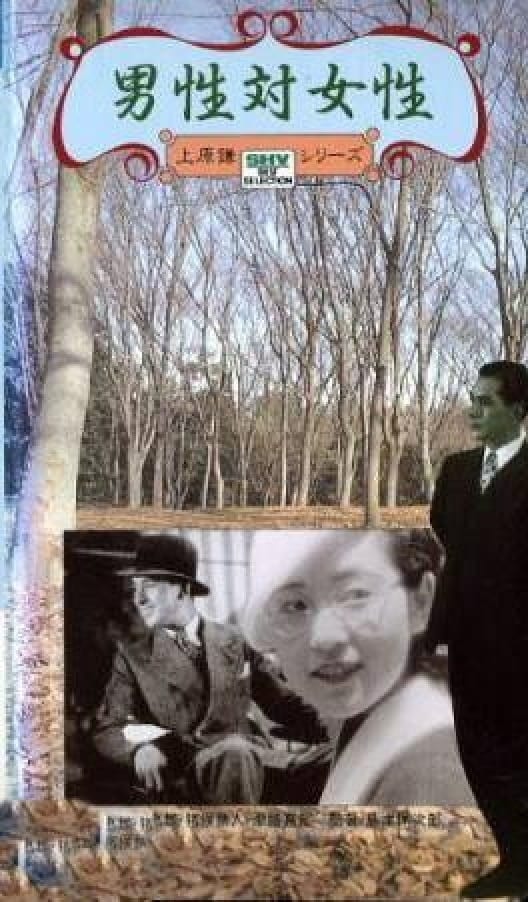
A musical film made for the inauguration of Shochiku's Ofuna Studio, with an all-star cast of the era.
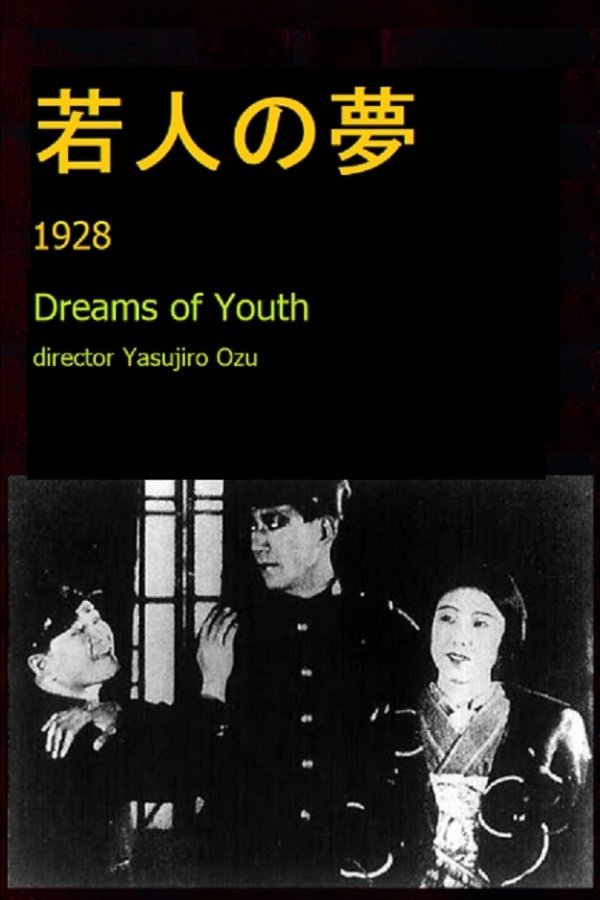
Lost silent film
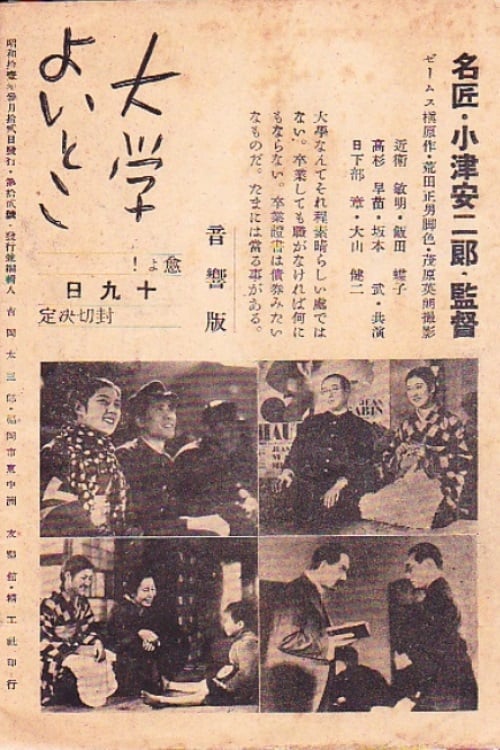
In a Tokyo boarding house a group of students and recent graduates struggle to complete their studies and find jobs. Considered a lost film.
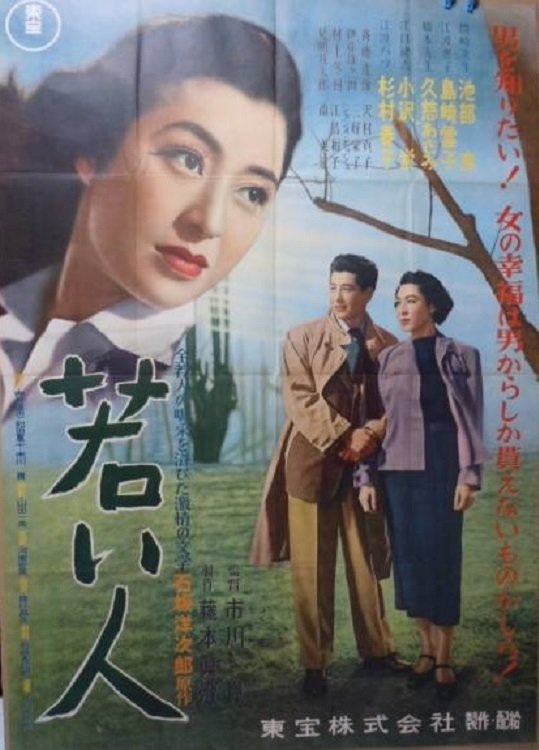
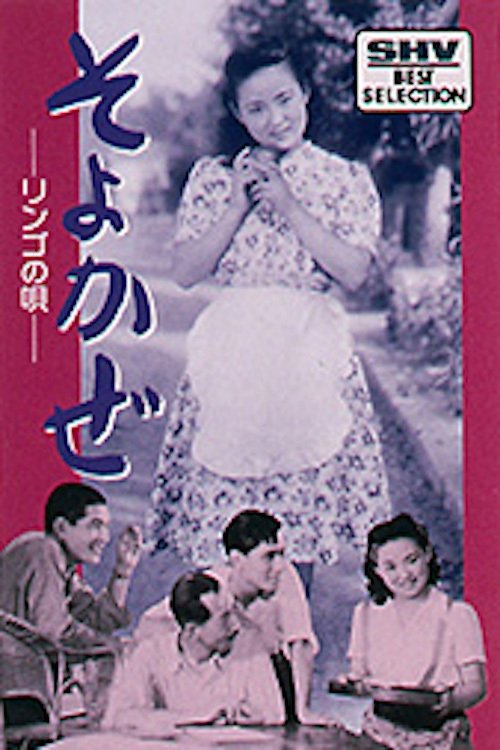
A young man torn between love and friendship.
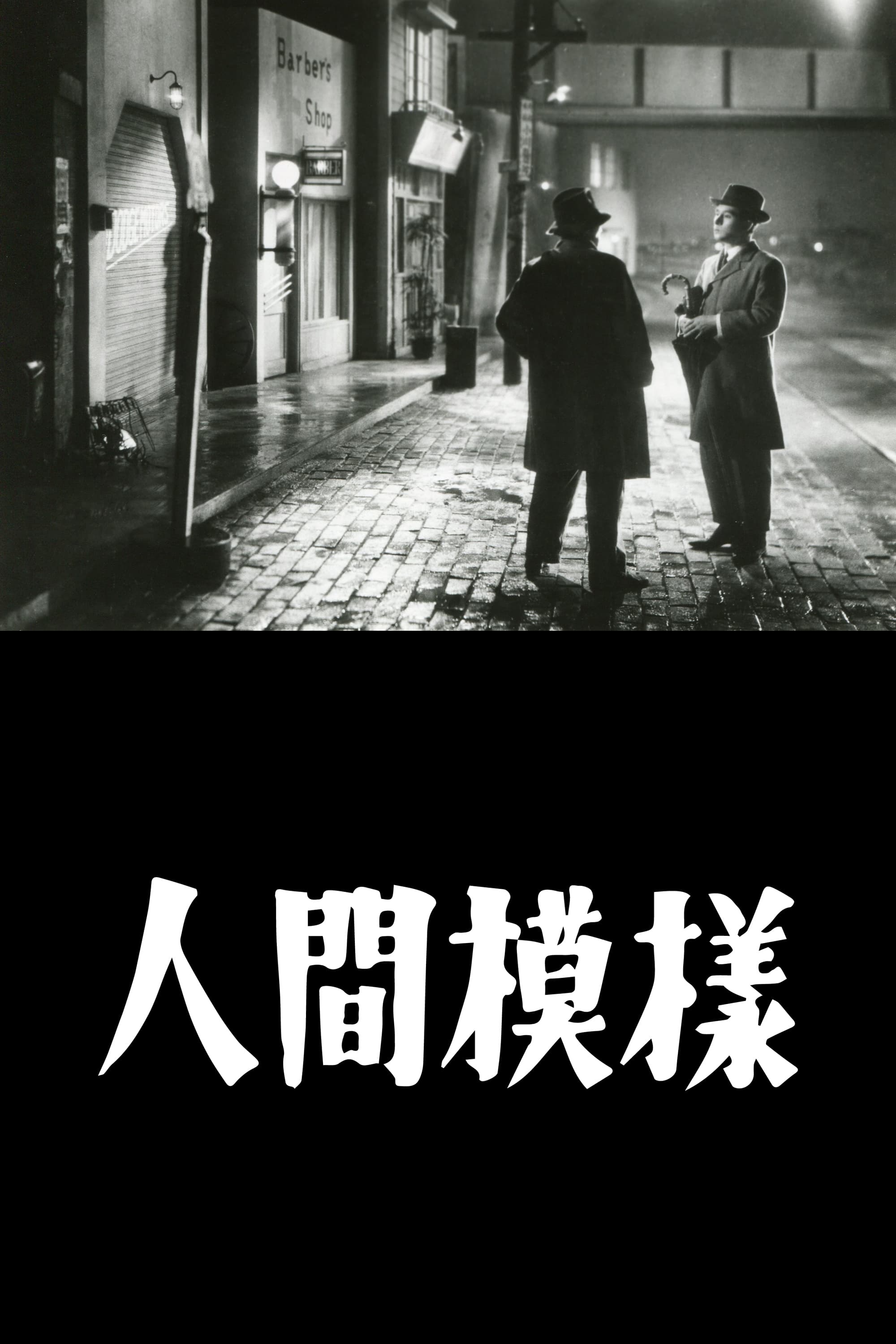
A love triangle among a girl, her poor boyfriend, and a rich company president.
A young couple flee their disapproving parents, get lost of Mt. Akagi and find a cache of gold protected by the ghost of a gangster.
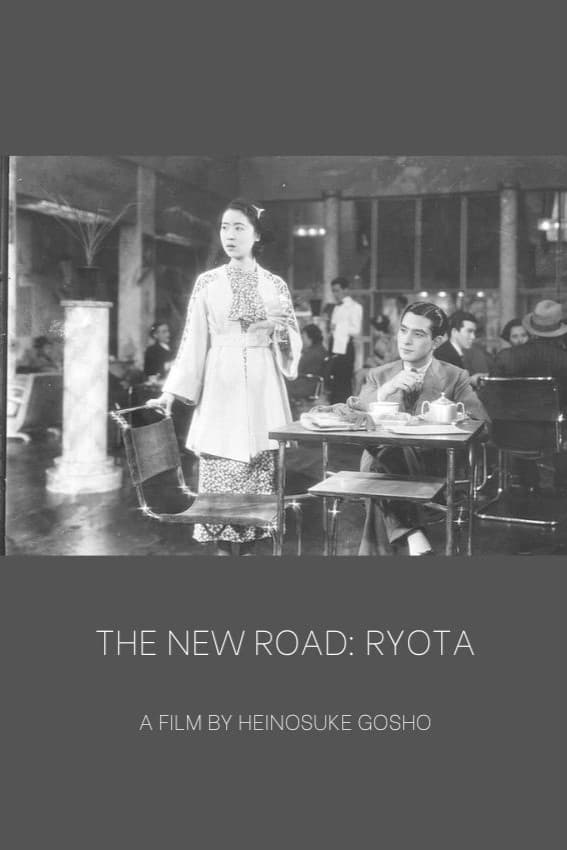
The eldest daughter of a noble family is in love with an aviator while being courted by a fellow aristocrat she thinks is a dullard. Told from the perspective of Ryota. In this second part, we learn that Akemi is pregnant...
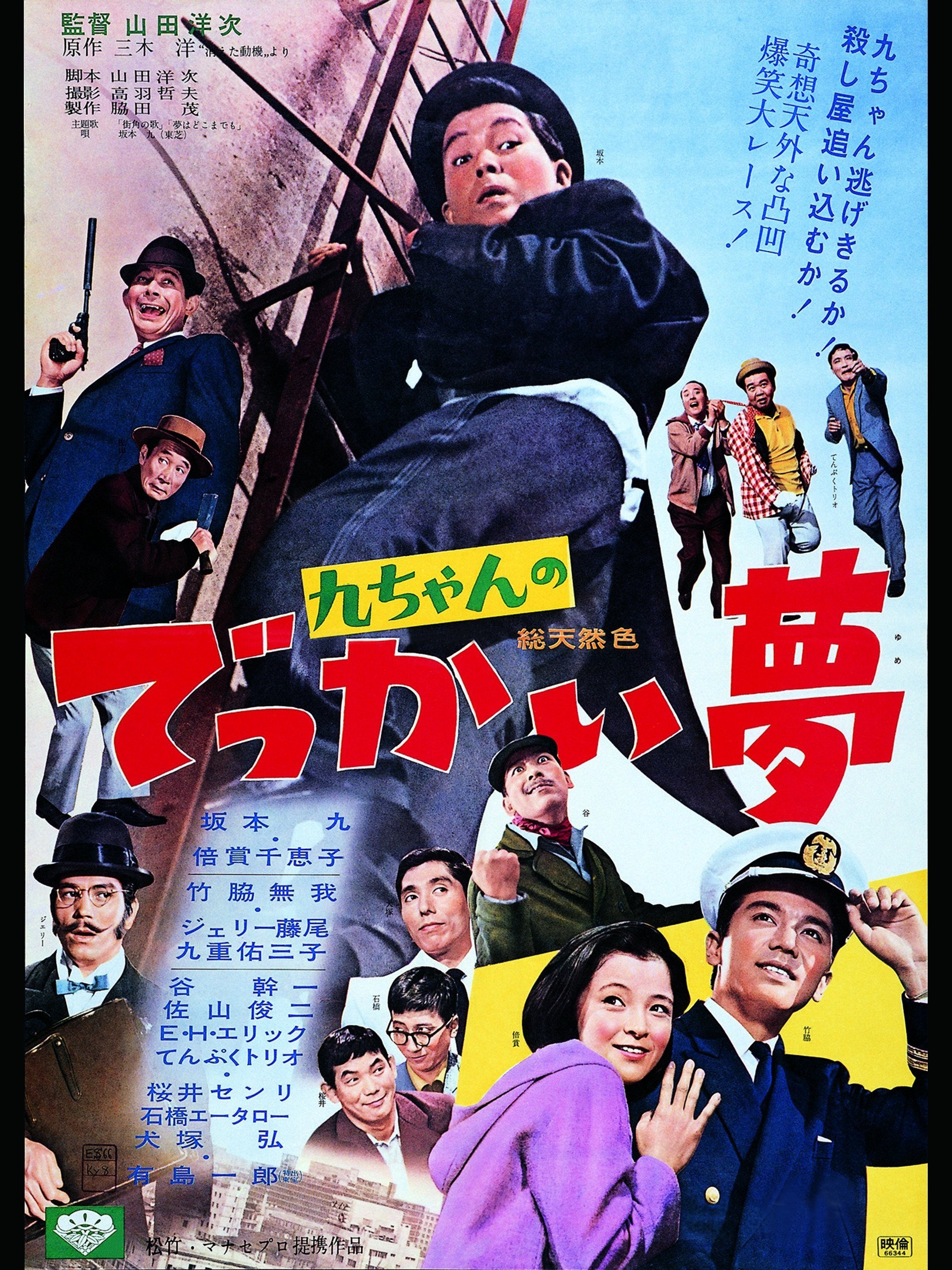
A Japanese stage actor in Yokohama is terminally ill, and is determined to end his life, but doesn’t know to have inherited a large sum of money from Switzerland.

The movie follows a young woman (Kinuyo Tanaka), a daughter of a high-ranking businessman and his neglected mistress, as she struggles to ease her mother's loneliness, while also having an affair with her father's subordinate.
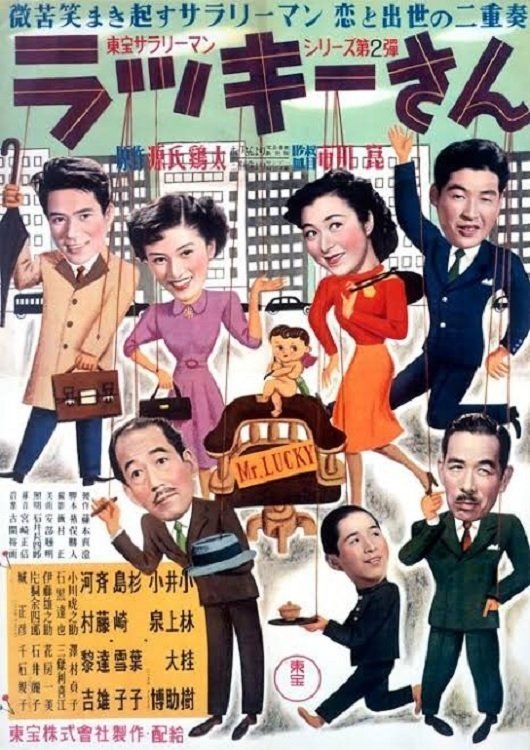
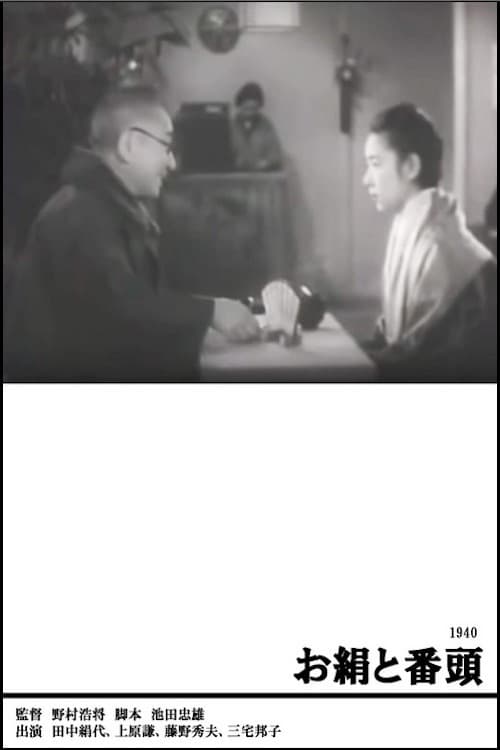
A story of a store that makes Tabi socks.
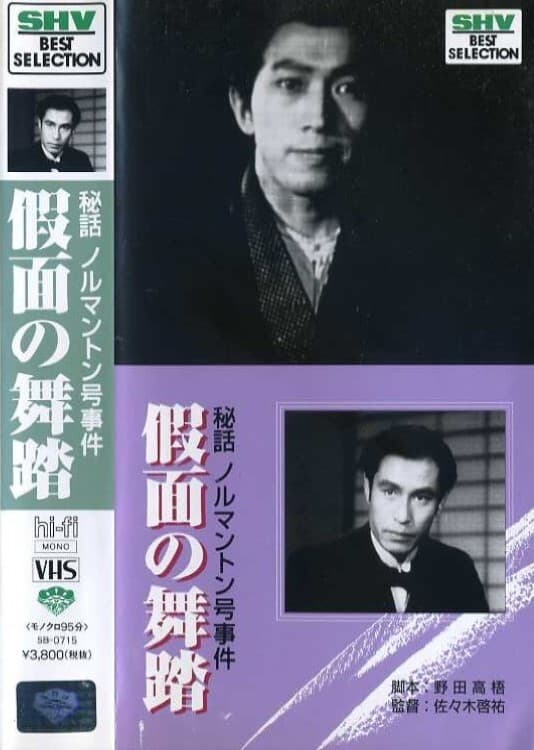
Japanese propaganda film about the Normanton Incident.
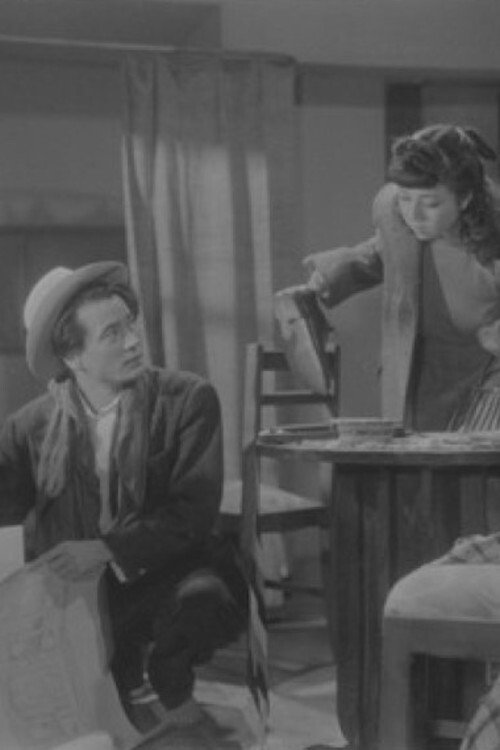
That Night's Woman
Living Things a film by Heinosuke Gosho
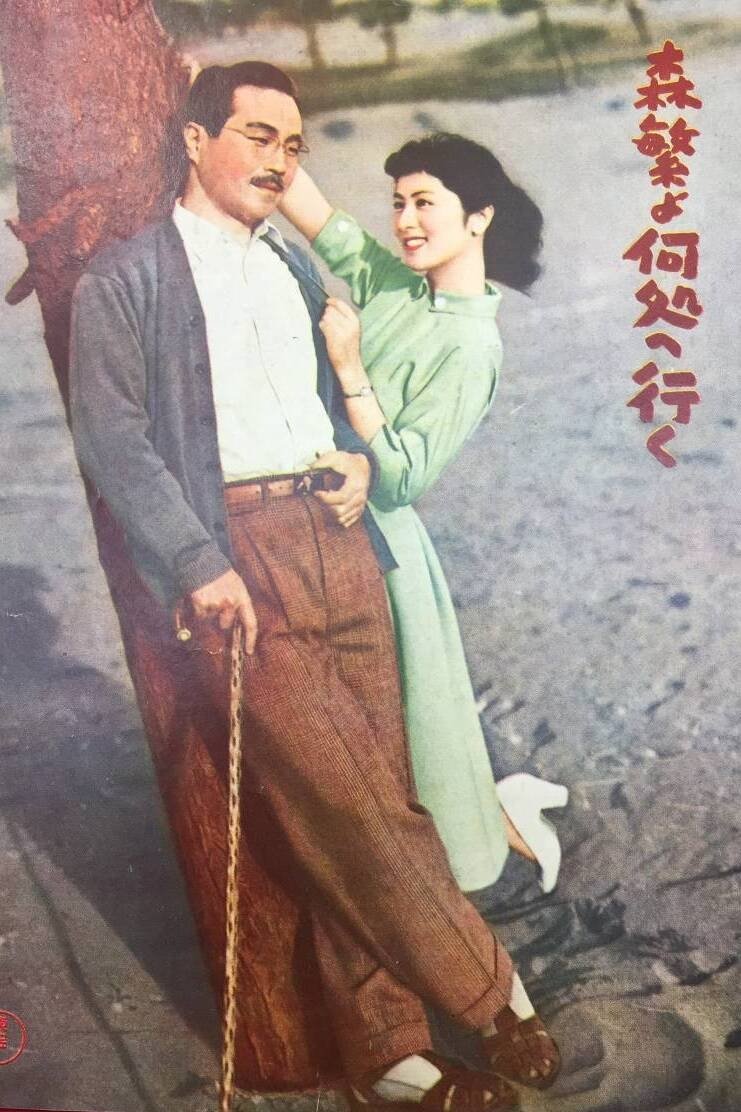
A man who seemed to have found happiness with a wife and child loses his wife and his daughter gets married... A man's life, full of joy and sorrow, is vividly depicted to the tune of "Moonlit Desert" in this humanistic drama full of pathos, starring Hisaya Morishige.
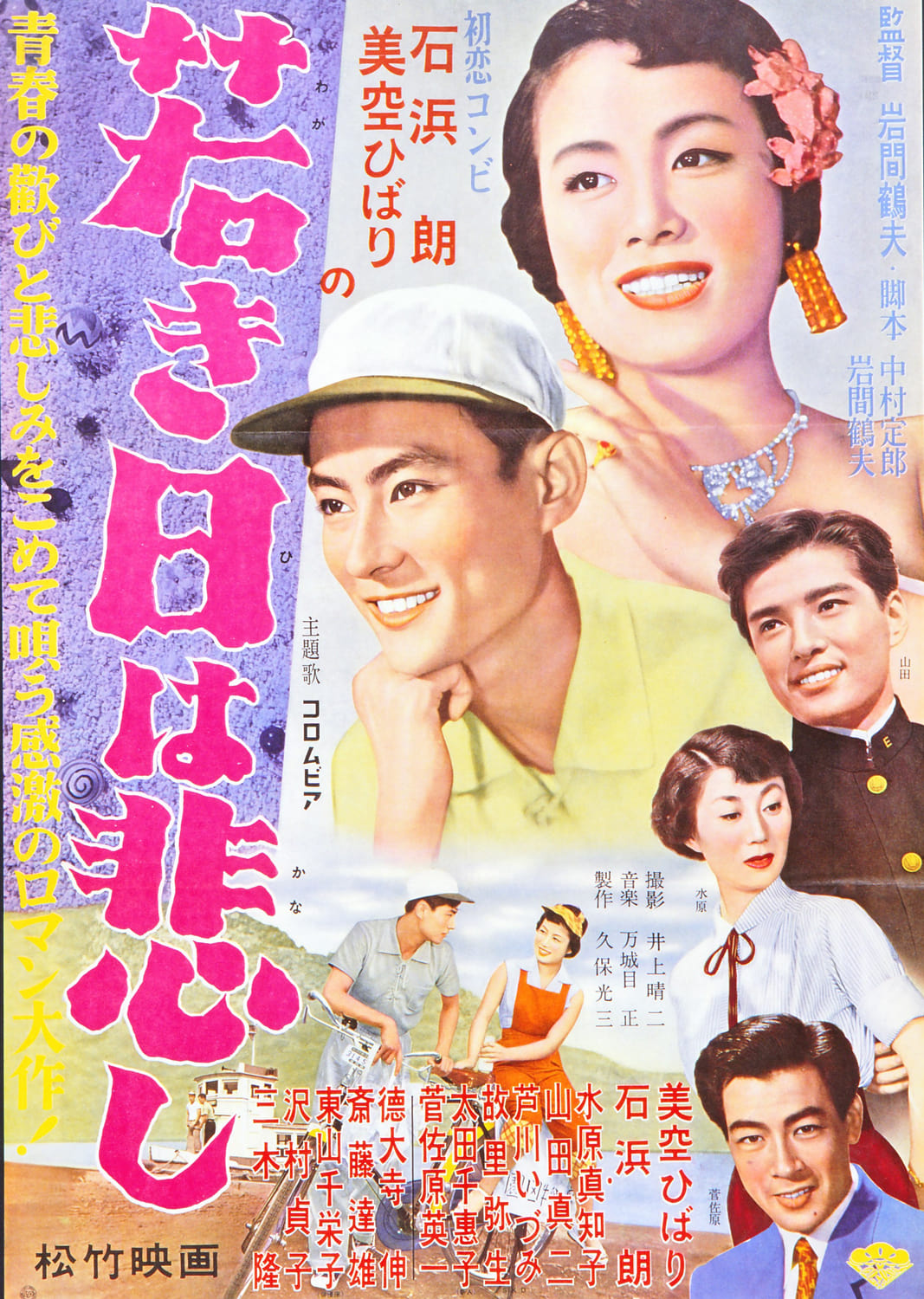
In a certain port town, there is a group of young men called the Wakakusa-kai. The chairman Oda (Miki), member Ichiro Sonoda (Ishihama), his sister and music lover Keiko (Misora), Keiko's classmate Sachiko (Ota Chieko) and her brother Shoji (Yamada) meet enthusiastically to brighten the town and help themselves grow. Ichiro's family lives with his father and Keiko in a milk shop, but Keiko's desire to go to music school is unlikely to be fulfilled. Meanwhile, Shoji's father is trying to get Shoji and Keiko married.
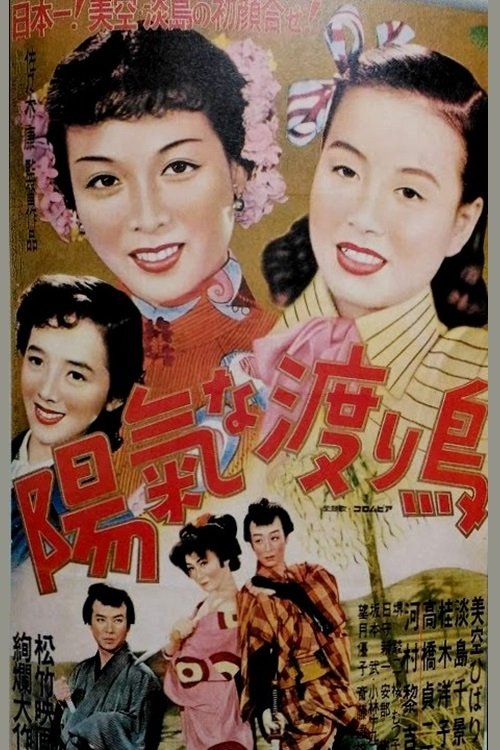
Midori (Misora), the adopted daughter of Kinnosuke (Kawamura), a ship carpenter in a port town, was born a good singer. Her mother is dead, her father has been missing since he left for war, and the orphan Midori is given to Kinnosuke and his wife, who soon have a baby together, so she is treated as an obstacle. When a female sword-play troupe comes to town, she cannot forget the kindness shown to her by female magician Katsutamusai Harue (Awashima), so she follows the troupe on their tours. Midori became a popular singer and was loved by the troupe, but only Yoshizawa (Abe), the leader of the troupe, had eyes for Midori and bullied her.
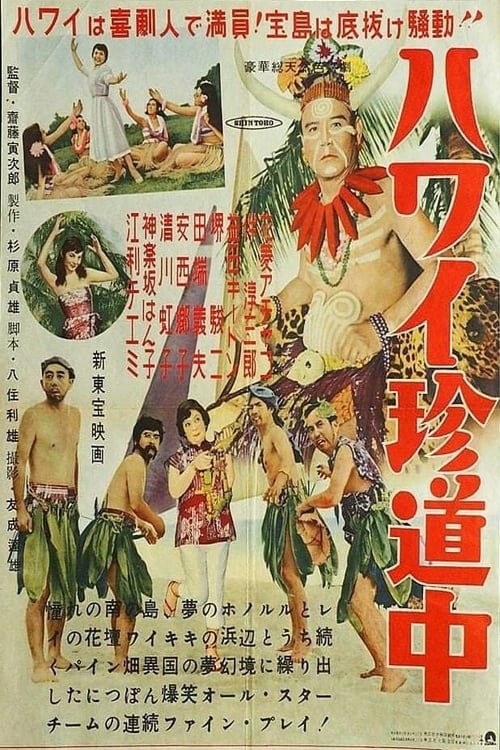
A 1954 film.
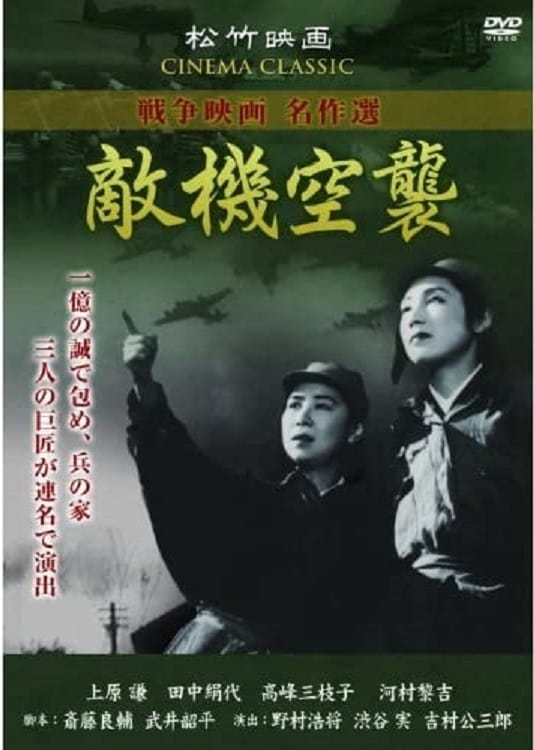
Japanese war movie.
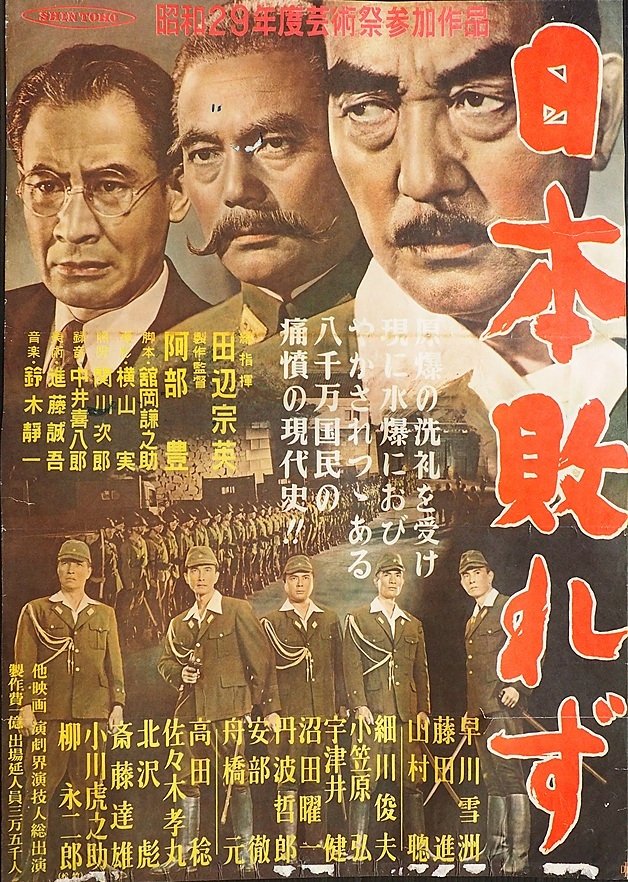
In May 1945, Japan's defeat was imminent after the attacks on Saipan, Iwo Jima, and the Philippines, and Tokyo was reduced to a sea of fire by another massive air raid. However, within the Ministry of the Army, there were still officers who were enthusiastic about a decisive battle on the mainland. Eventually, the Okinawa garrison was annihilated, and the US military was approaching the mainland, but on July 27th, the Potsdam Conference between the US, Britain, and the Soviet Union broadcast the Triple Joint Declaration, which set out the final terms of surrender for Japan.
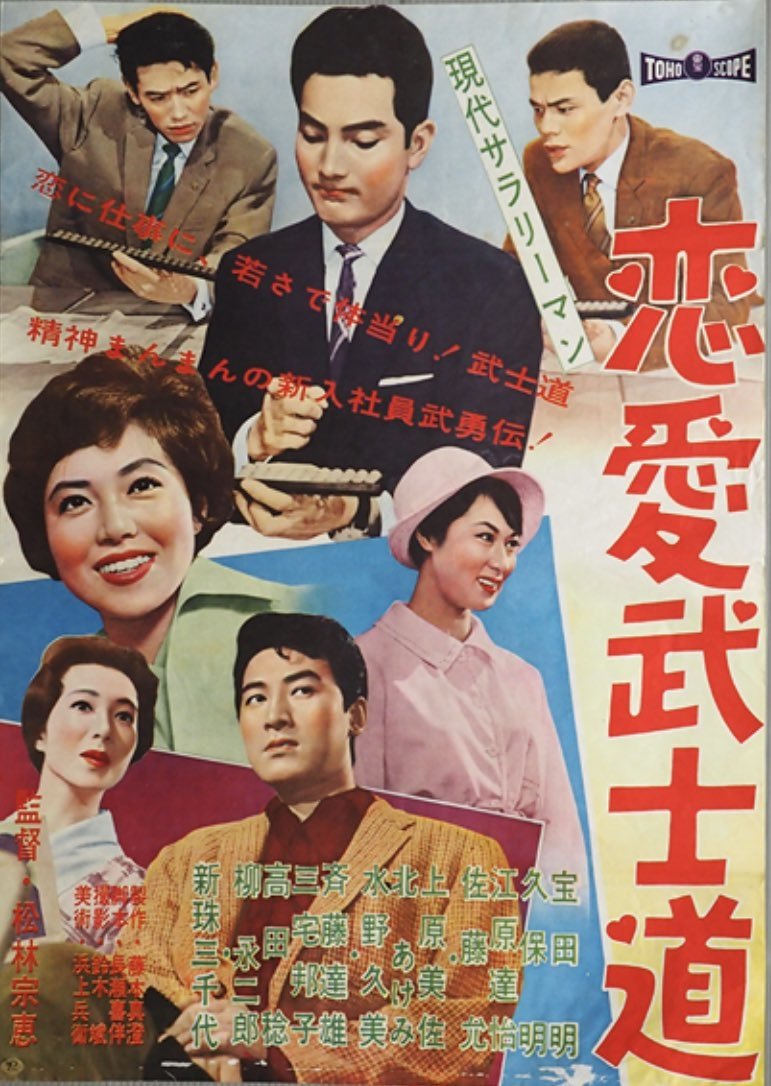
Three young employees navigate love, ambition, and meddling bosses as workplace crushes evolve into defiant relationships that challenge social expectations.
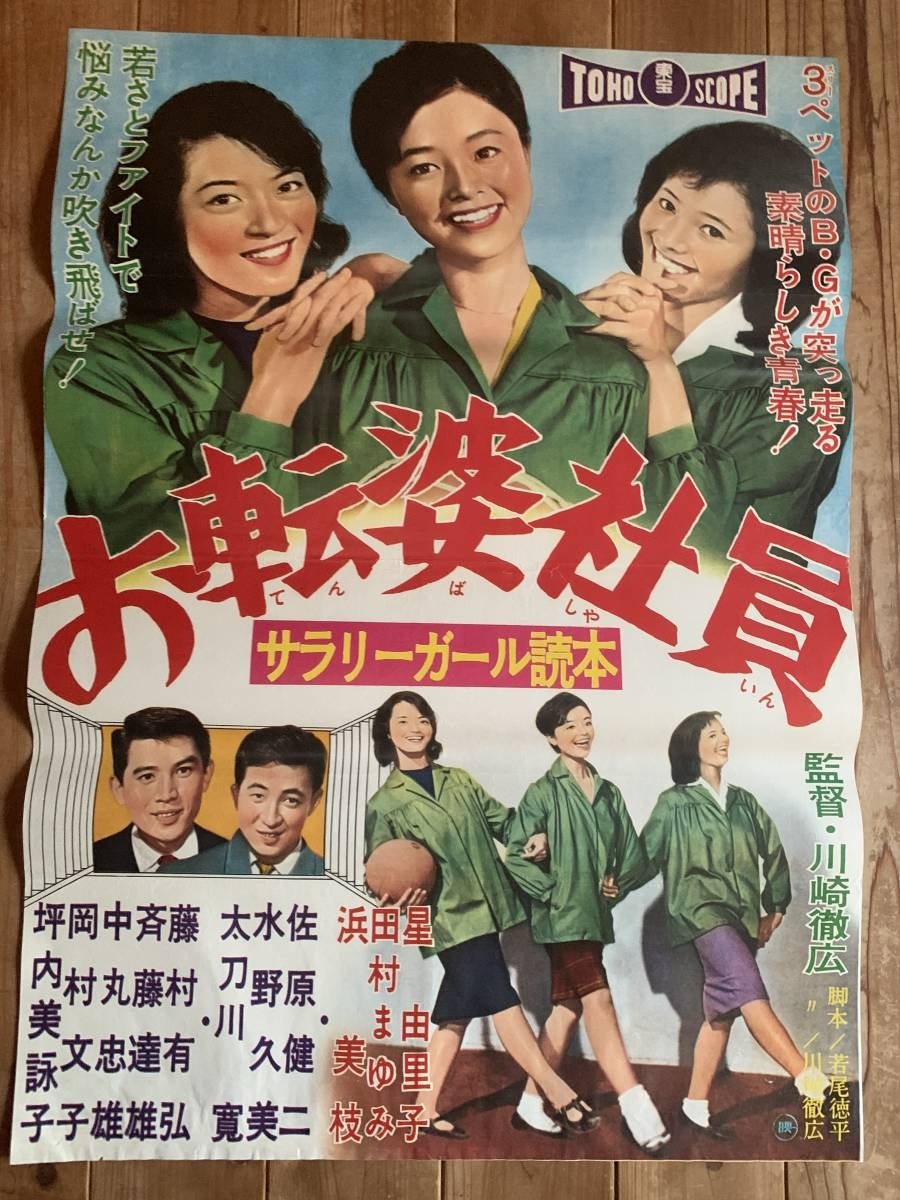
Two young women start their first jobs at a construction firm.
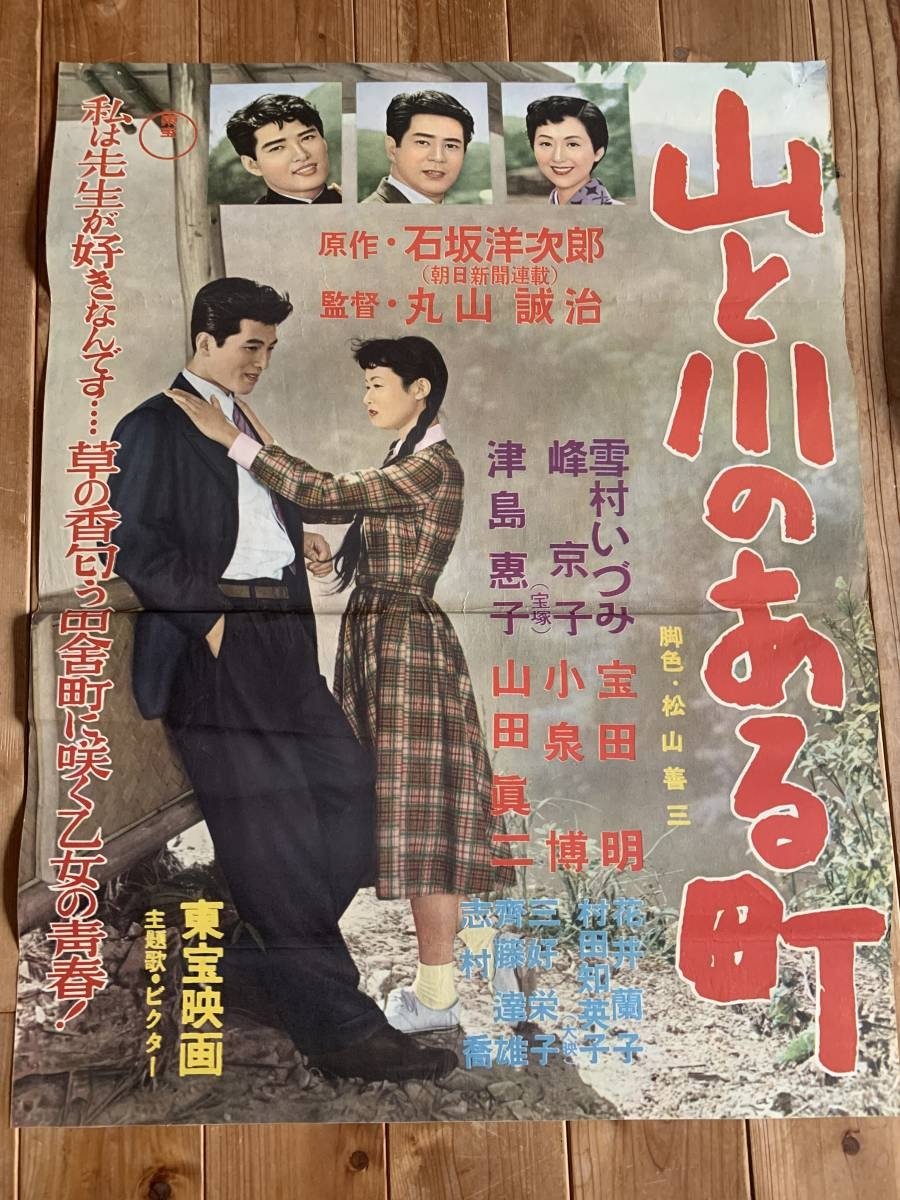
In a small Tohoku town, family tensions rise when a sick mother’s care leads to conflict over a mistress joining the household. Misunderstandings spread through teachers, students, and neighbors, testing loyalty and trust. After the mother’s death, the daughter decides to leave for Tokyo, parting with her grieving father on hopeful terms.
Japanese silent film from 1928.
Hirano's wife Yasuko had grown weary of her life of poverty. Her feelings of dissatisfaction deepened when she met her elegantly dressed friend Hanako. When Yasuko asked Hanako for advice, Hanako spoke at length about the restrictions and meaninglessness of married life and encouraged Yasuko to divorce her husband. Persuaded by Hanako’s words, Yasuko divorced Hirano and, hoping to emulate Hanako, adorned herself in fine clothes, applied heavy makeup, and sought to revel in her newfound freedom. But instead of admiration, she was met with ridicule and contempt. Even her attempts to gain recognition from magazines like Hanako’s went unanswered. She applied to work as a café waitress but was rejected, and when she became an office clerk at a company advertised publicly, she was treated as a nuisance. After being tossed about by these setbacks, Yasuko finally came to understand the love of her husband, Hirano.
Japanese silent comedy from 1928.
Japanese silent film from 1929.
Japanese silent film from 1930.
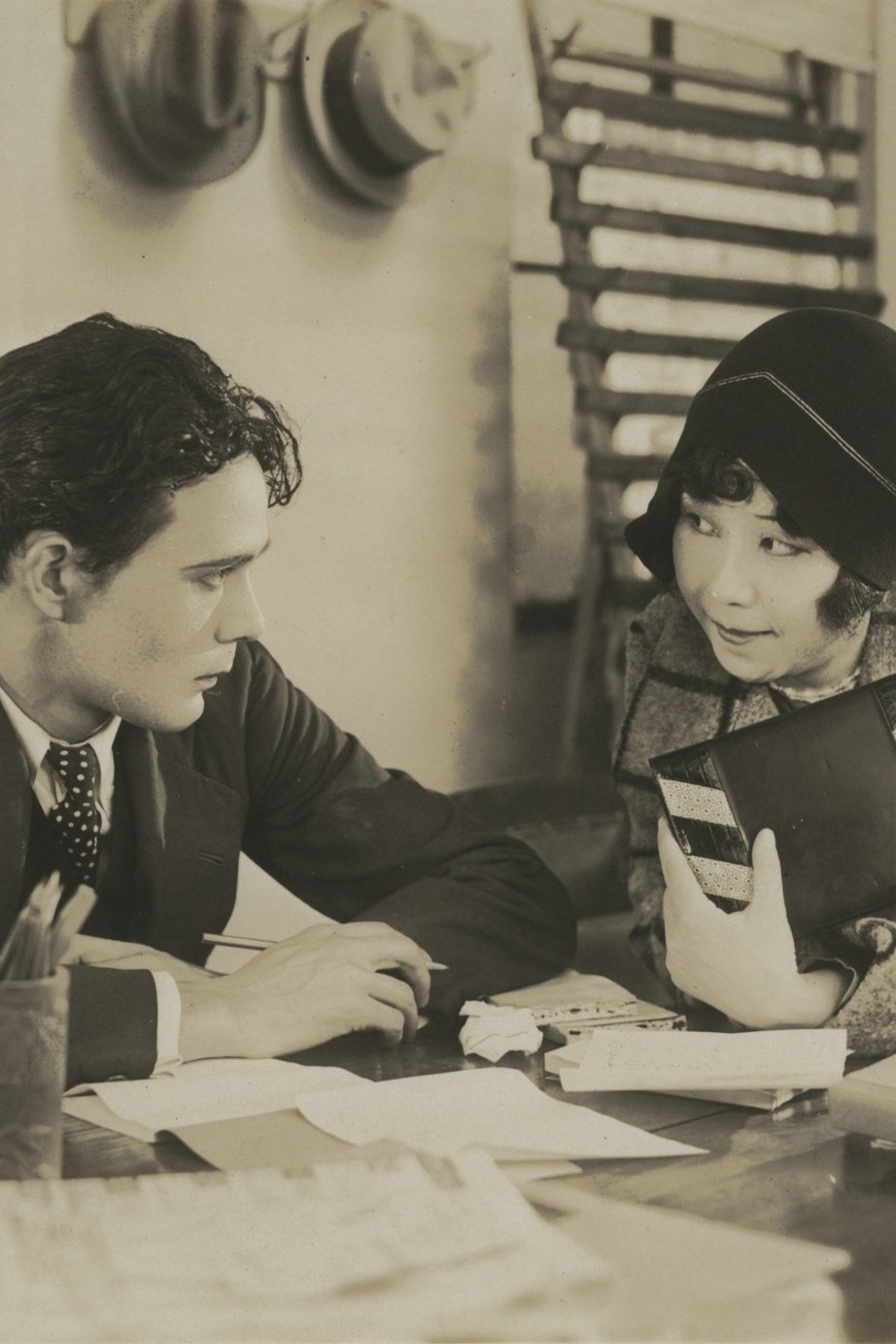
A modern girl suddenly intrudes into a widower's family home.
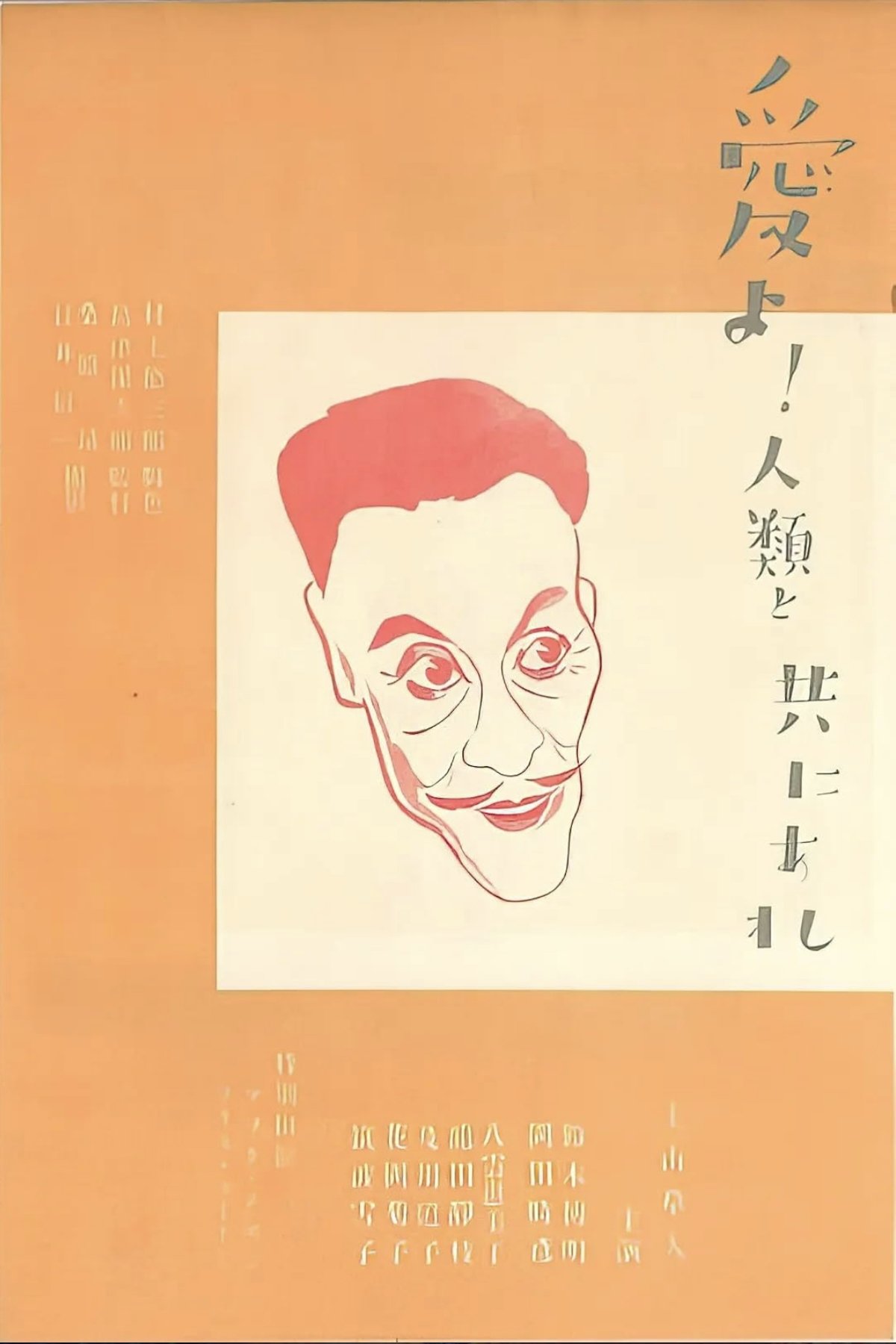
The three-hour Ai yo jinrui to tomo ni are / Love, Be with Humanity (1931) starts as a satire of alienation in the world of money, develops into a lumberland epic with a forest fire on Sakhalin Island, turns into a tragedy of King Lear dimensions, and manages to amaze the blasé audience with a happy end in the Wild West.
The three-hour Ai yo jinrui to tomo ni are / Love, Be with Humanity (1931) starts as a satire of alienation in the world of money, develops into a lumberland epic with a forest fire on Sakhalin Island, turns into a tragedy of King Lear dimensions, and manages to amaze the blasé audience with a happy end in the Wild West.
Japanese silent film from 1931.
Japanese silent film from 1931.
Kan’ichi Hazama and Omiya Shigisawa are engaged to be married, but Omiya breaks the engagement to marry a wealthy banker’s son. Heartbroken, Kan’ichi becomes a moneylender, and years later their paths cross again under changed circumstances. Adapted from a popular serialized novel of the same name.
The Japanese debut film of silent-era star Sessue Hayakawa, in which he not only starred but directed.
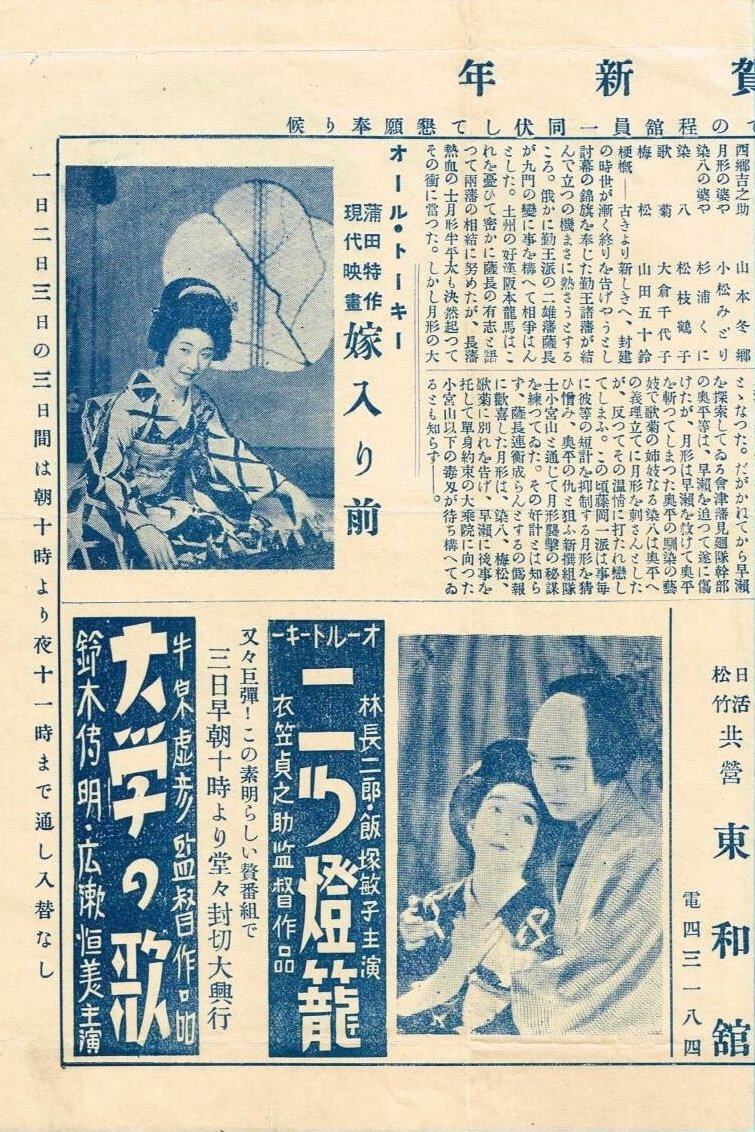
Japanese home drama starring Kinuyo Tanaka.
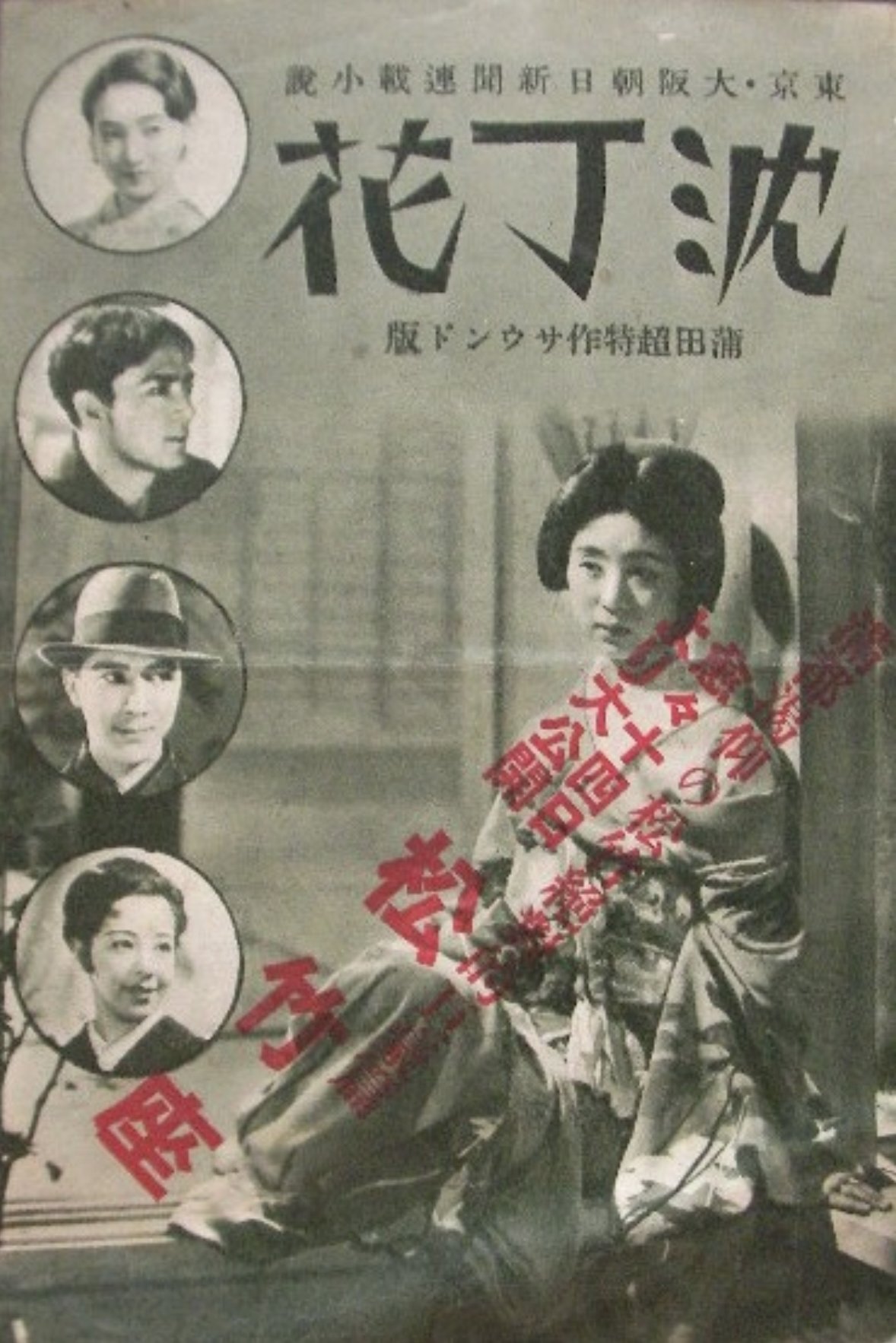
Japanese film from 1933, adapted from Masao Kume's serialized newspaper novel.
Japanese drama from 1934. A major production of Shochiku Studio, directed by Hiroshi Shimizu.
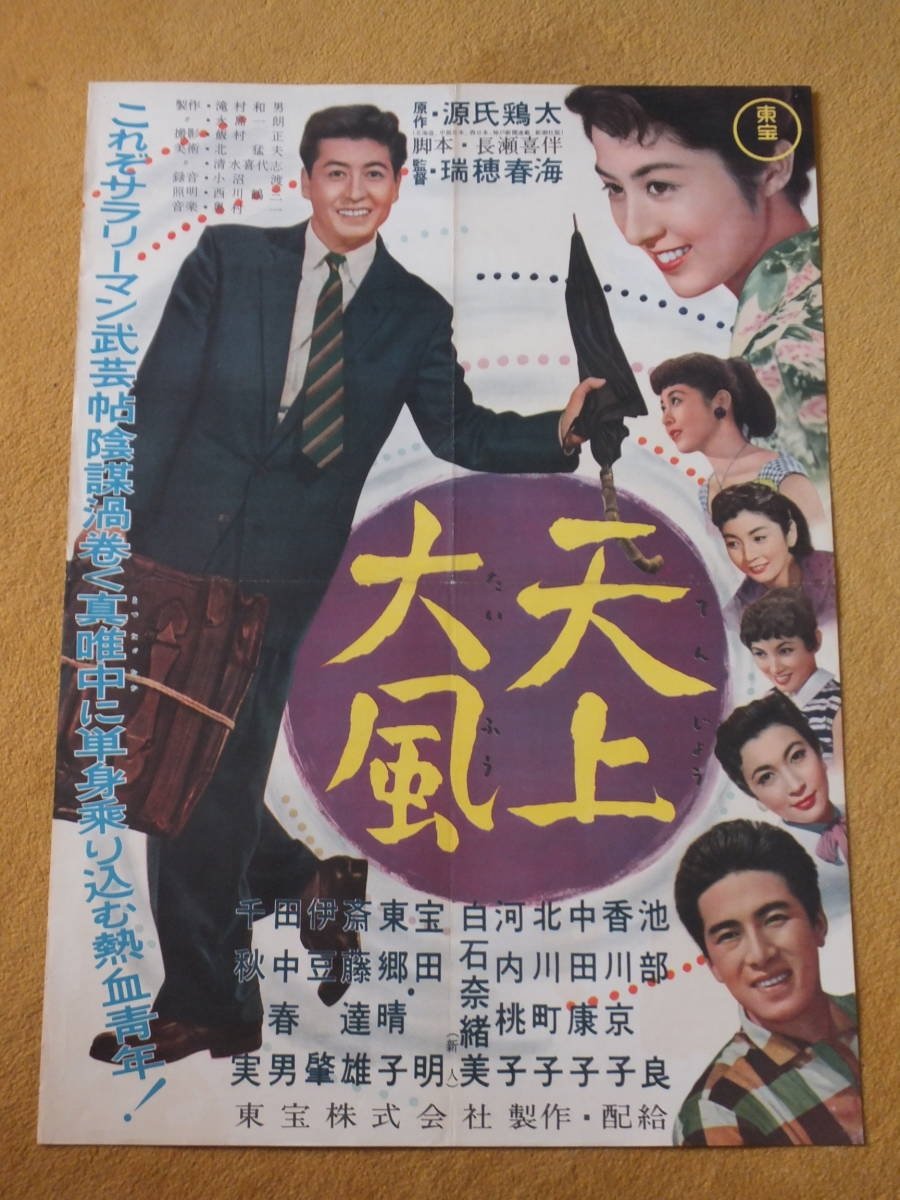
When corruption spreads through a real estate company, president Hiyoshi brings in his honest friend Ryūtarō to reform it. Facing union unrest and betrayal from within, Ryūtarō exposes an embezzlement scheme and helps restore order. After the company stabilizes, he quietly leaves for Kyushu, urging his colleagues to carry on without him.
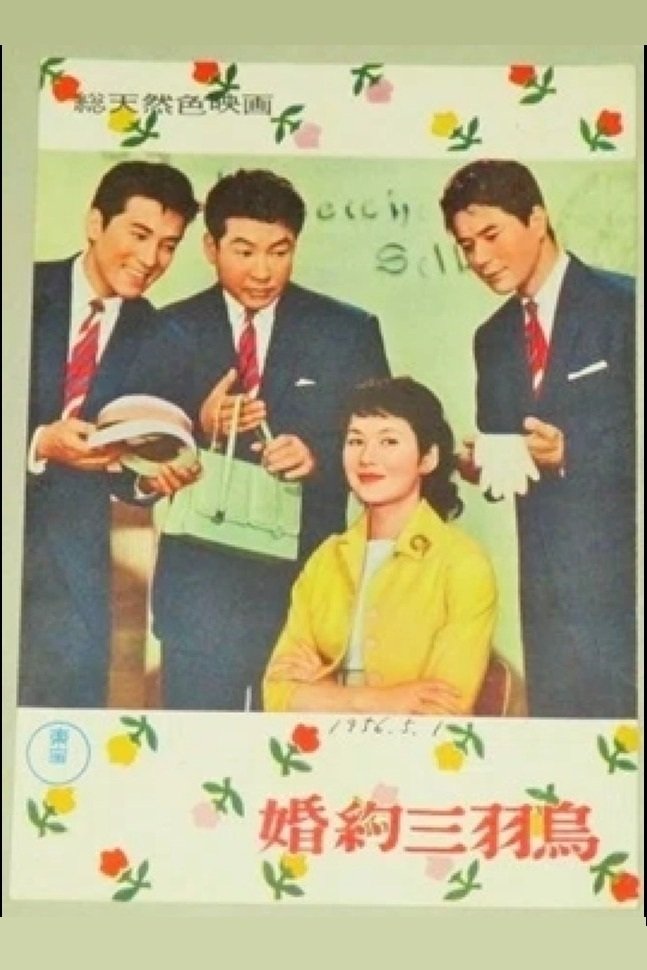
1956 Drama by Toshio Sugie
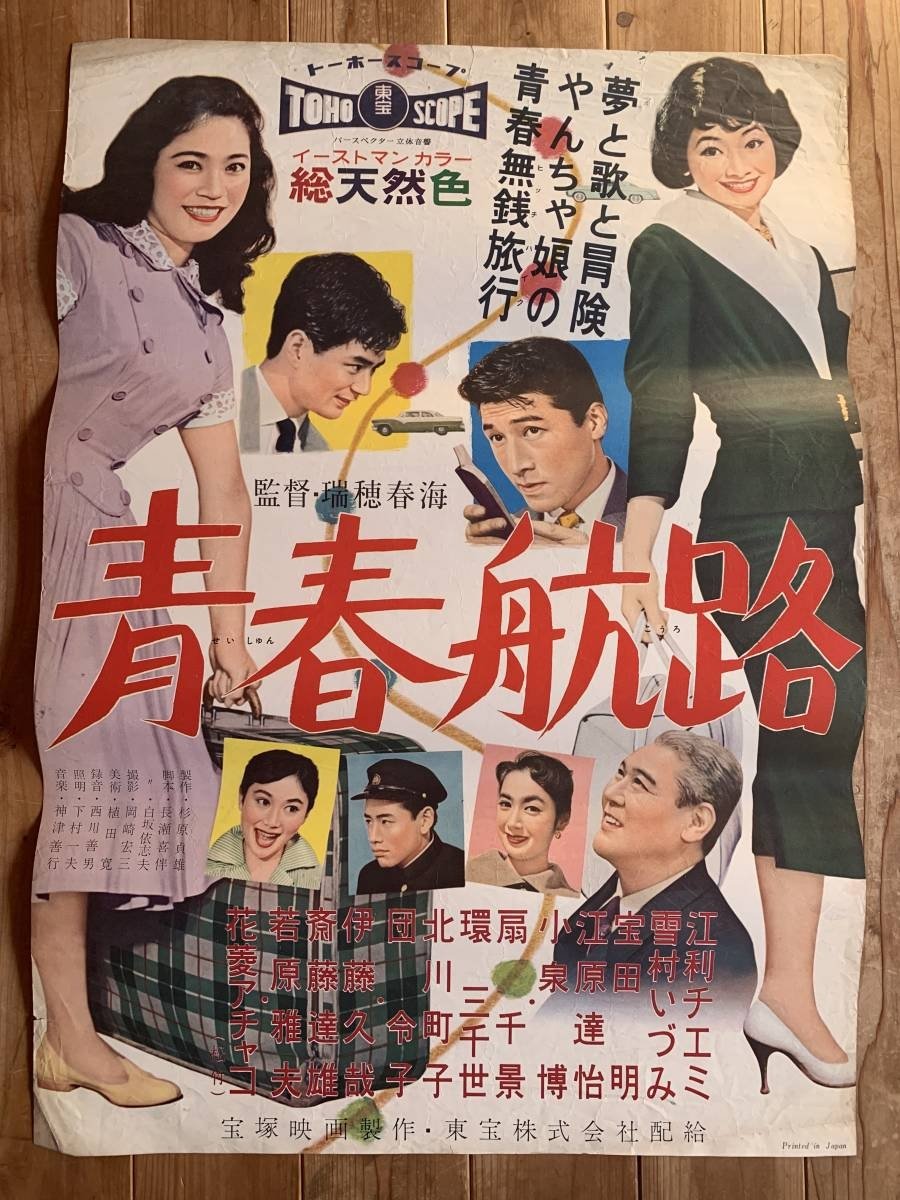
Three high school girls travel to Osaka to visit a friend and end up on a lively journey through Kyoto, Beppu, and Aso. Along the way they meet classmates, rivals, and mentors, joining together in a joyful chorus at a village festival beneath the Aso mountains.
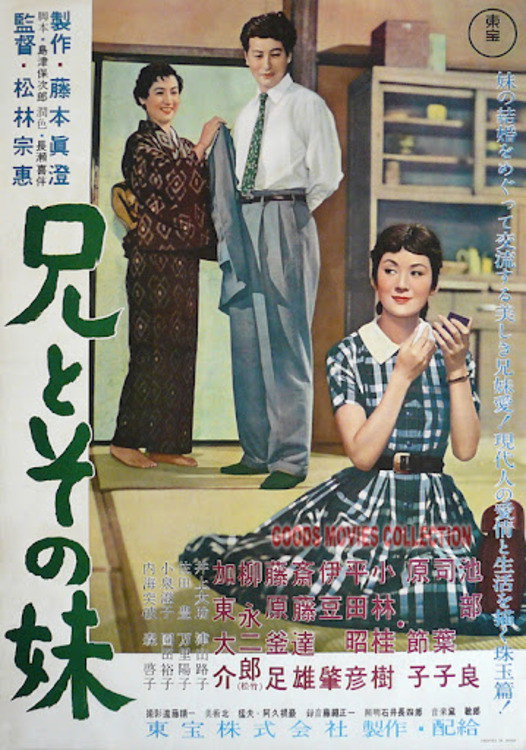
In a household of three the husband is a salaryman who lives with his younger sister and wife in Tokyo. He is returning home late in the evenings because he plays go, or a Japanese version of chess, with his boss. The wife and sister are unhappy about this. The man's co-worker advises him to stop the late evenings out with the boss, but the man cares less. His sister works at a foreign firm and speaks English. When a man who had earlier visited her workplace returns and asks her out for dinner, she rejects him by lying about a husband. He had made impolite comments about her in English during his earlier visit not realizing she understands him.