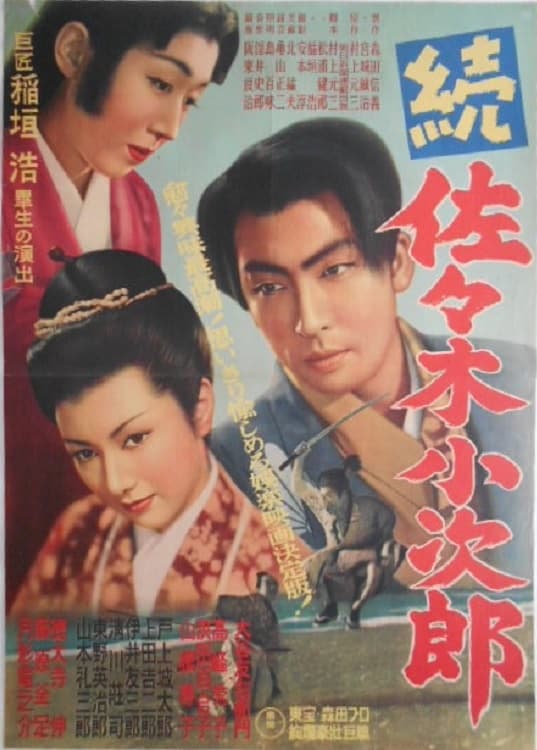
1951 Japanese movie
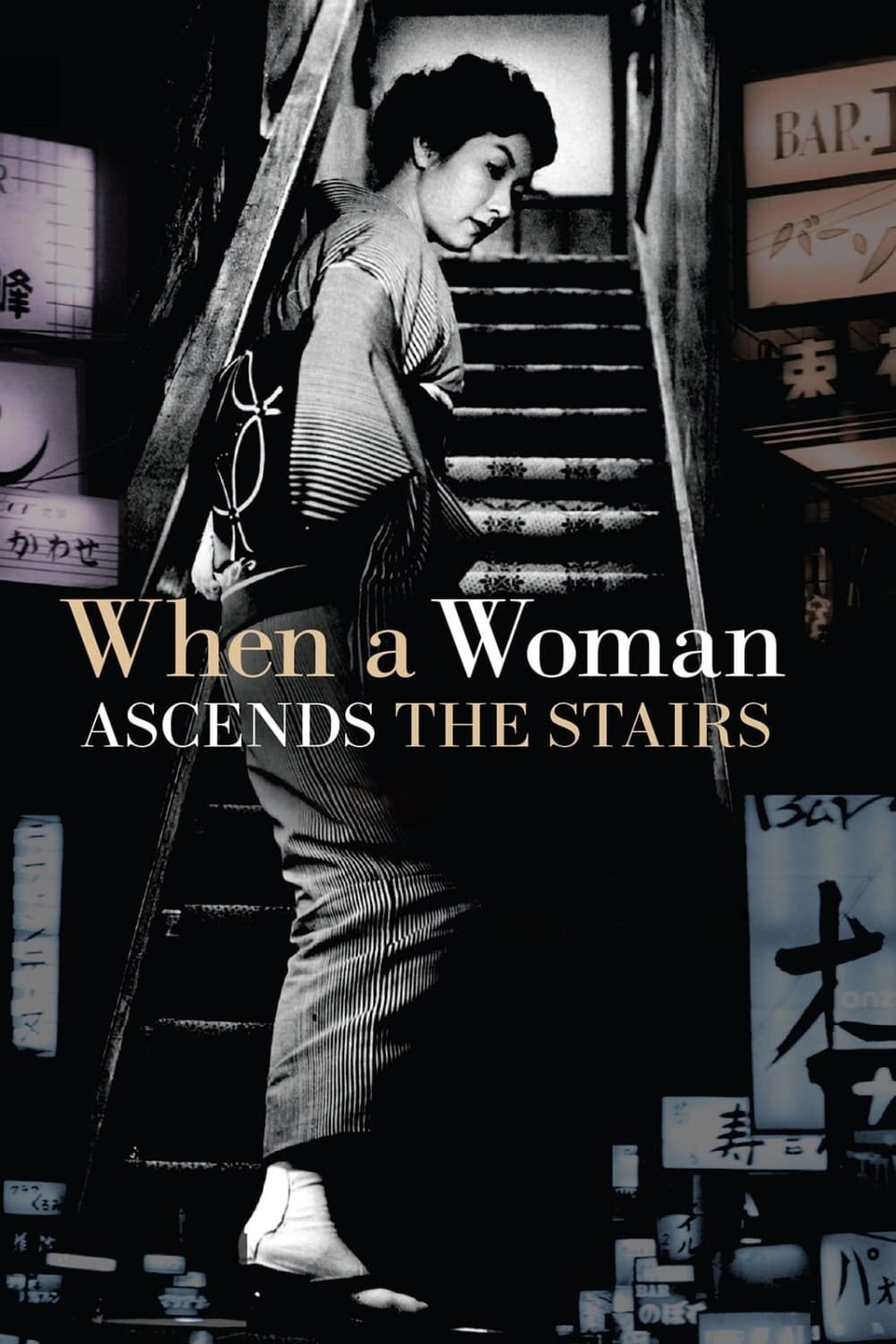
Keiko, whom everyone calls Mama, narrates her story: she's a hostess on the Ginza, 30, a widow. She describes life's vicious cycle: acting cheerful around drunks, dressing and living well to convey confidence, needing money for these expenses and for her demanding mother and brother, and knowing she's growing older.
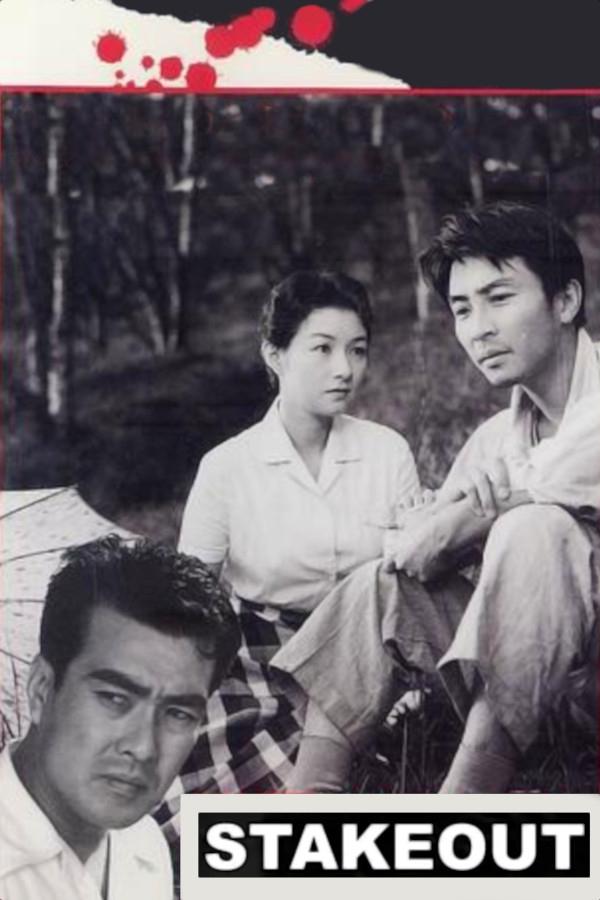
Two detectives begin a stakeout based on the slim chance of catching a murderer whom they suspect will try to reunite with an old flame.
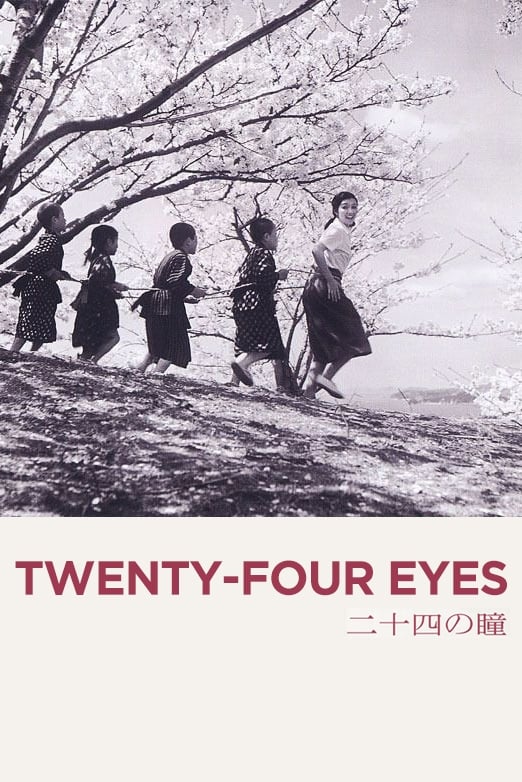
From 1928 to 1946, the lives of 12 young people and their school teacher in a poor Japanese village are profoundly affected by historical events and personal circumstances.
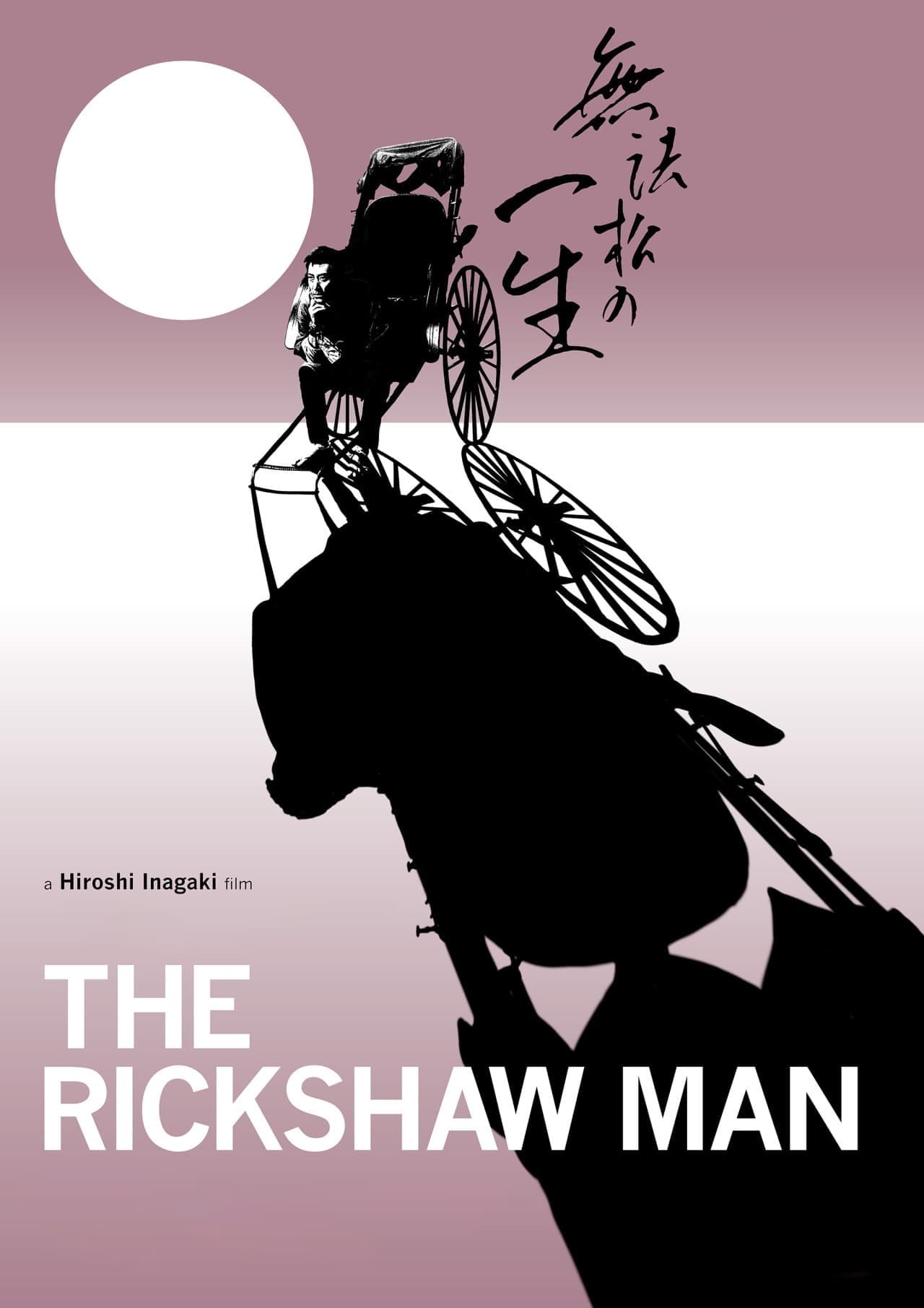
A poor rickshaw driver finds himself helping a young woman and her son after the woman's husband dies suddenly.
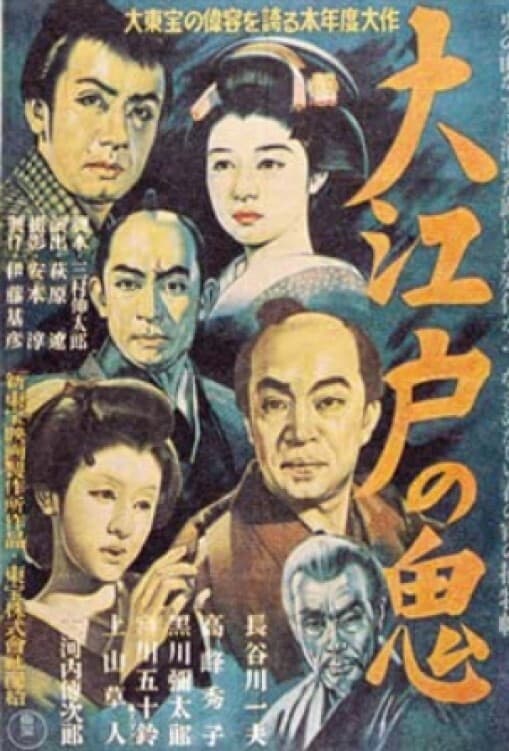
Jidai-geki by Ryo Hagiwara
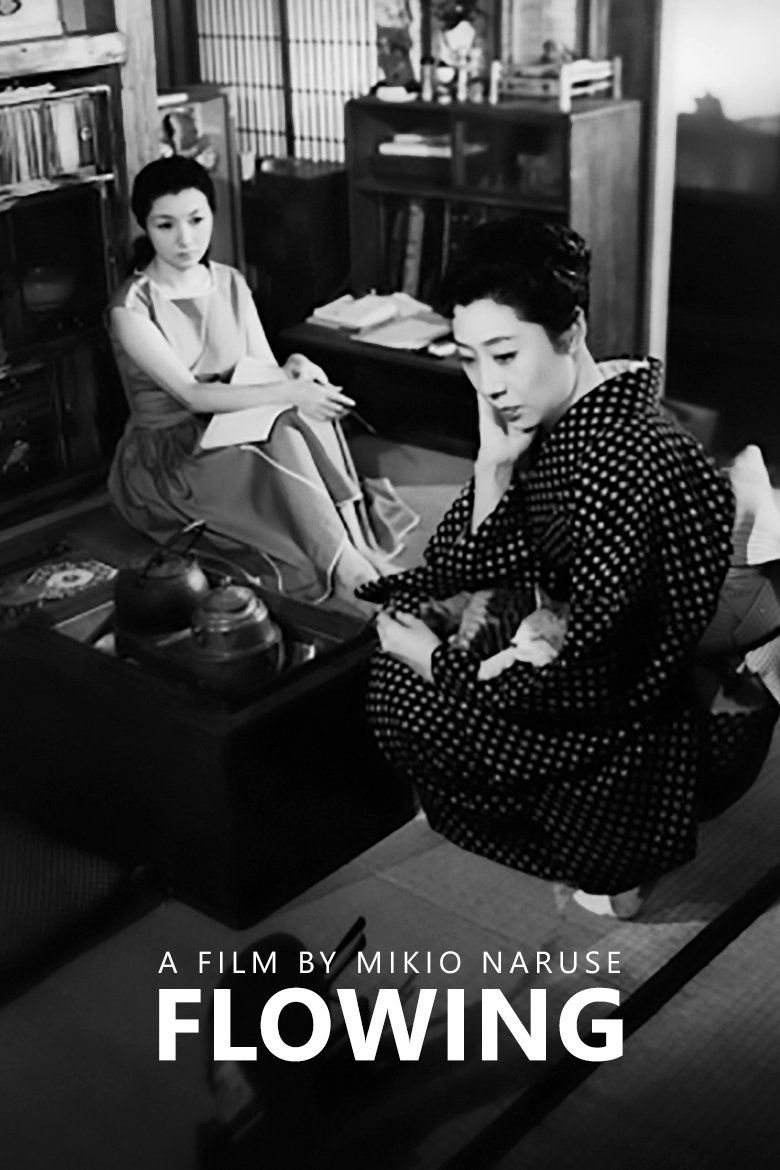
Otsuta is running the geisha house Tsuta in Tokyo. Her business is heavily in debt. Her daughter Katsuyo doesn't see any future in her mother's trade in the late days of Geisha. But Otsuta will not give up. This film portraits the day time life of geisha when not entertaining customers.
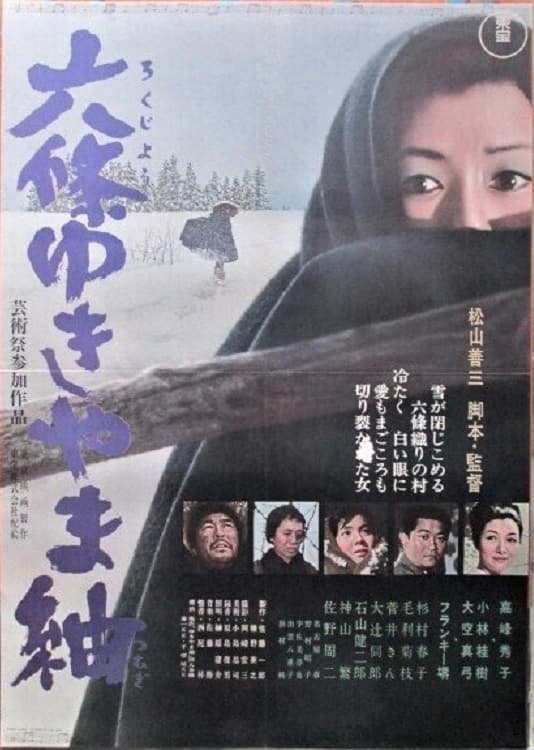
Young widow Ine is suffering under the harsh treatment of her mother in law. As a former Geisha, Ine had struggled to be accepted into the well-established Rokujo family from the beginning. With the support of Jiro, a young man Ine's late husband had saved from homelessness as a young boy, Ine tries to keep the family's heritage of silk processing alive. Their close relationship soon causes gossip among the villagers and threaten Ine's position in the family even further ...
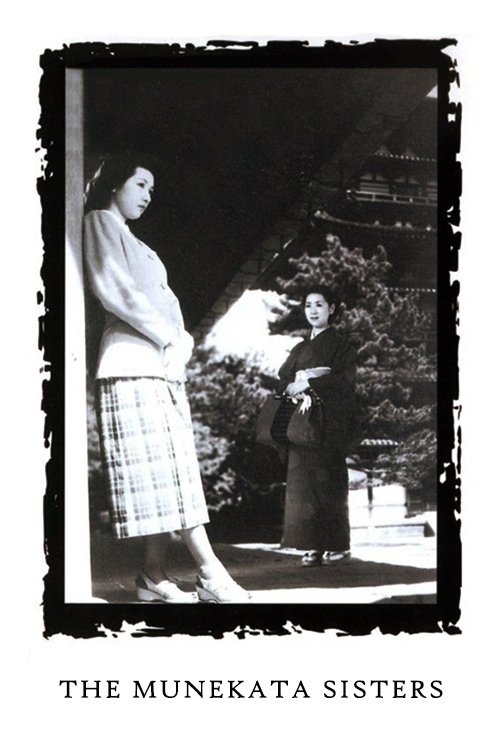
Setsuko is in an unhappy marriage to Mimura, an unemployed, alcoholic engineer. She had always been in love with Hiroshi but both failed to propose when Hiroshi left for France a few years ago. But now he's back and Mariko tries to reunite them, although she too is secretly in love with Hiroshi.
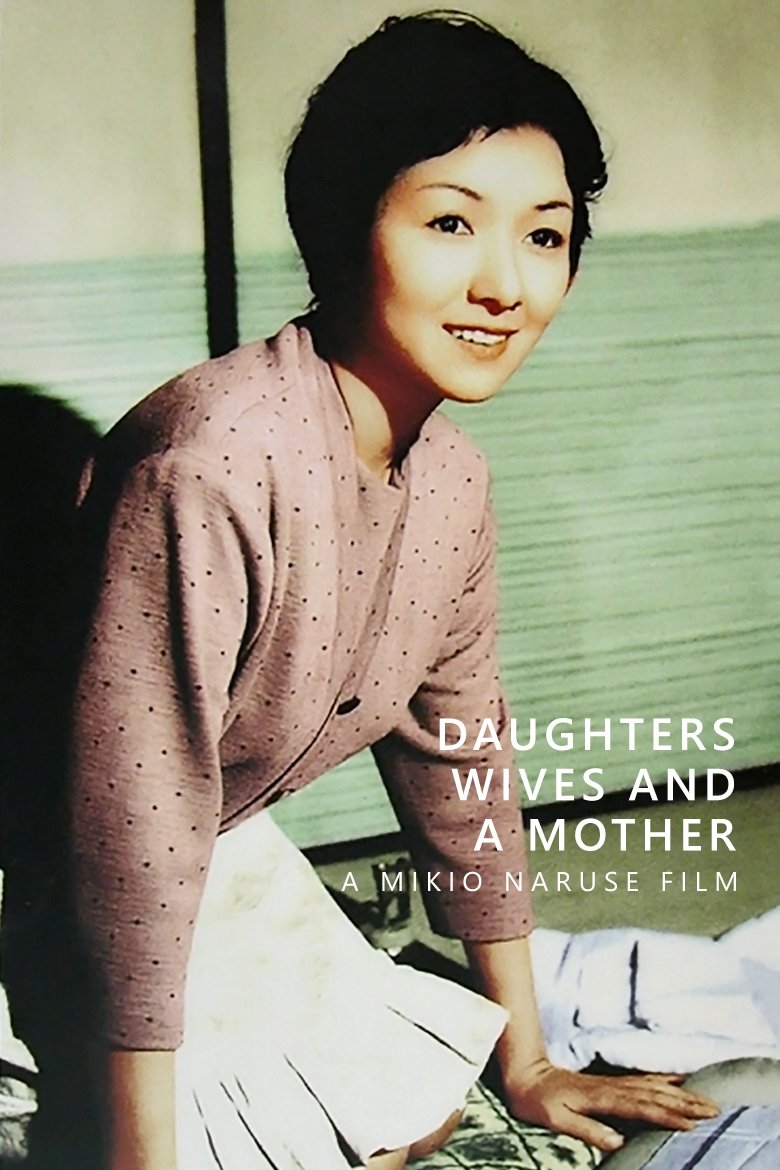
Sanae is left a widow after her prestigious husband dies, but holds the proceeds of a million yen insurance policy. Being childless, her former in-laws have no objection to her return to her own family.
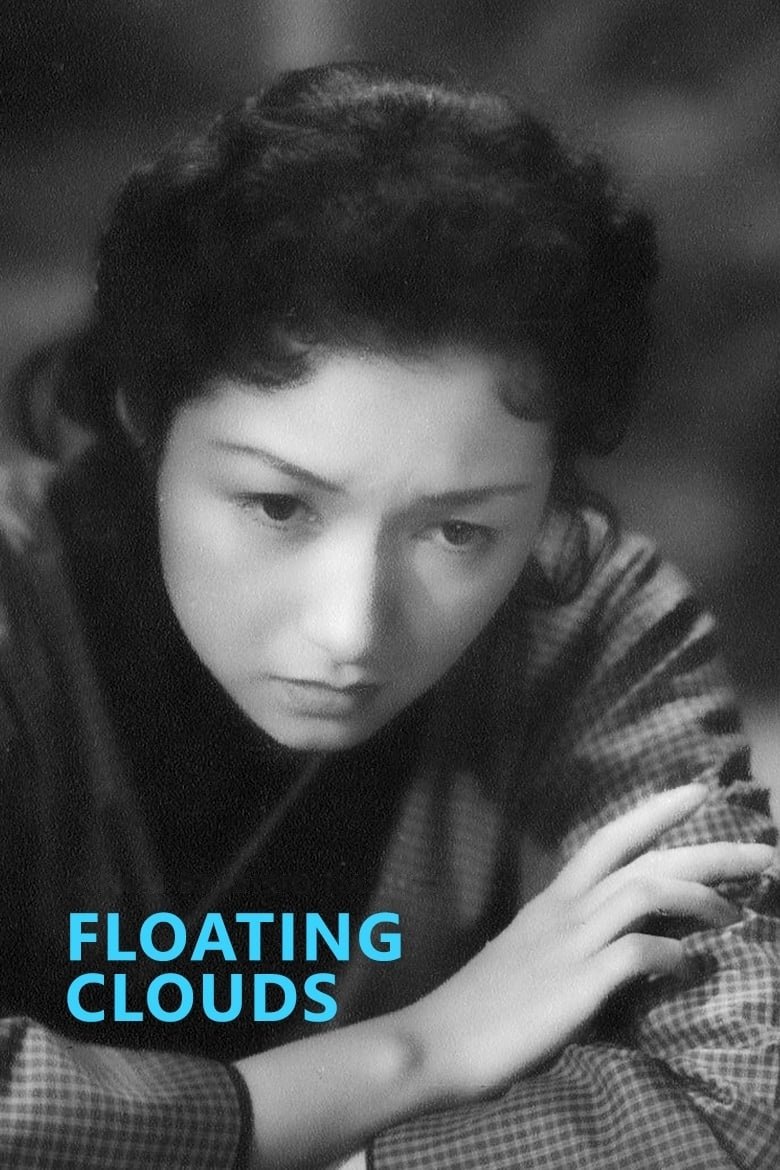
A married Japanese forester during WWII is sent to Indochina to manage forests. He meets a young Japanese typist and promises to leave his wife. He doesn't and after the war, she turns up and the affair resumes.
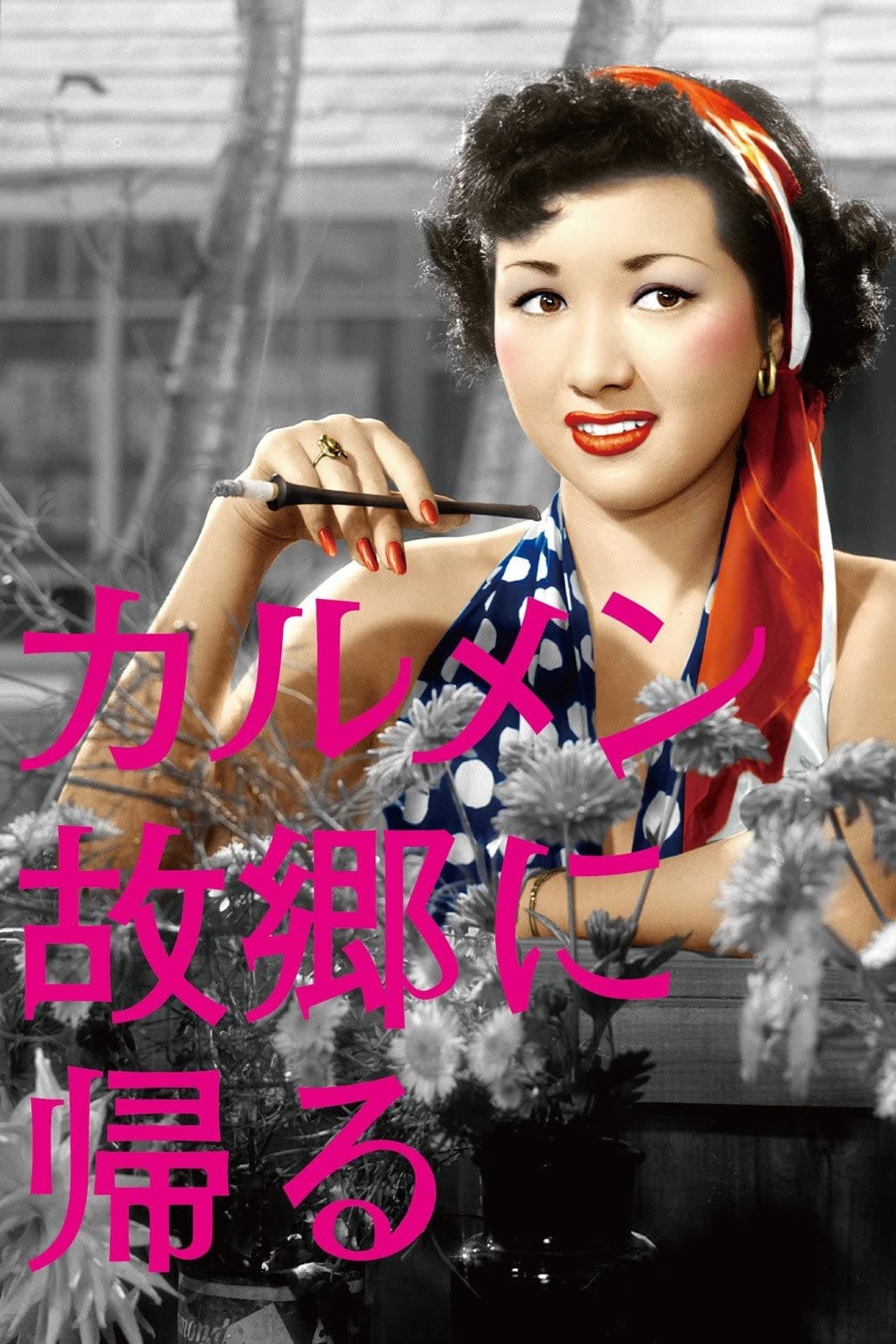
A rural village elder plans an event on the return of a farmer's daughter from the city, unaware that she has become a Westernized burlesque artist.
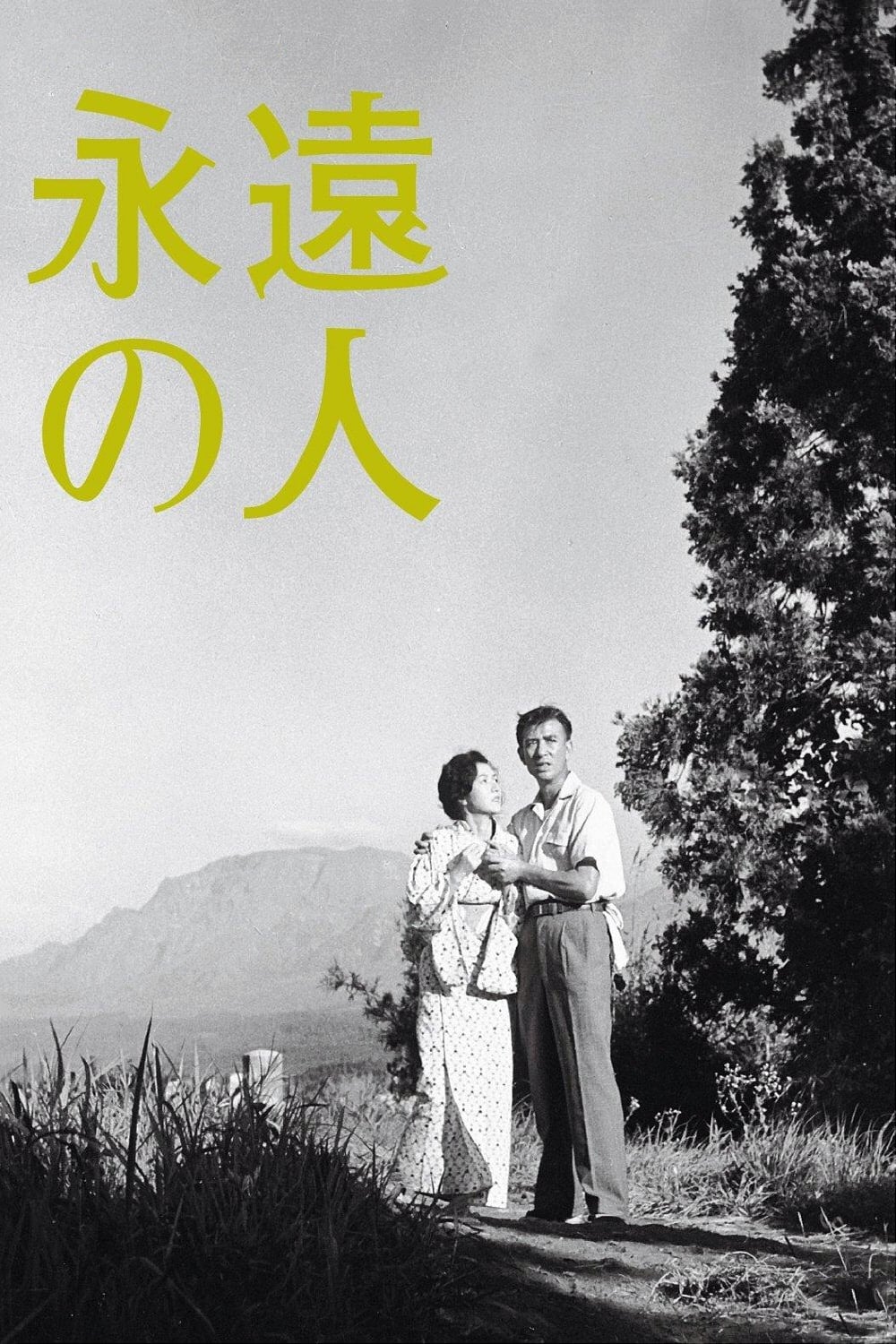
A young woman is forced by circumstance into a loveless marriage while still in love with another. This episodic tale follows their story through three decades of bitter conflict which engulfs their children and those around them.
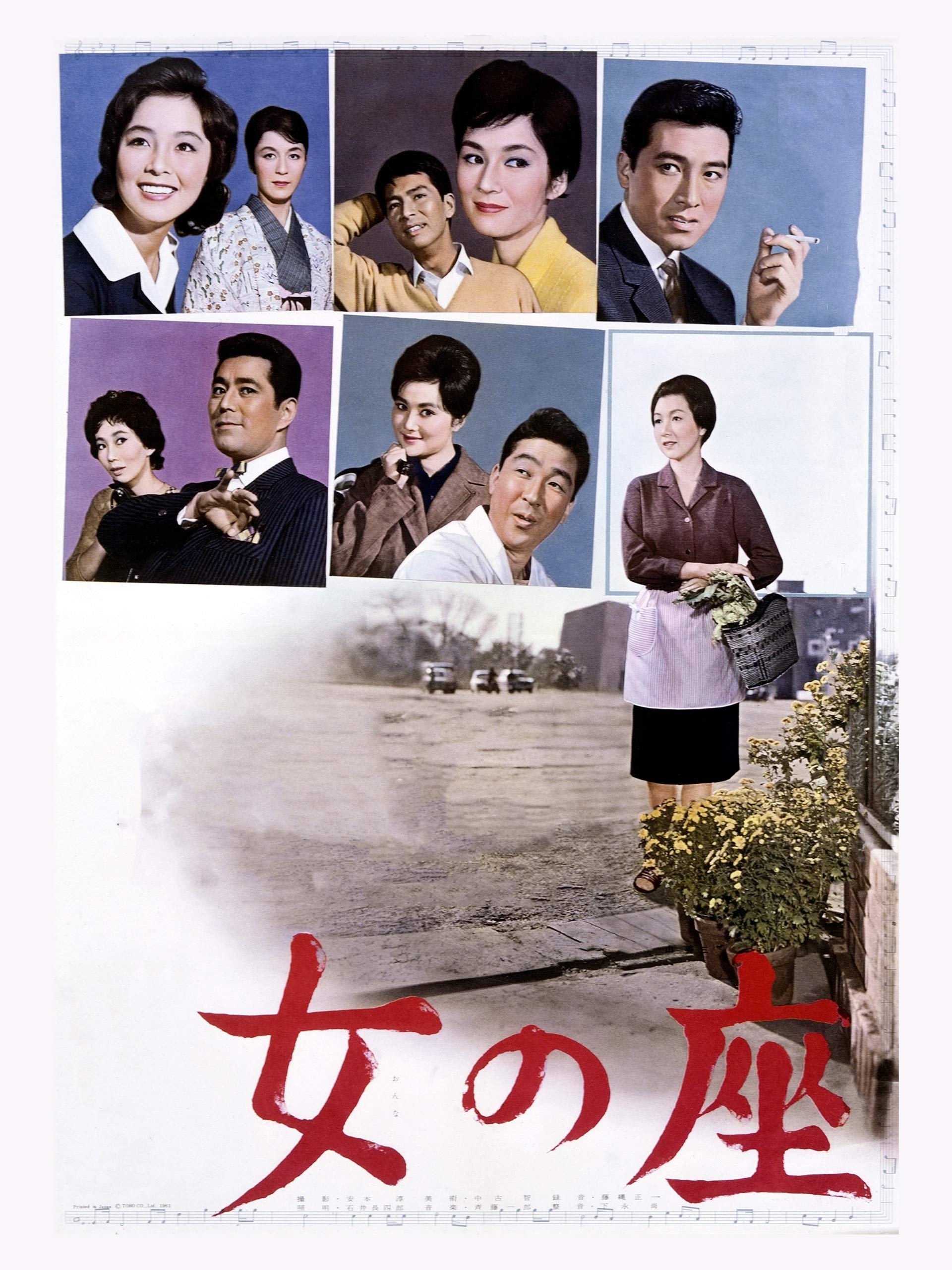
Drama about the lives of the five daughters and daughter-in-law of a store owner.
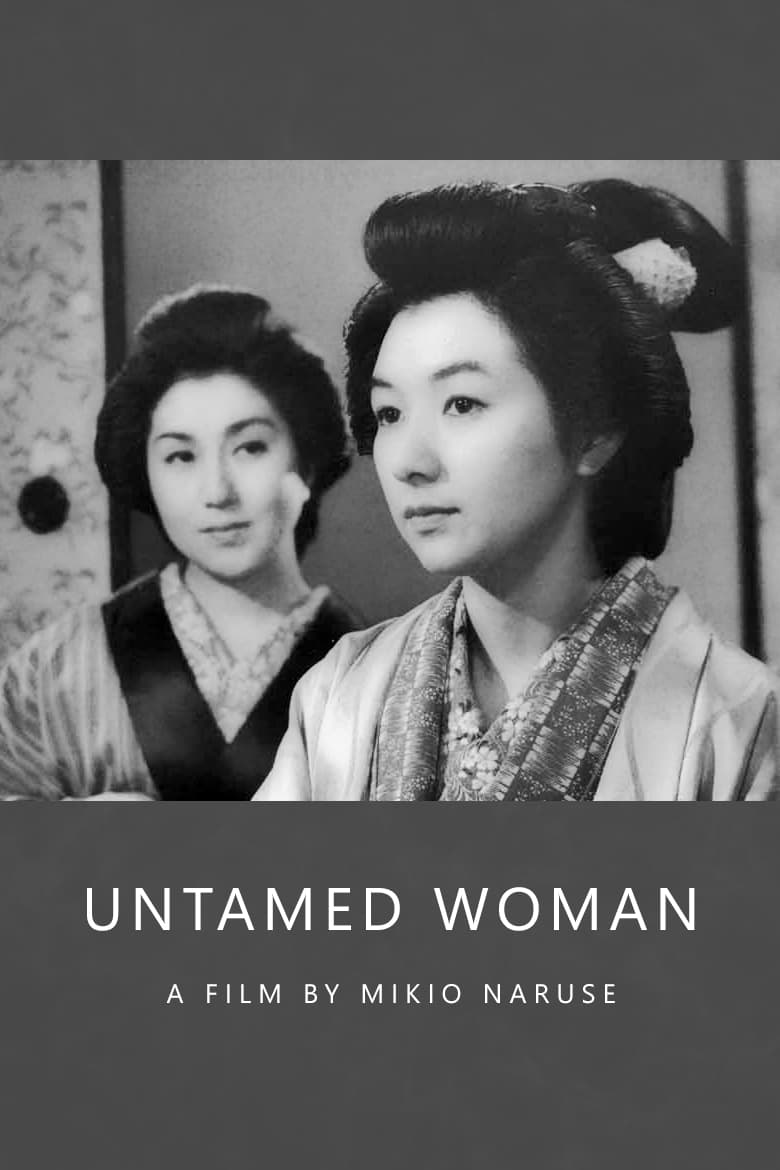
A woman marries, gives birth to a stillborn child, and divorces, falls in love with a hotel-keeper, only to find herself subordinated to his drive for success, takes up with a tailor who cannot console himself with her strong personality.
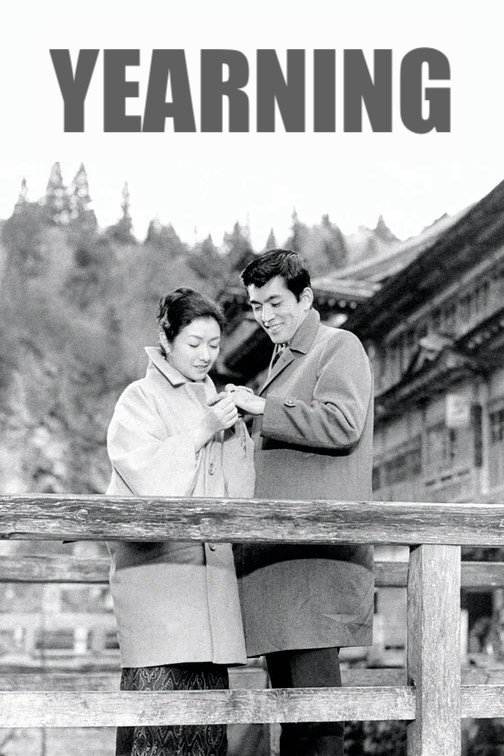
War widow Reiko rebuilds and runs the grocery shop in the house of her husband's family. Many years later, their business is threatened by a newly built supermarket and Reiko's in-laws plan to convert their small shop into a supermarket, to her detriment.
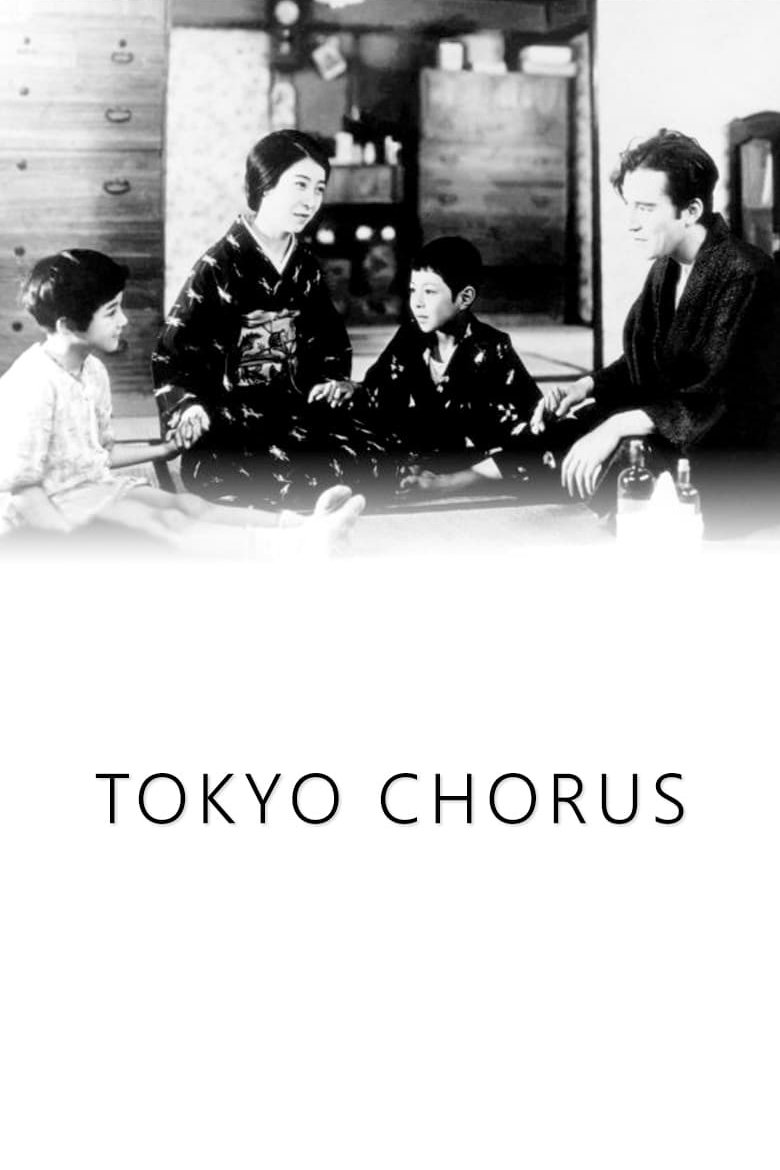
During the Depression, a young man struggles to provide for his family after he is sacked for defending an older colleague.
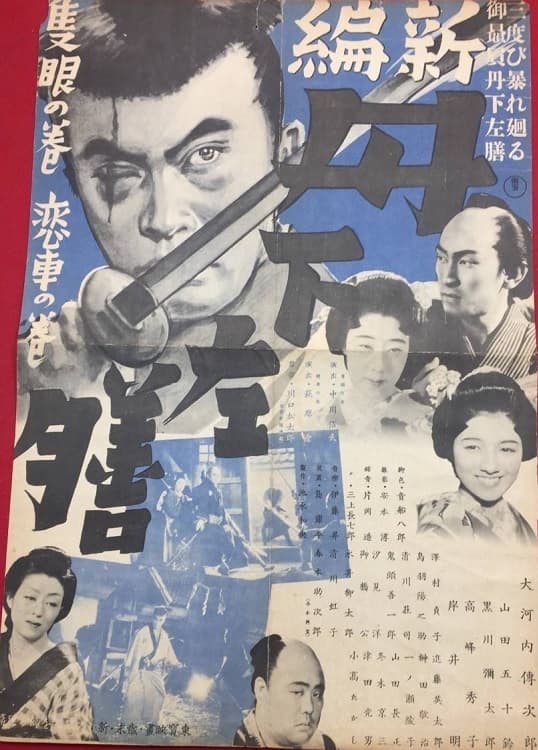
Another adaptation of Tange Sazen.

The disturbing story of a physician who conducted the first operation with general anaesthetic, and the women in his life who are both so determined to win his love that they volunteer as subjects for his experiments
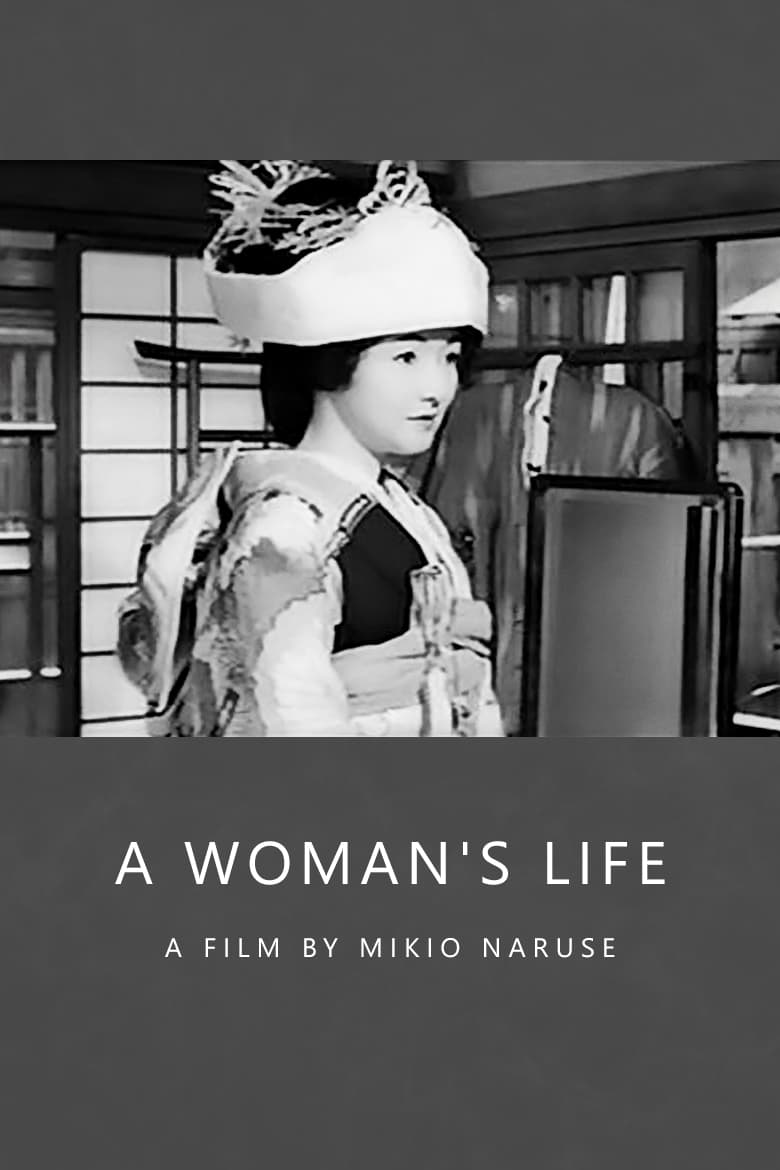
A woman remembers her own marriage when dealing with the love life of her son.
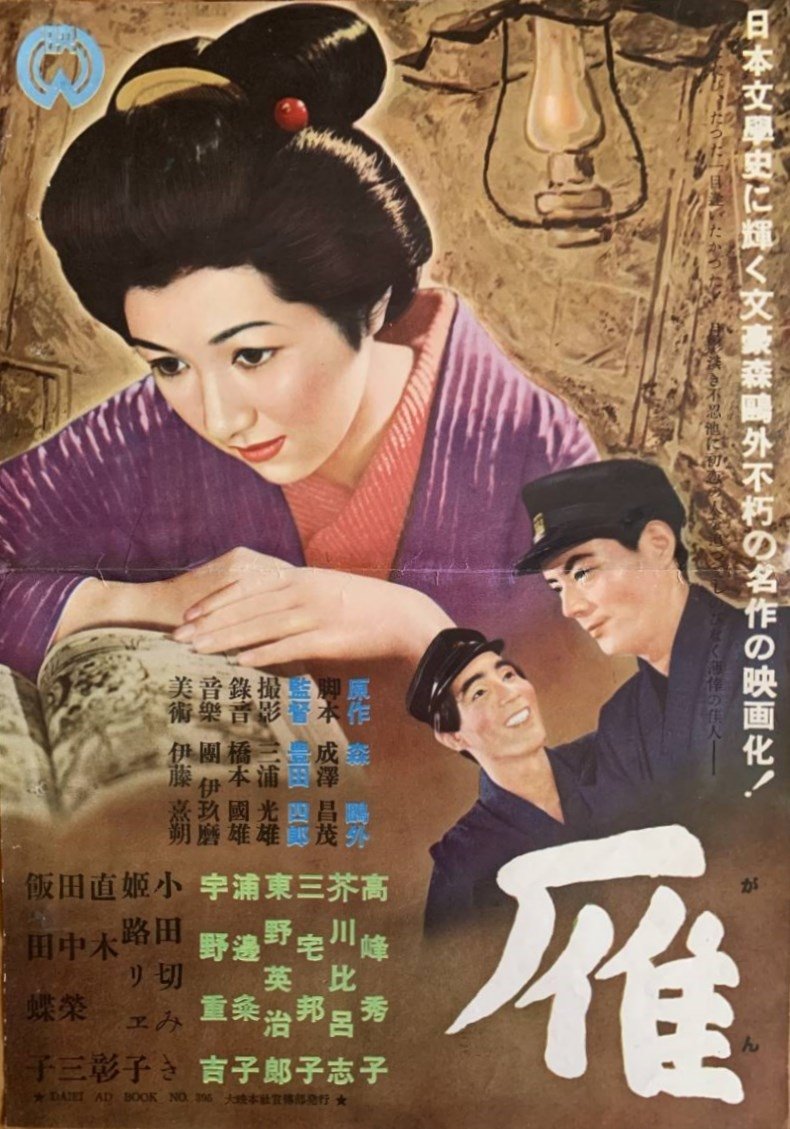
A young woman, who must support her father as a middle-aged man's mistress, finds herself falling in love with a student closer to her age.
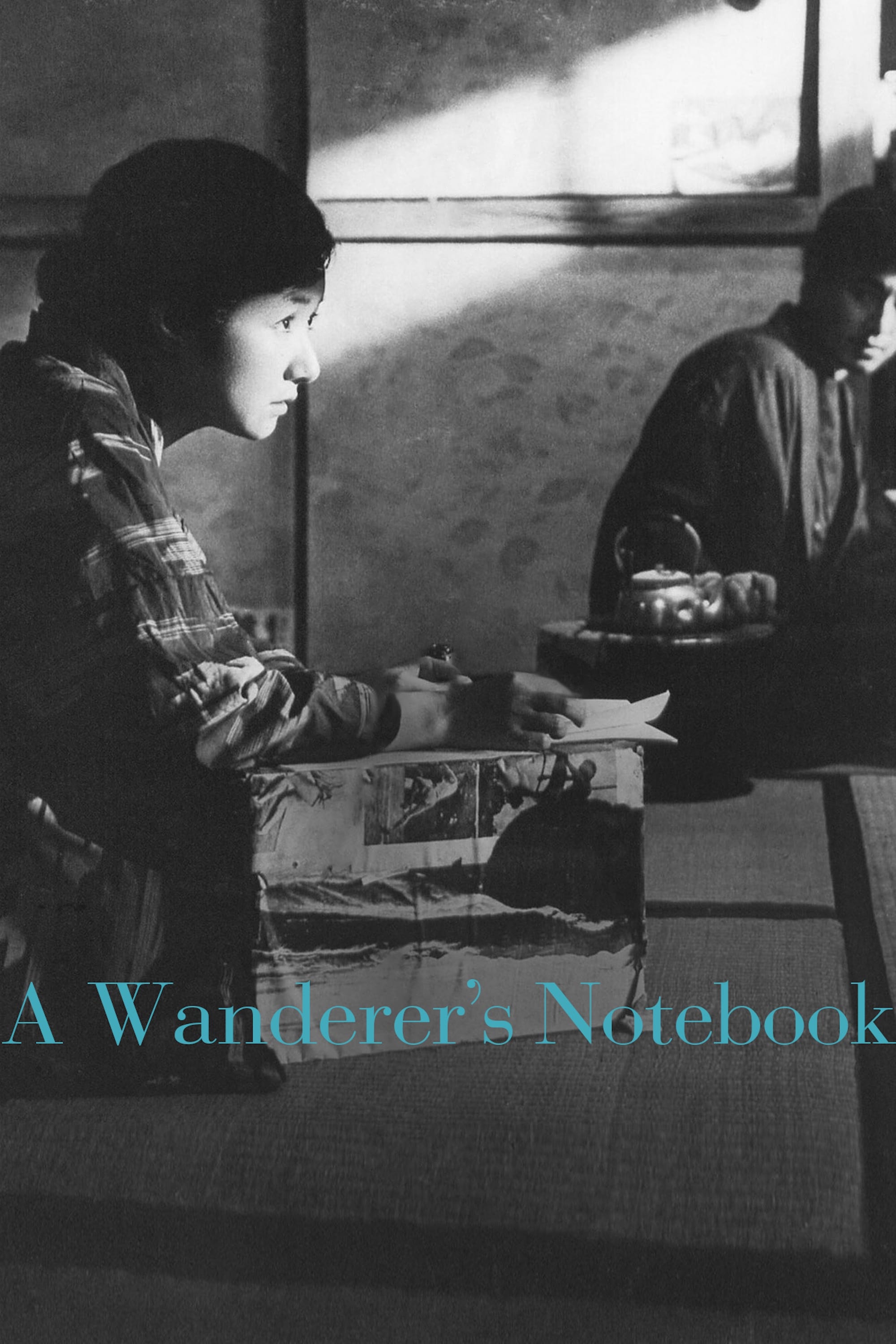
Based on the life and career of novelist Fumiko Hayashi, she bitterly struggles for literary recognition in the first half of the 20th-century – her affairs with feckless men, the jobs she took to survive (peddler, waitress, bar maid), and her arduous, often humiliating attempts to get published in a male-dominated culture.
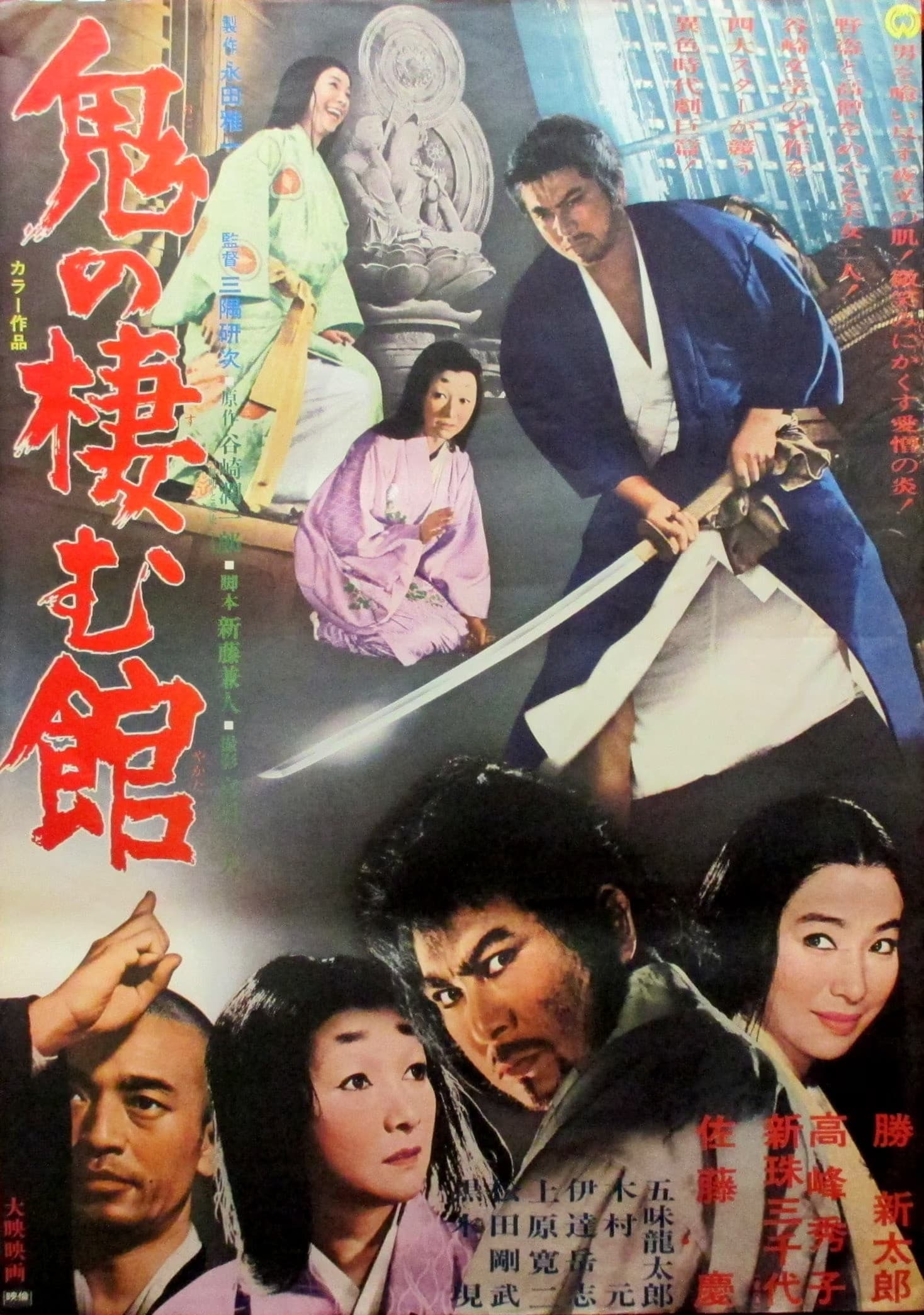
An abandoned temple in the mountains outside of the old capital city of Kyoto is the scene of a fated meeting between a traveling priest, two women, and a vicious killer. Bloody violence erupts whenever strangers approach the temple. Can the traveling priest bring his belief in the Buddha and rid the three temple residents of the devils that hold their souls?

A Tokyo family running a liquor store overcome impotence and dysfunction as they induce an understanding through each other of how to deal with their individual problems.
A colourful study of theatrical life. Two acting troupes vie for the Kyoto market during the Genroku Era. Tojuro, an extremely popular actor, feels the limits to his acting when he sees his rival troupe put on a new type of play featuring its star, Nakamura. He has the famous Chikamatsu write a new play but cannot get used to the character he is to play in it.
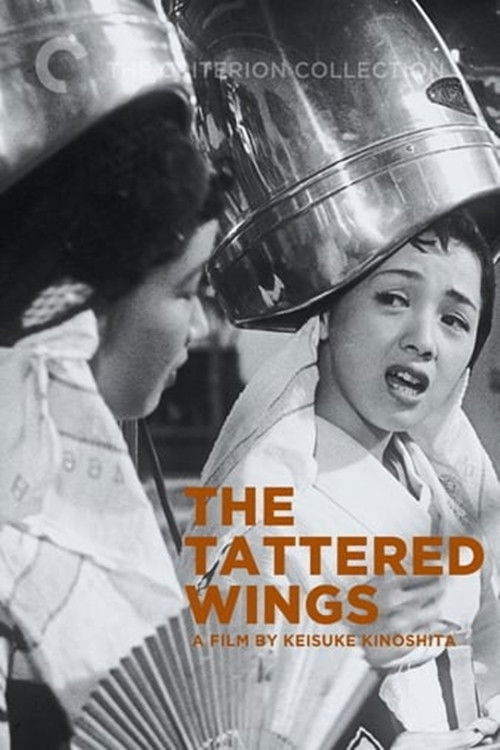
A young widow, made world weary by her abusive, neglectful husband, finds herself in a minor scandal when she's seen with her intense, no-nonsense childhood sweetheart.

An Invention laboratory is working on the creation of a performance 'bomb' in the shape of a rocket that could be delivered to the front in order to entertain and amuse the national troops. Inside this rocket would be tiny performers. Once launched from the laboratory and landed amidst the Japanese troops the soldiers could enjoy the performers. The laboratory succeeds and the rocket is built. It bears the insignia, 'until the victory days.' The Japanese government began a program of shooting and disseminating propaganda and entertainment movies for its troops during World War II. It is a lost film.
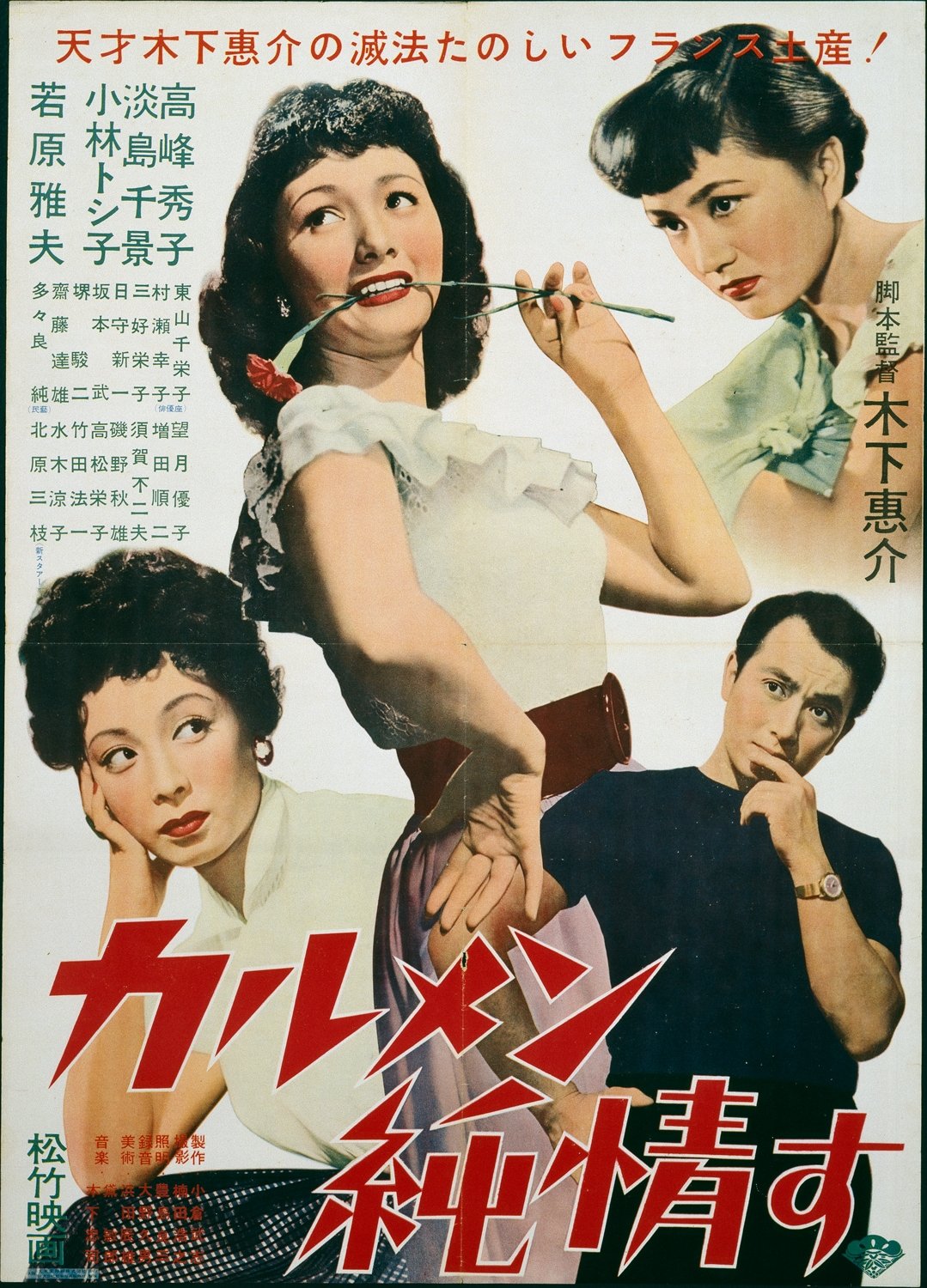
Strip dancer Carmen falls in love with Hajime, who is engaged to the daughter of a right-wing politician.
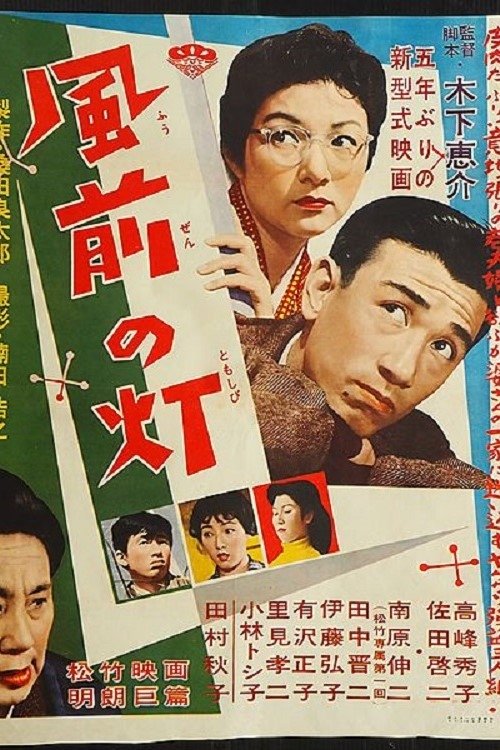
The plans of a trio of burglars are continually thwarted by the arrival of visitors to the house they plan to rob.
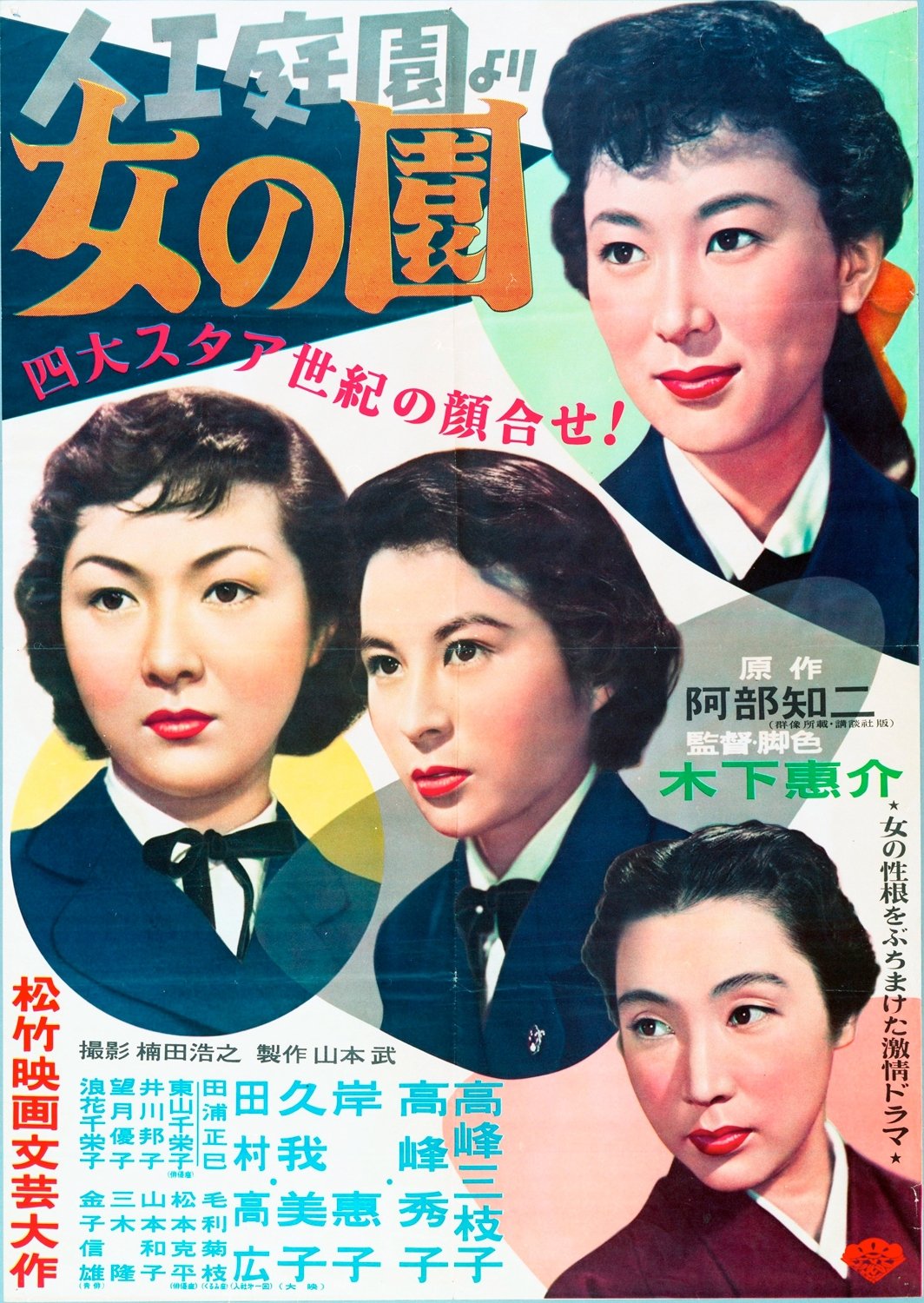
A student at a woman's university takes a controversial action against the school's old-fashioned doctrines.
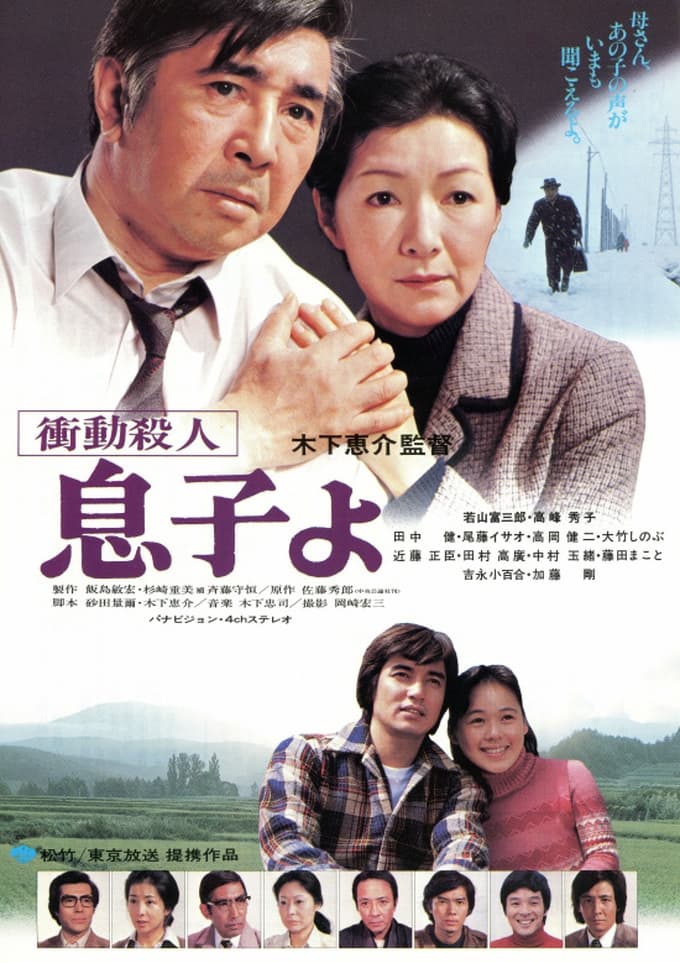
A man whose son has been murdered pushes to create laws to financially protect victims' families.
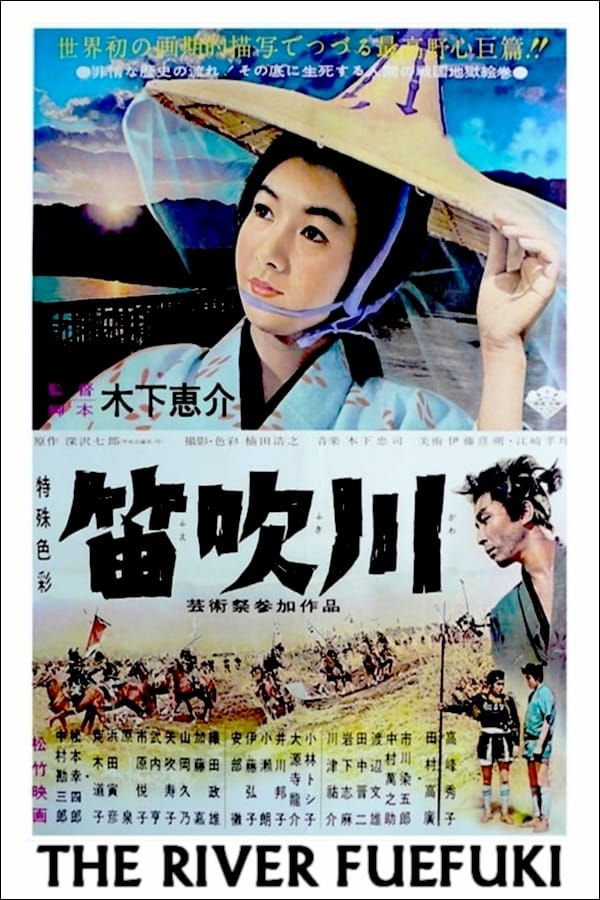
In a time of continuous civil wars ravaging the fields of feudal Japan, the eldest son of a very poor peasant family, living alongside the bridge over the Fuefuki river, decides to serve a warlord to escape his miserable condition, being soon followed by his younger brothers. Although not all the men of the family take this tragic path of death, women of the family will be doomed to endure the pain of loss during the next five generations.
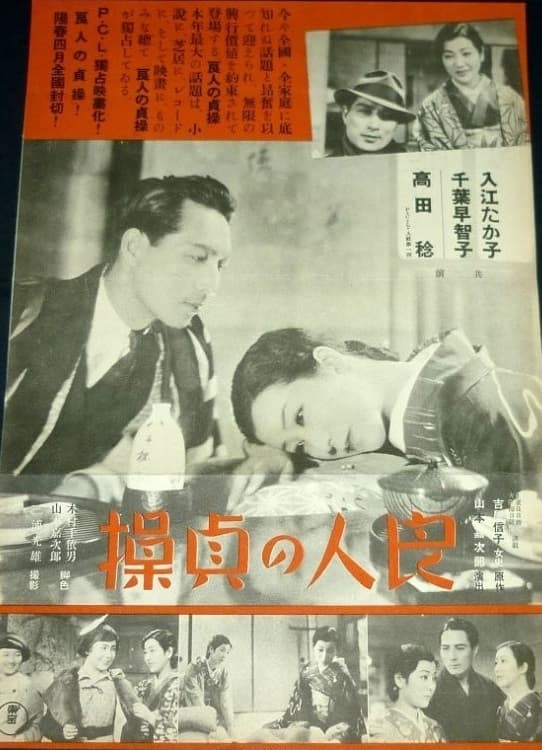
Kayo and Kuniko graduated from girls' school together and are as close as sisters. Kuniko's fiancé, Minakami, feels something that attracts him deeply towards Kayo. On the other hand, Kayo prays for the happiness of her best friend and marries a very ordinary man. However, at one point, this mediocre but increasingly ferocious husband died in an accident ... A triangular love story develops depicting a woman's heart that sways between love and morals. Based on a novel by Nobuko Yoshiya, there were originally two parts to the film (If Spring Comes & Fall Once Again), both supposed to be 85 minutes, but apparently what we have now is this 103-minute amalgam of the two.
My Daughter's Only Wish tells the story of a poorly paid and clumsy office clerk, played with much comedic talent by Atsushi Watanabe. His biggest problem: His daughter Hideko is too clever and is expected by her teachers to enter the school for higher girls after graduating from primary school. But how is our poor clerk supposed to pay the school fees? How does poor Hideko feel about the situation? How can they cope with the envious colleagues who have less brighter daughters? And - an important question for Hideko's mother - what will the neighbours think? What's the point about getting a good education for girls anyway?
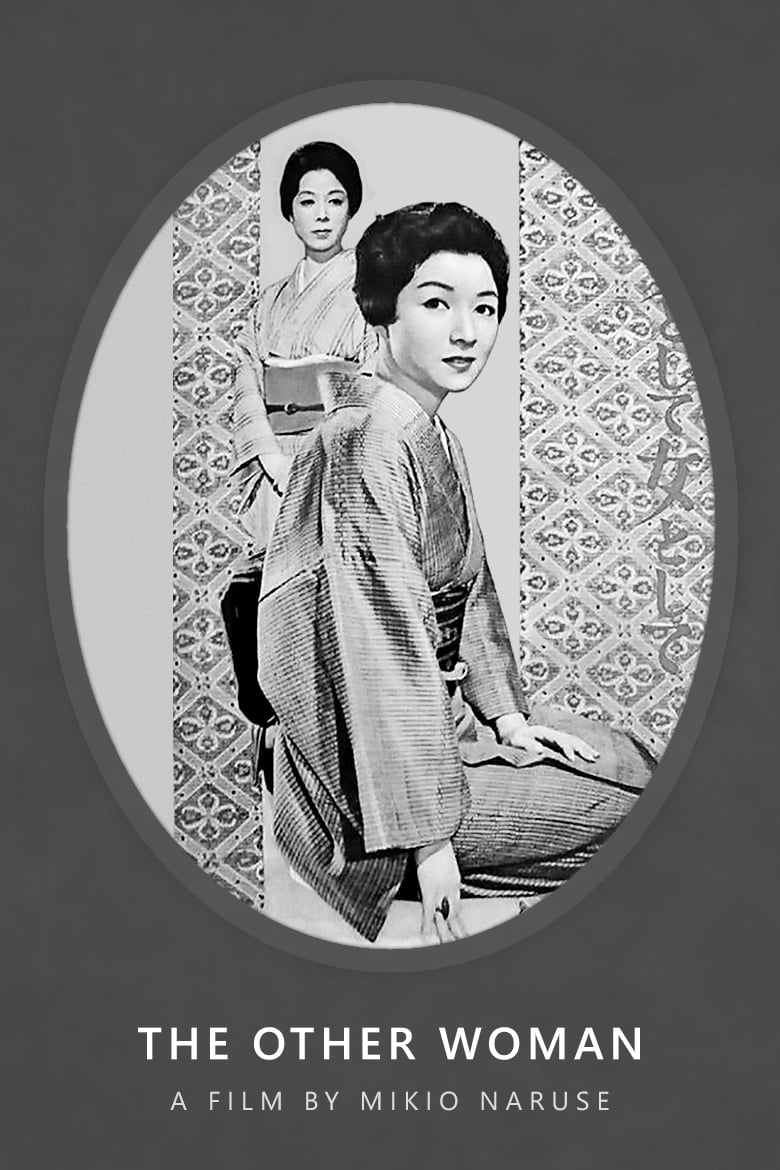
The real mother of the two children of a respectable university professor is not his wife, but his mistress, the hostess of a Ginza bar the family frequents.
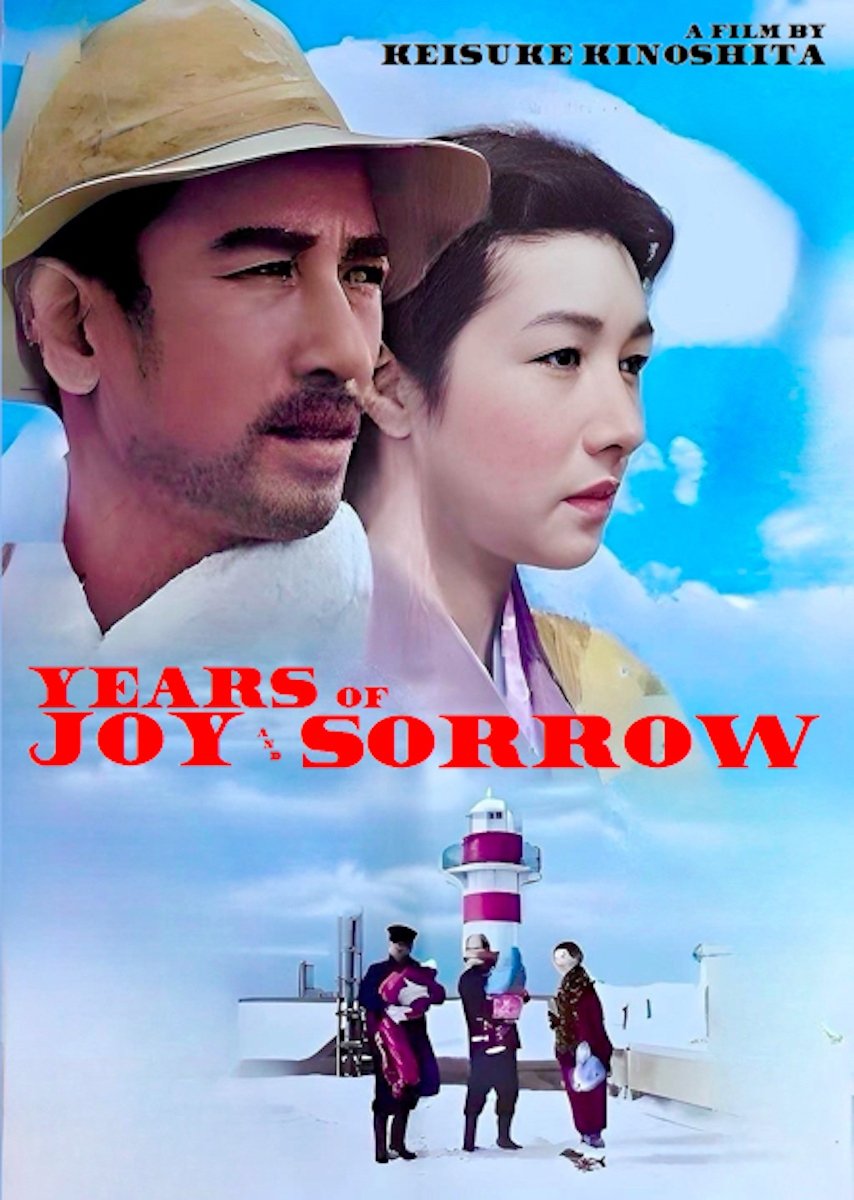
The story of the trials and tribulations of a lighthouse keeper and his wife.
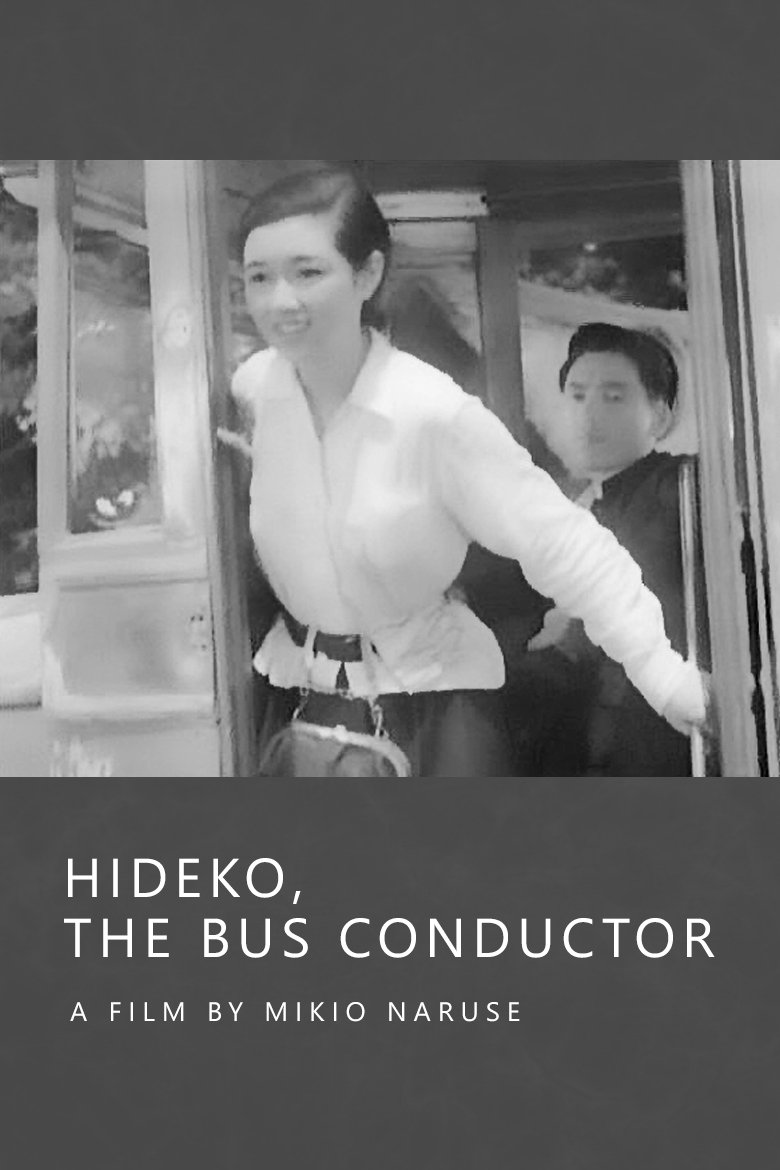
Okoma, a witty young woman working as a conductor in an old, rickety bus in Kōfu, Yamanashi (rural Japan), has a creative idea that could avert the dwindling number of passengers when her job and the bus company itself are at stake.
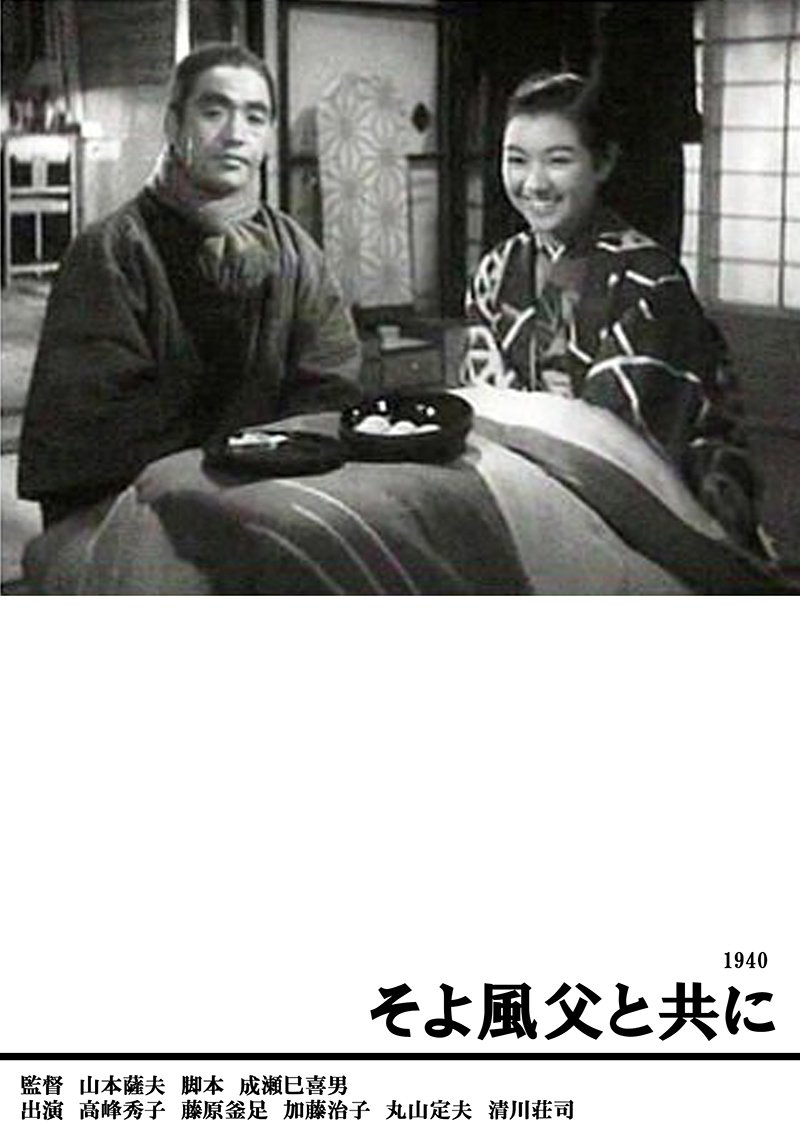
9th directorial work by Yamamoto Satsuo.
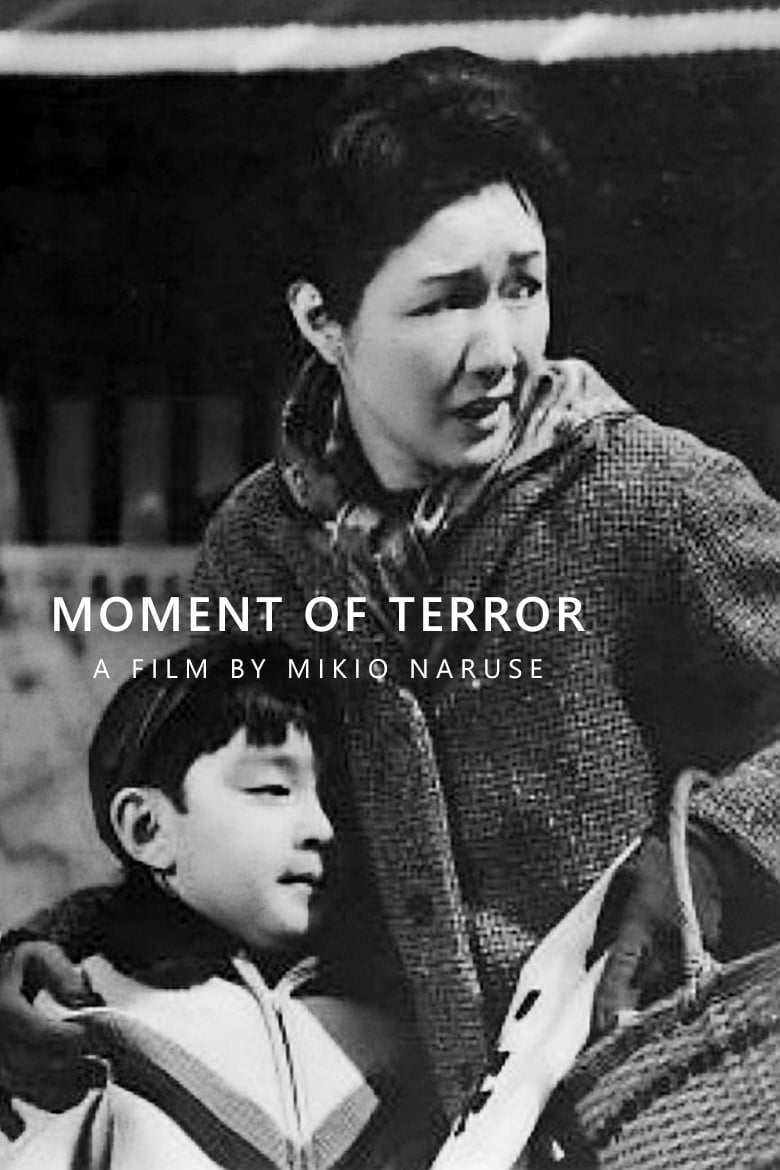
When the only son of a working class woman is fatally struck by a car driven by the adulterous wife of a company president in a hit-and-run, the victim's mother changes her identity and infiltrates the couple's home to work as their maid, plotting to murder their similarly-aged son.
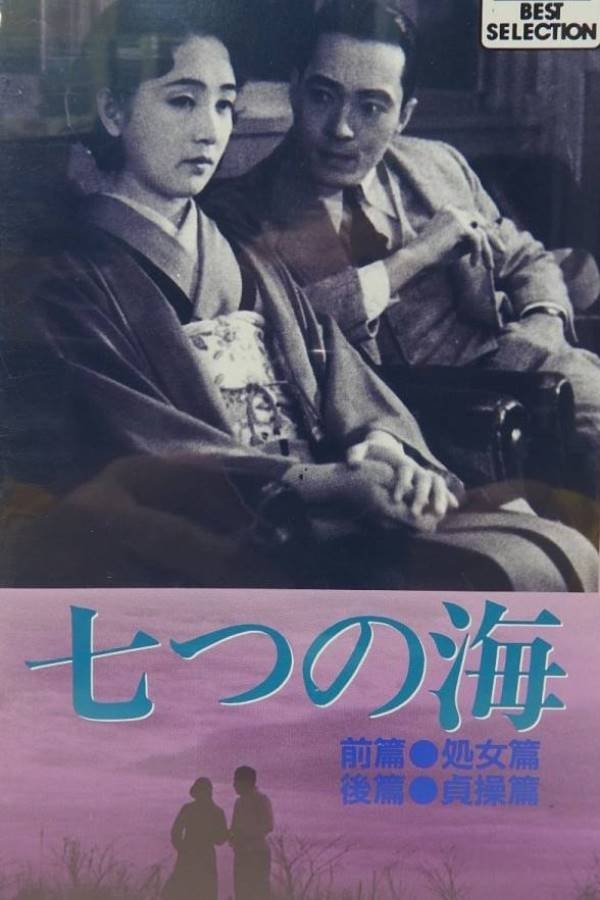
The film is a lengthy work interweaving characters from different backgrounds and social strata in a narrative centered around the experiences of its heroine, Yumie Sone. Over two hours long, Seven Seas was released theatrically in two parts, with the first part entitled "Virginity Chapter" coming out in December 1931, while the second part, "Chastity Chapter," followed in March 1932. Near the beginning of the narrative, at a garden party given by the wealthy Yagibashi family in Tokyo, Yumie meets Takehiko, the Yagibashis' playboy son and the brother of Yumie's fiancé, Yuzuru. Yumie, a young middle-class woman, lives with her ailing father, a retired ministry official, an older sister, and a younger sister still a child (played by a very young Hideko Takamine). Takehiko, who has just returned from a trip to Europe, is attracted to Yumie and contrives to have her stay overnight at his family's mansion where he takes advantage of her.
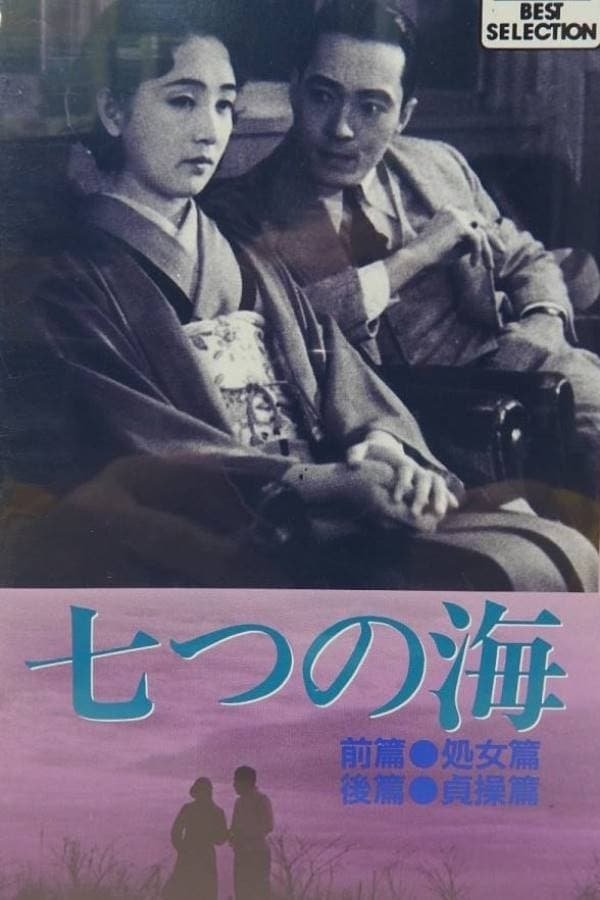
Part two of Shimizu's major silent Seven Seas, a family drama of the intertwining fates of the rich, decadent Yagibashis and the far less prosperous Sone family.
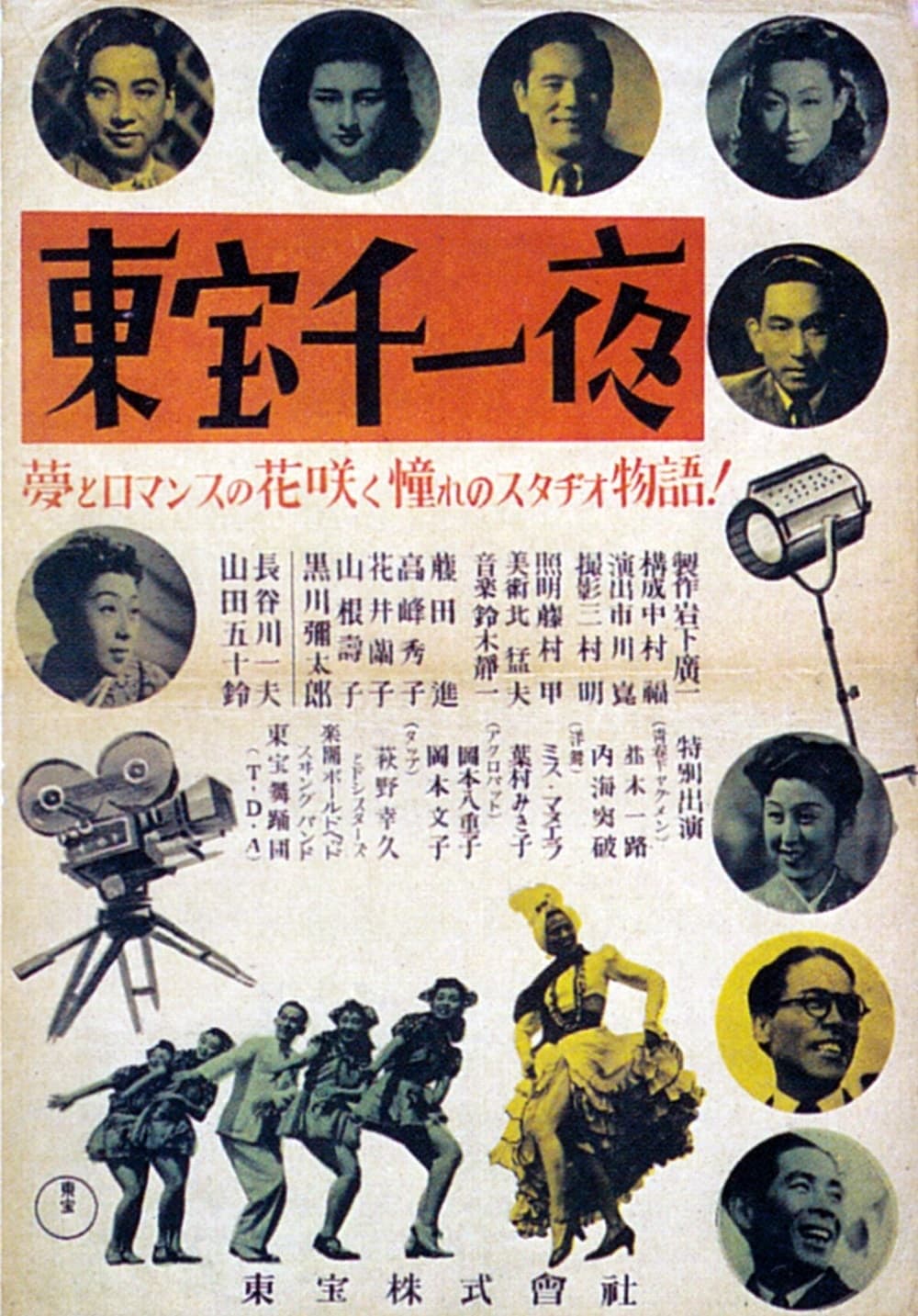
The debut film of Shin Toho Productions
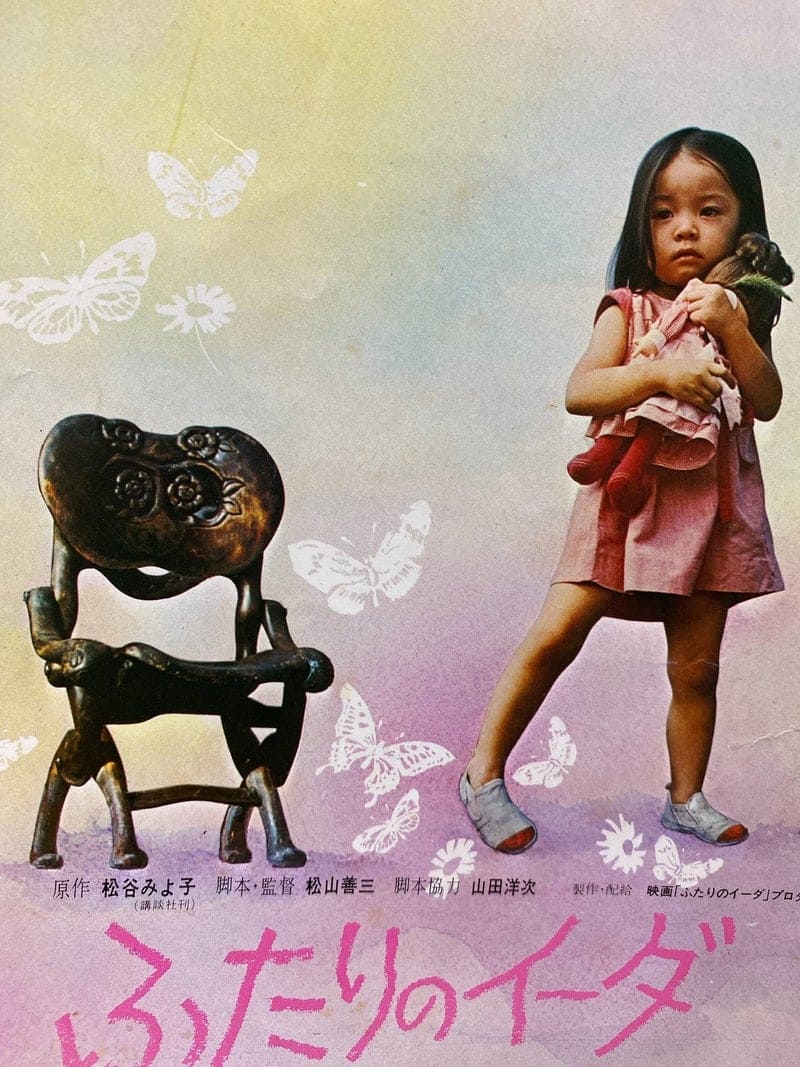
Based on a children's book. Two children encounter a wooden chair that moves and speaks. The chair awaits their return, unaware the sister died in the atomic bombing of Hiroshima.
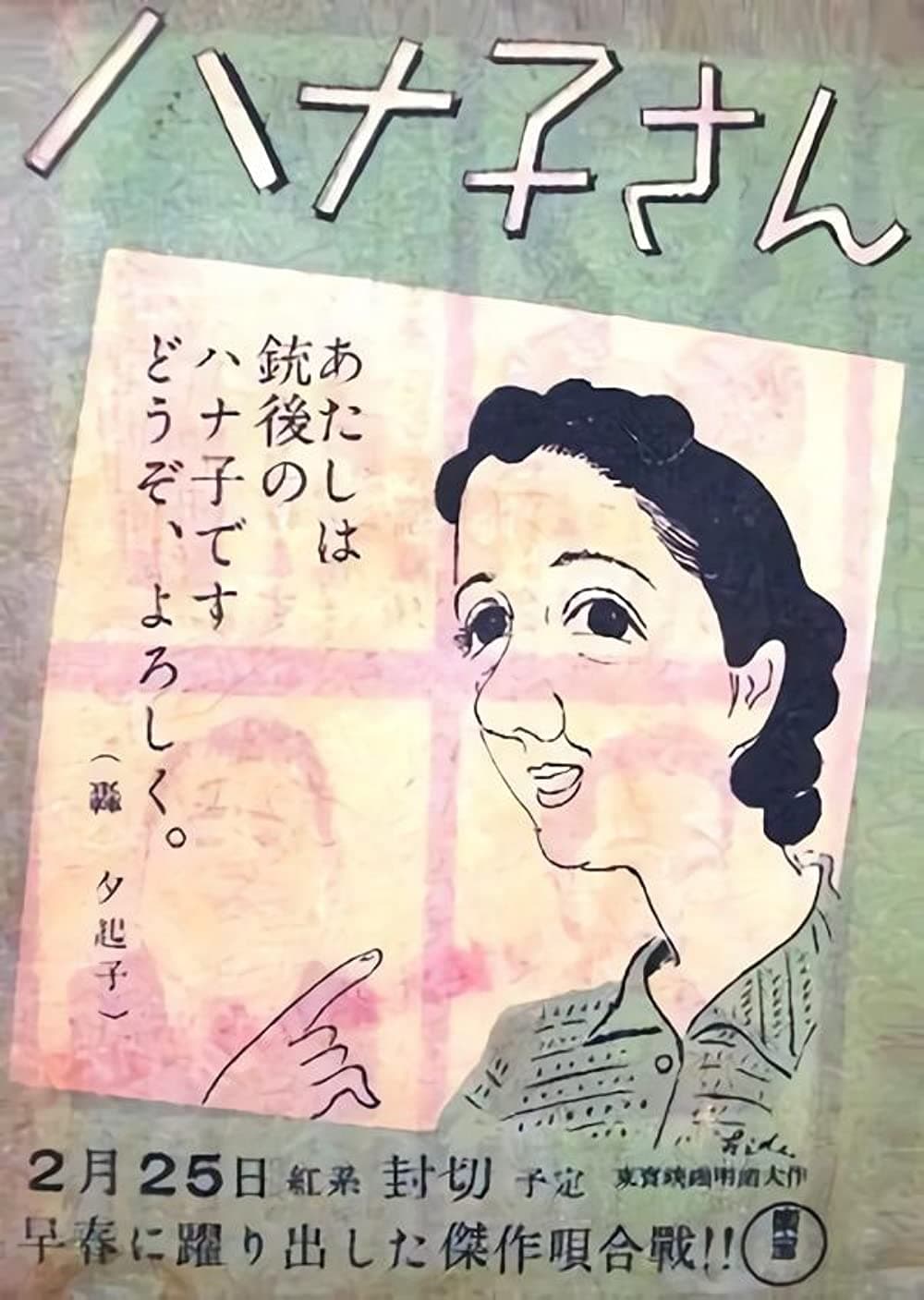
Hanakosan (1943, TOHO, MAKINO Masahiro), a thoroughly light and joyful musical comedy, influenced by Busby Berkeley films, against the national policy under the wartime, was made into a film from comic serials by SUGIURA Yukio published in a magazine.

A legendary pre-war comedy operetta starring Enomoto Kenichi, Hideko Takamine and Li Xianglan. The Sanzo Ikkou continues its westward journey, on a mission to prevent a demonic resurrection. As Genjo Sanzo, Cho Hakkai, Sha Gojyo, and Son Goku (Kenichi Enomoto) fight their way to their goal, their path is fraught with internal strife.
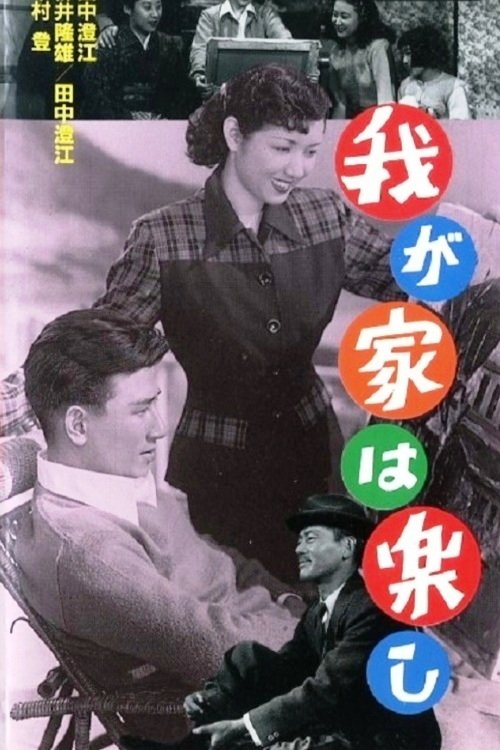
The Ueki family may not be wealthy, but smiles are never in short supply. The father is awarded prize money for 25 years of service to his workplace, but has it stolen on the way home from the ceremony...
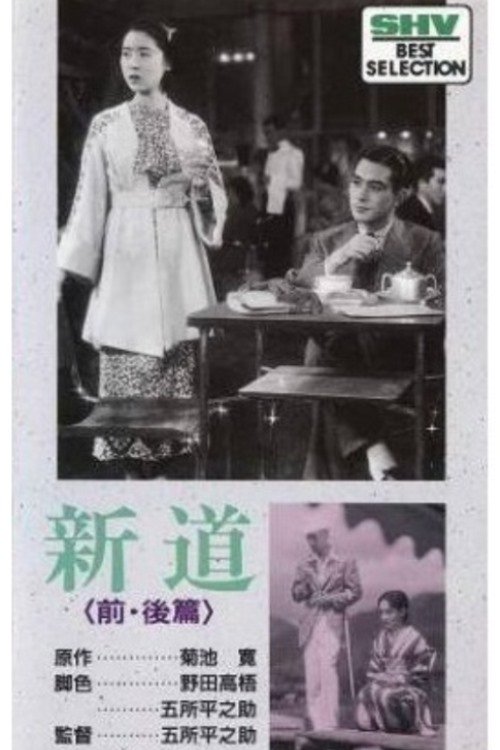
The eldest daughter of a noble family is in love with an aviator while being courted by a fellow aristocrat she thinks is a dullard. This part is told from the perspective of Akemi.

Ine Onoda, the eldest daughter of a poor family of farmers, raises a colt from birth and comes to love the horse dearly. When the horse is grown, the government orders it auctioned and sold to the army. Ine struggles to prevent the sale.
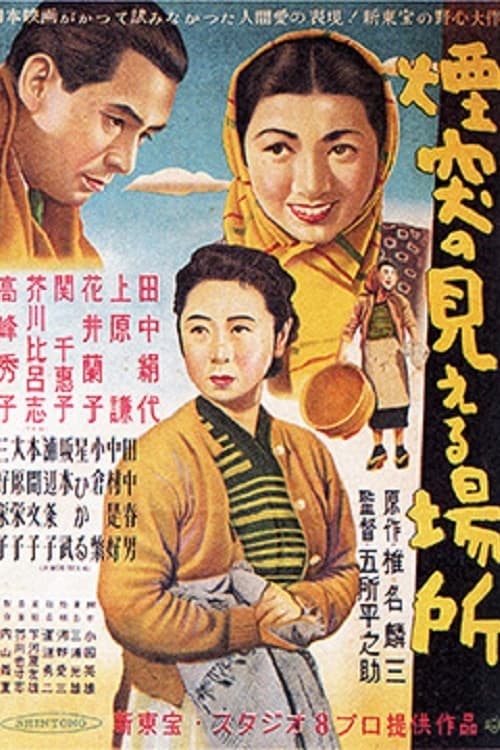
Where Chimneys Are Seen focuses primarily on the interconnected lives of two couples in a lower-middle-class neighborhood in Senju, a poor industrial section of Tokyo.

The story of Kiyoko, a young woman who has successfully managed to make a break with her dysfunctional family who have been trying to arrange a marriage for her with a disagreeable man whom she has rejected.
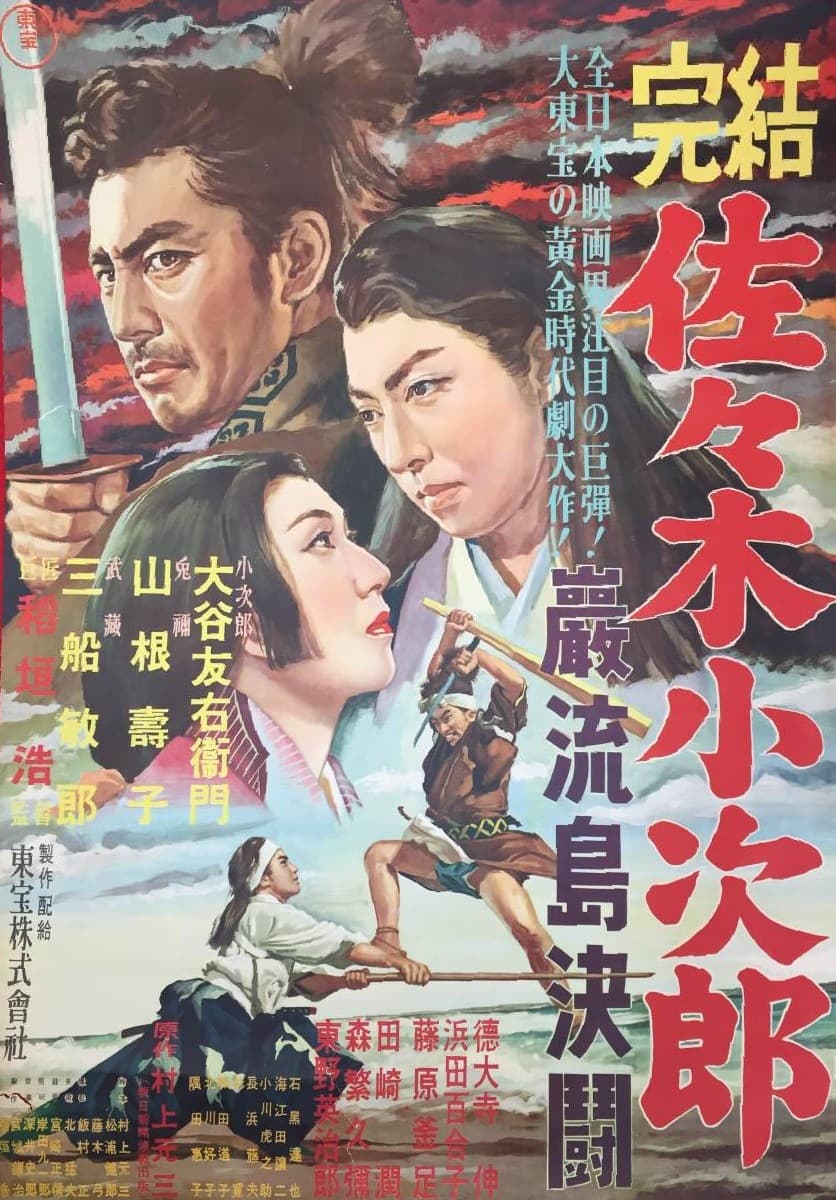
Director Hiroshi Inagaki's early version of the life and death of famed swordsman Sasaki Kojiro. Otani Tomoemon gives a brilliant performance as Sasaki Kojiro, who rises from humble beginnings to national fame, and a young Toshiro Mifune appears as the legendary master swordsman Miyamoto Musashi for the first time and essentially sets the standard for future portrayals.This masterpiece is based on the original story as written by noted author Murakami Genzo and is far superior to any other versions. Following Kojiro from his earliest days through his fateful meeting with Musashi, this movie is filled with exciting and dramatic moments culminating in the best version of the final duel ever seen on film.
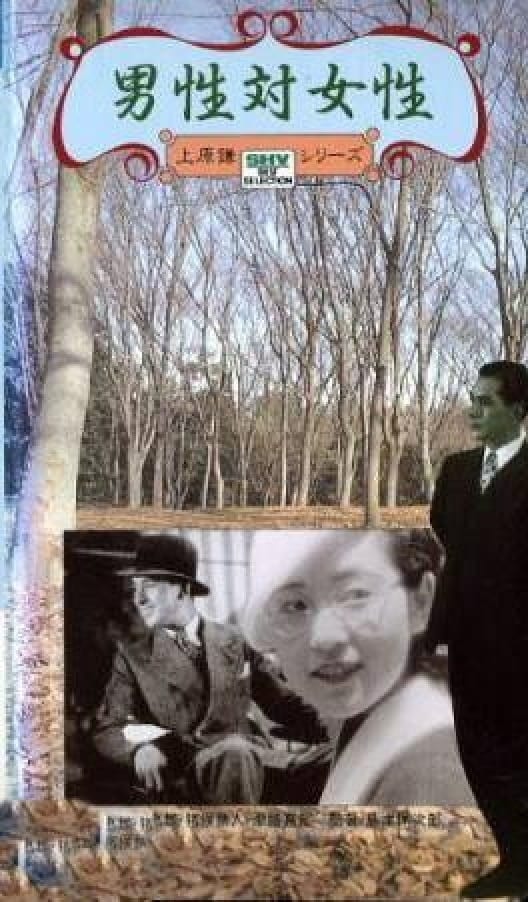
A musical film made for the inauguration of Shochiku's Ofuna Studio, with an all-star cast of the era.

A young woman tries to raise money to open her own coffee shop. She arranges a loan when her rigid family won't help and then her husband becomes jealous of the loan officer.
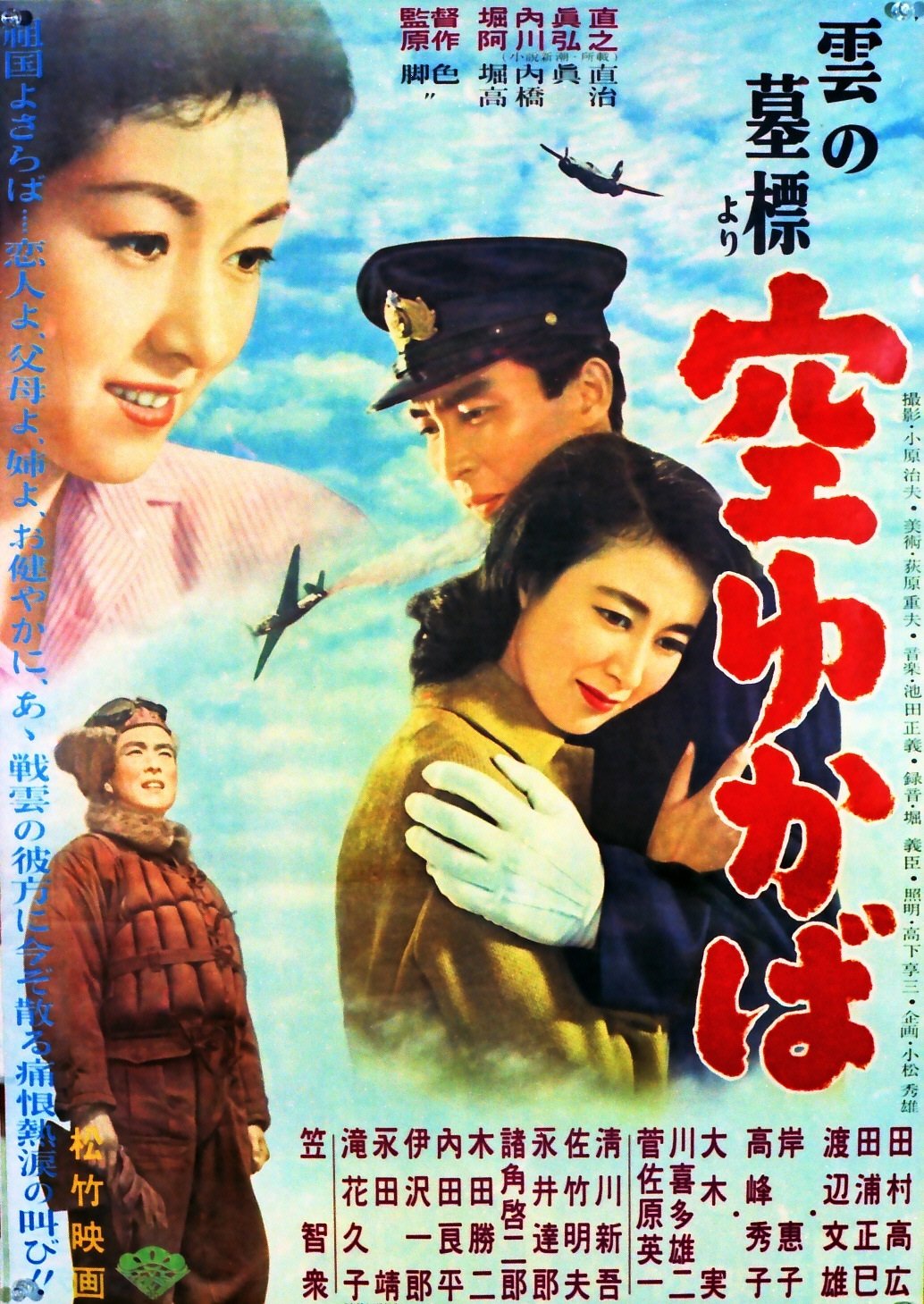
The movie depicts the youth of kamikaze pilots who scattered young lives in the sky.
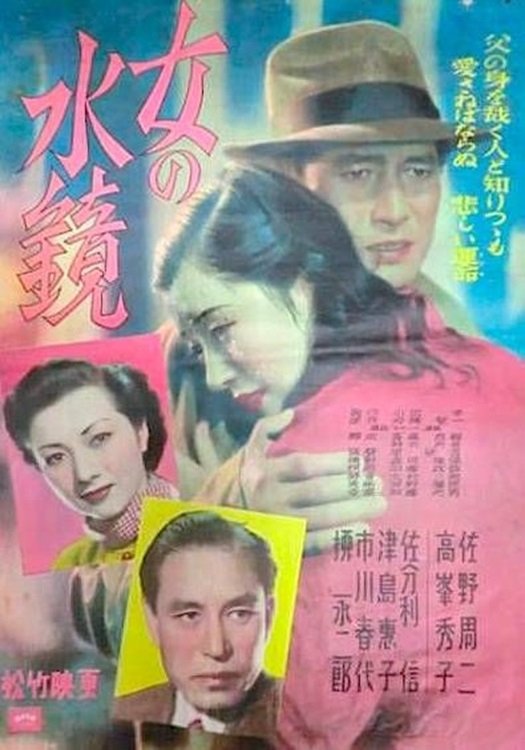
Tozai Electric president Minamoto (Yanagi) is about to be pursued by the public prosecutor's office and tries to bribe Manabe (Saburi), the man in charge, but fails. His daughter Naeko (Takamine) finds out and takes on the role herself. This is a love romance adapted from an original story by Seiichi Funabashi that appeared in the magazine "Romance.”
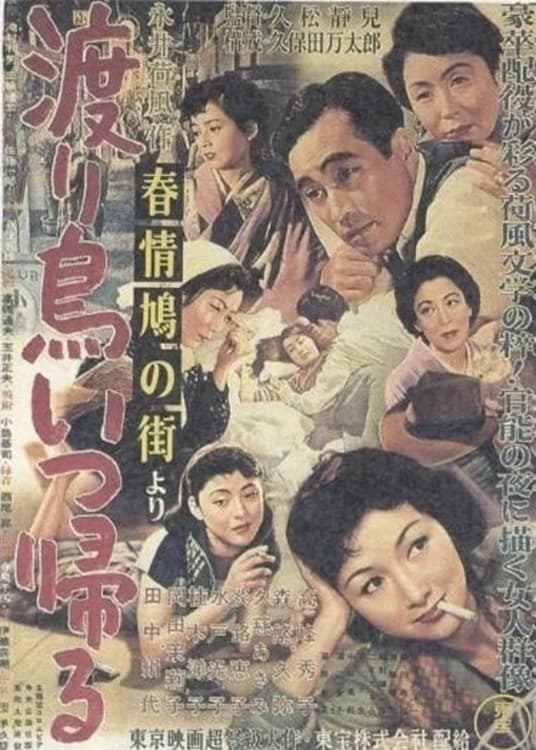
Yoshida Denkichi does loses sight of his wife Chiyoko and daughter Toyoko during the war, and is taken in by a familiar woman, Oshige, and becomes the owner of "Fujimura" in the town of Hato. Eiko is a timid woman who hates Terada, a watchmaker who is obsessed with her; Tamie is a hard worker who asks for money from customers to support her mother and daughter Teruko; Tane, who dreams of the day they can be together, gives money to her lover Takeda; Machiko, an apres girl, is selective about her customers in the name of romance. They are women working in the red light district at "Fujimura."
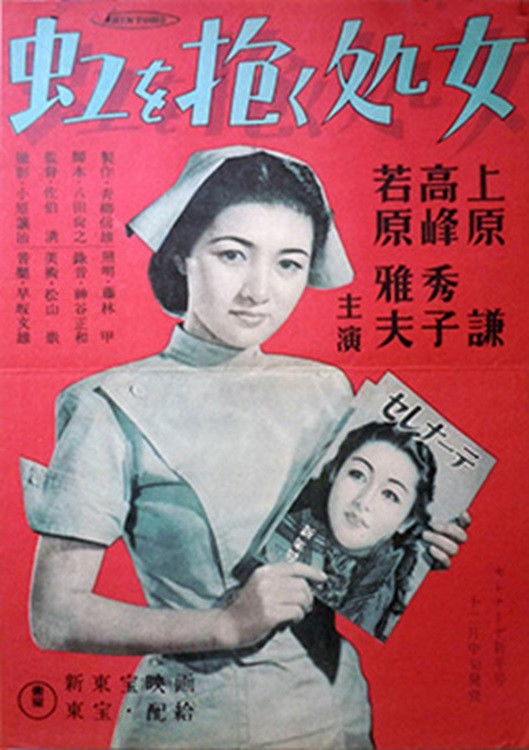
Akiko Hojo, a nurse at Aisei Catholic Hospital, is spending another public holiday at Kotaro Hidaka's house. Hidaka, who is a poor musician suffers from tuberculosis, feels an unbearable love for Akiko, who takes great care of him during his visits. Because of his worries about his illness he doesn't want Akiko to be as unhappy as he is. Akiko loves Hidaka but there was one question. Is it because one side of Akiko has the essence of a woman living in an era when she's alone? Or, maybe it's because she nods to the reality of life...
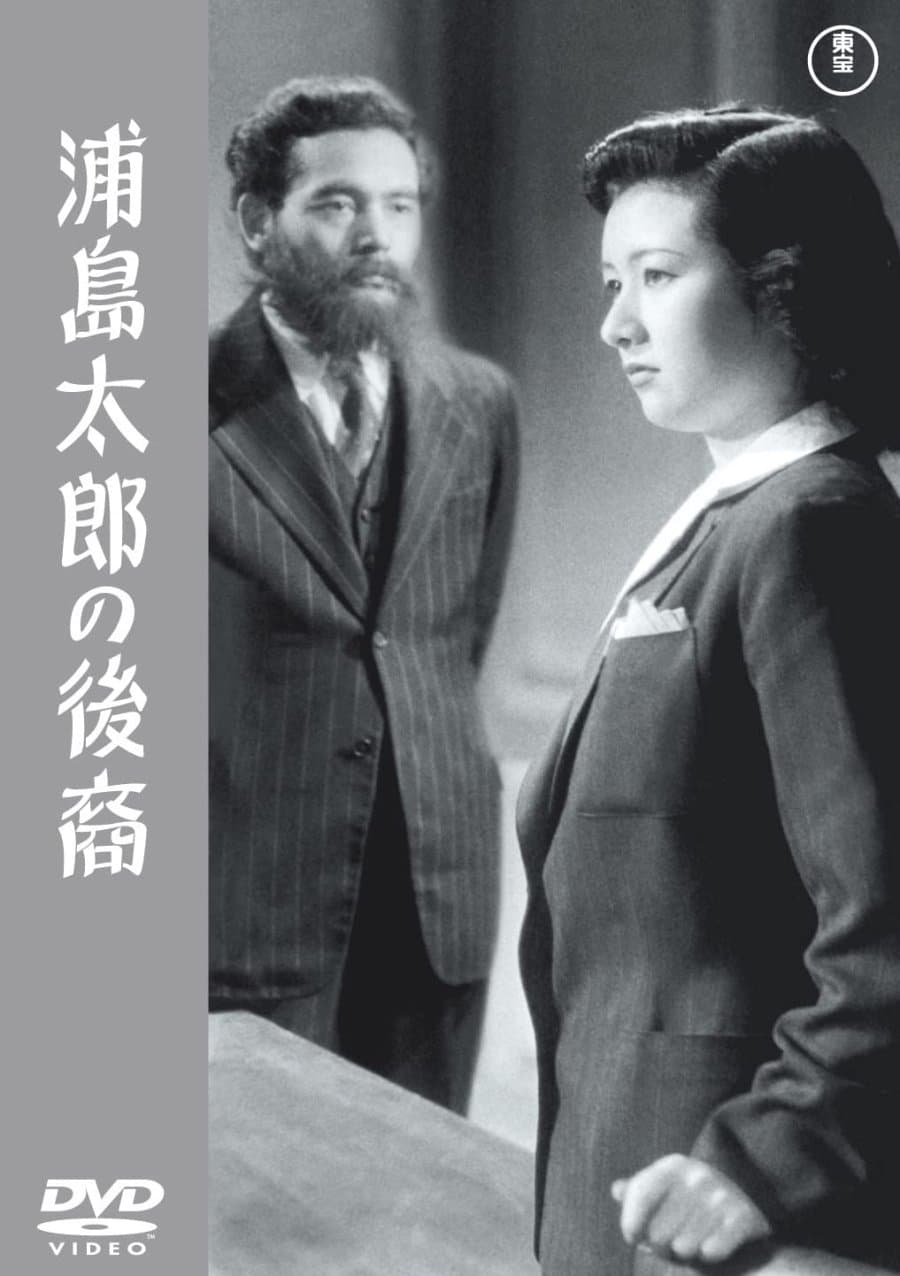
Reputedly based on Frank Capra’s 1939 film Mr. Smith Goes to Washington, A Descendant of Tarô Urashima is about a repatriated soldier who becomes populist politician in the Japanese Happiness Party.
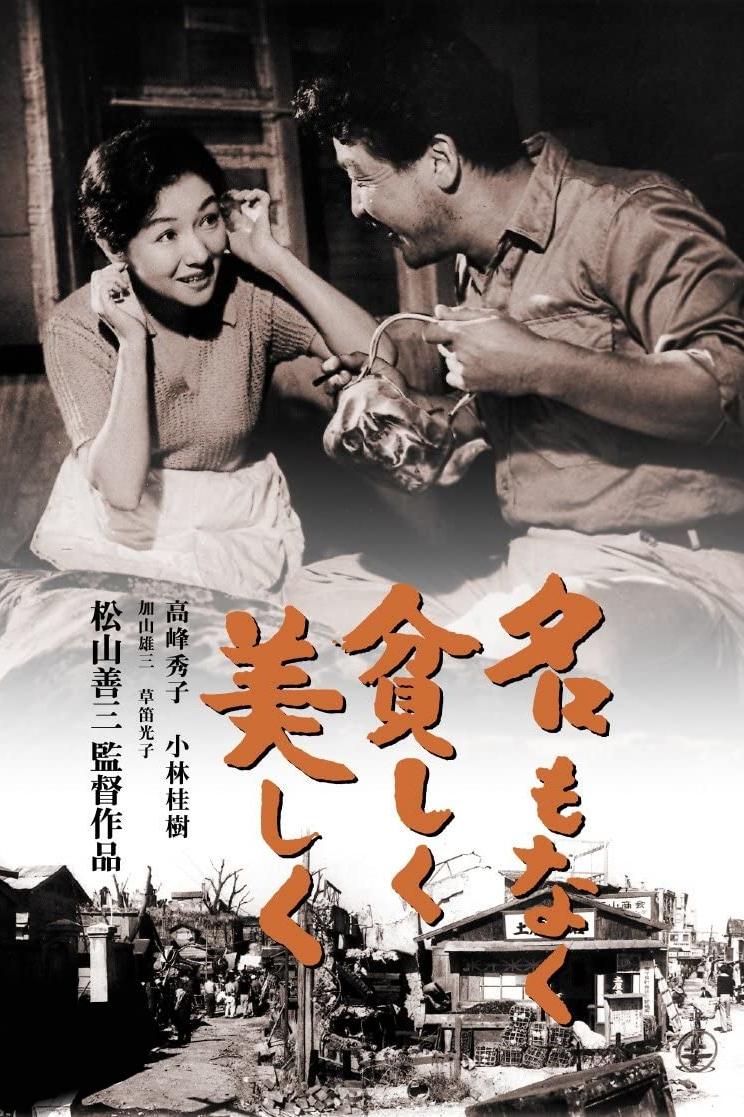
The story is of two people. One is deaf, the other deaf and mute. They marry after meeting at a school reunion, and the film follows their trials and tribulations ... and joys.

After the Japanese defeat to the Russians, Kaji leads the last remaining men through Manchuria. Intent on returning to his old life, he faces great odds in a variety of different harrowing circumstances as he and his men sneak behind enemy lines.
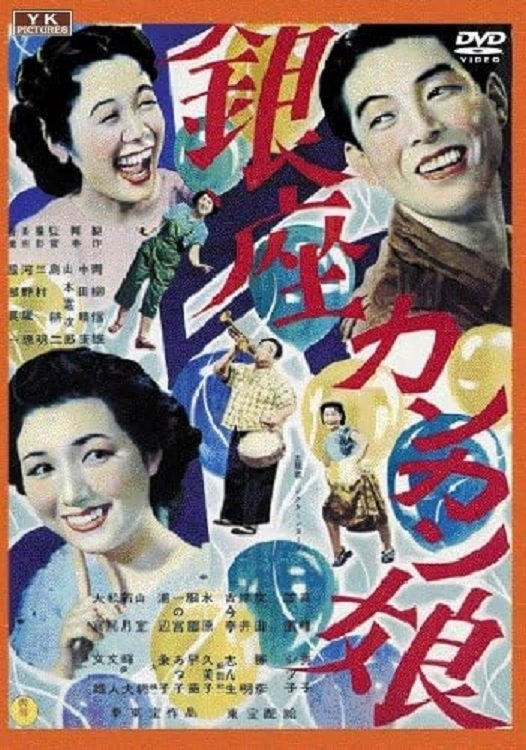
Shizuko Kasagi and Hideko Takamine star as young women who try to raise money for a needy old friend by becoming wandering singers who work for tips in Tokyo's Ginza nightlife district.
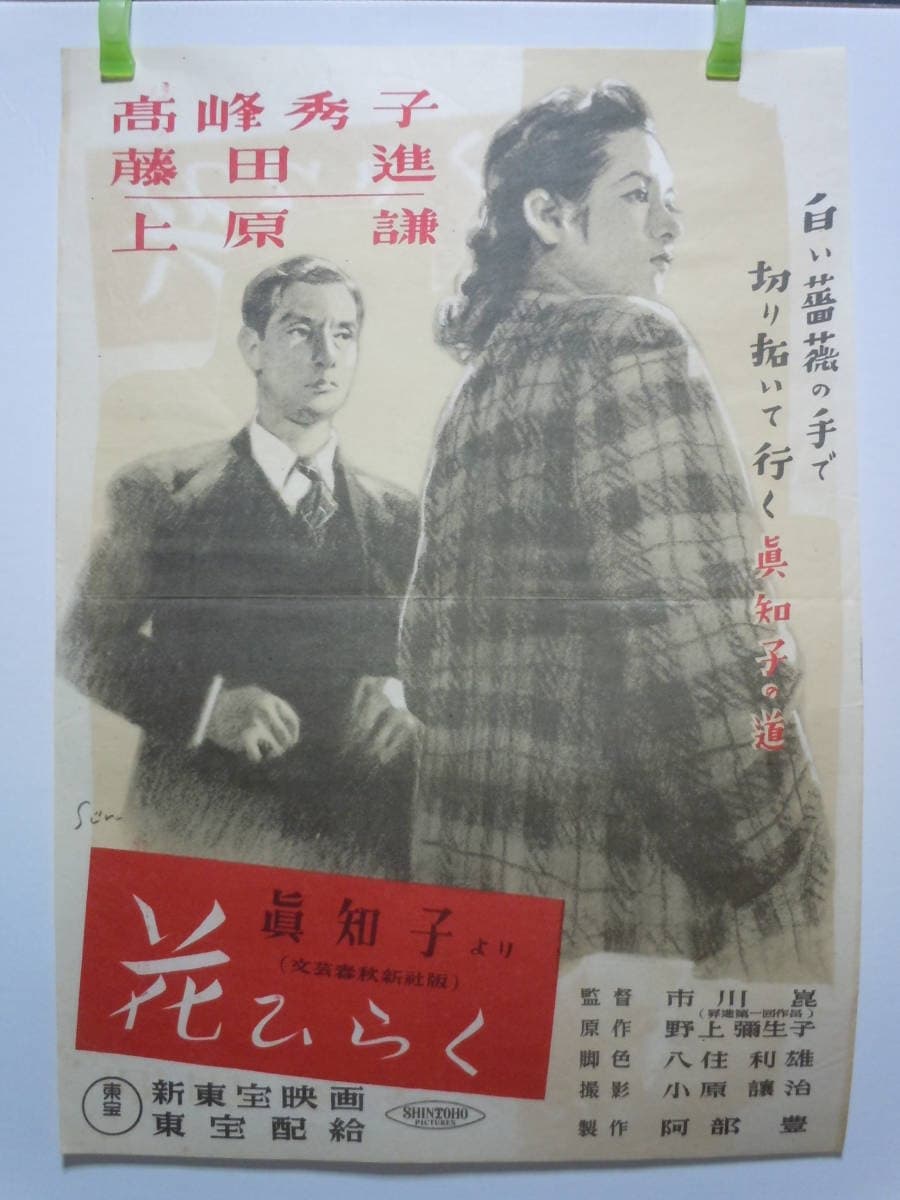
Machiko falls in love with a mysterious man, but her family wants something different for her.
Story of a resourceful hobo (Kobayashi), a con woman (Takamine) who pretends to be a victim of the Nagasaki A-bomb, and two orphaned children who become a most atypical Japanese family.
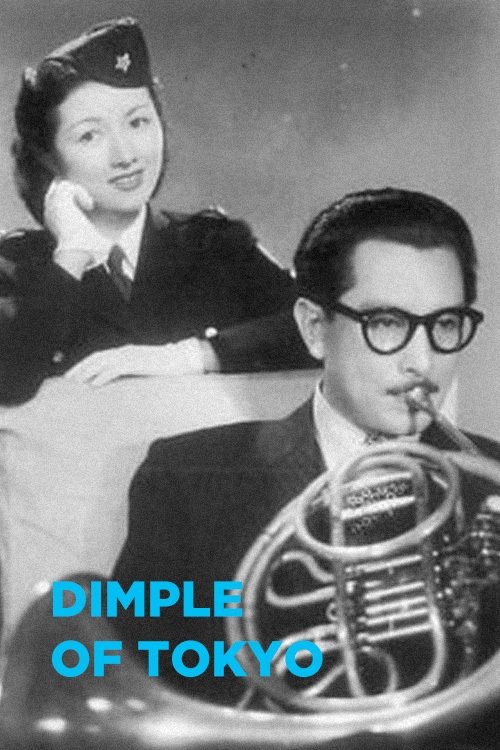
Buntaro, the president of a food trading company got tired of the day-to-day routine of life. The new secretary, Nobuko, suggested her "shacho-san" (the president) run away from the job. Nobuko took Buntaro to her home and introduced him to her own family as friend, "Sachio-san"...
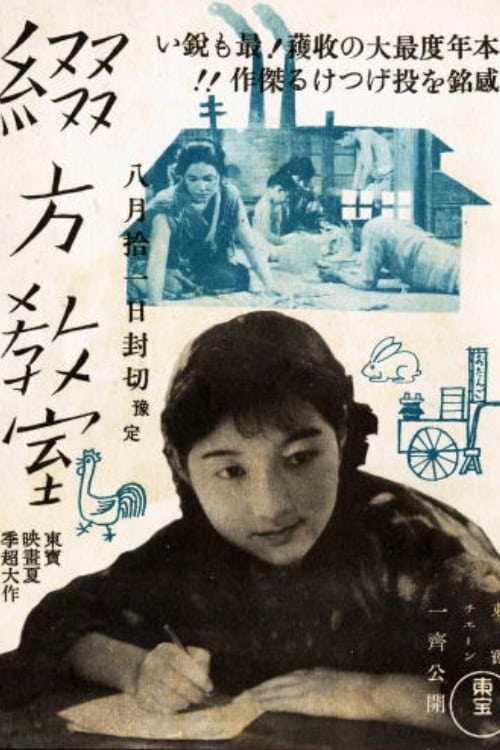
Masako, the daughter of an impoverished itinerant tinsmith, wins a grammar school composition contest with an essay about her neighborhood. The much publicized essay ends up causing the family problems and their chronic money troubles threaten Masako's further education.

Following Flower Picking Diary (1939), Tamizo directed another film starring Hideko Takamine, based on a story by Nobuko Yoshiya. Takamine plays a poor young girl, trying to become a teacher on her quest to become independent to be able to look after her younger brother. But then tragedy strikes...
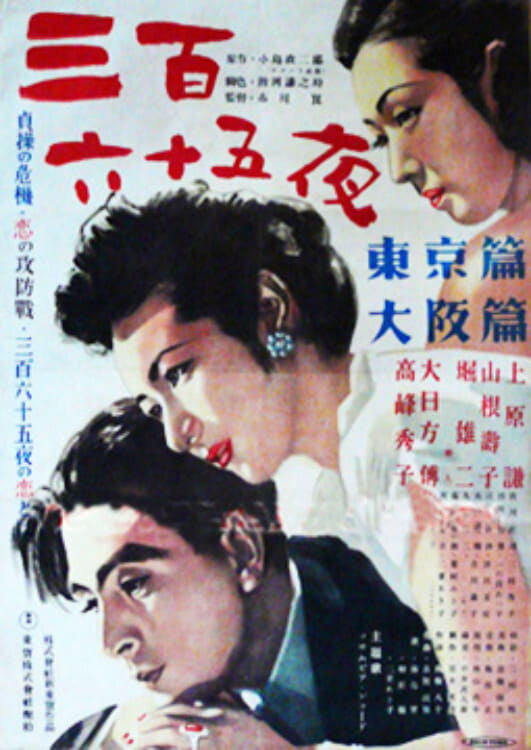
A young man rents an apartment in Tokyo and discover it was built by his father. He falls in love with the daughter of the mistress of the house and decides to marry her. Only to discover that his father is is in debt and wants him to marry Ranko so that she may help his company by granting 1.5 million yen. Teruko decides to borrow money from a greedy bar owner who lends her money on certain conditions and photographs her without her consent. A love traingle forms between Koroku, Ranko, and Teruko. Things complicate when Koroku marries Teruko and Tsugawa threatens them for the money causing many twists and turns.
Japanese film based on the life of writer Ichiyo Higuchi (1872-1896).

Portmanteau film about young lovers.
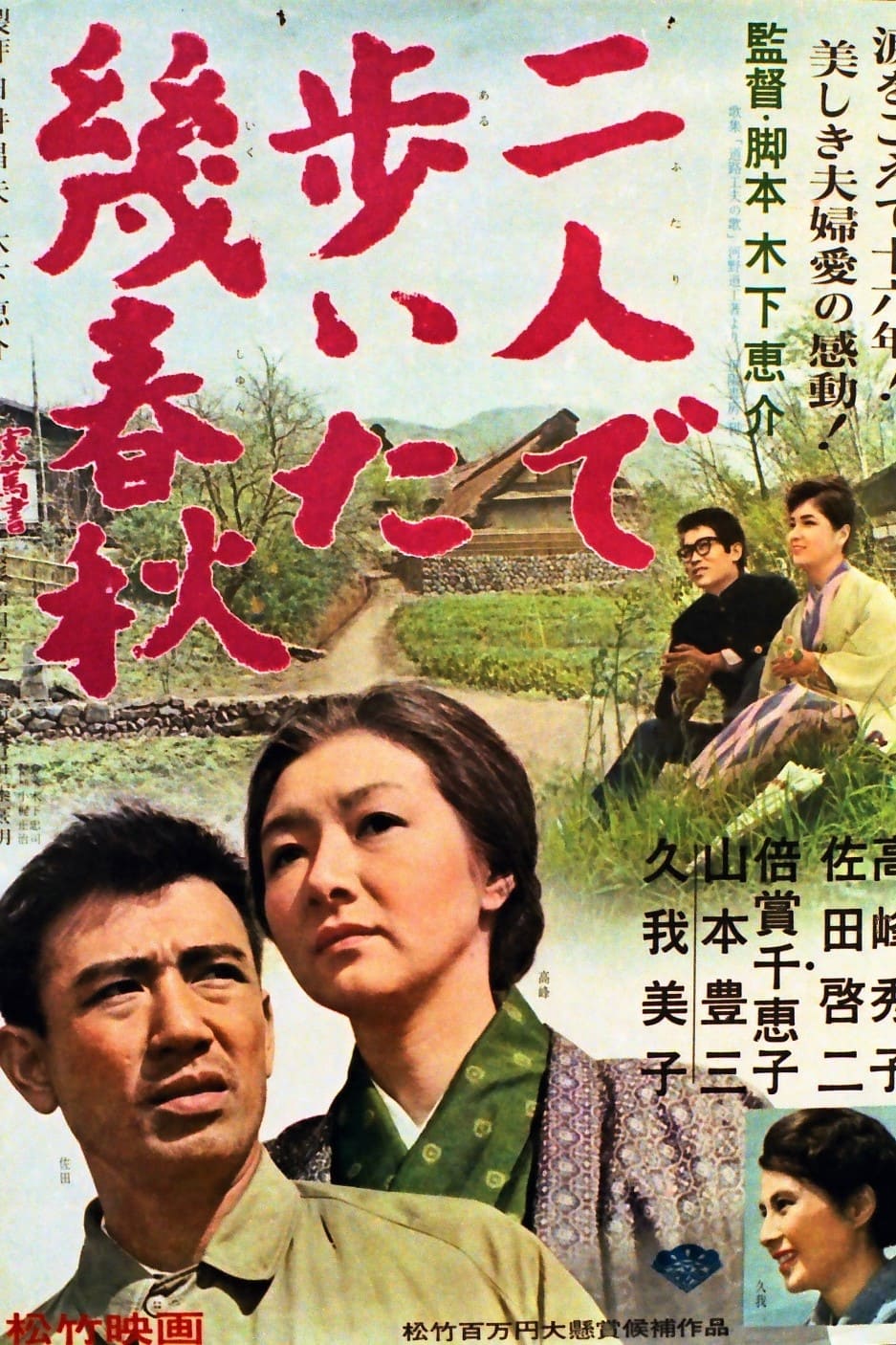
A demobilized soldier becomes a day laborer with a road construction gang, and his wife goes to work to bolster their income. Their modest dream is to see their son grow and to be happy as a family.
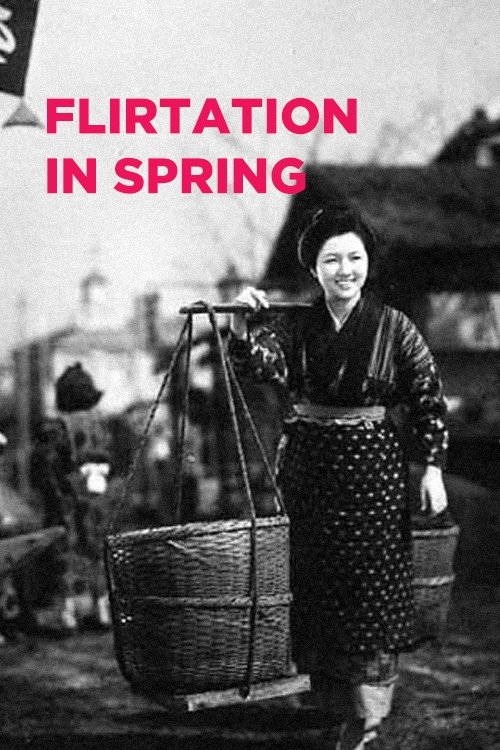
Japanese adaptation of Marcel Pagnol's play "Marius", set in early XXth century Japan.
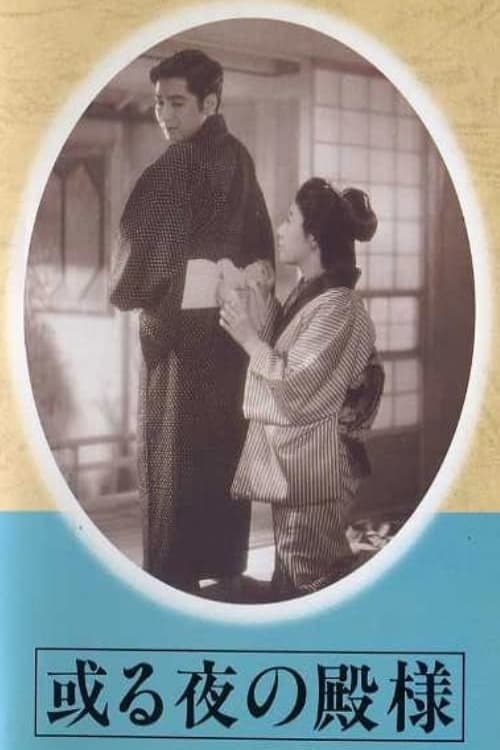
In 1887, two businessmen, Echigo-ya and Kitahara, compete for railroad construction authorization from the government. The minister states that a local noble must not object, and his missing younger brother is the only one who could sway him. Meanwhile, Omitsu, a hotel employee tired of Echigo-ya’s wife’s arrogance, teams up with Kitahara to stage a scheme where a vagrant young man pretends to be the noble’s lost brother, aiming to trick and embarrass the wealthy woman.
1942 adaptation of Izumi Kyoka's novel.
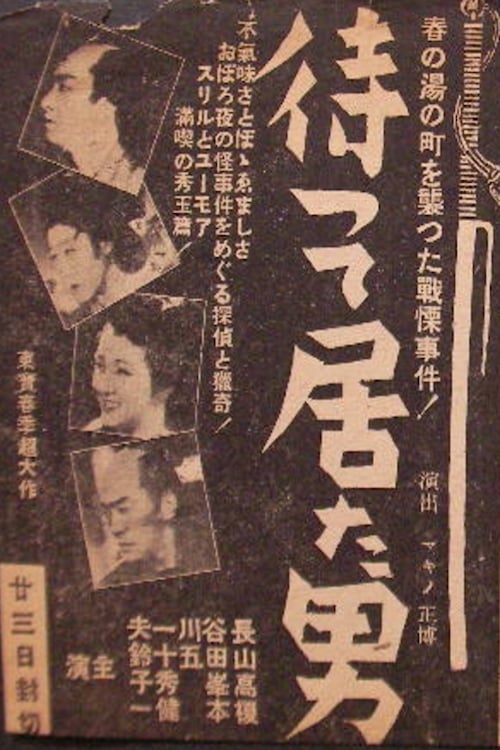
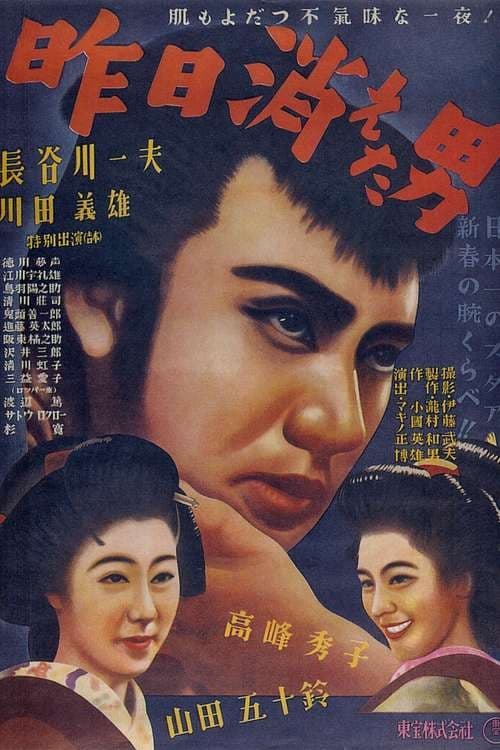
A bizarre murder at a hot springs resort threatens to disrupt an Edo detective's (Hasegawa) vacation. When his hot-blooded wife (Yamada) starts snooping around, however, he finds himself reluctantly drawn in to the case.
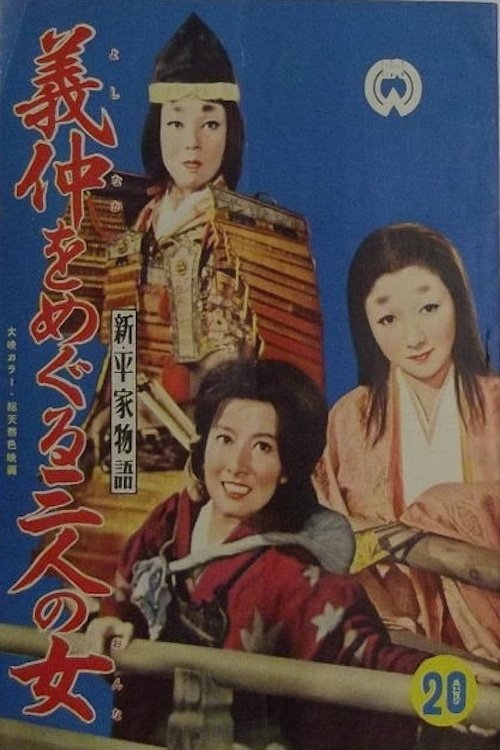
The story of Yoshinaka during the tumultuous period of warring related to us in the Heike Monogatari. Close in setting to Kinugasa’s famous Gate of Hell (1953).
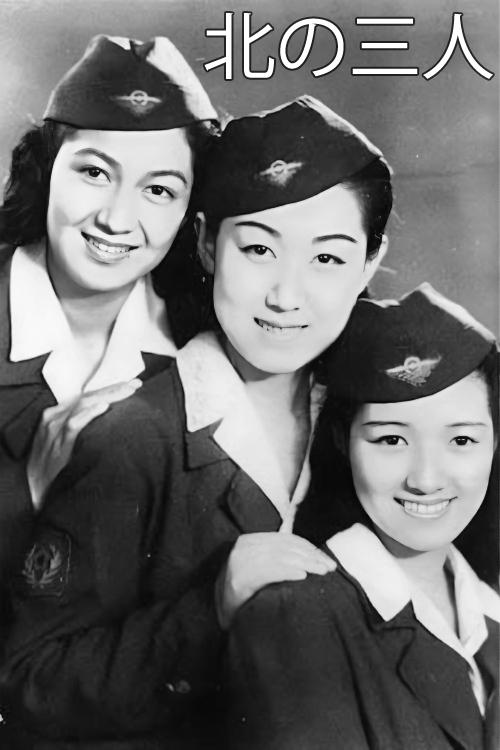
The story of an airport and its air traffic control crew in a remote and northern Japanese town. Three of the air traffic controllers are female with one of them working with her dead fiancé's sister. The engaged man had gone to war and never returned.
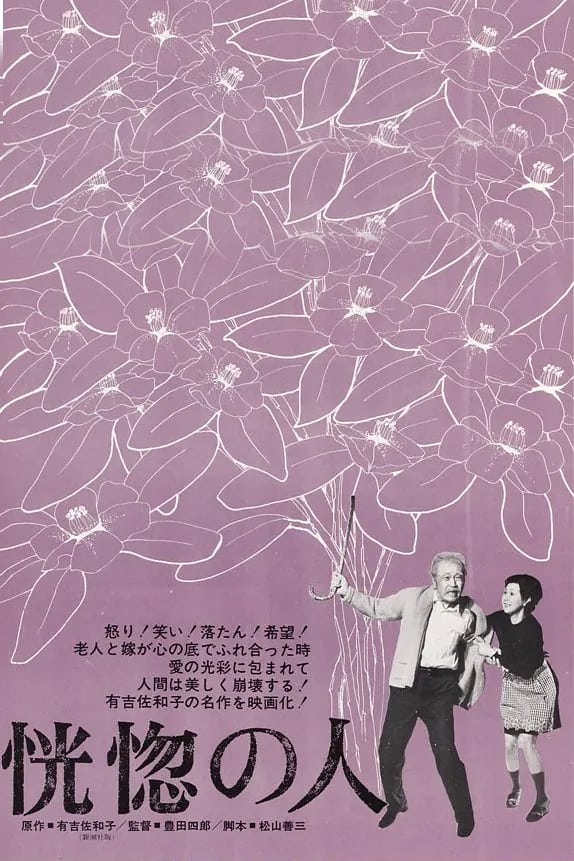
A woman looks after her father in law.
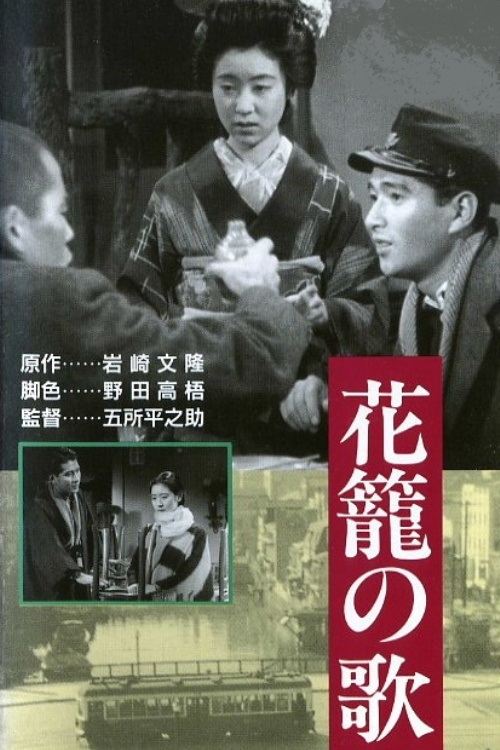
Three men fall in love with the same young girl who works in a tonkatsu restaurant in the Shitamachi district of Tokyo.
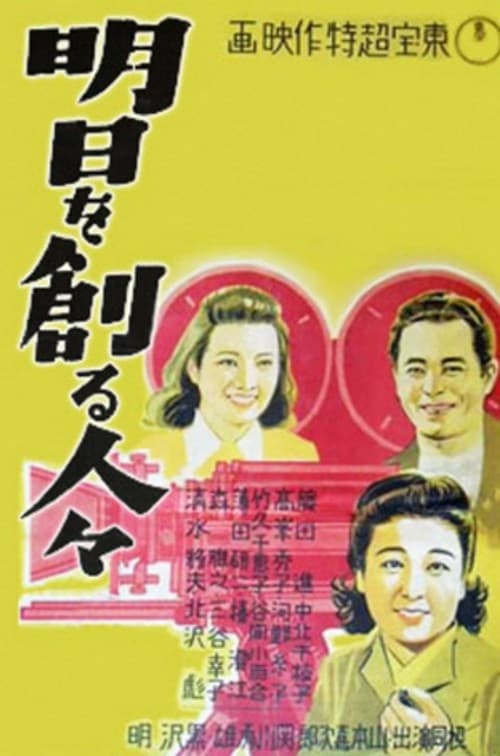
In postwar Japan, two sisters—a film studio script girl and a revue dancer—become swept up in the growing labor movement when workers around them strike for better conditions. As their conservative father opposes their activism, his own dismissal forces him to confront the realities of class struggle and join their fight for a fairer future. Now considered a lost film, Those Who Make Tomorrow was produced by Toho to promote unionization during Japan’s Allied Occupation.
The 1929 Japanese film "Mother" which helped child actress Hideko Takamine become a star.
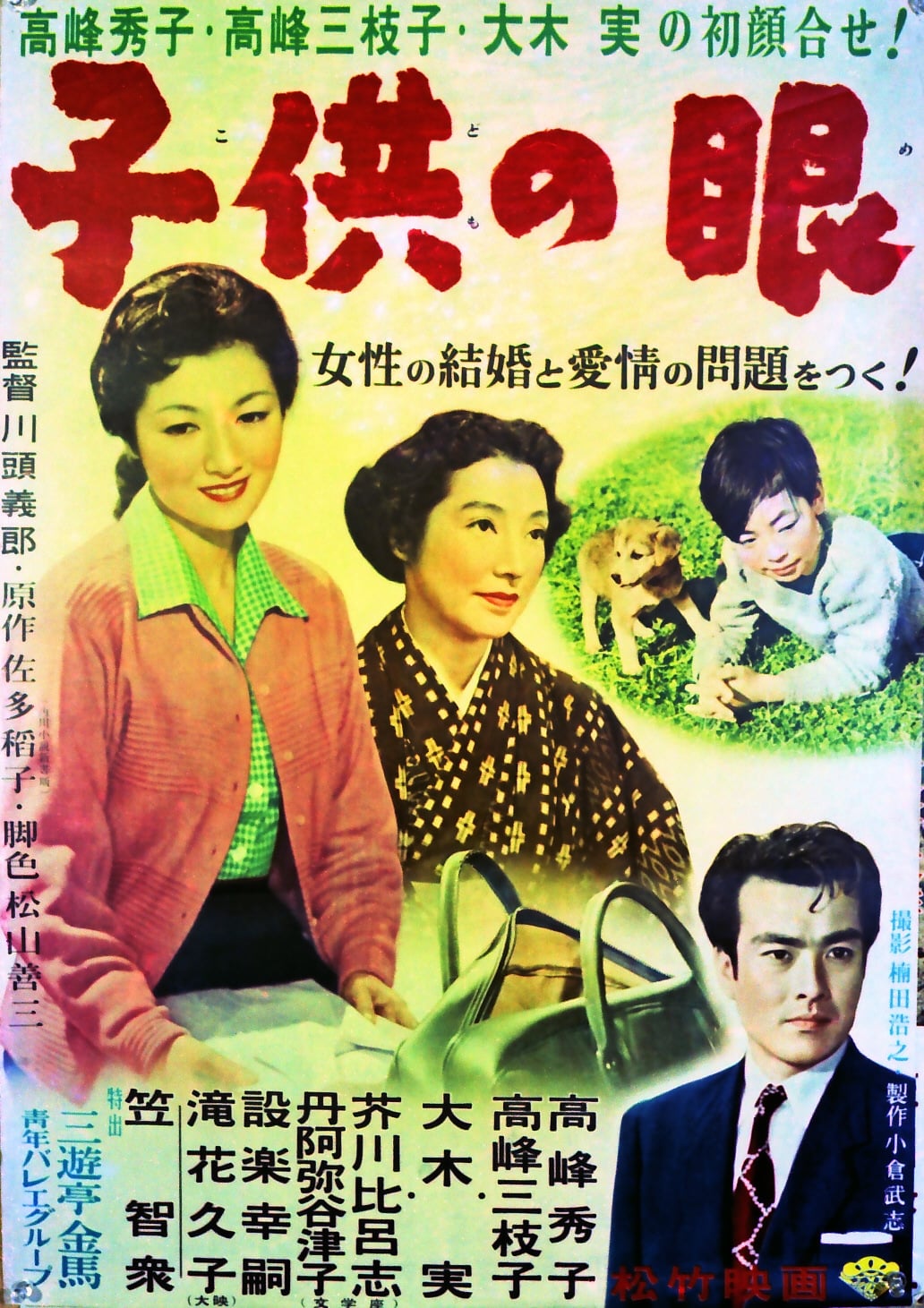
Shunji Mitamura's wife died very early and left him a young son. Shunji's sister Hideko decided to fulfill her sisterly duty and moved to the main character to take care of the boy and the house. Time passes and Shunji marries Mieko Takamine. But since her father is often ill, she spends a lot of time in his dental clinic to do his work.
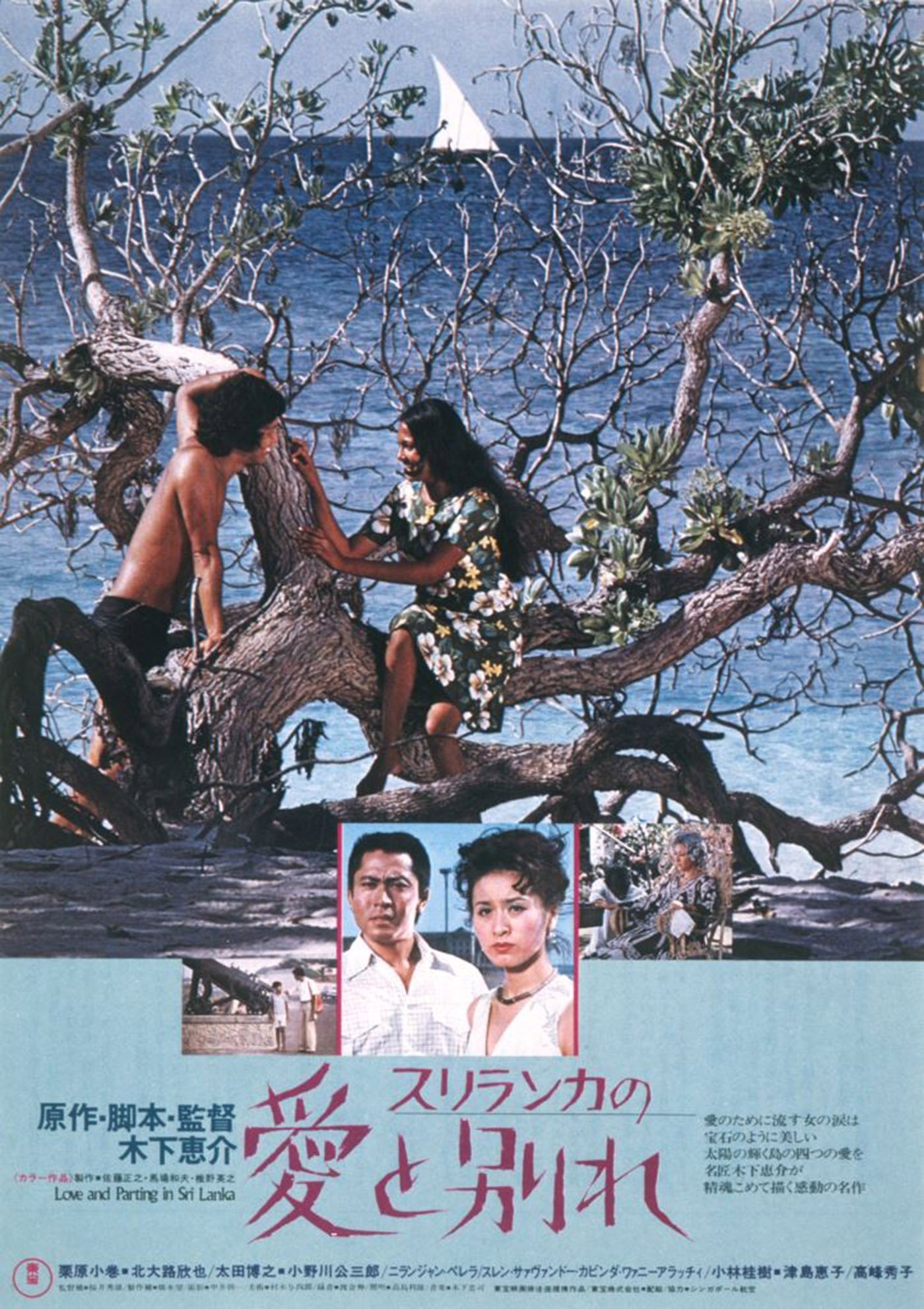
A Japanese businessman is sent to Sri Lanka and meets a beautiful Japanese woman with a past. They befriend an old Japanese-Indian widow who has an estranged son in Japan.
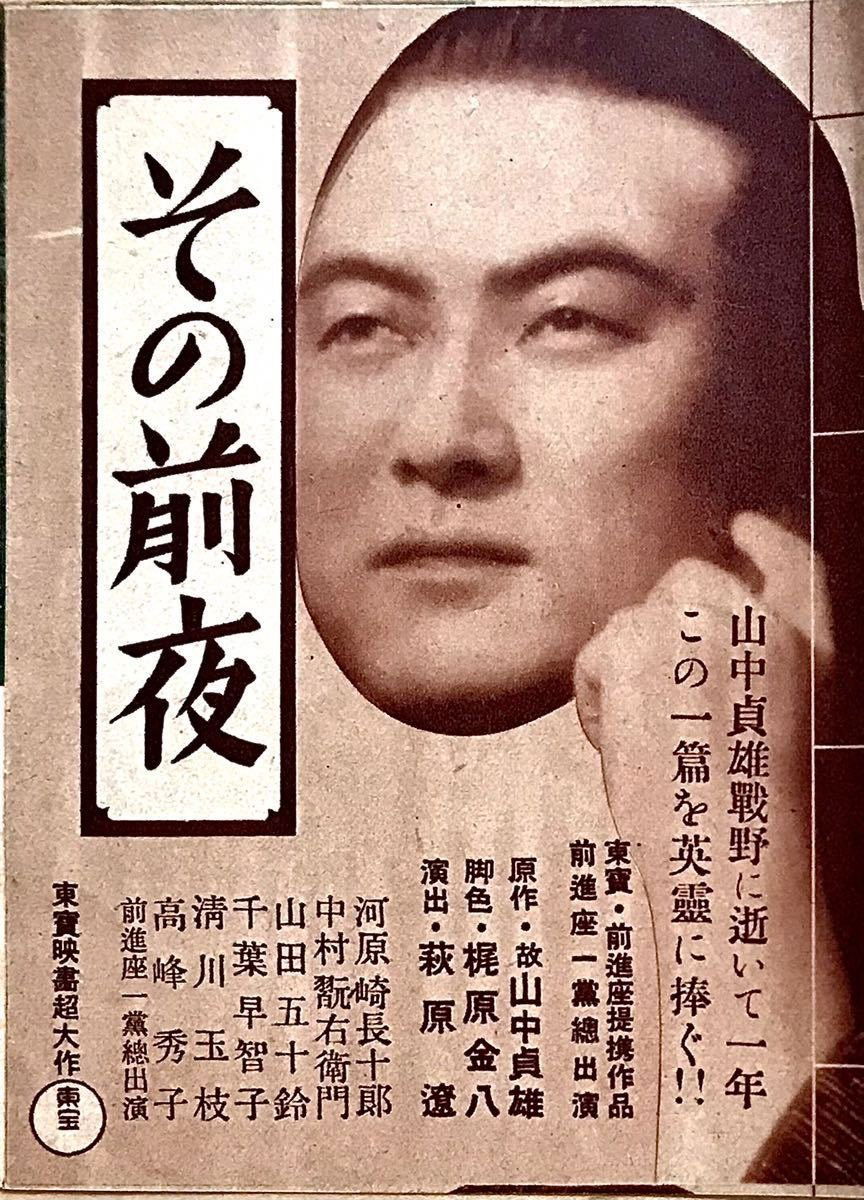
A forceful indictment of the devastating effects of war and nationalistic fanaticism on the average man, who, in the face of the absurdity of violence, is reduced to apathy or victimhood.
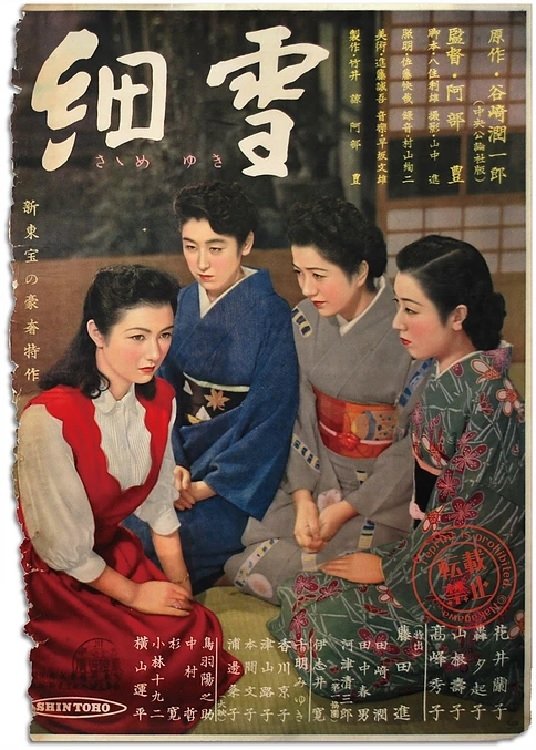
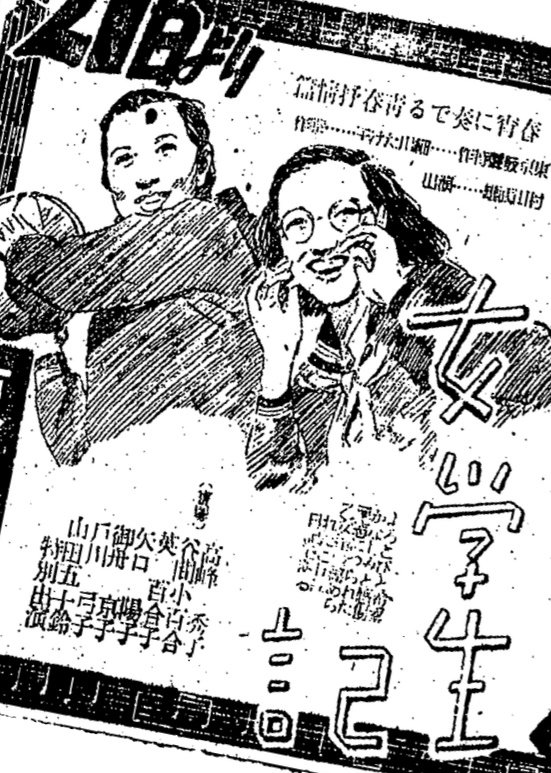
A "slice-of life" film about a group of high school girls in 1940s Japan.
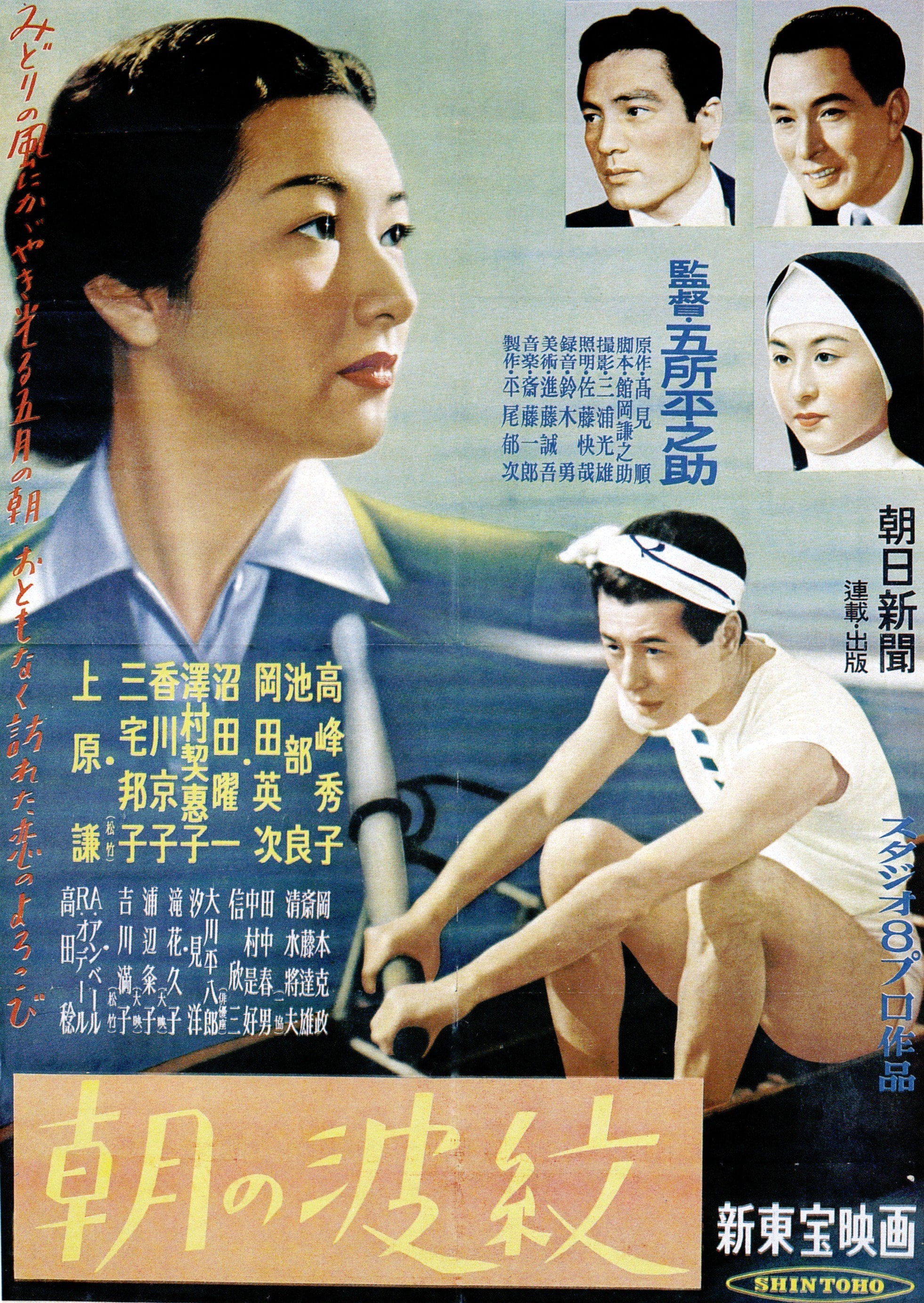
Atsuko is an office secretary who is also her family's primary source of income and caretaker in postwar Japan.
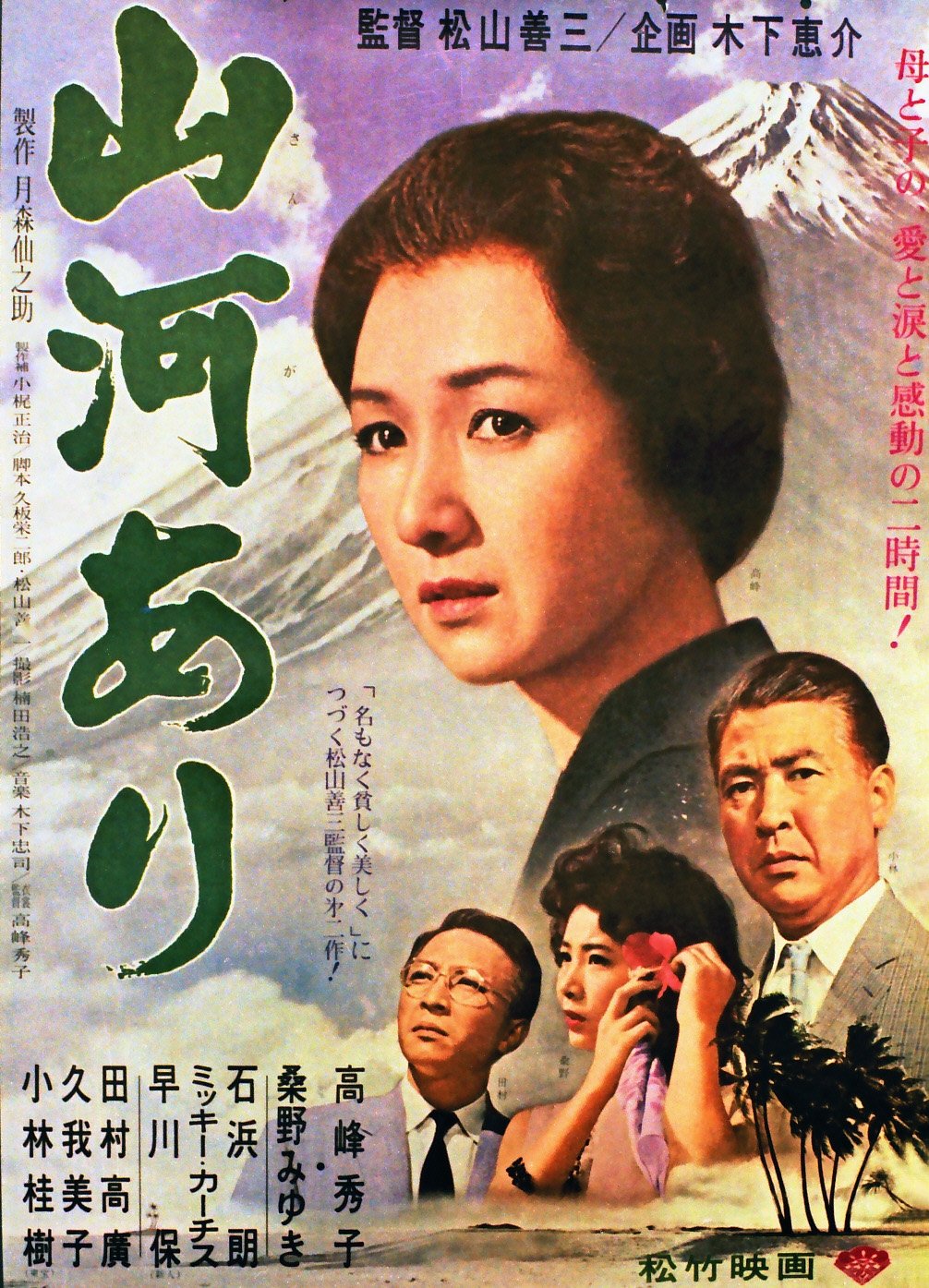
In 1919, a group of Japanese immigrants arrives in Hawaii. Among them Yoshio Inoue and his wife Kishimo and Sumi, a young woman ready to get married soon. With the soil that is hard to work and the subtropical climate, the immigrants have to cope with a hard life. But after years of hard work, Yoshio finds work as a teacher while his wife manages to open a small grocery store. But with the war around the corner, life becomes more and more complicated for the Japanese immigrants in a foreign country.
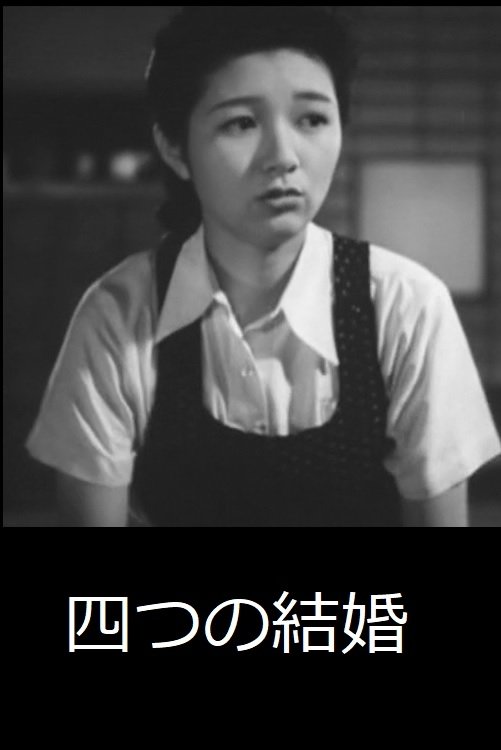
Based on a short story by Dazai Osamu, produced under the national film law. The film's hero falls in love with the youngest daughter of a family he is visiting to arrange an engagement for his friend who has been drafted to fight in the war.
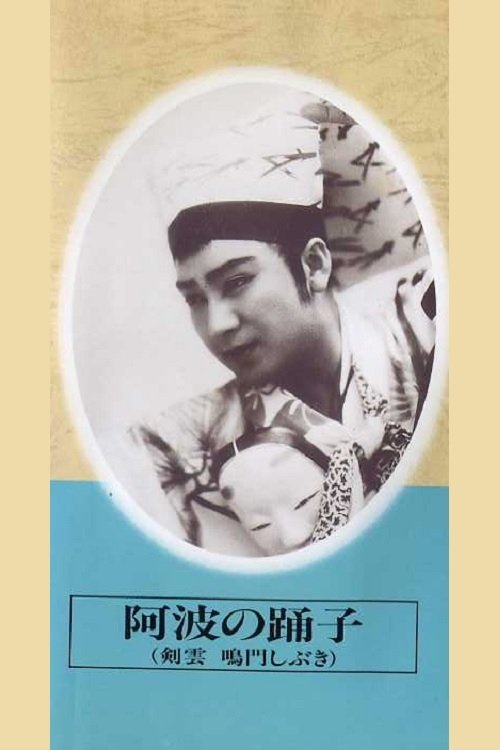
Jurobei, a kaisen tonya (wholesaler in port) in Awa, was wronged and killed on the day of the Dance Festival by the evil merchant & the chamberlin. His brother (Kazuo Hasegawa) vowed vengeance on the day of his brother's death. So every year the villains are worried during the Awa Dance Festival (which is part of the Obon festival), but nothing has ever happened, until seven years later...
The Opium War is a 1943 black-and-white Japanese film directed by Masahiro Makino. "Ahen senso" in Japan refers to the First Opium War. The story of the film concerns this war.
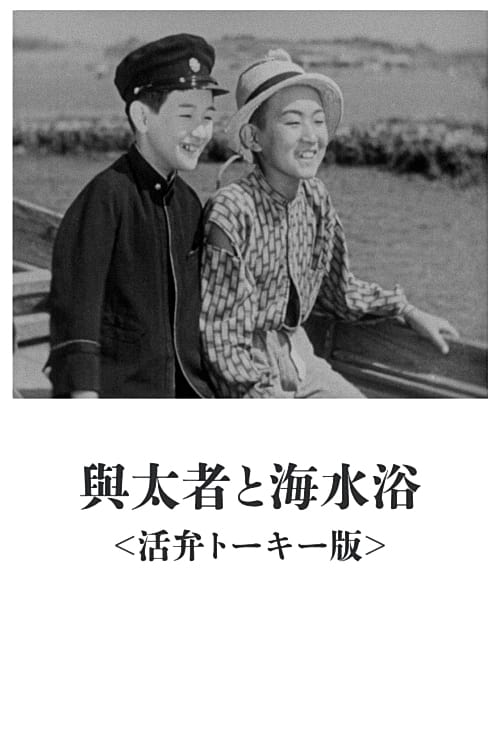
The seventh film in the popular series starring the Yotamono trio (Mitsui, Abe and Isono). Summer came and the three of them decided to open a store on the beach to get rich...
1946 Toho film directed by Kiyoshi Saeki
Film by Hiroshi Shimizu, featuring an early role for frequent Ozu and Naruse collaborator Hideko Takamine.
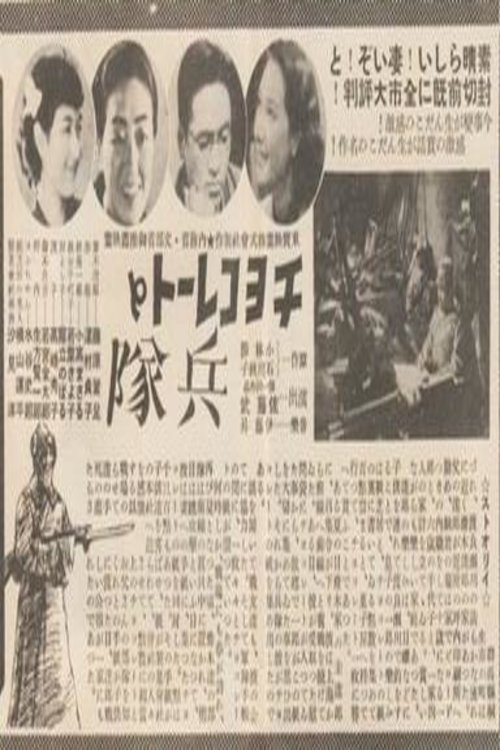
Chocolate and Soldiers (チョコレートと兵隊, Chokorēto to Heitai) is a 1938 Japanese war film directed by Sato Takeshi and one of the most effective Japanese propaganda films of the late 1930s. The American director Frank Capra said of Chocolate and Soldiers "We can't beat this kind of thing. We make a film like that maybe once in a decade. We haven't got the actors. It shows the common Japanese soldier as an individual and as a family man, presenting even enemy Chinese soldiers as brave individuals. It is considered to be a "humanist" film, paying close attention to the human feelings of both the soldier and his family. Cinema theorist Kate Taylor-Jones suggests that Chocolate and Soldiers provided "a vision of the noble, obedient and honourable Japanese army fighting to defend the emperor and Japan.
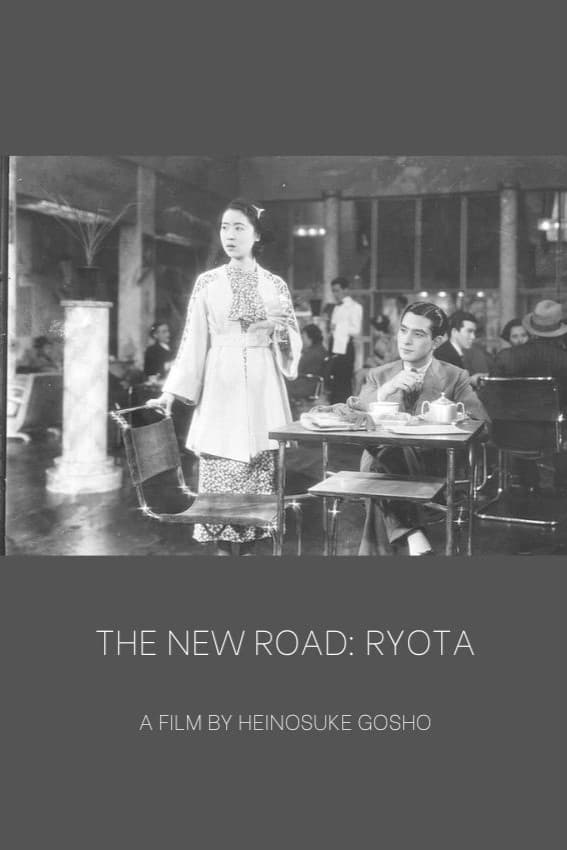
The eldest daughter of a noble family is in love with an aviator while being courted by a fellow aristocrat she thinks is a dullard. Told from the perspective of Ryota. In this second part, we learn that Akemi is pregnant...
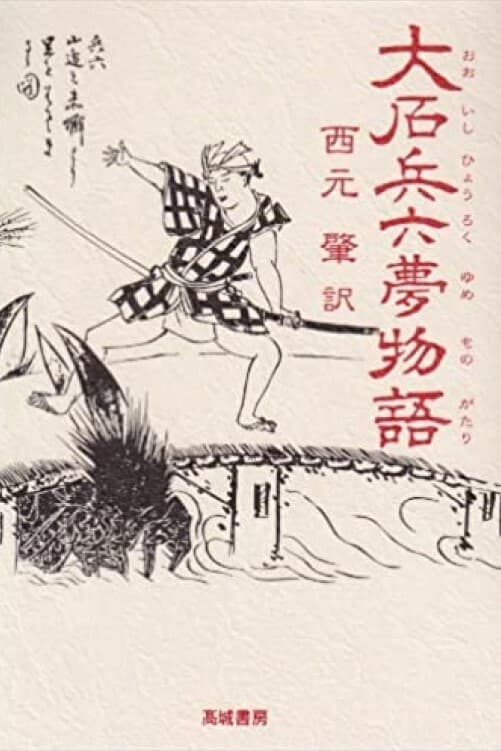
A sixteen-year-old who had been living on her own since her mother died, frequently gets in trouble with the police. She gets sent to an "institute" for young girls in the countryside. There the residents grow their own food, cook and clean for themselves, and are taught language, music, and sewing. While there the young girl slowly begins to form friendships and come out of her shell.
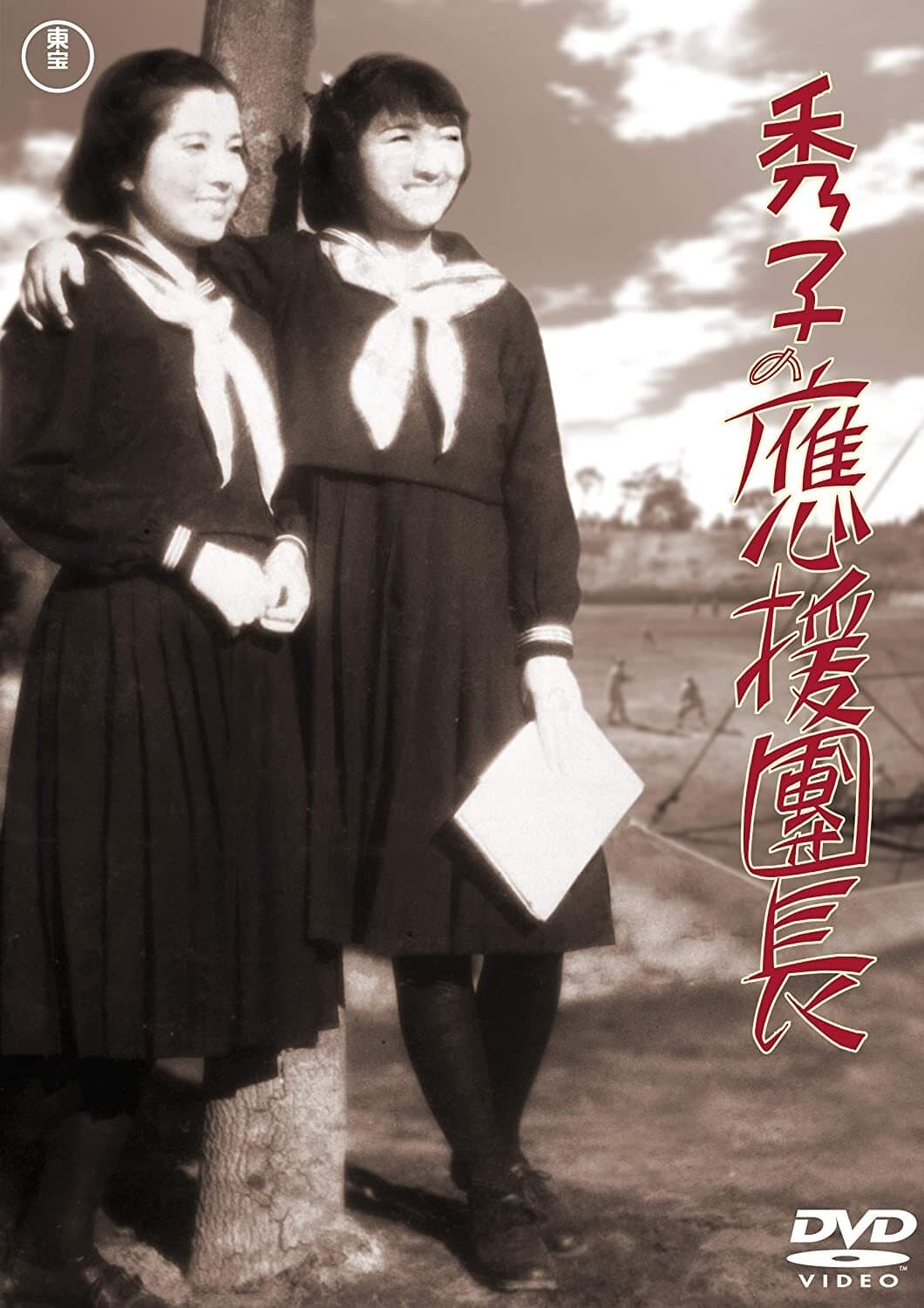
Hideko, a young Baseball fan, determined to cheer for her favourite baseball team by creating a new song for them.
Hide-chan (Hideko Takamine) and her family are on a trip to Tokyo. While visiting a fairground, a pickpocket (Kamatari Furukawa) steals the father's wallet. While everyone is trying to hunt down the thief, Hide-chan decides to make the most of it and enjoy her stay, while the thief and his main pursuer (Akira Kishii) play hide-and-seek among the funfair's spectacles and freakshows
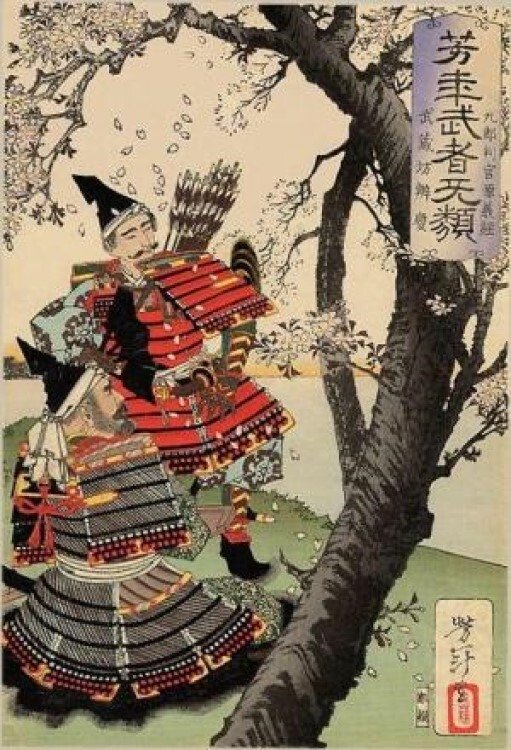
A 1942 Jidaigeki by the veteran jidaigeki filmmaker Kunio Watanabe about the legendary warrior Musashibo Benkei with Hideko Takamine portraying Minamoto no Yoshitsune (who is, of course, a man). The film climaxes in the famous encounter/fight btw Benkei and Yoshitsune at the Gojo Bridge.
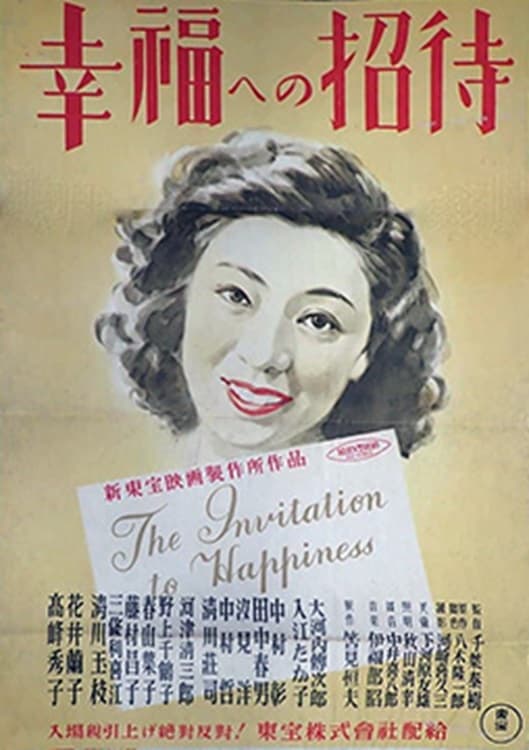
Kôfuku eno shôtai - Invitation to happiness
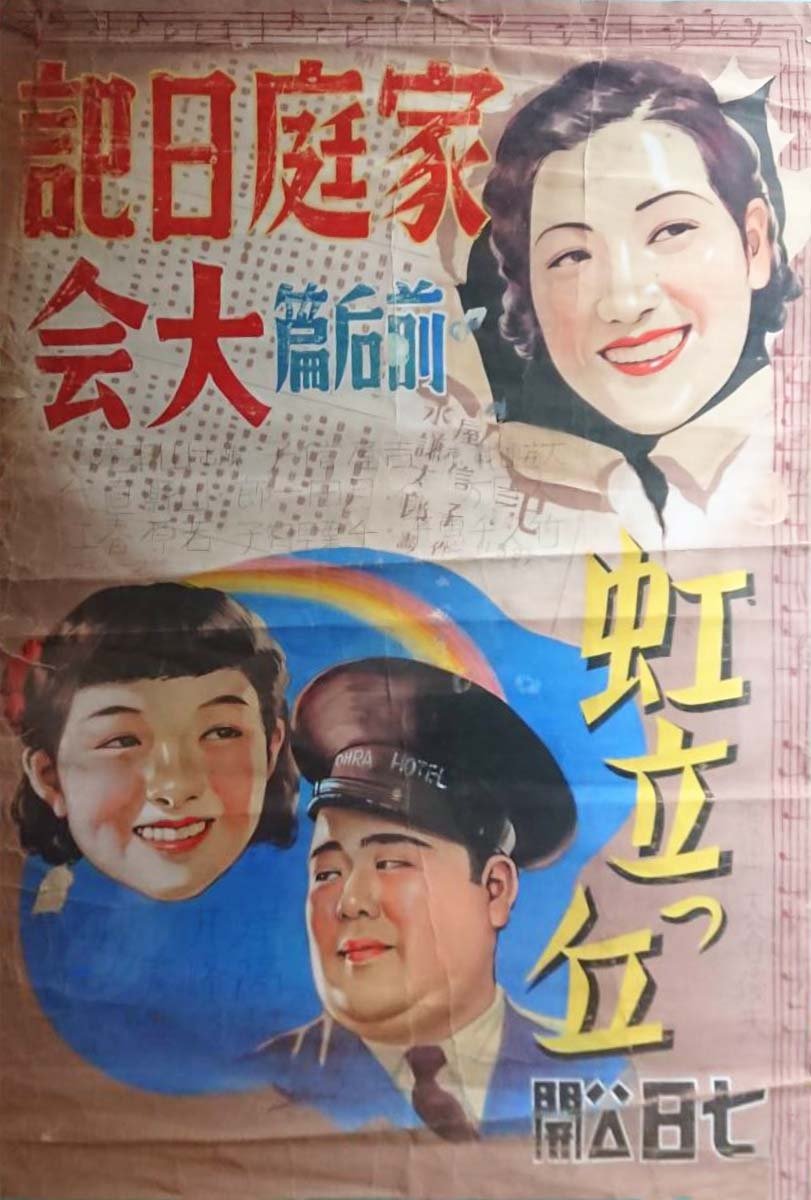
A half brother and sister work at a hotel in Hakone respectively as a porter and a souvenir shop clerk. They are close. One day a woman named Hasegawa checks into the hotel in order to recuperate in a calm environment with fresh air. She is the mother of the store employee. The mother and daughter were separated due to the Kanto earthquake. The girl was practically raised by her older half brother.
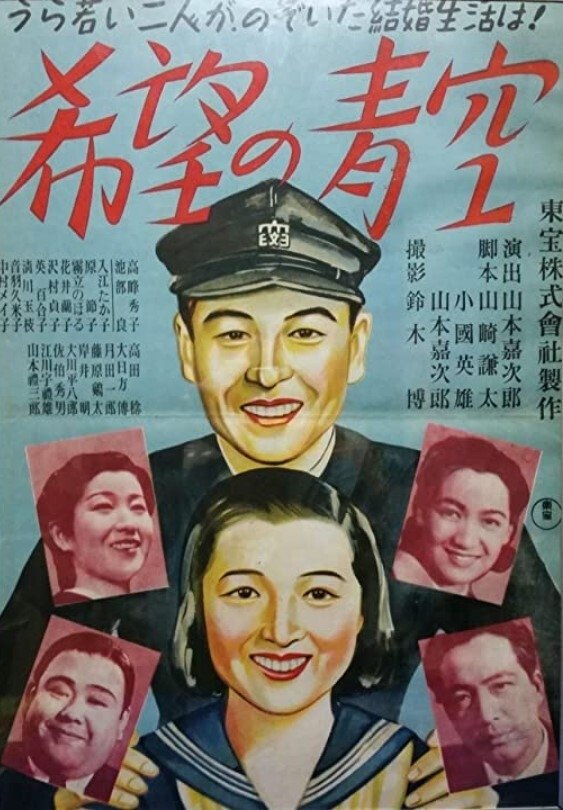
What is marriage? Young couple in match-making wanted to know before they decide. They visited married couples of sisters and brothers. Love comedy in 1942.
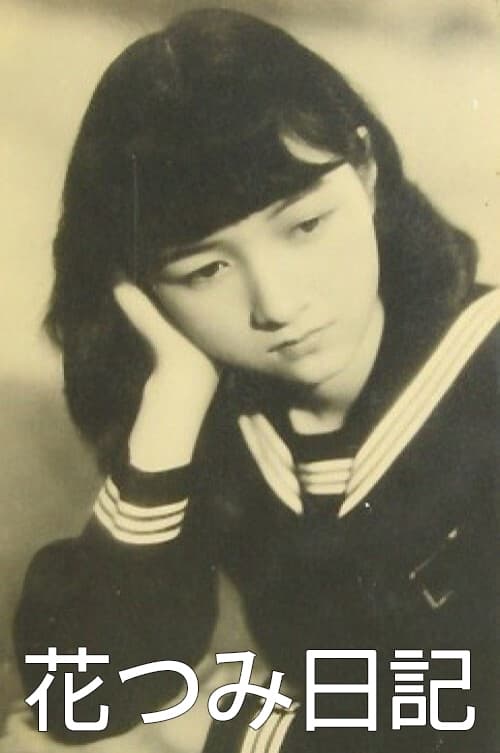
Based on "Heaven and Maiko", a short story from the book "Chiisaki Hanabana" by Yoshiya Nobuko, it is the story of two girls of different family backgrounds in Osaka.
A rich bourgeoisie family has little care in the world and knows no other lifestyle. It is only the family's second daughter who has an insecure bone in her body and ponders a day when the good times might end. Then one day the family-owned company goes bankrupt and a new era begins.
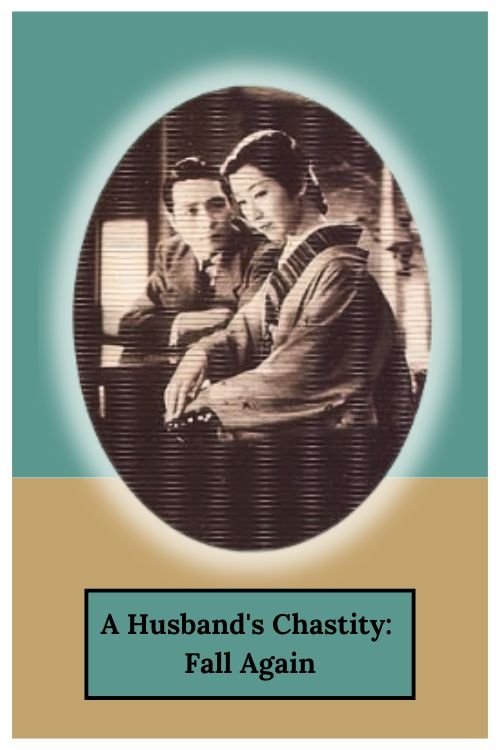
Kayo and Kuniko graduated from girls' school together and are as close as sisters. Kuniko's fiancé, Minakami, feels something that attracts him deeply towards Kayo. On the other hand, Kayo prays for the happiness of her best friend and marries a very ordinary man. However, at one point, this mediocre but increasingly ferocious husband died in an accident ... A triangular love story develops depicting a woman's heart that sways between love and morals.
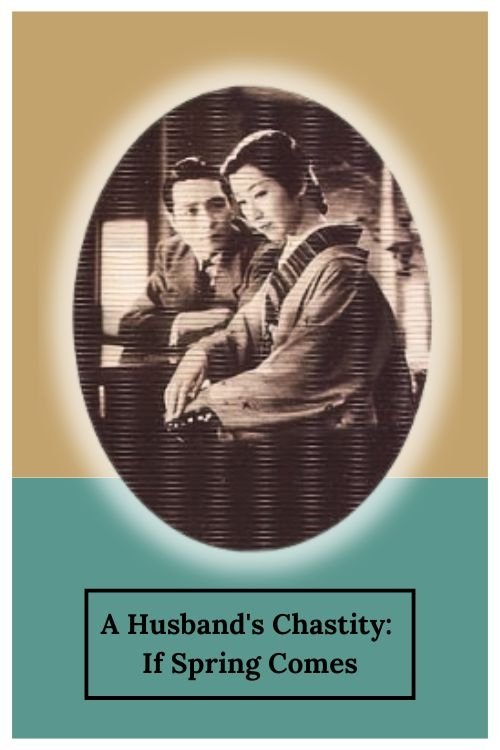
Kayo and Kuniko graduated from girls' school together and are as close as sisters. Kuniko's fiancé, Minakami, feels something that attracts him deeply towards Kayo. On the other hand, Kayo prays for the happiness of her best friend and marries a very ordinary man. However, at one point, this mediocre but increasingly ferocious husband died in an accident ... A triangular love story develops depicting a woman's heart that sways between love and morals.
Original work by Hyakken Uchida.
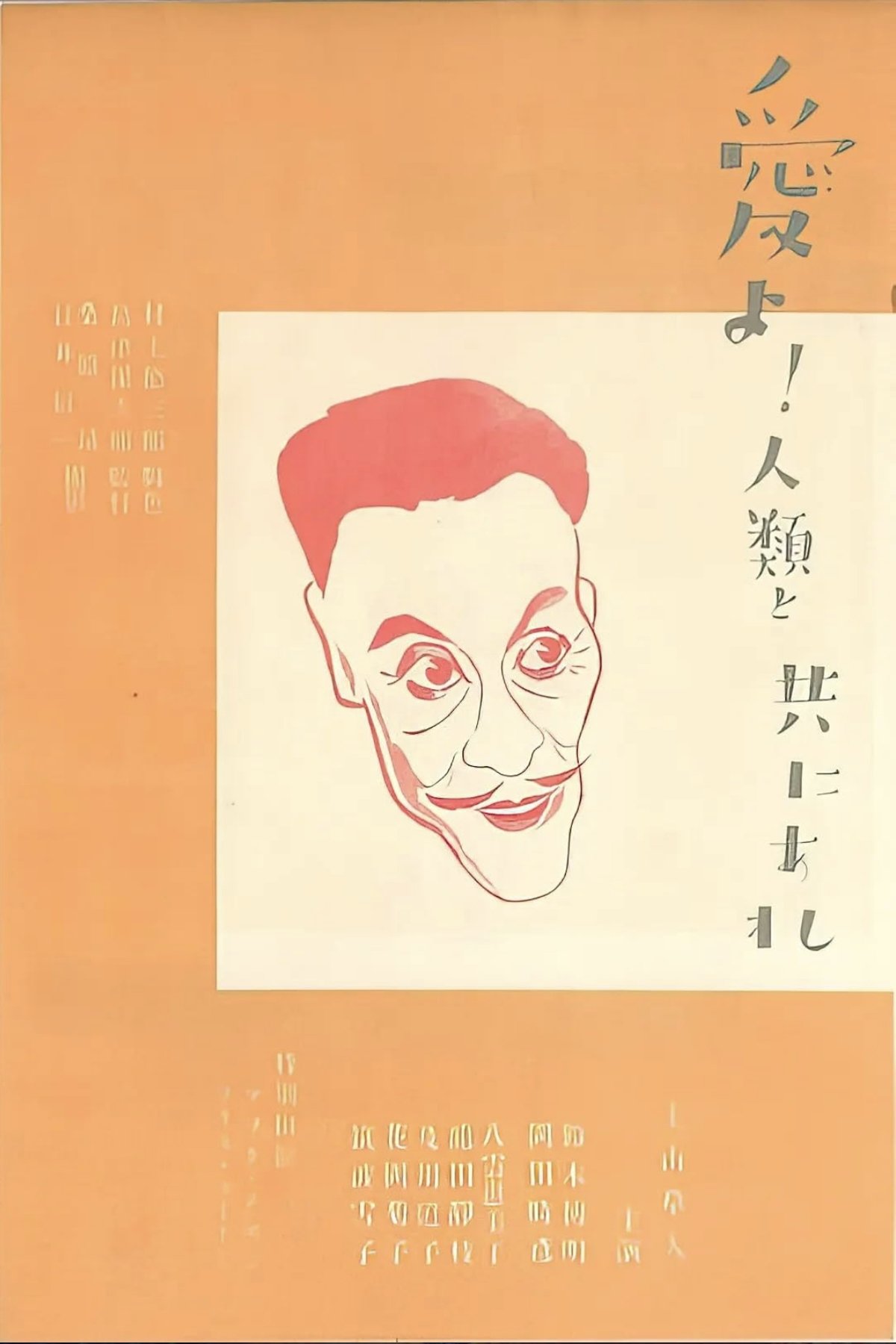
The three-hour Ai yo jinrui to tomo ni are / Love, Be with Humanity (1931) starts as a satire of alienation in the world of money, develops into a lumberland epic with a forest fire on Sakhalin Island, turns into a tragedy of King Lear dimensions, and manages to amaze the blasé audience with a happy end in the Wild West.
The three-hour Ai yo jinrui to tomo ni are / Love, Be with Humanity (1931) starts as a satire of alienation in the world of money, develops into a lumberland epic with a forest fire on Sakhalin Island, turns into a tragedy of King Lear dimensions, and manages to amaze the blasé audience with a happy end in the Wild West.
Japanese silent film from 1931.
Japanese silent film from 1931.
Japanese drama from 1934. A major production of Shochiku Studio, directed by Hiroshi Shimizu.
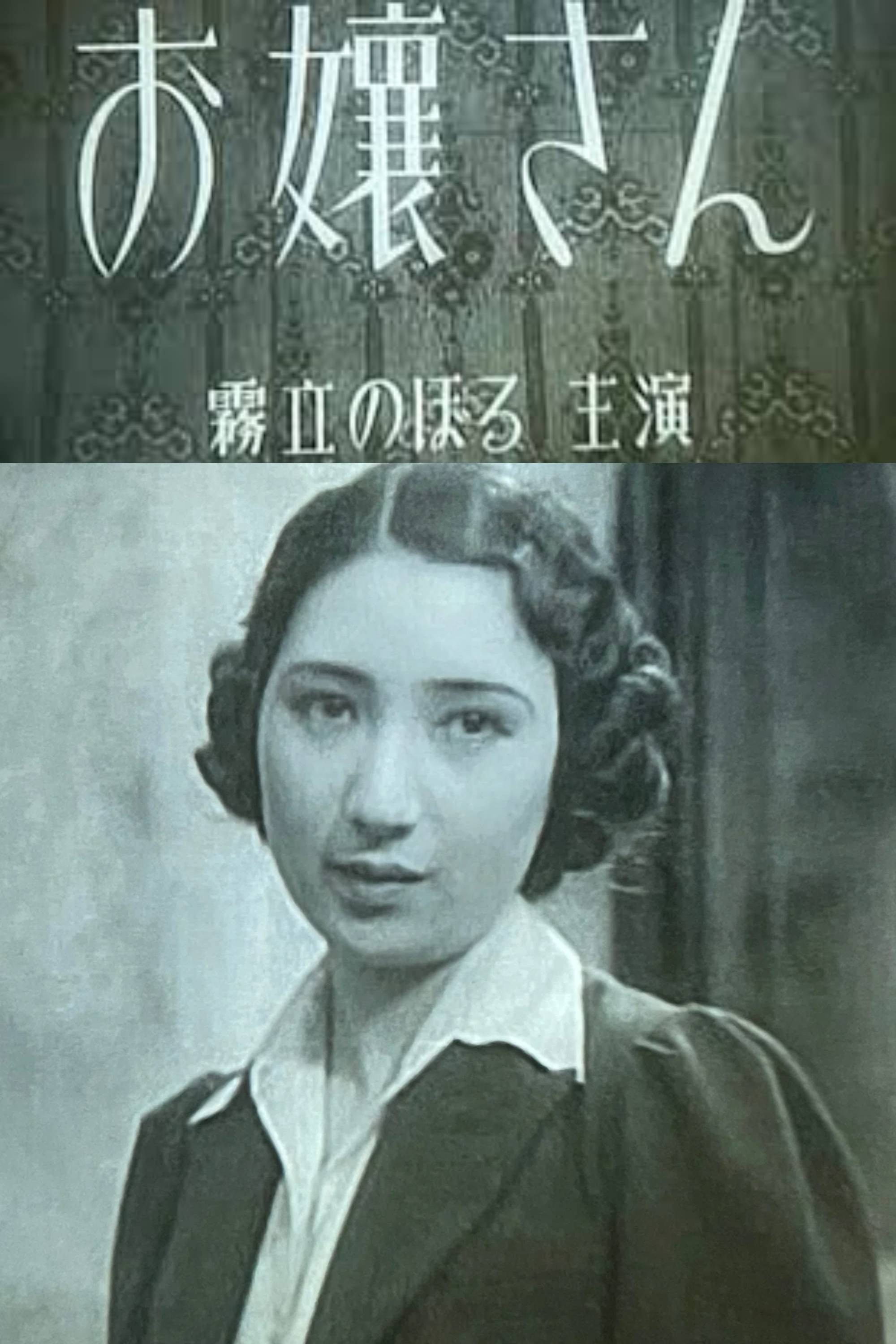
The story deas with the experiences of an exceptionally strong-willed, middle class Tokyo "ojōsan" who comes to teach in a middle school in the countryside.
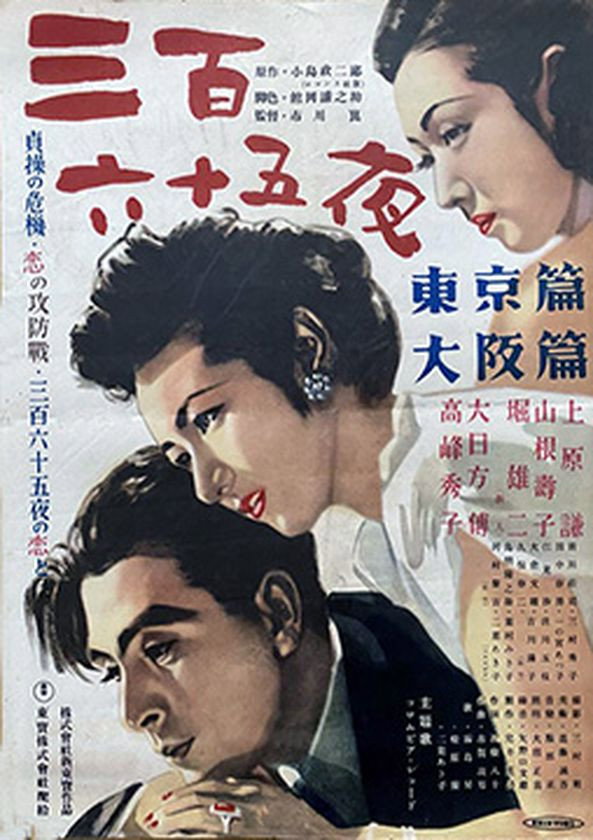
Film by Kon Ichikawa
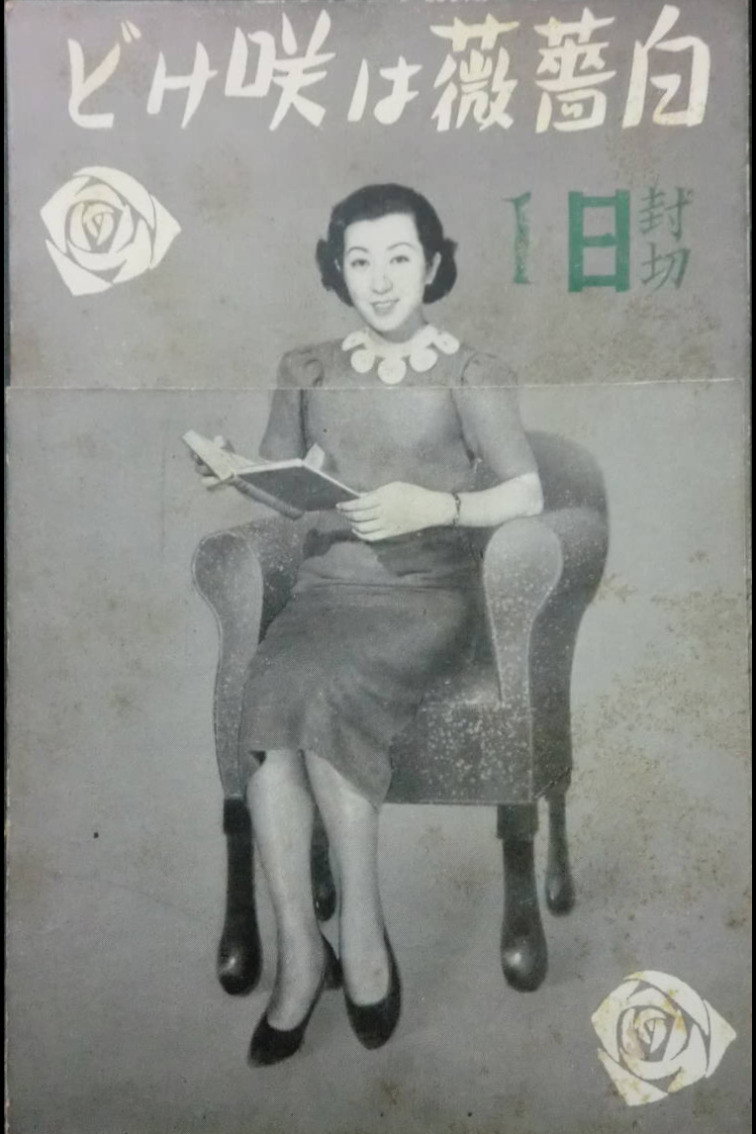
Atsuko, a seamstress at a clothing shop in Ginza, spends her days quietly going about her work, oblivious to the gossip about romance swirling around her. However, on a day off, she happens to visit an amusement park where she meets a man and senses the beginnings of romance.